To CanadaPost, your Mailbox orSuperboxis designatedinoneof four ways -House,Apartment, FarmorBusiness.
Justheaddown to your localpostoffice andask your Postmaster to have yourMailbox/Superbox designatedas a“Farm”. Youshouldstartreceiving your copy oftheHorizon within acoupleofweeks.
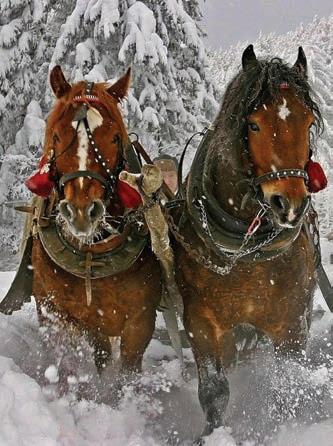
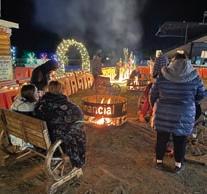
Forinformationonbecoming aNorthernSpiritLightShowvolunteer, displaysponsorship,ortopurchaseanangeldisplayforightShowvolunteer,display sponsorship,ortopurchaseanangeldisplay for HeavenSent,pleasevisitourwebsiteatwww.peacedrafthorseclub.comorcontactKathyMilesat(780)512-7555. InpartnershipwiththeGrandePrairieRegionalTourismAssociationandtheirDestinationMarketingFund Partners. REMEMBER!Anyonebookinga weekendattheSandmanHotelduringNovemberorDecemberwill receive afreepass to the“NorthernSpiritLightShow” anda $50GiftCertificate to
New Plant, Animal Health Centre Will Safeguard People, Farms
Government is building a new plant and animal health centre to keep people safe by stopping diseases such as avian flu before they spread, protecting British Columbia’s food, farmers, animals and communities.
B.C. farmers, producers and processors rely on fast, accurate testing to keep their animals healthy and their operations running smoothly,” said Lana Popham, Minister of Agriculture and Food. “This new centre will help producers prevent and respond to disease threats, protect our food supply and support public health. This is a forward-looking investment that will strengthen B.C.’s agriculture sector and safeguard food security for generations to come.”
The new plant and animal health centre will be the backbone of B.C.’s food safety system, helping farmers and veterinarians quickly detect and respond to ani-
mal and plant diseases that could threaten animal safety, food supply and public health.
“All farmers and ranchers in the province rely on the excellent veterinary and diagnostic work done at the plant and animal health centre,” said Jennifer Woike, president, BC Agriculture Council. “Building a new and updated centre is an extraordinary commitment to ensure the continued health of livestock and crops and, by extension, the health of all British Columbians.”
The current centre suffered extensive damages during the 2021 floods in Abbotsford and needs to be replaced to meet the increasing demands for testing. The centre handles more than 10,000 cases annually from farmers and organizations, helping to detect, monitor and prevent diseases such as avian influenza, West Nile virus and chronic wasting disease. Staff at
the lab conduct, on average, 100,000 tests annually.
“A new state-of-the-art plant and animal health centre will help strengthen public health by detecting diseases, such as avian influenza before they reach people,” said Josie Osborne, Minister of Health. “It will also ensure safer food on our tables by monitoring food sources, tracking emerging threats and guiding swift responses. This early warning system supports a healthier, more resilient food supply for everyone.”
The new centre will be at 34252 King Rd., next to the University of Fraser Valley’s Abbotsford campus, just off Highway 1. It will replace the current 30-year-old facility and be built to modern specifications to provide updated testing for farmers and better protect public health.
“As the agricultural capital of B.C., the City of Abbotsford understands the importance of protecting the health of our animals, plants and crops,” said Ross Siemens, mayor of Abbotsford. “This plant and animal health centre will continue providing farmers with support for keeping their farms healthy, safeguarding their livelihoods and strengthening food security across B.C. We are grateful to the Province for maintaining Abbotsford as the home for this important facility.”
The Province has approved up to $496 million to buy the land, build the new facility and buy equip-
Continued on next page
BC Min of Agriculture and Food, October 14, 2025
ment. Construction is expected to begin in 2027 with enhanced services available to B.C. producers by 2032.
“The plant and animal health centre is a valuable tool for agricultural producers in British Columbia,” said Preston Farris, director of production, Oso Berry Farms. “The lab services helped Oso Berry Farms to make informed decisions on our farms, and is an integral part of our integrated pest management. Further investment in the centre will allow farmers to receive important animal and plant health information at an expedited rate.”
The centre is one of Western Canada’s leading fullservice veterinary laboratories and plays a key role in the Province’s veterinary, diagnostic and food safety programs that support healthy farms and public health.
QUOTES:
Dr. Shannon Waters, deputy provincial health officer –
“The new plant and animal health centre is an essential step to invest in our collective well-being. Security of our food, health and economy is intimately tied to our relationships with land, water, plants and animals. This modern, resilient lab will better equip us to detect and respond to emerging diseases and climate-related risks, and strengthens our capacity to protect the health of plants, animals and humans, today and for generations to come.”
Casey Pruim, chair, BC Dairy Board –
“BC Dairy welcomes the establishment of the new provincial plant and animal health laboratory in Abbotsford. A dedicated facility for timely testing and disease detection is vital to protecting herd health, ensuring food safety, and supporting the long-term sustainability of B.C.’s dairy industry. This investment will enhance the Province’s ability to respond quickly to emerging risks and provide producers and
Moments thatmatter
Here’s to thesmallmoments thatmakethe seasonbig.
Twinklinglights.Sharedmeals. Quickchats at therinkorthe grocery store.
Wishing youa seasonfull of simplejoys andtimewiththe peoplewhomattermost
veterinarians with the reliable, efficient and accessible diagnostic services they need to keep herds healthy across B.C.”
Navtej Bains, vice-president of operations, marketing and procurement, Westberry Farms –
“As a B.C. grower, I know firsthand how important reliable diagnostic services are to our industry. The new centre will provide crucial testing and support, especially for challenges like blueberry scorch virus. This investment gives growers confidence that we can protect our crops, respond quickly to plant health issues, and continue producing high-quality berries for local and global markets.”
Brad Driediger, president, BC Poultry Association; president, BC Chicken Growers’ Association –
“To successfully manage biosecurity risks, access to timely information and diagnostic testing is needed. British Columbia’s poultry sector, which contributes to the food security of our communities and supports thousands of jobs, welcomes the construction of a new plant and animal health centre.”
Kevin Boon, general manager, B.C. Cattlemen’s Association –
“Animal health and welfare for ranchers involves a comprehensive, proactive approach. It is also one of the biggest challenges facing livestock producers worldwide today. It is vital that we have modern, technologically advanced facilities to respond to and ultimately prevent future health concerns for our livestock. Our primary responsibility is keeping our animals healthy and the investment in the new provincial Animal Health Centre is key to managing issues as they arise.”
“The BCWF is thrilled that the Province is investing
in a larger facility which will support the increasing need for testing for wildlife disease, such as chronic wasting disease in a timely manner.”
QUICK FACTS:
• The centre employs over 60 scientists who provide diagnostic services to British Columbians.
• As an accredited testing facility, the centre offers fee-for-service diagnostic testing to veterinarians, livestock producers, the public and other government agencies, in bacteriology, histopathology, molecular diagnostics, pathology (necropsy), serology, genomics, virology, etc.
• While the Canadian Food Inspection Agency leads the response to avian influenza in Canada, the centre is a key diagnostic laboratory providing testing for the disease.
• The PAHC also tests for chronic wasting disease, a fatal infectious disease that affects cervids, such as deer, elk, moose, and caribou, of which there have been recent cases in the Kootenays.
• The centre publishes a newsletter multiple times per year that offers scientific information on cases of animal or plant disease, including recent news around deceased wildlife, as well as notices for Ministry of Agriculture and Food programs or information sessions. NH
Revitalizing Rural And Agricultural Infrastructure
Alberta’s government is delivering on its commitment to rural Alberta with a sustained $2.5-million annual investment for major agricultural society facility upgrades.
Agri-News, November 18, 2025
Since 2023, Alberta’s government has taken action to support ag societies through the Agricultural Societies Infrastructure Revitalization Program, strengthening the quality of life in rural communities. The program has delivered $7.5 million in total grants for 106 ag society projects over the past three years, including funds allocated this year. This funding has helped ag societies with improvements and repairs to commercial kitchens, roofs, horse riding arenas and heating and ventilation in ice rinks, and has increased accessibility and energy efficiency in rural facilities. Alberta’s rural communities need up-to-date facilities to promote community involvement and eco-
nomic growth. These buildings are central hubs, offering residents the opportunity to gather, engage and connect with their neighbours.
“Ag societies have an important role in the quality of life for Alberta villages, towns and rural communities.
Throughout the year they welcome Albertans to community events, from local weddings and grad ceremonies to children’s programs, team sports and summer rodeos. With this annual program, ag societies across Alberta will continue to expand and upgrade their facilities, keeping them safe, modern and welcoming.”
RJ Sigurdson, Minister of Agriculture and Irrigation Agricultural societies can apply to the program to fund major repairs to existing or aging infrastructure and may receive funding between $10,000 and $100,000.
“If you don’t keep up with infrastructure it just falls apart. The funding from the Alberta government allowed us to make some major changes that we couldn’t afford before. It’s just a great opportunity for us. We have put in a high-efficiency boiler system, air-flow system and new flooring in the kitchen. Our modern facility and curling rink are a big attraction for neighbouring communities.” Russ Kushinski, director, Calmar and District Agricultural Society
QUICK FACTS
• In 2025, 35 ag societies received funding to undertake roofing and structural repairs, heating, ventilation and air conditioning replacements, arena enhancements and community kitchen upgrades.
• In 2024, 37 ag societies received funding for major facility repairs to improve safety, accessibility and energy efficiency, as well as structural repairs and general maintenance.
• In 2023, 34 ag societies received funding for projects that included major repairs and renovations to commercial kitchens, roofing and dressing rooms. Program funding also supported upgrades in facilities like community halls, arenas and rodeo grounds.
• Alberta is home to 292 agricultural societies, the most in Canada.
• Alberta’s ag societies own or operate more than 1,000 different facilities and host more than 40,000 activities and events every year.
• In Alberta, 191 ag societies are 50 years or older and 27 of these are more than 100 years old.
• The oldest agricultural societies date back to 1879, before Alberta was a province. NH
Canada says more regions now qualify for the Livestock Tax Deferral. This support helps producers manage extreme weather impacts.
CFIA, September 26, 2025
The Livestock Tax Deferral provision allows farmers that carry on a farming business in a prescribed area who sell all or part of their breeding herd due to drought, excess moisture or flooding to defer a portion of sale proceeds to the following year. When prescribed regions are identified, the list is posted to this web page.
HOW THE PROVISION WORKS
• To defer income, the breeding herd must have been reduced by at least 15%.
• Where the breeding herd has been reduced by at least 15%, but less than 30%, 30% of income from net sales can be deferred. Where the breeding herd has been reduced by 30% or more, 90% of income from net sales can be deferred.
In a year in which a region has been prescribed, income from the sale of breeding livestock can be deferred to the next tax year when the income inclusion may be at least partially offset by the cost of reacquiring the breeding livestock. In the case of consecutive years of drought, excess moisture or flooding, farmers may defer this income to the first year in which the region is no longer prescribed.
WHAT ARE THE CRITERIA TO PRESCRIBE DROUGHT, EXCESS MOISTURE OR FLOOD REGIONS?
Regions are prescribed on the advice of the Minister of Agriculture and Agri-Food to the Minister of Finance. Beginning in 2024, the Government of Canada streamlined the process to identify prescribed regions earlier in the growing season, and also instituted a buffer zone to adjacent regions to capture impacted farmers on the edges of affected regions.
A preliminary list of prescribed drought, excess moisture or flood regions is now completed in the spring, for those regions where it appears that conditions indicate a potential forage shortage. This first list is based on preliminary weather and climate data gathered and analyzed under the Canadian Drought Monitor. AAFC continues to monitor weather, climate and production data throughout the growing season and will add regions to the list when they meet
OpenAcreIndustriesLtd.
the eligibility criteria of forage yields being less than 50% of the long-term average due to drought, excess moisture or flooding. A final list of prescribed drought, excess moisture or flood regions, including previously announced regions, is usually made in December when finalized forage yield information is available. However, once a region is prescribed, it is deemed eligible for the taxation year.
Also new for 2024 and moving forward, regions that are adjacent to regions that qualify based on weather, climate and production data will also be prescribed. This will ensure that farms within those adjacent regions that may also be experiencing drought, excess moisture or flooding can benefit from the Livestock Tax Deferral provision.
ADDITIONAL INFORMATION
For more information on the process or criteria to identify prescribed drought, excess moisture or flood regions, please contact aafc.taxdeferral-reportdelimpot.aac@agr.gc.ca.
For questions related to calculating and/or reporting income deferral for prescribed drought, excess moisture or flood regions for income tax purposes, please contact the Canada Revenue Agency (CRA) or consult the CRA publication T4002 Self-employed Business, Professional, Commission, Farming, and
Continued on next page
Fishing Income, Chapter 2 Income. The Livestock Tax Deferral information is detailed in Line 9470 – Livestock and animal products revenue.
Prescribed drought, excess moisture or flood regions eligible for livestock income deferrals by year:
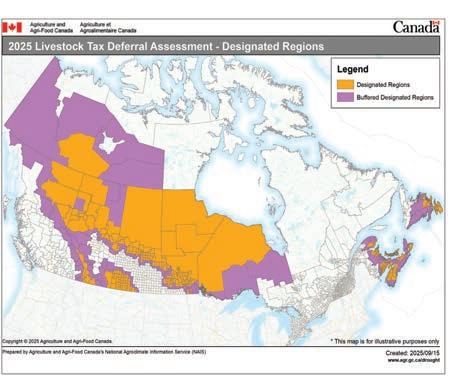
2025 LIVESTOCK TAX DEFERRAL ASSESSMENT - DESIGNATED REGIONS
Map of Canada highlighting the prescribed regions. Prepared by Agriculture and Agri-Food Canada’s National Agroclimate Information Service (NAIS) and created on September 15, 2025. This map is for illustrative purposes only. The entire list of prescribed regions appears below.
CONSOLIDATED CENSUS SUBDIVISIONS
Based on the 2021 Statistics Canada Census
ALBERTA
Athabasca County*, Big Lakes County*, Bighorn No. 81, Birch Hills County*, Bonnyville No. 87*, Calgary*1, Cardston County, Clear Hills1, Clearwater County1, Cypress County, Fairview No. 136*, Foothills County1, Forty Mile County No. 81, Grande Prairie County No. 1, Greenview No. 16, Improvement District No. 12 Jasper Park1, Improvement District No. 24 Wood Buffalo*1, Lac la Biche County*, Lamont County*1, Lesser Slave River No. 124*, Lethbridge County1, Mackenzie County*, Minburn County No. 27*1, Newell County1, Northern Lights County*, Northern Sunrise County*, Peace No. 135*, Pincher Creek No. 9, Ranchland No. 66, Rocky View County1, Saddle Hills County, Smoky Lake County*, Smoky River No. 130*, Special Area No. 21, Special Area No. 31, Spirit River No. 133*, St. Paul County No. 19*, Sturgeon County*1, Taber1, Thorhild County*, Two Hills County No. 21*1, Vermilion River County*, Wainwright No. 61*1, Warner County No. 51, Westlock County*1, Willow Creek No. 261, Wood Buffalo1, Woodlands County1, Yellowhead County1
BRITISH COLUMBIA
Bulkley-Nechako C1, Columbia-Shuswap A1, East Kootenay A, East Kootenay B1, East Kootenay C1, East Kootenay F1, East Kootenay G*1, Fraser-Fort George F1, Fraser-Fort George H1, Northern Rockies, Peace River B, Peace River C, Peace River D, Peace River E, Stikine Region1
1 Buffered Designated Regions
* Second Designation NH
Proudly serving the BC and Alberta Peace Region Since 1977
Deep‐Rooted CoverCrops Improv
AngelicaO uelletteandMeganWong,North
Background
Inthelastten years, many Canadianproducers have experienced extremeweather events suchas excess rainfallordroughtconditions, and recognizethatclimatevariabilityis goingtobe abigchallenge fortheir farming operationsinthe yearstocome. Covercrops –analternativetosummer fallow- area potentialsolutiontoimprovingsoilresilience by increasingsoilorganicmatter, water holdinganddrainagecapacity. Covercrop acreagehasbeenontheriseinAlbertaover thepast15years.Althoughproducers are continuouslyfindinginnovative ways tomatch covercroppingpracticestomanagement goals(buildingsoilhealth, weedsuppression,erosioncontrol,managinglessproductive soils,etc.),one of themainareas of concernisthelack of researchontherole of springseededcovercropsonsoil physicalpropertiesandmoistureregimes,andwhethertheycanmaintainorimprove soil water storage. Someproducershavebeenreluctanttousecovercropsoutofconcernsthattheymaydepletewater reser vesforthemaincropinthe followingyears.
Field research wasconductedattheNorth PeaceAppliedResearch AssociationFacilityinNorth Star, Alberta.Soilsatthe researchfarm fallpredominantlyundertheNampaseries,whichisclassifiedasa SolodicGrey Luvisol,withclayloamintheAphorizon,andheavyclayintheBand Chorizons.Drainage isclassifiedasimper fect .Thetrial wasalsoreplicatedin Forestburg(BattleRiverResearchGroup) and Westlock (GatewayResearchOrganization).The experimentaldesignconsisted of asplit-block, where experimentaltreatments( Table1)wereseededin1.6 mX8m plots. Thesplitplot factoristhe seeding of maincropssuchascanola,fieldpeaandwheatas wellas afallowcontrolin2023and2025 perpendiculartothedirectionofthecovercropmixtreatmentssownin2022and2024.
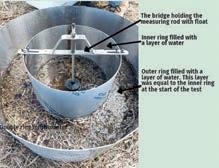
The four-yearprojectincludedusing twodifferentmethodstomeasuresoilwaterinfiltrationeachspring (before seeding):theminidisktomeasureunsaturatedhydraulicconductivity, andthedoubleringto measuresaturatedhydraulicconductivity. Hydraulicconductivityreferstothe rateatwhichwatermoves throughsoilandisanimportantindicatorofsoil structure. Compactionandsoiltypeaffecthydraulic conductivity. To determinetheeconomicproductivity of thecovercropmixes,foragebiomass was har vestedand weighedinthe fall.All statisticalanalysesconsisted of ananalysisofvarianceper formed inSAS 9.4using ProcMixed. Randomeffects.Significancewastestedattheconfidencelevelof0.05. Tukey’sHSDtestwasusedtocomparemeans foreachsoilparameteramongthedifferentcovercrop mixes. This repor taddresseskey findingsfromtheNorth Starsitein Year 1oftheproject(2022).
Curvestakenfromeachtreatmentusingminidisk anddoublering(Figures1-13)showthatinfiltration washappeningat aver yslowrate(lessthanamm perminute),whichprobablymeanthatthesoils washeavilycompacted.Mini-diskcur vesshoweda properpolynomialcur ve patternwherecumulative infiltrationincreasesdownthesoilcolumnafter eachinfiltrationinterval.Itseemedthatwiththe double-ringmethod,thesoilsaturatesquickly,and cumulativeinfiltrationdecreases.Thiscouldalso be asign of possiblecompaction,wherewateris movinghorizontally,ratherthaninanincreasing downwardsflowdeeperintothesoil.
Analysis of varianceper formedonthedataset obtainedfromdoubleringinfiltrationvaried by treatment(p =0.0091). As such,morecumulative infiltration(measuredasmlperminute)was found inBrassicax2 +DRCCCplotscomparedtoBrassica andBrassicax3plots.Thismeansthatmorewater waspercolatingthroughthesoilinplotswhose treatmentshadgreaterplantrootdiversitythan inplotswheretreatments were onlycomposed of taprootsystemssuchas radishes,turnips,and brassicas.
Minidiskinfiltrationratewasnotsignificantly differentamongtreatments(p =0.9728).Itis possiblethatlesssur faceareacoveredthrougha minidiskislesssensitivetochangesinsubsur face flowincontrasttothesur faceareacoveredbythe doubleringdevice.
Biomassandprotein (Table2)incovercropsmixes composed of Brassicax3+ DRCC Bwasgreater(p <0.0001)comparedtoBrassicax3plots.Moreover, ADF(ameasurement of fibercontent )inBrassica +DRCCCmixes washighercomparedtothe other mixes.Totaldigestiblenutrients (TDF )onthe other hand,wasgreaterinBrassica+DRCCA andBrassica x3 +DRCCB comparedtoBrassicax3alone. Phosphoruscontent wasgreaterinBrassica+ DRCC AandBrassicax2+DRCCA comparedto Brassicax2+DRCCB.Potassiumcontent was greaterinBrassica+DRCCBincomparisonto Brassicax2+DRCC B.Greatercalciumcontent wasfoundinBrassicax2+DRCCA andBrassica x2 +DRCCBmixes.Brassica+DRCCCmixeshad greaterMagnesiumcontentthanBrassica-only mixesseededatanyrate.
Conclusions
Statisticalanalysiscomputedforsoil water infiltration, foragecropbiomassandsoil water holdingcapacityshowednodifferenceamong treatmentsinthefirst year of theproject. Aforage analysis revealeddifferencesinfiber,digestible nutrients,andproteincontentamongthedifferent covercropmixes.Mostofthese foragequality parameters were improvedinbrassicamixes complementedbyotherdeep-rootedcovercrops. Inparticular,proteincontentincreaseswiththe inclusion of legumessuchasfieldpeaandberseem clover,grassessuchasJapaneseMilletandRed ProsoMillet, andcerealssuchasspringtriticale. Analysis of grainyielddatafromcropsplantedin the followingyearsisstillongoing.
Greater waterinfiltration wasfoundinplotswith moreplantrootdiversitythaninplotswherecover cropswereonlycomposed of taprootsystemssuch as radishes,turnips,andbrassicas.Cumulative infiltrationmaybegreater overareaswhere radish, turnips,andbrassicas were betterestablishedinthe ground.Thismaybe overlookedasthere aremore specieswithfibrous rootsthatoutnumber radish, turnip,andbrassicasin standnumberandthusalso outnumbertheminrootdiversityoverlargerareas.It ispossiblethatinplotssowntoBrassica+DRCCC mixes agreaterpeakcumulativeinfiltrationis asign of amoreopenchannelsthroughthesoilcreated by largetaproots,somethingthatisnotobser vedin overallaveragecumulativeinfiltration values.
GRAINFUTUREREPORT
Februar y2026 notavailable$7.32 (+ $0.10 )$7.36 (+$0.12) March2026 not available$7.32 (+ $0.10 )$7.36 (+$0.12) April2026not available$6.89 ($0.00 )$6.91 ($0.00)
Outbreaks of infectious respiratory disease in horses can be fairly common, especially as the horse community is active and thriving. Generally, these outbreaks are short lived but some horses need to be hospitalized. These outbreaks can be both frustrating and terrifying for horse owners. Strangles, influenza, and equine rhinopneumonitis (caused by Equine Herpesvirus, EHV) are the most common infectious disease of horses.
Horses with respiratory disease show fever, nasal discharge, cough and lethargy. Many horses will have a decrease in appetite or quit eating altogether. Many of these diseases can look similar – testing is always recommended to ensure we know which infectious agent it is. Strangles has an extra clinical sign of swollen lymph nodes which can cause difficulty swallowing. With respiratory disease, horses will generally show signs within a week of being infected, although it can take longer.
Respiratory disease is transmitted by direct nose to nose contact, shared water sources and can be airborne as well. It is easily transferred from horse to horse by people, either on their clothes, skin or equipment such as grooming tools and water buckets. There are general safety measures for your horse when at a boarding facility, show or other event. No nose-to-nose contact for horses. Tie them far enough away they cannot touch noses. Do not share tack, grooming equipment or water buckets. If you have extra equipment, you lend out, wash and disinfect before using it for your animals again. Manure forks and wheelbarrows should be used for the least number of horses as possible (for example, if there is a wheelbarrow for your alley, leave it in that alley). For those with multiple horses at home, keep new horses or those returning from shows quarantined from the general herd, especially at-risk horses – young horses and pregnant mares.
Vaccinations are available for influenza, strangles, EHV-1 and EHV-4. Vaccines can greatly reduce the severity and duration of the infection. Having horses vaccinated prior to showing or boarding can help prevent disease. Annual vaccines are recommended for every horse but the particular vaccines used depends on location and risk assessment. High risk horses that travel frequently can be boostered every 6 months.
When outbreaks happen isolation and disinfection are key. Influenza is dependent on horses and only able to live in the environment for 3 days. EHV generally only lives in the environment for a week but in ideal conditions can live up to a month – luckily the virus is killed by disinfectants. Strangles can easily live in the environment for 2 months or more. Disinfectants will kill all three but must be used properly to ensure the best results. Cleaning tack and equipment prior to disinfectants ensures the disinfectants can reach every surface as the virus and bacteria can hide in manure and dirt. The viruses easily transfer between horses on people’s clothing, skin and equipment.
Isolation of the infected horses is critical to avoid ongoing cases. Infected or exposed horses should be fed and handled last to avoid exposing healthy horses. Temperatures should be taken twice daily. A temperature of 38.6 C or 101.5F is an elevation in body temperature/fever and horses should be examined and tested by a veterinarian. Anti-inflammatories, antibiotics and other medications are prescribed on a case-to-case basis.
Right now, the main cause for concern in North America is Equine Herpesviruses. There has been one reported case in Alberta. There are nine herpesviruses in the family that can affect horses. The main three are:
EHV – 3: Causes venereal diseases that effects external genitalia
EHV-4: Respiratory disease
EHV is fairly common, and most horses have been exposed to this virus, including EHV-1. Herpesviruses infect a host, become dormant and will reactivate later, either to make the host horse sick or to spread it around. Stressful events increase the chance of reactivation. Horses can spread the virus without showing any signs. With EHV-4, horses will have respiratory signs. With EHV-1, signs depend on the type. Respira-
tory type disease will cause the typical fever, nasal discharge, and cough. The reproductive type will cause abortions, generally after 7 months of gestation. The neurological type causes weakness, stumbling/incoordination, head tilt, loss of tail tone, dribbling urine or unable to urinate, or difficulty getting up. About 10% of infected horses develop neurologic signs. Vaccines can reduce the severity of respiratory disease and prevent abortions, but do not protect against the neurological form of the disease. Any horses that have been exposed should not be vaccinated. There is currently no vaccine that prevents the neurologic form of the disease.
Disease outbreaks can be dangerous but with proper biosecurity and prevention we can decrease the risk in our horses. Knowing your horse’s behaviour and eating habits can lead to earlier diagnosis which can help to prevent the spread as well as decrease the severity of the disease. NH
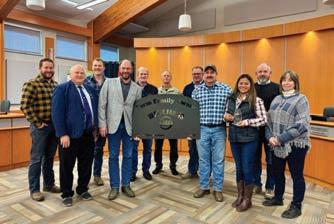
Wolfe Farms Named Greenview’s 2025 Farm Family Of The Year
mdgreenview.ab.ca, Valleyview, AB, November 25, 2025
Greenview is proud to announce Wolfe Farms as the 2025 Farm Family of the Year Award recipient, recognizing their outstanding contributions to agriculture, community involvement, and dedication to family farming values.
Located just 30 minutes south of Valleyview, Wolfe Farms is a thriving mixed farming operation run by Tony and Annabelle Wolfe, alongside their children Courtney, Riley, and Allison. Since purchasing the farm in 2002, the Wolfe family has built a reputation for excellence in livestock genetics, custom backgrounding, and community engagement.
With a herd of 350 Purebred Fleckvieh Simmental cows, Wolfe Farms has become a cornerstone of the regional beef industry. Tony Wolfe’s lifelong connection to the breed—rooted in his upbringing at Jack Pine Simmentals in Edson—has shaped the family’s focus on longevity and performance genetics. Their annual Bull and Female Sale, hosted on-site since 2011, attracts buyers from across Western Canada and highlights their unique off-age bulls.
Beyond their cattle operation, Wolfe Farms runs a 2,000-head custom backgrounding program, supporting Peace Country producers by wintering
freshly weaned calves. This large-scale effort requires significant annual production of silage, hay, and feed grain— demonstrating the farm’s efficiency, innovation, and commitment to the agricultural community.
Tony Wolfe’s agricultural legacy extends beyond the farm gate. Through Tony’s Custom Silage, a business he has operated for over 30 years, he continues to serve producers across Edson and the Peace Country. His ongoing dedication to youth and agriculture is evident through his work as a 4-H judge, sharing his expertise and passion with the next generation of farmers.
“Family farms like Wolfe Farms are the backbone of Greenview,” said Reeve Ryan Ratzlaff. “Their passion for living off the land makes them good stewards of this valuable resource. These generational farms developed through hard work and collaboration with neighbours truly help keep the rural lifestyle alive. Greenview is proud to celebrate Wolfe Farms and their long-term accomplishments in the Little Smoky area.”
Agriculture is the foundation of Greenview—economically, culturally, and historically. With over 357 beef cattle farms and nearly 29,000 beef cows, Greenview stands as one of Alberta’s
leading contributors to the province’s agricultural output. Greenview’s fertile land and diverse operations make it one of Alberta’s most productive and resilient rural municipalities.
Despite recent challenges such as drought and pasture failure, Greenview’s farmers and ranchers continue demonstrating remarkable resilience, adaptability, and innovation. Greenview remains committed to fostering growth and sustainability as the agri-
cultural landscape evolves.
Agriculture in Greenview is more than a livelihood—it is a legacy. It embodies hard work, family values, and community spirit and serves as a driving force behind the region’s economy and identity. The Wolfe family’s achievements reflect this enduring strength, showcasing the pride, perseverance, and purpose that define Greenview’s agricultural community. NH
Saddle Hills County Welcomes New Nurse Practitioner
Saddle Hills County, November 26, 2025
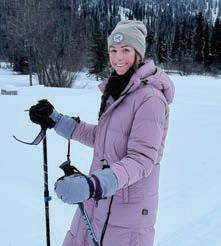
Saddle Hills County is pleased to announce that a Nurse Practitioner has been hired to fill in for Nurse Practitioner Palvi Sharma during her maternity leave. Courtney Sideroff joined the team on November 26, 2025.
Courtney brings many years of experience, including working in emergency rooms. She recently returned to school to become a Nurse Practitioner (NP), driven by her desire to make a stronger impact in rural healthcare through preventive care and chronic disease management.
Originally from Fairview, Courtney now lives in Saddle Hills County with her husband. She is passionate about rural living and enjoys spending time outdoors—whether gardening, hiking, quadding or working around the acreage.
Courtney looks forward to working collaboratively with residents, families, and local partners, and to contributing to a healthier Saddle Hills County.
“I am excited to be a part of increasing access to inclusive, compassionate, and comprehensive primary care services in the County. I practice person-centred care that respects every individual’s background and needs.” Nurse Practitioner Courtney Sideroff Council and staff look forward to welcoming Courtney to the team and continuing to provide the highquality local healthcare Saddle Hills residents deserve. Further information on the clinic’s reopening will
be shared in the coming weeks. Thank you for your patience and understanding during this transition and we look forward to welcoming you back to the Saddle Hills County Health Clinic soon.
To stay up to date with clinic news, visit saddlehills. ab.ca/Saddle-Hills-Health-Clinic or follow us on Facebook or Instagram @saddlehillshealthclinic. NH
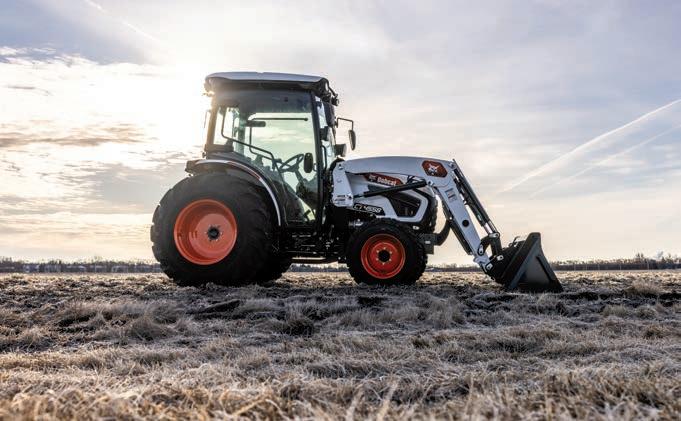
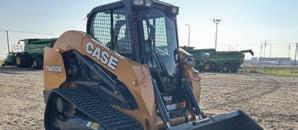
*Offervalidwith20%ofpurchasepricedown.Loadersandcabsarefactor yinstalled.Itemsmaynotbeexactlyasshown,accessories,attachments,andimplementscostextra. Taxes,set-up, delivery chargesnotincluded.PricesarebasedontheUSexchangeandmay besubjecttochange. Adocumentationfeeofupto$349willbeappliedtoallfinanceofferings.Additionalfeesmayapply. Programsandpricessubjecttochangewithoutnotice.SeePrairieCoastequipmentforfulldetails. Somerestrictionsapply.Offervaliduntil January 31,2026.whilesupplieslast. Financingonapproved John Deere Financialcreditonly.Limitedtimeofferwhichmaynotbecombinedwithotheroffers.QID#335791035075Ew/loader,
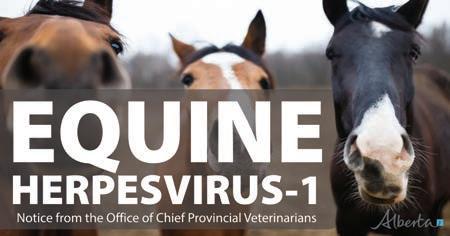
Notice Of Equine Herpesvirus-1
MD of Greenview, November 24, 2025
On November 8, an 11-year-old gelding with no history of travel outside of Alberta or Canada developed acute neurologic signs, ataxia, inability to urinate or defecate, and was diagnosed with EHM. The horse was admitted to an equine hospital where it was placed in isolation. The horse is recovering and has regained its ability to urinate and defecate but is still exhibiting mild neurological signs. The horse has been vaccinated annually with a vaccine that contains both EHV-1 and EHV-4 components. This demonstrates that
while vaccination may impart some protection in some horses, the risk of clinical disease still exists for individual or groups of vaccinated horses. Strict biosecurity measures are another tool to prevent introduction and spread of EHV-1 and the horse’s home stable is following American Association of Equine Practitioners General Biosecurity Guidelines.
Read the Full Notice at https://mdgreenview. ab.ca/wp-content/uploads/2025/11/EHV-1-NoticeNov-2025.pdf NH
1975 FORD 8000 w/B&H, 6V "Jimmy" engine, 13spd transmission, not running. 780-836-2107 or 780-6189161.
FOR AN older (70's era) single axle water truck with spray bar. 780523-1488.
LOOKING FOR old or used reefer vans. Call/text 780926-6789.
CANADIAN ARCOTT YEARLING ram, ram lambs for sale, can deliver. Call Donald Johnston, Donnelly, 780-837-1770. Built right sheds. Building quality shelters. Call John 780-835-1908 for your quote today.
CAREERS & EMPLOYMENT
MANNING SEED Cleaning Plant is looking for a Manager Trainee. Wages negotiable. Darlene 780-8363511, 780-626-0118.
Dismantling cultivator, disc, and plows for parts. Some air drills. 780-831-6747.
Buying Antiques: Coins, toys, advertising, tools & more. Will buy bulk. Call/text 780832-8216.
BUTLER 14FT GRAIN bins, most have aeration, call for details. 780-618-9161 or 780-836-2107.
LOOKING
ALLIED 794 FEL, fits JD 4240/4440, with HD bale spear. $5,000. 780-831-4233 or 780-766-2538.
CAT D8H dozer blade for sale. Hydraulic tilt on one side. Call 780-618-9161 or 780-836-2107.
LOOKING TO BUY shed antlers for art projects. Will pay top dollar. Call 780-7662937.
250 3”-4” x 7ft fence posts for sale. $3.50 each. Call Doug 250-219-4139.
FOR SALE 8 rows of heavy gauge used graduated page wire. Call 780-876-3200.
HAVE RUBBER BOOTS for sale, sizes 9 and 10, excellent condition. Call 780532-6269.
HEATER FROM INTERTHERM furnace, good condition, taking offers. Call Ben 780-835-4457.
UPRIGHT PIANO for sale. Taking offers, For more information or pricing, call 780-772-6544.
WANTED WAFFLE IRON cast iron with five hearts. Call Ernest 780-926-9412.
185/75R14 TIRES on rims, quantity for sale. Call Roy, 780-835-4457.
195/75R14 TIRES on rims, quantity for sale. Call Roy, 780-835-4457.
205/75R15 TIRES on rims, quantity for sale. Call Roy, 780-835-4457.
LAND TO SELL. Remote 20 acres on pavement, unfinished highway lodge, gardens. Call Duane 250500-1837.
3/4T AUTO-STEERING bale wagon for sale. For more details and pricing, call 780772-6544.
DEERING HORSE-DRAWN hay rake for sale., asking $300. Call Carl 780-3543435.
Oats for sale, milling and feed grade, good bushel weight. Call 780-781-4457.
CASE DOT31 Tandem Disc for sale. In excellent condition, asking $19,900. Call Tom 780-518-0635. Round and square straw bales for sale. Located 12 kms Northeast of Manning, Alberta. 780-781-4457.
CONCORD 40' HEAVY duty cultivator, c/w anhydrous kit. 780-618-9161 or 780-8362107.
Looking to lease farmland in the GP/Sexsmith/Teepee Creek area. Contact David to discuss options. 780-9786768.
2001 MOBILE HOME for sale, 16' wide, with addition and deck. Call/text Herman 250-263-4028.
1958 FARMHOUSE TO be moved by mid-April 2026. 950 sq.ft., $30,000 OBO. 250-569-7509, Grimshaw, AB.