


Hidden Stories
By: Grade 8 Students

AChicagowoman’sexperiencewith9/11 reveals herpowertocarebutalsoher limitedcontrolonothers
By: Nora Alyinovich
I heard a loud clacking noise and looked up. There she was in a black and white dress with noisy cowboy boots on. She had a Diet Coke in one hand and waved to me with the other. We greeted each other with hugs and kisses and sat down across from each other at the dining room table. When she sat down, she set her drink on the table and crossed her legs. I could smell her vanilla scent from across the table. I took a deep breath and complemented her perfume to break the ice, because it was awfully quiet. She said a quick thanks and said she was eager to get started and to tell her meaningful story. For the next half hour, she showed anger, frustration and sadness. Occasionally, she would giggle at her own jokes and would tear up at some. Doreen Alyinovich, a 30-year-old, grade third grade teacher in Chicago, my mother, experienced the attacks of September 11th, 2001. As she told me her experience of nervewracking emotions, I realized this was not just a story. It was an experience of her learning the importance of caring for others in a situation when many chose to only care for themselves. Everyone thought September 11, 2001, was just going to be another day but they were wrong. Alyinovich walked into the school building and walked up the stairs to her classroom to get prepared for her students. It was very quiet in the halls which usually does not happen. She
glimpsed into some of the other classrooms and did not see anyone in sight. She wondered where all the other teachers were. Did she miss a memo? She went into the halls searching for answers and heard an audio coming from downstairs. She went to check it out and saw her coworkers were gathering around a small television in the cramped basement. Alyinovich asked another one of the teachers in the back that was attempting to glance at the television. Alyinovich said that apparently, the principal called an emergency meeting 10 minutes before class started. Alyinovich lightly pushed her way through the crowd to see what they were looking at and why the principal called a meeting. When she managed her way to the front, she saw image of the Twin towers was on the screen, but something was different. One of the towers was smoking. Alyinovich though they were showing the new spiderman movie trailer because she had saw on some billboards Spiderman hanging in between the two towers. 10 minutes before school started?
Time was ticking, class was soon, and she knew something was up. Then she heard her teaching partner whisper, “I’m pretty sure an airplane hit the tower.” She was confused at first wondering if it was an accident but then it came to her, “Then I knew it was an attack It couldn’t have been a mistake.” Now that she had an idea of what was happening, her mind rushed with questions on what she should do next. She did not know exactly what happened, so it was still nerve wracking for her. Alyinovich told me, “It was busy, and you couldn’t get many answers, so it was up for interpretation.” The first thing she though was that it was an attack, but was it? Alyinovich knew Chicago was the second biggest city at the time, so could something happen here? She told me she started to overthink, as she said, “Wondering whether or not the same thing would happen in Chicago.” She started explaining the adrenaline of not being able to anticipate if they were in danger or not. However, Alyinovich pushed through her fears and took a step back to collect herself.
After she got into her home the first thing she did was turn on the television to watch the news to see what they were fighting about. She knew it probably had something to do with the towers falling What else could it be? When she turned on the television and tuned in for a bit, she saw the other tower got hit too but it didn’t stop there. Hundreds of innocent’s souls died a tragic death. Jumping from the building, getting crushed, and dying of inhaling the smoke and many reasons. Apparently, the airplanes had ties to people in the Middle East. Many people wanted to blame it on someone to deal with the loss. That’s why they were burning the flag, but it was just a small group of people not every person. People make these hurtful stereotypes about races all the time This is just because they have a visible difference then themselves Alyinovich lived in a mixed neighborhood of races which caused hate to the Middle Eastern population. Many people thought they were protecting their country. Alyinovich explains it was, “less patriotic and more like some bizarre statement.” She obviously now understood how many people react to tragic events like this. They become nasty and use their country to justify their inappropriate behavior to deal with tragedies. She was worried and wanted to step in but, “I couldn’t do anything about it I wanted to step in, but something stopped me.” Alyinovich knew she just had to watch and could only do her part; she could not make others do the same. Alyinovich took many things out of this experience. She realized to put yourself second and the people you care for first in dangerous situations. She also noticed how people handle with grief and shock, they act inappropriately and bring anything they can to justify it like stereotypes in this situation. They attempted to put people first but in a negative way. Alyinovich acted positively in this circumstance. This taught many to follow Alyinovich’s effort to make the world a better place one step at a time. Alyinovich says people can only control themselves and “No matter what you cannot control other human beings no matter how much you try. Just focus on yourself and others will catch on.” Be the leader to make society catch on to the healthy ways of living. This tragedy was extremely eye opening for everyone she told it to. Alyinovich did her part in helping her students, that was all she could do she could only hope others saw her example
Be the leader to make society catch on to the healthy ways of living.
After she calmed herself and prepared her mindset for the day, she was ready for the school day ahead. Suddenly the bell rang, it was time for class. Alyinovich ran to her classroom to meet with her students to see if they were safe. She saw that many teachers left the school to take care of themselves, but her focus was making sure her kids were okay and taken care of. She told me, “I needed to make sure that I took care of my students inside of the classroom at that moment.” This was very thoughtful and tells a lot about Alyinovich’s character and why she chose to become a teacher. She also had to make the decision to not tell her children what was going on outside of the comfort of her classroom. This was because she thought it would be “frightening”, and she didn’t think third graders would understand this information. She understood how scary this situation was for everyone and attempted to make precautions so everyone would be sheltered and alright. She kept ignoring her personal difficulties and preserving throughout the school day.
Once school ended, she dismissed her kids and drove home to face the real world now. The first thing she saw driving home was a Middle Eastern flag getting burnt. Alyinovich was extremely confused. When she pulled into her driveway, she saw many of her neighbors yelling at each other from across the road. She was concerned but “didn’t want to get caught in that.”
a
Luke Rockwell competed with adults at just fourteen years old
By Joseph Rockwell
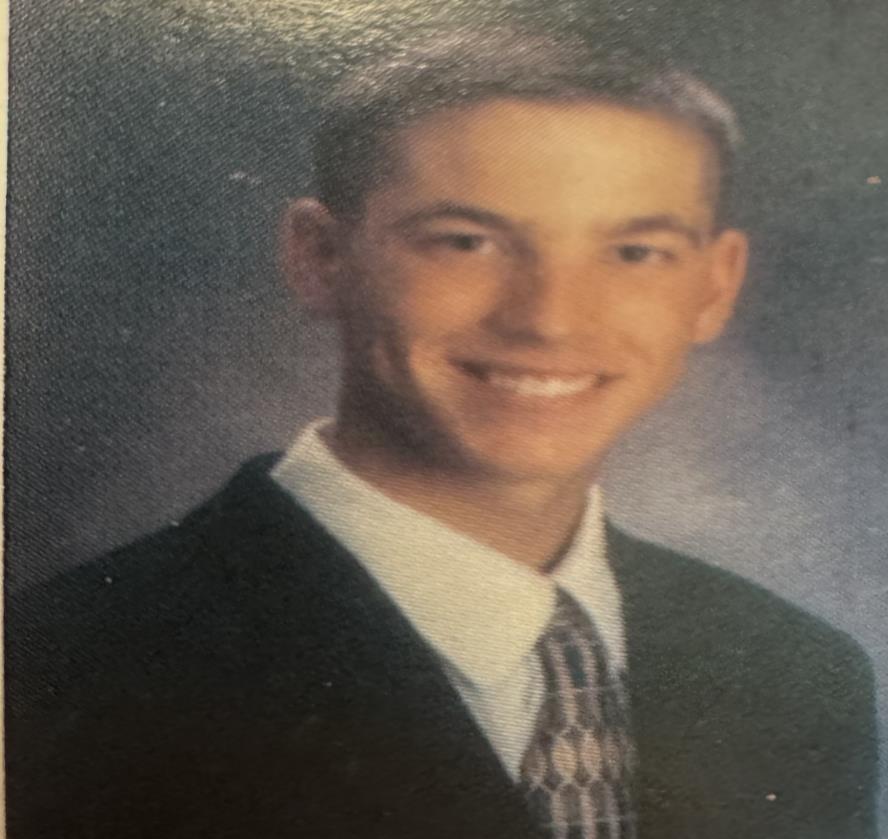
I walked into the office of Luke Rockwell, my father, with my phone and my notes. He had a bright, inviting smile on his face. Rockwell seemed to be in a good mood, saying, “I'm excited! I haven’t been able to talk about playing golf in a while!” I sat down at the chair across from him. After some back and forth, we began. I started diving into his time playing varsity golf as a freshman.
At Zionsville Community Highschool, in
Indiana, everybody tried out for the golf team. It was massive at his school. At tryouts, he was competing for a spot against 18-year- old seniors as a freshman. Reflecting on his time playing golf, he says, “Golf is a feel game.” Rockwell continues talking about how golf is a hard sport to practice; he recalls that the golf course changes every time they play, or how the holes move in different spots. In every game, he could find himself in a new situation.
After making the team, Rockwell found himself with a new set of challenges. As the only freshman on the varsity team, he would often get picked on by older kids. Besides the social challenges, he also had to continuously compete to hold his spot: “Theres always someone who will step in if you let an opportunity go.” He recalls that the teams would also be changing, and he had to continue fighting for his place.
I remembered my dad had won an important tournament back then, so I brought it up curiously. Rockwell reflects the fact that during the tournament, he was not allowed to know any of the other teams’ scores or any of his own teams’ scores. He says, “You're out on an island playing golf.” That was a challenge for him in every golf tournament he played in. He talks about just having to play his best game and not worrying about anyone else, which he takes as a valuable lesson in challenges later in life.
Confidence was also a big factor in how he was able to compete against older players. He advises, “Confidence is something that has to come from inside.” He thinks back on his younger self playing against older players, and he says, “it was always an uphill battle playing against older kids, even
adults.” Having confidence in himself at a young age allowed him to compete under pressure and eventually helped him later in his life.
Rockwell remembers the pressures of being a student athlete. He would have to maintain a high grade to keep playing golf, which meant very little free time. “Playing golf taught me not to procrastinate,” he says, explaining how he would find small chunks of time to do homework in school and on the way to practice. He thinks it is important for everyone to get done with the hard work first and then have fun later.
Reflecting on my interview with my dad, I realized that his journey playing golf taught him much more than just how to play the sport. I admire how he stayed confident and determined even when competing against older players. His hard work, responsibility, and focus showed me how important it is to push yourself even when things get tough.
“When things start to go bad, you have to work even harder.”

By: MiguelArias
Now was the time to start. I sat down at the table, and I asked her if she was ready, and she said she was. I started to ask questions about her past and why she had started doing so many new things.
As we talked, Cecilia checked her phone every few minutes to ensure she knew the time and would not make her youngest child late to soccer practice. I could tell she is a very dedicated mom by showing how she managed her time for her kids.
feeling like she can’t do something, and feeling troubled.
It was a happy, bright and joyful day, and I walked Cecilia Gonzalez to the dinner table of our home where I would later interview her. She was sitting and looking at her phone while I organize all the notes I had to take and questions I had to ask. Our home is very spacious, and I can tell Gonzalez enjoys it a lot. She stays at home all day cleaning, organizing, and relaxing when she has
When Gonzalez started out being a mom, she knew that there would be new responsibilities to take on and more challenges that she knew she could not handle. It was easier said than done being a mom. While interviewing Gonzalez, she said emotionally, “I was scared because I didn’t know how to do so many things.” Gonzalez had to try her best and push through her fear of not being able to do certain things. Gonzalez’s experience was not full of ease, and there were emotional challenges she faced during that experience. These emotional challenges included feeling alone,
After time passed, Gonzalez gained more experience on how to be a good mom and try her best. She explains her goal and what she likes to do, stating, “I like to be a good example for them.” Gonzalez shows how she is determined to be the best and help her kids. Her love and passion towards her kids is strong, and she wants to be as helpful as possible. Gonzalez is a good example for her kids because she make sures she never shows weakness towards her kids and always does her best to help them.
As I talked with Gonzalez, I learned that as of now, she believes her work has paid off and led to the successes of her kids and family. Cheerful and chuckling, she says, “I never imagined I could do it.” Gonzalez’s experience has been rough, with facing lots of challenges, but ultimately, she has succeeded. Dealing with pressure is extremely hard but Gonzalez has most definitely succeeded at that by never panicking and never stopping due to pressure.
Next, Gonzalez shared her motivation nd that she thinks she is unstoppable and can do anything. She states, “I think I’m unstoppable and even sometimes I have so many things to do, but I just keep moving and try to do my best version every single day.” Gonzalez explains how she does her job well every day and never backs down, and doing this is very significant to her success. All these jobs including cooking, baking, cleaning, washing - the list can go on and on according to her! She says that even though she is alone at home when her kids are at school, she still has lots of things to do.
Lastly, Gonzalez talks about how she is happy while also trying to make others happy. One way she helps others but also helps herself too is by always doing stuff for herself before. She states, “Try to make people happy, and of course yourself happy first.” When she helps people, they can be happy, but she always makes sure she herself is happy. It is difficult to help someone else be happy unless she can make time and space for her to be happy. Gonzalez always leaves time for her to be
herself and helps others after always putting herself first to make sure she can succeed too.
“Always
Gonzalez’s work, dedication, and perseverance has paid off and has helped her in her daily life. She has not given up teaching and disciplining her children; Gonzalez has worked through every single challenge. Many people would just give and don’t help others in any challenges they may be facing. Gonzalez’s story can be inspiring so her story can somehow teach people how to do the same because people can learn that never giving up can lead to success.

Gauron’s
By: Matilda Audette
It was a sunny Sunday morning with a cool breeze blowing through the windows.As I walked into the dining room, I pushed my homework aside and sat down, the chair making a loud noise against the hardwood floor, echoing through the house.Afton Gauron walked towards the seat right across from me. She sat down with a warm smile on her face and put her hands up on the table with her fingers crossed over each other. I greet her with the same smile she gave me and set up my computer ready to record. I was ready to capture the big story she came to tell me. I say softly, “Ready?” and push the record button while she nods her head.
Afton Gauron is a Chicago estate and trust attorney – someone who helps people plan for their deaths by writing wills and trusts. She was born in Burbank, California, and grew up in Issaquah, Washington, a small suburb of Seattle.
In Gauron’s life, she overcame a challenge that shapes who she is today.As a student at Gonzaga University, she was fearful of public speaking and decided to take a class to help. This class helped her a great deal and is probably what makes her such a good lawyer. As an estate and trust attorney, she is constantly speaking to many new clients. She now speaks confidently and with no hesitation.
Before beginning law school at Loyola University Chicago, however, Gauron had a strong desire to join the Peace Corps in Zimbabwe. This unconventional path was even a surprise to Gauron: “I had always thought I wanted to go to law school.” Knowing this about Gauron’s life, I realize that her choice of going to Zimbabwe was a big decision for her to make.
Once Gauron had this idea to travel to Zimbabwe, she took the opportunity and set her mind to it. However, there was one last worry Gauron had: “Two years in the peace core would be such a huge commitment.” Gauron had thought two years living in the Peace Corps might be too much. She wanted to go to law school, but going to Zimbabwe would delay that more than she may have wanted. The commitment she showed at the young age of 22 displayed bravery and determination.Although Gauron made the trip, she was still hesitant of her own decision.
As Gauron made her trip to Zimbabwe, she also acknowledged the worry of leaving family and being away from home. Gauron traveled alone, but she had her family with her
in her heart. She explained leaving her family was hard and she became very nervous as she approached the airport.As they arrived, Gauron felt equal excitement and equal nervousness. Her mom and dad read jokes from Jerry Seinfeld to both lighten and ease the mood. Once she arrived in Zimbabwe, Gauron was able to call her parents once a month.As Gauron is a mother now, she takes notice of how her parents must have felt as she left the country. Despite being able to call, Gauron recalls sending letters back and forth; her mother did most of the writing.
In Zimbabwe, she met many new people from all over the world. She moved into a village, taught kindergarten level classes, and stayed in a home with a few other people. She remembers one person from Canada who she was able to connect with. There was a language barrier between her and many others, but that did not stop her from living this life to its fullest. Gauron sates, “I always felt like I could be an independent person.” When Gauron explained this, she had a hopeful tone in her voice, revealing how she became the independent person she always knew she could be.
Going to Zimbabwe was a huge decision, but she proved to herself that she was that independent person she told us about.Although she loved teaching children, that was not all that she did: Gauron joined a group called Abandoned Babies Committee, a group of mothers that often got kicked out of their homes for being pregnant and unmarried. Gauron was able to help these young women.
After returning home, Gauron felt as if she could have spent lots more time there without missing much at all. Once she returned, her friends were not doing much differently; they were still working and doing what they
had done since she had left. Instead of going straight to law school after her travel to Zimbabwe, she ended up getting a job and working. “I don’t know what I thought I was going to miss out on.”
Gauron showed me how brave and confident she really was at that moment. At a young age, making a huge decision as Gauron did is not easy. She showed determination throughout our conversation and proved that even if a person thinks something is unachievable, there will almost always be some way they can achieve it.As I thanked Gauron for her time on that Sunday morning, sun shining through the curtains, she stated one final thing. She said, “The beautiful people of the country of Zimbabwe will always have a very special place in my heart.” These final few words from Gauron impacted me and gave me an even greater perspective of her experience there in Zimbabwe. It showed me the type of person she really is and who she has become.
“The beautiful people of the country of Zimbabwe will always have a special place in my heart”

A story about how Saron Tegegne improved her life after 9/11
By Zabel Berhanu
When I sat down with Saron Tegegne, it felt awkward at first. I saw the rainy, gloomy sky behind her, and I knew that this was going to be a good and deep discussion. Saron is a very well-rounded person who gets things done and is a great mother who cares deeply. She is a very independent woman with many goals. One of the main topics Saron discussed is 9/11. Even in the greeting, I saw a look in her body language that suggested she was going to tell it all. It scared me at first, but then I knew that this was going to be a great interview where she would give me great answers to all my questions. Tegegne did not grow up in America; she was an outcast; she had no friends, but the only thing that mattered to her was her education. That’s why she has accomplished so many things.
How did this affect Tegegne’s work-life balance?
Tegegne balanced school life with everyday chores around the house, but the hardest thing was not knowing English. When the night fell after the attacks, Tegegne was reckless. I saw her body get cold. Everybody was scared; they all had looks that felt like this came out of a movie. Her eyes were glued to the tv so she would understand how this had happened and why someone would do this.
When she first saw this, her entire body froze in disbelief. Outside, there was chirping, people screaming seeing if this was true; everyone was scared and surprised that a group would even think to do this. With her body shaking remembering this moment, she said, “it was so disturbing, I froze in the moment”. I felt her trembling. I knew that she was scared and that feeling would never go away. She knew that if this happened again, it would change the lives of many people.
When she moved, she was used to life in Ethiopia. But when she came to Chicago, her life was changed. Tegegne grew up in Ethiopia but migrated to Chicago to have a better life, continuing to pursue accounting through learning and school although she had no one to support her. Saron had trouble finding friends in the area, but that did not matter to her. Her only focus was getting an education to support herself at the University of Illinois.
Her studies were interrupted when 9/11 and had happened for so she was traumatized. She implied that “loved ones were lost and people changed after the attacks.” This explained to us how Tegegne was grateful her family was not in the us and got injured but she was also traumatized because she had never seen this in her life. Even when she was explaining this, I saw the look in her eyes that said she did not want to think about it. When she had told me this, she said that she had many challenges and was overcoming this with not a lot of family being in Ethiopia while she stayed in the Chicago. Which made her challenges even worse.
Although she had faced these attacks, she has overcome her challenges. When she first heard about the attacks, she though that it was a movie because it didn’t seem real, and it is something that would happen in the real world. Even after the attacks, Tegegne did a lot of research because she did not know what was going on. Even during our conversation, I saw her face clench with fear, knowing that this happened years ago, but still crosses her mind from time to time. According to Tegegne, she said, “Is this really happening? Is there something we could do to help?” This suggests how Tegegne is trying to make the best out of the situation by trying to help.
“It was the worst day we have ever seen, but it brought out the best in all of us"
This explains how Saron made the best out of situations and always tried to help people.
Tegegne is a very well-rounded person who does not like to be lazy and procrastinate about things. She makes sure everything gets done, and when she tells a story, she makes sure it's complete and makes it feel like we are in the story, and she is a great parent and worker. one thing that she had told me is resilience and courage in the face of disaster. This has changed my thinking about this topic, and I know that Tegegne tells a great story.

Pia Hamilton’s journey into the professional world of dance
Written by Margaret Boeke
Pia Hamilton waits in the wings of the Minskoff Theatre stage in New York City, waiting for her cue. As jolts of excitement and nerves course through her, she is focused on the stage, the sounds of the audience, and the music blaring all around her. As she breathes steadily, she can feel the ache in her muscles and bones. She hears the cue hat she has been waiting for lights are blinding as she leaps onto the stage.
Just a few months earlier, she had been wondering if she would ever make it this far. In a world full of prodigies and superstars, Hamilton’s journey is one of the most interesting yet.
Pia Hamilton, a Broadway dancer and the proud owner of Intrigue Dance Studio, has always dreamt of being on the big stage. “I have an old recording of me when I was three years old saying I wanted to be a star,” she reminisces happily. Hamilton’s first musical was All Night Strut performed in a regional theatre here in Chicago. She later moved to New York where she auditioned for The Lion King. Over the course of two years, she auditioned five times.
Hamilton’s perseverance is one of her most notable qualities. We always hear stories of big Broadway legends who get into the spotlight the first time, but what about those who are just as dedicated but less well known? Rejection is no easy task to get over, due to self-doubt and anxiety. Hamilton carefully states, “I want to say it’s normalized, but it’s not something that totally devasted me. It was just something that made me want to work harder.” Each time she auditioned it was different. It was unpredictable whether there would be seventy-five people in a small dark room, or three hundred in a large, polished auditorium. Traditionally in theater, one large group is cut initially and must leave the audition. As each group gets cut, the stakes get higher. Hamilton left her last audition for The Lion King in November of 2012, unsure whether she would get her dream role.
In May of 2013, she received the call. The ring echoed throughout her apartment. She had just booked her very first Broadway show.
“I ran around the room and started crying,” she tells me, laughing and enjoying the memory. Hamilton described her first show as a “whirlwind. ” She learned the entire show singing, dancing and puppetry in just two and a half days. Hamilton recalls that the hardest part of performing every night is consistency.
With big Broadway shows like The Lion King, one has to learn how to balance and save one’s energy throughout the week.
Being on stage is not the only aspect of being a professional dancer, at least not for Pia Hamilton. Behind the scenes, Hamilton manages her own performing arts studio. Having her own business and performing on Broadway every night is even more difficult when living in New York, while her business is in Chicago. “It’s very hard. I don’t get a lot of sleep,” Hamilton remarks. When she is not in Chicago meeting parents, hosting open houses, and teaching classes, she is working at home from nine to five.
“Owning your own business is a thing that I will say, you have to love,” she pauses thinking, then continues lovingly, “you don’t really get a lot of breaks from it because it’s your baby.” It is clear how much effort and love she puts into the things she cares about.
Hamilton has always had a passion for teaching the next generation. As well as owning her own studio, she also does auditions for Disney Cruise. “It has been a really good kind of segway to a different part of my career,” she explains to me. Not only does she know what to look for in dancers, but also what she should teach her own students. Hamilton elaborates that she is able to see the holes in not only technique, but also their etiquette and preparation. Hamilton describes herself as a person who used to overanalyze everything she did in an audition Now that she is on the other side of the table, she can reassure her students of how the judges think.
“I ran around the room and started crying,”
Hamilton’s success is not your average story. Although I know Pia Hamilton outside of this interview, her story is truly inspiring. By allowing me to ask some of these personal questions, I was able to understand her better not just as a mentor but as a person too. Hamilton’s perseverance is a quality I think we should all have. Rejection and hardships are things we all face every day I think, her story is telling us that it does not matter what these struggles are but instead how we overcome them.
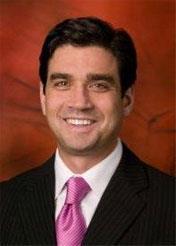
Have you ever dared to pursue your dream? Imagine yourself as a highly successful trial attorney a few years out of law school. You live with your new wife in the big house with the beautiful yard on a tree-lined cul-desac buzzing with energetic kids at play among towering oak trees. You live close to friends and family where you grew up. You are making good money. Yet you still wish for more. That is how having big ideas and a dream can make you feel. Tom Penn’s story started in the midwestern town of Peoria, Illinois and eventually found its way across Europe, Canada and around the United States in his quest to make a career in professional sports.
Penn studied economics as an undergrad at the University of Notre Dame. He knew that he wanted to go to law school after college, so he attended the University of Illinois College of Law. After graduating and passing the bar exam, Penn went to work practicing law with his dad, Tim Penn. Tom did not like the idea of working in a bland law firm office for a good portion of his life. Even though everyone around him was a lawyer, including his dad, that did not stop his dream. Penn remembers himself
Saying, “I want to be in professional sports. I want to be in the NBA.” His career in law was influenced by his dad and his friends at Notre Dame. But, he explains, “Although I made a lot of money and it was really cool working with my dad, I didn’t love practicing law.” Little did Penn know, these law skills would become essential to his success in professional sports.
Penn set out to pursue a career in the front office of the NBA. He wrote and sent letters to every NBA team in the League and was sent rejection letters from every team in the League. So, Penn had to get creative. He was not willing to give up his dream. He decided to become a player agent and use his law skills to represent professional basketball players. That also was not easy to do, but he was able to pick up a few local players from the Peoria area where he was practicing law. Then he came up with the idea to put together a team of players who were not quite good enough to make it in the NBA but were good enough to be professional players in Europe. Penn organized a travel tour for the team across Europe to play games and invited European team scouts to those games. Then Penn negotiated his players’ contracts with those teams. Penn said, “Though I was having some success, I really didn’t like being an agent and still really wanted to get into the NBA.” Penn wanted to apply his law knowledge and business skills to the business of basketball.
One of Penn’s mentors was one of his dad's best friends, a basketball coach named Dick Versace who was super well connected in basketball and was from Chicago. He was a high school coach in Chicago, then he became a college coach at Bradley University, which is where Penn grew up in Peoria, IL. Then he went to the pros. He was a coach with the Detroit Pistons, and he was the head coach of the Indiana Pacers. Later he was on national television as an NBA Analyst and color commentator. Penn said, “Dick was just all over the place and he influenced me quite a bit and introduced me to a lot of people in basketball. And so that is why I wanted to be in the NBA.” Dick inspired Penn to follow his footsteps and do what he loved, making him a key part of his life.
“The key to success is the combination of hard work and belief in yourself. Then you can be confident about what you offer and what you can bring to the table and how you are going to impact things.”
Penn described his big break, saying, “A billionaire fell from the sky!” One day while Penn was still working as a lawyer, Dick Versace called Penn and asked if he would want to join him to help a billionaire buy an NBA team. The rest is history. Penn assisted in the process of acquiring the Vancouver Grizzlies and became the Assistant General Manager of Basketball Operations. Penn had studied and learned all about how the NBA Salary Cap works and became the expert who did all the player deals. The salary cap is a limit on the total amount of money a team can spend on player salaries. This creates a more level playing field by limiting the total payroll for each team, preventing wealthy teams from signing every top player and ensuring roughly equal talent across the League. Penn went on to say, “I got lucky and got in with the Vancouver Grizzlies in 2000, and in March 2001, we became the Memphis Grizzlies.” Eventually, Penn moved on to be the Assistant General Manager of the Portland Trailblazers.
After Penn’s time with the Trailblazers, and a total of 11 years in the NBA, he got the opportunity to be a sports commentator on ESPN. He was the expert on the salary cap rules and analyzed each team’s choices about signing players. Many people do not understand how the salary cap works, “So I became the guy on TV that talked about that stuff,” Penn says. While he was working with ESPN, he started looking at the opportunity to get into professional soccer. Penn was contacted by another rich businessman who wanted help buying a Major League Soccer team. Penn led the process of starting a new MLS team in Los Angeles, called Los Angeles Football Club (“LAFC”). Penn became the CEO of LAFC.
Once Penn had established the reputation for success, it was easier for him to find new opportunities. Later Penn helped another investor group start an expansion team in the MLS in San Diego, called San Diego Football Club (“SDFC”). Today, Penn acts as the CEO of SDFC. In their inaugural season in 2025, they set the MLS records for road wins and most points ever for an expansion team in an inaugural season. They also became the first expansion team to finish their regular season leading their conference.
Looking back on his influences and career, Penn explains his inspiration. He says, “My biggest influences are the people I’ve known and been with my whole life.” He says, “First my mom, Mary Ann, is super smart and she cares a lot about holistic development; not just getting smart, but developing as a whole person, and so she's excellent with that. She helped me and all my siblings develop to be well rounded where we care for other people. I’ve learned it's not just about chasing success and making money, it’s about doing what you love, and being a difference maker in the world.” Penn went on to explain his dad, Tim, “helped me a lot because he created countless opportunities to learn from him, by working alongside him, and gave me the freedom and the flexibility to chase my dreams and do what I wanted to do. So, he gave me my wings and my ability to be whatever I wanted to be with his blessing and his permission and that was so cool!”
So, what does it take to make it in sports? After 6 years as an attorney, Penn has worked within professional sports for over 30 years. Penn explains that the biggest takeaway from his career path is “The key to success is the combination of hard work and belief in yourself. Then you can be confident about what you offer and what you can bring to the table and how you are going to impact things. Fear is a common thing. People get scared: ‘What if I fail?’ But if you prepare and work hard, then you don’t have to fear failure. You can know that you are as well prepared as anyone else and ready for whatever comes at you.” Passion, dedication, hard work and perseverance pay off. Whatever your dream, commit yourself to it, do the work and believe that you make it happen and make your mark.
“Fear is a common thing. People get scared:‘What if I fail?’ But if you prepare and work hard, then you don’t have to fear failure. You can know that you are as well prepared as anyone else and ready for whatever comes at you”

HowJesseNocon utilizedhis relationshipswithothersto growhisbusinesslikeno other
By: Elsa Bove
As I stand in the window, eager yet nervous for when my uncle, Jesse Nocon, arrives, I pace back and forth, trying to remember what I am going to say next. I check my watch, trying to keep track of the time. Was he not supposed to come near 8 o’clock? I look at my questions, check my phone for a ring, and go to the door. He had just come back from an open house out in the suburbs. Even though he does not always need to stay that late, he always knows when clients need him. This meant staying later than usual. Knowing him, I knew this would not be an interview, but in fact a conversation. His friendly, funny-uncle-like nature eases my stress as I go to the front door to let him in He greets me with that smile which never fails to brighten my day I offer him water, grabbing one for myself as well. Setting all my supplies on the table, I ask him a final question. “Are you ready to begin?”
Jesse Nocon travels through the hopes, dreams, struggles, and memories throughout his journey to victory in the life of real estate Working in this profession is no joke, and as he shared the mind and heart of someone who has always endured, I also was able to learn about how he grew his business purely off growing relationships with others
Jesse Nocon, founder and owner of the real estate company, MÜV, never actually started in the field of real estate, let alone architecture In his early school life, he immigrated from the Philippines to the U S, not knowing a word of English Due to his very shy nature, his life was already a roller coaster of feelings, dreams, aspirations, and hardships. Nocon admits to being too timid and struggling to interact well with others in school and out. Later, once Nocon had finally mastered English, and found himself on the bridge of becoming a senior in high school, he had to leave it all behind to start again in another school I remember thinking how hard yet also frustrating this must have been, given the fact that he had already come so far
His parents, unlike him, had gradually adapted to the new lifestyle, working in architecture and real estate brokerage I assured Nocon was inspired by his parents, or at least viewed them as mentors However, this was not the case at all In fact, Nocon’s parents were strictly against him studying architecture for college “So, my parents told me, hey look, if we’re going to pay for your tuition, you’re not doing architecture.” He explained, with a playful grin, expressing how ironic, yet troubling it was to him As I listen to Nocon speak of his parents and the hinderances he encountered while forming the steppingstones of his life, I realize how challenging it would be to chase an aspiration my parents would not support
Nocon soon found himself entering the field of Civil Engineering. Sure, it could not match that spark he longed in real estate, but given his options, he would just have to find himself where he was In this day and age, many are only seeking a stable paycheck that brings certainty into everyone’s lives However, this was not the case for Nocon After eight rigorous years studying civil engineering, Nocon finally earned a job with a big box company But a check did not mean success
Nocon knew he was not using his skills and dreams to their fullest He eventually left his job in civil engineering, putting aside his so called “perfect life” to pursue something greater
When Nocon started off at another big box company, he felt he was nothing more than just another employee contributing to this big organization Despite the fact that he was simply a small fish in a big ocean, he made sure to commit I remember thinking, how could someone be so brave to leave such a stable job to pursue something not as certain? His longing to always seek the bigger picture was inspiring and gave me so many new perspectives that I would have never thought of before. As he spoke to me, it was almost like I could picture him: that young, broke, twenty-year-old, finally realizing how far he had come.
Eventually, Nocon got his first job as a realter. What seemed to be nothing special was actually the first time he had really experienced real estate on his own “And I’m just this guy who wants to buy this one-bedroom property” Nocon serendipitously run into a guy selling small apartment units in the Fulton Market area 300 in fact. To us, that seems like a small job; perhaps regular for a realter. But Nocon was not in this stage just yet. This was a monumental steppingstone to his final career destination Once he bought this property, having almost no money, he made sure to give it his all After selling it to someone, he realized how skilled he really was in this profession, and that he had more potential than anyone, even himself, had expected It was more than just a paycheck in his hands, it was a pathway. He was able to form a deeper connection with his clients and finally feel fulfilled: “ and I told myself, I might be up to something here with real estate ” I was reminded that he was just a young adult with a big dream As he spoke about himself, using words like, “broke” or “I was just this kid” made me realize just how vulnerable and “small” he felt at the time
“At this point in my life, I felt like I could be more than being an employee.”
As clients came more frequently to Nocon, they bought bigger, better, and more properties at an alarming rate He found himself all over the place Letting out a little chuckle, he explains how he would have to make up stories like, “I have to go to the dentist” or simply took longer lunchbreaks in order to meet with more and more clients Juggling being a part of a big company and having his own clientele was definitely not an easy task I could tell that he was delighted and proud as well I thought to myself, what could have possibly changed and driven him to become this outgoing, extroverted person? It was almost like he could not even believe himself either
All his life, he had been a part of some sort of big, well-
known company, but now, he needed to make that leap of faith. From there on out, there were no more secretive meetings with clients Nocon had quit yet another job and started from scratch He states: “At this point in my life, I felt like I could do more than just be an employee ” To him, being an employee was the thing keeping him back all these years. Now, it was time for him to start his own path, not follow in the footsteps of another. “I felt like I need to spread my wings,” he states, a smile beaming over his expression After every one of his statements, he takes a brief pause, and looks up, almost like these moments happened just days ago, showing just how much bravery and courage he took in order to pursue something he knew would be risky
The countless relationships Nocon built, and aspirations he kept close to himself along the way, not only impacted others around him, but also himself Becoming so close with his clients was the thing that stood out to me the most, as well as his ability to stand up against everyone’ s modern day desires for a stable work life
However, according to Nocon, real estate was about any of those things: “I didn’t have to worry about money I knew that if I build the relationship, and made them trust me, that I’m not after the money first The money will always follow” Not only did Nocon focus on was his ability to grow stronger and more meaningful bonds, but he also learned from others to build a stronger business. As he adjusts his posture, getting ready to say something important, he exclaims, “You cannot just let the obstacle draw you back you just got to go for it, you just got to go for it ” This touched me very deeply; it sparked a flame in my soul to follow multiple paths in life This company, to him, was not just for selling houses, but in fact, a business that represented his values: kindness, altruism, and the importance of special bonds
As we drew closer to the end of the interview, I asked Nocon what advice he would give to someone based on things he learned He responded, looking up with a glance of eagerness in his eyes, “Growing up, you have to set fear aside, you just got to go for it ” “If something happens, be always solution based, and just fix it.” Talking with him, learning, and listening to his story, I have truly learned how one can be capable of anything, as long as they commit Changing from a shy kid to a friendly, inspiring, and persistent leader is something I will keep in mind for years to come

How Jullian Brevard started his career through inspiration from his loved ones.
By Melanie Brevard
Jullian Brevard, now the Chief Legal Counsel for the Illinois Department of Juvenile Justice, was born in 1978 in Washington, D.C. Today, he lives in Chicago with his daughter, me, Melanie Brevard
As I sat down next to him for our conversation, I wondered what got him into being a lawyer. I wondered: how could you possibly choose to become a lawyer by yourself? Jullian Brevard shared that he never thought of being a lawyer. One day in 1998 while he was finishing his last year of college, he did not know what to do after college He was inspired by his mom. During the last year of college, he explained he was thinking of becoming a doctor but didn’t really stick to that idea. Jullian is now a very successful lawyer
At that time, Jullian Brevard had a friend that told him he was heading to take the LSAT Brevard stated, “The LSAT is a test you take to get into law school. I didn’t even know what it was at the time.” Brevard did not know what he was going to be, but his friend inspired him. He was worried about what to do next, and luckily, he had the right people to help support him after college. His friend told him about the test since he had never thought or heard of it. That was the event that began Brevard’s career.
Brevard was of the mindset that taking the test would just be something to do since there was nothing else he could figure out doing. When he received the results, he was shocked to see he got a good score on the test. Brevard says, “surprisingly I actually did pretty well on the test ” He has also claimed that it was just something to do; he did not study for the test. He was meant to become a lawyer, but he stated he would not have continued on that path if his mom did not reassure him that he was going down the right one.
Brevard was born in Washington DC. He lived there his whole life and never thought of moving. All of Brevard’s family and friends lived there. Sometimes Jullian Brevard would walk home so he could see everyone he knows and say hi He wondered if he should really leave to go to a college in Virginia. Brevard said even though his friend was
cheering him on to apply to this school, he still had second thoughts about it. His mom was very determined to put him in one of the colleges known for having a good law program. When asking Brevard about this he said, “I was just like ‘mom we have on campus advisors.’” His mom really inspired him to keep going and pushed him out of his comfort zone to apply to schools even if they were far away.
At that time, it was early 1999 and Brevard was looking to see what schools might accept him. Brevard ended up getting into a good school with an excellent law program. Brevard’s mom applied for that school back in 1965 but was not accepted due to racial issues. Brevard’s mom was so proud and excited when she heard he was going to that school. Brevard states, “We are Catholics, so I ended up going to the school ” This school was a little far from his house. After Brevard completed 4 years of college, then another 3 years of a law program. That is when his career took off Brevard never quit even when it got hard Brevard now has a very successful career and continues to pursue his dreams.
Overall, I was inspired by Jullian Brevard from how he kept pursuing his dream without giving up. I have learned to face my fears and take risks because the outcome can be amazing. Brevard even exclaimed, “I have no regrets.” Brevard has won many awards and hopes to keep helping people for as long as he can. If Brevard’s friend or mom never inspired him to keep going, then he would not have gotten a great job offer in Chicago and built a life with his family. In general, if people live their life never stepping outside their comfort zone, they will never know what they missed out on. Brevard said, “One day you will be able to look back on the decisions made and see it was the right thing to do”. If people never take risk, they will never be able to move forward.
“I have no regrets”

Steve Cantwell had to overcome many difficult challenges while reaching his dreams.
By Liam Cantwell
“Ever since I was younger, I have always wanted to be a successful leader who runs a crucial business that has a positive impact on the world,” he explained, “but I realized that I was not going to become a leader overnight.”
Today is the day I thought, I finally get to learn about my dad’s past. As the day turned to night, I sat down in my basement ready to learn about what my dad, Steve Cantwell, really does, after waiting all these years. In the past I have walked into his 50-floor high-rise building, which his business occupies, and heard him talk about how difficult his day was, but I have always wondered what has gone awry. During the interview I was able to comprehend his past and how he was able to become the boss of the Global Markets Business for the Midwest Region at Bank of America.
Steve Cantwell is a 55-year-old businessman who lives in Chicago. He has previously lived in California, Ohio, and Michigan before moving to Chicago to start his career. He grew up in Michigan with encouraging and supportive parents who have played a major role in his development. Even though Cantwell has always wanted to become a boss, he had to overcome challenges, learn from past mistakes, and learn from his surroundings to understand what it takes to become the leader he has always wanted to be.
Before Cantwell graduated college, he received outstanding grades, but he did not notice exactly how important they were to his success. During middle school his grades were average, in high school his grades were slightly above average, and in college his grades were exceptional. Although Cantwell has grown over the years and has understood the importance of grades, he still questions some of his past decisions in school.
Feeling regretful about his past decisions, he says, “Growing up I did not think grades were as important as they are today, but I learned that grades are a major factor in getting accepted to a great college and landing a great job.” Cantwell changed his perspective on grades as he got older and realized how important they are. It is obvious how his perspective has changed and how he has learned from his experiences.
Also, he is saying that your grades have an immense impact on the college you attend. If you have great grades, you are more likely to get accepted into a college of your choice, while if you have bad grades, you will have limited choices. We learn, from a former average student, that grades will matter more than you think and can determine if you are successful or not. He talks about how his average grades had negatively impacted getting accepted into his top choice, but he still got lucky by getting into another one of his top choices. He still wishes that he would have been a better student because he wanted to go to a better school He could have taken less steps to receive his current job, allowing him to become more successful at a younger age.
He encourages us to take advantage of the learning opportunities because they can separate you from others, allowing you to become who you want to be. Even though he has grown over the years and understood the importance of grades, he still faced many difficult challenges over the years.
Growing up Cantwell faced many obstacles that he has learned to overcome using valuable life skills. He says that his parents taught him the skills he needed to overcome the struggles that he could not solve on his own.
While recalling his past decisions he states, “Always trust your parents, they will guide you in the right direction, respect them.” He was able to learn from his parents and understand how they are mentors for their kids. He learned how important parents can be in helping their child reach their goal. Therefore, you should respect your parents because if you need help or if you are facing a problem, they can provide the missing information to you.
Cantwell had mastered important skills he still needed to learn the basics, in order for him to achieve his longer-term goals.
As expected, Cantwell did not start at the top right after college, he had to gain experience and learn the fundamentals. In the past he worked at Price Waterhouse and Solomon Brothers. At those jobs he learned the basic skills that are the necessities to become successful.
Cantwell, while thinking profusely, states, “They taught me accounting and finance fundamentals and helped build the foundation around a strong work ethic.” Additionally, the skills he has been practicing provided him with the basics, which he took years to master. This led him to excel and standout allowing him to become the top businessman he is today. Without those skills he believes “I would never be where I am today.”
His early jobs permitted his ability to grow and learn. In addition, those jobs sharpened his dedication and work ethic skills. Moreover, it is clear how you are not just going to become the best right away; you need to practice and gain experience. He encourages us to practice and improve the fundamental skills because it will allow you to be better prepared for your bright future After many years of consistency and dedication, he became a top businessman which he had desired to be when he was younger.
In the end, through hard work and dedication, Cantwell was able to reach his final goal, becoming a successful businessman. His growth allowed him to earn his job while overcoming the challenges and roadblocks. Currently, Steve Cantwell runs the Global Markets Business for Bank of America for the Midwest Region. Since Cantwell has such an important role in his business, he is a role-model and leader for others. This means that the people that work for him listen for direction, follow his rules, and try to replicate his actions.
In order for him to be a role-model, he must use the skills that he has been practicing throughout his life. It is clear that without these skills he would not have been able to become a trusted leader and in the end a boss. Ultimately, he has evolved over the years because at first, he was a co-worker working for others, but now he is a boss who has people working for him.
You must face obstacles and challenges in order to prepare for success later in life.
Cantwell has been following the same schedule for over 25 years. His day starts with a global call at 6:15, then the majority of his day is spent speaking with both clients and/or internal people at Bank of America. “I usually arrive at 6:00a.m. and leave at about 6:00p.m.,” he states. Cantwell has mastered a perfect routine because of the experience he has gained over the years and because of his planning, organization, and determination skills. This allows his colleagues to put their trust in him and learn from someone with experience. In addition, his growth over the years has transformed him from an inexperienced employee into a leader.
Today, Cantwell is an excellent businessman at Bank of America, where he has worked for the past 25 years. He has experienced many obstacles and challenges but has learned to overcome them over the years. Also, he is a great role-model and leader.
Cantwell, speaking with ease, states, “You must face obstacles and challenges in order to prepare for success later in life.” It is obvious that if you want to become successful you must overcome challenges in order to learn. Also, he says that you must take school seriously and use school as an advantage to learn valuable skills. If you think you will become successful without challenges than you are wrong. The process is going to be difficult, but you must learn to enjoy it.
Overall, you must stick towards your goals by learning and practicing your skills, while facing challenges that you must not let get in your way.
Cantwell states, “Communication, math, and my consistent work ethic allowed me to ascend to my work level. The life skills you learn allow you to receive great grades which will help you have the opportunity to attend a college of your choice, which can give you the opportunity to land a successful job.” Cantwell practiced his life skills throughout his journey to receive his job and they had a positive impact on him being successful. The life skills that you practice daily, shape how you are as a student, athlete, and human being. These skills can separate you from others in a positive way, ultimately leading you down the path to a successful career. Even though

How Rory Church worked through COVID and reached success.
By: Patrick Church
When I called Rory Church, my sister, on the weekend, I was met with a warm, ‘Hello?” She began speaking about what COVID meant to her in her comfy dorm room. A few weeks into the lockdown, Rory Church became stressed from working at her grandparents’ suburban, Chicago home. She remembers the thick green carpeting, the warm kitchen, and countless pictures on the wall. Initially, on Tuesday, March 17,
2020, working from home felt like a holiday, but she didn’t realize it would take such a dark turn. According to the World Health Organization during COVID, stress and anxiety levels grew by over twenty percent. The school day was longer than ever because she was in 8th grade, so she quickly felt trapped in her grandparents’ house with seven family members working at once.
She explains this saying, “I had new walls, boundaries, or rules I had to follow.” Church had to power through and persevere to succeed in this new reality. It was very different as a teen to be away from your friends and be with the people you want to be independent from-your family. She wanted to grow and provide for herself and not be restricted by her family and this disease that only seemed to get worse. Although this is not the only thing she worried about. She worried about the well-being of her grandparent's, and didn’t need the excess anxiety to go along with school and just being a teen girl. Plus, high school was coming, and she needed a way to have fun. Later, Rory Church succeeded through these odds because she still got into her high school of choice, Ignatius College Prep on the Near West Side of Chicago. Proving her hard work paid off. But she needed to get away from the pressures, so she found ways to get free.
After long days of work and stress, Church would go to the basement and hang out with her siblings to get away from outside problems. This got her energy out, and she could take her frustrations out through competition Instead of keeping them inside and suffering. Also, she would call her classmates and play games on her phone.
“After school, I would be so excited to call my friends and play games with them.”
She relives this in her head when she says with a smile, “After school, I would be so excited to call my friends and play games with them.” She was able to relax and have fun and take off extra weight during these times, which is why it is such a vivid memory for her. She is still doing these things after tests or rough school days because she learned how to manage her stress during the lockdown. She sighs as if reliving how relieved she was to be done with the school day. Clearly, she had a good reason to escape a challenging period
for everyone, but especially for a teen girl who already has enough stress. This is a good lesson from a time that everyone wishes never happened.
Church today still uses lessons and skills she obtained from COVID and reflects on what she wishes she had. Rory Church, in her cozy, little dorm room at Georgetown University, in Washington D.C., on the Potomac River, talks about how she applies them to her daily life: “I became better at living with more people in a smaller space.”
Other skills she later mentioned were accountability and independence. Church says that if Covid were to happen again, she would want to “Spend more time traveling and spend more time with friends.”
Rory Church says that she is happy it only lasted a few years but is upset she missed some experiences as an 8th grader. She says that it is nice to be able to go outside and be with crowds of people without feeling like you broke the law. This is an uplifting time for her as she feels less restricted and freer to be herself. Church said if she had to live in COVID forever, she would live in a beach house with lots of privacy and have friends nearby to have fun with. She has handled her stress and has recovered enough to smile at the thought of it.
My sister, Rory Church has beaten the odds and disadvantages of COVID and stress to embody a hard-working sibling, friend, and leader. Church has moved on from COVID and even jokes about it, showing herself as a fearless young lady. Finally, she had a life-changing experience, like many others, and it helped her gain exposure to benefit her current life. This shows her personality as a workhorse and a selfmotivator. When I reflect, I think about how she has inspired me to push myself when my surroundings give me no advantage. She paves the way for me by getting good grades and making lots of friends, so she sets the bar high. Now, after her interview, she will return to what she thought was normal before the shutdown. She proves that in hard times, strong people are made.
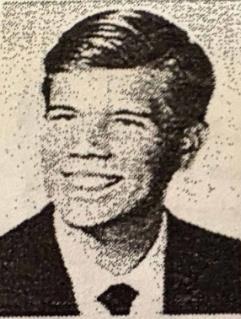
WhatitwasliketoliveinVietnamas aprotester
By John Coate
I went to John Bryant’s house to interview him about the Vietnam War. Bryant, or Grandpa, was wearing a tannish, white button-down shirt, and he had a necklace that had Grandma G’s ashes in it. His living room had a lot of different pots and paintings in the background. We were sitting on a grey couch. I was feeling happy to see him. But finally, I got my list of questions and started the video. Now all there was to do was listen.
Bryant lived during the Vietnam War while at the University of Chicago in the 1970s. He never went into the Vietnam War and fought, but he did cheer on the US Army. When it was first announced that the US was getting into the Vietnam War, there was a draft before they were about to go into war. A draft that if your number was called, then you would have to go to the Vietnam War. But Bryant couldn’t go even if he wanted to, but he still did not want to go to the Vietnam War, of course. He told the government, “I am a Quaker.” And then said that he cannot fight because he can only use peace. Bryant’s religion was Quaker. Being a Quaker means that you cannot fight,
and you can only fight peacefully. The US Army said that he could stay and not fight in the war.
Bryant did not like the Vietnam War. In fact, he wanted to stop the Vietnam War and have peace like his religion, the Quaker. So, what he did was try to stop the Vietnam War by fighting peacefully or protesting the Vietnam War. He protested the Vietnam War, “while also in support of the young men.” This means Bryant went on walks, listened to or gave speeches to other people who did not like the war, and told the US government to stop the war. One time, Bryant was on a walk, but not just any walk; it was a parade. So, people said that Bryant and his friends, who are protesters, could go on a parade and tell people of Chicago that we should stop the Vietnam War! Although it was a successful walk, there was a consequence to his action.
Cops started hurting the protesters with batons and bats after the parade. Hurting every protester in their way, the cops tried to hunt the protesters down when they were hiding. And Bryant, who was with another kid, hid behind a car while a cop said some hurtful things to them that Bryant didn’t like. On the way back home, one of his friends, who was a protester, got beaten on the head badly with a baton and had to go to the ER. But after the beatings by cops, Bryant did not think the cops wanted to do that. Bryant told himself, “I don’t think that he was doing anything he was proud of.” But that made Bryant think about the people who were telling the cops to hurt the protesters.
“Powerful people can use war to gain more power.” This is what Bryant told me when I interviewed him. So, Bryant started to think about what grandpa told me and what Bryant thought about helping the people in Vietnam, or was it coming to the Vietnam War about something else? Bryant believed that the government was trying to take more power for themselves, and the government did not care about anyone else but
itself. And even to this day, he wonders if the government is doing different things for the citizens of the United States or for themselves.
I think that Bryant’s life in the Vietnam War really showing things that are happening today because when protesting this war there are many things today that are not really helping people. Bryant also told me in my interview that he could see that today is bad and might be even worse because of the government. And he thinks that everybody should be equal and there should not be war, and we should not get ourselves into war. In conclusion, I think that Bryant really fought for what he thought was right because he knew that this was not a good thing that was happening in the past, on present day, but also what we can do to make it not have a bad future.
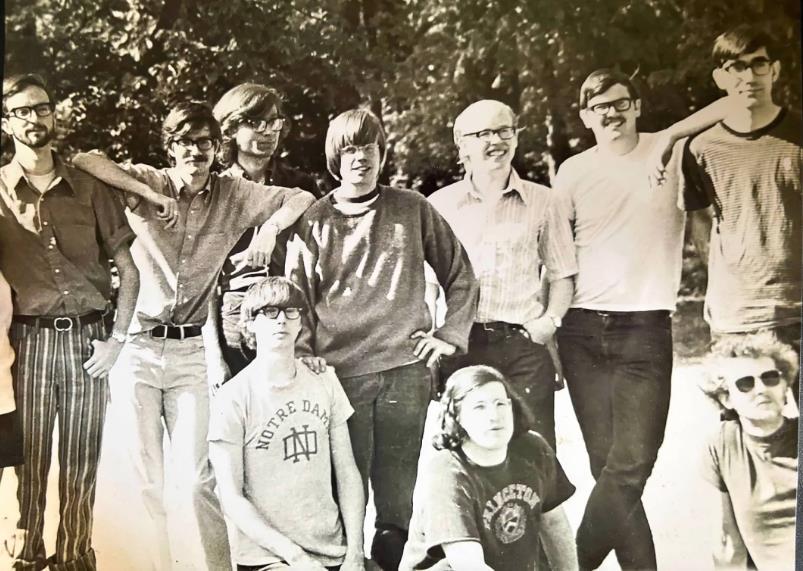
Bryant’s group of friends
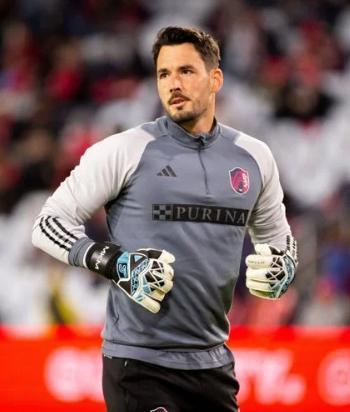
It was dark outside when I met with Roman Burki, my mom’s fiancé. The small dots of light from the other buildings looked like stars through the window facing our balcony. He turned off the TV, which was broadcasting an American football game, and even though some of the players playing were on his fantasy team, he still let me interview him Dressed casually but with a very nice sense of style that reflects his nice and easy-going personality, he always makes everyone feel comfortable around him, and it feels like I can talk to him about anything forever. Roman and I share many hobbies, and I always have fun when I am around him He is a great person, and we share a good connection
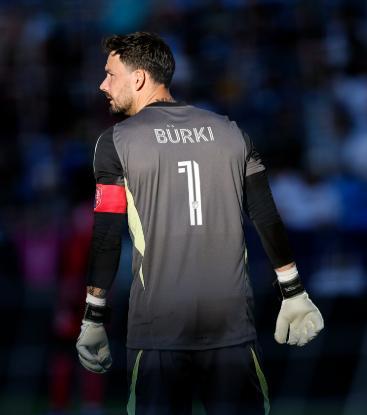
Roman Burki is a professional soccer player who is currently playing for St. Louis City SC. He is 34 years old and has played for other teams like Dortmund and FC Young Boys. Burki stood up from the couch and followed me to the dinner table. I set up my surface and we began talking
Burki was around 14 or 15 at the time of his first professional tryouts, he was trying out to be part of a professional club to kick off his career. “I played soccer basically my whole life,” stated Burki thinking back to when he was younger. He had always wanted to be a soccer player He went from tryout to tryout for entire weeks on end; the final one was at FC Young Boys
“I was a little worried I’m not gonna make it because of the past; I got rejected from another team,” Burki admitted. His mind was racing getting more nervous the more he thought about the tryout: “My dad encouraged me and just put my shoes on and my clothes on and put me in the car then left for the tryout ” I could see him reminiscing that moment Young Burki felt very nervous on the car ride there, as his past tryouts had really demotivated him.
During his past tryouts, “One of the coaches was constantly behind the goal and telling me what to do, that was also very annoying.” The nagging was getting on young Burki’s nerves, but he needed to be respectful to the coaches The other teams he tried out for were not necessarily mean and rude to him, but the conditions he was put in were not great. One of the teams already had two goalkeepers, and Burki recalls that he felt like the guy that just came in to take their spots, as though he was just working hard just to get the other goalies fired He felt a bit like the bad guy in that situation He also explained how he had to be way better than them to join the team because the other goalies already have played with the club and have strong relationships with the coaches.
and that he was very grateful for what they did.
The field was very well kept with a vibrant green color and perfectly trimmed grass; from a distance, it looked as soft as an animal’s fur. This was especially important for Roman because he would be falling on the ground a lot “It was pretty quick,” explained Roman, showing how time flew by in the practice because of how much he enjoyed this tryout. He tried to make the most out of it by working hard and trying his best. He had a lot of fun doing the exercises during the Young Boys tryout and the whole experience there was great overall. He already felt integrated into the team: “And then when the coaches talked to us it was one of the best feelings ” His perseverance with these tryouts after trying again and again paid off! He finally made it and was able to launch his career into motion.
Roman Burki later went on to become an amazing soccer player breaking many records and pushing the limits. He won two trophies with Borussia Dortmund and was the first goalie in the Bundesliga to have five clean sheets in the first five games of the 2017-2018 season He has the most season appearances (89), clean sheets (19) and saves (322) in St. Louis City SC history. He also led the MLS in goals prevented in 2023 (difference between expected goals conceded and actual goals allowed) and had 17 wins in the St Louis’s expansion season, which is the most by any goalkeeper in their first MLS season during the post shootout era! Additionally, he won the 2023 Goalkeeper of the Year trophy in the MLS.
Roman Burki is an amazing person, he has shown so much kindness to me and my family, and I will always strive to do the same for him Roman’s perseverance and courage has inspired me to work harder towards the goals I want to achieve in life He has helped me work hard and has guided me through tough times. I hope his dedication and commitment has also inspired you to work hard for your dreams and to make them come true.
By Ayan Cocis
FC Young Boys was different than the other teams. Everyone on the team was very inviting and made him feel very comfortable Young Boys was building a new facility at the time, so Roman and the rest of the team changed in shipping containers. He was very surprised when he was given the FC Young Boys kit to change into, as he normally had his own clothes and always stood out during tryouts, but the team made him look the same as the others He already felt part of the team even though it was just a tryout I could see that this moment was very special to him
“When a door closes, I think another one opens”
Lessons from the Road
How the spirit of childhood adventure became a lifelong practice of patience, leadership, and community.
By: Flora Corotis
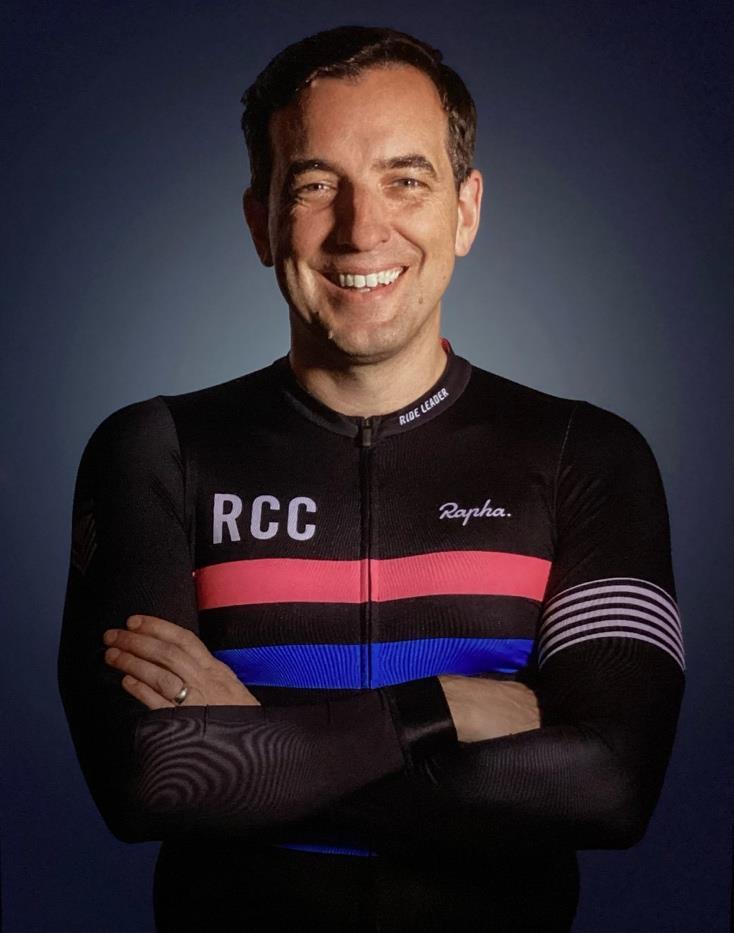
After four text messages from my father asking mewhen I would beready, I walked down thestairs into my dining room. I got to thelast step and I turned to see my dad eating chocolatecovered caramels in thebrown leather chair that he sits in every night for supper.As I walked up to thedining table, heclosed the box of caramels, fixed his brown hair, and folded his tan handstogether. For thenext thirty minuteswediscussed his background in cycling and howhe became arideleader at Rapha.
Brian Robert Corotis, a48-year-old man who works atDeloitte, has always had alovefor bikeriding. Corotisgrewup in Cincinnati, Ohio. Corotis has always loved cycling, and ithas changed hislifein many ways. Growing up in Cincinnati, hespenthis
days cycling with the older kids in theneighborhood. Corotis grew up in acul-de-sacin a suburban part of Cincinnati. Heoften begged his mother to lethim exploretheother neighborhoods on his bike. “Having abikerepresented freedom and adventure,”Corotis recalled. “As young teens that was all welived for.”
For him, cycling was never aboutgetting from oneplaceto another, itwasmore so about independence. As achild, he would racehisfriends down the streetuntil thesun began to set feeling thewind rush pasthisface and thepavementblur beneath his tires. Those early memories becamethefoundation for his lifelong passion for cycling.
Having a bike represented freedom and adventure. As young teens that was all we lived for.
As Corotis grew up and wentto college, healways had abike, yet hedid not always find ausefor it. Between classes, studying, relationships, and work, his rides becameless frequent, but thesenseof freedom thathefelt never truly left him. After graduation, he moved to Chicago and looked for anew way to stay activesincehedid not enjoy spending timeat thegym. Oneday after work, somecoworkers invited him on abike ride. The rideturned out to be achallenge.
Withoutany training or practice, hestruggled to keep up. Instead of feeling discouraged, thatmoment reminded him why hehad loved cycling in thefirst place, the challenge, the movement, and the satisfaction of pushing himself farther than hethoughthe could. Corotis madeapromiseto himself to improve. He began riding moreregularly, exploring differentpaths around Chicago. Over time, what once started as a childhood pastimebecameakey partof his identity, teaching him perseverance, focus, and balancein his daily life.
Corotis wanted to find a senseof connection within thecycling community, and eventually he discovered it atRapha. Hefirst connected withAndrewMay, a coworker and friend from Deloitte, who invited him on abikeride at Rapha organized by John O’Fallon. After that ride, Corotis reached out to May again hoping to stay involved with thegroup. Over time, hegotto know O’Fallon better, who continued inviting him to Rapha rides.
Corotis quickly fell in love with thecommunity’swelcoming and motivating behavior. Hefound that the Rapha community was more than just acycling club. It was a placethat riders supported each other, shared stories, and pushed oneanother to improve. Thecompany reminded him of thefreedom and friendship he felt as akid biking through his old neighborhood.
In early 2020, he began regularly joining rides atRaphaand soon started helping organize them, taking part and one or two rides each week. When COVID-19 hit, ridestemporarily slowed down asmany people wereunsureif it was safe to gather. “No oneknew what to do…All rides wereshut down… itfeltlonely,” Corotis recalled. Even during thatuncertain time, hestayed connected with other riders by sharing routes, goals, and encouragement.
Oncein-person ridesresumed, Corotis was oneof thefirst to return, leading by example and showing his dedication and commitmentto thegroup. During the winter months in 2020, participation for these rides dropped dueto thecold, but Corotis kept showing up, determined to ride despitetheweather. His consistency and leadership really stood out, and by February 2021, Rapha invited Corotis to becomearideleader. Taking on
that rolemarked a turning point for him.
Now, Corotishas been arideleader for four years and hehas learned how to effectively plan and manageall aspects of therole. Each week, hebegins preparing for his Saturday rides on Wednesday or Thursday, checking predicted weather conditionsand reviewing notesfrom previous rides.
Heleads thegroup not only whilethey are cycling but also beforeeach rideby giving adetailed safety briefing. Corotis takeshis role seriously. He views each rideas both aresponsibility and an opportunity to bring peopletogether. He makes sureevery rider feelsincluded and supported no matter if they areexperienced cyclists or new to the sport. He believes that confidenceon thebikestarts with trust in theleader.
Corotis recalled oneincidentwhen aserious crash occurred. “When something wentwrong, immediately everyonewas looking to me for what to do,” Corotis said. “Whether you want to be or not, you’reviewed as theauthority figure.”Though he was initially unprepared and had to makequick decisions under pressure, theexperiencetaught him howimportant itis to think ahead and plan for emergencies. Sincethen, he implemented stronger safety measures and clear communication protocols for his rides. Nowhehelps new ride leadersand teaches them howto handleunexpected challenges calmly. He hasdeveloped not only as a cyclist, but as aleader. He issomeonewho knows howto guide, support and inspireothers.
Corotis is astrong and socialleader who learned to advocatefor himself. I admirehowherecognized the need for changein his lifeand took theinitiativeto make it happen. Thecycling community becamea place whereCorotis found friendship and belonging.
Besides just being a physical activity, cycling gaveBrian thesame senseof freedom and adventure hehad as achild riding throughout his Cincinnati neighborhood. What began as a personalchallenge evolved into a sourceof confidence and leadership, allowing him to inspireothers both on and off thebike.
Hereflected on howmaking friends asan adult is often morechallenging that it was as akid, buthefound thatshared passionsshortens thatgap quickly. For Corotis, the key to keeping lasting connections is showing up consistently and with intention. His story is areminder that rediscovering what you lovecan lead to newopportunities, deeper relationships, and personal growth. Corotis’s journey encourages othersto revisit the passions that oncebrought them joy and see how those samesparks can stilllight theway forward.
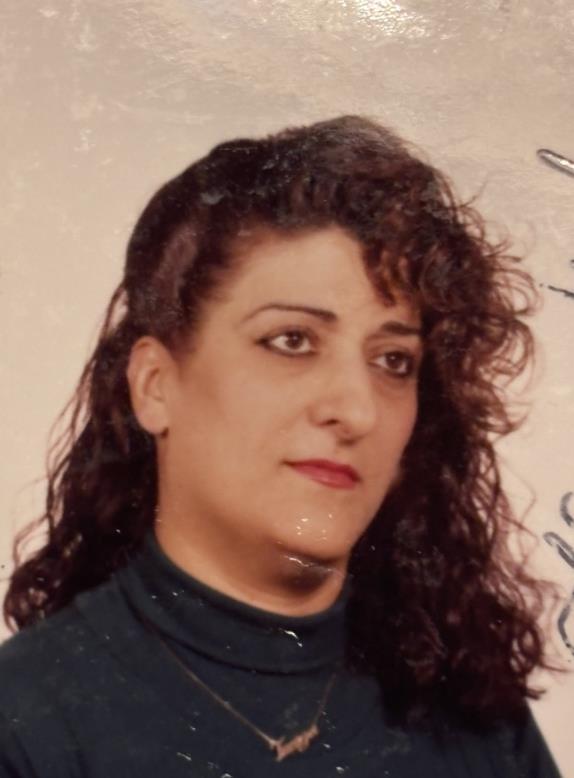
by: Emma Corty
I sat back on my couch calmly, the coffee table that sat in front of me holding my ice water, straw poking out. I took a small sip and pressed on her contact to call her. The phone rang twice before my grandma answered. Faiza had a contagious smile plastered on her face, leading me to smile as well. My grandmother and I exchanged greetings and shared updates about our lives. When we were caught up, we began the interview process with my aunt lingering behind my grandmother in the back of the FaceTime call.
Faiza, with her husband and two children, immigrated to the United States on August 11, 1982. Faiza now resides in Las Vegas, Nevada. Faiza was committed to leaving Iraq in order to gain freedom and safety for her children. In Iraq, she faced discrimination for being Catholic and a woman; Faiza shared how being a woman meant being essentially powerless. Faiza and others struggled with the harsh reality of having little to no power. She wanted to be free and have rights.
Faiza decided to leave Iraq for France in order to feel safe. She was told it would be easier to immigrate to America through France or Greece. Faiza noticed how in France, women were treated better and enjoyed additional freedom: “When we left Iraq, we were able to go to beaches we didn’t do that in Iraq,”
Faiza told me, nostalgically. Faiza noticed how they prioritized a woman's safety in France. Although this was progress from Iraq, this is not where Faiza wanted to reside with her husband and children. America continued to be her goal; France was only temporary.
People told Fazia that in Greece there was a united people center where she could register to be a U.S citizen. She traveled to Greece based on that advice. Faiza explained how life was nice there , but not great. She described having olive and lemon trees growing nearby.
Faiza began to rigorously teach her children the English language and spent time taking classes as well. As Faiza moved further in the immigration process, she was terrified they would reject her. She worried whether her story was believable enough and they would not think she was telling the truth.
Most of all, Faiza was seeking opportunity for her family. The United States of America is described as the land of freedom and opportunity. Faiza believed this was where she wanted to live, not France or Greece, but somewhere where diversity is valued. Despite not knowing the language, she persevered. By the time she did immigrate to America, her children were fluent in Arabic, French and Greek.
“The government had control over us we didn’t have freedom of speech.”
In conclusion, the journey from Iraq to America took time and effort. Once Faiza arrived in America, she lived in Michigan where her family experienced financial instability. They worked the jobs nobody wanted in order to build a better life for their children. The whole family worked multiple jobs and long hours in order to succeed. Faiza and her family continue to be a testament to the strong work ethic of immigrants in this country.
Joe Wong is a successful musician, podcaster, and songwriter
I sit down at my kitchen counter in my small, white apartment, my mom’s phone in my hand, finger hovering over the green icon. I pause, take a deep breath, and put my finger ever so slightly on the screen. The instantly recognizable sound of the repeated ringing fills the quiet room with sound. Then, Joe Wong picks up. I greet him casually at first and he greets me back. I then ask if it is ok if I record him. He says yes, and I click record. I then greet him formally, then so does he, and we begin.
Joe Wong was born in the year 1980 in Milwaukee, Wisconsin. He has been a singer/songwriter for 15 years and is currently 35 years old. He has one child, aged two, and he and his wife are expecting another baby.
Before this, though, he was just an average middle school kid in sixth grade. He had played trumpet for his school orchestra for two years and had been begging his parents to get him a drum set. On Christmas Eve, his wish came true. He immediately established a very strong connection with his drum set, and when a band friend heard about the drum set, he could not wait to play with him. This is when the magical moment happened. “It was a feeling I had never felt before,” he explained, sounding ecstatic. He had felt for the first time in his life that this was the thing that he wanted to do forever.
Wong, then 16, had been performing in front of smaller audiences for a little while waiting for a big break in his music performance. As Wong remembered, he and his band mates would always “Hope that we would have enough money to go out for pizza.” He had so much perseverance because he was expecting a big breakout after playing for almost three years. However, he still barely had enough to go out to dinner after shows with his friends.
“It was a feeling I had never felt before”
While sitting at home one day, he was listening to a podcast. He liked how even though the two people in the room had never met before, the conversation had a sort of intimacy because they both were comedians. So, Wong decided to start a podcast of his own called The Trap Set with Joe Wong. In this podcast he not only interviewed drummers, but also composers, singers, and guitarists. “The way that it helped me was that it took the focus off me and on to other people, said Wong, “it also reignited the feeling of connection that I had with music.” Even though Wong had been growing tired of making music and feeling that it had begun to feel like it was a job, he started something that helped him fall back in love with music.
By: Louis Cox


By age 19, Wong hoped that he would be able to go to the Berklee School of Music in Boston, Massachusetts to be able to better study and understand music. When he got the letter from the school regarding whether he was accepted or not, he was anxious about being accepted. He then opened his letter, and he now had a new story to talk about with friends and family. “I was accepted into the Berklee School of Music while only being 19!” he exclaimed, with an even bigger smile than the last time. He knew that this was a very big achievement and step to becoming a successful musician. This also meant that everything that he had done so that he could get accepted to this school had made all the difference in the world.
After college and starting a successful band, Wong toured from 2010 – 2013. When he was on his way back from a tour, he began to feel very burned out from all the work that he had been doing up to this point in his life. “I felt like making music was beginning to feel like more of a job than something I enjoyed doing.” After the tour he took a break from music all together and focused on other things in life, like family.
When he asked the people whom he was interviewing if they had gone through the same things that he had, and they all said yes. His own reason for getting burned out is that he “was not comfortable with my own voice or my own physical speaking voice or even my creative voice. Making the podcast was a steppingstone in the right direction.” Doing the podcast helped him become who he is today Because of the podcast, he is now not only a drummer/composer, but also a singer/songwriter.
Since then, he has had time to reflect on everything that has happened leading up to that point in his life When asked if he would be the same person or in the same place today if not for the podcast, he paused, then stated that “this happens to everyone, but you need to be able to figure out a way to move past it, and that is how you know if you can really do what you want to do.” This gives me more insight on how Wong overcame these problems that he had faced throughout his career It also lets me appreciate how hard he worked to get to where he is today

Carlo struggled at first but came back to reach his full potential
By Mattia Crivellaro
Carlo was in his studio, his eyes glaring at the screen, the sun bright as ever, his voice telling his beautiful experience his college. Carlo, in his junior year of high school, decided that he wanted to do business but was unsure of what college as there were many options to choose from however one stook out and that one was Politecnico di Milano. At Politecnico di Milano Carlo rushed from class to class, got lost in the school, and struggling with homework. He soon realized he needed to take college seriously if he wanted to pass. Carlo’s college experience is not only intriguing but also filled with joy and new friends. Carlo now is 38 years old and works for marketing, as of now he is very successful and lives in LA. You could say he learned a lot from college and learned to become a successful person in life
For college Serafini always wanted to go to Politecnico di Milano. Serafini wanted to go to Politecnico di Milano for many reasons. First, he wanted to move to Milan because it was always his favorite city and he wanted to experience it. Second, it was a good business college which is what Serafini was aiming for. Third, he wanted to go to this specific business college because it had a business finance skills class and was the only college in Italy which had this. Serafini always wanted to experience new things, therefore he told me, “I wanted to move away from my hometown and experience living by myself.”
Serafini wanted to go to a college away from his hometown because he wanted to experience living by himself because, in the future, he knew his parents would not have been there anymore, so he wanted to get used to being responsible and mature. He also knew that going to a college in Milan, a big city, would be hard for him as the first time being away from his family for such a long time. He stated that ,“It was hard at first, but you get used to it because in the end its fun.” When Serafini entered college, he expected it to be like high school, but it was way harder, so he was struggling until he managed to regain control. This shows how it was hard for Serafini at first get situated in college and being away from his parents, but he got used to it quickly because as he said it was fun but also college is a new and adventurous experience.
All of us in our friend group would push each other to be our best because everyone wanted to be the best they could but at the same time have fun, so we helped each other out, friends were a big factor in my success in college
Serafini also mentioned “I would recommend to someone that’s about to start college to have friends that push each other to be their best and help each other out.” This shows the significance of friends in college to Serafini and how they have helped him.
At the end of college, you usually start thinking of getting a master’s degree and for Serafini it was pursuing an MBA. An MBA is a Master of Business Association. Serafini always wanted to pursue an MBA because he always wanted a career in business. In college, he specifically took business classes to prepare for an MBA. Serafini never changed his mind on what to do after college, as he stated, “My goal for an MBA was always my top priority in college. ”This shows how determined Serafini is to get an MBA because it was his top priority. He always wanted to pursue in a MBA and after he wanted to get a job related with business which is why he worked so hard in college to get an MBA and get a good job in business.
When Serafini first went to college he was not used to how the classes were. For example, the classes for him were very big and the learning experience was different from what he is used to. He stated,” The classes were different, all classes were in a big room packed with 40 people and it was just the teacher talking with us taking notes.” This shows how the classes were different from what Serafini was used to because it was a room with a 40 people in a big room, but he was used to smaller classrooms, and he was used to a learning experience more interactive than the one in college. Now, his classes were just the teacher talking and you taking notes and studying for the test. Also, these classes were more closed so you couldn’t really get any help from the teacher personally and you could only ask questions at the end of class, which made it harder for Serafini.
Friendships in college are either hard or easy for people, and for Serafini it was easy. Serafini was able to meet smart, responsible, and mature people. He was very lucky having these types of friends because they can really help in college and since you don’t have your family available to help your only options are friends. To have these types of friend are lucky because they help you in school and you can do fun stuff with the, friends really helped Serafini out as he said, “All of us in our friend group would push each other to be our best because everyone wanted to be the best they could but at the same time have fun, so we helped each other out, friends were big factor in my success in college.” Serafini excelled at college because he had loads of friends helping him out and pushing him to be his very best. As he said, everyone wanted to be their best but also have fun. This shows that you can have fun at the same time as studying and working hard for college.
Carlo’s experience in college was interesting, entertaining, and delightful for everyone to read. To listen to him talk about his college experience was a privilege, and I was very happy with the elaborate responses he was giving me. Making this article, it was easy for me to share this beautiful story with my audience. Carlo Serafini’s experience in college was very intriguing, so for the audience to read this story is fascinating. I just wanted to thank Carlo Serafini for helping me and answering all my questions in an elaborate manner. I also want to thank my audience for reading my article about his experience and he also thanks you guys too for acknowledging him. To end this article, considering what Carlos's experience was all about, always try in life and you will reach success.


By Lulu Cunningham
It was a sunny afternoon around 2 pm. As I sat down on the couch, my sister, Isabelle Cunningham, sat down across from me. I greeted her almost as if she was not my sister and was a random person I was interviewing.
Shehadhershortalmostblackhairinabunandourdogranoverto laydownnexttoher.Wemadeeyecontact,andIsaid“Hello”,trying tobreakthebarrierofawkwardsilence.Iwasthinkingaboutwhich questiontoaskher.WhenIstartedtoaskherquestionsabouther nursingcareer,shespokeinacalmsteadyvoice,butshestilllifted themoodwithherheartwarmingstory.
IsabelleCunninghamisa27-year-oldnurse.Cunningham livesinChicago,IllinoisandisanurseatShirleyRyanAbilitylab. Helpingpeopleisoneofherfavoritethingsaboutherjob.
Cunninghamalwaysdrivestoworkinthemorningandhasearly shifts.Beinginabrightmoodeveryday,Cunninghamlovestospread positivity.Sheisalwaysexcitedtohelpmanypeople.Cunningham hasalwaysbeenabiginspirationtomesincesheismyoldersister.
WhenCunninghamwasyoung,shealwayslikedhelping people.Cunninghamalsowantedtobearolemodelforpeopleto showthatkindnessdoesnotcostathing.Shealwayswantedpeople tounderstandthathelpingonepersoncanmaketheirwholeday better.Shelovedspreadingpositivityandwantedpeopletoalsohelp otherpeople.AsCunninghamlookedbackonthosedayswhenshe wasyounger,shetoldmethat,“Ihavealwayslikedhelpingpeople evenfromayoungage.”
Cunninghamsaidthistoshowthathelpingpeoplewasnotarecent strengthshegaineditwasaskillshegotbetteratovertime.Shestill takesinspirationfromheryoungerselfandhopesonedayshecanbe aninspirationtowardsotherpeople.
Cunninghamdecidedthatatayoungageshewasgoingtobea nurse.Shewantedtohelppeople24/7andbetherewhenpeople needhelp.Cunninghamsaidshelovestohelppeopleandonceshe foundoutwhatanursewas,shedecidedthatshewantedtobea nurse.Cunninghamkeptthatpromiseforalongtime.Shetook inspirationfromhermombecausehermomwasalsoanurse.
Cunninghamknewthatasanurseyougettohelpalotofpeople,and shelovedhelpingpeople.Cunninghamtoldmethat,“whenIwas younger,IdecidedIwantedtobeanurseandhelppeople.” Mybrainwastiredbut
Cunninghamsaidthistoshowshewascommittedtobeinganurse andalwaysknewshewasgoingtohelppeoplewhenshewasolder. Shelovedthethoughtofbeinganurseandalwaysbeingabletohelp peoplewhenevershecan.Cunninghamwasexcitedtohaveacareer inhelpingpeopleandwasexcitedtomakenewmemories.
Cunninghamputsdedicationintobeinganurseandloves beinganurse.Shemakessurethatsheisalwaysputtingherbest effortintowhatshe’sdoing.WhenCunninghamwasinhighschool, shewasworkingherwayintostudyingtobeanurse,sheputtonsof dedicationintoherstudies.Shewouldstayuplatedoinghomework, gettingbarelyanysleep.Shetoldmethatitwasworthitbecauseshe lovesherjobasanurseandthinksitisthebestdecisionshehasever made.
SchoolwasachallengeforCunninghambutthatdidnotstop her,“Mybrainwastiredbutthatdidnotstopmefrombecominga nurse.”
Shetoldmethatbeinganursewasgoingtobestressfulandpainful butthatdidnotstopherandherdedicationtowardsnursing.She lovesherjobandthinksitisoneofthethingsshelooksforwardtoo. SheisevengoingtogradschoolatRushMedicalCollegesoshecan helpmorepeopleandwillworkwithmoredoctors.Sheissuper excitedtocontinuehercareerinbeinganurse.
Cunninghamlovestohelppeople,anditisoneofherbest strengths.Everyonewhoworkswithherappreciatesthatsheputs dedicationintoherjob.Andalwaysistryingtohelppeople.Her wordsmadepeoplethinkdifferently.Abouthelpingpeopleandhow kindnessdoesnotcostathing.Andevenwhenpeopleaminabad moodorinpain,butthatshouldnotstopeveryonefromhelping others.Herdedicationtowardsherjobreallyreflectsthatifyouput yourmindtoanythingthenyoucanbeanything.Also,whenyouhelp someone,youarenotjustmakingtheirdaybetter,youarepassingit forward.Shehasbecomearolemodelformeandhopefullymany otherpeople.

Dayle Davenport shares her experiences
balancing her personal life and her life as a doctor
I interrupt my mother’s tennis in the living room, bleary eyed and still in pajamas, my bare feet colliding with the carpeted steps of the stairs, as I mention our necessary conversation. Dayle glares at me with a questioning face as if she is saying, “Why wasn’t this done already?” With a sigh, she turns down the TV and gestures for me to continue down the stairs.
Davenport was born in New York and into a lower-class neighborhood; throughout her life she has seen how people are treated differently just based on zip code. Since then, she has devoted her career to treating everyone equally. Dayle graduated from high school at the top of her class, attended an Ivy League University, the University of Pennsylvania, and then medical school at Harvard. She completed her emergency medicine residency at the University of Chicago and spent most of her time as an ER physician at Rush Medical Center. Now, Dayle Davenport is an ER doctor, associate professor of medicine and associate dean of Health, Equity, Diversity, and Inclusion at the Pritzker University of Chicago Medical School. Davenport has always been a very hardworking doctor, but after having children, she started becoming involved in medical education and administration. She has a variety of strategies for succeeding in all of her responsibilities.
life split between her career and personal life. For Davenport, teaching and parenting complement each other no matter the age difference, from the adult she is teaching to the kids she is parenting. Just like the tennis ball going back and forth, Davenport constantly switches between doctor mode and mom mode.
While speaking about challenges that makes balancing both harder, she says with dread, “…They have portrait of a learner at 7 a.m. and you just worked a 10-hour shift.”
This is a direct example of her career and personal life conflicting. After giving her all to one side of her life, she has to give less to the other. However, through perseverance and love for her children and her job, she gets through it with a smile on her face.
Addressing me amongst another clutch shot and boisterous chants through the TV, she says, “There’s that one part of you that’s like, ‘suck it up and get it done’, which is how I was trained, versus ‘let me give you a hug, I know this is bad.’” From direct experience, this way of teaching is also her way of parenting. Which suggests she does not completely split up her life but lives somewhere in the gray.
the way. I find this relatable and ironic because she is one of my mentors and I look up to her. Furthermore, we all could use her words to help ourselves be successful in life by having multiple mentors.
By: Miles Davenport
As we began to speak, Davenport, an avid fan and admirer of tennis since a child, continued to intently watch her match on television. While speaking with her in between powerful shots from whatever tennis player was playing at the time, she spoke to me about advice she has given to her students. She joked, “It’s like dealing with you guys too.” This stood out to me because it shows that some strategies she uses for parenting carry over to teaching and vice versa; she lives both sides of her
Davenport is a very motivated and focused person, I often ask myself how she does it! She optimistically describes her “cheerleaders,” saying, “and then I have people who are my cheerleaders… like grandma and grandpa and my friends.” She uses friends and family to stay motivated through hardships; these two parts of her life complement each other.
Gratefully, she also adds, “I do not think people should have one mentor. I think it takes a village.” Although most of her mentors are not her friends, their advice teaches her and motivates her by not making her feel alone during all steps along
“Every failure is a lesson”
Dayle Davenport, the dynamic doctor, is a hard-working mother and doctor who will give her all to both sides of her life, despite them conflicting occasionally, by practicing ways to blend them and by building a village. This interview was a blessing; I think people could learn a lot about how to balance work and create success. This interview has also taught me about new strategies and angles on life. I have also learned more about the types of people with whom I should build relationships, and I have learned about her as a doctor and as a mom. However, the most important thing I have learned, and I think others could too, is “every failure is a lesson” in Davenport’s words.

By Jeremy De la Cruz
When we are kids (and even as adults), we do not always realize the suffering our parents and especially our grandparents went through. They lived in a completely different world from the one we know today. Different beliefs, different values, different rules, all of which changed depending on the continent, country, or region they were born in. Most people do not really think about this or about their stories, mostly because they do not have a strong relationship with their grandparents. I am one of those people. My grandparents were the ones who mostly took care of me when I was younger, but after we moved, I started to grow distant from them. It was not something I chose; it happened because of outside decisions, things I could not control. That is what happens with many grandchildren and grandparents, their relationship fades because of decisions they cannot control, usually made by parents.
When this assignment came up, I started thinking about who I could interview. That was when I remembered a story my grandpa once told me. It was about how one of his cousins stole the money he worked so hard to earn. I was really interested in hearing more, but the story got cut short because we were serving food to my mom’s side of the family. That moment made me realize how little I actually knew about my grandparents. Even my parents did not know much about their past. So, one warm Sunday, I went to my grandparents’ house for an interview. A house I remember inch by inch. It had green walls, white roof, brown tiles, a clock with plastic spoons sticking out of it, and so many other little details. I sat down and told my grandpa why I was there. He started by introducing himself as José Loja, my grandfather, a caregiver for five children, an immigrant from Ecuador who has lived in the U.S. for over thirteen years. Even though he still struggles with the English language (I had to translate all quotes because he usually speaks Spanish), he continues to carry out his duties as a father. The story I will share is about a small, yet meaningful, moment in his life. One that shows the kind of strength and perseverance that shaped who he is today. A story I never knew, which took place around the year 1970.
In the north region of Ecuador, La Sierra, José Loja remembered walking from school to his home. The dirt road stretched like a ribbon through quiet hills. The sun beat down on him, and the smell of animal manure hung in the warm air. The heat pressed against his skin as if he were wearing a snow jacket. He looked ahead to find a small barn, his house, surrounded by tall grass and thick plants. When he entered, his two youngest siblings were goofing around, and he was greeted by his oldest brother.
At that time, Ecuador’s economy was poor and mostly agricultural, which made life hard for many families. In Loja’s home lived six people. His mother, one of them, was a hard-working single mother. He recalled his aunt, Tía Andrea, saying, “¿Qué haces con los animales? ¿Por qué los vendes?” What are you doing with the animals? Why are you selling them? Andrea was referring to how his mother should have been investing in her animals instead of selling them. But with four children to feed, she never had time or money to invest.
Most people lived in rural areas. Like today, Ecuador depended on bananas, cocoa, and coffee exports. Though oil was discovered in the 1960s, large-scale production did not begin until the 1970s. Because of this, the economy started to grow, but very slowly. My grandpa told me that they used a currency called sucre. In 1970, a loaf of bread cost one sucre (about one twenty-fifth of a U.S. dollar). If you worked in the city, you would normally get paid less than 300 sucres, or about twelve dollars. And in Loja’s case, many people like his mother owned barns mainly to feed themselves rather than to sell what they grew. That was how hard life was.
With so little money, the Loja family could not afford to send even one of their children to school. Normally, he never really minded because he hated seeing his mom suffer financially. The consequence of this can be seen now, as he cannot read or write. He says he would have loved to go to school like all the other kids in his neighborhood.“Si hubiera tenido un padre, mi vida habría sido diferente y mejor. Si hubiera tenido un padre,” If I had a dad, I would have had a different, better life of mine. If I had a dad, he said with grievance. He misses his dad, even though he never met him. That part revealed not only what he lost, but what could have been a new opportunity, a new life, and maybe even a chance to go to school.
His cousin was around the age of 25 and had a wife at the time of the event. Mostly everyone in Ecuador were poor, but his dad was undoubtedly a hard-working man. A construction genius. His dad showed him how to find jobs and to survive, father to son. Loja never thought of his cousin, said anything to him, or even saw him because he did not live near him. So, it came to a surprise when he showed up to his front door.
A knock echoed through the wooden door. It was unusual for anyone to visit at that hour. He opened the door to find his cousin standing there, dusty and tired, with a strange smile. He said he had come to offer José a job. Loja’s mom did not approve of this. What her nephew was offering was a dangerous job at a sugar cane factory. It may not sound dangerous today, but at that time it was. Still, working at the factory would help his mother financially.
The large metal rollers turned slowly, workers shouted directions, and the air smelled sweet with cane juice. But after a few hours, he understood what his mother had meant. He explained, “Las hojas de la caña tienen espinas. Como nunca lo supe, nunca me dieron mangas largas, nunca.” Cane leaves have thorns. Since I never knew, they never gave me long sleeves, never. He mentioned how after removing the unnecessary part of the cane, he fed it into a large machine that…

…roared like a beast. In those years, many machines did not have safety guards or emergency shutdowns, leading to injuries that were almost always severe. Heat was another problem in the factory, where steam and open flames filled the air. Smoke, ashes, and dust clung to every worker’s lungs. Workers carried heavy loads of boxes, something Loja struggled to do at the age of ten. Nonetheless, he stayed. He had to help his mother in any way possible.
If I had a dad, I would have had a different, better life of mine. If I had a dad…
Weeks passed, and José worked hard. His arms were covered in small cuts, his hands rough and burned from the hot sugar. Yet he never complained because his pay would help his family. Then came the day everything fell apart.
When payday arrived, José went to collect his money. The supervisor told him, “Tu primo ya cobró tu sueldo. ¿Tienes tu dinero? ¿Dónde está el primero que cobró?” Your cousin already got your pay. Do you have your money? Where is the first one who collected the payment? José froze. His cousin? He had not seen him since yesterday’s shift. At first, he thought it was a mistake. But when he searched every section, every corner, every room inside that factory, his cousin was nowhere to be found. The realization hit him like a punch. His cousin had taken his pay and disappeared. The walk home felt longer that evening. The dirt road stretched endlessly under the fading orange sky. The smell of sugarcane smoke clung to his shirt, and every step stirred up dust. His stomach ached with hunger and disappointment. He kept thinking, why him? Why would his own cousin steal from him?
When he reached home, his mother stood by the doorway, her face worried. He told her everything, the factory, the pay, the cousin’s betrayal. At first, she did not say a word. Then her expression changed. First disbelief, then anger, then sorrow. She scolded him, not because she was angry, but because she was heartbroken. She had warned him, and he had not listened. Family was supposed to protect family. That night, he thought of quitting, of never going back there again. But he knew the truth, in those parts of Ecuador, opportunities were rare, and dreams were luxuries. He stayed for a few more weeks, just long enough to help his mother with what little he could. Then he left the factory. There was no one left there for him, no cousin to guide him, and no one he trusted.
He knew what it meant to grow up poor in Ecuador during that time, a time when children traded pencils for shovels, when work started before childhood could end. Factories needed workers, and poverty provided them. There were no inspectors, no safety rules, no protection for small hands and growing bodies. Sometimes, he wondered what his life might have been like if he had gone to school instead. Maybe he could have learned to read, maybe even become a teacher or a builder like his uncle. But then he said he remembered his children (and now grandchildren) and smiled softly. His story was not just about a stolen paycheck, it was about survival, about what poverty forces people to do and what it takes from them in return.
Today, as Ecuador continues to move forward, stories like José’s remind us of what once was a time when childhood ended too early, and when a boy with tired hands still dreamed of a better life. It may seem like a small story, but its meaning runs deep. It teaches us that strength is not found in what we earn, but in what we endure.
“If you can say something to him, if he was in front of you right now, what would you say to him?”
“What did you do with the money I worked for? When you arrived to work and took the paycheck, why? Why haven’t you given my mom a single cent?”
By: Brisa Delgado
Edgar Delgado is a retired veteran who used to be in the Air Force, where he learned what the real meaning of integrity, respect and service. His journey throughout the Air Force reflects on the sacrifice, courage, and honor of why the angels are flying in the sky.
While I was preparing to start the interview, moved all the test prep papers I had done for 2 hours. I felt exhausted and honestly just wanted to go to bed. But I knew how important it was for my father, Edgar Delgado’s story to be heard. I sat down in a black office chair that had wheels on the bottom of it and placed my phone and notebook on the table. The chair felt a little stiff, but it was plushy enough to where I could get comfortable. The walls in the dining room were yellow and the long table had flowers all over the tablecloth. There was a plastic cover on the tablecloth, and I remembered how many things had been spilled on it when it was the holidays, and someone did not see the red cup right next to their elbow. That is why the tablecloth has stayed the same white color for all my life.
Delgado sat across from me in a wooden chair. Behind him was a mantel of antiques, photos, and sculptures that have been purchased in the many years my grandparents have lived in this household. It smelled like beans, the number one thing that always made me comfortable in any household. As I looked over to my left, I saw the living room. The tv was blasting with words in Spanish that fly over my head, yet had a familiar accent that I heard my grandma speak in. The dim light was on and the couches facing each other looked so comfy, anyone would be doomed to fall asleep on if they were tired. Delgado walked over to the dining room table with his laptop. I could tell by him slicking his hair back that he was also just as tired as me, but he was committed to helping me with my homework because he cares and loves me. The air was a little frigid as was getting prepared, making me feel a little bit nervous. I grabbed a blanket from the couch and tried to cuddle up with it in my chair. As I tried to get into a comfortable position into the chair, I waited patiently for Delgado to stop typing.
I knew that I was going to have to start asking questions, but it just felt so random. I had never really asked Delgado any questions about his time in the Air Force because it was one of those things that he never really talked about with me. He was always so busy listening to my stories that I never actually asked him what it was like to be in the Air Force. Today all of that was going to change. I was going to listen to his experience in the Air Force and appreciate the extra quality time I have with him. As I pressed the red button to make the recording start, I took a deep breath and started hurriedly flipping to the page with my questions for Delgado about his short-lived but never forgotten time in the Air Force.
In the first few years of the Air Force, Delgado learned very quickly what was expected of him. At first, he told me that the Air Force was an option, but it was not his first choice. He was deciding on the navy, but his friend told him that if Delgado were ever to go in the army, he should choose Air Force. From there, Delgado choose to apply to the Air Force and found a recruiter who told him he had to take the ASVAB. The ASVAB is a test they give you before you join the Air Force to assess a candidate’s potential, strengths, and aptitude for the military. Delgado told me that after he took the test, he was very nervous about getting his score because he did not know the test even existed. He did not have time to study or prepare for it, he just took it once they gave him a testing date. Once the test scores came back,
Delgado found out that he got a good score, and he got into the Air Force. At the same time as getting into the Air Force, he also got the job he wanted. Delgado was thrilled when he heard this news and he said, “He felt great getting into the Air Force in a job I wanted, very fulfilling.” Once Delgado got his test scores back, he started to pack and made his way Lewis-McChord Air Force Base. This is where his career began, and his story was just unfolding.
He was an aircraft mechanic, working on lots of airplanes that people usually see at airports. His job was to make sure the plane was ready to fly, and all the equipment was on the plane. When he first got to the Air Force, his sergeants did not know if he was going to make it because when they asked a few questions that were essential to his job, he did not know the answers. Luckily, some of his buddies who were also aircraft mechanics started to teach him all the information that he needed to know to do his job. From there, he learned very quickly and trained very hard. A year later, he earned Maintainer of the Year award for the whole base. The Maintainer of the Year award is an annual award in the Air Force that recognizes top performers in maintenance roles. He told me, “That was a total shocker and a surprise because it showed how much work I had put in a year.” He was very proud of this accomplishment, and it showed him that if he really put his mind to anything, he could achieve any dream possible.
During his time in the air force, he faced the biggest challenges of all, which was constant traveling. Throughout his time in the Air Force, he spent a lot of time in different places that included Osawa, Japan, Frankfurt, Germany, Afghanistan, Bairan, Saudi Arabia, Qatar, Iraq, and Kuwait. He was always traveling and never knew where or when he would be going to any of these places. He said, “I never knew where I was going, how long I was going to be there, or what I was going to be doing.” He could have been doing anything, and his chiefs could call him and tell him that he was going to Japan or Germany in the morning.
This is very hard to adapt to because they do not let you have time to mentally prepare to get ready to leave the place you are at. They could also tell you that they do not how long they are going to be there, you do not know where you are going, and you do not know what you will be doing. This can be very scary considering that you must put all your trust into them, and you do not know any of the people you will meet. Especially if you go to a foreign country, you do not know the language or the customs, and that can be very frightening because you do not know the laws, you cannot speak to anyone unless they know the same language that you do. Adapting to the environment you are put in very quickly is a skill that you learned in the Air Force and was also a huge challenge for people who like to be properly prepared for different situations.
After the Air Force, Delgado reflects on his past experiences and the way the future turned out. “There are so many things out of your control, you can just control you,” he explained. Delgado learned that throughout the Air Force, he did not control his schedule or his traveling. He understood that the only person he could control was himself because everything else around him was uncontrollable. He also learned problemsolving skills and being able to assess a problem quickly. All these skills helped him later throughout his career.
During the Air Force, his sergeant for his first deployment always talked about finance. This piqued his interest in a potential career in finance. When he got out of the Air Force, he decided that he wanted to go back to school to study finance and business. The Air Force offered him a job to work on airplanes until he finished school. He now works in finance for the Illinois state treasurer office under the investment operations. His advice to anyone who wants to join the Air Force is to study for the ASVAB and to make sure you know what the top jobs are out there for people in the Air Force.
Delgado worked very hard in the Air Force to get to where he is today. He suffered challenge after challenge that would have made any person quit. But Delgado was determined to never quit, and he now has an amazing job and an amazing family. I appreciate that my father encourages me to be independent and to not always rely on other people. He learned that he had to be independent very quickly when he got into the Air Force, and I appreciate that he has taught me how to use this skill.
Many people can learn these life skills that Delgado learned in the Air Force including problem-solving, adaptability, interpersonal relationships, quick decision making and so much more. People can apply any of these life skills to their life, no matter what their occupation is or what situation they are in. He is an inspiration to a lot of people who are interested having a career in the Air Force, but especially to me because he is my dad. Delgado may not be recognized worldwide for his sacrifice to the Air Force, but because of him, he has kept more than 200 million Americans safe. Even though he was jeopardizing his safety and his health, he still made sure that his family back home was safe and out of harm’s way.

A lot of people do not really honor veterans enough and it is really sad because they put their life on the line for the country so that everyone could sleep peacefully at night, not having to worry about getting attacked. Delgado is one example of how we can honor veterans and respect them for their service because of how often veterans are overlooked. Everyone should treat veterans with the upmost respect and make sure that they feel loved and cared for because without them, none of us would be alive right now. It does not matter if they were in the Army, Marines, Navy, Air Force, Space Force, or Coast Guard, they all deserve recognition for their contribution to America. Personally, it has given me a new perspective on veterans, and how every single time I see a veteran, I will think of just how big of a sacrifice they gave and the challenges they overcame to keep me safe. A veteran’s sacrifice to the military will always lead to more than one life being saved from death.

There are so many things out of your control, you can just control you

HowRay DiPasquo overcame doubtandfollowedhisdreamof becomingadoctor
By Lyla DiPasquo
On a warm, fall night, Raymond DiPasquo arrives at my door. From my room at home, I hear the doorbell ring. I get up from my chair, and take one final look at my reflection in the mirror. I fix my hair, and adjust my shirt. I contently walked down the stairs in a quick but calm manner. I answered the door, smiling. We greet each other, and take a seat at the dining table.
Raymond P. DiPasquo has been a doctor for 40 years. He grew up in southeastern Chicago, Illinois, with his older brother and younger sister. He attended school at Annunciata Elementary, attended high school at Mendle, went to college at Illinois Benedictine, and later went to medicalschoolatMidwesternUniversity.
Ray shared with me more about his childhood.
He was born into a low income family, and felt his future was already planned out for him: he was expected to be a steel mill worker At the time, society largely depended on steel mills. When he was younger, he had the experience of working in the steel mills, but he greatly disliked it, and strongly desired more However, he faced extreme conflict. The people around him did not agree with his aspiration to go beyond working at a steel mill. His dad strongly believed that he should not stray from the economic status he was born into. In other words, his dad believed that if he wanted to be more than a steel mill worker, he would have had to have been born into that part of society. He would mock this desire Ray had by calling him a “dreamer”. To the people Ray was surroundedby, going furtherwas relativelyunheard of.
Ray shared with me a time in his childhood when he was sick, and his parents took him to the pediatrician. He remembered his young self-looking around the doctor’s office, appreciating the advanced equipment the doctor was using, and admiring how much respect his parents had for his doctor That was the moment he realized that he was called to the study of medicine. That was the moment he realized he would go through anything to become a doctor.
From this moment on, Ray started to recognize why he was so drawn to medicine. “I had a very strong desire to do something in my life that would make a difference,” he shared, “something that would help people.Iwantedittobesothatwhenmylifewasover, people would be happy that I was alive and that I made a difference in the world ” From here I considered how passionate Ray is about his job, and how deeply he cares about others along with the impact he will make This thought of Ray’s was the sole reason why he was so motivated to become a doctor, and why he fought so hard to put his career into action.
Ray’s devotion to pursue a medical career inspired him to continue fighting for his dream. Ray studied hard all throughout middle school, which landed him in one of the best high schools in his neighborhood Fromthere,hewastoldcontinuouslythathewasnever going to achieve his dreams, and that he was wasting his time However, he still decided to go beyond into medical school. He noted that this may have been the most challenging part of his career. He shared, “It was quite a struggle to get in, there were a lot of applicants at the time. My school had 3,000 applicants, only interviewed 200 people, and only accepted 100. So it was hard- very, very hard to get in And once you did get in, you had this pressureto excel or else they’d kick you out ”
It was extremely unlikely and challenging for Ray to get into medical school However, after a long, grueling process of studying, being tested, and being interviewed, Ray was accepted. From here I realized how
exceptionally hard Ray must have worked to earn a spot in that school.
Once Ray was accepted into medical school, the pressurewason.Hewasbeginningtoproveeveryone wrong. The people around him started to treat him with more respect, but still very much had doubts He was starting to get used to medical school, and was adapting to the difficulty and stressof it
Towards the middle of his first year, Ray began having vision problems He was slowly starting to lose his ability to see long distances, and reading became a struggle Medical school requires students to memorize everything about the human body- every artery, every muscle, every bone. These expectations were arduous for any student, let alone a student who was slowly losing the ability to see Ray took trips to the eye doctor continuously. His eyes needed to be dilated, but he insisted on only dilating one at a time so that he could sustain his nightly study sessions His professors at medical school showed no lenience. He would plead to be excused from big exams, exams that would test him based off of a small diagram which he struggled to read He would miss classes to drive to the eye doctor as quick as he could, and would be punished for doing so with a tarty One doctor he went to looked at his eyes, attempting to determine his condition. The doctor shook his head. “Poor kid,” he said to the nurse, “he really thought he was going to be a doctor.”
This dilemma was fuel for excessive doubt and negativity that others would project onto him. However, this did not stop him Ray held his ground; despite it seeming impossible, he continued to follow his dream, trying as hard as he possiblycould
After these seemingly interminable visits and procedures from eye doctor, Ray’s eyesight slowly started to improve. He managed to maintain his good grades, and gradually started to excel once again He was finally after long, exhausting nights of studying, immensely difficult classes, excruciating pressure, and hindering visionproblems headedforgraduation Heatlastwas ready to launch the career he had always hoped for. However, the stress and pressure failed to stagnate. If anything, this tension grew “There’s a huge amount of stress in the career because now, you’re responsible for human life,” Ray explained, “and as a physician, you absolutely can’t make a mistake ” This puts the unfathomable amount of pressure of being a doctor into perspective. A doctor’s job is crucial, and comes with extremely demanding expectations and responsibilities Medical school trains students exceptionally well, but doctors still carry immense amounts of pressure, and problems which they must handle in their everyday lives.
Some problems, however, require much more attention, and consideration than others. A huge crisis for
all healthcare workers in specific was the Coronavirus pandemic. With an entirely new and deadly disease rapidly spreading, doctors had to take action, despite threatening their own safety. This was something unpredictable, something medical school could not have imagined needing to train their students for Not only was it a terrifying time, but a devastating one as well. Ray reflected, “That was a very difficult time for all healthcare workers I personally lost about 14 patients to Covid It was very, very sad.” Ray and doctors around the world had no choice but to persevere in situations of crisis like this one This was just one example of how there are extreme challenges in not only pursuing a career of medicine, but in the career itself
This then let me to wonder: how could doctors possibly overcome the immense stressof theircareer?
Ray shared that the gratification he gets from his job far outweighs the stress of it He stated that, “There’s nothing more important than saving a life, and there’s nothing more rewarding than having someone thank you for saving someone’s life Throughout my career just having that opportunity has been a blessing I love it ” Despite all the pressure and challenges of being a doctor, the job comes with immense reward Ray is extremely fulfilled, and is grateful that he was able to achieve his lifelong dream. Above all the roughness of Ray’s career, he finds his job incredible, and worth the work he put in to get to where he is today.
Ray’s story shows us that we should never let our challenges get in the way of achieving our dreams. The way he persevered when everyone doubted him is truly admirable. I was amazed during the interview that he was able to build a successful career despite all the doubts and hardships he had faced Ray reflected that, “It turned into just a wonderful job where I could make a difference in people’s lives, save lives, and help people. It’s really been a blessing.”
“I had a very strong desire to do something in my life that would make a difference… something that would help people. I wanted it to be so that when my life was over, people would be happy that I was alive and that I made a difference in the world.”

My brother reflects on how he became an artist and how music impacted his life.
By Sydney Dixon
My phone screen flashed on and revealed that it was already 10 o’clock. The date was October 5th, and I was sitting on my floor preparing for the interview.As I was gathering all the materials, I realized I was a little nervous. I thought to myself, “There is no reason I should be nervous, he is my brother.” My iPad was sitting in front of me with my phone recording on the side. Looking at myself in the camera on FaceTime, I took a deep breath, then pressed call.The rings echoed throughout the room. Suddenly a familiar face popped up on the screen and yelled, “Happy early birthday sister!” He was riding his bike around the streets of Brooklyn. Cars were honking and people were talking. For the next 30 minutes, I asked him questions about his music career.
Tyler Dixon is 19 years old. He is enrolled at LIU (Long Island University) in Brooklyn, New York. He loves riding his bike and listening to music, but what he loves even more is making music. He could be on his bike, on the train, brushing his teeth, in class, and he will be thinking of lyrics for his next song. Tyler has always had a strong relationship with music and knew this from a very young age. In this short interview, Tyler opened up about his career in music and how it has shaped him into a more
creative person.
It started with a vision. Back when Dixon was little, he had already envisioned his future. Dixon admitted, “At first growing up I wanted to be a superhero.” He loved superheroes. Dixon watched superhero cartoons almost every day, and his shelf was full of numerous comics. Then came the day his dream of becoming a superhero came to an end. What kid doesn’t want to be a superhero?Well, a kid who just realized he doesn’t have superpowers.After this discovery, Dixon had another realization. He remembered that he “always loved dancing cause I’ve always loved music.” Dixon would put on a show anywhere he could, especially the living room. He was never afraid to perform which is why music was something he was most passionate about. When someone like Alicia Keys or Michael Jackson would be on, Dixon would dance like no one was watching. Music was able to let him express himself like nothing else could. Music was able to speak to him from such a young age, which is why he loves it so much. It has always been with him.
Dixon stated that he began getting into making music around sixth and seventh grade. He would get home from school and play on GarageBand. He was not doing anything serious, he was just making beats for fun. Dixon said, “I wrote my first songs and I liked them and I kept doing them.” In that moment, he realized that this is what he wanted to do. From then on, Dixon continued to pursue his talent. When he graduated from middle school Dixon found the perfect club to sign up for. In his freshman year at KenwoodAcademy, he joined Beats and Bars. Joining the club sent his talent through the roof. Dixon went from making beats in his room to being in the studio. Dixon was so committed to the club that in his senior year of high school he became one of the leaders. He saved the club from going downhill and improved it day by day. It was so successful that they put out a tape called “Beats and Bars Vol. 1”. Dixon says, “My favorite one right now is this one called FREEFALL.” (Which was also featured on the tape.)
“It’s
From the beginning, Dixon has always been supported though his musical journey. Dixon says, “No one ever told me to not do music.” Support followed him everywhere he went. He said, “The first people who really like believed in me were my friends.” His friends loved his music. They would ask him constantly if he could play his songs. Dixon’s parents also loved watching him dance. They would play Micheal Jackson, and he would dance along like he was the 6th member of the Jackson’s. No matter where he was, everyone saw the talent in Dixon and made it known to him that he can be successful.
While family and friends might have given Dixon emotional support, there were some bigger names giving him the support of knowledge. He thought back to little him and remembered, “The first person that got me interested in music was Micheal Jackson.” Michael Jackson was the main person Dixon used to dance to because Michael always had iconic dances. Even though Dixon loves most music, the genre that speaks to him most is rap. Dixon’s music is mainly rap, but he tries to blend it with a plethora of genres like jazz and pop. Dixon states, “The first person that got me interested in rap was like Childish Gambino, Logic, Tyler, the Creator, Kendrick Lamar .” Those people helped him improve as an artist: “Kanye taught me to be who you are at all times.”That helps Dixon incorporate himself into his projects.
Music really means a lot to Dixon. It is not just something he listens to; he describes it as a language. Dixon thinks that “when you’re fluent in music it allows you to be a lot of things.” Dixon believes that there are so many benefits to music. He states, “You get better at talking, you’re more quick on your feet when you’re thinking of stuff you have more fun, it connects you to more people.” He thinks that music enhances life. He believes life without music would be bland. Dixon expresses that music is “like the soundtrack of life.” Music is vital to Dixon. He says, “I can’t even walk outside` my
home or outside my dorm without headphones on I have to listen to music to exist.” Listening to music is how Dixon can connect with others. That is how Dixon is Dixon. Dixon is a very talented individual.This was not just a story about him being an artist, it was a story about Dixon finding himself and growing through music. He is well spoken and inspirational. Currently, he is working on a music video and a single, which is expected to be out by the time Thanksgiving comes around. Dixon’s career is inspiring to many, especially me. He taught me to follow my passions. Dixon has many supporters and a big dream. Music has guided him though life and will continue to help him grow. Tyler Dixon.

My Brother working in the Beats and Bars classroom listening to songs from the tape.

How Kristin Rutterer and her coworkers were able to find positivity through the tragedies of the COVID-19 pandemic
By Rosie Dolan
As I sat down on the cool wooden floor of my messy room and set up my camera, I took a few nervous breaths. I was not scared, but I was worried that I would say something wrong or mess up the perfectly curated questions that I wrote the night before I could hear the comfortable rustlings of my family going about their afternoon activities throughout the house. It was a clear, perfectly autumnal October day, and I was preparing to interview my aunt, Kristin Rutterer. As the clock hit 5:00pm, I pressed the call button under her FaceTime contact She accepted the call, and as the camera came into focus, my worries flew away
My aunt was beaming at me, finishing up an email She complimented my hair, which made me smile, as I had spent a long time fixing it in the mirror beforehand. As we greeted each other, my comfort grew Positive energy rolled off of her in waves, and I wondered why I had been nervous at all As I asked her my first question, I began to dive into a deep, emotional story that I had never heard before
Kristin Wilson Rutterer is an internal medicine hospitalist who lives in Nashville, Tennessee, with her husband Philip and their two children, Wilson and Thomas As a hospitalist, Rutterer only works in the hospital with patients who have been admitted due to illness Rutterer has always loved her job – each time we speak, she laughingly recounts silly stories of her most memorable patients. However, everything changed in March of 2020 with the global COVID19 pandemic, when she learned that teamwork and trust are the most important things to get through a challenge.
At the start of the COVID-19 pandemic in March of 2020, Rutterer was immediately thrown into the action As the news filled with more panicked reports of the disease, Rutterer’s workplace was filled with panicked patients afflicted with a new illness. They started to enter the hospital in March, and as the pandemic continued and became far worse than they ever expected, COVID-19 patients became all that they saw Every day was spent going between patients’ rooms, changing the thick layers of protective gear the doctors wore and trying to see what medicines worked for the infected patients
It was an extremely confusing and fearful time for Rutterer Rutterer and the other doctors did not know how the disease was spread, so each day was filled with fear and apprehension While detailing her experience to me on Facetime, Rutterer recalled being extremely frightened, especially at the beginning: “At the beginning, you know, we didn’t know who was going to get sick, and the people we saw getting sick were dying ” Rutterer frowned, remembering with melancholy how stressed and hopeless it must have felt to be working with patients that had an unknown illness This hit me hard; it really made me reflect on how we usually expect medical professionals to know everything, but this was a time when even those with medical degrees did not fully understand the disease Sometimes, we have to live with fear and accept that it makes us stronger.
At the time, the hospital did not know how the disease was spread, so they had to take extreme measures to protect the doctors. Rutterer recalled having to wear a hospital gown, a face shield, an N95 mask (typically used in cases of tuberculosis), and two pairs of gloves They would take off one
pair of gloves after caring for patients and use the other pair to remove their mask. It would take a very long time to change this gear, called contact precaution, between every single patient The heavy layers of clothing were hot and stifling, but they were a necessary evil The contact precaution was effective, because Rutterer never contracted COVID while working
Due to the global necessity for masks, there eventually became a shortage of them, a huge problem in hospitals Rutterer had to re-wear the same mask for multiple days, and when surgical masks ran out, the doctors had to wear gas masks Rutterer could not understand her patients when they were wearing masks, but it became increasingly worse when she was wearing an authentic gas mask that muffled her voice “It was hard to not be able to talk to your patient,” Rutterer remembered Even though the doctors were safely protected, they could not properly communicate with their patients, which most likely led to lots of frustration When I think about Rutterer’s experience, I imagine the hard feelings that must come from not being able to talk to those suffering the most. I admire the hard work and perseverance she showed, as she did not let this deter her from doing her job.
“We had to trust each other, more than we ever had before.”
Unfortunately, Rutterer faced many more challenges than just the heavy safety precautions Rutterer was so frightened, not only for the patients that she worked with each day, but for herself and her family of four After every day at work, she would undergo a grueling process of sanitization to make sure that she would not bring the disease home. She told me, “You’re scared for your patient in there, but you’re also just scared ” I could really hear the strong emotion in her voice as she said this, suggesting how it was much more challenging than she let on The pandemic took a huge toll on everyone, but working right in the action was probably one of the most frightening things you could do. Despite the fear that she felt, she kept going, because she knew that what she was doing was extremely important. I realize now how we should always keep going, even if we feel fear.
Doctors during COVID-19 were some of the most valuable and hard-working people of the time, but Rutterer remembered vividly how it felt when they did not reach that success. Many of the patients that came in had underlying medical conditions that worsened their symptoms. Patients’ lungs were inflamed so badly that they could not breathe and had to be placed on a ventilator Rutterer could see that when the patients would go onto the ventilator, a machine that assists breathing, they would often die due to COVID-19 “When they went on the ventilator, what we were seeing was that they would never come off,” she told me softly. I felt almost uncomfortable hearing this, as nobody wants to think about
how death is so close to us, but death became a common thing for Rutterer to encounter. She came into work every day knowing that it might be other people’s last day.
Working at the time, Rutterer did not see the experience as a positive one, but looking back, she saw how her time in the hospital helped her become closer to the other hospital workers. All of the staff, no matter what role they played in the hospital, were coming together and becoming more comfortable and trusting with each other They were seeing things that most other people would not understand, so the community between them grew into a tight bubble of trust “We had to trust each other,” reflected Rutterer, “more than we ever had before.” If the hospital staff could not trust each other, they would not be able to get through the pandemic. Trust is always one of the most important things to have, because one cannot find a solution when one is hostile towards those who one is working with Despite being in such a negative situation, the hospital workers were able to find a positive in it
Overall, Rutterer learned how teamwork and trust are some of the most important things in a hard situation. She saw how we can all work together and find a solution, but only if we are willing to do the work She reflected on how the entire country reacted to the pandemic, saying, “What I learned is how fast the world, and the United States, and the scientists can all work together for a better good, to create or find a solution…if they want to.” She was proud, because all of these forces did come together to find a solution for the greater good Despite political differences, pharmaceutical rivalries, and international debates, the leading forces in our world worked tirelessly to find a vaccine Rutterer was one of these hardworking individuals, striving for success even when the situation seemed hopeless. Success is not easy, but if we work hard for what we believe in, we can get there.
Rutterer’s experience taught me how trust and companionship are some of the best tools to get through a hardship Despite being in a mentally, emotionally, and physically challenging situation, Rutterer pushed through and found support and comfort with those around her. I realize now how much she put on the line for others and how hard she was working (and still is).
Success is not linear or guaranteed, but it is always easier to get through a problem with the help of others Teamwork can only happen if one wants it to, and Rutterer really showed me this in her willingness and desire to work with patients and coworkers. The COVID-19 pandemic was an extremely hard time for everyone, and although Rutterer was in a situation very different from most people at the time, she always stayed positive, leading to her success
At the end of the interview, Rutterer told me that she hoped she did not scare me with the serious topics of disease and death Inspired by her tale of hard work and resilience, I told her that I was not scared at all On the contrary, I was proud that she works extremely hard every day, no matter what the situation is I was also grateful for her work and willingness to do this interview. I think that anyone can learn from her experience that even in the darkest times, reaching out and connecting with others can lead to success.
By Sophia Donohoo
AsIsatinmyroomgettingreadytocallmyauntforthisschoolinterview,Iwas veryexcited.Myaunt,LeticiaSoto,issuchahardworking,kind,loving,andbravepersonallfeaturesthatIwantedtobedescribedassomeday.Finally,Igetthecall,andIclickthe answerbuttonandseemyaunt.Sheisinadeskatahoteltravelingforwork,sincesheis inLondonshetoldmeshewascomingbackfromWashingtonD.Candbookedaflightto gotoLondon,foraday.Sheisinoneofherfavoritepurplesweaterswithabigsmileon herface,likeshealwayshas.Ineverknewhowbusyherlifewasbalancingbothofher jobs.Ireallyappreciatedthetimeshegavemetoanswersomequestionsonherjoblife.
LeticiaSotoisahardworkingwoman.Sheisalwaysbalancingbothofherjobs: U.S.ArmyColonelandalawyer.LeticiawasbornandraisedinSpringfield,IL,whereher journeytobecomingalawyerbegan.Sheistheyoungestoftwochildrenandshewas
raisedbyherfatherJorgeSoto,whomigratedfromMexicotoChicago.Jorge,who droppedoutofhighschooltojointheArmy,inspiredLeticiatoattendcollege.
SotobeganherlawyeringcareeratLoyolaChicagoGradSchoolandthenlater wenttoVanderbiltLawSchool.Ifshecoulddoitoveragain,shebelievedshewouldgo somewherelikeCalifornia,butherparentsbothdidnotattendcollege,sotheydidnot knowmuchonwhattodo.Shealwaysknewsinceshewaslittle,knewshewouldstudy law,butitwasnotuntilshewenttocollegethatshefoundinterestintheArmy.
Sotodescribedbeinginthemilitaryas“funbecauseyougettotravelabunchof placesandmeetalotofpeople.”Sotoisgladtobeabletohavetheopportunitytobeable tobesohighinrankandhavetheseamazingopportunitiestotravelaroundtheworldand learnnewthingswhilethere.Forexample,in2016-2017SotowenttoSaudiArabiafor twoyearsforherjobinthemilitary.Also,Sotowasstationedwhenshefirstjoinedthe militarytofightintheIraqWarfrom2005-2006.WhilefightingintheIraqWartheywere deployedandworking12-15hourseverydayoftheweek.BeingintheArmyimpacted hercareerpositivelybecausewhenshejoinedtheIraqWar,itwasthefirstwarshehad foughtin,andsheknewthatifshedidnotlikeit,shecouldleaveafterthewar,butshe loveditandstayed.
SotocurrentlyworksasanAssociateGeneralCounselintheOfficeofGeneral CounselfortheU.S.DepartmentofDefenseEducationActivityAgency,andasaColonel ExecutiveOfficerfortheArmyGeneralCounsel’sasanArmyReservist.Sotosays,“The workisreallyinteresting;itisalwayschanging,alwaysevolving.”Sotogivesusalittle insightonhowshefeelsaboutthework,andlifebalanceasalawyer.AsalawyerSoto doesnotgotocourts;instead,shehastwodifferentlawyercareers.
First,Sotoisamilitaryattorney.Sotosupervisesalotofpeoplebecausesheis highinrank.Shewritesalotofargumentstothejudges.Sincesheissohighinrank, sometimesshemustdothingsshemaynotbelievein,thiscouldmakeheruncomfortable, butshemustdoitanyway,becauseitisapartofherjob.Inthemilitaryshemust disciplinesoldiersbecausetheyareyoungandaremostlyfreshoutofhighschool.For example,ifallsoldiershadtotakeadrugtestandonecamebackpositive,shewouldhave tofileaseparationpackettodismissthatsoldierfromoftheArmy.
Second,Soto’scivilianjobisrepresentingschoolsasalaborandemployment lawyer.Anexamplecasewaswhenaprincipalgotintroublebecauseofincidentsthat werehappeningontheschoolbusbecauseshedidnotwanttodisciplinethechildren.Soto wrotealetterofreprimand,andtheprincipalfelttargetedforbeingFilipina.However, Sotoinvestigatedandfoundthatwasnotthecase–shewasjustdoingherjobincorrectly.
Sotobelievedshewantedtobealawyerwhilegrowingup.Whenshewasyoung, shelikedarguingandtheconsistencies.Sotoalsolikeditbecauseitislikeapuzzle:you mustfigureoutwhatthetwosidesareandwhichonetoarguefor.Whenshewentto college,shehadinmindthatshewoulddocriminallaw,butthenshefoundtheJagCourt atVanderbiltLawSchool.FrombeinginJagCourt,shethenmovedtoFederal Government,whichSotohasbeendoingfor22yearsnow.Sotograduatedin2003andhas beenintheArmyfor21years.
SotodecidedtojointheArmywhenshesawatableforthelawyersintheArmy. Intrigued,shewentuptothetableandstartedtalkingtothepeoplesupervising.Sotosays, “IthoughtitwascrazytojointheArmylikewhodoesthat?”Shethoughtitwassomething sheeverhadthoughtabout.Hooked,Sotowenttoa3-yearinternshipinWashingtonD.C. Whileshewasintheinternship,shewasstationedinGermanyandIraq.Afterthatshe said,“I’mdonewithit,”butforabout4yearstheycouldcallherbacktowork.Thisis knownasthereadyreserves.Ifsomethingwentterriblywronginthegovernment,she couldgetcalledbacktohelp.OneofSoto’sfriendstoldher,ifyou’regoingtobeableto becalledbackanddosomeworkforthem,itmightaswellbepaid.Afteralotof convincingshe,decidedtojoin.Sotothought,“ifIdonotlikeit,thenIcangetoutofit,” butafter3years,whichgoesbyfast,butshedecidedtostay.
SotowastheneligibletomoveuptoMajor,Lieutenant,thendeploymenttoSaudi Arabia,thentoColonel,whichinvolvedaceremonythatherfamilywasinvitedto.When shetoldherfamilyshewasgoingtojointheArmy,herfather,Jorge,wasnervousbecause thiswasduringtheperiodoftheIraqWar.Later,Sotofoundoutherfatherwasbragging tohisveteranfriendsabouthowproudhewasthatshewasjoiningtheArmy.
Soto’sfatherwantedtomakesurethatistrulywhatshewantedtodo,because whenhejoined,hehadjustmovedfromMexicotoChicagoandwasforcedbackintohigh schooleventhoughhehadalreadyfinishedhighschoolinMexico.HehatedIllinoisat first.So,hedroppedoutofhighschool,anddecidedtojointheArmy,anddidnottellhis familyuntilthedayhewasleaving.Thisiswhyitwasimportanttohimtomakesurethat waswhatshereallywantedtodo.Hersister,Yesica,didnotreallyknowhowtoreacttoit, sinceshedidnotreallyhaveaconceptionofthemilitary.
“Youwillhaveallthe experiencesyouwantif youworkreallyhard.”
SotosayssheishappythatshemovedtoGermanyin2023,shewasactively lookingforjobsthere.Sotolikeslivingoutsideofthestatesbecausetheworldviewisso muchmoreexpansivewhensheisoverseas.SotobelievesthatwhenoneisintheU.S.,one onlyconsumesinformationontheU.S.Sotolovestraveling,soshewantedtohavemore opportunitiestotravel,especiallyinEurope.ShefoundajobinGermanyandfeltmore comfortabletherebecauseshehadafriendthatcouldhelphermovein,shemetKristen whomshemetwhileactiveindutyinGermany,whichiswhyshewasconfidentin moving.
IappreciateLeticiagivinghertimeandgivingmesuchagoodinsightonbothof herjobs,whichisColonelintheArmyandlawyer.Iadmirehowhardworkingsheisand howkindsheis.Wealwayshavehadsomethingincommon,whichisthatIhavealways knownIworkhard,soseeingthatherhardworkpaidofmakesmebelieveminewill.AsI lookedbackonthewholeinterview,IbelievethatifIworkedhardenoughandputenough effort,Iwillsucceed.


Eldam’s motivation to produce a new car saved a company from falling apart
By: Rima Eldam
It was a warm fall day after school. I walked into my kitchen as my mom, Elisa Eldam, was setting up for dinner after finishing her work hours. She was in a black shirt and jeans awaiting the arrival of our family to eat. Eldam is an electrical engineer currently working at Shure. She helps manage the data for the microphone company. As my mom began speaking, I quickly realized that her story was changing from the one I thought I knew.
In2008,ElisaEldam,an electricalengineerworkingat GeneralMotorsfacedoneofthe mostmentallyandfinancially scary,challengesinhercareer.The entireautoindustryfaceda financialcollapsesendingmany peopleintoshockasmoneylost valueandautomobilepurchase rateswentdown.
Eldamexpressedhowscary thiswasforherandherteam.“It wasthescariestfinancialcollapse thatIhadexperiencedinmy lifetime.”Shevulnerablyshared howthecollapsehappenedand howitimpactedherandherjob. Eldamexperiencedmorethanjust asmalleconomicissue.
Sherecallstheseemingly normaldaywhensheandher coworkersweresenthome.Her companydecidedtodelaythe newestcarrelease.Eldam’sentire teamofengineersthoughtthe wholeautoindustrywouldgo bankruptduetothelackofpeople buyingcars.AtthetimeEldam wassupposedtobelaunchinga carinKansasCity.
“FortwoweeksatatimeI wouldgotoKansasCity,andIwas workingonalargeunderbody zone…Iwouldsayithadover5o robots.”Eldamwasahardworker; hermotivationandstrengthto continueworkingonthecareven thoughmostofherteamwasfired isadmirabletome.
Duetothefinancialcrashthe companyhadtodomassivelayoffs becauseofalackofmoney. Ultimately,Eldamdidnotgetfired, butmostofherteamwasfired whichimpactedteammoraleand performance.“Iwasreallyhappy andfortunatethatIgottokeepmy job”,Eldamreflectedgratefully.I realizedthatduringcomplex economicperiodsitischallenging tomaintainajob.
Duetothemasslayoffs, Eldamwastheonlyelectrical engineeratthatline;shehadto solveallthedesignissuesherself andcollaboratesolowiththe mechanicalengineersor electricians.Duetothesizeofthe factory,onelinecouldstop production,andmanypeople wouldbewaitingforthecar.
“SoinsteadofsupervisingI hadtogobacktobasicsand programandtroubleshoottheline myself.”Eldamisaleader.She tookinitiativetoleadthelineby programmingandtroubleshooting it.
“SoinSteadof SuperviSingihad togobackto baSicSandprogram andtroubleShoot thelinemySelf.”

Mymothershowsthat successisnotneedingperfection oralargeteam,itisthe motivationtoworkthrough challengesandthededicationto inspirethoseyettofeeltheresults ofsuccess.Sheisaninspiration duetoherselflessnessandbravery todowhatshecouldduringan unexpectedtimeinherlife.Her storyshowsthatwhensomeone maystruggletofindtheirpath therewillalwaysbealightthat willhelpilluminatethewayto theirdestination.

By: Malayna Estrada
I sat down at my dining room table, where I had engaged in many conversations before. However, none quite like this one. This is one of the few times I’ve ever talked to my dad about his personal life before he met my mom. I was always interested in what his life was like before meeting her, because I already knew a lot about my mom. I’ve frequently asked questions about her childhood, and family.
My dad, Alfredo Estrada, was born in Illinois on December 8th, 1978. As a dad of two, Estrada constantly talks about his insight of our childhood now and connects them to what he had when he was younger. When I asked him about 9/11, it was as if he was reliving his past, contemplating about what had happened. His college years while exciting, constantly posed new challenges for him, and in his last year of college, 9/11 was another huge problem. Not only for him, but for millions of other across the U.S.
When Estrada sat down, he took off his glasses and put his fork down beside his food. I explained to him what we would be discussing and gave him time to think. After which he told me, even though it was one day, one tragedy, he could go on and on about its effects. When I hit record, Estrada started describing how he heard about 9/11, and how it not only affected him personally then, but how it applies to us now.
When 9/11 happened, Estrada was twenty-three, in his senior year of college, and living on his own. He began living on his own at the end of sixteen. At the time, he was the first in his family to attend college, and later graduate from college and eventually own a house. Those five years meant a lot to him; he had worked so hard to get there, he said. He mentioned it was tough at times, with studies and work. Money was tight, especially toward the end of his senior year, student
loans were due soon: “I didn’t have a full-time job, and loans were due in six months. Throughout that time period, I had applied for about two hundred and sixteen jobs, and I only got three call backs.” He said he knew many people who were struggling to find a full-time job, along with him. Hundreds of thousands were graduating into a competitive and tight job market. When 9/11 happened, he was concerned about what would happen to him and if he would be able to find a job, “People were getting laid off, companies were closing, and there were lots of job cuts.” He says he was one of the lucky ones to get calls back and luckily had the opportunity to do some internships that would pay him a good amount until he could find a real job to support himself.
Nine months away from graduation, and completely unaware of the challenges 9/11 would bring, Estrada headed to class that morning. Looking back on this now, he says these memories show him how different technology was back then compared to today. As Estrada went to his early morning college class, the neighborhood as he described it was, “Really bright, sunny, and clear”. He stated to me, “If I hadn’t heard from my professor that morning about what had happened, I would have been really confused if I tried to call or text someone. This was before smartphones-so I wouldn’t be aware of it until I got home and turned on the TV.” He said now we usually get notifications or other types of messages if there’s something going on around us, or even around the world. He remembers before then, getting news and connections outside of your state was much harder than it is now. Today, you can make a new friend from around the world with just the click of a button.
This made Estrada realize how much news today affects us and our actions. For example, if there was an accident on the highway you would get notified and can choose a new route on your phone. He said things like that help us so much now; before you really had no way of knowing. He mentioned new technology like this also affects how we do other things like shop, sell, create, etc. Especially with AI now, Estrada says he commonly uses ChatGPT for ideas and references. He says while it’s helpful, it also reminds him how when he was a kid, he never had this. And seeing us now, he’s fascinated at how different it is.
Most of all, Estrada noticed how 9/11 really effected the job market, traveling, and security at the time, and how it affects us now. He stated “Even though wasn’t in downtown at the time, can imagine everybody-as I was, scared and confused. I really didn’t know what had fully happened until days later.” He added that at the time they were constantly playing replays, but he hadn’t seen stories of survivors, or any other sort of footage until about a week later. He mentioned that now we often see other content about something almost immediately after, hourly updates, random footage, people involved, but he still learns more every year about what really happened by seeing more stories and videos throughout the years since.
When Estrada recalls the end of his college years, he remembers what concerns he had after 9/11, and how it changed the way he thought about his attitude from then on. Estrada said that particular morning was very calm, he met up with his friends, got to class and everything seemed fine. Until his professor came in with a “weird mood”, as Estrada described it, and he said, “This was my first time hearing about 9/11, and as my college professor stated exactly “Some idiot flew a plane into the twin towers.” Upon hearing this he and everyone else were surprised as class was dismissed. Hearing this, Estrada said how after 9/11 he began to think more deeply about what was going on and paid more attention to his surroundings, “Being young and a college student at the time, you obviously know to pay attention, but it really hit me after that class about how serious things like that were. How you really should pay attention all the time.”
where he struggled the most, “I had been really lucky up until that point. I had been waiting for a job at the time for a while, three months prior I got to have several part time jobs from the same company. I was happy to take them, and it helped me pay my rent and get food. But after that, I had been waiting for another opportunity, rent was due soon and I was down to my last couple of dollars. I was worried, I knew people who hadn’t gotten a job when they needed it most and weren’t doing well.” He said compared to now he is always thankful for how things worked out. 9/11 taught him to be grateful about what he had, and encouraged him to keep doing the right thing, “I could have hung out with the wrong people, or not gone to college and given up on my goals, but I kept telling myself to not give up, that it would all be worth it. As a result, I learned so much then, I was constantly motivated to do better, so when I received a full-time job offer, was extremely happy and relieved, knew my hard work paid off.”
At the time, technology like phones and computers had not been around for long, and smartphones still did not exist. This reminded Estrada about how much we rely on technology and how we can take it for granted. While getting home Estrada attempted to call his mom, but he found that the lines were down because everybody was trying to do the same, “There were so many texts and calls trying to go through-people trying to contact their loved loves and get more information. And nothing was getting through; the network couldn’t handle as many people online at the same time.” As he mentioned before, getting information at the time was very limited, and some people where scared Chicago might have been another target.
Estrada says now our networks handle more people online at once, and even then, issues like that are fixed within hours. Estrada says today we can get our devices to do so much for us and how it can even do some thinking for us. Back then texting and calling were still pretty new, and networks weren’t as good as they were now, people didn’t rely on their phones as much. While these functions definitely helped, people weren’t obsessed, especially with social media now. Out of everything after 9/11, Estrada really noticed was how much things had changed and now realizing years later how it impacted future generations, “To me, there is a before and after pm 9/11, to you, there is only an after because you don’t know the before”. He says things my generation finds common today, like getting to the airport two hours early, or bag checks before baseball games, was not a thing before 9/11. He said, “Thinking back on it now, I was really only concerned about how it could affect me as a college student-and that was job wise, but now having you and Liam, I realize how different your childhood was from mine. And security is definitely one of things I’ve noticed.” He says he feels people now are on their guard more, and notices how were getting surveilled more too, “Whether it’s on someone’s doorbell camera or at a store, I feel like were being watched way more than we used to.” One thing he was confident in was that there was no Homeland Security before 9/11, after the attacks he said we then noticed many loopholes in our security system.
9/11 led to many changes in society and set expectations for future generations like mine. For Estrada, 9/11 made it incredibly hard for him to find a job, this made his senior year and job hunting a lot harder as a student. While Estrada was affected, he said future generations were also affected by the new expectations and safety protocols after 9/11. This includes how we now have Homeland Security, and places like airlines, along with many others, have stepped up their security. Estrada constantly notices changes in our society compared to when he was a kid. He mentioned that now were so caught up in social media and technology that we don’t always realize how lucky we are. Often compared to the people before us, like our parents or grandparents. These people worked hard to get us into a better position. This made me think about how we can’t take things for granted and we should take every opportunity we get to be a better version of ourselves.
He said a couple days later him, and his friends were talking about what had happened. Meanwhile all he could think about was how the job market was going to change, “At the time for me I was in college, was young, and while it may sound selfish, at the time I was on my own. Being a senior all I could think about was how hard it would be to get a job after how 9/11 left the job market. People were being laid off and companies paused hiring, only giving jobs to mandatory spots.” He said he knew people who were out of college already, and still struggling to get a job and find one with good benefits and pay on top of that. He said he was lucky he got calls back, and that he had joined benefiting programs in college.
However, he said there was one point in particular during the months of waiting for a job
Harpal Narula grew up in Kolkata, India. He moved to the United States for his master’s in software engineering. The change of the move impacted his feelings, his beliefs, and himself overall. People usually expect moving to a country on the other side of the world to be difficult and confusing, but Narula persevered and built a life in the United States. This is the story of an Indian man who had his life changed due to a move that eventually developed his career, his family, and his thoughts on the world.
By: Ravi Flores
Moving from your home is no easy task. Harpal Narula had to leave his family during his third year of college because his college had shut down due to protests. Then, he switched colleges and earned his bachelor's. After that, he moved to the United States to earn his master’s in software engineering. I remember before my interview with him had even started, I was nervous. I cannot really explain why, but I was. Maybe I was worried that I did not have enough questions, maybe I was worried that I wouldn’t get the information I needed. When I called him, his heater was working thunderously, keeping the temperature sky high, to keep the heat up the way he liked it. I heard a mug hit the table as he sat down to start talking. My leg started bouncing as anxiety crept in about the interview and what I was going to say. I took a deep breath and began the interview as I tried to calm myself down. Throughout my interview, he sipped his tea and told me what it was like in India as a child from the past and an adult looking for the future. The stroll down memory lane helped him rediscover his past and learn about how it changed him.
Harpal Narula is a 75-year-old Indian man living in the suburbs of Carrollton, Texas. Harpal is on my mother’s side of the family and is my
mother’s dad. He lives with my grandmother, who likes to move between our house and theirs in Texas. He lived in India before moving to the United States and lived with his family and started college before he had to leave due to protests. The move he made to his new college went smoothly and he earned his bachelor's and moved to the United States, earning himself his master’s degree in software engineering at a new college. He now lives in Texas with his wife and continues studiously doing his job. He still fondly remembers his life in India. Every time he does, he feels very nostalgic, yet grateful for his life in the United States because it changed him for good and helped him find his place in life.
When Harpal Narula was with his Sikh family, part of Indian culture is that you have to call specific family members by a different name. Narula had several siblings and had to call them by specific names because in Indian culture, you are expected to look up to your older siblings, especially when you need assistance with something. Additionally, older siblings, especially older daughters, were expected to do more chores. The parents would give them more chores, and they would have to do them, but as of today, it may still be rooted in their culture. Rather than doing that, people nowadays split chores up evenly in India, like people most commonly do in the United States.
However, Narula’s family had servants who did most of the housework, so he did not have to do many chores because he was also the youngest sibling. Narula maintained a strong work ethic even though, when they were growing up, “we had servants.” He maintained a strong work ethic of getting everything done, collaborating, and helping, without having to do what the average American does without even getting an allowance. His strong work ethic helped him in the future to gain a good job in technology, which is very challenging and competitive, and to work well with people. After living with his family, he left for college.
After growing up and starting college, the Birla Institute of Technology and Science (BITS) in Pilani, India, shut down. He was in his third year and was about to complete his midterms when the shutdown occurred, causing him to have to transfer to another college and repeat his third year of college. The Birla Institute of Technology and Science shut down due to protests that we caused by higher fees and a need for a fulltime director.
“I started to view the United States as my home.”
Now, colleges have been shutting down due to a lack of financial stability caused by a lack of enrollment and due to a lack of what people need to get a good job, because of the small amount of recent and updated curriculum, which means they do not know what the job market demands.
Usually, college is where you try to find “your place in life.” But colleges recently are failing to do that and are not helping their students according to their needs due to a lack of funding and a lack of a recent/updated curriculum. If this continues, more and more colleges in India will shut down, and that will cause a big impact on the learning of their students. People in India will have to move and find another college in other countries that they might not even get accepted to. This is becoming a big problem that caused Narula’s college to shut down due to the protests about this, and if we do not face this problem, it will continue to
get worse. Narula switched colleges and earned his bachelor’s degree. Narula then made the decision to move to the United States to earn his master’s degree in software engineering. When leaving India to go to another college for his master’s, Narula began to miss his family.
When Narula left India, he felt homesick and missed his family. He left India looking for a job and to build a new life, all the while feeling like he wanted to go home and see his family and generally wanted to move back to India. The United States slowly grew on him, and he built a new life like he wanted to.
The feeling never stopped, but he learned that the United States was his new home. He used his feelings of the United States as his new home to learn, grow, and build a family. When I asked him about it, Narula said, “I missed my relatives…but over time, that changed. I started to view the United States as my home.”
In the United States, even though it was much different, he learned to view this place as his life. He got a job as a software programmer, he has kept for over 10 years, married my grandmother, and had a little girl, my mother. Narula continues his job, even though he could retire. He grew up differently, and it was not too hard for him to adjust, but leaving his family, relatives, friends, and more was a major part that made it hard for him to adjust to the United States, especially because he was alone when he came to the United States.
Narula thought it was somewhat easy to move to the United States. Part of school in India was learning English because the British had them under their control for several hundred years, which ended on August 15, 1947. What he missed a little bit about India was the food. Narula thought the food was bland due to the lack of spices and how expensive it was. In India, food is a lot cheaper because of lower tariffs, and a lot of things in India are considered premium and cost a lot more due to labor. Everyone in India works a lot, especially to make food, and they all have a really high work ethic.
When moving to the United States, he wanted to find a good, paying job to help him find a good place to live and afford meals. With his strong work ethic, Narula was easily able to get a job that he continues today. “Well, it was certainly different,” he stated. Although most people would think he would have a bit of culture shock, he did not. He had already learned English, food turned out to be a lot cheaper, and his background helped him when it came to working.
Narula’s move to the United States was not that hard for him. From having back-breaking amounts of schoolwork to flying on a plane that did not accept his currency, Narula has done a lot. One of the most influential parts of his life was moving to the United States. He “wouldn’t move back” and wants to live in the United States. He found the transition easy and learned a lot about American culture, and it helped him learn and become who he is today. He “wouldn’t have it any other way.” People would expect the move to the United States to be more difficult, especially when growing up in a very different country, but Narula found it easy. He may have missed his family, relatives, and the atmosphere, but he persevered and made his way to the United States to live a happy life with a family and a good job. Life can be hard and difficult but what people need to do is persevere. Trying to make your way to a better tomorrow is something that can help you throughout your life and is really important to obtain. Like Narula, my grandfather, people must learn to live in our environment and persevere through every challenge that presents itself.

Mymotherreflectsonwhatitwasliketoliveduringthe 9/11time-periodasayoungfemaleandgivespowerful insights onherperceptionof9/11
By Trinton Folarin
When I first entered the room to go interview Adedoyin, my mom. I said to myself “Well, this is going to be awkward.” As I felt it was kind of weird to talk to a parent about this. As I gazed around her room, I saw that the room was filled with baby toys on the floor. I could hear the echoing of her baby son playing with his toys, and the faint sound of dogs barking.
Catching me off guard she suddenly greeted me back, I then pulled out my phone to start recording our conversation. Before starting she took a big gasp, like she was preparing to say something that was hard for her to say.
This was confusing because she was only a spectator to this event, but soon I realized that this was more than just her sharing her story just because, but it was a story about how the world changed for her perspective on things as far as acts of crimes. When Folarin was in the classroom on September11 2001 so surprised and couldn’t process what was happening. It was just a normal day in her 5th grade math class, she could hear the chalk touching, the board the teachers voice, pencils being written, and then suddenly the announcements blasted on this was a surprise
because they don’t usually come on unless there was an emergency or something important and then they said to turn on the television.
After this was said her teachers’ expression totally changed like they’d seen a ghost. They soon rolled out the TV then turned on the news and suddenly her heart started aching rapidly, as she saw a picture of 2 towers that were near falling, she didn’t know what to do she was even wondering if this was where she lived.
As she remembers how surprised and scared, she was during this outbreak, Folarin tells me “I was so surprised I didn’t know ,what was happening I was just thinking is this here.” During this moment, she went from sitting passively to being shocked, surprised and scared.
This shows how oblivious she was to this situation especially because she was this young and even thought this was where she lived. Her point of view was also likely much different than an adult that knew what was going on as stated she was in 5th grade and was scared and thought it was where she lived and thought this was going to affect her more than it did.
This contrasted a lot to an adult's perspective which they likely knew this was in new York and that likely made them less scared of this situation.
In the following days Folarin was so paranoid and scared she didn’t even want to step out of her house. After the 911 event happened Folarin became very paranoid, being so scared as to just walk out of the house and go to school. She talks about how she remembers her first time back on a plane after this event and says how she didn’t want to go on any trips after this and that her mom had to comfort her and how she was so scared that she didn’t even want to open her eyes when she was in the air and especially didn’t want to go anywhere where there were large buildings. As she thinks about how paranoid she was after the 911 attack, Folarin says “I was very oversuspicious. I didn’t want to go on a trip or a plane I just wanted to stay home and be safe.” in that moment, she went from panic mode to not as shocked or scared but just much more superstitious of what might come as far as her safety. The superstition likely changed her for the worst as she didn’t want to travel at all which caused her to maybe lose a bunch of memories and changed her character and priorities.
She also like stated in the first paragraph was more paranoid as she didn’t know what was going on and this was from a kid’s perspective and an adult likely would be ok with going on a plane.
After more time passed from 911 died down a bit Folarin had friends that were criticized for their race or religion. with this event many people started to be criticized or looked at differently because of their heritage and religion.
As how the people that performed this horrendous act were of Muslim descent. She also talked about some of the things that they did such as people being harassed and being talked down on, people committing arson on people of Arab descents houses etc.…
As she remembers the things that she heard that happened during this time Folarin says, “I remember being shocked after seeing a report of someone’s house being set on fire and thinking, why would someone do that.” Her saying this has a deeper meaning, as this shows just how badly people that were perceived as Arab or of Arab descent were treated just because of what a group of people did to a city as well as how they were wronged with the examples that were given like how some people of Arab like stated their houses were burned, they were harassed ext.. This also showed how much of a way that humanity had to go , as well as how more people were being affected then you would think.
“More people were being affected then you’d think.”
Throughout my interview Folarin gave some very intriguing and different answers than what I was expecting which in turn shifted my perspective on what I think that a viewer of 911 would think and not think
As of right now currently Folarin is an adult that has 3 kids and is married and now currently loves to travel as much as she can and no longer needs to be comforted or needs aid while riding on a plane weather or not it is to a city with lots of big buildings or not from this point on I can currently assume that she will tell her story to more people and by doing that change shift and inspire them to have a different perspective from a viewer’s standpoint and also make them realize that this event was no one’s fault, she will also likely go on many more trips with her family now that she has gotten over the fear of being on a plane and traveling to cities with large buildings. Based on Folarin’s story this should become a lesson to people that you should maybe never let what the average or majority amount of people dictate the way you view people. Q
ByIsabellaGarcia
It’sanormallifethatcatchesmostpeopleoffguard.Fromthe outside,youmayseemlikearegularpedestrianwalkingdownthe streets.Youmightbeachild,playinggames,makingimaginary friends,learning,experiencingyour‘firsts’asmanysay.Youcouldbe ateenagergoingtoschool,playinggames,doinghomework,and learningtodrive.Youcouldbeanadultworking,traveling,and havingafamily.Itfeelslikeanaveragelifewhenyougothroughthe motions,butsometimesasingle,seeminglysmalleventcan transformit.
JosephMorellowasfifteenwhenhewaswatchingcommercialsinhis apartment.BeingborninNewYork,theruckusoutsidewasnormal noiselikecars,doorsopening,kidscominghomefromschool,andhis
catsmeowing.Morellowasn’tpartofanaffluentcommunity;he alwayswishedhecouldtravel.Hewaswhatyoumightcallan averageteenagerin1990.Hisbrowneyeswerewatchingthescreen tocurehisboredom,ashesatdowninhisdenimjeans.Another commercialcameontothescreen,aMarineCorpsadvertisement. Morellosaidthatthiscommercialwastheonlyonethathadmade himtakeasecondglance.IhadtheopportunitytointerviewMorello, myuncleandveteran,asheexplainedwhathislifewaslikeinthe Marines.
Morellorememberswatchingcommercialsin1990andbeing captivatedbytheMarineCorpsadvertisements.Theadvertisement featuresaplayerplayingmedievalchess,withthefigurescomingto lifeastheybattleinawarthatunfoldsonthescreen.Attheend,a lightningbolthitsthesurroundingarea,revealingthataMarinewas theoneplaying.Theintelligenceandstrategicabilitiestogeta checkmateinchessarenotlostintheadvertisement.Morellowas hooked.Youdon’tneedbrutestrengthtobecomeaMarine,because youarerequiredtohaveahighschooldiplomabeforebeingallowed toattendbootcamp.Youneedtounderstandthestrategyandcalls yourofficersayingtofunctionasateam.“Istartedcallingthe MarineCorpsrecruiterwhenIwasfifteenyearsold,”Morellosaid, recallinghowhefirstbecameinterestedinjoiningtheMarines.The recruitertoldhimhewastooyoungandtowaittwomoreyears. Soonenough,hewasfinishedwithschoolatseventeen,atwhich pointhewaseligibletoattendMarinebootcamp.
BlackFridayisthefirstdaytheMarinesstarttheirofficial trainingatbootcamp.Thisdayiswhenthedrillsergeantshavethe mostfun,astheystartbreakingoldhabits,gettingtherecruitsto listenandremindingthemthatthiswastheirchoice.Therecruits’ headsareshaven,standinguptall,listeningtotheyellingoftheir drillinstructors,whoarebarkingoutorders.Mostofthemare standingtalloutoffear;theyaretense.Ifyouaretooslowordon’t listen,consequencesmayhappen.Morello,rememberingwhathis firstdaywaslike,reminiscesonthatday,“Ourdrillsergeant, Morales,wasveryintense.IrememberIwasn’tmovingfastenough, sohegrabbedmylaundrybagandthrewitatthewindow.Itbroke thewindow,andsomeonehadtograbit.”
TheMarines'training“wasverydifficultanddemanding,very physicallydemanding,verymentallydemanding,”Morello thoughtfullysaid.TheMarinesbeing‘thehardestmilitarybranchto trainunder’isn’tjustarumor.IfsomeonefromtheArmywantsto becomeaMarine,theymustdotheMarinetraining,butifaMarine wantstobecomeapartoftheArmy,theydon’thavetodotheArmy training.Thetrainingrequiresalotofenduranceandstamina,as Morellospokeabouthowtheyhadtodo“marcheswithfifty-or sixty-poundbagsandwouldmarchforfifteenmiles.”Thisisthe trainingthatpreparesthemforgraduation.Mostpeopleeithergive upbecauseofmoraleorgetinjuredtothepointtheycan’tkeep training,leavingtheoneswhowerewillingtofinishthrough. GraduationforMorellowashismostmemorablepartofhisjourney, asitisformostMarines,anditwastheonlygraduationthat matteredtohim.
AftergraduationhewasstationedinOahu,Hawaii.He remembershisfirstdayasaMarine,wakingupat3’oclockinthe morningtochange,shower,eat,beforetrainingstartedat5:30.He
wouldworkasaRadioOperator,carryingahugeradioonhisback. “Theradiosaredifferentnow,butbasicallyitwasbigwalkietalkie” Morelloremarked.Theradioshaveahandheldhandle.Youpushthe button,andyoutalktosomeoneelseontheradio.RadioOperators werenecessaryforcombat,tocallinforairstrikes,andfor whatevertheplatoonneeded.Hissecondjobwasanuclear, biological,chemical(NBC)instructor.Marinesmustlearnhowtouse agasmask,andheinstructedothershowtousetheirowncorrectly. Partofthattrainingwasusingthatmaskinaction.“Wewouldhave likeabigbuilding,andwewouldputteargasinthebuilding,” Morellocarefullysaid.EachMarinewouldputtheirmaskonand headintothebuildingtomakesuretheyfeltcomfortableinthe mask.
Teamworkisessential;notbeingsynchronizedwithyour team,canbefutileinanythingyoudo.Teamworkisanotherthing theyoftentrainfor,asyouareasstrongasyourweakestteammate. “It’seasiertoaccomplishyourtaskwhenyouworkasateam.The MarineCorpshasasortofmotto,‘WeneverleaveanotherMarine behind,’”Morellorecalledashewasaskedthequestionaboutwhat ittaughthimaboutlife.Withteamworktraining,theywereworking withobstacles;theyhadtorelyoneachother’shelp,notbeingable toaccomplishthetaskwithouttheotherMarines’help.Heconsiders thesejobsenjoyable,butnoteverythinginthemilitaryisthateasy.
Intheyears1994to1996,communicationwaschallenging, especiallyinthetwowaystherewereabletocommunicatebackand forth.Forlong-distancephonecalls,itcostsmoneythelongerthe distanceandthemoretimeyouspendonthecall.Lettersalsotakea while,andit'shardtowriteinthedark,aswhenyouareaboutto restistheonlyfreetimeyouhave.Morelloandhisyoungersister wouldalwaysexchangeletters,sincetelephonesweren’tanormal thingeveryonehad.“Itwassolongago,”Morellolaughed.Evenif phonesweren’tthebestwaytoexchangewords,hestillmadethe bestofit.Morellooftenfelthomesick,ashewasstationedinhotter placesthanChicago,likeCaliforniaandHawaii,missingthecold, snowyenvironmentthatChicagooftenhas. Whensomeoneismissingtheirhomeorwheretheygrewup,they feelhomesick.“Duringtheholidays,I’dfeelhomesick,”Morello reflectivelysaid.Hewouldcomehomeduringvacationstoseehis family.BeingamemberoftheMarinesrequiresthementalstrength andperseverancetopushthrough,evenwhenyouarefeeling homesick.
JoiningtheMarinesisnotaneasytaskforthosewhoare weak-willed,withitnotonlybeingphysicallydemanding,butalso verymentallydemanding.Thoughtsofdoubtaboutgivingupwill creepintoyourmind.Whenaskedaquestionaboutgivingyoung peopleadviceaboutjoiningtheservice,Morellostated,“It’saserious personaldecision.”Hepausedthoughtfully,thensaid,“Iwilladvise themtotalktotheMilitaryrecruiters,ifit’stheMarinesorany otherbranch,actuallydiscussjoboptionsbecausetheywillnotbein theMilitarytheirentirelife”.Beingamemberofanybranchofthe militaryisajob,butitwon’tbeyouroccupationforyourentirelife. It’sawaytogainfreedom,tobehappywithwhereyouarenow.A newchancecancomefromcountlesssmallways;takeanychance, becauselivingoutyourlifeisbetterthanhavingregrets.
Growing Up
Marybeth Goliak grows up while raising a child
By: Maya Goliak
I first talked to MaryBeth Goliak, my grandmother, in October via Facetime. She was in her Michigan home, sitting in the fluffy white chair that turns all directions in the corner. She smiled when she answered my greetings, questions, and practically throughout the entire call. “I’m excited,” she proclaimed, “but still a little nervous.” All I could see was her face, but it beamed with happiness unlike the wall behind her. It was blank, white and if it was daytime the light would bounce off. However it was nighttime, so the only light to shine on her happy face came from the ceiling fan.
Marybeth Goliak was born in 1957 and raised in Oak Park. Her parents, Joe and Marie, had five kids. Goliak is the youngest, Jim the oldest, Joe the second oldest, Donna their first daughter, and Marge their second youngest. When Goliak was pregnant, most of her siblings had already moved out and were married. Mainly Jim, Joe, and Donna. When Goliak found out she was pregnant, she moved out and was living in a small studio apartment. There was only a small living room, kitchen, and bathroom. Her son, Zak, slept in a play pen in the corner of the living room while she slept in a make-shift bed. Later on, they moved into a town house near a daycare, middle school, high school, and college. They lived there for many years, and Goliak did not move out of
her old house until her grandchild was ten. The house had a lot more space: she had her own room, as did her son, the kitchen had a reasonable amount of space, the bathroom was also a reasonable size, and there was a large basement with a big closet. In the back tucked against the wall were the washing and drying, surrounded by essential items. During this time, Goliak had grown from an irresponsible teenager to a mother and mature adult who did not need to rely on anyone to get by, which is something she is proud of. She is also proud of the fact that she kept towards her goal no matter what happened, and she accomplished her goal as well. As you will see, parenthood made her adapt to her situation and grow more on this journey of her life from the very beginning.
When Goliak found out that she was pregnant, she was getting her yearly check up at the doctors office. She was scared, because she thought she was going to have to give birth and raise her child alone. She was also scared because of how she thought her parents would react to this news. If you could not guess, they were upset, angry, and maybe even a little disappointed. They wanted her to give her son up for adoption. However, even if they were mad and disappointed, everyone was worried about her. She was their youngest child and sibling; she was having her own child before her siblings and early in her own life she was only 19. Would you be worried about your child having to experience having a child and raising said child alone and at such a young age? Or your sibling going through that experience? Her own worries were also valid, being afraid of her parent’s reaction. As Goliak remembered her first feelings when finding out she was pregnant and the initial shock of the news, she recalled her feelings and said, “I was scared, was all alone.” Her thoughts revealed how young she actually was and the normal emotion anyone would feel during that time; she was immature for doing what she did, and she knew that. That didn’t make it any easier for her; it was still difficult to cope with it, and the overall experience for her was overwhelming and got more overwhelming as her son grew older.
During the time that she was pregnant and raising her son as a toddler, her mother and high school friends helped her out by getting her what she needed during pregnancy and taking care of him whenever he needed it. Obviously, because she was 19, it was difficult for her to make money as a pregnant woman, make time to work, and take care of her child during a time where working and going to school as a woman was an odd. However, her friends supported her though it in different ways, financially and in care for her baby. Without this support, it would have been harder for her to feed and take care of her child. When Goliak reflects on this she said, “They stood by me, they didn’t judge me or anything.” When she said that, it showed me how much support she got from her family and friends, not only physically like taking care of the baby and money, but also how they made her feel included and not like she was a social outcast because of a mistake she made. At that time, she was not very much included in things, especially because she was a single mom and her son was black, which at the time was harsh and unfairly judged by some people, but her friends helped her through that emotional time and made her feel included and not alone, which helped her grow as a person.
It matured me, it made me a better person.
During her pregnancy and raising her son, she obviously grew as a person. She had to grow up fast because she wasn’t just taking care of herself now, she was also taking care of a child. It matured her, made her spend her time wisely. She worked extra shifts at work to make extra money for her son’s childhood and studying hard so that she could pass her test for medical school to have better pay and give her son a better life. However she barely found anytime to take care of herself or be present in her sons life. When she worked as a nurse she had the night shift, which meant that when her son left for school he’d see her asleep, or when he came back she was awake and he was preparing for bed. However, her time at work was not horrible-she made good friends and made good memories. As she said during this interview, “It matured me, it made me a better person.” This experience made her change by having to grow up faster for her son. She had to study and work so she could give her son the life she wished he had. This goal drove her to work hard and become an adult earlier as she was dedicated to this idea by herself.
When she had her child, she was supported by others. So was wondering if she would support someone having their child, or pregnant, as well. As she said in the interview that “If didn’t have help it would have been extremely difficult.” So her answer is obvious, she would help a young parent as she was helped during her pregnancy. Maybe because she knows how hard it would be to do it alone, maybe it’s because she sees herself in them, or maybe just out of the kindness of her heart. She does think that having a child at a young age is an advantage because it is easier to keep up with the child. You also get to be a young grandparent and maybe see your grandchild have their own child while you are alive. But obviously, there are many setbacks. For example, she did not get to do the normal things someone would do in their 20’s. She also did not have much money. Goliak does think it was not smart of her to just go ahead and have a kid, but she does not regret her decision because of how it turned out for her. During the interview she said that she “Wouldn’t recommend going out and having a baby, but accidents happen.” She knows that she made a mistake doing what she did at her age, but that is why she would support a young
parent. She knows how difficult it will get being alone and raising a child alone, and that is why she would help them.
If your sister or daughter was going to have a child at 19, would you fear for them? Goliak’s family was worried about her, because she left the house with her own child at 19 and they barely saw her at all. So obviously her family was worried, what family would not? But even if they were worried, they helped her take care of her child, especially her mom. Her mom was there for her while she was pregnant and was there when Goliak was too busy to raise her child or watch him. In the interview she said, “It was a little strained, because they were worried about me.” Although her family may have been disappointed in her, they still cared about her and were worried. Even if she felt that she was alone, she really was not because she had her siblings’ and parents’ support, as well as friends.
The times when Goliak had her child and now are very different, but some things are the same. Goliak was looked at differently because she was a single mother, and because her son was black. Although she was not included in many things due to her current lifestyle, she did not feel like an outcast due to her family’s and friends’ support. However, the way she was treated made her aware of the prejudice in the world. People do not always see who you really are, and they do not care because of what they see and will judge you no matter what. In the interview she stated that “They don’t accept everyone at face value, who they are.” She has realized that people saw her situation without knowing what was really going on and from what they saw with their own eyes. At the time it was happening, she was not used to it because before she fit into the social norm. By that I mean she was not looked at differently, she was just your average white teenage girl. But then she became a single mother and was looked at differently because people assumed things about her without truly knowing anything about it.
It is obvious that Goliak’s situation was stressful to herself, but how did it affect her son? As I have said before, Goliak could not have raised her son without help from other. This means that she spent a lot of time doing things other than hanging out with her son, Zakee or Zak. Goliak has admitted that if the situation was different, her son could have had better. But how did this actually affect him? Well I asked and he said that it affects his view of the world. It made him much more sympathetic to family members than his coworkers and people he knows because he cares about his family more than other things, although that was not his situation as a child. Another thing is that he feels the need to be around a lot more for his own child because he didn’t see his mom a lot and he does not want his child to feel the way he did. He adjusted to his situation faster than his mother did because he grew up in it; he did not know what he did not have until he was going to have kids of his own. Yes, he had friends who had better than him, but he was not jealous. He did not even realize that his living experience could have been different until he was older. Goliak said in the interview that “If I didn’t have help it would have been extremely difficult.” Now, after interviewing her son, I see why. Since she relied heavily on others’ help for her son, he got used to not having her around, which affected him and how he acts now as an adult. With her situation she could not work, study for school, and raise a child by herself so it was only natural for him to be raised by many people and her to be too busy to see him. His childhood is a perfect example of the proverb “It takes a village to raise a child”.
Goliak’s life was a difficult journey. She faced many hardships and trials, but in the end it was all worth it to her. I want you to know her struggles as a single white mother and her black son’s struggles. I also wish for you to know how that shaped her as a person. I appreciate her hard work and her drive to give her son a successful future. have learned that if you work hard towards a goal, you will achieve it no matter what anyone else says. Do not make brash decisions as they can have consequences, and if you have a goal do not give up on it. Nurture that goal until it is in sight and can become reality no matter what happens or whatever anyone says.

By George Goutos
Lucas Williamson is an FXW, Whitney Young, and Loyola Univrsity alumni who currently plays in the NBA G League. Williamson has played basketball since middle school and has a great love for it. Many conflicts have hindered his path to success, but they have not stopped Williamson and his love for the game. Williamson pursued his dream to make it to the NBA by working on his game every single day
When I joined the call for my interview, Williamson was very welcoming and kind. Williamson made it to the varsity team of Whitney Young and earned a spot on a Meanstreets EYBL roster. Williamson played very well in the EYBL circuit which was against the top players in the nation EYBL is the top AAU basketball circuit in the nation, sponsored by Nike, and has around 185 athletes with Division One offers per year.
Williamson earned many MVPs in local tournaments and won the state championship with Whitney Young. Lucas was playing like a future NBA player, but the spotlight wasn’t shining his way. Williamson averaged over 20 points per game in his next season at EYBL’s Peach Jam and started to get the attention he deserved. Williamson finally got his first Division one offer from a small college on the north side of Illinois: Loyola University. Months later Williamson and The Loyola Ramblers made it to the March Madness Final Four and had an amazing run. I said to Williamson, “You guys are the reason my bracket was busted ” Williamson chuckled and we continued with the interview.
Williamson was one of the most decorated players in Loyola history and helped make them to what they are today. Williamson described his teammates as the people who he relates to best, and it truly showed on the court. Eventually Williamson was ready for the NBA and attended twenty pre- draft workouts with different NBA teams before the season started. Williamson signed with the Los Angeles Clippers on draft night and was ready To start out his career, Williamson played on the Los Angeles Clippers G league team, the Ontario Clippers. Lucas also played for the Edmonton Stingers and finally came to the Memphis Hustle, where he has played alongside stars Armando Bacot and Yuki Kawamura Williamson still gives back to the community and has events at FXW for basketball shows his passion for the sport. We talked about how my 8th grade year here at FXW is going and how Williamson’s 8th grade year went at FXW.
Like everyone I assumed his answer would be making it to the Final Four with the Ramblers in 2018. Surprisingly it wasn’t. Williamson’s answer wasn’t finished but he still shared it with me anyways. Williamson is prone to many injuries and has had a few in his career so far. These injuries are some of Williamson’s biggest conflicts in his career, but they are a reminder to Williamson that he needs to keep on working.
Williamson’s first answer was that him coming back from this recent shoulder injury will be one of his biggest accomplishments. Williamson was very disappointed that he got injured because this was the season that Williamson could finally prove himself. He was with the same coaching staff who knew what he could bring to the team. Williamson started out the season with seven three- pointers and 92% from the field. Williamson said, “This season was the epitome of what I could do". Everything was going great for Williamson Until he got injured. Williamson got a shoulder injury and was called out for the season. Lucas has been doing everything he can to come back from this injury.
Williamson’s story reminds us that even with conflicts you can still get your goals done, and you should enjoy the most of what you can In this case Lucas always wanted to make it to the NBAand did.
Eventually we got into the actual interview and Williamson seemed eager to answer my questions. I asked questions on his biggest accomplishment in his career, and he seemed very interested in the question.
“This season was the epitome of what I could do”
Danielle Green’s Perspective on The Horrific Events of 9/11 9/11: The Day that changed America
By: Dillon Green
It was 6:05 pm, Monday night, rainy, with a nice chill in the air, when I met up with Green at the Residence inn on Erie St, in downtown Chicago, Illinois. My mother, Danielle Green, is a sales worker at Indeed, has a master's in marketing, and is the mother of one, me. Green’s experience on September 11, 2001, scarred her for life. Fireballs are going up in the air, people screaming, and people dying. It was horrifying in Green’s eyes.
It was a bright Tuesday morning. It seemed like nothing was going on. Green, 24 years old, is working as a sales representative for CDW in Chicago, Illinois, but still active in school for her masters. She’s staying with her family for the moment until she has enough money for her own apartment. Suddenly, her grandmother, with a horrified look on her face, rushed into her room, alarming Green. She screamed in her face, “Oh my God a plane crashed into a house!”
Green thought to herself, "What?”, still a little shaken by her grandma exploding into her room. Grandma continued, “Come look at the news.”And I do not think you should go to work today. Just to be safe.” Green walked into the living room and saw that on the television, ABC News showed fireballs going into towers. This was not a war in a different country; this was happening here in the US.
Hoping not to go to work, Green called to ask her boss at CDW, in downtown Chicago, if she should go drive to work, due to all the chaos going on in America. Her boss did not care about the planes flying into buildings, only the money he needed to make. So, she had to go to work and risk the pandemonium or stay at home and get fired.
Green explains more in depth on how afraid she was during the ride to work downtown: “I remember being afraid and kept looking up, like how you have a lot of countries where we look at and I sometimes think asAmericans especially over the past 25-30 years, we take for granted that some countries are at war and there are lights and missiles on TV and then I’ve was in a situation where I felt like someone/something could hit me.”
Green explains how some people see war on TV in America and not think of the possibilities that you might get injured or killed. But 9/11 changed that; now you could be a part of it by just going on a plane.
Green drove to work downtown in her Honda SUV While driving, she listened to the radio, and all the stations did not even have a single piece of music on. All she could hear was people saying there was a plane crash in DC that hit the Pentagon. Danielle was shocked to the point that it was worse than getting hit by lightning.
“To be alive to see something like that happen, it's different to read about history, but to see it, is a whole different experience.” 9/11 has really affected people including Danielle who were there at the time in a whole different manner. This was a terrifying experience even if not there either in New York City, Washington DC, or the crash in Philadelphia, but living in that experience is just as horrific.
As Green continued driving downtown, and all she could see was people running with their computers: “So I went in, and I did not know, nobody knew how big it was since at the time we did not have social media, and downtown, it was pandemonium. People
were like (this is when people had tower computers) looking up at the sky afraid.” Even in cities where planes were not crashing into buildings, people were still thinking of the possibilities. They were horrified.
Green’s story illuminated how that 9/11 was one of most terrifying experiences in American history. Today, everyone else, including me, must go through a ton of security, check bags through x-rays, and take off our shoes. It used to be that you would just show your ticket and get on the plane. 9/11 changed all of that. This is an event America will never forget. Amoment that changed
“To be alive, to see something like that happen, its different to read about history, but to see it, it is a whole different experience.”
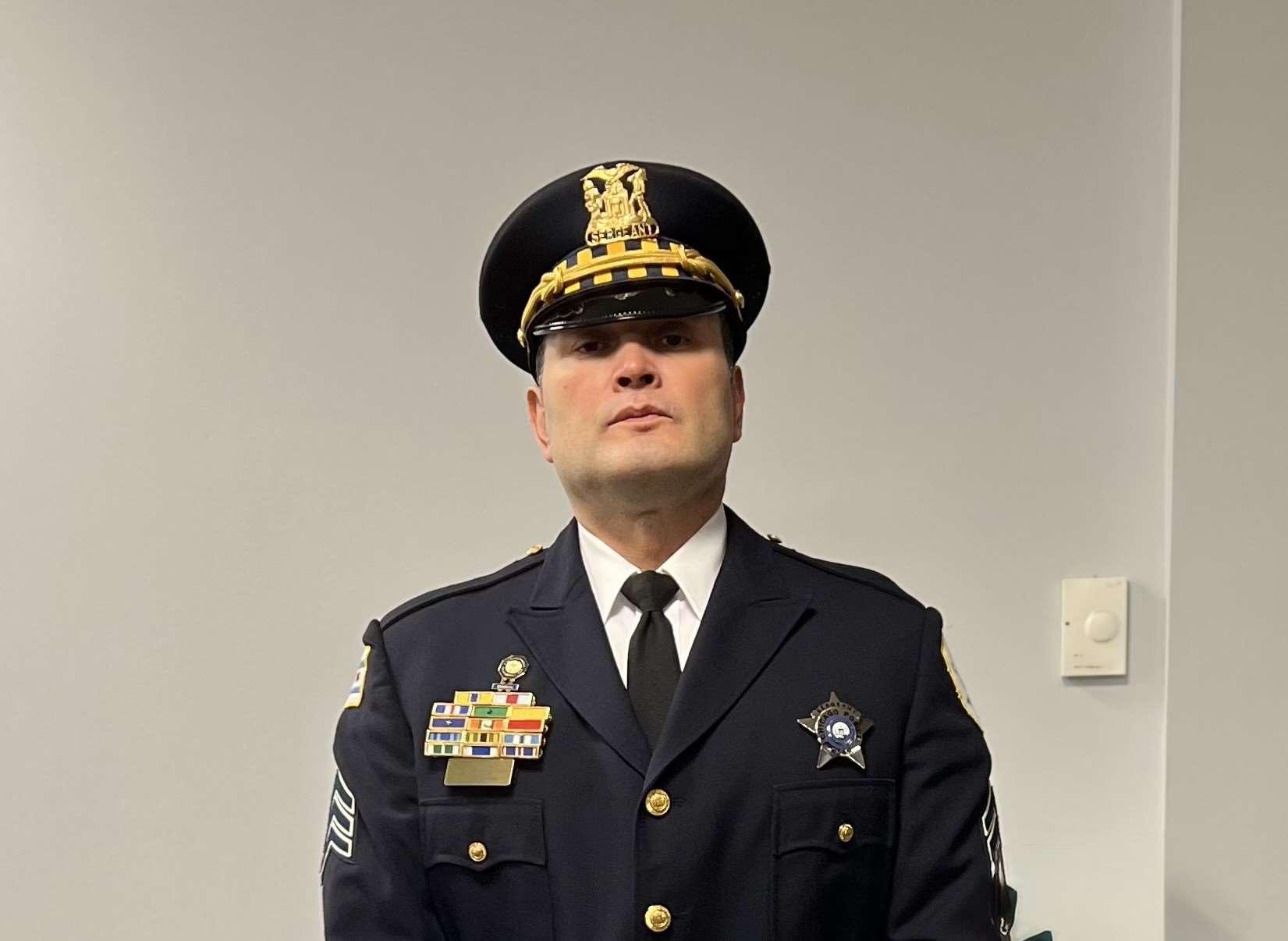

IopenedmySurfaceandcalledmydadovertothetable. DavidE.Guzmanarrivedstillinhisuniformsincehehadjustcame backfromhisjobasapoliceofficer.Ihadmyquestionswrittendown onmynotebookandmysurfaceonplay.Hetoldmethathevividly rememberedtheeventsthathappenedandhowwewasfeelingduring them.Aswespokeforagoodwhile,hetalkedabouteventhe smallestdetailsthathappened.Iwaseagertolistentoallthathehad totellmeabouttheeventsofthosehours.
Butashespokemoreandmoreitbecameclearasdaythat thiswasn’tanormaldaybutratheraneventthatwouldseeanew presidentinoffice,butwithanybigeventthereisboundtobesome unexpectedtwistsandturns.DavidE.Guzmanis52-year-oldSargent oftheChicagoPolicedepartmentandspecializesinnarcotics.His formerroleswereasanActiveDutyOfficerandasanActiveDuty Sargent.Atthetimethathewasanactive-dutyofficeofficerthatwas atthePullmanpolicestation.Hewasn’texpectingsomethingmassive tooccurthrough,especiallyontheverygroundthathewasworking on.Butthedaythatwouldbetomorrow,theunexpectedwould becometheexpected.ThepresidentoftheUnitedStateswascoming totown.
GuzmanwascomingintoworkonedaytotheChicagoPolice Department.Itwasaroundelectiontimein2012,soheexpectedthe presidentthanBarackObamatodosomethingbig.Hehadseenthe newsaboutObamacomingtoChicago.Hedidn’texpectthathe wouldbeattheexactplacewhereObamawouldgivehisacceptance speech.HisbosstoldhimabouthowhewillbegoingtotheObama acceptancespeech,justincaseanychaoswouldhappen.Thedays priorallthedepartmentsofChicagopreparedandsharedresources equallysothattheycouldbeondutyandready.Theywerestarting topreparefortheupcomingeventwhilethey“werealsoprovided logisticsontheestimatedsizeofthecrowdandwhattodoif somethinggoesawry.”Theystartedplanningonwhattheywoulddo thereandwheretheywouldbestationedatduringthespeech.This speechwasaveryimportantspeechasitannouncedObama’s acceptanceaspresidentoftheUSA.Davidwasreadytotakeonthe jobandprepareforanythingthatcouldhappenattheevent.
Whenthetimecamefortheofficerstobestationed,Guzman sawonepersonafteranotherenterthecrowd.Theywereoriginally worriedaboutariotbreakingoutorsomeoneinsertingviolenceon someoneelse.Forthisreason,Agroupofofficerswhospecializein controllingalargegroupofpeoplecalledcrowdcontrol,wasalso goingtoattendtheeventalongsidetheofficers.Theofficersstarted gettingcrowdcontrolintoplaceastheysetupbarricadesinand aroundthepark.Thenthefullcrowdcame.Onepersonturnedinto
twowhothenturnedinto3andsoon.Thecrowdquicklyturnedinto anoceanofpeople,eachpersonshouldertoshoulderwitheachother. Guzmanwas“Nervousbecauseofhowbigthecrowdwasgetting overtime.”AtthetimeMr.Guzmansfearwasthatthelargecrowd wouldstarttobecomemoreboisterousandwouldeventuallydescend intoafull-onriot.Mr.Guzmanshandsstartedtoslowlyshakethe morehethoughtaboutthechancesofsuchadisastrousevent happening.
AsObamawasspeakingthecrowdactedverypeacefullyand eventooksometimetocherishthemoment.Therewasnoneedfor anycrowdcontrolofanysortsoranyemergencysuppliesbecause evenwithintheseaofpeoplenotasinglepersoncausedanysortof disturbance.ThecrowdlistenedeagerlytowhatObamahadtosayas hewasspeakingouttothepeople.Thepresidentspokewithintentto thepeopleofChicagoandthepeopleofChicagolistenedback.In thatmomentthepeoplewerealongsideeachotherwithgreatpride andjoy.Mr.GuzmanworriesquicklywentawayafterObamastarted speakingsincehe“wasn’tsonervouswhenhesawhoweveryonewas celebrating.”Thecrowdstoodpeacefullyafterwardsasallpeople fromalldifferentcornersoftheworldcelebratedinunison peacefully.Obamaeventuallyfinishhisspeech,andthecrowdwent homepeacefully.Mr.Guzmanwasveryrelievedthatnothingbad happenedevenwiththesizeofthecrowd.Hewentontoremember theexperienceasanexampleofhoweveryonecancherishanevent together.
“Whatkeptmegoingwasthat peoplefromallwalksoflifewere celebratingoneoccasion.”
Mr.Guzmansexperienceshowshowhewasexpectingthe worstscenarioasaChicagopoliceofficer.Hewasgiveninstructions ofhowtodealwithanyemergenciesorcrowdcontrolthatmight happenedduringthepresidentialspeech.Mr.Guzmanisalsoreadyto takefullprecautionsatanytimeanemergencycouldoccuratany time.Mr.Guzmansaid,“Whatkeptmegoingwasthatpeoplefrom allwalksoflifewerecelebratingoneoccasion.”Itendedupbeinga historicnightwhilethecrowdwasverystableandpeaceful. Everyoneputasidetheirdifferencestocelebrateoneoccasion.

Chandra Hassan’s experience on traveling to active warzones to provide surgery and aid for the wounded.
Hassan, weary eyed and delirious, awoke to a loud sound coming from his window It was too early in the morning for Hassan to understand what was happening, or why people were yelling outside. As his peers ran to cover the window with a mattress, tears in their eyes, that is when the realization hit Hassan, he was in the middle of a bomb attack and had no clue what the future had in store for him
Chandra Hassan, an American Board certified General and Bariatric Surgeon at the University of Illinois Chicago, started his career knowing that he was meant to help other people In a world where people act out of selfishness, Hassan defies these actions and acts out of righteousness and humanity.
Hassan, 57 years old, was born to a poor family in Madurai, India, and faced the hard reality of immigration so he could advance his life in Britain. After completing his Medical School in Britain, Hassan and his newly wed wife decided to embark on a new journey by moving to the United States Hassan later became a loving father and husband to a family of five, with two daughters and one son
Hassan first moved to the U.S. to complete his medical residency, which was the start to Hassan’s new life and career in the U S Hassan knew from a young age that he was destined to be an influential person who dedicates their life to helping others: he knew the value of being a person who stands up for justice and dedicates their life towards achieving this goal Hassan describes this value as the “key for holding humanity”, which is one of his principles in life
predominantly places of conflict and some nonconflict zones. Since 2022, Hassan has gone to Ukraine seven times as well as Syria, Gaza, Kenya; he is planning to go to Tanzania Hassan knows the risk of going into places but does it to make an impact even if it helps one person. Hassan has expressed his desire to help people without putting politics in the way of medical neutrality: “Yeah as a surgeon, as a humanitarian, and as a human being, it’s important that we show up in places where people don’t have any voice ”
By: Zainab Hassan
In 2022, the start the Ukrainian Russian war sparked something in Hassan. He recognized the importance of humanity and helping those in need. Hassan always wanted to partake in services and trips that prioritized the safety and well being of others, so in 2022 he decided to join MedGlobal. MedGlobal is a Chicago based organization that provides essential medical supplies and humanitarian aid globally Hassan joined MedGlobal to help others, even if it meant risking his life
Hassan goes on yearly medical aid trips to
This past October, Hassan went to Ukraine, marking his seventh time there. He described the trip as “long and tedious,” but powered through the hindrances thrown his way He feels that he is in a stage of life where he can start going on these trips and following his passion. Hassan expressed that these trips are not about the individual, but about working towards the well being of others and bringing some normalcy to their distorted life Hassan believes that we should rise up against injustice and discrimination. The most important aspect of his trips is how it positively impacts other people’s lives across nations: “If we do not stand up for each other as human beings, across tribes, across nationalities, then we would lose our humanity.” Hassan describes how nationalities must come together to help each
other, without effecting the medical neutrality. Medical neutrality is one of the most important things while going on these trips, because the point of going is to help those in need and not bring your political stance into helping the others. Hassan has gone through many challenges in his life but has never let them prevent him from following out his passion He is one of the most selfless people I know, who always puts others welfare before his self. Hassan is also so keen on devoting your work to benefit others, as opposed working to harm others. Hassan showed me that even if there are obstacles in my way, I should never let that be the cause of hurting someone else.
“Having this value of humanity shows that we have more in common then what divided us”
Through this interview I have learned what humanity really is and have gained respect for my father’s work It is not just about preventing yourself from hurting others, it is coming together with the people around you, no matter what they look or act like. It is about not only helping yourself, but others too. It is about striving towards making a beneficial impact, even if it benefits just one person.
Hassan taught me that it is not about the recognition or fame one receives, but helping those who do not know what it means to have a “regular life,” those whose worlds have been so altered and distorted that they cannot exist in peace- those who are in need of aid and stability, but do not have it
Hassan’s care for humanity is the most meaningful thing I have learned from him. I promise to center my life around uplifting people rather than hurting them I promise to be someone who is accountable for their actions, and the friend everyone needs in their life. I promise to be there for people throughout their highs and lows. Lastly, I promise to never forget this value of humanity that we all have.

By Ian Hong
It was a nice Sunday morning when I met with my father, Charles “Charlie” Hong We sat in his bedroom with the blinds open and the sun beaming in on us Before Hong sat down, he had to fill his Yeti up with iced tea Hong does not like coffee like a typical adult, but instead prefers iced tea; he cannot live without it We had a bit of trouble trying to set up the camera to record, as the camera’s weight was unbalanced, making it fall over one way or another. But my father had an idea: to use his wife’s knee pillow This kept the camera balanced so we could begin our conversation, truly showing Hong’s thought of manner Right after Hong got a sip of his iced tea
Charlie Hong grew up in Bloomingdale, Illinois In high school, Hong played football, volleyball, and wrestling. He was the varsity captain on his volleyball team for his junior season While he was in high school, he struggled: “I admittedly didn’t do a great job balancing sports and academics ” Even though it is hard, Hong reminds me that I still must balance both sports and academics This also shows how it is important to admit things that one wishes they did better. Hong is able to self-reflect with humor, as I saw in his laugh as the answered the question.
Growing up, Hong enjoyed hanging out with his grandparents on the campgrounds While at the campgrounds, they did lots of camping activities, such as canoeing, swimming, and biking This was definitely a big part of his childhood, and he made a ton of memories that he will never forget “I did a lot of camping with my grandparents,” Hong commented He really enjoyed camping and was glad to spend quality time with his grandparents
Growing up in Bloomingdale, IL there was plenty of outdoor time for Hong. His form of transportation as a kid was a bike. During Hong’s childhood, he took football very seriously; his team won the Super Bowl three years in a row In this run, Hong had the same group of teammates Some were older than Hong and some were the same age “I played football from third grade,” he explained At a young age, kids were thrown into a helmet and pads, because back then they did not have flag football, a level kids now commonly start with
Hong also lived near his cousins whom he loved a lot and is still in touch with today His cousins were like siblings to him They did many things together, such as go to their nearby neighborhood park To put in perspective, it was the park in between both of their houses. Hong really enjoyed family time with his cousins and his sister: “They were like little brothers to me ” They grew up together Whether it was at the campground or the house, they always had a ton of fun
In the summer, he spent a week at a time in Chinatown, where his other cousins lived He enjoyed hanging out with them in a new scenery with different surroundings than the suburbs of Bloomingdale He became familiar with Chinatown by working at his uncle’s restaurant in in the neighborhood By helping and exploring, Charlie got a good feel for Chinatown, but he claims, “It didn’t really interest me.” He did not really want to move to the city at first. Although he enjoyed when he was younger, he did really have interest in the city Maybe Chinatown gave him a hope for the city, because Chinatown is a sight to see in Chicago
Charlie Hong loves his family and friends, and we all should appreciate how he tries to learn about everybody’s story This is really inspiring to me and makes me want to reflect on myself and how I can improve myself from his teachings Hong is a very enjoyable person, and shows great respect to all, no matter who they are We can also learn the importance of hard work and the willingness to help others achieve things that they are trying to do: “I like to help people accomplish or achieve the things they’re trying to do. So, I try to communicate really well, with folks and listen to them.”
“I like to help people accomplish or achieve the things their trying to do. So, I try to communicate really well, with folks and listen to them.”

A story about Kevin Hull’s experience with 9/11 and how he navigated it.
By Oscar Hull
It was Sunday morning, 9:07am, bright blue sky, not a cloud to be seen, and 78°F outside. Ironically, those were immensely similar conditions to that fateful Tuesday morning when the world forever changed. Those were the conditions when I interviewed a man whose story is forever lodged in his heart as “the day when the world literally changed.” This man is my father, Kevin Hull. I entered the living room of our West Loop apartment armed with my phone for recording purposes, a notebook for my questions, and an open mind that I thought was ready for the tragedy I was about to hear all about. Our living room is surrounded by LED lights for décor and complimented by monochromatic, plain grey walls, with sunlight barely creeping through the curtains and faint train horns in the distance. I could smell our next-door neighbors cooking bacon and pancakes, two things I wished were right in front of me. I was sitting patiently on my couch when Hull entered the living room in his polo shirt with khaki pants. We had church in less than an hour and I figured I could get the interview done so I could enjoy that lovely Sunday, but instead it turned into a deep dive through history, stopping on that Tuesday morning of September 2001.
bright blue sky in
early September, and Hull “was watching television, eating my breakfast, ready to go into work, and a news story came in saying that a plane had hit the North Tower.” Hull and pretty much every other citizen of the United States of America’s first thought was that it must’ve been a freak accident by a smaller plane like a Cessna or smaller, because nobody expected it to be more than just a grave accident, and he even described it as “a really unfortunate mishap” where the plane lost direction or the pilot had some medical emergency. Nobody understood the gravity of the situation yet, and that is what really caused all the chaos later, the unexpectedness of it. When Hull finished his breakfast, it was then time to head to the Capitol.
After the long ride to the Capitol, he arrived at his office space. Hull was with his seven or eight colleagues in his office because they were working on a case on a day where few people were in the Capitol for unknown reasons. Hull was in his office associating with his fellow coworkers when they started talking about the airplane “accident” earlier that morning. Everyone shared the same sorrow for those hurt but did not think anything of it. But then again, why would a plane be flying in heavily restricted airspace? It was after thinking that that they said, “Hey, this is getting scarier, we’re hearing that this is a bigger threat [to the US].” After coming to this revelation, the atmosphere instantaneously shifted to a tenser, and more anxious atmosphere. And, as a part of our human nature, we always want to see what is happening.
As much as everybody desired to watch the news coverage on what was happening, there were no television sets in the office. However, in their office, there is a position called a House clerk, and luckily the House clerk had a TV set, so Hull and all his other colleagues gathered in the room of the House clerk. Hull described the House clerk’s office as “cramped and small,” so not very fit for the people that attended Hull’s office, but at that time as long as you could see the news then nobody complained. It was unusual for a plane to hit a huge tower like that, sure, but nobody, and I mean nobody expected what happened next. Hull relays to me that “we were all huddled there with a couple other House (of Representatives) staff when we saw the second tower get hit.” At this point, everybody cramped and huddled in that room realized the same thing: the South Tower of the World Trade Centers had just been struck by terrorists. It was easy to tell that at this exact moment in time that these were well-coordinated attacks by a terrorist cell. Hull dictates that “when we saw the South [or second] tower get hit, that is when the world literally changed.” This second plane crash finally woke up the American population.
Now, it seemed highly unlikely that these were accidents, and Hull and the other people there started to piece that together. Hull describes the situation in that cramped room being filled with many questions, but everyone in that office space shared the same thought: “Because these people have crashed into a major landmark in the United States, what is to stop them from hitting the Capitol?” The short answer to that question is nothing. Nothing will stop these terrorists from targeting the Capitol next. So, what happened next? People that my dad and his friends “knew by name, in full hats, full guns, telling us we need to evacuate immediately, because they were worried that the Capitol was now a target.” This sent everyone into chaos. People were grabbing the absolute essentials like important files and anything else they deem necessary and hustling out of a potential target for this specific terrorist cell: The Capitol of Illinois. Hull describes the scene on the staircase of the Capitol as a “constant flow of staff members down the stairwells.” After exiting the building, Hull “grabbed a book, an apple, and a picnic blanket and rode a bike down to Oak Ridge Cemetery and sat under an oak tree.” Hull also did not feel the finality of death and did not decide that this whole situation was as big a threat to Springfield as the more important United States landmarks, and figured the attacks were for something bigger than the
Capitol. These conflicts inflicted a scare in the community, and it was followed with many mixed feelings.
When we saw the South Tower get hit, that is when the world literallychanged.
After this whole dilemma, you could imagine that Hull and every other American citizen had some feelings towards the system. He describes his feelings as disappointed in our system, and the fact that these terrorists entered flight schools, got licenses, and passed without being caught. This caused many people to be livid at the fact that the hijackers were able to attend U.S. flight schools without being caught. Also, the terrorists capitalized on weaknesses in the U.S. immigration and intelligence systems by taking advantage of the absence of background checks before entering flight school. Hull recounted the “image of the Towers collapsing and seeing footage of people having to jump out of the windows because the inside was so bad that they would rather fall to their death than succumb to the heat [from the fires] and whatever else was inside” and said that he would “never forget how that [the images] impacted me.” Hull also recounted how some of his friends were sent out to war in Afghanistan, Iran, Iraq and other Middle Eastern countries and coming back with “trauma in the form of stress, severe depression, and even suicidal ideation. These conditions (in the warzones) were that scary.” 9/11 caused many feelings of anger, but also Hull describes his feelings as “distrust, I felt a level of disappointment in our system [because of the failure to capture those terrorists].” Hull described 9/11 introducing a whole concept of misinformation and polarization of news channels and how information varies depending on the source.
That is exactly why Hull’s story is unique. Not only is it from the perspective of someone who was not there in New York but also was not at home watching it happen, but he also talks about his empathetic actions towards the people in more populated areas. This is hard to say for most people who lived during 9/11, because most of the powerful stories you hear are from people who were actually in New York. Hull was kind and brave enough to open up about this traumatic experience and also about how much the world and he has changed from those attacks. Hull’s story recounts some of the major events that occurred before and after the attacks, but there is still so much more that happened on that day and still so many more untold stories. So, with that, all I ask is that you find someone who was alive at that time and talk to them about their untold story.

Rhea Dudani at the premiere of “The Martha Mitchell Effect”
By: Naisha Johar
It was late afternoon on a Sunday when I called Rhea Dudani. I opened the FaceTime app while I was sitting at my glass dining table on a black upholstery chair. My dining room had a warm, orange lighting completed with many windows. I took a breath and glanced at my notes while opening a window and smelling the cold, crisp air. Dudani picked up my call immediately, and I felt overjoyed to see her again. She answered sitting outside on a gray outdoor sofa. For Dudani, it was two hours earlier due to the difference in time zones, leading to the sun still being visible. The warm sunlight reflected off her shiny, medium-length, cocoa brown hair with caramel highlights near her bangs. Dudani tucked her hair behind her ear and started our conversation by discussing her new house and how her move to Los Angeles felt. Before our conversation, Dudani took her phone inside her house and briefly showed me the first floor of her house filled with some brown labeled moving boxes. Dudani propped her phone up against her white marble side table and leaned back on her outdoor couch She wore a navy blue tank top with accents and embellishments of white around the hem of her shirt. Dudani smiled and took a sip of her coffee, excited to begin our conversation.
Dudani was born on September 13, 1999, in Boston, Massachusetts. Dudani, now 26 years old, moved to Los Angeles to continue to pursue her goal and career path in life. Dudani, my first cousin, moved to New York first “because there were a lot of film opportunities there.” Throughout her time in New York, she learned the true challenges and struggles of film but also embraced her everlasting love for this specific career path. A month ago, Dudani decided to move to Los Angeles and shared, “Now I’m staying in LA because I want to become more of a screenplay writer.” Through Dudani’s extensive journey along the path of being a filmmaker, ad maker, director, and now a screenplay writer, she learned about the challenges of film, met new people, discovered hidden gems that would last her a lifetime, and found a career she would pursue for many years.
As a successful filmmaker, screenplay writer, documentary maker, and ad maker, film served as more than just a career path for Dudani-it was something she wanted to devote her life to from a young age. When Dudani was a toddler, she grew up in a cozy, rustic town called Newton, near central Boston. Dudani remembers the quiet hum of the air conditioner running in the red brick, cozy house during the July summer heat. In the living room with warm white walls and tall, bright lamps, Dudani was with her sister, Ritika Dudani.
During these memorable summer days, Dudani recalled and shared, “My sister, Ritika, and I used to have this pop-up Barbie tent, and we used to take all of these different house plants and we would create a movie set with the Barbie pop-up tent and all the animals and all the plants and I would take my mom’s camcorder and I would put tape in it.” Through these experiences with her sister, Dudani gained a new perspective on filmmaking and understood why she truly enjoyed the concept of filmmaking. Film was such a crucial part and strong memory of Dudani’s childhood, making film more than a job and something necessary for her to pursue a career in. She wanted to achieve success in film through devoting her time and effort to this path. Through these vivid memories, we can understand how Dudani discovered this path and why she worked to become a filmmaker through tedious work and sleepless nights.
Through the struggles and positives of film, Dudani discovered a love for film which enforced her opinion and decision that “I just knew I wanted to spend the rest of my life telling stories and creating worlds.” With this intent and her career path decision, she gained and fueled her love for filmmaking from a young age, which led to her moving to New York to continue this career path. Through Dudani becoming interested with filmmaking at such a young age, she discovered something she wanted to continue for years to come.
Through film being a prominent part of Dudani’s life, she was exposed to film at a young age and decided to pursue a path in film through her life as an adult. The significance of film to Dudani was so much more than words could describe, and her heart was set on film since she was a toddler.
Dudani experiences so many troubles such as pressure, stress, diminishing standards, bias, and hurtful opinions yet perseveres with her personal understanding of what film means to her.
Dudani knew film would be a difficult career path to pursue, but she did not expect as many challenges intertwined in film as there are. After four years at a bustling college in central New York City called NYU (New York University), which Dudani stated was “honestly such a great experience and didn’t really feel like a regular college campus,” she finished film school and got her first job working as a production coordinator and assistant director. Throughout her first job and working on her first film, she began to understand the immense amount of tedious work and labor demanded from jobs in the film industry.
Through this amount of work required to succeed through filmmaking, Dudani was forced to balance a vast amount of work with her personal life. Although she started this job after recently graduating from college, her workload and expected progress was more demanding and extensive than any experience in college or any internship. Although this film was divided between a team of five members, Dudani received and completed more work than she could ever anticipate based on her experiences at New York University (NYU). This set the stage for many more difficult jobs in the film industry, yet caused surprise for Dudani since she was not used to the immense amount of work in her mid-20s. This first film gave her an understanding of the tedious work required to succeed through filmmaking and led her to understand how her workload changes due to the demand from others in film.
Dudani knew this extensive and vast amount of work would take a toll on her health and free time, and Dudani shared “I remember sometimes I would call my mom crying because of how much I was working on the film.” This explains the immense difficulty and work rooted in the process of creating a film and how making a film is no easy task. For Dudani, film was an amazing opportunity and all she could want from a career, however, film was physically and mentally demanding with no easy shortcuts.
Despite this film being one of her first experiences, the work piled on for her, and she gained an understanding of how and why this job is competitive. Although this tedious work was not something she expected, she ended up showing her devotion to this career path which she was interested in from a young age by choosing stress, perseverance, and hard work over any sort of failure in this path she immensely valued and wanted to pursue. Dudani endured struggles which affected her in many ways, showing her ability to persevere through challenges.
For Dudani, film turned out to be the best choice for her career path. Through the pressure and tedious amounts of work Dudani had to contribute to each film, Dudani began to understand how film became something she enjoyed immensely, despite the challenges of being a filmmaker.
Through Dudani working on her first short film, The Martha Mitchell Effect, she gained an understanding of what it meant to have a team of supportive people right by her side through the tedious process of helping in a film. The Martha Mitchell Effect took Dudani’s team one year and it was one of Dudani’s most successful films. Through the gloomy and tedious days throughout the year when Dudani had to work more hours and do more than any experience in film school, she realized her team meant so much more to her than anything. By having this helpful and supportive team, she realized and stated that, “I think they’re going to be my creative partners till the day I die.” Although the tedious work and staying up late each night to contribute to the film affected Dudani in negative ways, she knew she would not give up on something she wanted to succeed in more than anything. Each day, Dudani worked with and acknowledged this team as something greater than what she ever could have imagined. Through having this support system, it led to her succeed through times of doubt and struggle. Dudani learned to adapt to struggles and realized why she wanted to continue this career path since she could not imagine another career. Her devoted work and dedicated progress reflects her goal to be a filmmaker, which she strived to achieve with her amazing team. Although the film process and industry entails many standards, positive effects, and negative assumptions, Dudani knew that film was a path she wanted to pursue. Despite the overwhelming negatives of film and everything she went through, Dudani pushed through by being the best version of herself possible. The intensity of this film path highlights how Dudani endured challenges to reach a career she yearned for ever since she was a toddler. This reflects Dudani’s perseverance through the toughest times and extreme workload in the film industry. Although film may appear to be a simple field to pursue a career in, we can learn about how film affects people through Dudani’s eyes and perspective. We learn about the hidden things tucked away from the view of people and how this industry truly is.
Dudani experiences so many troubles such as pressure, stress, diminishing standards, bias, and hurtful opinions yet perseveres with her personal understanding of what film means to her. While film may appear seemingly normal and easy to get involved and engaged with, film puts pressure on people in mental and physical ways, which reflects on Dudani’s experience with the struggles of work in film. Film is more than tedious work, as film includes biased people, prejudice, unfair perspectives and standards, and so much more. Although this may make film seem tiresome and lead to pursuing a career path in film seeming unachievable, anything is possible with perseverance and hard work by persisting through challenges and embracing the good things. Although challenges surround us with a growing fear, we can understand how the toughest challenges make the brightest friendships and everlasting joy, relationships, and success.

Written By: Nihal Johar
As I walked into the kitchen to interview Sumeet Johar, his confidence was palpable. He was sitting patiently in a chair. The sun shone through the windows and onto the table, and the air smelled faintly of flowers Sumeet Johar was born in India, in a city named Jodhpur. Growing up, Johar only had two career choices: a doctor or an engineer. Due to family connections and grades, he chose to become a civil engineer
Johar did not know it at the time, but his professional life would go down a much different path Despite many challenges, he demonstrated resilience through the numerous challenges in his life, proving the importance of hard work and perseverance when it was needed most.
Even though he studied civil engineering throughout college and obtained a master’s degree in the topic, Sumeet Johar was never that interested in engineering. He did not like what he did, which led him to make a change that would change his life. He quit his job as a civil engineer and started work in consulting, specifically with clients in insurance Johar did not stop working hard, even in a completely new field He obtained another master’s degree, this time in business He was appreciative of his many opportunities and used challenges as learning experiences He found interest in the industry immediately
When reminiscing on his choice, he said, “I think it’s probably one of the best decisions I made ” He had found a job that not only suited his professional needs but also one that brought him joy personally. Through this switch, his life took a turn for the better. But it was not all great, as there were many obstacles he faced along the way. One of the largest issues in any field is finding a job that suits you
The one job that gave Johar a huge boost into the insurance industry was his job at a company called Aon At the time he worked there, the company was the largest brokerage in the world. This job was one of the main contributors to his success in the industry. It allowed him to meet people who would help him advance further in his career.
When asked about his early work in the industry, Johar reflected, “I would say networking is probably 90% of the reason I am where I am.” Through meeting other people in the industry, plus his hard work and dedication, he gained access to the possibilities that came with work in the insurance industry. He did not back down to challenges, which is an important life lesson he learned.
Consequently, through his work at Aon, he developed a great passion for the job. For example, during our conversation Johar said, with a nostalgic smile, “We enjoyed it so much because the company created a culture that made it fun to work.” Johar found enjoyable moments even through struggles, and this passion drove him to progress through the industry and earn better and better promotions Currently, Johar works at a software development company called Guidewire as the head of a department specializing in insurance
He progressed from someone without significant experience related to finance and insurance to someone that is an essential part of a business and a figure that many businesses rely on
But Johar’s work, despite being both professionally and personally beneficial to him, also had its drawbacks and challenges One large obstacle he faced was people in senior positions running businesses without making changes. But these obstacles taught him hard work and perseverance as he worked to make changes in the industry. His work became not just something to earn money, but a passion of his Something that he has taught everyone he has met is the importance of hard work and that challenges are just a part of success.
The benefits of the insurance industry have not just helped Johar grow as a colleague and employee, but also as a person. When asked how the career has helped him in personal ways, Johar said, “As a career, it has motivated me to work harder and to keep growing ” The career has allowed him to improve his personal life and the life of his family. He did not give up but instead worked as hard as possible to become a better coworker and person. He dedicates a huge part of his life to his work out of passion and dedication for his career.
When I asked if he had any final statements he wanted to discuss, he said, “Hard work and determination are fundamental to success in one’s life.” Interviewing him has provided me with the knowledge that challenges are simply stepping-stones to success. His unwavering perseverance through challenges and motivation to work hard are life lessons which anyone can understand and apply to their personal life by finding the good side in challenges and persevering.
His words and ideas solidify his position as a role model for many and leave a lasting effect on many people, including myself. Throughout his journey as a person and coworker, Sumeet Johar has made one thing clear: always work hard and persevere through challenges in order to succeed in life
“Hard work and determination are fundamental to success in one’s life”

By Chase Johnson
I was on my phone with Basil, my basketball trainer. I recorded the audio of the call from my iPad. It was noon, and I had just woken up from oversleeping 20 minutes prior. Before I could begin the interview I went to the other room to splash water on myself to wake up. As I began walking back to my room, it hit me how awkward this interview could be, and how this could go wrong. I began getting nervous, since I realized this would be the first time I had ever sat down and had a personal conversation with him. So since he’s a pretty famous person, I had to decide good questions so that it didn’t waste his time. I thought, “It wouldn’t be that big of a deal. I already spent time training with him, right?” This scene shows how people’s social memory can be controlled by the setting they’re in.
Over time, Basil found a backup plan. He found something else he could do outside of playing basketball. He knew how to play basketball well, so it wouldn’t be as much of a challenge to teach people how to play. He had experience playing college basketball, so then when he trained players, he could give advice and tips and the players would respect him. This suggests he has a high level of knowledge of basketball. Once I asked Basil about his background in basketball, he told me, “I played in college, and being a smaller guard, I knew how to score and how I could make it make sense. So, I figured I could help people with that.” This developed a training plan he could use with his players so that once he gave an idea it could be effective. Due to this, he gained trust with his players as progressively over time he started gaining more players. Over time he started training bigger named players like Draymond Green, Larry Nance Jr, and Tacko Fall.
After continuing to train players day after day, Basil’s name spread throughout Chicago. As a top trainer in the city he trained
more and more players. He started noticing things better, like players weakness and strengths and what to do with different players. This opened his mind on how to help his players continue to get better, so once he was training a player, he knew what to work on with them. I asked him about a time where he didn’t know how to train a certain player, he said, “There was a time where one of the most difficult guys I had to train was Jerome Randle, he played at Hales Franciscan. He was Burkley’s all-time leading scorer. He was challenging because he only did what he wanted to do. So, what I figured out was I’d have him play against someone just as good as him that he would respect.” This helped him keep his players in check and humble, and this is important because it would help let his players know that there’s always someone as good as them out in the world. This was important because during the training sessions, his players would be unserious and would lack respect, this was a great strategy.
Once Basil reached a certain point with athletes training, he was able to help his players on and off the court. Then Basil started training more people, and because of that he had to start committing more. Therefore, he began getting closer to his clients. This shows the importance that basketball can have off the court as well but highlights the sacrifices it takes. He began finding out what the players schedules were, and what they do throughout the day. When being asked about what the players typical day looks like. He said, “I already knew the players well. So, I found things I could help them with, for example their schedule. They wake up early and probably lift at 6 or 7 am then they probably do a on court workout. Then they will do one more workout later, or they will probably play pickup.” He was able to figure out what the players need to work on, or what he can help them improve on. He also tries going to his players games to see how they play when it matters. This exposed weaknesses that Basil could get them to work on. This separates practice from games.
After years of training, Basil began to realize that his passion for basketball wasn’t just about the game, it was about the people. He saw how much confidence and discipline players gained through his sessions. He talked about how playing college basketball himself could reflect on his players. He wanted to give that same chance back to players like he had. Basil explained about a specific moment when one of his players got cut and how he helped them, “People can get cut from their teams. Then we talk about what they could’ve done better and then I help them ” His goal isn’t only to make his prayers better, but to make them stronger people. He started mentoring about mindset, work ethic, and responsibility. He was extremely heavy on consistency Not just talent.
Despite all the success he had as a trainer, he explained that the job comes with challenges that have started to slightly affect him. The constant travel, commitment, and pressure to keep the players improving began to take a toll on him some days. He admitted, “In case I’m unsure if I want to keep doing this, that’s why I’m an agent now.” Because of this Basil began to think about his future and whether training is something he wants to do forever He was still passionate about basketball, but he decided to expand his career by becoming an agent as well. This allows him to help players from a different view. He negotiates their deals and guides them. This also allows him to create opportunities for his players and stay connected to basketball. His story teaches kids how being humble and working hard pays off.
“ If you want to be great you have to be willing to do things that make you great”
How Joe
By: Joseph Junkovic Jr
It was a mid-October day Leaves slowly darkened, and a slight breeze blew around outdoors. I was in my living room with my father, Joseph Junkovic, better known as Joe. Junkovic had already been sitting down, watching TV to pass time as I prepared my questions for him I called out his name, asking if he was ready to be interviewed. “Of course,” he responded. Junkovic had a plain black shirt on as well as his favorite pair of blue, dark wash jeans. His hair was swept to the side, a slight smirk fell on his face I place my phone down on a pillow that was between my father and I, dividing us. I took a deep breath and pressed the red button to record.
Junkovic is a Chicago real estate manager working for his company, Kenmore Realty Group. Originally from Ulcinj, Montenegro, Junkovic immigrated to Chicago in the 1970s, where he grew up in Old Irving Park Despite all the struggles he faced, he is a loving husband and father and a determined person who likes to get things done. However, these successes and character traits developed over his career
Junkovic started his career in the 1990s after his father was laid off and lost his job. His father then decided to sell one of his properties to buy a new one. This is what started Junkovics real estate career: a new building, a fresh start, and a chance to work for himself. Junkovic stated, “It was the timing, I think. It was the right time.” He spoke with a hint of gratitude in his voice; you could tell by his gentle smile that he appreciates how timing helped him in the future.
Before his family bought this new property, Junkovic had worked for someone else in a regular 9-5 job. Junkovic had some experience in real estate, but he had to learn many things on his own, since now instead of working under someone else, he was independent He did not have many people to rely on Despite this, Junkovic was joyous with the freedom he got working for himself.
The property Junkovic and his family purchased was a 94-unit building that was priced at 2 5 million dollars Later, he was offered 5 million dollars for it a great deal at the time. He called his brokers for advice since he was not sure whether he should accept this offer. His brokers responded, “Of course it is, you hit a homerun!” He spoke with joy in his voice and a hint of gratification, as this “homerun” was able to sprout off into what has now become his real estate career and everything that came with it. That is how he was able to expand and buy three more properties “That turned everything around in my career,” he said This turning point in his life had a lasting impact, I realized as he spoke.
This feeling of joy did not last long, as next, Junkovic lowered his voice, speaking more seriously as he stated that things got a lot busier Likely thinking back to his stress, he said the phones rang all the time and that there was always something that could go wrong in an apartment. To try and deal with this, he delegated responsibilities to his employees to lessen the workload since he could not deal with every task that required completion
Junkovic says that his biggest challenge was complaints from tenants, legal issues, and evictions Going into real estate, there are a lot of legal technicalities and issues you need to work out, so to tackle this he hired a lawyer to deal with these problems. He continued by stating that he had to hire more people since he could not handle all these concerns, which goes back to his issues of dealing with the stress that came from business
Junkovic gave a small pause as he pivoted to discussing challenges. In his work life, he talked a lot about stress, and this affected him because the frustration and problems his with buildings caused him to sell some He spoke with a hint of resentment when he talked about employees who were taking things from him and being dishonest about it. This changed his perspective on things, as he goes on to say, “That’s what happens in the business – you can’t always trust people ” This voices his regret and sadness of failed trust he put in his employees. This represents a change in his character and how he realized that in this business you cannot always be trusting, and you need to learn how to adapt
He continued by talking about how he had to fire some people and things changed in the business. He had to be more vigilant and watch over everybody and every penny He spoke more thoughtfully as he talked about learning as you go along He appreciates mistakes and believes they teach you how to do better but also speaks with some regret as he says he had to learn to be less trusting of people.
Junkovic attempts to find solace, saying, “It’s just the nature of the business, you know? – you learn after a while that all these issues –” he paused, “you’re not the only one, everybody who’s in the real estate business, it’s part of the business.” Junkovic tries to reconcile with his struggle by his realization that everybody deals with these problems, so he just needed to push through it and try to find his way out to the end
His story is not all about losing trust in his work with real estate. He was able to help the community. He recalls how it felt good to accomplish something that people congratulate you for; he was even mentioned in an Alderman award for his work on improving the community. He spoke with a smile as he said this. It was evident that these praises and awards fueled him to continue his work and continue to do good in the community
Junkovic always knew what he wanted to do, and despite some people thinking otherwise (even his own family), he was set on it. He says, “Some of them, in the beginning were –” He trails off, then regroups saying, “they tried to discourage me, but I had my mind made up that I wanted to do it ” This encapsulates the idea of how he shone through the struggle It gave me insight into how motivated my dad was and I was surprised to hear that his own family discouraged him It turns out that, his choice of sticking with it was what made him who he is today.
As I look back towards our interview, despite me knowing Junkovic personally, I can confidently say I learned a lot about him As we wrapped up our interview, I asked him to give a piece of advice for others who are starting their career in real estate, in which he responded, “Don’t give up, if you have a dream of you want to do something, stick with it ” It was in that moment I could see that this advice was personal to him. Despite going into real estate independently, despite people doubting him, despite his own employees being dishonest, he stuck with his dream, did not give up, and stayed strong That is what I admire about Junkovic –my dad – he stuck with it, he is determined, and he is a role model for how I want to live my life.
“Don’t give up, if you have a dream or you want to do something, stick with it.”
Ahmad Javid came from nothing but learned everything
By Ronan Kelly
On a cold Thursday afternoon, my grandfather sat down on our couch in the basement. During our interview he was playing around with a clock holding it in his hands and flipping it over. The faint ticking of the clock hands was all I could hear. He then set it down on the coffee table separating us, and the noise of clock being set down interrupted the calm evening, looking outside all, I saw was clouds covering the sky. The light from the sunset painted the clouds with an orange hue that looked like it was a painting copied and pasted into the sky. My grandfather only wore sweatpants and a jacket if it was cold to him. I made a joke about how it was not very cold out, and his excuse always the same, “you know in California most people would freeze on a day like today.” but He told me in the past that Iran would get couple of inches of snow, but he was not able to handle the cold most days.
Ahmad Javid was born in Tehran in 1940 and did not grow up with his parents but with his uncle, resulting in him not talking a lot about his childhood. During his childhood he became very curious about mechanical science and electrical science, trying to figure out how things work. He then went to college here in America and in Iran and had two jobs as a scientist for a combined amount of roughly 30 years.
The whole journey started with just one clock. As a child Javid did not have a lot of toys as a kid, and because of that he grew up curious and not super playful. When he was ten years old, he decided to hide in his closet and take apart his clock to see how it worked and then put it back together. He was home alone at the time when he did it, all he could hear was silence interrupted by the faint ticking of the clock hands and metal parts hitting the ground. He had to quickly put it back together to not get in trouble with his uncle. But in his mind, he realized that he liked learning about it: “The clock was initiated me getting into more complicated mechanical stuff.” As a child who was not exposed to toys and other things that most children had growing up, he had a more academic and learning focused childhood. When he was 12 years old, he connected wires to a light bulb to make it light up. This led to more mechanical and electrical experiments in his lifetime and motivated him to explore more about his interests in science. As he grew up and started to go to high school, his interest in mechanical and electrical science only grew, he took many science classes, especially in his senior year. Even out of school he still researched and learned about the two fields of science that he was most interested in. He would always tell me about how he loved to go the library and look at the science books and magazines.
After his time in college in Iran he saved up his money to immigrate to the US and go to college. “And that was the beginning of my development of interest in the two areas of mechanical and electrical.” He explained, throughout his college experience he was encouraged to do more complicated stuff in college and but also how he was self-motivated. Since he had many opportunities and times when he was exposed to science and the understanding of what he had done, just like how when he went to college in Iran. He was introduced to a lot of things in science, which he had not discovered on his own. During his time in college, he was exploring his interests in science specifically the fields of mechanical and electrical, the college in Iran was sort of an undergrad school and the college here in America was a grad school. While on his goal to immigrate, he was dedicated to being able to go to, but also nervous and sad because when he would go there would be no one waiting for him. After he arrived, he saw big differences in culture in the US and the culture back in Iran, it took him some time to get used to the new culture, but he became more confident the more he stayed in the US especially when he got to met his new co-workers at his job.
Once he graduated college and immigrated to the US, he had two jobs as a scientist one at GE for 15 years and one at IBM for another 15 years. During his time at GE, he traveled many places such as Italy 27 times. He was very happy with his job and was one of the best workers in his division, hence why
he stayed for 15 years and traveled many times. Overtime his job as a nuclear energy scientist wasn’t the best career, in his mind because of the rising concerns of nuclear energy. When he was a part of GE in the late 1980s nuclear energy was making many people worried because of the risks of radiation and if it’s the safest option to choose. He mentioned “I joined GE nuclear energy division” and said “I decided to change my field of work, and I joined IBM” because of the rising concerns for nuclear energy he left his job at GE and joined IBM for another 15 years and still worked very hard and traveled many places just like how he did in GE.
Javid’s journey and career as a scientist shows his dedication and perseverance despite not growing up in the best home situation and not coming from a rich family. It shows how throughout his life he took advantage of the things he had in his life and used them to create good opportunities for his life ahead of him. Just like how he worked full time for a year to be able to afford his ticket to the US. Also including how he went to two colleges to show on his job application and also to pursue more knowledge about science. His story shows and teaches people that the biggest life decisions can come from small things.
Even out of school he still researched and learned about the two fields of science that he was most interested in
A patent given to my grandfather for his research about seismic isolation

It is late afternoon as I settle on the couch in my grandparent's basement, on a call with Craig Miller, my uncle, at his house in Colorado Springs. Miller was born in 1959 and raised in Detroit, Michigan. He played sports in high school and in college was a three-year starter for football and a fouryear starter in lacrosse at Albion College. Later, Miller went on to work with the best basketball players in the world.
Craig Miller was the USA Basketball Chief of Communications from 1990-2022. His job was to make sure players went to their interviews before and after games and to write stories about the team and about games He accepted the job knowing that it was a great opportunity, and it was; he attended eight Olympic Games.
Miller advises that athletes must play as a team or else they will not be successful in the Olympic Games, even if they have the most talent He said, “Basketball is a hard sport, not just talent; there are five players ” There may be a team full of the best players in the world that does not win anything, but if a team plays together, they can win games much easier Teamwork beats talent every time.
Reflecting on all the competition, Miller told me about how hard it was to win, especially after the year 2000. Miller reflected, “It’s not easy to win a gold medal, but you need to be determined and work hard and play together.” Miller shared that it is very hard to win the gold even with some of the best players in the world; they are still playing other great teams from other countries. Some of the leading NBA players play for home countries. In addition, Miller says, “The other teams have become really, really good so that’s a big part of it, it is just how much better the world has gotten at basketball.” Miller told me that international players are becoming just as good as the American players He said that international players are the best players on many NBA teams which explains that competition is getting harder for the United States. Over the years he has worked the Olympic Games, he has slowly seen the competition get better. In the past, USA would win by 40 points in the games; in the last few years they have only been winning by less than ten points.
interviews, so they all felt sad as if they let the country down Miller said that some players were very difficult to work with especially after a loss In a slightly annoyed sarcastic tone Miller told me how, “Some guys were harder to work with because maybe they weren’t as outgoing with a personality, someone like Lebron James ” He is one of the best players of all time, and Miller was still annoyed about how rude he was almost 10 years later! Even if someone is one of the best players of all time, if they are not kind and are not a leader, they will be remembered as the difficult to work with player that did not have a big personality and did not appreciate people that were working behind the scenes.
At the Rio 2016 Olympic Games, on the way to a postgame interview, Kevin Durant asked Miller about his family: “I don’t know much about you really. Are you married? Do you have a family? Do you have kids?” Miller recalled this moment with amazement and fondness. Kevin Durant is considered the best USA Basketball player of all time. So, when Miller was asked this question, he was surprised and taken aback that he would ask an employee of the organization a question like that. Miller answered, “Yeah I’m married (and) I have three kids ” Looking back at this memory, Miller told me that this was one of his favorites of his whole career. This shows that if someone is kind to others and does their job professionally, people will be kind back to you and will ask about you and your family. Miller was happy that he talked to an all-time great that could have been very stuck up and rude, but turned out to be very nice to him, especially in this moment.
By Declan Kennedy
Attending Albion College and working at Villanova University shaped his life, giving him incredible opportunities, such as being able to work for the United States Olympic Committee, and at the Olympic Games for the USA basketball team. Miller said that Albion College sports taught him about commitment, hard work, discipline and being part of a team. He believes he could not have been offered a better college experience anywhere else. He made friends, got a great education, and played two sports. After college, Miller went to Villanova University as the Media and Public Relations Director. After working at Villanova University for 10 years, Miller was offered an opportunity of a lifetime: The 1990 USA Basketball team wanted him on the team as the Chief of Communications! Miller was ecstatic and accepted the job immediately
“It’s not easy to win a gold medal, but you need to be determined and work hard and play together.”
I asked Miller about how it felt to not win the gold medal in a few of the Olympic Games. He recalled solemnly, “(It’s) a sick feeling to be honest with you, (for) me personally because you spend so much time preparing and trying to win the gold.” The team, coaches, and the press team spent so much time over six weeks practicing and working to get the gold to ultimately not win They would have games every other day and on the off days, the team would be practicing and going to
USA Basketball did not want people to be chasing down players for autographs, so when Kevin Durant asked Miller to sign a ball after USA won the 2020 Tokyo Olympic games, it was a big moment for Miller Miller, reflecting, told me, “I was kind of taken aback that he would ask me as the PR person, I asked him are you sure and he said yeah you’re part of the team ” Miller reminisced He is still surprised that it happened to this day. Durant respected Miller enough to ask him for his signature even though he was not a player on the team Even the best athletes in the world will ask for something for them to keep and remember for the rest of their lives
Listening to Miller talk about his career, I learned that he had many great experiences working for USA Basketball As he continues in a new chapter of his life, he will have so many memories from all the players he worked with This relates to me because I want to have a lot of great experiences like he did, but I also want to be able to learn through the bad experiences and mistakes that happen over time Miller showed great leadership to players and coaches during his career His positive mindset and respect made him many lifelong friends and memories that he will not forget After my interview on Miller, my grandpa told me a story about when he went to the Olympics. He said, “I tried talking to Chris Paul, but he ignored me, but after I said I was related to Craig Miller, he treated me differently.”

Kaitlin Van Hao moved across the world when she was fourteen and never saw the world the same way again.
I stepped into the comfort of my room and closed the door quietly, phone and computer in hand, as I made my way to my desk. I opened the blinds and was greeted by warm sunlight illuminating my room; the sun beamed without a cloud in sight. I sat down in the velvet white chair in front of my desk then opened my computer, revealing the questions I had thoughtfully planned out to ask my older cousin, Kaitlin Van Hao.
It was eleven o’clock on a Sunday morning, yet nine o’clock where she was: Los Angeles. I pressed the small phone icon next to her contact and heard the repeated rings as I waited for her to pick up. Quickly, she answered, and I heard her voice clearly through my phone. We said our hellos and shared a quick, lighthearted conversation. I then began the interview with a bold question: “What is an experience that completely changed your view on someone or something?” Her answer came swiftly after a few seconds of anticipatory silence: moving across the world when she was just a teenager.
Van Hao moved across the world when she was fourteen, accompanied by her parents and two older brothers. She moved from a Californian suburb to the capitol of Vietnam, Saigon, a bustling, lively city filled with culture and curiosity. She recalled the exact moment she stepped off the plane, an interminable, almost-20hour flight. She described her initial response to the completely new place as “daunting,” the Saigon International airport filled with foreign chatter. Listening to her speak, it was easy to understand how hard it would be to transition from one place, where you had grown up and spent your whole life, to another with a completely different culture, at an age when you are still trying to find your own self-identity. Now twenty-one, a college student studying biological sciences with hopes to become an optometrist and work abroad, Van Hao shared her experience and key takeaways with me.
“I felt very scared and sad that I had to leave so much behind,” Van Hao told me wistfully, the mood suddenly heavier, as if she had felt the same way she had back then in that exact moment. I am fourteen now, the same age as she was when she moved across the world, and just the thought of having to leave everything behind that I have now makes me realize the hindrances she had to face. The mood was then lifted again when she explained how the experience had shaped her perspective on the world.
Van Hao passionately spoke about how moving to Vietnam had opened her mind and views on different places in the world. Enthusiastically, she explained how the experience she went through as a mere teenager had shaped the way she saw the world now, “how it could be both big and small at the same time.” I had wondered what she had meant then, but reading into it more now, I realized her intention was to signify that the world can be a place where you feel at home in a certain community, or place, and that it makes you feel safe when you’re with people you know or in a place you are familiar with.
The world is big because there are many, countless even, communities where other people will feel at home, and it is different for everyone. People find safety in different ways, but sometimes it is hard to build a relationship with a person or a place, and it may take more time depending on the person. Van Hao told me how she had quickly formed connections with the people at her new school. The more time she spent around her peers in class and at lunch, the faster she built new connections and relationships that made Vietnam start to feel like home.
minded, I had wondered if the person I had interviewed would have been different if not for her experience. Now, Van Hao explores the world with openness, aiming to work abroad after college, and currently goes on many different adventures to explore the world she once didn’t want to.
“Living in Vietnam was very important to me because I was able to connect to a culture, my culture, that I was never really fully immersed in.” It was a good time to learn and connect to her culture as she was young enough to adapt and learn while old enough to know the importance of making connections like those. I remember in that moment wondering what I had been missing out on, how there is so much more in the world that is able to be explored and so many connections that can be made.
Van Hao emphasized the idea that the world is a place of many opportunities for anyone and everyone. She described her experience in a perfect word that summed it all up: “eye-opening.”
Written by Kalea Lau
“Initially moving to Vietnam, it was very daunting,” Van Hao said, speaking slowly, trying to find the right words to describe her emotions. “At first, I didn’t recognize it as a once in a lifetime opportunity and only saw it as a negative.” I nodded in understanding, knowing I would think the same. She had cried multiple times when she first got there, texting her friends back in the States. She did not know any Vietnamese as she had grown up speaking English and was not familiar with this foreign language. There were so many unfamiliar things about the new place that came off as unusual compared to the way her life was before.
Van Hao attended an international school in Saigon running from pre-k to twelfth grade. People from all over the world attend this school, and the main language spoken is English. However, students also learn Vietnamese in a language class. She was able to meet people from all around the world and listened to her peers’stories related to their backgrounds. This led her to learn how everyone has a story to tell, and each one is valuable. Going to school in Vietnam widened her perspective; now Van Hao approaches each person and story with openness.
Van Hao tied her story together by explaining how it taught her “to see the world with curiosity and openness, and also to step outside my comfort zone and accept uncertainty.” I realized that her experience of moving to a completely different place shaped the person who I was talking to that day. Passionate, kind, and open-
As the interview was slowly coming to an end, Van Hao explained how the experience from nearly a decade ago still connected to her current life. “From that experience it taught me even though people come from different parts of the world… there’s still a connection that can be made,” she said, clearly. This was the perfect concluding statement to end the interview, as it is a universal theme that people of all backgrounds can relate to. My interview with her mentioned ideas that I had never considered before. At just twenty-one years old, Kaitlin Van Hao has surprised me with themes including such depth. She still has a long way to go in life yet has already been able to take away so much from her past experiences.
“From that experience it taught me even though people come from different parts of the world… there’s still a connection that can be made.”

LenaLittle,soldieratAirborneSchool,pushesthrough criticisminordertograduate
By: Parker Little
“This is going to be interesting,” I said to myself as I walked to the basement to call Lena Little, my aunt. I put my notebook on the desk, opened my phone, and called my aunt. It rang until it went to voicemail, I called again, and she answered on the first ring. She was in her dining room and there were crayon drawings and paintings on the by for her two sons, Bryon and Jackson. It was 11 pm in Detroit, so she had her pajamas on. As I looked, I saw she had her long hair back in a bun and pastel, blue headband. I heard the streets of Detroit in the background. Before I recorded our talk, I told her, “Ok I’m going to ask you some questions and I want you to go into detail with all your answers.” She looked at me and said, “Trust me, there’s a lot of detail you want to know.” This was when I knew this was going to be a long interview. In those thirty minutes, her voice was tired but excited, as she had just come home from a busy day away. Little works in the Detroit Public School district from 9 am to 5 pm; she is 40 and has lived in Detroit all her life. She is a single mom of two: a 12-year-old and a 7-year-old. Before she worked for public schools, she was a soldier in Airborne School. She was recruited for college and got a free scholarship to go to Airborne School. She jumped out of planes and used parachutes. Then Little realized that jumping out of plane might not be the only challenge she would face She will soon realize that, racism had a major impact on
her experience, but she used dedication to overcome these challenges.
In the first hours of training camp Little already felt defeated. She was in Toccoa, a small town in Georgia where Little was assigned to go to Airborne training camp. As she looked around at her roommates as she walked into training camp, Little noticed how her roommates possessed more strength than her and were much taller and bigger than her. This made her feel defeated from the start. She hung her head low, put on her new uniform, and met her training captain. She got into her training group, and the captain gave her a 30-pound backpack that she needed by her side the whole time and would not graduate if found without it. Later, all the training groups got together so there were 100 new recruits in total. The Chief in Training gathered everyone up and explained the structure of the four week training camp. The chief stood on the podium and stated, “Every morning you wake up at 4 am. At 5 am you do physical training which consists of a five mile run. Then during the day, you get more into skills you need to jump out of a plane for safety.” Little zoned out in shock as the chief continued to talk; she felt the highest level of fear she’d ever felt in her life. Little did not know Airborne school was this intense, she thought it was a time to make new friends and enjoy the experience. Instead, the schedule was like a test that she was not ready for at all. Little described the schedule as, “A whole new lifestyle. It was different because I just graduated high school, my lifestyle is hanging out with friends and then going to sleep. There isn’t much training or physical activity in my lifestyle, so this is when I knew I wasn’t ready for what was coming in training camp and felt like giving up from the start.” Little than found out that the structure was not the only problem of her training process. Little realized that her race could be an obstacle for her to graduate. It was 15 days into training camp, so far 30 recruits got cut and Little was surprised she was not one of them. During the 5-mile, Little lacked hydration and did not know how much more running she could take. While she ran, another African American recruit saw her behind and slowed down until he reached Little. When she caught up her legs were faint and her throat was dry. The recruit looked her in the eyes and whispered, “You got to keep going no matter what. It doesn’t matter if you tired or injured you have to keep running. They don’t expect you to graduate anyway because you are black, so don’t stop until you graduate.” Without hesitation, Little stood up tall, fought the pain in her legs, and ran until she reached five miles. As she walked back to the base, she realized that she did not get treated the same as other recruits did. She noticed how she was thought of as a clown instead of a recruit. The whole time, she had thought it was because she was younger than the other soldiers. No now she reliazed, it was because she was African American. Before Little fell asleep in her bunk, she thought to herself, “ No wonder I’m never taken seriously Because of my race they never saw my skills and talent for what they really are.” In this moment she felt hopeless, she did not think that was the problem. Little thought it was because she was skinnier than the rest of the soldiers or it was because she was the youngest one in the group, but it was actually because she was African American. Later in her journey, she realized the effect her race could have in her training at Airborne school.
“Trust me there’s a lot of detail you want to know.”
Little, Little kept training and realized the treatment difference between her and the other recruits. Little was viewed as disrespectful rather than serious. After her five mile run, she and the recruits were tired and dehydrated. Her breath was heavy when she made it to the finish line. She met with her group who laughed together. Her captain grabbed Little’s arm firmly and looked her straight in the eye and shouted, “ Tired is for the weak and the weak are people who lose in battle. Pull it together.” He let go of her arm and led the group back to base. In that moment, Little was infuriated at her captain for making her accountable for her group talking when she was not. Little sensed all the smirking faces from her group, because her group viewed her as the kid. They saw her as a kid because she was smaller compared to the others and they could always blame stuff on her because she did not know how to defend herself, so it was easy to blame things on her. She got to the base with the rest of the group and she ate her final meal of the day, she thought to herself, “They believe I’m not good enough, they think I can’t graduate. I have to prove them wrong.” After this weakness, Little realized that she was overlooked. So, she must use this to her advantage, she must push through and show them she can graduate even if she is small or if she’s as different race. What she really wanted to show her group was that she could graduate Airborne School as an African American woman. Little found the fire in the criticism and used it to push through and graduate. It was one week until graduation. For the past couple days, Little had been in her thoughts and had not interacted with people so it would lower the risk of being bullied or yelled at. The soldiers were only allowed three minutes in the shower each day. Little was in the shower and was thinking about the first three weeks of training camp. She rethought about the racism, unfair treatment, and the feeling of being overlooked she is faced. She always thought of these things negative, but she realized she could use it to her advantage. At that moment Little thought to herself and thought, “I’m just a young African American girl from Detroit, that people assumed I couldn’t do it. This feeling lit a fire under me.” Little noticed that because no one believed in her she could show everyone in this last week her true skills, so she would not graduate and be looked at as a kid who had no skill. Her time to show off her skills was in today. In the first week of training camp the caption said, “In order to graduate you have to jump five times out of a plane.” That day was today; Little was in the plane watching all her roommates jump out and succeeding all five jumps. Little’s turn was last; she was scared but could not back out after she knew that everyone expected of her to. She got to the edge of the door and jumped without hesitation. All her roommates gasped in shock as she fell from the sky, there was not a glimpse of fear or worry in her eyes. She landed to the ground and walked to her group with her head held high and she knew that everyone had nothing to say. After that none of her roommates called her a kid or put the blame on her. Little graduated and held her head high and knew that she was not thought of as the kid. She was proud to call herself the only African American women to graduate in her class. In conclusion, Little used criticism that was supposed to stop her from graduating to push through and graduate Airborne School. I appreciated that Little did not allow the criticism and racist comments to stop her from graduating. It showed how she faced an obstacle but did not allow that obstacle be the reason she does not graduate, When really it just told her that she needed to try harder to get to the finish line. From Little I was able to learn how to view obstacles differently, so they push me to reach my goal instead of slowing my progress down. Little overcame a challenging time by using the obstacle as a way to push herself to the next level.
Later in training camp, Little found herself not being taken seriously. It was midway through week two. Just two days after the African American man talked to

The office lights whirred and flickered on as we entered Paul Manzano’s office. As he grabbed a chair for me, he was already showing signs that he was nervous for the interview I sat down in the chair, across from me a big man with hair colored a grey white with tints of black. He shifted his excitable and nervous gaze towards me as he knew the interview was about to start Paul Manzano, my father, already appeared to tilt his head up, as if recalling distant memories of when he was a child, before confirming he was ready.
Manzano was born in 1968 in Munster, Indiana His father, Edmundo, was born in the Philippines, where he studied and became a doctor. His mother, Bridget, was born in Ireland, where she studied to be a nurse. Manzano grew up in America after both of his parents left everything behind for a better life While living in the small town of Munster, Manzano played sports like baseball, football, and basketball, thinking about growing up to be a professional. Manzano liked living in a small town saying, “I loved this town because everybody knew everybody even without the use of technology.” Manzano lived in Munster for a long time and ended up going to Munster Highschool, where he still played sports but knew he did not want to pursue them in the future after seeing the talent that other people had.
Manzano was stuck for a long time not knowing what career path to choose and knowing that his time was limited because he was already in high school Manzano decided that he was going to grab a group of friends to help him find out what he wanted to do. Manzano decided to focus industrially during high school and started a company that did blacktopping. “This company let me grow on my character a lot to help me decide for the future,” Manzano said, “It also made me realize that construction and that much labor is something I did not want to do.”
pc
Paul Manzano’s journey into being a successful business figure, and the hard reality of growing up.
By: Jonathan Manzano
Manzano went to Indiana University for college, where he started to get a focus on what he wanted to do. Manzano chose to study law in college and not become a doctor like his whole family. Manzano states, “After growing up in a house of doctors they made me realize how that was something I did not want to do ” Manzano went to Washington for business undergrad where he got his degree. Manzano said, “I feel like I have always wanted to be an entrepreneur.”
After leaving college Manzano worked as a lawyer at a law firm. He did not work at the law firm for a long time and switched his career path focusing back on business. Manzano states, “I never liked the idea of working for somebody.” Because of this, Manzano quit his job at the business company and had found a new passion, becoming a CEO.
Manzano bought a company that made parts for screws. When Manzano bought this company, it took a while for him to build it up It was during this process that he knew he had settled for the right job.
actions before had set me up for a job like this.” Manzano knew that he had finally found what he needed, but he also knew that he was not finished
During the success of Manzano’s company, he researched other popular items in the sales market and companies available, comparing them Manzano found a company that fit both criteria of being popular and for sale. Manzano bought these other companies but still knew he was not finished.
“I never liked the idea of working for somebody”
Manzano has had a great deal of success in the path he has followed, but he always tells himself that there is a way to get better or do better and not just for business. In business terms, Manzano’s goal was to predict others, “the key to a more successful business is not your sales or popularity but it’s the way people think, because if you know how the people think you would be able to adjust sales around their thinking.” Manzano is still working to accomplish his ultimate and is still developing his skills
Manzano is a man who never focused on the past and believed in what is to come. Although Manzano came from a background of immigrants and doctors, he always wanted to work hard to end up somewhere Manzano has inspired me by showing how hard he worked to get where he is currently and how it paid off. Manzano shows that even if you choose something later than the people around you, if you work hard and find your passion, it will benefit you

ByNeli Martinez
It is October 8, 2025. My father Federico Martinez and I are sitting down at the table, conversing. When the question “What was a major challenge that you faced?” comes up, he folds his hands together and takes in a deep breath. As he begins to answer, tears fill his eyes and his voice quivers. He looks like he wants to stop but continues anyway. As he finishes his shoulders begin to relax and his voice goes back to normal. This is the story of the death of Martinez’s parents
In 1973 Martinez’s father passed away from renal failure
Because of his father’s death, his mother no longer wanted to eat, and she died of grief in 1975. After his parents’ death, he and his six siblings became orphans
Born in Mexico City, Martinez went to school, had friends, and hung out with his family. He had a great life until he had to face one of the most major challenges he ever had to face: the death of his parents “Major challenge that I overcame that my whole family overcame was becoming orphans at a young age I was five years old when my father passed away and seven years old when my mother passed away,” my father said.
After his parents died, they left him and his six siblings behind to take care and watch over each other because all they had left now was each other. “We had a total of nine siblings. Two of them passed away when they were little babies and we just lost my older sister Juana, she was like our mom, she was the one that helped raise us. We have a total of seven, so it was three boys and four girls.” Because of his large family, it was difficult having to take care of each other. “And we don’t have any cousins, and we don’t have any other relatives because my parents were also orphans,” he explained.
Knowing that it was going to be difficult taking care of themselves in Mexico, they decided to move to the U.S., where they would be able to start fresh. Even though it was difficult in the beginning, they would be able to find jobs and a roof over their heads. “When we moved from Mexico to Chicago, I was only seven years old It was a scary experience but also for me as a young person it was scary and challenging because it was going to be seeing a whole different country a whole different life ” Moving to a whole different country was difficult for Martinez. Not only did he lose his parents, but he left his home. He had to leave his other life back in Mexico, and it was a new beginning for him in the U S
Now him and his six siblings have been living in the U S for 50 years. They all have grown up. They all got married, moved, and had kids. And they still have been able to stay connected even through difficult moments “My sister Juana, who God called home three years ago, and my brother Antonio, they were like my mom and my dad As I mentioned earlier, we became orphans, so they raised us and showed us the importance of staying together as a family.” Sticking together as a family was very important to him and his siblings
Because him and his six siblings had no one to go to when their parents died, they had no one to look up to All they had was each other Now, they have stuck together for the past 50 years
My father is a very hardworking man and is very caring, which I admire. He is someone I hope to be like, because even when things
are difficult, he does not give up. When he does not want to do something, he still does it, which I learned is very hard to do. That is something I hope I can do later in the future
“They raised us and showed us the importance of staying together as a family.”
My father had a rough childhood: losing his parents and then having to move to an entirely different country, where they had to do things differently, learn a new language, and find new jobs. Still, he was able to get through it because he had his family beside him; they were able to guide him through the obstacles They were there when he needed them most His siblings taught him that the most important thing was to stick together as a family; he carries this with him everywhere he goes. My father has taught me that when you have others by your side, you can do great things. So, my advice is to cherish the ones by you because they will not last forever
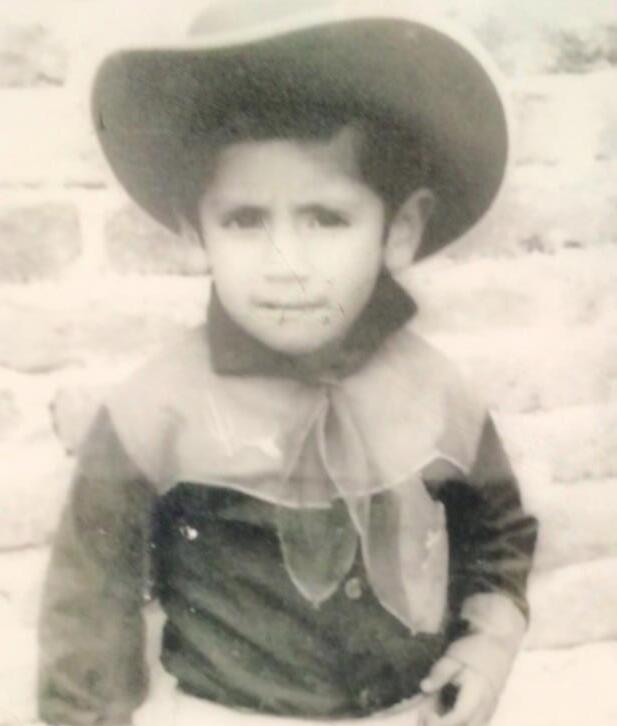

BrianMcGowantransitionedfromatypical Tuesdaytotragedyashenavigated9/11. ByLeightonMcGowan
Ihadheardhisstorysomanytimesthatitwasalmostrootedinmybrain, butthiswasthefirsttimeIhadeverhearditinthatmuchdetail.
Isettledowninmychairwithquestionsready.Sittingacrossthetable frommewasmydad,BrianMcGowan.Thesteamfromhiscoffeeswirledthrough theairashewaitedtoansweranyquestionImightask.Hisgraysweatshirt reflectedthecrisp,gloomydayoutsideasfallsettledin.AsIstarttoask questions,hisanswerscamequicklybutsmoothly,thekindofanswersfrom yearsofreflection.Overthenexthour,McGowan’sanswerskeptflowing; sometimeshepausedindeepthoughtandremembrance,butheneverstopped answeringmyquestions.
Fromtheverybeginningoftheinterview,Iknewthisstorywasnotgoing tobelikealltheothertimesIheardhimtalkabout9/11.
ItwasSeptember9,2001,andMcGowansatatO’HareAirport’sTerminal 1inChicagoandwaitedtoboardhisUnitedflightwithnervousanticipation,for thiswashisfirsttriptoNewYorkCity.Hehadstartedanewcommunicationsjob nearlyaweekbeforewithAllstateInsuranceCompanyandwastravelingtoNew
Yorkfortraining.Inhishead,heslowlywentoverthefamousplaceshewantedto visitwhenhearrived:theStatueofLiberty,CentralPark,theEmpireState Building,andtheWorldTradeCenter.
Mondaywasfilledwithtouristactivitiesandvisitstotheiconiclandmarks fromMcGowan’slist.TherewasonlyoneplaceMcGowanhadrunoutoftimeto visit,theWorldTradeCenter.
Tuesdayrolledaround,andMcGowanplannedtovisittheWorldTrade Centerbeforehewenttowork.Alast-minutedecisionhadhimheadedtohisLong Islandofficeearlytoprepareforhismeeting.
McGowanwouldsoonfindoutthatsingledecisionsavedhislife.
Thedaystartedoutlikeanyotherdayintheofficeforthehundredsof employeesinAllstateInsuranceCompany’sLongIsland,NewYorklocation.The sunshonebrightlythroughthefreshlycleanedofficewindows.Thesmellof roastedcoffeefilledtheairascoworkersfiledinandoutandgottheirmorning started.ThetalkoftheYankeesgamefromthedaybeforewasstillonpeople’s minds.
McGowansettleddownatthelongboardroomtable;hewaseagertoget themeetingstarted.Justaftereveryonehadfiledin,theroombegantofillwiththe familiarbeepingsound.One,two,three,untileveryone’sBlackberrypagerswere buzzing.McGowan’scoworker,John,openedthemeetingroomdoortoarushof wailingdeskphones.AwomanMcGowandidnotknowwavedherdevice,yelling out,“CNNsaidtheythinkaplanehittheWorldTradeCenter.”Someoneranto theonlysmallTVinthewholeoffice,onlytofindthatitdidnotwork.Getting informationwasdifficultastheinternetwasslowandstartedtocrash.Someone foundasmallradiointhecorneroftheroomandthatbecametheironlyreal sourceofinformation.Asdetailsaboutthetowerswerebroadcastedfromthe radio’stinyspeaker,everyonesatinsilenceanddisbelief.Inthewordsof McGowan,“Icouldn’tbelievethatitwasreal.”
Thosefirstreactionsofconfusionweresharedamongthepeopleinthe office.Thatmomentmovedinslowmotionasemotionswentfromdisbeliefto panic.ThenextfewminuteswereablurforMcGowanashetriedtogetasenseof whathadhappened.
Icouldn’tbelievethatitwasreal.
Circledaroundthesmallradio,theylistenedforanypiecesof informationthatcamethrough.Bythattime,theyknewAmericanAirlinesflight11 hadstruckthenorthtoweroftheWorldTradeCenterandUnitedAirlinesflight 175hadhitthesouthtower.Withinthehour,reportscamethroughthatboth towershadcollapsed.Everyoneintheofficewasshockedanddevastated. Peoplecriedandhuggedeachotherindisbelief.McGowantookafewminutes andcollectedhimselfandpreparedforwhatevermighthappennext.
Theteamfocusedtheireffortsondeterminingiftheircolleagueswho workedintheWorldTradeCenterhadmadeitoutalive.Laterintheday,thecall theyhadbeenwaitingforfinallymadeitthroughandinformedthemofthesafety oftheircoworkers.
Withthesafetyoftheircolleaguessecured,theteamcouldfocuson helpingthecommunity.McGowantoldmethey“startedtopulltogetherateam thatwouldbedeployedtothesiteoftheWorldTradeCentertohelptheir customersandtherestofthecommunitythroughthedevastatingloss.”Itwasn’t untilthatSaturdaythatthegovernmentallowedpeoplewithspecialaccess,not
justfirstresponders,intolowerManhattan.McGowanandhisteamworkedtoset upastagingareawheretheytalkedtoindividualswhohadlosttheirhomes, businesses,orlovedonestothetragedy.Everywheretheteamwent,everything wascoveredinthicklayersofdust,soot,andashfromthecollapseofthetowers. “Itlookedlikeadifferentworld,”McGowantoldme.
Theteamobservedthefirstresponderscontinuingtoscourthearea, riskingtheirlives,securingbusinessesandbuildings,helpingsurvivors,and searchingforthosewhoremainedunaccountedfor.McGowanstatedthat“the responsefromlocal,state,andfederalgovernmentwasimpressivegiventhe magnitudeofthedisaster.”
OnSundaymorning,oneofMcGowan’steammatesaskedhimifhe wantedtojointhemastheyvolunteeredtohelpthosewhoweresearchingfor lovedonesatPier54,wherethecityhadsetupafamilyassistancecenter.“It wasn’tuntilIarrivedatthepierthatItrulyfeltthetragedy,”McGowansaid, chokedup.Hewasvisiblymoved,andtearswelledinhiseyesasherecalledthe seasofpeopledesperate,broken,hopingtofindtheirmissingfamilymembersor friends.McGowandescribedthemakeshiftwallmanyfeetlongthatcontained picturesofandletterstothenearly3,000menandwomenwhohadyettocome home.McGowanfoundpurposeindoinghisparttohelpconnectsurvivorsand searcherstotheresourcestheyneeded.
McGowanandhisteamshowedgreatstrengthandcompassionwhile theywenttothesceneoftheWorldTradeCentertohelpthosepeoplestruggling withsuchtremendousloss.
ThispastSeptember11,McGowanwasatworkinhisofficetowerin Chicago.Thisyear,likeeveryother,McGowanpausedashewasfloodedwitha varietyofemotions.Helookedoutatthetallcitybuildingsasheremembered wherehewasandwhathewasdoingonthatday24yearsago.
HeremembereditwashisfirsttriptoNewYork.Hemissedachanceto visittheWorldTradeCenter,andhistrainingturnedintosomethinghenever expected.Histhoughtsquicklyturnedtothosewhonevergottoseetheirfamilies again.Herememberedthosesearchingforlovedonesandhisvisitswithfirst responderswhohelpedpeoplefromtheverybeginningoftheattack.
LookingoutattheWillisTower,McGowan’sthoughtsfloatedbacktothe decisionthatsavedhislife,thedecisiontogostraighttoworkandnottothe WorldTradeCenteronthemorningofSeptember11,2001.Ashereflected, McGowantoldme,“EverySeptember11,IstillthinkaboutwhereIwas,whatI wasdoingthatday,andhowIwasfortunateandunfortunatetobeinthat situation.”Thesethoughtsandmemoriesreflectjusthowseriousand unforgettableofaday9/11wasforthepeopleinManhattan.Itshowsthevalue manypeopleputintotheirlives,knowingthatatanysecondthingscouldchange andnotalwaysforthebetter.
Overall,McGowan’sreactions,reflections,andmemoriesareones closelysharedwithanyonewhoexperienced9/11andmadeitoutalive. McGowannevergottohavethesame“firsttimeinNewYork”feelingthat alotofpeopleexperienced,buthecansayhisfirstexperiencewasunlikeany other.McGowanshowedextremebraveryandcontrolon9/11andwasableto stepupwhenneeded.Hevolunteeredtogotothesceneandhelpthoseinneed. Evenwhennotasked,McGowanriskedhislifeforthewell-beingofothers. McGowanneverletanythinggetinhisway,andheshowedusstaying calm,beingaleader,andactingcansometimesbeallthatisneededtodoyour part.

Daniel McGuire faces challenge with confidence and perseverance.
When meeting with my father, Daniel McGuire, his head hung low with fatigue and deep, dismal puddles of exhaustion hung below his sunken eyes Each wrinkle and scar was traced with its own distinct story and origin Rain poured outside, each drop dissipating against the murky car window McGuire’s broad and immense physique dominated our small, cramped interview space, but inside sat a meek, humble man We met in the car while driving home from a long, tiring day He wore the same navy hooded sweatshirt he wears every day, smelling of black coffee and faint, aromatic cologne
While many picture successful individuals in fancy dress, McGuire’s comfortable attire defies convention His red and raw cuticles belie the stress borne by a man who carries it so stoically It was not hard to convince him to share his life, because he loves telling me stories of when I was little and his “boring life” before me. Although he never thinks I listen, staring into the black hole of abyss on my phone screen, I do I really do
Looking up at my curious, willing face, he cracked a joke, hoping for a smile to lighten the gloomy atmosphere, to which he received nothing less. He never fails to substantiate his comically jovial persona, even when it is truly difficult at times. Through his smile, I see each and every crack and imperfection Although many are unaware of the stories bridged to these visually unappealing defects, through my own eyes, it appears truly flawless He intertwined his large, stocky fingers and opened his mouth, ready to unlock his deeply captivating tale of life
Daniel McGuire is a devoted family man, husband, father, and role model to many Over his lifetime he has evinced himself to be a man of many talents, from playing football, to mastering the game of poker, to eventually becoming a trader at The Chicago Board of Trade. He currently resides in Chicago with his loving wife, Sheri McGuire, and his only daughter, me Although most of his time is dedicated to his work, he loves spending his free time playing sports and helping me with my math homework
Although his father is no longer living, McGuire still continues to thank him profusely for this opportunity and the effort he put in to satisfy his son’s ambitions Without this foundation, McGuire would have never evolved into the person he is today
“I think you spend most of your life in fear and battling against it,” McGuire said to me. “I was afraid in school when I didn’t study for a test, or in sports when I was up against a guy much bigger than me I always had to shove the fear down I fight through the fear so I can move forward ” Rather than learning to hide from and ignore his fears, McGuire emphasizes the idea of conquering and thriving from them until he is at the point where he is eventually stronger From this, I learned that being afraid is under my control, meaning I have the ability to determine its effect on me He has taught me that no one should fear an expectation that they themselves created
As his football career came to a close, McGuire was faced with the pressure of winning the state championship for his high school, Mount Carmel Anticipating that this was the last time he would ever touch a football, he was afraid of letting his team down, as well as himself. “When I was a junior, we got in the state playoffs, but we lost in the semifinals to a team named East St. Louis. Me and my friends that were my age swore we were going to win the state championship the next year Nothing was going to stop us We weren’t going to be denied Then next year, lo and behold, we were undefeated,” he continued. “We made it all the way to the state championship against none other than East St. Louis. That’s just the way it came out in the brackets And we ended up beating them 21-7, we were state champs, undefeated state champs ” Fearing failure, McGuire promised himself that he would give his utmost effort and exertion in order to accomplish his football dreams. This specific situation not only represents his love for the sport, but also the lesson of placing the power of fear in his own hands
unrealistic, he did not let that stop him from reaching success.
He had always been afraid of doing something he was not genuinely happy with, but transforming his impractical yearning for being an athletic superstar to a more pragmatic career with the same values and practices perfectly satisfied McGuire’s dreams, integrating them with reality He used the fear of being unhappy and unsuccessful in the future to not only fulfill the values he had obtained since birth, but the aspirations he had learned to develop overtime
“There was a guy named Carl Sagan I remember learning about him in a college philosophy class He once said that ‘to flee from pain and suffering is to live in its shadow, but to face it is to find freedom,” McGuire continued, “Trading is all about dealing with fear. And being prepared and knowing, and confident that I knew what I was doing. That’s what made me beat the fear there ” McGuire has taught me that as people, we blindly submit to illusory ideas that may not even affect us, fear is something fabricated by our own minds and only we can determine its true connotation. McGuire’s deep connection with this statement shows us how he truly believes and attempts to emulate the overall moral buried with in it through his career He has learned to trust the idea that ignoring his fears will never help him to find freedom; he has applied this throughout his lifetime within sports, social dynamics, and careers. His job as a trader requires combating fear, which ultimately helped him find this freedom
“I think you spend most of your life in fear and battling against it.”
By: Margaret McGuire
McGuire grew up a fervent athlete; his body craved being on the field, despite the fact that young, seven-year-old McGuire had to spend his days sitting on the bleachers, watching the football players train “I was in the second grade, a year early. Rules were you had to be in third grade,” McGuire said. But this did not stop him; when he heard this, a fire was lit inside him “When we would walk through the field to get home, every time I would make my dad stay to let me watch and I would always beg And my dad always said, ‘you’re too young, you got to wait till next year, when you’re in third grade,’ and still, I kept on begging.” Eventually, his father agreed to let him play, with the caveat that he had to take on the role of being the assistant coach for his son’s team.
In McGuire’s youth, he was set on being a professional football player in his later years But, as he grew older, he realized he enjoyed other things that were not directly influenced by the famous football quarterbacks he looked up to everyday on the TV screen He began to take interest in games that required mental strength, instead of pummeling opponents to the ground
He utilized his interests in both mental and physical concepts and pursuits to discover the ultimate career, one that would prove beneficial to everything he enjoyed and was skilled at “I was a football player, but I was also very into games I liked to play poker and chess and things like that Trading was almost like combining poker and football because it was very physical, but they were doing math, yelling out markets they had to come up with in their heads. It just fascinated me So, I said that’s what I am going to do And that is what I ended up doing,” he told me Even though McGuire ultimately concluded that becoming an NFL football player was slightly
Even at moments in which McGuire felt truly weak and diminished, he continued to persevere through his hardships, knowing that his fear was simply a mentality; he bears the ability to decipher its effect on him For individuals who feel as if their true potential is limited and threatened by the continuous fear of never reaching success, McGuire truly exemplifies a paragon of hope. He never lets the fear forestall his path towards becoming an accomplished person in life. McGuire left me with one lasting thought: “I always felt like everyone else is afraid and I’m not It made me feel kind of superior to everybody else ‘Where fear dies, freedom lives,’ Carl Sagan once said I take it as once you lose that fear; you start to feel freedom ”

How a 23-year-old’s journey to the United States changed her entire life to what it is today.
By Valentina Mendiola
Marge Alban Goliak stands on a sidewalk coming out of the airport with her baggage, thinking, “What is this place, and what have I gotten myself into?” Cars honk, police cars and firetrucks suddenly turn on their sirens, an ambulance swerves in and out of lanes, people yell across streets, and constant new and unfamiliar noises surround her. Chicago can be very chaotic in the most expected and unexpected ways. Always traffic on the highways, always something new on the news about politics that she didn’t quite understand yet. The stress of the new city often overwhelmed her, unlike what she was used to in the Philippines. At only 23 years old, Goliak officially moved to the U.S. as a legal citizen.
Before interviewing Goliak, I would have never imagined how one person could immigrate to a new country, start from nothing, to become a successful engineer working for Exelon and make a family of her own.
Before Goliak moved to the U.S., she knew that it would be very challenging, but she was passionate about all the job opportunities in the United States. One of the main reasons Goliak left the Philippines to move to the U.S. was for better pay and jobs in the engineering field. While describing the differences between the Philippines’ and the U.S.’s pay, she stated, “… you work so hard. You start work at seven in the morning and end at seven at night, or even eight. The pay was not as good compared to what you can earn here in the States.” Goliak commented that even though this was a huge problem for her, she wanted to stay in the Philippines and be with her family.
When she told her parents about the idea of moving to the U.S. permanently, they were very happy for her, since not everyone can move and travel to see the world. One thing that motivated her was that she already knew how to speak and understand English, since English is almost a second language in the Philippines after Tagalog, the language of the Philippines. Goliak also had some experience from watching shows, including Sesame Street, to learn English at a young age.
In the end, Goliak ended up moving here at only 23 years old in August of 2000. Choosing to move here to the U.S. turned out well, making her have a supportive community.
Beginning to start her journey to the U.S., she had to face the hardest challenge yet to come - leaving her family. When she was in the airport, Goliak described to me that she felt very scared and unsure about what the future would look like in the United States. However, she knew it was the right thing to do; it was the only thing to do to feel that she accomplished something worthwhile
When I had asked her the question of how did you feel right in that moment, having to wave goodbye to your family and to turn around and keep walking to move on, she responded smiling sadly and saying somberly, “Every time they bring me to the airport, even if I come for a visit, there will always be that emotional part of you that is sad because you never knew when you’ll see them again.”
Goliak moved to the U.S. in early 2000, meaning the internet was not as popular quite yet, so there was no way for her to communicate with her family.
With Goliak’s job in engineering, she could only see her family every 6 months after they had finished their assignments for work. Goliak missed having that sense of community and belonging that you can only feel in your home while living in the U.S. Having to live alone without close friends or family made Goliak learn how to be your own person by staying strong and being independent.
Although strength and independence can go a long way, moving to a new country still took many adjustments and presented new challenges. One of the many adjustments and challenges Goliak faced was the politics. She had told me that “in the Philippines, it’s more traditional, where here in the States, they’re more liberal and forward.” She had learned that in the United States, people are more accepting of many different points of view and many ways to look at things. Although she enjoyed this concept, she also found it overwhelming. She said, “There are pros and cons, and it’s scary, especially when I was young. Suddenly, I have to make decisions, and I have to think about what I am going to teach my kid.”
In the U.S., you have many options to choose from, while in the Philippines, everything only has one right answer; there are no open-ended questions. When I had asked her about what her life would look like now if she
hadn’t moved here and stayed in the Philippines, she told me that she would become a lot like her sister, focused on work, and would not have their own family. If she hadn’t left, she wouldn’t be concerned or worried about what to teach and what not to teach her child, since she would not have any time to, setting her mind on work. Living here, in the United States, has given Goliak freer will over herself, making the decisions she made then affect the way she lives her life today.
Since living here for a while since she had moved, Goliak reflected on what she was most thankful for while moving here. One of the most important things she has been thankful for while living in the U.S. is not having to go through racial discrimination. When traveling to a new country, most people worry about discrimination and being treated differently; however, Goliak did not experience this.
When Goliak first came to the U.S., her number one goal was to represent the Philippines as much as possible, meaning to not be ashamed of the color of your skin or your own culture. Goliak was fearless, never being afraid of being treated differently just because of the way she looked. She told me, “I never felt different. Maybe I was just lucky in my field. If anything, they valued my differences.” Goliak also included that people of color, especially women, were encouraged to be successful and promoted at her engineering company, Exelon.
“At first, the U.S. did not feel like home, but quickly after, it did.”
Although Goliak was never afraid, she was grateful and happy that everyone she met accepted her for who she was, not just because how looked different from them. She also thought that people discriminating against her would hinder her success at work by being looked at as something negative. Thankfully, Goliak did not undergo any type of discrimination living here, wanting others to have the same experience by being kind to one another.
Marge Goliak faced many hardships in her experience of moving here to the United States from the Philippines. However, through resilience and dedication, Goliak persevered against all these challenges and obstacles. Through all the ups and downs, the big and small moments, Goliak has reached and gone beyond her goal as a representative of the Philippines, even if nobody was there watching and supporting her.
Goliak now resides in Chicago, Illinois, and lives as a proud Filipina. “At first, the U.S. did not feel like home, but quickly after it did,” she laughed. While talking about the definition of the word ‘immigrant’, Goliak would like to add to the definition by saying that the significant person who is moving to a different country should bring their best selves to contribute to that country in the best way possible. Goliak’s one message to the world is that if you really want something in the world, then go for it, no matter if other people will stand by you or not; do not let anybody take away opportunities for you to become and grow as a person.



Mydad,KevinMikulaninec,shareshisexperience ofwhatcollegesportsreallylooklike
ByGeorgeMikulaninec
WhenIcalledmydad,KevinMikulaninec,downstairsforour interview,Icouldseehowcheerfulandexcitedhewastobeinterviewed. Aswesatdownontheoldbluechairsinthelivingroom,withfoodcooking onthestoveandthedogs’nailsscratchingonthewoodenfloor,itwas hardformetoconcentrate.Nonetheless,wemanagedtohavea productiveconversationabouthisexperienceswithcollegesocceratUNC Asheville.
Assoonaswestartedtalking,Icouldfeelasenseofcalmnessinhisvoice, yetheseemedsoseriousatthesametime.Icouldtellinhisvoicethathe tookeverypartofourinterviewseriously.Afterourinterview,hestoodwith abigyawn.Thefactthathetookourinterviewsoseriouslytellsmehowhe notonlywantedtosetmeupforsuccessbutalsosharehisstorywithnot onlymebutothers,too.
KevinMikulaninec,bornin1974,attendedUNCAshevilleandwas destinedtoplayonthebiggeststage,againstthebiggeststars.Wakingup earlyeveryday,workingharduntilnight,goingtosleep,gettingupdespite howtiredheis,andworkingonehundredpercenttogainarespectedspot
ontheteamandhaveacreategoodmemoriesincollege.
Duringthepreseason,Mikulaninecfacedmultipleexhausting challengeswhentrainingforsoccer.Hewouldwakeupinthemorning feelingdreadful,sore,andjustaboutallthenegativefeelingsyoucan imagine.Onthecommutetothefieldforhisfirstdayoftraining,allthe negativethingsthatcouldgowrongwereswirlingaroundinhismind. “Everybodywasverystrong,verybig,veryfast.”Puttingonhiscleats,he startedtothinkaboutthepossibilityofbeingsquashedlikeabugbythe juniorsandseniors.Whenhestoodupandlookedaround,herealizedthat hewasallaloneonthishardjourneyincollegesoccer.Hemighthaveone friend,butnevertheless,hewasinahardphaseofcollegesportsto overcome.Mikulaninecexplains,“You’reliftingweights,you’reeatingright, measuringthis,measuringthat.”
Atthispointintime,Mikulaninecrealizedthebrutalrealityof collegesoccertraining.Hehadtobesodedicatedtothepracticesand games,andhelearnedthathealwaysmustbegettingbetter.Hecouldn’t stop,becauseifhedid,hewouldfallbehind.Thesheerdifferencebetween highschoolsoccerandcollegesoccerisunimaginable.Hisdailylifewas beingchangedsomuchjustbecauseofthedailytaskshemusttendto whenparticipatinginthesport.Nomatterwhatchallengescametoface him,Mikulaninecenduredtheextremelyhardtrainingandperseveredhis waythroughthehardchallengesofbeinganathleteandastudentatUNC Ashville.Hecouldneverhaveexpectedwhatwastocomewhenhesetfoot onthegamefield.
avoidedbadchoicesforhismentalandphysicalhealth.
“Everyoneelseisgettingbetter,andifyou’renot,you'refallingbehind,” Mikulaninecexplains.ThisdemonstrateshowMikulanineciswillingtoput intheworkandreallytellsusaboutthekindofpersonheis:thetypeofguy whonevergivesintoasmallproblemandtacklesithead-on.Traitslike theseshowushowMikulaninecshoneintimesofdarknessandcreated hisownpathtosuccess.Mikulaninechadalotofupsanddownsoverthe courseofhiscollegecareer,dealingwithstressandachingpaininhisbody andbrainfromtheconstantwork.Thischallengedhisemotionsevery minuteoftheday.WhenMikulaninecdidlookbackonthepositivesand negatives,henoticedhowfarhehadcomeonhispathofcollegesoccer. Mikulaninechadclimbedupalotofstepseachyearofcollege.
Lookingbackonhissoccercareer,Mikulaninecnoticedthathehad improvedalotasaplayer.Reflectingonyourskillscanbeusefultorealize howmuchyouhaveimproved.Mikulaninecrealizedhowmuchhehad evolvedduetohiswork,effort,andthepeoplehesurroundedhimselfwith. Heimprovednotonlyhisskillsbutalsohisleadershipanddedicationon andoffthefield.Heevenchangedhisroleonthefieldandoffthefieldand stillfoundsuccess.Hewatchedtheyoungerplayersfeelthesame emotionsthathedidwhenMikulaninecwasyounger:happy,sad, confused.Helearnedfromhismistakesandcarriedsomevaluable informationthathecanpassontotheyoungerkids.“Efforttimesability equalsresults.”Carryingthisquotewithhimmadehimstrivetooutwork everyoneelse,eveniftheywerebetterthanhim.Thisissomethingthatyou mustwrapyourheadaroundwhenplayingD1collegesoccer.Oncehe realizedthathecouldn’tlivebytryinghalfeffort,hechangeshismindset andchangedasahuman.Realizingthismadehimfeelproudofhis accomplishments.
Myheadendedupwheretheballwas.
Unlikepractice,Mikulaninecnoticedthatgamesimplementnew aspectsofthegame.Playingonarainynightagainstatopteam,therain spittinginhisfaceblindedhim,yetsomehowhemanagedtoplaywith100 percenteffort.Inhishead,hethoughtsomethingalongthelinesofyep,I gotthis.Asthegamecontinued,hethoughthewasontopoftheworld;he thoughtnoonecouldstophim.Hewastalkingwithhisteammates nonstop.Allwasgoingexactlyhowitshouldbe.Hemadetackles,passes, runs–allthegoodthingsthatareinagreatplayer.ThenIhappened:“my headendedupwheretheballwas.”Hegotkickedinthefacewithfull power.Completelysoul-crushing.“Ihadtodrinkmymealsoutofastraw foraweek.”
ThecruelpartaboutgamesisthatMikulaninechadanamazing game,butonemistakeandItwasover.Hehadtogotothedoctor becauseofmajorinjuries,inthiscase,havingaconcussionandamessedupjaw.Alloftheseinjurieswerecausedbyonesmallaccident.Thismade himlessconfident,andforashorttimemadehimplaylessphysically duringtimeswhenhiseffortwasneeded.Mikulanineclearnedhowtolead evenwhenhewasinjured.Heledbyexample,evenwhenhewashurting andfeltlikegivingintothepressureandpain.
Whengrowingasasoccerplayer,Mikulaninecrealizedthathe mustleadtheyoungerplayersinpracticeandingames.Abigresponsibility ofbeingoneoftheolderplayersontheteamistoleadbyexample:“Your jobasyougetolderistowelcomepeopletofitin.”Thisiswhat MikulaninecaccomplishedduringhislateryearsatUNCAsheville.He foundhimselfremindingallthenewcomerswhattoexpectwhencomingto practice,andwhattoexpectwhenoutofpractice.Notjusttellingthembut showingthemhowtoimprove.Hemadetherightchoicesforsuccessand
Mikulaninec’sexperienceduringthelong,exciting,andscaryyears ofhissoccercareer.Hiscareerhadalotofvaluablelessonstolearnfrom packedintoit.Thechallenges,thestruggles,andalltheotherfeelingsbuilt upinthestoryofcollegesoccerlife.Havingthatkindofattitudethat Mikulaninecgaveoff,“yougottokeepatit,becauseitwillgetbetter,andit did”.Mikulaninecdemonstratedperfectself-careandnevergivingup.As thisstorycomestoanend,thinkaboutallthetimesyoucouldhavedone betterorallthetimesyoumadetheextrastep.Whetheryou’redoingbad orgood,youmustbelieveinyourselfandpromiseyourselfthatitwillget better;that'sthewayMikulaninecsucceededincollege,andwhyIam writingthispieceabouthimtoday.
by Max Miller

Anila Patel wakes up on a Saturday morning in Uganda. She is in a small and cozy bed in a massive house. She pushes off her bed sheet with her feet and rubs her eyes. Streaks of sunlight sneak through between the curtains, and little flurries of dust float by, illuminated by the morning rays. She gets out of bed, wriggling her toes on the soft wooden floor as quietly as possible. The chestnut wood creaks ever so slightly, and Patel prays it doesn’t wake up any of her eleven family members. She tiptoes over to her closet, where she has her clothes ironed and laid out for her the night before. Her beautiful sari is embroidered with a stunning gold that glitters in the sunlight.
Suddenly, Patel hears the door violently swing open downstairs. Loud men storm into her family’s house, yelling as they go. They rumble across the same wooden floors she had just taken so much care to quietly cross before, grabbing anything they deem valuable. She looks over to where her sari had just been, seeing just an empty ironing board. Patel, my grandmother often reflects on her past life, living in Uganda as an Indian immigrant.
Many believe that life in Uganda and other “thirdworld countries” are miserable for all people. While this is true for some, it is not for many, and the same can be said for “first-world countries” as well. For Anila Patel, life in Uganda as a child was not bad. On the contrary, it was actually quite luxurious.
Patel’s family had a very large house that had multiple floors. They had “three servants, one who cooked food, and one that ironed [her] clothes, and one of them that walked [her and her siblings] to the school.” Patel attended a prestigious school and was the top student in her class, largely due to her parents' emphasis on the importance of education. She knew English early on (which was hard to do considering she spoke mainly Swahili), was knowledgeable in math, and excelled at physical activities as well. Her father owned a successful business that sold goods at the local market. Her education was great, she had enough money for food and water, and she always had her older brothers and sisters to protect her, as she was the youngest of nine.
Although Patel’s time in Uganda was not horrible, there were some people and circumstances that made it seem so. Once a month, people would come from the British government and pillage her father’s market. They justified these raids by calling them “taxes,” when in reality they were just looting citizens' businesses. This is one of the many problems the British Empire faced, and it contributed greatly to its rapid decline at the time.
On top of these raids, there were also many thieves. Patel said that once, “fifteen men came, and they took everything from the house. They even took the T.V..” Patel’s family was targeted in these robberies due to their Indian descent, which was a telltale sign for robbers who wanted gold and jewelry. This is because lots of Asian families were rich with jewelry due to the customs in Asia and India. While Patel did live a very happy life in Uganda, sometimes she wasn’t even allowed to go outside because of how dangerous it could be for young girls. Even though her
home life was terrific, there were some prominent things that made it seem very negative.
As the British started leaving Uganda, life started getting more and more dangerous to the point where they were forced to leave. Patel said that there was more and more violence, and that even “one of [her] friends from school was taken.” Because of these kidnappings and violence, Patel’s mother decided to take her family and leave. Patel left everything she knew and her entire childhood behind: her friends, customs, traditions, and way of life. She and her family went to the coast and took a boat from the east coast of Africa to India. By this time, she was around 12 years old.
Patel said that for her, this trip was “not very good” because she suffered from sea sickness, although for her siblings it was a lot of fun. The boat stopped in Pakistan on its way to India, so her siblings got to have fun while going shopping, eating food, and meeting new people. After the boat ride, Patel was safe and sound in India with the rest of her family.
Patel went through many struggles in order to survive in Uganda but enjoyed her time there. There were many problems, including security, crime, harassment, and more in Uganda; however, contrary to popular belief, Uganda was not an extremely dangerous place. Actually, it was quite comfortable for many people, including Patel. There was enough food, water, and shelter to go around for most people.
Patel’s journey to navigate Uganda was complicated and scary at times, but she was also very fortunate. We owe it to any person who may be less fortunate than Patel, who may have been kidnapped, abused, or worse, to stay vigilant in world events; this includes the state of less developed countries like Uganda, in order to try to help protect individuals against these terrible events.
Fifteen men came, and they took everything from the house. They even took the T.V..
Patel
speaks on the crimes committed on her family in Uganda
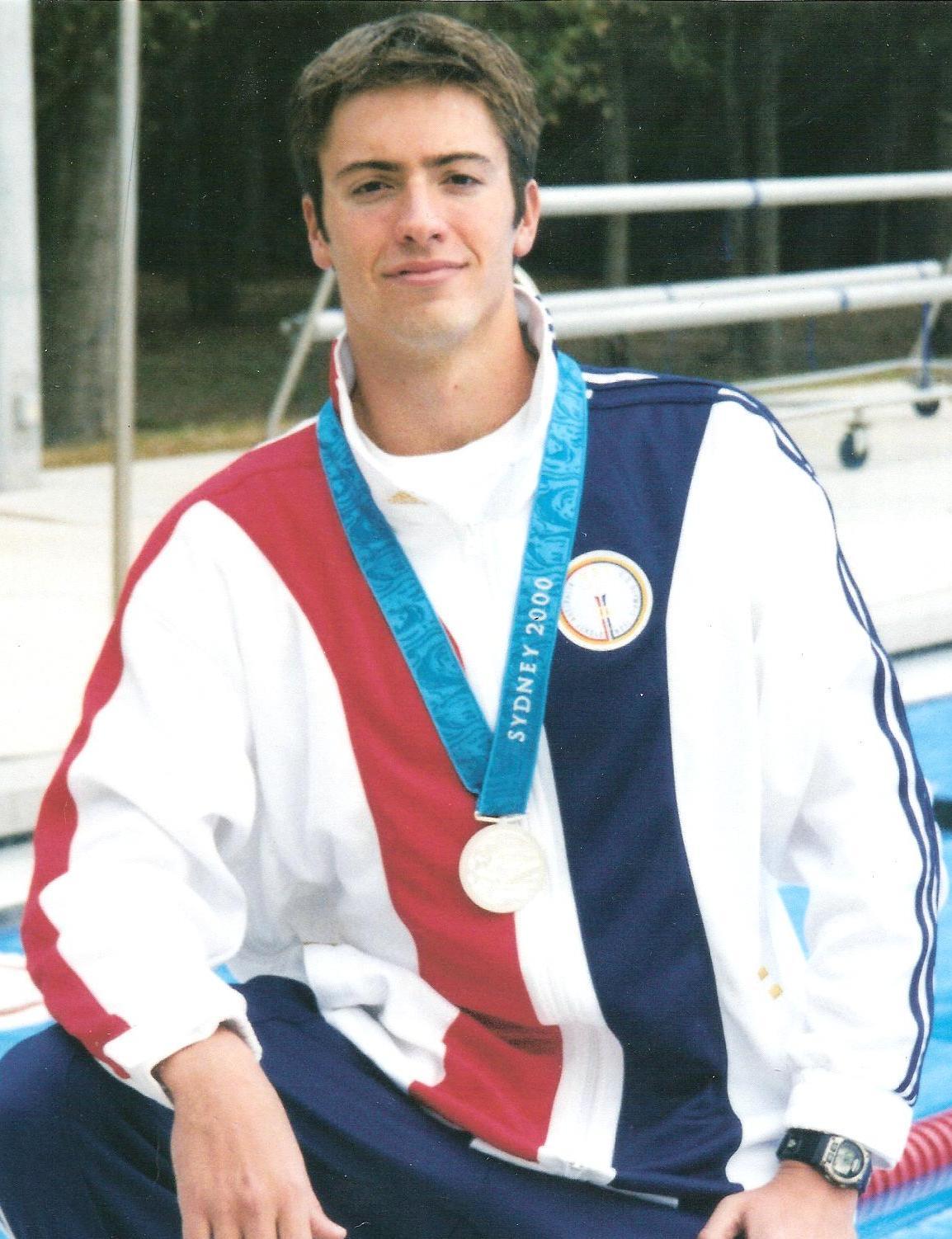
Jamie Rauch after the 2000 Olympics at The University of Texas
“You don’t choose swimming, swimming chooses you”
My hair still wet, my ears still full of water from my swim practice, and still smelling of chlorine, I ask my coach if he is available to interview. I am slightly nervous because I am not sure how well the interview will go. I take my notebook out from my bag, and open to a page, labeled Jamie Rauch Interview Questions, and do a quick revision of them to make sure they are perfect for him to answer. When we sit down, Rauch takes his phone out to record our interview and tells me that he is ready to start. I take a deep breath and ask my first question.
Jamie Rauch is a silver medalist at the 2000 Sydney Olympics, an 18-time All-American, a member of five NCAA Championship relay, and a two-time NCAA winner 2000 and 2001.
his daughter’s swim team. Now, Rauch is a full-time coach at CWAC.
When I met with Rauch, he told me how much his college experience means to him: “My college team was stacked, we had six Olympians on the team, we won the NCAA championships my junior and senior year, and the guys who were on the team when I left won again” he said, sitting forward, with a smile on his face. Winning and doing well is important to Rauch, I can tell he is proud and satisfied of his past results.
Later in our interview, Rauch told me, that: “We were not even picked to win a medal at all, so to win second was a massive victory.” He closed his eyes as if he was reliving the moment Rauch also told me that he was very proud to be a medalist at the Olympics, and that he was very honored to be a participant at all. Rauch is very committed to being able to be the best athlete he can be
Also, when recalling this moment, he told me, “It was the coolest experience of my life, making the team, for sure.” He said in a serious tone, and I could tell that this memory makes him who he is. After he told me this, I realized how, that particular moment shaped him into who he is as an athlete and how he approaches swimming and potentially other things he does in his life.
When I asked Rauch about how his team and himself felt on the podium the Olympics, he told me, pleased, “We were the happiest silver medalists ever!” Although Rauch said this in a relaxed and satisfied way, I could tell that he held this moment very close to himself. When he said this, I could tell that the Olympics were a milestone in his career as a swimmer and that he felt nostalgic about his performance
Written By: Mark Mitrovic
Rauch is also a dedicated father of two children. Unfortunately, after his extensive success, Rauch needed surgery and could not swim competitively anymore. While this broke him, he maintained his passion by coaching triathlon athletes. After moving to Chicago to continue triathlon coaching, he met David Stephens, the head coach at Chicago Wolfpack Aquatic Club. Stephens recognized his talent and achievements as both a competitor and a coach and offered him the opportunity to coach
Rauch is a very accomplished and successful athlete; he worked hard even through challenges that slowed his progress in becoming a professional athlete. He worked hard enough to become an 18-time All-American, 2-time NCAA Champion, and a silver medalist at the 2000 Olymics. As a result of this, Rauch achieved what he wanted to as a professional athlete Even though I always respected Rauch as a coach, this interview helped me understand what it takes to be a silver medalist at the Olympics. As he said before, “You don’t choose swimming, swimming chooses you.”
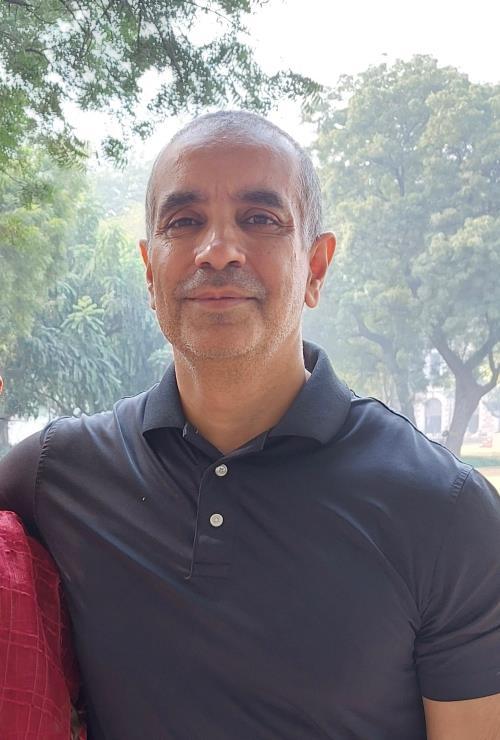
How a 19-year-old left everything he ever knew for better opportunitiesfor himself and future generations
By Aadi Mujtaba
I sat down with Shelly Mujtaba on a Saturday morning in the middle of September, the leaves changing and the air cool and crisp. We sat at his kitchen table next to a screen door through which a breeze was blowing. Grainy photos were hanging on the wall, him and his family and Mujtaba in India. Mujtaba, a tall, built man with close cut hair and a collared navy-blue shirt, sits at the other side of the table from me, petting and talking to his dogs.
Mujtaba is a tough, serious man on the outside, but a soft and gentle person on the inside. Mujtaba’s house was a mix of two cultures- Indian snacks and candies in a jar by the stove and a jar of Goldfish right next to it. In this interview, I was able to learn a lot about my father and about myself in the process. Over the next 30 minutes, Mujtaba talked about his experience leaving India for a life of opportunity in America, not that it came without challenges.
Mujtaba’s journey to America was everything but ordinary, coming to the US for college, but working for 3 years before that just to be able to eat and live, and leaving everything he ever knew for a better school opportunity in America. In his childhood, Shelly Mujtaba was like every other kid in India. He ran around with all the other children and played in the streets for hours. He went to school, played with his sister, and life was good. He remembers,“It was great. I loved it so much.” Mujtaba responds to what life was like in India as a kid with a smile. He remembers the smell of the Delhi air, the loud honking of rickshaws and automobiles polluting the street. Mujtaba’s father was a hypnotist for the government, so they lived in a hospital campus on the outskirts of Delhi.
Friends were also his neighbors. Mujtaba attributes his academic and career success to the schools in India. He says that the educational culture in India is like no other- crowded rooms and long commutes- but a good payout. Kids would either take 3 buses over an hour and a half to get to Air Force School, or they would hitchhike on the side of the highway.
He describes the schooling in India as very competitive due to the testing cycle. In India, you must take a test in the 10th grade that determines if you even have a sliver of chance to have a successful career, and a test in the 12th grade that determines if you will go to college and what college you will go to. The tests through high school are super competitive, with approximately 70 million kids currently enrolled in Indian high schools. He describes the study as grueling, saying that he started preparing for the 10th and 12th grade tests in eighth grade.
After coming to the U.S and noting differences, Mujtaba says that the key difference is that “kids in India have to be a lot more self-sufficient.” He was “walking 3 miles to school every day starting in the third grade.” In the vast differences between the two cultures, he notes that the education aspect may be the biggest.
In the US, schooling is a secondary focus for a lot of people. People who have intense sports schedules or are just not motivated for school generally don’t value education. India is the exact opposite. Very few high schools in India have any organized sports teams because they are seen as a distraction from school. Through his experiences, Mujtaba has learned that different people value different things in the world. In India, it would be unheard of for a kid to take a day off from school because of a sports event or tournament, but in America, it is common.
The variations in culture throughout the world are not often seen by people outside of that culture. This is the case when Mujtaba came to America, for it is a completely different country. This illustrates significant insight on Mujtaba’s values, as we can now see the value of education and hard work from his roots in India. He worked long hours and long days of studying, staying up late to study and fulfill his schoolwork while also balancing family life and personal life.
After high school, Mujtaba faced a decision: choose to go to the US to have better job opportunities or try his luck in India, where the job and schooling market was insanely competitive. After researching in the Delhi library, Mujtaba realized he would be better off in the United States. Mujtaba says with a smile, “We couldn’t afford school in the U.S, so that meant I had to figure out a way to pay for my own college and rent.” Mujtaba, being from India where his family was middle class, couldn’t afford school in the US. He remembers the anticipation and excitement of leaving, but also the dread and sorrow of leaving the only life he had ever known. Mujtaba, when talking about his decision, said, “I just graduated from high school, and I looked at job opportunities in the US compared to India, and I knew I would be a lot better off going to the US.” During this time, along with Mujtaba’s opportunities, India was facing political turmoil, with an election coming up and a report by the US State Department released in 1996 stating a human rights violation by police officers in India, attributing it to hundreds of police killings.
While the work ethic and schooling process in India is more grueling, it is also ten-fold harder to find jobs. “Think about this: a country one-sixth the size of the US that has 5 times as many people. That’s India,” says Mujtaba with a laugh. Now just imagine, he tells me, all of those 600 million people who are employed in India, many of which who have way better credentials than you since you have just left high school, and just imagine trying to get a job there, especially in a mega city like Delhi. This reveals a lot about the values of Mujtaba, as he is willing to give up everything he knows and loves to move to America, where he doesn’t even know if he will have a place to live. Through this decision, Mujtaba learned that risks are worth taking because they often help you in the long run.
Then, it happened: Mujtaba rode an Air France plane with a stopover in Paris and touched down in Chicago 24 hours later to start a new life of promise. As Mujtaba stepped out of the plane with his mother, Binod, he took in the sights and sounds of O’hare International Airport as he realized that he had actually done it. He had actually immigrated to America. The loud rush and bustle of the terminal filled the air as Mujtaba and Binod head toward the exit to meet up with Mujtaba’s aunt, Asha Puri. Puri picks them up and took them back to her apartment, where they live for the first few weeks.
After about a week, Binod returned to India, leaving Mujtaba all on his own in a foreign country. He was expected to find work and be able to live by himself in a new countrywithout knowing what the culture was like or even how to drive a car. Mujtaba shares that he “came on a green card (a type of visa that allows you to work
in the country you are going to), so I was able to work, which was super important, because I had to eat and pay rent.” Mujtaba, having done a lot of research at the library in Delhi before, realized that his only chance at success would be to come on a green card. Without this, he would have been stranded in a foreign country with no money and no resources.
Mujtaba was forced to grow from a teen to an adult in a matter of days because of this change. He did what many 19-year-olds don’t have to do – pay for his own house and his own food. A few days after coming to the US, Mujtaba interviewed at hotels in the downtown Chicago area. After a few days, he got a call that said that he had been accepted. Mujtaba started working two jobs, one from 5 am to 1 pm, and the other from 3 pm to almost midnight. His hard work ethic was that of no other; he knew exactly what he needed to do to succeed, and he did it without complaint. Mujtaba wanted to prosper himself and other generations, and he knew that hard work and dedication is the only way to do that. During the interview, he expressed a strong remembrance of that time in his life, remembering his first days and week in America with fondness. Mujtaba continued to work two jobs at hotels for the next three years until he was 22. Mujtaba, through his hard work and dedication, learned that adjusting to a new life isn’t just about figuring out how to live; it’s about learning how to live in harmony with a new environment.
“Kids in India are a lot more self sufficient.”
After working tirelessly for three years, Mujtaba finally had enough money to go to college. He attended UIC engineering school, where he met many friends and colleagues. Mujtaba describes his college career as “not easy, but amazing.” Mujtaba still maintained close contact with his mother and father in India, along with his aunt and uncle, but this doesn’t mean he had gotten the hang of American society yet. Mujtaba said that he “went to Walgreens for his groceries for the first few years and ate mostly canned chili and green beans.” Mujtaba describes with laughter the time when he got off the bus and saw a massive grocery store for the first time, because that meant that he didn’t have to rely on a pharmacy for food.
After college, Mujtaba needed a job but didn’t want to go back to working in hotels. He wanted an actual job, one that suited his talents in engineering and programming. Mujtaba taught himself the programming language Java from scratch during college, further exemplifying his true dedication and drive. Mujtaba, when talking about his job hunt, says, “Multiple companies offered me jobs, all with good salaries, and they were all what I was looking for.” Mujtaba took a job at one company, a programming company, and started his career. After four years of being in the US, Mujtaba finally got his citizenship. He described the experience as “emotional” because he had worked very hard to be there.
Mujtaba, moving to the United States at only 19 years old, had experienced things that most people put off until they are 25 or older. He learned the ropes of a new country all by himself while also being a full-time college student and working. When I asked Mujtaba if he was proud to be an immigrant, he said, “Absolutely.” Mujtaba is proud of his journey, proud of his life, and proud of where he has ended up. This inspirational story of independence and hard work is a reminder to all that you must work hard and understand what other people are going through to be successful in life.
Throughout challenges and setbacks, Mujtaba has prospered through hard work and dedication. Mujtaba was able to adjust to a completely different world all by himself, working even though he was not good at English. Through this interview process, I have learned a lot about Mujtaba, and it has truly inspired me. It should inspire others, too, the amount of dedication and work that my dad put in and what a good place he is in now. I gained new insights on the value of education and hard work and learned that you don’t just start off in places, you have to work towards it. Mujtaba’s story is one of hope and love, showing us that hard work and dedication are the best things that we can have for ourselves.
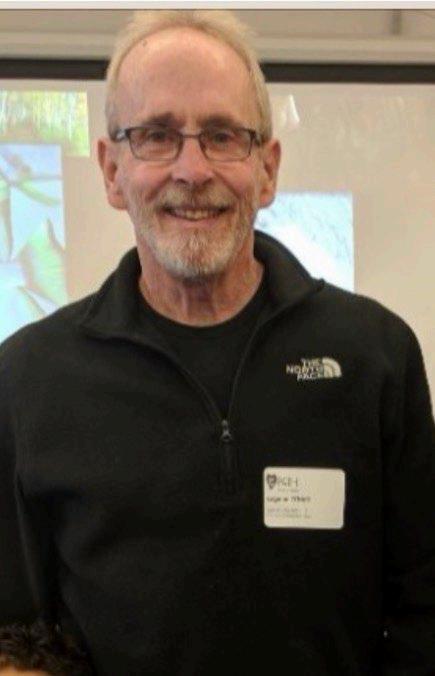
A story of how Eugene O’Neill’s perseverance changed a family forever
By Connor O’Neill
When I opened FaceTime on a late Sunday night, my grandfather appeared on the screen. My grandpa, Eugene O’Neill, had the screen door open, and I could hear the crickets chirping. The fire was crackling, and it illuminated his face, reflecting off his black-framed glasses. His brown and bronze chair was stationed in the corner of the living room, and I could remember him sitting in that exact chair every time I saw him since I was a child. I was a little nervous and wondered if he would be willing to share his childhood story with me. My grandpa said he was glad to share his story with me, but I had no idea how many struggles he had to overcome in his childhood and as a young adult to get to where he is now. His story shows perseverance and how much change can impact an entire family.
O’Neill’s home life was not great. O’Neill’s dad would not talk to him or play sports with him, so he would have to find things to do by himself. On sunny days when the weather was nice, when O’Neill was by himself, he would sit in a tree and listen to baseball games on his transistor radio. The tree brought him comfort,
and O’Neill could even fall asleep in the tree without falling out. O’Neill loved baseball, but his dad never took him to a baseball game or even played catch with him in the backyard. O’Neill would spend hours in the backyard playing catch with his baseball rebounder. His dad did not allow him to study at night either. This made it hard for O’Neill to do homework. O’Neill would stare out the window at the grass and flowers outside of his classroom when he was thinking and praying for his dad to make it home safe every night. “I would always pray for him to make it home safe every night,” he truthfully stated. Despite the way O’Neill’s dad treated him, O’Neill still showed compassion and cared for his father. O’Neill still loved his dad even though it appeared that his dad did not love him. O’Neill’s unconditional love shows his compassion and care for his family and shows the good path he was on for loving his family in the future, too. Even though his dad would not do activities with him, he still played baseball and still loved his dad.
things in his life, seeing the light in the darkness. Even after all of this, he still loved his dad. O’Neill could never stop loving and caring for him, as he was a caring person. This moment was definitely not a highlight of his childhood, but O’Neill did not let this affect his life.
O’Neill did not let his childhood affect the way he raised his kids. O’Neill was determined to make sure he raised his kids right. He did not want to make the same mistakes as his dad, but did not have a good father figure in his childhood. He read stacks upon stacks of books about parenting and went to local libraries to get more after he finished the ones he had. O’Neill was also set on raising his kids as children of Christ, as he was a Christian himself. He found comfort in prayer and used it constantly to try to gain insight from God on how to raise his kids. O’Neill put lots of work into learning how to become a good parent and discussed it all day with his beloved wife, Denise. O’Neill, while discussing the importance of raising his kids, stated, “I made a decision that I was going to try to be a good dad, and never do anything that my dad did to our family.”
I made a decision, that I was going to try to be a good dad.
O’Neill loved baseball and wanted to play all day. When he was 11 years old, he joined a baseball team called the Navajo Indians. He loved the team as much as he loved the game. When the grass was green and it was warm and sunny outside, he would spend all day outside playing baseball. O’Neill was a pitcher and played right field because he had an extremely strong arm. He could throw from the deep outfield all the way to home plate. O’Neill played ball all the time, but his dad never came to one of his games or even played a game of catch with him.
One day, O’Neill’s mom finally convinced O’Neill’s dad to come to one of his baseball games. On a Saturday afternoon in late July, O’Neill was at a baseball field in Central Michigan. It was a sunny day, warm weather, and the field was in good shape. It was the perfect day for a baseball game. This was the first game O’Neill’s dad had ever attended, and he was excited to see his dad in the bleachers on that day. He looked to his dad in the bleachers and could tell something was up just by the way he was acting. Then, it hit him. His dad was drunk. The first game his dad had ever come to, he came to drunk. O’Neill noticed his father swaying while standing and talking in a particular way that drunk people talk. In about the 4th inning, O’Neill was stepping up to the plate for his second at-bat. The opposing pitcher eyed the catcher and got into his set position. O’Neill was ready to hit, hands tightly on the bat, staring directly at the pitcher. The pitcher lifted his leg and fired. It was a ball, outside and low. Unfortunately, the umpire did not agree. He called it a strike. O’Neill’s father lost it at that moment. He screamed, yelled, and cussed at the umpire for making a bad call. O’Neill wished he could disappear.
“I remember how embarrassed I was,” he recalls. This outburst affected O’Neill so deeply that he thought, “At that moment, in the baseball game, I told myself, I will never play baseball again.” O’Neill’s dad's outburst hurt O’Neill deeply. He knew having his dad drunk at his baseball game would never have ended very well. O’Neill was devastated by this and by the fact that he promised himself he would not play the game he loved again. O’Neill still found the joy in the other
O’Neill later had three kids. Amber, the oldest, Aaron, the middle child, and Amy, the youngest. Aaron, my father, had a great relationship with his dad and used his dad’s teaching to help raise me. My grandfather is still one of the biggest role models I have in my life, and I learned my most valuable life lessons from him. Amy also had kids of her own. She had a son and a set of twin girls. Amy also raised her kids based on the way O’Neill raised her. O’Neill was determined to change his life and make his kids' childhood exceptional. He not only affected his own kids, but his grandkids as well, like me.
O’Neill not only changed his and his children’s lives, but also his entire family for the better. I am truly inspired by my grandfather, and I hold the things he teaches me close to my heart. His Christian faith shapes the family for the better by giving us comfort in the word of God. O’Neill transformed his family for all the generations to come and set us up for success. He saw something he did not like in his own life, and changed it for others to come. If there is something in your life bugging you or changing your life for the worse, be like my grandfather and change others’ lives for the better. Find something you do not like and work hard to change it. It might affect more people than you think for the better. Changing your own life for the better can change other people’s lives for the better. Your change can be the difference in many people’s lives.

From a Passport
A woman and her love for travel
By: Rose Polster
Amanda Freeman was an American English teacher in Korea with a very busy schedule. Her dream was to explore the world. But her highly boring life in Korea left her in denial. One day she remembered the true reason she moved to South Korea, to explore the world. This thought gave her the idea to fake illness so she could explore Hong Kong with her friends. She carefully snuck down the stairs of her apartment building because some of her co-workers lived in the same building as her. Amanda was worried she might see one of them in the elevator. Her intentions were to
explore the world with her friends and finally get a break. It was hard to explore the world with such a busy schedule and no days off which made it harder to chase her dreams; However, a busy schedule is never enough to stop someone from chasing their dreams. Freeman had no idea where to go next in life after moving to Korea she decided to apply for a job as an English teacher at a school close to her apartment. Along the way friends were made, relationships were formed, and finally she gained an understanding that the Korean culture and lifestyle meant a lot to her. Amanda told me, “I think that having to find your way around other countries can help you appreciate how easy things are in yours.” To summarize, Amanda really appreciates the fact that everyone does their own things and minds about their businesses. This shows how different things can be in other nations you're not as familiar with. She also enjoys being a “clueless” tourist because it makes it easier to socialize and relate to others.
I think that having to find your way around other countries can help you appreciate how easy things are in yours.
After her time in South Korea, it made Freeman realize something, that she loves experiencing different cultures and lifestyles, much so that she decided to plan more trips with her family. Years later she has been to over 23 countries and still doesn’t have a favorite. She also believes that it is important to really take everything in and appreciate the little things. Amanda does not have a favorite country, so this conveys that Amanda enjoys the characteristics of countries, not just countries in general. Amanda said this in her own words by stating, “Every country has its own key thing that makes you want to visit such as pasta in Italy, dumplings in China or even the Burj Khalifa in UAE.” To sum it up, every country is beautiful if it’s food, sights or sometimes memories. This also means that she enjoys the details and is very observant of the things around her. In conclusion, Amanda thinks there is no such thing as a
utopia or a perfect place where everyone can be happy and have all the things that they want or need. Travel became such a key part of Amanda’s life, so she started traveling more, resulting in her realization of how important tour guides can be. She learned when one trip didn’t go as planned. Specifically, her trip to Egypt. This trip went wrong for several reasons, such as not much planning, no preparation, and no tour guide. Being a group of Americans in a foreign country isn’t for the weak; the military followed behind their buses, they got weird looks, and they even were scammed. Amanda thinks that “Some things that people don’t realize about travel is that tour guides are very important. They just assume that they will be okay without one as its too expensive.” Unpacking this, Amanda values a path to guide her way, while also appreciating not knowing her way at all. She still thinks that tour guides are a must when you go to places where you don’t know anyone or aren’t familiar with. Although Amanda has been to many different parts of the world, there are so many more to discover. After Amanda’s journey to Africa, she’s taking a break from travel but is still planning on taking more trips in the close future! Just because you may be scared to try something new such as traveling out of the continent doesn’t mean you shouldn’t go. One of the best therapies is ,surprisingly, exposure therapy, in other words being exposed to something that gives you anxiety or something you’re afraid of. Therefore, Amanda’s story has encouraged us all to stay open-minded and always chase our dreams.
Amy Prager is financial banker who worked at UBS Bank during 2006-2011.

By: Rebecca Press
In 2010, as Amy Prager entered the luminescent, flickering conference room, trembling with fear, she adjusted her formal jacket and took a seat at the circular table. Around the table sat highranking banking officials from merging banks around the world, all wearing stoic expressions. Prager nervously took the lead as an interpreter to bridge the language barrier. She spoke for hours, switching between languages, and gradually gained confidence throughout the interminable meeting. Her voice rose above the ceilings of the room, guiding the discussion in the right direction. She concluded the meeting successfully and stepped out of the settled conference room with a sense of relief, and a newfound confidence she had provided.
Now in 2025, Amy Prager is a 49-year-old professional banker at Huntington Bank in Chicago. Specifically, she has been in the banking field for over 20 years, working at various banking companies. For over 12 years, she worked diligently at UC Berkeley, studying abroad in Paris, France, and at the University of Chicago, pursuing her MBA in business. That hard work paid off when she was hired as a financial banker at UBS (Union Bank of Switzerland) in New York City.
Her experience at UBS paved Prager’s ambitious pathway, building the crucial foundations of the banking industry for her, and requiring all the previous knowledge and interests she had acquired during her lifetime for the early stages of her career.
Before being hired at UBS, back in college, Amy studied abroad in France, where she learned many vital skills of the French language. During her time in Paris, and she experienced a new culture that she was not familiar with. With her sense of curiosity, she discovered so much about the French culture. She woke up every day with a smile on her face, excited about what Paris had to offer her. Before, she had studied French through grammar school all the way up to college. “It was finally neat to, after all those years of studying in a book or watching a French movie, to hear it all around you, to be compelled to use and articulate it in everyday life,” she remarked, delighted.
She explains, “Another thing that made me appreciate France is that it made me a better listener, with me not being a strong French speaker originally. It caused me to have to, by necessity, listen to others more. Even when I was back in the USA, I found myself being quieter and listening out of the habit that I picked up in France.” After coming back to France, she recognized herself being more successful in the banking industry by taking new approaches to converse professionally. Using her language skills, she was highly successful through international mergers and acquisitions, helping other bank companies with the tasks they needed done, without a difficult language barrier in the process. “I enjoyed being able to use my foreign language skills in a professional setting,” she mentioned reminiscing.
After graduating from graduate school at the University of Chicago Booth, she was quickly hired as a director of the financial institutions group
at UBS due to her excellent resume, including foreign language skills, top education, and a willingness to help others with larger loans. “I was ecstatic to get my position when I was accepted for my first job as a banker. It felt like my dream come true,” she proudly stated, smiling. Other peers her age, at various MBA institutions, were quickly attracted to Prager’s calm, determined, and hardworking persona, even before she started her job, already knowing that she would be a great colleague.
Quickly after Prager was hired, a crisis came. The Great Recession of 2007 hit the banking industry hard, with many of her classmates losing their jobs nearly immediately after graduation. “We were there in those trenches together, supporting each other as best as we could,” she stated sadly. Prager shared a deep connection with the remaining colleagues, working hard to prove their worth in their position at UBS, and counting on others to work as a team. Prager recalls: “I could call those people any time I want, and they would pick up any time, showing how much, we supported each other.”
Alongside her colleagues, she paved her way into her position, showing exemplary work with the help of her mentor, with projects she did not even think she could do.
Her mentor, John Steward, was an expert in security exchanges at UBS and one of the top officials at the company. Using his teamwork and championship skills, he worked with Prager on large projects regarding stock exchanges internationally, such as the Bursa Malaysia, one of Malaysia’s top stock exchanges. Steward’s help toward Prager brought her a certain sense of expertise for her career, and she dived deeper into the depths of knowledge of banking. She said, “John Steward really trusted me as a banker to work on very influential projects for various clients. He trusted me to attend meetings, speak in meetings, believing in the potential I had in the banking industry.”
One specific meeting she had was between two international banking companies, a regional bank in Massachusetts, US and a major bank in Paris, France. This meeting was an acquisition to merge the two banks. Prager, who was on the deal team, goal to persuade each company to merge, for more profit to come in a global setting. Amy wasn’t in an observant position; she was right in the action. She had to use her foreign language skills in French to bridge the language barrier between the companies. Using her best interpreting skills and hours of back-and-forth debate, the deal was successful.
In the aftermath, she took a lesson home with her: “In risky situations, there comes that moment to make those decisions quickly, taking the lead for the entire group,” mentioning the critical role she had to play. Later, she adds, “It takes a village to get large transactions done, with everyone having their role to play. Whether it was minor or major, this deal brought success for the group’s hard work, regardless of who you are and where you come from.”
Noticing the diversity of UBS at that specific meeting seeing the large quantities of people who come from different nations sparked Prager’s curiosity and determination to help others from all different cultures. One woman came from China, while another came from Argentina. “It gave me an interest in them and their cultures, sparking my attentiveness to their strenuous labor,” she stated.
At UBS, Amy recalls her many leaders there from different parts of the world, a few of them being from South Africa, Brazil, and the United Kingdom. The leadership there cultivated a diverse group, setting the bar high for great excellence at UBS. This created competition and high stress levels among other colleagues to reach that bar. Amy had to work diligently for long hours of working, calling others from different places in the world. However, this extreme dedication eventually waned, and Amy stepped down from the long hours of labor to focus a new importance: family.
“If you are choosing over career and family, just remember that family always comes first.”
In her later years at UBS, she had to step down from the labor to raise a family. Having a loving husband who supported her helped her balance her time between career and home, but it was not enough when pregnant with her first child. On frequent occasions, she had to deny extra traveling and work to prioritize family over career. “A colleague wanted me to work for a lengthy temporary time in San Fransico, and I needed to say no because that wouldn’t work for our family life,” she declared confidently. She thoroughly explained how family is much more significant to life than career, even though she worked tirelessly in her previous years at UBS.
Amy Prager's time at UBS brought the base of being in the banking industry, bringing on new challenges for her to overcome. Amy Prager is an astounding person for striving beyond what she thought she could not do, working tirelessly for the sake of others, and bringing people together with different backgrounds in a professional setting. After interviewing her, I learned that so many of the people in her station must go through to be successful in their careers.
Amy Prager is the epitome of an industrious and diligent worker, and others who strive to be like her should follow in her footsteps. “I was glad after six years of working at UBS to leave, using the expertise I learned and using it in a more balanced life that gives me more time to be with family.” Sometimes love for a foreign language, curiosity for cultures, drive for strenuous work, and deep moral values can lead to the cultivation of successful stages of a career and beyond.

Healing: A Doctor’s Journey
A doctor’s immigration and what he left behind
By Yohann Puthumana
When I started my interview with Jyothy Puthumana, I did not expect that I would learn much. However, that day in my room, smelling cookies from my brother’s baking, I learned more about my father than I ever expected. I sat down on my bed, sinking into the mattress, and my back slowly began to give up without the support of my chair. My dad sat across my room, clean-shaven and wearing a racing t-shirt and cargo shorts. As we talked, the sun set outside my window and shone bright, then it was gone. As we talked, I learned about his experience immigrating to the U.S. and how he overcame the various challenges in his path.
If you had seen him in the street 20 years ago, you would not have picked him out from anyone else. However, invisible to the eye, he had moved from India quite recently. Puthumana, 31 at the time, walked to his work at Northwestern Medicine in Chicago every day, as he lived right behind it. As he walked those avenues, through winter, fall, spring, and summer, he overcame challenges every day. Now, he looks back on that with years of reflection and thinks about those challenges and how they shaped him, whether they came from the life he began in the U.S. or the
life he left to be there.
When Puthumana moved, obviously, he had regrets, and some have not been assuaged to this day. Some spring from the simple fact that he needed to move. He moved after medical school, which he attended at St. John’s National Academy. This is on the outskirts of Bangalore, and when he had to leave after graduating, he had to leave his friends and family behind, his support system, who were all in India. Puthumana moved for a reason, but with so much left behind, his regrets were high as well. As he thought about his experience, Puthumana told me, as he looked out the window, with a wistful look on his face, “My whole family was in India,” he said. This meant that aside from the uncle who sponsored him and brought him to the U.S., Puthumana had no one to turn to for long, lonely years, as he tried to start his life in the U.S.
As Puthumana said, as a kid, at a family house in Pala, India, every summer, being with all his cousins and bonding with his family, then having to make a choice that meant that Puthumana would see them only rarely, if ever, again. This was a true trial for him, one of many, but he came through it, through struggles with his inner strength and his inspiration. This shows that when immigrating legally, many regrets are not shed, and for years after, he regretted his decision from some standpoints, but from others, it was the only logical decision.
Are you someone who will help others? Always remember those who helped you when you needed it.
Puthumana faced many challenges, and many regrets were never erased. However, he was inspired by his parents, who are the reason he moved. Puthumana was inspired by his parents to be a better person and always help others, and as a doctor, he put that into practice every day. His parents helped others in many ways, putting a stop to illegal tolls from some shady businessmen that terrorized the populace, and tracking down a criminal before he did more damage. His father always wanted to be a doctor, but that was thwarted, and Puthumana said to me, “Father and mother were strong inspirations who helped others.” His parents’ compassion and kindness towards others shaped his life and why he chose his career, which impacted his decision to move. As a child, he witnessed their kindness every day, and so he found his way into the career of a doctor, when he could do the same. The kindness that his parents showed to others inspired him to become a doctor, which inspired him to move. As he said, “I moved because of my job.” This is because he was only able to become a cutting-edge doctor in the U.S., at Northwestern Medical here in Chicago, so Puthumana had to move. This was a contentious decision for him at the time, but in the U.S., he met many who helped him to make his decision the right one.
Though he had many regrets, people in the U.S. helped him a lot along the way. He started his life anew in a new place
without the support he had grown up with, but in that difficult time, many helped him because he dared to take that crucial first step. This provided Puthumana the value of compassion through their assistance and showed him the help he needed to start in the U.S. In his words, “Many people helped me, countless people along the road.” When he let others assist him, it allowed him to succeed in his ventures in the U.S., though he left his family. For example, his uncle, George Puthumana, had foresight enough to get himself into the U.S. so he could get the others in through sponsorship. In the U.S., his mentor at medical school got him to Chicago and helped him get into Northwestern Medicine, the pathway to Puthumana’s life as it is now. His Uncle George sponsored his trip to the U.S., which allowed him to do what he did. All these people helped him when he needed it most, just because he was determined to go to the U.S., no matter what. People helped him since he did not give up. This helped form him, and this made him the person he is today, which inspired him to do what he ended up doing and to help others every day.
This shows how Puthumana had to overcome many hardships and go through life as he had never experienced it before. He without his parents for the first time, something everyone goes through. However, he was in a different country, with an ocean separating him and the only home that he had ever known. He overcame and got through, despite the numerous challenges, and I believe that this sends a message to us all. We should think about our problems and how they fit with others, as they are a lot of the time only a small part of the burden someone else is holding. This story taught me that no matter what, if we do not give up, there are always others who help you along the way if you dare to look for them. However, I ask you this: once you have passed your own challenges, are you someone who will help others? Do as you will, but always remember those who helped you in your time of need.

By:LeahyRivera
On a warm, late, September evening, I sat down at my dining table after hours of homework and pulled out my phone to dial Dr Janice Jackson My hands shook as I punched in her number, copying it off my father’s phone. Once I heard the dial tone start to play, I sat back in my chair and let out a breath I had not realized I was holding. I was tired because I had not eaten all day, so the moment of peace was nice
I was unsure if I was even going to be able to schedule this interview due to Dr. Jackson’s busy schedule and my fencing tournament. Dr. Jackson has always been a loving and compassionate person, but I had never seen her business side before. When I heard the dial tone stop and her cheerful “Hello!!” ring out through the room, I bolted upright in my chair and said: “Hello Dr. Jackson! Thank you so much for meeting me today.”
I heard her take a muffled deep breath through the phone, adjust her jacket, and prepared herself before I started asking her questions. I was pleasantly surprised to hear the absence of formality in her tone,
which lulled me back a sense of comfort and allowed me to focus on starting the interview.
Janice Jackson, a hardworking, driven philanthropist, former CEO of CPS, as well as a mother, always planned to be a university professor, but life took her on a different path As the first generation in her family to attend college, her parents felt she should earn a teaching certificate and start working while she was still attending. This is how she got her start in public education.
Her career began at SouthShore high school
While she was working there, she became deeply passionate about teaching. “I ended up falling in love with public education because I saw that there was a great need there.” Dr. Jackson is a very compassionate person, and this shows how she wants to help those in need. She understands the importance of education, and she is dedicated to improving educational settings and services as much as she could to benefit the students.
Dr. Jackson founded a competitive debate team at SouthShore High School. They were extremely competitive and practiced almost every day Nobody believed that they would be good, because they were up against public and selective enrollment debate teams. Thanks to her contributions as a coach, her team ended up making it all the way into the finals and won the city championship
Recalling the impact it had on one of her students, Dr. Jackson says, “Her name was Tynthia. She was one of the kids who had just won the tournament for us, and she looked at me, while we were waiting for her parents, and she said ‘Ms. Jackson… thank you for teaching me what I am good at ’” Dr Jackson takes a lot of pride in helping people find what they are good at and helping them tap into it. In this situation, she was very happy to help, and this helped to confirm her love for public education and helping those in need Tynthia was just one of the many kids Dr. Jackson helped and made a difference in their lives.
When she applied for a job in CPS, she wrote on her resume, that by the time she was 40, she planned to be the CEO of CPS. At the time, she was not actually planning on becoming the CEO, especially considering the ideology that educators should not be the leaders. During her time at CPS, she created Englewood High and Bronzeville classical, which solely relied on community participation.
Dr Jackson enacted many policies focused on equality, and focused on bringing in more voices that traditionally would have been overlooked, including
those in the African American community. She also changed many current rules that she felt was unjust and brought in more inclusive-directed principles who would take on more leadership roles, and who listen to the community.
One of the biggest regrets that Dr Jackson had while working at CPS was enacting a certain plan. It was to consolidate a number of high schools, in an attempt to make more K-12 programs throughout the city. She made the mistake of not communicating with the community about the -plan, solely because she thought it was a good enough plan that nobody would be opposed to it.
“I still think the plan was a great plan.” Dr. Jackson did not hold off on speaking about it, proving her self-assurance and confidence in the decisions that she makes. This quality of hers was one of the main reasons why she was able to climb the ranks to CEO. She was not constantly second-guessing what she was doing, which in this case, was a mistake.
When the pandemic hit in 2020, schools closing down was the main turning point Dr Jackson had in her career during her time at CPS. Mayor Lightfoot kept children out of school for much longer than they needed to be, and she was unable to stand by the decision the mayor was making because she felt it was important they maximized the amount of time children had in schools.
Dr. Jackson said, “You need to support them 100 percent.” Since she did not agree with everything Mayor Lightfoot was enacting, she did not trust herself to whole-heartedly support the mayor’s decision, so they put somebody else in her position who would
Dr. Jackson was not upset by it, simply because she knew it had to happen to ensure that the Mayor had the correct people for her on the team who would support everything she did. This was one of the main things that pushed her to leave CPS, and if the pandemic had not have happened, HOPE Chicago would not be what it was today.
As Dr. Jackson was planning to leave CPS, she did not have another job lined up for her, but she was confident that she would find one. When she discovered the idea for HOPE Chicago, she was immediately drawn into the aspect that she could help hundreds, if not thousands, of less fortunate children.
Dr. Jackson and her team raised 90 million dollars for the children and their parents to go to college, but they also faced the challenge to help the kids believe. They were able to prove the people who did
not believe in them wrong.
“It was really people living out their dreams.” Dr. Jackson’s morals are noble, proving that she did not care about the money or the fact that she had supporters, simply the fact that she got to change thousands of families lives forever by giving them the gift of free education; for many that would not have been possible without her help.
During Dr. Jackson’s time at HOPE Chicago, she had to make many tough decisions and had to bear the brunt of raising millions of dollars from people who would not get anything from donating simply because she wanted to give people the opportunities so many people do not have.
Dr. Jackson made many risky decisions in her life, and she has her fair share of stories. She is a very self-assured person and does not have many regrets: “It was one of the best decisions I ever made.” What I gathered from this interview is to make the change. Do not dwell on the past for long; make the risky move and follow your gut.
I believe this statement can help me live my life to the fullest potential, and it will guide me to always to the right thing. So, my advice is to aspire to be compassionate and open-minded like Dr. Jackson, because that was one of the key components to her success Do not let the fear of the unknown and the comfort of familiarity hold you down to your routine, because you never know what you could be missing.
“We worked very hard to create the program.”

How Jim McShane’s hard work and caring throughout ups and downs helped him succeed in starting a business and changing it to a family business
While my parents, sister, and I were driving up the long driveway to my grandparents’ house, I felt excited. I got out of the car and hurried to the garage door. I typed in the code, and we went into my grandparents’ home. My grandpa was at the kitchen table, but my grandma was taking a nap upstairs. I gave my grandpa a big hug and got a snack and a water. My grandpa said he was ready to start the interview, so we decided to go outside. It was a nice day in early fall, and the sun was shining through the leaves. I raced to get my computer, which I had left in the car, and rushed back to my grandpa. I pressed play on the voice recording app, and we started the interview.
Jim McShane, my grandpa, is a retired CEO who started his own company. He is very social and makes friends with everybody he meets. He grew up in Minnesota, and he went to Marquette. He has four children and 12 grandchildren, including me, his youngest and favorite grandchild. He started McShane Construction and changed it into a family business after years of working alone
Jim McShane eagerly began sharing his inspiration for starting his company, McShane Construction. Smiling, in a lighthearted voice, he recalled, “I needed a job. I had five kids, and they all had to go to school.”
planning when founding his company shows how he is somebody who thinks hard to provide the best for those he loves.
After many years working alone, McShane had the idea to turn the construction company into a family business. He told me how two of his kids, my uncle, Dan McShane, and my mother, Molly McShane, asked him to consider hiring them. He wanted his kids to start out of college with their own jobs for five years. He wanted them to be independent, and able to provide themselves with a job. However, after both had proved they could, McShane told them he would consider it. They researched for a very long time about family businesses: “After quite a few years of studying, we changed it from me owning the whole company to a family business.”
McShane Companies was now a family business, and the three of them worked together.
“I needed a job. I had five kids, and they all had to go to school.”
business so quickly. 80% fail in the first, between the first and second generation.” He also told me, that most of the time, they failed because people became jealous of each other. When he changed his business however, he found himself much happier because of it. He looked forward to meetings with two of his children and discussing what the company might do next. He was less lonely and much happier after he had his family with him, knowing he was going to be supported at work.
With the help of the employees at McShane Construction, his company grew. Now there are three companies: McShane Construction, Cadence McShane, and Conor Commercial; they are called the McShane Companies. While he was remembering how well he has done and how his career started, he told me, “I never thought it would be as big a company as it became.” He is very happy and so are his kids. This made me think about how much his family means to him yet again. I know that his family means a lot from being his youngest grandchild, but I never thought of it from his perspective. He made an entire business to support his children’s education and health, then hired two of them! Molly, my mom, is now the CEO, and Dan, my uncle, is a lawyer for them.
each morning, you know, do the best you can all day.’” He not only cares about his kids and grandkids, but he also fondly remembers his father telling him how to get through hard times.As the leaves blew around on the ground, he told me how, as the boss, he must smile even when things are hard because everybody looks up to him. When the interview was over, he wished me good luck on my project, and we went inside to play a card game and have lunch.
McShane is very hardworking and caring. He started a company and grew it into a family business. I learned from him that working hard pays off, and that caring about others makes people happier. I appreciate all the care he gives to his family and the answers to the questions that I asked him. I learned that if people care a lot, they should try their very best no matter what. Throughout challenges, he did the best he could to solve problems and keep going. McShane’s experience can teach this lesson to anybody going through a challenge with something or someone they care about: that always trying their best and thinking before acting can result in a lot of happiness, just like McShane has now.
By: Megan Schaefer
Prioritizing and caring for his children is clearly a major part of his life and career. Their education and future were always on his mind; his careful thinking and
Reflecting on his research, he told me in a serious voice that, “Family businesses go out of
When I asked McShane if he had anything meaningful to add, he said warmly, “One of the things that kept me going throughout ups and downs was what my father said. He said, ‘when you get up

Howacollegestudentbalancedcollegebasketballwith schoolwork
By: Eli Schulz
Travis Schulz was born on September 1, 1974, in Carroll, Iowa. He attended Kuemper Catholic high school and played many sports there such as basketball. When he was looking for a college, he heard about Creighton. He saw this as a perfect option and went to Creighton. One day, while he was walking around campus, Schulz learned about the work study program. After filling out the form, Schulz was recruited to join the Creighton Men’s Basketball team. On the first day of practice, Schulz was welcomed by all the coaches and players. Then he was told he would sit on the bench during a game. On the night of the game, Schulz came out of the tunnel, basketballs bouncing,
warmup music playing, and the cheering of the crowd in anticipation. This is where Schulz’s journey began.
For Schulz, choosing a college was a long process. For most of his friends, they had already made their choice. While deciding where to go, he learned many of his friends were going to a Catholic Jesuit University named Creighton. Schulz was intrigued by the idea of going to Creighton, not only because of his friends but because of location. Creighton was located in Omaha, Nebraska, a big city. This was a big step up from living in Carroll previously. On the location of the school, Schulz said, “It was far from home, but not too far away from home.” Schulz was always considerate about his choices, and it was no different in his decision. Creighton seemed a perfect option for Schulz to not only give a new experience but also stay close to where he lived prior.
freshman year and early sophomore year, he participated more in practices and sat on the bench with the players more often during games. He also went to many of the team’s social activities with the players and coaches. However, one day, the coach of the team managers, Brian Fish, had gotten very upset with Schulz. The season prior, Schulz was told to hide the basketballs in the showers. He did this because the coach he had said that people would steal the balls from the gym and to not leave them in the gym. When Brian got angry at Schulz, Schulz just had to agree to not get in trouble. Although he had that hard moment, when reflecting on his experience, Schulz said, “The most fun part of working with the basketball team was just being around the basketball team.” Schulz continued to work with the basketball team throughout the rest of the season. He was very grateful for his exciting experience, and it taught him to see the best in things, and to be grateful for what you have.
As Schulz started studying at Creighton, he realized he wanted to do more than study at Creighton. One day, Schulz learned about the work-study program. After filling out the form, Schulz was asked to work with the basketball team. Schulz had played basketball in high school, so he saw this as a great opportunity to continue his passion for basketball. After he started working for the basketball team, he assisted the team in practices and in games. One of his main jobs was recording the game on a camcorder with a VHS tape. As he got involved more and more, the players started to become friends with Schulz as well. He also worked many other jobs with the work-study program. He mentioned, “I think I worked a lot of odd jobs.” Schulz was very open at the time to get more involved with Creighton, so working on anything the college asked him to do was seen as a new opportunity to Schulz, just like the basketball team.
As Schulz continued to work with the basketball team, the team relied on him more and more. In his late
The Creighton Basketball experience helped Schulz learn to deal with angry bosses, manage his time to be able to accomplish tasks, and to always be open to new ideas. Through working with the team, he had to work on many different things making him more open to new ideas when they came to him. When he struggled, he learned to work through it and continue to work at the task at hand. This can connect to other situations in life because just like in basketball you can’t end the play early; you must keep working hard to get the job done.


TejalRavani-KaleisanIndianbornwomanwhowas adoptedasaninfantand raisedinLouisville,Kentucky, whereshelearnedtoembrace twoculturesandtwofamilies withgratitude.Herjourney fromAvanitoTejalreflects resilience,love,andthepower ofbeing“rewritteninlove” throughadoption.
HowadoptionshapedTejalRavani-Kale’slife
By:EeshaShah
TejalRavani-Kalestaredathermother’scoffininherwhitefuneraldress-asperIndian traditions.ItwasapartlysunnymorninginLouisville,Kentucky,atherchildhoodhome,the placethatshewasraised.Herfacewasawet,splotchy’puddlefilledwithteardropstrickling downhercheek.HereyesweregluedupontheorangeandgreenIndianFlag,areminderfor RavaniKaleofherfate.WhilemuchofRavani-Kale’sfamilywasbyherside,shestillfeltalone andisolated.Heradoptivemother,wholedherthroughlife’sbiggestchallenges,wasn’tthere anymore.Ravani-Kaletriedtobeoptimisticasmemoriesracedthroughherheadabouther adoptivemother.Luckilyhermindstoppedonone,themomentofher10thbirthday.
Thatwasthedaylittle10-year-oldRavani-Kalerealizedshewasadopted.She remembersthatmanyemotionsofangerandsadnesswentthroughhermind.Suddenly, Ravani-Kalerememberedsomething.Shetookhereyesoffthecoffinandstartedlookingfor herbiologicalsisterswholivedinIndia.Shereturnedtothememoryandbegantorealizehow muchheradoptiveparentsdidforhertoprosperforabetterlifeinAmerica.ThisismyAunt, TejalRavani-Kale’sstoryandheradoptionjourneytoAmerica.
AvaniRavani[Ravani-Kale’sbirthname]wasborninIndia,onOctober31,1982. Neverwouldherparentsforgetthedateshecameintotheworld,andneverwouldheraunt anduncle.Hercomingintotheworldwouldforeverleaveanimprintonherfuture,andthe personshebecamebecauseofthat.Lookingatherbabypictureinherhand,sherecallsbeinga generallyhappybabywithtwosistersandeversolovingparentsinhersmalltownofKalabad, India.
MeanwhileinLouisville,Kentucky,thenewsofbabyAvanistruckherdadsbrother andsister-in-law,orAvani’skakaandkaki(astheysayintheIndianspeakinglanguageof Gujarati).Theyneverwereabletoraiseachildoftheirown,andseeingthathisbrotheralready had2girls,plusbabyAvani,heknewthiswasanopportunity.Tejalrecalls,“WhenmyKaki andKakaproposedtheideaofafamilyadoption,soIcouldbetheirchildmyparentswere veryshockedandbittersweet.Imean…thiswasalifechangingdecision.”Asherparents rocked6-month-oldAvani,theylookedathergentleface,reflectingthesun’sshadowdancing
onherface,andknewtheyhadalife-changingdecisiontomake.Inthedecisionprocess,tears wereshednotonlyfrombabyAvani,butalsoherparents;noonelikesthethoughtofgiving theirbabyaway.Butitwasdecided.“IwasadoptedinJulyof1982.”Whileherparentsmay havemadeaharddecision,theymadeaveryunselfishdecision:notonlyhelpingAvani’saunt anduncle,butalsoprosperingabetterlifeforbabyAvani.
Attheageof6monthsinJulyof1982,theadoptionpaperswereofficiallyfilledout, andAvaniwasnowlivingwithherKakiandKakaorhernewmomanddadinLouisville, Kentucky.AsitwasastartofanewchapterforAvani’sadoptiveparents,theydecidedthat theywouldmakeitanewstartforAvani,andwiththattheychangedAvani’snametoTejal.
LifeinKentuckywasnothinglikeabustlingcitylikeNewYorkorChicago.Louisville wasaverysmallcityfilledwithfarmsfullofhorses.TejallivedinasmallsuburbofLouisville andrecalls“feelingverydifferent”.Shefurtherexplainsthat“Itreallywasn’tthatdiverse…I meanIcouldtellbythecolorofmyskin,myreligion,myethnicitythatIstoodoutamongst everyoneelse.”Duringthattime,notmanyIndianslikeherselfresidedinLouisville,which madeherfeellikeshestoodoutinfrontofeveryoneelse.Infact,inthe1980’s,80%of Louisville’spopulationwasCaucasian.Everyonewassousedtothesocietalnormofbeinga certainskincolor,orhavingacertainreligion,thatwhenseeingsomeonelikeTejal,whodidn’t fitthecommonsocietalrules,theyweren’tusedtoit.Fortunately,overthe10yearsshe residedinLouisville,itdidinfactgetmorediverseasmorepeoplecamein,buildingstronger communitieswithmoreideastoshare,anditdidn’tmakeTejalfeellikeshedidn’thaveaplace becausetherewasmorechange.
WhilstRavani-KalelivedinKentucky,sheoftenfoundwhatshefeltlikeasecond homeinIndia.Occasionally,Ravani-KaleandherfamilywouldgotoKalabadtovisitherdad’s brother,otherwiseknownasherbiologicalparents.Ravani-Kalerecallsmanyofherfavorite childhoodmemorieswereinIndiaoftenplayingwithhercousins,whoshefeltthatsincethey weresoclose,theypracticallywerelike“sisters”.
Ravani-Kaleremembersthatmanyofherrelativeswouldalwayscommentandsay, “Wow,youlooksomuchlikeyoursisters,”andattheendofeachnightshewouldbetelling herparentsthatatleastonepersoncommentedandsaidthathercousinsandherselfwere identical.WhilethiswasacommonsayinginRavani-Kale’slife,whenevershewenttoIndia, shefeltlikeshehadthisextraspecialbondwithherKaki[biologicalmom].“Mybiological momwouldalwaysgooverandbeyondformewhenIvisited.Imean…howshetookcareof meyouknowasakid,andthewayshewouldhugme.”Tejalfeltasifshehadanextraspecial connectionwithherKakibutneverseemedtofigureitout.Herlittle10-year-oldbrainthought justthoughtitwasatypicalauntbehaviorofspoilingtheirniece.Whileattimesshedidn’tfeel likeshefitinKentucky,shemuchpreferreditoverhowshesawhercousinsliveinIndia.
Atthetime,inthe1980’s,Indiawasn’tabadplace,butinsteadalotofpoliticalshifts werehappeningatthetime,andthegovernmentwasacorrosiveone.Yes,hercousinsdidlive adecentlife,butshenoticedalotofdifferencesthanherlifeinAmerica.Forinstance,while shedidfeellikeshefitin,shelostthatsenseofhavingindividualityandhavingapalateof diversity.Moreover,shenoticedthathercousins’parentsweremorestringentthanherown whichisnotinadequate,butshepreferredherparentsparentingmethod.Also,thewomenin thehouseholdwereforcedtofollowcertainstereotypes,whileinAmerica,itwasmuchmore open.Nevertheless,shewouldalwaysfindawaytoenjoyherselfinIndia.
Themorningofher10thbirthdaywasunlikeanyotherbirthday.Asanychild’s happinesscomesfromwakingupontheirbirthdaywiththesmelloffood,Ravani-Kale’s birthdaywasnodifferent.Asshewentslidingdownthestairs,sherecallsbeinggreetedtoby LuckyCharmscereal,smellingsweetasever.Manyhugsandkisseswereexchangedfromher parents.MouthfulwithcerealO’sandmarshmallowpuffs,sheturnedontheTVandstarted watchingashow,untilastern,“Weneedtotalk,”wassaidfromherparents’mouths.Shedidn’t knowwhatthatwassupposedtomean;herheartwasracing.Ravani-Kaleexplainsthat“My parentshaveneverbeensogravebefore.Thoughtswereracingthroughmymind.Ikept thinkingwasIintrouble?OrmaybetheyfinallygotthegiftIwanted!No,theywerewayto seriousforthat.”Regardless,Ravani-Kalehadapremonitionthatthegravityofthesituation wasarduous,sosheturneddiligentlyturnedtoherparents.
Thenafterafewmomentsofherparentstalkingtoher,itallstartedtomakesense; whyshelookedsomuchlikehercousinsinIndia,whyherbiologicalmotherwouldspoilher extra.Hercheeksflushed,andshecouldfeelherchesttightenasthewordssankin.Tothis day,sheremembersexactlywhatherparentssaid;wordbyword,becausethiswashowher upbringinghappened,andhowthefateofherlifewillhappen.Sherecallsasshewaslooking intoherparents’eyestheysaid,“OhyouknowyourcousininIndia,andhoweveryonesays youlookalike,andpeoplequestionyouaresisters?Well,that’sbecausesheis.”10-year-old Ravani-Kale,likeanyother10-year-oldwouldbe,wasextremelyinfuriated.Sheadmitsthat partofthereasoncouldbehormonalchanges,asdoctorsshowthatattheageof10,hormonal changescausemoodswings.However,shedidn’tfeelenragedbecauseshewasadopted;she hadanamazinglifeintheUS.Instead,shedescribedfeelingthiswaybecauseshefeltasifher adoptionwasa“bigsecretthateveryoneknewaboutbutme.”
Herbiologicalparentsknew,hercommunityinLouisvilleknew,herextendedfamily knew;everyoneexcepther,whichmadeherfeellikeshewasnotapartoftheknowledgethat
madeheridentity.Whileshedidconformwiththenormsofbeinga10-year-oldbyshowing somemoodswings.Thiswasn’treallyamoodswingasitwasmoreofarealizationorapiece ofinformationthatwashardtoprocess.Butasshestartedtoprocessthisandasmemories flowedthroughherheadsheshowedasenseofindividuality,maturity,andjustrealizationby acknowledgingwhyshewaslivingwithhercurrentparents.
WittyRavaniKalerecalledfromherschoolstudiesthat,“Americahadthisreputation toprosperabetterlife,andthatiswhatmybiologicalparentswantedforme.”Insteadoftaking thisasanopportunitytohavepityonherbirthday,shefeltadeepsenseofgratitudetoher parentsfortakingherin.Andasshewasblowingall10candlesoffherbirthdaycakelaterthat evening,shemadeherwishtobegratefulforthelifeshewasblessedwithbybothsetsofher parents.
Afterher10thbirthday,Tejalcontinuedandcarriedonwithherlifeasnormal.School filledwithlaughter,feltlikeshefitinmoreinthesuburbiaofKentucky,andfriends/family. However,occasionallyshewouldalwaysgetthisachingquestion,thatwouldponderabouther adoption,“Whyme?IalwayswouldwonderWhyme,”shesays.Somethinghadshiftedinside ofher,andshecouldn’tdescribethefeeling.Itwasadissonancebetweengratitudeandguilt.
Beingadoptedisagift;anditisthebest giftIcouldeverreceive
WhenshevisitedIndiaintheyearsthatfollowed,ofcourseeachtripwasfilledwithlaughter withhercousinsandwarmthofthefamily,butinawayitmadeherfeellike,“thisbigsecret,as soonasitpopped,itmademefeelmoresecureaboutmyself;morethatIwasfinallyapartof somethingthateveryonewas…Iwastrulygratefulforthat.”Hersisterswouldoftenviewher asthe“missingpuzzlepiecethatwasdistantlyconnected”.Ravani-Kalefeltmore interconnected[notthatshealreadyhadn’t],andfeltadeepsenseofgratitudeofhavingsuch anamazing,wonderfulfamily.
IncontrastasRavani-Kalestartedtomature,sherealizedthatevenfromhersmalllist before,lifeinIndiawasextremelydifferentthanhowshelivesinAmerica.Onekeydifference shenoticedthatwasonlyavailableinAmerica,wasthenumberofopportunitiesoffered.She explainsthisas,“GrowingupintheUS,therewereverydiversegroupsofpeople,andit preparedmebetterfortheworldbetterthanIndiawouldhave.”Ravani-Kaledidindeedalso feelguiltthatshewaschosentogotothedesirableAmerica,butinsteadoftakingpityforthis andcomplainingaboutheradoption,shefeltasifshewasverylucky,becausethismoment determinedherfate.
Shehadadeepsenseofthankfulnessbecauseheradoptiondeterminedtheperson shewouldbecome,givingherapalateoftheworld,anditallowedhertoliveinAmericaand experiencenewopportunitiesanddiversityasopposedtohowhersistersliveinstereotypical India.“Thismomentnotonlydeterminedmyfate.”Ravani-Kalesaid,“butitdeterminedthelife formychildrenandgavemetheresourcestobethebestpersonIcouldbe.”
Whileatfirstrealizingbeingadoptedwasahardthingtodealwith,Ravani-Kale realizedthatitwassomethingthatshehadtoacceptaspartofherlife.Heradoptionwasfar beyondhercontrol,andwhatshetakesfromitisthateverythinghappensforareason. Regardlessofthis,everythingshouldbeapproachedwithanopenmind.Additionally,whileat firstthiswasahardthingtoregister,sherecallsheradoptivedadbeingwithhereverystepof thewaytoovercomelife’sgreatestchallenges.HeradoptivefathernotonlytookTejal becausehehadlongedforachild,butinsteadheknewthatitwouldprosperabetterlifefor RavaniKale.Shewasextremelyluckycomparedtohersistersandisverygratefulforher adoptivedadtogivehersuchanamazingopportunitytoliveinAmerica.
RavaniKalementionsthat,“Beingadoptedisagift;anditisthebestgiftIcouldever receive”.Herdadnotonlytaughtherhowtobethebestpersonshecould,buthealsotaught hertonevertakeanythingbecausethisadoptionattheendofthedaynotonlydeterminedher fate,butitalsodeterminedthepersonshebecameandhowsheapproachedlifewithanopen mind.Herstoryisnotonlyastory,butinsteadapowerfulremindertousallthatlifewill presentchallenges,hinderingusfromsucceeding,butweshouldapproacheverythingwithan openmindbecausewecan’tcontroleverything;wemustrollwiththepunchesandbegrateful foreverythingthathashappenedtous.

The compelling journey of Steve Lombardo, one of the biggest restaurant owners in Chicago
By Maggie Stark
Dishes are clattering amongst each other, feet are flying in and out of the kitchen, the sizzle of the meat pressed against hot pans. Gibsons is a madhouse as usual. At the bar, the latest Monday Night Football game is playing while men and women crowd around the countertops, jockeying to get a better position of the TV On the other side of the room, families are sharing meals while others discuss business plans over dinner. The room is dimly lit, with employees standing at every corner shining bright smiles. The joy of Gibsons is lingering throughout the building, making its way to every room through food and hospitality. The man behind the joy?
SteveLombardo.Lombardomakessuretoincludethese attributesthroughhisrestaurants,givingeachofthemthe sametimeandeffort.Lombardodoesn’tonlytakecareof hisrestaurantsbutalsohisfamily,whetherit’sproviding fortheirneedsortreatingthemwithloveandcare.Ihad thehonortointerviewLombardo,myGrandpa,aboutthe challengesandjoysofworkingintherestaurantindustry.
Startingarestaurantisahardthingtogetstarted, especiallywhenyouareinyourearlytwenties,freshoutof collegestudyingbusiness.Lombardoknewonethingand thatwasthathewantedtostartarestaurantwitha partner.Heknewitwasnotgoingtobeeasy.Lombardo wasagraduateofSt.Joe’sandfreshoutofthearmyso didn’thavetherightresourcestostartarestaurant. Somethingthathisdadalwaystoldhimwas,“Onceyou getonthatroadandstartmoving,justkeepgoing,don’t lookback,don’tdoubtyourself,justkeepgoing.”Sothatis exactlywhathedid.Lombardoneverlookedbackafterhe knewthatstartingarestaurantwaswhathewantedtodo. So,himandhisfriend,wereofferedtheopportunityto openabarandtheytookit.Thebarwasahit,fromthe drinks,decorations,andespeciallythefood.Hismajor successfromthisbarleadtovariousopportunitiestostart otherbarsandrestaurants.Thingswerelookingupfor Lombardo.Lombardosawtheopportunitiesthatthebars successledto,andhetookit.Lombardoeventuallywent offonhisown,startinghisownrestaurant.
“Onceyougetonthatroadand startmoving,justkeepgoing, don’tlookback,don’tdoubt yourself,justkeepgoing.”
ToLombardo,arestaurantshouldfeellikehome.He madesurehisrestaurantfeltlikehomefromthesmellof thekitchenandthetasteofthefoodtothewaythe decorationsoftherestaurantwereintentionallythereto giveahome-likefeel.Lombardoalsomadesurethatwhen peoplewereatoneofhisbarsorrestaurants,theywould feelwelcomed.AwaythatLombardomadesurepeople feltwelcomewasshiningbrightsmilesandstaffglowing withhospitality.OneofthemainreasonsthatLombardo chosethisbusinessisbecause“therestaurantbusinessis anicebusinesstobeinbecauseit’saboutmakingpeople happy.”Lombardomadesuretoapplythatintoevery workdaytothecostumersandhisownemployees.This wassoimportanttohimthathemadeitoneofhismain policiesthroughoutall14ofhisrestaurants.Another importantpolicywastomakesuretheemployeesare greetingguestswithhospitalityandmanners.Lombardo evensays,“Wehaveasayingcalled‘beniceorgohome.’” Thisappliestohispoliciesofmanaginghisemployees, whichalsoappliestohisoverallgoaltomakeall customersfeelathome.
Startingabusinesssoyoungcomeswithmany sacrifices,andforLombardo,itwouldmeangivingup valuabletimewithhisfamily.Lombardoandhiswife, PeggyLombardo,wouldsacrificetimethatwouldbespent onfamily,tomaketherestaurantssuccessful.Everyday, Lombardowouldbeworkingalldaytothehoursof3am! Thisleftverylittletimetobespentwithhisfourkids.This leftPeggyLombardotodealwiththekidswhilealso supportingherhusbandwithhisdreams,goingasfarasto cometohelphimattherestaurantsaftersheputthekids tosleep.Thiswasespeciallychallengingforthewhole familybutintheend,itresultedinlimitlesssuccess. SomewaysthatLombardoapproachedacceptinghis struggleswasremindinghimselfthat“anythingyoudoand anythingyoutrytobesuccessfulat,thereisgoingtobe timeswheretherearestruggles.”Thisreminderhelped Lombardotoknowthathisstruggleswillbeworthitinthe end.
Beingintherestaurantbusinessmeantthat Lombardowasmakingsomeone’sdaybetterthroughfood, drinks,orhospitality.Perseveranceanddeterminationare somethingtoappreciatewhenyouseethatinaperson whowasputdownsomanytimes.Lombardoshowsus howeveryonedeservesrespectandadmirationwhen pursuingadream.InthewordsofSteveLombardo,“It’sall aboutmakingbetterlivesforsomebody”,emphasizinga themeofselflessnessthatmotivatedhimtokeepgoing. Lombardomadesurethatwhilehewasapplyingthisto someone’sdayatallcosts.Lombardo’sjourneyto successhashaditshighsandlows,butoverall,wecanall learnthatperseveranceanddeterminationaremandatory insucceeding.

Natali Lukacevic followed her dreams of living in America by immigrating.
By Aliya
Strausbaugh
"As I was above Chicago, seeing all the lights, I just had this thought. The craziest part of this journey is that I do not know where I am going to end up." Natali Lukacevic proclaimed this to me on a cold night. I stood in my kitchen listening to her voice fill with excitement. This was about her story a journey of struggle, love, and overcoming barriers. I listed intently, wanting to know more.
Imagen you are above the city, the city where you will spend the next few years. The craziest part is that you do not know where this is going to go.
Lukacevic landed in America, but it all started much before… Lukacevic was only 24 when she landed in the United States for the beginning of the next 2 years, or so she thought. This was the beginning of the au pair process, but it was not the beginning of her story. It all started when she was a little girl, dreaming of being in the States. The real hard work started many months before, when she worked with an agency, find a family, and mentally prepared herself for the journey at hand.
Lukacevic was born and raised in Croatia, a small country in central Europe. Nata, as I call her, was a nanny for me for a year. Now, she is a close family friend and is like a second mother. She also has her own little baby, Kai. This story is not about them, though; it is about her, about her fears, and the challenges she overcame. It is mostly about how a little girl from Croatia became the person she is today.
As an only child I was given a golden spoon- I wanted a challenge.
Being an only child in a small country, Lukacevic felt restricted by the norms of society. She went to college at a private college Vern, in Croatia. This was with people in the same social and economic status, but she was so different at the same time. While she valued her education, colleage was mainly about the money, partying, and having fun.
Her parents would just hand her what she wanted. For Christmas, she got everything on her wish list, her birthday was always the best of the best, and every day she felt she was just handed gifts. She had never really had a real job. One summer, she decided to get a job as a caretaker/hotel worker on the coast of Croatia. The coast, as it is called, is an extremely beautiful area; it has many beaches and is a common tourist attraction. The original idea was just to be able to be on the coast for the summer, but instead of a simple job, it was life-changing: “As an only child, I was given a golden spoon- I wanted a challenge.” This job became a turning point; she became more accomplished, she had completed a challenging job, a life-changing task, completed it, and she had fallen in love.
She felt that she could get out of her comfort zone and live a little. This was proof her parents had not done this for her; she had done it herself. This is where the journey of being an au pair started. The life of being an au pair is no easy task. You move to another country, far away from your family. You speak a different language. She said her biggest challenge was learning English. Lukacevic told me these were some of the biggest challenges: “Speaking, understanding, and spelling.” When she talked about this with me, she mentioned that she, “always had to know how to spell my last name; it always had to be on my mind in
case I was woken up at 3 am.” For her, that was the main struggle. But being an au pair is not just about speaking another language. You also: move into a stranger's home, work up to 10 hours each day, and work anywhere from 5-7 days each week. While knowing this, Lukacevic went into it with open arms. She found that caring for these kids that she watched all the little moments was her favorite part. Looking back, she confessed, “It was the little moments… Her first words, first step, those were my favorite parts.” These are the moments she worked for.
But the big thing is how she got there. She worked for herself, proving to her family who doubted her. Her cousins thought she was crazy, along with her aunts and uncles. She proved she could really do anything she put her mind to. Now, when it has only been a few years after this whole process, she has many things to say.
Looking back at this whole process brought back a lot of memories. It brought her to a place she never thought she would find; now she is a mom, an entrepreneur, and so many other incredible things. Her immagration has been such an important part of her. It shaped her mindset, her life in particular. She decided to stay in Chicago, live an “American life.” But this will always be a part of her life.
I asked if she had had any regrets. She said with absolute certainty, “I did not!” This shows her determination and reliance she had. She also mentioned that if she were to give advice to another au pair or someone else with a big idea, challenge, or who is going through something, she would say, “Go into it with an open heart and be yourself.” This means that you should go. Go? Go far, never stop dreaming. Your dreams are never too big if you put your mind to it. This is something I will always think about from now on.
Lukacevic , or as I call her Nata is a very special person in my life,, Nata was a nanny for me for a short amount of time, but now has become one of our closest family friends. She has also become like a second mother to me; she has always been there for me, whether it was night or day, tears or laughs, rain or shine.
Your dreams are never too far away. Lukacevic became an au pair in a country that was not her home, miles and miles away from her home. Her new country that had a whole other language, which was also not her native tongue, but it became her home. Her story demonstrates that human experience is growing and learning from the challenges in different parts of life. I want to live my life trying new things, facing challenges headfirst.
By Caden Stuart
After a tiring weekday shift at the hospital, Lucia Stuart was fatigued, but also glad that she could finally return home to her affectionate family. She found true joy and purpose in caring for her patients, but also cherished the quality time she could spend with her healthy family. As she opened the front door of her house upon entry, she could already feel the energy of her four sons. She could finally converse with her husband and sons about how their days went while enjoying a fresh and well-
deserved, home-cooked meal, full of flavors that hit home. Lucia Stuart, my loving grandma and a retired nurse of 52 years, has lived an inspiring life defined by hard work and resilience to get to where she is today. As a full time and dedicated nurse, she sacrificed a lot of her time with family and friends while always preoccupied with work. Still, Stuart would do anything to help benefit her family, the people who matter to her the most. This is the story of Lucia Stuart, who immigrated to the United States, took honor in nursing, and raised four sons with love and pride in what she did.
Growing up in the Philippines, Stuart’s family did not have much. “With all the expenses we had to go through,” Stuart said, “we would need some help, but we were able to manage it and get through the rough times as a family.” Stuart was always helping her parents around the house with chores and other deeds, always by their side. She also helped care for her two brothers and sisters. Whether while helping with chores or cooking, Stuart showed strong work ethic ever since she was a kid. In the Philippines, Stuart attended high school after 6th grade because there was no 7th or 8th grade when she was a kid. After that, she went to an all-girls college university. She was a good student in middle school and either walked to school or came to school on a carretela, which is a horse-driven carriage. Furthermore, Stuart had always been interested in becoming a nurse since she was a kid, but she was told that she should get into accounting because of the large chance that she would not make it through both nursing preparatory and nursing school like many do. Nursing was a huge part of Stuart’s life, both in the Philippines and in the United States after her immigration.
I liked to work with people, and I loved taking care of others.
giving up because she knew she could overcome any challenge she faced.
As for beginning her nursing career, she completed her four years of nursing preparatory in the Philippines before beginning her more advanced nursing work and training in nursing school. Then, Stuart could finally start her official nurse work, which she had always had a passion for, saying, “I liked to work with people, and I loved taking care of others.” Stuart then went on to be a compassionate nurse until her retirement in March of 2012, after an amazing 52 years, and continued to care for her family.
Aside from being a very successful nurse, both in the Philippines and United States, Stuart also raised a family of four sons. Raising her first two sons without their father, Ernesto Stuart, who was serving in the Navy at the time was the biggest challenge for her as a mother. She told me, “I had to take them everywhere with me, and there were no strollers around then.” Just imagine how hard it would be walking around everywhere holding a baby in each arm. This portrays what a challenge it was for Stuart raising her first two sons, and how she had to do tons of backbreaking work.
Now think about how hard it was for Stuart to care for her kids when there were four of them. With four sons, the Stuart household was always a full house and could seem stressful for some parents, but it was not anything that Stuart could not handle. As a hardworking mom, Stuart was often at work, so she did not always know what was going on at school and home with her boys. This worried her a little bit, but she knew that they were great kids. One more challenge Stuart faced while raising four boys was feeding them, imagine having to feed five hungry people every morning and night.
Stuart immigrated to Rochester, Minnesota from the Philippines for a better life. Stuart was having trouble getting used to living in a different country, but she came to like the United States later on. She explained, “At first I was lonely and homesick, and I mostly just kept to myself, but then I made friends, and I liked spending time with my coworkers.” Even through the hardest times, Stuart never thought once about
In summary, Stuart, a selfless, powerful mother and nurse, was able to begin a new and great life in the United States after immigrating from the Philippines. As a determined mom, she persevered through all her challenges. Stuart’s story is so inspiring, especially for me, her grandson, because she did not ever give up, even when life was at its hardest. She only kept going, and she did it for her family and all the people she loves.

It was a Saturday afternoon around 3:00 p.m. It was a sunny but windy day outside when I sat down in my living room to interview my uncle, Rahul Tendulkar. I sat across from Tendulkar, who lives in Cleveland, Ohio with his two kids and dog. Tendulkar is a successful doctor who works in the Cleveland Clinic. I knew that Tendulkar was a doctor, but I was very curious about his journey throughout his career
Tendulkar had a smile on his face at the beginning of the interview, which made me feel comfortable asking the questions about his career. Tendulkar does not get chances to talk about how much he has learned as a doctor, especially about hard situations. One of the most important experiences he has learned from was a procedure he performed during 9/11. Although it was one of the most tragic times in U.S. history, Tendulkar was eager to share his story from that historic day.
Rahul Tendulkar woke up on September 11, 2001, thinking that it would be a normal day as a doctor. What he did not know was that this day would have a significant impact on his life. Tendulkar had an important day today because he would be performing a Whipple surgery on a patient with the chief surgeon.
AWhipple surgery, which is a procedure where you must treat a condition in the pancreas, such as pancreatic cancer, is “one of the most complicated surgeries a doctor has to perform,” Tendulkar said. It lasts at least six hours, which made Tendulkar feel a little nervous. The chief surgeon would be there, and Tendulkar wanted to do well in front of him. Although Tendulkar was very prepared, he was nervous for the challenging procedure. He stated, “Even though it might be hard, we have a duty as a doctor to show up and do all that we can.” This suggests that Tendulkar knows he has duties as a doctor, and all he can do to fulfill them is to show up and do his best. This made me think about how even though there are challenges in life, we have a job to do, we must be there to do it, and we need to try our best. This mindset helps Tendulkar be the best doctor he can be.
Tendulkar stated that the first thing he remembered on his way to the office was that it was a “beautiful and sunny day outside.” Tendulkar arrived at the office and walked to a gray room to set up. Tendulkar learned in his third year as a medical student that even if you might not want to do something as a doctor, you always must be thinking about the situation you are in Tendulkar was met by the chief surgeon in the operating room. Tendulkar said he remembers being confident and that he knew that this was the time to show off his skills.Although he wanted to do well, Tendulkar said that he should always “focus on the task at hand.” Despite there being an authority figure in the room, Tendulkar was dedicated to his job and focused on the important procedure he is doing
Center had been hit. Everyone knew then that this was no coincidence.
As everyone was stuck in shock and watching the news, the chief surgeon made an announcement. Tendulkar explained that the chief surgeon told everyone that even though there was something tragic happening around them, they had to focus on the job they had. Tendulkar remembered thinking that even though that something serious was happening, they had a patient waiting for treatment from them. Tendulkar tells me that in that moment he was thinking, “life is in our hands. We can’t get distracted on what is going on outside of us.” This helped Tendulkar understand that his job was to worry about giving his patient the care they need, not getting distracted by the things happening around him.
Tendulkar remembers feeling more confident in this procedure, despite there being a nerve-wracking situation around him. Tendulkar learned that he has a job to do, and that life is constantly in his hands, which was an important lesson for him during future procedures. Tendulkar told me that all he can do as a doctor is “Show up, do your best, and learn what you can.” This life lesson teaches him what he is capable of as a doctor and that Tendulkar needs to always have a growth mindset, even if there are challenges in life.
All in all, Tendulkar is a creative person with a growth mindset. Tendulkar told me at the end of the interview that I should always be trying to learn important lessons, even from the littlest of things. He told me that I should incorporate these lessons throughout my life, which is something I will never forget.
Tendulkar says that all we can do in life is to “try our best in everything,” no matter what it is and no matter whether or not we want to do it. I believe that people should always strive to do their best and that people should always have a growth mindset.
By: Arjun Tendulkar
Tendulkar tells me that during the procedure, he remembers a nurse coming in and announcing that a plane crashed into the World Trade Center. The room went dead silent, as everyone was thinking about what might come next. Tendulkar says that his first thought was that this was an accident, until the nurse exclaimed that the second World Trade
“Life is in our hands. We cannot get distracted on the things going on outside of us.”
By Lila Tercek
As I sat down on the stiff, gray bench in the kitchen, talking to my grandpa, I could clearly envision his contagious smile on the other side of the phone. I could feel his radiating personality, his selflessness and generosity, even though he wasn’t with me. As I spoke, I felt nervous about asking the right questions, peeling a thin layer of paint off the wooden bench and combing my fingers through my hair, stopping when I reached a knot. He spoke with such confidence. With each word he spoke, you could tell how much of a passion he had for serving others. John Lampe, a child pediatrician at the Cleveland Clinic, had heard about a disastrous hurricane in Honduras and wanted to see what he could do to help. When he found out he could sign up to visit Honduras for a week and provide healthcare to people in need, he did so without hesitation. This story doesn’t just highlight something that Dr. Lampe did once, but his overall passion for helping others, something he does every day with true dedication and a generous heart. When Dr. Lampe heard about the devastating Hurricane Mitch on the
news, he couldn’t help but wonder about these people and how he could help them. In 1998, there was a severe hurricane, Hurricane Mitch, that traveled across the Atlantic and struck Central America. When the hurricane reached Honduras, it slowed down and didn’t move right through, causing rain to pour for days. The excessive rain caused all the rivers to flood, and there were horrible mudslides coming from the mountains. Around 1.5 million people lost their homes, and almost 7,000 people lost their lives to this horrific hurricane in Honduras alone. The storm also caused all the public transportation and airports to shut down, and all of the crops and plantations were completely wiped out.
As Dr. Lampe reflects on when he first heard about this devastating situation, he says, “I wanted to do something, since it’s really a privilege to be able to provide help to people.” Even though he wasn’t personally affected by the hurricane, he displayed compassion and selflessness by offering service to people in need. Along with the many people who lost their homes and loved ones because of the hurricane, many were also left severely injured or in need of medical attention. Many Hondurans had limited access to necessary healthcare, since Honduras is considered one of the poorest countries in Central America. Data shows that approximately 60% of residents in Honduras are living in poverty. Once he realized the severity of the situation, Dr. Lampe decided to travel to Honduras to provide healthcare to poor families and individuals.
Dr. Lampe reached out to see how he could help and eventually volunteered with the Salvation Army. With this organization, he had the opportunity to visit Honduras for one week and provide support to those in need of healthcare. On this trip, there were about 8 or 9 medical professionals there, each offering different kinds of support to the people. Some of the doctors were there as cardiologists or emergency room providers, but Dr. Lampe went as a pediatrician.
By the time he arrived each morning to treat the patients, there would already be a line of hundreds of people waiting patiently to get medical care.
“Even though these people had to stand in line under the hot sun for hours,” Lampe says, “you didn’t hear them complaining, and they were all very grateful for whatever you could do to help.” Most of the people that he was seeing had been very sick or injured and often had severe diseases. Because they lived in such a poor country, they had a severe lack of clean water, which led to the spread of these diseases.
When asked about the conditions of the healthcare system when he arrived, he responded, “I think the biggest challenge was just knowing how difficult it is for them to get regular medical care that we can get in the United States and often take for granted.” Through him saying this, he was showing his awareness of all the privileges that he has and the difficulties that others face. Although he had a family at home and obligations to tend to during this time, he still took the time to consider those less fortunate than himself and what life was like for them. It is devastating to know that one of the most basic things that people can receive in America every day, healthcare, is something that most Honduran people rarely get the opportunity to have. We see how he is motivated to act for others who are struggling and devote time and effort to make an impact on these people’s lives. This also illustrates his empathetic and thoughtful nature; he recognizes others' struggles and chooses to change his perspective on the situation. Instead of just thinking about himself and his own situations, he recognizes the everyday struggles of others as well.
Although this trip filled Dr. Lampe with the joy of helping others, he also felt powerless in some moments. Some children were so severely injured that they couldn’t make it to the clinic, so Dr. Lampe and his team provided medical support in the families’ homes. He felt very good about doing these acts of service but had to endure seeing all the helpless children
who were in such harsh pain and lived in horrible conditions. When talking to him about how this experience made him feel, he said, “It was such a rewarding thing to do, but the days were often stressful and exhausting, and it was heartbreaking to know that there were some things you couldn’t fix.” Through this, he shows his true commitment to ministering to those in need. Most of the days were draining and would be so busy that he wouldn’t have time to eat or take any breaks, but he was fueled by his passion to helping others and put his needs aside. Since this was so important to him, he pushed through even when he was struggling, especially from being motivated by the idea that he was dealing with such a small part of what these people experience every day. Being driven by a sense of compassion and selflessness, he showed how he is willing to put in effort even when it is hard to help people get better opportunities and medical support.
I wanted to do something, since it’s really a privilege to be able to provide help to people.
Overall, Dr. Lampe shows compassion, selflessness, and dedication through this experience. It demonstrates how he wants to make a positive impact on the lives of others and has a sense of empathy and a heart of dedication to help those facing hardships. When that hurricane passed through Honduras, so many people were left with nothing. All their homes, crops, belongings, and even many of their families and friends had been washed away by the floods. It left thousands of people injured and struggling, and my grandfather felt the need to do something to help. Even when the days were often tiring and stressful, he pushed through with a smile on his face, knowing the obstacles that the residents of Honduras face every day. He wasn’t personally affected by this hurricane, but he still thought about the victims of the situation and how he could support them in times of struggle. He cured and healed hundreds of people through providing this medical support and was also good listener when they needed someone to talk to. Hearing about this trip and his perspective helped to change how I see my life. I am going to be much more grateful for the blessings that I have access to every day and often take for granted. Whenever possible, I will try to devote more time to those less fortunate than me. To end off, I would like to share one of the most touching stories shared by Dr. Lampe. He talked about an older lady who couldn’t afford shoes and had severely beaten-up feet, with infections, calluses and layers of dirt piled up all over her feet. After seeing this lady in great need, Dr. Lampe spent over an hour washing and cleaning her feet. This small but impactful act sums up the type of person that he is. It highlights his commitment to serving others and his unwavering compassion and selflessness.
Jennifer Tuckett stands with her husband Ricky Tuckett in 2006
By: Maci Tuckett
As my dad passed his phone over to me, I stared at the WhatsApp call button for what felt like forever. I have not had a full conversation with my grandma, Jennifer Tuckett, in a month. I glanced at my dad as he motioned me to start the call, and I knew I would have to put my nerves aside. After calming down, I called her. The phone had not rung for more than two rings before I saw the twists I had remembered her having forever, the bright white smile that I had seen every Christmas, and the same simple black shirt with white patterned lines throughout it As Tuckett spoke, I realized again that her accent was thick, but not as thick as it was before she had made the move to America. It was the feeling of not knowing enough about her, yet the feeling of already knowing so much within these first moments of calling, which calmed my nerves. There was so much to her inviting presence that radiated through the screen and reminded me of her nurturing and loving character. I wondered how Tuckett had managed to ensure her kids had a stable future, even with her husband being gone for a period of their life. With that curiosity in mind, Tuckett took me with her into a portion of her life that I had never known before.
Adjusting to her husband’s news was not easy for her, but she hoped this would improve the way of life for their children. Tuckett came home from work on a humid evening in the countryside of Jamaica. The sun had just surfaced below the mountains, and a dim ray of light hit the side of Tuckett’s car At home, Gavin Tuckett, Tuckett’s first son, was a rambunctious child. Gavin always needed extra attention and was a
major challenge for Tuckett already. Her husband, Ricky Tuckett, sat at the dining table waiting anxiously for his wife to come home. Ricky had just received important news from his boss, and it was life changing. After 30 minutes of waiting, Ricky repeatedly prepared his announcement, and eventually his wife arrived home. Ricky gathered up the courage to tell Tuckett that he had gotten the opportunity to go work at Leo Burnett for the next six months.
Leo Burnett was located in Chicago, Illinois, and if Ricky went, it would be his first time out of the country and away from his family. However, despite all of this, working there would allow him to send money back to his family. This money would let the couple keep building their family and give their children a life that they wanted for them. The response, however, was not what Ricky had suspected at all. Tuckett was a new mom who had seen this as what it was, an opportunity. Tuckett carried a lighthearted expression when she told me she “was looking forward to him going to America, and then the kids would follow.” This had surprised me because not that many people would react the same way she did. But Tuckett is a resilient woman, and she knew that this would just be another challenge for her to get over. At Gavin’s young age, Tuckett knew that her child needed to be cared for now more than ever. Taking risks like this were necessary for creating a stable future for her child and for the ones to come, and that is something Tuckett understood very well.
After Ricky left, Tuckett was starting to see the challenges of doing things alone. By this time, Ricky had been gone for 3 months, and their second child, Rohan Tuckett, was just born. Taking a maternity leave was not something that Tuckett could manage. Knowing this, Tuckett hired a live-in nanny, Marvis. Marvis would pick the kids up, provide the kids food, and do all the things Tuckett wished she could do for her children. During this period of Tuckett’s life she was willing to miss out on a part of her kids’ life if it was for the better. Almost instantly, Marvis had already played a major role in providing Tuckett good support, and when bringing her up, Tuckett was confident enough to say that because of Marvis, she “had good help…had good support, and it wasn’t for long.” Tuckett is eternally grateful for the extra help she had while being at work; it was a leverage for her, and Tuckett had used every bit of help to her advantage while it was there. Tuckett also felt assured that Marvis was making sure that everything her children needed was being provided for them even when she was not there. Tuckett knew that parenting was not an easy task and was even harder if attempted alone. She found help for her kids and she gave them the life she had not imagined but was happy with. Thinking ahead, both Tuckett and her husband had decided that once Ricky had finished his work in America, they would both stay together to take care of the kids no matter what.
Over the next two years, Ricky had traveled back and forth between America and Jamaica three times, and this time he was back home for good. At this point, Tuckett and Ricky finally settled down and had spent 17 years raising their kids in the countryside of Jamaica before sending Rohan and Gavin to Kingston, Jamaica to go to a better school. The schools in Montego Bay, where they were currently living, were below standard. Tuckett wanted her kids to have a better education so they could have a chance to go to America when they were older. It felt like a short time compared to the journey to get there before Rohan and Gavin had both graduated from Wolmer’s Boys High School and were accepted to go Chicago State University in America. Tuckett had awaited this moment her whole life yet still regretted every bit of it when “there was a sense of abandonment” that she had felt after they both had left. Tuckett wanted assurance that her children were going to be okay without her. There was already a feeling of loss when Ricky had left, and dealing with it again with her children was something that she had not wanted to endure. Tuckett had put all of her effort towards her two eldest sons but still had a 12-year-old daughter, Renaee Tuckett, to focus on. She had finally got everything in order and now could prioritize a life with her last child.
19 years of work, and Tuckett send her eldest sons off to America to thrive. Eventually, her two sons got jobs at the same bank firm, J.P Morgan, and worked for Chase Bank. The boys had family in Chicago to help take care of them while they were away from home. However, both of her boys ended up settling down and buying a house in America after college was done. Thinking of the progress she and her family made, Tuckett was “proud of how far they’ve come.” Throughout her family’s history, nobody had ever made this big of a change. This had catapulted Renaee to move in with a distant family member in Chicago once she had graduated high school. Sending messages back and forth, Tuckett’s kids begged her to come to America. The pressure was building, but Tuckett could not bring herself to leave her home country. It was only when Tuckett’s first grandchild, Joshua Tuckett, was born that she finally made the move. Currently, her children live in different parts of America, and Tuckett takes the opportunity to see them whenever she can. Tuckett’s journey was finally over, and she had achieved all that she had dreamed of.
Tuckett had a rough transition when raising her kids alone for some time, but even though there were bumps in the road, she persisted. She made her family her priority in order to give them a life she never had. Not only are her children living proof of the determination Tuckett has, but Tuckett is the living proof and has many more stories to tell. The story of adjusting to change and turning it into something positive, is something which should be instilled within everyone. Tuckett’s story is just one example of a journey where you don’t know the outcome, but you make selfless decisions for the benefit of others and a better future.
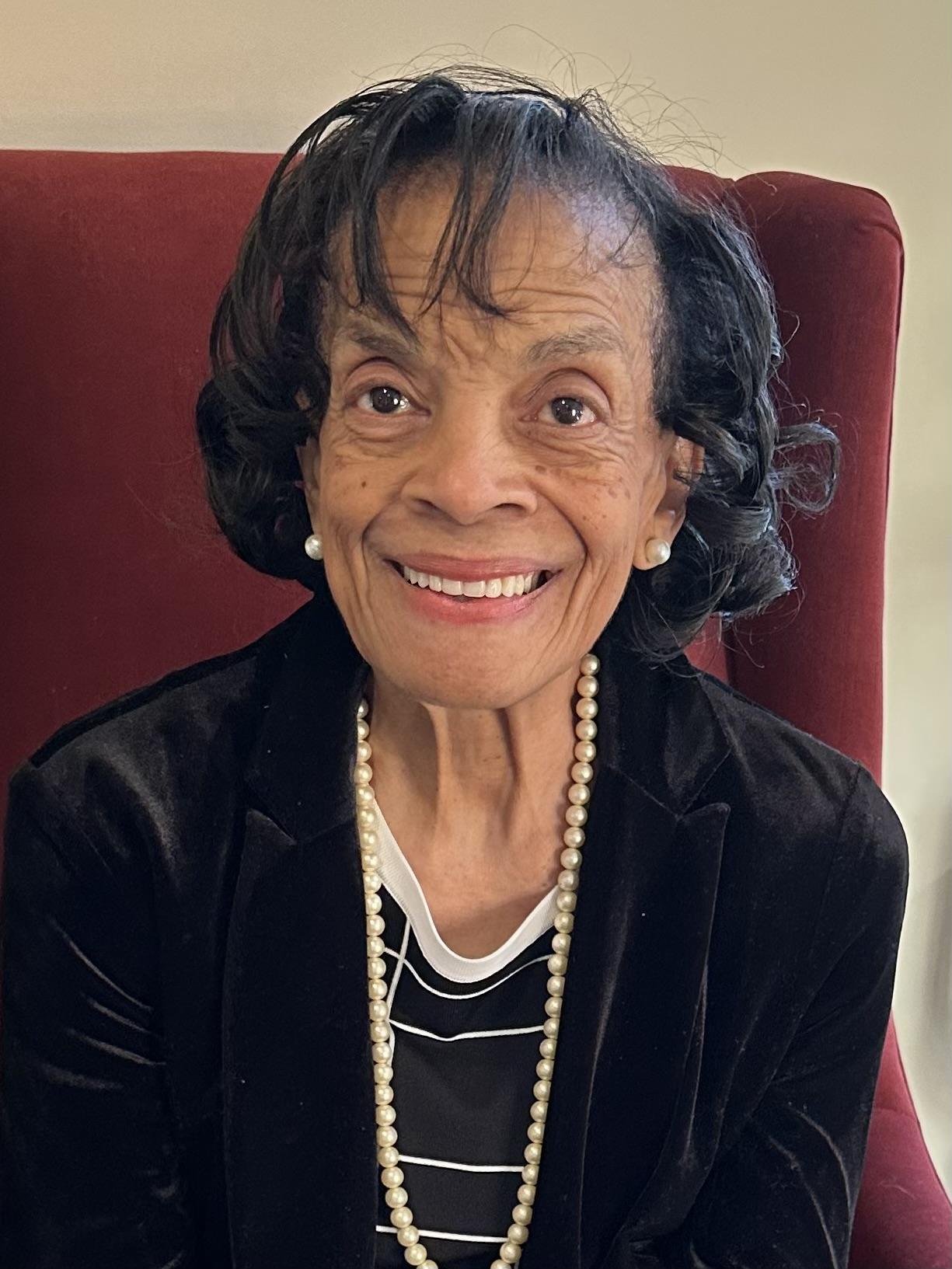
Connie Unseld heard the phone ringing after pulling her car over on a sunny day in Baltimore, Maryland. Her daughter, Kimberly, held the phone and passed it over to my grandmother. The light shone through the screen on Facetime. I logged onto the call, started the recording app, and tried to get it to work. Connie turned on the camera and greeted me like always. She started talking on Facetime about her school and why she wanted to build it. My grandmother said, “I'm talking a lot, so you want me to stop or am I saying too much?” She chuckled as I said she could keep talking, and we kept chatting about the school and all that came with it.
Unseld will always remember the kids that came in and out of her school.Yes, she created and is the founder of The Unseld School. She remembers the experience and the challenges that arose while building her career. She created a school with discipline, education, and especially fun activities. The first child in her school was her own, Westley Edward Unseld, my dad.
adding on to that.”Achallenge had arisen while building the school: she had taken on too much. Unseld said that if she could go back in time that she would not have kept adding or building
When she was in college studying elementary education, Unseld was inspired by a college professor to go visit Israel and other countries to learn about different educational philosophies. Unseld said, “When I was in college, I had a teacher who I truly loved.” Because Unseld loved this teacher, she kept her promise to visit different places after she graduated from the University of Louisville. She was inspired by this college professor because she helped her and supported her on traveling across the world.
her because she was an athlete's wife. People thought she did not have the qualifications to open up a school. Unseld explained, “Just because you're an athlete does not mean that you don't have quality in your life or that you don't go to church or that you're not a good person, so that was one of the things.” Even though it was hard sometimes, since she did not fit those stereotypes, she faced them. She showed that she was smart and could keep going.
By:LaylaUnseld
Connie Marie Martin Unseld opened her school in 1978. She wanted to create a school for kids that taught them social skills and that provided kids with a good education at an early age so they could be successful earlier in life. She wanted children to have full experience of what school would be like with classes and activities. The project to build the school took three long years. Unseld thoughtfully reflected, “I don't ever remember having a clear period where I didn't have to worry about finance for this or
Unseld always wanted kids to be very successful and not worry about the small things, but it was not until she visited different countries and took notes on what they had at their schools that her vision began to come to life. They had hands-on activities. She was fascinated by how students performed in their schools. Unseld said, “That's when I wanted to be a developer and open up a school.” This inspired her to start building.
“That'swhenIwanted tobeadeveloperand openupaschool.”
Challenges arose while building the school. People did not believe in
The Unseld school has progressed since 1978. Graduates have been admitted to excellent high schools and great colleges. Unseld rose above all the challenges she faced from starting The Unseld school, stating, “I don't have to say 'oh wow I'm a good school!All I have to do is look at my- I just look at my graduates.'” She was not trying to brag but demonstrate how she herself has progressed and how the school became better with support from family, friends, and the community.
Unseld made a school and an impact on her community while facing challenges that were in her way. She has inspired kids from her own school, as well as her own children, to go far in life. It is important that I face challenges and obstacles, mentally and physically, that can get in the way of doing something I love so I can learn from my mistakes and I grow as a person and as a learner. Unseld will forever leave a great impression on me. I appreciate her as a teacher and a guide but most of all as a loving grandmother.
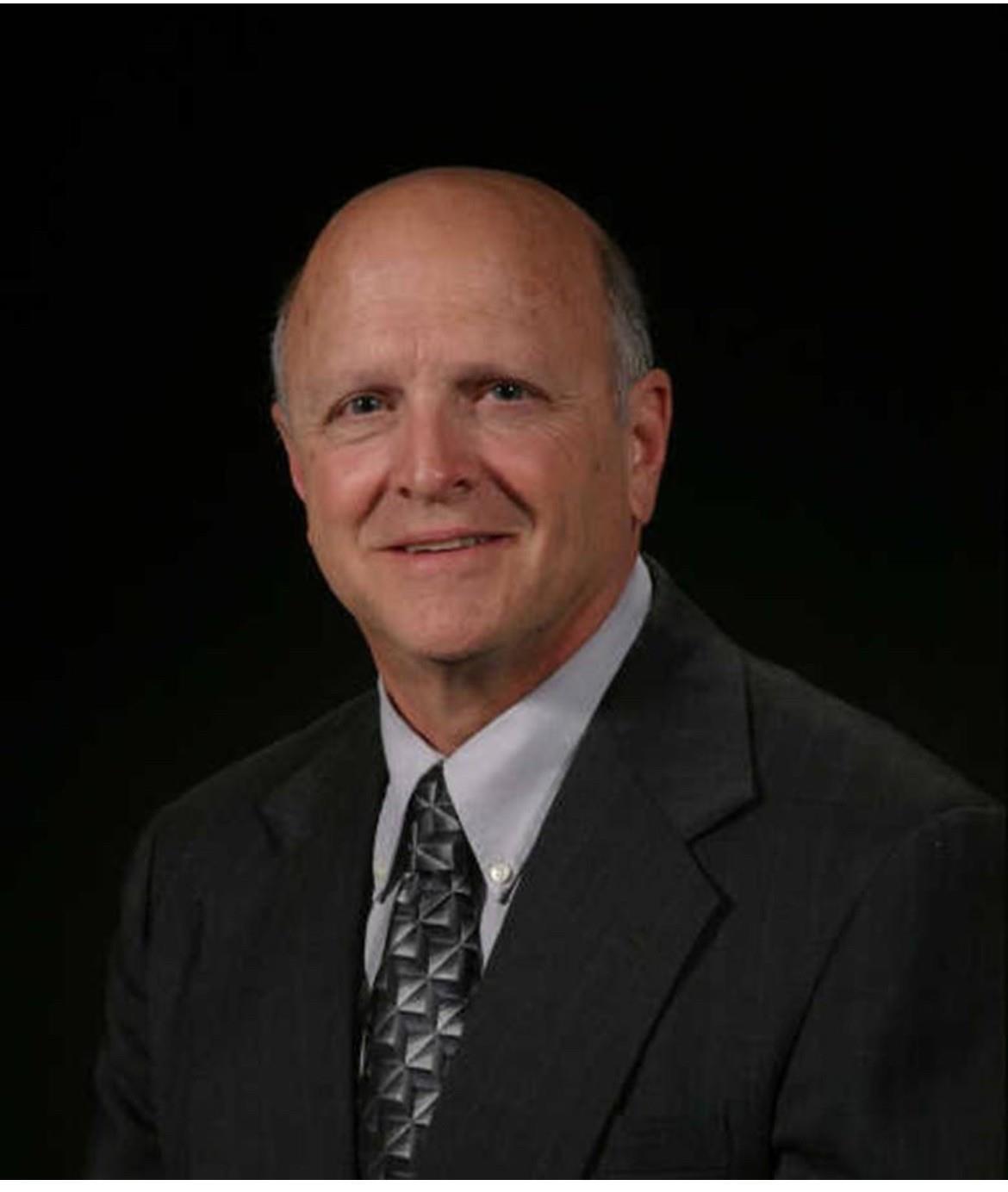
By PJ Urban
It was October 6th, 2025. I was just finishing a horror movie with my mom – our favorite genre to watch together when a sudden realization came to mind. I yelped, “I need to do my interview!” This is when I opened my phone, questioning, Do I really want to do this? I made up my mind: YES! I nervously typed in the password to my phone and called my mother’s father, David Coltharp. He answered, wearing a collared, button-down shirt while sitting at his work desk. Knowing my Gramps to be one of the most religious people I know, I built up the courage to ask him, “How did you find your faith in God and how did it affect you?”
David Coltharp, living in Pittsburgh, Mississippi, heard a yell. His mom screamed that they needed to go to the hospital. His father was extremely sick. Coltharp, at such a youthful age, did not know what was happening to his dad. He started praying like he had never done before. He screamed and prayed for his dad to live and for his dad to be safe. This experience changed his life forever.
Coltharp finally walked into his dad’s hospital room, and he saw his dad lying there dying. His father said how much he loved him and gave him his final goodbye. David says, “My father’s death is what helped me build my faith in God.”
After, he sat in despair about his father’s death. This caused him to never want anyone to experience a loved one passing away again. Additionally, this inspired him to become more like God by trying to serve as many people as he could. He realized that he could learn to be both an electrician and an engineer if he went to school in Mississippi State. In college he began to attend church. He admired the priest, which further strengthened his faith in God; “Someone who really inspired my lifestyle is a priest.”
Later, he took a job to create designs to help military defense in wars, such as building and designing protective walls. While this job overworked him, it was not so bad due to the environment of the workplace being better than a lot of other places during that time. However, the number of hours did not change. This made it very tricky for him to keep on living the way he wanted.
However, he knew this job would be worth it in the end because it helped people and his community. As he says that “I love and chose this job because it helps my community.” He also says, “I want to make something that will help the world and the people.” This made him feel proud about saving people and overall helping him do what God would have wanted him to do.
Later in life, Coltharp believes his faith led him to meet his future wife, Cathy, at an old run-down church near his house. They quickly grew close and, in a few years, married and had three children. David prioritized teaching them about his religion as they grew up. As time passed, his children had nine children of their own, and both David and his children inspired the next generation to build their faith in God.
Looking back after all these years, David reflects in a joyous tone, “I am most proud of my children, grandchildren, and my faith in God.” He now lives in Fairhope, Alabama, and even in retirement, faith stays central to his life. He attends church every Sunday and continues to nurture his beliefs.
As we can see from David Coltharp's story, he is a kind and caring individual. He loves to help people and loves to help his community. Additionally, he helped me think this way about him through the story of his life and by taking time out of his day to come do an interview with me. He helped me realize how much one can be filled with kindness and how much one can have religion influences one’s life.
Additionally, it means so much to me that he is willing to help anybody. He says that if he were to say anything to the younger generation, it would be, “Always learn something new every day in your life.” Coltharp does not care what age someone is; he just wants to help them and benefit their life in the best way he can. This shows how much religion can affect someone’s personality, like it has done for David, making him one of the kindest people I have ever interviewed.
Turning to religion may help anyone’s life. For example, faith can help them get through a challenging time. This can change their life forever. We can see this through David’s life, where his dad died, but when that was hard to get through, he turned to God and God helped him and keep on living his life.
It is safe to say that after this interview, if I were to give anyone advice, it would be that if one is going through a rough time, I would say turn to religion and try to be like whatever God you are trying to follow. Lastly, from doing this whole interview, the biggest thing I have learned from David is that religion can be a positive benefit and change one’s life forever if they stick with it and help their community.
“My father’s death is what helped me build my faith in God.”

By Nico Valero
When I got home after school on that cold Thursday evening, I sat on my old soft couch waiting for my brother, Marco Valero, to pick up the phone. I was eating a quick snack and started to wonder in my head, “is this going to be awkward?” Since I had not talked to him since the summer before he left. While ringing for almost a minute, he finally picked up and apologized for not answering. I started to ask some questions on my topic, but I did not really know how to ask them. I was getting distracted by his shiny lamp since it kept flickering on and off. He had grown a mustache, which was a very new characteristic about him.
As I got deeper into the conversation, I never really knew my brother had to experience these roadblocks, like turning in homework on time and understanding how to do the work.
He then told me, "as you start to get older, you are going to have to figure things out on your own. Mom and Dad won’t always be here, so you have to be more mature and independent.” This really stuck with me, as I knew growing up could be hard, especially for my brother, since things did not always go his way. However, he always managed to find a way to do it like when he transitioned from high school to college.
During the last months of high school at Walcott College Prep, Valero could not help but feel a little nervous since he knew he would be leaving
for college at the University of Illinois in Urbana-Champaign, which was about 300 miles away from home. The thought of living on his own and adjusting to the different environment, which was almost completely new to him, he was both worried and excited. Still, he pushed himself to meet with any teachers whenever he felt like he needed help on certain criteria he did not understand. Additionally, he did this by finishing homework on time and trying his best on it, instead of barely trying. Lastly, he was learning how not to get distracted by his friends and social life and instead pay attention to what is mainly important, which is school. “In high school, I struggled a lot with time management, but I started to meet up with my teachers whenever I felt like I needed help,” Valero expressed. So, every night, he would study for hours, determined to prove that he was ready for the next chapter in his life, which was college.
Time passed by, and soon it was already graduation. Valero got out of bed every morning felling like he had matured and had a lot of growth in the last months. He knew that he had gained independence and confidence like he knew he would and his teachers knew too. So, as he walked across that stage, the light was hitting him, with a breeze of wind making his hair go back and forth. He knew that all of his hard work and dedication had paid off for this exact moment in his life. So, by the end, he knew he’d be ready to start college mid-August, with confidence no one could break.
When summer was over, the air still warm, Valero took a deep breath as he arrived at the University of Illinois in Urbana-Champaign, nearly 300 miles away from home. The campus was bigger than his school, and the walkways were crowded full of new freshmen just like him. That made him feel very overwhelmed but excited to start something new in his life. Everything he saw looked and felt very different from high school. As we were walking, he told me, “I was kind of nervous at first, like I did not really know what to expect.”
You can try to be as prepared as possible, but it’s not always going to go how you wanted it to.
As the weather changed and fall winds swept through the campus, Valero learned that even when trying to be as prepared as possible, there will always be a problem you have to face. The warm days of summer faded with the wind of the autumn air, and the campus felt busier than before. The wind brushed against his face, messing up his hair as he walked to class. He carried a mix of worry and determination. He started to realize that college was not about being ready; it was about learning how to handle unexpected challenges. As Valero’s classes started to become harder, his assignments piled up. He felt way more overwhelmed than ever. There were times when he would have to stay up late to study or just work on completing his assignments. Whenever it would rain or snow late at night, he would stare at his window, watching his campus glow beautifully. When he was asked how he managed to do it all, he admitted, ”You can try to be as prepared as possible, but it’s not always going to go how you wanted it to.” Instead of giving up and letting his assignments stack up to his roof, he would push through it and meet up with his professors to ask for help or attend tutoring. He managed to stay very organized. Over time, he learned to balance his social life and his schoolwork.
By his third year, Valero had grown more confident and less worried . He started to notice that every challenge he had to face always taught him something new. Even when he felt uncertain about everything he was doing, he reminded himself of how he managed to come this far in his college career and how he should be proud. The snowy air no longer made him feel anxious every day but made him feel calm. In the end, it reminded him that growth always comes with some sort of change, and not adapting to anything new. He used his knowledge to help him succeed this year and next year when he was going to graduate.
When Valero first began college, he quickly realized how different it was from high school in so many ways. At first, he always had trouble to manage his time and trying to balance his school life with his social life and with the many responsibilities he had. He always refused to let any challenge break him down, but every single day, he would work hard to make improvements so he could adjust everything he had going on. Whenever he needed help on a certain criterion, he would speak up for himself and ask for help. Whenever he felt like his papers were everywhere, he would make adjustments just to stay organized, and lastly, he was always determined to stay focused on his goals, because he knew they would help him improve with his independence and confidence.
During his first weeks, he spent them looking around and exploring the campus, looking for his classes, and even meeting new people. Whenever he was at his dorm and alone, he did not feel up to any challenges. He was down and did not know how to explain when he talked to his family. He missed his friends and teachers dearly and couldn’t even stand the memory of high school because it would just ruin his day. By the end of his first month, he began to feel more comfortable and realized that even though college was a challenge for him, he knew he could overcome it and handle it. He started to see that stepping out of his comfort zone was probably the best option to grow more independence. Valero would soon learn that being prepared could help him overcoming any new challenges
By the end of his second year, Valero saw that success was never about having everything figured out all the time. It is about never giving up on your goals and growing each time, you face a problem. Valero’s story shows how it is okay to step out of your comfort zone to try something new, because it could always lead you to something good in the end, like staying focused, being more independent, and being motivated whenever you feel like you are in a bad spot in your life. His story shows us to never give up and to be open to new things.

estate broker downtown and is the father of four kids, one of which includes me Vance enjoys running, reading, talking to friends, and snacking on peanut butter pretzels
As the night progressed, I set a goal to learn all about my dad’s hidden talents that carried him through major challenges, and take away some skills that I can use on myself to aid success
John Vance is the president of a real estate firm, Stone Real Estate, which is named after its founder, David Stone A humble, dedicated, persistent, high-spirited, and empathetic person, John Vance is a brother, uncle, husband, dad, and outstanding friend. Vance attended Boston College, a private, Jesuit college located in Chestnut Hill, Massachusetts. Vance majored in modern European history, and participated in ultimate frisbee as well as running.
Post college, Vance moved to Chicago with some close friends but ran into an immediate challenge He needed a job He was low on money and was trying to do all that he could to get by during his endless search for a job. Navigating this whole process took a toll on Vance’s mental and physical health as he was looking for a reset after preparing for a career that did not work out as he had hoped In the midst of all this, Vance needed to figure out how to calm his physical and emotional state, and in doing so, he uncovered a lost love: running
In high school, Vance reflected, “ [I] had some moderate success – underscore, moderate.” Running was a part of Vance’s childhood and college lifestyle, so Vance was familiar with this cheap extracurricular activity I felt frustrated that my dad seemed to be selling himself short, even though I know him to be humble in many ways, but nevertheless, John Vance has made many milestones in his career and in life in general
After the long search for a suitable job, Vance was finally able to settle into his new home in Chicago During a catch up call, one of his close friends from college, Todd Dziedzic, suggested that he run the Chicago Marathon Vance considered the idea and realized that even though he had found a career that fit him, he still faced stress and challenge amidst learning how to be successful. Vance reflected on how beneficial running was – and still is – on his mental calmness and clarity; it allows him to put his best foot forward in every situation.
and seven minute marathon Even with the mental and physical exhaustion that comes with running a marathon, Vance walked into training for the Boston Marathon next, knowing he could train better than before to be able to perform at his highest level I felt enlightened by the retelling of my father’s physical and emotional sensations during that first year of turmoil
Shortly before Monday, April 15, 2002, Vance traveled to Boston with his close friends and family The Boston Marathon always takes place on the Monday of Patriot’s day, so the city was buzzing with activity On the morning of the race, Vance woke up as if he was just going for a regular training run. He woke up, ate breakfast two or so hours before running, got dressed, and prepared himself, both mentally and physically
The Boston Marathon is a 26 mile straight line In the early morning, a traditional, yellow school bus near the finish line picks up the runners staying downtown From there, the bus drives all the way to the start
In a straight line
For 26 miles.
Oh, and did I mention? About half of the race is uphill
Despite the early departure, the race does not start until noon. As a result, the early arrivals wait in a high school near the starting line of the race. In the many hours before the start, Vance reported feeling a normal combination of anxiety and intimidation, but he made sure to highlight the main feeling he felt: satisfaction
The race began with a positive start Vance ran through the first thirteen miles with ease since he was so well prepared. Nevertheless, a 26.2 mile race is never going to be all sunshine and rainbows
During mile fifteen and sixteen of the marathon, Vance communicated a new sensation that raced through his mind: “I was starting to feel fatigue, I was really trying to keep the pace…that’s when some anxiousness [and] fear came in ”
A lightbulb went off in my head: my dad hollers at cross country and track and field meets because he knows Because he understands what it is like to be in a situation of doubt and lack of confidence And because he remembers the way his friend surprised him toward the end of the race and the positivity that flowed in the minutes after. I now understand the intense empathy my father has for people, and I had to sit back in my chair so I could absorb all of the beautiful components of the story just retold to me From that story, I acquired so much new information that I know I will hold on to forever
I learned that needs and wants are very different, but they can also be the same. Vance illuminated the concept that you do not have to need to do something to want to do it. Vance could have easily given up on training for the marathon when he was surrounded by people who wanted to shut him down He could have quit and said, ‘These people do not have confidence in me, so why should I keep going forward?’Despite this, Vance knew what he needed to do He also wanted to do it. So he kept running. Vance had solidified the goal in his mind to run a sub three hour marathon, and he was not going to let the people who lacked confidence in him fog over the voices of those who supported him full heartedly.
Vance also explained that challenges will never disappear from life, however, if you have confidence in your own abilities and have a firm understanding of what you need and want to do, the people who do not really know you, do not really matter. I was able to make a connection about persistence related to another one of my dad’s stories I recalled the many times where he would talk on the phone with a coworker or client in a frustrated tone The next morning, he would wake up early in the morning to smooth over any lingering issues
Written by: Audrina Vance
Dark clouds floated sleepily throughout the dark sky on the evening of Sunday, October 5 I placed my notebook on my lap and set my Surface down on the table next to me Despite the flurry of the busy weekend, I was filled with a deep longing to converse with my father, John Vance
I looked at my dad and asked, “Are you ready?”
He responded with tired enthusiasm as he reclined on the couch in his gray shirt and sweatpants He had just draped the blue apron he wears while he washes the dishes over a stool in the kitchen and gazed at me intently. An old lamp illuminated the living room around me, providing light throughout the navy blue evening as I hit the glowing record button on my screen.
John M Vance was born in 1969 in New Jersey as the youngest child of eight children He grew up working hard in different places with different tasks. He currently works as a real
Vance insightfully reports, “I really appreciate, and appreciated at that time, what running helped me do ” Challenging moments in Vance’s life did not always provide a simple solution, but Vance never let that get to him. As he explained his physically and emotionally difficult 18-month transition period, he displayed vulnerability that made me admire him more than I ever had before He explained that one cannot do hard work on one’s self, but one must use hard work to uncover a beneficial skill
Continuing to share his hidden story, Vance explains, “There were people on the periphery of me that were naysayers.” He took a deep breath as if he was about to speak of an uneasy memory, continuing, “ I allowed them to put pressure on me ” It never crossed my mind before that people could be mean to my dad, the wonderful person in my life who just happens to be my father In spite of it all, Vance just ran harder. He ran for longer distances, he participated in more intense workouts, and he did all that he could to put himself in the best condition to show others that they should never underestimate the underdog.
When the day of the Chicago Marathon came around, Vance felt prepared and confident in his abilities to do the best that he could during his first marathon. In the end, Vance finished with a three hour
Giving up was not on Vance’s bucket list for this marathon, and he was worried he might surrender to the exhaustion and give up As I was listening, I imagined that Vance’s mind was covered by a big, dark, storm cloud, ceasing the production of rational thoughts Still, I knew that my dad finished the race, so I sat eagerly on the edge of my seat, waiting to hear the rest of the story. I was unsure if it would be happy, heroic, or hurtful, but I felt certain that I never wanted to stop learning about all of the incredible things my dad did.
However, Vance continued the story with a joyful expression He reported that right when his negative thoughts were at its peak, one of his ultimate frisbee teammates had jumped out of the crowd to cheer for him! An image of the sun and its brilliant rays piercing through rain clouds immediately pops into my mind. I could imagine the enthusiasm that broke through Vance’s negative thoughts when he saw his friend up ahead cheering for him Vance shared that he was able to muster up enough persistence and motivation to continue the race with plenty of strength and confidence
Describing the moment he crossed the finish line in sub three hours, he stated that the word ‘joyous’ did not carry enough joy in it to describe the blur of emotions that bubbled throughout his thoughts With a pounding heart and an adrenaline rush, Vance concluded, “When you’re running and you’re trying to achieve certain times, you need to run through pain because there is going to be pain ”
Even though Vance has a busy life with kids whose ages are nine, eleven, fourteen, and fifteen, Vance has always figured out what the best course of action for him will be, so he will be able to overcome incoming obstacles in his best state of mind I gained the knowledge that I can be successful without trying too hard; I learned that in noticing what you need when you need it will not eliminate problems, but you can make them less threatening so that it seems possible to breakthrough.
Vance has never forgotten his experience and never will Vance described that it was not the actual marathon he missed, but the diligence and hard work that came from training I felt confident that the joy and empathy Vance always emanates will continue to inspire generations and generations to come. “[It’s] very important to strive for things in life, and when you’re striving for a certain thing in life, that bleeds over to other things that you want to strive for I just felt it was putting myself on a better life path.”
“I really appreciate, and appreciated at that time, what running helped me do.”

– It’s more than just a packed suitcase
By Sophia Waterman
I was sitting on the scratchy carpet of my floor, Surface screen open and recording, my cat walking around my legs and smushing her head into my side for attention as I sat still. My watch, the device from which I was calling Ling, sat right near my Surface at full volume.
Although I only called my cousin for a little over 20 minutes, her answers to my questions were rich with information. As she spoke, it became easier to understand how much moving affects people. It is not just the overall concept of having to travel, but the social relations that change along the way. It is easy to miss someone when you still have companionship but not completely understand the depth of how they feel. Being isolated, however, is the complete opposite. You understand the depth of being alone, how to be social in a constantly changing environment, and how to adapt in current life.
Ling Shapiro is 25 now, and lives in Colorado with her cats. During this call, I like to imagine she was sitting on her couch with one of her cats mirroring what mine was doing. Ling has short brown hair and wears glasses. She is a very kind and understanding person, which is something I admire about her. When she was ten, just in the fifth grade, she had to move to a completely different country that was not even in the same continent.
When Shapiro first got the news, she had moved back to South Carolina with her family and had been there for about a year. She was born in Mount Pleasant, South Carolina. All her friends lived not much more than a car ride away. She could finally be near them, not in another time zone or state. In Germany, Shapiro did not have the opportunity to make friends as much as she would back home. There was a language barrier.
In the first few weeks of living in Germany, Shapiro felt isolated. All she really had, emotionally, was her brothers and parents. She missed her friends. Often when people move, it is not by choice but rather necessity. Most people have had friends that have moved away and have not seen them in a long time and know it is painful for both parties. Normally, if you cannot accept it and make the most of it, it is hard to be happy in that place.
Despite often children not being told why they were moving, Shapiro was not kept in the dark. She knew why they had to move – her dad’s military stationing. “I was old enough to, like, fully understand what was happening, and I was really upset about it,” she said earnestly. Shapiro told me how she had cried for days, sitting in her room upset. She was going to be in fourth or fifth grade at the time, so she was about ten to eleven years old. That is a lot for an eleven-year-old to get used to.
Sometimes she felt as if this was a personal attack, since she was finally happy with her friends but then had to completely up and leave them. Although she understands now that it was not and they had little to no choice, her younger self was frustrated and upset for having to be uprooted. “I didn’t like the isolated feeling,” Shapiro had replied when asked about how she felt in Germany “I didn’t like how far away I was from my friends.” This heavily affected her mental health since she was comfortable in her surroundings previously. Being
isolated created more problems, like lack of motivation. It can feel impossible to even do the tiniest things with no motivation.
Not only was there the mental challenge of being in a new place with little to no friends, but there was also the physical aspect of being unfamiliar with Germany as well as traveling a lot. If you live somewhere and do not know the layout outside, you would not want to go outside. Shapiro felt like she could not go around her neighborhood and feel comfortable since it was unknown to her. In South Carolina, she could walk around and meet friends at their homes, and they could do the same. If her friends were farther, it was no more than a 20-minute drive. But here, it was like all she had was her room and a backyard. Shapiro had been forced to leave South Carolina when she was finally comfortable and with people she liked, but here, she fell into a depression: “I no longer could, like, go out and play with kids in the neighborhood … because we didn’t speak the same language.” Being away from people you like, for example your friends, can have a serious effect on your mental health. Despite this, her family traveled a lot.
We didn’t speak the same language
Shapiro had been all over Europe, but the mental isolation had caused her to shut down. Shapiro just wanted to sit in her room on her iPod, decompressing in peace, and not travel. It was so much easier to shut down than deal with the situation, which is true for most things, but would not help in the long run. “I was having none of it,” Shapiro replied. Shapiro said she had wanted and asked to go to Greece, but at the time, there was some kind of political conflict. Due to this, she could not go there. “I think I was also just a bit depressed … I did not care for all of the cool places that I went to go see, she told me. Being so “out of it,” Shapiro did not pay attention to her travels. Every time she traveled, it was another new place. That was very similar to her moving every 1-3 years. Moving every few years of her life still affects her to this day. When her dad was stationed in Florida, they stayed for five years. Shapiro
recounted thinking that it was “crazy” for her to stay in one place as long as that. Having lived in Colorado for three years now, staying in the same spot seemed crazy as well as she thought about it. When asked, Shapiro noted she felt that she had some learning gaps. “Every state does school a little differently,” she noted. “I think I took Typing I three times.” Even in Germany, the classes were different. Instead of “American history” there was “German history” and so on. So, when she moved back to the U.S., there were entire modules of information she did not know. That was true even moving from state-to-state. Teachers were not always helpful in the process of getting information. She said, “I’ve had my share of good and bad teachers.” According to her, schools were much more diverse since she went to school on base. Everyone was happy to be there, since Germany was one of the most sought-after places to be stationed (along with Japan, Hawaii, and Florida).
Shapiro had many struggles with her constant travel but is overall grateful for the experience. Throughout the interview, she has expressed her regret for not making the most of things. This has made me realize how often we take experiences for granted and that we should make the most of things. Shapiro has gotten to see so many nooks and crannies of the world that many people do not get the chance to see. She has been able to explore many sides of herself as well as engage in new experiences. By traveling constantly, she was able to find ways to get around problems. Personally, learning about Shapiro’s struggles has helped me understand that everyone goes through many formative experiences in their lives and allows me to empathize and understand others. It brings light to how moving is not just the simple task of packing everything and taking it somewhere new to unpack, but the emotional struggles along the way.
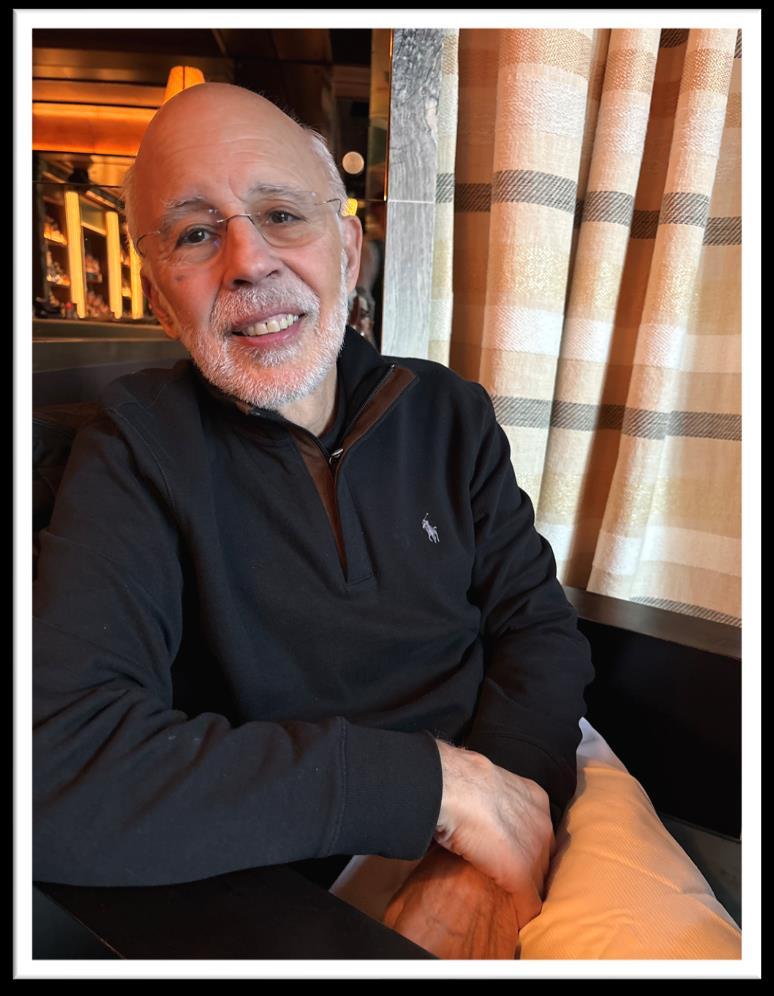
A journey through many jobs
By Luke Watkins
Getting ready for the day, Robert Meza grabbed a cup of coffee, a muffin, and kissed his wife as he left to catch the bus. On the way down from the 35th floor, Meza adjusted his tie and checked his watch to get ready for a busy day. Meza caught the bus and sat back, relaxed; after arriving at his destination, Meza went to the office. Inside, the plaque reads: "Cook County Emergency Management and Regional Security,” the title he has held for multiple years. He sat down, dusted off his photos, opened his computer, and called me. Over the years, Meza held many jobs, which helped shape who he is today. He has been through long work weeks and faced many challenges, but all in all, Meza loved all of it.
Earlier in his life, Meza knew he wanted to be an attorney. The idea of defending others sent shock waves through his body. After getting his degree in history in Wisconsin, he decided to attend law school at
Northwestern in downtown Chicago.
When reflecting on his decision, he believed that "The first year of law school was the worst year of my life.”
He believed this because when taking the first year of law school, he had to learn how to think analytically and had to do countless hours of research just to get his degree. Although he recalled not being as prepared as he could have been, Meza did not back down from the challenge of doing his best in classes such as analytics and contracts, which are described as rigorous and some of the most difficult classes to take as a first-year student. Still through this, Meza persevered, passing the classes to eventually get his degree as a public attorney.
Although Meza always enjoyed his work, his toughest challenge was his first job. The first law school was working at a smaller law firm called Williams Acosta LLC, Limited Liability Company. This firm specializes in physical injury and medical malpractice.
Meza believed, "My greatest challenge professionally was when I had my first job working for the federal government.” Meza recalled that when becoming an attorney, the learning curve is one of the hardest things to get used to, especially at a smaller firm. Working at a smaller law firm has its challenges; Robert’s company was in high demand, sometimes causing him to work 70-hour workweeks.
“There were times when I worked 21-26 days (about 3 and a half weeks) in a row,” Meza recalled, “it was rough, but I powered through.”
When asked if he enjoyed working there, he said, "Yes, I have always enjoyed my work.”Although the hours were rough and the workload was fierce, he enjoyed the challenge. This work has helped him in his career by balancing workloads, learning how to be efficient, and helping him tolerate stressful moments.
The worst year of my life, was my first year of law school
Through Roberts' journey, he has encountered many jobs, and now he works for Cook County. Currently, Meza works for Cook County as the Senior Legal Counsel for Emergency Management and Regional Security.
“I provide aid for cities experiencing emergencies like flooding or tornadoes,” Meza said. “We prepare, respond to, and help people recover from emergencies.” Meza loves his work and enjoys helping others. However, this job does entail a lot; Meza must constantly do research and budgeting when they must provide financial aid.
Currently, he must read a 300-page book on Labor Relations, which requires him to stay focused and still be productive with other work. Although doing this line of work could be boring, Meza enjoys it because he is always learning new things and enjoys the feeling when he provides aid to someone who needs it.
Meza loves his job, even though he has difficulties; he still perseveres. Because of this, the job he imagined became his reality. Throughout his career, he never felt like he could not do it, but when he felt it was difficult, he did not give up. Perseverance is the key to a successful career; without it, you cannot overcome challenges or meet strict deadlines. Meza should be acknowledged for how he helps others, and I believe that we all should strive to be like him in that way. Throughout his career, he has learned many things, met many people, and taught many as well. Meza is a great person, and he deserves everything he has, from his house to his pens, and many probably think about how their lives would be different without meeting Meza.

By: Gavin Williams
It was at around 10:30 at night when I sat down with my dad at a table in our living room. I connected my computer to an outlet, pulling out a chair for my dad as I organized my questions. The weariness in his eyes was evident as he shook my hand to greet me, knowing that this would be yet another long evening for him Despite his tiredness, he showed signs of anticipation and excitement, stating that he “had not done an interview in a few years” I thought to myself, this is going to be fun
Gregory Ramón Williams was born in a small town in Montecello, Arkansas, in February, 1978. Since he was a child, he always wanted to become some sort of artist. He realized his dream and now works at and owns the architecture firm, Gregory Ramón Design Studio Throughout many challenges in his life, he always remembered that with perseverance and persistence, anything is possible.
Williams faced numerous challenges while in the process of starting his own architecture business, but the first obstacle was obtaining his architecture license. While working for a Chicago architecture firm in 2009, he was also studying for the licensure tests. The process of taking these tests was very tedious because he was required to take nine total tests and have three years, or three thousand hours, of work experience Some architecture firms only give you two or three areas of experience, so he had to work at multiple firms in preparation of getting this license Although he planned out when he was going to take each test –one test every one to two months—these tests were still challenging.
Each test required lots of studying. Since he had little prior knowledge about some of these tests, he had to take courses to learn more about the specific subject Despite all these difficulties, Williams was able to pass each test on the first try and obtain his architecture license in 2010, the following year.
Williams smiled as he relayed what he learned from this experience: “Sometimes, you can make something more difficult in your mind then it actually is, so you just have to move forward and face the challenge” Williams did indeed face this challenge, taking it head-on despite obstacles that he faced He had a goal in his mind and knew his dream: starting his own business. Getting his license was one of the first steps toward obtaining this goal. By telling himself that what he was doing was not that difficult despite what he might have been thinking in his mind, he was able to push through for a year
Another challenge that Williams faced when starting his own business was learning the business aspect of
architecture Williams did not know anything about business because it was not something that he studied in college, and he did not know how to establish himself in this future business. He had to understand the requirements and process of setting up a business, but he had trouble finding resources to answer questions that he had about this
However, using online research, he found a small business support agency located in downtown Chicago called SCORE SCORE helps entrepreneurs start, grow, or exit businesses; this was the perfect way for Williams to start his business. He attended monthly meetings where he learned from SCORE’s successful volunteer speakers
Reflecting on this experience, Williams said, “There are many steps in between taking an idea to a reality, and if you take the proper steps, then you will be successful.” Living by this statement today is why he and his business are still successful This is how Williams still approaches each idea, and I believe this is something that will be useful to all who have a dream or goal.
The next step in the process of building a business was to start setting up the necessary legal documents that allowed Williams to “have a business that would be recognized by federal, state and local municipalities.” To do this, Williams resorted back to using online sources to help him file all the necessary paperwork to legally establish his business He found a source called legalzoomcom, and within eight months of getting his licensure, he was able to successfully and officially start his business.
While sharing the resources that he needed to find, Williams, focused, relayed that “it is important to be as efficient and cost-conscious as possible to avoid unnecessary expenses when starting the business. Persistence is the essence of anything that you do in life. You must maintain your focus on what your vision has shown you, and by doing that, you continuously move towards the goal” While never forgetting his end goal, Williams ensured that he saved money. I think that this is life-long advice that should be thought of when anyone feels
like giving up on their dream
Sometimes, people can forget that they are the ones responsible for achieving their dreams. People might assume that certain wishes will be handed to them, when in reality, people must go chase them My dad is the epitome of a person who knows his dreams and his plans for his future, and he has instilled this mindset in me. I know that Williams is a busy, business-owning man who took the time out of his evening to reflect on what his life accomplishments were and what he did to face his challenges, and I admire him because of this. Throughout my life, my dad showed me that with persistence, perseverance, and priority, anything is possible
“There are many steps in between taking an idea to a reality, and if you take the proper steps, then you will be successful.”

Imagine walking through the house late at night No one is awake but you the reason to blame is cramps After an intense exercise, your body always cramps up, but never this bad. You try walking around, but both your legs hurt at every little movement You walk from kitchen, to living room, to the front of the house. You try to relax your cramps, but they only intensify Just as you pass your driftwood coffee table, noticing the glass plane, suddenly your body drops
A loud thud echoes throughout the house After a moment, you wake up, your body is now besides the coffee table on the floor, your head feels warm, and then it stings You bring your hand to the right side of your face It is tender You pull your hand back to see blood dripping down your fingers. Just then, you hear the stairs creaking as you wife runs down to see what has happened She pauses and stares, her hand raises to cover her mouth in shock as your youngest daughter runs down and hides behind your wife, crying Your wife finally speaks, her voice panicked and shaking, “Oh my god honey, what have you done to your face?”
ask his wife
Williams is a father of five: three daughters and two playful dogs In his late fifties Williams was doing a lot of heavy lifting, whether it was picking up his dogs and hauling them to vet appointments or facing road rage all day while trying to get his kids to practice on time. Although he was happy, Williams was battling with his age, humbly stating, “I didn’t want to admit that I was getting older.” Williams did not want to be old; he wanted to be the same strong guy as he was when he was younger, but although he hated to admit it, he was getting slower and weaker, even as he did everything in his power to avoid it Compared to the other dads in his twins’ grade, Williams was nearly 10 years older than the majority. Williams did not want to be known as the old dad, so he began lifting weights, biking, and running, daily.
thus thought it did not matter.
Williams let this belief turn to ego as he would work out harder and harder to match his previous records from years past while eating whatever he pleased Although he did not realize it, Williams was holding himself back whilst inflating his ego. Eventually the lack of proper nutrition and intense workouts got to Williams when he fainted in his house and broke several bones within his face
While in the hospital and during the weeks leading to his surgery, Williams came to a realization that served as a real wake-up call for him I watched as Williams fidgeted with his hands, stating,
“I’m in my sixties now, and I just had a random accident and sadly, that’s how some people die.”
and reason with one’s self, and that is what Williams did He faced the truth that his body had been screaming at him ever since he began working out, “I’ll never be as fast, or as strong as I was 30 years ago, and that’s okay” Williams had accepted the hard truth that he needed to slow down, and he did
By: Jaden Williams
Tom Williams has always done intense workouts ever since he was little. As a child he was one of the first skateboarders in Iowa, as a teen he was a player on the high school football team, and now as an adult with a family, he is an avid bike rider and enjoys all forms of exercisemaybe too much if you
His diet, however, was not changing throughout this process Williams would often reward himself postworkout with unhealthy meals and treats as he believed it would not affect him. He still has a major sweet tooth to this day, despite his best efforts.
This mindset was mainly since no matter how much he ate; it seemed to not affect him physically “Because I was so active I felt like I could eat whatever and it wouldn’t matter” Even though he ate unhealthy meals, he still saw results from his workouts and
As saddening as it is, Williams has watched many friends pass away from his childhood and college years, and thinking of how close he could have been to dying scared him
Williams needed to make a switch, and he did Williams focused more on post-workout care, and his intense cramps, which he thought were just a regular part of working out, slowly faded out of the normal routine
In addition to taking care of himself, Williams also addressed the elephant in the room, his ego. To beat an ego, one must face it head on
Williams still enjoys his yearly weeklong bike rides, camping trips, and long morning runs, but now he does it for himself, not his ego. Now, years after his accident, he has turned his tragic story into something good Williams now works as an ambassador for AG1, a nutritional formula Williams has been using for years even before his accident Williams had applied to a form asking for ambassadors and was chosen. “Because of my backstory and my fall, I was selected to be an AG1 ambassador,” Williams boasted He believes his fall is the main reason he was selected
As an AG1 ambassador, Williams works to teach newer and older athletes to care of their nutrition Williams helps to keep others from experiencing the pain and fear he faced after his accident and helps others avoid a similar fall.
As I sat in front of Williams, I began to think back to the week of the accident. I remember him cramping to the point of not being able to walk but still pushing his body to the limit to reach some goal. I remember the tired but proud look on his face every time he got home
from the gym or a bike ride. I remember how his proud look would always turn to a pain filled expression as his cramps got the best of him And I remember that night, when I heard that loud thud that echoed throughout my house and woke everyone in a panic I remember thinking it was just my dad tripping or something due to his cramps like always, so I went back to sleep But then, I remember my mom rushing my dad to the hospital as she ran around the house, picked up all essentials and ran out the door before I even knew what had happened.
Learning about his accident from his perspective and reflecting on it gave me a much bigger appreciation for him because if he had just fallen a little to the right, he could have died, and my whole family could have been living a much different life. On the other hand, if my dad had just fallen a little to the left he would have landed on the soft carpet, opposed to the coffee table, he admitted he likely would not have made a big change in his routine and there is a chance he could have fallen again
As I stared at the small scar on his upper right cheek, I was filled with a sense of pride for my dad’s triumph to turn his ego around and use it for something good. I hope no one else must feel the things my family felt that night.
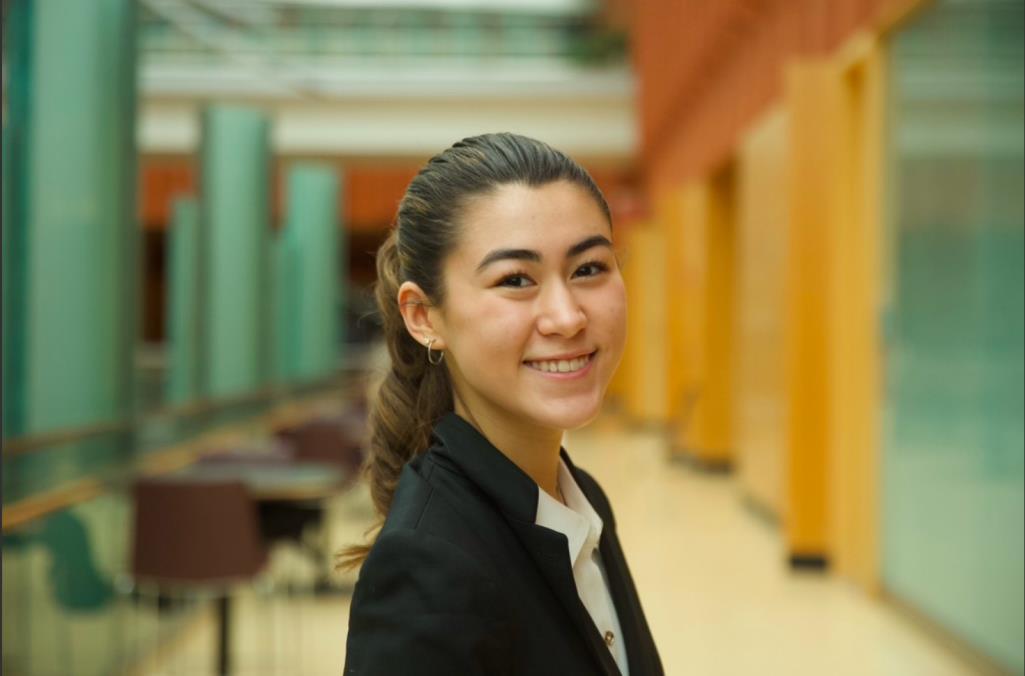
By voluntarily putting herself into an unfamiliar situation, Tyler Williams became the most prepared version of herself. By:
Sloan Williams
The bland hotel room was calmly quiet and dimly lit by one light in the dead center of the ceiling. The slight mumble of conversation like peaceful waves of an ocean crashing against the beach seeped through the thin Marriot walls. The air conditioner rattled to life every couple of minutes, scaring us at first, as it helped to cool the warm October night in Ann Arbor, Michigan. We were sat across from each other both sitting crisscrossed on a squishy, comfortable, hotel bed. The black digital clock on top of the bedside table next to us read 8:32 pm. It was late at night; Williams was fresh from a shower with her hair still slightly dripping onto the covers of the bed. We were both tired after our long day at the Michigan vs. Wisconsin football game. It was our second take of the interview; the first time we were laughing too much, like you would imagine sisters would. The hotel room reminded me of a slightly larger college dorm and for a quick moment I pictured us as roommates. Tyler Williams, known as Tai to most, peered off at the store-bought pictures that scarcely covered the hotel walls as she answered my never-ending questions about her study abroad four years prior.
was visiting the University of Michigan with my family to see Williams, my older sister. It was only a 5-hour car ride from Chicago, our hometown, however we had not seen each other since late August when we helped her to set up her dorm room in her sorority, Gamma Phi Beta. She was only in her sophomore year at the University of Michigan, yet it seemed like she knew everything there was to know about college. As an 8th grader myself, I, like many, felt lost when someone asked me where I want to go to high school, let alone college. But luckily for me, I was able to capture more of Williams’s wisdom and advice by being given the opportunity to interview her about her trip abroad to Oxford University in Oxford, England I learned more about how she believes that Oxford greatly helped to prepare her for her future in college and beyond and how she is convinced that trips abroad, similar to the one she took, could help many other students who were lost, uncertain, and unconfident like she was.
Williams had previously traveled many times domestically and internationally with her family, but she had never traveled internationally alone. In fact, they had traveled to London, England before when Williams was a young child. But Williams had never traveled to England independently. She was only a rising junior at Lane Tech College Prep in Chicago, Illinois, but by signing up for the opportunity to go abroad at Oxford University in Oxford, England for two weeks, she agreed not just to go explore European schooling, but also to do it on her own.
Like many high schoolers might be, Williams was afraid and uncertain. Williams says that for the first week of the trip she was homesick. She rarely left her room in the start of the week and was quieter around the other students. Her mother, a caring woman, had left a note hidden in her suitcase reminding her of home and telling her to enjoy the experience which she taped to her dorm wall. The note made her long for home even more, but it also comforted her as it reassured her that
there was nothing to worry about.
Therefore, throughout Williams’s experience she was eventually able to fully come out of her shell and utilize the opportunity for all that it was worth by becoming more confident in herself to do things she had not done before. As Williams told me confidently while sitting straight up on her bed, “It proved to myself that I could do things on my own and be successful.” In that second week of the trip, Williams was able to make more friends and be confident in herself to do things on her own. She says that after that second week she felt like she could have stayed 2 more weeks. Demonstrating how with the short, but valuable, 2 weeks at Oxford, Williams was able to grow her independence from a sophomore in high school to a prepared and growing young woman who felt more prepared for whatever came her way than before her study abroad.
Through each day that she spent studying with her new friends in England, Williams consistently persevered through new challenges which simultaneously increased her selfsufficiency, resilience, and self-managing skills, while still providing useful academics. Williams eventually discovered that going abroad for two weeks was not just to expand her academics and to enhance her resume, but to also build on her independence and confidence as a growing teenager.
With her new confidence in herself, Williams was able to make many new friends and connections at her time in Oxford by putting herself in unfamiliar and unique situations. Williams participated in two courses while at Oxford University: critical thinking and leadership. Within these classes Williams made many friends from different corners of the world. Nevertheless, becoming friends with strangers was not all natural. She explains that if you did not take it upon yourself to assert yourself to the other international students, you would struggle to make friends. Thus, she had to assert herself. Williams ended up making friends with a wide variety of people, some that she is still in touch with today as a college student.
Williams also explains how her eyes were opened in multiple different ways culturally. She was able to go out into Oxford, England with her friends and explore activities that she had never even heard of before. She experienced a whole new level of freedom compared to any other time in her life before. Furthermore, Williams was able to not just experience what it was like to be a European college student but also what her friends’ lives were like as they had come from all over the world. She became friends with people from Germany, New York, South Africa, and many other places which gave her new perspectives of different cultures. Williams told me as she smiled, “I met a lot of people from different walk of life, from different countries, all around the world, and got to learn from their experiences.” By being friendly, Williams was able to make friends and learn even more outside of her two courses by expanding her knowledge about the lives of other teenagers her age in other places of the world.
As she peered off into space, Williams further built on the idea by saying, “I had never spent time, such a limited, but rich amount of time with people from places I would never, you know, meet them otherwise.” Williams tells me that this experience let her appreciate and look at her life differently. The experience also introduced different cultural aspects and ways of living to Williams while also encouraging her to be more outgoing as a naturally introverted person. Overall, this experience expanded her social ability which prepared her for her future and increased her knowledge of the world outside of her American bubble.
Before Oxford, Williams did not know what she wanted to pursue in college, but the trip abroad exposed her and offered her many different paths for her to take. As I mentioned before, Williams took critical thinking and leadership classes while at Oxford. Williams tells me that before going to Oxford she had little to no idea what she wanted to major in college. She was only a sophomore, but the thought still lingered in her mind. However, some of her friends in school already knew what they wanted to major. So, when she applied for two weeks at Oxford, Williams took advantage of the opportunity to explore various college like classes, “I took Oxford as an opportunity to delve into kind of broader topics that I thought would pertain to what wanted to.” Therefore, Williams strategically chose critical thinking and leadership because she found it as something she might be interested in pursuing. Today, Williams double majors in political science and psychology at the University of Michigan.
The skills she gained at Oxford of critical thinking and leadership are crucial in her majors today. Williams tells me that her majors were heavily influenced by her time in England. For example, Williams told me about a movie they watched in her critical thinking class about a man who had to convince everyone else to believe him even though he was wrong. To convince his peers, he had to use different strategies to persuade them. Williams says that this movie is still one of her favorite movies today and that the way the man used different psychological techniques to manipulate his counterparts fascinated her. In turn, Williams chose to double major by deciding to further learn about psychology on top of political science.
The independence and experience of being in a dorm further prepared her for college. However, Williams says she did not have a roommate in her time at Oxford. With the luck of the draw, she ended up being alone in a decently sized room. Williams described this room as the “hangout room” where her friends from the trip would come and hangout to play games, study, or talk. Still,
Williams’s experience at Oxford greatly helped her to be prepared for college in multiple different ways by helping her to be more assured as to what she wanted to study and how dorm life would be. Previously Williams had never heard of a high schooler traveling abroad to study alone, but she was instantly curious of the idea for she was convinced that it would prepare her for college. She had always been aware of college study abroad programs but had never heard of a high school program. Her mother had even studied abroad multiple times while at university and law school. She encouraged Williams and her sisters to study internationally when in college. But when Williams found out that one of her fellow classmate’s friends was going abroad in high school, she was instantly curious. This was a rare opportunity known only by a handful of Americans as today it is estimated that only 2% of high school students in the US study abroad.
It proved to myself that I could do things on my own and be successful.
After conversing with her classmate and learning more about the experience she eagerly investigated the company and the trips provided. When she came across the opportunity to visit the beautiful Oxford campus and study there in England, she could not pass it up. Williams says she then asked her parents for permission to go, and they were just as excited for her to have this opportunity as she was.
After her trip, Williams had such a positive experience that she shared it with her friends and one of her family friends, Annalisa Manzano, even ended up going to Oxford to study through the same program as her. Williams told them that even though she was homesick the first week of the exchange, it still helped her to adjust to an independent life in the dorms with the full responsibility of herself.
Williams is also convinced that more high schoolers and even middle schoolers should go abroad to experience the world at its fullest and to prepare them for the life they have in the future. Williams pondered and told me, “I think there’ s this understanding that people, when they want to go abroad and study abroad, they do it in college, and I think that’s great.” She takes a moment to pause before adding on, “But I also think people should know that it’s an opportunity you can have in high school.” Nevertheless, Williams still sees how going abroad can be financially difficult for some families. Which is why she suggests that these companies could also offer scholarships for teenagers of all kinds so that they can experience the world, and so they can be just as fortunate as her to be prepared, capable, and responsible when it comes to college and what life has planned for them. After Oxford, Williams was fully prepared for anything life brought her way. Williams had dealt with any problems or challenges there were to deal with; finding a major, making friends, working as a team, being homesick, feeling lonely, and so much more. She had finally found a way to be an independent and resilient adult. Now, when it came to going to college and making new friends, it did not seem as hard. With the new abilities Oxford provided her, she was able to confidently transition into college. Her trip abroad did not just come with the life skills she learned; it also came with the lessons she was able to take away from it. On top of learning how to be self-sufficient, confident, and adaptable, she also learned the importance of trying new things, learning about new cultures, exposing yourself to different corners of the world, and not being afraid to be yourself. “It’s really valuable to open your eyes to just how other people live and how the rest of the world looks,” Williams told me in a reflective manner.
By being gifted the opportunity to go abroad, Williams was able to grow even more from the amazing teenager she already was. If the new generation of children, teenagers, and young adults around the world were given the same opportunity as Williams, people would appreciate each other more just like Williams was able to do after experiencing the world. So, if this appeals to you, I encourage you to seek out a trip abroad at your school or through a local company. If you cannot find one, reach out to a teacher or the head of your school to advocate for the importance of seeing the world. Additionally, I urge you to argue for the necessity of scholarship opportunities when going abroad so that everyone can learn, for your learning should not be held back because of your class or wealth.
The impact Williams has had on my life has forever changed me and the way look at the world. She is my biggest role model and the life lessons she shared with me about Oxford will always guide me in my journey. However, to achieve what she accomplished you need to assert yourself first. Your achievements will not come to you without work. Your dreams are waiting for you ahead, but first, like Williams, you must work to fully take advantage of them.
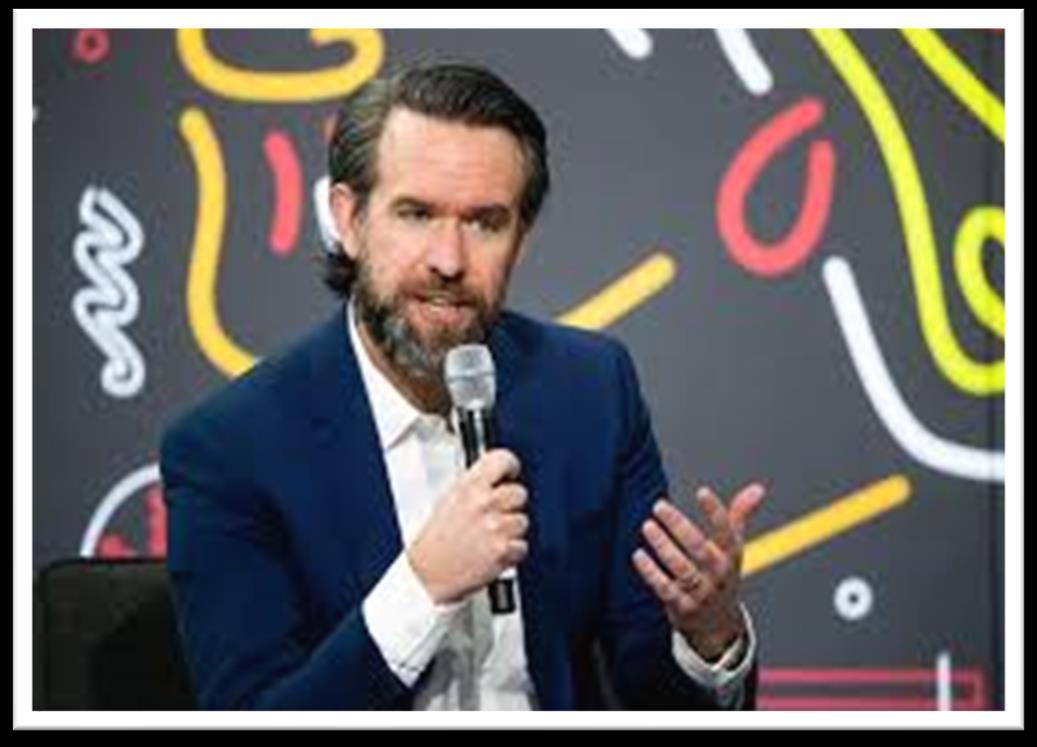
An Optimist in the Dark
How Danny Wirtz maintained Blackhawks fan engagement and stepped into a leadership position during a life-threatening pandemic
By. Juniper Wirtz
Wirtz could perfectly remember the day he was appointed to his leadership position; it was a normal day He and his family were experiencing an average Covid morning. It was one month into the pandemic. Wirtz's two daughters were in online school, and he was working in the living room when he got a call from his father, Rocky Wirtz The call was brief yet impactful: “A change was made. I was appointed as Blackhawks chairman and CEO.” Wirtz paused, pondering the gravity of this phone call. Would it be a mistake to take on such a significant role in the darkest time for the team? Without much thought, he agreed. Hearing his aspiration for the team during a challenging time of his optimism for the Blackhawks and how he would go forth and lead the team throughout Covid
When taking on the role of Chairman and CEO during a global pandemic, Wirtz knew leading the team would be different, but he was ready for it. In accepting to lead a team based on in-person games when that was impossible due to the circumstances, Wirtz’s penchant for optimism is clear. Hearing Wirtz's triumphant leadership, anyone could tell he is not a normal boss.
Wirtz made it clear he wanted to lead with respect and care for his employees and ensuring they are doing well by, “Checking in to make sure people are okay.” He says each word with a respectful and peaceful tone. Wirtz did not let his power overcome him; instead, he let it guide him to be an even more charismatic leader When the team completely lost its original spirit, Wirtz worked hard to renew the Blackhawks’ team members with his outgoing personality.
Wirtz conveyed his challenges in the pandemic when saying, “It was heart breaking not being able to support the team face to face I am a people person and without the people I felt so lost.” But even in the darkest time he stayed optimistic, keeping him and the employees' spirits high despite the situation. Hoping for a brighter future, Wirtz never let the situation bring him down; instead, he used it to become a better leader.
Rocky Wirtz, the chairman of the Blackhawks and father of Wirtz absolutely knew Danny Wirtz was fit for the role when he was appointed Wirtz grew up around the team attending Blackhawk games with his father weekly, experiencing the roaring applause and cheering from the stands filled with red, black, and white jerseys The fan experience was clearly an important part of the game, and as Wirtz was appointed in the pandemic, it was clear to him that games would be very different. “Without the fans and the stadium, it is easy to lose sight of the game ” Wirtz reflected on his memory of the pandemic, Wirtz had a powerful yet regretful look on his face as he realized the experiences he missed in the first few years of Covid-19.
All the hard work to maintain the fan experience from home would always be a constant reminder to “never take for granted the experiences with your family, work, and in my case the team that your family and work is based on.”
Whether the fans are watching a game from their living room around family and comfort, or in a high stakes stadium surrounded by the teams’ culture with every penalty, goal, or powerplay, Wirtz remains committed to the idea that “No fans make the heart of the game lose its beat.” In a time with a team making unsteady income with no ticket sales, I recognized Wirtz did not become corrupted by the lack of sales and greed for power. Instead, Wirtz stayed consistent in bringing the fans back to the game and always remembering where the heart of the sport is with optimism for the future of the team during Covid
Despite his unwavering challenges, Wirtz never once in the interview brought up the idea of giving up or regret. Taking the job, Wirtz described, changed him with each emergency meeting, zoom call, and layoff he remained optimistic that one day the United Center would welcome people through their doors again Then on May 9, 2021, the doors re-opened and Wirtz reflected on all his efforts and how optimism finally paid off in the end
When the conversation concluded on that sunny fall morning, we stood up from the striped couch on his back porch of his home. Wirtz reverted to his personal side that still shared the same values of optimism, leadership and charisma he used in the office and at home as he leaned in for a hug instead of the professional handshake approach.
Wirtz’s optimism in a time that would completely discourage me is already inspiring, yet what is even more captivating is Wirtz’s persistence that brought in person Blackhawks games back so quickly after Covid while maintaining such an optimistic outlook on the the team. In the interview Wirtz muttered a small piece of advice with such an impact: “Make each day an opportunity to grow as a person despite what anyone says.”


My father and I had agreed to meet on a brisk Sunday morning in October. I woke up early to meet him on the back porch of our house because he had to take an early flight to Miami for a preseason Blackhawks game As I walked out to the porch, the screen door suddenly snapped loudly. Danny Wirtz, sitting on the striped outdoor couch with a smile draped across his face, laughed to himself over my stunned expression His laughing broke the ice quickly He was wearing a comfortable sweat set and holding a coffee-stained mug. Going into the interview, his professionalism was clear due to his dignified stance. However, his positive tone and welcoming embrace greeted me kindly
Wirtz currently serves as the chairman and CEO of the Chicago Blackhawks. Although I have known Wirtz my entire life, meeting him in a professional setting clarified his leadership style He said each word with poise, triumph, and optimism as he told his story of being appointed to a new position during Covid-19.
Part of Wirtz’s leading style during the pandemic was to maintain the fan experience from home, working very closely with the fan life portion of the Blackhawks to ensure this. It would not be easy, and he knew that, but he remained optimistic for a future that would emulate the rich fan feeling he remembered from his childhood
The pandemic brought so much change, but as it ended the doors all around the stadium began to open. Wirtz consistently stayed confident in his story trying to perfectly emulate the story of his journey into leadership As our conversation continued, I watched him reflect on how the pandemic shaped him for better or for worse. Quick-witted answers became slower as he recognized how he would not be in the position he was in without the pandemic he shared, “I would never be where I am without the tragic events of Covid.” Wirtz remembers the first game with fans after Covid distinctly: a home opener, slight spring breeze, a roar of applause as he enters the stadium with fans for the first time in the new position
"Make each day an opportunity to grow as a person despite what anyone says."

By: Anne Zweidinger
Mrs.
Rachel Tercek is the proud owner of her own psychology practice and the proud mom of three daughters
The day I was planning to interview Mrs. Rachel Tercek, or to me Lila’s mom, I realized being nervous when I remembered I was interviewing her. This was a funny feeling for me because we are so close with the Tercek family that I am usually over at their house every day. Even though I did have some nervous feelings, I was very excited too. I have known Mrs. Tercek for a very long time, since preschool really. Lila and I were going to hang out that day, so she picked me up from my house. Truly the interview started there; even though we were not recording, she gave me some background information about her job and told me how exited she was for me to interview her. We ended up agreeing on doing the interview in her car, because that was one of the only quite places in the house When I got into her car it was a familiar place for me since , I had been driven around in that car many times. When we walked in to her garage, I smelled the familiar smell of grass from the lawn mowers and the gardening tools. When we were in the car I remember the faint scent Chick Fil La from the day before, Tercek was wearing her blue dress with flowers on it. When we got in the car I was sitting across from her in the passenger’s seat. As I jumped into the front seat and started talking to her, that was the first time I really realized how much she resembled her daughters. Once we got to her car a climbed into the front seat I opened my surface and brought out my phone. As I was getting ready to start my recording, I remember her smiling and telling me she is so excited to do this. When I started recording It was awkward for me because I had never really asked her these questions before, and I was very intrigued to find these out.
“My cousin Bryan was diagnosed with autism, and I saw how his mom had to advocate for him”. She really cares about others and how they are getting help and how they are seeing the world , how others might have to stick up for them. She also shared “I was interested in learning about neuro diversity and how people learn differently. She had been interested in how others see the world and how she was eager to help others and understand how they succeed differently. We need more people interested in learning about how others learn differently.
Tercek is a very thoughtful person. She feels delighted and fulfilled inside when she gets to see her work pay off by helping a client get diagnosed and then seeing them succeed in their schooling and work. Once Tercek diagnoses, she will refer them to a therapist or a tutor . She shares how she loves seeing her clients succeed “My most proud moments is when I get to see my impact on families and their child”. She found a job where she could manage her schedule with her family while also helping others like her clients succeed. She shared with me in our interview how it is all women working at the practice and all the women are moms. She really enjoys this about her occupation that everyone is a mom; "What I love about my job is working with other moms”. She shared with me she enjoys working with other moms because they give her feedback right away while working with their own kids. They also don’t show when their parent is doing a great job as well as other moms do. Another thing Tercek says she enjoys about working with other moms is that they can discuss things in their lives not just relating to work business.
Mrs. Tercek spent her time before starting her practice at the University of Norte Dame in South Bend ,Indiana, where she got her Bachelor’s in Psychology and her Master’s Degree , and work at RNBC Rush Neuro Development Center . While worked at Rush University Medical Center she met her two now co-founding partners of her practice, Andrea Victor and Anne Howard. She shared with me she first wanted to get into psychology because
which is important to show my daughters ” While doing an amazing job being a co-founder of a practice Tercek is a amazing role model for her three daughters by showing them how it’s important to have time for work and a lot of time for family. Some of the biggest challenge occur when starting your own practice and just working a full-time job as a parent has its challenges. When I got the chance to talk with Tercek, she talked to me about how she very much prioritizes her family and spending time with them and being present. She says, “My biggest priority is my family and sometimes just trying to manage it can be tricky.” I even see this in both of my own parents they multitask between work, and doing a great job at it but also being home for me and my siblings. I also realize this is a common challenge in if not most but all parents with balancing work and home and quality time. While I realize this can be a challenge in parents’ life, a lot of parents do a good job at managing time with family and still providing for their family
I really do appreciate how Tercek always has time for both her family and for her job; she is a great role model in the way she loves the work that she does and is truly just an inspiration. This makes me want to learn more how other brains work differently from mine and how I could possibly help others succeed in life in other ways than I might do. Tercek is a role model for many people in ways like balancing time for work and family, starting business and taking time for family, and always being there for her family.
Tercek started Chicago Neuro Development Center in 2014 with two co-founders Andera Victor, Ph.D.. and Anne Howard, Ph.D. When starting, Tercek had two young daughters, and she has shared with me that making time for family while also balancing work is very important to her because she prioritizes her family. While being one of the co-founders of her practice gives her more control, she says, “Something I really like about my job is that I feel in some ways I am not always available
My most proud moments is when I get to see my impact on children and their family's.