
Collaborative Social Transformation Research Collaborative Year in Review
Social Transformation Research
Created by Jacinda Akins
Created by Jacinda Akins
DePaul’s Social Transformation Research Collaborative (STRC) supports research in the humanities as a source of justice and healing for communities historically shaped by, and continuously facing, racism, violence, and dispossession.
Through interdisciplinary research in literature and language, history and culture, the STRC demonstrates how the humanities deepen our understanding of ourselves and our society, and empower us to act ethically and responsibly to counter racism, dismantle violence, and build a more just and equitable society.
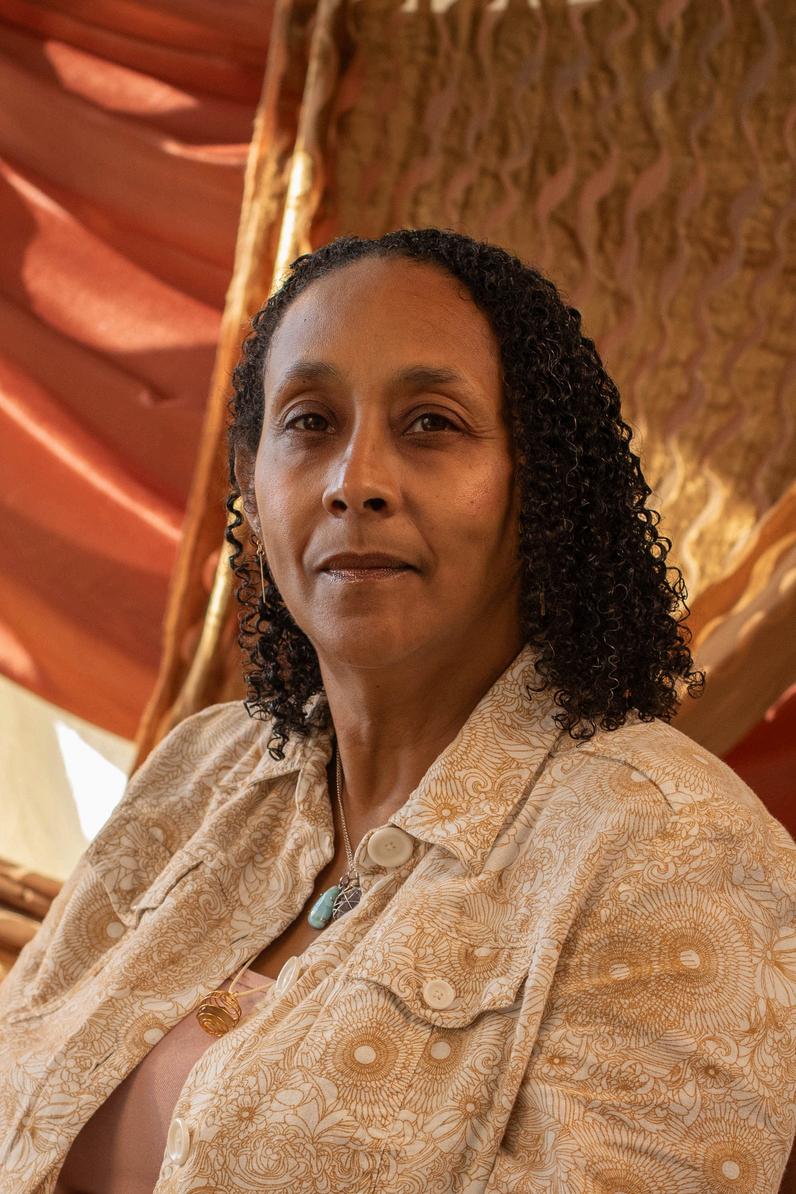
Dr. Julie Moody-Freeman
Faculty Director
Associate Professor, African & Black Diaspora Studies Director, Co-director of STRC
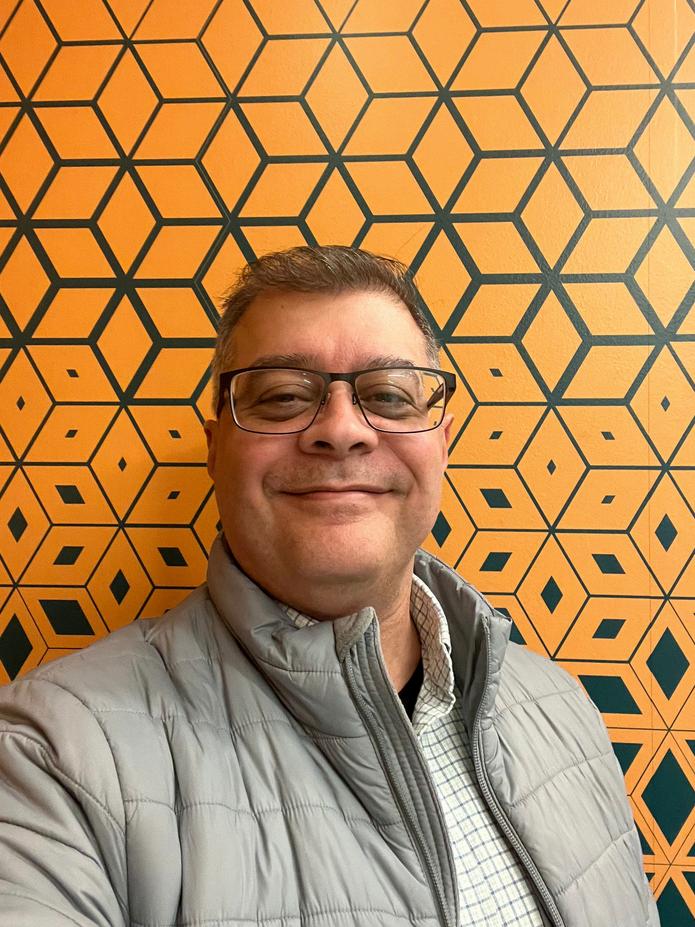
Dr. Bill Johnson González
Faculty Director
Associate Professor, English Director, Center for Latino Research, Co-director of STRC.
Emilio Diaz
STRC Coordinator
Dr. Chernoh Sesay Department of African and Black Diaspora Studies
Dr. Lourdes Torres Department of Latin American and Latino Studies
Dr. Allan Ding Department of Global Asian Studies
Dr. Carolina Sternberg Critical Ethnic Studies
Dr. Francesca Royster Center for Black Diaspora
Dr. Susanna Pagliaro Liberal Arts and Social Science, Dean’s Office
If you had the time, the money, the power, what kind of world would you imagine? What kind of world would you create? I would want a world where every living being had the opportunity to choose, of their own free will, how they would live in their highest alignment possible and contribute to creating the highest alignment of this planet. Every living being would have access to affordable education, health care, homes, clean water, air, nutritious food, pollution and crime free environments.
And when all the access to basic needs are met, I envision a world where every living being has the resources that would allow them the time and space to imagine, to create, to live in peace and joy, to live free from violence, war, and pain. They would live in beautiful crime-free spaces with community gardens and art and music and philosophy and literature and other humanistic arts. I know that this type of talk I’m engaged in sounds like an unachievable utopia. It sounds like balderdash, and the stuff that dreams are made of. How could this ever be possible in the midst of our incredibly polarized world?
I hold this vision of such a world and know that it is possible to contribute to manifesting a tiny bit of this vision even in the midst of chaos and fear. I know this because in the midst of a deadly pandemic, the Dean’s office in the College of Liberal Arts and Social Sciences, my colleagues from several units across this College, and I collaborated to imagine how we could create a space for collaboration in the Humanities. To do this, we wanted to fund fellowships for students and faculty engaged in the study of the Humanities.
Bill Johnson González Co-director Bill Johnson González Co-director
we .
Foundation, and these grants would provide the time, the space, and the resources for young scholars and Faculty to imagine, study, create, and collaborate on how the Humanities can be applied and to bring healing and transformation to this world.
Since 2022, the Mellon Foundation grant and the College of LAS have funded over 90 freshmen and transfer students to attend an annual Summer Institute
18 undergraduates and 15 Graduate Students who received funding and research leaves to work on their research.
15 DePaul Faculty who received funding and research leaves to work on their research.
4 Post Fellows
Annual symposiums and collaborative opportunities.
This a little of what the social transformation research collaborative is all about. And this is how we at the STRC have used our time and imagination to create our own little utopia and to showcase how the Humanities can contribute to our world.
Dr. Bill Johnson González Dr. Julie Moody-Freeman
Karmen Johnson
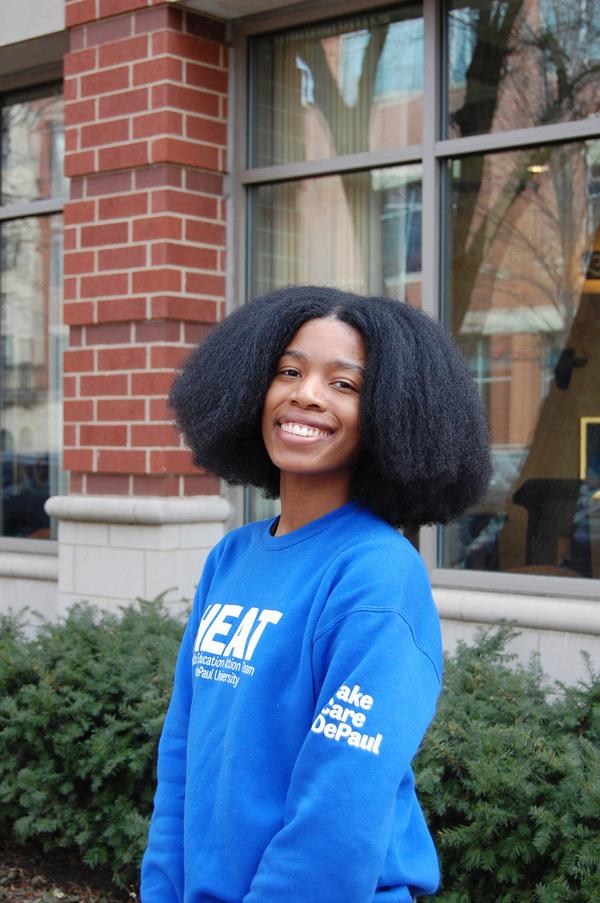
2025 Undergraduate Fellow
Karmen is a junior majoring in African and Black Diaspora Studies on a pre-law track, entering her senior year. She is originally from St. Louis, Missouri, but grew up in Little Rock, Arkansas. Karmen’s academic interests focus on the history, culture, and lived experiences of people across the African diaspora, and how those experiences connect to issues of justice and the law. As she begins her fellowship, Karmen is excited to dive into the research process. She is especially interested in exploring topics that connect identity, community, and legal systems. This research will help prepare her for law school, where she hopes to continue learning how to advocate for change. Outside of school, she enjoys quiet time and caring for her pet bunny, Domino. He’s a big part of Karmen’s daily life and brings balance to her busy schedule.
Angelique (Gigi) Lara is a second-year student pursuing a double major in English and Latin American & Latino Studies, with a minor in African and Black Diaspora Studies. Born in Maryland to Dominican parents and raised between Guatemala City and Bogotá, her multicultural upbringing has shaped her academic interests concerning migration, identity, and educational equity. Gigi is passionate about literature and conducting research, which she is excited to pursue as an STRC undergraduate fellow. She is an involved student at DePaul, as a Chicago Quarter Mentor and a student assistant at the Center for Latino Research. She supports community-based scholarship and philanthropic efforts. Outside the classroom, she enjoys reading, cooking, and curating playlists. Gigi aspires to earn a PhD and publish a book, influencing the next generation of multicultural scholars.
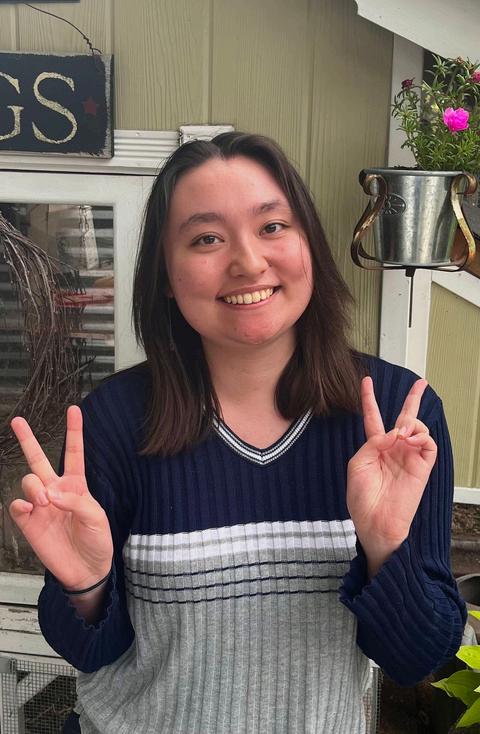
Kei Smith
2025 Undergraduate Fellow

Kei Smith is a rising senior and second-year transfer student at DePaul University with a major in International Studies. Starting Fall 2025, she will serve as the International Studies’ Senior Student Representative. Outside of DePaul, she is involved with the Japanese American Citizens League’s Kansha Alumni Board, which plans yearly pilgrimages to Manzanar for Japanese American young adults and descendants of incarceration camp survivors. She is also a Director of State Policy at Diversify Our Narrative, a student-run non-profit that aims to protect ethnic studies and anti-racist education across the country. Kei is especially appreciative of her community college for supporting her intellectual growth and is immensely grateful for the professors and students who have helped her find community at DePaul. She is looking forward to broadening her academic and research horizons as an STRC fellow, and is excited to work towards making a meaningful impact through both scholarship and community engagement.
Robyn Underwood is mother to a bright 5-year-old who’s now attending the University of Chicago Laboratory Schools. She has spent the last nine years working as a nurse, and that experience has always inspired her to help others. Robyn’s journey has been driven by a desire to create change from within, challenge systems, and uplift those who have been overlooked. Robyn’s academic focus in philosophy and her goal to become a medical malpractice attorney stem from her drive to advocate for justice and equity, especially for communities that need their voices amplified. She believes that understanding the roots and sources of the world we live in today is crucial for meaningful change. Through the fellowship, she will explore the critical role literacy played in empowering people of color in the U.S., from resistance movements in the 19th century to the Civil Rights era. She is committed to investigating how literacy became a powerful tool for personal empowerment, social change, and political activism among marginalized communities like African Americans and Native Americans. For Robyn, this journey is about more than individual success; it's about honoring the stories, struggles, and resilience that have paved the way for future generations. She is eager to contribute her voice and experiences to this collective effort, fueling the fire for change and understanding.
Zoe-Anna Wilson
2025 Undergraduate Fellow
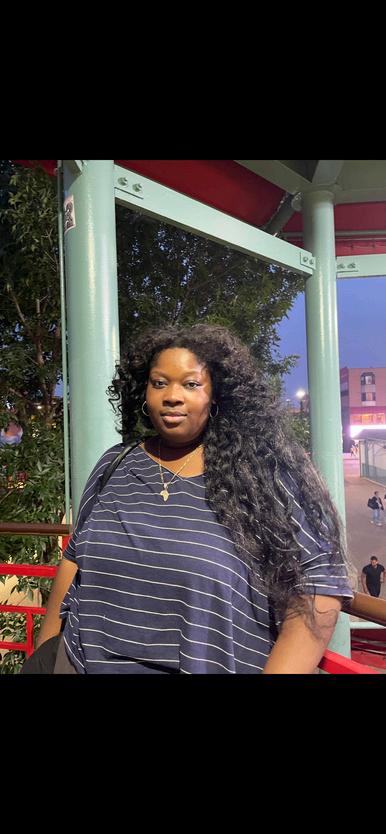
2025 Undergraduate Fellow
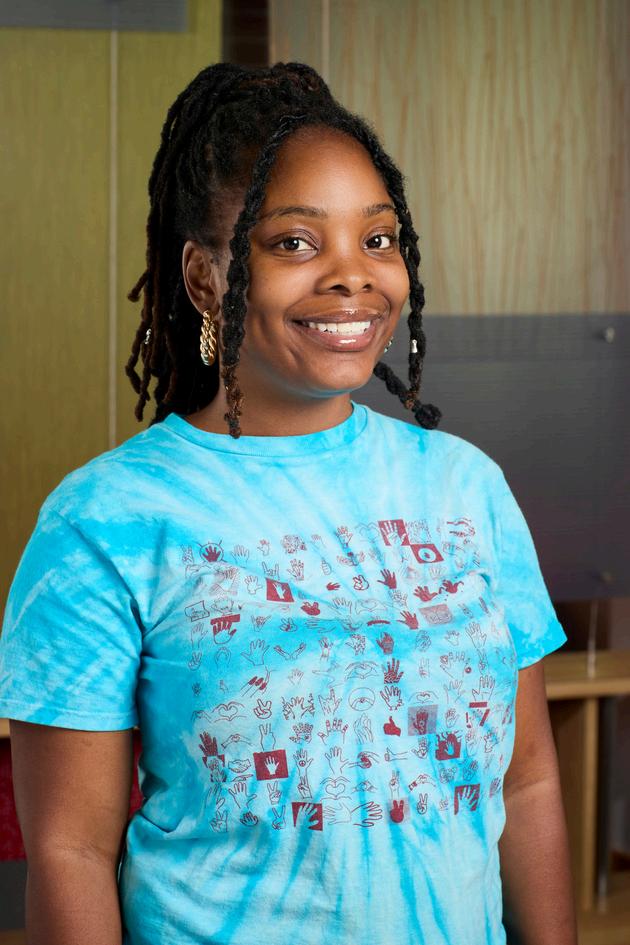
Zoe-Anna Wilson is a rising Junior at DePaul University pursuing a double major in Psychology and African and Black Diaspora Studies. As a Chicagoland native, DePaul has come to feel like a second home to her with the easy access to diverse communities and amazing people she has met through her stay. Zoe-Anna’s career aspirations include acquiring her therapist license and specializing in Dialectical Behavior Therapy, also referred to as DBT. Outside of school she continues to pursue her passion for acting and her interest in all things beauty and cooking/baking while staying open to rekindling or taking up new hobbies such as archery, piano, pottery, painting, guitar (opened tuned due to ZoeAnna’s extraordinarily long nails), sewing, and roller skating. ZoeAnna is beyond excited for the opportunity she has through the STRC to explore a topic she is passionate about, allowing her to intersect her Psychology and Humanities disciplines.
Vivian Wong is a rising senior majoring in English and Spanish, with a minor in Digital Marketing. She enjoys most forms of writing, and previously had her literary analysis of Charlotte Brontë’s Jane Eyre published in the 2024 edition of DePaul’s undergraduate research journal, Creating Knowledge. More recently, her poem titled “Woe is the Caucasiodile” was published in the 45th edition of DePaul’s student-run literature magazine, Crook & Folly. Throughout her time at DePaul, Vivian has interned with multiple indie publishing companies, mostly working as a submission reader and copy editor. Her education, work experience, and long-time love of reading and writing inspired her to apply to the STRC. In her research, she hopes to explore how different forms of literature and creative expression can work to counter issues of race, discrimination, and displacement. She is especially passionate about recognizing the need for empathy and human touch in storytelling in an increasingly digital (AI-ridden) era.
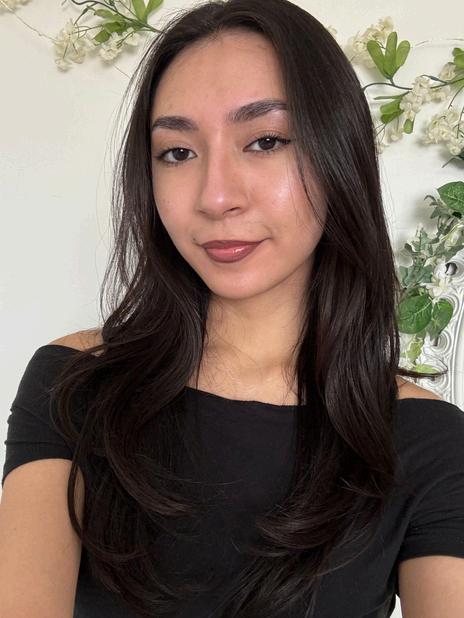
Rosbel is the Graduate Student Representative with the Department of International Studies here at DePaul University. He completed his undergraduate studies at the University of Kansas in Global & International Studies and History, with an emphasis on Latin-American forced migrations and food systems. Growing up as a Hispanic man in central Missouri and Kansas, Rosbel learned first-hand about the politics of being and belonging. The town he eventually ended up in, Lawrence, Kansas’s progressive atmosphere and history of abolition demonstrated the potential for communal identities and alternative ways of life. While in Kansas, Rosbel was deeply involved in the local chapter of Food Not Bombs, organizing alongside students, adult professionals, and teenagers. He worked to fill empty plates with not just vegan food, but locally sourced food straight from the farms of local abolitionists. Rosbel continues this work here in Chicago through organizing alongside disability rights groups. He currently lives in co-operative housing located on the South-West side of the city; where he continues to learn about the quirks, flaws, pros, and cons of living in a holistic community with strangers. Outside of work and school, Rosbel enjoys being surrounded by nature and writing poetry.
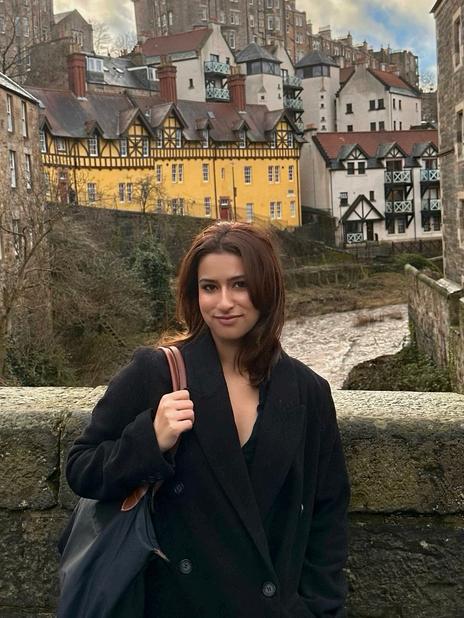
Sukhmani Mandair
2025 Graduate Fellow
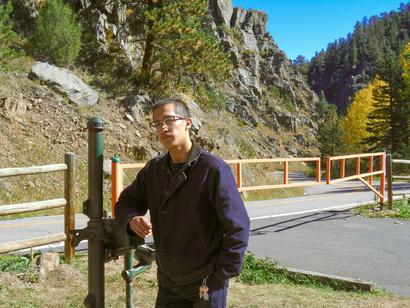
Rosbel Garza 2025 Graduate Fellow
Sukhmani holds a BA in Philosophy with a minor in Law and is currently an MA student in Women’s and Gender Studies, concentrating in Philosophy. Her academic interests include 19th and 20th century continental philosophy, socio-political philosophy, ontology, phenomenology, and decolonial and feminist theory. Sukhmani’s research is centrally concerned with the study of temporality, historicity, and technology, particularly as they intersect with coloniality and gender. Working across continental and decolonial-feminist traditions, she explores how dominant temporal and ontological frameworks shape the conditions of intelligibility and mediate structures of alterity/exclusion. She is especially interested in how feminist and decolonial critiques reconfigure our understandings of time, memory, embodiment, and perception, unsettling the assumptions that underwrite modern conceptions of progress, technicity, and relationality.
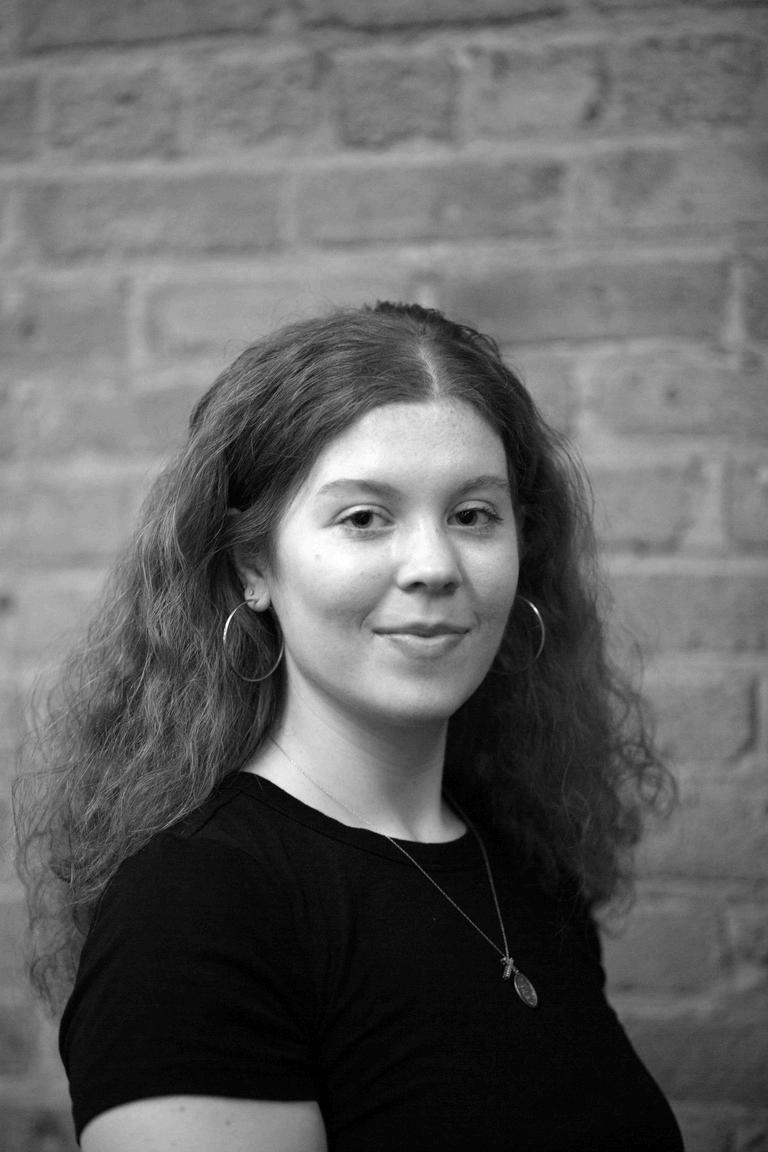
Bridget is currently pursuing their MA in Critical Ethnic Studies with a Women’s and Gender Studies Certificate. As a part of DePaul’s Combined Degree Program, Bridget will complete a BA in Peace, Justice, and Conflict Studies, with minors in LGBTQ+ Studies, Women’s and Gender Studies, and a Disability Justice Certificate in June of 2025. Bridget is passionate about learning and exploring various topics that relate to social change and equity, such as Prison Abolition, Transformative Justice, Queer and Trans Theory, Inter-generational Storytelling, Studies of Social Movements, Decolonization, Transnational Feminism, and Disability Justice. Some of their research has consisted of analyzing Chicago’s Boystown/North Halsted’s Racial Formation, The Creation of Queer Community in Times of Isolation, Change-Maker Burnout, The Impacts of Sex Tourism, and University Responses to Student Movements. One of Bridget’s professional goals is to continue their research and love for learning in a PhD Program.
Amor Kohli is Professor and Chair of the Department of African and Black Diaspora Studies at DePaul. He received his PhD in English from Tufts University and taught at Tufts, Middlebury College, and the University of Vermont before joining DePaul in 2003. Kohli’s most recently published works include the book A Beat Beyond: Selected Prose of Major Jackson (Michigan, 2022) and essays in the collections Jazz and American Culture (Cambridge, 2024), Spatial Futures: Difference and the Post-Anthopocene (Palgrave MacMillan, 2024), and The Cambridge Companion to Jack Kerouac (Cambridge, 2024). He has also published essays on Black literature and culture in the journals Callaloo, MELUS, African Identities, and the Journal of Commonwealth Literature. His teaching and research center on literatures of the Black Diaspora, Black musical expression, and the intersections between Black music and other areas of expression including language, literature, performance, visual art, and politics. The courses he has taught at DePaul include Harlem Renaissance and Négritude, Black Music in American Culture, Langston Hughes, Jazz in the Diasporic Imagination, African America: Ideas, Peoples, Culture, Movements, among others.
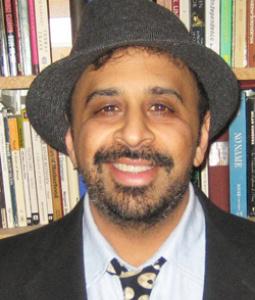
Dr. Amor Kohli
2025 Professional Development Faculty Fellow
Spirit and Structure in the Music of Alice Coltrane explores how the jazz composer and performer Alice Coltrane articulates a vision of universal consciousness through a synthesis of Black American and South Asian musical and spiritual practices. In so doing, Coltrane’s work conveys a profound musical and spiritual inquiry into liberation, transcendence, and interconnectedness. Her compositions reimagine the boundaries of jazz by blending the sonic ethos of the Black American church with the modal and rhythmic architectures of Hindu devotional music. This project situates Coltrane’s music within broader dialogues in Black cultural and political expression, examining how sound becomes a vehicle to achieve a truly global humanism. This STRC professional development fellowship supports my initial study of Indian classical music theory to better understand how Coltrane’s use of ragas, rhythmic cycles, and Black American musical patterns manifests a sonic theology able to resonate across imagined cultural boundaries. By emphasizing Coltrane’s fusion of spiritual and musical structures, this work challenges narrow understandings of cultural appropriation while engaging her art as an aural manifestation of transnational creativity and global consciousness.
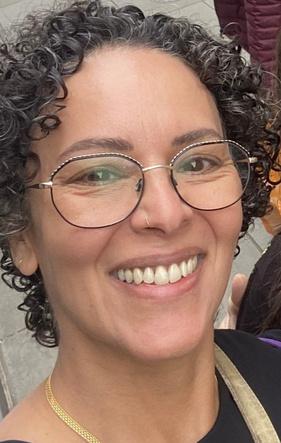
Dr. Shiera Malik
2025 Professional Development Faculty Fellow
Shiera S. el-Malik is Professor of International Studies at DePaul University in Chicago. She teaches and writes on themes of coloniality, politics, and theory. Her research is guided by an interest in the intersection of politics of knowledge and lived experience, particularly in the political, pedagogical, and diplomatic context of African Political Thought. Most recently, she researched Thomas Sankara’s speeches and Ali Mazrui’s analysis of international politics. Her work is published in the Review of International Studies, Globalizations, African Identities, Journal of Contemporary African Studies, Irish Studies of International Affairs, Critical Studies on Security, African and Black Diaspora, Contexto and Journal of Narrative Politics, along with other edited volumes. She coedited (with Isaac Kamola) Politics of African Anticolonial Archive.
Shiera Malik received an STRC Professional Development Fellowship to undertake Curation Studies for a research paper about two related exhibits 1) Shifting the Centre – Grenada as Reference and 2) Anticolonial Ways of Seeing (both curated under the umbrella Systems Reclaimed Project – International Curators Forum and the Black Cultural Archives, London). For the past 3.5 months, she done a deep dive into the history, sociology, politics, ethics, and practice of Curation in order to develop the tools to examine and explain the success of these two exhibits. She will apply this to her research on how anticolonial thinkers enacted a broad-ranging public debate about culture, colonial histories and reparation, societal development, statehood, race, alienation, and violence. Since these thinkers developed a humanistic notion of the international, they can be helpful for upsetting disciplinary positions that foreclose considerations of plausible futures.
Michael McIntyre recently completed his thirty-first year of teaching in the Department of International Studies at DePaul. In 2019, Shiera Malik introduced him to the work of Deolinda Rodrigues, an Angolan revolutionary who is an icon in her own country but scarcely known in the English-speaking world. His work as an STRC Fellow will be to translate Deolinda’s letters and diaries, providing a critical apparatus and historical context for an anglophone readership. A native of Kansas City (shout out to Janelle Monáe!), he has lived in Chicago almost continuously since 1985, after having lived and studied in St. Louis for most of the previous decade. A south sider for life, he enjoys every White Sox win and every Cubs loss, but he will always bleed Cardinal red. A notorious malcontent and intemperate radical, he continues to hold the controversial view that genocide is a bad thing.

Almost unknown in the English-speaking world, Deolinda Rodrigues Francisco de Almeida is an icon in her home country, Angola. A member of the independence movement since her teen years, unofficial emissary of that movement while she undertook (but did not complete) university studies in Brazil and the United States, correspondent of Martin Luther King, Jr., founder of the Angolan Women’s Organization, guerrilla fighter, and martyr of the revolution, she left behind a small body of work –diary, letters, poems – that was finally published in Portuguese in the early 2000s. None of this work has been translated into English. I propose first to translate the diary and letters and second to contextualize those texts for non-specialists. By situating these texts within the questions and debates that formed by the world of this revolutionary thinker, I hope this project can move beyond a dry collection of primary texts with critical apparatus to a window into a form of inquiry that is, in the words of Quentin Skinner, “more reminiscent of the battlefield than the seminar room.”
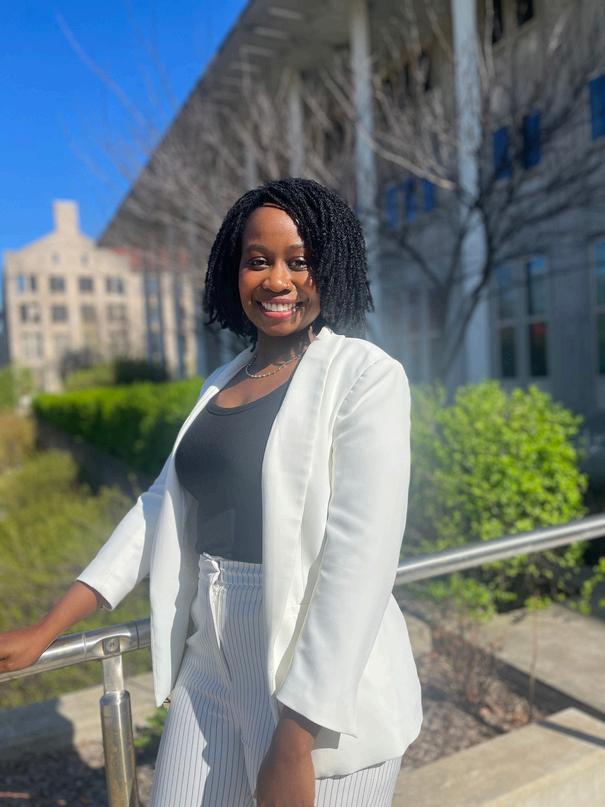
Dr. Xorla S. Ocloo
2025 Faculty Research Fellow
Dr. Xorla S. Ocloo (she/her) is an Assistant Professor of African and Black Diaspora Studies and Environmental Sciences and Studies at DePaul. She is an environmental social scientist who specializes in social-ecological systems in agricultural landscapes. Her research addresses how environmental, social, and cultural factors affect urban food systems in Black communities in Chicago, and how to achieve more sustainable, resilient, and just food systems. She addresses these questions using a transdisciplinary approach, leveraging research methods in field ecology, sociology, anthropology, the humanities, and expertise from community partners. She has published articles on alternative sustainable farming practices and farmers’ perceptions and attitudes.
Black and Latine growers have played an instrumental role in building a successful agricultural sector in the United States while historically facing land dispossession, food insecurity, and economic exclusion from agricultural industries. Despite these oppressions, a growing number of Black and Latine-led gardens have flourished, advancing food production, strengthening social bonds, promoting health and wellness, and serving as spaces of healing and resistance. Black and Latine growers have shaped Chicago’s food landscape through the introduction of practices passed down from generations, yet their contributions are often absent from mainstream agricultural histories. Sowing Seeds and Building Neighborhood Resilience through Urban Farming, a forthcoming book manuscript, aims to reclaim the narrative of farming and highlight how agriculture is a powerful tool for building resistance and resilience that fuels empowerment and healing among the Black and Latine Chicago community. This research project examines: (1) the historical impact of Latine and Black communities on the development of urban agriculture as a practice and a movement, (2) the role of urban agriculture in fostering neighborhood resilience and social cohesion, and (3) its function as a means of preserving and reviving cultural identity.
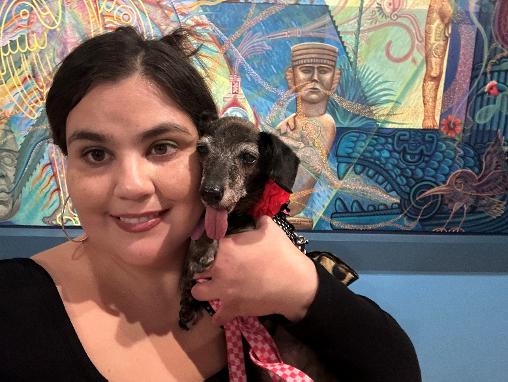
Dr. Camila Gavin Dr. Camila Gavin LALS Postdoctoral Fellow LALS Postdoctoral Fellow
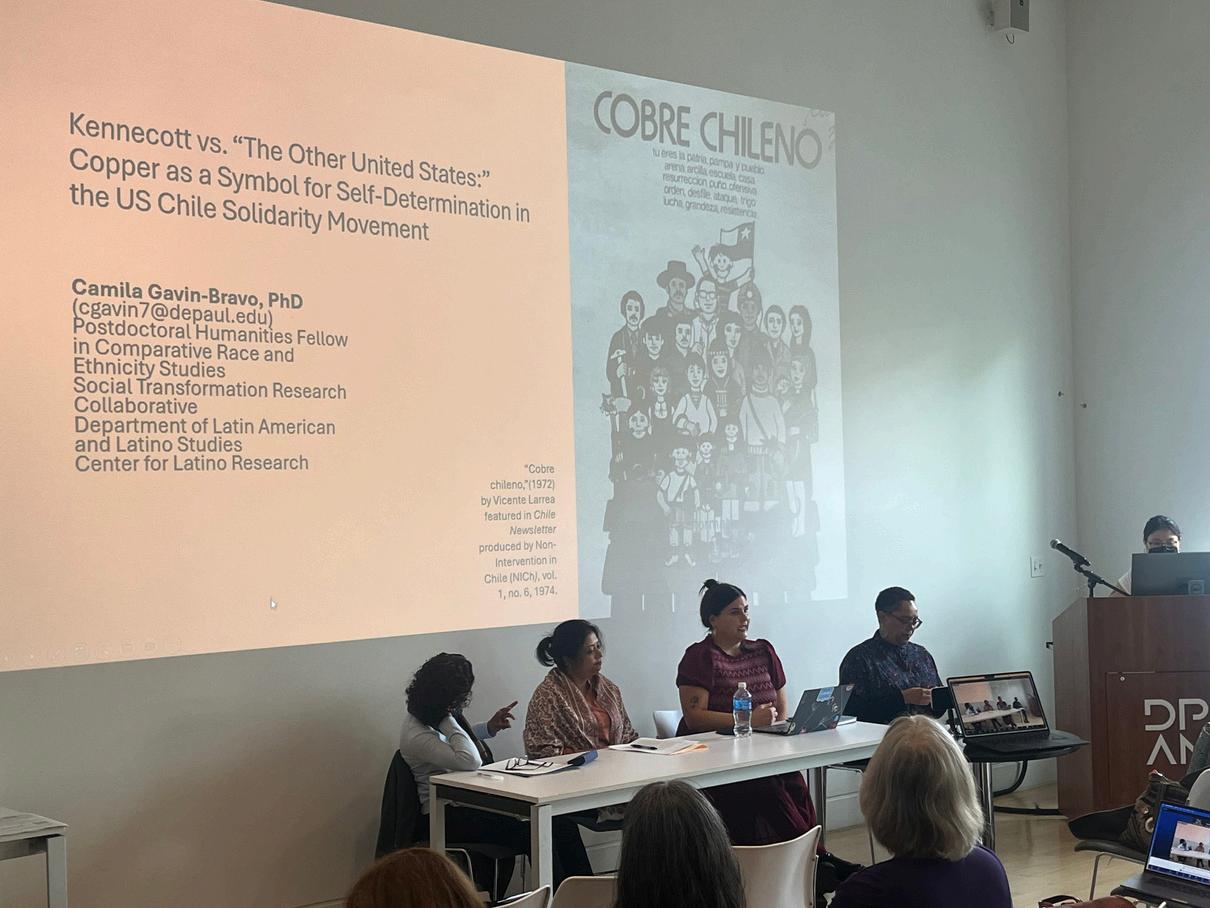
As a second generation chilena, she is especially invested documenting and preserving the stories of Chileans ousted from Chile during this time who, she argues, form an important part of leftist and immigrant communities in the United States today. She founded La Historia Es Nuestra: A Chilean Exile Memory Project which she is currently building as a physical and virtual archival and oralhistory project. Her research has been published or is in the process of being published in Latino Studies, Radical History Review, and American Quarterly. Her research has been supported by the ACLS Dissertation Completion Fellowship. Listen to her talk Kennecott vs. “The Other United States:” Copper as a Symbol for Self-Determination in the US Chile Solidarity Movement at our 2025 Fall Symposium.
Camila Gavin-Bravo is a Postdoctoral Humanities Fellow in Comparative Race and Ethnicity Studies in the Social Transformation Research Collaborative, the Center for Latino Research, and the Department of Latin American and Latino Studies. Her research and teaching focus on immigration, transnational politics, gender, and culture. She earned her PhD in Ethnic Studies with a specialization in Critical Gender Studies from the University of California San Diego. Before coming to DePaul, she was a Postdoctoral Research Associate in the Department of Latina and Latino Studies at
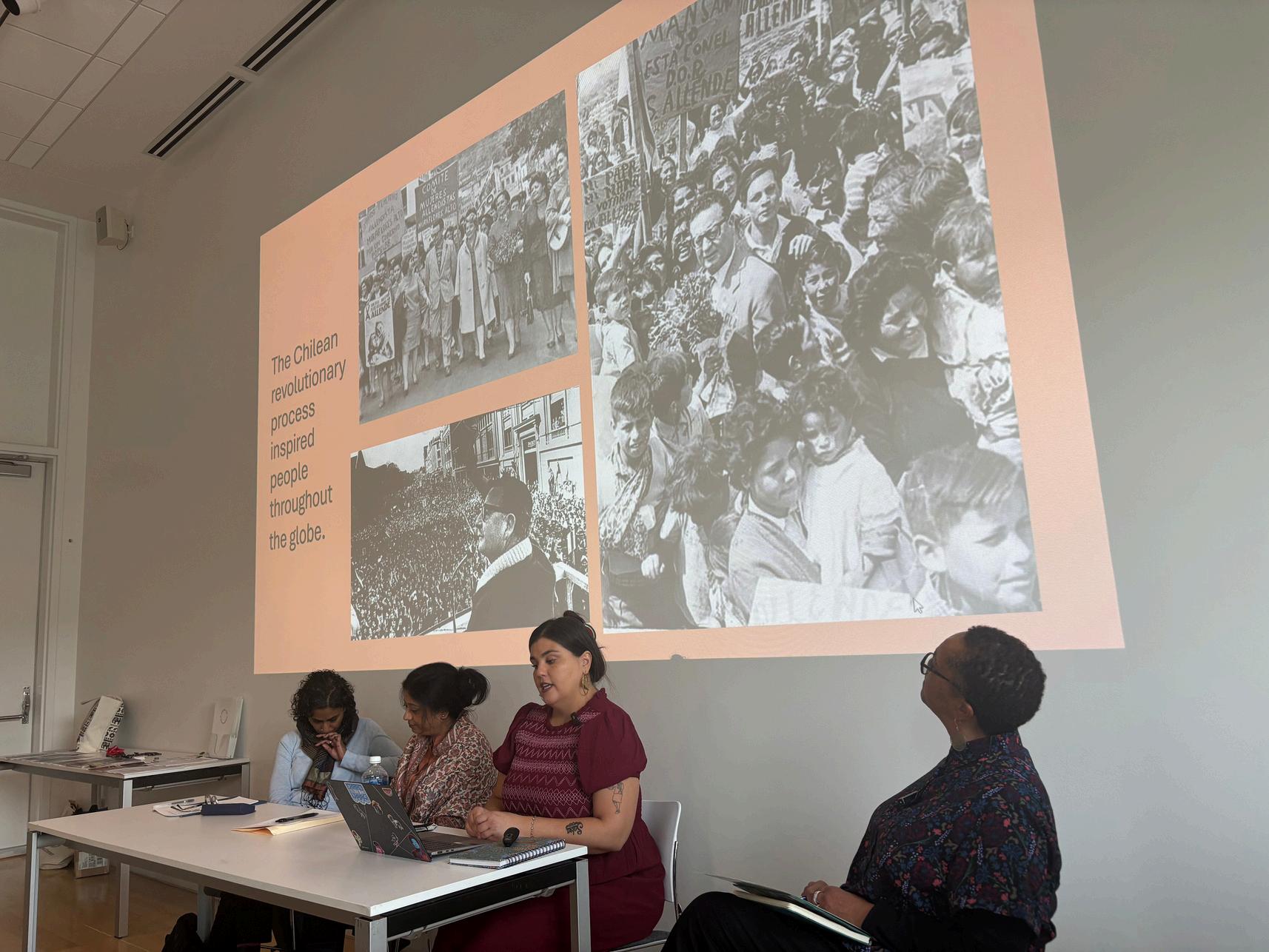
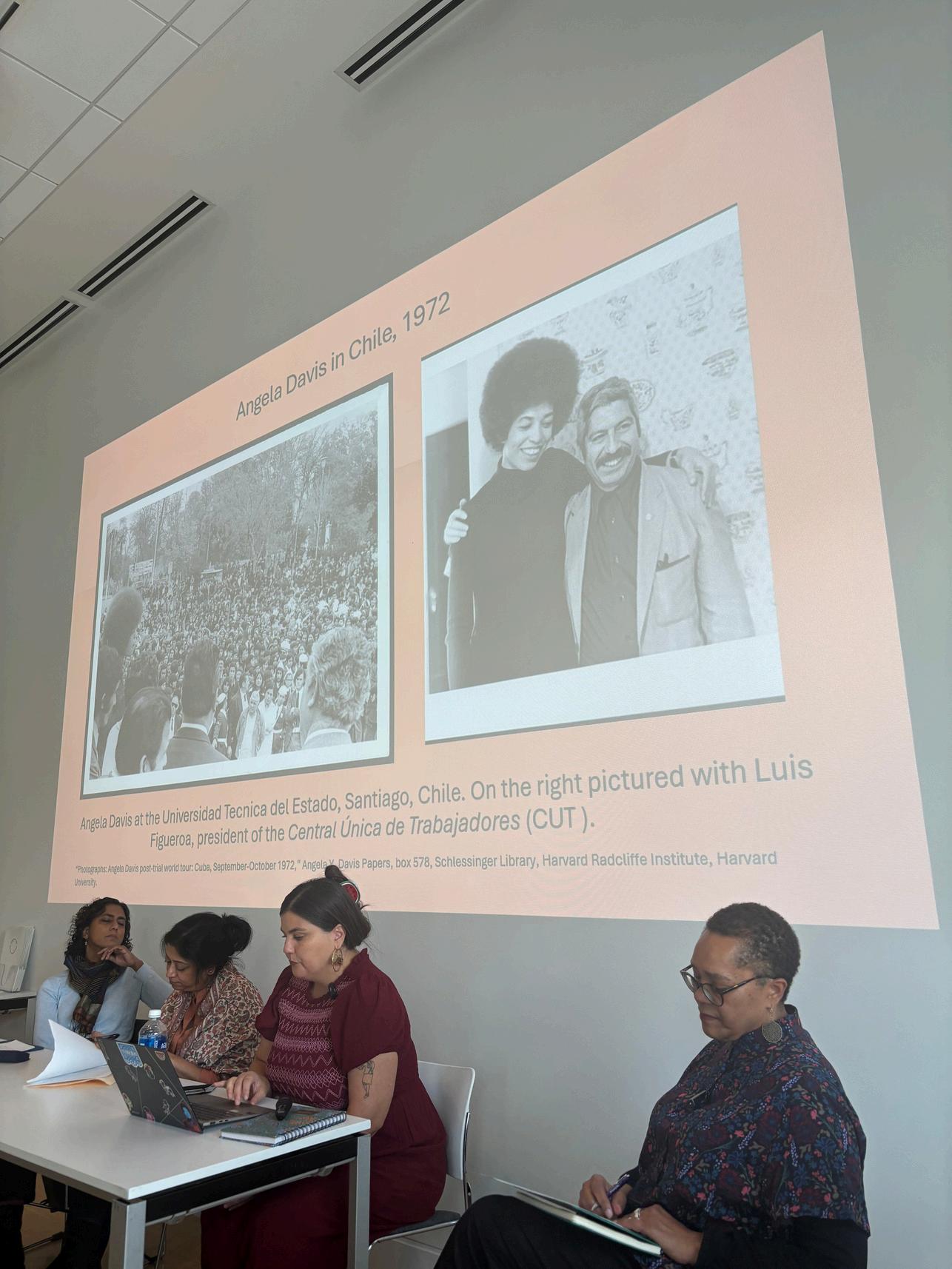
Dr. Gavin at our recent 2025 Fall Symposium
Dr. Gavin at our recent 2025 Fall Symposium
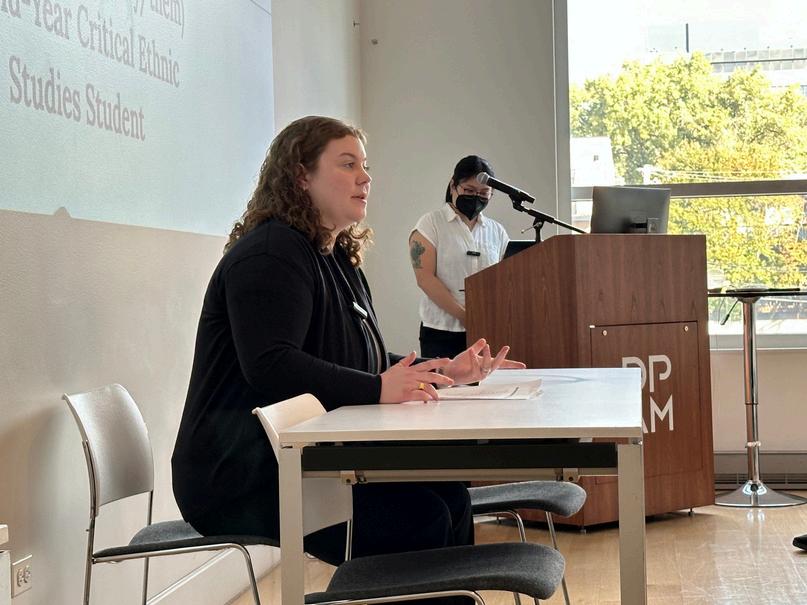
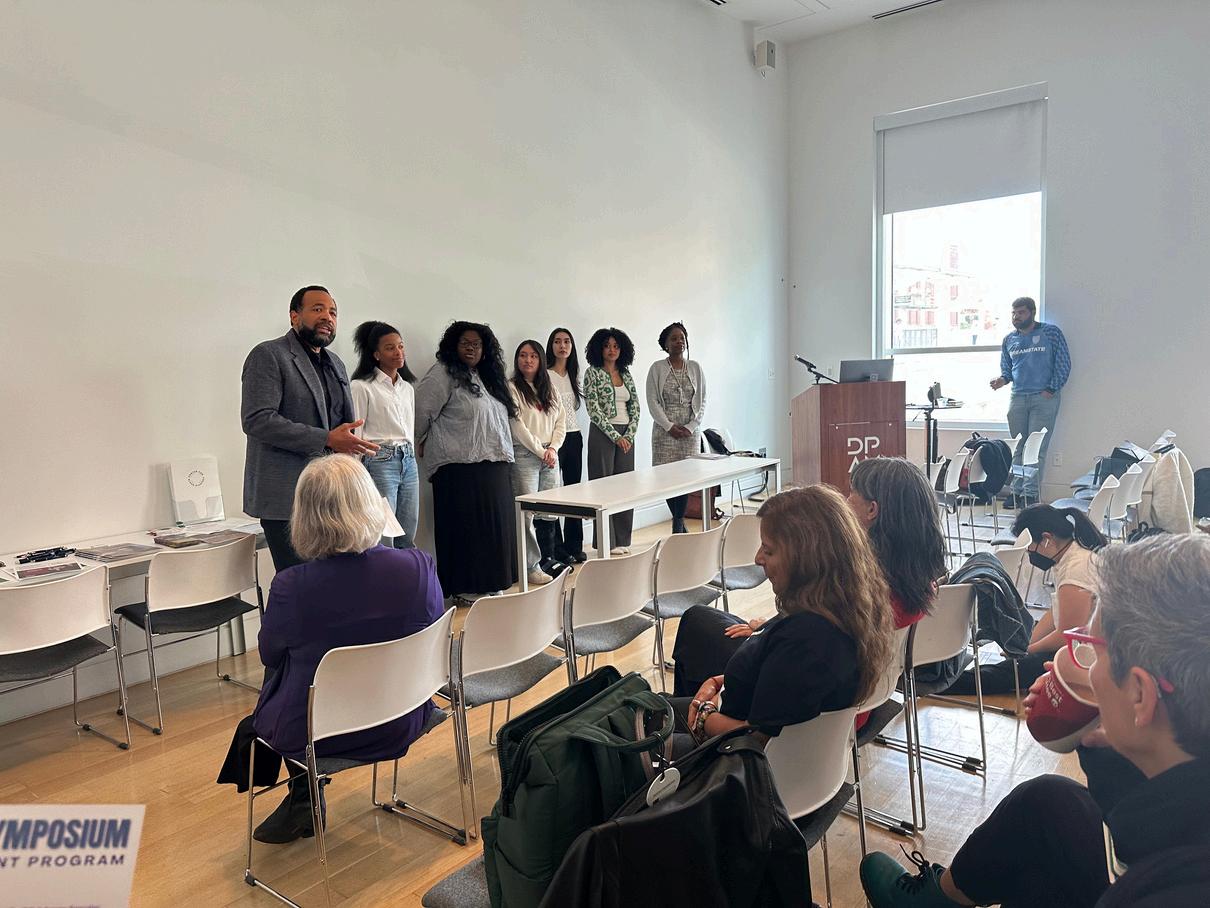
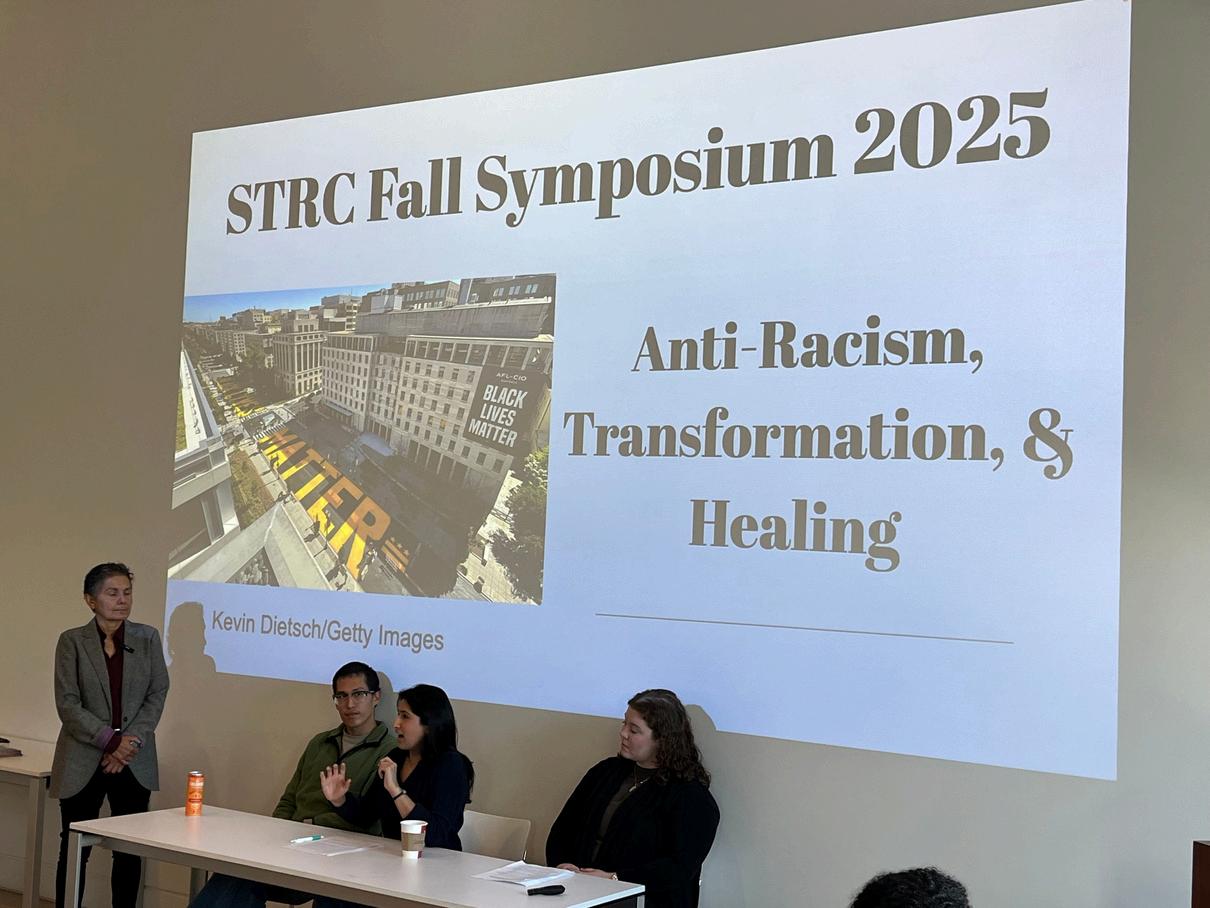
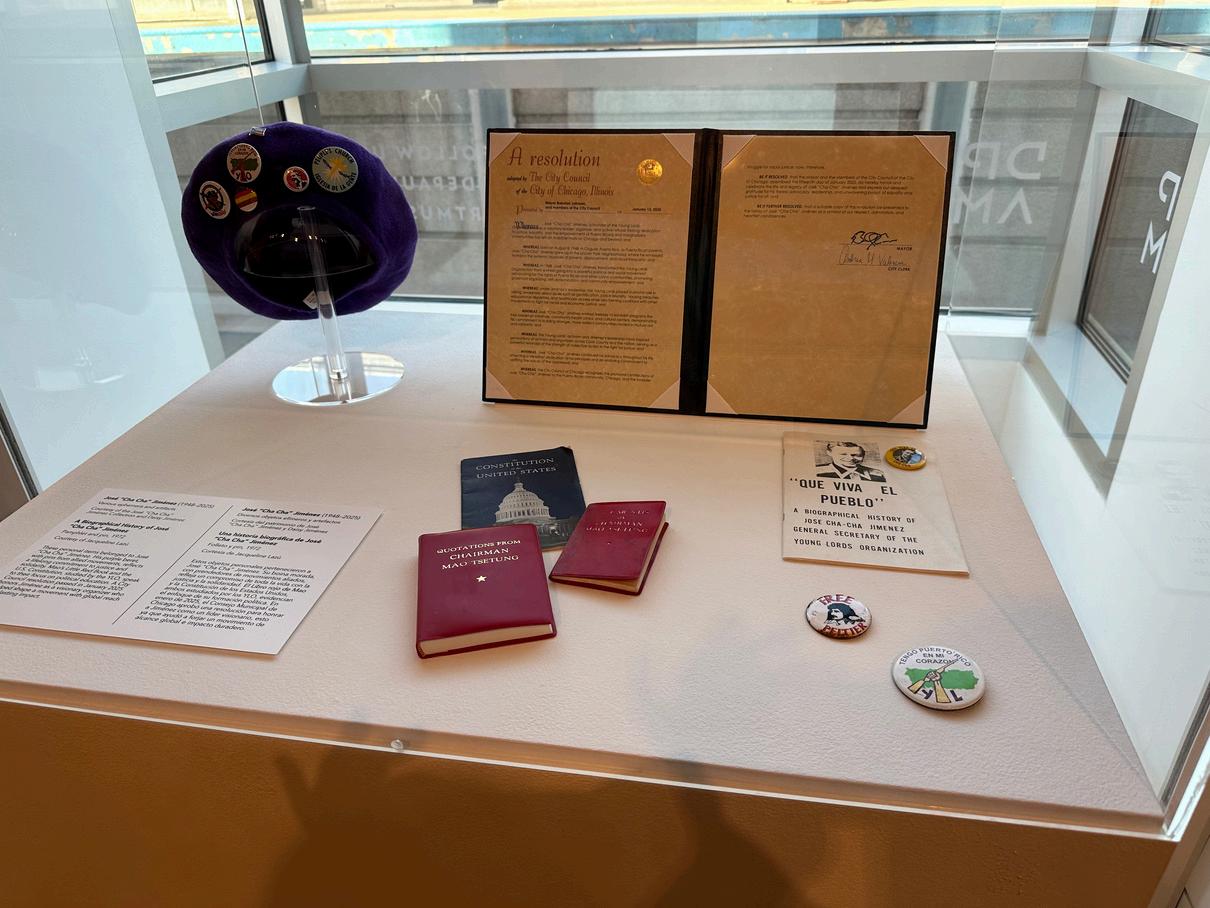
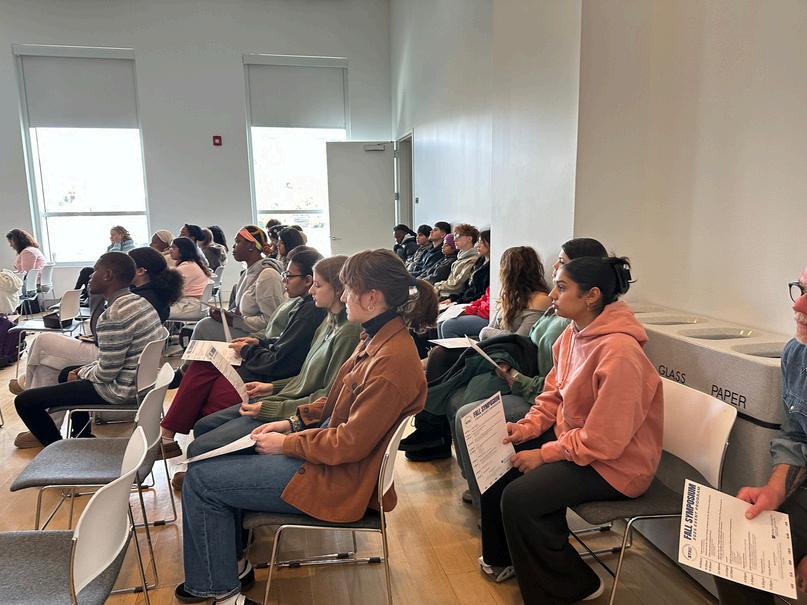
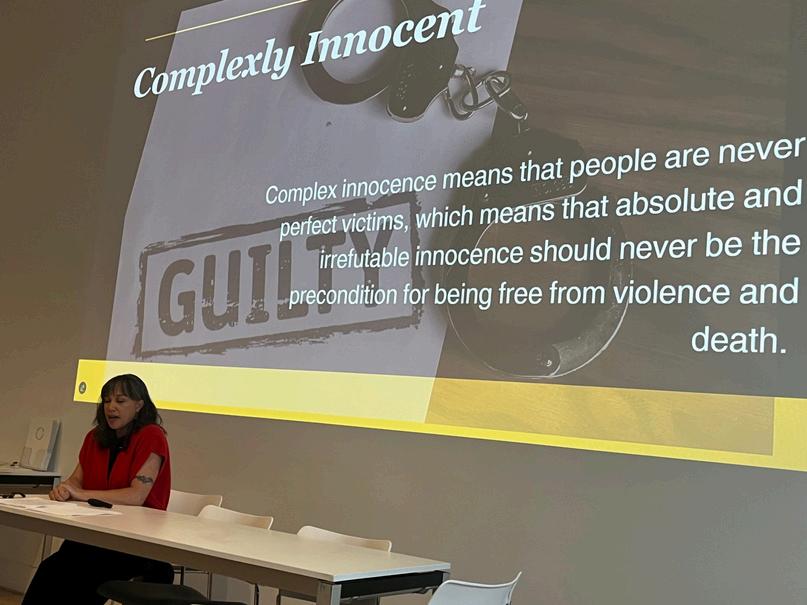
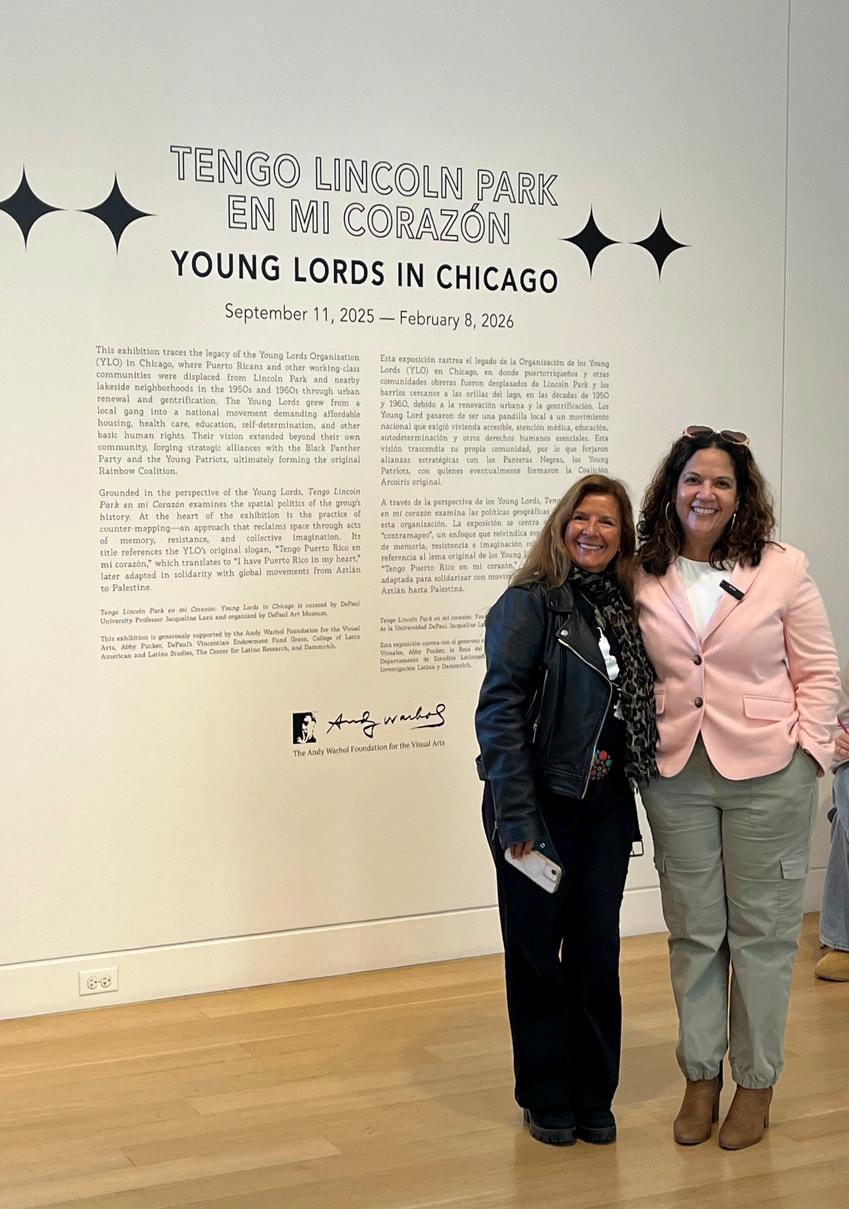
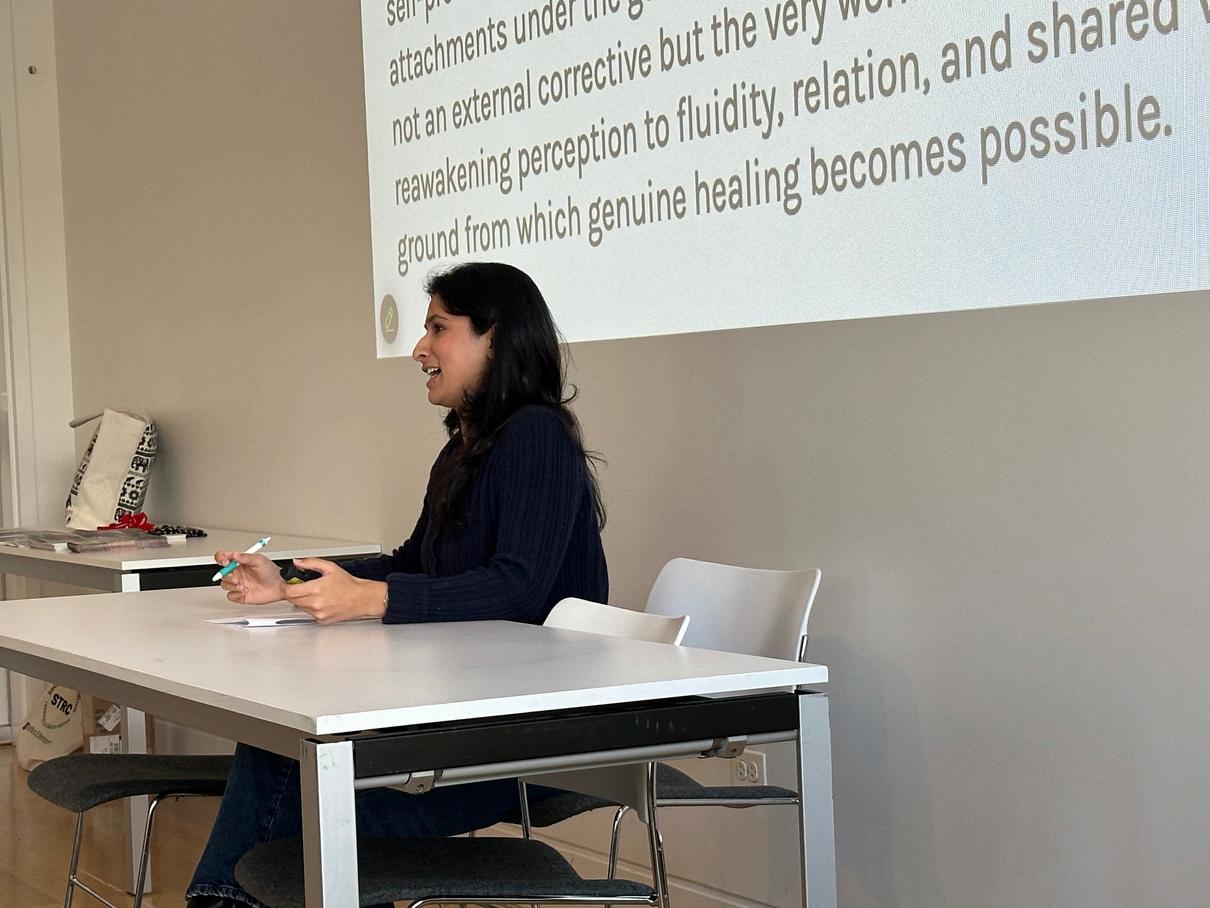
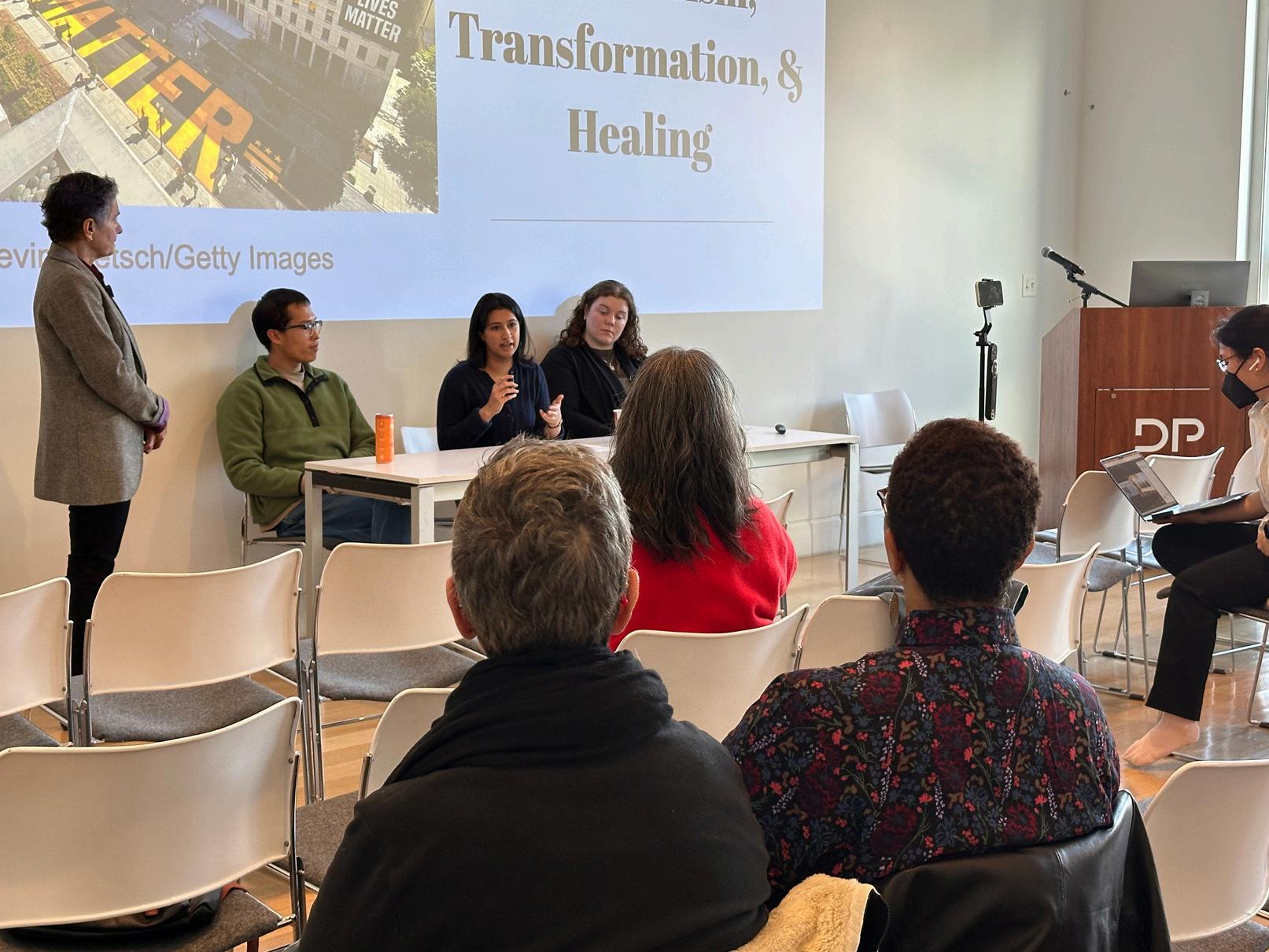
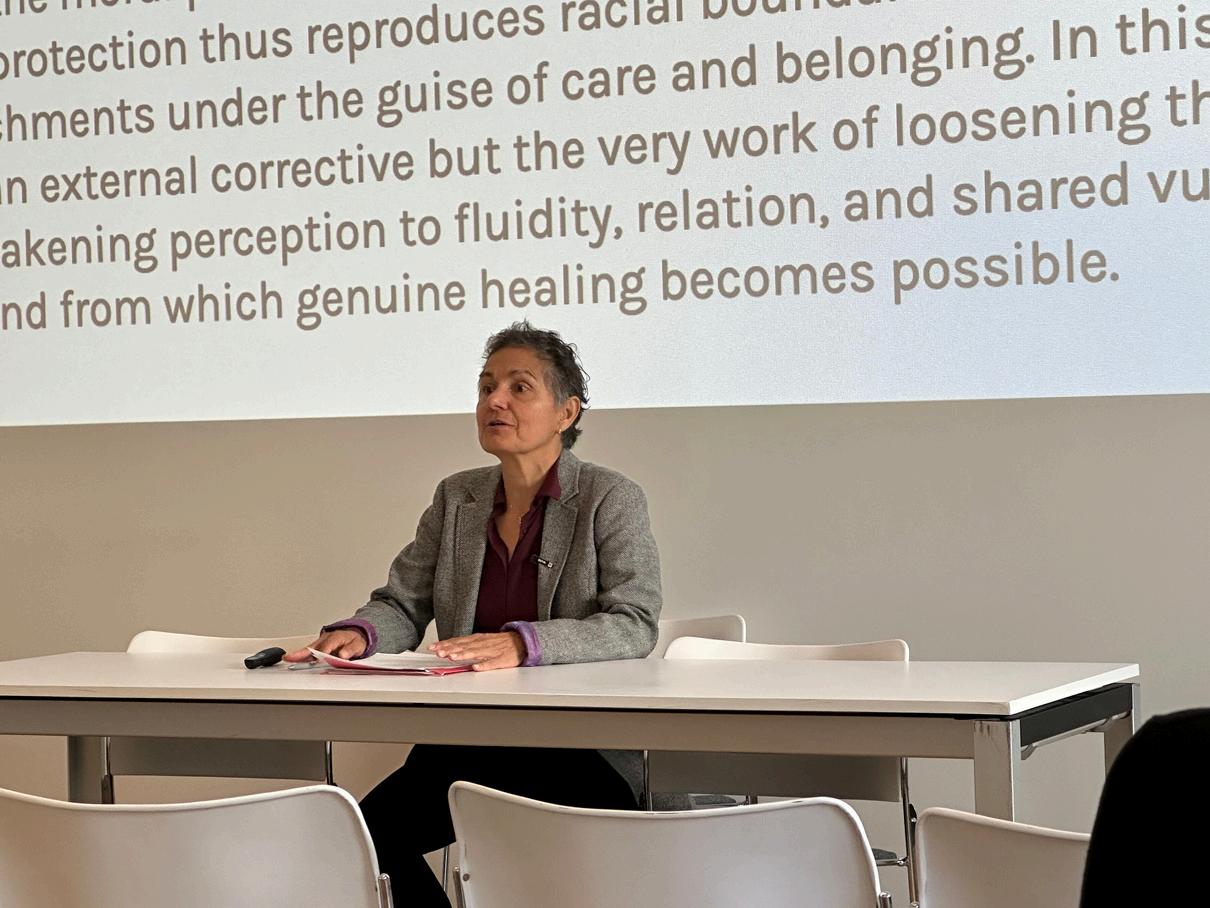
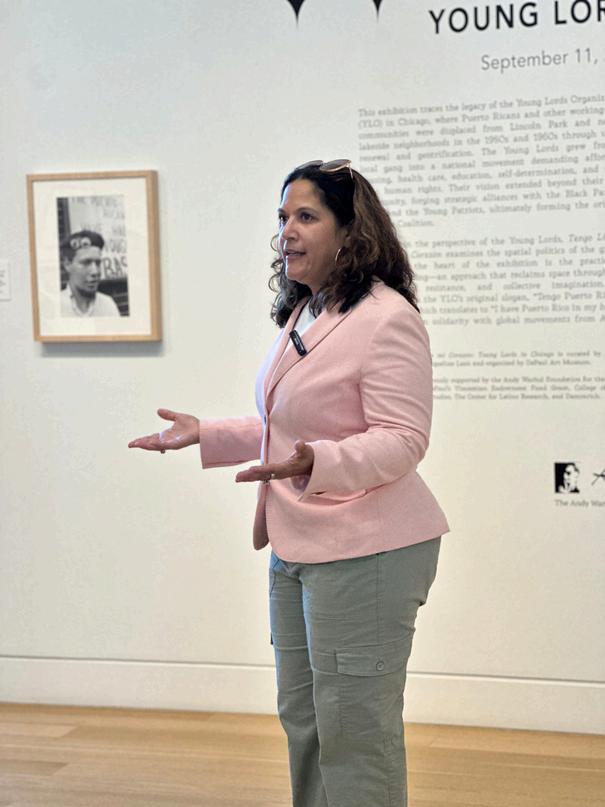
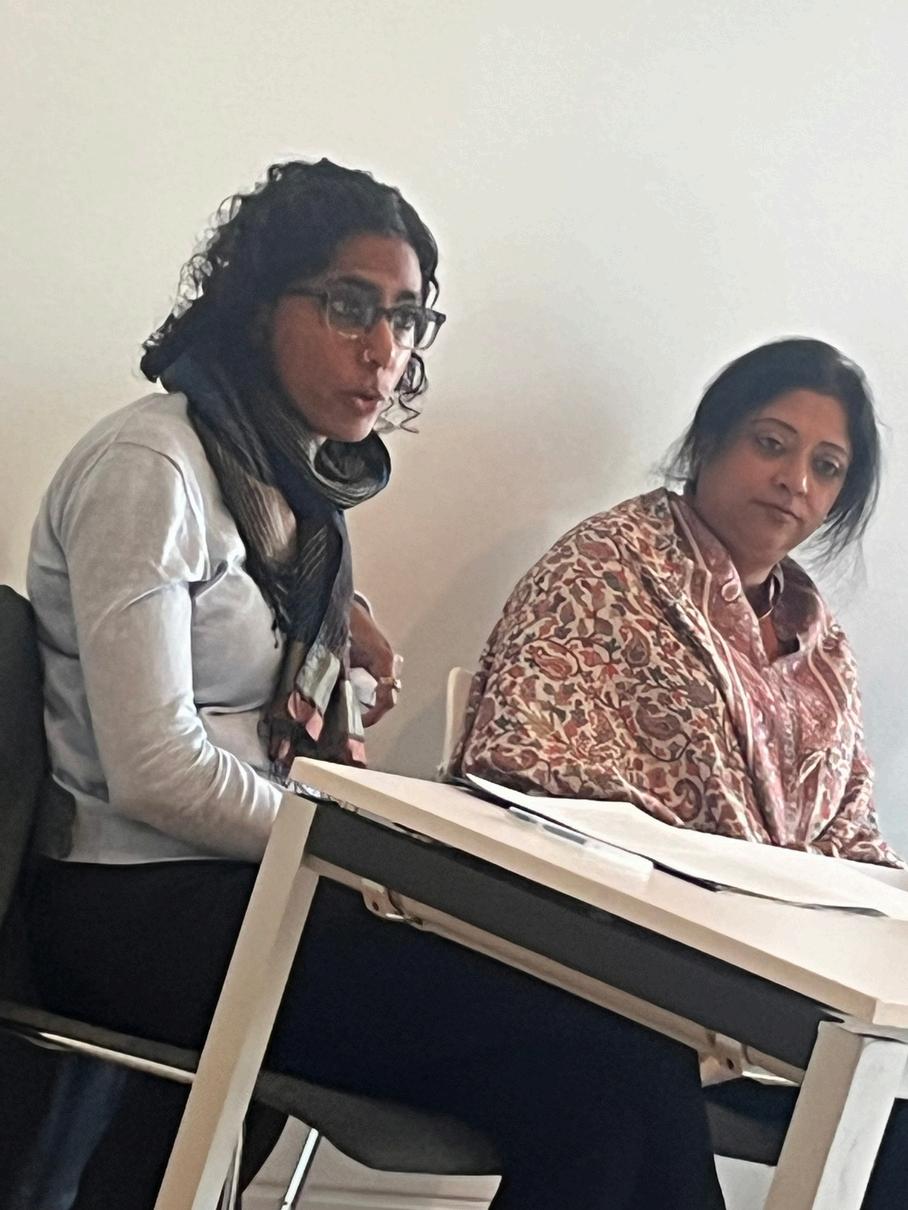
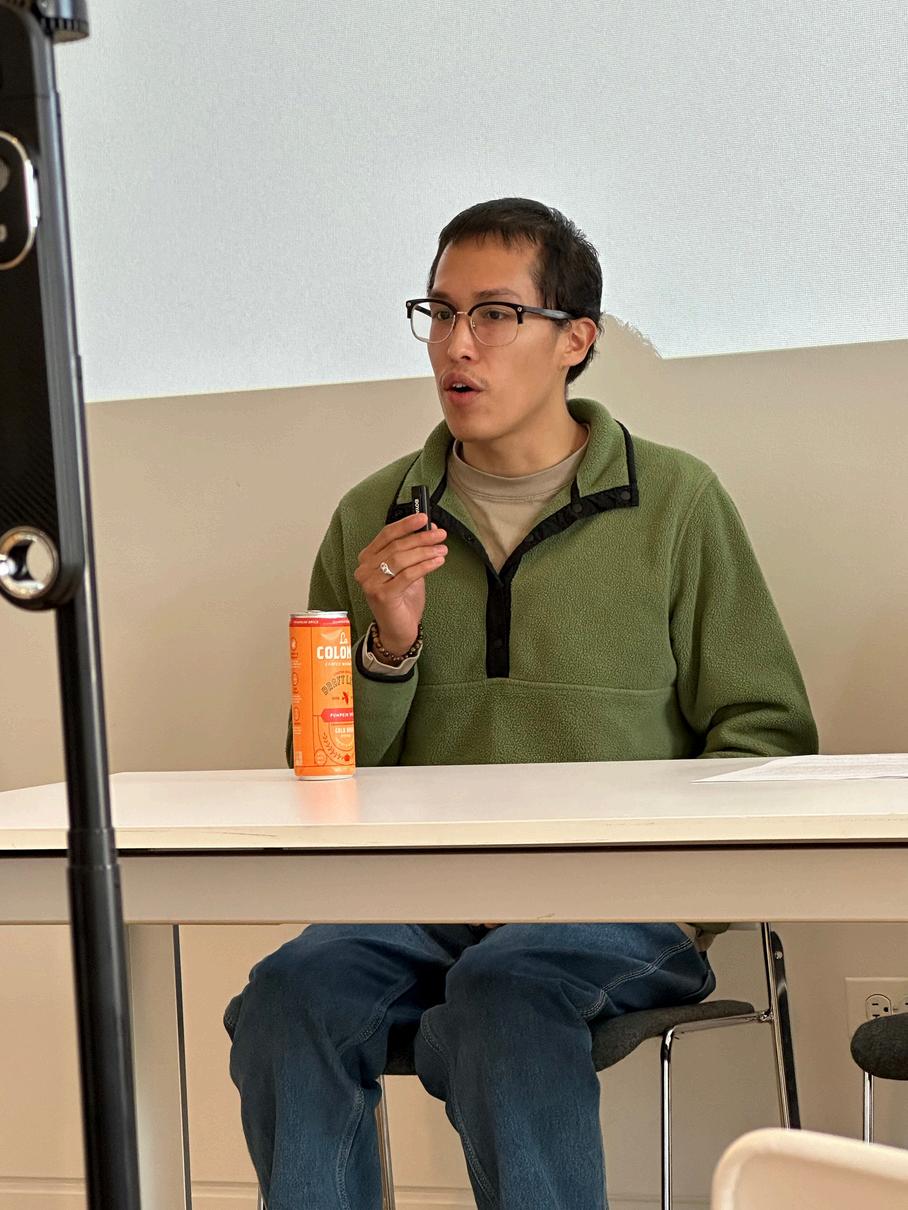
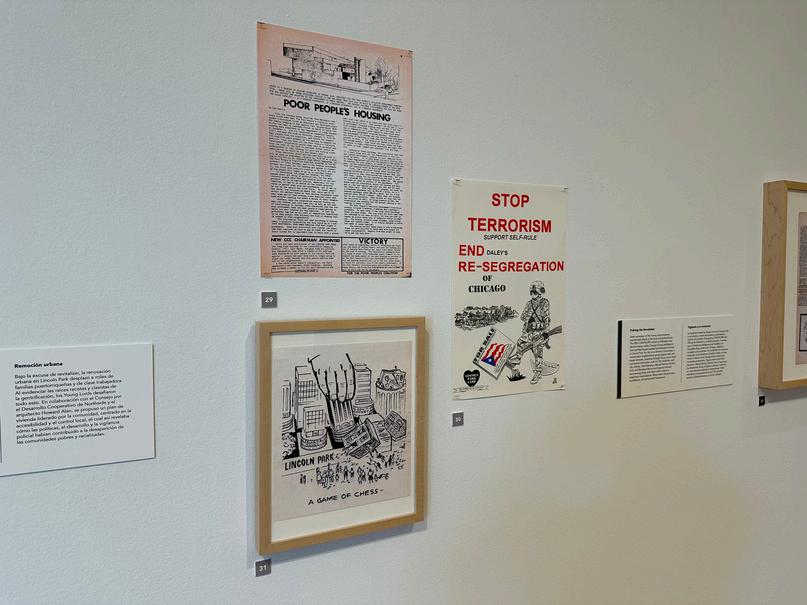
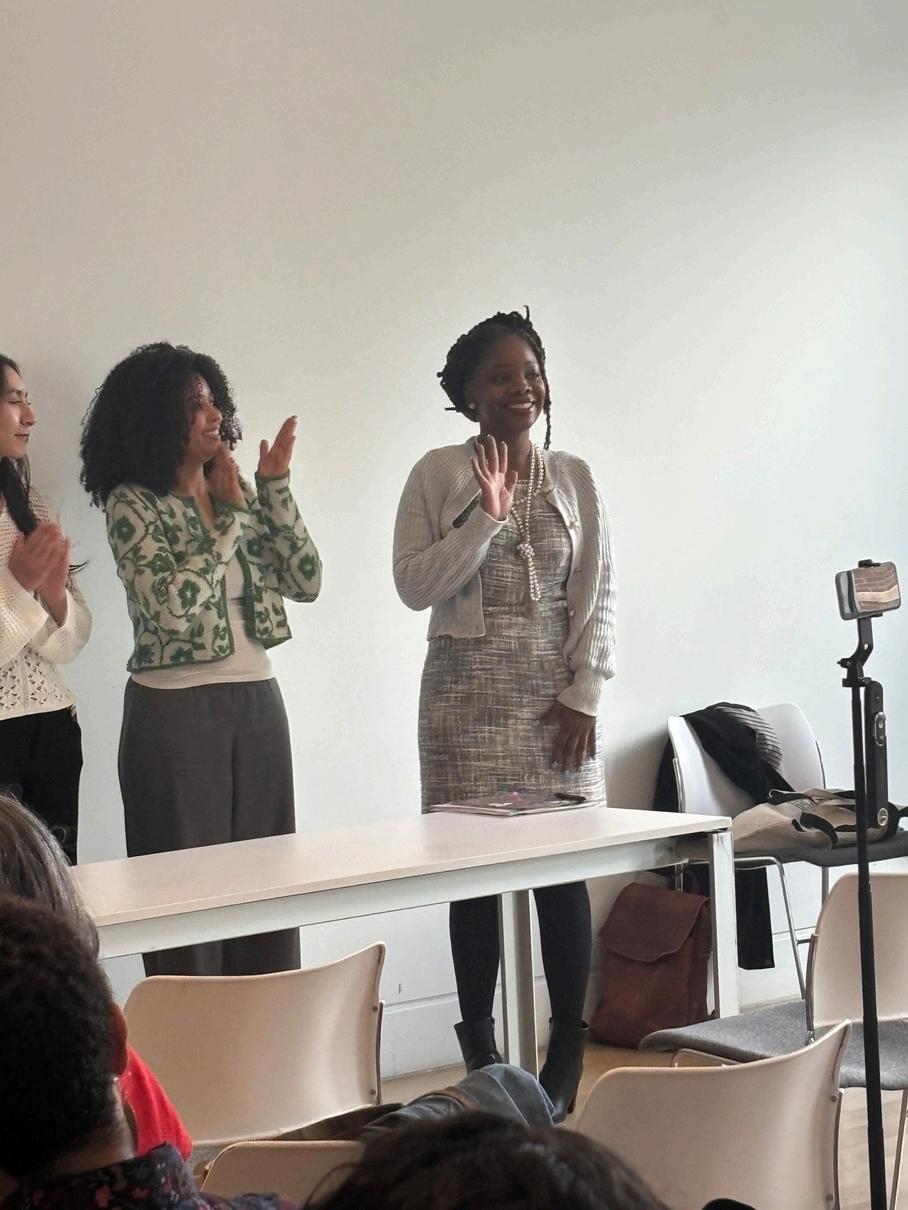
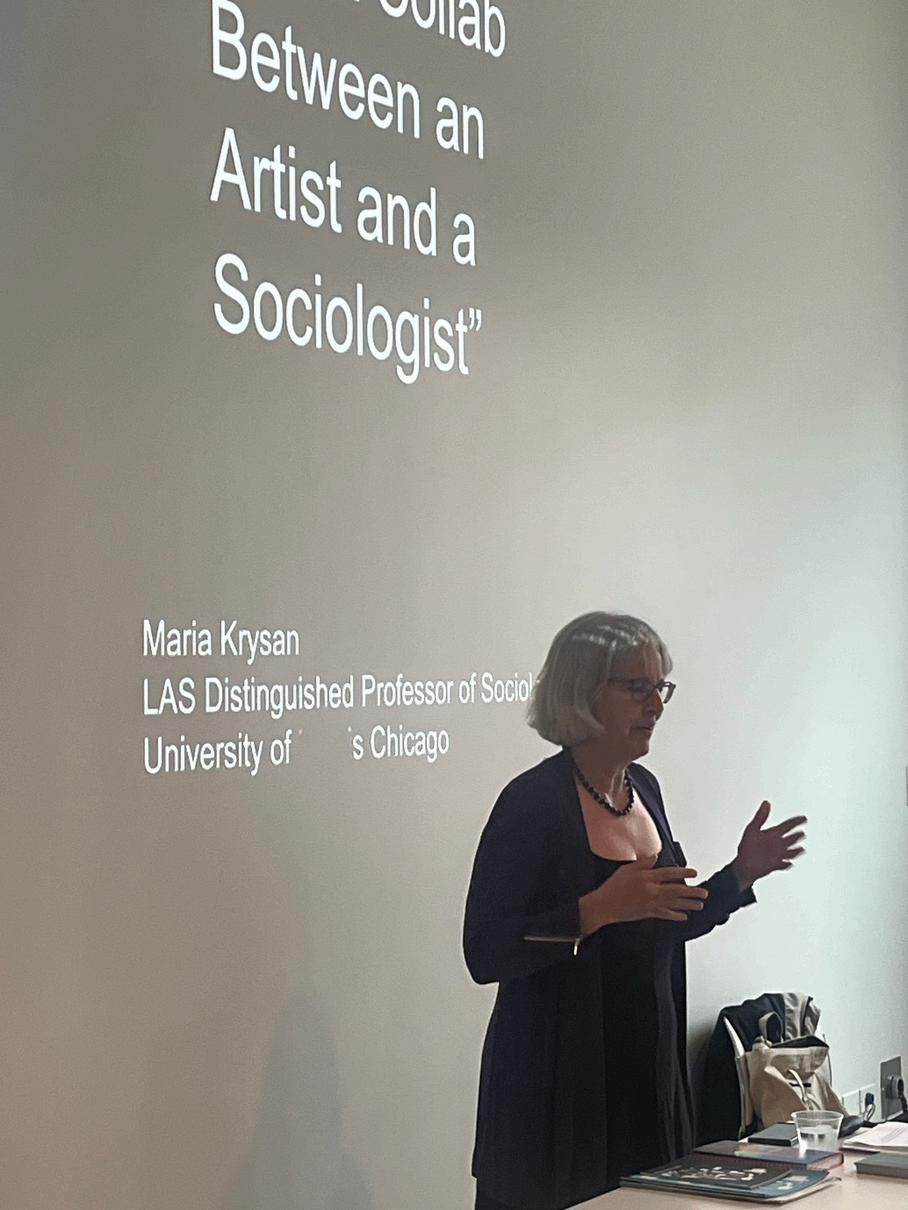
On October21, 2025,the STRC held its annualFallSymposium. DePaulfacultyand students sharedtheirresearch alongside invited guest speakers. Dr.Jacqui Lazú gave a guided gallery tourofherexhibit,"Tengo Lincoln Park en mi corazón:Young Lords in Chicago."Dr. Maria Krysan (UIC) spoke aboutthe historyofsegregation in Chicago, and Dr. Lisa Cacho (Virginia) shared her work onthe"complex innocence"ofvictims ofpoliceviolence. DePaulgraduate students discussedtheirwork on migrant rights, decolonialtheory, and popularculture,while our undergraduatefellows gave posterpresentations ontheirsummerresearch projects.Thankyou to allthe presenters, andtothe DePaulArt Museumforhosting us!
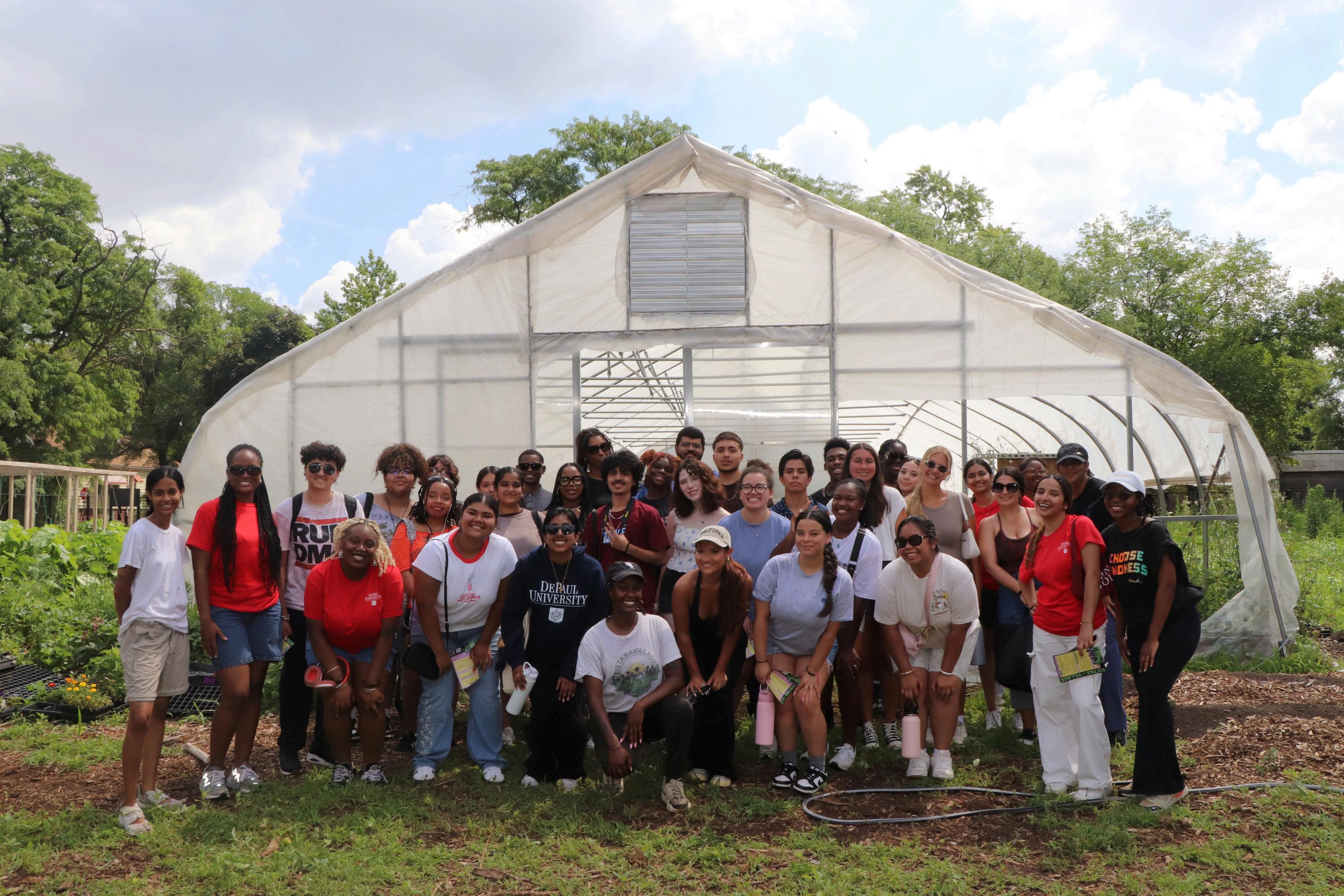
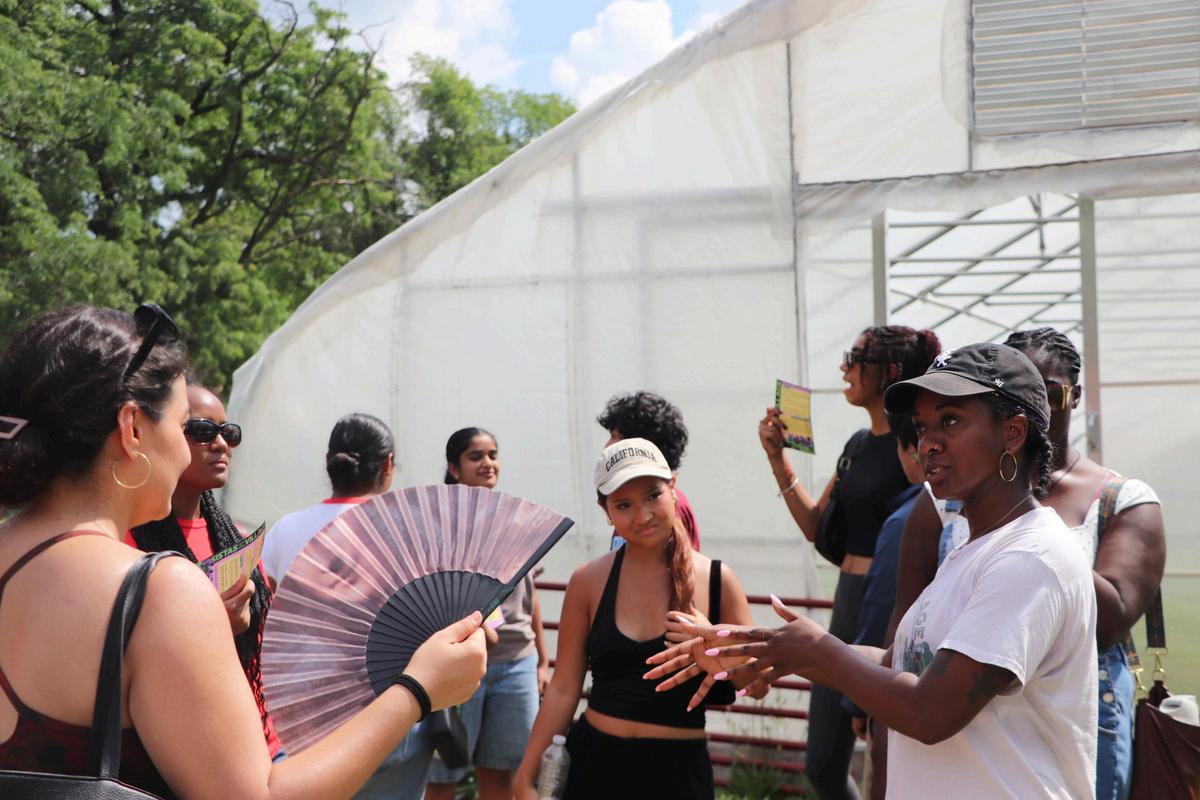
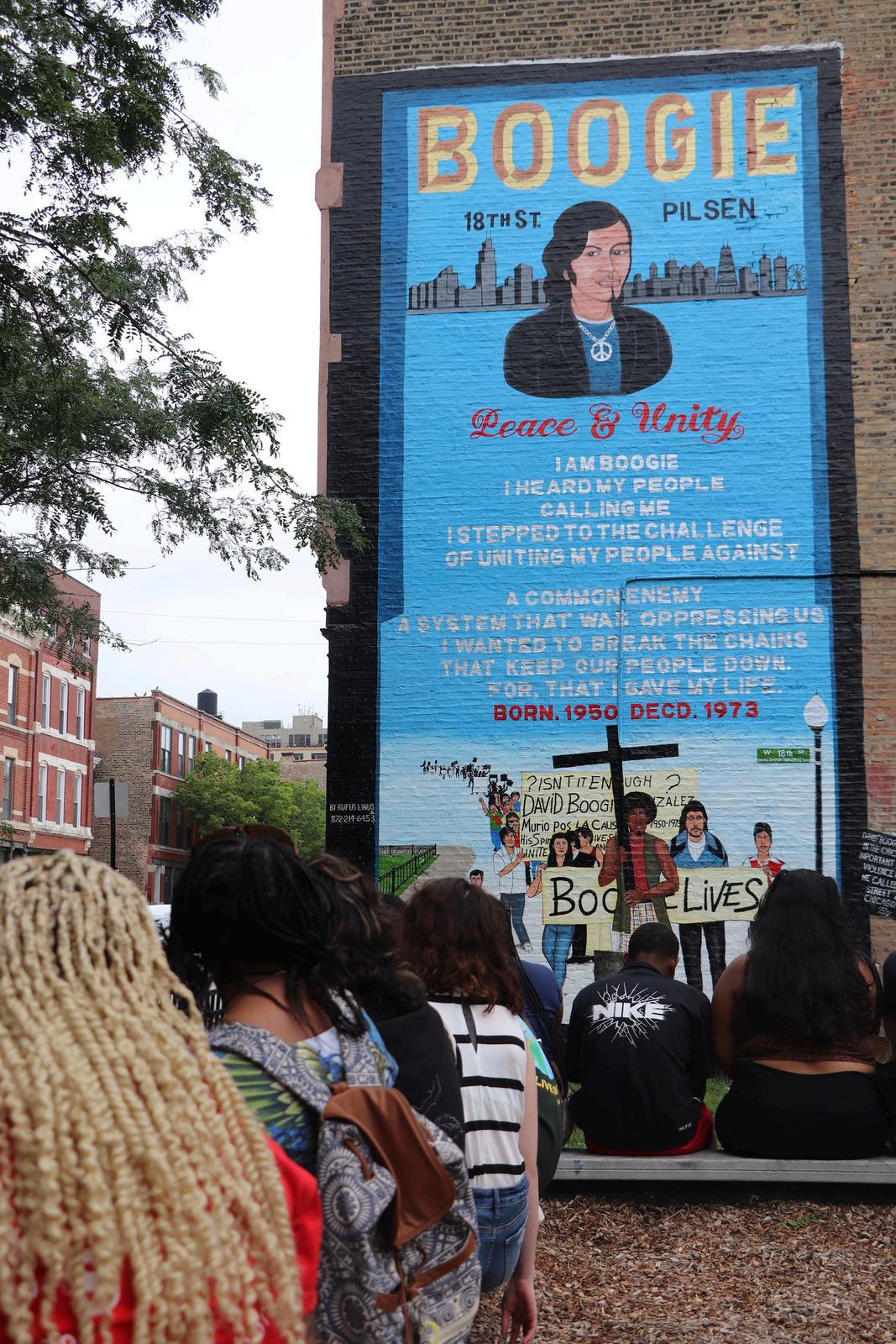
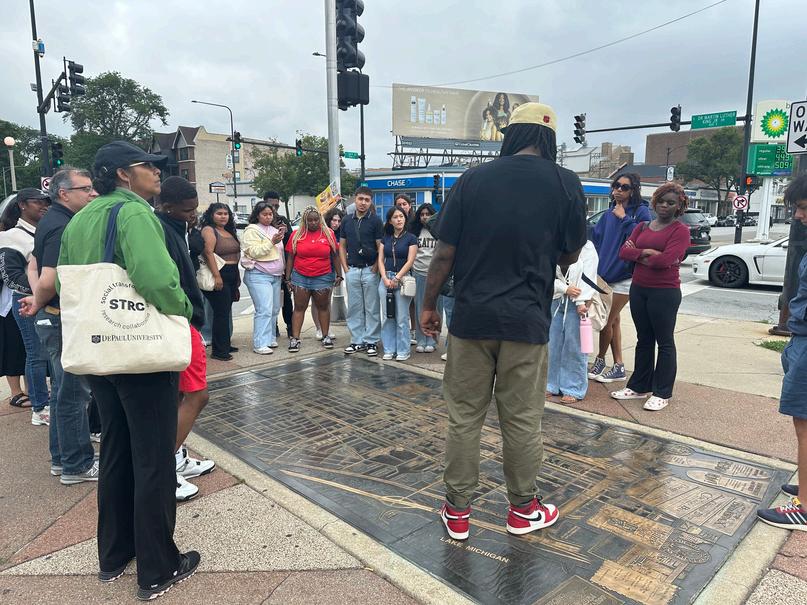
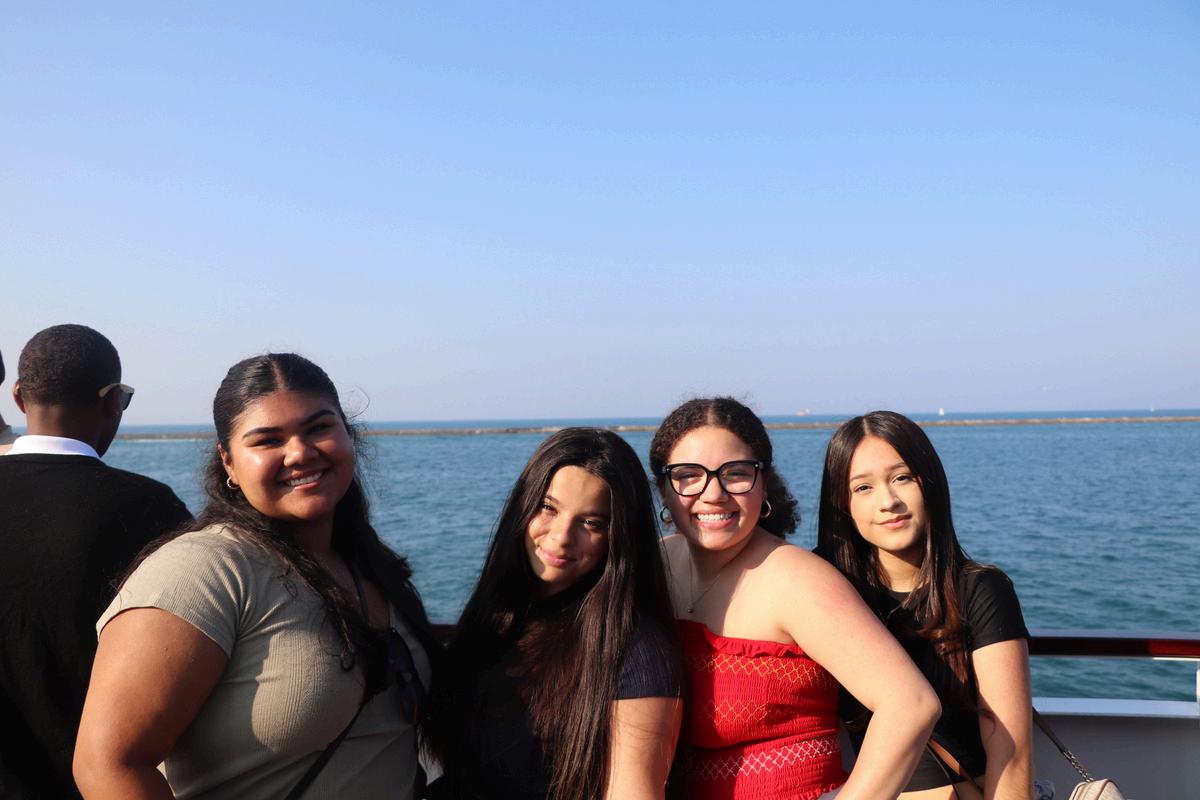
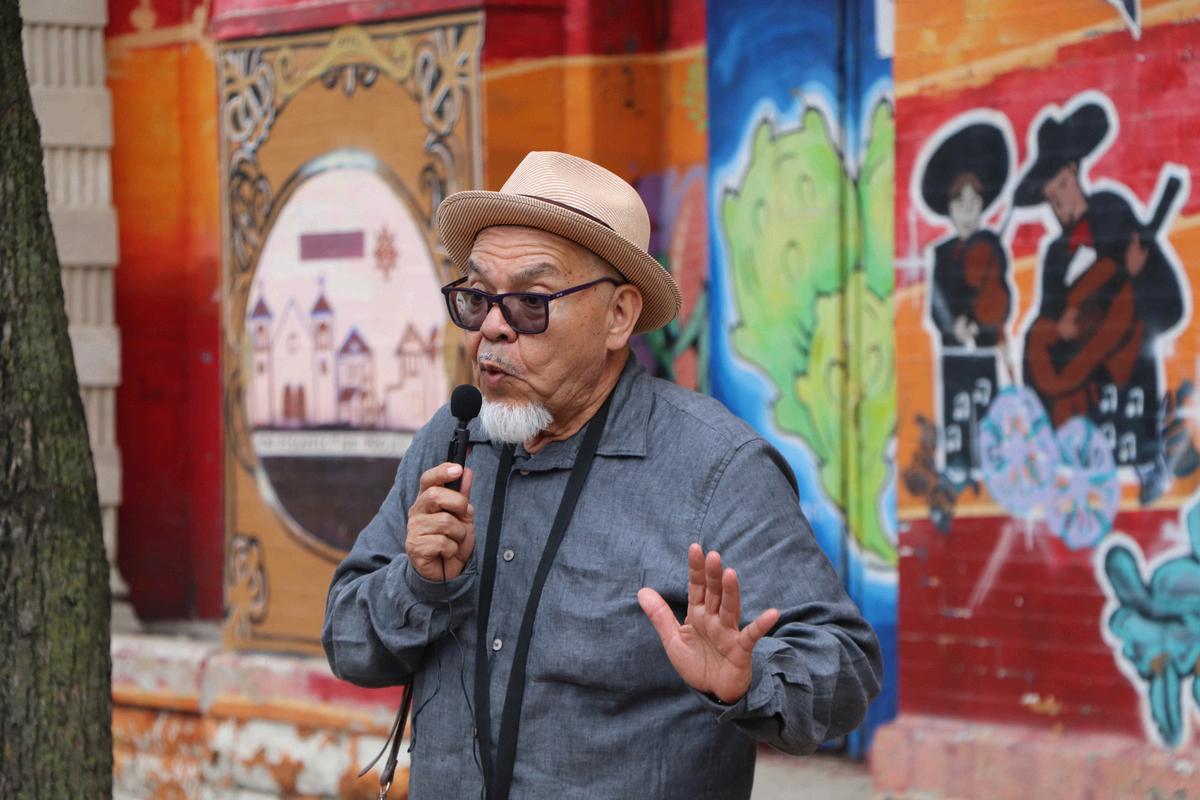
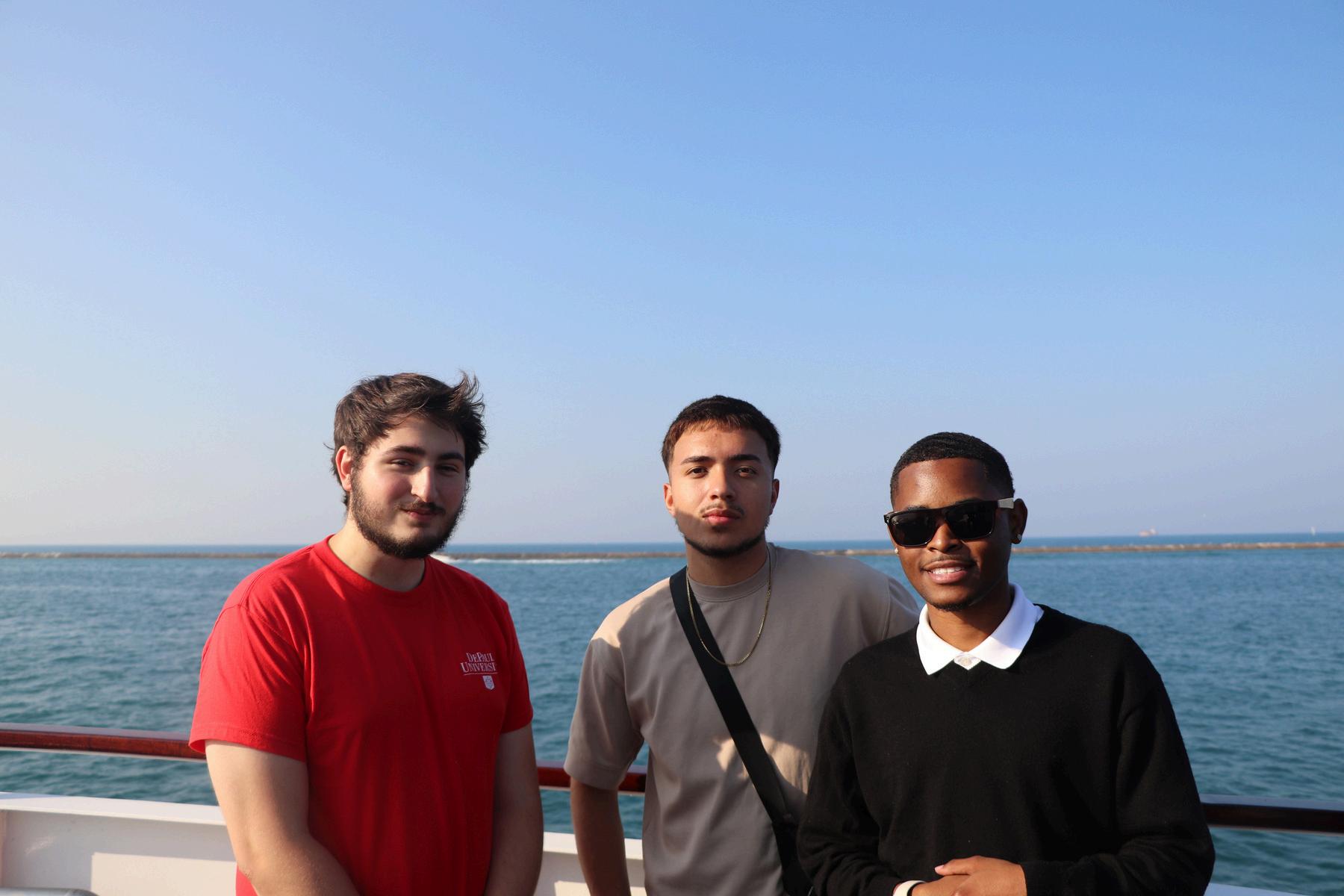
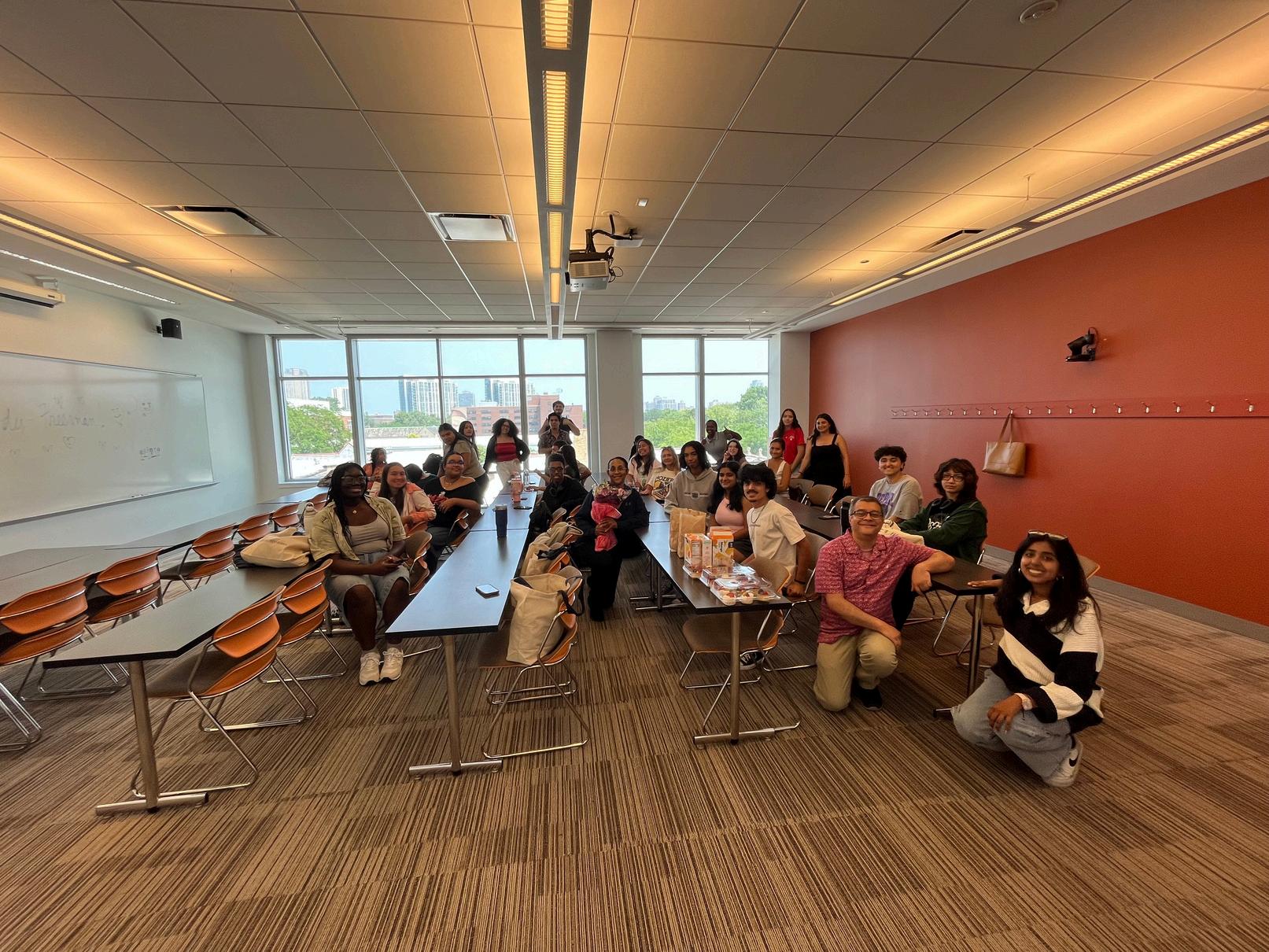
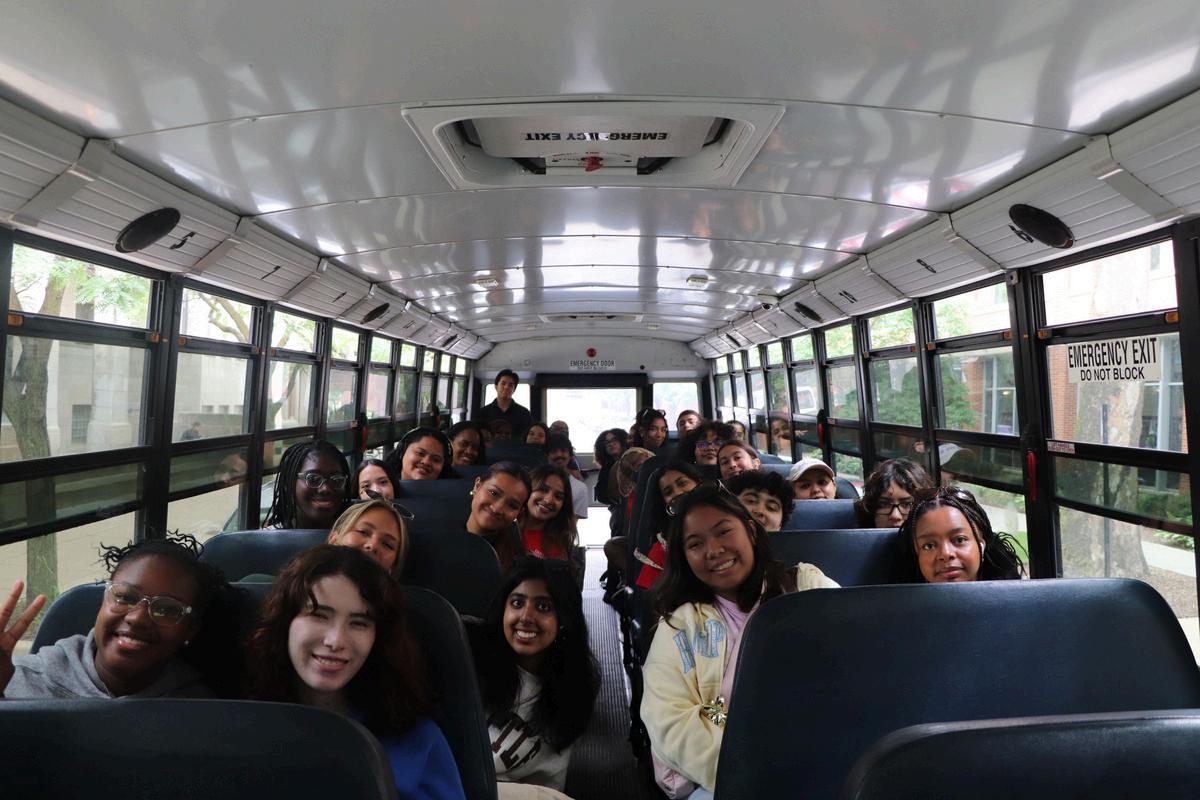
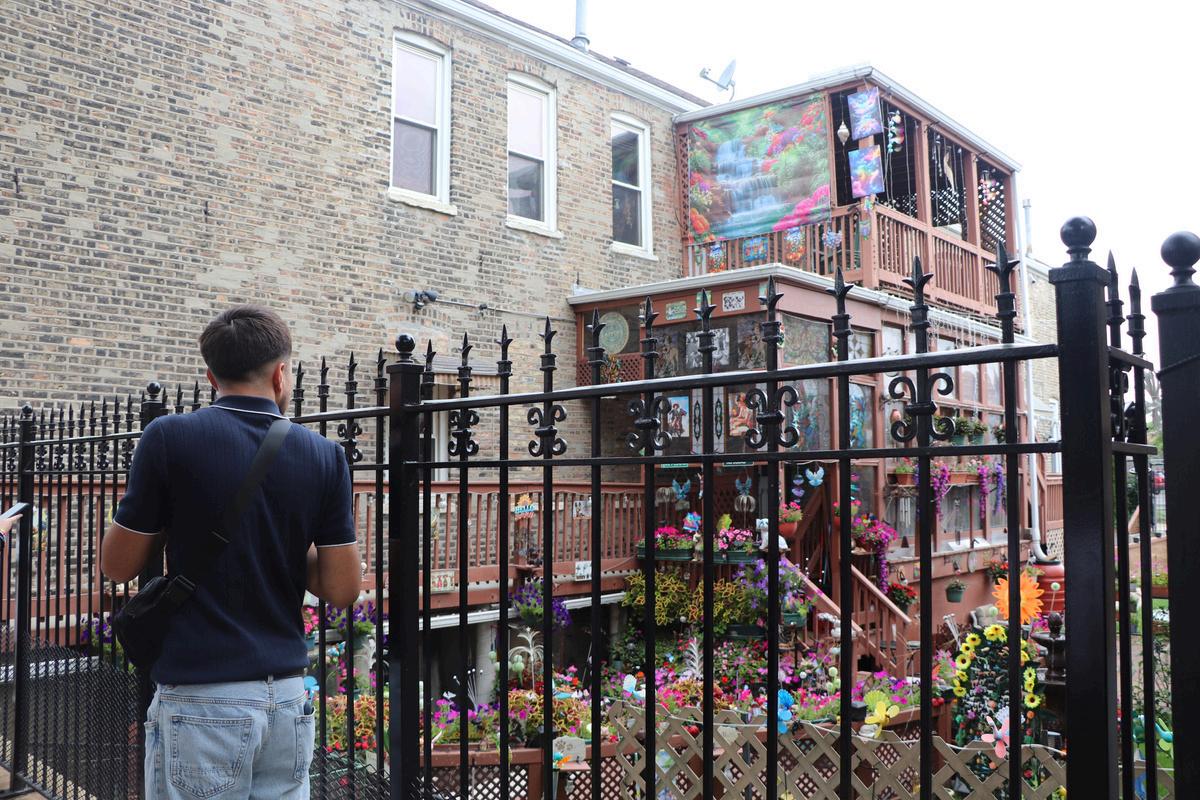
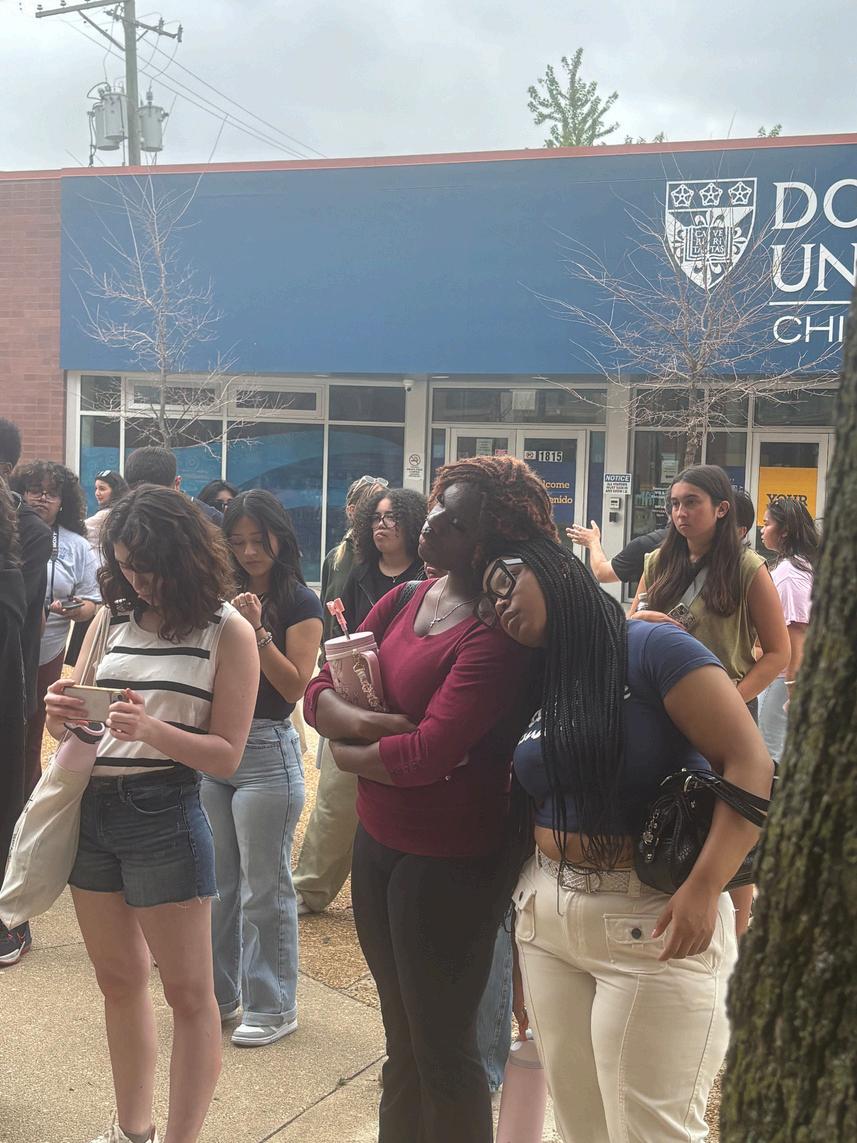
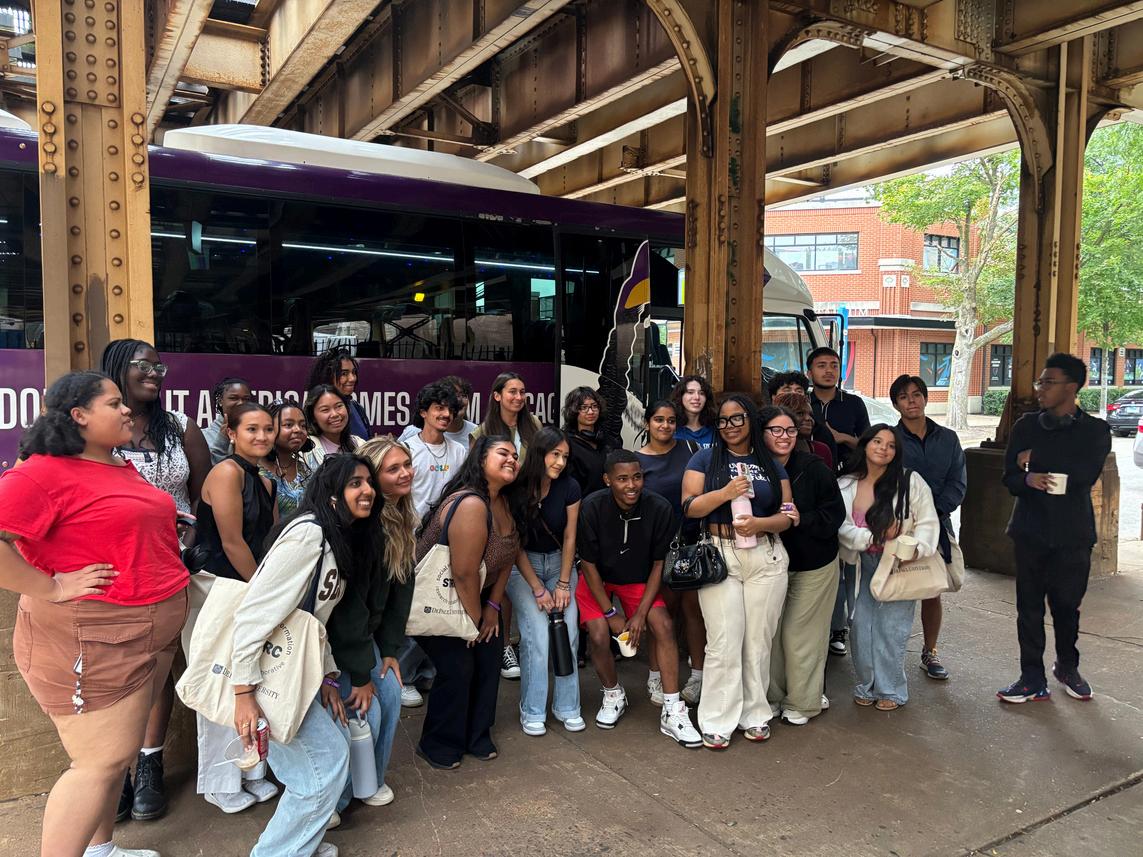
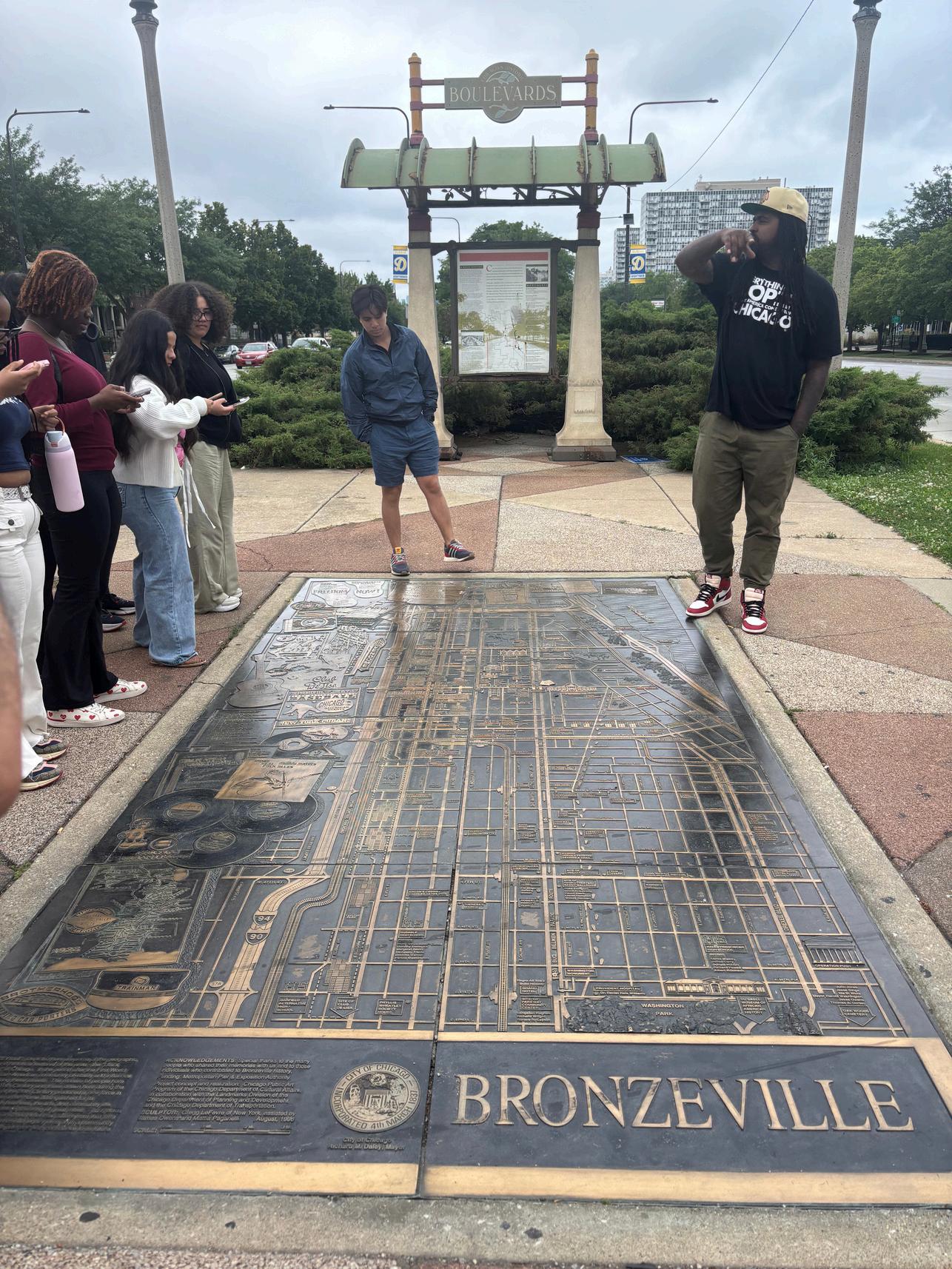
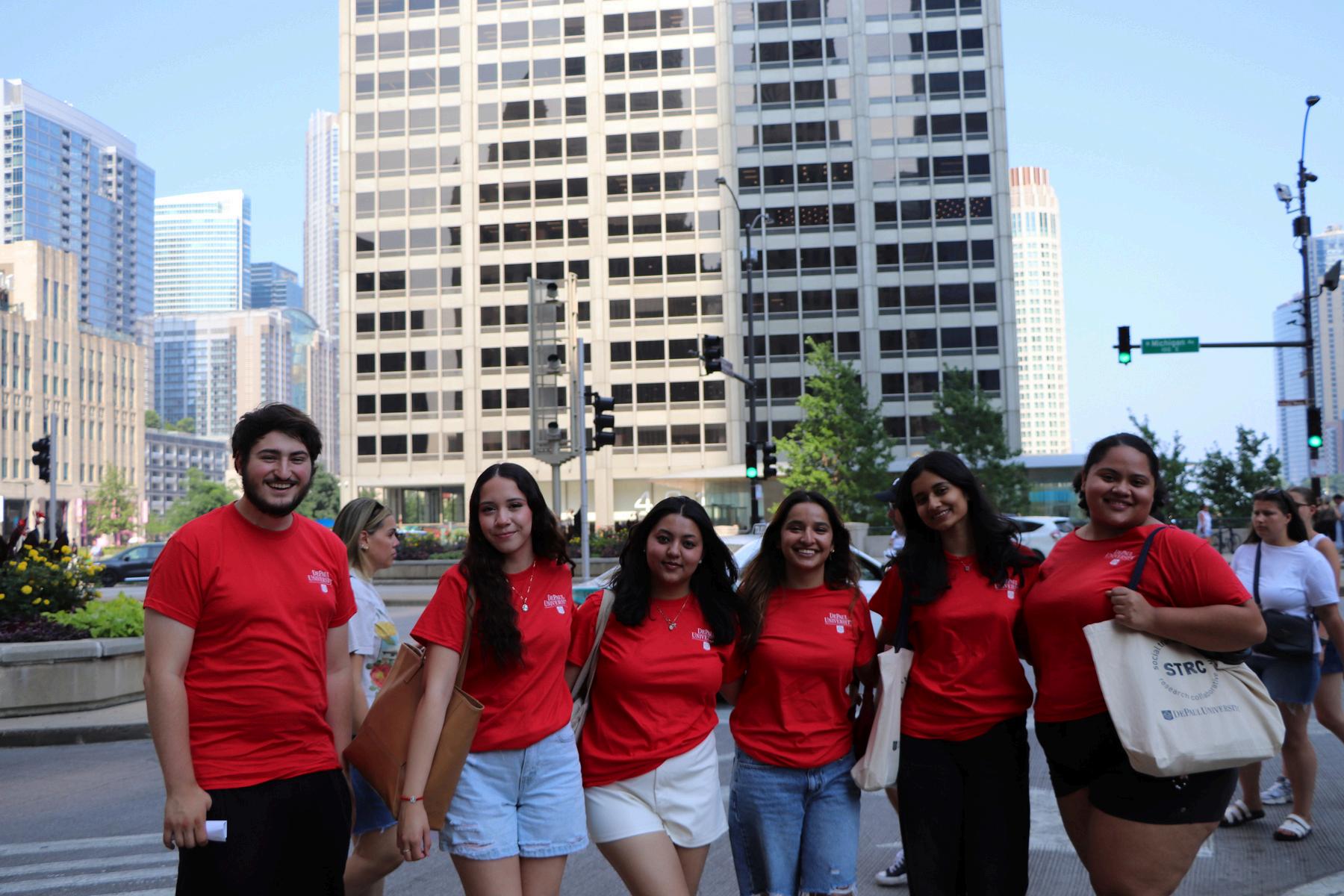
This July, we kicked off our 4 annual STRC Summer Institute. We went on a variety of excursions such as the Chicago Architecture Boat Tour, Sistas in the Village’s Urban Farm, and tours in Pilsen and Bronzeville.
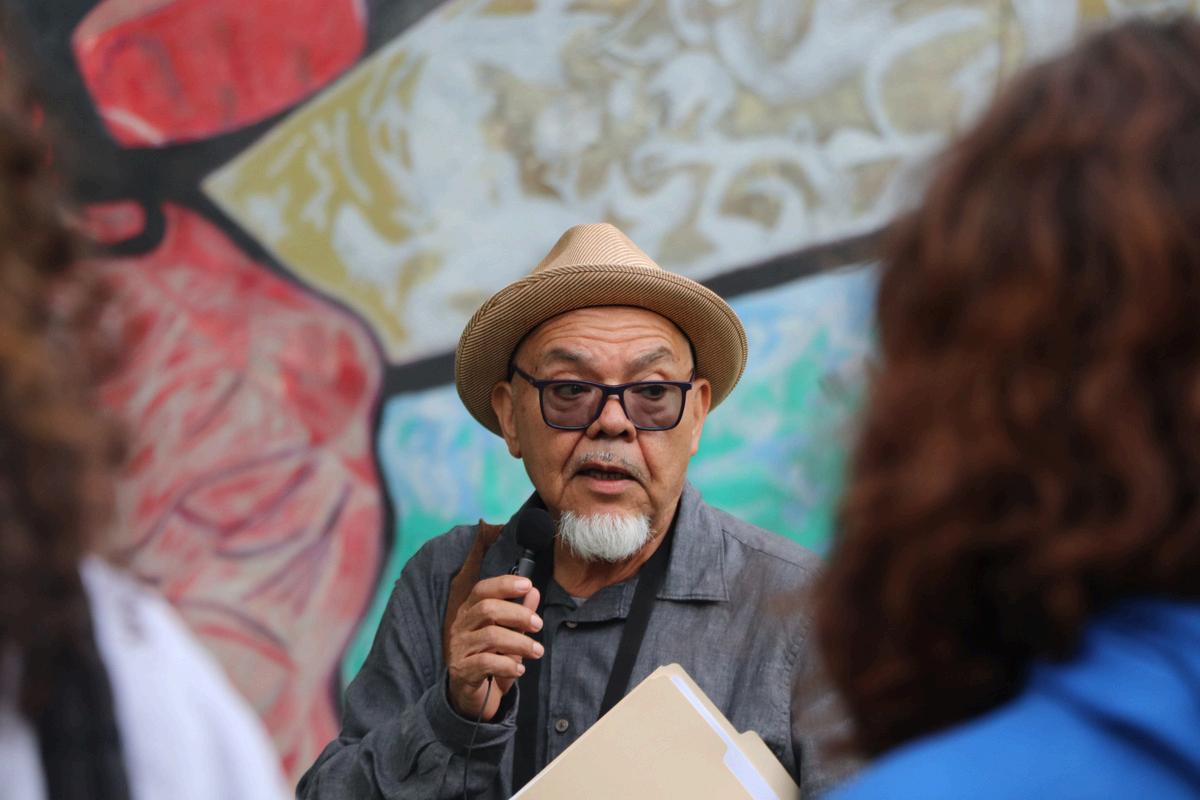
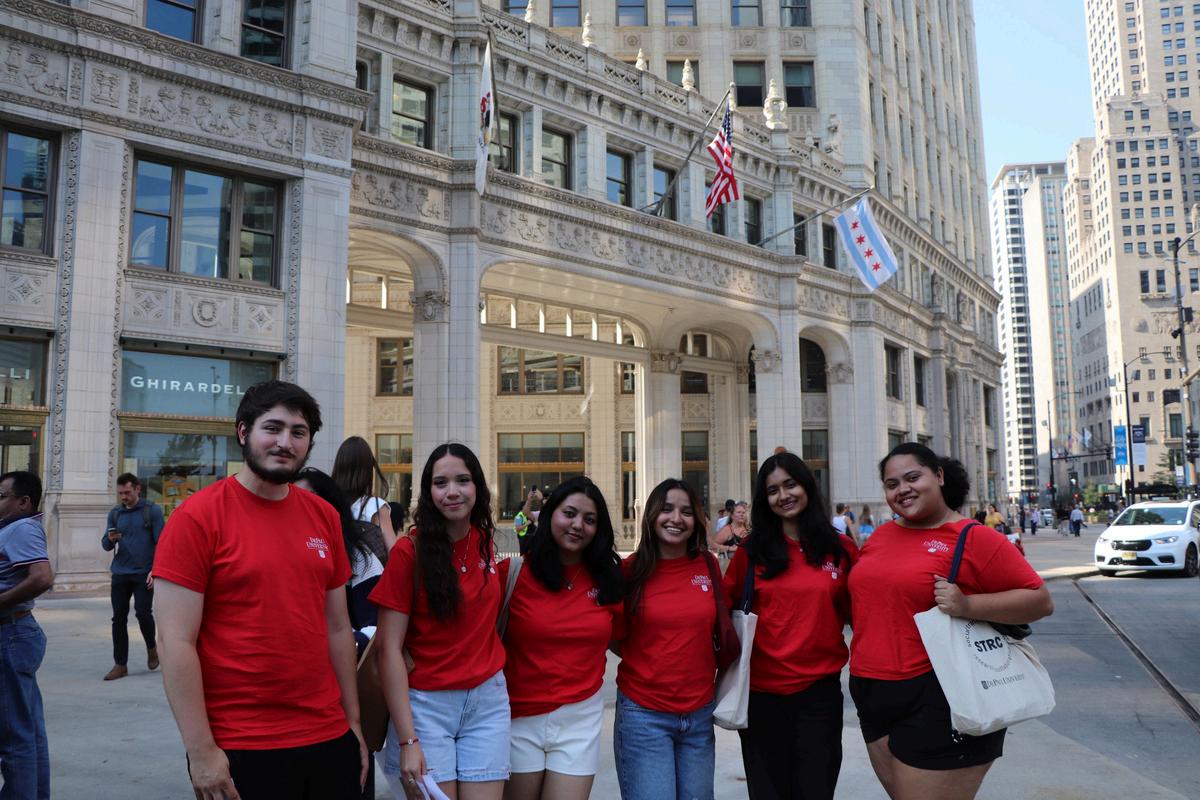
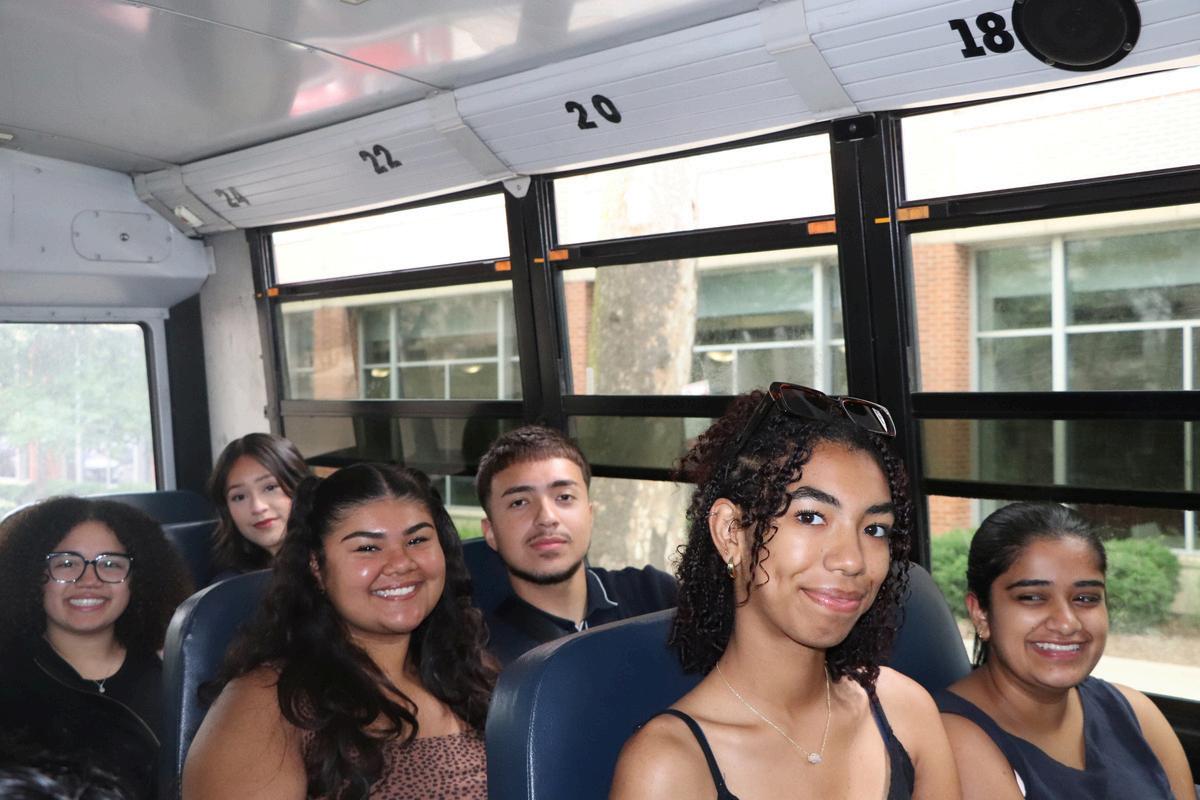
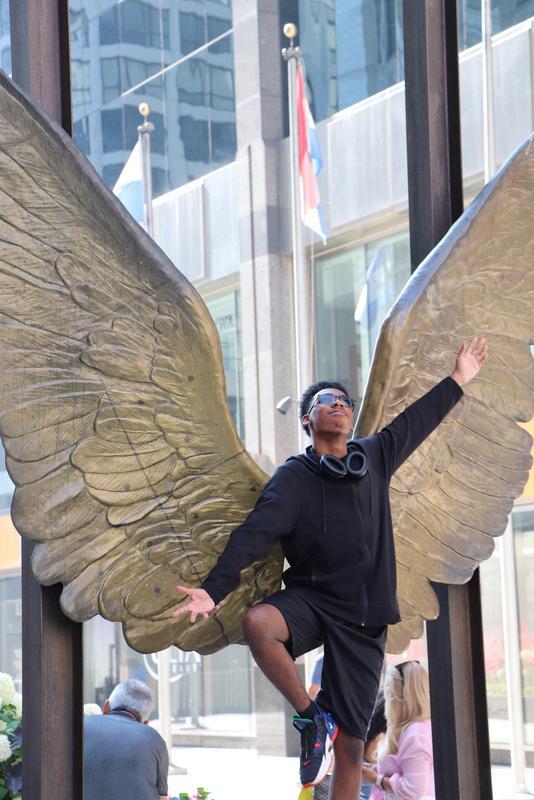
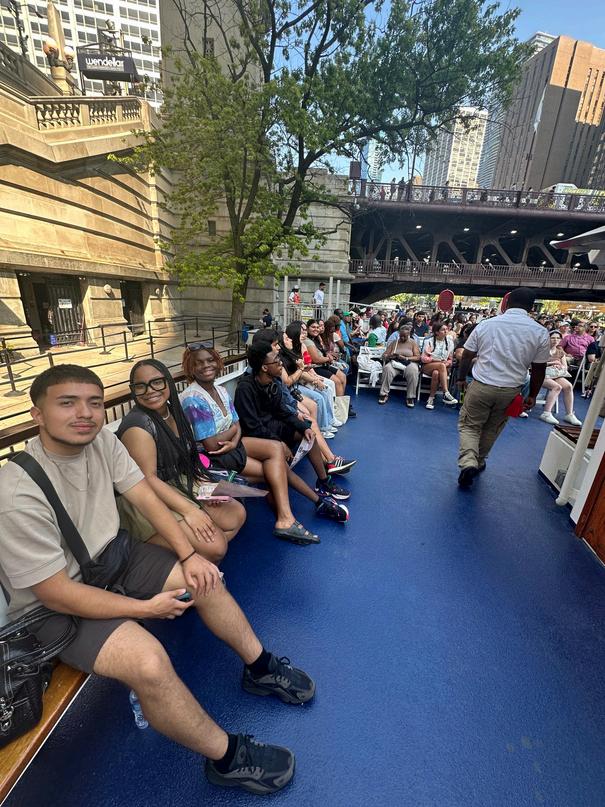
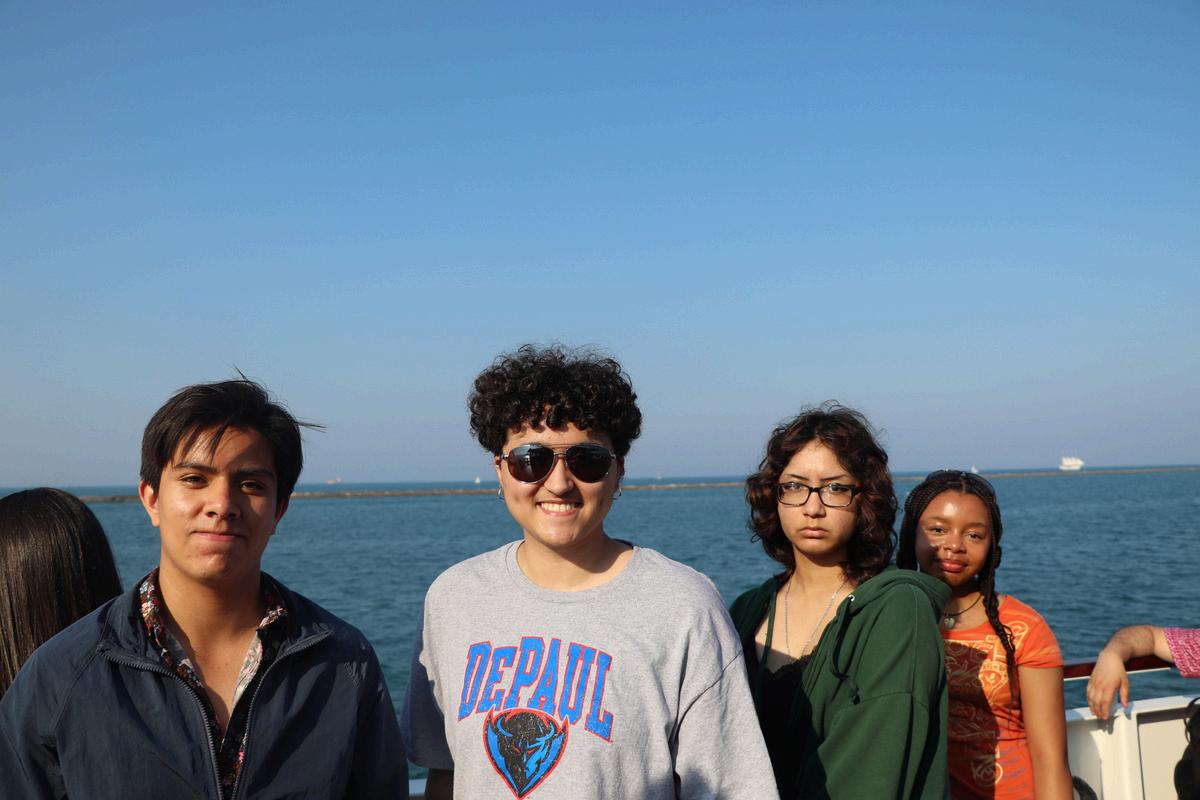
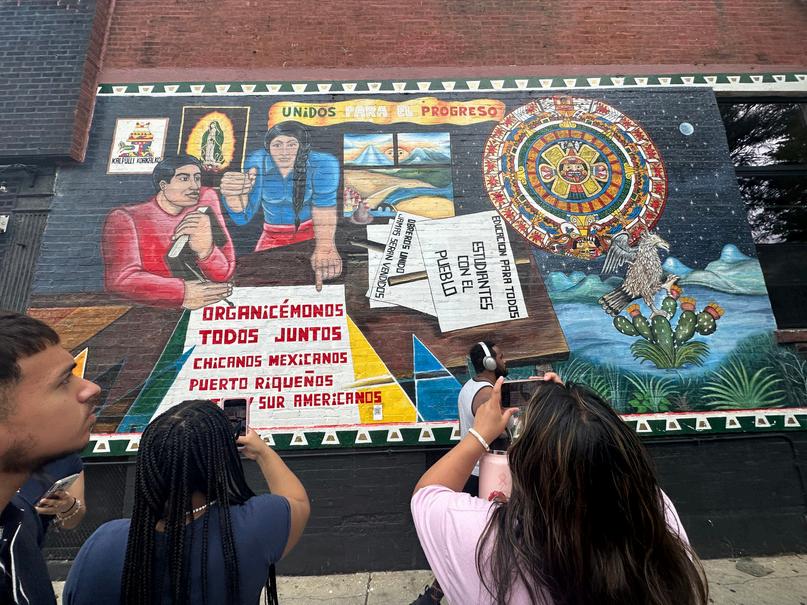
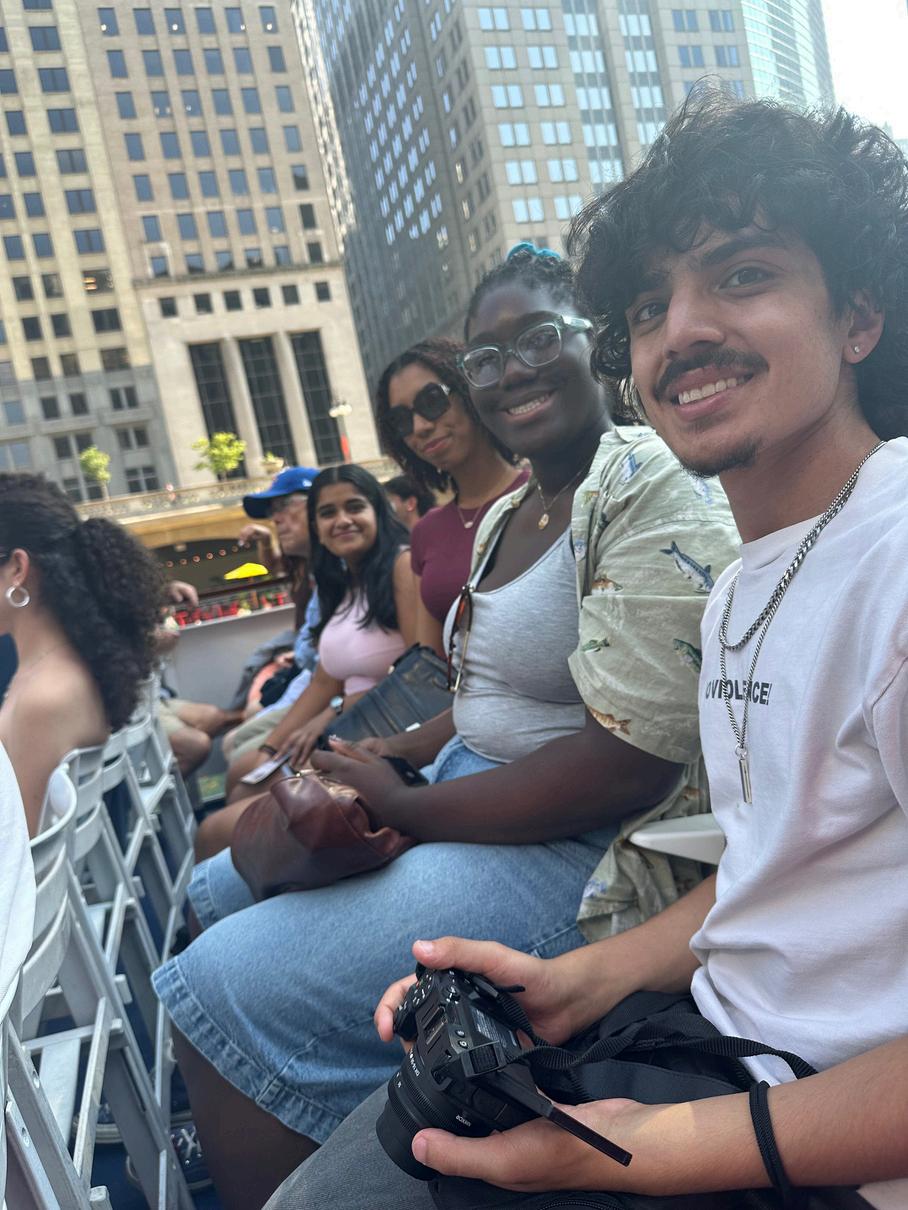
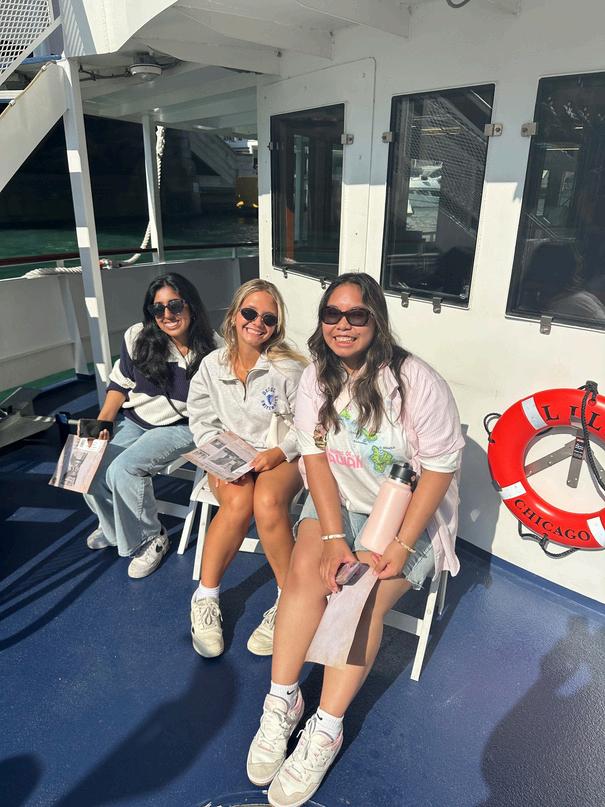
Vincent Rinella is one of the Summer Institute cohorts that has been since we started in 2023. After attending the first Summer Institute a participant, Vincent has returned every year as a mentor. He loves se the STRC impacts students and their view on Chicago. Every student different outlook on the curriculum, and Vincent loves hearing the di interpretations. By now, he’s gotten to see the STRC impact on at lea different students. When asked about his favorite memory, Vincent r the first year of the Summer Insitute. After the class saw an emotiona on a field trip in Pilsen, the group’s morale was rather low. After som reflection time, someone initiated the entire group to play Mario Kar and everyone’s moods were instantly heightened. In that moment, V really saw the power of community and fun in times of emotion and reflection.
Vincent’s planning to graduate this year with a bachelor’s degree in Psychology. He then plans to join DePaul’s Psychology Graduate Program. Vincent interest in becoming a therapist inspired his studies and academic goals. In the past, Vincent has conducted research on Oxford homes in Chicago and their link to addiction recovery and gender-mediated support. He’s currently working on an article that discusses the effects of political fear mongering when being used to fuel radicalization. Vincent is also a musician and is working on his next album, “Dramatica.” He hopes to realease it this winter.