
Former actress sees big picture
By Lily Carey
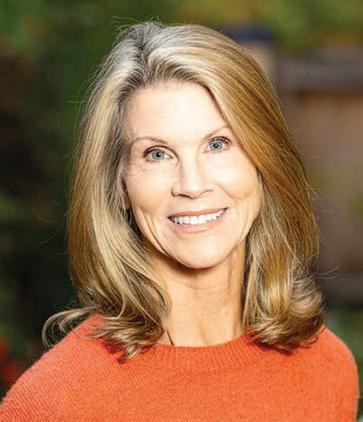
Baltimore native Leah Kalish has worn many hats during her career — dancer, actor, yoga instructor, preschool teacher, and now a therapy facilitator.
Kalish, who was known as Leah Ayres during her acting career, is most famous for her roles in films like martial arts drama Bloodsport (1988) and horror film The Burning (1981).
But Kalish, 68, has always had dreams beyond the big screen. A lifelong dancer who was at the top of her class at Roland Park Country School, Kalish pivoted from dancing to acting after college, and eventually retired from acting to pursue a master’s degree in human development.
“I realized, oh, I need to start now putting my energy into something that I want to build and that contributes to the future that I want to see in the world,” Kalish said.
Now, Kalish and her husband, Bruce Kalish, work as therapeutic facilitators who focus on “family constellations,” helping people to understand how inherited trauma, or intergenerational trauma that is passed from parent to child, impacts the way they navigate the world.
Through all the different stages of her career, Kalish said she’s always aspired to connect with her body, helping herself and others in “integrating mental, emotional, spiritual well-being.”
Charm City origins
Though Kalish now lives in Los Angeles, she was born in Cockeysville and moved to Roland Park with her family when she was five years old.
Her paternal grandfather, Howard Simpson, was the last president of the Baltimore & Ohio Railroad Company. Some of Kalish’s earliest memories are of visiting her grandfather at work.
“His office was a train car. I mean, it was so fun to visit him,” Kalish remembered. “We took trains everywhere.”
Baltimore is also where Kalish developed her love of dancing. She started taking ballet classes from Ellen Price Eckhardt, a longtime dance teacher who initially ran her dance school at the Church of the Nativity and Holy Comforter in Cedarcroft.
In high school at Roland Park Country School, Kalish said she led an effort to
establish the school’s first-ever modern dance show.
Kalish graduated from high school in three years and attended Tufts University, then transferred to New York University.
While she said the city has changed a lot since her childhood, Kalish’s Baltimore roots have always stuck with her. Her mother still lives in Roland Park, and she returns every so often to visit family.
“I love going back to Baltimore,” Kalish said. “I ship lots of pounds of Rheb’s chocolate to L.A. every Christmas, because all my friends here can’t wait to get their Baltimore Rheb’s chocolate.”
Accidental actor
After college, Kalish stumbled into acting somewhat by accident, looking for a
way to make extra money while pursuing a career in modern dance.
“I just went to this agency and I did an audition, and to me, it was like, no big deal,” she said. “I didn’t grow up watching TV — we loved movies. But I got really into acting, that came after the dancing, and it was a way to make money. I loved it.”
Kalish went on to have a successful career in TV and film for more than 20 years. In total, she appeared in seven films and more than 30 TV shows and episodes.
But after two decades in the industry, Kalish said she felt like she “needed to evolve” and pursue something more tailored to her passions.








Kalish
A nice pat on the back
I am thrilled to share with you the kudos the Beacon received last fall at the annual conference of the North American Mature Publishers Association, whose journalism competition we enter every year.
We like to submit articles written by our staff as well as our regular freelancers to help them get the national recognition they deserve for their high-quality writing. That, in turn, gives me the opportunity to praise them in my column each year.
Margaret Foster won second place for her October 2024 cover feature, “Free advice for entrepreneurs.”

FROM THE PUBLISHER
Each of our editions is entered into a different division, based on circulation. And this year, all three reaped some top honors.
By Stuart P. Rosenthal
The Baltimore Beacon brought home two first-place awards and one each for second and third place.
In the Profile category, freelance writer Laura Melamed won first place for her March cover story, “Local twins are soup meisters.” She also won a third-place award for last November’s cover story, “In style, thrifty and over 50.” The judges found both articles “well-written, engaging and fun.”
Cathy Habas, another freelance writer, won first place for her cover story, “Oriole Advocates change lives,” while our editor
The Howard County Beacon also won two first places along with a third-place award.
Barbara Ruben, a past managing editor of the Beacon, won first place for her September 2024 cover story, “Both dog and trainer are fast.” The judges called it “thoroughly enjoyable and adorable.”
Robert Friedman , who retired recently at age 90 but had been writing for us for almost 15 years, also won first place for what the judges called a “phenomenal profile” titled “Poet teaches the art of healing.” That October 2024 cover story, which was Robert’s last for us before he retired, was praised for “excellent writing and narrative.”
An arts story written by our editorial assistant, Tori Cleveland, took third place for “Writer uses fiction to express what’s true.” Judges especially appreciated the story’s “great opening sentence and hook.”
We were especially thrilled that our flagship edition, the Greater Washington Beacon, won Best of Show overall and first place in the General Excellence cate-

The Beacon is a monthly newspaper dedicated to inform, serve, and entertain the citizens of the Greater Baltimore area, and is privately owned. Other editions serve Howard County, Md. and Greater Washington, D.C.
Subscriptions are available via third-class mail ($12), prepaid with order. Maryland residents add 6 percent for sales tax. Send subscription order to the office listed below.
Publication of advertising contained herein does not necessarily constitute endorsement. Signed columns represent the opinions of the writers, and not necessarily the opinion of the publisher.
Publisher/Editor Emeritus – Stuart P. Rosenthal
President/Associate Publisher – Judith K. Rosenthal
Executive Vice President – Gordon Hasenei
Editor – Margaret Foster
Art Director – Kyle Gregory
Vice President of Operations – Roger King
Advertising Representatives
Jill Joseph, Steve Levin, M.K. Phillips, Alan Spiegel
Assistant Editor – Ana Preger Hart
Editorial Assistant – Tori Cleveland
gory for the largest-circulation publications (66,000+). That edition took home 20 awards in total, including the following:
In the Profile category, Barbara Ruben won another first-place award with her cover story, “A life of music and adventure,” while freelancer Laura Sturza won second place for “Our own Golden Bachelorette.”
In the Features category, which like our profiles appear on our cover pages, our editor, Margaret Foster, won first place for her story on family-run camps, while regular contributor Glenda Booth won secondand third-place honors for her stories on car enthusiasts and summer camps for grownups. In all three awards, the judges noted the “great interviews” the writers elicited from their subjects.
Another category featuring cover stories is Topical Issues. Margaret Foster swept that whole category, with first, second and third place awards for cover stories about exchange student hosts, the story of AA, and “Searching for new love mid-life.”
In the Do It Yourself category, Cathy Habas won another first place award for her story, “Who you gonna call? How ‘solo agers’ do it.”
In the Travel Column category, regular contributor Don Mankin won first place for his stories that “perfectly paint the scene” for travelers.
We have been proud to feature Bob Levey and his monthly column for many years now, and not surprisingly, he won first place in the Senior Issues category for his “enjoyable and entertaining” columns. He also earned second place for his Personal Essay titled, “It’s not so easy to play Cupid anymore.”
In the Editorial/Opinion category, my From the Publisher columns won first and second place for being “extremely topical, interesting and well-researched.” Another of my columns, entered in the Personal Essay category, won first place for “vulnerable writing [that] makes readers feel, perhaps, not so alone about fears.”
Of course, the most important honor we receive is from you, our readers, who pick up your copy of the Beacon each month from one of our thousands of free distribution sites, subscribe by mail, or read us online at thebeaconnewspapers.com.
However you choose to do it, we thank you for reading the Beacon!
By the way, you can look up and read any of the articles mentioned above on our website, thebeaconnewspapers.com.
Wishing you a happy and healthy New Year!

Letters to the editor
Readers are encouraged to share their opinions on any matter addressed in the Beacon as well as on political and social issues of the day. Mail your Letter to the Editor to The Beacon, P.O. Box 2227, Silver Spring, MD 20915, or email info@thebeaconnewspapers.com. Please include your name, address and telephone number for verification.


Dear Editor:
When we read about problems and tragedies, it’s easy to become distressed. To increase happiness, think about things for which you have gratitude.
My family does this at the end of dinner when we say “grats.” This involves listing three things for we are grateful. Then we have a conversation about what was said.
Being the old guy at the table, I often discuss earlier times. For example, if televisions are cited, I might talk about how, when I was young, we didn’t have one, and that the first TVs had small screens and took a while to warm up.
We’ve also discussed freedom of speech, paper towels, email, volunteers, toothbrushes, friends, pie, plastic, sunshine, living in America, electricity, teachers, parks and music. Grats has sparked a lot of good conversation and made us more appreciative of the lives we have. Try it. You’ll like it.
Dear Editor:
(410) 248-9101
info@thebeaconnewspapers.com
Submissions: The Beacon welcomes reader contributions. Deadline for editorial is the 1st of the month preceding the month of publication. Deadline for ads is the 1st of the month preceding the month of publication. See page 15 for classified advertising details. Please mail or email all submissions. © Copyright 2025 The Beacon Newspapers, Inc.
Gary Jump (via email)
First things first. I want to tell you how much I enjoy your newspaper. It is a real service to the community. Occasionally when I read an article in a paper the thought will cross my mind, “This de-
serves my response,” but inertia takes over, and I let the moment pass.
However, your request for responses to your editorial, “How we learn to be afraid” (November 2026), I could not ignore.
This past September I went on a poorly planned trip to Lisbon. I should have gone on a tour. But based on my past experiences, I thought I would do fine.
However, I never felt like I had a firm footing on those glazed-tiled floors. Well, the first full day I was there, I slipped on stairs in the metro. I went down about four steps and injured my left hand and knee. I got treatment at a private hospital and did not go out again until returning home.
Wobbling slowly around with a cast on my hand, I entered into “the land of the infirm.” People looked at me differently. Many would open doors for me. I looked at them with caution. Fearing collisions, I gave others a wide berth.
I’ve started noticing other people with limps, thinking to myself, “behind every limp is a story.”
Now I’m cautious and afraid. Traveling no longer entices me. Like Dorothy from The Wizard of Oz, I’m going to stay in my own back yard.
Marian Criswell
(via email)

om S To rust the Ho e T H m With T Prioritizing Happin
Lu Y Yeear ’ s resol tion? Why not hf i start w t foostering deeper social s, w connection whhich can lead to longerliffee, better health, and improved well-being!
anage Regional M Manager, Smith,
Sm
e ve Business Dev v
elopment,mentFamFamily
ome Care Expert x ert rsing
Nursing Car Nur &
o f g f okin foor an impactfuul New ’l?Wh 2. Enact pro lG e re
a On the heels of a holiday y season , f y en f oft foocused on family, frriends, and y f a n camaraderie, many y of us may feeel df lier i a b tlone r, , an foor valid reasons.
a e U In 2023, th Unnited Stattes Surgeon i . V General Dr Viivvek Murthy issued en g a d an Advvisory callin att ntion to the l public hea th crisis of loneliness, isolation, and lack of connection in a w Americ whhich has a particularly d eff outsize ffect on older adults. f h f ld
In fact, the rate of older Americans facing social isolation has increased every year since a 1976, and today y senior loneliness accountsffoor $6.7 billion in excess Medicare spending each year. Th q q health consequuences are equually i alarming, w th a 29% increased risk of heart disease, 32% increased risk of stroke, and a 50% increased risk of developing dementia.
dvisory A The A Ad Att-a-Glance Advisories are reserved f foor significant public health challenges that need people’s immediateaattention. In addition to examining the epidemic of loneliness and isolation in a — w Americ which increases the k f ris foor premature death to levels comparable to smoking daily — esaf the Advisory outlin frramework to enhance social connection

ness and Friendship in the N
ss and Friends
o-connection public G ll and appointments, Caregivers blfi the start of a bh
ts a policies. Governmen at all a levels play y a role in creating policies like accessible a transportation th tcan enable more connections.
3. Mobilize the health sector. Because loneliness and isolation a sf are risk factor foor majjor health ’ conditions, it sincumbent on healthcare providers to recognize the signs and intervene. ef
4. R foorm digital environments. Evaluate the role of technology tf to ensure it doesn’t detrac frrom connection with others.
w urk
5.Deepen o knnowlledge. More h d d d d
research is needed to understand u the risks, causes and outtcomes of social disconnection, as well as en e eff th ffectiveness of implem nting efffforts to enhance connection.
6. Cultivate a culture of connection. Societal norms significntly impact people’s relationships, and it’s critical f foor connection to be embedded y’ in the fabric of the countr s culture.
The Family & Nursing Care Difference
y & N Famil Nuursing Care is one of the oldest and most well-respected private duty home care businesses y a in the gre ter Mar ylland and a. W W Waashington, D.C. are We e pride ff ourselves on offering access to empathetic, personal companion tsf care that helps clien feeel valued, secure, and connected to the
based on six pillars: l inf 1. Strengthen socia frrastructure. Creaatte communities and institutions — including parks, libraries, playgrounds, and a programs — thattbring people together. communityy.
r me wa So ayys the Ca egivers
l e w w we woork with can help p combat f feeeling isolated or lonely include:
• i m General Comppanionshipp: In addition to helping with meeting nutritional needs, personal care,
can become close confi ants and provide older adults with an outlet and space to share f feeelings, thoughts, and stories. Loneliness can be curbed with something as simple as sharing a meal or having regular conversations. Caregivers and clients often develop a faf connection like that o frriend or family member.
• Social Access: Mobility and transportation issues can inhibit u social interaction, b t you can leave those woes behind!
f A profeessional Caregiver can accompany clients to social events and get-togethers, including senior clubs, knitting ff circles, and more, offering tons of opportunities to connect with wf potential ne frriends.
“ There’s no better time than
a new year to hf
embrace the companionship of a , V Caregiver,”said Kelly Salb Vice icesf President of Client Serv foor Family & Nursing Care. “Human connection has both mental and physical health benefits, and our team is passionate about providing our clients access to customized personal care services in order to help with health needs but also create a better quality of liffe e through social interaction.”
Living independently doesn’t nf haavve to mea feeeling alone, and a 2025 is a gre t year to decide to spend more time in the communityy. . Family & Nursing ff Care offers access to a range of care services to help with this and ensure human connection.
T Toolearn more, call us at (410) urw 697-8200 or visit o weebsite at r f faamilynursingcaree.com.



Health Fitness &
Health Fitness &
HOPKINS STUDY
If you’re having trouble sleeping, Hopkins has a free, personalized exercise plan for you
FAT MYTH BUSTERS
Eating good fat won’t lead to weight gain, so stock up on avocados, nuts and seeds
DRUG MUGGERS
Some common medications, including acid blockers, antibiotics, statins and more, can deplete your body’s minerals
Hope for people with autoimmune diseases
By Lauran Neergaard
Scientists are trying a revolutionary new approach to treat rheumatoid arthritis, multiple sclerosis, lupus and other devastating autoimmune diseases — by reprogramming patients’ out-of-whack immune systems.
When your body’s immune cells attack you instead of protecting you, today’s treatments tamp down the friendly fire, but they don’t fix what’s causing it. Patients face a lifetime of pricey pills, shots or infusions with serious side effects — and too often the drugs aren’t enough to keep their disease in check.
“We’re entering a new era,” said Dr. Maximilian Konig, a rheumatologist at Johns Hopkins University who’s studying some of the possible new treatments. They offer “the chance to control disease in a way we’ve never seen before.”
How? Researchers are altering dysfunctional immune systems, not just suppressing them, in a variety of ways that aim to be more potent and more precise than current therapies.
They’re highly experimental and, because of potential side effects, so far largely restricted to patients who’ve exhausted today’s treatments. But people entering early studies are grasping for hope.
Helped a lupus patient
“What the heck is wrong with my body?” Mileydy Gonzalez, 35, of New York remembers thinking, frustrated that nothing was helping her daily lupus pain.
Diagnosed at 24, her disease was worsening, attacking her lungs and kidneys. Gonzalez had trouble breathing, needed help to stand and walk and couldn’t pick up her 3-year-old son when last July, her doctor at NYU Langone Health suggested the hospital’s study using a treatment adapted from cancer: chimeric antigen receptor Tcell therapy, or CAR-T.
Over several months, Gonzalez slowly regained energy and strength.
“I can actually run. I can chase my kid,” said Gonzalez, who now is pain- and pill-free. “I had forgotten what it was like to be me.”
‘Living drugs’ reset systems
CAR-T therapy was developed to wipe out hard-to-treat blood cancers. But the cells that go bad in leukemias and lymphomas — immune cells called B cells — go awry in a different way in many autoimmune diseases.
Some U.S. studies in mice suggested CART therapy might help with those diseases. Then in Germany, Dr. Georg Schett at the University of Erlangen-Nuremberg tried it with a severely ill young woman with lupus. After one infusion, she’s been in remission — with no other medicine — since March 2021.
Last month, Schett told a meeting of the American College of Rheumatology how his team treated a few dozen more patients with additional diseases such as myositis and scleroderma — with few relapses so far.
Those early results were “shocking,” Hopkins’ Konig recalled.
They led to an explosion of clinical trials testing CAR-T therapy in the U.S. and abroad for a growing list of autoimmune diseases.
How it works: Immune soldiers called T cells are filtered out of a patient’s blood and sent to a lab, where they’re programmed to destroy their B cell relatives. After some chemotherapy to wipe out additional immune cells, millions of copies of those “living drugs” are infused back into the patient.
While autoimmune drugs can target certain B cells, experts say they can’t get rid of those hidden deep in the body. CAR-T therapy targets both the problem B cells and healthy ones that might eventually run amok.
Other approaches
CAR-T is grueling, time-consuming and costly, in part because it is customized. Now some companies are testing off-theshelf versions, made in advance using cells from healthy donors.
Another approach uses “peacekeeper” cells, whose discoverers won this year’s Nobel Prize. Regulatory T cells are a rare subset of T cells that tamp down inflammation and help hold back other cells that mistakenly attack healthy tissue.
Rather than wiping out swaths of the immune system, Hopkins’ Konig aims to get more precise, targeting “only that very small population of rogue cells that really causes the damage,” he said.
Researchers in his lab are trying to engineer T cell engagers that would only
mark “bad” B cells for destruction, leaving healthy ones in place to fight infection.
Stop it before it starts
Could we predict autoimmune diseases — and delay or prevent them?
A drug for Type 1 diabetes “is forging the path,” said Dr. Kevin Deane at the University of Colorado Anschutz. The drug teplizumab is approved to delay the first symptoms of diabetes, modulating rogue T cells and prolonging insulin production.
Deane studies rheumatoid arthritis (RA) and hopes to find a similar way to block the joint-destroying disease.
About 30% of people with a certain selfreactive antibody in their blood will eventually develop RA. A new study tracked some of those people for seven years, mapping immune changes leading to the disease long before joints become swollen or painful. Those changes are potential drug targets, Deane said.
On all these fronts, there’s a tremendous amount of research left to do — and no guarantees. So far, CAR-T is furthest along in testing.
“We’ve never been closer to getting to — and we don’t like to say it — a potential cure,” said Hopkins’ Konig. “I think the next 10 years will dramatically change our field forever.”
© 2025 The Associated Press. All rights reserved.
Get enough sleep; it’s good for the heart
By Heidi Godman
We all know that an occasional night of little sleep makes for a difficult day of grogginess, fuzzy thinking, and mood swings. You might also know that regularly skimping on sleep makes symptoms worse and leads to stress and weight gain.
But many people are unaware that insufficient sleep also poses dangerous health risks, especially for your heart.
How much sleep is too little?
Research shows the average person needs seven to nine hours of sleep per night. That can be difficult to achieve as we age, when it’s common to sleep a little less than seven hours per night. But if you’re
getting less than six hours per night, your health is in jeopardy.
For example, an analysis published May 27, 2025, by the American Journal of Lifestyle Medicine, tied chronic sleep deficiency to high blood pressure, coronary artery disease, stroke, diabetes, obesity, mental health disorders and even premature death.
Other studies have linked chronic sleep deficiency to nearly three times the risk of heart disease (if you have several sleep problems) and a 20% higher incidence of heart attacks.
Why does it hurt the heart?
Insufficient sleep isn’t necessarily a di-
rect cause of heart and vascular problems. It triggers a long list of physiological and hormonal changes — such as increases in blood pressure, blood sugar and inflammation — that contribute to heart problems.
A lack of sleep also disrupts hormones that control hunger and appetite, often causing people to overindulge in foods rich in fat and carbohydrates — a quick path to weight gain.
Nationwide health surveys have found that people who average less than seven hours of sleep per night have higher rates of obesity, compared with those who get adequate amounts of sleep. Obesity is a major contributor to heart disease, chronic
inflammation and diabetes.
Change your sleep habits
If you’re not getting at least seven hours of uninterrupted sleep on most nights, consider your sleep habits. Are you waking up at the same time every morning? That’s essential to help anchor your sleep-wake schedule.
You should also try to go to bed at the same time every night (hopefully that’s at least seven hours before your wake-up time). If you have a hard time falling or staying asleep, try these strategies: Create a healthy sleep environment.
See SLEEP, page 6
Why brains of some 90-year-olds stay young
By Howard LeWine, M.D.
Q: Why do some people maintain mental prowess well into their 90s? What do they do differently from most of us?
A: While the general thinking is that memory declines and brain functions slow as we age no matter what, studies on super-agers suggest this is not inevitable. There may be ways to maintain high levels of cognitive function for much longer in life.
Studies have found that genetics is the greatest component in the state of aging brains. If you are born with the right genes, you have a good chance of becoming a super-ager. But what if you don’t?
Super-agers also tend to follow a healthy lifestyle, which is tightly linked to maintaining cognitive function. In addition, their healthier choices make them more likely to avoid chronic conditions that can contribute to more rapid decline in memory and thinking.
Here’s a look at the healthy daily habits of many super-agers and how they may help protect your brain.
• Eat more superfoods: Many super-agers follow diets rich in foods high in antioxidants, polyphenols and omega-3 fatty acids. These nutrients have been shown to fight inflammation and help protect the body from disease-causing cell damage.
Examples include berries, whole grains (oatmeal, quinoa), fatty fish (salmon, trout), nuts (walnuts, almonds), olive oil, cruciferous vegetables (broccoli, brussels sprouts, cauliflower), avocados and green tea.
• Be more active: Super-agers tend
to engage in more physical activity. Regular exercise helps maintain brain volume and cognitive function, even if you begin later in life.
Exercise sparks physiological changes in the body, such as the production of growth factors — chemicals that enhance communication between brain cells and can actually form new brain cells.
• Be more social: Most super-agers tend to have more social interactions. Studies have shown that regular social engagement is associated with healthier brains.
The opposite is also true: Social isolation is linked to lower volume of gray matter in brain regions related to cognition.
• Challenge yourself: Super-agers challenge their brains, and studies have shown that learning new things as you age aids memory. For instance, study a second language, learn a musical instrument or adopt a new hobby.
• Get quality sleep: Super-agers also prioritize sleep. During sleep, the brain clears away metabolic waste that builds up early in the development of Alzheimer’s disease.
A study in the November 2022 issue of the journal Sleep found that trouble falling or staying asleep three or more nights per week for three months boosted the risk for worsening memory in older adults.
Howard LeWine, M.D., is an internist at Brigham and Women’s Hospital in Boston and assistant professor at Harvard Medical School. For additional consumer health information, see health.harvard.edu.
© 2025 Harvard University. Distributed by Tribune Content Agency, LLC.


MAIL OR EMAIL FOR FREE INFORMATION
For free materials about area housing communities, just complete and clip this coupon and mail, or take a picture and email, to the Beacon.
Housing Communities
o Caritas House Assisted Living (see ad on page B2)
o Catholic Charities (see ad on page B2)
o Charlestown/Erickson (see ads on pages B3, B5)
o Christ Church Harbor Apts (see ad on page B6)
o Flower Pot, The (see ad on page 5)
o Oak Crest/Erickson (see ads on pages B3, B5)
o Park View Laurel (see ad on page 7)
o Park View Towson (see ad on page 7)
o Park View Fullerton (see ad on page 7)
o Park View Rosedale (see ad on page 7)
o Pickersgill (see ad on page 10)
o Roland View Towers (see ad on page 8)
o Virginia Tower Apartments (see ad on page B4)
o Warren Place Senior Apartments (see ad on page 12)
o Westminster House (see ad on page B2)
Clinical Health Studies
o Exercise & Sleep Study/mPATH (see ad and article on page 6)
o Smell Test Study (see ad on page 6)
Check the boxes you’re interested in and return this form to: The Beacon, P.O. Box 2227, Silver Spring, MD 20915 or take a picture and email to housing@thebeaconnewspapers.com. You may return this coupon together with the coupon on page B7.
Studies
Can’t sleep? Try this Johns Hopkins study
By Margaret Foster
Sleep is important for our health as we age, particularly for brain health.
If you’re over 65 and have trouble sleeping, a Johns Hopkins University study may be able to help.
Hopkins researchers, hoping that exercise can improve sleep and cognitive health, have created an exercise plan that can be done at home. The exercises are tailored to each individual, so they’re not difficult to follow.
“Overall, participants seem to really enjoy it,” said Dr. Junxin Li, principal investigator of the study.
“We are trying to promote physical activity in low-income older adults. The outcome we are looking for is better sleep and cognitive performance.”
Sleep
From page 4
You need comfy bedding and a dark, cool room (68° F or a little higher is ideal).
Turn off electronic devices. Shut them
The exercise connection
Perhaps you’ve noticed how well you sleep after a long walk or a good workout. But it’s harder to exercise outdoors in the winter, and a gym membership isn’t always affordable for everyone.
The Hopkins study is open to low-income adults 65 or older who have difficulty falling asleep or staying asleep. (No official diagnosis is necessary.)
Low-income older adults are at higher risk to develop Alzheimer’s disease and related dementias as well as sleep disturbances. Hopkins researchers want to find a solution.
How the study works
First, all volunteers will go downtown for a short, in-person visit. “We provide a ride if needed,” Li said.
There, Li’s team will assess physical func-
down at least an hour before bedtime to reduce your exposure to blue light (which might delay sleep) and remove the temptation to keep watching TV or scrolling on your phone. Turn the lights low. Switch off bright overhead lights in your home a few hours
Take the
Test Challenge Today
Ongoing smell loss may be one of the most important signals of brain health as we age.
A new study from The Michael J. Fox Foundation for Parkinson’s Research is exploring this link. We’re calling on everyone with and without Parkinson’s to request a simple scratch-and-sniff test and contribute to important research.
Request your test at or scan the QR code.
Request your test at 877-525-PPMI (7764) mysmelltest.org/beacon or scan the QR code.
tion and cognitive health (there’s also a voluntary blood draw). They’ll repeat those brief tests in six months and then a year later.
Once enrolled, participants will be randomly placed in one of two groups. One group will exercise three times a week for about six months.
Participants in that group will take home a tablet and a FitBit wristband to track their workouts. If they don’t know how to use them or how to use Zoom, Li’s team will teach them how to use the technology in one or two sessions.
Then Li’s team will visit twice a week to help people do the exercises.
“We’ll go to the participant’s home to conduct a personal training program,” Li explained. “It’s tailored to them.”
The personalized exercises focus on building strength, maintaining balance and stretch-
before bedtime. That alerts the brain that it’s time to wind down. Try wearing a sleep mask.
Avoid late-night exercise. Exercise is stimulating, and it raises your body temperature (which makes it hard to fall sleep). Avoid vigorous activity in the two hours before bedtime.
Skip a nightcap. Alcohol’s sedating effects can help you nod off. But over the next couple of hours, alcohol becomes a stimulant: you’re less likely to have deep, restorative sleep.
Cut down on caffeine. Avoid caffeinated drinks after midday. Caffeine blocks a brain chemical that helps you fall asleep. Caffeine and alcohol also increase the need to get up to go to the bathroom during the night, which interrupts your sleep.
See your doctor
Many health problems can disturb sleep, such as chronic pain, restless legs syndrome, sleep apnea, heartburn, incontinence, medication side effects, stress,
ing muscles. People can also follow exercise videos on their tablet.
All the while, Hopkins will keep in touch. “We have biweekly phone calls where we’ll be able to adjust” the exercise plan, Li said, to “give them more or less, based on how they were doing.”
Home visits to socialize
The other group will focus on social activities instead. Once a month for six months, Li’s researchers will visit these participants in person to talk about physical activity, play games, listen to music or just talk about their lives.
“They also have a choice of options for the five sessions: art-making, playing board games, etc.,” Li said.
For more information about the mPATH study, or to see if you qualify, email mpath@jhu.edu or call (443) 692-7169.
anxiety and others. Talk to your doctor to identify and treat underlying conditions or change a troublesome medication.
If your doctor suspects that you have chronic insomnia, it might be time to try cognitive behavioral therapy for insomnia (CBT-i).
This is a safe and effective non-drug approach to treat chronic insomnia. To find a therapist, check the Society for Behavioral Sleep Medicine website at behavioralsleep.org, and click “Providers.”
Another option is an app called CBT-i Coach, developed by the Department of Veterans Affairs. While it was designed for people suffering from insomnia and posttraumatic stress disorder, anyone can download it for free.
Prioritize your sleep. Your health — especially your heart health — and longevity are at stake.
Heidi Godman is the executive editor of the Harvard Health Letter.
© 2025 Harvard University. Distributed by Tribune Content Agency, LLC.
We are looking for older adults (65+) to participate in a research study on personalized exercise. Learn how a tailored exercise program can help you feel stronger and improve your health and well-being. You will be compensated for your time and participation upon successful completion of the study.
For more information, please scan the QR code, call 443-692-7169 or email mpathstudy@jh.edu



No, eating fat doesn’t make you fat
By Carrie Dennett, MPH, RDN
There’s a certain logic to the idea that eating high-fat foods — even nutritious foods such as avocados, nuts and olive oil — can lead to weight gain. After all, one gram of fat contains nine calories, while one gram of protein or carbohydrate contains only four calories.
But just as science has debunked the idea that weight loss or weight gain is simply the result of “calories in, calories out,” the idea that eating fat automatically leads to eating excess calories, or that dietary fat is directly converted to body fat, has been shown to be not entirely correct.
Low-fat myth origins
The low-fat diet trend of the 1970s to 1990s was largely based on concerns about saturated fats and health. The weight loss industry — including many diet book authors — jumped on that bandwagon, promoting the idea that if you eat as little calorie-dense fat as possible, you can eat a larger volume of food and still lose weight.
But instead of replacing saturated fat with healthy poly- and monounsaturated fats or more vegetables, fruits and whole grains, many people started eating more ultra-processed fat-free cookies, crackers and ice cream high in added sugar and refined carbohydrates.
The low-fat tide started to turn in the early 2000s, and more recently it’s become quite clear that dietary fat is compatible with at least short-term weight loss. Take the ketogenic diet — which is high in fat, very low in carbohydrates and moderate in protein.
However, it’s not necessary to switch from one extreme (low fat) to another (high fat). Studies that have compared diets with varying ratios of fat and carbohydrates found that, on average, no single ratio is superior for weight loss or for health. This may be because some people respond better to a higher fat diet, and others to a lower fat diet.
The right kind of fat matters
Fat is an essential nutrient that, among other things, helps us absorb “fat soluble” vitamins A, D, E and K from food. It’s also clear that including healthy fats in a meal can help you feel full sooner and keep you satisfied longer. “Healthy fat” is the key.
A 2018 Harvard study that looked at
more than 20 years of data from almost 300,000 participants in the Nurses Health Studies and the Health Professionals Follow-Up Study found that when people increased saturated and trans fats in their diets, they were more likely to gain weight. But when they increased their levels of monounsaturated fats from plant foods and polyunsaturated fats from fish and plant foods, they weren’t likely to gain weight, and some even lost weight. It appears that polyunsaturated fats in particular promote insulin sensitivity, which helps the body use carbohydrates for energy instead of storing them as fat.
Stock up on these foods
Healthy fats have a place in any diet. Foods rich in polyunsaturated fat include fatty or oily fish such as salmon, sardines, anchovies and herring; some nuts and seeds, including walnuts, flaxseeds and sunflower seeds; tofu and
soybeans; and vegetable oils such as canola, corn, soybean and sunflower. Foods rich in monounsaturated fats include avocados; peanuts and peanut butter; some nuts and seeds, including almonds, hazelnuts, pecans, pumpkin seeds and sesame seeds; and vegetable oils such as olive, ca-
nola, peanut, safflower and sesame. Reprinted with permission from Environmental Nutrition, a monthly publication of Belvoir Media Group, LLC. 800-8295384, EnvironmentalNutrition.com. © 2025 Belvoir Media Group. Distributed by Tribune Content Agency, LLC.

MOST COMMUNITIES ARE 62 AND BETTER
ANNE ARUNDEL COUNTY
The Greens at Hammonds Lane: 410-636-1141
Park View at Furnace Branch: 410-761-4150
Park View at Severna Park: 410-544-3411
BALTIMORE CITY
Ednor Apartments I: 410-243-0180
Ednor Apartments II: 410-243-4301
The Greens at Irvington Mews: 227-240-8179
The Greens at Irvington Mews II: 240-209-4809
Park Heights Place: 410-578-3445
Park View at Ashland Terrace: 410-276-6440
Park View at Coldspring: 410-542-4400
BALTIMORE COUNTY
Cove Point Apartments I: 410-288-2344
Cove Point Apartments II: 410-288-1660
Evergreen Senior Apartments: 410-780-4888
The Greens at English Consul: 410-789-3000
The Greens at Liberty Road: 410-655-1100
The Greens at Logan Field: 410-288-2000
The Greens at Rolling Road: 410-744-9988
Park View at Catonsville: 410-719-9464
Park View at Dundalk: 410-288-5483 • 55 & Better
BALTIMORE COUNTY (CONT.)
Park View at Randallstown: 410-655-5673
Park View at Rosedale: 410-866-1886
Park View at Taylor: 410-663-0363
Park View at Towson: 410-828-7185
Park View at Woodlawn: 410-281-1120
EASTERN SHORE
Park View at Easton: 410-770-3070
HARFORD COUNTY
Park View at Bel Air: 410-893-0064
Park View at Box Hill: 410-515-6115
HOWARD COUNTY
Park View at Colonial Landing: 410-796-4399
Park View at Columbia: 410-381-1118
Park View at Ellicott City: 410-203-9501
Park View at Ellicott City II: 410-203-2096
Park View at Emerson: 301-483-3322
Park View at Snowden River: 410-290-0384
PRINCE GEORGE’S COUNTY
Park View at Bladensburg: 301-699-9785 • 55 & Better
Park View at Laurel: 301-490-1526
Social isolation can become worse during winter. To find help for yourself or others, visit Connect2Affect.org, an online resource from AARP. It offers ideas for making new friends and access to free or discounted services like medical care, food, job training and more. You can also find helpful articles and expert advice.
Park View at Fullerton: 410-663-0665
Park View at Miramar Landing: 410-391-8375
Park View at Laurel II: 301-490-9730
Medications can quietly deplete nutrients
In our fast-paced world, medications help us manage chronic conditions, ease pain and stay functional.
But there’s something most people don’t realize: Some of the very same medications that are helping you can also deplete vital nutrients, slowly and silently. I call these “drug muggers,” and I wrote a whole book about them because this side effect is wildly under-recognized.
When nutrient levels fall, your symptoms might creep back even while your lab work
looks “normal.” Worse, those symptoms can look like new diseases, and suddenly you’re prescribed more medications. It becomes a frustrating cycle of prescriptions, side effects and new diagnoses.
A “drug mugger” is any medication that robs your body of nutrients. It might block absorption, increase nutrient loss, or interfere with how your body uses or stores vitamins and minerals.
This doesn’t mean you should stop your meds. Many are life-saving. But it does


mean we need to be more proactive, supporting your body with the nutrients it’s losing along the way.
A lot of medications are drug muggers, including acid blockers, antibiotics, oral contraceptives, statins and blood pressure meds. For example, a cholesterol drug called cholestyramine binds fat-soluble vitamins A, D, E and K in your intestines, which makes them harder to absorb.

Medications that include furosemide (Lasix) will cause you to urinate more. That’s good for fluid retention or blood pressure, but they also wash out magnesium, potassium, calcium and sodium. That’s why people on these drugs often deal with leg cramps, insomnia or even rising blood pressure again. These symptoms are not always a new disease; it could be nutrient depletion.
drug muggers. I’ve made it easy for you with a new tool at DrugMuggers.com where you can input your medications and see what nutrients they may be depleting. Then, support your body. That could mean eating more leafy greens, nuts and seeds or taking targeted dietary supplements.
DEAR PHARMACIST
By Suzy Cohen
My Drug Muggers app is updated, so it has all the new medications, plus it lists foods rich in the exact nutrients your medications may be robbing. Don’t forget to talk to your doctor. Bring a list of your medications and symptoms to your next visit and ask about checking levels of nutrients.
Finally, monitor over time. Nutrient levels don’t crash overnight and they don’t bounce back overnight either.


Then there are drugs like metformin, widely used for type 2 diabetes. Metformin interferes with your ability to absorb vitamin B12.
Because the process of nutrient depletion is gradual, you may not realize what’s happening until you’re already dealing with symptoms like fatigue, brain fog, leg cramps, anxiety or brittle nails. These look like new issues, but they’re often your body’s way of whispering, “Help me!”
What to do about it
So what can you do? First, identify your
I know as a pharmacist that medications can be helpful, even life-saving. But when they slowly drain your nutrient reserves, the fix might be simpler than you think. To search your medication, visit drugmuggers.com. Read the expanded version of this column at suzycohen.com.
This information is opinion only. It is not intended to treat, cure or diagnose your condition. Consult with your doctor before using any new drug or supplement.
Suzy Cohen is a registered pharmacist and author of The 24-Hour Pharmacist and Real Solutions from Head to Toe









Oak Crest celebrates 30th anniversary
By Margaret Foster
Oak Crest Senior Living, home to 2,000 residents in Parkville, Maryland, turned 30 years old this year.
To celebrate, the Erickson Senior Living community hosted a “Pioneer Brunch” in January, which recognized three residents and six employees who have been with Oak Crest since its opening in 1995.
One of those staffers is Laurie Bender, senior sales associate, who started working at Oak Crest six months after it opened.
“It’s just the warmest place. People are so kind to each other. It’s very down-to-earth; it’s very welcoming,” said Bender, who helps people move into the community.
One resident, Keith Derrickson, said that when he first saw Oak Crest, he thought, “This is like a country club.” The retired music teacher moved in eight years ago and has a packed schedule — clubs, piano concerts, meals with friends.
“It’s changed my life, really. I’m not just living a good life, I’m living my best life,” he said.
Built on a quarry
Erickson Senior Living debuted its first property, Charlestown, in 1983 in Catonsville, Maryland. The company transformed a historic seminary into a 110-acre retirement community. With Charlestown’s success, the company built Oak Crest on a former sand and gravel quarry in Parkville in 1995.
“Oak Crest proved to be equally popular. Available residences filled quickly, and to meet the high demand, construction continued through 1998, when the final residence building at Oak
Crest opened,” according to Elizabeth Fabiano, spokesperson at Erickson.
Today Oak Crest resembles a resort. About 2,000 people live on the 87-acre campus. Ducks, geese and turtles live in Lake Victoria, a pond on the property. Nearby, small gardens are available for residents to grow flowers, fruits or vegetables. In its three clubhouses are nine restaurants, a gym, a pool and libraries.
“It’s like a land cruise, with all the amenities,” said Derrickson, 68. “I don’t have to worry about the house anymore — every time I turned around, there was something to be repaired. It gives me time to not just enjoy living here but to volunteer, to do things.”
Residents stay involved rather than withdrawing from society. Two programs connect them — in person and as pen pals — with local elementary school students, for instance.
They can also hop a bus to go to concerts, museums, Orioles games, White Marsh or the grocery store. On campus, they can play pickleball or bocce, take an art class or swim laps in the pool.
In addition to 200 resident-run clubs, Oak Crest has had a thriving scholar’s program since 1997. Residents can take classes on anything from history to technology. They held a graduation ceremony last June, attended by none other than John Erickson, founder and chairman of Erickson Senior Living, which now operates 20 properties in 11 states.
Appearances like that give Oak Crest a warm, family feel, Bender said.
“One of my favorite things are the friendships between the residents and stu-

dent workers who come after school,” Bender said. “Scholarship money is available to them for college.”
‘Taken care of’
Derrickson, a pianist, has organized benefit concerts to raise funds for those college scholarships for some of the 950 people who work at Oak Crest. Over the years he has raised $130,000 for various causes, he said.
“Living here has given me the opportunity to serve and to do things I want to do rather than things I have to do,” Derrickson said.
Not everyone chooses to be as busy as
Derrickson. Oak Crest is a continuing care retirement community with various levels of care, including independent living, assisted living and memory care.
Derrickson moved in at age 60 after caring for his homebound elderly mother for two years.
“It was exhausting. I wasn’t a doctor; I wasn’t a nurse. I didn’t know how to take care of her. I’m not going to do that to my kids,” he said. “Someday I will need help, and it’s here…I’m taken care of for the rest of my life.”
For more information, visit ericksonseniorliving.com or request a brochure by calling (410) 665-2222.

Residents of Oak Crest Senior Living in Parkville, Maryland, attended a gala in March to celebrate the property’s three decades.
Why move to a life plan community?
By Amy Arnott
Deciding where to live later in life isn’t an easy task. Many older adults prefer to stay in their own homes but may need help managing medical issues or day-to-day tasks. Others might move in with their adult children or family members.
One potential solution is moving into a continuing care retirement community (CCRC), also known as a life plan community.
A life plan community is a community living facility where retirees can access a spectrum of care as they age. Care levels typically include independent living, assisted living, nursing care and memory care. Most also offer a range of amenities and activities, such as on-site fitness centers and clubs for different hobbies.
There’s evidence that people living in CCRCs enjoy better health outcomes and higher levels of social and emotional wellbeing. It can also be an attractive option for couples as they can continue living near each other even if one person eventually needs a higher level of care.
Moving to a CCRC requires a substantial financial commitment, and it carries the sobering possibility that it might be the last time you get to choose where you live.
Here are some key things to consider:
Fees and living arrangements
People entering a CCRC generally start in independent living, which means they have their own living quarters.
In many cases, the cost of admission could be on par with buying a house in the same area. Based on data from U.S. News & World Report , entrance fees average about $400,000 but can range from $100,000 to more than $1 million.
The hefty price tag doesn’t mean you’re buying the property you live in; instead, the money helps cover part of the costs you may incur while living there. It may be partially refundable to your estate after death.
Residents also pay monthly fees, which averaged about $4,200 for independent living as of the end of 2024. Monthly fees, which often increase about 4% per year due to inflation, generally cover housing, meals, housekeeping, maintenance, transportation and recreational activities. Depending on your contract, monthly fees may also cover certain healthcare costs.
Three types of contracts
Type A contracts are the costliest option. They have the steepest entrance fees and the highest starting monthly fees, which generally cover comprehensive long-term care services and remain the

same (except for annual inflation increases) even if you need a higher level of care.
Type B contracts have lower upfront costs than Type A contracts and lower monthly fees when you first move in. They provide the same access to housing and residential services as Type A contracts, but not the same level of access to healthcare services.
If a resident needs a higher level of care, the monthly fee grows to cover the higher cost. In exchange for lower monthly fees at move-in, people in these contracts take the risk that their costs could significantly increase.
Type C contracts generally have the lowest upfront costs and may not include any entrance fee. Instead, the monthly fee changes to reflect the market rate for the type of healthcare needed. Monthly fees start lower when a resident first enters independent living but can grow dramatically if they need higher-level care.
As with Type B contracts, people in these contracts pay lower monthly fees when they move in but may end up paying significantly more over time.
Other factors to consider with contracts
The upfront payments included in Type A and Type B contracts are often partially
BEACON BITS
Ongoing
VOLUNTEERS NEEDED
refundable after you leave the facility or pass away.
Taxes are another factor to consider. For Type A and Type B contracts, part of the entrance fee may be eligible for a one-time tax deduction as a prepaid medical expense.
A portion of the monthly fees may also be eligible for annual deductions if they’re considered a prepaid medical expense. (In both cases, deductions are only allowed if the costs are more than 7.5% of adjusted gross income.) Facilities typically provide residents with specifics on the portion of fees that may be deductible each year.
Finding the right fit
A CCRC can help seniors maintain a happy, healthy and rewarding life. Make sure the facility is not only a good fit for your needs, but financially strong before signing a contract.
The National Continuing Care Residents Association (naccra.com) offers resources that include a Consumer Guide, a Handbook on CCRC Finance and a Model Bill of Rights.
Amy C. Arnott, CFA, is a portfolio strategist for Morningstar.
This article was provided to The Associated Press by Morningstar. For more personal finance content, go to morningstar.com/personal-finance.
Baltimore County residents interested in volunteering can contact their local senior center to learn about various opportunities, including volunteer roles in customer service, creative and technical support, instruction, leadership and supervision. For more information and instructions on how to apply, call (410) 887-2040.
Ongoing
MARYLAND FOOD BANK DROP-OFF
Drop off canned and non-perishable items for the Maryland Food Bank at the Roland Park Community Center, 5802 Roland Ave., Baltimore, every Thursday from 11 a.m. to 1 p.m. For a list of most-needed items, check bit.ly/MDFoodBankNeeds. For more information, email rolandparkcc@comcast.net or call (410) 435-1506.





Housing News
By Beacon Staff
Roland View Towers to be renovated
Two apartment buildings that have overlooked Hampden and Roland Park since 1964 will soon get a new look.
St. Mary’s Roland View Towers, affordable rental properties for people 55 and older, will be renovated starting next year. As part of the project, a glass elevator tower will be installed, in addition to a rooftop energy system.
“The buildings were built in the mid60s, and literally everything is wearing out faster than we have been able to replace or repair it,” said Art Ruby, property manager for the past 30 years. “I’m very optimistic and looking forward to a brand new, shiny Roland View Towers.”
No residents will be required to move off the property during the project. Instead, a full-time relocation manager will help people move within the building while their rooms are under construction. Their belongings will be packed and
moved free of charge.
“We’re going to make it as easy on the residents as possible,” said Bill Whitman, partner at Somerset Development Company, LLC, which is overseeing the project.
Somerset will focus on one building at a time, replacing electrical systems, plumbing and roofs, and insulating exterior walls. The number of units will be reduced to from 206 to 178 because several 400square-foot studios will be expanded into one-bedroom apartments. The property will gain a new community room and offices.
As for the elevator “tower of light,” he said, it will add a “lovely, physical presence in the marketplace.”
Somerset plans to install solar canopies on the roof and over the parking lot, which can generate electricity on sunny days.
“This is going to be very important for preserving the affordability at the building over its life,” Whitman said.
For more information, visit rolandviewtowers.com or call (410) 889-8255.
New assisted living home opens in Belair-Edison
For round-the-clock care in a setting that feels less like a facility and more like home, a new option is opening in Balti-
more’s Belair-Edison neighborhood.
The Flower Pot Assisted Living, founded by Kevin Dixon, offers an intimate alternative to larger settings — one inspired by his own experience as a caregiver. Dixon, a Washington, D.C., resident, struggled to find good care for his mother during her cancer treatment.
“I had to take off work because I couldn’t find a proper place to take care of her,” Dixon said.
Opening an assisted living home had long been a goal, and when he saw a large historic house up for auction in Baltimore, he knew the opportunity had arrived.
“It’s always been one of my goals, one of my dreams, to get something done like that,” Dixon said. “The opportunity presented itself, and I was prepared.”
Dixon completed an extensive renovation of the property at 4101 Harris Ave., preserving historic details while adding modern amenities.
Located next to Herring Run Park, the house has bright, spacious rooms with large windows. The property includes a fully renovated kitchen, where staff will prepare fresh, home-cooked meals daily,
served family-style.
The Flower Pot will provide comprehensive 24-hour services, including medication management, assistance with bathing, dressing and other daily activities, as well as laundry and housekeeping services. The home will also offer post-hospitalization rehabilitation care and respite stays for families in need of short-term support.
With a small resident-to-caregiver ratio, Dixon said, The Flower Pot can provide the personalized attention that larger facilities often cannot.
Beyond basic care, Flower Pot will offer light exercise, music, arts and crafts, and gardening to keep residents engaged. Staff will also coordinate transportation, manage appointments, and assist with bills and finances — services that help ease the burden on family caregivers.
The admission process starts with a personal tour, followed by a care assessment to understand each prospective resident’s needs and preferences. Staff then work with families to coordinate a smooth move-in.
For more information or to schedule a tour, call (443) 750-3639, visit theflowerpot.homes or email kevin@theflowerpot.homes.



Five smart ways to age-proof your home
By Family Features
A home is more than four walls — it’s where birthdays are celebrated, holiday dinners shared, illnesses weathered and losses mourned. Home is, as the saying goes, where the heart is.
It’s little wonder that most people want to remain in their homes as they age, based on AARP research. Yet, according to the U.S. Census Bureau, less than half of U.S. houses are equipped with accessibility features for older adults.
It doesn’t take a full remodel to make a home safer. Updates like installing handrails or improving hallway lighting can go a long way.
For those who need support in making these changes, programs like Helping Homebound Heroes, a partnership between Meals on Wheels America and The Home Depot Foundation, provide senior veterans with essential home modifications and repairs. This year, the initiative marked a milestone: 4,000 homes modified for seniors’ safety.
“By improving safety and accessibility, we’re helping senior veterans stay in the places they love,” said Ellie Hollander, president and CEO of Meals on Wheels America. “Our work is about preserving independence and dignity — helping older adults live safely, confidently and with con-
nection to their communities.”
These practical tips show how small fixes can add up to big peace of mind:
1. Create a safer entryway
For older adults, steps to the front door can be an obstacle. A ramp or zero-step entry allows for easier coming and going, and a covered porch or awning keeps walkways dry.
Path lights improve visibility at night, and a sturdy bench by the door provides a place to rest or put groceries.

2. Upgrade the bathroom
According to multiple studies, falls in the bathroom are more likely to cause injury than falls in other parts of the home. If you’re planning a bathroom project, start with small changes like raised toilet seats or toilet and shower grab bars. For a more extensive remodel, install non-slip flooring, replace traditional tubs with walk-in







showers and add handheld showerheads.
3. Improve flooring
The flooring in your home can have a big impact on safety. If you have thick or loose carpet, consider replacing it with a low-pile option.
Slip-resistant flooring, such as vinyl or cork, also provides good traction and can be more forgiving than hardwood or tile. Simple visual cues can help, too. Transition strips between rooms or on stair edges make changes in floor level easier to see.
4. Brighten up rooms
Brighter overhead fixtures improve visibility, making it easier to spot steps, furniture and other obstacles. At night, motionsensor lights brighten bathrooms and hallways so it’s easier to move around safely.
Lighting can also support overall wellbeing. Bulbs mimicking natural daylight help regulate the body’s circadian rhythm, boosting energy during the day. In the evening, switching to softer, warmer light signals the body to wind down.
5. Keep essentials within reach
Storing everyday items at waist or shoulder height reduces the need for stretching, bending and climbing, all of which can increase the likelihood of falls. Sometimes a

simple cabinet reorganization is enough but features like pull-down shelving can make storage more accessible.
Extender rods or remote controls let you adjust ceiling fans and lights from the ground, while motorized window shades can be raised or lowered with the push of a button.
A milestone makeover
Juan Lopez, a 63-year-old U.S. Army and Air Force veteran, has always been a do-ityourselfer. When an ice storm sent a tree limb crashing through his roof, though, the damage was more than he could handle. Water seeped inside, and mold quickly affected his wife’s health.
Through Helping Homebound Heroes, Lopez received critical support. Crews completed nearly $40,000 in upgrades, from replacing his roof to installing new windows, a furnace and walk-in showers with grab bars.
“I don’t know what I would’ve done if they had not stepped in,” Lopez said. “It’s been such a blessing in our lives.”
Since 2015, The Home Depot Foundation has contributed more than $21 million to Meals on Wheels programs, helping veterans like Lopez remain safely and comfortably in their homes as they age.
For more resources and support for seniors, visit mealsonwheelsamerica.org.











Old long-term care insurance policies fall short
Consumers who purchased long-term care insurance (LTC) policies several years ago have discovered that they did not have any protection from increases in premiums. State insurance departments in charge of regulating the industry have by and large allowed insurance companies to increase premiums for existing policies.
In many cases, consumers’ premiums have more than doubled, and such trends seem likely to continue into the future. And when their increased premiums become unbearable, most consumers who purchased policies years ago only have access to poor alternatives.

crease in premium. So, assuming the approved new premium is increased 50%, if the consumer agrees to maintain the policy at the pre-existing premium, he or she has lost approximately 33% of the coverage.
THE SAVINGS
By Elliot Raphaelson
At the heart of this problem is that insurance companies largely mispriced these policies. They underestimated the future costs associated with nursing homes and assisted-living facilities. In addition, they made unrealistic assumptions regarding future interest rates, which in many years were much lower than they anticipated, which lowered the income they received from their investments.
Rather than admit their mistakes in pricing and suffer losses, the insurance companies have pleaded their cases with the state regulators, who all too often have been inclined to protect the insurance companies rather than the consumers who purchased the LTC policies. The insurance companies can only increase premiums with the approval of the state insurance department where the insurance company is registered.
I am not aware of any LTC policies issued several years ago that protected the consumer and did not allow premium increases.
What options do LTC insurance policy holders have?
In general, after a state insurance department approves a premium increase, the insurance company offers the consumer three choices.
First, the consumer can stop paying premiums and cancel the policy; in that case, the consumer no longer has coverage and does not receive any refund for premiums already paid.
A second option is to continue to pay the same premium, but the coverage is reduced in proportion to the proposed in-
The third option is accepting the full increase in premium. Unfortunately, in most cases, to my knowledge, there is no guarantee that there cannot be additional premium increases.
Long-term care policy holders have initiated many class action lawsuits, but to my knowledge none has succeeded in forcing the insurance companies to continue the same coverage with the initial premiums.
In a recent article in Barron’s, Elizabeth O’Brien cited the example of a New York couple who purchased a policy issued by Genworth Long Term Care Insurance Co., which is still actively selling LTC policies. In this case, after 16 years, the couple spent more than $94,600 in premiums. Genworth has asked regulators to approve a 143% increase in premiums, which would increase the annual cost to $25,800. Genworth would allow the couple to continue to pay the same premium, but their coverage would be decreased substantially, and their coverage would not cover even one year in a long-term facility.
Consumers could purchase new LTC policies with current pricing, but insurance companies will only guarantee the coverage for a limited time frame, such as six years. If you are interested in comparison pricing for new policies, you can go to the American Association for Long-Term Care Insurance (aaltci.org).
There is also a “hybrid” insurance option. Several insurance companies now offer policies that combine permanent life insurance with some LTC coverage. If LTC benefits are not paid during the life of the insured party, approximately the premiums paid for LTC coverage will be returned to the beneficiaries. You can obtain more information regarding hybrid policies, as well as traditional LTC policies, from Jack Lenenberg, who specializes in LTC policies (longtermcareinsurancepartner.com).
Elliot Raphaelson welcomes your questions and comments at raphelliot@gmail.com.
© 2025 Elliot Raphaelson. Distributed by Tribune Content Agency, LLC.

715 Maiden Choice Lane Catonsville, MD 21228
CharlestownCommunity.com


The Best of Everything is at Charlestown Experience the finest in maintenance-free senior living at our beautiful 110-acre campus. You’ll enjoy resort-style amenities, clubs and activities, delicious dining, and services that promote your health and well-being, including on-site medical care for every stage of your life. Our stylish apartment homes feature modern finishes and floor plans to suit every need. Our predictable Monthly Service Package takes the guesswork out of managing your expenses. And our 90% Refundable Entrance Fee* means your legacy is protected.
Call 1-800-989-6981 to request your free brochure or schedule a personal tour.
*Carefully read the Residence and Care Agreement for the conditions that must be satisfied before the Provider is required to pay the Entrance Fee Refund.
8820 Walther Boulevard Parkville, MD 21234
www.OakCrestCommunity.com
Experience Vibrant Living at Oak Crest

A warm, welcoming environment. Modern apartment homes with contemporary finishes. Resort-style amenities. Clubs and activities for engaged living. All of this and more awaits you at Oak Crest, a beautiful 87-acre senior community nestled in northern Baltimore County. You’ll enjoy maintenance-free living with a predictable Monthly Service Package that includes virtually all services. Our 90% Refundable Entrance Fee* provides peace of mind for you and your loved ones. Plus, should you ever need them, advanced care options are available right on campus.
Call 1-888-429-6391 to request your free brochure or schedule a tour.
*Carefully read the
GAME
How to clear your house of mice or rats
By Kevin Brasler
A mouse will live in any protected space close to food, usually spending its entire life (about a year) within a 20-foot radius. In that time, a female could raise as many as 35 pups. You can detect the critters by their rod-like droppings, which are dark brown or black and about 1/8 -inch long. Rats usually lurk in underground burrows, under piles of lumber or debris, in spaces between walls, and in attics. Indications of a rat infestation include burrows and droppings
(¾-inch long, capsule-shaped). Mature rats weigh between ½ and one pound. They live for about a year, during which a female usually weans about 20 young.
Mice are curious and likely to be most interested in food (or bait) that is moved around from day to day. Rats, on the other hand, are suspicious.
Both rats and mice can spread diseases such as salmonellosis. Rats spread other diseases by biting humans (thousands each year) and carrying fleas that bite
humans. In addition, rats cause fires by gnawing electrical wire insulation.
How to stop them
To control mice or rats, start by eliminating their access to food. Seal items in your pantry (including food in cardboard containers), and place garbage in sturdy, tight containers. When the food supply grows scarce, rodents begin to kill one another off and migrate to better conditions.
fatal, you must maintain a continuous supply until it takes effect. Some contain denatonium benzoate, a substance so bitter that humans and pets can’t stand it, though rats don’t notice it.
If you use poison baits — even the relatively safe types — place them out of reach of pets and children, but don’t forget where they are. [Ed. Note: Rat poison can sicken or kill owls and raptors who eat affected rodents.]

Then, keep rodents out by closing off all openings to your home more than ¼ inch in size. Mice and rats can get in through foundation cracks, around or under door and window frames, and through any surface they can gnaw or burrow through. Plug any holes with steel wool or foam.

You may be able to control a small infestation with traps; a wood-base snap trap baited with peanut butter is ideal. Sticky traps are another option, but many people consider them inhumane.
Place traps perpendicular to walls, with trigger ends toward the walls so rats or mice will run over them.
Large problems will probably require poison baits, usually anticoagulants. Some rodent poisons have the safety advantage of requiring daily doses for several days to kill a rodent — and even more to affect a human.
Since a single accidental dose won’t be
Have confidence in every conversation.
Do you find it difficult to use a standard phone? Do people ask you to repeat yourself during telephone conversations? Do you miss important calls because you can’t hear the phone ring? The Maryland Accessible Telecommunications (MAT) program is here to help by giving Maryland residents the opportunity to apply for State-provided telecommunications equipment to independently make and receive calls. Once you qualify, a skilled evaluator meets with you to determine the best device to support your day-to-day communications. The MAT program has a variety of equipment solutions to support clearer communication, including:
• Amplified phones
• Tablets
• Ring signalers
• Phones with large and/or high contrast buttons
• Captioned Telephones
• And more
For more information:
800-552-7724 | 410-767-7253 (Voice/TTY) 410-801-9618 (Video Phone) | MDMAT.org
For maximum effectiveness, use fresh bait, and smooth it regularly so you can see whether it is being taken. Place baits at multiple locations eight to 10 feet apart, because mice may never travel more than 10 or 20 feet, and even rats rarely range more than 150 feet.
Hiring help
If you’re not squeamish, you can attack rats or mice on your own; the traps and poisons available to you are the same that the pros will use. However, an exterminator is likely to be more knowledgeable about the pests’ habits than you are. Keep in mind that you’ll probably have to pay a professional for repeat visits.
Excerpted with permission from Washington Consumers’ Checkbook Visit Checkbook.org or news at bit.ly./consumerpedia.

FREE HOUSING AND OTHER INFORMATION
For free information from advertisers in this special section, check off those that interest you below and mail, or take a picture of and email, this coupon to the Beacon. All coupons received by Feb. 1 will be entered into a random drawing for tickets. You need not request advertiser information to win.
Check the boxes you’re interested in and email a photo of it to housing@thebeaconnewspapers.com or mail this entire coupon to: The Beacon, P.O. Box 2227, Silver Spring, MD 20915-2227. You may return this coupon together with the coupon on page 5 of this issue.























MoneyMoney Law &

How to maximize your end-of-year philanthropy
By Emily Glassman
The end of the year is a time to reflect on the past and make positive changes. It’s also a time when we think about giving back to the causes we care most about.
But amid the holiday season’s crunch, many donors fail to make a thoughtful plan for their philanthropy. They may see a cause their friends and family are supporting and quickly open their wallets. Although any act of generosity is commendable, donors can make the impact of their charitable giving go further by being strategic in their approach.
If you’re considering giving back this holiday season, here are several tips to help you maximize your gift’s impact and ensure that you’re taking every advantage available to you.
Align giving with your core values
It might seem tempting to give to the latest cause du jour, but ask yourself: Does the organization you’re giving to comport with your core values? Sometimes organizations most visible during high-profile
tragedies have a broader mission at odds with your deeply held beliefs.
Evaluate the charity
In the United States, there are 1.97 million nonprofit organizations. With so many options, donors must do their due diligence to ensure they give to highly reputable organizations that effectively serve their causes, not enrich their leadership. Check resources like Charity Navigator, which rates organizations on a scale of one to four across various metrics, such as finance and leadership. You can also use it to connect you to the best charities aligned with your core values.
Consider making a recurring donation
Charities can better use your dollars when they know they have a recurring source of revenue. Consider making a monthly or multi-year donation, which is important for nonprofits looking to fund capital campaigns or other significant endeavors.
Maximize tax benefits
We all know it’s better to give than receive, but who wouldn’t want the bonus of writing off some of your tax liability? For 2025, the maximum cash contribution you can deduct is 60% of your gross adjusted income (AGI) and 30% of AGI for appreciated non-cash assets, for taxpayers who itemize deductions on Schedule A.
High earners can consider additional strategies, such as creating a charitable remainder unitrust or charitable remainder annuity trust, either of which allows an individual to receive a tax deduction now for future donations of assets contributed to a charity via an irrevocable trust while also generating income for their own use.
Or they may start a donor-advised fund (DAF), allowing a tax filer to write off donations into the DAF while doling out grants at their convenience later on, which might enable a larger deduction in one tax year.
Give back in other ways
Though every charity requires funding, donating your time can help strengthen
your commitment to a cause. Do you have a skill that might be of use to the organization?
I’ve known many people, who after starting as a regular volunteer, began to become more involved in the organization, rising to the level of a board member — roles that have had a profoundly positive impact on their lives.
Philanthropy is personal. Everyone has a different reason for giving to a particular charity.
Sometimes, they give to a nonprofit focused on issues that have impacted their lives or those of their loved ones. Other times, though, they may not have a personal connection; they see a problem in their community and are inspired to make a difference.
With some planning and foresight, you can make the holiday season more cheerful for the causes nearest and dearest to your heart.
© 2025 The Kiplinger Washington Editors, Inc. Distributed by Tribune Content Agency, LLC.
Write your own will or hire an attorney?
Dear Savvy Senior,
Can you recommend some good online resources for writing a simple will? I’m 70 and divorced and want to get my affairs organized, but I hate paying a high-priced attorney fee if I can do it myself.
Don’t Have Much
Dear Don’t,
A last will and testament is an important document to have because it ensures that your money and property will be distributed to the people you want to receive it after your death. Yet fewer than one-third of American adults have a will.
house, and the funds in the account, will go to the joint holder, even if your will directs otherwise.

If you die without a will, your estate will be settled in accordance with state law. Details vary by state, but assets typically are distributed using a hierarchy of survivors. Assets go first to a spouse, then to children, then your siblings and so on.
Be aware that certain accounts take precedence over a will. If you jointly own a home or a bank account, for example, the
Similarly, retirement accounts and life insurance policies are distributed to the beneficiaries you designate, so it is important to keep them up to date too.
Online will makers
If you have a simple, straightforward estate and an uncomplicated family situation, writing your own will — with the help of a good online will-making program — is a viable, cheaper alternative to hiring an attorney. Like tax software, these online tools will guide you through a series of questions and insert your answers into a will for you, and it usually takes less than 30 minutes from start to finish.
Some of the highest-rated do-it-yourself options include the Quicken WillMaker & Trust 2025 downloadable software (WillMaker.com) that starts at $109; Trust &
Will (TrustandWill.com), which charges $199 for an individual will-based estate plan; and LegalZoom (LegalZoom.com), which offers will-based estate plans for $129 or $149 if you’d like assistance from an independent attorney.
If that’s more than you’re able or willing to pay, two good options that will let you make your will for free are FreeWill.com or DoYourOwnWill.com.
When to hire a lawyer
If you have considerable financial assets or a complex family situation, like a blended family or a child with special needs, it would be smart for you to seek professional advice. An experienced lawyer can make sure you cover all your bases, which can help avoid family confusion and squabbles after you’re gone.
Costs will vary depending on your location and the complexity of your situation,
but you can expect to pay somewhere between $200 and $1,000 to get your will made. To help you save, shop around and get price quotes from several different firms. And before you meet with an attorney, make a detailed list of your assets and accounts to help make your visit more efficient.
Where to store it
Once your will is written, the best place to keep it is either in a fireproof safe or file cabinet at home, in a safe deposit box in your bank or online. But make sure your executor knows where it is and has access to it. Or, if a professional prepares your will, keep the original document at your lawyer’s office. Also, be sure to update your will if your family or financial circumstances change, or if you move to another state. Send your questions or comments to questions@savvysenior.org, or to Savvy Senior, P.O. Box 5443, Norman, OK 73070.
Christine Benz at Morningstar discusses the benefits of ETFs for retirees on page 10.
SAVVY SENIOR By Jim Miller
Why index funds and ETFs are good for retirees
By Christine Benz
Older adults likely began their investing careers before exchange-traded funds (ETFs) existed and have stuck with traditional mutual funds.
But as retirement approaches, many investors look at their portfolios with a fresh set of eyes and make adjustments.
The more I work with in-retirement portfolios, the more I like ETFs and traditional index funds for several reasons:
BITS
Good for cash flow
For retirees who are using income distributions from their investments to help cover living expenses, the small fees levied by index funds and ETFs ensure that more of those payouts flow to them.
For total-return-oriented retirees who are rebalancing (trimming appreciated securities) to meet living expenses, index funds and ETFs also work well. These are typically pure plays on a given asset class,
FREE WRITING WORKSHOP FOR VETERANS (VIRTUAL)
This virtual creative writing workshop is open to active duty members, veterans and military families. Participants read a short piece, discuss what makes it effective, and then use it to create their own stories. It’s free and led by writer and U.S. Army veteran Kevin Basl. Join on the first and third Thursday of each month from 3:30 to 4:30 p.m. No experience necessary. Register at bit.ly/militaryvoicesworkshop.
MEDICARE ANSWERS
Do you have questions about Medicare A and B, Medicare Advantage, Medicare Supplemental Insurance (Medigap), Medicare Prescription Drug Plans (Part D), Medicaid or Medicare fraud? Call (410)887-2059 to get answers from trained professionals and to see if you qualify for financial assistance to help with Medicare and prescription costs.
making it simple to identify which assets to scale back to deliver the retiree’s cash flow and restore the portfolio to its target asset allocation.
Maintenance is a cinch
In addition to making it easy to extract cash flows, index funds and ETFs also do well in limiting a retiree’s oversight obligations. Many retirees have better things to do than monitor news about their holdings. Retirees employing index funds do need to watch their total portfolios’ assetallocation mixes, but most core-type index funds and ETFs change little on an ongoing basis.
Moreover, because index-tracking ETFs and funds track a benchmark rather than trying to beat it, manager changes matter much less than with active funds.
Easy to control risk
Many retirees prize risk controls, and people sometimes say that active funds “earn their keep” in down markets. While mild-mannered active equity funds, especially those focused on valuation and quality, might help lower a portfolio’s overall risk, the most dependable way to reduce a portfolio’s loss potential is by adjusting the stock/bond mix, not the underlying holdings.
Tax-efficiency
Taxes are another area where index funds and ETFs shine in retirement. Equity index funds and especially ETFs are incredibly tax-efficient relative to their actively managed counterparts.
Managing for tax efficiency is important at every life stage, but most important in retirement. Investors’ portfolios are often at their largest right before and during retirement; the share of the portfolio parked in taxable accounts is also apt to be highest then.
Lower-return portfolio
Holding more cash and bonds tends to lower a portfolio’s return potential; keeping expenses low helps ensure that investors keep more of their returns.
Assume a retirement portfolio consists of a 10% cash position, 40% in bonds, and 50% in stocks and earns 5% on an annualized basis over the next decade. If an investor pays 0.75% in expenses, her return shrivels to 4.25%; she has ceded 15% of her gains. But if she can limit expenses to 0.10% per year, her take-home return is 4.90%; she surrenders just 2% of her return.
Christine Benz is director of personal finance and retirement planning for Morningstar. This article was provided to The Associated Press by Morningstar. © 2025 The Associated Press. All rights reserved.

















Pickersgill assisted living residents are rarely in l their rooms! Instead, , theyy’re out and about— participating in a community activity or event or dining with friends.



A place of beauty

Living in n this community—ttucked d into a beautiful West Towson neighborhood —you or your loved one beau njoy a warm welcome and daily activities, and they’ll appreciate the will enj paths, beautifully landscaped grounds, lovely gardens and more. walking path
A place of caring






Each assisted liv g resident enjoys three chef-prepared meals per day, ing re y services, medication administration, help with daily housekeeping and laundry se quest, and all included in a reasonable monthly tasks and more—always by reques o all of the fee. Each h resi s dent also has access to all Pickersgill ameni l ties. private, full bath, and residents are Our assisted living g residences include a priv wish. This is a lifestyle dedicated to encouraged to decorate their homes as they al staff. independence and assured by a caring, professionalfessionalstasttaff.





Arts & Style


Deceived at Everyman delivers thrills
By Dan Collins
Baltimore’s Everyman Theatre has made it a bit of a tradition to start the holidays with a mystery, a work of suspense.
Last year for instance, Everyman staged Agatha Christie’s classic whodunit And Then There Were None
This holiday season, Vincent Lancisi directs a stellar four-member cast in Deceived , Johanna Wright and Patty Jamieson’s adaptation of Patrick Hamilton’s classic play, Gas Light, a psychological thriller set in late 19th-century London.
Fans of the Academy Award-winning 1944 Ingrid Bergman film adaptation, Gaslight, will notice a number of changes in this updated production, including comic quips and moments of levity to ease the tension.
The result is a well-balanced, “somethingfor-everyone” play that the audience thoroughly enjoyed — like that first quaff of eggnog that marks another Yuletide season.
At the heart of the play is Katie Kleiger’s Bella Manningham, first introduced to us as the “stereotypical Victorian” woman. She’s respectable, married, well-off and obsessed with revealing how much she adores her husband on a minute-to-minute basis.
That husband, Jack (Zack Powell), serves as a catalyst who sends Bella down a rabbit hole of self-doubt bordering on madness.
Bella’s transformation from assured lady of the house to near resident of Bed-
lam is swift but feels natural, given Kleiger’s fine performance. In her facial expressions and movements across the stage, one senses her struggle — but never despair, only a determination to overcome.
A subtle villain
Powell crafts his character well, never reducing his part to mustache-twirling caricature. Instead, he cloaks his malevolence in what appears to be true concern for his wife’s well-being, enough to give the audience some doubt as to whether he is actually at fault. This adds to the tension in the first act and leaves one wondering: What is really happening here?
In the background we find the everreliable Deborah Hazlett as Elizabeth, Bella’s supportive and pragmatic housekeeper, who makes the most of a somewhat limited role. She finds herself at center stage near the play’s end as Bella’s savior, thanks to a well-swung iron skillet.
A particular delight is Em Whitworth’s Nancy, who steals the show with her every appearance. Nancy, the young, attractive and highly opportunistic maid, had the audience laughing with each smirk and sassy Cockney comment.
In one of the play’s most astounding scenes, Nancy also reveals herself to be a sort of Greek chorus, asserting a streetwise wisdom that whisks away any doubts Bella might harbor about her senses and sanity.

As we ponder Bella’s predicament, a scene from Charles Dickens’ A Christmas Carol comes to mind. The ghost of Jacob Marley confronts the disbelieving Scrooge, asking why he doubts his own senses. Why




does Bella doubt what she sees and hears, what is in plain sight? From missing pearls, to rattling in the attic, to dimming gaslights

















A Maryland doctor’s memoir revisits her medical training in the 1970s. See story on page 12.
Zack Powell plays a devious husband, Jack, opposite Katie Kleiger, who stars as his wife, Bella, in Deceived. The play runs through Jan. 4 at Everyman Theatre.
PHOTO
Retired physician publishes her memoir
By Hannah Collins
When Kay White Drew was in her early 20s, a close friend suffered the death of her premature son. That loss drove Drew to a career in neonatology. While attending medical school at the University of Maryland in Baltimore, and later completing a pediatric residency at the University of Maryland Hospital, Drew saw many injustices.
Last year Drew, now retired, published her memoir of that time. Titled Stress Test, the book, Drew says, was her way of processing her time in medical school and the internship that followed, from 1973 to 1978.
In Stress Test, Drew recalls the struggles in her personal life, such as the death of her mother, compounded by a time of civil and social unrest that acutely exposed her to the sexism and racism of the era.
When beginning her residency at the University of Maryland Hospital, Drew’s first rotation was in the understaffed neonatal intensive care unit (NICU), an experience she described as “horrible.”
Neonatology was a new field at the time, and Drew described herself and her cohort as “almost unpaid,” she said, just “bodies” needed to care for infants.
“I felt that I had to prove myself,” Drew said. “You have to be very detail-oriented, and I was good at that. The other stuff eventually came…the lifesaving stuff. But it was
important to be able to know what was going on and to really keep track of even small details, because they’re small people.”
Drew went on to work at Georgetown University Hospital and served as a neonatologist in hospitals affiliated with Georgetown University Medical Center, Children’s National Medical Center and Johns Hopkins Medical Center until her retirement in 2011.
Throughout her life, Drew maintained a passion for writing and kept a journal. Once retired, she finally found time to write and began work on Stress Test, using her notes from the time and writing it over a 10-year period.
Drew also writes poems and prose pieces, which have been published in local journals such as The Loch Raven Review, Bay to Ocean Journal and Pen in Hand, among others. Her essay in The Loch Raven Review was nominated for a Pushcart Prize.
Drew enjoys writing fiction, memoir and poetry because all three forms exercise the mind in different ways.
In particular, doing a “poem-a-day” challenge helped her overcome writer’s block.
“I tend to be very perfectionistic, like, ‘I’m not going to put a word down on the paper until I know it’s the right word,’” she said.
“You can’t do that…You write something, and it doesn’t have to be any good, but you wrote something.”



Warren Place Senior Apartments in Cockeysville, Maryland, is a 62+ senior community in a convenient location just minutes away from shopping centers, banks, pharmacies and restaurants on York Road.

• All Utilities Included
• On-site Parking
• Laundry on Every Floor
• Rents are $1,222–$1,467
• Elevators
• Light Rail and Bus Stop Nearby
• Small Pets Welcome
Steps away from Cockeysville Senior Center to fit with your active lifestyle. We are a pet friendly community!

Changes in the medical field
Drew’s writing paid off. Despite its serious subject matter, her memoir “makes for an uplifting read,” according to the Washington Independent Review of Books. It has tremendous sociopolitical relevance, especially given its discussion of the role of women in healthcare, both as patients and as working professionals.
The most distinct change Drew has noticed in her field over time has been the increase in the number of women. When she was in medical school, women comprised less than onefifth of her class; that number grew to 33% within five years, she estimates. Today that number is now closer to 60%.
Drew hopes to see more women in the “higher echelons” of the medical field in the upcoming years, but said, “there’s still a glass ceiling.”
Stress Test has much to offer readers from all walks of life: young people navigating relationships, older folks who may identify with Drew’s memory of the time and anyone interested in medicine.
Take a look at your life
Drew, who wrote the book during retirement, suggests that fellow retirees embrace their passions, try new things (like writing, for instance) and reflect kindly on their past.
“It’s important to look back on your life and on what you’ve done and be aware of the good you’ve done,” she said.
That can be particularly hard for physicians, she said.
“A lot of physicians are perfectionists, and all they think about — and I’ve done this, too, a lot — all the mistakes they’ve made, or the things that didn’t go right.
“People die, whether you did the right thing or not. I think being able to accept that you did help people, and that even when things went wrong, that doesn’t invalidate the whole enterprise.”
Drew lives in Rockville, Maryland, where she enjoys hiking in Rock Creek Park. However, her true love is Baltimore.
“I have this special place in my heart for Baltimore,” she said. “I went through so much there that it will always have a special place in my heart. I feel attached to it in a way that I don’t to any other place...I did a lot of growing up there, even though I was technically an adult.”
— could she be imagining all of this? Has her late mother’s insanity taken root in her?
While Marley frightens Scrooge into submission, Nancy’s tact is stunning, a metaphorical slap across the face. Her common sense has the effect of a sudden, sharp wind dispelling a fog that has kept hidden a rather interesting MacGuffin — an object that is necessary to the plot and the motivation of the characters. To shed light on what this object is, you’ll need to see the play.
Kudos to scenic and light designers Daniel Ettinger and Harold F. Burgess II for creating a set that perfectly evokes the Victorian era as seen in the Manningham living room: spacious, filled with dark, rich
colors and layered textiles like velvet and damask, patterned wallpapers, ornate mahogany furniture, and a fireplace as a focal point. And, of course, a number of gas-lit sconces and lamps.
Each appearance by Nancy, with a lamplighter in hand to set the living room gaslights aflame — a clever technical effect as well as a symbol — served as a homage to the original play and the wellknown film, a courtly bow to what is owed to these past works.
Deceived runs two hours and 20 minutes plus intermission, but the time flies. Wright and Jamieson’s work continues at the Everyman Theatre, 315 West Fayette Street in downtown Baltimore, now until January 4. Matinee prices start at $59. Tickets are on sale at everymantheatre.org or at the box office at (410) 752-2208.
Maryland author Kay White Drew believes memoir writing can heal. “It’s important to look back on your life and on what you’ve done and be aware of the good you’ve done,” she said.
PHOTO BY HUGH WILLIAMS
Around the time she started graduate school, Kalish began practicing yoga and was instantly hooked. It seemed to fit with her dance background.
“I’ve never not been in my body,” Kalish said. “[When] I took my first yoga class, I felt like, oh my goodness, this is what my body’s been looking for my whole life.”
Helping kids move
Combining her graduate school studies on human development with her passion for yoga, Kalish said she realized that yoga is “the best playground you can invite kids
to, developmentally,” and started looking for ways to “integrate yoga structures and yoga principles into education.”
For many years, she was involved in the yoga education movement, designing yoga and mindfulness-based curricula for use in schools.
As the co-founder and program director of curriculum design company Yoga Ed and the CEO and owner of Move With Me Yoga Adventures, Kalish wrote the first approved curricula for physical education and classroom wellness, which are still being used today in schools in Los Angeles.
All the while, she continued working as a yoga teacher in Los Angeles, made yoga instruction videos for the exercise brand


Gaiam, and co-wrote the Yoga Pretzels and Yoga Planet card decks published by Barefoot Books — sets of cards that teach kids yoga poses.
“You want to be supporting kids in developing their own imagination,” Kalish said. “So instead of watching something, listening to something, how do you help them do that?”
Healing inherited trauma
Today, Kalish focuses more on therapeutic work for adults. In 2006, she and her husband were introduced to a type of therapy called family constellations, an approach that helps clients understand their inherited trauma and family relationships.
What is inherited, or intergenerational, trauma? Put simply, if a parent experienced something like war, abuse or other trauma, they may have become emotionally detached or anxious, which in turn could affect their children’s mental and emotional development.
But there’s a physical component as well: Stress can turn genes off or on in parents, who pass those markers down to their children.
“Inherited trauma refers to the dynamic that is seen again and again in families. That trauma has a huge emotional impact on people, on a family, and often the impact of that isn’t really completely digested or integrated,” Kalish explained.
In the face of a traumatic situation,




humans fight, take flight or freeze — that is, they can be aggressive, flee the scene or silently remain in place.
“A trauma response is one where you have to freeze and fragment what would be overwhelming in order to live through it,” Kalish said.
She and her husband trained under Mark Wolynn, a therapist who specializes in inherited trauma. They help clients focus on how they’re physically and mentally carrying inherited trauma, and encourage them to express and work through those traumas.
Learning about family constellations has helped Kalish’s own family relationships flourish, she said. She also recently found out that she’s going to become a grandmother for the first time next May.
Kalish’s current therapy work might seem like a major shift. But the former actress sees a clear connection between all of her pursuits, and how they’ve come together to help her encourage well-being in herself and others.
“When I look back now, I see how as a dancer I got to really root myself in my body and develop really important skills. Then I’m in acting, and I’m mastering the emotional part of that,” Kalish said.
“The work that I do now seems like the next evolution I took to really hold space for people to see a bigger picture and support them in seeing themselves more clearly.”



































































Scrabble answers on p. 13
Crossword Puzzle
No I in Teamwork
By Stephen Sherr
Across
1. Forehead-obscuring cut
6. Ligament injured 52 times in 2023 NFL games
9. Love handles (described less lovingly)
13. Macaroni shape
14. Regret taking a French street
15. Pro ___
16. Oscar the Grouch, to Big Bird
19. Actor Sharif
5. Trade show giveaways
6. “We ___ not amused”
7. Serving of tea
8. Become a better AI
9. Everything
10. A ewe usually has two per litter
11. ___ of Two Cities
12. More like a tree in Winter than Spring
17. Classy glass









20. “It’s ___” (The mission is on!)
21. Introduction
23. Large amount
26. Just a sample of breakfast cereal
28. Recycling bin deposit
29. Nickname for San Luis Obispo
30. Ferris Bueller viewed some on his day off
31. Raggedy doll
32. Prefix after di- and tri-
35. Lunkheads
39. There’s ___ (except, of course, in the answer to this clue)
43. One who previously saw cicadas as a toddler





44. Part of a Big Bad Wolf costume
45. Paycheck deduction
46. Health resort
49. Letters found in a “needle in a haystack”
50. Before, poetically
51. One who makes do with a blurry selfie
56. Got 100% on the final
57. Conduct a Civil War exhibition
58. North Carolina ___ Heals
60. Musk, who changed Twitter to X in 2023
61. The new house is not ready, for example
66. Monthly util. bill
67. Bit of baby babble
68. One who converts English to Pig Latin
69. Some choose to pick their own
70. Column heading on a financial rpt.
71. It’s more than just a suggestion
Down
1. Request table food
2. First letters of an alphabetic state list
Last part of an SSN
Exceed the “best before” date
18. “___ smile be your umbrella”
22. Atmospheric prefix
23. Insufficient
24. Summer Olympics vehicle
25. Grammy Hall’s granddaughter, played by Diane Keaton
27. Tax-advantaged retirement plans
29. Place to board the B&O
33. ___ Tin Tin
34. In unison
36. 15th-century pyramid builder
37. Widen, as jeans legs
38. Determined the gender of chicks
40. One occurrence
41. Rico or Vallarta
42. Ending for comm- or comp-
47. It’s in the middle of the poker table
48. Brain hormone (and anagram of CHAT)
51. Get ready for a hot date
52. Word called out at an unmanned store counter
53. They usually sit in the center, next to the flutes
54. Suffix for type of study
55. Winner of 19% of the popular vote in 1992
56. Bulletproof vest, for example
59. Simplified name for the Atlantic Ritchfield Company
62. One of Ned Flanders’ sons
63. Like the numbers in 7-Eleven and Forever 21
64. Main letter in Vanderbilt and Villanova logos
65. Bark up the wrong tree
CLASSIFIEDS
The Beacon prints classified advertising under the following headings: Business & Employment Opportunities; Caregivers; Computer Services; Entertainment, Financial, For Sale; For Sale/Rent: Real Estate; Free; Health; Home/ Handyman Services; Legal Services; Miscellaneous; Personals; Personal Services; Vacation Opportunities; and Wanted. For submission guidelines and deadlines, see the box on the right.
CAVEAT EMPTOR!
The Beacon does not knowingly accept obscene, offensive, harmful, or fraudulent advertising. However, we do not investigate any advertisers or their products and cannot accept responsibility for the integrity of either. Respondents to classified advertising should always use caution and their best judgment.
EMPLOYMENT & REAL ESTATE ADS:
We will not knowingly or intentionally accept advertising in violation of federal, state, and local laws prohibiting discrimination based on race, color, national origin, sex, familial status or handicap in connection with employment or the sale or rental of real estate.
HIGHLY ORGANIZED PERSON! Come and put my Apt. together! $750. on completion! Should take about a week! God bless you! Text only at 443-618-2695. References a must!
DRIVERS WANTED / GREAT FOR RETIREES / Locally 35-year-old family-owned company is looking for dependable people to make delivers to businesses. / Make your own schedule / Call (410) 234-3100 for more information and schedule an appointment to apply.
MOBILE HAIR & NAIL SERVICES - WE COME TO YOU. Professional Licensed Hair Stylist. Women and Men’s Services - All Hair Types. Cuts, Styles, Roller Sets, Color, Perms, Men’s Cuts & Facial Grooming, Manicures & more. Call 410-415-1760.
PATIENT, PRACTICAL, PERSONAL & INPERSON, 20+ years experience. Don’t let tech frustrate you. Get comfortable & confident with smartphones, tablets, laptops, TV, Alexa & more. Learn how to avoid scams. Julia: 443-4362612, tech.coach4all@gmail.com
SAVVY SENIOR TECH HUB - Friendly 1:1 tech support designed for seniors! Learn smartphones, tablets & computers at your own pace. Patient instruction, affordable rates. Don’t let technology intimidate you - master it! Call/text Stefan at 443-281-3638.
PRIME TIMERS OF BALTIMORE is a welcoming community for mature gay and bisexual men. The Prime Timers offer social activities that cater to the mind and body. We meet for dinners, a book club, potlucks, hiking, tours, bowling, and more! Join us! Visit baltimoreprimetimers.org or email info@ptbalto.org for info.
UP TO $15,000.00 OF GUARANTEED LIFE INSURANCE! No medical exam or health questions. Cash to help pay funeral and other final expenses. Call Physicians Life Insurance Company866-212-1092 or visit www.Life55plus.info/beacon
GARDENS OF FAITH for sale 1 tandem vault asking $10,000 (2 occupants). Burial plot $2,000 each and 10% discount for multiple lots. Call Jim 443-425-4127.
NEW WINDOWS FROM WINDOW NATION. Special money saving offer - zero down, zero payments, zero interest for TWO years AND buy 2 windows and get 2 FREE! Offer is valid for select models. Labor not included. Other restrictions apply. Call Window Nation today! 855-909-2278.
DISCOVER NORTH STAR NAVIGATORS:
Your Trusted Partner in Elder Support Services. At North Star Navigators, we are dedicated to making a positive impact in the lives of our aging population. We understand the challenges that come with aging and are driven by a personal quest to enhance the well-being of seniors. Our telehealth services include: - Comprehensive Assessments & Recommendations - Golden Years PlanningHealthy Ship (Membership). Get Ready to Set Sail with North Star Navigators! Where YOU remain the Captain, and our Stars guide the way. Visit NorthStarNavigators.net or call 833-735-1983 for more information. Your Trusted Team: Anchored in Compassion, Driven by Passion.
DENTAL INSURANCE from Physicians Mutual Insurance Company. Coverage for 400 plus procedures. Real dental insurance - NOT just a discount plan. Do not wait! Call now! Get your FREE Dental Information Kit with all the details! 1-844366-1003 www.dental50plus.com/320 #6258
MOBILEHELP, America’s Premier Mobile Medical Alert System. Whether You’re Home or Away. For Safety and Peace of Mind. No Long Term Contracts! Free Brochure! Call Today! 1-240-650-9189.
PORTABLE OXYGEN CONCENTRATOR
May Be Covered by Medicare! Reclaim independence and mobility with the compact design and long-lasting battery of Inogen One. Free information kit! Call 855-851-0949.
ALL YOUR HOME NEEDS to be repaired & install. Painting walls inside and outside. Installation & repair of floors, windows, doors, gutters, drywall, plumbing, electrical. Over 30 years of experience and I am insured & bonded. Call me 667-344-8379. MHIC#43637.
HOW TO PLACE A CLASSIFIED AD
All classified ads must be submitted and paid for online, via our website, www.thebeaconnewspapers.com/classifieds Deadlines and Payments: To appear in the next issue, your ad text and payment must be entered by the 5th of the preceding month (for Baltimore and Howard County editions); by the 20th (for Washington edition).
Cost will be based on the number of characters and spaces in your ad: • $25 for 1-250 • $35 for 251-500. • $50 for 501-750 (maximum length). The website will calculate this for you.
Note: Maryland contractors must provide a valid MHIC number. Each real estate listing qualifies as one ad. All ads are subject to publisher’s discretion. Payment will be refunded if unacceptable for any reason.
AMERICAN RESIDENTIAL HEATING & COOLING. As temps outside start to climb, the season for savings is now. $49 cooling or heating system tune up. Save up to $2000 on a new heating and cooling system (restrictions apply.) FREE estimates. Many payment options available. Licensed and insured professionals. Call today 1-877-691-0273.
JACUZZI BATH REMODEL can install a new, custom bath or shower in as little as one day. For a limited time, waiving ALL installation costs! (Additional terms apply. Subject to change and vary by dealer. (Offer ends 9/30/25.) Call 1-833-994-0538.
NO MORE CLEANING OUT GUTTERS. Guaranteed! LeafFilter is the most advanced gutter protection for your home, backed by a noclog guarantee and lifetime transferrable warranty. Call today 1-855-977-6078 to schedule a FREE inspection and no obligation estimate. Plus get 20% off! Seniors and military save an additional 10%. Restrictions apply, see representative for warranty and offer details.
THE BATHROOM OF YOUR DREAMS in as little as 1 day. Limited Time Offer - $1000 off or No Payments and No Interest for 18 months for customers who qualify. BCI Bath & Shower. Many options available. Quality materials & professional installation. Senior & Military Discounts Available. Call Today! 1-855-653-0087.
DON’T LET THE STAIRS LIMIT YOUR MOBILITY! Discover the ideal solution for anyone who struggles on the stairs, is concerned about a fall or wants to regain access to their entire home. Call AmeriGlide today! 1-866-365-5170.
CONSUMER CELLULAR - the same reliable, nationwide coverage as the largest carriers. No long-term contract, no hidden fees and activation is free. All plans feature unlimited talk and text, starting at just $20/month. For more information, call 1-833-742-1303.
BECOME A PUBLISHED AUTHOR. We want to Read Your Book! Dorrance Publishing-Trusted by Authors Since 1920. Book manuscript submissions currently being reviewed. Comprehensive Services: Consultation, Production, Promotion and Distribution. Call for Your Free Author’s Guide 1833-992-0110 or visit dorranceinfo.com/beacon
DIRECTV - All your entertainment. Nothing on your roof! Sign up for Directv and get your first three months of Max, Paramount+, Showtime, Starz, MGM+ and Cinemax included. Choice package $84.99/mo. Some restrictions apply. Call DIRECTV 1-888-572-4953.
PAYING TOP CASH FOR ANTIQUES AND COLLECTIBLES. House calls made with prompt, courteous service seven days a week and 25 years of experience! Buying toys, trains, militaria, glassware, advertising merchandise, paper items and much more! Contact Mason or Megan at: 443-306-8816.