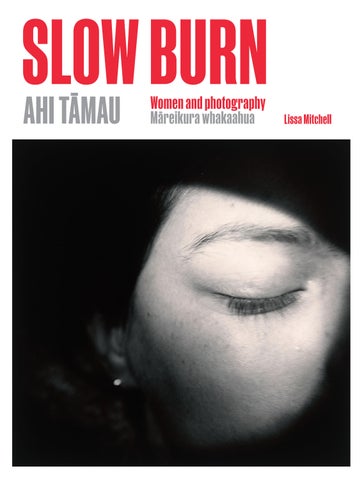
AHI TĀMAU
Women and photography
Māreikura whakaahua
Lissa Mitchell
SLOW
BURN
Women and photography
Māreikura whakaahua
Lissa Mitchell
CURATING SLOWBURN
Researching, collecting and writing about photography, I have often wondered where the women were. Work by women and non-binary photographers has long been underrepresented in collections, exhibitions and publications. This imbalance can give the impression they played only a minor role in Aotearoa New Zealand’s photographic history – but that’s simply not the case. Women have always been active across all areas of photography; their contributions just weren’t well supported or documented. Slow Burn: Women and photography Ahi Tāmau: Māreikura whakaahua speaks to this gradual recognition – the slow yet accelerating ignition of work waiting to be seen.
Slow Burn showcases the important creative contribution of women and nonbinary photographers and artists whose work is held in the national collection at Te Papa. This catalogue, and the exhibition it accompanies, shines a spotlight on more recent collecting by Te Papa, and highlights threads connecting contemporary photographic practice with that of the past. In doing so, it also raises questions about the collection of women’s photography since the 1960s in Aotearoa. Contributions by women to photography in Aotearoa have been consistently concerned with identity, whānau and family, place, and connections across time – themes that are intertwined with the ways women have been
able, and unable, to conduct their lives and make photography. This selection of works is focused on the use of photography – for archival, documentary and creative purposes – to record and express experiences and to challenge both systems of governance and the perspectives of audiences.
Central too is the question of what legacies first- and second-wave feminisms have left within photography being made now, as well as the impact of an ‘historical turn’ in contemporary photographic practice to using obsolete analogue photographic processes. Gathered, all these approaches to making are realised as photography that operates across time and space and acknowledges the spirit of sharing and cooperation that enabled its creation –whether with other people, the land, or artists from the past. The gallery provides the opportunity to exhibit these works together as the objects they are – big, small, loud, angry, beautiful, contemplative, reflective, uncertain, bewildering – as memorials, as aspirations.
The exhibition follows more than ten years of research, collection acquisitions, and the 2023 publication of Through Shaded Glass: Women and photography in Aotearoa New Zealand 1860–1960, 1 a book I wrote to reveal the often unseen contribution women made to the first hundred years of photography in Aotearoa New Zealand. The book stimulated new conversations about the medium of
Worlds are complicated and micro-interactions within them are tricky. Me and my social worker friends talk about the invisible interactions that go on in worlds that we are often trading with. We have no money to trade, but we’re always kind of trading, right? So, this idea that we come into the community to give a free lunch or whatever . . . We’re trading something for something. I’ve had to negotiate the ethics of that. What does it mean to take a photograph of a kid without his parents’ permission say, who lives in a caravan park? What have you traded for that interaction, that relationship? I could say ‘Oh I’ve wrapped Christmas presents at their annual Christmas party, I’ve cooked up lunch . . .’ So have lots of people . . . I’m trying to stack up this ongoing relationship of microinteractions in exchange for one picture or a hundred pictures, whatever. One trade – it’s more like thousands of them.
EDITH AMITUANAI, 2019
the camera around) is apparent in the strong sense of presence contained in her photography (pages 34–41).
The two moving image works in Slow Burn are familial productions made by more than one person that, despite vast differences in theme, explore the fragmentation of time and space. Amator (2019), by Selina Ershadi and Azita Chegini (pages 144–49), is the result of Ershadi assembling scenes of digital video footage shot in Iran by her mother, Chegini, along with archival family photographs. Ershadi has described Amator (as its title suggests) as ‘intuitively and imperfectly pieced together by love’.17
Johanna Mechen’s Last Skye Boat Song (2023) (pages 64–71), mostly shot during COVID-19 lockdowns by Mechen – with her partner and children as collaborators – is a cinematic meditation on multiple forms of personal transition: mainly that of a mother into menopause and of a child into gender reassignment. That these changes take place
in a suburban environment also in transition (through seasons, building construction and societal change) shows the role of photography in recording and connecting moments in time to create understanding. Slow Burn includes photography produced with male collaborators –Chyna-Lily Tjauw Rawlinson and Simon L. Wong’s photobook Territory Unknown (2022) (pages 114–15), and a pair of portraits taken of each other by Zahra KilleenChance and Solomon Mortimer, Skylight composition #03 and Skylight composition #06 (2021/2023) (pages 188–89). Mortimer and Killeen-Chance’s portraits are produced within an intimate context of sharing and passing the camera between them, while Territory Unknown (pages 114–15) is the result of Rawlinson and Wong’s desire to represent their shared feelings of isolation growing up as Chinese New Zealanders to produce an expression of love and hope for a post-COVID world.18

All of these works are examples of collection items held by the museum where negotiations between those who made the work continue beyond production into the present and future. As collaborative works – particularly the two moving image pieces created by members of two families – these pieces incorporate multiple viewpoints, making shifts in perspective and evolving interpretations of the imagery likely. The conversation about how these photographs and moving image works will be cared for and displayed in the future is already generational (between women and their children) and ongoing, and potentially a never-ending responsibility for generations to come.
Photography in this country has historically and fundamentally been collaborative,19 but this is not necessarily apparent in
social histories, or those of photography and art.20 Familial and cooperative modes of working have historical precedents in local photographic history. In 1907, sisters May and Mina Moore took over the Rembrandt Studio in Wellington, where May, a successful artist, had been working as a retoucher and colourist. They retained two staff members for several months to teach them the work – a man in the processing room and a woman in the studio (presumably performing the role of ‘photographer’ or ‘operator’ as it was known at the time). After a few successful years, they sold their Wellington studio and relocated to Australia. They operated two profitable studios in Sydney and Melbourne and appear to have been revolutionary in their business dealings, predominantly employing women in their studios and upskilling them. In 1924 it was claimed of May’s Sydney studio that all the workers were ‘co-partners’ and had shares in the business and its profits.21
Left Cover of Chyna-Lily Tjauw Rawlinson and Simon L. Wong’s photobook Territory Unknown (2022). Te Papa (RB001459).
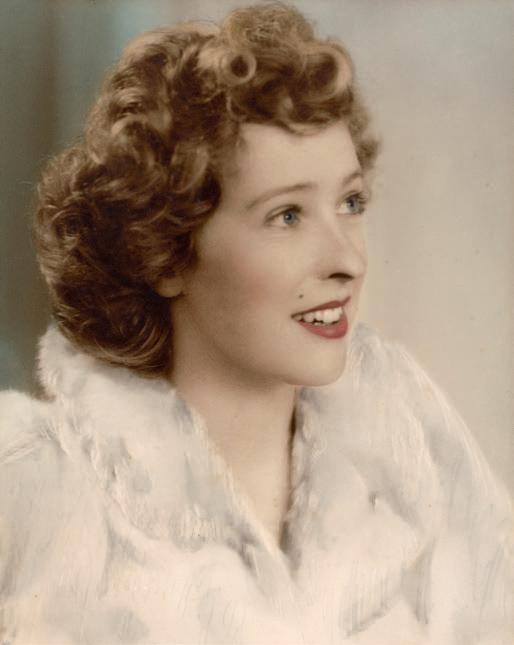
Right Mary-Annette Burgess, about 1943, Anderson and Atkinson. Hand-coloured gelatin silver print, 240 x 190 mm. Gift of Anabright Hay, 2024. Te Papa (O.052152).
JOYRIDERS RERE AO
Taking its name from Alice Connew’s 2025 photobook, Joyriders documents the friendships and ‘we ride too’ culture of the all-woman European motorcycle group, the Petrolettes. Themes of community, collaboration and performative play run through the photographs in this section, offering a counterpoint to more individualistic modes of art making. This can be seen in Edith Amituanai’s practice, where the artist is out and about sharing the camera around, appearing in images (taken by others), and making keepsakes of social interactions at schools, protests, dinners, art openings and more. The artists and collaborators behind these works invite us to consider how photography can capture and create worlds that are joyful, complex, and full of possibility. The domestic is quietly politicised – whether included or omitted from the frame – in works such as those by Marie Shannon, which draw on household items, and Tia Ranginui (Ngāti Hineoneone), which embed ancient myths within everyday environments.
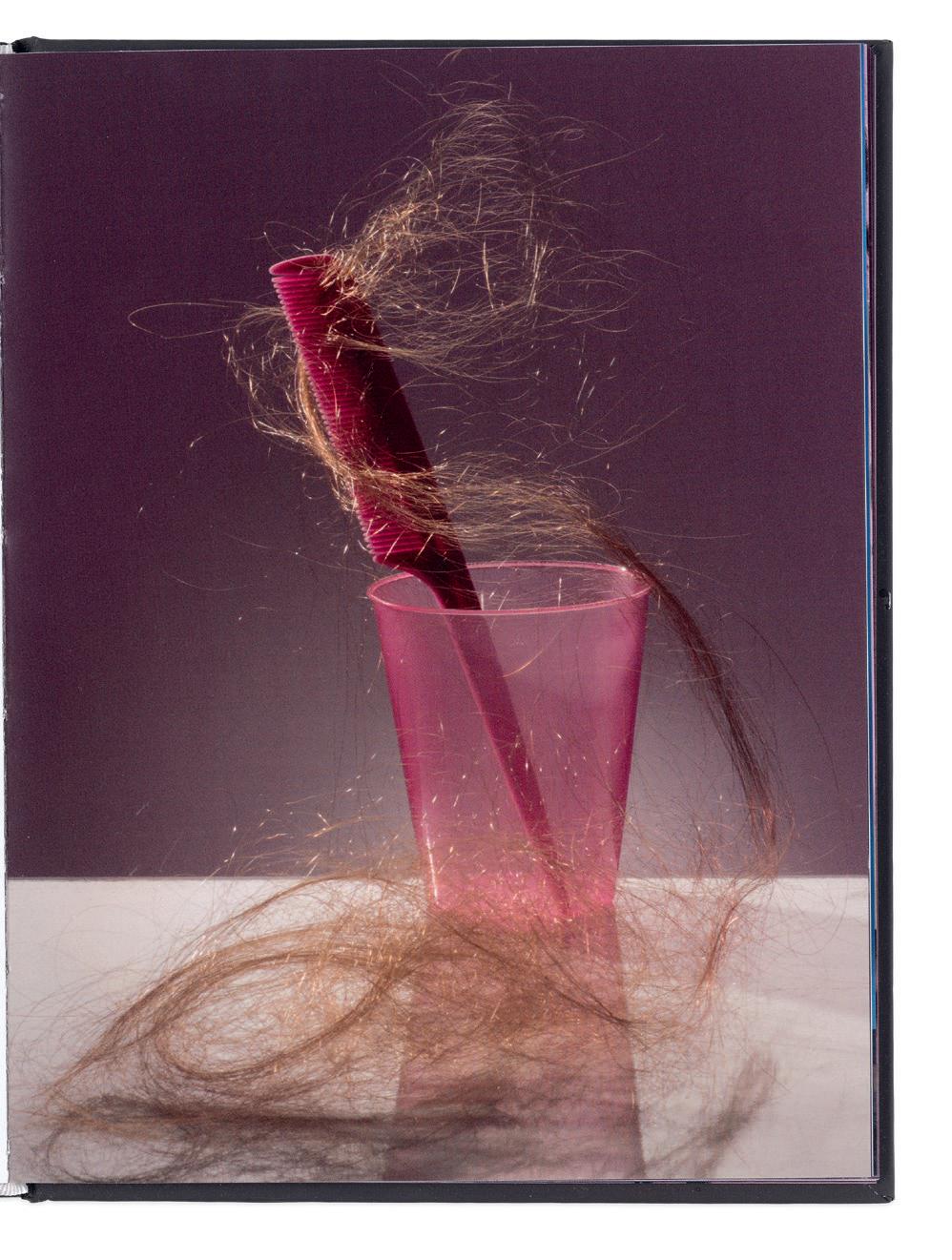
droplet , Sheryl Campbell, 2020. Page spread from self-published photobook, 242 x 187 x 13 mm. Purchased 2023. Te Papa (RB001442).

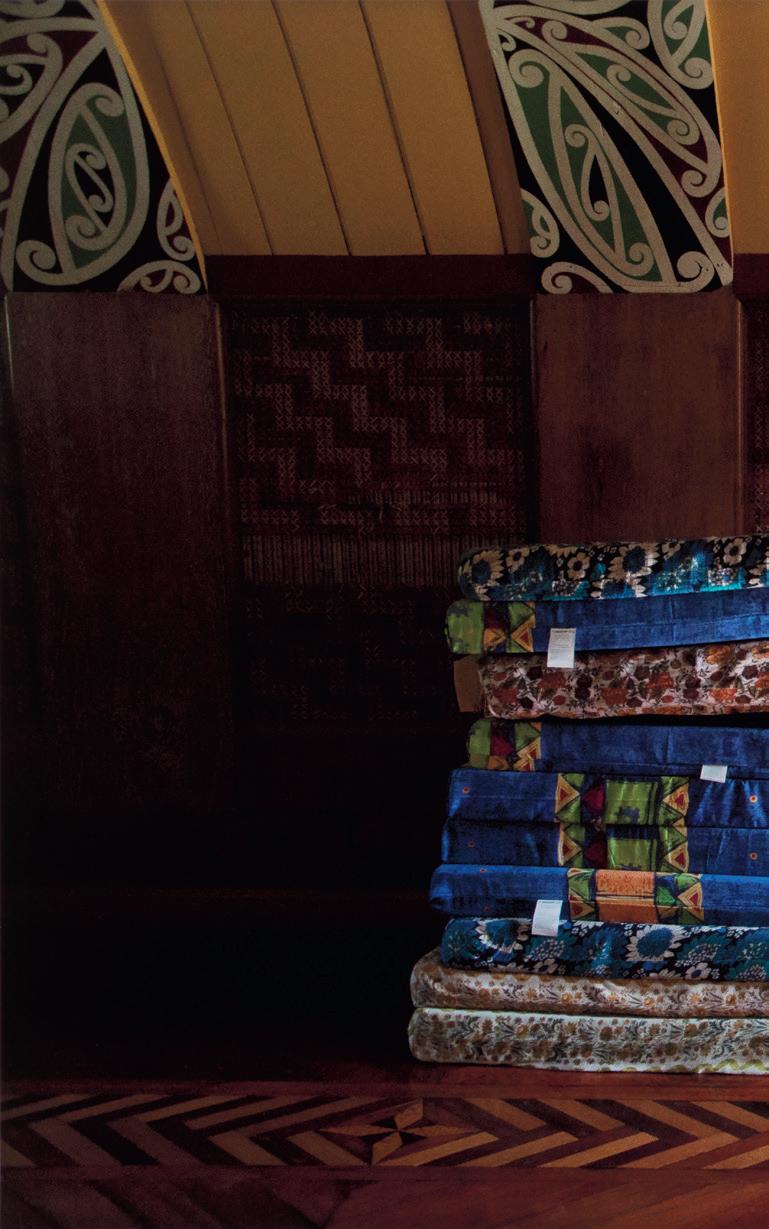
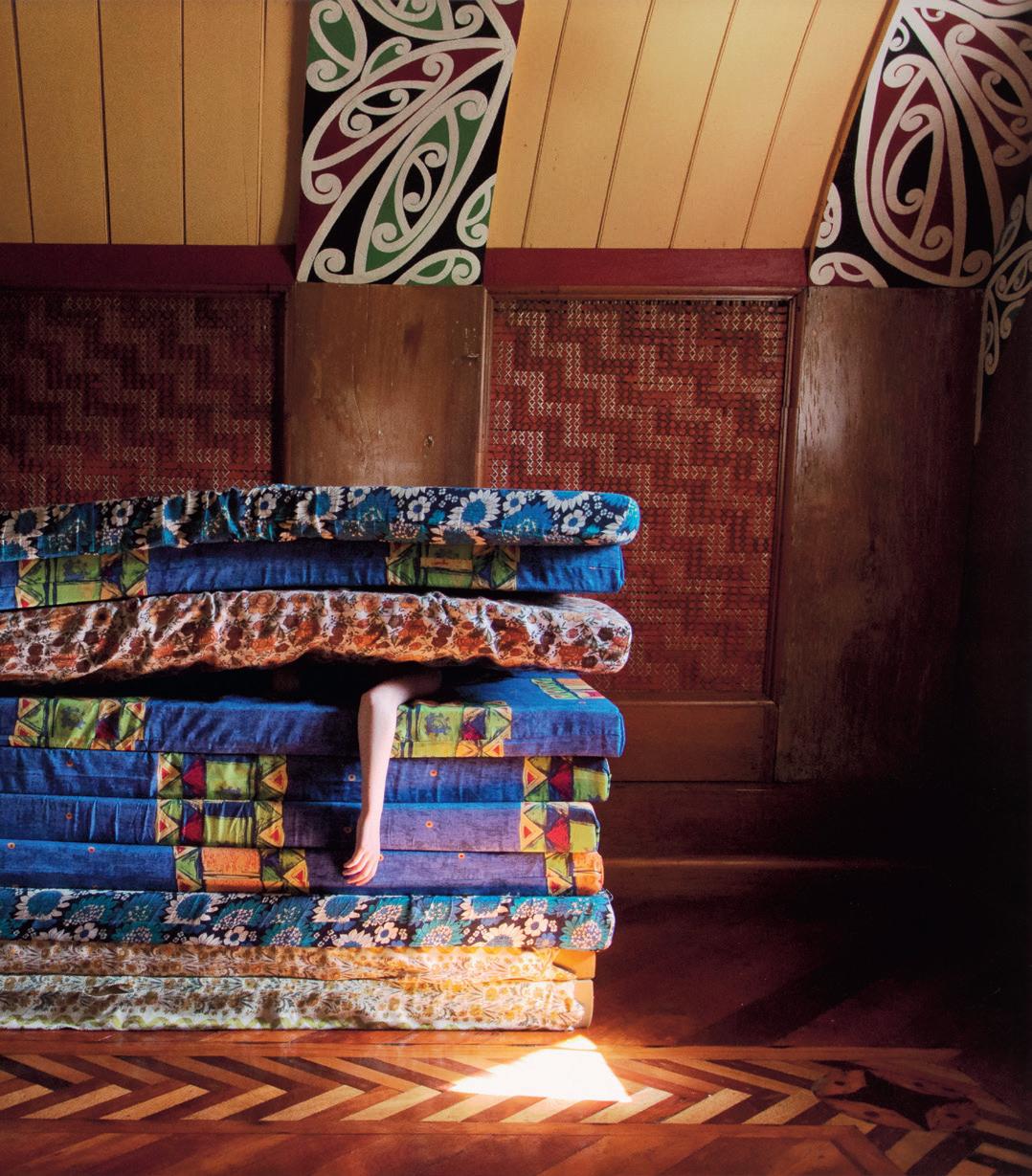
The intellectual WEALTH of a savage mind , Tia Ranginui, 2015.
Pigment print, 800 x 1200 mm. Purchased 2024. Te Papa (O.052213).
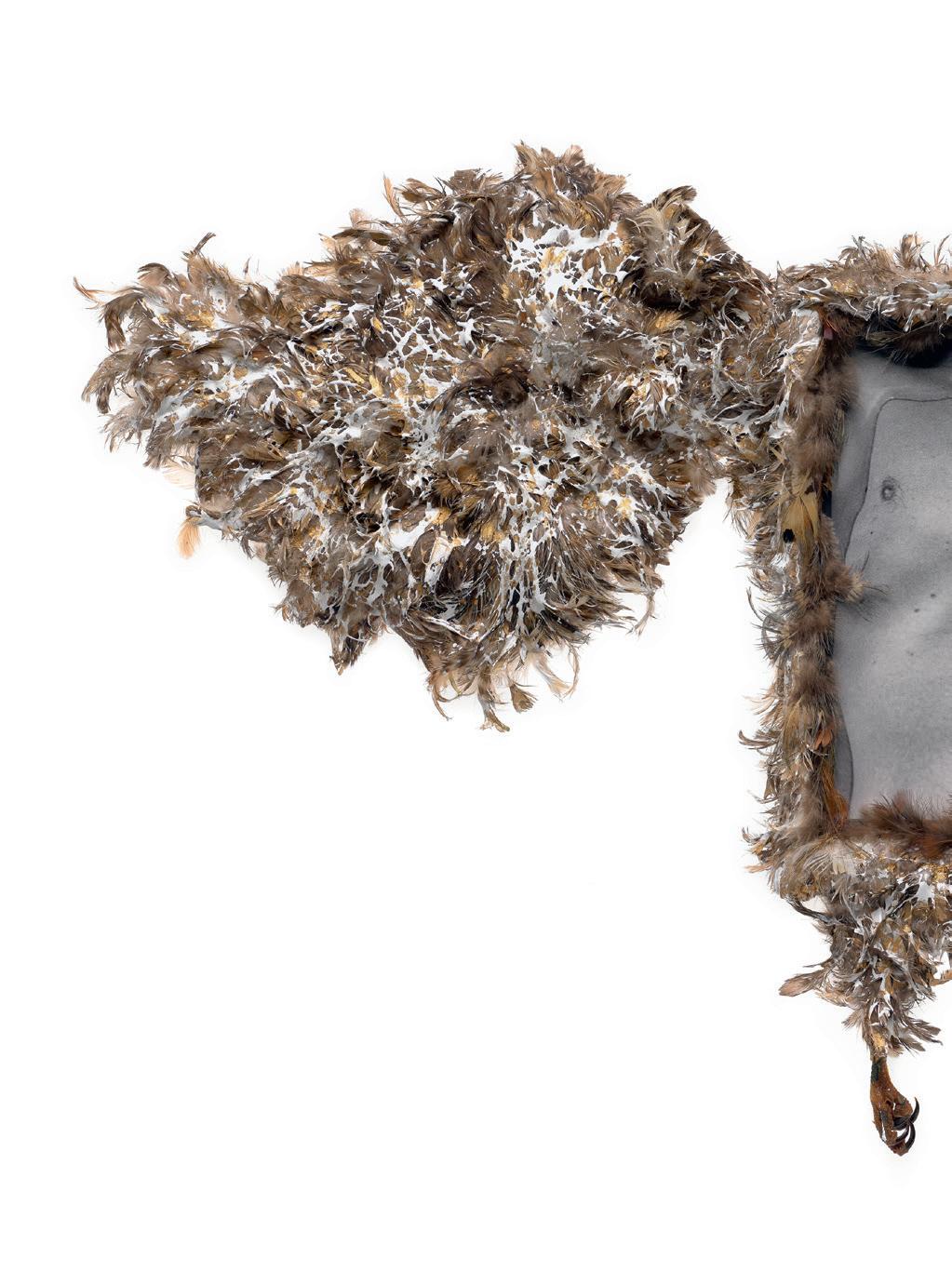
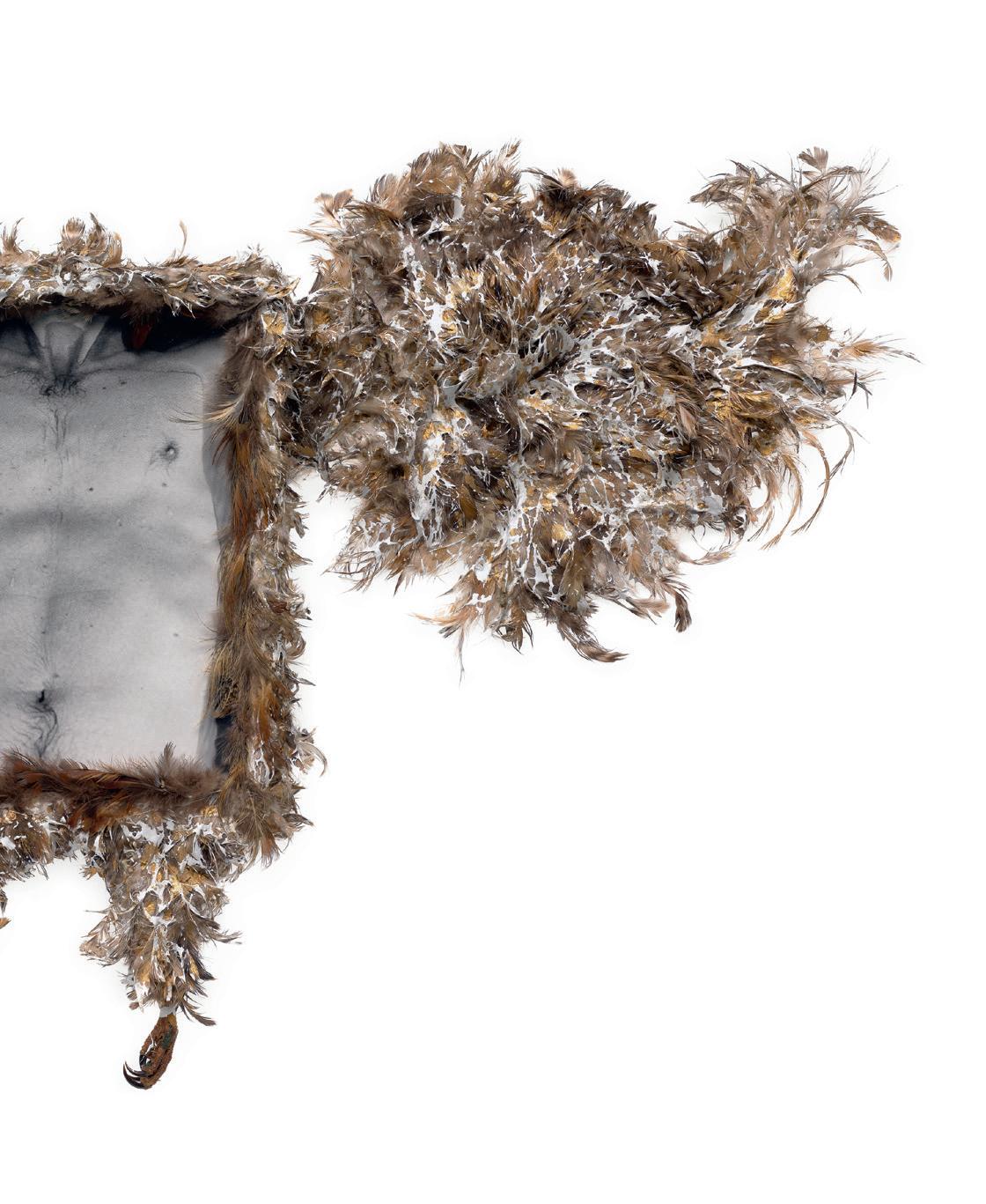
Descent into flesh , Fiona Pardington, 1987.
Mixed media construction of photograph, Perspex, wood, feathers, skin and claws, paint, polystyrene, cloth backing, 570 x 1060 x 100 mm.
Purchased 1987 with Ellen Eames Collection funds. Te Papa (1987-0042-1).
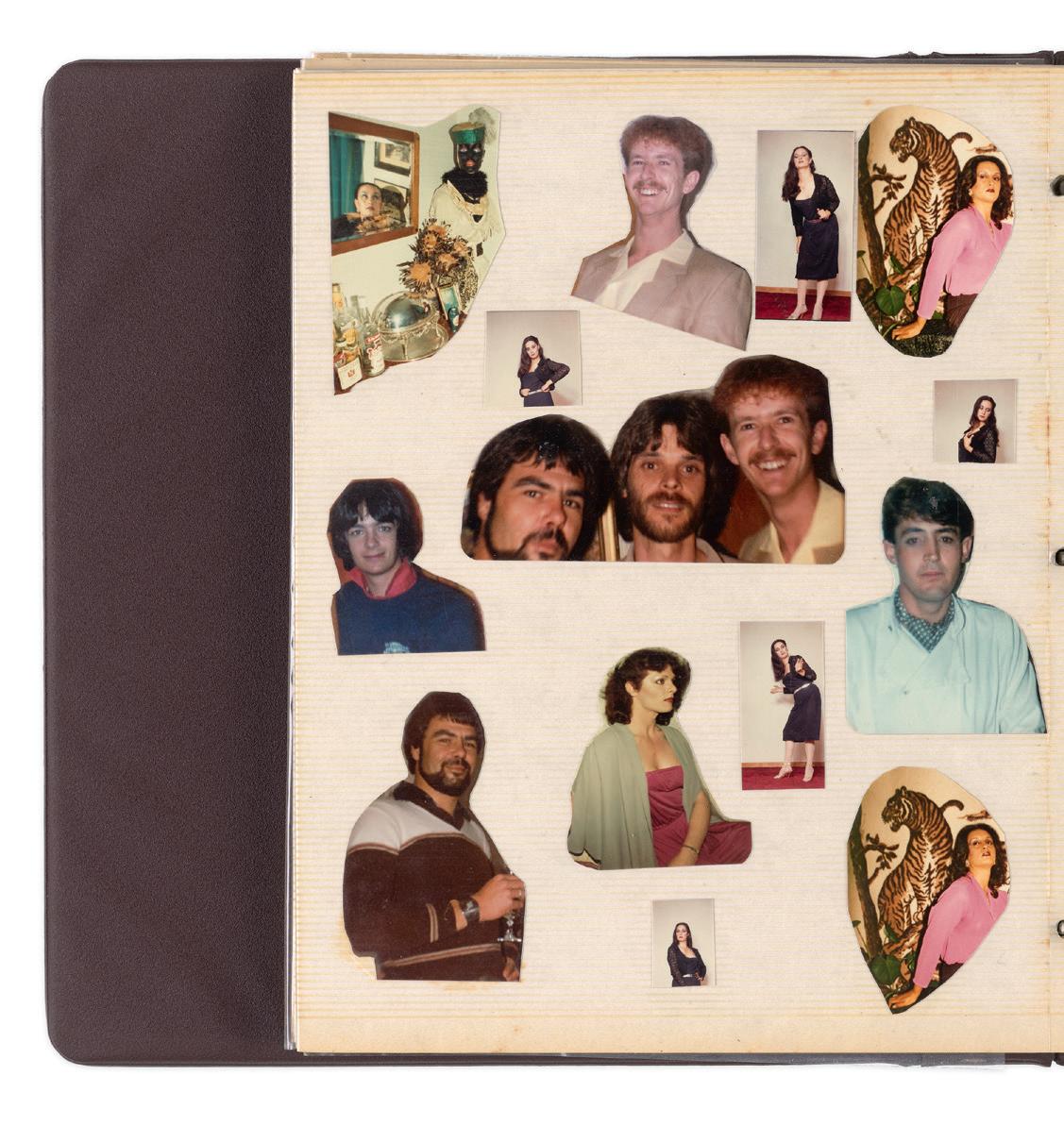
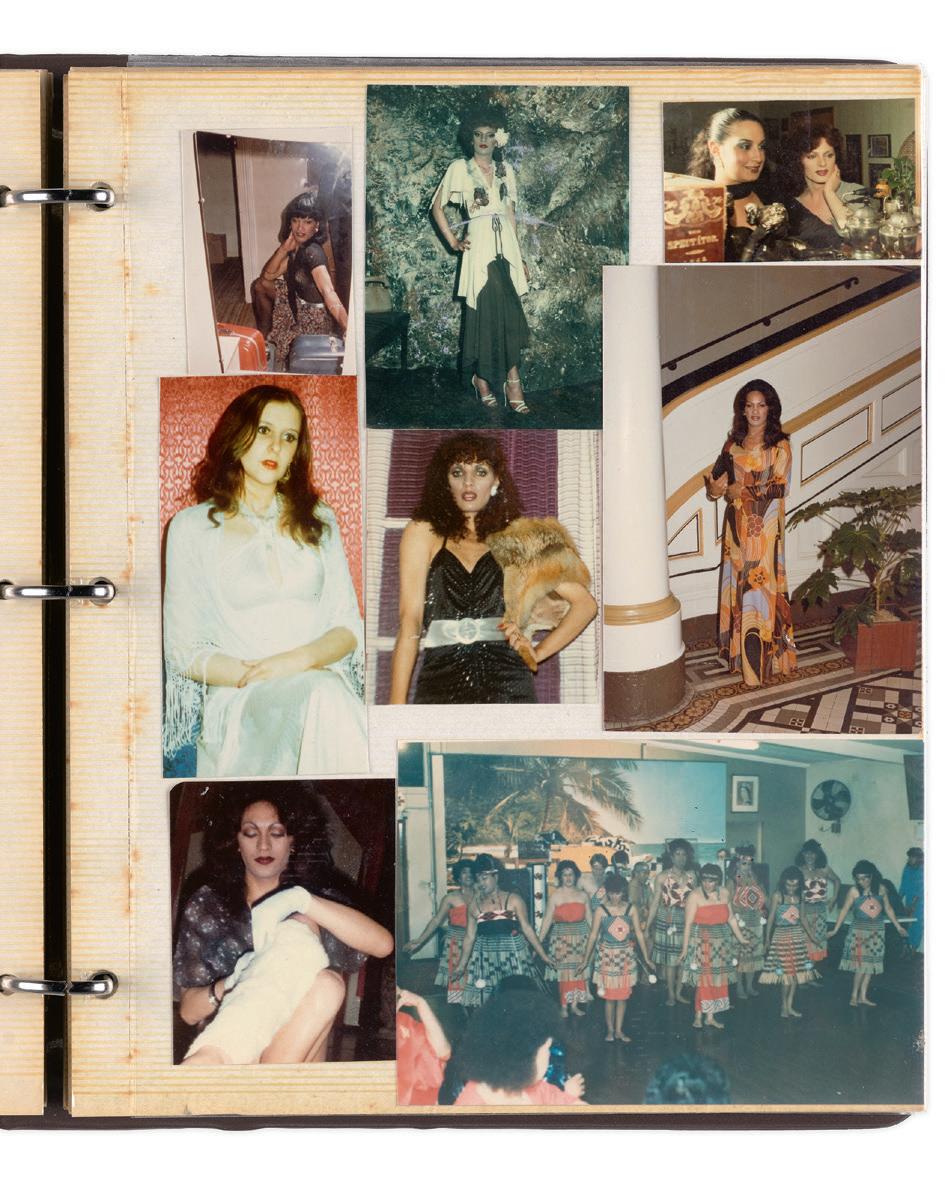
Friends and colleagues from
Club Exotic, 1980s. Page spread compiled by Georgina Beyer. Photograph album, 304 x 268 x 48 mm. Gift in memory of Georgina Beyer, 2024. Te Papa (AL.000731).
ANCESTOR TECHNOLOGIES HANGARAU TŪPUNA
Ancestor Technologies intentionally echoes the name of Stella Brennan’s 2023 survey exhibition at City Gallery Wellington Te Whare Toi, in which she recontextualised a 120-year-old archive of glassplate photographic negatives from her family archive. By reusing these images to reconnect with their stories in a digital era, Brennan highlights the materiality of historical objects and their role in storytelling. The artists in this section similarly engage with recovered or overlooked histories, unearthing stories as signposts toward possible futures grounded in materiality. Abhi Chinniah collaborates with her subjects to explore how cultural practices, traditions, and beliefs can be preserved and adapted outside ancestral homelands. Ann Shelton revives plant-based knowledge, particularly its deep connections to women’s health and healing. Other artists visualise change in communities: from the ruins of forgotten settlements in Caroline McQuarrie’s photographs to the legacies left by ancestors in the work of Annemarie Hope-Cross and Samantha Matthews. Artists such as Conor Clarke (Ngāi Tahu, Scottish, Welsh) and the creators of the featured photobooks invite audiences to consider the materiality of photographic images by drawing attention to their layered, tactile dimensions.
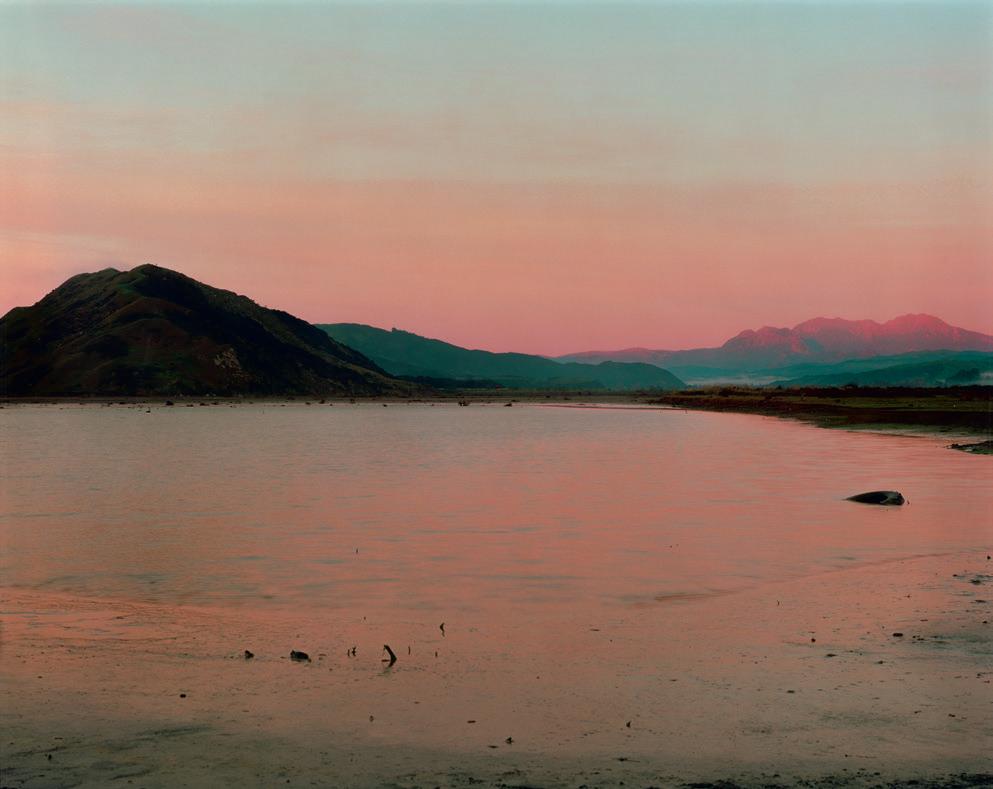
A Red-Tipped Dawn – Pōhautea at Waiapu Ngutu Awa (7th August 2020), Natalie Robertson, 2020. Colour photograph, 785 x 985 mm. Purchased 2022. Te Papa (O.049752).
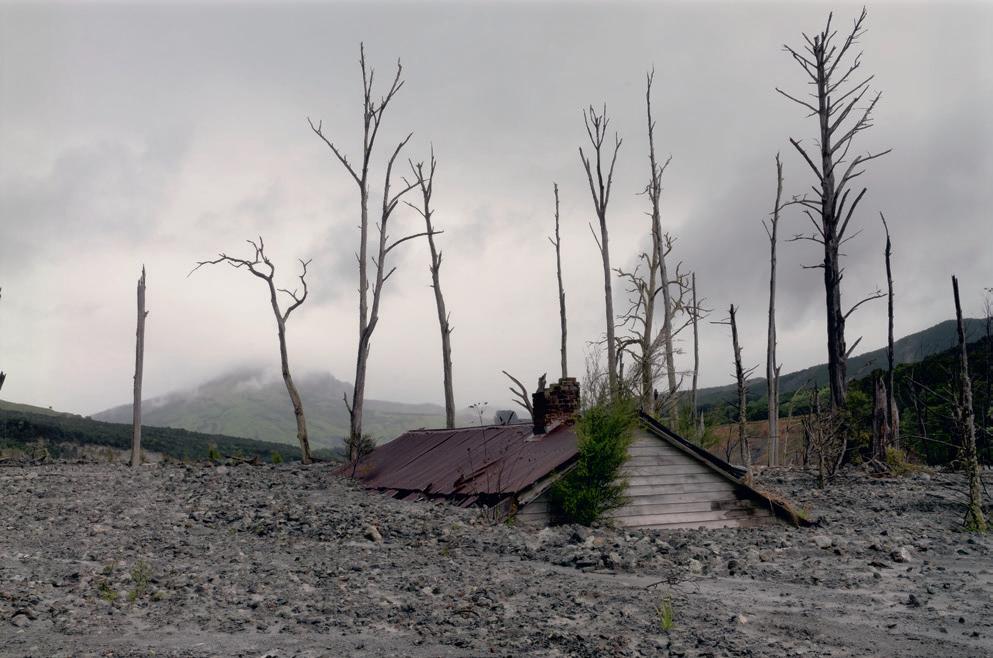
Buried house – Barton’s Gully (Mangarārā Stream flowing into Waiorongomai River), 2018, Natalie Robertson, 2018. Colour photograph, 657 x 989 mm. Purchased 2022. Te Papa (O.049751).
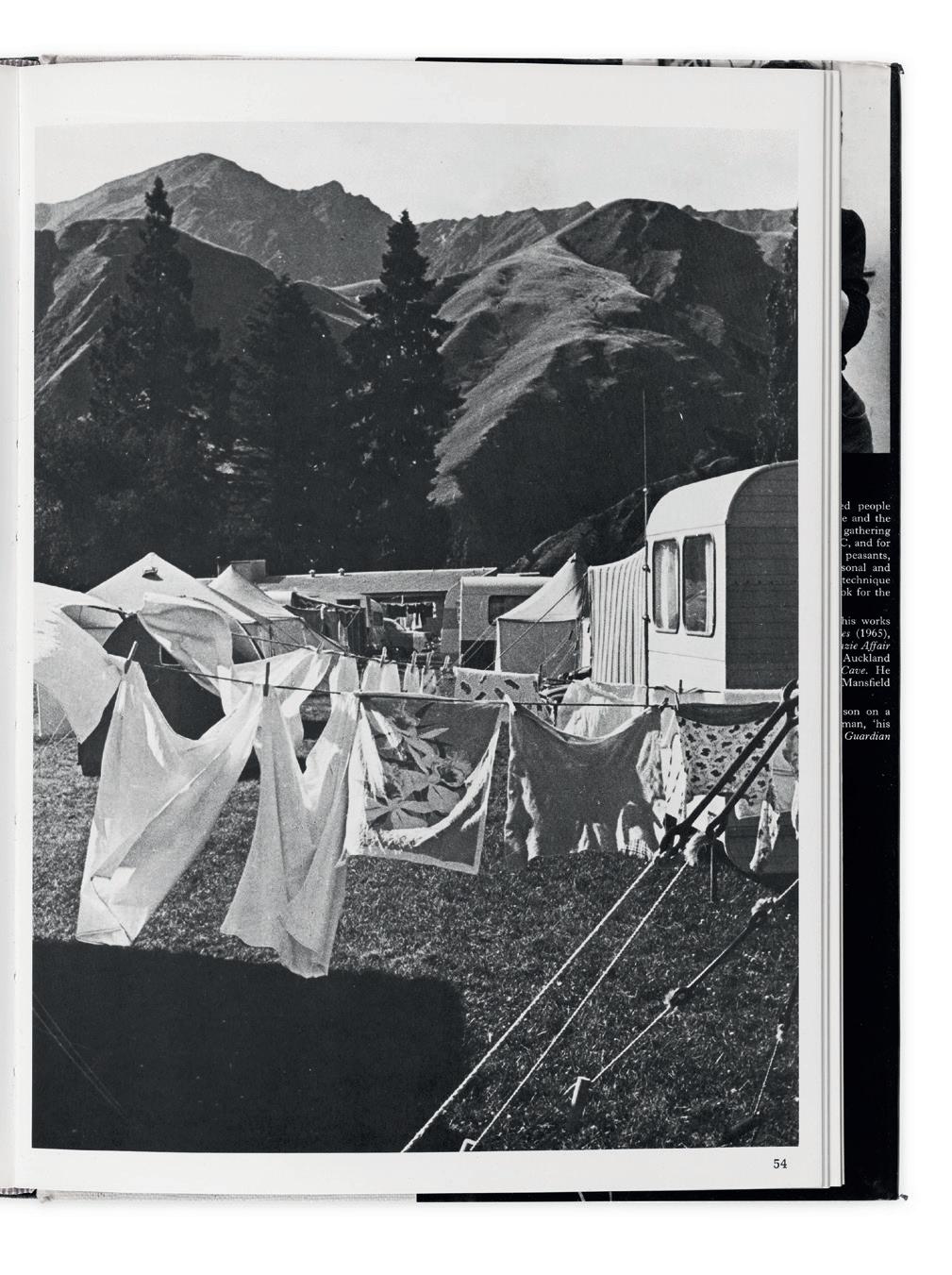
Larks in a paradise –New Zealand portraits , Marti Friedlander with text by
Photobook page spread, 292 x 223 x 24 mm. Te Papa (RB001482).
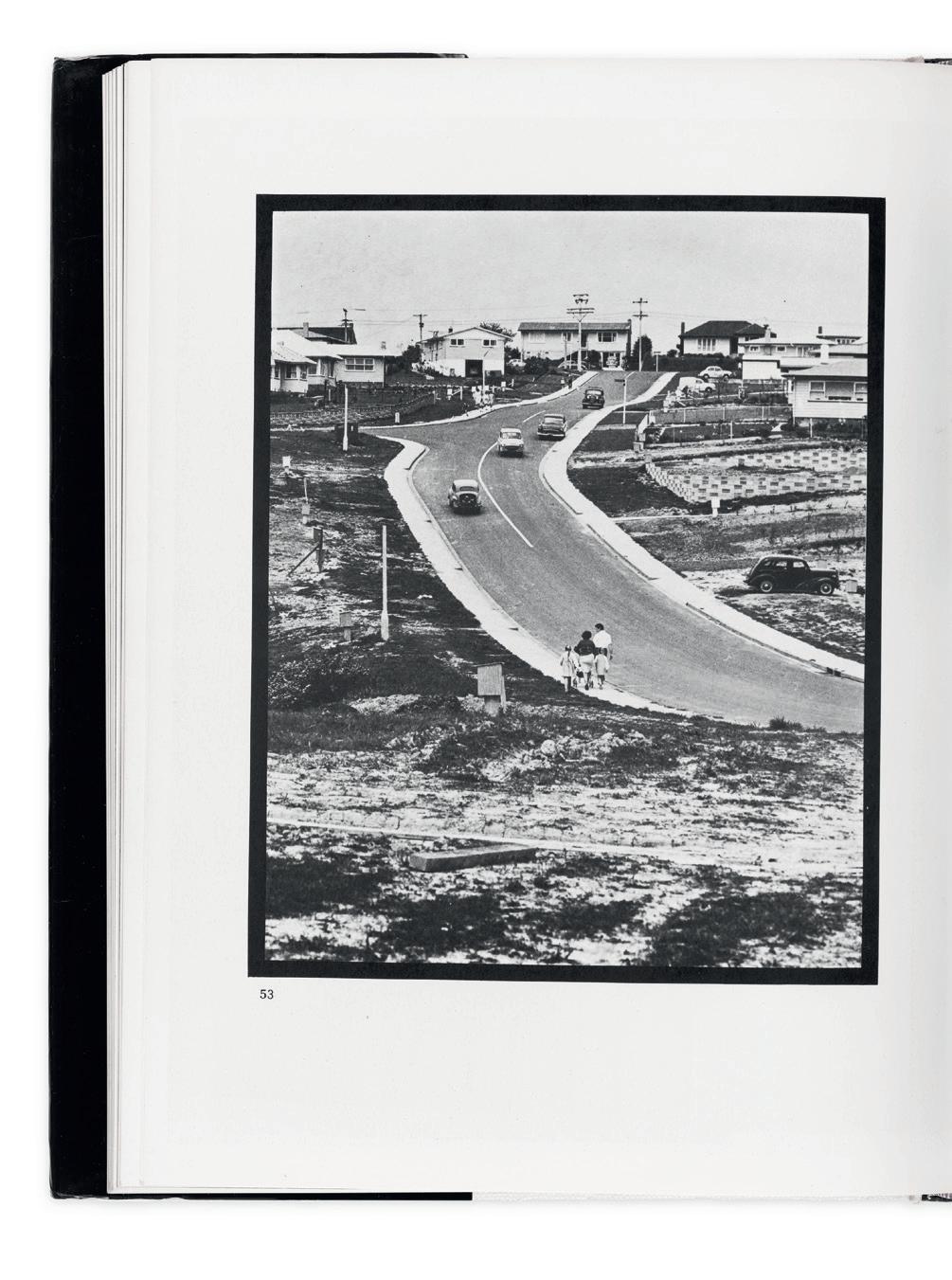
James McNeish, Collins
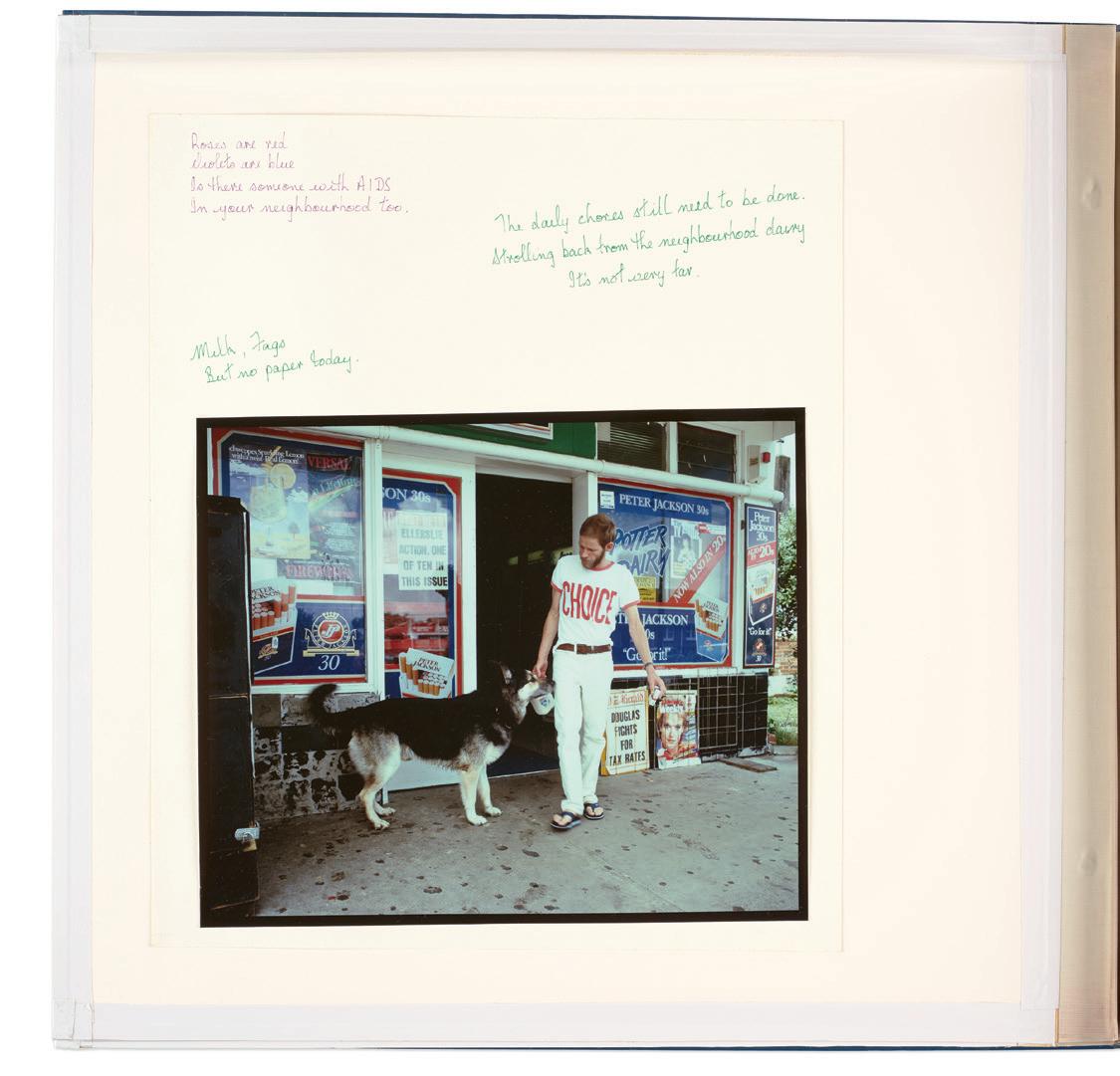
Living with AIDS, album I, Fiona Clark, 1988. Photograph album with Cibachrome prints, 595 x 677 x 50 mm. Purchased 2017. Te Papa (AL.000631).
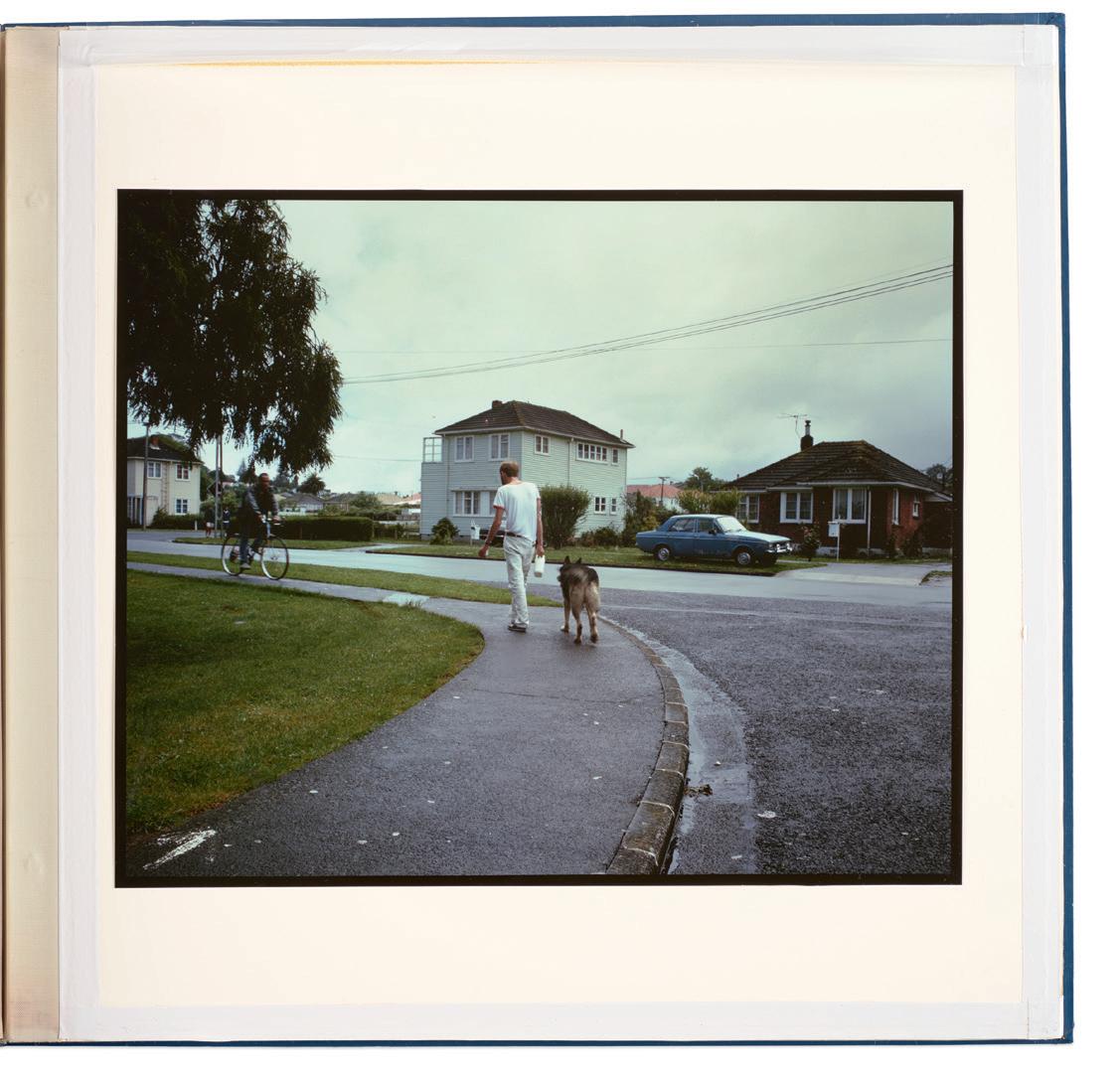
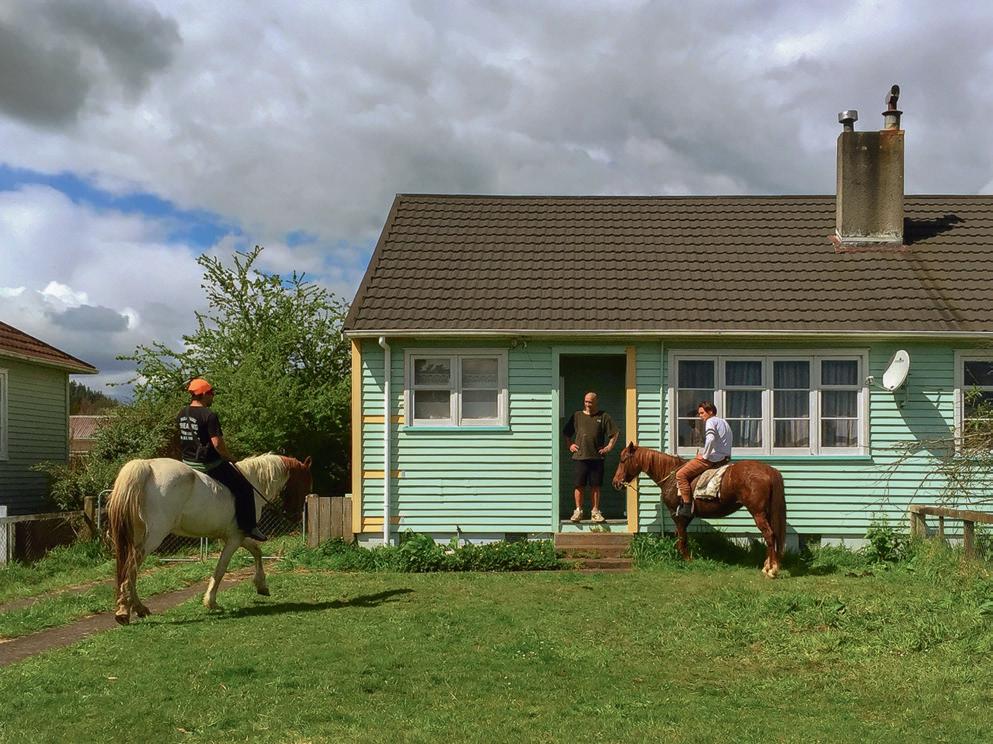
Porou Street, Sara McIntyre, 2015. Colour pigment print, 254 x 339 mm. Purchased 2024. Te Papa (O.048946).
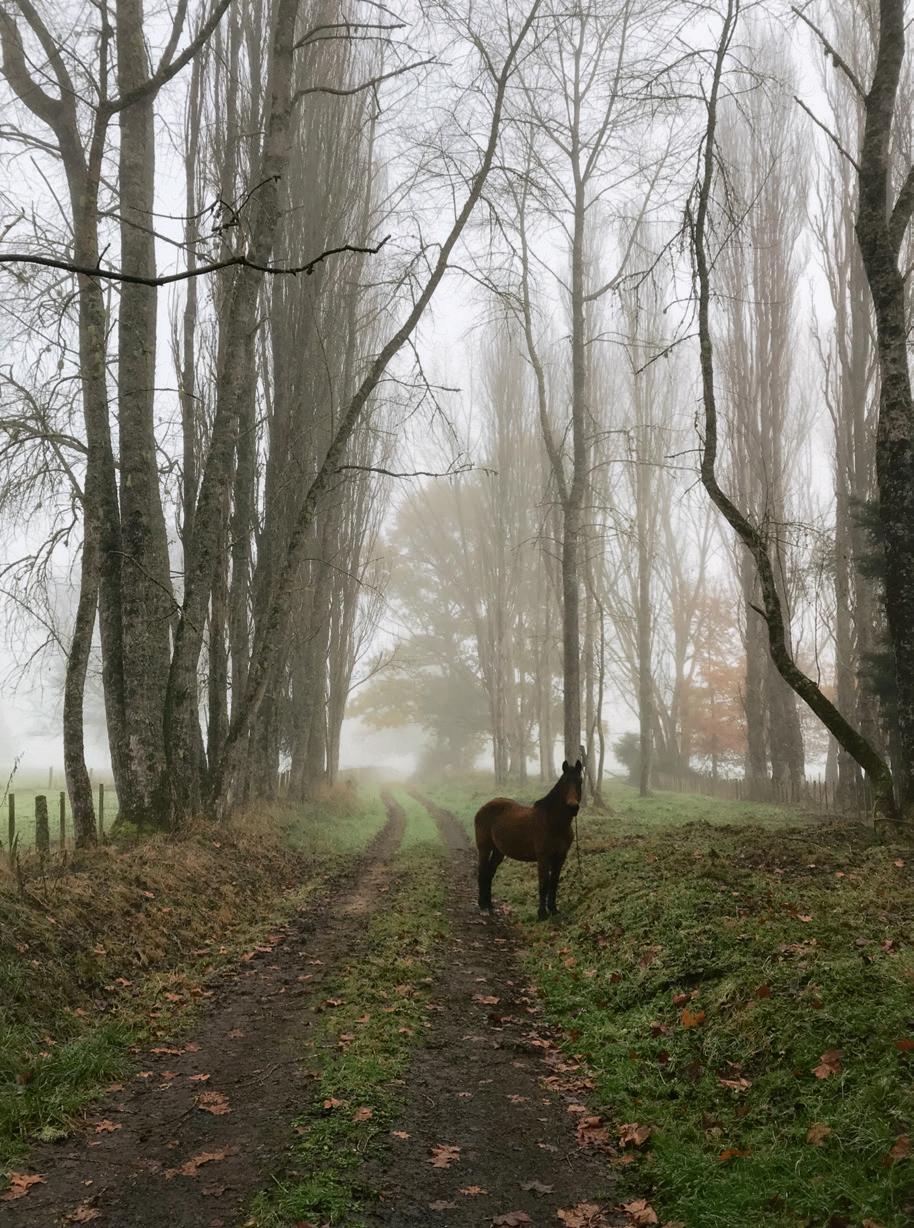
Totika Road, Sara McIntyre, 2019. Colour pigment print, 369 x 285 mm. Purchased 2020. Te Papa (O.048949).
PHOTOBOOKS
Te Papa has been actively collecting photobooks since 2022 for the museum’s Rare Book Collection. Many of those included in the exhibition are recent acquisitions. For full publication details see the image captions.
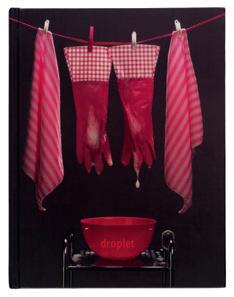
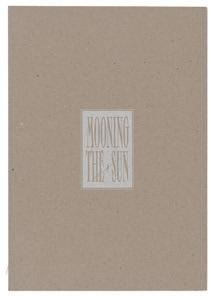

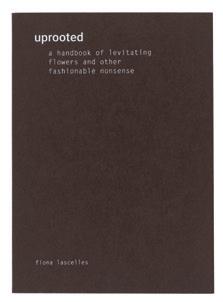



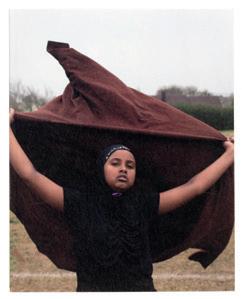
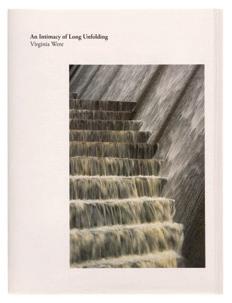
Pages 56–57: Sheryl Campbell, droplet, self-published, 2020.
Pages 58–59: Fiona Lascelles, uprooted – a handbook of levitating flowers and other fashionable nonsense, Back Space Books, 2024.
Pages 60–61: Alice Connew, Joyriders, GLORIA Books, 2025.
Pages 62: Sage Rossie-Tong, Mooning the Sun, Mouldyjuice, 2020.
Pages 114–15: Chyna-Lily Tjauw Rawlinson, Simon L. Wong, Territory Unknown, self-published, 2022.
Pages 138–39: Saynab Muse, Imaanshaha, PhotoForum Inc., 2019.
Pages 140–41: Poppy Lekner, New Folk, self-published, 2024.
Pages 142–43: Larks in a paradise – New Zealand portraits, Marti Friedlander with text by James McNeish, Collins Publishers, 1974.
Pages 154–55: Virginia Were, An intimacy of long unfolding, self-published, 2024.
Pages 156–57: Jane Wilcox, Between dog and wolf, Bad News Books, 2022.
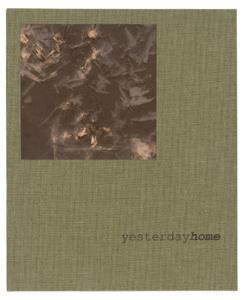
Pages 158–59: Lily Dowd, yesterdayhome, self-published, 2021.
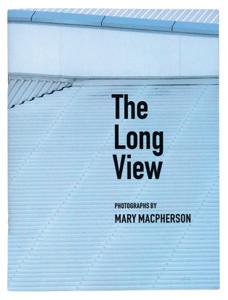
Pages 160–61: Mary Macpherson, The Long View, PhotoForum, 2018.
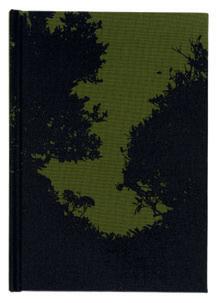
Pages 170–71: Women and Photography NZ + AU and The Handmade Darkroom, whispering bird song, self-published, 2024.
Pages 194–95: Joanna Margaret Paul, Unwrapping the body, self-published, c.1977.
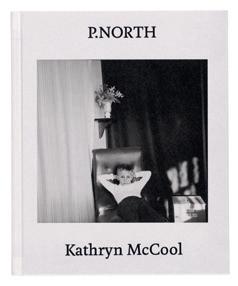
Pages 196–97: Kathryn McCool, P.North, Perimeter Editions, 2023.
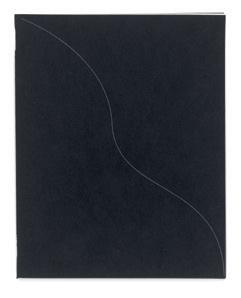

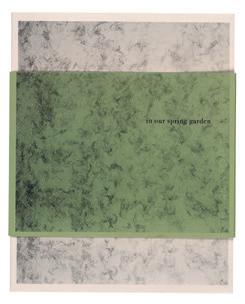
Pages 198–99: Samson Dell, In our spring garden, self-published, 2022.
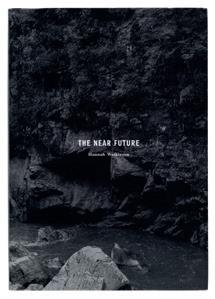
Pages 202–03: Hannah Watkinson, The near future, self-published, 2021.
Pages 204–05: Virginia Woods-Jack, Time and again, self-published, 2014.

ABOUT THE MAKERS
EDITH AMITUANAI
Born in Tāmaki Makaurau Auckland, Edith Amituanai (1980–) is a first-generation Samoan photographer based in Rānui, West Auckland. In her photographic practice, Amituanai often turns her lens on her family and members of her community to explore ideas of home and the interface between private and public spaces. Initiated in 2015, Amituanai’s documentative project ‘ETA (Edith’s Talent Agency)’ draws upon her work with youth in Rānui, showcasing individuals’ undiscovered talent in the context of their community. Amituanai holds a Master of Fine Arts from Elam School of Fine Arts, University of Auckland, and in 2019 was made a Member of the New Zealand Order of Merit for her services to photography and the community. The same year, Adam Art Gallery Te Pātaka Toi mounted Edith Amituanai: Double Take, a major survey exhibition of Amituanai’s practice.
ANDERSON AND ATKINSON STUDIO
In 1936, when Elizabeth Greenwood retired from her photography studio on Woodward Street, Wellington, Elizabeth Atkinson (1906–1997) and Frances Julia Darling Anderson (1891–1962) took it over. Many Wellington locals and visitors had their portraits taken by the Anderson and Atkinson Studio and, in 1938, Anderson and Atkinson’s photographs were exhibited at Kirkcaldie & Stains alongside watercolours by Jean McKay. The following decade, in 1949, Anderson and Atkinson collaborated with Mary-Annette Hay to make a series of fashion photographs promoting New Zealand wool.
JANET BAYLY
Janet Bayly (1955–) completed a Master of Fine Arts at Elam School of Fine Arts, University of Auckland, in 1979 and has since developed a career as a photographer, curator and museum director. In her photographic practice, Bayly has explored alternatives to conventional photography and been influenced by moving image, painting and art history. Bayly’s work is held in numerous public collections in Aotearoa New Zealand, including The Dowse Art Museum, Christchurch Art Gallery Te Puna o Waiwhetū and Govett-Brewster Art Gallery. Bayly has been Director–Curator at Toi MAHARA, the district gallery of the Kāpiti Coast, since 2006.
GEORGINA BEYER
Georgina Beyer (Te Āti Awa, Ngāti Mutunga, Ngāti Raukawa, Ngāti Porou, 1957–2023) was the world’s first openly transgender mayor and Member of Parliament. She served as Mayor of Carterton from 1995 to 2000 and as a Labour Party Member of Parliament from 1999 to 2007. A staunch activist, Beyer campaigned for prostitution and civil union law reform, promoted the use of te reo Māori and advocated for Aotearoa New Zealand’s rainbow community. In 2020, Beyer was made a Member of the New Zealand Order of Merit for her services to LGBTQIA+ rights.
CHRISTINE ANNE BORRA
The first camera Christine Anne Borra (née Inwood, 1965–) owned was a Box Brownie. It was given to her by her parents, Terry and Colleen Inwood, who were both enthusiastic photographers and compiled many photo albums. Inspired to do the same, the young Christine photographed the world around her, as well as collecting her father’s discarded photographs for her own album. Drawing on her eye for design and composition, she later built a career in the printing industry.
DINAH BRADLEY
Dinah Bradley (1944–2023) studied physiotherapy at the University of Otago, where she met and later married photographer Robin Morrison. In the 1970s, Bradley developed an interest in Polaroid photography and subsequently produced a wide range of work, from intimate portraits to ethereal still lifes. From 1978, her photographs appeared in several exhibitions, including Views/Exposures: 10 Contemporary New Zealand Photographers, toured by the National Art Gallery in 1982. Bradley’s photographic practice was conducted alongside her work as a world-leading respiratory physiotherapist.
JO BRAGG
Jo Bragg (Ngāti Porou, 1994–) is a visual artist, poet, arts writer, researcher and gender theorist whose work is informed by trans-feminist art history and theory. At Auckland Art Gallery Toi o Tāmaki in 2016, he performed with Sam Gorham the physical garden, a work that accompanies Ann Shelton’s ‘jane says’ series. Bragg
received a Master of Fine Arts from Monash University, Melbourne, in 2021 and is currently based in Tāmaki Makaurau Auckland.
STELLA BRENNAN
Stella Brennan (1974–) is a writer and sculptor based in Tāmaki Makaurau Auckland. With a research-focused practice ranging from the handmade to the highly mediated, Brennan’s practice engages with colonialism, industrialisation and computerisation. Brennan’s work has been exhibited in numerous international galleries and festivals, including the Biennale of Sydney and the Liverpool Biennial, and she was a finalist in the 2006 Walters Prize for her installation Wet Social Sculpture. In 2023, City Gallery Wellington Te Whare Toi staged the survey exhibition Stella Brennan: Ancestor Technologies Included in this exhibition was Brennan’s photographic installation Thread Between Darkness and Light, which draws upon her family archive of 120-year-old glass-plate photographic negatives.
JESSIE BUCKLAND
Jessie Buckland (1878–1939) started making photographs as a teenager and developed multiple styles and methods working across the boundaries of amateur and commercial photography. During the 1890s the Buckland family lived at Taieri Lake Station where Jessie and her siblings Susan (1873–1948), Carrie (1868–1930), and Harold (1870–1941) took up photography, encouraged by their aunt, Elizabeth ‘Bessie’ Hocken (1848–1933), one of the first woman members of the Dunedin Photographic Society. Many of the siblings’ photographs from this time were published in newspapers such as The Australasian under the pseudonym P. Gay and won photographic competitions. Buckland opened a commercial photographic studio in Akaroa in 1907 and became well known for producing portraits, postcards, and prints. She was a freelance news photographer for more than thirty years, documenting the opening of Takamatua wharf in 1910, the visit of the Terra Nova in 1912, Armistice Day celebrations, and the opening of the war memorial in 1924.
SHERYL CAMPBELL
Sheryl Campbell (1958–) is a photographic and video artist focused on feminist issues and sexuality in Aotearoa New Zealand culture. Engaging with a variety of photographic genres, Campbell constructs hyperreal, theatrical scenes that seek to shock, humour and unnerve the viewer in order to facilitate awareness and discussion of social issues. Drawing upon her past experience as a commercial photographer, Campbell’s award-winning photobook droplet (2020) aims to stimulate overdue conversations about sexual harassment in the corporate workplace. Based in Tāmaki Makaurau Auckland, Campbell completed a Master of Creative Practice at Unitec in 2021. She published her second photobook Cherryblond in 2025.
GILLIAN CHAPLIN
Gillian Chaplin (1948–) was born in Natal, South Africa, and relocated to New Zealand with her family at the age of eleven. While completing her Master of Fine Arts in Photography at Elam School of Fine Arts, University of Auckland, Chaplin managed the Snaps Gallery in Tāmaki Makaurau Auckland. In the 1970s she began exhibiting her photographs in galleries across Aotearoa New Zealand, and she was included in Views/Exposures: 10 Contemporary New Zealand Photographers, an exhibition which was organised and toured by the National Art Gallery from 1982 to 1984. Chaplin has since developed a career in museum public programming and exhibition development. She has lived in Australia since 1993.
AZITA CHEGINI
Azita Chegini (1958–) was born in Iran. She is the mother of and collaborator with the Tāmaki Makaurau Aucklandbased artist Selina Ershadi. In 2019, unable to accompany Chegini on a visit to Iran, Ershadi requested that her mother record her trip using a camcorder. Chegini’s footage, combined with a voice-over co-written with Ershadi and spoken by Chegini, forms the 35-minutelong, moving-image artwork Amator (2019). Chegini holds a Bachelor of English Literature from Damavand University, Tehran, and has been an early childhood educator in Tāmaki Makaurau Auckland for over 25 years.
ABHI CHINNIAH
Abhi Chinniah (1992–) is a self-taught photographic artist based in Tāmaki Makaurau Auckland. Born in Ōtautahi Christchurch to Sri Lankan Tamil Malaysian parents, Chinniah spent much of her childhood in eastern Malaysia before returning to New Zealand in 2010. Her practice examines cultural identity and the generational nuances of migration, exploring its influence on themes such as colourism and belonging. Through portrait photography, she seeks to capture the lived experiences of New Zealand’s migrant, immigrant and refugee communities. Chinniah prioritises connection and relationships with her portrait sitters, often returning to photograph them over several years.
FIONA CLARK
Taranaki-born Fiona Clark (1954–) is one of Aotearoa New Zealand’s most celebrated art photographers. Since completing a Diploma in Fine Arts (Honours) at Elam School of Fine Arts, University of Auckland, in 1975, Clark has spent more than five decades photographing the people and places around her. Working in a social documentary style, Clark’s photographic practice engages with the politics of gender, identity and the body, and her long-term projects have focused on specific social groups, including transgender and bodybuilding communities. Clark lives and works in an old dairy factory in Tikorangi, Taranaki. She was made an Arts Foundation Te Tumu Toi Laureate in 2023.
ABOUT THE AUTHOR
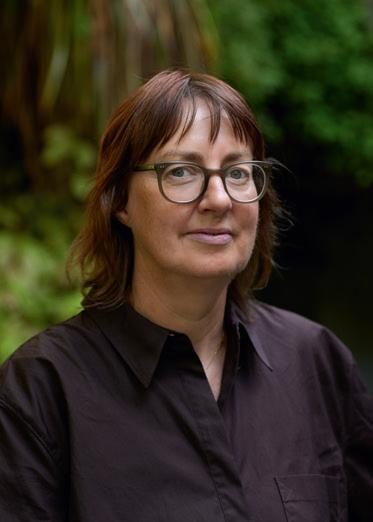
Lissa Mitchell is curator of historical photography at the Museum of New Zealand Te Papa Tongarewa and a graduate of the art history programme at Te Herenga Waka –Victoria University of Wellington. They are the author of the 2023 book Through Shaded Glass: Women and photography in Aotearoa New Zealand 1860–1960 (Te Papa Press), and a co-author of the text for Thread Between Darkness & Light (Rim Books, 2024). They have contributed essays to several other books: Flora: Celebrating our botanical World (Te Papa Press, 2023), An Alternative History of Photography (Prestel, 2022), New Zealand Art at Te Papa (Te Papa Press, 2018), Brian Brake: Lens on the world (Te Papa Press, 2010) and The Aotearoa Digital Arts Reader (Clouds, 2008). Lissa was awarded a History Award from the New Zealand History Research Trust Fund (2020) and a grant from the US-based Peter E. Palmquist Memorial Fund for Historical Photographic Research (2019). In 2023 Lissa was invited by Massey University’s Whiti o Rehua School of Art to deliver the annual Peter Turner Memorial Lecture. Lissa’s research areas include hidden histories, the impact of photography in the Oceania region, and analogue processes especially in relation to colour and photography.
ACKNOWLEDGEMENTS
Collections and people are at the heart of a museum. Thank you to the photographers, artists and makers and their whanau for your enthusiasm and support for this project. The impetus for Slow Burn comes out of the strong and engaged community of photography makers and enthusiasts supported by photography programs in universities and photographic collectives such as PhotoForum and, more recently, Women and Photography NZ + Australia (WIP).
In the essay for the 2019 online exhibition Everywhere We Look, hosted on the PhotoForum website, WIP curators Christine McFetridge, Caroline McQuarrie, and Virginia Woods-Jack remarked that creating photography with agency ‘requires an understanding of cultural history; that if we don’t write it, we are written by it.’ Gender has always defined and conferred privilege, and it is thanks to the endless work of those returning the gaze that projects like Slow Burn, and Through Shaded Glass before it (with the years of research and acquisition work behind them), can occur. It is not only through creating images that we need to return the gaze, but through the kinds of histories we tell and teach as well as through collections, exhibitions and publications. The support and acquisition work of my curatorial colleagues, present and past, has been inspiring and vital to a project of this scale. Special thanks to current Te Papa curators across the teams of Mātauranga
Māori, History, and Art who have acquired photography featured in Slow Burn – Hanahiva Rose, Isaac Te Awa, Athol McCredie, Megan Tamati-Quennell, Grace Gassin, Stephanie Gibson, Katie Cooper and Claire Regnault. I also acknowledge the acquisition work of previous curators who also brought some of the photography featuring in Slow Burn into Te Papa’s collection – Charlotte Huddleston, Paul Thompson, Jillian Lloyd, Anne Kirker and Peter Ireland. Collecting photography and bringing these works under the kaitiakitanga of Te Papa enables them to be part of informing Aotearoa New Zealand’s art and cultural histories.
Many colleagues have helped bring Slow Burn to life in other ways too. Thank you to the art curatorial team and Head of Art, Jaenine Parkinson, and Courtney Johnston for the foreword to this catalogue. Thank you to staff in Te Papa café, especially Nate, for your welcome. Likewise, our fabulous Toi Art host team lead by Amanda Smith and Ayla Rowan. Thank you for your mahi engaging with and caring for our collections and audiences within the spaces where they come together.
Thank you to the artists and makers, many of whom have provided new insights into their work for this project: Edith Amituanai, Janet Bayly, Christine Anne Borra, Jo Bragg, Stella Brennan, Sheryl Campbell, Gillian Chaplin, Azita Chegini, Abhi Chinniah, Fiona Clark, Conor Clarke, Alice Connew, Margaret Dawson, Samson Dell, Lily Dowd, Selina
Slow Burn Ahi Tāmau: Women and Photography Māreikura Whakaahua
RRP: $35
ISBN: 978-1-99-107219-1
PUBLISHED: February 2026
PAGE EXTENT: 232 pages
FORMAT: Limpbound SIZE: 250 x 190 mm
FOR MORE INFORMATION OR TO ORDER
https://www.tepapa.govt.nz/slow-burn-ahi-tamau-women-and-photographymareikura-whakaahua