SYDNEY KARREN INTERIOR ARCHITECTURE & DESIGN UTAH STATE UNIVERSITY MAY 2023
Oct. 2022Present
INDEPENDENT CONTRACTOR
Looney & Associates
Remotely assisted the Looney and Associates team with ongoing design projects across the country. Projects were primarily hospitality focused.
Primary programs used: Outlook, Microsoft Teams, Zoom, Design Spec, BluBeam, Revit, Autocad, Photoshop, Illustrator, InDesign
Northwestern Band of the Shoshone Nation
Aug. 2022 -
Dec. 2022
Jan. 2022 -
May 2022
Utah State University
Supported Professor Holly Murdock with the education of the IA&D Juniors in their Commercial Studio class. Advised students on the application of building codes and ADA laws. Tutored students in technical Revit skills and renderings. Assisted Professor Murdock with grading and critiques.
Assisted Professor Holly Murdock with education of the IA&D Sophomor students in Space Planning and Human Dimensions. Worked closely with Professor Murdock and a client to plan the renovations for Tasha’s Furry Friends Sanctuary.
Primary programs used: Group Me, Zoom, Excel, Drop Box, Revit, Photoshop
Worked closely with Tribal Councilmembers of the Northwestern Band of the Shoshone Nation to design their Cultural Interperative center on the recently reclaimed land of the Bear River Massacre. Frequent communication with council members and progress presentations led to a thoughtful interior design for the center.
The Church of Jesus Christ of Latter-Day Saints
Studied Mandarin Chinese, lived in Malaysia and Singapore while teaching church lessons and English classes. Closely worked with community members and leaders using their native languages to find service opportunities.
May 2022 -
Aug. 2022
INTERN
Looney & Associates
Closely worked with Senior Designers and other team members at Looney and Associates in Dallas, Texas. Responsibilities were to communicate with Reps to order samples and other FFE, write FFE and finish specs using Design Spec, correct redlines, model custom pieces in Revit, Render elevations and floor plans. Projects I worked on were mainly comprised of hospitality and senior living.
Primary programs used: Outlook, Microsoft Teams, Zoom, Design Spec, BluBeam, Revit, Autocad, Photoshop, Illustrator, InDesign
AutoCAD, Revit, Enscape, Bluebeam, Adobe Procreate, Photoshop, Illustrator, InDesign, Water color, Hand sketching, Hand rendering, Model Building Collaboration, Communication, Critical Thinking, Management, Multi-Lingual, Prioritization, Organization
ASID Associate Member
IIDA Associate Member
NEWH Associate Member
May 2021 -
Jan. 2022
PAINT ASSOCIATE
Bennett’s Paint
Utilized previous experience in customer service to assist customers in paint and color selection. Tinted paint using color matching programs and knowledge of color theory, to deliver the highest color satisfaction. Delivered large paint orders to contractors around Cache Valley and Southern Idaho.
USGBC Associate Member
LEED Green Associate
1. Research Project
BUD BAILEY FAMILY MEDICAL CENTER
Medical Center for Refugees in Salt Lake City
2.
FJORD KAFE
Tenant Improvement Project
Norwegian Cultural Emphasis
3.
HOZO WORKPLACE AND RESIDENCE
Group Project & IDEC Competition
Covid-19 & Design Research
Navajo Nation Research
4.
AUTUMN OAK VILLAS SENIOR LIVING CENTER
IIDA Competition
Tenant Improvement Project
Designing for the Elderly & Accessibility Research
1.
Project requirements:
Research & presentation
Economic Diversity
Wayfinding Techniques
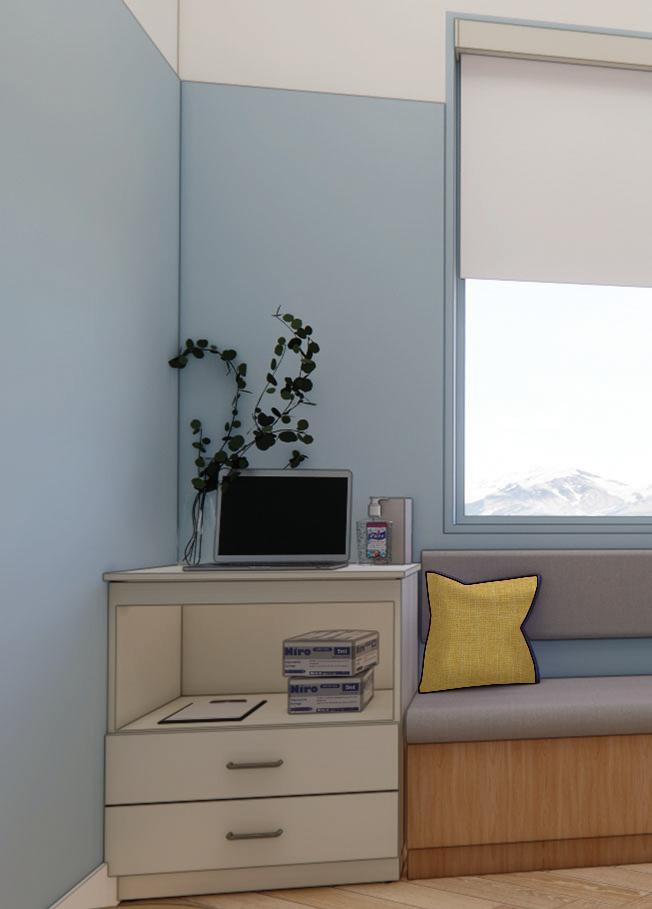
Bud Bailey Family Medical is a research project that delves into refugees’ medical needs and accessible opportunities in the Salt Lake City area. Many refugees fled their homes because of conflict, and as a result of that conflict, refugee populations have high rates of untreated trauma wounds, depression, and complex PTSD. While resources are available to care for those needs, there is often a negative stigma attached to medical and mental healthcare within these populations.
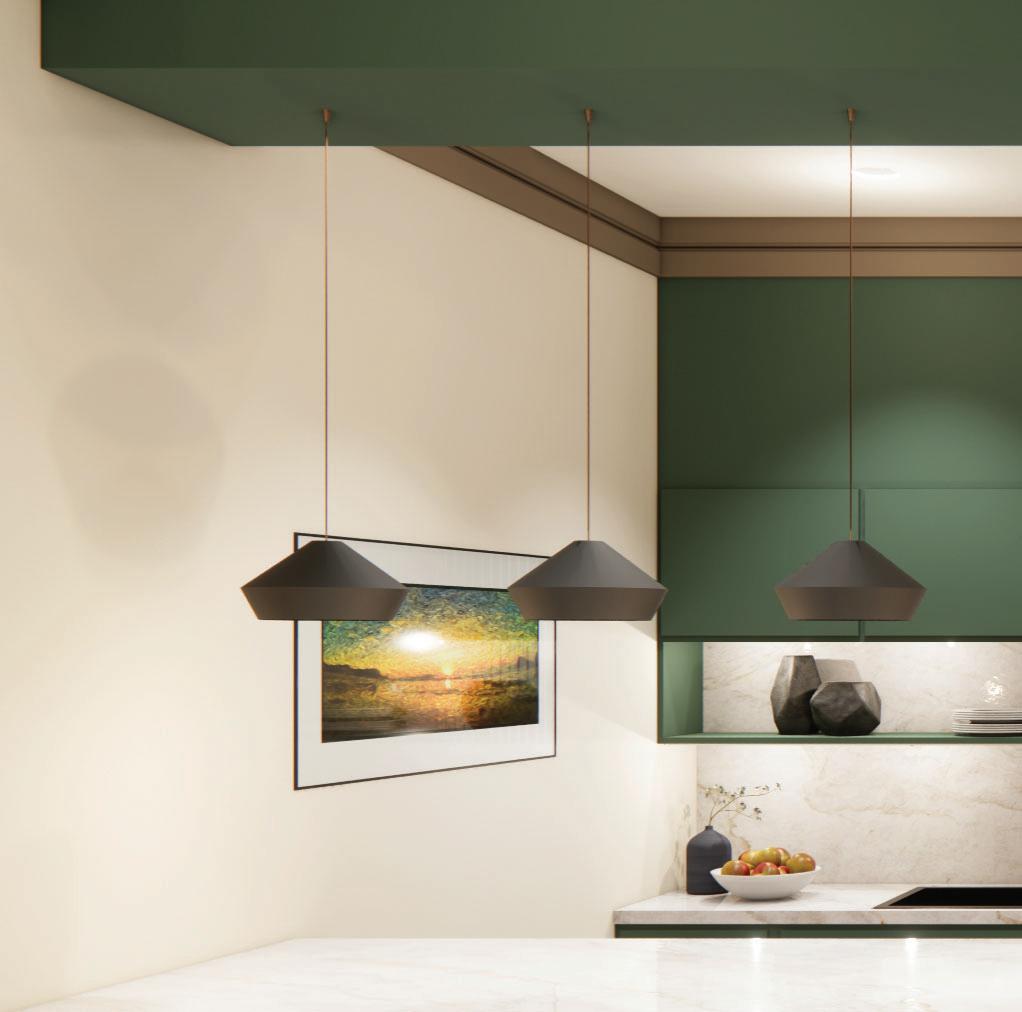
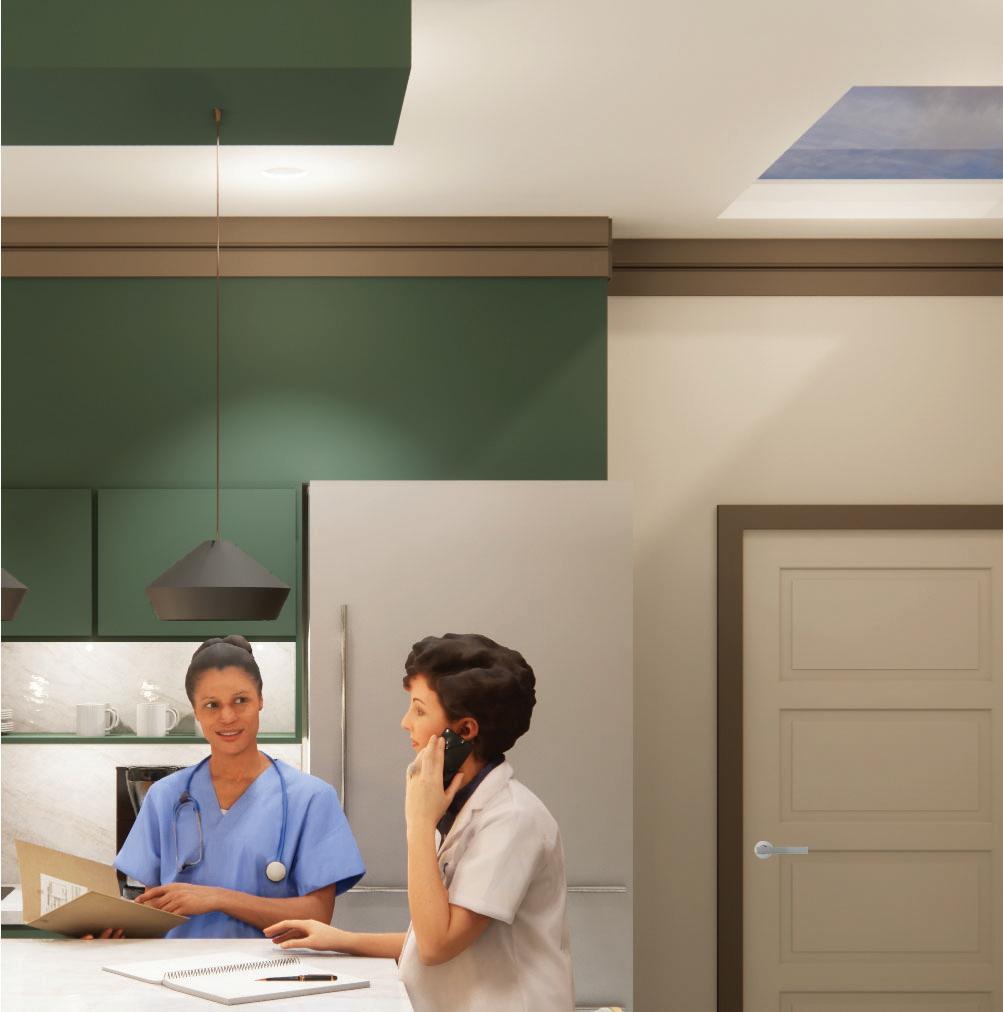
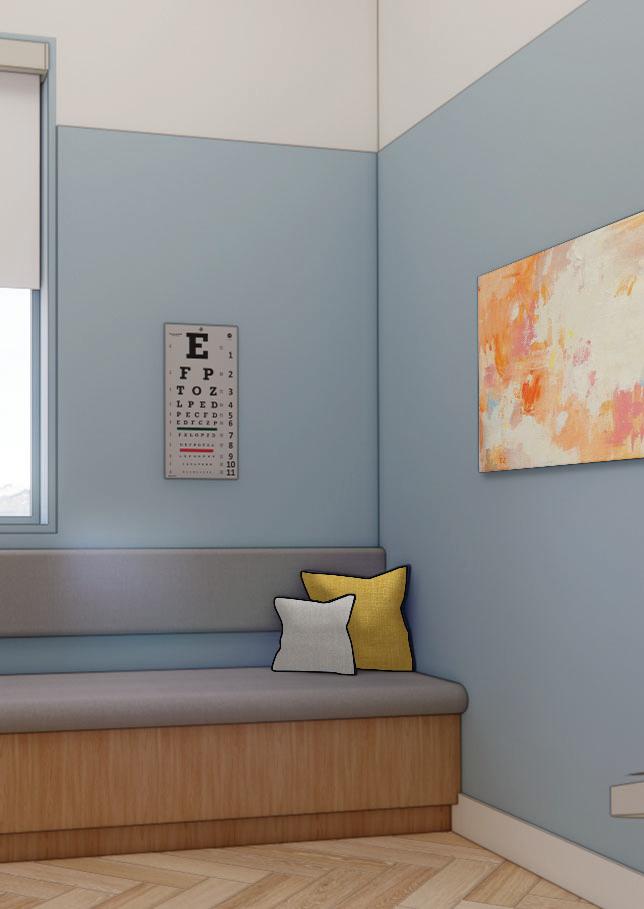
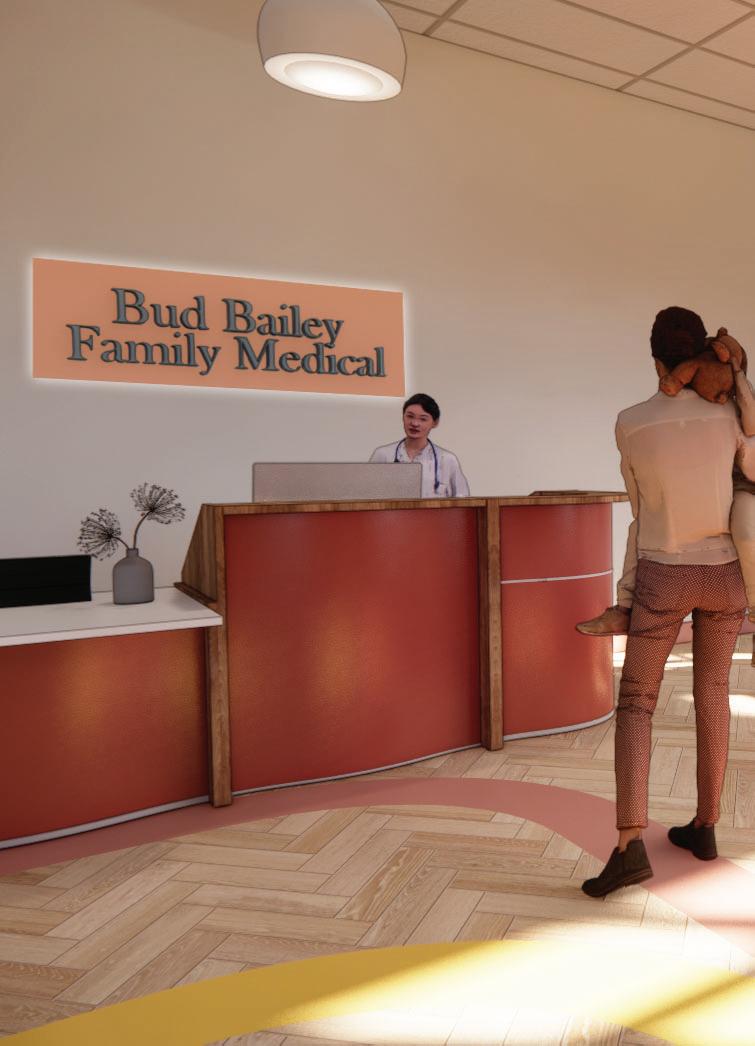
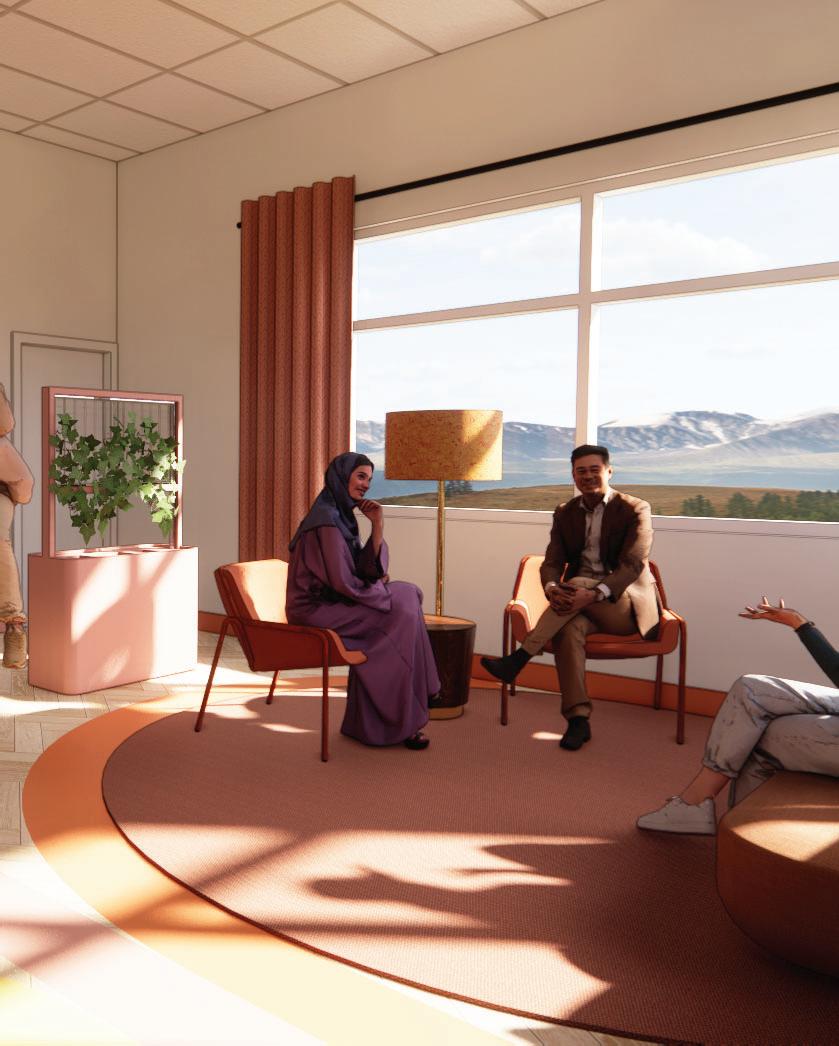
The intent of Bud Bailey Family Medical was to provide convenient and accessible access to refugees and homeless populations. The clinic is located on the same block as Bud Bailey Apartments, an existing low-income housing complex. Interior and Architectural design solutions were created to enable patients the ability to advocate for themselves in a comfortable space.
Bud Bailey Family Medical is just a small step in the process of making healthcare more available to underprivileged populations. Small clinics with thoughtful designs can easily be implemented across the country to serve specific people in each community.
Refugee populations have the highest rates of complex PTSD and depression. Financial limitations, educational limitations, cultural stigmas, and the inconvenience of travel are all factors of why a conflict-affected person would not seek medical attention.
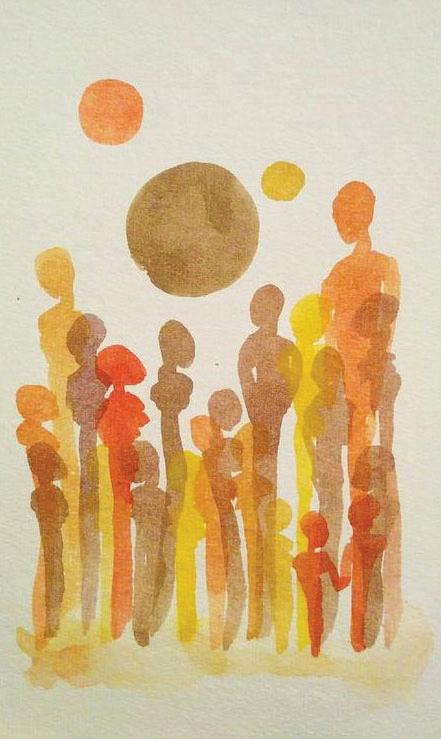

Most people that come to the U.S. to find safety are not treated for mental illness when they first arrive. The priority of refugee centers is to provide resources that will allow families to support themselves financially and teach them how to contribute to their new communities. Triggering mental illnesses can be debilitating and prevent them from holding stable jobs and caring for their families. They only spend a single year in the refugee centers before relocating, so it is crucial to prioritize teaching things to help with independence.
Once refugees have resettled to a nearby city and are working members of their community, they are able to gain better access to general medicine and therapy. Bud Bailey Family Medical Center provides a welcoming space that encourages people to ask for help and treatment.
The priorities for this center were accessibility, encouragement to seek out medical resources, and independence for the user. Located on the same lot as the Bud Bailey apartment complex, where many refugee families live when they are resettled to Salt Lake City, grants convenient access to the center for those who live there and other neighborhoods nearby. This eliminates the need to find transportation and helps ease the overwhelming fear that can be felt at a hospital.
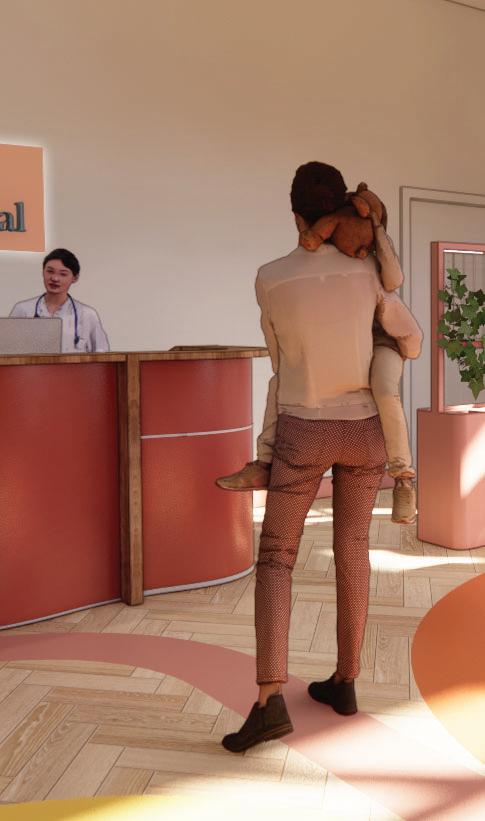
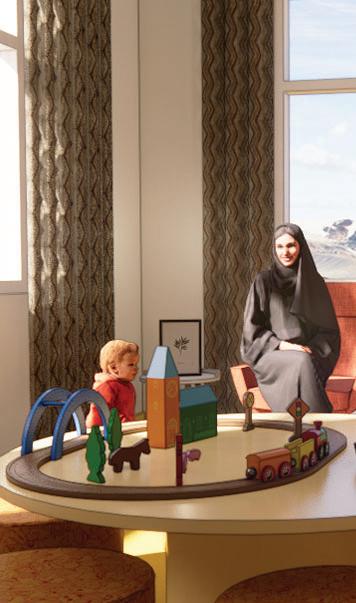
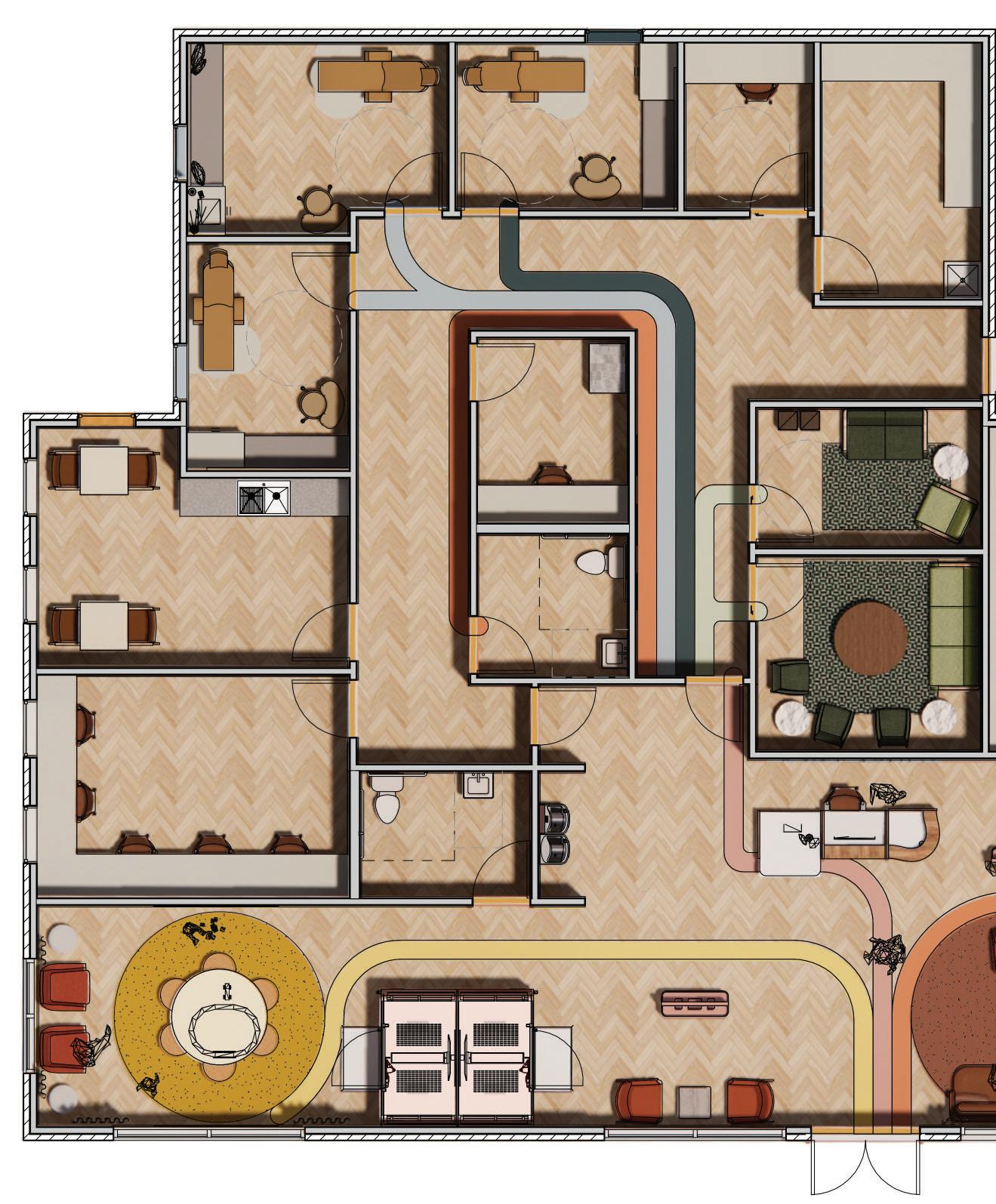
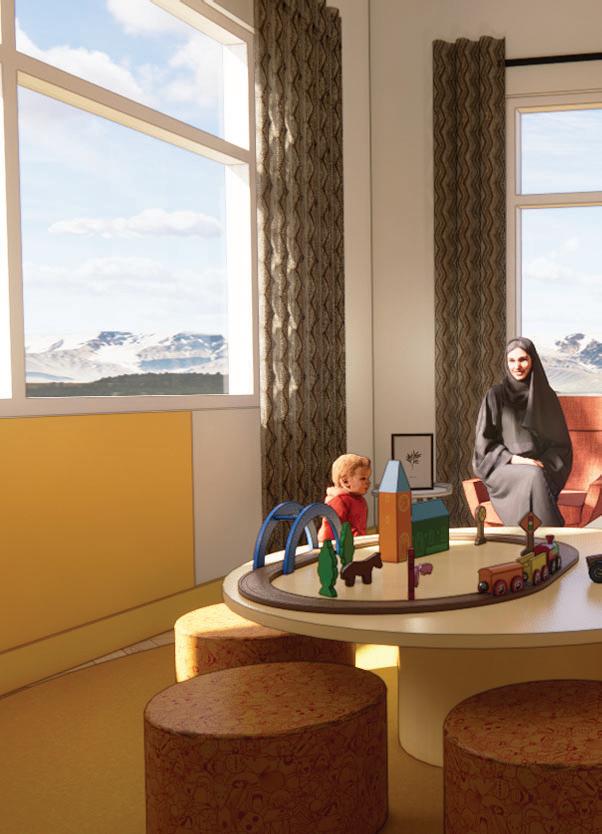
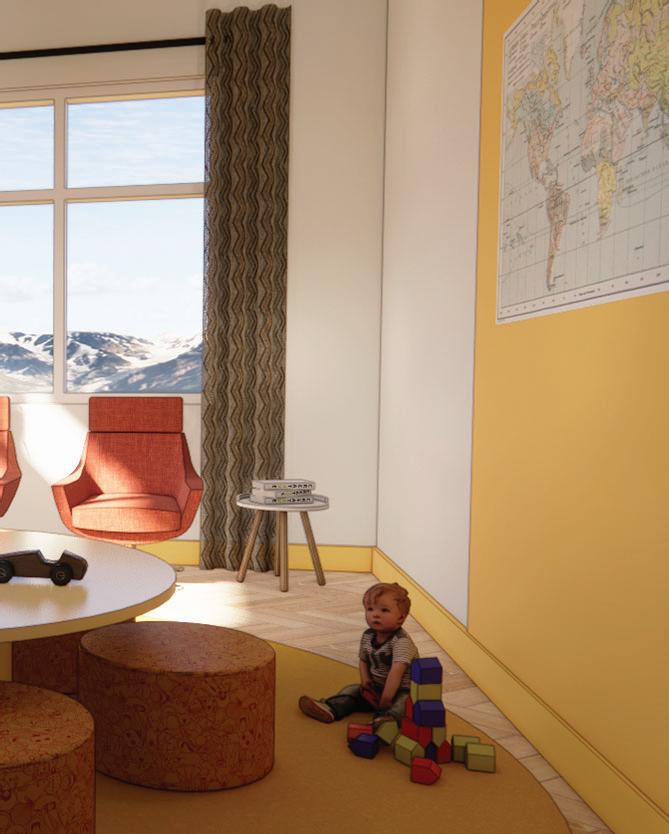
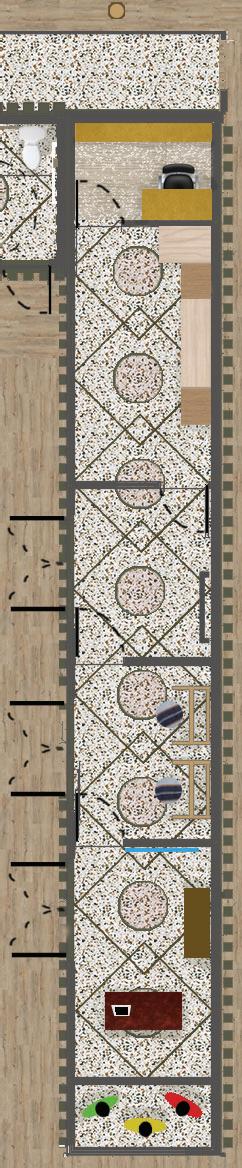
Soundproof meeting booths were utilized to provide a space for interpreters to help explain the complex healthcare system, and other medical terms they may not understand in English. Refugees often have high numbers of children, so these booths are encased in plexiglass facing a small play area of the office. This is intended to give parent(s) privacy and comfort in a potentially stressful situation.
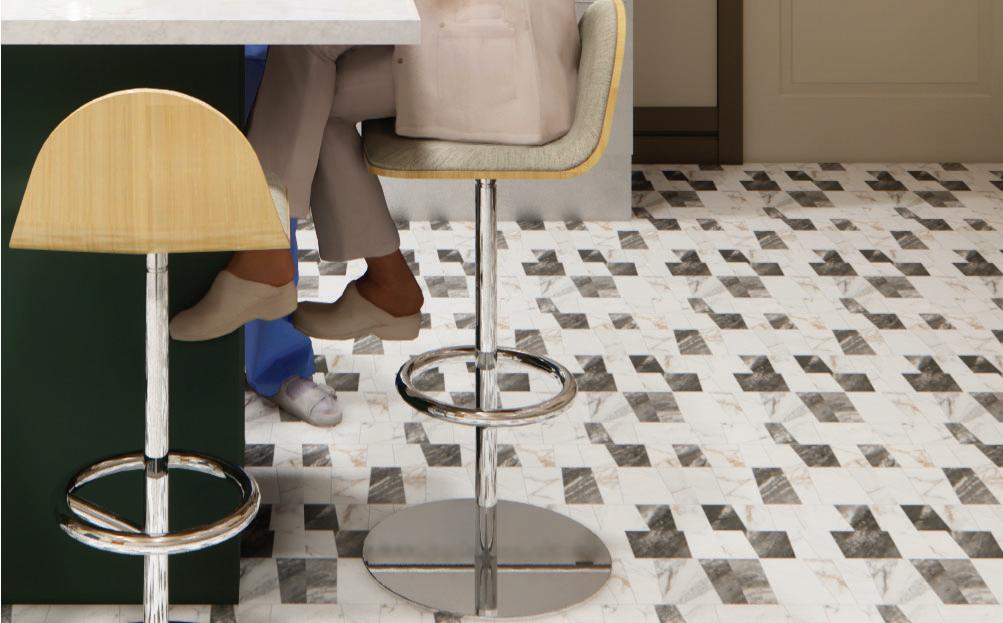
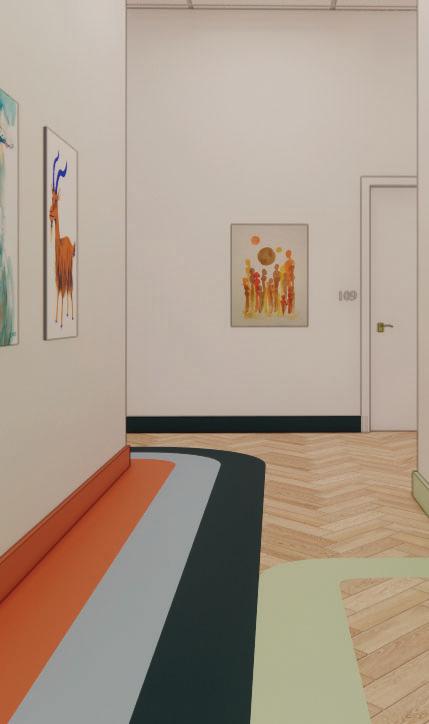
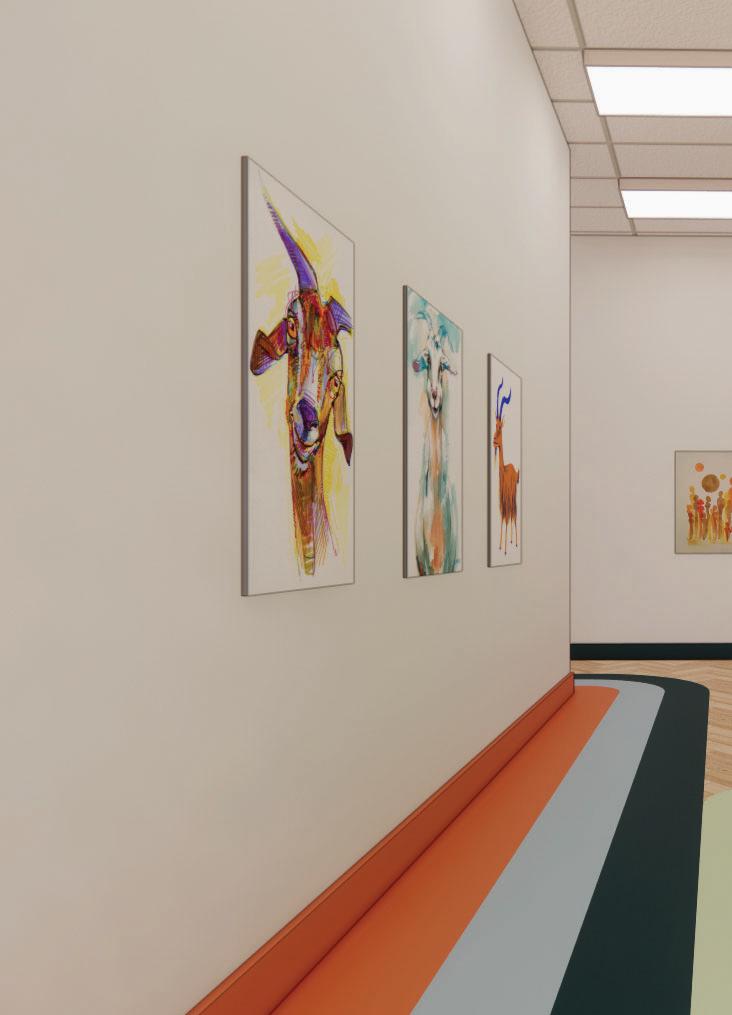
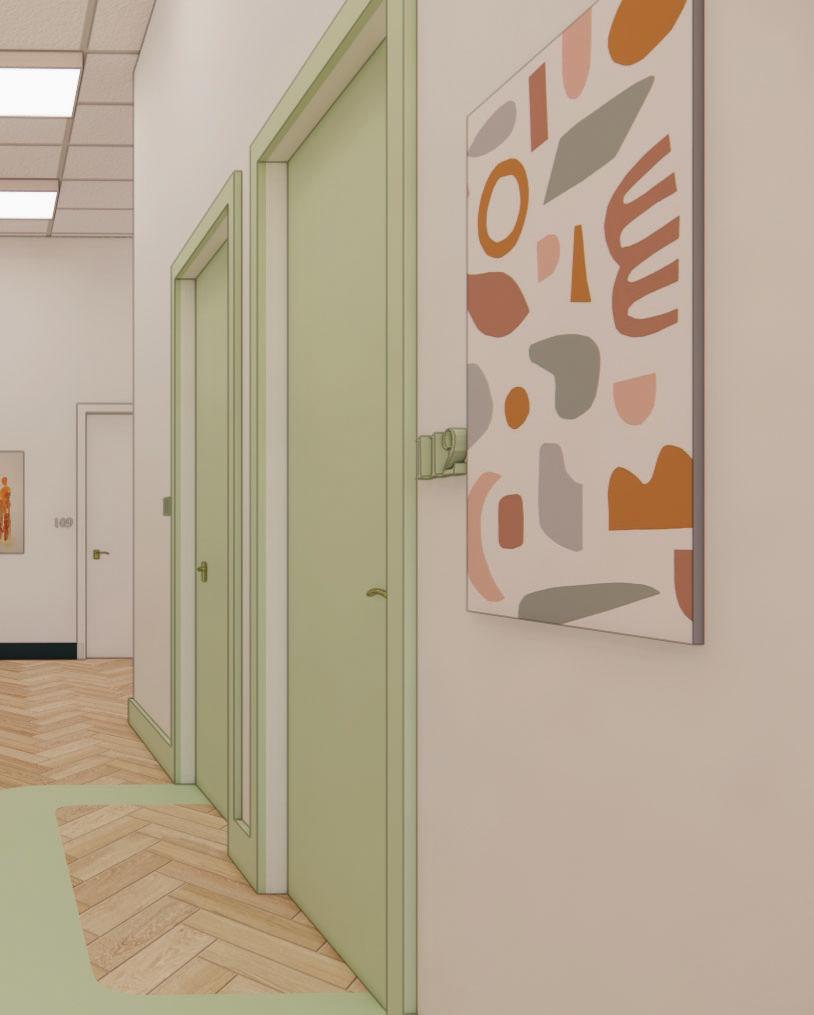
Bright-colored wayfinding paths on the floors and doors make wayfinding more independent. Although refugees are taught English as soon as they arrive to the U.S., not all of them catch on quickly or are confident in their language skills. Being able to point to a color and follow the matching path is one less thing they will need to worry about when they visit the doctor.
 1.
2.
3.
4.
5.
7.
8.
9.
10.
11.
12.
13.
15.
14.
16.
17.
1.
2.
3.
4.
5.
7.
8.
9.
10.
11.
12.
13.
15.
14.
16.
17.
 6.
11. DENTISTRY
14. LAB
15. EMPLOYEE BREAKROOM
17. OFFICE
9. STORAGE/JANITOR
10. X-RAY
1. PLAY AREA
2. TRANSLATION BOOTHS
6.
11. DENTISTRY
14. LAB
15. EMPLOYEE BREAKROOM
17. OFFICE
9. STORAGE/JANITOR
10. X-RAY
1. PLAY AREA
2. TRANSLATION BOOTHS
Project requirements:
TI Construction Documents
Cultural Emphasis
LEED Certification
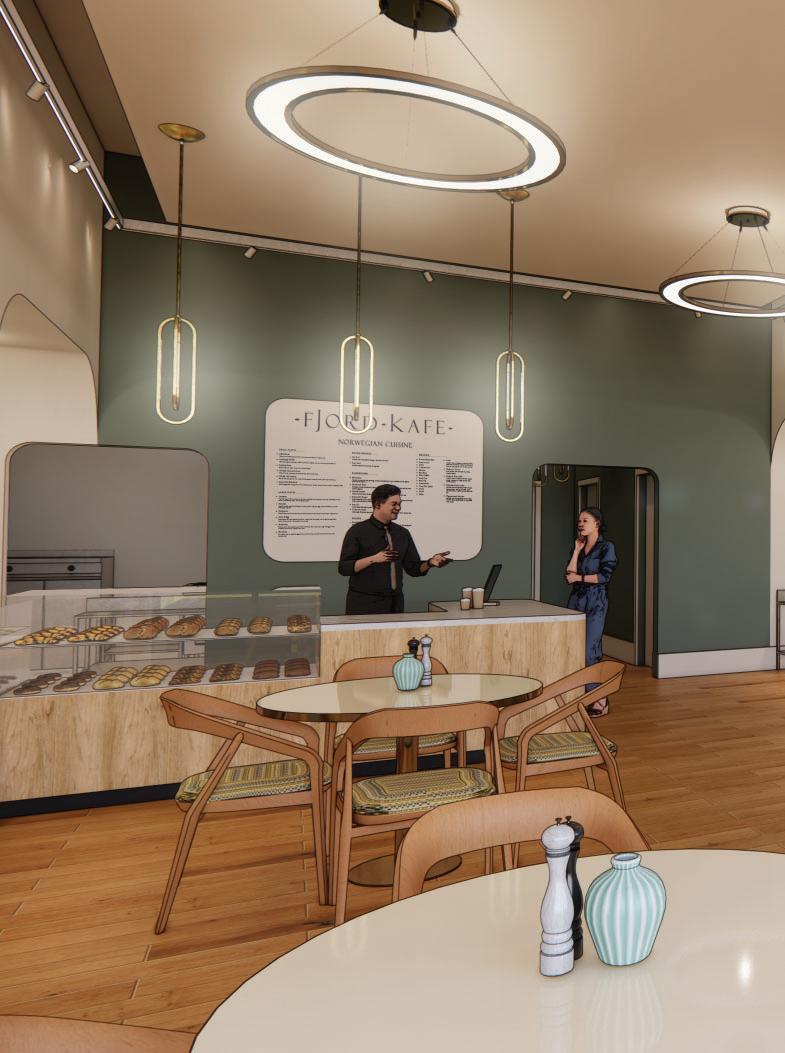
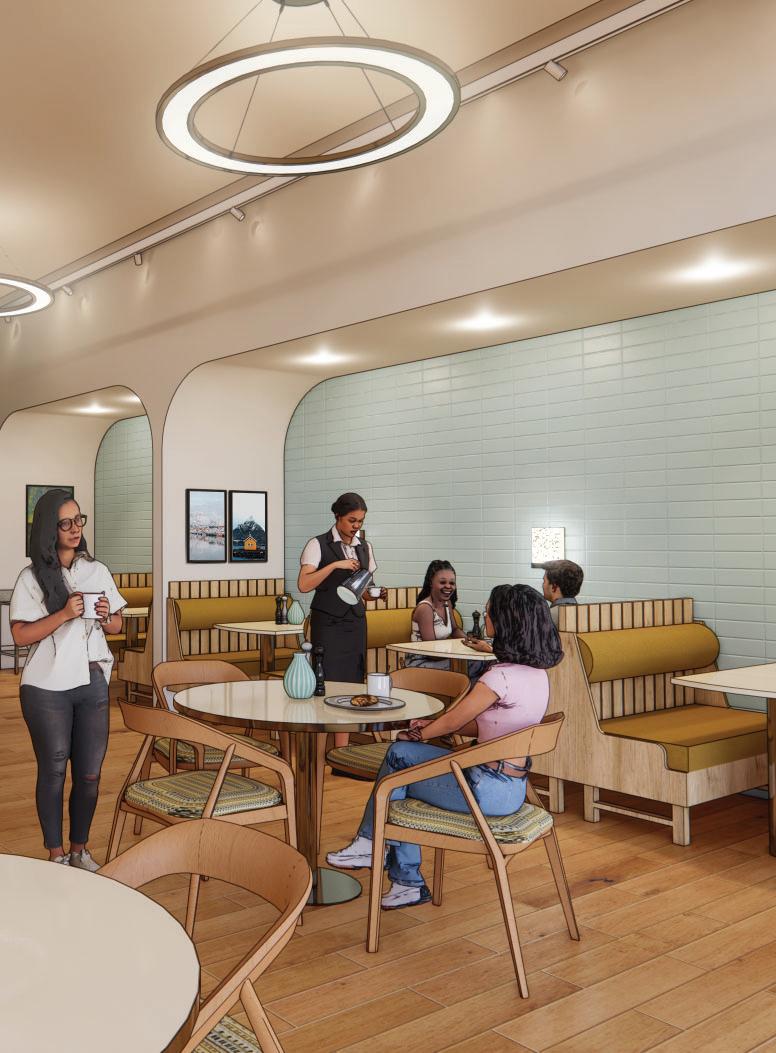
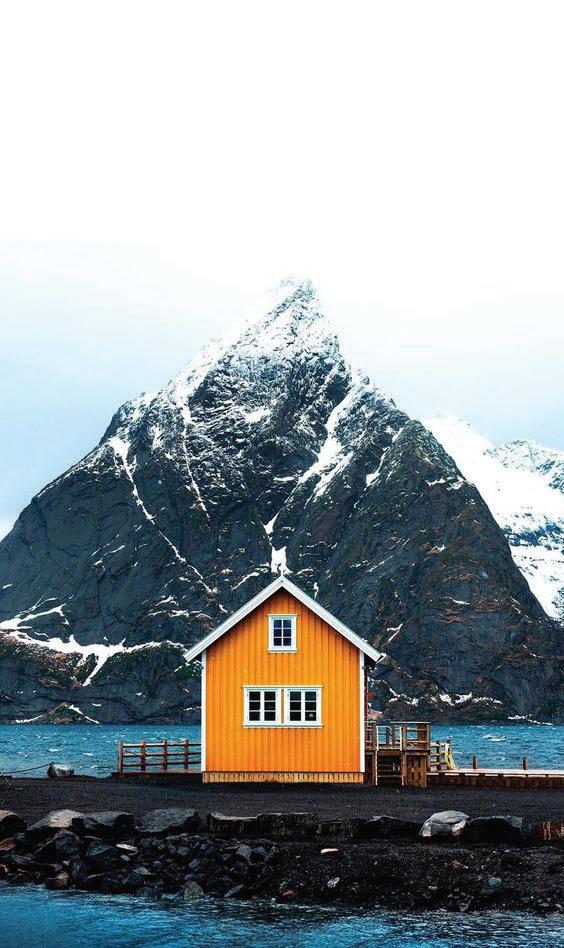
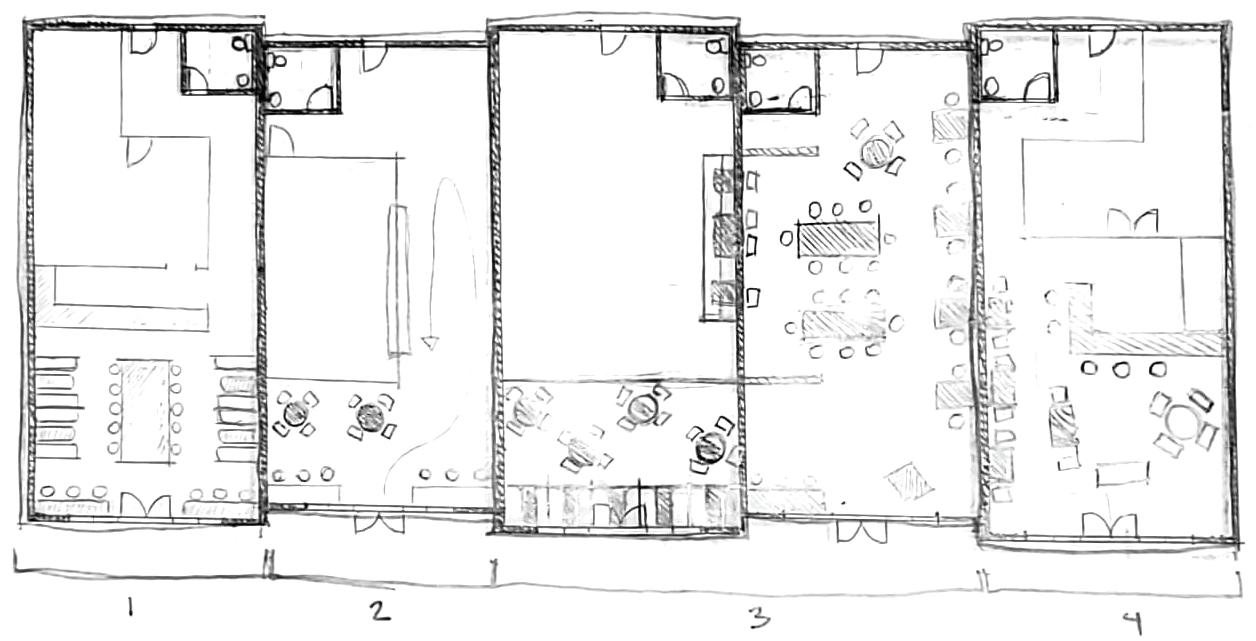
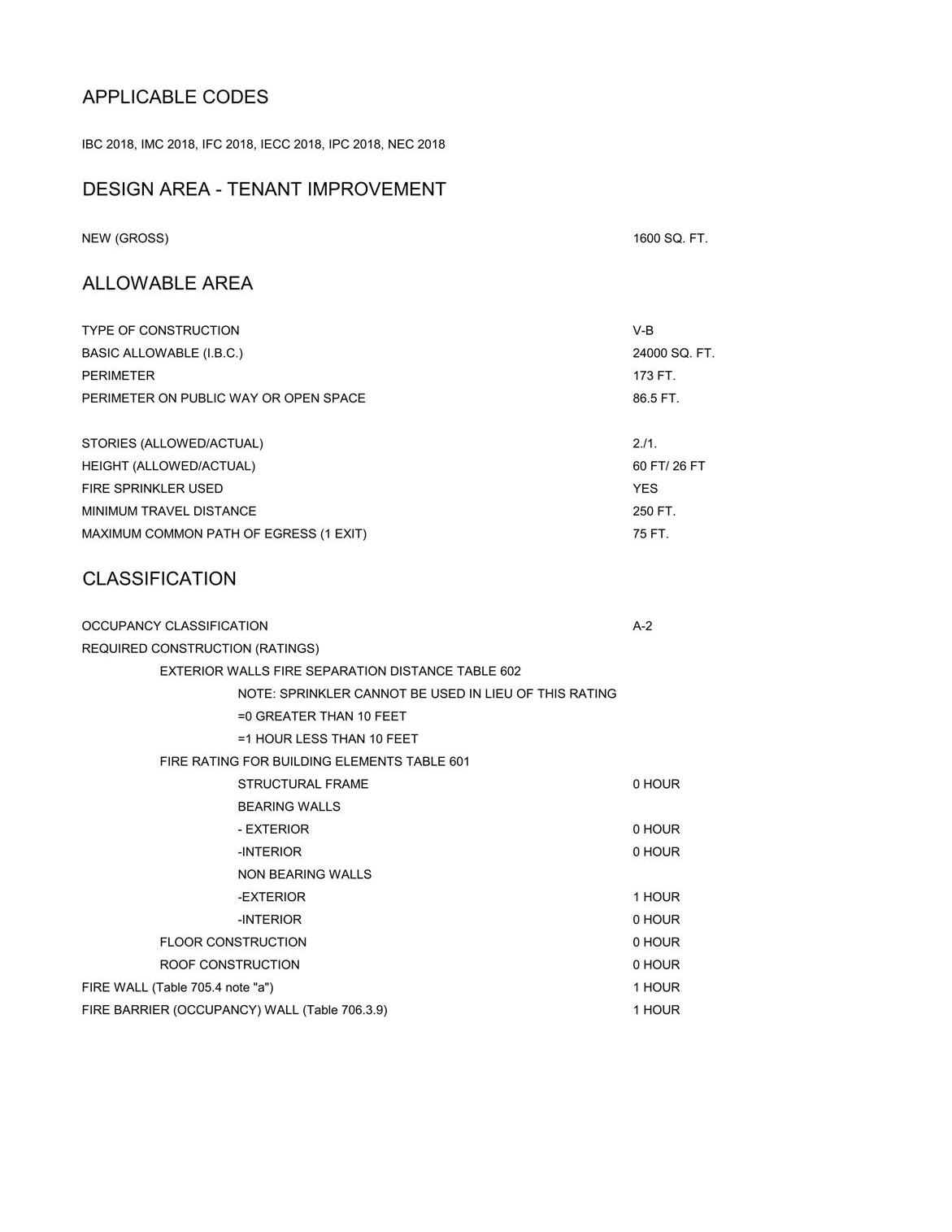
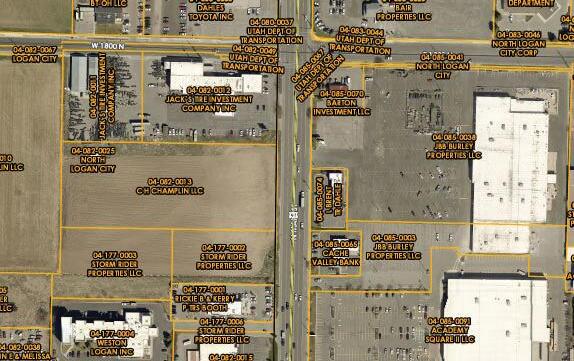
Fjord Kafe is a tenant improvement project located in Logan Utah. A set of construction documents were completed along with a LEED certification writeup and FF&E Specifications. This Café was inspired by Norway and the design reflects the famous landscape of the country.
The Romantic Nationalistic Movement defined much of Norwegian culture in the 1800s and its effects are still seen in the modern day. After Norway reclaimed its independence from Denmark in 1814 it became extremely important for them to distinguish their own identity. Many people, especially farmers collected artifacts like fairy tales, folk songs, and languages. The Romantic Nationalistic Movement focused on this independence through literature, art, and music. Norwegian architecture was and is primarily constructed of wood because of easy access to lumber. Much of the art focused on impressive landscapes through realism and impressionism.
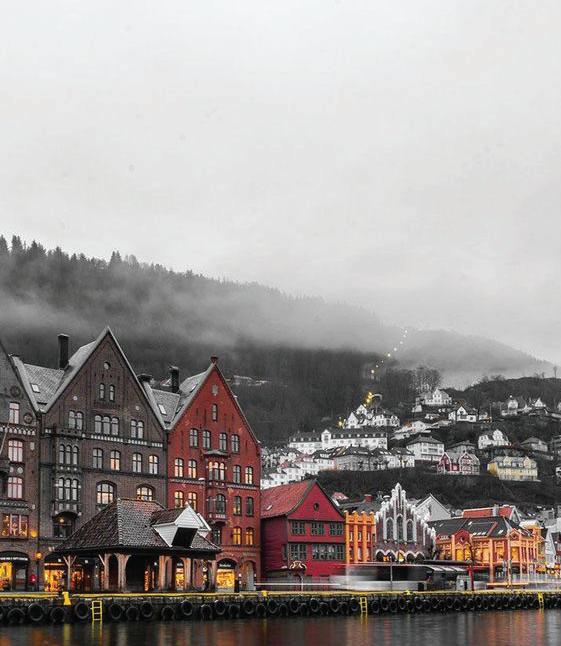
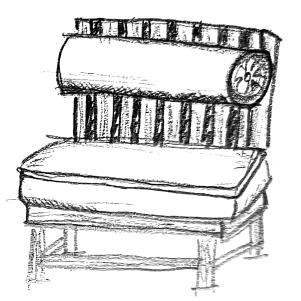
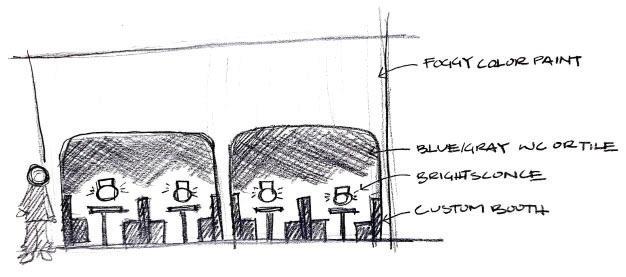
Fjord Kafe was designed to reflect those landscapes and the architecture found there today. Cool colors and simple patterns were selected to represent the mountains and fjords, while bright contrasts were added to the furniture to bring the same feeling that is found in the architecture.
Sheet No.
G100COVER SHEET
A100FLOOR PLAN
Drawing List
Sheet Name
A101REFLECTED CEILING PLAN
A102INTERIOR ELEVATIONS
A103FFE SCHEDULE
A104LIGHTING TEAR SHEETS
A105FFE TEAR SHEETS
A106FINISH SCHEDULE
A107LIGHTING PLAN
A108MECH., POWER, & PLUMBING PLANS





Project requirements:
IDEC Competition Submittal
Group Project
Tiny House & ADA workspace
LEED Certification
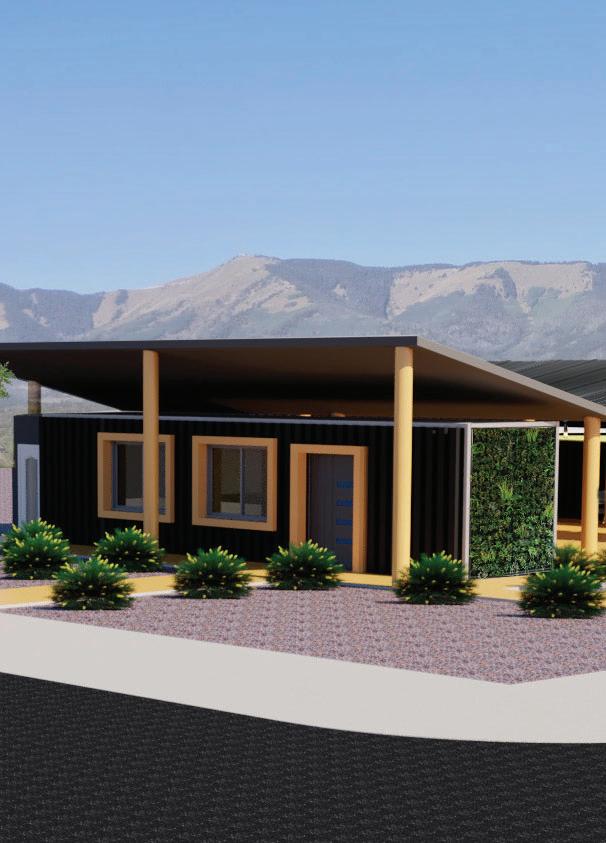
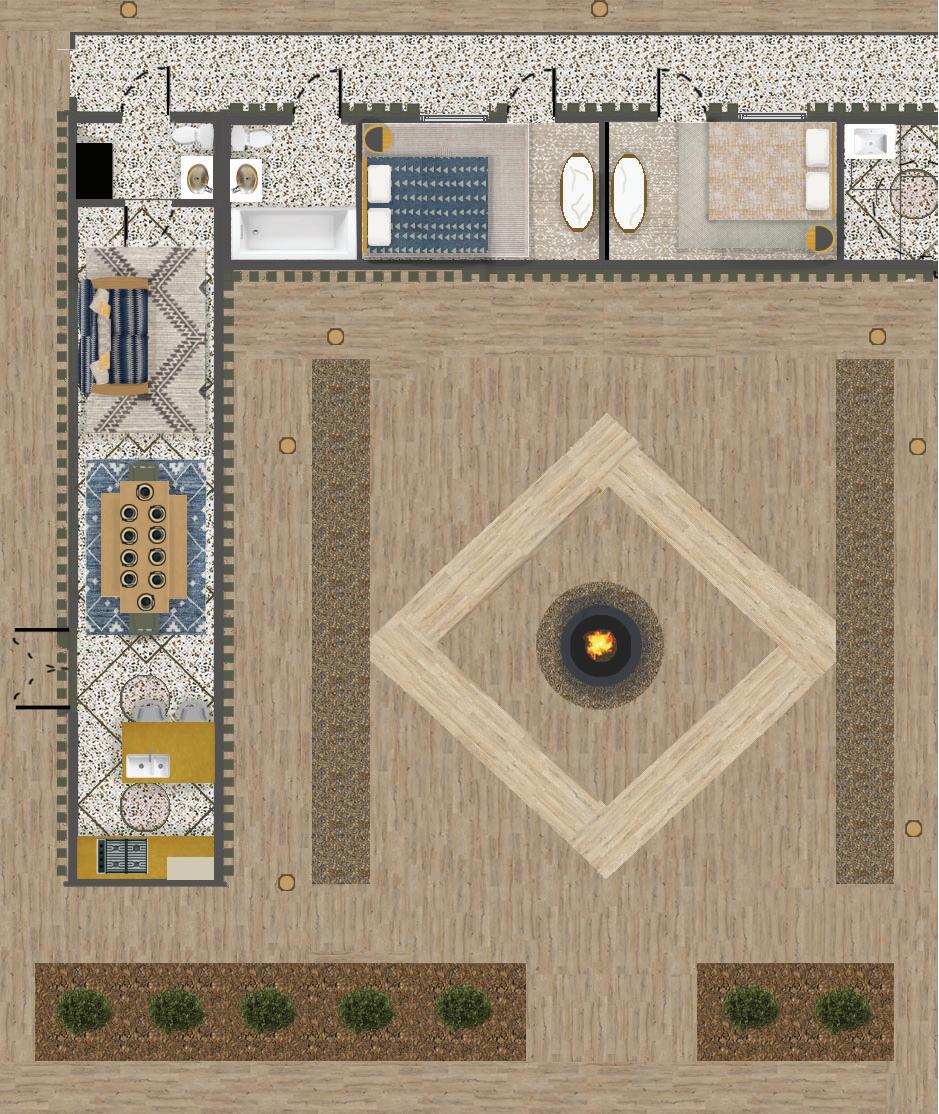
The Hozo Workplace and Residence was designed at the tail end of the Covid-19 pandemic. It emphasized the importance of human connection and nurturing mental health. Accessibility and sustainability were other key aspects to this design.
The role of the Design Director was to oversee the team’s concept and assist in the research of sustainability. The majority of this project was based on research and making the design as accurate to that research as possible.
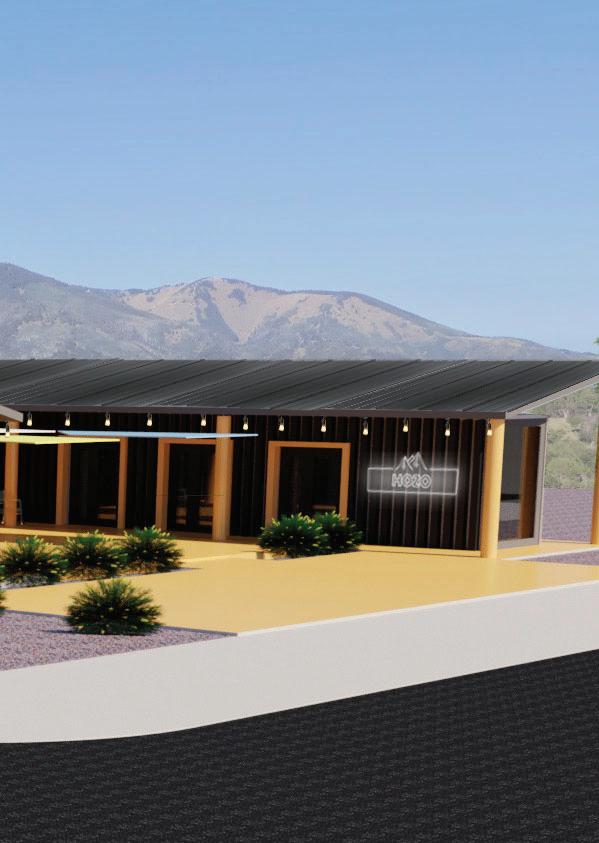
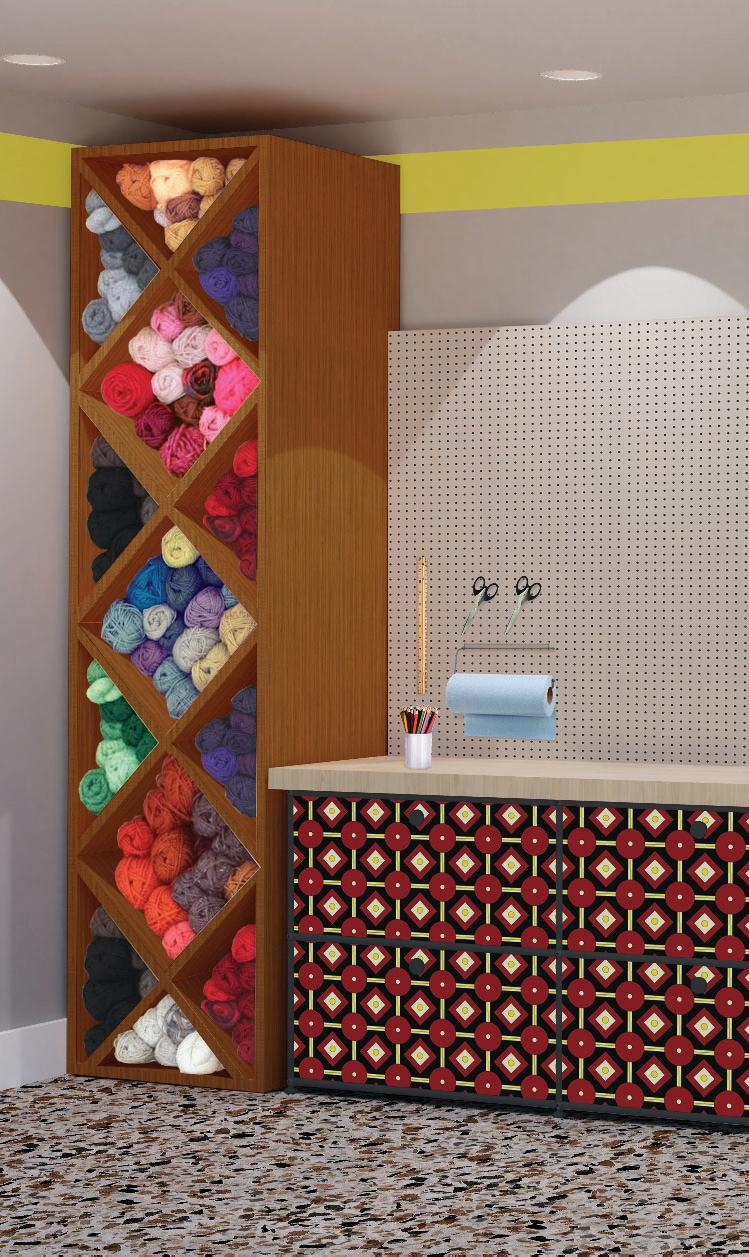
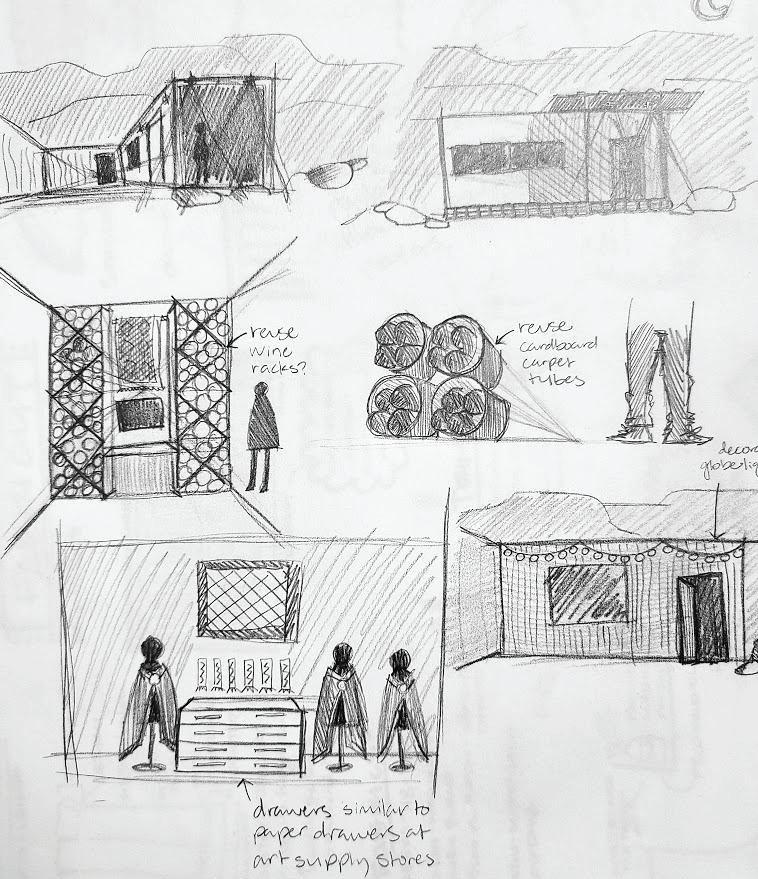
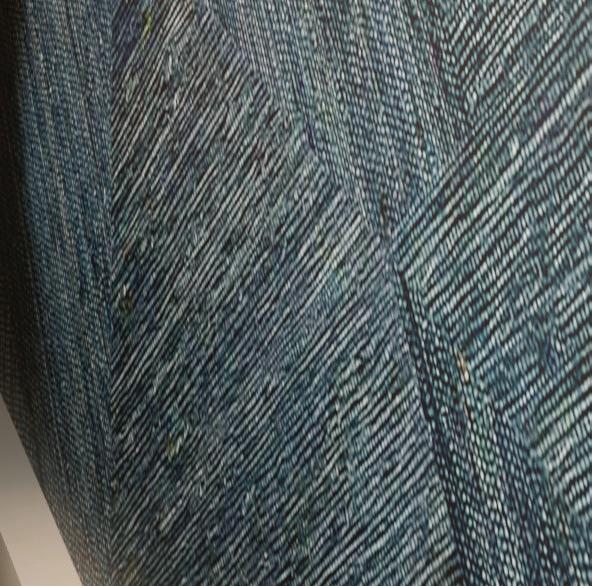
The Hozo clients are Navajo weavers that run their small business out of their home. The design of the home and shop were inspired by the Spider Woman story that describes how the Navajo people learned to weave. Traditional weaving looms and cushions were placed in the showroom to provide a learning experience for visitors.
Outdoor space was vital to providing an opportunity for social distancing in the tiny home. Using 3 shipping containers as the framework for the build limited the indoor space that could be allocated to hosting visitors for both the residence and the storefront.
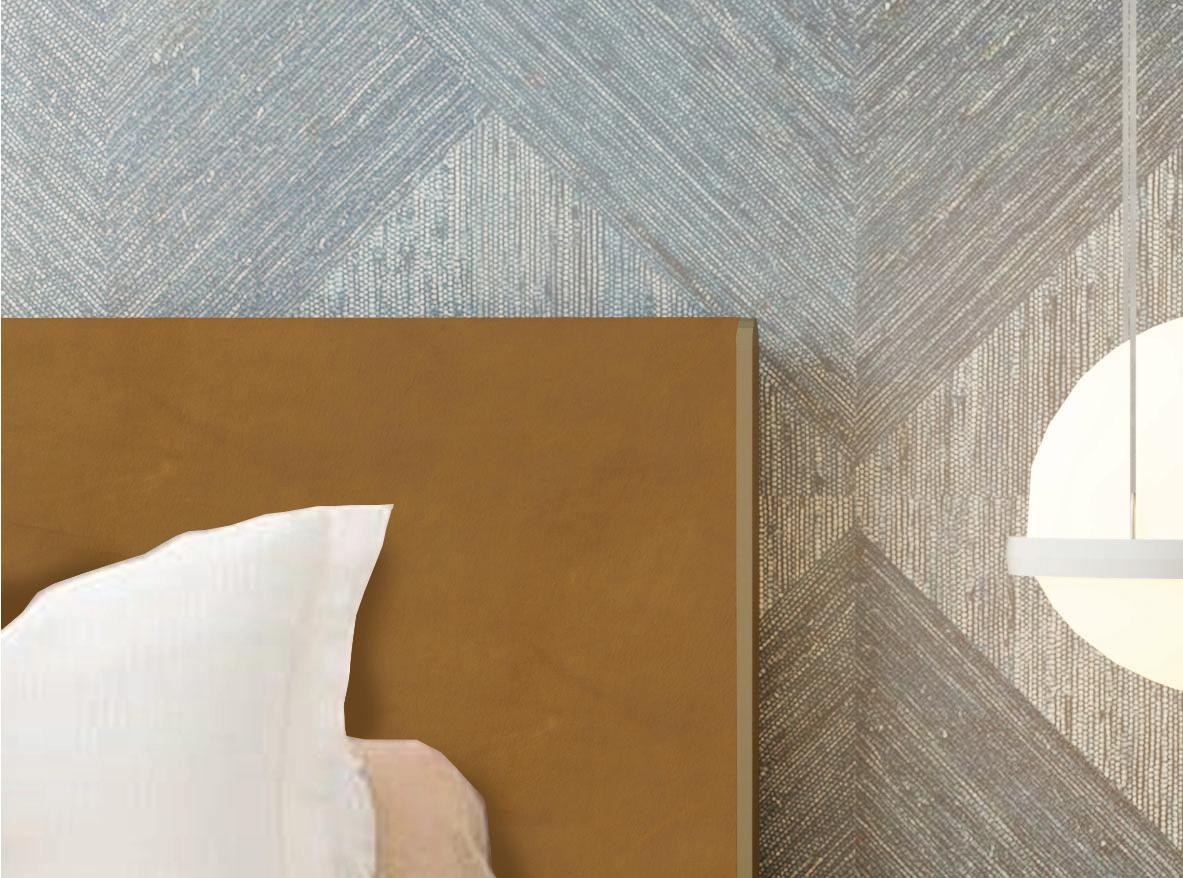
LEED played a key role in the selection of the site and the overall design of the building. Monticello Utah was selected due to its proximity to the Navajo Nation, access to public transit, and walkability to nearby grocery stores. Materials were carefully selected based on their durability and environmental impacts. Rooflines were sloped towards the center of the building where a water reclamation system was put in place to decrease the strain on local resources.


 1.
2.
3.
4.
5.
6.
7.
8.
9.
16.
18.
17.
1.
2.
3.
4.
5.
6.
7.
8.
9.
16.
18.
17.


A u t u m n O a k Autumn Oak
V i l l a s Villas
S e n i o r L i v i n g Senior Living
C e n t e r Center
Project requirements:
IIDA Design Competition Submittal
Evidence Based Design
Health, Safety, & Welfare
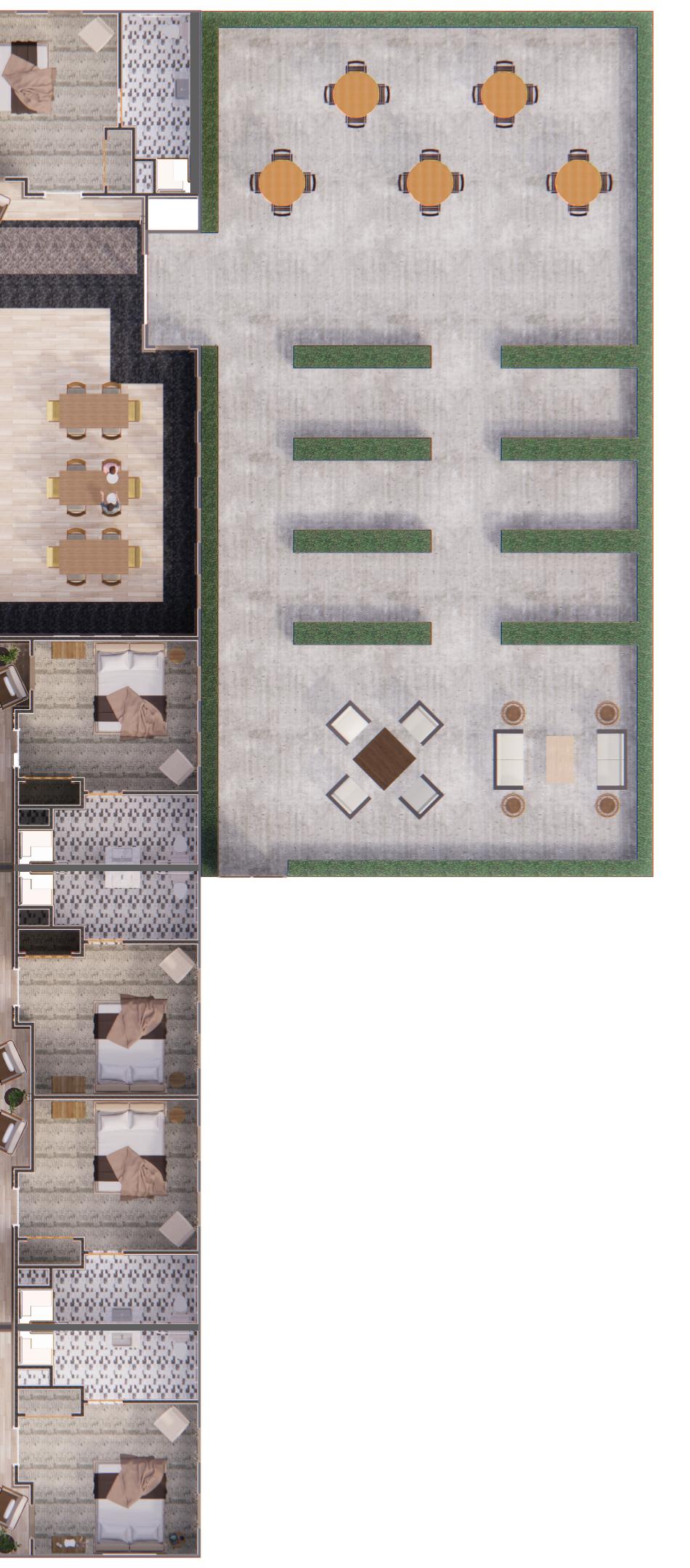
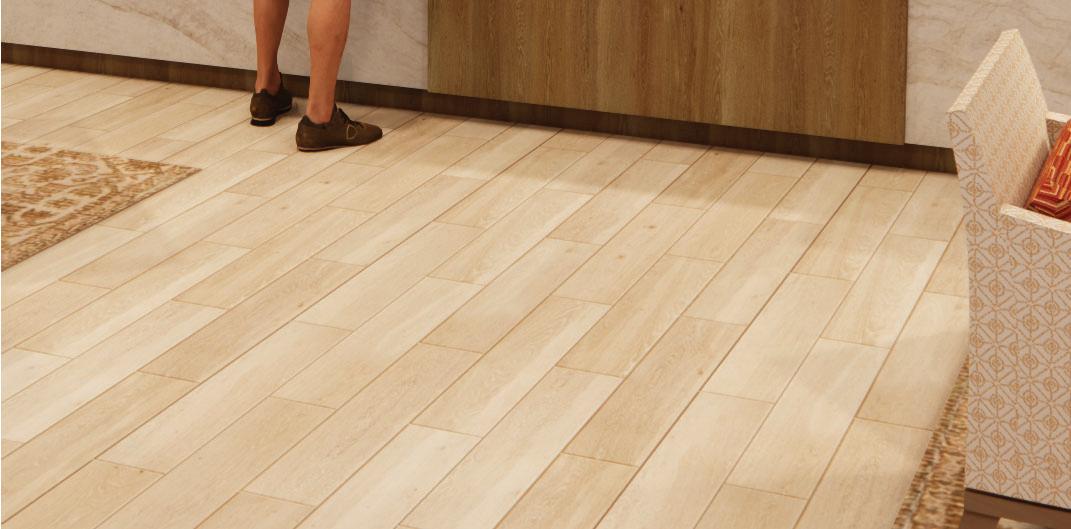
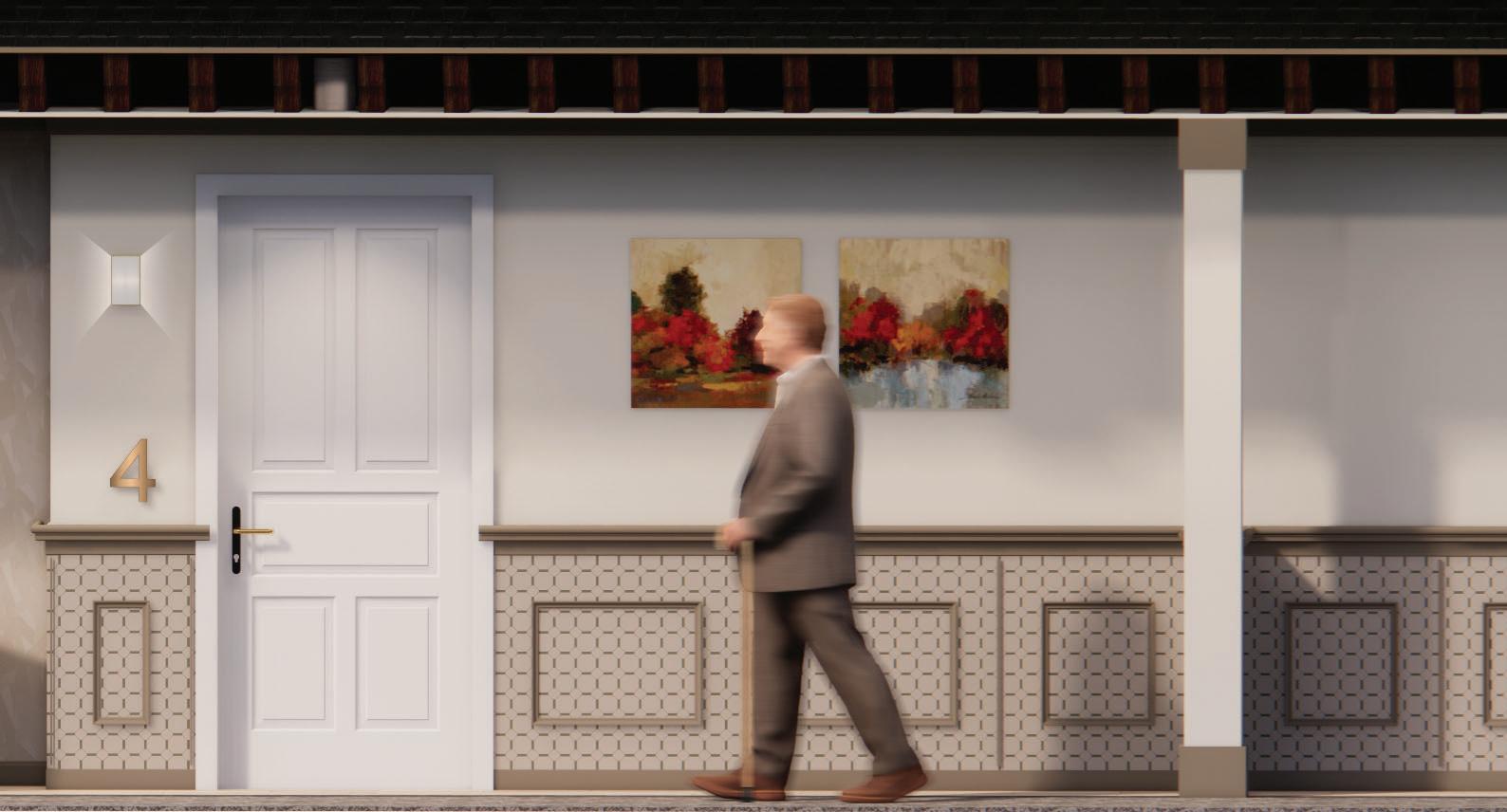
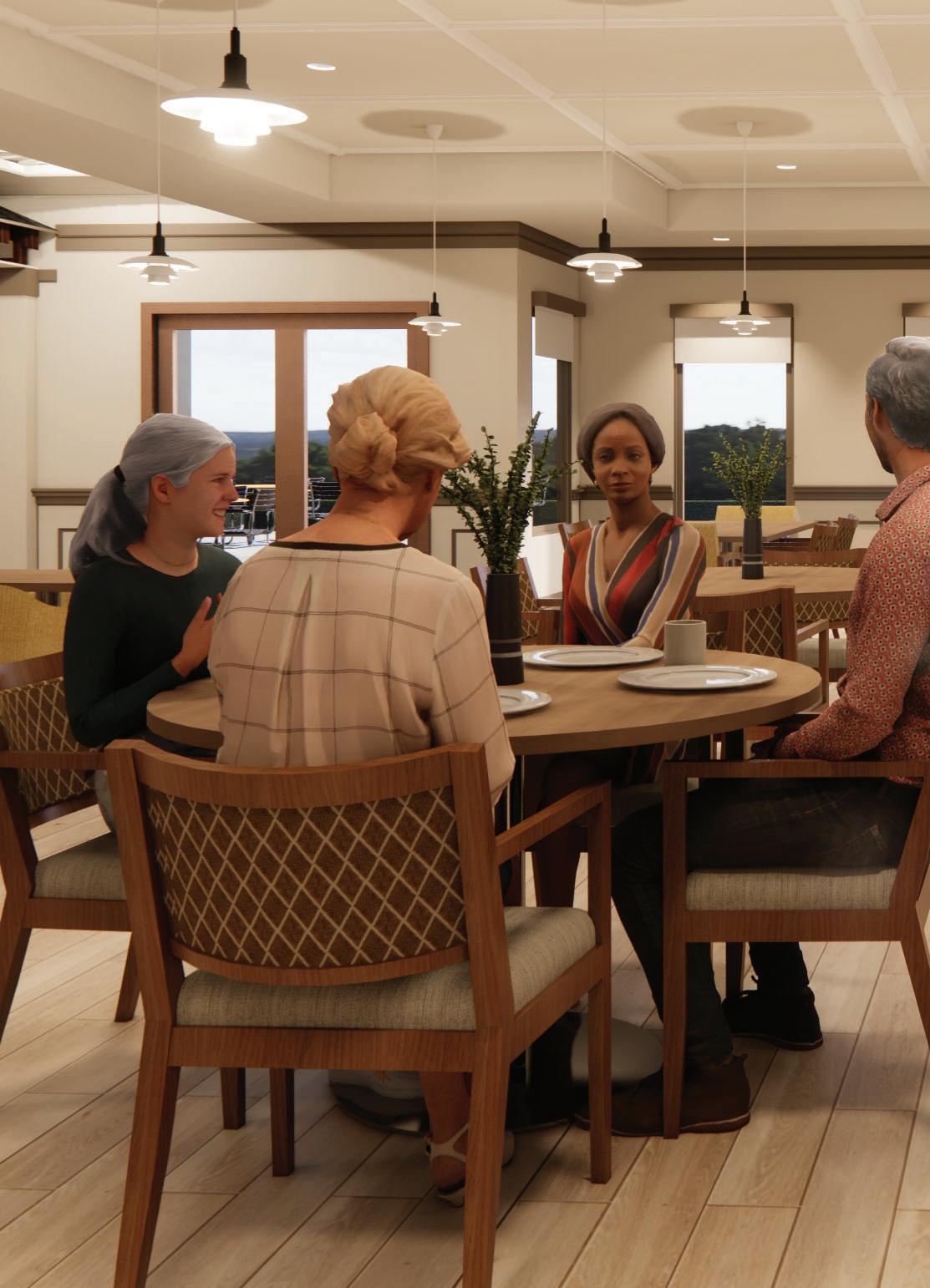
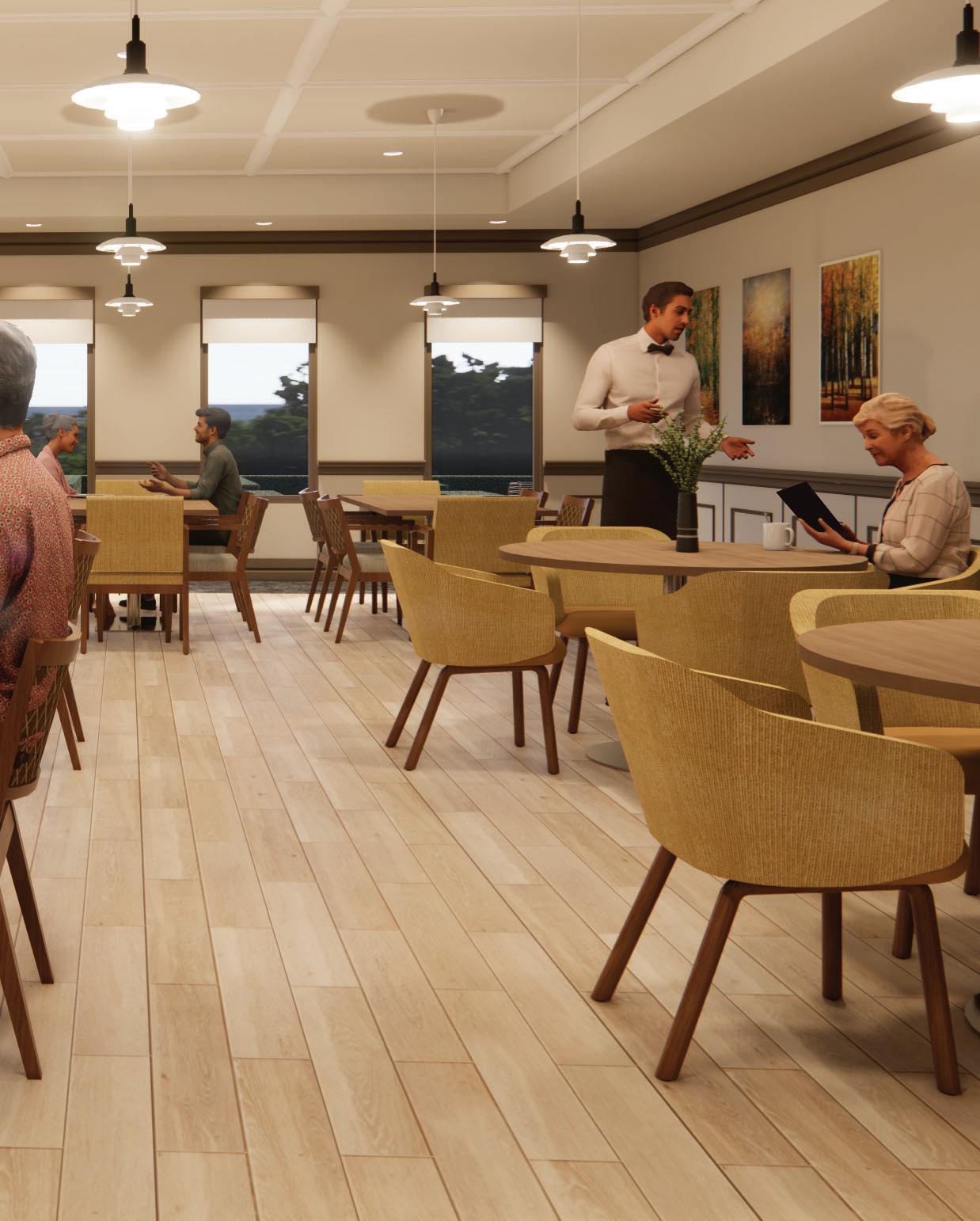
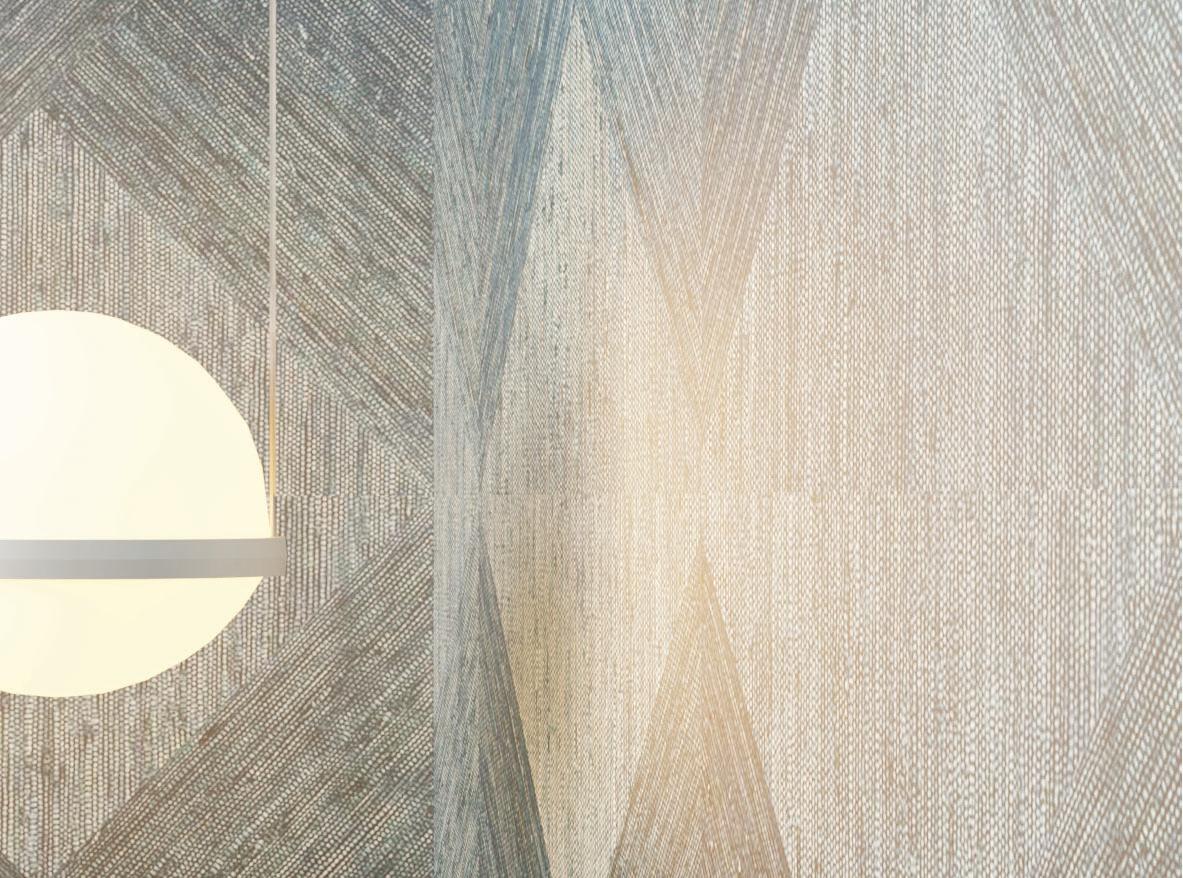
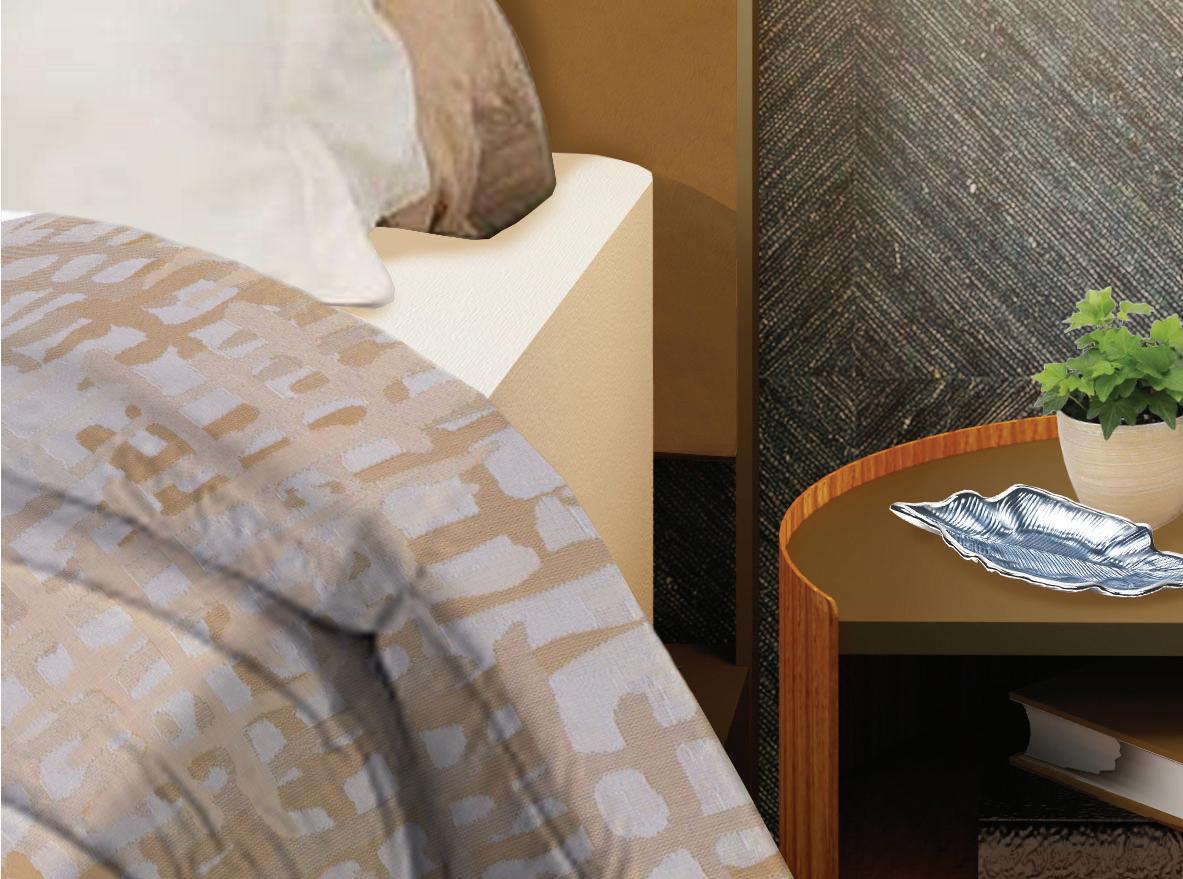
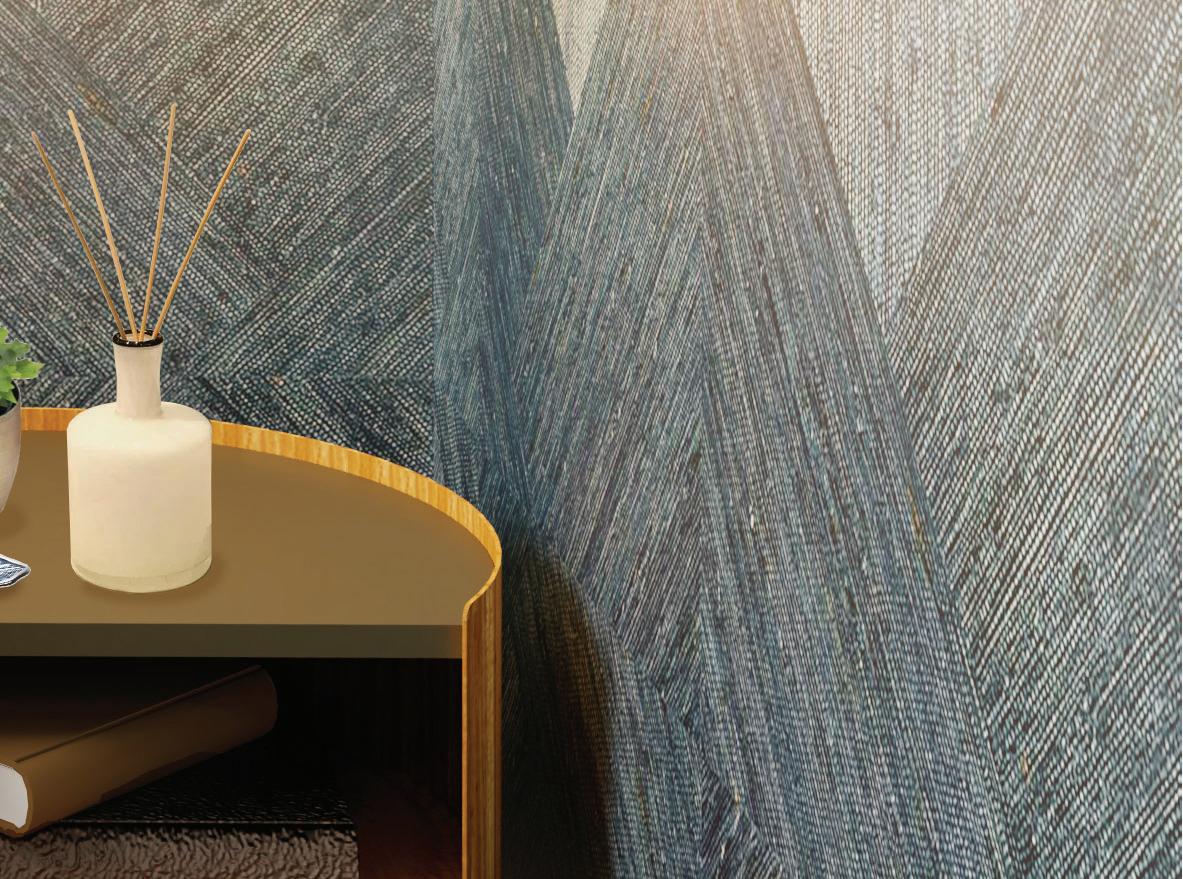
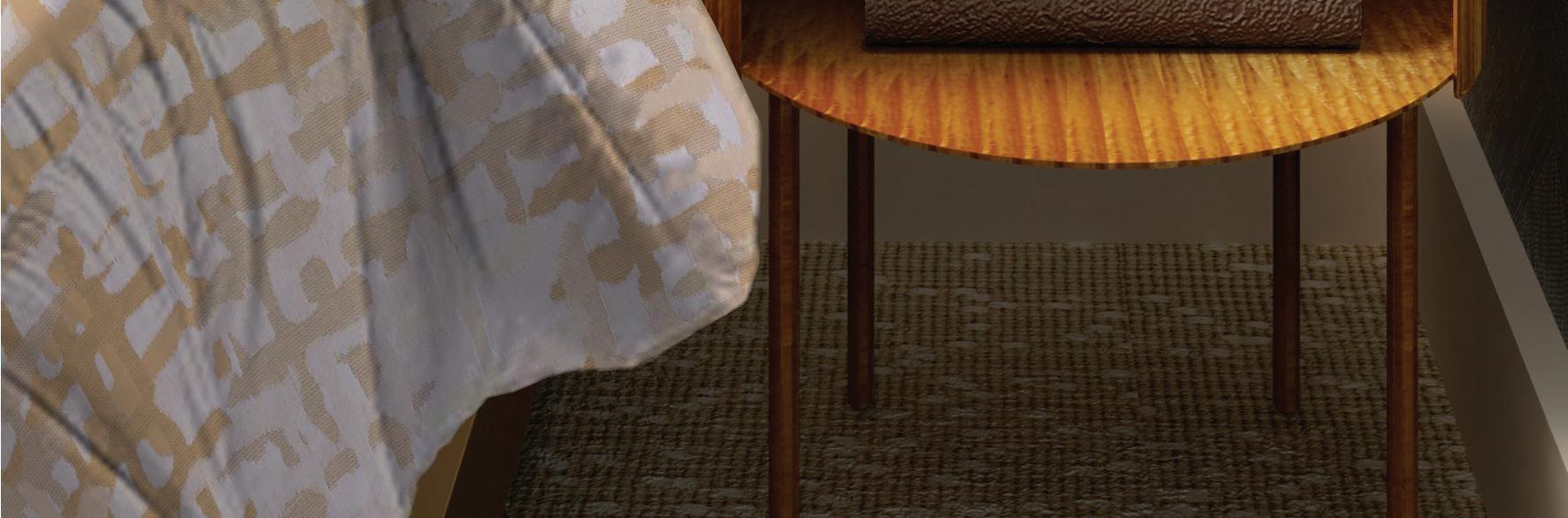
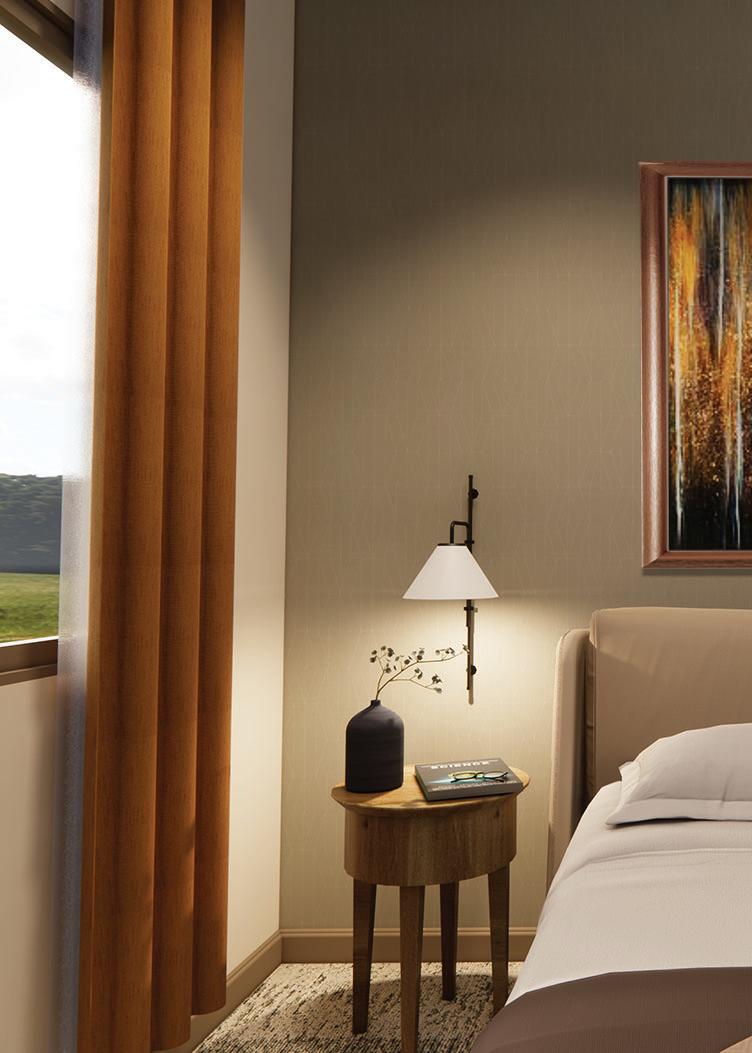
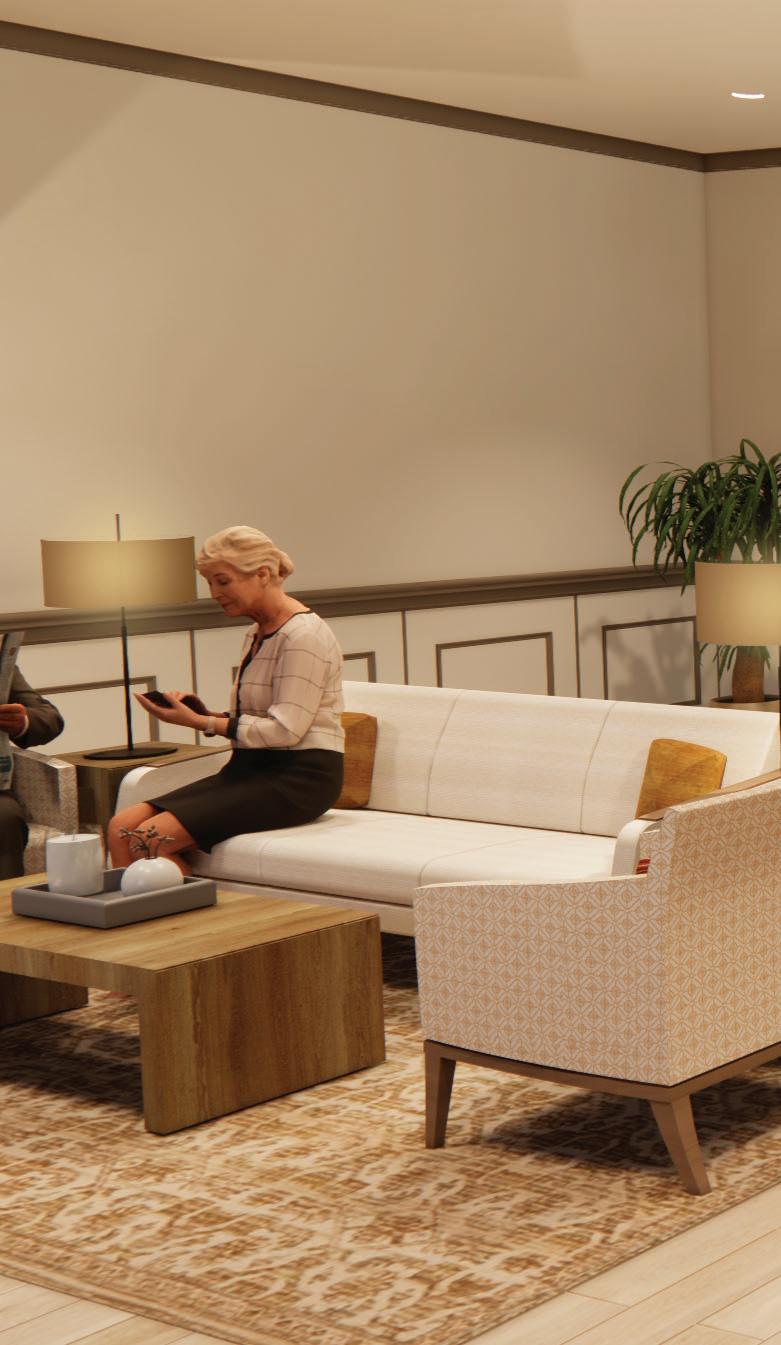
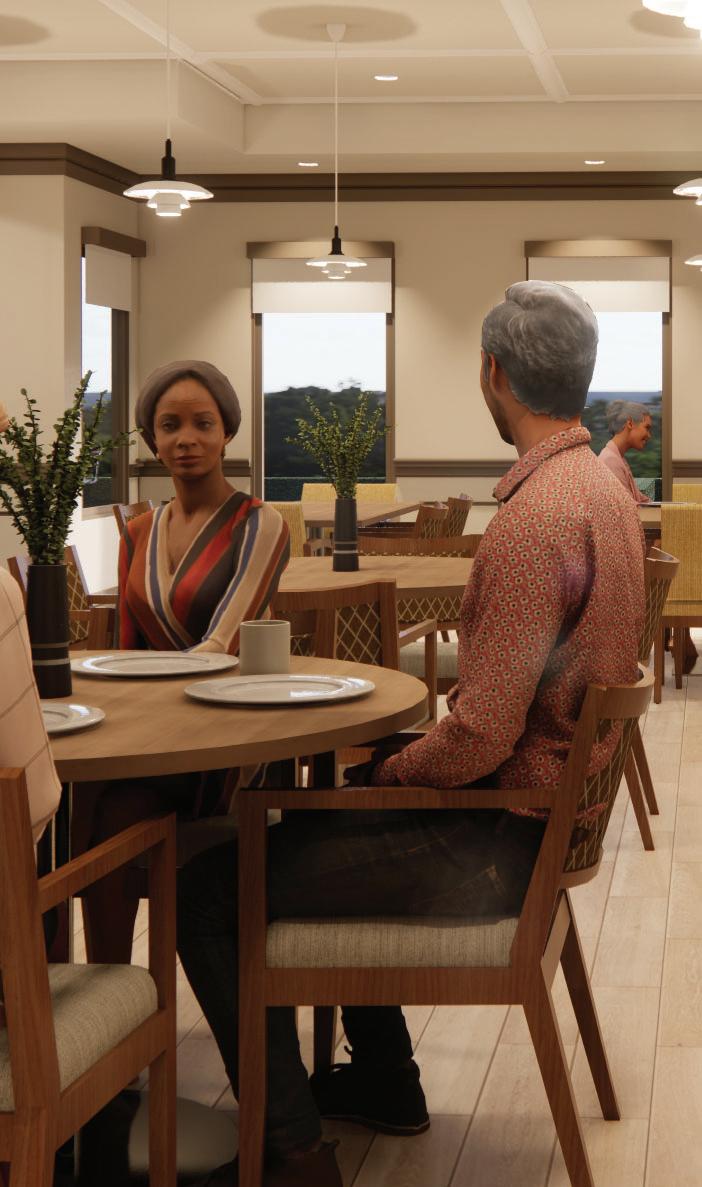
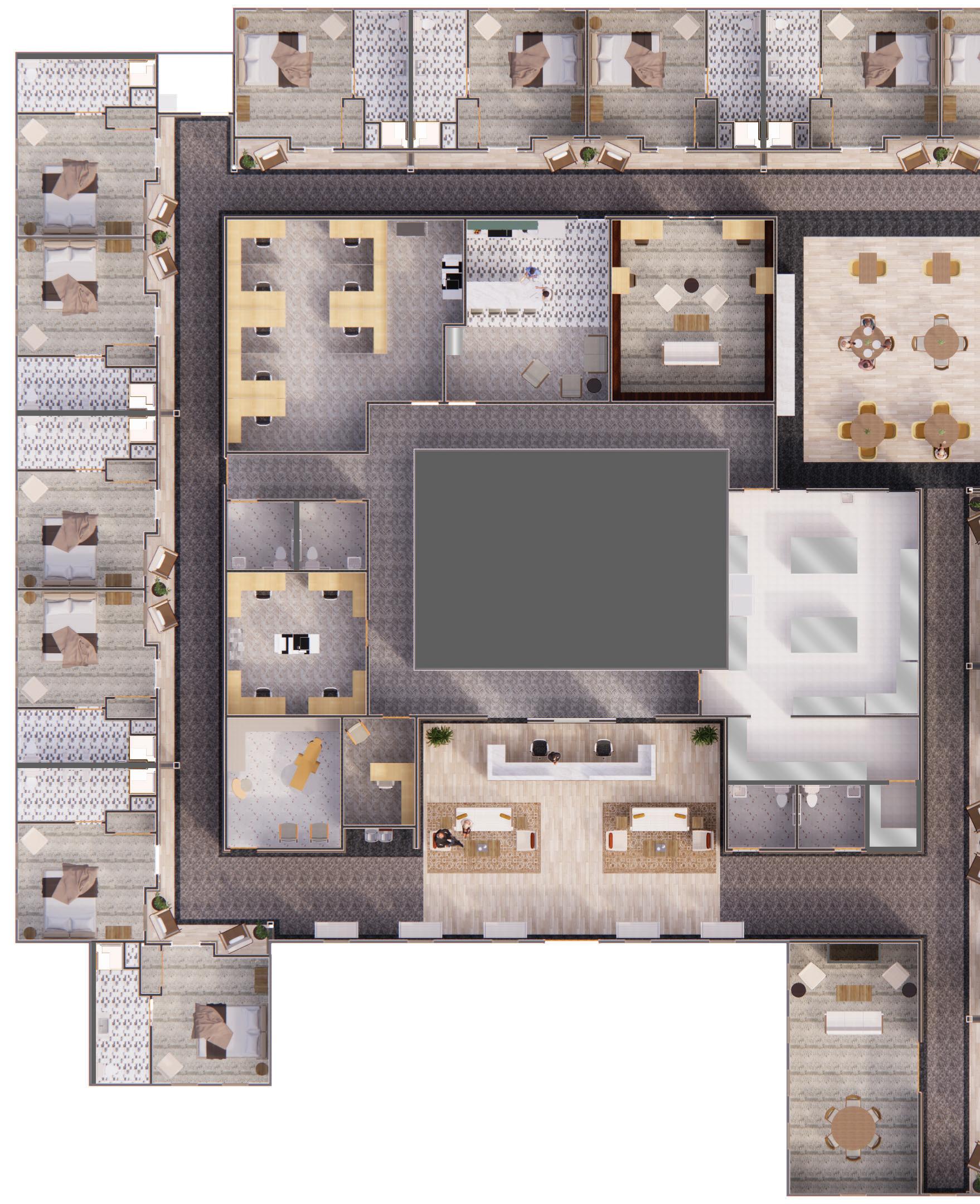
The design concept for the Autumn Oak Villas Assisted Living Facility in Austin Texas was to create a space filled with a sense of connection, restoration, and healing. Warm colors like red, orange, and yellow were chosen to invite warmth into the space and be visually appealing to the aging eye because the effects of light and color on elderly people are significantly more intense than they are on people who can perform activities of daily living (ADLs).
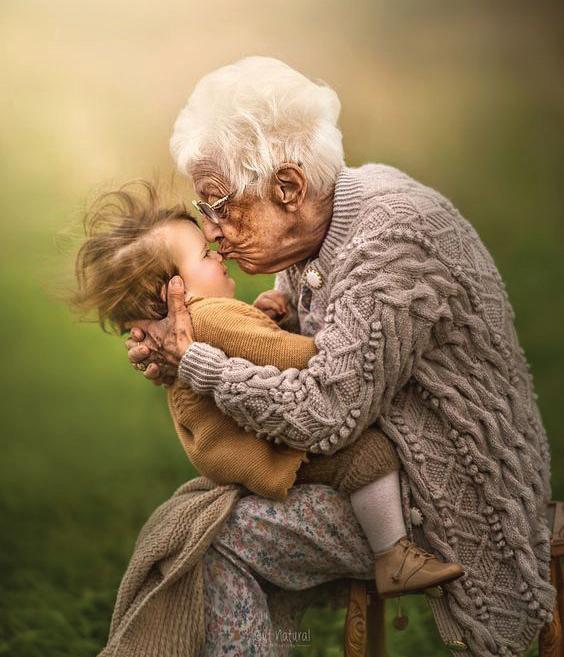
A person is considered elderly when ADLs become too difficult. Examples of ADLs include communicating, eating, drinking, dressing, grooming, personal hygiene, toileting, and sleeping soundly. The Autumn Oak Villas were designed specifically to help people with ADL difficulties. Physical design considerations included specifying chairs without front rungs, using armrests on seating, specifying adjustable seating heights and work surfaces, using bariatric seating, and adjusting shelving heights.
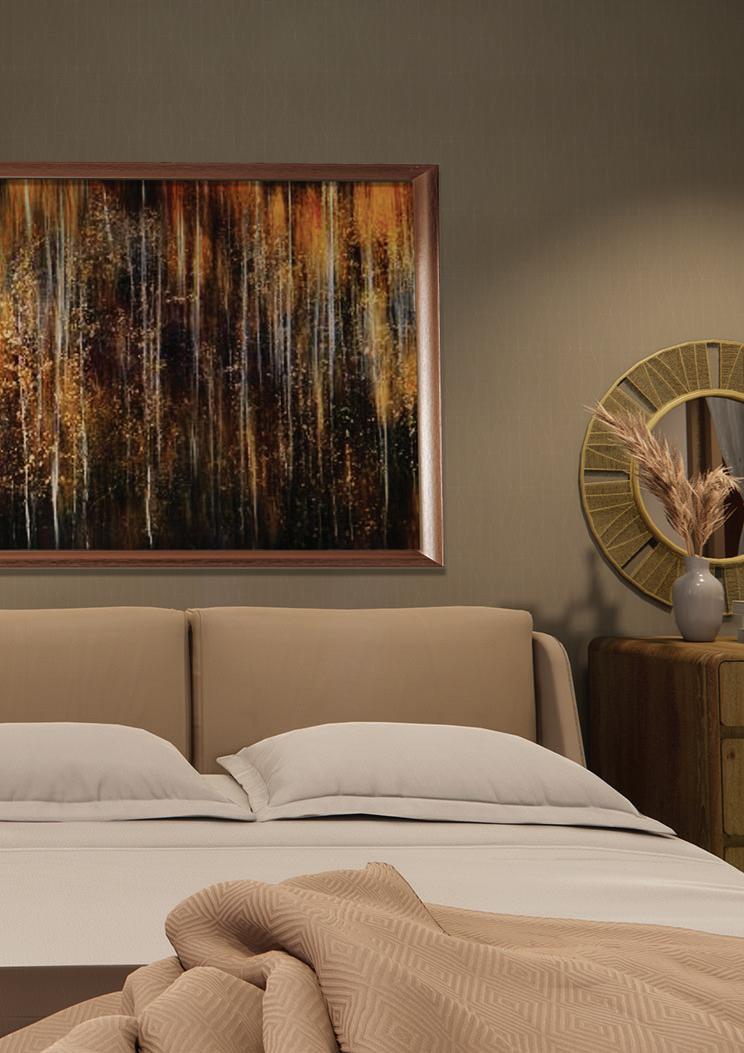
Lighting is an important element that has the potential to change the way the elderly function in their surroundings. As people age, their eyes change; the pupil becomes smaller, and the lens gradually develops a yellow tint and can thicken. These changes affect a person’s depth perception and cause contrast glare, veiling reflections, and difficulty seeing certain colors. Reflective surfaces like flooring that is seen as water, moving from low-lit interiors to bright outdoor areas, or high-contrast shadows can all cause confusion and make independent navigation difficult. Selecting materials with these considerations was vital to assisting in resident navigation.
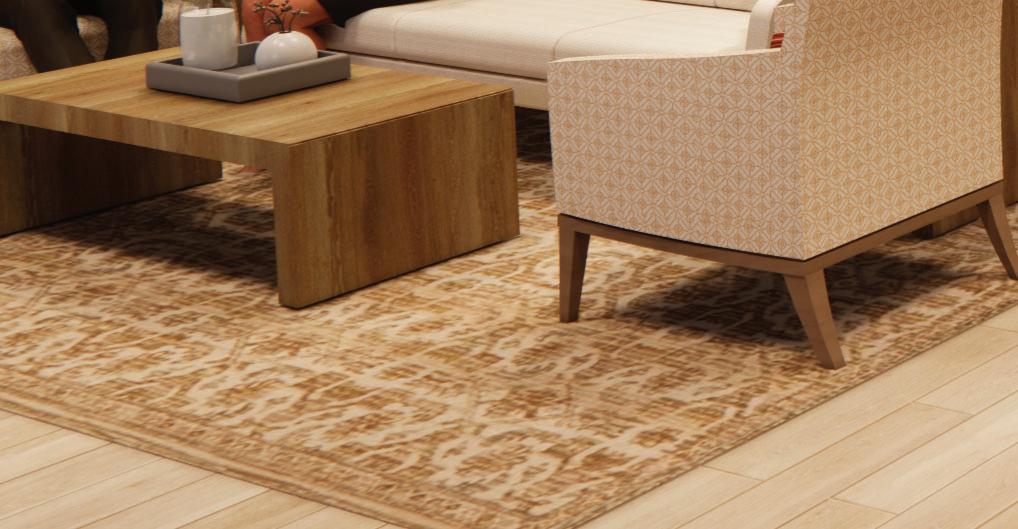
Selecting a color palette using warm color values was intentional to help aging residents who may experience a yellow tint in the eye lens. This tint makes it difficult to see cool colors like blue, purple, violet, and green. Those colors often become gray to the eye and lose contrast with their surroundings. The use of warmer tones like red, yellow, and orange create high contrast and are much easier to see, even with a yellow tint. This was the evidence behind the selection of the color palette for this facility.

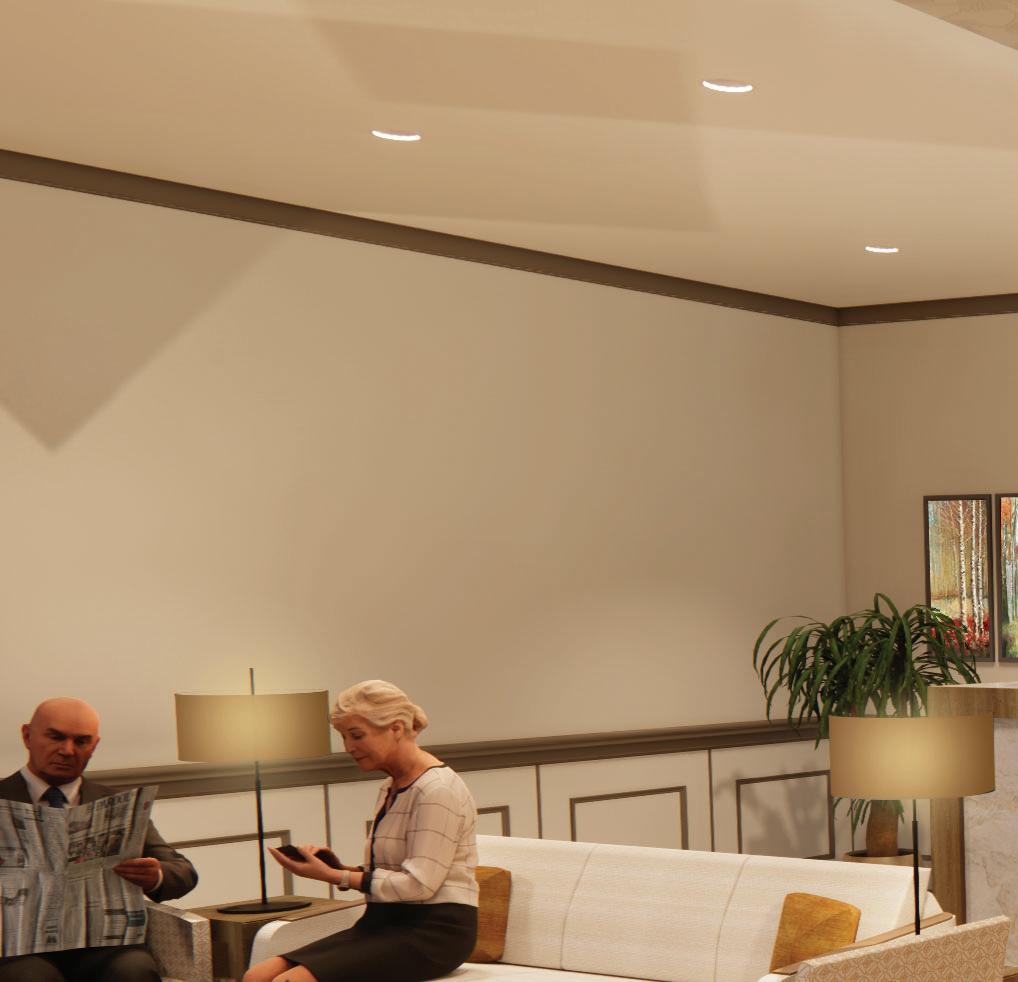
Hearing is another limitation that is commonly developed in Elderly people. Most hearing loss is caused by loud noises, making it vital to design acoustically comfortable spaces in Autumn Oak Villas. Keeping community spaces under 30 decibels is recommended to improve communication and eliminate the risk of more hearing damage. Avoiding low reflective ceilings, long rectangular rooms, and using reflective ceiling light fixtures were considerations used to help keep decibels low.
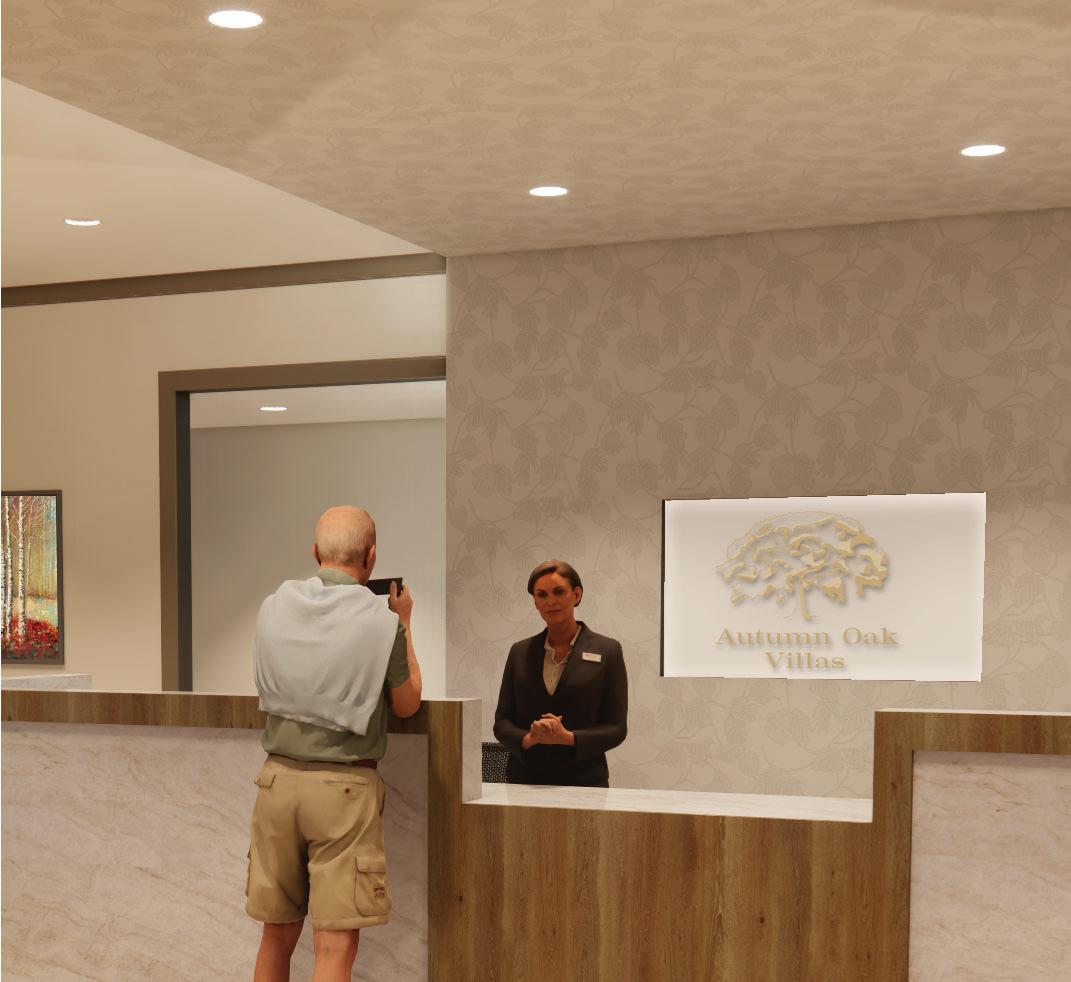
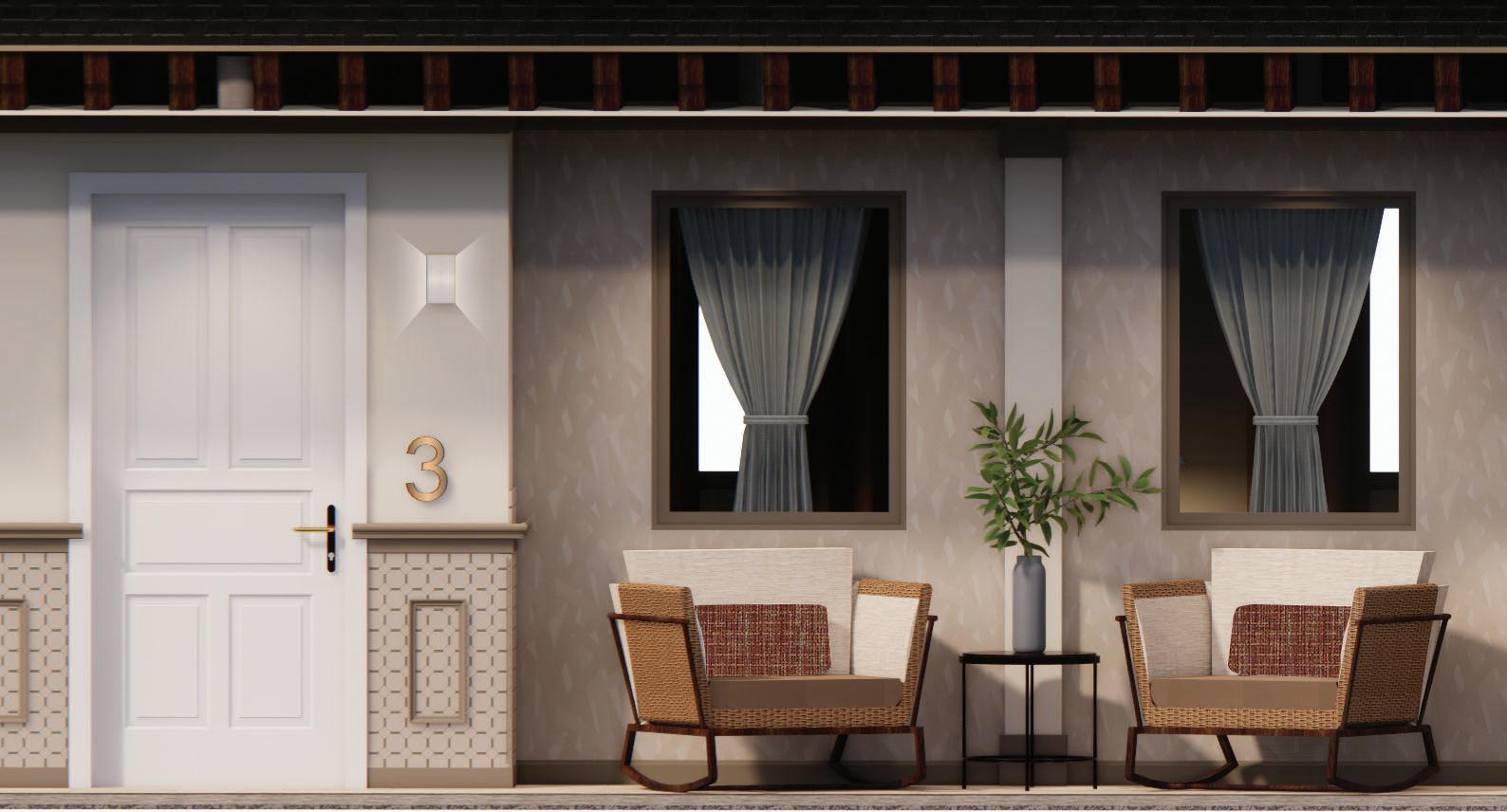
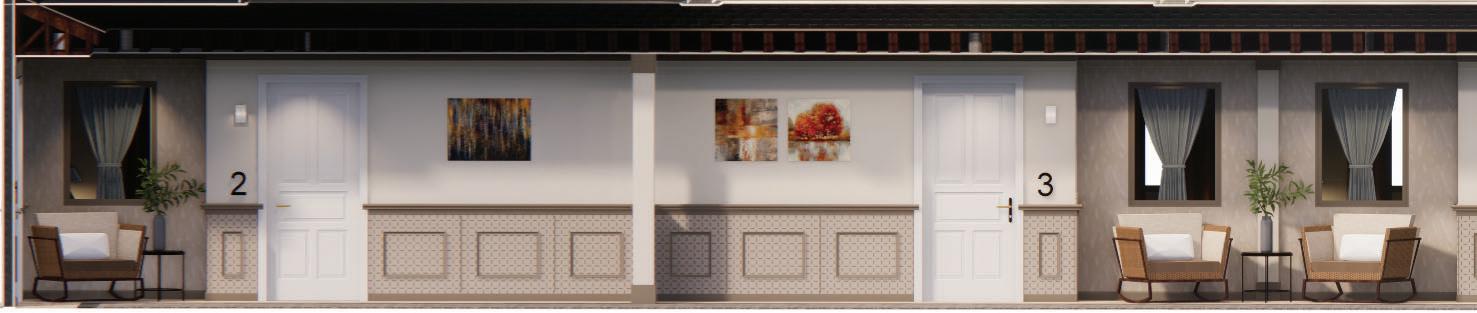
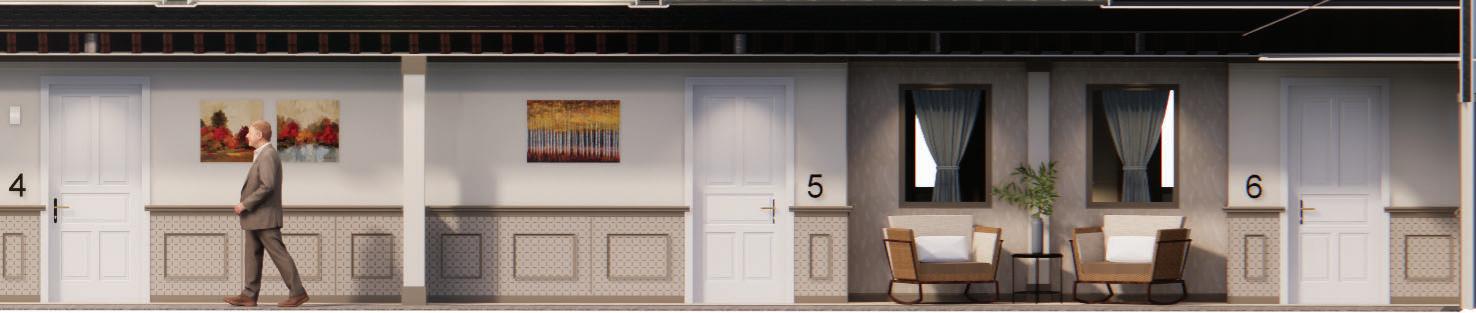
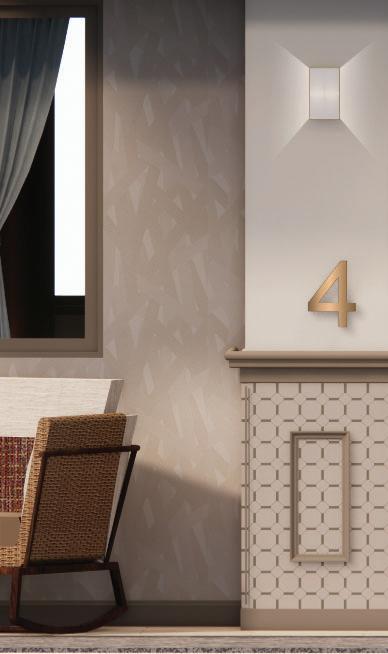
Memory limitations were key issues considered in this design process. Corridors that look identical on both sides (double-loaded corridors) were avoided to prevent disorientation. Adding resident porches for seating helped shorten the walking distance in hallways and visually reduced the length of corridors. Large signage was implemented to help residents stay oriented. In the resident suites, memory items like clocks, calendars, family photos, lists, and seasonal displays were used to help with orientation and comfort.
The design of Autumn Oak Villas was thoughtfully created using evidence to create a comfortable and peaceful place for residents to spend the last years of their lives.
 1.
2.
3.
4.
5.
6.
7.
8.
9.
12.
1.
2.
3.
4.
5.
6.
7.
8.
9.
12.