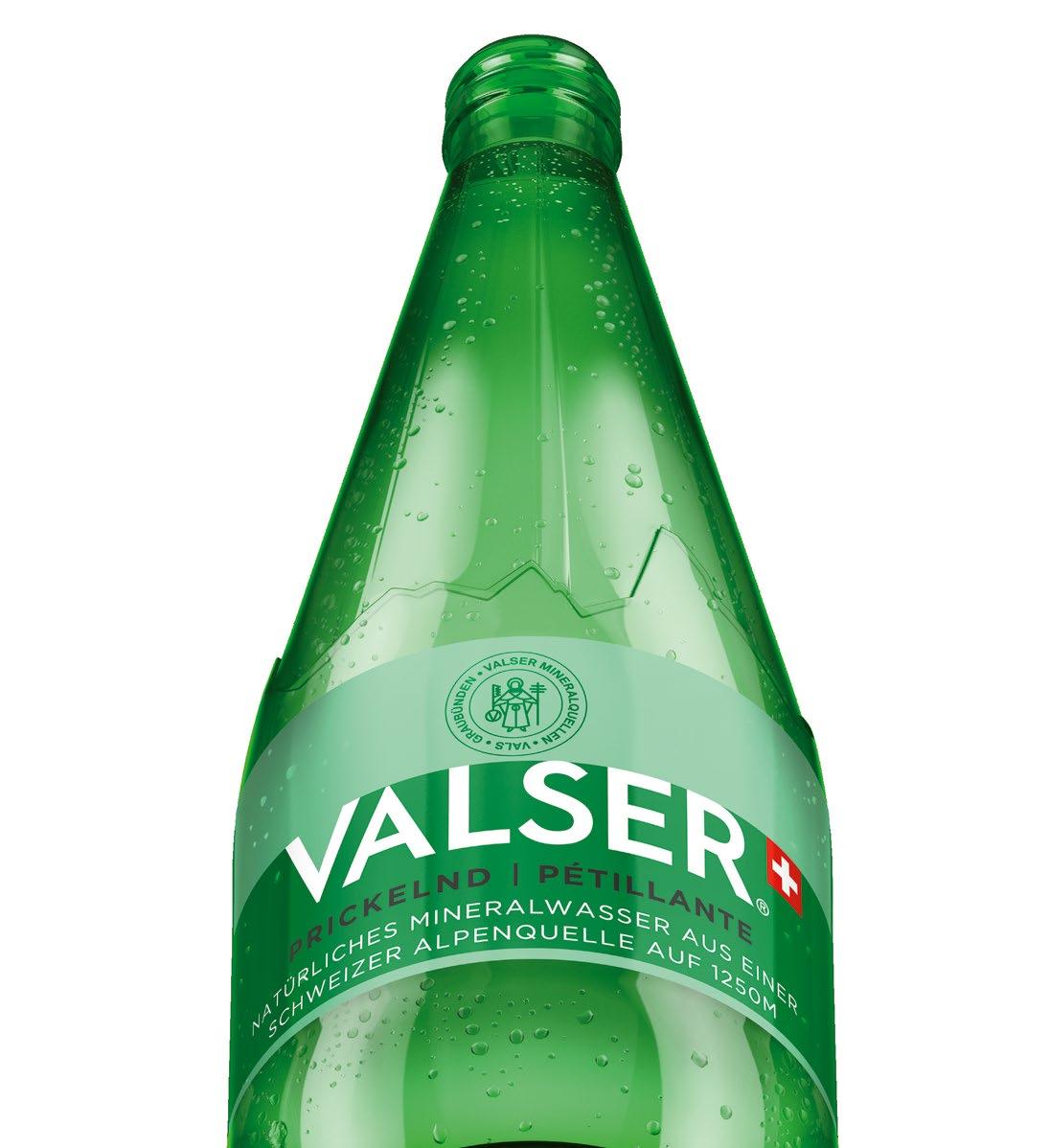
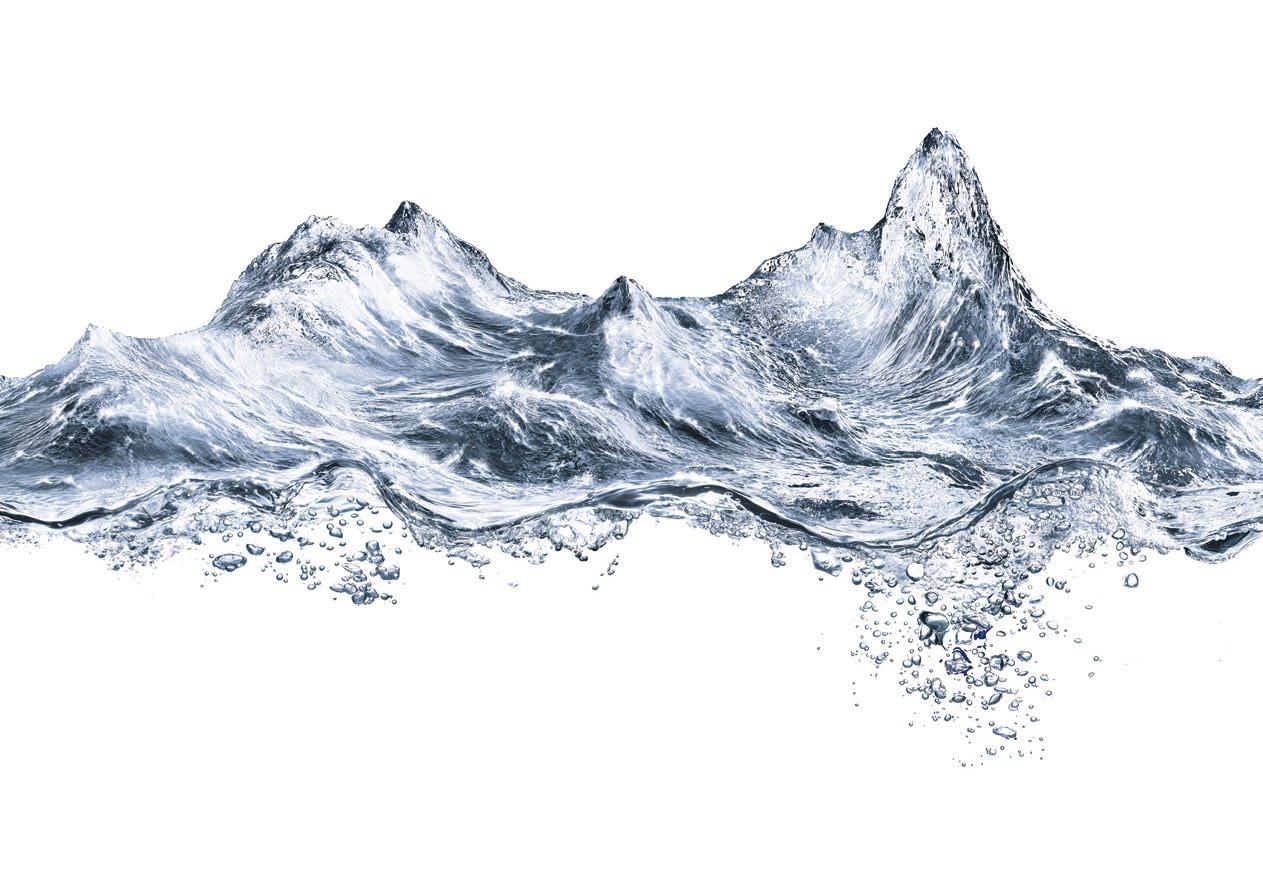
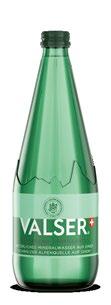
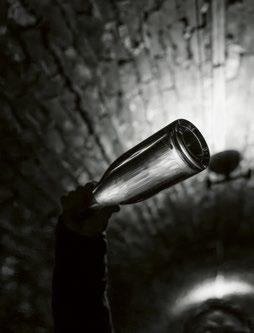
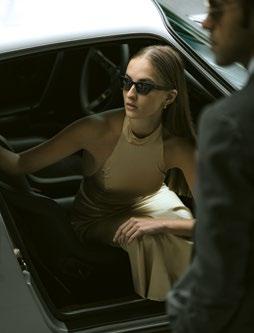
Natural mineral water from the depths of the Swiss Alps. Full of strength, just like you!
VALSER: two unique sources –two unique tastes
St. Peter’s Spring
Wholesome and lightly sparkling
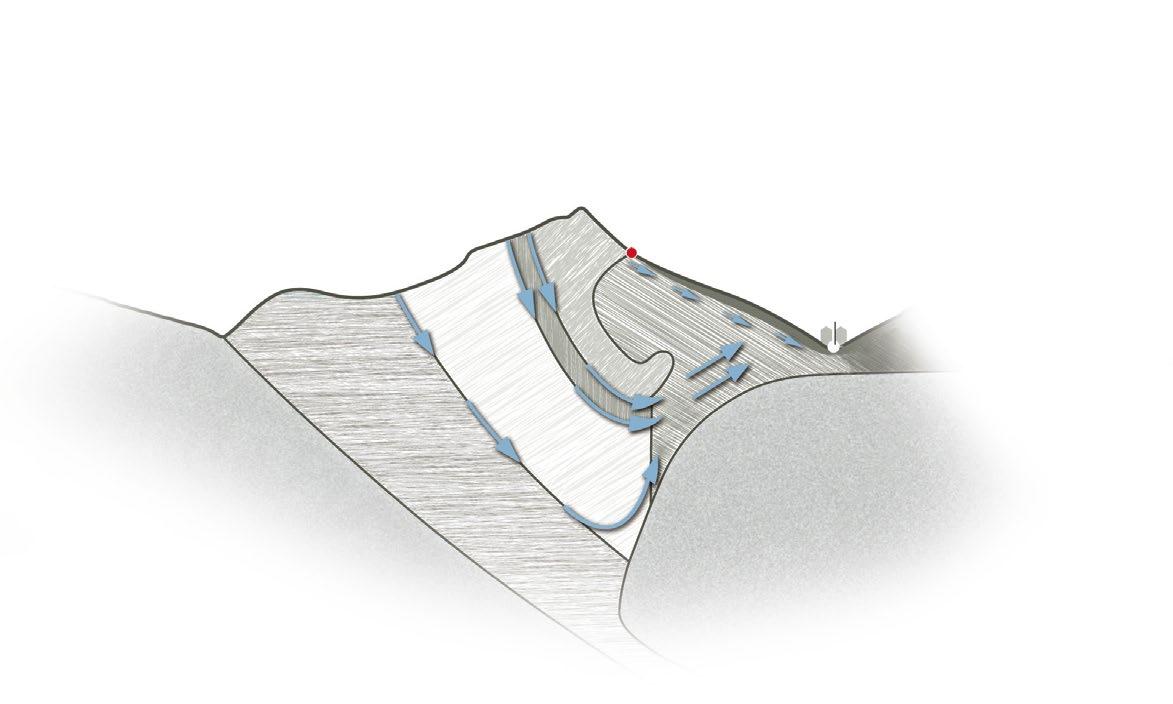
VALSER Sparkling and VALSER Calcium + Magnesium are sourced from St. Peter’s Spring, situated at an elevation of 1,250 metres in the Swiss Alpine valley of Vals. At the end of its 25-year journey through the rock, the water emerges from St. Peter’s Spring with a balanced mineral content of 1,889 mg per litre, covering 53% of an adult’s recommended daily mineral intake.
VALSER Sparkling and VALSER Calcium + Magnesium pair perfectly with hearty meals and robust wines. Minimally carbonated, the water is naturally invigorating with a pleasant, refreshing taste
Still and delicate
VALSER Still is sourced from St. Paul’s Spring – one of the highest springs in the Swiss Alps.
It emerges from the spring after a relatively short journey of just three to five years. The mineral water, which is collected at an elevation 1,815 metres, is particularly mild with a low mineral content of only 224 mg/l.
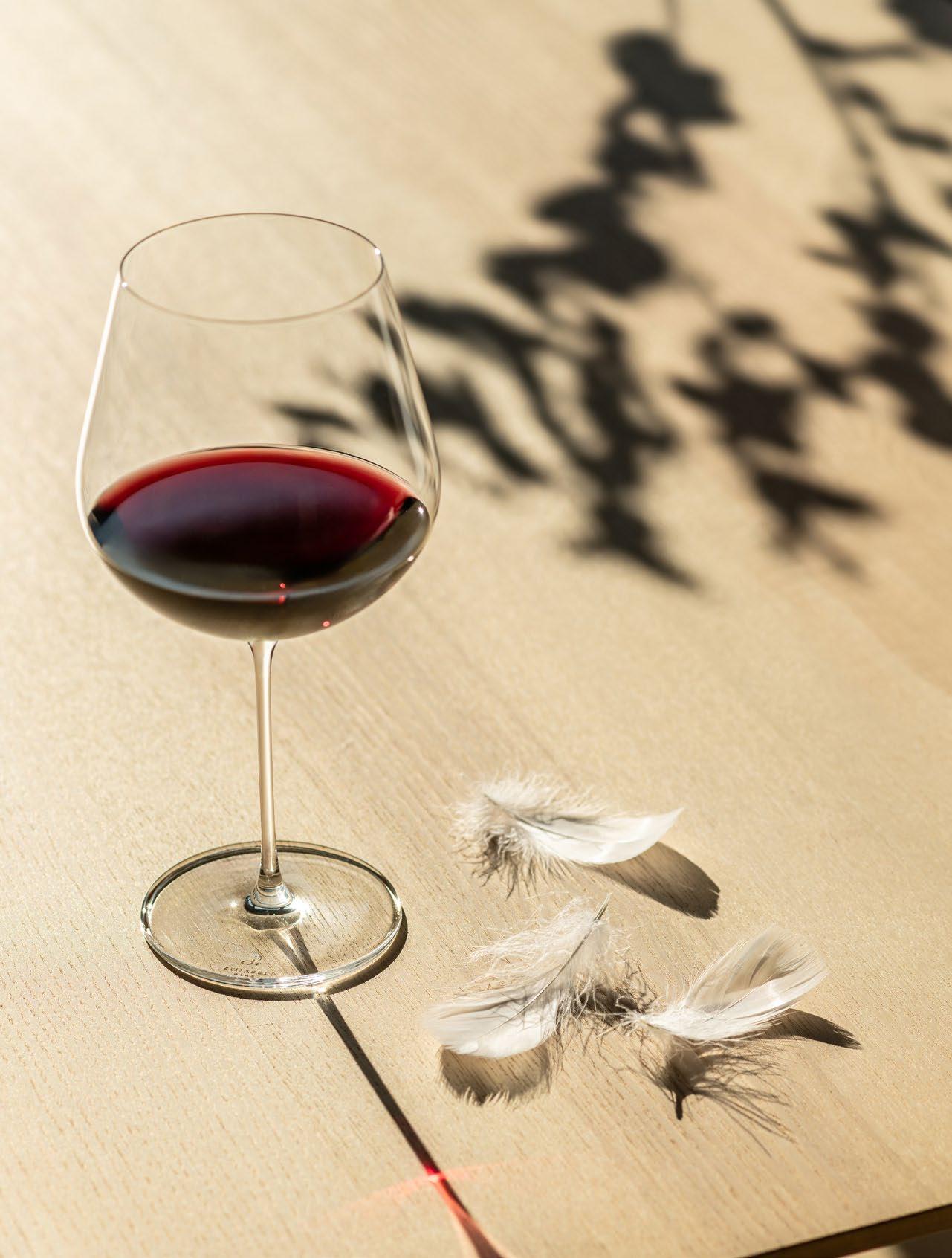
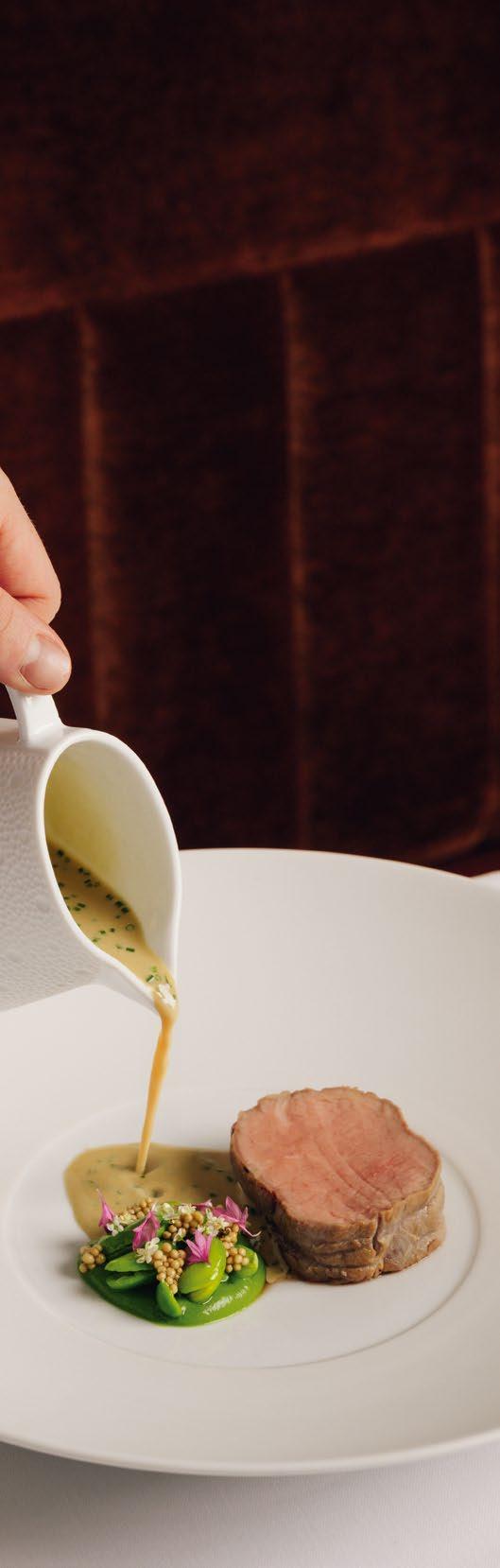
It has a light, delicate taste and pairs perfectly with wine or extended evening meals – it is refreshing and the perfect palate cleanser between courses.
VALSER – sustainable by nature
VALSER is sourced from the continuous flow of water. As infinite as our source may seem, it depends on our careful management. We have a duty to preserve it for perpetuity. This means caring for its origins in nature, the environment and our planet. VALSER is committed to water and its future – for you and your guests.
Appenzell, Switzerland | fusterlegacy.com
A Line Worth Keeping
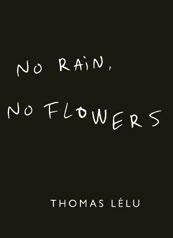
I recently came across a book by French artist Thomas Lélu with the title No Rain, No Flowers. It is a collection of handwritten quotes and thoughts and it feels more like a per sonal sketchbook than a printed publication. When asked about the title, he simply replied: ‘It’s about the good weather that comes after the rain and vice versa. And it reminds you to stay optimistic whatever happens.’
I took the book with me and found myself returning to its pages again and again. There’s something moving in the handwritten lines – gentle, a little imperfect, sometimes raw, yet somehow familiar. His words feel evocatively personal.
This brings me to the piece in this issue by Katarina Kovalska, aptly titled Who’s Really Speaking? A brilliant and unsettling reflection on what happens when words lose their human roots. Through a series of vivid analogies, she imagines a world where meals are engineered, wines are not produced from vineyards and even massages are perfectly simulated by a robot. Her question lingers long after the final line: if a message is created by AI, does it still carry meaning?
As generative technologies move ever closer to our daily lives, I am afraid that we’ll stop noticing the difference. That we’ll begin to accept polished phrases over real voices, surface gloss over emotional depth. Even if it seems perfect, there is still something missing.
That’s why we’re celebrating the authenticity of our wonderful writers and the quiet beauty of a good read in print. In collaboration with Swiss artist Manuela Menzi, known for her expressive wrapping paper collages, we’ve created a bookmark crafted entirely from fragments of this very issue. It’s a tactile tribute to the power of the printed word and a gentle reminder to pause, mark the page and return when ready.
As you turn these pages, may you find something that resonates – something that stays with you and accompanies you along the way. A sentence, a story, a sudden alignment of thoughts.
Enjoy the read!
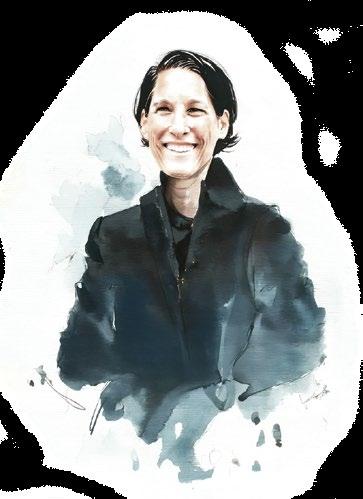
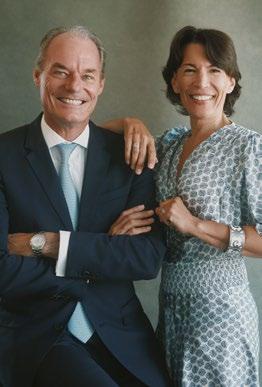
Evelyn Gorgos
Follow us on Instagram @swissdeluxehotels
Do you like H Magazine? Take out a subscription!
No Rain, No Flowers by Thomas Lélu is a witty and poetic invitation to embrace creativity and change. Blending irony, pop culture, and philosophical insight, it reminds us that beauty often blossoms from life’s most unpredictable moments. Published by Hodder Catalyst, London.
Noticeably more tone and firmness
Regenerating Intensive Care nurtures with nourishing, delicately melting textures. Enriched with vitamin-rich oils and revitalizing plant extracts, it supports the skin’s elasticity and resilience. Your skin is continuously cared for throughout the day –leaving it feeling smooth, supple, and radiant.
WINTER HIGHLIGHTS
Travel Guide 034
Discover the Swiss Alps in style – starting in Interlaken and culminating in Zermatt’s gourmet heights. Join us on a journey where breathtaking landscapes and exceptional cuisine meet legendary hospitality.
Spa Review 050
Swap ski poles for spa robes at Saas-Fee’s The Capra – where wellness tastes as good as it feels.
Engadine Running Tips 062
Looking to explore Pontresina on foot while discovering some hidden gems? Here are our five favourite spots recommended by marathon runner Beatrice Lessi.
Chef’s Profile 072
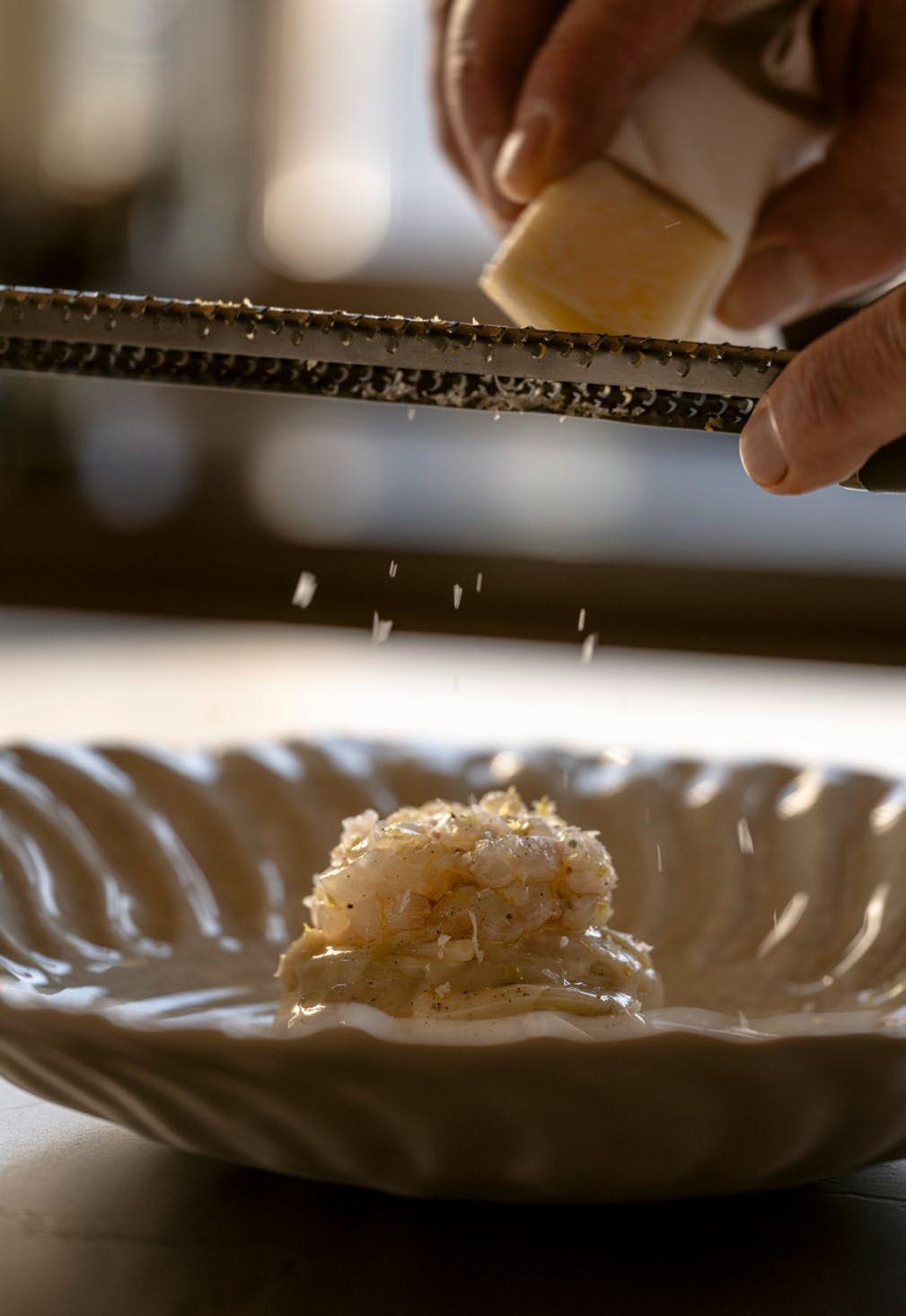
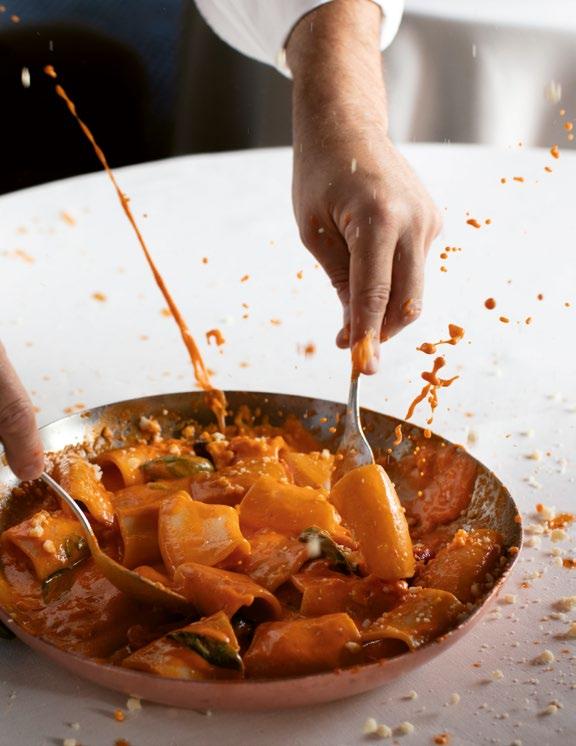
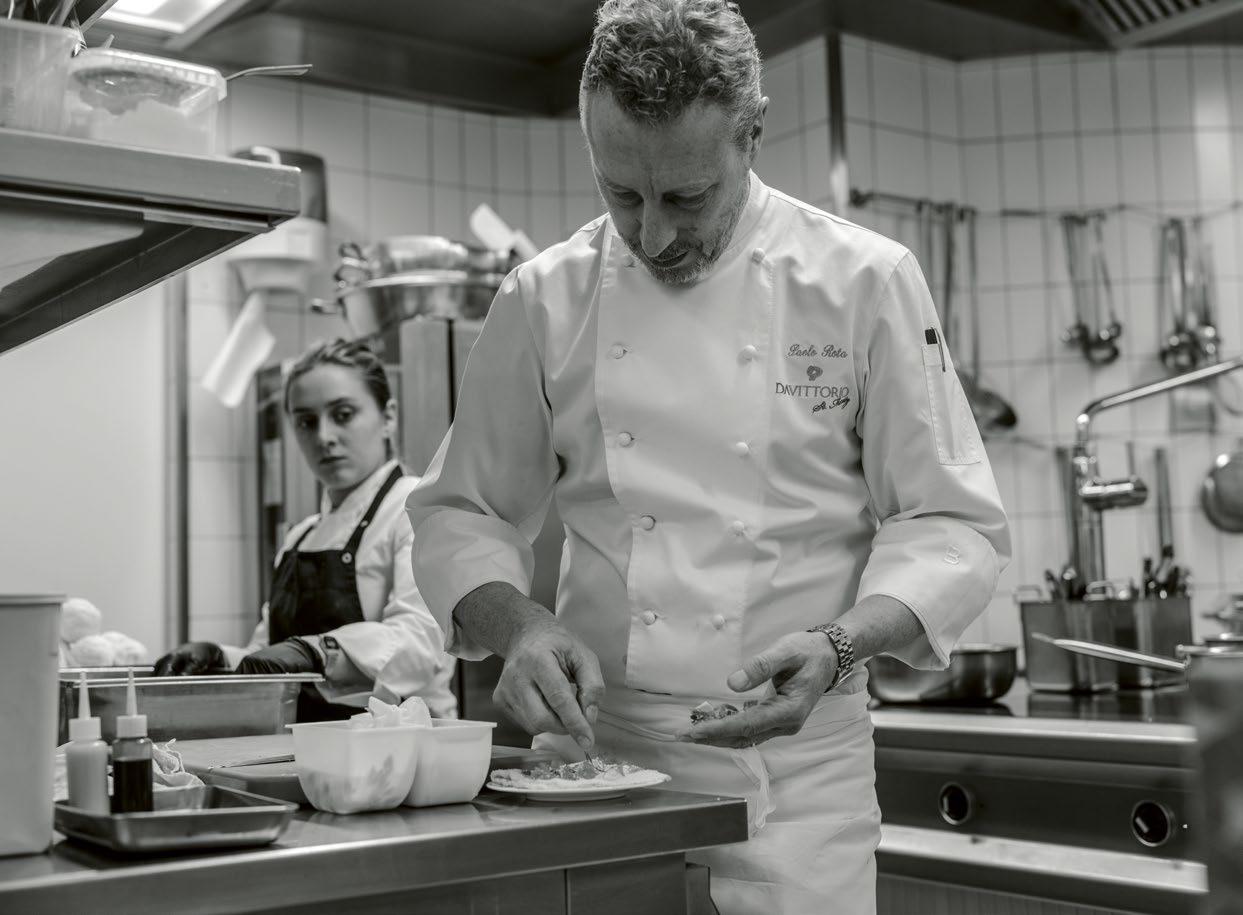
The world’s most famous pasta? | It just might be Paccheri alla Vittorio. Chef Paolo Rota personally serves the iconic dish at the Carlton Hotel St. Moritz – and the verdict is clear: indulge whenever you get the chance.
Zurich Gourmet 081
A culinary tour through the city reveals bold flavours, global influences and tradition served with a twist.
Winter Hiking 098
Crunching through snow and culture alike, the Via Engiadina reveals a winter wonderland of solitude, sgraffito façades and slow moments.
Three Times Lucky 104
Zurich’s innovative local bar scene.
A Legendary Alpine Ride
108
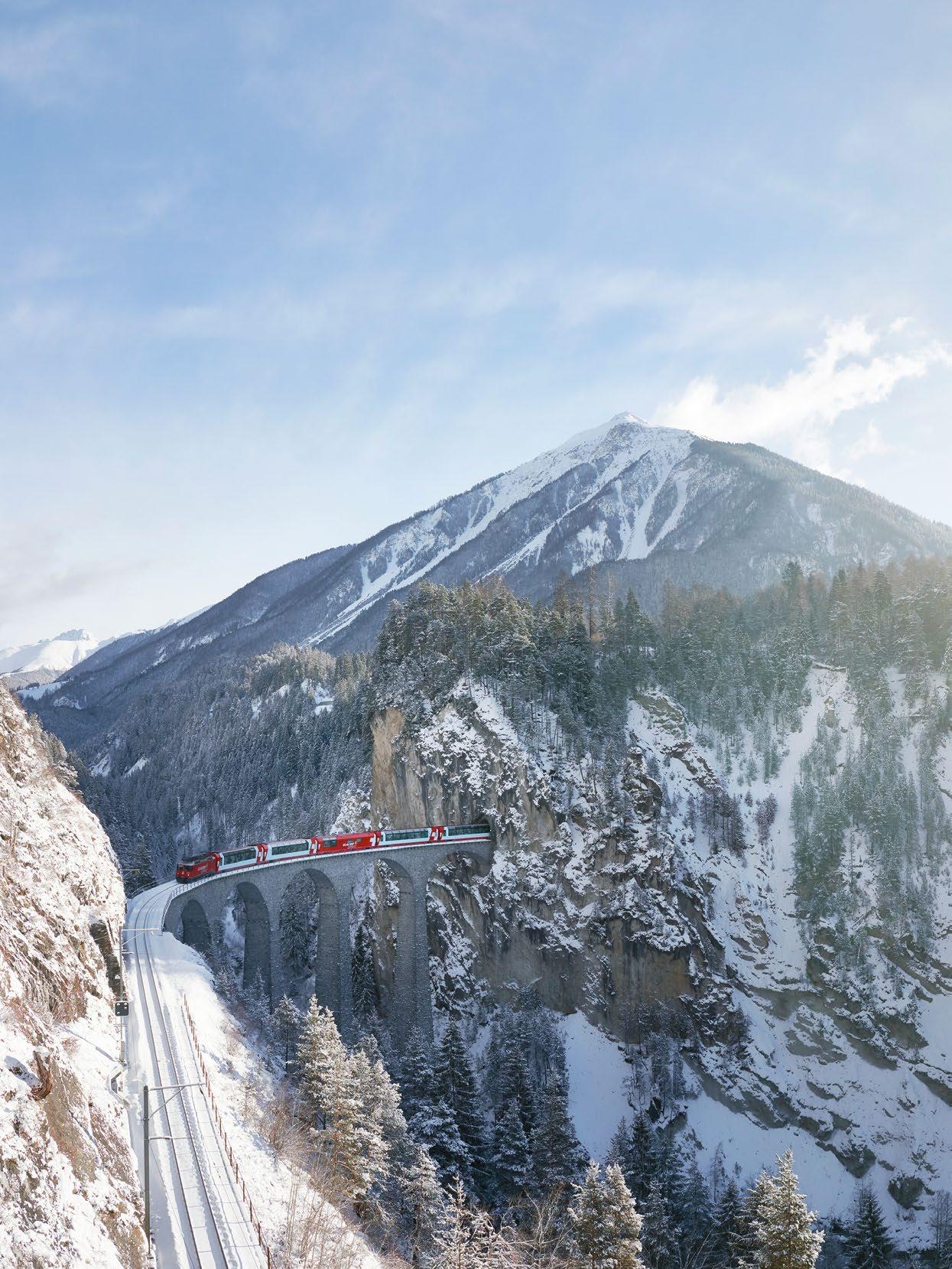
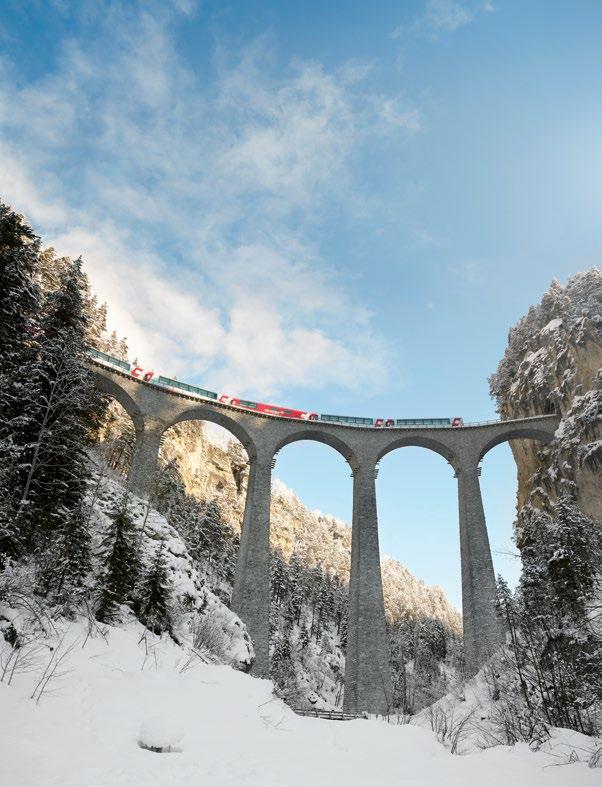
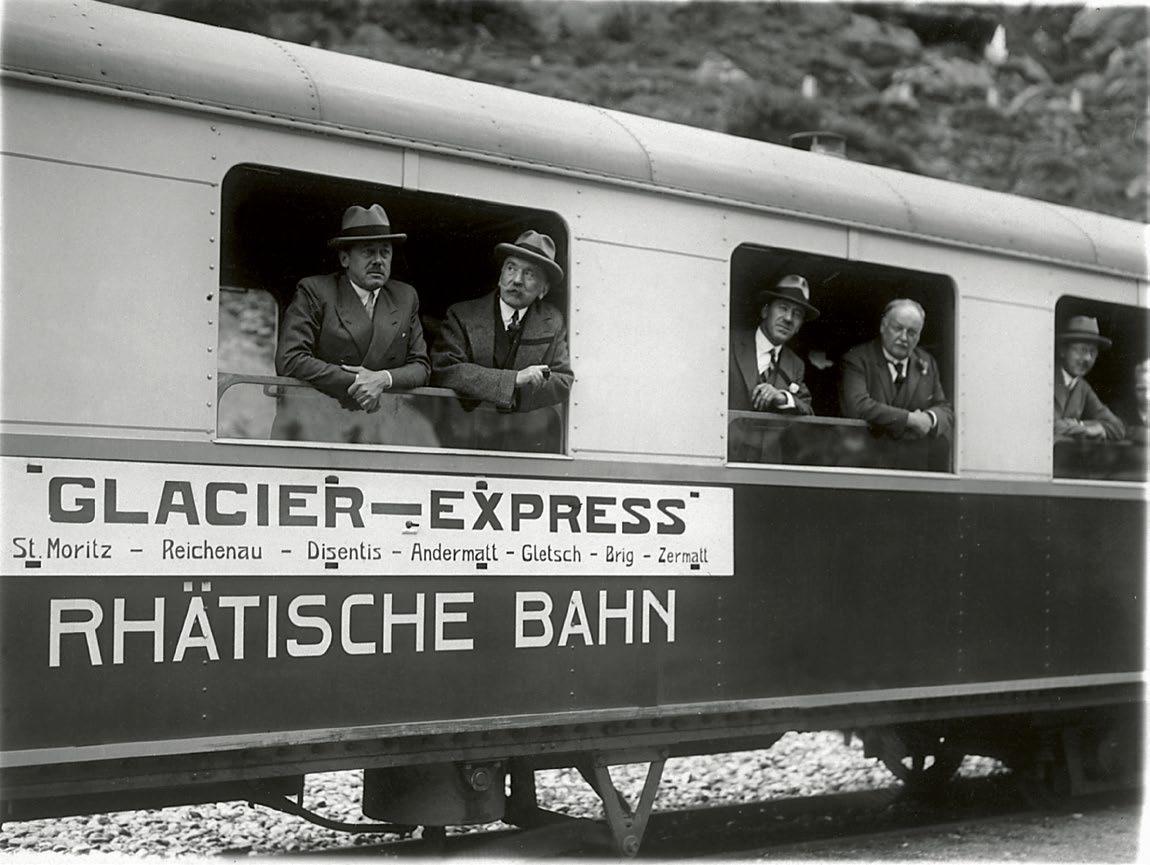
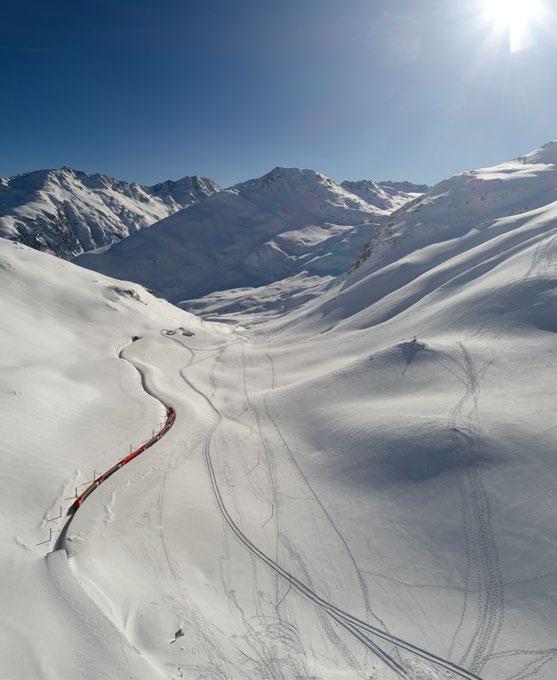
The Glacier Express has turned scenic slow travel into a Swiss signature linking Zermatt and St. Moritz in style since 1930.
Magic Moments
114
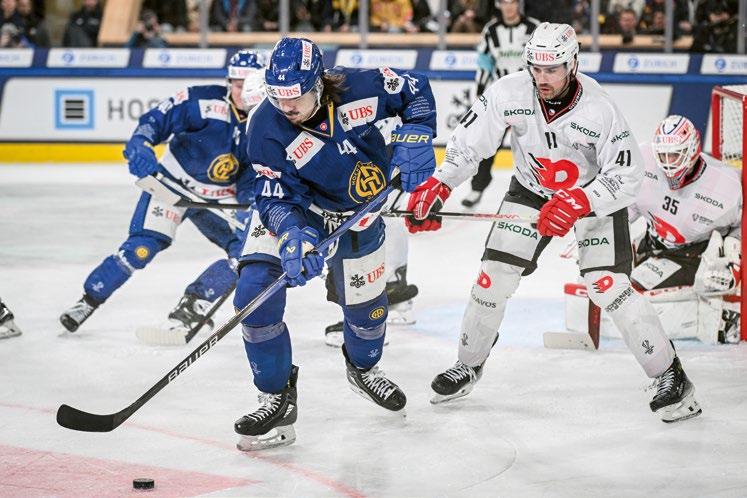
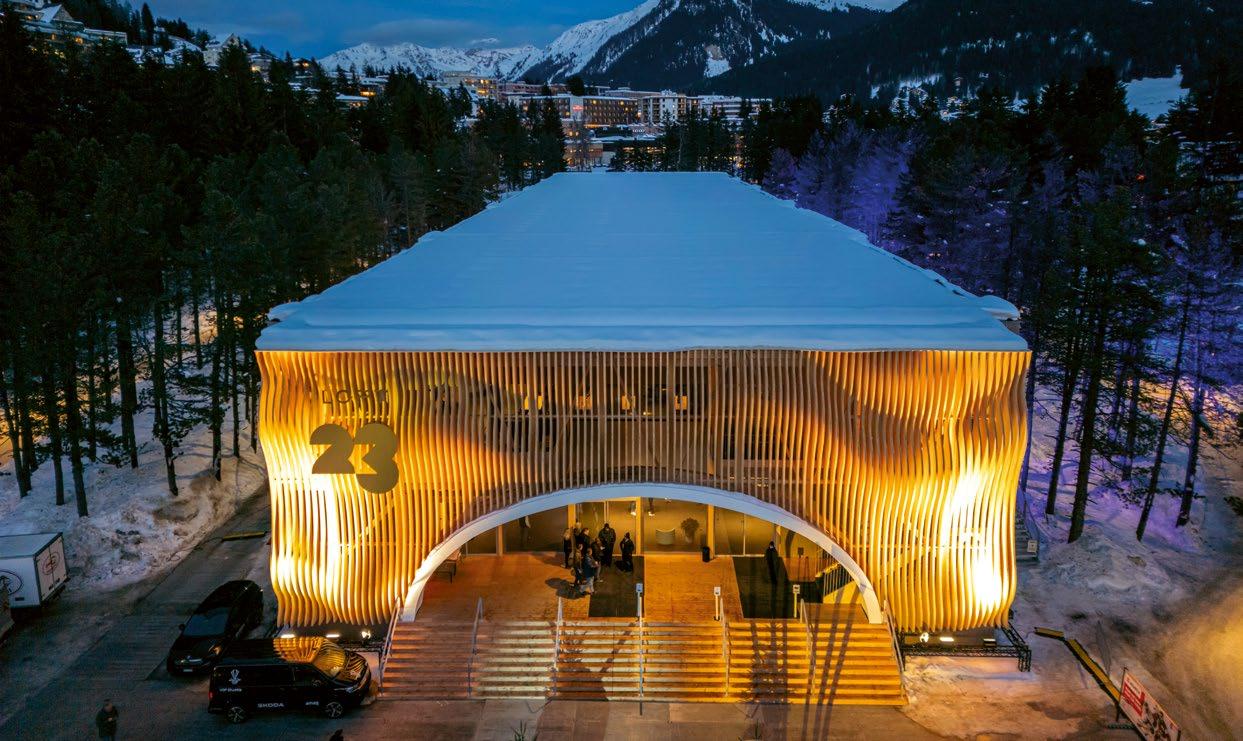
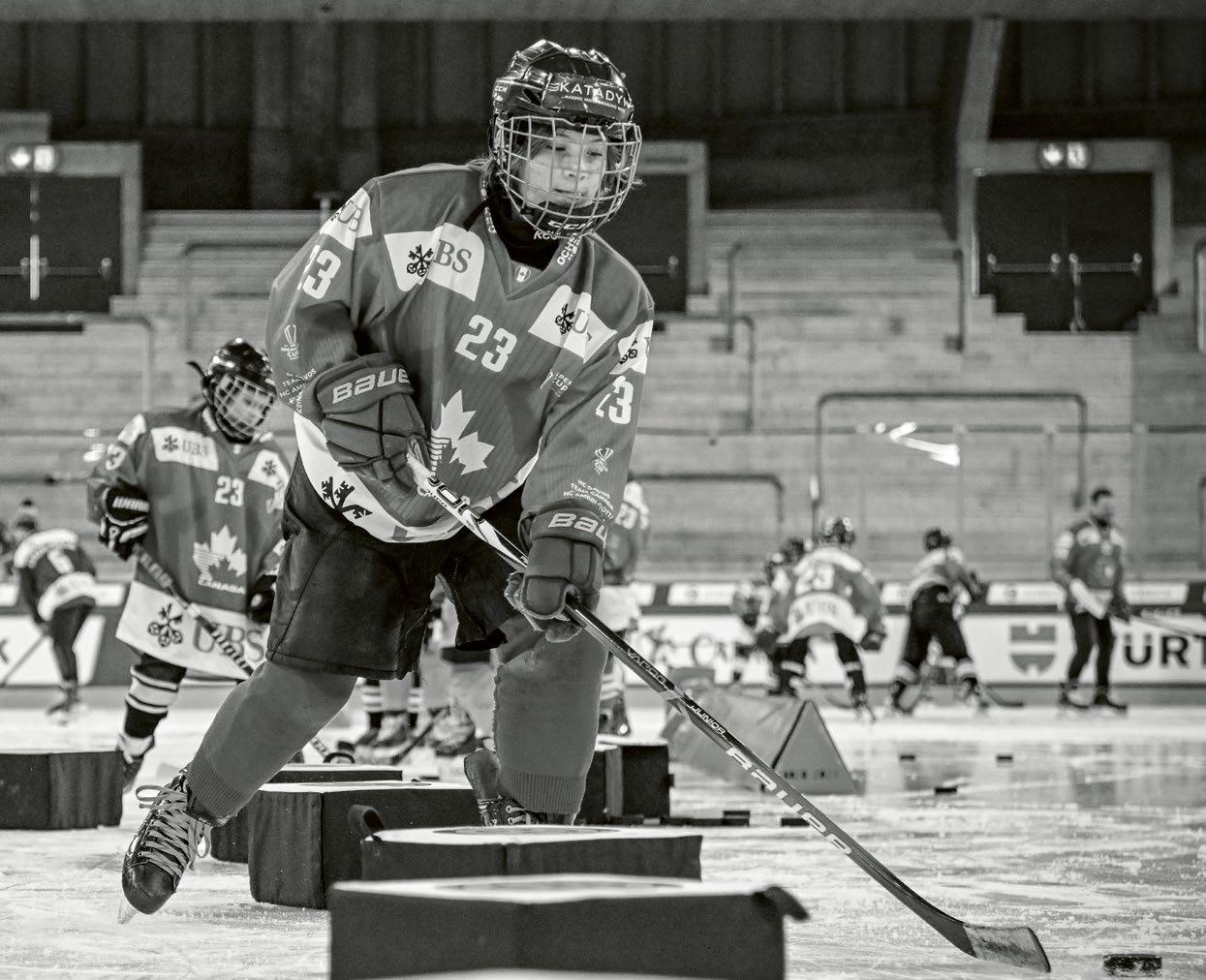
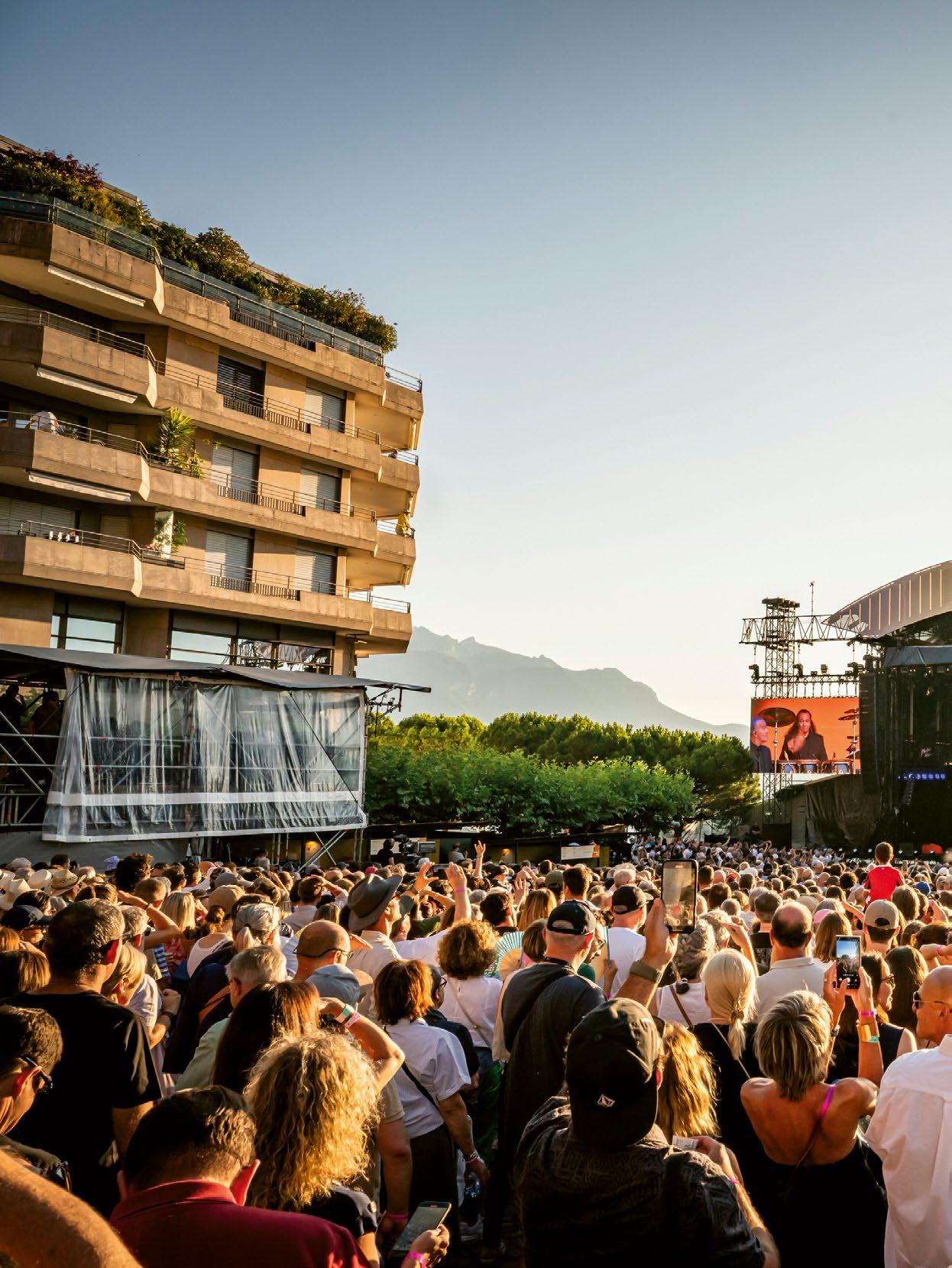
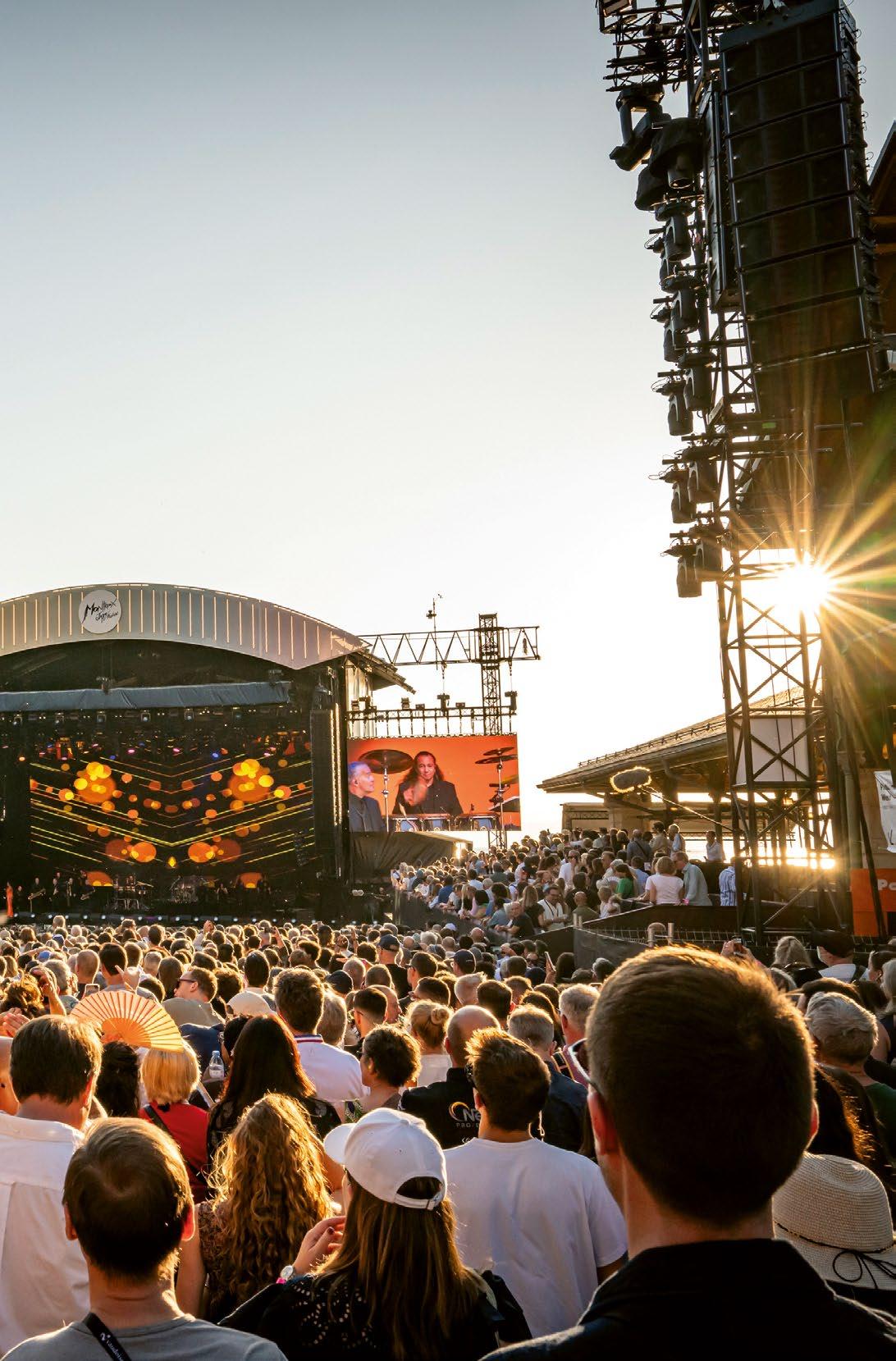
From the century-old spirit of the Spengler Cup to the magic of Montreux Jazz, Swiss Top Events show how sport and music unite us across borders and generations.
At Positioner, we craft and promote destinations that perform, building awareness, strengthening reputation, and inspiring connection through creativity and strategic storytelling.
For destinations that aim higher
SPECIAL THX TO
ILONA MARX
had never experienced a silence more soothing than the one that embraced her on a crisp morning hike along the snow-dusted Via Engiadina. After several days on the long-distance trail through the Lower Engadin, the freelance journalist felt entirely detached from the noise of everyday life.
WOLFGANG FASSBENDER,
the seasoned food journalist, who has visited dozens of three-star restaurants, was particularly impressed by the generous atmosphere of Da Vittorio in Brusaporto – and, of course, by its famous Paccheri
CLAUDIO DEL PRINCIPE
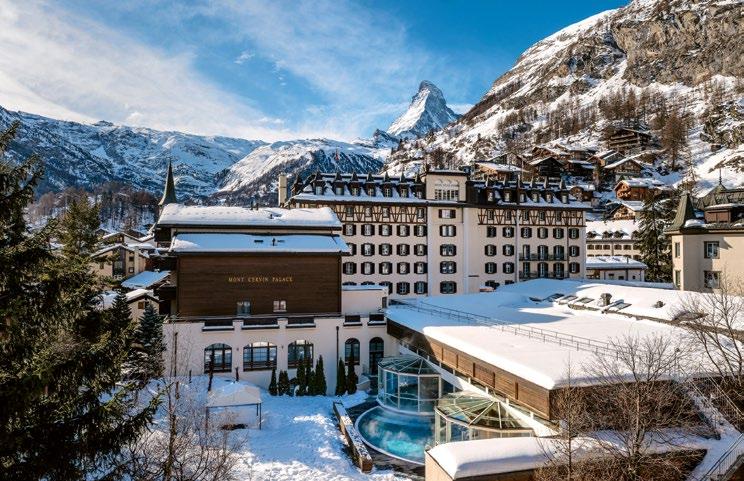
falls under the spell of the Matterhorn as he takes us on an alpine journey through three exceptional Swiss Deluxe Hotels: Riffelalp Resort, Mont Cervin Palace and Grand Hotel Zermatterhof. In Zermatt, nature’s majesty meets timeless elegance – where energy, inspiration, sport, relaxation and indulgence exist in perfect harmony.
THOMAS HAUER, who holds a PhD in the gastroscopic movement of the 19th century and once made his mark as a sharp-tongued restaurant critic, now travels the globe as a freelance writer in pursuit of culinary highs and extraordinary destinations. His latest adventure? A journey aboard the legendary Glacier Express, capturing the flavours, moments and majestic scenery from St. Moritz to Zermatt.
ENRICO COSTANTINI, a Venetian documentary and travel photographer with a talent for visual storytelling, has followed his lens around the world to photograph people, places and charming interiors. With a background in interior design and fashion, he combines aesthetics, forms and a sense of space to create compositions that bring empathy to his photography. We immediately fell in love with his images he took in the Marguita restaurant of the Baur au Lac.
SWENJA WILLMS
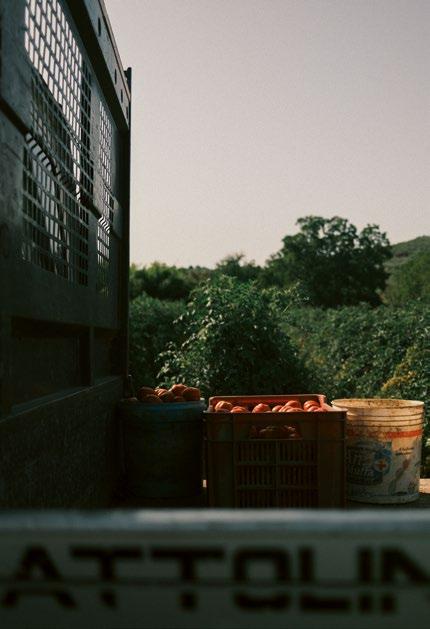
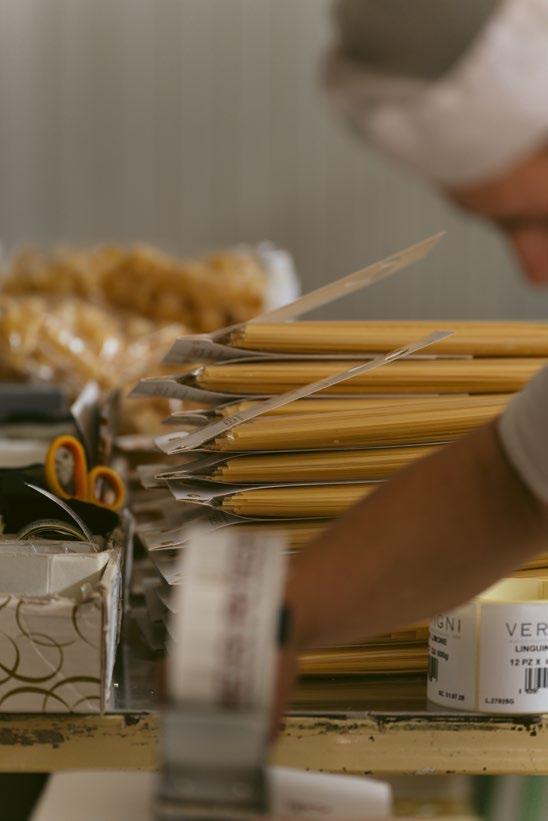
has a passion for good food that most likely comes from her father, who spent most of his life in the kitchen. Swenja feels at home anywhere there is something to taste and discover – and in this issue, there was plenty. Between tomato fields and pasta machines in Abruzzo, she learned just how crucial producers are to fine dining. And at BANKS in Basel, she was among the very first to sample the new culinary concept of Les Trois Rois. Spoiler: her palate was more than grateful.
ROBERTA DALL’ALBA
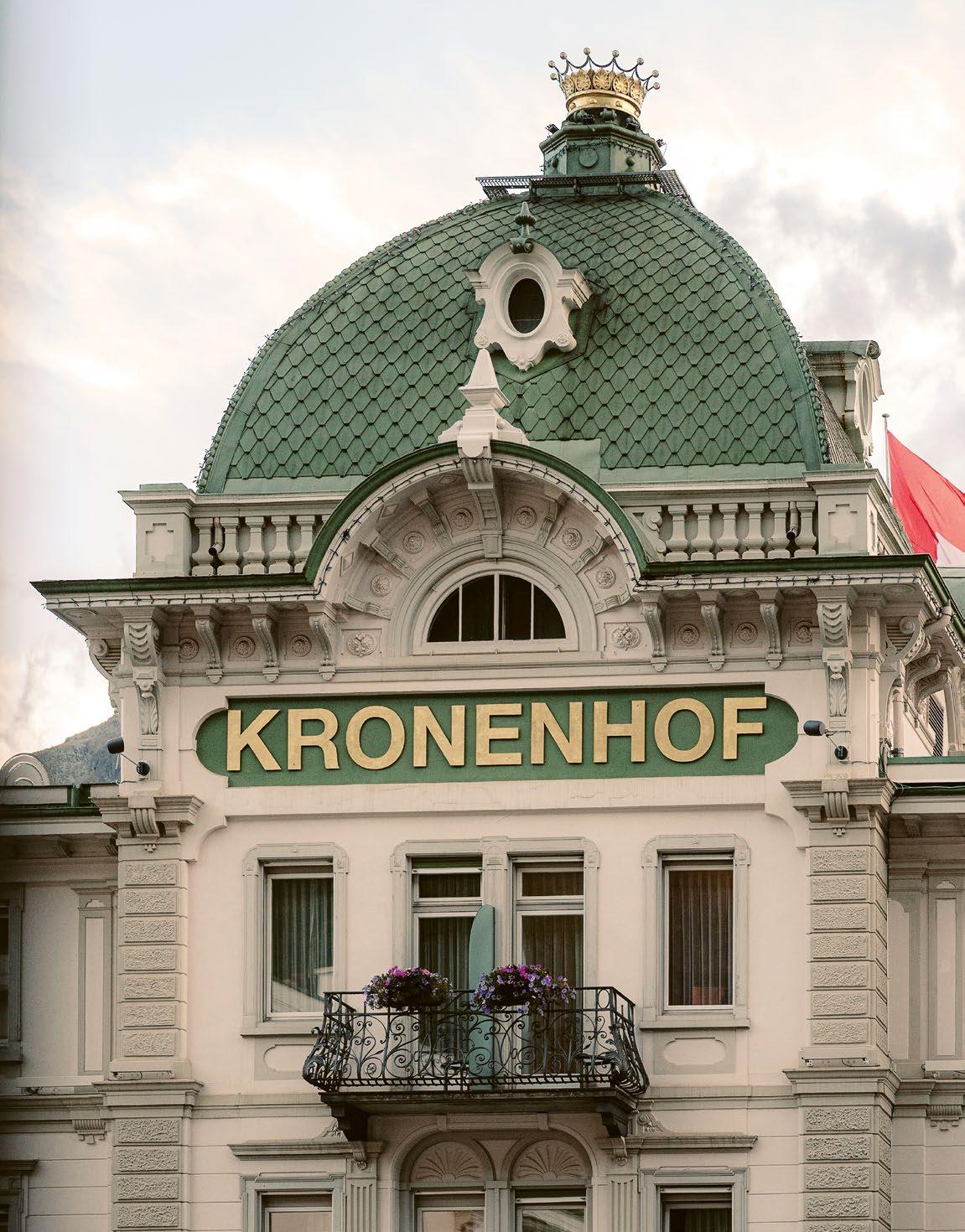
has a knack for turning fleeting moments into timeless frames. As a travel, food and hospitality photographer, she captures the kind of candid beauty that makes you pause. With a sharp eye for detail and a love for natural light, Roberta tells visual stories that linger. For this issue, she checked into the historic Kronenhof in Pontresina –camera in hand, curiosity in tow – and captured its serene grandeur in her signature style.
FELIX PAL
has two passions: writing and travelling. After reporting from every continent and honing his craft at top Swiss media houses, he now fo cuses on stories from his home country – always with people at the heart. For this issue, he sat down with Markus Granelli, the man behind The Dolder Grand in Zurich.
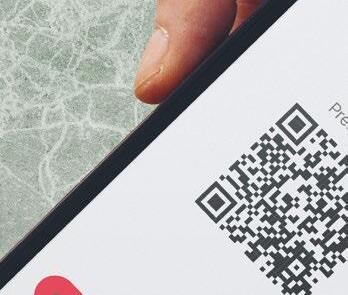
Jetzt interaktiv erleben.
Entdecke Montblanc Explorer Extreme in 3D. Einfach scannen.
Reconnecting With What Truly Matters
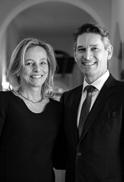
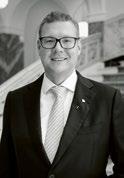
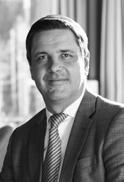
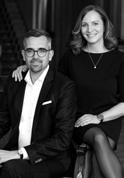
Nathalie Seiler-Hayez Managing Director
Michael Smithuis Chairman Swiss Deluxe Hotels
Winter returns, bringing its crystalline light, pristine landscapes and a breath of crisp air that instantly soothes the mind. It is the season where time seems to slow down and we rediscover the simple pleasure of breathing deeply, refocusing and reconnecting. After intense summer months, there is a need for wellbeing, warmth and authenticity – experiences that our Swiss Deluxe Hotels embody to perfection.
To recharge in the Swiss mountains is to dive into a picture perfect winter landscape where every snowflake invites calm. In Gstaad, St. Moritz, Arosa, CransMontana, Villars, Saas Fee or Zermatt, our palaces become elegant sanctuaries where luxury meets the simplicity of the present moment: a crackling fire, an enveloping spa, a glass of champagne overlooking the snow. The pure air, silence and raw beauty of the Alps remind us of nature’s rare power to bring us back to what truly matters.
But wellbeing is not only experienced nestled in mountains. In the vibrant cities of Zurich, Geneva, or Basel, it reveals itself through the rhythm of an urban weekend. Between exhibitions, hidden boutiques and exceptional dining, we also connect with ourselves. Once again, our hotels offer havens of warmth where guests are pampered after a day of exploration and where every detail: a smile, a scent, a texture, transforms the everyday into something extraordinary.
Winter is also the season of sharing, reunions and laughter. These moments spent with family, friends, or loved ones are what matter most. Our properties invite guests to embrace this precious sense of togetherness over a gourmet dinner, a fondue by the fire, or a moonlit walk. These simple, genuine emotions are at the heart of what we wish to offer: memories that warm the soul like the glow of a fireplace.
This season, take the time to indulge in that rare luxury, the luxury of reconnecting with yourself, with nature and with others.
Our properties are here to turn those moments into unforgettable experiences, where every stay becomes a promise of well being, beauty and emotion.
Nathalie and Michael
Closing the Loop
How Nespresso turns used aluminium capsules into a circular design story
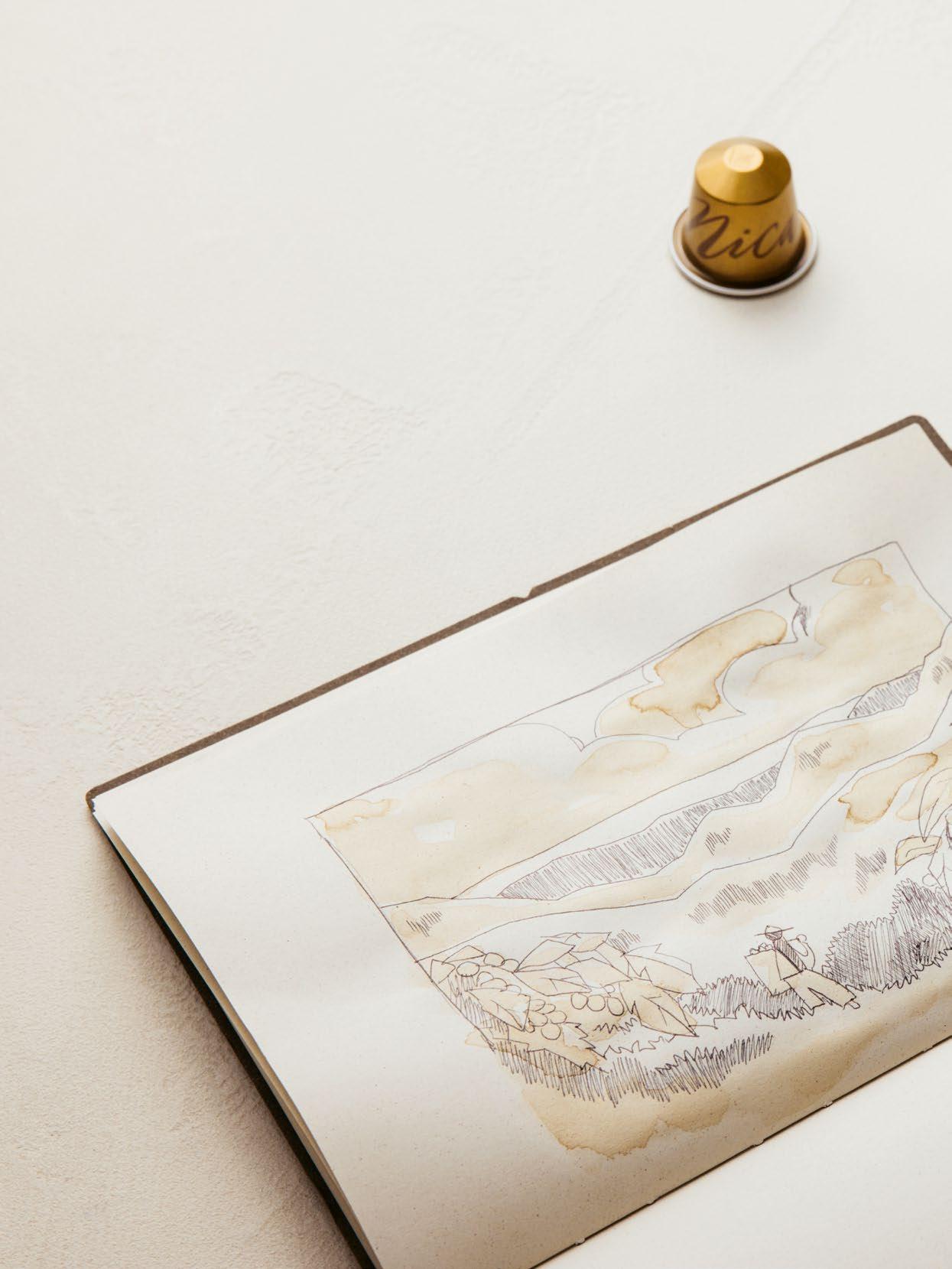
Since 1986, the brand has built an ecosystem that turns used aluminium capsules into valuable resources, proving how circular thinking can transform not only your morning espresso, but can be partially integrated into a daily use design object.
Nespresso uses aluminium not only because it locks in coffee’s freshness and aroma, but because it’s one of the few materials that can be recycled again and again. Recycling is as easy as possible : throuhg collect points, in boutiques, retails partners and from the confort of your home, everything have been established in boutiques, retail partners and even postal systems to make it easy for consumers to return their used capsules and close the loop.
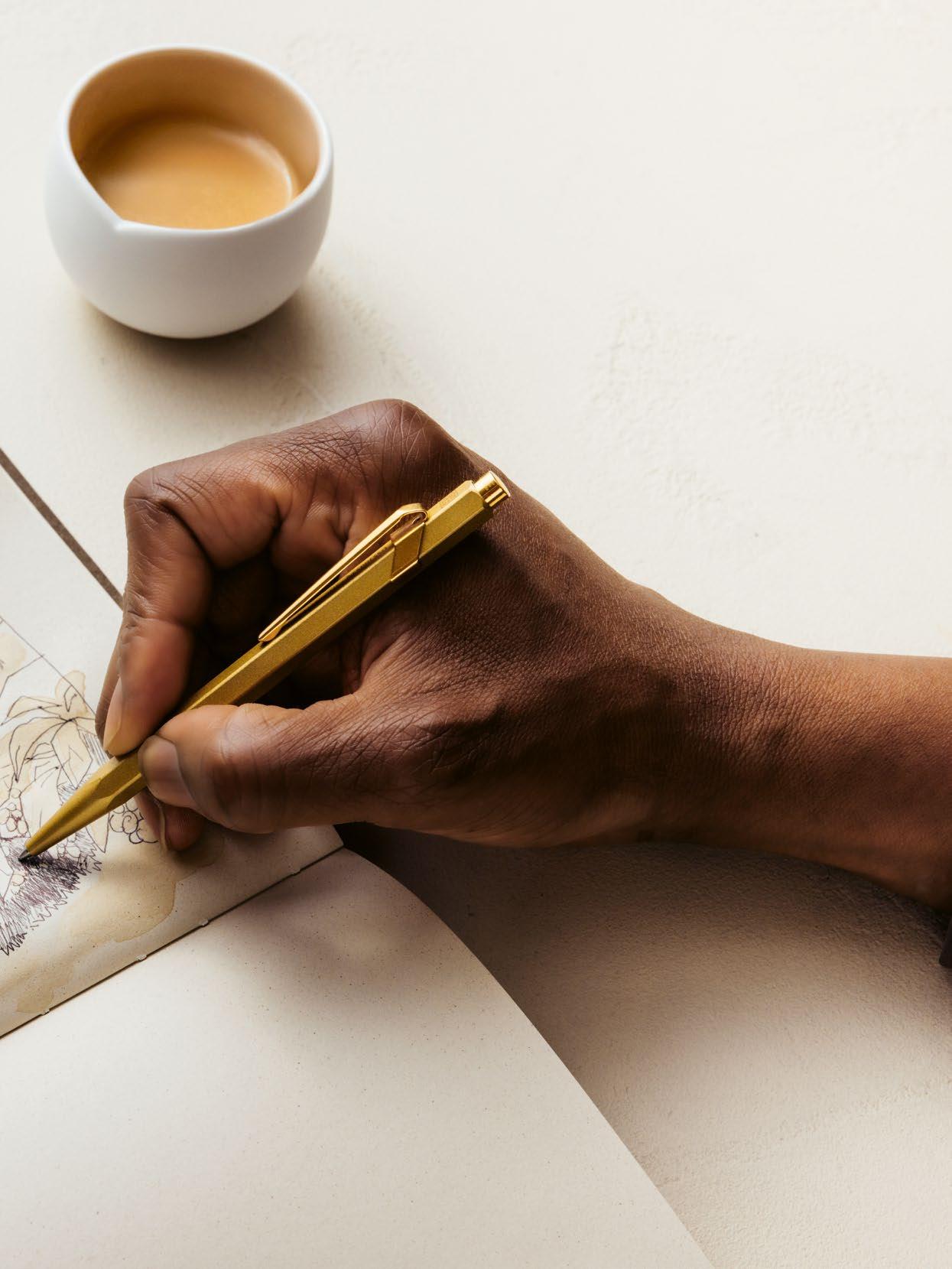
Through collaborations with visionary partners,Swiss brand transforms used capsules into objects of desire – each with a story to tell. Caran d’Ache reimagines capsule aluminium as refined writing instruments, while Miloo builds sleek urban e-bikes partly from recycled components components, inspired by Nespresso's capsule colors. Hublot fuses innovation with sustainability in a timepiece in part repurposed aluminium and coffee grounds – a world first. As part of its latest collaboration with Faction, part of the capsule’s materials is repurposed into high-performance skis and poles with style. Not to mention the coffee grounds, which are partly integrated into a after-ski shoe. These collaborations reflect a broader shift where recycling becomes a form of thoughtful design and meaningful reuse.
Today, Nespresso capsules contain contain at least 80% recycled aluminium – proving that premium quality and responsible sourcing can go hand in hand. Through partnerships such as the Aluminium Stewardship Initiative (ASI), Nespresso aim to us materials that comply with the social and environmental standards.
Once collected, the capsules are processed: aluminium is separated and remelted – once ready, it turned into the general aluminum stream and can becom new aluminum products, from railway tracks to airplane parts, to wind turbines that generate renewable energy. Meanwhile, the coffee grounds are turned into biogas or fertiliser. Every component is repurposed, reinforcing the idea that the idea of circularity.
Alpine Cool
A new alpine spirit takes shape
WORDS ILONA MARX
Tucked into the heart of St. Moritz, Super Mountain Market feels like an unexpected discovery – a minimalist concept store filled with design objects, alpine craftmanship and unseen ideas. Yet in many ways, it captures the spirit of a broader transformation taking place in this famously traditional Swiss resort town. What began as a seasonal pop up in 2020 has, five years on, become a permanent fixture. Its carefully handpicked selection and creative programming generate a new kind of alpine experience – one defined by reflective design, a sense of place and a life lived well beyond the winter season.
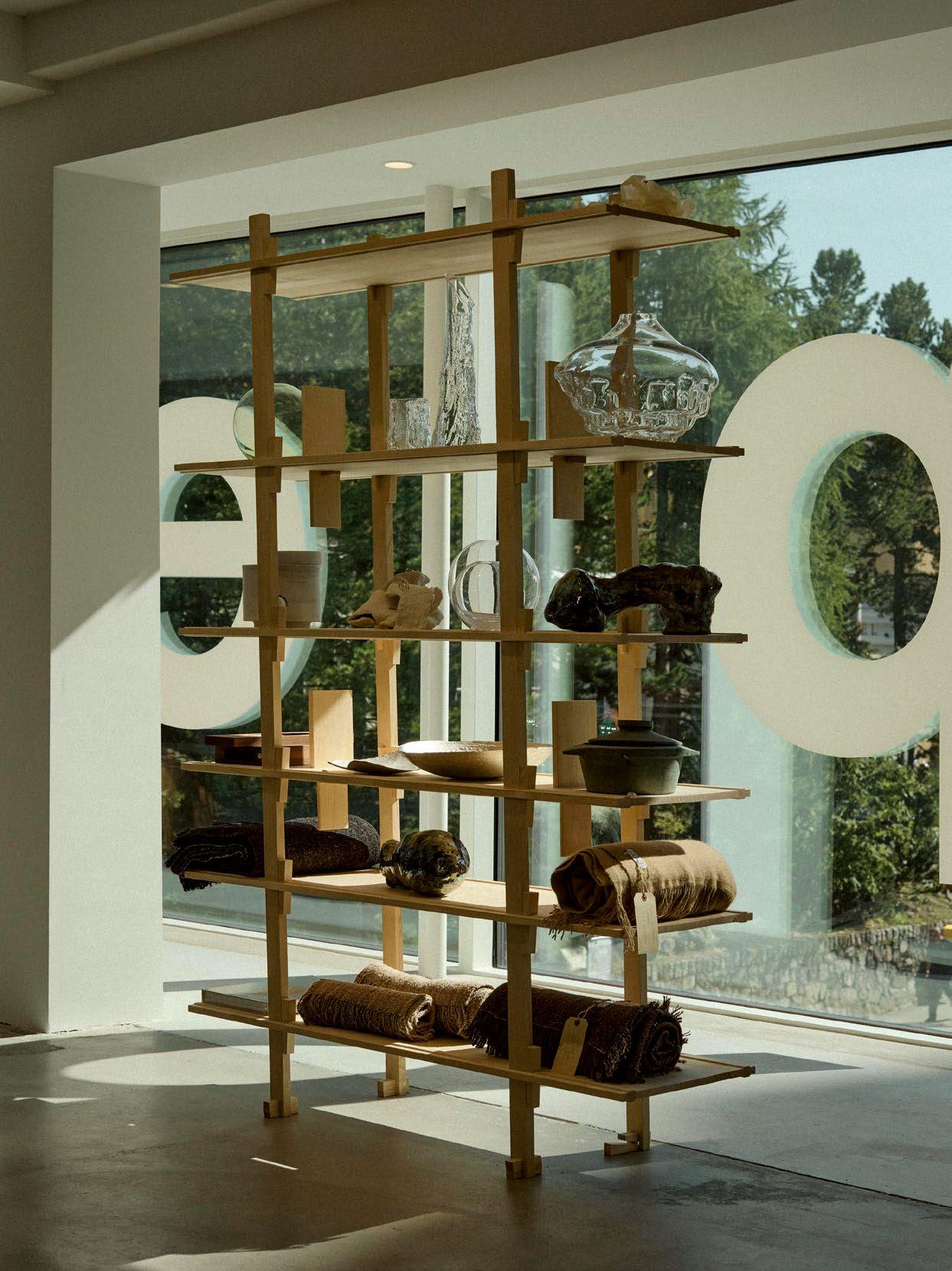
Housed in a former electronics store on Via Stredas, its 200 square metre space features custom wood and alu minium shelving by Marick Baars . The tranquil design creates a calm, airy backdrop for the design objects, lifestyle items and artworks that take centre stage.
St. Moritz may be rooted in legacy, but it is evolving – not with fanfare, but with subtle confidence. Beyond its iconic slopes and grand hotels, a growing landscape of refined retail, cultural richness and contemporary vision is reshaping what it means to spend time
in the Engadin. ‘We wanted to create a timeless space with a strong point of view,’ says Mario Weichselmann , founder of Super Mountain Market.
Since 2017, Weichselmann has been known as the charismatic host of the legendary Dracula Club at the Kulm Hotel – originally founded by Gunter Sachs in the 1970s – and has become a dynamic figure in the local creative scene. His store’s selection reflects a deep affinity for the alpine spirit, with makers and materials that feel both rooted and refined. Among them: South Tyrolean artisan Andreas Rier, known for his fluid, mouthblown glass; sculptor Othmar Prenner, who shapes vessels from marble; and hunter Valerio Glisenti , who hand forages herbs for healing salves.
Beyond its carefully curated shelves, Super Mountain Market brings people together through seasonal tastings, intimate dinners with guest chefs and cultural happenings – from book readings to vinyl listening sessions. It’s a space where alpine heritage meets contemporary creativity, quietly reshaping the St. Moritz experience. superstmoritz.com
By the River, by the Banks
WORDS SWENJA WILLMS
Good food connects people. It’s meant to be celebrated, shared and experienced together. In the latest chapter of the Grand Hotel Les Trois Rois in Basel, we see the importance placed on this connection. That’s the idea behind Banks: sharing EuropeanAsian cuisine in a vibrant atmosphere.
The name Banks is no coincidence. It harks back to the Basler Kantonalbank, which in 1915 added its property at Blumenrain 2 to the historic hotel complex. The concept of a bank as a place of gathering and preserving is depicted in its logo –three bees representing diligence, community and valuable resources. Just as bees fill their hive with nectar, Banks aims to orchestrate special experiences and inspiring encounters. Simultaneously, the name plays on the English term for riverbanks –and where better to experience the Rhine than right here, directly by the water, with sweeping views across the river and over to Kleinbasel?
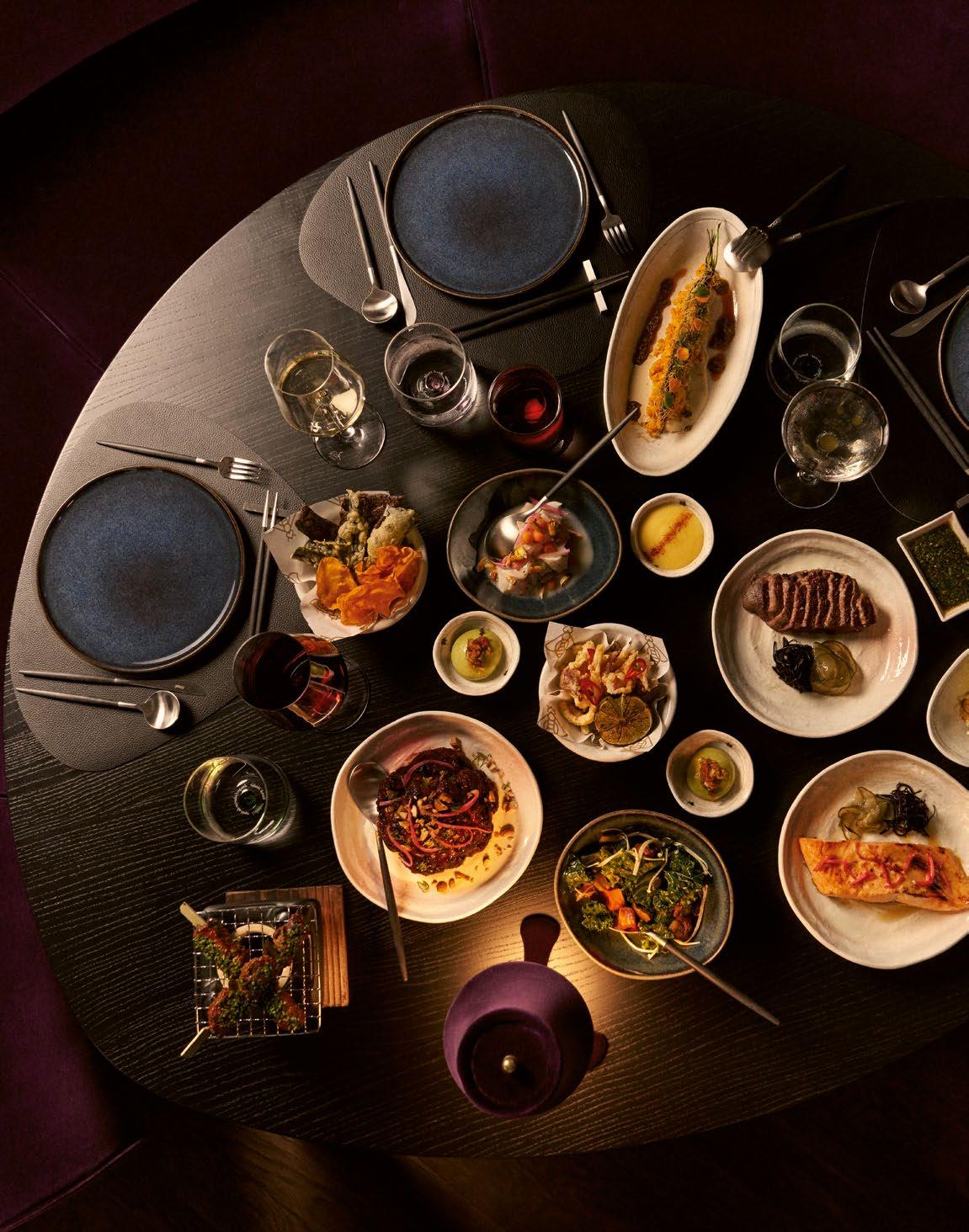
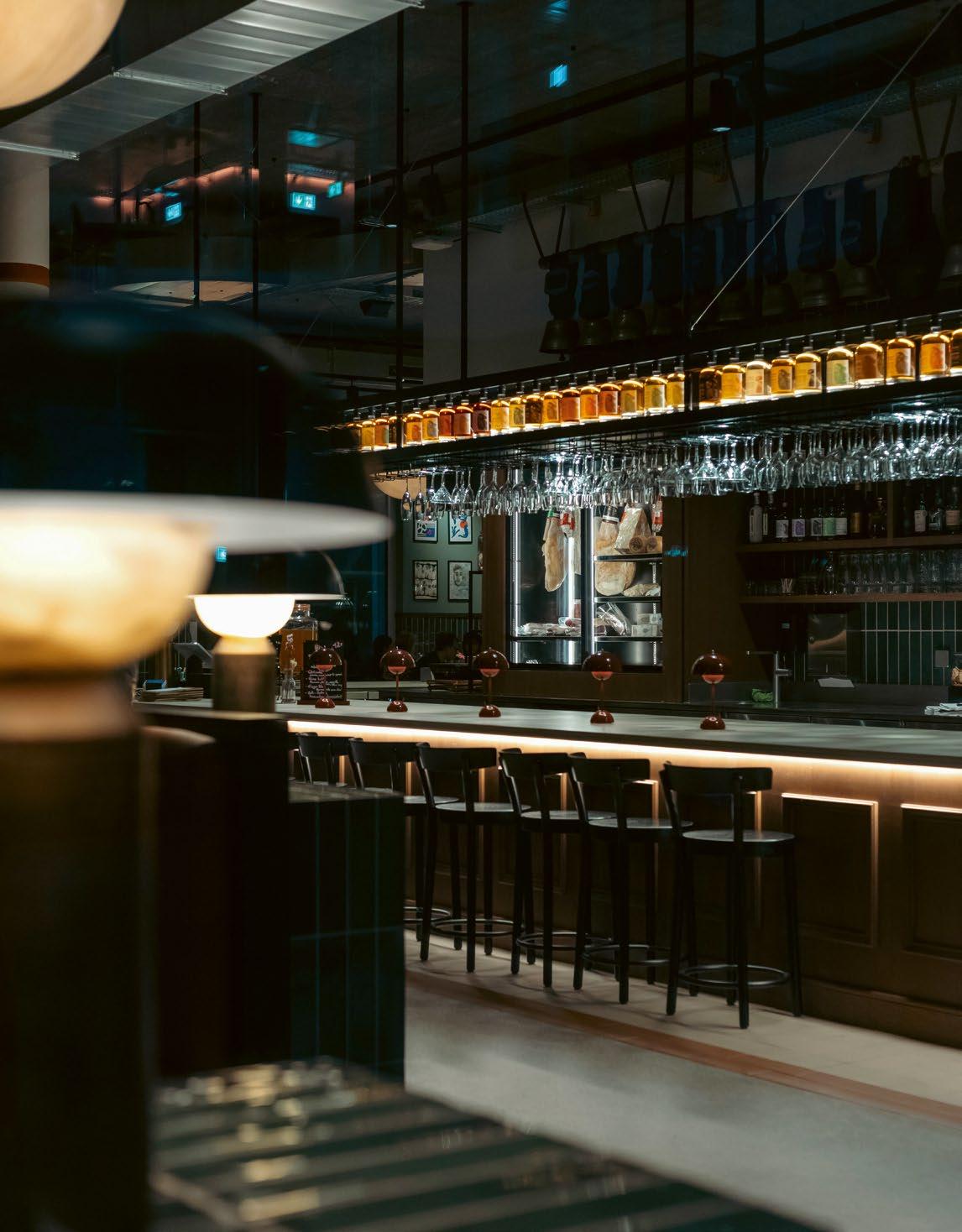
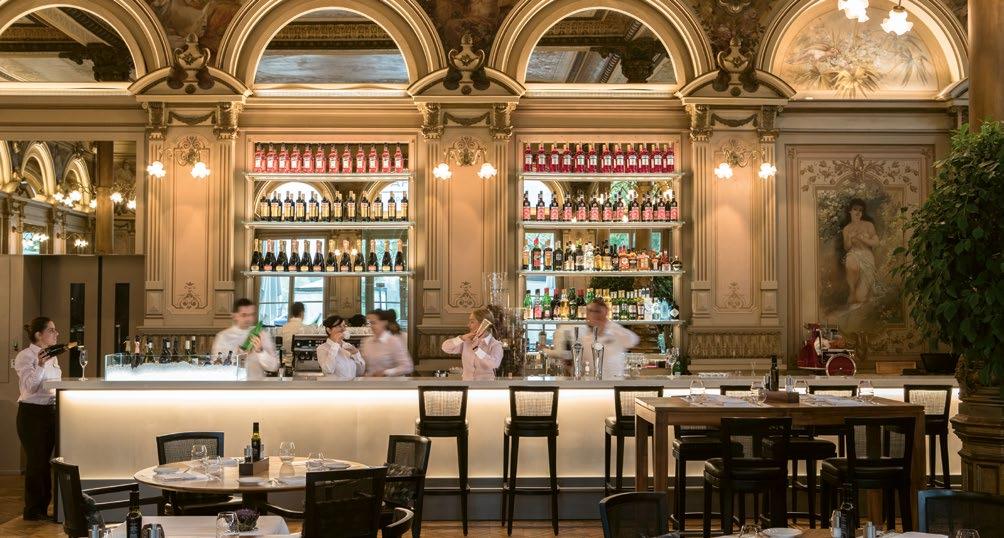
The culinary journey at Banks begins as soon as you arrive. There’s no way to miss the bar, which is the heart of the venue – taking centre stage, grand and inviting. Here, you sip your welcoming drink with pleasure before heading to your table. Or perhaps you simply stay for the entire evening. With cocktails and snack pairings, time passes easily here as well. For those who do move on, the rest of the menu blends freshness, exotic touches and umami: seabass ceviche with sweet and sour notes, misomarinated salmon with red ginger and kelp, Wagyu tataki, or Banks Carbonara with udon noodles. The wine list focuses on distinctive wines from smaller, often local vineyards.
For head chef Kevin Bornschein, Banks is as new as the city of Basel itself. He moved here from Munich in May, having previously discovered his passion for sushi while working as Senior Sous
Chef at the Mandarin Oriental. That experience now shapes the culinary concept at Banks: a fusion of modern European cuisine with Asian influences, where diverse cultures coexist naturally. Together with his young team of eight, he cooks with precision and ease. ‘What lands on the plate should be fun, surprising and bring people together,’ says Kevin Bornschein.
The atmosphere at Banks is cosmopolitan. Opulent chandeliers adorn the ceiling, while rounded booths provide an intimate setting for dining. Velvet seating in deep purple tones adds warmth and elegance. Crowning the central bar is a poetic installation by the artist duo Gerda Steiner and Jörg Lenzlinger. This floating artwork tells the story of the house: objects from the hotel’s archives, signatures of famous guests and personal items from staff members enrich this suspended collection. Glowing salt stones also nod to Basel’s historic salt warehouse, which once stood at Blumenrain 2.
Since June 2025, Les Trois Rois has revealed a new side of itself. The renowned Basel architecture duo Herzog & de Meuron spent several years redesigning the hotel’s head building, adding modern rooms, suites, event spaces and the Seijaku wellbeing area. Once a grand ballroom for exclusive gatherings and celebrations, the newly styled space now hosts diners. Banks welcomes hotel guests from around the world as well as locals from Basel. A lively meeting place for all who value pleasure and sharing in equal measure.
The Wagyu Secret
Renowned for its exceptional marbling, meltinthemouth texture and unmatched flavour, Wagyu beef has become a symbol of gourmet indulgence. But what truly sets it apart? We spoke with Massimo Trazza, Head of Meat Purchasing at Bianchi, to understand what it takes to raise one of the world’s most coveted cattle. ‘Wagyu is craftsmanship,’ says Trazza. ‘Every detail, from feeding to care, influences the quality. You’re tasting years of precision in every bite.’
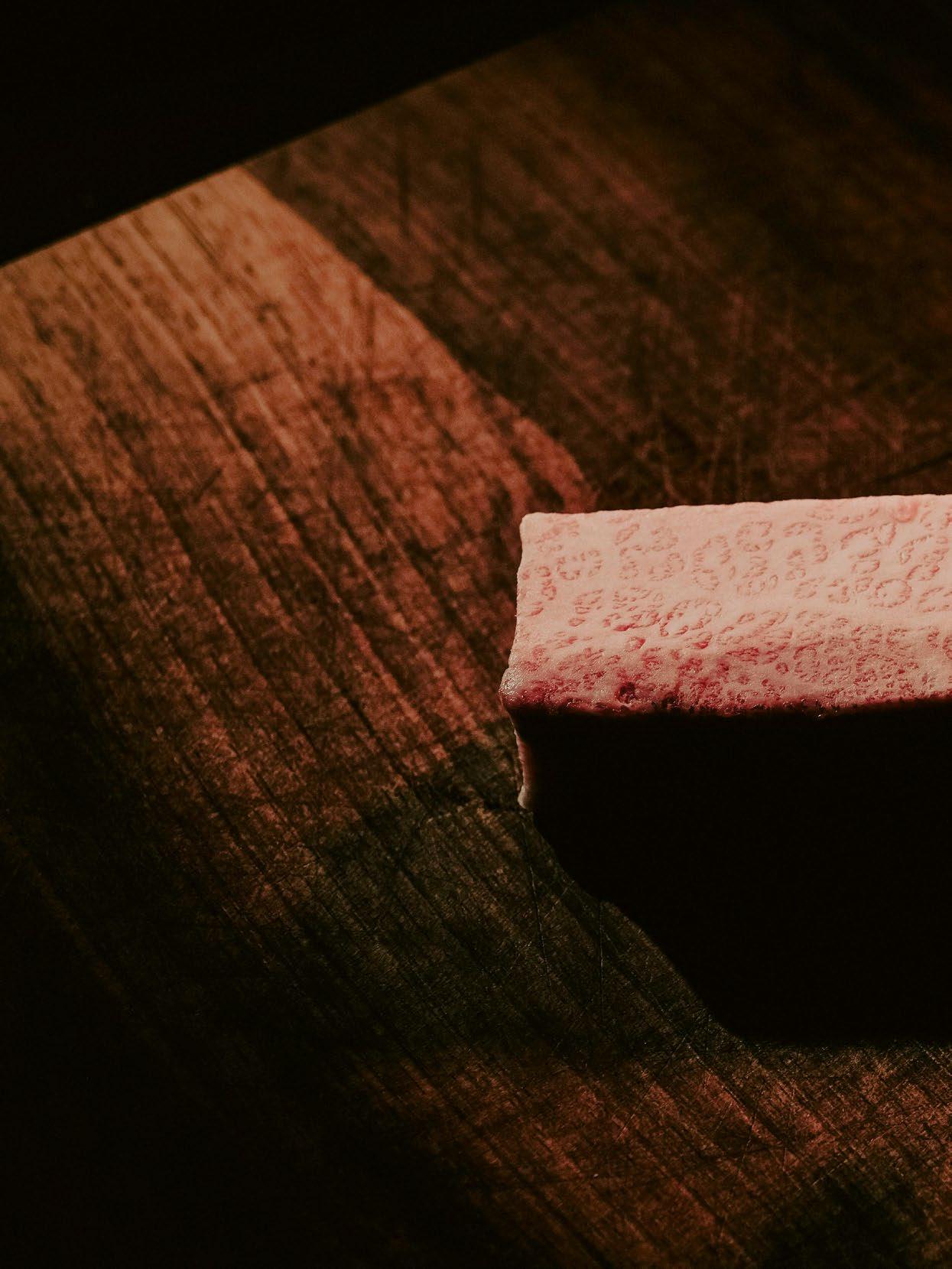
What distinguishes Wagyu from other beef isn’t just a matter of breed, it’s all about the fat. The meat’s signature intramuscular marbling creates its famously tender texture and rich flavour. Unlike conventional beef, Wagyu comes from lighter animals raised with meticulousness and care, resulting in a premium product that is a world apart.
In Switzerland, Wagyu cattle enjoy seasonal grazing during the growing months and comfortable barns with outdoor access in winter. This approach mirrors traditional Swiss livestock practices while still achieving the high-quality marbling Wagyu is known for.
Kobe beef is a specific type of Wagyu that hails exclusively from Japan’s Kobe region. Much like Champagne or Parma ham, the name is protected and denotes strict quality standards. Only eleven certified producers are permitted to label their beef as Kobe as a true mark of origin and excellence.
Raising Wagyu takes patience. While most commercial cattle are raised within a year or two, Wagyu requires up to three years – triple the amount of time of Natura-Beef and double that of pasture-raised cattle. The extended rearing time significantly contributes to the meat’s quality and price. Longer rearing periods mean higher daily costs for feed, care and animal welfare. Over three years, these expenses add up, but they are essential to producing the fine marbling and exceptional tenderness that define authentic Wagyu.
Think luxury is just for humans? The myths are partly true. Wagyu cattle in Switzerland enjoy daily spa perks like scratch brushes that stimulate circulation and promote calm. Their diet? 100% farm-grown: high-quality barley, corn and protein-rich hay. Some even get a taste of beer, making their wellness routine arguably more indulgent than yours. It’s all part of raising happy cows – and unforgettable beef.
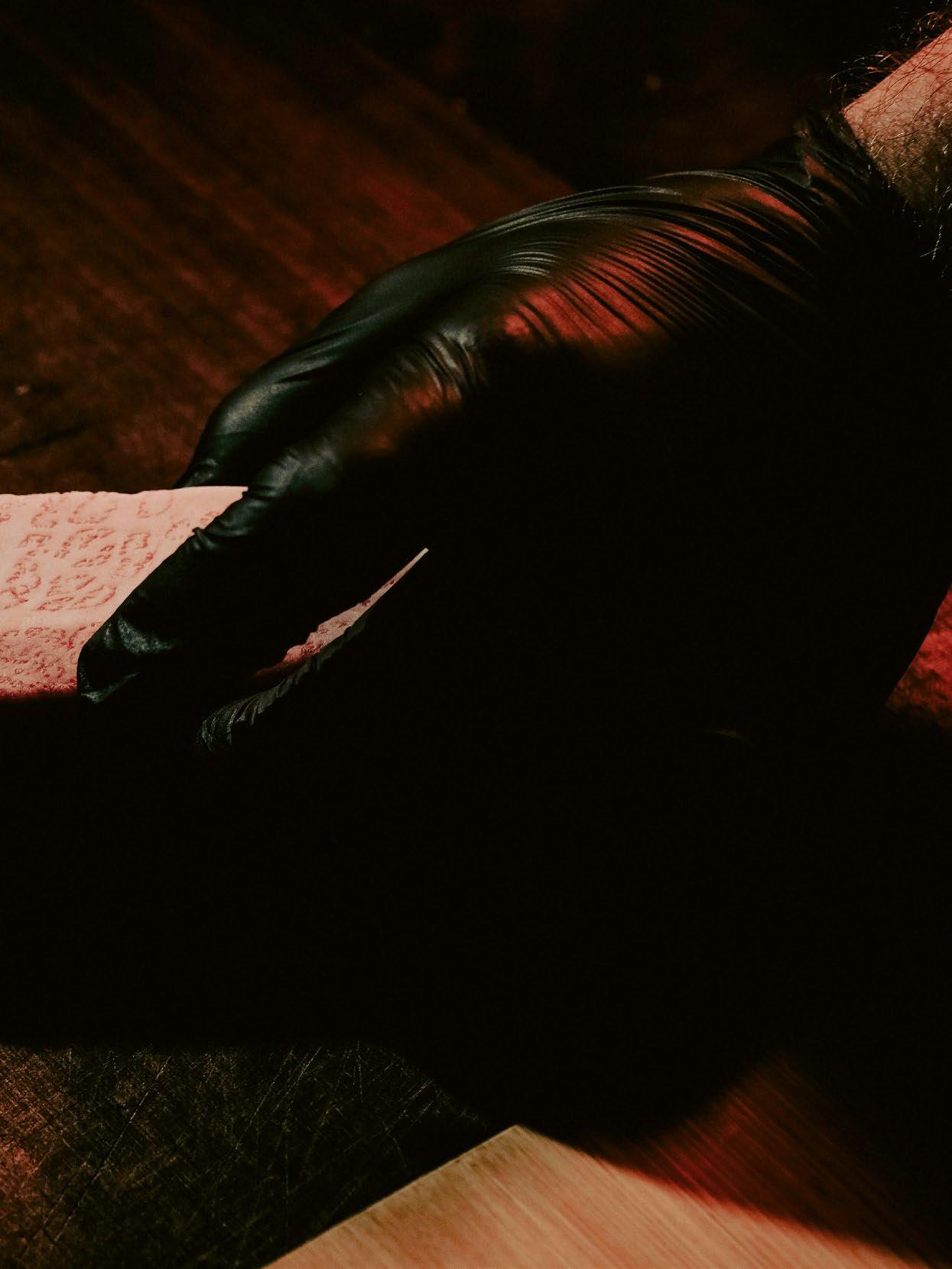
Wagyu’s high fat content is no accident – it’s what gives the meat its luxurious, buttery texture and depth of flavour. The fat melts at around 40°C, allowing it to literally dissolve in your mouth. For perfection: sear it hot, aim for 50°C internal temp and season only after searing.
G. BIANCHI AG Allmendweg 6 | 5621 Zufikon bianchi.ch
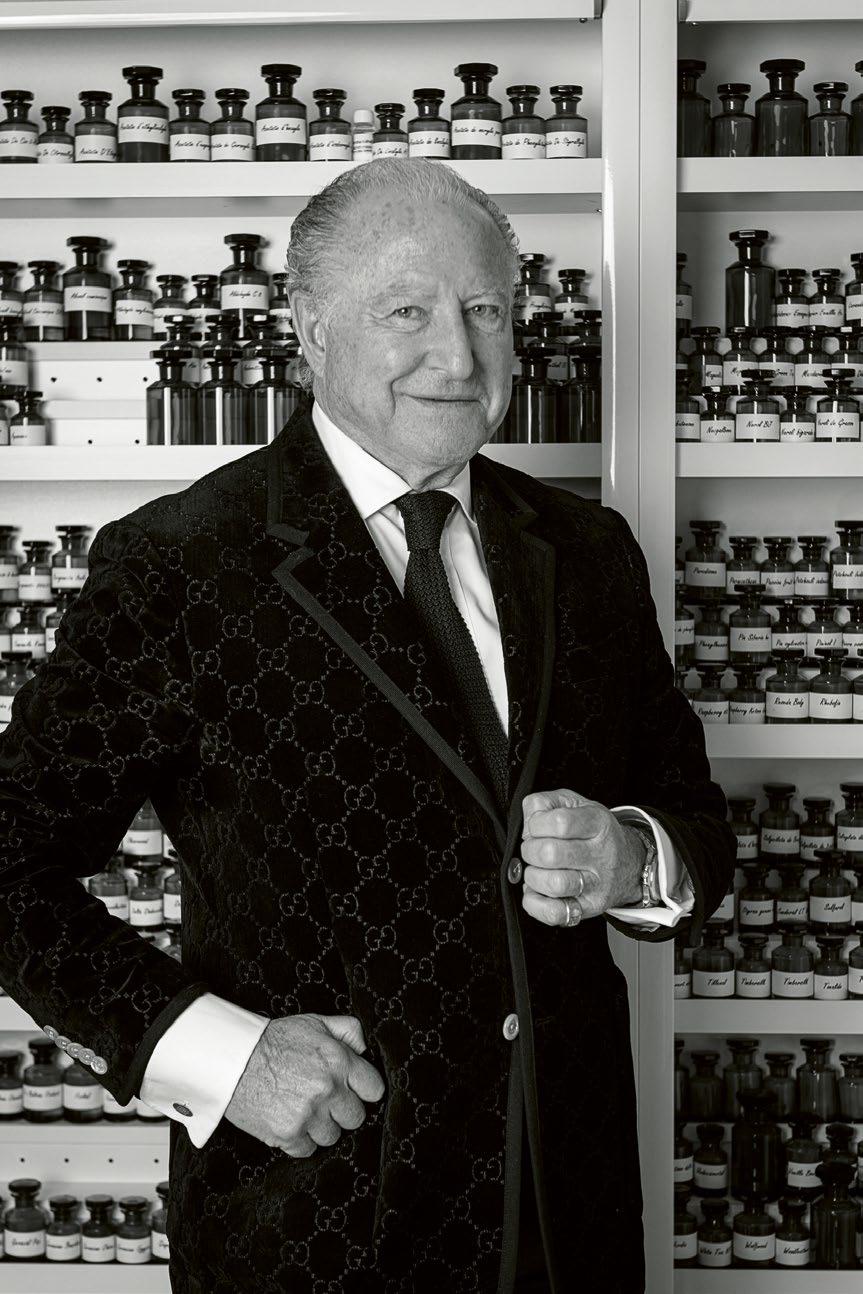
Alberto Morillas
The Spanish hero of Swiss precision
In the quiet of a Geneva morning, Alberto Morillas begins his day not with coffee, but with scent. Strips of paper lined like musical notes, wait for his intuition on the desk of his lightfilled atelier. He closes his eyes, inhales and listens. The air is calm, the gestures slow. For more than five decades, this man, discreet, elegant and endlessly curious, has shaped the way the world smells. From Acqua di Giò to CK One, Flower by Kenzo to Gucci Bloom, his work has become the invisible soundtrack of our collective memory. He doesn’t say it, but everyone in the industry knows: Alberto Morillas is the master of modern perfume.
WORDS MICHAEL TULGAY
Born in Seville and raised in Geneva, Morillas embodies an unlikely harmony – Andalusian emotion refined with Swiss precision. He has created for nearly every great name: Armani, Versace, YSL, Bulgari, Mugler, Givenchy, Cartier, Kilian. Yet his genius remains modest. ‘I create for myself,’ he says with a shrug. ‘If I like it, I know it will work.’ Called ‘the poet of molecules’, he prefers synthetics: ‘Natural is nice, but boring. Molecules give me new textures.’ Chemistry, for Morillas, is poetry.
After decades of icons, he craved calm. ‘Here in Geneva, I can think. In silence, I create.’ Out of that quiet came Mizensir, founded with his wife, long before perfumers signed their names. ‘Freedom is difficult,’ he says. ‘You must listen to yourself.’
His new Perfect Oud Extrait reflects this: rose replaced with rose oxide, cade with pyrogenic incense. Familiar forms in new light. ‘In Paris, it’s emotion. In Geneva, reflection. ‘That tension defines his work – chaos and calm, instinct and order. ‘Curiosity,’ he smiles. ‘I just can’t stop.’ Outside, Geneva moves slowly. Inside, test strips and inkstained notebooks wait – quiet tools for endless discovery.
Switzerland’s Coolest Club
No card required
What started in 2005 as a bold idea in a garage by founder Pascal Meyer has grown into one of Switzerland’s most dynamic lifestyle platforms. Today, QoQa.ch connects over 1 million users across the country and is powered by a vibrant team of 240+ employees. Once known for its ‘one deal a day’ model, QoQa has evolved into carefully selective, communitydriven, experience hub – covering everything from stays at Swiss Deluxe Hotels and Michelinstarred meals to rare design objects and local treasures.
QoQa’s success lies in its mix of digital simplicity and human warmth. Every offer is carefully handpicked, backed by storytelling and often available for just 24–48 hours. Unlike traditional platforms, the buyers put their face and name on each deal, building trust and realtime conversation via live forums and community feedback. But it’s not all online. The QoQa community has done the extraordinary – from buying a Picasso, to opening a restaurant and a brewery, to hosting a raclette world record contest with nearly 5,000 people. At their Lausanne HQ, international chefs host gourmet popup dinners. In the German speaking region, QoQa privatises icons like Gasthaus Gupf for its members. Today, over 177,000 experiences are booked each year via QoQa, including more than 50,000 restaurant tables. Whether you’re a hotelier, chef, or curious traveller, this isn’t just a platform – it’s a playground for those who believe that the best things in life aren’t bought – they’re shared.
‘We don’t do business with people who need what we have – we do business with people who believe what we believe.’ Pascal Meyer, Founder & CEO
Where Time Becomes Art
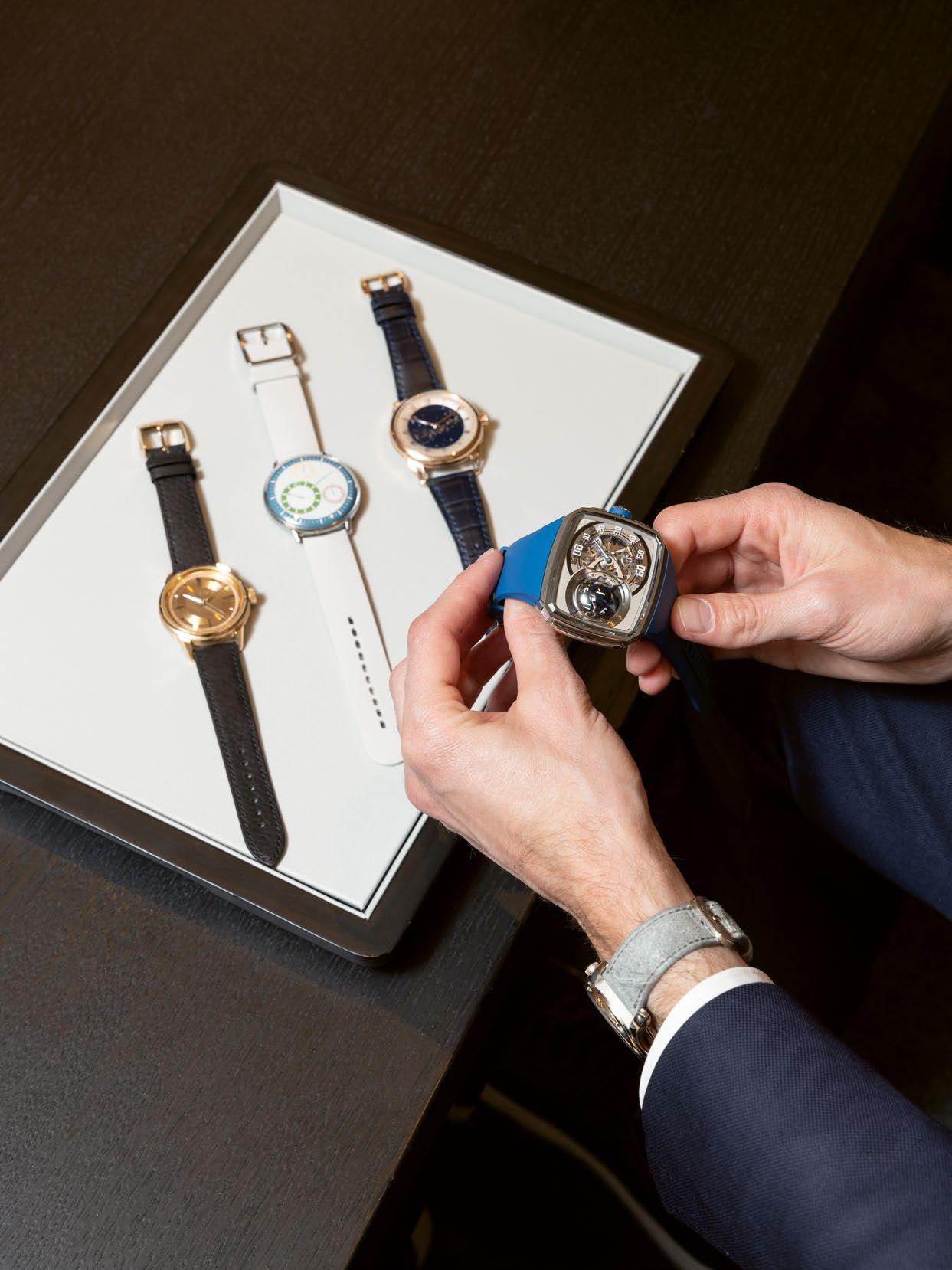
In the intricate world of haute horlogerie, Bucherer Masterworks is more than a collection – it is a carefully assembled stage where the most extraordinary expressions of fine watchmaking come to life. This bold, visionary platform celebrates the pinnacle of craftsmanship, mechanical mastery and artistic innovation. To delve into the philosophy behind this exceptional initiative, we spoke with Olivier Gantenbein, Global Associate Director of Haute Horlogerie. His words quietly capture the essence of Masterworks: ‘It’s about curating excellence and sharing stories that resonate with those who truly appreciate the soul of haute horlogerie.’
Bucherer Masterworks was born from a singular ambition: to become the world’s destination for connoisseurs and explorers of fine timepieces. Each watch is hand selected and compiled from four iconic pillars Tourbillons, Perpetual Calendars, Openworked Watches, and Niche Brands. These aren’t merely timepiecesthey are true masterworks, where artistry meets meticulous engineering.
Every creation in the Masterworks universe embodies a triad of excellence: precision, creativity, and tradition. This program pays tribute to the enduring value of artisanal craftsmanship, showcasing timepieces that unite technical mastery with poetic expression. From intricate complications to open worked marvels, each piece narrates a story of horological brilliance.
What sets Masterworks apart is its seamless fusion of mechanical ingenuity and aesthetic sophistication. Some timepieces dazzle with radical innovation, others with timeless eleganceand each become a legacy shaped by bold vision. At its heart is a unique strength: a multibrand concept paired with expert presentation. This creates a dynamic yet cohesive journey through haute horlogerie, tailored to both avantgarde tastes and classic sensibilities.
Masterworks is designed to be genuinely inclusive; welcoming both seasoned collectors and those embarking on their first foray into fine watchmaking. It invites every individual to not just purchase a watch, but to forge an emotional connection with it. Every piece becomes a conduit for meaning, memory, and personal celebration.
Luxury is defined not just by rarity but by responsibility. Sustainability is woven subtly yet purposefully into the Masterworks narrativethrough responsible sourcing and thoughtful production, ensuring that beauty and ethics coexist.
In select flagship boutiques in Geneva, Lucerne, Zurich, Berlin, Frankfurt, London, New York, and Las Vegas dedicated Masterworks spaces offer serene, elegant environments where each timepiece can be fully explored and appreciated. These immersive settings elevate the experience, letting horological artistry unfold.
What gives Masterworks its quiet power is not just craftsmanship, but emotion. These timepieces hold memories, mark turning points, and quietly become part of a personal story. In the end, they’re less about luxury and more about legacy.
Masterworks reflects an ongoing dialogue between innovation, excellence, and enduring design in fine watchmaking. With a forwardlooking spirit and evolving perspective, it continues to shape the narrative of haute horlogerieone moment, one masterpiece at a time.
Savor the Lugano Region, One Season at a Time
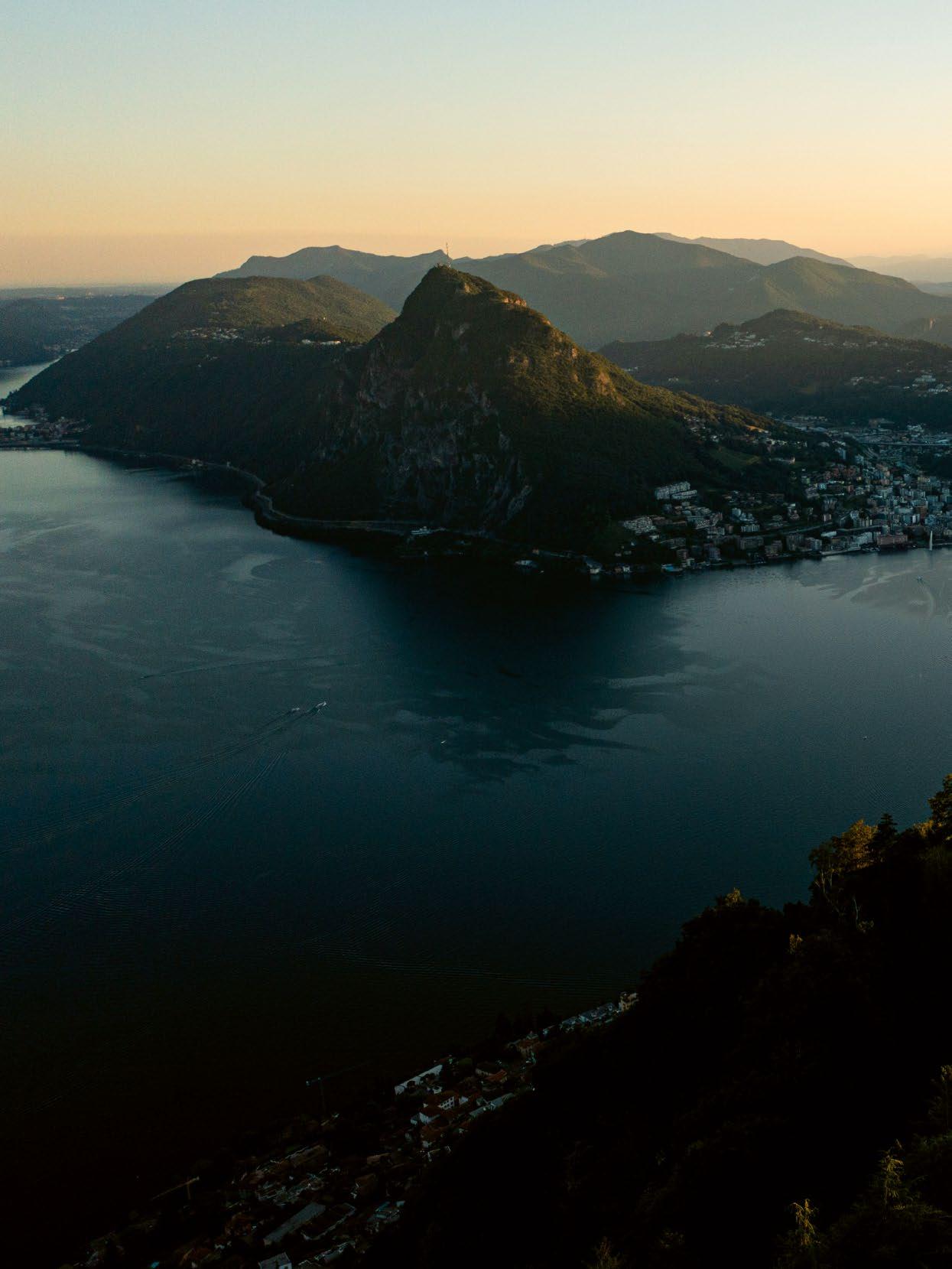
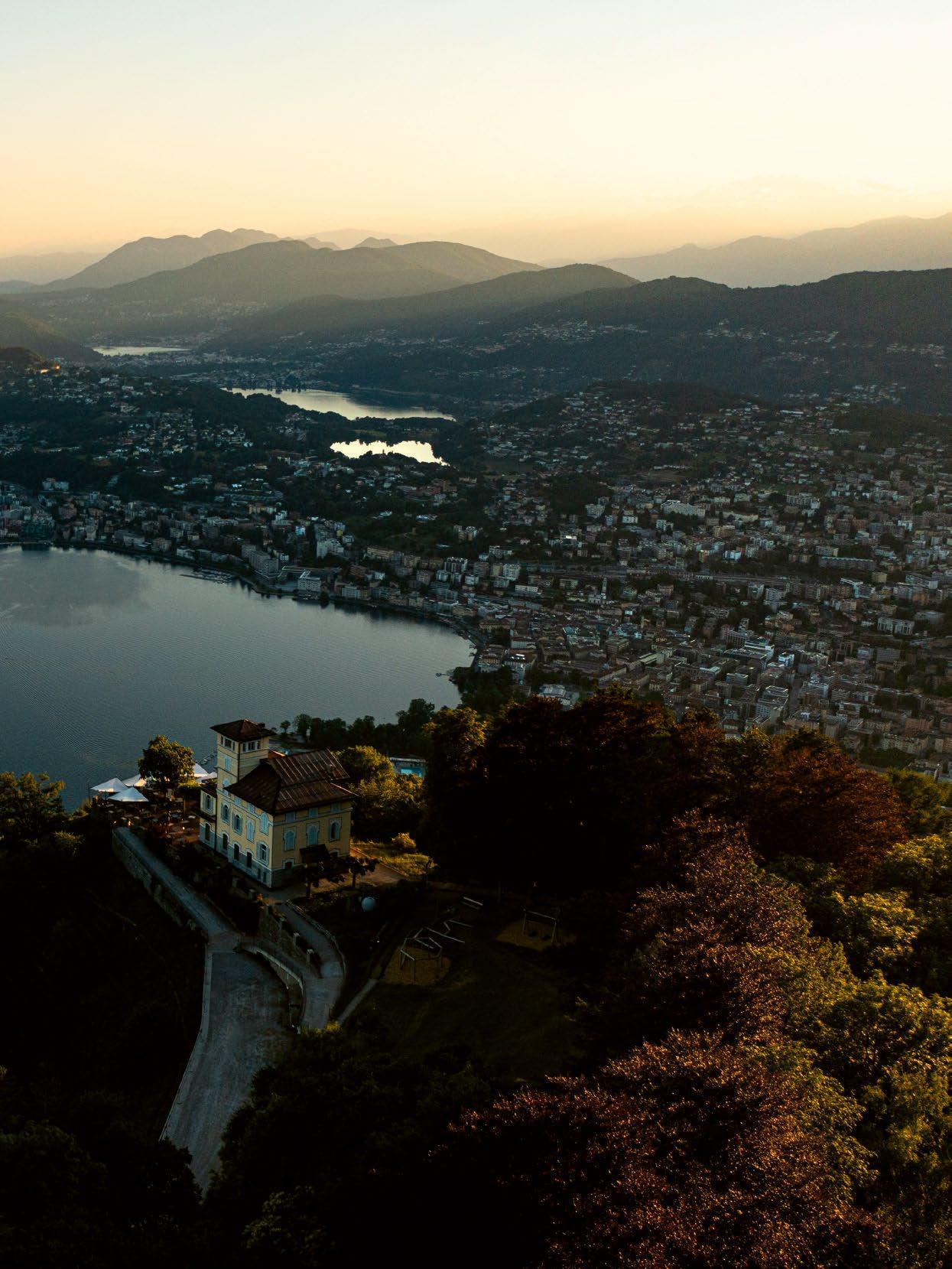
Cradled between sapphire waters and the gentle sweep of alpine ridges, the Lugano Region unfolds as a sanctuary of pace and presence. Art and nature, cuisine and culture, daily rituals and rare moments come together with quiet elegance. From rustic grotti to lakeside fine dining, gastronomy is not just a pleasure but a way of connecting with the land, the seasons, and each other.
Lugano enjoys over 2,000 hours of sunshine a year, making it one of Switzerland’s sunniest places and a destination to savour in every season. Nestled between lake and mountains, the region is a quiet harmony of contrasts: elegant promenades give way to stone-built hamlets, and contemporary culture flows through timeless nature. Whether you’re a nature lover, biker, culture buff, foodie or wine connoisseur, Lugano offers space to explore at your own pace all year round. And with just a two-hour train ride from Zurich, arriving feels as easy as settling in.
900 km of hiking trails and 400 km of mountain biking routes wind through forests, ridges, and vineyards, while the lake reflects the changing seasons in luminous detail. With nearly 40 museums, a vibrant calendar of cultural events, and a culinary scene that ranges from rustic farmhouses to Michelin stars under palm trees, there’s always more to discover.
Culture flows just as organically. The region's artistic soul hums in both the city and its quieter corners. Museums and galleries such as the ones brought together by the GAL - Gallerie d’Arte di Lugano Association offer intimate spaces for thought and conversation, while the LAC Lugano Arte e Cultura, Museo d’arte della Svizzera italiana (MASI Lugano), Collezione Giancarlo e Danna Olgiati and MUSEC – Museo delle Culture pulse at the region’s heart, bringing music, theatre, and art to life. But the experience is more than what’s on stage or on walls it is felt in the spaces between, in places shaped by creativity, tradition, and shared imagination.
Nature is never far. The summits of Monte Brè, Monte San Salvatore, Monte Tamaro, and Monte Lema are only a cable car or funicular ride away, each opening to vast skies and cinematic views. Trails wind for hundreds of kilometers through chestnut forests, across crests, down to the lake’s mirrored edge. Cyclists find freedom here too, with Gravelbike, MTB and e-MTB paths that promise both challenge and serenity all year long. On the water, time slows: a paddle, a sail, a gentle cruise - all expressions of quiet motion.
And then, there is the table. In the Lugano Region, gastronomy is an invitation to linger, to connect, to taste the land and its stories. The culinary landscape balances rustic tradition and refined innovation: from stone-built grotti nestled in the hills to lakeside terraces and Michelin-starred dining rooms. At the heart of this experience is Dine Around, a new way to explore the region of Lugano‘s diverse culinary scene through four curated journeys: Gourmet, for lovers of fine dining and elegant atmospheres, City Break, ideal for urban explorers seeking flavour between galleries and piazzas, Nature, offering farmhouse tables, alpine views, and local seasonal ingredients, Pieds dans l’eau, where meals unfold to the rhythm of the lake.
Each route is shaped to reveal a different facet of the region, guided by authenticity and a sense of discovery. The selection by TicinoGourmet.ch, which includes some of the best restaurants in the region, adds a further touch of excellence. Within each category, dedicated three- or four-course menus are crafted especially for Dine Around, created by chefs who celebrate the flavours and stories of the territory. Pick the theme that inspires you, purchase a voucher, and let the journey unfold in one of the participating venues. With vouchers valid for a full year, the experience flows naturally at your own pace. Choose your path, your moment, your pace whether it’s a single memorable dinner or a journey across hills, harbours, and heritage. In the region of Lugano, every dish tells a story and every table is a place to belong.
Beyond Silence
How acoustic innovation shapes the future of experiential luxury
‘True luxury isn’t about what you see – it’s about what you feel. When every invisible detail, even sound, is designed with intention, space becomes emotion.’
The evolution of luxury hospitality mirrors a fundamental shift in consumer expectations: from acquiring objects to collecting experiences. As this transformation accelerates, hoteliers are now facing an elegant challenge on how to surprise guests in an industry where excellence is expected.
The answer often lies in details. Acoustic design represents precisely this kind of strategic refinement. Poor acoustics can undermine even the most meticulously designed spaces, turning lobby conversations into struggles and transforming vibrant restaurants into sources of stress. Conversely, superior sound environments enhance perceived quality, extend dwell time and create the seamless comfort that defines true luxury.
Iconia Group has long understood that innovation in hospitality extends far beyond visual architecture. As hunters of distinction for discerning
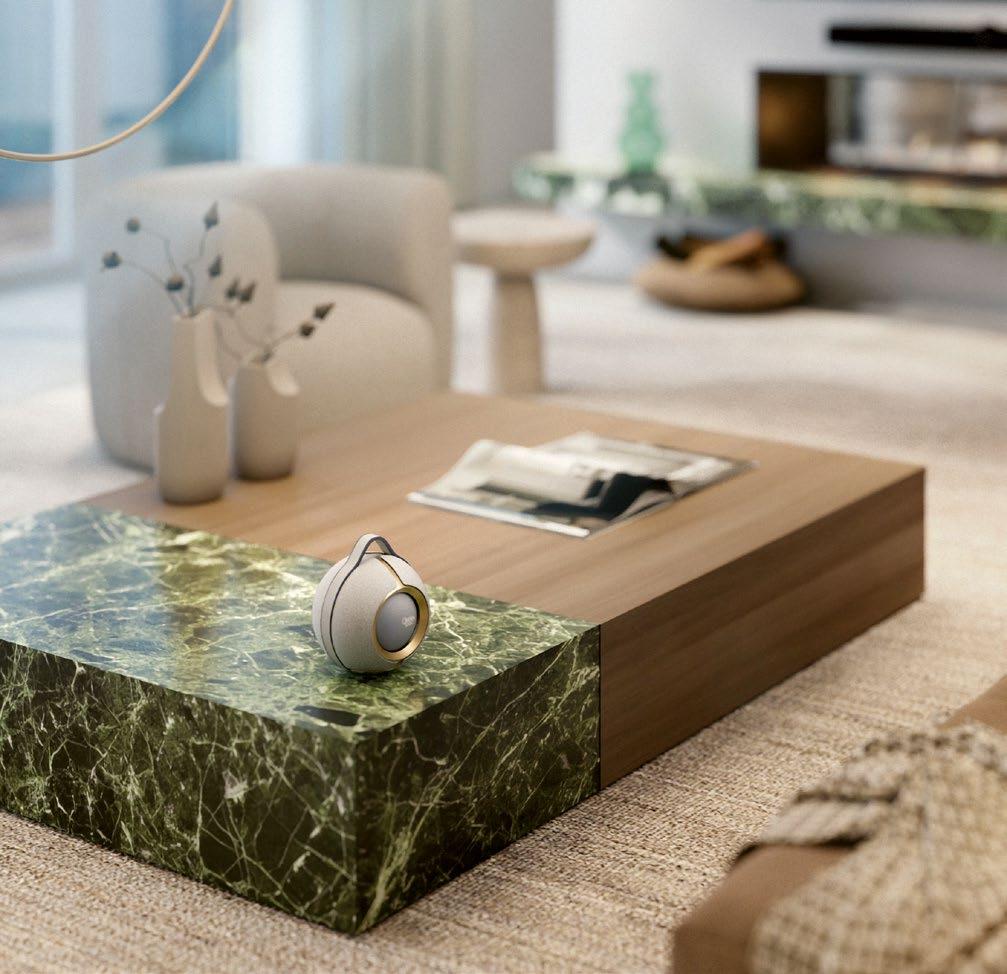
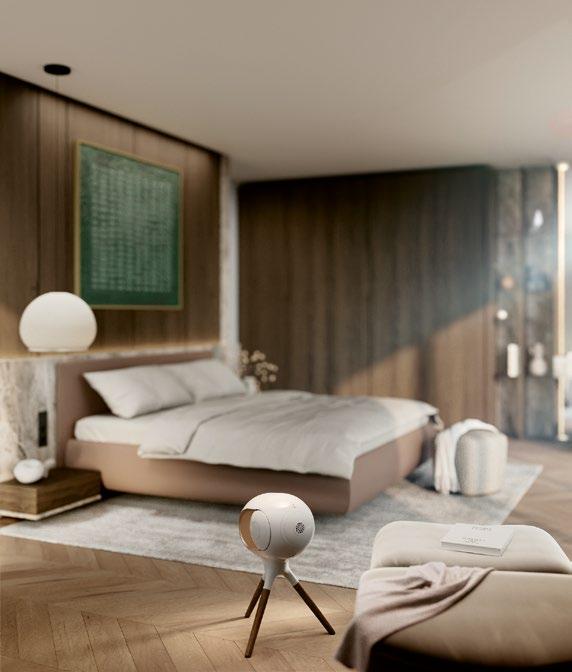
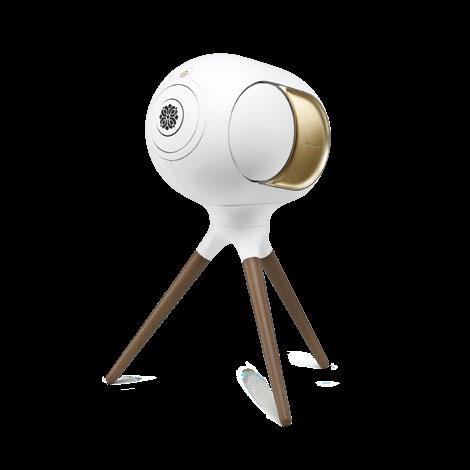
clients, the company continually identifies partnerships that push boundaries. The collaboration with Devialet brings cutting edge acoustic technology into hospitality environments, offering solutions from immersive inroom sound systems to thoughtfully designed ambient soundscapes in communal areas.
Today’s luxury guests seek not perfection, but authenticity through spaces where every element works in harmonious concert. Just as carefully selected materials honour heritage while embracing modernity, acoustic design bridges technical performance with emotional resonance. The investment is strategic, aiming to create environments where guests linger longer, feel more relaxed and ultimately remember more vividly.
For Iconia, acoustic excellence represents another dimension of the multidisciplinary approach that defines the company’s philosophy: crafting spaces where innovation serves experience and where every invisible detail contributes to unforgettable moments. iconiagroup.com
Ottavio Di Chio Art Director & Partner of Iconia Group
Mont Cervin Palace Zermatterhof
FRANCE
Matterhorn
Riffelalp
Interlaken
ITALY
Triple Z Experience
Pack your sense of wonder and don’t forget a cozy sweater –we’re heading to Zermatt, the crown jewel of the Swiss Alps! From the moment you hop on board the mountain train to the last sip of Heida wine under starlit skies, this isn’t just a getaway – it’s a grand alpine love story. Join us as we glide from peaks to palaces, shepherds’ huts to spa bliss and feel wrapped in Swiss charm with a touch of audacious luxury.
WORDS CLAUDIO DEL PRINCIPE
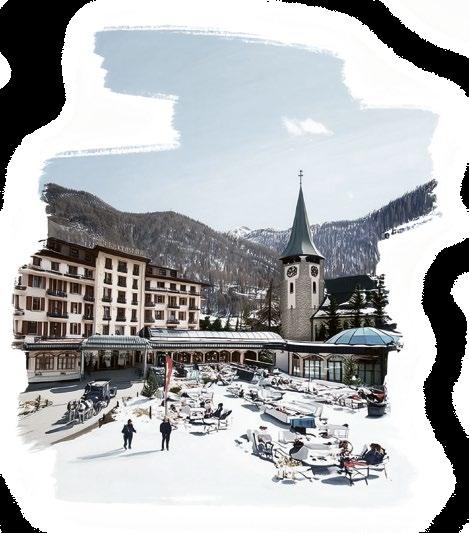
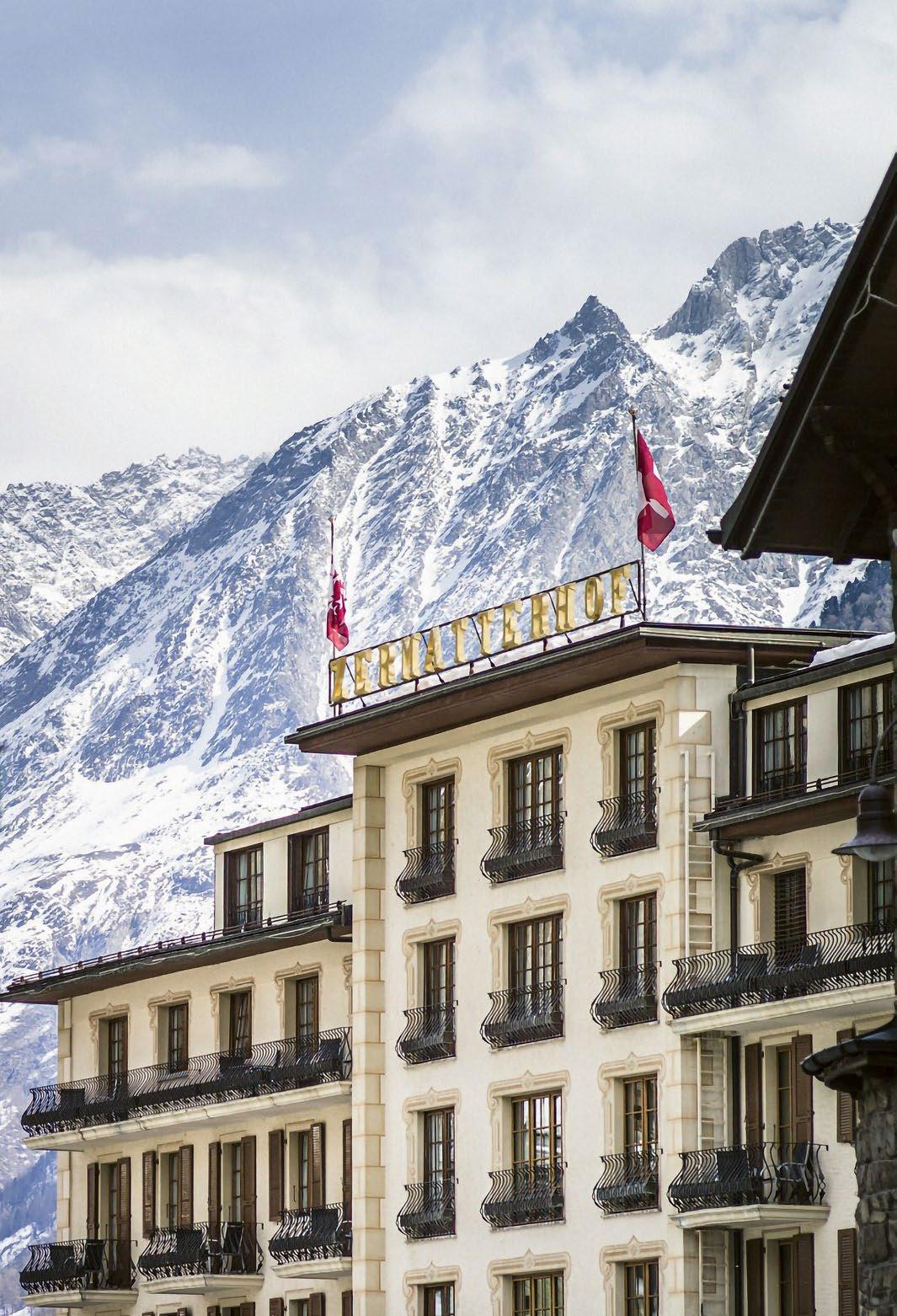
With the majestic Matterhorn rising in the background, the Grand Hotel Zermatterhof blends timeless elegance with alpine grandeur—an icon of Swiss hospitality reimagined for modern travelers in the heart of Zermatt.
ZERMATT
– THE
ZENITH OF THE ALPS
Where aweinspiring nature and grandeur meet with serenity and timeless elegance. Our alpine adventure takes us through three unique Swiss Del uxe Hotels: Riffelalp Resort, Mont Cervin Palace and Grand Hotel Zermatterhof.
En route to the Matterhorn, we make a stop in Interlaken, a picturesque valley surrounded by the majestic Eiger, Mönch and Jungfrau mountains. There, we enjoy a stylish afternoon tea with coauthor Alex Kühn at the Grand Hotel Victoria Jungfrau (p. 52). Then we continue our journey to the car train in Kandersteg.
JOURNEY TO THE HEART OF THE ALPS
As a child, I have fond memories of boarding this train: each car, one after the other, slowly rolling onto the open wagons. A tingle of excitement, butterflies in my stomach as the train began its journey, past tiny chalets, waterfalls and churches – a landscape straight out of a model train set. Finally, the train would vanish into the dark Lötschberg tunnel, gain speed and thunder through the darkness.
This same feeling returns today as we drive from Interlaken and up the Kander Valley to the BLS car train from Kandersteg to Goppenstein. Curve after curve, we fall back in love with this landscape.
ARRIVAL IN TRANQUILITY
Zermatt is carfree – and that’s exactly where its charm lies. We park in Täsch and take the Matterhorn Gotthard Bahn to Zermatt. From there, we continue –steep and spectacular – by cogwheel train to Riffelalp.
Two routes are possible: in summer, a nostalgic tram takes guests straight to the hotel; in winter, a short walk through snowy woods brings you to your destination – always with the majestic Matterhorn in view. Finally, you reach the resort’s peace and seclusion: ski slopes at your doorstep as well as warm and heartfelt hospitality from the first moment you step inside.
CULINARY PASSION
The resort is a retreat – a delightful blend of alpine chic and luxurious comfort. Cozy, inviting, heartwarming. Our hearts leap when we discover the inhouse bowling alley and stylish billiard room. But the true heart of the hotel is the bar – the living room of the resort. Spacious, elegant, tempting at all hours. By the flickering fireplace, I chat with Chef Luigi Lafranco. Passion pours out of him. As I taste his juicy Lievito Madre focaccia and praise the salami and excellent dried meats, he says: ‘We make it all ourselves. I come from a family of butchers in Piedmont, now in its fourth generation.’ He orders perfectly ripe San Marzano tomatoes from Italy – his Squadra Azzurra and then prepares a year’s supply of sugo –the kind to make any nonna envious.
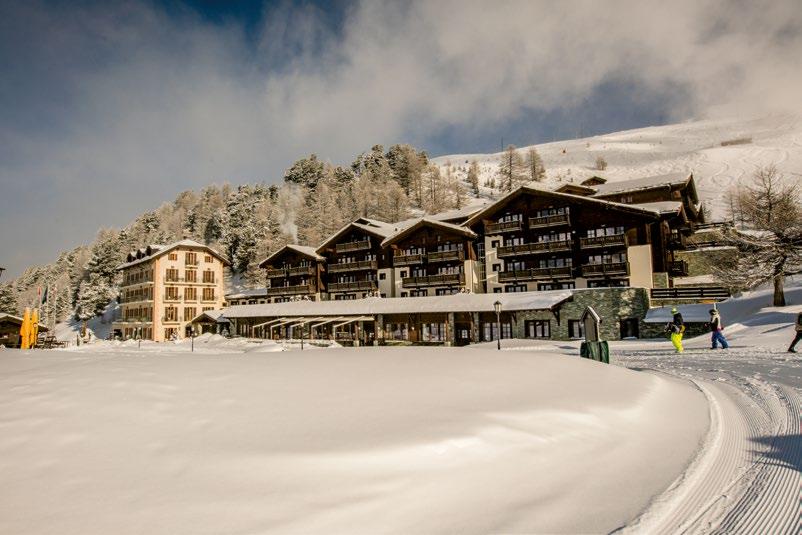
Above and right I At 2,222 metres above sea level, the Riffelalp Resort blends alpine altitude with warm, wood-panelled charm offering a cozy retreat where vintage sophistication meets breathtaking mountain serenity.
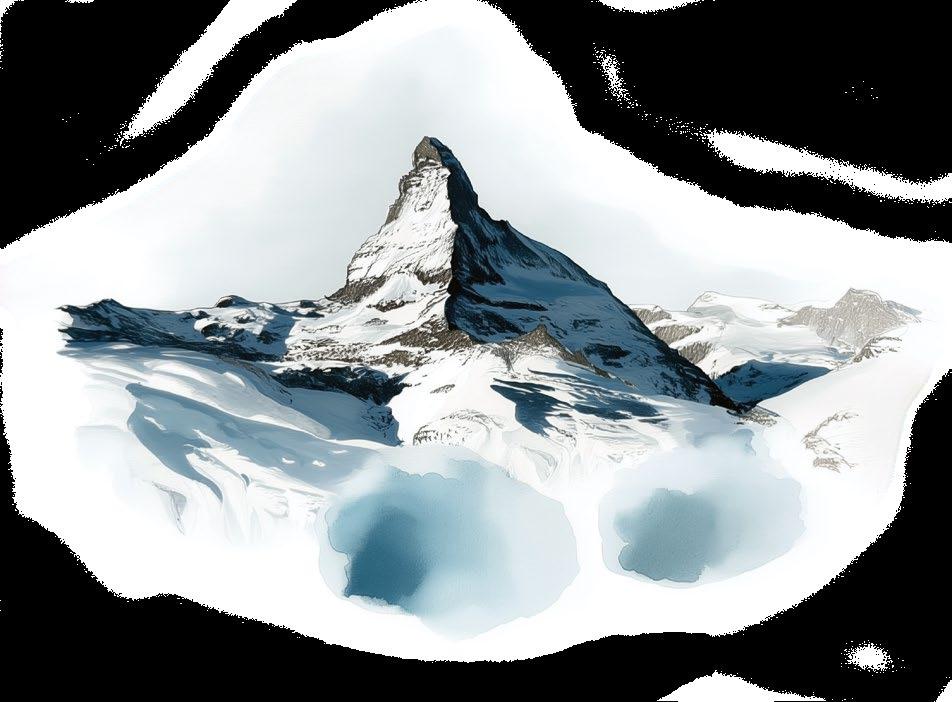
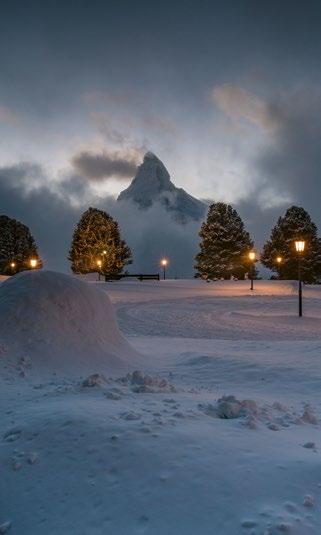
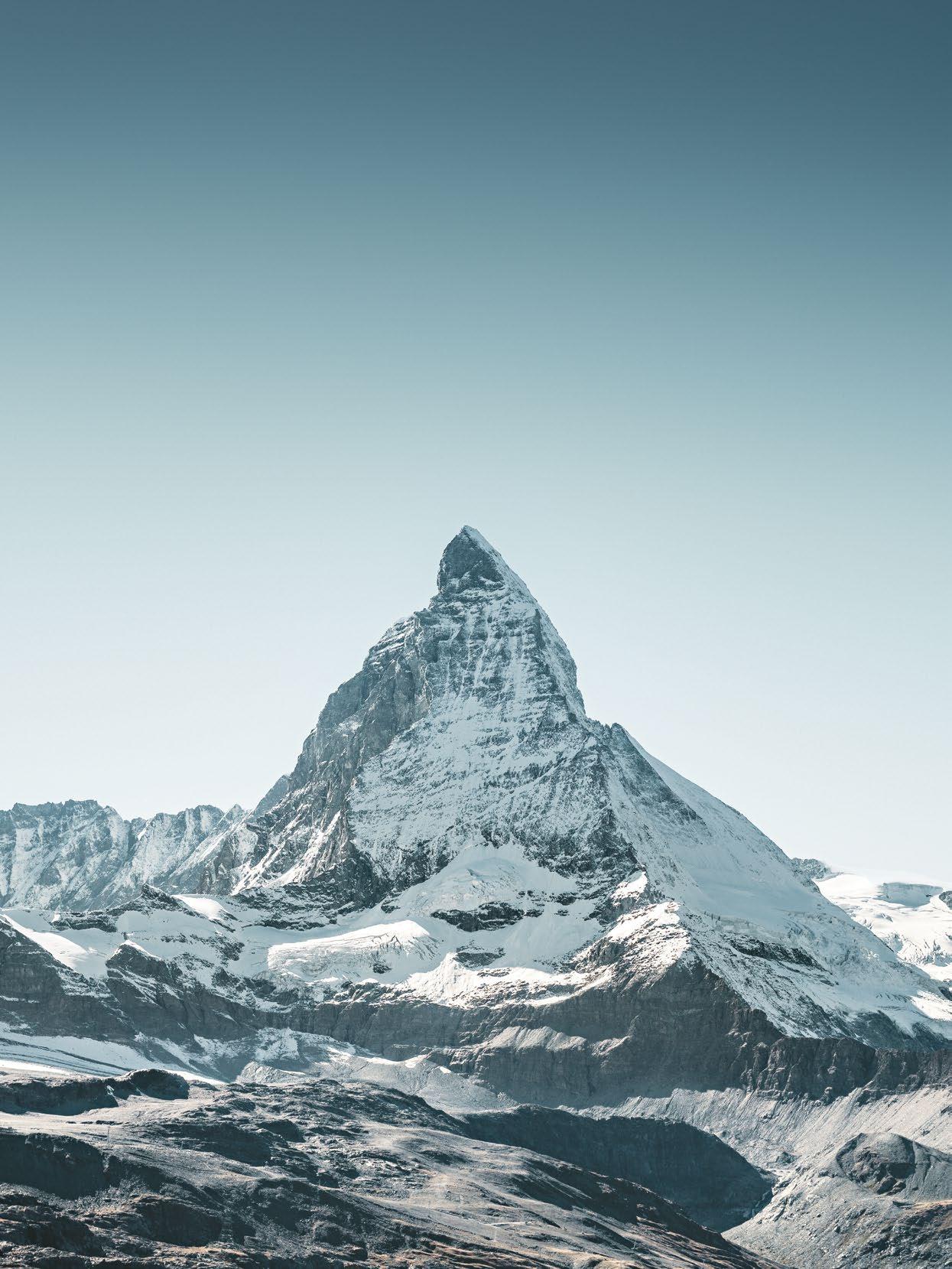
As twilight settles over Zermatt, the iconic Matterhorn rises in silent grandeur, framed by glowing lanterns and snow-laden pines. Towering at 4,478 metres, this legendary peak is one of the most photographed mountains in the world as a symbol of Swiss alpine beauty and a timeless call to adventure.
‘There are no other restaurants on the Riffelalp. So we aim to offer our guests the greatest variety in our three houses. No tweezer cuisine – just authentic dishes that make people happy.’ The culinary range spans rustic Swiss cheese specialties in the Walliserkeller, to burgers, pizza and housemade pasta at Ristorante Al Bosco, to ramen, poke bowls and lobster ravioli at the elegant Alexandre. Every bite reflects passion, craftsmanship and attention to detail – making the Alps even more magical.
TRADITION AND WARMTH
I talk with hut warden Hans Jörg Walther, the jovial General Manager, in the elegant smoking lounge. ‘Nearly two thirds of our guests are repeat
visitors. I’m particularly happy that some are now in the third generation.’ In the evenings, guests are invited for champagne by the management couple, who have run the hotel for 25 years. ‘Aside from the impressive nature, people value the peace, calm and genuine hospitality. There are no shops, no clubs. Not even après ski, thank goodness. I always say: importing noise is easy. Keeping the peace is an art. Here, you can simply be – private and secluded.’
And indeed, simply being is wonderfully easy here: a massage in the spa or relaxing in Europe’s highest outdoor pool at 2,222 m above sea level, with a view of Her Majesty, the Matterhorn –it’s natural luxury in its purest form.
MONT CERVIN PALACE
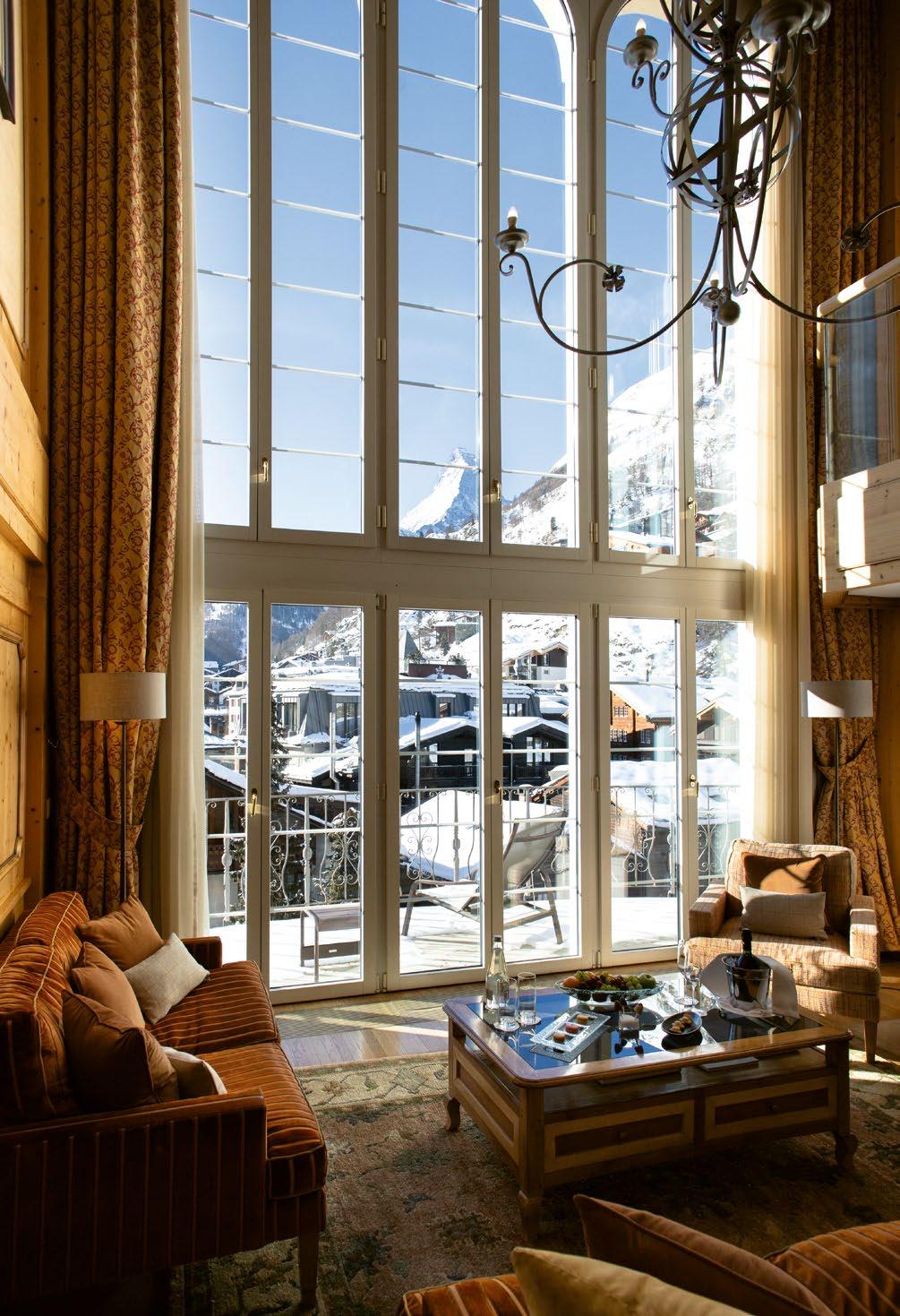
Left | A room with an iconic view: At Mont Cervin Palace, alpine elegance meets the Matterhorn. Floor-to-ceiling windows frame the snowy rooftops and peaks, inviting the beauty of the Alps inside.
Below | The Mont Cervin Palace and Zermatt are deeply intertwined. Since 1857, when Alexander Seiler took over the hotel, it has welcomed adventurers and seekers of alpine serenity alike. Much has changed, but the spirit of warm hospitality remains timeless.
160 YEARS OF ALPINE GRANDEUR
We step from the cool mountain air and busy streets into Mont Cervin Palace –and are instantly wrapped in a subtle blend of nobility and alpine coziness. The scent of wood and spices fills the air – a gentle invitation to slow down and arrive. For over 160 years, this hotel has been an institution defined by a unique balance. On one hand there is the grandeur of a palace with chandeliers, soft carpets and intuitive service. On the other, a warm grounded atmosphere that makes you feel like part of a story passed down through generations.
MORNING GREETING FROM THE MATTERHORN
Our spacious suite opens directly onto the Matterhorn. At sunrise, when the first rays touch the peak, it feels like a personal greeting. What are those gentle bells jingling through the street? Incredibly, a herd of Valais Blacknose sheep, guided by shepherds. A former tourism director created this charming attraction. In the evening, the mountain glows pink and gold as we sip Walliser Heida wine, wrapped in a blanket on our private balcony.
MOMENTS OF WELL-BEING
We spend our afternoons in the spa. Between steam baths, pools and massages with alpine herbal oils, the boundary between body and soul fades – we feel as light as the clouds drifting over the peaks. In the evening at ‘Grill Le Cervin’, we savour meat grilled before our eyes over open flames. The next night could have been celebrated at the elegant Michelinstarred Capri but General Manager Rafael Biner gives us a tip: ‘Tonight, go out – to 1818 Eat & Drink. Let it surprise you!’
FIERY, COLOURFUL, AROMATIC
At sister hotel Monte Rosa, 1818 Eat & Drink offers a modern take on South American cuisine. With design vibes, club music and tattooed chefs in an open kitchen, we’re suddenly transported to South America. Top Chef Julio Escalante creates surprising and delicious plates to share, fusing his Colombian roots with Peruvian, Brazilian and smoky Argentine flavours. His ultrahot Josper grill –more philosophy than cooking method –delivers spicy ceviche, lobster tacos, fiery skewers and tender grilled entrecôte. Best enjoyed with an ice cold Paloma –tequila and grapefruit in harmony.
MOMENTS THAT STAY
As we leave the Mont Cervin Palace, a special mood lingers. This is more than a luxury hotel – it is an experience of alpine elegance – a place where tradition and modernity don’t clash but embrace. You leave with the feeling of having truly lived in the heart of the mountains.
ROCK ’N’ DINE
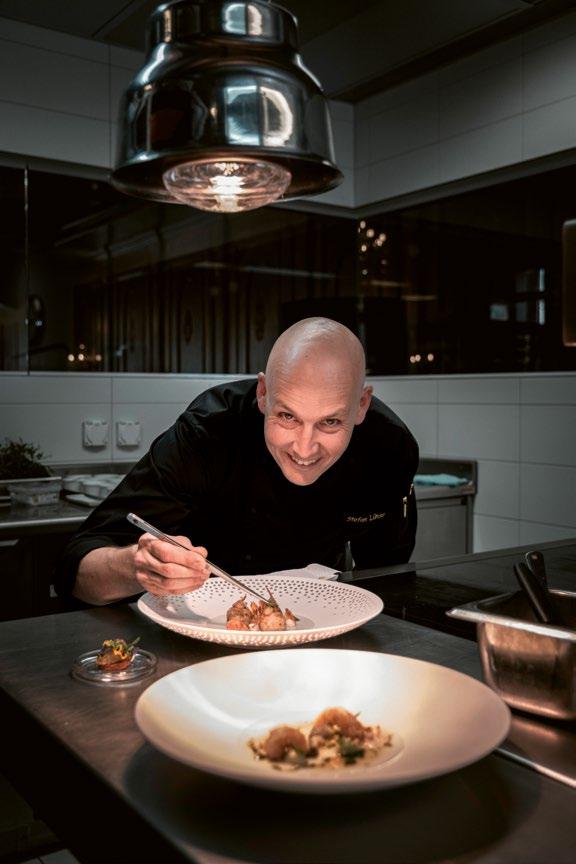
In summer 2025, top chef Stefan Lünse took over the culinary reins as Executive Chef at the Grand Hotel Zermatterhof– and promptly confirmed the Michelin star. His gourmet menu launches like spectacular fireworks with a bold statement: ‘My team and I are eager to go full throttle.’
STYLISH. INTENSE IN FLAVOUR. ELEGANT.
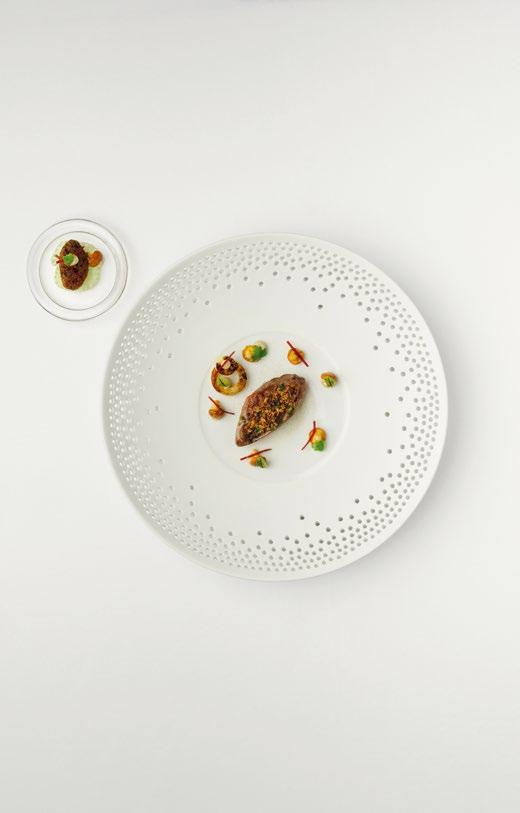
Lünse’s creations are daring yet always perfectly balanced. Take, for instance, the flawlessly cooked Atlantic turbot paired with hearty calf’s head. It’s accompanied by Japanese dashi broth infused with Heida, a Valais white wine and ethereal lemon verbena. His vegetarian dishes are disarmingly simple yet stunning – such as beetroot with Zermatt yogurt, raspberry vinegar and a smoked beetroot consommé, paired with a complex rosé by Valais star winemaker MarieThérèse Chappaz. Between courses, horizons expand with a Tom Kha Gai made of Valais farm chicken, sot-l’y-laisse and garum made with fish from Lake Zurich. The Miéral pigeon is prepared to perfection – breast cooked tender pink with an intense jus, complemented by Zermatt dried meat and a crisp praline filled with offal and leg meat. Dessert is an ode to the cherry, featuring a chilled cherry soup and sorbet with alpine thyme and sorrel.
MODERN, MORE VEGETARIAN, MORE ASIAN.
As Executive Chef, Lünse aims to evolve the Zermatterhof’s cuisine – make it more contemporary, approachable and accented with Asian notes. ‘At the Alpine Gourmet Restaurant Prato Borni, we now offer a vegetarian menu, a meat menu and additional à la carte options. We want our guests to have real freedom of choice.’ The Brasserie Lusi is also shifting in this direction.
WORDS CLAUDIO DEL PRINCIPE
When it comes to textiles, only two things matter to us: the highest quality and Swiss Made.
Gabriela Jenny, Direktion, Castello del Sole, Ascona
‘We’re cooking at full throttle blending Alpine soul with global flair, and giving our guests real freedom of choice.’
BRIDGING VALAIS AND THE WORLD.
‘I want to bring out the best of Valais products and combine them with selected ingredients from Switzerland and neighbouring countries.’ Lünse does so effortlessly. His dishes unite alpine identity, international elegance and creative depth. Notably, the extraordinarily aromatic sourdough bread comes from the local artisan bakery Backzeit.
WHAT MAKES COOKING IN ZERMATT SPECIAL?
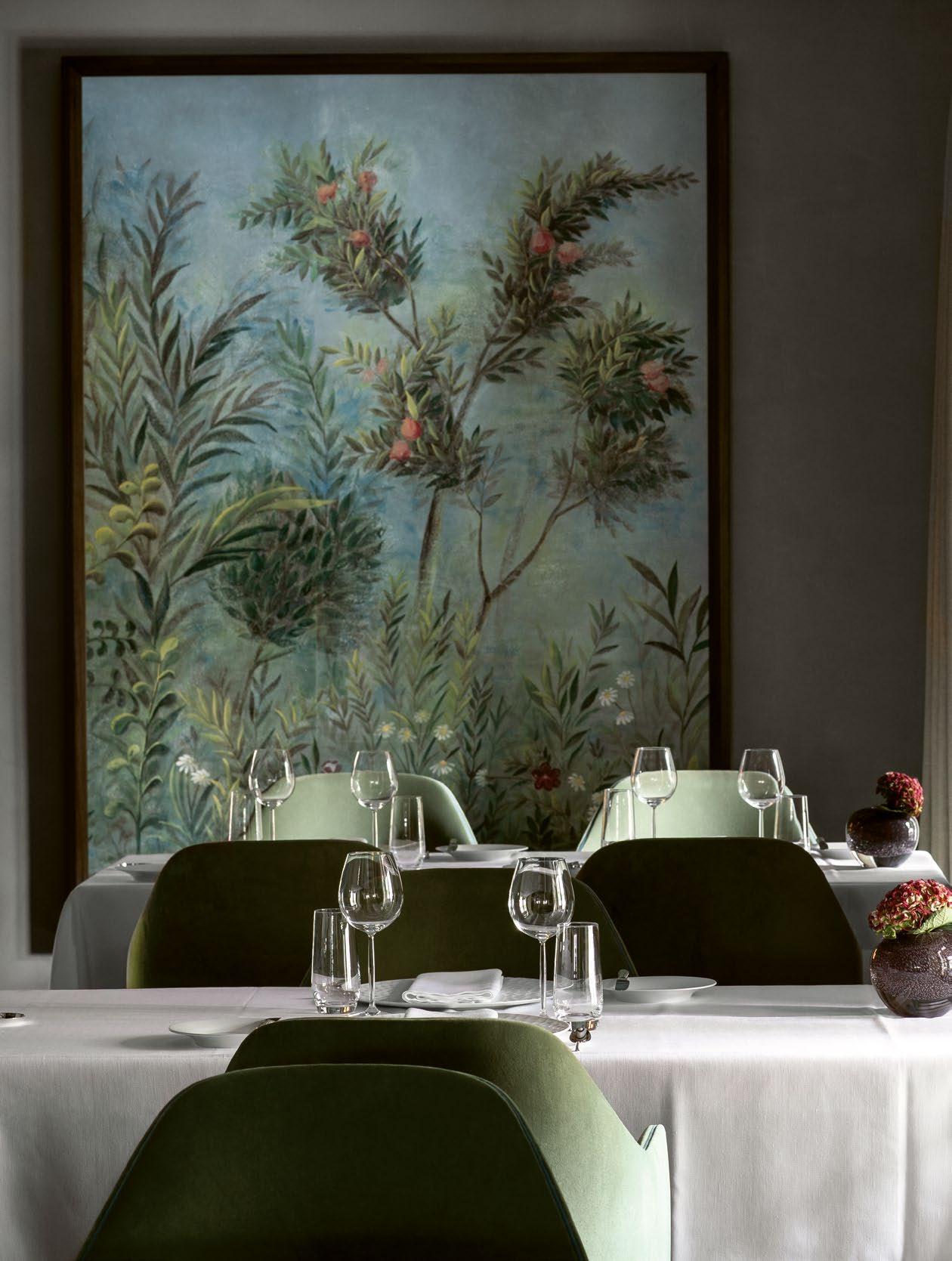
‘Around here, hotels and restaurants cook at an exceptionally high level. Guest expectations are just as high. The environment is competitive, but also incredibly motivating. We’re definitely ready to go full throttle.’ The team’s enthusiasm is tangible. Former apprentices and longtime colleagues working with Lünse spur each other on, experimenting and achieving surprising, flavourful ideas. The woodpanelled dining room, with classic furnishings and crystal chandeliers, may seem stiff at first glance. Thankfully, it’s not classical music that drifts from the speakers, but upbeat pop rock. The service is pleasantly relaxed. Every dish, every wine rocks – even the nonalcoholic pairing. Even the likes of a former British head of state, a regular guest here, was visibly delighted.
Culinary Treasures of the Bern Region
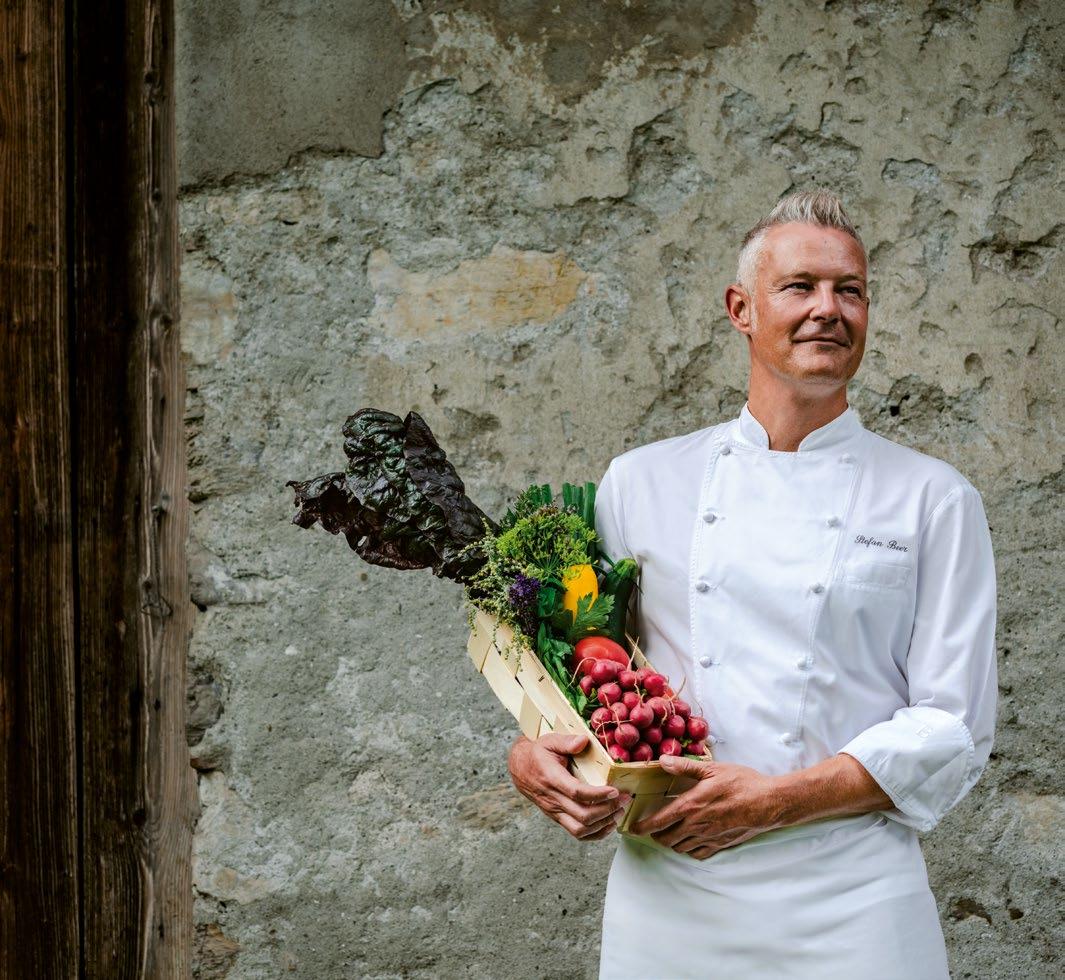
If you want to discover the culinary highlights of the Canton of Bern, begin your journey at Radius by Stefan Beer, the finedining restaurant of the VictoriaJungfrau Grand Hotel & Spa in Interlaken. Chef Stefan Beer and his team serve a menu that feels like a gourmet tour of the region.
WORDS ALEX KÜHN
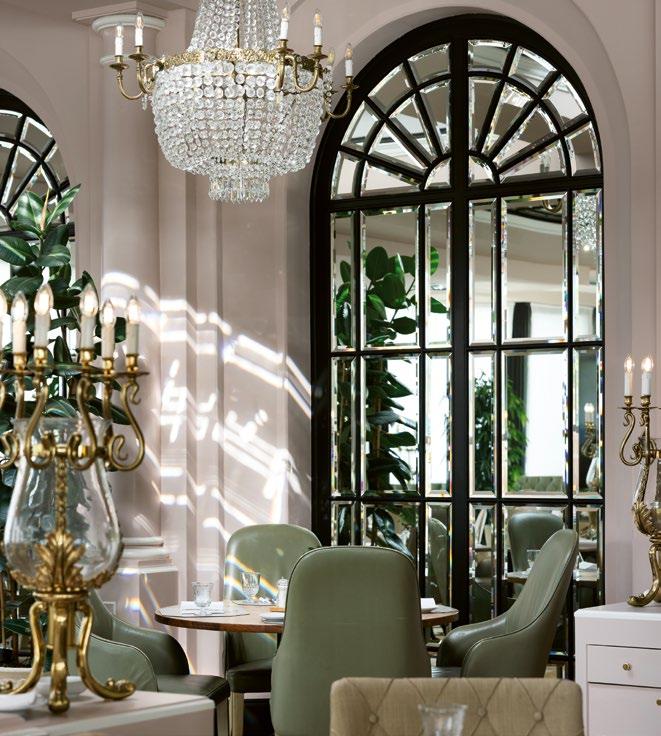
Right | A timeless interplay of light, elegance, and alpine charm inside the Victoria-Jungfrau Grand Hotel in Interlaken.
Left | Executive Chef Stefan Beer’s Menü vo hie delights with hyper-local, artful cuisine, every ingredient sourced within 50 km, each dish a creative celebration of Swiss terroir and gourmet innovation.
‘We use only ingredients sourced within a 50kilometre radius,’ explains Stefan Beer. ‘This allows us to celebrate local excellence – and you’d be surprised at what we can achieve with it.’
That includes shrimp from EyHof in Burgdorf, paired with pear, black garlic and buttermilk – a flavour combination that’s pure bliss. You’ll also find Oscietra caviar, elegantly served with Sigriswil trout, beetroot and horseradish.
VEGETABLES TAKE CENTRE STAGE
Chef Stefan Beer , honoured with 17 Gault&Millau points, a Michelin star and
a Green Michelin Star , proves that culinary brilliance doesn’t require opulence. Revered as a ‘vegetable whisperer,’ he crafts an extraordinary nine course vegan tasting experience. One course might pair radish with pear celery sorbet, enriched by homemade soy sauce and the crunch of walnuts. Another delights with preserved mirabelles infused with rosemary and flaxseed. Much of the produce comes straight from the hotel’s garden. To capture that freshness yearround, the Radius kitchen is a hive of activity in summer, dedicated to fermenting and preserving the season’s bounty.
ITALIAN DELIGHTS & CASUAL DINING
For a more relaxed dining experience, the VictoriaJungfrau invites guests to Ristorante e Pizzeria Sapori, where Italian classics take centre stage. From tender vitello tonnato to rich tagliatelle with veal ragout and mushrooms, or crisp, stone oven baked pizza, the offerings are as comforting as they are flavourful. Over at La Terrasse Brasserie, the philosophy is ‘Simple but outstanding,’ with timeless brasserie staples and international favourites like Wiener schnitzel and pasta – be sure to try the indulgent lobster paccheri. And as for the ambiance, few dining rooms in Switzerland can rival the elegance found within these walls.
A CULINARY GEM IN WILDERSWIL: RESTAURANT ALPENBLICK
Just a short trip from Interlaken, the historic Restaurant Alpenblick in Wilderswil – housed in a 400yearold inn – has become a beloved culinary destination. Chef Richard Stöckli offers refined French cuisine with regional flair in the gourmet dining room, which boasts 16 Gault&Millau points and a Michelin star. In the cozy bistro, recognised with a Bib Gourmand, the focus shifts to hearty, authentic Swiss dishes, all prepared with the same level of care. Together with his wife Yvonne,
who has been a gracious presence at the front of house for over 40 years, Stöckli delights guests with signature offerings like sliced Simmental veal in a rich mushroom cream sauce served with rösti – a dish that easily rivals Zurich’s finest. And every Monday, tradition takes centre stage with a generous, allyoucaneat meat fondue.
ADVENTURES TO WORK UP AN APPETITE
In the Interlaken region, unforgettable alpine experiences await those looking to stir their appetite before indulging. A winter hike through the Diemtigtal Nature Park reveals a magical landscape of snowdraped forests, frozen streams and sweeping mountain vistas. For something a bit more exhilarating, Star Sledding on the Niederhorn offers the chance to glide through glittering snow by moonlight every Friday and Saturday night, ending with a comforting fondue at the rustic Berghaus Niederhorn. For thrillseekers, heliskiing from the 3,910 metre high Ebenfluh offers an unmatched descent through pristine powder. And for the truly daring, there’s the chance to rappel down the legendary Eiger North Face, starting from the Stollenloch stop on the Jungfrau Railway – an experience made possible only with the guidance of seasoned mountain experts.
At Ristorante e Pizzeria Sapori Italian flavours come alive - think stone oven pizzas, fresh seafood, and handmade pasta, all served in the most elegant room of the hotel. In summer, enjoy your aperitivo with alpine views.
INFORMALLY EXCELLENT
RECHARGING IN THE VALAIS
WORDS STEFFI HIDBER
For once, packing my hiking boots would have made much more sense than my heels. But make no mistake, this relaxed mountain destination is redefining what modern luxury and selfcare can be. Come join me for a laidback trip to one of the Swiss Alp’s bestkept secrets: The Peak Health Spa at the Capra SassFee.
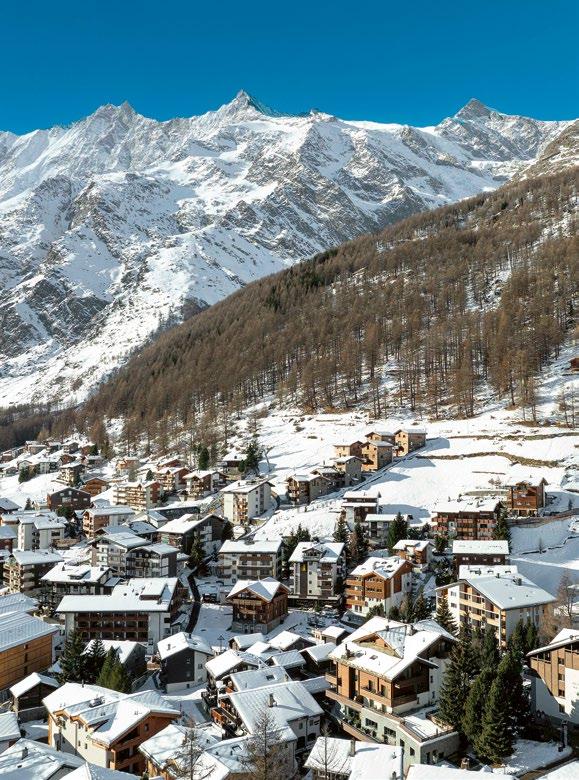
‘Outdoorsy’ is not a word I would ever use to describe myself, but upon arriving in the quaint village of SassFee, situated at 1,800 metres above sea level on a mountain plateau, I immediately wish I was a bit more Swiss: it’s nearly impossible to not want to join the superfit, GoreTexclad hikers and skiers schlepping their weary feet and hightech gear through the car free main street of SassFee. I’m certain nearly all of them have just spent the day up on the glacier or practicing their best downhill skiing tricks in the quest for alpine excellence – or at the very least, did some marmot spotting just weeks before they go hibernate. In a way, I identify much more strongly with the well fed rodents frolicking on the surrounding mountain meadows, as I too am here to eat, nibble on some alpine herbs and maybe take a nap or two in the warm afternoon sun.
My destination for this alpine wellness reset is one of Swiss Deluxe Hotel’s newest members, The Capra.
RELAXING AND RECHARGING, THE CAPRA WAY
Having been gently delivered by the hotel’s small electric cab, I head straight to my beautifully laid out mountain suite with a direct view of the Fee Glacier that looms above the village. After having taken an inappropriate number of selfies in the autumn sun, I immediately don my fluffy The Capra bathrobe
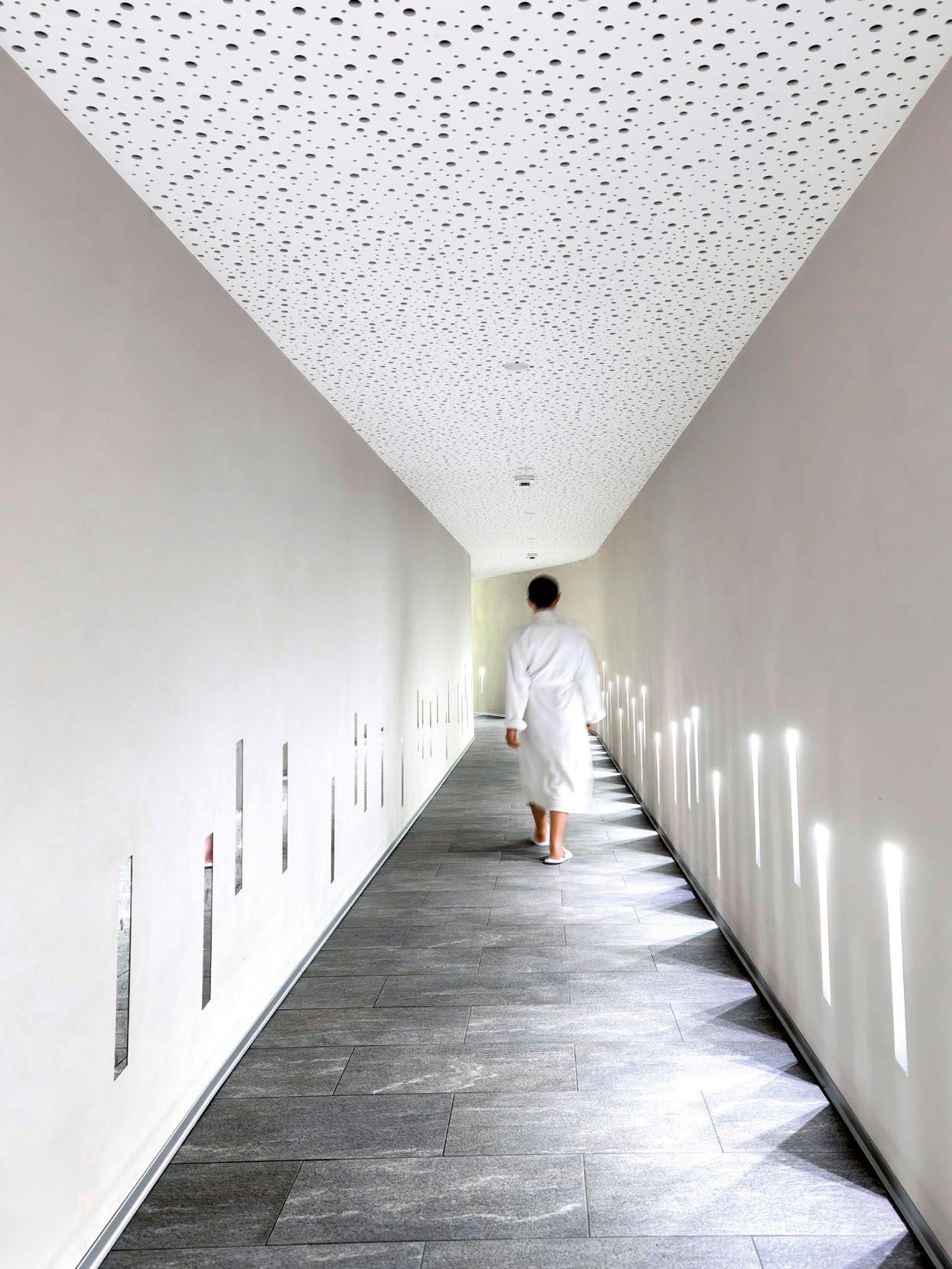
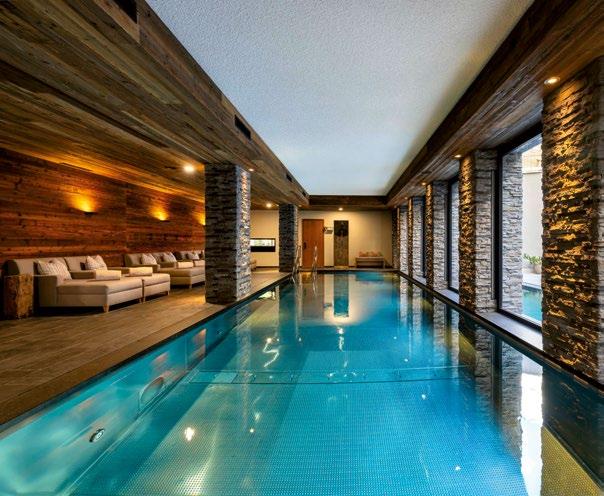
and take the elegantly designed underground tunnel that connects the main, chaletstyle house with the Peak Health Spa, located in a separate building. The modern alpine style featured throughout this 38room boutique hotel is beautifully continued all throughout the spa and wellness area, which boasts a total of nearly 1,000 square metres across two floors. It may have something to do with the subtle herbal scents that waft gently throughout the spa, but I feel immediately relaxed here.
Six kilometres in length and naturally divided into two parts, the Fee Glacier is the unmissable star of the view.
As the cheerfully friendly spa manager Ann Kathrin Brüggemeier explains on a quick tour of the indoor and outdoor facilities (including an indoor pool, outdoor whirlpools, saunas, steam rooms and wonderfully serene relaxation areas), this is a place where fitness, mindfulness and outdoor adventures blend in a truly unique way.
Inspired by both Ayurvedic practices and modern, research based wellness therapies, the Peak Health team is an amazingly diverse group of experts in all fields of personal wellbeing. From fitness coaches and yoga teachers to mindfulness experts and herbalists. ‘We want to not only help you relax and unwind, but also to help you develop your own individual strategies to maintain what you’ve achieved here,’ Ann Kathrin explains while showing me the surprising selection of flowers and herbs that grow all around SassFee and the surrounding valleys and which play a part in their signature retreats.
These bespoke programs are created individually for each guest, depending on their individual needs. Ideally, a retreat should last 57 days, but ‘we can work with whatever amount of time a guest can offer us’. A personalised selfcare getaway can be booked on short notice and aims to improve wellbeing both on a physical level – with delicious, nutrient rich meals, yoga or fitness and lots of activities in the fresh air – and on a spiritual level – with de stressing treatments, personal coaching and help to establish healthy sleeping habits.
Before I get totally carried away and book my own 14day reset, it’s time for me to experience one of The Capra’s signature rituals. That is, before enjoying a delicious dinner and a fabulous night’s sleep in the nearabsolute quiet of one of the only Swiss alpine destinations I’ve encountered so far that isn’t interested in the ‘bigger better more’ mentality that some similar destinations embrace. SaasFee is oldfashioned in the best possible sense and if you’re lucky enough to be able to unwind at The Capra, you’ll understand exactly how much this kind of laidback luxury is needed.
Above | All that the spa’s cozy rest area needs is you and a good book.
Below | Finish a day on the slopes by swimming a couple of lengths in The
STEFFI’S
Am I ready to experience ‘the healing power of the forest’? Absolutely! Therapist Anna has me intuitively pick a scented oil for my upcoming massage – an invigorating and warming pine and mint blend, which perfectly leads to the first step of this 2.5-hour ritual: a full-body scrub made with salt, warm oil and finely-ground Swiss pine needles that the spa team (and occasionally some guests!) collect in the woods behind the hotel every summer. One quick shower later, I return to the heated spa bed for an amazing deep-tissue massage with pine oil, during which I unabashedly fall asleep. This blissfully scented ritual is finished off with a honey-pine wrap that leaves the skin wonderfully nourished and Steffi amazingly relaxed.
SIGNATURE TREATMENT TIP: FOREST POWER BODY TREATMENT (150 MIN.)
Capra’s indoor pool.
CURATED BY STEFFI HIDBER
HighTech Beauty
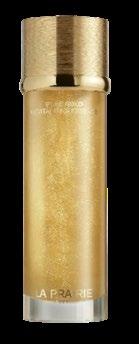
The newest addition to the Pure Gold family boasts a pioneering new technology that’s designed to help skin counteract the effects of menopause and feels deliciously hydrating on parched skin.
LA PRAIRIE PURE GOLD ESSENCE (130ML) , approx. CHF 530.00
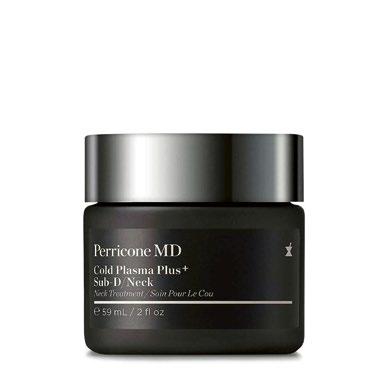
I don’t know about you, but my neck has just started showing the strangest signs of aging! This clever little miracle worker for the neck and chest smoothes and improves skin elasticity with DMAE and glycolic acid.
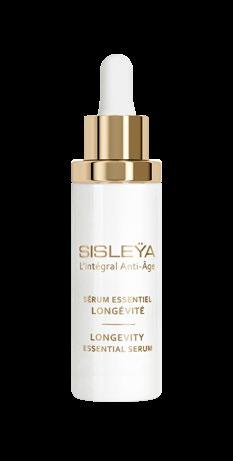
Longevity has officially entered the (skincare) chat! Sisley’s joining the race against time with a targeted reactivating serum designed to address signs of aging with powerful, naturallyderived ingredients.
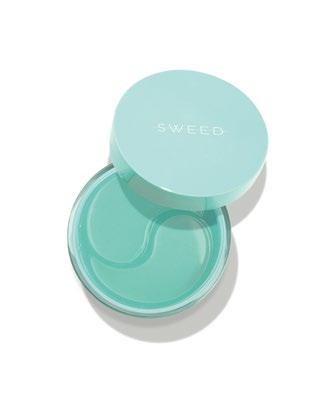
De-puffing eye patches are the perfect shortcut to a refreshed, wide-awake look and I’ve fallen in love with these cleverly formulated treats that I keep in the fridge for an extra-reviving boost!
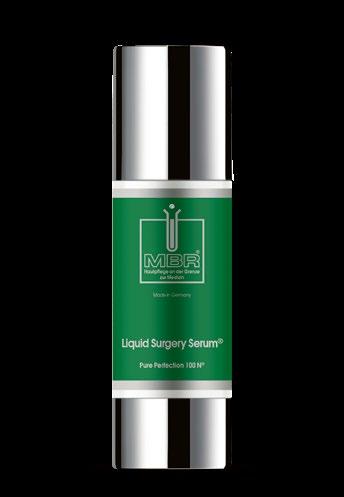
If the price doesn’t grab your attention, the name will! MBR changes the game with an innovative 24-hour serum that boosts oxygen levels, improves elasticity and visibly smoothes fine lines.
MBR LIQUID SURGERY SERUM (50ML) , approx. CHF 1920.00 at beyond-skin.ch
Gentle moments, warm glow, time to savour: the cozy season invites us in. Our trend picks celebrate intimate luxuries, thoughtful gifts, beautiful discoveries that brighten every day.
WORDS MICHAEL TULGAY
Originating from love for small, intentional gestures and a desire to make gifting and correspondence more meaningful, the studio creates high-quality wrapping paper, cards and accessories. Each piece showcases original collage artwork by the artist and founder – and we couldn’t help but fall in love at first sight. – manuelamenzi.com
MANUELA MENZI STUDIOS THE ART OF GIFTING
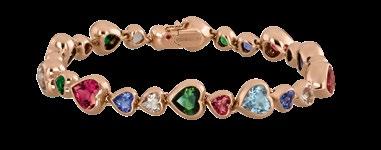
GÜBELIN HEARTFELT SPARKLE
Born out of friendship, Gübelin teams up with designer Nadine Ghosn to create the whimsical Sparks Heart Bracelet. Crafted from 18k rose gold and radiant heart-shaped gems, it’s a vibrant, unisex summer stacker that celebrates love, joy and passion for stones – and might just be the perfect next gift.
MUNTAGNINA BORN IN THE ALPS
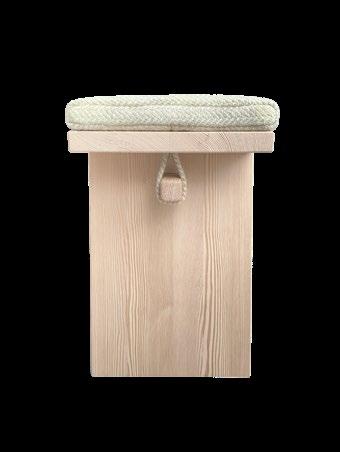
Inspired by a simple question and handcrafted with heart in the Swiss mountains, Muntagnina turns local wool, wood, and tradition into a cozy design story you can sit on.
– zeitfuerraum.ch
DREAME LIVE SMART
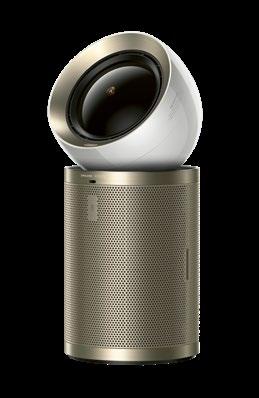
Dreame PM20 Air Purifier is more than a purifier – it’s smart air tech. With radar-based motion tracking and dual airflow, it adjusts to your position in real time. Clean, cool or warm air? You choose. It filters out up to 14 pollutants and 9 types of bacteria and viruses, displays live air quality on the LCD screen and connects to an app for full control.
– ch.dreametech.com
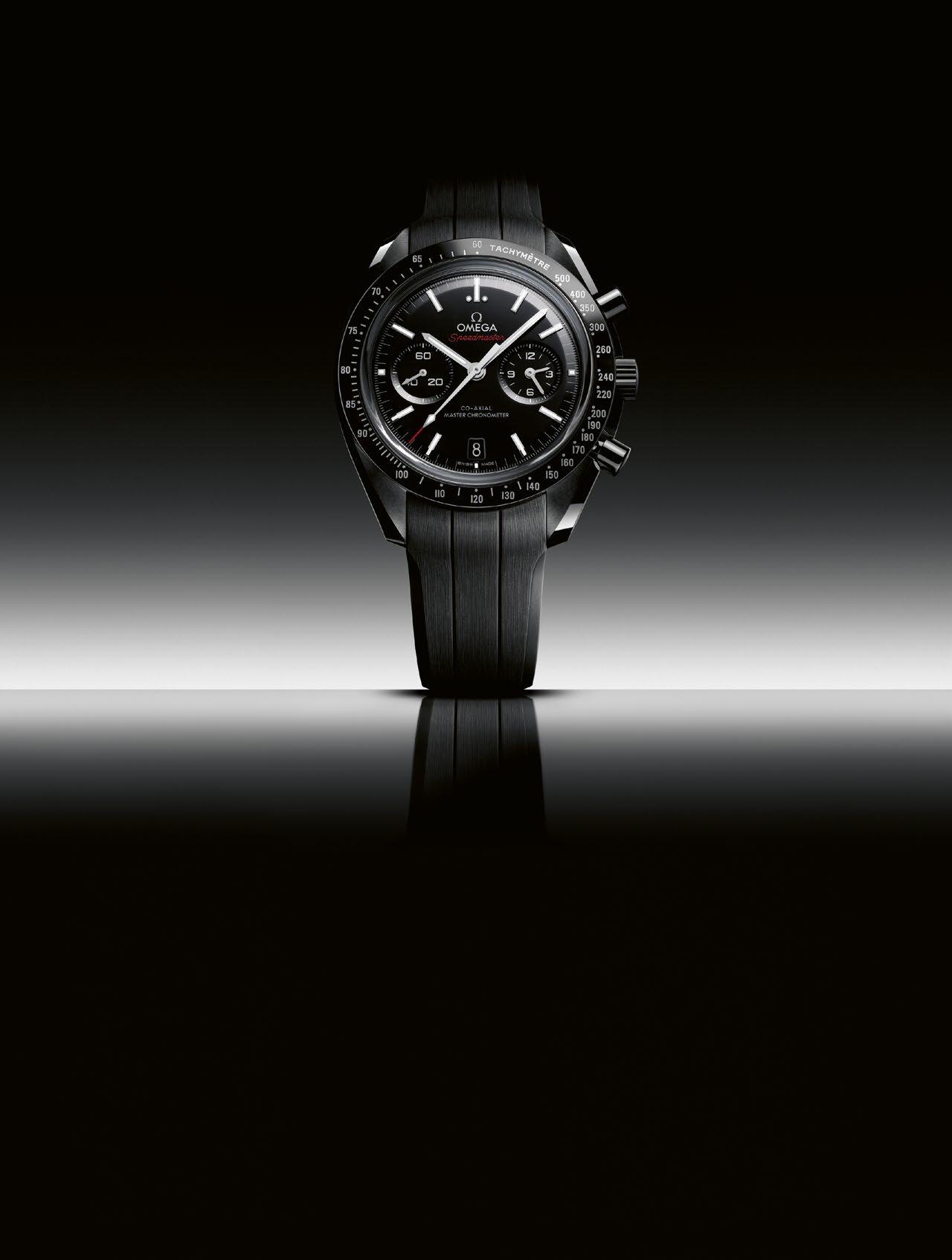
OMEGA LUNAR LEGENDS
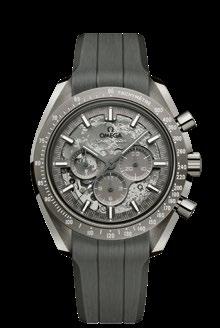
OMEGA unveils seven bold new additions to its iconic Speedmaster Dark and Grey Side of the Moon collection. Featuring slimmer profiles, advanced Co-Axial Master Chronometer movements and tactile lunar-inspired strap designs, these timepieces pay tribute to Apollo 8’s legendary mission with extraordinary precision and immersive detail.
– omegawatches.com
HOLDING STORIES
A visual tribute to meaningful reads – this limited-edition bookmark, designed by Manuela Menzi Studio using images from our contributors, echoes our editorial belief: that real words stay, shape and speak. Just like the stories we choose to carry with us.
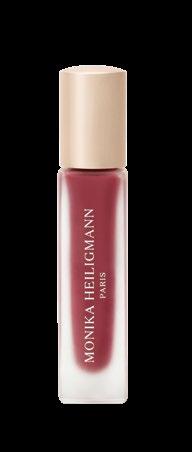
MONICA HEILIGMANN PARIS LIPS, REIMAGINED
Monika Heiligmann Paris sets a new gold standard in lip care with a couture-inspired line that fuses natural ingredients with cutting-edge science. The result? Clean beauty formulas that hydrate, plump and perfect – no microplastics, just pure luxury.
– eyondskin.ch
ALIAS FORM, STRIPPED BACK
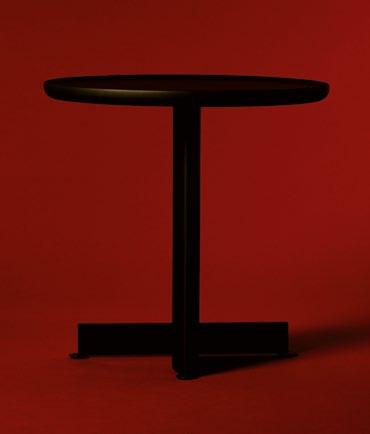
In Forme Altre, photographer Claudia Zalla reimagines Patrick Norguet’s Savoy tables for Alias as abstract volumes – detached from function, distilled into pure shape, light and colour.
– alias.com
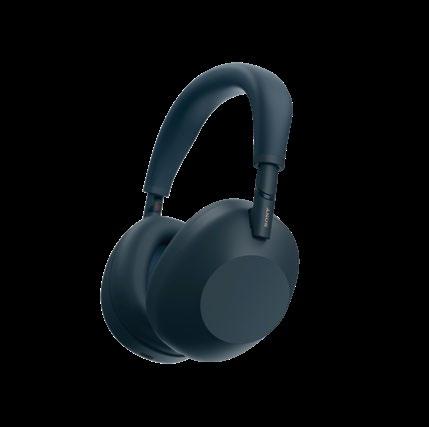
SONY SILENCE ON DEMAND
Winter’s chaos fades with the WH-1000XM6 – one tap and it’s just you and your sound. With 40 hours of battery and cinematic audio,
AUDO COPENHAGEN SCULPTED CONTRAST
PAUL MITCHELL PAWLISHED PERFECTION
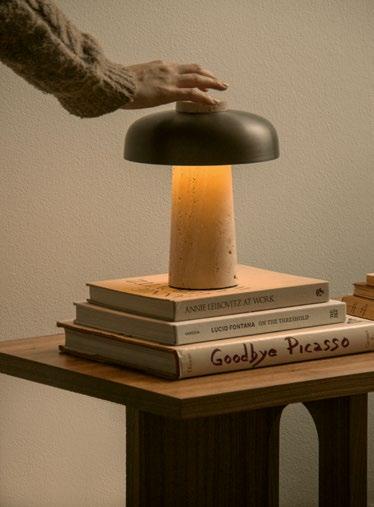
Balancing strength and clarity, the Reverse Table Lamp by Aleksandar Lazic makes a striking statement. The raw, grounded feel of the stone contrasts beautifully with the polished sheen above, blending earthy presence with modern minimalism.
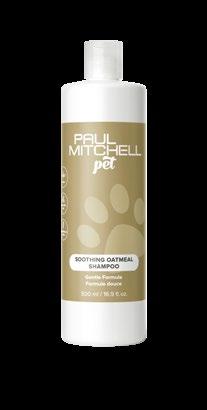
With pH-balanced formulas, calming ingredients like oat and lavender and a firm no animal testing policy, the Paul Mitchell PET collection brings salon-level care to tails and whiskers alike.
– paulmitchell.de
– audocph.com
MOSCOT SMALL FRAME, BIG MOOD
FUSTER BOLDLY BRILLIANT
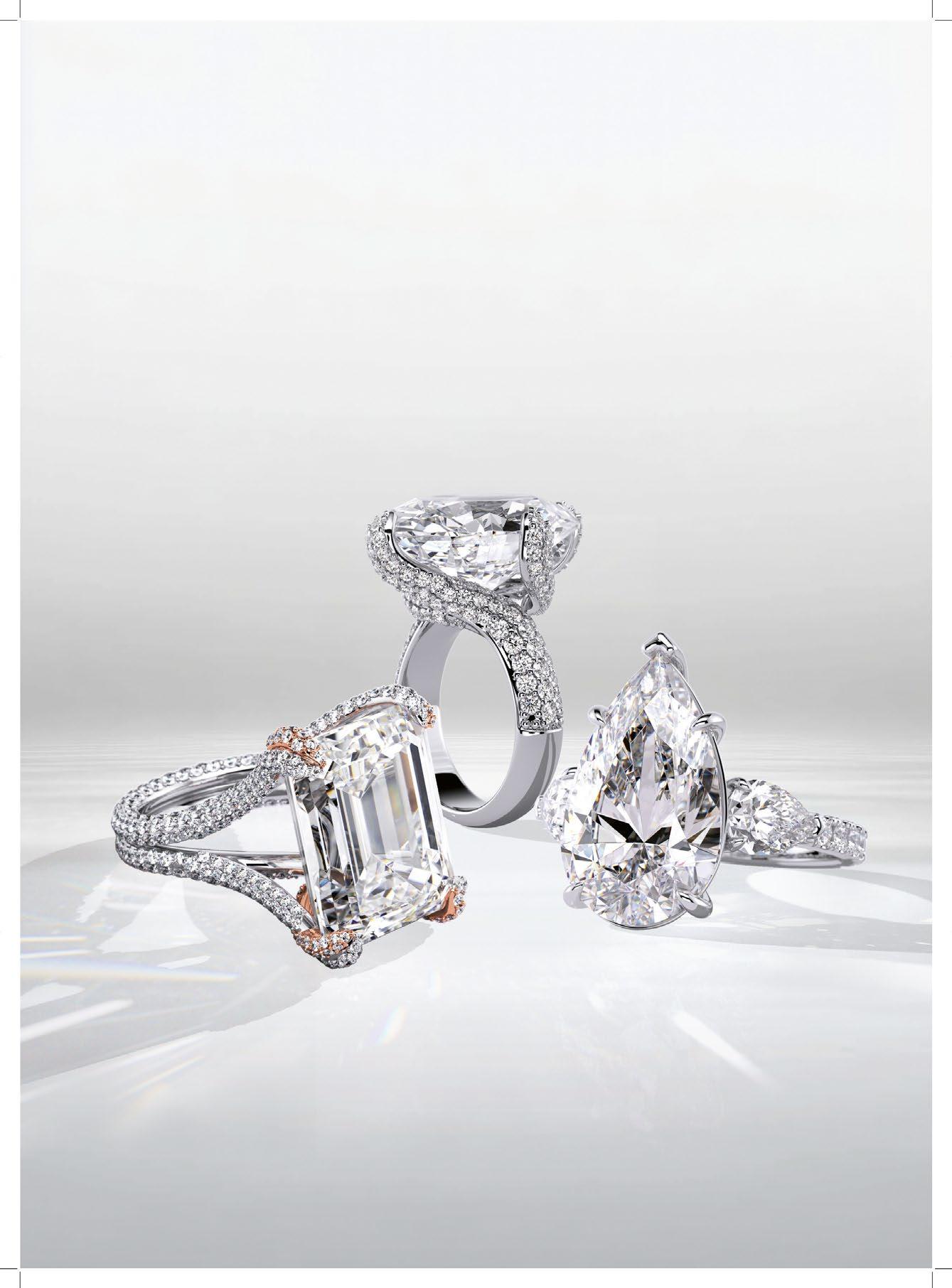
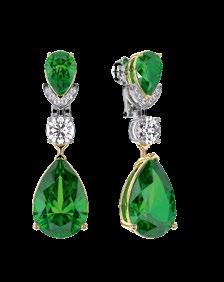
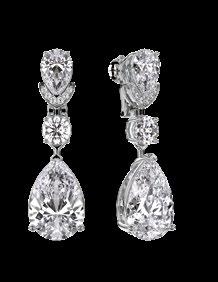
Signature drop earrings expertly crafted in Appenzell, marry timeless elegance with bold brilliance. Choose between the classic allure of diamonds or the vibrant charm of emeralds – each design a radiant expression of modern luxury.
– fusterlegacy.com
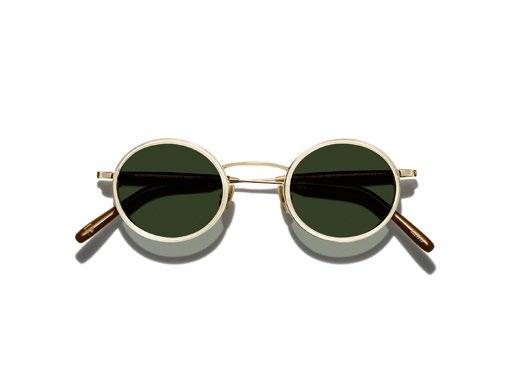
A perfectly round, razor-thin statement piece that proves bold style doesn’t always shout. Minimalist, sharp and effortlessly cool.
– moscot.com
DYSON POWER, PERFECTED
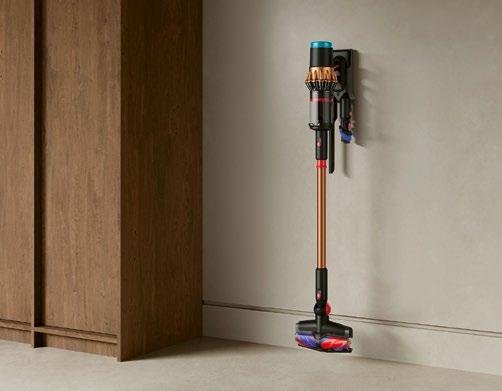
The new Dyson V16 Piston Animal delivers 315 air watts of relentless suction powered by the next-gen Hyperdymium™ motor. The All Floor Cones™ Sense head adjusts seamlessly to any surface – even long hair doesn’t stand a chance.
– dyson.ch
HAUTE IN THE ALPS
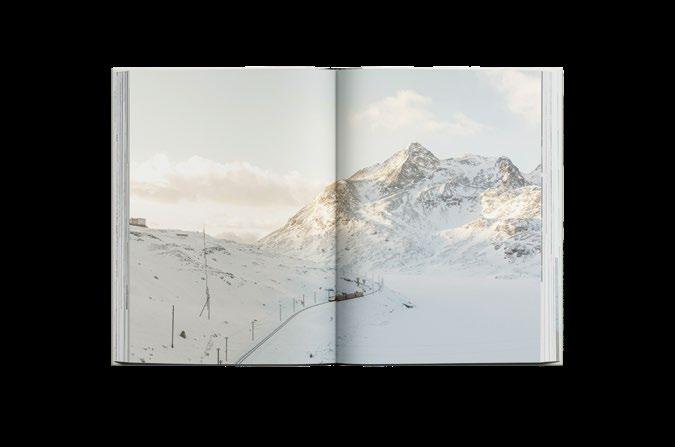
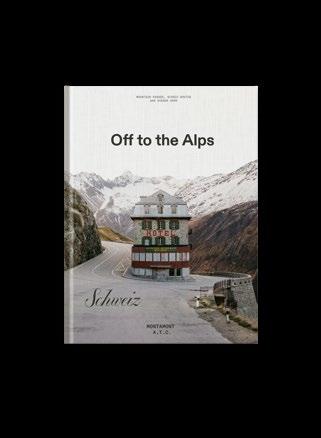
Think bellboys, cable cars and champagne with a view – the Swiss Alps get a playful reboot. We follow funiculars, floral teas and design trails to where tradition flirts with trend. Mountain passes, scenic routes and hidden gems of the Swiss Alps. 256 pages, hardcover.
– montamont.com
SONMO CLAY & CALM
Handcrafted in the heart of Mallorca, this SONMO ceramic cup captures the essence of the Tramuntana Mountains. Fired with olive wood ash and shaped by tradition, it’s a quiet celebration of sustainability, heritage and everyday beauty.
– sonmo.es
Peaks, Perfume & Papillons
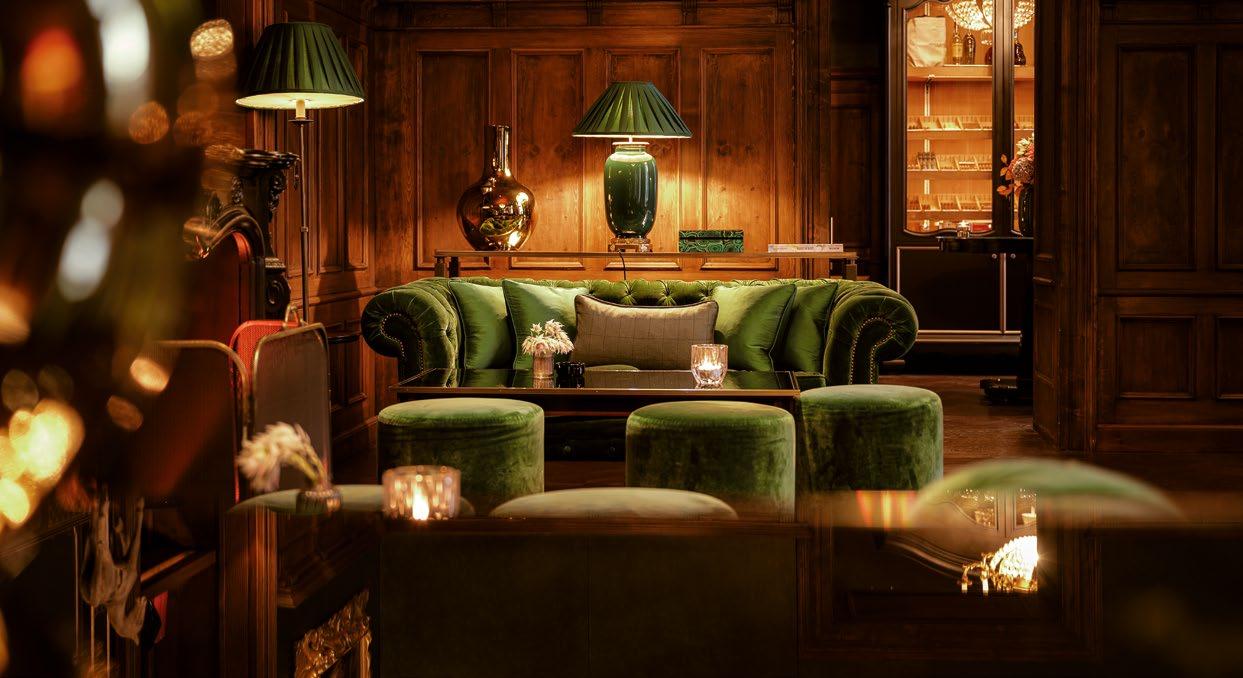
More than 175 years ago, a small hotel opened its doors in the picture postcard Pontresina, a small village in the heart of the Swiss Alps. Here you will find a place of magic and timeless elegance. Legend has it that, when it first opened, Mrs. Gredig, the wife of the owner, would sit by the window in the corner of her living room and judge. She would then signal down to the host the rate they should be charged. This humble hotel slowly evolved into the Grand Dame of the Engadin – what we now know as the Grand Hotel Kronenhof. Knowing this story, I check in to my room and see the list of complimentary experiences that are offered. Then and there, I vow to myself: I am doing them all. This would not be just a stay – it would be a complete immersion. Outside on the terrace, the autumn colours are resplendent and the sun turns the gardens into a golden canvas. Pontresina in autumn is glorious and steeped in magic and the Kronenhof itself glows in response. Even the squirrels scampering about seem to revel in its splendour.
FASCINATING ENCOUNTERS, VELVET RETREAT AND EUPHORIC RITUALS
First things first. The spa. I make my way to the 2,000 square metre spa, determined to try everything. Opening onto sweeping
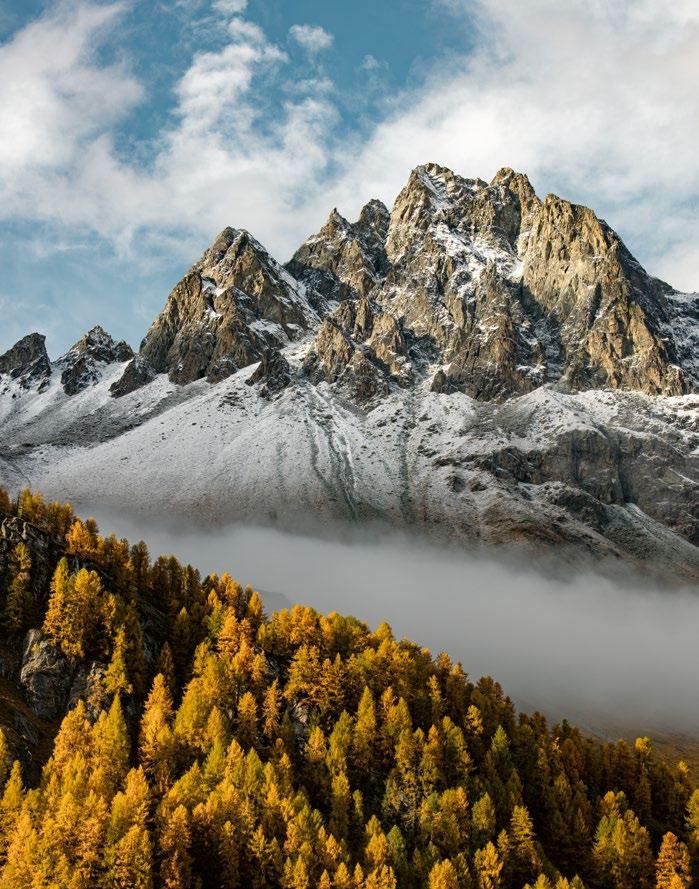
In Pontresina, autumn wears a golden crown and history whispers its secrets through the radiant valley. I set out to discover for myself the wonders of the Grand Hotel Kronenhof. What follows is a weekend of alpine ritual, enchanting luxury, majestic nature and a bit of adventure on the side.
WORDS BEATRICE LESSI IMAGES ROBERT DALL’ALBA
alpine views, you feel as if you are completely immersed in the valley. The pool gives the illusion of touching the mountains, already revealing the first dusting of snow on the peaks. Relaxing into the water, the jets are so precise and powerful that I find myself immediately letting go. I can’t help but sigh aloud. During a massage, squirrels dart past the fulllength windows, breaking through my dreams with their play. Here, the beauty of nature and the decadence of the hotel merge into one. Joining water aerobics, I find myself beside an astrophysicist. She excels at every exercise and we find ourselves in a conversation that feels like the start of a TED talk. We laugh. It seems that the Kronenhof attracts guests as fascinating as the place itself.
LOCATION
Nestled at an altitude of 1,805 m in a sheltered valley just 10 minutes from St. Moritz, Pontresina is a historic mountaineering village at the foot of the Bernina Massif, home to the Eastern Alps’ highest peak. Its mix of alpine adventure, serene nature and Belle Époque charm makes it a uniquely captivating destination.
Later, hunger calls. I change and drift into a room of deep blue and red velvets –utterly irresistible. I order afternoon tea: delicate pastries, savoury sandwiches and a view of the chandeliered crown room (Krone means crown in German). Some guests read newspapers and relax and I wonder if I am the only one who has decided to stay here all day? A waiter notices my delight and charmingly offers a magic trick – transforming burning paper into a beautiful flower.
Wearing a red papillion (bow tie) as tradition holds, he is mixing cocktails inspired by the colours of the rooms and the moods of his guest, paying attention to every desire and detail. After 6 p.m., the papillion transitions to darker evening colours and I realise that I am late.
My friend, the scientist, has invited me to a 6 p.m. ritual in the sauna. I am a bit sceptical and picture chanting and prepare to be bored. How wrong I am. The sauna resembles a wooden hut and I enter. In a tray lie three shiny balls – ice, I guess, and I touch one to see. Then my friend enters – no longer a water aerobics partner but a spa priestess. She smashes one of the ice balls and places it on the hot stones. Tssssss, it hisses. A whiff of lavender whirls through the air. Suddenly, Lenny Kravitz blasts from hidden speakers. She grabs a fan and begins an exotic dance, wafting hot scented air toward each of us, one by one. The temperature rises until it is almost unbearable and the music shifts to hard rock. The herbal steam thickens. We laugh, we dance, we sweat and surrender our bodies to the rhythm of the music and the fragrances of the steam. There is a collective sigh of awe and we leave, drenched and euphoric.
A RIVER, A TRANSFORMATION, A MEMORY
Evening means flickering candlelight, gentle piano music and the grandeur of the ballroom. Here, autumn is not just the in between season, but a time to showcase the purest expression of alpine luxury. The hotel itself reflects the magnificence of its own history. Built 175 years ago in the Belle Epoch style, it still
The Grand Hotel Kronenhof Pontresina with 175 years of hospitality heritage began as the humble Gasthaus Rössli and evolved into today’s iconic landmark, proudly standing in the heart of Pontresina.
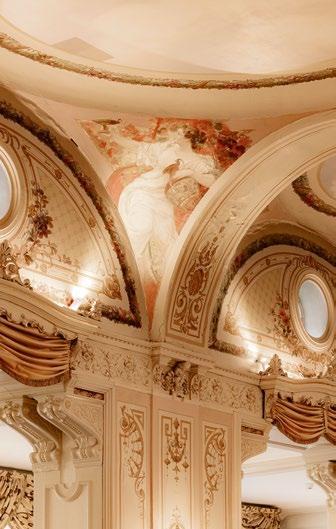
carries the aura of an opera house – the kind of rarefied elegance you might expect in Paris, not perched amid alpine peaks. After the Niarchos acquired the hotel in 2004, it has been lovingly renovated – preserving its soul while updating its flair. However, the ballroomturnedrestaurant remains its majestic heart and I marvel in its glory before heading to my room for the night.
The next morning, after the best sleep I have had in months (thanks to my downy bed), I wander down to breakfast where I indulge in Eggs Benedict Royale. The Italian waiters there already know my name. They see that I am taking photos and order that my my eggs be replaced when they grow cold. That is what I call hospitality.
Before leaving, I choose one last experience: a walk to the Flaz river, which flows through the Engadin valley and is famed for its icy, glacial waters –
often used in Kneipp inspired hydrotherapy rituals. It is a beautiful stream to stroll along, framed by alpine scenery and grazing goats. Our guide brings hot tea and a towel just in case we are brave enough to dip our toes. I think I am and give it a try… but the icy shock steals my breath and I scramble out, laughing. He pulls out another surprise: a soft crumbly wax peel for our legs. Made of completely natural ingredients, it washes away in the river and leaves my toes feeling light, soft and delightfully perfumed. I feel like a newborn baby.
‘ In winter,’ the guide tells us, ‘ we cut a hole in the lake ice and jump in.’ No guest has failed to do it in twenty years, not even the anxious ones. ‘It’s all in the head,’ he explains gently. ‘I help them breath, relax, hold their hands and give them my body heat. They all go in –and go home with a new experience.' And so do I.
Above | In 2004, the heritage-protected property was bought by the Niarchos familiy. Since then, careful restoration and investment have returned the Grand Hotel to its former splendour.
Below | The marvellous smoking room.
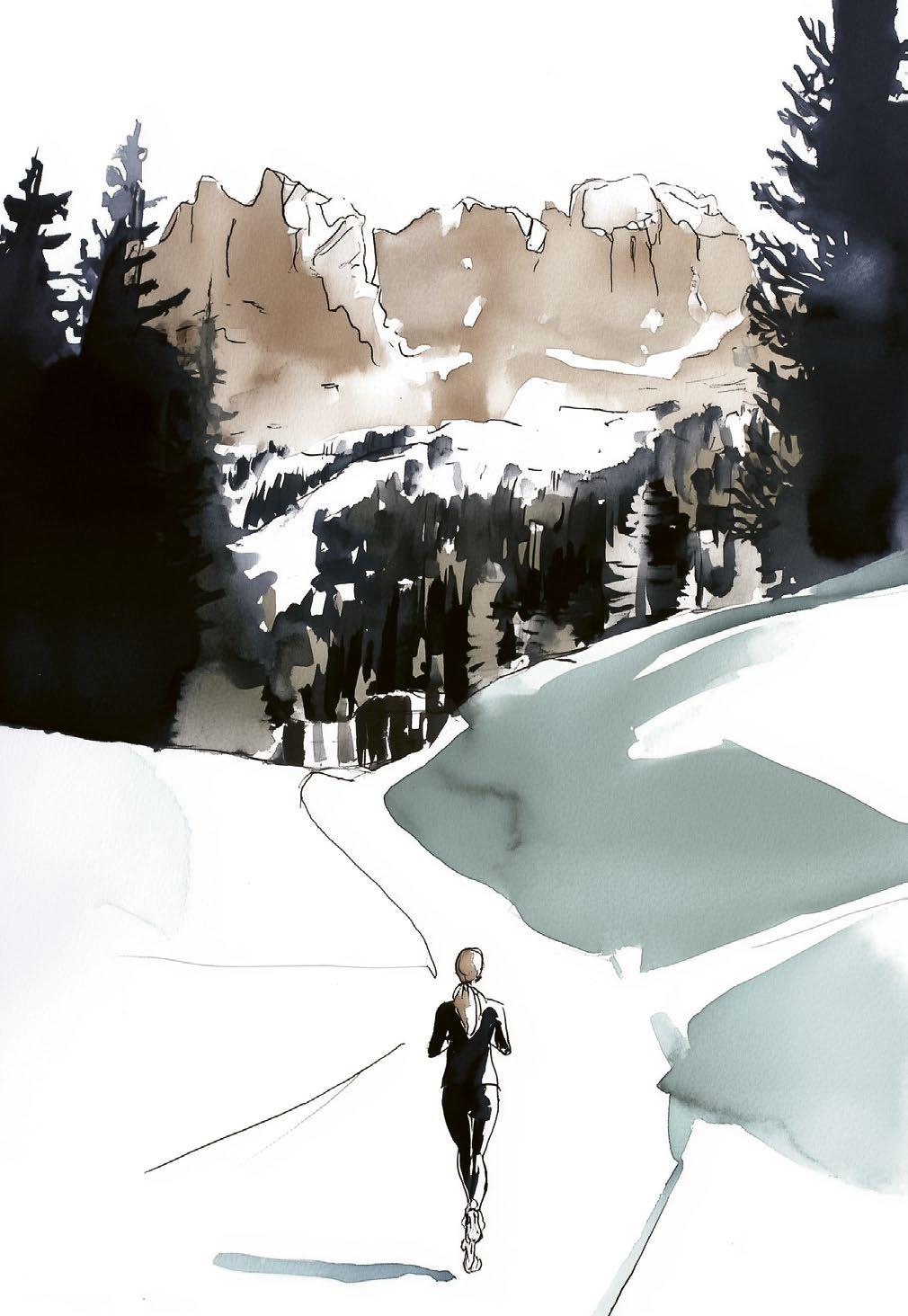
Whether you’re chasing endorphins or majestic silence, Pontresina offers winter trails that are both accessible and unforgettable. From playful paths to glacier’sedge challenges, here are five inspiring routes to run or hike – each with its own pace, mood and magic.
WORDS BEATRICE LESSI
IBEX PROMENADE
Just above Pontresina, this gentle trail winds through larch forests to a panoramic platform where wild ibex roam freely. Open year-round, it’s a short climb with big rewards – mountain silence, golden light and the thrill of spotting the Kings of the Alps. Distance: 1.5 km. Duration: 25 minutes walking.
VAL ROSEG PROMENADE
A wide, groomed winter trail leads deep into the pristine Roseg Valley, where snow-draped trees and glacier views create a scene of pure alpine stillness. Horse-drawn sleighs glide past as you run or hike through a landscape that feels stolen from a fairytale. Distance: 14 km round trip. Duration: 2 hours 30 minutes hiking, 1 hour 30 minutes running.
LEJ DA STAZ LOOP
This peaceful forest loop leads to the frozen Lake Staz, a mirror of sky and snow tucked between Pontresina and St. Moritz. Ideal for light jogging or walking, it’s a trail where every breath feels crisp and each step is wrapped in quiet beauty. Distance: 6.6 km. Duration: 1 hour 45 minutes hiking, 1 hour running.
MUOTTAS MURAGL PANORAMA TRAIL
Reachable by cable car, this highaltitude ridge trail offers sweeping views of Engadin lakes and peaks. The path is packed and walkable in winter, winding past pine groves and sunlit slopes – a mountain challenge for those who crave altitude and breathtaking beauty. Distance: 7 km. Duration: 2 hours hiking, 1 hour 15 minutes running.
DIAVOLEZZA GLACIER EXPERIENCE TRAIL
For seasoned runners and hikers, this rugged trail near the Diavolezza cable car reveals dramatic glacier vistas and icy terrain. Open in winter with interpretive signs along the way, it’s a bold route where every step is sublime. For those curious to venture deeper – into crevasses, ice caves, or the glacier’s history – it’s best done with the help of a guide, often found in local shops. Distance: about 2 km. Duration: 1 hour 45 minutes hiking, about 249 m elevation gain.
Markus Granelli
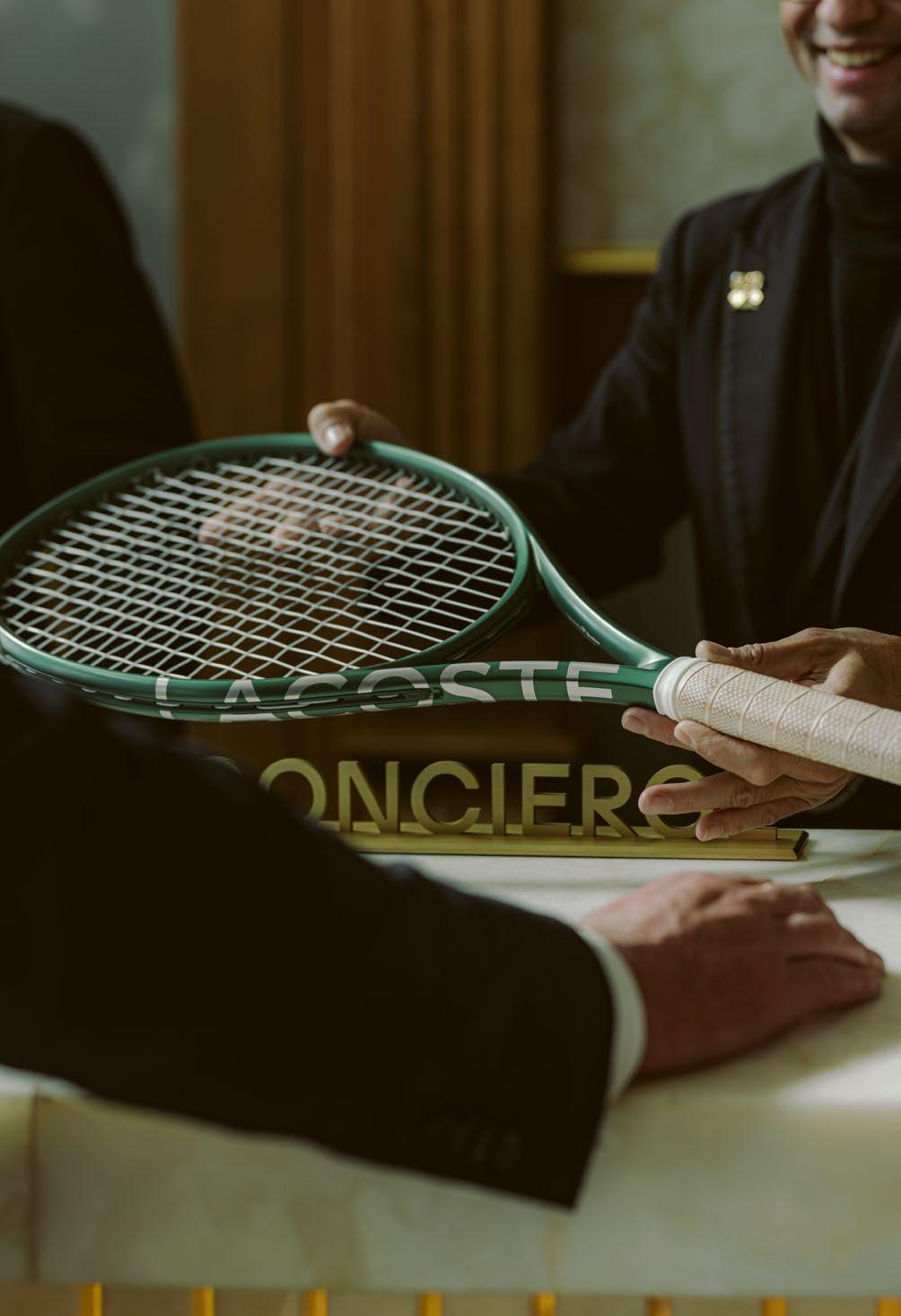
The racket as a bridge between leisure and work. Granelli, himself, plays and is able to switch off while doing so on the wonderful tennis court in the woods at the Dolder hotel.
It’s one of those grey autumn days – it is drizzling outside and the wind is blustery, blowing the golden leaves from the trees. You might try and call it mystical; however bleak is probably more accurate. But step into the lobby of the Dolder Grand in Zurich and that feeling disappears instantly. There’s a sense of grandeur that leaves you feeling awed and the friendly faces of the staff greet you with warm, genuine smiles.
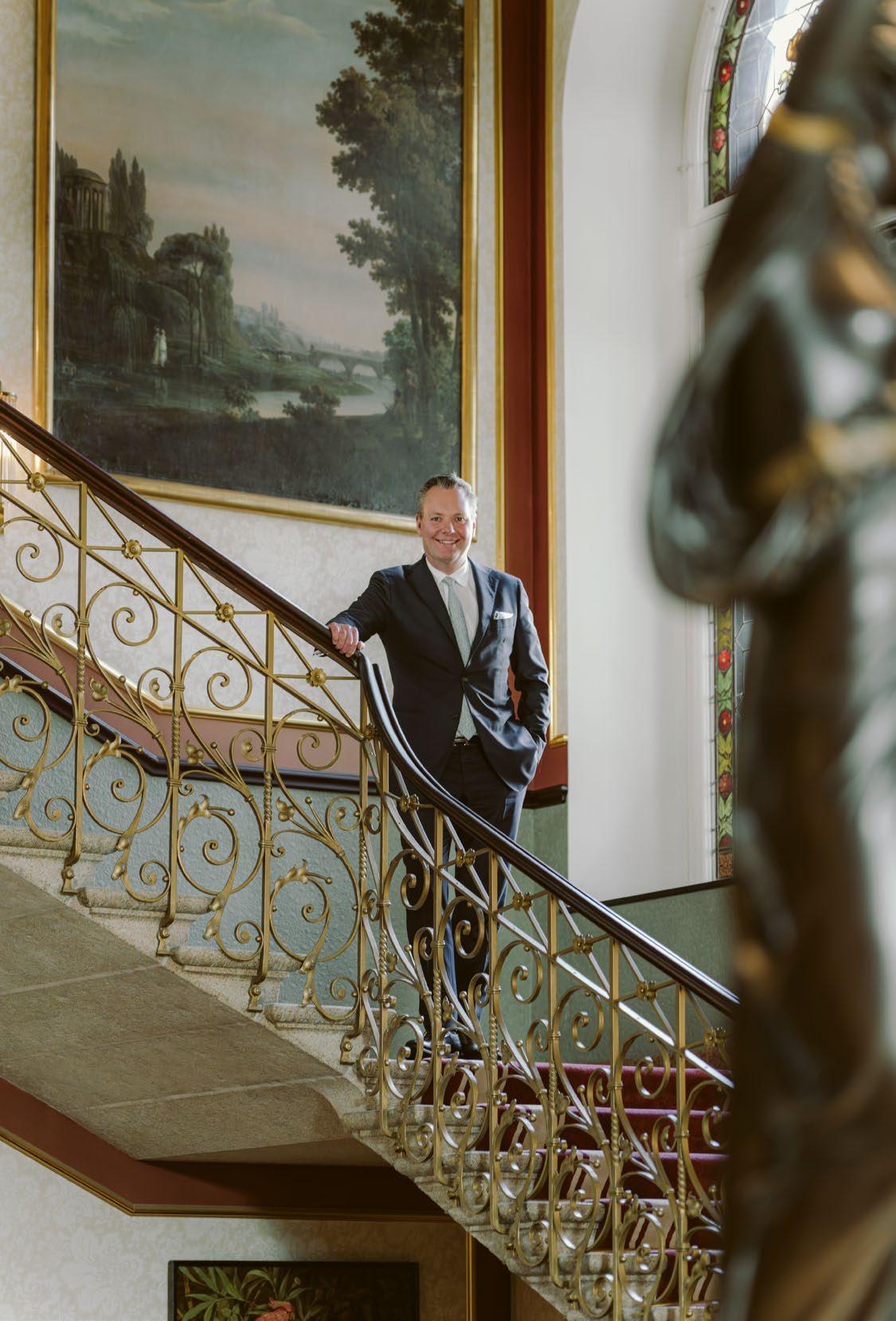
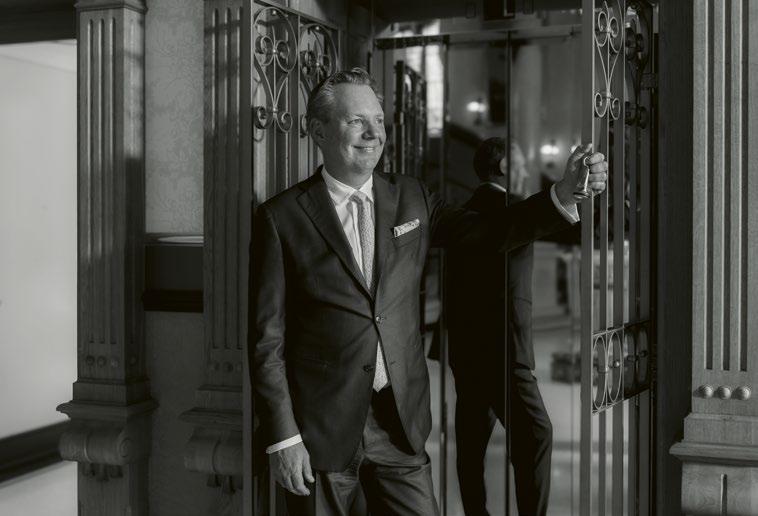
There, Markus Granelli stands relaxed and ready. He is the General Manager and under his arm, he’s holding a folder with three pages of prepared answers for potential topics we might discuss today. He likes to take care of business first thing, early in the day. That way, he can devote the rest of his time to the hotel, his guests and his staff.
Walking through the five star property with Granelli, you can sense how he genuinely values his team’s opinions: ‘I can’t be a specialist in everything, so I attach great importance to the voices of my experts, such as the florists. For instance, the inhouse florist studio is Granelli’s favourite place in the hotel. It always smells of fresh flowers and the team works with a calm passion that’s contagious. ‘A wonderful spot to take a moment and breathe.’
Next stop is the staff canteen. It looks more like a stylish café – ultramodern, with cozy seating areas. Employees should feel at home; apples and lemon or ginger water are freely available to all. It is important to Granelli to give something back to the staff. He believes that if you don’t enjoy your work, you cannot do it well. As he walks through the halls, he greets everyone by name – a pat on the back here, a quick joke there and even a highfive. One of the housekeeping staff is getting a cleaning robot ready. Technology doesn’t replace people, he says, but it helps them work more efficiently. If a robot cleans the corridors, staff has more time for our guests.
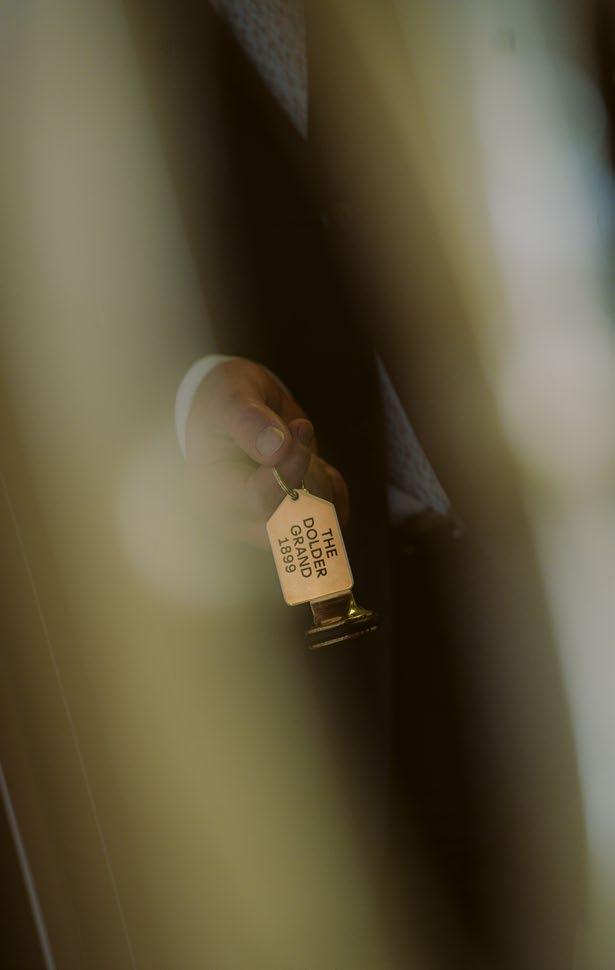
Above | The hotel key –epitome of all the stories the walls of the Dolder could tell.
Left | The grand entrance of The Dolder Grand in Zurich where timeless elegance meets contemporary luxury. Framed by sweeping staircases and crowned by a dazzling chandelier.
A key to his success lies in his humility and I get a clear sense that the staff of over 580 employees truly appreciate their general manager. Granelli has served as General Manager of the house, with its 125year legacy, for the past seven years. He has been responsible for welcoming personalities from around the world –those seeking peace, inspiration and something extraordinary with warmth and compassion. Three objects hold special meaning for Granelli:
1. A vintage hotel key
2. A tennis racket
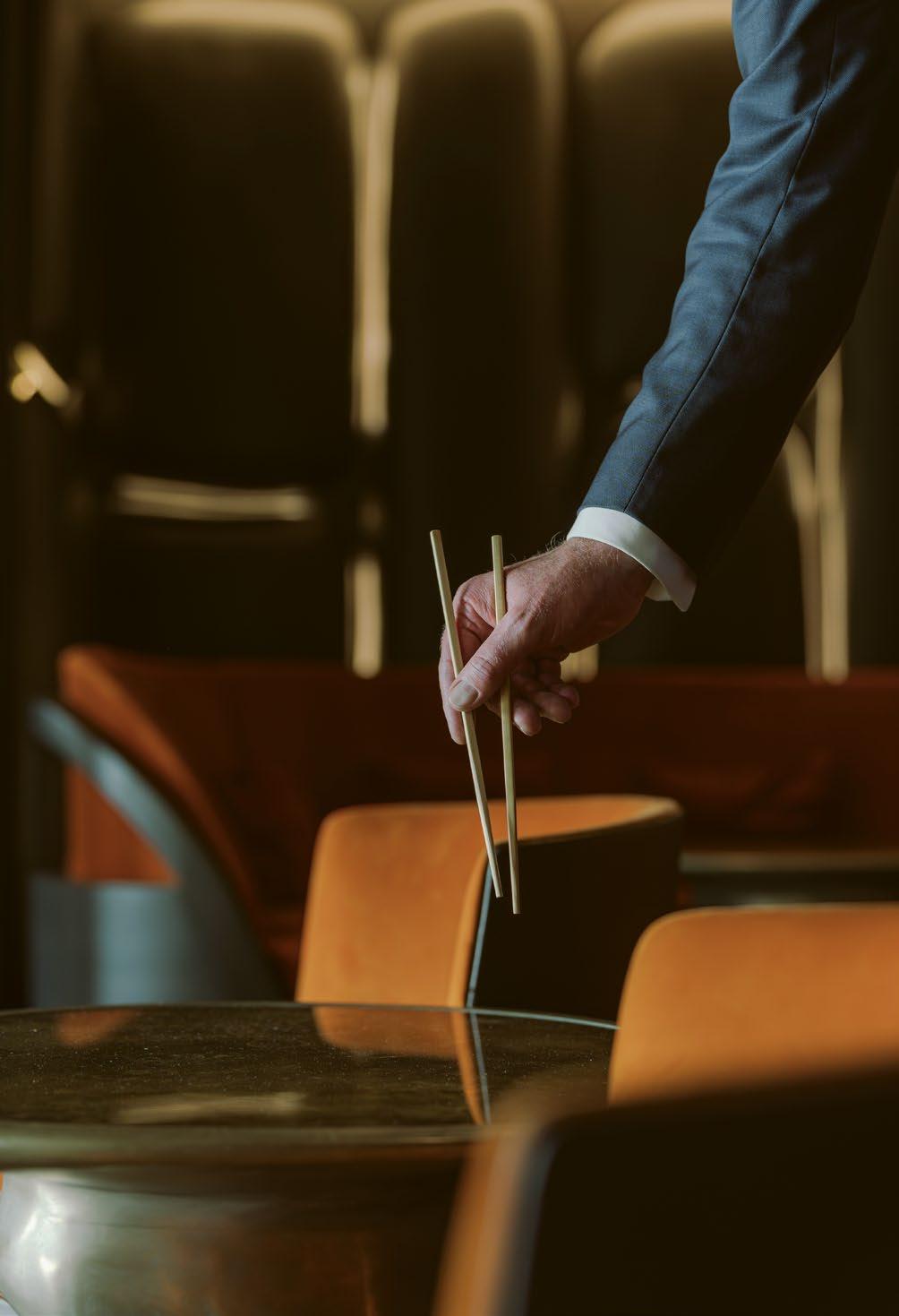
3. Chopsticks
The small key reminds him of all the people who have shaped the hotel:
‘To me, it symbolises the responsibility of carrying on this legacy while staying open to new things.’
The tennis racket stands for balance, especially when he’s playing on the court with his kids – his way to unwind.
And the chopsticks? They symbolise a big part of his life. Granelli spent many years working in Singapore, immersed in Asian culture. That is also where he met his wife, Angela. His fascination with Asia is reflected in the Dolder Grand’s omakase restaurant Mikuriya.
GRANELLI Q&A
Favourite hotel besides the Dolder Grand? The Raffles in Singapore, my former employer. A hotel with a rich history and unmistakable character.
Favourite celebrity guest? I particularly appreciate those who, despite their fame, remain approachable and can carry a genuine conversation on equal footing. Mick Jagger really stood out to me.
Most unusual guest request? Rihanna wanted to go ice skating in the middle of the night. So we opened the Dolder ice rink just for her. She had the whole rink to herself. That’s a moment you never forget.
Granelli emphasises guest-centric service and operational excellence. In his words: ‘We’re not simply managing a hotel – we’re crafting moments that guests will remember for years.’
Most beautiful moment? When Justin Bieber asked if he could sit at the piano. He did – and played for our guests as if it were the most natural thing in the world.
One big name missing from The Dolder guest list? Rather than naming one person, I wish for guests who are curious and will experience our hotel with open eyes. People who appreciate art, cuisine and atmosphere. Creating these kinds of moments – that’s the ultimate for me.
No one really? Okay, I admit ABBA would be great.
The wind has picked up and turned into a full-blown autumn storm. But guests at the Dolder Grand barely notice. Because Granelli and his team are doing what they live for – making their guests happy.
Chopsticks represent much more than just eating – for Granelli, Asia is a second home.
Between Tradition and Luxury –the Soul of Zermatt
A CONVERSATION AT THE FOOT OF THE MATTERHORN
WORDS & IMAGE CLAUDIO DEL PRINCIPE
At the Mont Cervin Palace, alpine magic meets timeless elegance. Under the guidance of Rafael Biner, guests experience warmth, luxury and the true spirit of Zermatt’s traditions. Every moment becomes an unforgettable experience full of style, culture and sensuality.
What defines the soul of Zermatt? Zermatt is a place where traditional lifestyle harmonises with worldly openness. The village preserves its distinctive character – shaped by history, nature and heartfelt hospitality – while embracing people from all over the world who live, work and visit here. This balance defines Zermatt’s soul: authentic, warm, yet at the same time cosmopolitan.
You’re continuing a legacy. What must be preserved and what reimagined? Zermatt’s soul lies in its traditions – in the village’s appearance, in its hospitality, in the values that have shaped generations. This heritage must be preserved. At the same time, we have a responsibility to actively shape the future: with sustainable solutions, modern service culture and innovations in mountain transport, gastronomy and hospitality. Only by balancing preservation with progress can Zermatt’s uniqueness be passed on to future generations.
What is most fulfilling about your new role? The most rewarding aspect is the diversity of the people I encounter daily: welcoming guests, creating unforgettable moments, while also inspiring and supporting my team. Every day brings new opportunities to make hospitality tangible and to embody quality at the highest level. This combination of humanity, generosity and responsibility is what makes my profession so deeply fulfilling.
Which important trends do you see? The future of luxury hospitality lies in a personal signature such as tailormade experiences, authentic cuisine, sustainable practices and opportunities that nurture health and wellbeing. For Zermatt, one decisive factor adds to this: developing summer as a season equal to winter. The mountains are no longer seen as just a winter wonderland – they are a yearround place to discover. This diversity is a treasure we can share with guests in all its aspects.
What do guests take away from the Mont Cervin Palace? They leave with more than beautiful memories. They take home the soul of Zermatt: a feeling of warmth, authenticity and deep connection with nature. They remember culinary highlights, encounters filled with hospitality and the everpresent Matterhorn watching over it all. Often, a quiet but powerful sense remains that guests were part of a story extending far beyond the days of their stay.
LOVE FOR THE LONG HAUL
Not to be dramatic, but how insane is the fact that I haven’t kissed anyone besides my husband Nik for nearly 28 years? That’s about 10,000 days of waking up and falling asleep next to him, texting things like ‘it’s your godson’s birthday today’ and planning holidays with the lowest chance of sitting in traffic – his personal Armageddon. And although most of our friends would probably say we make being married look easy… appearances can be deceiving. Especially in enduring relationships like ours. And yet, here we are – still together after all this time and still checking off each other’s most important pros and cons.
Yes, I absolutely have a mental list of everything I love about him and everything that drives me crazy. I’m a list person and he’s most decidedly not –which is probably another tiny ingredient in the everchanging spicy soup that is our relationship. But if you’ll allow me to indulge in the analogy of a marriage being like one of those ‘bottomless broths’ that top chefs are rumoured to keep simmering for years on end, our secret ingredient would be laughter.
WORDS STEFFI HIDBER
When we met as 20somethings, we bonded over silly jokes right away. I fell in love with him instantly. For him, I was a fun, clapontheback drinking buddy who was also a mean cook. It took him nearly four years to fall in love with me in return and he nearly missed his window of opportunity. Our relationship was never based on the thrill of the chase or the idea that ‘opposites attract’, but on the reality that we’re incredibly similar. So similar, in fact, that we were destined to either immediately burn out, or… as it turns out, last forever.
And it seems that we have the dumb luck to be working on the ‘forever’ part. I’m incredibly proud of the fact that Nik and I have managed grow up and evolve side by side, plus raise two amazing daughters. I must acknowledge that we are not the same people we once were. Lucky for us, it seems that the ways we changed individually over the past 25 years just always managed to line up.
Why did we make it this far while watching so many of our friends and family crash and burn (and of course, resurrect themselves as newly single adults who know exactly what they don’t want in a relationship)? I’m not exactly sure. A good number of these people were once part of the kind of relationship that we have. Whether it’s a matter of overthinking or underdoing, I’ve stopped trying to find a reason we still not only love each other, but –maybe more importantly – like each other. Writing this won’t jinx what we have but is a moment to stop and be grateful for each other’s company and our plans for the future together. If this is the long haul, I’m ready for the next leg of the journey, so put on your comfy shoes, Nik. Yep, the ones I hate, but I know how much you love them.
culinary
‘St.
Moritz has a rhythm all its own – intense, elegant and full of flavour. It challenges us, inspires us and brings out the best in our craft.’
PAOLO ROTA, EXECUTIVE CHEF DA VITTORIO ST. MORITZ
Double the Delight
Paolo Rota holds one of the most unusual roles in European fine dining. For just a few months each year, he runs the twoMichelinstarred Da Vittorio restaurant in St. Moritz. The rest of the time, he devotes himself to what may be the world’s most famous pasta dish – Paccheri alla Vittorio – and his enduring passion for it.
WORDS WOLFGANG FASSBENDER
‘The distance isn’t all that great,’ says Paolo Rota. From the Engadin to Brusaporto – it’s just a quick trip. As head chef of the extraordinary Da Vittorio at the Carlton Hotel in St. Moritz, Rota can easily retreat south for a break. Nothing against snowy mountain views, of course, but Lombardy has its charms too.
For Rota, ‘home’ means two things: family and the threeMichelinstarred Da Vittorio near Bergamo. For him, there is no separation – Rota is not only resident chef of the Swiss outpost, he’s also the brother in law of Enrico (Chicco) and Roberto (Bobo) Cerea, the renowned culinary duo behind Da Vittorio in Italy. Their idea to launch a seasonal Swiss version of the restaurant has proven a masterstroke: since opening at the Carlton in 2012, the restaurant earned its first star in just two years and a second in 2020.
To truly understand the story, a visit to Brusaporto – just outside Bergamo –is essential. The original Da Vittorio isn’t a small fine dining gem, but a magnificent empire of gastronomic culture: a spacious tworoom restaurant, an open kitchen, luxurious suites and a chic new bistro (DaV by Da Vittorio) by the pool. Guests are welcomed with their iconic panettone and Paolo Rota stops for a moment to chat.
THE WORLD’S MOST FAMOUS PASTA?
And what about that pasta dish – Paccheri alla Vittorio, finished tableside with a wonderfully fruity, creamy tomato sauce?
Paolo Rota prepares it himself tonight –not in the Alps (they’re still on their summer break), but in Brusaporto. A guest, equipped with a bib to guard against sauce splashes, indulges with delight. The verdict? It’s worth embracing both versions of Da Vittorio – as often as possible.
‘There are differences between the two restaurants,’ he explains. ‘In Brusaporto, we have over 30 chefs. In St. Moritz, just seven.’ Before anyone sets foot in the mountain kitchen, they must pass through the rigorous Cerea school – and meet Rota’s own standards. ‘I personally choose who joins me for the St. Moritz season,’ he says.
Running a seasonal fine dining restaurant is no small feat. ‘It’s certainly a challenge,’ Rota admits, ‘but a delicious one.’ The tempo in the kitchen is intense – starting on 12 December 2025 and finishing on 22 March 2026 –with packed serving from Wednesday to Sunday each week. But with that intensity comes creativity: ‘It’s exciting to craft a new menu every year.’
Still, the challenge lies in capturing the Da Vittorio spirit without simply replicating Brusaporto’s threestar experience. Rota’s goal is for guests to feel at home – while still enjoying fresh surprises.
Guests love Da Vittorio’s elegant seafood, from refined potato torte with Beluga caviar to SaintPierre with oyster mayonnaise. And then there’s the perfect mountain to sea fusion: turbot roasted in hay. The upcoming winter season also marks a new era, with the dining room redesigned by Ticino interior designer Carlo Rampazzi to match the refined, expressive style of the kitchen.
Above | Tableside paccheri is a signature dish at the original location in Brusaporto.
Left | Stylish tableware plays an important role in the Da Vittorio restaurants.
Right side | Paolo Rota balances two worlds: winter in St. Moritz, the rest of the year in Italy.
DA VITTORIO ST. MORITZ
2 Michelin stars | 18 Gault&Millau points
A seasonal jewel of Italian fine dining in the Swiss Alps, Da Vittorio St. Moritz is the alpine outpost of the legendary three-Michelin-starred Da Vittorio near Bergamo. Brought to life by the renowned Cerea brothers and helmed locally by Chef Paolo Rota, the restaurant opened in 2012 at the Carlton Hotel St. Moritz. Within just two years, it earned its first Michelin star, followed by a second in 2020. Outstanding Italian cuisine, right in the heart of St. Moritz –the Cerea family brings the essence of Lombardy to the mountains with a level of excellence that speaks for itself. Best experienced first-hand. The refined dining room was originally designed – and redesigned in summer 2025 – by renowned interior architect Carlo Rampazzi, whose signature style graces all member hotels of the Tschuggen Collection. Open each winter season, Da Vittorio St. Moritz blends culinary tradition with alpine elegance, offering iconic dishes like Paccheri alla Vittorio and inventive seasonal creations.
CHEF’S ST. MORITZ FAVOURITES
KULM COUNTRY CLUB
When I need a break from my daily routine, this is my go-to spot. Plus, the culinary concept by my friend Mauro Colagreco never disappoints.
LANGOSTERIA, ST. MORITZ
There’s a playful spirit here. For superb seafood – a close second to our own, of course – it’s a perfect lunch destination.
CHESA AL PARC
Hands down, the best fondue in St. Moritz. I love this dish and their team nails it every time. Don’t miss their Bollito Thursdays at lunchtime!
LA SCARPETTA
A staple in St. Moritz for authentic Italian cuisine and great wine. Order the house-made pasta of the day and a well-aged red from Piedmont.
HATECKE
A minimalist dining concept with a focus on meat. Their salsiz and standout tartare set the standard – plus, you’ll find simmered specialties and more. Perfect for a relaxed lunch.
ECCO ST. MORITZ
For a fine dining experience that’s both innovative and deeply refined, Ecco never fails to impress. It’s the kind of place that reminds you just how artistic a meal can be.
ANTON’S BAR, SUVRETTA HOUSE
Classic elegance and a timeless setting – Anton’s Bar is ideal for an aperitif or nightcap. Whether it’s a pre-dinner drink or a quiet moment by the piano, the atmosphere is always just right.
TATSOI TWIST
WORDS & IMAGE CLAUDIO DEL PRINCIPE
When my favourite organic farmer from the region surprises me with a new vegetable, my heart always leaps. The same happened with the until now unknowntome leafy green with the crisp name tatsoi. This mustard green (Brassica rapa narinosa) is related to pak choi, Chinese cabbage and broccoli, and is now also being cultivated in Switzerland.
Through another branch of the family tree, tatsoi is connected to the beloved Italian green cime di rapa (Brassica rapa sylvestris). Traditionally prepared in two classic ways: in Apulia, paired with pasta –especially orecchiette – and topped with pecorino or toasted breadcrumbs (mollica fritta); or in Campania, as friarielli alongside spicy salsiccia. (The quickest way to win over a Neapolitan, in fact, is to declare yourself a fan of friarielli!) Tatsoi’s flavour is similar: somewhere between cabbage and spinach, with mustardy, slightly bitter notes – simply wonderful. Its dark green, rounded, glossy leaves grow close to the ground in a compact rosette. Originally from East Asia, above all from Japan and China, tatsoi is rich in vitamins C, A, K as well as calcium and iron. It can be enjoyed raw in salads or as a vibrant garnish on raw or cooked dishes. Lightly blanched, sautéed, or steamed, it lends itself beautifully to soups, stir fries or curries. I also like using it as a substitute for leafy greens like chard or spinach in malfatti or torta salata – savoury pies perfect for creatively packing in vegetables, herbs, or salad greens.
My favourite way to enjoy tatsoi is in the simple Japanese style, as a standalone dish: sautéed in sesame oil with garlic, chili, anchovies and sprinkled with yuzu sesame – oishii indeed!
Tastes good and does good –especially in winter, with its rich, vibrant colours.
ABONNIEREN SIE JETZT DIE FASZINIERENDE WELT DER NEUEN TRAVELLER’S WORLD. VIER AUSGABEN IM JAHR FÜR 42 EURO.
TRAVELLER’S
TRÄUME WERDEN WAHR
Fork First, Ask Later
WORDS PATRICIA BRÖHM
Zurich may be known for its precision and alpine elegance, but it’s also emerged as a rising star on the global culinary map. The city’s dining scene blends haute cuisine with creative fusion – where Mediterranean classics meet Nikkei flair and historic guild houses echo with bold, modern flavours.
MARGUITA, BAUR AU LAC
Baur au Lac has reinvented its culinary identity. Replacing the former gourmet restaurant ‘Pavillon’, Marguita introduces a Mediterranean inspired concept with modern accessibility. Named after Marguita Kracht, a seventhgeneration member of the holding family and her grandmother, the restaurant signals a contemporary revival of a classic Zurich institution.
Redesigned by Martin Brudnizki, the domed space glows in warm yellow and elegant steel blue, floral motifs and an elegant mosaic floor with a sparkling Genet et Michon chandelier taking centre space. Culinary direction remains with Maximilian Müller, who steers a Mediterranean menu that forgoes gourmet pretension but insists on toptier ingredients. A Wagyu croustillant on brioche with horseradish, egg yolk cream and a whisper of caviar starts the journey. Bright highlights follow: a refined ratatouille tart with pistachio pesto and tomato essence; a bouillabaisse with Portuguese rockfish; or mafaldine pasta with crab, bottarga and caviar. For the main course: turbot with fregola sarda, artichokes and a flawlessly executed beurre blanc.
This page | Marguita, Baur au Lac; Mediterranean ease in a new look by star designer Martin Brudnizki: Marguita blends grand hotel flair with contemporary coolness.
Images | Enrico Costantini
Image
|
Baur au Lac
THE RESTAURANT, THE DOLDER GRAND
Whether nestled in the heart of the Old Town or perched high above the lake, Zurich’s most celebrated dining destinations deliver immersive journeys through culture, creativity and taste.
A unique setting behind the 700yearold façades of two historic Zurich guild houses, where medieval architecture meets contemporary design in the atmospheric dining rooms of the Widder Restaurant. Guests dine beneath exposed beams of a centuriesold roof structure –‘A place full of history, which we are privileged to bring to life,’ says Head Chef Stefan Heilemann. His culinary overture is a parade of exquisite amuse-bouches, led by luxurious ‘French Toast’ with sea urchin and Oscietra caviar. The menu often reflects Heilemann’s passion for Thai cuisine, such as seared langoustine with peanut crumble, coconut foam, kaffir lime and Tom Yum notes. Another signature: streetfoodinspired creations like his whole Ormalinger suckling pig served in a rich broth redolent of nut butter, soy sauce and a hint of yuzu. The main course features regional young venison with beans, olives and Piment d’Espelette. Dessert is then presented personally by Pastry Chef André Siedl: a panettone interpretation with citrus, almonds and yeast ice cream and a ‘Gute Luise’ pear framed by sorrel, macadamia and rooibos.
Above | The Restaurant, The Dolder Grand; Fine dining becomes an artistic masterpiece high above Zurich’s rooftops – Heiko Nieder composes delicate textures and flavours, often with a surprising twist.
Below | Widder Restaurant, Widder Hotel; Stefan Heilemann fuses haute cuisine with Thai accents behind the evocative facades of centuries-old guild houses.
Bathed in natural light, adorned with artwork and overlooking Lake Zurich and the Alps – The Restaurant at The Dolder Grand offers a setting as elevated as its cuisine. Here, Heiko Nieder expresses his distinctive culinary voice.
Breton lobster is crowned with white asparagus in a visually stunning ring, enhanced by the bold yet balanced flavours of coconut, curry and dill. Delicately steamed hake appears with foie gras ice cream, yuzu miso beurre blanc, cashews and lemon balm blossoms. Nieder’s signature dish, sweet and sour langoustine, is panseared to buttery perfection and paired Tom Yumstyle with a crustacean essence, mango, pumpkin and Thai basil oil. A Nieder classic. Unexpected combinations are his hallmark – like transforming rustic veal shank salad into fine dining by stuffing it into a giant morel, served with peas, chervil and walnuts. The main course features a juicy BBQstyle beef cut accompanied by a refined wild garlic roll with green asparagus and potato foam.
Above | Orsini, Mandarin Oriental Savoy; A slice of Milan at Münsterhof –Antonio Guida and his young protégé Dario Moresco juxtapose classic Italian elegance with contemporary flair.
Below | La Muña, La Réserve Eden au Lac; Peruvian and Japanese gastronomy intersect – radiant Nikkei cuisine based on top-quality ingredients, served above the city’s rooftops with stunning views of Lake Zurich.
In what may be Zurich’s most spectacular rooftop restaurant, PeruvianJapanese Nikkei cuisine meets a breathtaking panorama of lake and Alps. Designed by Philippe Starck, the sixthfloor dining space features maritime relics, antique style furnishings and a historic wood floor. In summer, two lush roof terraces offer some of the city’s finest seats.
Executive Chef Marco Ortolani and Head Chef Sandeep Tamang lead a kitchen that celebrates umami at the highest level. Exemplary freshness and product quality shine, especially in the sushi and sashimi: meltingly tender otoro tuna, salmon, shrimp and even Swiss beef. Peruvian influences dominate the ‘Ceviches & Crudos’ section – like sea bass with black truffle, lime, coriander and sesame sauce. The chefs also excel in sculptural gyoza filled with chicken and black truffle or serve rich salmon tartare laced with jalapeño heat and crispy fried rice.
Zurich’s most exciting Italian restaurant is tucked behind the Mandarin Oriental, fronting the charming Münsterhof square. The culinary mind behind it: Antonio Guida, two starred chef at Milan’s ‘Seta’. He brings his signature dish to Zurich –a risotto with raspberries, sage and herb cream, inspired by Lombardy’s riso in cagnone, coloured like the Italian flag. Its charm lies in the tartness of powdered raspberries and the herbal bitterness of fresh greens. Guida collaborates closely with Dario Moresco, his local culinary counterpart. Their philosophy: showcase exceptional products with minimal interference. Scampi are served nearly raw, seared on one side to reveal their sweet, fresh character and accented with a salted Marsala sabayon, saffron foam and a touch of acidity. Other standouts: white asparagus with Sicilian almond cream, tamarind and orange or housemade spaghetti with cuttlefish fat and Colatura di Alici. It tastes like pure Italy.
ORSINI, MANDARIN ORIENTAL SAVOY
LA MUÑA, LA RÉSERVE EDEN AU LAC
SIDE GLANCES OF ZURICH
FRISK FISK
Seafood delight, Scandinavian style: In this cozy Old Town spot, treasures from the North Sea arrive straight from Norway to the plate. Crowd favourites include classics like Toast Skagen and cured wild salmon. friskfisk.ch
BAR SACCHI
‘Negroni from the pistol’ made Claudio Sacchi’s bar in the Lochergut district famous. Natural wines are served in a setting that blends nostalgic Italian charm with urban cool. sacchi.bar
NIDO
Newly opened in Zurich’s Alt-Wiedikon district, the restaurant serves contemporary Peruvian cuisine in a sleek, modern setting, paired with impeccable service. Dishes are vibrant and shareable – think grilled octopus, citrusy ceviche and inventive small plates. In summer, meals are served in a chic space under olive trees and terrazzo floors. nido-restaurant.com
JOHN BAKER
With four locations across Zurich, the Helvetiaplatz shop is a particular favourite. Artisan breads, pastries and cakes made from regional organic ingredients, plus sandwiches, salads and Birchermüesli johnbaker.ch
COLLECTIVE BAKERY
World Brewer’s Cup champion Matt Winton serves top-tier coffee in Zurich-West – paired with croissants, pain au chocolat and sourdough bread by Nino Brüllmann. collectivebakery.ch
DAR
Zizi Hattab’s vegan all-day eatery in Wiedikon: coffee and breakfast in the morning, light dishes in the evening, weekend brunch – all modern, plant-based and Moroccan-inspired. dar-restaurant.com
MAME
Barista World Champions Emi Fukahori and Mathieu Theis run three coffee bars in Zurich. Expect precise recipes, bright distinctive roasts and beans from top global producers. mame.coffee
LA SCARPETTA
The cult favourite from St. Moritz, now also in Zurich: Fresh Pasta del Giorno, shareable antipasti and bold wines. A mustsee location inside a 200-year-old building with an impressive vaulted cellar for events. la-scarpetta.ch
BAR 45
A new arrival on Bahnhofstrasse: The space stuns with Brazilian marble, a long oak counter and a champagne selection that goes beyond the usual labels. Small platos and tapas make it ideal for an apéro or a quick bite. bar45.ch
VIADUKT
Urban strolling under 36 railway arches: design boutiques, ateliers and galleries meet a market hall offering regional specialties – from Shepherd’s Pie to gyoza. Restaurants and bars complete the scene. viadukt.ch
Portrait of Zurich’s culinary scene; bordered by lake and sky – indulgent flair and sophisticated effortlessness come together.
Seasoned & Savoured
From fireside feasts to playful twists on coldweather classics, this season is all about bold bites and comforting indulgence. Whether you’re craving the unexpected or leaning into the familiar, our winter gourmet edit is here to spark your palate – and your imagination.
NEGRONI, REIMAGINED BAUR’S
A creative twist on the Italian classic has become the signature cocktail of Baur’s Bar at the historic Baur au Lac in Zurich. Now available to enjoy at home, this standout drink blends tradition with surprise – featuring Scottish gin from near Edinburgh and a closely guarded mix of ingredients that deliver depth, balance and a bold finish.
‘It’s a joy to see the Edigroni become a guest favourite. It reflects exactly what Baur’s stands for – tradition with an unexpected twist,’ says Natascha Galus, Head Bartender at Baur’s. Ever since its debut in 2019, Baur’s has been making waves with inventive cocktails and a globally inspired bar culture, with one signature drink as its undisputed star.
– baurs-zurich.ch
MNSTRY GO GREEN, GO STRONG
CAFFEINE GEL 40 matcha blends natural tea power with 100 mg of caffeine for fresh, focused energy. With a smooth matcha kick and guarana boost, it’s your go-to for training days that demand more.
– mnstry.com
JONATHAN ADLER COCKTAILS WITH CHARACTER
A bold statement for any modern home bar: this four-piece brass bar tool set – featuring a spoon, bottle opener, double jigger and knife – brings style and precision to every pour.
– jonathanadler.com
APPLETON ESTATE AGED TO PERFECTION
For the limited Collector’s Edition of Appleton Estate 21 Years Old, urban artist Boogie has turned this aged Jamaican rum into a visual masterpiece. Each bottle embodies over two decades of oak barrel aging and doubles as a piece of a large-scale mural, making it a true collector’s item.
– appletonestate.com
NINJA SMALL, SHARP, CRISPI
Don’t let its size fool you – the Ninja CRISPi 4-in-1 is a countertop game-changer. From golden roast veggies to perfectly crisped leftovers, it air fries, roasts, reheats and warms with ease. Thanks to its smart Recrisp function and using up to 75% less fat, it delivers big flavour in a compact frame.
– ninjakitchen.eu
BERKEL A COLLECTOR’S SLIDE
Berkel’s Special Edition Abundantia pays tribute to the beauty of nature. Inspired by Art Nouveau, the hand-engraved floral motifs and golden details turn the iconic flywheel slicer into a collectible piece. Limited to just 100 pieces worldwide, it unites tradition, craftsmanship and art.
– theberkelworld.com
HOUSE OF CAVIAR GOLDEN BITES
Crafted by House of Caviar & Fine Food since 1999, Perle Imperial embodies the elegance of true caviar mastery. Its delicate pearls reveal a creamy, light texture with subtle oceanic notes – a quiet pleasure to enjoy in your cooking creations, during apéros, or in your most refined moments.
– houseofcaviar.ch
ALINE JULIE PORCELAIN PERFECTION
A sculptural take on a breakfast essential, this handcrafted porcelain toast rack by Aline Julie blends functionality with artisan charm. Designed in Switzerland, each piece is one of a kind, celebrating craftsmanship with subtle variations that make every morning feel unique.
– alinejulie.com
Timeless Elegance in Every Sip
A
good wine deserves the right glass. When choosing glassware, it pays to rely on established producers – those with a legacy of expertise and innovation. Whether you opt for machinemade or handcrafted models depends on your budget and how and where the glass will be used.
WORDS PETER KELLER
With a longstanding tradition, Riedel, founded in 1756 in Kufstein, Austria, is now in its 11th generation of family leadership. The company offers countless collections across all price ranges and for various occasions – from professional wine tastings to casual gettogethers. Riedel pioneered varietalspecific glassware based on the philosophy that the shape influences bouquet and flavour. The machinemade Vinum series is a reliable choice. Similarly, the German company ZWIESEL FORTESSA has recently launched its new Vuelo glass series under the premium brand Zwiesel Glas . This light asa feather, machine made premium collection includes five distinct models tailored to different types of wine. Founded in 1872 in the Bavarian town of Zwiesel, the company has grown from modest beginnings into a leading international specialist. In addition to having the largest machine production facility in Germany, the company also has one of the world’s largest and best handcrafted production facilities in Hungary. It sees itself not merely as an industrial enterprise, but as a practitioner of artisanal craftsmanship representing elevated glass culture.
Hans Denk, a visionary from Austria, dreamed of the perfect wine glass –a concept that led to the launch of Zalto
two decades ago in the Waldviertel region, once home to 120 glassworks. Though the tradition had already faded, Denk revived it. Zalto glasses are not based on grape varieties or regions but are instead designed for wines with similar aromatic profiles and structures. The Zalto Denk’Art series is deliberately handmade to achieve an ideal level of delicacy in the goblets.
Another revival story is that of Josephinenhütte, originally from Silesia.
Master glassmaker Kurt Josef Zalto –known for his work with the Zalto brand – aims to create visionary, sometimes unconventional glass forms to redefine standards. These mouthblown glasses are true works of art. The current lineup includes five different models –from Josephine No. 1 to No. 5 – tailored to various wine styles.
Swiss wine expert and former Mövenpick head buyer René Gabriel also sought the ideal all around wine glass. Collaborating with professional designers, he developed the Gabriel-Glas – ideal for both everyday enjoyment and the evaluation of rare, high end wines. Mediumsized, elegant and accessible, this goblet effortlessly combines form and function. From five standout manufacturers, one model each has been chosen – together offering a rich variety of wine experiences.
SPECIALISED
VINUM PINOT NOIR BY RIEDEL
The balloon-shaped, machine-made glass is ideal for Burgundy wines, Pinot Noir crus from Switzerland and Germany, as well as Italian classics like Barolo and Barbaresco made from the Nebbiolo grape. The bowl enhances the fruity character and softens the prominent acidity of these wines. Its shape allows for optimal development. CHF 60
FEATHERLIGHT
VUELO RED WINE GLASS BY ZWIESEL GLAS
This new, machine-made premium creation by the German manufacturer is a great option for most red wines. The thin-walled glass has a fine rim that lets the wine glide effortlessly over the palate. The product is both break resistent and dishwasher safe. CHF 25
VERSATILE
UNIVERSAL GLASS BY ZALTO
This thin-walled, elegant, mouth-blown glass is designed to suit a wide variety of wines across all price points. It highlights complexity and finesse. Whether you’re drinking Chardonnay or Cabernet Sauvignon, you can’t go wrong with this glass. CHF 50
EXTRAVAGANT
JOSEPHINE CHAMPAGNE GLASS NO. 4 BY JOSEPHINENHÜTTE
This glass stands out with its striking shape –generous surface, deep point and narrowing rim. The mouth-blown model maintains the vibrant tension of sparkling wines and ensures a lasting mousse. Even complex delicacies are masterfully showcased. CHF 80
AFFORDABLE
STANDART GLASS BY GABRIEL GLAS
Suitable for all wines, this glass features a gently conical shape. The intentionally designed 66-millimetre opening is meant to enhance the tasting experience. This machinemade model is perfect for everyday use, tastings and hospitality settings. CHF 22
The Quiet Heroes
Behind every plate at La Réserve Eden au Lac Zürich lies a story: tomato fields at dawn, olive groves in the heat of summer, pasta machines from the 1970s and, above all, people who work with devotion. Together with chef Marco Ortolani, we visit two producers without whom his cuisine would not be the same.
WORDS SWENJA WILLMS
IMAGES ELENA STENESS
The day begins early in Belfiore’s tomato fields: 5:30 a.m. on harvest day. The heat allows no delay. Nestled between two mountain ranges in Abruzzo grow varieties such as the delicate Pera d’Abruzzo, a tomato Ortolani favours for his celebrated carpaccio. At La Réserve, this dish only appears on the menu when the tomatoes are flawless. And flawless, in his view, means sun ripened, aromatic and with just the right acidity. He likes to check in personally, travelling with his ragazzi to meet the producers on site. More than 45 partners form part of his network, all carefully chosen and often longstanding collaborators. The Belfiore family, guardians of perhaps Italy’s most delicate tomato, are among them. Whatever isn’t served fresh is transformed into sauce: handharvested until mid September, then cooked for 90 minutes, peeled, deseeded and turned into pure tomato sugo –nothing added. Two to three times a day, 500 kilograms are processed this way, finished with the estate’s own olive oil.
Left | Bold, expressive and unapologetically himself – Chef Marco wears his heritage, passion and precision on his sleeve. Each tattoo tells a story, just like every dish he creates.
Right | In the sun-drenched hills of Abruzzo, nature ripens at its own pace for a harvest rooted in tradition and terroir.
Once a month, a van makes its way from Abruzzo to Zurich, loaded with olive oil, fresh tomatoes, sugo – and of course, pasta. But where does the pasta come from? A short drive away lies the answer. Verrigni’s pasta factory is a house of history: founded in 1898 by Luigi Verrigni, the Antico Pastificio Rosetano supplied the noble families of Rosburgo. What they demanded was more than pasta – it was craftsmanship: grains stone milled, mixed with water from the Gran Sasso and air dried on bamboo rods. Today, 127 years later, Gaetano Verrigni and his wife Francesca Petrei Castelli continue the legacy with the same passion and philosophy: using only the best durum wheat from Abruzzo, grown on their own Solagnone farm and on farmland from trusted friends like famous winemaker Francesco Paolo Valentini. Many of the factory’s machines date back to the 1970s. ‘They require a certain feel,’ Francesca notes. Around 70 pasta shapes roll off the lines here, from classic spaghetti to rarities such as smoked pasta flavoured with tree bark – a specialty found almost nowhere else in the world. Ortolani loves it.
| At Verrigni, 70 types of pasta are created – ranging from classic spaghetti to smoked specialties.
|
Left | Between the mountains of Abruzzo, Pera d’Abruzzo tomatoes ripen under the Mediterranean sun.
Above
Right side
The tomato sugo is handcrafted and bottled by hand.
Inspired by travels to Bali, he once paired it with a fiery sauce and coconut. ‘Chefs are our best ambassadors,’ Francesca smiles – a sentiment Marco proves with every plate. Marco has known Francesca for 15 years: they met during his London days under renowned chef Alberico Penati and have continued their friendship and partnership. From Penati, Marco learned a lesson that still defines his cooking: to express Italian cuisine authentically, you must work with the very best ingredients.
Above | The Abruzzo region in the evening hours evokes long days of artisanal labour.
Right | Marco Ortolani at Pasta Verrigni: This is where the journey of his dishes begins.
Tomato Salad with Pera d’Abruzzo and Ventresca of White Tuna
SERVES 4
INGREDIENTS
200 g San Marzano tomatoes
200 g Pera d’Abruzzo tomatoes
100 g Datterini tomatoes
100 g ventresca (belly cut) of white tuna
200 g Tondino del Tavo white beans, cooked
1 cucumber
1 onion
5 tbsp extra-virgin olive oil from Belfiore
100 ml gin juice of 1 lemon
Pinch of sea salt
1 bunch fresh basil
PREPARATION
• Marinate the onions and cucumber
• Slice the onion into fine rings. Place in a bowl with lemon juice and a pinch of sea salt; let stand for 10 minutes.
• Peel the cucumber, halve lengthwise and slice. Toss with gin, a drizzle of olive oil, a little salt and an extra splash of lemon juice. Let sit briefly in a separate bowl.
Prepare the salad
• If using jarred beans, rinse well and add to the marinated onion and cucumber.
• Halve or slice the San Marzano, Pera d’Abruzzo and Datterini tomatoes, depending on size.
Assemble
• Gently combine tomatoes, cucumber, beans and onion in a large bowl.
• Drizzle with the remaining olive oil, taste, and season lightly with salt if needed.
• Flake the tuna ventresca into large pieces and scatter over the salad.
• Tear the basil leaves and sprinkle over the top.
Serve immediately.
Chasing Winter Dreams Across Switzerland
From the hush of snow-covered trails to the gentle rhythm of a train gliding through alpine landscapes, winter in Switzerland unfolds like a story.
Step aboard the iconic Glacier Express for a journey from St. Moritz to Zermatt, framed by sweeping views and dramatic beauty. Then, slow things down with a walk along the Via Engiadina, before we turn our gaze to one of the country’s most cherished winter traditions – the Spengler Cup in Davos.
The White Way
The longdistance hiking trail Via Engiadina is a winter dream. Our author surrendered herself to the whiteness of the Rhaetian Alps and lost sight of everyday life.
WORDS ILONA MARX
IMAGES THALIA WUENSCHE & NADJA CANTIENI FOR GRAUBÜNDEN FERIEN
Crunch, crunch, crunch goes the snow beneath my hiking boots. Six pointed crampons on my soles ensure a good grip. A fine striped pattern shows the trail has been freshly groomed. It lies before me invitingly pristine, untouched by humans so early in the day and promising a solitary hiking pleasure. The path is still in the shade and my breath visible in the morning air. To my right, the sun is beginning its climb through the undergrowth of the Swiss stone pines – an evergreen species that grows to the tree line and known in Germany as Zirbelkiefer
I’m on the Via Engiadina, a longdistance hiking trail in the Lower Engadin. This historic route in the canton of Graubunden stretches from Maloja to Vinadi in six to twelve stages, depending on your pace and stamina.
I’ve chosen the section from Zernez to Ftan – a stretch of about 27 kilometres that is manageable in two days. But it is not about ‘managing’ for me. I want to decouple my thoughts from the demands
of everyday life, lose myself in the monochrome winter white and immerse myself in the culture of the Lower Engadin.
Il rumantsch, or Romansh, is one of Switzerland’s four national languages and is mainly spoken in Graubunden, a region including the Engadin. The Lower Engadin preserves the Vallader dialect – a style that locals say sounds like music to the ears. Romansh includes many words that have no real German equivalent. Pachific, for example, is best translated as ‘unhurried’ or ‘laidback’. It’s a word used to describe their philosophy of life, implying a relaxed mindset and a peaceful liveandletlive attitude. That’s exactly how I plan to spend the coming days. And as I wander, I simultaneously discover some of the most beautiful villages of the Lower Engadin.
The prospect of a cozy night stay awaits me. The hike along the Via Engiadina can be arranged through travel providers and in the familyrun hotels where I will stop for the night, the pillows have already been fluffed.
Left side | On the Via Engadina.
Below I Guarda in the morning light.
In the stüvas – cozy guest parlours paneled with fragrant pinewood – local specialties await. I can’t wait. For the first day, I plan to hike from Zernez through Lavin to Guarda. I set off early with a thermos of tea and a slice of typical Engadin fruit bread in my backpack. After walking for an hour and a half along the valley floor next to the Inn River, I stop in Susch to visit the museum founded by Polish entrepreneur and patron Grażyna Kulczyk. The Muzeum Susch is housed in a former parsonage, once part of a medieval monastery and later expanded in the 19th century with a brewery. The old architecture, minimalist yet natural thanks to its materials, meets top tier international contemporary art. Inspired by the stunning architecture and the colourful textile works of 91 year old Hungarian artist Ilona Keseru, I leave the museum deeply impressed.
The path behind Susch climbs gently through a larch forest and then descends again. Recent sunny days have caused some snow to melt and refreeze during the icy nights – I’m grateful for the crampons that dig securely into the icy patches. After an hour, I cross the covered wooden bridge in Lavin and climb the steps to the village square. To the right of the fountain stands Restaurant Linard. In a pinepanelled dining room from 1926 – said to be the most beautiful in the Inn Valley – young chef Jirka Vasek serves me a deliciously creamy celery soup with almonds and brown butter, followed by traditional buckwheat pizzoccheri with blue St. Gallen potatoes, pear and marjoram. I feel wellfortified for the next section: the hike high above the valley from Val Lavinuoz to the village of Guarda.
Guarda sits spectacularly above the Inn River, far from the main road and railway. I arrive at dusk, greeted by a large group of squawking ravens who share the traffic free village with its roughly two hundred inhabitants. My cozy hotel room overlooking the Lower Engadin Dolomites awaits. So does my suitcase. Thanks to coordination among the Via Engiadina partner hotels, hikers’ luggage is transported from door to door.
Left I Sledges for the descent from the restaurant Vastur to Sent
Below I Coffee break at the Piz Linard restaurant.
Below | Sgraffito façades line the route.
Lower right | The trail also leads through Ardez.
Right | On the terrace of restaurant Vastur.
TRAVEL TIP
If you want to extend your stay by half a day, consider a nearly four-kilometre tour from Sent to the sunny terrace of the mountain restaurant Vastur. Farmer Georg Salomon’s family runs the restaurant in winter only.
Guests enjoy homemade fruit cake while seated on warm sheepskins. Then, they hop onto the restaurant’s wooden sleds and race back to Sent at high speed, framed by the stunning backdrop of the Silvretta range and the Lower Engadin Dolomites.
Each village is more beautiful than the last
The next stage gently climbs and descends on the sunny side of the Inn Valley to Ardez. There, I meet local guide Walter Schmid. He shows me the most beautiful sgraffito facades, an artistic style specific to these areas. He tells stories about village life; the ski lift that’s free for kids and the evening lottery that brings the whole village together – where he is hoping for a small win himself. A notable resident of Ardez is artist, sculptor and architect Not Vital. His foundation, Fundaziun Not Vital, aims to bring prints from the 17th and 18th centuries back to their place of origin. The Romansh library housing this collection is located in the Planta House of Wildenberg, an imposing white corner house dating back to 1642.
At Tarasp Castle, built in 1040 and located halfway to Scuol, the foundation showcases a collection of antique, modern and contemporary art alongside rotating exhibitions. It sounds exciting, but I decide to save it for another visit and instead hike past the ski lift and up the slope. After passing snow covered ruins, crossing a road and hiking past a cross country ski trail, I reach Ftan – a village known not only for skiing but also for its sports boarding school, the talent hub of the High Alpine Institute.
A postbus full of casually dressed snowboarders and families in bulky ski boots takes me to Scuol. There, I find myself in the steaming outdoor pool of Bogn Engiadina – a complex of baths and saunas. I let myself drift pachific through the current channel during the blue hour, ready for tomorrow’s departure. In clear view, the snow covered peaks of the Silvretta rise majestically, immovable. ‘We are here,’ they seem to say to me, ‘ we are here and here we will remain. You are welcome to return anytime.’
‘I want to decouple my thoughts from the demands of everyday life and lose myself in the monochrome winter white.’
Along the Way
Muzeum Susch
Surpunt 78 I 7542 Susch
+41 81 861 03 03 muzeumsusch.ch
Linard Lavin
Plazza Gronda 2 I 7543 Lavin
+41 81 862 26 26 linardlavin.ch
Bogn Engiadina
Via dals Bogns 323 I 7550 Scuol
+41 81 861 26 00 bognengiadina.ch
Restorant Vastur
Vastur I 7554 Sent
+41 79 437 46 54 vastur.ch
Three times lucky
IN ZURICH
Finding inspiration and joy in being a tourist in his own city, our columnist explores three great bars in Zurich – all of them with an emphasis on not only spectacular flavours and topnotch ingredients, but also on design and hospitality.
WORDS OLIVER SCHMUKI
Every great drink starts with a recipe –but like a welltold story, cocktails evolve over time. They’re tweaked, reinvented and deconstructed by bartenders and enthusiasts alike. A great drink can be both a destination and a launchpad for new creativity. No two ever taste quite the same – mood, setting, company and the bartender all play their part.
That’s why, while I enjoy discovering new spots, I often return to bars I know and love. There’s comfort in the familiar but always room for surprise, making them the perfect backdrop for bold choices and risky orders.
Which brings us to the Widder Hotel, located in one of the oldest corners of Zurich. Though right in the city centre, it remains a refined refuge of privacy, flavour and finesse. Spread across nine historic buildings, it holds centuries of stories – fuel for the fearlessly creative Widder Bar team. But let’s not get ahead of ourselves.
01 Italian Job
Why did we pick this place to start? For one, Dirk Hany, founder of this award-winning bar, once ran the legendary Widder Bar – which we’ll be visiting later tonight. You see, there is a method to the highproof madness that is about to begin. The focus here is on bespoke drinks, including a three-course cocktail tasting menu created with Hublot. The Swiss luxury watchmaker’s motto – The Art of Fusion –seems to have unleashed creativity behind the bar. But instead of a Rigi Martini (advertised as adventurous enough to make you yodel) I go for a drink from the seasonal menu called Italian Job. It’s built around the flavours of a Caprese salad. The clear liquid arrives in a tiny bottle, with a crispy tomato chip perched playfully on the rim. Our waitress disappears before I can ask how to drink it. Left to improvise, I take a bite and a sip, then toss the wafer into the glass. The drink turns out to be a bit too potent and lacks the layered depth I hoped for. Undeterred, I reach over to try my companion’s Oolong Gimlet with gin and sake – a more intriguing balance. Leaning back, I close my eyes briefly and soak in the sun. The weekend has officially begun and
hideaway since it opened in September 2024. Designed by Küchel Architects, it feels like a luxurious cave – dim lighting, textured stone, curved wood walls and an impressive cocktail menu. Elevated comfort food like Croque Monsieur or veal curry sausage rounds out the offerings.
On an orange couch, a lively group laughs over drinks; nearby, couples relax. The mood is light and festive. Often, Markus Granelli, The Dolder Grand’s charming general manager, can be spotted here, sipping tea and observing the scene.
We settle at the brass bar. I eye the Canvashara (Cuban rum, curaçao, honey, lime – what’s not to love?), but a special eau de vie menu steals my attention. A Parisian bar team is in residence for the Epicure festival, hosted each September by two-star chef Heiko Nieder. Our timing is impeccable.
I choose the Black Currant_v2 – a rubyred cocktail with cassis and Ruinart Blanc de Blancs. It’s bright, bold and utterly indulgent. My companion opts for a classic Dolder Negroni – flawlessly executed.
As we sip, we agree – we could stay all evening. But the Widder awaits.
Canvas Bar & Lounge at The Dolder Grand Hotel, Kurhausstrasse 65 | thedoldergrand.com/canvas-bar-lounge
03
Harry Styles
The staff at the Widder Hotel welcome us with warm smiles, as if we were family. We’re led to the Widder Restaurant, where Stefan Heilemann crafts culinary wonders – his textures, aromas and flavour pairings seem to satisfy every cell in my body. I’ve dined here before and his precision never fails to impress and amaze me.
Heilemann himself escorts us to the chef’s table by the open kitchen. For three mesmerising hours, we watch the team prepare dish after dish with near-silent coordination. It’s a lesson in quiet mastery and culinary artistry. The cuisine is both daring and refined. Highlights include Algarve sardines with beef tartare and a Tom Yam langoustine with oxheart tomatoes and kaffir lime – bold contrasts, premium ingredients and playful textures. It’s as refined as a top-tier cocktail.
After dinner, we navigate the hotel’s labyrinthine halls to the Widder Bar. Though the night is well underway, the bar buzzes with music and energy. In the spirit of fun, I give our bartender three prompts: velvet, weekend and Harry Styles.
He returns with a tulip-shaped glass holding a golden, green-tinted cocktail, topped with frothy egg white and five drops of olive oil. Inspired by the song Watermelon Sugar, it’s fruity, fresh and light. My companion’s tequilabased long drink is just as seductive – bitter, citrusy and dangerously easy to sip.
As the pianist plays on, we say our goodbyes and make our way to the final stop of the night – our suite atop the Widder Hotel.
Widder Bar, Widdergasse 6 | widderhotel.com/de/restaurants/widder-bar
The Most Coveted Seats in Switzerland
The story of the Glacier Express dates back to the golden 1920s, when affluent tourists from around the globe began discovering the magic of the Swiss mountains.
WORDS THOMAS HAUER
Image | Glacier Express
–Stefan Schlumpf
Not long after its maiden voyage on June 5, 1930, the Glacier Express was already being mentioned in the same breath as the other legendary trains of that era. A ride aboard the ‘slowest express train in the world’ became a the other legendary experience on a Grand Tour de Suisse. Today, around 250,000 passengers a year use the Glacier Express as an exclusive gateway to the stunning natural wonders of the High Alps.
Back then, the journey from the remote Valais mountain village of Zermatt, at the foot of the Matterhorn, to the picturesque Upper Engadin town of St. Moritz took nearly 11 hours. Except for the short section between Brig and Disentis, the route was electric from the start – an impressive engineering feat given the challenges. For decades, the indestructible Swiss Crocodiles of class 6 led the train. As the Märklin catalogue once put it, they ‘slithered through tight switchbacks and bent like reptiles’. Even 95 years later, the 291kilometre route –with its 91 tunnels and 291 dizzying bridges and viaducts – has lost none of its appeal. The train’s name harks back to its original route, which, until the opening of the Furka Base Tunnel, ran along the mighty Rhone Glacier.
In 2019, the RhB (Rhaetian Railway) and the Matterhorn Gotthard Bahn – joint operators of the Glacier Express – introduced one of the most exclusive rail travel experiences in Europe: Excellence Class. Once a day in each direction, a dedicated carriage runs between Zermatt and St. Moritz. Only 20 passengers at a time enjoy this transalpine journey, passing deep blue lakes, roaring gorges, charming alpine villages, historic towns and majestic peaks –complete with gourmet meals. Even today, the trip takes nearly eight hours.
Our journey begins at the St. Moritz train station. Glacier Express No. 903, marked with a distinctive golden diagonal stripe, departs daily at 8:39 a.m. and arrives in Zermatt 8 hours and 28 minutes later. The return trip, No. 902, departs Zermatt at 8:52 a.m. and reaches St. Moritz at 4:37 p.m. With an average speed of just 42 km/h, the Glacier Express truly takes its time – which is a good thing, as Valais and Engadin show off their finest sides throughout the journey. The scenery evokes a supersized model train landscape. Many of those willing to pay the CHF 792 Excellence Class fare also stay a few nights before or after the trip at one of the iconic hotels that have adorned glamorous Zermatt and St. Moritz for over a century. Names like Badrutt’s Palace, Suvretta House, Grand Hotel Zermatterhof and Mont Cervin Palace sound like music to the ears of luxuryminded train enthusiasts. In fact, it’s hard to find a fivestar hotel in either town that doesn’t offer Glacier Express packages.
On the eve of our journey, we dine opulently at the Grand Restaurant of Suvretta House (opened in 1912), which feels like stepping into a time machine. We then sink into the down filled pillows of our kingsize bed. The next morning, Excellence Class guests are greeted on the platform by a separate checkin desk and a red carpet, where concierge Joaquim welcomes us warmly. After all, there has to be a difference between Excellence and regular First Class – let alone Second Class.
Above | The crossing of the historic Landwasser Viaduct is one of the most spectacular highlights during our train ride.
Right | Passengers in the 1930s could only dream of the luxury that Excellence Class delivers today.
HOTEL TIPS – ST. MORITZ
Badrutt’s Palace
The motto of this legendary icon in central St. Moritz: ‘See and be seen’. badruttspalace.com
Suvretta House
An alpine hideaway with rich traditions and panoramic views – ideal for well-heeled guests seeking discretion. suvrettahouse.ch
Carlton Hotel St. Moritz
Exclusive all-suite hideaway with panoramic views and award-winning fine dining. tschuggencollection.ch
Kulm Hotel St. Moritz
Considered the cradle of winter tourism, this hotel has been combining luxurious hospitality with magnificent views of Lake St. Moritz since 1856. kulm.com
Until the 1980s, the Glacier Express only operated during the summer (June to October), as the Furka Pass was impassable in winter due to snow walls up to 20 metres high. But since the Furka Base Tunnel opened, special trains now run the route year round, with only a short pause between midOctober and mid December. Travellers can choose between springtime alpine vibes, lush green summer meadows, golden autumn days, or deep, snow covered winter wonderlands. The best times to travel are from early July to mid September and mid December to the end of March –unless you’re specifically seeking solitude. We leave the red carpet behind and settle into the outrageously comfortable, electrically adjustable armchairs – better than many business class airline seats and arranged in a single row so everyone
has a guaranteed window view. Joaquim stores our luggage while the bar at the end of the Excellence carriage beckons with stylish apéritifs and afternoon cocktails. An oversized golden compass mounted on the ceiling helps guests orient themselves amid the countless switchbacks and tunnels. Alongside our real life concierge, every guest also receives an iPad packed with info about the route, the region and its people. Naturally, there’s onboard WiFi too – but with the picture perfect scenery gliding past outside, who could stare at a screen? No sooner has the Glacier Express left St. Moritz on the dot than it makes a sharp right at Bever and heads straight into the sixkilometre Albula Tunnel. This marks the start of the 62kilometre Albula Line,
a UNESCO World Heritage Site since 2008 and the first highlight of the journey. The train descends over 1,000 metres in altitude and crosses the worldfamous Landwasser Viaduct. Built in 1903, it is a 65 metre tall feat of engineering that symbolises the Rhaetian Railway’s pioneering spirit and is, alongside the Matterhorn, an icon of Excellence Class.
Time for the first round of refreshments: a chilled glass of Laurent-Perrier Champagne , served with delicate beef tartare tartlets and classic Swiss Chäschüechli (cheese pastries). So far, excellent. We’re now about 30 minutes from Chur, the proud episcopal seat and oldest city in Switzerland. After a brief stop, we continue through the romantic Rhine Gorge toward the Oberalp Pass –
at 2,033 metres above sea level, the point of our journey and one of the most beautiful. As turquoise whitewater roars far below and massive cliffs tower above, we’re served a pea and mint soup topped with dried alpine flowers and a cheeky dollop of cream, which teeters on the plate as the train curves sharply. But not to worry – everything here is balance with Swiss precision, including the alpine grade porcelain. We reach Disentis, home to a majestic Benedictine monastery, at around 12:30 p.m. Here, both the train engine and operator switch from the Rhaetian to the Matterhorn Gotthard Bahn. Shortly after Disentis, in the alpine wilderness near Mompeé, we pass our counterpart train, No. 902.
As the Glacier Express climbs ever steeper terrain with the help of cogwheels, the main course is served: a melt in your mouth Swiss beef filet with truffled potato mousseline and braised leeks, paired with an excellent red cuvée from Valais. It’s the finest dining we’ve ever experienced on a train. After the pass summit – just a few kilometres from the Rhine’s source – we cross beneath avalanche shelters into the canton of Uri. We descend into the ski resort of Andermatt and soon plunge into the 15kilometre Furka Base Tunnel connecting Uri with Valais. As we glide beneath the towering Furka massif, dessert is served: a warm Gâteau au Chocolat with vanilla sauce and roasted almonds, accompanied by a luscious dessert wine. A nap would be ideal now, but there’s still the Rhone Valley to cross and the final 26 kilometre climb through the Mattertal to Zermatt, where the Glacier Express tackles gradients of up to 12.5% before finally pulling into its terminus beneath the mighty peak of the Matterhorn.
On the platform, a liveried coachman from Mont Cervin Palace awaits us with an open carriage drawn by two magnificent black horses, ready to transport us through the pedestrian zone to the 1851 grand hotel, where every room boasts a spectacular Matterhorn view. Just 150 metres away, the Grand Hotel Zermatterhof – another historic fivestar property –welcomes guests with equal flair, offering carriage transfers with two striking white horses instead.
If you still haven’t had your fill of rails, ride the next day on the Gornergrat Railway – the highest openair cogwheel train in Europe – which climbs to 3,089 metres. From here, you can enjoy one of the most breathtaking, easily accessible panoramas in the Alps: not just the Matterhorn, but also 29 peaks over 4,000 metres forming a towering alpine amphitheatre. Want to go even higher? Hop on the 3S cable car to the Matterhorn Glacier Paradise at 3,883 metres. Some gondolas have glass floors offering dizzying views of glaciers 200 metres below – not for the fainthearted. Bon voyage!
Towering over Zermatt at 4,478 metres, the Matterhorn stands as one of Switzerland’s most legendary landmarks. As the Glacier Express winds its way through the Alps, passengers are treated to breathtaking views of this majestic giant as an unforgettable highlight along the world’s slowest express train journey.
HOTEL TIPS – ZERMATT
Mont Cervin Palace
A historic luxury hotel housing some of Zermatt’s best restaurants. Stunning Matterhorn views included. montcervinpalace.ch
Grand Hotel Zermatterhof
Situated in Zermatt’s most beautiful square, offering true grand hotel ambiance at the edge of the world. zermatterhof.ch
Riffelalp Resort
At 2,222 metres above Zermatt, this Alpine Luxury Resort offers complete seclusion and an incomparable view of the Matterhorn. riffelalp.com
TRAVEL INFO
The Glacier Express operates year-round, except for a short break from mid-October to mid-December. Tickets from St. Moritz to Zermatt or vice versa cost CHF 159 (2nd class) and CHF 272 (1st class), plus a mandatory seat reservation fee (CHF 49). Excellence Class requires a 1st class ticket and carries a surcharge of CHF 490. Partial routes with reduced reservation fees are available. Holders of the Half-Fare Card receive 50% off the fare; Swiss Travel Pass holders pay only the reservation fee.
all events
03 – 18 July 2026
MONTREUX JAZZ FESTIVAL
The Festival is famous for its exceptional heritage and legendary concerts. With its intimate ambience and renowned hospitality, it offers a unique experience for artists and public alike. montreuxjazzfestival.com
CALENDAR AND DATES
You can find further information and details at swisstopevents.ch
18 – 21 June 2026
The New York Times dubbed it the ‘Art Olympics’, Vogue called it ‘the most beautiful temporary museum in the world’ and Le Monde simply hailed it as ‘the best in the world’. Art Basel, the premier international art show, attracts and inspires art lovers from across the globe year after year. artbasel.com
16 – 18 January 2026
FIS SKI WORLD CUP LAUBERHORN WENGEN
In January 2026, the 96th International Lauberhorn Races will be held in Wengen in the beautiful Bernese Oberland. The world’s best alpine skiers will compete in the Super-G on Friday, on the legendary Lauberhorn downhill slope on Saturday and in the slalom on Sunday. lauberhorn.ch
03 – 06 September 2026 OMEGA
EUROPEAN MASTERS CRANS-MONTANA
The Omega European Masters, which takes place in Crans-Montana (VS), has been offering its 50,000 spectators magical moments in a breathtaking alpine environment ever since 1939. Professional golfers from all over the world come to compete in the most stunning setting of the DP World Tour schedule. omegaeuropeanmasters.com
27 – 29 March 2026 13 August – 13 September 2026
LUCERNE FESTIVAL
Lucerne Festival ranks among the leading international presenters of classical music, offering various festivals throughout the year. The main festival, which takes place in summer, showcases the world’s most-renowned symphony orchestras, conductors and soloists, as well as the young artist generation and contemporary music. The other festivals include Lucerne Festival Forward in November, which is focused on contemporary music, the Spring Festival and the Piano Fest curated by pianist Igor Levit. Together with the Summer Festival, they attract classical music fans from all over the world.
lucernefestival.ch
26 – 27 August 2026
WELTKLASSE ZÜRICH
Hosting the best athletes from Switzerland, Europe and the World, Weltklasse Zürich once again combines breathtaking performances of track and field heroes with the magical atmosphere at Letzigrund Stadium. In addition, one discipline will be chosen to represent the sport event at Zurich main station. weltklassezuerich.ch
05 – 15 August 2026
LOCARNO FILM FESTIVAL
Every summer since 1946, the Locarno Film Festival has brought the world’s most innovative cinema to the shores of Lake Maggiore. Thanks to its free spirit, the Festival has become an incubator of ideas and new projects, with educational and cultural activities organised throughout the year. locarnofestival.ch
26 – 31 December 2025
The Spengler Cup is considered the oldest international ice hockey team tournament. The trophy of the same name was awarded for the first time in 1923. The participating teams from all over the world are invited by the host Hockey Club Davos. The magic formula of the Spengler Cup consists of the tourist resort Davos, the unique stadium, the time between Christmas and New Year, the meeting of different hockey philosophies as well as the long tradition. spenglercup.ch
07, 08, 14, 15, 21, 22 February 2026
WHITE TURF ST. MORITZ
The fascination for the world’s only horse race on a frozen lake has remained for generations. Featuring traditional skikjöring, flat, trotting and pony races, White Turf St. Moritz attracts VIPs from around the globe, locals and betting enthusiasts alike. whiteturf.ch
Spengler Cup Davos
Epic Hockey Since 1923
The days between Christmas and New Year are all about reflection. A time to reconnect with what unites us as people. And honestly – what brings us together more than sports? Where people from different nations, languages and cultures meet, something magical happens true community. That’s exactly the spirit behind the Spengler Cup, founded back in 1923. More than just a hockey tournament, it was designed as a celebration of international friendship. A century later, that original idea still defines the soul of this legendary ice hockey festival in Davos.
WORDS SWENJA WILLMS
Six teams, eleven games, six days: The world’s oldest club tournament thrills fans year after year with speed, skill, and team spirit in the heart of the Grisons Alps.
What started in 1923 as a small tournament quickly snowballed into a major international event. The very first Spengler Cup took place from 28 December 1923 to 1 January 1924, with Oxford University taking home the win. Four teams hit the ice that year: HC Davos, Wiener EV, Berliner SC and Oxford University. The format was simple – a roundrobin, everyone plays everyone. The tournament was a hit and laid the foundation for what would become a storied tradition.
THE MAN BEHIND IT ALL?
Dr Carl Spengler, a Davos based physician who had a vision. After World War I, he wanted to create a peaceful platform where former enemies could face off on the ice – not the battlefield –
and start building bridges. As the founding charter puts it, the goal was to ‘offer an opportunity to measure strength in peaceful competition and shake hands in camaraderie’. Dr Spengler wasn’t just a dreamer – he was a diehard hockey fan and a passionate supporter of HC Davos, founded in 1921 by his son Alexander.
Today, the tournament is helmed by HC Davos CEO and Spengler Cup director Marc Gianola, who knows the game inside out. He spent 17 years on the ice with the club and won the Cup four times. Now he’s been steering the event for over a decade: ‘You need a strong connection to the region. I guess I got lucky – and maybe a bit of that local pride helped too,’ Gianola says with a smile.
The VIP building «LOFT 23» sets new standards in hospitality and offers the best view of the ice. The architecturally striking and sustainably built wooden structure offers an exceptional setting for guests and partners during the tournament.
MORE THAN A GAME –IT’S A CONNECTION
The real magic of the Spengler Cup isn’t just in the hockey. Gianola captures the vibe perfectly: ‘We’ve only got one standing curve in the stadium. So when Ambri plays Davos or Fribourg meets Davos in the final, fans are literally shoulder to shoulder. And it works. No violence, no chaos. In football? Unthinkable.’ The tournament truly lives up to Dr Spengler’s founding vision – sport as a unifier. The historic wooden stadium provides the perfect backdrop, fully renovated and modernised between 2018 and 2020. ‘Architect Daniele Marques created something really special. It’s more modern now, but the soul is still there,’ Gianola emphasises.
Beyond the thrilling action on the ice, the Spengler Cup is packed with events and experiences that turn a visit into something unforgettable. Exhibitions in the stadium take you through 100 years of hockey history. The fan tent with giant screens, live music, food stalls and an electric atmosphere is the perfect place to catch the games and soak up the vibes. It’s joyful, it’s loud, it’s local – and it’s legendary.
THREE THINGS YOU DIDN’T KNOW ABOUT THE SPENGLER CUP
• Marc Gianola is a Spengler Cup veteran like no other: 17 years on the ice for HC Davos, four-time champ and now the brain behind the event.
• Fans share a single standing curve – yes, even during heated finals. Davos and Ambri fans side by side, no flares, no riots, no bad blood. That’s the magic of the Cup.
• In 2025, the tournament is shaking things up: For the first time ever, a team of NCAA college all-stars from North America will take part –featuring tomorrow’s potential NHL stars. It’s a bold move and one sure to draw global attention.
The Spengler Cup is the oldest club tournament in the world.
And so every year, it is also a piece of living Swiss culture.
IS THIS YOUR SCENE?
• Families: A cosy, festive atmosphere between Christmas and New Year, with plenty of entertainment on and off the ice.
• Party people: Head to the fan tent! Giant screens, live music, food trucks, bars and a carnival vibe that lasts all tournament long.
• Mountain lovers: Between snowcovered peaks, alpine chalets and the wintery charm of Davos, the Cup becomes a full-on sensory celebration.
SPENGLER CUP AT A GLANCE
When: Every year from 26–31 December
Where: Davos Ice Stadium – modernised, but still full of historic wooden charm
What: 6 teams, 11 games, 6 action-packed days
What else: Party vibes, VIP lounges, cultural events and a festival feel
Atmosphere: Snow, mountains, holiday spirit – and serious hockey
Chronicler of Music History
Anyone strolling along Lake Geneva on a summer evening feels the magic of the Montreux Jazz Festival. In 2026, it celebrates its 60th anniversary with retrospectives, unique collaborations and exclusive concerts. With freshly renovated venues and new stages, Montreux remains a vibrant meeting place for music lovers and a celebration of sound, soul and spontaneity.
WORDS SWENJA WILLMS
Interview with Mathieu Jaton, CEO
Montreux Jazz Festival
Mr Jaton, 60 years of the Montreux Jazz Festival – that’s a special milestone. What does this anniversary mean to you personally and how do you plan to celebrate it with the audience? For me, this anniversary is very special because it reflects my personal journey with the festival. I experienced the 30th anniversary as a young staff member, I was Secretary General at the 40th, CEO at the 50th – and now I have the honour of leading the 60th. It’s a part of my life. But we must be cautious: an anniversary alone doesn’t automatically bring the biggest stars to Montreux. We don’t want to raise expectations too high but rather use the occasion to create something unique –special projects, extraordinary collaborations, perhaps even one of a kind performances from artists closely tied to the festival. I want to avoid mere nostalgia and instead use the moment as a springboard for the future. Montreux has always been a place of innovation and we want to highlight that in 2025.
After two years with stages throughout the town, the festival returns to the renovated Congress Centre in 2025. What changes will this bring for artists and audiences? The time outside the
Above | From jazz to electronic beats, from rising talents to global superstars – in Montreux, everyone finds their sound.
Right | The “Lake Stage” brought magical summer nights to Montreux. In 2025, it was used for the last time before the festival returns to the renovated Montreux Convention Centre in 2026.
Image | Valentin Flauraud
Image | MJF Théa Moser
A PERFECT DAY AT THE MONTREUX JAZZ FESTIVAL
Start the day with a refreshing dip in Lake Geneva. In the afternoon, free stages along the promenade, spontaneous concerts and DJs set the festival mood. A stop at the Lake House is well worth it –offering listening sessions, workshops and stories from 60 years of festival history. For those wanting a deeper dive, the Festival Cinema features rare archival gems. In the evening, the Convention Centre, Stravinski Auditorium and Miles Davis Hall come alive with the big names of the music world. And afterward? Head to the legendary jam sessions, where stars and rising talents perform together into the early morning.
Congress Centre was a valuable learning experience. With the lakeside stage and new concert venues around town, we explored different facets of Montreux. We’re taking those lessons with us. Returning to the Congress Centre is like coming home – the Stravinski Auditorium and Miles Davis Hall are the festival’s heart, offering perfect acoustics, stateoftheart technology and a unique atmosphere. The building has now been fully renovated and newly connected to the lake promenade. This gives us opportunities for additional spaces, new stages and a higher quality experience for both audiences and artists. It’s not a return to the past, but a leap forward with a blend of tradition and new ideas.
You’ve been CEO of the Montreux Jazz Festival for over a decade. What developments have you personally helped shape – and what makes you most proud? When I took over leadership, I wanted to reposition Montreux as a brand. Under Claude Nobs, the festival was strongly tied to his personality, which was part of its charm. But I wanted to create a structure that would make Montreux sustainable for the long term and globally visible. Today, the festival is part of a whole ecosystem: we have Montreux Jazz Cafés, international festival editions from Miami to Tokyo, our own media company that produces and distributes concerts worldwide and foundations for nurturing young talent. This gives us the freedom to be bold artistically, even irrational at times, without constantly worrying about shortterm profits. That balance –financially stable, artistically free – is perhaps what has fulfilled me the most in recent years.
THE IDEA THAT CHANGED MONTREUX FOREVER
When Claude Nobs founded the first Montreux Jazz Festival in 1967, no one could have guessed that a bold tourism initiative would become a global cultural phenomenon. Nobs, then working at Montreux’s tourism office, wanted to attract more visitors to the Lake Geneva region – and found music to be the key. With support from Géo Voumard and René Langel, he transformed the Casino Kursaal into a jazz stage for three days. The resources were modest, with a budget of just 10,000 Swiss francs. But the ambition was high: to give the region international appeal through musical excellence. The very first edition already featured major acts like the Charles Lloyd Quartet. Just a year later, Bill Evans performed – his live recording from Montreux won a Grammy and catapulted the festival to global fame. Live recordings from Montreux became a cultural treasure in themselves, influencing generations of music fans and artists. From the beginning, Nobs understood that music is more than entertainment: it tells stories, connects people and redefines places. By the late 1960s, Montreux had become not just a haven for jazz lovers, but a symbol of openness and cultural exchange. Nina Simone, Keith Jarrett and many others followed. With each legendary recording, the festival’s renown grew. Claude Nobs passed away in 2013 after a skiing accident. His original idea to attract tourists has grown into something far bigger: a place where music history was — and continues to be — written.
Above | Peggy Gou got the crowd moving back in 2025 – part of over 600 free events at the Montreux Jazz Festival. From concerts and jam sessions to silent discos, Montreux celebrates music in all its forms, often lasting into the early hours of the morning.
Over the decades, Montreux has hosted legendary concerts now immortalised as live recordings. Which concert do you still think about fondly? There are many, but a few stand out. David Bowie’s 2002 concert, for example, was a magical moment for me. The fact that we were able to release it as an album nearly 20 years later makes me proud. It shows how timeless Montreux is. Prince was also unforgettable. And then there are the young artists who had their early breakthroughs here: Ed Sheeran in 2012, Sam Smith and more recently artists like Raye. Today they’re global stars and we know: part of their journey began in Montreux. Being a part of stories like that – that’s the true magic of the festival for me.
Image
Rafael Deprost
Magic Moments at Unique PlaceS
15 Gstaad
Gstaad
16 Le Grand Bellevue Gstaad
17 Park Gstaad Gstaad
18 The Alpina Gstaad Gstaad
19 VictoriaJungfrau Grand Hotel & Spa Interlaken
20 Lausanne Palace Lausanne
21 BeauRivage Palace Lausanne-Ouchy
22 Le Mirador Resort & Spa Le Mont-Pèlerin
23 Hotel Splendide Royal Lugano
24 Mandarin Oriental Palace, Lucerne Lucerne
25 Fairmont Le Montreux Palace Montreux
26 Bürgenstock Resort Lake Lucerne Obbürgen
27 Grand Hotel Kronenhof Pontresina
28 The Capra Saas-Fee
29 Badrutt’s Palace Hotel St. Moritz
30 Carlton Hotel St. Moritz St. Moritz
31 Kulm Hotel St. Moritz St. Moritz
32 Suvretta House St. Moritz
33 Grand Hôtel du Lac Vevey
34 Villars Palace Villars-sur-Ollon
35 Park Hotel Vitznau Vitznau
36 Grand Hotel Zermatterhof Zermatt
37 Mont Cervin Palace Zermatt
38 Riffelalp Resort 2222 m Zermatt
39 Baur au Lac Zurich
40 La Réserve Eden au Lac Zurich Zurich
41 Mandarin Oriental Savoy, Zurich Zurich
42 The Dolder Grand
43 Widder Hotel
WE BELIEVE IN THE NECESSITY FOR PASSION, CRAFTSMANSHIP AND BEAUTY — AND THOSE WHO CREATE IT.
43 Swiss Deluxe Hotels
ANDERMATT
THE CHEDI ANDERMATT
Jörg Arnold, General Manager thechediandermatt.com
T +41 (0)41 888 74 88
ASCONA
HOTEL EDEN ROC
Markus Tauss, General Manager edenroc.ch
T +41 (0)91 785 71 71
BERN BELLEVUE PALACE
Urs Bührer, General Manager bellevue-palace.ch
T +41 (0)31 320 45 45
AROSA
TSCHUGGEN GRAND HOTEL
Ingo & Silvana Schlösser, General Managers tschuggen.ch
T +41 (0)81 378 99 99
BAD RAGAZ
GRAND HOTEL QUELLENHOF & SPA SUITES
Simon Spiller, General Manager resortragaz.ch
T +41 (0)81 303 30 30
BERN
HOTEL SCHWEIZERHOF BERN & SPA
Sascha Spiegel, General Manager schweizerhofbern.com
T +41 (0)31 326 80 80
ASCONA
CASTELLO DEL SOLE BEACH RESORT & SPA
Simon V. & Gabriela Jenny, General Managers castellodelsole.com
T +41 (0)91 791 02 02
BASEL GRAND HOTEL LES TROIS ROIS
Mark Jacob, General Manager lestroisrois.com
T +41 (0)61 260 50 50
CRANS-MONTANA
GUARDA GOLF HOTEL & RESIDENCES
Nati Felli & Simon Schenk, Hosts guardagolf.com
T +41 (0)27 486 20 00
CRANS-MONTANA
LECRANS HOTEL & SPA
Leyla Hoffmann, General Manager lecrans.com
T +41 (0)27 486 60 60
GENEVA
LA RÉSERVE GENÈVE
Clément Hernandez, General Manager lareserve-geneve.com
T +41 (0)22 959 59 59
GSTAAD LE GRAND BELLEVUE
Daniel Koetser, Owner & Managing Director bellevue-gstaad.ch
T +41 (0)33 748 00 00
INTERLAKEN
VICTORIA-JUNGFRAU GRAND HOTEL & SPA
Nico Braunwalder, General Manager victoria-jungfrau.ch
T +41 (0)33 828 28 28
GENEVA BEAU-RIVAGE
Robert P. Herr, General Manager beau-rivage.ch
T +41 (0)22 716 66 66
GENEVA
MANDARIN ORIENTAL, GENEVA
Paul Jones, General Manager mandarinoriental.com/geneva
T +41 (0)22 909 00 00
GSTAAD PARK GSTAAD
François Grohens, Hotel Manager parkgstaad.ch
T +41 (0)33 748 98 00
LAUSANNE
LAUSANNE PALACE
Quentin Delohen, General Manager lausanne-palace.ch
T +41 (0)21 331 31 31
GENEVA FOUR SEASONS HOTEL DES BERGUES
Martin Rhomberg, Regional Vice President & General Manager, fourseasons.com/geneva
T +41 (0)22 908 70 00
GSTAAD
GSTAAD PALACE
Andrea Scherz, Owner & General Manager palace.ch
T +41 (0)33 748 50 00
GSTAAD THE ALPINA GSTAAD
Nadine Friedli, General Manager thealpinagstaad.ch
+41 (0)33 888 98 88
LAUSANNE-OUCHY
BEAU-RIVAGE PALACE
Benjamin Chemoul, General Manager brp.ch
T +41 (0)21 613 33 33
THE ULTIMATE
PLEASURE
FALSTAFF IS WINE, CUISINE, LIFESTYLE & TRAVEL
worldline.com/ch/swiss-deluxe-hotels
LE MONT-PÈLERIN
LE MIRADOR RESORT & SPA
Jérémie Laurent, General Manager mirador.ch
T +41 (0)21 925 11 11
MONTREUX
FAIRMONT LE MONTREUX PALACE
Michael Smithuis, General Manager fairmont.com/montreux
T +41 (0)21 962 12 12
SAAS-FEE THE CAPRA
Cornelia Destouches, Group Hospitality Director capra.ch
T +41 (0)27 958 13 58
ST. MORITZ
KULM HOTEL ST. MORITZ
Heinz E. & Jenny Hunkeler, General Managers kulm.com
T +41 (0)81 836 80 00
LUGANO
HOTEL SPLENDIDE ROYAL
Thomas Brugnatelli, General Manager splendide.ch
T +41 (0)91 985 77 11
OBBÜRGEN
BÜRGENSTOCK RESORT LAKE LUCERNE
Chris K. Franzen, Managing Director burgenstockresort.com
T +41 (0)41 612 60 00
ST. MORITZ
BADRUTT’S PALACE HOTEL
Richard Leuenberger, Managing Director badruttspalace.com
T +41 (0)81 837 10 00
ST. MORITZ
SUVRETTA HOUSE
Peter & Esther Egli, General Managers suvrettahouse.ch
T +41 (0)81 836 36 36
LUCERNE
MANDARIN ORIENTAL PALACE, LUCERNE
Matthias Kindl, General Manager mandarinoriental.com/luzern
T +41 (0)41 588 18 88
PONTRESINA
GRAND HOTEL KRONENHOF
Claudio Laager, General Manager kronenhof.com
T +41 (0)81 830 30 30
ST. MORITZ
CARLTON HOTEL ST. MORITZ
Michael & Stephanie Lehnort, General Managers carlton-stmoritz.ch
T +41 (0)81 836 70 00
VEVEY
GRAND HÔTEL DU LAC
Luc Califano, General Manager grandhoteldulac.ch
T +41 (0)21 925 06 06
VILLARS-SUR-OLLON
VILLARS PALACE
Stephan Post, General Manager villarspalace.ch
T +41 (0)24 496 22 96
ZERMATT
MONT CERVIN PALACE
Rafael Biner, General Manager montcervinpalace.ch
T +41 (0)27 966 88 88
ZURICH
LA RÉSERVE EDEN AU LAC
Nicole Zandt, General Manager lareserve-zurich.com
T +41 (0)44 266 25 25
ZURICH
WIDDER HOTEL
Benjamin Dietsche, General Manager widderhotel.com
T +41 (0)44 224 25 26
VITZNAU
PARK HOTEL VITZNAU
Mathias Rohner, Managing Director parkhotel-vitznau.ch
T +41 (0)41 399 60 60
ZERMATT
RIFFELALP RESORT 2222 M
Hans-Jörg & Claudia Walther, Keepers of the Hut riffelalp.com
T +41 (0)27 966 05 55
ZURICH
MANDARIN ORIENTAL SAVOY, ZURICH
Dominik G. Reiner, General Manager mandarinoriental.com/en/zurich/savoy
T +41 (0)43 588 38 88
ZERMATT
GRAND HOTEL ZERMATTERHOF
Markus Marti, General Manager zermatterhof.ch
T +41 (0)27 966 66 00
ZURICH
BAUR AU LAC
Christian von Rechenberg, General Manager bauraulac.ch
T +41 (0)44 220 50 20
ZURICH THE DOLDER GRAND
Markus Granelli, General Manager thedoldergrand.com
T +41 (0)44 456 60 00
JETZT ENTDECKEN
Das Magazin für gute Gespräche.
Jahresabo (zwei Ausgaben) für nur CHF 20.- statt CHF 24.- bestellen und eintauchen in Gespräche mit beeindruckenden Persönlichkeiten. Ohne Skript, aber gut zum Druck.
aleno AG
Alpha Pflanzen AG
Andros (Suisse) SA
Apostroph Luzern AG
Baur au Lac Vins
Beauty BC SAS Paoma
Berndorf Luzern AG
Biologique Recherche Switzerland
b&n Service AG
Brack.ch AG
Brauerei Schützengarten AG
Caratello Weine
Cash Hôtel Service SA
Caviar Consortium Switzerland AG
CeCo Ltd.
sknife
Coca-Cola HBC Schweiz AG
Fusetea
Nestea
Sprite
Valser
Dettling & Marmot AG
Hendrick’s Gin
The Macallan
Diversey Europe B.V. Utrecht Taski
DynaSphere – DEM GmbH
Ecolab (Schweiz) GmbH
Edel & Stark AG
EHG
EHL
Elite SA
Esprit Gourmand
E. Weber & Cie AG / Webstar
FACES Media Group
Falstaff Schweiz AG
Fashion Collective X.V. Swienty
FOH (Front of the House)
Fredy’s AG
G. Bianchi AG
Geberit Vertriebs AG
Globalwine AG
GLM General Limousine
Management
Chauffeur-Limousine-Academy
Grohe Switzerland SA
Groupe GM Exklusive Amenities
Hotelis SA
Hotela
Hotel MSSNGR GmbH
Hugo Dubno AG
Iconia Group
Institute for Service &
Leadership Excellence AG
101 Best Hotels in Switzerland
Igeeks AG
IRF Reputation AG
Kahn Corporate Wear
KERNenergie GmbH
Kessler & Co AG
Marsh
kukui GmbH
La Bottega
Laurent-Perrier
Lusini Schweiz GmbH
LG Business Creation
Leinenweberei Bern AG
Léguriviera SA
Lyreco Switzerland AG
marmite verlags AG
Materialist Media Switzerland SAGL
Mérat & Cie AG
Cher-Mignon SA
MK Illumination AG
moomenti SA
Mövenpick Wein AG
Musketier Blumen GmbH
Narimpex AG
Nestlé Nespresso Suisse SA
Newby Teas (Suisse) SA
Nourison
Orakei Ltd
Pakka AG
P.F. Timmermans AG
Positioner SA
QoQa Services AG
Ramseier Suisse AG
Reust Gastro AG
Ringier Axel Springer Schweiz AG
Gault&Millau – Channel
Schenker Storen AG
Schweiz Tourismus
Schwob AG
smARTec Veranstaltungstechnik AG
Smith & Smith Wine Company
Sponti-Car GmbH
Suter Viandes SA
Boucherie du Palais
Swisscard AECS
Swiss Top Events
Swissliss
Sygama SA
Swiss Mountain Spring
Tectona SA
Terravigna AG
The Music Architect
TOP-ALLIANCE AG
Limousine Management
Transgourmet Schweiz AG
Transgourmet
Prodega
Casa del Vino SA
Transgourmet/Valentin
Traveller’s World Verlag GmbH
vality GmbH
Weinkellereien Aarau AG
Edvin Weine
Weita AG
Wetrok AG
Worldline Schweiz AG
YOURCAREERGROUP Schweiz GmbH
Zamba Fruchtsäfte AG
Zermatt IT AG
Zweifel Pomy-Chips AG
OFFICIAL PARTNERS
TOURISM AND EVENT PARTNERS
EDUCATION PARTNER
MEDIA PARTNERS
S olutions for Organizations
Executive Education
Explore our programs designed to support your team in building the skills needed to drive transformation with empathy, strengthen relationships with clients and colleagues, and cultivate a culture of service excellence. Contact us to discuss your needs at info.execed@ehl.ch
Scan to learn more
Vice President & General Manager,
Michael Smithuis, Regional
Fairmont Le Montreux Palace, President Swiss Deluxe Hotels
We are pleased to present our relevant hotel ranking: 101 best hotels 2026. In addition to our established ranking of the 101 best hotels in Germany, the 101 best hotels in Switzerland were honored for the first time in April 2025, in partnership with the leading newspapers SonntagsZeitung and Le Matin Dimanche.
Our aim is to provide our readers with objective and transparent guidance. In spring, we also release our new coffee table book and accompanying website, featuring the finest hotel addresses in Switzerland.
Tauchen Sie ein in die Welt von Andreas Caminada. Der Kultchef von Schloss Schauenstein gibt sein eigenes Magazin heraus.
JETZT ABONNIEREN!
KÖCHE.KULTUR.LIFESTYLE.
Die Highlights aus der aktuellen Ausgabe «Caminada. Das Magazin»
Citytrip Dubai. Die besten Adressen.
Interview. Andreas Caminada trifft Loic Meillard. Im Atelier von Shootingstar Gina Fischli. Die besten Rezepte der Starchefs.
Welcome to H Magazine, where Swiss flair, savoir-vivre and the world of our esteemed Swiss Deluxe Hotels come alive. Within these pages, you’ll find captivating stories, exclusive interviews and themed features that celebrate luxury, gastronomy, lifestyle and intriguing long reads. Our engaging contributors bring you authentic guest experiences and glimpses behind the scenes. As a special interest magazine, H caters to readers who appreciate exquisite service and seek to learn more about the passionate individuals shaping the success of Swiss Deluxe Hotels. The magazine aims to surprise and fascinate readers in an elegant fashion.
H MAGAZINE
THE OFFICIAL MAGAZINE OF SWISS DELUXE HOTELS
DISTRIBUTION
H Magazine is distributed across the Swiss Deluxe Hotels member network, reaching a combined 1.5 million guests per year
PUBLICATION
H Magazine is published twice a year, in July and December
ego communications I Evelyn Gorgos | eg@egocommunications.com
DESIGN
Outline-Graphix UG I outline-graphix.de I info@o-graphix.de
ADVERTISING MANAGEMENT
ego communications | eg@egocommunications.com
Airpage AG I Peter Furrer I furrer@airpage.ch
TRANSLATIONS
Annelies Cook
PROOFREADING
Syntax Übersetzungen AG
CONTRIBUTORS
Alex Kuehn | a.kuehn@marmite.ch
Beatrice Lessi | beatrice@askthemonsters.com
Claudio del Principe | claudio@delprincipe.ch
Elena & Tim Steness | elena@elenasteness.com
Enrico Costantini I enrico@enricocostantini.com
Felix Pal I felix.pal@bluewin.ch
Ilona Marx I mail@ilonamarx.de
Katarína Kovalská kkovalska.kk@gmail.com
Michael Tulgay I hi@michaeltulgay.com
Oliver Schmuki | oschmuki@gmail.com
Patricia Bröhm | patricia.broehm@t-online.de
Peter Keller | peter.keller@nzz.ch
Roberta Dall'Alba business@robertadallalba.com
Swenja Willms I willmsswenja@gmail.com
Steffi Hidber | steffi@heypretty.ch
Thomas Hauer I thomashauer@web.de
Wolfgang Fassbender I wfassbender@t-online.de
PHOTOGRAPHS
Photos were made available by Swiss Deluxe Hotels, the contributors mentioned above, Switzerland Tourism and other sources
The images used in the collageon page 55 & 56, curated by Manuela Menzi, are courtesy of Enrico Costantini, Roberta Dall’Alba, Thalia Wünsche & Nadja Cantieni for Graubünden Ferien, Polina Kovaleva, and Herzog & de Meuron for Les Trois Rois Basel.
PRINTED BY Fontana Print SA I Via Giovanni Maraini 23 I 6963 Pregassona
WEBSITE swissdeluxehotels.com
H MAGAZINE ONLINE swissdeluxehotels.com/magazine
WHO’S REALLY SPEAKING?
Imagine this: your favourite chef – the one you’ve admired for years because of their relentless creativity, inventive spirit and fearless curiosity – is caught ordering from a new FrenchAustralian company that delivers completely premade culinary creations. The dishes are tailored to the chef’s personal culinary evolution but come prefabricated and require nothing more than a steam or water bath to serve. The company provides anything the chef can dream up – but not a single ingredient has ever grown naturally. The meat? Labgrown. The butter? Synthetic. The olive oil? Petroleum based. The parsnips are flavoured industrial starch. The fer mented cabbage was created without a trace of biological relevance. And yet, everything tastes amazing. It looks even better.
Now picture this: the refined French wine you splurged on to celebrate your daughter’s graduation – the one reserved to celebrate special moments and which holds precious memories – what if that bottle has never, in its entire existence, seen a vineyard, let alone French soil.
Instead, what the sommelier brings is a wine synthetically blended to perfection by an advanced Californian winemixology machine. Everything is balanced to the nanogram: alcohol, tartaric, malic, citric and succinic acids; magnesium, calcium, potassium and iron for minerality; ketones, phenols, aldehydes and floral terpenes. To mimic oak, ellagitannins are added. Instead of real yeast, a dose of polysaccharides. It tastes, smells and looks just like your refined, expensive French wine.
And now, think of this: you’re looking forward to a relaxing massage at your favourite hotel spa. The massage feels amazing, the masseur’s voice is calming and their rhythm and pressure are perfect. But your eye mask isn’t on quite right. Out of the corner of your eye, you notice that a masseur isn’t even in the room. Instead, a highly sophisticated robotic arm is doing all the work...
I’ll spare you the rest – you understand what I am getting at. If your partner writes you a lovely intimate message and your boss or business
WORDS KATARINA KOVALSKA
partner sends a long, personal email – but you notice those telltale signs that only ChatGPT could leave behind –wouldn’t you feel a bit... hurt? Like, am I worth so little that they couldn’t take the time to write something themselves? Do they even mean what they said – or are these charming phrases just cardboardcutout sentences no human ever actually wrote?
Words hold a power far beyond the mere stringing together of letters to deliver information. Words create reality. They can echo across millennia, still resonating whenever someone reads them anew. There’s a reason the saying goes In the beginning was the Word. Every sentence, every text carries more than just its core message – it transmits thoughts, feelings and a fragment of the sender’s personality.
But. Only if a human mind has first formed and shaped those words and if a human voice or hand has delivered them. Only then can another human, at the receiving end, truly hear or read and understand them. Otherwise, words are... nothing. At least, nothing with class.
SPEEDMASTER DARK SIDE OF THE MOON
Deep space exploration began with pioneers and one trusted chronograph. Now, the icon is leaner, sharper, and more precise. Polished black ceramic meets Liquidmetal™ on the bezel and crown, while the Co-Axial Master Chronometer Calibre 9900 ensures precision resistant to magnetic fields. The Dark Side enters a new phase.