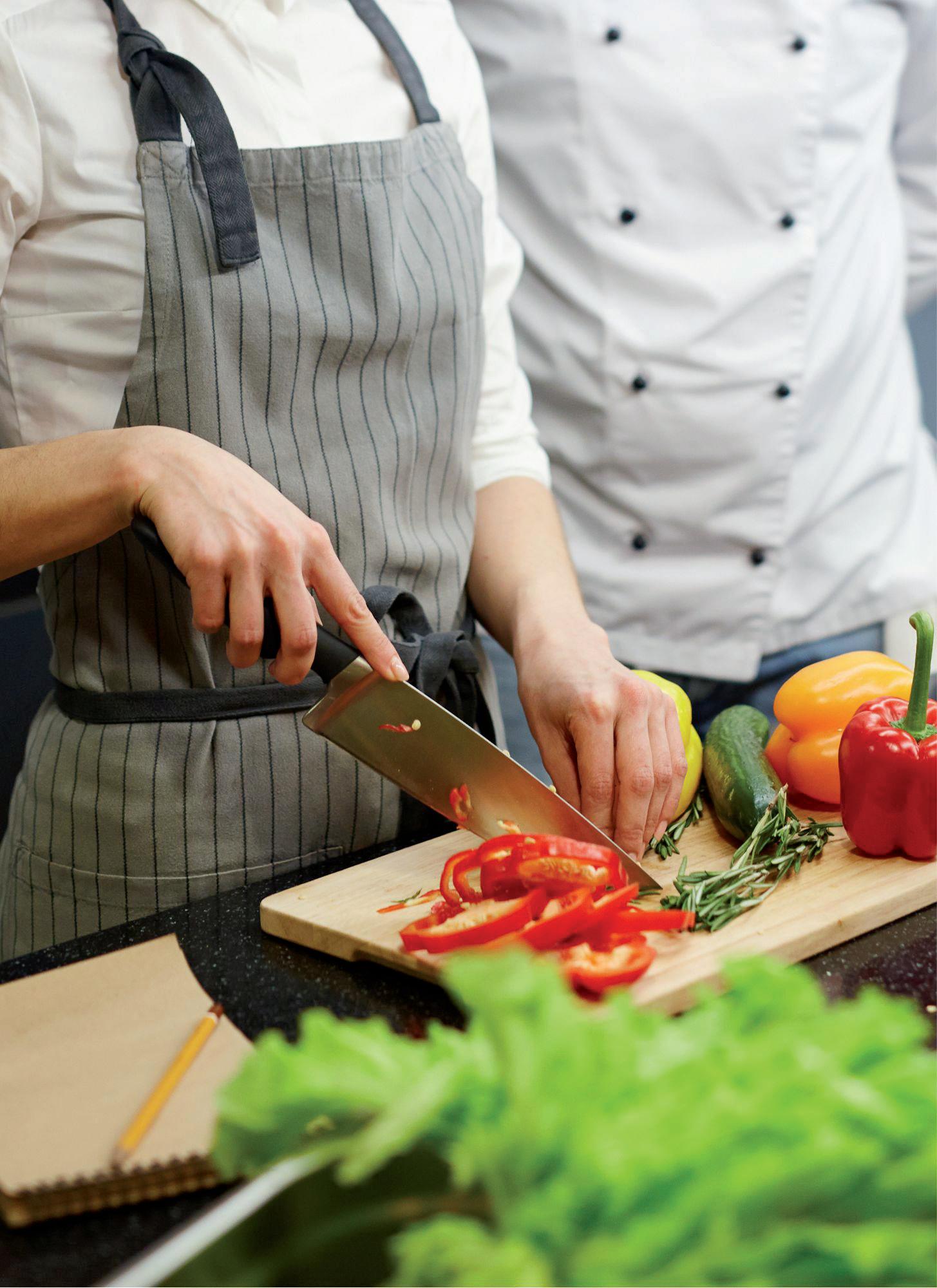

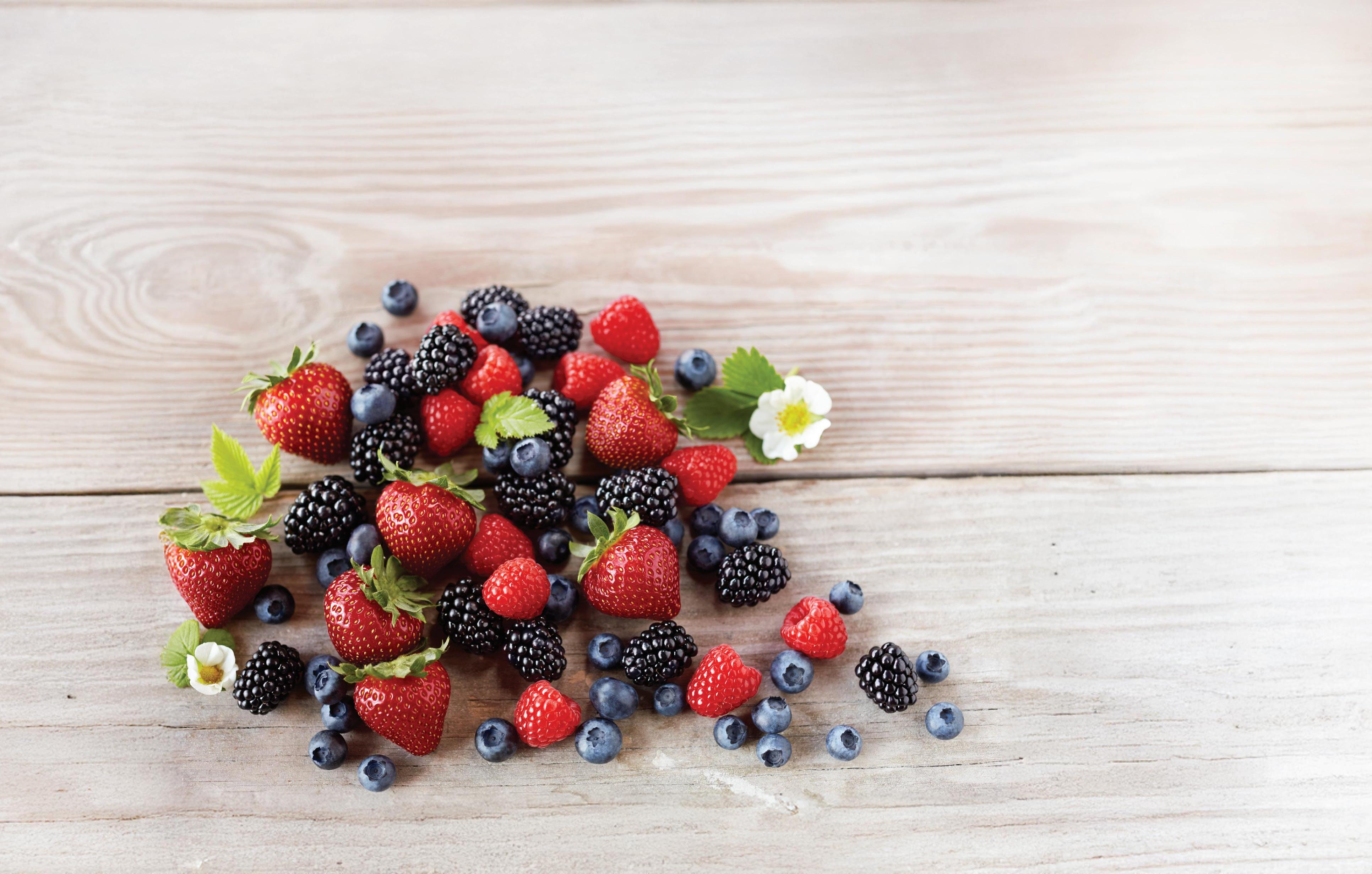






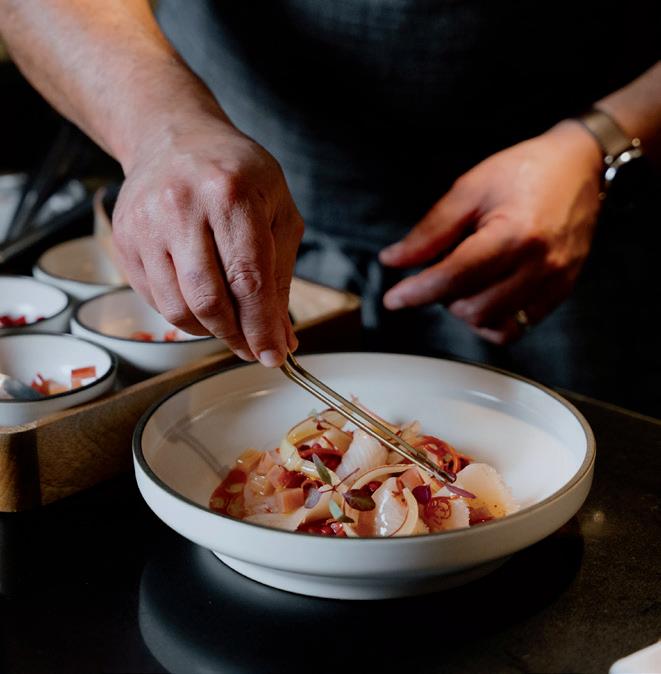
As the holiday season approaches, chefs are shaping menus around lighter flavours, fresh produce and meals designed for lovely summer days. For 2026, the direction is clear: food that feels festive without feeling heavy, built for long lunches, shared plates and relaxed gatherings.
Summer produce is leading the menu conversation. Leafy greens, stone fruit, tomatoes, citrus, herbs and seafood are taking centre stage, with chefs focusing on clarity and balance rather than complexity. Salads are no longer just side dishes but fully realised plates, built with texture and contrast in mind. Combinations that mix crisp greens, grilled or roasted vegetables, fresh fruit
elements, and proteins such as fish, chicken, or legumes, finished with bright, flavourful dressings.
Celebration meals are also becoming more flexible in format. Chefs are leaning into shared platters and grazing-style menus that suit outdoor eating and shared social occasions. Barbecued meats, whole fish, skewers and simple roasts are paired with salads, flatbreads and seasonal sides, giving guests a choice without overloading the table. These menus are easier to serve at scale and suited to the way customers gather to share a meal over summer. The shift toward “lighter comfort” continues. Familiar flavours still matter, but they are being expressed through fresher builds. Think classic seafood dishes simplified, cold meats with sharp accompaniments, or well-executed pasta and grain salads that hold up well on warmer days. Chefs are also paying closer attention to temperature, offering dishes that stay appealing in the heat and when dining spills outdoors.
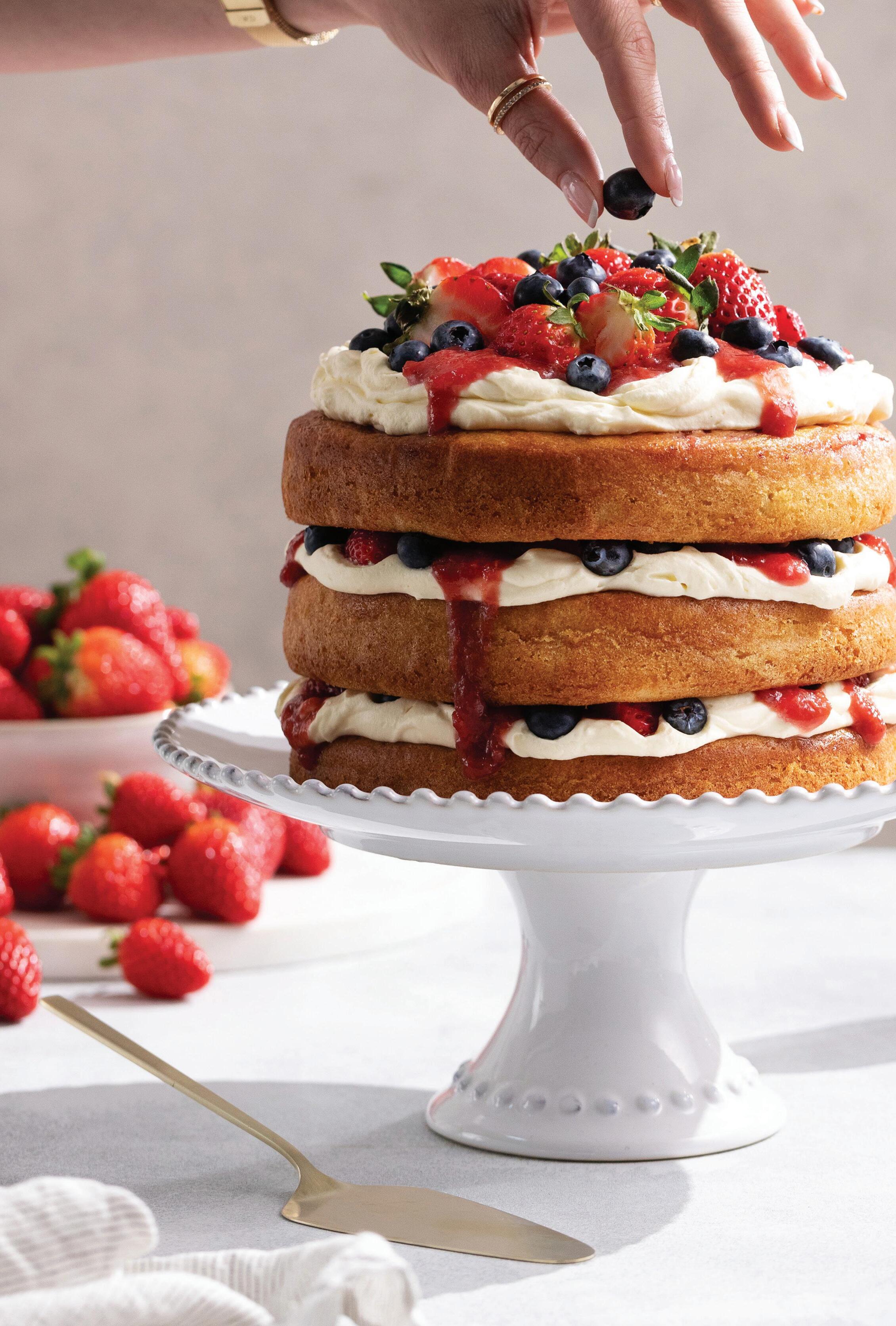
Desserts follow the same thinking. Fresh fruit-based options, chilled desserts and refined takes on classics
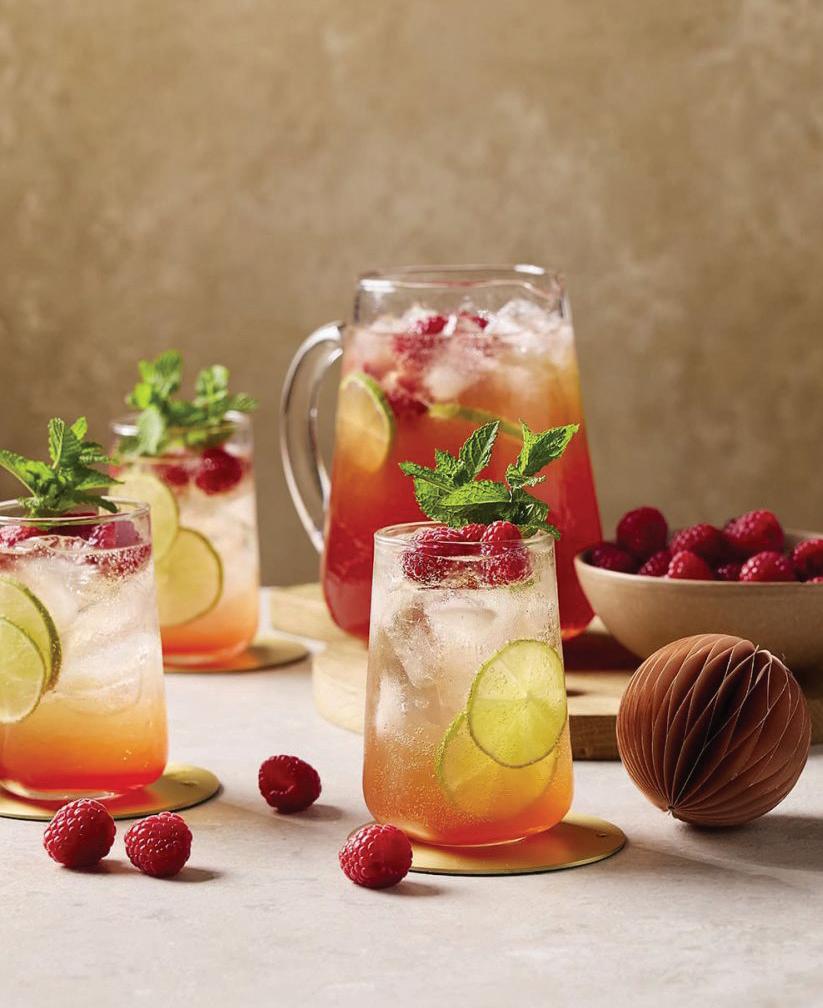
are preferred over heavy finishes. The goal is refreshment and balance rather than intensity. On the drinks front, well-constructed alcohol-free options sit comfortably alongside spritzes, botanical flavours and low-alcohol options, great for long lunches or lighter dinner menus.
Looking ahead, summer holiday menus are shaped less by novelty and more by confidence. Chefs are focusing on ingredients that speak for themselves, menus that adapt easily to different occasions and food that supports conversation rather than competing with it. The strongest holiday offerings are those that feel generous, seasonal and effortless to enjoy, reflecting the relaxed, celebratory mood that defines summer dining in New Zealand.
Wishing our readers, suppliers, advertisers and supporters a Merry Christmas and a much brighter 2026..

Publisher: Tania Walters, tania@reviewmags.com





Australia's rethink on surcharge bans has prompted industry leaders to reconsider how New Zealand approaches the change.
Auckland Business Chamber, Retail NZ, the New Zealand Chambers of Commerce Network, and a coalition of
national industry associations say new developments in Australia and on-the-ground stories from New Zealand small businesses are further proof that the Government must rethink its blanket ban on retail payment surcharges. Read the full story online


Foodstuffs North Island (the New Zealand-owned and operated co-operative that owns the Gilmours brand) has acquired JR Wholesale Meats. The move was welcomed
by JR Wholesale Meats and was described as a positive step forward for the company, its customers and suppliers.
Read the full story online

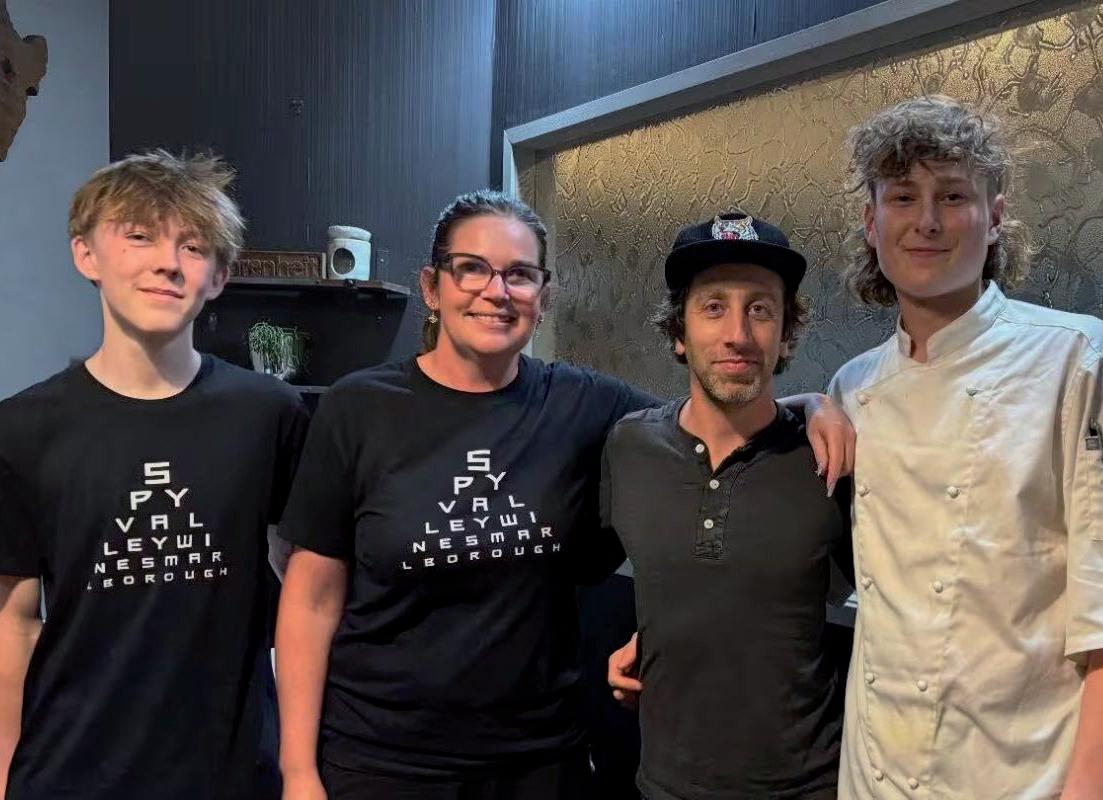
From the bright lights of Hollywood to the community township of Te Awamutu, one Waikato restaurant’s Sunday service was anything but typical.
Actor Simon Helberg, best known for playing the engineer and astronaut
Howard Wolowitz on the long-running sitcom
“The Big Bang Theory”, paid a visit to Fahrenheit Restaurant in Te Awamutu, prompting other customers to look twice at the table next to them.
Read the full story online


Despite a fragile economy, Buy NZ Made has urged for more support for New Zealand businesses, especially SMEs. Buy NZ Made is calling for renewed support for homegrown businesses as
new Centrix data reveals liquidations have surged to a 14-year high, even as overall confidence across the economy shows signs of improvement.
Read the full story online
Replaces a table’s existing screw-in feet
Stabilises tables with a press of the table top
Internal locks provide unrivalled stability
Enables the alignment of table tops
Independently tested by FIRA
Exceeds
Install





For NZ Chefs, 2025 has been a year filled with major accomplishments, important professional growth and many highlights along the way.
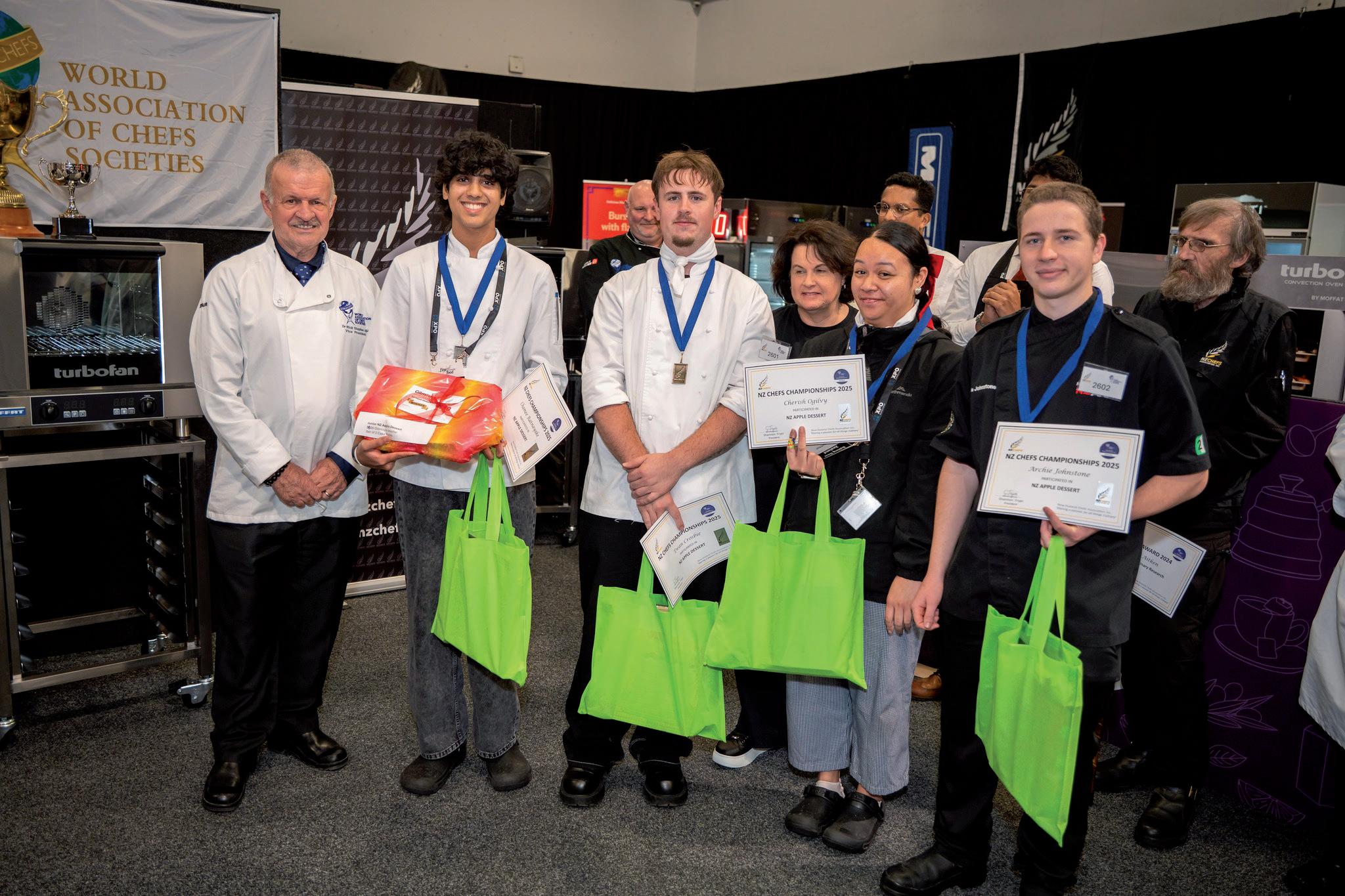
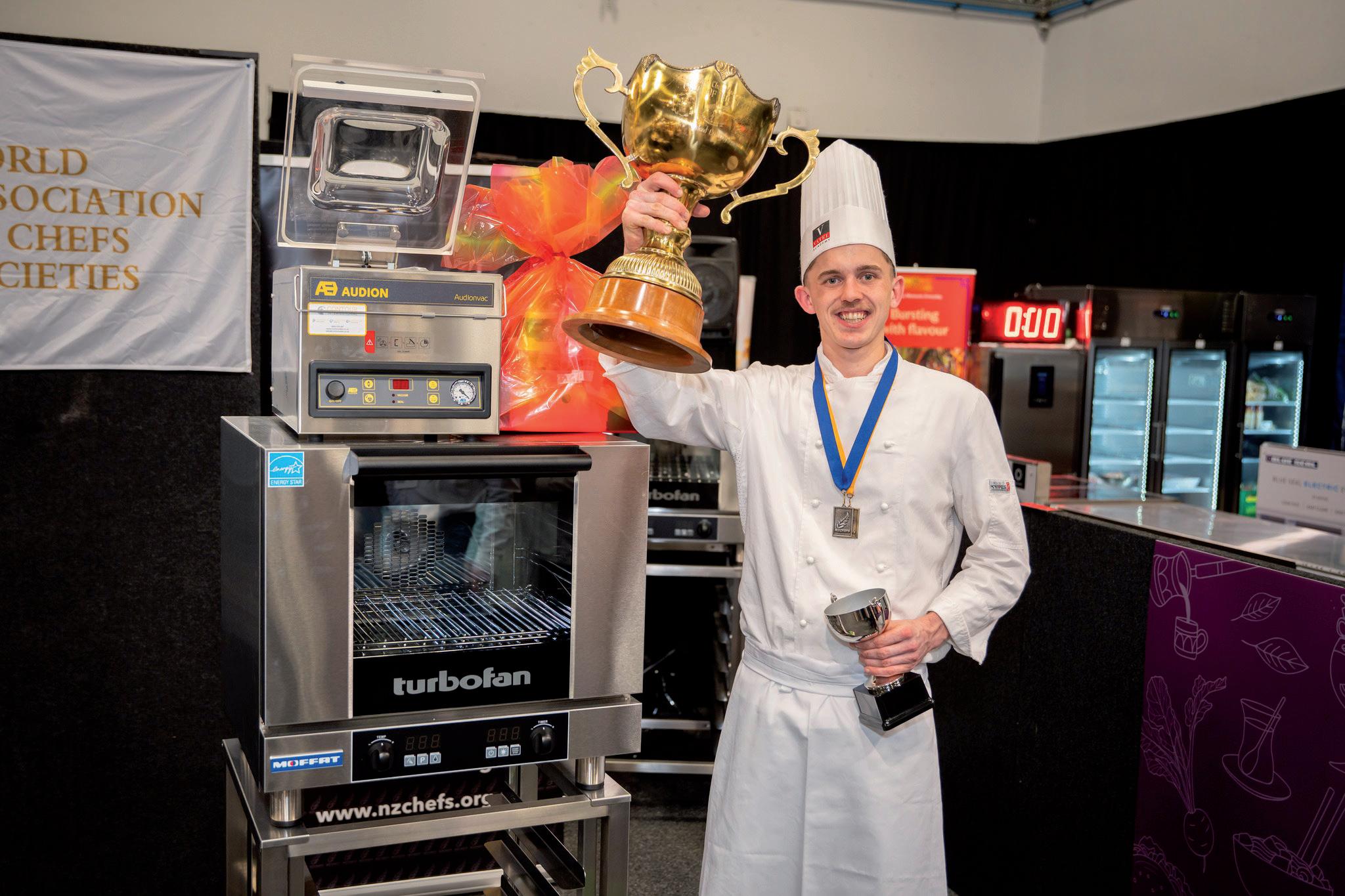
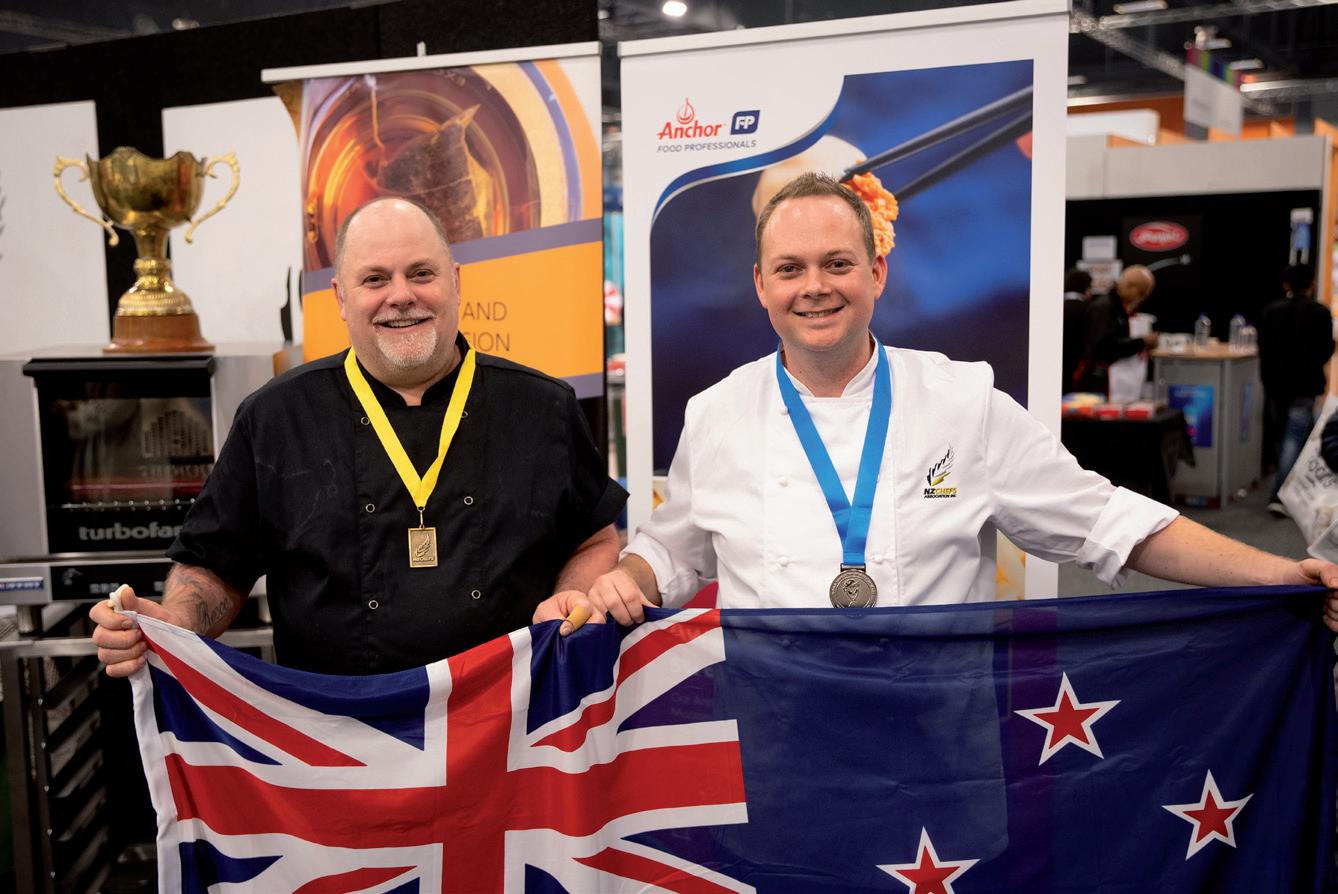
Astand out moment was the NZ Chefs Championships at Fine Food NZ, where the best of local culinary talent was on show. NZ Chef of the Year was won by Sam Gradowski-Smith, who had previously won the Emerging Chef of the Year. Gradowski-Smith said that gaining experience by working in modern kitchen environments was a primary career objective, and experiences like these allowed him to join the brigade of young talent in the industry.
Chef Achira Kular Kularatine, who travelled from South Canterbury, was named NZ Pastry Chef of the Year, and
New Zealand Defence Force chef Blake Cranch was named NZ Emerging Chef of the year.
Rick Stephen, Global Vice President of the World Chefs Association, was also in Auckland for this year’s championships. Stephen said that competitions were incredibly important for a chef’s personal growth.
“When I used to compete in the competition, we used to train and practice, and then you try and develop techniques or different dishes that you probably would not do in a normal circumstance. So I used to always think that I'd virtually gain four years of
training just from that one competition,” he said.
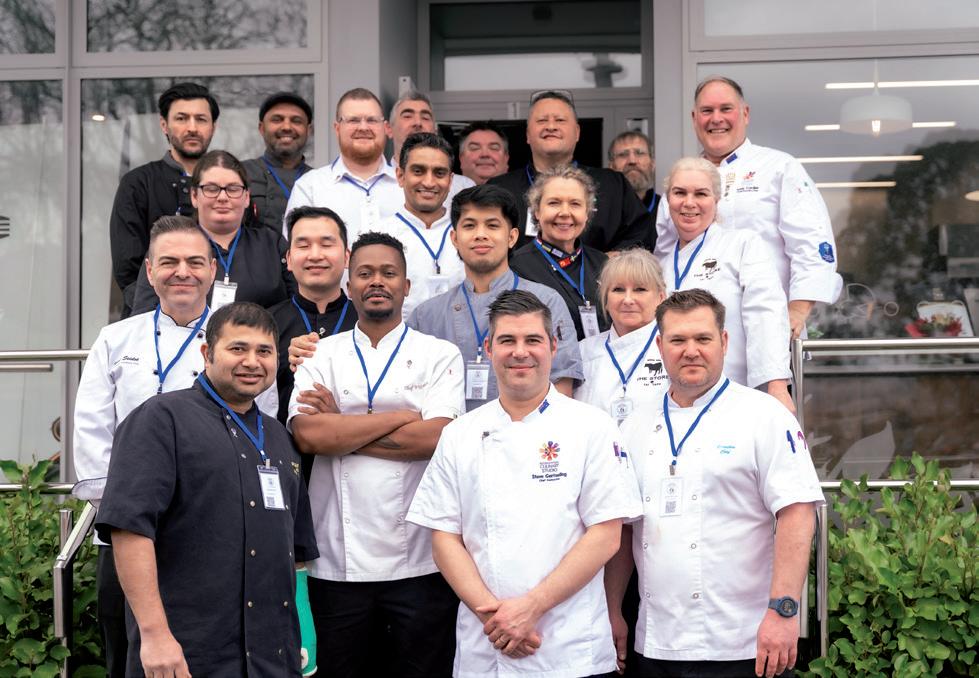
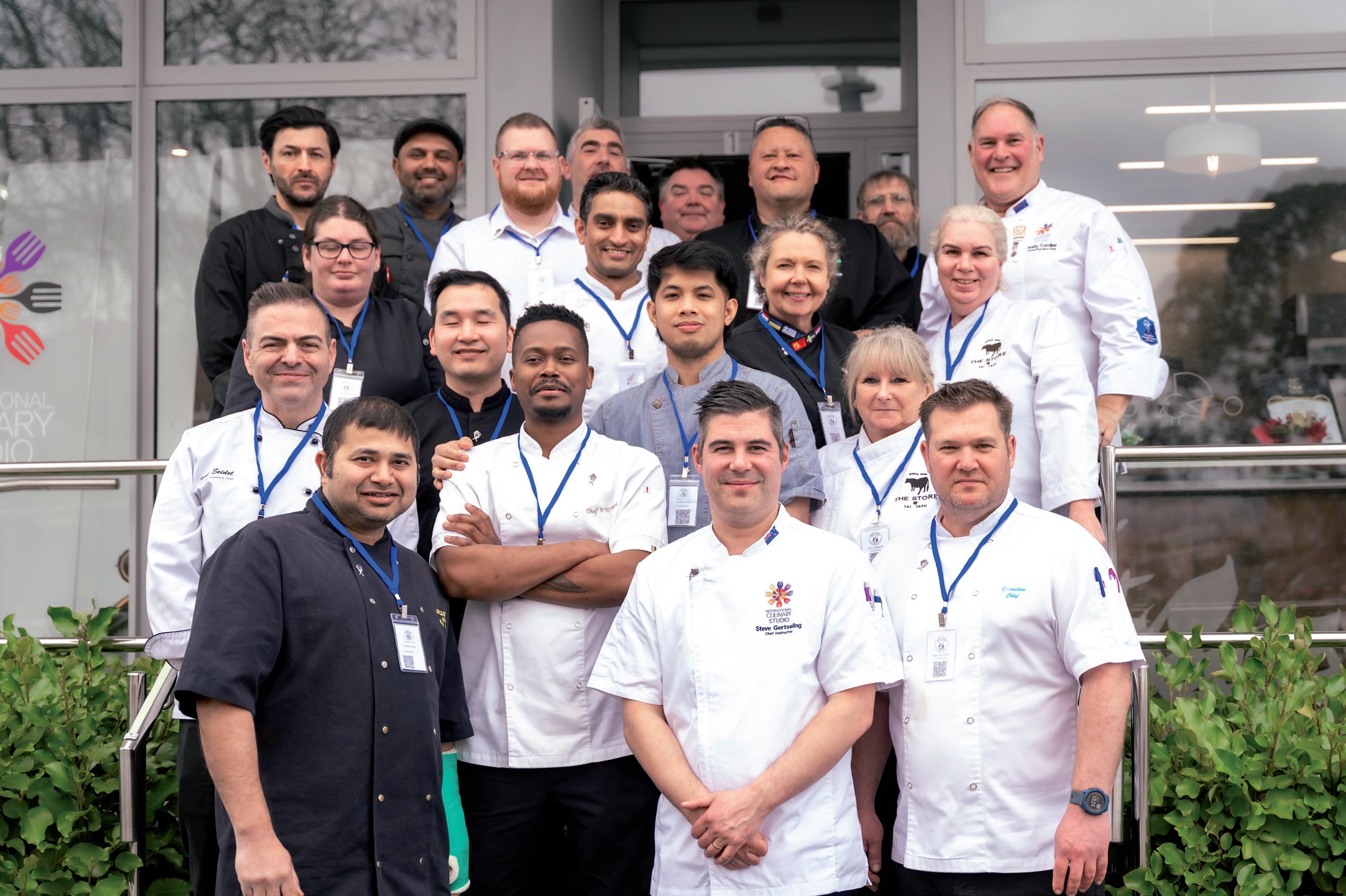
In September, NZ Chefs partnered with the International Culinary Studio to host Tink Global, Cook Local, an event where chefs were invited to experience local hospitality and interactive discussions with Christchurch’s leading guest chef speakers, along with demonstrations and the opportunity to network with all.
The day was packed with local suppliers, produce and equipment, and the topics of conversation were the latest trends and the future of all things culinary. Event organiser, Co-Founder and Group Executive Chef at the
International Culinary Studio, Chef Andy Cordier, was instrumental in making sure the event ran smoothly and was a success.
“We know that hospitality is changing quickly, and with that comes both challenges and exciting opportunities. For young and emerging chefs, the career pathways are broader than ever, from restaurants and hotels to product development, sustainability projects, and even global culinary competitions,” said Chef Cordier.
In November, a delegation of local chefs ventured to Shanghai for the prestigious FHC China International Culinary Arts Competition, where the New Zealand team placed second.
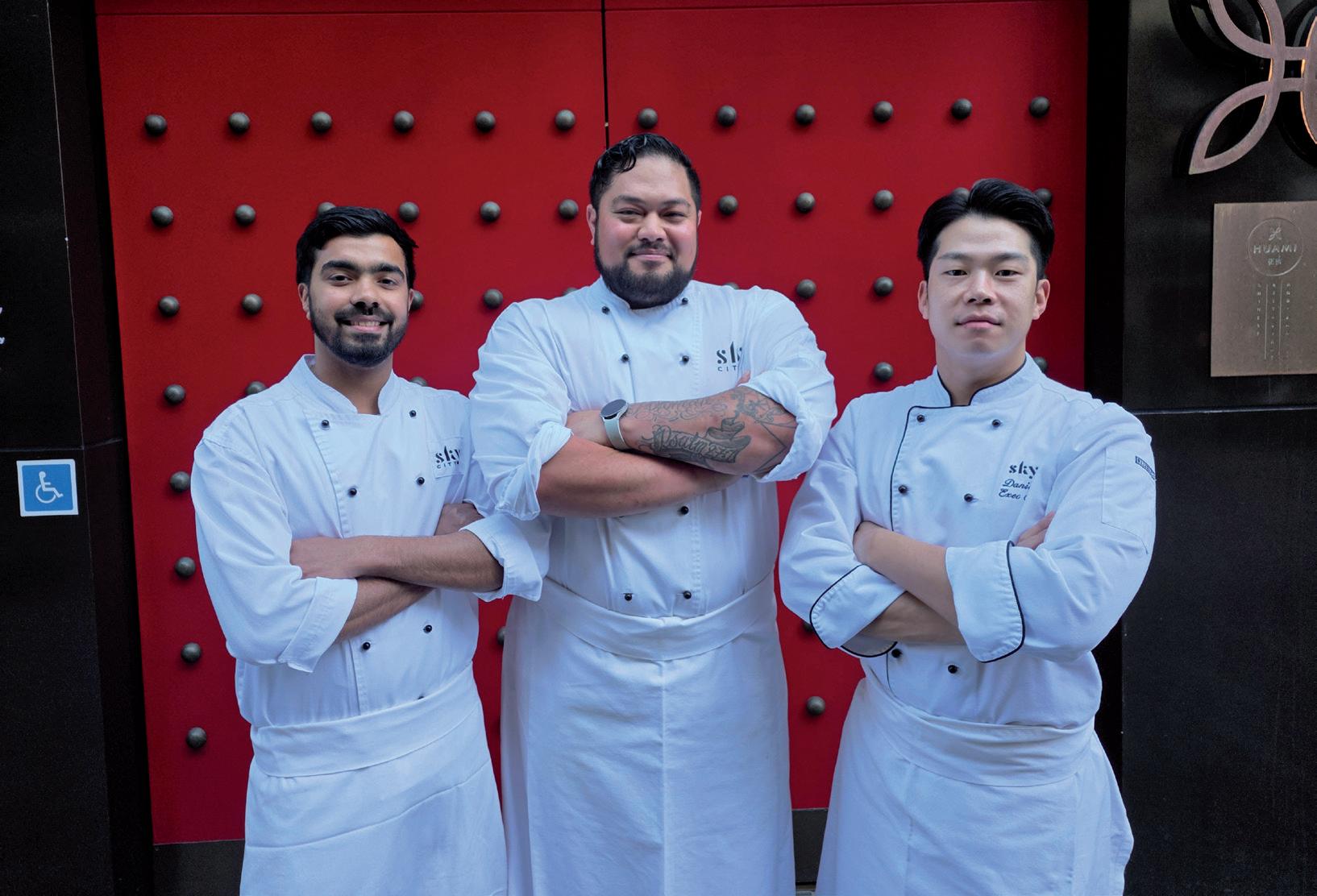
The silver fern was represented by Daniel Na, the Executive Sous Chef of SkyCity Precinct, Chef Noufal, a talented Pastry Chef at SkyCity Auckland, and led by Touvai Poloniati, an accomplished chef with an extensive competitive career throughout the early 2000s.
The FHC China International Culinary Arts Competition has long been a platform for young chefs to showcase their ability and skills on an international stage.
Team mentor Patrick Ikinofo said it was certainly a push in order to be prepared, but having worked together before in the past, it made the process easier. He added that there was significant focus dedicated to training in order to put forward a well-prepared performance.
“Local and international competitions like these play a vital role in reigniting passion for the craft. They help the industry reconnect with the next generation of culinary talent, laying a strong foundation for the future and inspiring chefs to broaden their horizons globally.”
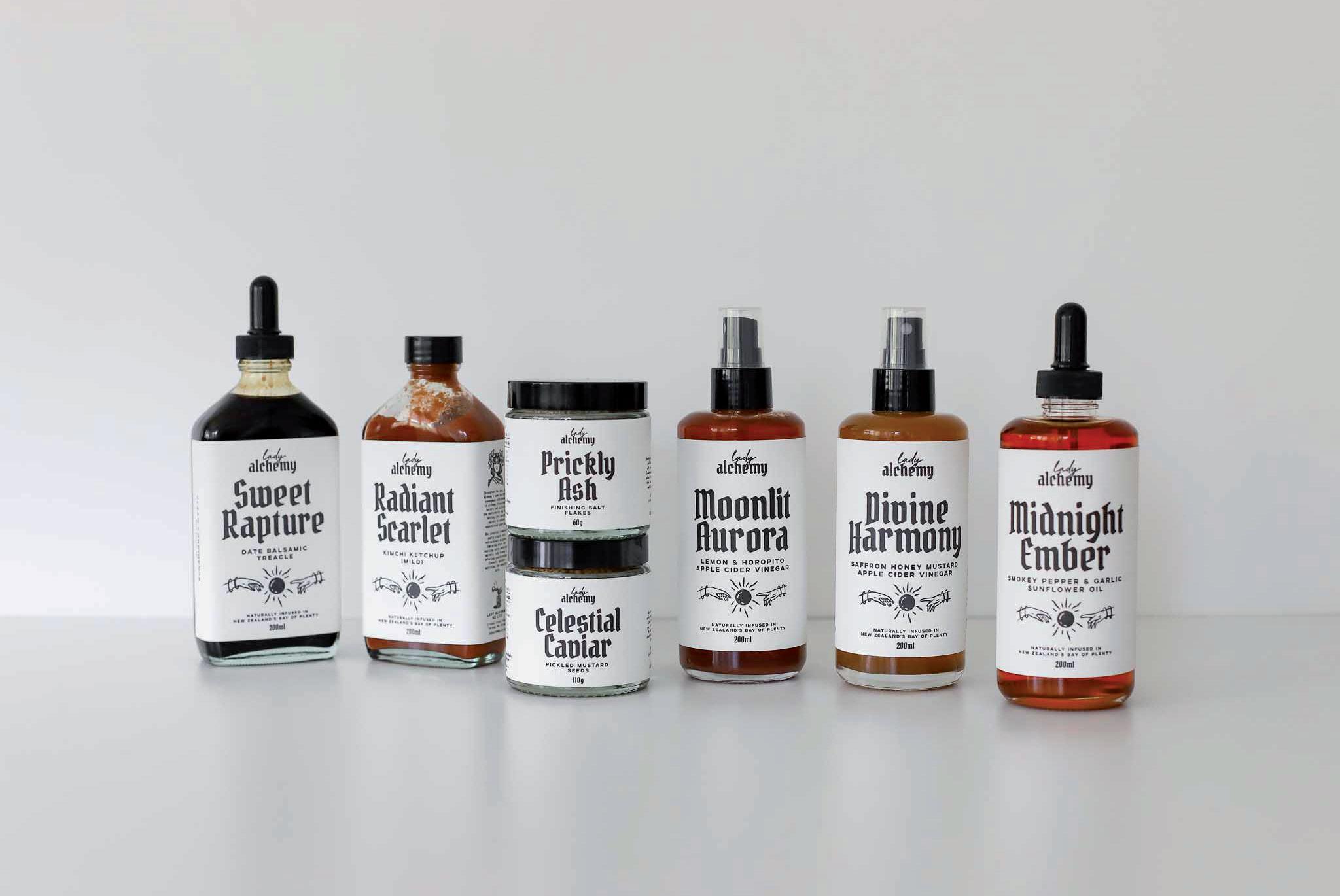
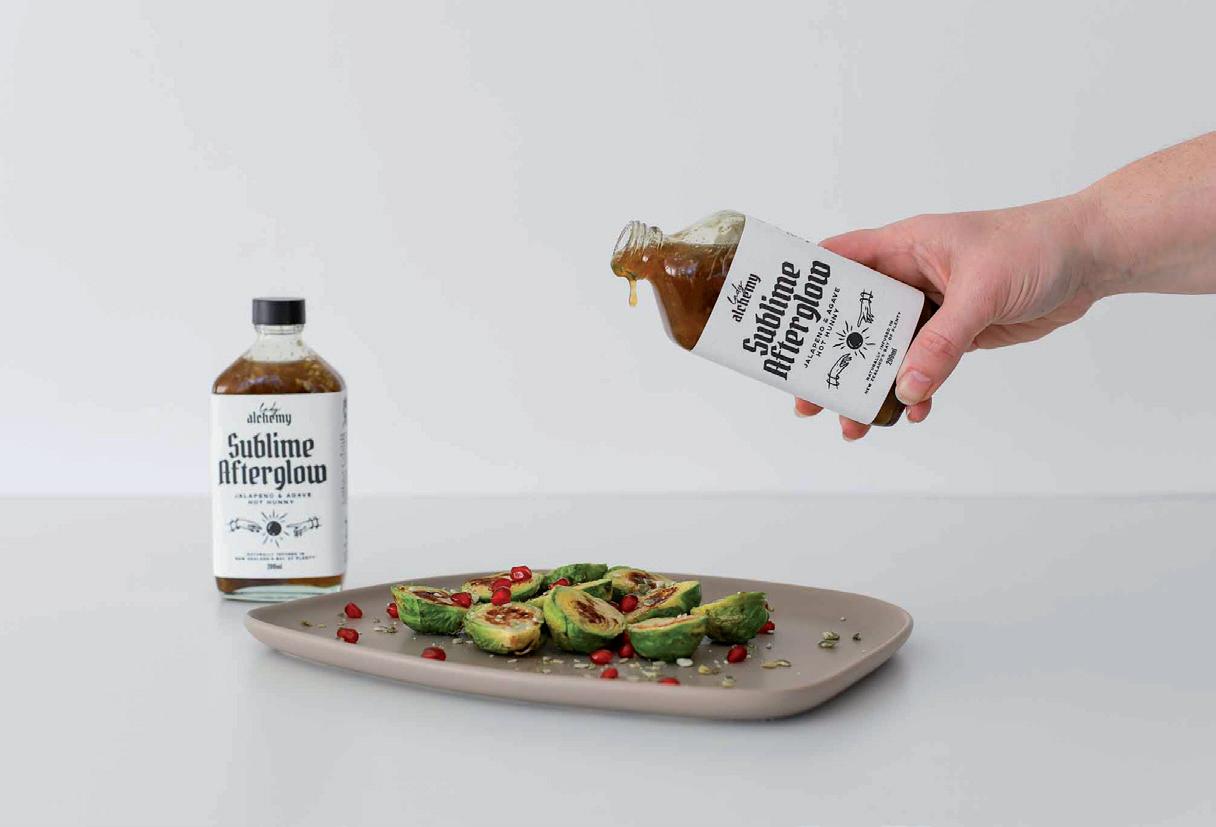
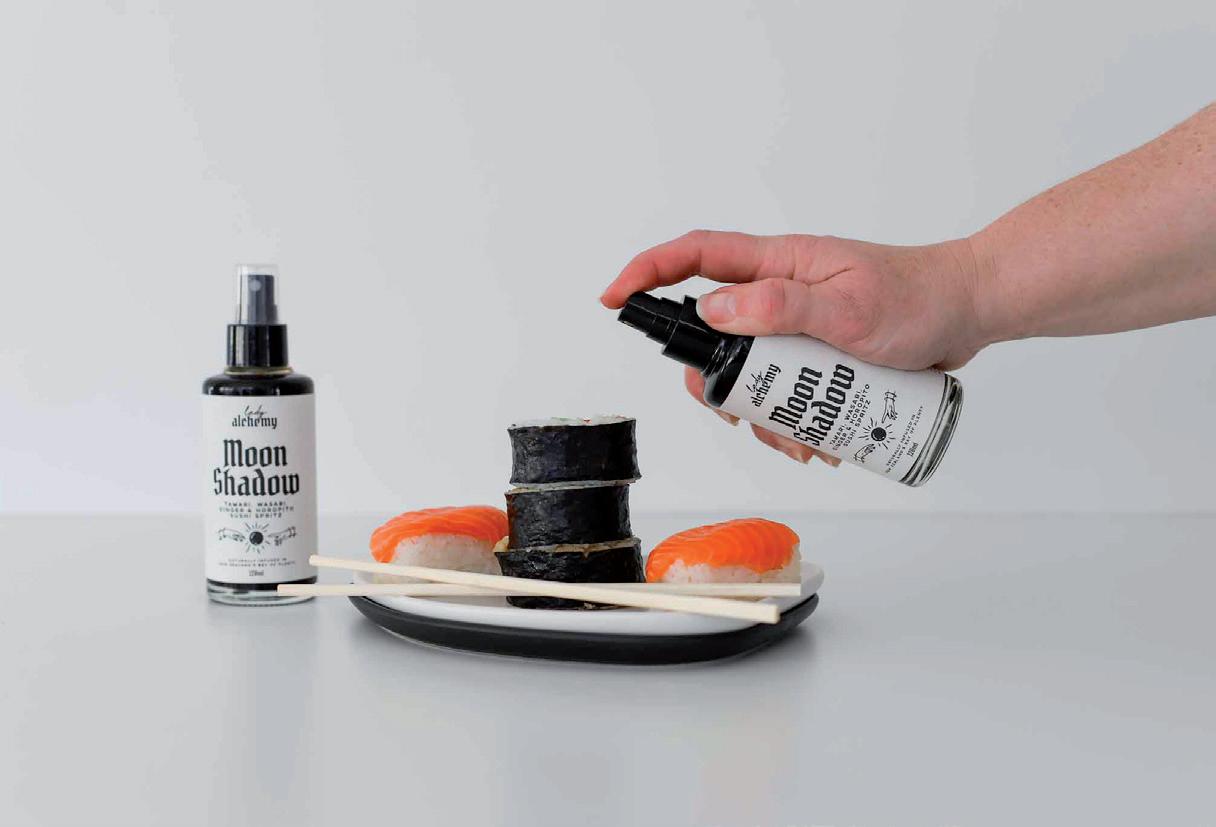
Naturally infused in New Zealand’s Bay of Plenty, Lady Alchemy crafts clean condiments for the healthconscious consumer. Her award-winning dressings, sauces, and finishing touches are 100 percent natural, allergenfriendly, free from preservatives, and refined sugar, proving that flavour and nourishment can go hand in hand.
Dressings and sauces should never be the weak link in a healthy meal, elevate thoughtful food choices rather than masking them. You go to great lengths with fresh produce, balanced
dishes and vibrant salads, why undo that with a sauce or dressing full of mystery ingredients?
Designed with intention, the brand’s signature spritz and dropper formats provide effortless portion control, so no more drowning.
Seeking that final flourish? A drizzle of infused finishing oil, a dollop of pickled mustard seeds, or a sprinkle of aromatic finishing salt adds instant, natural luxury. With Lady Alchemy, small touches deliver big impact, transforming everyday meals into extraordinary culinary experiences.
• 6 croissants (80g)
• 250g crème pâtissière
• 130g mascarpone
• 45g plant-based cream (or regular cream)
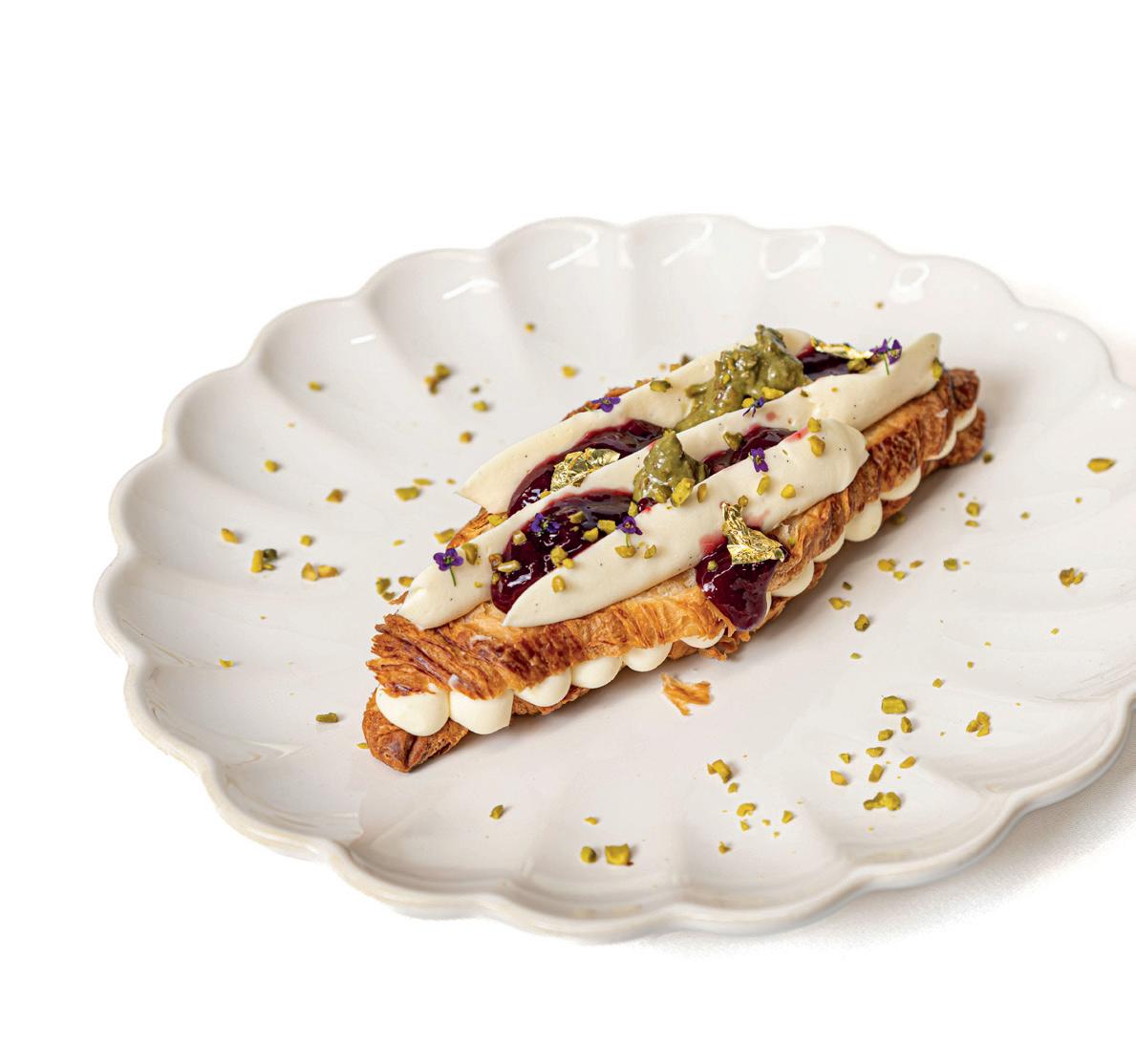
• 120g pistachio spread
• 150g cherry jam
• Slice 6 day-old croissants lengthways into two 1cm-thick slices. Crumble the rest of the croissants.
• 20g pistachio paste
• 12g chopped pistachios
• ½ gold leaf for decoration (optional)
• Dried cornflowers for a touch of colour (optional) Ingredients SERVES 6
• Place croissant slices and crumbs on a baking tray. Bake at 135°C for 20 minutes to dry them out and put a wire rack over the slices to keep them flat.
• Slice 6 day-old croissants lengthways into two 1cm-thick slices. Crumble the rest of the croissants.
• Bring milk, whipping cream, some sugar and 1/2 grated vanilla pod to the boil in a pan.
• Meanwhile, whisk eggs, yolks, remaining sugar and cornflour in a bowl.
• Place croissant slices and crumbs on a baking tray. Bake at 135°C for 20 minutes to dry them out and put a wire rack over the slices to keep them flat.
• Add some of the hot milk to the egg-sugar-cornflour mixture while whisking, then put everything into the pan. Stir constantly over a low heat until thick then refrigerate.
• Bring milk, whipping cream, some sugar and 1/2 grated vanilla pod to the boil in a pan.
• Meanwhile, whisk eggs, yolks, remaining sugar and cornflour in a bowl.
• Combine pistachio spread, pistachio paste and croissant crumbs in a bowl.
CRÈME PÂTISSIÈRE
• 350ml milk
• Add mascarpone and whipped plant-based cream to chilled crème pâtisserie to make it lighter. Blend then put mixture into a piping bag with a plain 1cm nozzle.
• 150ml whipping cream (35% fat content)
• 80g sugar
• Add some of the hot milk to the egg-sugar-cornflour mixture while whisking, then put everything into the pan. Stir constantly over a low heat until thick then refrigerate.
• Combine pistachio spread, pistachio paste and croissant crumbs in a bowl.
• Put pistachio mixture into a second piping bag with no nozzle and cherry jam into a third piping bag.
• 2 whole eggs
• 3 egg yolks
• Assemble the croissant millefeuille. Pipe the cream around the edge of the first slice of croissant and pistachio mixture in the middle. Do the same with the second, using cherry jam instead of the pistachio mixture.
• 5 tbsp cornflour
• ½ vanilla pod (or 1 tsp of vanilla extract)
• Add mascarpone and whipped plant-based cream to chilled crème pâtisserie to make it lighter. Blend then put mixture into a piping bag with a plain 1cm nozzle.
• Put pistachio mixture into a second piping bag with no nozzle and cherry jam into a third piping bag.
• Put slices on a plate and dress your way! (chopped pistachio, gold leaf, cornflowers, fresh cherries etc.).

• Assemble the croissant millefeuille. Pipe the cream around the edge of the first slice of croissant and pistachio mixture in the middle. Do the same with the second, using cherry jam instead of the pistachio mixture.
• Put slices on a plate and dress your way! (chopped pistachio, gold leaf, cornflowers, fresh cherries etc.).

Every year, hospitality operators brace for the fast and furious pace of the holiday season, but this summer carries extra weight.
After one of the hardest revenue years our sector has faced, businesses are heading into December knowing they need a strong trading period — not only to recover from the challenges of 2025, but to build a buffer heading into next year.
That urgency is real, and understandable. But as the Restaurant Association’s Holiday Survival Guide reminds us, we can’t deliver a strong summer by running ourselves or our teams into the ground. And that includes owners and managers - the people who often carry the heaviest load, cover the unexpected shifts, fill gaps when staff take leave, and absorb the stress that comes with keeping the doors open when margins are tight.
This summer, wellbeing isn’t a ‘nice to have’ It’s a commercial necessity. Owners set the tone and often bear the brunt In many businesses, operators lead from the front: opening up, closing down, jumping on the pass, covering sick leave, and stepping in to wash the dishes when needed. The entrepreneurial spirit that defines our industry is also what places owners at the highest risk of exhaustion.
When leaders burn out, the whole operation feels it. The Guide highlights that chronic fatigue, irritability, and reduced effectiveness are early warning signs of burnout and these apply to
owners just as much as staff . That’s why wellbeing strategies need to include the people running the show, not just the team around them.
Practical steps that support everyone, including you
Plan ahead and roster smartly so owners aren’t the default back-up for every shift.
Onboard seasonal staff early and thoroughly, easing pressure for both management and the core team. Create space for staff to share personal commitments early, reducing last-minute rostering stress.
Encourage short recovery breaks and take them yourself. A 10-minute reset isn’t indulgent; it’s good leadership. Protect the basics: sleep, nutrition, and technology free time will help maintain performance and focus during highpressure periods.
When leaders model these habits, staff follow. When leaders ignore them, staff often assume they should too.
We’re all working harder than usual this season because we need to. Revenues have been down, foot traffic has been patchy, and many operators have been carrying financial stress for months. The temptation will be to say yes to everything, take every booking, stretch every shift, and keep pushing.
But the Guide also reminds us that running at full tilt without pause only increases absenteeism, turnover, and strain at the very moment we need stability the most.
Caring for our teams and caring for ourselves are not competing priorities. They are the same priority. They protect revenue, protect culture, and protect the long-term sustainability of the business.
Hospitality has always been a peoplefirst industry. This season, that means recognising that owners, leaders and teams all deserve the same level of care. By making wellbeing part of the plan and not an afterthought we can face the busiest weeks with more energy, more resilience, and more confidence. We work hard for our customers. We work hard for our businesses. This summer, let’s also work hard to look after ourselves.

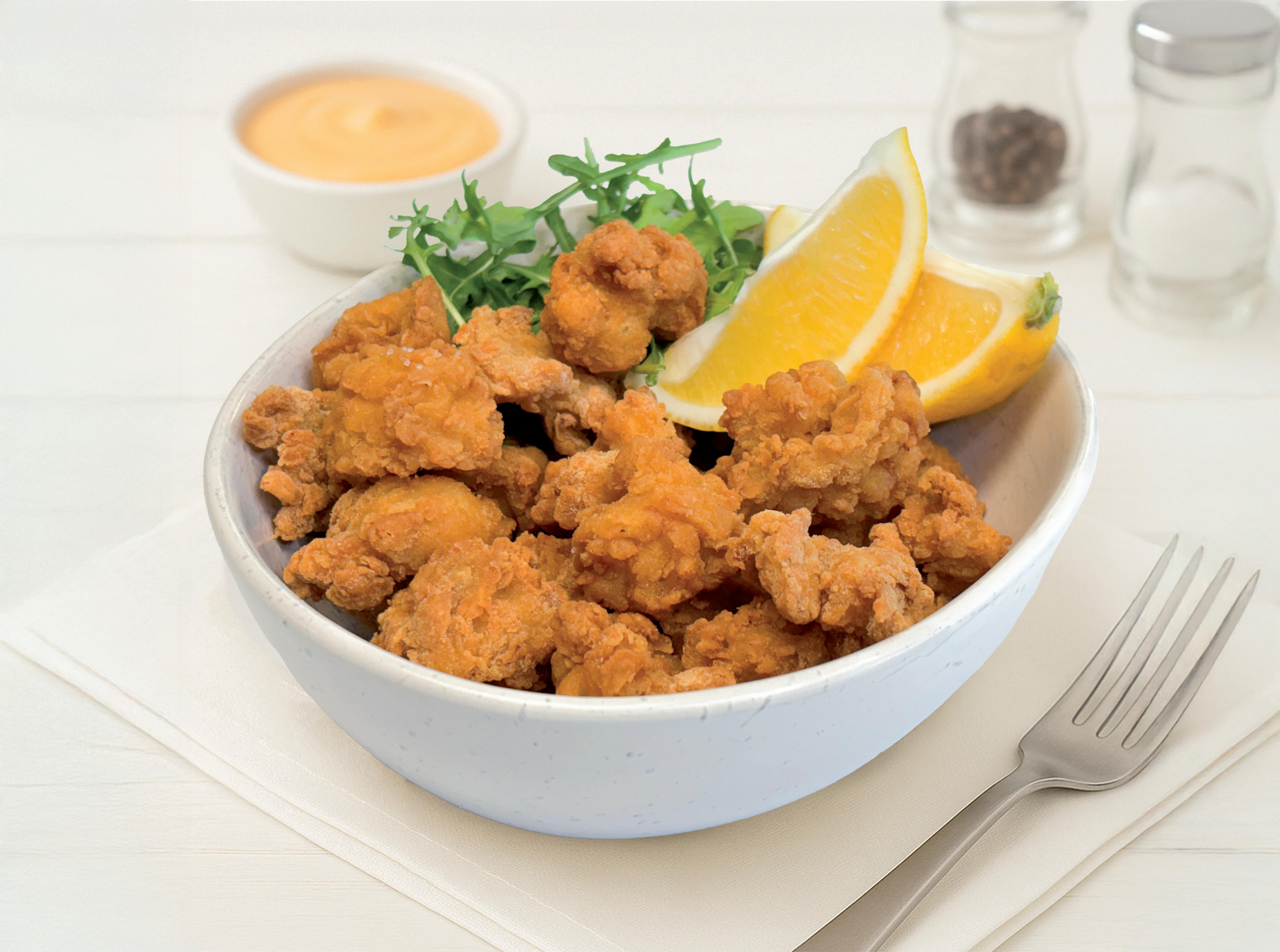
Markwell Foods has expanded its popular Shore Mariner Popcorn range with a brand-new addition: Cajun Popcorn Squid, available in 1kg and 360g packs.
Built for busy kitchens, it’s a smart fit for share plates, bar snacks, seafood baskets, catering, and menu specials where speed and consistency matter. Serve it as a standout finger food, add
it to a mixed platter, or build a premium seafood basket that keeps customers coming back.
This flavour-packed, bite-sized seafood favourite features tender squid pieces, scored for the ideal texture, then coated in a light Cajun-inspired seasoning for a delicious kick and a crisp finish. For more information, email sales@markwellfoods.co.nz or call 09 270 3311.




ANGEL BAY. EVERY DAY DELICIOUS.
When crafting the perfect menu, nothing is more important than a chef’s inspiration.
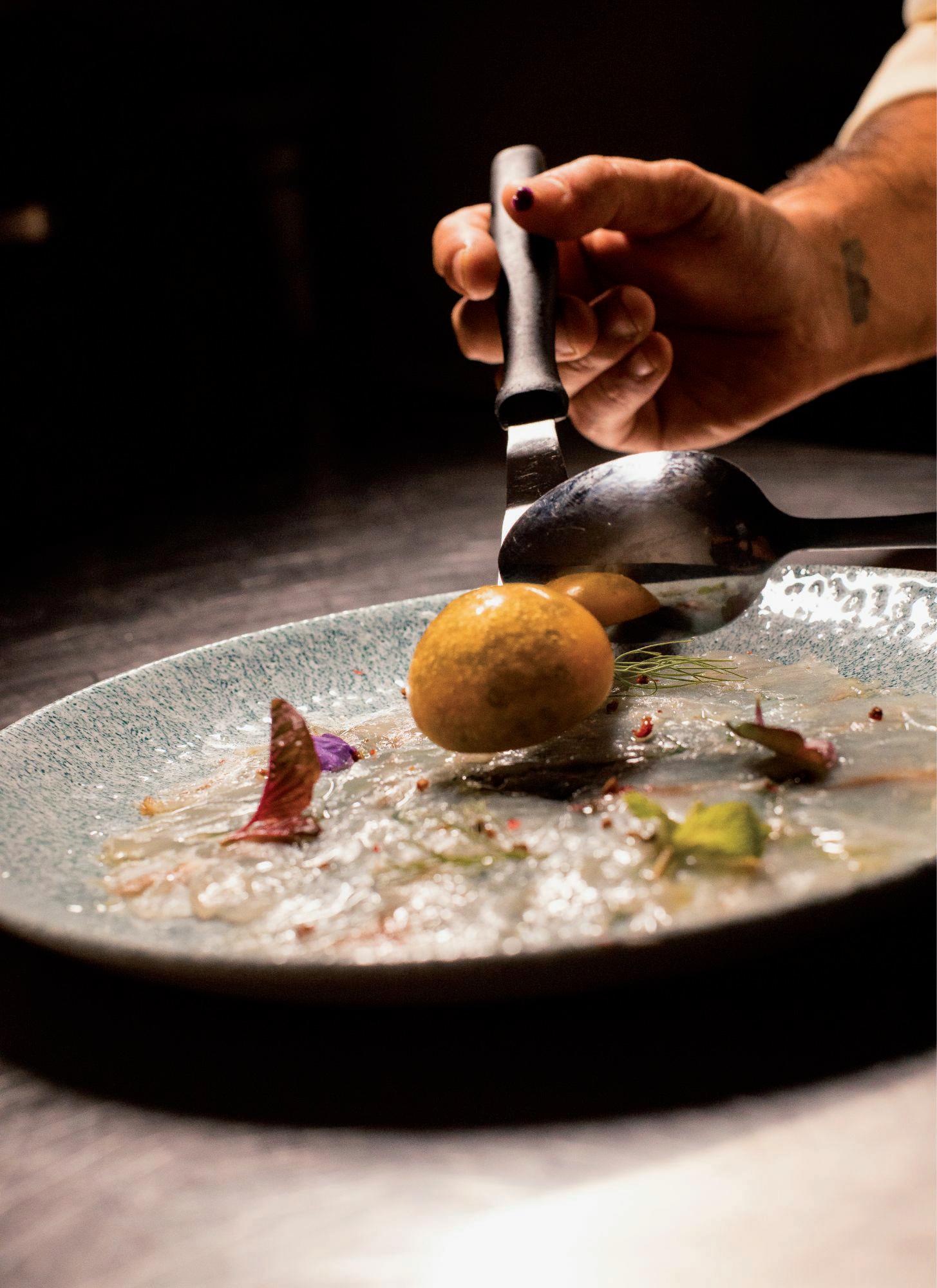
Be it personal experiences from family and friends to the environment they live in, a chef’s journey from idea to plate is a meticulous process, often marked by abundant trial and error.
It is essential for chefs to understand their customers and what they would like to see on the menu. This is a crucial step that will impact factors such as budgeting and preparation planning, and can alter the success of a restaurant.
In the modern dining landscape, there is a rule of thumb for eateries to have at least one vegan option, one gluten-free choice, and one menu item that can be made into a dairy-free option if needed.
Exploring their clientele and understanding the local dining behaviours of potential customers will allow chefs to have a better understanding of what their menu should look like, helping them to navigate future decisions.
A good menu can be a tricky task to balance. Prioritising quality over quantity and deciding between variety and simplicity takes time to perfect. Calculating food costs, potential waste and portion sizes can also influence this process.
Crafting a meaningful and personalised menu isn’t something that will happen overnight; instead, it is the end result of dedication and passion.
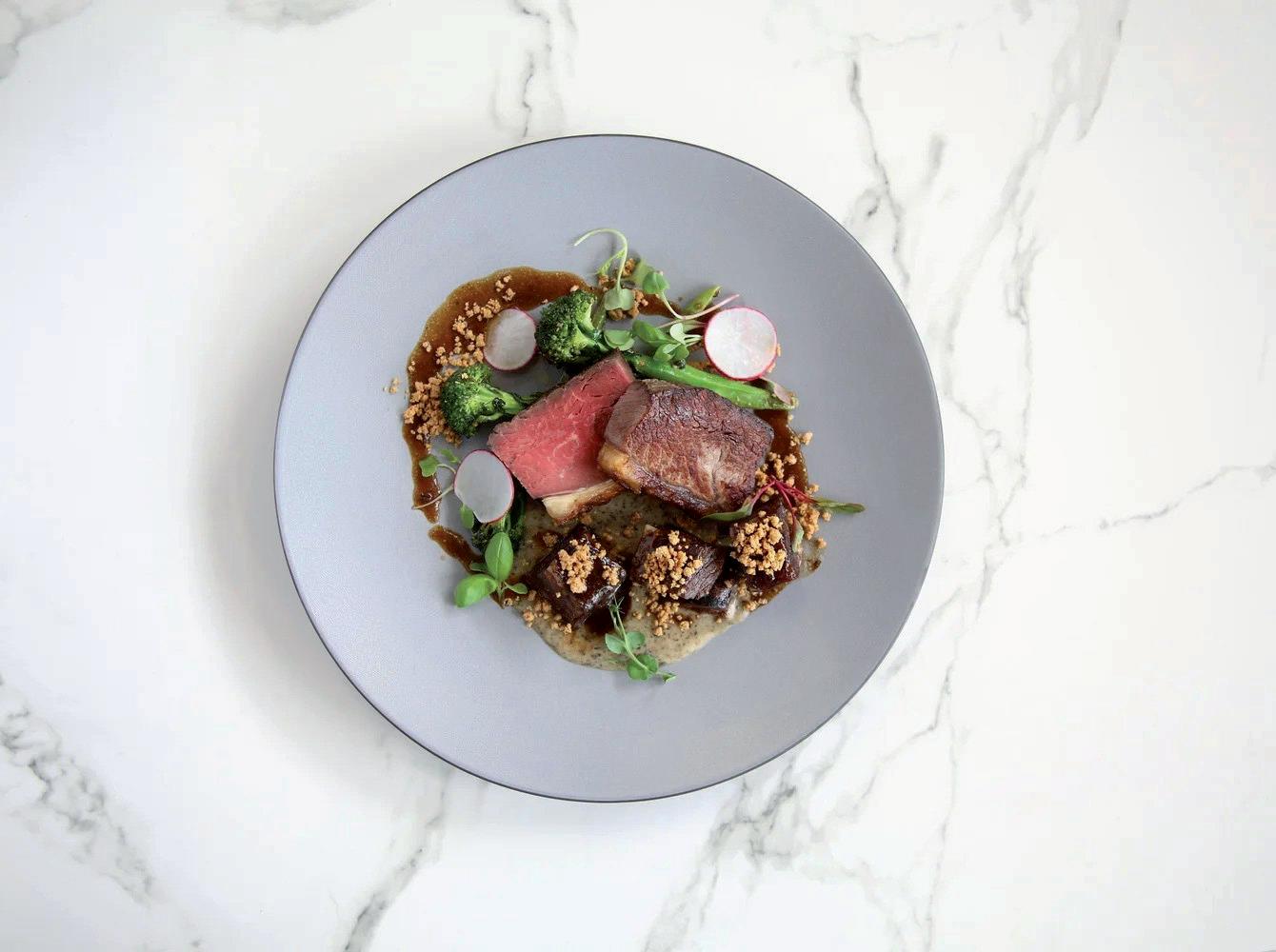
With a meticulous focus on simplicity and enhancing the natural flavours of different cuts of beef, Dean Thompson, Head Chef at Schnappa Rock, has incorporated a 12-hour slow-roasted beef sirloin on the menu.
The sirloin is slow-roasted at 50 degrees to render the fat and intensify the meat’s tenderness and flavour, with a final sear on the grill to caramelise the sirloin for plating.
Braising the short rib in McLeod’s Pioneer Porter stems from Thompson’s belief that the rich beef pairs beautifully with this local brew. Using broccolini from the Schnappa Rock garden,
sauteed in bone marrow butter, adds a fresh and nose-to-tail touch. Adding the caramelised yoghurt crumb helped to cut through the richness of the dish and adds another textural element.
This dish celebrates the essence of New Zealand beef, featuring premium cuts like sirloin and short rib to showcase the excellent quality of New Zealand beef. Thompson has made the dish even more special by using bone marrow to add a depth of rich flavour. With the use of local, sustainable ingredients and distinct natural flavours, this dish represents the heartfelt commitment to the quality that defines New Zealand beef.
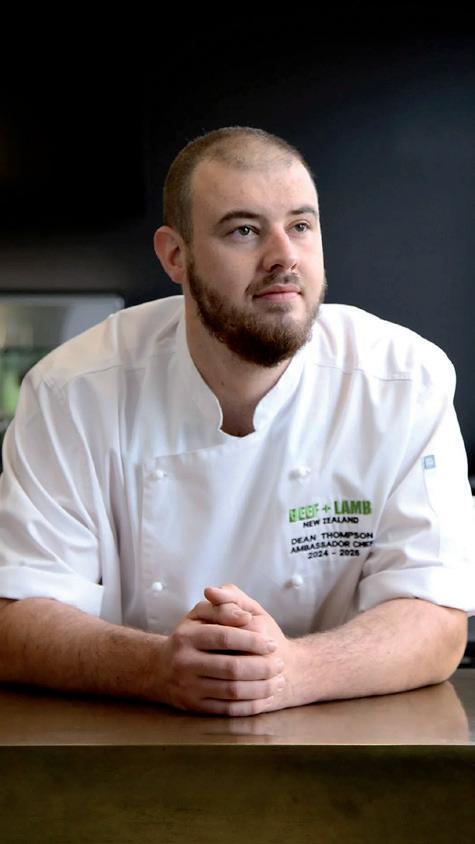
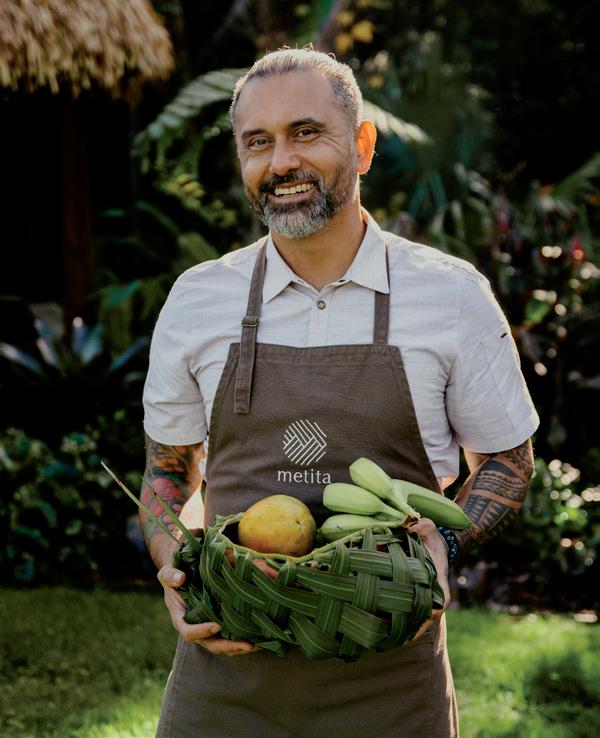
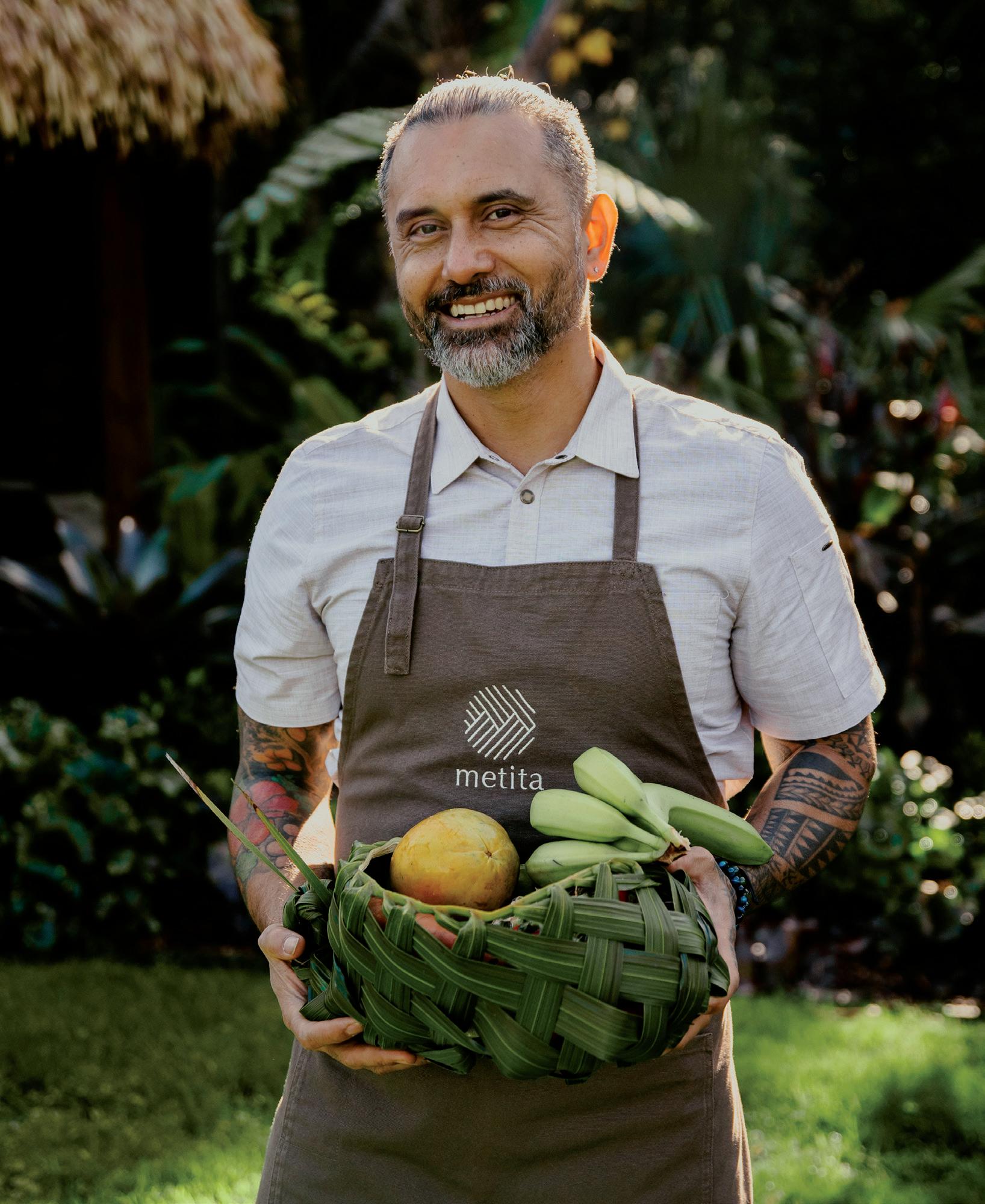
Acclaimed Chef Michael Meredith has been a leading voice for Pacific cuisine throughout his illustrious career. His corned beef bun has been on the menu at Metita, Meredith’s celebrated restaurant at SkyCity in Auckland, since day one.
“I wanted to create something that speaks to what we’ve eaten in the Islands since the 1900s, while also reflecting the influence of Chinese culture across the Pacific. The result is a modern, playful take on Pacific cuisine, which is familiar, nostalgic, and full of fun.”
250ml water
60ml milk
45g caster sugar
1/2 teaspoon dry yeast
600g Red Lotus flour (see note)
17g baking powder
1/3 teaspoon salt
30ml olive oil
2 tablespoons neutral oil, for cooking
20g cumin seeds
300g white onion, sliced
1kg cabbage, finely chopped
1kg canned corned beef, broken into small pieces
150ml calamansi soy sauce (available from Asian grocery stores)
3-4 makrut lime leaves
Fresh ginger, sliced
Heat the soy sauce gently with the lime leaves and ginger to infuse. Allow to cool completely.
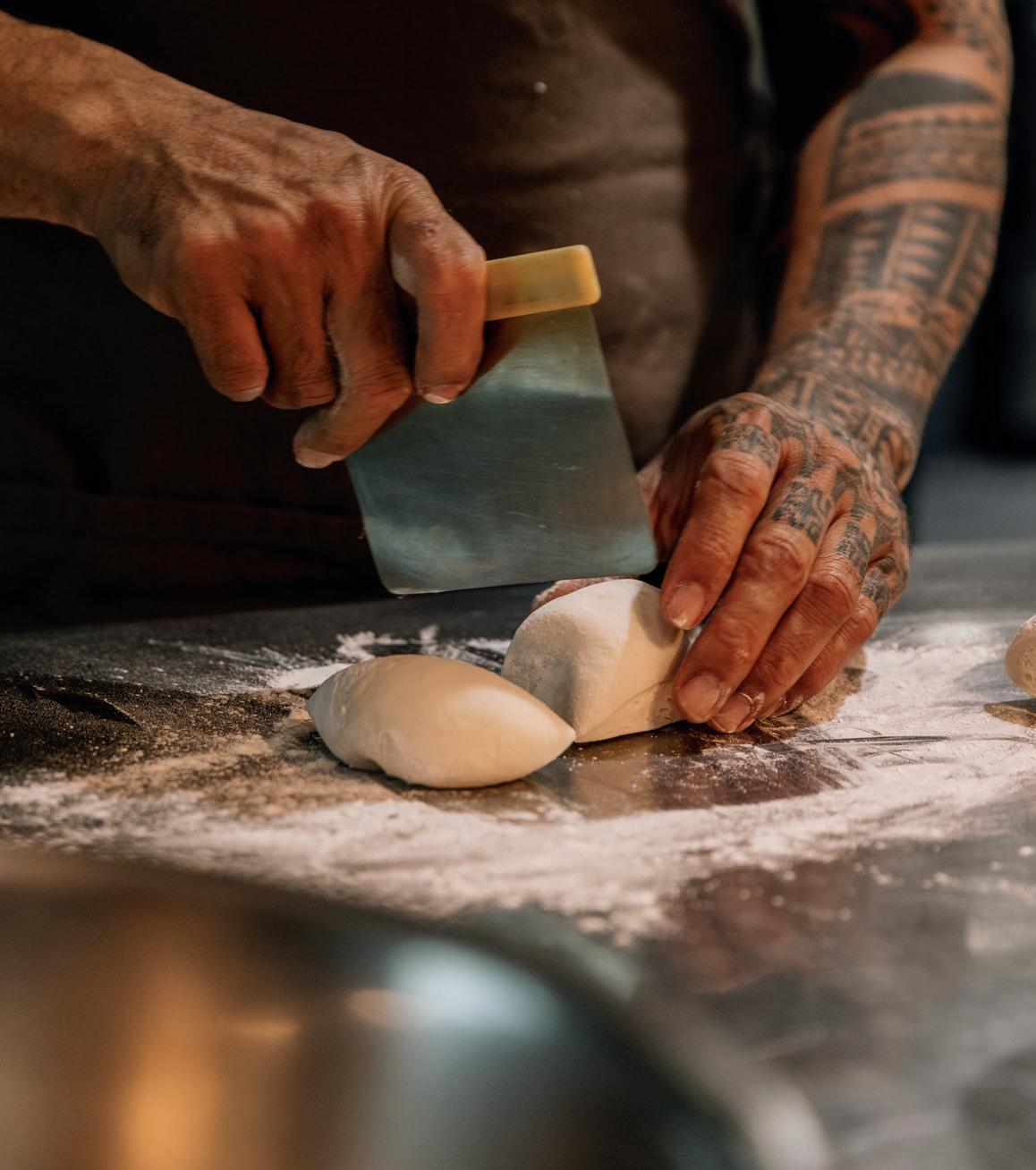
Mix together the water, milk and sugar, stir in the yeast and leave it to activate for 5-10 minutes. Mix in a small amount of flour to form a sponge (a smooth paste that is slightly thickened but pourable). Combine the remaining flour, baking powder and salt, add to the yeast mixture and knead in, then add the olive oil and knead until smooth and elastic, about 8-10 minutes. Rest in a warm place until doubled in size.
ASSEMBLY & STEAMING:
Portion the dough into 40g pieces and flatten each slightly. Place 20g filling in the centre of the dough, fold the dough over the filling and seal. Steam the buns for 18-20 minutes until fluffy.
TO SERVE:
Thinly sliced cured lardo. Place the buns on a plate and spoon over some calamansi soy sauce. Top each bun with a slice of lardo. Serve hot.
NOTE: Red Lotus brand is a specially formulated flour for making steamed buns. If unavailable, you could use plain flour, though the texture will vary slightly.
Heat the oil until moderately hot, add the cumin seeds and let them sizzle for about 20-30 seconds until fragrant. Add the onion and sauté until translucent. Add the cabbage and cook until softened, about 6-8 minutes. Stir in corned beef and cook until heated through. Drain off any excess moisture and season to taste with salt.
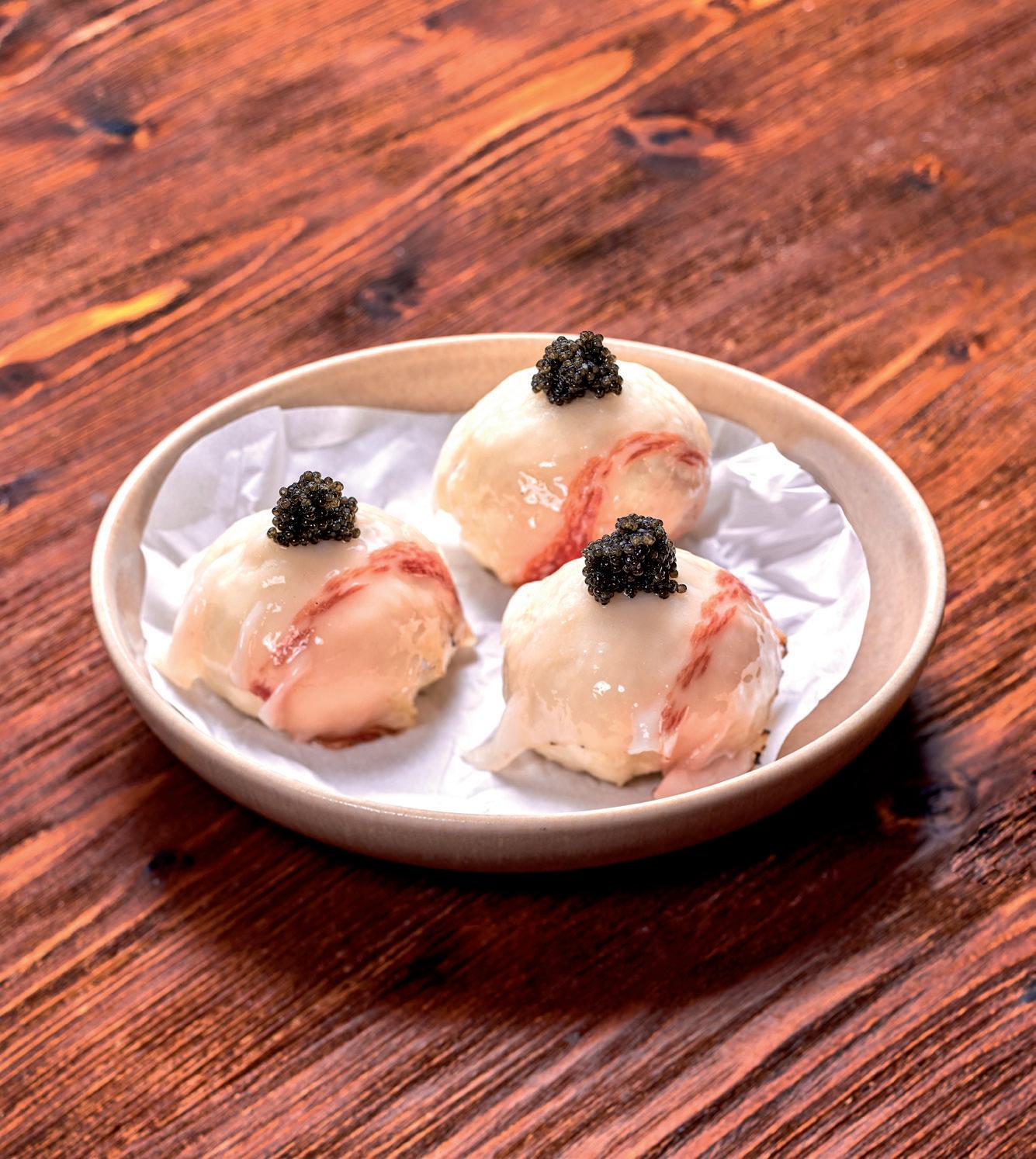
18pcs fig leaves, washed 120ml cream (approx. ½ small onion)
50ml vegetable stock (light fish stock possible)
8ml dry vermouth
5ml Pernod
30g butter, cubed and ice cold
15g sugar
Marlborough Sea Salt
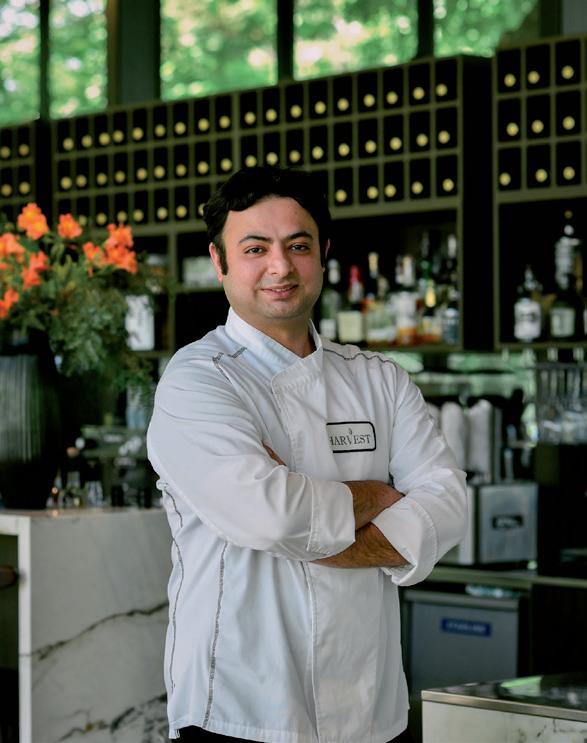
The desire to make the most of what grows in his garden served as the inspiration for Abhishek Thakur when crafting his Fig Leaf Sauce.
Chef Thakur, Head Chef at Harvest Kitchen, said figs play a significant role on his menu when they come into season, and after picking a fresh batch, he wondered why he wasn’t using the fig leaves as well.
A bit of research and a few trials revealed the leaves’ delicate sweetness and beautifully fragrant aroma. With some refinement, Chef Thakur developed this vibrant sauce, which he described as the perfect accompaniment to his hand-speared fish from the Marlborough Sounds.
Wash fig leaves and remove the hard stem. Bring water in a deep pot to a boil. Add fig leaves to boiling water and blanch in water for approximately for 1min to break the fibres of the hard leaves. Remove leaves from boiling water and transfer them to ice water bath.
Remove leaves from ice water and squeeze and excess water out of them.
Transfer leaves into a blender and blend along cream, vegetable stock, vermouth, Pernod and sugar until super smooth. This might take several minutes for the fig leaves to completely break down. This step will also warm the base up for the next step.
Once smooth, add to the warm sauce nobs of ice-cold butter to emulsify the sauce.
Check the seasoning to your liking and add, if needed, salt. Strain the sauce through a very fine sieve (preferably in combination with a cheese cloth).
A great base for seafood and fish, vegetables or even chicken.
Wild Chef is a Gourmet Food Manufacturer in New Zealand offering a versatile range of chef quality mini bases, meal bases, veggie patties and sides. Designed to support chefs with easy to use and quick to serve products that tick all dietary boxes (all gluten free).

GF | DF | Vegan Available in two sizes: 40g & 100g

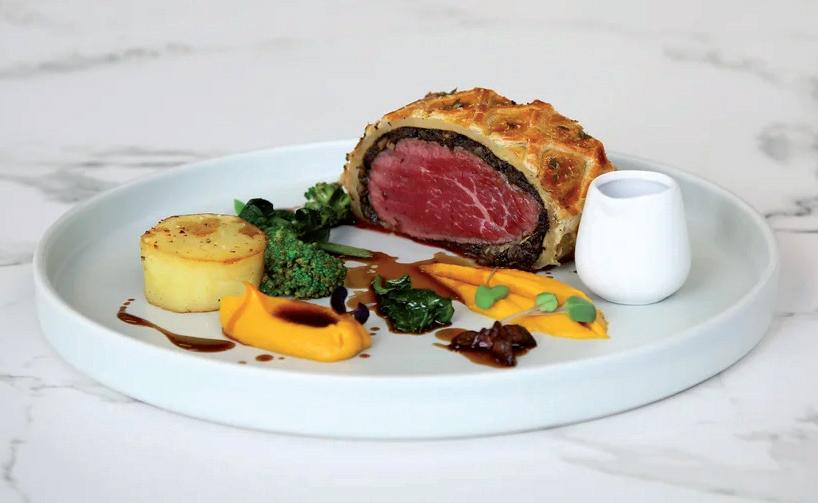
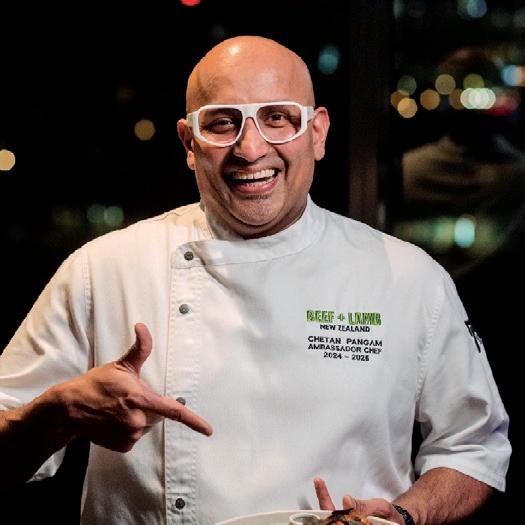
Acclaimed culinary icon Cheetan Pangam, Owner of Bellbird Eatery, has considered Beef Wellington to be his signature dish for over 15 years. He was inspired to recreate an all-time classic to showcase the very best of New Zealand beef to local and international customers.
Over the years, Pangam has finetuned the process and trained his chefs to achieve a high consistency in achieving the perfect result every time, creating an exceptional dining experience.
With a standing order of 100kg of
beef fillet every month, Pangam uses an Angus Pure beef fillet for its consistency in quality and flavour.
Pangam added that the key to crafting a Wellington was by carefully creating layers of flavour, including locally sourced mushrooms that add a touch of umami. He then wraps everything in a lattice of golden pastry and serves the Wellington with classic ingredients, creating a showcase of New Zealand cuisine on a plate.
A rich Porcini jus will also bring all the flavours together, and it’s easy to see why this has been the star on his menu for so long.
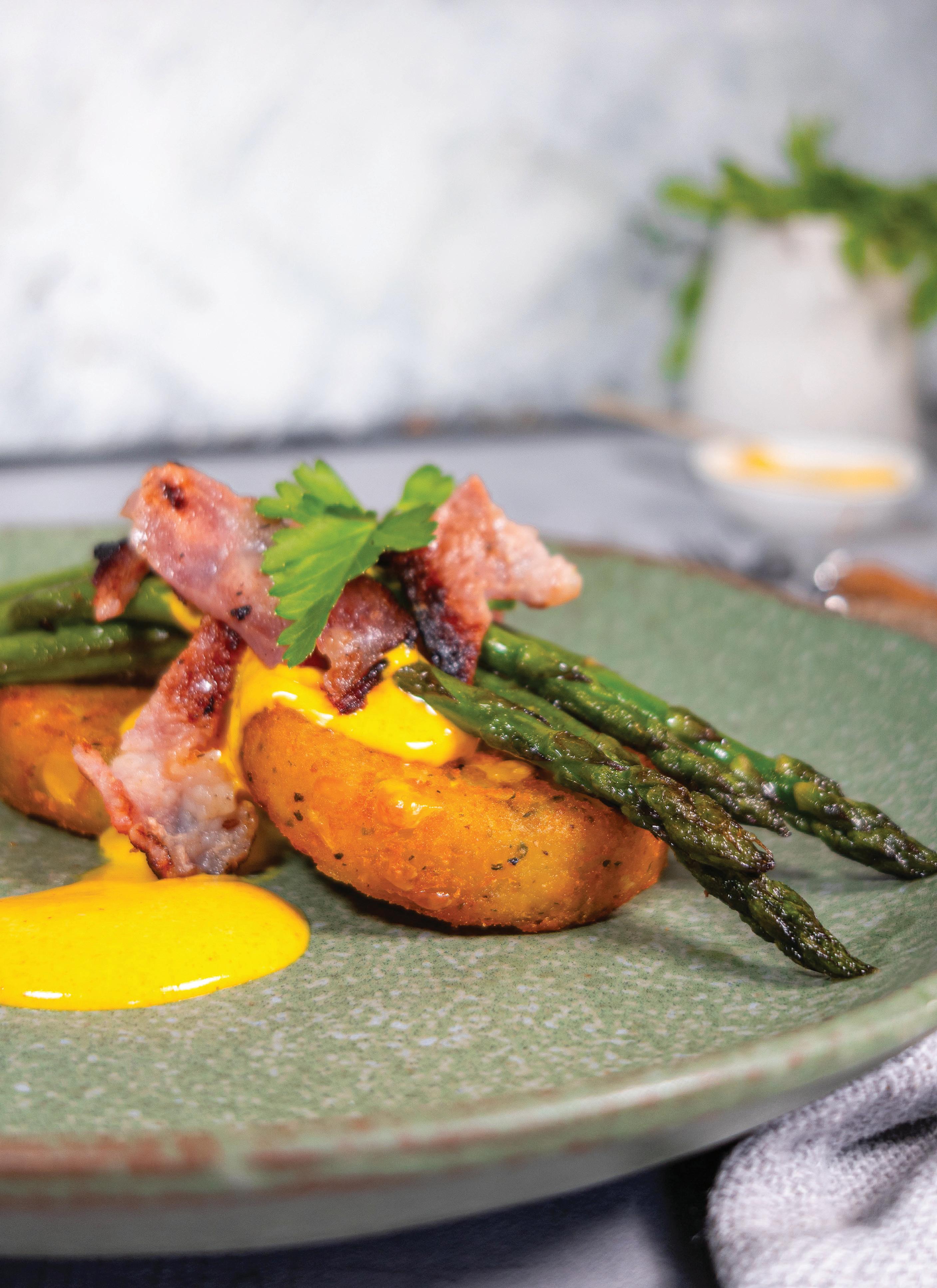
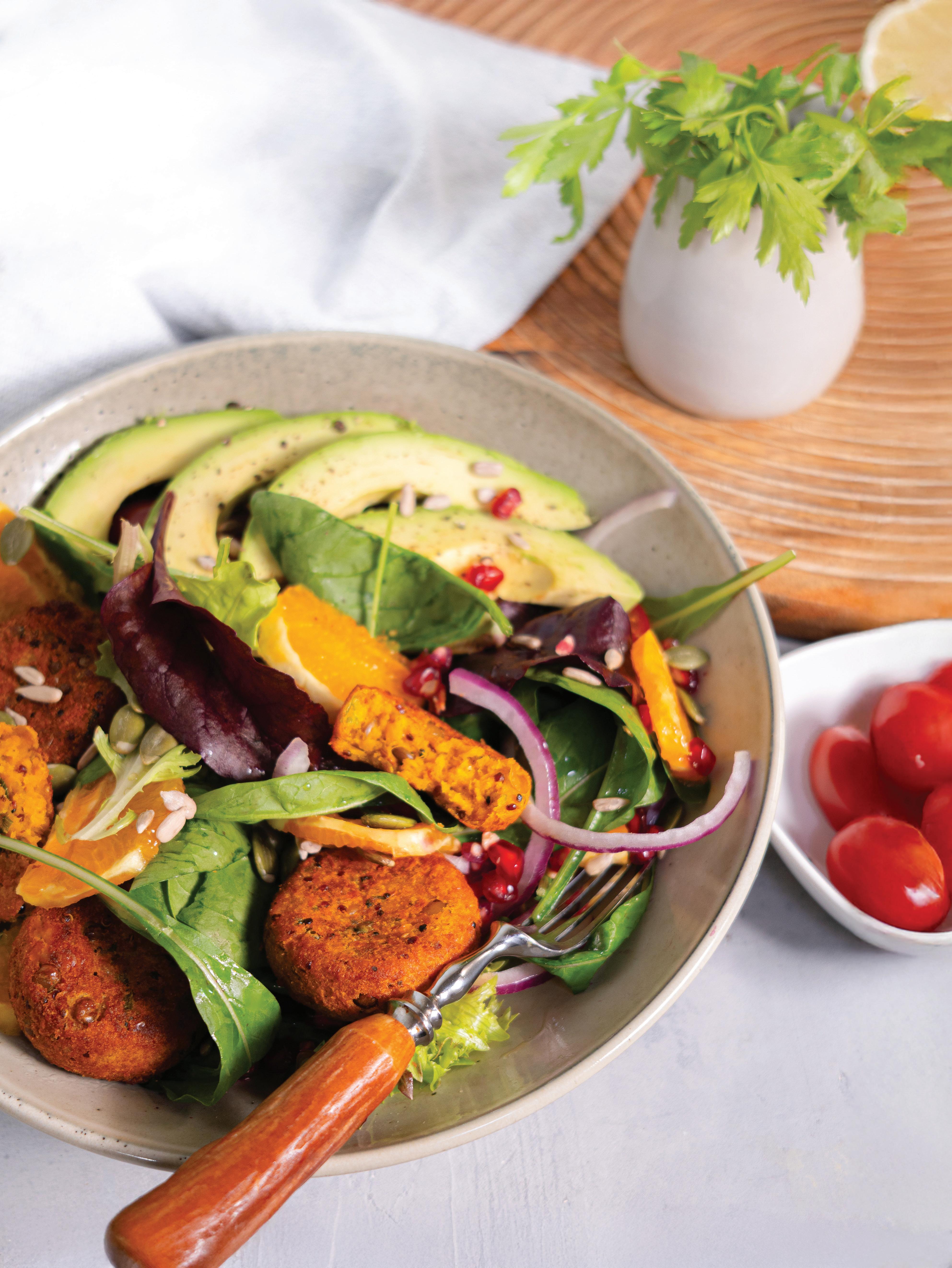
Bright and balanced, this summer salad features wholesome Wild Chef Mini Pumpkin & Lentil Patties 25g, citrus and pomegranate. A fresh addition to elevate any menu!


Explore over 25 products in the Wild Chef range - designed to deliver consistent quality across every menu, for any trade type. Order through your local distributor or visit www.wildchef.co.nz to learn more.
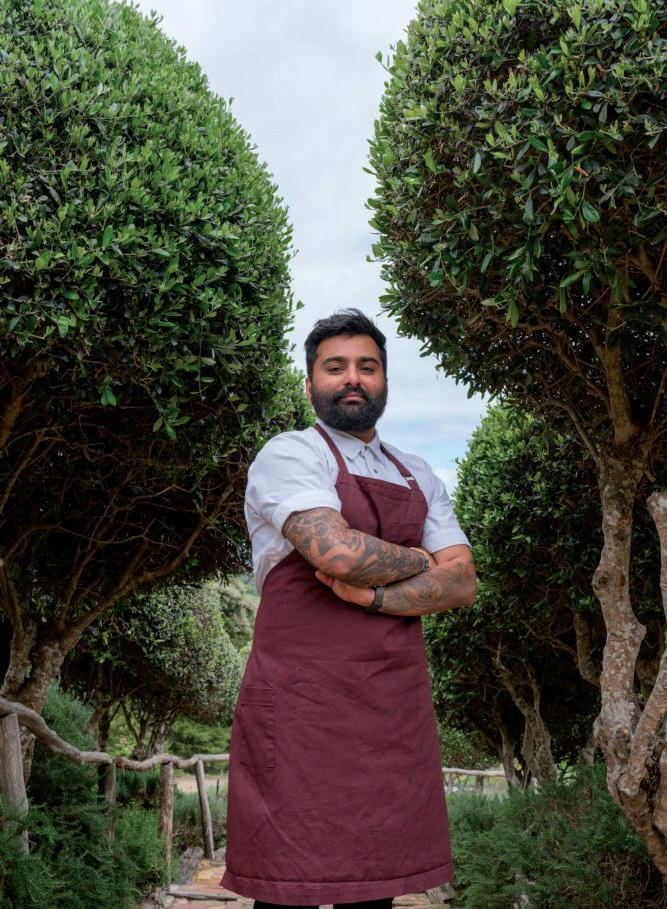
Mrinal Ghosal, Head Chef at Mudbrick Restaurant on Waiheke Island, has long been inspired by grass-fed lamb, which has been a strong influence on his signature.
Ghosal uses a multitude of cuts, including loin, rib and offal, to showcase the versatility of lamb and the amazing flavours that come from combining these cuts with fresh seasonal ingredients. The assortment of sauces in this dish elevates the lamb while cutting through it’s richness. Every mouthful is designed to be an explosion of flavour. The dish consists of a bonbon made from the slow-cooked lamb rib, combined with ingredients to keep the palate fresh. Using offal has always
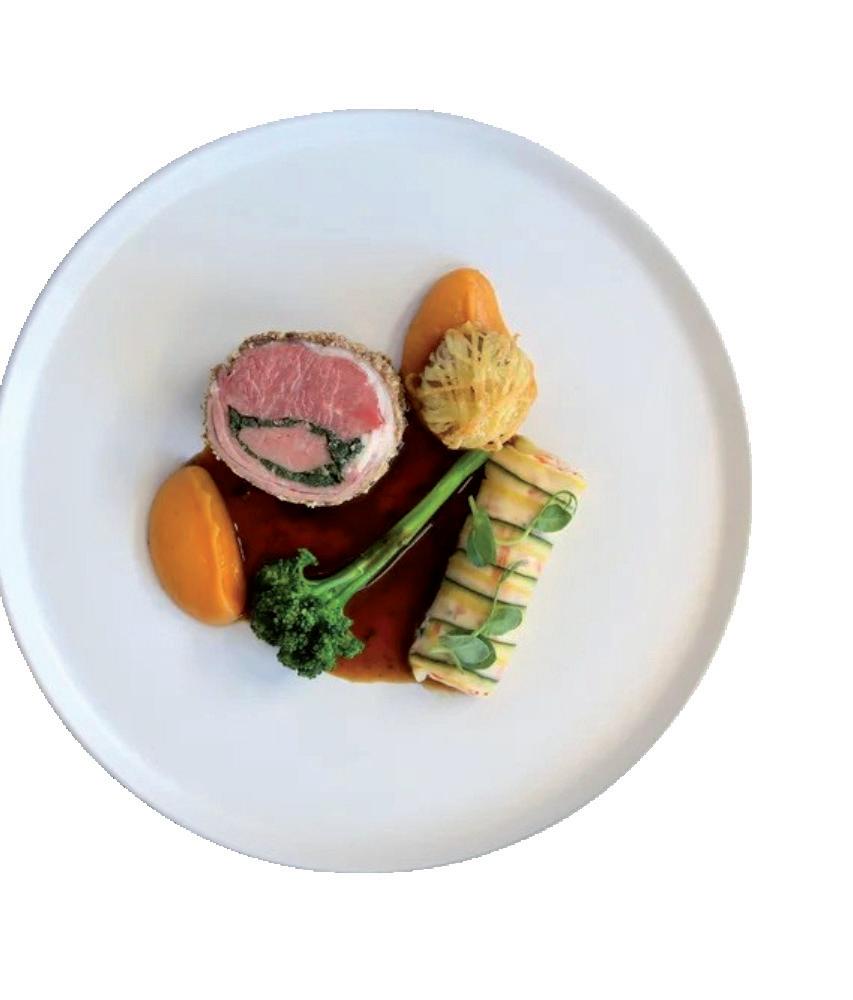
For Cameron Davies, Executive Chef at The Fat Duck, Te Anau, lamb is the key to his signature culinary creation on the menu. This dish is a showcase of New Zealand lamb inspired by Davies’ journey to the Global Chef Pacific Rim semi-final last year. Wanting to create a visually appealing dish with the wow factor, Davies rolled and stuffed a lamb saddle with spinach and rolled it in a hazelnut dukka. The combination of dark green spinach and the beautiful rose colour of the lamb really made the dish eye-catching.
Davies further elevated the dish by adding a sweetbread and lamb loin bonbon with fresh herbs, which created
an incredible flavour combination. Extra texture was added by wrapping the bonbon in potato strings and deep frying. Wanting to reflect the flavours of a summer BBQ, the dish is paired with a smoky kumara puree and char-grilled broccolini. The finishing touch was the addition of a goat cheese cannelloni and a black garlic jus, bringing the whole
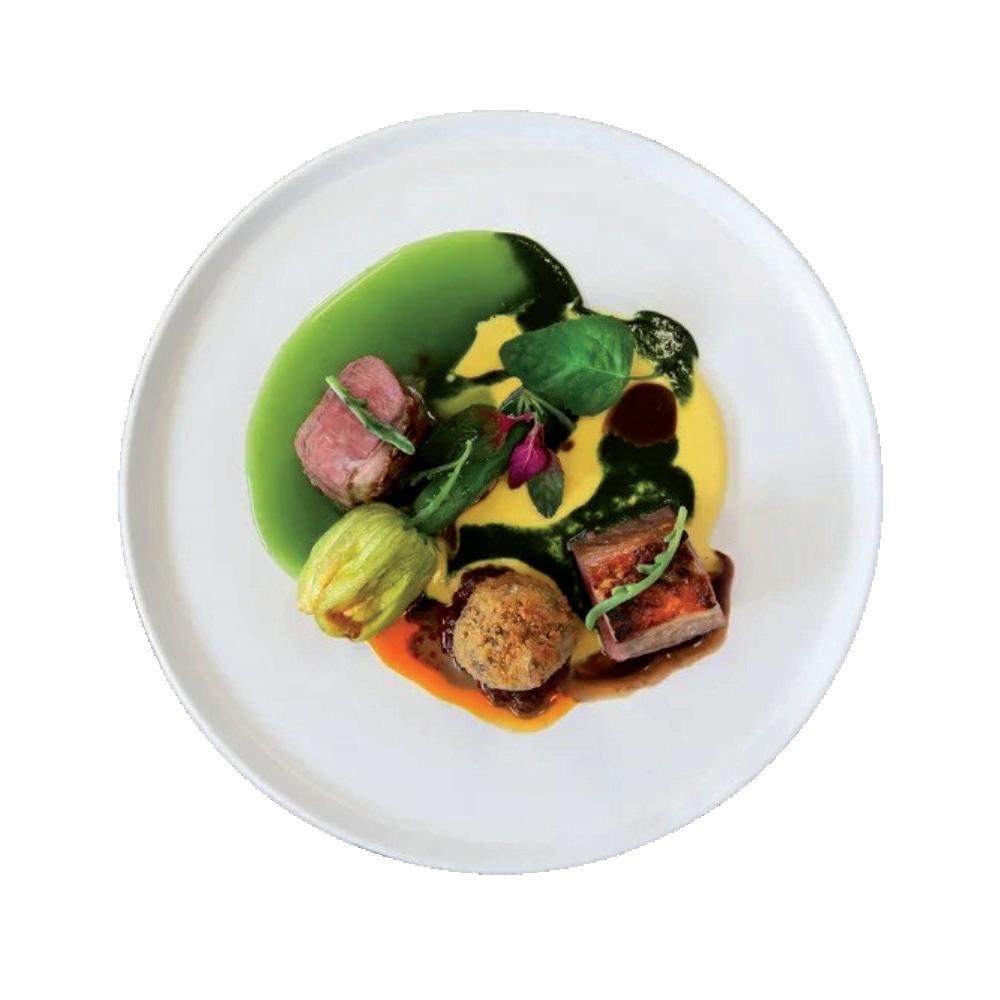
been of interest to Ghosal and by incorporating hearts and kidneys into the XO sauce, he is adding flavour and working sustainably. For an extra umami hit, he introduced a delicious marmite sauce, and to bring everything together, he added a light, airy goat cheese hollandaise. The deep green parsley chlorophyll sauce is also a technical masterpiece. He said this dish is best enjoyed by combining all the sauces together with every mouthful.
Delicately filled courgette flowers
picked fresh from the gardens at Mudbrick sit alongside a perfectly cooked loin, which Mrinal keeps simple; well seasoned and pan-fried with the fat rendered to add a crispy texture and beautiful flavour.
Overall, this dish is an excellent representation of New Zealand cuisine, proudly showcasing the best lamb New Zealand has to offer, matched with fresh seasonal ingredients.
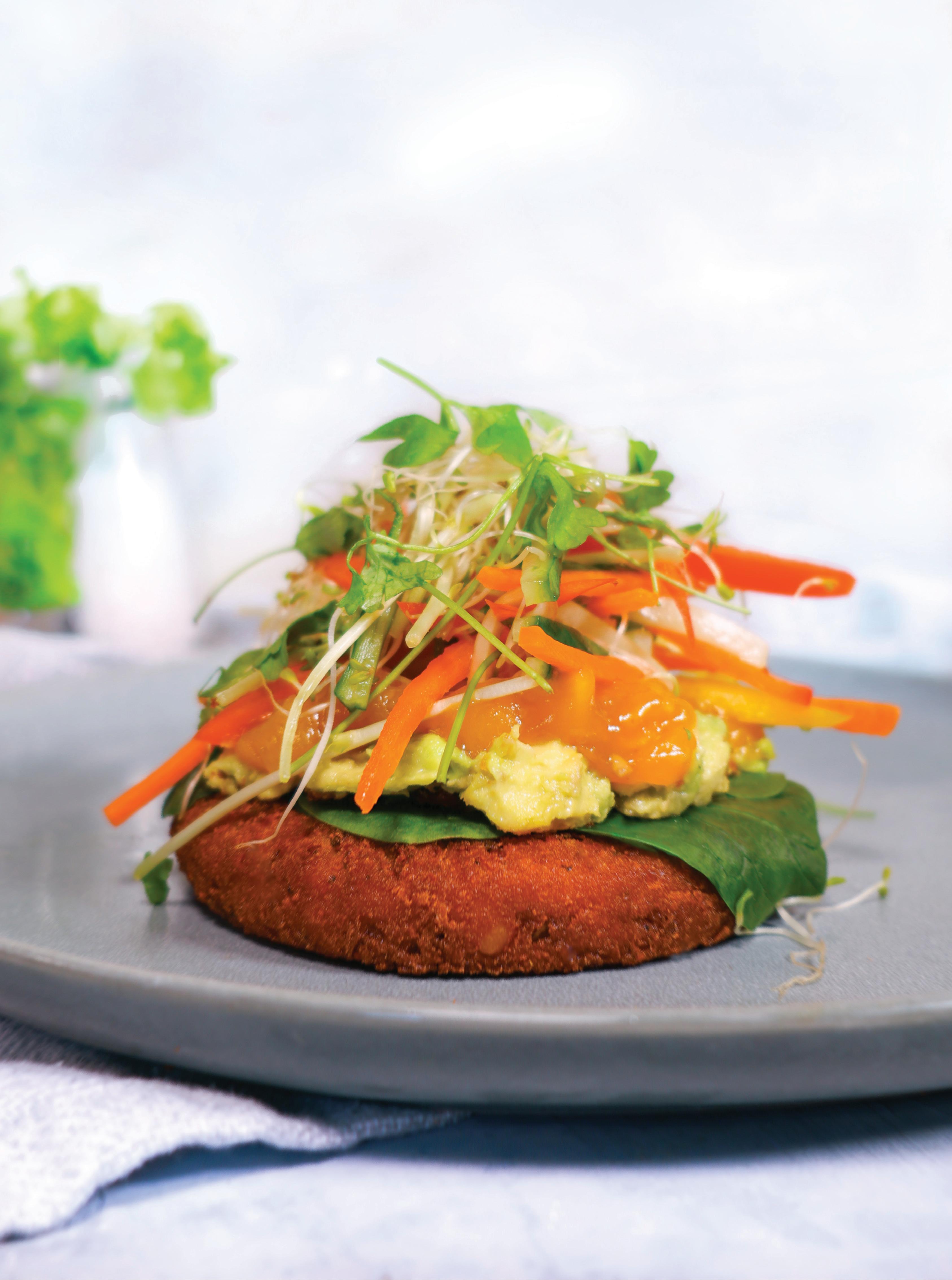
Whether it’s a vibrant summer salad stack or a Mediterranean ciabatta roll, Wild Chef’s Pumpkin & Quinoa Patties 120g make it easy to deliver versatile, stand-out vegetarian dishes across café and cabinet menus.
2025’s NEW
Wild Chef
Pumpkin & Quinoa
Patties 120g
GF | DF | Vegan
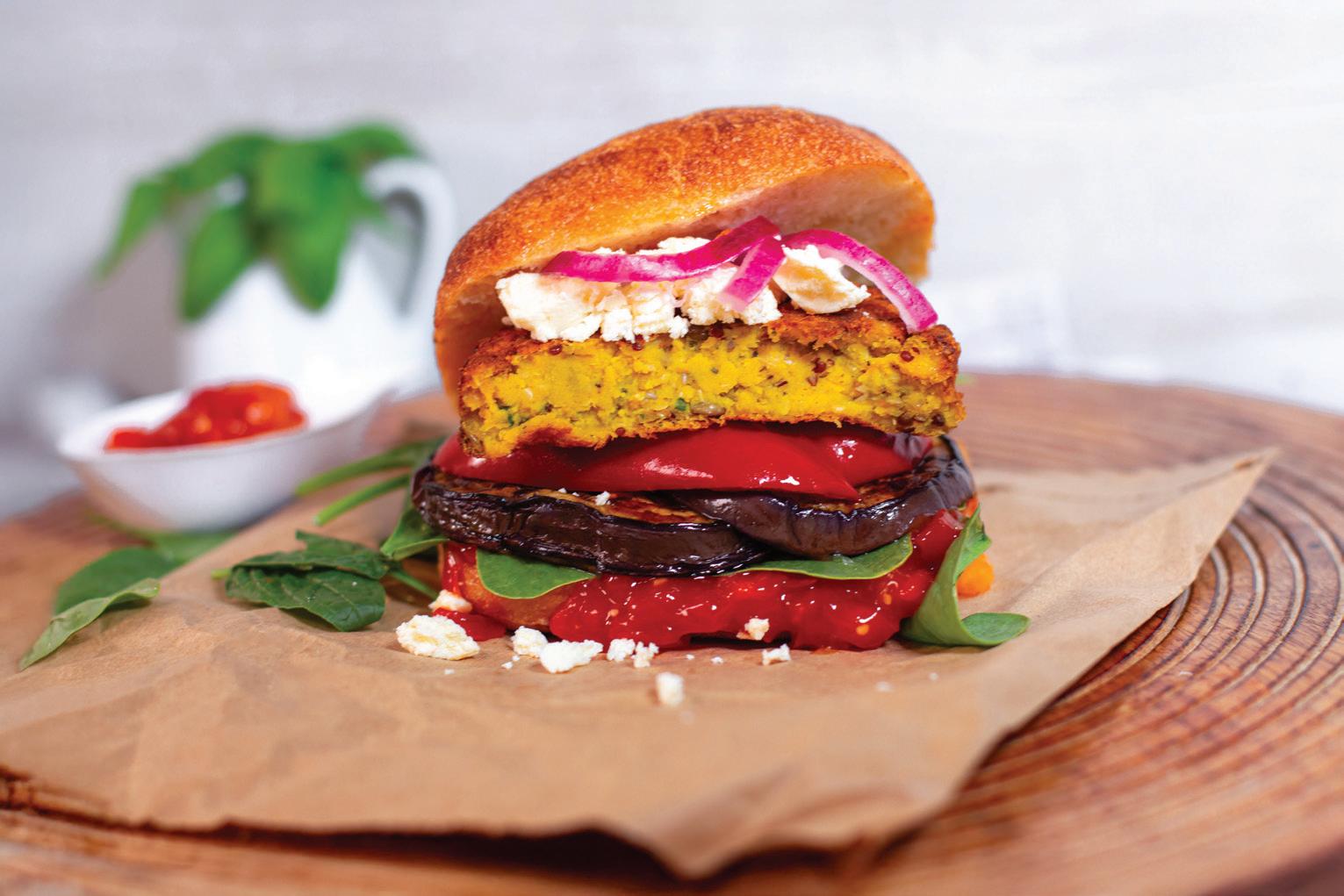
Click here for the recipe to recreate this tasty Mediterranean ciabatta roll
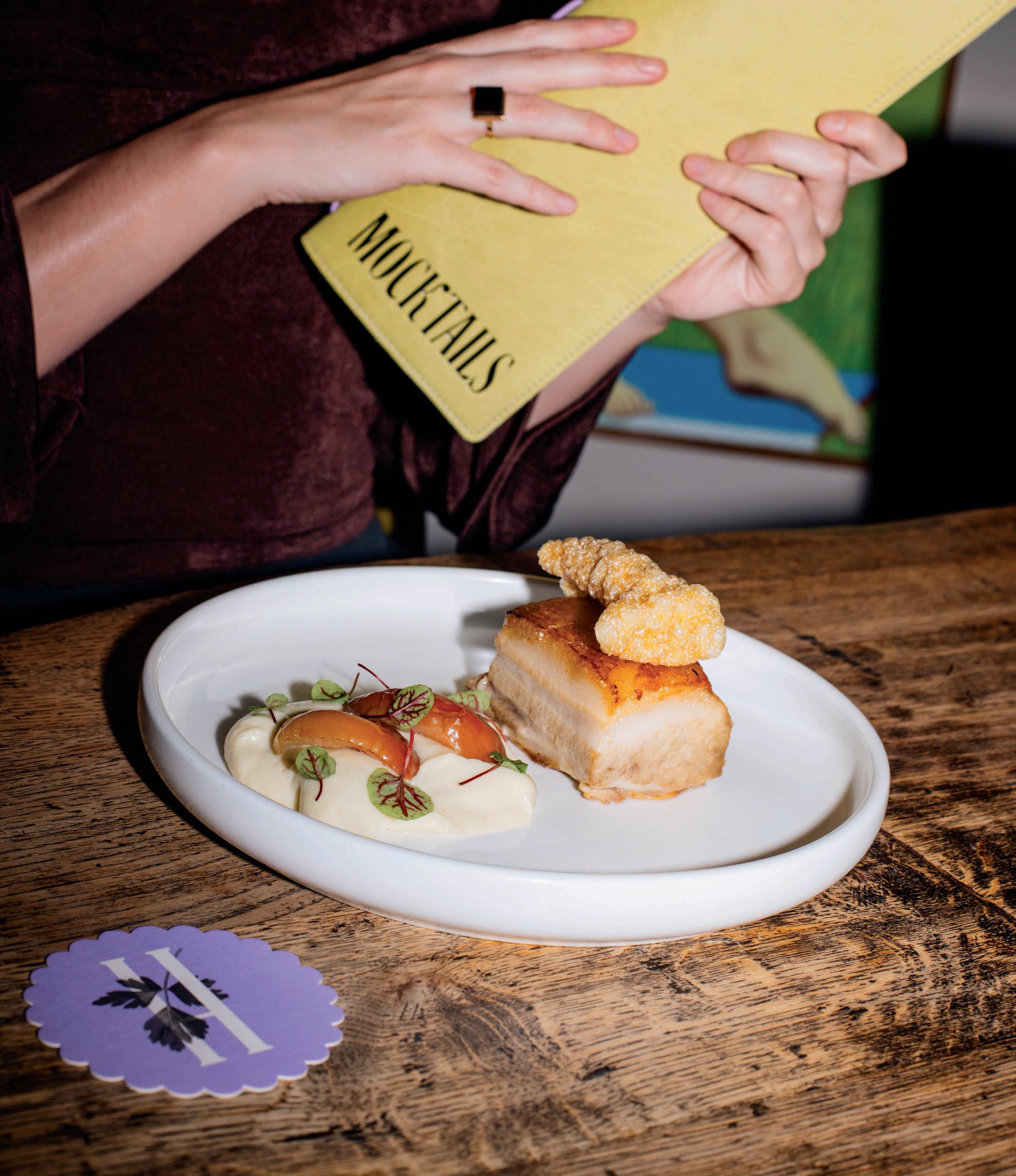

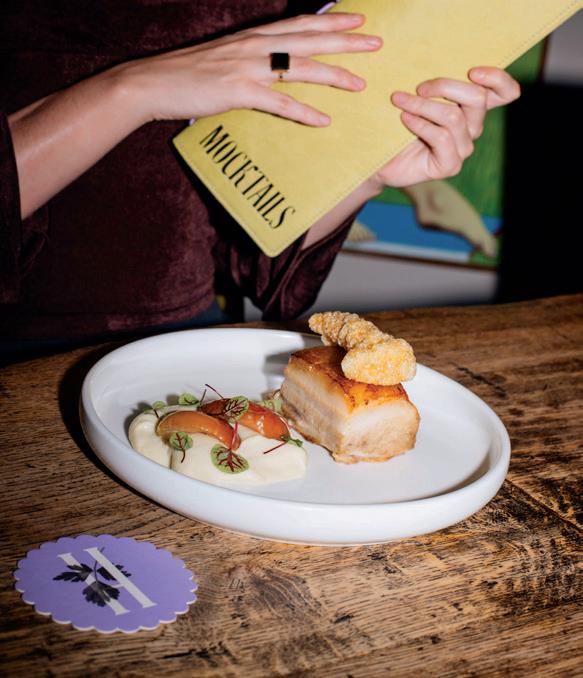
One of 2025’s flagship openings, Hippo has made its mark on the capital. Chef Luke Smith was integral in crafting its menu, including one of its signature mains, Confit Pork Belly.
Like a lot of dishes on the Hippo menu, Smith said this dish blends the best of locally sourced ingredients with French flair.
The Confit Pork Belly is served with parsnip, apple, crackling, and Calvados, which is a brandy from Normandy in France made from apples. The Calvados brings an undeniably French twist to a dish that is a Kiwi staple.
A beautiful rectangle of perfectly cooked pork belly sits on the plate beside
a parsnip puree topped with apple and microgreens, and the most delicious morsel of crackling sits atop the pork.
“Our pork belly is confit, so it is slowcooked until it gets that melt-in-yourmouth, tender quality, and is finished under a high temperature to achieve a perfectly crisp skin,” said Smith.
He added that pork belly is incredibly versatile because of its balance of rich fat and tender meat, which allows it to be prepared in so many different ways.
For the kitchen at Hippo, this versatility has meant the team can showcase pork belly in a way that’s both comforting and creative, highlighting local New Zealand ingredients while giving guests something memorable and unique.


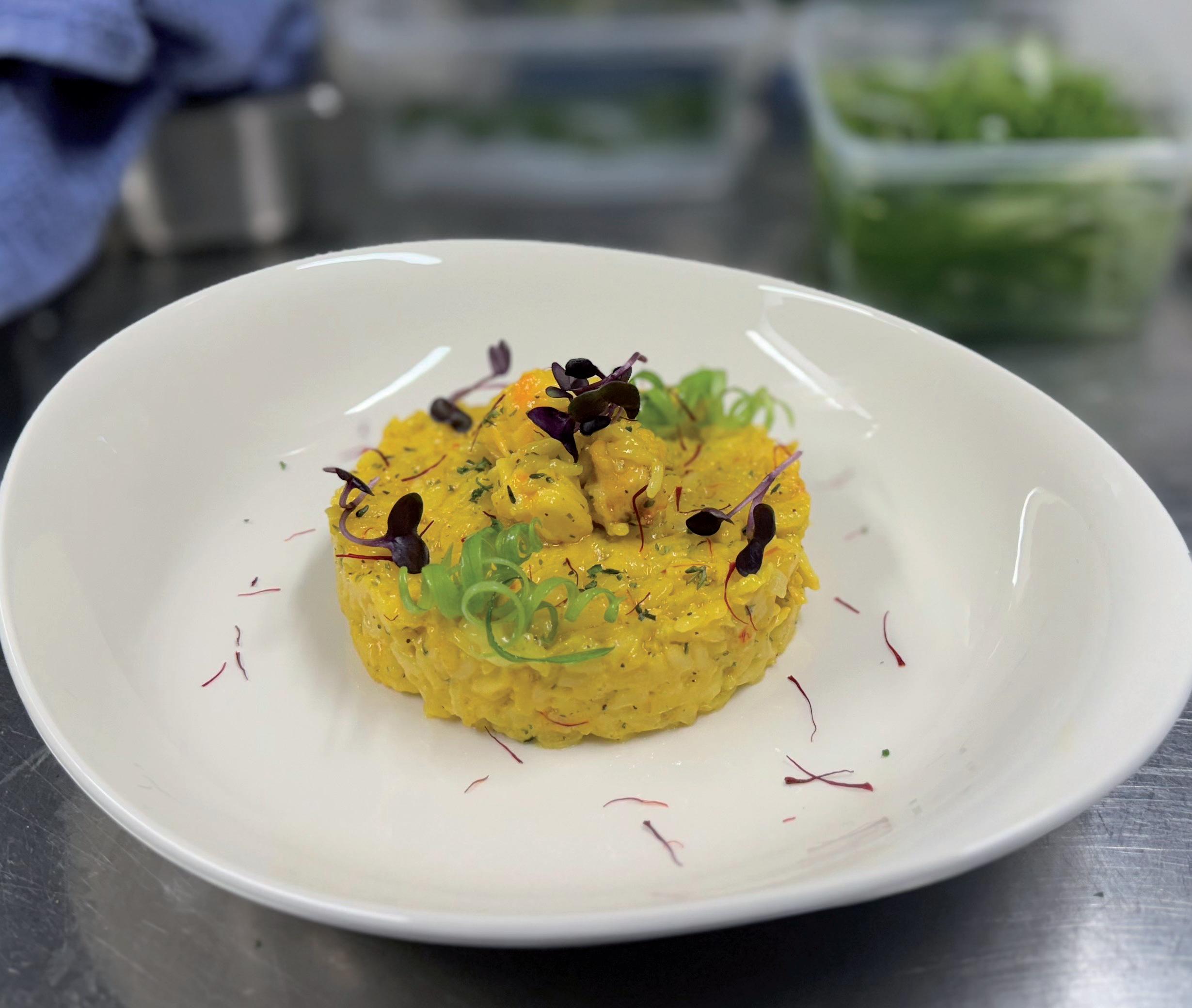
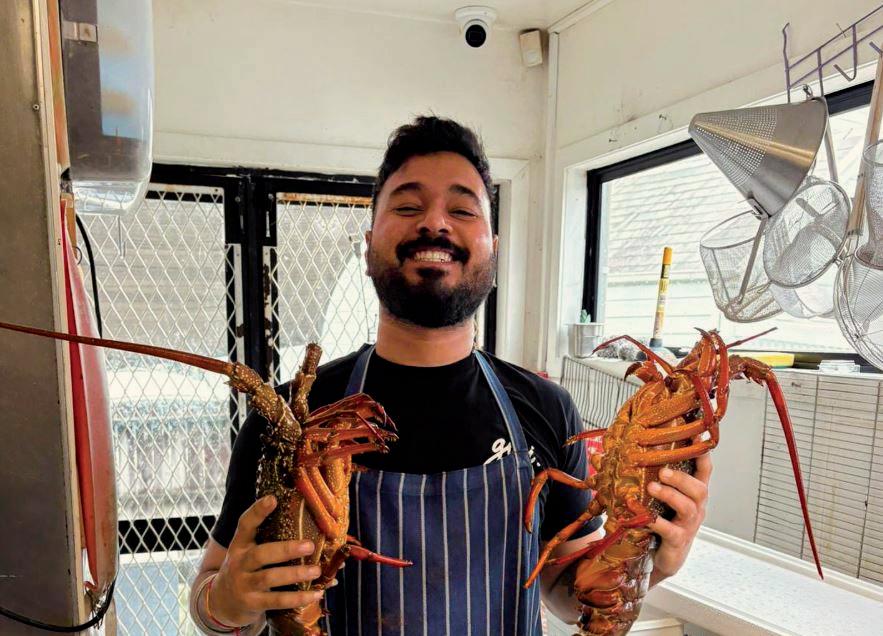
Vi jay Chawla, Executive Chef at Gigi in Ponsonby, considered Crayfish Risotto to be his signature dish.
Inspired by his frequent travels to both the mountains and the coast, he wanted to bring elements from both landscapes into one dish. During a trip to the Himalayas last year, Chawla sourced some incredible saffron, combined with New Zealand’s famous crayfish, which he felt was the perfect way to merge the flavours of the mountains with the deep sea.
For this dish, Chawla uses Arborio rice, white wine, saffron stock, garlic,
onion, fresh crayfish, thyme, rosemary, parsley, lemon juice, butter, and Parmigiano Reggiano.
He sweats the onion and garlic, then adds Arborio rice and deglazes with white wine. He then gradually cooks the rice in saffron-infused stock.
In a separate pan, melted butter is used to gently cook garlic with chopped herbs. He then adds the crayfish meat, followed by a splash of lemon juice, and cooks until just done. Fold the crayfish mixture into the risotto, then finish with butter and Parmigiano Reggiano, cooking until creamy.




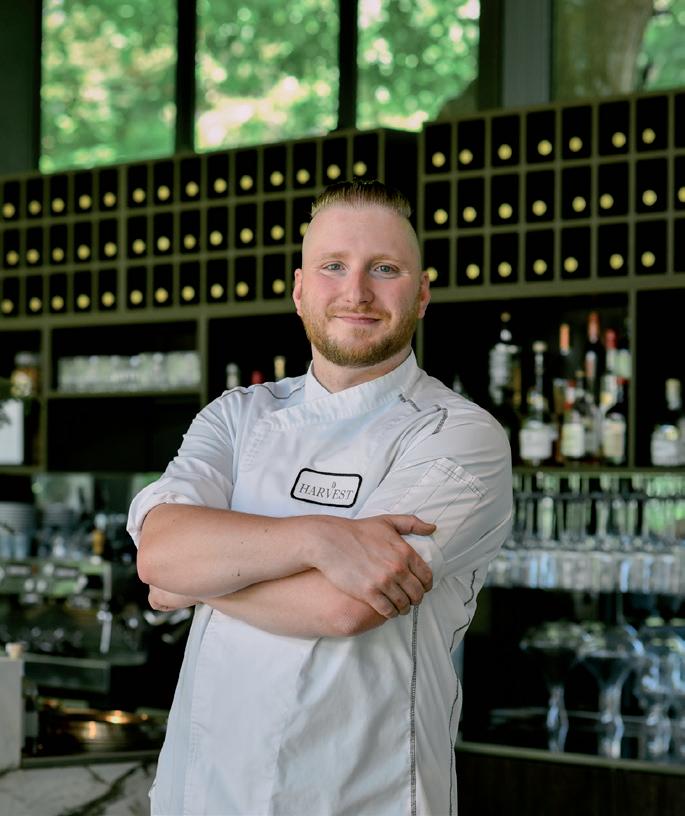
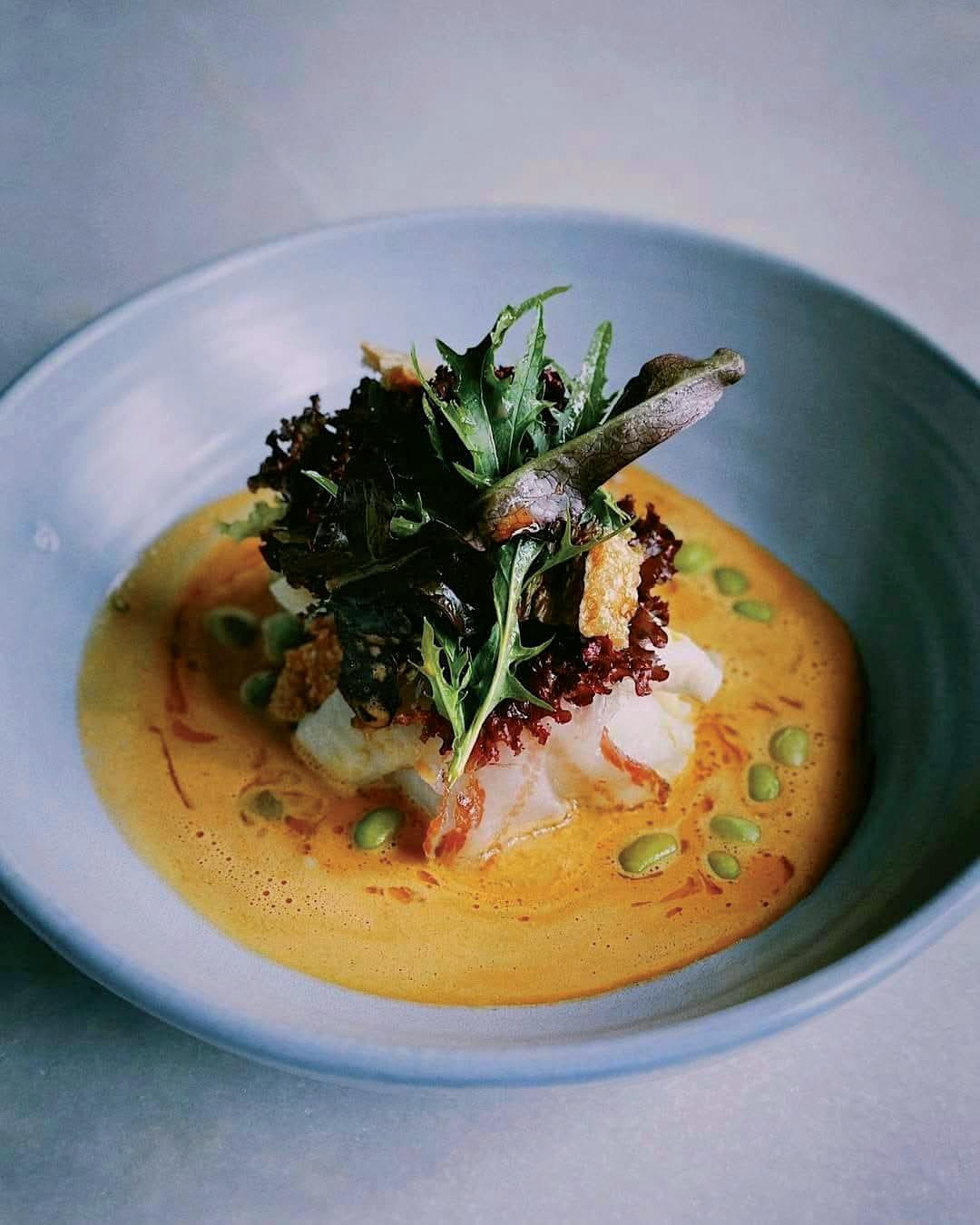
Weiland Matzig, Executive Chef at Harvest Kitchen, crafted his Kaikōura Crayfish Bisque, having been inspired by his first family trip from Blenheim to Christchurch. Having arrived in Kaikōura, Matzig was immediately captivated by the region’s stunning coastline and the rich history that surrounds it.
A stop at the iconic ‘Nin’s Bin’ gave Matzig his first taste of New Zealand crayfish, a moment that left a lasting impression. He fell in love with its flavour so completely that he felt compelled to bring it to his menu, pairing it with ingredients from his own organic estate garden. The result is a beautifully rich, flavourful dish that has become an absolute standout on his menu, honouring the best ‘from the sea’ and ‘from the estate’.
150g crayfish shells (broken into pieces)
50g white onion (approx. ½ small onion)
50g carrot
40g celery (1 small stalk)
10g olive oil (1 tbsp)
10ml cognac (1 small tbsp)
80g peeled tomato
300ml fish stock (alternatively water)
20g cream (1 tbsp)
2 gloves garlic, chopped
½ pcs bird’s eye chilli, chopped (or any red chilli of your liking)
Salt & Black Pepper, freshly ground
Peel and chop onion, carrot & celery.
Heat olive oil in a saucepan and roast the crayfish shells until the colour turns deep red.
Add chopped onion, carrot & celery and cook until lightly caramelised.
‘Deglaze’ with cognac and flambé. Add peeled tomato and cook for approximately 5 minutes.
Add fish stock, season with salt and pepper and bring to a boil. Once boiling, reduce the heat and gently simmer for 35 minutes. Strain liquid through a fine sieve (even better with the addition of a cheese cloth), press the shells to extract all the flavour out of them.
Add strained liquid into a pot and reduce slightly.
If flavour is to your liking but consistency is too runny, replace this step by adding a tiny amount of cornstarch, dissolved in water, into your liquid and bring to a quick boil.
Stir in cream and add the chopped garlic and chilli. When serving, use a hand blender and create light foam.
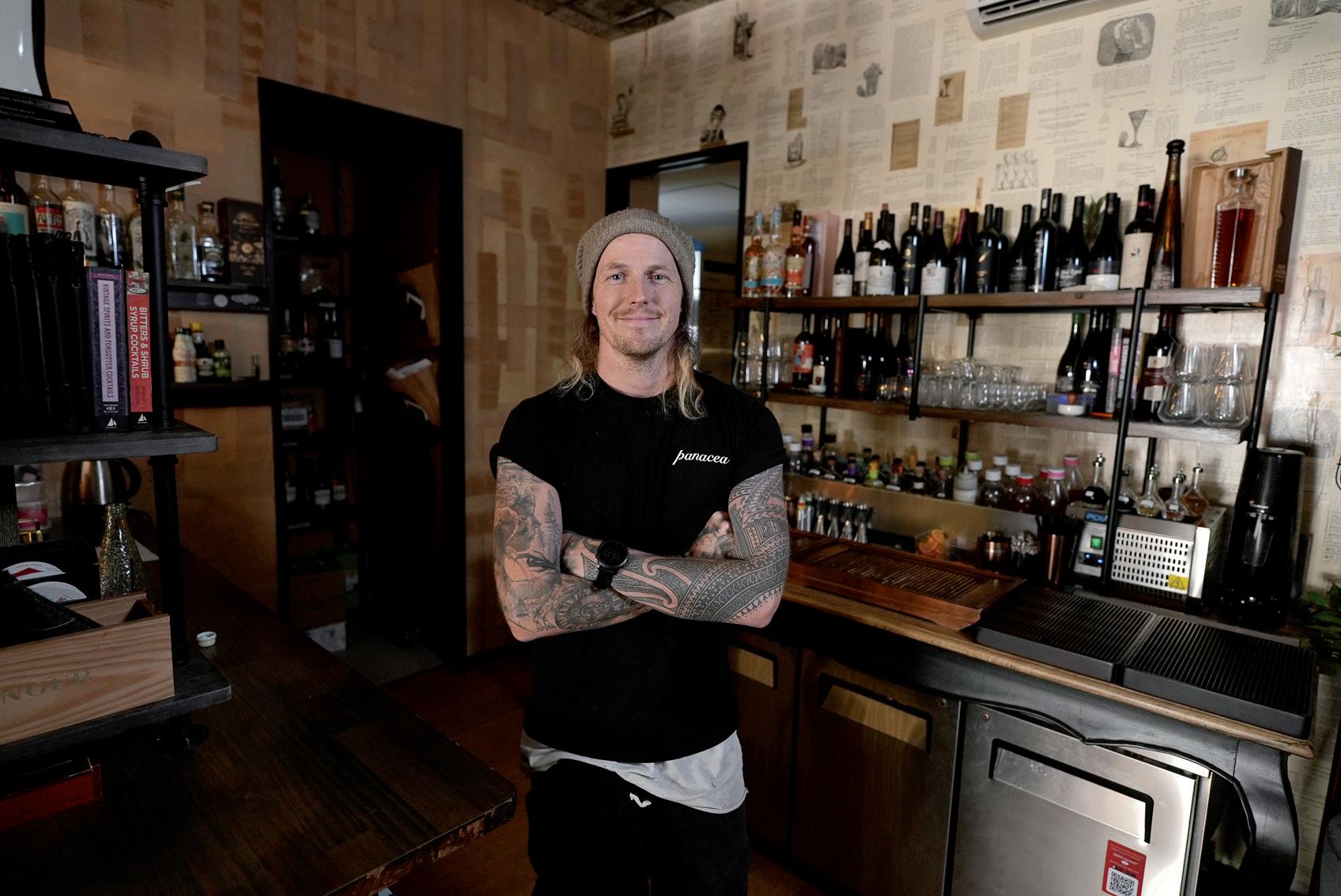
I couldn't have af forded the furniture, fridges, freezers. Without help from Silver Chef to do that par t , it wouldn't be possible "
Dany Dentith SilverChef customer

For 35+years SilverChef Group has supported more than 85,000 hospitality customers, investing $2.6 Billion+ into the hospitality equipment industry. We understand hospitality and its challenges, and we know how to support you at every stage of your business journey.
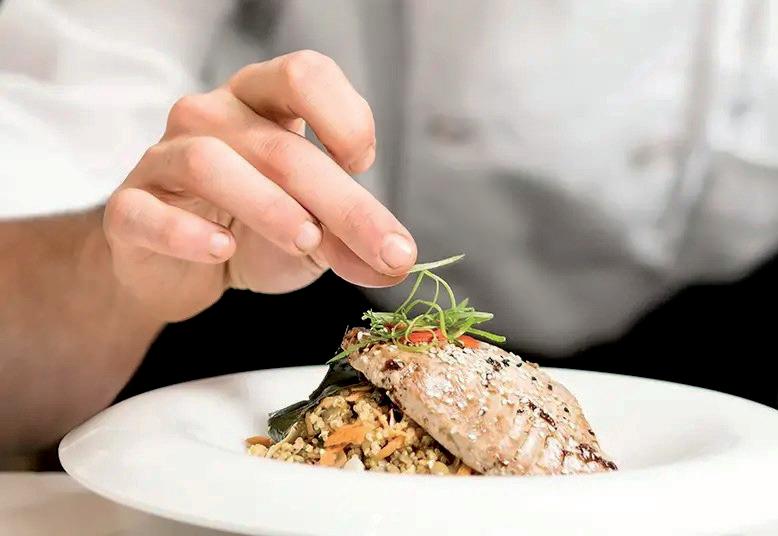
Coconut Prawns paired with a honey chilli dipping sauce is a great addition to menu line ups. With the honey chilli dipping sauce prepared prior to service, this dish can be cooked, plated and served in under 5 minutes. A great starter or light lunch meal, our coconut prawns with honey chilli dipping sauce is ideal for larger cafes, pubs, bistros and clubs. We use Pacific West’s Coconut Prawns.
Pacific West Coconut Prawns
1 long red chilli, seeded and finely chopped
1 tbsp lemon juice
1 tsp fresh ginger, finely grated
½ cup honey
2 tsp soy sauce
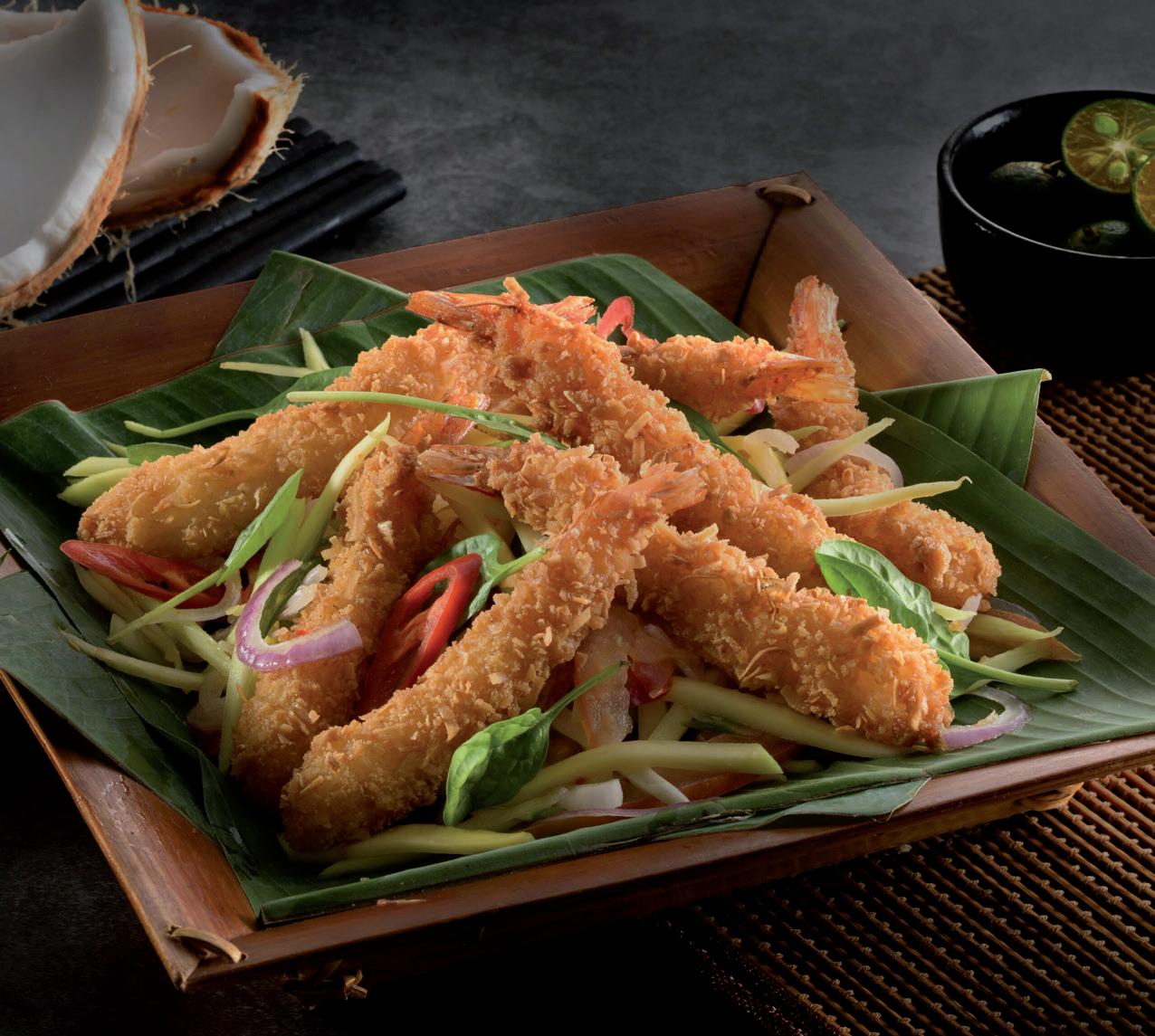
For the honey chilli dipping sauce
Combine all ingredients in a small saucepan over low heat. Cook, stirring for 2 minutes or until just heated through. Set aside.
For the coconut prawns Deep fry 180C for 2.5-3 minutes
These coconut prawns in fresh crumb and shredded coconut are tender, fresh, sweet and have a crunchy bite to them.
Panko Prawns paired with a lime and wasabi mayonnaise is a great addition to menu line ups. With the lime and wasabi mayonnaise prepared prior to service, this dish can be cooked, plated and served in under 5 minutes. Labour light with a great profit margin, this dish is ideal for larger cafes, pubs, bistros and clubs. We use Pacific West’s Panko Prawns..
Pacific West panko prawns
200 ml quality mayonnaise
30 g wasabi (Paste)
1 organic lime, including juice and zest
1 clove of garlic, crushed
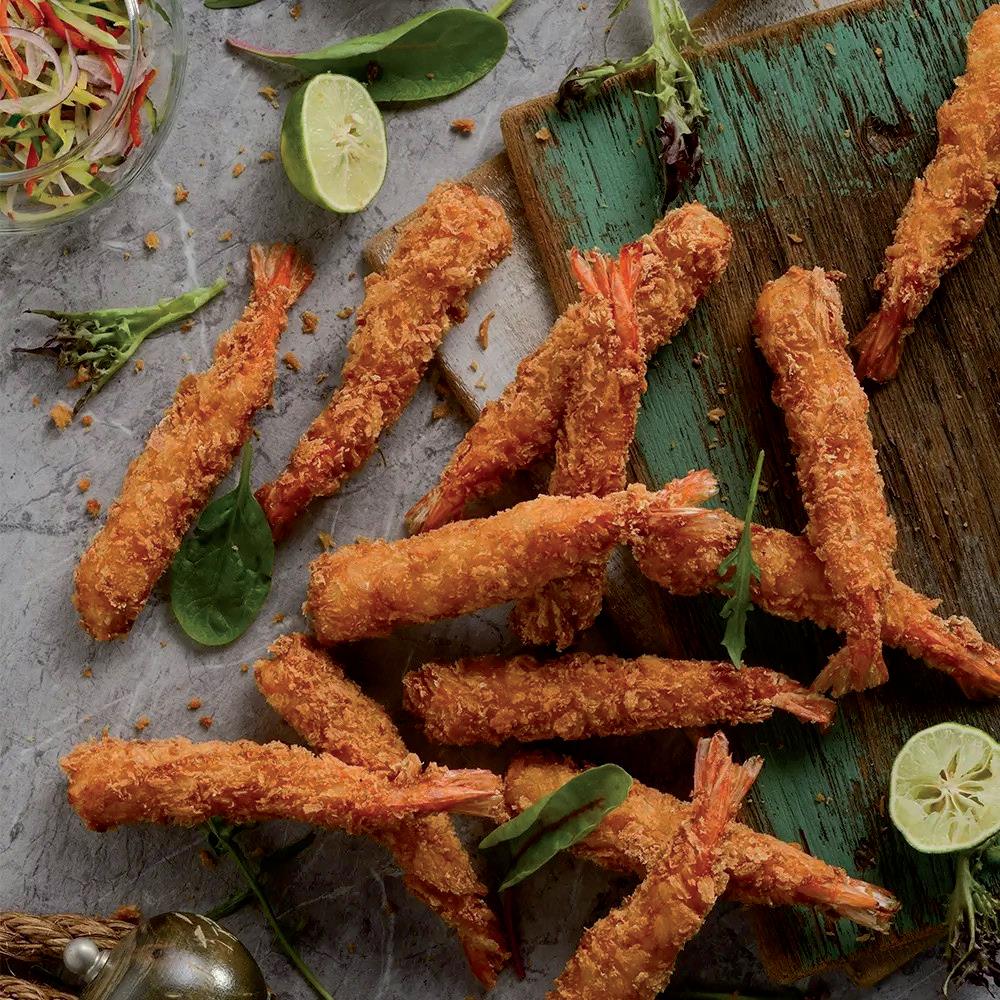
For the lime wasabi mayo Mix mayonnaise with wasabi, garlic, lime zest and juice. Store in a cool place. For the panko prawns Deep fry 180C for 2.5-3 minutes
Pacific West panko prawns are stretched and coated in a Japanese crumb. These tender and crispy prawns are beautiful golden brown once fried. With a high prawn content and a quality Japanese crumb they are a perfect upmarket product.
Our mission at Pacific West is to bring the finest food from around the globe to Australian’s plates, whether at a restaurant, pub, cafe or in their own home. We’re passionate about everything food!

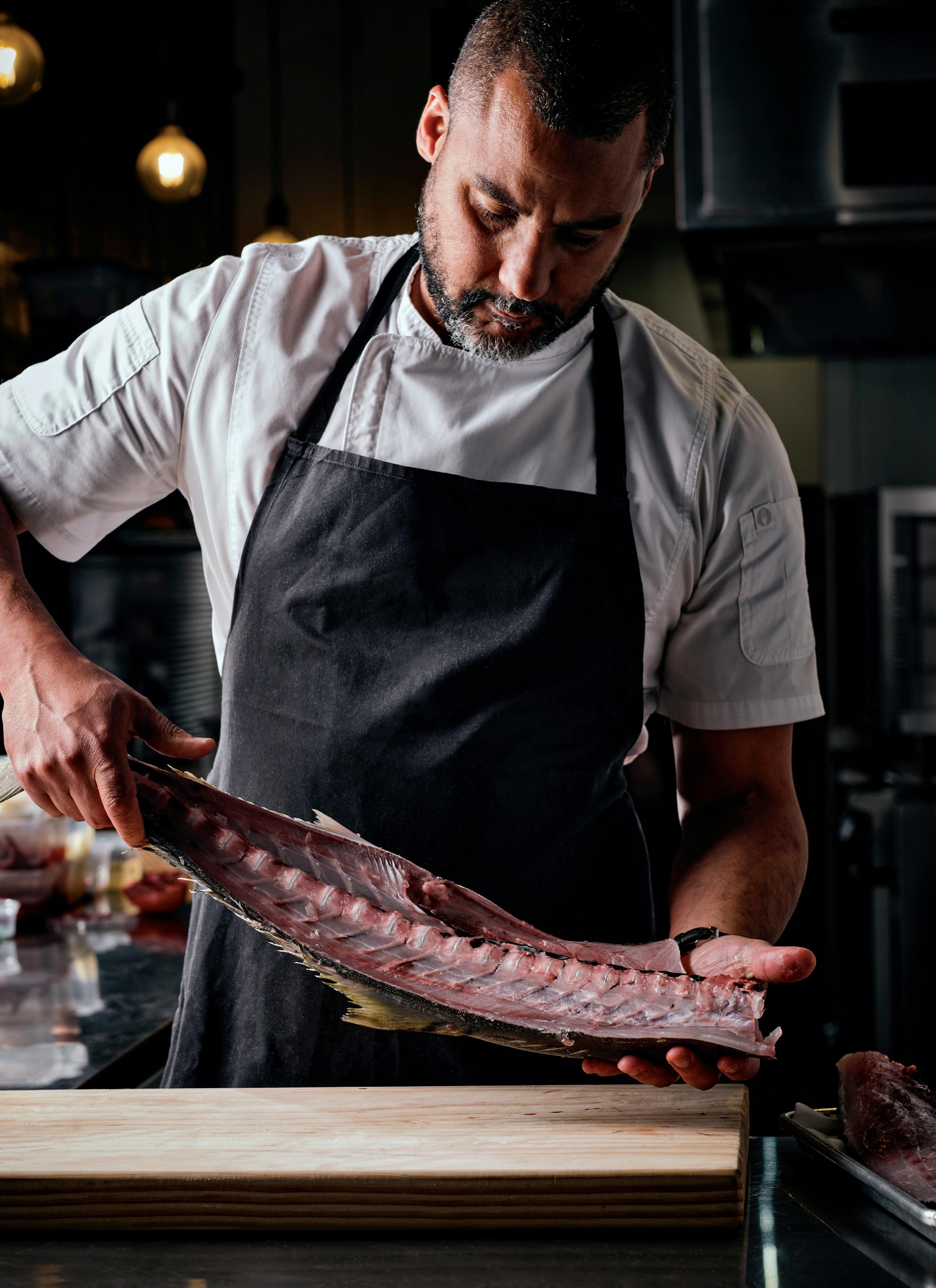
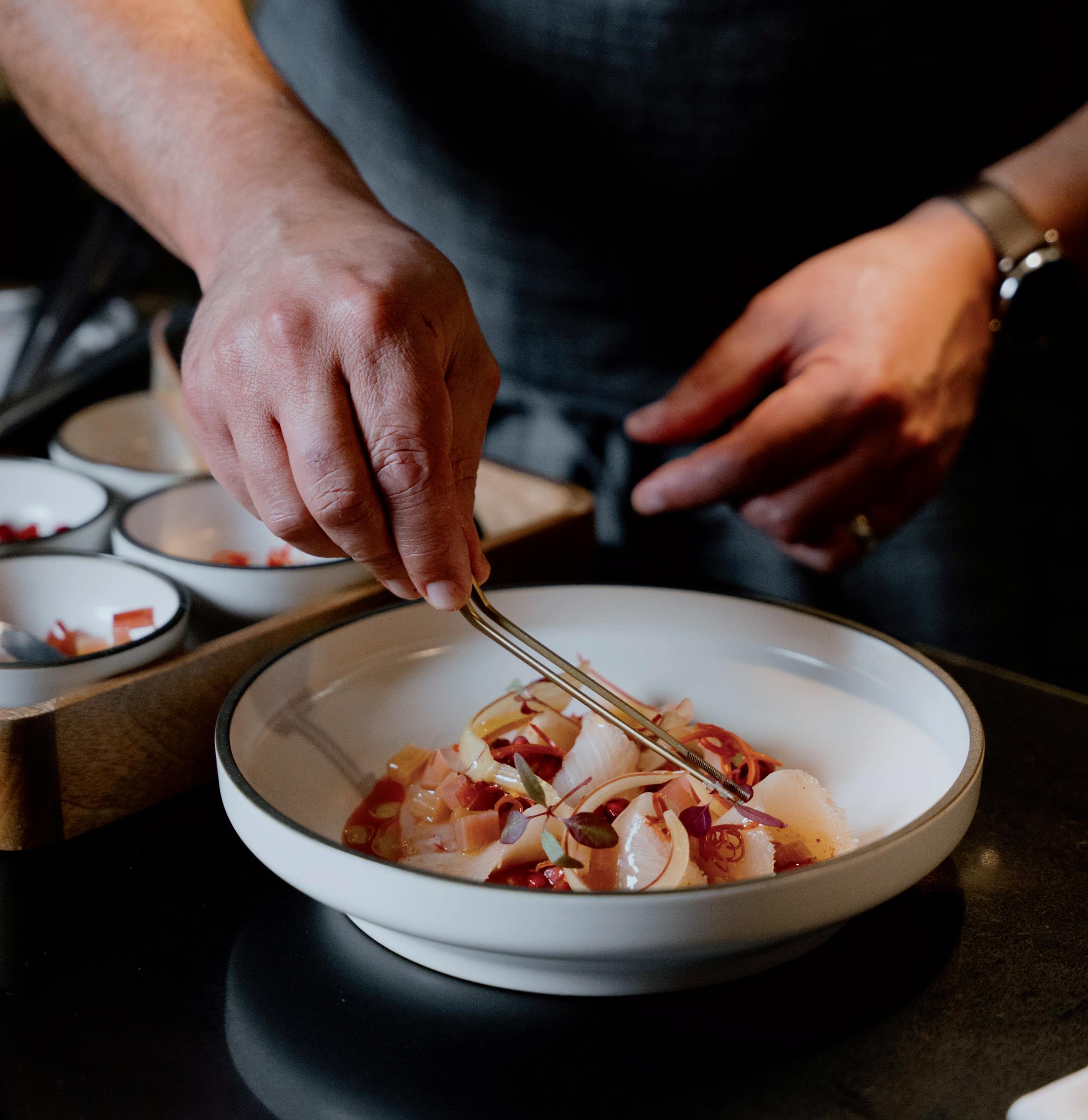
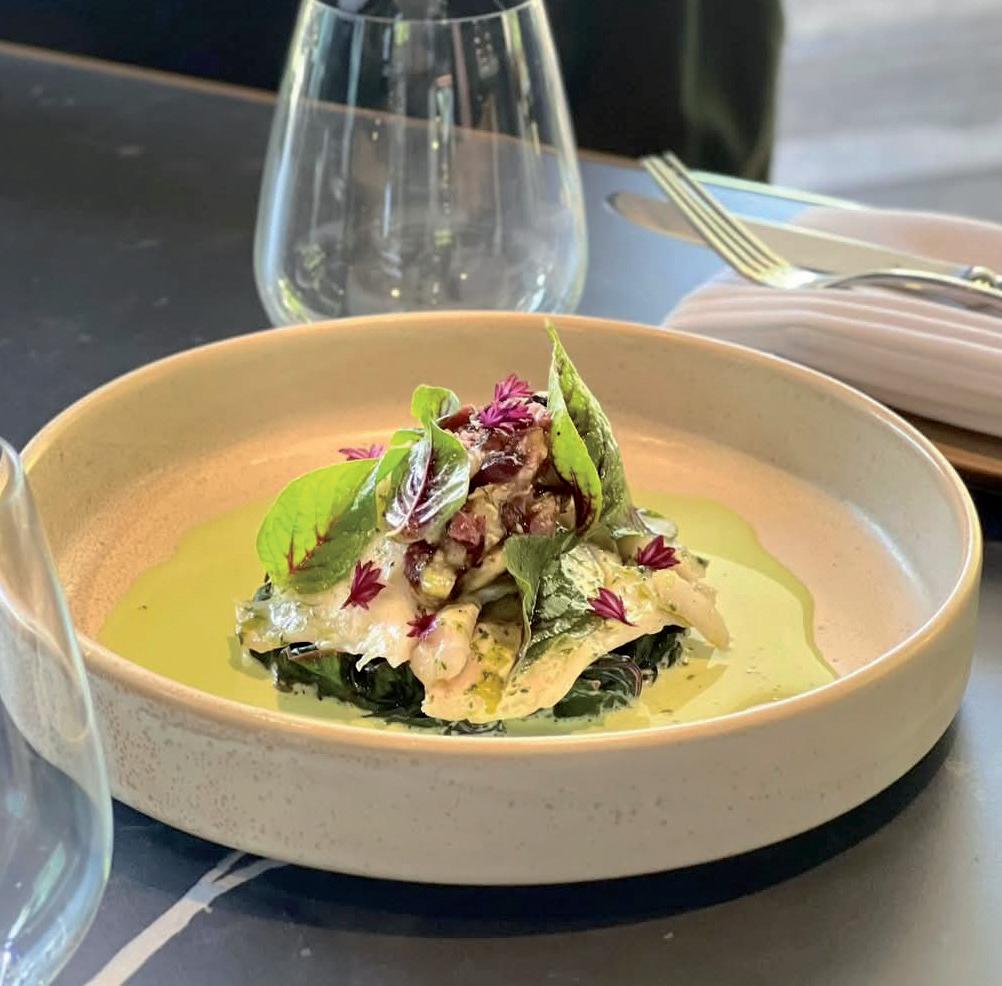
areth Stewart, Partner Chef at Advieh Restaurant & Bar, introduced Grilled LineCaught Kahawai, Green Tomato Ezme and Buttermilk
Dressing to his menu, which has swiftly become a fan favourite among customers.
The green heirloom tomatoes from Curious Croppers in Clevedon are the real star of summer. Ezme means “crushed” in Turkish, so we finely chop the tomatoes and mix them with cucumber, spring onions, green olives, chilli, cumin, coriander seeds, lots of fresh herbs, and olive oil.
The fish is filleted and grilled simply over a hot char grill. The buttermilk is
hung for a few hours to drain some of the whey, then brightened with lemon, garlic, and sumac.
On the plate, we start with a smear of the buttermilk, then place the fish on top. The ezme goes over the fish, and we finish with a mix of summer herbs, tarragon, basil, chervil, dill, coriander, and parsley, and a drizzle of dill oil.
Summer is the perfect time for tomatoes. It took Stewart back to Kefalonia, Greece, where he said the tomatoes were incredible because of the climate and the lineage. For this, Stewart really wanted to champion these green-striped heirlooms in a simple way that really complements the char-grilled fish.
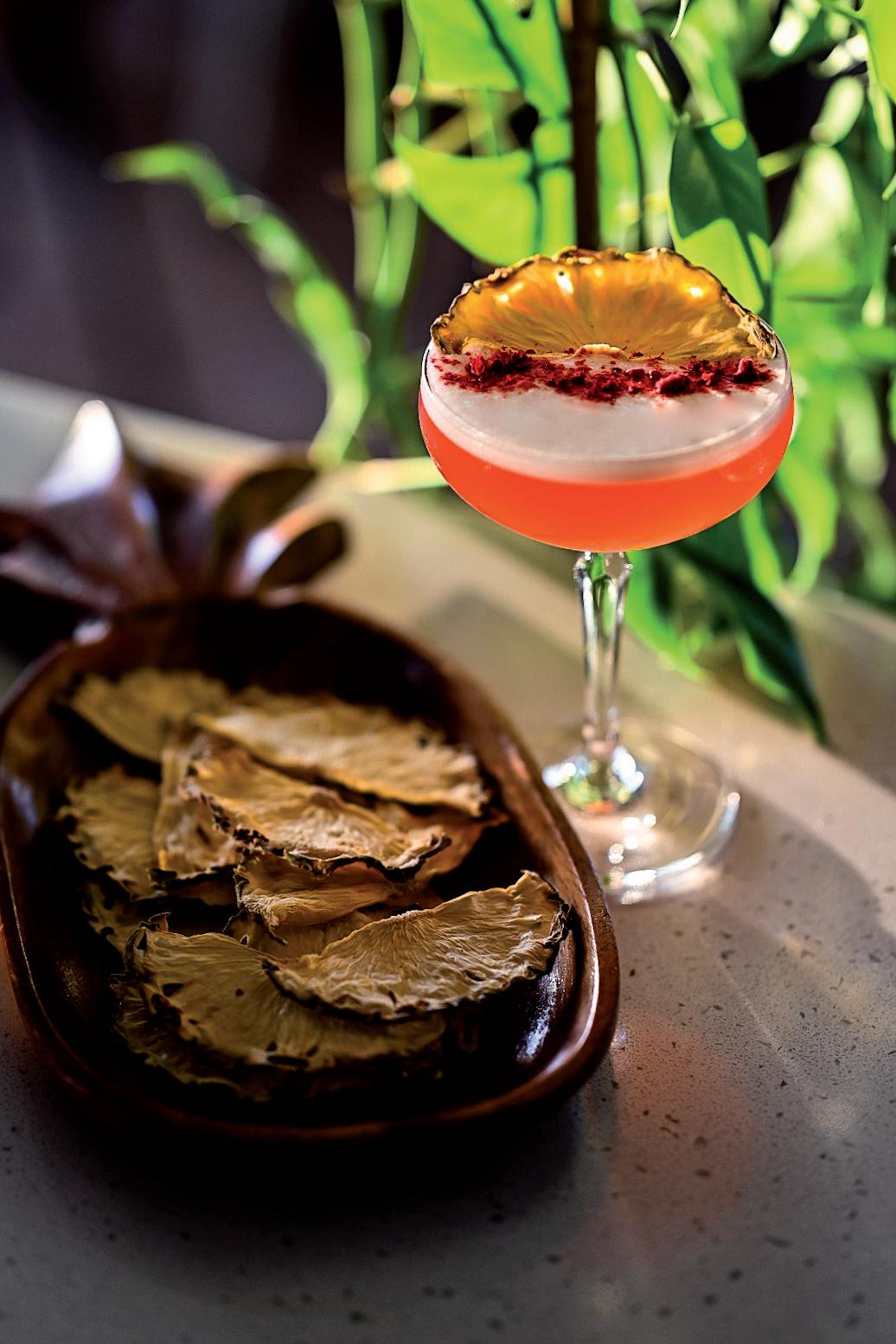
Our premium garnishes elevate your food & beverage experiences.
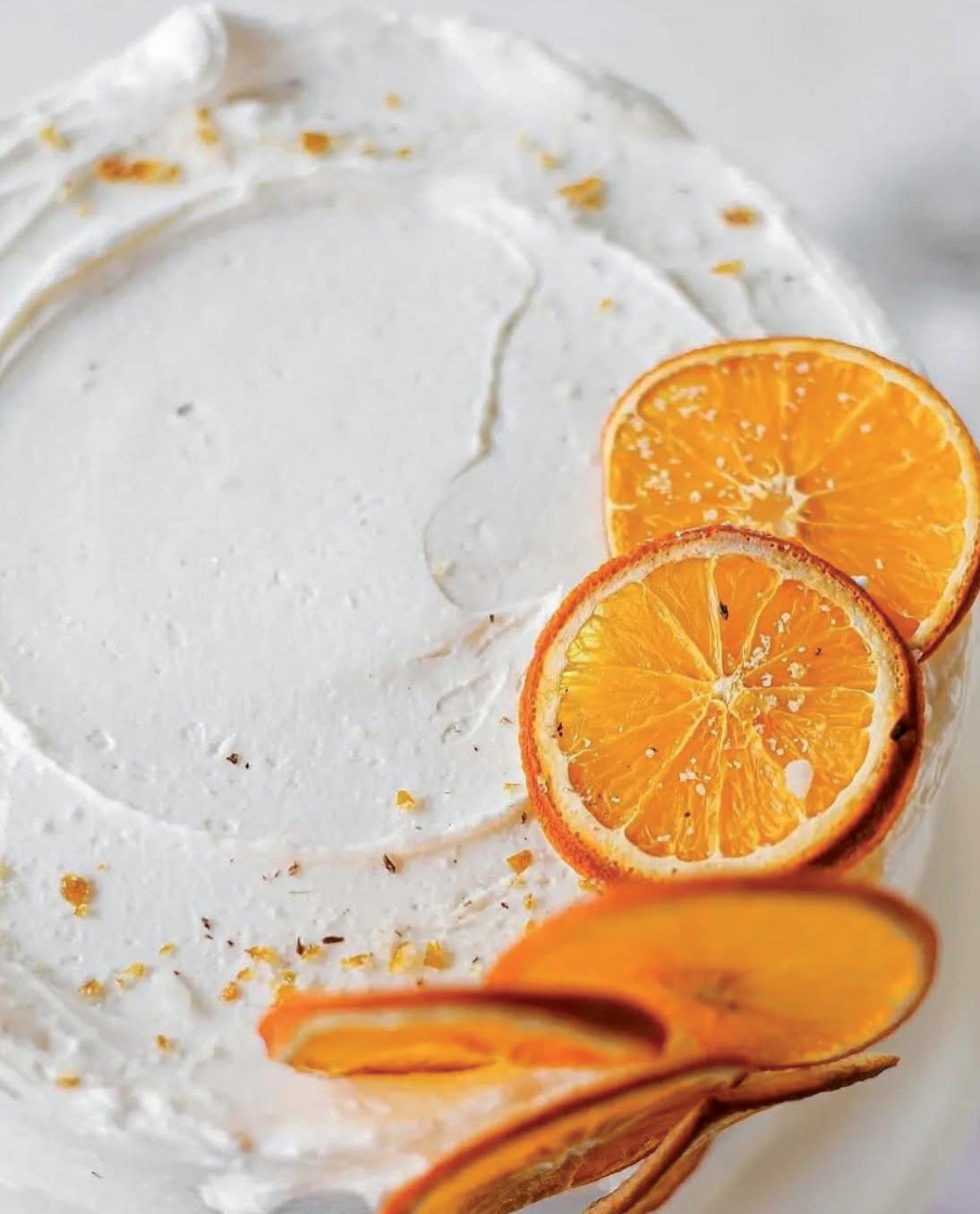
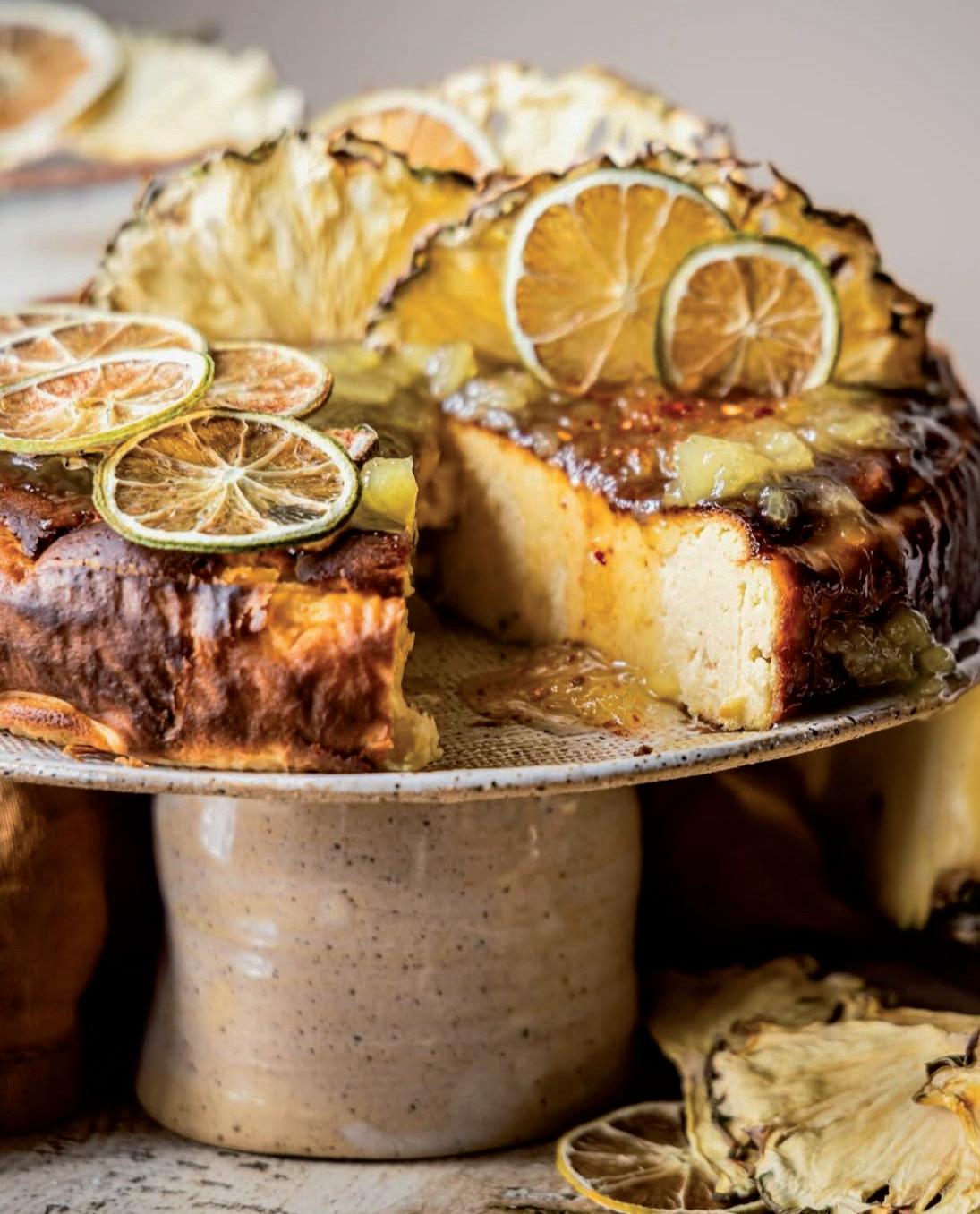
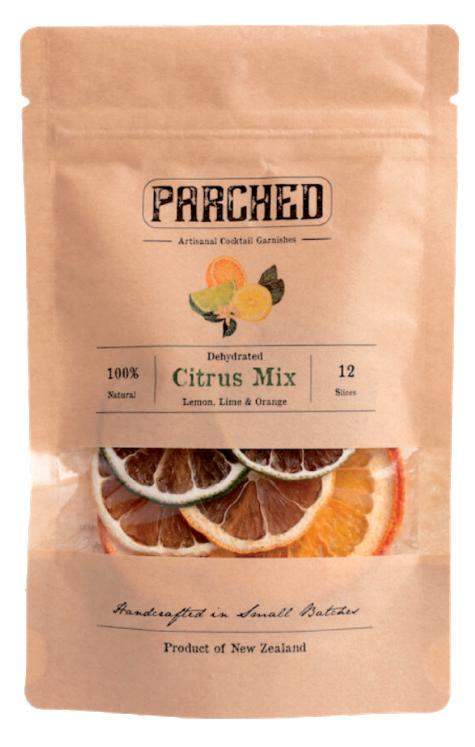
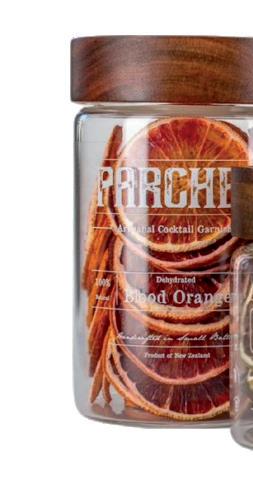



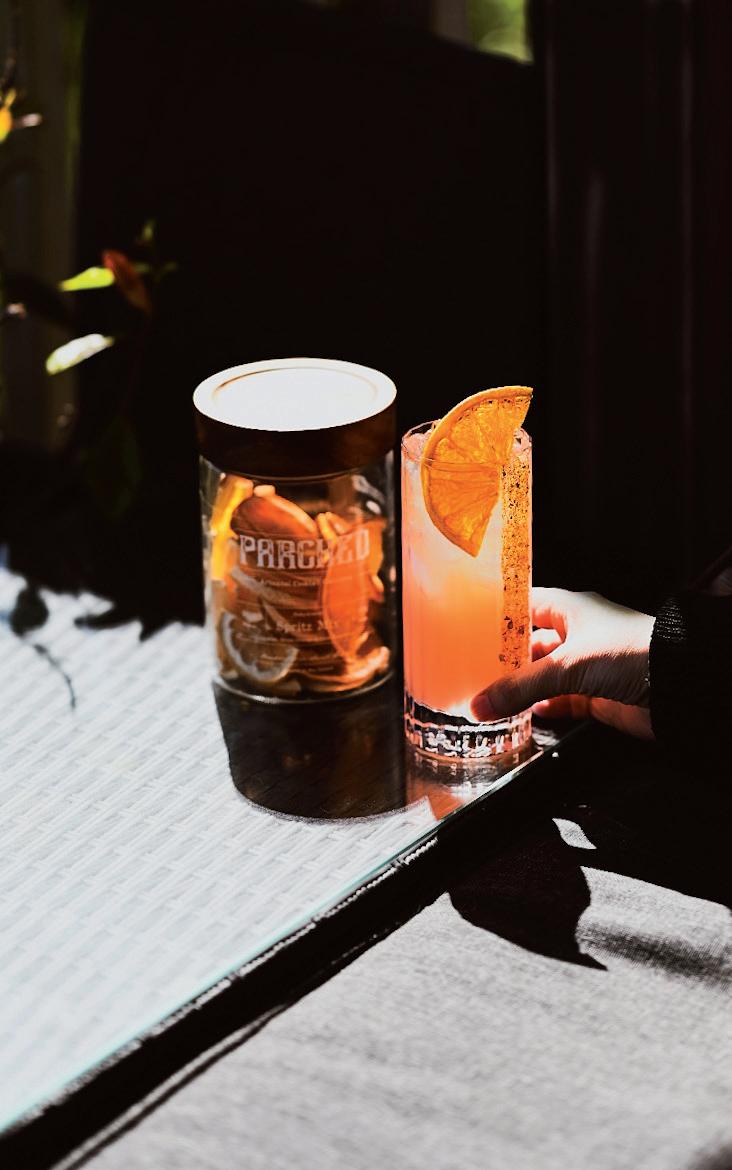
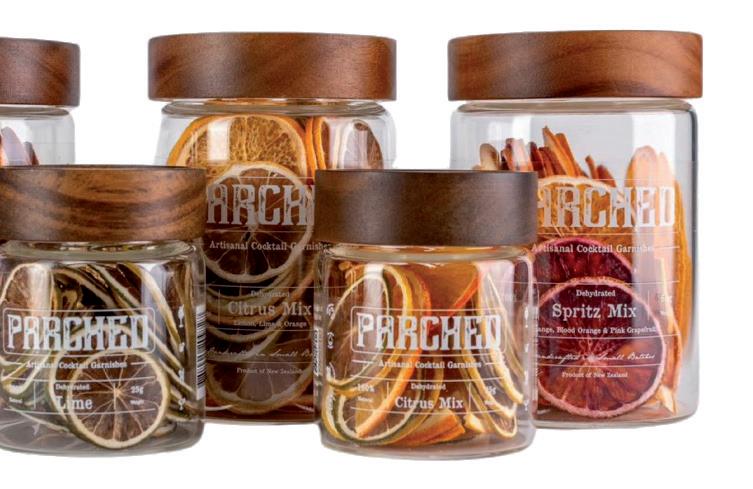
Parched was founded on a genuine hunger for finely crafted cocktails and fine food garnishes. Owners David Hawk and Olivier Rayer bring a wealth of industry experience and a vision to elevate food and drink culture in New Zealand. Together, they have created handcrafted, small-batch dehydrated garnishes, salts, sugars and sherbets that are 100 percent natural, and as tasty as they are beautiful.
Popular with many of New Zealand’s top hospitality spots, hotels, airline lounges, and caterers, Parched garnishes have made it easy for everyone to enjoy premium bar-quality drinks and cocktails without the fuss, or to add a stunning final touch to platters or gourmet dishes. These garnishes are also the perfect complement to any gift box or food hamper. Choose from the standard range or request a tailored option.


Across Auckland, a difficult question is emerging: when councils and business associations chase “vibrancy” through temporary events and food-truck festivals, who are they really supporting? The businesses that pay rent, rates and wages every day of the year, or those who roll in for a weekend, take the revenue and roll out again?
Nowhere illustrates the consequences of getting this balance wrong more clearly than Queen Street. Once the flagship of the city’s retail and hospitality scene, it has become a warning about what happens when planning decisions overlook the needs of the very businesses that anchor a commercial district. Reshaped streetscapes, reduced vehicle access, rising parking costs and a decline in safety have driven customers away, contributing to more than a hundred vacant storefronts and the closure of long-standing institutions. Those who invested heavily in premises and staffing found the landscape shifting beneath them, and their voices were not central in the decisions that changed the city’s core. The lesson is blunt: when the people who pay the bills are not in the room, the damage cannot easily be undone.
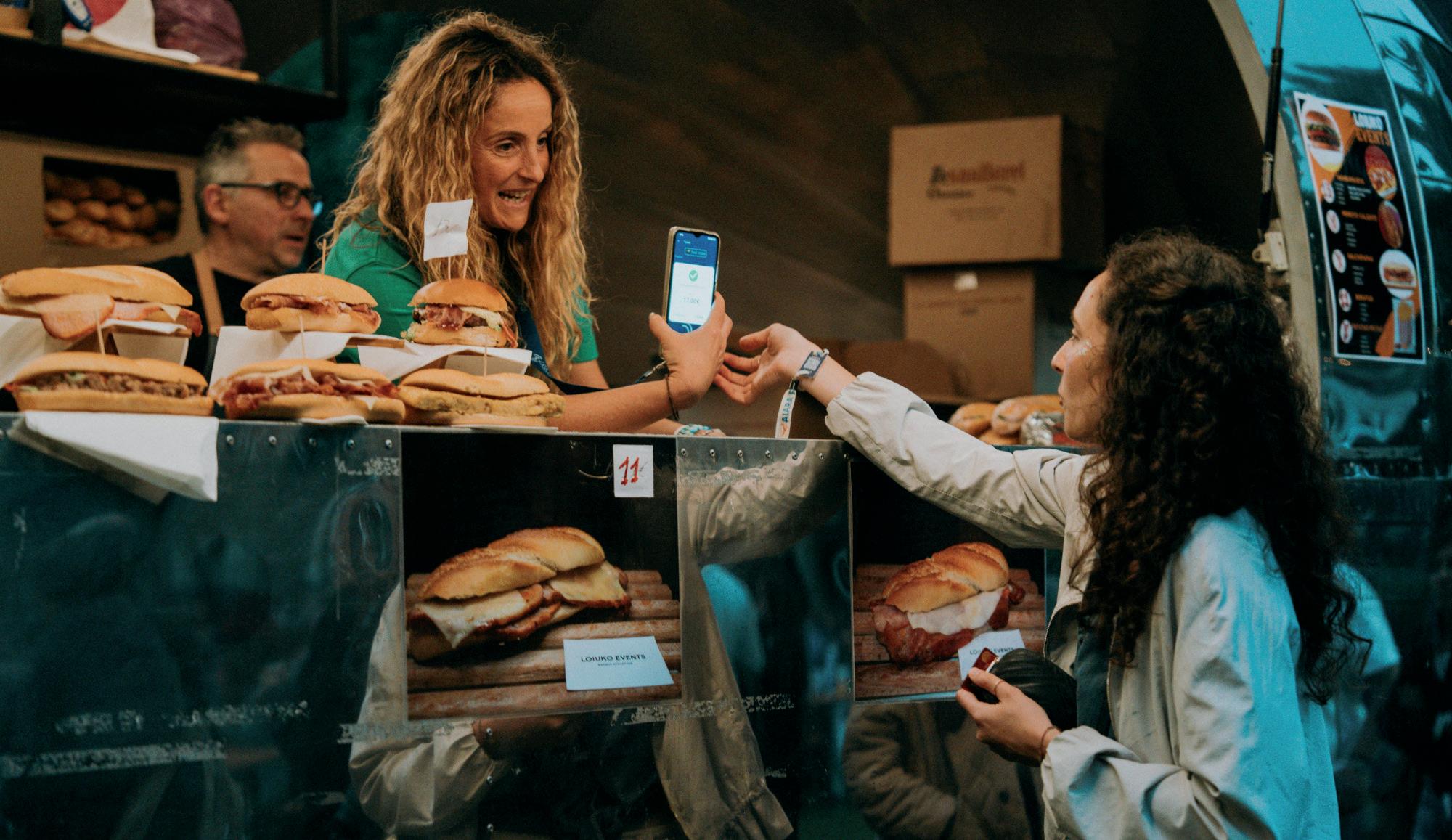
This context matters for suburban villages such as St Heliers, where the approval process for the Culley’s Burning Fork food-truck event has fractured what is normally a cohesive business community. The village depends on a mix of retailers, hospitality operators, long-term residents and community organisations to maintain its identity. Yet decisions made by Auckland Council and the Orakei Local Board have raised concerns that the businesses most affected were not meaningfully consulted before the event was progressed. Many hospitality operators rely heavily on Saturday trade, and the introduction of a competing commercial food zone on Vellenoweth Green during peak hours threatens revenue, staffing decisions and customer experience. For businesses that operate seven days a week, this is not an abstract issue but an immediate economic risk.
The decision also highlights a governance problem that echoes the missteps seen in the CBD. Early indications suggest the Local Board’s role may have been advisory rather than determinative, leaving operators
confused about whether the people closest to the problem had any real influence. When hospitality businesses invest deeply in premises, stock and staff, it is no small matter to discover that event permitting processes take their feedback lightly or treat their concerns as a later formality. The use of Vellenoweth Green, a reserve with a long-standing expectation of open, informal recreation, adds an additional layer of frustration for operators who see commercial activity occurring metres from their front doors without safeguards for their livelihoods.
Supporters of the event have argued that food trucks can boost vibrancy and encourage discovery. In many contexts, this is true, but only when the regulatory settings ensure a level playing field between mobile vendors and permanent operators who shoulder far higher overheads. Across Auckland, other business associations have taken care to protect local hospitality by ensuring food-truck events are held outside peak trading hours and away from direct competition. St Heliers operators believe they deserve the same consideration.
The core question is fairness. Should those who pay rent, employ staff and commit to trading every day of the year
be placed at a disadvantage by shortterm activations that siphon off their busiest hours? Should temporary events be allowed to reshape the economic balance of an area without robust consultation with those who carry the long-term financial and social weight of the precinct? If Queen Street teaches anything, it is that planning decisions made without careful regard for existing businesses can unravel commercial ecosystems with extraordinary speed.
St Heliers remains a village defined by its relationships and shared identity. To preserve that, governance must prioritise genuine consultation, clear process and support for those who sustain the local economy year-round. Food trucks and temporary events can have a place, but that place cannot be on the doorstep of operators who rely on weekend trade for survival. A thriving commercial village is not built on one-day attractions but on the stability and resilience of those who open their doors every morning.
Auckland cannot afford to repeat the mistakes that hollowed out Queen Street. Ensuring fairness for permanent businesses is not resistance to change; it is the foundation required for any precinct to grow, adapt and remain whole.

“From the information provided in the application and during the permitting process, it was not apparent that the Culley’s Burning Fork event would create direct commercial competition to local businesses. The intention of the event is to provide a free community event and promote the village. We rely on our


“This event directly competes with existing local hospitality businesses, risking their viability rather than supporting the broader community. All parties must have the opportunity to hear this event’s application openly, provide input, and collectively determine whether this event should proceed and under what conditions.
stakeholders to assist us in assessing event permit applications. In this instance, we worked with the St Heliers Village Association during the event permit feedback process, as we would work with other business associations in other areas to represent business interests.”
Misinformation risks misleading our community and undermining our local businesses. Secondly, the Green in St Heliers is governed by special legislation protecting it as a public reserve. Hosting a large commercial food truck event there not only harms businesses but may also violate this special law.”
“In most places, food trucks and restaurants coexist well and even strengthen each other. They create vibrancy, encourage discovery, and often lead to operators transitioning into permanent venues. The key is ensuring that planning and permitting
keep pace. Restaurants inevitably carry much higher overheads, so councils need to ensure a level playing field. With considered management, the long-term outlook is a complementary ecosystem rather than a competitive threat.”
The proposed Culley’s Burning Fork event on the Vellenoweth Green has sparked a wider community debate, with local residents arguing that the space should not be used in this capacity.
Due to its unique standing under parliamentary law, some local residents and community groups have outlined that not only should this type of commercial venture be prevented from taking place on the Green, but its potential impact would be far broader than just local hospitality businesses.
Roger Seaton, President of the St Heliers Bowling Club, said that its board was unanimous in its decision that this
event would cause its members a great deal of inconvenience and disruption, especially as it falls on their club tournament day.
Seaton said the club's objection is based on the lack of access to the club or parking for members on that Saturday.
Some locals opposed to the event are considering legal action over the controversial use of Vellenoweth Green on a Saturday for a commercial, moneymaking venture. If this action is taken,
Seaton has reportedly said the club will support it.
The Orakei Local Board, which was instrumental in the event’s future, said it would consider all views, along with relevant bylaws, acts and guidelines, when providing feedback to the Auckland Council Event Facilitation Team.
At the time of publication, no final approval had been granted for the event, and it was still undergoing the permitting process.