DENIS’ UPCOMING TALKS
Are you stuck in a gardening rut or you want some inspiration from our finest gardeners at Sunshine? Check out our upcoming Spring talks right here in the centre and learn from the best!
TAP HERE TO EXPLORE OUR RANGE OF UPCOMING TALKS AND BOOK YOUR FREE TICKET! BUT HURRY, TICKETS ARE GOING REALLY QUICKLY!

Can’t get enough of our talks? Keep your eyes on this page for new events!
NOAH’S ARK
CHILDREN’S HOSPICE
“It is the duty of a caring society to ensure that children who are seriously unwell, and their families, have access to expert and compassionate palliative care.”
Noah’s Ark is a local North London-based charity focusing on helping children with life-threatening illnesses receive as much care and support as they need without treating the children like patients; In their words, “enable those we support to enjoy life as children, rather than as patients; as families, not just as carers.” They provide high-quality support with experts in palliative care and paediatricians, caring for each child with an individualistic approach so that every family receives the necessary support they require.
For 2025, Sunshine Garden Centre have partnered up with Noah’s Ark to help raise money and give as much money and support to this wonderful charity as possible. We have been helping Noah’s Ark by organising activity walks for the children around the garden centre and we are planning on doing more workshops and activities in 2025. But what about you, our esteemed customer? You can help Noah’s Ark by rounding up your receipt when you next shop at Sunshine, with all the extra money going straight to the charity. The money you help us raise will make sure Noah’s Ark can maintain and even supersede their exceptionally high quality care for every child.



BULBMANIA RETURNS!
WORDS BY PHIL

It’s almost bulb-planting season, so why not refresh your memory on all things bulbs!
Summer flowering bulbs are a group of plants that grow from bulbs, corms, tubers, or rhizomes, which are underground storage organs. These plants usually bloom in the warmer months of spring and summer, making them perfect for adding long-lasting beauty to your garden during this period. Unlike spring flowering bulbs (such as tulips and daffodils), summer bulbs are planted after the last frost and can be left to bloom throughout the warmer months.
These bulbs often require warmer soil to grow properly, which is why they are typically planted after the threat of frost has passed. Some bulbs, like dahlias and begonias, may need to be dug up and stored during the winter in colder climates, as they are not frost-tolerant. Many summer flowering bulbs bloom for several months, providing vibrant colour to your garden from late spring through fall. This can help to maintain a visually appealing garden through the entire growing season. Secondly, once planted, summer bulbs are generally low maintenance. They need regular watering, especially during
dry spells, but otherwise, they require little attention once established.
Moreover, Summer flowering bulbs come in a wide range of shapes, sizes, and colours, so you can easily find bulbs to suit your specific garden style and colour palette. From towering sunflowers to delicate lilies, the possibilities are endless. Finally, many summer flowering bulbs, such as lilies, dahlias, and gladiolus, attract pollinators like bees and butterflies, which help support local ecosystems.
HOW DO YOU PLANT BULBS ANYWAY?
1. CHOOSE THE RIGHT BULBS:
Depending on your climate. For example, lilies, gladiolus, and begonias thrive in warmer climates, while dahlias and Cannas can grow in a variety of conditions.
2. PREPARE THE SOIL WELL:
Summer bulbs prefer well-drained soil. Make sure your planting area has good drainage to avoid water logging, which can lead to bulb rot. You can amend the soil with compost to improve fertility and texture.
WHY DO I LOVE BULBS SO MUCH?
3. PLANT AT THE RIGHT TIME:
Plant summer flowering bulbs after the last frost date for your area. Depending on the type of bulb, they should be planted 2-6 inches deep, with the pointed end facing upward.
4. WATER YOUR BULBS RIGHT:
Water the bulbs immediately after planting and keep the soil moist but not soggy during the growing season. Avoid over-watering, as this can cause the bulbs to rot.
HAVE A PEEK AT OUR FAVOURITE SUMMER BULBS!

DAHLIAS
Known for their large, colourful blooms, dahlias are available in a variety of shapes and colours. They bloom from mid-summer to fall and can grow to impressive heights.
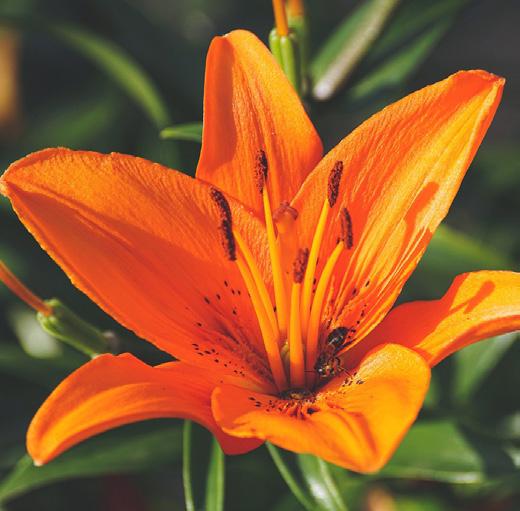
LILIES
Lilies are elegant, fragrant flowers that come in many varieties, including Asiatic, Oriental, and trumpet lilies. They are perfect for adding height and drama to your garden.
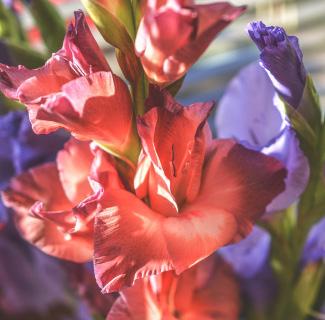
GLADIOLI
These tall, striking flowers grow in spikes and are available in a wide range of colours. Gladioli are perfect for creating a bold vertical accent in your garden.
BEGONIAS
Begonias thrive in partial shade and are known for their beautiful, vibrant flowers and decorative foliage. They are ideal for hanging baskets, containers, and shady borders.
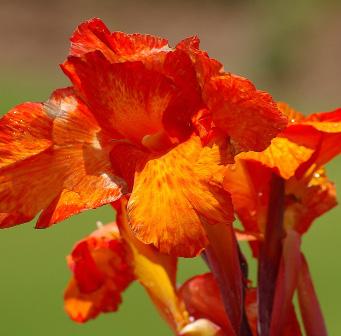
CANNA LILIES

These tropical-looking flowers are known for their bright, bold colours and large, exotic leaves. They thrive in warm, sunny conditions
SMALL GARDEN TREES
WORDS BY DENIS

Are you looking out towards your garden, wishing there was a tree? Denis shows us which trees to look out for.
The mighty oak is a national symbol of pride, strength, endurance, ruggedness on the back of which allowed the British Empire to expand through its naval prowess. As beautiful as they are, lets face it we can’t all afford the space to have one in the back garden.
Year on year new house builds are coming with smaller gardens, and the average semi rarely has a garden more than 60 feet in length, so we need to adapt our tree selection to reflect this. Consider factors like the height and spread, foliage colour, density of leaf evergreen versus deciduous, flower colour, autumn colour, wildlife value, disease resistance, soil suitability, benefit to pollinators, interesting bark form and texture as well as creating a focal point, history of subsidence. When it comes to designing a garden, small garden trees can provide a variety of benefits, transforming a compact space into a lush, vibrant haven. They offer all the charm and beauty of full-sized trees yet are ideal for limited areas where space is at a premium. From their ability to add structure and height to a landscape, to offering seasonal interest and wildlife benefits, small trees can be a perfect choice for your garden
When we talk about trees, we normally describe them as having a clean straight stem with no branches before they reach a pre-
scribed height or what is often referred to as a standard tree. These are measured to chest height and are often given the terms ¼ std, ½ std or full standard with the diameter of the trunk being given as a measurement. The size of the canopy and the root ball may also be referenced. As well as these more formal looking trees we also get larger shrubs or shrubby trees that are generally more multi-stemmed at a lower level. Others may be pruned or trained for aesthetic purposes or increased yield and space concerns like cordons, pleached, stepover etc. Traditionally planting of trees is best done in the Autumn and early Winter period whilst trees are losing their leaves and becoming dormant while the soil conditions remain both warm and moist. Trees are generally supplied in one of three forms:
BAREROOT: Trees that have been dug out of the ground whilst dormant. Tend to be smaller younger deciduous trees and are cheaper to transport lowering costs but necessitates urgent planting or healing in to prevent the root s from drying out
POTTED/ AIRPOT: Tend to be grown on in pots allowing them to be much bigger but more costly. However, that planting season can be year-round provided they are well cared for. More suited to deciduous and evergreen trees. This is the most popular with garden centre customers.
ROOTBALLED/ ROOT WRAPPED: Like potted but a specialised technique for larger trees growing in the ground.
The elephant in the room when it comes to trees is the potential to contribute to subsidence issues when coupled with heavy clay soils, shrinkage and planting too close to structure like buildings walls and paths is especially a problem with self-seeded varieties. This is where the mortgage companies and insurance specialists impose restrictions or removal notices. But at the end of the day, it comes down to the right plant for the right place.
BUT WHICH TREE IS RIGHT FOR ME?
JAPANESE MAPLE (ACER PALMATUM)
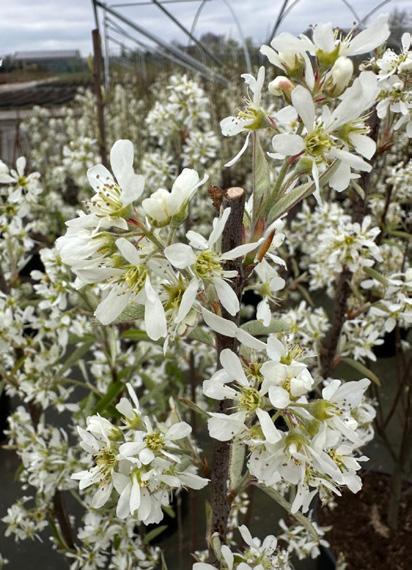
AMELANCHIER (SERVICEBERRY)

Known for its striking foliage, the Japanese maple is a favourite for smaller gardens. Its vibrant red, purple, or golden leaves in the fall offer a dramatic show, while its delicate, lacy foliage adds a touch of elegance year-round. Japanese maples are typically slow-growing and can be grown in containers, making them suitable for patios and smaller gardens.
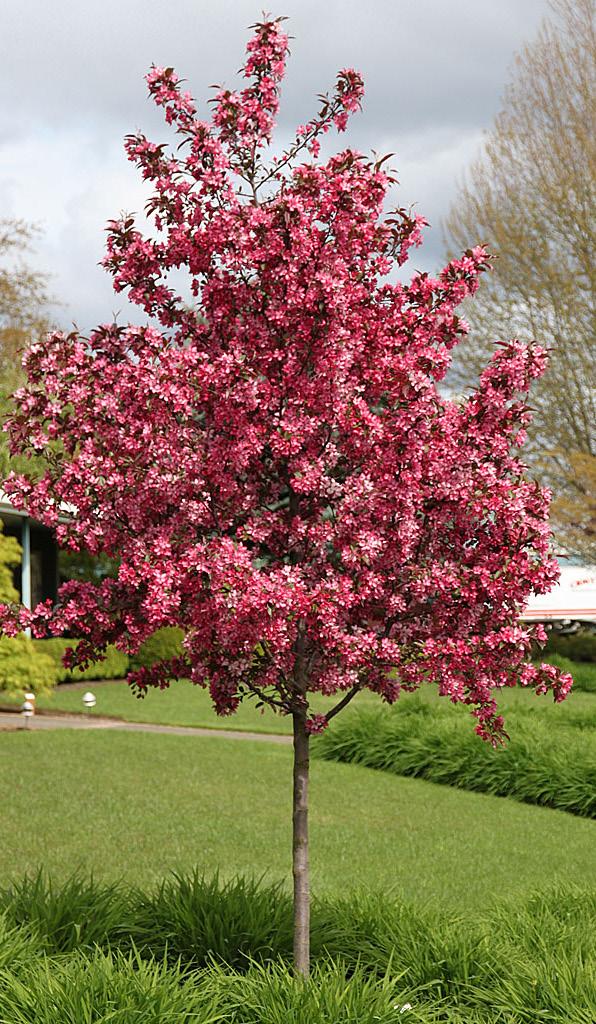
CRAB-APPLE (MALUS SPP.)
Crab-apples are compact deciduous trees with beautiful spring blossoms, followed by small, colourful fruits. These trees not only add visual interest with their flowers and fruit but also attract birds and pollinators. The crab-apple’s compact size and ornamental qualities make it perfect for small yards.
FLOWERING DOGWOOD (CORNUS FLORIDA)
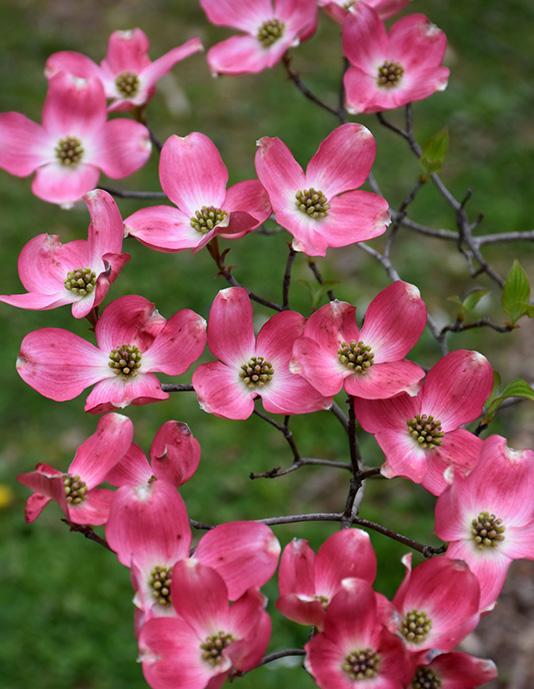
The flowering dogwood is a lovely choice for a small garden, offering a striking display of white, pink, or red flowers in the spring. In addition to their floral beauty, dogwoods have excellent fall colour, with their leaves turning brilliant red or purple. They are small in stature, making them perfect for tight spaces.
Known for its delicate white spring blossoms, the serviceberry is a small, multi-season tree that also produces edible berries in summer. These berries attract birds and wildlife, making the tree a great choice for ecological gardens. Serviceberries also offer beautiful autumn colour, with leaves turning bright yellow, orange, and red.
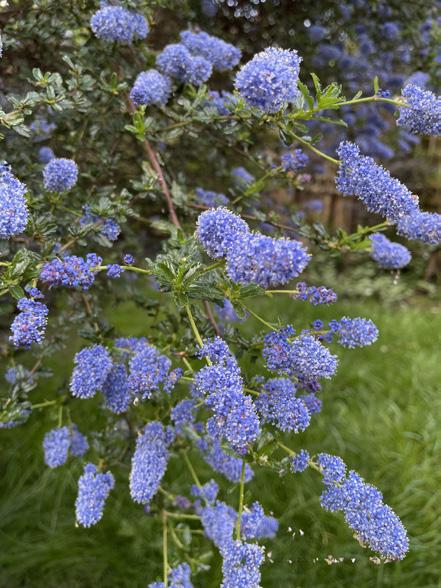
CEANOTHUS (CALIFORNIAN LILAC)
Lush dark green foliage with vibrant shades of blue flowers in the early spring. A perfect background tree to yellow and grey foliage.
MAGNOLIA (MAGNOLIA SPP.)
While some magnolias grow large, others remain small and manageable. Fragrant blooms in spring, Magnolias add elegance and sophistication to a small garden.

Small garden trees are a wonderful addition to any landscape, offering beauty, structure, and ecological benefits without overwhelming a small space. By carefully selecting and planting the right tree, you can enjoy the elegance and charm of trees in even the most compact garden.
Come chat with Denis and the Plant area Team about some of the options we have for you.
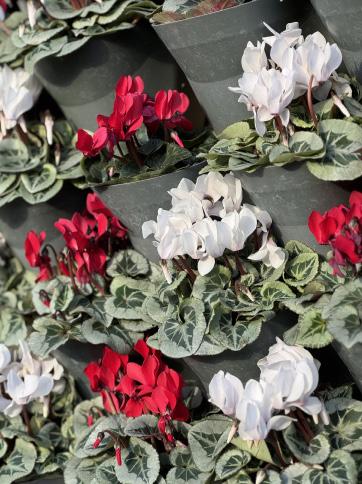
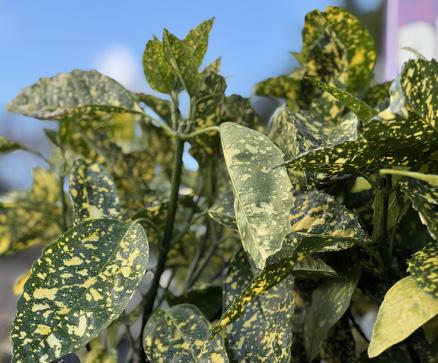
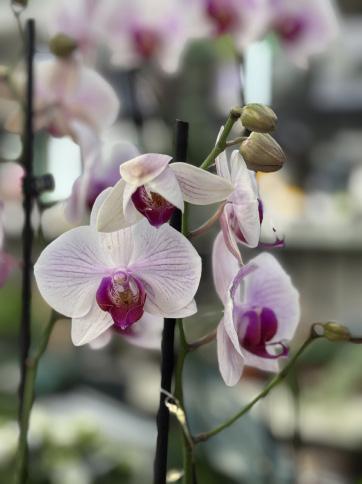
JANUARY JOY
AT SUNSHINE
We may be many things, but being camera shy is definitely not one of them. If you love photographing the displays we’ve been showing, please send them our way on Instagram! @sunshinegardencentre



THE VIBES TO BRING TO 2025 IN THE GARDEN!
WORDS BY
SIMON

We are OFFICIALLY a quarter into the 21st Century! Simon reflects on the past year and gives us his thoughts on 2025...
Well it’s a new year and the gardens are just bursting to get going! So I’ve spent some time looking back on what I loved so much about gardening in 2024, but also what to leave behind! We aren’t too far away from spring cleaning anyway so why not get rid of some old bad habits?
TIP 1: BRING ZEN VIBES INTO THE GARDEN AND LET GO OF PERFECTION!
I think this year is definitely going to be a more relaxed approach to gardening plus more relaxing in the garden. As time goes on and we become more enlightened in realising that we needn’t have perfection in the garden and should be happy with a garden that is beautiful for us and for wildlife too, maybe not too nice for the slugs this year! Relaxing in the garden is also very important; We now know that gardening is good for the mind. Following that line, visiting Sunshine must be good for the mind! Relaxing in the garden doesn’t have to be laying on a sun lounger sipping a Pimms it can be just pottering or dead-heading enjoying the sights and scents in the garden.
TIP 2: A PERFECT LAWN DOESN’T HAVE TO BE A ‘CLEAN’ LAWN
I think we now realise that a lawn doesn’t have to be completely weed free, a few leaves can remain in the beds for the earthworms to feed upon, seed heads can remain for the birds to visit whilst still looking beautiful especially when covered with frost.
TIP 3: DON’T TRY AND FORCE A PLANT TO FIT YOUR GARDEN! FIT YOUR PLANTS TO YOUR GARDEN!
There is an old gardening adage “right plant in the right place” which has never been truer than now! As opposed to trying in vain to get some poor tulips to grow in chronically dehydrated soil or getting Azaleas to thrive in alkaline soil, grow plants that do well in your garden: Grow ones that like a damp shady garden or ones in a garden that you hardly ever water, come and see us for advice we’ve got the right plant for your garden!
TIP 4: WHEN IN DOUBT, LOOK AT WHAT MONTY DON’S DOING FOR SOME INSPO!
Finally I think it’s always worth looking at what gardeners like Monty Don have been doing to their garden to see if you can emulate something from them. It’ll be interesting to see Monty Don’s garden this year at Chelsea; a dog friendly garden, I’m sure !
SEEDS AND EVEN MORE SEEDS!
WORDS BY DAVE

Thoughout about planting seeds in 2025? Dave explores our selection of seeds and the methods of planting...
These darker months are the ideal time to select for seeds for the forthcoming season.
As usual Sunshine have a superb selection of seeds, we have over 800 varieties from Thompson & Morgan, supplying seeds since 1855 and Franchi seeds, the oldest seed company in the world. Thompson and Morgan have introduced a new range of seeds called the Kew range, in association with Kew Gardens, the seeds are in beautifully illustrated packets. There are three ranges, firstly the pollinators range which provide food for pollinators, secondly the flowerhouse range a range of beautiful unusual flowers and finally the vegetable range which is A mixture of staples, colourful and unusual vegetables, selected to bring the spice of life - “variety!” - From the garden to the kitchen table and designed with the home gardener in mind.
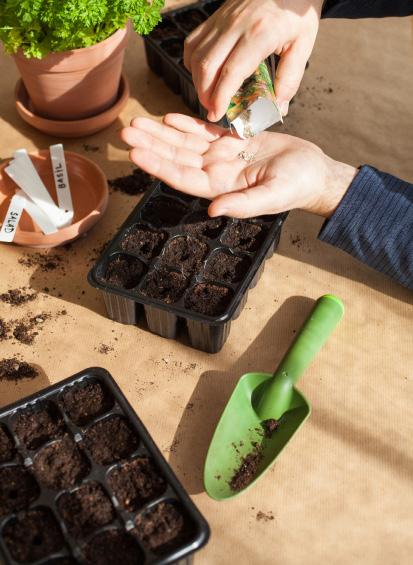
Growing plants from seeds is fascinating, satisfying, and easy; we have all the equipment you’ll need to create a bountiful garden this year. Sowing seeds can be as easy as sprinkling a few seeds on a bare
patch of soil in the garden to producing Muswell Hill’s finest!
You don’t need a lot of equipment to grow seed; to increase your chances of success it’s worth getting a propagator, we have heated and unheated models. And then once the seeds have germinated in the propagator, you’ll need some pots and compost to put them on, it won’t be long before you see the fruits of your labour and become the envy of you neighbours!
When you come in, come up to the shop and browse the seeds, investigate our propagation department, and have a chat with us, we’ll be able to advise as to what you’ll need whether you’re a total novice or an experienced allotmenteer. We look forward to seeing you!
A GREENER NEW YEAR!
WORDS BY FIONA

Are you ready to continue your houseplant obsession into 2025? Fiona explores the upcoming trends in the world of houseplants and serves some helpful tips!
The biophilic design trend from last year continues in 2025 and reflects a general shift toward environmental awareness and concern. The aim is to create indoor spaces that feel like green, natural sanctuaries by including live plants, daylight, and sustainable materials. Although I can’t do anything about the lighting in your home, I can certainly help with plants as January sees the return of our very popular specimen houseplant promotion. It’s the ideal time to fill that Xmas tree-shaped hole in your home with something large, living and lush.
Our ZZ Plants, Snake Plants and Peace Lilies are great for those darker spots and are very easy care. Calatheas and Monsteras cope beautifully with light shade but do best in bright indirect light. Dracaenas, Yuccas and Euphorbias are perfect for those brighter spaces. Of course, you may not want something as big as a specimen plant and our comprehensive range of smaller plants may be just the thing for you.
HOW TO PREPARE YOUR HOUSEPLANTS FOR 2025!
1
Keep leaves clean to maximise a plant’s ability to photosynthesise and feed itself. Wipe the leaf surface gently with some damp kitchen roll or a cloth.
2
If you didn’t do so in the autumn refresh the top few centimetres of soil, carefully removing the old layer and replacing with fresh compost. Tap the pot gently to encourage the compost to drop down the side and fill the gaps.
3
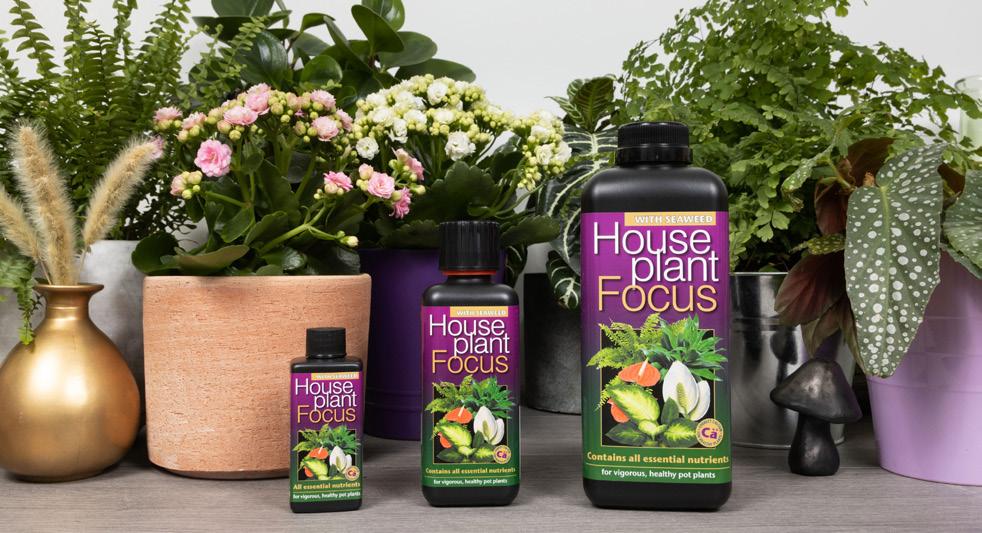
Remember to feed your plants with Houseplant Focus as it’s formulated for year-round use.
BLADE & TOOL SHARPENING WORKSHOPS AT SUNSHINE
BLADE & TOOL SHARPENING EVENTS AT SUNSHINE
1ST MONDAY OF EACH MONTH
9:30am-3:30pm in the Car Park
Available February to December with Renew Sharpening Services
JOIN US FOR A DAY OF REFURBISHING, SHARPENING AND POLISHING FOR ANY TYPE OF TOOL OR BLADE! SIMPLY TAP THIS PAGE TO DISCOVER MORE.
JOIN US FOR A DAY OF SHARPENING, FIXING AND POLISHING FOR ANY BLADE! SCAN THE QR CODE FOR MORE INFORMATION.