

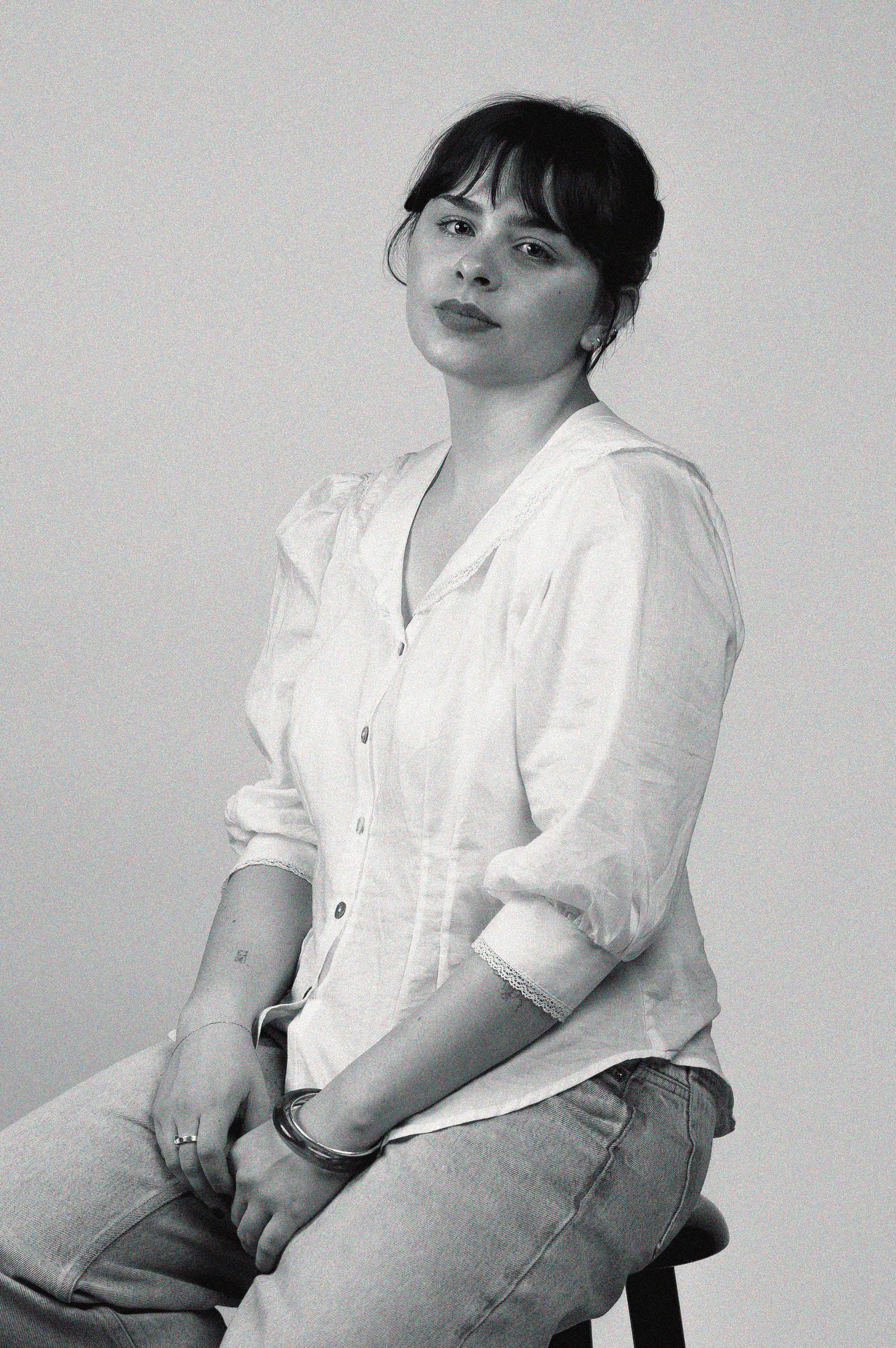

GRACE PISCIOTTA
Putting this issue together shaped my entire fall semester in ways I didn’t expect. This was my first time as Editor-in-Chief, which meant a lot of learning on the fly—figuring out how to make seemingly make-or-break decisions quickly, how to lead without hovering, and how to stay calm when things inevitably went sideways. It was chaotic in moments, but it pushed me in ways I’m grateful for.
The part that made it all feel manageable (and insanely fun) was the team. Beyond our anchor points—the Tuesday and Saturday preshoots and shoots—we had everything that filled the rest of the week: working through edits, tightening layouts, making style adjustments, reorganizing schedules, and all the tiny choices that held the whole thing together. Seeing each photographer, stylist, makeup artist, and writer bring their own style made the magazine feel like it was forming right in front of us.
And then there’s Capri. Working with her has been one of the best parts of this whole process. She’s the silliest, loveliest, most passionate Co-Editor, and I’m lucky I get to do all of this alongside her. We’ve spent so many late nights and long meetings working through problems and figuring out what it is we actually want this issue to say. Dude—thank you so much for everything.
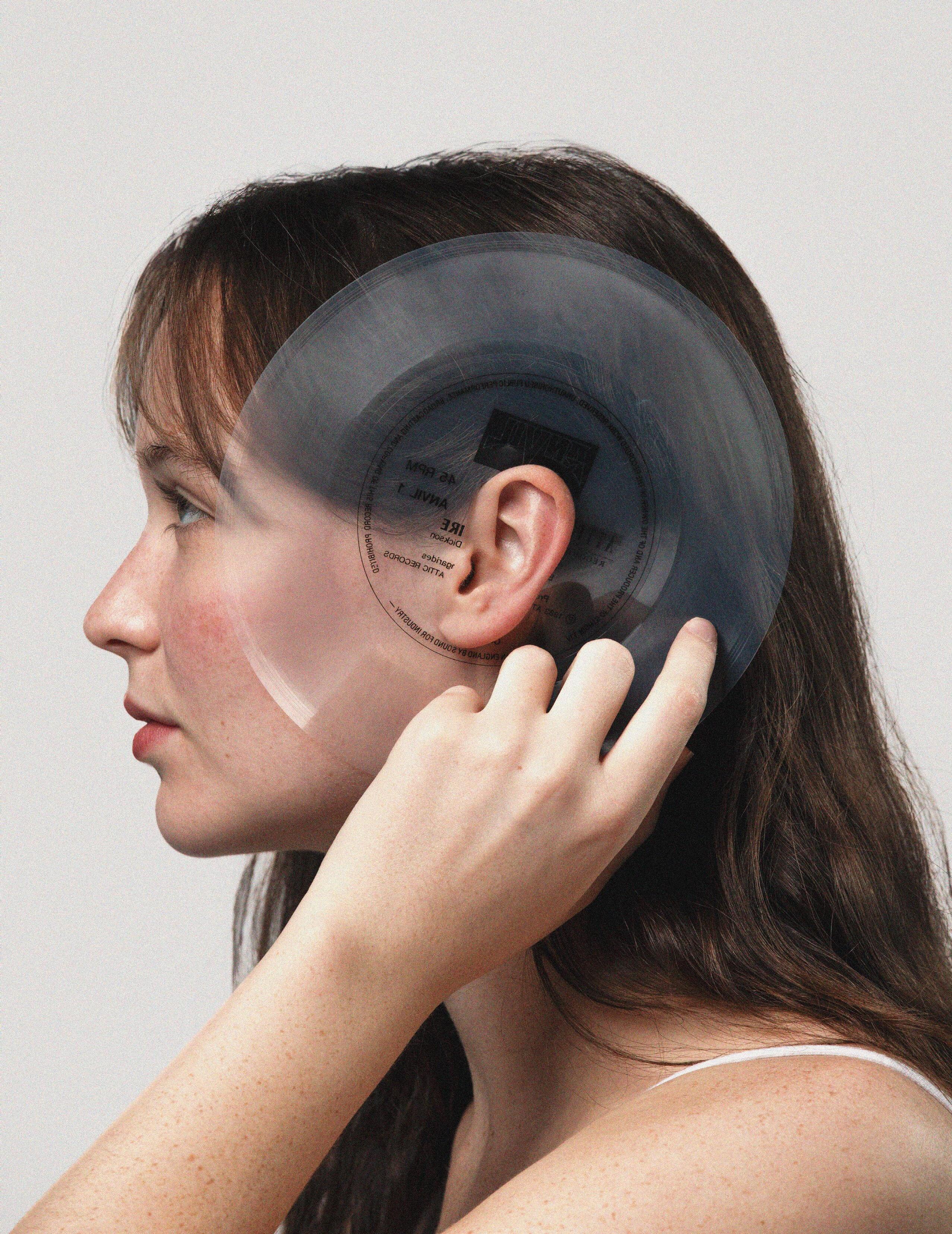
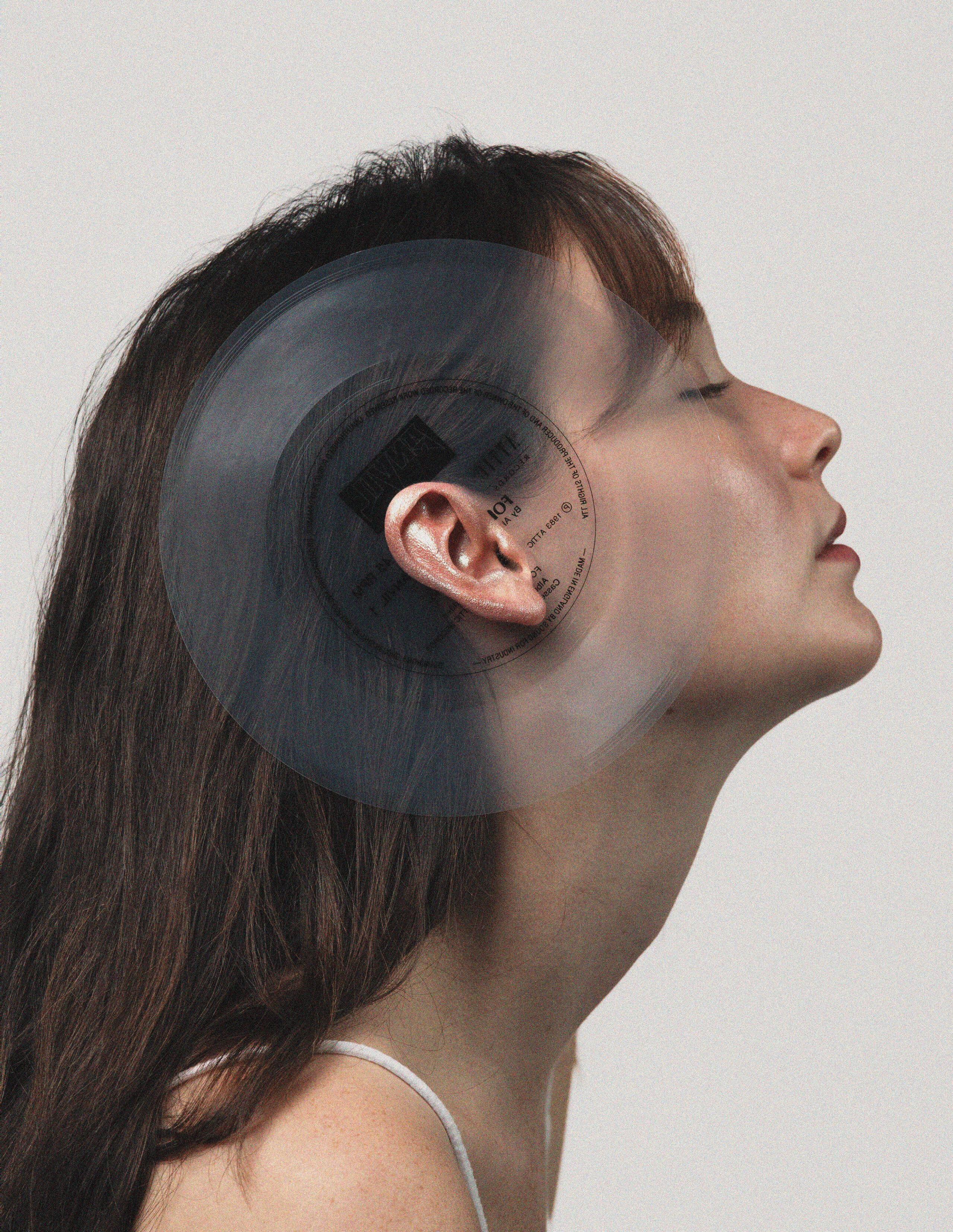
Our issue, Instrumental, is something that naturally made sense to the both of us. I’ve always connected certain songs to specific periods of my life, and they’ve guided me through more than I ever realize in the moment. The track that ended up defining my fall was “Oceanic Feeling” by Lorde. It’s slow and drawn-out in a way that forces you to pay attention, and for me it became a kind of mental reset whenever things felt too busy or too loud. It grounded these past few months more than I expected.
To the whole Strike Boston team: thank you. You’ve all put in so much work—early, late, in between classes—and it shows. It’s been a privilege getting to know everyone and seeing how each of you approaches what you do. This issue wouldn’t exist without all of you.
And to my mom and dad: thank you for dealing with every stressed-out phone call and supporting me even when I’m not very fun to talk to.
I’m immensely proud of what we made. I hope you enjoy Issue 08, and I’ll see you next semester.
Grace and I began developing these shoot concepts as early as May of this past summer. To say this issue was a long and tedious process feels like an understatement. However, to say this process was burdensome would be wrong. I’ve learned that when you want something deeply, you work hard for it. And when you love something deeply, you nurture it in hopes to make it better.
This semester marks my third issue with Strike, and first issue as EIC. With my time here, I hope to create an environment where everyone feels pushed to create the best work they can, where collaboration, hard work, and creativity are rewarded. My goal for Strike is to help it evolve as a space where every voice feels heard and every idea has the chance to grow.
The experience I’ve gained this semester goes beyond the print material you’re holding or screen you’re viewing. This semester I’ve gained more than a coworker, but also a friend in this hectic process.
Grace, I can’t thank you enough for your constant dedication and the creativity you bring to everything you do. I couldn’t have asked for a more insightful partner to work alongside. I’m grateful for everything I continue to learn from you.
This semester’s production surpassed all my expectations, with resources I didn’t know were attainable. This process ran seamlessly thanks in large part to one person.
Will, thank you for helping us with all of the logistics needed in creating something of this caliber. Our production this semester went above and beyond because of you.
To me, Instrumental is an echo of my relationship with music, and hopefully all of you interpret these themes and shoots to have more personal resonance. To encapsulate the effects of music is impossible. Words alone don’t begin to cover the heartache, passion, anger, and freedom that come out through song. These shoots, if nothing else, capture a hint of those emotions we search for. As you read and look through the issue, I challenge you to connect a sense to every aspect of music. Taste, touch, smell, sight, and most obviously, sound. Beyond their compositions, music moves through every sense, leaving traces we may never entirely acknowledge.
These pages are physical embodiments of the hard work, dedication, and long hours put in by this incredible staff. We hope you enjoy it as much as we did.
Thank you all.

Editors-in-Chief
Production Manager
Photography
JASMA ZHOU
KRYSTI CHEN
GRACE PISCIOTTA
CAPRI BOLD
WILL CHAPMAN
DIR. PABLO ANDRÉS GONZÁLEZ
HUY (BRIAN) LU BRIAN DOOLITTLE GONZÁLEZ
SVETLANA STEPANOVA
Videography
Style
ANGELINA SHALOM
TEHYA TENASCO
Beauty
LUCY JOHNSON
DIR. TYLER HOM
RACHEL SIMONE SOLOMON
DIR. NATALIE PARRATTO
SOPHIA TIERNEY
NAISHA JAISWAL
Social Media Manager
CARSEN CURRIE
JACOB GREENBERG
DIR: MARIA FISCHER
NALA RAITT
QUINN WHITNEY
SOPHIE KIRK
SHREEYA KULKARNI
LAUREN CHUNG
TRACI WALCOTT
DIR: MEA MATA
JOCELYN MAO
ANGELINA ACLIVAR
DIR: BRIAN CURRY
SANJU MENON
DIR: SOFIA BERNITT
ASHLEY BRAREN
BELIA MONTEZ
TARA KOLONIC
DIR: CHARLOTTE WAESCHLE
CATHERINE JOOHEE CHOI
VERONIQUE LHUILLIER
ALISSA DOEMLING
NAOMI COHEN
MAHAD AHMED SHAMSI
HIBA SIDDIQUI
KENNEDYE JEANPIERRE-TOWA
RACHEL YU
JORDYN SEGAL
ARKIN SAWHNEY
DIR: ALICIA CHIANG
HELENA WANG
DIR: EMILY NORMAN
MADISON LLOYD
LIZA BERDYKULOVA
SHIPRA KALVE
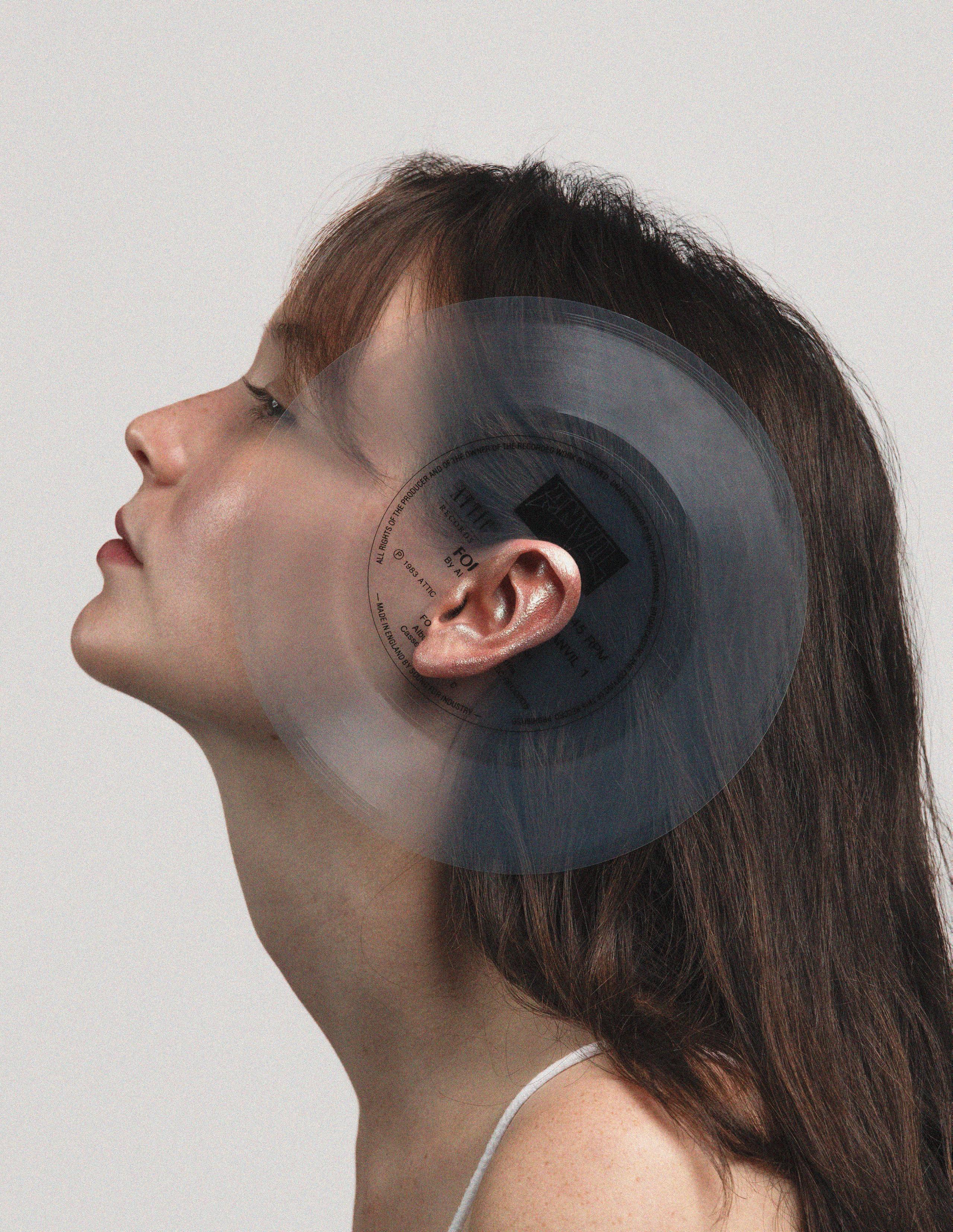
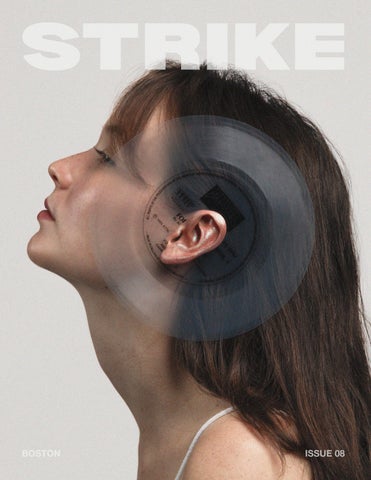
Instrumental explores the many directions music pulls us in—emotionally, physically, and creatively. Through its rhythms and reverberations, sound has the unique ability to draw us both into and out of our environments. It’s an unseen force that influences how we move through the world. Throughout the issue, we begin to understand what music is made of and what it makes of us.
We come to see sound as compositions, much like how we ourselves are made up of many layers, mirroring the music we absorb. The blend of photography, writing, and design captures the personal and shared experiences that music evokes, creating a visual guide that connects, comforts, and reminds us that we’re never entirely alone in what we feel.

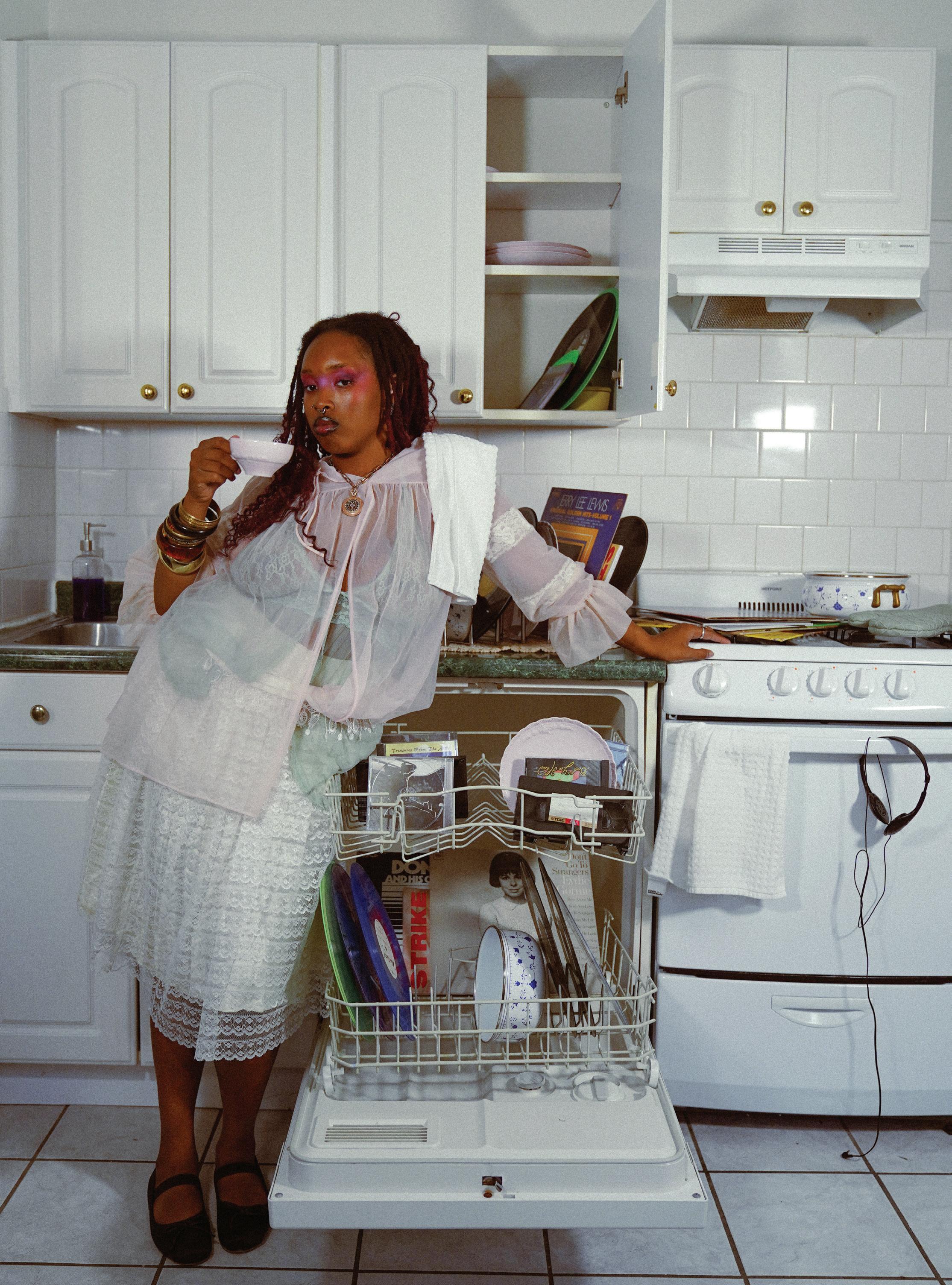
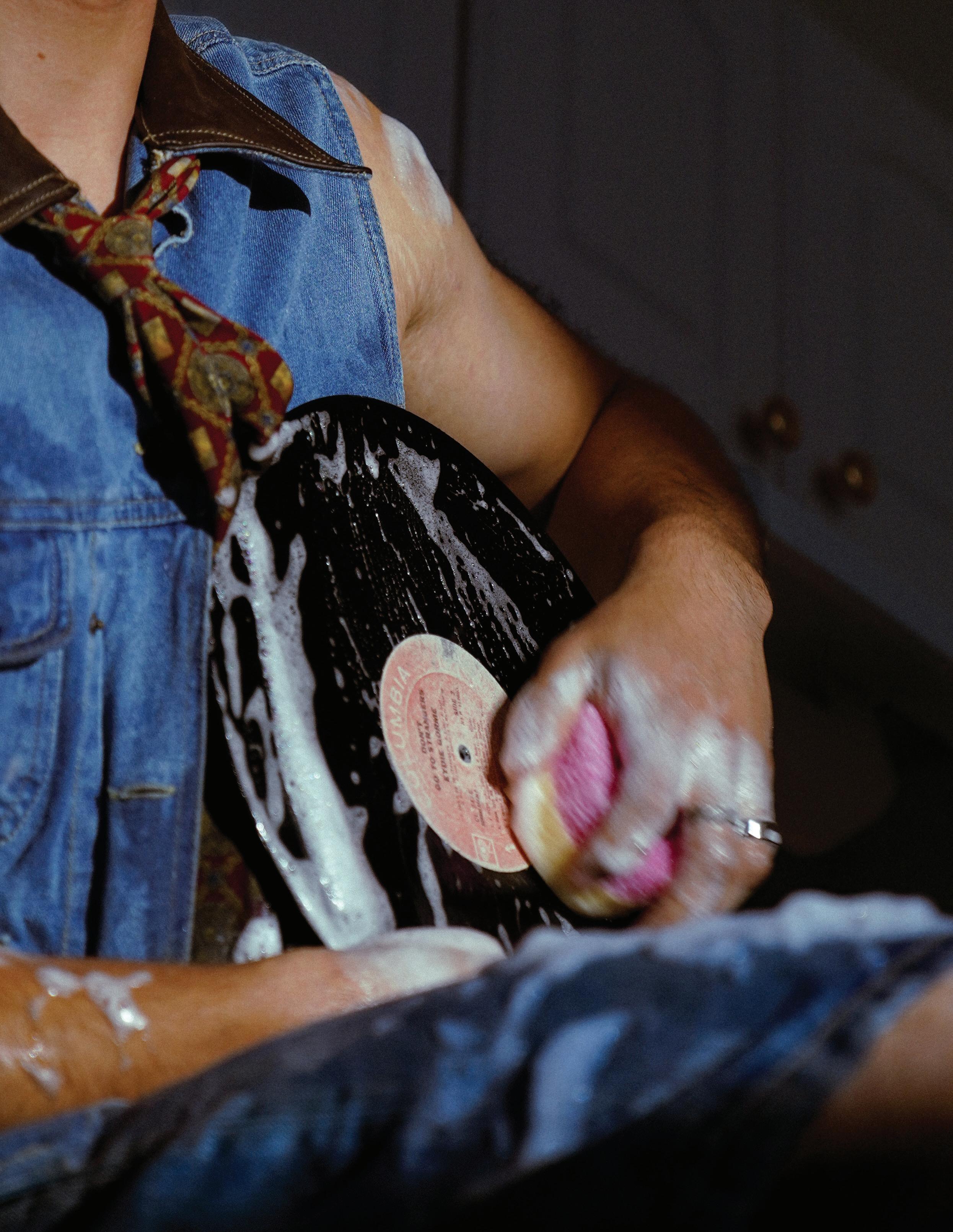
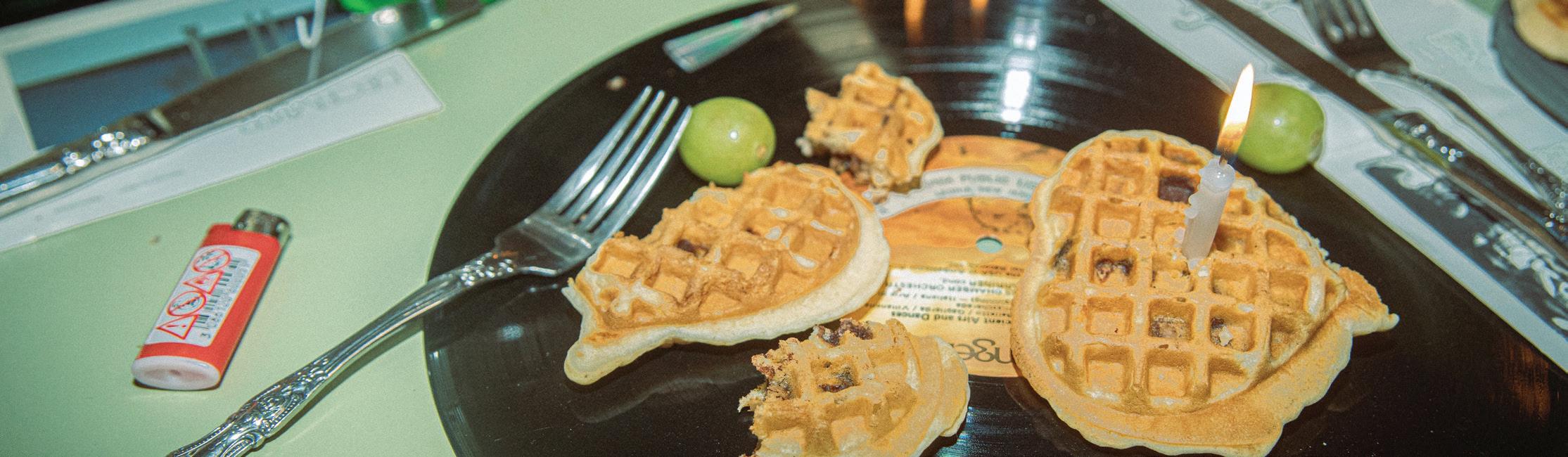
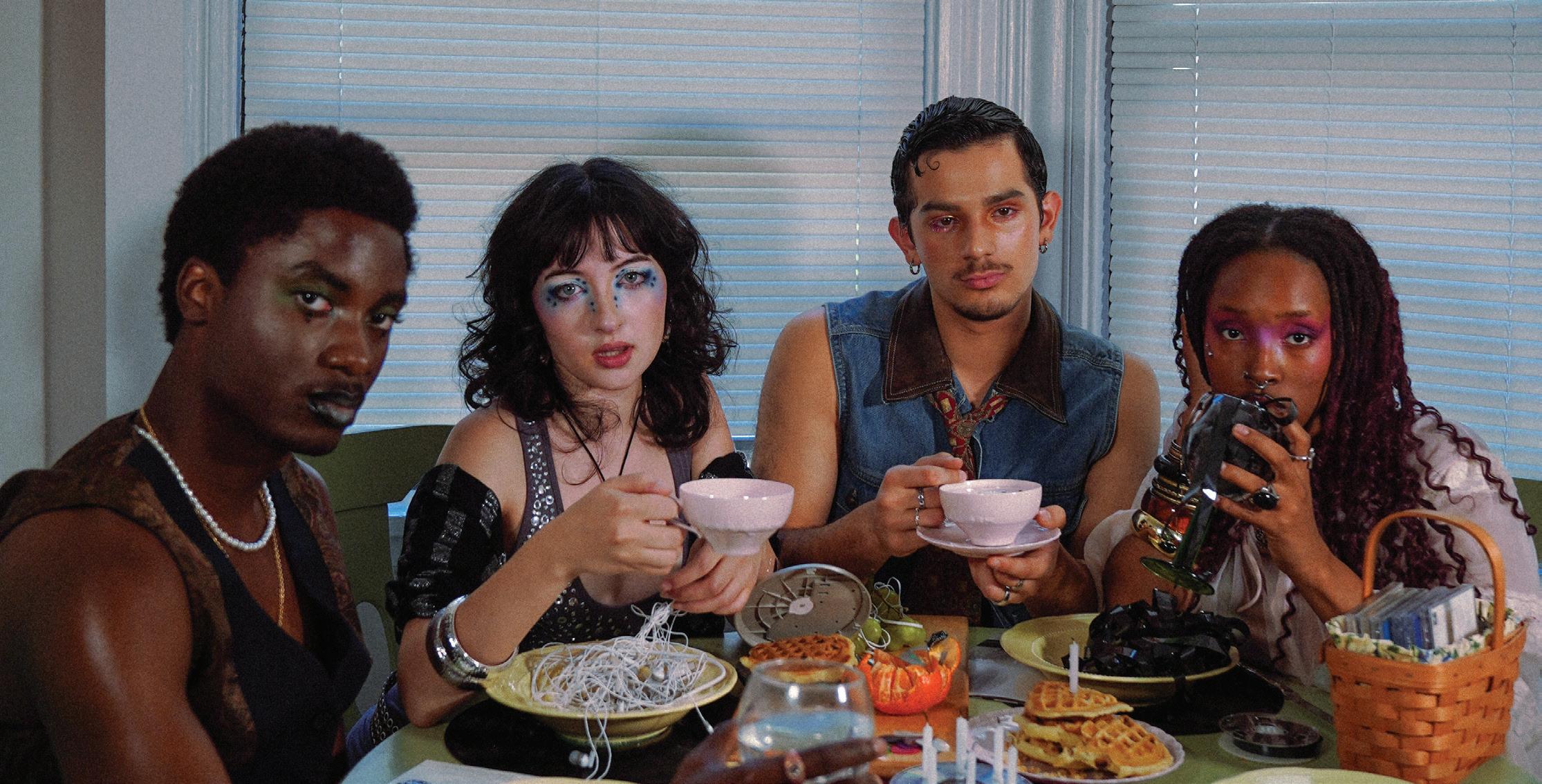
Communion is a visual meditation on music as a shared experience, exploring the ways it connects us to one another. Like a communal meal, rhythm nourishes both mind and spirit, creating a sense of belonging. By capturing people coming together, listening, and reacting, we uncover the unifying power of sound, highlighting how music becomes a ritual of connection and collective presence.

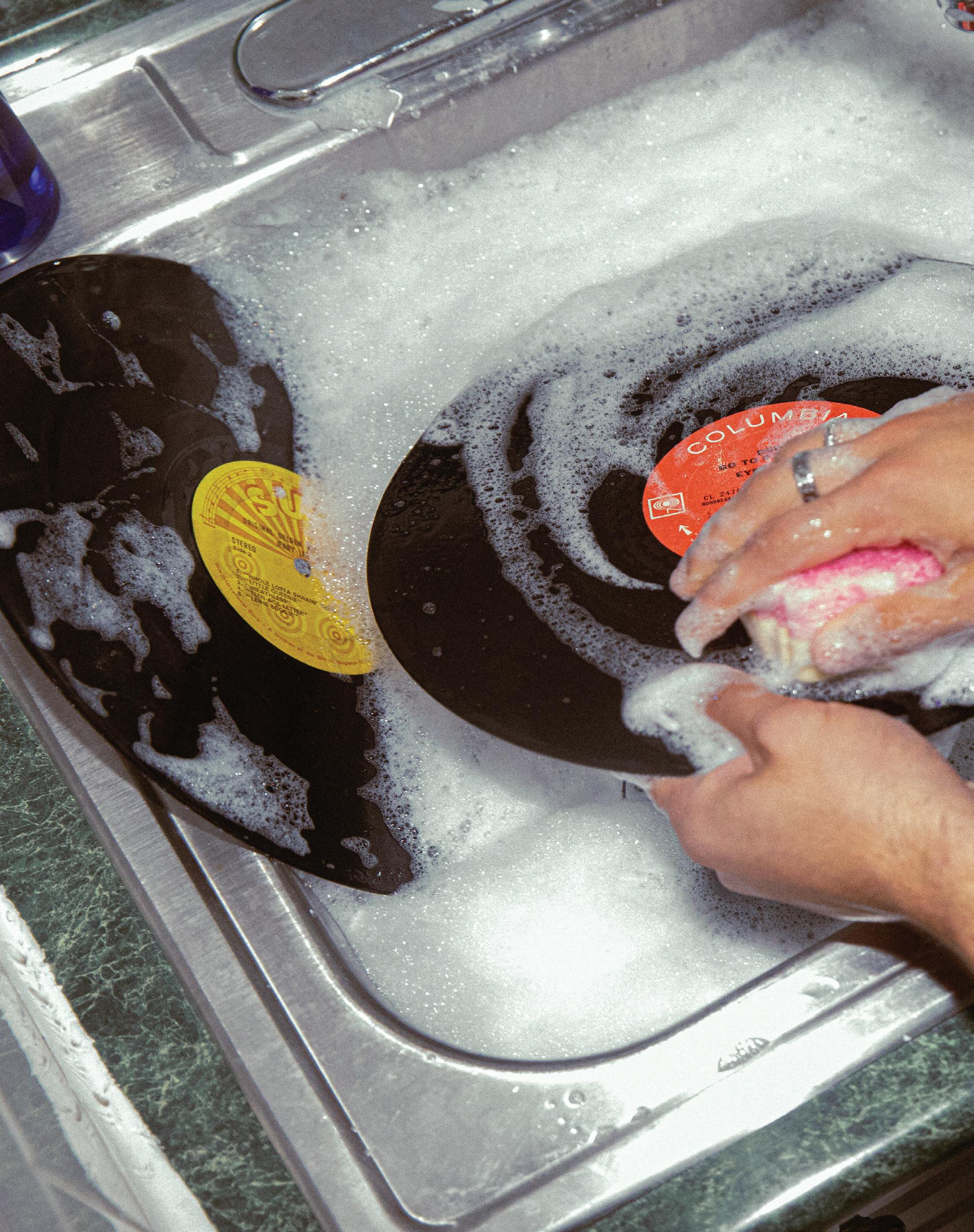
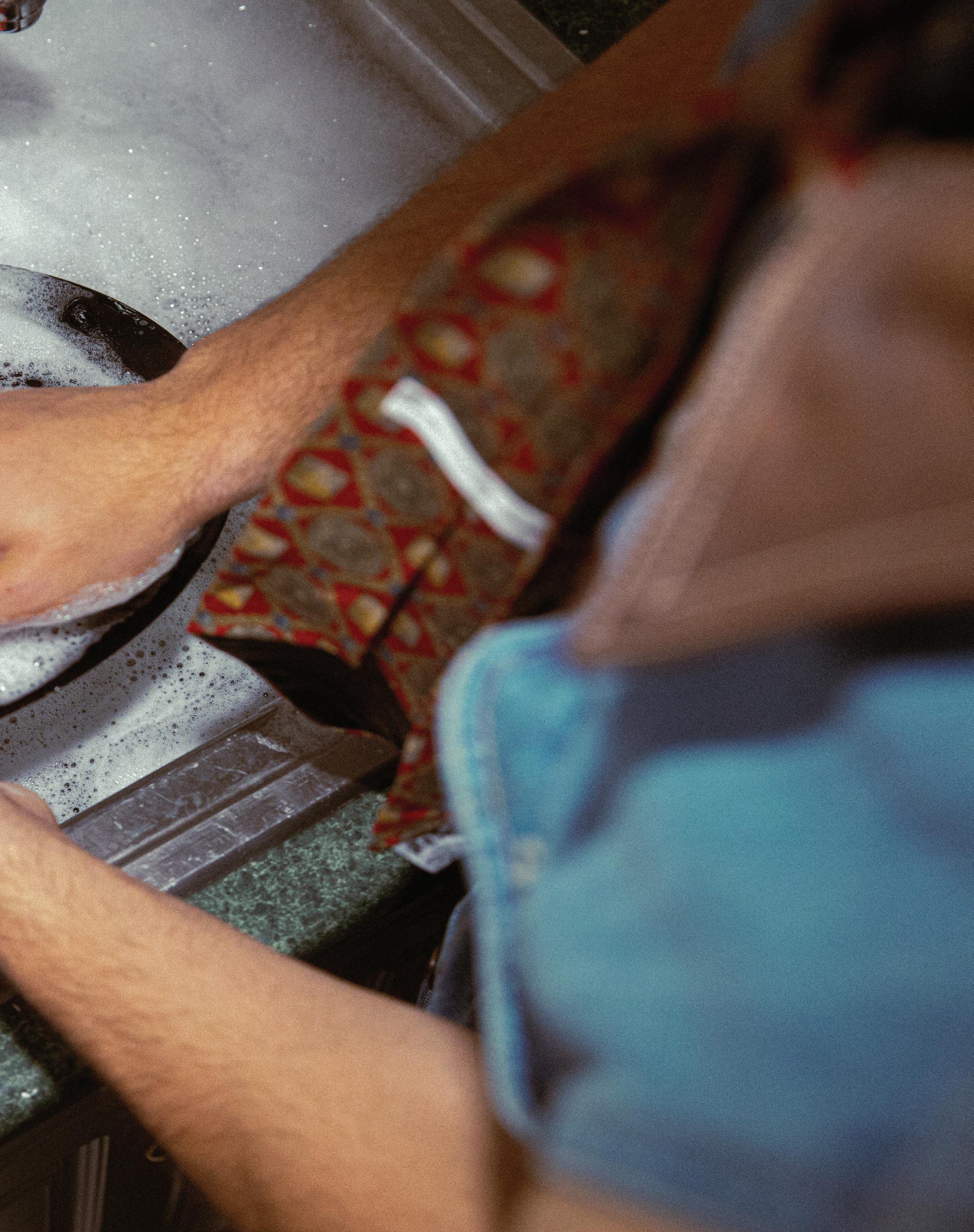

It’s a chilly Friday night in a small Allston apartment. The lights are dim, the Bluetooth speaker sits in the corner, and a group gathers around it, waiting for Spotify to drop the album they’ve all been waiting for. The cheers die once the album drop countdown hits zero, and the room slips into silence, waiting for the opening chord of “Clockwork” by Laufey. Dingdong, Ding-dong
For a few moments, no one speaks. More than any other medium, it’s an act of quiet reverence that draws people into sharing their thoughts and feelings—into communion. The moment the bassline drops or the chorus hits, we are reminded of our belonging to each other.
For Jevon, a junior at Boston University’s College of Arts and Sciences, it was Madman Across the Water by Elton John: “I played ‘Tiny Dancer’ on the piano while I was with new friends. It was like scripture for us … Even now, whenever I hear ‘Tiny Dancer,’ I’m reminded of a time when I was accepted into the music community, surrounded by people who just got me.”
For Ben, a recent graduate working in Boston, it was the soundtrack to the musical, Maybe Happy Ending: “As a Korean American, it made me proud of my heritage … It was the first time a Korean musical won a Tony, making me feel closer to my people.”
The specific contexts differ across genres and generations, but the effect is constant: music acts as glue, binding people in ways words alone can’t.
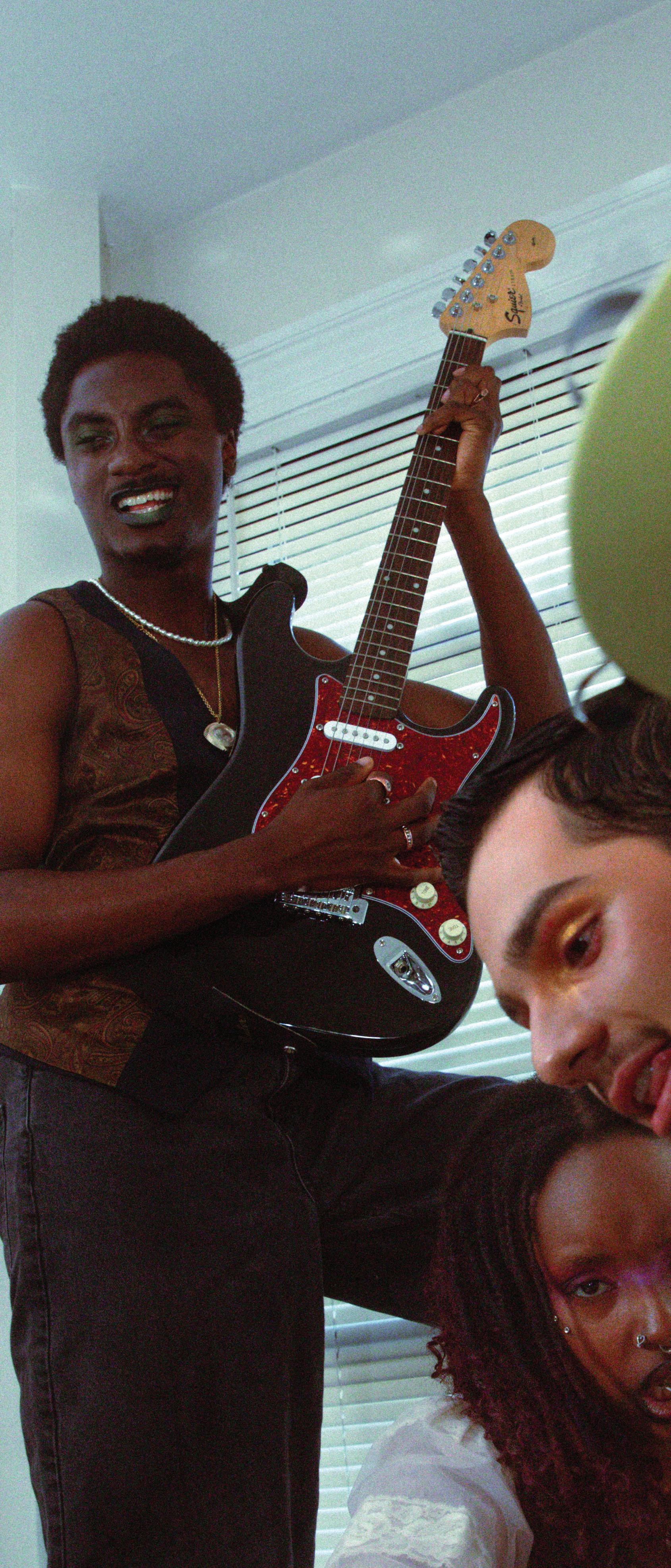
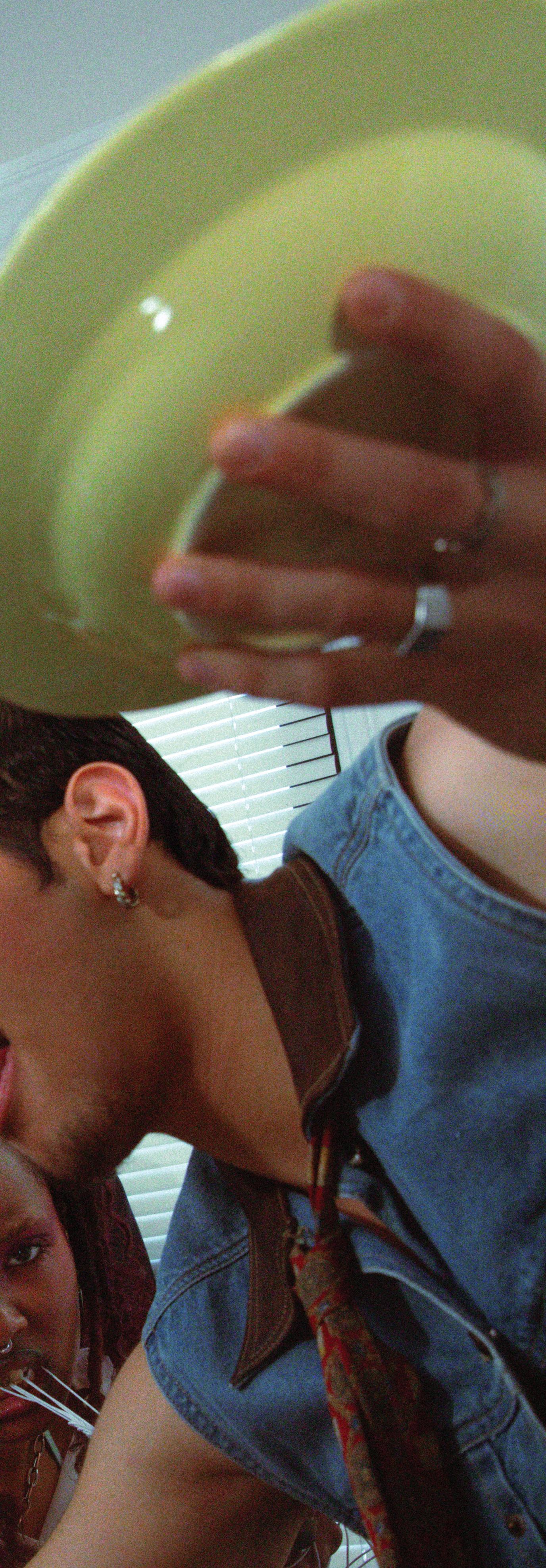
To call these gatherings “parties” undersells them. The speaker becomes an altar; the tracklist becomes the sermon. We return to the same albums not out of habit but out of need if each replay reaffirms our ties to the music.
The pull to replay albums mirrors our instinct to find meaning through repetition. Anthropologists have long studied how rituals build community through repetition and shared emotion – the chants at a protest, the synchronized sway of a concert crowd, the way a chorus unites thousands of strangers. Music intensifies that effect, turning collective listening into something almost spiritual. Whether in a sweaty basement show at the Paradise Rock Club or a Warren Towers dorm room, music transforms bodies into a congregation; voices into a chorus. In those moments, when the lights dim and everyone sings the same line in unison, it feels less like an audience and more like a heartbeat connecting us in sync.
The beauty of musical communion lies not only in its fanbase but in its spontaneity. When the show starts, you don’t need to know the people leaning on the barricade with you, because by the end, you will have shared something that wasn’t there before: a look, a laugh, a lyric mouthed in unison. Belonging doesn’t need to be announced—it’s heard.
Music is both the gospel and the church. It guides us to the people who matter and will hold our memories in their own melodies. As we pass albums and playlists between one another, we are passing pieces of ourselves. A playlist is like a confession in code, a looking glass into what we love, what we’ve lost, and how we want to be understood. Sharing them becomes an act of intimacy, a quiet way of saying “this is who I am right now,” and an invitation for someone else to listen and find themselves in it too.
By the end, the track will pause, and the next song will start, but the communion persists.
VERONIQUE LHUILLIER
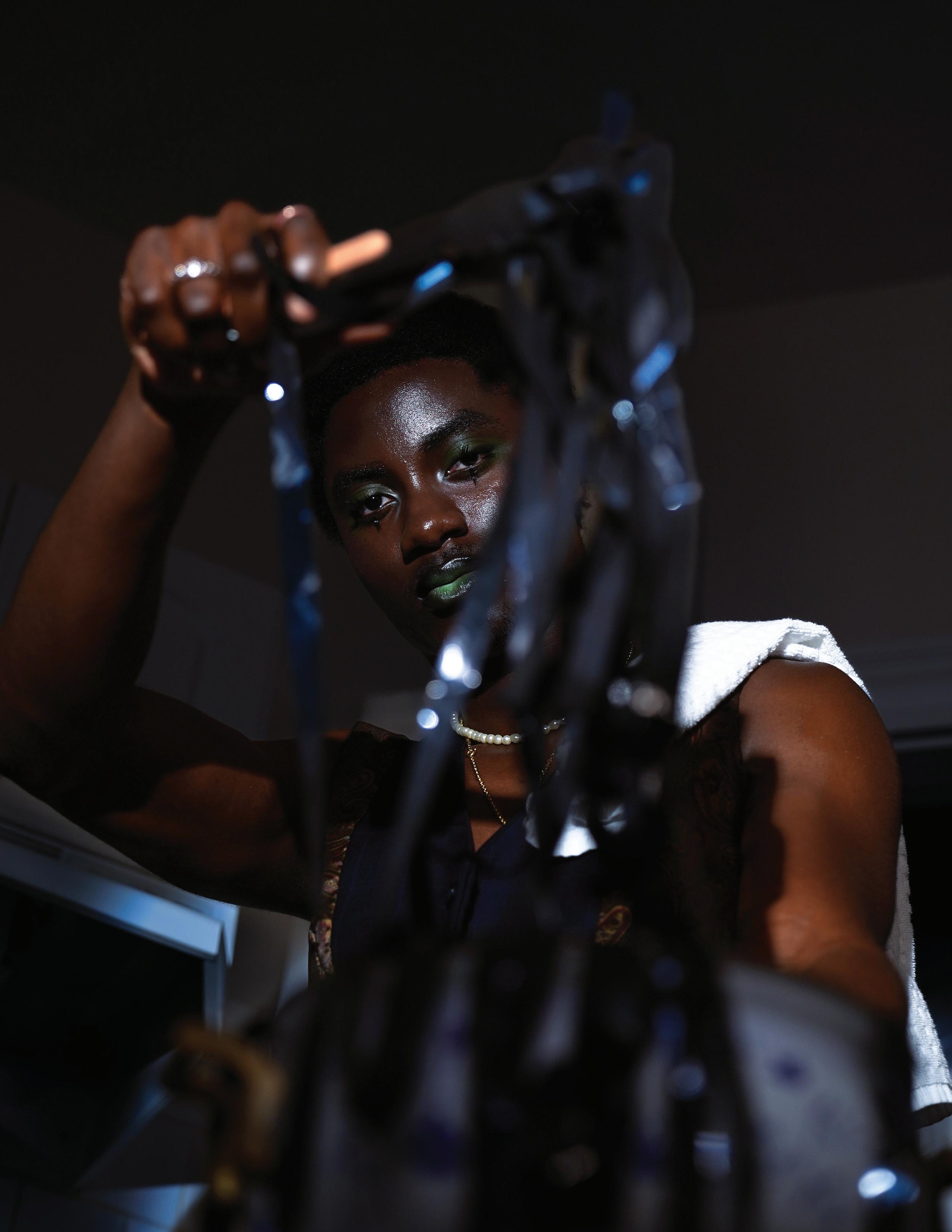
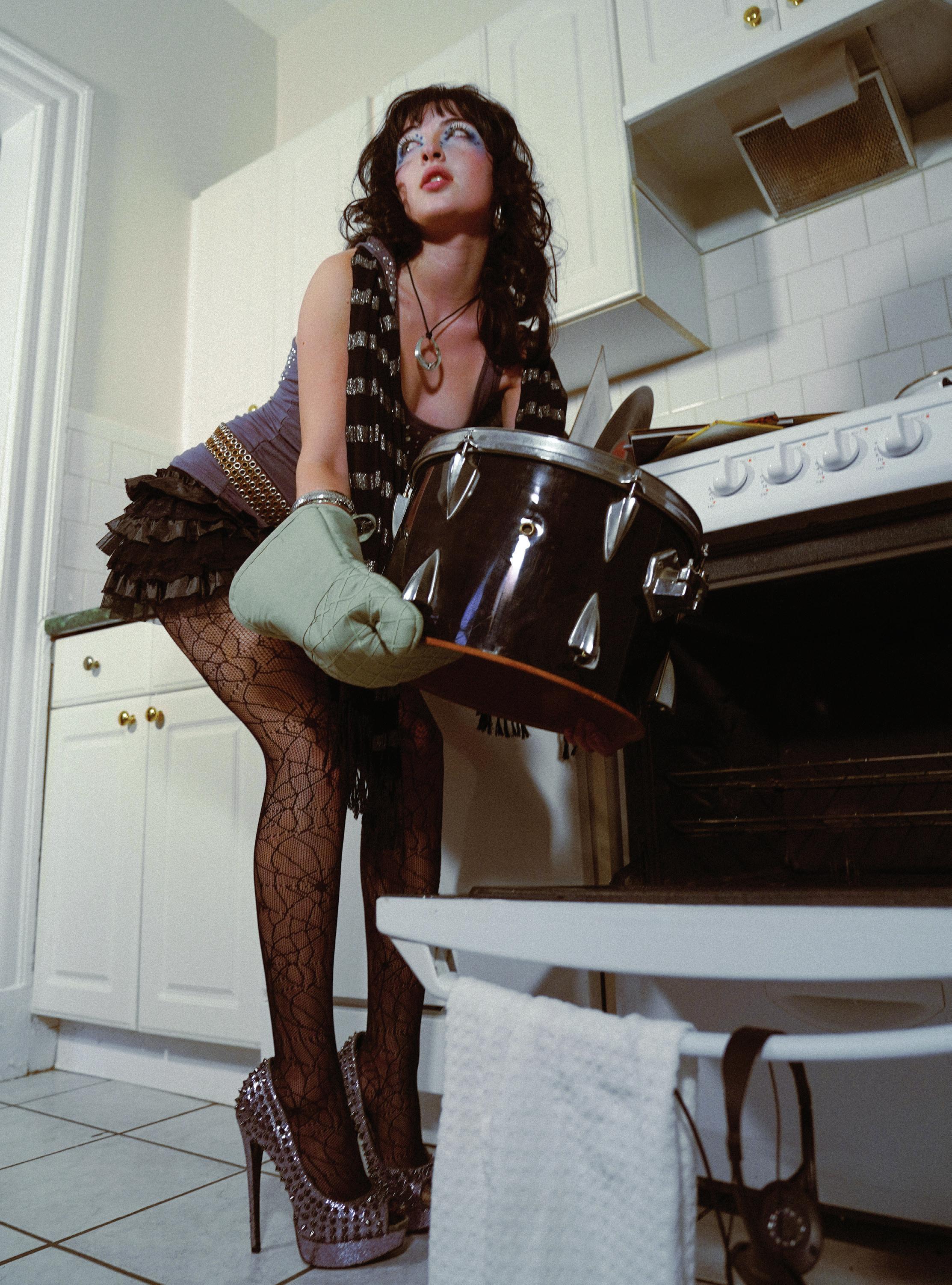
Amidst the vibrant, bustling restaurants tucked into a narrow alleyway in Paris lies a hidden gem: Le Caveau de la Huchette. Located on the Île de la Cité, the name of this iconic jazz club literally translates to “Cave of the Huchette,” a nod to its underground structure. Beneath the glowing sign spelling its name in bright red letters, I found the entrance. The bar greeted me, glimmering with cocktails, as the murmur of trumpets echoed from below. The dim lighting and intimate scatter of tables created a cozy sort of chaos with people clinking glasses, laughing, and swaying to the music I was so eager to discover.
Each step down the spiral staircase blurred the noise of the city above. By the time I reached the bottom, the buzz of brass and the warmth of light had swallowed me whole. As I traced the walls with my hands, the vibrations seeped through the cold stone and into my veins. At the center of the cave, the band played under a soft amber glow, and the crowd pressed close around them. Everyone moved to the same heartbeat, bound together by the pulse of jazz.
The instrumentalists poured every ounce of themselves into the music. You could see it in the way the saxophonist swayed, eyes closed, completely lost in the sound; the way the guitarist’s sweat dripped down the side of his neck and onto the strings. They played as if the world would end if they stopped. And maybe, in some way, it would’ve. Their music was the very thing that kept the cave alive.
Bodies brushed against one another, skin glistening and sweat mixing. No one cared. Everyone just kept moving to the rhythm. I wove through the crowd until I reached the center. Beside me, an older couple, probably in their late sixties, began to swing dance with effortless joy. Nearby, a lone elderly man asked a young woman
to dance, and she smiled as she took his hand. Despite his white hair and hunched shoulders, he moved with surprising grace, even attempting a playful flip that sent the crowd cheering.
Watching them, I realized that jazz dissolves everything that separates us—age, language, background. In that cramped underground cave, there were no strangers, just bodies sharing the same space and sound. It didn’t matter if you were a Parisian regular, a tourist, or someone like me, drawn in by curiosity and the search for a feeling I couldn’t quite name. Everyone was there to lose themselves for a while and somehow find themselves in the music.
Nowadays, jazz is often perceived as niche or highbrow, but since its inception, it’s always belonged to ordinary people; it was born out of everyday emotions like joy, heartbreak, and resilience. In a place like Le Caveau de la Huchette, that legacy still breathes. The music twists through the stone walls, hums under your feet, and grazes against shoulders pressed close together. From the wailing saxophone to the thrumming bass, all these notes and improvisations alike form a single heartbeat. The music makes you move. It makes you notice the stranger beside you, the laughter and whispers that float through the air, and the warmth of being part of a collective.
Maybe that’s what makes jazz so extraordinary—it thrives among the ordinary. It’s messy. It’s alive. It’s improvised. It doesn’t ask for perfection; it just asks you to listen, to feel, to surrender yourself to the rhythm, and to let it carry you through the night. And for a few hours, in that dim, bustling cellar, the world outside fades, leaving only the smooth scent of jazz…and everyone moving together as one.
CHARLOTTE WAESCHLE
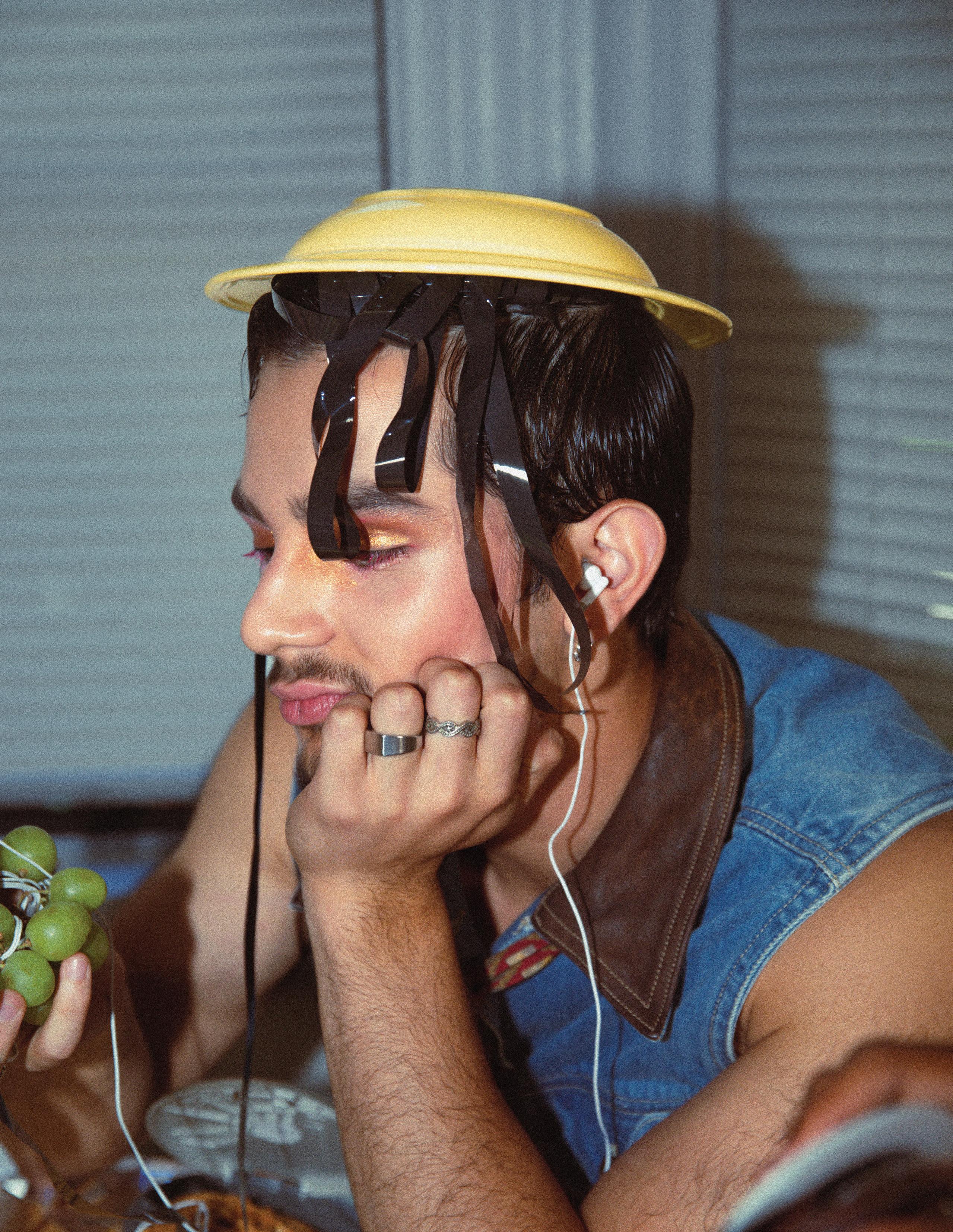
Whether in blockbuster biopics starring our favorite young movie stars, mass-produced t-shirts bearing iconic logos, or even parents’ dusty record collections, the music of the late 1960s remains some of the most well-known and well-loved in American history. Beyond their long standing appeal, these artists also greatly contributed to shaping the diverse social culture of the era. Among the most experimental was the Grateful Dead, an iconic rock band of the late 1960s known for their psychedelic style and devoted subculture. More so, the Dead played a pivotal role in shaping the era’s eclectic counterculture, both through their music itself and the community of fans they cultivated, now known as Deadheads. Unlike artists of the era whose public sentiments and lyrics directly challenged political systems, the Grateful Dead employed protest through exploratory live concerts, communal living, and shared ethos among their fanbase. These aspects, paired with their exploratory music, effectively shaped a counterculture movement of its own which extended beyond politics, ultimately redefining protest not as retaliation, but as a way of life.
Emerging during the mid 60s, the Grateful Dead quickly established themselves as a figure of the counterculture through their ethos of nonconformity, artistic freedom, and defiance. The band, originally called The Warlocks, had geographical roots in Palo Alto, California. Founding members Jerry Garcia, Bob Weir, Ron “Pigpen” McKernan, Phil Lesh, and Bill Kreutzmann often played small coffeehouse shows around the Bay Area and later burgeoned into notable bars and clubs. Though their concerts aided in settling their musical foundations, it was their move to Haight-Ashbury, San Francisco that solidified their characterization as countercultural icons. The neighborhood’s de facto mission aimed to achieve
a communal living place free of consumerism, tradition, and conventional politics; the Dead lived up to these ideals, whether by performing free concerts in parks or living communally with fellow artists. The Haight made for a perfect home for the Dead who prioritized their own creative freedoms and enjoyment over record labels and industry success.
Stemming from their emphasis of countercultural principles while simultaneously withholding conventional protest, the Grateful Dead’s live concerts became their primary space for counteraction. Though it is clear through their participation in antiwar events that the band held the same ideas as their more overtly political compatriots, the members largely refrained from actively speaking on the issues themselves. In an interview with author and Grateful Dead historian Tom McNally, founding member of the dead, Bob Weir, emphatically states this stance: “The war was their business—the people who were fighting it. We wanted nothing to do with it, and that was that. We weren’t into protesting it—we were realistic enough to realize that there was nothing we could do that was going to change anything. In our hearts, we were against it.” While the band never actively protested, “they put their time where their beliefs were, but not their mouths,” Weir said, most principally into their concerts.
Similarly to their early shows in Haight-Ashbury and San Francisco, the Dead’s official concerts differed from those of their musical peers. Perhaps expected due to their notorious experimentation with psychedelic sound, the Dead refrained from playing one finite setlist or, on a smaller scale, finite songs. The band’s use of improvisation was central to the structure of their concerts, again proving how the band prioritized their sovereignty as
artists over performers. Many Grateful Dead historians and archivists theorize that this improvisation could itself be an indirect political and societal confrontation from the band, arguing that improvisation creates a separation from status-quo through music but also on a larger cultural scale. Improvisation not only rejected traditional concert structure but was also beloved by fans, such as the famous playing of cosmic wonder “Dark Star” at their 1969 Fillmore West show. The song, just sixteen-lines long, was stretched to just over twenty minutes—and the fans loved it.
Beyond the musical and structural aspects of their shows, the Grateful Dead’s encouragement of fan participation also worked in establishing a unique environment of societal rejection through communal experience. Like how personal fulfillment was central to the counterculture, agency amongst their fans was crucial to the Dead in creating their concert atmosphere. As a result, their shows transformed from performances to multi-day retreats full of music, dancing, and togetherness. The Grateful Dead and the Deadhead community could perhaps be labeled a commune itself with their rejection of mainstream society and subsequent cultural innovation.
Additionally, Grateful Dead concerts promoted economic agency among fans, one outlet being the Taper Section, a designated area for fans to record live performances to be played and shared. This practice was practically unheard of for this era; musicians typically prohibited concert recordings of any kind. The Dead, of course, championed inclusivity and availability of music, again rejecting traditional etiquette in alignment with the counterculture’s mission. A similar example is the handmade goods markets set up by fans at the concerts. At this market, now
affectionately called “Shakedown Street” in reference to one of the band’s songs, fans line up tents to sell clothing, jewelry, even food (most notably grilled cheese). Through the selling of handmade goods, and rather the availability to do so, the Grateful Dead and their fans inherently reject the consumerism of mainstream society without having to explicitly speak out against it.
Though the Grateful Dead did not openly participate in political protest or write songs with overtly political messaging, it was through their purposeful cultivation of a deep rooted community within their live concert atmosphere that they illustrated their countercultural ideals. Because this illustration continuously rejected societal norms of music, consumerism, and overall ways of living, it can be distinguished as an alternate, communal form of protest. Reflecting on our current view of the counterculture, the characteristics to which we most closely associate it are present in the Grateful Dead’s history. Hippie culture and the Dead’s history are nearly synonymous, thanks in large part to the longstanding community they fostered.
As a result of the creation of their intimate fan community, the Grateful Dead is now one of the most famous cultural icons of the 1960s. Their fanbase of “Deadheads” remains active today and continues to promote the band’s mission of artistic expression and personal liberty. Even now, in a world not necessarily dominated by war but nonetheless saturated by political noise and mainstream conventions, the Grateful Dead and their music continues to offer a rare form of refuge. This presence invites us to consider “alternative” forms of escape or protest in all facets of our lives, and more so the longstanding cultural impact of such.

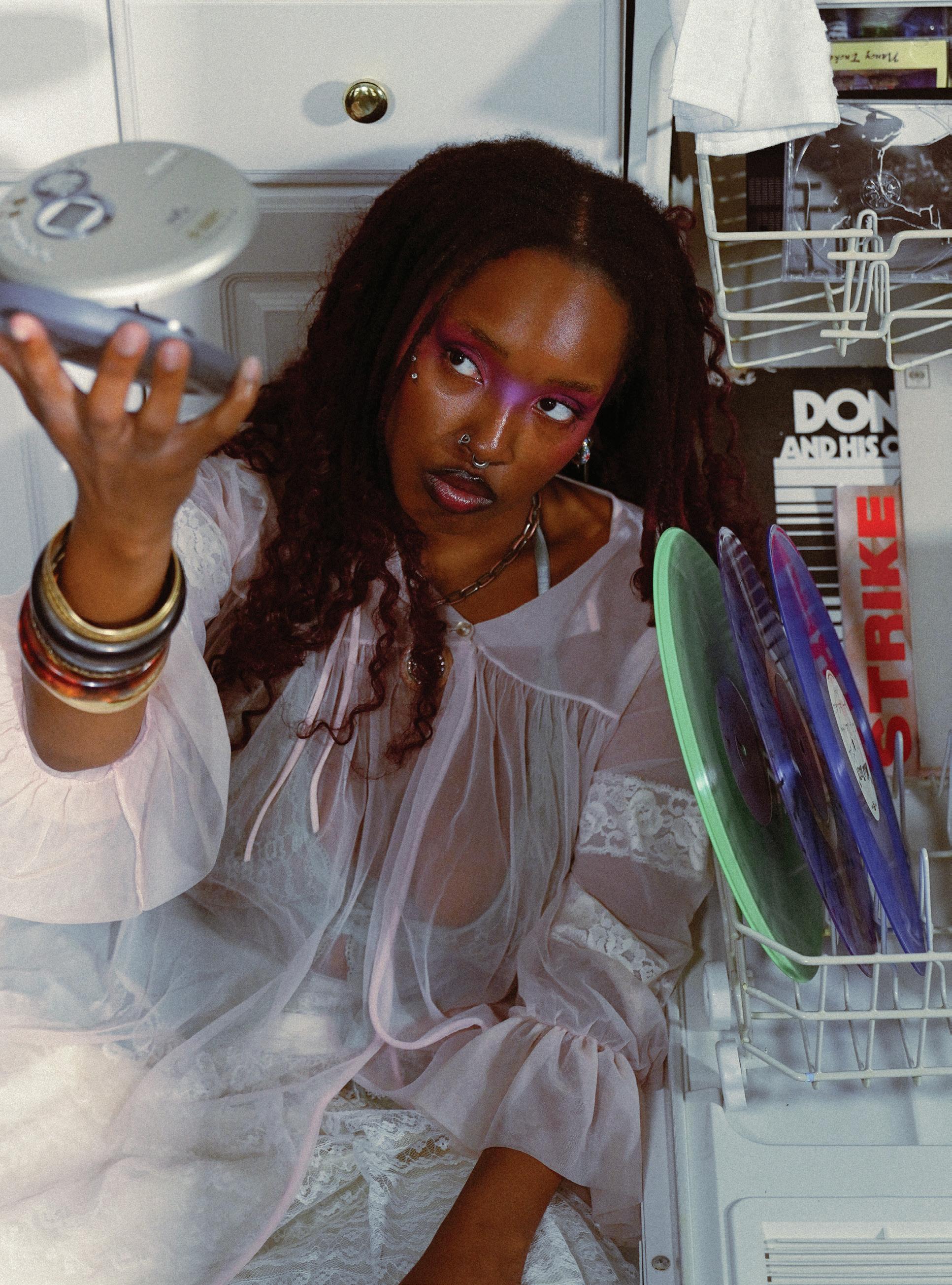
Boston’s music scene has always had this strange contrast of polish and grit. Long before the rock, punk, and R&B that would define its late 20thcentury sound, Boston was home to jazz clubs and world-class orchestras. But from the 1970s onward, a different identity emerged, one built in massive stadiums like TD Garden and Gillette Stadium, only miles away from LED-lit basements that smell like beer. Somewhere between this height of polished, mainstream music and underground sound, Boston figured out its own identity: a sound that refuses to be neatly slotted into any category.
When discussing Boston bands and their impact, three names consistently dominate the discussion: Aerosmith, The Pixies, and Bell Biv DeVoe. These bands were launched in different musical eras, with vastly different audiences, but they shared one common trait: the sense that Boston could be a launchpad for something way bigger.
In the 1970s, Aerosmith gave Boston its first homegrown hit band. They weren’t fancy or polished. They looked like any other group of young, college-age guys in Boston who mainly practiced in garages or apartments to an audience of annoyed neighbors, parents, and roommates. Their hit song “Dream On” wasn’t just a song—it was a mission statement to dream big in a world that can make you feel small. Boston became proud of that noise, that messy mix of blues and sweat and ambition.
The Pixies arrived like a cold front nobody saw coming, and everything got weirder in the best way. Coming from the college scene in the mid-1980s, the band had a totally unique and alien sound—an intense contrast of abrasive punk and catchy pop, almost as if they took the unpredictable Boston weather and turned them into a melody that, unlike the snow and wind, was actually enjoyable. You can hear The Pixies’ influence in bands like Nirvana and Radiohead; Kurt Cobain admitted that the Pixies were a massive inspiration for him, further proof that Boston’s weirdness could reshape rock music worldwide.
Just when Boston seemed like all guitars, metal, and indie, Bell Biv DeVoe came along and provided a palette cleanser. The trio of Ricky Bell, Michael Bivins, and Ronnie DeVoe had spent the ‘80s as part of New Edition, Boston’s homegrown teenage phenomenon R&B group. By 1990, Bell, Bivins, and DeVoe had outgrown the group and wanted something different. They ultimately broke away from the band and teamed up with producers uniquely blending hip-hop with R&B in unheard of ways. Bell Biv DeVoe’s hit song “Poison” brought in a breath of fresh air to a scene dominated by rock. It introduced a catchy, upbeat hip-hop and R&B sound and proved Boston’s music scene wasn’t limited to
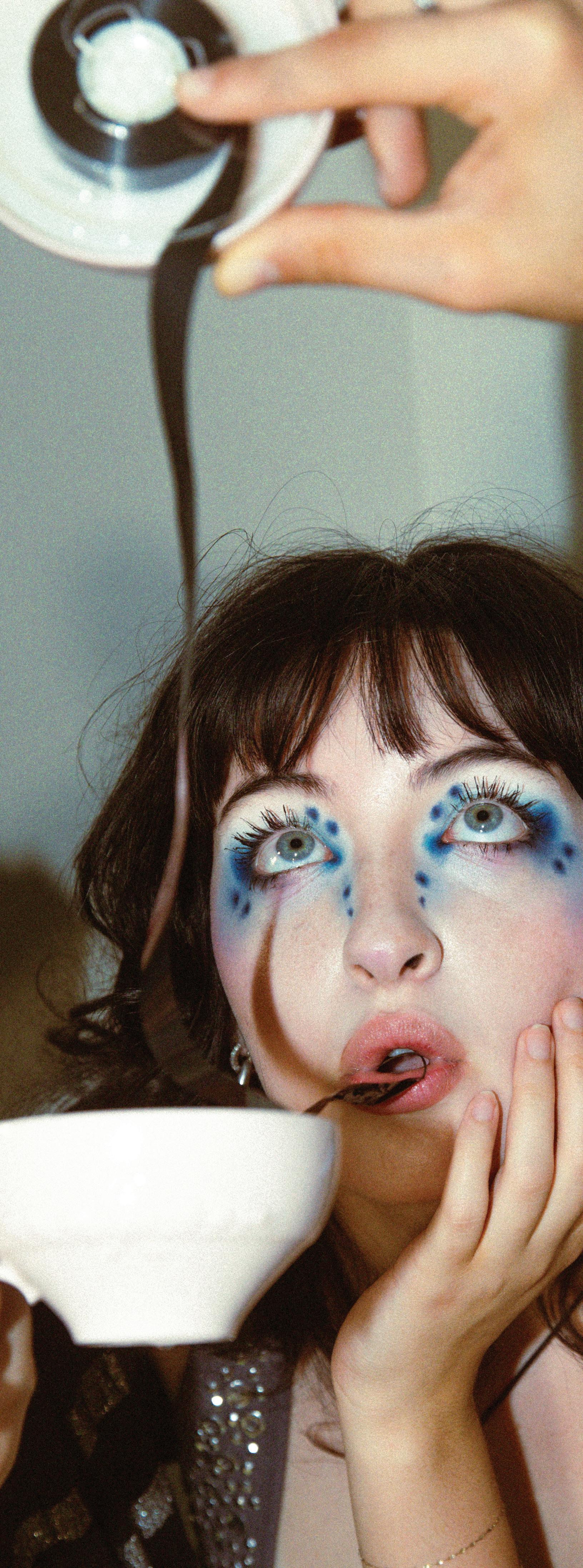
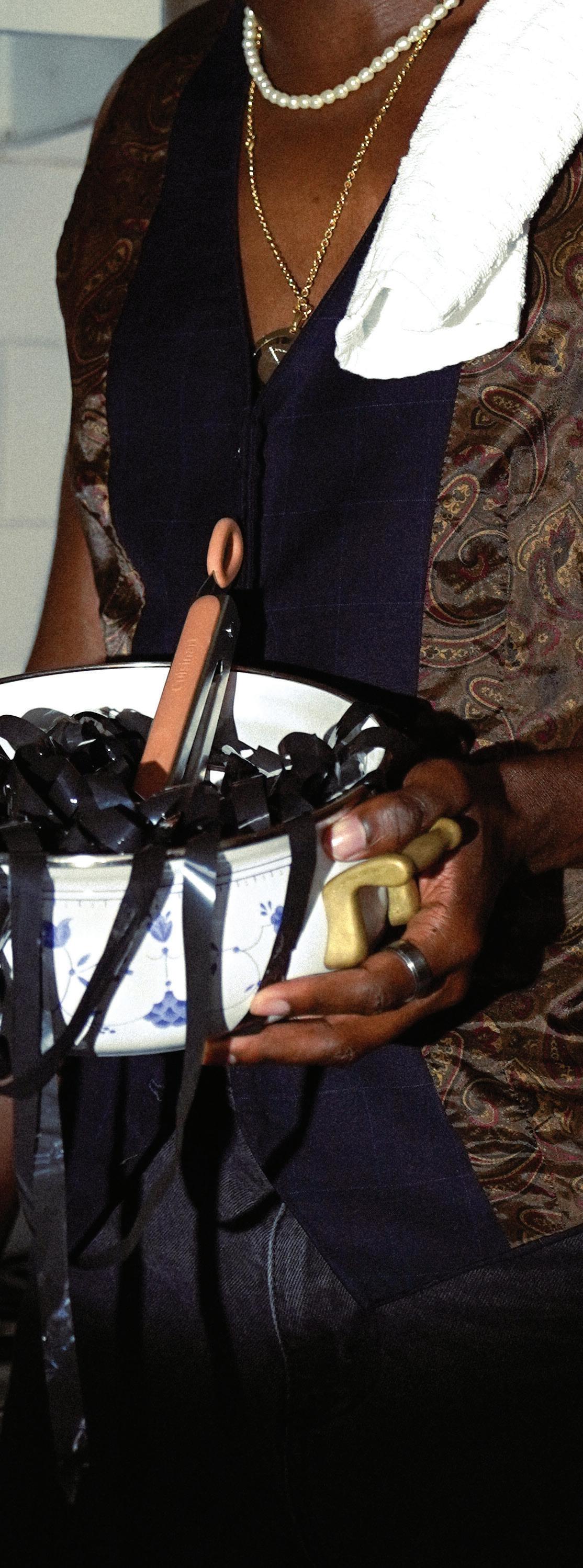
endless copies of Aerosmith and the Pixies. To this day, “Poison” still feels energizing and timeless.
Together, those artists built the foundation all with that same stubborn Boston heartbeat. What’s interesting now is how today’s musicians stand on that groundwork and branch off in their own directions.
You can still hear the legacy of Boston’s artists— Aerosmith’s grit in the loud, unapologetic intensity of local rock acts still playing cramped stages in Allston; The Pixies’ offbeat chaos in bands like Speedy Ortiz and Sweeping Promises, who twist melody and noise into something both nostalgic and new; in artists like Latrell James or Cliff Notez, you hear that electric, a little bit rebellious but smooth Bell Biv DeVoe beat.
Today, the city’s music scene has changed. Rehearsal spaces are pricing out artists and smaller venues struggle to survive against the threat of inevitable shutdowns. The Record Co. in Dorchester, which a friend recommended when talking about current practice space for local bands, is a lifeline for musicians trying to get rehearsal and recording time. It’s a reminder that Boston’s music scene still has places for artists to forge new paths
What’s left is a conversation across decades. Aerosmith spoke in the language of rock; The Pixies answered with distortion and chaos; Bell Biv DeVoe replied with rhythm and motion.
The old guard gave Boston its voice. The new one is giving it range.
If you stand outside a venue—be it TD Garden or your friend’s basement—and hear that blend of electric guitars, synths, and upbeat rhythms, it’s clear that Boston’s music scene is alive and humming its own tune, trying to answer the question of what came before and what comes next.
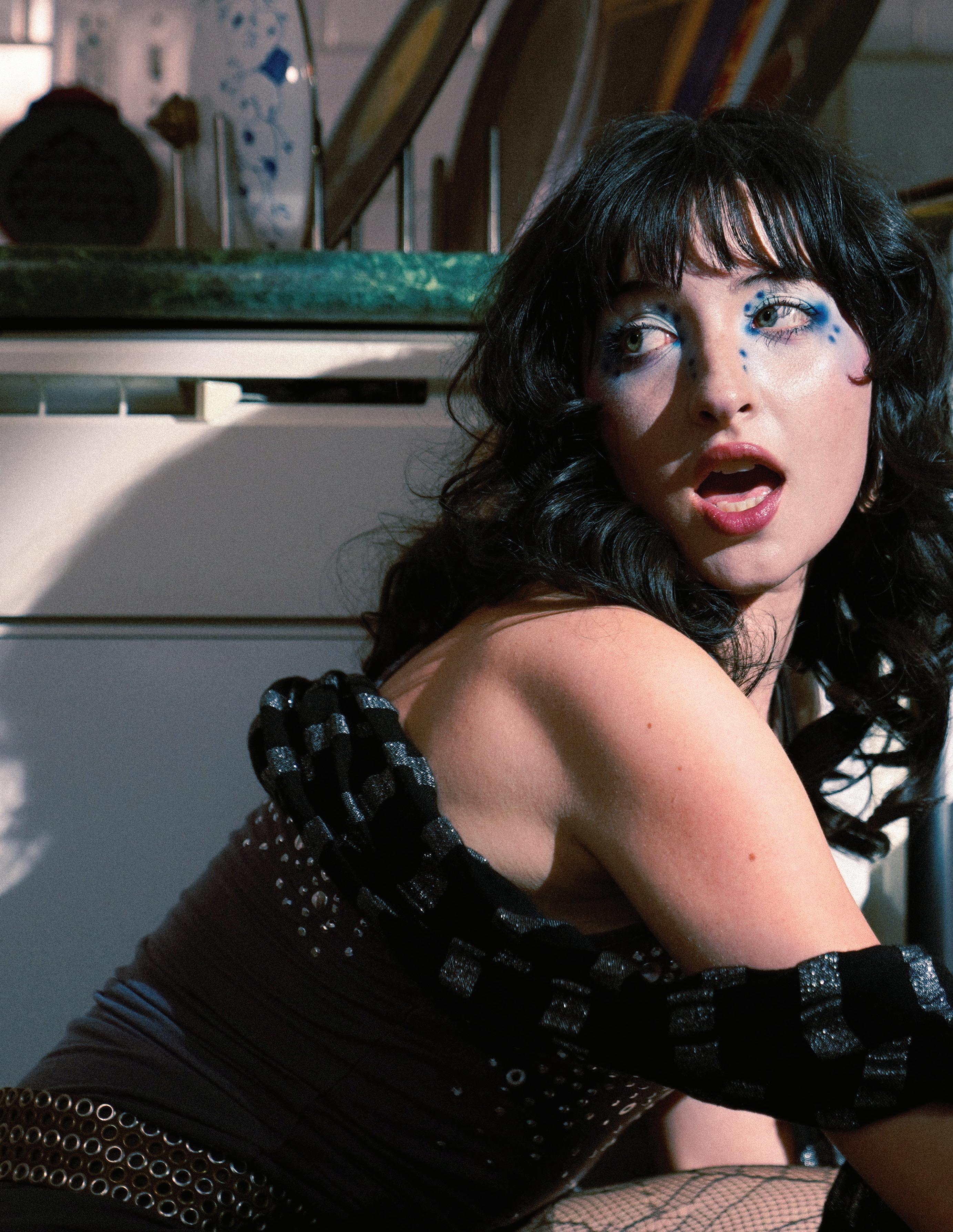
CREATIVE DIRECTION Grace Pisciotta, Capri Bold
PRODUCTION MANAGER Will Chapman
MODELS Bo Violet Vig, Kae Evans, Santiago Sanchez-Lara Alonso, David Fils-Aime
PHOTOGRAPHY Pablo Andrés González, Jazma Zhou, Brian Doolittle González
VIDEOGRAPHY Tyler Hom
STYLE Sophia Tierney, Tehya Tenasco, Natalie Parratto, Angelina Shalom
BEAUTY Maria Fischer, Lucy Johnson, Nala Raitt
SOCIAL MEDIA Traci Walcott, Mea Mata, Jacob Greenberg, Jocelyn Mao, Carsen Currie
PRODUCTION ASSISTANT Quinn Whitney
EDITORIAL DESIGN Naomi Cohen, Grace Pisciotta, Alicia Chiang
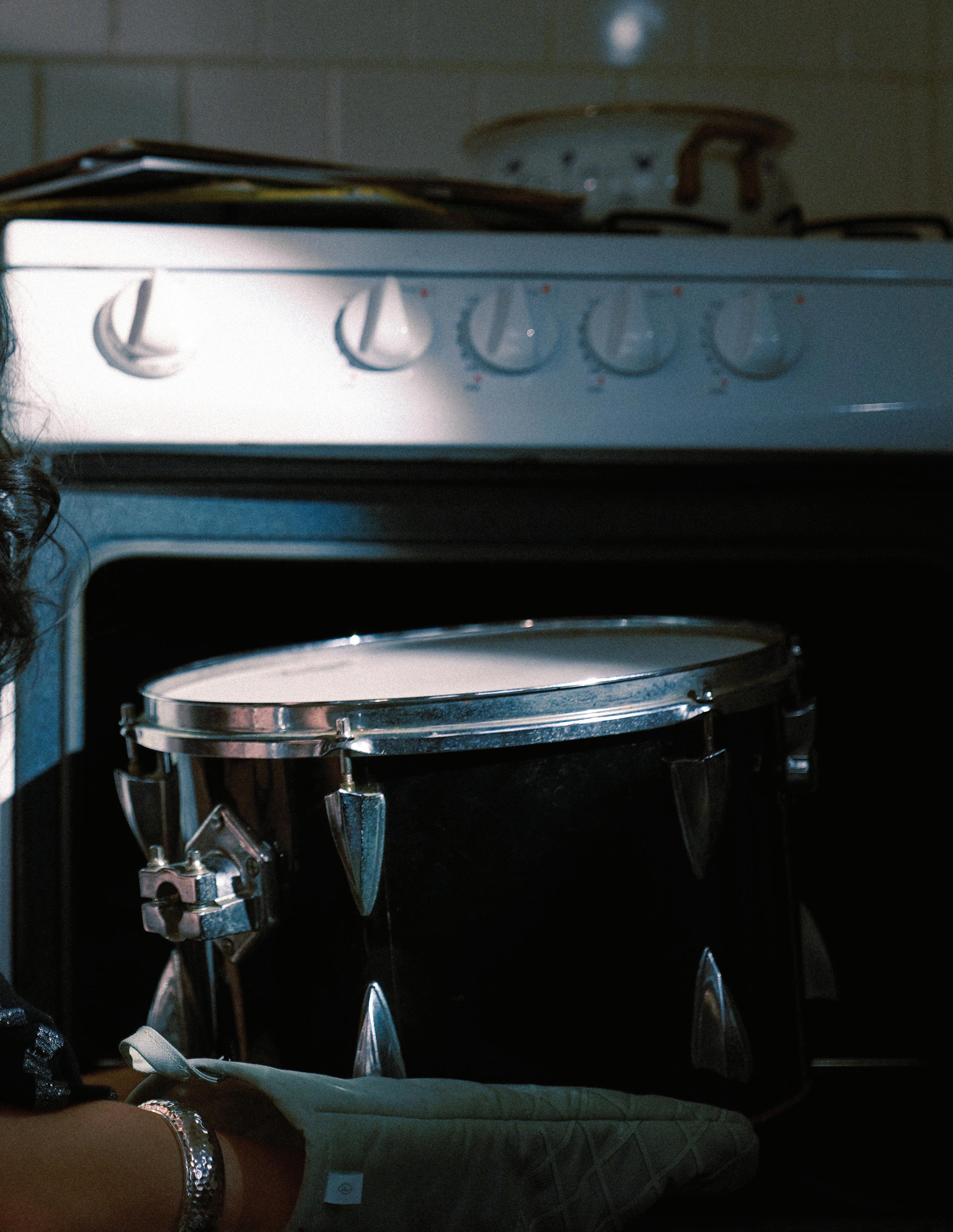

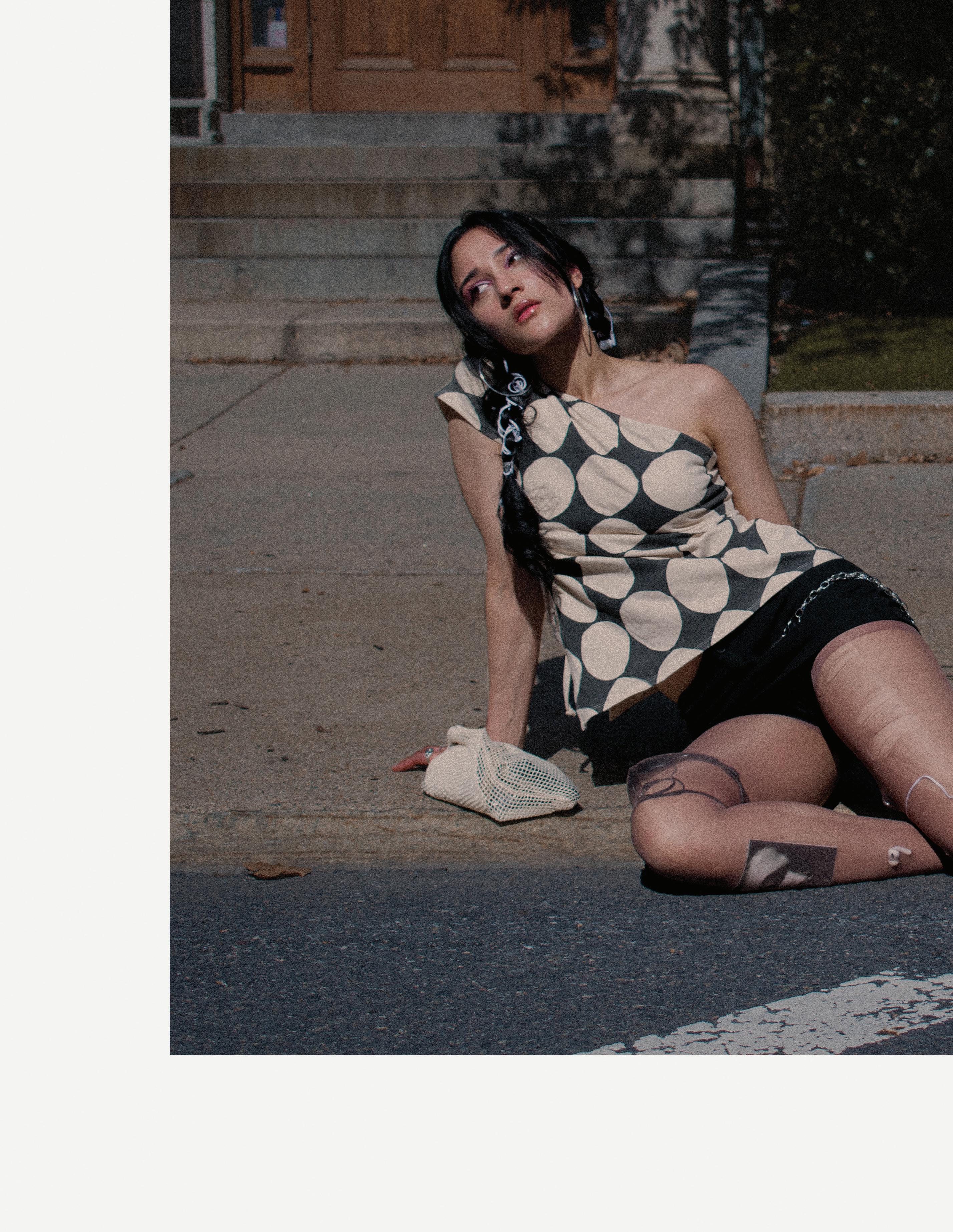
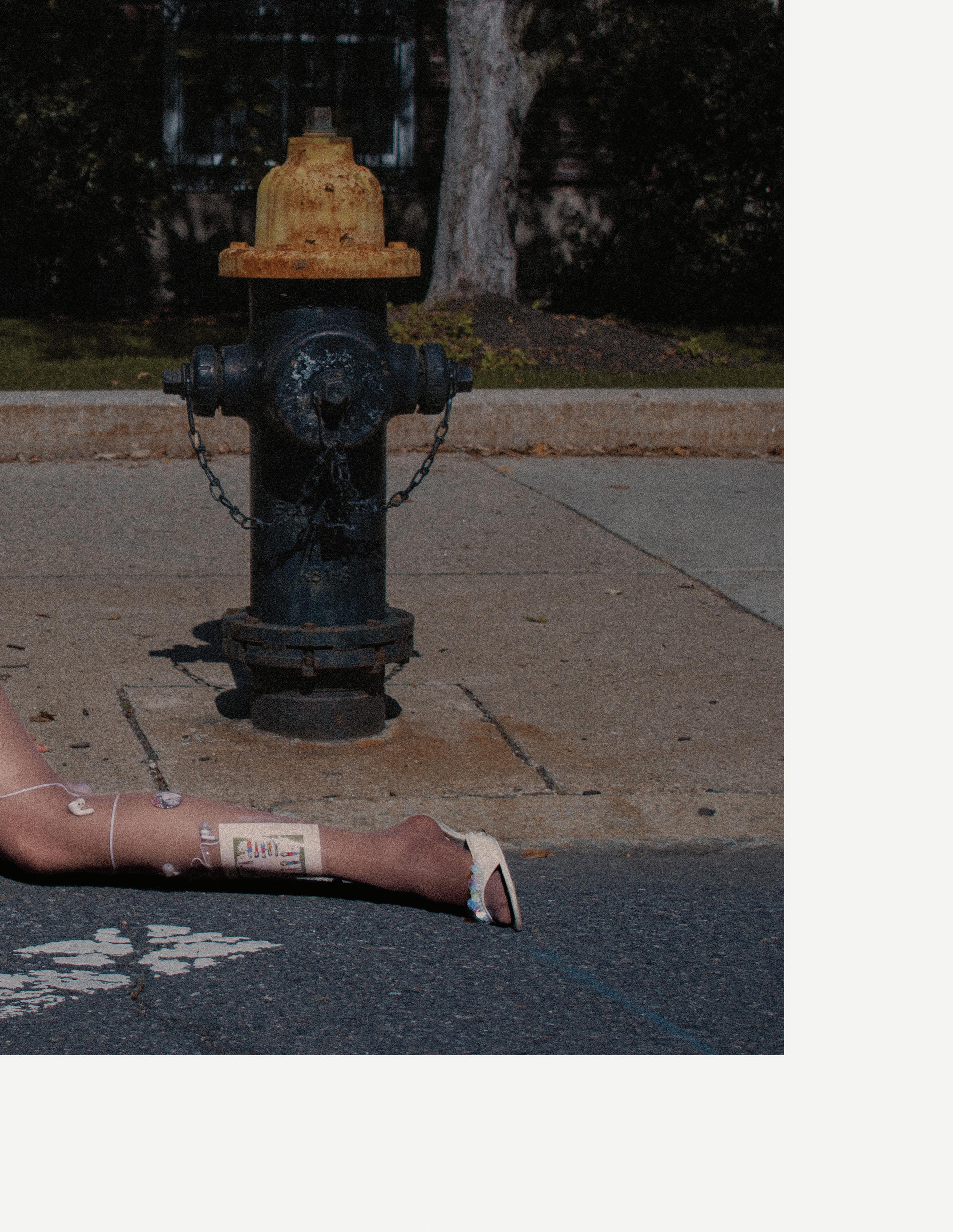
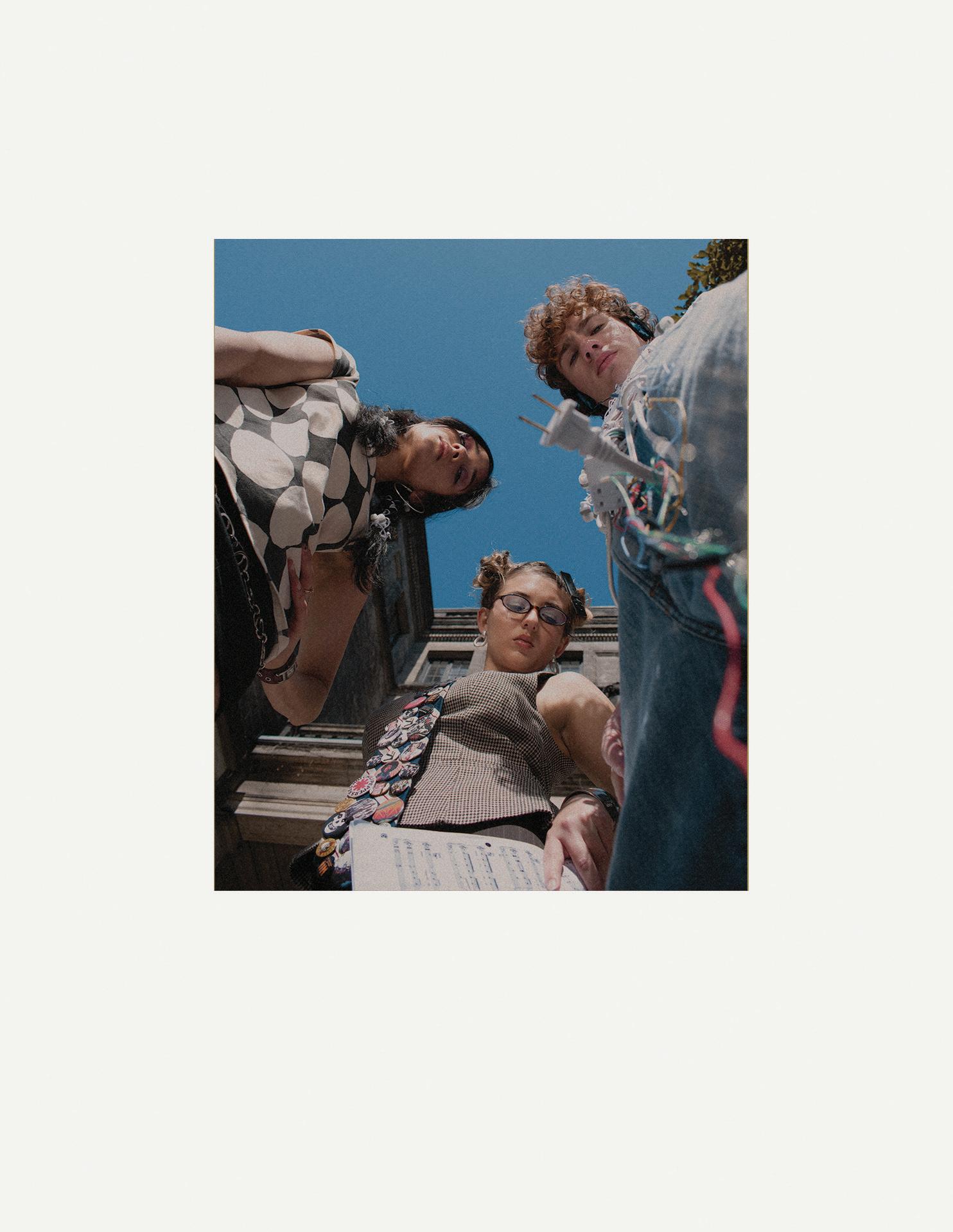
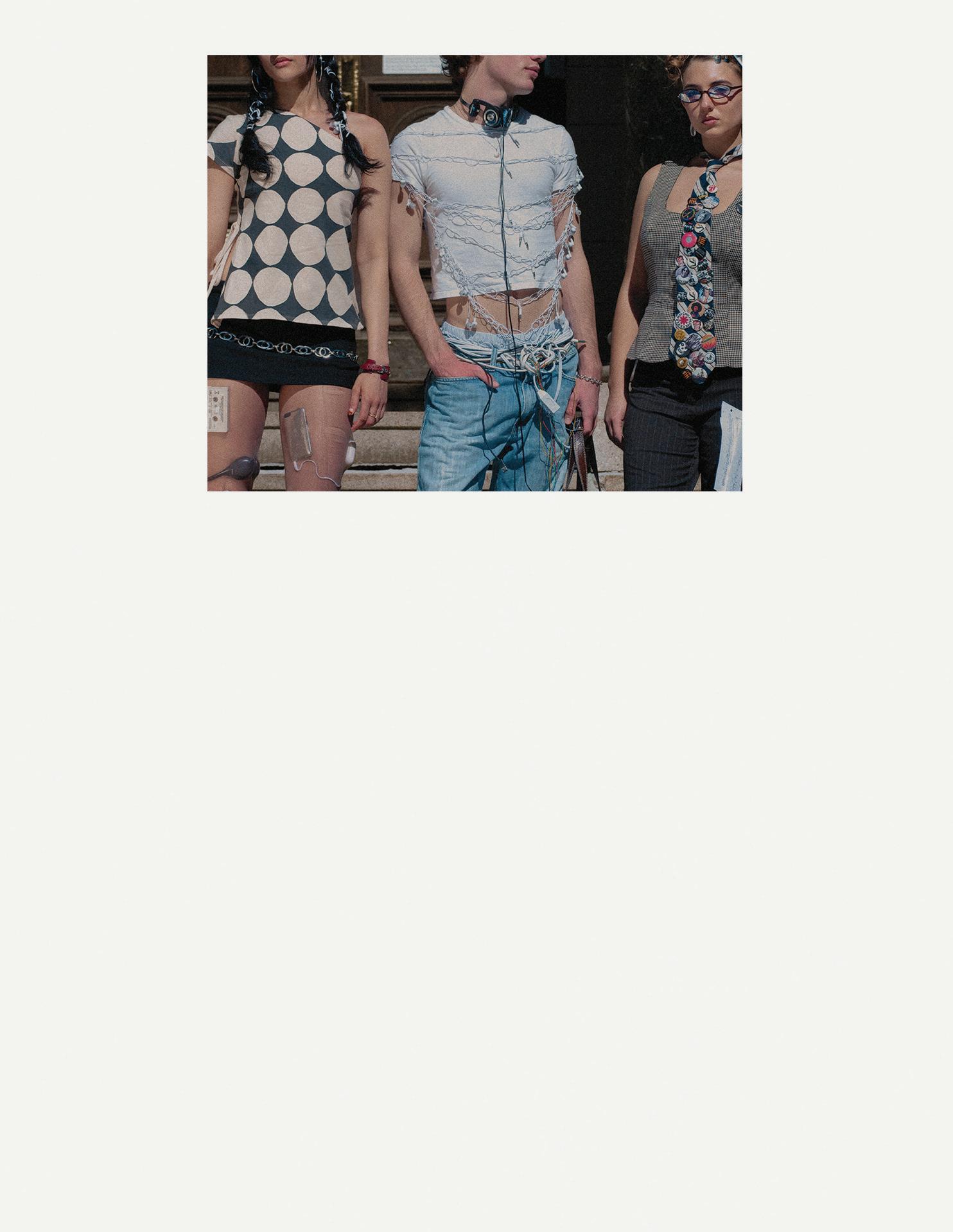
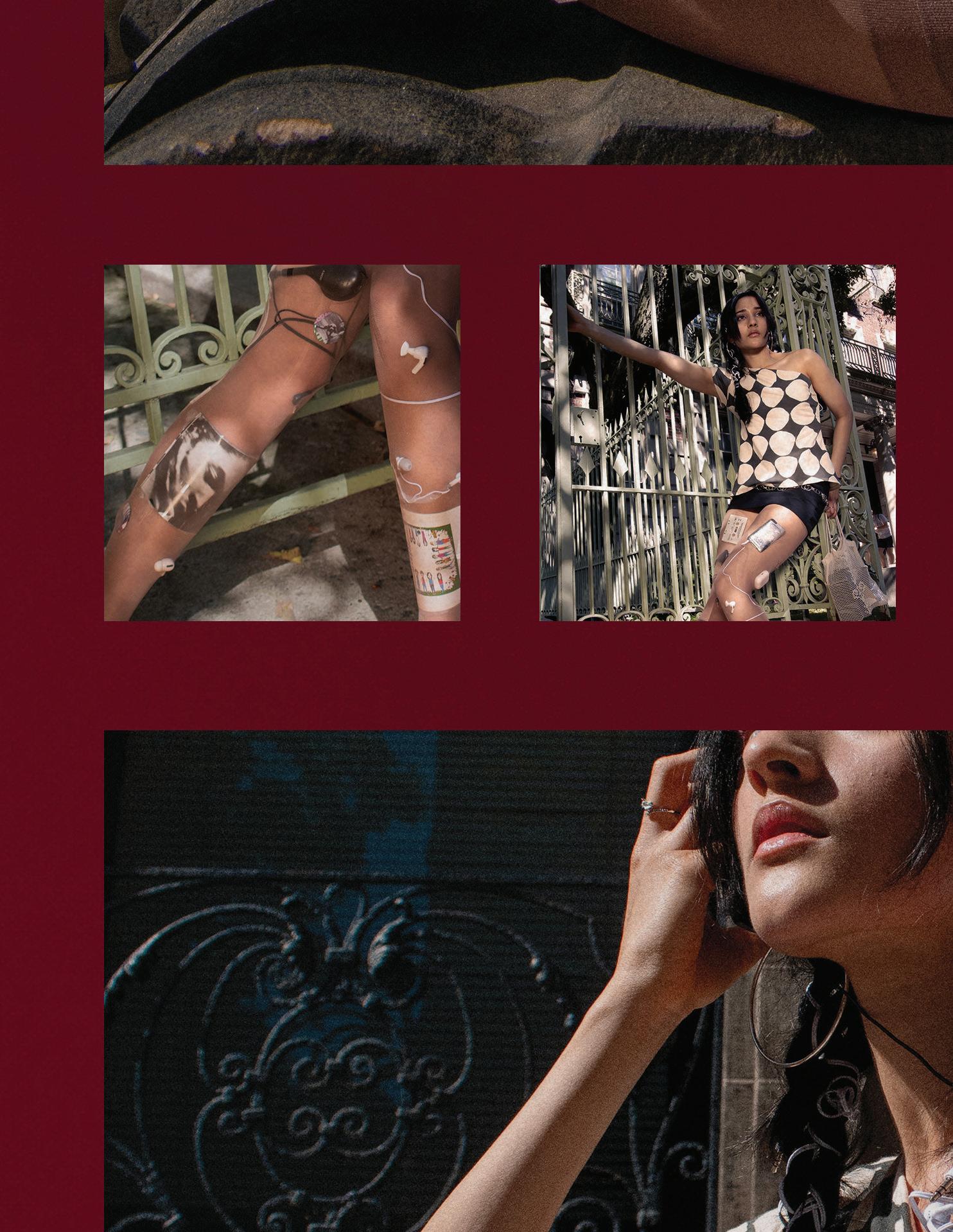
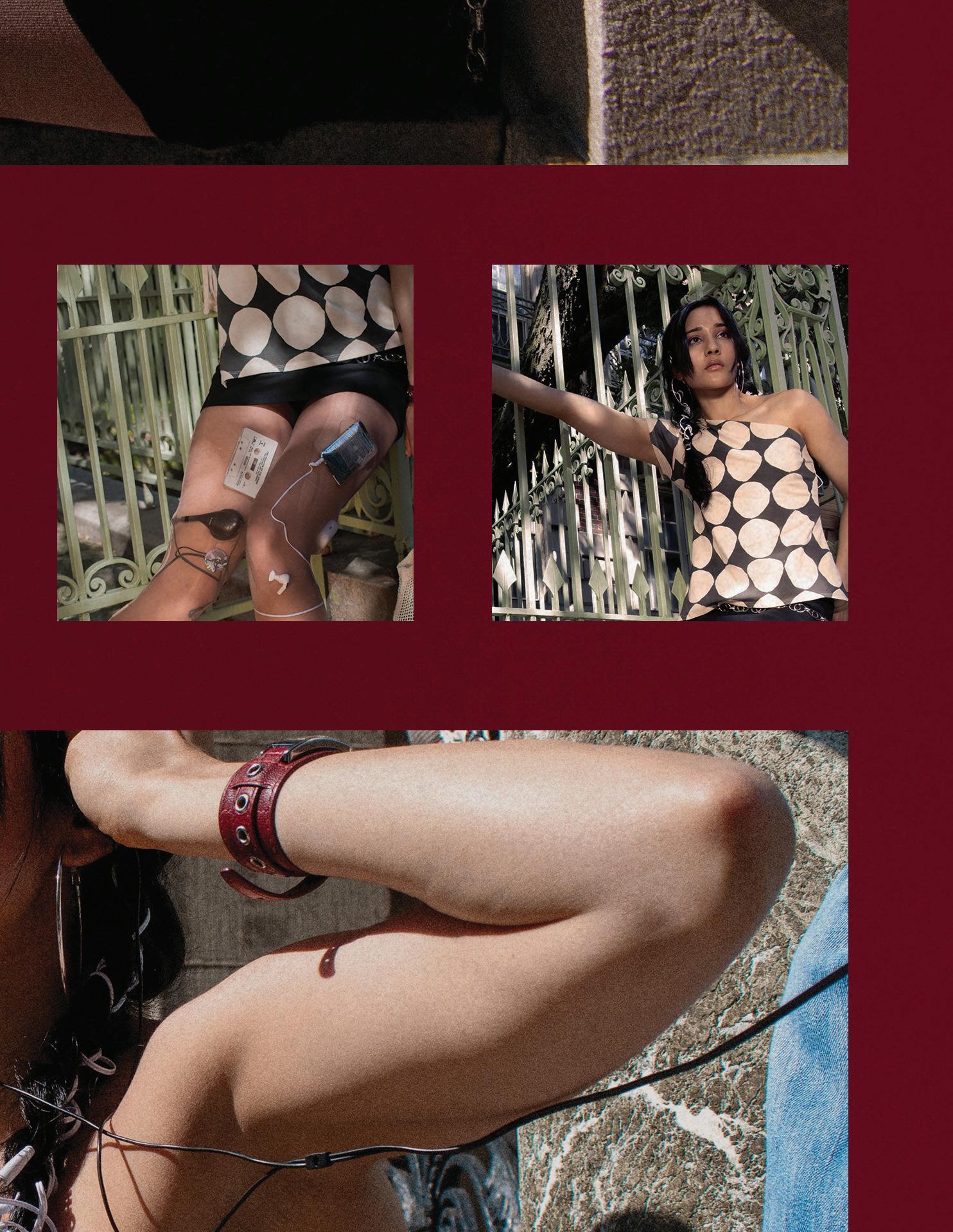
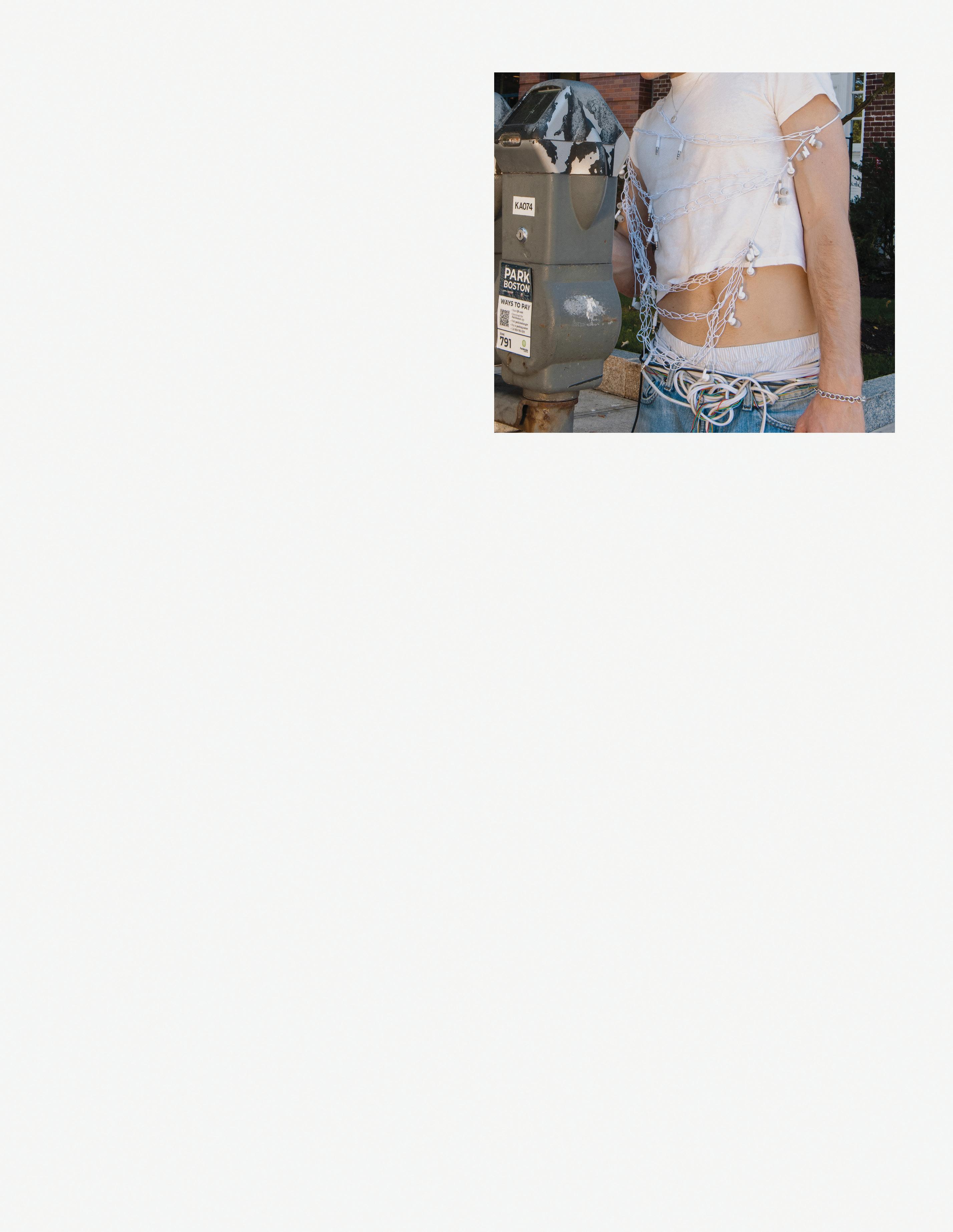
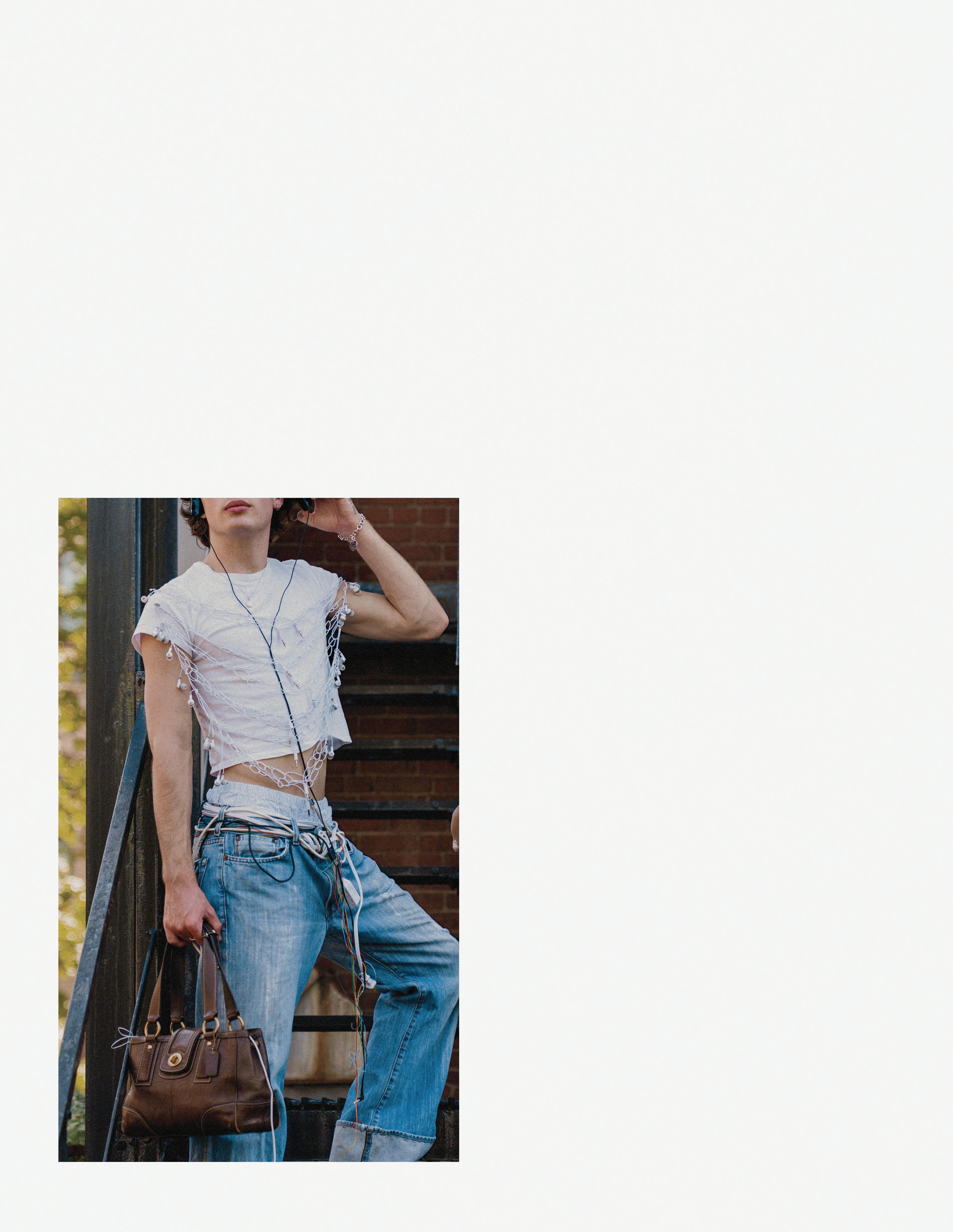
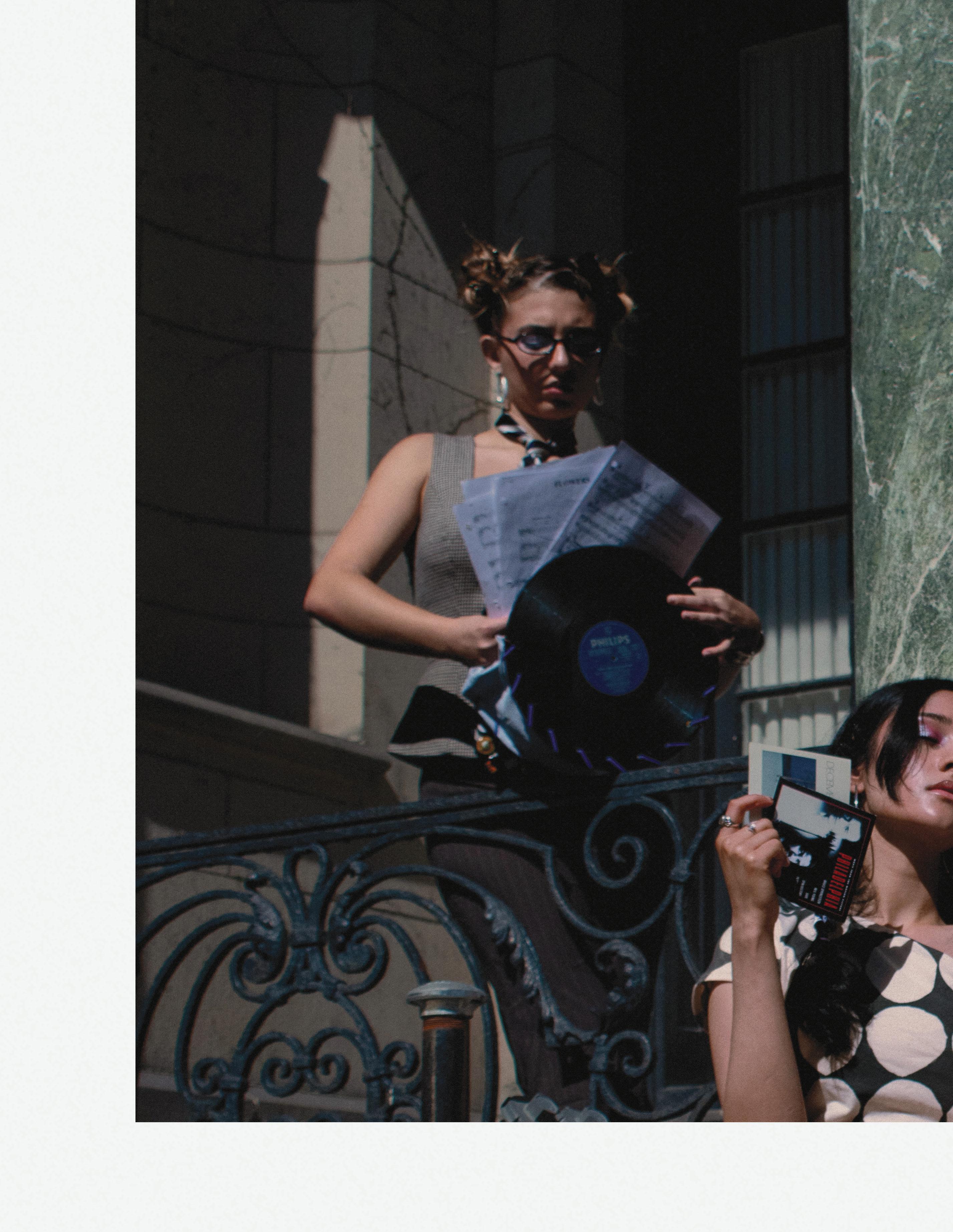
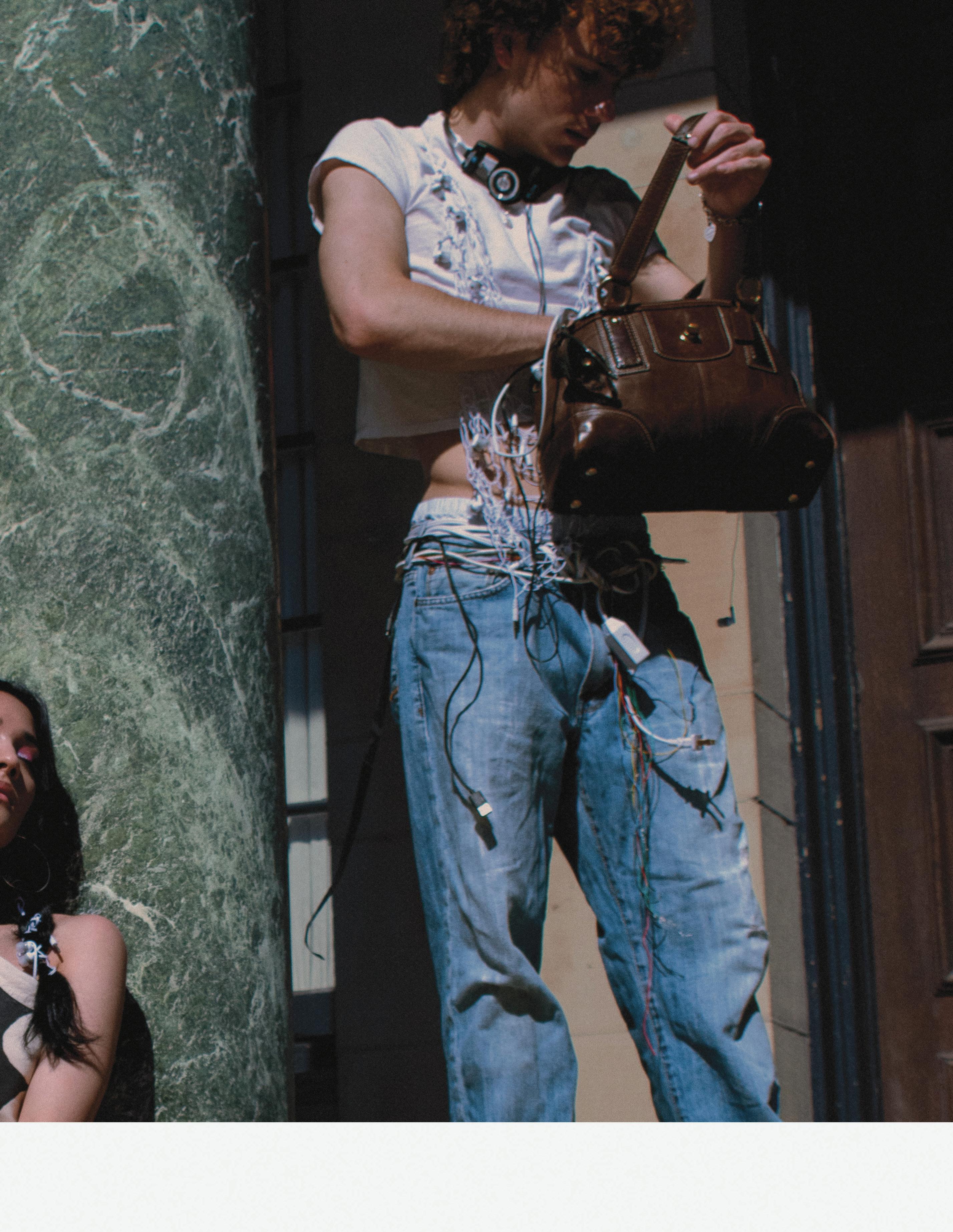
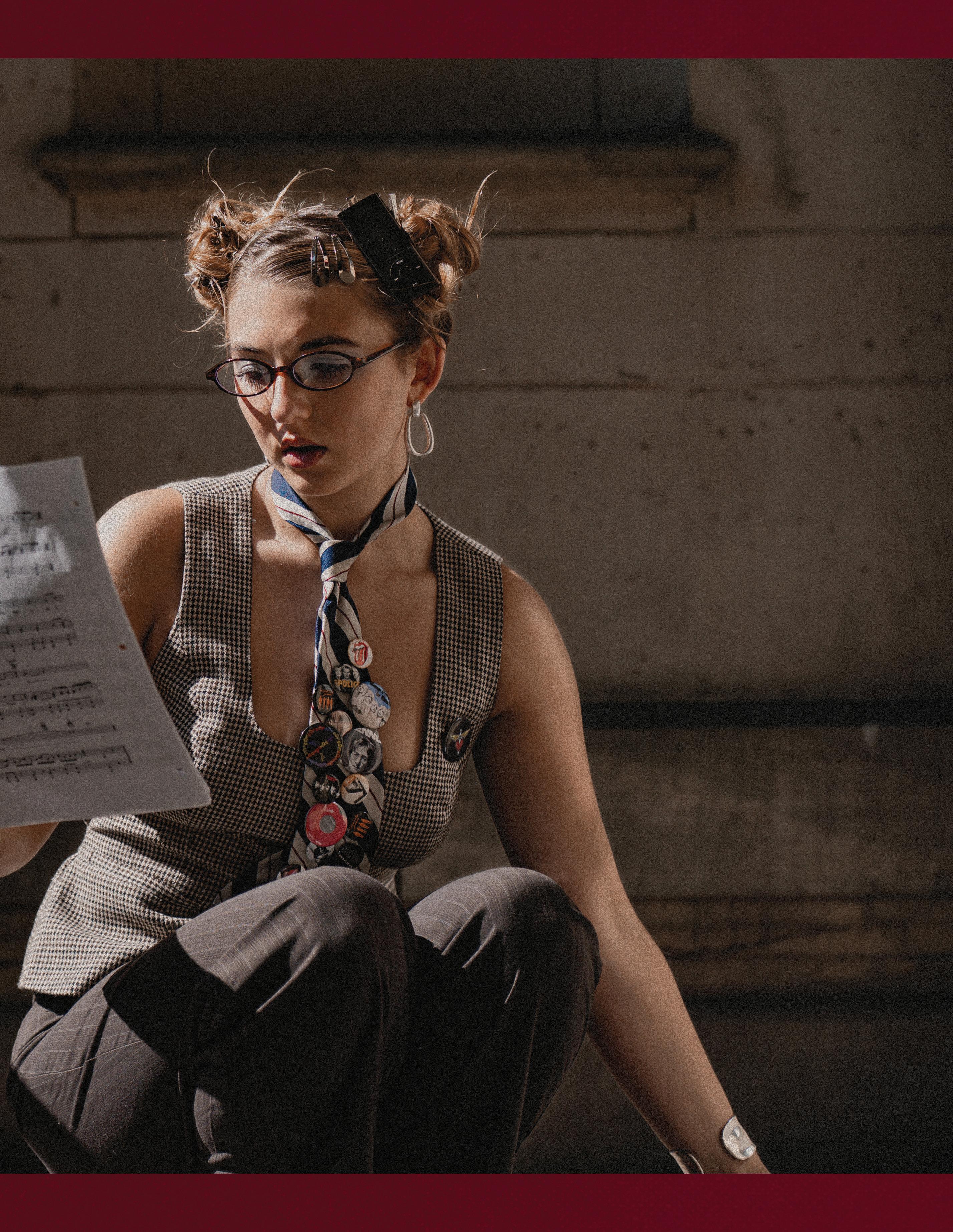
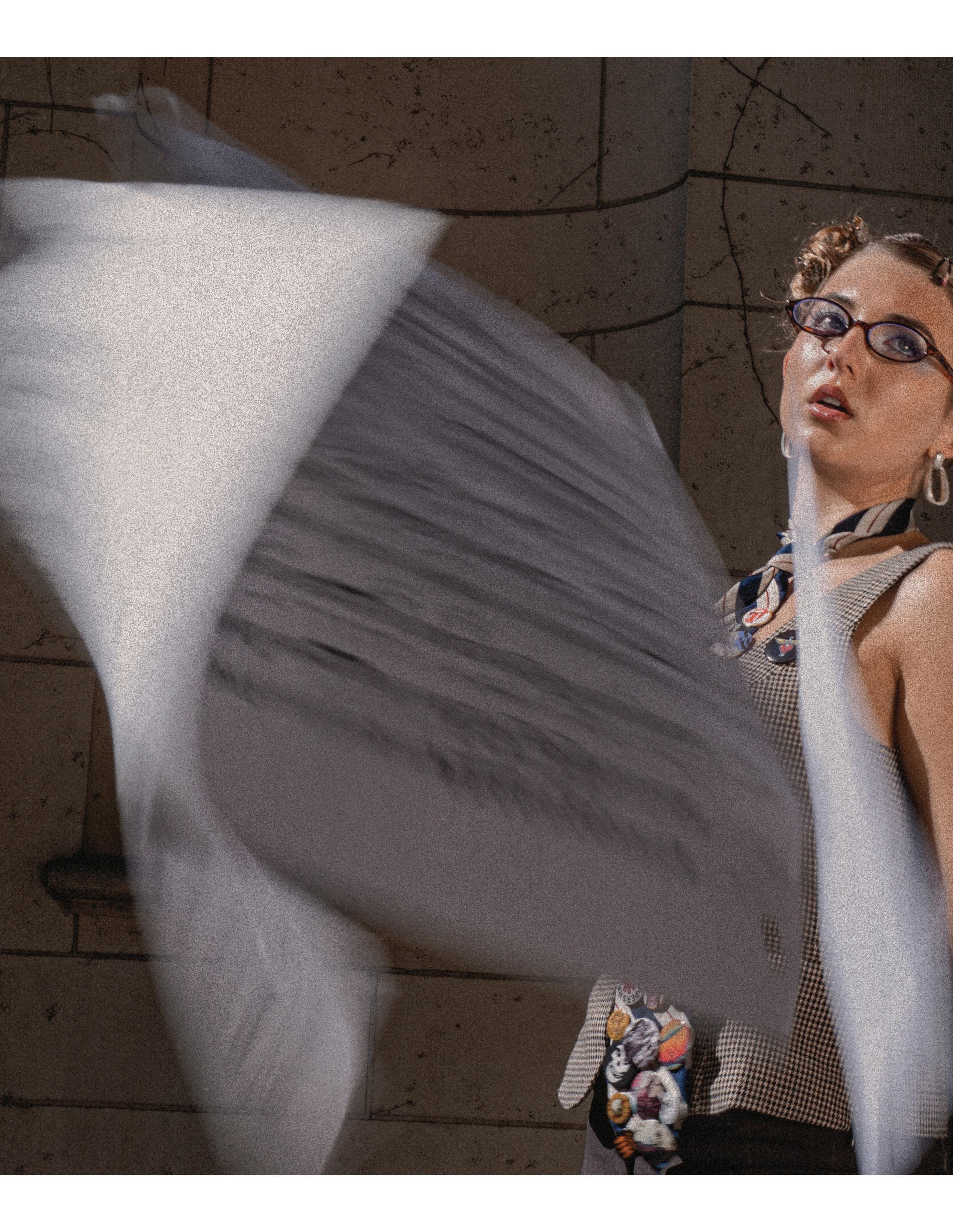
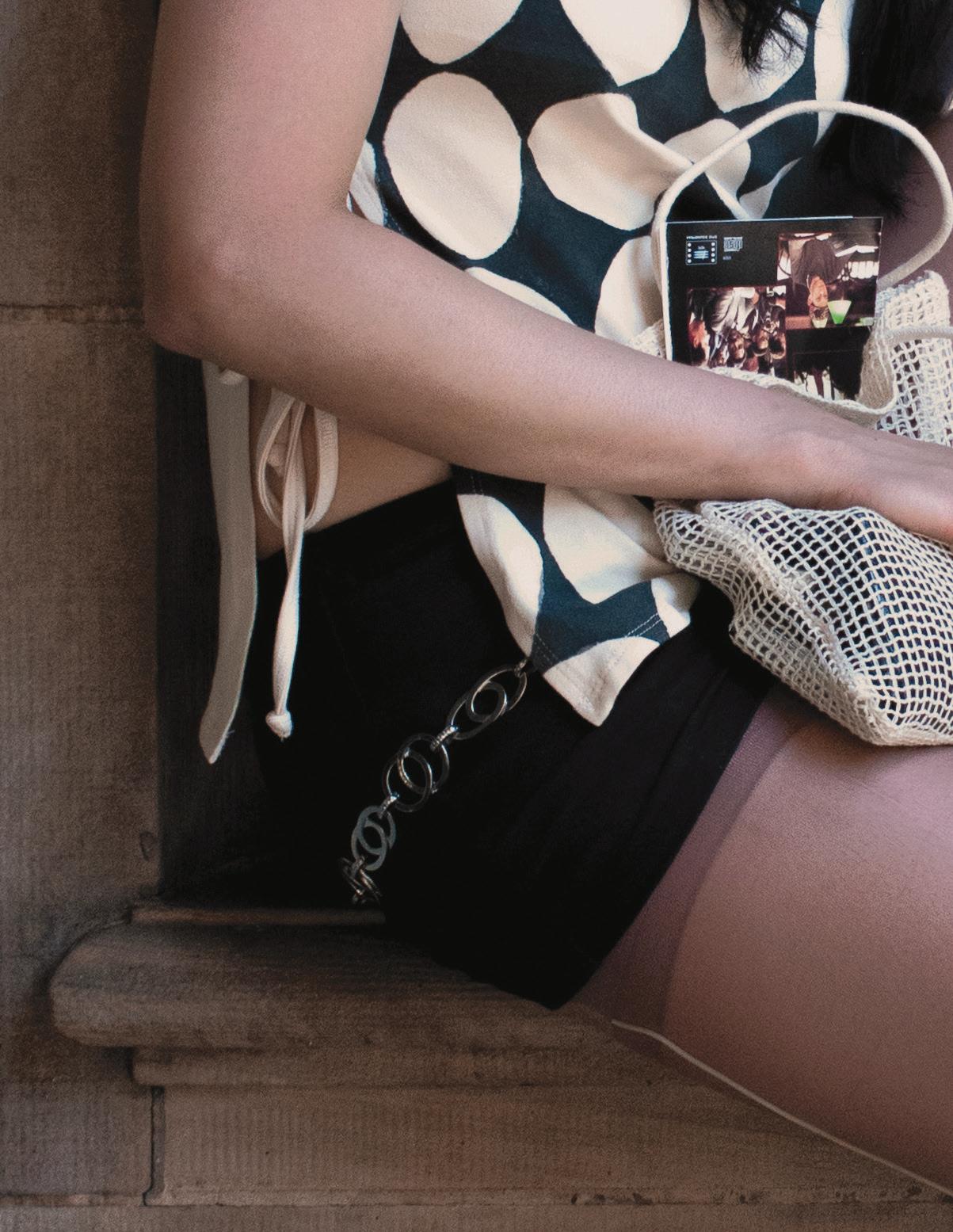
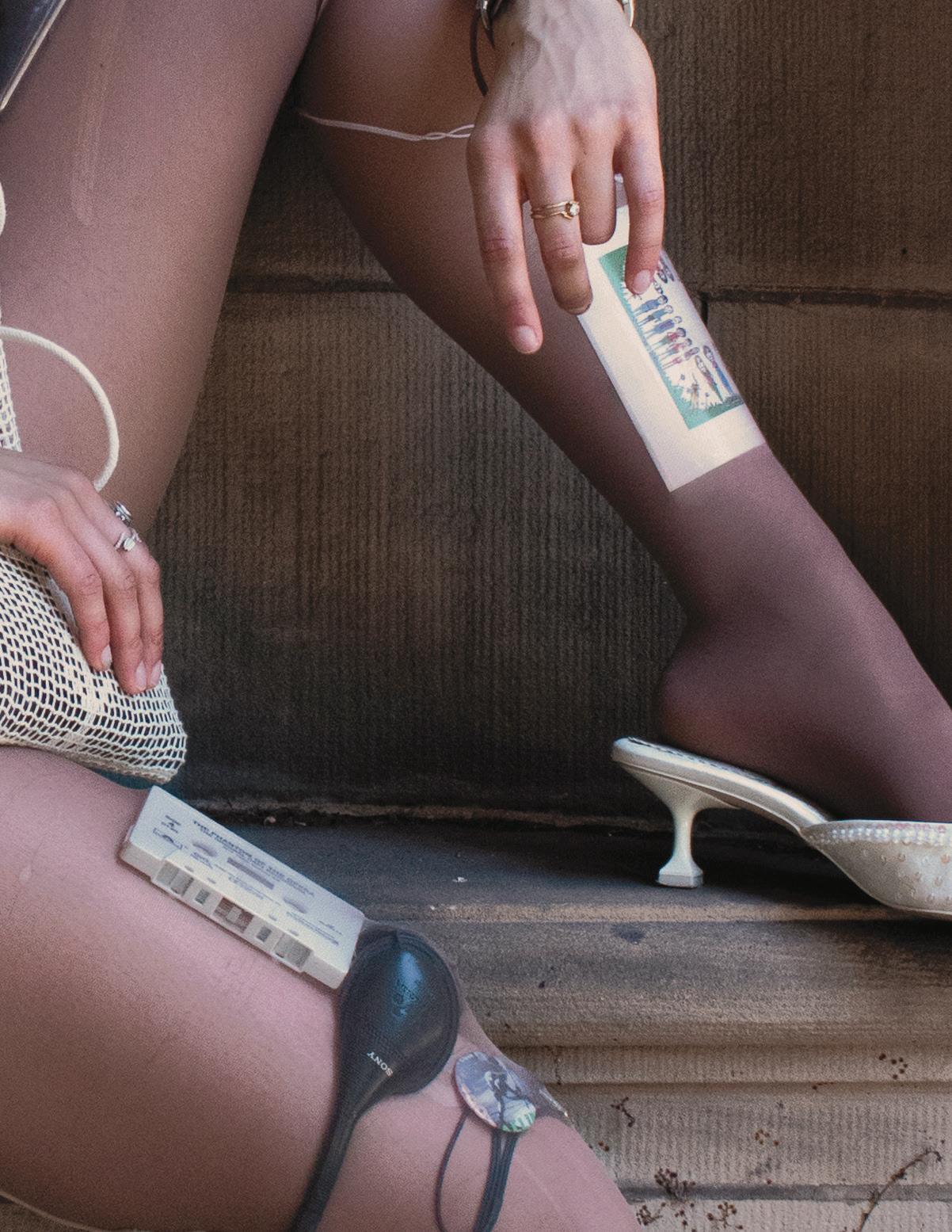
Woven explores how music threads its way into culture, shaping fashion, identity, and self-expression. By focusing on the interplay between sound and style, it highlights how lyrics, rhythm, and melody influence the way we present ourselves to the world. We reveal music as both inspiration and fabric, woven into everyday life and personal aesthetics, demonstrating the intimate and inseparable bond between what we hear and how we appear.
There’s a park near my house in London where the grass is always slick after the morning rain. Some might call it gloomy as the air carries that metallic smell of wet pavement, the sound of tires hissing down the street. But every time I walk past it, Noah Kahan’s “Stick Season” starts playing in my head. I don’t need headphones. I don’t need my phone. The song simply appears, looping quietly, as if the park itself presses play.
We all have these moments. Songs that imprint themselves on places. It’s Tate McRae playing in the background of a breakup that now echoes in every coffee shop, or a childhood summer road trip remembered entirely through the chorus of Mr. Brightside.
Music, in this way, gives our lives color and wonder.
The mystery lies in how music focuses itself with memory, how certain songs become inseparable from the moments and places they accompany. What exactly causes this stitching together of song and scene? Do the lyrics reflect our recollections? Or is it something less fundamental, where the timbre of the music syncs with the atmosphere?
Maybe it’s less science and more instinct, like the way a song can unlock a feeling you didn’t know was still stored somewhere inside. Sometimes, it’s obvious: lyrics that echo exactly what you once felt. Other times, it’s abstract: a memory whose rhythm just happens to align with the rhythm of the rain. The brain, desperate for patterns, latches on, binding what feels familiar to unfamiliar circumstances.
There’s something cinematic about the way music sharpens reality. It doesn’t just fill the background, it reframes it. A walk home after a rain shower feels softer when Noah Kahan hums in your head; the red glow of the brake lights shining from the parked cars along Comm Ave turns almost tender when Hozier plays through your headphones. Music doesn’t just accompany us in these moments;
it lives through us, turning monotony into something worth remembering.
What fascinates me the most is that the moments we remember are often profoundly ordinary—a walk home, a train ride, a glance out the window. Music elevates them, giving the mundane a cinematic frame. The right song at the right moment can make us feel like we are both character and audience in our own story.
Perhaps that’s why we return to these songs again and again, not only for the music itself but also for the scenes they’ve captured for us. To press play is to travel through time, and to listen is to live through those moments again.
If we think about our day-to-day moments as scenes in a larger movie, music becomes more than background noise. It is structure, lyricism, and motif. Every park after rain, every last T ride at midnight back to the dorm, every daydream during lecture gets scored and stored away, waiting for the right opening note to bring it back.
So the next time a song intrudes unexpectedly, maybe it isn’t random. Perhaps it’s you trying to remind yourself that, like every great album, it’s meant to be replayed.
ARKIN SAWHNEY
Music has always been about more than what we hear. It’s what we feel—in our bones, our hearts, and our skin. It’s what we wear, but more so what we see and experience as part of a fandom or movement. Every genre has its own style that grows out of its sound, whether it’s loud, soft, or just flat-out strange. And somehow, fashion always finds a way to match the beat.
Think about punk in the mid 1970s New York. The music is raw, fast, and almost violent in how real it feels. The clothes are the same. Torn leather jackets, safety pins, and messy hair weren’t chosen because they looked cool; they were statements, a middle finger to the system and the idea that you had to look “proper” to be respected. The Sex Pistols made this their unofficial uniform by wearing slashed shirts embellished with safety pins—a deliberate destruction of anything too refined. Most punks didn’t have much money anyway, so they made their own look out of what they had: ripping up clothes from thrift stores, turning safety pins into jewelry, and deliberately tearing trousers. What started as necessity turned into rebellion.
Hip-hop had its own version of that story. In the Bronx during the late ‘70s and ‘80s, fashion was power. Tracksuits, sneakers, gold chains– each piece was a declaration: “I matter.” It was confidence turned into clothing. LL Cool J’s Kangol hats became synonymous with hip-hop itself.
Then came grunge. Ripped jeans, oversized flannels, scuffed up Converse, and combat boots. It was the uniform of people who had become sick and tired of the ultra-polished, well-put-together image of American society in the 1980s. Kurt Cobain’s look wasn’t about image or perfection; it was about authenticity. He looked like he didn’t care—and that effortless defiance made him even more iconic.
Today, music and fashion are more interconnected than ever. Artists don’t just wear brands, they create them. Beyoncé has Ivy Park, Tyler, The Creator has Golf le Fleur, and Pharrell has Billionaire Boys Club. Merch has evolved from simple band T-shirts to limited-edition streetwear drops and full-scale fashion lines. Fans line up for hours not just to hear the music but to wear it.
There’s something incredibly powerful about that, though. Fashion lets fans become part of the music, part of a bigger collective. At a punk show, you might not know anyone, but a ripped jacket or a patch on a sleeve says enough. Same goes for a pop concert—sparkles, friendship bracelets, cowboy boots each one a thread tying strangers into community.
Clothes carry memories the same way songs do. Maybe that’s why fashion has always been music’s co-companion, a visual echo of sound and emotion. Even when the music fades and the concert ends, you’re still wearing the feeling. Live, connected, and part of something bigger than the lyrics sung on stage.
JORDYN SEGAL
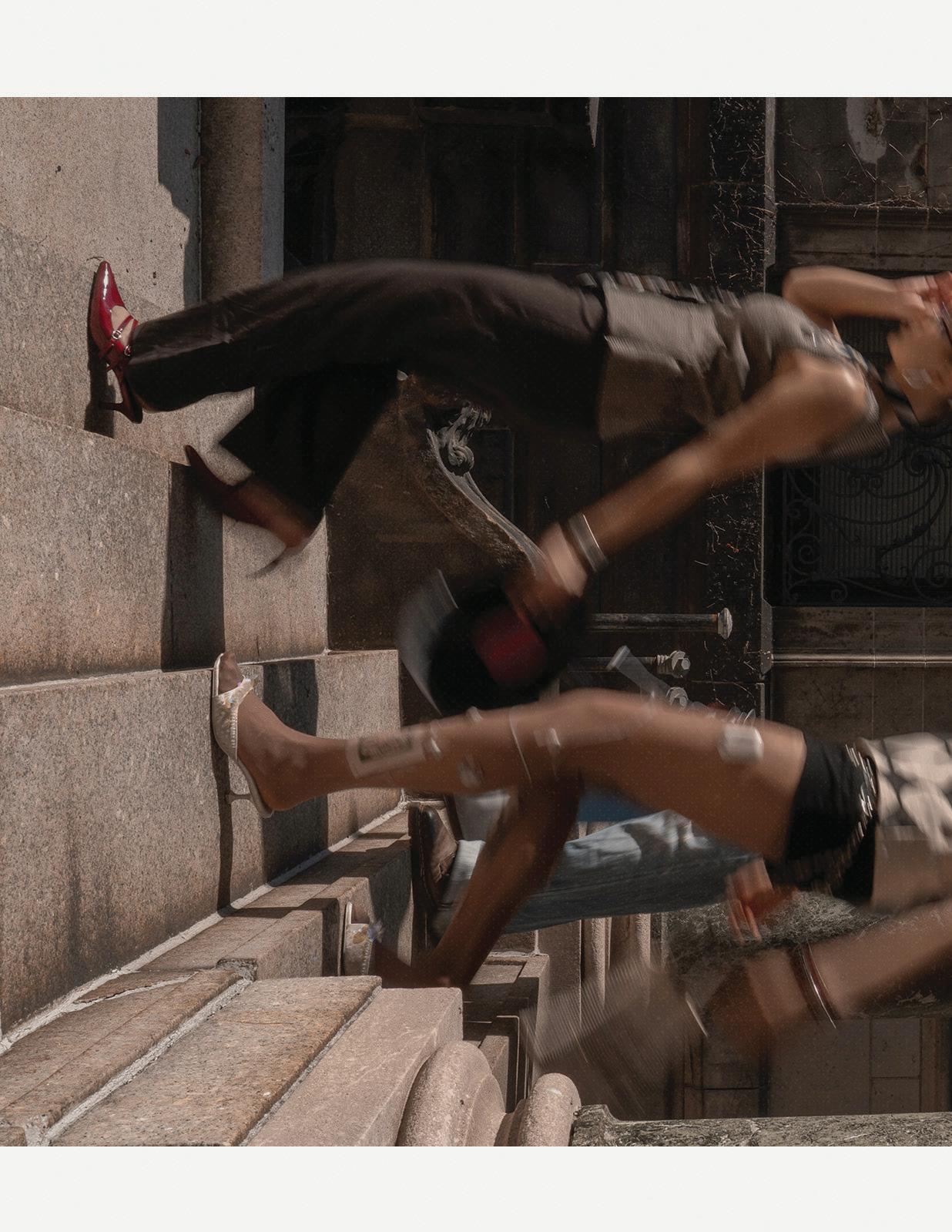
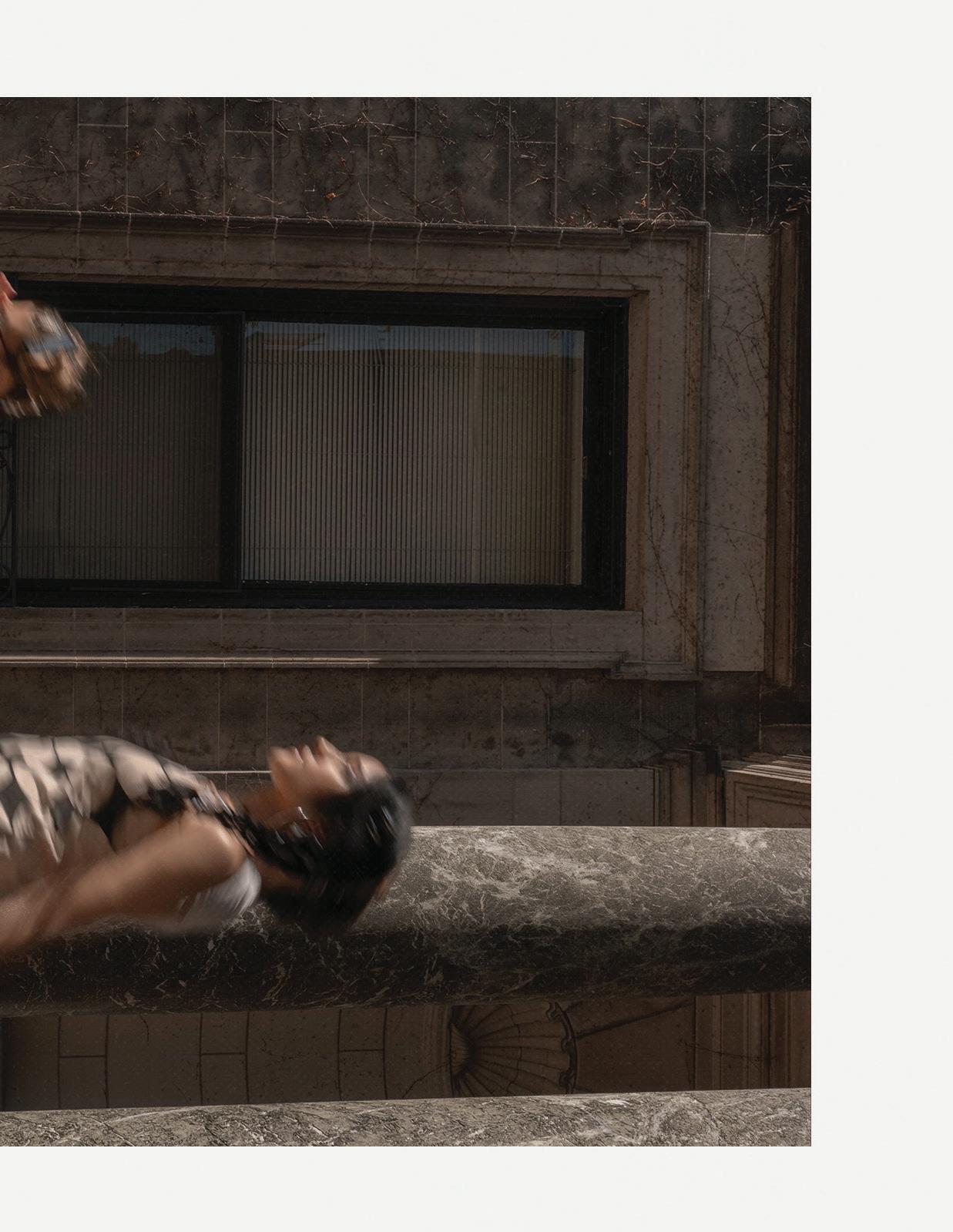
In a period of fragmented peoples and social hierarchy, it’s natural to pause and ask: What are we fighting over? What can bring us together? At first glance, this might sound like medieval Europe, but it just as easily describes the world of today.
Both then and now, people rally around their chosen cults. In the past, it was saints performing miracles. Today, it’s musicians creating their own kind of miracle: music. They bring us together, make us cry out in unison, feel the same emotions as an entire crowd. And because of what they give us—or, more precisely, how they make us feel—we devote ourselves to them and their craft.
Although one is rooted in the sacred and the other in popular culture, modern fandom all but declares itself its own religion. With its symbols, rituals, and relics, it creates belonging and binds people to something greater than themselves.
Medieval devotion was as much material and visual as it was spiritual. People expressed their religious identity and belonging through clothing, badges, and devotional objects. These signifiers created visible communities of faith just as shared rituals did.
Small badges made of lead alloy were sold as souvenirs at pilgrimage sites. A scallop shell from Santiago de Compostela signaling pilgrimages to the tomb of St. James or an ampulla from Canterbury celebrating St. Thomas Becket weren’t just trinkets but proof of presence: a visible sign that you had journeyed, prayed, and belonged. Used and displayed in everyday life, these badges turned the pilgrim into a billboard of devotion, a walking testament of faith.
Clothing also marked belonging. A Dominican in a black-and-white habit or a Franciscan in a rough brown robe was instantly recognizable. Objects of devotion tied people physically to the sacred. Reliquaries, ornate caskets filled with fragments of saints’ bones, cloth, or hair, created direct connections to holy figures.
To touch or even see a reliquary was to participate in the miracle of the saint. Books of Hours, richly decorated with illuminations, brought prayer into the rhythms of daily life. Some revolved around the devotion to Mary, referred to as the Cult of The Virgin. Her superstar status was celebrated through the books of hours, allowing her presence to be tangible and personal.
The Middle Ages were also a period shrouded by global pandemics and uncertainty, where social hierarchy and ideological divides shaped daily life. Information was filtered through the Church yet accessible in fragments: sermons, icons, scraps of scripture. Devotion wasn’t just spiritual; it was how you navigated chaos.
In today’s world, band tees mark a new kind of pilgrimage. To wear a Nirvana shirt or a Taylor Swift The Eras Tour hoodie is to declare allegiance to a cultural faith. The shirt becomes shorthand, a code other fans recognize instantly. Tour wristbands, worn long after the show, echo the pilgrim’s badge as proof of attendance, a relic of presence at a communal ritual.
Fashion and style operate as markers of identity: black eyeliner and studded leather jackets for punks, pastel skirts and glitter for Swifties, thrifted pieces and Doc Martens for indie crowds. Each look signals devotion to a particular sound-world, a community stitched together by aesthetics as much as by lyrics.
Fierce K-pop fandoms, devoted rock fans, theatrical metalheads, angsty grunge fanatics…all are manifestations of the same fervor. Each group claims their place, aesthetic, and symbols. These rivalries echo the sectarian divides of the medieval world, loud and chaotic yet bound by a deeper unity: the miracle of music.
And then there are the objects of devotion. Limited-edition vinyl records—such as Taylor Swift’s Midnights, released in four variants that together formed a clock face—function as relics, to be collected, displayed, and revered. Posters taped to bedroom walls transform private spaces into shrines. Even merchandise like signed CDs or cassette reissues mimic reliquaries, offering fans a tangible fragment of the artist’s presence.
Medieval religious devotion and modern music fandoms both use clothing and symbols to signal belonging. Medieval people wore habits, pendants, and badges that tied them to faith and sect. Today, people wear band tees, makeup looks, and wristbands to mark themselves as members of particular musical communities. People today also use objects like vinyls, posters, and merch to connect themselves to the artists they worship, much like reliquaries or Books of Hours once connected medieval people to saints and the Virgin Mary.
Both then and now, devotion is material. It is something you wear, something you carry, something you display. In the end, the fabric of faith and the fabric of fandom are woven from the same threads.
Music is not just like prayer, it is prayer, remembered through rhythm, sound, and rhyme. It moves you physically, emotionally, and spiritually. And it weaves us together, across centuries, into the same fabric of devotion.
EDITORIAL
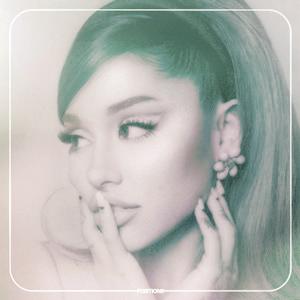
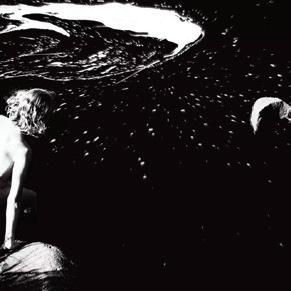
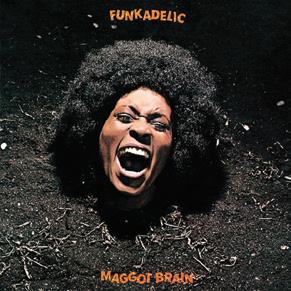
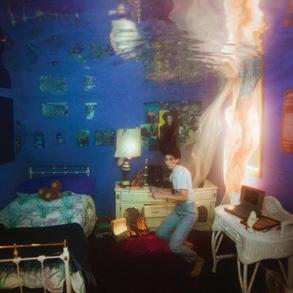

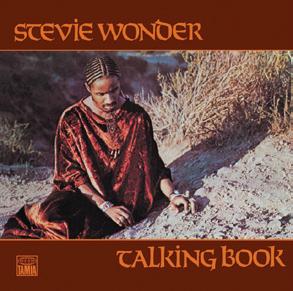
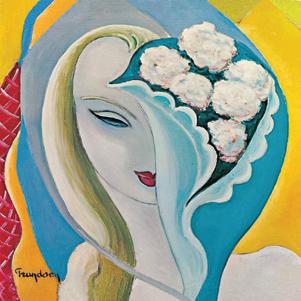

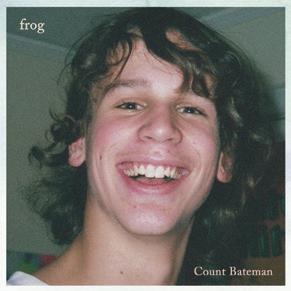

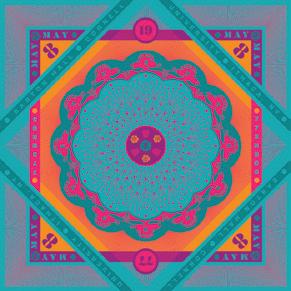

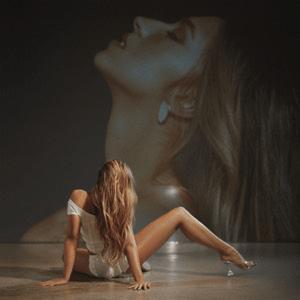
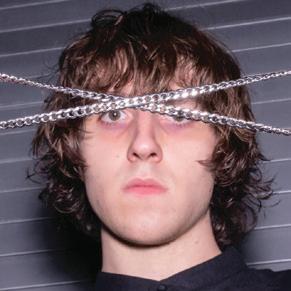
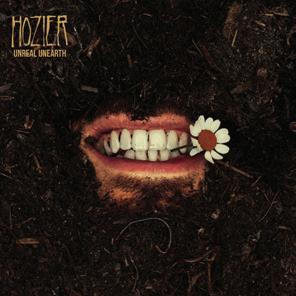
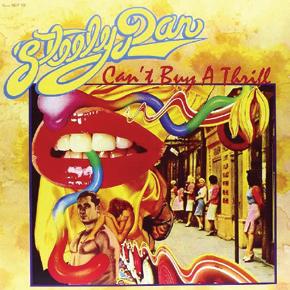
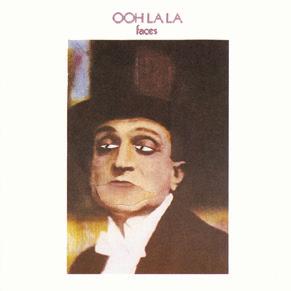
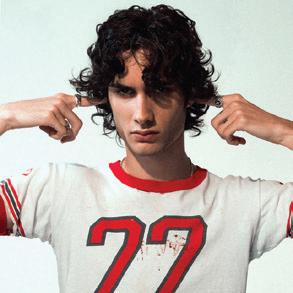
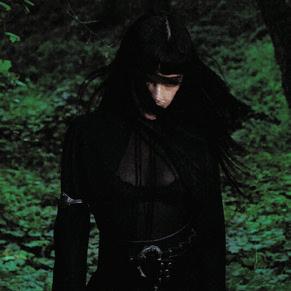
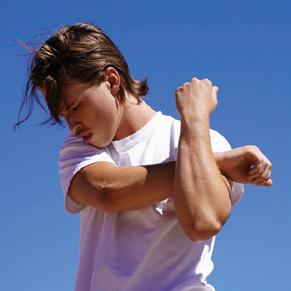
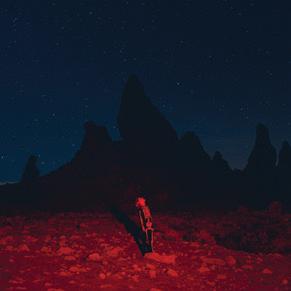
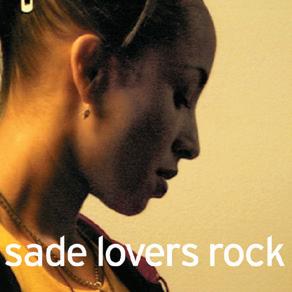


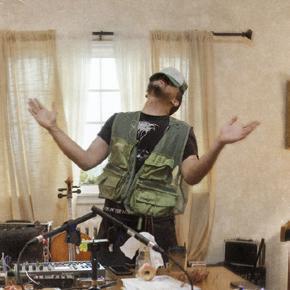
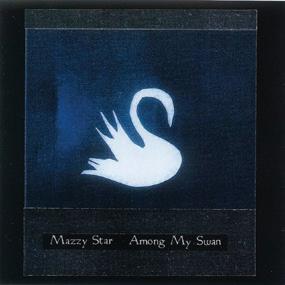
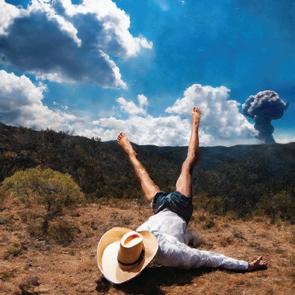
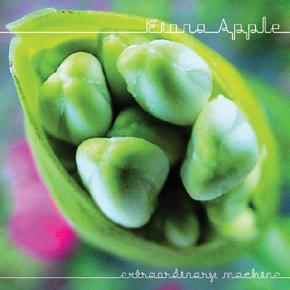
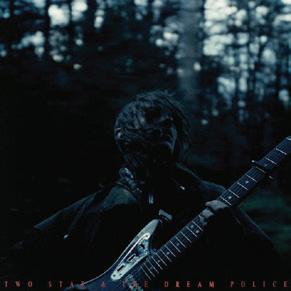
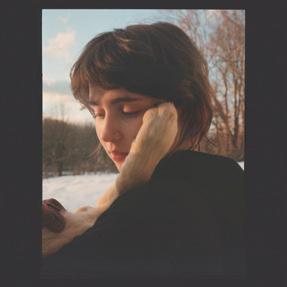
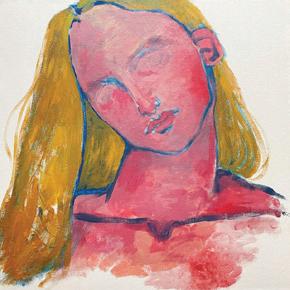
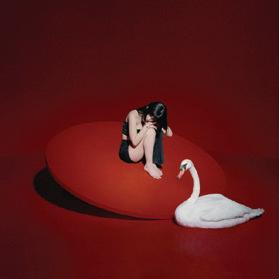
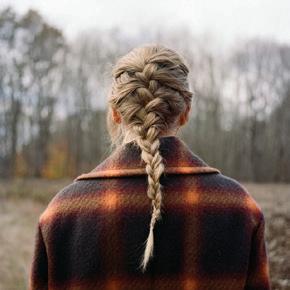
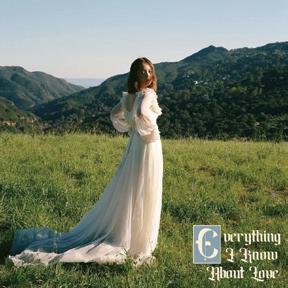

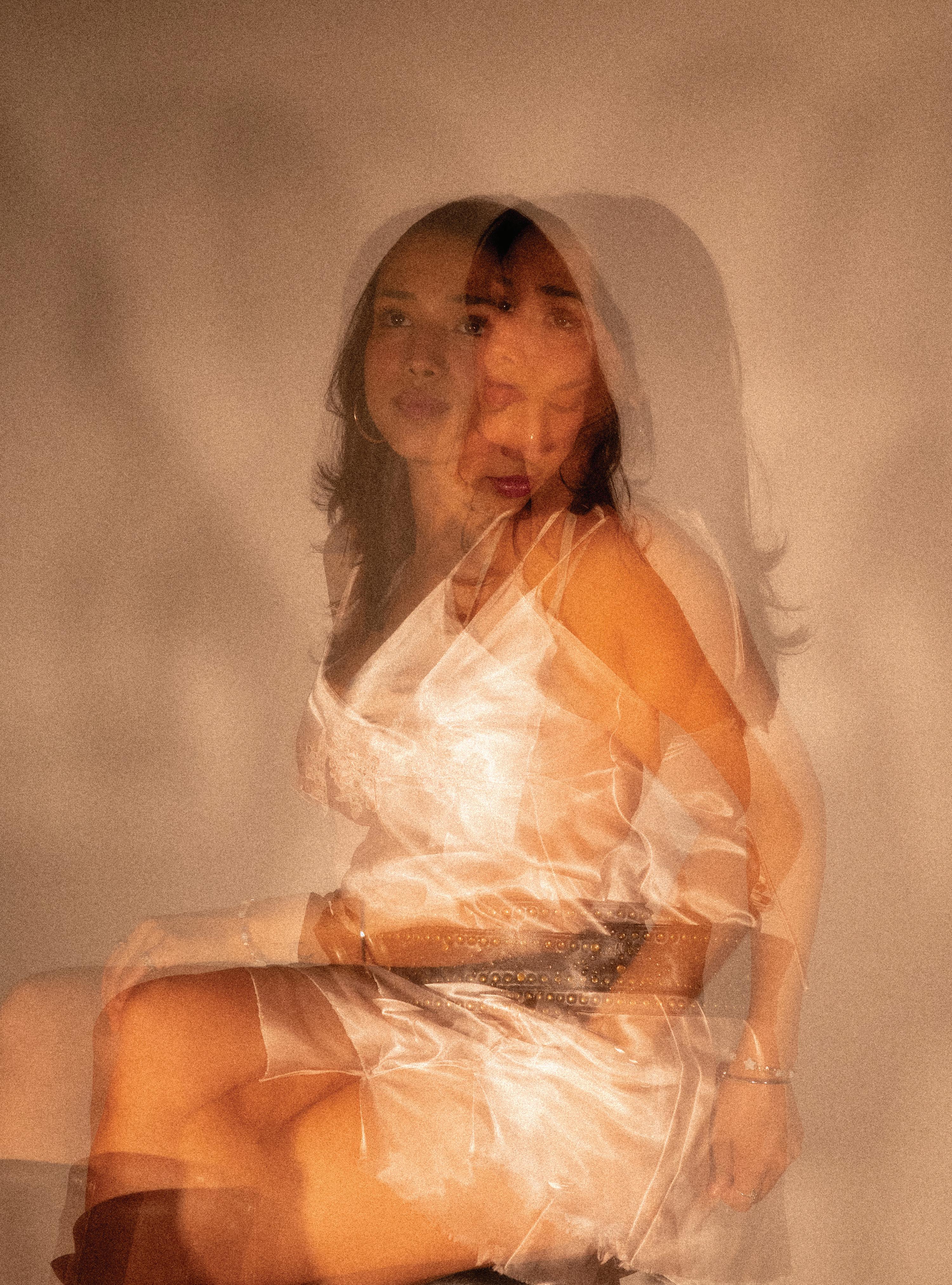
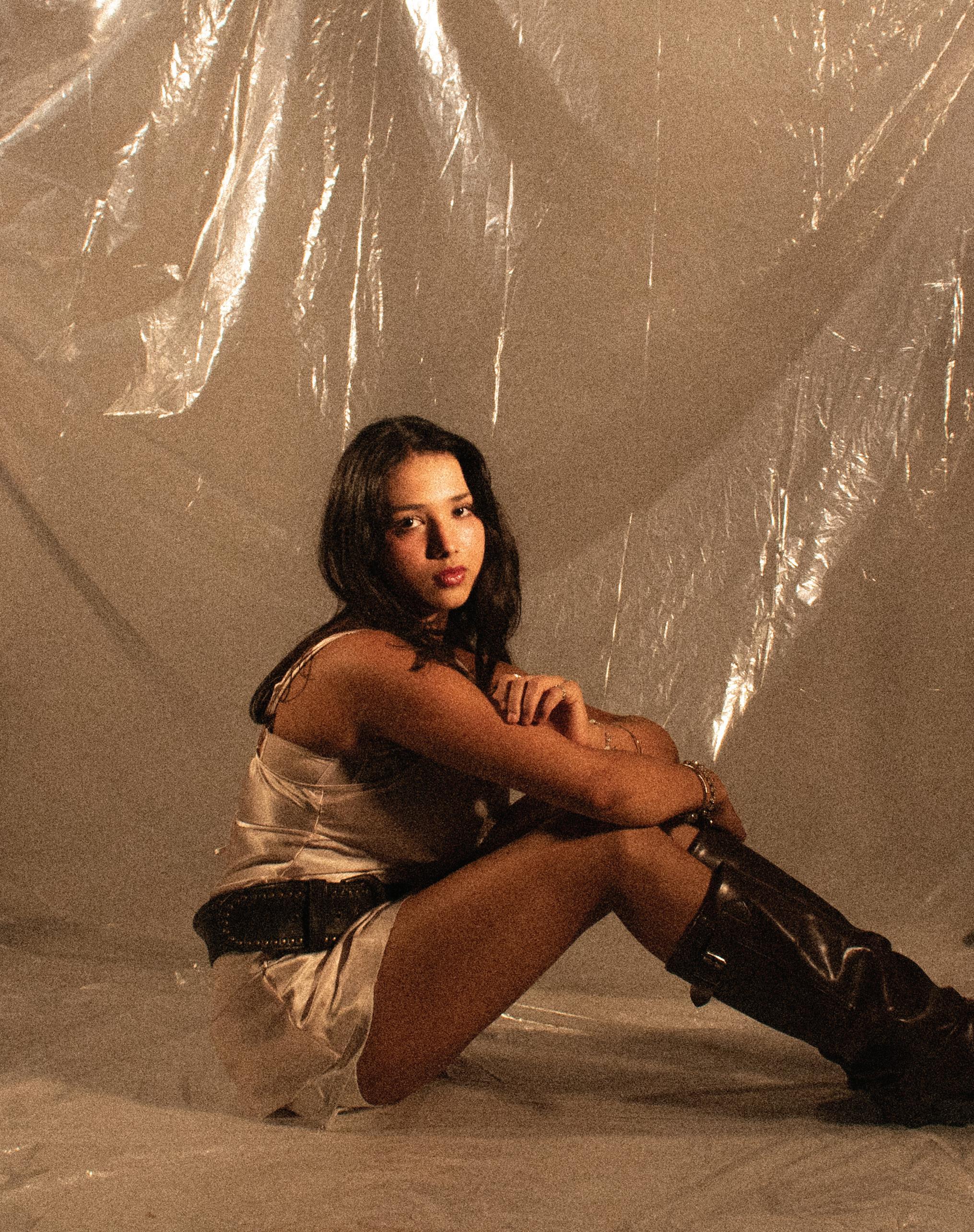
Verse is an intimate portrait of a songwriter, delving into the mind of an individual whose lyrics reflect her inner world. The series of photos and accompanying interview highlight her creative process, capturing how personal experiences shape artistic output. We emphasize how music is both a mirror and an extension of the self, revealing the vulnerability, individuality, and depth behind every note and word.
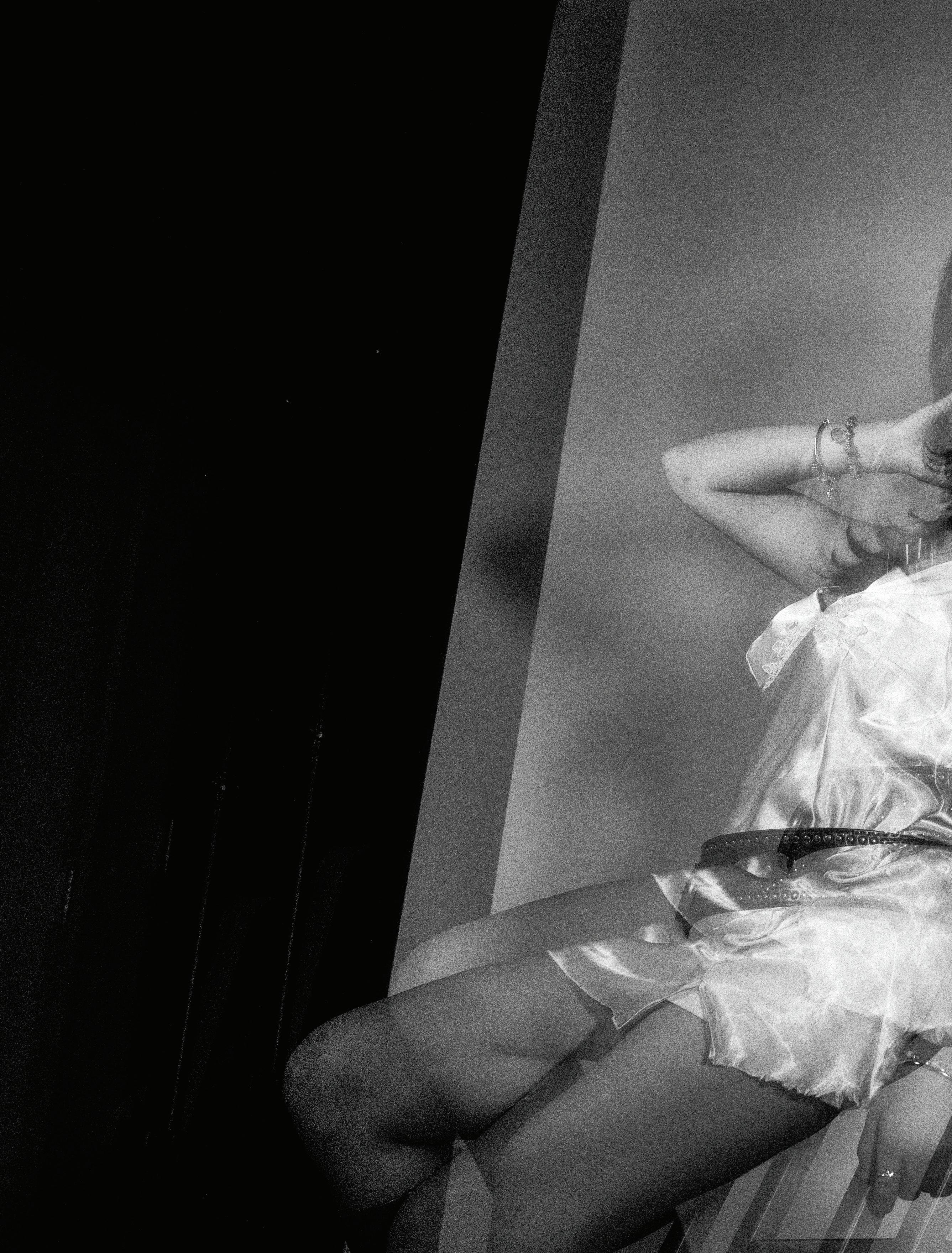
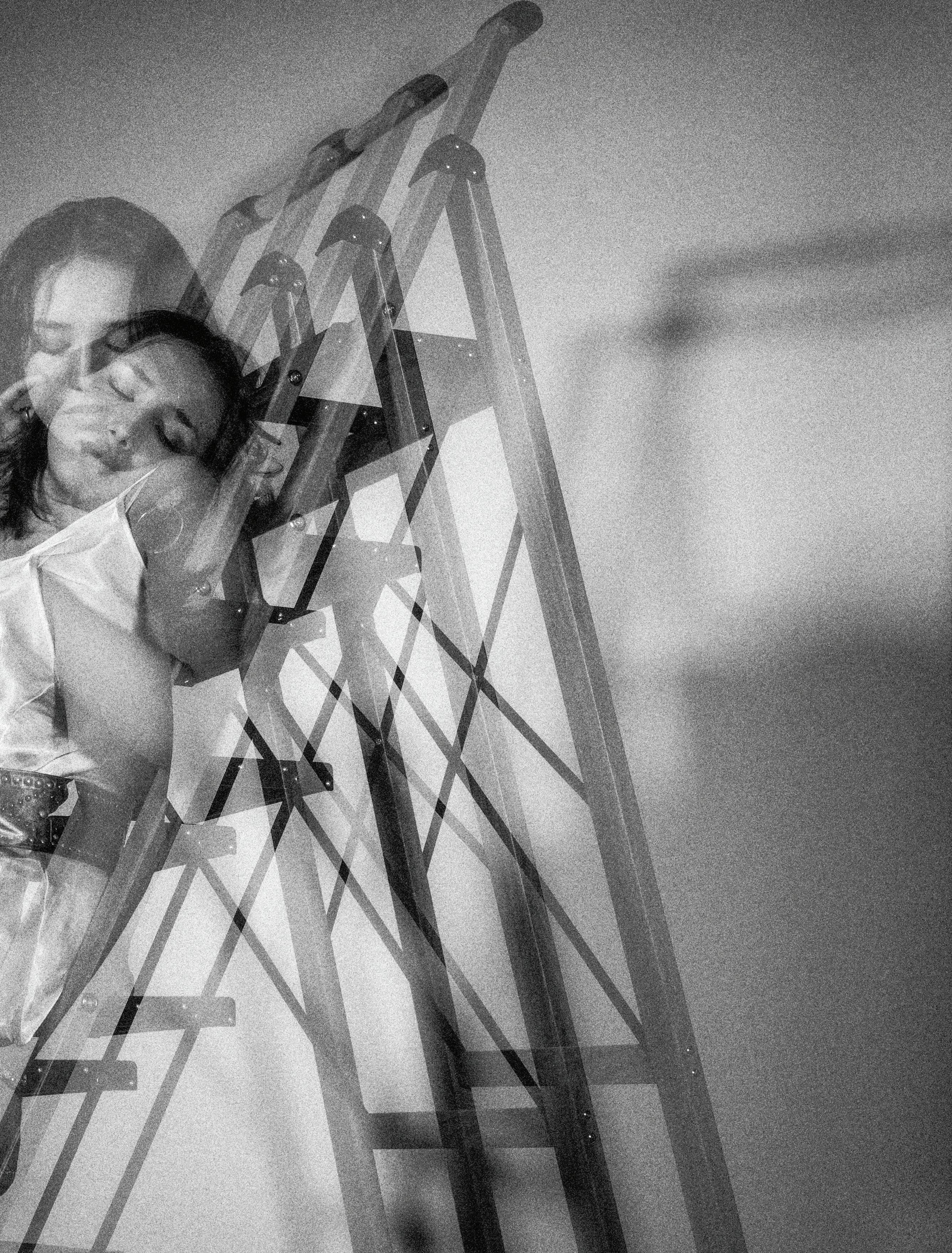
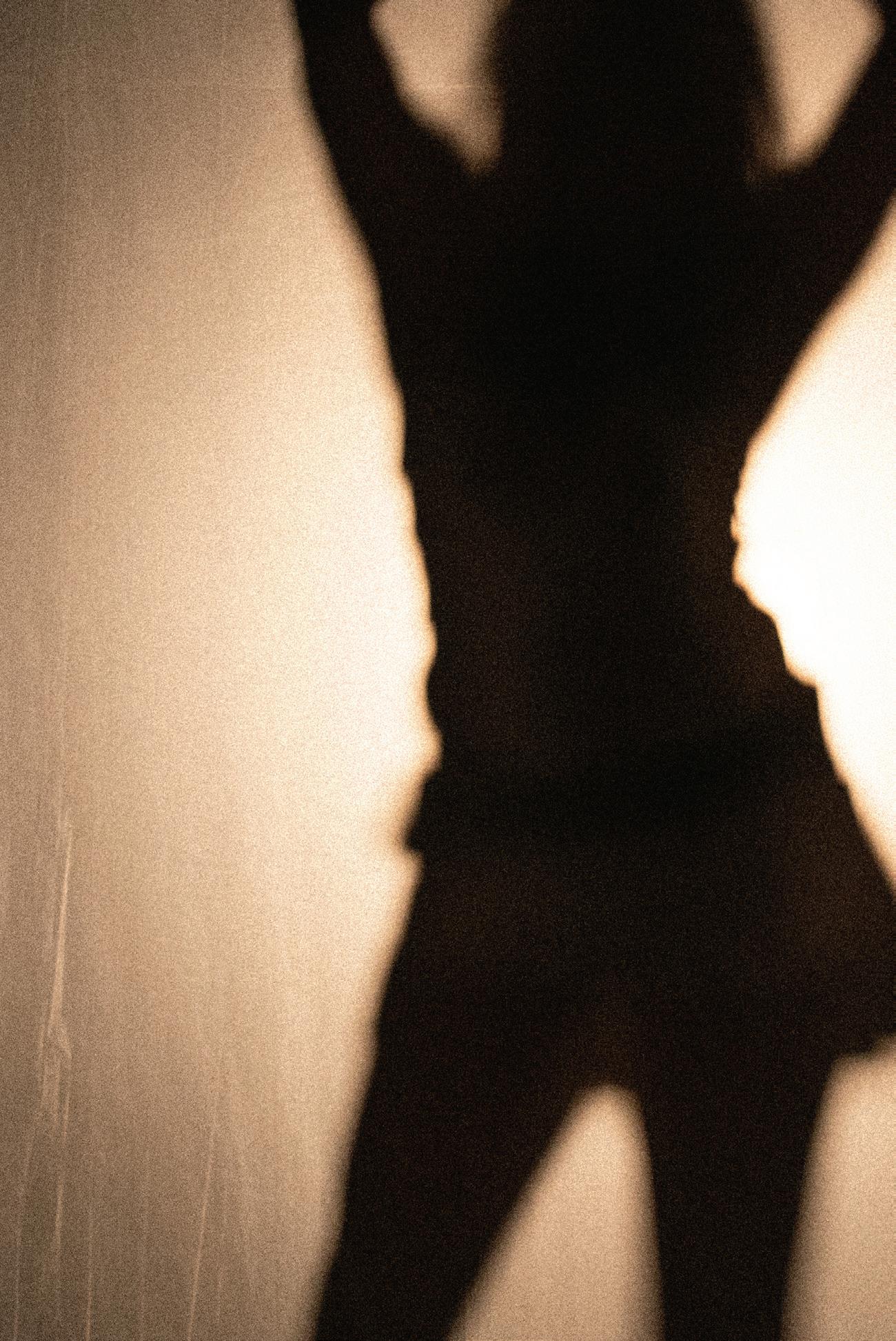
For Adana, songwriting didn’t begin with a plan. It started with writing stories that never ended.
She grew up in Nepal, long before she thought of herself as a musician, filling journals with unfinished novels and bits of fiction. When she moved to the U.S., creative writing became a home, a way to sort through new languages, places, and identities. “I’ve always loved storytelling,” she said. “It’s part of writing that makes me feel most like me.”
Music entered naturally. At first, it was about performance. Watching Selena Gomez on TV, she wanted to be the one on stage. But when it came to writing the music itself, with raw, cut-open honesty, the inspiration came with the help of Phoebe Bridgers. “Stripped down, core lyrics, and instruments,” she said, admiring Bridgers for making heartbreak into something soft, spacious, and poetic.
Then she saw Tate McRae: proof of someone who could build a world from their bedroom, upload a song, and suddenly be heard by millions. If Gomez gave Adana the determination to perform and Bridgers the emotional blueprint, McRae gave her the possibility.
When she writes now, it’s usually at night or on a plane. “I write a lot when I’m between places, planes especially” she said. “You’re forced to feel isolated since you’re up in the air.” Sometimes a melody comes to her while she’s walking or in the shower. She’ll record it on her phone so she won’t forget, then build the song around it later with her guitar. The instrumentation always comes first. “That’s what sets the tone,” she said. “Lyrics come from there… or from whatever I’ve written down in my journal, I can take from a web of lyrics to take inspiration from.”
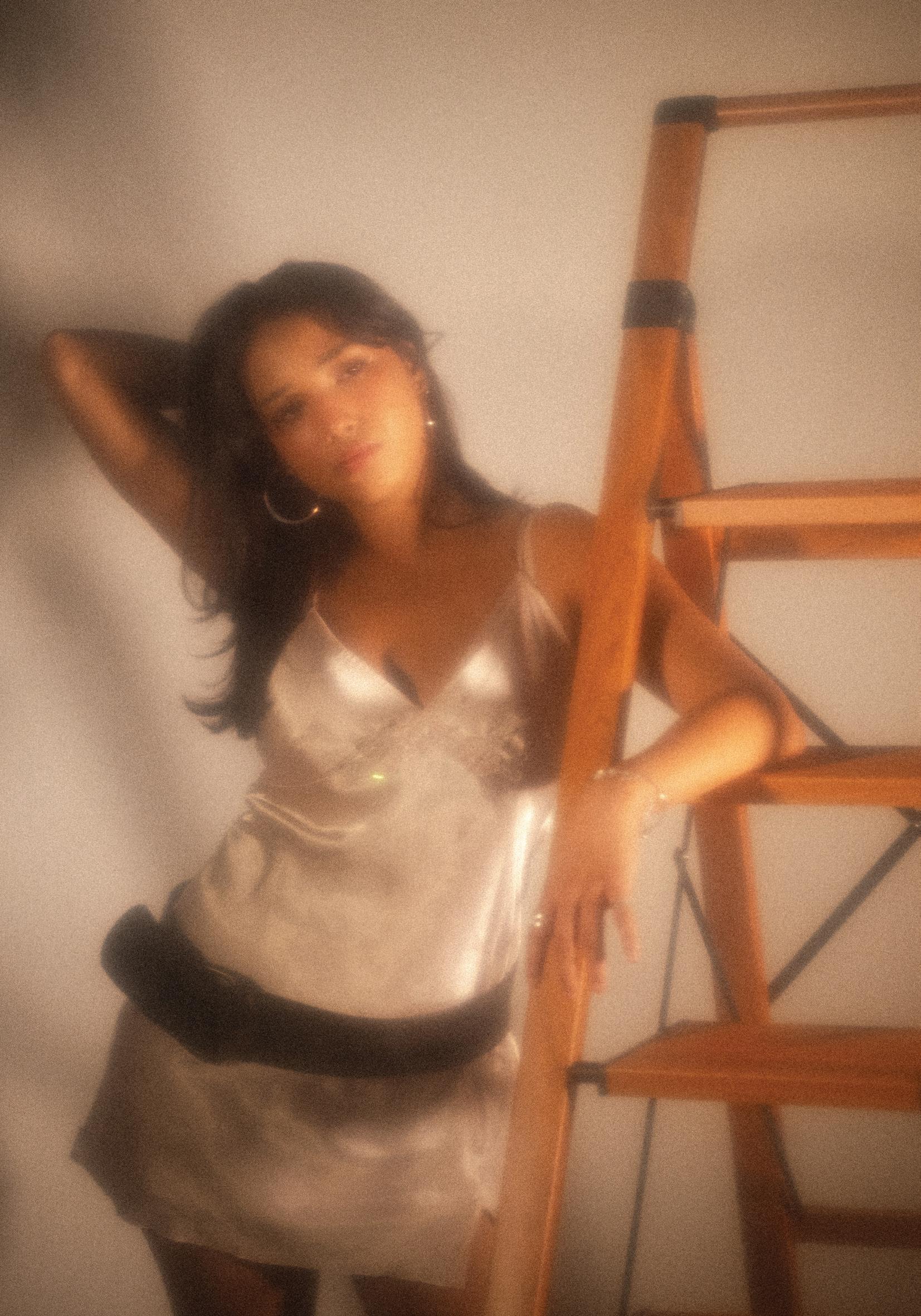
Her writing often returns to nostalgia, a strange in-between of leaving high school and beginning college, growing up without realizing it’s happening. “A lot of my songs are about losing a sense of childhood,” she said. “I think I just wanted to preserve some version of myself before everything changed.”
That longing often gives her song a wistful tone, something listeners tend to notice. People sometimes ask if the melancholy in her music means she’s a sad person. She doesn’t think sadness is the right word. “It’s not that I’m sad,” she said. “I just write more when I feel something strongly. Writing helps me process things I can’t talk about.” She’s not afraid to feel vulnerable. If anything, she leans into it. Still, there are songs she hesitated to release that revealed too much. “Sometimes I get scared that my parents will hear them,” she said. “It’s like showing them a side of me that I’m still figuring out.”
For Adana, a song is never finished. She’ll return to it weeks later and hear something missing, or something she wants to change. But she doesn’t see that as a flaw. “The imperfections are what make it mine,” she said. “I don’t want everything to sound perfect… I want it to sound true.”
If there’s one thing she’s learned through writing, whether it be in her journal, songs, or the unfinished novels that started it all, it’s that expression doesn’t need to be neat to be real. “I think my songs are just small pieces of time,” she said. “I get to listen back and remember how something once felt.”
And that, for her, is enough.
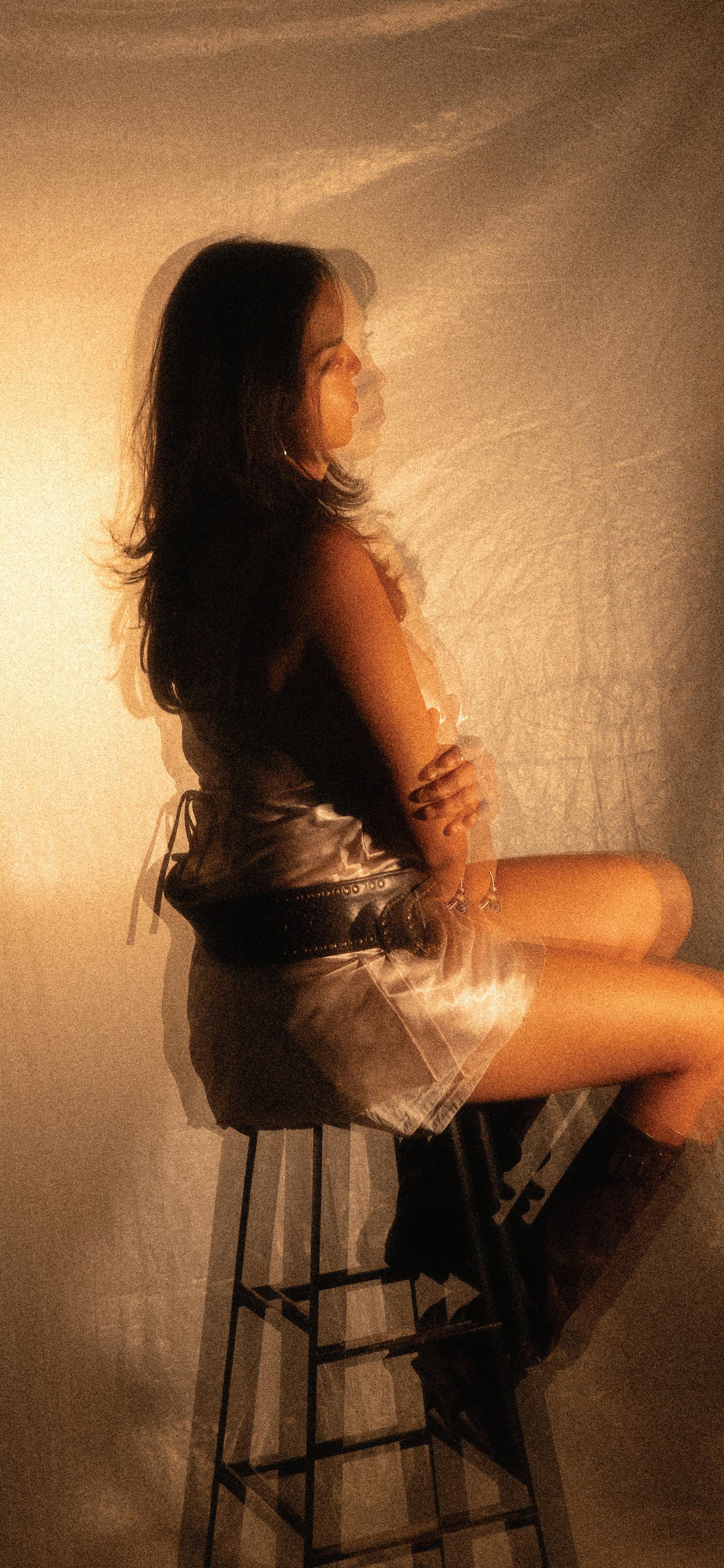
...you’re forced to feel isolated since you’re
“I write a lot when I’m between places, planes especially... up in the air.”

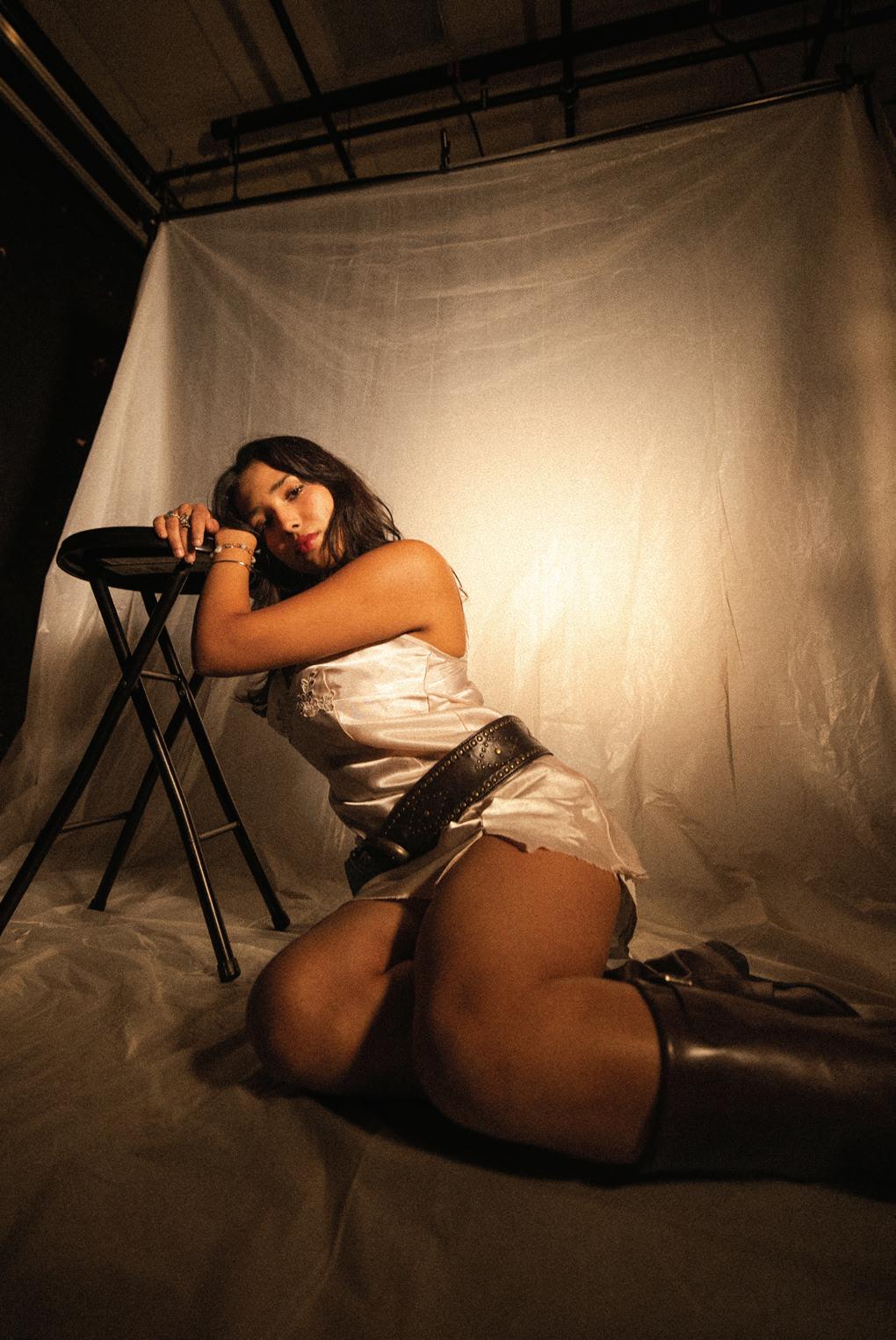
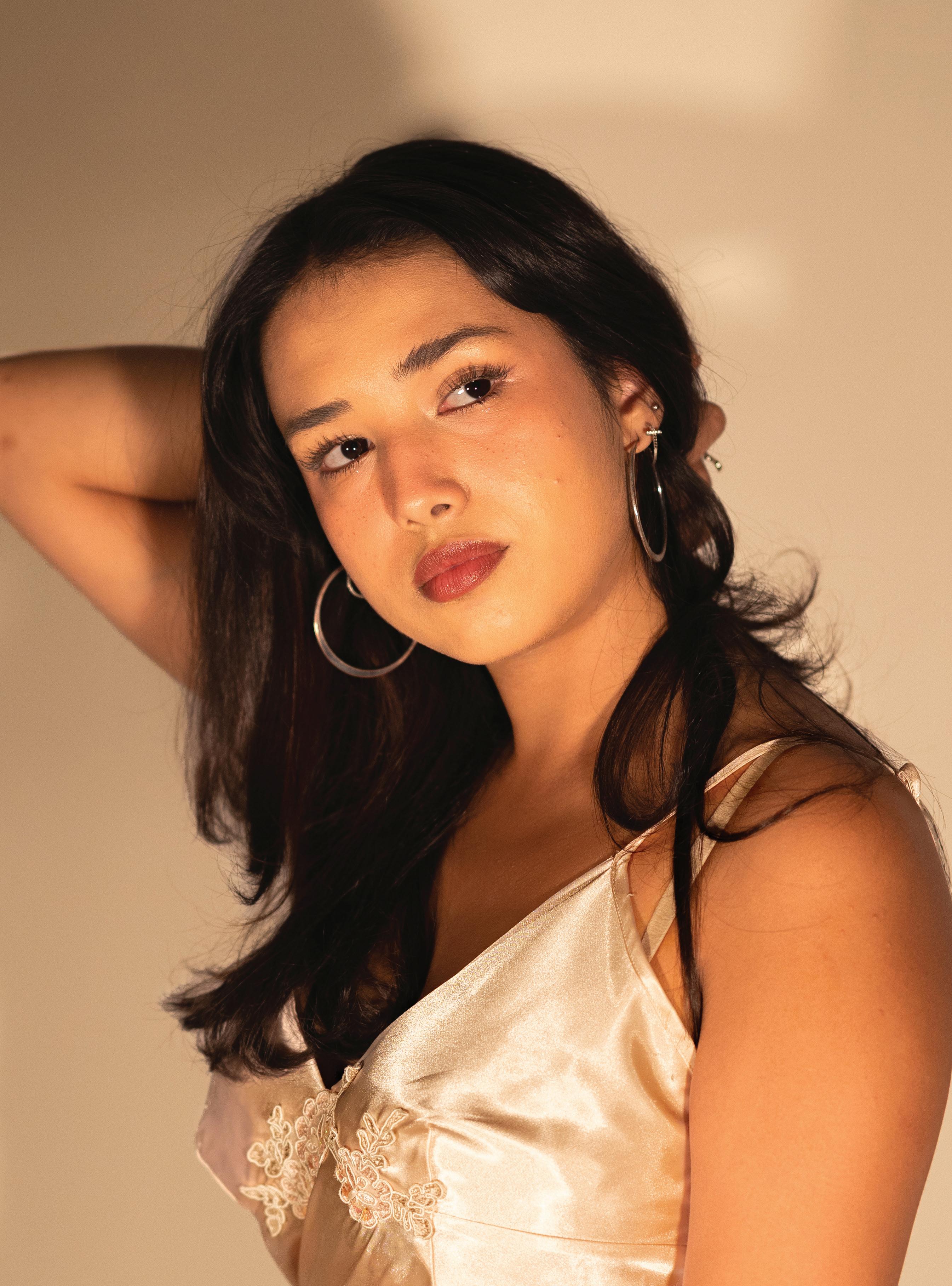
The sky mirrors the black pavement beneath me in the evening’s darkness, but the two red bolts on my skateboard glimmer as they prepare to guide me down the street. I gently place my board on the flattest part of the ground, adjusting my right foot beneath its bolts. Shyly, I push off the ground. But my foot’s too weak—I didn’t trust myself enough. I shake myself off before trying again.
It’s easy to let this hesitancy consume me, but I channel and release it by going back to my sources of serenity, back to when I fell in love with music and poetry six years ago. These things ground me in times of stress and unfamiliarity, and they drive me to explore myself more through new activities and interests. Just as music has helped me discover more of my identity through the years, it’s inspired me to take up new hobbies, like skateboarding, as a way to discover more about myself and truly nourish my own self-care needs.
Round two. My right foot grips itself firmly on the board, my left foot on the ground preparing to take off. I inhale, ready in position, and my foot pushes strongly below me. The earth moves fast past me until I’m jarred with a stop, and I’m thrown off my board.
I pause for a moment on the street and cover my ears with my headphones. My finger taps the triangle play button on my phone and the world goes silent. Nothing moves except for the hair on the skin of my arms, which stand up straight and eager. I close my eyes and the beat of the music drives my mind and my heart. I just sit here taking it all in. “Come as you are, as you were…” echo through my ears, repeating and bouncing off the walls of my mind. The echo continues, but gets softer, quieter, and gentle. Like deja vu, it repeats until the words become unintelligible in my mind. I open my eyes and look ahead of me. The hair on my arms stands straighter, and my mind starts to find its way back home. ALISSA DOEMLING
I blink and look around me. In front of me is the Nirvana poster from my childhood room back home in California. It was my sophomore year of high school during the pandemic’s peak when I remember listening to music purposefully, the first time I discovered music that I truly felt connected to without even realizing it. The thing about discovering a hobby or a passion is that its development feels so natural and easy, like it was always there. During this time I’d spend my days on a constant cycle of screens. The ubiquitous role of technology during quarantine sent me down rabbit holes of new discoveries. That’s when I dipped my toes into the endless possibilities of music, and I realized that I had never felt more infinite.
Now, six years later, music is at the core of my life, a hobby that’s always nourished and watered on my windowsill. It inspires me to control my own narrative, showing me an infinite level of self-discovery. This gives me my last push as I go into my final run.
Round three. I don’t have to think, I just need to do it. Without a beat, I thrust my foot off the board. I’m propelled forward and the wind’s warm arms envelop me as my
adrenaline drives me. Moments never felt more peaceful. Sailing down the street, my hair flows and lingers behind me while my heart beats ahead of me. My body’s moving faster than my mind and I forget what I was worried about before; all of yesterday is erased and the only thing in front of me is this moment in time.
Through this run of skating, I feel the same clarity and solitude that I’ve only found in music. Music is something that I share so personally within myself, my truest form of self-care and a way of learning about who I am and what I love. It’s more than a hobby or interest to me; it actively drives me. In moments where I’ve felt like I was losing myself, music stayed constant, teaching me the deep importance of versatility in self-care. Skating has given me this same feeling.
As I reflect on my journey through music and skating, I realize that the solitude and self-reflection these hobbies bring me can be found in anything that I do. These hobbies make me realize that, through intention and self-discovery, any personal path is possible.
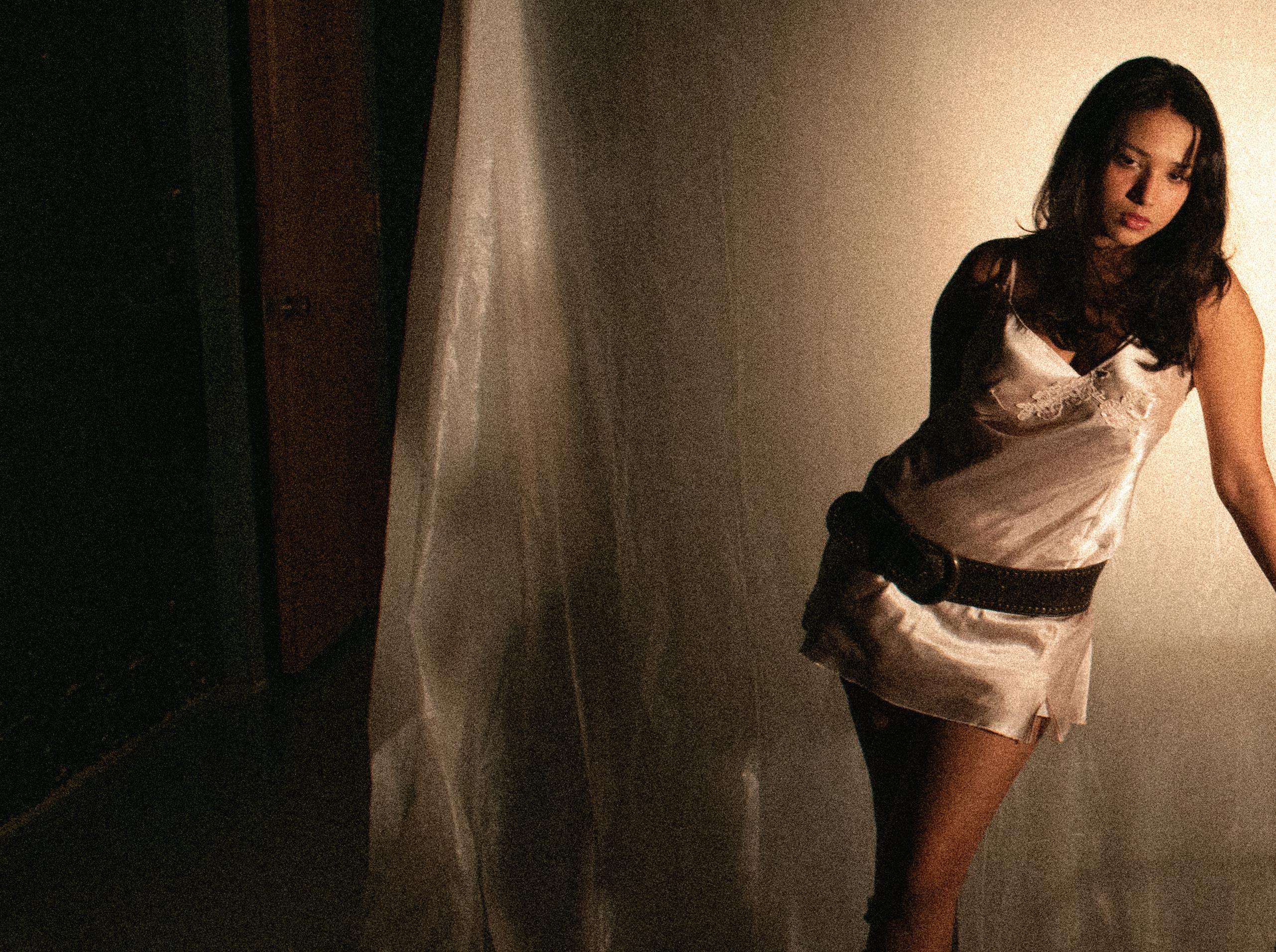
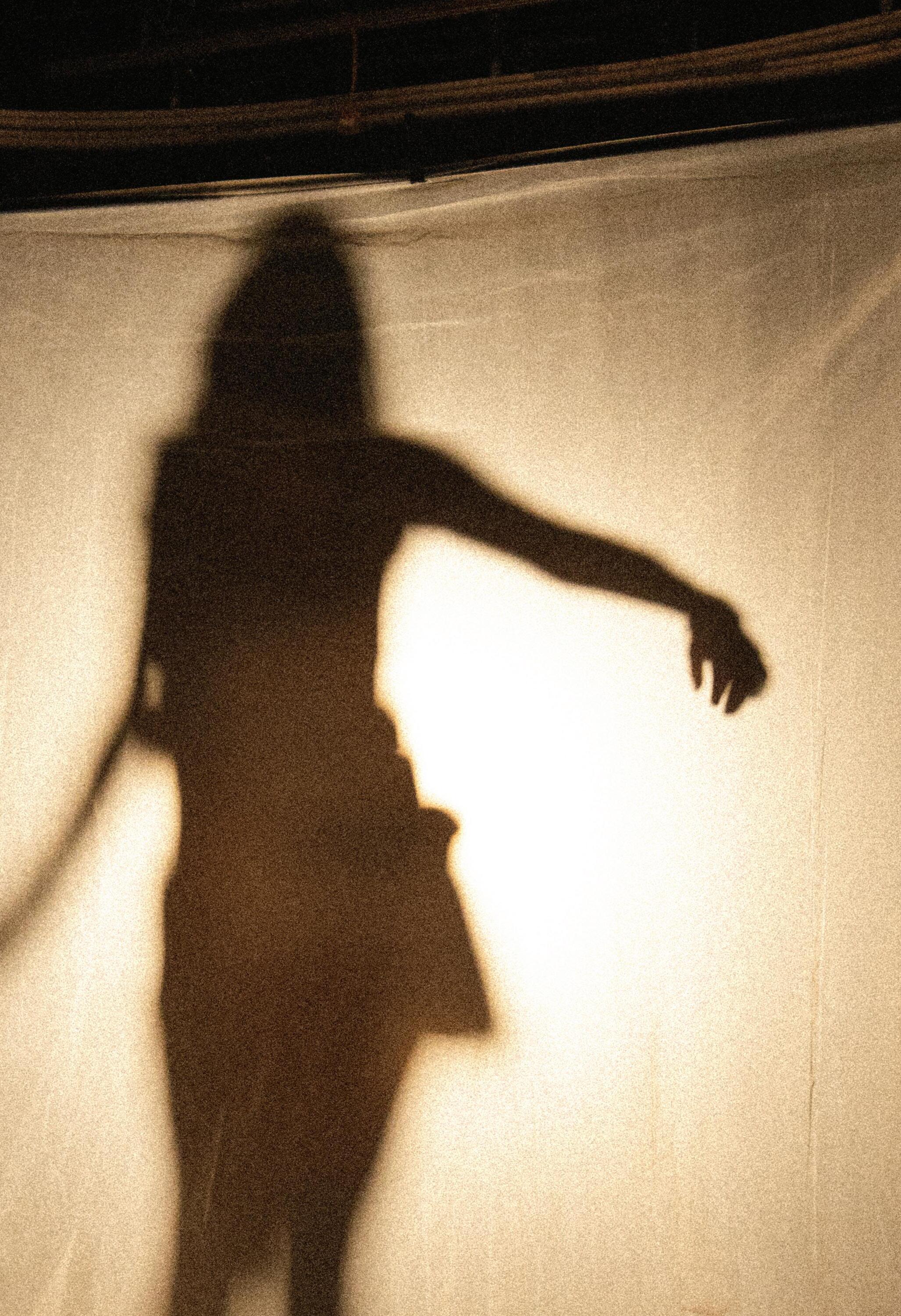
I’m a lady of the canyon in spirit, in mind, in my heart— I make music in the canyon.
We’re addicted to my lyrics for my lyrics are the best high, but sugar won’t taste the same when the Canyon takes your name from you, coming down, not sweet—still pretty, Now, an old forgotten warning
For the girls dancing barefoot in the dirt, with scarlet begonias in their blonde hair, dripping in clay beads, tripping on all sorts of things, eyes staring at the sun, body on display—shining bright!
It’s a fairytale life, for hopeful blue birds, sunsets only glow golden, just for us ladies of the Canyon. My eyes are burnt but the sun is not to blame. Haunted hums in the wind, locked in the basement softly singing out the window.
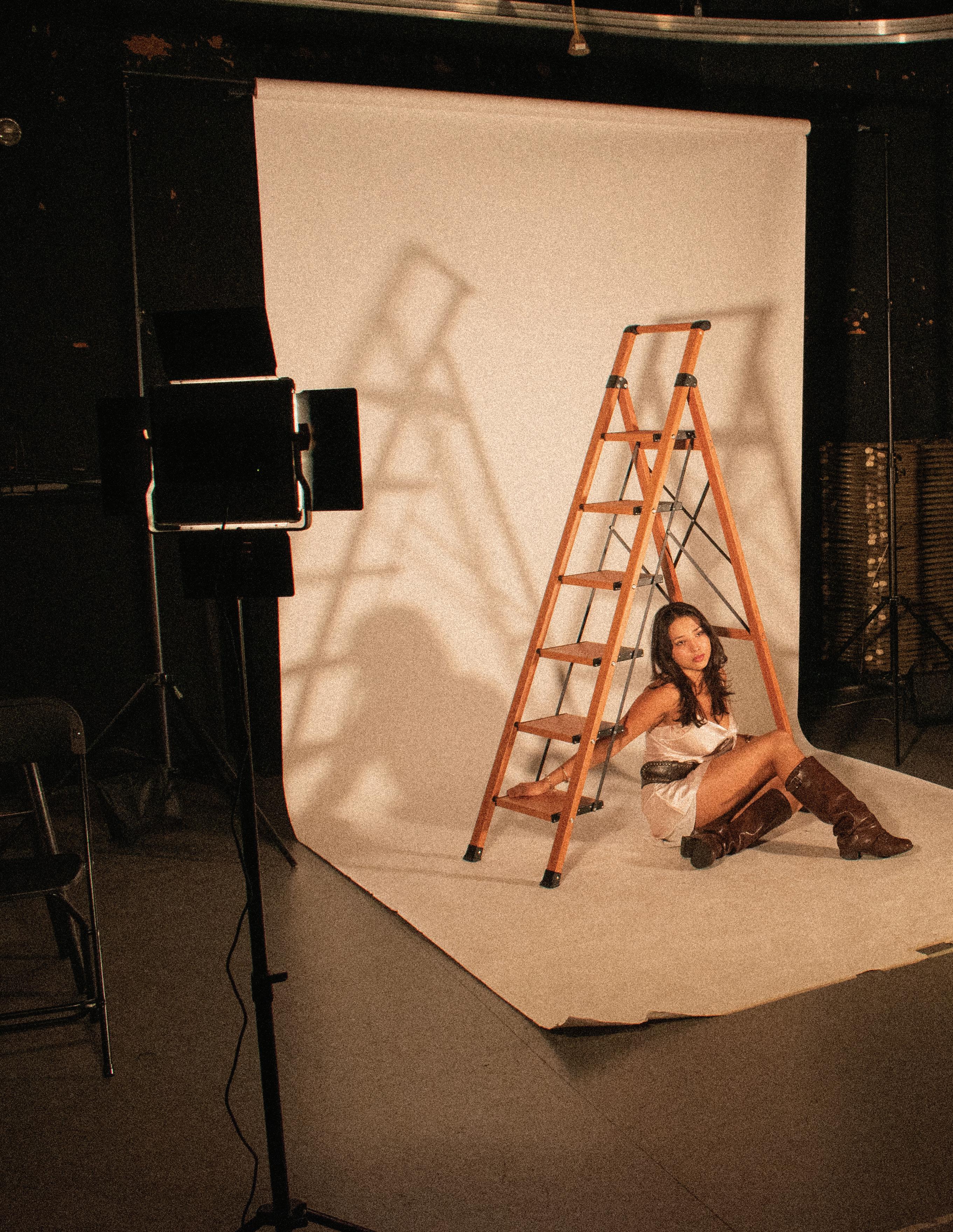
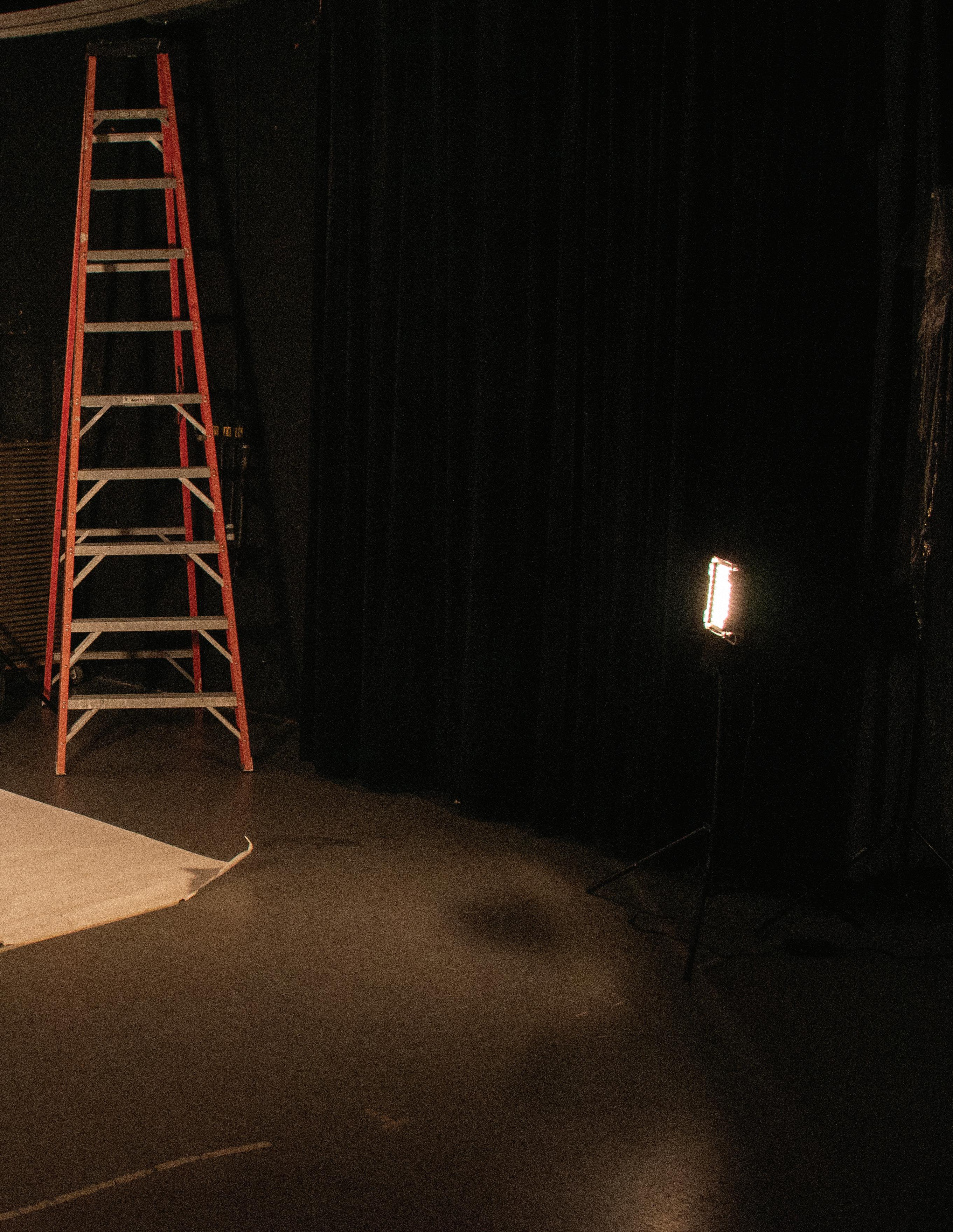
Grace Pisciotta, Capri Bold CREATIVE DIRECTION
Will Chapman PRODUCTION MANAGER
Adana Bhattarai MODEL
PHOTOGRAPHY
Tyler Hom, Rachel Simone Solomon VIDEOGRAPHY
Natalie Parratto STYLE
Maria Fischer BEAUTY

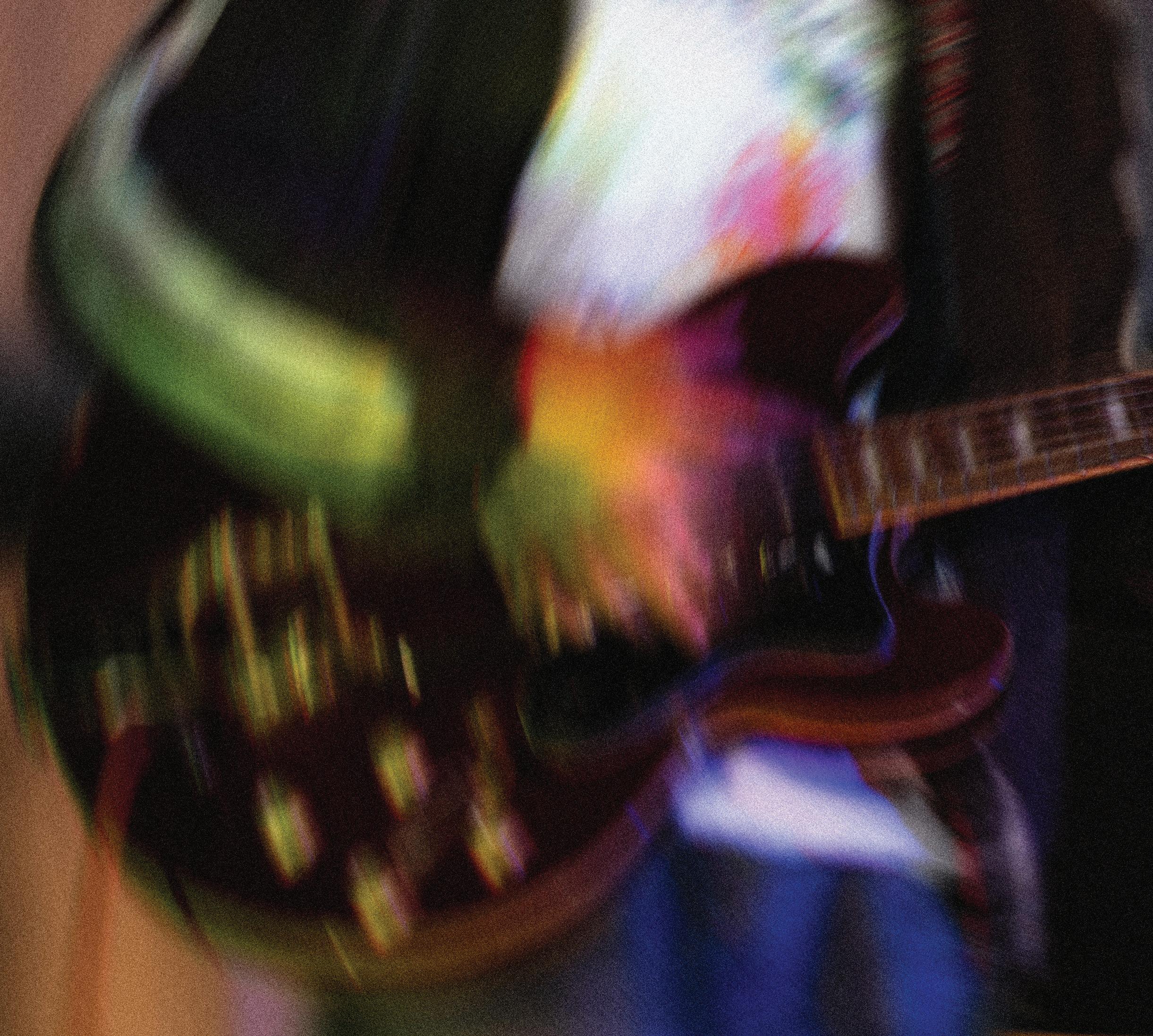
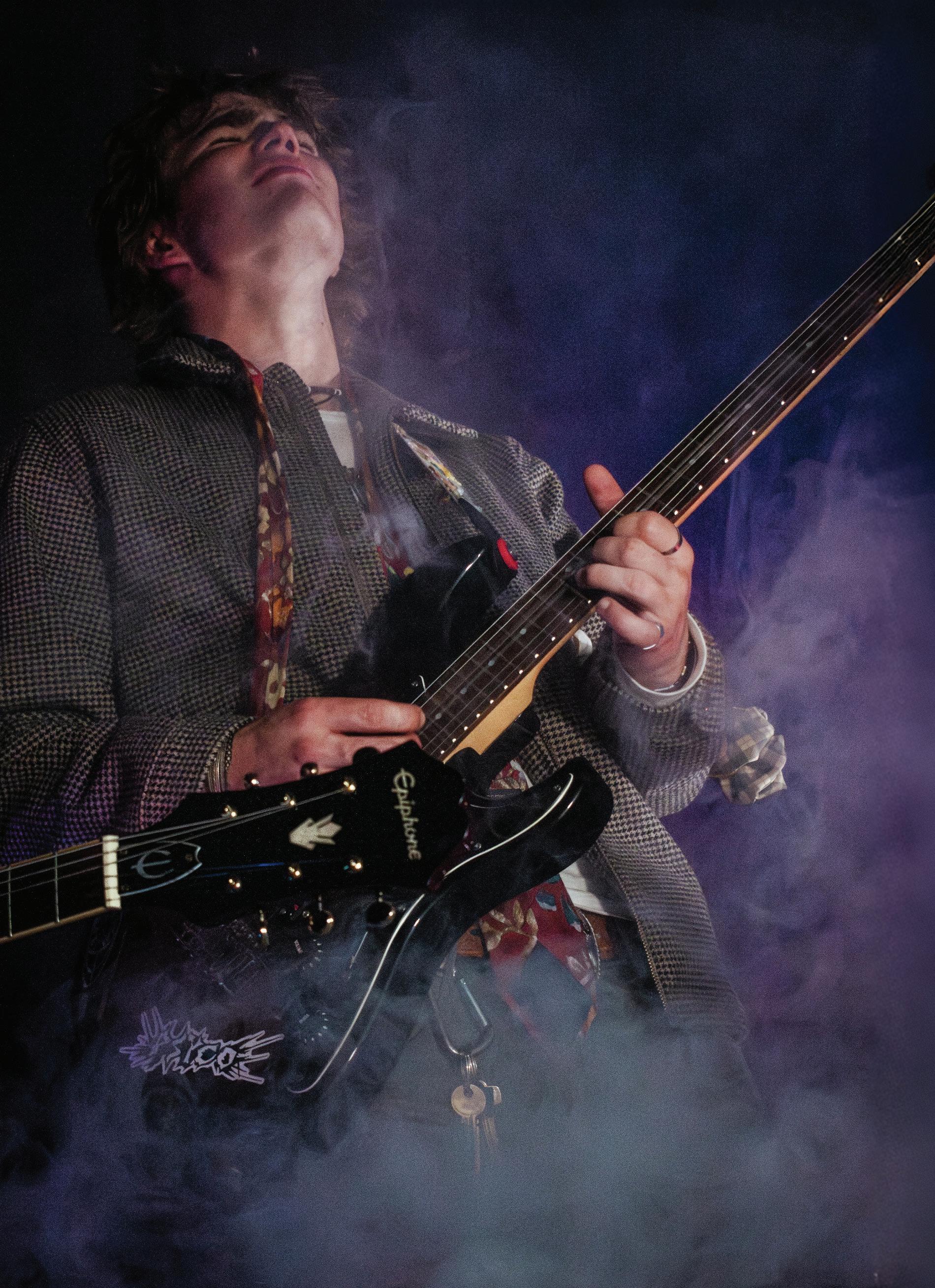
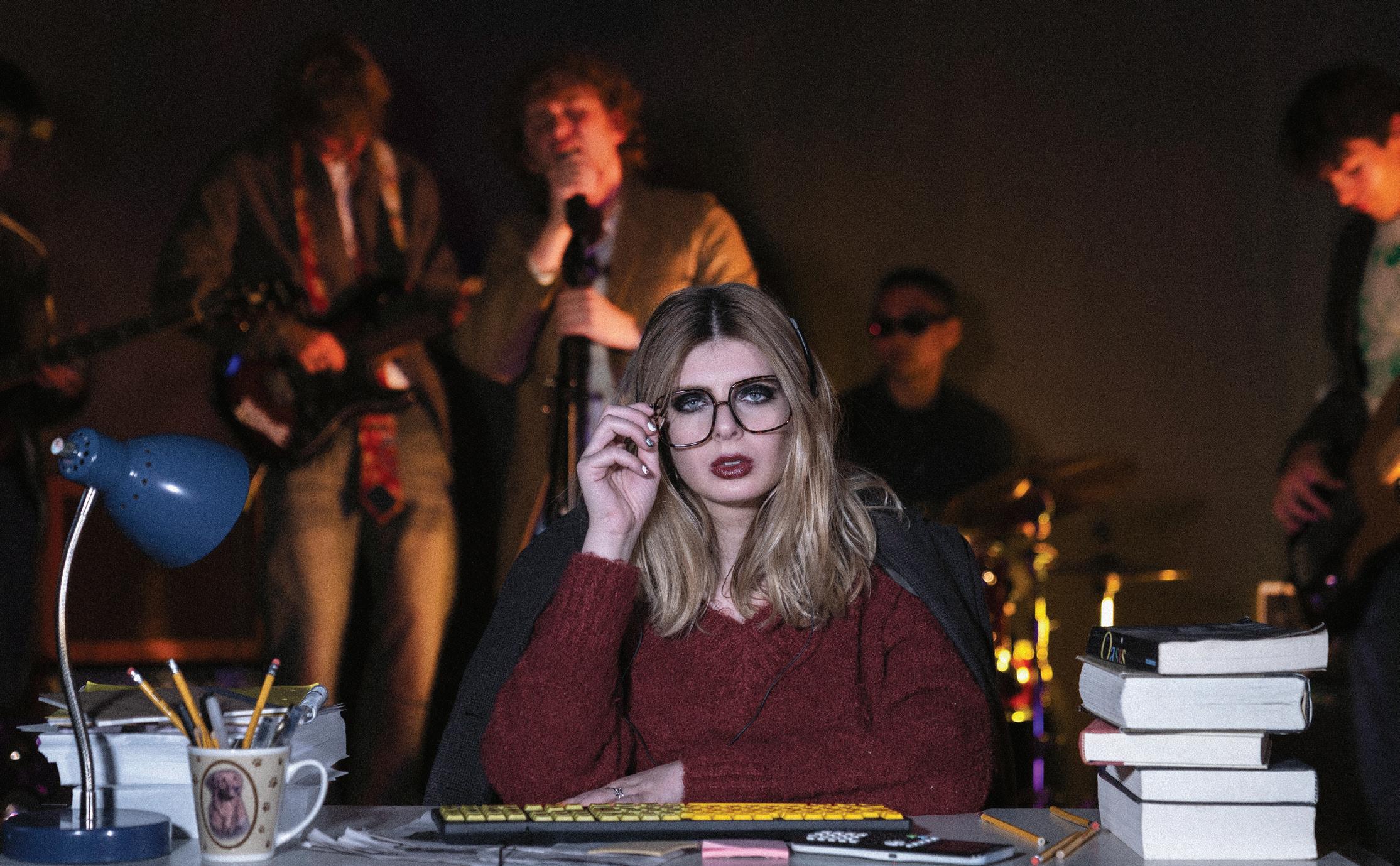
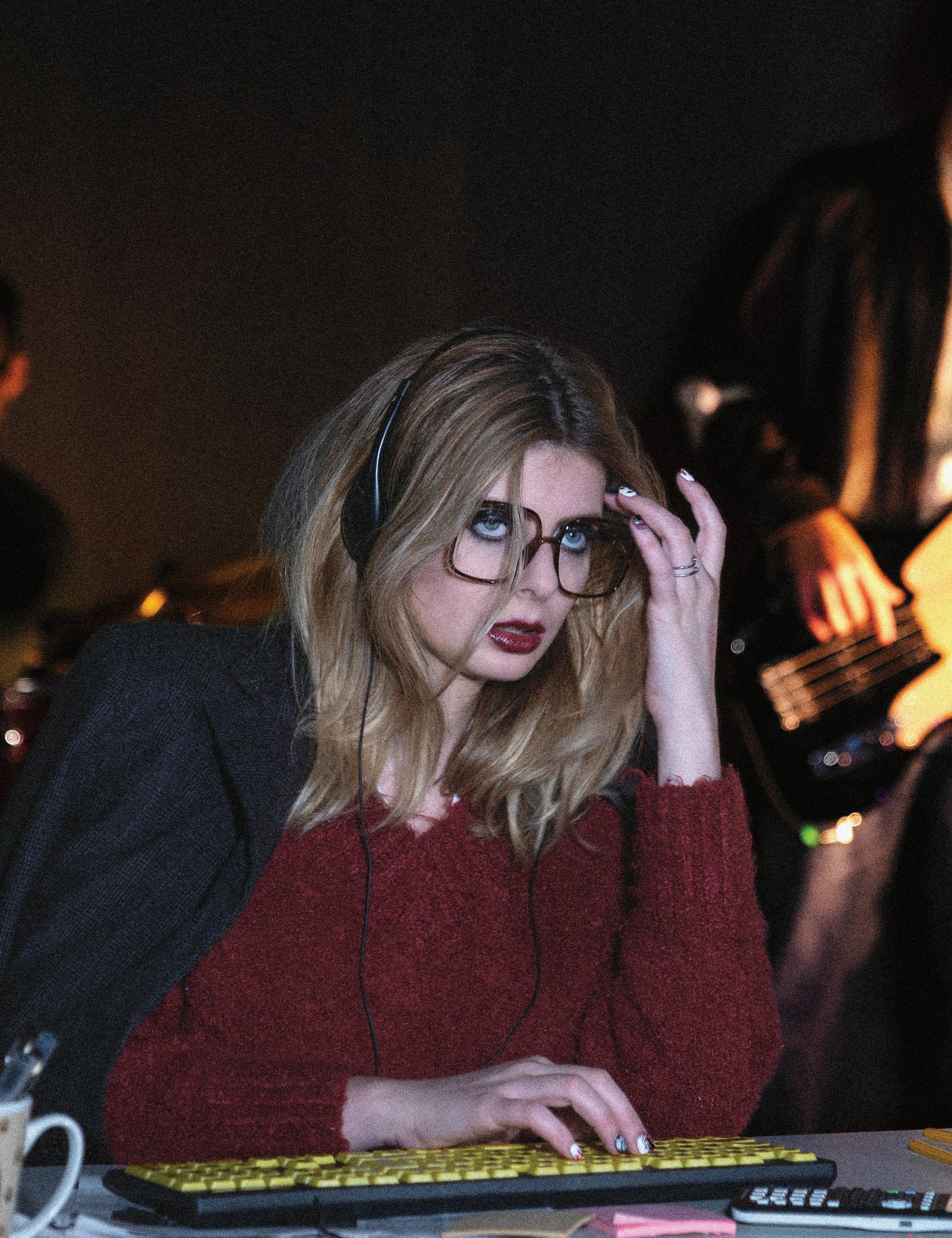
Solitude examines the immersive power of music, showing how it can transport us from the monotony of daily life into a world of chaos and emotion. By juxtaposing a mundane office worker against a vibrant, highenergy musical scene, the series illustrates music’s ability to break routine, ignite creativity, and build heightened experiences.
RACHEL YU
On the train ride home from Back Bay Station to New York City’s Moynihan Hall, I listen to one particular playlist on repeat titled “going home.” On it lives a mix of songs and artists, from 2012 Frank Ocean songs to classic Lenny Kravitz hits.
The most recent time I played “going home,” I put the playlist on shuffle. Normally, I select specific songs and queue them carefully, but this time I let it run freely.
“Moonlight on the River” by Mac DeMarco began playing—a song I hadn’t listened to in probably two years. Instantly, I was brought back to my freshman year at Boston University, when I took the train home for the first time during a long October weekend.
Sitting alone in a window seat, I remembered how desperately I wanted the train to go faster, how much I wanted to go home.
As a freshman, I was experiencing so many moments of sudden yet drastic change, and adapting to newer environments I was never once exposed to. Immediately, I was transcended back to the uncomfortable, apprehensive individual I was then. At the time, I sought stability and comfort, which I knew was waiting there for me at home.
My mindset suddenly transformed to how it was then, just from listening to this one song. I immediately gained a sense of aversive nostalgia—I became sympathetic for the person I once used to be. With the song continuously repeating in the background, “Home, there’s moonlight on the river,” I immediately started to feel the same way I did as a freshman—a reminder of why I keep this playlist to myself.
Throughout my life, I’ve always curated playlists for specific moments in my life. From vacation plane rides to the U.S. Open season, I dedicate songs to the feelings and thoughts that define those times. And while this may seem excessive, it’s simply just the sentimentality in me.
My Apple Music profile is filled with countless playlists, consuming 16.49 GB of my iPhone storage. Each playlist consists of over 100 songs, taking hours for me to download.
But when I’m not on the train ride home, “going home” stays untouched, private. The same sense of reservedness applies for the rest of my playlists. I only listen to them when experiencing the moments that resonate with them.
Regardless of whether or not the songs may be renowned Billboard tracks or throwback hits, they ultimately hold sentimental value to me, even if that wasn’t the song’s original intention.
A few days ago, I opened an old playlist of mine titled “SUMMER,” which was from my summer going into my senior year of high school. Out of curiosity, I hit the shuffle button, and the first song that began playing was “Right Down the Line” by Gerry Rafferty.
The cheerful, syncopated instrumentals begin rolling, transporting me back to the moments where I would spend my weekdays tanning on sunbeds by the pool with friends, with this song blasting in the background. The song’s melody brings me back to when the weather was my sole concern, and whether I had enough bathing suits to last through each week. And while the current weather conditions in Boston may say otherwise, I was immediately taken back to the freeing summer evenings of 2022—to my more optimistic, blissful self.
Every one of my playlists contains songs reflecting not only how I’ve felt in those exact moments, but also the smells, the sights, and the people I was with. Listening to these songs brings me a sense of nostalgia, where I’m reverted back to who I once was.
Looking at my profile today, I still keep some of the playlists I’ve had since eighth grade, my music taste progressing from pop to alternative as I grew older. And while the struggles and challenges I face are certainly more prevalent today than when I was in middle school, these playlists ultimately reveal a sense of emotional growth.
The versions of me from my past remain alive within these playlists. They serve as quiet reminders of how music has documented every stage of my life, from distress to joy, revealing an honest, unfiltered part of who I am.
But now, when I listen to these playlists, I see it as an opportunity to reflect on the person I used to be, and how much I’ve grown since then.
Although I remain the nostalgic, sentimental individual I have always been, I have grown to become more grateful for these moments in my life, and how these songs have expressed a sense of maturity throughout the years. And while transporting myself back to the happier or sadder person I was in the past may be difficult, these playlists ultimately serve as a reminder of how much I’ve grown to “live in the moment.”
Every summer afternoon, as the sun dips toward the horizon, the Manila sky turns into a palette of pink and orange hues. For a moment, everything feels suspended—soft, unhurried, and almost sacred. It’s the hour I wait for all day, when the noise of the world finally fades and I can be alone with my mind. Only then do I prepare myself for my own form of meditation. What might seem ordinary feels devotional to me: an hour of solitude, guided entirely by music.
I lace up my sneakers, slip on my headphones, and step out for a quiet walk around my neighborhood. These walks are my daily ritual, a solemn hour where the world slows down and my headphones act as a private sanctuary for my thoughts. Music wraps around me like a gentle cocoon, amplifying my thoughts and emotions. For that whole hour, I’m simply listening, breathing, and being.
My meditative process is simple, yet profoundly effective. I select a playlist to match or shape my mood, letting each song guide the rhythm of my steps. Sometimes, a single song can define my thoughts. Each track acts as a compass, directing me toward a different aspect of myself.
“TO THE MOUNTAINS” BY LIZZY MCALPINE
This pensive, hopeful song sets the tone for my walk, reminding me to take time for myself to reflect and to figure things out at my own pace. Its lyrics feel like a gentle nudge to grow and explore my own capabilities without distraction. As I walk, my mind drifts to possibilities, to choices and paths that stretch beyond the streets I’ve walked past my whole life. Each note mirrors my steps, making my promenade feel expansive, as if I am moving not just through Manila, but through the landscapes of my own mind.
“THE GOLD” BY PHOEBE BRIDGERS AND MANCHESTER ORCHESTRA
The soft, melancholic strumming under the melody unwraps thoughts I’ve tucked away. As the fading sunlight paints the streets in warm hues, the lyrics echo in the quiet corners of my mind. This song guides me to confront vulnerability and emotions I usually push aside, creating a tender companion for introspection.
“VIENNA”
By this point, my walk has settled into a rhythm. This song grounds me in the moment, making sure I don’t fall too deep into the void of my mind. I notice the rustle of leaves, the delicate fallen sampaguita flowers on the pavement, and the sweet song of the maya birds in the background. It reminds me to be patient, to slow down, and let life unfold without rushing.
This intimate, bittersweet song invites me to reflect inward. As I listen, I notice the rooftops catching the last of the sunset glare, and the lyrics begin to feel like my own inner monologue. “Pluto Projector” reminds me to acknowledge the complexity of growing up, to sit with tenderness, and to accept moments of vulnerability as essential to understanding myself and my relationships.
“DULO
Translating to “End of Boundary,” this song quite literally brings me home. As the final track plays, the sun goes to bed, and the sky fades into a deep, velvety blue. There’s a stillness that settles over the streets, quietly reminding me that even endings can feel like beginnings. By the time the song ends, I feel both grounded and renewed, a little lighter, and ready to carry the night forward.
Although my walks are less frequent due to my busy college schedule in Boston, I still find myself returning to the same ritual whenever I need to slow down. I no longer need the Manila sunset or the familiar streets of my neighborhood to feel at ease. All it takes is pressing play. Whether it’s a stroll along the esplanade or a quiet walk along Commonwealth Avenue after class, my playlists transport me back to those warm summer afternoons, to that same sense of peace. Even in a city that moves so fast, music remains my way of pressing pause on the world and finding stillness, wherever I am.

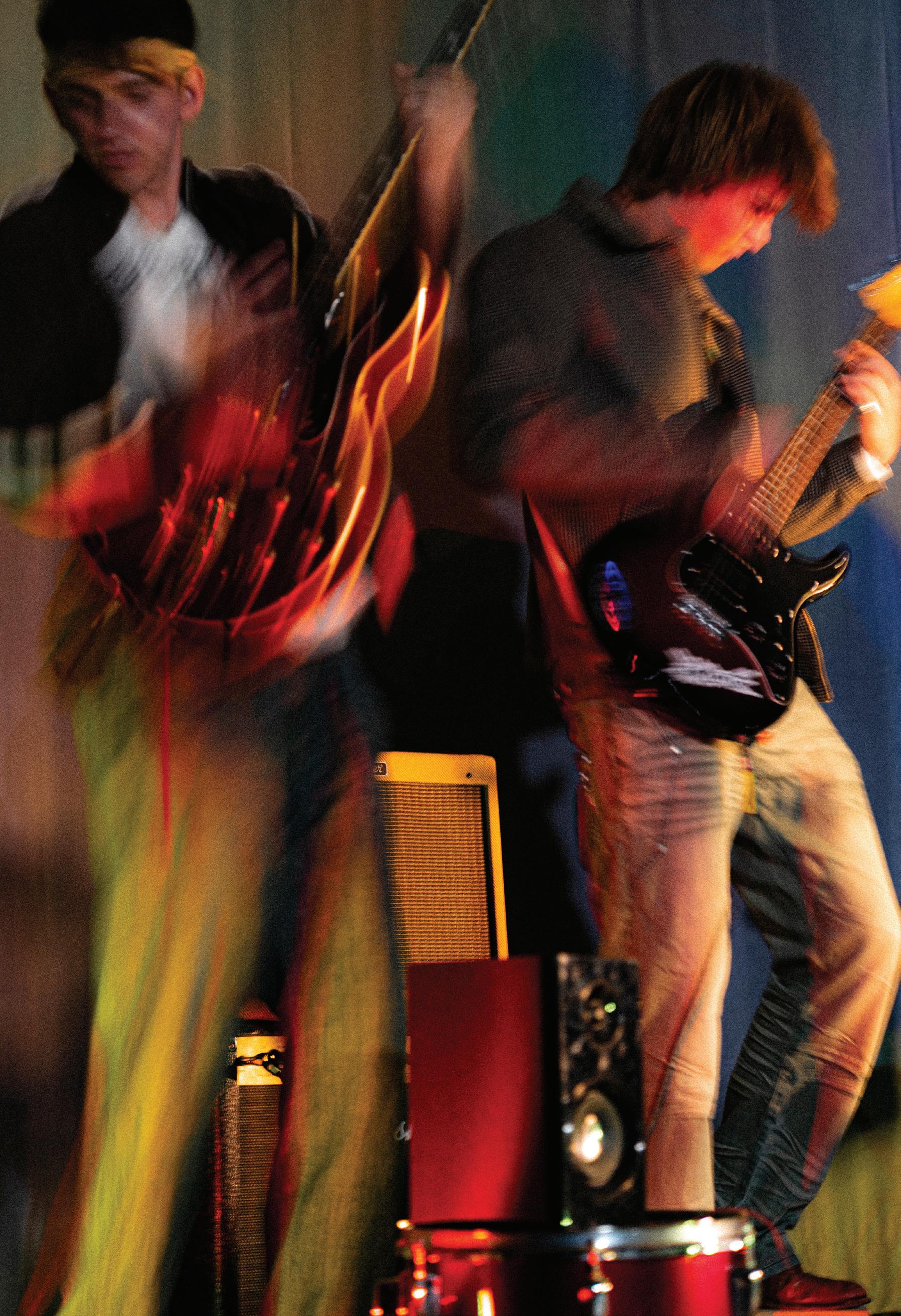

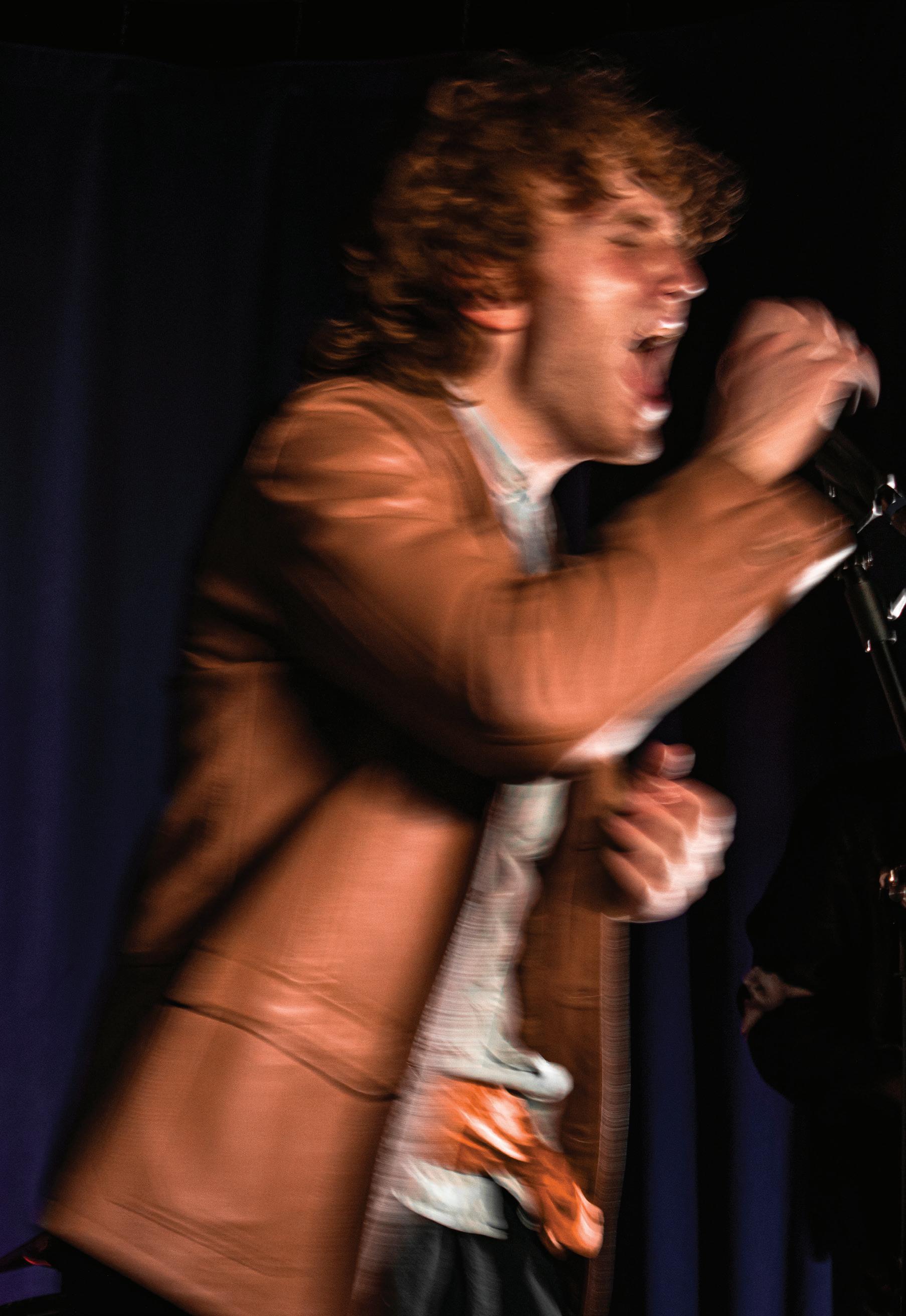
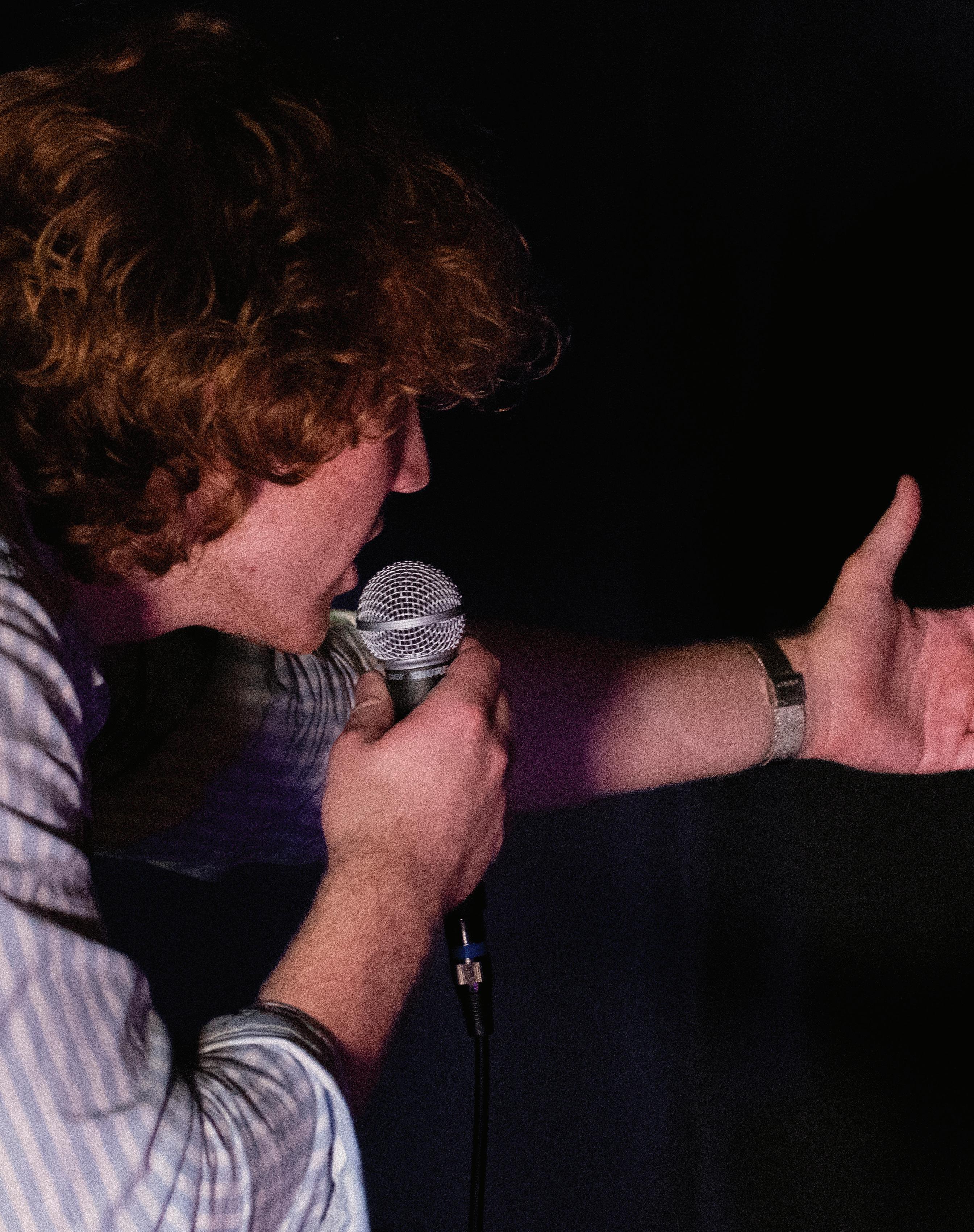
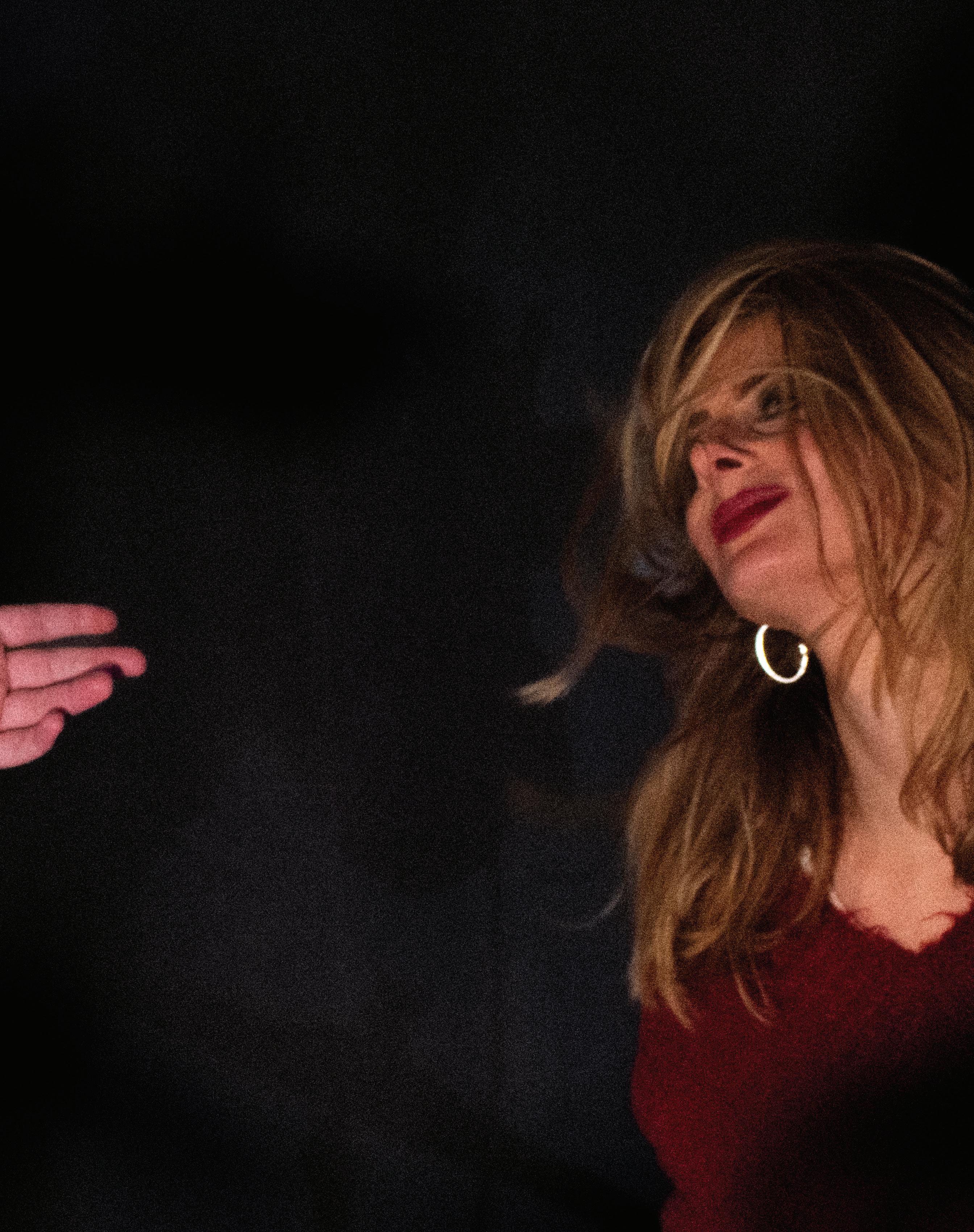
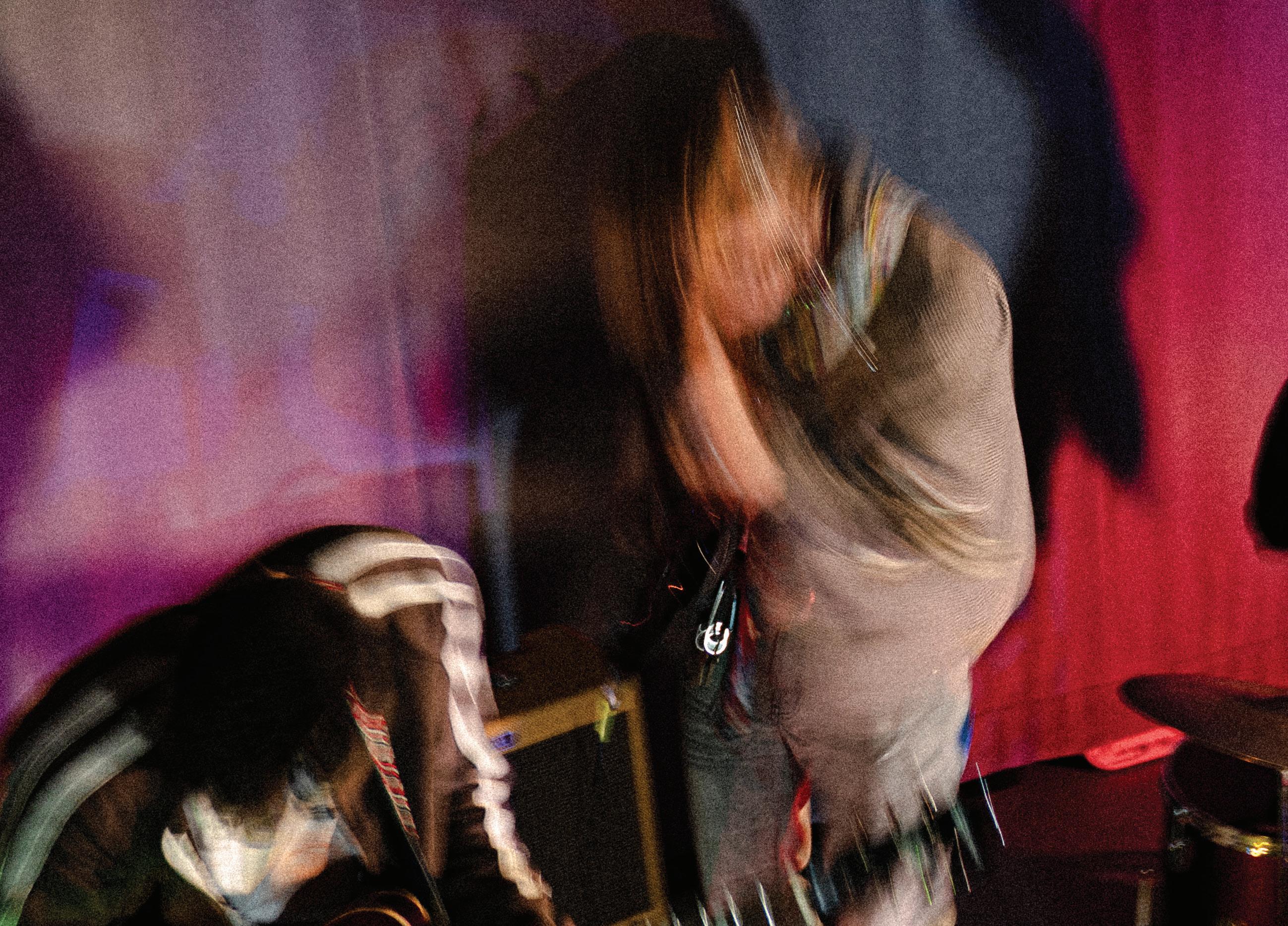
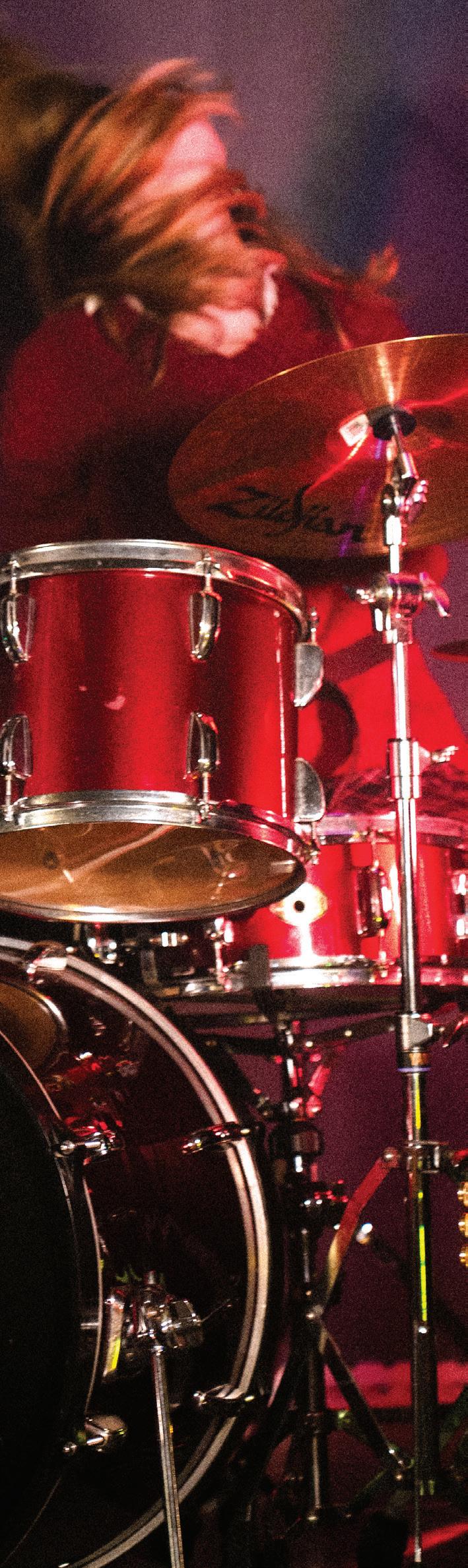
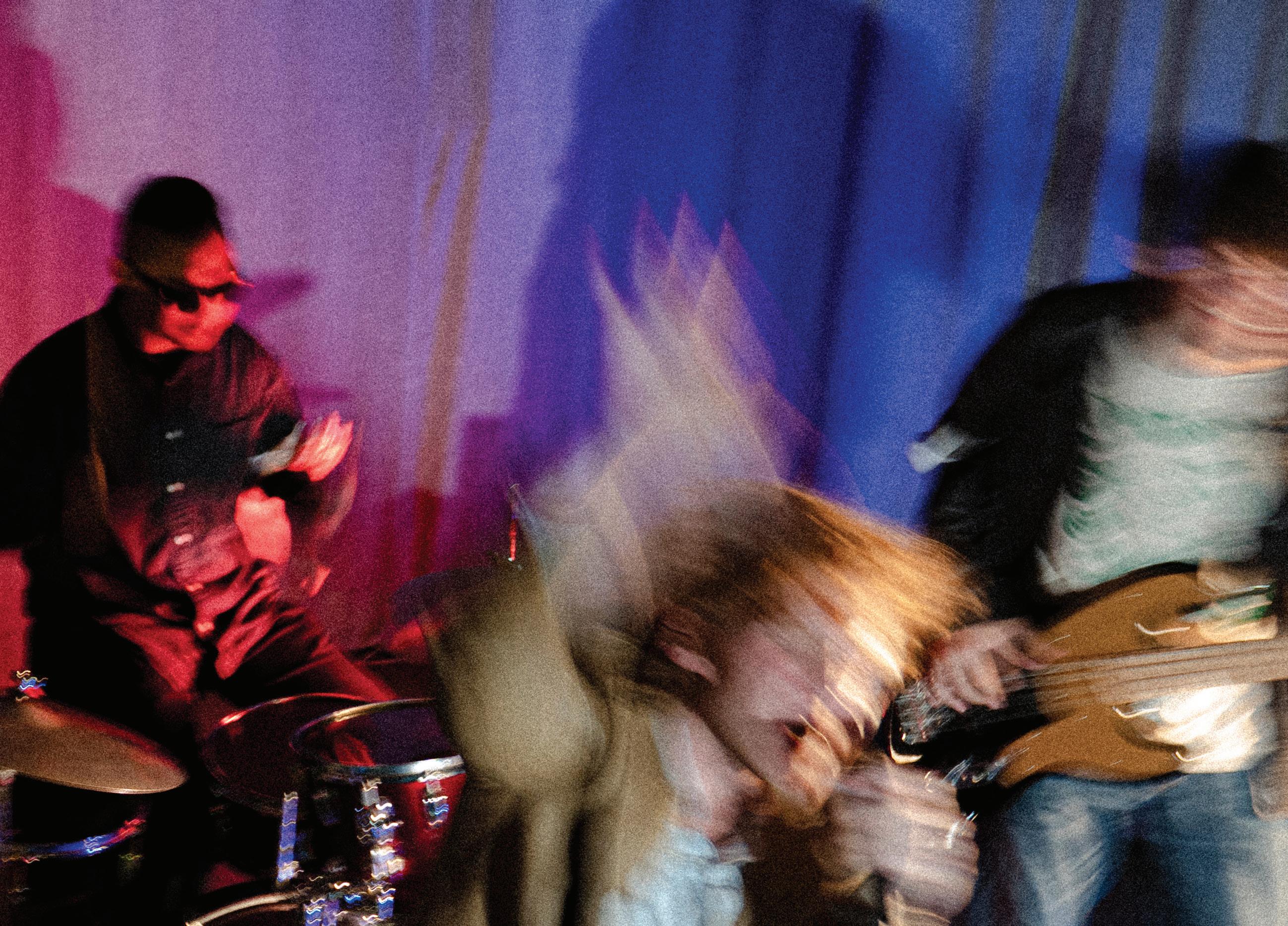
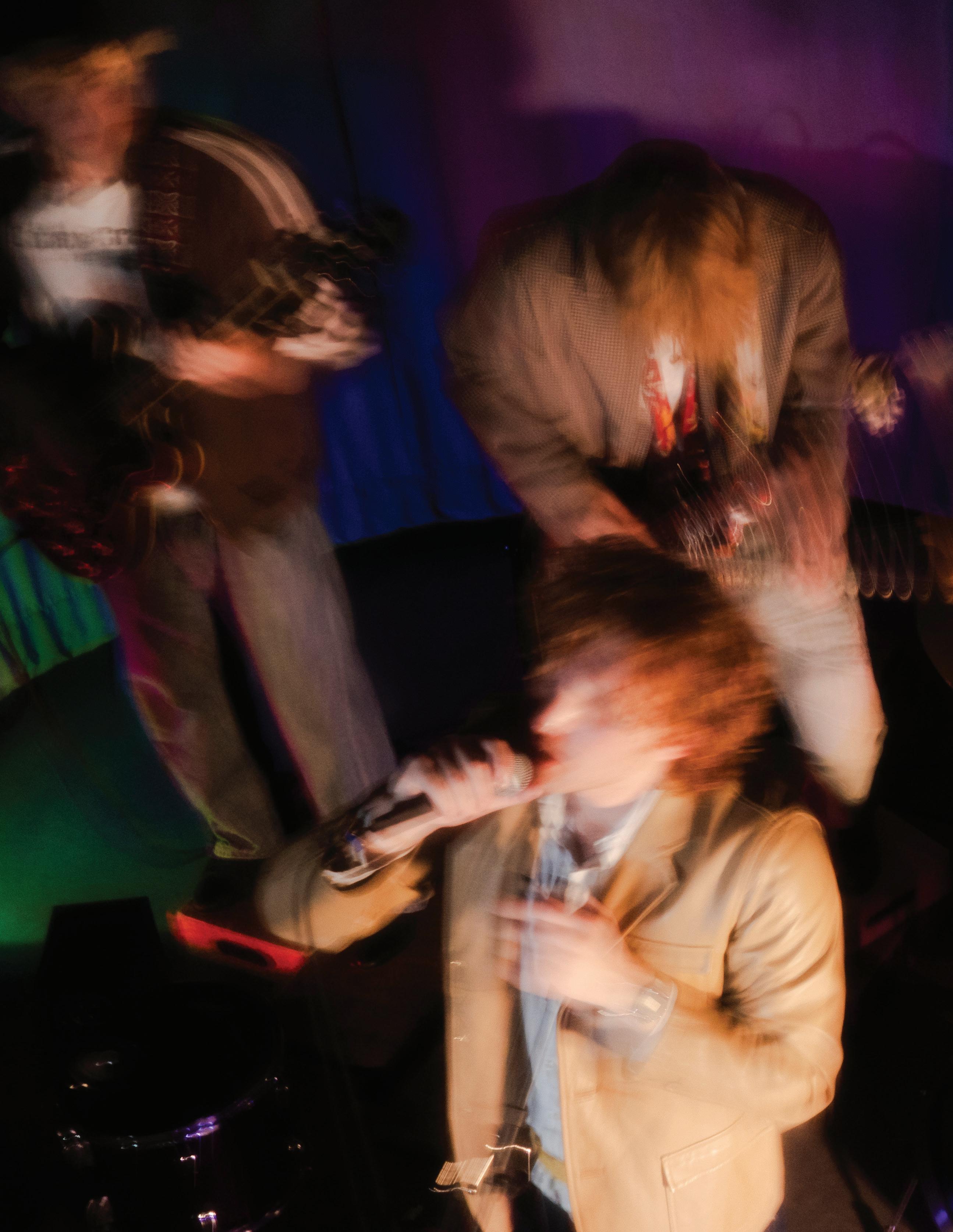
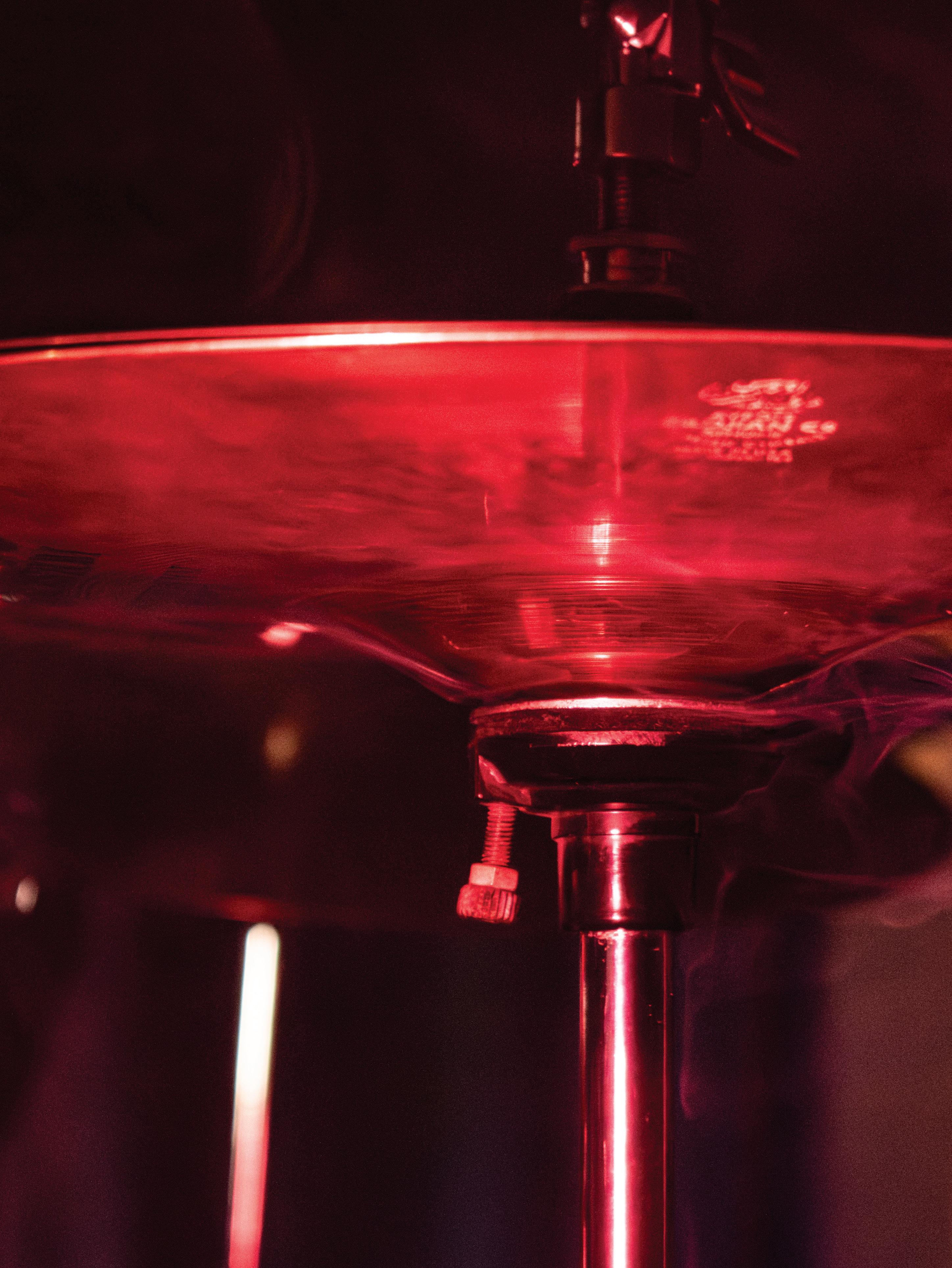
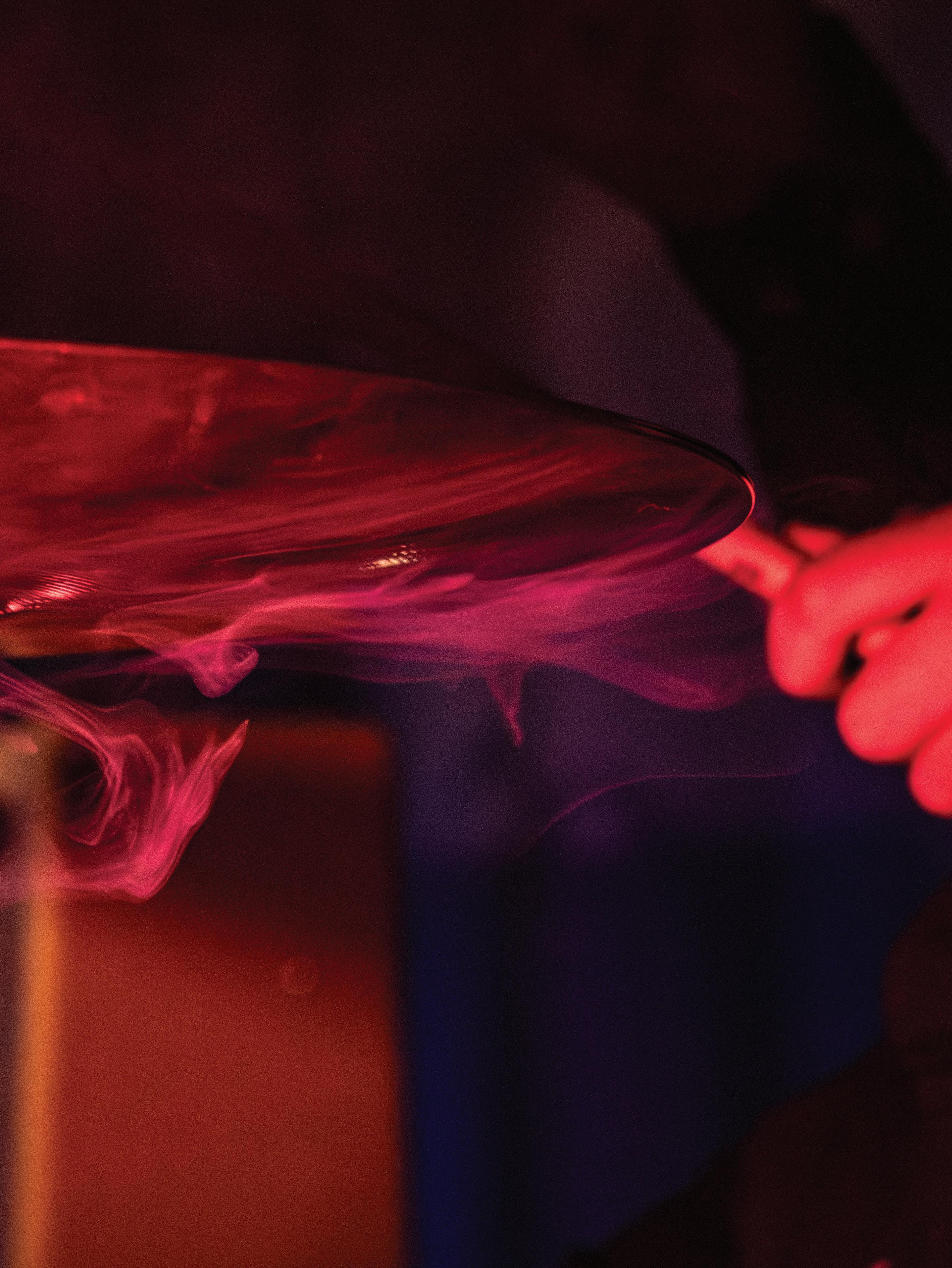
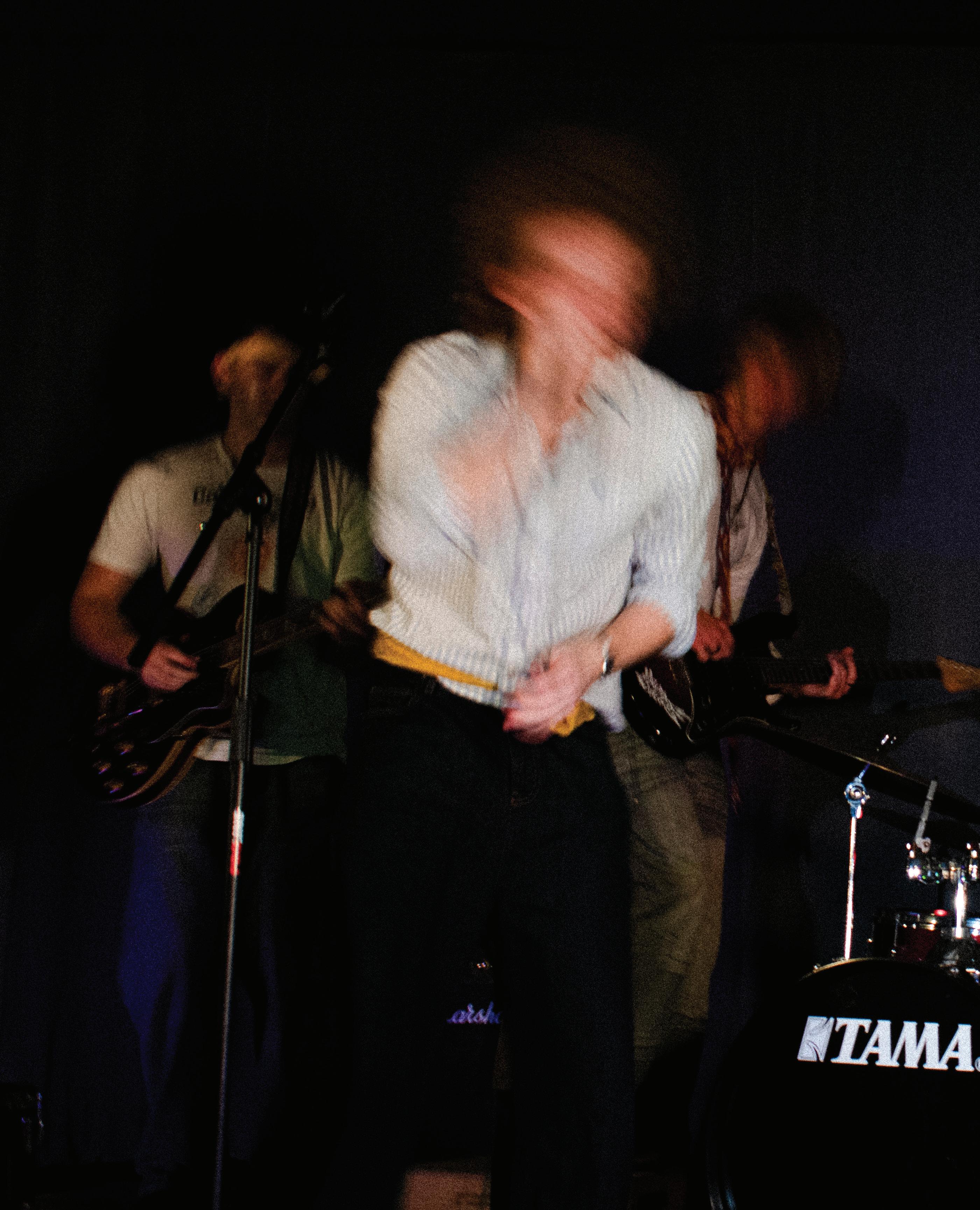
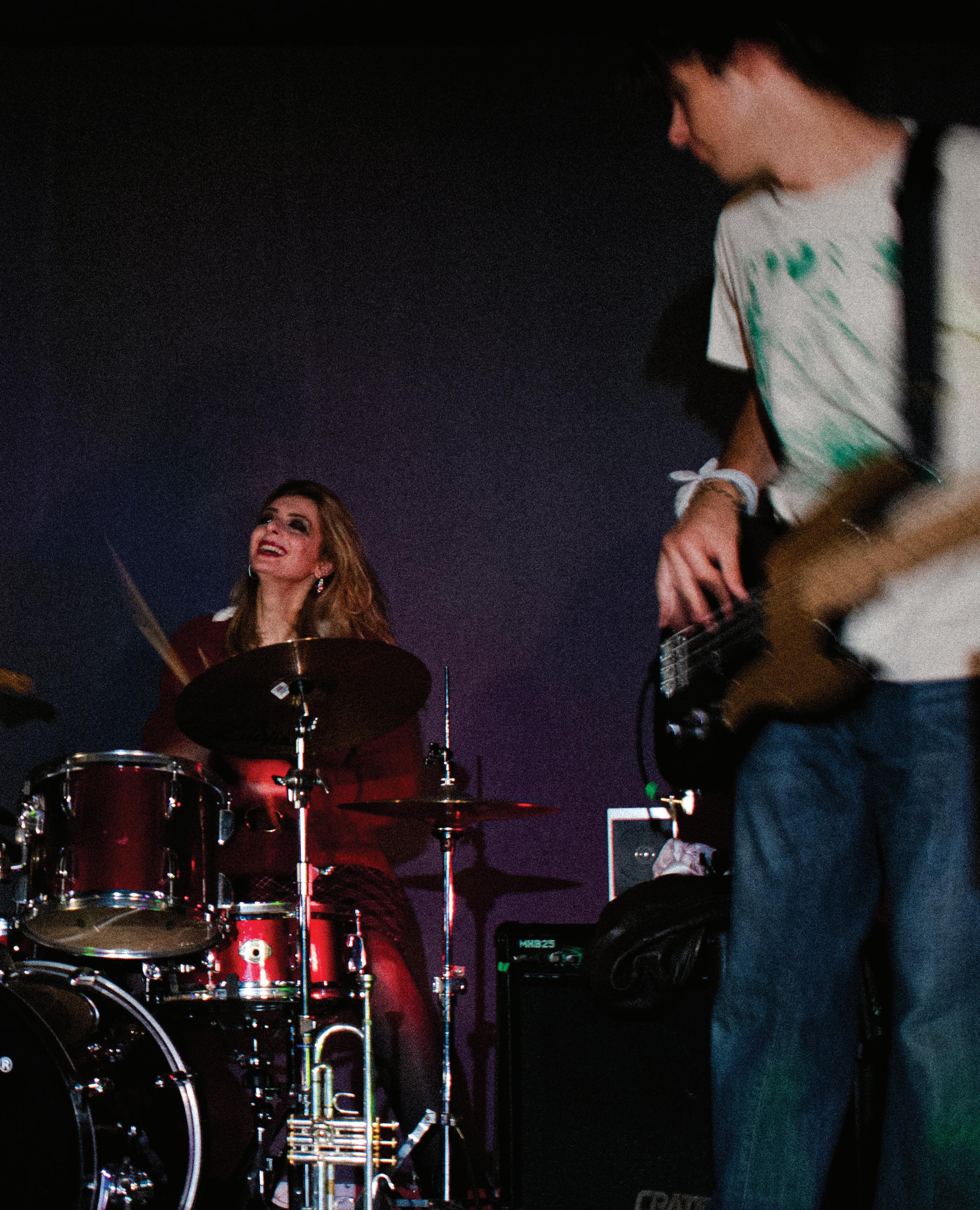
It’s an hour before showtime at Sunset Cantina, and time is ticking as five college students prepare for their first live music gig in Boston. With Sunset Cantina being a casual dinein for BU students, the musicians have to set up for the show on their own, completely DIY-style. They run around frantically as they arrange their instruments, breaking a sweat as they try to work around their lack of equipment. Customers begin filling up the venue and, in a blink, over 100 viewers await the performance, people packing the entire front of the bar. On a count of three, the boys begin playing. Despite minor issues in the speaker and sound systems, the crowd cheers and dances for them.
“It was definitely one of the most stressful shows, but it went fantastic,” said Joey, the band’s bassist. “I think
it immediately solidified us as people who were taking this seriously. And I don’t know if that’s true for everyone who watched it, but it felt true for me.”
A whirlwind, this show marked their presence in Boston as a unified band. Cut the Kids in Half, formed by brothers Jack and Charlie Silver— endearingly deemed the “Founding Fathers” of the band—started as a high school sibling project. Now, the band is composed of five members, all of them originally hailing from New Jersey and now performing throughout Boston.
Charlie began songwriting as a freshman in high school and, soon after, his brother Jack—just a year older—joined him, forming a duo. Charlie acts as the instrumentalist and songwriter, and Jack as the vocalist,
lyricist, and the unspoken leader of the group.
“I wasn’t even into music at all. I was into writing and chess, and I think we drifted until our mid-teens when we started writing songs together,” said Jack.
“It was probably the music that brought us closer,” Charlie said, chiming in.
Their drummer, Luke Tan, who attended high school with them, joined the band two years later during his junior year of high school. From there, the three of them recorded their debut album, What We Became, before entering college.
It wasn’t until Charlie’s first day of college that he met his two future
bandmates, Kevin Mortenson and Joey Sorkin.
“It was the first night of school, and we were like ‘Oh, let’s go walk around the Commons,’” Kevin, the band’s guitarist, said. “While we were on the T to the Commons, Charlie was like ‘You should join my band.’ And I was like ‘Okay, can my roommate join?’” The five of them all hit it off, and the group has stuck since, now two years later.
From there, the band moved forward as a five-person piece, practicing songs from the album and perfecting their songwriting and musical technique. But for them, going to practice is the least of their commitment. “The biggest time commitment is the bureaucracy of it,” they collectively joked. “It’s
always on our minds,” Joey said. Not only do they practice as musicians, performers, and songwriters, but also as their own managers. The band constantly maintains an open line of communication on various platforms to ensure they book shows, whether that’s through Instagram DMs or other online forms. But the most important aspect for them in booking shows is building strong connections with other local musicians.
“It’s very community-driven, very knowing people, very knowing who you can depend on,” Joey said.
“We went from struggling to get shows to having shows pretty much every single weekend, and having to actually turn down some shows,” Jack said. “Not to say we’re that big yet, because we’re not, but we have
made connections, and I think that’s very important.”
The band has collaborated with other local Boston bands, such as Gwen and Dust Jacket, who have now become close friends and supporters.
“We went out to Tufts a couple weeks ago to play a gig with Dust Jacket and one of them said half jokingly that when one of us makes it, we have to bring each other in so it’s mutually assured success,” Joey said. “I thought that was just such a fun way to put it because whether or not it’s true, it’s this idea that we’re all making music and we all really want to make it. We’re here for each other, and we’re all supporting each other, and we’re reposting each other’s Instagrams and as much as we can give to the next band, we get for us as well.”
When the band first fully formed, their main focus was on their sound. Now that they’ve gained momentum, the band has shifted their priority to establishing a stronger stage presence.
“The performance aspect is a lot harder than the music aspect, and you can have one or the other, but it takes a lot of practice to have both,” Kevin said. “As we continue playing shows, we focus on making it more of a performance and all-encompassing event.”
For them, performing is a symbiotic relationship between the band and the crowd. A good show depends on the crowd’s energy because as performers, it’s their lifeline. “For the shows that we didn’t feel so good about, it’s usually a combination of the crowd not being big enough or active enough to feed off that energy,” Luke said. “The crowd really does make the show in terms of the feeling of it. When you feel better, you play better, and it’s kind of like an endless cycle,” Kevin added.
As its founding members, Charlie and Jack hope to keep the band moving beyond college. “This is what I would do for the rest of my life if I could,” Jack said. “I see it as something real, and I’ve always seen it as something real.” While they all have different visions for the band post-college in terms of job prospects, they see themselves living in the same city and continuing to practice, perform, and write as a collective unit.
The band’s first non-album single, “Mountains of Green”, was released on November 13th, 2025, with contributions from all five members. The song touches on themes of fame and is the first song that they all recorded and finished together in the studio.
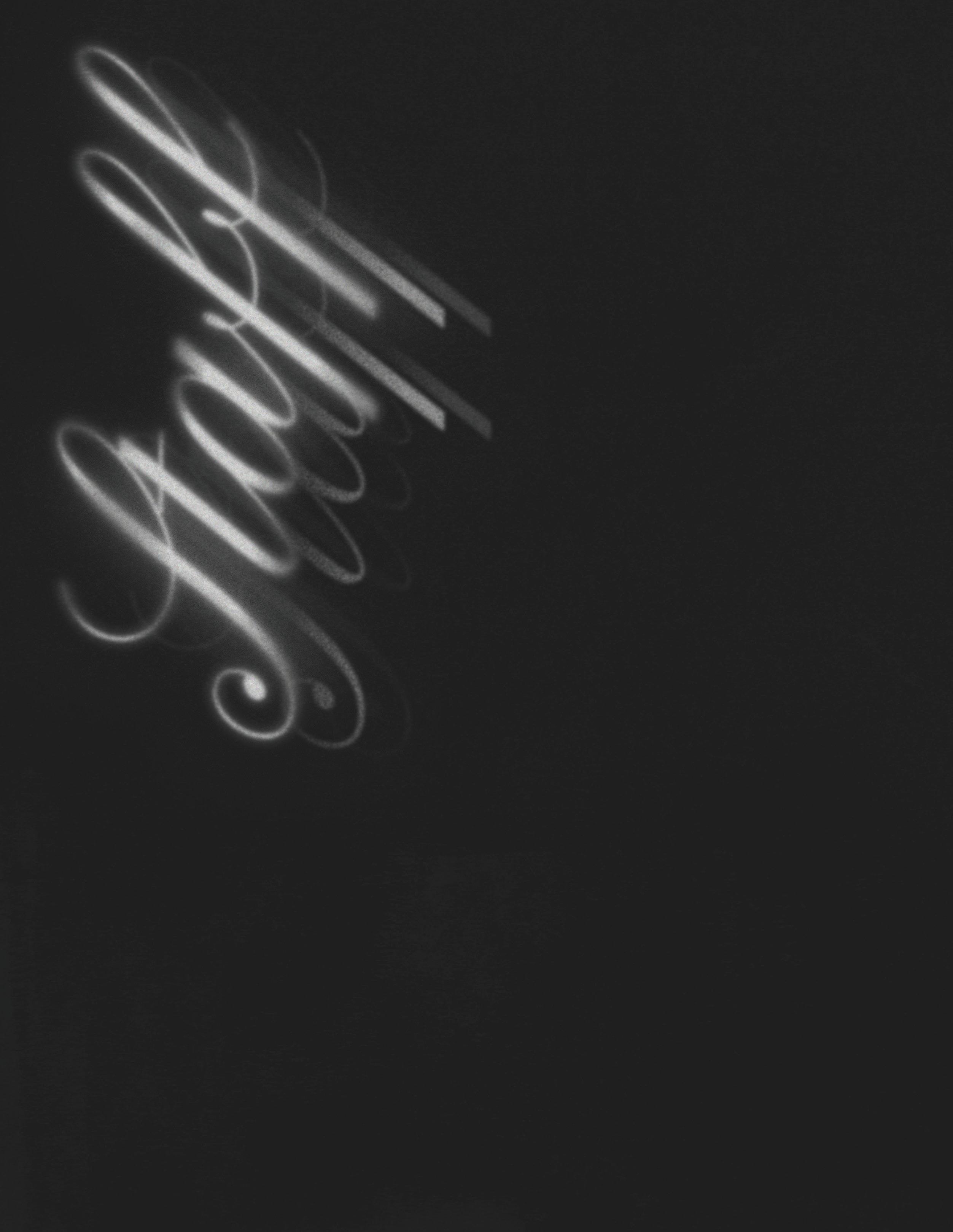
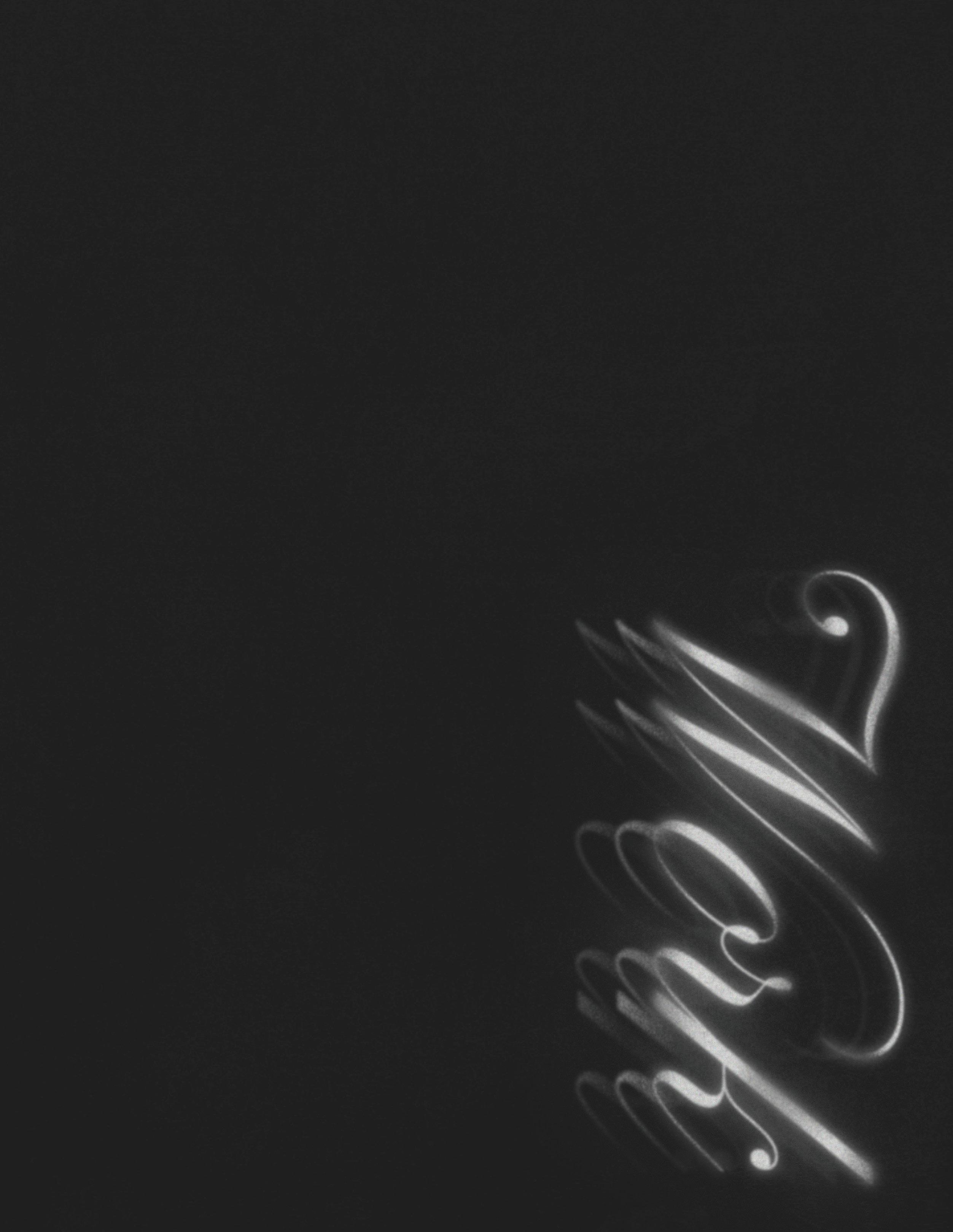
“I think fame is just a very dangerous and captivating thing,” Jack said. “And I think this song is all about
“I think this song is all about
wanting to escape from the monotonous life, but at the same time it’s an ironic song because it is aware that in fame is not necessarily salvation, that fame is often what corrupts you more than the life you already live in.”
With their dedicated work ethic, ambition, practice, and most importantly, their drive, the band has certified themselves as established musicians in the scene, to the point that they’ve been recognized by passerbyers on the street, and even by other fellow musicians.
“The first time I felt like we were part of the scene was when I saw this band called Yellow on the T,” Charlie said. “I’d just seen them at a house show the week before, and so I invited them to our show. They looked at our Instagram and said ‘Oh wow, you guys are part of the scene.’ That was pretty cool, being acknowledged from somebody who’s part of the environment. Everyone in the know knew us.”
Through the band’s run during their time in college, they’ve seen a huge shift in their capabilities, which is reflected in their growing success. With each show, their sound grows tighter and their crowd louder. What started as a high school project has now manifested into something real and raw, driven by friendship and passion.
“I realize that with pretty much with every show this year, people sing more and more to the lyrics, especially to some of the catchier parts,” Jack said. “Over the past year of playing together in Boston, I’ve seen everyone get more comfortable and confident on stage and I’m very proud. For me, making music is not just about the sounds, it’s putting on the spectacle. There’s a reason why people long for live music, because it’s a performance and it’s something that can be spellbinding if you do it correctly.”
wanting to escape from the monotonous life.”
CREATIVE DIRECTION Grace Pisciotta, Capri Bold
PRODUCTION MANAGER Will Chapman
MODELS Rachel Simone Solomon, Luke Tan, Charlie Silver, Jack Silver, Joey Sorkin, Kevin Mortenson
PHOTOGRAPHY Pablo Andrés González, Svetlana Stepanova, Jazma Zhou
STYLE Natalie Parratto, Angelina Shalom, Tehya Tenasco
BEAUTY Lucy Johnson
SOCIAL MEDIA Traci Walcott, Jocelyn Mao
EDITORIAL DESIGN Naomi Cohen, Grace Pisciotta, Alicia Chiang, Capri Bold

“I’ve
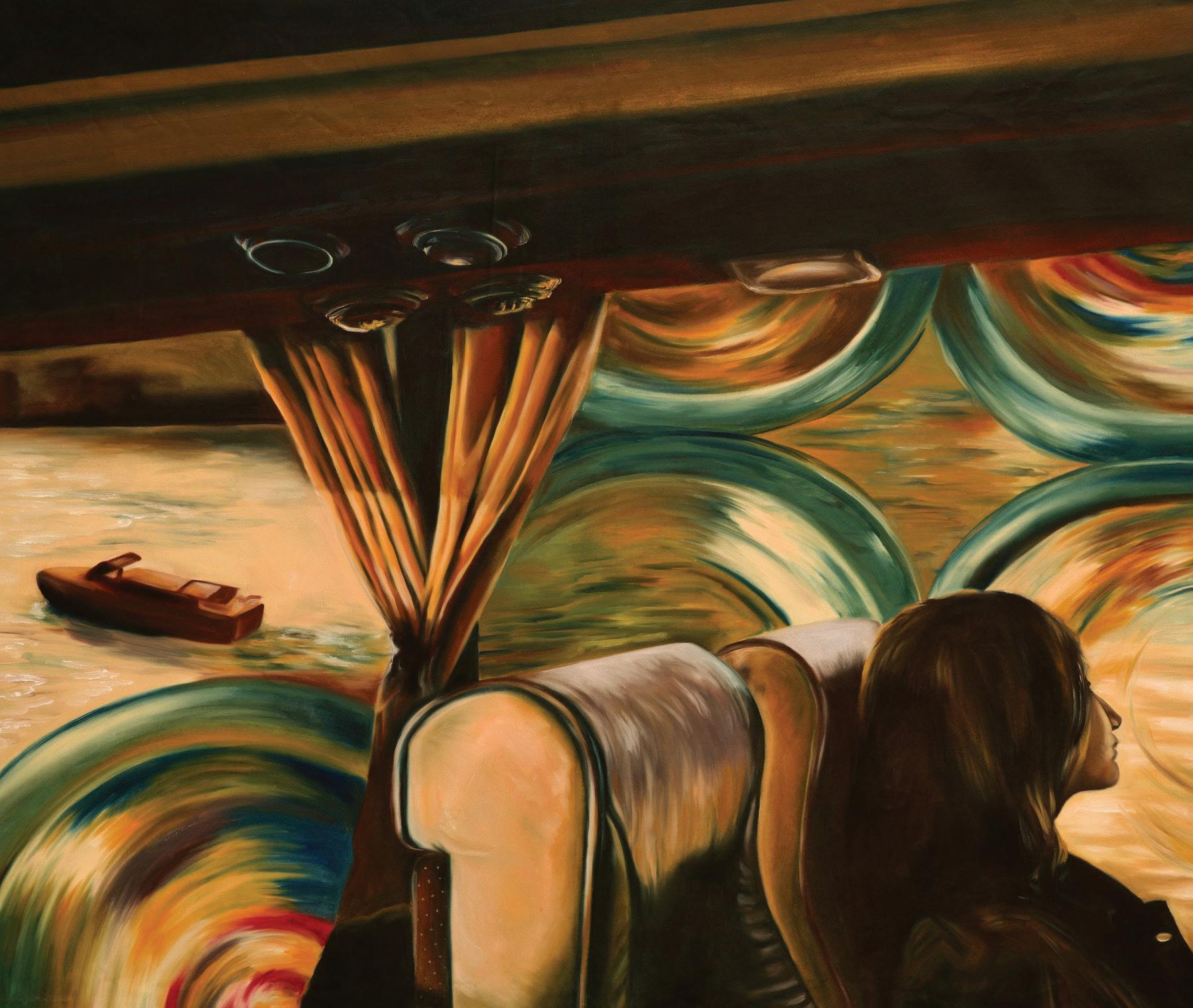
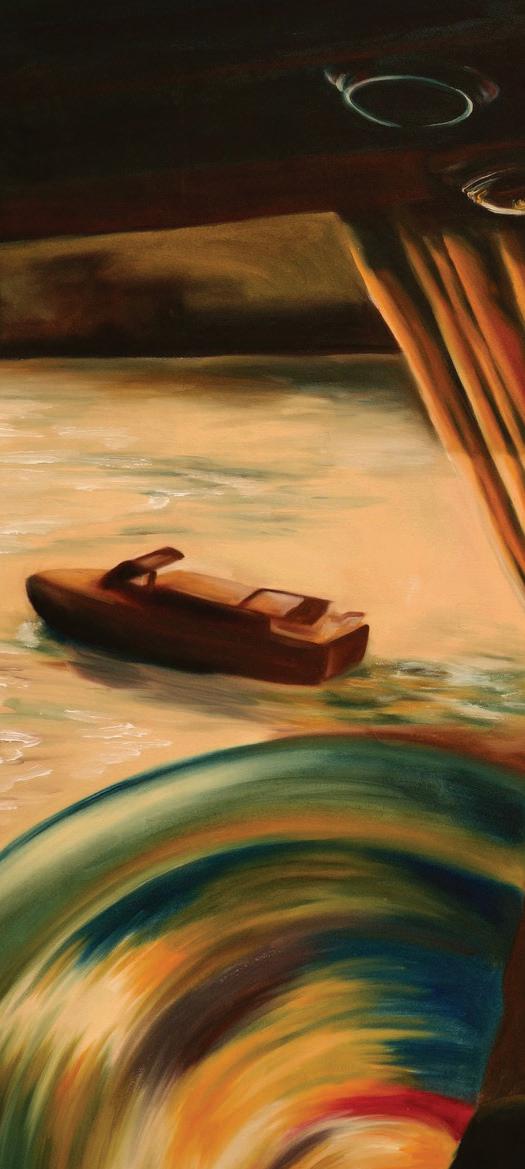
This piece was the final work from my Spring semester of sophomore year, which I spent abroad in Venice. I’ve always been an avid daydreamer, and this piece is reflective of that part of me. Originally, it was purely a culmination of moments from Venice into this composed, surrealist collage, but I’ve come to interpret it as a painting about music’s ability to reshape time and place, and how those moments carry you through life. One of my favorite aspects of studying abroad was something simple: bus rides. I’d put my headphones on, and suddenly the ride wasn’t just about getting from one place to another. It was the music, mixed with my thoughts, that would transform the trip into something completely different—a kind of dreamscape. That’s what I chose to capture here: the way music can transport you into an entirely separate realm from your physical surrounding.

“The
humanity is intricately intertwined with music.”
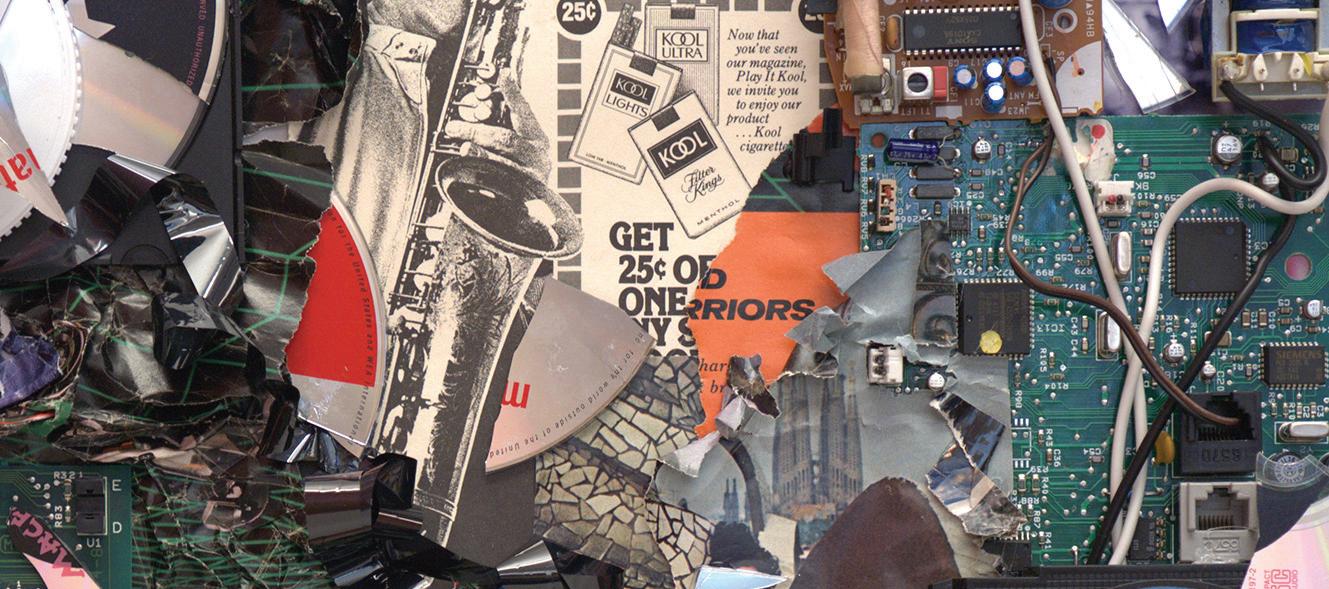
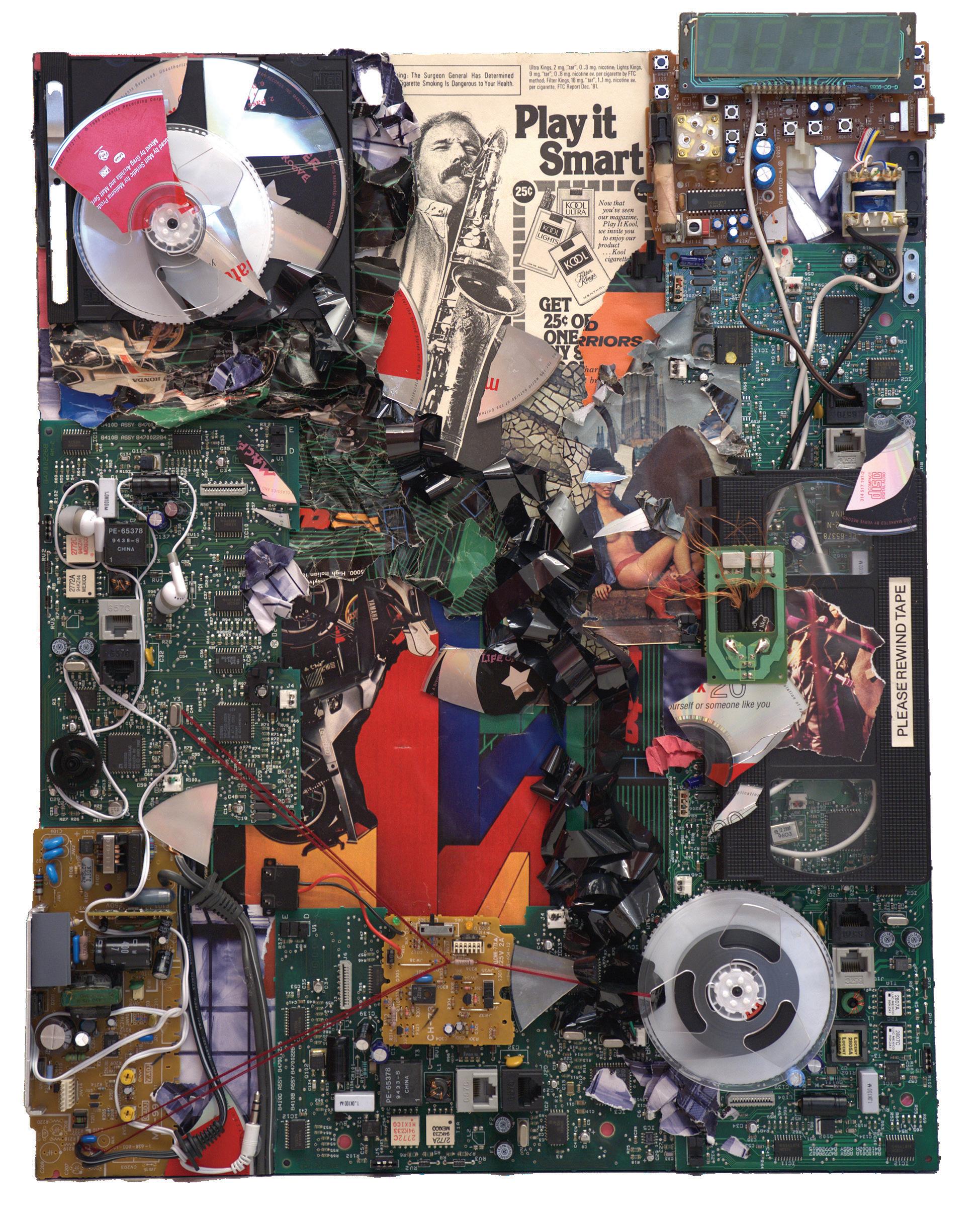
Feedback is a mixed-media collage inspired by my everevolving relationship with music. This project prompted me to meditate on musicality in its rawest forms and to explore how each element of music—rhythm, melody, chord progression (or lack thereof), tempo, and more—is broken down and reassembled into a functioning composite of emotion and meaning. I sought to incorporate some of my own perceptions of sonic texture in this piece, exploring how visual movement and sound mirror and enhance each other.
Music has a way of repeating itself, being stripped down and glued back together, and inserting itself into the psyche of each individual that encounters it, like a unique puzzle

piece within the mosaic of a larger, shared consciousness. The rawest essence of humanity is intricately intertwined with music. Our bodies instinctively prioritize rhythm and yearn for movement and melodic expression. In a literal yet profound way, life relies on the steady beat of our hearts. In many ways, music isn’t about intentionally composing a song, but about noticing musicality in everyday life, like an act of ritual: the rhythm of steps on gravel, the melody of a trickling stream, the beeps of crosswalk signs, the cascading chords of wind threading through trees, or the dynamic, sweat-streaked energy of a dance floor. In reality, consuming and producing music isn’t only a talent or skill, but an innate and essential part of humanity. To me, music is a divine feedback loop of nature, emotion, and instinct.


Thank you to our sponsors.
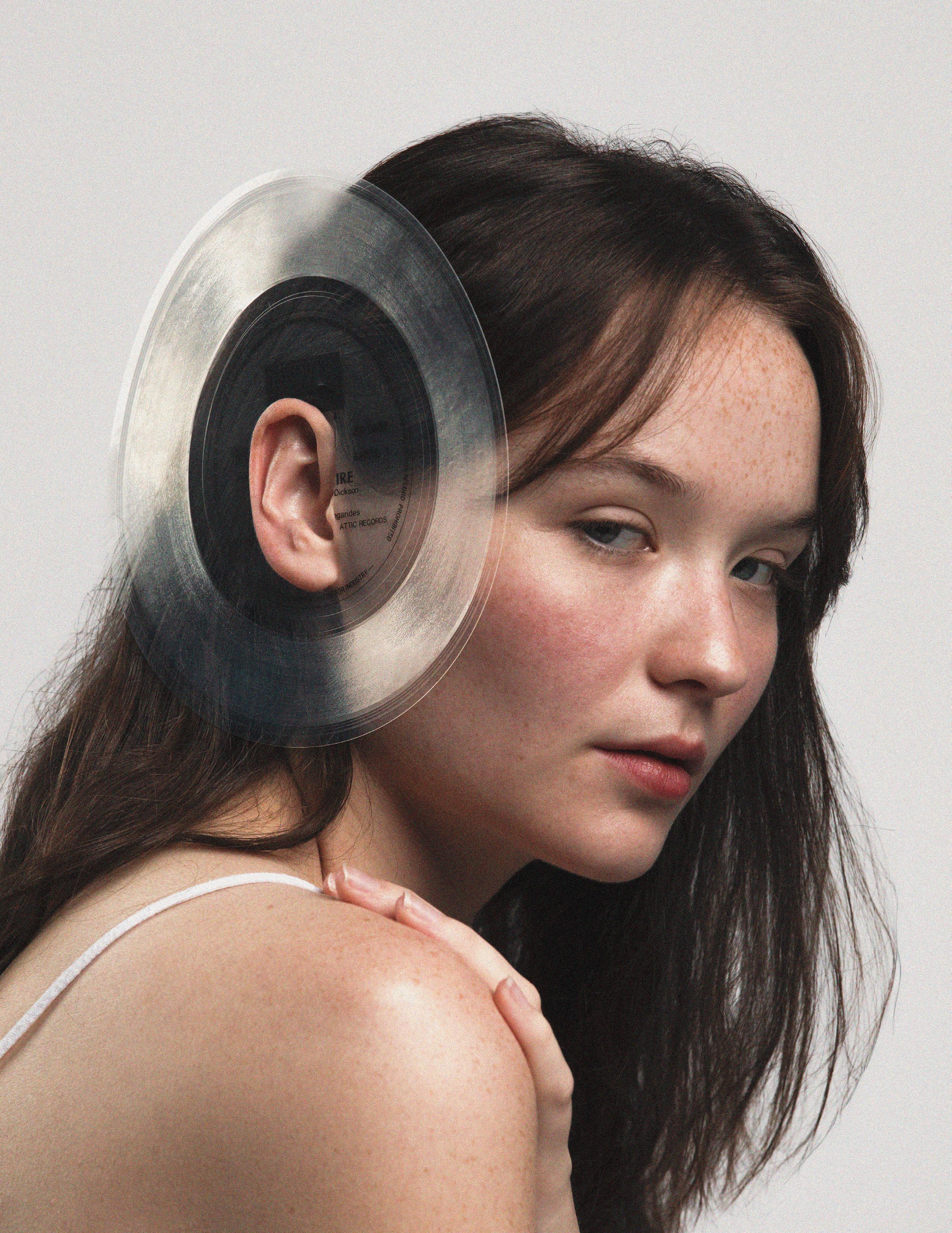
CREATIVE DIRECTION Grace Pisciotta, Capri Bold
PRODUCTION MANAGER Will Chapman
MODEL Maeve Sherlock
PHOTOGRAPHY Pablo Andrés González
SOCIAL MEDIA Will Chapman
EDITORIAL DESIGN Grace Pisciotta, Capri Bold