
ANADOPTIVE FAMILY’SGUIDETO CHRISTMAS
ANADOPTIVE FAMILY’SGUIDE TOCHRISTMAS
Christmas is often wrapped in a sense of magic and excitement, but for adoptive families it can also be a time of mixed feelings The season brings bright lights, busy schedules, strong expectations and big emotions While many look forward to togetherness, warmth and joy, children who have experienced loss and early trauma may find the festive period overwhelming or confusing The aim of this guide is not to tell you how Christmas should be, but to support you in shaping a celebration that feels safe, calm and meaningful for your family
We are surrounded by images of perfect Christmases: smiling families, immaculate decorations, matching pyjamas and elaborate meals. It can be easy to feel pressured to recreate that image, especially if you want this time of year to be memorable and full of love. However, trying to craft a flawless Christmas often leads to stress and for children who are still learning to trust and attach, this pressure can feel overwhelming.
Instead, take a moment to consider what Christmas needs to feel like for your child. Think about what helps them feel safe, calm and connected. It may be that your Christmas ends up looking smaller, quieter or simpler than those on Christmas cards and that is okay Your goal is not to impress anyone; your goal is to nurture connection A peaceful, low-key Christmas is not a lesser Christmas It is a thoughtful one


WHY CHRISTMAS CANFEEL DIFFICULT

Children who have experienced loss or trauma have often lived through unpredictable, frightening or chaotic environments. Christmas brings heightened sensory experiences louder sounds, stronger smells, brighter lights as well as disruptions to routine, changes in school structure and more social interactions than usual.
All of these can remind a child, consciously or unconsciously, of times when life felt unsafe.
Children rarely say, “I’m overwhelmed.” Their feelings may appear instead as hyperactivity, withdrawal, refusal, anger, clinginess or emotional outbursts. These behaviours are not naughtiness; they are a communication of discomfort When we recognise this, we can respond with patience rather than frustration The message beneath the behaviour is almost always the same: I need to feel safe
One of the most supportive things you can offer at Christmas is a sense of predictability Children feel safer when they know what will happen and when This does not mean planning every minute, but having a gentle rhythm to the season.
You might create a simple daily visual timeline, talk through plans together each morning, or agree on which days will be restful and quiet at home. Letting your child help choose activities or the timing of certain traditions gives them a feeling of control and stability both vital for emotional safety.
DECORATIONS &PRESENTS
Decorations
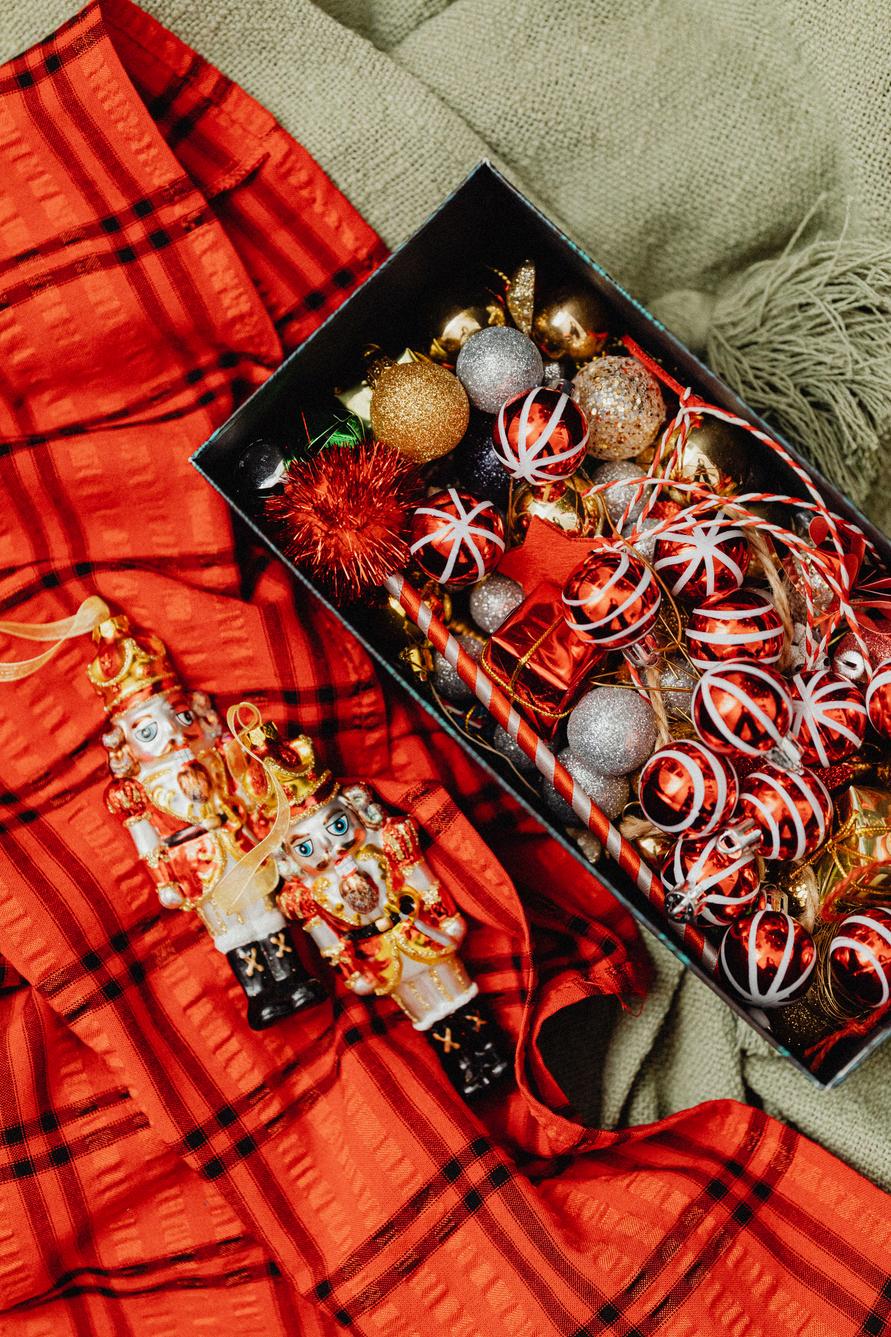
Christmas decorations can be exciting, but for some children they can also feel overwhelming You might choose to decorate slowly over a few days rather than all at once, allowing your child to adjust to the changes
They may prefer soft lights rather than flashing ones, quieter spaces rather than rooms filled with sound If possible, keep one area of the home undecorated a calm space where your child can retreat if everything feels too busy. Decorations do not need to be elaborate to be meaningful; what matters is that your child feels comfortable in their own environment.
Presents
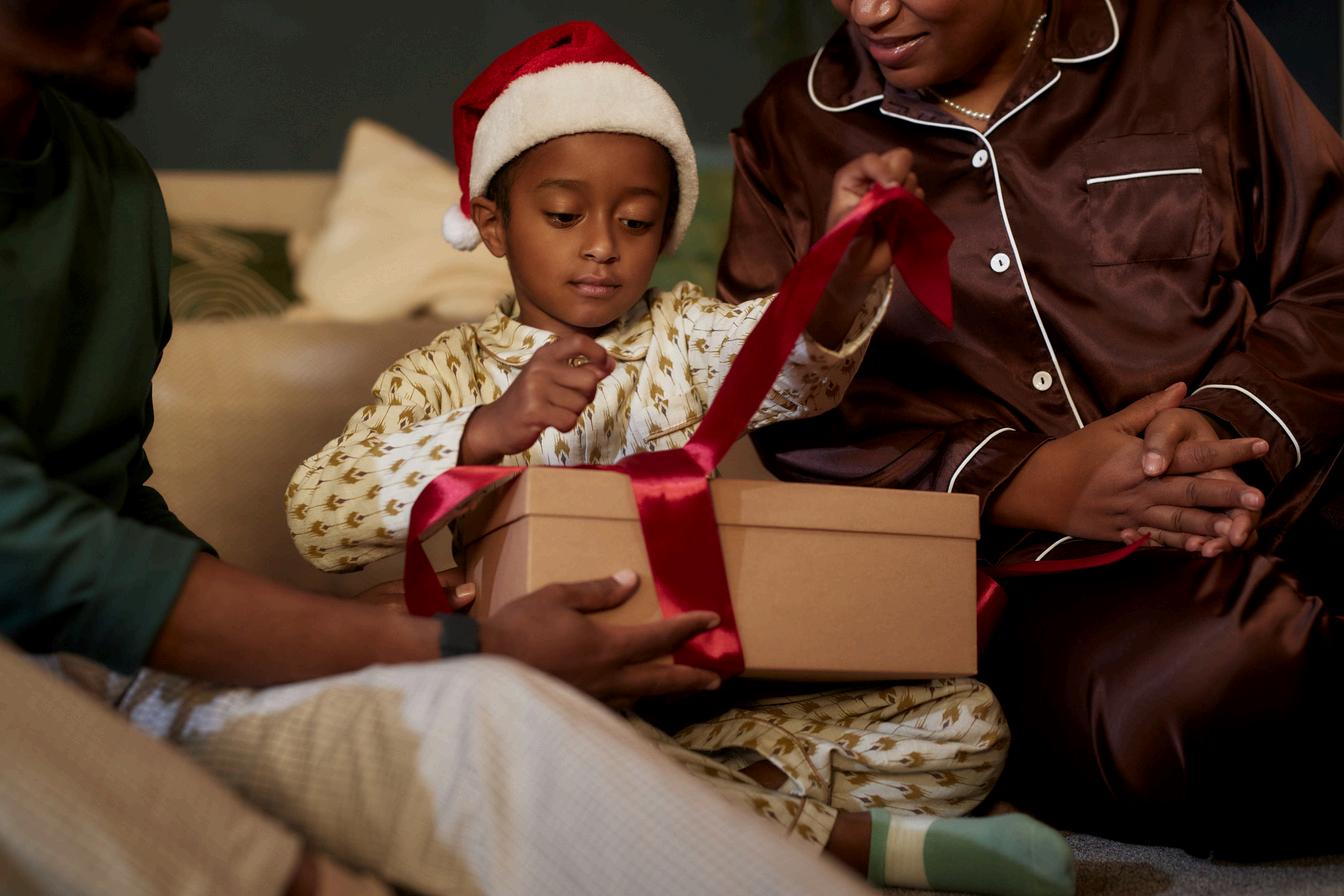
Gift-giving may seem like a joyful part of Christmas, but for some children it can trigger anxiety. They may have memories of gifts being taken away, or never having had gifts of their own. They may worry that there will not be enough or feel unsure how to respond to receiving something. If this is the case, giving presents slowly and gently can help.
You might open gifts one at a time, over a day or over several days, offering reassurance, warmth and calm as you go Simple gifts are often best The real gift is the safe relationship you are building together
GATHERINGS &FOOD
Gatherings
Christmas often brings visitors, gatherings or trips to see family These events can be tiring and overstimulating, even for adults, and may be particularly difficult for a child still building attachment Before any gathering, you might talk with your child about what to expect, how long you will stay, and how they can let you know if they need a break You may choose to keep gatherings short or to step outside for a walk if needed When meeting others, it is perfectly okay to explain that your child may not want hugs or physical contact gentle boundaries are protective, not rude. The priority is not pleasing others; it is supporting your child’s sense of safety.
Food

Food can hold emotional meaning, especially for children who have experienced hunger or inconsistent meals in the past. Continuing familiar mealtime routines can help. Offering foods your child recognises alongside any festive dishes can reduce anxiety. If your child eats slowly, quickly, repetitively or wants to store food, responding with calm reassurance rather than correction — can be deeply grounding The message you want to reinforce is simple and powerful: There will always be enough

BIRTHFAMILY &SELFCARE
Holding Birth Family in Mind

Christmas may naturally bring up thoughts about birth family. Even if your child does not speak about them, they may be thinking about where they are, whether they are safe, and if they remember them.
Making gentle space for these feelings can reduce silent worry. This might be done through lighting a candle, pausing to think of them, drawing pictures, or simply acknowledging them in conversation.
Supporting your child in holding their full story is a gift of love and belonging not a threat to your bond.
Caring for Yourself
Adoptive parenting is loving, meaningful and life-giving and it is also emotionally demanding Christmas may stir up your own feelings too: pride, sadness, hopefulness, uncertainty, or exhaustion
Your wellbeing matters Offer yourself rest where you can, step away when the day feels loud, and remind yourself that you do not need to get everything right.
Your child does not need a perfect Christmas; they need you, steady and present, doing your best which is enough.
BUILDINGTRADITIONS SLOWLY
Traditions are not created instantly; they grow gently over time. You might begin with one or two small rituals — a quiet walk to look at lights, a bedtime story on Christmas Eve, decorating biscuits or watching the same film each year What makes these moments meaningful is not grandeur it is consistency, presence and connection In time, your child will look back on these small traditions as part of the story of belonging you are creating together
Christmas may look different in your home and that difference is something to be honoured. It reflects the needs of a child who is learning to trust and a family that is learning to grow together. A quiet Christmas, a slow Christmas, a gentle Christmas these are beautiful Christmases.
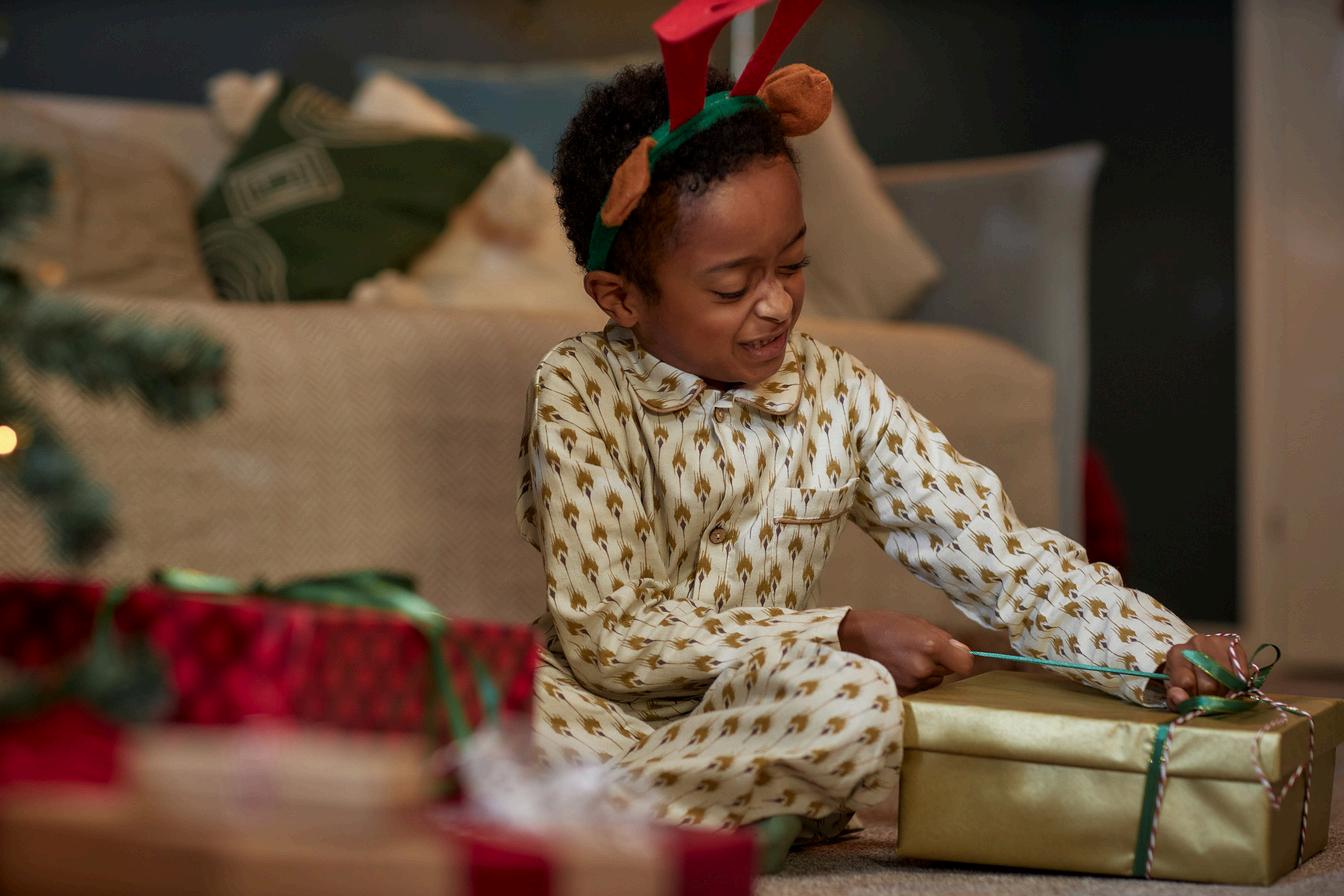
From all of us at St David’s, we hope the festive season brings you moments of warmth, rest, and connection as your family continues to build love, security and memories that last.
Support
As a small independent adoption service, we do close our offices over the festive period However, if you find yourself needing support, remember your support network There are several services who can help:
Adoption UK Helpline
For advice, listening support, and guidance 0300 666 0006 - Mon–Fri, 10am–2pm
Samaritans
If you need someone to talk to at any time, day or night. 116 123 - 24/7

CONTACT
St David’s Adoption Service
Lambourne House, Llanishen Business Park, Cardiff CF14 5GL
029 2066 7007 or info@stdavidscsorg
STAY IN THE LOOP
Follow us on Instagram, Facebook & YouTube
DONATE
As a registered Charity you may like to consider supporting the work of St David’s. Your contribution will help ensure that every child with an adoption plan in Wales is placed with a loving family and supported to reach their full potential. HERE
Registered Office: Lambourne House, Llanishen Business Park, Cardiff CF14 5GL
St David’s Children Society is registered as a charity with the Charity Commission for England and Wales (Registration No: 509163) and a company limited by Guarantee (Registered Cardiff 1546688) St David’s Adoption Service is the brand name of the St David’s Children Society’s adoption service
Mae Cymdeithas Plant Dewi Sant wedi ei chofrestru fel elusen gyda Chomisiwn Elusennau Cymru a Lloegr (Rhif Cofrestru: 509163) a chwmni cyfyngedig drwy Warant (Cofrestredig Caerdydd 1546688)
Gwasanaeth Mabwysiadu Dewi Sant yw enw brand gwasanaeth mabwysiadu Cymdeithas Plant Dewi Sant
© St David’s Children Society 2025