CUTHBERT’S
CUTHBERT’S CHRONICLE
COLLEGE LIFE
WIDER
STUDENT
EXPERIENCE
STUDENT FEATURES
ALUMNI

Editor’s Note
Welcome to the latest edition of Cuthbert’s Chronicle!
It’s with genuine pride and excitement that I introduce the third issue I’ve had the pleasure of overseeing. While you might expect that editing the Chronicle would become a systematic, routine task by now, I can honestly say that it remains one of the major highlights of my year, and this edition was no exception.
At Cuth’s, we embrace the ‘traditionally untraditional’ spirit, constantly seeking thoughtful reinvention while protecting our core community values. This year, that renewal took flight in several ways, most notably through our brand-new enrichment programme, ‘Evergreen’. It champions curiosity, compassion, and creativity across the College, and I’m thrilled to witness the enthusiasm it has generated.
We also celebrated one of our most successful Alumni Weekends yet, sparking a fantastic burst of new ideas for the 2026 event. You’ll notice our commitment to this new chapter extends to the Chronicle’s design itself, as we’ve given this issue a fresh look to match our evolving ambition.
Ultimately, through all these initiatives, the true strength of Cuth’s remains unchanged: our united community. I hope you find that unique spark in this new edition. There is something for everyone here.
Thank you again for another vibrant and successful year. We’re ready for the next one!
Joel Lozano

PRINCIPAL’S FOREWORD
Professor Tammi Walker, Principal
It is with great pride and affection that I introduce the 2024/25 edition of the annual magazine of St Cuthbert’s Society—one of Durham University’s most historic and distinctive college communities. Whether you are encountering Cuth’s for the first time or returning to these pages as a graduate, colleague, or friend, I hope this Chronicle offers a meaningful glimpse into the life of our Society and all that we have achieved together over the past academic year.
More than a record of events, the Chronicle is a celebration of our shared life. It captures the rhythm of the year: the energy of new beginnings, the poignancy of farewells, and the enduring spirit that binds our students, staff, and alumni across generations. As I reflect on 2024/25, I am struck by the values of intellectual curiosity, creativity, and compassion that continue to shape our journey. This has been a year of transition and transformation, and I am deeply proud of the resilience and ambition our community has shown throughout.
The year began with a temporary change in leadership, as I embarked on a period of research leave. During this time, the Society was warmly guided by Interim Principal Karen Langdon. Her reflections, shared later in this magazine, offer a vivid portrait of the ethos that defines Cuth’s.
We also said goodbye to several colleagues
whose contributions have left a lasting imprint on the Society. Dr Jon Warren, our VicePrincipal since 2018, retired at Christmas following nearly thirty years of dedicated service to Durham University, and Annie Robinson concluded her time as Assistant Principal covering Dr Lydia Harris’s maternity leave. In March, Dr Mark Miller stepped down as President of the Senior Common Room (SCR), handing over to Dr Fiona Gameson, and at the end of Easter Term, Dr Bob Banks concluded his tenure as Chair of the Fellows. We are deeply grateful for the leadership and commitment of these colleagues. The summer brought further departures: Adam Weir, our Head Chef, and Nikki D’Arcy, stepped away from the Catering Team, leaving behind warm memories and a legacy of dedication to daily life at Cuth’s.
With special significance, we marked the retirement of Joanne Franklin, our Reception Helpdesk Assistant, whose twenty-six years
of service made her a trusted and familiar presence—a source of calm and kindness for generations of students.
We also celebrated the contribution of Sue Cole, our Operations Manager, who stepped down after twenty-five years. Sue’s wisdom, warmth, and tireless dedication are woven into the very fabric of the Society, and her influence will be felt for years to come. I extend heartfelt thanks and warmest wishes to Jon, Annie, Adam, Nikki, Mark, Bob, Joanne, and Sue as they begin their next chapters.
This year, we were pleased to welcome several new members of staff, each bringing fresh insight and energy to our community.
In March, Dr Matthew Mills joined us as Vice-Principal. A theologian and church historian, Matthew brings a distinguished background from Oxford, where he served as Acting Dean and Lecturer in Medieval Studies at Regent’s Park College. He is also no stranger to Durham, having served on the Executive Leadership Team at Durham Cathedral and the Board of Durham’s UNESCO World Heritage Site.
In our Student Support Office, we welcomed Zoe Papagiannouli as Assistant Student Support Officer, covering the maternity leave of Alex Haigh. Zoe has quickly become an integral part of the welfare team, working alongside Dr Lydia Harris and Lynn Glenister to launch new initiatives supporting student wellbeing. Their collaborative spirit and shared commitment to care continue to enrich the life of the Society.
Kevin Booth joined our Reception Team, and his friendly professionalism has made him a popular presence among students, staff, and visitors alike. We are also delighted that Phil Atkinson, a familiar and trusted figure within the University, has stepped into the role of Operations Manager, carrying forward Sue Cole’s legacy of dedication and excellence.
Alumni engagement remains one of the most enduring strengths of St Cuthbert’s Society, and this year has offered powerful reminders of the depth and generosity of those lifelong connections. We were saddened by the passing of Albert Hodgson, a member of the ‘refounders’ generation whose contribution to relaunching the Society after the Second World War was both visionary and foundational. Albert, alongside his contemporaries, helped to rebuild Cuth’s and lay the groundwork for the vibrant, inclusive community we know today.
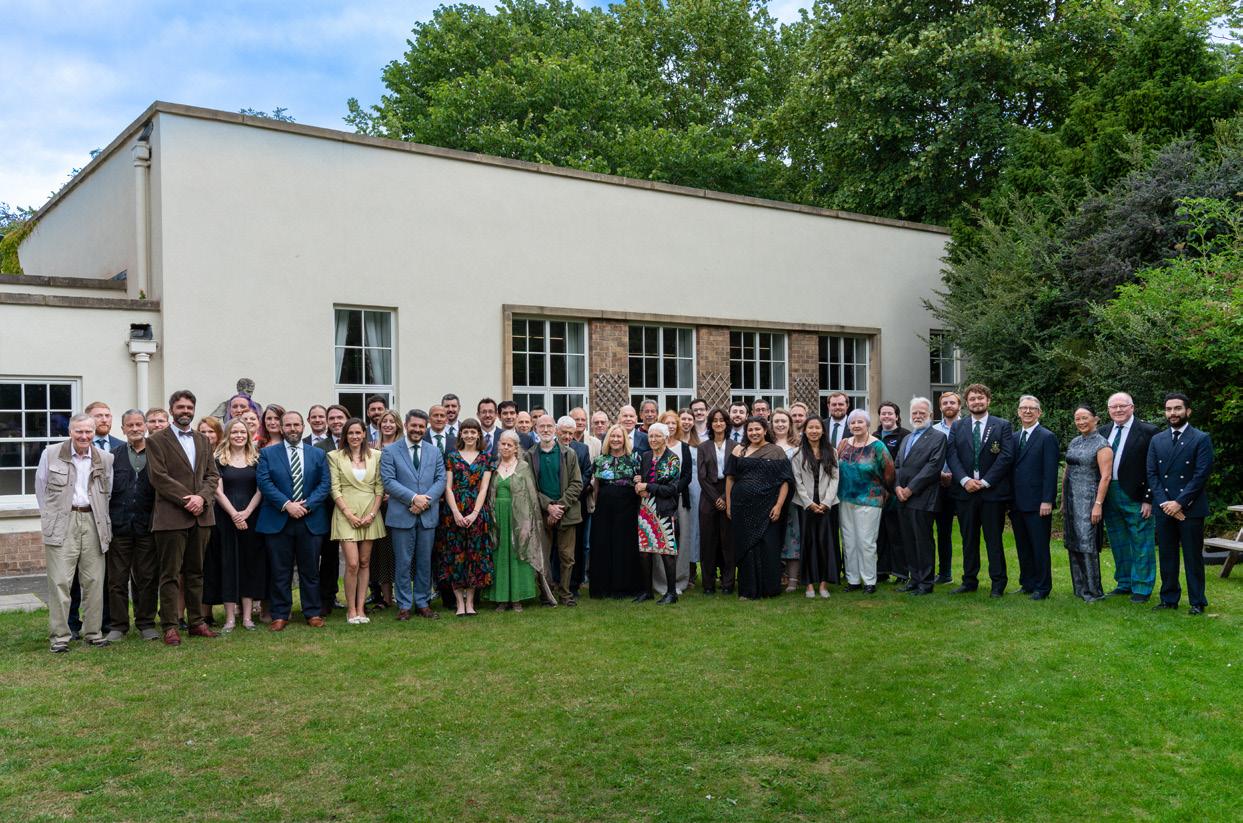
In July, our Alumni Weekend brought together graduates from the mid-1960s to the Class of 2025 in a joyful celebration of shared history and friendship. Attendance returned to prepandemic levels, and the weekend was filled with storytelling, laughter, and moments of reconnection—culminating in a Durham-themed pub quiz that captured the spirit of Cuth’s. A new initiative this year was the introduction of a formal dinner at Durham Cathedral, a deeply moving and memorable occasion that honoured our heritage and strengthened our sense of community across generations. The success of these events reflected the strength of our lifelong network and the creativity of our Alumni Association, whose dedication ensures that the bonds of Cuth’s endure well beyond graduation.
We were also honoured to launch the Dr Anthony J Palmer Postgraduate Award, a new scholarship made possible by the generous legacy of Dr Palmer, a proud Cuth’s alumnus who graduated with a BSc in Chemistry in 1964 and a PhD in 1968. His distinguished career in isotope research and his enduring connection to Durham’s Chemistry Department and Earth Sciences reflect the intellectual curiosity and generosity of spirit that define our alumni. This annual award, worth £2,500, supports students beginning postgraduate research degrees in any discipline and stands as a lasting tribute to Dr Palmer’s commitment to education and community. We are deeply grateful for his legacy, which will continue to inspire and support future generations of scholars at Cuth’s.
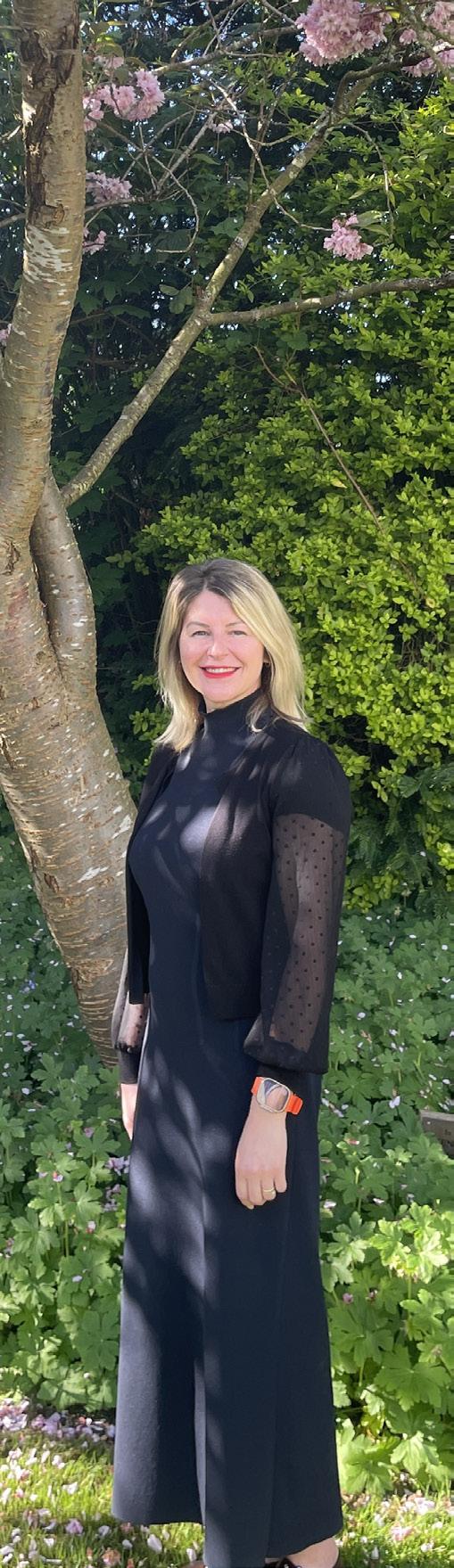
Student life at St Cuthbert’s Society in 2024/25 has been remarkable. From a record- breaking twenty-three teams fielded in the Festival of Sport to a triumphant win in the Men’s Rugby Plate Championship and the Boat Club’s long-awaited victory at the Durham Regatta, our students have demonstrated not only athletic excellence but also the camaraderie and resilience that define our community. Their achievements also extend beyond both pitch and river. This year’s charity fashion show, for example, raised an extraordinary £10,000 for Durham Action on Single Housing (DASH), showcasing the Society’s commitment to social impact and the power of student-led initiatives.
Central to this year’s student experience has been ‘Evergreen’, our new enrichment programme launched in Easter Term. Led by Dr Mills, Evergreen reflects our commitment to holistic development, offering opportunities for creativity, connection, and personal growth beyond formal studies. The pilot featured hands-on sessions in horticulture and heritage craft led by a specialist academic visitor, Ross Pearson, a compelling lecture by polar explorer and artist John Kelly, and an extremely popular trip to Lindisfarne and the Northumberland coast. Alongside Evergreen, academic and cultural life have flourished, with highlights including a Bailey Conference on Nature and the Environment organised by postgraduate students and the return of our Leslie Brooks Lecture, which explored race and representation through graphic novels.
As you turn the pages of this Chronicle, I hope you find a reflection of the spirit, achievements, and aspirations that define our community. These initiatives reflect our commitment to building a Society that is inclusive, empowering, and enduring.
In closing, I wish to thank every student, member of staff, common room officer, and supporter of St Cuthbert’s Society for your contributions over the past year. Your energy, generosity, and belief in our shared mission have made this a truly rewarding and successful year.
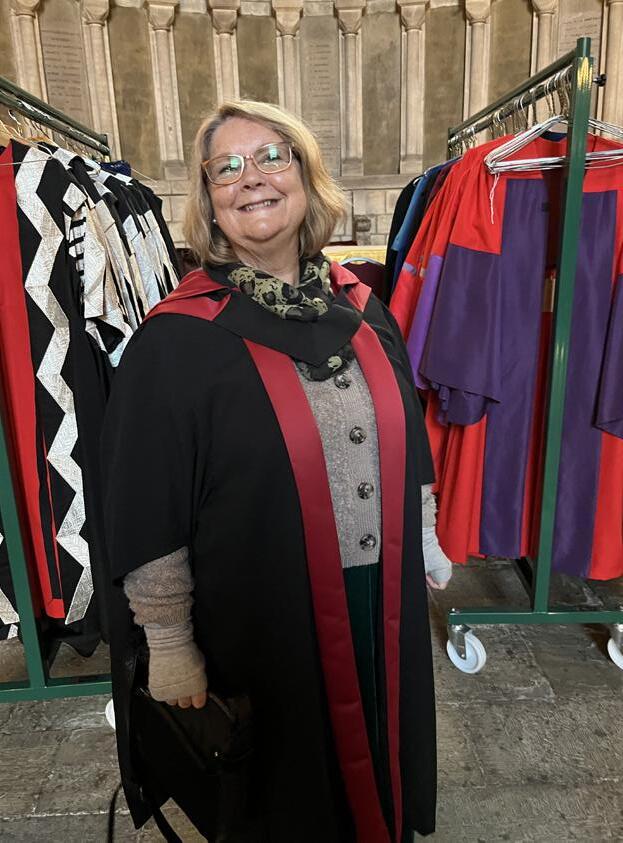
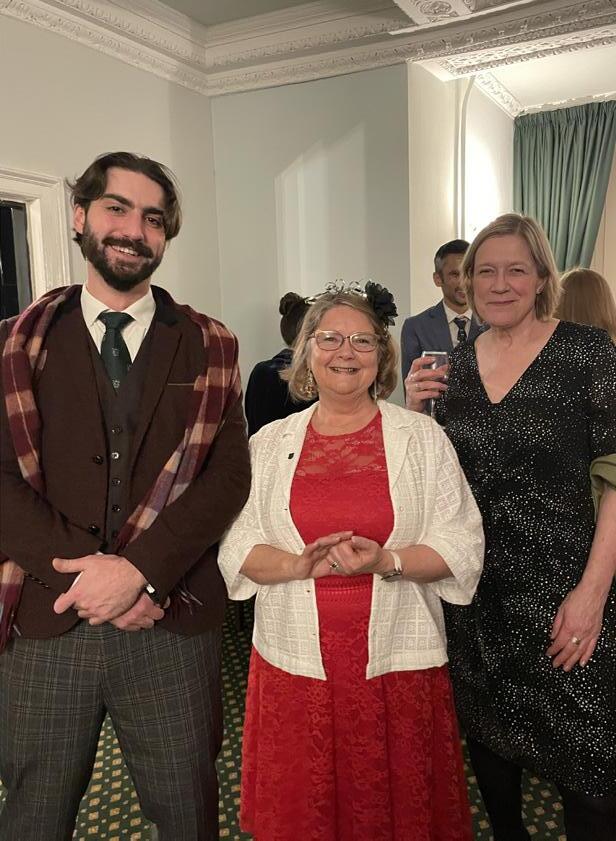
Interim Principal’s Review
Karen Langdon, Interim Principal, 2024-25
On a glorious summer’s day, as I looked forward to news on which college I would be assigned to in the new term, I was asked what I knew about St Cuthbert’s Society. I shared that I often worked with the team there. The accommodation at the Riverside was identical to Josephine Butler College (where I had been Vice-Principal and Acting Principal over the previous ten years), and we ‘supported’ students from each College as a result, and I knew most of the staff team well.
I was delighted to be told that was my next assignment for the following six months, and there was to be an alumni event in the coming weeks where I could get to meet past and present students. In true St Cuth’s style, it was a delightful evening that led to interesting ideas and (perhaps some) plotting.
I was welcomed warmly and quickly into the planning and delivery of Freshers’ week, welcoming over six hundred new students in two sites, a packed itinerary of socials, events
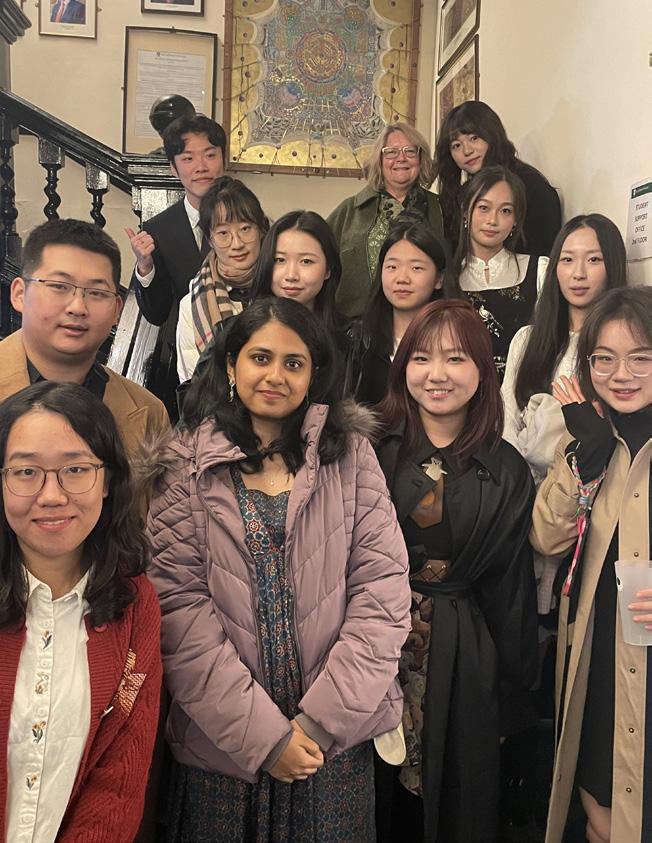
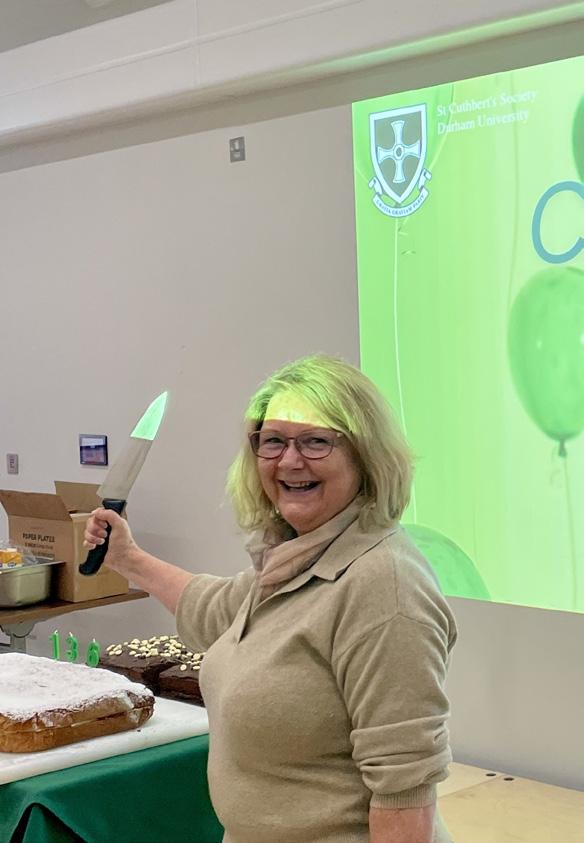
and information sharing. Durham terms are always a series of moving, interlocking parts, and Cuth’s has many traditions built over one hundred and thirty-six years. Including cake. Health and Safety limited the pyrotechnics (just a few candles quickly extinguished), yet I was issued a large, sharp knife. Strange, but true.
We galloped through Fellows’ Lectures –home-grown and from Institute of Advanced Study – SCR informal evenings, visits from the alumni of 1964 (who told stories of events that would cause misconduct panels to convene if spoken of in 2024) and alumni from more recent years, awards for students, awards for staff, and a moving Remembrance Service in November. Very soon, it was Christmas.
And again, I was instructed in the traditions and expectations of a traditionally untraditional environment – for the Formals, the Carol Service, the staff party. I hope Cuth’s can keep up the
tradition of perfect renditions of the Twelve Days of Christmas in the future.
As we slammed into 2025, there were many arrivals and partings to celebrate and preparations for handovers amongst the staff and students. And an Alumni Weekend to plan!
I am sure it will be a fabulous occasion; a chance to catch up with friends and embrace the inevitable changes.
But, I know it is not really about the party. It is the enveloping warmth of all who ‘belong’ to the Society that really struck me. The building of a sense of belonging and kinship that gets many people through the transition into a new space and, of course, provides a foundation for moving out into a new space.
It is a rendition of kindness and acceptance that can be rare in a world full of bad news and bad times. I feel honoured to be part of the story. And hope to bask in the warmth in the future.
JCR Review
Dan Mercer (BSc Mathematics & Philosophy, 2021), JCR President, 2024-25
Serving as President of the Society has been the greatest privilege of my four years at Durham. Now that my term has ended, I find myself looking back, not just at the events and milestones, but at the long arc of work and care that has carried our community to this point.

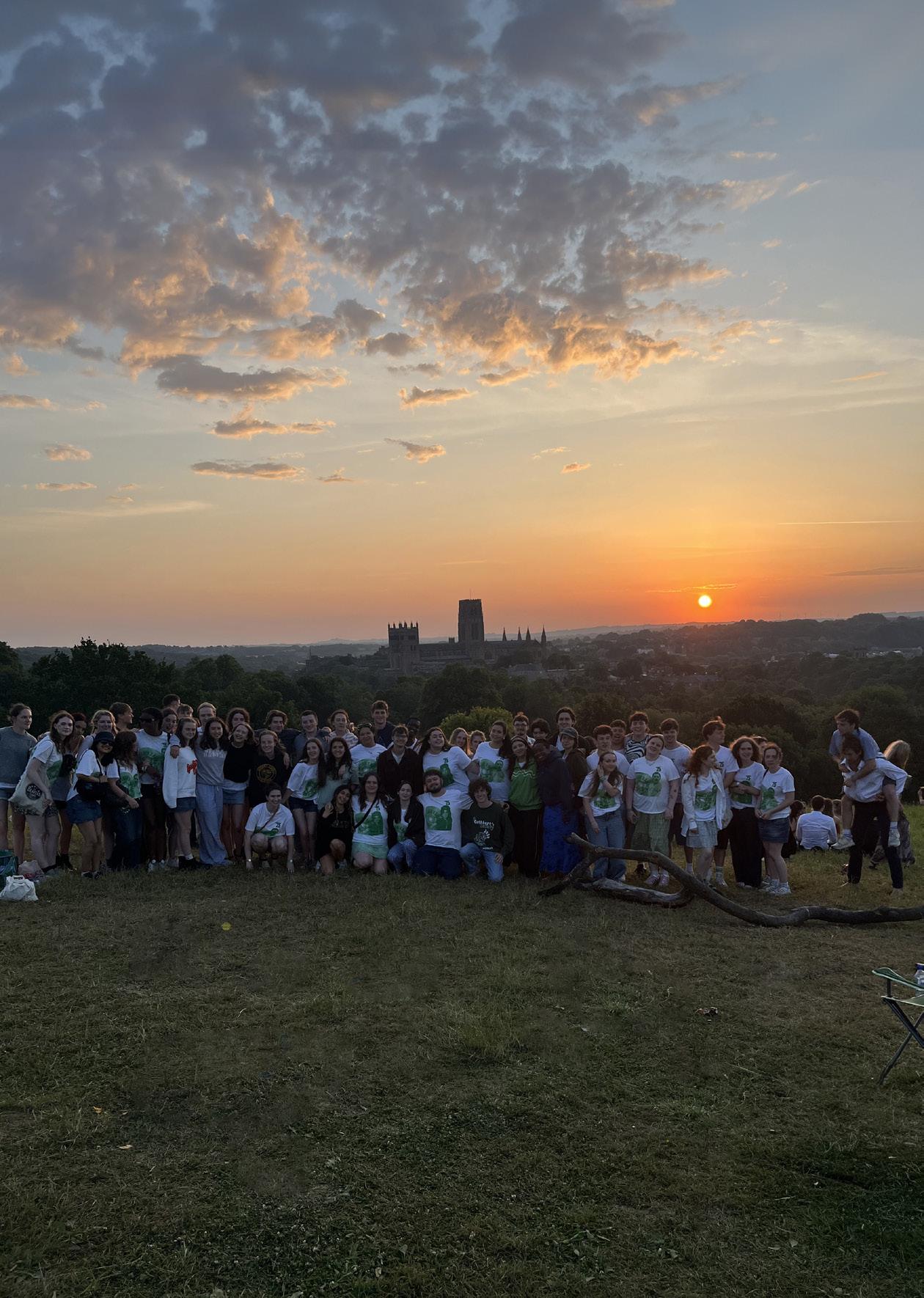



Way back in my first year, I remember sitting in an Executive Committee meeting and hearingwords that have never left me: if the JCR stayed on the financial path it was on then, therewould be no JCR in five years’ time. Now, we have reached that fifth year and here we are, thriving. It is a testament to the vision and resilience of the volunteers who came before us, and to those who gave their time this year. So to Saf, Caleb, Louise N, Louise G, Tom, Sarah, Evie, James, Luke, Oscar, Rosie, Victoria, my successor Thea, and every volunteer, sportsperson, and society member, thank you for your trust, your friendship, and your passion.
This stability has allowed us to do more than survive; we’ve been able to grow. A recordbreaking Freshers’ Week, Feast, Summer Ball, Cuth’s Day, all achieved without pricing out our members. Our sports teams, societies, and committees have not just endured but flourished, powered by volunteers whose dedication was deeper than ever. Beyond our walls, I have fought for Cuth’s voice to be heard in university-wide decisions, from welfare reforms to the protection of college sport. My aim was always to ensure that what we built would last financially, operationally, and culturally.
Cuth’s is more than a College; it is a society, a living community, passed from one generation to the next. I am proud to have played my part in safeguarding it, and I leave knowing its brightest days are still ahead.
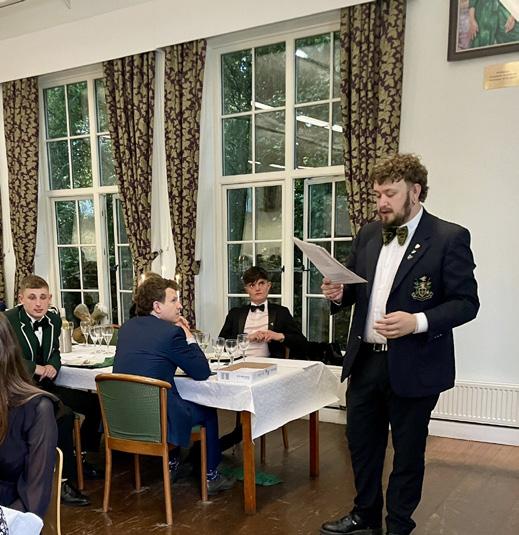

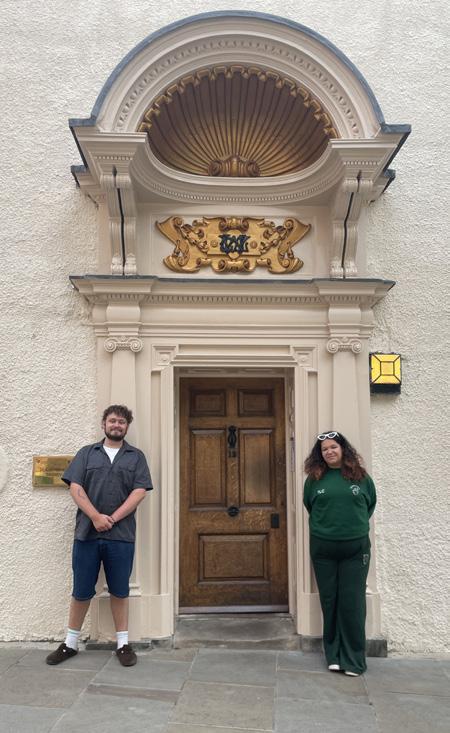


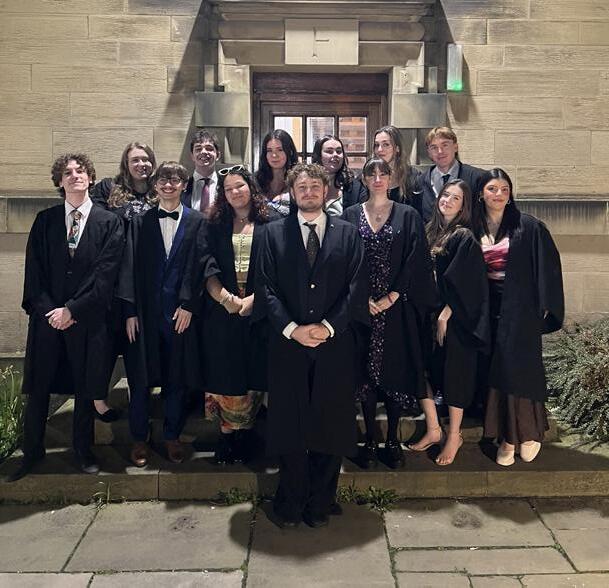


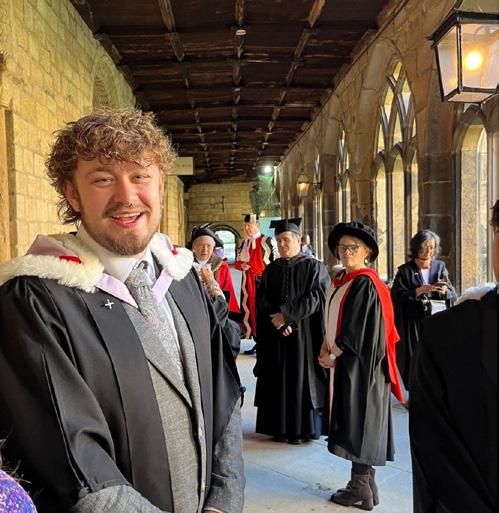
As I previously mentioned, I joined St Cuthbert’s Society in 2022 when I began my degree in Theology and Religion. I was born and raised in Toxteth, Liverpool, and I was very overwhelmed by the change of environment when I first moved to Durham.

However, it was the deep sense of community that I found in Cuth’s JCR that made me feel at home from day one. I was moved by the passion and enthusiasm of the Freps that helped me to adjust to university life, and I knew that I wanted to give back in the exact same way. The following year I became a Frep and that was the beginning of my JCR journey!
A few days later I ran for my first JCR role, and became the JCR Music Representative, allowing me to expand my passion for music and get more involved in the Cuth’s community. In my third year, I began my term as the JCR Publicity Officer, and you may recognise me from many Cuth’s News videos and Cuth’s TikToks over the past year. I really enjoyed this role as I got to work with many members of our community to celebrate the hard work and achievements of the JCR. I may not be like past presidents in the sense that I was not a part of the JCR from day one. But this does not, by any means, limit my love for Cuth’s. In fact, I think that it shows that involvement in our community comes in so many shapes and sizes because there is truly something for everyone!
My vision for this next year is to ensure that Cuth’s is not only by the students, but for ALL students. EDI and accessibility has always been something that I have always been incredibly passionate about due to my own background. I want to connect our community as much as possible by celebrating our diversity and ensuring that everyone finds a piece of home in Cuth’s. As the first ever person of
colour to be elected as President of the Society it is important to me that we focus on the culture of our community, and ensure that we are as inclusive as possible.
I am also extremely passionate about the wellbeing of our volunteers. I am beyond privileged to be working with such a dedicated, creative, and outstanding group of volunteers over this next year. My Executive Committee and Head Frep are remarkable, with each of them having their own vision for the JCR, that is fuelled by their love for our community. I aim to ensure that my volunteers are respected, represented, and valued. Not just as volunteers of our charity, but as students that are community building whilst pursuing a degree. I am so excited to work with all of our volunteers this year as they are truly the beating heart of our community.
But most importantly, I look forward to welcoming the next generation of Cuth’s this September!
All of my plans, dreams, and aspirations for Cuth’s would not be possible without my predecessor, Dan Mercer. Dan has been an inspiring leader and teacher, not just over the past few months, but throughout my whole time at Cuth’s. Although his time as President of the Society is now over, his legacy will definitely live on, and he will always be present in the Cuth’s community through the people that he has inspired, including myself. Cuth’s will be eternally grateful for Dan’s love and dedication, and I hope to build on his legacy as our community continues to grow.
It is time for the next chapter of Cuth’s to begin, and I am so excited to be a part of it. I am incredibly excited to see what the JCR will achieve this year, and I am so grateful to have the opportunity to give back to a community that has brought me so much joy.
Overall, I hope to lead my volunteers to ensure that Cuth’s is a community for ALL.
So… let’s get started!

SCR Review
Dr Fiona Gameson, SCR President, 2025-
For many of you reading this, an introduction to the Senior Common Room, or SCR, is quite unnecessary, as you have belonged to it for years. But for others, you may find the following few words useful.
My name is Dr Fiona Gameson, and since the start of 2025, I have had the honour of serving as the President of the SCR. My connection with Cuth’s and the SCR has spanned over fifteen years, beginning when I served as a mentor in 2008. Having also been a fellow for some time, I was subsequently enrolled as a member of the SCR. We are a diverse and extensive group of people — some have longstanding ties to the university as academics or college staff, building ongoing relationships with Cuth’s that they wish to maintain even after retirement. Many other members are part of the local community who, for various reasons, have developed an interest in the Society — they may have been invited to a formal meal, met members of Cuth’s and become interested in learning more, or attended an event here and been captivated by the friendliness, enthusiasm, and vibrancy of the Cuth’s spirit. They have been very pleased to be invited to join the SCR. All are eager to support and enrich the Society’s life by sharing their expertise and knowledge, offering advice to students and others, and contributing through a modest annual subscription. This fee helps fund grants and awards for students, subsidises some college activities,
and contributes to essential items of general benefit, such as a defibrillator located in the reception of the Bailey site.
Some of our members live locally, but many have travelled around the globe, yet still want to keep in touch and hear of the activities of both the students in the JCR and the nonstudent members in the SCR, and thus feel their bonds with St Cuthbert’s Society are still strong and meaningful.
Anyone who has graduated is more than welcome to join our ‘happy band’. If you are reading this and are not part of St Cuthbert’s Society but wish to join, please do not hesitate to contact me to find out more: cuthberts.scr-president@durham.ac.uk.
We organise events that will be of interest to members of all common rooms, and very much welcome participation from the JCR and the postgraduate community. We also greatly appreciate suggestions from any members on the kind of activities they would find engaging, and we will strive to cater to varying interests.
I look forward to your getting in touch and perhaps meeting some of you in the near future.

A NEW SEASON FOR ENRICHMENT
Dr Matthew Mills, Vice-Principal

When I joined St Cuthbert’s Society as Vice-Principal in Epiphany Term, I was immediately struck by the warmth, energy, and sense of belonging that define our community. From the outset, I hoped to contribute to this culture not only through strategic and operational leadership, supporting the Principal, but also by creating opportunities for students to grow in ways extending beyond the formal contents of their academic programmes.
That aspiration gave rise to Evergreen, a new enrichment initiative launched with a pilot in Easter Term.
Evergreen is designed to support students to flourish in all aspects of their lives: intellectually, of course, but also spiritually, socially, and emotionally. In this way, it reflects the care we have at St Cuthbert’s for nurturing the
whole person, brilliant people as well as brilliant minds. Evergreen has been structured around three core values: curiosity, creativity, and compassion. These are not incidental themes, but rather essential attributes we hope students will cultivate during their time here. The programme also complements the University’s wider commitment to enrichment
as a vital dimension of Durham’s distinctive student experience. There is a growing recognition—or perhaps a growing desire to recover the sense—that education is about more than qualifications. It must attend to the ‘way’ as well as the ‘what’ of personal and intellectual development, encouraging reflection, friendship, and the cultivation of values. While Evergreen undoubtedly supports practical goals, such as improving employability, its deeper purpose is to help students become thoughtful, grounded individuals, ready to face and shape an uncertain world with integrity and imagination.
Evergreen is a collaborative venture. I have the privilege of providing oversight, but its ethos and shape are being formed by the contributions of students, staff, alumni, and friends of the Society. It also benefits from the mutual inspiration and energy drawn from sitting alongside the outstanding work of our independent Junior Common Room. In keeping with our history as an association of students, the creativity, ingenuity, and dynamism of the student body continues to define life at
St Cuthbert’s. My hope is that Evergreen will both support the work of the JCR and offer complementary opportunities for enrichment and engagement. In this way, it will not be a standalone programme, but part of a shared endeavour, reflecting and reinforcing our collaborative ethos.
The pilot phase of Evergreen concluded in June, and it was a joy to witness its early impact. Students took part in wellbeing activities led by Dr Lydia Harris (Assistant Principal) and the Student Support Team, attended lectures and seminars by visiting speakers, and joined the Society’s annual pilgrimage to Lindisfarne, retracing the footsteps of our patron, St Cuthbert.
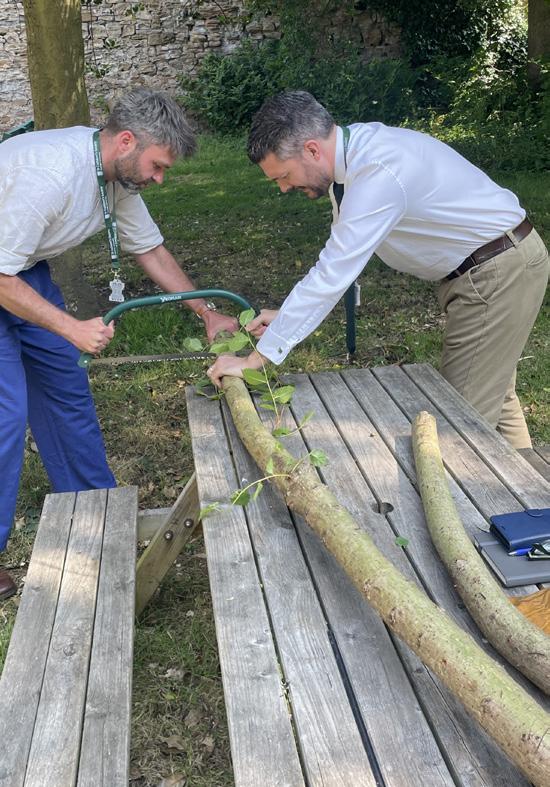
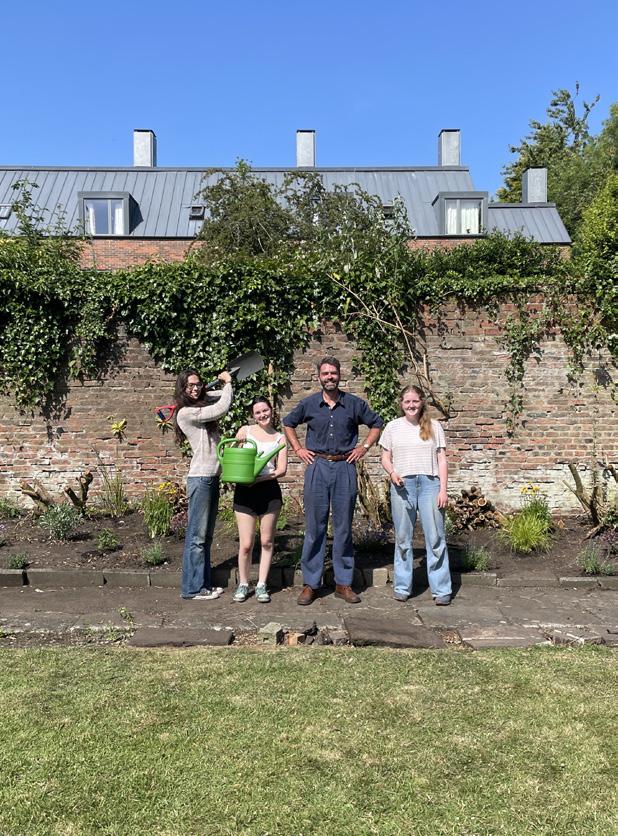
We also hosted hands-on workshops in horticulture and heritage skills, led by Northumberland-based lecturer and garden writer, Ross Pearson. Students explored the design and purpose of St Cuthbert’s historic gardens behind Houses 8 and 9 on the Bailey, learned traditional crafts, such as spoonwhittling, and converted a retired boat— dedicated to former principal, Professor Leslie Brooks—into a planter. These activities offered students a chance to engage with place, tradition, and each other in meaningful and memorable ways.
The feedback from participants has been deeply encouraging.
One student described their experience as ‘a peaceful and grounding opportunity that helped me feel more connected to the College and to myself.’
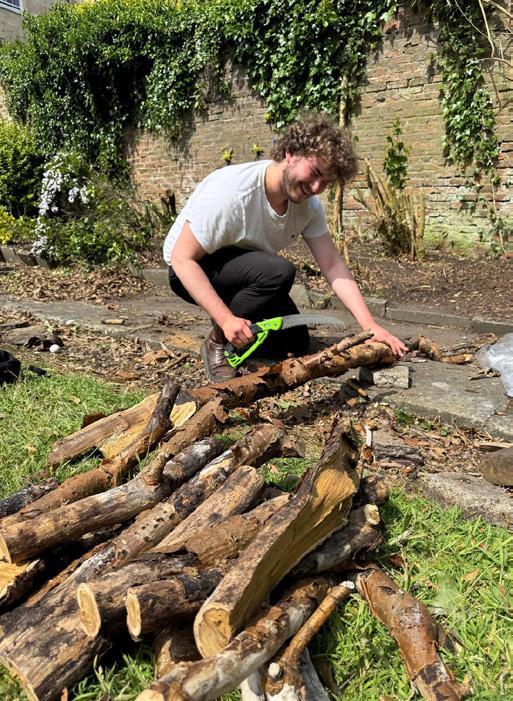
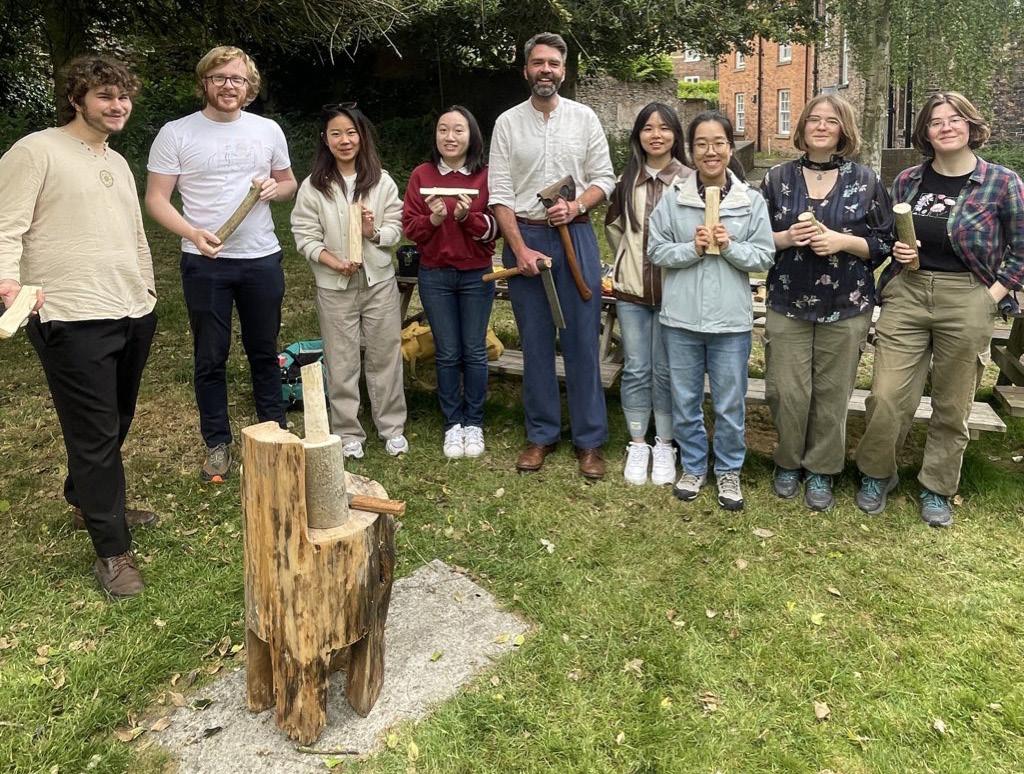
Another shared, ‘Learning heritage skills gave me a sense of pride and accomplishment—it was something completely different from my academic work, and I loved it.’ These reflections speak to the heart of Evergreen’s purpose: to offer space for growth, refreshment, and a sense of belonging. In a world dominated by the constant buzz of technology and marked by conflict, instability, and rapid change, these things are essential. Evergreen seeks to make them available, gently but intentionally, within the rhythms of college life.
Evergreen is also shaped by place. St Cuthbert’s spans two sites, Parson’s Field and the Bailey, both of which are close to nature and rich in heritage. Our Bailey site, for example, is nestled beside Durham’s riverbanks and partly within the city’s UNESCO World Heritage Site. Future phases of Evergreen will seek to deepen engagement with this setting through guided
walks, environmental projects, and heritagebased programming. These activities will encourage students to encounter local history, reflect on their place within a wider ecological and cultural landscape, and consider how their own stories intersect with those of the Society and the city.
Inclusivity is central to Evergreen’s design. Some students find refreshment and inspiration in quiet reflection; others thrive in collaborative projects or spirited debate. Our aim is to offer a range of opportunities, with accessible points of entry for all. One participant last term noted, ‘I appreciated that Evergreen was open to everyone, regardless of background or academic focus. It made me feel like I belonged.’ Another commented, ‘There was no pressure to perform—just an invitation to explore and enjoy. That made all the difference.’
In 2025/26, a newly formed steering group, comprising staff and students, will guide the programme’s evolution. This collaborative model reflects Evergreen’s ethos and should ensure that it remains responsive to the needs and aspirations of our community. Shared stewardship is not only practical; it is also symbolic of the kind of partnership and mutual respect Evergreen seeks to cultivate.
In shaping Evergreen, we have been mindful of the wider context in which students are living and learning. The past few years have brought considerable uncertainty—globally, politically, and often personally. At university, many students face not only academic pressures, but also emotional challenges and existential questions. Evergreen seeks to meet students in their experiences of uncertainty and possibility, offering both the support and encouragement they need to grow. In my own academic work, I explore historic expressions of community, primarily monastic life, as models of intentional living shaped by shared values, rhythms, and a strong ethos of mutuality. I have also been drawn to the philosophy of Iris Murdoch, who proposed the Good as a sovereign moral concept, and saw striving for goodness, reflected in nature and art, as fundamental to a fulfilled human life. To my mind, both monasticism and Murdochian philosophy are reminders that community is not merely a social arrangement, but a moral and imaginative endeavour. Evergreen, in its own way, seeks to reflect this idea: creating spaces in which students can think and create together, encouraging one another, and growing in values and virtues.
My hope is that Evergreen will become a staple of life at St Cuthbert’s—honouring the past, enriching the present, and preparing students for lives of purpose and fulfilment. For others, too, I hope it will offer opportunities to connect with the Society in new and meaningful ways. One exciting, related development concerns our programme of Fellows.
Founded in the early 2000s and constantly evolving, the Fellows’ Programme has long recognised diverse contributions to our community. In 2025/26, we are launching a renewed framework, which aims to bring the Society into closer alignment with academic departments. Honorary Fellows will be appointed for three-year renewable terms, with selection based on real or prospective engagement in student enrichment, especially through Evergreen. Benefits will include SCR membership, complimentary meals, and a visible presence in the community. Overseen by the Principal and Vice-Principal, the renewed model will honour the programme’s foundation whilst also embedding Evergreen as its guiding force, fostering a more engaged, inclusive, and academically aligned fellowship.
As this development attests, Evergreen is not a finished product. There is an open invitation to all who wish to support and shape the next chapter of our shared story to get involved. In a time when many are searching for connection, meaning, and refreshment, Evergreen seeks to offer a space to grow, and flourish, together.
INSPIRING MINDS: Academic Events & Activities
Joel Lozano, Editor
If there’s one thing we’ve learned this year at Cuth’s, it’s that great ideas tend to bring people together.
From archaeology to public health, from soil science to graphic novels, our lecture halls have been filled with curiosity, debate, and the spark of new insights. Michaelmas Term set the tone for an intellectually vibrant year. Our Annual Fellows’ Lecture welcomed Professor Mike Parker Pearson from UCL’s Institute of Archaeology, who transported us to one of the world’s most enduring mysteries: Stonehenge. In his talk, ‘The Significance of Stone: Investigating Stonehenge’, Professor Parker Pearson shared the latest findings on

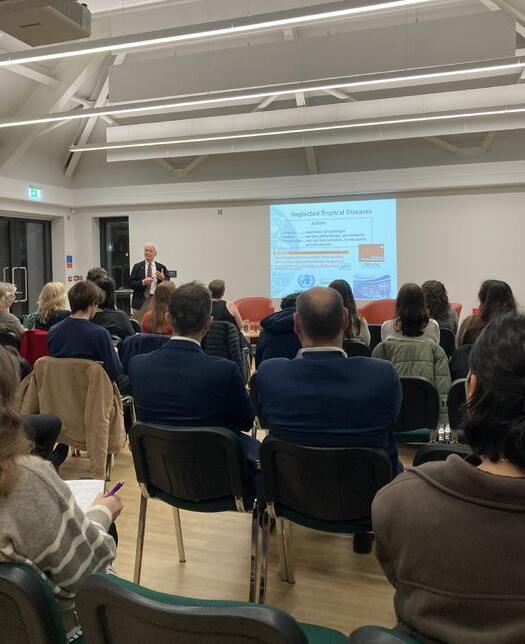
the monument’s stones, their diverse origins, their cultural significance, and the clues they may hold to understanding the beliefs of the people who raised them. The evening was a reminder of how the past still speaks to us, and how research can breathe life into even the oldest of stones. Later that term, Cuth’s had the privilege of hosting an event that was both celebratory and thought-provoking. In collaboration with our alumnus Professor Simon Croft, we welcomed Professor Paul Denny for his lecture, ‘Global Cooperation in the Fight against Neglected Tropical Disease’. Professor Denny and his team had recently been awarded the Medical Research Council’s Outstanding Team Impact Prize, a recognition of work that
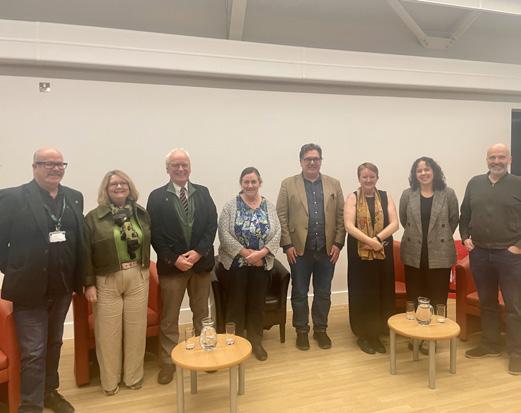
blends scientific excellence with humanitarian purpose. The event, coordinated by our Interim Principal, Karen Langdon, was followed by a panel discussion chaired by Professor Charlotte Clarke. Joined by experts including Helen Price (Keele University), Mark Booth (Newcastle University), and Jess Robbins (Leishmaniasis Advocacy Network), the conversation explored the challenges of implementing global health strategies. The pride in the room, for our alumni, our collaborators, and the cause itself, was palpable.
To close Michaelmas Term and the calendar year, we welcomed IAS Visiting Scholar Dr Anna Krzywoszynska from the University of Oulu, who gave an engaging lecture at our Tom Percival Annexe: ‘Why soils, why now?’ Dr Krzywoszynska explored the growing interest in soils across the social sciences, humanities, and arts. Her talk invited us to see soil not just as a natural resource but as a rich site for interdisciplinary thinking, challenging our assumptions about sustainability and the knowledge needed to achieve it. As partners with the Institute of Advanced Study, we are proud to bring such global voices to Cuth’s each year, and we look forward to welcoming our next IAS Fellow in the coming term.
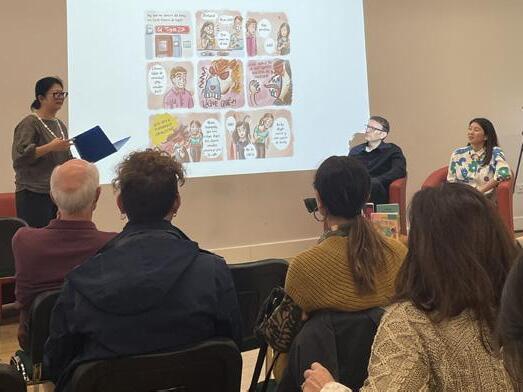
The year also saw the much-anticipated return of the Leslie Brooks Lecture, which had been on pause in recent years. This time, it was delivered by the dynamic and multifaceted artist Quan Zhou, whose lecture about ‘Race in Spain Through Comics’ opened up a meaningful conversation about identity, representation, and social change. A self-taught graphic novelist and communicator, Quan uses humour, illustration, and storytelling to address complex social issues. Following the lecture, a stimulating roundtable discussion, moderated by Professor Rosi Song and featuring Dr Jorge Catalá-Carrasco of Newcastle University, delved deeper into the themes raised. The event, organised in partnership with the School of Modern Languages & Cultures and its
Director of Research, Professor Andy Byford, demonstrated what occurs when art and academia converge.
The final lecture of our academic year was a thought-provoking talk from John Kelly, a true artist and explorer. John shared his passion for the relationship between art and science through his visual diaries, which documented his expeditions to the Arctic and Antarctic. As part of St Cuthbert’s Evergreen Programme, he delivered a compelling lecture that took us on a journey through his work and his unique perspective on imaginary journeys and created landscapes.
The talk took place in the SCR at 12 South Bailey on Thursday, 12 June, and was a brilliant way to wrap up the lecture series of the academic year. Looking back, it’s hard not to feel a swell of pride for the calibre of thought and exchange we’ve hosted this year.
These events didn’t just inform us, they connected us: students, fellows, alumni, and guests, all gathered to explore new perspectives and share in the joy of learning.
Here’s to another wonderful year filled with meaningful conversations that make us eager to cross the Bailey once again.

BAILEY CONFERENCE 2025: REPORT
Florence Shannon-Vines (MA Environmental Humanities, 2024)
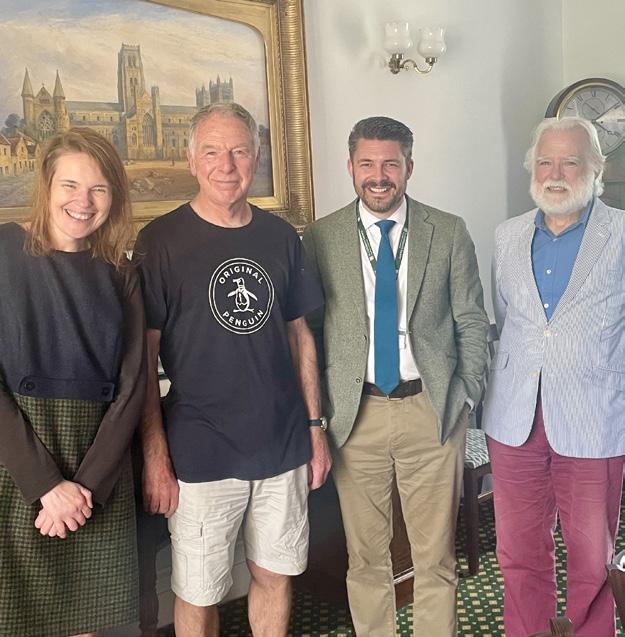
On 10 July, Durham’s postgraduate community was invited to St Cuthbert’s Society for an afternoon of discussion, research, and reflection. The Bailey Conference 2025, an intercollegiate academic event, united students, postgraduates and academics from various disciplines to explore this year’s theme: ‘Nature and the Environment’.
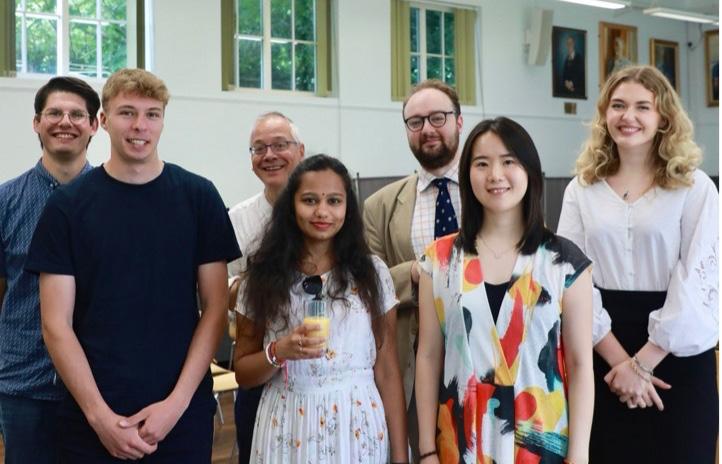
In a world increasingly affected by ecological crises, climate uncertainty, and rapid environmental shifts, the conference offered a space for dialogue and collaboration. It distinguished itself by adopting a broad, interdisciplinary approach, welcoming perspectives from science, the humanities, theology, and the arts, and encouraging both rigorous academic research and creative reflection. The afternoon began with a
welcome and an introduction to the theme from myself, aiming to set a tone of hope and learning alongside academic insight. The speakers, a carefully selected group of postgraduate researchers and students from Durham’s colleges, delivered papers ranging from cutting-edge environmental science to explorations of nature in literature, cultural history, and heritage. We were also honoured to have Professor Robert Song as the keynote


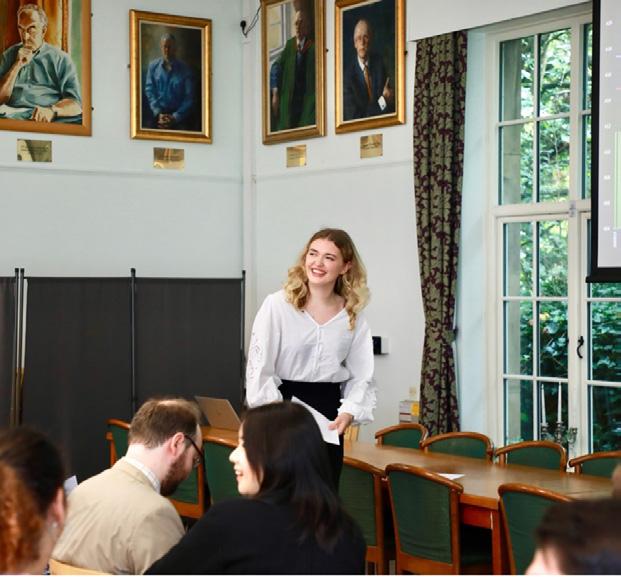
speaker, with a talk titled ‘Hope in a Time of Climate Catastrophe’.
One of the conference’s defining features was its focus on accessibility and openness. Designed to extend participation beyond traditional academic circles, the Bailey Conference sought to create a platform where discussions on nature, climate, and environmental change could be shared among a broad community. From the outset of organising this event, I was determined to open the call for papers to colleges outside the Bailey, as conversations about nature and the environment, particularly climate change, should never be limited. We were fortunate to include speakers from Ustinov College and other ‘Hill colleges’, alongside those from the Bailey, fostering an intercollegiate atmosphere.
Our speakers included Tom Marshall from Ustinov College, who presented ‘Do Fungi Matter Morally?: Deconstructing Dichotomies of Value With Mycological Entanglement’; Yirou He from St Chad’s College, discussing ‘Destabilising Human Animal Boundaries in Eco-Literature’; Edward Leech from Stephenson College, with ‘The Tour de France and Climate Change: Cresting the Mountain or Causing the Problem?’; and Durham alumna Sian Bell, working in protection and heritage at Durham Cathedral, who presented ‘How The Earth Remembers: The Interwoven Nature Of Strategy For Protecting Our Heritage And Our Environment’.
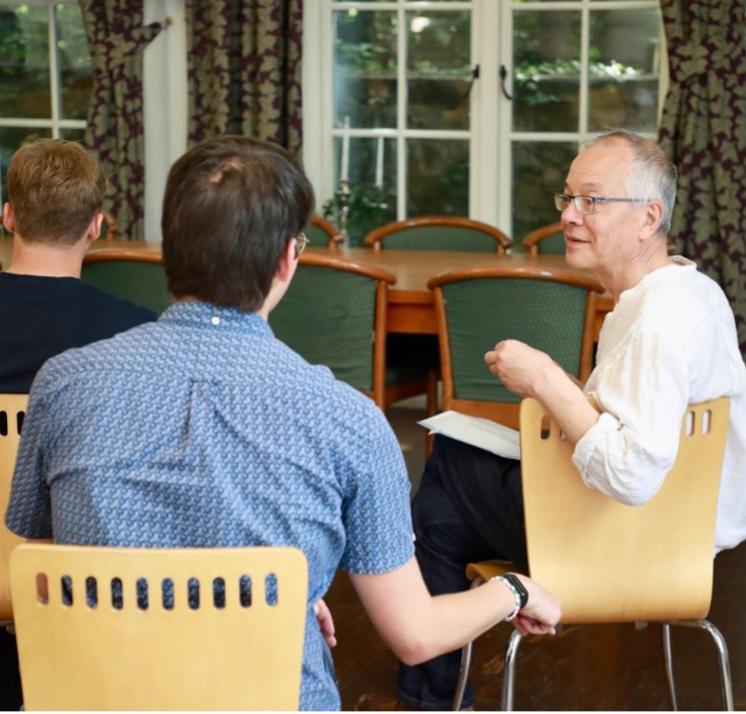
A highlight of the day was Professor Robert Song’s keynote speech, whose reflections on ‘Hope in a Time of Climate Catastrophe’ provided a sense of optimism for the future. Professor Song’s address emphasised the core messages of the conference: that academic dialogue is not merely a response to crisis but a vital source of creative and ethical possibility.
The success of the conference was also reflected in its atmosphere: welcoming, energising, and collaborative. With a relaxed yet professional atmosphere, attendees had plenty of opportunities to network, share ideas, and build new connections. The photographs taken by Shelly, whose work features in this article, captured the energy of the day, ensuring that the event’s joy was recorded and celebrated.
Special thanks are due to our outstanding PGM Committee president, Sarah McAllister, to the legendary Dan Mercer, Professor Tammi Walker, and Dr Matthew Mills, as well as St Cuthbert’s reception and Durham’s event team. Naturally, gratitude also goes to the postgraduate community, whose enthusiasm and support were essential to the event’s success.
As I prepare to graduate in January, I look forward to seeing this conference and its community continue to grow over the coming years. St Cuthbert’s Society, the community it fosters, and the postgraduates it supports are a true reflection of dedication and hard work.

STUDENT SUPPORT REVIEW
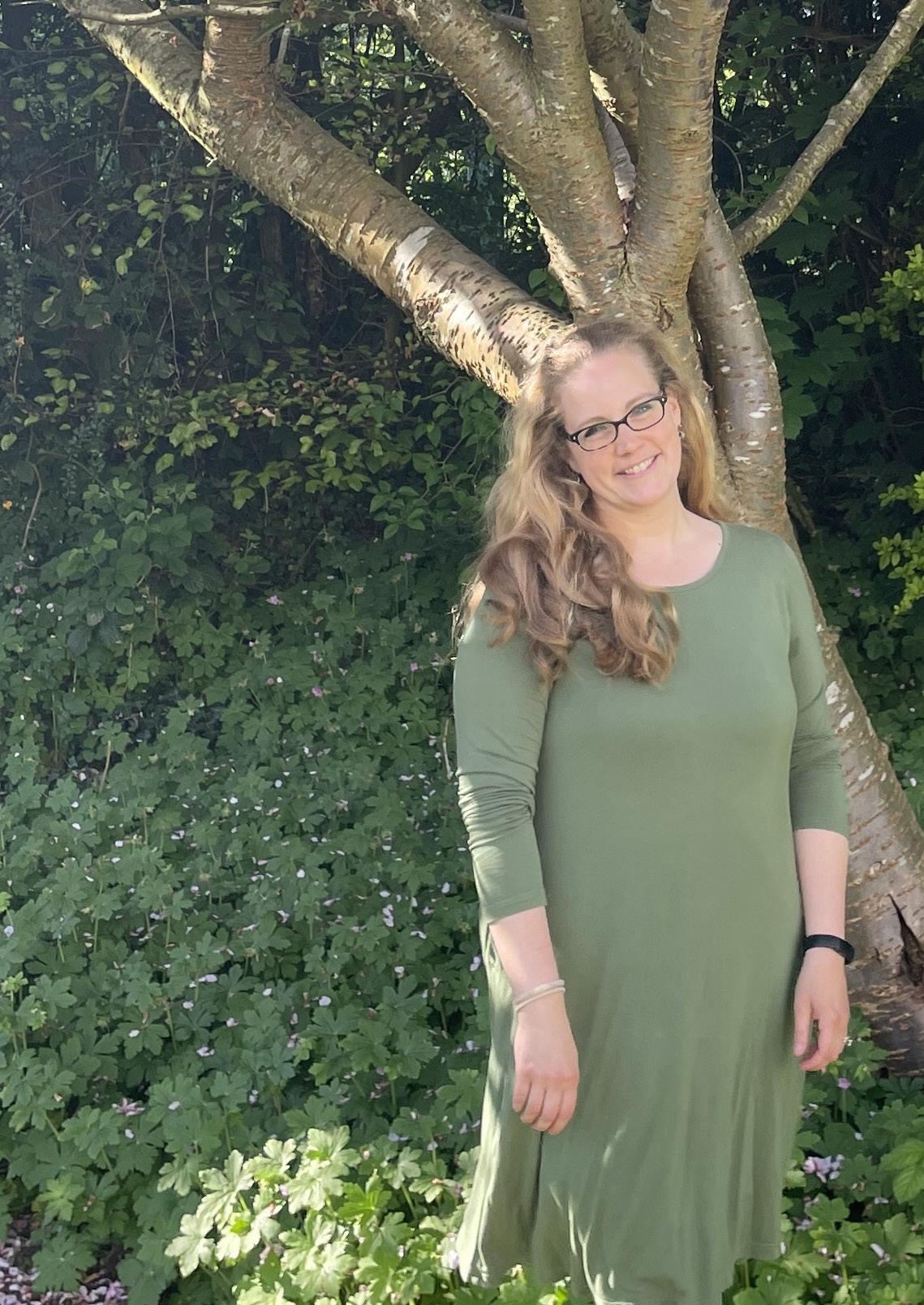
Dr Lydia Harris, Assistant Principal
I am delighted to be back in post as the Assistant Principal, after taking a one-year maternity leave in 2024 following the birth of my second son, Edward, in January 2024. Returning to the Cuth’s community (of past, current, and future students) has been an absolute joy, and my focus diligently remains on providing a safe and accessible space for all.
My return also coincided with a new, exciting chapter for Cuth’s with the addition of Dr Matthew Mills as Vice-Principal and his construction of the Evergreen Programme for wider student enrichment, of which the Student Support Office is a proud partner. This new direction enables the Student Support Office to provide extensive opportunities for personal growth, academic curiosity, and mental fitness.
In partnership with Evergreen, the Student Support Office launched exciting initiatives to expand our wellbeing model and provide students with more opportunities for engagement. We trialled this through various events in Easter Term 2025, to significant success and positive feedback! A wide variety of enterprises were offered, including a bingo night with food and prizes, an art therapy engagement week on the theme of nature, welfare boxes with supplies to encourage good mental health, the purchase of lawn games like croquet and quoits for students to enjoy, and yoga and meditation sessions in the Tom Percival Annexe at Brooks House. All these events were completely free and open to any student, regardless of previous engagement with the College or the JCR. They were held in conjunction with Evergreen and hosted across multiple sites at Cuth’s, allowing students (both livers-in and livers-out) the opportunity to engage. We are running a similar programme for the 2025/26 academic year, with the aim
of offering holistic, proactive, and approachable outlets for support and wellbeing.
These new additions to the support model at Cuth’s are only some of the positive changes we have experienced this past academic year. In August 2024, we acquired a new Student Support Administrator, Lynn Glenister. She comes to us from a professional support services role in the Counselling and Mental Health Services at the University and is the first point of contact for many of our students seeking support. Our permanent Assistant Student Support Officer, Alex Haigh, is currently on maternity leave after the birth of her beautiful daughter in February 2025. We have recruited Zoe Papagiannouli to serve as her replacement until March 2026. Zoe comes from an extensive background in support and student engagement, having worked at Hild/ Bede College and the School of Government and International Affairs. The excellent staff in the Student Support Office continue to provide personalised, approachable, and robust care for our students, ensuring we remain an open and friendly connection throughout their degree.
Please do reach out if you have any questions, suggestions, or would like to participate in any of our upcoming welfare events.
You can contact us at cuthberts. studentsupport@durham.ac.uk.

Pulling Together, Winning Together: Cuth’s Boat Club
Joshua Roberts (BA Sociology, 2023), Boat Club President, 2025-
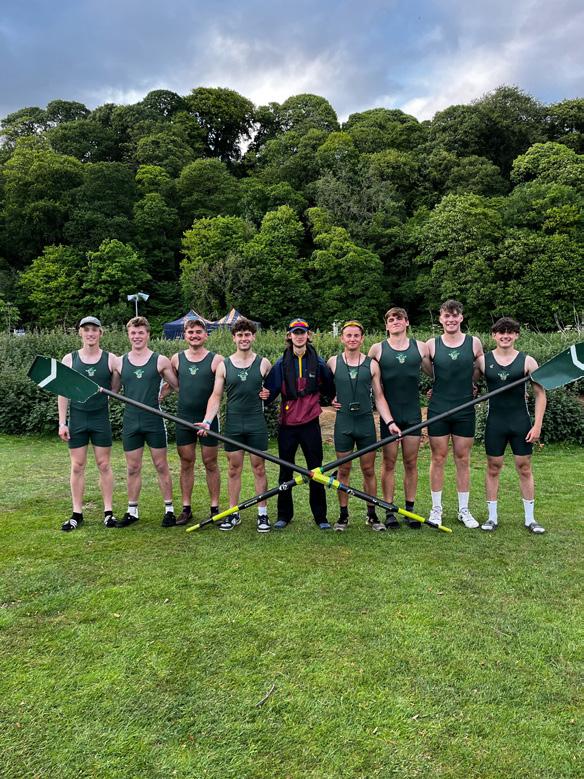
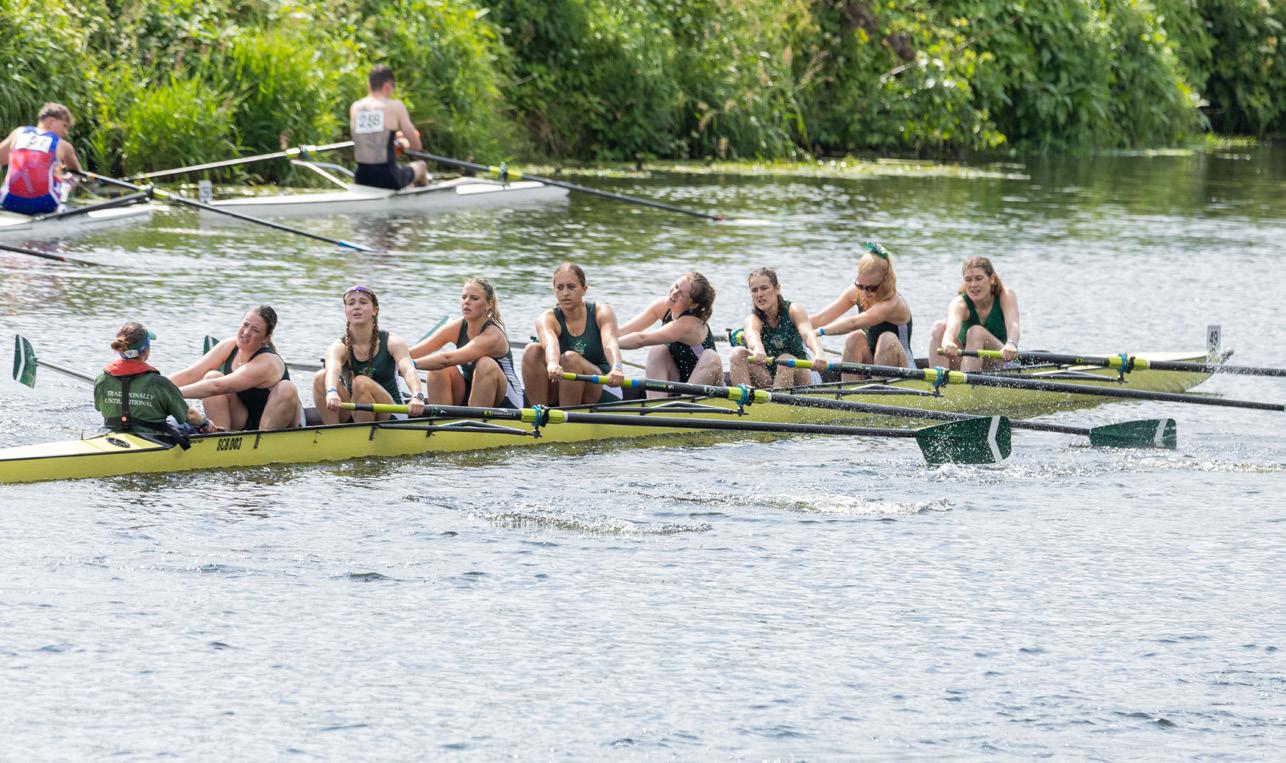
The Boat Club has had an incredible year, particularly this summer, attending regattas throughout the Northeast and achieving victories at every event for both the men’s and women’s squads.
The highlight of the season was the Club returning to top form with its first win at the Durham Regatta in eight years, capturing the TSB Challenge Cup. On the men’s side, a notable highlight was the first 4+ victory at Hexham Regatta, along with three crews winning their events at Tees Regatta.
While the Club had struggled to make a complete comeback after Covid-19, this year marks SCSBC’s return to being a frontrunner in the college rowing scene. This was reflected in our nomination for sport or society of the year.
Although the Club has become more competitive, we have certainly not lost our culture of being an open, welcoming, and fun club. The love that alumni show for the Club in expressing their support has been wonderful to see, and we love that, no matter where in the world they are, we can feel their support.

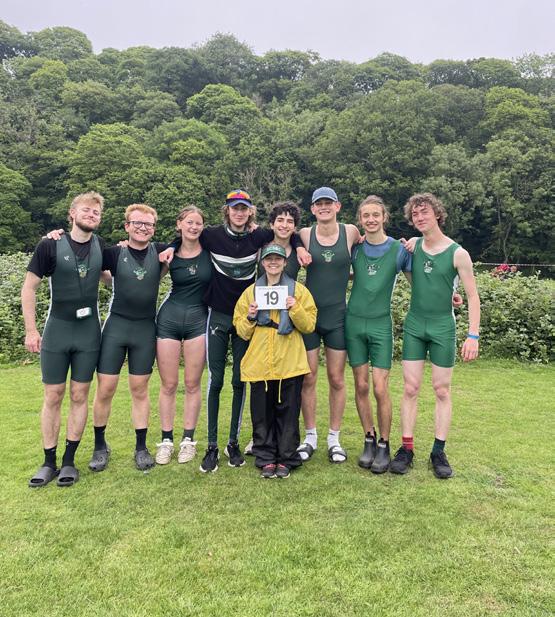
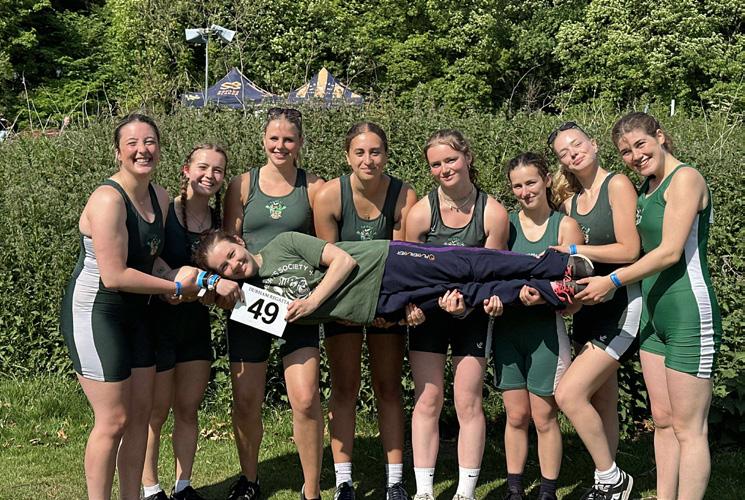
As a club, we want to build on this year’s successes and become the team to beat in the years ahead. To achieve this, we plan to renovate our fleet of boats, which has been gradually deteriorating. We’re organising some exciting fundraising activities and would love to share our achievements with SCSBC alumni through our termly newsletter and Instagram account.
You can also join us at future races in London, where we will compete in the Women’s Eights Head of the River Race and the Head of the River Race (WeHoRR & HoRR) in 2026.
GLOBAL CUTH’S
Harry Tang (BA Business Management, 2022), International Rep, 2023-25
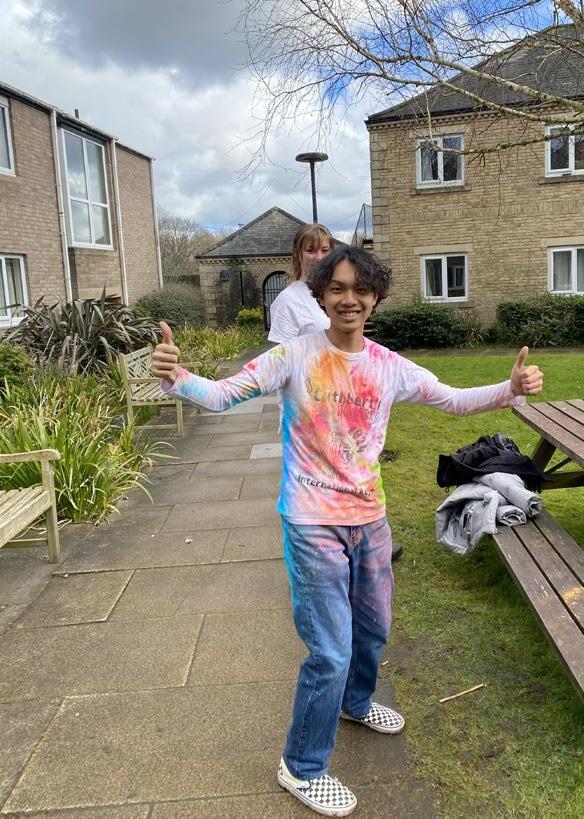
Hello, I’m Harry Tang from Hong Kong, and I’m the international representative of Cuth’s from 2023 to 2025. Over the past two years, I led a committee of ten members to raise awareness about different cultures, festivals, and customs around the world, while also improving the experience of international students at Cuth’s.
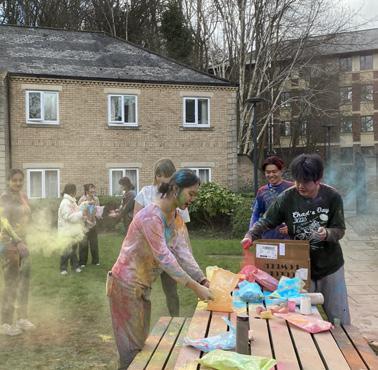
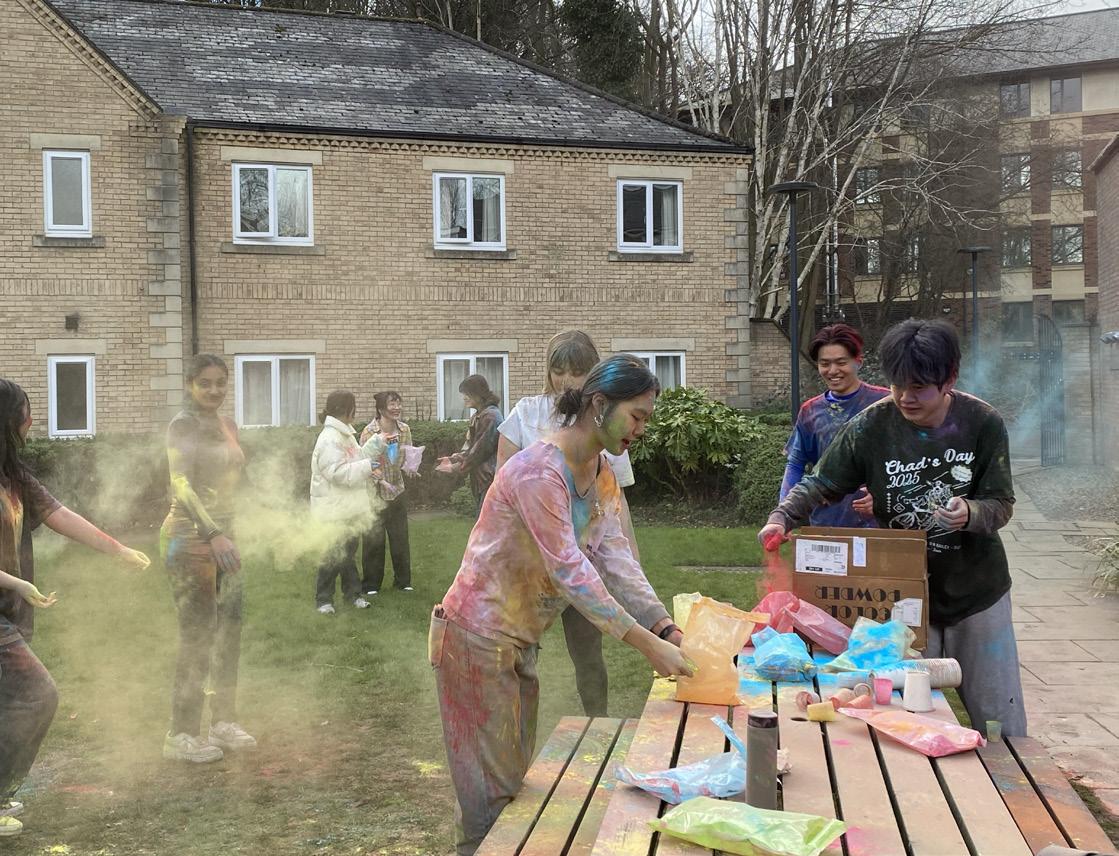
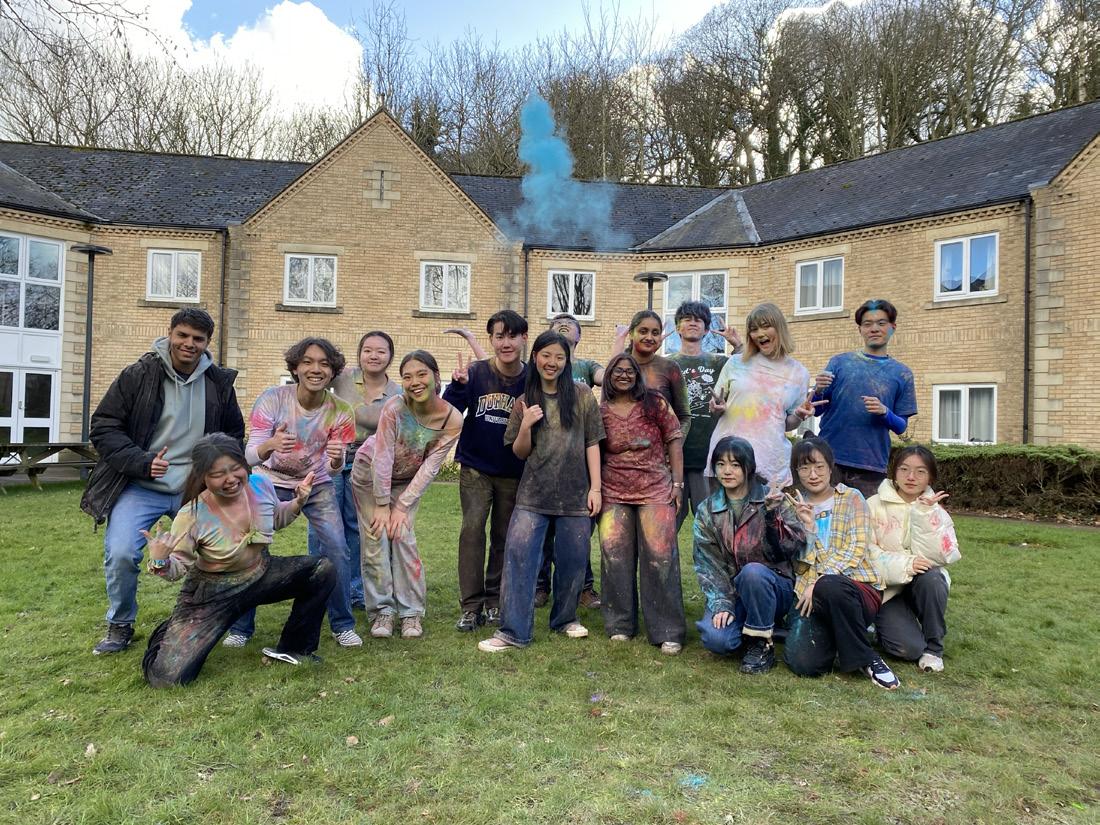
We organised a variety of cultural events from around the world, including Lunar New Year calligraphy, Diwali Henna art, Holi colour powder throwing, and Caribbean Carnival. We also create informative Instagram posts to promote different festivals and customs worldwide, sharing insights and personal experiences on coping with challenges such as homesickness and mental health issues during studying abroad.
I also coordinated the International Fresher’s Week and the early move-ins for international students in 2023 and 2024, where I, along with the Fresher reps, helped them settle in and adapt to Cuth’s, and hosted daily events for
them before other home students arrived. We were nominated for the Global College Award in 2024 and 2025 for our efforts to improve Cuth’s inclusivity and accessibility. We received the highly commended award in 2024.
I am grateful for everything Cuth’s has given me during my time at Durham, and it’s been the happiest moments of my university life. My favourite moment was organising and participating in the coloured powder throwing event at the Holi Festival. Although I’ve known this custom for many years, I’ve never attempted it myself to experience what it’s like. I was also the first person in Cuth’s in my role to host this event, making it both exciting and challenging to organise something unprecedented.
I wish Cuth’s and my successor, Cindy Wang, all the best as they carry on our legacy of fostering greater diversity, encouraging more international students to engage in college activities and the JCR. Peace out!




From Note to Note: Cuth’s Choir
Zac Jackson (BA Music, 2024)
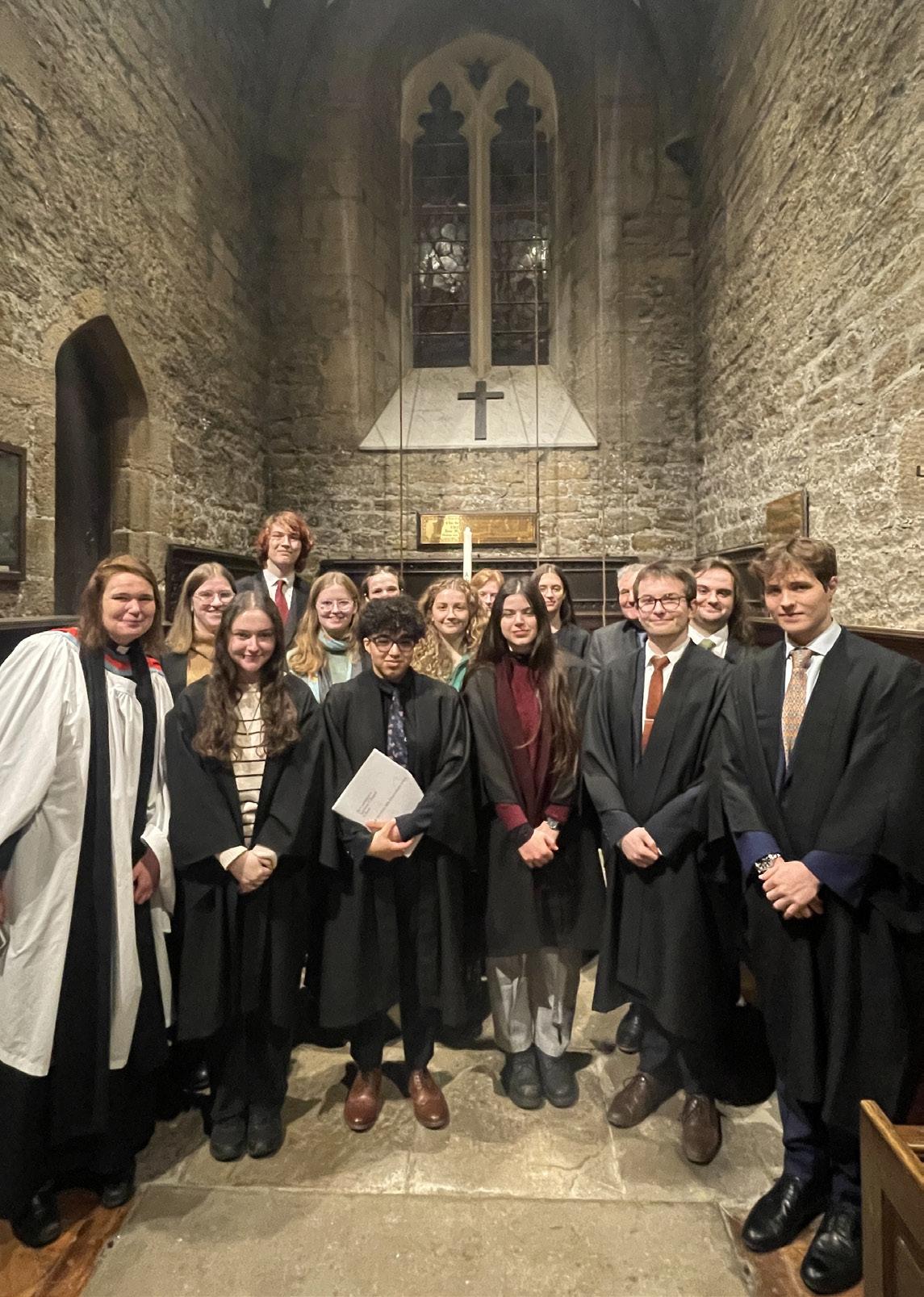
The Choir of St Cuthbert’s Society (better known as Cuth’s Choir) is a friendly, low-intensity, auditioned choir with a high standard of music and a strong social atmosphere. We accept members from all colleges and admit a balance of experienced and new choristers, making it a fantastic choir for both new and returning students. We pride ourselves on giving experience in chapel choirs to new choristers, improving their skills by enabling them to sing with more experienced choristers and contribute to our high standard of music.
Our choral auditions are very friendly and much less stressful than other Bailey choirs like Castle and St John’s. We ask that you attend a single audition, in which you will perform basic aural and technical tests (scales, chord degree singing, and phrase repetition), as well as sightsinging an unknown extract. You don’t need to have been a chorister since birth to do well, as we don’t require perfection in any aspect of your audition, just an ability to rectify your mistakes and a genuine enjoyment of choral singing.
Evensong on a Friday evening is the main service we perform at the beautiful Church of St Margaret of Antioch (lovingly called Marg’s), where most of our activity takes place. Each week, our service is followed by a trip to the nearby pub; we believe this strengthens the community of our choir. As the saying goes, ‘A choir that goes to the pub together, sings better together’ (or something like that). There are also other socials throughout the year, so the choir’s membership can get to know each other outside of the usual schedule, improving our sense of spirit.
On occasional Sundays, we perform at the Service of the Eucharist (Holy Communion). This is a longer service than Evensong, and it allows

the choir to perform different repertoire outside of the standard format of the weekly Evensong. The congregation for this is larger than at Evensong, so it presents a new experience for choristers. There is no obligation to take communion at these services; many of our members do not. The most significant event in our calendar at Marg’s is the service of Nine Lessons and Carols in December - our most popular service - attended by college members, staff, and alumni. Even if you aren’t planning to join the choir (which you definitely should), the carol service is open to all and is followed by mulled wine and mince pies.
Joining Cuth’s Choir presents the opportunity to sing in Durham Cathedral, as well as other Cathedrals across the northeast, such as Newcastle and Hexham Abbey – both in Cuth’sonly Evensongs each term, as well as the intercollegiate Evensong in Durham Cathedral with all the chapel choirs of the University, which is always a magnificent event! Outside of church services, Cuth’s choir performs at college formals and other events such as Remembrance Day.
This year, we will be working towards a summer concert in college, as well as a tour during the summer holidays!

Student Internship: Biosciences
Jana Reynolds (BSc Biochemistry, 2023)
I’m Jana, a second-year, going into third-year Biochemistry student at Durham, and a member of St Cuthbert’s Society. I lived in Cuth’s, on the Bailey, during my first year, a warm and welcoming place where I made good friends and many fond memories. I especially remember enjoying spending time with friends in the garden, between House 13 and the Wendy House.
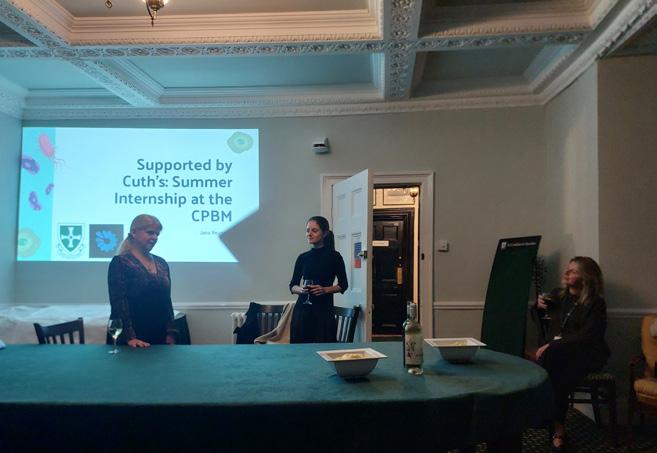
This summer, I have been lucky to intern at the Centre for Programmable Biological Matter (CPBM), part of Durham University’s Biosciences department. This opportunity was kindly funded by Cuth’s, specifically the SCR and the Student Development Award. I’m
interning at the Heddle Lab within the CPBM, working closely with Postdoctoral Research Assistant Dr Samantha Firth.
The CPBM’s research focuses on natural and artificial biological nanomachines, tiny
molecular structures that carry out their mechanical or chemical tasks through the interactions of the molecules composing them. I am incredibly interested in how understanding natural nanomachines and developing artificial ones can have innovative therapeutic applications, which is why I was eager to intern at this lab. Professor Jonathan Heddle has made important contributions to the understanding of DNA gyrase, a nanomachine found in nature, so one of the research areas at the CPBM is the Gyrase Project. DNA gyrase is an enzyme found in bacteria, but not in humans. It’s essential for bacterial survival, making it a good antibiotic target: blocking its activity kills bacteria without harming human cells. However, some bacteria have developed resistance by encoding and producing proteins that bind to gyrase and “rescue” the gyrase from the antibiotics, essentially making the antibiotic ineffective. It is therefore important to investigate and understand how this resistance occurs, to ultimately develop possible drugs to restore the antibiotic’s effectiveness.
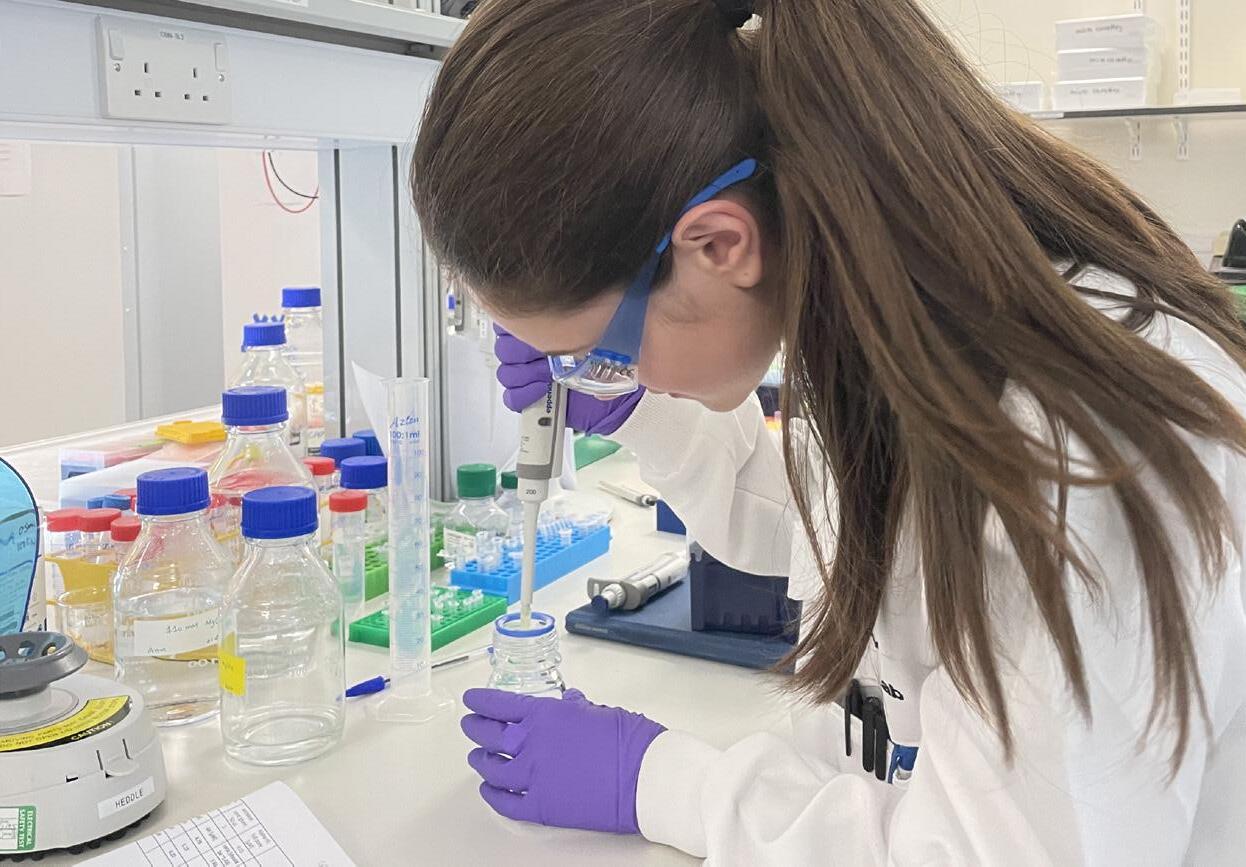
During my six-week internship, through a combination of work and shadowing, I have been involved in establishing experimental conditions and confirming that the enzyme prepared is functioning correctly. This included conducting experiments to determine the optimal conditions to study gyrase and finding the right enzyme concentration to use in subsequent tests. I have also been involved in producing gyrase by expressing and purifying its subunits, which are later assembled just prior to their use in an experiment.
Over the past six weeks, I’ve applied lab techniques I had some experience with and, importantly, also learned new techniques and gained access to equipment I wouldn’t have encountered in the teaching lab. It’s been particularly rewarding to apply techniques and protocols that I had only learned about theoretically.
I’ve also seen what working in a research laboratory truly entails and what a full day in the lab looks like. Compared to the shorter teaching labs, which tend to follow set protocols, this experience has shown me the level of planning and problem-solving involved. For instance, when we didn’t get the expected results, we had to analyse various steps of the protocol and apply potential solutions, rather than simply suggesting a theoretical one, which is usually the case in shorter teaching labs. I’ve also enjoyed the collaborative nature of the lab; being able to discuss experiments and potential solutions with other researchers is both helpful and motivating. This internship has allowed me to grow both professionally and personally by improving my practical skills and strengthening my problem-solving and collaborative abilities.
Overall, this experience has not only been really interesting and fun, but also incredibly valuable, as it’s given me real insight into what working in a lab looks like. I now feel better equipped to make decisions about my future career, confirming that I would like to work in biotech research.
I am very grateful to St Cuthbert’s Society for supporting this opportunity, which would not have been possible without extra funding, and to Dr Matthew Mills, Vice-Principal, for his invaluable guidance. I also want to thank Professor Heddle for the opportunity, and Dr Firth, as well as the rest of the team, for fostering a supportive and friendly environment in which to learn.
ALUMNI ASSOCIATION REVIEW
Elena Martin (BA Anthropology, 2016), Chair
Hello all, the St Cuthbert’s Society Alumni Association has a few events and meet-ups planned for the next year that we wanted to let you know about.
First, and most importantly, we will be holding our Annual General Meeting on 19 October at noon. This will be an online event and open to all, with a link to join and the agenda circulating prior. If you have anything that you would like to add to our agenda, please do get in touch with me at chair@cuths.org.
Equally, you can also contact me if you have any questions about getting involved with the committee or volunteering to support with one-off events.
We also have a number of meet-ups being planned for early Autumn, which will then be followed by some Cuthsmas (Christmas) meetups scheduled for the last two weeks of November, to be hosted across the countryLondon, Manchester, York, and Durham. The dates and locations of those will be finalised by the end of August, so keep an eye out for details.
Conversations are currently underway about the potential of bringing back a formal dinner in London to mark the Feast of St Cuthbert in March, so hopefully the next Chronicle will bring good news about that! This would be a huge success for us, as we have not yet been able to re-establish this event that used to be annual prior to the pandemic.
The excitement surrounding these plans reflects the renewed energy we’ve observed at our recent alumni gatherings: It’s been just over two months since we welcomed St Cuthbert’s Society alumni back to 12 South Bailey for our annual Alumni Weekend, and what a success it was. Post-pandemic, we saw a dip in our event attendance, but this was the first summer we saw the Alumni Weekend attendance back at pre-COVID levels, and members of the community with graduating years spanning from the mid-1960s to 2025 (and their families) all came together to enjoy a jampacked weekend of Cuths-y activities.
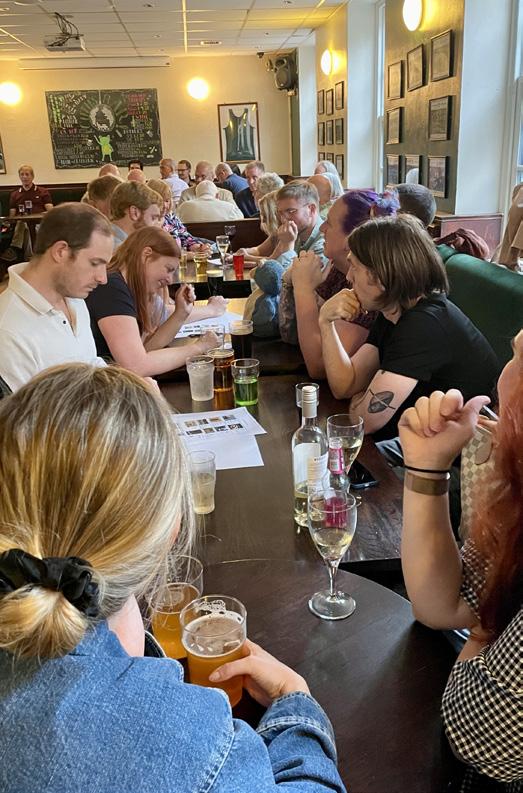
Highlights include a Durham-themed pub quiz at Cuth’s bar, which Dan, the outgoing JCR President, and I ran. Our quiz included a last-minute and slightly chaotic music round and “streets of Durham” round, both of which featured questions that the Cuth’s catering staff had suggested mere hours before the events started. Despite our slight disorganisation, we received feedback that these rounds were far better than the historical rounds I’d ‘borrowed’ from the Castle Alumni Association’s recent quiz. I want to reassure everyone that next year’s pub quiz will definitely contain more questions from the catering staff, and none from the Castle Association.
As could be expected, festivities in the bar led to renditions of ‘Harry’ as well as ‘Angels’ - a lovely touch that brought together generations through Cuth’s songs.
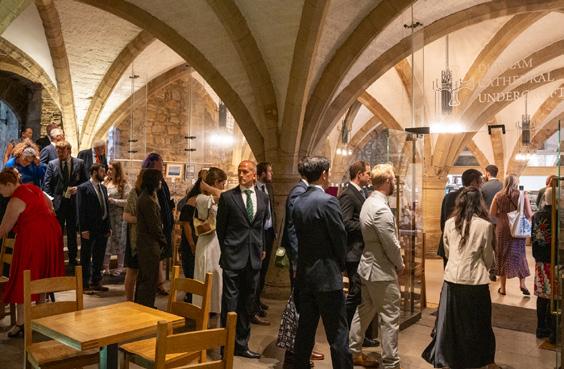
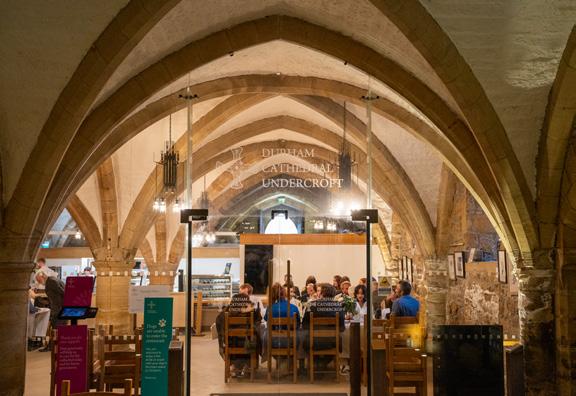
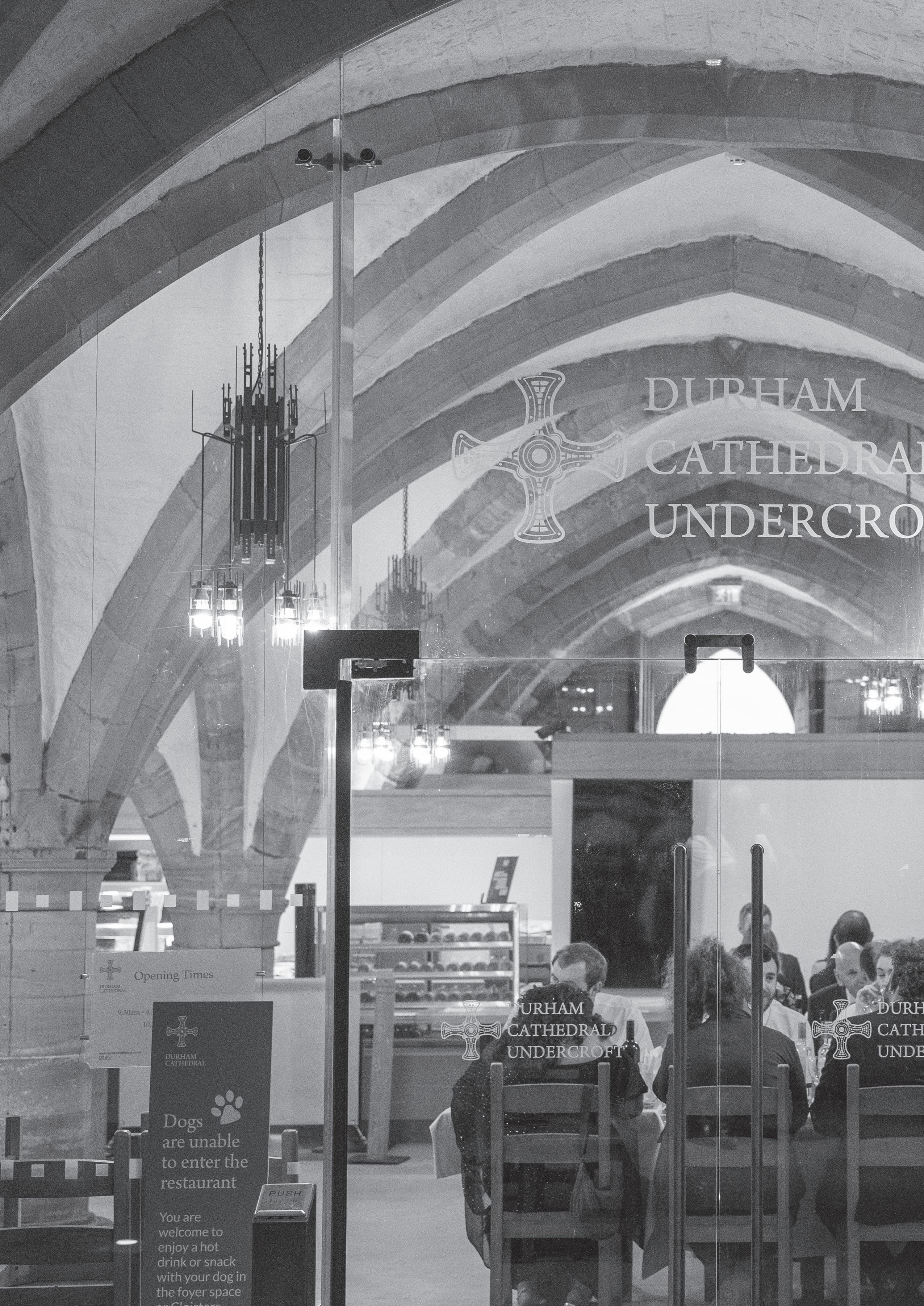
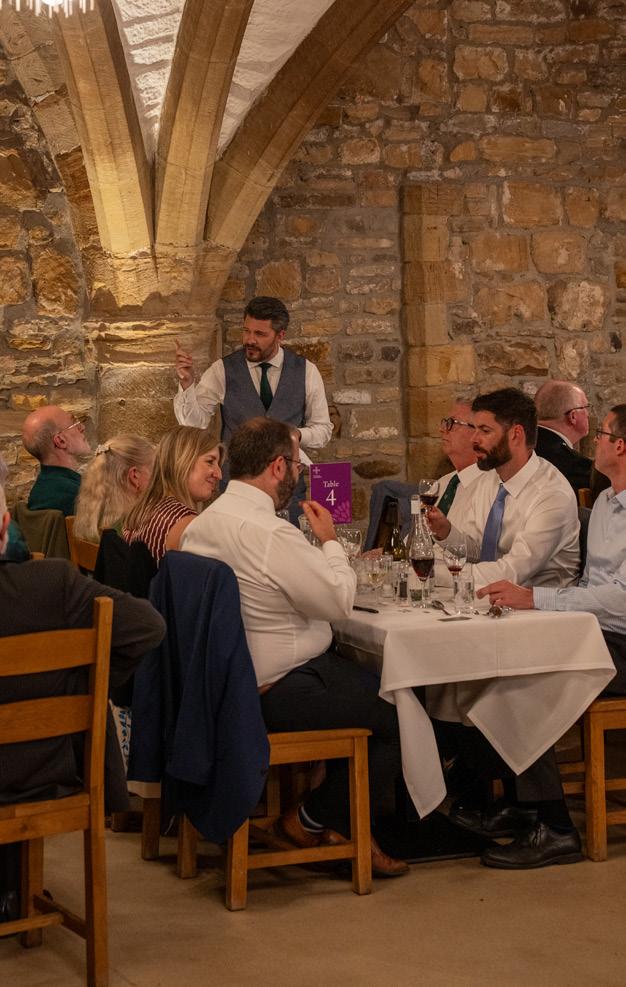
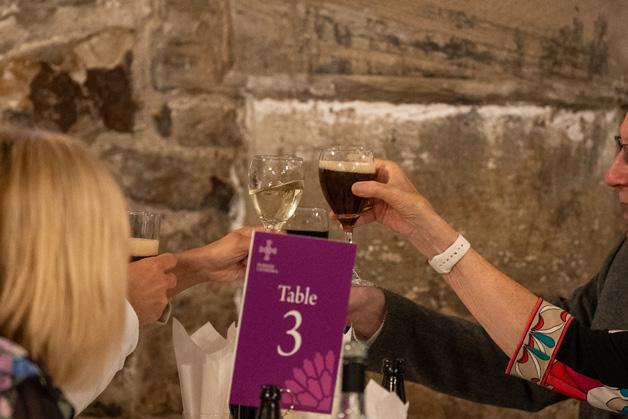
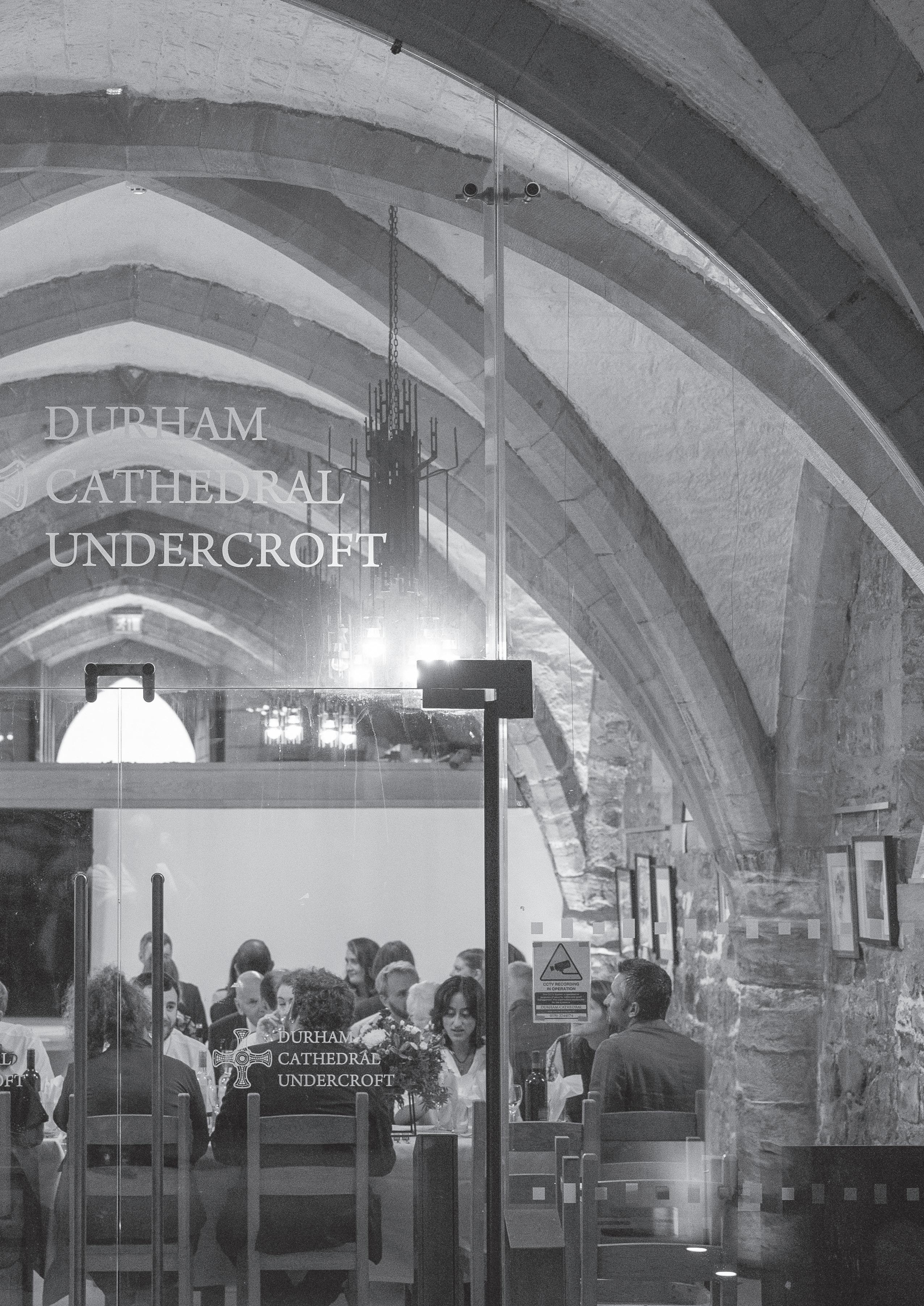
Saturday brought an introduction to the Society’s new Evergreen Programme - the latest programme of community enrichment that Cuth’s has to offer. This included a great talk and practical session (think Alumni using a pole lathe and whittling spoons) run by Ross Pearson, who is working on lots of exciting heritage crafts down at Cuth’s. And finally, the Pièce de résistance of the weekend, a Cathedral Formal held in the Undercroft restaurant. This was a new addition to the Alumni Weekend programme and a huge success. There was something incredibly special about rounding off the weekend with a meal in such a special place, surrounded by special people.
We celebrate our alumni and their achievements, and we look forward to the Alumni Association growing even stronger, with more events and engagement.
We look forward to seeing you at the AGM or an event very soon!
Home to Cuth’s: Alumni Weekend 2025
Joel Lozano, Editor
Since I first started working at St Cuthbert’s Society in the summer of 2023, I have witnessed with excitement the evolution of the organisation process for our Alumni Weekends. The past academic year was marked by numerous changes, including the addition of new staff, which brought about new beginnings. These changes resulted in me being entrusted with additional logistical responsibilities and the freedom to explore ideas for this year’s Alumni Weekend.
As usual, the most crucial point was to choose a date. Should we do it again to coincide with the Miners’ Gala? Or should we perhaps try again
during the quieter times of September, as we did before? In the end, we decided on the first weekend of July, which this year coincided with our summer congregations. The decision was made after considering feedback from previous years, not only from our alumni but also from the staff who make the weekend possible. An additional factor (a very important one!) was that by aligning with the graduation ceremonies of many of our students, we could invite them to our activities and provide them with the experience of what it is like to be a member of our esteemed alumni. And so, the Alumni Weekend edition 2025 took place from 4th to 6th July.


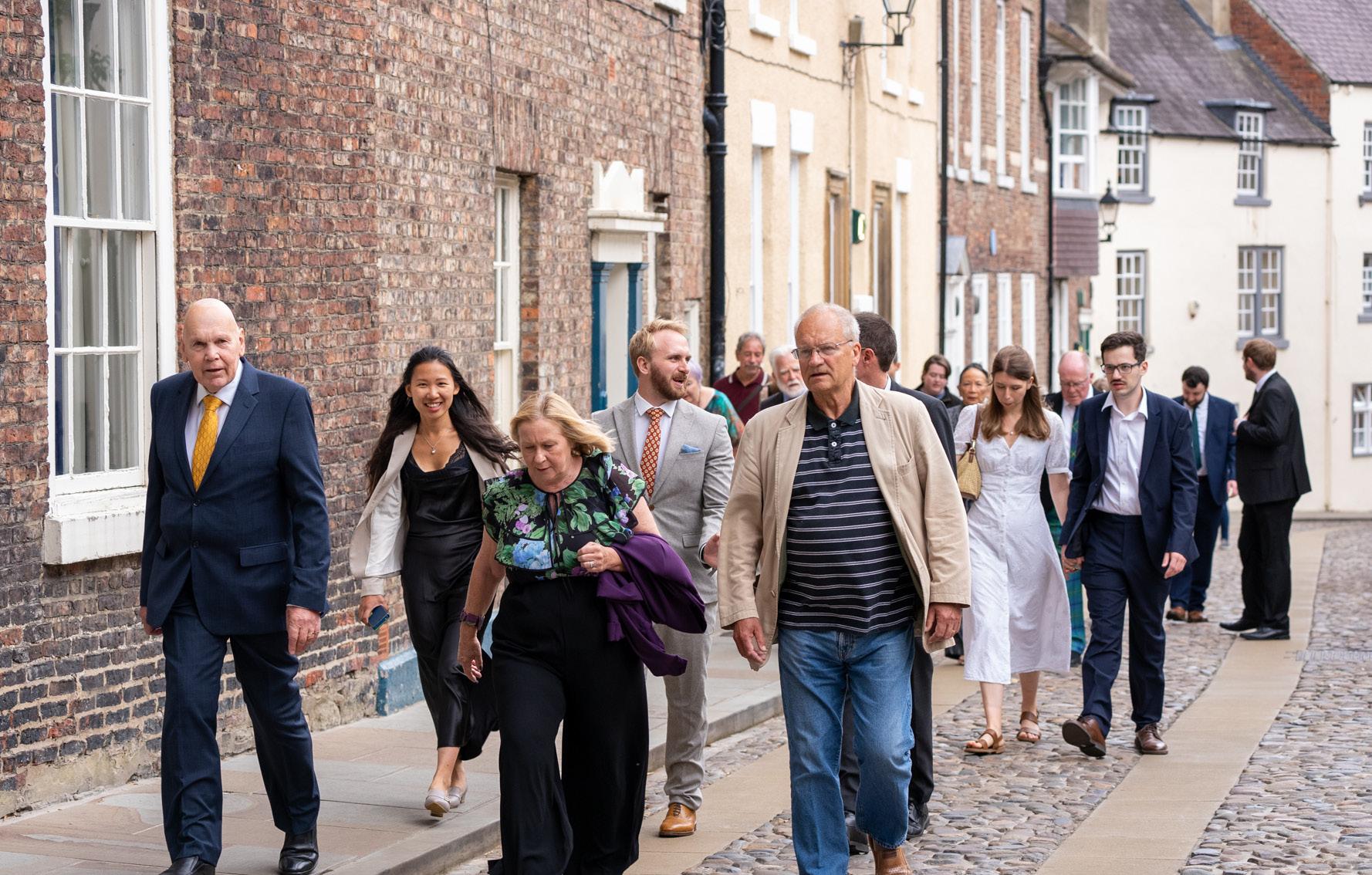
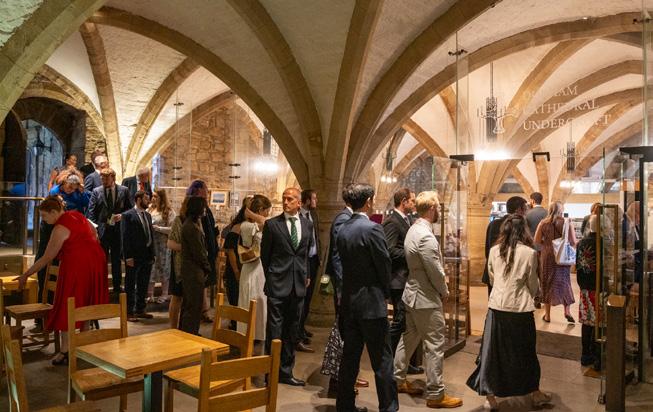
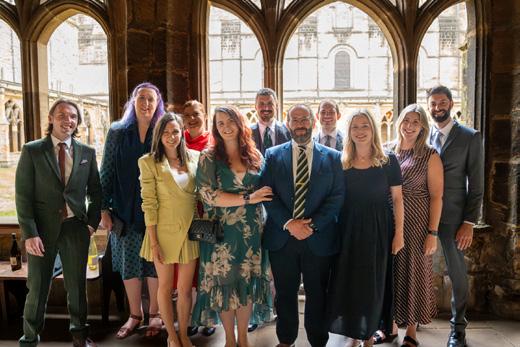
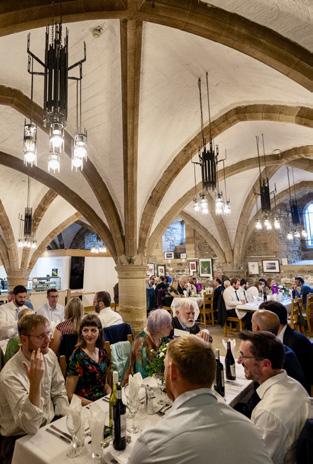
The real fun started with exploring new activities that would maximise engagement. The idea of a formal was always present when organising the previous years, but it did not fully materialise. And that was when Karen Langdon, our then Interim Principal, and I made a trip next door to Durham Cathedral. As expected, arranging a formal in the most significant monument of ‘Norman’ style architecture in England (a World Heritage Site!) during that time of year (summer congregations take place there) was not going to be easy. But somehow, it happened. And it became one of the most exciting tasks of my time at Cuth’s so far. Our very first ‘Cathedral formal’ took place on Saturday, July 5, and received very positive feedback from our alumni. It promises to be a long-standing tradition of our future Alumni Weekends.
Alumni inclusion is essential at St Cuthbert’s Society, and it is a key aim of our new Enrichment Programme: Evergreen, launched in May this year. The Alumni Weekend, held immediately after Easter term, offered a perfect chance to introduce the programme to our returning alumni.
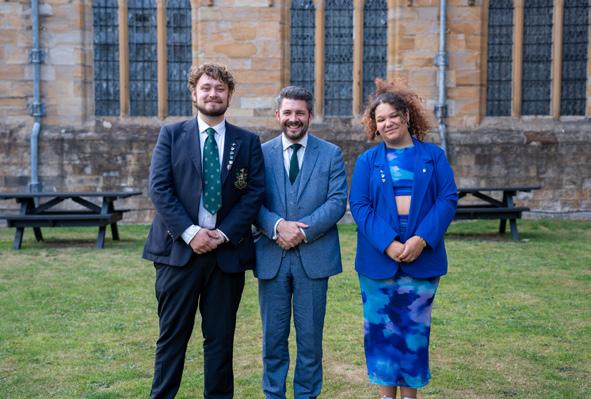
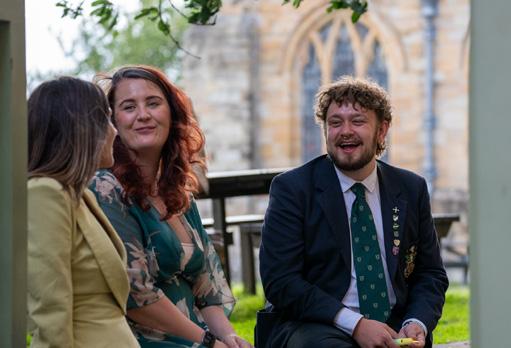
I am fortunate to work closely with our new Vice-Principal, Dr Matthew Mills, on its implementation and development. The programme is rapidly evolving and has proven to be highly successful and popular among our students since its launch last May. The introduction to our alumni occurred midweekend, just hours before our Cathedral formal. I was very pleased to see how engaging the introduction was. I am especially grateful to Ross Pearson, our very first Evergreen visiting lecturer, for his support during this event, and I look forward to the interaction of alumni with the programme.
More highlights of the weekend included our welcoming buffet dinner on Friday, 4 July, which at this stage is becoming another tradition for our Alumni Weekends. This year, we delivered a special after-dinner surprise: a pub quiz hosted collaboratively by our longtime community leaders, Dan Mercer, the outgoing President of the Society, and Elena Martin, Chair of Cuth’s Alumni Association (and former Society President, too).
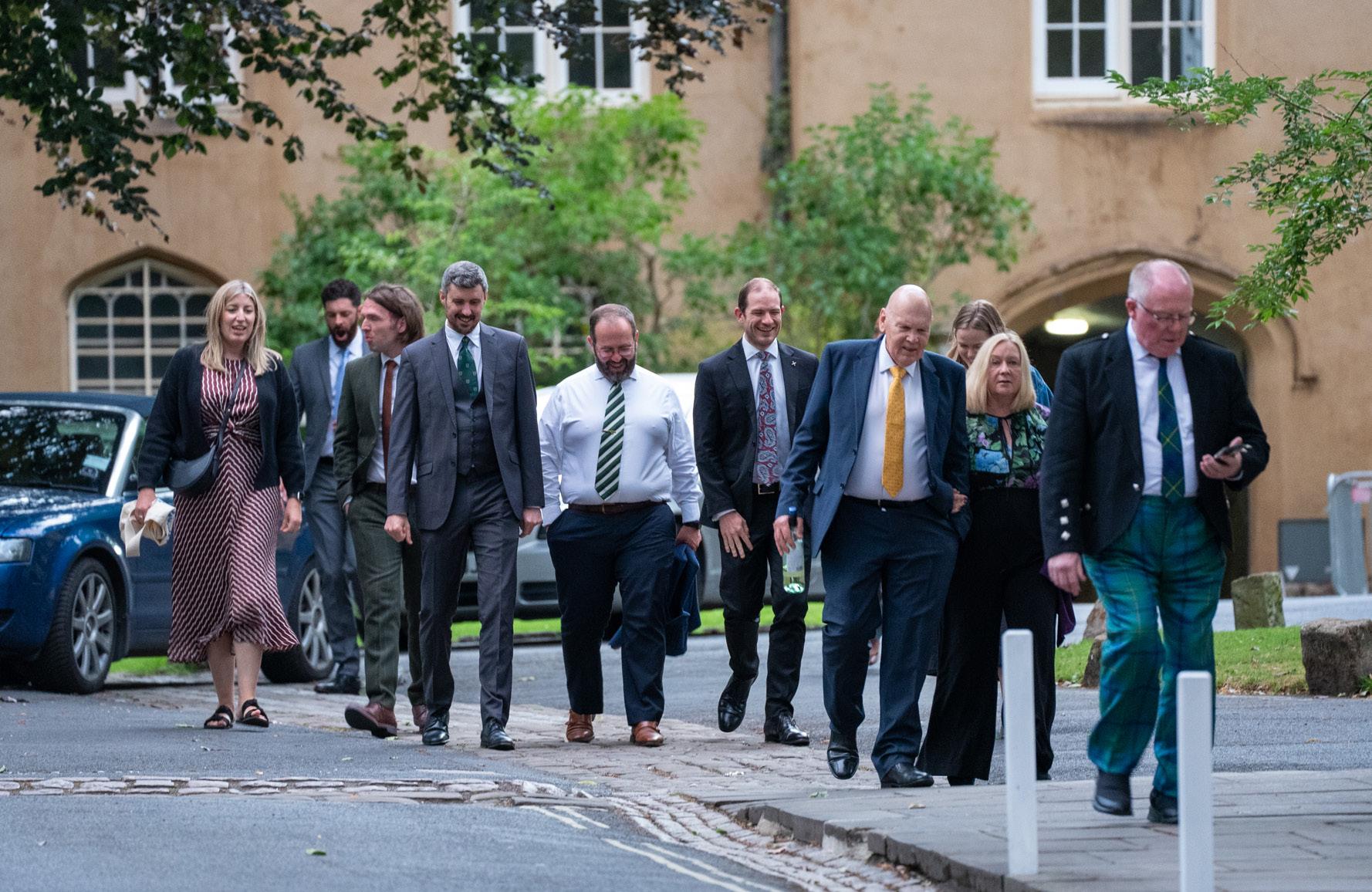
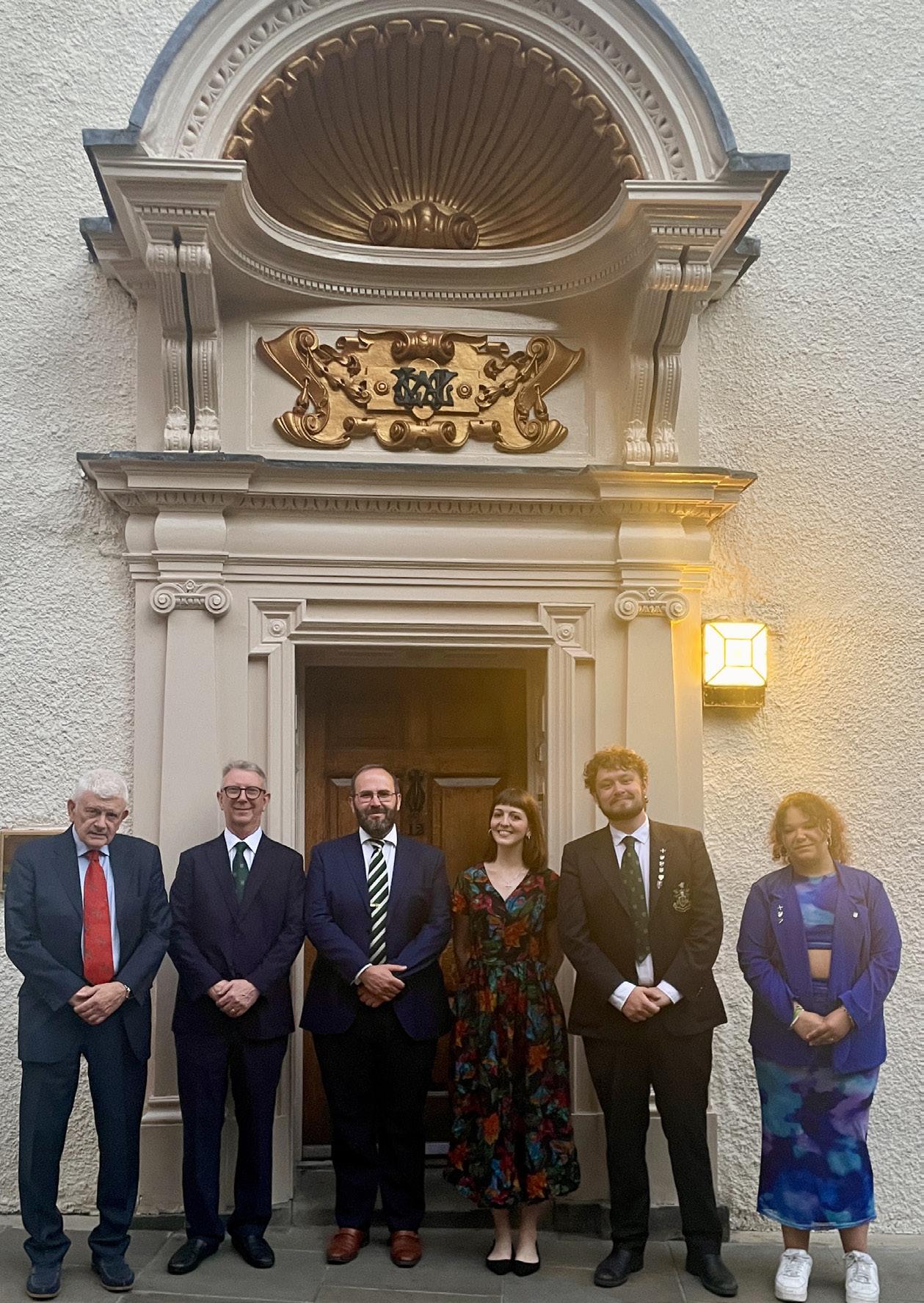
As closing remarks, I would like to personally thank everyone who made this year’s Alumni Weekend special. Our alumni, first and foremost, it is always so exciting to hear the stories you share with us about your time at Cuth’s. All those friendships that still exist after graduation and grow stronger over time. The expressions I see on your faces when you enter the door at 12 South Bailey are priceless. I even witnessed a mini reunion with five former Presidents of the Society, along with our
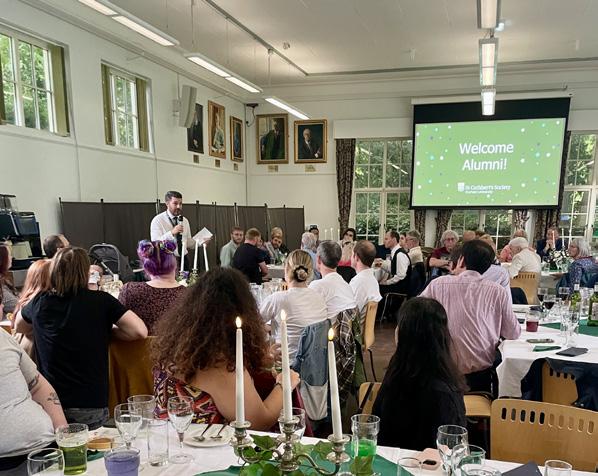
incoming President, the fascinating Thea Cave. Thanks, Elena and Mark, for always supporting the Society in all matters related to alumni.
Preparations for the 2026 Alumni Weekend are underway, and we eagerly look forward to
Friendship Begets Friendship

Dr Matthew Mills, Vice-Principal
2025 was a special year for St Cuthbert’s Society, since it marked the 130th anniversary of the official adoption of our name and motto, Gratia gratiam parit, or ‘friendship begets friendship’. This article has been adapted from a reflection given by the Vice-Principal to those gathered for dinner at Durham Cathedral during our Alumni Weekend.
The wonderful serendipity of this year’s Alumni Weekend is that it falls in the middle of the University’s season of graduations, or congregations. This means that we have the pleasure, over a two-week period, of encountering both the old and the new of St Cuthbert’s Society, and alumni have the opportunity to encounter one another and share experiences across generations.
I have worked in colleges for many years, first in Oxford and, since March this year, here in Durham, and I have always loved the ways in which collegiate belonging both overcomes potential barriers of time, background, and experience, and creates opportunities for differences to intersect and interact, enriching one another and the whole.
A few months ago, as I prepared to take up the role of Vice-Principal of St Cuthbert’s Society, I read Henry Tudor’s history. It is extremely good, both as a chronological narrative of the Society’s first one-hundred years, 1888 to 1988, and as a lively personal recollection. The prose is often wonderfully vivid. Writing of the 1950s and 60s, for example, Tudor described the perception that St Cuthbert’s students were ‘a rabble of freedom-loving roustabouts’ (Tudor, 124). Apparently, also, in a Department of Psychology survey of around 1963, the Society was voted the collegiate community ‘least likely to have the son of a duke or a millionaire as a member and most likely to harbour a student with a police record’ (Tudor, 130-1). Whatever the Department of Psychology is doing today, it surely cannot be as important as that survey!
A consistent theme throughout Tudor’s history is the Society’s commitment to academic pursuits, to the life of the mind. Of the first decade of the twentieth century, he wrote: ‘Members of the Society, however, were regarded as a bit odd. They spent far too much time by themselves, closeted with their books’ (Tudor, 30). Of the same period, also: ‘In cricket, football and athletics, the Society maintained its record of apathy and incompetence, enlivened by the occasional spectacular disaster’ (Tudor, 30). The exception to this rule seems to have been periodic success in rowing and this has continued through to the present, with the Boat Club securing victory in the Durham Regatta earlier this year. Despite this, however, the realm of ideas appears to have held the greatest appeal for St Cuthbert’s students. This has taken the form of conventional hard work in the library, but it has also extended to the sharing and testing of ideas together. In-house debating was a significant part of the Society’s early life, with students taking to the floor in 1890, for example, to determine whether ‘Total Abstinence is preferable to moderate Drinking’ (Tudor, 9); that was the time of the Temperance Movement, when Nonconformists and others were promoting the moral imperative of refusing alcohol.
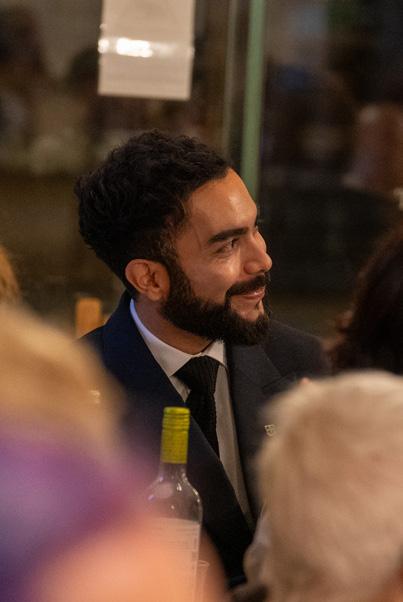

Together with a passionate interest in ideas—both ideas in themselves and their implications for society—St Cuthbert’s has also, persistently, had a reputation for conviviality, or friendliness. Perhaps that ought to be expected of a community which began as an association, even ‘a private student club’ (Tudor, 12). Writing of the 1950s, Tudor described a ‘spirit of fellowship’ between the students and staff of St Cuthbert’s, ‘more easy-going and animated than that which generally prevailed in the colleges’ (Tudor, 96). Similarly, a pseudonymous letter to the Palatinate, dated 20 February 1953, spoke approvingly of ‘the harmless, happy, irresponsible Cuthbert’s man’ (Tudor, 99). These adjectives—harmless, happy, and irresponsible—must be more endearing than strictly true, since they rarely apply to anyone who is also a person of ideas, but they are endearing nonetheless and point to an attractive personality.
not disconnected from but certainly not in need of human validation. Modern philosophy, together with other disciplines, has tended to place human beings at the centre of things, and, as a result, we often struggle to conceive of anything not working either for us or by our efforts. The twentieth-century novelist and philosopher, Iris Murdoch (1919-1999), characterised this tendency as subjection to a ‘fat, relentless ego’. The motto of St Cuthbert’s Society is not satisfied with egoism. Instead, it contains an appeal to an objective reality— a mysterious, external gratia—and, in so doing, topples the little gods we create in our own image and enthrone in our hearts.

Not unrelated to the subject of personality is the Society’s motto, Gratia gratiam parit, which is usually translated, ‘Kindness begets kindness’ or ‘Friendship begets friendship’. This is a very good time to take a closer look at the motto, since it has just turned one-hundred and thirty, having been officially adopted in 1895. This occurred, in fact, in the run up to the University officially accepting, on 8 June 1895, that the community ‘will be entitled and known as “St Cuthbert Society”’ (Tudor, 17). On this anniversary, I would like to suggest that our motto contains a demanding call for a particular approach to the life of the mind, both for individuals and for communities of learning, which I will attempt to describe in the form of three personal reflections.
First, the motto directs our attention to something beyond ourselves. Gratia is both subject and object; the act of generation or begetting, to which the verb parit refers, is taking place between a generated and a generating gratia. There is something here of an objective, independent reality, perhaps
Second, the motto demands interior transformation, a change of heart. Gratia is not subject to us, nor is it the object of our begetting. Yet, we recognise that it is good, a good thing to have and experience in our lives; if this were not the case, then love or some other worthy alternative would have been chosen as the subject of our motto. In this way, it demands our respect and conformity. Incidentally, love may help us to understand this point, since we readily know that it is natural to aspire to be loving: a loving child, parent, or grandparent, for example. In saying this, we rarely mean that we think of ourselves as masters of love but, rather, that love is something outside ourselves, which we recognise as good, and in which we wish to share by an increasing likeness. There are many ways to define gratia, including as kindness, which might entail, for example, the willingness and ability to anticipate another person’s needs. Whichever definition we choose, the point is the same: the motto of St Cuthbert’s Society demands a certain submission and conformity of the mind and heart. We are called to become full and overflowing with that good thing.
Third, the motto implies relationality; that is, a bond between a generative subject and a generated object. This is highly reminiscent of ancient ideas of friendship, such as those
of the Roman statesman and philosopher, Cicero (106-43 BC), who wrote: ‘Friendship improves happiness and abates misery, by the doubling of our joy and the dividing of our grief’. Gratia gratiam parit implies that in unity, kindness, by a mysterious encounter with itself in another, is reproduced and grows. Together with subjectivism, activism is a prevailing value of our time. We tend to inflate the importance of our own agency and think in instrumental terms. In this light, Gratia gratiam parit could imply that I must somehow generate and bestow grace for and upon the other; moreover, if I do not, I am inadequate and the whole thing will fall apart. What a burden! By contrast, perhaps there is liberation in a conception of gratia as something other than me, something I receive as a gift, to which I conform my heart, and in turn exemplify (show rather than generate) in the interactions that I must necessarily seek in order for my virtue to achieve its full potential. I see in this a strong affirmation of collegiality as a key to growth in every sense, including the intellectual. Leave behind the idea of the isolated genius, true intellectual pursuits are done together—formed, tested, and celebrated—in community.
In summary, what I am proposing is a description of gratia, the central value of our motto, not as a weapon to be wielded, but as an objective reality, with its own mysterious life, as a gift to which we are invited to open and conform our hearts, and from which, in so doing, we and those around us may receive the abundance it has to offer. I share these reflections as a tribute to the motto of St Cuthbert’s, which is something we hold in common, and which has turned one-hundred and thirty this year. Very often, coats of arms and institutional slogans are things to be taken for granted. We see them on shields, on walls, on letterheads. In fact, we seem to have a great gift in this motto, which I hope can be rediscovered for its true radicalism and challenge to our times, and animate the future life of this society.
Alumni Profile: Michael Aris
Mark Rowland (BA Economics & Politics, 1968)
The late Michael Aris was one of the most distinguished scholars to emerge from St Cuthbert’s Society. Graduating in Modern History in 1967, he built an international reputation as one of the foremost scholars in Tibetan and Himalayan studies. He became a leading figure in the Burmese democracy movement. He died of cancer on 27 March 1999, on his 53rd birthday.
Inevitably, he was best known across a global political front as the husband of Aung San Suu Kyi, the leader of Burma’s (Myanmar’s) National League for Democracy. Michael Vaillancourt Aris was born in Havana, Cuba. He attended the Worth School in Sussex before arriving at St Cuthbert’s in 1964.
Former JCR President Tony Wells remembers ‘a very fine fellow. He kept himself a little to himself with a small group of very good friends. He was a positive citizen and acquired the free spirit which we had at Cuthbert’s in those days. His life revolved around his studies and his relationship in Oxford with his future wife, the leader of free Burma.’
Physicist Peter Preston, who succeeded Wells as JCR President, recalls: ‘There wasn’t much crossover between us, but I do remember spending an hour or so chatting with Michael in the JCR when I should have been doing my lab work!’
While still at Durham, he met Aung San Suu Kyi, a PPE student at Oxford, while staying with Durham friend Christopher Gore-Booth (Hatfield), whose father Lord Gore-Booth had been Head of the Diplomatic Service. Michael and Suu Kyi were married in a Buddhist

ceremony on 1 January 1972, at the GoreBooths’ London home. Fresh out of Durham, Michael Aris landed the exotic job of tutoring the royal children in the kingdom of Bhutan, adding the roles of head of the kingdom’s translation department and official history researcher.
Living there for six years, he acquired fluency in the national language of Bhutan and developed an enduring interest in Bhutanese history, culture and religion. In cultural and religious terms, Bhutan is part of Tibetan civilisation. Having mastered Classical Tibetan, Aris learned to speak modern Central Tibetan and travelled to Tibet.
The couple came back to England in 1974 for Aris to do postgraduate studies at the London School of Oriental and African Studies, obtaining a PhD in Tibetan literature. He pursued research fellowships at St John’s College and Wolfson College, Oxford, and at the Indian Institute of Higher Studies.
Returning home to care for her dying mother in 1988, Suu Kyi was swept up in the prodemocracy protests that brought down the military government. The National League for Democracy was elected to power in 1990,
only to be ousted by a junta. She had become what her husband called ‘an icon of popular hope and longing.’ However, the junta imposed years of house arrest for Suu Kyi, with all contact with the outside world cut off by 1998.
Aris was unflinchingly supportive of his wife. He was given an extended leave of absence to lobby for his wife’s cause. He was intensively active, travelling the world representing her at ceremonial events and meetings and accepting honorary degrees on her behalf. His last decade was marked by a gruelling schedule, working for Suu Kyi’s cause, carrying on his academic work and bringing up their sons in England, while enduring forced separation from his wife.
Relentlessly savaged by the Burmese regime, Aris was anxious to avoid compromising his wife’s strategies in pursuing the campaign for democracy, thereby placing her in even greater danger. However, he did not shy away from the growing repression in Burma and the constant pressure against his wife. ‘Every day in Burma’s official media, Suu is vilified, calumnied, slandered, taunted, ridiculed and insulted.’
When Burmese authorities blocked his wife from accepting human rights awards, including the Sakharov prize from the European Parliament in 1990 and the 1991 Nobel Peace Prize, Aris and their sons did so on her behalf. At the Nobel ceremony, Aris said: ‘It is my earnest hope and prayer that the Peace Prize will somehow lead to what she has always strived for, the process of dialogue aimed at achieving lasting peace in her country.’
Aris saw his wife for the last time at Christmas 1995. Once he discovered that prostate cancer, diagnosed in 1997, was terminal, he repeatedly asked permission to pay her a last visit, but the Burmese regime turned down every request, despite the pleas of world
leaders. The regime encouraged Suu Kyi to leave the country, but she was convinced she would not be allowed back in.
Michael Aris’s many lectures and wide range of articles won him worldwide recognition for his academic excellence in the culture and political history of Tibet and the Buddhist Himalayas.
He was a founding member of the International Association for Tibetan Studies, convening conferences and panels on Himalayan subjects, served in the leadership of various academic societies and supervised master’s and doctoral degrees. From 1990 to 1992, he was a visiting professor in Tibetan and Himalayan Studies at Harvard. In Oxford, he continued his teaching and research as a fellow of St Anthony’s College and was a member of its governing body until his death. He worked to set up a specialist Tibetan and Himalayan studies centre at Oxford.
According to The Independent, Michael Aris was “a scholar of great stature and learning in Tibetan and Himalayan studies and the foremost expert on Bhutan in the West. He maintained a rigorous and uncompromising standard of professionalism and intellectual honesty. His profound respect for both cultures increased the esteem and friendship of countless Tibetans and Bhutanese.”
At a memorial service for Dr Aris, Marcus Einfeld, Austcare’s Ambassador for Refugees, said that Aung San Suu Kyi’s ‘extraordinary capacity to withstand the relentless psychological warfare and physical deprivations mounted against her’ left Michael in awe, even after twenty-six years of marriage. Aris always believed that a return to democracy in Burma was inevitable.
‘When this occurs, the Burmese people should not hesitate to celebrate and pay tribute to his unswerving courage and commitment.’

In Memoriam: Albert Hodgson
Anne Hemingway
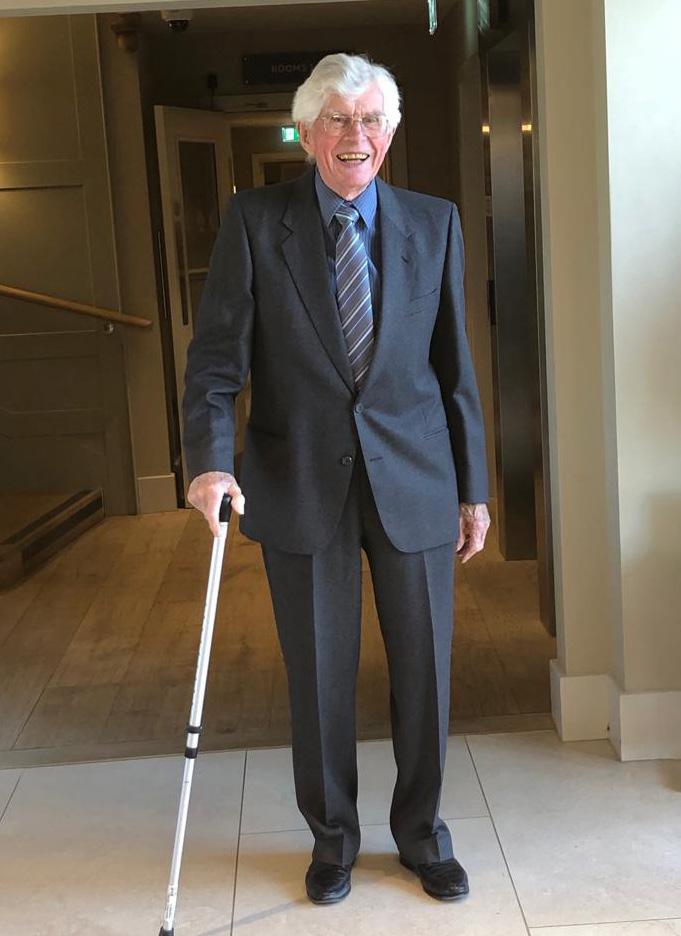
The following reflection is adapted from the eulogy delivered at his funeral by Albert’s daughter. We are grateful to Anne Hemingway for her generosity in sharing this text and pictures from her family’s collection.
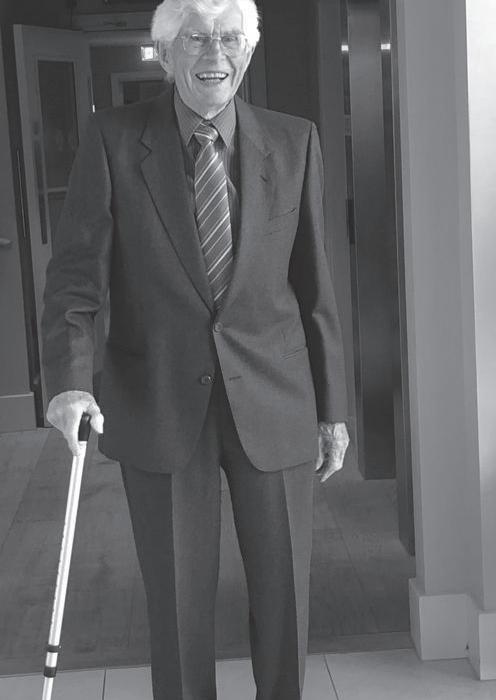
We are so fortunate to call Albert, our Dad, Grandad, GG (Greatgrandad), Uncle and Friend. I remember his Grandson, Ben, giving him a Father’s Day card when it was Mum’s funeral, which said, ‘Everyone thinks they’ve got the best Grandad, but only I know it’s true’. He truly was a fabulous man who excelled in everything he did, be it his family, his marriage, his university life, his working life and his friendships. We all loved and admired him. Last Monday, my four-year-old grandson Eli said that ‘it was so good that I got to see GG on his last day.’ When I said yes and he’s with the angels now, Eli said, ‘Well, Nana, he could be somewhere else.’ That did make me laugh.
Dad got into sports when he attended Boteler Grammar School in Warrington. He played Centre Half for the 1st XI Soccer teams and Athletics, with Discus being his best event, where he represented Lancashire Schools. He started playing Rugby at school, progressing to playing Rugby Union at University, as well as for Warrington 2nd and 3rd teams when he was at home.
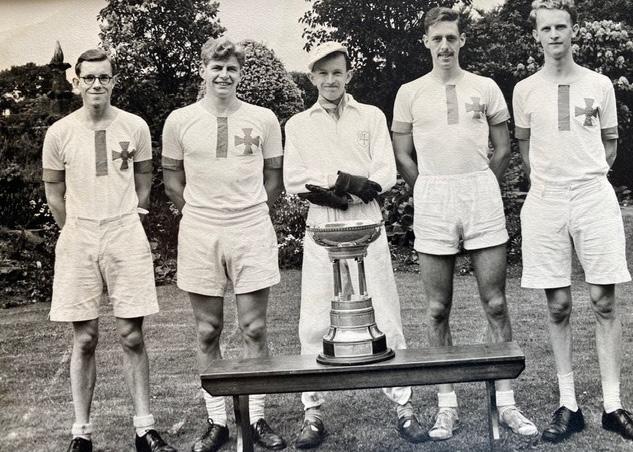
At the University, he was selected to row for Durham University Boat Club, which had an exceptionally victorious period in the Early 1950s. They won trophies from all over, and yet he would never take Mum out on a boat on the river when they were courting. He said they weren’t ‘proper boats’. In Athletics, he excelled in Discus, breaking the University record for three consecutive years. He also became English Universities Champion in 1954, achieving this feat in a college blazer and flannels, as Durham had no representative at the time, so he stepped up.
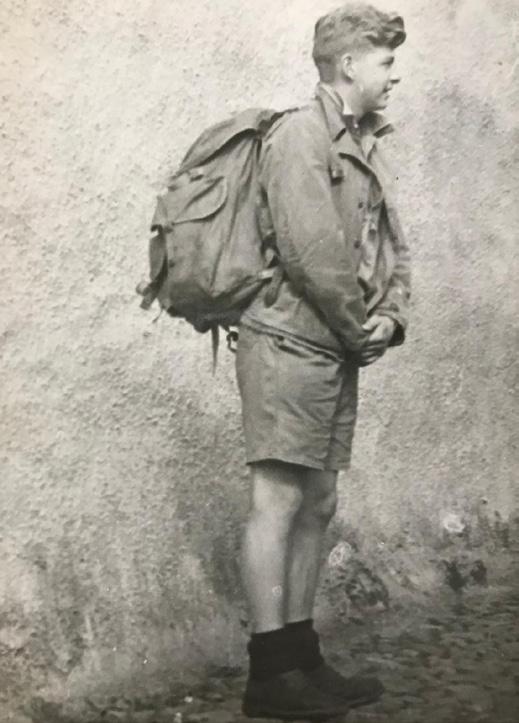
According to my Uncle Geoff, he broke the University record, which stood for many years. He got involved in the administration of these; for example, at one time, he was President of the DUBC. He was also awarded a double palatinates for his sporting achievements in rowing and discus and got to wear a beautiful purple blazer. This is only awarded to the greatest achievers.
What an accomplishment.
He was accepted for a place at St Cuthbert’s Society, Durham, to read Geology, and this was where his passion for Geology started. It was at university where he met Mum. He told me that he loved university because he achieved so much, including many awards, a good degree, and, best of all, a wife. They were happily married for sixty-four years and had four children, ten grandchildren and eight
great-grandchildren. The photo on the Order of Service is when they got engaged.
On Thursday, June 28, 1956, it was Graduation Day; Friday was the Graduation Ball; and on Saturday, they got married. Ten days later, they were on a boat to Canada, arriving in Calgary at the end of July with no jobs or accommodation.
Within an hour of getting off the train, they both had jobs: Dad as an Exploration Geologist with Sun Oil, and Mum as a Librarian. Even better, the Chief Librarian had offered them the use of his home while his family were away for two months at their cabin. Don’t think you could do this today.
They were in Canada until 1961, where both Chris and I were born. On their return, Dad first got a lecturer’s job in Worksop, where Kathryn was born, and then moved to Sunderland, where
Vivienne was born, and got a job at Sunderland Polytechnic as a Geology Lecturer.
This is when he became involved in the Yorkshire Geological Society in 1967 and served as Secretary from 1974 to 1979. As children, we all remember accompanying him on Field Trips.
Unfortunately, my best memory is when Chris and I were with him, and we stopped on the way home in Berwick to buy a huge bag of chips for 6d. Can’t remember much about the field trip! But the chips were lovely. Mum was always very patient with Dad’s Geology jaunts, apart from once on one of our many family holidays in Grinton. We all went out for the day, but Dad, armed with his Geology hammer, went off exploring. As it got closer and closer to Viv’s feeding time, Dad was nowhere to be found. In the end, Mum piled us into the car and left Dad to walk the three miles back to the cottage
wearing shorts, short socks and Jesus sandals. Don’t think he ever did that again!
Dad is remembered as one of the leading lights in the ‘Refounders’ group of students who revived the life of St Cuthbert’s Society, Durham University, following the challenges of the Second World War. Developments included the appointment of the Society’s first principal, Clifford Leech (1948-1952), and the acquisition of 12 South Bailey, which remains the Society’s headquarters.
Dad loved the Society and kept in touch with them regularly. The Society commemorated and celebrated the contribution of the Refounders at a dinner on 25 February 2015. Dad attended this along with many other occasions of fellowship and celebrations. Refounders’ House, which provides accommodation to some of the Society’s
In his 40s, Dad left lecturing to become a Financial Advisor, something else he was very successful at, but he never lost his love of Geology – or watching The Boat Race. He had already noted the date of this year’s Boat Race on his calendar. A shame he never got to see it. I think one of his best times at Christmas was ‘talking rocks’ with my son, Matthew, who also studied Geology at University.
Everyone loved our Dad, Grandad and GG. We are really going to miss him. Miss his love, his support, his wisdom and his wit. On his last day in the hospital, a nurse asked him if he was allergic to anything. With a wry smile, he said, ‘Only Women’. That was our Dad. Love you, Dad. Glad you will now be with our Mum and our lovely brother, Chris.
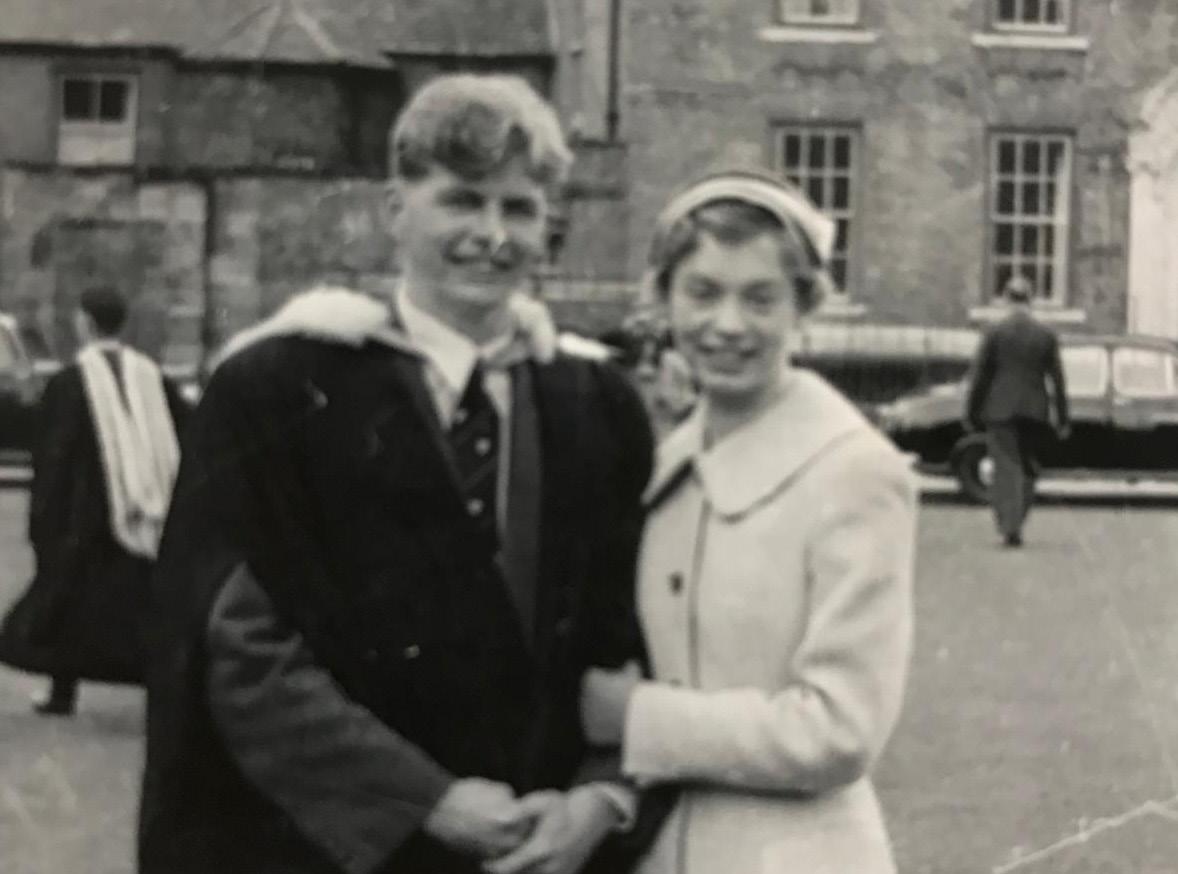
In Memoriam: Ranald Michie
Mark Rowland (BA Economics & Politics, 1968)
Dr Ranald Michie, Resident then Senior Tutor from 1976 to 1989, who died on 5 December, was an outstanding figure in the evolving development of St Cuthbert’s Society. At a celebration of his life on 1 February, former academic colleagues and JCR members shared their memories of the man and his achievements.
Professor Martin Daunton—and best man at his wedding to Dinah, daughter of the then Principal Leslie Brooks—emphasised Ranald’s reputation as a financial historian of international standing. ‘His scholarly output was a major intellectual achievement. He had the vision to look at financialisation in the long term, pursuing the widest perspective.’ Former student Sabine Schneider remembered ‘a dynamic, lively and passionate lecturer and seminar leader, communicating the serious implications of economic history in a style that had at once authority and great humour.’
Professor Justin Willis recalled a man who worked hard for history. ‘He threw his energy into persuading students that economic and financial history were not only worth studying but could be interesting and enjoyable.’ David Oldroyd, latterly a colleague at Newcastle University where Ranald lectured after he retired from Durham, recalled ‘a very popular lecturer who, at the start of a class, would come

to life with a burst of enthusiasm as if someone had flicked a switch.’
Professor Marek Szablewski worked closely with Ranald when the latter was a very active President of the Durham University and College Union. ‘He was a good, courageous man with a great sense of humour and a sense of justice. His contributions were always calculated and always sought the right and most positive outcome.’
Former JCR President Mark Rowland highlighted Dr Michie’s unsought role as de facto director of housing and accommodation.
In the 1970s and 1980s, the University’s expansion meant finding accommodation for increasing numbers. Cuthbert’s people were the experts in finding places in the Durham area, so give them the job. This involved a massive initiative spanning many years, based in the Bailey office, to find more bed spaces, despite a dwindling supply of landladies’ lodgings. This involved converting two beds into rooms

that previously had only one, and repurposing the corridor ends and storage space. This exemplified the ends to which Ranald would go in the interests of his students.
He found dealing with the University frustrating. ‘Every year, there was a crisis, and the University simply ignored it. It was a handto-mouth existence.’ Substantial residential accommodation at Parson’s Field would not solve the problem until this century. Steve Weatherseed, also a former JCR President, was a regular at SCR functions before and after he graduated. He recalled a livewire in the cut and thrust of repartee. Ranald was ‘straightforward, open, hospitable, endlessly curious and brimful of personality.’
He was awarded the Freedom of the City of London, having been proposed by JCR member Simon Stanley and seconded by yet another former JCR President, Michael Izza. Simon recalled ‘he was enthusiastic, kindly and humane with a rather mischievous sense of humour. These were qualities universally recognised and appreciated by the student body.’
At the Society’s 125th anniversary dinner in London in 2013, Ranald expressed the essence of what St Cuthbert’s was all about and what it meant to be and to have been a member of the Society. Leslie Brooks, Principal for twenty-two years, introduced him to the foundations. In his own words, ‘over 13 years, I became immersed in the folklore of the Society: what it was, what it stood for and how it was different from all the others. It had been formed for students by students and retained the strong ethos of a self-made institution.’
For Ranald, none of the colleges could compare on the character front. ‘Cuth’s was an amalgam of all the characters who came and went over the years, leaving their mark on the Society in equal measure to the mark the Society made on them.’ 50 | Cuthbert’s Chronicle



STUDENT GRANTS & AWARDS
St Cuthbert’s Society is proud to support the personal and academic development of its students through a range of bursaries, awards, and grants.
WE ARE DELIGHTED TO ANNOUNCE THE RECIPIENTS OF THIS YEAR’S STUDENT DEVELOPMENT AWARD:
Emily Blundell
Amelia Casciani
Olivia Feistner
Ching Yin Curtis
Theo Jenkins
Axel Morgan Oscar Rink
Phoebe Rogers
Jedidiah Ho
Izzalia Izzi Mustafa
Dylan Rees
Isla Mustin
Ben Corbett
Jessica Preston
Sydnie Bain
Elena Stead Di Quinzio
Molly Tait
Madelaine Chandler
Luca Whittle
Florence Bray
Madeleine Jablonowska
Jana Reynolds

IN ADDITION, WE EXTEND OUR CONGRATULATIONS TO THE RECIPIENTS OF THE POSTGRADUATE RESEARCH GRANT:
Rhodri Sheldrake Davies
Austin LaGrone
Ahmed Faruk Saglamoz
Daniel Lewis
Guanqun Qin
Archie Howell
Ling Ding
Sarah McAllister
CONGRATULATIONS TO ALL!

St Cuthbert’s Society
DH1 3EE, UK
cuthberts.reception@durham.ac.uk
St Cuthbert’s Society