Queen Anne &Magnolia news


honor the donation was made.
Lauer said.
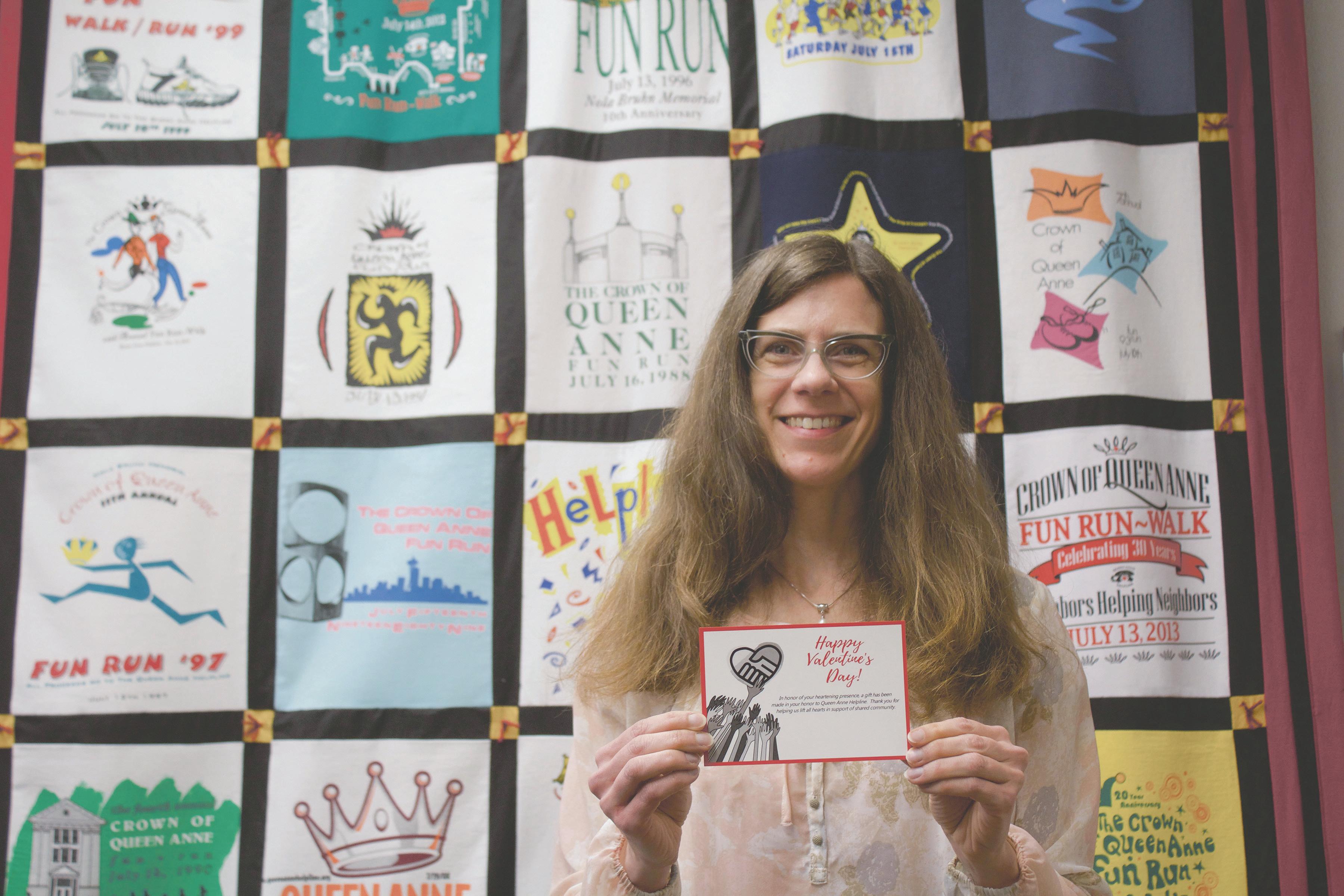
The Queen Anne Helpline wants to help area residents give the perfect Valentine’s Day gift.
“We are asking people to donate in honor of someone they care about who inspires them,” said Cara Lauer, executive director of Queen Anne Helpline, adding that the organization will then give a Valentine’s Day card to the person in whose
Officers cleared
QA&Mag News staff report
The Seattle Office of Police Accountability found on Jan. 6 that the officers involved in the fatal shooting of Ryan Smith on May 8, 2019, in Uptown, followed Seattle Police Department policy and training. Allegations that the officers involved did not use proper de-escalation tactics, that they did not keep bias out of their policing, that deadly force was unwarranted, and that medical aid was not administered soon enough were all shown to be not sustained, that the police officers’ actions were lawful and proper.
“People often donate in honor of neighbors that they feel like are really the glue that keep their neighborhood together,” Lauer said. “We play a part in that as well. People [donate as] supporters of the helpline and what we are working toward in general, but also in honor of someone who creates a more loving, caring community.”
Folks can even receive Valentine’s Day cards into March, if supplies are available,
“I don’t think anyone would be offended by getting a Valentine in March,” she said.
While the promotion is geared toward cash donations, in-kind donations will also be accepted.
“We would be happy to send a card if someone wants to bring clothing or food or hygiene items and asks us to honor someone… that’s great,” Lauer said.
By Brandon Macz QA&Mag News staff writer
A recent rash of shootings in Seattle has city officials working on increasing downtown’s police presence and other efforts to increase safety.
Gun violence is not an issue unique to the city, nor are the underlying factors, but limited research makes it difficult to fully understand the disparities and social determinants that cause a person to pick up a firearm with intent to do harm.
Page 3



By Daniel Warn QA&Mag News editor
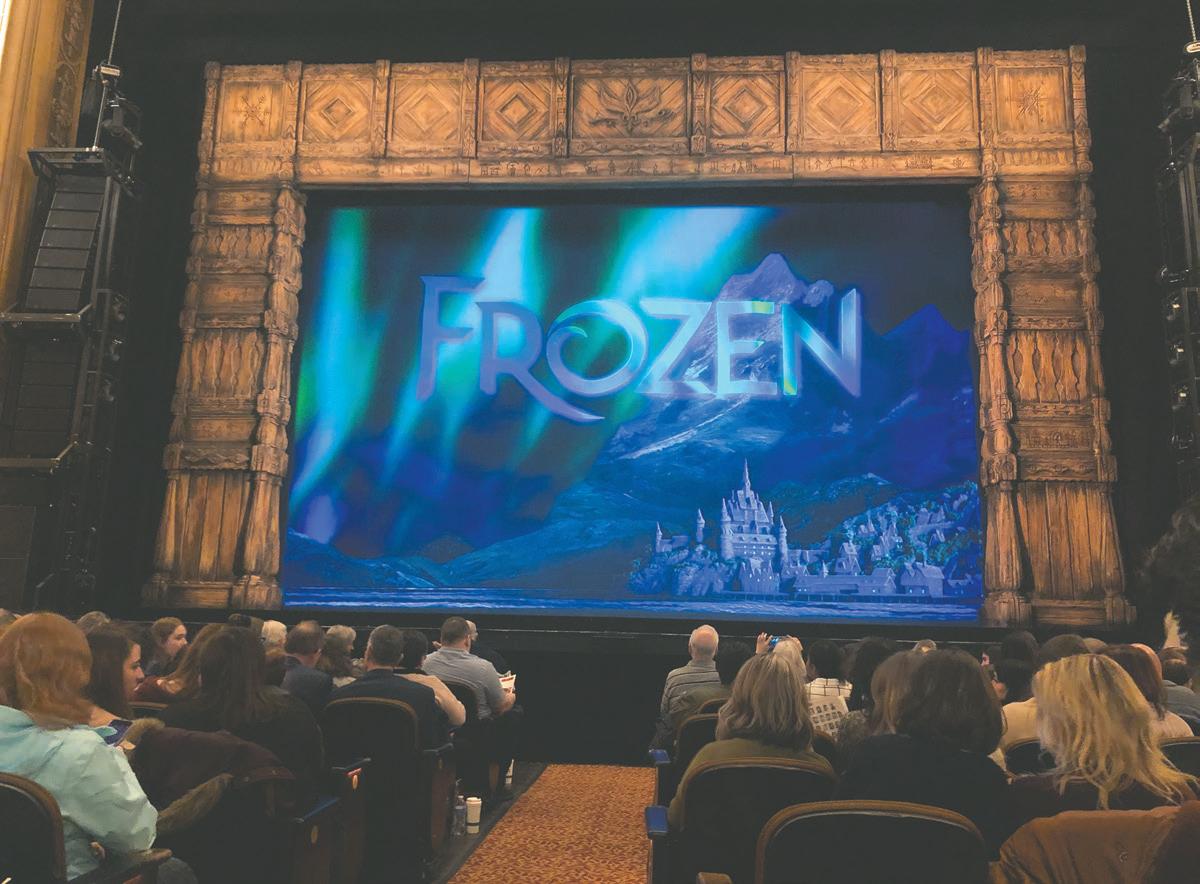
Children waited with varying degrees of patience as the Paramount got ready to open the house for Disney’s “Frozen,” the hit Broadway musical.
In town until March 1, with showtimes and ticket information can be found at www. stgpresents.org/. The musical is the Broadway treatment of the popular animated movie of the same name.
As such, children were barely able to contain their excitement as they waited, many of them in the costumes of their favorite characters from the film.
Paramount staff offered little cushions for the kiddos to sit on to increase their heights as they sat in their seats. Some of
GUNS, from Page 1
Ali Rowhani-Rahbar, University of Washington Bartley Dobb Professor for the Study and Prevention of Violence, is currently in the middle of a study of geographic blocks in King County to make the connection between firearm injuries and death and poverty, racism, inequality and other health determinants.
“We call some of these things fundamental causes,” Rowhani-Rahbar said. “We know that there are vulnerable populations that are at high risk of gun violence.”
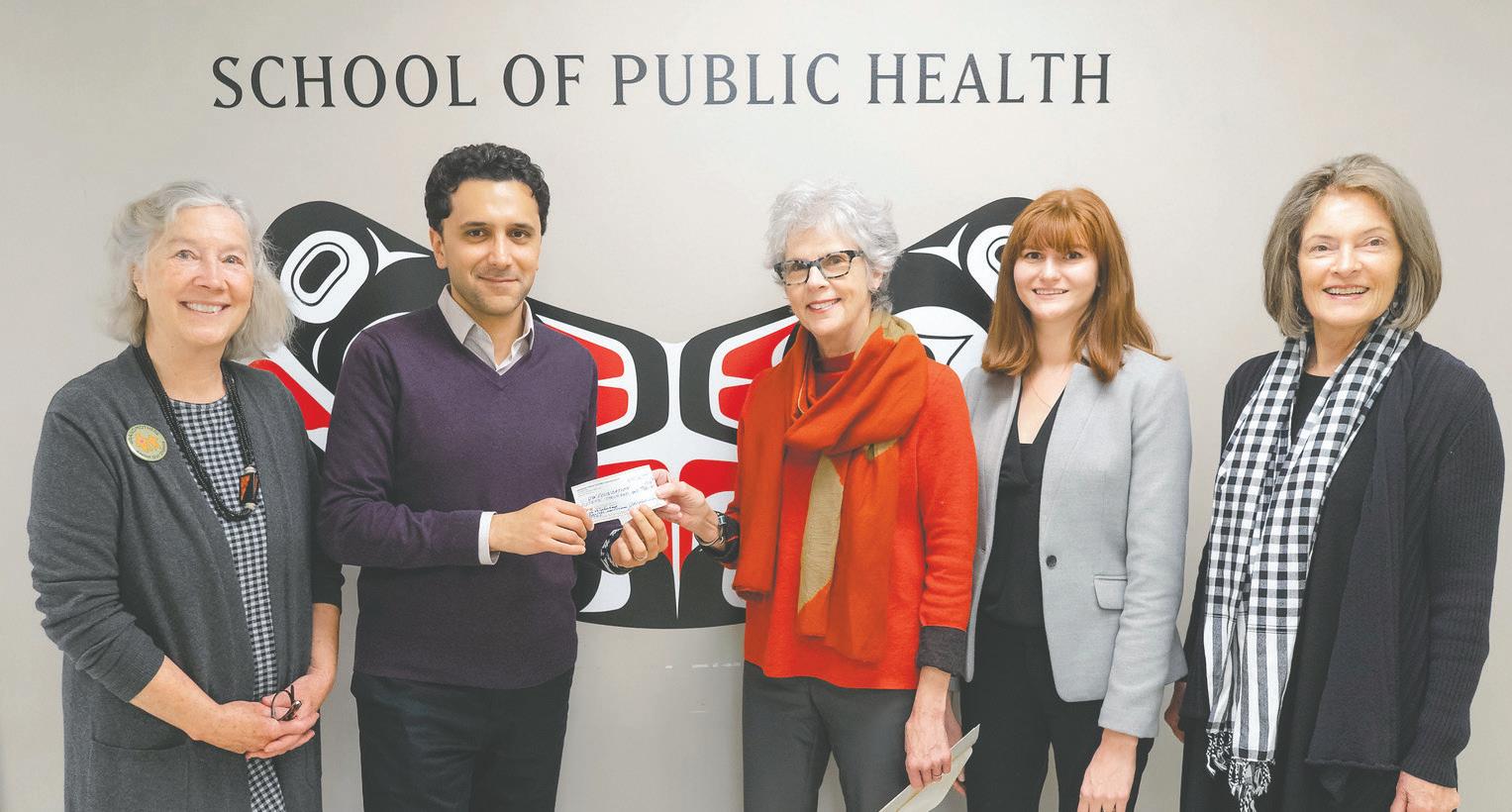
This is the fourth in a series of research projects through UW’s School of Public Health that have been funded by the Grandmothers Against Gun Violence (GAGV), which formed a new foundation in April to continue this work.
“It’s a hard status to get, by the way,” said Grandmothers Against Gun Violence Foundation secretary Jill McKinstry. Rowhani-Rahbar first met with GAGV members in 2017, who approached him following a community presentation he’d given. They shared their vision and talked about how to collaborate on research-based advocacy work.
“We felt that the issue of firearm storage and understanding and characterizing firearm ownership and storage was very important in our state,” Rowhani-Rahbar said. “We have some really rocksolid evidence — scientific evidence — that is really defensible, that shows safe storage can prevent teen suicide and accidental shootings.”
GAGV has funded three studies focused on safe firearm storage practices, particularly for children and seniors, one of which McKinstry said influenced Seattle and King
the littlest children even had two cushions.
The play is about two sisters, one becoming a queen and the other a princess. Elsa, the queen, has magical powers that she had to keep secret from her sister to keep the latter, Anna, safe. Elsa previously hurt Anna when she couldn’t control her powers. Anna had to be revived by the people of the mountains, notably changed from the source film’s trolls. However, Anna’s memories of Elsa’s powers were removed. As the musical goes on, Elsa accidentally lets loose her magic, freezing the summer and running off to a magical frozen fortress of her own creation in the mountains. Anna is then tasked to retrieve her sister to stop the eternal winter.
This play is jam-packed with
County’s safe storage laws.
Rowhani-Rahbar said it was only a few weeks after the first scientific paper published that Seattle announced its safe storage policy, followed by King County, and then Initiative 1639, which passed in November 2018 and took effect last year.
While Grandmothers Against Gun Violence continues to advocate for stricter gun control policies, the new foundation was formed to continue pursuing research to support the advocacy side of the parent organization, said GAGVF chair Kay Beisse.
The research may be focused locally, Beisse said, but the studies have national application and implications.
GAGVF provided $15,000 to the UW School of Public Health last November to look at the underlying conditions in parts of King County that make some neighborhoods more susceptible to gun violence, Beisse said. When grandmothers talk to service providers attempting to address these issues, there are some factors that get brought up, such as youth dropping out of school, unemployment or underemployment, and people unwilling to give up firearms due to concerns for their own safety, Beisse said.
“It’s not a lot of money, in the big picture,” Beisse said about the $15,000 in funding.
Rowhani-Rahbar said federal funding for gun violence research has been on the decline since the mid-‘90s, with more foundations and grassroots organizations stepping up since the Sandy Hook Elementary School shooting in 2012 and Parkland mass shooting in 2018.
GAGVF member Yvonne Banks said Grandmothers Against Gun Violence was started here in the Puget Sound region by grandmothers affected by the Sandy Hook shooting, where 26 people
power ballads like “Let it Go,” the musical number that Elsa sings as she finally lets her magic flow freely after a lifetime of concealment. Caroline Bowman absolutely brings down the house in this role, causing the audience to lose its collective mind.
Anna, played by Caroline Innerbichler, is absolutely hilarious as the quirky, sheltered princess who just wants love.
Since Elsa had to shut Anna away from her powers, the two’s relationship suffered over time. The play truly becomes one about the love two sisters share as they fight for each other’s futures, ending in sacrificial love for one another.
Early in the musical, the two princesses are played by children, and it is my pleasure to say that Jaiden Klein’s Elsa
were killed; 20 were children.
GAGV has been out with Moms Demand Action and Operation Ceasefire to advocate for effective programs and policies, McKinstry said, including Initiative 594, which closed gun sale loopholes for unlicensed sellers online and at gun shows, and Initiative 1491, which allows courts and law enforcement to temporarily seize firearms from people deemed a danger to themselves or others.
Extreme risk protection orders have been in use in Washington for more than three years now, Rowhan-Rahbar said, and are being implemented in more cities, counties and states in response to mass shootings across the country and a better understanding of the warning signs that were missed before they occurred.
The Second Amendment isn’t going to change, he said, and it’s comprehensive data and research that will allow for preserving gun ownership as a constitutional right while also enacting policies that reduce instances of gun violence.
“I think that’s the whole key is paths to solutions for these [findings],” Banks said.
Rowhan-Rahbar said organizations like GAGVF have helped make an impact at the local level, the nonprofit’s funding, which resulted in three papers that were published The American Journal of Public Health, Journal of the American Medical Association — Pediatrics, and the The Annals of Internal Medicine. It also supported a graduate student to work with RowhanRahbar, he said.
“Now she’s doing research in this area,” he said. “She’s becoming a well-known person in her own.”
The Center for Disease Control and National Institutes of Health (NIH) were just approved for $25 million in federal funds to study gun violence through a 2019 spending
and Arwen Monzon-Sanders’ Anna were adorable and full of musical talent.
The show uses exquisite staging to show off Elsa’s magical powers, and the set changed effortlessly between castles and
bill passed by Congress, which Rowhan-Rahbar said is a historic development.
McKinstry said she’s happy that Harborview Medical Center, which deals with many gun violence injuries in King County, was approved last year to receive $1 million in funding for its own research.
Beisse said the hope is to use results of the latest study GAGVF is funding, which seeks to find out why some neighborhoods experience
mountain-scapes throughout. Overall, this show is great entertainment for all ages, but it truly feels like a dream come true for the children as they see their favorite animated characters come to life.
more gun violence than others, to support local on-the-ground programs already working on solutions in those communities. A paper on that research project is anticipated to come out this summer, she said. People can read the papers from the last three studies, sign up to volunteer with GAGVF or provide a donation at foundationgrandmothersagainstgunviolence.org. The nonprofit can also be reached at gagvfoundation@gmail.com.

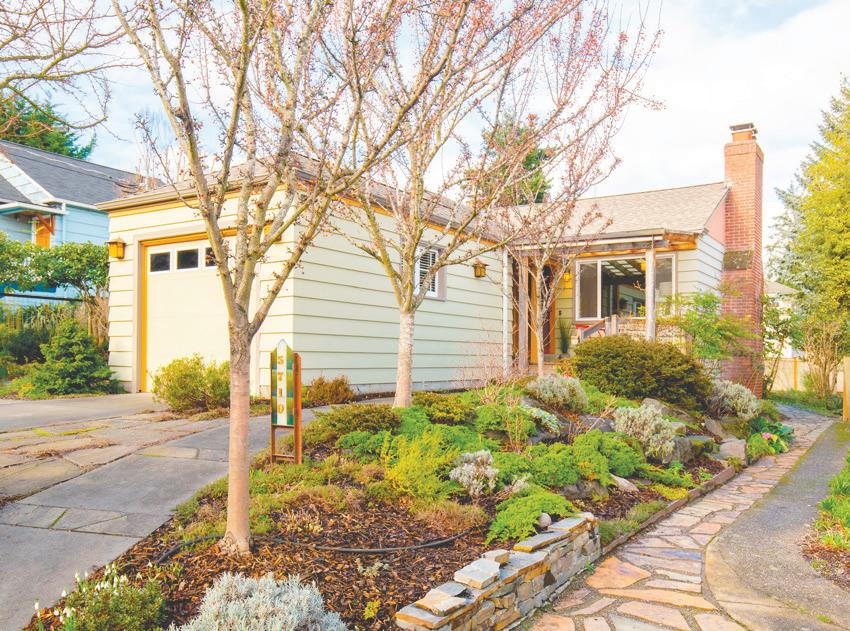
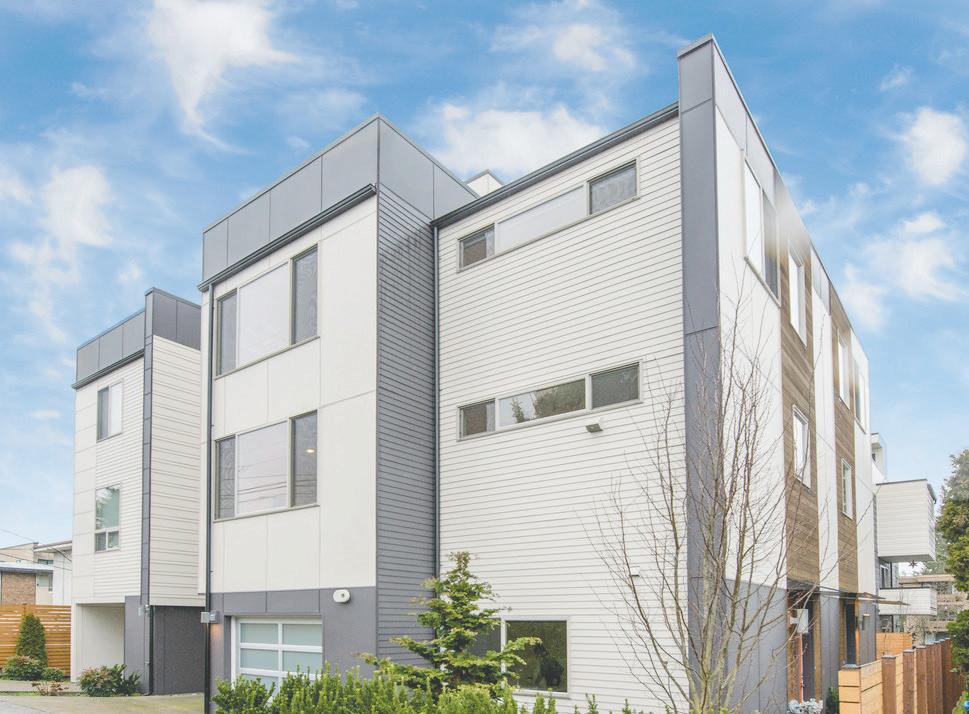
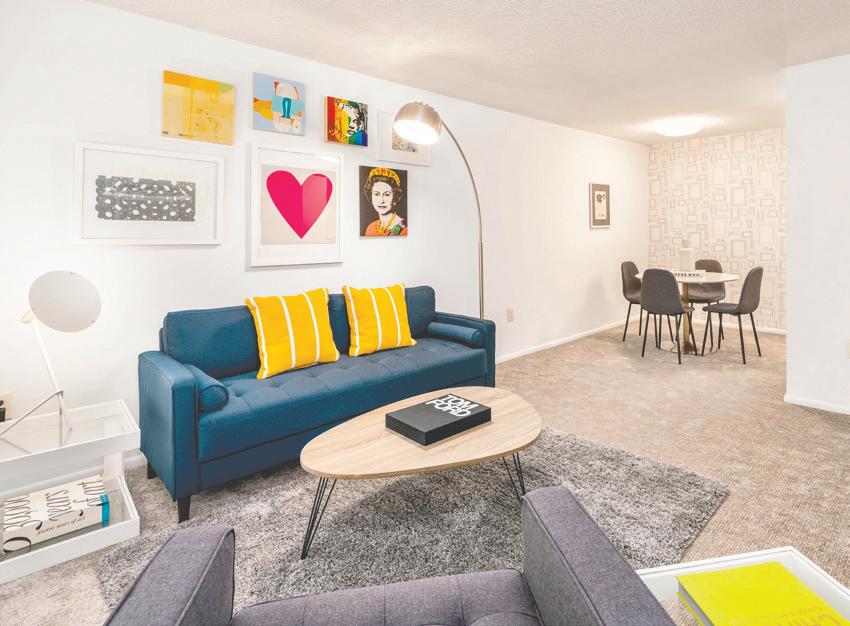
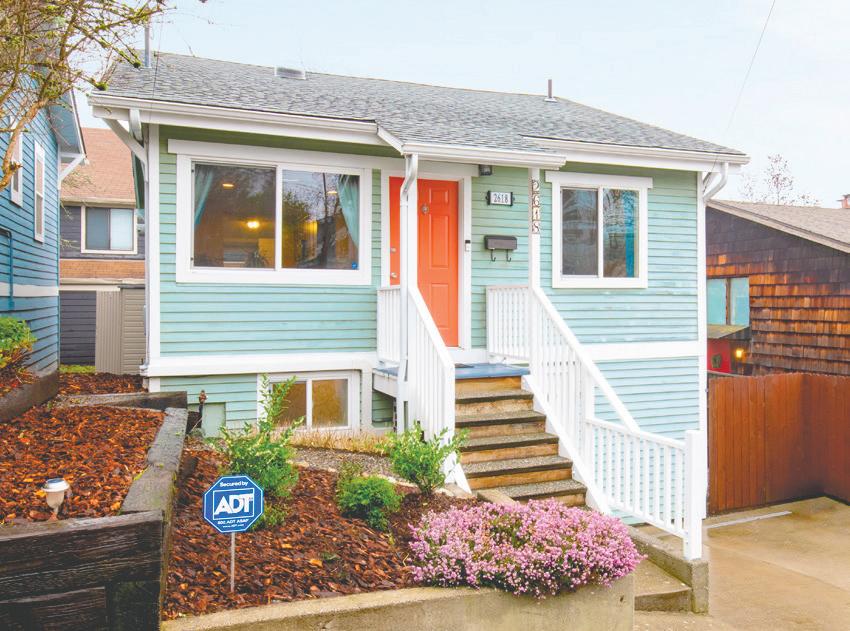
522 W Mercer Pl #404 | $580,000 | MLS 1552413
2 bed/2 bath condo at Mercer Place in Queen Anne
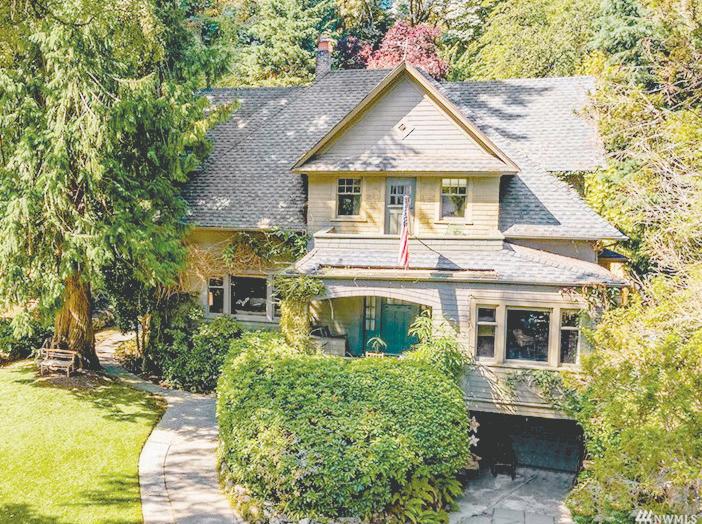
725 & 7XX 14th Ave E | $5,290,000 | MLS 1548176 & 1548210 Historic Skinner Mansion in Capitol Hill
1415 2nd Ave #2506 | $599,950 | MLS 1557410
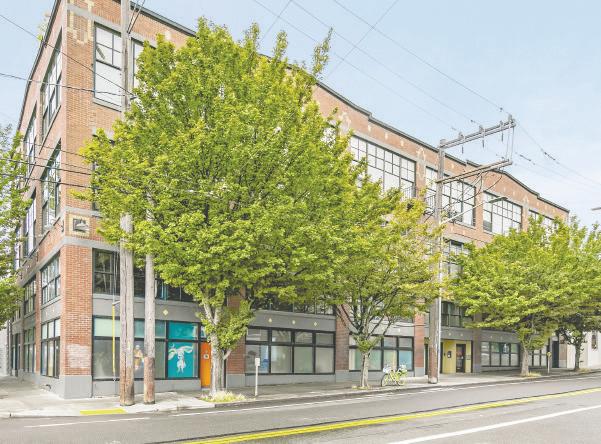
1 bed/1 bath condo at Newmark Tower – Downtown
2230 3rd Ave W | Pending Off Market
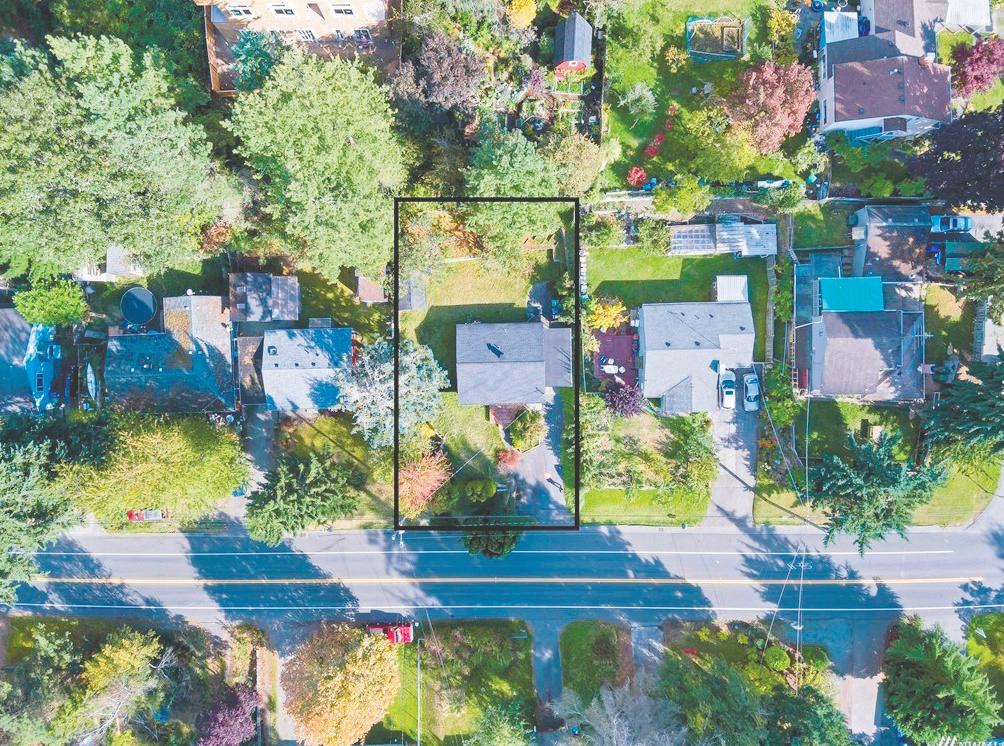
3 bed/1 bath home in Queen Anne


1. Small deer
4. Khoikhoi peoples
9. South African statesman
14. Keyboard key
15. Remove
16. A conspicuous constellation
17. Data executive
18. Retired NASCAR driver
20. Tightens
22. A picture of the Virgin Mary
23. “The Mission” actor Jeremy
24. Confidently
28. More (Spanish)
1. Long, flat abdominal muscles
2. Small Eurasian willow
3. Justified in terms of profitability
4. Required
5. River that starts in Turkey
6. Disfigure
7. A way of communicating (abbr.)
8. Leaks slowly
9. Shady place under trees
10. Made a speech
11. Long, angry speech
12. Mortar trough
29. Sports highlight show (abbr.)
30. Hand out cards
31. Distinctive Asian antelope
33. Arabic greeting
37. Of I
38. Hip hop trio
39. Meat roll
41. One’s mother (Brit.)
42. __-GYN
43. Belgian city
44. Plucks
46. Leak slowly
49. Denotes a particular region
50. General’s assistant (abbr.)
51. Divides
55. Kid
58. Inland Empire Expanded Learning Symposium
59. Engaged in conflict
60. Former CBS sportscaster
64. Characterized by unity
65. Working-class
66. Corners
67. __ de plume
68. Influential French artist
69. “Very” in musical terms
70. Financial account
13. Autonomic nervous system
19. Southern India island
21. Grab quickly
24. Ancient Mesopotamian city
25. With three uneven sides
26. Football visionary Hunt
27. Primordial matters
31. Facing towards the flow of a glacier
32. “A Delicate Balance” writer
34. Emits coherent radiation
35. Commercial
36. Groups of foot bones
40. Out of print
41. Partner to cheese
45. German river
47. Concluding speech
48. Spanish dish
52. Prominent California cape Point __
53. Any high mountain 54. Ethiopian lake 56. Mr.
57. Excessive fluid accumulation in tissues 59. Large, flightless bird
Oil industry term (abbr.)
Something one can draw
Officers in charge 63. Greek island

By Mary Lou Sanelli Falling Awake
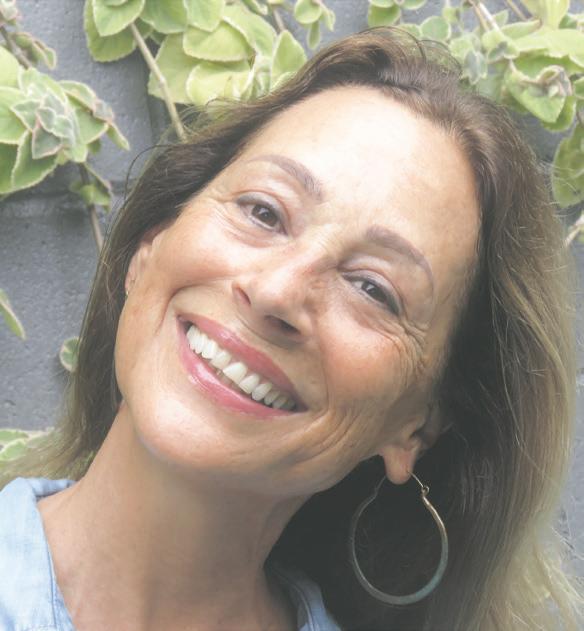
After the third recent shooting, I lost the capacity for emotional response. I may have glanced at the television screen, but I wasn’t allowing it in, unable to process another tragedy after so many.
There are certain things you have to do to cope. One of them is to go numb instead of letting yourself go crazy.
On the surface I am okay, but I am haunted by how the innocent bystander at Third & Pine must have felt in her last moments. I think I will never be able to make peace with this.
One of my friends said she has stopped turning on the news. “I’m am less and less armored against the horrors,” she said. “The world is driving me nuts.”
I go to bed at night worried. I want our city officials to be better than this, I want them to act. I scream at them to act, that’s how far gone I am. I am desperate for them to make our downtown less of a drug zone. I used to pray to be more tolerant of the drug-addicted homeless; now I pray that they are removed from our streets.
The night after the third shooting, instead of clearing the dishes, I sat staring out the window at the Space Needle. And who knows why thoughts come to us when they do, but I told my husband how one of the finest compliments I have ever received came from a poet who was also a Catholic nun: Madeline DeFrees. She told me she enjoyed my honest take on things and that I had the soul of a non-conformist. “I will never forget that,” I said. “Or how humble she was,” which is something I always admire in another.
And to avoid talking about the nine-year old boy who was also shot, I went on to say how most of the poets I knew in the days of my earliest writings had big egos, very big, “greenhouse-strawberry-big,” I said, “and as rarely sweet.” I talked on and on that night. The dishes never made it to the sink. I think I was trying to free the lump in my throat. I started to cry.
Well, not cry exactly. Sob. The next day I had to take
time off from my desk, but more importantly, time off from Shouldering Guilt That Does Not Belong To Me. Neither of which I am very good at.
The best way for me to do this is to get outside where at least I have a fighting chance at escaping my fears. I warm to the idea of losing myself, of wandering.
In the Sculpture Park, I spot a woman who clearly needs a hand getting down the concrete steps. She is fashionably dressed and for a second I thought she was much younger, but when she lifted her head it was clear she was likely in her eighties.
Her clothes, however, were younger. But not as if she is trying to look younger, just that maybe she likes to keep up, pay attention, just not to every trend. She wore a long, a-symmetrical wool sweater over black skinny jeans.
“You look lovely,” I said. She came right back with, “Well, I do like to shop with gusto. Too much so, according to my husband.” She laughed.
I hadn’t heard the word “gusto” in a while, so I laughed too. But what really touched me is how quickly she responded. I remembered my mother telling me that she longed to talk to people more in her later years but that it didn’t happen much anymore. “Most of the world is so much younger, they don’t want to talk to an old lady,” she said. “They don’t even see me."
I’m telling you, those words were like a knife to my heart.
“You’re not one of those women who take their husbands shopping with you, I hope,” I said.
“Oh, he’s gone now,” she said. “But we had a good marriage, right up until the cancer.”
I listened. And she talked. And I talked. And she listened.
And today as I remember her, I realize she loved being listened to, noticed. But more than that, she loved being included. Conversation helps us feel connected, helps us get out of our heads and into the immediate present. A much better place than spending too much time alone with our fears.
Because, let’s face it, there are too many guns. The shooters will not let up.
So even if every officer, not to mention every tourist and downtown shopper, will need to wear a bullet proof vest now, if we let fear lock up our hearts and squash our voices, the drug dealers and shooters and terrorists have won.


Major street revisions planned ahead of Seattle Center arena reopening
By Brandon Macz
QA&Mag News staff writer
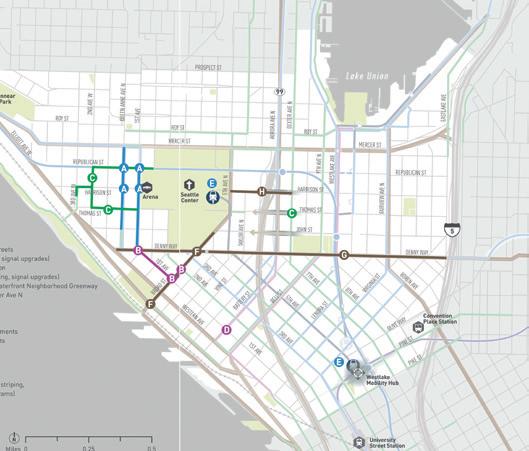
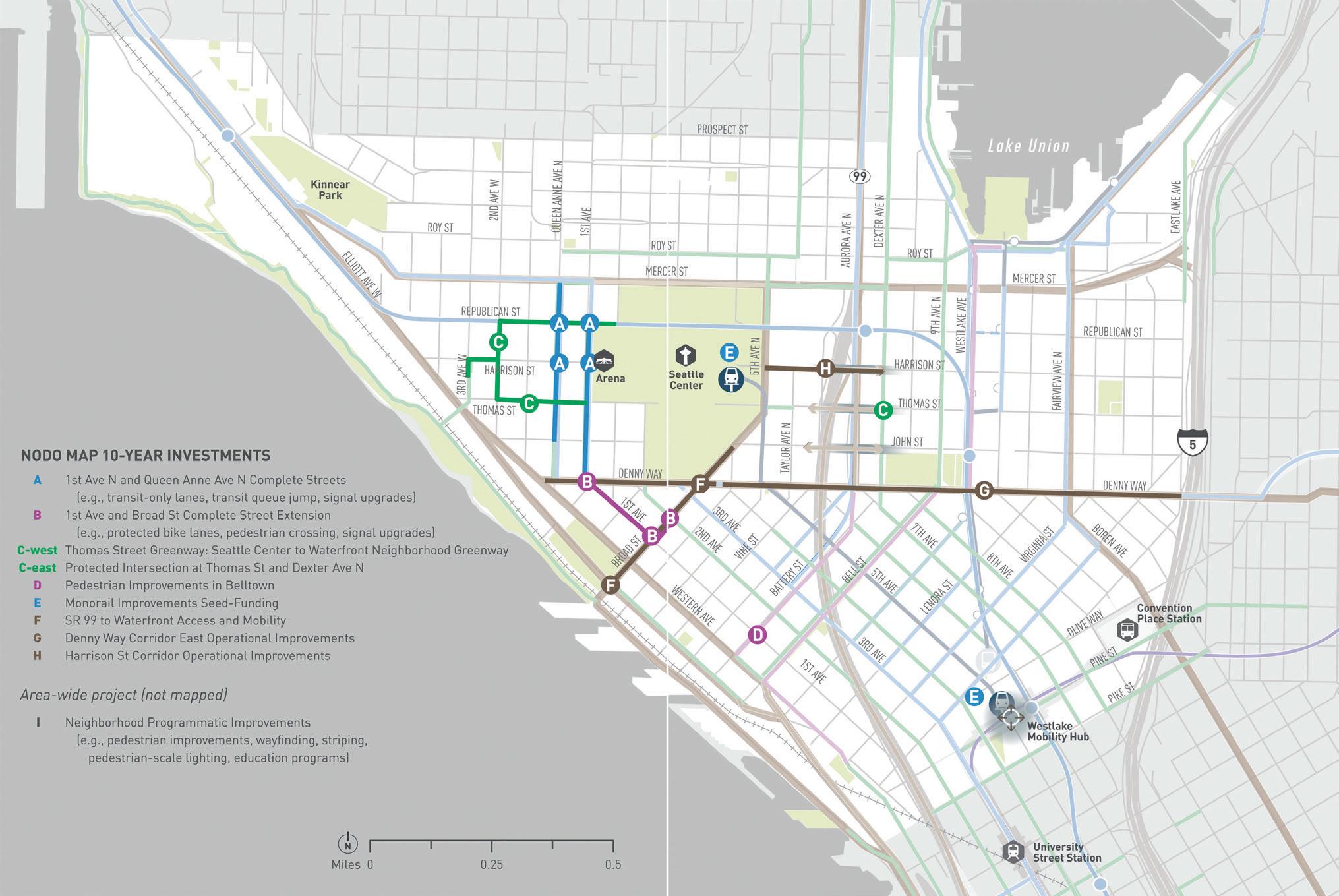
The Seattle Department of Transportation has published the final North Downtown Mobility Action Plan to guide the next 10 years of projects meant to address growth in Belltown, Uptown and South Lake Union, coupled with a future influx of people to the new Seattle Center arena.
The NODO MAP includes South Lake Union, Uptown and Belltown, an area that is estimated to add 15,000 households and 20,000 new employees by 2035.
Half of the new housing units and 15,000 jobs are anticipated in SLU while 3,000 new households and 2,500 jobs are expected to be created in Uptown in the next 15 years.
Even without the Seattle Center arena rebuild, which will double the facility’s size and provide more than 18,000 seats for certain events, SDOT says revisions in the NODO area would be needed to account for the population increase.
Arena developer Oak View Group has agreed to provide $40 million for mobility improvements over 39 years, and most of the tier-one projects around Seattle Center will be carried out by OVG contractors. “2020 is primarily going to be a development and design phase, so you won’t necessarily see any construction or improvements in the ground this year,” said NODO MAP manager Kay Yesuwan.
A key project that needs to be completed before the arena reopens in spring 2021 is the First Avenue North and Queen Anne Avenue North Complete Streets.
Revisions include adding transit-only lanes on First Avenue North — between Denny Way and Republican Street — and Queen Anne Avenue North — between Mercer and John streets. Both streets are used by King County Metro’s RapidRide D line, which suffers from overcrowding at peak hours around Seattle Center. The city will also pay for increased bus service around arena events.
Traffic signals will be added on Queen Anne and First avenues north at Thomas Street. Once OVG completes the rebuild, the arena’s new front entrance will be on First.
The NODO MAP states several intersections around Seattle Center experience a high number of collisions involving pedestrians: Queen Anne and Mercer, First and Mercer, Terry Avenue and Mercer, Denny Way and Westlake Avenue North.
Signal upgrades will be made at Queen Anne Avenue North and Harrison Street, First and Harrison, Queen Anne and Republican, and First and Republican, where a transit queue jump will be designed to give priority to buses.
The NODO MAP calls out a lack of east/west connections for cyclists and transit, and a disconnected bike network in general. There is currently no protected bike lane between Seattle Center and the Elliott Bay waterfront.
“For example, the Roy St protected bike lane does not connect to the Mercer St protected bike lane. The 2nd Ave protected bike lane does not connect across Denny Way to Seattle Center,” according to the plan. “The 5th Ave N protected bike lane does not connect across Denny Way to bike facilities into downtown.”
Yesuwan said Roy and Mercer are among the toughest blocks to figure out, and bike connectivity remains under design consideration.
The Second Avenue protected bike lane extension from Denny Way to Pike Street opened in February 2018, and connects all the way to Yesler Way. It is the most continuous protected bike lane (PBL) in the NODO area.
As reported by The Urbanist, SDOT plans to remove a section of the Second Avenue PBL before it reaches Denny Way, creating a second southbound receiving lane for post-event motorists leaving arena garages. Cyclists would have to use the sidewalk. Uptown Alliance Transportation Committee chair Rick Browning has been a bicycling advocate for 40 years. While the organization is pleased to see this level of funding being made available for various projects meant to promote modes of transportation other
than motor vehicles, he’s personally disappointed bicycle infrastructure wasn’t prioritized more in the NODO MAP.
“I must say, I personally have stood at that intersection — Second and Denny — at rush hour, and I was amazed how many bikes use that bike lane to connect on up to Seattle Center,” Browning said.
The bike advocate is also concerned about the gap in protections for cyclists at First Avenue North and Queen Anne Avenue North.
Part of the Complete Streets plan for Queen Anne Avenue North and First Avenue North is to construct two-way PBLs. First Avenue North will have them between Denny Way and Thomas Street, and Queen Anne will have them on the east side of the street, from Mercer to Thomas streets. Cyclists wanting to continue heading north of Thomas Street would have to take Thomas to Queen Anne Avenue North to access that protected bike lane. This allows SDOT to create a flex lane on First near the arena that can be either parking or an extra general-purpose lane. The First Avenue North PBL was shifted to the other side of the street when arena construction started last year.
Browning said state law allows cyclists to use any street, so he predicts many riding on First Avenue North will not make the jog over to Queen Anne Avenue North, and will instead continue on First.
“That’s what I’m going to do. I’m going to just continue riding up First,” he said. “That’s how I get home.”
The Queen Anne Avenue North PBL would cross Mercer Street slightly, pushing cyclists into a northbound general-purpose lane before reaching Roy Street, which has a protected bike lane there that stretches to Fifth. Yesuwan said that design is still being worked on and that it hadn’t been considered previously in OVG’s master use permit decision. Part of the discussion moving forward is how much parking should be preserved on Queen Anne Avenue North, she said, adding the two-way configuration also creates concerns due to the number of turns available to motorists.
It would be nice if SDOT could find funding to connect the future Queen Anne Avenue North PBL to the one on Roy Street, Browning said, but he believes The Urbanist is correct that the next round of Bike Master Plan funding has already been dedicated for other projects.
Cyclists heading from Queen Anne to Downtown would take Queen Anne Avenue North to Thomas Street, at which point they could take the sidewalk to connect to First, which would provide a PBL down to Denny Way.
SDOT does not feel comfortable providing bike facilities on Denny Way, and so no bike or pedestrian crossings were designed at First, said Sara Zora, street use development review manager.
Zora said SDOT is still looking at how to make a PBL connection from First to Second, which NODO
MAP identifies as a second-tier project.
The First Avenue and Broad Street Complete Street Extension also plans for a two-way PBL along Broad Street, between Second and First streets, which Yesuwan said will go through early planning this year and design in 2021. The extension project would also expand the First Avenue PBL further south to Broad Street to connect.
Browning said creating truly connected PBLs will result in more people choosing cycling over other transportation modes, but many will remain on the fence until then.
“I don’t think SDOT has been good — in fact, I think they’ve been terrible — about the public outreach for the planning for these bike facilities,” he said.
Oak View Group will need to finish the First and Queen Anne PBLs, Thomas Street traffic signals, sidewalk and curb bulb work, and bus-only lanes on First and Queen Anne prior to receiving a certificate of occupancy for the new arena under its master use permit, Zora said.
“So we have high hopes that they will build all this and be very successful in opening all of this at the same time,” she said.
OVG also has an Arena Access Management Plan (AAMP) in place with the city that commits it to pre- and post-event transportation management and monitoring. If the developer can’t meet performance standards, more traffic mitigation work would be required under the AAMP.
First-year monitoring events include two midseason hockey or basketball games and two typical concerts at the area.
“By waiting until mid-season, travel patterns and behavior will have normalized so that a representative sample is collected,” according to the AAMP. “It also allows for the benefits of the initial event monitoring and any associated AAMP refinements to take effect.”
While Browning laments that bike infrastructure connectivity did not receive a higher priority, he said he is excited about the amount of funding being invested in transportation projects in the Uptown neighborhood.
He is particularly excited about the Thomas Street Redefined project, which includes a 36-foot-wide pedestrian and bicycle pathway from Fifth to Dexter, as well as the creation of a public plaza across from a new Seattle Center skate park. The Seattle City Council approved $1.1 million in funding on Jan. 6 to bring the Thomas Street Greenway to 100 percent design.
“I have faith in the goodwill of parties involved that there will be attempts to tweak things and make them work better as soon as we see what happens with the arena,” Browning said. “Certainly, no plan is going to be perfect right out of the box.”

























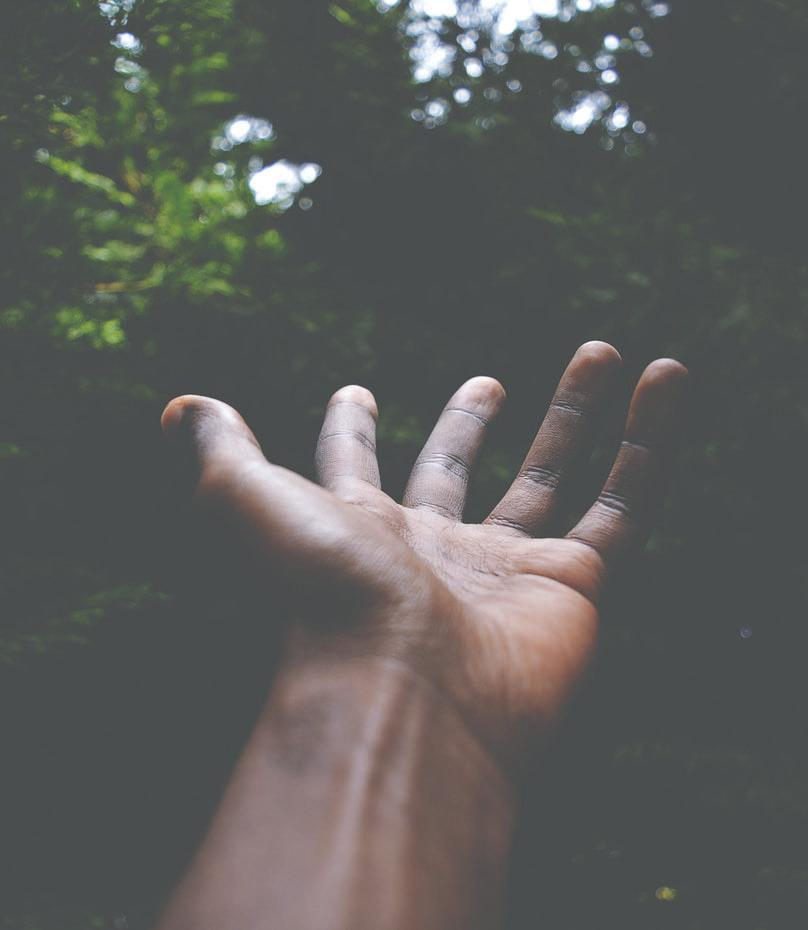
Did you know even identical twins have different fingerprints? It can be hard to tell twins apart, but a close look at their fingertips can reveal who’s who. The reason lies partly in their genes, but mostly from the unique way everyone’s skin grows before birth.
That’s what I learned from my friend David M. Conley, a professor at Washington State University’s Elson S. Floyd College of Medicine.
“The reason fingerprints are unique is the same reason individual humans are unique,” Conley said. “Variation is the norm, not the exception.”
There’s no single cause for your unique fingerprint design. Instead, it’s the result of both your genes and your environment. This is called multifactorial inheritance.
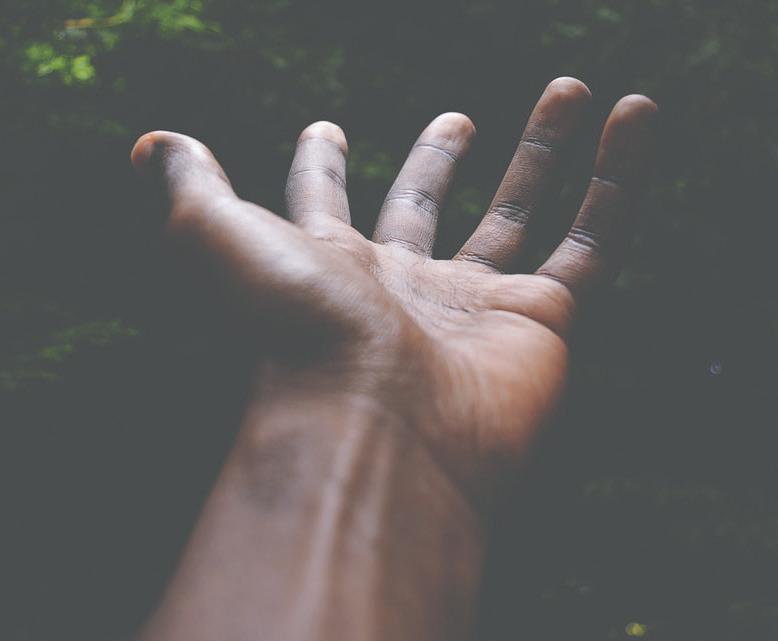
Look closely at the lines on your fingertips. These are called “friction ridges.” It’s hard to see, but they actually stick up above the rest of the skin.
Dr. Universe, a grey cat with a lab coat, looking up“Fingerprints are impressions left behind when your fingers touch a glass, or when you put ink on your fingers and press them on a piece of paper,” Conley said. “Friction ridges are the actual patterns on your fingertips and palms.”
Friction ridges grow in dif-
ferent designs, like arches or whorls. If your parents’ fingers have a certain pattern, you might be likely to have it too. That’s because genes give the basic design, and you get your genes from your parents.
Genes are like instructions written inside the body. They give directions things like eye color, nose shape, and more.
(Or, if you’re a cat like me, the length of your fur or the number of toes you have.)
Genes also tell the skin how and when to grow. Before a baby is born, they grow as a fetus inside their mother’s womb. The dermis (the inside skin layer) and epidermis (the outside skin layer) grow together. Friction ridges appear where these layers meet, guided by genes.
But these layers don’t grow at the same speed for every fetus. If one layer of cells grows faster, it can stretch and pull the others. As the fetus moves, their fingers can rub against the side of the womb.
These tiny forces push the skin as it grows. Together, they mold the direction of the growing ridges. The result is a unique fingerprint unlike anyone else’s.
Everyone’s skin grows in a slightly different environment. That’s why it’s so unlikely any-
one has the same fingerprints as you – about a 1 in 64 billion chance.
Koalas and chimpanzees have unique fingerprints, too. Like humans, their hands and feet are covered in friction ridges. They also spend a lot of time climbing trees, just like humans’ primate ancestors did millions of years ago. That might mean friction ridges give texture to grab rough or
slippery things. Scientists don’t know yet if cats have different pawprints. But have you ever looked at the bumps on a cat’s nose? Some scientists think cats might have unique noseprints. I’m going to go check that out in the mirror later.
Sincerely,
Dr. Universe

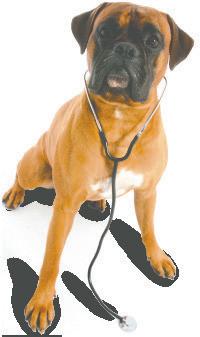
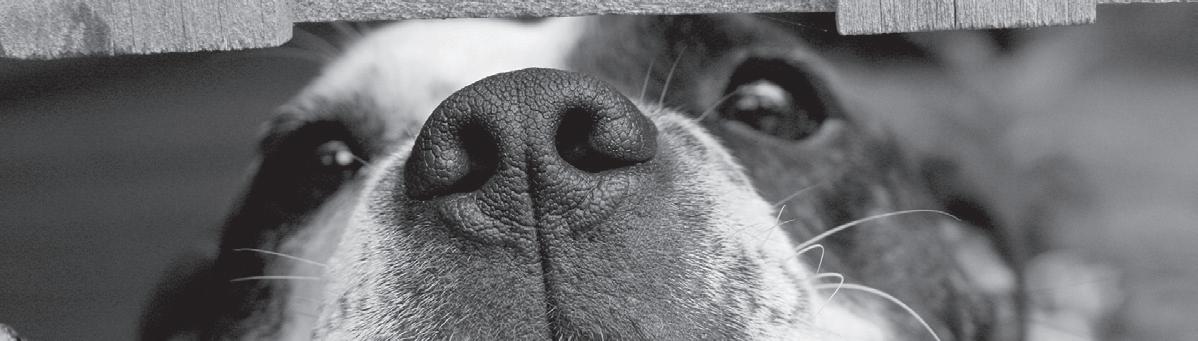
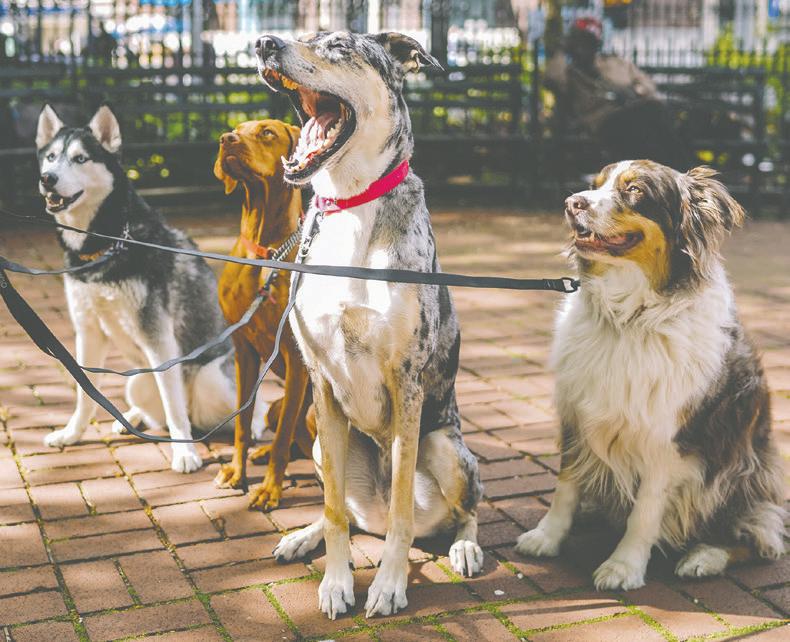
Kennel cough, also known as canine infectious respiratory disease, is an umbrella term used for a common respiratory disease complex seen in dogs. The term “kennel cough” is derived from the propensity for this respiratory disease to spread rapidly through kennels or other social/ group environments for dogs. It is sometimes used synonymously with one of the more common causative agents, a bacteria called Bordetella bronchiseptica. Although Bordetella is typically involved, the disease is usually caused by multiple infectious agents concurrently.
Uncomplicated cases of kennel cough are usually caused by parainfluenza virus or adenovirus type 2 in combination with Bordetella bronchiseptica. The incubation period between exposure to the onset of clinical signs ranges from 2 to 14 days. Symptoms include a characteristic loud hacking cough (owners frequently describe it sounds as though their dog has “something stuck in their throat”), and sometimes sneezing, retching, and reverse sneezing. A simple case of kennel cough should run its course in 5-7 days, and the dog usually feels well, with normal appetite and energy level. These cases are typically self-limiting
and resolve quickly in healthy patients without the need for antibiotics, although cough suppressants may be used for the patient’s comfort.
Other potentially more concerning causative agents of kennel cough include canine distemper virus (CDV), canine influenza virus (CIV), and Mycoplasma canis bacteria. More serious disease can occur with these bugs including a prolonged cough, fever, and pneumonia. CIV is an emerging disease on the West Coast and Seattle Veterinary Associates recommends vaccinating higher risk dogs in the Seattle area against CIV. All of these infectious agents are transmitted through respiratory contact with other dogs, and CIV may live on surfaces for up to 72hrs.
typically be made on physical exam if the patient is otherwise well. Patients that are feeling unwell (lethargy, low appetite), have mucoid nasal discharge, or those having a cough for longer than 7 days should be evaluated for more serious disease such as pneumonia. Your veterinarian may recommend chest X-rays to evaluate for pneumonia and rule out other causes of cough and/or a respiratory disease PCR test to assess which viruses or bacteria are involved. These diagnostics will help guide a treatment plan for the best outcome.
Vaccination for all of the aforementioned viruses and Bordetella bronchiseptica are readily available and inexpensive. Although vaccinations are never 100% protective, a vaccinated dog should be able to fight off infectious agents more easily, and if they do develop symptoms the severity of disease will be lessened.
Presumptive diagnosis of uncomplicated kennel cough can
Of course, there are many other unrelated causes of cough in dogs including heart disease, bronchitis, collapsing trachea, laryngeal paralysis, heartworm disease, and cancer. For this reason, it is recommended that any newly coughing dog should be evaluated by their veterinarian before assuming it’s just a simple case of kennel cough.
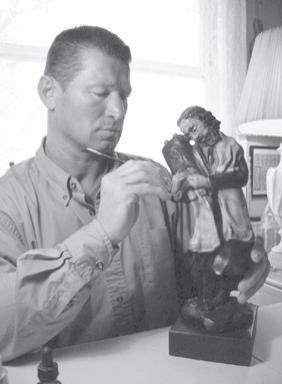











My name is Daniel Warn, the new Editor of the Queen Anne & Magnolia News. Brandon Macz, the most recent editor of the paper has decided to follow his passion of animals and his drive to work in the nonprofit sector. He is now serving as the social media coordinator of the Seattle Humane Society. My background is in weekly newspapers. I first cut my teeth in Journalism at Olympic College in Bremerton, working for the student newspaper, the OC Olympian. Next, I took my studies to Washington State University, where I studied communications and worked at the student newspaper, The Daily Evergreen. After
V-DAY,
from Page 1
She said the Queen Anne Helpline wants to be a hub of creating a culture where people support one another, where people are invested in the wellbeing of the greater community.
Around since 1982, Queen Anne Helpline has always used a neighbors-helping-neighbors model, but Lauer said the Valentine’s Day cards can help people who are feeling isolated find that spark of community that they may need.
“People are looking for ways… to connect with one another one-on-one, and to connect with one another through local organizations like the helpline,” she said. “Even to add a little bit of love, or humor or lightness to the day-to-day grind that folks are working through.
While some people are critical of Valentine’s Day, calling it a Hallmark Holiday, Lauer said that it’s always a good time to tell people they are loved and to invest in community.
The Helpline will accept these donations in order to run all the services it offers to people in need.
“There are a lot of people in this area, contrary to popular belief, that are struggling to keep their heads above water, to keep financially afloat and to maintain stable housing,” Lauer said. “And that’s part of the work that we do — to prevent homelessness.”
She said that Queen Anne
my undergraduate degree, I obtained a master’s degree in creative writing from Full Sail University.
After college, I got my first real job in journalism with Sound Publishing at the Whidbey News Times on Whidbey Island. Next I went on to the weekly paper in Yelm, Washington, called the Nisqually Valley News.
Now, I have been working as an editor for Pacific Publishing Company for the last six months and am excited for this new journey.
I am always looking for new story suggestions. Please email your tips and potential articles to qamagnews@nwlink.com.
Helpline often becomes the place where people go to or call when they have a loss of resources, with no one else to turn to.
The Helpline offers both financial support and other supportive services.
For those in zip codes 98109, 98119 and 98199, the Helpline can offer its financial support by paying rent, utilities and move-in costs directly to landlords or utility companies when people are at risk of losing housing, or getting the lights shut off.
Once people have established that they live in one of those zip codes they meet one-on-one with a program manager who conducts an interview to see if the client’s situation warrants financial aid.
“That can be a job loss or medical emergency,” Lauer said. “In terms of move-in, it can be expensive to move. It can be hard to leave a bad situation, and it can be hard to get… something like that security deposit or last month’s rent.”
Everything that’s not financial help is called supportive services. That can be clothing, food, hygiene products, bus tickets, or referrals to other places to seek support.
“I think people really like visiting us,” Lauer said. “We have kind of a warm, welcoming atmosphere. We encourage people to make appointments, and we hold half-an-hour appointments on the days that we’re open, between 10 and three. So people have enough time to access everything, to take advantage of everything that we can do to get people to a stable place.”
The supportive services are accessible from 10 a.m. to 3 p.m. Mondays, Tuesdays and Thursdays at 311 W. McGraw St., in Queen Anne.
Everyone who needs the services are qualified to make use of them.
“People can take three buses to come here because they know that it’s part of maintaining their budget,” Lauer said. “Supportive services are open to clients every 30 days, so we do have some clients who come on a regular basis because they are on a fixed income through disability payments or other sources.”
People are able to budget and make end meet with Queen Anne Helpline as part of the equation.
The supportive services offer an extensive mens’s and women’s clothing bank as well as linens and backpacks and things that get bundled into that group.
The helpline is not a fullscale food bank, but it offers a day’s worth of healthy food that people can access — either a family bag of food, or an individual bag. There are also snack bags available for those that don’t have access to a kitchen.
“Helpline… is about human potential,” Lauer said. “We believe that everybody has something to give and everybody needs support in certain ways. So we are kind of a community hub for people who are donors and volunteers as well as people who are in a place where they need to ask their community for some help.”
To get involved, call 206282-1540.