A peek at Liberty Bank
Key Bank issues $300,000 grant to RISE Together
By Danielle Chastaine Madison Park Times contributing writer
Under the shadow of looming gentrification, rapid landscape changes and a lack of affordable housing, some communities have chosen to lift themselves up instead of waiting for others to aid them.
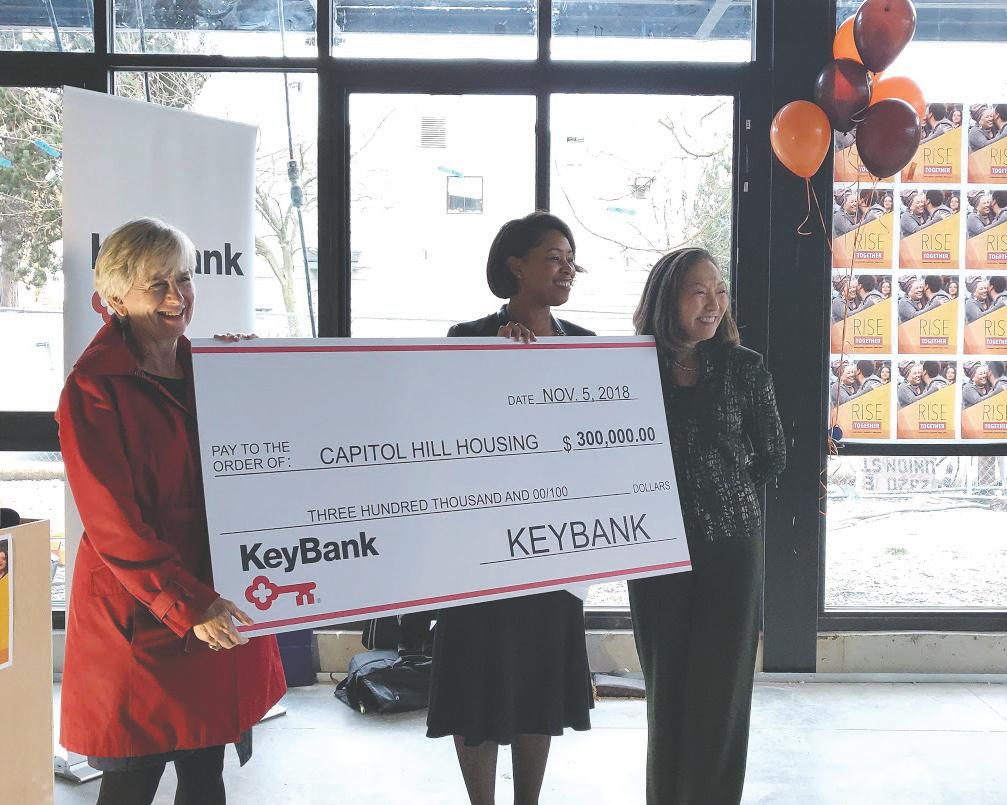
This is the case for a coalition of grassroot and nonprofit organizations, Capitol Hill Housing, Africatown Community Land Trust, Byrd Barr Place and Black Community Impact Alliance, which received a two-year $300,000 grant from Key Bank on Monday, Nov. 5.
The grant will support the ongoing work the organizations, known collectively as RISE Together, are performing to expand affordable housing and local business in the Central District.
“The Central District has a lot of redlining history,” Capitol Hill Housing spokesperson Yiling Wong said. “And there are
deep African American, Black American history here.”
Key Bank officials gave a large check on Nov. 5 to RISE Together at the Liberty Bank building, named for the first blackowned bank in the west that once stood there at 24th Avenue and East Union.
Liberty Bank first opened in 1968, and 50 years later it is the site for a mixeduse redevelopment that will provide more than 100 affordable apartment units and ground-floor retail space for multiple local minority-owned businesses.
“Now in redeveloping it, Capitol Hill Housing in partnership with community partners is working to honor the heritage of the building while also building continuity with the past,” Wong said.
CHH senior vice president Jill Fleming said the two-year grant from Key Bank will be used for more than just the Liberty Bank project. RISE Together is working in three Seattle neighborhoods on a campaign


to build affordable homes and business capacities. Another project includes Africantown Plaza. There is also some work being done to preserve LGBTQ art in Capitol Hill, and CHH is working on housing in White Center, outside of Seattle.
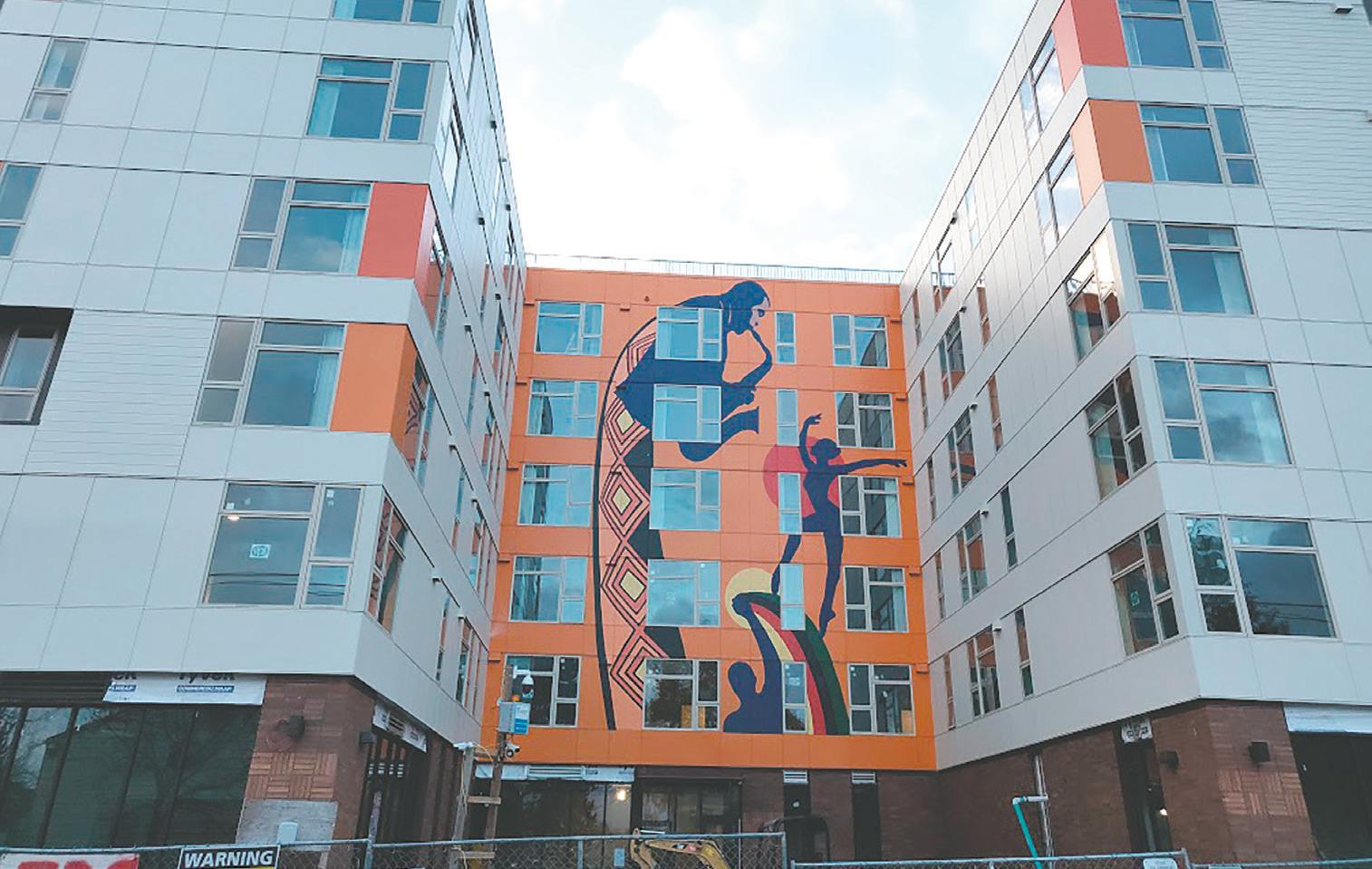
A small group was granted the privilege to tour the work being done on the Liberty Bank building. Outside the building,
a bright mural is painted on the six-story façade to welcome residents and visitors at the entrance.
Upstairs 115 studio, one-bedroom and two-bedroom apartments are under construction. Each apartment has large windows with views of the neighborhood,
Photo by Danielle Chastaine
The RISE Together coalition held a tour of the Liberty Bank building on Monday, Nov. 5.














MLK F.A.M.E. Community Center reopens
Sewer
line break, flooding forced facility to close; auditorium could available to rent by
late December
By Brandon Macz
Madison Park Times editor
The MLK F.A.M.E. Community Center in Madison Valley reopened on Nov. 15, and the auditorium is expected to be available again to rent by the end of December, after a broken sewer pipe and water line closed the facility in late October.
Seattle JazzED executive director Laurie de Koch said she received the initial notice about the pipe break on Oct. 26.
“Our space is there, we’re permanently located there, and the building is shut down and we’re unable to do any of our classes,” said Seattle JazzED executive director Laurie de Koch in early November.
MLK Community Center Board secretary Faye Williams tells MPT that a sewer pipe on East Republican Street connected to the center broke, and a water line leak extended into the parking area.
The Seattle Department of Construction and Inspections issued the community center a permit for an emergency side sewer repair on Oct. 31, which included excavation and curb and sidewalk restoration. The project was valued at $45,000.
Williams tells MPT the sewer and water lines were repaired in early November, but the broken sewer line caused water damage in the auditorium and kitchen. The center was initially slated to reopen on Nov. 12, but cleaning the facility took longer than expected. Williams said the decision to close the building was due to the odor and air quality.
The community center building was constructed at 3201


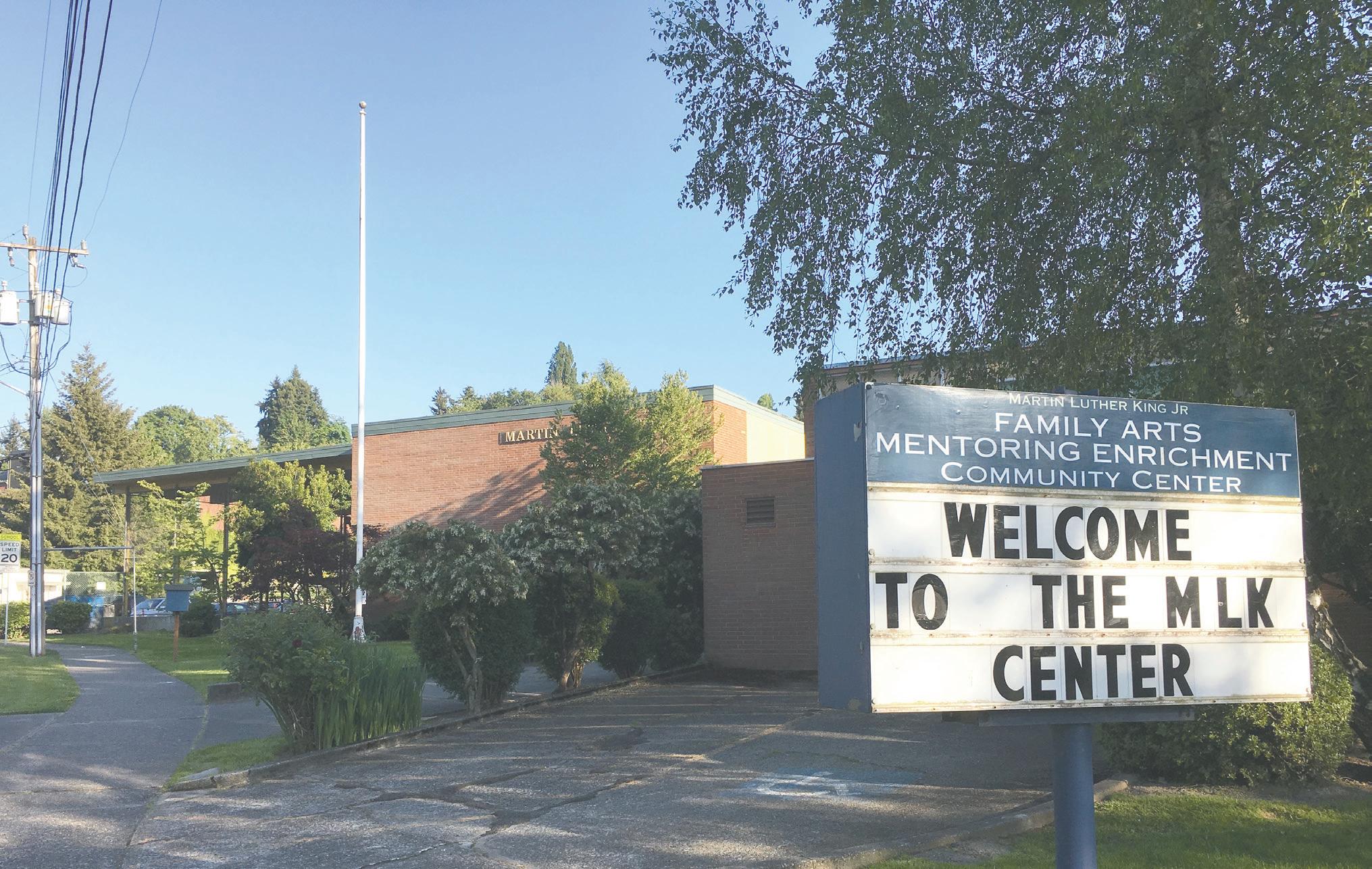
The MLK F.A.M.E. Community Center closed in late October following a sewer line break and flooding inside the facility. It reopened on Thursday, Nov. 15.-
E. Republican St. in 1959. The Seattle School District transferred ownership of the facility — formerly the Martin Luther King Elementary School —to the First African Methodist Episcopal Church in February 2011 through a restricted covenant agreement, which stipulates that the building be dedicated to community uses.
DassDance founder Daniel Wilkins said the building is old, but it is also a great community resource.
“These art spaces are just disappearing,” he said. “As rents go up and everything, to have a community center, we feel

Tvery fortunate and we just want to get back in there.” All tenants were back in the community center by Nov. 15.
Other tenants and users of the community center include Seattle’s Progressive Preschool, Goldinex Basketball Factory, Pinnacle Explorations Outdoor School For Kids, the Seattle United youth soccer club and Rhodesworks Design Studio.
Williams tells MPT the center is expected to reopen as early as Monday, Nov. 12.
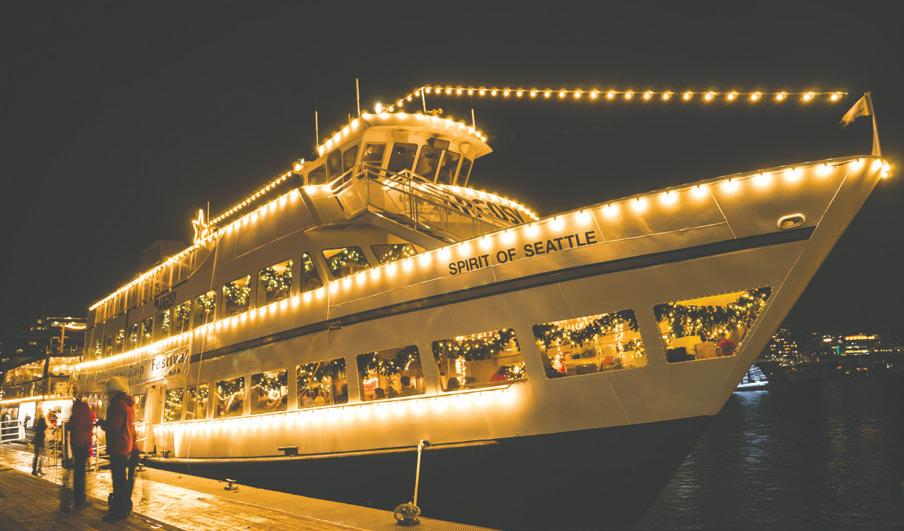
he holidays are an exciting time to call Madison Park home, as our rich community lights up with seasonal cheer. I am delighted to continue my journey here as a founding member of the Realogics Sotheby’s International Realty office in Madison Park. I will soon attend our firm’s annual Momentum event and look forward to sharing my thoughts and key takeaways from amazing speakers and thought leaders at GeekWire, Amazon and UBS, and insight from a Ted Talk coach, celebrity stylist and more. I also invite you to join me for the Madison Park Christmas Ships on Sunday, December 16th on the 8:45pm sailing—it will be magical!
Managing Broker | Senior Global Real Estate Advisor Founding Member | 206.399.5842 Laura.Halliday@rsir.com
For more information I invite you to visit www.LauraHalliday.com

RSIR ranks amongst the largest, most productive and fastestgrowing real estate companies in Washington with access to 22,000 brokers in 72 countries that generate US sales of $80 billion+ annually.
WHAT MY CLIENTS ARE SAYING A CONTINUED LEGACY
In terms of market knowledge, personal diligence, and overall performance, Laura stands at the top of this elite group. She listened carefully, had a deep knowledge of the market and alternatives available locally and in the general region, took the time to understand our objectives and how they evolved as we learned about the market, and worked hard to find the right property match for us and to close the deal at terms that served our best interests.
- HARRY DEANGELO
Sotheby’s Presents Finest & Rarest Wines at Auction this Winter.
Photo by Brandon Macz
A look ahead at the 2019 market
Change is on the horizon as we prepare to move through the holiday season and into 2019. As buyers and sellers prepare for the new year, let’s take a look at current trends and what’s ahead in the Seattle real estate market.
Market snapshot
We remain in a seller’s market from a historical, inventory-based perspective, but some transition is in the air, as homes are taking longer to sell. While some would surmise that greater market times may lead to depreciating values, sellers continue to capture appreciation.
Looking at trends from Northwest Multiple Listing Service Area 390 — which includes Madison Park, Washington Park, Broadmoor and Capitol Hill — for the period August to October, the average market time for single-family homes increased from 18 days in 2017 to 21 days in 2018. The median sales price of these homes spiked 15.6 percent annually, from $850K in 2017 to $983K in 2018.
Inventory, among the best “state of the market” metrics, is rising. Months of inventory expanded from one month in August to October 2017 to 2.6 for the same period in 2018, placing us in a seller’s—but near neutral—market. A seller’s market is less than three months inventory, while three to six months inventory reflects a balanced market.
What’s ahead
The midterm elections and announcement of Amazon’s HQ2 locations have removed some uncertainty from our local market. We will likely see more activity as we close out the current year, with Seattle-area companies investing in employees and office space, though at a slower pace than previously seen. Softening rents are expected to continue into 2019, as hiring slows and more renters embrace homeownership.
For home buyers
Buyers will find that homes in popular neighborhoods will remain in high demand, but without the frenetic bidding wars encountered in recent years. This less competitive environment will empower buyers with opportunity in negotiation, whether it’s including more contingencies, which have often been waived to make offers more competitive in multiple offer situations, or asking the seller to make reasonable

repairs identified through inspection. Sellers may also be open to reasonable offers made below list price when a home spends more than a few weeks on the market.
Condominium buyers will benefit from increased inventory and better values.
Finally, rising interest rates will reduce purchase power. Consider that a 1 percent rise in rates translates to an approximate 10 percent reduction in buying power.
For Home Sellers
Sellers should not price homes below market value in the hope
of generating multiple offers and driving up the final sales price.
Buyers will have more options, which will necessitate a good first impression: condition, staging and professional marketing will matter more than ever. Work with a seasoned agent to model saleprice scenarios and price-reduction timing before you list. With 2019 prices expected to increase at a single-digit pace, sellers can still realize historically strong price appreciation in the new year. Downsizers will be able to secure today’s rates for a lock-and-
leave, in-city lifestyle with variable closing times to facilitate a seamless move.
Lastly, architect and contractor availability will be less constrained, providing better improvement and upgrade opportunities.
Here’s to health and happiness in the new year.
John Madrid is managing broker at Realogics Sothesby’s International Realty in Madison Park. Reach him at John@live206.com or 206-4981880.
Parkshore keeps holiday lights on
Madison Park retirement community covers lighting costs
By Brandon Macz Madison Park Times editor
Trees in Madison Park’s business corridor are alit once again for the holidays, thanks to funding from the Parkshore retirement community.
The Madison Park Business Association typically funds the holiday tree lighting with donations from residents and businesses, but struggled this year to meet the high cost of putting up the display.

Madison Park Community Council president Karen Kane decided to reach out to Parkshore executive director Annika DiNovi to see if the senior living community would pitch in.
“I have gotten to know our dear neighbor and Madison Park Community Council president Karen (Kane). She had given me a call probably a month ago and said that the business association had reached out to her and was trying to raise some funds and was hoping she might have a lead or someone to reach out to,” DiNovi said.
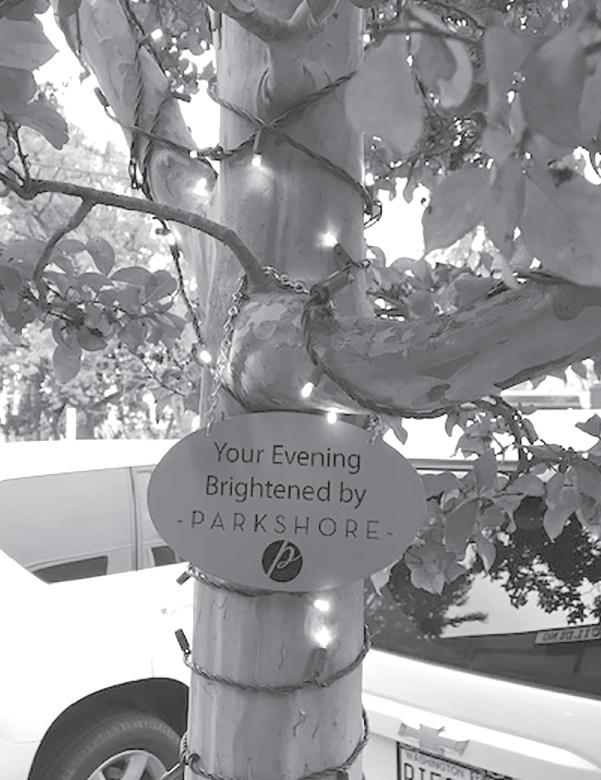
Parkshore is still under construction, with Transforming Age investing $30 million in upgrades to the Madison Park highrise. Since exterior work meant less space for the community to put up its traditional holiday lighting, Parkshore tapped its lighting contractor to complete the tree lighting for the business association to the tune of $5,500 for 23
provided
to
trees. A number of signs were also created by Parkshore, which identify it as this year’s sponsor on several of the lighted trees.
“I would say this is Parkshore recognizing how special and what charm Madison Park has,” DiNovi said. “This is an incredible community. Hopefully neighbors and business owners plan to donate next year.”
The Original Childrens Shop owner Kellie Etherington was coordinating the holiday tree lighting project for the business association, which did collect a number of donations from community members and businesses this year. Etherington said those funds will now be used to provide additional lighting in the neighborhood.
John Madrid Property Views
Parkshore
$5,500
cover holiday tree lighting in
Madison Park this year.
Photo courtesy of Parkshore













MVCC hosts emergency preparedness meeting

By Ravi Konjeti Madison Park Times contributor
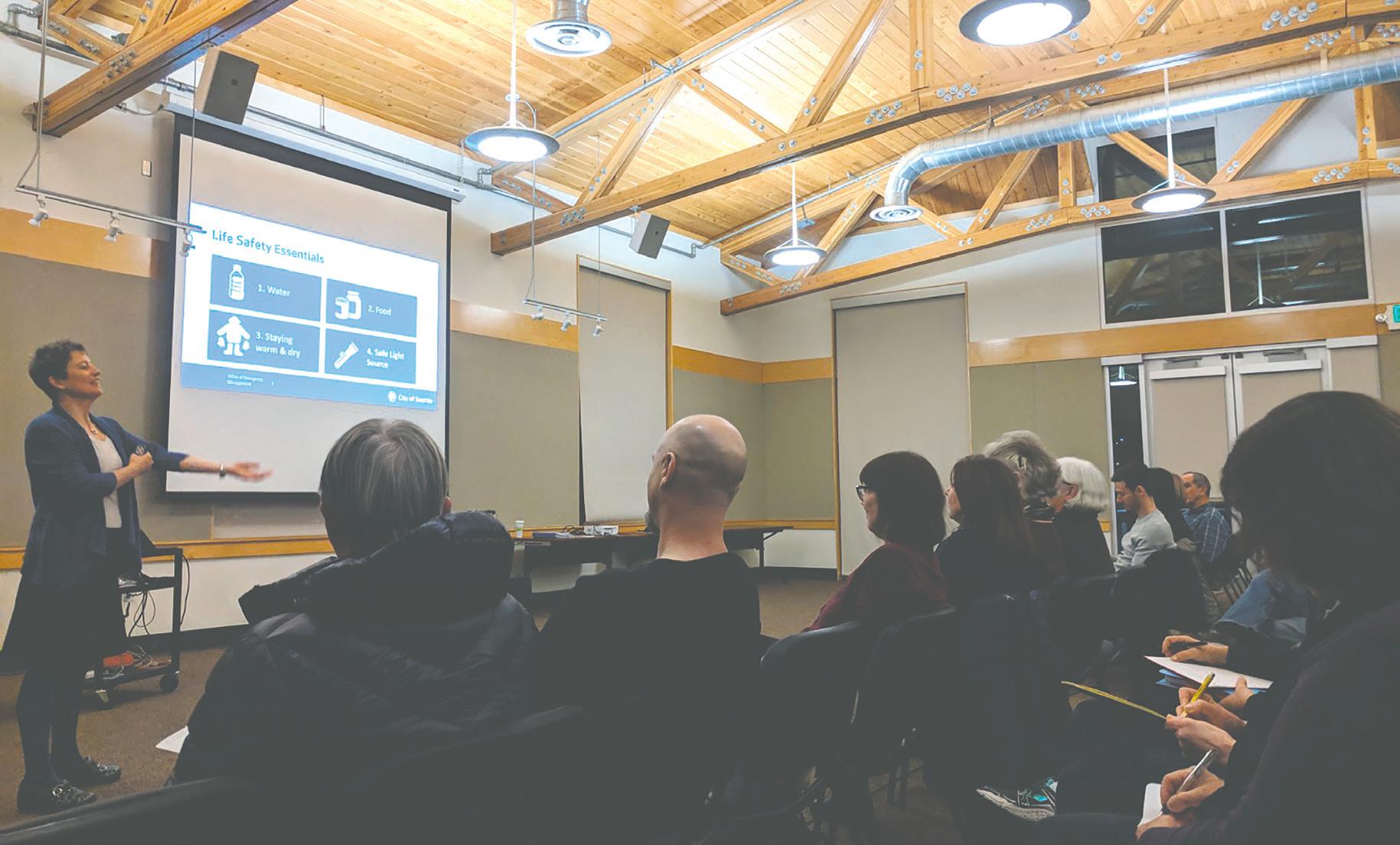
The Madison Valley Community Council held an emergency preparedness informational meeting on Tuesday, Nov. 13 at The Bush School. Diane Moore, a volunteer from the Seattle Office of Emergency Management, came to talk to the community on how to prepare for emergencies.
Seattle Neighborhoods Actively Prepare, or known as SNAP, is a program aimed at getting communities involved and active in emergency preparation. Moore got involved in the program to get to know the neighborhood.
“I wanted to get to know my neighbors,” said Moore. “I found that families with children or elders are very eager to get involved in emergency preparedness.”
Members from the Madrona and Greenlake communities attended the presentation. Current president of the Madison Valley Community Council Penelope Karovsky mentioned bringing together multiple communities to tackle emergency preparedness.
“At every community meeting for the next year, Madison Valley Community Council will cover emergency preparedness,” said Karovsky.
Moore kicked off the meeting with the “Life Safety Essentials”. The “Life Safety Essentials” lists






the top four necessities of water, food, staying warm/dry, and safe light source in times of emergency.
“A person per day needs a gallon of water,” said Moore. “We suggest people need to hold 14 days’ worth of supplies as a minimum for safety in emergencies. Most people do not know that.”
Moore also presented the “Drop, Cover, Hold” strategy in times of earthquakes. In an earthquake, Moore suggests dropping to the ground, taking cover underneath a desk or table, and holding onto something rigid.
Moore provided many tips during with the presentation while many community residents in attendance pitched in with their own suggestions and ideas to combating disasters. Some ideas included holding a block party or creating holiday emergency kits to get more in the community involved. Moore mentioned other tools, such as Map Your Neighborhood and Seattle Emergency Hubs, to help get started on creating an emergency plan.
“Make a plan, even if its for a family of one or a family of one with pets,” said Moore.
The Seattle Office of Emergency Management has two major trainings, SNAP and Disaster Preparedness. More information can be found at https://www.seattle.gov/emergency-management/ training

If you’re planning to purchase or refinance a home, choosing a lender is as important as choosing your mortgage. Look to my ��� years of mortgage lending experience to help you understand your options. Combined with the resources of one of the nation’s leading residential lenders, I can help you find a home financing option to meet your needs.
• Jumbo loans for higher-priced properties
• Competitive interest rates
• Wide selection of conventional loan options
Let’s have a conversation today.

Photo by Ravi Konjeti
Seattle Office of Emergency Management volunteer Diane Moore provides emergency preparedness tips during the Madison Valley Community Council meeting on Tuesday, Nov. 20.
Happy New Year Madison Park!

Thank you to my clients, friends and the wonderful Seattle community who have supported me and my business throughout 2018. I am fortunate to have a career that I love and to work in a neighborhood that is as special as ours. I have been blessed with the opportunity to serve so many wonderful people in achieving their real estate goals and dreams this year. I look forward to helping you with your real estate needs in 2019.
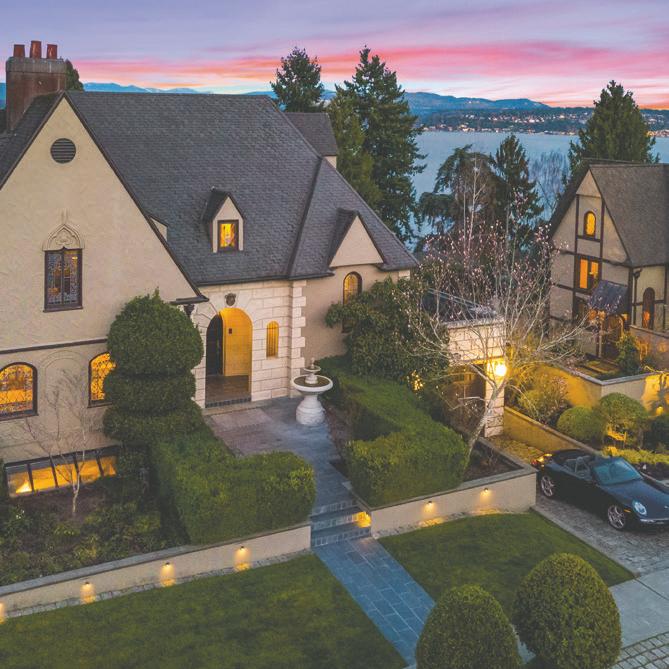
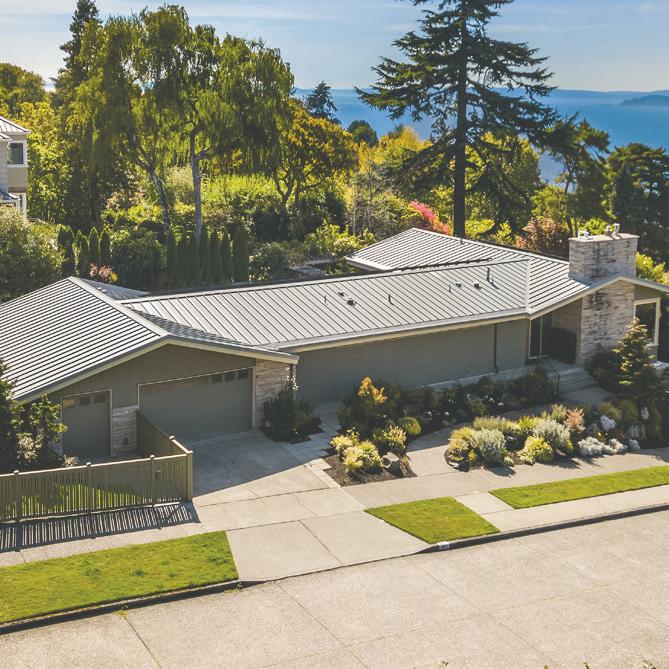
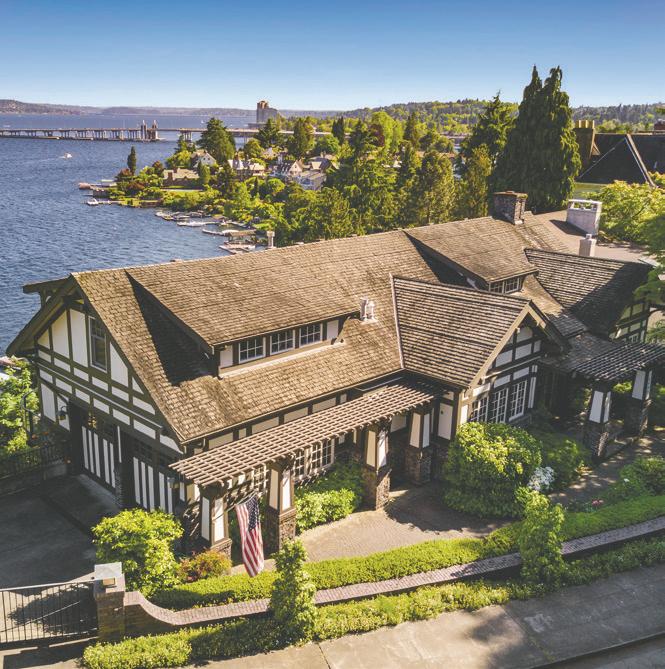
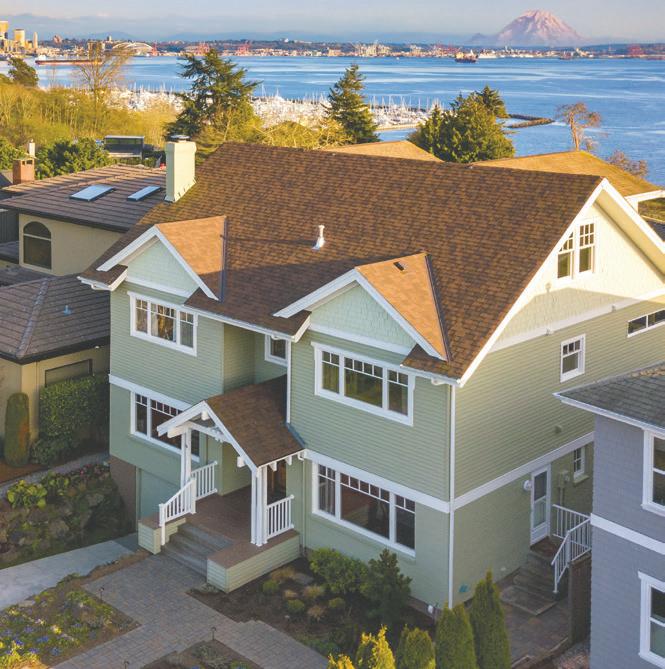
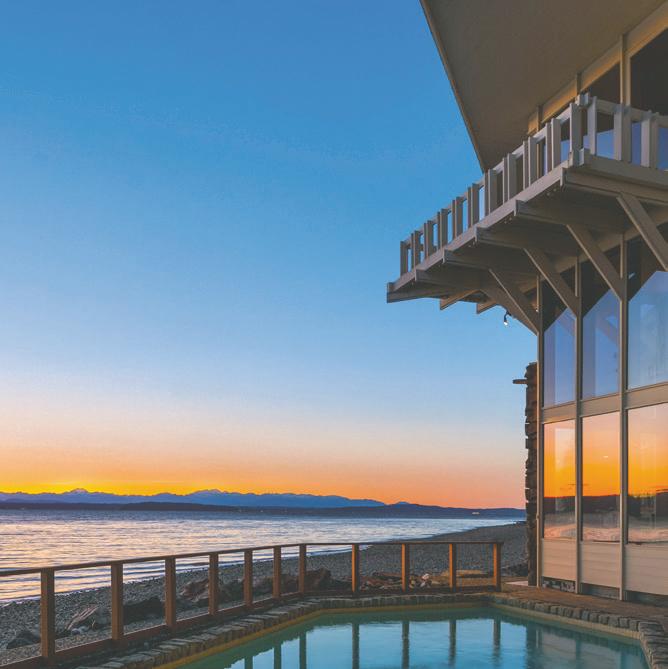
Featured 2018 Sales
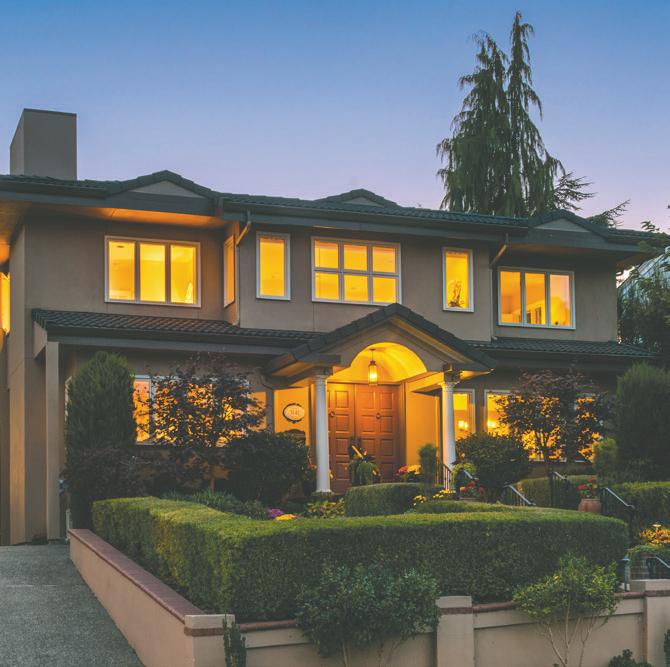
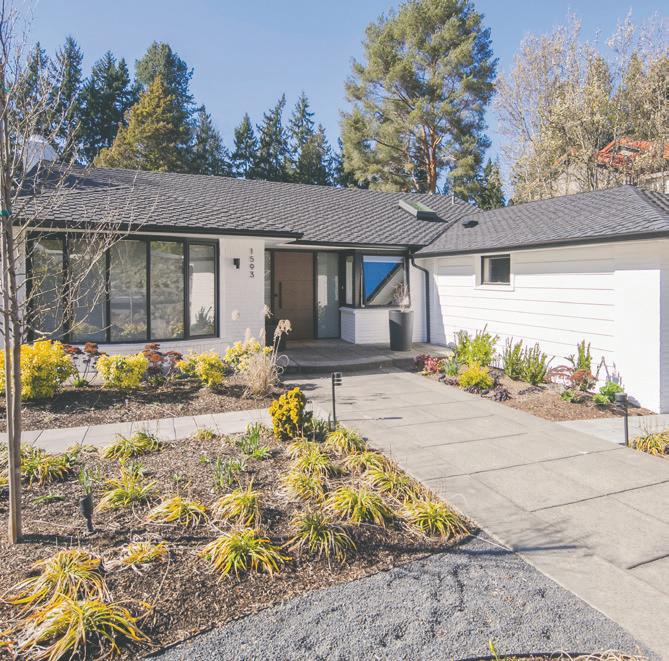
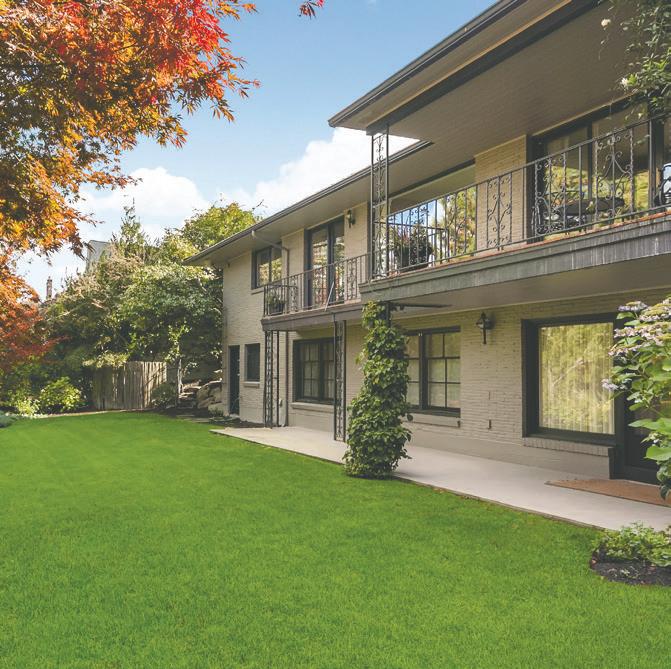
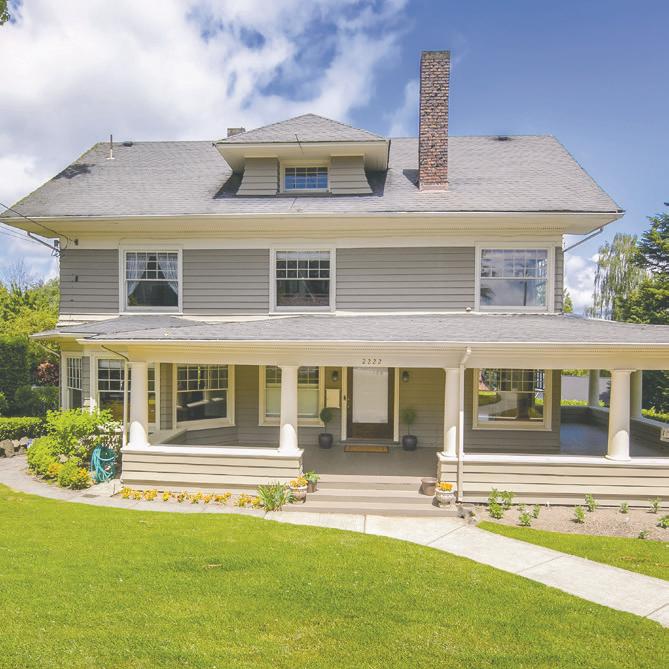
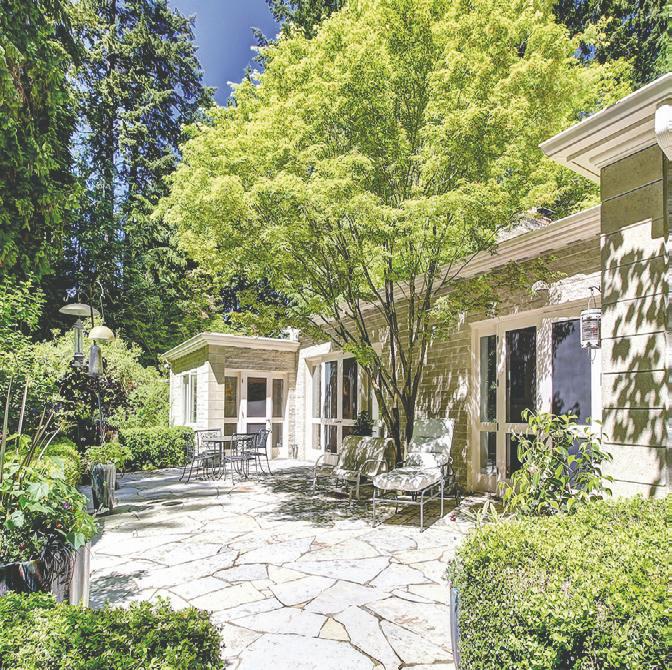
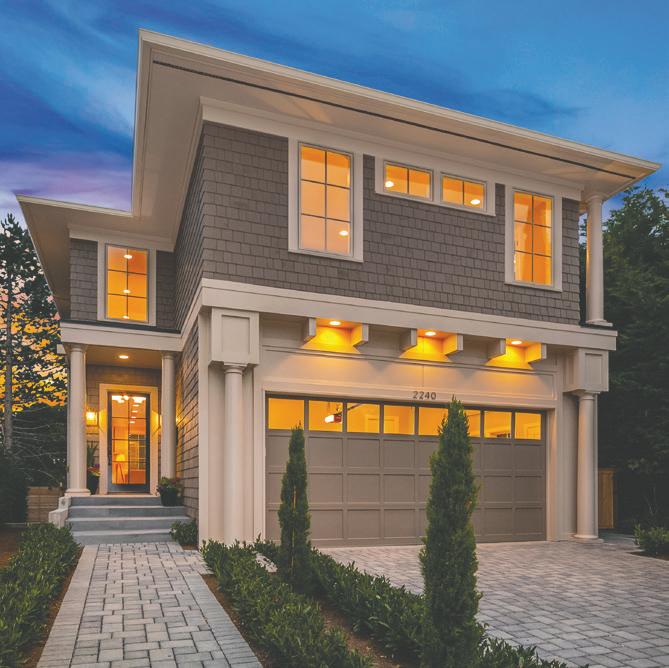
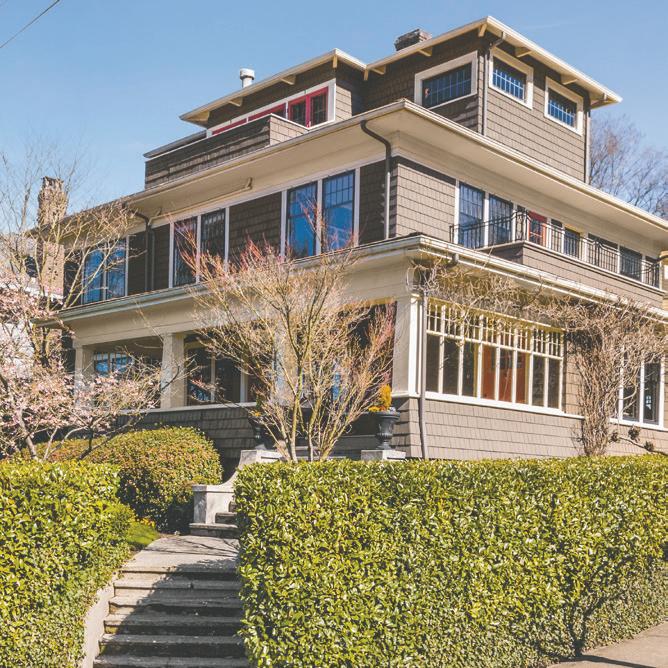
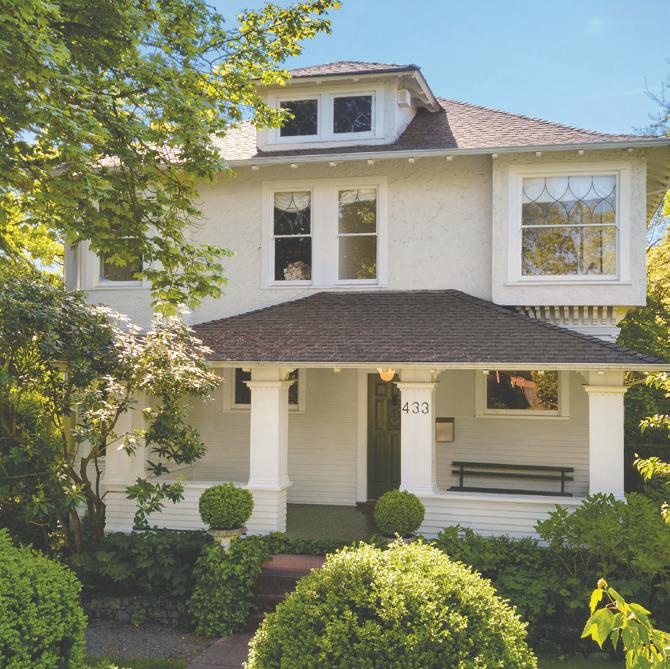
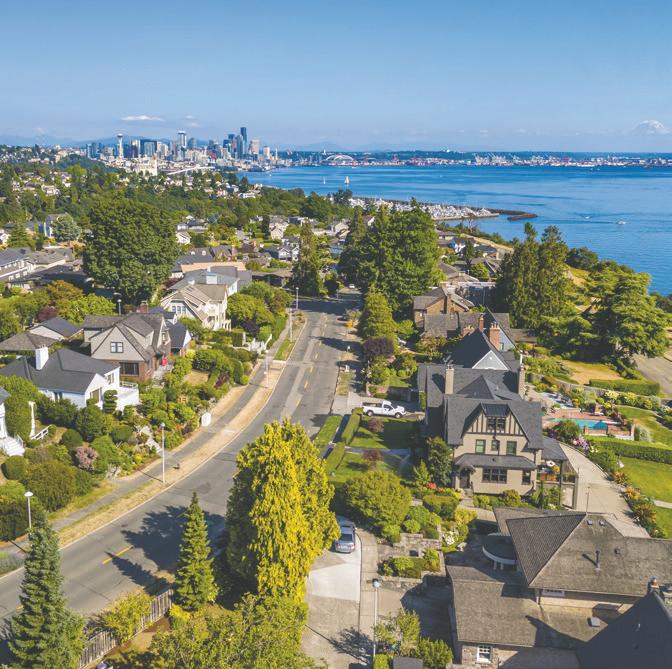
Warmly, Lisa

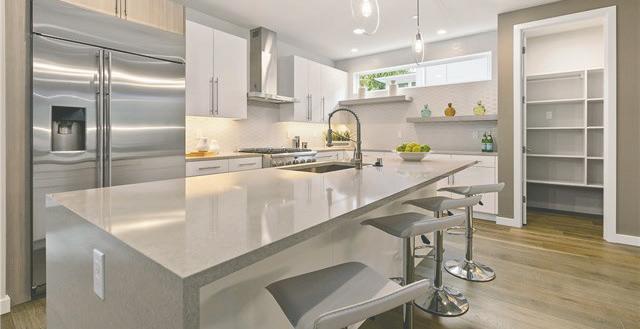
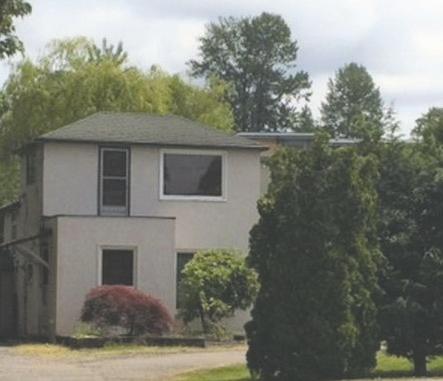
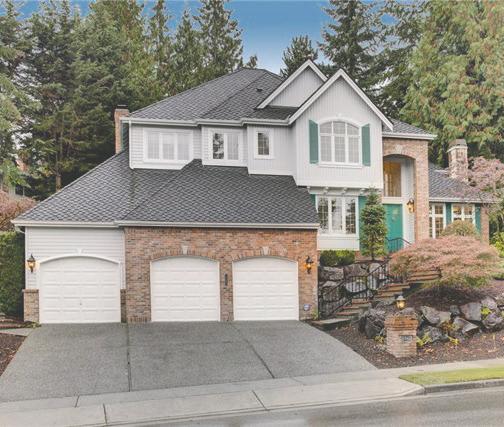
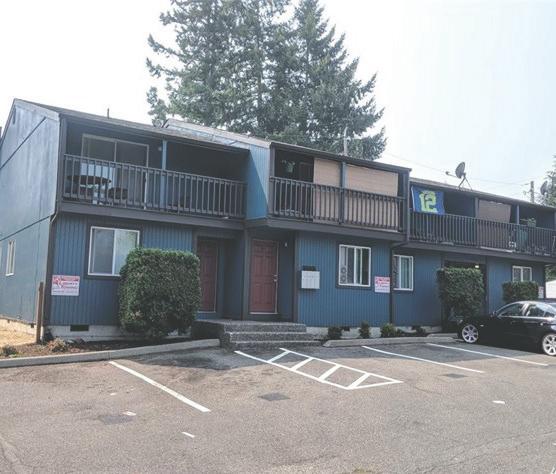

WSDOT gets earful from community on Montlake Market property acquisition
Concerned residents turn out for SR 520 project update; state contends it still need store
By Joe Livarchik Madison Park Times contributing writer
Nearly 200 community members filled St. Demetrios Greek Orthodox Church Wednesday night, Nov. 7, to hear a status update on the Washington State Department of Transportation’s acquisition of the property occupied by Montlake Boulevard Market, as well as to sound off about their concerns with the acquisition.
WSDOT is in the process of acquiring the property in the 2600 block of 22nd Avenue East, as well as the neighboring 76 gas station property, for the Montlake Phase of the State Route 520 reconstruction project. The department contends it needs those properties to build the necessary improvements, which is part of WSDOT’s I-5 to Lake Washington “Rest of the West” program.
WSDOT engineering manager Ron Paananen said the state expects to complete the acquisition process “in the next few months,” though the fate of the building that houses the market remains in the balance.
“I want you to understand that no final determination has been made around the market,” WSDOT ombudsman and community liaison David Goldberg told audience members at the outset of the meeting.
site
The Montlake Phase is a $455 million design-build project, construction director Dave Becher said. WSDOT expects to begin the Montlake phase of construction early next year, with construction running through 2023. The project has been awarded to Graham Construction, Paananen said. Graham had the lowest bid, which was still $30 million higher than what was budgeted.
The Montlake Phase includes the construction of a lid over SR 520, a pedestrian and bicycle land bridge, and a new West Approach Bridge South for eastbound traffic that will connect to the floating bridge over Lake Washington.
Lid construction will entail raising Montlake Boulevard by 4 1/2 feet, to avoid a King County sewer line that runs under SR 520 and still meet roadway clearance requirements. Paananen said one of the goals for the project is not having to replace that pipe, which was built under SR 520 when it was constructed in 1962. Should the pipe need to be replaced, it would have to be done through the market property.
Although early design plans aimed to avoid the market property — a 2011 environmental impact statement recognized the community support for the market — WSDOT determined in 2016 it could not move forward with the Montlake Phase without acquiring the property.
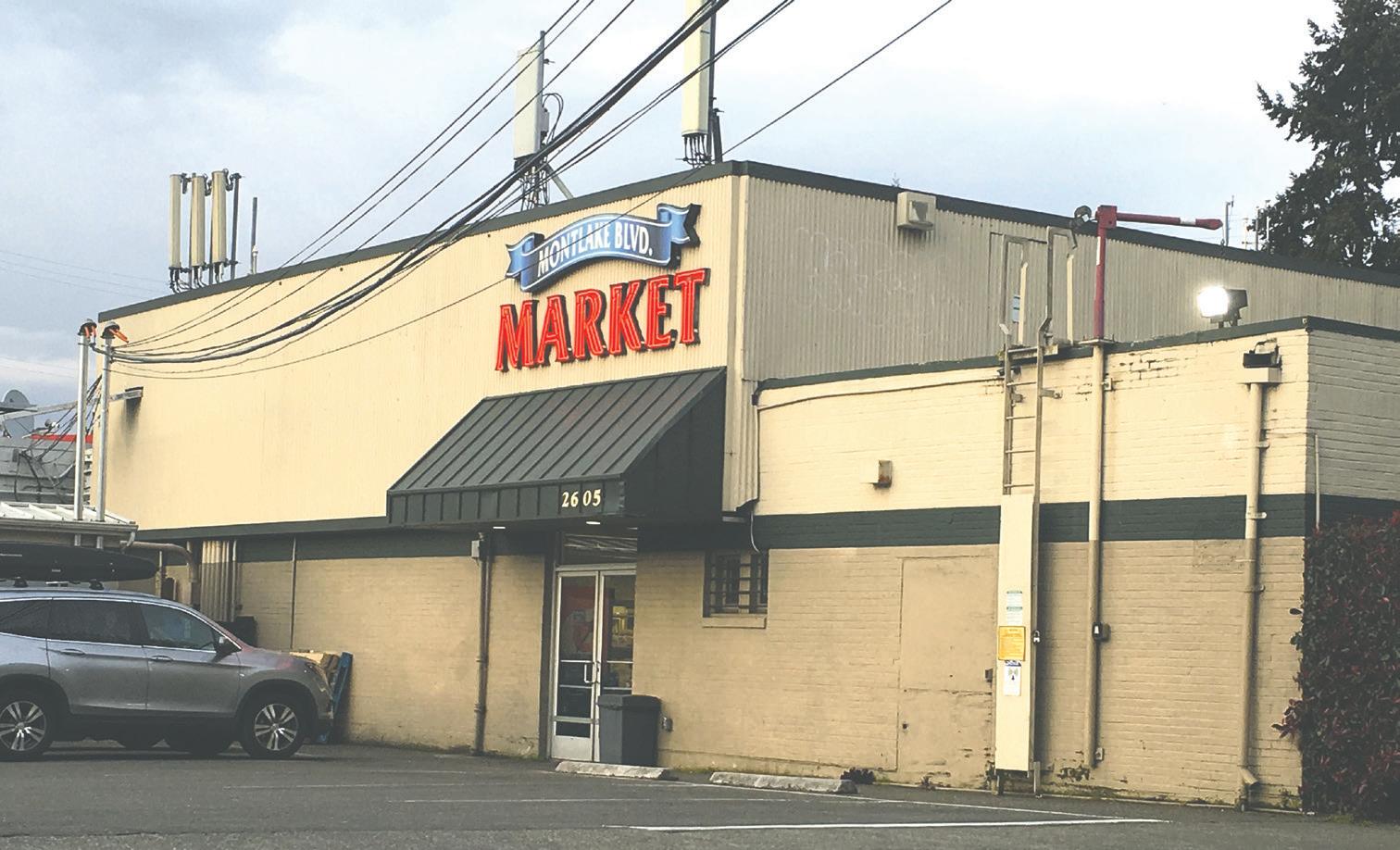
The popular neighborhood market, affectionately known to locals as the “Hop-In,” is a longtime community staple and favorite. In March, the state Legislature issued a proviso calling for the transportation department to find ways to could preserve the market building during construction.
“The department [WSDOT] shall work with its design-build contractor to ensure to the maximum extent practicable that the building housing any grocery store or market currently located on parcel number 1-23190 will be preserved,” the legislative
Queen Anne Community Council preparing for ADU appeal hearing
Kaplan says issue is with loss of single-family zones; hearing in March
By Brandon Macz Madison Park Times editor
Marty Kaplan is bothered that people think the Queen Anne Community Council is opposed to backyard cottages and motherin-law units. That’s not why the council is challenging a final environmental impact statement that would clear the city to make such housing easier to build, he says; it’s because the city is giving eliminating single-family zoning.
“It’s plain and simple — it’s against the law,” said Kaplan during last Wednesday’s QACC meeting.
Accessory dwelling units are allowed citywide, but with restrictive development standards. Property owners also must also occupy one of the housing units as their primary residence for at least six months each year.
The Seattle City Council approved a resolution in 2014 directing the planning department to explore policy changes that would
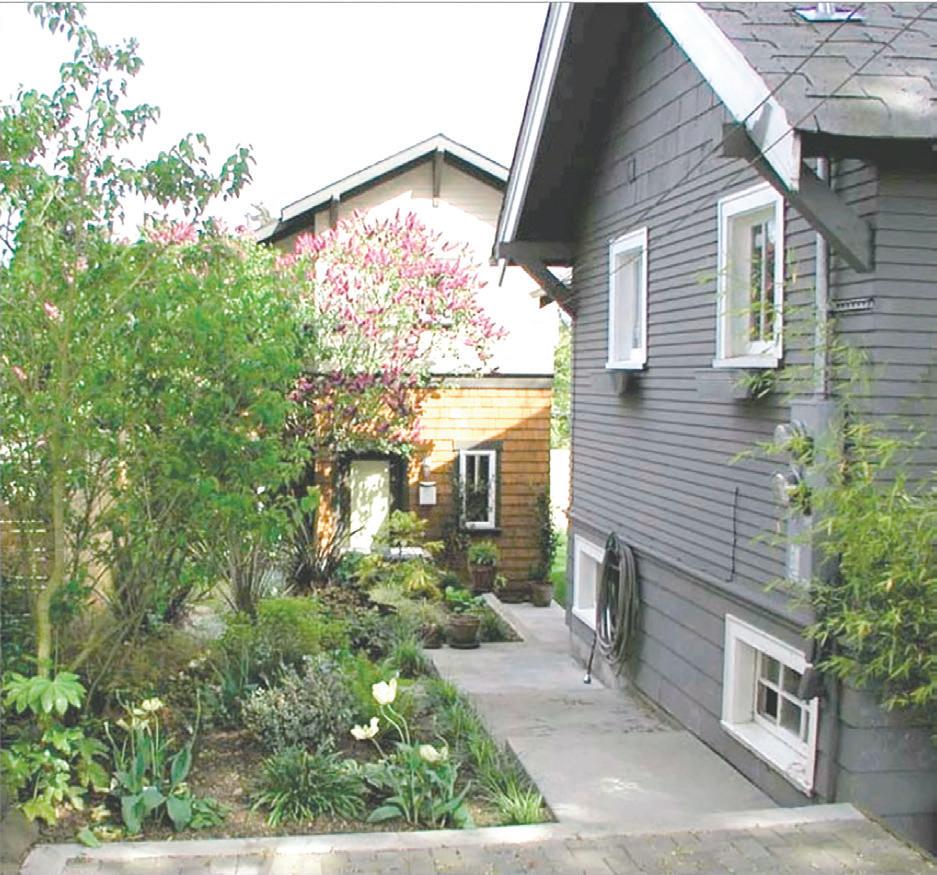
increase development of attached and detached accessory dwelling units (AADUs and DADUs), and the Office of Planning and Community Development issued a determination of non-significance in June 2016, which was appealed by the Queen Anne Community Council.
“We proved 17 points, and we prevailed,” Kaplan said.
The Seattle Hearing Examiner decided in December of that year that the city needed to do a full environmental impact statement (EIS) based on concerns surrounding land use, housing and socioeconomics, parking and
The appeal to the FEIS regarding accessory dwelling units will go before the Hearing Examiner on March 25-29.
proviso states.
WSDOT has also encountered legal challenges from those in the community. A coalition that includes the Montlake Market owners is challenging the state in court. Wednesday’s meeting was packed with many longtime residents who have lived in the Montlake neighborhood for more than 20 and 30 years, some for more than 50. The facilitated meeting featured two designated question-and-answer sessions, as

transportation, aesthetics, and public services and utilities.
The FEIS for accessory dwelling units was published on Oct. 4, and a preferred alternative was identified that would allow one attached accessory dwelling unit (AADU) and one detached accessory dwelling unit (DADU) on a minimum lot of 3,200 square feet in single-family zones, or two AADUs. No off-street parking would be required, and the property owner would not have to live on site. They would have to retain ownership of the property for one
Photo by Brandon Macz
While WSDOT has a legislative directive to find a way to potentially save the Montlake Market, staff say it’s unlikely the small grocery store can survive the Montlake Phase for SR 520 reconstruction.
MARKET, Page 11
Image courtesy of City of Seattle


LIBERTY, from Page 1
dishwashers, new kitchen appliances, large bathrooms, vinyl floors and thermostat-controlled heating.
Each floor has a shared laundry facility. Roof access grants gardening opportunities and beautiful views of the city.
RISE Together has received funding from Bellwether Enterprise, Heritage Bank, Washington State Housing Trust Fund, Seattle’s Office of Housing and Capitol Hill Housing Equity, coupled with fundraising efforts over the past couple of years.
Wong said the complex has no set opening date, but they are aiming for early 2019. RISE Together has already received applications for apartments.
Fleming said there are a few requirements to rent an apartment in the building. Mainly families and individuals who apply can only earn 30 to 60 percent of the area’s median income. The income percent requirement is based on each family’s size.
One of the most unique parts about the project is Capitol Hill Housing’s effort to keep the building’s history of minority ownership. In partnership with Africatown and Byrd Barr Place, Byrd Barr Place will have both a right of first offer and first right of refusal to acquire Liberty Bank after 15 years.
“We signed a (memorandum of understanding) with our community partners in 2016,” Fleming said. “But we started about two years prior to that. The neighborhood and community wanted to see that legacy honored. We closed on our construction financing a year ago, and we’ve been underway since then. We hope to be complete in January.”
Fleming said this project is a way to help a community feeling priced out and displaced.
“It’s just one building, it’s just a start,” Fleming said. “But we are close to downtown, all the jobs. People won’t have to spend an hour commuting to a job. And it will keep the neighborhood di-
verse.”
Key Bank market president Carol K. Nelson joined RISE Together on Nov. 5 to present the grant check.
Nelson grew up and attended school in the Central District and has seen the rapid changes in her home.
“It’s important we invest in opportunities like this,” Nelson said. “We are so pleased to be able to afford to work with Capitol Hill Housing. The work you are doing is incredibly important.”
Nelson said she wants to see the funding help instable families keep housing in their preferred neighborhoods.
“It really is part of who we are,” Nelson said.
Liberty Bank history
Liberty Bank opened in May 1968 at 24th Avenue and Union Street in Seattle, according to RISE Together’s website, www. libertybankbuilding.org.
Liberty Bank was the first black-owned bank west of the Mississippi River, as a response to the lack of investment and redlining in the neighborhood.
“For 20 years, Liberty Bank provided essential financial services to people and businesses who were otherwise unable to obtain them,” the website states. “Liberty Bank represented resilience and empowerment and stood as an example of a community’s solution to systematic, institutional racism.”
The bank closed in 1988. The building became Emerald Bank and then was purchased by Key Bank.
When Key Bank first discussed closing the building, local executives came up with the idea to work with Capitol Hill Housing and offer the property at below market value so it could become affordable housing.
Capitol Hill Housing worked with the daughters of Liberty Bank’s original founders, a former executive of the bank, long-time community members and leaders in the Central Area to come up with the Liberty Bank project, according to the website.
Photo by Danielle Chastaine Key Bank provided RISE Together a two-year $300,000 grant during the Nov. 5 event.
APPEAL, from Page 9
year before building a second ADU.
Seattle City Councilmember Mike O’Brien is pushing for increasing the city’s housing supply with more ADUs. Kaplan said the preferred alternative ignores all of the comments O’Brien received from concerned residents when the issue first came up. He said it treats Seattle as “one homogeneous, flat piece of ground.”
He blamed O’Brien for the first appeal, saying the councilmember refused to compromise. Kaplan did not say during the meeting what would be an acceptable compromise.
Kaplan said the traffic study component of the FEIS also did not gather data from denser neighborhoods like Queen Anne.
Leading the appeal for QACC, Kaplan said the community council has been mischaracterized as a bunch of NIMBYs.
The community council held a citywide meeting on Nov. 1 to discuss the appeal and hear from other Seattle residents.
Queen Anne resident Andy Fessel, who lost a bid to join the community council board on Wednesday, said he’s trying to build a backyard cottage on his property. He spent $1 million for the property, he said, and expects to spend another million to build the backyard cottage. If the city were able to implement the preferred alternative, he could add another 200 square feet to the cottage, he said, which would make a great difference in terms of comfort for him and his wife, he told the Queen Anne News.
Andrew Koved, a community council member, and one of the few who rents, said after the meeting he is not in favor of the appeal, which he believes is delaying the inevitable at a time when Seattle is dealing with an affordable housing shortage.
QACC member Trevor Klein told Kaplan during the Nov. 7 meeting he was concerned about the
MARKET,
from Page 9
language being used on the council’s appeal website at queenanneappeal.org. Klein said he felt the communications coming from there made it sound like the council was saying the FEIS found no impacts from the ADU proposal, when it actually states there would be little impacts.
“Mike O’Brien’s legislation is now rapidly moving forward to eliminate every single-family neighborhood and convert your property to tri-plex zoning!” reads a portion of the homepage.
Construction of accessory dwelling units would be up to property owners.
“I kind of welcome going through it line by line,” Kaplan said, later adding, “I do have to say, the language as it exists right now is very intentional.”
Because the appeal is more complicated than the appeal of the Determination of Non-Significance in 2016, Kaplan said the cost of pursuing this fight will cost a lot more. He estimates about half of the cost to continue the appeal has been raised through donations.
The community council and the City of Seattle’s representatives met for pre-hearing before the Seattle Hearing Examiner on Thursday, Nov. 8, to set a timing for the hearing and submit the list of witnesses that would be called to testify.
QACC is being represented by attorney Jeff Eustis, who said he expects it to take up to six weeks for the first receipt of public records requested for the case from the City of Seattle. Tadas A. Kisielius, an attorney with Van Ness Feldman LLP working with the City Attorney’s Office on the appeal, said the appellants had requested every email regarding ADUs going back to the beginning. The Hearing Examiner was already booked through the end of January. The ADU FEIS hearing was set for March 25-29.
Eustis said QACC is interested in participating in a settlement mediation. Kisielius said he had no direction as to whether that could be pursued, but that it could be taken up at a later date. The Hearing Examiner does not handle mediations.
Find case files for this appeal at https://web6.seattle.gov/Examiner/case/W-18-009.
well as a 30-minute public-comment period. During public comment, community members called Montlake Market an “important landmark,” “a community center” and the “heart of the community.” They emphasized the market’s role as a neighborhood resource while also helping shape the identity of their community
“If it’s not clear to everybody by now that [the market] just can’t go away, then I don’t know what else we need to say,” one neighborhood resident said.
Some audience members were critical of the level of transparency WSDOT provided up until Wednesday’s meeting, and pushed for more community dialogue.
WSDOT representatives were pressed about what would be protected. Due to the impacts from construction, Paananen said he didn’t see a way for the gas station to be preserved. When asked if the market parking would be saved, Becher responded that WSDOT must first determine, “Can we save the building itself?”
“Our first question is, ‘Can we save the building, or what are the impacts to the building,’” he said. “Once we can determine that, if we can save the building or the impacts to a certain extent, then we have to ask the question, ‘Is it economically feasible to operate the business, the market, in the building?’ So we need to answer the first question first, and then we can go to the second, if it’s economically viable: What type of parking does it need? What type of access during construction? All those types of questions that need to be answered.”
As part of the RFP process, WSDOT went to bid with the assumption that the market property would be removed. Becher said this was done in an effort for consistency and to set requirements in the contract, so that all bidding was done alike, making for an “apples-to-apples comparison.”
“We need to make sure that all the bidders bid the same way, and then we can address concerns that the state or the city has in regards to the market,” he said.
WSDOT will begin its practical design process for the market building, holding a series of workshops with the city and the contractor that will run into next month. In December, the department will hold another public meeting to provide another project update and solicit more feedback from the community. A final evaluation and determination is expected from WSDOT by the end of this year.