Madison Park Times
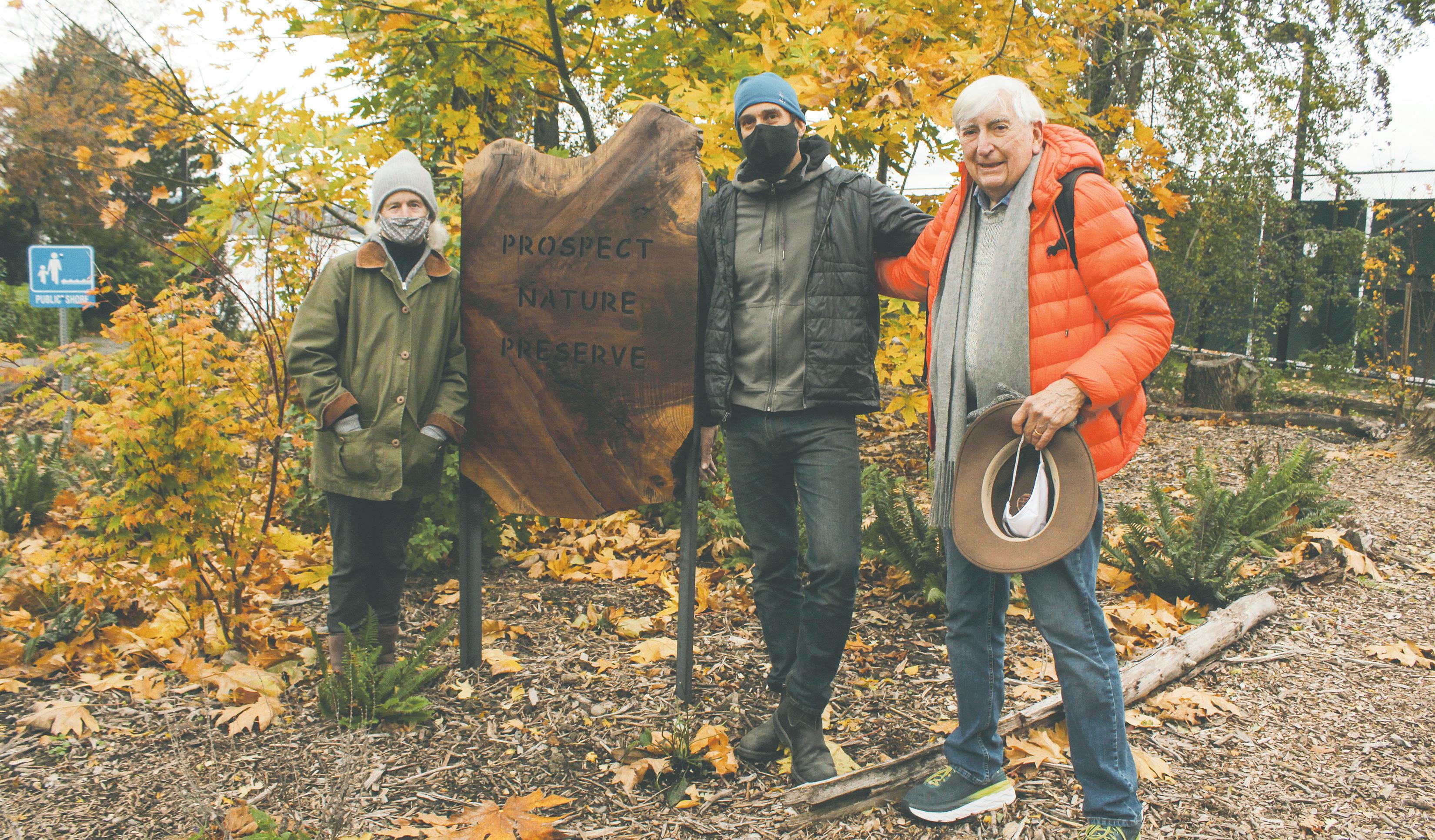
Landscape designer Octavia Chambliss (from left), sign carver Noah Kriegsmann and longtime Madison Park activist Gene Brandzel stand by the Prospect Street Nature Preserve sign in Madison Park in November 2020. Brandzel, who led the preserve project, died in October 2021, leaving it without a steward. Chambliss is hoping people will remember Brandzel’s activism and volunteer to help care for the preserve at three work parties this year.
Wanted: Feet to fill big shoes
By Jessica Keller Madison Park Times editor
In his lifetime, longtime Madison Park resident Gene Brandzel was many things: a husband and family man, a lawyer, a friend. Brandzel, who died in October of last year, was also a champion of Madison Park. Not only did he advocate for his community and its residents when he served as president of the neighborhood council, he did so again as a member of the Friends of Street Ends where he worked tirelessly to beautify and open to the public shoreline street ends on East Highland, the Beaver Lodge Sanctuary and East Prospect Street, which he completed in 2020 with the help of many volunteers he recruited.
One of those people was semi-retired landscape designer Octavia Chambliss, owner of Octavia Chambliss Garden Design and Brandzel’s good friend, who obtained plants to be installed at Brandzel’s shoreline sites and arranged for colleagues to help plant them. Everything else, from finding volunteers for work parties, to


Street Ends project manager Omar Akkari,
Madison Park Times file photo
“I take very little credit, other than it was impossible to say no to Gene,” she said.
Even when his health was failing, it was his enthusiasm and passion for his projects and unfailing positivity that made him so successful at transforming his street end sites, Chambliss said.
“He was such a gregarious, warm man, and he wanted to tell you what he was doing and what this was all about and just was so enthusiastic that it was just infectious, and it was also just a good thing for the community,” Chambliss said.
Both Chambliss and Karen Daubert, a Friends of Street Ends coordinator, said Brandzel wouldn’t shy away from hard work either and wasn’t discouraged when his project sites were abandoned, garbage-strewn tangles of overgrown brambles and weeds that looked impossible to tackle.
“He was the most useful man at his age that I think I had ever known,” Chambliss said, comparing him to the late Lola McKee, “the Mayor of Madison Park,” who owned Madison Park Hardware for 58 years.
“He was, to me, not as well known as Lola, but was in that same sort of echelon of people who just unfailingly give back to their communities and make an impact on their communities,” Chambliss added.
She said she thinks part of what pushed Brandzel to begin his projects was a desire to create more recreational opportunities and ways for people to access the water.
“He wasn’t a wealthy man and was cognizant that there needed to be public space for people who otherwise couldn’t access the water,” Chambliss said.
With Brandzel’s passing, Chambliss and Friends of Street Ends members are hoping his community will honor Branzel and his legacy by getting involved.
Chambliss said volunteers are needed for three work parties this year at the Prospect Street Nature Preserve, which is tucked between the north boundary of the tennis club and 41st Street residences.
The first is from nine to noon on March 26. Chambliss said people should bring work gloves and their favorite weeding tools, if they have any. Other tools will be provided. At the upcoming work party, people will be planting about 100 one-gallon plants to supplement the existing plants, weeding and spreading wood chips for the paths and mulch for
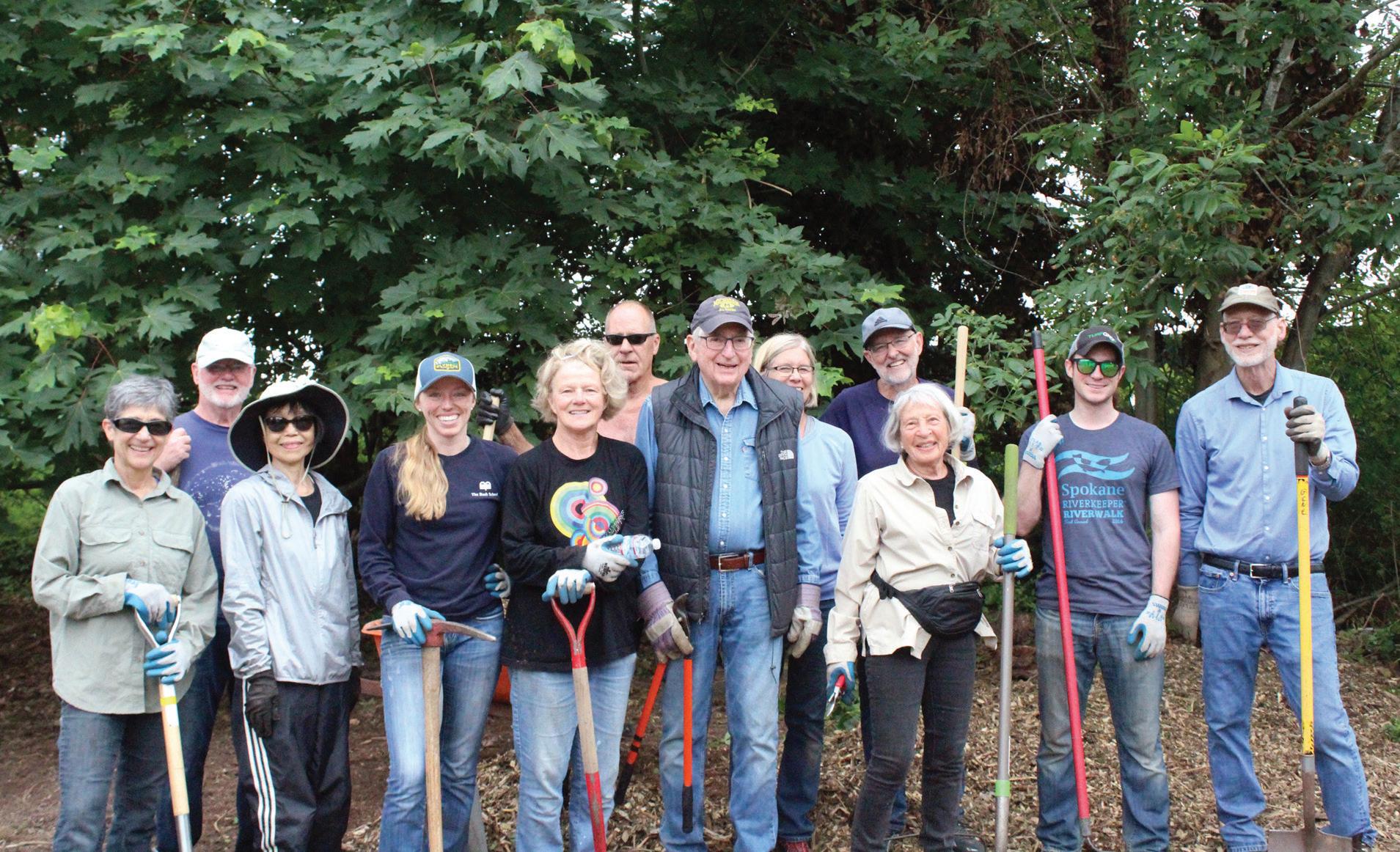
Community activist Gene Branzel, center, stands with volunteers he enlisted to help clear out the East Prospect street end site at a 2019 work party. Branzel, who died in October of 2020, spearheaded the beautification of three shoreline street ends in Madison Park over the years.
2022 Prospect Street Nature Preserve work parties
Where:
Prospect Street Nature Preserve, 4108 E. Prospect St., between the north boundary of the tennis club and 41st Street, Madison Park
When:
9 a.m. to noon March 26
9 a.m. to noon July 16
9 a.m. to noon Sept. 24
Bring
Work gloves and favorite weeding tools. Other tools will be provided. Questions Email Octavia Chambliss, octaviagarden@gmail.com
the paths.
“We are looking for new faces to help maintain these road end parks that everyone gets to enjoy,” Chambliss said. “For three hours every three months, they can make a huge difference in getting the preserve established and thriving.”
While Chambliss is temporarily coordinating efforts at the Prospect Street Nature Preserve, she hopes the upcoming work parties will attract new interest and breathe life into the shoreline street ends that Brandzel worked so hard to open up for residents in Madison Park and beyond. She has the same wish for the Madison Park community, as a whole.
“To me, the hope is someone in the next generation will pick up the mantle that Gene has created in caring for the community,” she said.
“I know Gene’s wish would be that the preserve is maintained and thrives for not only the next generation, but the generation beyond that — that he just literally planted the seed for a gathering place and the open access for the
Press Releases | Wednesday, March 16, Noon
Editor: Jessica Keller, 206-461-1300 or MPTimes@pacificpublishingcompany.com Retail Display & Real Estate Advertising
March 16, 11:30 a.m. Tammy Knaggs, 206-461-1300 or ppcadmanager@pacificpublishingcompany.com Classified Advertising | March 16, 11 a.m. Classifieds | General: 206-461-1300
community there,” she added. For more information on Seattle’s Shoreline Street Ends program, go to www.seattle.gov/ transportation/stuse_stends.htm. To learn more about Friends of Street Ends, visit www.streetends.org.
Residents invited to attend virtual emergency communications hub workshop
Residents interested in emergency preparedness or community emergency communication hubs are invited to a virtual workshop from 7 p.m. to 8:30 p.m. March 17.
The workshop is a “concise, practical introduction” into what the hubs are and what they are not, according to organizers. Topics will include the mission of the hubs, when they should be activated and outline the different jobs within the hub. Participants will also practice handling issues that neighbors will raise in the event of a disaster. The event is free to everyone.
To register, go to https://signup. com/go/QqKLiEn.
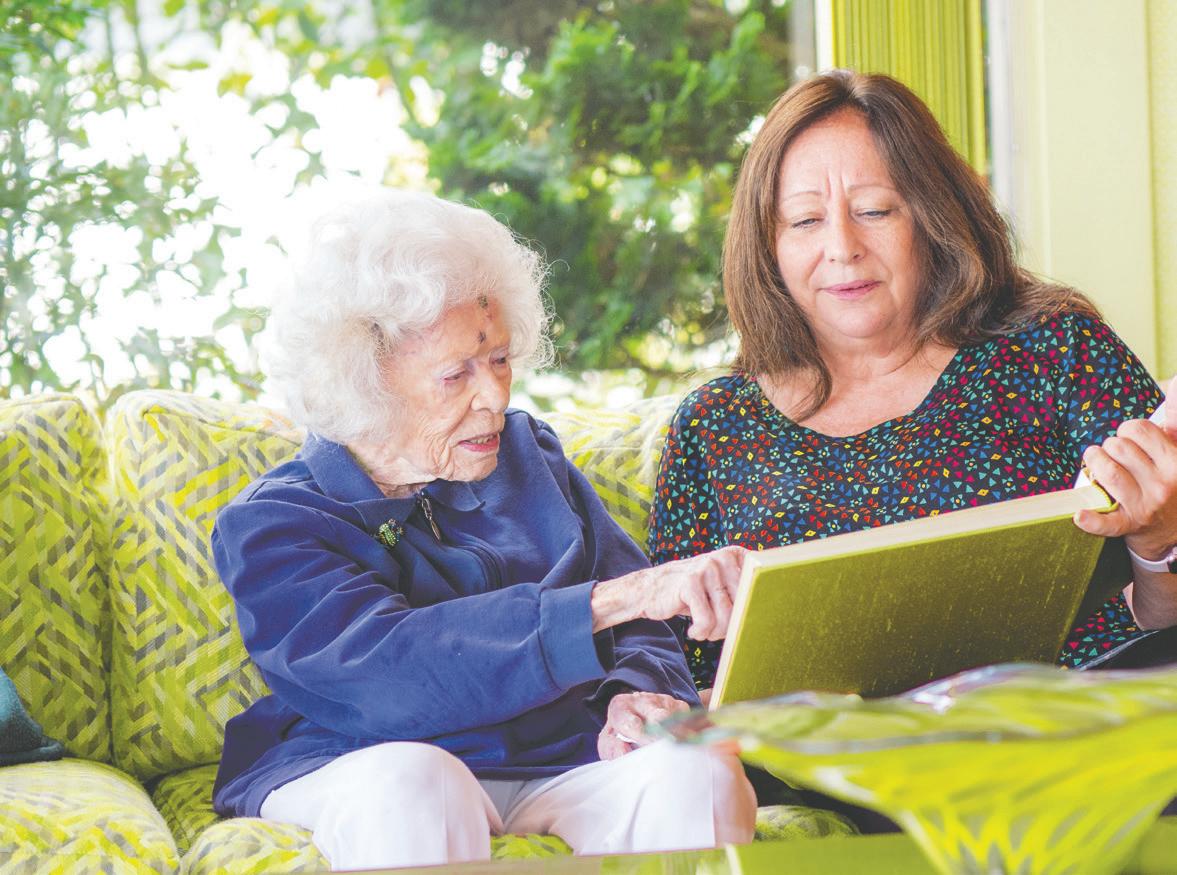





Madison Park Times file photo
A few to remember
By Richard Carl Lehman Revisiting the Park
My dad’s parents’ farm on Little Finn Hill in Kirkland was very much like Riverton Heights in the late ’30s, as they were definitely country. When we visited mom’s parents in Madison Park, it felt like a big city to me.
Todd’s Shipyard workers made up the bulk of the working people in the Park. They wore equipment belts and hard hats to jobs via the Kirkland Ferry to help fight the war. Riverton Heights was made up of middle and elderly lower-income folks who wore bib overalls and other patched clothes. They did their part by keeping the American spirit alive during a rough go with the Great Depression.
Mom and I moved to Madison Park in the mid ’40s after the war, and it seemed somewhat the same 10 years later but so desolate. The summers were less active than in the years past. The kids in the neighborhood had been mostly transplants and only stayed a short time — it was silent with the lack of them now. It was sad to see most of the stores had closed, and a feeling of uncertainty consumed us. There were only a few cars with car pool stickers and an occasional truck spanned the bare streets. Many of the rentals were now empty as folks had moved elsewhere to find work.
You can’t keep a good village down, though. Soon word was out, and the business district started thriving again. News of a lake and the beaches in close proximity was one thing, but the rent prices were unheard of. Office workers, college students and
flight personnel started filtering in, and soon it was a lively district. The taverns became gathering spots for all. The Broadmoor (where the Bank of America is now), the Red Onion, which was “the” college hangout, and the Attic had replaced the Quality Café. The Attic was narrow and crowded, featuring a “Stein” club with over 200 patrons, some of whom skied together.
Madison Park was now a singles haven, and we began to join in the fun.
We of the male persuasion felt we should come up with some rules of etiquette in the field of dating. If one male found a female of his choice, there was always some contention as to who saw her first. It was handled by a quick meeting over a beer or sometimes a step out the back door, but always the disputes were settled out of earshot of the prospect. This was a fairly common occurrence followed by a handshake down the line. Eventually everyone became a tight group of friends ready for the ongoing single happenings.
Occasionally, someone moved to the next stage by quietly announcing the relationship was moving to the next step: marriage. It was startling to hear — we never knew how to act — as we had been having so much fun with the status quo.
We dressed to the nines for the weddings, and usually sat in the rear for the very reason that if we sat too close, we might catch the marriage syndrome.
The scheme of our pew-sport was to critique the performance, how long the ceremony was, the bridesmaids and then, at the reception, rate the music, food and drink, all the while lining up
future dates.
One wedding we attended was in Eastgate at a huge circular church. The audience sat higher for better viewing. The music played while the minister and the bride and groom came from separate areas to the center — someone said we should have showed thumbs down as in the Roman gladiator games.
At the after-function, we rated the cake as outstanding, hitting high marks with its foamy frosting. Had to laugh as both males

and females were seen in line for seconds. We gave this event an “A!”
“Well, who’s next?” “No way,” we answered in unison.
During one get-together later, a friend said something to me about being his best man. I wasn’t sure I heard right, but the next Saturday he called and said, “You ready? Tonight at 7 p.m.!” He was serious— Mercer Island, 7 p.m., and he said to dress casually. That was strange. My date and I arrived to the parking lot where there were only four cars.
Once inside, there was no music, the lights were dim and there were only four or five people on the bride’s side — same on the grooms. The minister spoke quietly, there was a signing of whatever, and they were out the door. A friend and I sipped from a flask and said little.
Come to find out it was a casual shot-gun wedding.
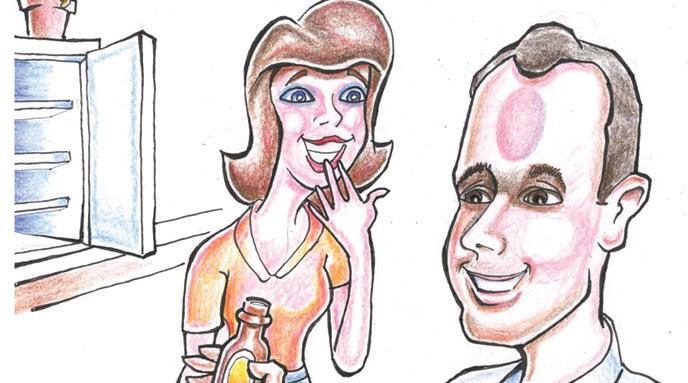
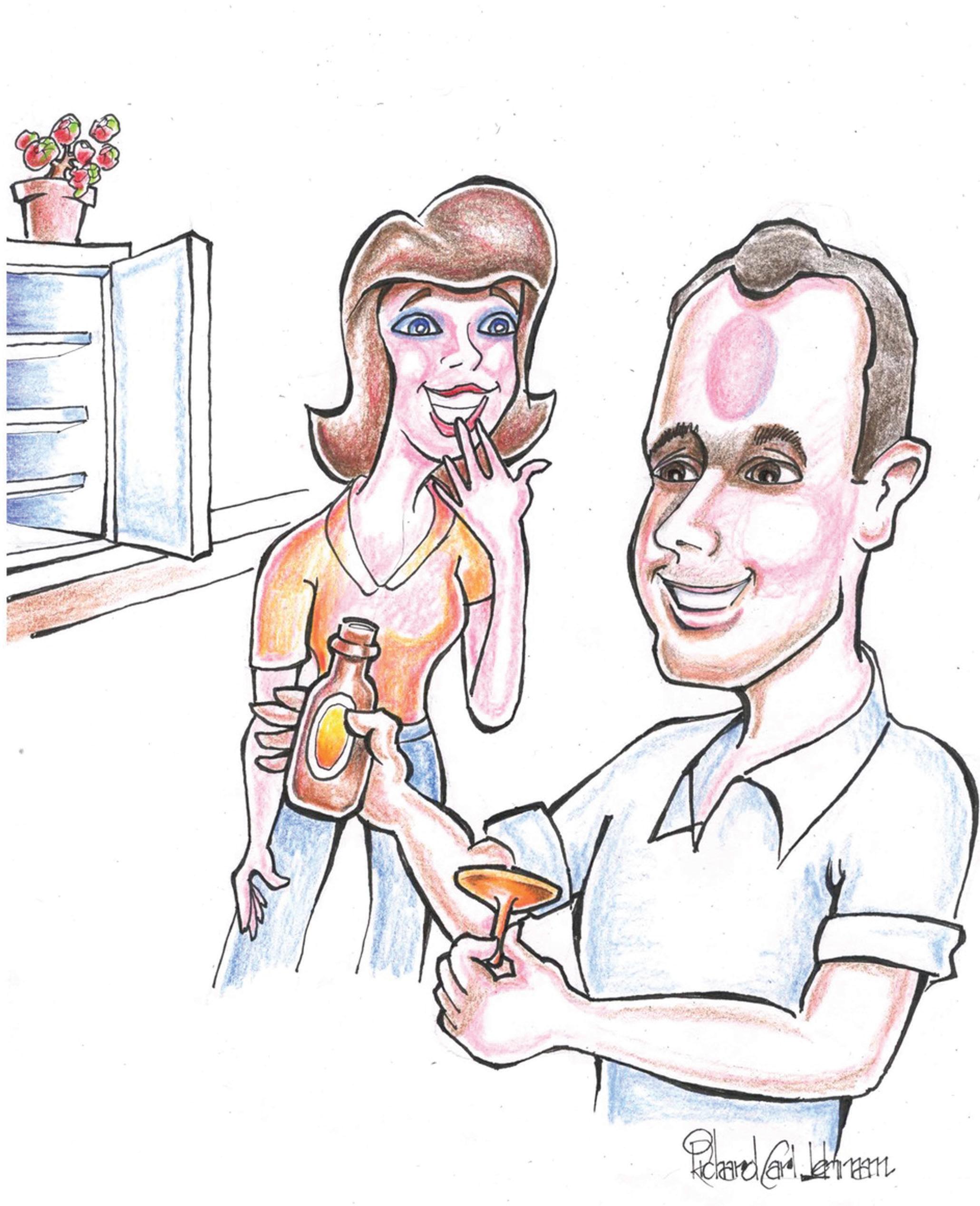
Most weddings were happy events, of course. Before another memorable wedding we were to attend, I visited a friend at the Edgewater to share a brew or two. She was cleaning her refrigerator, and while we talked, I pulled off a 3-inch suction cup stuck to the door that had been holding a shelf. Laughing, I stuck it on my forehead (I have lots of forehead.) It was time to head to the wedding so I removed the suction cup, and my friend roared. It had been there for two to three hours. Left behind was a large circular hickey.
She did not think it would go away and laughed so hard, I had
to join in.
My roommates chuckled while suggesting ice. No change. We laughed all the way to the wedding. How will I pull this off? I looked like part of a religious sect gone awry. You know how you think everyone was staring? Everyone was staring!
The story was told, pictures were taken, my receding hairline made it all the more obvious and the final insult: The red circle showed up in all the photos.
Friends and I decided to shave our heads bald. We had planned to attend a wedding the next Saturday, so we drove to Bellevue, found the chapel, left the gift at the table and proceeded to sit. Soon the chapel was filled, even the aisles, with standingroom-only guests. We laughed and wondered when we would see people we knew.
The room filled with summer sunshine, and the music played, but we agreed, we knew no one. Then, here comes the bride. She was maybe 19 with straight long hair.
We were at the wrong wedding.
Slipping out of there not recognized, we made our way across I-90 and joined the R.O. group imagining we were at the reception. We explained that we either got the day or the chapel wrong.
My gift to the unknown bridal party was a nice set of glasses and a card with a cartoon of a girl, frizzy hair, and a huge comb with the caption: “Comb hair and keep him happy!”
I don’t think I got a thank you card.
More than a fern
By Steve Lorton Tree Talk
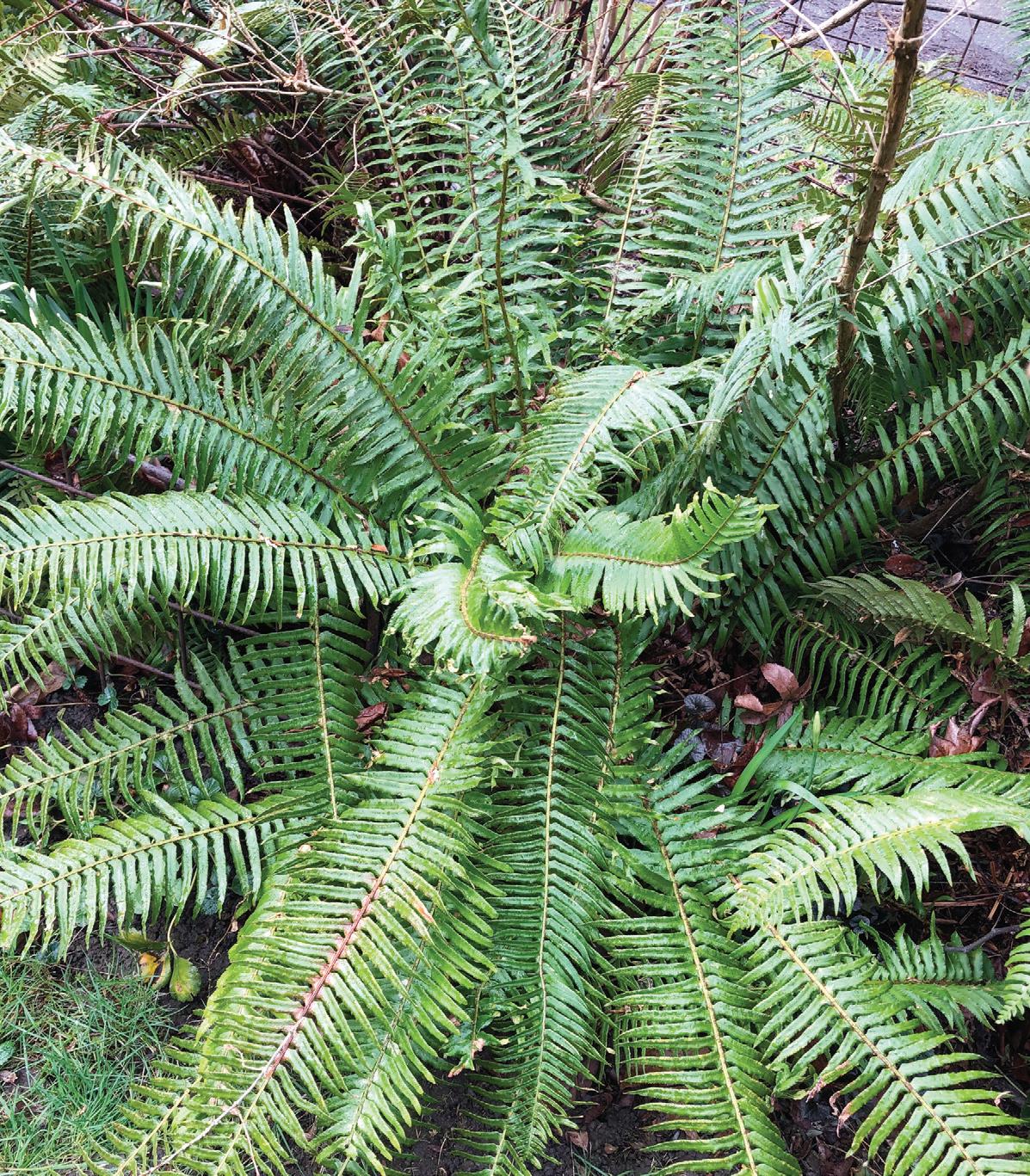
Sword fern, polystichum munitum: It carpets the lush forests of the Pacific Northwest; it is one of the crown jewels of our native plant kingdom. While it is easy to grow and ubiquitous in our landscapes, natural and human made, it is beloved, giving the lie to the notion that familiarity breeds contempt.
In their book “The Plant Lover’s Guide to Ferns,” Richie Steffen and Sue Olsen say: “Were this species rare, there would be a tremendous demand (and price) for it.” In his iconic guide “Gardening with Native Plants of the Pacific Northwest,” Arthur Kruckeberg calls it “majestic.” For me, sword ferns are something of a love affair.
In 1985, I made my first to trip to the English Cotswolds to meet with Rosemary Verey at her famous garden at Barnesly House. The great maven of horticulture and author of innumerable books met me, thrusting out her hand and saying, “Oh so happy to meet you. I long to visit your part of the world and see those incredible sweeps of polystichum munitum.” Rosemary did get here a number
of times after that, and the sight of those sweeps of sword fern did not disappoint the woman who helped the Prince of Wales landscape Highgrove and Elton John surround his country estate with a proper English garden. She knew a great plant when she saw one. Japanese garden designers love to tuck this evergreen beauty next to large rocks … and they must be large. In bright, indirect light, this plant matures to a height of 3 to 5 feet with an equal spread, producing 50 to 100 new fronds annually. The foliage is blade shaped, and while the fronds are stiff and somewhat coarse textured, the overall effect is one of a cluster of giant emerald feathers.
In 1991 when I began my garden on 10 acres at the foot of the Cascades in the Upper Skagit Valley, my goal was that, once established, it would pretty much take care of itself. The garden was to have the look of a quasi-exotic forest floor so that the untrained eye would not know where nature left off and where I had started.
Conifers, broad-leafed evergreens and deciduous shrubs chosen for bloom, autumn color and winter form were spotted around the garden. Something was needed to connect it all. Sword ferns
by Mary Henry
with 10-page-thick rectangles of newspaper, overlapping the papers so that no bare ground was exposed. I soaked the newspaper and then covered that with straw and watered again. The plants, all of them, surged into growth. The newspaper and straw retarded all weeds, and in three years all the plants had grown into one another in rhapsodic harmony, rising from a luxurious ground cover of sword ferns.
The challenge was where to get all the ferns I needed. I did not want to rob my woods of these gems, and, while Northwest native nurseries sell them, I needed a king’s ransom in plants. So I traveled backroads and there, where plots of public land had been clear cut, I found sword ferns that had been fried when their canopy of shade had been taken. I dug them by the car trunk load, took them home and submerged the plants in a tub of water over night. Next morning I cut back all the fronds and planted the rooted crowns. The following spring, vigorous new fronds unfolded. The fern carpet was born.
Seeing neighbors out walking in the ‘hood, I sense a revived spring in our steps — the season’s change is bringing an eagerness for an expanded life out in the world. How can we use this renewed vitality to not only raise our spirits but also raise our readiness for the next disruption of our “normal” lives?
Margie Carter MP Emergency Prep
While we all need a break and something fun to focus on in our lives, thank goodness our city and state emergency preparedness offices are staying hard at work. Did you know that our state actively tracks seismic activity around the clock? I must admit, the weblink’s subtitle gave me a little gasp — Latest Quakes Past 24 Hours, volcanodiscovery.com. Yikes! But there’s more. I continually find new information on their website and was impressed when I found the information about the hazards mitigation plan to be more comprehensive than I imagined. What is the All-Hazards Mitigation Plan?
The HMP is a comprehensive document that contains detailed information about the types of hazards we face and the actions we can take before disaster strikes to reduce our vulnerability.
The HMP addresses six types of hazards: Climate change: rising temper-
atures, sea level rise, decreasing snowpack and streamflows
Geologic hazards: earthquake, landslides, volcanic, tsunamis and seiches
Biologic hazards: disease/ pandemic, bioterrorism
Intentional hazards: social unrest, attacks, cyber-attack and disruption
Infrastructure hazards: transportation incidents, fires, hazardous materials incidents, infrastructure and structural failures, power outages
Weather hazards: excessive heat events, flooding, snow and ice, water shortages, wind storms
With their planning and services, our city and state work closely with FEMA and other federal agencies to address two goals: save lives and restore essential services. And, to reach these goals they remind us as ordinary citizens: “We count on you to be prepared.”
Facing the facts
As you explore the website, https://www.seattle.gov/emergency-management, you’ll learn facts such as these:
Earthquakes are the most serious hazard facing Seattle.
An earthquake on the Seattle Fault poses the greatest risk to Seattle because the Seattle Fault Zone extends east-west through
came to the rescue. To assure that weeds, most annoyingly blackberries and horsetail, did not invade the beds, I cleaned them (digging everything out by the roots), worked the rich acid soil, put the
non-native plants in, then filled in the rest with sword ferns. Once all plants were in, I soaked the soil thoroughly and deeply and scattered a 16-16-16 fertilizer over the ground. Then, I covered that
Surprisingly, sword ferns will grow in full sun. The fronds will be stiffer, smaller and more upright, but they are equally effective in adding “wings to the garden,” as writer and horticulturist
In their book ‘The Plant Lover’s Guide to Ferns,’ Richie Steffen and Sue Olsen said if the sword fern were rare, it would be in tremendous demand. SEE FERNS, PAGE 7
Earthquake danger: Naïve no longer
the middle of the city.
Megathrust earthquakes are the greatest risk to the broader West Coast region. A megathrust earthquake could reach M9.0+ and affect an area from Canada to Northern California. A Cascadia megathrust earthquake could rank as one of the largest earthquakes ever recorded, but because Seattle is several hundred miles from the source, seismic waves would weaken slightly before they reach Seattle. Shaking would be violent and prolonged but not as intense as in a Seattle Fault quake. Secondary impacts such as landslides, tsunami, fires, infrastructure failures and hazardous material releases could become disasters themselves. In past earthquakes, more people have died from fire than building collapse.
A large Seattle Fault earthquake could trigger a tsunami up to 16 feet high that would strike the Seattle shoreline within seconds of the earthquake and flood it within 5 minutes. A megathrust earthquake will not cause a tsunami with inundation for Seattle, but it is expected to cause strong currents in Seattle’s waters that may be dangerous for vessels. A deep earthquake could cause landslides that trigger a tsunami.
A M7.0 Seattle Fault earthquake could cause dozens of fires. Suppressing the fires may be more difficult due to severed transportation routes and possible damage to the water system, which could reduce water pressure in many
parts of the city.
Using spring to get more prepared
I quote all this from the website, not to create alarm, but rather action. It’s time to take preparation seriously, time to make use of the bounty of resources OEM makes available to do just that.
No one wants to divert time away from enjoying the arrival of spring and all its promises, but I wonder, as we enjoy more neighborhood walks, could we begin to make a mental map of things that might be useful for us to know should a weather or climate change disaster befall us, perhaps a significant earthquake?
Consider these questions as you take in the sunshine, the alluring aromas of witch hazel or daphne in bloom or the eruption of cherry blossoms:
Do you know where the main water and gas shutoffs are to keep your home safe from water contamination or fire? Do you know how and have the tool to do the shut off?
Does your family know who your immediate neighbors are in case you or they might need a helping hand?
What areas in the neighborhood might be most vulnerable for damage or hazards, and, alternatively, where might you find safety or needed resources?
What communication system might you resort to if you have no phone or tech service to reach loved ones?
How would you get to the
emergency communication hub at the Madison Park tennis courts? In the event of a disaster, neighbors can come to the hub to share information about particular dangers (i.e., gas leaks, fires or unstable buildings on their blocks) or to seek information such as the status of roads, bridges or water quality. The hub will also provide a system to post information about such things as lost and found people and pets, possible emergency shelter, medical or other needs.
If my household and loved ones are safe, what skills and experience might I offer to help others?
If these questions pique your interest or spark any anxiety, where might you find reassurance?
Visit https://www.seattle. gov/emergency-management to explore the wealth of resources including, information and training sessions that are well worth your time. You can also contact your local MP Neighborhood Emergency Preparation Team to find out what we’re doing and how you might get involved. Watch for announcements of our summer drill to activate our emergency communication hub and join us in practicing how to roll up your sleeves to help our neighborhood get through whatever disaster might next be on the horizon.
Sarah Armstrong, saraharmstrong215@gmail.com
Mary Beth McAteer, msimiele1@gmail.com
Margie Carter, margiecarter@ comcast.net
Photo


Infertility — acupuncture and herbs may help
Helping patients prepare for pregnancy, and providing support throughout the process, is one of the most rewarding parts of my practice.
For parent-hopefuls, the months leading to conception can be replete with pregnancy plans and hopes. For many though, the process is more trying than anticipated. Infertility — defined as the inability to conceive after a year of regular unprotected sex — is increasingly common, affecting one in eight couples in the United States. Many couples seek assistance initially through their primary care provider or reproductive
Please consider giving on behalf of MLK FAME Community Center May 4th - 5th www.wagives.org/organization/mlkcommunitycenter
Our Mission: Empowered to Develop and Promote Social, Cultural, Economic & Community Service for Youth and Adults.
A group of dedicated, community-driven citizens, under the direction of Dr. Carey G. Anderson, got together and developed a plan to convert The Martin Luther King Elementary School into a Community Center. From this a plan was formed into The Martin Luther King Jr. Family, Arts, Mentoring & Enrichment (The MLK F.A.M.E. Center) Community Center, a non-profit organization whose sole purpose is to provide facilities for the residents of the greater King County communities and to engage in recreational, social, educational, cultural, community service, civic, and governmental activities. The Center provides opportunities for persons of all ages, races, cultures and ethnic groups to participate in a wide range of programs that educate and stimulate the public, enhance self-confidence, and promote mental and physical health.
MLK Fame Community Center 3201 East Republican Street, Seattle, WA 98112 (206) 257-5572 | www.mlkfame.com | mlkcommunitycenter@gmail.com
endocrinologist when addressing their fertility challenges; Eastern traditions also contribute richly in both therapeutic and supportive roles and should be considered as a first-line approach.
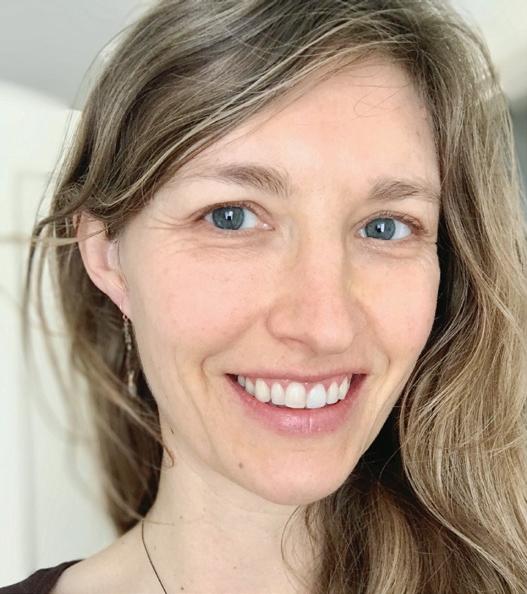
Ayurveda — the traditional medicine of India — and Chinese medicine have long histories of fostering fertility. Whether conceiving traditionally or via routes including donor eggs, donor sperm and in vitro fertilization, Eastern medicine provides approaches that address male and female roles, emphasize pre-conception preparation and diagnose and treat patients’ unique challenges.
Acupuncture, as well as herbal and nutritional support, can set the stage for successful conception among fertility-challenged couples without need for more invasive and costly IVF or intrauterine insemination in many cases. Furthermore, while fostering fertility, acupuncture also calms and revitalizes.
Eastern medicine works advantageously as an adjunct to Western fertility treatments, as well. In fact, acupuncture is often recommended by IVF clinic, as
peer-reviewed, published studies indicate that acupuncture before and after embryo transfer increases rates of conception. Approximately 85 percent of infertility has an identifiable cause, the most common of which is ovulatory dysfunction, though male factor infertility and tubal disease are also relatively common.
Many women who come to me with irregular or absent periods have also been diagnosed with polycystic ovary syndrome or Hashimoto’s thyroiditis, conditions with which infrequent ovulation is correlated. Other women failed to resume ovulation after years of birth control or after a pregnancy.
Acupuncture and herbs help address each of these situations. Herbs are particularly influential. Beginning work with a provider six months prior to conception — natural or assisted — is ideal, as the preparation period provides time to address underlying patterns.
Polycystic ovary syndrome
Anovulation, the most common
cause of infertility, is most often due to polycystic ovary syndrome. There is no single test that identifies PCOS. Rather, a woman is diagnosed with PCOS when she presents with at least two of the following: (1) a history of menstrual irregularity; (2) high levels of androgen (male hormones); and (3) cysts on the ovaries, identified via ultrasound. Symptoms may, though not always, include menstrual irregularity, excess facial and body hair growth, acne and weight gain.
From a Chinese medicine perspective, PCOS patterns reflect blood stagnation, qi stagnation and phlegm-damp. Individualized herbs and acupuncture help strengthen the function of the body’s organs in order to mobilize phlegm damp and regulate the qi and blood in the reproductive system, fostering a more regular cycle.
Sometimes Western providers encourage women with anovulatory PCOS to take ovulationstimulating drugs. Both controlled studies and my experience with PCOS patients suggest that combining Chinese herbs with Clomid, for example, increases ovulation and pregnancy rates. For instance, one such study found that Clomid alone augmented ovulation and pregnancy rates to 66 percent and 37 percent,
Cannabis and the Creative Experience
How cannabis influences art and perception
Cannabis and art go hand in hand. The extensive history of some of the world’s most renowned artists, musicians, and entertainers frequently using cannabis may not be a coincidence. The artistic and cultural explosions that trademark the 20th century drew attention to the creative enhancement of cannabis and other drugs. Until very recently, the unique association between cannabis use and artistic creativity remained largely mysterious. Researchers have since explored the scientific connection between the use of cannabis on the frontal cortex, and how this enhances, or sometimes disrupts, creative output and potential.

There are several aspects of cannabis that may help with the creation and consumption of art. First is the notorious ability for cannabis to relax the mind and calm the nerves. For many artists, the ability to calm anxiety is conducive to artistic success; symptoms of anxiety can dramatically inhibit the ability to create good art and achieve a state of flow. Relaxing the body and mind, and becoming more in touch with the subconscious facilitates artistic expression and creative freedom.
Research on the effects of cannabis on the human brain indicates a stimulative effect on the frontal cortex, the part of the brain that deals with cognition and creativity. By consuming the right dose of THC, the artist can stimulate the parts of the brain that produce innovation and abstract thought.
So, what is it about cannabis that stimulates creativity? THC, the primary psychoactive ingredient in
cannabis, influences cognition and neurological function by modulating cannabinoid receptors. THC is a molecule that fits endogenous THC receptors, much like a key fits a lock. These receptors exist throughout the body, including in the cerebral cortex, which affects thinking and perceptual awareness, and in the amygdala, which affects emotions. The emotive influence of cannabis is important because it can help artists and their observers pull from a broader array of emotional and perceptual experiences when either creating or viewing art.
The psychoactive properties of cannabis can sometimes enhance creativity alone, particularly with high doses that may embody a psychedelic experience in which sight and sound are not only enhanced, but slightly altered. Visual artists, in particular, may find patterns, textures, and colors emboldened, which can spark inspiration in multiple ways. Higher doses of THC can also affect depthperception, lending to influences in both the creation and consumption of visual art. Although cannabis is a relatively safe drug, consuming quantities this high can also cause anxiety and paranoia, so it is not advised to over-consume cannabis.
In fact, the very stimulation that can enhance creativity on cannabis can also do the inverse; it can suppress creativity by overwhelming the mind and distracting creative thought. Similarly, overconsuming THC before observing art can cloud perspective by oversaturating perceptual stimulation. A 2014 study published in Psychopharmacology analyzed a phenomenon known as “divergent thinking” between people under the influence of cannabis
versus those not. Divergent thinking is a process we all do every day, it allows us to generate creative ideas by exploring different avenues of thought in a spontaneous, freeflowing, and non-linear manner.
The study measured results to a series of examinations that measured fluency, described as the number of responses provided, flexibility, described as the variation in answers, as well as originality and elaboration. The results showed that people under the influence of small doses of THC (5.5 milligrams, specifically) scored consistently higher in all four categories than those who weren’t high (the control group). Meanwhile, participants who were given a higher dose of 22 milligrams scored dramatically lower in every category. This research suggests that low doses of cannabis are beneficial to the creative process, while higher doses are detrimental.
While it remains virtually impossible to measure creativity objectively, the subjective human experience and minor scientific research indicate a correlation between cannabis use and creativity. The physiological mechanisms by which cannabis affects creativity, via stimulation of the prefrontal cortex and by encouraging blood flow to the cerebral cortex, is increasingly researched. The extensive association between cannabis use with creativity and the creation of art is hard to determine. Are creative people simply more likely to smoke pot, or does the pot lend to heightened creativity?
Cody Funderburk
Annie Lindberg The Point Acupuncture
Seattle man scaling Africa’s Mount Kilimanjaro as part of campaign to raise awareness about kidney, organ donations
By Jessica Keller Madison Park Times editor
Bobby McLaughlin has had previous invitations to climb Mount Kilimanjaro in Tanzania, but something always led him to turn them down.
Until now. The Ballard resident and 21 other kidney donors, all members of Kidney Donor Athletes, are currently scaling Africa’s highest peak as part of the organization’s campaign to raise awareness of the importance of kidney donations and demonstrate that being a kidney donor does not mean giving up adventures.
“It’s ironic or not ironic, I’ve turned down other opportunities to climb Kilimanjaro because it didn’t quite fit with the timing for my life, and I’m actually really grateful now that this will be my first to do it this way,” McLaughlin said in January. “No offense to my friends who invited me before, but this will be a powerful, powerful experience.”
Beginning a new journey McLaughlin started his journey to kidney donation and Mount Kilimanjaro accidentally in 2016 after he fractured his wrist in a bad bike crash. He didn’t know that accident would change his life.
“There’s a lot of times in life where things happen where we might not realize the chain of events of things unfolding, and I didn’t realize at the time, so it went from a really bad bike crash to the best one ever,” McLaughlin said.
He said all he remembers after breaking his wrist in the crash is the immense pain. At the hospital he was told the injury was so severe that it required surgery to repair.
When he came out of surgery, the surgeon informed him his injury was worse than expected, and bone and tissue from a donor was needed to fix it.
Afterward, he was able to exchange communications with the donor family.
“And that was a really powerful experience for me,” he said.
Shortly after that, he met a woman who was a living kidney donor and heard about her experience and how transformational it was for her. He also met her recipient, as well.
The exchange was so meaningful that afterward he called the University of Washington and made an appointment to see if
INFERTILITY, FROM PAGE 5
respectively, whereas Clomid and herbs combined boosted rates to 87 percent and 66 percent.
Other causes of infertility
Other disorders that adversely affect fertility include Hashimoto’s thyroiditis and endometriosis, among others. Additionally,
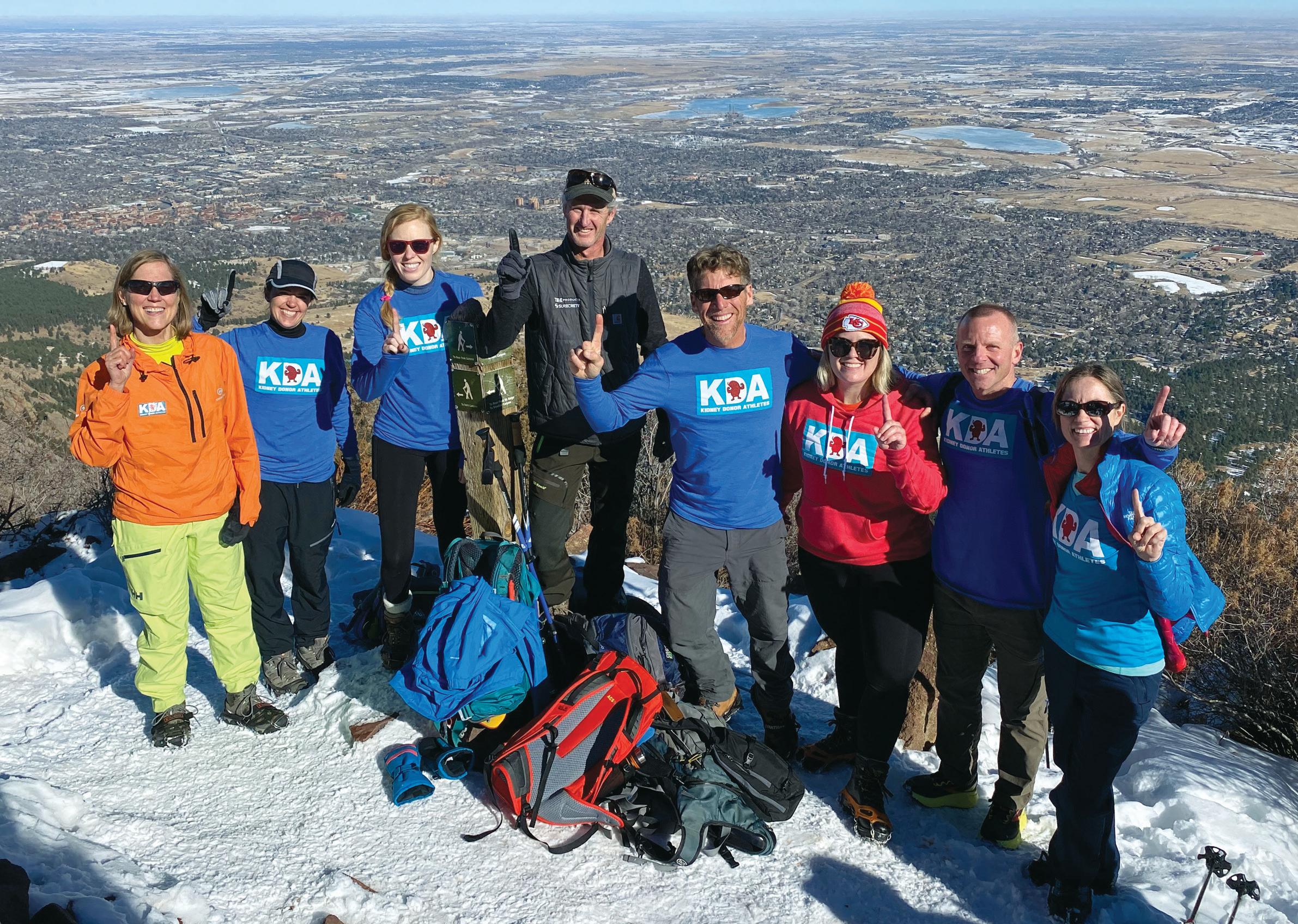
He said, at that time, it occurred to the group that by sharing their plans with the public, as well as documenting the trip itself, they had a “huge opportunity” to share the message of what is possible post donation and dispel the myth that kidney donors can’t live healthy, active lives afterward.
“Most of us would say we’re even more healthy after donating, and we lead a more active and healthy life after donating, and that would be true for me, as well,” McLaughlin said.
McLaughlin and the rest of the climbing party began their eightday trek this week and will reach the 19,341-foot summit of Mount Kilimanjaro on March 10, which is also World Kidney Day.
“There’s shorter routes up Kilimanjaro, but the success rate from this longer route is higher, which is why we’re doing it,” he said, adding the expedition will be led by Embark Exploration Company out of Portland, Oregon.
“I’ve always been one to want to help people in whatever way that I could, and I’ve been most fortunate in my life and my active lifestyle." — Bobby McLaughlin
Seattle
resident and kidney donor
he qualified to be a kidney donor, beginning the extensive six- to eight-month process.
After a series of health checks and exams, McLaughlin was cleared in the summer of 2018, and on Jan. 2, 2019, his surgery was complete.
“It was really great. It was really straight forward and simple for me,” he said.
It was also an easy decision to make.
“I’ve always been one to want to help people in whatever way that I could, and I’ve been most fortunate in my life and my active lifestyle,” McLaughlin said.
After meeting the woman who donated her kidney and learning more about the process, McLaughlin didn’t think twice about donating one of his.
“I had two of them and somebody else needs one of them, and why wouldn’t I do that,” he asked.
“Why wouldn’t we do that? Why wouldn’t we do this?”
McLaughlin said he has always been an active, athletic person —
some women endure recurrent unexplained miscarriages. All of these situations have been shown through studies and my experience to benefit significantly from Chinese medicine and acupuncture interventions.
Though I have focused primarily on the woman’s role in fertility challenges, IVF clinics have estimated that 30 to 40 percent
he played soccer in high school and college, including Seattle Pacific University. Not only had his healthy lifestyle benefited him when he applied to become a kidney donor, after speaking with many donors about their experiences prior to his own surgery, McLaughlin learned that, because he was physically fit, active and in good health prior to the surgery, there was no reason he would have to change that part of his lifestyle afterward.
“So 12 days after, I was able to do my first hike, although it was not a super hard one or anything like that,” he said.
In April of that year, three months after his surgery, McLaughlin climbed his first 14,000-foot mountain in Colorado and ran a marathon eight months after his surgery.
“It’s been really cool to show after donating my kidney that all of these things are still possible to donors,” he said, adding that is a key mission for Kidney Donor Athletes, for which he is presi-
of infertility or sub-fertility in couples can be attributed to the male partner.
Male fertility is often easier to enhance with Chinese medicine than its female counterpart, such that it is prudent to maximize the male half of the puzzle.
Hope
In my work with patients with
dent.
McLaughlin said what many people don’t know, including himself before learning more about kidney donation, is that the body can survive with only one kidney. When a healthy person donates a kidney, the other remaining kidney grows to compensate for the loss of the other.
McLaughlin said the adjustment period while the kidney is growing is two years, but after that the donor’s kidney function is back to normal, with the organ cleaning and filtering the blood as intended.
“Our bodies are amazing,” McLaughlin said. “And now I’m going to go stand on the top of Africa and share the message that [kidney donors] can do whatever you want in your life afterwards.”
A trek up a mountain
McLaughlin said the idea of a group expedition up Mount Kilimanjaro originated during a virtual Yahtzee tournament among kidney donors. He said a couple who participated told everyone they were planning an anniversary trip up the African peak and invited everyone to join them.
“It didn’t take us long to say, ‘OK, we’re in,’ ” McLaughlin said. From there, the group grew to include other members of his organization.
fertility challenges, almost all have ultimately achieved pregnancy, ushering a healthy baby into the world. The preconception time is a golden window of opportunity to prepare body, mind and spirit for baby-to-be.
For couples hoping to embrace pregnancy in the next six months, I would recommend connecting with an experienced herbal prac-
McLaughlin said he typically trained two to three times a week and has climbed other mountains in preparation for climbing Mount Kilimanjaro. In Washington, the highest he has climbed is Mount Adams, at 12,200 feet, but has climbed up to 14,000 in Colorado.
Not only will this trip demonstrate to people that kidney donors can do anything, even climb Mount Kilimanjaro, it is exciting to McLaughlin as an athlete.
“I’m just completely hooked on getting high up,” the former soccer player said. “I totally love it. I love the challenge of it, the reward of it. It fills me with energy every time I go.”
The trip is important to Kidney Donor Athletes because it part of a fundraising campaign to support the group’s three-year strategic plan of education and advocacy for kidney donation. McLaughlin said roughly 100,000 people are on a waiting list to receive a kidney transplant to improve or save their lives.
To learn more about Kidney Donor Athletes and the climb up Mount Kilimanjaro, visit https:// kidneydonorathlete.org/onekidney-kili-climb/.
People can donate to Kidney Donor Athletes’ fundraiser by going to https://www.gofundme. com/f/kdakiliclimb2022.
To learn more about kidney donation, visit https://kidneydonorathlete.org/wp-content/ uploads/2022/01/Fact-Sheet_Living-Kidney-Donors.pdf.
titioner and acupuncturist with a background in fostering fertility as a first step in their successful journey toward a healthy baby.
and Ayurveda in Madison Park.
— Annie Lindberg is the owner and licensed practitioner at The Point Acupuncture
Photo courtesy Bobby McLaughlin
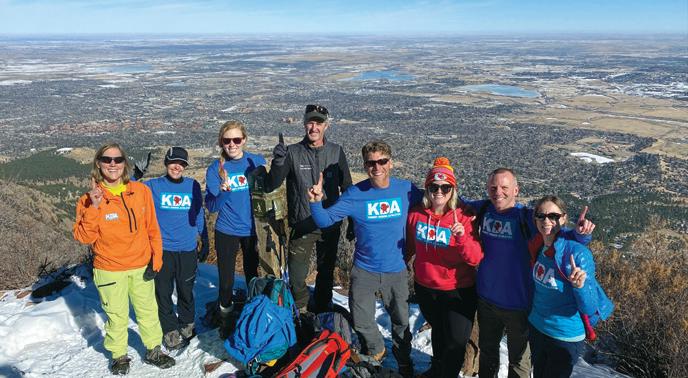
Former Magnolia resident and kidney donor Bobby McLaughlin, second from right, stands with seven other climbers on Bear Peak in Colorado, Jan. 15. The climb was a practice run for their expedition climbing Mount Kilimanjaro, Africa’s highest peak, this month.
George Schenk so poetically put it. Each year the old fronds brown and, in time, shrivel. To keep the plants looking spiffy, a fastidious gardener will cut off the previous year’s fronds just as the new ones are about to emerge. This is the month to do that.
Look down into the crown of the plant. You’ll see the new, infant leaves curled up in a handsome mound. Cut the old fronds away. The garden will look bare for a week or two, but then you’ll have the joy of watching the new fronds poke out, stretch up and unfurl: a perfect heralding of spring! Spread out uniformly under and between the ferns and mixed shrubs, the cut fronds make a great mulch, retarding weeds, holding in moisture and discouraging slugs.
That bare period from grooming to new fronds can be abated. Gertrude Jekyll, the British garden designer, active in both the late 19th and the early 20th centuries, planted daffodil bulbs around her sword ferns. She cut back the old fronds just as the daffodils were popping up. They bloomed surrounding the fern crowns, then, as the daffodil leaves began looking ratty but were still needed to fortify the bulbs below, the new fronds emerged to cover them. Other than grooming, once planted in our rich acid soil and open to natural
irrigation, there is little to do to keep this robust native in its natural state of splendor.
Coming back to the Pacific Northwest, no matter the palms, orchids, cacti or autumn-fired hardwoods I’ve seen, I always marvel at the beauty of our incomparable natives, sword fern prime among them. I feel like Dorothy returned to Kansas: There’s no place like home. Long ago, on the Olympic Peninsula, I rounded a bend in a trail through the low woodlands, not far from the Pacific. There, covering an acre or more, I found myself in the midst of a sea of sword ferns cut out of a grove of conifers and alder. Through the ferns, the occasional clump of vine maple stretched up, and in the middle of it all stood a board and batten cottage, roofed in shakes, the cedar siding weathered a handsome tarnished silver. It was as beautiful as any garden and house I’ve ever seen.
At a certain age (I’m there), one begins to think what comes next as the light at the end of the tunnel of life grows brighter. I’ve hatched many scenarios, but one is reoccurring. I hope I can tap the heels of my Ruby Hiking Boots together three times and cometo in that sea of sword ferns, looking at that house, knowing that inside all my family and all our dogs will be waiting for me to come in and sit down for dinner.
Cookies With Tiffany in Madrona
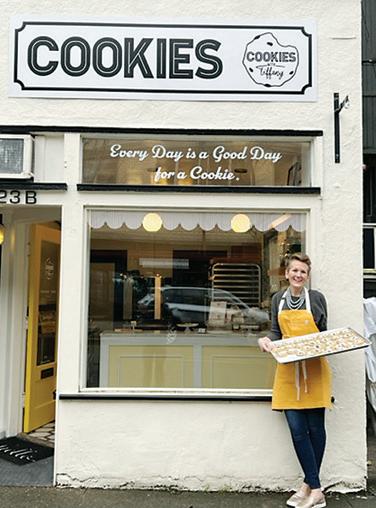
Almost two years after launching her online cookie business, Madison Park resident and baker Tiffany Lewis stands outside of her new brick-and-mortar cookie store, Cookies With Tiffany, at its grand opening, Feb. 2, in Madrona. The store, 1123 34th Ave., is open from 11 a.m. to 5 p.m. Wednesday through Friday and from 11 a.m. to 4 p.m. Saturday and Sunday. Visit www.cookieswithtiffany.com to see the menu or place an order, or call 206550-9903.





Photo courtesy Tiffany Lewis

Making Access to Homeownership More Equitable
Windermere is committed to making access to homeownership more equitable. That’s why we’re proud to partner with HomeSight on the Sam Smith “Hi Neighbor” Homeownership Fund, which provides deferred, low interest loans to low-to-moderate income Black/African Americans.
Named for legendary Washington State Legislator Sam Smith, who passed the state’s Open Housing Law barring discrimination based on race and religion in 1967, HomeSight’s new fund helps Black/African Americans achieve their dream of homeownership.
Through this and other programs, we will continue to support our local communities; diversity, equity and inclusion are a cornerstone of our work in the housing industry.
All in, for Community.