Home & Garden Tour opens up neighborhood
Madison Park residents show off properties to raise funds for McGilvra Elementary students
By Brandon Macz
Madison Park Times editor
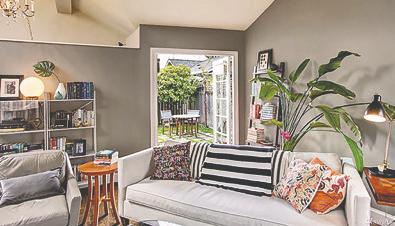
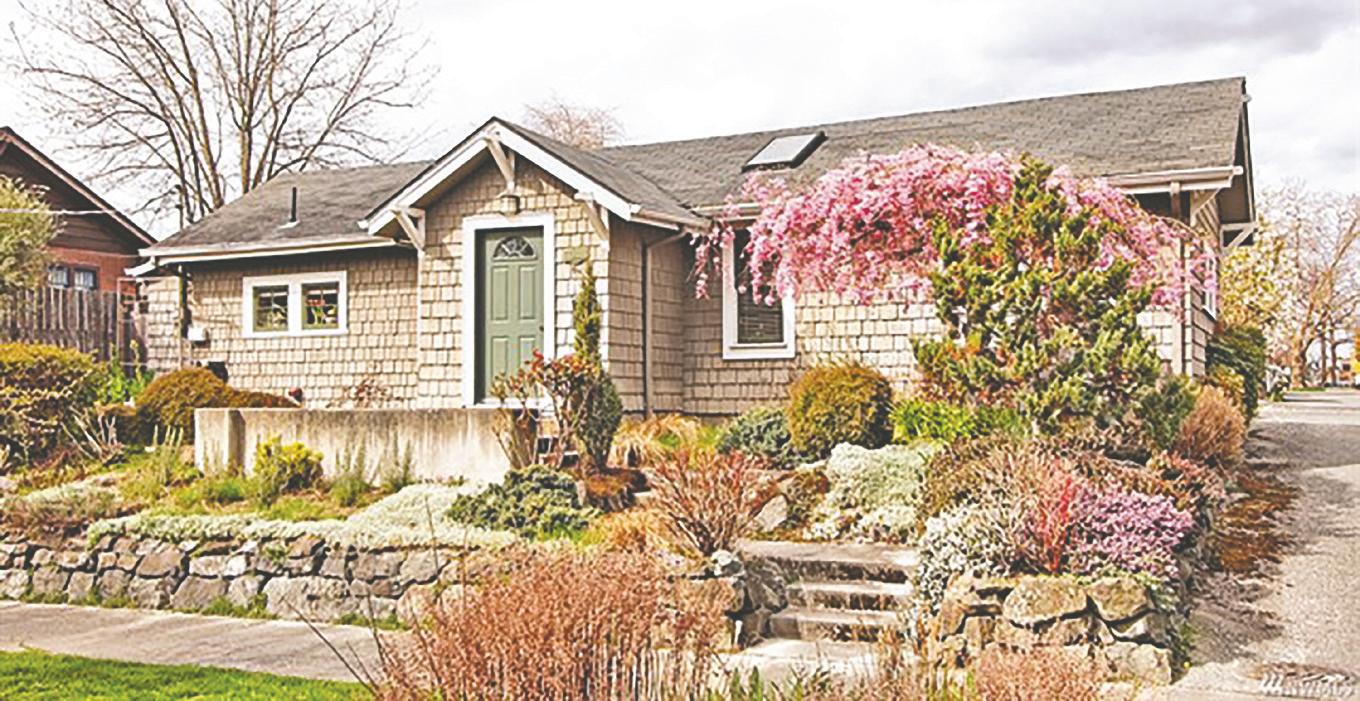
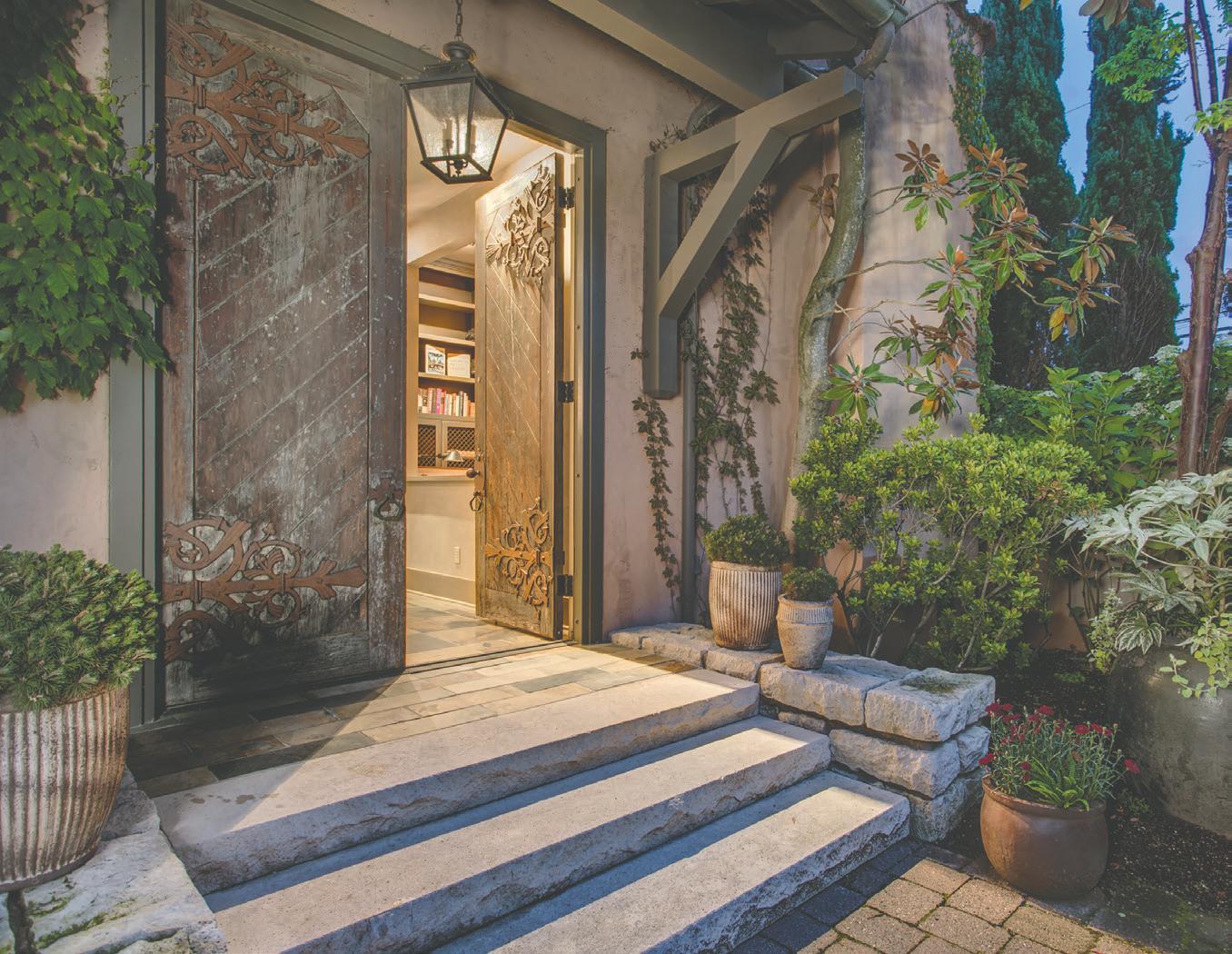
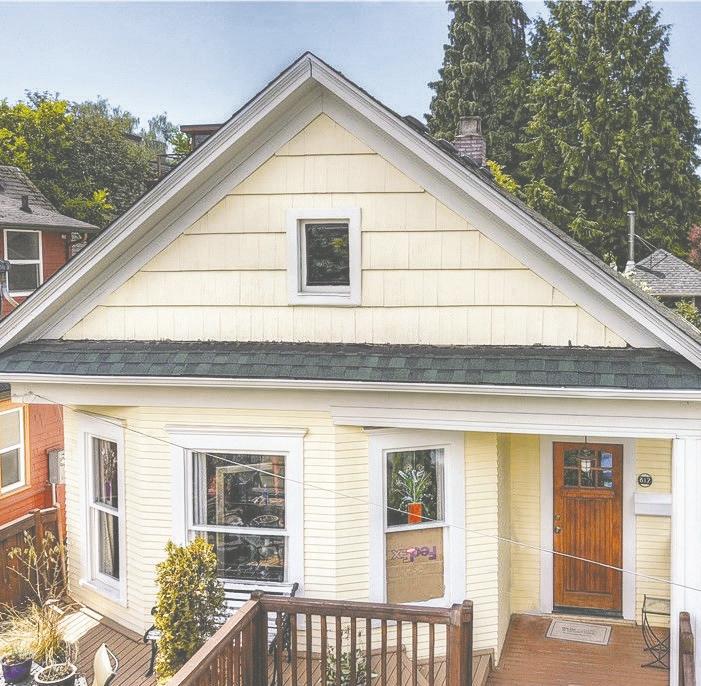
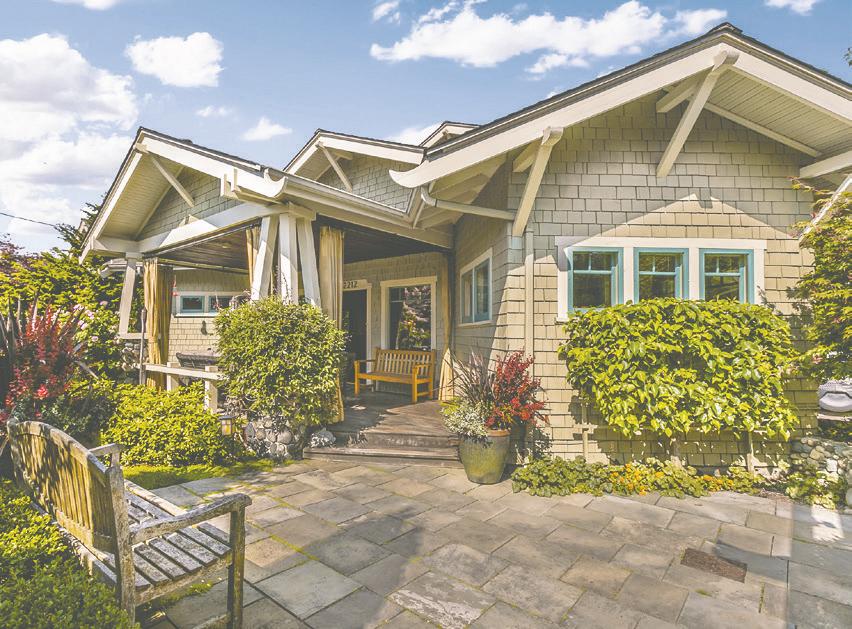
Allison Ainslie grew up in a house her father built on 37th Place East in 1967. Fifty years later, she’s modernized the design and recreated the feel in her newly constructed Madison Park home.
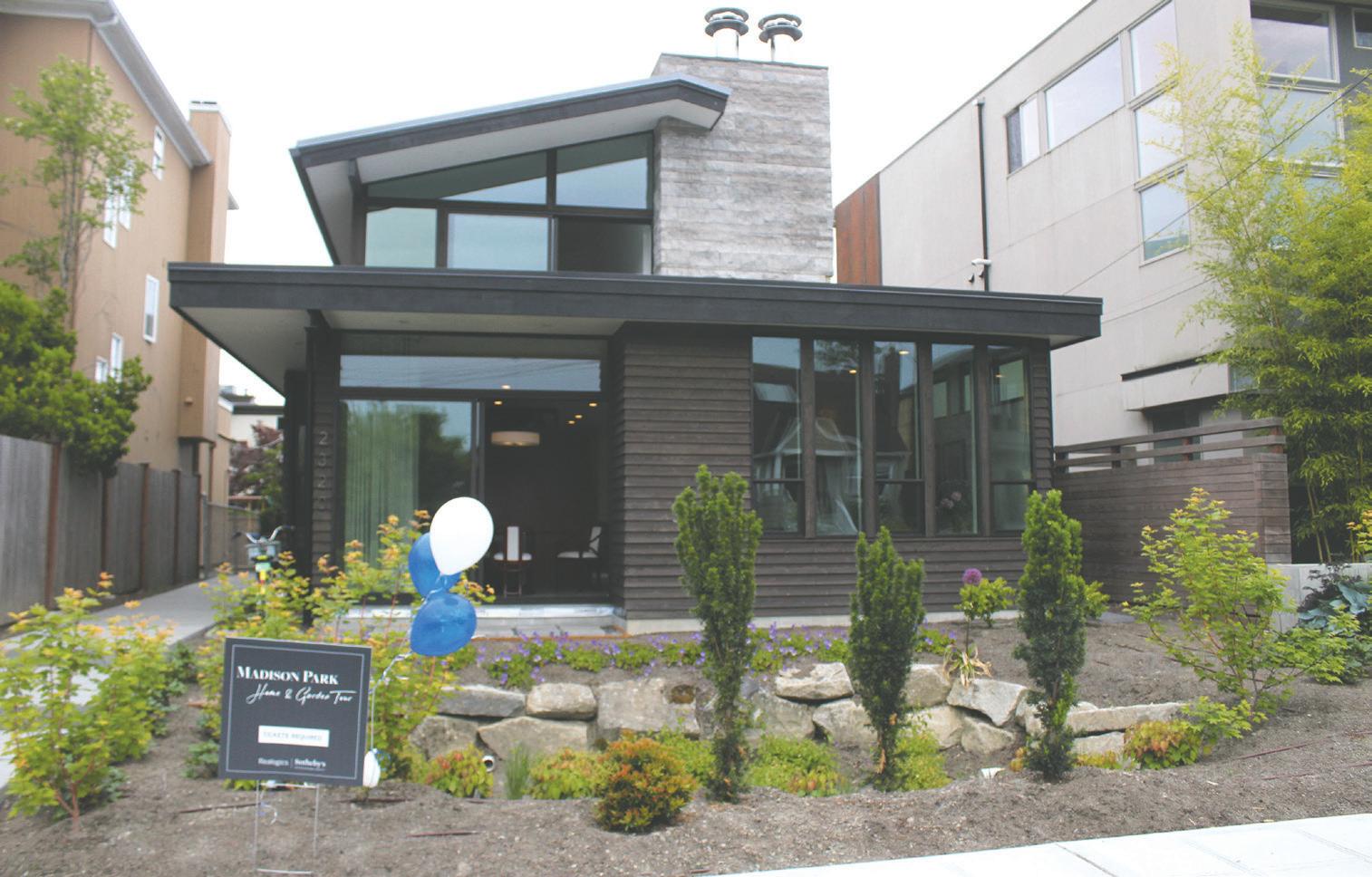
The Ainslie and Martynovych Home was the first house on the map for the second annual Madison Park Home & Garden Tour, which was started last year as a fundraiser for McGilvra Elementary. Ainslie’s son and daughter, Nicholas Davis and Aleksandra Martynovych, both went to McGilvra Elementary. Davis is now 23, and a Realtor at John L. Scott, while Martynovych, 15, attends Seattle Prep. Ainslie said she’s participated in a
number of McGilvra fundraisers over the years, and wanted to not only continue supporting the elementary school, but also invite curious neighbors to see the home she built — it’s free advertising for her Ainslie-Davis Construction business.
Ainslie’s father, Hugh, built four apartment buildings, one condo, a duplex and three houses in Madison Park over the years. He saved every set of plans for each project, Ainslie said, except for her childhood home on 37th Place East.
So, when she decided to take the property she’s owned for 20 years at 2320 42nd Ave. E. and place a modern re-creation of that home there, she ended up knocking on the door of the current resident on 37th.
“She was very kind and, in fact, I was up
Just Listed!
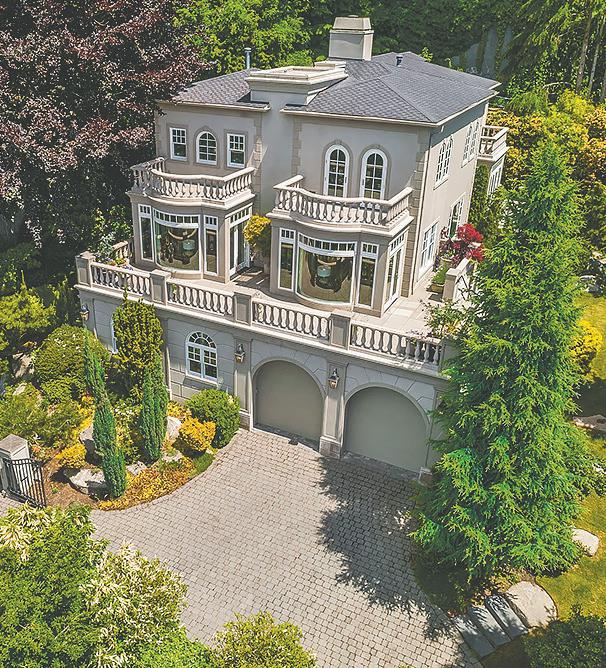
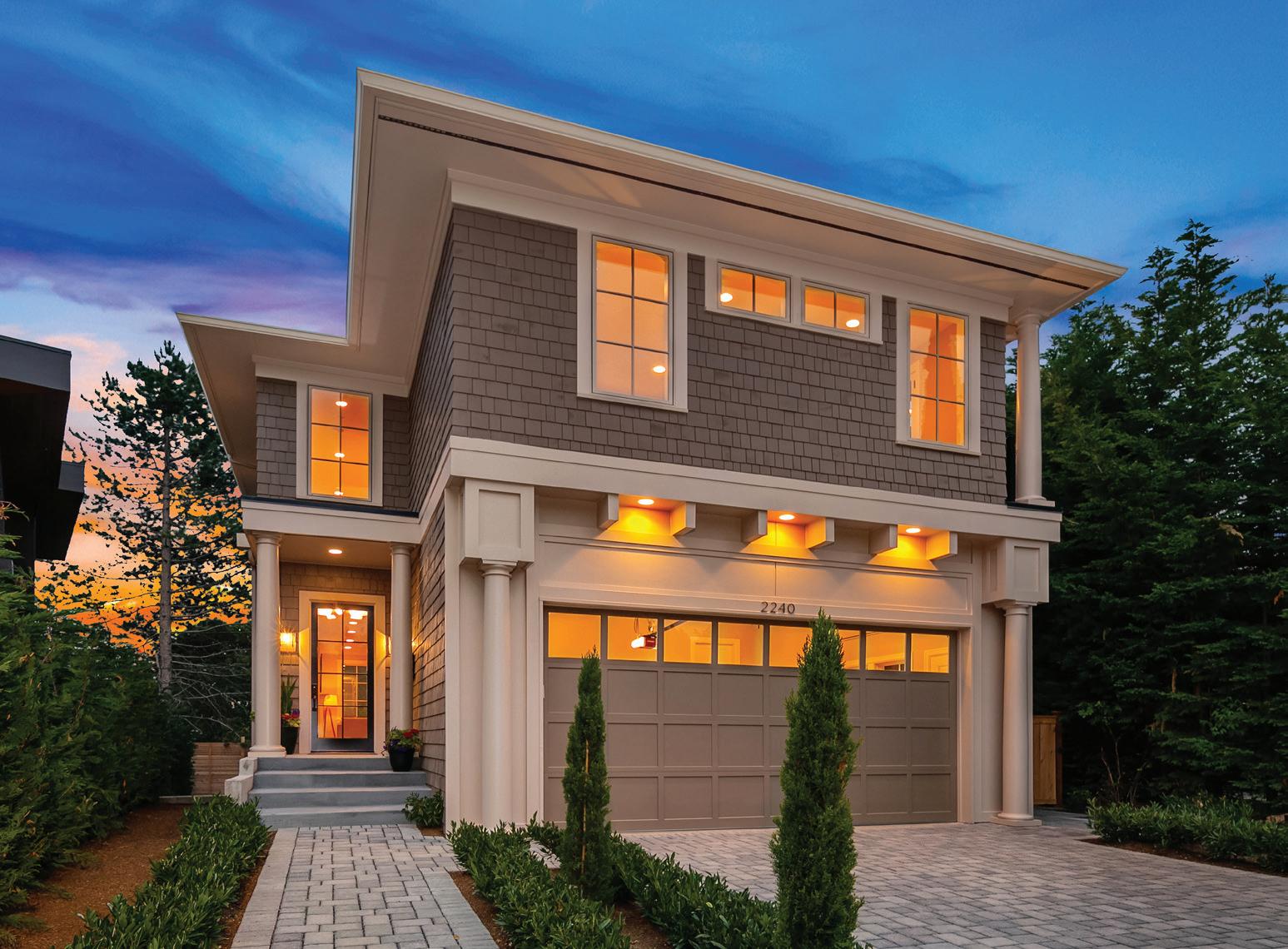
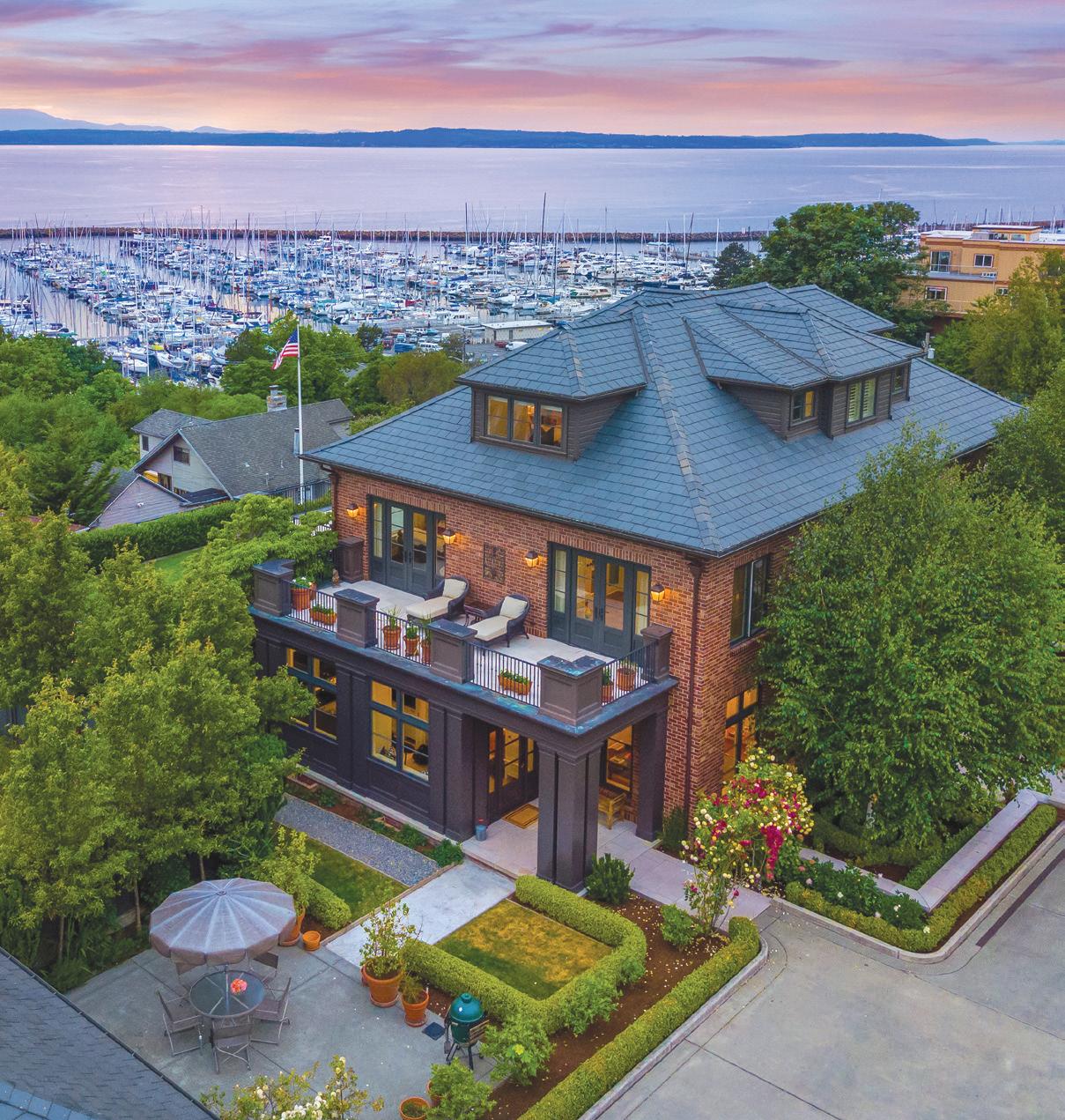
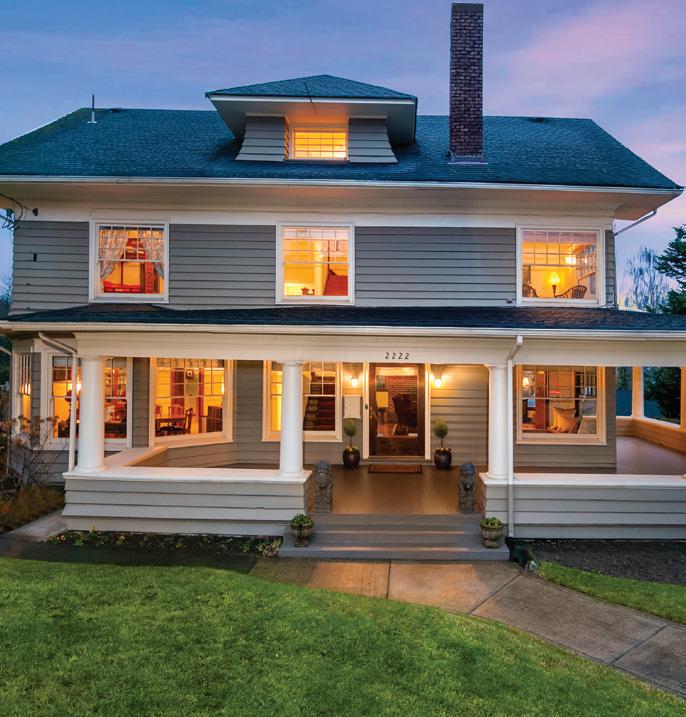
2240 38th Place East | Madison Park
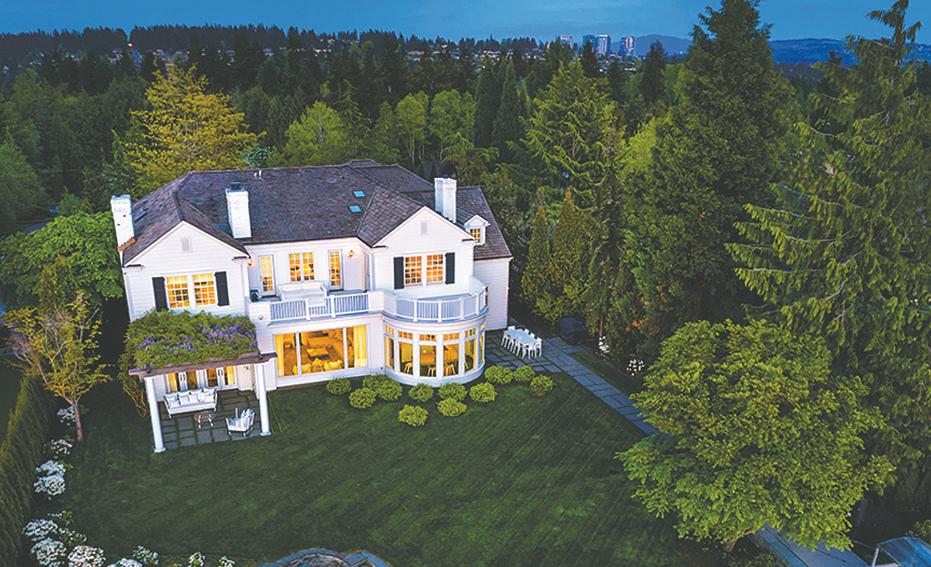
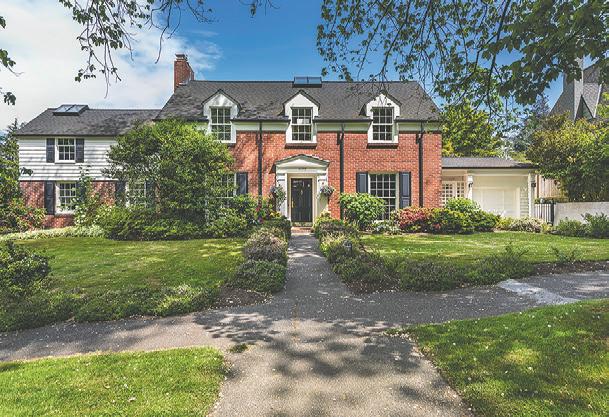
Stunning new construction by renowned Boehm Design in the coveted Canterbury neighborhood. Crafted with unrivaled quality and detail for luxurious living featuring a versatile floor plan designed with today’s lifestyles in mind. Stunning finishes include Carrara marble, hardwood, high-end appliances and cabinetry. All the bells and whistles from air conditioning to an elevator! A short walk to Madison Park’s shops, restaurants, park, beach and minutes to downtown. This is an exceptional home in an exceptional neighborhood. Feel free to contact me for a tour of this stunning home!


206.919.6605 | lisaturnure@cbbain.com | LisaTurnure.com Experienced. Innovative. Trusted.
there yesterday and I gave her a wristband and said come on down and look around,” Ainslie said.
“It’s a modern mid-century modern,” joked Neill Ainslie, Ainslie’s brother and Ainslie-Davis Construction co-owner. “It’s the same floor plan. The bedrooms are in the same location. … Building it was very nostalgic.”
“My dad, he’s gotten a real kick out of it,” Ainslie said. Ainslie’s husband, John Martynovych, provided his expertise in stone masonry for the fireplace and exterior work, opting for Canadian limestone, she said. Neighbors had been curious about the
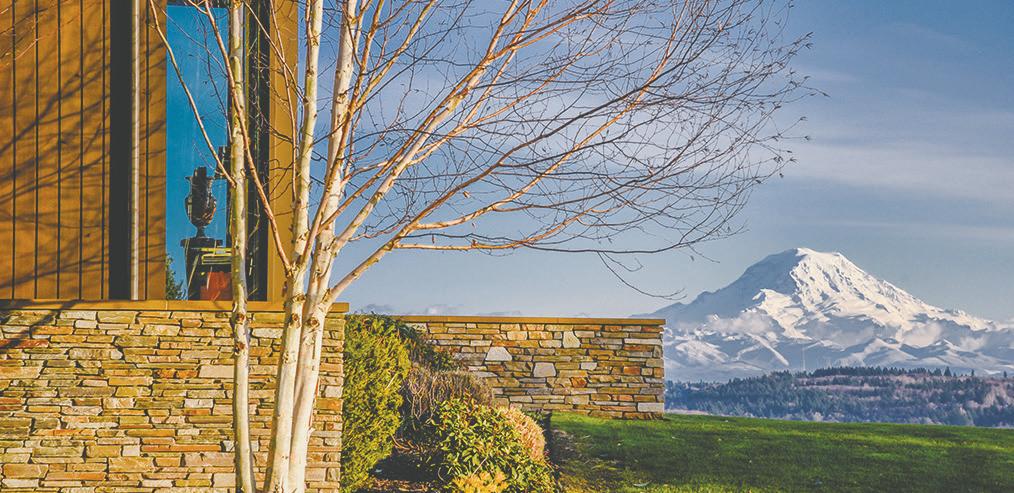
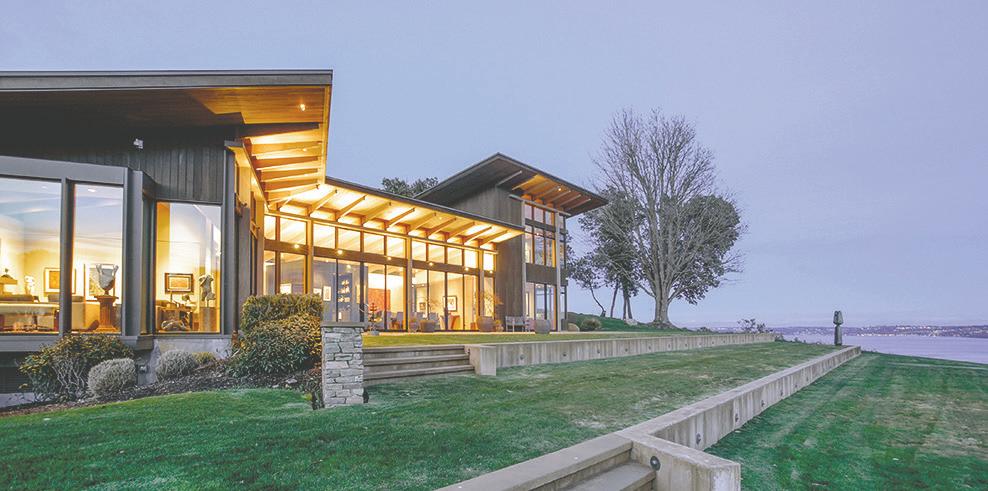
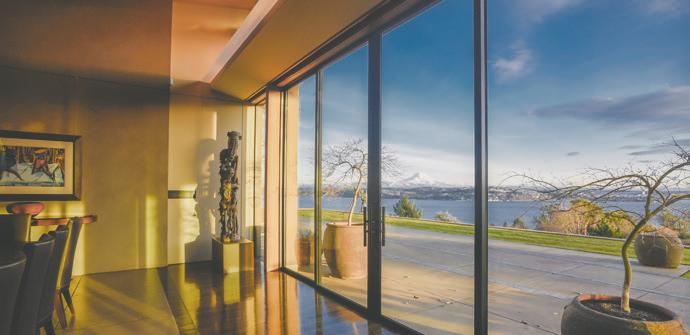
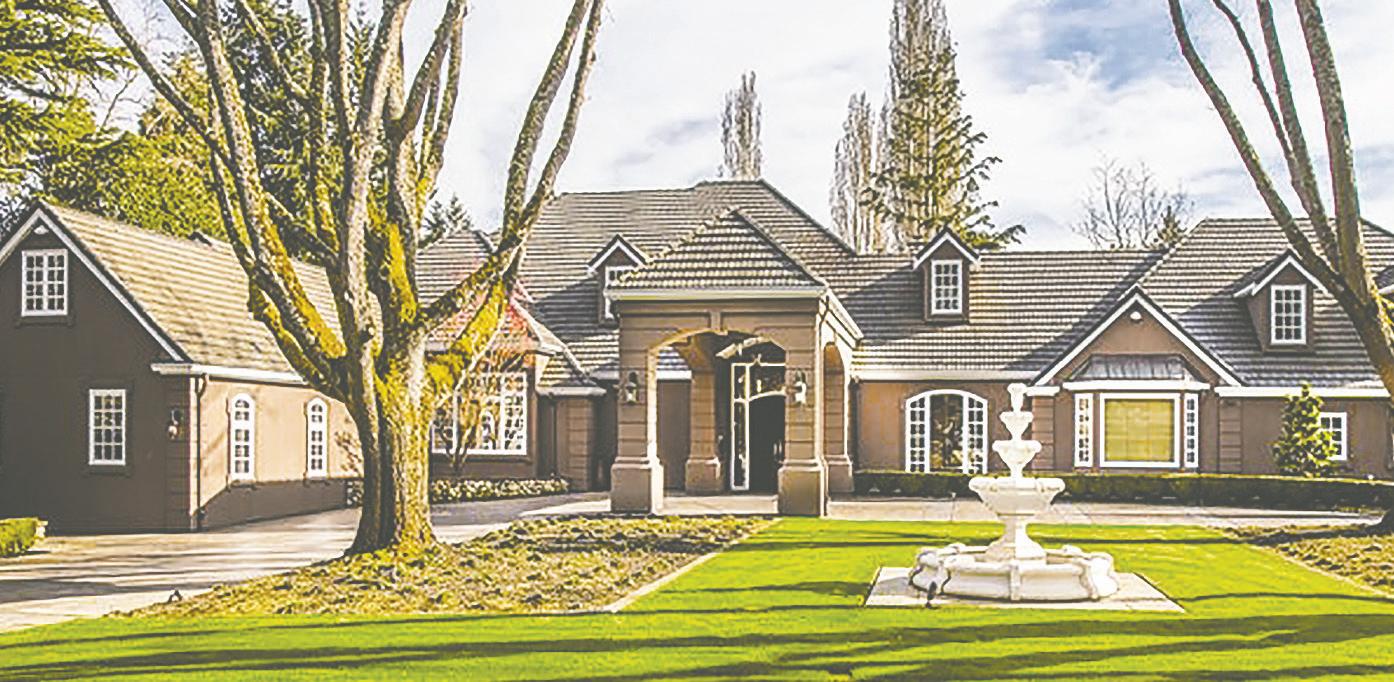
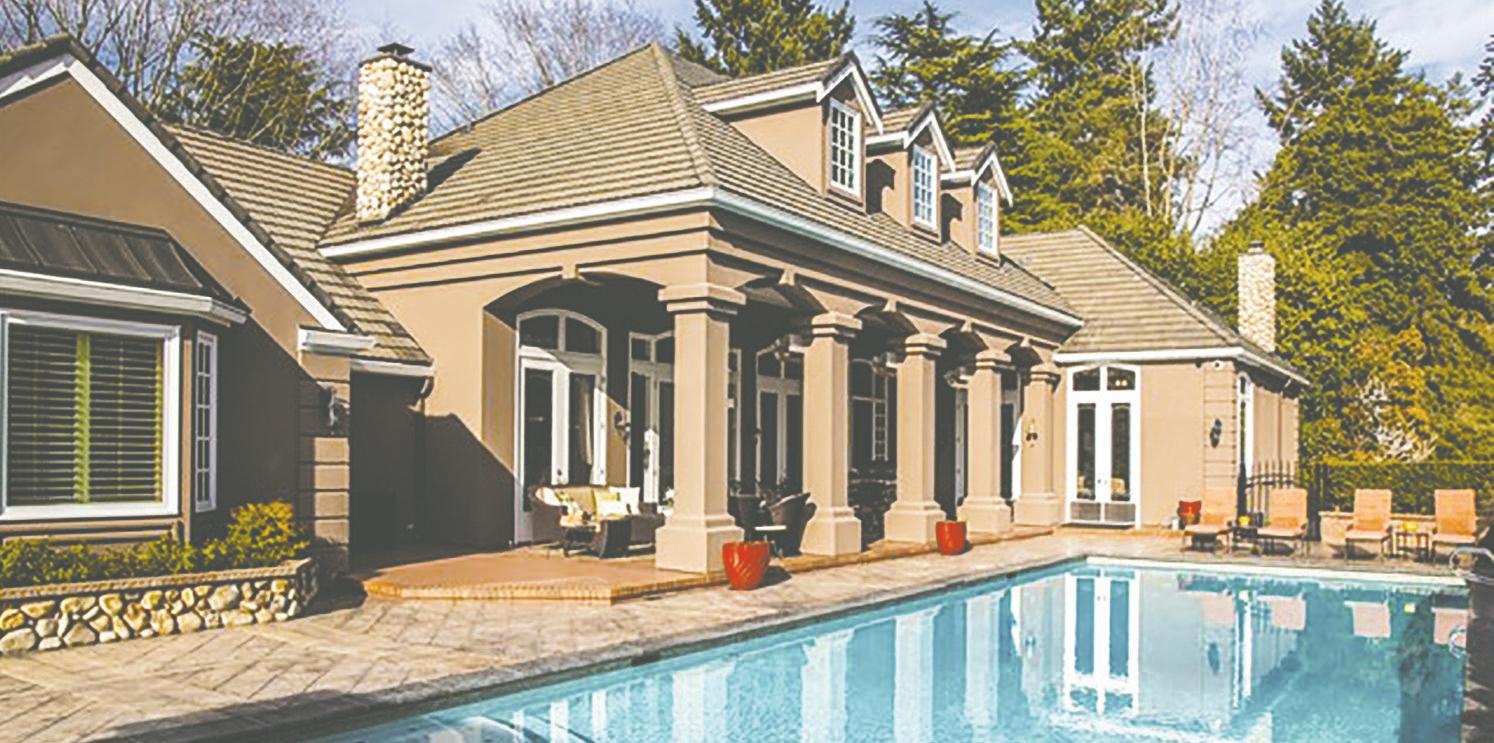
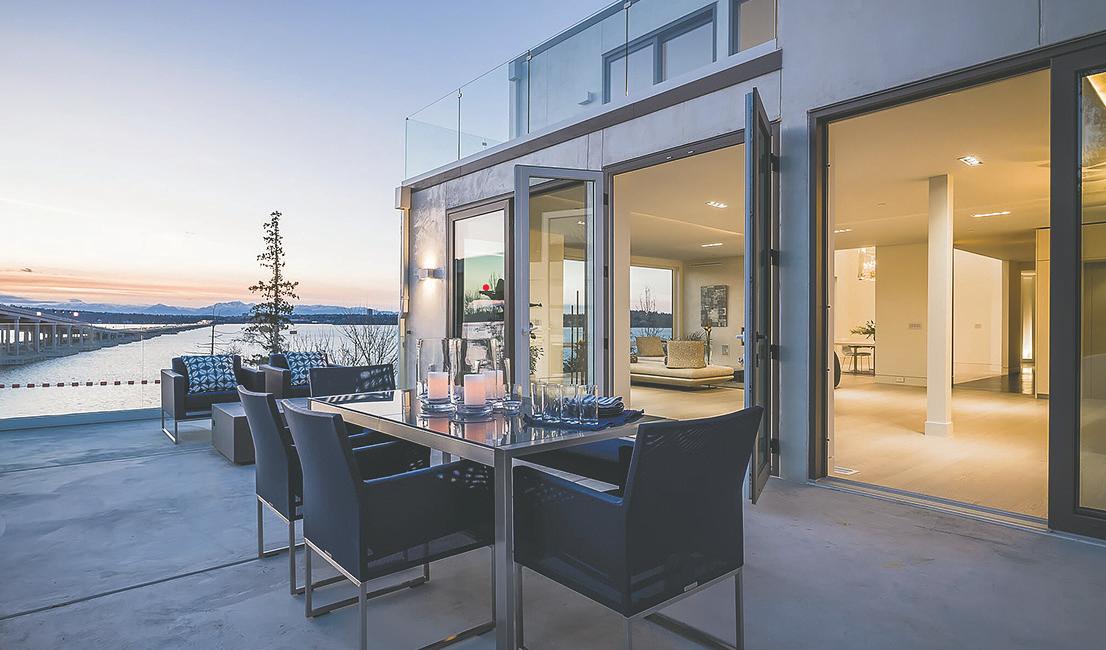
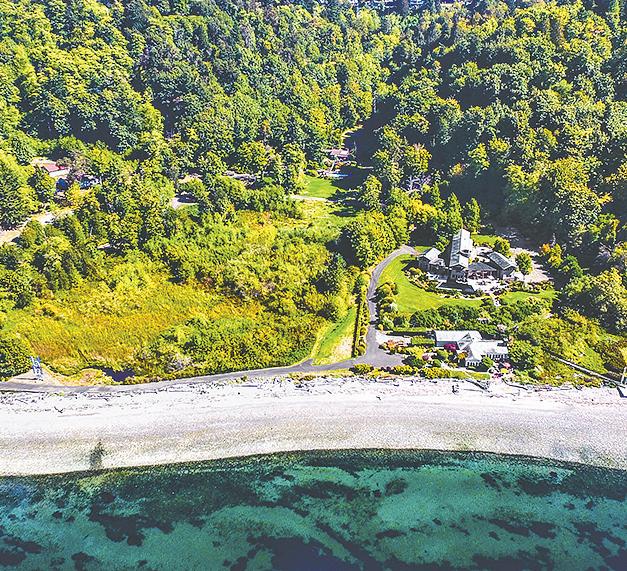
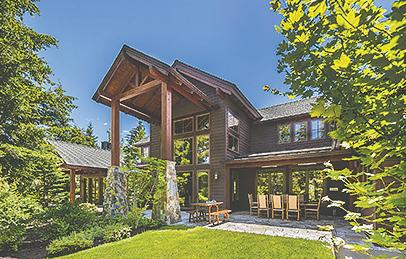
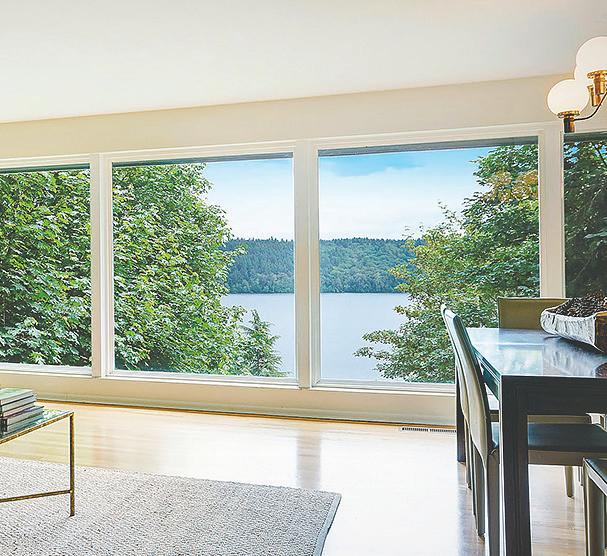
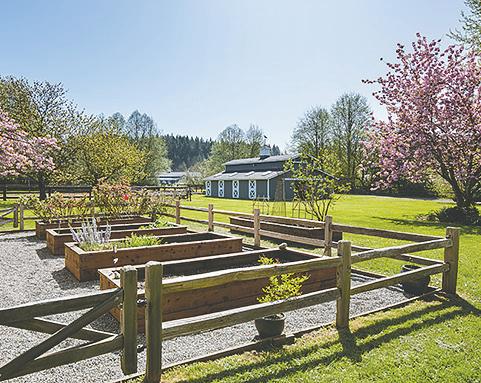
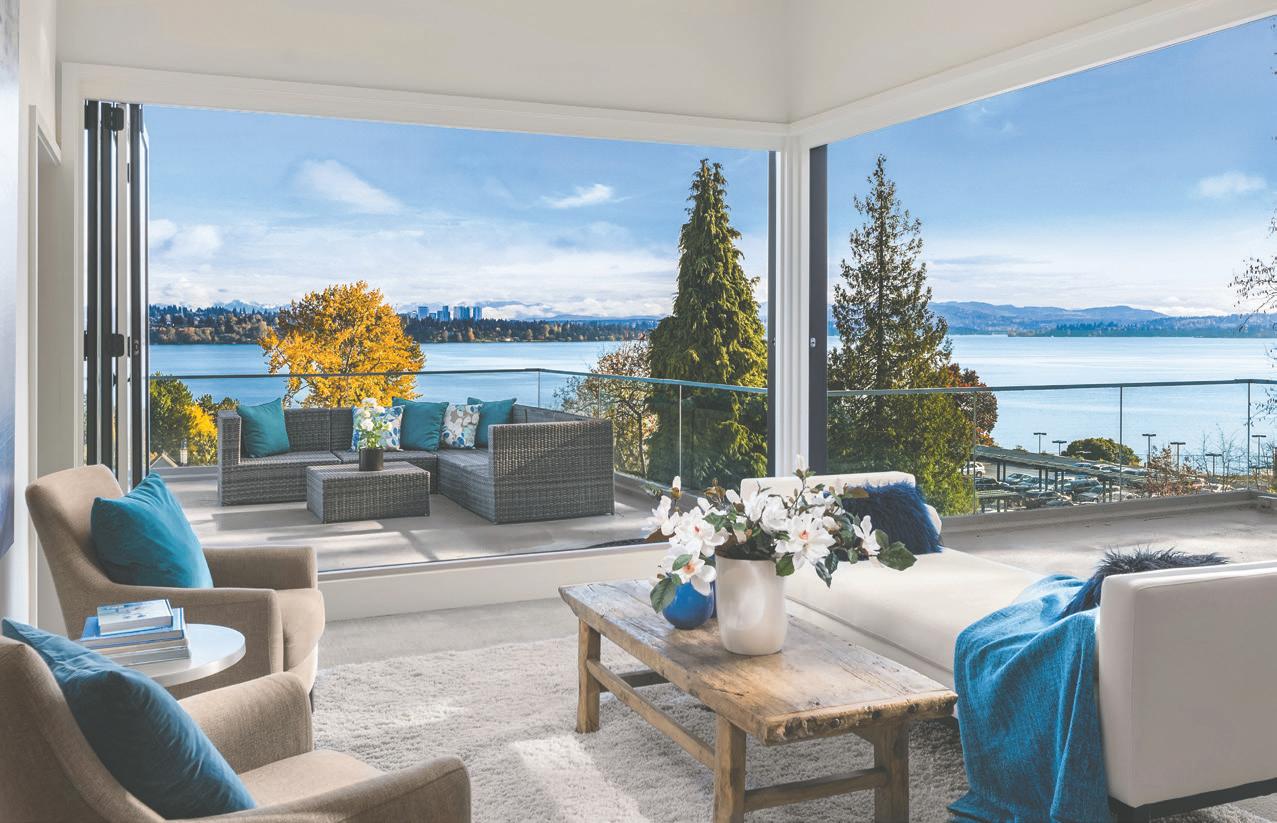
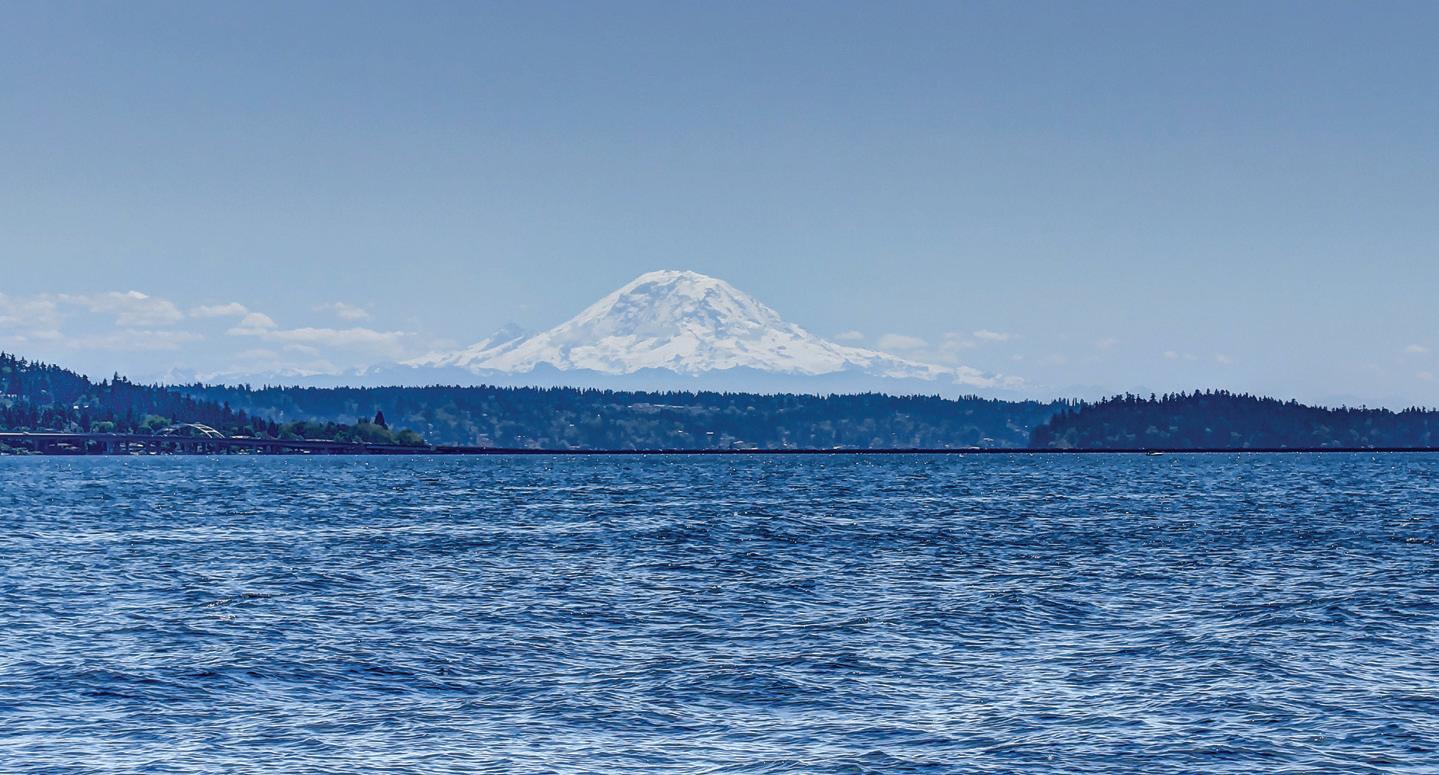
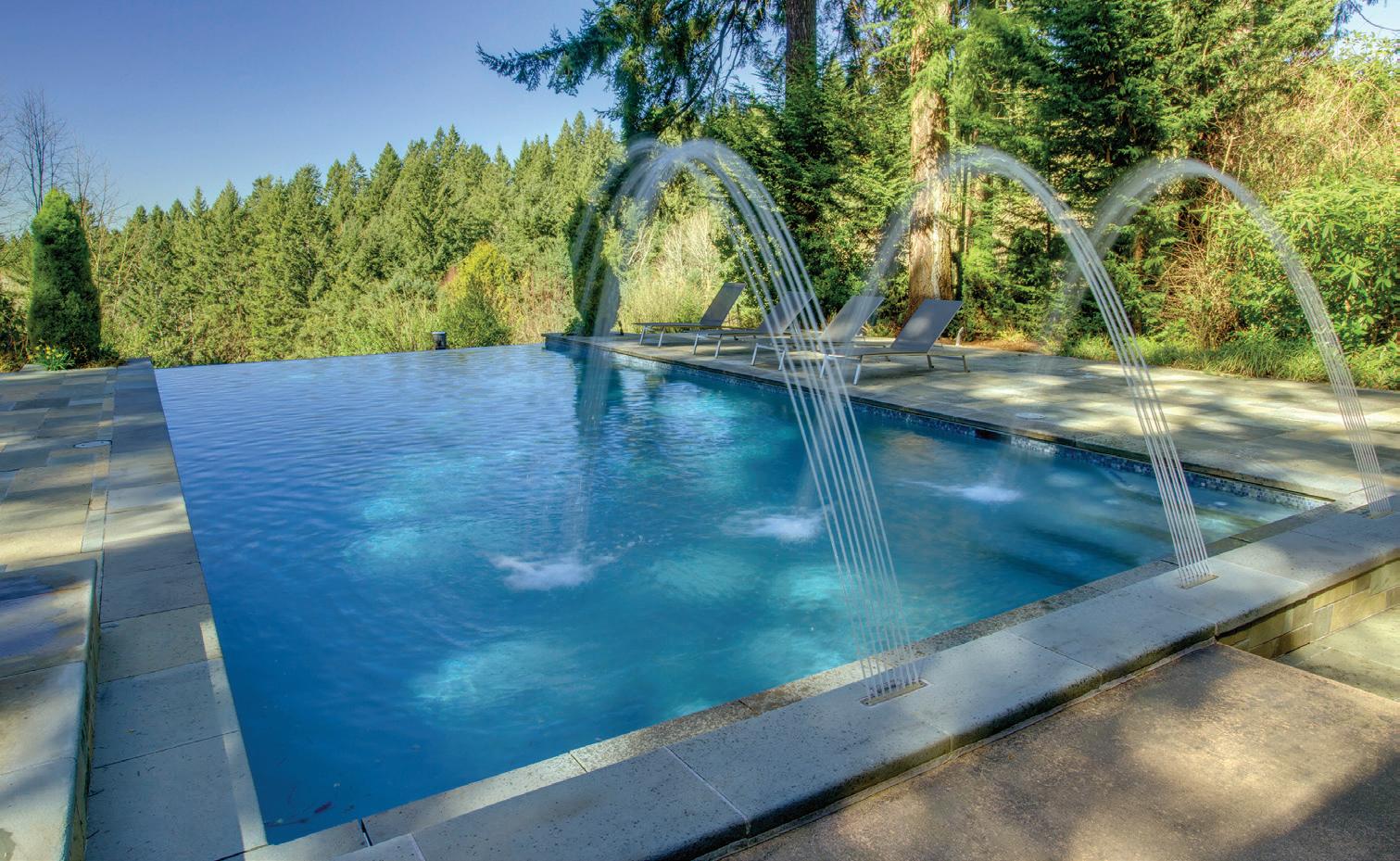
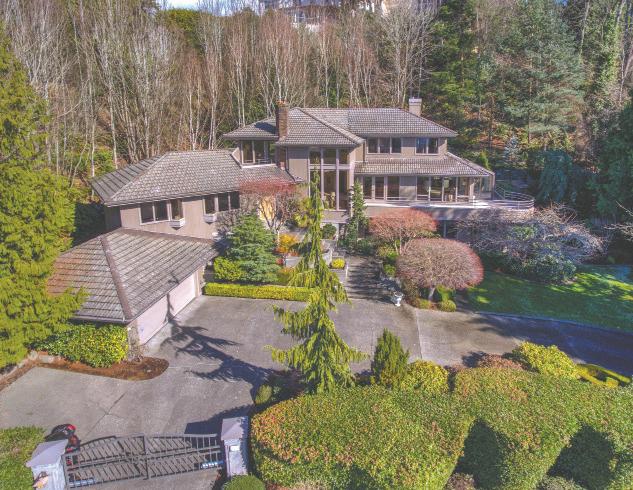
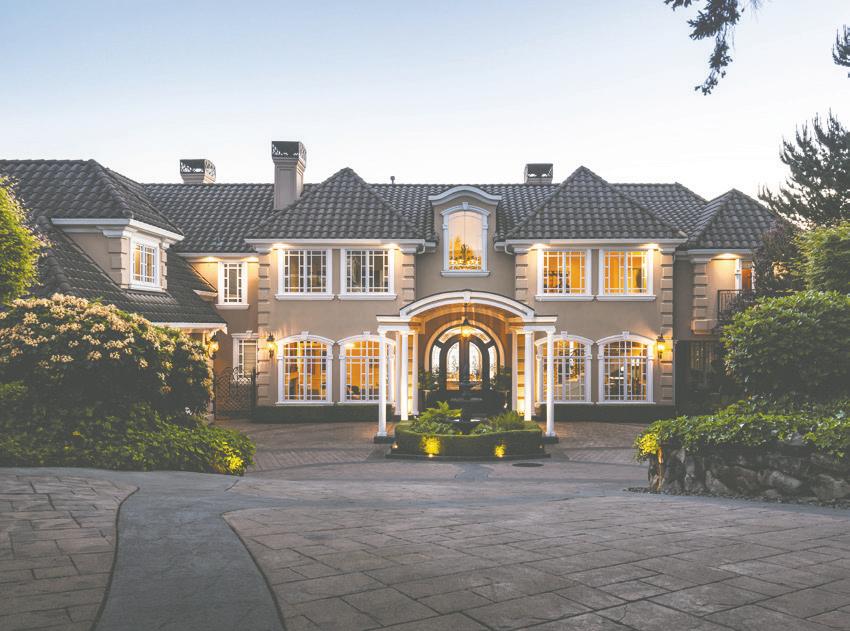
One of the most architecturally significant and integrated residences available in the region. Sited on 10+ acres overlooking the Puget Sound as well as Mt. Rainier, a collaboration between the art collector-owner and Rick Sundberg during his tenure at Olson Sundberg Kundig Allen. The property is designed to bring the outside in while masterfully interacting with its native surroundings. A soothing enclave of cedar, raw steel, bronze, concrete and glass. Gated/private. Includes four stall barn.
VASHON ISLAND RESIDENCE: $5,888,000

Photo by Brandon Macz
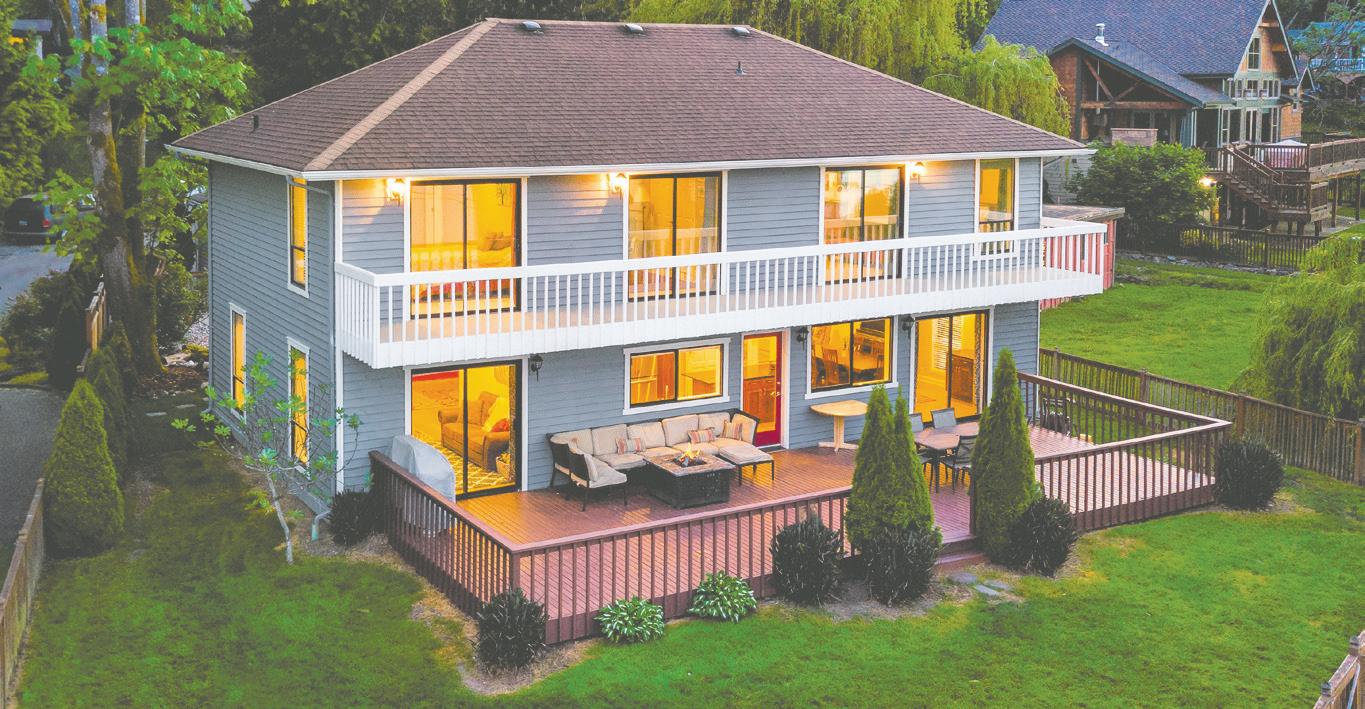
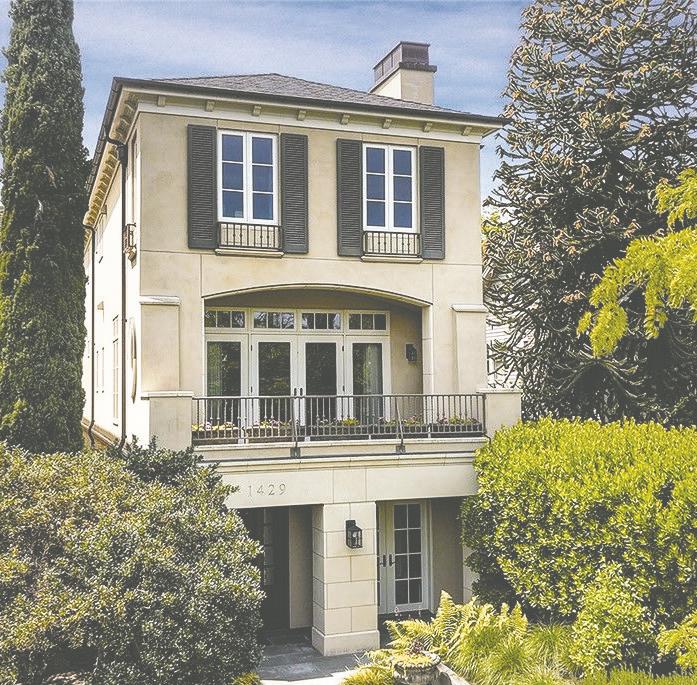
The Ainslie and Martynovych Home was the first house on the map for the second annual Madison Park Home & Garden Tour on Sunday, June 3.











Betsy Q. Terry
Jane Powers
Kristine Losh
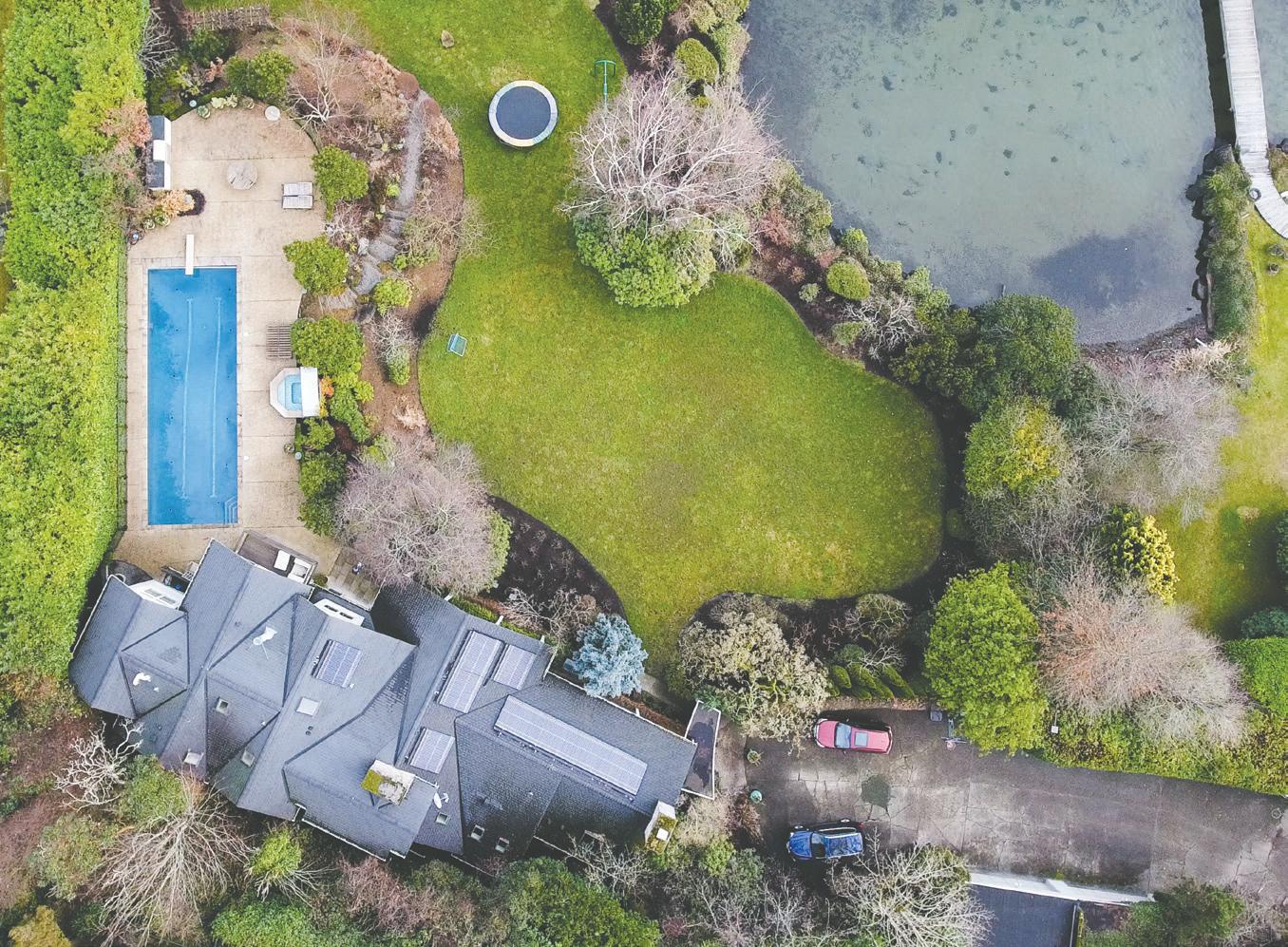
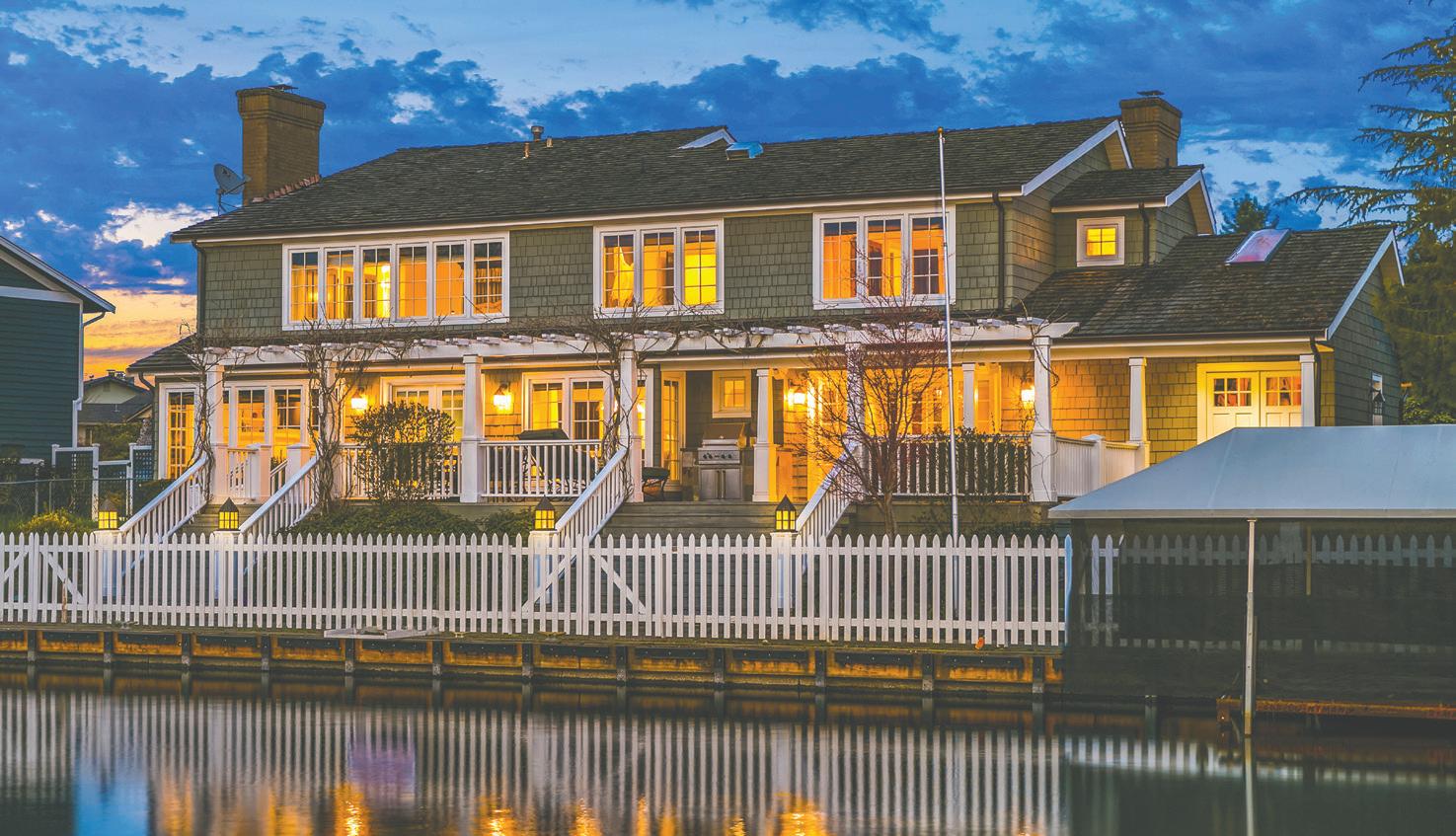
DENNY BLAINE WATERFRONT
Strawberry trees look pretty, but fruit isn’t as tasty as some would think

The Pacific Northwest suffers no paucity of beautiful broad-leafed evergreen trees. In addition to bringing verdant texture to the winter garden, many like Magnolias and Camellias reward the gardener (and indeed all who see them) with spectacular spring blooms.
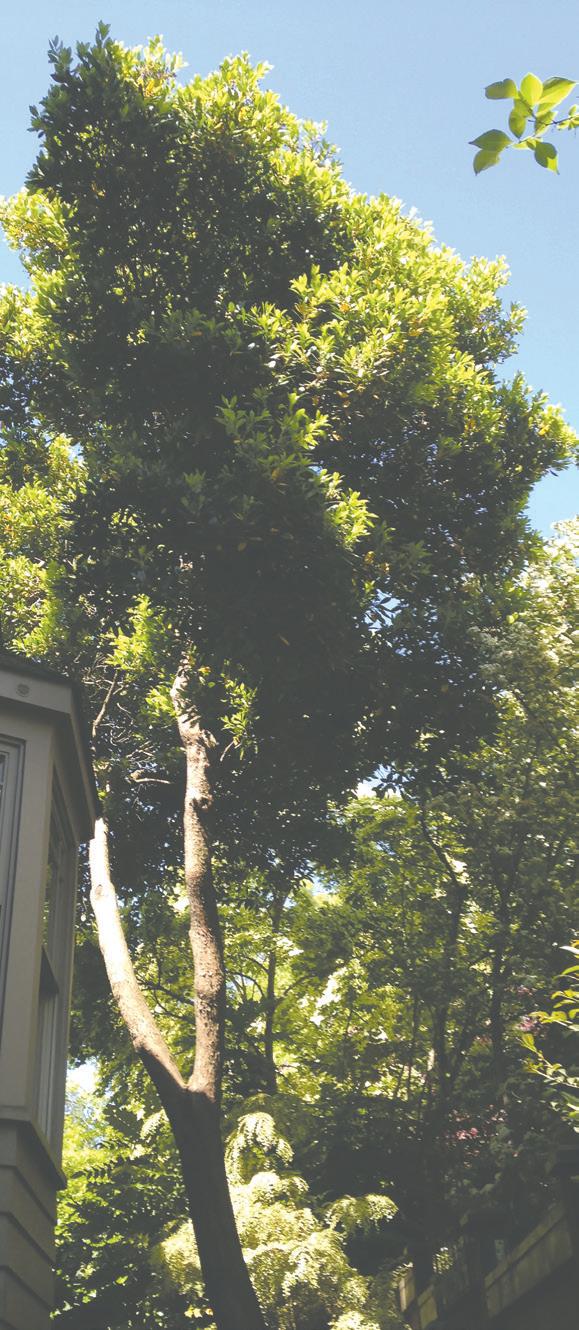
The strawberry tree (Arbutus unedo) is in a class of its own. It blooms in clusters of small cream to white urn-shaped flowers from late summer into winter and, at the same time, is covered in fruits — sparkling, jewel-like fruits.
Measuring a bit less than an inch in diameter, the perfectly spherical berries are a brilliant, glistening red, as vivid as the ripest, most succulent strawberry. Seeing one of these trees for the first time in its late-season splendor will make any lover of natural beauty stop and stare.
The dark green leaves of this tree are oblong, measuring two to three inches in length, on numerous branches and branchlets. This
forming a dense mass, which, if left unpruned from the ground up, serves as a formidable barrier to any unwanted view.
The trick to making this plant a statuesque component of your garden is to put it in the right place and then, as it grows, “train it,” as fastidious gardeners like to say.
By selecting one or more upward reaching stems and pruning off side growth, you’ll form a trunk or cluster of trunks. As time passes, this Arbutus will stretch up to a height of 8 to 35 feet, exposing a reddish bark pattern that is both rugged, yet finely patterned, supporting an intricate canopy of dark green. This leafy dome can also be selectively pruned and thinned out to open the tree, exposing more of its form and allowing light to the plantings below.
There are about 14 species in the Arbutus genus, Manzanita and Madrona among them. There also are several cultivated varieties of Arbutus undo, all smaller than the parent plant. Look for ‘Compacta’ if you want a tree that will top out at 10 feet in height, ‘Elfin King’ is a bonafide dwarf which will reach five feet in height in a decade.
Native to southern Europe and Ireland, the strawberry tree is


hardy in our gentle climate and happy in a wide range of soils. It stands up to our soggy winters, and the toughest of our summer droughts, with nary a murmur or complaint. Simply follow the simplest rules of good gardening to establish a plant in your garden. Dig a million-dollar hole for a
TREE , Page 5



he Madison Park neighborhood is rich in community, and it is a place I am proud and grateful to call my home. I am delighted that I will be continuing my journey here as a founding member of the new Realogics Sotheby’s International Realty office in Madison Park. I have been honored to work with this company for over a year, and am amazed at their gold standard commitment to elevating local real estate to a global level. The new Park House is an opportune location at the perfect time that further connects hopeful buyers with exceptional homes, and I could not be happier to play an integral role.
I invite you to visit LauraHalliday.com for more information

RSIR ranks amongst the largest, most productive and fastestgrowing real estate companies in Washington with access to 22,000 brokers in 70 countries that generate US sales of $80 billion+ annually.
Laura did a great job preparing me for the feeding frenzy that resulted from listing my house. We worked on refreshing the house using her hand picked vendors and decided on the best strategy for marketing and dealing with multiple offers. The results were fabulous and I am very satisfied - ERIC MENDELSOHNE
Sotheby’s Presents Magnificent Jewels at Auction this Spring.
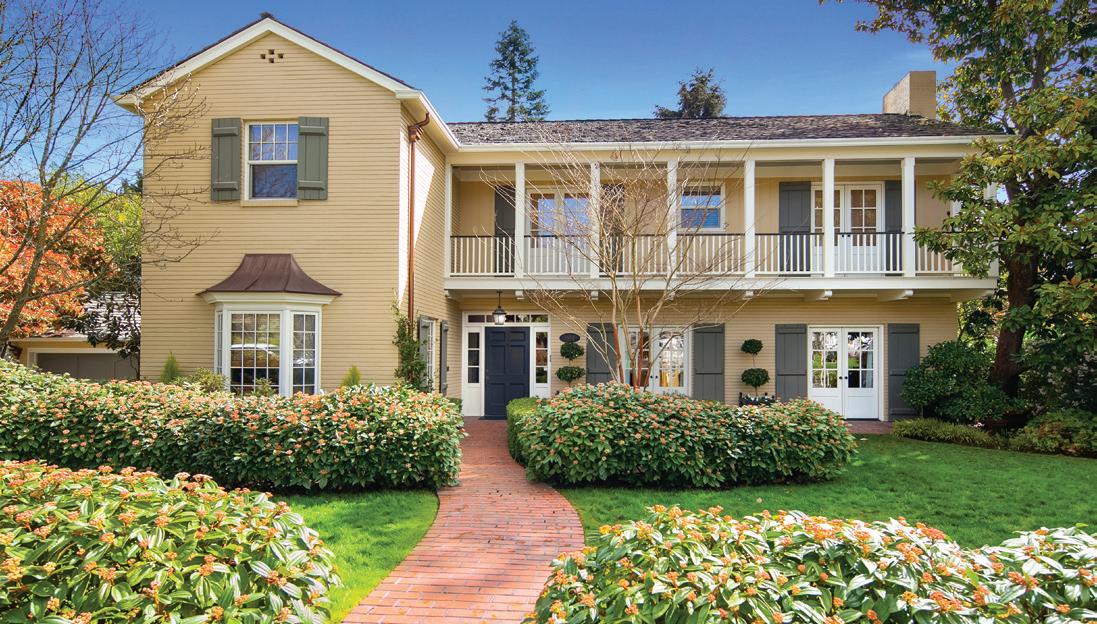
1550 Shenandoah Dr E - Southern inspired traditional home on a lush double lot. Gracious dayrooms, 4 bedrooms up and a daylight lower level, all embraced by a mature & private garden.
1571 Parkside Drive East - First time available in over 35 years! Sited on the sunny west fairway on an expansive (24,00sf) lot, this one-level home brings old Hollywood style to Broadmoor!
perfectly
Steve Lorton Tree Talk
Preparing for disaster
Seattle neighborhoods have options for emergency preparedness
By Brandon Macz
Park Times editor
When a citywide disaster strikes, cutting off power, blocking roads and toppling buildings and other structures, Seattle residents will be on their own for days to come.
“Really, neighborhoods do fend for themselves,” said Debbie Goetz, community planning organizer with the Seattle Office of Emergency Management, adding, in the event of a major emergency, the city will be immediately focused on drawing in outside resources. “We’re scrambling madly to get things going, but this is really a time when neighbors need to take care of themselves.”
A number of Seattle neighborhoods have spent years building up a network of volunteers and planning response protocols in preparation for such an event.
An article in The New Yorker in 2015 regarding the Cascadia subduction zone and the historical precedent for a major earthquake event in the Pacific Northwest got many Seattle residents’ attention, Goetz said.
There are a few levels of emergency preparedness that can happen in a neighborhood, and it’s up to proactive residents to organize them.
Beyond the immediate concerns of families seeing to their own members and homes, the next level of neighborhood preparedness would be the Seattle Neighborhoods Actively Prepare (SNAP) program.
SNAP typically involves neighbors in a building, on a street or city block that organize and plan what roles they will serve during a catastrophic event, Goetz said. That could mean sharing food, providing first aid and supplies, and light search and rescue.
The next level — casting a wider net — is forming a neighborhood emergency communications hub.
“We’ve been doing preparedness for a long time really in Seattle,” Goetz said, “and the interest in hubs started after a particularly bad winter storm in ’09.”

Seattle Emergency Communications Hubs are managed and operated by community volunteers, each one autonomous, and many coordinating with the Seattle Auxiliary Communication Service.
Seattle ACS is comprised of volunteer licensed amateur radio operators working with Seattle’s Emergency Operations Center to connect it with neighborhoods during disasters and emergencies. It has been operating since 1993. Goetz said Seattle has seven sectors that ACS covers. There are two licensed radio operators and Madison Park residents who volunteer with the neighborhood’s emergency communications hub, which is located next to the tennis courts in Madison Park.
Neighborhood hubs can connect with other hubs and compile information about what residents need and direct people to where supplies are located. These hubs would be activated the day following an emergency event. It’s also a way for the City of Seattle to communicate messages to residents.
Goetz said not all hubs have radio communications. Some have emergency supplies, and others just focus on communications.
The Office of Emergency Management has identified P-Patches as ideal hub locations, Goetz said, and any group can apply for a small parks grant to start a hub.
OEM offered up to $21,600 in funding this year —
Market still hot; Park prices up

IMary P. Snyder Property Views
f you follow real estate, the latest update about the Greater Seattle market is slightly unusual: Good news for homebuyers!
Yes, that’s right, we saw a big increase in new inventory in May. In fact, the last time we had more than 4,000 new single-family homes come on the market in a single month in King County was more than 10 years ago. This summer is definitely a good time for potential homebuyers to jump into the market, with a somewhat softer summer than we
have had in recent years.
So, does this mean we are in a buyer’s market? Not quite. According to a recent study by Glassdoor, Seattle remains a leading destination for those interested in moving for work, and we don’t anticipate this region shifting from an employmentdriven market anytime soon. While we may start to see longer on-market times, at this point Seattle is at the top of the list of the 10 markets where the average days on market is shortest. The city is tied with San Francisco and San Jose at 36 days.
Madison Park continues to see price increases year-to-date. While we may see prices level out a bit, real estate has proven to be an excellent investment for homeowners in our neighborhood and, according to all indicators, will continue to be a sound bet.
The average price for a home in our
roughly $1,500 each for 14 groups — to create their own Hub-in-a-Box, which is a storage box that can be filled with communication supplies. The deadline to apply was mid-April. Madison Park received grant funding for a Hub-in-a-Box three years ago.
Capitol Hill once had three hubs — in Cal Anderson Park, Volunteer Park and the Miller Community Center — but the core group of organizers couldn’t get enough volunteers to the sustain the effort, Goetz said. She recently received a call from a resident living near the Washington Park Arboretum who is interested in starting a hub.
Goetz said Lake City has set a great example for what a hub can be, and its members are now leading regular trainings.
OEM will be offering a number of free classes in the fall, covering disaster skills that include basic first aid, light search and rescue and “stop-the-bleed,” which deals with how to pack a wound until first responders arrive, and ramped up following the Boston Marathon bombing, Goetz said.
Residents can sign up with Alert Seattle at alert. seattle.gov to not only receive emergency notifications, but also opt-in to be sent notices about traffic impacts, severe weather, utility outages, health emergencies and upcoming preparedness trainings.
neighborhood year-to-date, as of press time, is $1,452,800, which is an increase of 19.2 percent for the same period in 2017. Homes are on the market an average of 16 days for that same time period, down 11 percent from last year. Of course, homes below $2 million tend to sell more quickly in our community than those in the higher price ranges.
Summertime is amazing in the Park. Whether it is a trip to the beach, or a stroll for ice cream to Scoop Du Jour, the walkable nature of our neighborhood is very desirable to house hunters. An evening stroll to Madison Park Village is one of the many things I love about living in the 98112. I appreciate the fact that we have so many amenities — shopping, flowers, coffee, cafés, fine dining, pubs and more. I encourage all of you to continue and support our treasured local businesses.
As of this writing, there are currently seven homes for sale in Madison Park, ranging from a condo offered at $599,950 to a historic classic for $4.5 million. If you have considered making your move in the Park in 2018, the summer season is a great time to take advantage of the many buyers that are looking to move to our cherished community, or if you seek to buy, the additional inventory that will likely be popping up throughout our neighborhood. Our Avenue experts have a long history in Madison Park, and are ready to help you navigate this seller’s market to your advantage. If you’re buying, our knowledgeable and savvy agents will help you achieve success in this evolving market.
Mary P. Snyder is cofounder of Avenue Properties.
Homes Closed in Madison Park, Madison Valley, Washington Park, Denny Blaine, Broadmoor, Leschi and Madrona from June 2018
Madison
Half-time in Seattle’s real estate market
While this spring was insane in the Seattle real estate market, we’re coming into a temporary slowdown. Independence Day marks the beginning of a traditional lull for a few weeks every summer, even in the hot home-sales climate we’ve experienced.
There are several factors colliding for the next few weeks. The kids are out of school, families are traveling, we usually see nicer weather, and people’s minds are simply elsewhere. Many buyers are taking themselves off the field, battered and bruised by finding the right next home, losing it in a competitive bidding scenario, and starting over. Lather, rinse, repeat, and you’ve got some dejected buyers who need to lick their wounds. Buyer fatigue is real.
While the market slows, it doesn’t stop. June saw a record number of houses come on the market — more than we’ve seen since 2008, when the market fell apart. A lot of that rush was based on fear, and the uncertainty of what the head tax would mean for home sellers. They wanted to sell before any ramifications of the tax, like businesses moving out and taking their employees with them. That fear evaporated with the repeal of the tax.
If you’re selling
You have a home for sale, but it didn’t get under
contract in June. If your home is in good shape — no deferred maintenance — and is priced right, don’t panic. The buyers will be back, and you’ll be busy by the beginning of August. Probably by the end of this month — after a couple of vacation weeks — it suddenly dawns on buyers with families that they want to settle and move in before school starts. If they’re trying to enroll their children in a highly rated school like McGilvra Elementary, it limits where they’ll buy. But even if the kids are in private schools, moving before school starts is much less of a hassle.
Additionally, I like to touch base with other top producing brokers in various neighborhoods from timeto-time. A few I spoke with mentioned that due to the amount of homes that came on the market in June and the fatigue buyers are feeling at the half-way point of the year, they are advising against offer-review periods for certain price points in July.
Advice for buyers during the lull
That advice depends on what kind of buyer you are. If you need the mental break, take it. Sit out for a week or two and think about something else. Get out of town, watch a ball game, or just relax. Get yourself ready, though, because August is coming, and the pace likely won’t settle until Thanksgiving.
And while there are a record number of houses on the market, there are more buyers than ever, as our economy adds jobs and people move here for them.
In the next few weeks, reevaluate your strategy. Talk with your broker — what are they doing to help you? Because of the pace of this market, many homes sell before they even officially list on the multiple listing ser -
New rule for early design outreach
A new Seattle Department of Construction and Inspections director’s rule requiring development projects going through streamline, administrative or full design review to prepare a community outreach plan takes effect July 1.
SDCI director Nathan Torgelson introduced, and the city council has approved, the new rule, which will require developers to provide early outreach to communities where they will be constructing new projects and to document their compliance with the rule.
Any projects submitted for early design guidance before July 1 will not be required to comply with the new rule.
Design applicants will be required to submit the project address and contact information to the Department of Neighborhoods, which will post that information in public location, according to the SDCI rule.
Outreach must be conducted no more than one year in advance of submitting for early design guidance, according to the rule, and an outreach plan must printed, digital and in-person methods.
The procedures and requirements in this rule will be evaluated after it has been in effect for one year. The full rule can be read at seattle.gov/dpd/codes/dr/DR2018-4. pdf.
There will be an information session on the new rule 4-5 p.m. Wednesday, June 20, on the 19th floor of Seattle Municipal Tower, 700 Fifth Ave.
For those who can’t attend, there will be two Reddit AMA sessions this summer. One will be noon to 1 p.m. Tuesday, July 10, and the other 8-9 a.m. Tuesday, Aug. 14.
TREE, from Page 3
well the day before planting. Loosen the root ball once out of the container. Set the plant in the hole and fill the hole thrice with water, allowing it to sink in, saturating the soil all around. Fill in the hole and tamp down the soil. Water again. Don’t let the plant dry out in its first summer in your garden. After that,allow nature to do the irrigation.
Now, it is fair to say, most great beauties have their downside. While you can’t blame
a strawberry tree for being temperamental, or invasive… it is messy. Old leaves drop, almost continuously, through the year. When the blossoms drop, they collect in a somewhat fragrant litter beneath the plant. And when the fruits fall, they squish under foot. The answer is simple: do not site this plant (as I have woefully done) next to a walkway or patio. Otherwise, you’ll be sweeping under it daily in autumn when the drop is heaviest. Put the plant out in a bed where the droppings will quickly decompose, turning into top soil.
The great books on arboriculture will tell you, with what
vice. Having an experienced, dialed-in broker could be the difference between you and another lost opportunity.
Just a few days ago, while everything was still insane, I had clients who really loved a particular home, that had just hit the market with an offer review period. But with a caveat — the sellers stated they could accept an offer prior to the period ending.
The home was getting great traffic and inspections, it was clear this could go into a bidding war. So, we went in at an amazing price, and my buyers were willing to get very scrappy with their contingencies and could settle quickly.
Figuring out what will win the battle takes some experience. We were able to tap into exactly what the seller was looking for and won the house prior to the review date.
If you’re still out there swinging, take advantage of the decreased competition. It can pay off. Last July, I had buyers who found the right house, but the seller had a review period for all offers.
We held off on making an offer, waited and watched. As soon as the 10-day period expired, with the home still active, we were the first to make an offer, and my clients got the house without having to escalate the price and waive all contingencies.
Whether you’re buying or selling, it all comes down to timing. And we’re heading into half-time, so either rest if you need it, or get out there and make a play.
Chris Sudore is managing broker at Coldwell Banker Global Luxury and a Madison Park resident. Reach him at Chris@KingCountyEstates.com
CB Bain names John Deely principal managing broker of Madison Park office
Deely brings experience from SLU, Magnolia offices
Coldwell Banker Bain has announced John Deely will serve as principal managing broker of its Madison Park office.
Deely previously served as principal managing broker of CB Bain’s Lake Union and Magnolia offices.

The Lake Union office has consistently achieved International Premier Office status and top place for gross commission income
seems like an edge of pride, that the gorgeous fruits are edible and can be used in preserves and even alcoholic beverages. I bit into one once — once was enough. The fruit is mealy initially, and upon chewing turns slimy, and there is little or no flavor. The advice here is, devour these amazing fruits with your eyes alone. Still, this tree is well worth a spot in any garden and a good choice for the small urban plot. It’s a sight to behold and, to my way of thinking, the moniker, strawberry tree, doesn’t do it justice. Had I given it a common name, I’d have called it Tree of Jewels.
awards, according to a CB Bain news release.
CB Bain’s Madison Park location is the company’s first global luxury office.
Deely is a 30-year member of the Northwest Multiple Listing Service Forms Committee, and was named chair of the NWMLS board of directors in 2017.


Chris Sudore Property Views
Upgrading for generations to come
$30 million renovation to be completed in early 2019
By Brandon Macz Madison Park Times editor
Parkshore has had picturesque views of Lake Washington and Mt. Rainier for the past 55 years. But the senior living market has changed a lot since then, so now Transforming Age is executing a modern vision for the Madison Park community.
“It’s a pretty unique opportunity here,” said Paul Aigner, vice president of development at Transforming Age, Parkshore’s not-for-profit owner and operator.
A group of residents, board members, directors, architects and engineers came together in 2015 to analyze market demographics and senior housing trends, drafting a Parkshore master plan, Aigner said.
Transforming Age began its $30 million renovation of Parkshore in February 2017,
and expects to have interior work completed later this summer and Phase 2 work finished in early 2019.
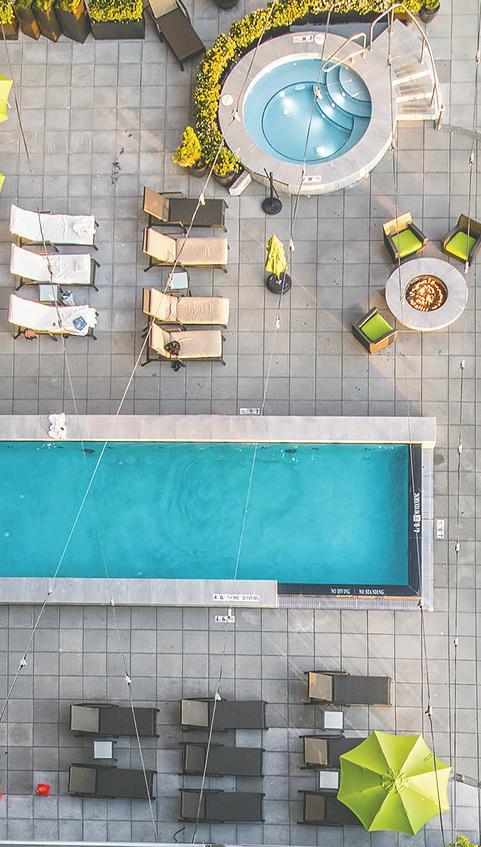
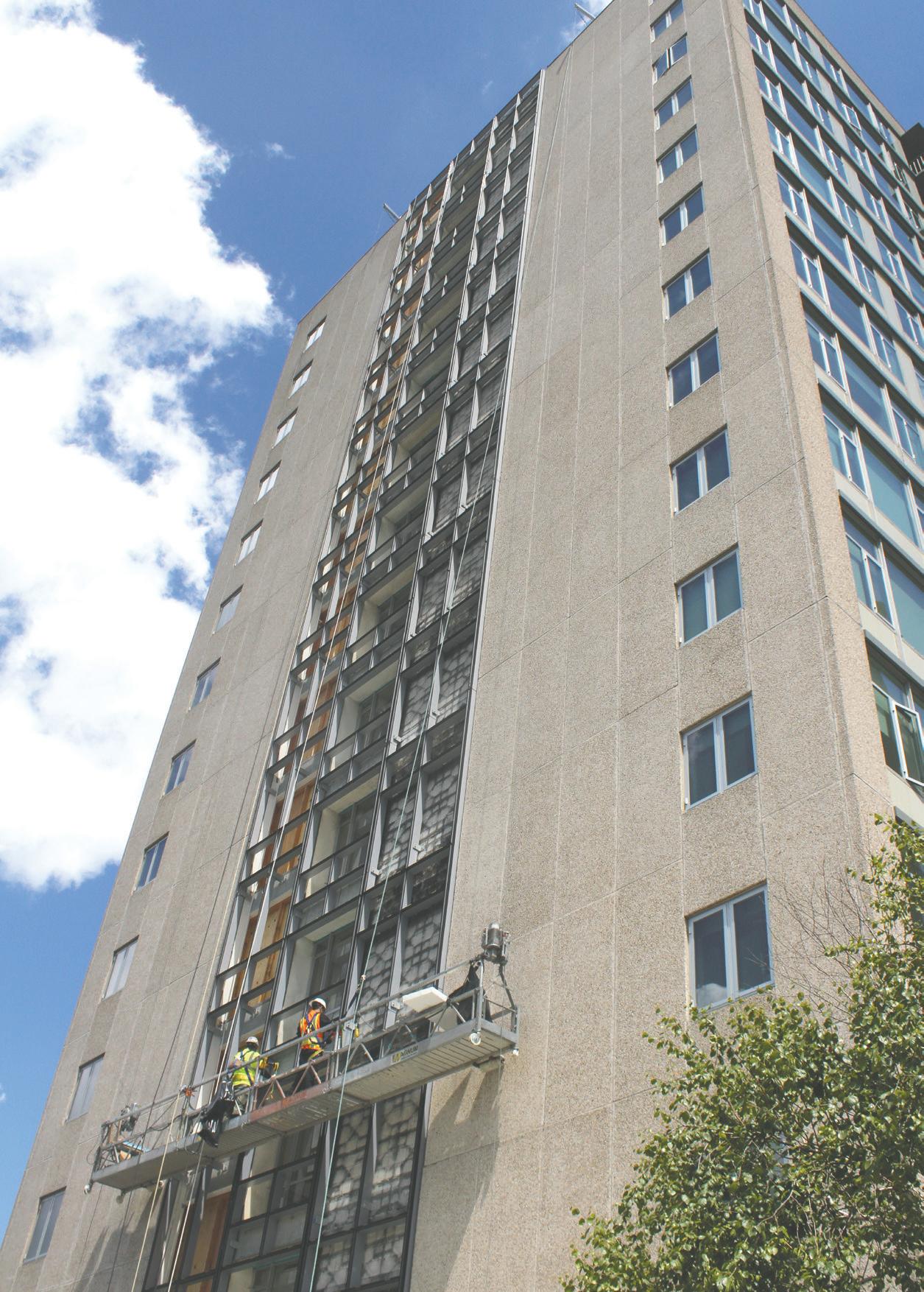
The renovation includes adding amenities in historically underutilized parts of the senior living tower, expanding residential units, a new saltwater swimming pool, raising the parking lot and modernizing Parkshore’s west facade.
All residential corridors have been renovated, and many Parkshore units are being expanded to meet consumer demand for more space as they become available, Aigner said. That includes adding a full kitchen and private washers and dryers. Parkshore currently has 103 independent living units, 28 skilled nursing units and 28 assisted living units at 1630 43rd Ave. E. One of the two floors for assisted living is being converted to provide
memory care units. Part of that involves increasing safety features.
The library was refreshed, and a new bistro space for more grab-and-go meals will soon be constructed using space in the main dining room.
An interior grand staircase was added to connect the main floor to the Shore and Lakeview levels below.
Transforming Age began its $30 million renovation of Parkshore in Madison Park in early February 2017. The bulk of the interior work is expected to be completed this summer, at which point neighbors will be invited to the senior living community for a celebration.
The Exchange, a store run by residents that sells clothing, furniture and other items, was relocated into a renovated space on the Lakeview level, while the old Exchange spot was converted into a movie theater.
An enhanced fitness area and spa was
Work starts on Capitol Hill transit-oriented development
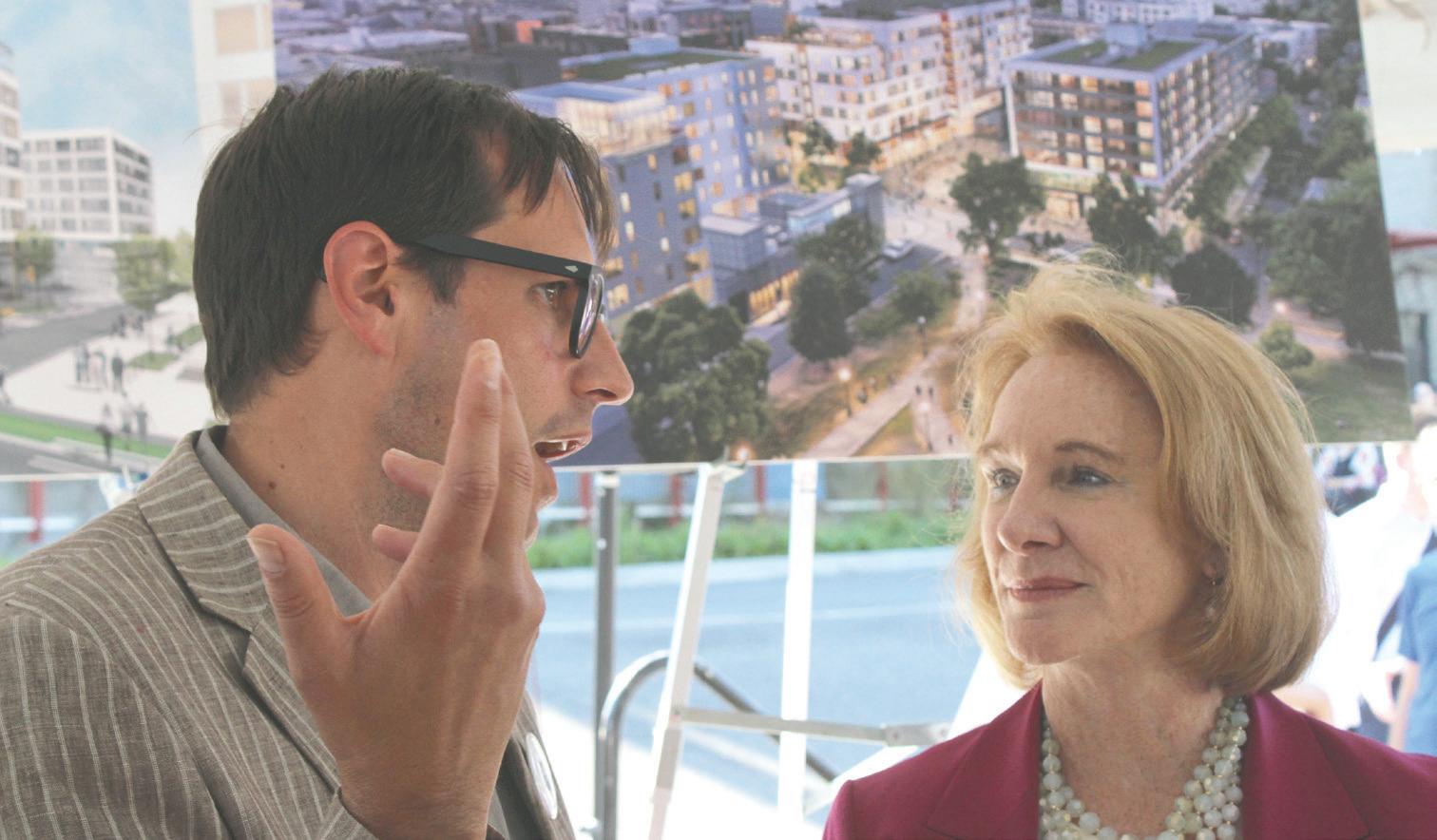


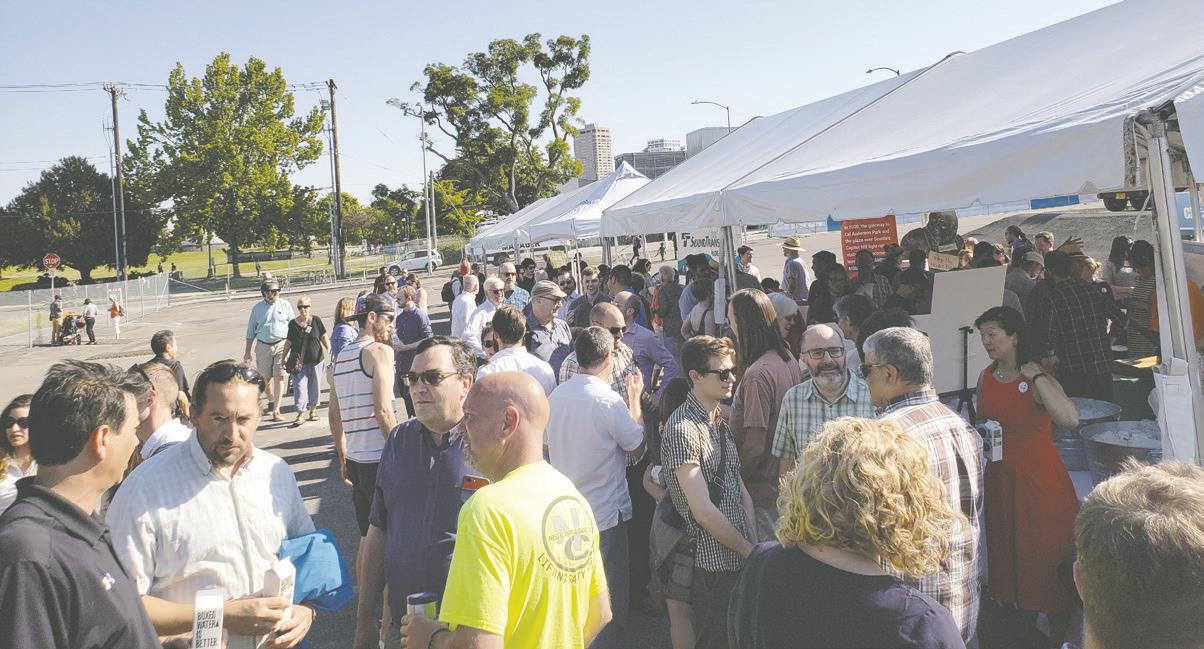
CHH vice president of advancement Michael Seiwerath speaks with Seattle Mayor Jenny Durkan after the ribbon-cutting ceremony for the Capitol Hill transit-oriented development project on June 19.
Four buildings going up on top of light rail station over two years
By Brandon Macz Madison Park Times editor
Developers, government officials and community advocates said goodbye to the large asphalt lot above the Capitol Hill light rail station on Tuesday, and celebrated the start of Sound Transit’s largest transit-oriented development to date.
The project includes four seven-story mixeduse apartment buildings, three of which are being constructed by Portland-based Gerding Edlen Development — 20 percent of those units will be at affordable levels.
Capitol Hill Housing will develop the fourth building — Station House — with all 110 units at affordability rates of 30-60 percent of area median
income.
CHH vice president of advancement Michael Seiwerath said the public corporation is concerned with creating housing where people can thrive.
Station House will offer a number of two- and three-bedroom units, which are housing options hard to find in Capitol Hill, Seiwerath said, let alone at affordable rates.
Sound Transit issued a request for proposals for transit-oriented development around the underconstruction Capitol Hill Station in June 2014. Gerding Edlen Development (GED) was the highest scored proposal out of four, and negotiations were initiated in April 2015. CHH was brought
TRANSIT, Page 14
Photo by Brandon Macz
Photo by Brandon Macz
Photo to the top/right by seller and international iconic photographer, Kevin Westenberg. www.instagram.com/kevinwestenberg












SERVICE YOU DESERVE FROM PROFESSIONALS YOU TRUST.
Realogics Sotheby’s International Realty is proud that many of our experienced brokers live and work in Madison Park, serving the community in local charities, schools and neighborhood councils. In addition to being experts in Madison Park real estate, only properties listed by RSIR benefit from exclusive marketing platforms that draw more than 2.5 million unique viewers per month (more than half from international markets). Discover why we are America’s Most Trusted® Residential Real Estate Brokerage for two years running.
We want to extend a thank you to all the homeowners who so graciously opened their residences and gardens for our Second Annual Madison Park Home & Garden Tour—we were thrilled the join the community to raise key funds to support McGilvra Elementary School.
CENTRAL SEATTLE MARKET INSIGHTS
The spring selling season was off to a strong start, as the median sales price in the Central Seattle area reached $1.188 million in May 2018, a 28 percent increase compared to the same time last year. In line with growing home prices, the average price per square foot increased nearly 25 percent on an annual basis to $638. Though inventory increased 6.7% from April 2018 numbers, it was down slightly compared to May of last year, as homes sold in an average of just 12 days on the market. Learn more Market Insights online at rsir.com.















Aigner said.
added at the Shore level, as well as a salon and massage parlor.
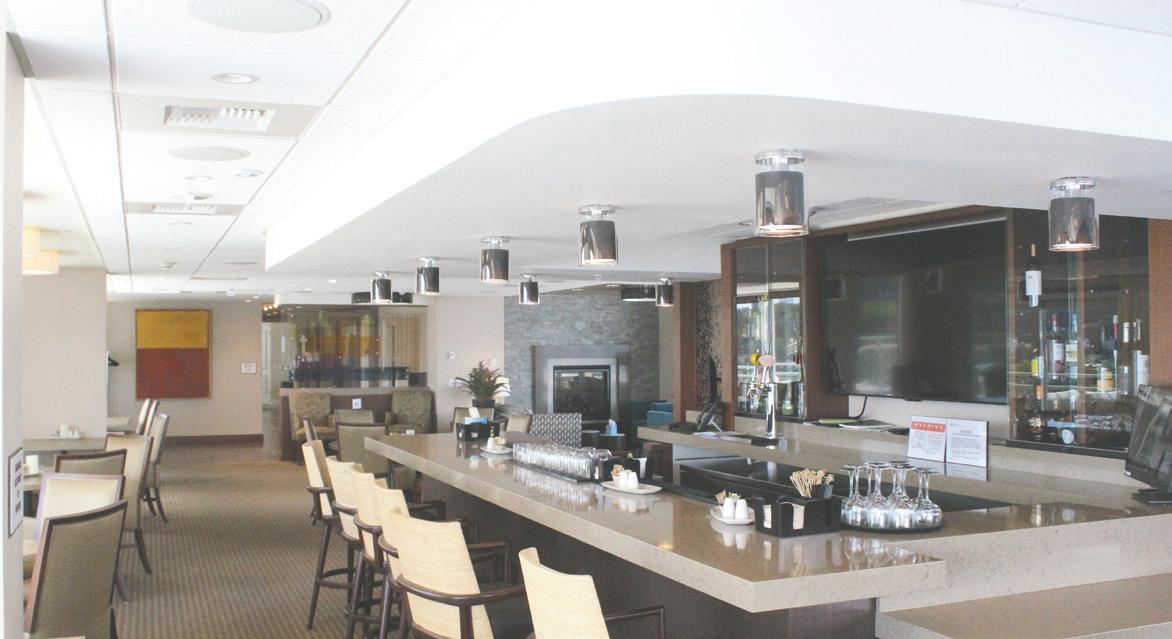
One new amenity residents are excited about is the 360 Grille on the 15th floor, said Parkshore marketing director Janis Smith, which took advantage of unused space and views from Mount Baker to Mount Rainier.
Across the hall on 15th is The Rafters, a new community space that can be used for breakfasts and meetings.
Constructed in 1963, Parkshore also required a seismic upgrade, and was reinforced for lateral loads as part of the renovation work, Aigner said.
“The building’s been here for 60 years,” he said. “We want it to make sure it’s here for another 60 years.”
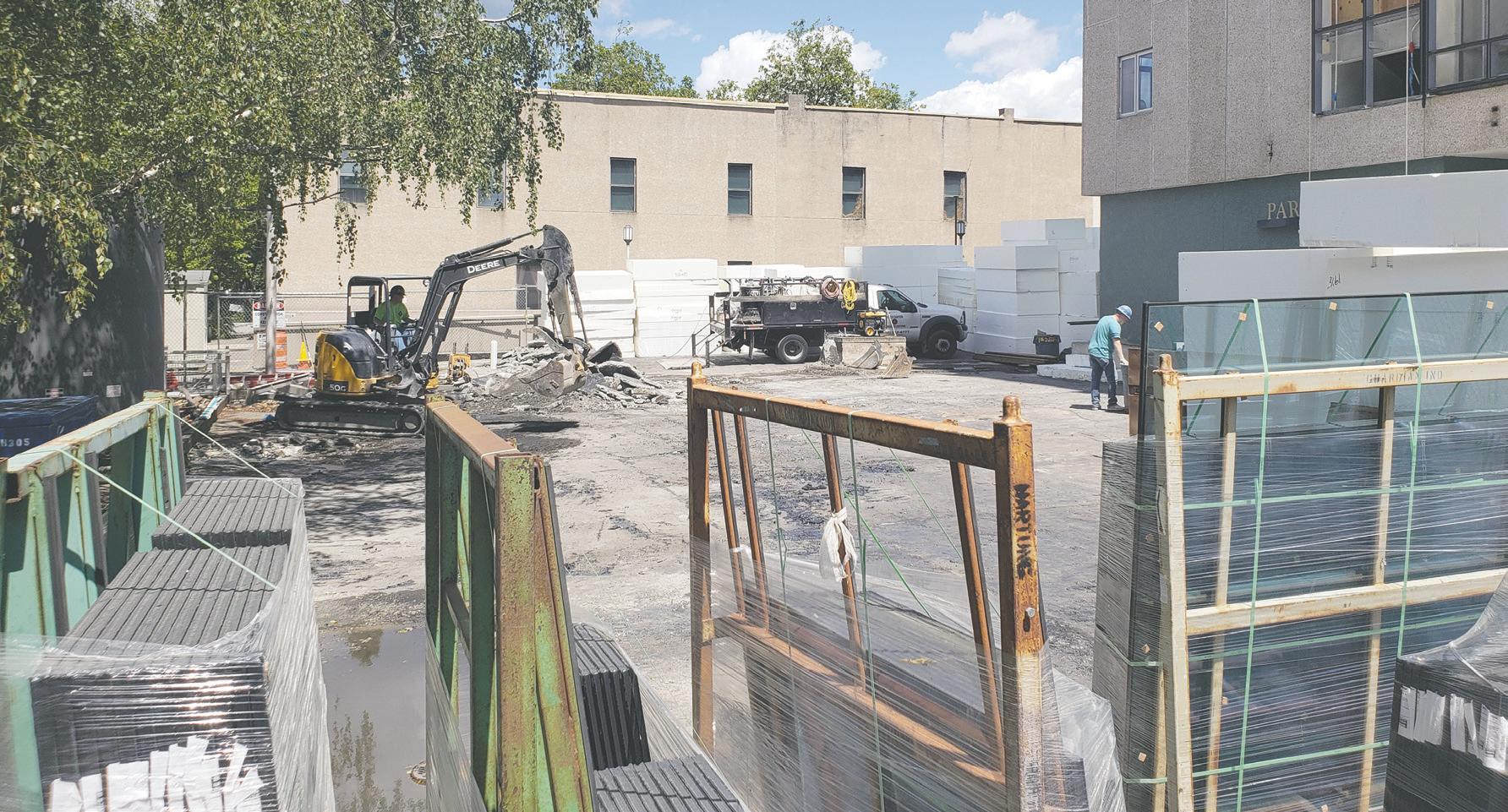
Concrete block on the west facade is being removed currently, to allow for a new modern glass curtain.
The porte-cochere will be removed, that space becoming a new reception area for Parkshore that will include a coffee shop and reading room,
Underwater adventures

Richard Lehman Revisiting the Park
(Left) New glass for the west facade curtain is visible beyond the construction fence at Parkshore. (Bottom) One new amenity residents are excited about is the 360 Grille on the 15th floor.
Photos by Brandon Macz
Parkshore was at 80 percent capacity when the master planning started in 2015, Aigner said, and now has 320 people on its waitlist.
Parkshore has also purchased five condo units across the street due to having limited room to expand in the tower, and plans to purchase more as they become available.
The renovation is being performed with bond financing as part of an obligated group that includes Fred Lind Manor and Skyline on First Hill, two other Seattle senior living communities operated by Transforming Age, Aigner said, and with no increased cost for current or future residents.
“We are aware of the construction noise,” Aigner said. “It’s part of any renovation project.”
Noisier parts of the project, such as tasks that require jackhammering, are paused noon to 2 p.m. each day. No work occurs during the weekend or before 8 a.m., Smith said. Residents are taken on field trips on days when noise will be particularly loud, added Kristen Crawford, Transforming Age marketing director.
When interior work is completed later this summer, a community luncheon will be held to thank Madison Park residents for their patience and understanding during construction.


To this day the most popular sport during the winter is snow skiing. Back in the ‘50s, we took many trips via Volkswagen bus (keg on board) on the quest to find powder snow conditions.
A noted photographer named Warren Miller took 16mm films of our triumphs and spills. The Attic offered “Spaghetti and Stein Club Feed” on Friday nights at $3.50 and 35 cents, respectively, and on Thursday nights, those always great films were on the screen. A crowd bigger than any Friday night materialized and more so after the patrons from the Onion joined in.
During a typical dark, cold, damp, wintry day, another form of outdoor entertainment became a trend; i.e., scuba diving.
Diving was brand-new, and equipment failures were common, but because of the “Buddy System” most problems could be solved. If a regulator went kaput and there was no air to breathe, you could share air with a buddy. Sometimes it was not possible to do this without swallowing all of Puget Sound. Later, the “check valve” was invented to keep the water out.
A few friends and I found some dives that are still considered primo today in Seattle. There were several master divers in the early ‘50s: Frank Wolfe, Gary Keftler, Ted Roethlisberger and more. It was always a joy to dive with these dudes.
One rainy Saturday it was too late to hit the slopes—perfect for laying back and watching TV, which didn’t come on till 6 p.m. Frank called and asked, “Wanna poke your head under water?” It was raining and kind of depressing out, so I replied, “Hell, yes!”
Frank and Ted pulled up, and I threw my gear under the tarp at the rear of the truck.
We drove north to Frank’s secret dive spot near Mukilteo. The area had been dedicated as a sign of peace and disarmament after World War I. Two landmarks formed a triangle, where ships had been sunk through the years, and that was the designated dive.
We carried our gear to Frank’s moored boat (a 19-foot outboard) and helped each other don our thinner-than-innertube dry suits. It was quite an effort to make a watertight seal. One suit had long pants and a long shirt that was rolled together at the waist around a thick rubber tube. Under that we wore long johns, jeans, an alpaca jacket,
UNDERWATER , Page 13

PARKSHORE, from Page 6
the lead organizers of the Madison Park Home & Garden Tour.
The rooftop deck was off limits, as the middle and top condos had already sold.
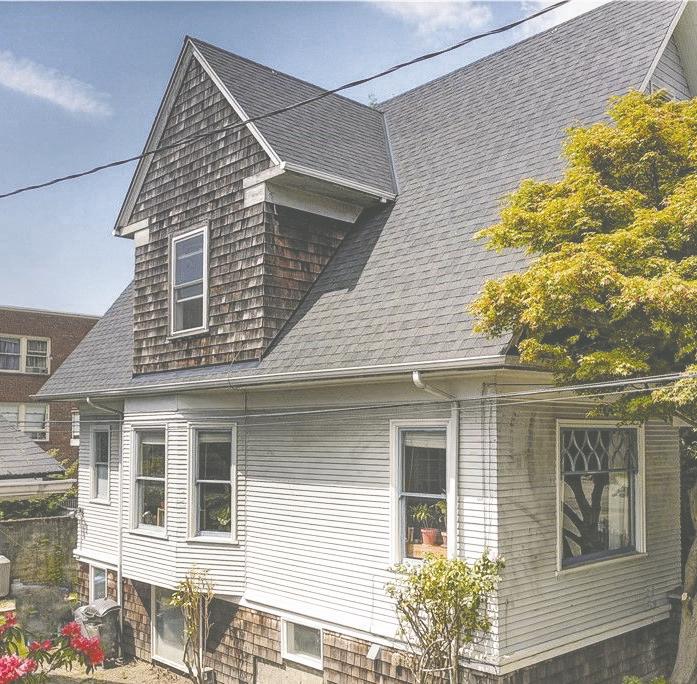
new home during its construction, which started last year and wrapped up several months ago, Ainslie said. Unlike most new development in Madison Park, she said, her home is just two stories, 2,400 square feet and includes two bedrooms — she didn’t see the need to build as high as she could.
Dan Levine Home
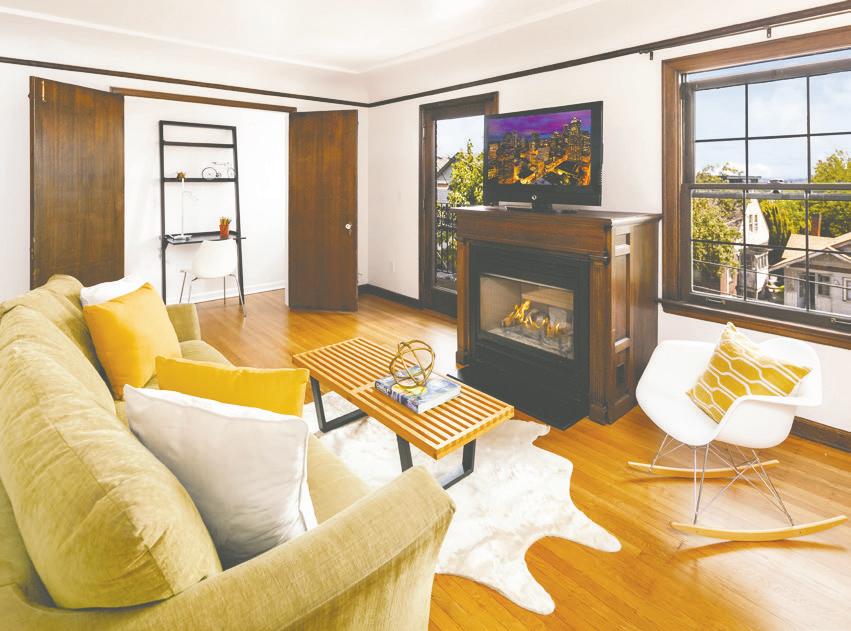
This condo in the 2300 block of 43rd Avenue East has been on the market for more than a month, and the asking price is $3.12 million, said Carrie DeBuys, a broker with Realogics| Sotheby’s International Realty,

The Secret Garden of Sylvia Duryee
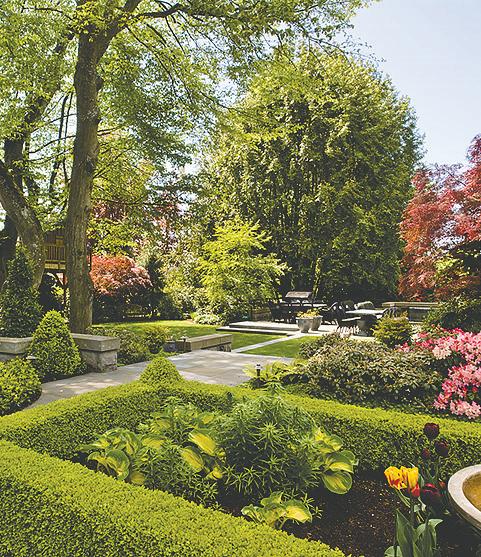
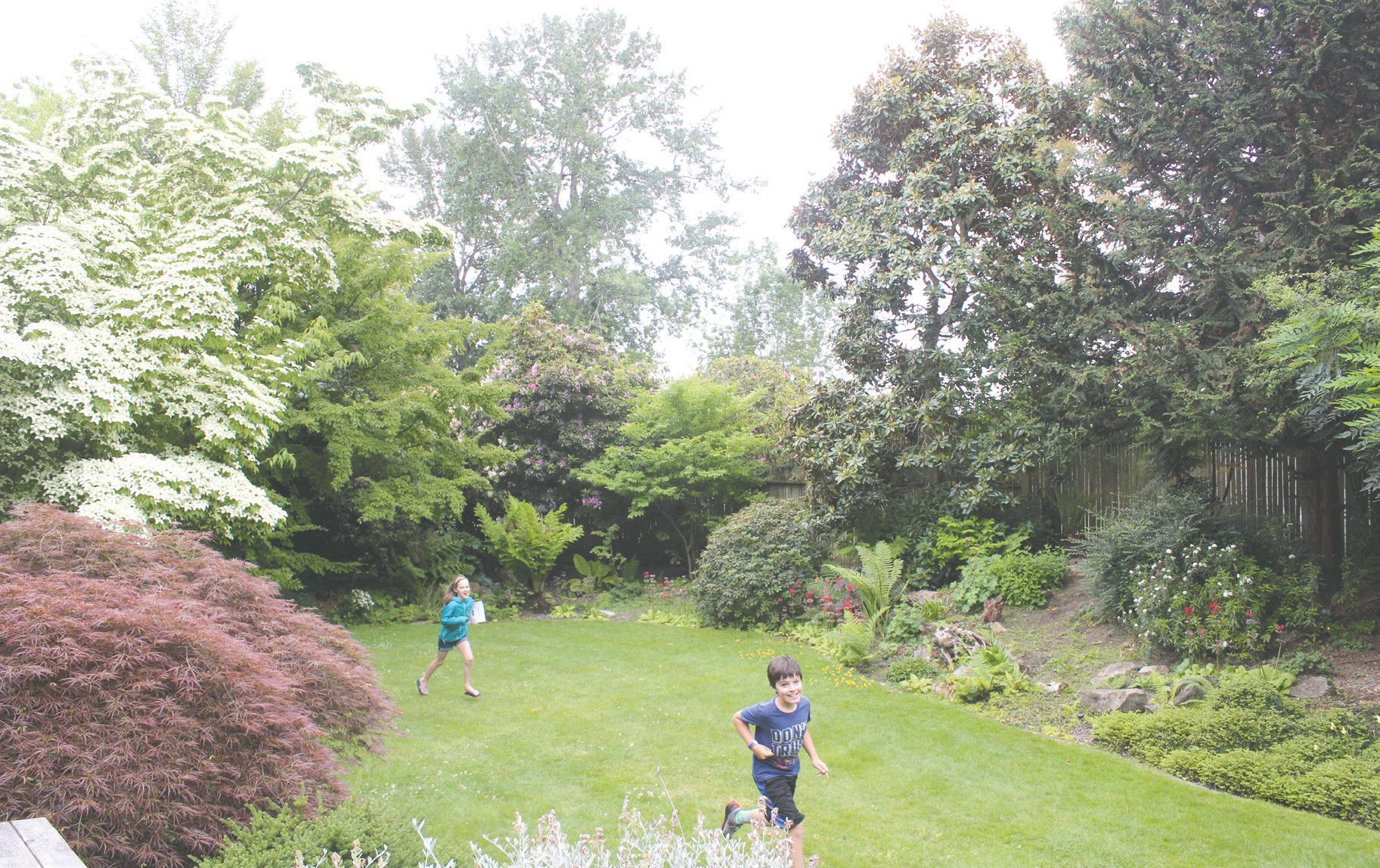
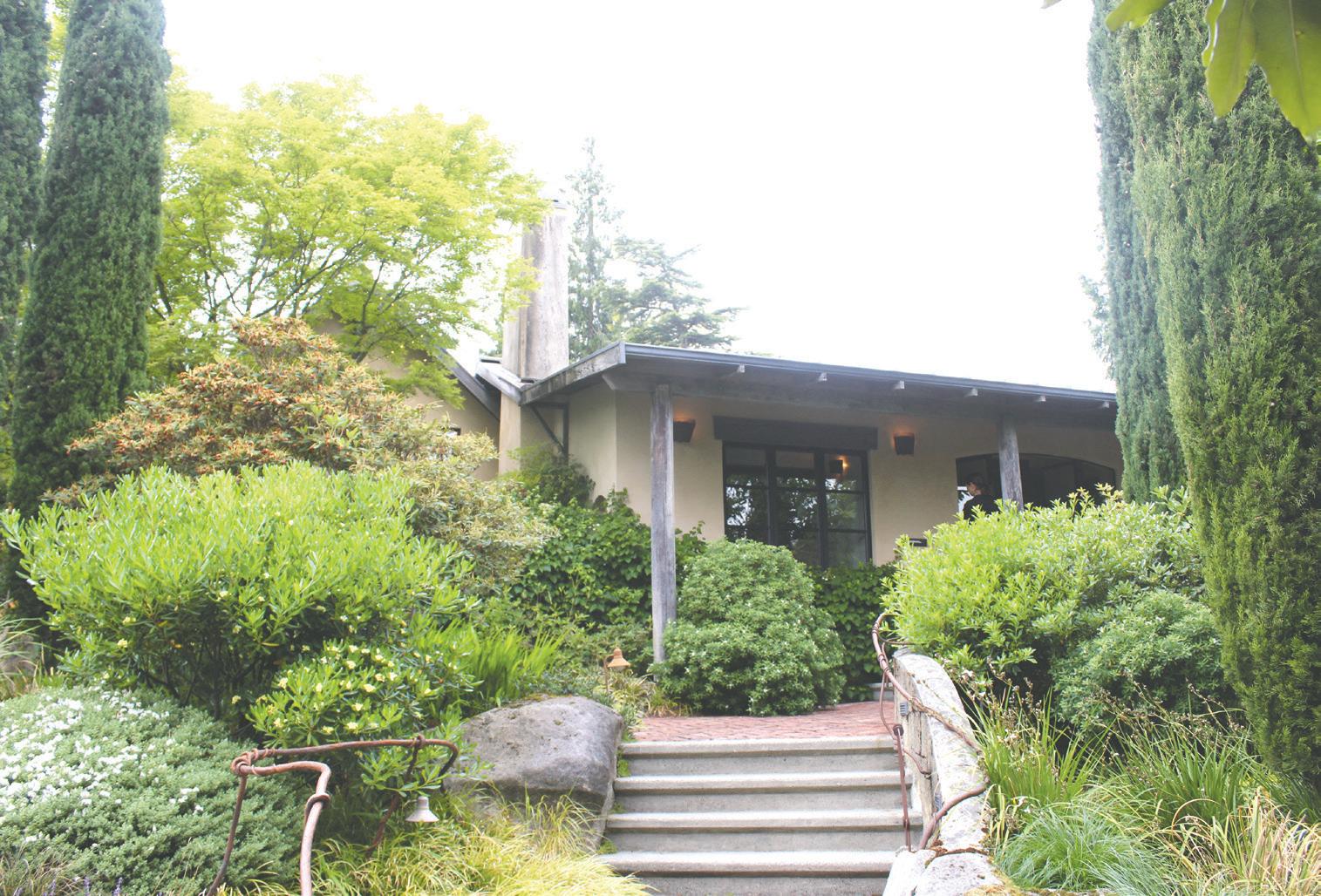
Madison Park Home & Garden Tour-ists were provided a peek beyond the holly hedge entrance at the large and lush garden of Sylvia Duryee, a lifelong teacher who kept up her plantings for 60 years.
“She was famous for her ferns,” said Toby Lumpkin, the Realogics broker in charge of this stop along the tour. “She did all the work herself.”
Duryee died two years ago, Lumpkin said, and now her daughter maintains the property at 1115 41st Ave. E.
•
•

Scandiuzzi Home
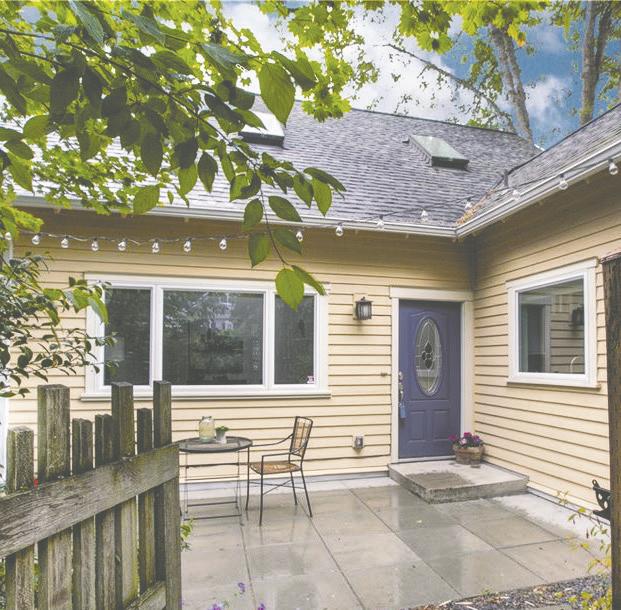
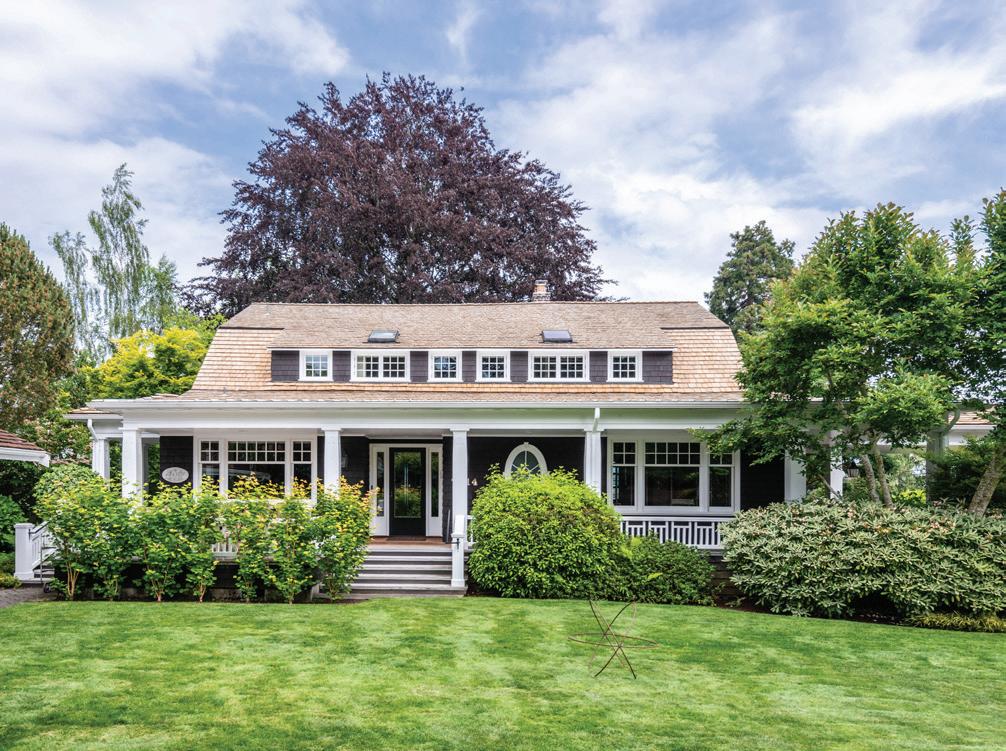
Carlo and Lalie Scandiuzzi opened up their 1947 European farmhouse-style home during the Madison Park Home & Garden Tour. Realogics broker Laura Halliday showed the home on Sunday, June 3, telling viewers the home had been remodeled 30 years ago.
“When they told me this was remodeled 30 years ago, I was like, ‘This is what people are doing now,’ ” Halliday said.
According to a 2014 Seattle Times article, the Scandiuzzis put in a new kitchen addition in 1995, with a tall, vaulted ceiling.
Carlo Scandiuzzi grew up in Switzerland and vacationed in Italy, Halliday said, which is why the home at 1215 41st Ave. E. has the charm of an Italian farmhouse.


(Above) Kids running around in The Secret Garden of Syliva Duryee during the Madison Park Home & Garden Tour.
(Left) The Scandiuzzi Home was constructed in 1947, and has an Italian farmhouse style.
Photos by Brandon Macz
Exploring Ethiopia

I’m your 52-year-old Madison Park neighbor, father, husband and local real estate broker. At first glance, I might seem like a normal guy, but lurking just beneath the surface is a powerful addiction.
Almost every year, I head off alone with my backpack for about a month to out-ofthe-way destinations around the globe. I intentionally travel like a local: buses, little boats, and even hitchhiking. I keep my plans open, eat street food, immerse myself in local culture, and let things develop along the way.
I’ve had some great journeys, and I’ll share a little taste of one of them every few months in hopes that I might inspire you to try something new when you travel.
I accidentally stumbled into a little Ethiopian cafe in Seattle in 1996; it’s been one of my favorite foods since then. It turns out we have 35,000 Ethiopians in town, the third-largest community in the United States. Many of them fled the murderous Derg regime in the late 1970s and early 1980s.
Over many meals and great conversations, I became aware that Ethiopia had an ancient history, was the only country never colonized in Africa, and the place where coffee was first discovered. One day, a couple years ago, I set off to see the country. It was an amazing trip, a country not to be missed. Here are some tips if you decide to go.
The two best ways to get there from Seattle are Ethiopian Airlines — connecting in Washington, D.C. — or Emirates Airlines connecting in Dubai. The Emirates flight connection will have you overnighting in Dubai; Emirates generally includes your hotel in the cost of your ticket.
That’s what I chose, and I even had time for a fantastic Dubai City tour complete with a visit to the iconic Burj Khalifa skyscraper and wonderful dinner by the sea.
Consulate
The very comfortable flight from Seattle to Dubai was 14 hours, another easy 4 hours into Ethiopia the next morning. Arriving at the Addis Ababa airport was pretty straightforward. If you are using a tour guide service that you have arranged in advance, they will meet you in the main terminal holding a sign with your name. I chose to take care of myself, which is quite doable.
Thirty-day tourist visas are available upon arrival and easy to obtain — make sure to have two passport-sized photos with you. It isn’t a bad idea to have a couple extras for tours you might take during your trip.
Money is easy to change in the airport terminal; I’m always a fan of only changing what you need at the airport as rates can be more favorable in hotels or on the street. The exchange rate at the time of this article is 27 Ethiopian Birr to 1 USD. Communication isn’t an issue.
Although Amharic is the official language, English is widely spoken. Besides the presence of lots of solicitors, I felt really safe in the airport; Ethiopian culture is very welcoming, and many people are willing to help.
In general, I found the country to be quite safe, but it is recommended to avoid political gatherings and use common sense in crowded places or at night.
Ethiopian Airlines had an excellent domestic flight network; I found their flights to be safe, friendly and affordable. It is a surprisingly large country, so chances are you’ll be using them. People who use Ethiopian Airlines International to get to Addis Ababa are given discounts on domestic flights.
I chose to travel independently.
Whether you do this or travel on a package, lodging options are many. I encountered truly beautiful boutique hotels in the $150-$200 range, and simple, clean rooms for under $10 a night. There are many options in between and around $50 a night will often get you a very nice room.
Food can be found in hotels, on the street and everywhere, delicious and affordable. Food is generally eaten communally. Most common is Enjera (a spongy, slightly sour pancake bread) covering a whole plate, topped with different kinds
Mexico ready to move
Services to restart inside historic Harvard Exit on July 9
By Brandon Macz Madison Park Times editor
The Consulate of Mexico in Seattle will close downtown on Friday, with plans to reopen in Capitol Hill on July 9.
The Mexican consulate is taking over most of the space in the historic Harvard Exit Theater, which owner Eagle Rock Ventures acquired for $2.35 million in 2015 and began renovating for Class A office space that fall.
“For me, it’s going to be more complicated than where we are right now, but for most people it will be easier,”
of spiced meats, lentils, greens and cheese. Tasty beer, fresh juice, soft drinks and bottled water are widely available, and excellent coffee is everywhere you look.
As far as health preparation, visit your local travel medicine clinic well before you travel; malaria medicine and proper coverage at dusk and dawn can help a lot. Ethiopia didn’t seem to have near the mosquito problem of many African countries I’ve traveled to. It is important to filter your drinking water or drink bottled. I’m a fan of filtering, so I don’t add more plastic to the world.
Be aware of temperature extremes when you pack; it’s very hot in the desert, and surprisingly cold at high altitudes. Pack appropriately and protect yourself from the sun.
The possibilities for travel in Ethiopia are many; I barely scratched the surface in my month there. Guides and private car hires are available to stay with you for the whole trip or just portions of it. Many travelers I encountered were doing a combination of self and guided travel.
Enticing possibilities include: Danakil Desert, including trekking the Erta Ale
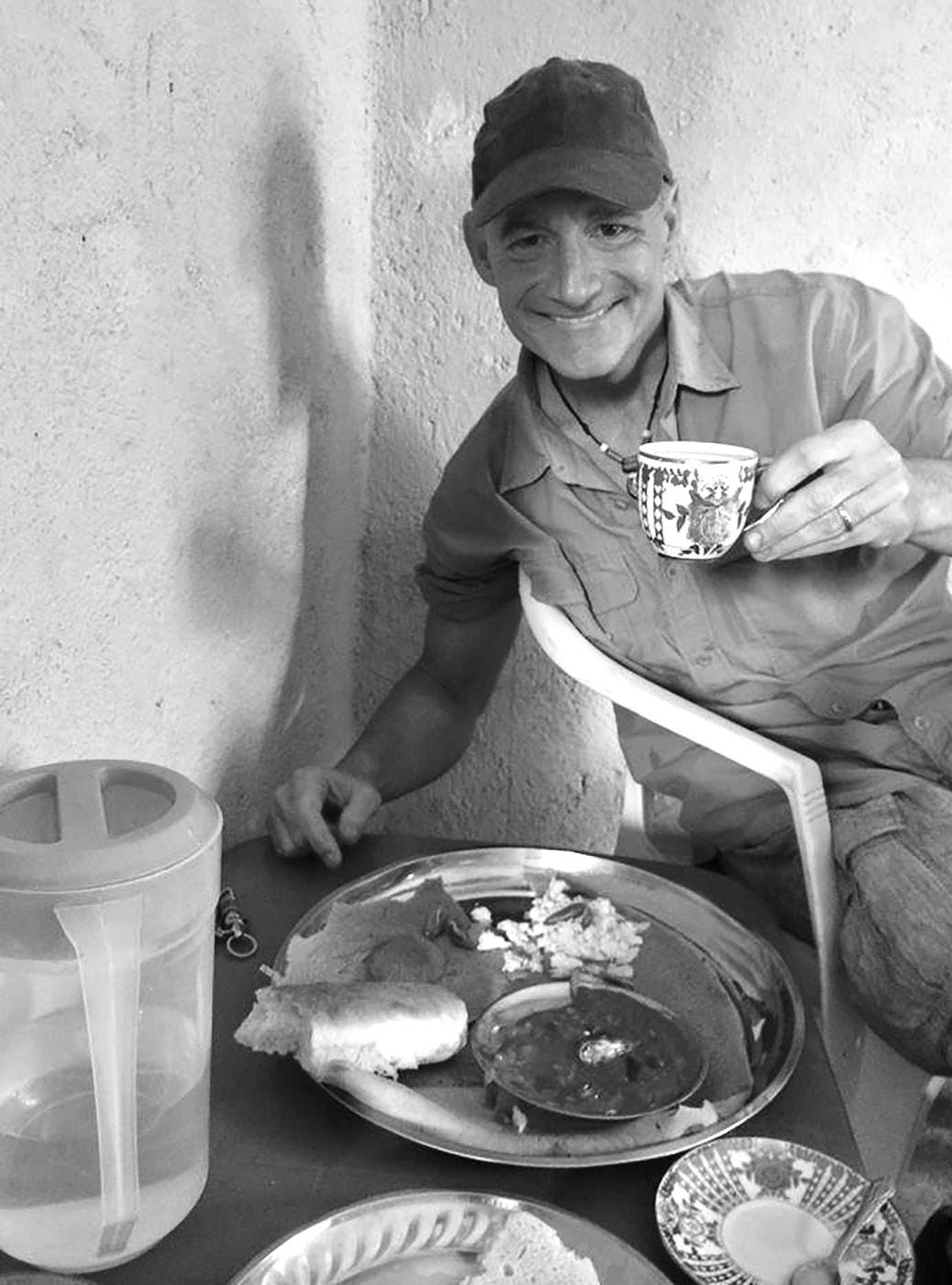
Vince Decker enjoys coffee and a hot meal in Ethiopia. Decker has a number of recommendations for what to see and do when visiting the country, either solo or as part of a tour package.
active lava volcano; the incredible stonecarved churches of Lalibela; pre-Christian stellae monoliths in Axum; the Castles of Gondor-Timkat Festival every January; extremely colorful tribal cultures of Omo Valley, South Ethiopia; trekking to see Gelada baboons and antelope in Simien and Bale Mountains.
You can also visit where coffee was first discovered, and witness the culture firsthand, near Bonga in the heartlands. Other great ideas include visiting thes of the Blue Nile River near Bahir Dar, the ancient city of Harar in Eastern Ethiopia, rock climbing to the ancient temple of Debre Damo, getting a taste of Sudan in the far-west Ethiopian city of Gambella, and enjoying food, museums and music everywhere in the capitol Addis Ababa. Whatever you decide to do, you will encounter ancient customs and warm people.
Vince Decker is a Madison Park Resident, Husband, Local Realtor and Addicted Traveler. Follow his travels at https://www. travelblog.org/Bloggers/vinceinseattle/
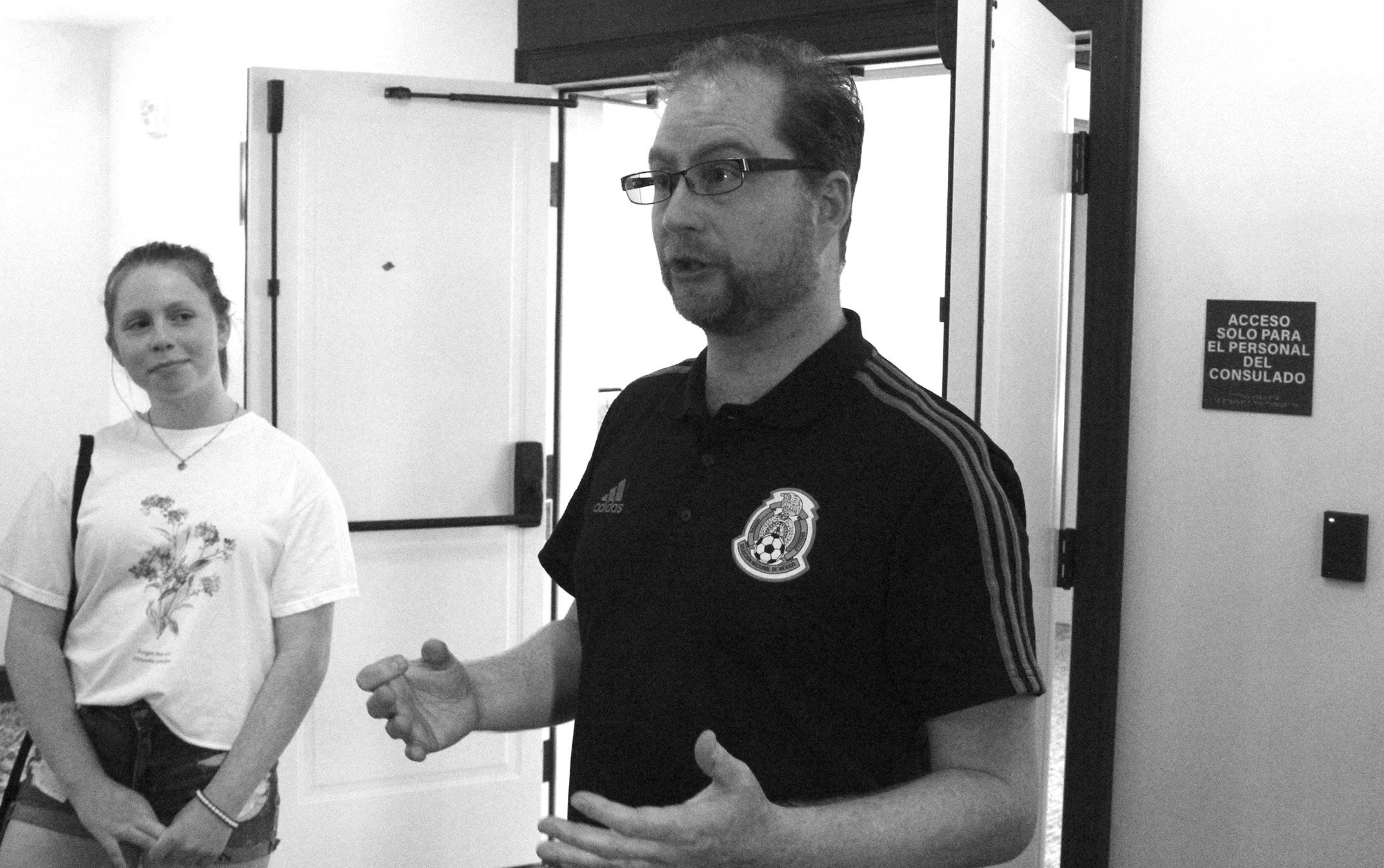
General consul Roberto Dondisch says the new location for the Consulate of Mexico will be more accessible to people than the current Belltown site.
said general consul Roberto Dondisch. The Consulate of Mexico in Seattle serves the states of Washington, Alaska and seven counties in Idaho, and more than 850,000 people of Mexican origin, and has been doing so at its Belltown location for more than a decade. Dondisch said people often do not feel comfortable going that far into the city for services.
People living outside Seattle can reach the new consulate, 807 E. Roy St., via Interstate 5 or crossing over from Central Washington on State Route 520, Dondisch said. “We still need to be in the center of town, which we are,” he said.
Photo courtesy of Vince Decker
Vince Decker Travels with Vince
Photo by Brandon Macz
from Page 12
Prior to the consulate taking over most of the Harvard Exit space, the historic theater and original meeting place of the Woman’s Century Club received a seismic retrofit, new water, gas, sewer and electric infrastructure, and modern sprinkler and security systems.
Much of the exterior of the building — constructed in 1925 — in the Harvard-Belmont Landmark District was preserved, providing Eagle Rock with a historic tax credit.
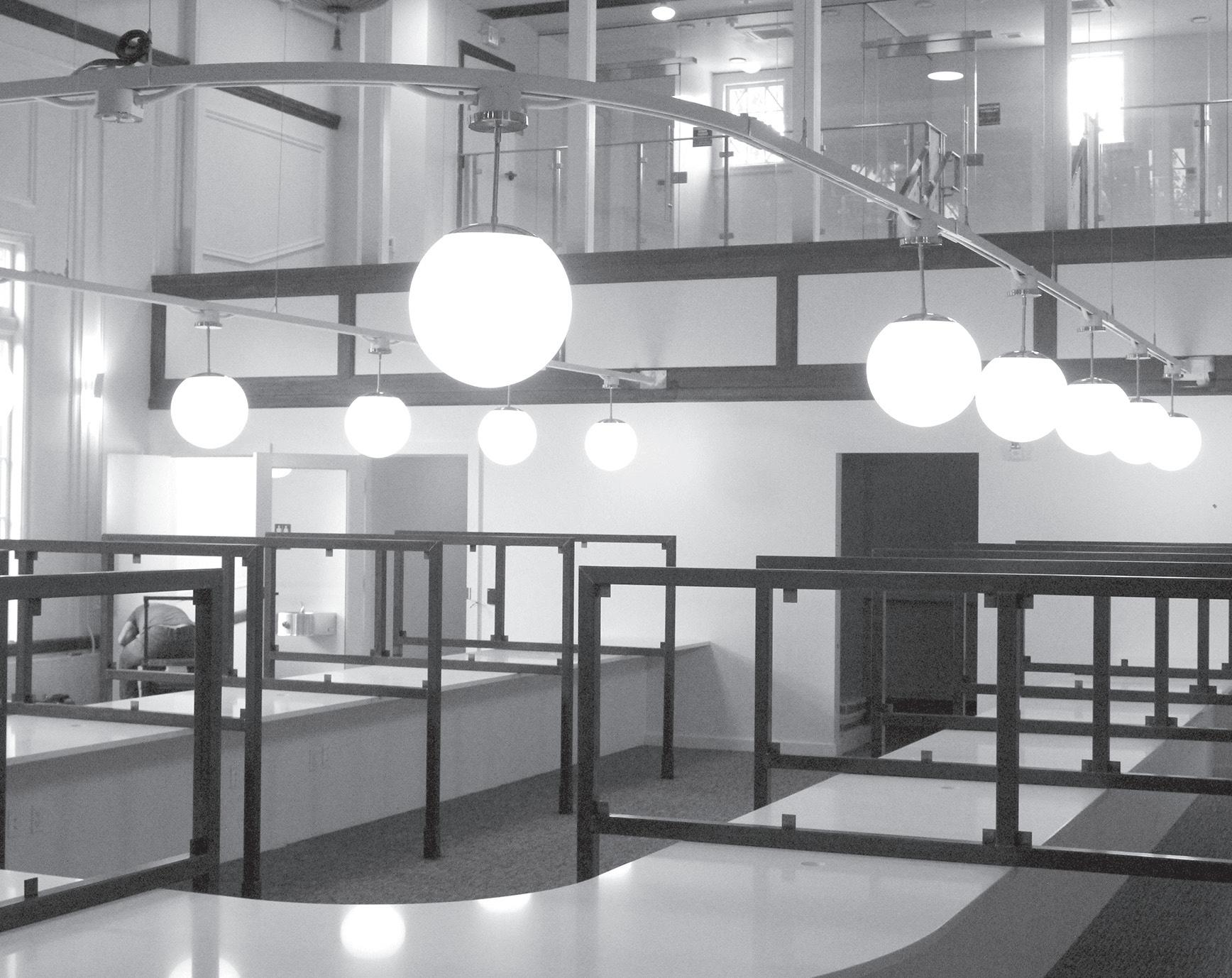
The interior is now a blend of historic remnants and modern office space, the theater space to be where Mexican citizens can come for items like visas, passports, birth certificates, with a meeting room on one end of the large space. Dondisch said requests for visas for more than six months have seen an uptick of 30 percent year over year for the past several years, including for Americans going to work for Mexican companies making big investments in there.
Overlooking this space, on the second floor, is the protection department. Consulate press attaché Marco Bárcena said the consulate can’t intervene if Mexican citizens come there seeking asylum, but can help immigrant detainees by providing legal assistance and referrals to nongovernment organizations(NGOs).
“There is a steady situation,”
UNDERWATER, from Page 10
Dondisch said. “We have seen, throughout the U.S., an increase in detention.”
Dondisch said the consulate’s legal protection team visits detainees at the Northwest Detention Center twice a week, and will continue to do so during the two-week move from Belltown to Capitol Hill. He added there is a separate and concerning issue Mexican immigrants being detained at the Federal Detention Center in SeaTac.
The consulate will have a community department, where people can come for free medical exams twice a month and HIV testing, Bárcena said. A Consulate on Wheels reaches people outside Seattle who can’t make the trek.
There is also space in the Harvard Exit building for a Mexican Cultural Institute, Bárcena said,
and even a wool cap under the hood. The other suit was a one-piece affair, with a hole in the chest area that you climbed into. The extra material was tied into a knot.
Motoring out into really rough waves and windy conditions, Frank assured Ted and I that we shouldn’t worry — it was calm where we were going. The worry converted into laughter and the thrill of the adventure. Besides, I held up a fifth of whisky for our after-dive celebration!
Frank killed the engine and the boat held fast. We strapped on our tanks, checked each other’s air and reserve (5mm). We spat into our masks, then rinsed to create a firm seal. With thumbs up, we leaned over the side backward and fell into the water.
With 15 to 25 pounds on our waists to sink, we raised one arm to let air escape and create less buoyancy. We grabbed the anchor line and sank slowly into the dark gray water. Without that line it is doubtful one could get to the surface.
It was eerily quiet — the sound of the boat slapping the waves faded. The only sound was the air from the regulators. When we hit 25-30 feet, we turned somersaults to clear our ears. It was dark and unfamiliar — the rope was barely visible, but we did see Frank’s bubbles below us. The weight belts loosened, so we tightened them a little as the depth gauge on our wrists indicated we were at 60 feet. The pressure pushed the face masks in closer to our faces.
At 70 feet, Frank caught our attention and pointed. I couldn’t believe it! Boats big and small illuminated by sea anemone were strewn everywhere. These were war vessels sunk during World War I.
which will help people wanting to establish an event or more activities in the area.
The second floor is where the political economics department will operate, with a small space leftover for another potential tenant in the future.
The State Department has accepted the Mexican government’s request to relocate the consulate, which expects to have its seal on the building and flag of Mexico waving on the Harvard Avenue side of the historic Capitol Hill building on July 9. Dondisch said a celebration of the consulate’s move will take place sometime in the near future.
“Hopefully we’ll stay here for a long time,” he said.
Find out more about the Consulate of Mexico in Seattle at consulmex.sre.gob.mx/seattle.
What a sight!
Swimming to the bridge of one of the larger boats, Frank pointed down a staircase and tapped his regulator, cautioning to be careful not to bump it on the way down. As we approached a large area with flashlights in hand, a huge cabazon or lingcod made a rapid egress. Inside were cupboards and drawers, which we looked into for a memento.
A bit deeper, at 80-90 feet, was a larger ship, but since we were pushing our bottom time, we just poked around nearby boats looking into portholes with our flashlights. Fish were coming and going, and if you didn’t hold onto your mask, it would be easy to lose it, which almost happened to me — don’t know what the critter was but it was fast!
After a few minutes, we continued upward. We heard the boat slapping the water once again, and then we could see the dive flag. Once again, the world’s noise was heard. Frank pulled himself up on the swim board, and we handed him our gear.
Once aboard, we laughed in awe of what we just saw. What a thrill — and, we were dry! No leaks from the dive, but we got lots of backlash from the waves as we headed back to shore.
After mooring the boat lines to everything secure, it was time to pass around the happy diver’s cocktail. One bottle, remove lid, open mouth and fill with an ample amount of whisky, and toast.
This dive was 60 years ago. Other dives took us to rivers, other interesting spots in the Sound, the Caribbean, Alaska and Hawaii.
I’ve been searching high and low for Frank Wolfe, owner of West Seattle Skin Diving, but have had no luck. He would be a gratifying corroborator on this story. Rumored he had a marina in the area. Email the paper if you know anything; please and thank you in advance.
We, the people of the Pacific Northwest, have the mountains and waters to bring joy to otherwise dark wet days. Let’s brave the elements and enjoy it!

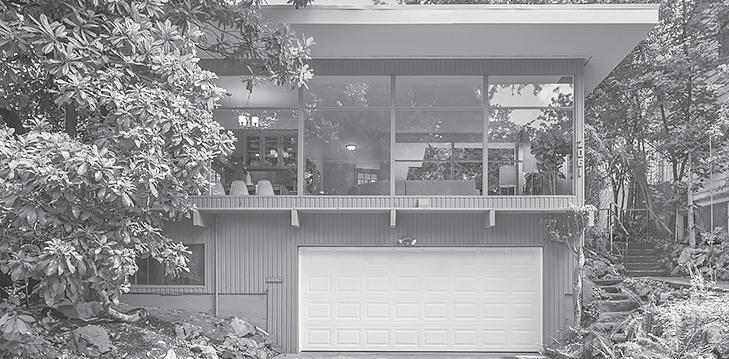
Photo by Brandon Macz
The Consulate of Mexico in Seattle will reopen in the historic Harvard Exit Theater building on July 9.
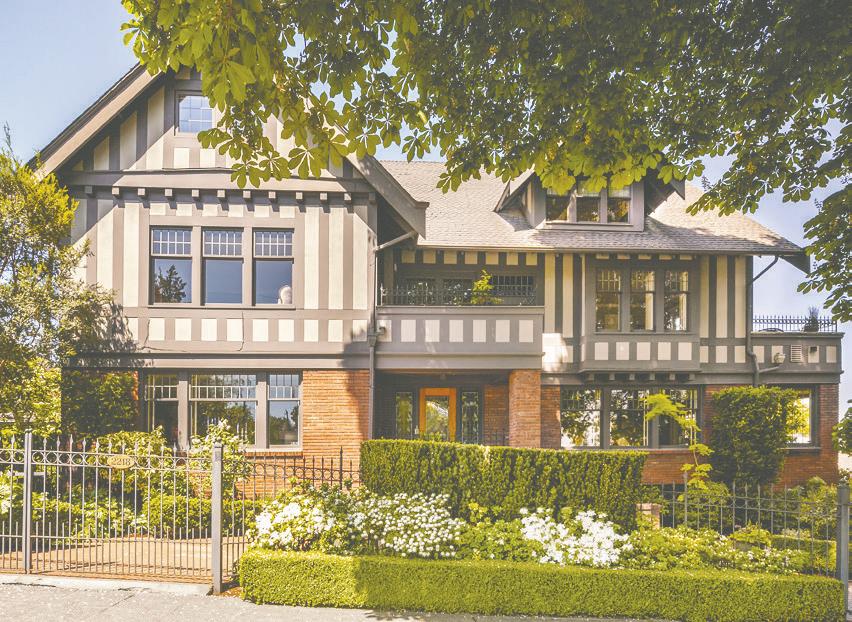
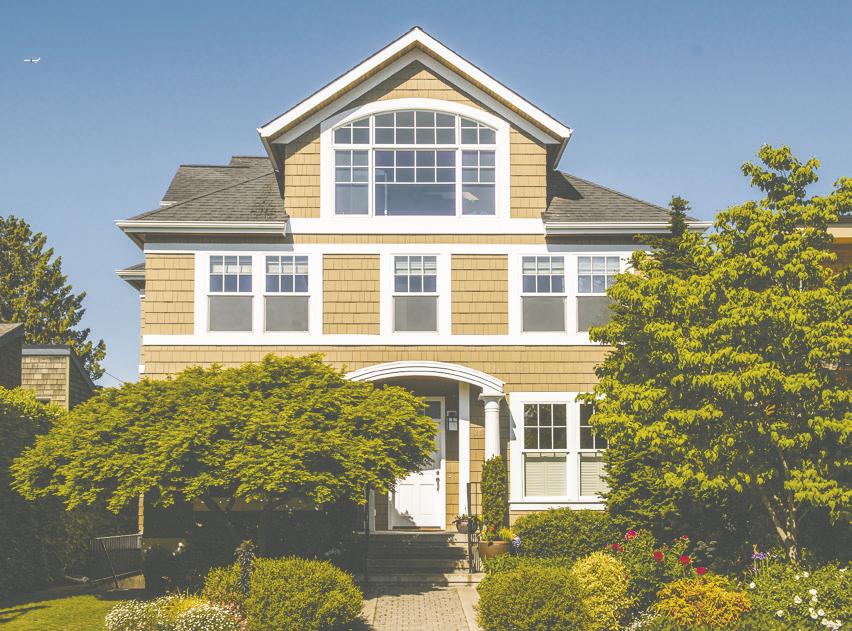
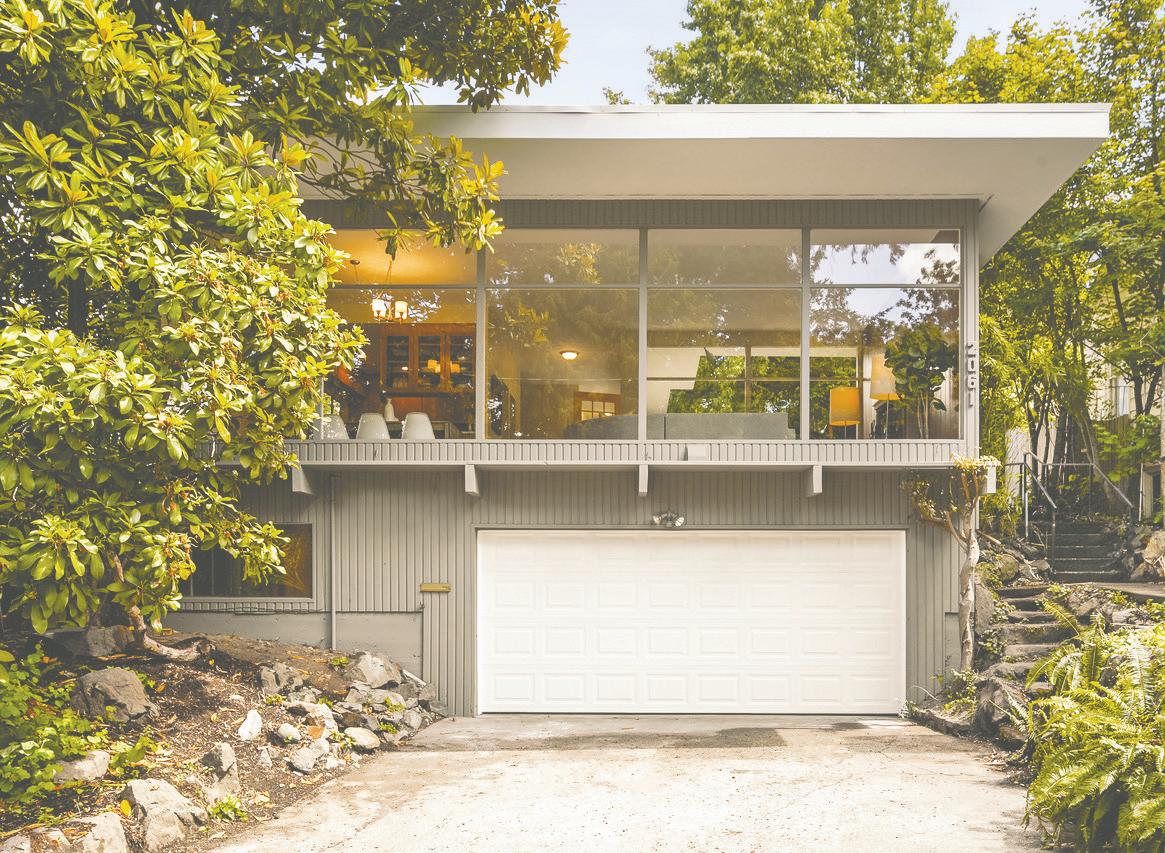
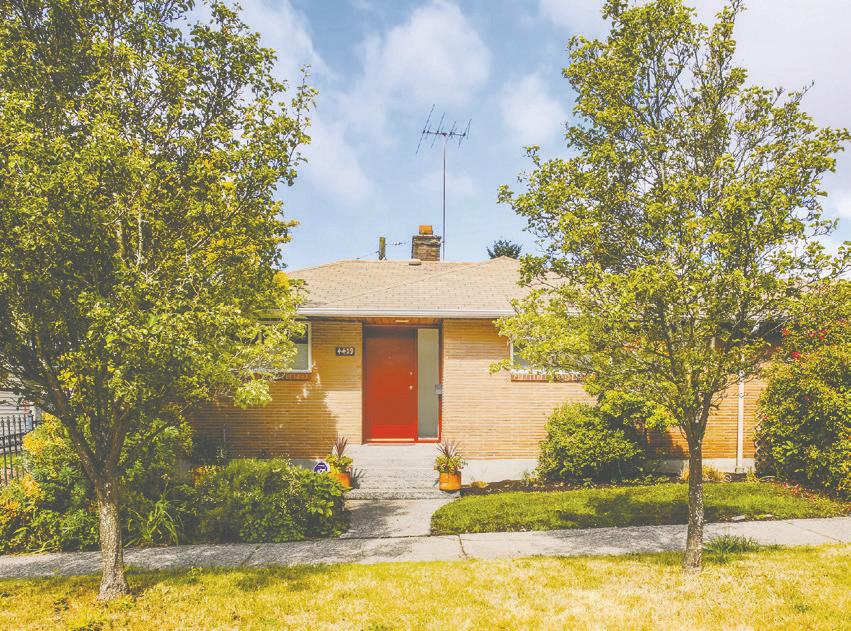
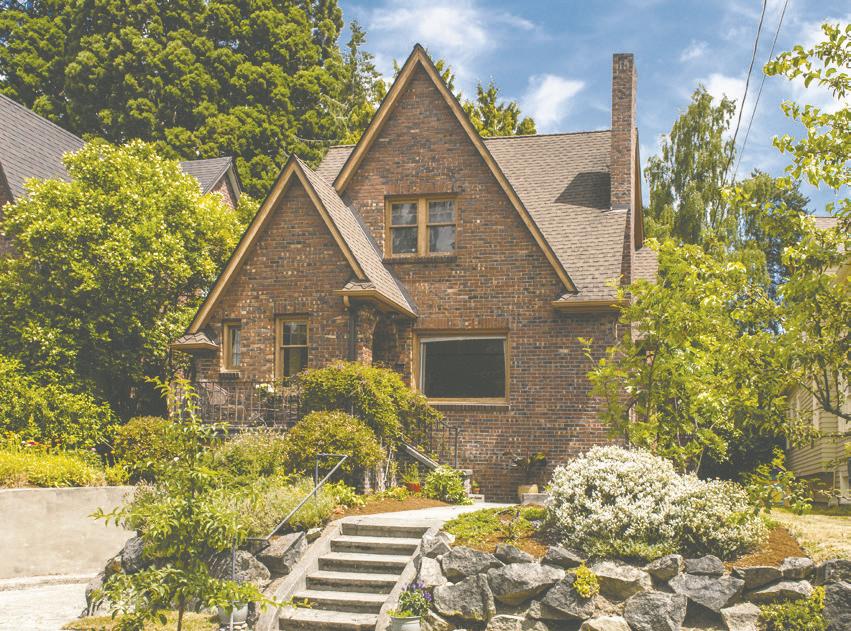
GRACIOUS TUDOR
TRANSIT, from Page 6
in to develop Site B-North to be completely affordable.
“I can’t believe we’re here,” said Cathy Hillenbrand, who just completed two years as chair of the CHH board of directors. “I would love to drive the first bulldozer.”
U-Link, which brought light rail from Westlake Center up to Capitol Hill and the University of Washington, opened in March 2016. Sound Transit CEO Peter Rogoff noted that was two years and three months ago — with people walking by a fenced asphalt lot the whole time.
“This has been a longtime coming,” said Rogoff, ahead of a ribbon-cutting ceremony, “and, as you can see, it will be worth the wait.”
Gerding Edlen partner Jill Sherman said GED expected to enter its ground lease with Sound Transit on Wednesday, June 20, and begin construction immediately after. The first thing to happen will be shoring for the project’s below-grade parking garages.
“I think the design is pretty much what everyone saw at the design review hearings,” Sherman told CHT.
After years of speculation about the anchor tenant that would fill the ground floor of Site A at Broadway and John Street, the Capitol Hill Seattle blog reported in March that H-Mart was in talks with GED for the space.
Sherman said no leases have been signed for any of the retail spaces for the TOD project, nor has a daycare operator been tapped for Site C, at Broadway and East Denny Way.
All three GED buildings are expected to be completed in April 2020.
Rogoff told CHT work on Capitol Hill transit-oriented development helped shape the TOD policy the Sound Transit board approved in April, and the expectation now is that light rail and housing come online at the same time.
“Going forward, we only want to rip up the community once,” Rogoff said, that promise to be tested with the 245 housing units planned at the Roosevelt Station for the Northgate Link Extension.

ing on campus on Site D. In return, Sound Transit was granted Seattle Central’s Atlas Properties at 1515-1519 Broadway, which CHH will use to develop another 78 affordable housing units.
CHH is also developing housing units on Seattle Central’s South Annex property at Broadway and Pine for a homeless youth opportunity center through a partnership with YouthCare.
Mayor Jenny Durkan said during the June 19 groundbreaking ceremony that Seattle can’t build housing fast enough to keep up with the affordability and homelessness crisis, and the Capitol Hill TOD project is a “small down payment,” but an important step forward.
Durkan said it was great to be kicking off the project during Pride Week in Capitol Hill, and thanked former councilmember Tom Rasmussen for his work on creating a Seattle AIDS memorial, which will be part of the transitoriented development.
Rasmussen had the idea for a memorial that would tell the history of the community’s response to the AIDS crisis in the 1980s and ‘90s. The AIDS Memorial Pathway (AMP) will also be a call to action to fight to finally end HIV/AIDS.
Rasmussen said 3,000 people died in Seattle during the AIDS crisis, and 8,000 people live with AIDS or HIV in King County today, but there are no memorials like there are in other cities that suffered such large losses.
The center of the LGBT community for decades, Rasmussen said Capitol Hill was the obvious place for the AIDS Memorial Pathway, as well as the adjacent Cal Anderson Park, renamed in 2003 for Washington’s first openly gay legislator, who died from AIDS in 1995.
“This is the place for our memorial,” Rasmussen said, “and the best place.”
AMP vice chair Michele Hasson told CHT the committee has narrowed 40 artist submissions down to three finalists, and a final decision should be made by the June 21.
“All three are very creative, understand the mission, understand what the job is, and that’s what you want,” she said.

Sound Transit approved a land swap last November that will allow Seattle Central College to develop a new academic build-
AMP expects to work in unison with developers and architects to make sure the memorial fits well. Fundraising continues for the memorial project, which has a budget goal of $2.5 million.
People can find more information and make donations at theamp.org.
Photo by Brandon Macz
All three GED buildings are expected to be completed in April 2020, replacing this asphalt lot.