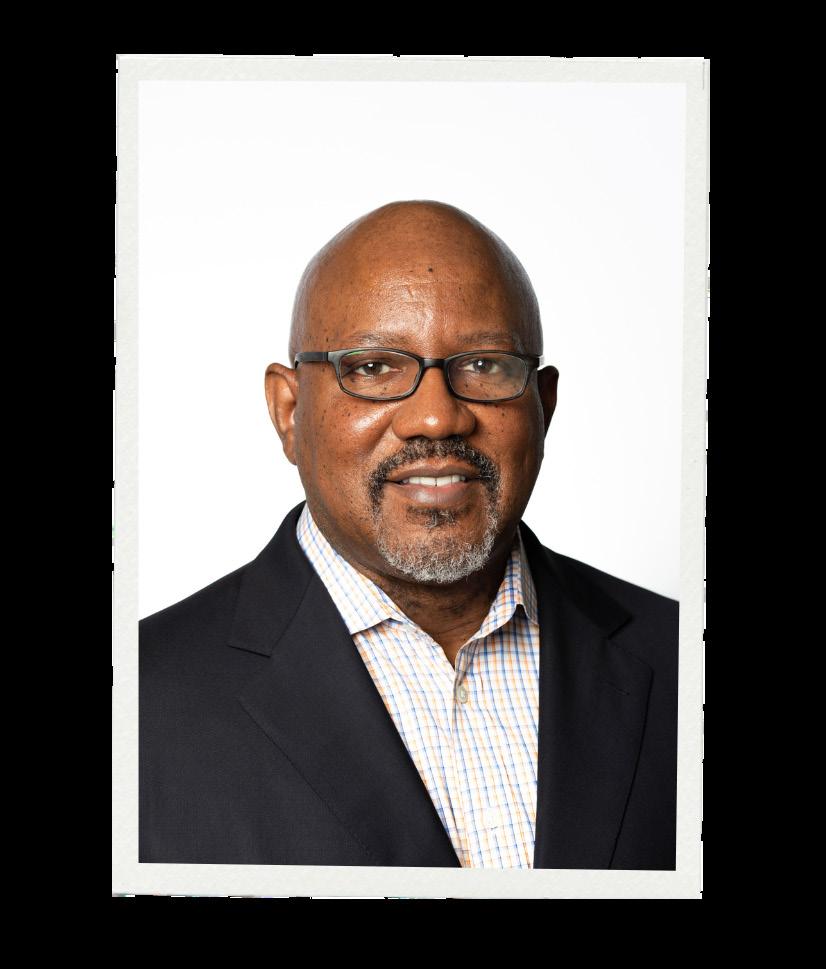
Looking back at 2025, I am filled with both deep gratitude and renewed determination. Last year, across the South, we witnessed something extraordinary: communities rising — not just in resistance, but in vision. In courtrooms, at ballot boxes, in school board meetings, and on the streets, the people stood up to claim their voice, defend their rights, and shape a future rooted in justice. At Southern Coalition for Social Justice, we’ve always believed those closest to the problems are best suited to deliver solutions. This year proved that truth more than ever.
2025 was a year of reckoning and resilience. In the face of escalating attacks on voting rights, justice, and community self-determination, Southern communities refused to be silenced. From Georgia to North Carolina, and from Texas to Florida, we saw a groundswell of grassroots power led by communities demanding not only justice, but also transformation.
At SCSJ, we stood shoulder to shoulder with these communities. From fighting for reconsideration of faulty evidence used to wrongly imprison a man for far too long to helping community partners fight environmentally harmful zoning practices to helping voters
across the political spectrum raise their voices to avoid having their votes nullified in a North Carolina state election; these are only a few examples of the incredible work from this year.
We didn’t just respond to injustice — we built infrastructure for long-term power. We expanded our partnerships with grassroots organizations across the South and deepened our commitment to data-driven advocacy that centers community voices.
The South has always been a battleground for the soul of this nation. What happens here reverberates far beyond our region. In 2025, the stakes were higher than ever. We saw coordinated efforts to redraw district lines that dilute the power of marginalized communities. We saw state legislatures push laws that criminalize protest, restrict access to the ballot, and undermine public education. We saw attempts to erase history, silence dissent, and roll back hard-won rights.
But we also saw something else: resistance rooted in love, strategy, and solidarity. We saw elders and youth fighting together. We saw formerly incarcerated people leading campaigns for second chances. We saw rural communities and urban neighborhoods alike demanding environmental justice, police accountability, and civic dignity.
The South is not a monolith. It is a mosaic of cultures, languages, and histories. And it is home to some of the most visionary freedom fighters in the country. At SCSJ, we are proud to be part of this lineage: and to help carry it forward.
As we look to 2026, we carry the lessons and momentum of this year with us. We know the road ahead will not be easy. The forces aligned against justice are well-funded, well-organized, and relentless.
But we too are relentless. In 2026, we’ll continue to fight for fair representation at every level of government. We’ll push for policies that protect the environments of all communities. We won’t stop demanding equal justice and dignity for all. And all of this we’ll do in partnership with the people who make the South a place of beauty, resilience, and possibility. This work is not just about resistance, it’s about reimagining. It’s about building a South where every person, regardless of race, income, or background, can thrive. A South where justice is not a dream deferred, but that singular promise fulfilled.
Thank you for standing with us. Thank you for believing in the power of community, the necessity of justice, and the possibility of transformation.
Here’s to a bold, progressive 2026. Together, Ryan Roberson

Our Collective Action
None of this work happens in isolation. In 2025, we were reminded again and again that collective action is our greatest strength. We are grateful to our partners — legal allies, community-based organizations, faith leaders, educators, and everyday people — who show up, speak out, and do the work. We are immensely grateful to our financial supporters, whose generosity fuels our ability to fight for justice for all with integrity and impact.
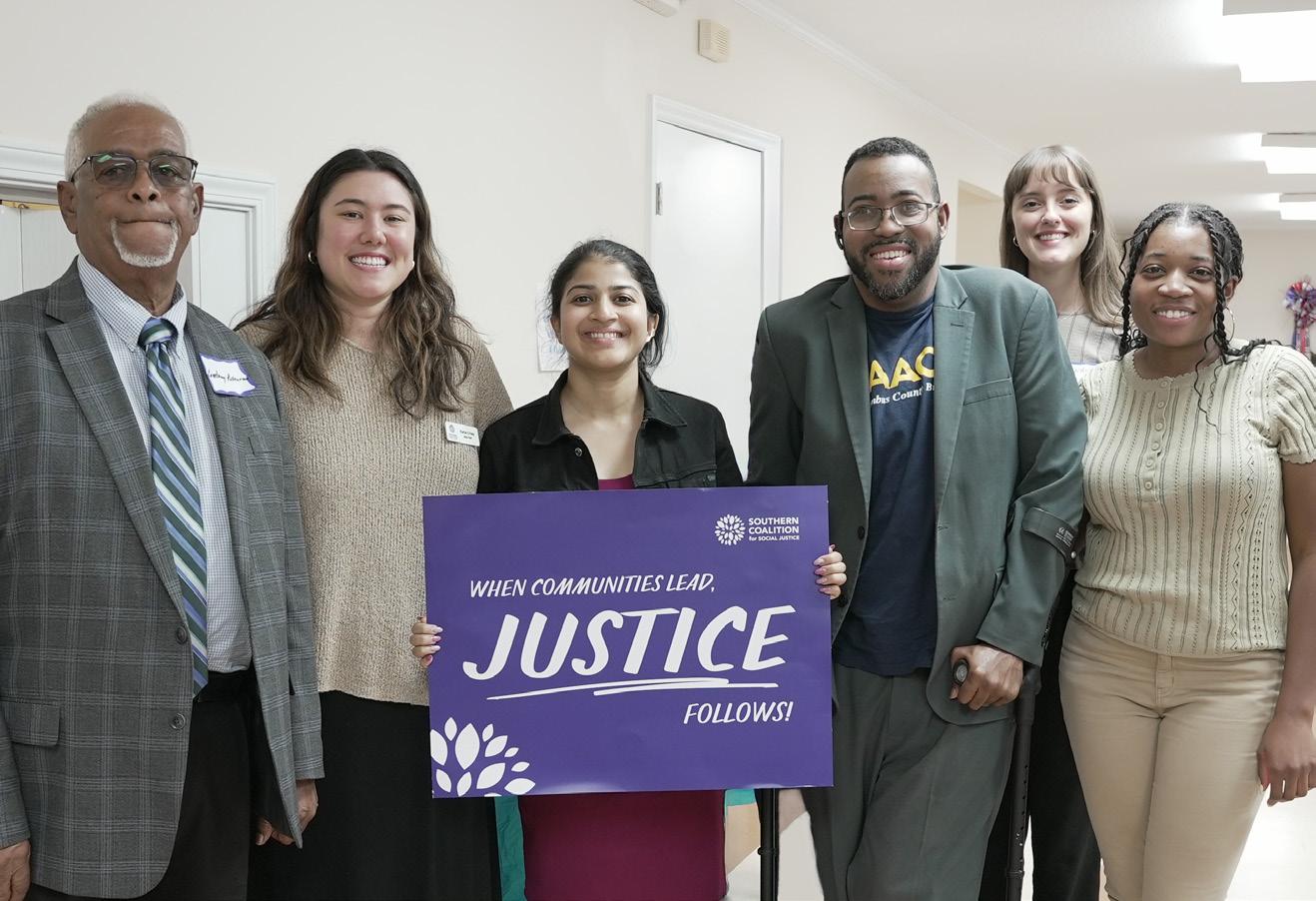
When communities are empowered with the tools and strategies to pursue their own goals, they come to know — through lived experience — their power to effect meaningful change on the issues that shape their lives.
Communities across the South always lead our work. We backed them up with the support and resources they asked for, always trusting their power.
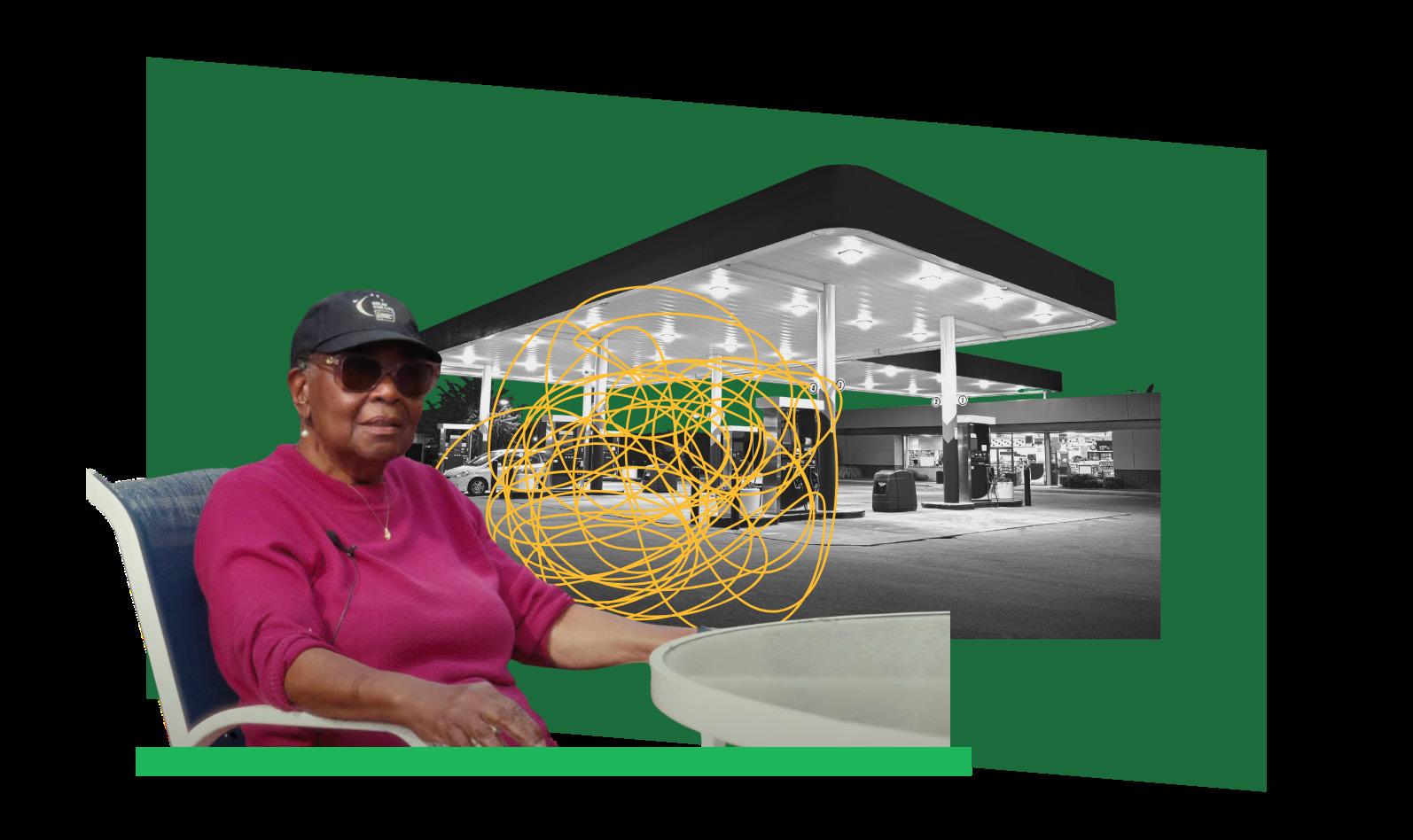
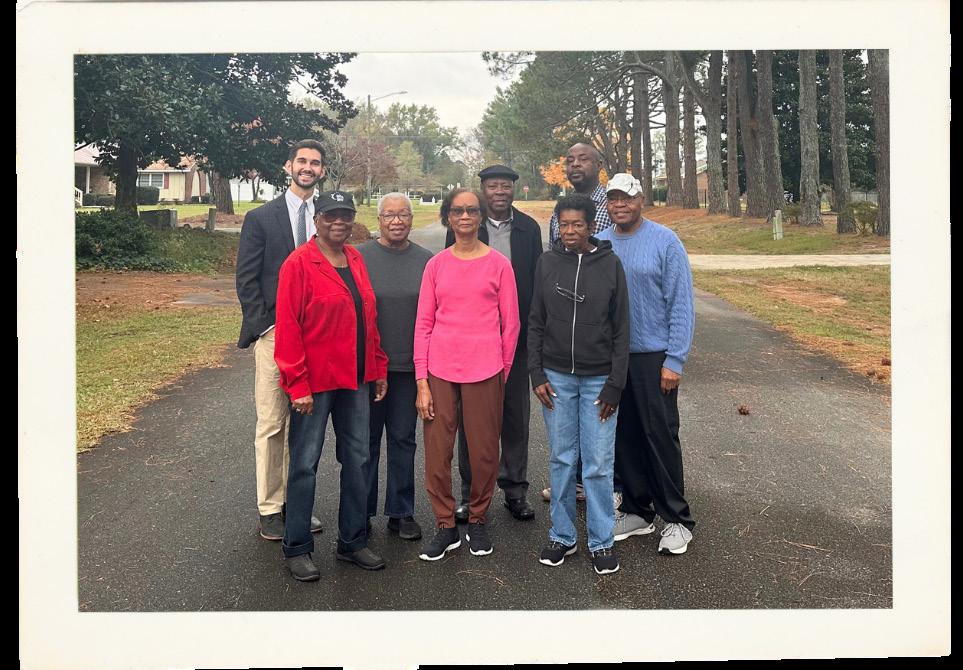
Brookhaven is a historically Black, longtime homeowner community where many residents have spent decades building stable lives and envisioning a safe place to grow older and eventually pass their legacy on to their families. That vision was shaken when plans for a large RaceTrac gas station emerged — one that would sit directly behind their homes and across from nearby Wellcome Middle School. To the community, the proposal signaled a disregard for their safety, wellbeing, and future, and raised concerns about environmental risks, increased traffic, and the erosion of the neighborhood they have carefully nurtured.
The Greenville Board of Adjustment minimized residents’ concerns during the city’s permitting process for the gas station, prompting Brookhaven community members to take action to make their voices heard. In 2025, SCSJ went to court on their behalf to ensure their experiences and perspectives would finally be given meaningful weight. And even though the court ultimately ruled against them, the fight strengthened their community power, created a public record of their concerns, and set the stage for stronger advocacy in the struggles still ahead. The community will continue to organize moving forward to make sure RaceTrac upholds its
Scan the QR code to watch the “Brookhaven: Community Resilience Against Evironmental Threat” mini documentary or visit t.ly/q74Hh
(Bottom) Folks
promises to be a good neighbor.
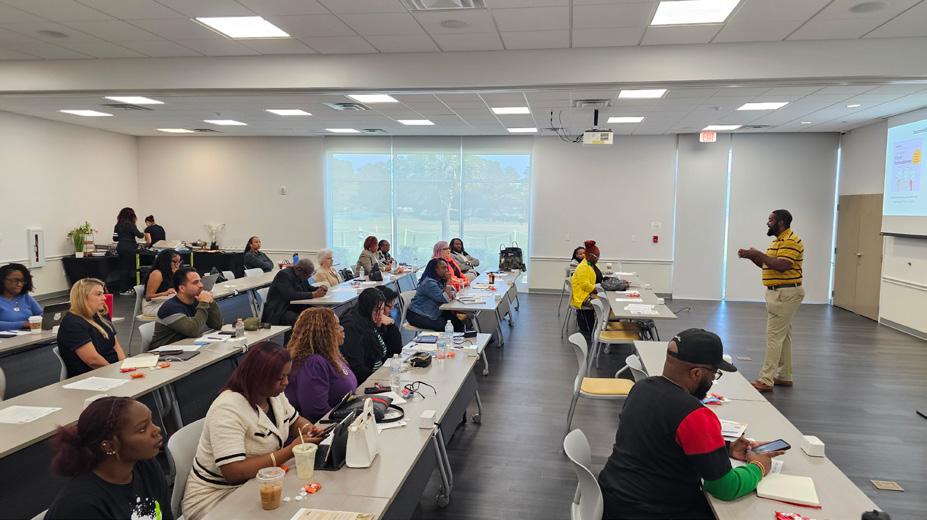
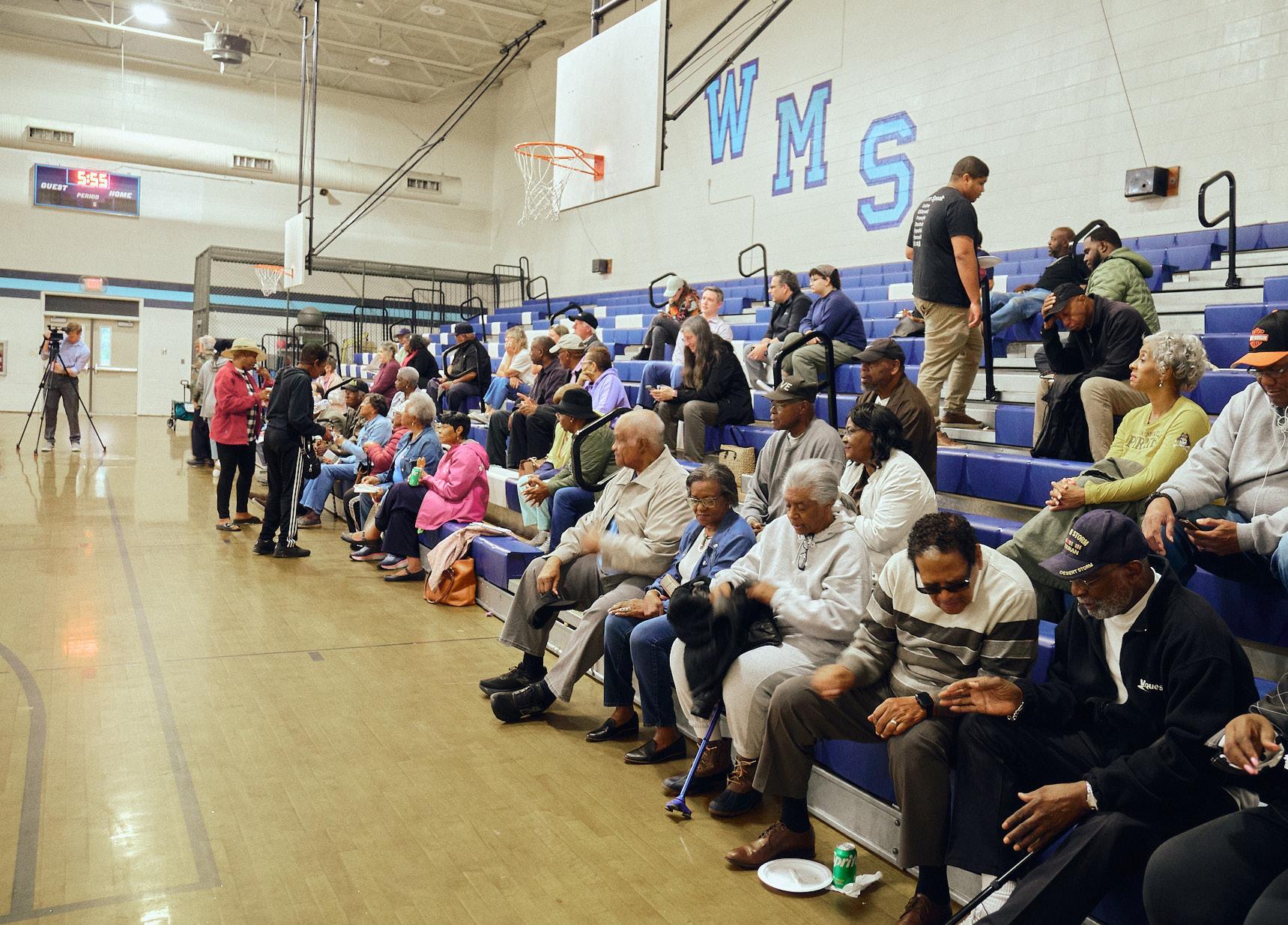
In an effort to uplift the community’s leadership and experience, SCSJ created a mini documentary to capture their shared concerns, stories, and deep connection with each other and their homes. We gathered over 60 community members to view the film and share reflections. Local news coverage amplified their message even further, underscoring the importance of recognizing and protecting communities like Brookhaven — places where generations have invested in a future now at risk.
• A FAIR PROCESS. Communities deserve to be included in the permitting process, whether or not they have the resources for attorneys and experts.
• ACCESSIBILITY. Communities should have access to governing bodies’ rules, regulations, and other public documents that affect them.
• COMMUNITY VOICE. This case underscored the importance of ensuring the perspectives of those most directly affected are prioritized, reinforcing that community lived experience is essential in decisions that shape their futures.
Although separated physically from most of the world, James Richardson is not alone. Convicted and sentenced to life in prison for a 2009 crime he did not commit, James has been joined by an army of supporters, including SCSJ, in his fight for freedom. This year, we worked alongside James and key partners to bring his case back to court in an effort to secure a new trial. In late August, an overflow crowd descended on the same Pitt County courthouse
Scan the QR code to watch the “Is it Just Me?” mini documentary or visit t.ly/3yAEH.
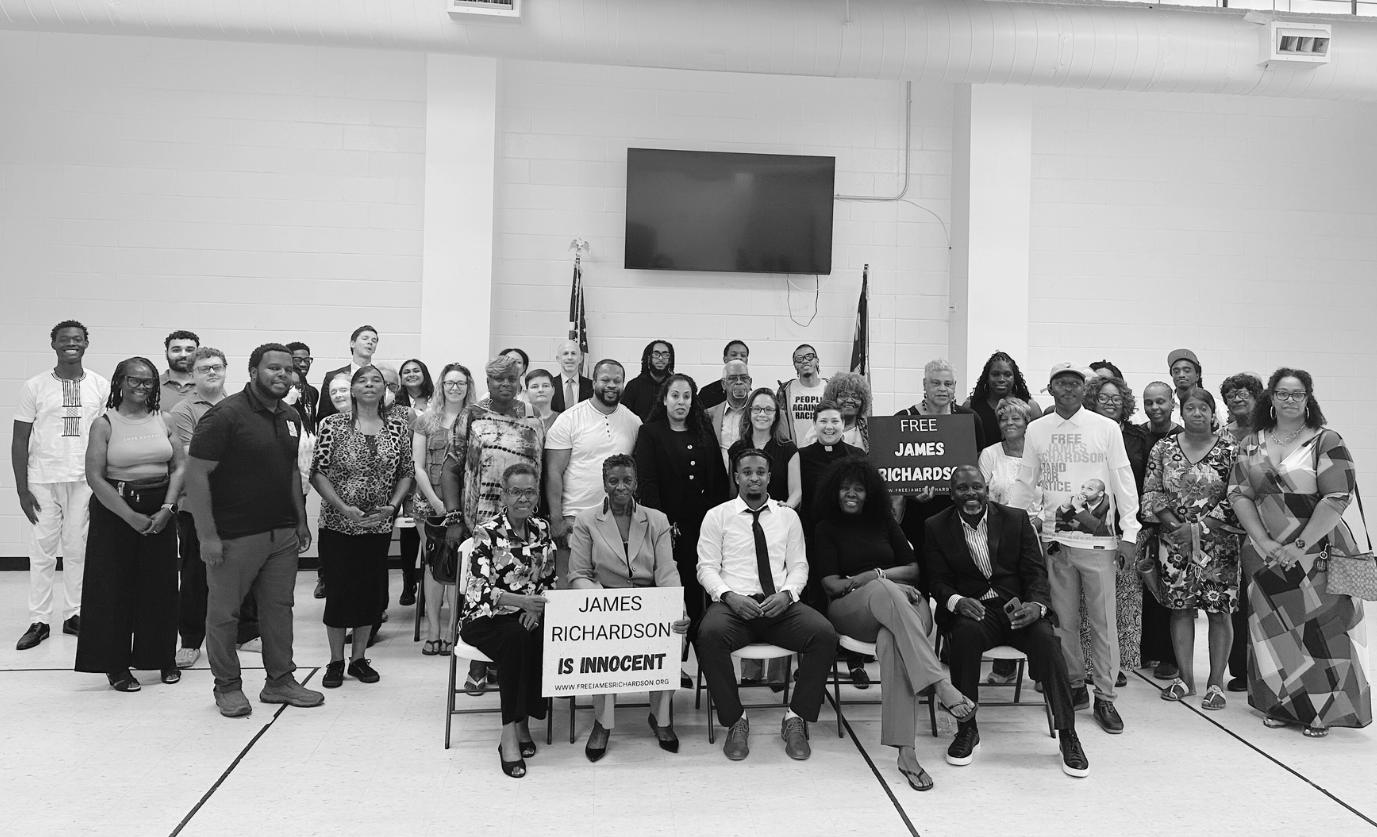
where he was originally tried. Extended family, former classmates, community members, and advocates from across the country watched as the court heard about withheld evidence, prosecutorial misconduct, and the physical impossibility of the prosecution’s theory. We are awaiting the court’s ruling. Our mini documentary, “Is It Just Me?” highlights the toll James’ wrongful incarceration has taken on him, his loved ones, and the larger community, and the courage required to bring the truth to light.
Like many communities across the South, Columbus County residents are challenged with persistent flooding in their day-to-day lives. The potential of a rainstorm requires moving cars to higher ground or facing the potential loss of the vehicle. Former community gathering greenspaces and backyards are now plagued with mosquitos and sodden ground. Residents are burdened with immense preparation and recovery efforts on a regular basis. At the request of community members and local partners, we facilitated a robust and
richly engaged community conversation about building flood resilience. Residents from all over the county, including local elected officials, discussed their own experiences while sharing resources and strategies to better prepare for their futures when it comes to flooding.
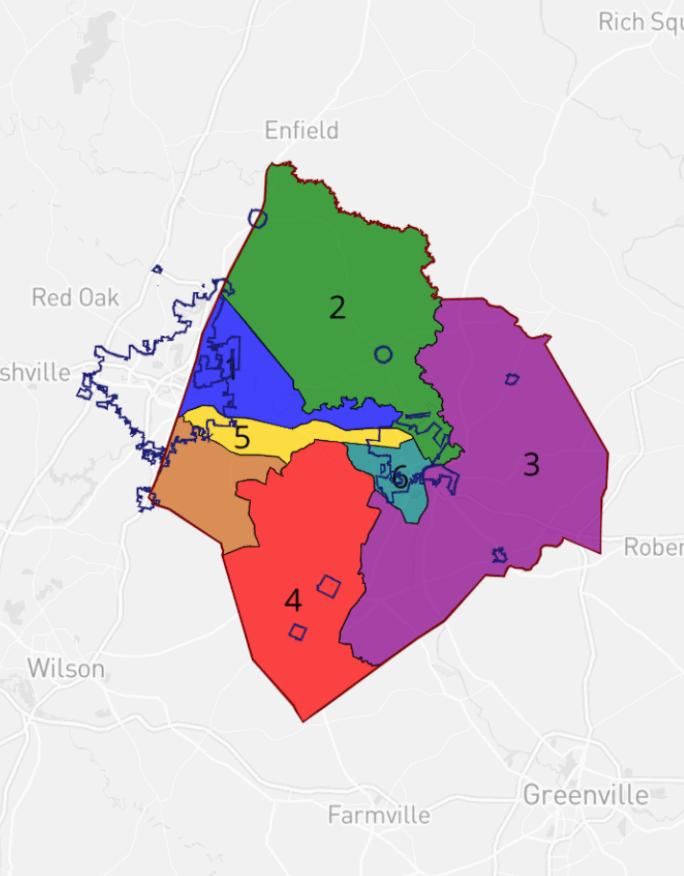
In a school district with a history of racial inequity, residents have stayed engaged to avoid repeating the harms of the past. Over nearly two years, they participated in a redistricting process for the Edgecombe County School Board. A working group, alongside local stakeholders, made efforts to maintain equity in representation for all the new students and residents from Rocky Mount who moved into the Edgecombe school district. Culminating in a win for the broader community, SCSJ supported the School Demerger Community Redistricting Working Group and Edgecombe residents in a mapping process centered on public input and respect for communities of interest. The community’s preferred map was ultimately selected — demonstrating the power of sustained engagement and collective empowerment.
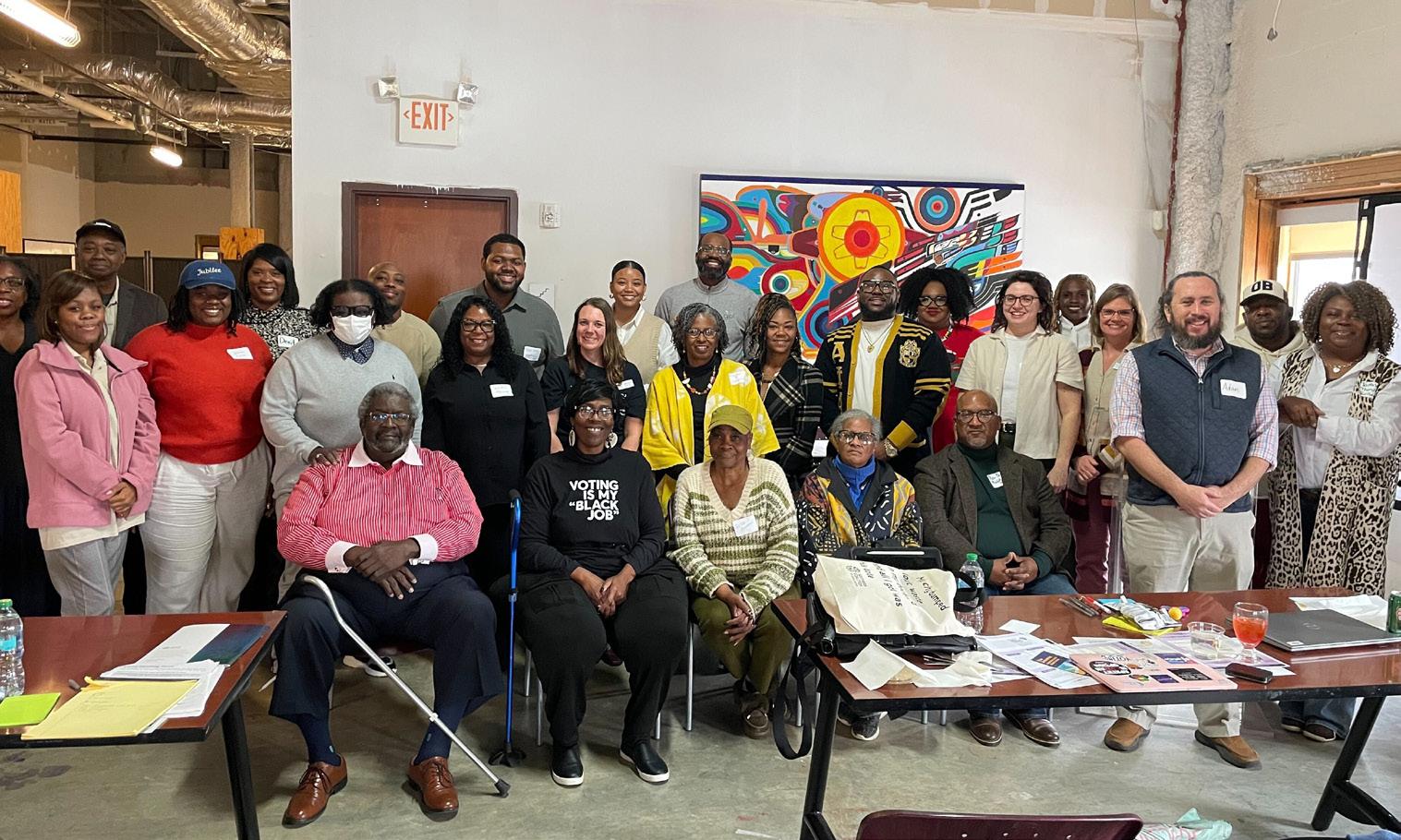
(Left) The attendees of the Georgia stop of the Southern Tour in a group photo.
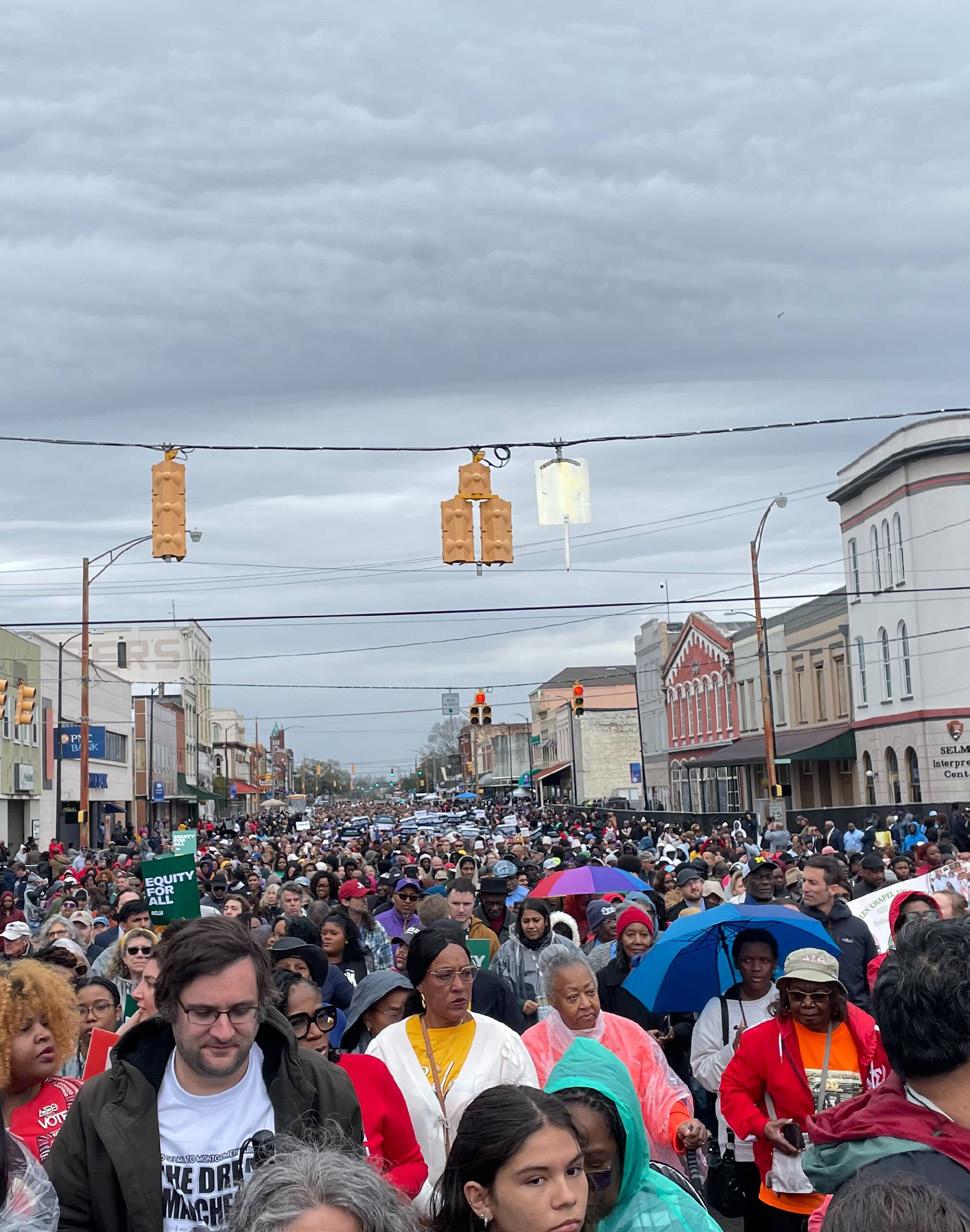
(Right) The Selma Jubilee in Alabama.
MISSISSIPPI SOUTHERN TOUR. We started our SOLVE Southern Tour strong in January with our friends and partners in Gulfport.
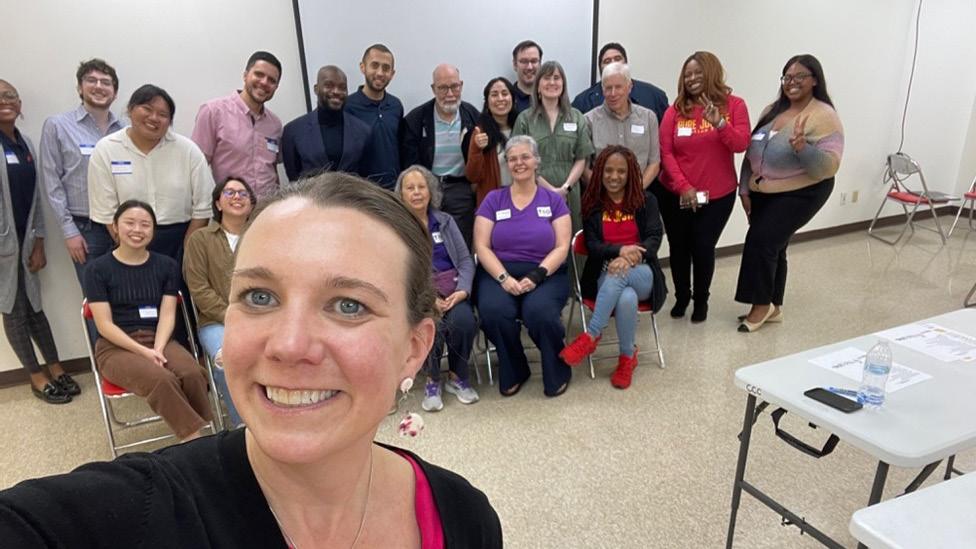
TEXAS SOUTHERN TOUR. The next stop of the Southern Tour brought together participants from across Metropolitan areas in Houston to discuss the “State of the South” report and strategies for where we go from here.
SELMA JUBILEE. In March, SOLVE, along with many members and friends, gathered in Alabama on the 60th anniversary of Bloody Sunday and the Selma Bridge Crossing. We came together in remembrance of those who bravely stood up for the voting rights of Black Americans all those decades ago and changed our country for the better.
TENNESSEE SOUTHERN TOUR. Soon after in April, we met with SOLVE members in Memphis. There was a great exchange of ideas about how we can combat voter suppression, especially on a local level.
SOLVE LEADERSHIP COUNCIL RETREAT. We hosted a retreat for our SOLVE Leadership Council in September in Durham, North Carolina, focused on grounding and collaborating to build a united strategy against voter suppression. The SOLVE Leadership Council has members from each of the 10 states in our region.
FLORIDA SOUTHERN TOUR. In November, SOLVE hosted the Orlando stop of our Southern Tour with partners from across the state diving into legislative updates, community concerns, and what it will take to build long-term power in this moment.
GEORGIA SOUTHERN TOUR. To close out the year, we had our final Southern Tour stop in Macon, a powerful event bursting with energy and the presence of many strong advocates.
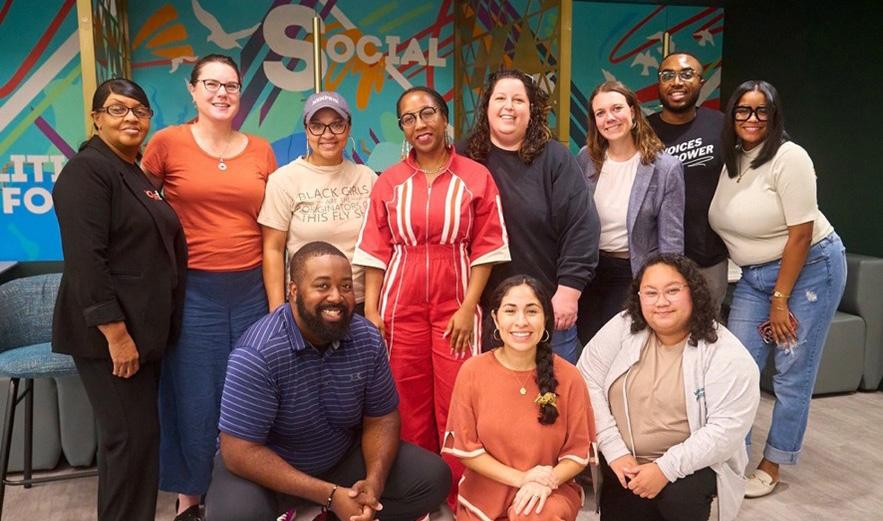
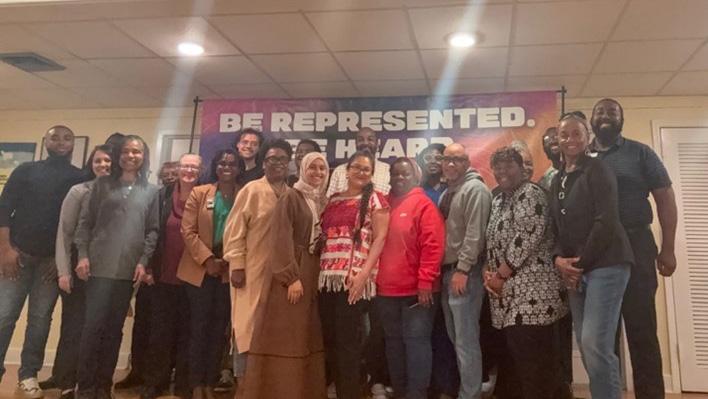
(Very top) The SOLVE Leadership Council Retreat took place in Durham, N.C.
(Top) SOLVE Network Coordinator and Voting Rights Senior Counsel Mitchell Brown speaks to a group at the Florida stop of the Southern Tour.
(Middle) SOLVE Senior Communications Strategist Sarah Ovaska takes a selfie at the Texas stop of the Southern Tour.
(Bottom) The Memphis, Tennessee folks took a group picture at their event.
300+ Grassroots & grasstop members in the SOLVE Network
120+ Attendees at four educational events hosted by SOLVE throughout 2025, addressing legislative updates and mid-decade redistricting
180 SOLVE members convened during the 2025 Southern Tour
6 Partner states covered during the 2025 Southern Tour (Mississippi, Texas, Tennessee, Alabama, Florida, and Georgia)
Community by the Numbers
170+ Events
attended by SCSJ staff
235+ Partners
working with SCSJ this year (not including the SOLVE Network)
1,926 New followers
across Instagram, TikTok, LinkedIn, and BlueSky
6.4k Content interactions
across Instagram, TikTok, LinkedIn, and BlueSky
163k Impressions
across Instagram, TikTok, LinkedIn, and BlueSky
9.2k Views on Youtube
45 New subscribers on Youtube
768.5 Hours of watch time on Youtube

Using the law can create real change. Even in a tough climate, taking cases to court helps keep the fight for justice moving.
For many people in North Carolina’s prisons, redemption can feel like an impossible standard. They can do everything asked of them — earn degrees, hold steady jobs, stay infraction-free, mentor others, and spend years quietly showing they’re ready to come home — and still be told it’s not enough. This is especially true for people seeking relief through parole, where the process can feel less like a second chance and more like a moving target shaped by opaque rules, incomplete records, and decisions that overlook the person’s essential humanity.
Brett Abrams knows this reality better than most. He pleaded guilty in 1984 to a senseless and tragic murder he committed at 14 years old. Over his more than 42 years of incarceration, he has built an undeniably impressive record, spending more than 15 years in minimum custody and working full-time in the community on work release. Despite growing up in North Carolina’s prison system, he’s only had 12 total infractions, going nearly two decades without a single writeup. If rehabilitation had a checklist, Brett filled every box. Yet, every time he went before the Parole Commission, the answer was always the same: denied. So Brett picked up a pen and filed a lawsuit.
In September 2025, SCSJ reached a settlement in Brett’s federal lawsuit, Abrams v. Fowler, which he brought to challenge the unconstitutionality of the parole process. The reforms
help establish a baseline for fairness — such as requiring the North Carolina Parole Commission to base its decisions on accurate, complete records and to give parole-eligible “juvenile offenders” clear notice and guidance on gathering the often-critical information needed for review — the settlement will hopefully mark a positive turning point, not only for Brett, but for many others in similar circumstances. It doesn’t promise Brett’s release, but the settlement offers something that has been missing for far too long: a more meaningful and fair opportunity to be considered for parole.
• ACCOUNTABILITY. This settlement creates more accountability by requiring the North Carolina Parole Commission to base its decision on complete, accurate records rather than rumor or outdated summaries.
• FAIRNESS. For people originally sentenced as children, these changes should allow for a more meaningful opportunity to demonstrate their growth and maturity since the original crime.
• A PATHWAY HOME. A fairer and more accountable parole review process creates a more tangible pathway home for individuals who have been repeatedly denied relief despite exemplary records.
• IMPACT. While more changes are needed to truly repair a flawed parole process, this case illustrates the power of legal action to help correct systemic failures.

Social Justice by the Numbers
49 New Matters initiated by SCSJ’s three program areas
22 Depositions completed by attorneys this year
74 Days spent in court by SCSJ attorneys
2 Federal voting rights trials this year
“Today’s ruling confirms what we have known all along — that this law was born out of racism and has been wielded to intimidate and disenfranchise Black voters. The Fourth Circuit’s decision ensures that this remnant of Jim Crow can no longer be used as a weapon against our communities.”
— Melvin Montford, Executive Director of the North Carolina A. Phillip Randolph Institute
Imagine returning home after completing time for a felony conviction, believing you’ve fully paid your dues to society and can begin your path to a successful reentry. As part of that process, you show up during an election, cast your ballot, and genuinely believe you are doing the right thing by participating civically in the community you’ve returned to. But later, you learn your voting rights were not automatically restored upon release and you could be prosecuted for another felony because of an honest mistake. For many Black voters in North Carolina, this fear was real prior to this year. It stemmed from a Jim Crow–era law crafted to silence Black voices. A federal appeals court ultimately struck down the law in a powerful ruling in response to a lawsuit filed by SCSJ and Simpson Thacher & Bartlett LLP, representing the North Carolina A. Philip Randolph Institute and Action NC. Such prosecutions, the court remarked, created “a chilling effect” on civic participation and forced organizations who supported
individuals with felony convictions to divert resources from voter registration efforts to reassure people they would not face criminal charges for innocent mistakes.
“The
importance of this decision goes far beyond who it will impact today. The pollution of the Cape Fear River will impact generations to come but so will having access to this information.”
For years, North Carolinians along the Cape Fear River have wondered whether the Chemours and Dupont companies have harmed their families’ health and the drinking water they rely on by polluting it with harmful PFAS “forever” chemicals. For their communities, transparency is the key to protecting their health today and for generations to come. SCSJ worked with the NAACP New Hanover County Branch this year move quickly to intervene in an attempt by Chemours and DuPont to hide potentially hundreds of documents showing their release of harmful substances into the Cape Fear River. Most of the sources that supply drinking water to people in Wilmington and New Hanover County are impacted by the contamination. In a major win for those communities (and for public access to information), a federal judge ultimately denied the big companies’ attempt to hide the documents. The companies have since requested that the judge’s order be put on hold so they can appeal the ruling, prompting communities to ask what the companies are fighting so hard to hide from public view. This request was denied.
— LeRon T. Montgomery, President of the NAACP New Hanover County Branch
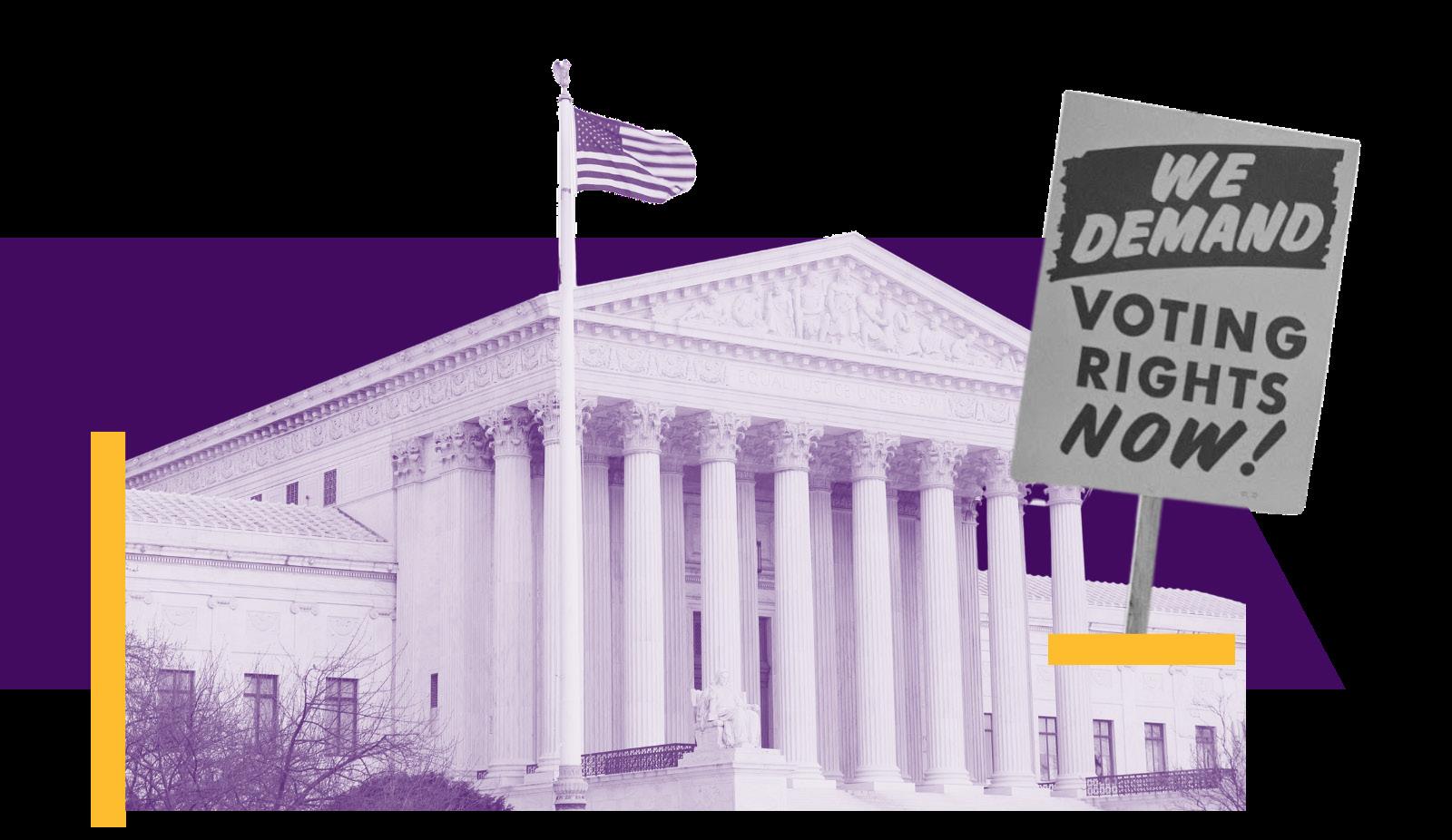
Across Louisiana, Black communities have spent generations fighting to be seen and heard. Inspired to uplift their voices and stories, a group of Louisiana historians filed an amicus brief in Louisiana v. Callais to show why a second majority-Black congressional district is necessary in a case over congressional mapping. The case, heard in the U.S. Supreme Court, draws on generations of lived history, explaining how past patterns of discrimination still shape voting today — and why strong Voting Rights Act protections remain essential to fair representation.
“And I have, for example, the Louisiana historians’ brief where it talks about how the reason why you have Blacks in different places is because the residential patterns in the state are still reflective of where enslaved communities lived along this particular river system and that residential segregation, along with disparities in political power, economic status, health outcomes, all of these things are existent today because they reflect institutional choices that are traceable to Jim Crow and reproduced through contemporary practices.”
— U.S. Supreme Court Justice Ketanji Brown Jackson, quoting our amicus during oral argument
When communities needed us most, we acted fast — protecting them from threats to their rights, safety, and environment while staying focused on what mattered most to them.
Voting Rights
After the 2024 elections, Black voters in Northeastern North Carolina watched their political power shrink overnight. State lawmakers who didn’t like the results of that election redrew congressional district lines in a way that dismantled a majority-Black district, unseated a Black elected official, and made it harder for Black communities in that area to elect candidates who represent them. They passed the map, their fifth in six years, with breathtaking speed and total disregard for public input or precedent.
Communities impacted by the change did not stay silent. Seeking swift relief, SCSJ and partners went to federal court asking judges to block what voters described as a retaliatory move designed to dilute Black political power. Although the court ultimately allowed the map to stand, the fight was an important one. The legal challenge elevated the voices of voters directly harmed by the changes and created a clear record of how political power was stripped from Black communities in real time. Even without an immediate injunction, the case underscored a deeper truth: fair maps are not abstract lines on paper, but a question of whose voices are valued — and whose are pushed aside — in North Carolina’s democracy.
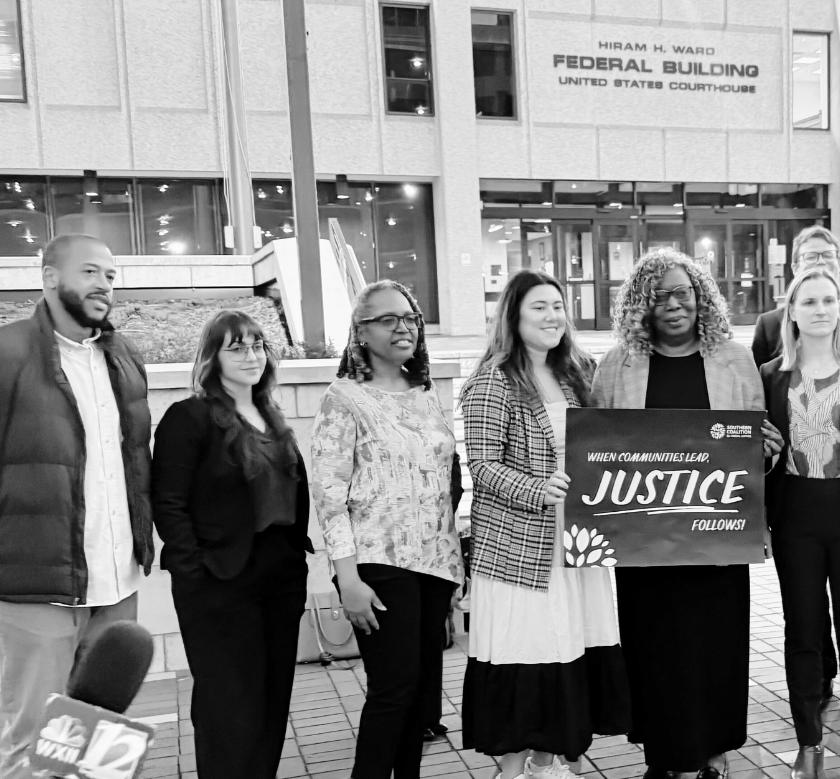
• CONSTITUTIONAL FREEDOM. We stood up against First Amendment Retaliation in the form of political oppression. What voters decide at the ballot box is protected expression and must be upheld.
• FAIR MAPS. Unfair voting maps diminish the voices of voters. It’s imperative that communities have a real say in decisions that affect their daily lives.
• PUBLIC ACCOUNTABILITY. This challenge exposed how the map was drawn and whose voices were ignored, creating a public record that cannot be erased.
Justice System Reform
Edenton’s notorious Confederate monument finally came down in the dead of a hot summer night after years of determined advocacy by the Move the Monument Coalition to relocate it from historic downtown to a local park. Like other Confederate monuments across the South, it was erected in the early 1900s during so-called “White Supremacy” campaigns that marked a post-Reconstruction era of Black subjugation and Jim Crow in North Carolina. After proConfederate groups unsuccessfully sued to block the move, town and county officials struck a
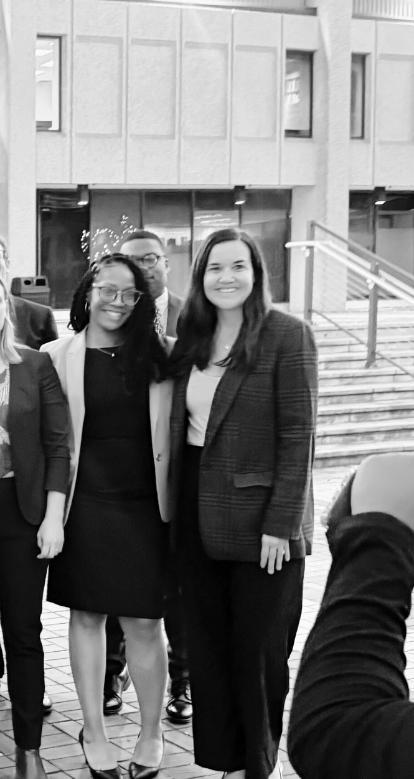
SCSJ attorneys and partners pose for a photo outside the Wake County Courthouse after a hearing on North Carolina NAACP v. Berger in November 2025.
secret deal to relocate the monument to the Chowan County Courthouse. SCSJ sued on behalf of five residents, arguing the new agreement violated North Carolina’s Open Meetings Law and the state constitution’s equal protection guarantee. As 2025 ended, the monument remained in storage while litigation continued.
This year, strong summer storms caused flooding across Eastern North Carolina. For residents of Jackson Hamlet, the floods cut off access to a crucial but unpaved road, putting members of the community at risk. We worked with the Village of Pinehurst to restore access by pursuing key infrastructure improvements. As a result of that collaboration, the Village of Pinehurst will apply for funding to make the long-needed road updates.
When Mecklenburg County residents asked Central Piedmont Community College (CPCC) for basic information about a proposed public safety training facility, the college refused and instead retaliated — illegally banning two community members after they raised concerns at a public meeting. The bans sent a chilling message to others who wanted to speak out. SCSJ sued on behalf of five residents, challenging CPCC’s lack of transparency and retaliatory conduct. The case settled with CPCC lifting the bans and committing to produce the requested information, reaffirming that public institutions must respond to public questions with openness, not punishment.
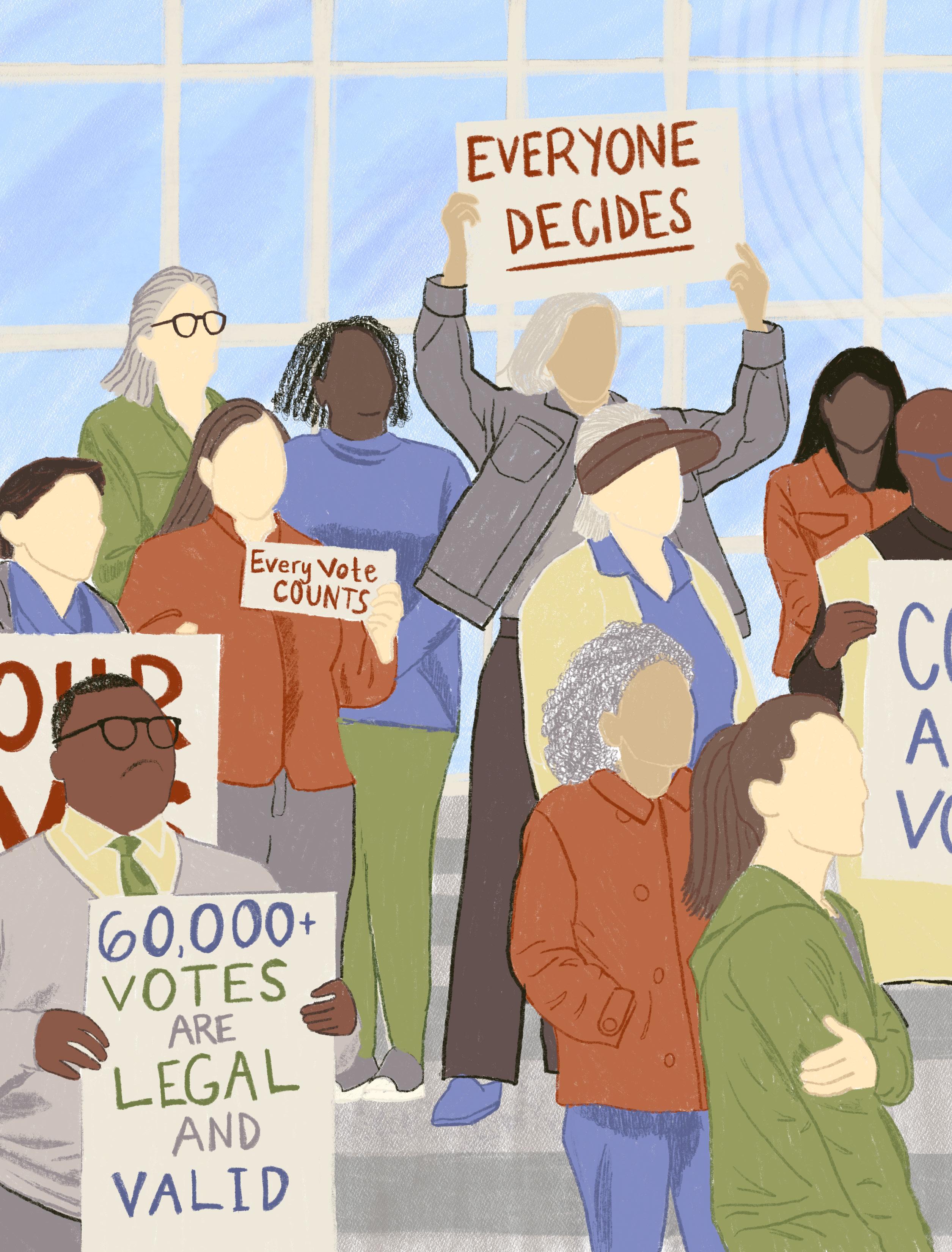
After the 2024 General Election, defeated state Supreme Court candidate Jefferson Griffin couldn’t accept his loss and challenged more than 60,000 votes across North Carolina, placing eligible voters at risk of having their lawfully-cast ballots thrown out. To better understand the scope of the challenges, our Research Team analyzed publicly available data, revealing that 25 percent of the voters accused of never residing in North Carolina had documented ties to the state. The findings highlighted how sweeping, inaccurate challenges can undermine trust in elections and threaten voter confidence. Ultimately, Griffin conceded following a federal court order months after the election, but his late-stage concession did nothing to repair the harm caused to individual voters targeted in his challenges or the strain placed on North Carolina’s electoral system.
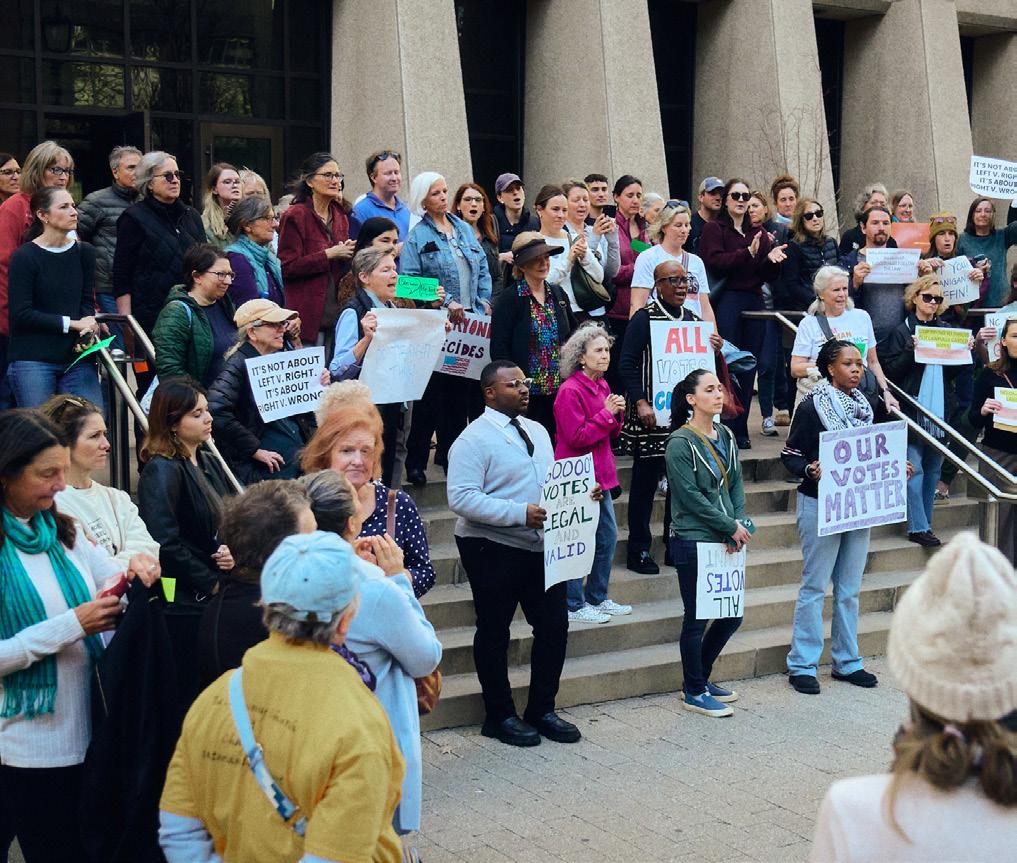
(Top) Protestors gather outside the Wake County Courthouse to voice their concern over Jefferson Griffin's inaccurate voter challenges.
We’re committed to a future where communities are safe, supported, living in healthy environments, and able to exercise their rights without barriers.
In 2026, SCSJ remains committed to ensuring that communities of color and economically disadvantaged communities are fairly represented and have equal access to justice. Our work is and always has been rooted in advocacy and trust, standing alongside communities as they fight for what is right. Through legal advocacy, research, and strategic communications, we work to create lasting change — and in the year ahead, we remain focused on centering community voices and lived experiences in everything we do.
To our partners, neighbors, advocates, and the communities who walk this path with us: thank you. Your strength, trust, and collaboration make our work possible. We are honored to stand with you, and we hope you will continue to stand with us in the years ahead. The fight for justice is stronger when we fight it together — each of us doing our part, supporting one another, and pushing forward toward a future where every community can succeed.
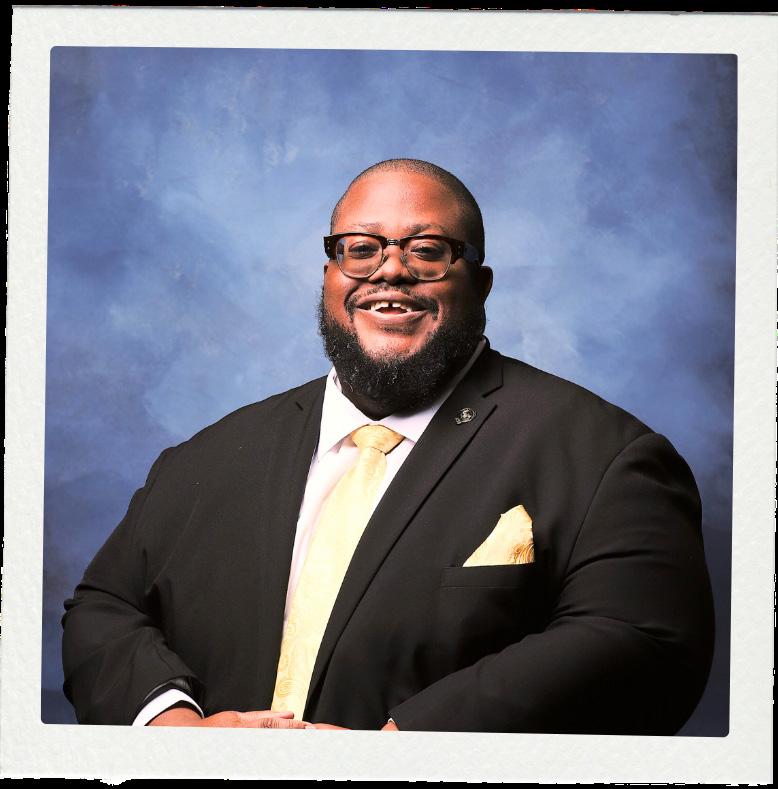
We have a right to know what dangers have been allowed into our water and our lives. Our fight is about protecting our community’s health today and for generations to come, and that starts with transparency.
LeRon T. Montgomery, President of the NAACP New Hanover County Branch.
We are all on one accord. We are all very focused on doing whatever we can to ensure that the community is not negatively impacted.
— Dr. Garrie Moore, President of the Brookhaven Community Association
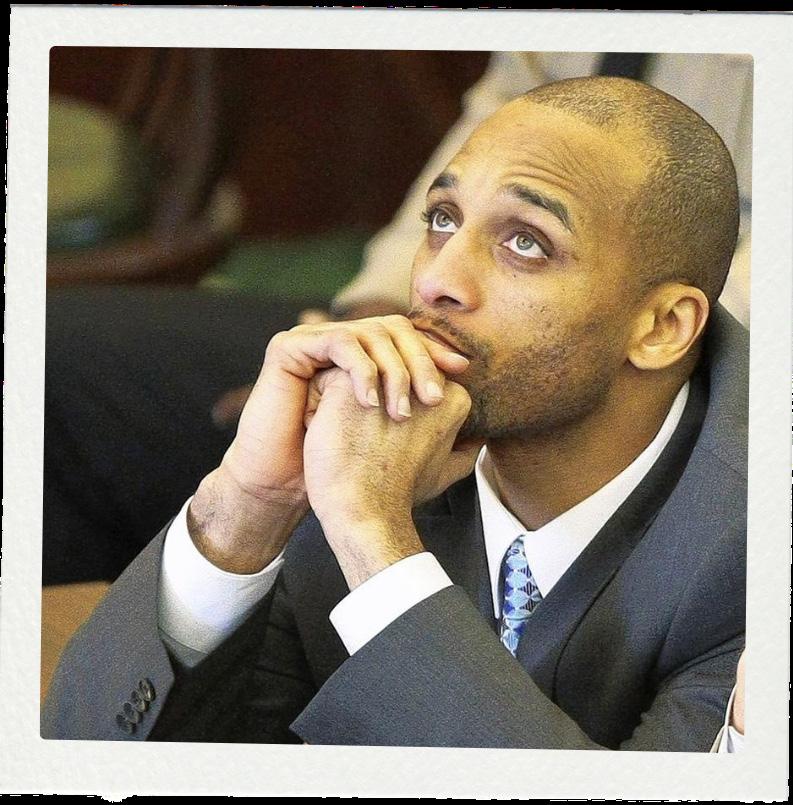
I’m so thankful and grateful to have people in this world that cares about the voiceless and hopeless people that are incarcerated. Y’all give guys like me the strength to keep fighting.
— James Richardson, Client of SCSJ
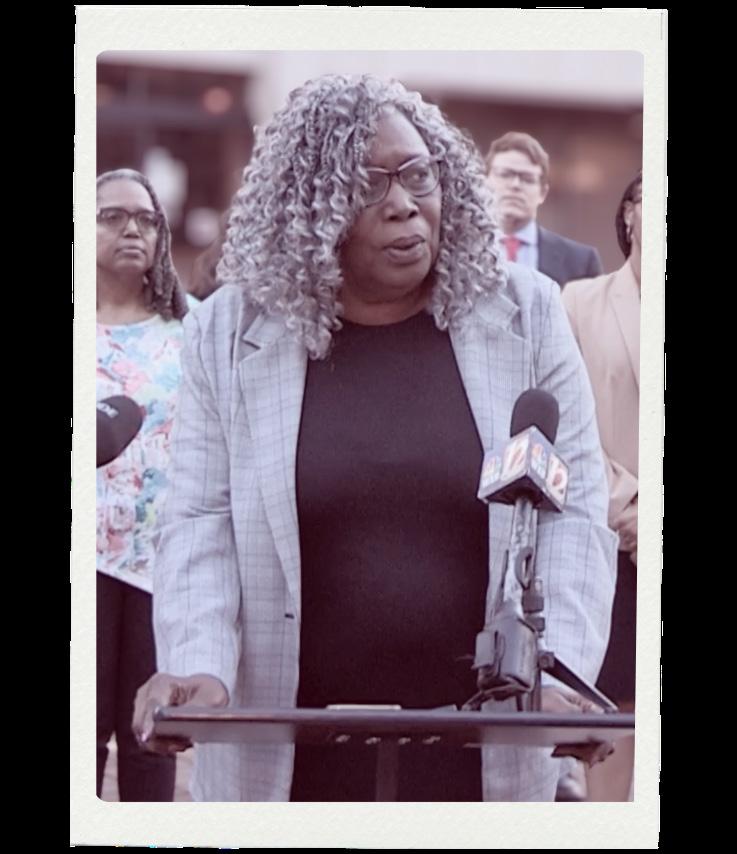
We must continue this fight. And we will take it wherever we can because people deserve their constitutional right. Black voters are not optional — they cannot be forgotten. And we remain resolute in our pursuit.
—Deborah Dicks Maxwell, President of the NAACP North Carolina State Conference
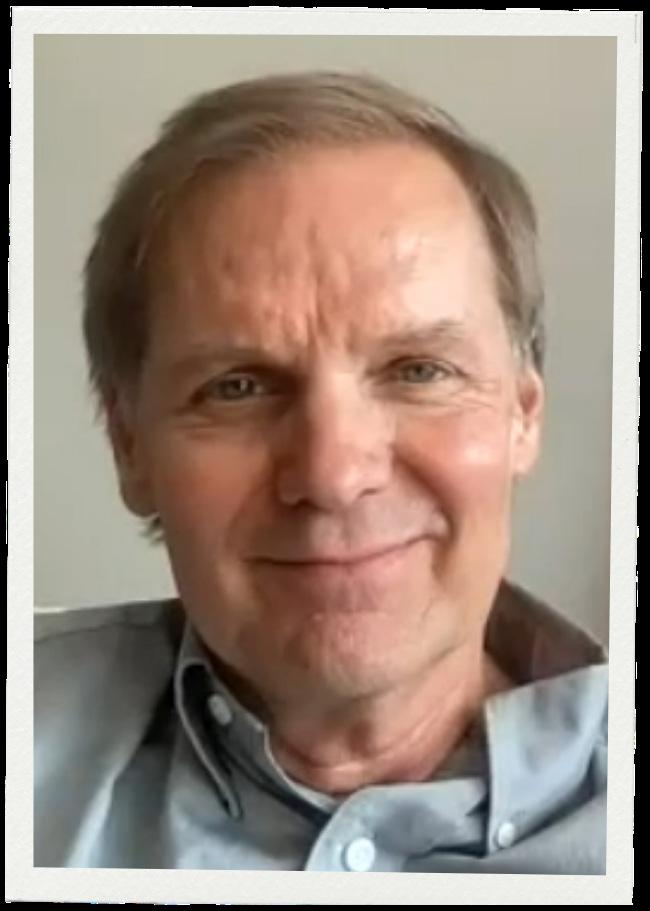

Our vote is one of the most powerful tools we have to shape our communities... When the voices of 1.5 million voters are ‘missing’ from North Carolina elections, lawmakers must take steps to ensure everyone can fully access the ballot.
Meanwhile, our fight for fair maps continues, and our fight for voters living in these distorted districts will carry on, with more energy than ever. Ultimately, we the people will prevail.
— Bob Phillips, Former Executive Director of Common Cause North Carolina
Southern Coalition for Social Justice partners with communities of color and economically disadvantaged communities in the South to defend and advance their political, social, and economic rights through the combination of legal advocacy, research, and communications.
www.southerncoalition.org