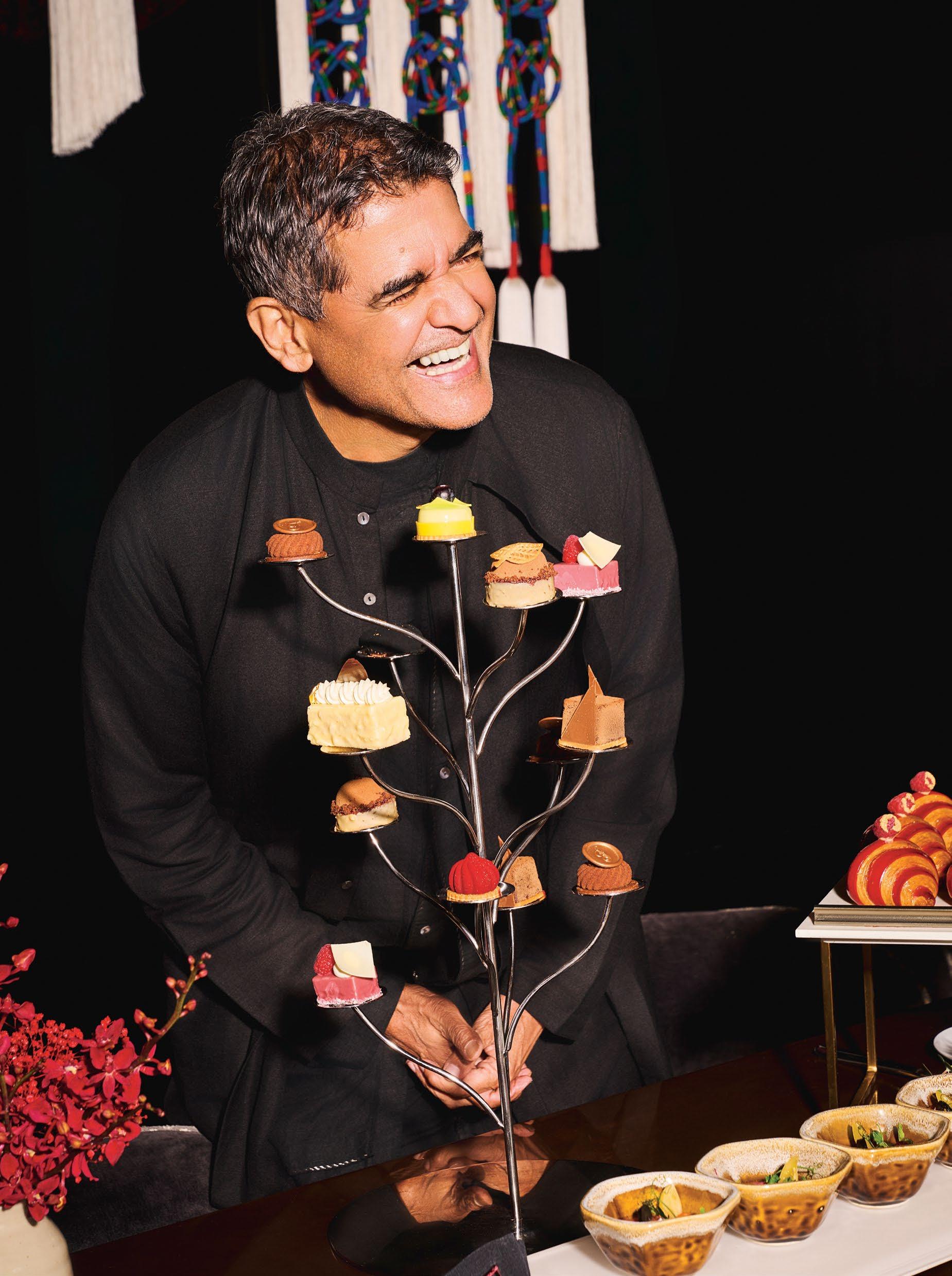
F O O D MATTE RS GRO UP
Made ‘good food, done simply’ aspirational yet approachable.
JAY YO USUF
GAURI D EVI DAYAL
AD I TYA D UGAR
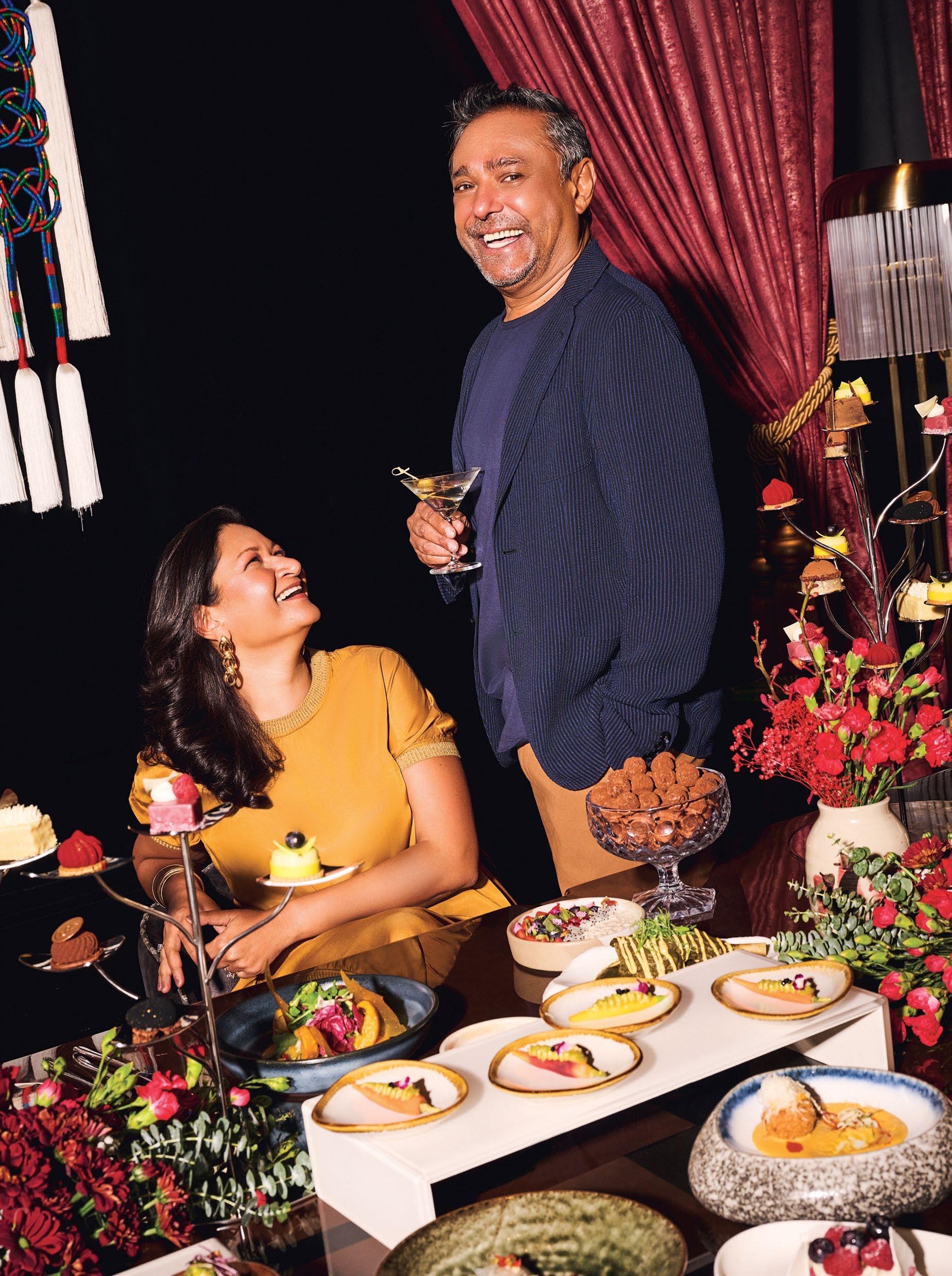
Introduced India to immersive tasting menus in luxury settings.
AD I T I D UGAR
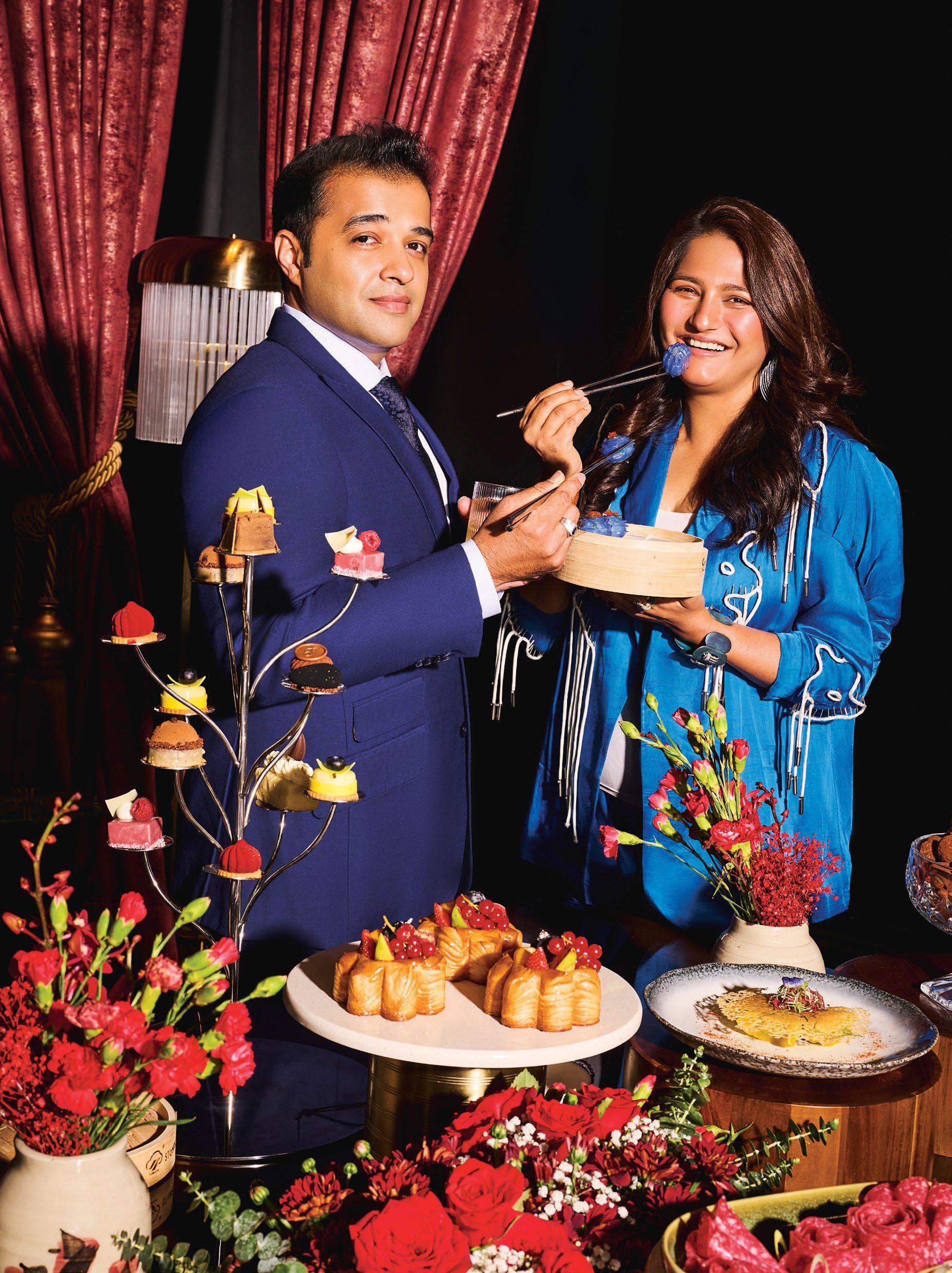
Made ‘good food, done simply’ aspirational yet approachable.
AD I TYA D UGAR
Introduced India to immersive tasting menus in luxury settings.
AD I T I D UGAR
Scaled bold venues and experience-led dining into a nationwide phenomenon.

Storytelling-led dining can be culturally rooted and commercially successful.
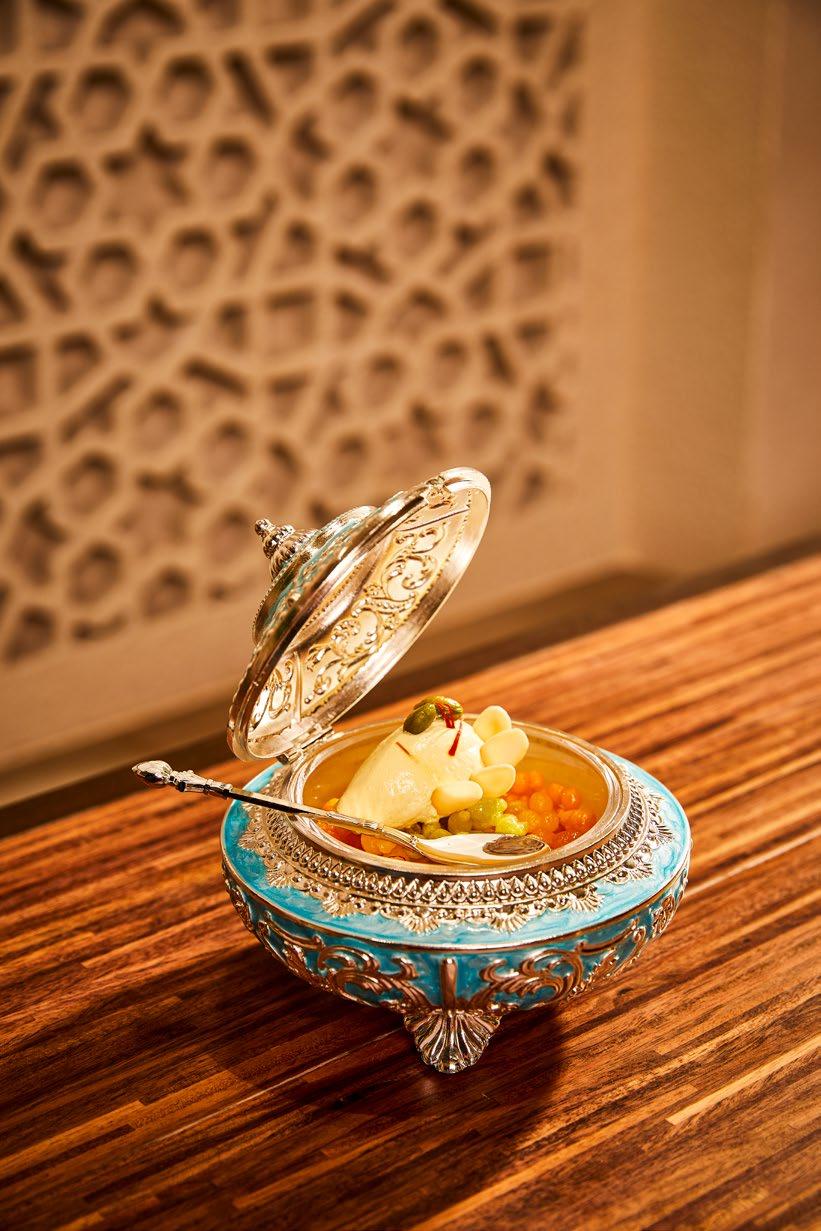
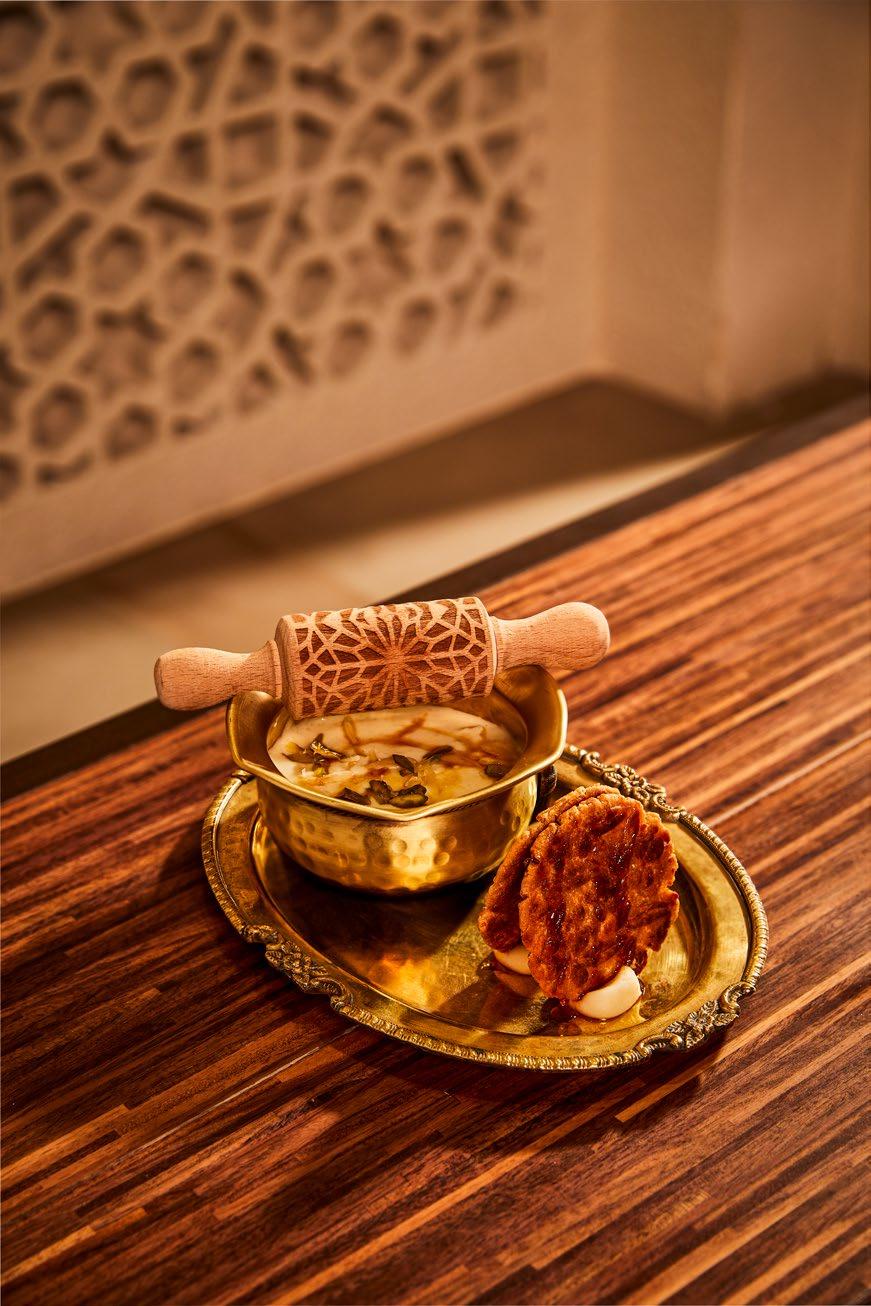
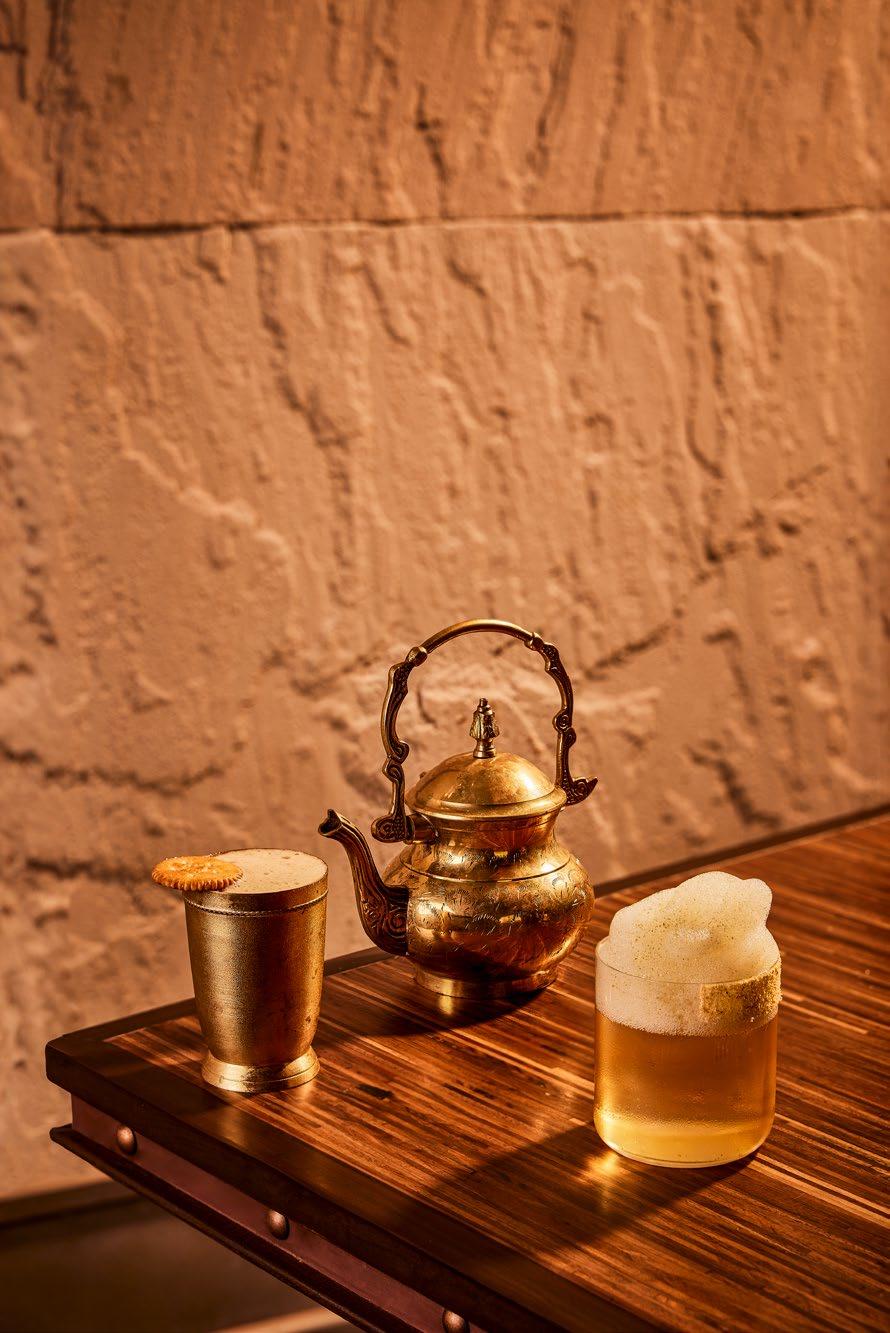
A Celebration of Seasons, Served the Loya Way
The Taj Mahal Palace, Mumbai • Taj Palace, New Delhi • Taj West End, Bengaluru

Every moment becomes a memory, every memory becomes a lesson, and every lesson quietly shapes the year that follows. Time never pauses; it moves through us, nudging us to adapt, to create, to question, to grow. Hospitality evolves the same way. With each year, we learn a little more about how people travel, how they seek comfort, what restores them, and what they hope to find when they step into a new place. And 2025, in its own textured way, became a year shaped by these forces—more intentional, more informed and more decisive for global hospitality.
Hospitality mirrors the world it serves. And the world today is seeking meaning, balance and belonging. Wellness has moved from a niche to a global mindset. From longevity clinics to sleep-focused design, from India’s rejuvenation journeys to sensory-led hotel environments, wellness is becoming a central lens through which travellers choose their stays. The question has shifted from “Where am I staying?” to “How will this place make me feel?”—a shift that India, with its cultural depth and therapeutic heritage, is uniquely positioned to lead.
India’s culinary landscape continued to rise with remarkable confidence this year. Chefs such as Himanshu Saini, Garima Arora, Vikas Khanna, Vijay Kumar and many others blended heritage with innovation in ways that reshaped how the world sees Indian cuisine. Their work was not just creative expression; it was cultural storytelling at its most powerful.
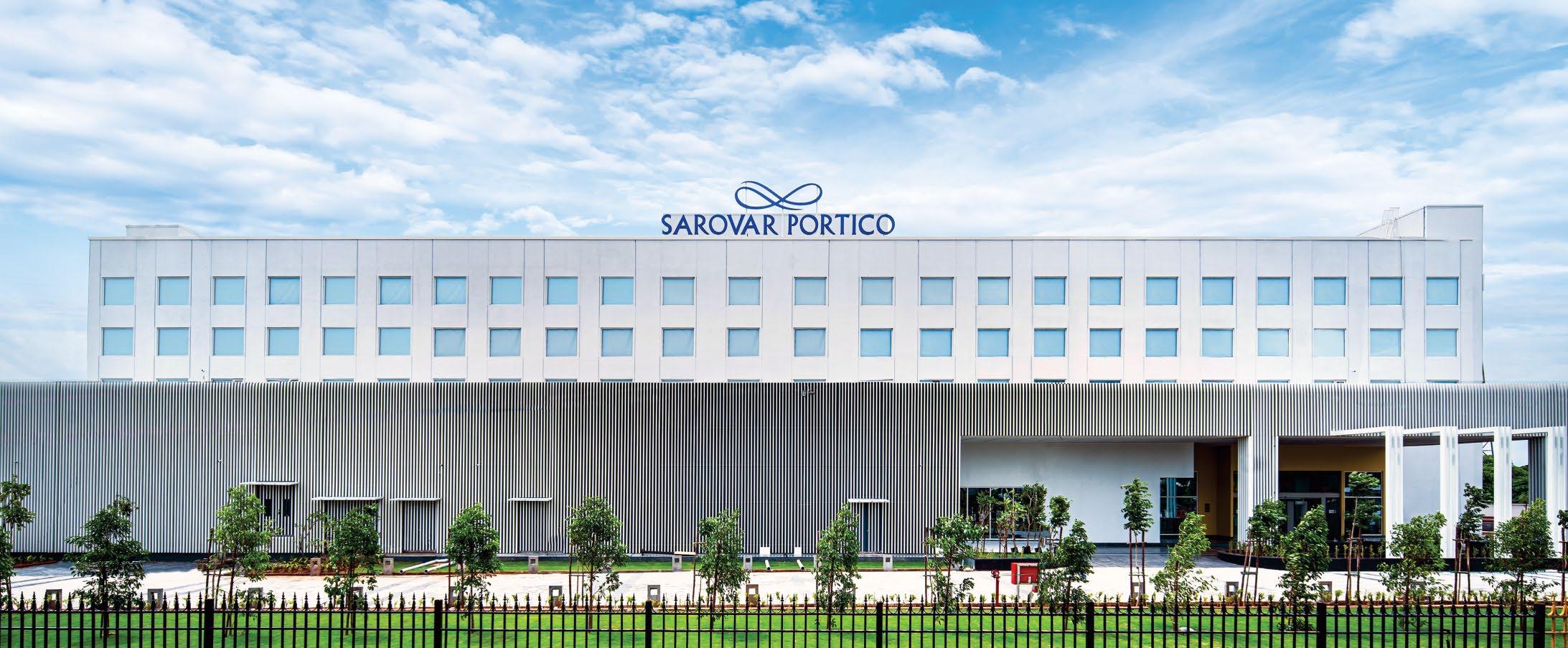
Across the wider hospitality sector, India expanded with steady momentum. IHCL, Accor, Marriott, Hilton, Hyatt, The Leela, ITC Hotels, Sarovar Hotels, Keys and several emerging homegrown brands strengthened their presence across metros, tier-II cities and leisure
destinations. Each new signing, repositioning and partnership reflected the same truth: India is no longer just an emerging market but an active force in global hospitality. And underscoring this rise, Taj was recognised once again among the world’s strongest hotel brands—a reminder of India’s growing leadership on the global stage.
The global traveller is also changing—and quickly. India is now hosting four generations travelling together: boomers seeking familiarity and comfort; millennials looking for meaning, convenience and curated experiences; Gen Z insisting on individuality, sustainability and standout design; and Gen Alpha stepping into travel as fully digital natives. This coexistence of expectations is reshaping everything from design to service to product. Travellers are seeking deeper cultural immersion, smaller and smarter spaces, flexible stay formats and technology that simplifies rather than overwhelms. They want authenticity, warmth and intelligent efficiency—a combination India naturally delivers. AI, meanwhile, has begun to play a quiet but meaningful role, streamlining operations, reducing friction and allowing teams to be more present with guests.
At Soulinkk World-Wide Media, we moved through 2025 with the same clarity of purpose: to observe thoughtfully, question honestly and document the heartbeat of hospitality—its business, its design, its travel culture and its human depth. Every story reflected our belief that this industry is built not only on infrastructure but on imagination, resilience and people.
We leave 2025 with gratitude and step into what comes next with calm, clarity and a renewed belief in the power of hospitality to heal, to hold and to bring people together.

GURMEET KAUR SACHDEV gurmeetsachdev@soulinkkworldwidemedia.com
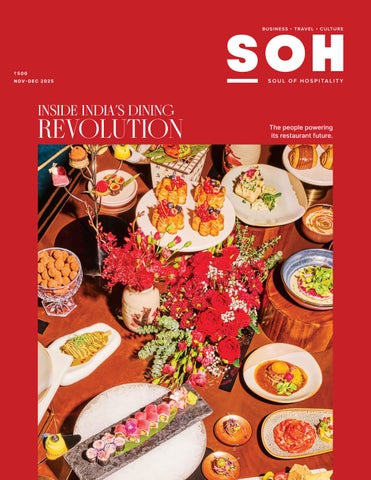
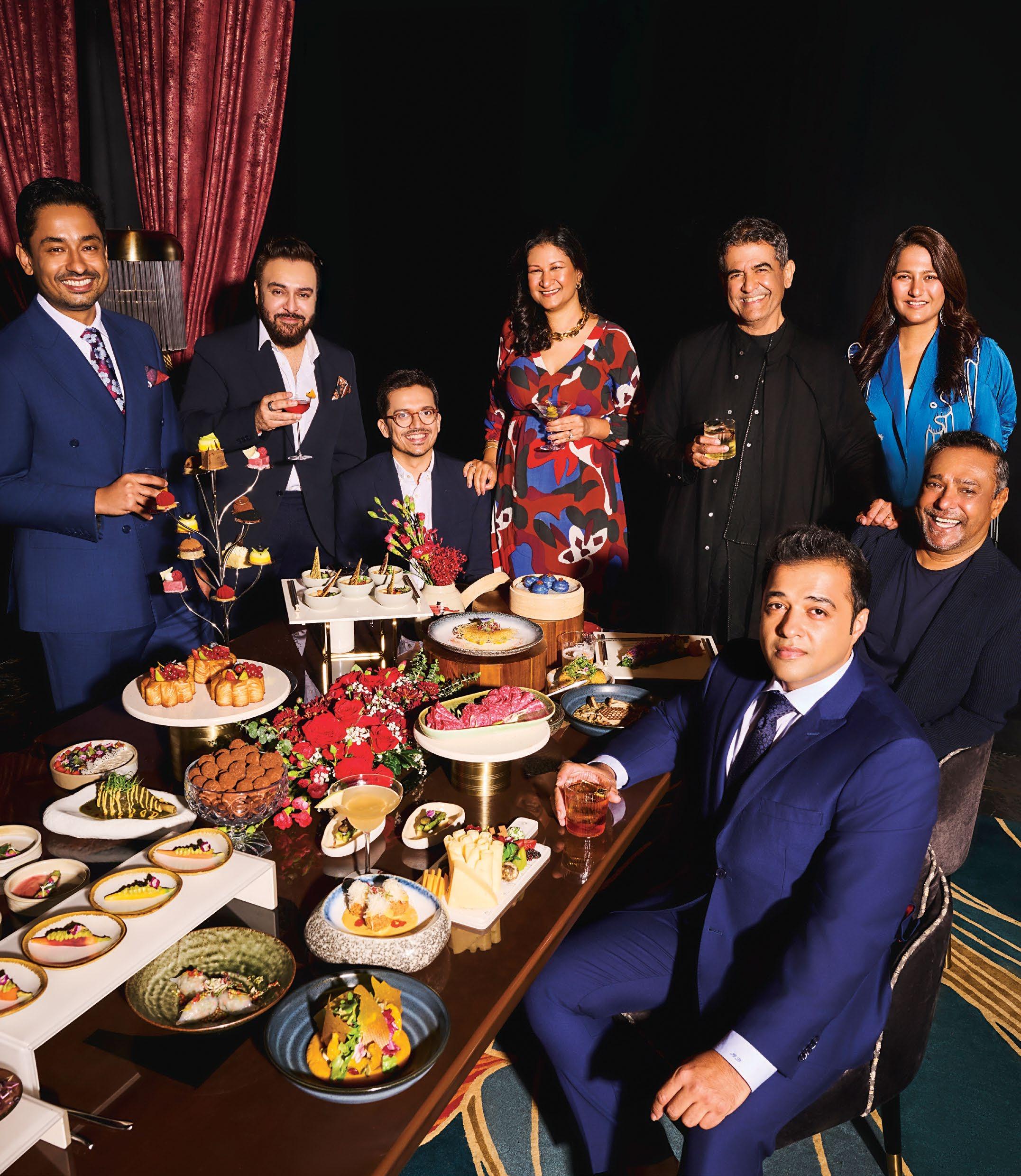
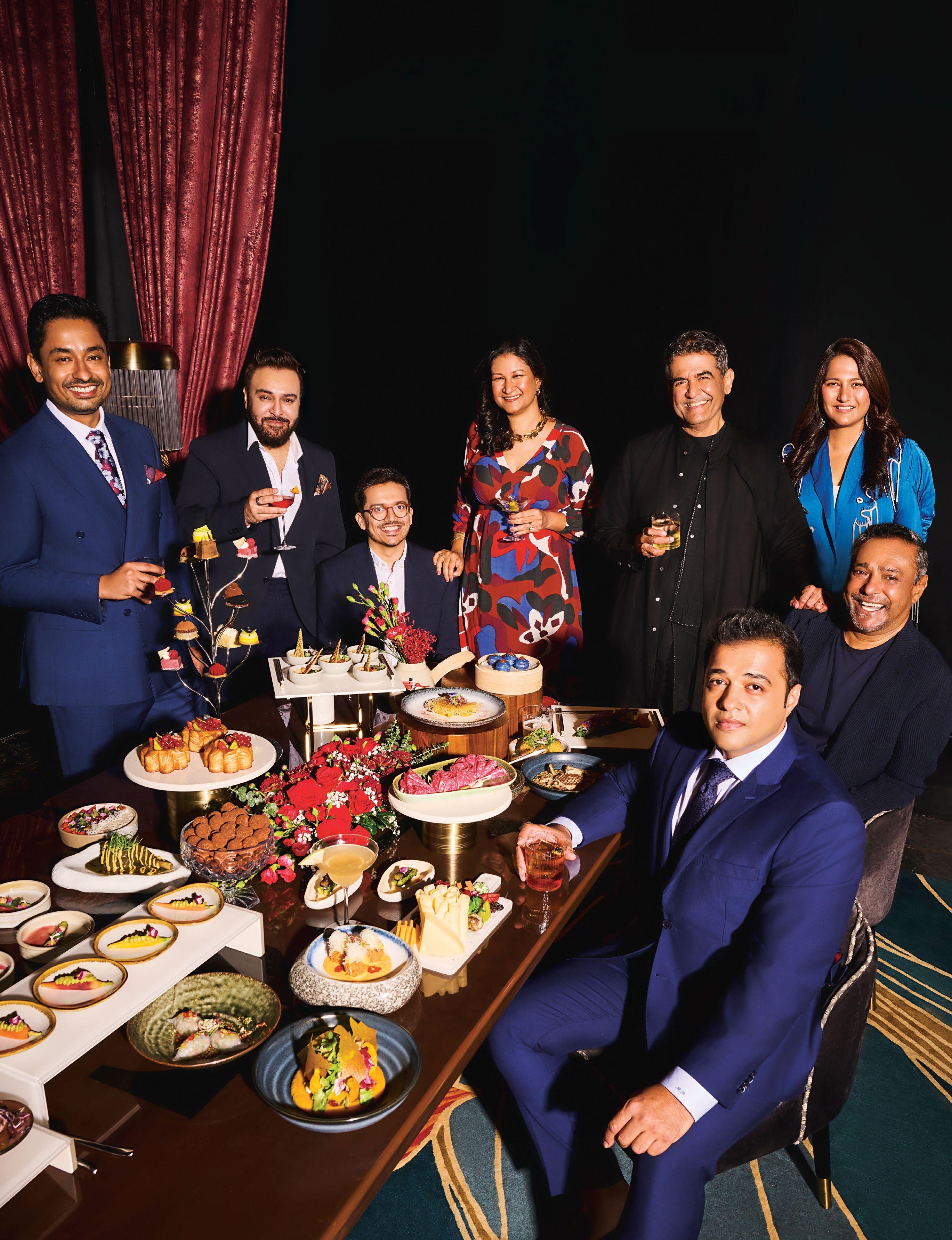
For SOH’s celebratory end-of-year edition, we gathered some of India’s most influential restaurateurs at Mumbai’s new Art-Decoesque landmark, Fairmont Mumbai, to craft a cover as lavish as the season itself. The one you’re holding right now.
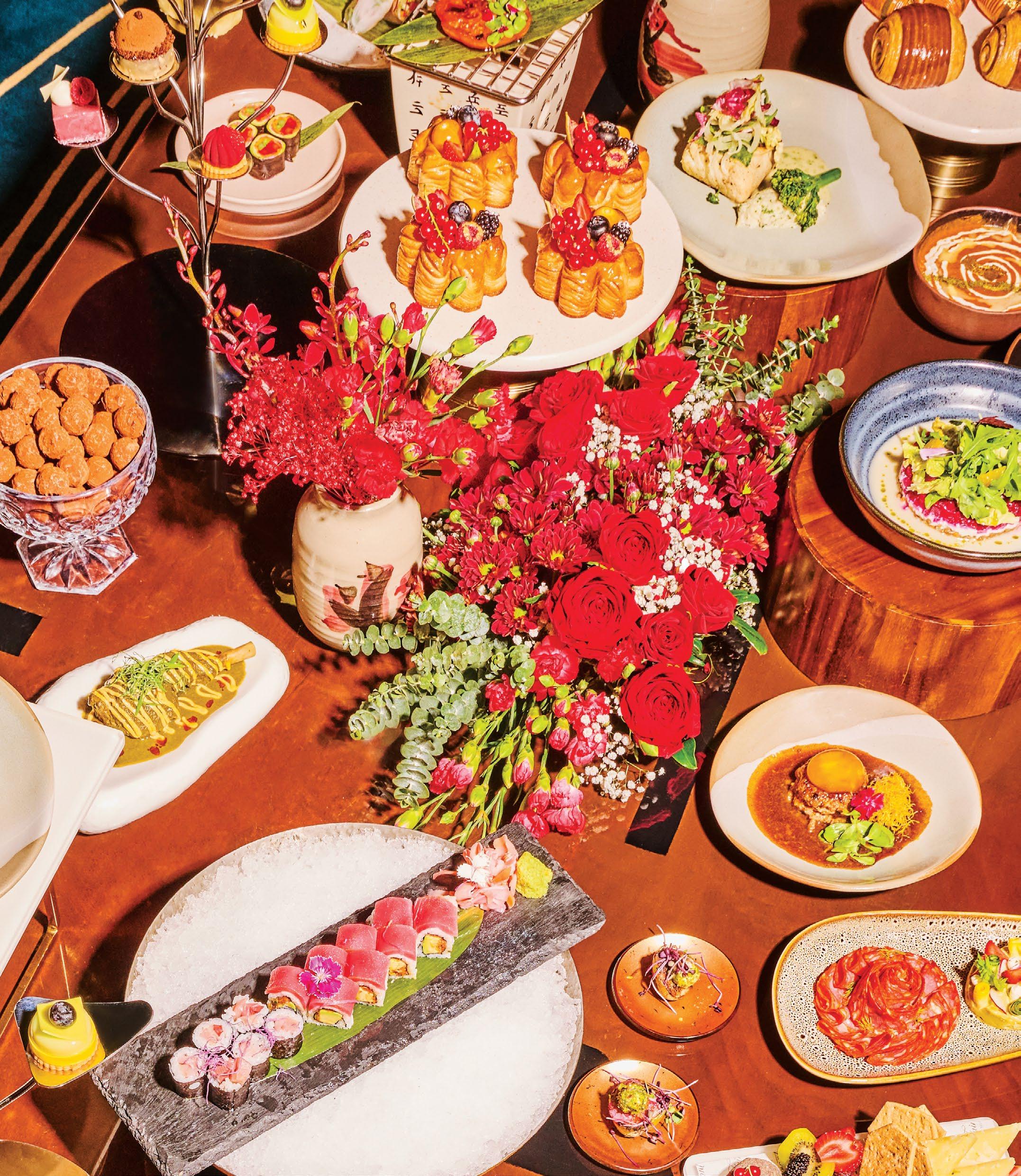
Much like the flamboyant festivities that close the year, our cover is a mix of every spice and everything nice—a table heaped with exceptional food and the visionary restaurateurs who have reshaped how urban India eats, meets, and celebrates. For this special double issue, 15 restaurateurs from across the country and across dining genres came together to reflect on what it truly takes to build enduring restaurant brands in a landscape where trends evolve faster than the weather and new dining rooms open at every turn. Settle in for a deep dive into their sharp, witty, and wonderfully candid conversation.
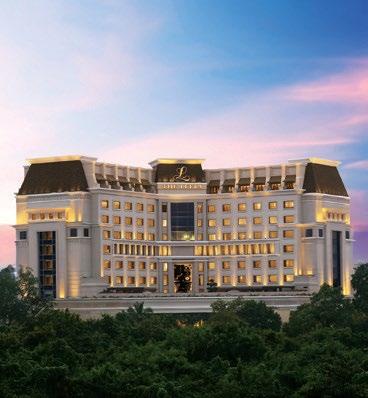
The features across this edition carry the same spirit of celebration and camaraderie. From Karan Johar’s 5,000sq.ft. Japanese-inspired Oju, to The Leela New Delhi’s The Qube and Le Cirque in their chic new avatars, to London chef Rohit Ghai’s India debut with Zarqash at The Ritz-Carlton, Bangalore, and a shining showcase of The Leela Hyderabad, which rises over Banjara Hills with 156 opulent rooms—each story is a sensory delight and a testament to India’s ever-vibrant hospitality landscape.
We also bring you our regulars: a thoughtful interview with Relais & Châteaux President Laurent Gardinier and an insightful exploration of the growing power of hotel alliances.
We hope you savour this edition and glide into a peaceful, joyful, restorative year end. We’ll be back with a scintillating January 2026 issue. Until then, wishing you a Merry Christmas and the most beautiful close to 2025. Au revoir!
Warm regards,
DEEPALI NANDWANI, EDITOR, SOH
Founder and Publisher
Gurmeet Sachdev
Editorial
Editor Deepali Nandwani
Managing Editor Rupali Sebastian
Contributing Editor Suman Tarafdar
Digital Editor Rachna Virdi
Contributing Writer
Chandreyi Bandyopadhyay
Creative
Creative Director Tanvi Shah
Team Shiv Soni
Contributing Artist
Photographer: Kunal Gupta
Business Head
Vipin Yadav Delhi, +91 99998 85515 vipin@soulinkkworldwidemedia.com
Sales Manager Deepa Rao Mumbai, +91 9136 000369 sales@soulinkkworldwidemedia.com
Head of Events and Alliances Karishma Shah karishma@soulinkkworldwidemedia.com
Office Manager Deepak Rao
Accounts Head Amey Acharekar
For queries: editorial@soulinkkworldwidemedia.com sales@soulinkkworldwidemedia.com info@soulinkkworldwidemedia.com
Printed and Published by Gurmeet Sachdev on behalf of Soulinkk World-Wide Media LLP. Registered office: 1/2, Old Anand Nagar, Nehru Road, Santacruz East, Mumbai, Maharashtra - 400055. Printed at Silverpoint Press Pvt. Ltd., A-403, TTC Industrial Area, Near Anthony Motors, Mahape, Navi Mumbai – 400709. Editor: Deepali Nandwani. All rights reserved worldwide. Reproducing in any manner without prior written permission prohibited. SOH takes no responsibility for unsolicited photographs or material all photographs, unless otherwise indicated, are used for illustrative purposes only. Unsolicited manuscripts will not be returned unless accompanied by a postage pre-paid envelope. All disputes are subject to the exclusive jurisdiction of competent courts and forums in Mumbai only. Copyright Soulinkk World-Wide Media LLP.




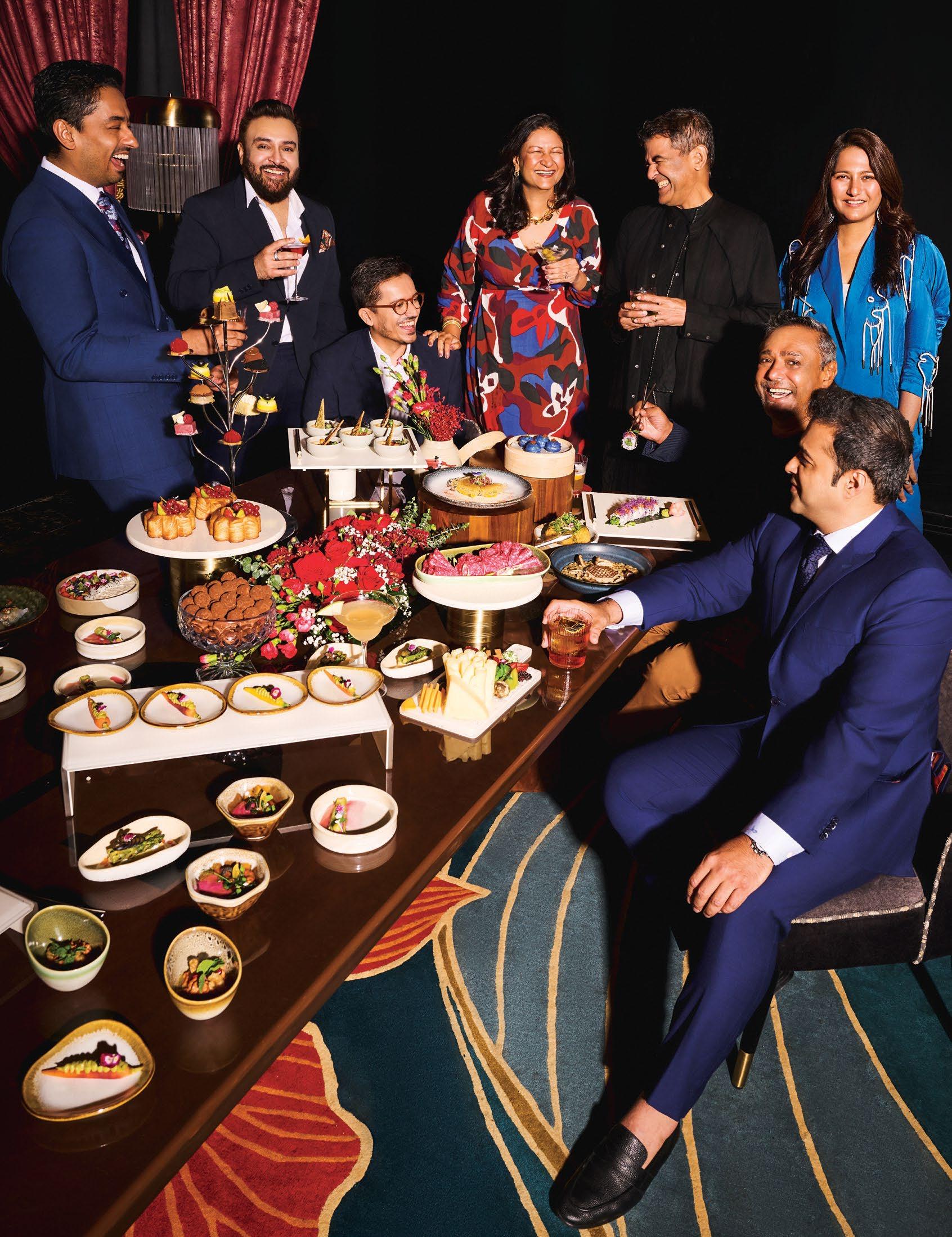
As the country's dining scene explodes with change, we meet the entrepreneurs who have cracked the code—blending instinct, resilience, and reinvention to create restaurant brands that truly last.





100
The Deccan’s Jewel The Leela brings quiet grandeur to Hyderabad’s storied hills.
40
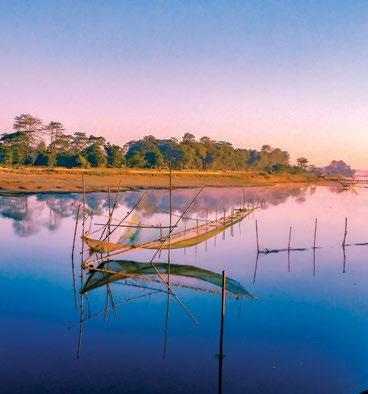
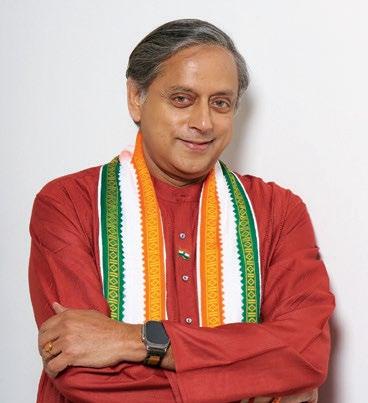
India, Reflected Anew Dr Shashi Tharoor explores tourism’s role in Viksit Bharat.

32
Signature Cocktails From mahua to mezcal, Indian bartenders fuse heritage with global craft.
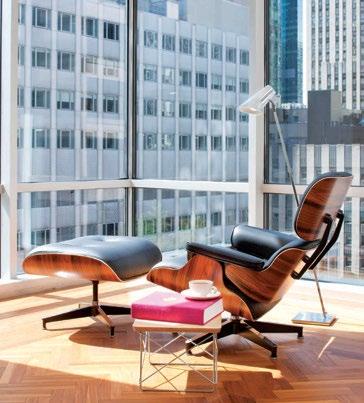
82 Seats of Legacy Design classics and Indian icons with storied journeys.

46
The Everywhere Home Priyanka Chopra Jonas carries her world across continents.
Hotel Alliances Strategic alliances shape loyalty and visibility for hotels.
36
Homecoming in Flavour Chef Rohit Ghai of Michelin fame debuts in India. 116



At Fairmont Mumbai, longevity is elevated through innovative therapies that rejuvenate you, using techniques that freeze, pressurise, oxygenate, and illuminate for a renewed sense of wellbeing.
Imagine stepping into a cryo-chamber where the air freezes you at –85°C, a feeling so sharp that it awakens every cell—revving up your metabolism, easing deep-seated muscle fatigue, and sharpening your senses.
Welcome to Fairmont Mumbai, where wellness isn’t a trend; it is a philosophy based on longevity. The 446-key luxury landmark near Mumbai International Airport reimagines wellbeing through the lens of science and longevity.
Longevity is the new frontier in luxury wellness, blending advanced science, technology, and ancient healing to help guests extend their healthspan beyond relaxation.
Living a long, healthy life is a priceless thought, and wellness spas across the world have found a way to make it attainable with science-backed wellbeing. They offer advanced, non-invasive therapies that boost energy, accelerate healing, and support a longer, healthier lifespan. These spas view wellbeing as a lifestyle, offering multi-day programs that empower guests to take charge of their health in tangible, measurable ways that last beyond their stay.
The Chenot Palace in Switzerland offers a structured seven-day programme combining advanced diagnostics, personalised nutrition, and welltech therapies. London’s Surrenne positions itself as an exclusive hub for nextgeneration longevity. Six Senses Vana in India pairs Ayurveda, Yoga, and Sowa Rigpa with modern screenings, emphasising restoration over optimisation. Japan continues to champion healthy ageing through its onsen culture and ‘J-Wellness’ principles such as Ikigai and Kintsugi.
With the surge in global interest in longevity and high-performance living, Fairmont has pioneered a distinctive longevity program that blends cutting-edge therapies with age-old traditions of restoration. I recently visited Fairmont Mumbai for a firsthand experience with Cryotherapy, one of the treatments offered in the program. I took the lift to Level 3 of the Mumbai Art Deco–inspired hotel, and the doors opened to a whole world devoted to wellbeing. This is Fairmont
Spa & Longevity—the city’s first luxury wellness destination where innovative technologies and ancient healing philosophies converge to gently turn back the clock.
The spa explores the everadvancing world of longevity science, ensuring that guests experience not just renewal but a deeper, lasting transformation. At the heart of this spa lies Blu Xone, a space that promises to elevate vitality, slow the ageing process, and nurture complete mind–body harmony.
LEFT: The cryo-chamber where the air freezes you at –85°C. BELOW: Red Light Therapy uses gentle, low-level red wavelengths that penetrate deep into the skin to stimulate cellular renewal.

A quick guide to four cutting-edge treatments that accelerate healing, enhance performance, and support overall cellular wellbeing.
Intermittent Vacuum Therapy (IVT)
The 25-minute session includes rhythmic pressure cycles to stimulate blood circulation, enhance lymphatic drainage, and boost metabolic efficiency. The result is accelerated healing after injuries or surgeries, along with a reduction in swelling and water retention.
Hyperbaric Oxygen Therapy (HBOT)
HBOT is essentially supercharged oxygen for cellular repair. This flood of healing oxygen accelerates recovery, reduces inflammation and oxidative stress, and supports deep cellular repair.
This therapy uses gentle, low-level red wavelengths that penetrate deep into the skin to stimulate cellular renewal. It boosts collagen production, enhances cellular repair, and helps reduce inflammation and oxidative stress at a foundational level.
A form of simulated highaltitude training designed to elevate performance and resilience. This cellular ‘training’ enhances endurance, optimises metabolism, and strengthens overall physiological performance.


particles
penetrate into
and respiratory system; HBOT is supercharged oxygen for cellular repair, which accelerates recovery, reduces inflammation, and supports cellular repair; benefits of IHT include improved aerobic capacity and circulation.
Blu Xone is far from your conventional spa. It is a transformative wellness hub offering five powerful anti-ageing therapies, each with profound longterm benefits. Guests experience a curated blend of Cryotherapy, Hyperbaric Oxygen Therapy,

Cryotherapy harnesses the power of extreme cold to reduce inflammation, accelerate muscle recovery, and improve circulation. It helps with conditions such as chronic pain, injury rehabilitation, inflammation-related conditions, mood enhancement, and even skin health. For best results, the treatment is recommended two to three times a week.
Red Light Therapy, Intermittent Vacuum Therapy, and Intermittent Hypoxic Training (IHT). Together, these modalities are designed to awaken the body’s innate ability to repair, restore, and regenerate.
“Each therapy is thoughtfully tailored to activate your body’s self-healing capabilities,” explains Dr Rashmi Ambastha, Director of Spa, Wellness and Recreation, as she unpacks the science behind these treatments. “Every element here is crafted to bring you closer to optimal wellness, offering a journey that is as transformative as it is nourishing. While HBOT can offer support to cancer patients in remission, Cryotherapy is highly effective for athletes recovering from injuries. Depending on your personal wellness goals, multiple sessions may be recommended.”
Walking into the Cryotherapy chamber felt strange yet interesting; it is a modern, thoughtfully designed sci–fi room with soft lighting. As I stood at the entrance of the room, a trained attendant conducted a health screening by checking my blood pressure and oxygen levels. I was told that guests with a history of heart disease are advised against the treatment, as the sudden temperature drop can place stress on the cardiovascular system.
The attendant then handed me a pair of robes with boxers, socks, gloves and slippers to change into for protection against frostbite. The thought of entering the freezer-like room colder than winter on another planet was worrying, but curiosity nudged me forward. The attendant smiled and reassured, “Three minutes only!”
As I stood in the chamber, the air turned sharp and crisp. The first few seconds inside were manageable, but then the temperature dropped further, and the cold wrapped around me. By the second minute, the experience felt meditative. I could sense heightened awareness of my breathing. In the third minute, the cold was biting, but a sense of calm enveloped me.
After three invigorating minutes, when the session ended, and the chamber door opened, I could sense a rush of freshly oxygenated, nutrientrich blood flowing through my body. Short bursts of ultra-low temperatures reduced my muscle pain and soreness. The science is simple: intense cold triggers the constriction of blood vessels.
As I returned to the lounge and sipped on herbal tea, I could notice the aftereffects of the session: my muscles felt lighter, and there was an instant rush of energy in my body. I felt revived and invigorated. Would I do it again? Absolutely!
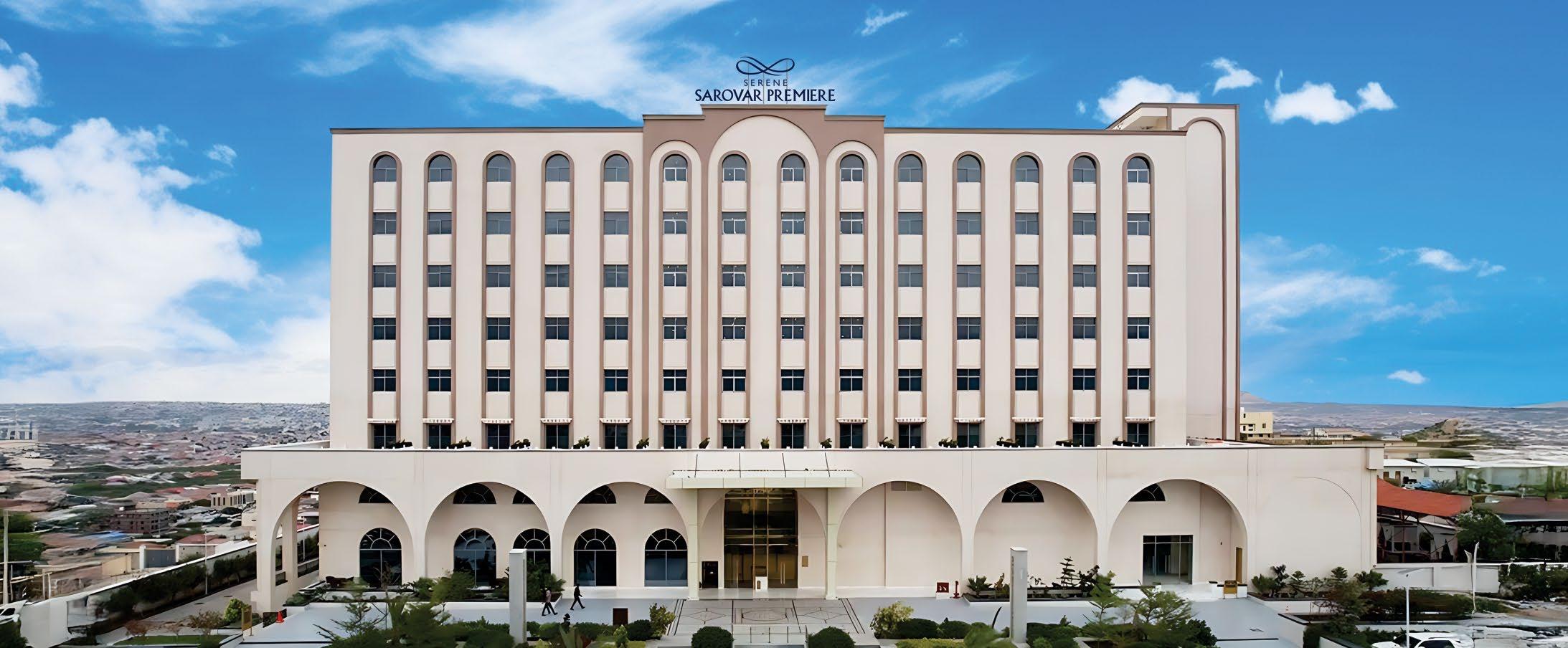

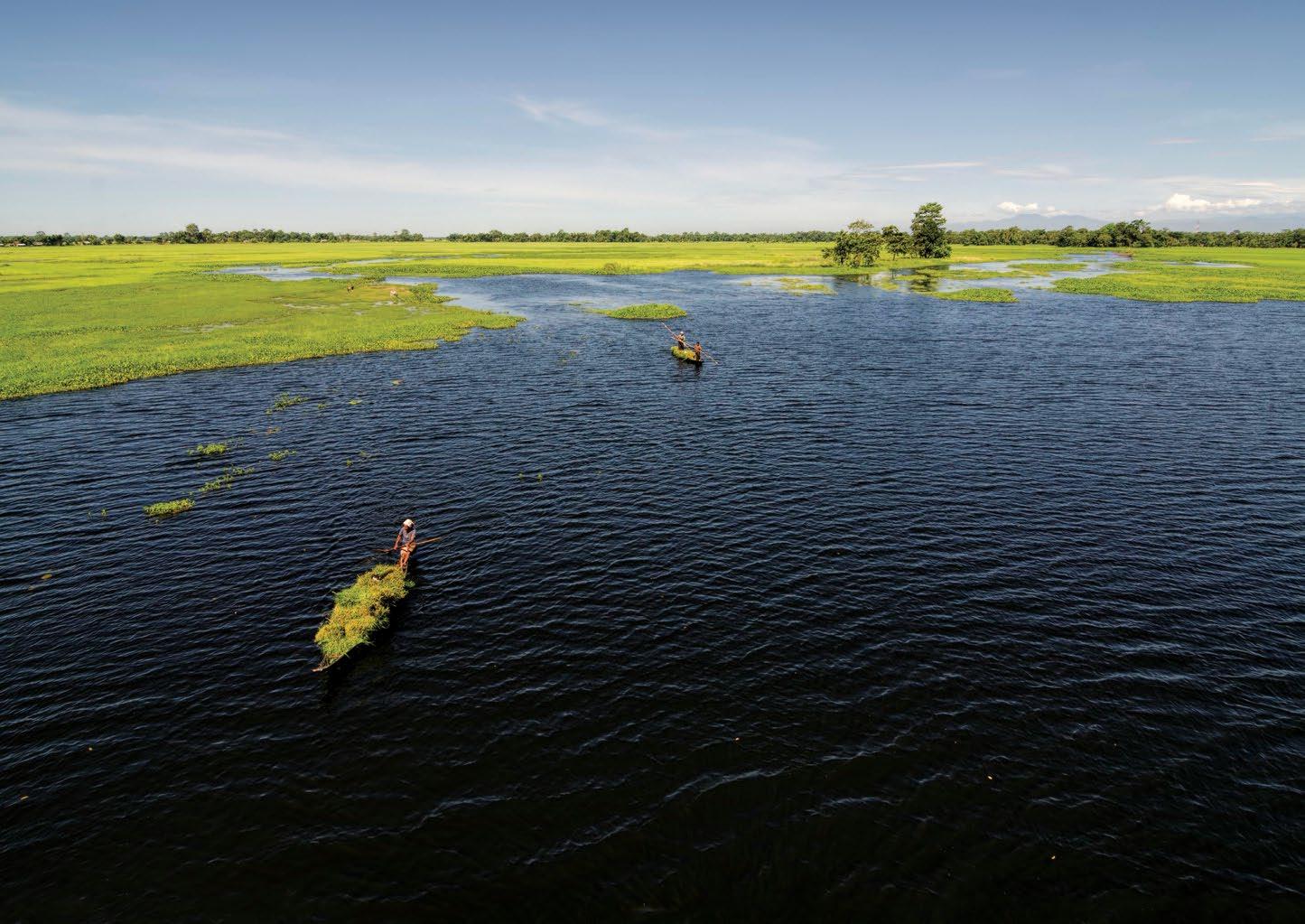
Jorhat, with its sprawling tea estates, gibbon-inhabited rainforests, and colonial-era allure, has quietly become India’s most searched-for destination.
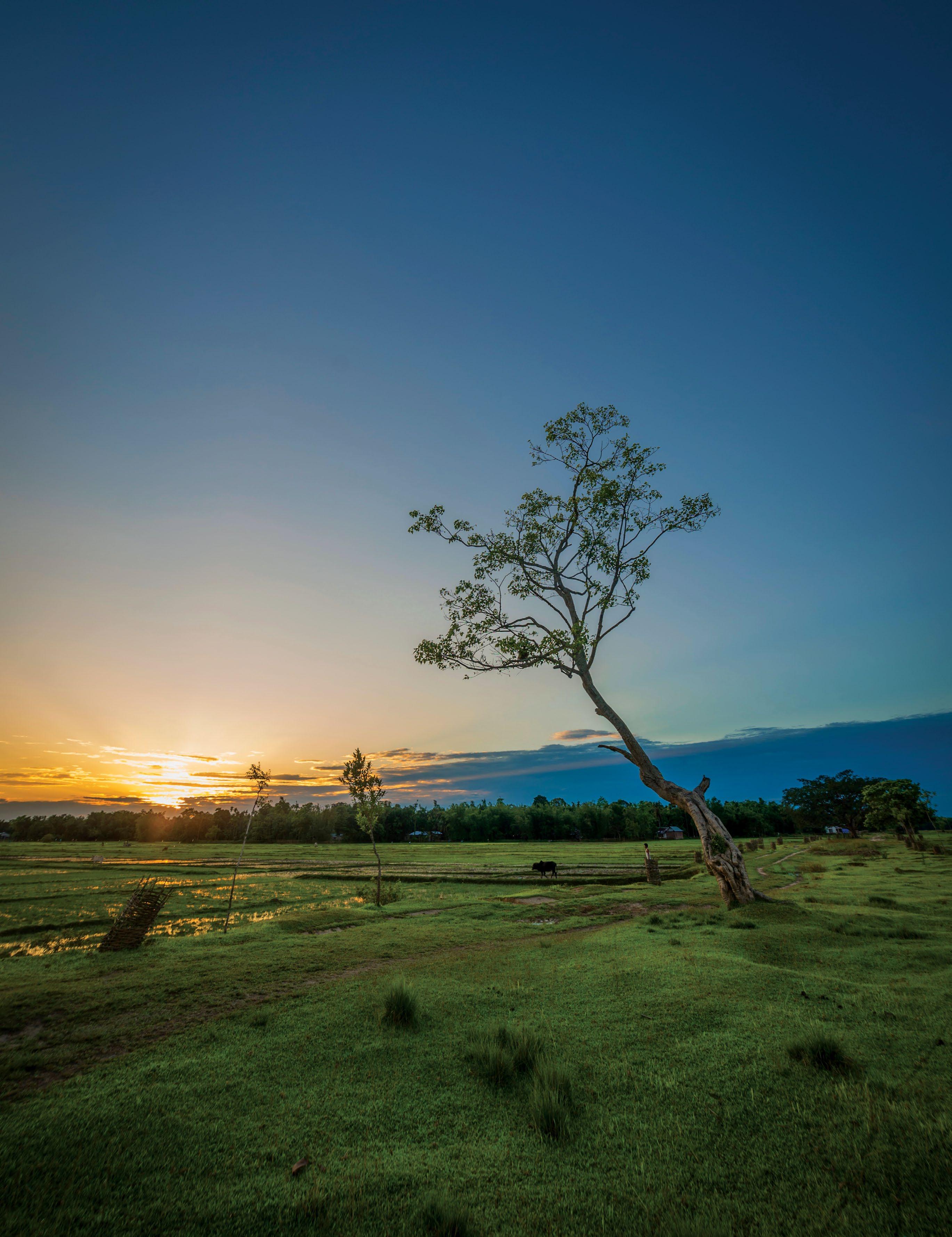
Some destinations make themselves known instantly. Others, like Jorhat, reveal their stories slowly. On the surface, it appears to be a gentle, selfcontained Assamese town framed by tea gardens and the wide arc of the Brahmaputra. But look closer and you discover a destination where heritage, science, craft, and wilderness intersect in unexpectedly graceful ways.
Jorhat, often called Assam’s tea capital, is drawing new attention. The city recently topped
Skyscanner’s list of most-searched destinations by Indian travellers, even surpassing Phuket and Berlin. Skyscanner’s data reveals a shift: travellers are seeking less obvious places, motivated by affordability, cultural richness, and authentic local experiences.
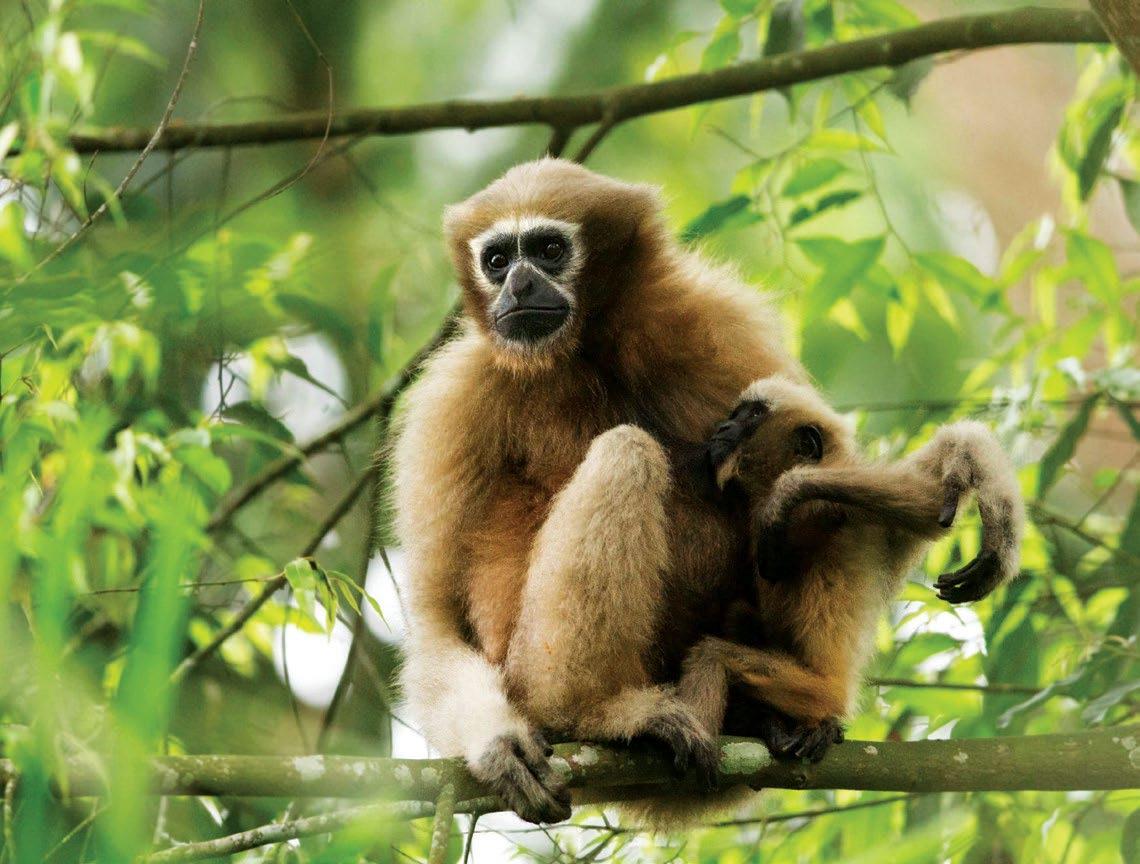
Travel to Jorhat and you will know why Indians, ferreting out experiential, offbeat destinations, are travelling beyond their comfort zone to a destination located 300 kms. east of the state capital Dispu. It is a destination that grows on you— through the measured quiet of monasteries on the river island of Majuli, and the distinctive whooping calls of gibbons echoing through the ancient Hoollongapar Gibbon Wildlife Sanctuary, announcing the day. To watch a gibbon family swing effortlessly between trees is to witness a rare, fragile world that has carved out a space for itself amidst tea and human habitation.
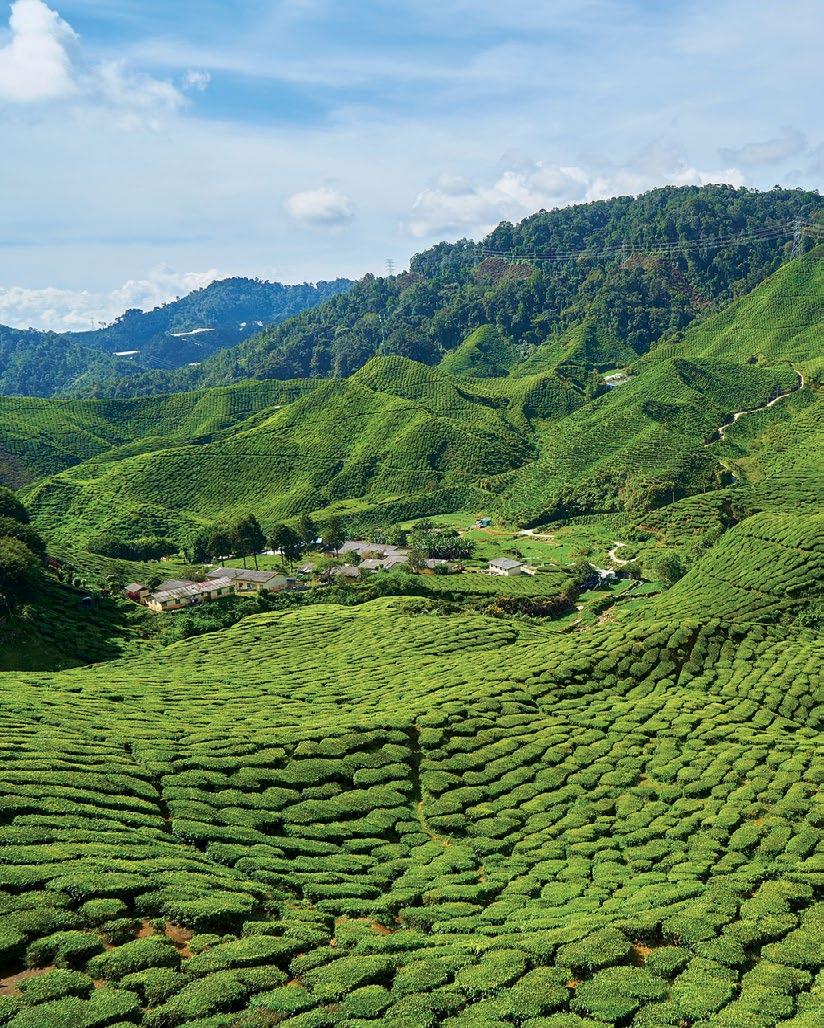
THIS SPREAD, CLOCKWISE FROM OPPOSITE: Lowlying plains and light forest cover shape Jorhat’s landscape; Hoollongapar Gibbon Wildlife Sanctuary is home to India’s only ape species; tea estates define much of the region; in many Assamese households, weaving is still practised at home.
A town rooted in memory
Jorhat’s colonial and tea-era legacy lingers in quiet corners—in the historic Gymkhana Club, in markets lined with local produce, in eateries serving fish cooked with herbs and mustard, and in families who continue to preserve Assamese culinary traditions.
Wild tea plants in Jorhat were discovered by the British in 1823 when Robert Bruce, a Scottish
arms trader and mercenary operating in the northeast, met Bisa Gam, a Singpho tribal chief. He collected samples, hoping to set up a plantation, but unfortunately, died soon after. His brother, Charles Alexander Bruce, played a stellar role after him in cultivating tea in Assam and setting up the state’s commercial tea industry. Cinnamora Tea Estate, one of the largest estates in Jorhat, was

established in 1850 by Maniram Dewan, recognised as Assam’s first Indian tea planter.
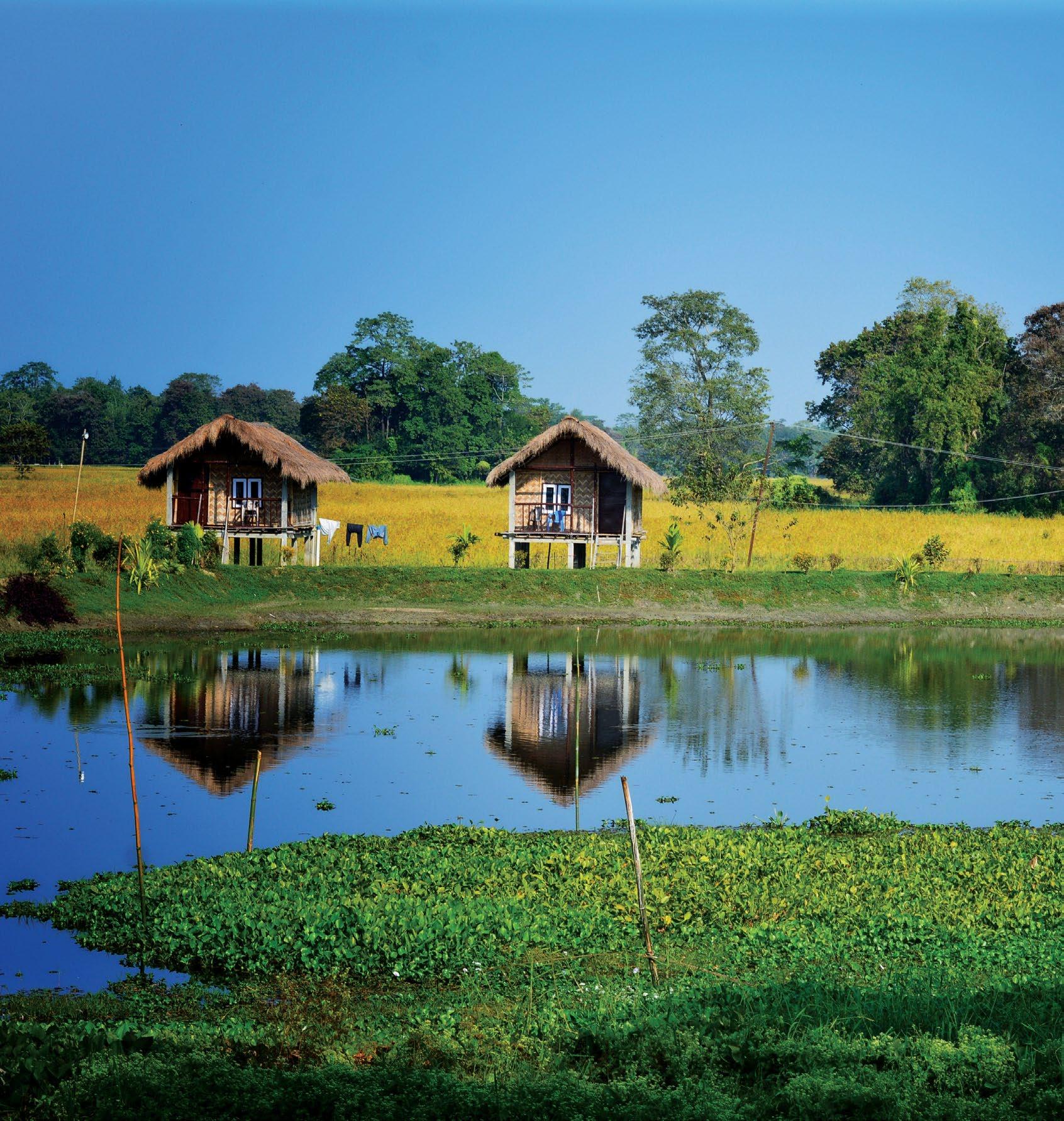
The heritage left behind by India’s colonial rulers is woven into the history of Assam’s tea estates. Yet the town is also evolving. Small cafés, regional cuisine, homestays, weaving collectives, and cultural initiatives are slowly reshaping how travellers engage with the region.
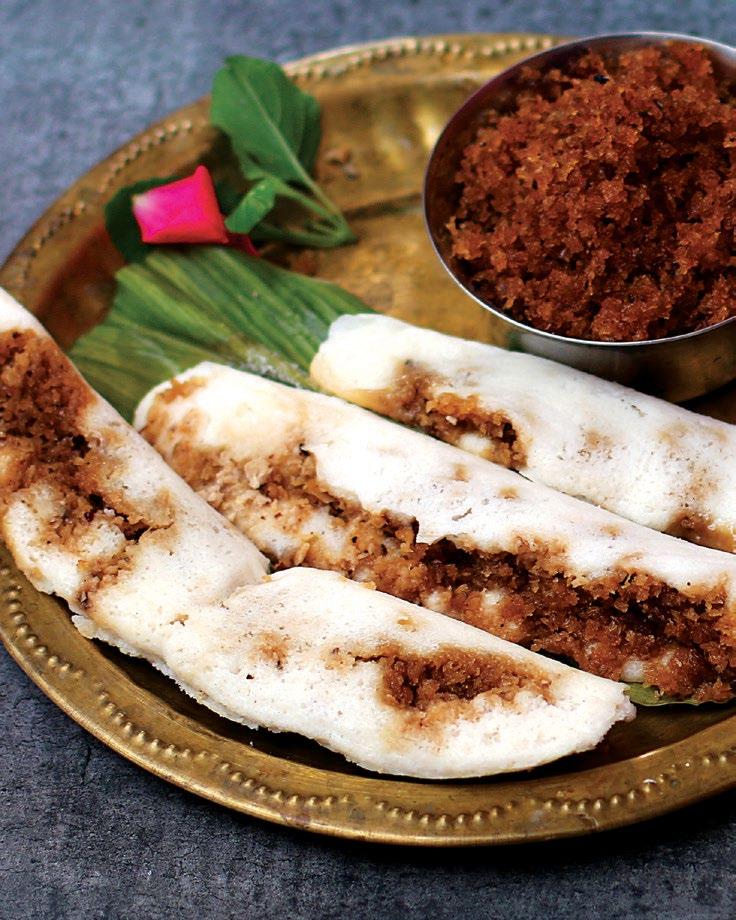
Food remains central to the experience. Assamese cooking, with its emphasis on fresh herbs, subtle flavours and seasonal ingredients, is both comforting and distinctive. Pithas, smoked meats, a variety of greens, dishes enriched with bamboo shoot, and, of course, endless cups of single-estate tea define the culinary landscape. Increasingly, boutique stays and chefs are experimenting with tea pairings, offering visitors a more nuanced understanding of the region’s produce.
There is also something discreetly luxurious about Jorhat, though not in the conventional sense. The luxury here comes from space, silence and heritage. From moments when the Brahmaputra catches the evening light, from conversations with a tea taster at Tocklai Tea Research Institute, and from the music drifting out of a satra (Vaishnavite monastic institution) at dusk.
For travellers who seek stories rooted in the destination, Jorhat narrates a tale of the British era, India’s obsession with tea, and an island that is slowly sinking.
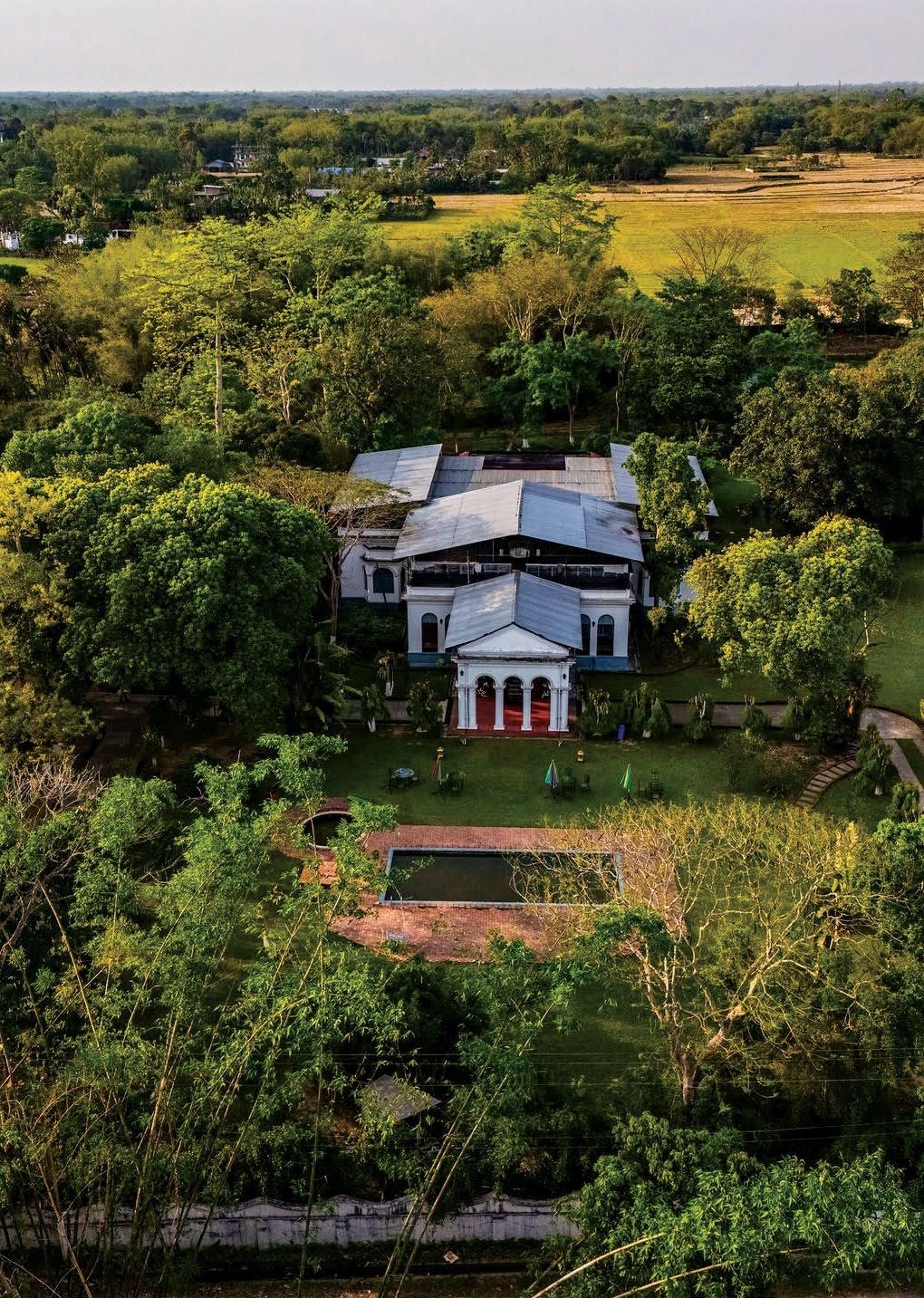
LEFT: Built in 1929, Thengal Manor retains the spatial clarity of a colonial planter’s residence. BELOW: Set within the Gatoonga tea estate, Banyan Grove’s bungalow is simple in form, but precisely detailed.
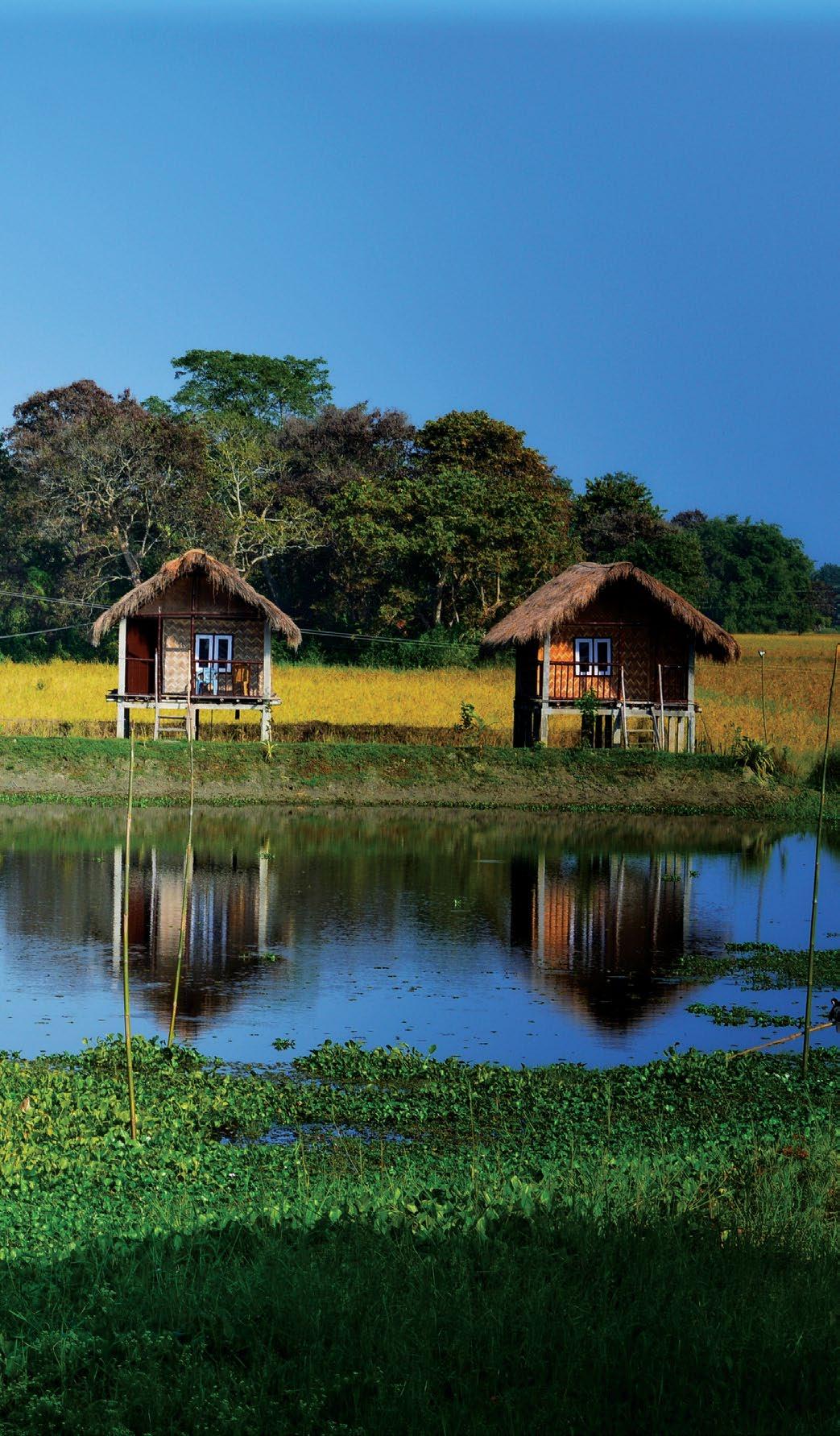

Thengal Manor, a colonial-era planter’s mansion (1929), is now a heritage stay where travellers can experience how Assamese planters continue to live a life steeped in the rituals and traditions of 18thcentury colonial India.
Banyan Grove at Gatoonga Tea Estate is a century-old colonial bungalow right in a tea estate, with views of sprawling estate grounds where women can be seen plucking leaves while singing songs drawn from the local culture.
The region is dotted with heritage tea bungalows that have now been transformed into exclusive stays for travellers. Blending vintage architecture, old-world charm, and modern comforts, the Jorhat tea bungalows are more than just accommodation—you will experience Assam’s colonial connection, Assamese culture, sip freshly brewed tea, and enjoy the serene countryside that defines the region.

From mahua to mezcal, India’s bartenders merge local heritage and global cocktail craft into bold, story-led liquid artistry.
DEEPALI NANDWANI
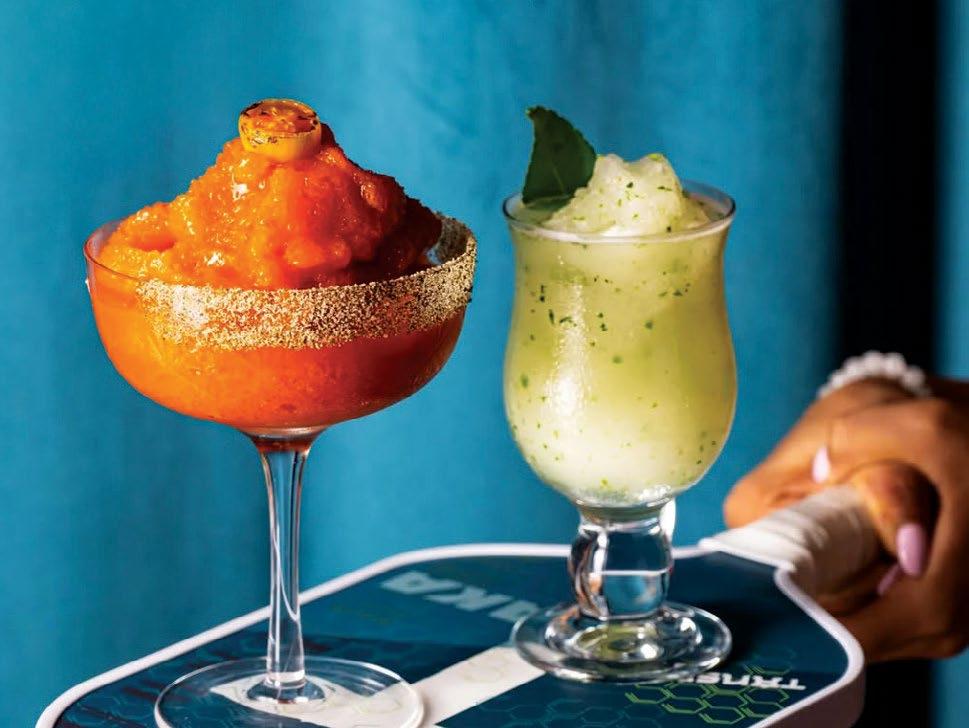
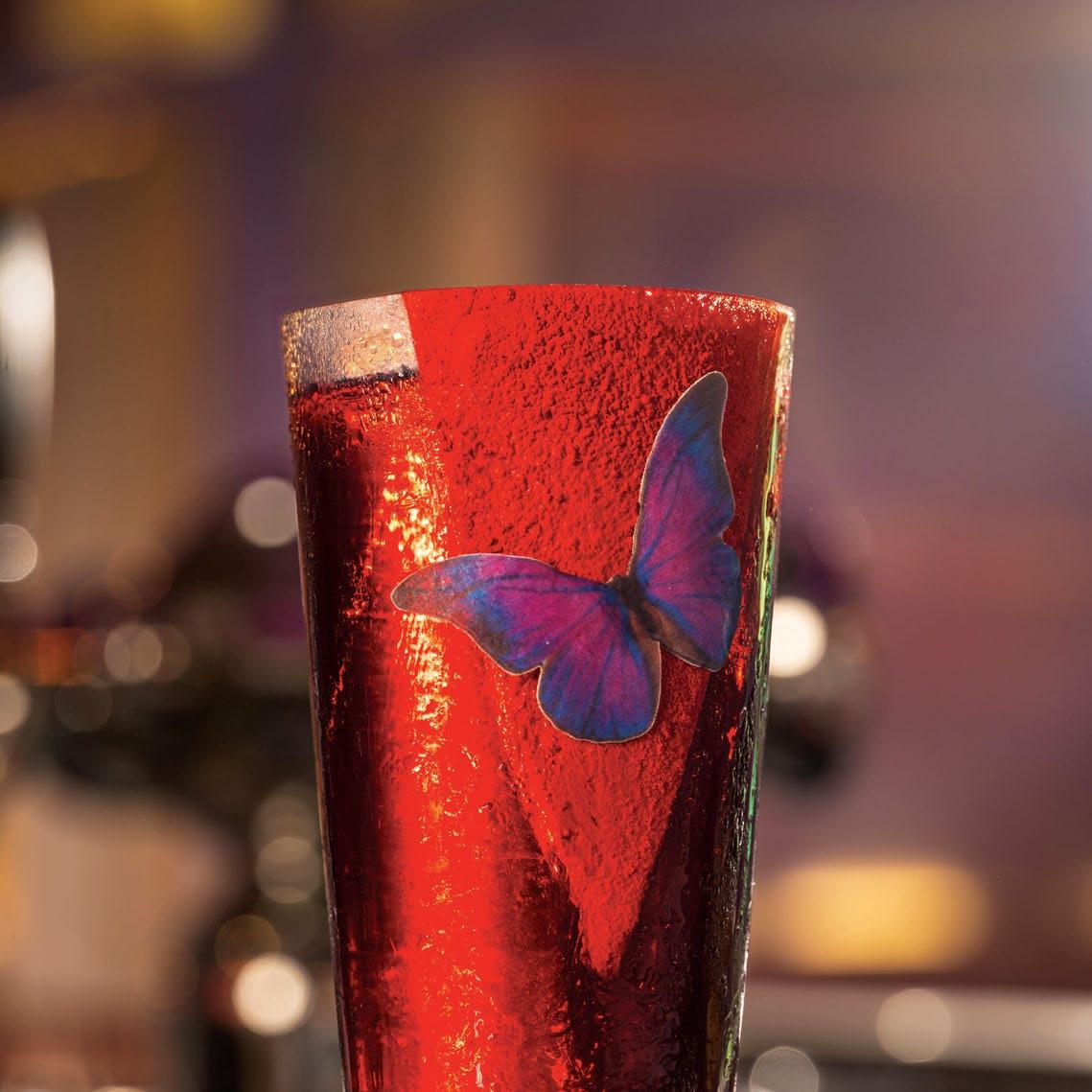
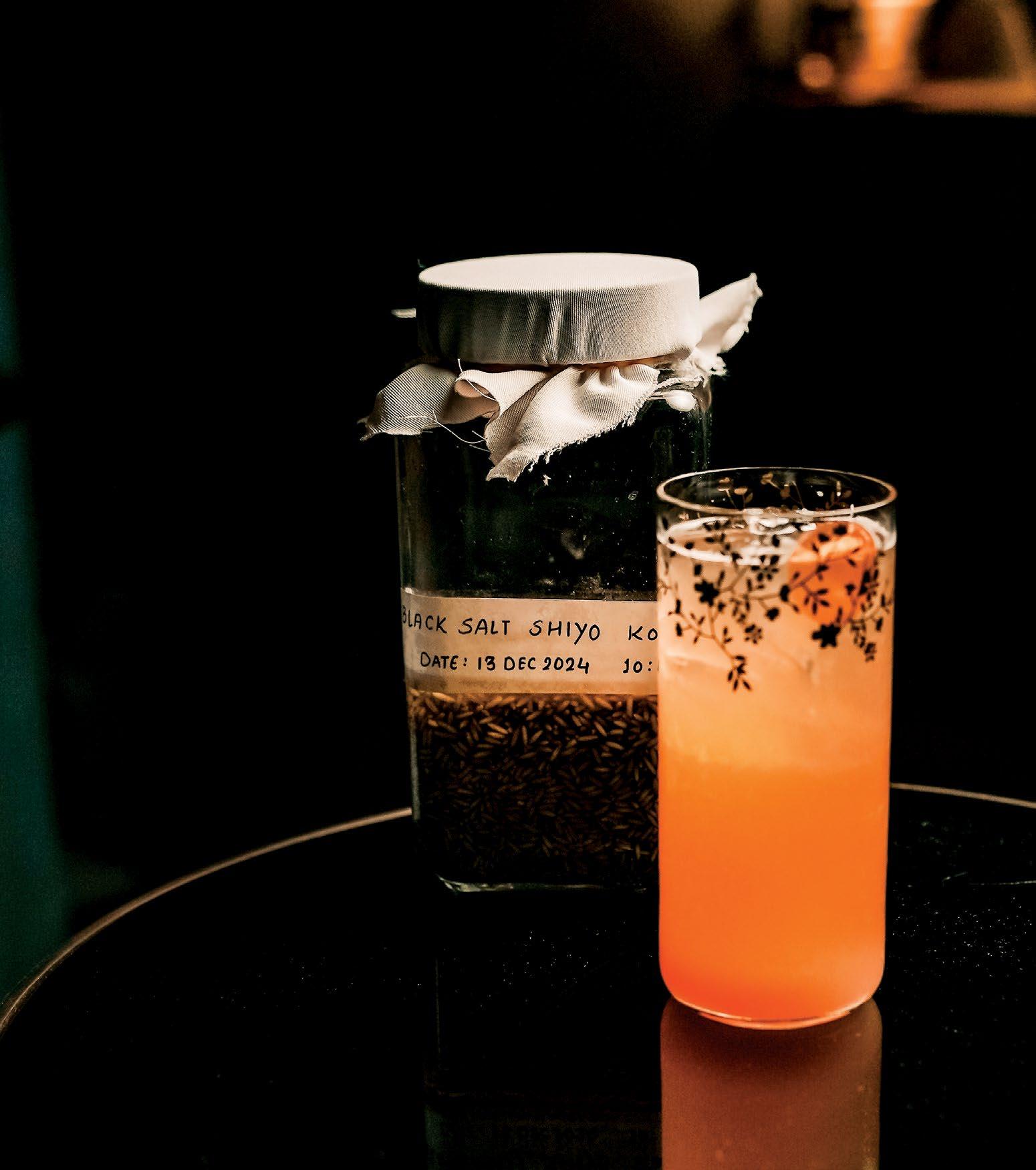
India’s bartenders are turning cocktails into edible art, blending molecular gastronomy, smoked spices, and heritage spirits like mahua into liquid masterpieces. Think ghee-washed gin treated with clove ash or a tequila sunrise spiked with Himalayan pink salt.
A cocktail is a chapter in a larger mythology, poured from a ritual chalice."
- Zorawar Kalra, Massive Restaurants “
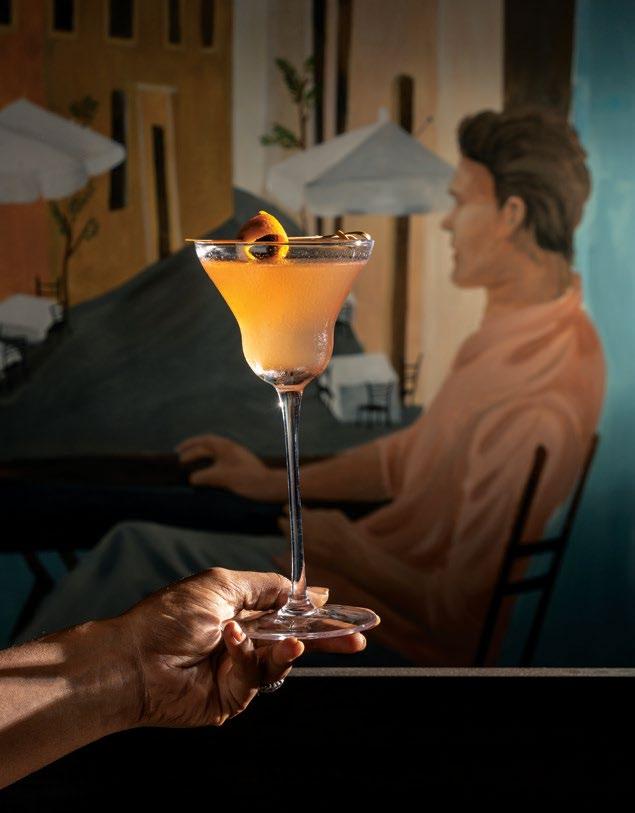
Masque and Bar Paradox’s sensory cocktails like Mezcal #2: mezcal, tequila, bird’s eye chili, garlic, tomato concentrate, palm sugar, clear citrus, topped with nettle leaf jelly and tomato chips.
Bandra Born’s Yuzuilla, with tequila, yuzu, and pickled jalapeños.
Harajuku Tokyo Café's Harajuku Tokio Drift, with tequila body, a Sichuan pepper fiery twist, and hibiscus’s fragrance.
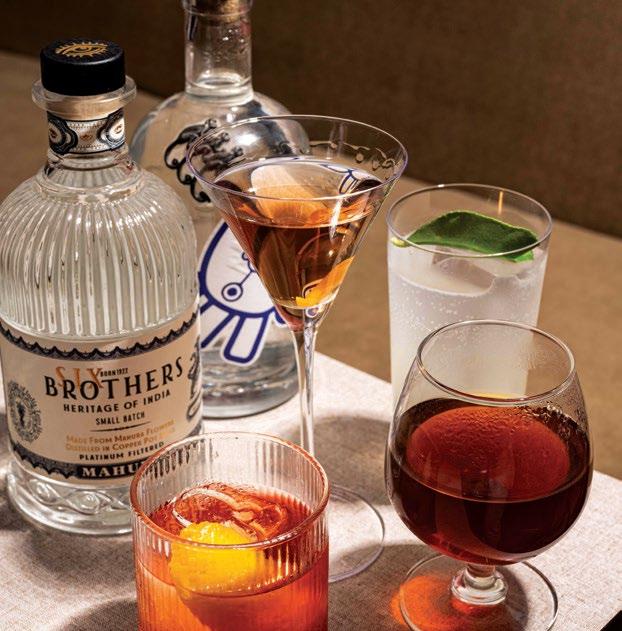
Forgotten Indian spirits like mahua and feni are stealing the spotlight, anchoring cocktails in cultural pride and local terroir. Bars dedicate entire menus to these heritage liquors, celebrating their stories.
Mahua is India’s answer to iconic heritage spirits… ready for a global revival."
- Rupi Chinoy, South Seas Distilleries

SOME EXAMPLES:
Bandra Born’s Mahua Bar, the world’s first, with drinks like Keepin’ It Kaj (bourbon and roasted cashews).
DPB’s Patrao’s Feni, a Goan tribute with tropical zing. Loulou’s cocktails weaving local rums and gins with apothecaryinspired botanicals.
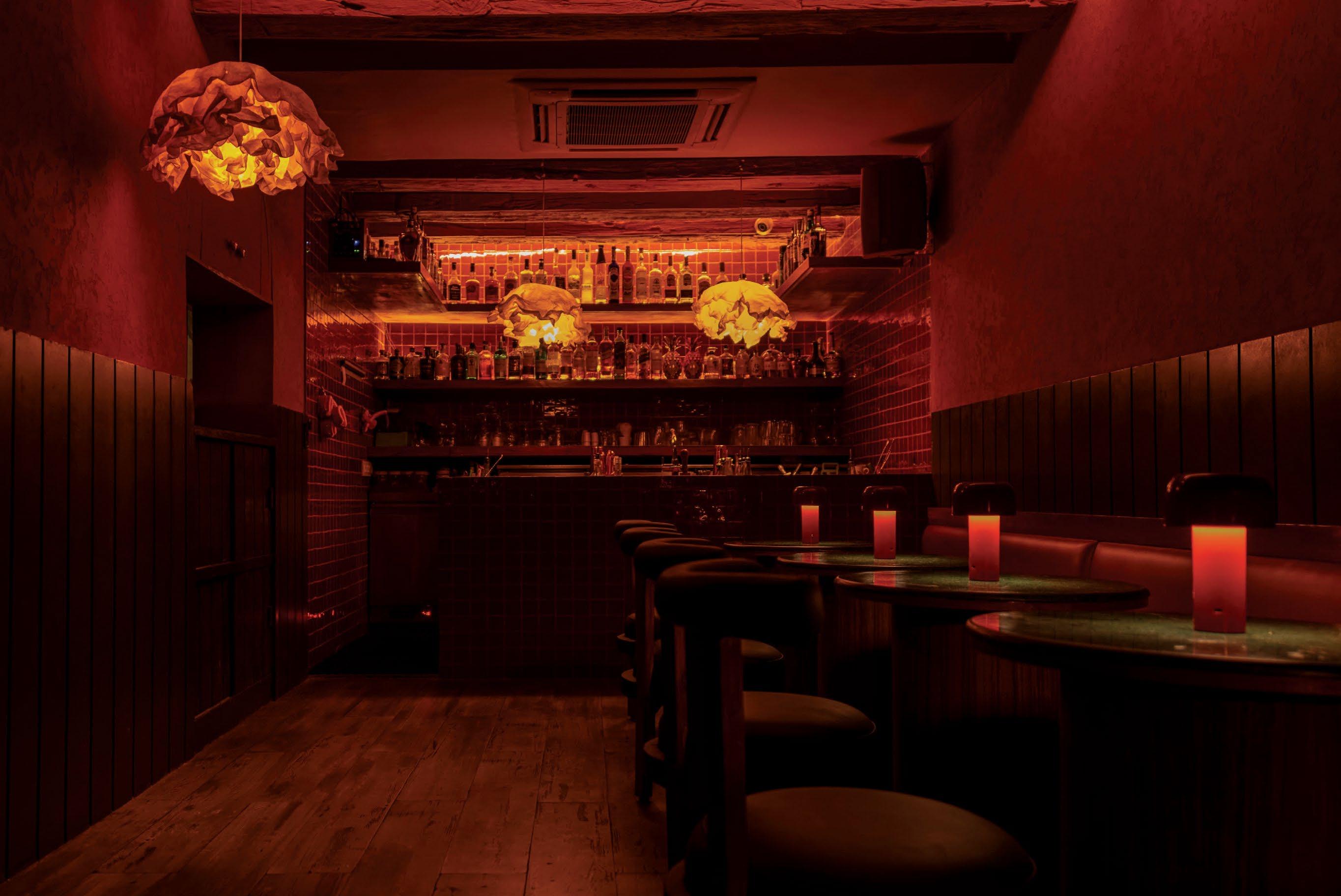
India’s cocktail scene is shrinking into cosy, 10- to 30-seater speakeasies where intimacy fuels connection. Guests crave curated vibes, from moody lighting to playlists that match the drink’s narrative.
“ “
People go to bars not just to drink but to be entertained."
- Shiva Kant Vyas, The Love Hotel
SOME EXAMPLES:
The Love Hotel’s dark, playful ambience with witty cocktail names.
ZLB23’s ritualistic pours in Bengaluru, where every drink feels like a ceremony.
Library Blu’s Leela Picante infused with black pepper tequila, pistachio, and gold-leaf chili, inspired by Chennai’s folklore and trade routes.

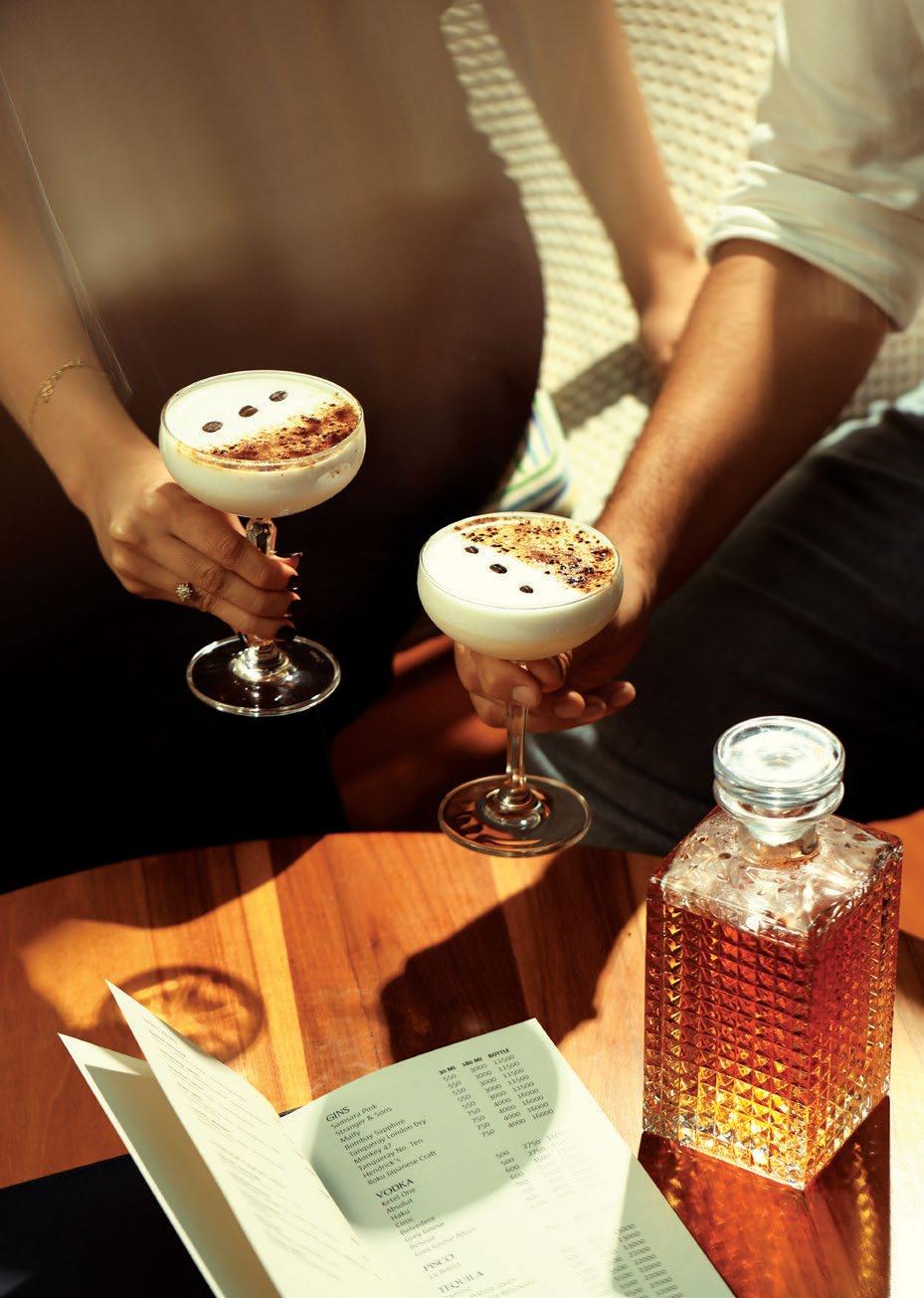
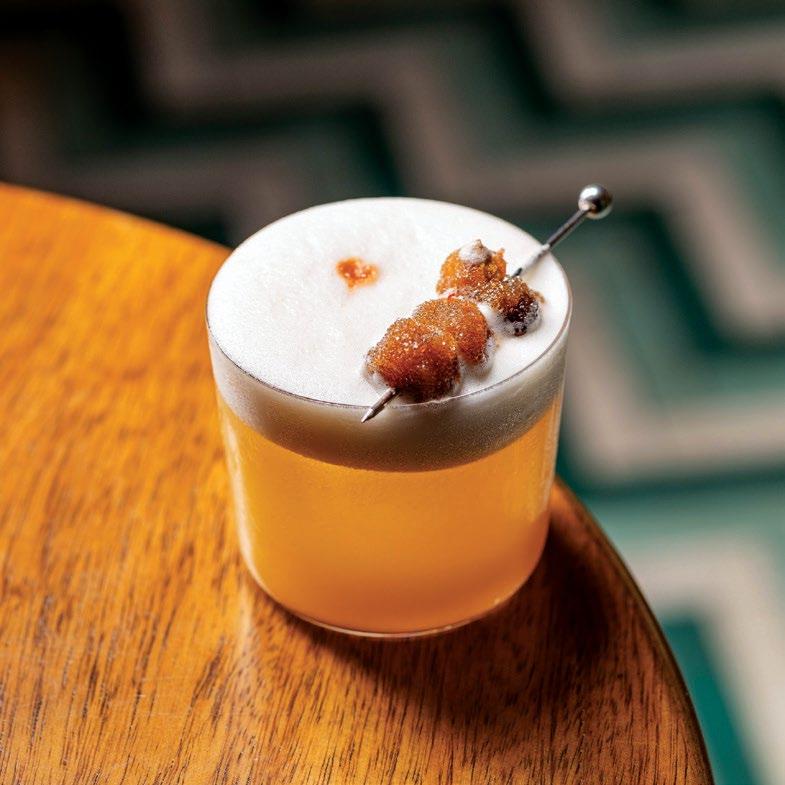
Guests don’t just ask what’s in the drink— they ask why, how, and where it’s from."
India’s drinkers are evolving, asking ‘why’ and ‘where’ about their cocktails’ ingredients. They’re swapping predictable orders for bold flavours like yuzu, kimchi, or smoked jaggery, driven by global exposure and local pride.
Rise of low-ABV drinks like vermouth-based cocktails.
Curiosity about garnishes, glassware, and spirit provenance.
Demand for regional twists, like tamarind Whisky Sours or kokum-infused G&Ts.
- Krishna Kumar, Loqa Cocktail Room

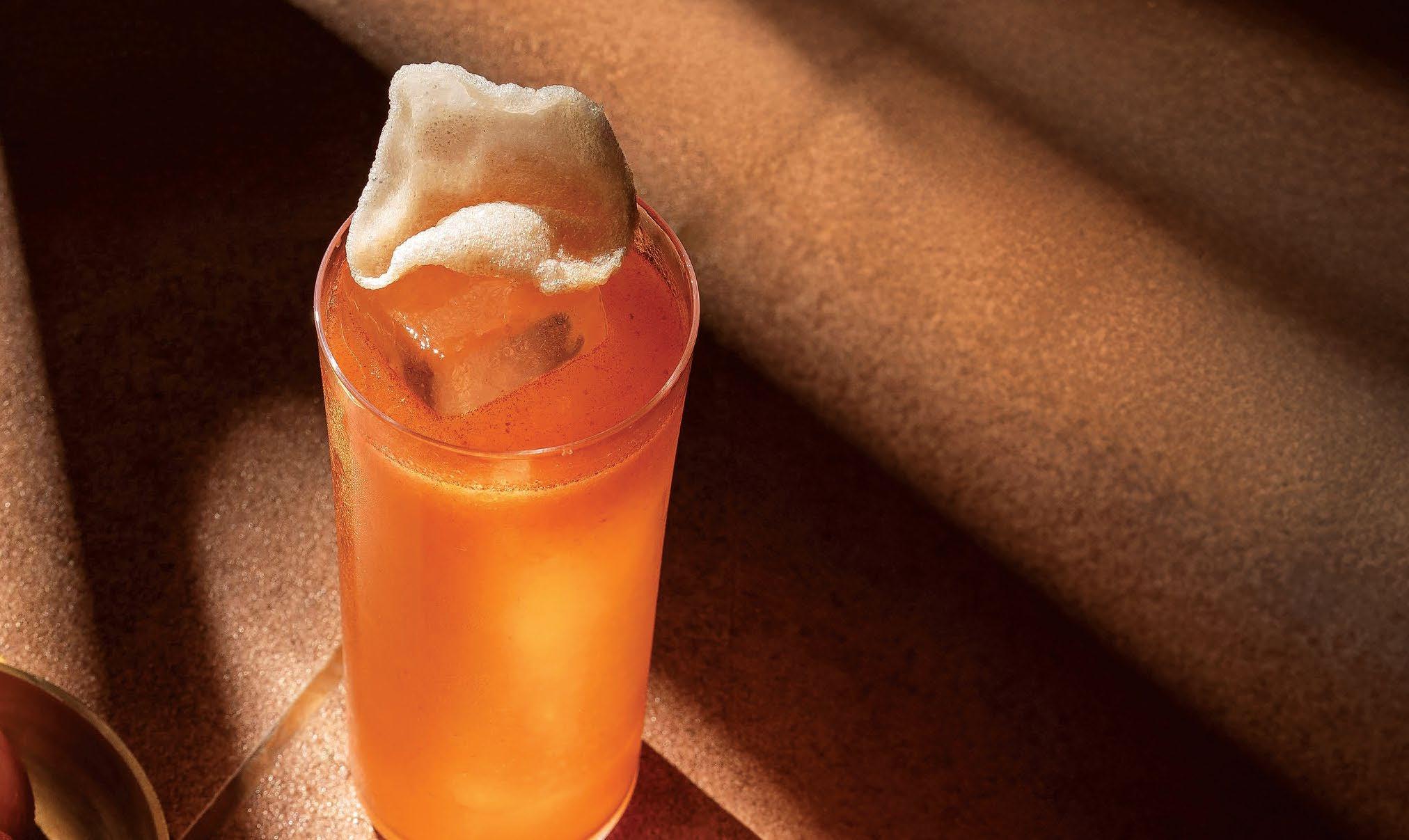
Bartenders are channeling chefs, using rotovaps, sous-vide, and charred vegetables to craft cocktails that taste like India’s spice markets. Think curry leaf rum or jaggery-sweetened mezcal.
“We are distilling flavours that were unthinkable… savoury cocktails have opened our minds."
- Shiva Kant Vyas, The Love Hotel
Pandan Club’s Tebu Tebu, a sugarcanecoriander nod to Chennai’s streets.
Siren’s Chineseinspired cocktails, evoking festivals through spice and umami.
Fifth Dimension at Loqa Cocktail Room serves a liquid form of curd rice in a glass.
The Inquisitive Cat at Miss Margot, a savoury cocktail with prawninfused Aperol.
Indian bars are blending global trends—tequila, mezcal, and vermouth— with local ingredients like betel leaf and toddy vinegar, creating cocktails that speak to both wanderlust and home.
Pandan Club’s Serangoon Smith, mixing Tamil Nadu coconut with Singaporean gula melaka.
Mizu Izakaya’s Shaazu Sour, a nostalgic IndianJapanese fusion.
Aer’s Yachtside Collection, framing cocktails as a seafarer’s journey.

Indian bartenders are now more skilled than ever, benefiting from competitions and global travel."
- Dimi Lezinska, Miss Margot “

SOME EXAMPLES:
The Leela Palace New Delhi’s Literary Mixology, where drinks embody novel characters.
Cocktails are becoming ambassadors of India’s heritage, with menus inspired by mythology, regional folklore, and urban tales.
Storytelling is the secret ingredient. Without it, a cocktail is just liquid."
- Aditya Sharma, The Leela Palace Jaipur
DPB’s Saturday Night Movies, blending Goan nostalgia with modern craft.
Mamma Killa’s regional cocktails, rooted in India’s terroir. Tears of the Moon has Himalayan rhododendron bitters and smoked tamarind.
Low-ABV cocktails and vermouth-based drinks are surging, reflecting a shift toward mindful, balanced sipping. Guests prioritise quality, story, and sustainability over excess.
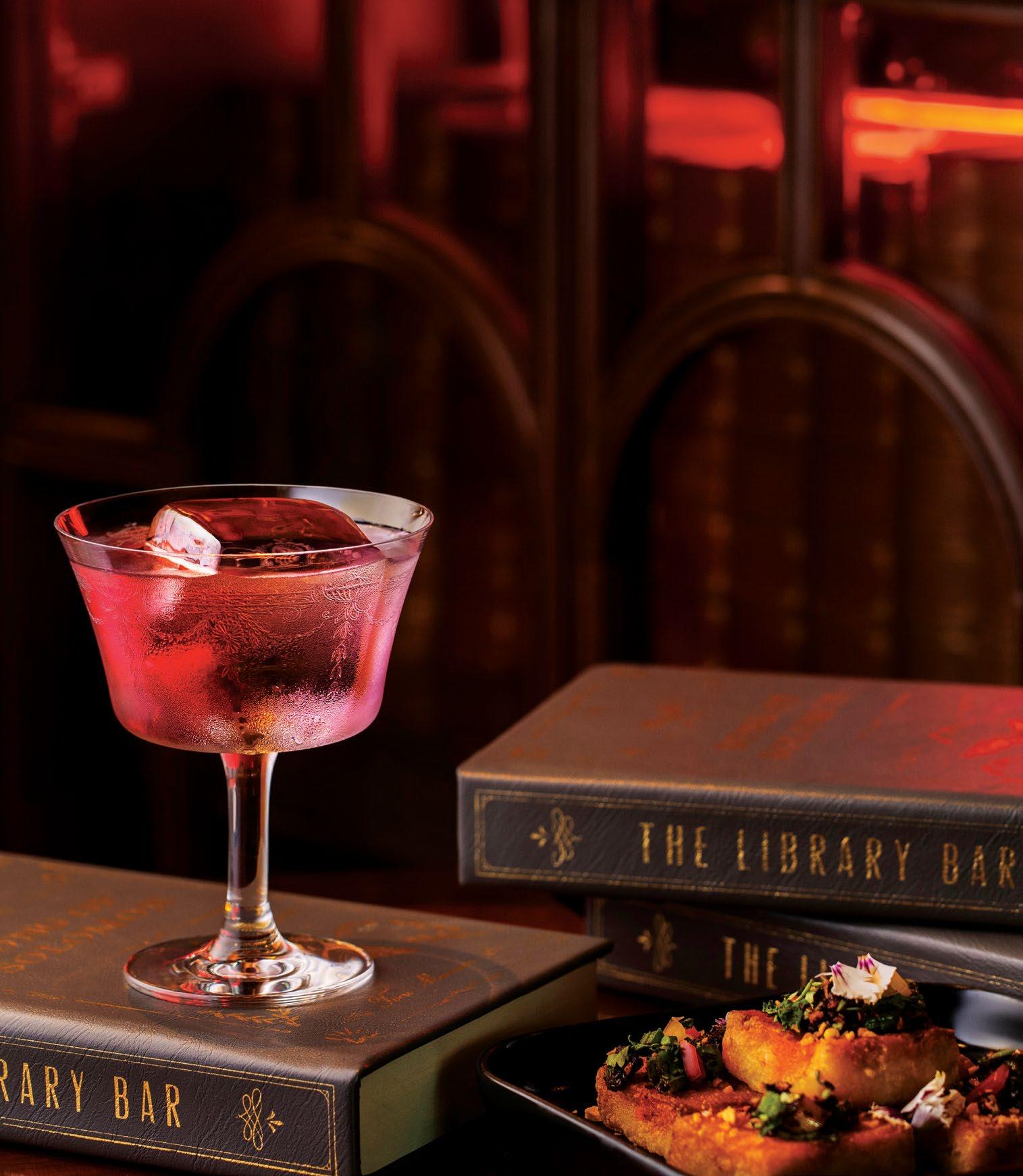

SOME EXAMPLES:
Vermouth-driven Negronis and Manhattans gaining traction.
Loulou’s apothecaryinspired cocktails with lowsugar, botanical profiles.
Bars listing ABV% and flavour notes for transparency.
Vermouth is stepping into the spotlight… its versatility fits perfectly into the lowABV trend."
- Chethan M V, Davana Vermouth Indica
The Leela Palace’s dining icons— The Qube and Le Cirque—return with a modern edge.
SUMAN TARAFDAR
In the uber-luxe world of The Leela Palace, Delhi, any change is headline turning. So, when two of its marquee restaurants have been refurbished in the same calendar year, heads have deservedly turned.
The Qube, which effectively functions as an all-day diner, and the superlative Le Cirque are sporting new uplifted versions of themselves this autumn. Of course, this is a hotel with multiple prime dining (and drinking) outlets such as The Library Bar, Jamavar, and Megu, making it a frequent hangout for the city’s elite, who have eagerly, even impatiently, waited for the two outlets to reopen. Both are now open, and reserving your place is highly advisable.
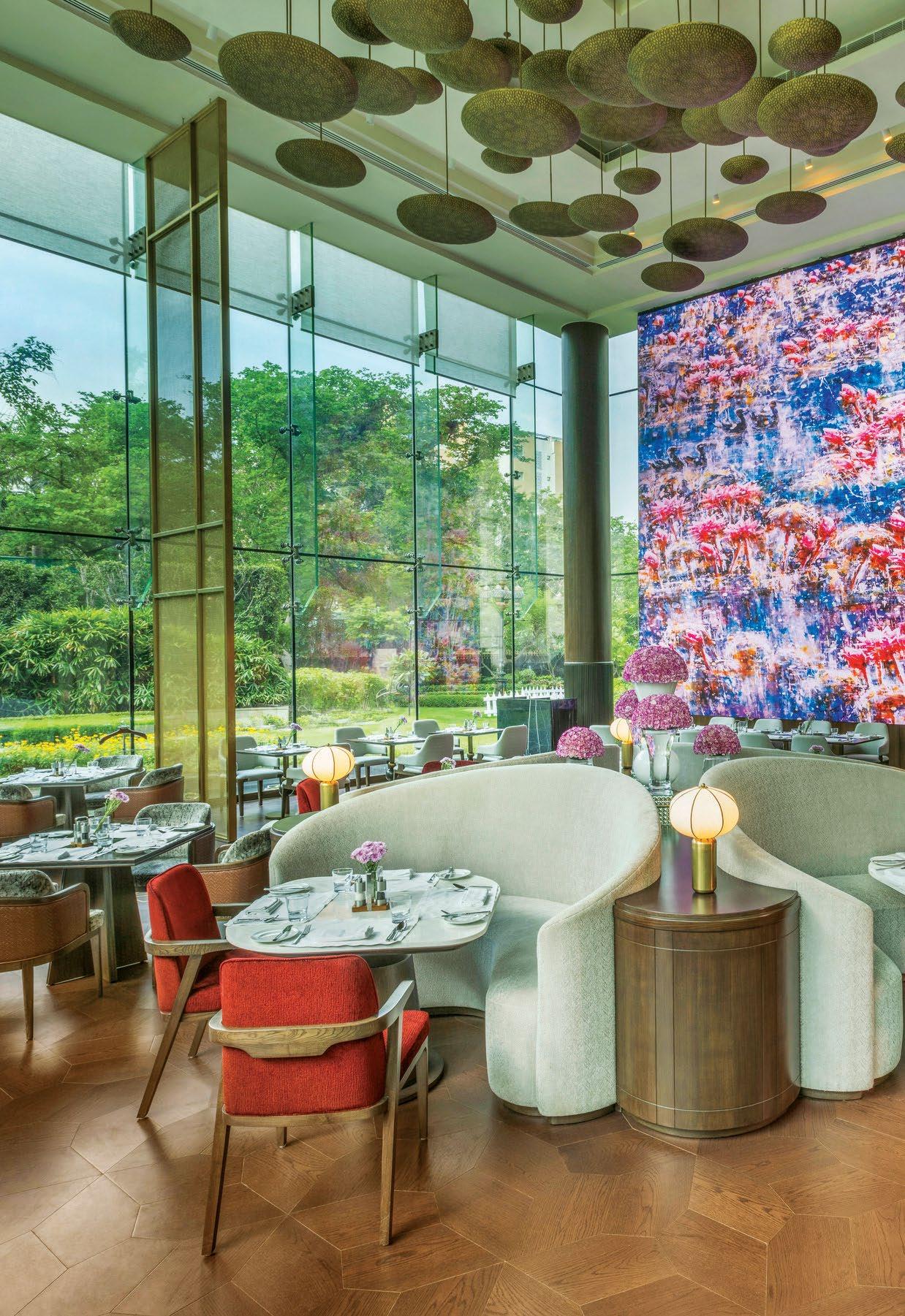
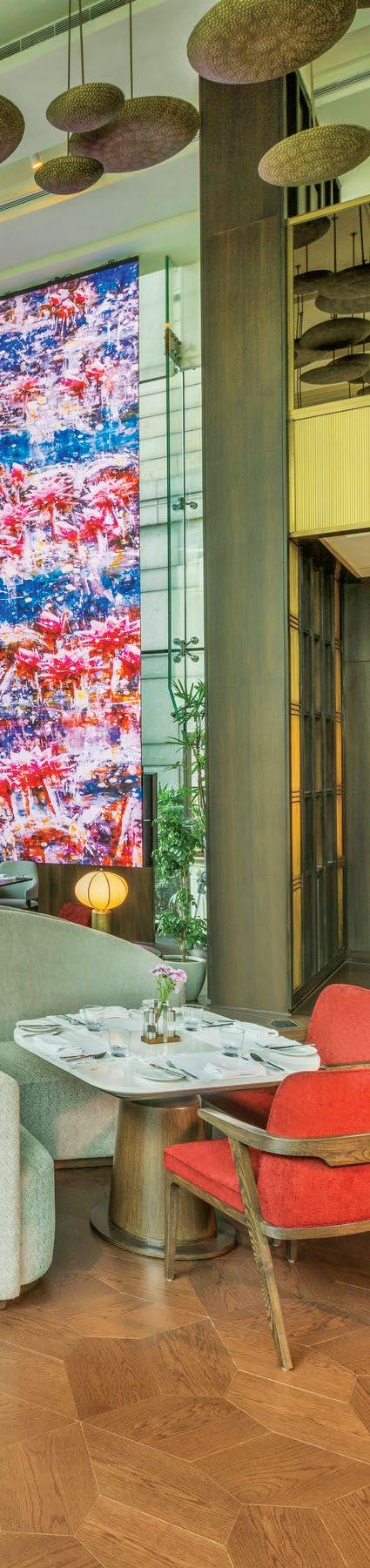
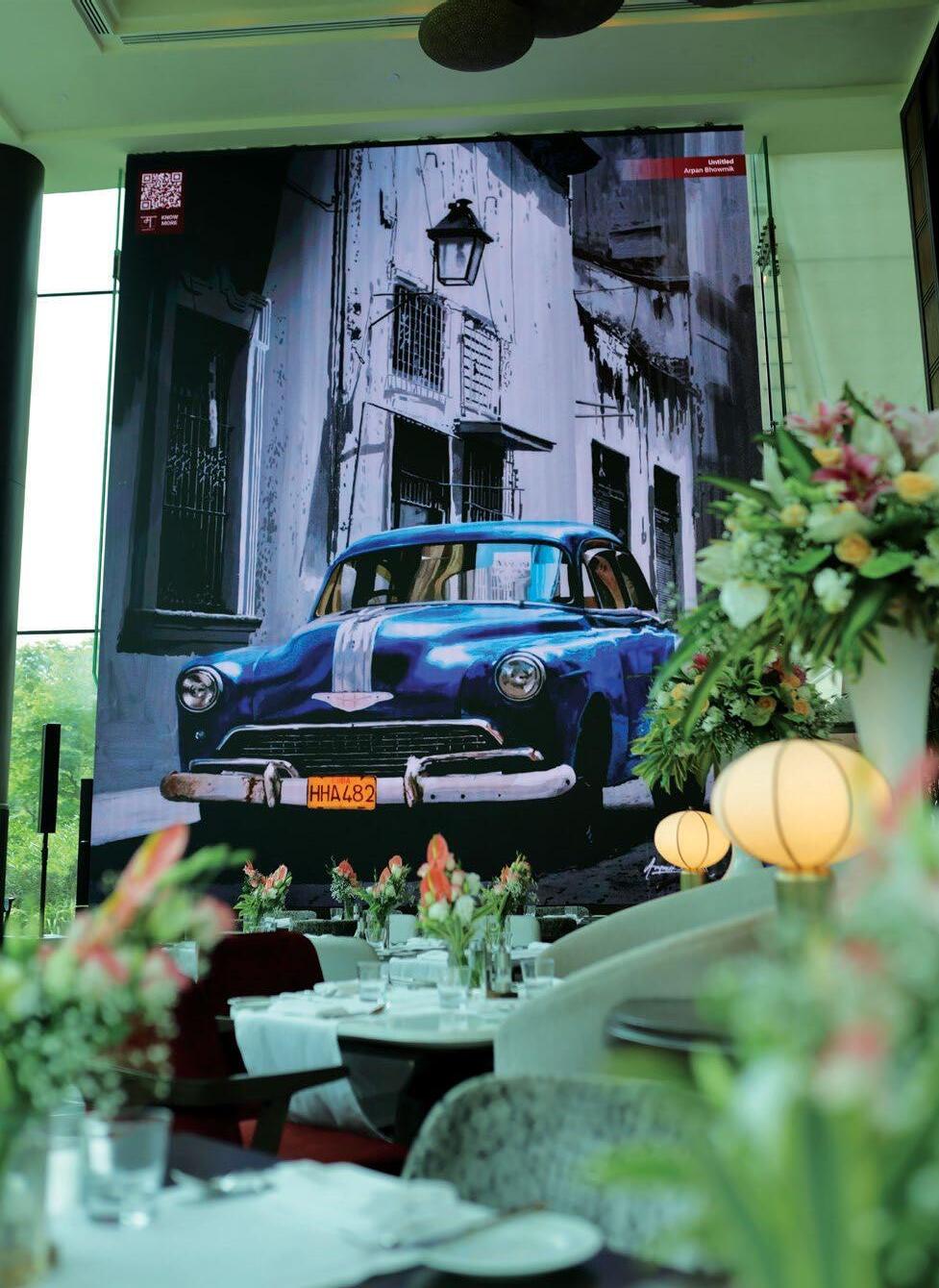
Easily the first change regulars to Qube (we are dropping ‘The’—no patron ends up using it!) are likely to notice is a massive floor-toceiling LED art wall. Regulars will also know that Qube's glass frontage opens up to some of the prettiest gardens in the neighbourhood. For the non-flora fans, however, this moving wall is a standout feature. And no, the wall doesn’t do a ‘walkaround’; instead, the intermittently changing images make for a mesmerising experience. Curated in collaboration with contemporary art platform Masha Art, this living canvas features a rotating collection of digital artworks by leading and emerging Indian artists.
Of course, this isn’t the only change. “The reimagined Qube is an immersive, sensorial journey where gastronomy, design, and digital storytelling converge,” says General Manager Preeti Makhija. “From the cinematic LED art wall that transforms the mood of the restaurant throughout the day, to the newly introduced experiential Thai dining studio and an elegant
new à la carte dinner menu curated by Chef Ashmeet Singh Jolly, every element has been designed to surprise and delight.”
The idea was to create a destination where gastronomy meets immersive digital art, transforming every meal into a visual and sensory experience. As Anupam Dasgupta, Senior Vice President - Operations (North India) and Head of Wellness at The Leela Palaces, Hotels and Resorts says, “As a brand that has long championed artistic expression, we are proud to bring forth a space where every element—on the plate and beyond—is crafted to inspire and linger long after the moment has passed.”
The menu, too, has been revisited. While breakfast and lunch still offer the quintessential The Leela Palace buffet, albeit with tweaks, dinners are now à la carte. “The new menus celebrate global flavours with refined craftsmanship,” points out Chef Jolly. “The à la carte dinner experience, introduced for the first time at The Qube, reinterprets
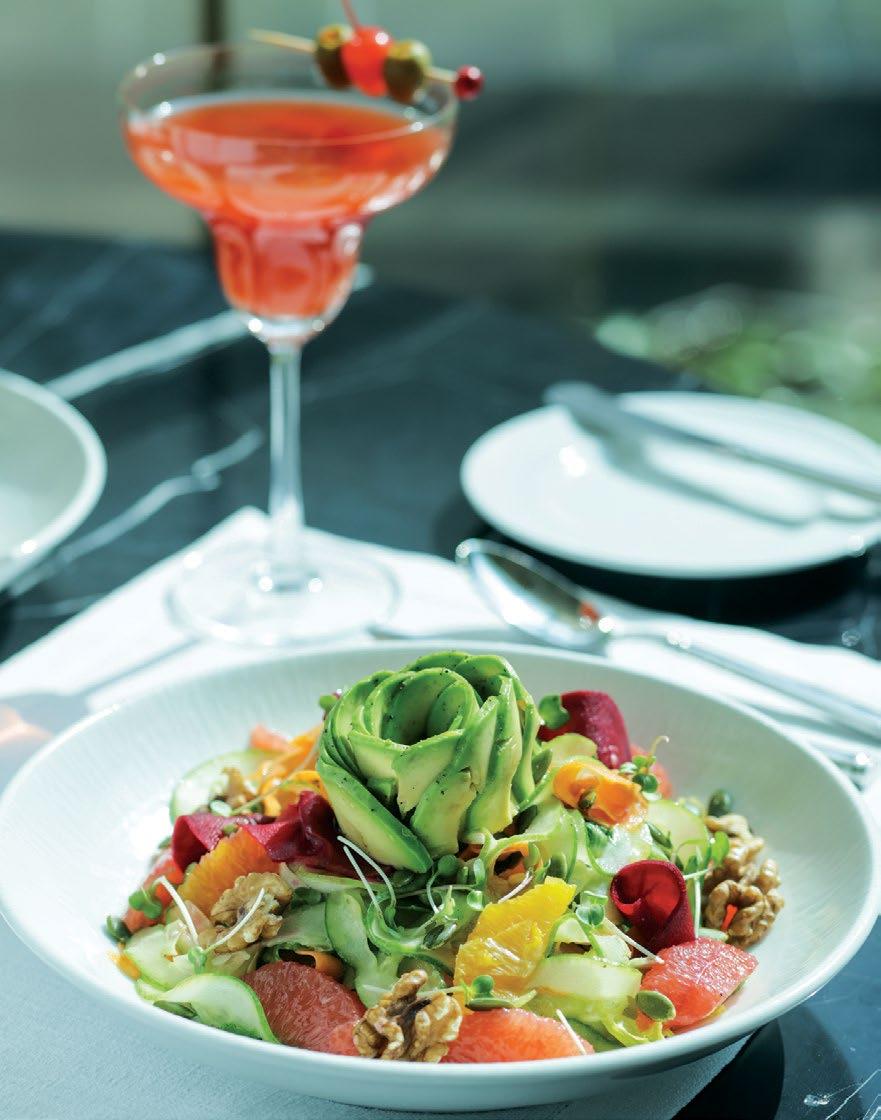
world cuisine with a modern lens, combining authenticity with artistic presentation. Our breakfast and lunch offerings continue to focus on freshness, wellness, and seasonality, highlighting locally sourced produce and house-made ingredients.”
A standout feature is the experiential Thai dining studio led by Chef Krung Thong, the Thai specialty chef, whose creations are rooted in the soulful flavours of his homeland. Each dish is a reflection of the chef's personal story and heritage, blending traditional Thai techniques with contemporary flair. Meanwhile, the beverage programme has been thoughtfully curated—from inventive no-proof cocktails like the Kokum Collins and Curry Leaf Gimlet to teainfused blends such as the Smoked Masala Negroni—all designed to complement and elevate the dining experience. As the hotel turns 15 next year, the renovation has modernised the outlet to offer refined, luxury global dining experiences.
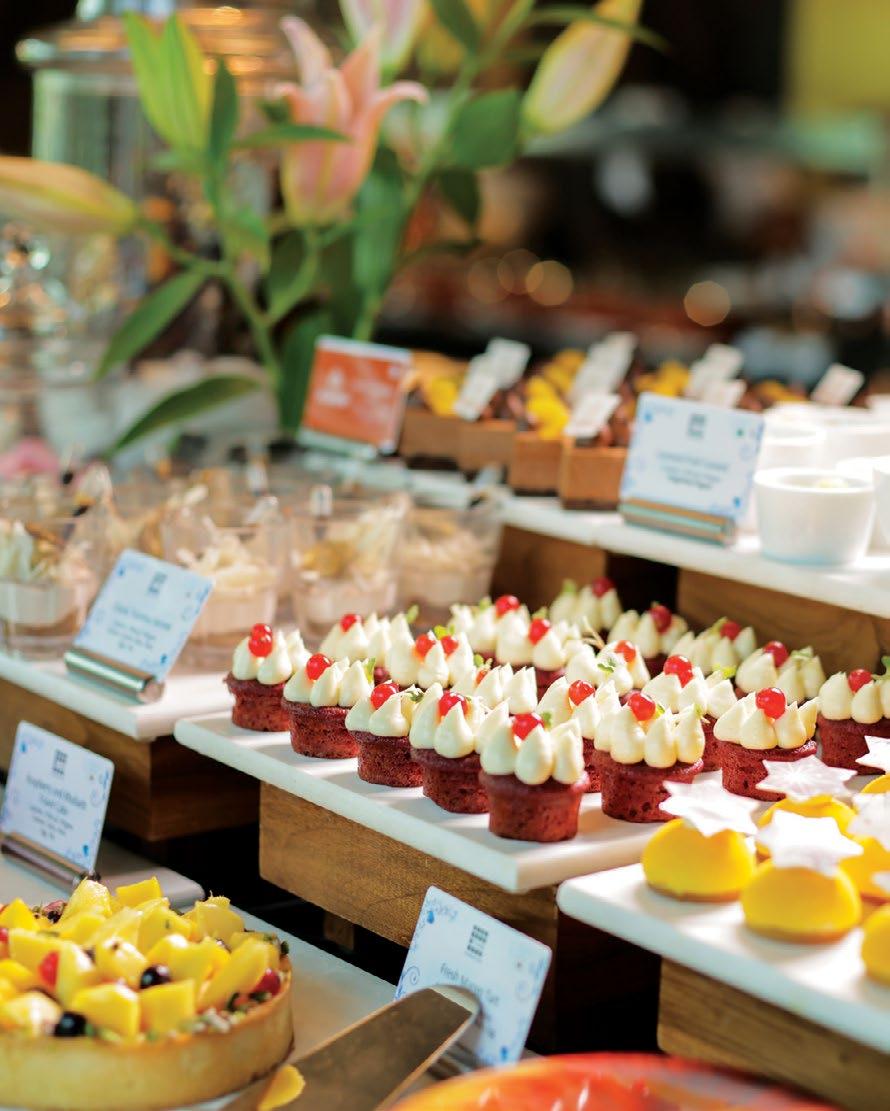
FAR LEFT AND LEFT: The refurbished food menu at The Qube offers a number of innovations in both the food and beverage menus.
A much sought-after address in town since it opened, the sprawling rooftop restaurant Le Cirque has reopened in an entirely new avatar. It has been moved to the first level from its earlier location, which is earmarked for Arq, the group’s club, which is being rolled out across its hotels.
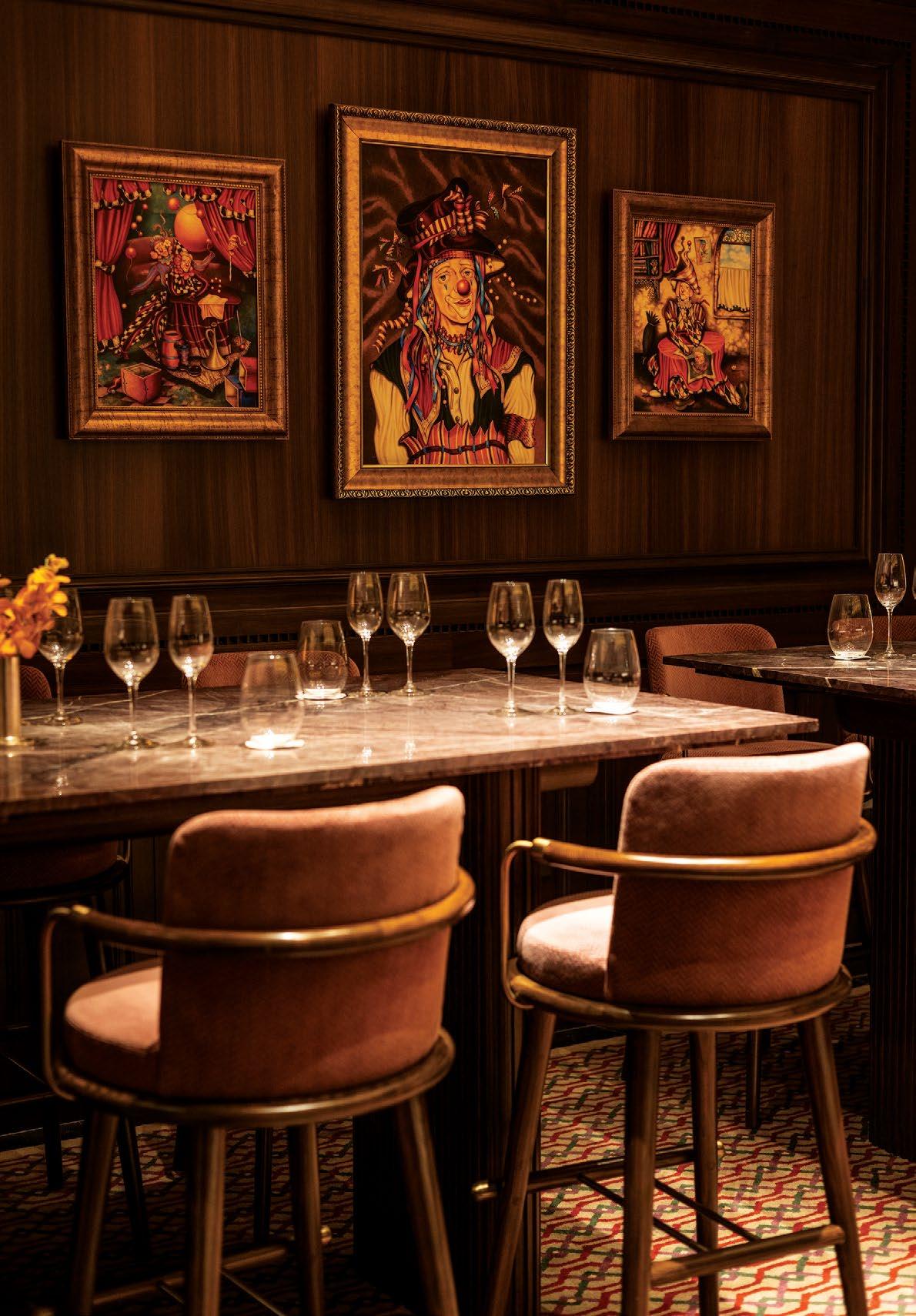
While the landmark New York restaurant is indefinitely closed, its Delhi version has transformed into a sleeker, more inventive, more innovative version. Listed on The World’s 50 Best Discovery restaurants, it retains its FrancoItalian roots even as it is cosier, entirely fresh menus.
“The reopening of Le Cirque reflects The Leela’s enduring philosophy of bringing worldclass experiences to the country,” underscores Makhija. “As one of the capital’s most iconic dining destinations, Le Cirque has always epitomised elegance, artistry, and a truly international standard of gastronomy. With its new design, evolved menu, and immersive storytelling, the restaurant is poised to set new benchmarks for fine dining in the city and reaffirm its place among the most celebrated culinary addresses in the world.”
The 40-cover restaurant has an extensive wine cellar. The first section of the diner includes temperature-controlled wine cellars and intimate tasting tables. Also on offer are personalised sessions led by the in-house sommelier.
The interior tones are now deeper—a dramatic bespoke glass tile feature wall in plum and gold, rich wood panelling, sculptural lighting, and plush textures.
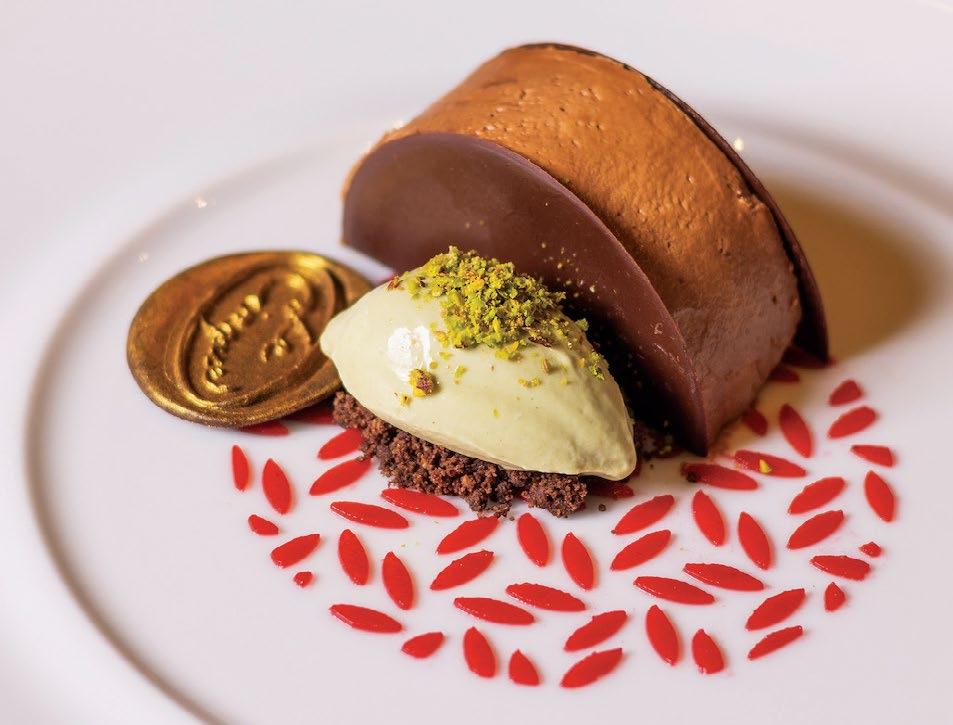
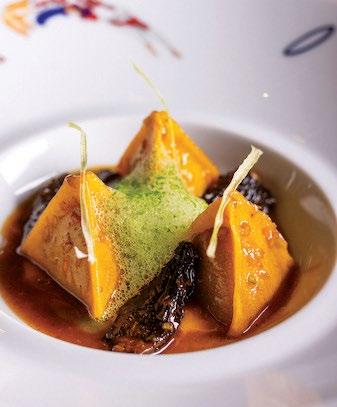
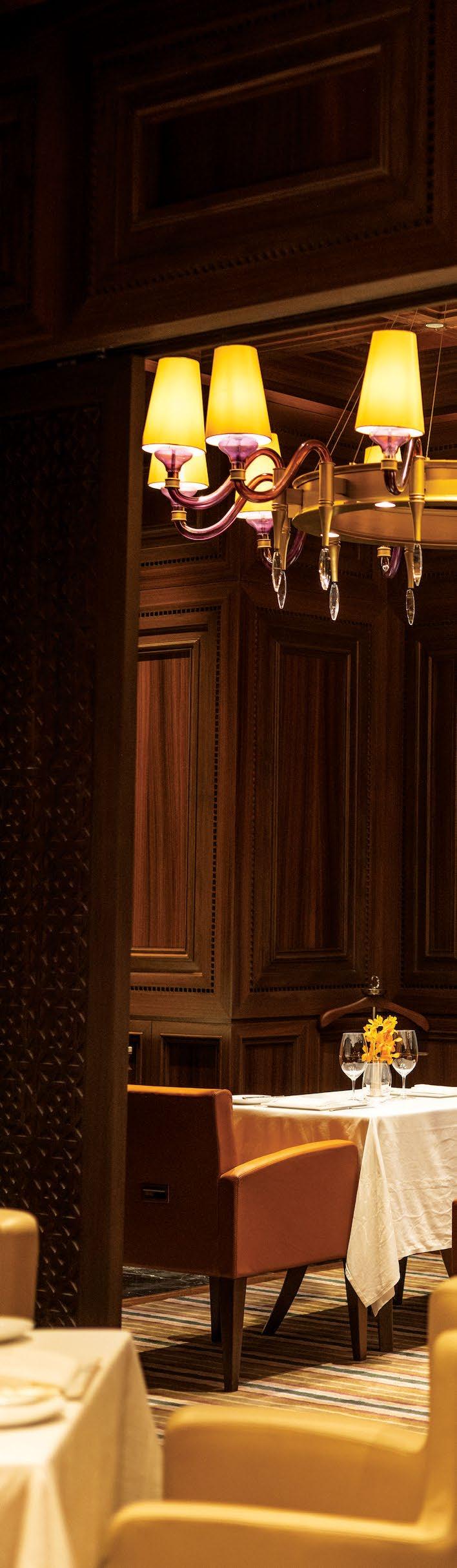
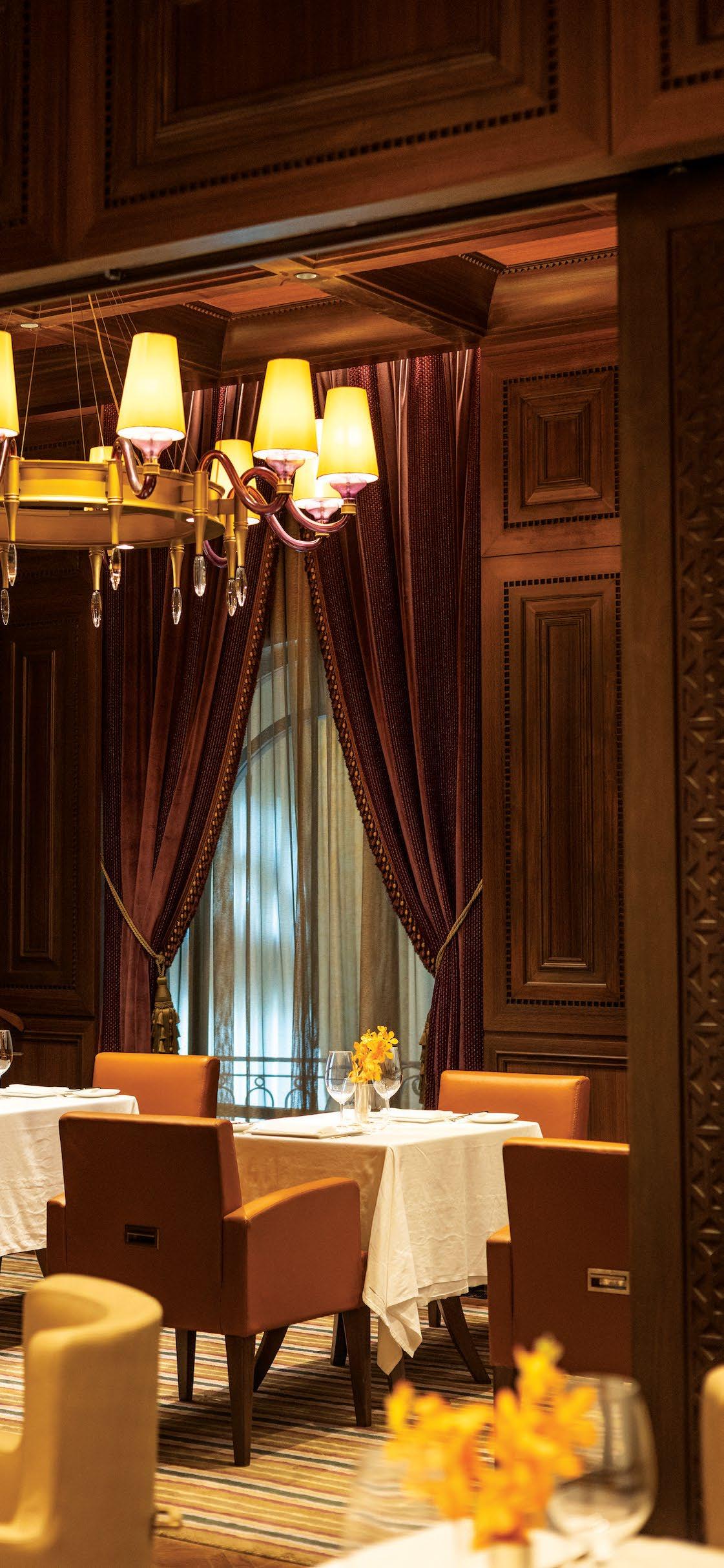
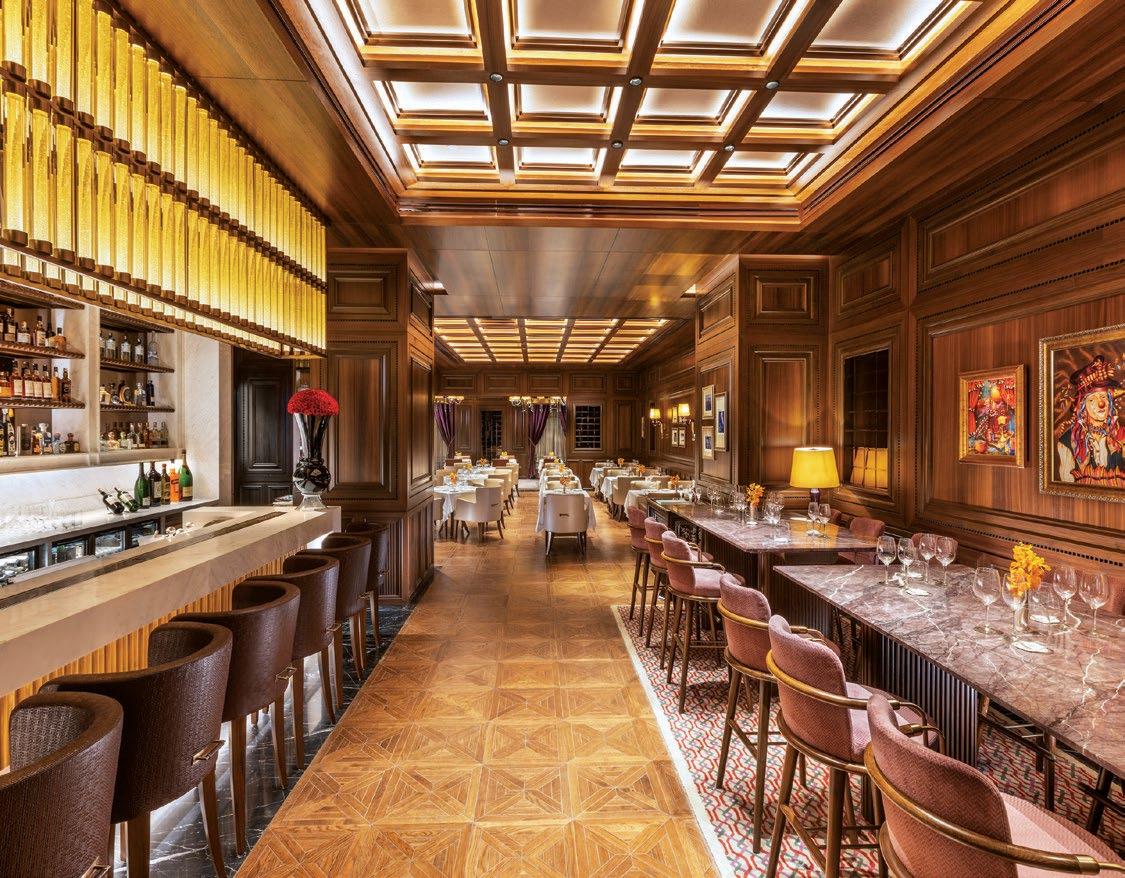
LEFT AND ABOVE RIGHT: The restaurant’s Franco-Italian lineage and New York origins are reflected in the wood
ABOVE LEFT:
Ambience-enhancing mood lighting softly imbues perfect evening vibes, enhanced by red glass table lamps.
“The earlier version of Le Cirque served the classics brought down all the way from New York or Las Vegas from properties,” explains Chef Vashisht, who prefers to go only by his first name. “We have kept their essence, with a greater stress on the gourmet, plated route. When guests come to Le Cirque, we want them to understand that we are actually offering them an experience rather than just a meal.”
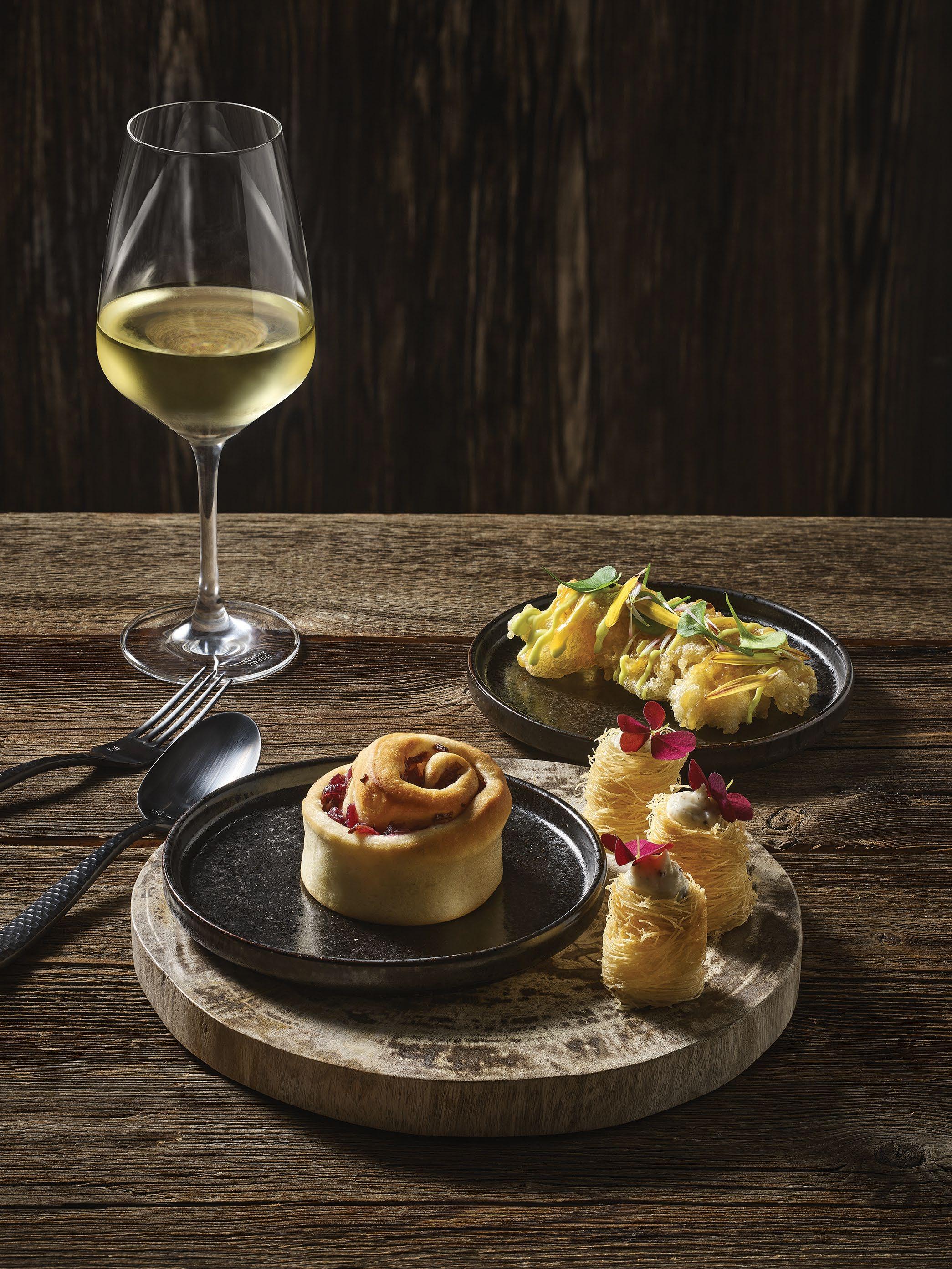
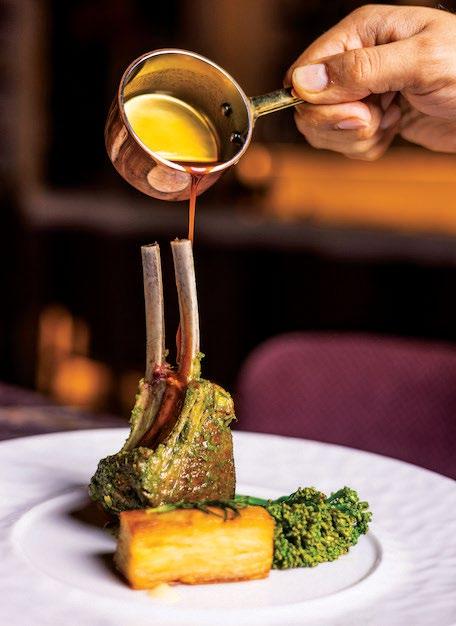
The new menu sustains a cuisine inspired by the rich culinary culture of France and Italy, balancing classical sophistication and modern creativity. Diners can look forward to signature highlights such as Yellowfin Tuna Crudo, Wild Mushroom & Black Truffle Tart, Lobster Ravioli ‘Le Cirque,’ the 40-Layer New Zealand Lamb Lasagna, Salt-Baked Mediterranean Sea Bass, and the Mille-Feuille à la
Vanille, a classic Le Cirque finale. A significant innovation is the fact that the restaurant is open for lunch, when the entire à la carte menu is available to order.
A novel feature is the degustation menu for dinner with choices ranging between 3-, 5-, and 7-course meals. The middle option is highly recommended, and the chef is inclined to slip you an occasional additional dish that his team might have conjured up. He admits that for many Indians, the tasting menu is still a new concept. However, theirs allows for some customisation, with the chef explaining that if a guest would like to swap a particular course, the restaurant is happy to do so. “We want to make our guests happy,” he says.
The legendary restaurant has always been a cynosure of Delhi's dining scene. With its new chic look, combined with the chef’s culinary magic, Le Cirque retains its not-to-be-missed tag, especially with the promise of a seasonally changing menu.
Where can you find drinks after hours? These hotels are answering the call.
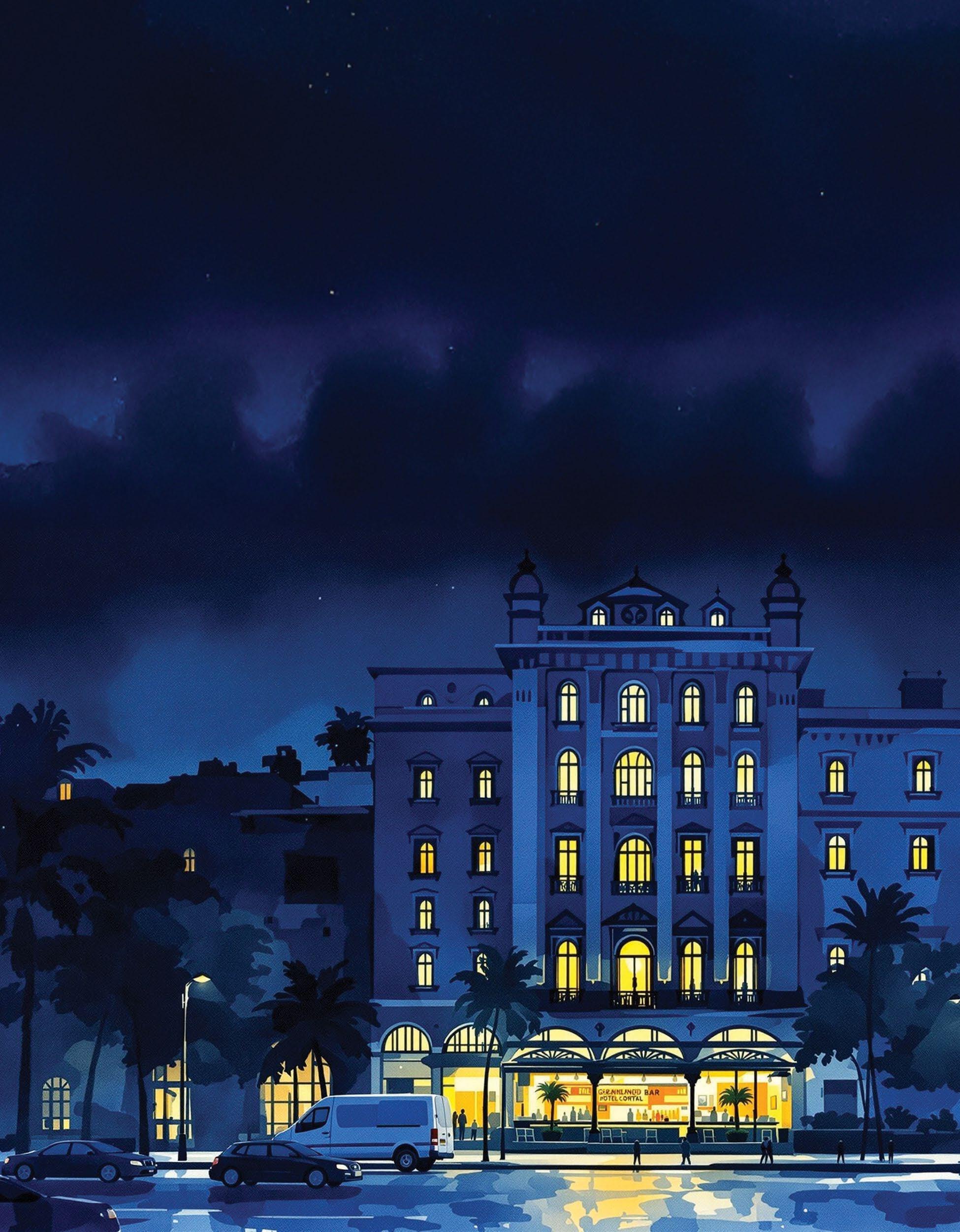
It's 3am on a Tuesday, and while the city sleeps, the Gourmet bar at Novotel Hyderabad Airport buzzes on. A group of airline crew members unwind over premium whisky, uniforms telling stories of long-haul flights and jet lag. At a corner table, an executive nurses a coffee-based cocktail, making the most of the quiet hours before day breaks. This isn't your typical bar scene; it is a rare breed of roundthe-clock hospitality.
All-night bars remain an anomaly in India's hospitality landscape. In fact, it is rare to find them even in the world’s biggest cities known for their
nightlife. Outside casinos, licensing needs often limit the existence of such bars around airports in major cities. Behind the polished surfaces and expert mixology lies a labyrinth of regulatory complexity that makes most hoteliers think twice before diving in.
Yet, a select few have cracked the code, creating spaces that never sleep.
The appeal of never closing The business case is compelling. Airport hotels benefit from this model, catering to travellers trapped between time zones and flight schedules outside
Over the standard process, securing a 24/7 license involves additional layers of compliance, varying dramatically across states.

conventional dining hours. "We see a constant flow of guests arriving or departing at all hours —corporate travellers, airline crews, international passengers. Many of them look for a vibrant, experiential safe space to relax with food and drinks, even at 5am. That's the gap we've been able to address," explains Sukhbir Singh, General Manager at Novotel Hyderabad Airport.
The dynamics of drinking preferences shift dramatically as hours progress. Guests show "a significant preference for classic cocktails and premium spirits during the evenings, while latenight hours witness a steady demand for coffee-based cocktails, light mixers, and zero-proof options," according to Vineet Kapoor, Hotel Manager, The LaLiT New Delhi, which runs the 24/7 Bar.
But nearer to the airport, “cocktails lead the early evening. Past 11pm, choices shift to premium straight drinks—whiskies, tequilas, and other top-shelf spirits," notes Dhinender Kandpal, Director of Food and Beverage, Pullman and Novotel New Delhi Aerocity.
Securing a 24/7 license is a bureaucratic obstacle course, particularly beyond aerocities. Over the standard process, such bars face additional layers of compliance, varying dramatically across states. It involves coordination with excise departments, local police authorities, municipal bodies, and, in the case of airport hotels, aviation security protocols.
At The LaLiT New Delhi, Kapoor notes that 24/7 Bar "remains the only property within our portfolio offering this format—largely due to local demand patterns and state-specific regulatory frameworks."
"Running a bar round the clock definitely has its perks, but it also comes with a fair share of challenges. Getting the right licenses for 24x7 operations is both expensive and complicated, and we have to stay on top of compliance and safety protocols at all times," admits Kandpal.
It explains why such few establishments attempt this venture.
Running an all-night bar demands reimagining traditional hospitality operations. Rotating staff rosters help to combat fatigue while maintaining service excellence.
Hiring requires a different lens, too. "We look for people who are adaptable and attuned to varying guest preferences, and can be alert and service-ready at all hours," explains Singh. The human element becomes crucial—ensuring teams don't feel isolated during graveyard hours while maintaining the same warmth for pre-dawn patrons as evening guests receive.
Menu curation follows circadian rhythms, with some establishments having embraced sustainability, even in their midnight operations. Novotel Hyderabad's farm-to-glass philosophy has led to Patch, a cocktail menu featuring ingredients grown on-site, with seasonal menus that shift from winter greens like spinach and beetroot to summer herbs like basil and jalapeños.
Such establishments prove that India's hospitality industry can support round-the-clock operations when executed thoughtfully, by creating safe spaces for the city's insomniacs, international travellers, and shift workers who exist outside conventional schedules.
For now, though, all-night bars remain rare gems, like beacons in a landscape where the night still has an end.
Quoin is New Delhi Aerocity’s only 24×7 sports bar. Located within the Pullman and Novotel hotels, it offers non-stop service, big-screen match screenings, games, and an international bar menu. A lively spot, it’s the perfect place to grab a late (or early) drink.
Gourmet Bar at Novotel Hyderabad Airport now serves 24 hours, seven days a week. Crafting menus and cocktails taking deep inspiration from sustainable methods, the bar offers excellent menus, including ‘Patch’, served with ingredients fresh from their urban organic gardens.
24/7 Bar at The LaLiT New Delhi is an experienced player in this game. From classic cocktails and premium spirit-led evenings, late-night hours offer lighter, caffeinated, and even zero-proof options here. Spaciously designed, the dynamic flow of the bar keeps the experience vibrant around the clock.
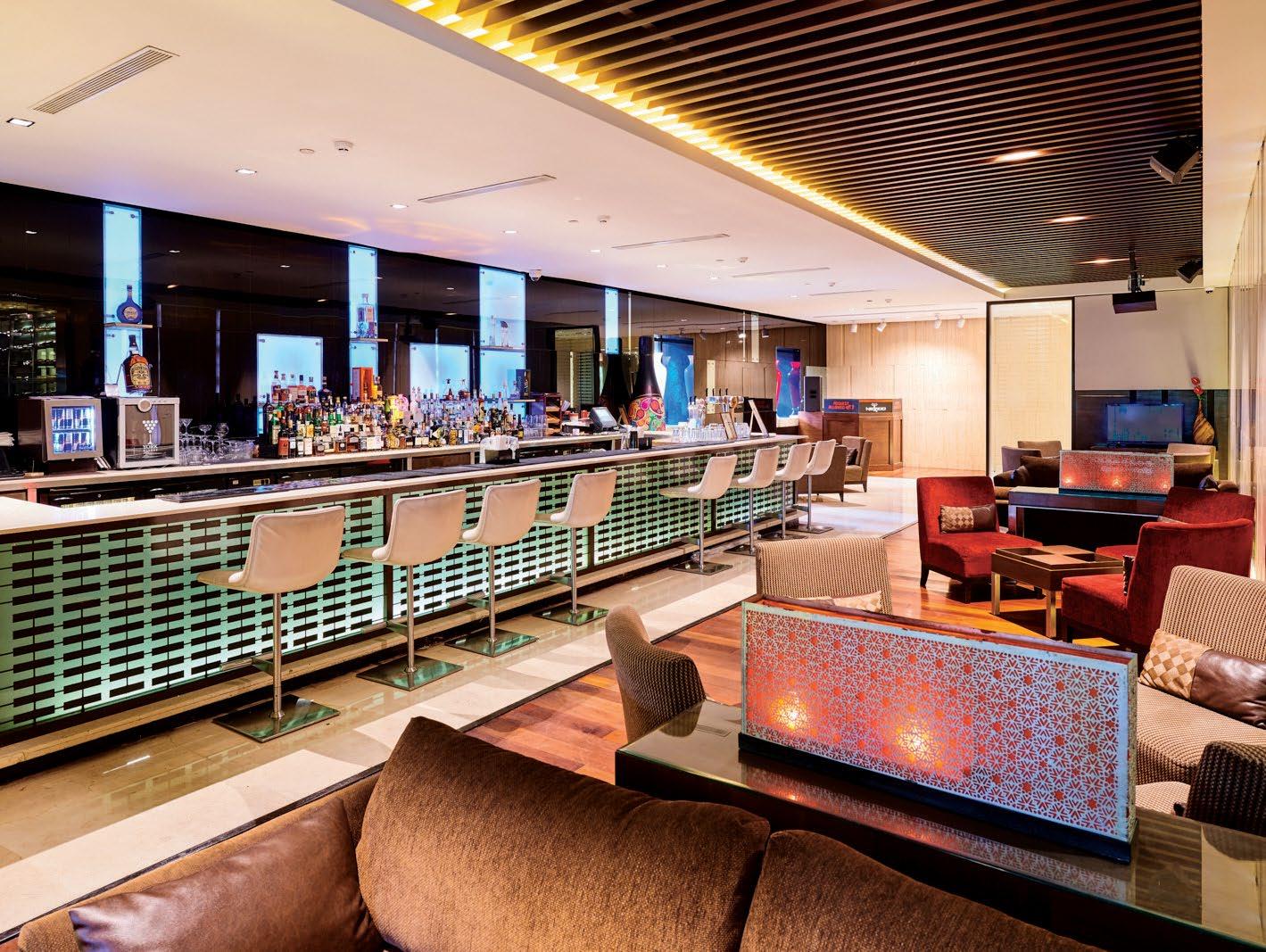
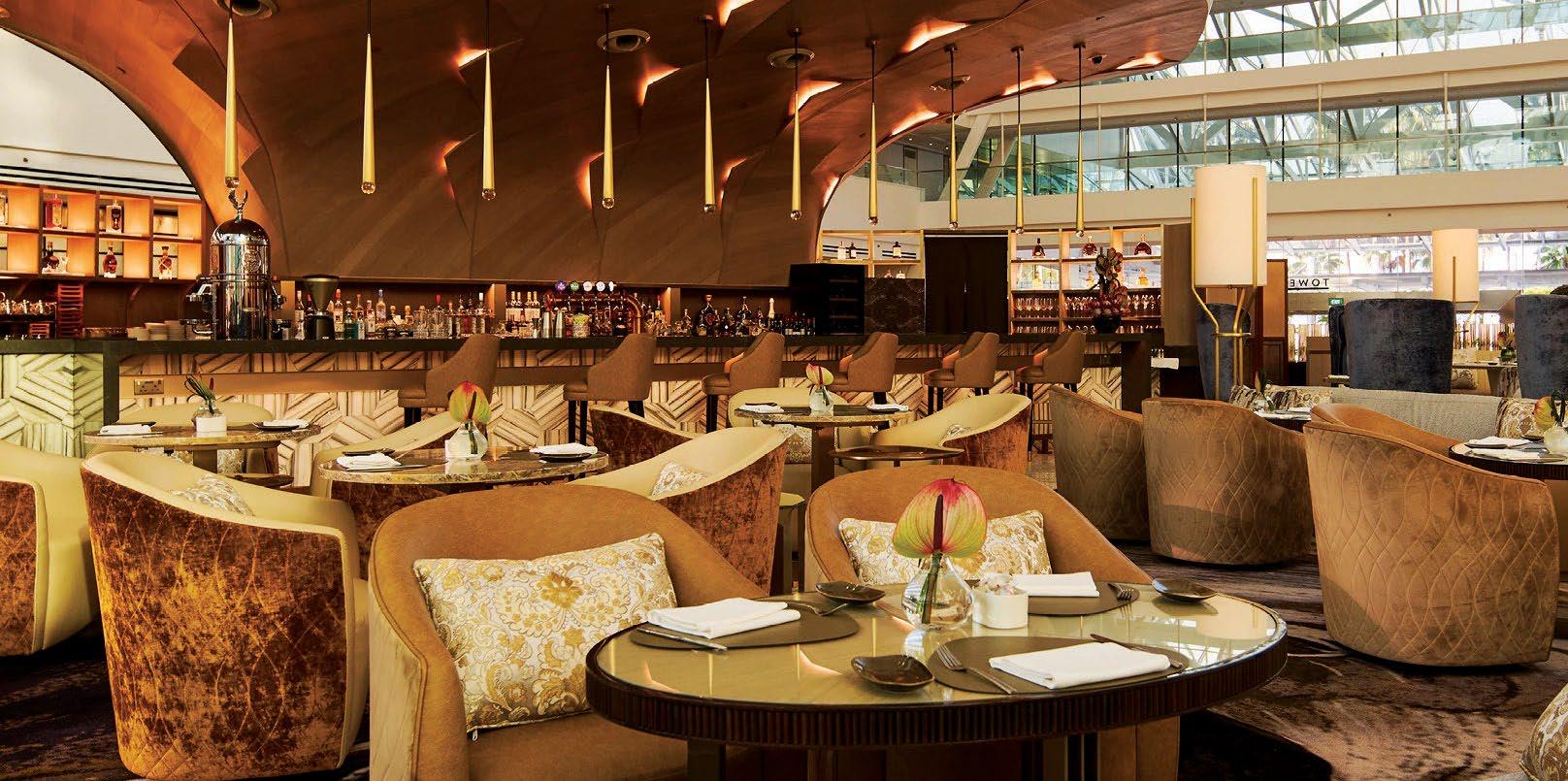
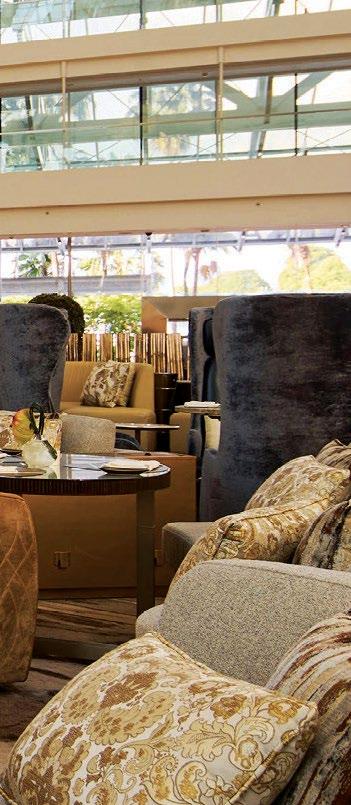
The Club (Marina Bay Sands, Singapore) is a beautifully revamped lobby-lounge bar (erstwhile Renku Bar & Lounge) that blends sophisticated interiors with a relaxed, welcoming atmosphere—think lush greens and grays, soft lighting, and a space that works equally well for casual business meetings, afternoon tea, or late-night cocktails.

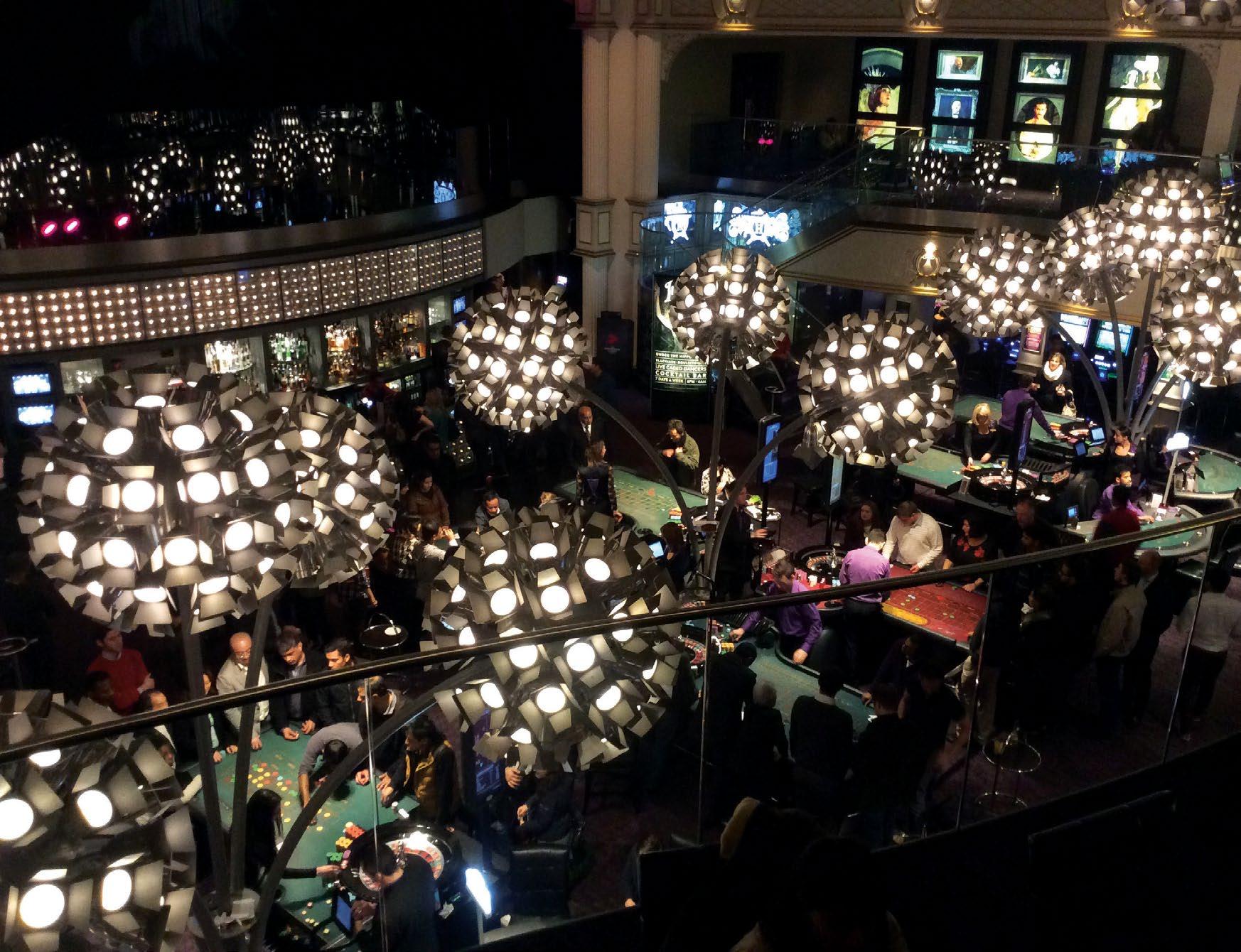
Hippodrome Casino (Leicester Square, London)—the Hippodrome complex runs multiple bars and restaurants and operates late/24-hour operations for its casino/lobby venues. Several casino bars and some backstage/lounge areas operate around the clock here.
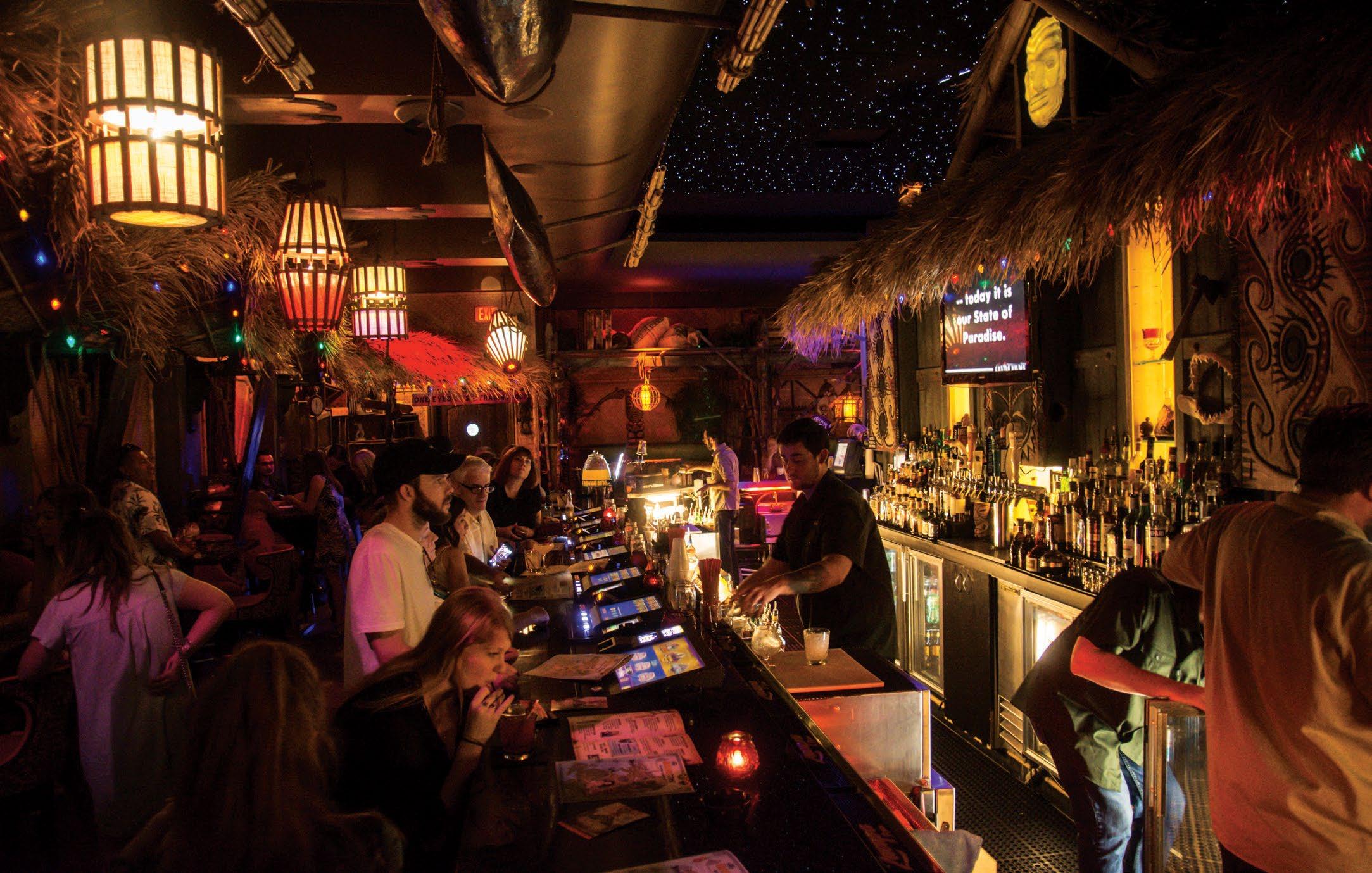
The Golden Tiki is a fantasyland of rum cocktails and kitschy décor. Step into this Chinatown haunt for flaming drinks, animatronic parrots, and a retro-tropical vibe that blurs the line between bar and carnival.
PKWY Tavern is a sports lover’s den with six locations. It charms
with walls of screens, arcade games, and over 200 beers on tap in Nevada.
The Tailgate Tavern is a round-the-clock sports bar, which captures the true Vegas spirit— casual, buzzy, and always gameday ready. With hearty American fare and an endless pour, it’s a go-to
spot for locals and tourists chasing late-night energy.
SG Bar is a sleek, modern, and unmistakably Vegas-like Bar that serves craft cocktails and comfort food in a polished setting. As part of the PT’s Taverns family, it’s a 24-hour option that leans upscale while keeping things approachable.
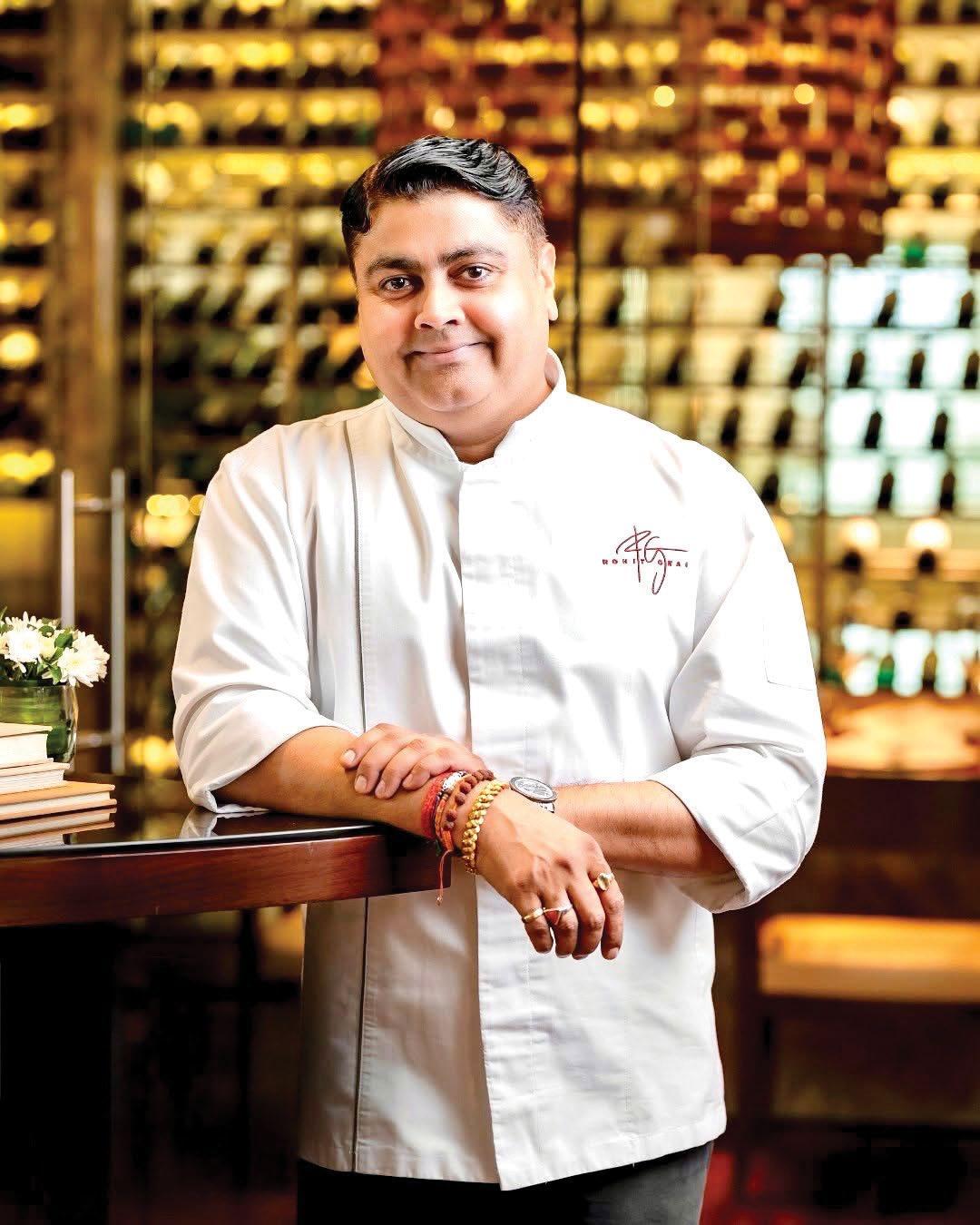
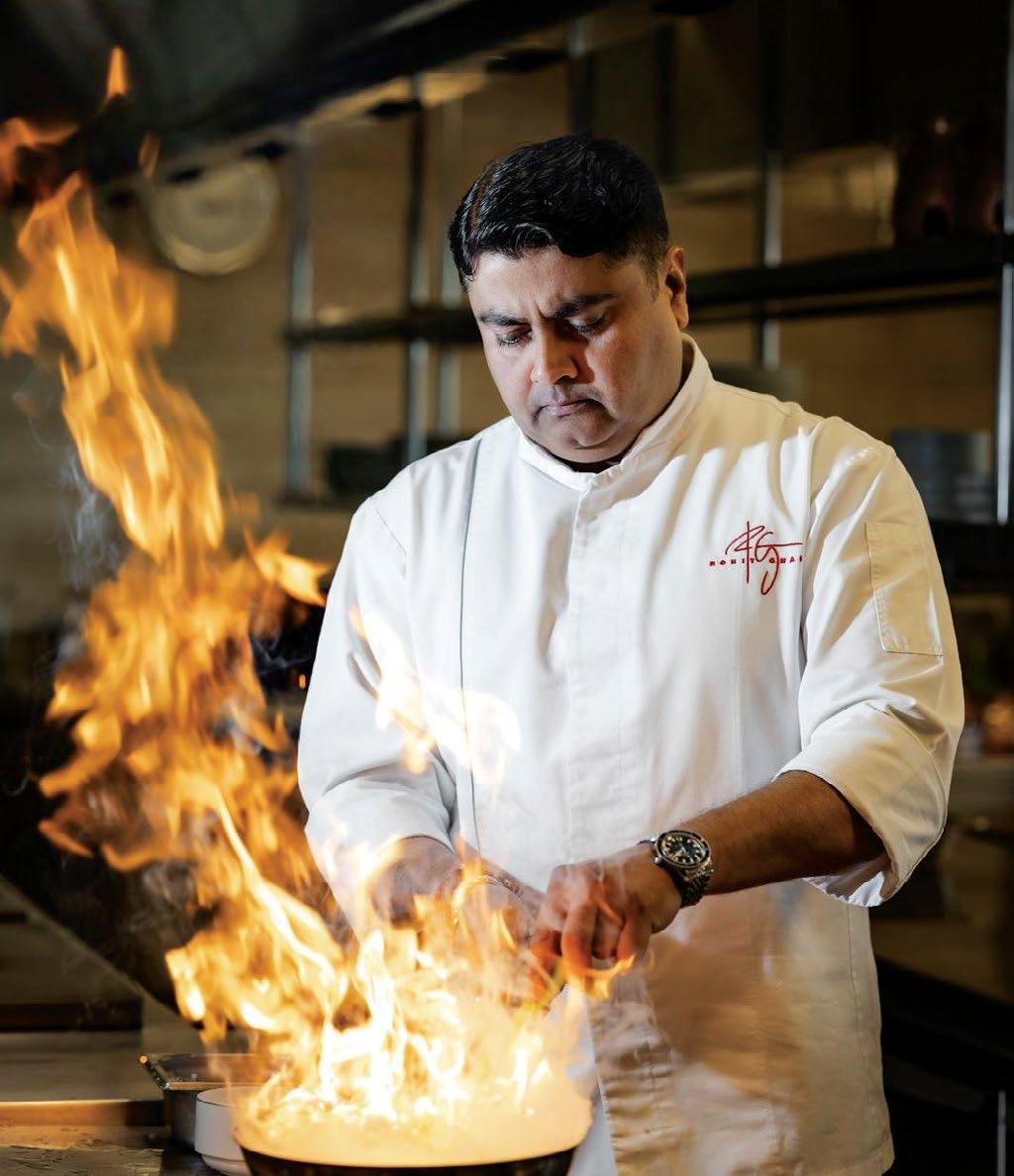
London-based Chef Rohit Ghai, celebrated for leading multiple restaurants to Michelin acclaim, introduces Zarqash—his signature progressive Indian restaurant—at The Ritz-Carlton, Bangalore. This marks his highly anticipated debut in India.
My first conversation with Chef Rohit Ghai was during his tenure at Jamavar London with Dinesh Nair and his daughter Samyukta. Having already led the Michelin-starred Gymkhana and Benares, Ghai brought a refined palate, innovative spirit, and
experience from London’s storied kitchens to craft a menu of creative small plates inspired by the street markets of northern and southern India, captivating the city’s sophisticated diners.
Since then, he has stepped into his own as an independent restaurateur, opening Kutir in November 2018. The restaurant offered a distinct perspective on London’s high-end Indian dining, drawing from India’s hunting lodges, utilising seasonal British produce (especially game), and spotlighting lesser-known traditional dishes. His footprint has widened considerably since.
Kutir now has an outpost in Dubai, joined by Khaojee, a casual, street food–inspired concept. He took Rivayat to The Oberoi Marrakech in Morocco; launched Vatavaran in Knightsbridge and Manthan in Mayfair, London; and opened Aangan in Muscat.
His newest venture is Zarqash—“richly adorned”—a progressive Indian restaurant at The Ritz-Carlton, Bangalore. It is, in many ways, a homecoming. His first restaurant in India marks the return of a talented son who began his career with The Oberoi Group and later the Taj Group, before London shaped his culinary identity. At Zarqash, he reimagines Indian flavours through Western techniques and global ingredients.
This is your first restaurant in India after years of shaping the perception of Indian cuisine abroad. What does it feel like to bring your culinary voice back home? It feels deeply emotional—like coming full circle. My culinary journey began in India, in my mother’s kitchen, where I first understood that food is not just
nourishment, but memory and emotion. After years of expressing Indian cuisine to the world, returning home allows me to cook from instinct again—to reconnect with the flavours, textures, and warmth that shaped who I am as a chef. Zarqash is my way of saying thank you to the country that gave me my story.
Why choose Bengaluru for your first restaurant in India? Bengaluru feels like the perfect canvas for this homecoming. It’s a city that celebrates culture, travel, and discovery—its diners are curious, worldly, and deeply appreciative of craft. When The Ritz-Carlton, Bangalore approached me, it felt like a natural alignment. Their philosophy of thoughtful luxury mirrors what I strive to create on the plate—a refined expression of Indian heritage that’s both soulful and contemporary.
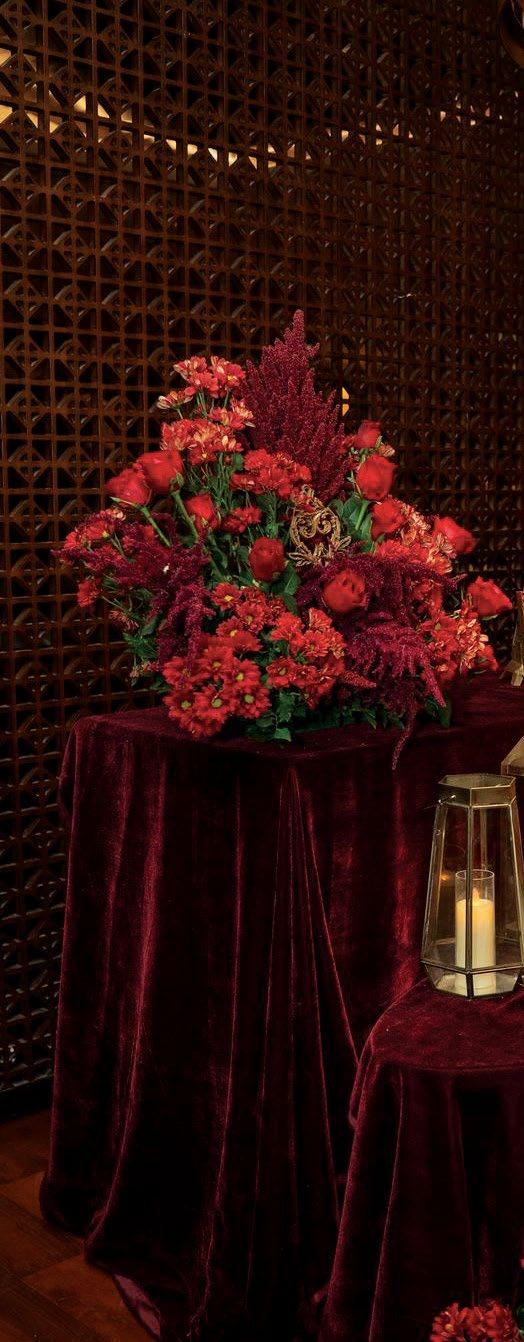
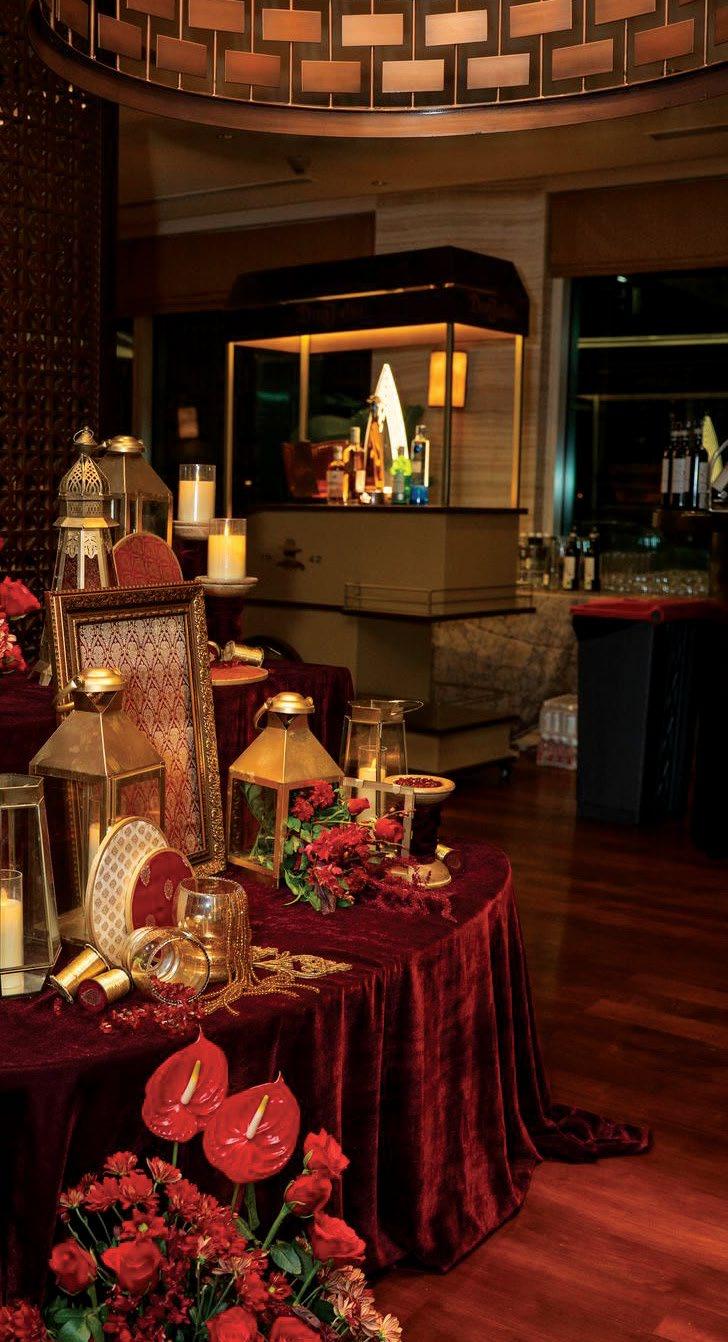
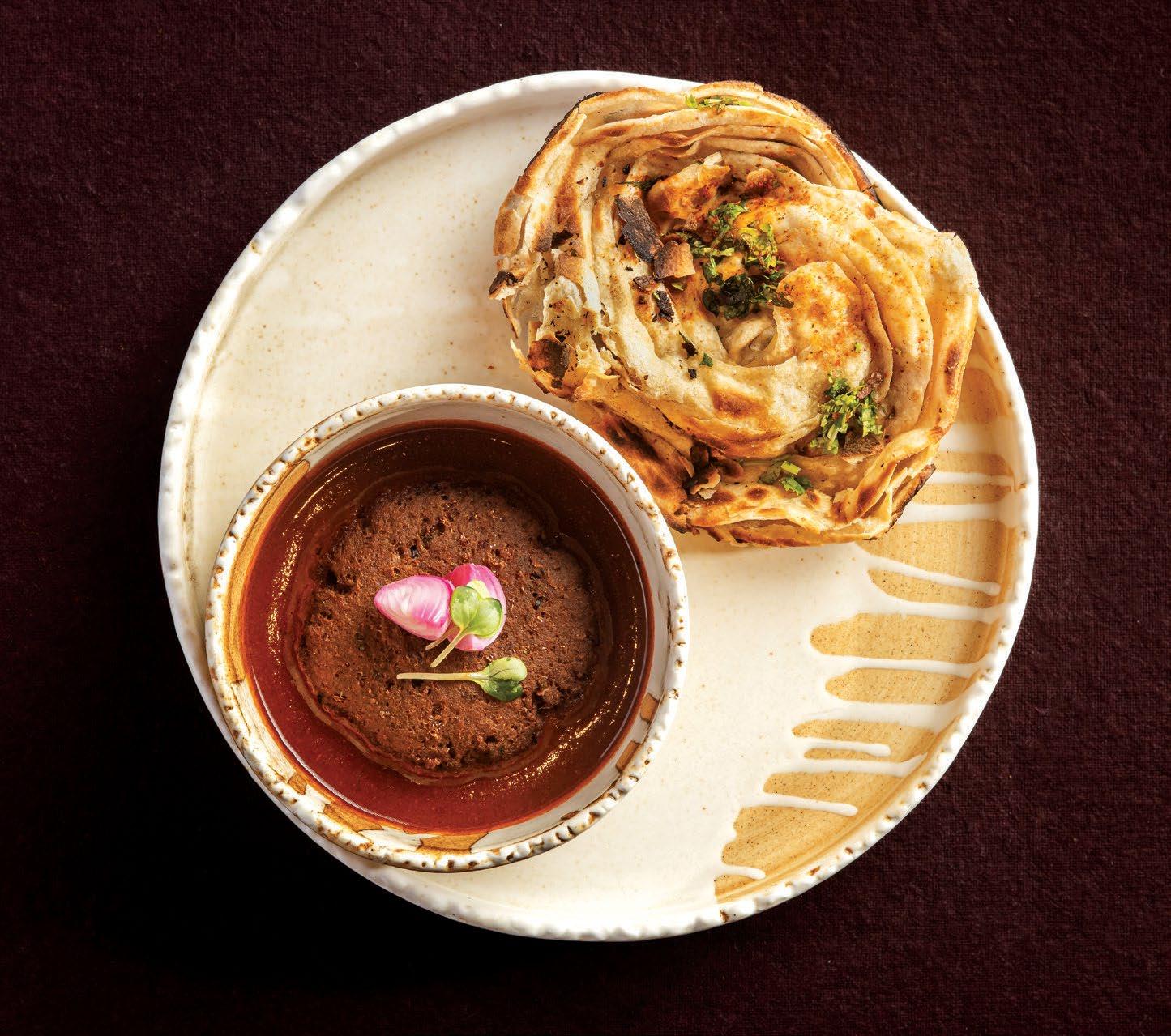
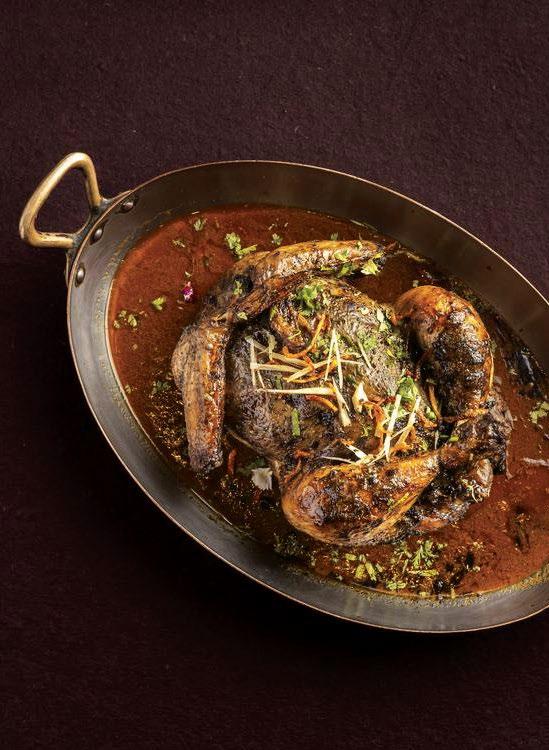
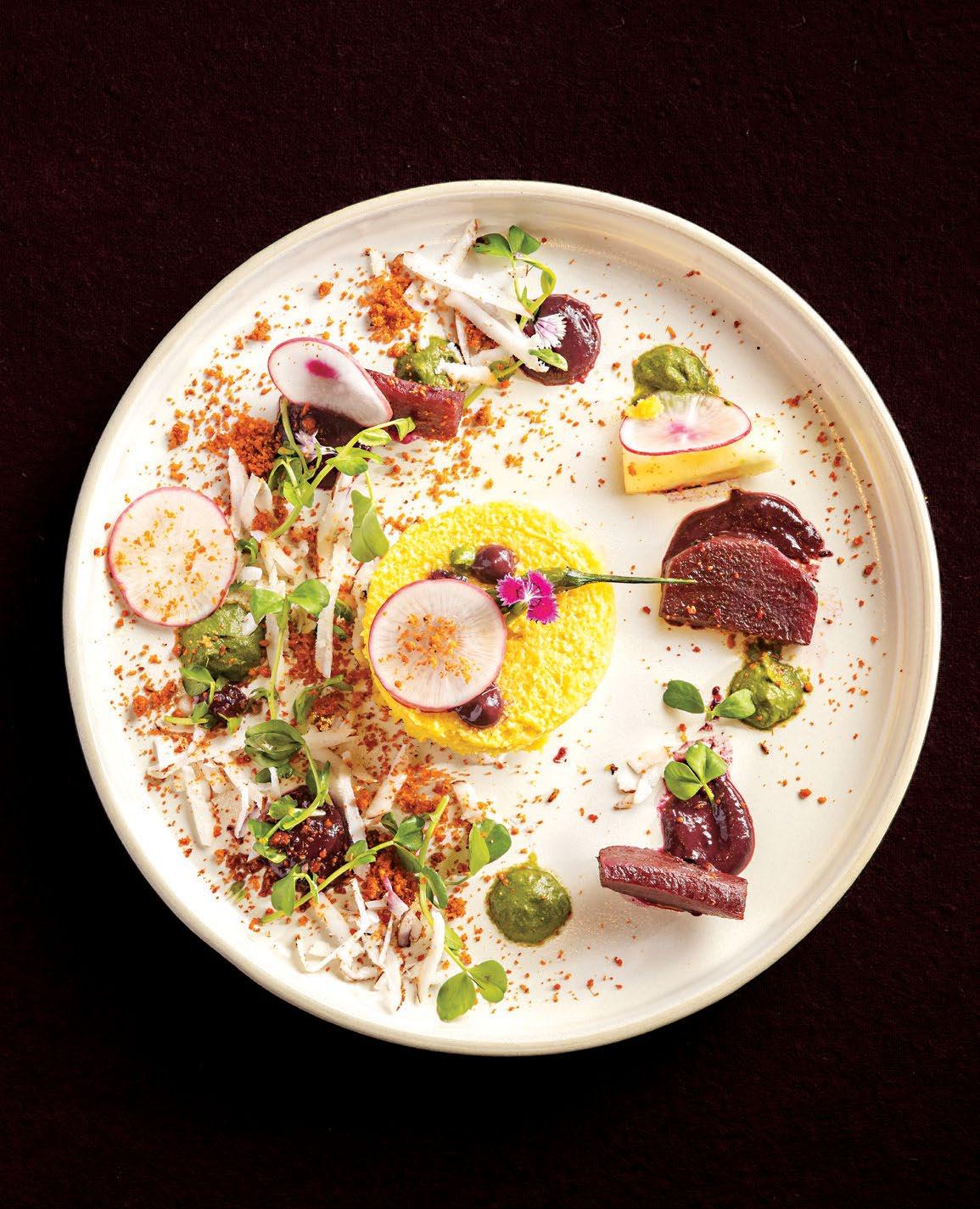
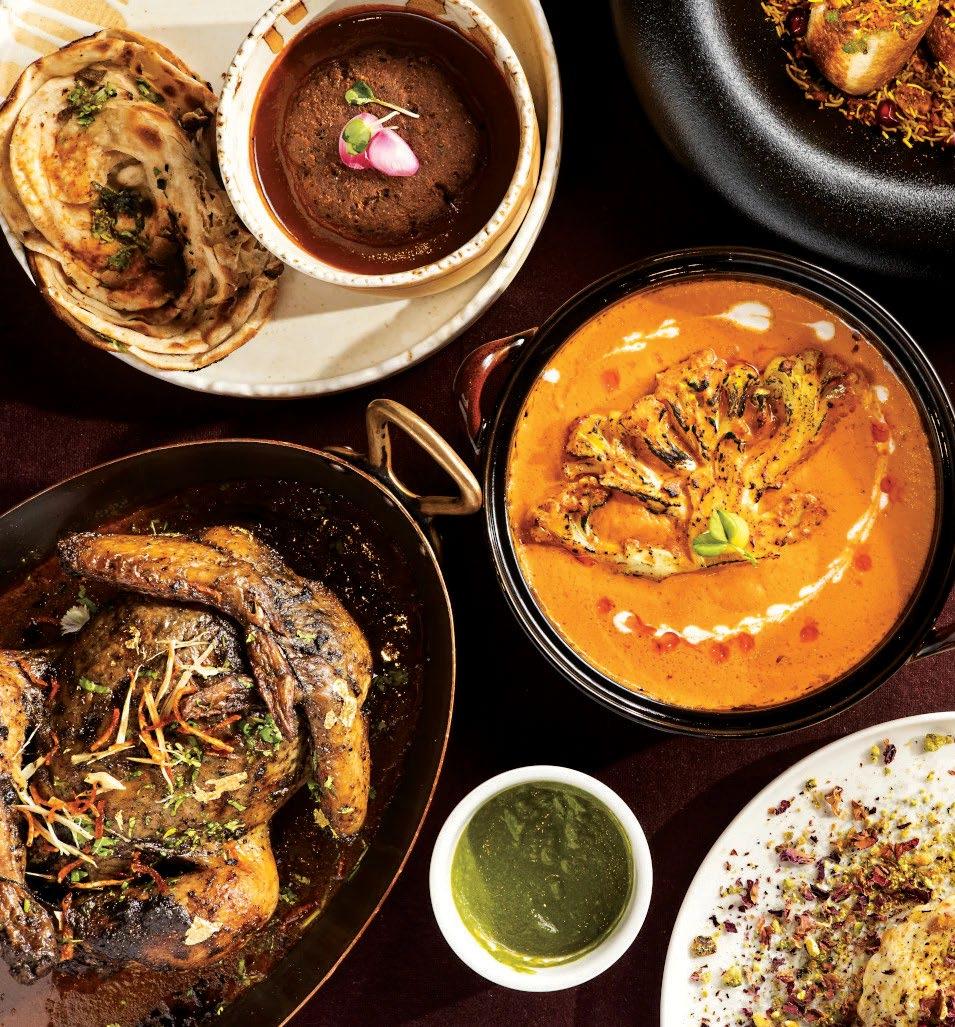
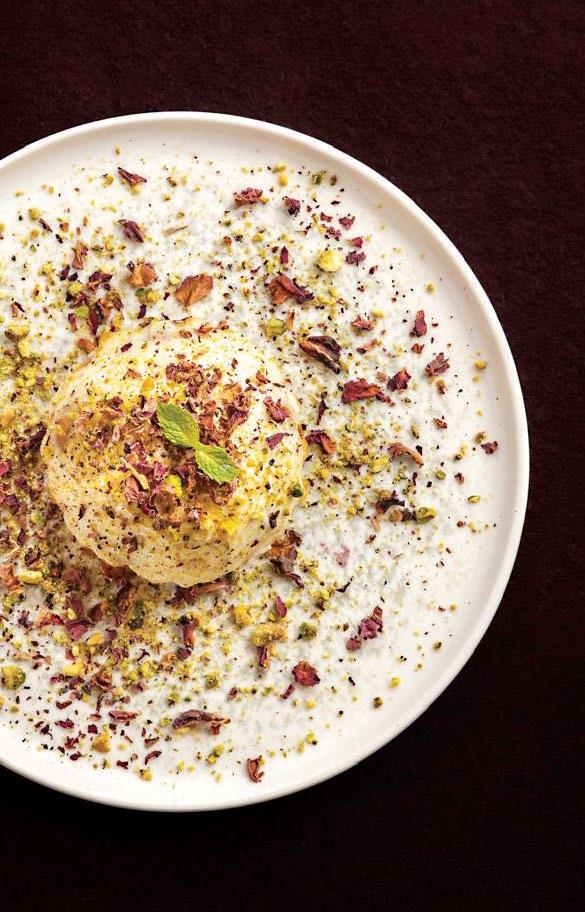
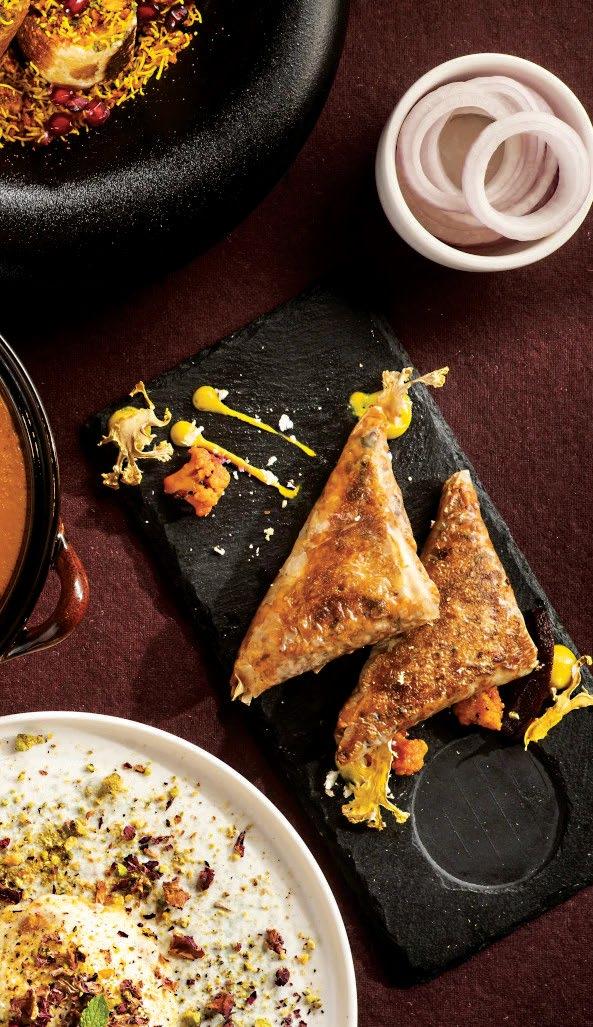
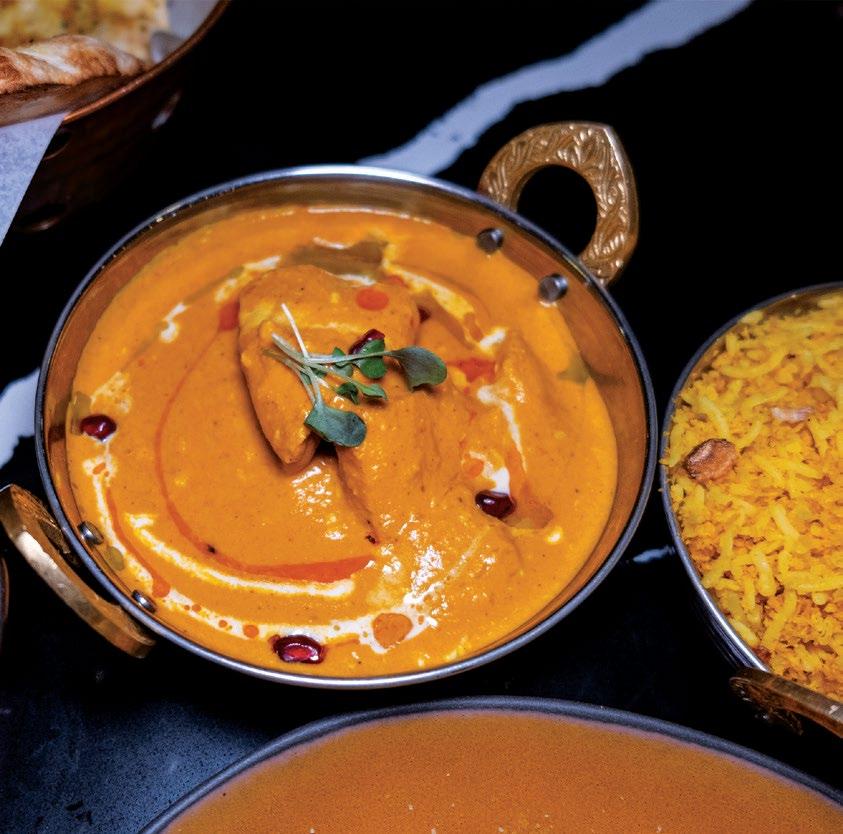
CLOCKWISE FROM CENTRE: Zarqash’s interiors blend warm textures, elegant details, and contemporary grace; Murgh Kala Masala; Lamb Shami Kebab and Chur Chur Paratha.
How have your years in London—where you cooked for a global audience— shaped the way you’re approaching Indian palates?
London taught me balance—how to present Indian flavours with restraint and grace while keeping their soul intact. Cooking for a global audience made me more aware of texture, contrast, and storytelling. Now, back in India, I approach every dish with that same sensitivity, but with the joy of being able to go deeper into authenticity. The palate here already understands the layers of spice; what I bring is perhaps a subtler, more poetic expression of it.
How would you describe the essence of Zarqash—is it a celebration of heritage, a modern expression, or something entirely new?
Zarqash is a celebration of heritage, interpreted with modern elegance. It’s about remembering where we come from while expressing it in a language of refinement. Every dish carries an echo of the past—a familiar aroma, a forgotten texture—yet presented through contemporary technique. For me, it’s not about reinvention, but reverence: honouring tradition while allowing it to breathe anew.
What kind of menu can we expect? Will it explore regional India, or focus more on technique and presentation?
The menu at Zarqash is rooted in regional inspiration, yet guided by technique. Each dish has a story— sometimes from a state, sometimes from a memory. You’ll find dishes
that reference traditional recipes but are expressed with subtlety and finesse. Technique serves the emotion of the dish, not the other way around. It’s Indian at heart, refined in execution, and timeless in spirit.
What role does nostalgia play in this menu? Is there an effort to reconnect with the flavours you grew up with?
Nostalgia is at the very heart of Zarqash. Many of the dishes are inspired by the food I grew up eating—not replicated, but remembered. I often say that 'flavour is memory,' and this menu is built around that belief. It’s about capturing the feeling of coming home—the aroma of ghee, the warmth of a tandoor, the comfort of slow-cooked gravies—and
translating those memories into something new, yet deeply familiar.
Can you tell us a little about the design, ambience, and sensory experience that diners will encounter at Zarqash?
The experience at Zarqash is designed as a sensory journey— where flavour, design, and emotion come together seamlessly. The space mirrors the philosophy of the cuisine: elegant, layered, and soulful. There’s a quiet opulence to it, inspired by traditional craftsmanship but expressed in a contemporary form. From the warmth of lighting to the textures of metal and fabric, every detail is meant to evoke intimacy and grace, much like the food itself.
What are the signature dishes you are serving?
At the heart of Zarqash lies a selection of dishes that reflect both heritage and careful refinement. Highlights include the robust Murgh Kala Masala, delicately spiced Prawn Mustard, and the vibrant Khaman Dhokla Apple, each rooted in familiar flavour yet presented with measured precision. Seafood lovers will find finesse in the Salmon Fish Tikka, while the theatrical Mutton Parda Biryani pays homage to timeless culinary traditions. For vegetarians, the earthy Mushroom Truffle Pulao, the elegant Edamame and Asparagus Seekh, and the playful textures of Gobi Khasta stand out.
A few dishes hold deep personal meaning for me. The Salmon Fish Tikka, a signature I’ve carried across kitchens, appears here with subtle local nuances. The Lamb Shami Kebab, paired with Chur Chur Paratha—a playful bread I learned to shape as a child—is elevated with a rich bone marrow
sauce that bridges nostalgia and refinement. And the beloved Aloo Tikki Chaat, reimagined for fine dining, carries the warmth of Indian street food into an elegant expression. Our experimentation lies in texture and balance—in the way spice unfolds— but the heart of every dish remains unmistakably Indian.
You’ve worked in Michelinstarred environments and created deeply personal restaurants abroad. How has your definition of 'luxury dining' evolved?
For me, luxury dining is no longer about opulence; it’s about emotion. True luxury lies in sincerity: in ingredients that speak of season and story, in service that feels intuitive, and in experiences that linger. Zarqash embodies that belief. It’s refined, yes, but never distant. The real luxury is when a dish moves you—when it reminds you of something you love, or someone you’ve missed.
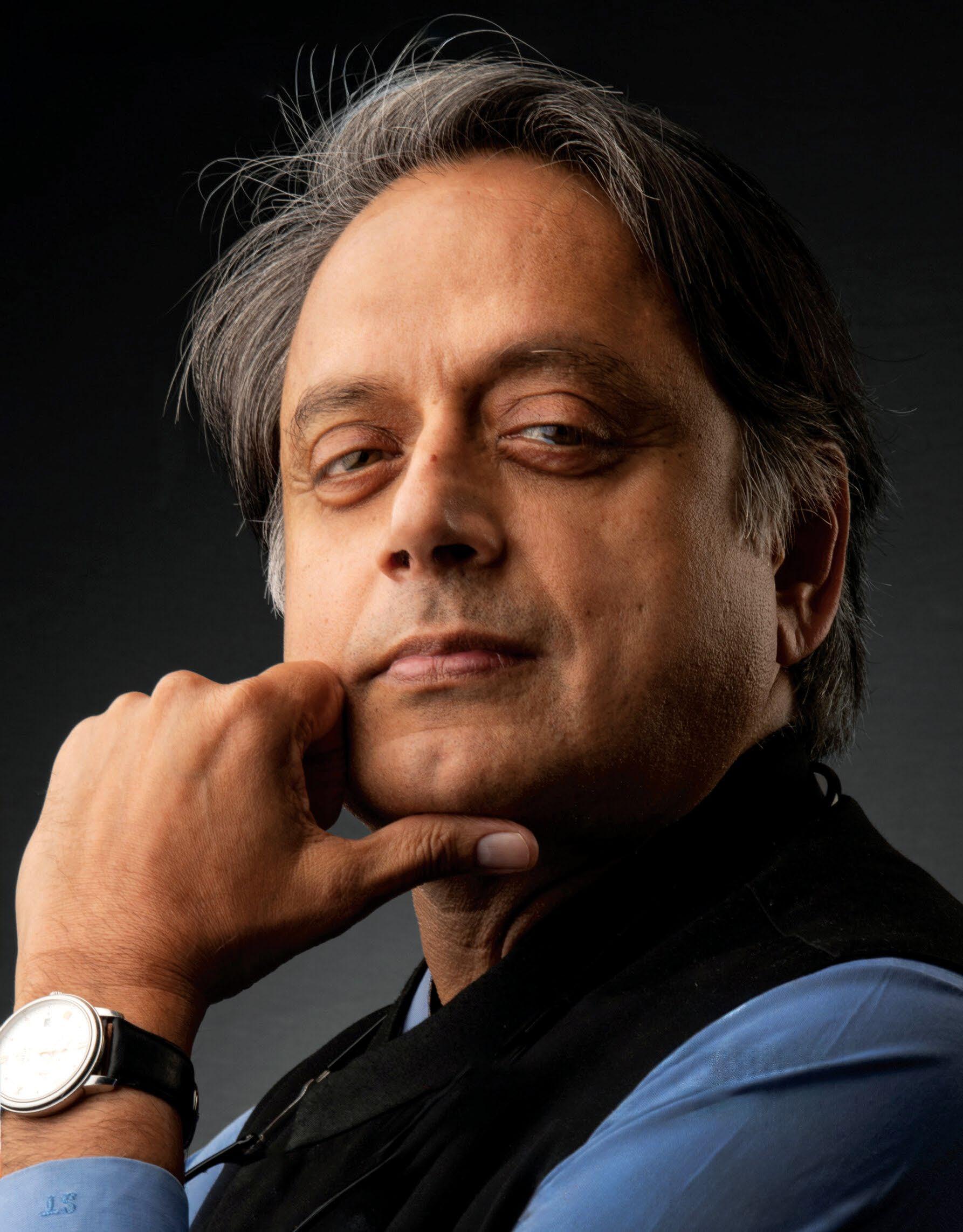
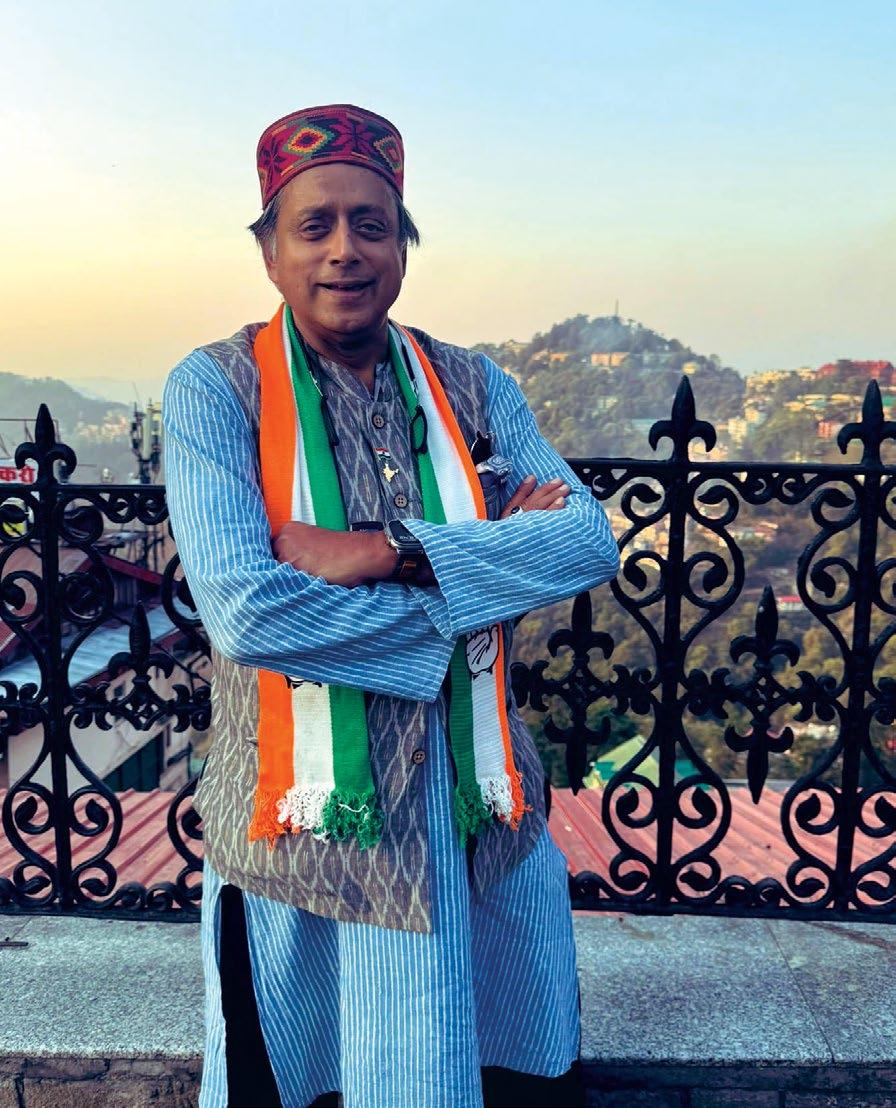
Dr Shashi Tharoor, parliamentarian, author, intellectual, and former United Nations Diplomat, reflects on tourism as a “mirror of a nation’s soul,” outlining the three foundational pillars—Image, Infrastructure, and Immigration—that will shape India’s journey toward Viksit Bharat 2047.
The hospitality sector in India is celebrating 75 years of collective effort and resilience—a sector that has profoundly shaped the country’s modern story. “At its core lies a timeless Indian principle: Atithi Devo Bhava. This philosophy transcends mere hospitality; it speaks to the very ethos of India, a nation that has always sought common ground with strangers and found strength in service,” said Dr Shashi Tharoor, Indian politician, intellectual, former diplomat, and bureaucrat, at HRAWI’s 20th Regional Convention commemorating 75 years of hospitality excellence.
“In discussions of development, we often focus on highways, high-rises, and factories. These are essential, but far from sufficient. True development is measured by the confidence of our people, the calibre of our service, and the grace with which we open our doors to the world. The hospitality industry embodies the best of India and stands at the heart of our aspirations for Viksit Bharat 2047,” he added.
Dr Tharoor positioned tourism and hospitality as ‘mirrors of a nation’s soul’. “Tourism is not just an industry—it is a powerful generator of livelihoods. According to the World Tourism Organisation (WTO), every thousand dollars invested in tourism generates significantly more employment than the same amount in traditional industry. This is no mere statistic; it reflects hospitality’s unique capacity to absorb both skilled and unskilled workers across various sectors, including transport, hotels, restaurants, food stores, guiding, arts, and local vendors. Unlike capital-intensive industries that require significant technical infrastructure, tourism
thrives on human interaction, local knowledge, and cultural authenticity—resources India has in abundance. In a country grappling with underemployment and a vast informal workforce, investing in tourism is both economically and socially imperative,” he said.
Currently, tourism sustains more than 46 million jobs in India—nearly one in 10 working people. “Each hotel, flight, and tourist destination sends ripples across the local economy. Tourism is therefore not merely about travel or hospitality; it is about empowerment and unlocking futures,” he added.
According to him, globally, unemployment among youth breeds frustration and unrest, threatening both individual
futures and societal stability. Tourism provides a spectrum of opportunities for waiters, taxi drivers, gardeners, guides, and security personnel. Beyond wages, these roles offer life skills, selfrespect, and dignity.
He added, “Hospitality investments and infrastructure generate employment and tax revenue while boosting local economies. Each visitor who leaves India with a positive impression becomes an informal ambassador of the nation. Every hospitality professional is not just a service provider but a curator of India’s image on the world stage.”
Despite its critical role, the hospitality sector faces challenges. GST reforms have left the industry behind, denying benefits across key
revenue streams. “Ironically, the sector was better off at a 12% GST rate than it is at 5%. These issues must be addressed to ensure the sector receives the recognition and support it deserves,” he opined, adding that, “Granting industry status to hospitality cannot be symbolic; it must translate into real benefits for all stakeholders. Tourism can only fulfill its potential as a pillar of development if obstacles hindering growth are acknowledged and addressed.”
“Bhutan has gained recognition for its high-value, low-impact tourism model, funding conservation and community projects through sustainable levies,” he said. “Thailand generates $60 billion annually through efficient infrastructure, safety standards, and seamless experiences. Singapore, a citystate smaller than a single Indian district, welcomed 13 million
international visitors last year— twice its population.”
By contrast, India, with its unparalleled wealth of culture, history, and geography, attracts far fewer visitors. “Much of our tourism comes from the diaspora, while we aspire to attract those without ancestral ties, drawn purely by fascination and curiosity. The potential is undeniable: After Zindagi Na Milegi Dobara, Spanish tourism saw a thousand-per cent surge in Indian visitors. Imagine
The three foundational pillars that form the bedrock of India’s vision of Viksit Bharat 2047.
“India still suffers from outdated perceptions painted in the colours of poverty, squalor, unsanitary conditions, and insecurity,” he rued. “While some of these reflect real challenges, others are unfair caricatures that urgently need to be dispelled. Too often, the world remembers India for what is wrong rather than what is wondrous. Headlines warning
young women against travelling alone in India do immense damage to our national reputation. Tourism begins with trust. To restore trust, we need more police at tourist sites, visible safeguards against harassment, and the reassurance that laws will be upheld fairly. No Taj Mahal or Ajanta fresco can compensate for a visitor who does not feel safe.”
Gleaming international airports such as the one in Mumbai and the new facility in Navi Mumbai, reflect India as “a nation confidently taking flight into the future”. Yet, outside these airports, challenges remain: clean toilets at heritage sites are scarce, roads to hill stations remain pitted, and
transport to smaller, spectacular destinations is often inadequate.
“Official, reliable, and comfortable connectivity does more than move people—it invites them to venture into the richness of India, explore beyond familiar circuits. Tourists visiting Ajanta and Ellora often first notice the lack
what India could achieve if it made filming domestically easier for filmmakers,” Dr Tharoor added. “Surely India—with its mountains, rivers, forests, deserts, palaces, and temples—can reach even greater heights. Our task is to make a traveller’s journey as seamless as the memories it creates.”
“India holds a vast library of experiences: every traveller is on a pilgrimage, an adventure,” he

affirmed. The slogan Incredible India captures abundance, but today’s visitors demand nuance. Most travellers focus on one aspect: trekking in the Himalayas, visiting Goa’s beaches, exploring forts, or experiencing spiritual journeys.
India offers many Incredible Indias. “Nature India for trekkers, Spiritual India for pilgrims, Cultural India for historians, and Fun India for holidaymakers,” he said. “Each is distinct yet unmistakably Indian. When
visitors arrive in Kyoto, they expect temples; in Paris, museums; in Nairobi, safaris. In India, they should be invited to choose their own chapter—whether witnessing the first steps of Buddha, watching the Ganga sunrise, or celebrating Holi’s colours. India is not one story, but a thousand stories; not one experience, but a million experiences. To the world, we must say: come and find your India, for there are many ‘Incredible Indias’ waiting to be discovered.”
of basic facilities, not the grandeur of the caves. A civilisation is celebrated for its splendour, and every visitor must encounter it with dignity,” he explained. Infrastructure gaps also limit India’s tourism potential. There is currently a shortfall of around 200,000 hotel rooms—
not just a statistic, but a missed opportunity. He continued, “India needs 'palaces for the pampered and pillows for the pilgrims'. Tourism in India is not one-sizefits-all; it is a kaleidoscope of journeys. Every traveller must find a bed that suits their budget, taste, and story.”
While digital systems have advanced, travellers still encounter bureaucracy without warmth— fingerprints, photos, and suspicion instead of courtesy. One unfriendly interaction at the border can undo an entire holiday and ensure the tourist never returns.
Dr Tharoor said, “If India aspires to global tourism leadership, the very first human interaction on our soil must reflect the hospitality we proudly proclaim. Our immigration gates should be as welcoming as our hotel lobbies. Only when we project a modern image, provide world-class infrastructure, and bring compassion to immigration will the world truly see India in the light it deserves.”
VENTIVE HOSPITALITY leads a quiet revolution in responsible travel. It has become a luxury hospitality platform built on a simple belief: great hotels shouldn’t cost the earth. From bustling Pune skylines where solar rooftops rise with the dawn, to Maldivian lagoons where corals bloom again beneath the waves, Ventive’s vision balances indulgence with intention. Ventive’s journey continues beneath the surface where coral gardens come alive once more. Through dedicated restoration programmes, thousands of coral fragments have been replanted across the Maldives, reinforcing reef resilience and inviting guests to become active participants in marine conservation. The company’s partnerships and certifications reflect a deeper philosophy: that the health of the ocean defines the health of hospitality itself.
Ventive Hospitality stands at the intersection of innovation and stewardship — redefining what it means to experience true luxury in today’s world. Its goal is simple yet profound: to create memorable stays that embody excellence, sustainability, and a deep respect for the space they occupy. Ventive is focused on building future-resilient assets in climate-sensitive locations. Its strategy combines high-ADR properties with a disciplined sustainability framework that targets lower resource intensity, stronger climate adaptibility, and meaningful community impact.
Across Ventive’s portfolio, paradise has been reimagined. The company champions initiatives that turn sustainability into a way of life rather than an afterthought. In the Maldives, hydroponic gardens bloom in local schools with 346 vegetable slots and modern fertigation systems providing fresh produce and self-sufficiency to island communities. Closer to home in India, energy-efficient design and renewable infrastructure are reshaping city skylines. At Raaya by Atmosphere, the sun itself powers comfort and care, with 693 kW of solar energy lighting 277 villas and reducing carbon emissions one golden hour at a time.
Ventive’s journey continues beneath the surface where coral gardens come alive once more. Through dedicated restoration programmes, thousands of coral fragments have been replanted across the Maldives, reinforcing reef resilience and inviting guests to become active participants in marine conservation. The company’s partnerships and certifications reflect a deeper philosophy: that the health of the ocean defines the health of hospitality itself.
ONE OF ONLY TWO PADI ECO CENTRES IN THE MALDIVES
SINGLE USE PLASTIC OPERATIONS PORTFOLIO WIDE
70-80%
14,455
RENEWABLE ENERGY AT FLAGSHIP PROPERTIES CORAL FRAGMENTS RESTORED ACROSS MALDIVES
1,700+ 10+
BIOGAS & HYDROPONICS REDUCE 1,700+ TONNES CO2 YEARLY
EV CHARGING POINTS INSTALLED ACROSS INDIA PROPERTIES PLATINUM
LEED PLATINUM CERTIFIED OPERATIONS AT INDIA’S FLAGSHIP PROPERTIES


For Ventive, sustainability begins and ends with people. By supporting education through school garden projects, retraining initiatives, and community-led conservation, Ventive ensures that local voices are central to progress. Each project empowers residents to become stewards of their environment, ensuring that development uplifts rather than displaces.
Reflecting Ventive’s commitment to community upliftment, the company has donated a dedicated shuttle bus to Cochlea Pune, ensuring reliable accessibility for children with hearing impairments and their families. This initiative is further strengthened by CEO Ranjit Batra’s pledge to create skill based opportunities within the hospitality sector for Cochlea students.
Ventive’s hotels are advancing a new blueprint for responsible luxury — eliminating single-use plastics, championing biogas and circular food systems, and reducing CO₂ emissions by the tonne. These collective actions are not simply environmental gestures but expressions of a philosophy: that true luxury is measured not by excess, but by impact.
Ventive Hospitality’s story is one of quiet transformation, a movement that reshapes opulence through conscience. From India’s renewable cityscapes to the Maldives’ living coral gardens, Ventive is crafting a future where luxury and responsibility move in perfect harmony. A future where every sunrise becomes a reminder that true hospitality uplifts people, protects the planet, and sets a new standard for what tomorrow should look like.
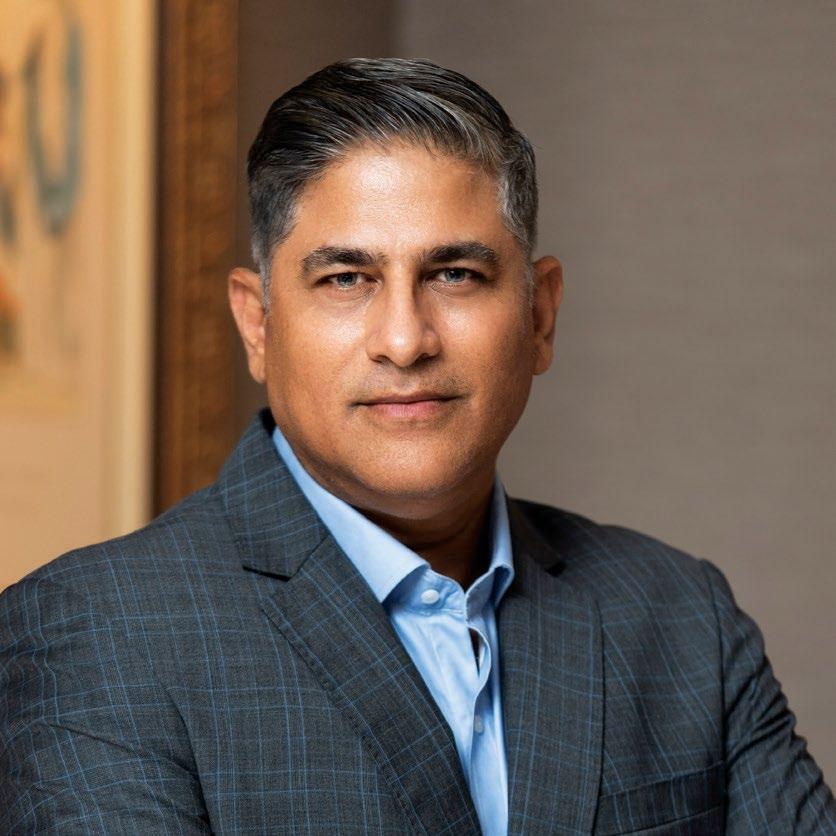
RANJIT BATRA CEO OF VENTIVE HOSPITALITY
“THIS ISN’T ABOUT CHECKING BOXES—IT’S ABOUT ACCOUNTABILITY. THE PLANET IS OUR GREATEST TREASURE, AND PROTECTING IT IS NON-NEGOTIABLE. LUXURY AND SUSTAINABILITY ARE NOT OPPOSITES. THEY BELONG TOGETHER.”

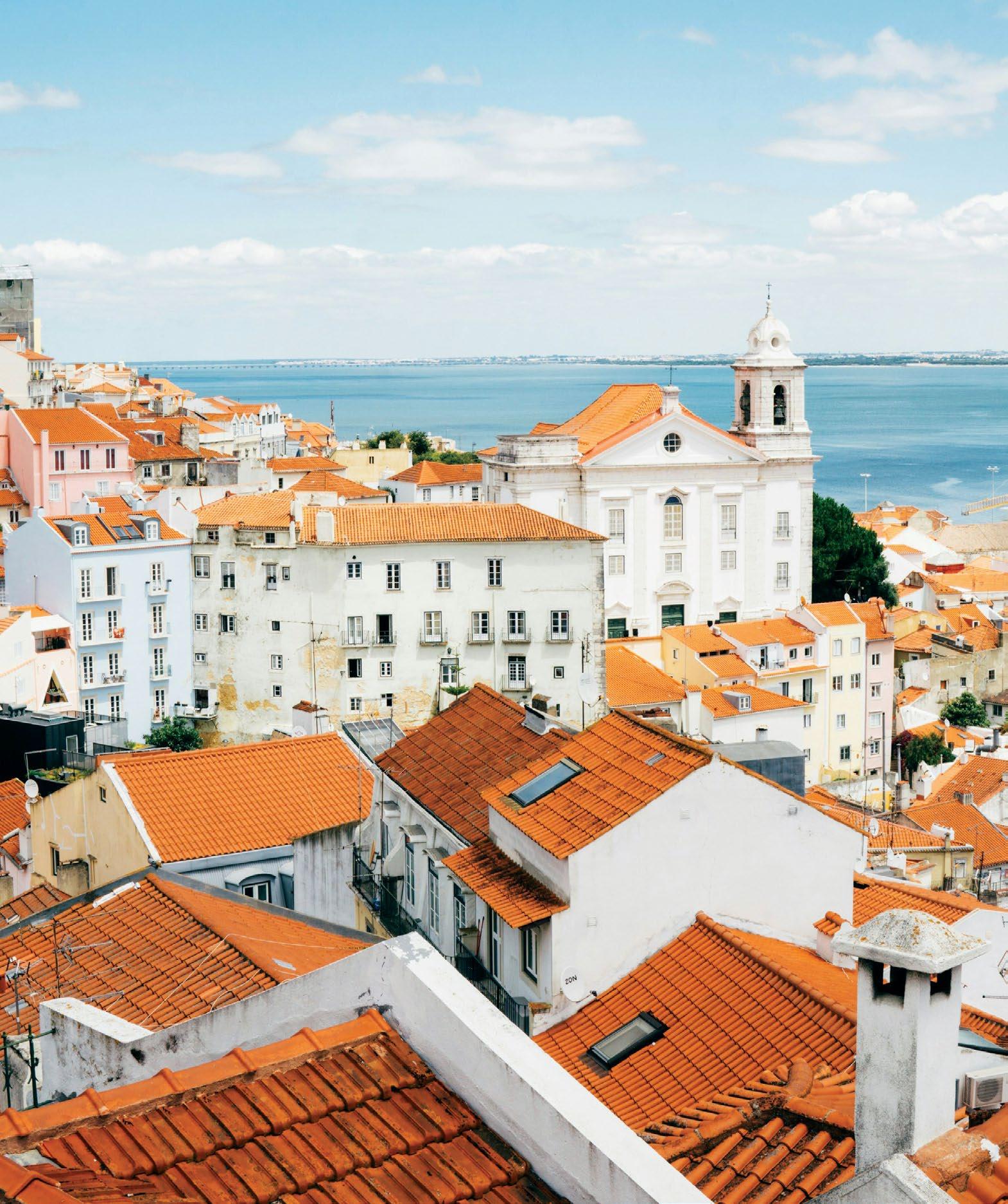
Lisbon,
a rare quiet—just enough stillness before the next departure.
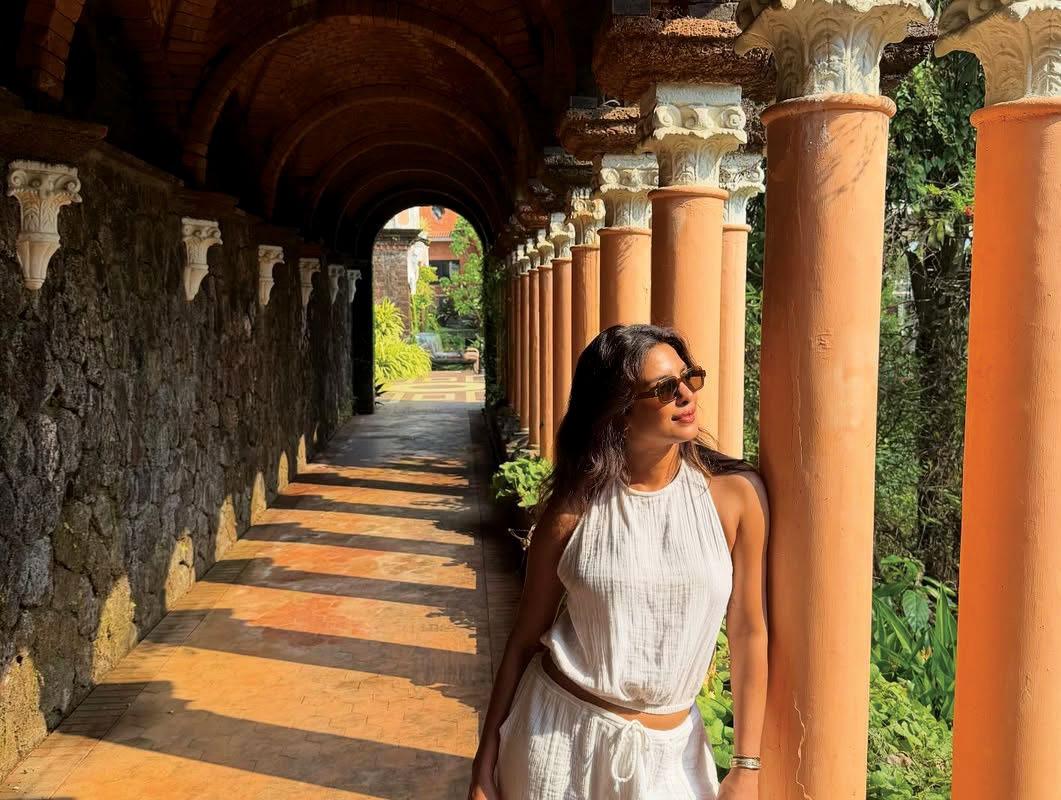
Priyanka Chopra Jonas leads a life perpetually in motion, jetting between Los Angeles and Mumbai, London and Lisbon, Miami and the Bahamas. She travels as she did in childhood: lightly, curiously, and deliberately. Her small brass mandir finds a place in her carry-on, nestled beside a script and a spare pair of heels.
AS TOLD TO DEEPALI NANDWANI
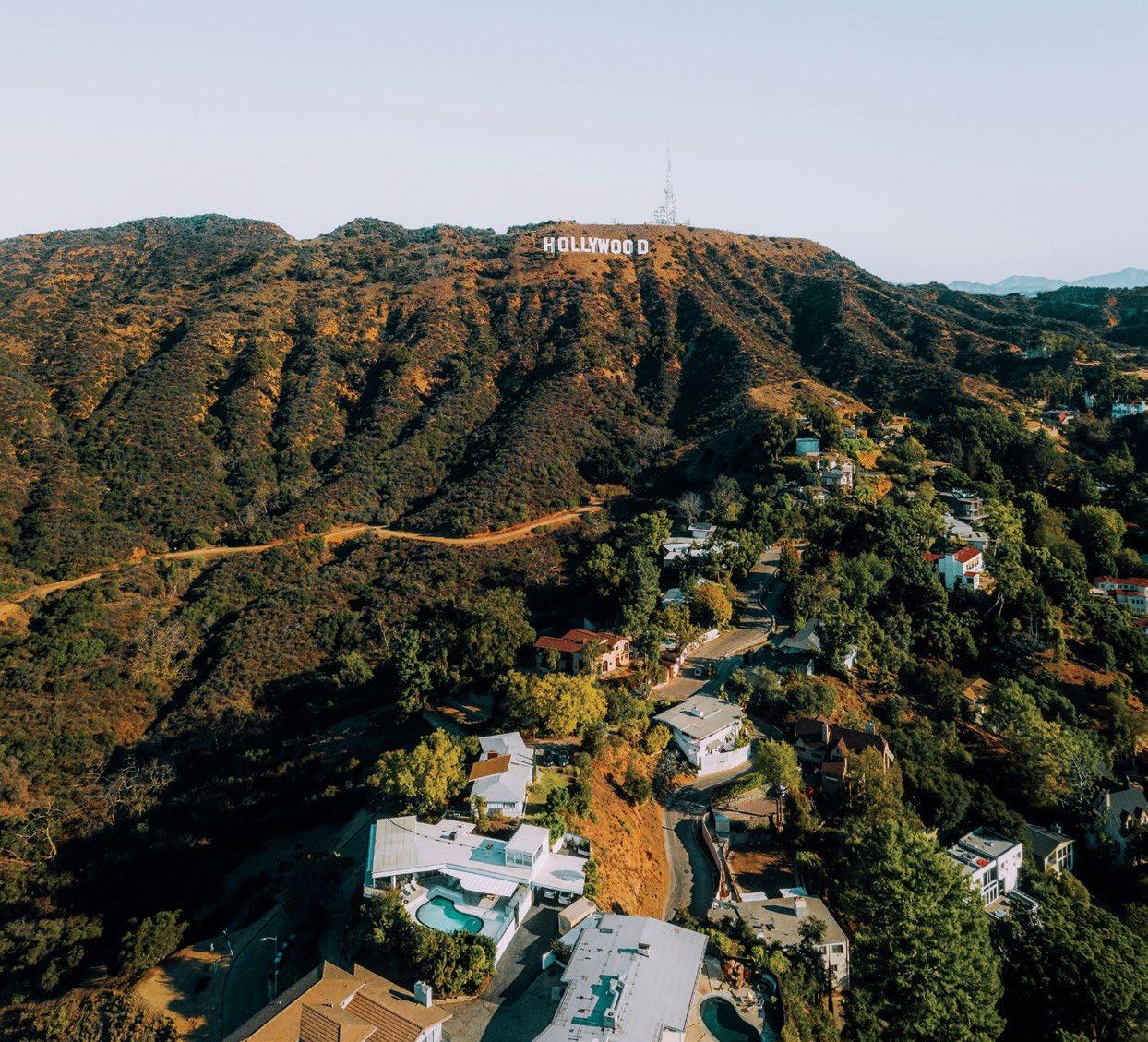
Long before the red carpets and private jets, home was a moving target. Born in Jamshedpur, raised between Ladakh’s high silence and Bareilly’s dusty cantonments, actor and globetrotter Priyanka Chopra Jonas shifted cities the way other children changed classrooms.
Some children collect stamps; Priyanka Chopra Jonas collected memories of cities. Jamshedpur’s steel shimmer, Ladakh’s thin air, the red dust of Bareilly cantonment, Delhi’s winter fog, Ambala’s railway whistles: before most teenagers have settled on a favourite song, she had lived a dozen lives. Each army posting rewrote the map of home.
Her father, Dr Ashok Chopra, turned upheaval into possibility with one gentle rule: "Wherever we go next, no one knows your story yet. You can write a new chapter."
Today, she globetrots for work, the love of travel, and family.
travelling mandir
Even now, when the suitcase opens in Los Angeles, London or Lisbon, the first thing out is rarely a gown. "It is a palm-sized portable temple—brass, compact, complete with tiny bells and a diya," she says. "Wherever I land, I light incense, ring the bell once, and say a short prayer." Hotel rooms turn into sanctuaries for the length

of a shoot or a holiday. Roots, packed neatly beside the moisturiser.
Los Angeles to Mumbai via Dubai, or Los Angeles to London— she treats long-haul like a ritual.
"Airport lounge, glass of wine, change into cashmere comfies the moment the seatbelt sign goes off. Moisturise, socks, movie, sleep, wake 45 minutes before landing, espresso, back into real clothes… it is all part of my ritual." Her carry-on essentials include a script she is reading, a book, two pairs of shoes (one comfortable, one eventworthy), and the little mandir that weighs almost nothing yet anchors everything.
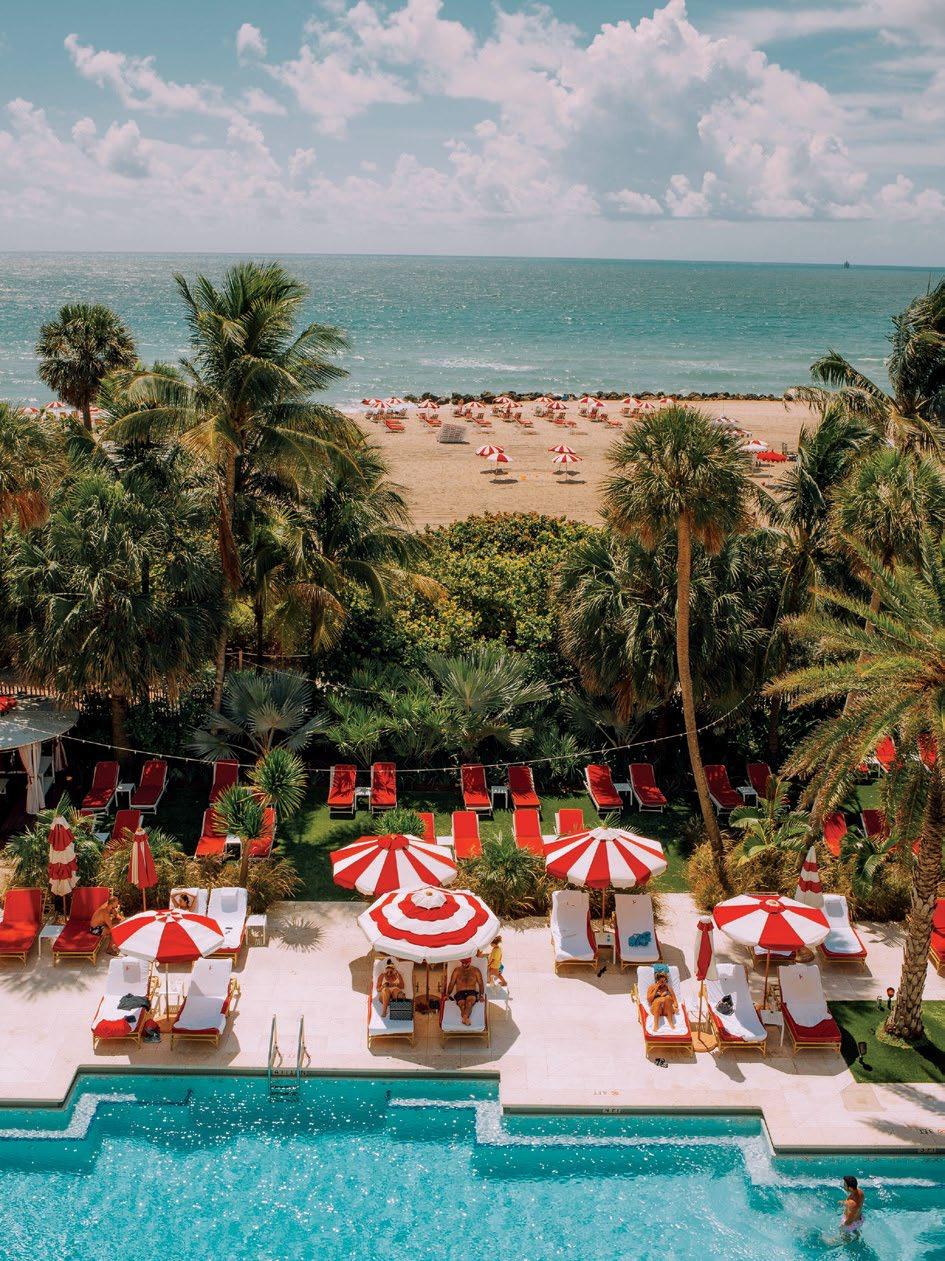
ABOVE: For the celebrity traveller, The Faena offers theatrical respite before reinvention.
ABOVE RIGHT: At South Beach, she lets the tide wash away the noise of the day.


Cities Priyanka Chopra Jonas returns to, again and again.
Paris
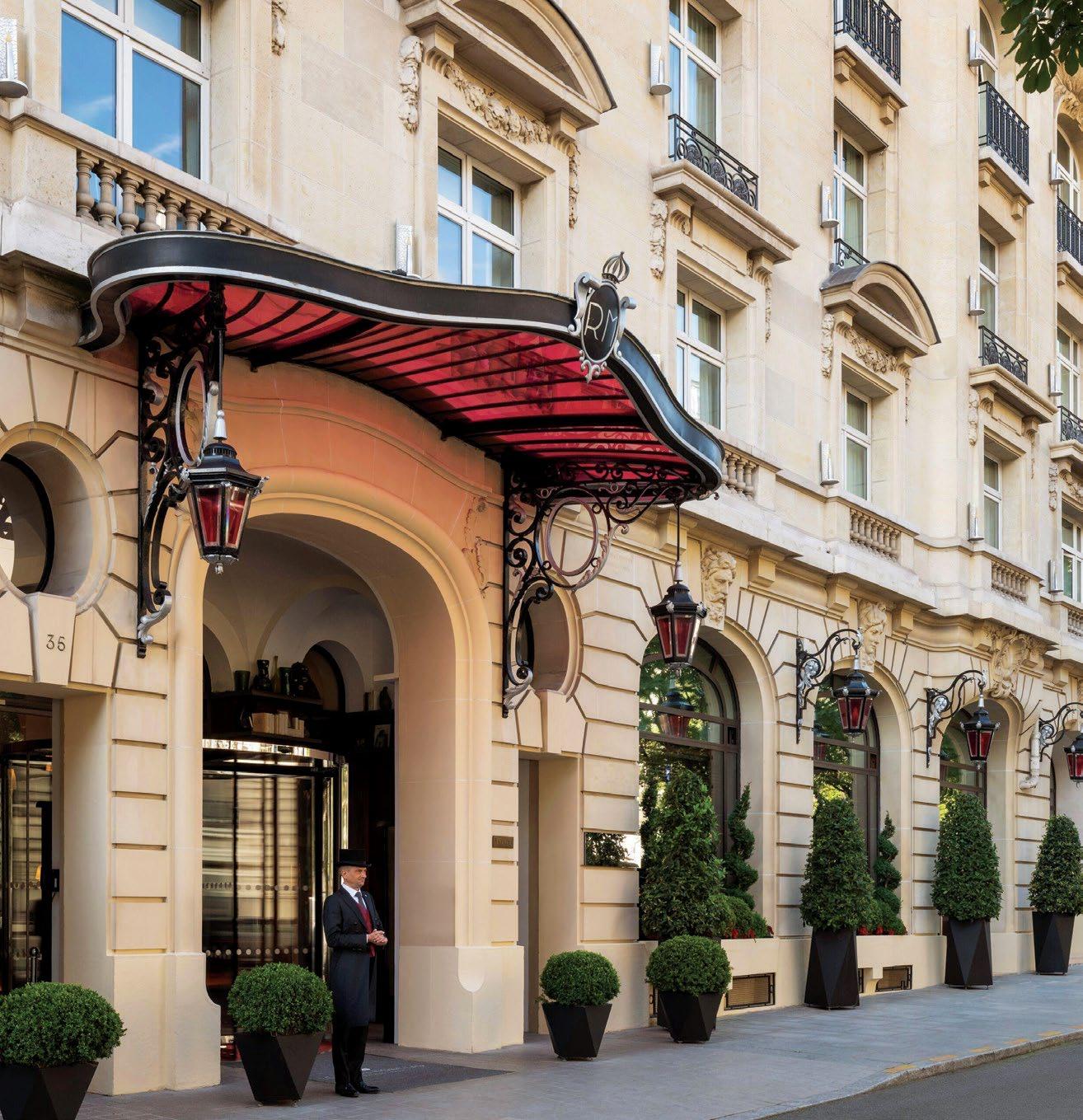
The hotel Le Royal Monceau –Raffles remains constant. "Paris is a dream, a delight for every aesthete," she says. At the hotel, a Philippe Starck classic, she remembers the art concierge who feels like a friend, and the balcony where she drinks her espresso and watches the city wake up. "Breakfast downstairs, a slow walk on cobblestones, and the city’s particular brand of romance that never ages."
Miami
South Beach after wrap—barefoot, loud music, the Atlantic warm enough to forgive everything. "Miami as a sunny, fun escape— perfect for rejuvenation, family, and high-energy events," says ChopraJonas. The Faena, with its crimson and gold drama, is where she resets between press junkets. Created by Argentine billionaire and cultural entrepreneur Alan Faena in partnership with billionaire Len Blavatnik, and designed by
filmmaker Baz Luhrmann and costume/production designer Catherine Martin (the team behind The Great Gatsby and Moulin Rouge!), the hotel is opulent, dramatic, and artistic. It is often described as ‘bohemian luxury’ or ‘South American glamour meets Miami decadence.’ Think deep reds, gold accents, animal prints, murals, and cathedral-like spaces.
Halfway between Mumbai and Los Angeles, London is a familyfriendly destination. Wimbledon in Ralph Lauren, long lunches at 34 Mayfair with the entire Jonas clan, and The Langham when she wants classic calm. "I have a deep connection with London, having lived there for periods during Quantico promotions in 2016 and as the British Fashion Council's Ambassador for Positive Change in 2020–2021. I frequently visit for work, family, theatre, and fashion events. London is breathtaking, a place with great energy, beautiful rain, a nightlife, and vibrant culture."
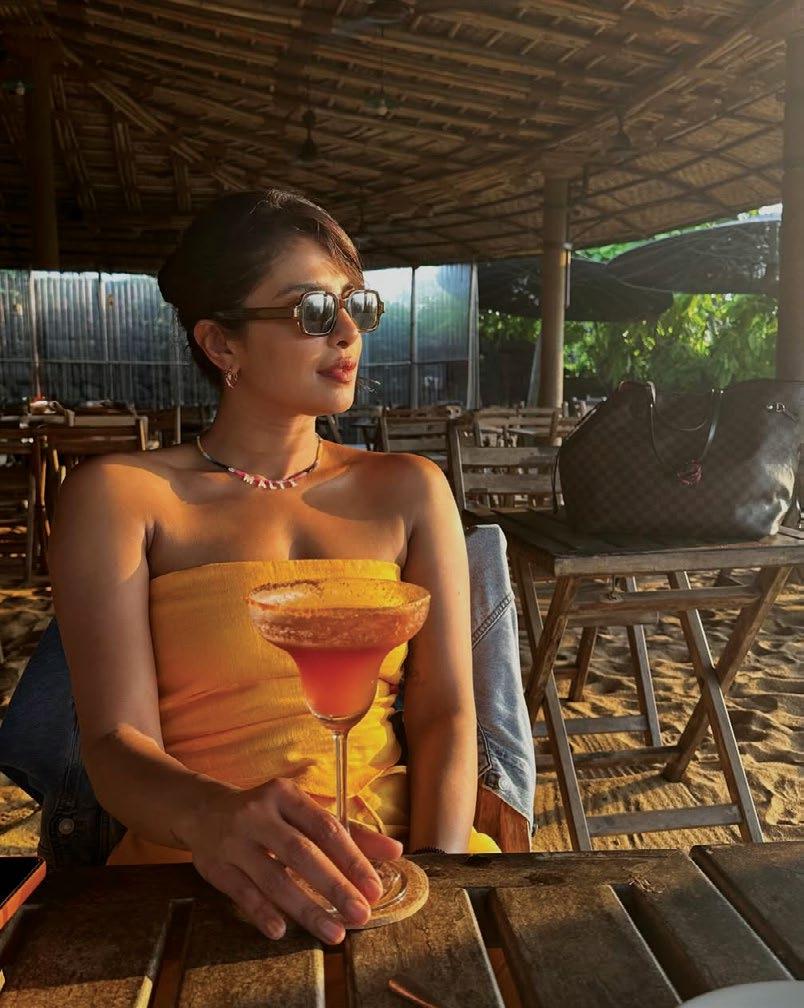
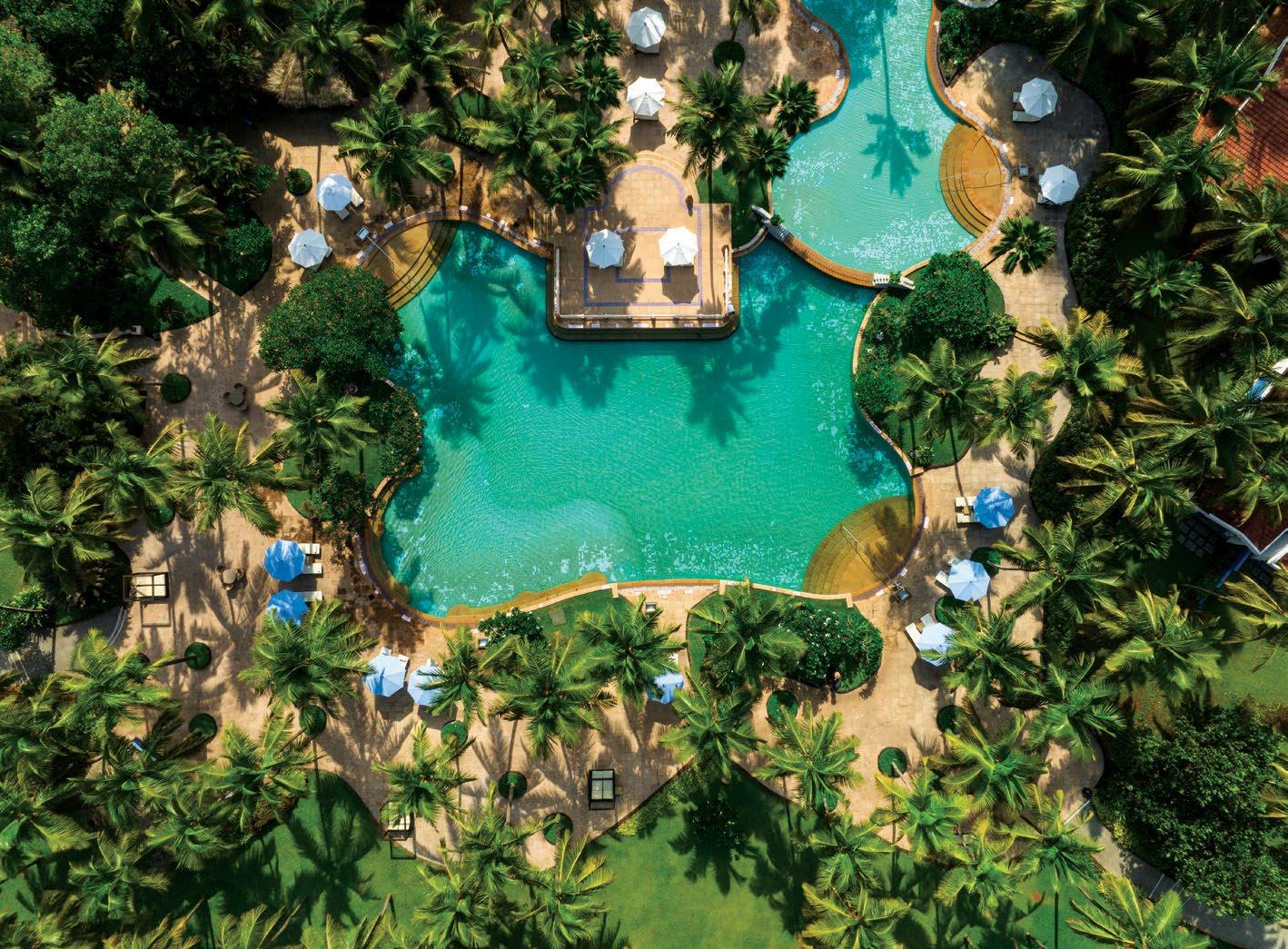
Goa Chopra Jonas has a longstanding love affair with Goa, India's coastal paradise. Her latest trip in mid-November was a deliberate pause for rejuvenation before promoting her big-screen comeback in SS Rajamouli's Varanasi (co-starring Mahesh Babu and Prithviraj Sukumaran) at the Globetrotter event in Hyderabad. She says, "It was a few healing days in one of my most favourite places in the world," emphasising Goa's ability to "be whatever you need her to be."
TOP: The actor retreats to Goa to exhale between roles. BELOW: Mumbai remains her emotional starting point. BOTTOM: At 34 Mayfair in London, laughter over long lunches turns a stopover into a momentary home.
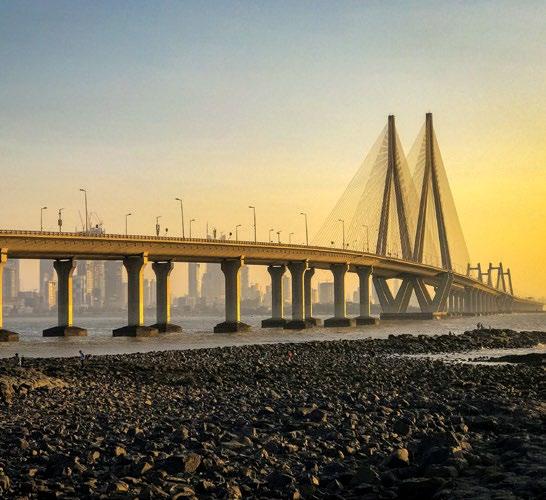
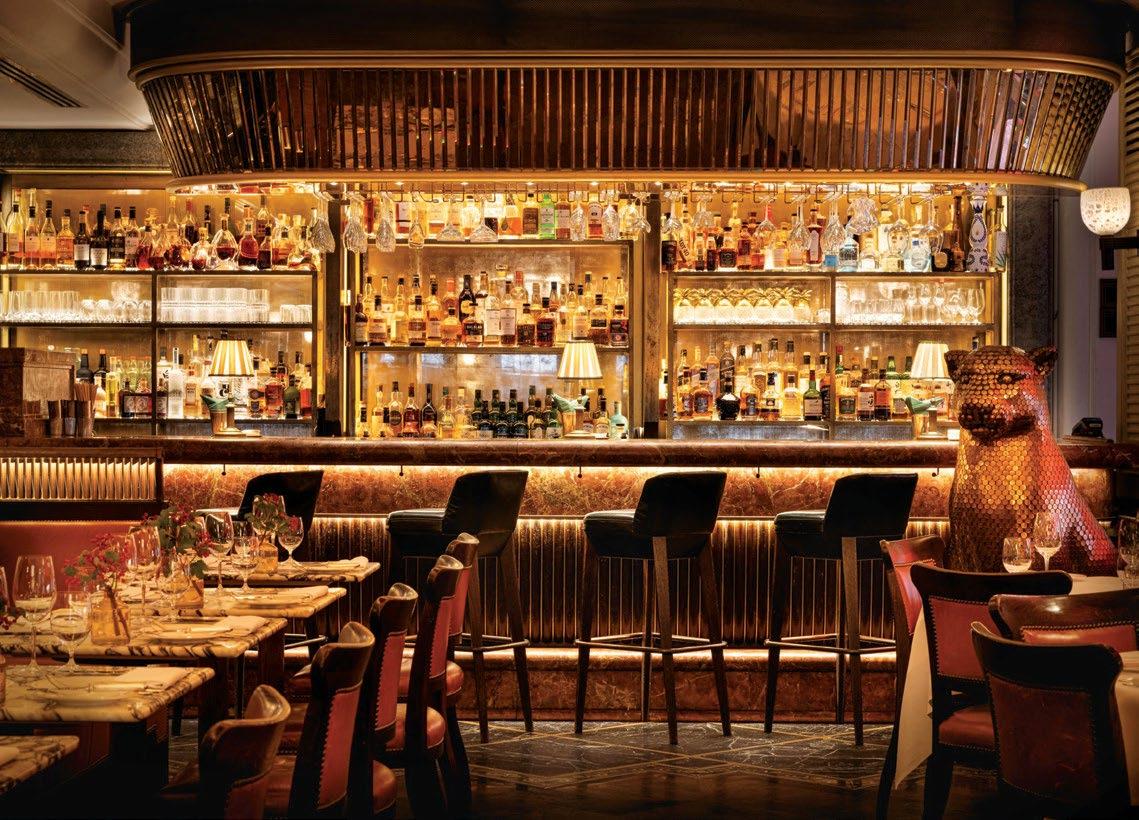
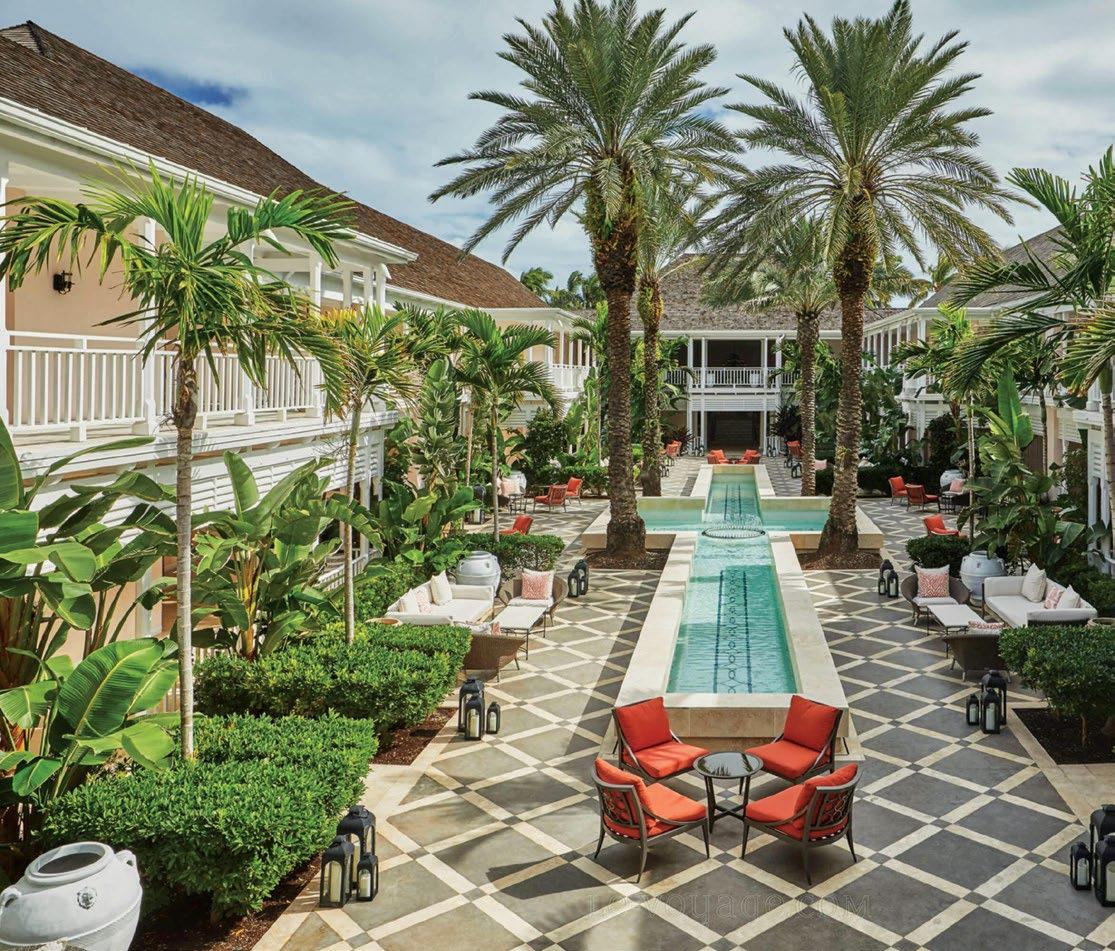
She stayed at the luxurious Taj Exotica Resort & Spa in south Goa and Palacio Aguada in north Goa, where she went for private beach strolls and took in stunning ocean views; played carrom with close friends Tamanna Dutt and her husband Sudeep Dutt; and prepped for the movie launch.
Neville Proença’s Pousada by the Beach is personal history.
Chopra Jonas first went with her husband, Nick, in 2018; seven years later, she returned for the serradura, bebinca, and alle
belle served by the same owner who remembered her order. The restaurant’s Goan-Portuguese charm (fresh seafood, sunset views) aligned with her love for authentic, soulful experiences—echoing why she returns to Goa for its "kindness in its very culture".
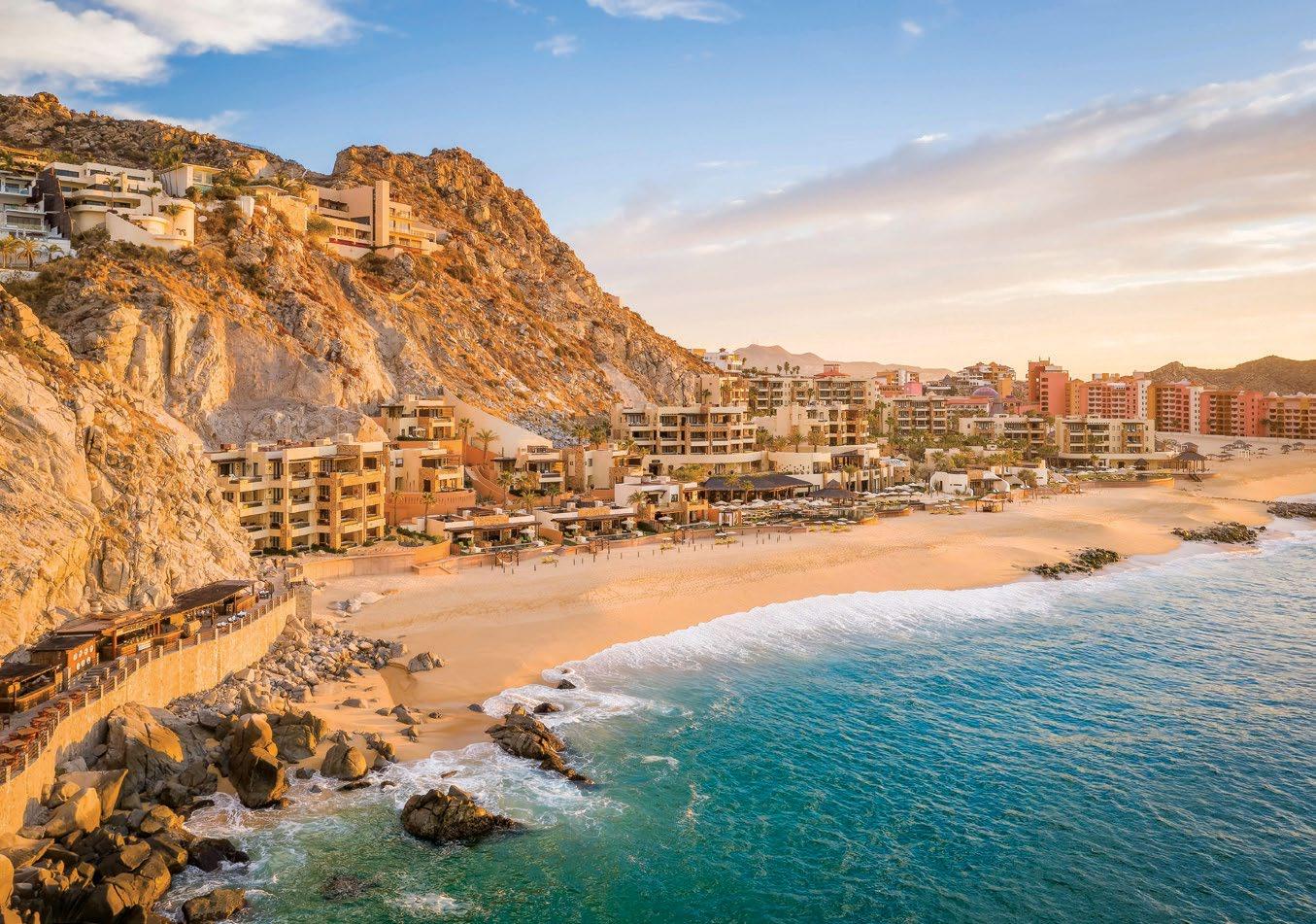
Cabo San Lucas, Mexico
Cabo San Lucas, often simply called ‘Cabo,’ is a vibrant resort city at the southern tip of Mexico's Baja California Peninsula in the state of Baja California Sur.
She spent one of the New Year’s at Waldorf Astoria Los Cabos Pedregal, from where she put out images of cliffs dropping into the Pacific, and her daughter, Malti, in a tiny captain’s hat steering a yacht. Soul food, she called it. "The city's magic lies in its rugged cliffs, pristine white-sand beaches, and crystal-clear waters teeming with marine life," she says. "We have been frequently escaping to it since our 2018 wedding. Cabo's energy is unmatched—waves crashing, hearts full."
Bahamas
She celebrated her 43rd birthday at The Ocean Club, Four Seasons— three generations on one island, with turquoise water so clear it felt like a photo shoot. "We spent the days snorkelling, swinging over shallows, collecting nothing but sunlight." Chopra Jonas first travelled to the Bahamas for her honeymoon. "Nick (Jonas, her husband) surprised me with the whole thing—it was thoughtful
ABOVE LEFT: Chopra Jonas celebrated a birthday at The Ocean Club, Four Seasons, the Bahamas.
ABOVE RIGHT: For the global artist, Cabo offers the fullness that comes only after constant motion.
LEFT: At Taj Exotica Resort & Spa, Goa, she lets the sea smooth the edges before the next chapter begins.
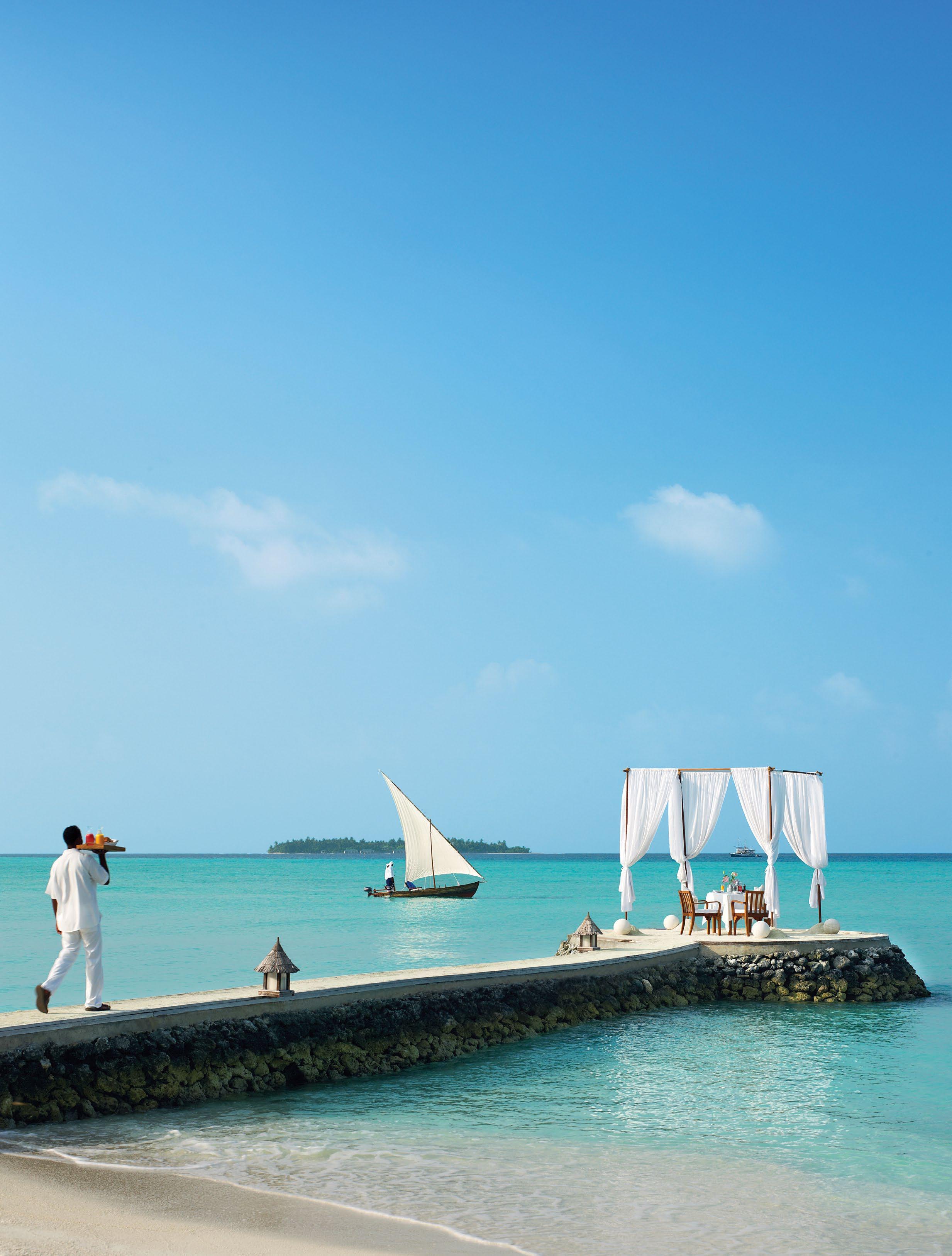
and spontaneous. The Bahamas felt like a secret world where we could exhale after the wedding whirlwind. The beaches are ethereal and they mirrored my love for water."
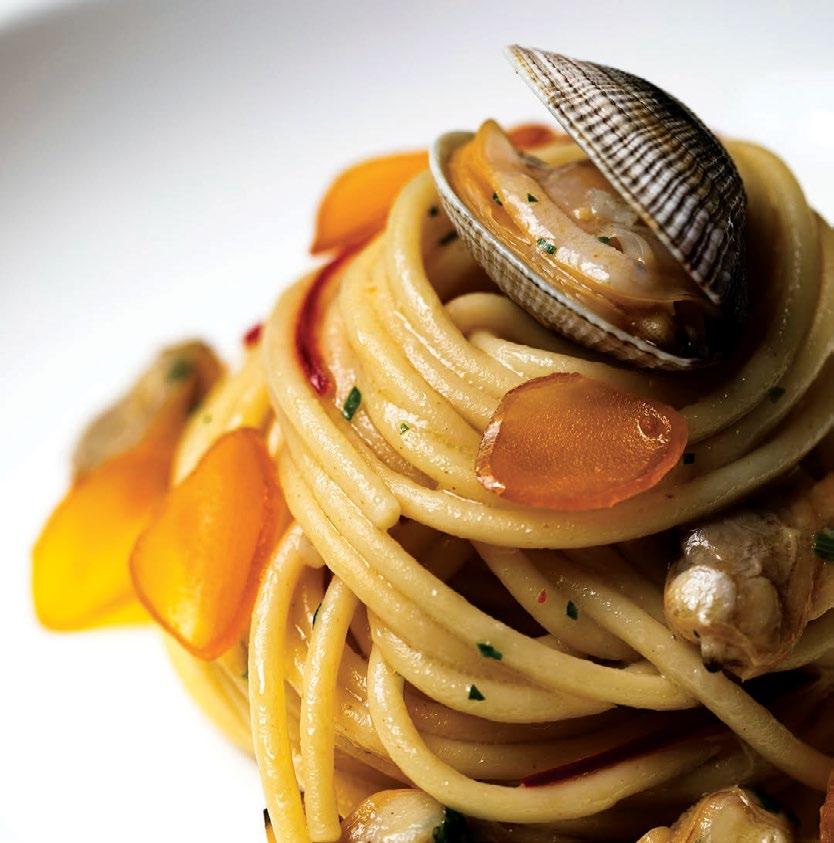
One night, Chopra Jonas may crave Benarasi tamatar chaat from a Mumbai street cart, and the next, perfect pasta at Ristorante Pierluigi, an old-world seafood restaurant in Rome. Established in 1938, it's a historic gem in the heart of the Eternal City's Centro Storico, housed in a Renaissance-era palace on Piazza de' Ricci. It is known for its fresh seafood, sophisticated Italian cuisine, and celebrity clientele. "Rome is a feast for the senses, and eating at Pierluigi is an iconic dinner."
In Vancouver, she stops over at Sula for butter chicken that tastes like childhood. Named after the Sula wine region in India (evoking a sense of vibrant heritage), it specialises in traditional northern
actor calls
and southern Indian cuisine with a modern twist, using in-house ground spices, fresh herbs, and family recipes.
In Montreal, Chopra Jonas discovered a food scene that genuinely surprises her. "Singapore is the most underrated holiday city in Asia—from hawker stalls to Raffles high tea in the same weekend, it is a treat to the senses." Her comfort trinity remains uncomplicated: pizza, cheeseburgers, and hot wings.
"Differences are real," she says, "but when you travel, you remember we’re all human." Empathy, creativity, humility—she collects them the way others collect fridge magnets. Every border crossed is a reminder that curiosity is the most renewable resource she owns. Ask her where she wants to go next, and the answer is instant: "Anywhere. Honestly, Hawaii keeps getting postponed."







T h e
W h o R e f u s e d
To
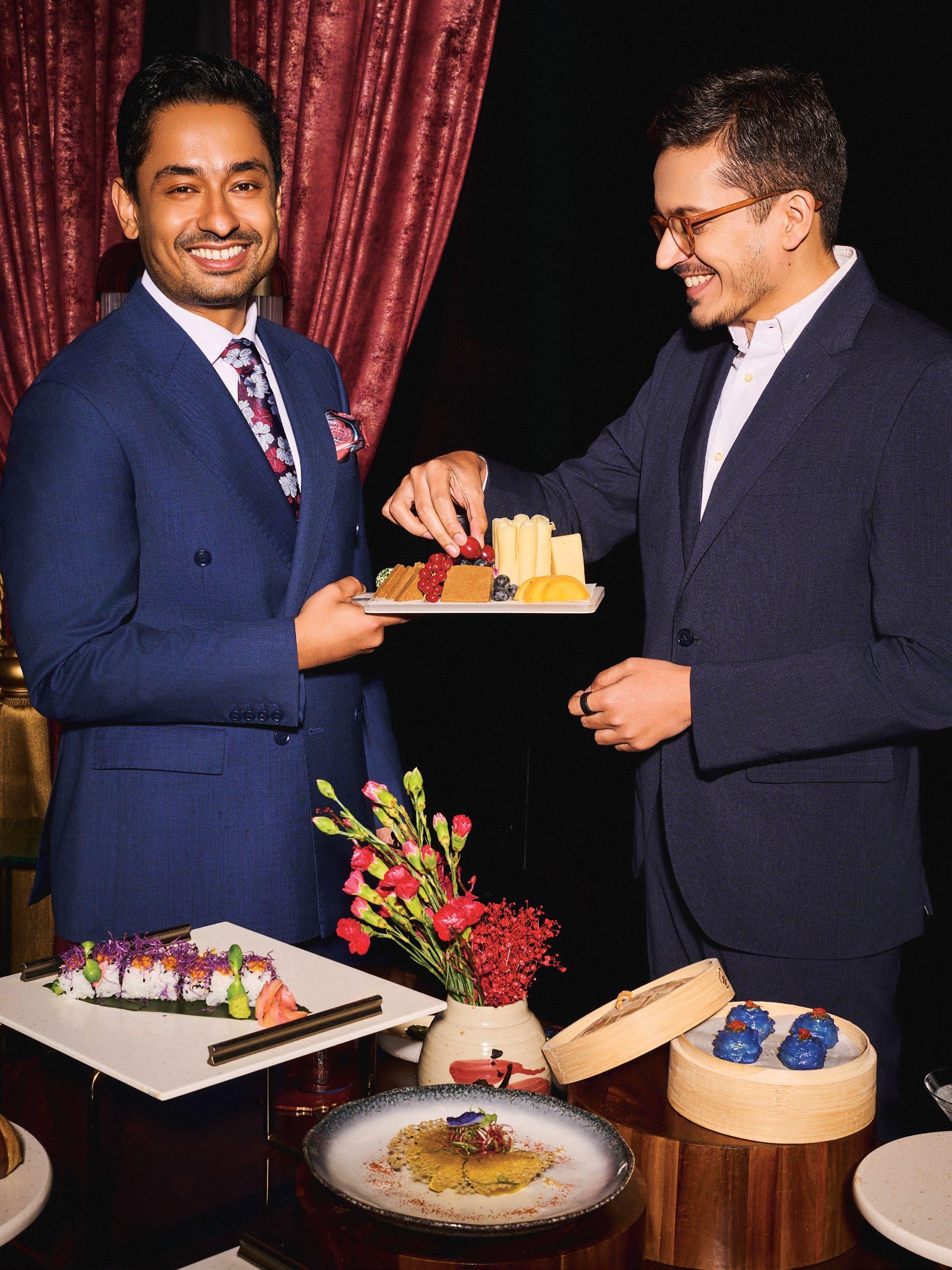
In a dining landscape where trends shift faster than the seasons and new restaurants appear on every street, what does it take to build a restaurant—or an empire—that truly endures? SOH explores the vision and grit of India’s leading restaurateurs, who remain relevant, scalable, and deeply personal in a crowded market.
DEEPALI NANDWANI
B O RI N G
CREATIVE DIRECTOR TANVI SHAH | PHOTOGRAPHED BY KUNAL GUPTA
LOCATION ORYN, FAIRMONT MUMBAI
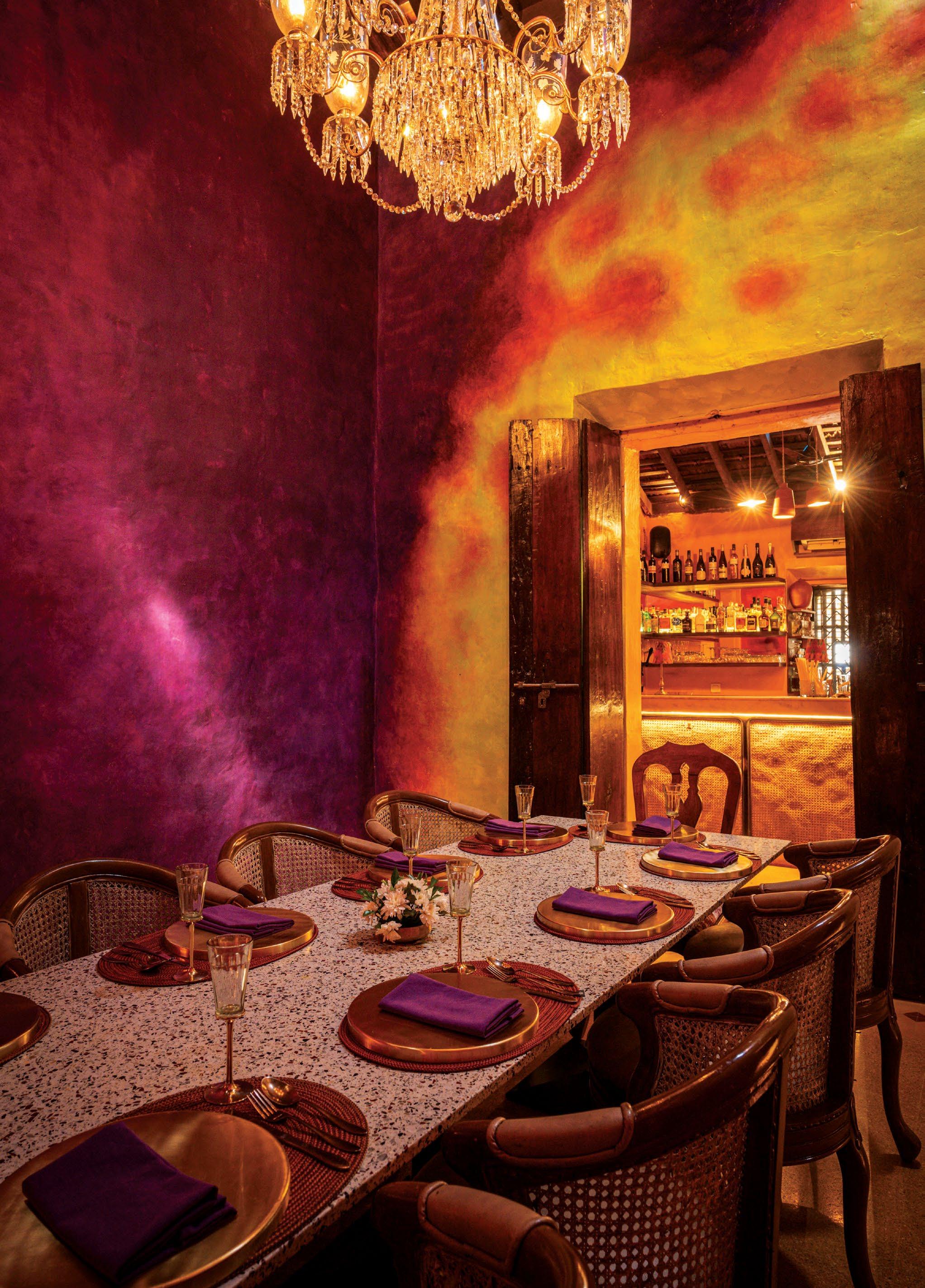
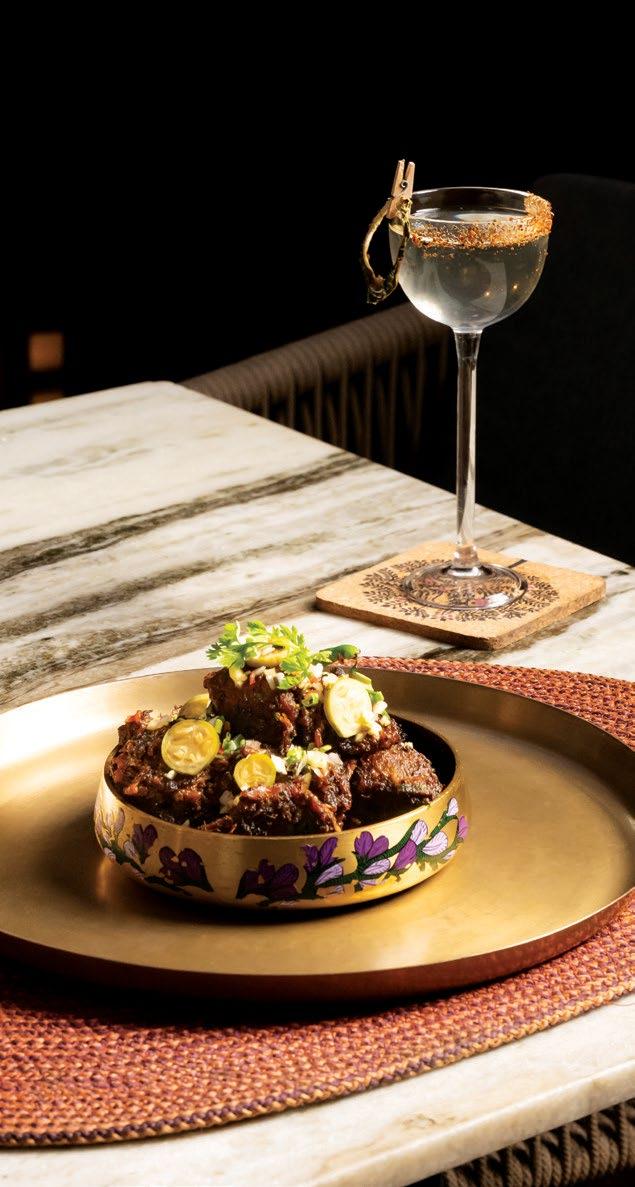
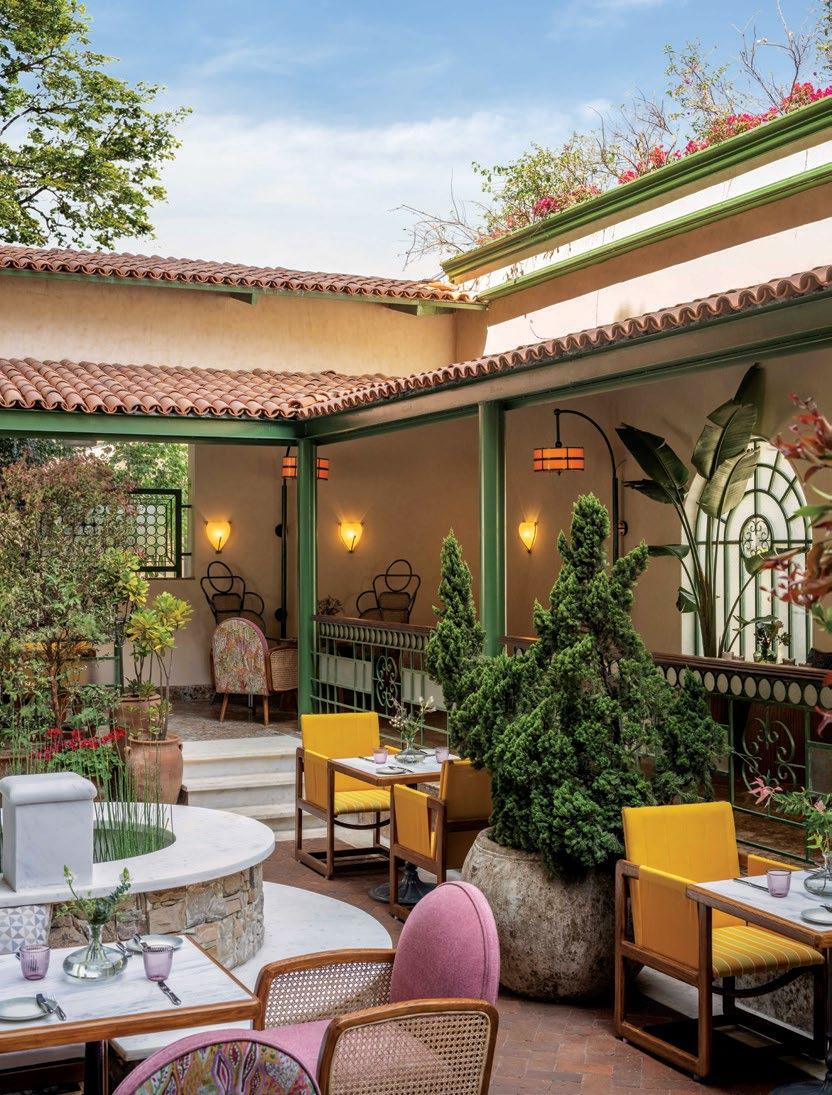
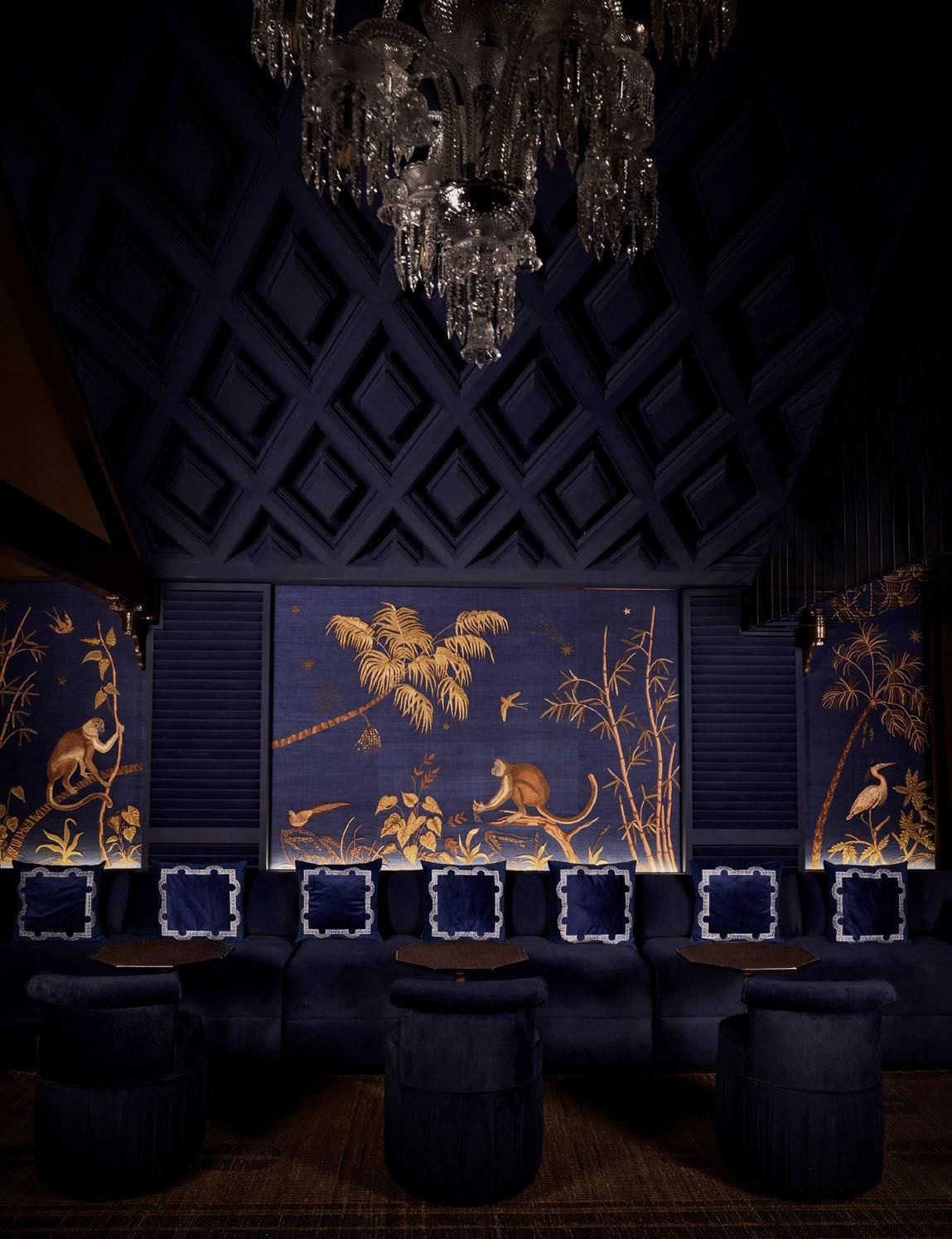
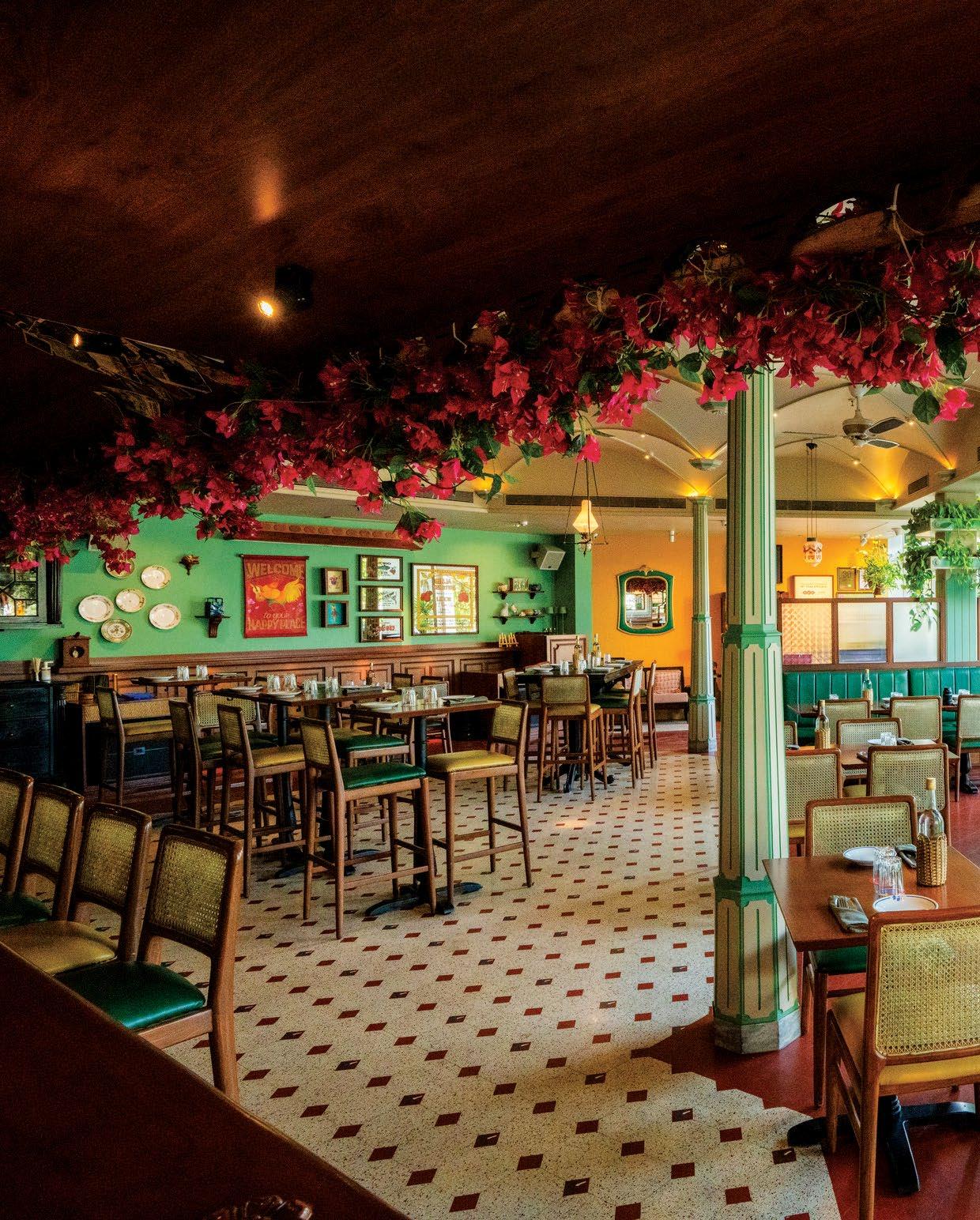
THIS SPREAD, CLOCKWISE FROM ABOVE:Jamun Goa from Pass Code Hospitality is housed in a 150-year-old Goan villa, blending colonial architecture with modern design elements; the menu at Jamun Goa marries Goan regional fare with pan-Indian cuisine; Chef Manu Chandra’s Lupa looks like a villa set in Tuscany, with custom curved terracotta roof tiles and stone finishes; Chef Avinash Martins' Janôt is a cuisine-agnostic restaurant where regular innovation leads the menu.
2000, MUMBAI. In a still-sleepy cul-de-sac of Union Park, Bandra, far from disco thumps and five-star stiffness, AD Singh rolled the dice on Olive Bar & Kitchen. He conjured a Mediterranean fantasy: white walls, blue shutters, and candlelight flickering on laughter that stretched past midnight. It wasn’t just a restaurant; it was a wager that a Westernising India was ready to linger over wine and conversation, in a space that felt like borrowed Europe, defiantly planted in suburban soil.
2009, NEW DELHI. Inside the hushed colonial bones of The Manor, Rohit Khattar and Chef Manish Mehrotra quietly opened Indian Accent. The restaurant room glowed amber, calm as an old library where recipes, not books, lined the shelves. In the kitchen, Chef Mehrotra moved in silence: a quenelle of foie gras sliding into the crater of a snow-white idli; a naan swelling like a balloon in the tandoor, then torn open to spill molten rivers of Danish blue. Each plate was a velvet revolution against the brass-karahi tyranny of Indian restaurants with curries dipped in nostalgia on menus rigid as caste.
From those two gambles rose a generation of restaurateurs—less owners, more architects of how urban India gathers, eats, and dreams. The modern restaurant that could cradle nostalgia or shatter it entirely was no longer a hazy hope; it had edges, flavours, and addresses.
Groups such as Hunger Inc. Hospitality, Urban Gourmet India, Food Matters Group, Massive Restaurants, Pass Code Hospitality, and Olive Group built empires, leaping from cloud kitchen to cheese atelier, from bakery to white-tablecloth theatre. And wedged between the giants were sharper voices carving their own paths: Chef Manu Chandra’s Lupa and Single Thread threading European precision through Bengaluru nights; Chef Regi Mathew adding
Kerala’s cuisine to Chennai, Bengaluru, and now a hushed corner of New York with Kappa Chakka Kandhari and Chatti NYC; Chefs Avinash Martins and Ralph Prazeres rewriting Goan cuisine until sussegad itself tastes new; Chef Lakhan Jethani and Vedant Malik’s Mizu Izakaya, where yakitori meets Indian bravado under low amber light; Dhaval Udeshi spinning all-day seduction at Gigi, Lyla, Kaia, then pivoting to wellness sanctuaries like Scarlett House; and in food-obsessed Indore, young Chef Vedant Newatia slipping Atelier V and Masala Code into a city obsessed with unconventional, often bizarre, street food.
In a country where a new café or restaurant opens on every corner before breakfast is over, what does it take to build a brand that outlasts the season?
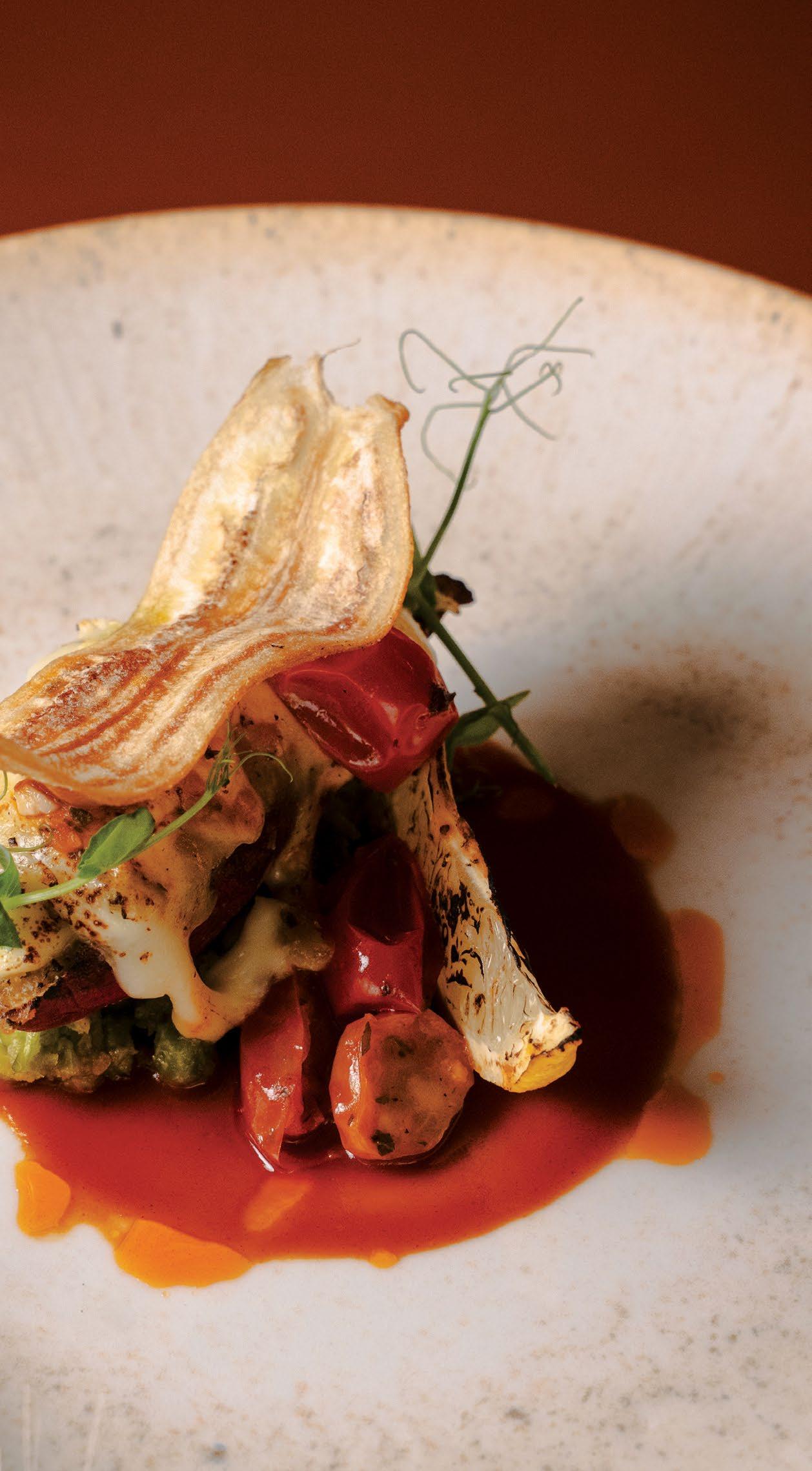
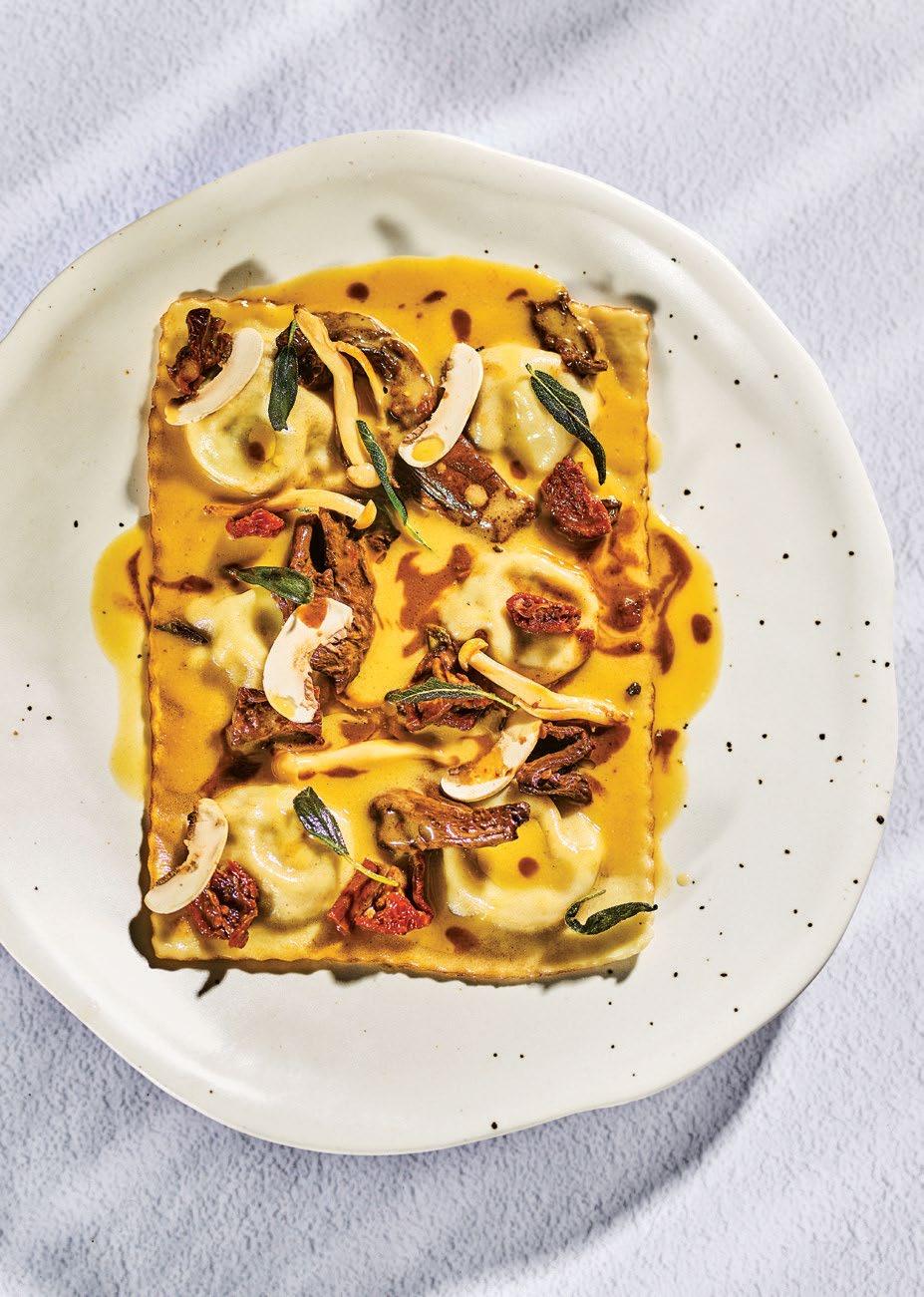
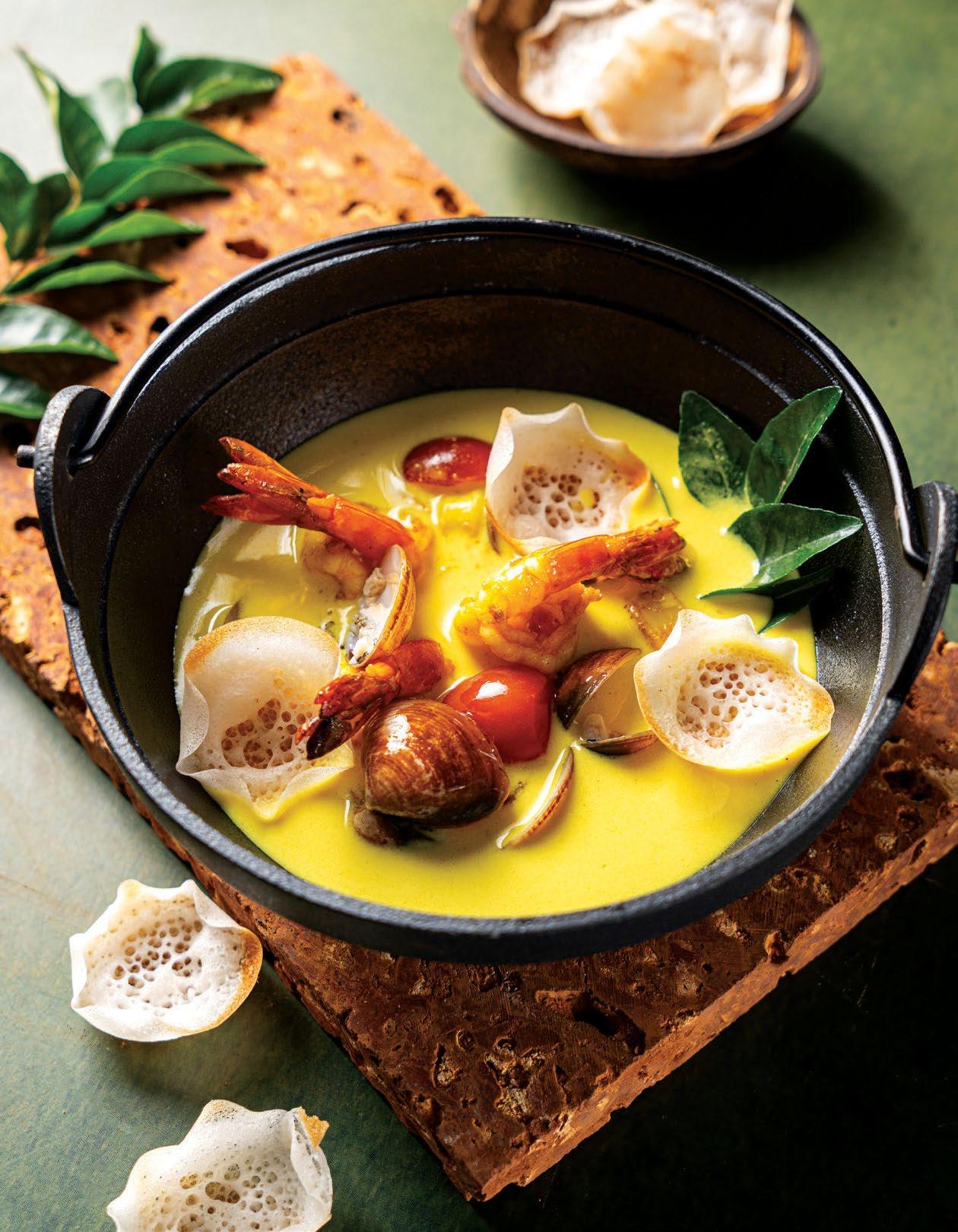
CLOCKWISE FROM TOP LEFT: The classic Mushroom Ravioli has been on the Olive Bar & Kitchen menu for years and is considered a staple; Chef Ralph Prazeres ensures his cocktail menu at Praça Prazeres is as experimental as the European cuisine he serves; the interiors of Paradox blend industrial grit and Art Deco glamour, transforming an old Mumbai mill into a moody, cinematic speakeasy; Chatti NYC’s Seafood Moilee Soup is a rich, velvety blend of assorted seafood simmered in coconut milk, ginger, and turmeric.
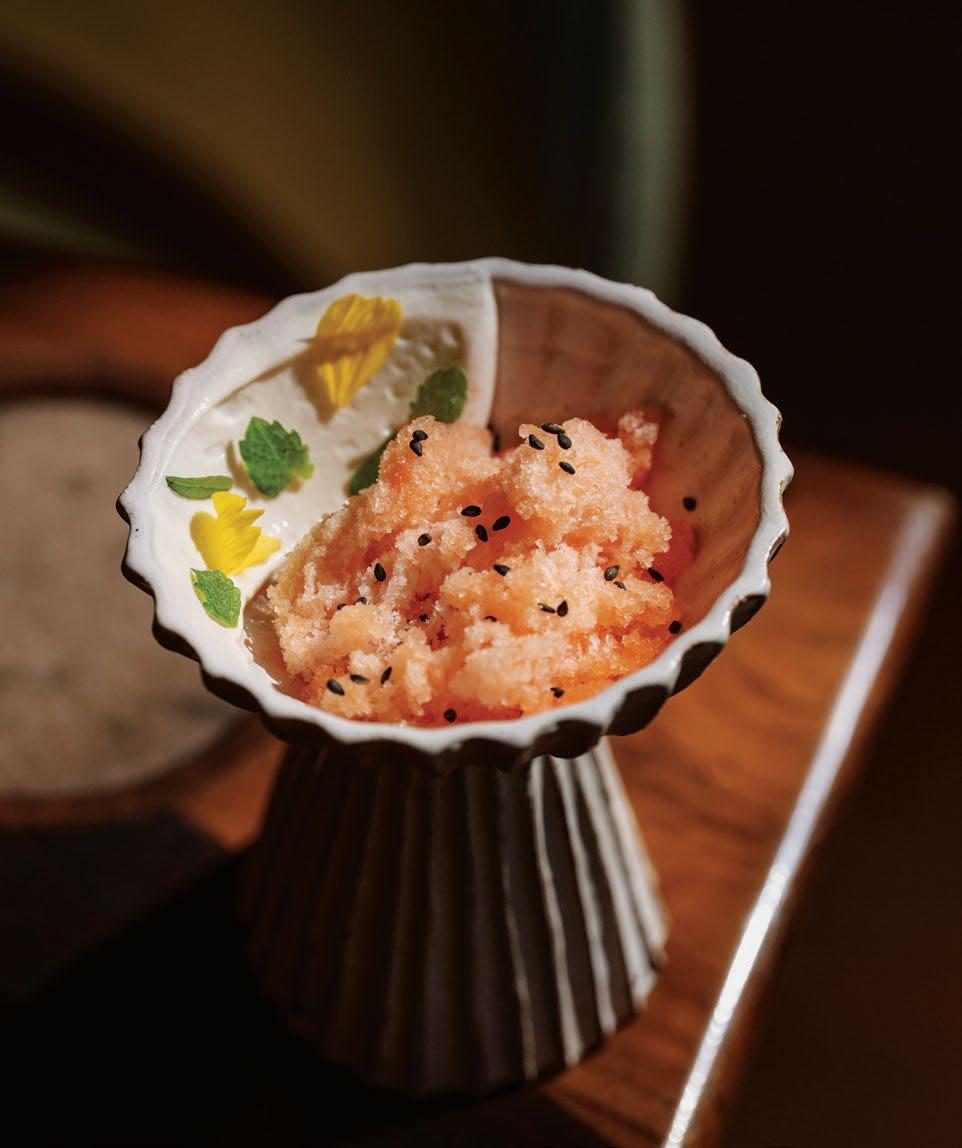
The Watermelon, Feta, and Black Sesame salad served at Papa’s, a 12-seater experimental micro-restaurant from Hunger Inc. Hospitality.
Across India’s dining scene, chef and restaurant founders are quietly redefining what longevity means. Their vocabularies differ: some speak about discovery, some about systems, some about emotions, and others about sheer ambition. But their stories reveal a shared truth: enduring restaurants are built on clarity of purpose. If there’s one consensus among India’s leading restaurateurs, it’s this: longevity is no accident. It is forged through obsession, consistency, and intention that outlive trends.
Aditi and Aditya Dugar, Co-founders, Urban Gourmet India, distil it simply: “In a city like Mumbai, where a multitude of restaurants open every year, creating an enduring brand is an outcome of choosing depth and honesty over trends.” For them, their signature fine dine Masque’s staying power comes from a single, unwavering idea, celebrating India through its produce, ingredients and creative re-imagination. Long recognised on Asia’s 50 Best
Restaurants list for five consecutive years and on the The World's 50 Best Restaurants extended list in 2024 and 2025, the restaurant’s acclaim reflects this quiet conviction. “This was never a gimmick…we built a rhythm of travel, research and listening, and that curiosity has kept us steady for almost a decade,” says Aditi. In 2025, she believes, a brand lasts only if it feels “genuine at its core,” where the online narrative mirrors the real-life experience. Instagram reels may get someone through the door, but the memory created in the dining room is what brings diners back.
If Masque represents the new guard of researchdriven Indian dining, Chef Regi Mathew embodies the power of exploring roots and introducing lesserknown culinary cultures to an urban audience. “The idea was to bring nostalgic Kerala food to Chennai with my first restaurant, and to go beyond the boundaries,” he says. What began as an impulse became rigorous fieldwork: “We visited almost
265–300 houses and 100 toddy shops across Kerala. The exposure to the cuisine revealed so many hidden gems I hadn’t seen even with all my experience.”
For Regi, longevity is inseparable from cultural authenticity. “The food philosophy, what you believe in, that is your strength. I always go back to the roots and stick to the basics.” His restaurants aren’t about trend-chasing; they are lived experiences.
“The food I serve has a deep connect to our lives and lifestyle. It’s not going to fade away… it is part of your life,” he says. Cuisine in the south of India, he adds, share an underlying familiarity: “We use hyper-local ingredients from Kerala, which our guests in Chennai and Bengaluru are familiar with too. We are just highlighting hidden gems of Kerala cuisine.”
AD Singh, Founder, Olive Group, echoes the sentiment that consistency is what makes a brand great from the vantage of 25 years at Olive. His formula for longevity focuses on people. “The harder I work, the luckier I get,” he says, crediting his teams: “Our DNA evolved to be very caring about people… customers keep returning because they see familiar faces who’ve been with us 10, 12, even 20 years.”
Continuity, he insists, is Olive’s backbone—a culture of loyalty both ways, where the founder remains handson, curious, and open to fresh perspectives.
Chef-restaurateur Avinash Martins believes longevity begins with clarity of purpose. “Your guests must know your style of food,” he says. At Cavatina or Janôt, diners return because they sense the philosophy on every plate. In a world serving a thali one night and red ant chutney the next, repeat visits happen only when a restaurant becomes “that special place” guests reach for during moments that matter. “It’s the product, the people, the experience—all of it collectively builds an enduring brand.”
Goa’s culinary renaissance owes much to quiet craftspeople like Chef Ralph Prazeres, owner of Padaria Prazeres and Praça Prazeres. “Consistency and staying true to your product are essential,” he says. “Never betray what you set out to make. Don’t waver with trends. I’ve stuck to my European roots from day one, and that’s kept me steady.” His growth was built on courage, not compromise. “Our brioche buns were 450 rupees when the local poder sold them for five. People asked: will this work? But we focused on the product. Feedback helped, but we stayed true.” The bet paid off—quality travelled faster than novelty.
Yash Bhanage and Sameer Seth, Co-founders, Hunger Inc. Hospitality and the much-celebrated The Bombay Canteen—featured on Asia’s 50 Best Restaurants extended list in 2024 and 2025—add a modern nuance: community. Not followers, not databases, but community built on trust. Yash says, “The word ‘community’ is thrown around
constantly, but as restaurateurs, we sometimes forget the difference between a community and a database. In India, too often, databases are mistaken for community.” Then there is the ability to offer a POV. Sameer adds, “Brands need a point of view. You can’t be everything for everyone. Our brands evolve because we evolve.”
Gauri Devidayal, Co-founder, Food Matters Group, returns to fundamentals: “Nothing beats word of mouth,” she insists, an assertion that defines how she and co-founder Jay Yousuf approach The Table, their flagship restaurant. Often recognised on Asia’s 50 Best Restaurants extended list over the years, the restaurant’s credibility rests not on noise but on what diners take away. “Noise may get diners in, but only quality and consistency make them return,” she adds. Jay agrees: diners today know what good food is, chefs are exposed, and everyone understands one truth—“to
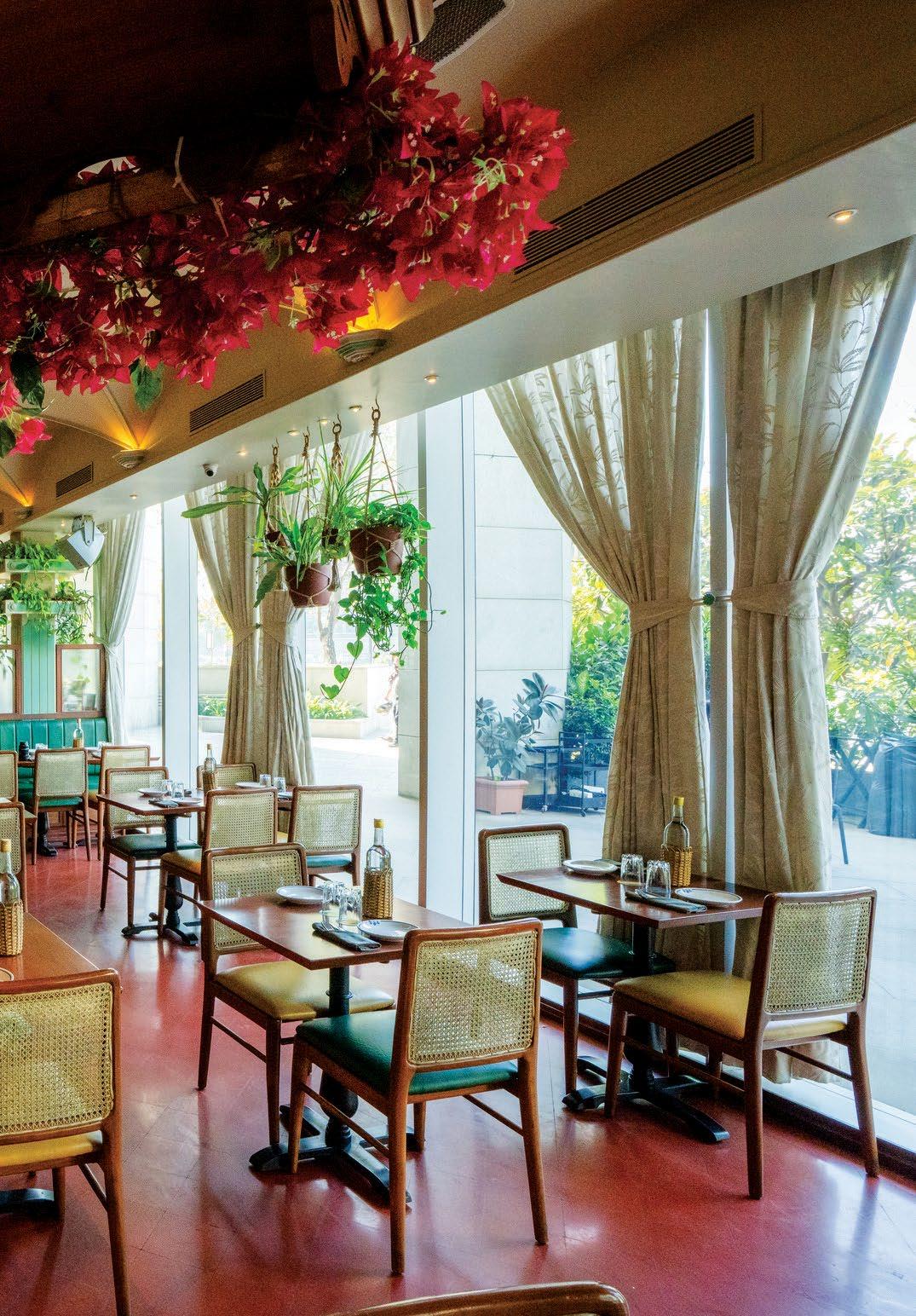
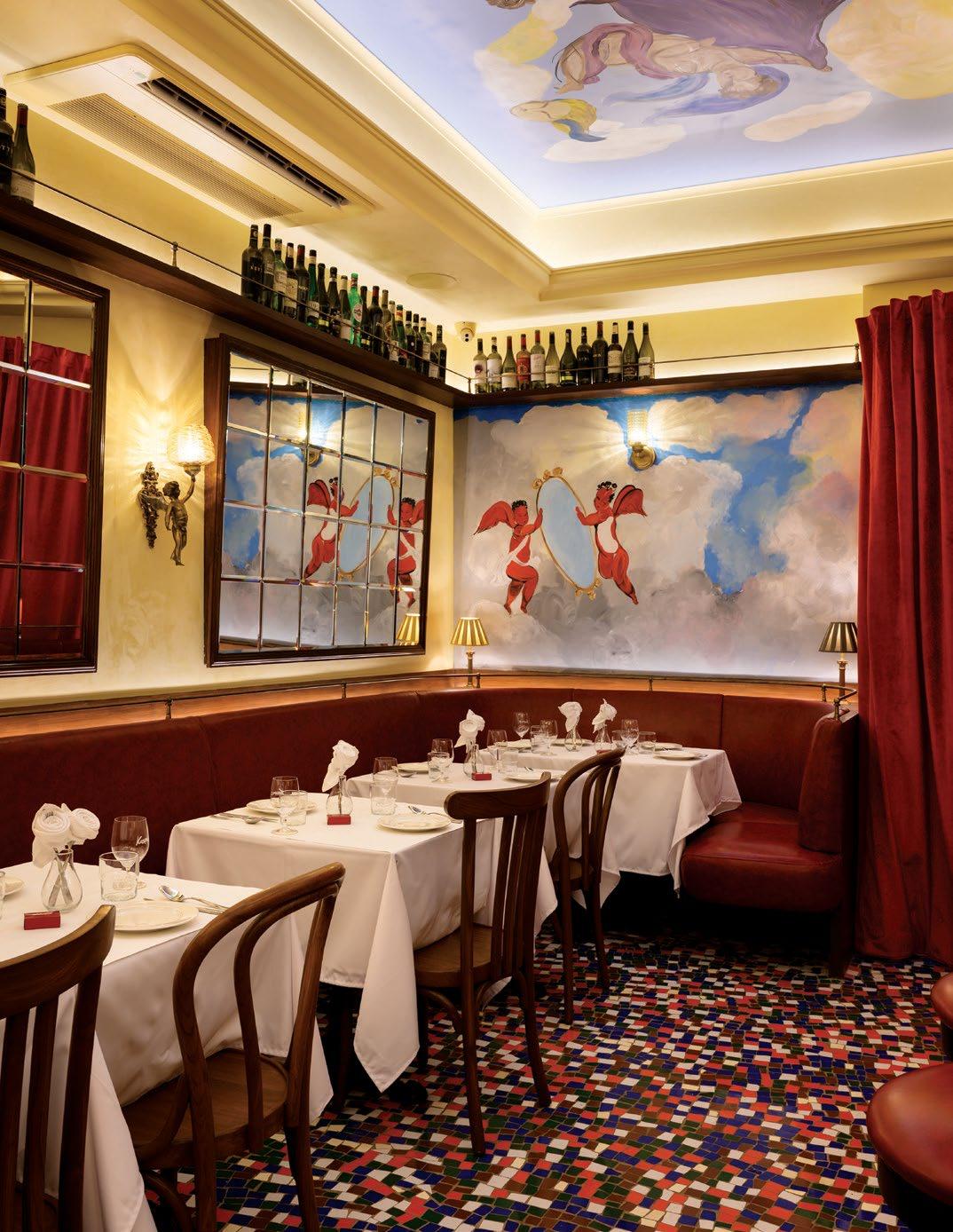
stay, you need consistency, pride, and knowing exactly what you’re doing.”
For scale and reinvention, Zorawar Kalra, Founder, Massive Restaurants, takes a different view. Massive Restaurants has redefined categories, he says.
“Attention to detail is extremely important. In 2025, you have to make sure your homework is done. Your blueprint, your jet, your parachute—you need to be ready before you jump. The business is competitive; supply outweighs demand. You have to know your concept.” For Zorawar, longevity lies in giving diners “something they didn’t know they wanted”, delivered with innovation, theatrical flair, and relentless consistency. After a decade, he remains guided by one conviction: “Innovation is a muscle; you train it every day.”
Manu Chandra, Chef-Owner, Lupa and Single Thread Bespoke Catering, sees survival through consistency, thick skin, and ruthless clarity. “Great
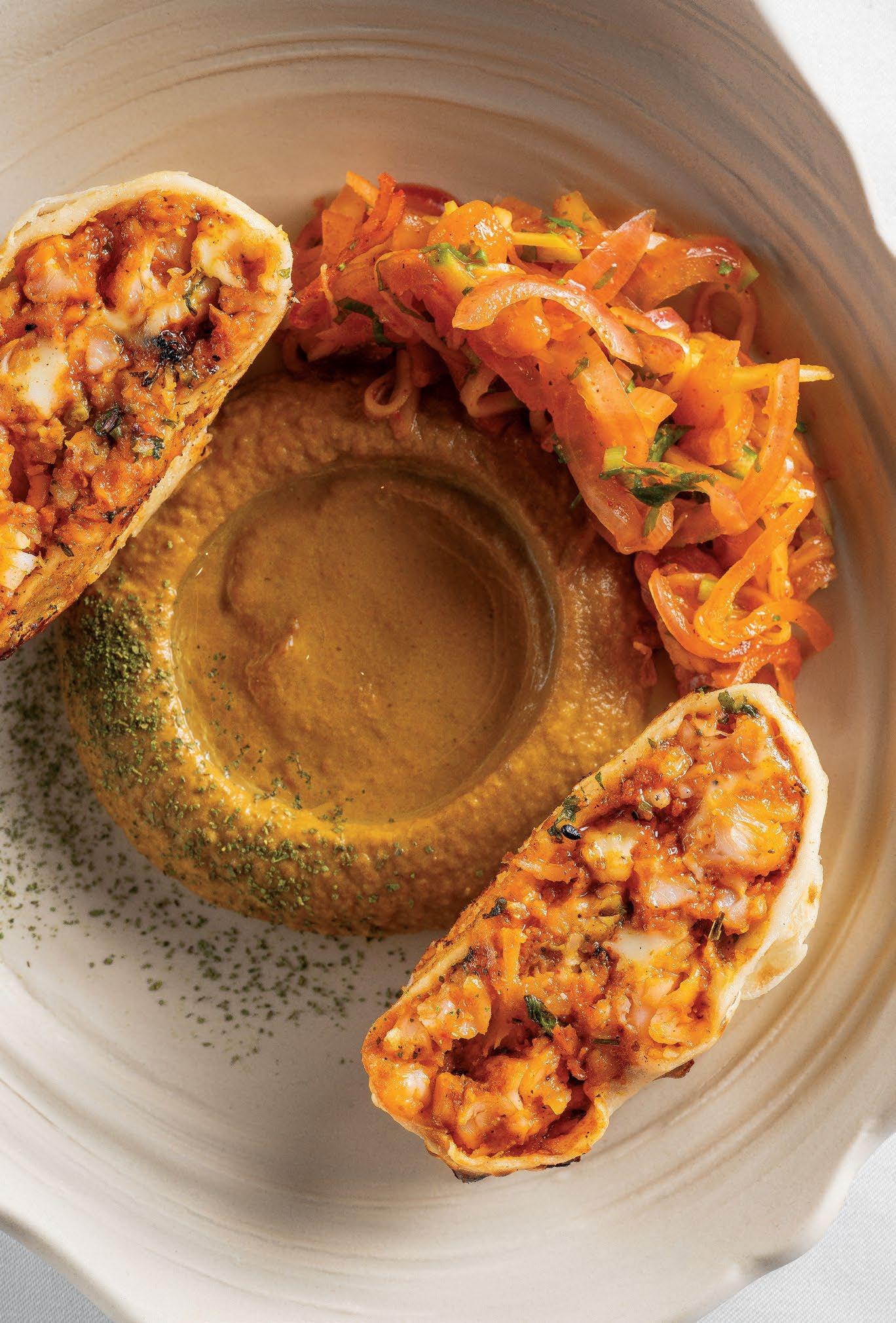
RIGHT: Monkey Bar from Olive Group is regarded as India’s first true gastropub, founded in Bengaluru in 2012 and since expanded to Mumbai, Delhi, and Chennai.
BELOW: DU Hospitality's Scarlett House offers soulful food and imaginative drinks. Seen here is the Juhu, Mumbai, outpost.
food doesn’t need constant experimentation,” he says. After a choppy start at Lupa, including Instagramdriven chaos, he returned to basics: quality, regulars, and hands-on management. Lupa thrives today because he embraces control, not for ego but for survival: “When I let things run amok, the first thing to get hit is the business.”
Mizu Izakaya’s founders speak of restraint, clarity, and timelessness. Vedant Malik, Founder and Director, says, “A restaurant’s real legacy is built offline, through consistency, emotion, and experiences people remember long after they leave.” For Mizu, longevity is about precision, intimacy, and an atmosphere that invites lingering. Chef Lakhan Jethani, Co-founder and Executive Chef, adds, “We wanted to bring the community-driven warmth of an izakaya to Mumbai, an experience that is elevated yet unpretentious, where great food, sake, and stories flow freely.”
Burma Burma’s co-founders Chirag Chhajer and Ankit Gupta echo fundamentals, too. Ankit says, “People come for food. You need consistent food, great ingredients, authenticity. Simple things. Then there’s no reason it won’t endure.” Chirag plumps for the very soul of a restaurant, “the food. Not events, not gimmicks. People never stop eating. Coupled with fabulous service, that outlives most other things.”
Dhaval Udeshi of DU Hospitality adds a psychological layer: “Two things define an enduring brand: clarity and courage. Clarity about who you are, and courage to reject what doesn’t align. An enduring brand requires a strong operational spine, a philosophy that doesn’t bend with trends, a deep team culture, obsessive consistency, and the ability to innovate without gimmicks.” His vision fills gaps across India’s hospitality landscape, creating projects that are fun and yet backed by a strong organisational spine. “Each”, he says, “part of people’s emotional landscape and not just weekend plans.”
Rakshay Dhariwal, Founder, Pass code Hospitality, summarises a blueprint: “Endurance is earned, not engineered. You need three pillars: an uncompromising product, a flexible culture that adapts without losing DNA, and systems that make quality scalable.” Social media may make you a rage, but “the antidote is consistency guests feel every visit, and emotional memories that outlive viral reels.”
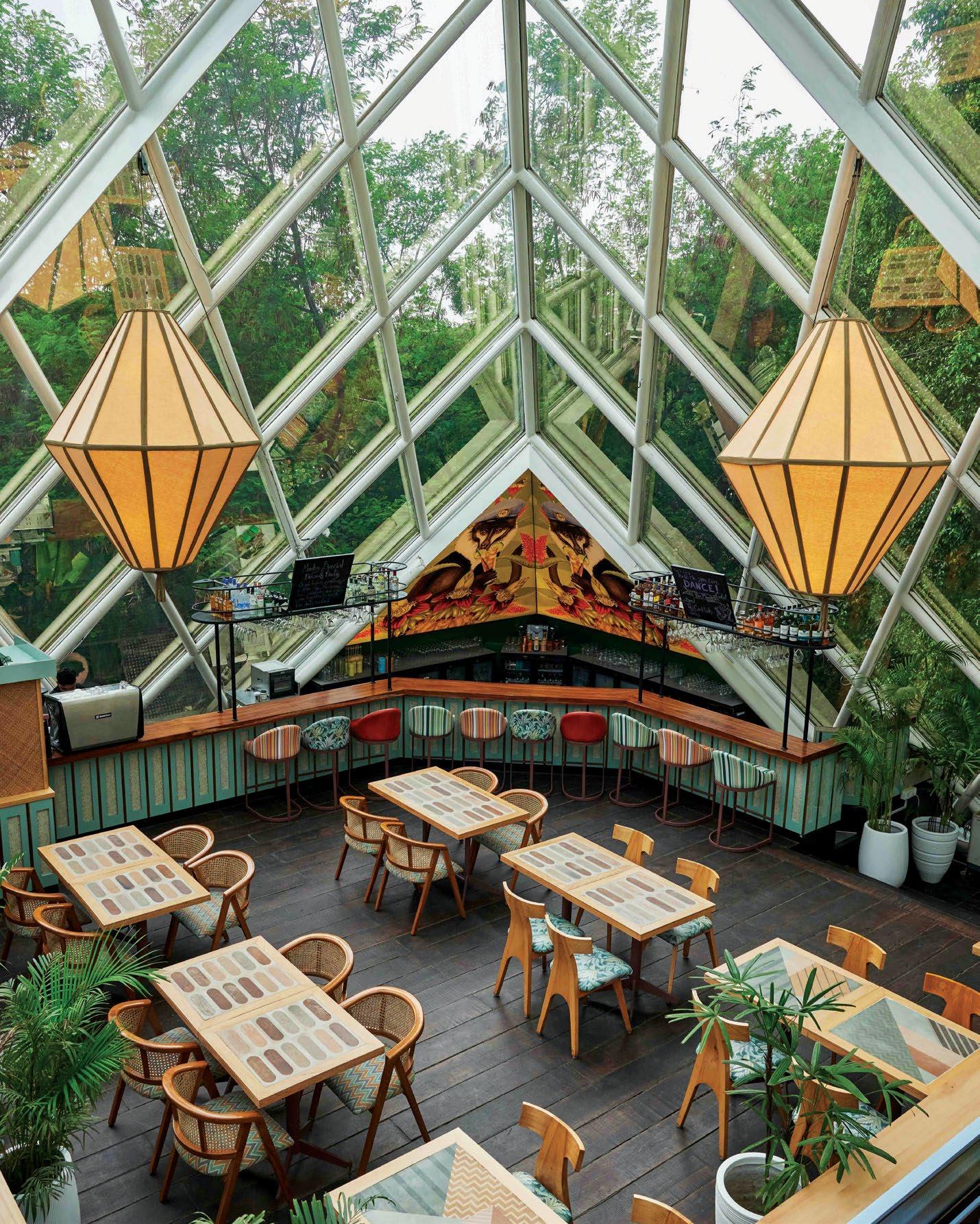
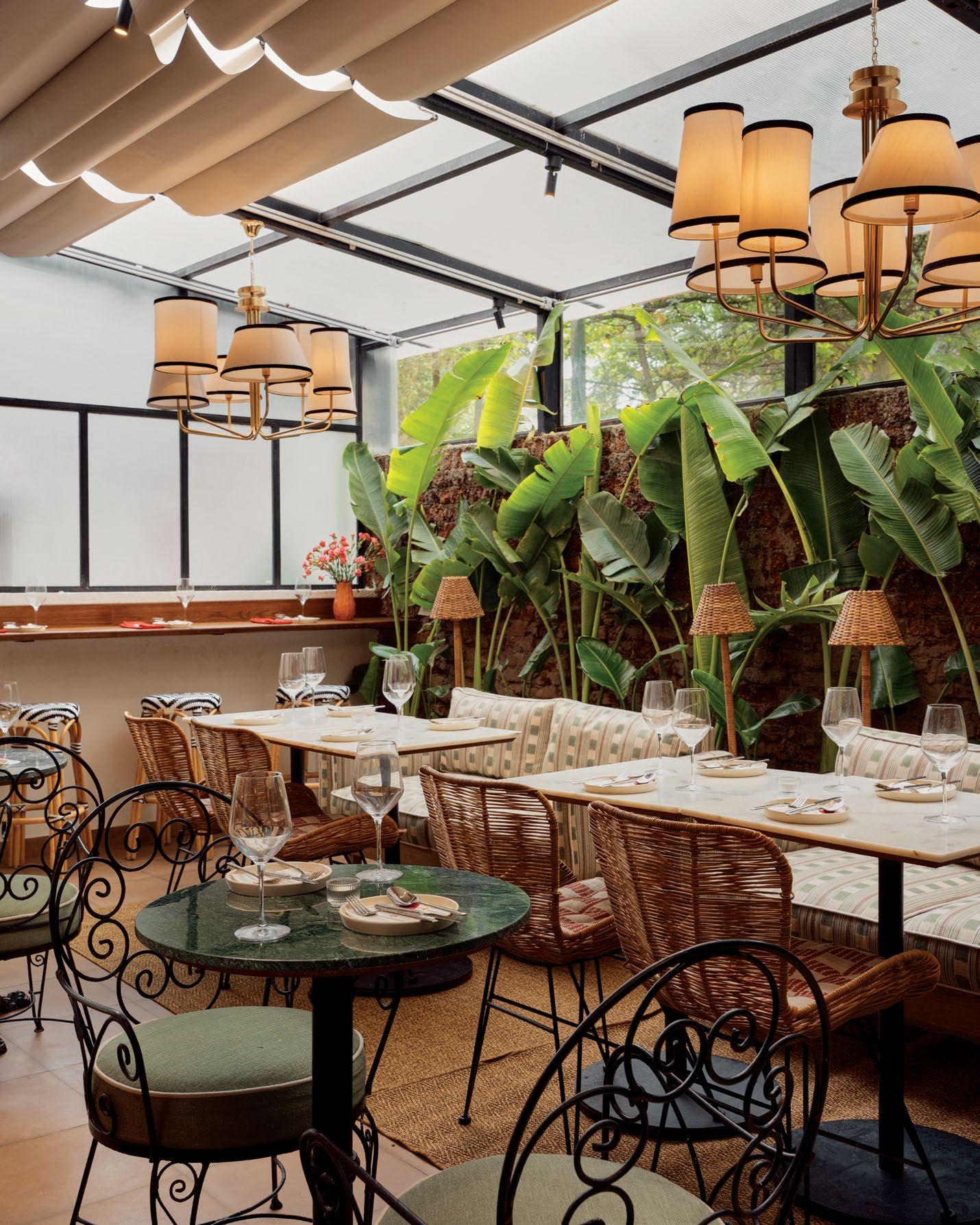
To run a concept-driven restaurant in India is to dance on quicksand. One season, diners want deconstructed golgappas delivered by a molecular gastronomist; the next, they crave their mother’s undiscovered dal in earthen kulhars, served by a grandmother from Bastar. The great Indian restaurant brands, those rare names that outlast an Instagram trend, have mastered the pivot without ever seeming to pivot. Grace under pressure, served medium-rare.
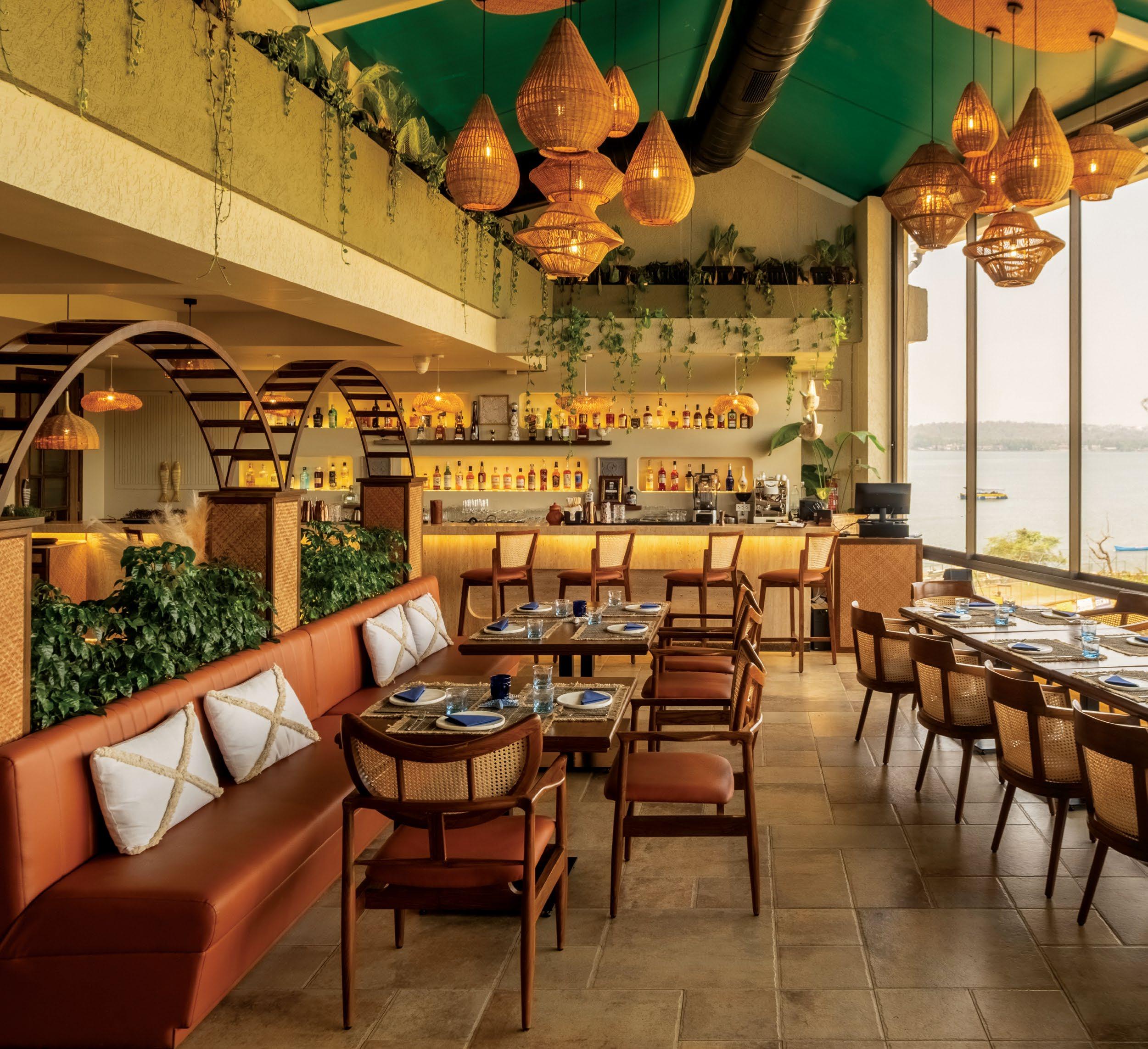
What makes one brand fade while another becomes a city landmark? For India’s most thoughtful restaurateurs, it’s not a secret recipe that delivers constant, elegant reinvention.
AD Singh champions balance between comfort in the familiar and curiosity of the new. “Our success has largely been because we stick to our core. We don’t chase every trend. Comfort is very important.” Olive Bandra, once India’s first Moroccan lounge bar, became a pop-culture ice bar, and now is being reimagined as India’s first aperitivo bar, a low-ABV, social drinking space. Across his brands, Singh elevates, updates and refreshes but never confuses the diner.
Guppy, his irreverent Japanese brand, offers another lesson. “Guppy was always witty and casual, but the younger audience now wants swank,” he says. His solution: The Love Hotel, a moody, 16-seat bar within the Guppy compound. It draws Gen Z in, then subtly leads them into Guppy itself, a kind of controlled evolution, not a makeover.
At Masque, reinvention is instinctive. “Something new arrives from our research or farmers, and that becomes the spark,” says Aditi. The Masque Lab allows boundless creativity, though not every idea lands. “Beautiful dishes sometimes don’t make anyone feel anything. It’s how we learn.”
In Goa, Chef Martins makes seasonal rhythm his mantra. “You have to keep guests connected. You can’t sit back once a menu is loved.” From world cuisine in 2013 to narrative-driven Goan reimaginings today, Cavatina’s evolution is anchored in stories of conquest, tribes, and tradition. “I’m just a mediator,” he says. “The story is already great. I evoke it through food.”
Few groups have formalised reinvention like Hunger Inc. “We aren’t the same people we were 10 years ago, and neither are our diners. You can’t get stuck,” says Sameer. Seasonally changing menus became structural principle. Lessons came fast: Bombay Sweet Shop, born during Covid-19, exposed the gaps between retail and restaurants. “Packaging, humidity, cold chain—we had to learn from e-commerce and logistics experts,” says Yash. Sameer recalls another: “We tried to reinvent happy hours at The Bombay Canteen because one-plus-one looked cheap. It failed. In India, happy hours means one-plusone. Context matters. When we did it at O Pedro, it worked. It built loyalty.”
At Burma Burma, reinvention begins with travel. “We keep travelling to Burma’s cities, villages and prefectures. We return with learnings and work on them in the R&D lab,” says Chirag. Festivals, menus, collaborations such as one with pâtissier Vinesh Johny, Korean chefs, and craft specialists reflect collective, contemporary reinvention grounded in cultural respect.
Gauri frames reinvention through memory. “You have to create a memory, a dish that lingers weeks later. Menus can change, but every change must deliver that memory. People don’t want you to reinvent what they crave. The same goes for space: light, music and seating, which people come back for. You can’t keep changing everything for trends.”
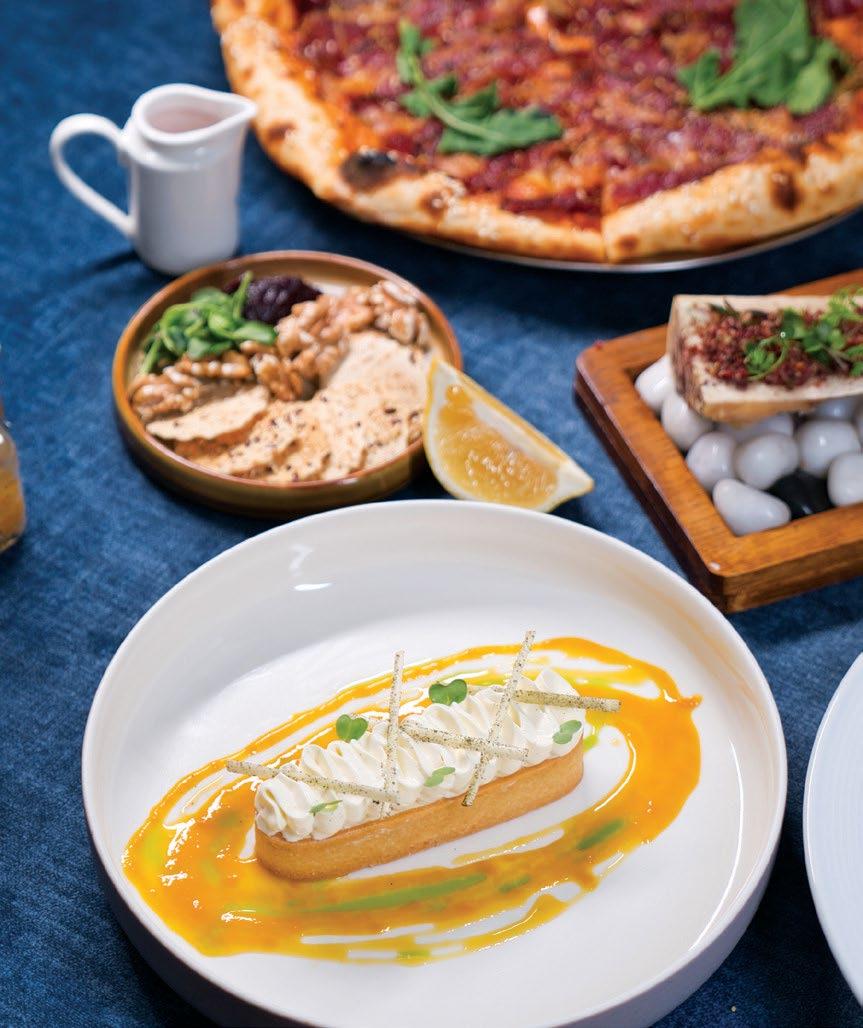
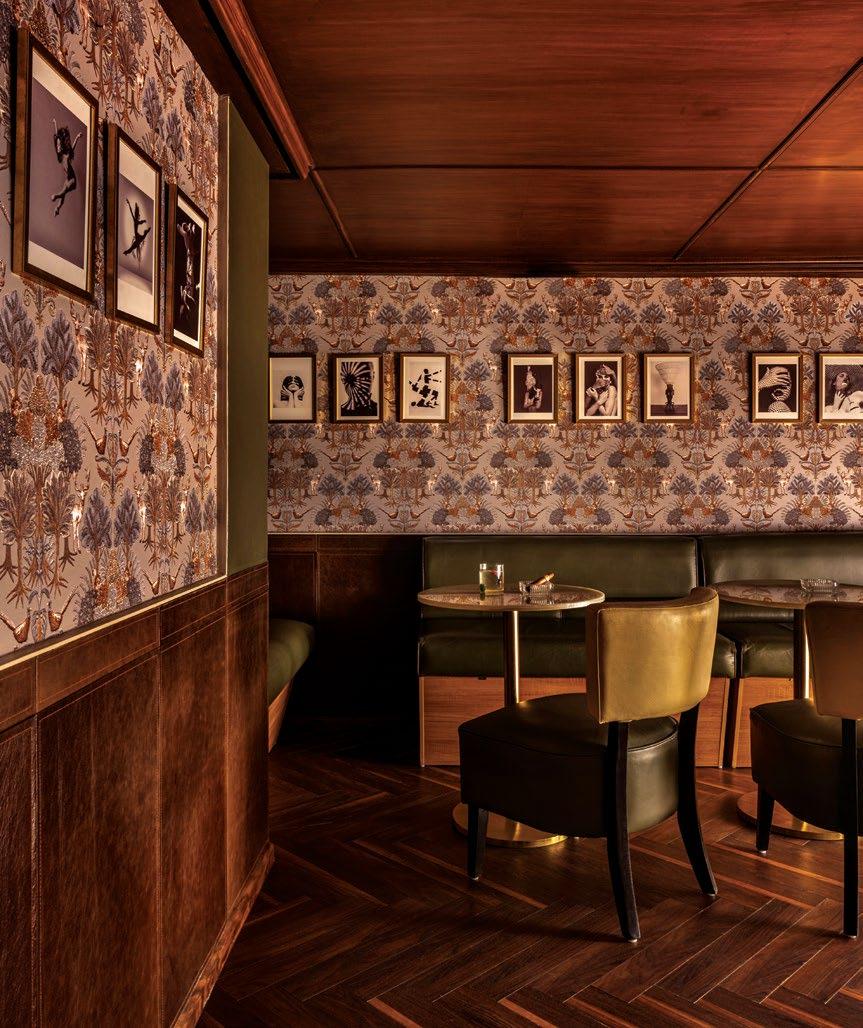
TOP: Chef Manu Chandra’s approach to the food he serves at Lupa is both evolutionary and comfort-driven. The menu builds “layers of nuance and surprise” but doesn’t feel fussy.
CENTRE: The Director's Room at PCO Delhi is a 12-seater 'omakase-style' space designed to feel intimate and cinematic.
BOTTOM: Burma Burma’s street-style Burmese Falooda is made with chilled coconut milk, sweet bread, basil seeds, black grass jelly, and sticky rice, giving it a creamy, chewy, and slightly herbal texture.
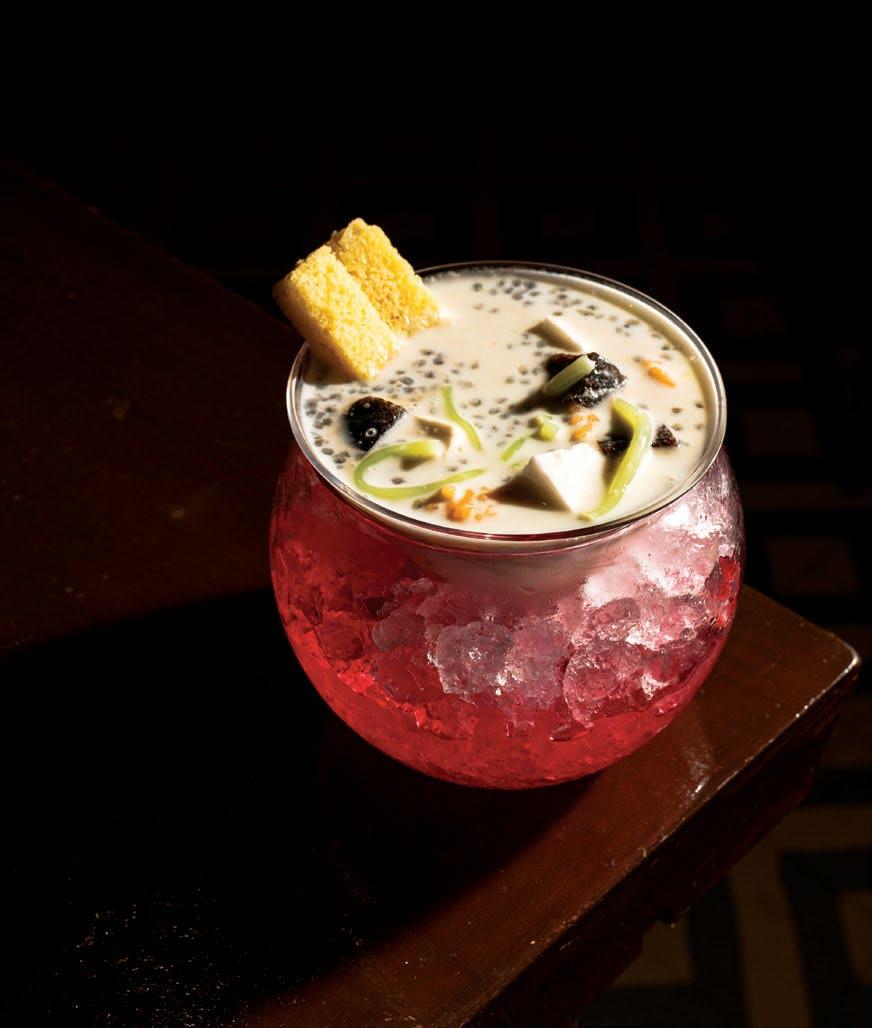
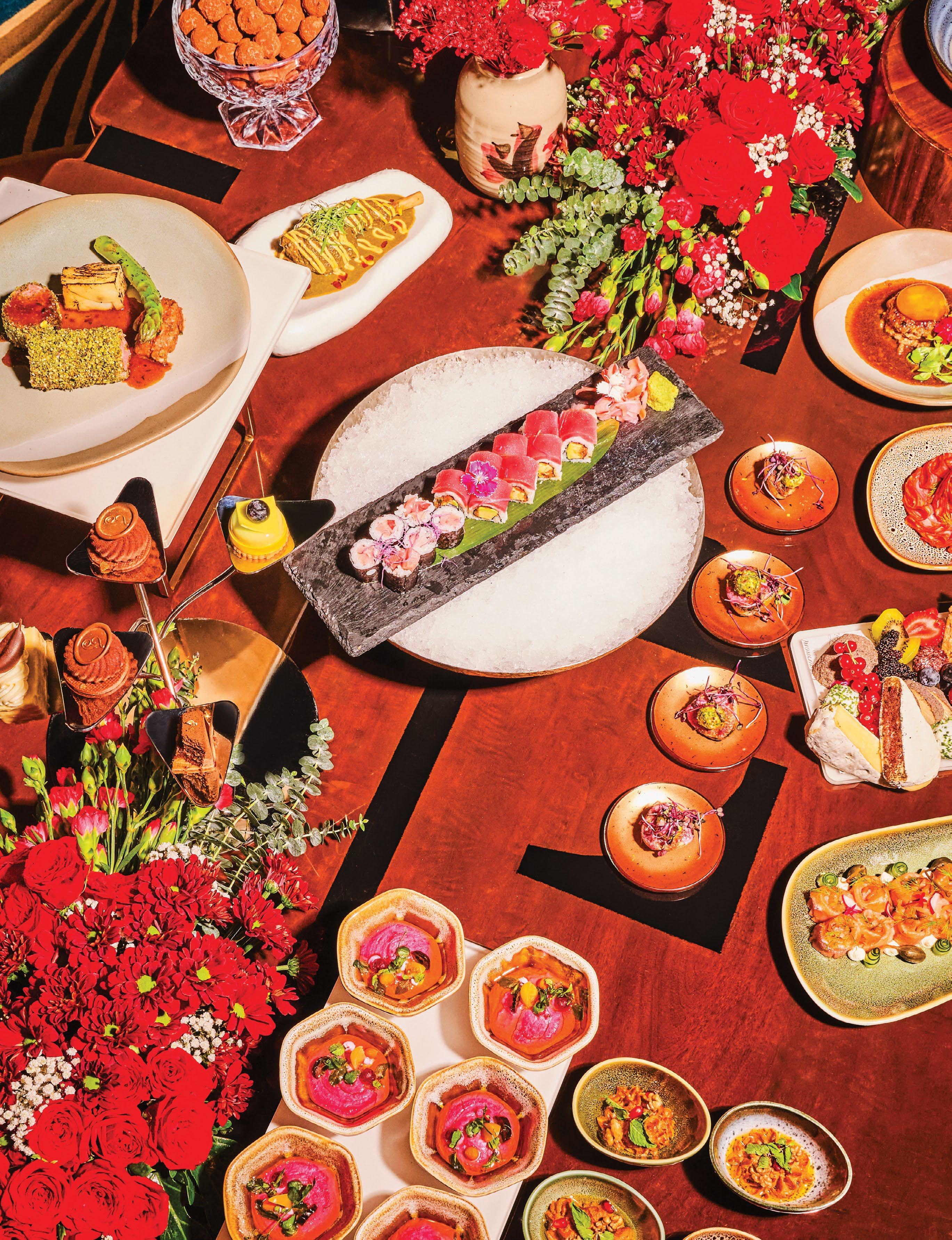

Olive Bar & Kitchen, Olive Beach, Olive Bistro & Bar, SodaBottleOpenerWala, Monkey Bar, The Fatty Bao, Ek Bar, Guppy, The Grammar Room, Olly, Olive Café & Bar, The Love Hotel, Cantan, Toast & Tonic, Siren, Serai, The Hoppery
Is the Indian diner really becoming more adventurous, especially outside the metros?
The truth lies somewhere in between. It’s been wonderful to see how much more adventurous the Indian diner has become, seeking the international experiences he encounters while travelling, but now in his own city and neighbourhood. I’ve witnessed a real paradigm shift in what customers seek. Yet, compared to some of the strongest Asian F&B cities, we still have a way to go. If a restaurant begins with a clear understanding of what its customer is comfortable with, stays innovative and creative and—most importantly—communicates consistently before, during, and after launch, there’s tremendous scope here.

Co-founder
Massive Restaurants Brands
Masala Library, Farzi Café, Pa Pa Ya, Made in Punjab, Bo-Tai, Louis Burger, Slyce, Swan
What has been your experience expanding your brands internationally?
We were the first casual Indian chain to go overseas. I opened a Masala Library in the world’s tallest hotel in Dubai. Farzi Café was the first brand in 2016 to expand there, and since then we’ve established a presence in England, New York, Seattle, and Doha. The biggest challenge in expanding is manpower, particularly finding high-quality chefs. Farzi Café demands nuance and sophistication, combining technical expertise with my scientific approach to Indian cuisine. Visa restrictions add another layer, as chefs must have established reputations.
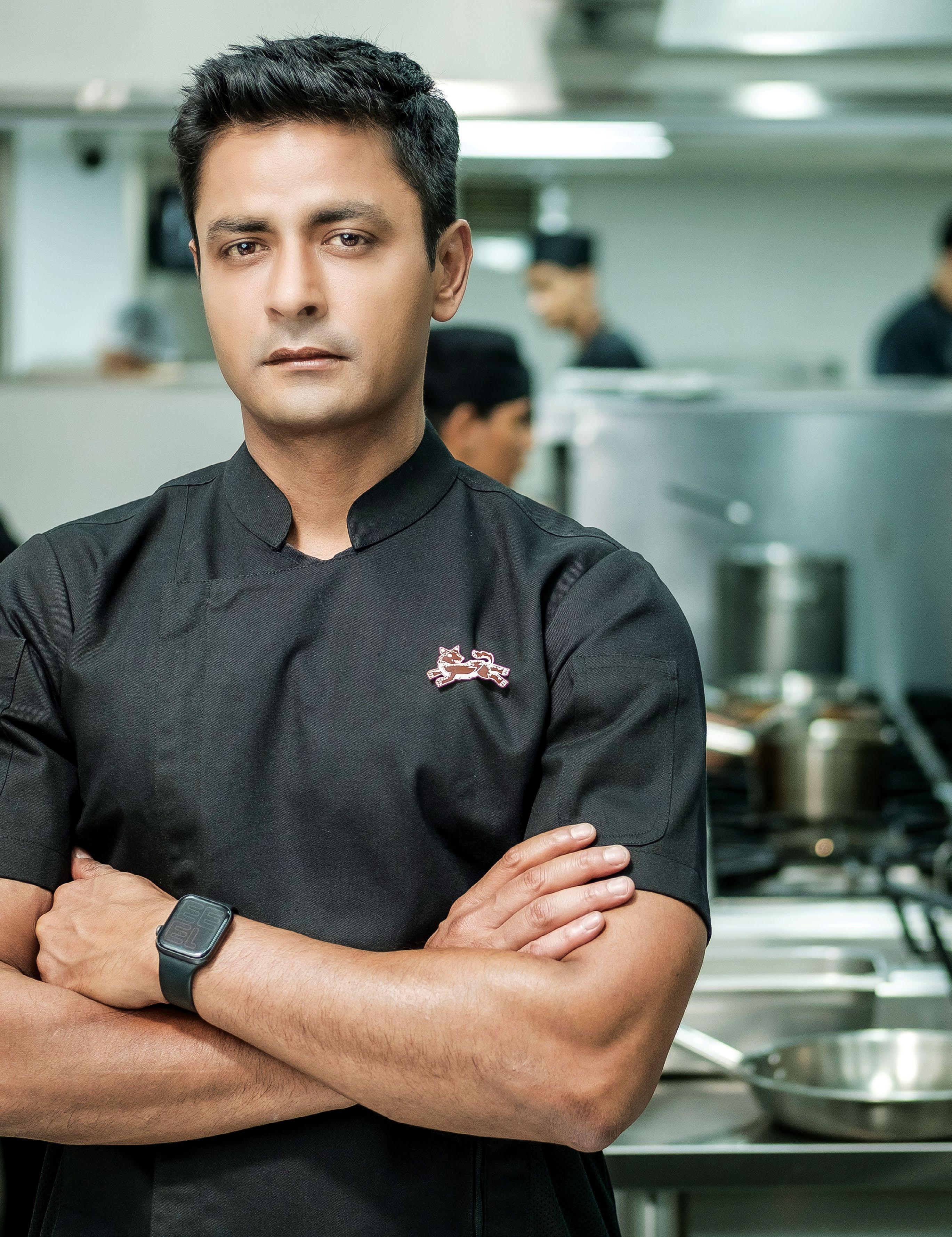
Founder Lupa and Single Thread
Co-founder Begum Victoria Cheese
How do you navigate the wildly different expectations diners bring in, from globally travelled Indians to foreigners?
I love that people celebrate their 80th and 90th birthdays here. I love that a first date turns into a lifetime of visits. I love that corporates fly in their global CXOs and say, “You’ve had your biryani, now try this.” The Japanese— notoriously finicky—are regulars. So are other foreigners who say, “This is better than my mother makes in Italy.” Yet some desi who once changed planes in Frankfurt will still lecture me on Western food. I’ve grown thick-skinned. Put five olive oils in front of most ‘experts’ and they wouldn’t know which is which.
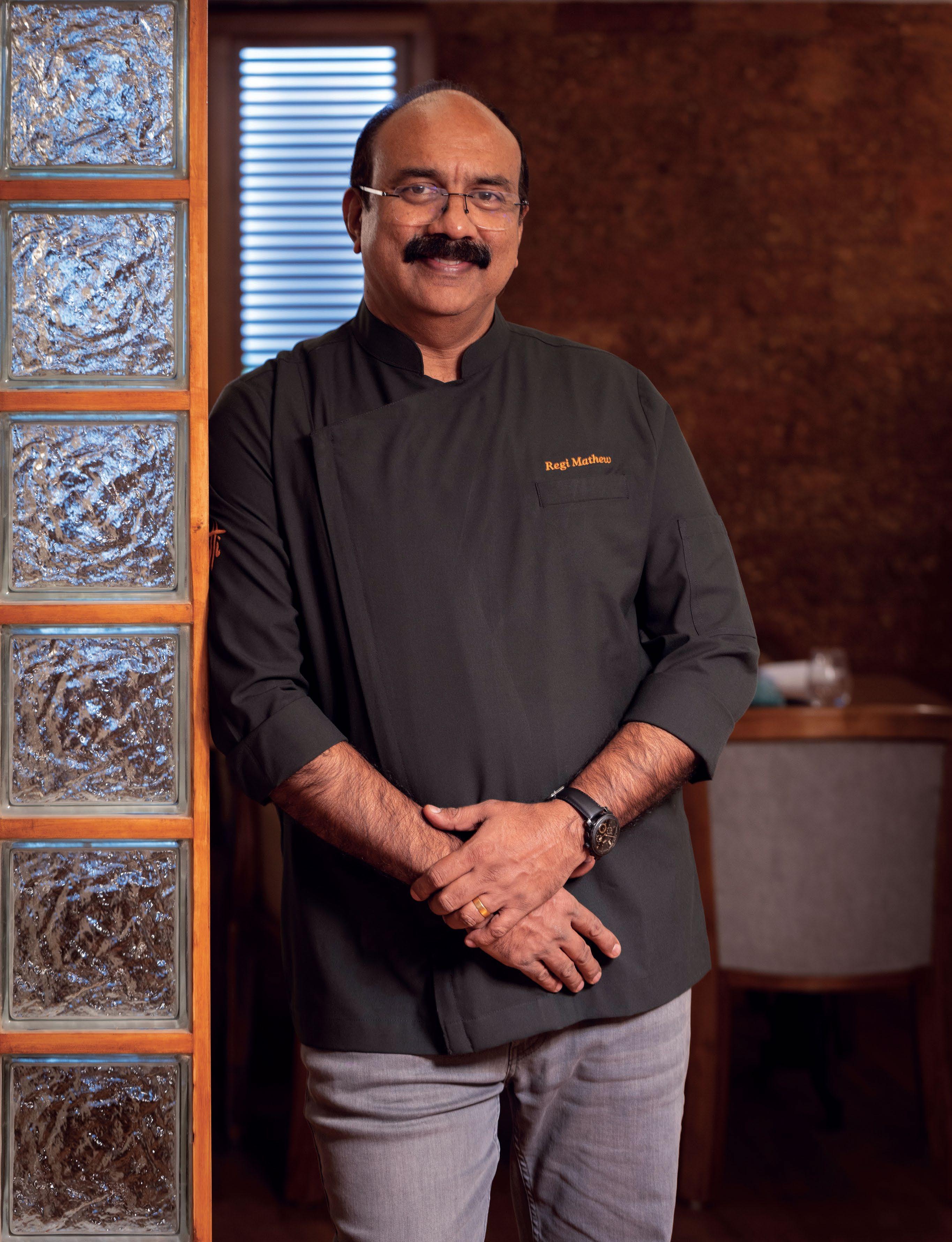
Chef and co-founder KCK Foods
Founder and partner Chatti New York
How are you bringing Kerala’s food and drink culture to an international audience at Chatti New York?
For Chatti NYC, we drew inspiration from Kerala’s toddy shops, essentially taverns where food is served with toddy, creating a natural space for conversation. We aim to celebrate and elevate that culture because food reflects it, and people are always curious. Our offerings at Chatti stand alongside international cocktails, which guests love. We also serve toddy—the freshest possible—shipped from Malaysia via a strict cold chain, arriving as fresh as early-morning toddy back home.
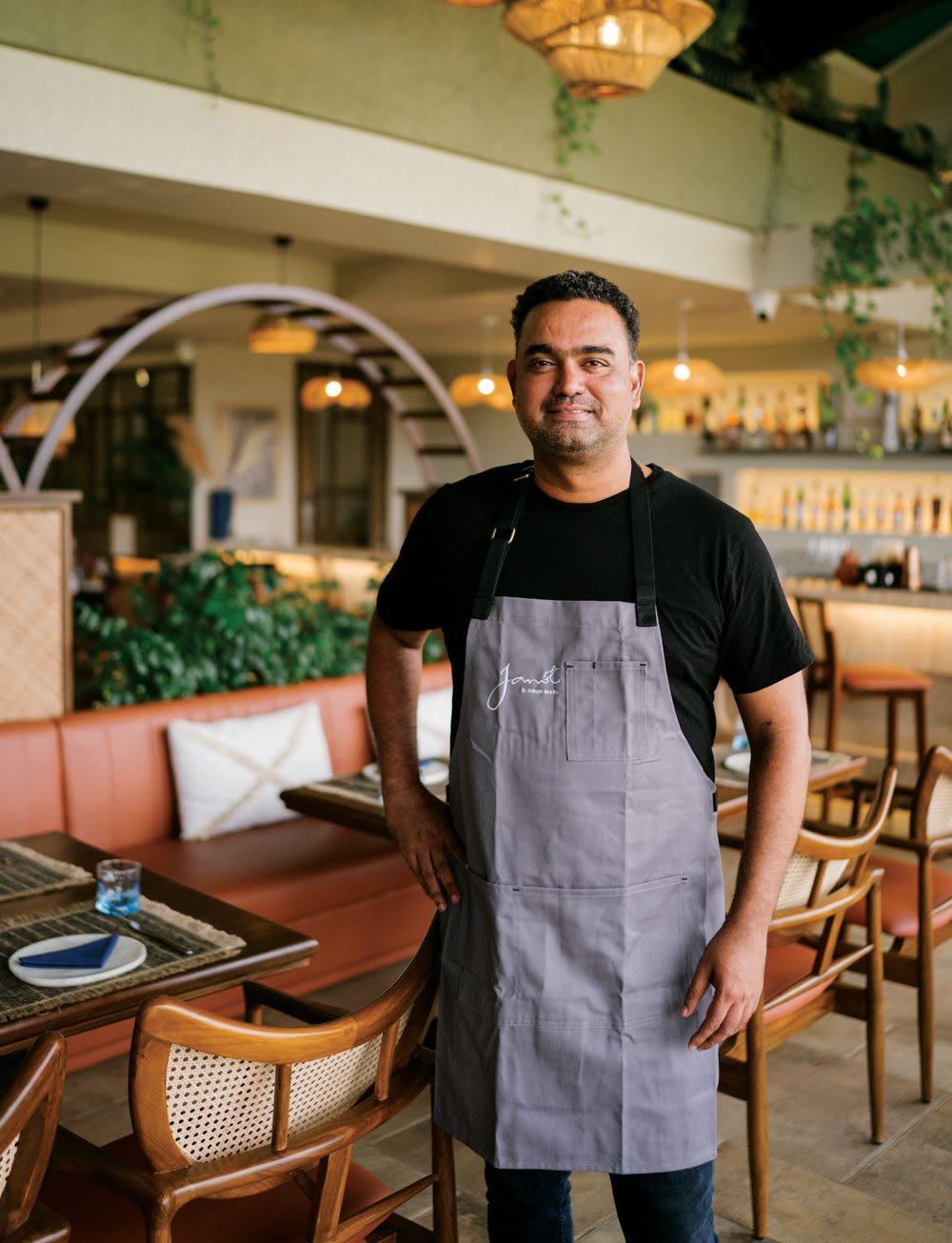
Owner
Cavatina, Table in the Hills, Janôt
What is that one thing about Goan food which people most commonly get wrong?
People often think it’s just spicy, purely IndoPortuguese, or entirely seafood-based. What they miss are the nuances. Goan cuisine is a kaleidoscope of cultures on a plate. Thalis tell the story: a Catholic family’s thali differs from a Hindu family’s, and even within Hindu households, a Brahmin thali differs from a tribal thali. A few years ago, I worked with Goa’s tribal communities, and the thali they brought was unlike any other in Goa. There is immense depth here, requiring patience and a keen eye to truly understand.
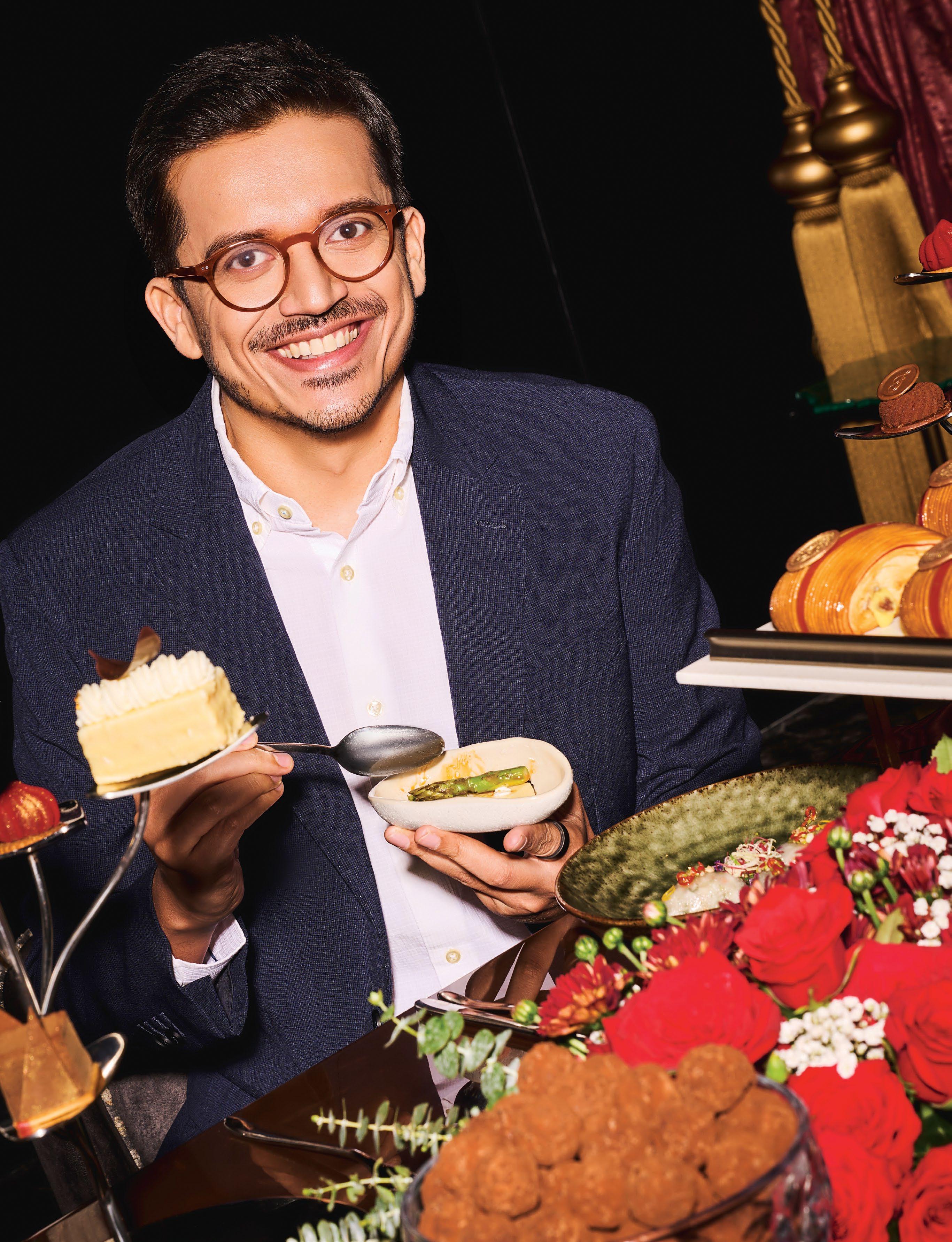
Co-founder Hunger Inc. Hospitality Brands
The Bombay Canteen, O Pedro, Bombay Sweet Shop, Veronica's, Papa’s
How do you build an authentic community in an age where followers are mistaken for loyalists?
We often forget as restaurant owners that Instagram followers are not the community we’re trying to build. The word ‘community’ is thrown around so casually that we forget the difference between a true community and a database. In India, especially, we often mistake one for the other. We emphasise this with our team: our brands endure because we’ve built a real community, and that community is built on trust. Sameer and I still believe in the old-school way: true brands need emotion and feeling.
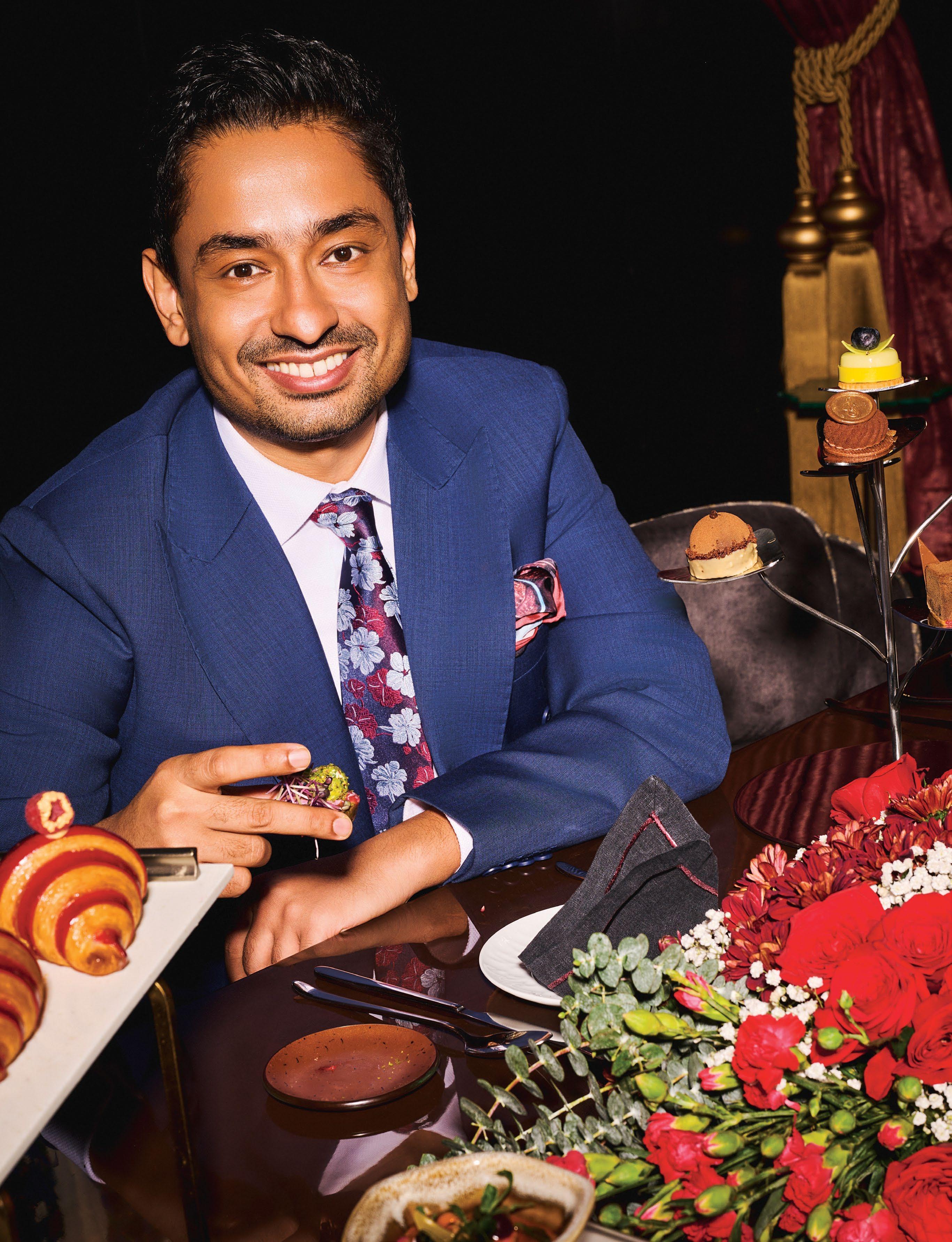
Co-founder Hunger Inc. Hospitality
Brands The Bombay Canteen, O Pedro, Bombay Sweet Shop, Veronica's, Papa’s
How do you build an authentic community in an age where followers are mistaken for loyalists? It’s about having a clear POV. Whether it’s right or wrong is for the market to decide— but you must start by stating where you stand. We’ve never seen chefs as outsiders who merely follow instructions. It has always been a true thought partnership, whether with Floyd (Cardoz), Thomas (Zacharias), Hussain (Shahzad), Girish (Nayak), or Shraddha (Tayade), the senior sous chef at O Pedro. It requires multiple honest conversations about what’s working, what isn’t, and a constant dialogue about each brand’s core.
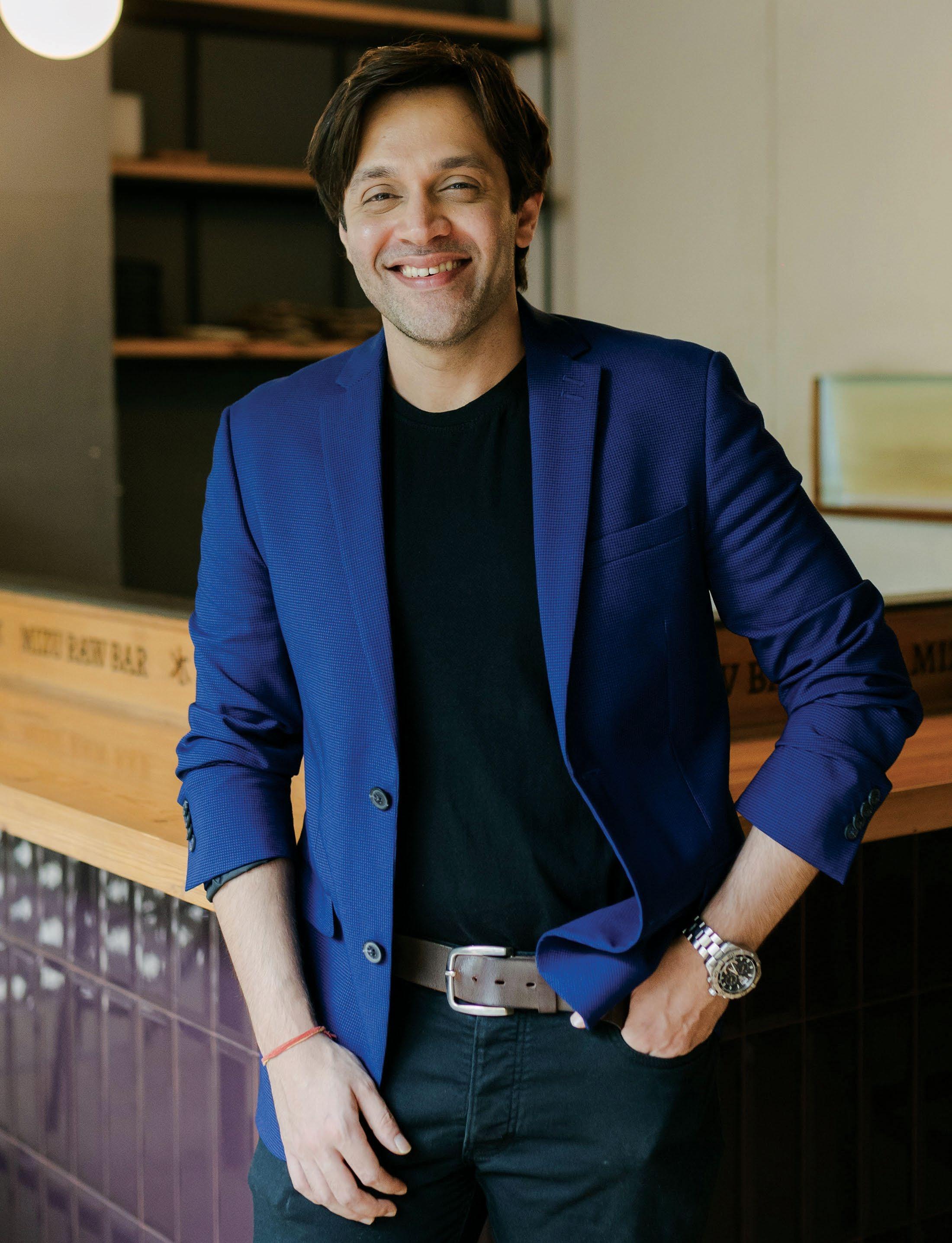
Co-founder and Director Mizu Izakaya
What were the challenges of introducing an izakaya-style dining concept to Mumbai?
When we first launched, people didn’t immediately understand what an izakaya was—fine dining, a bar, or a casual eatery? Japanese cuisine in India was mostly linked to high-end, polished restaurants. We wanted to introduce a format deeply rooted in Japanese culture yet approachable. It took time and education through experience. Once guests walked in, tasted the food, and felt the energy, it all clicked. Sourcing posed its own challenges. Quality Japanese ingredients aren’t easy to find, but over time we built strong relationships with trusted suppliers and discovered local producers who could meet our standards without compromise.
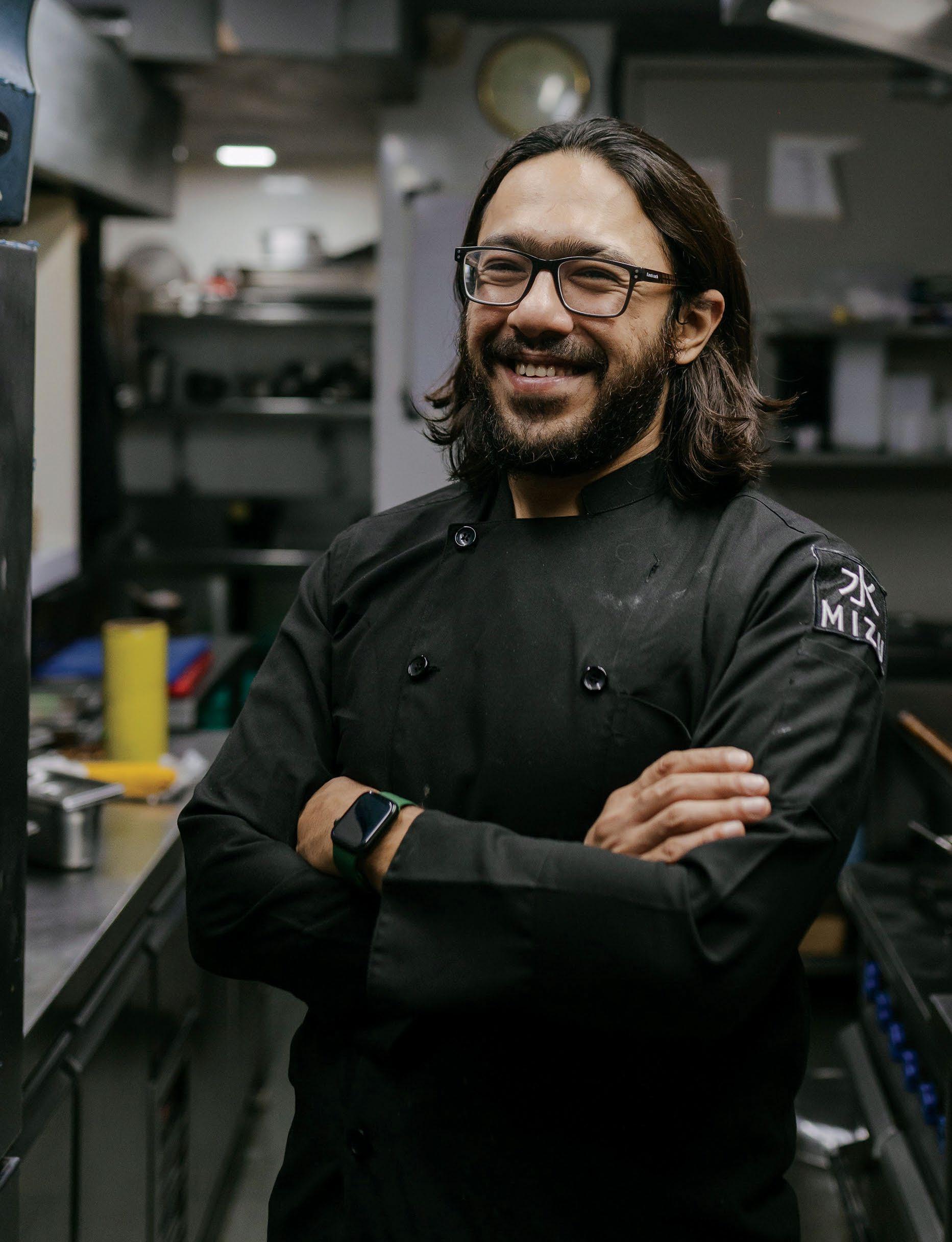
Co-founder and Executive Chef Mizu Izakaya
What does the word izakaya mean to you personally, and how did you interpret it for an Indian audience?
In Japan, izakayas are almost like second homes. You finish work, meet your friends, unwind with great food and sake, and share stories. That’s what we wanted to bring to India, a dining format built around warmth and familiarity. For Indian diners, we reinterpreted it with a balance of approachability and craft. Our menu is designed for sharing, lots of small plates, a lively cocktail program. It’s not about fine-dining theatrics; it’s about creating a space where good food and good energy co-exist naturally.
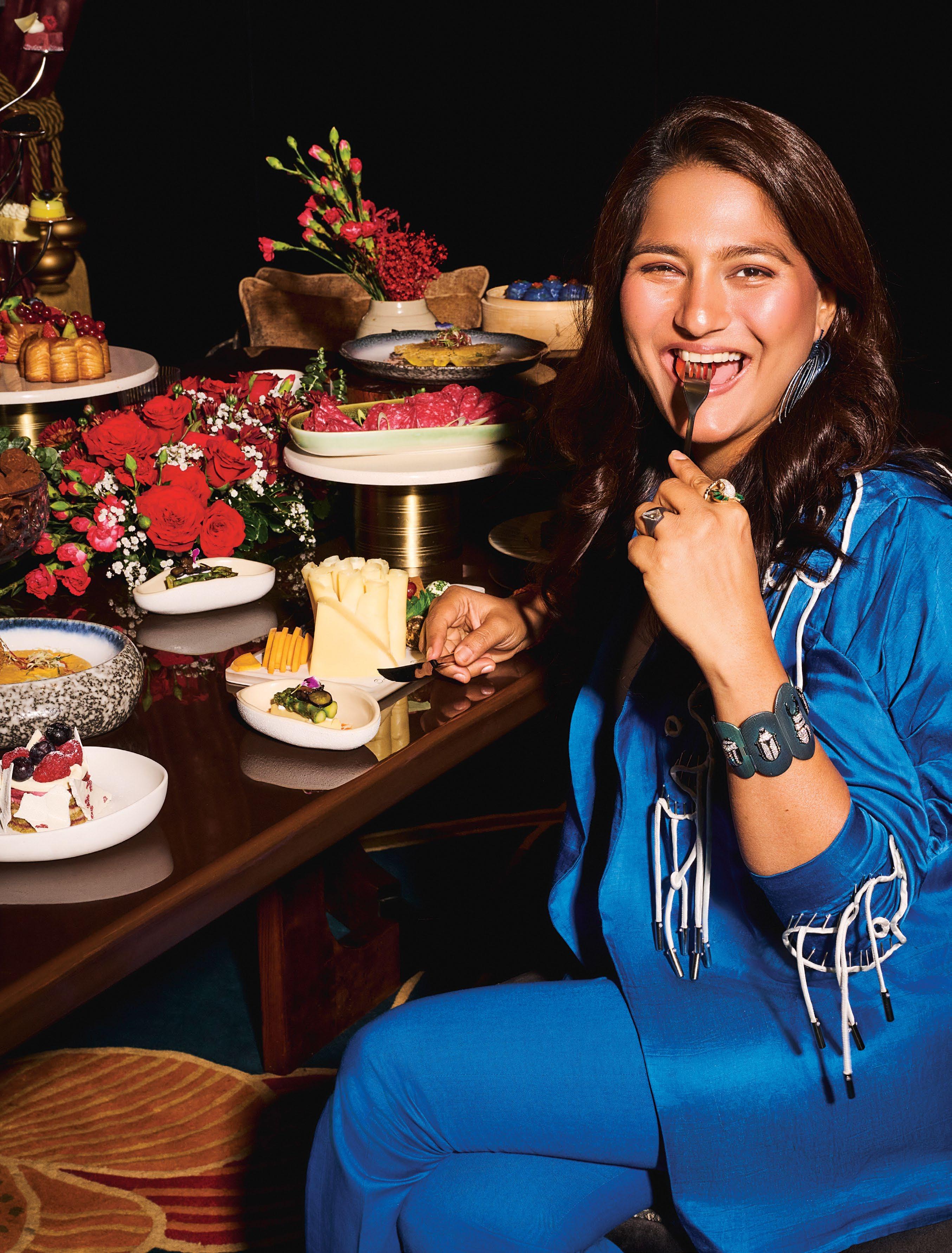
Co-founder Urban Gourmet India
Brands Masque, Paradox, Sage & Saffron, TwentySeven Bakehouse, Circle Sixty Nine
What is at the heart of a great restaurant?
The trust that you’ll feel cared for every time you walk in, that you’ll be treated like the only guest in the room. This trust isn’t built in a day; it comes from the team, the culture, and the intuition developed over years of service. Guests may arrive for the food, but they return for how they were made to feel. A restaurant becomes an institution not through flashiness, but by creating a sense of belonging. When people celebrate their milestones with you repeatedly, you know you’re doing something right.
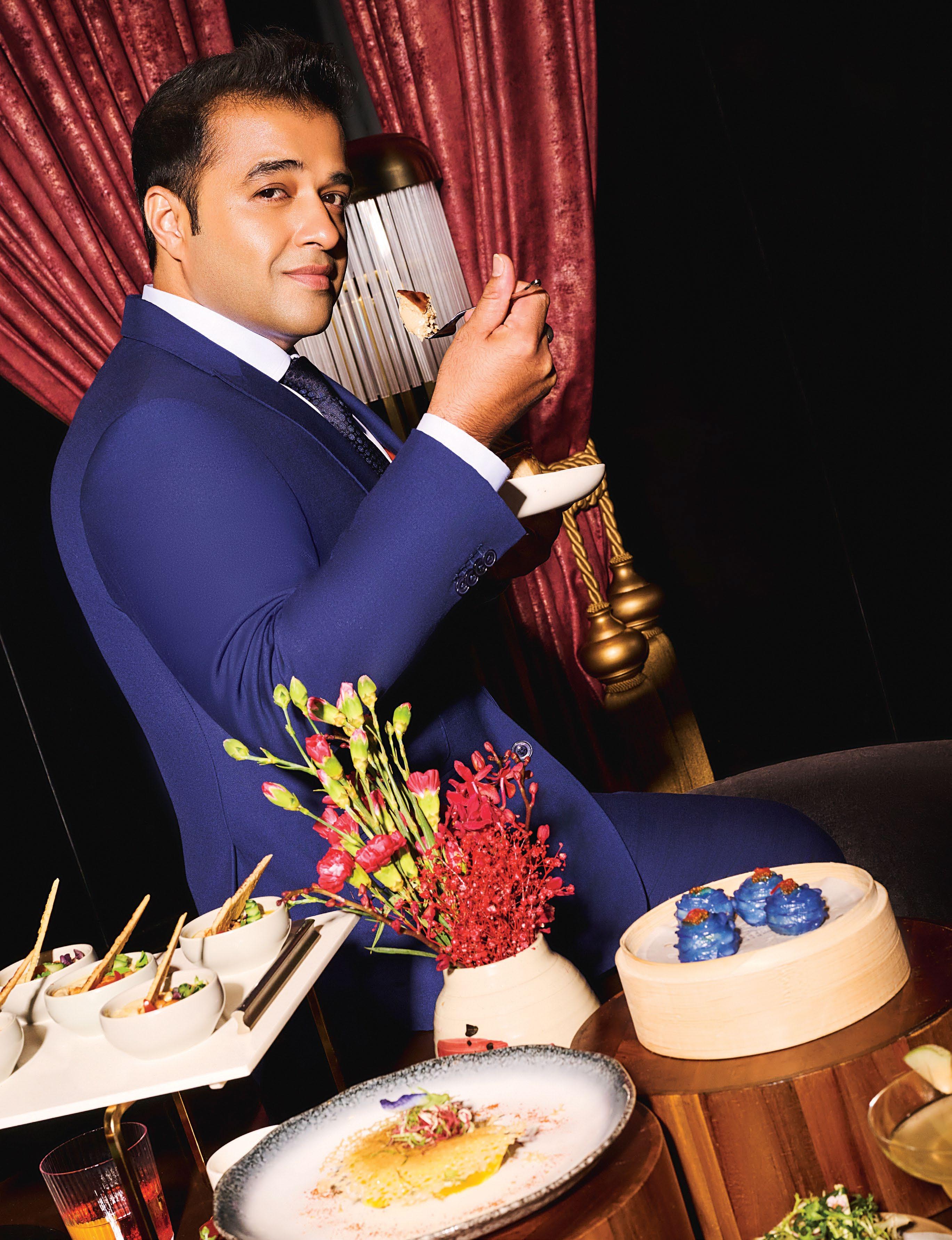
Co-founder Urban Gourmet India
Brands
Masque, Bar Paradox, Sage & Saffron, TwentySeven Bakehouse, Circle Sixty Nine
What keeps you up at night? And makes it all worth it?
The challenge is always people—nurturing talent, growing leaders, and keeping culture strong as you expand. And of course, the constant pressure to stay innovative without losing your grounding. That balance is delicate. But the joy is when a guest leaves beaming or a young cook gains confidence, or a farmer tells you a partnership changed their season. Those small, meaningful moments are why we do all of this. They make every late night worth it.
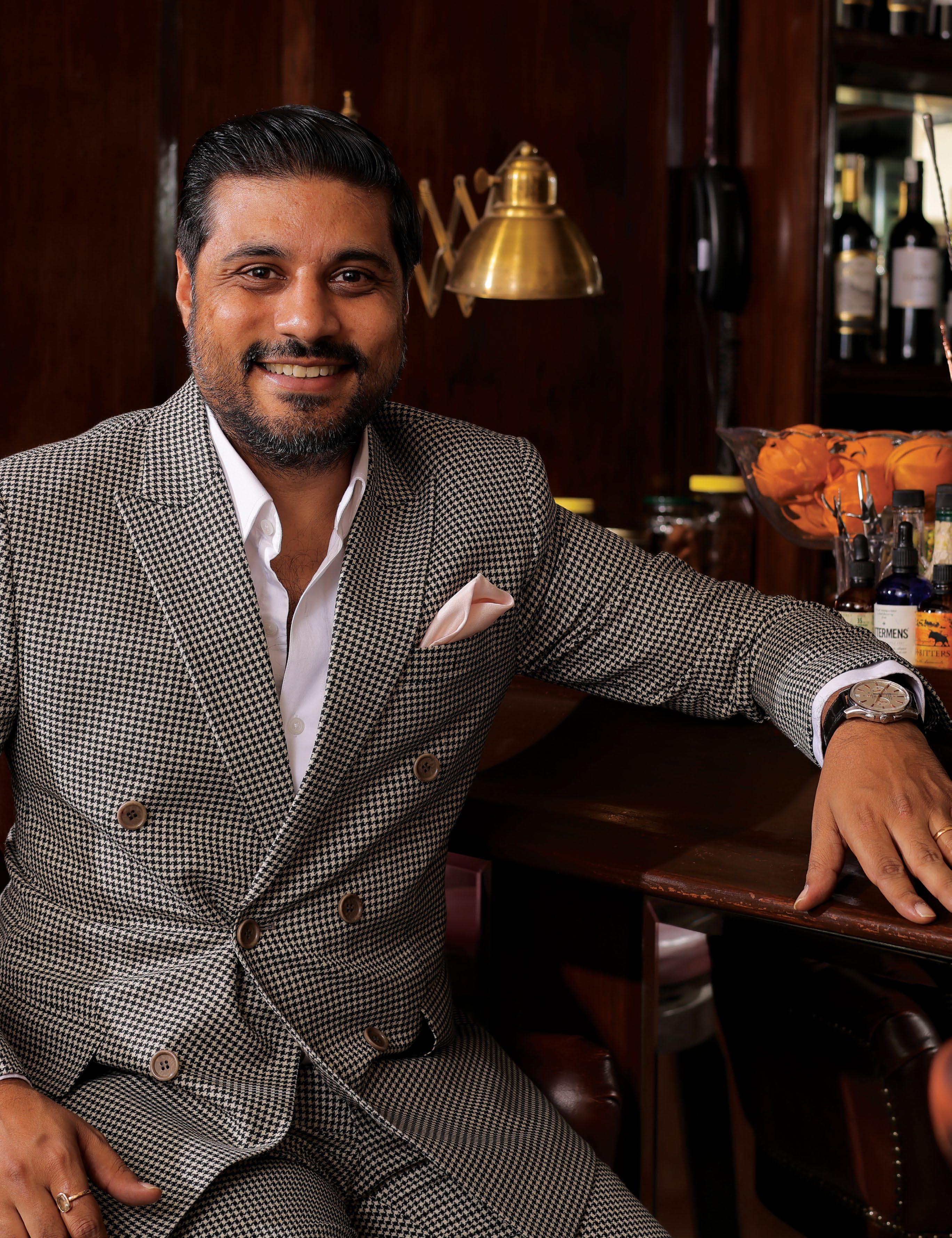
Founder Pass code Hospitality Brands
PCO, Jamun, Mister Merchant’s, Merchant & Me, Raki, Saz, Saz on the Beach, Ping’s Café Orient, Ping’s Bîa Hói, Maya Pistola Agavepura, Klarify, Director’s Room at PCO
What first drew you to agave spirits and inspired the creation of Maya Pistola?
The idea for Maya Pistola came during Covid-19, when I noticed a high demand for agave spirits at my bars. India grows agave right here in the Deccan Plateau— hot, dry, and ideal—yet no one was making it locally. I wanted to create a 100% Indian agave spirit that was pure, additive-free, and reflective of our terroir.
That’s how Maya Pistola was born from curiosity, opportunity, and a desire to give India its own voice in this category. It’s gratifying to see Pistola earn over 50 awards, most recently ‘Spirit of the Year – India’ at the USA Spirits Ratings 2025, the highest recognition for an Indian brand this year.

Founder DU Hospitality
Brands Gigi Bombay, Scarlett House Bombay, Kaia Goa, Donna Deli Bombay, Shy Cafe and Bar
What defines a truly memorable guest experience?
Intention, warmth, and personalisation.
Guests instinctively know when something is meaningful. They value authenticity over theatrics, and the sweet spot is personalisation without intrusion. Great food is expected; a great experience is earned.
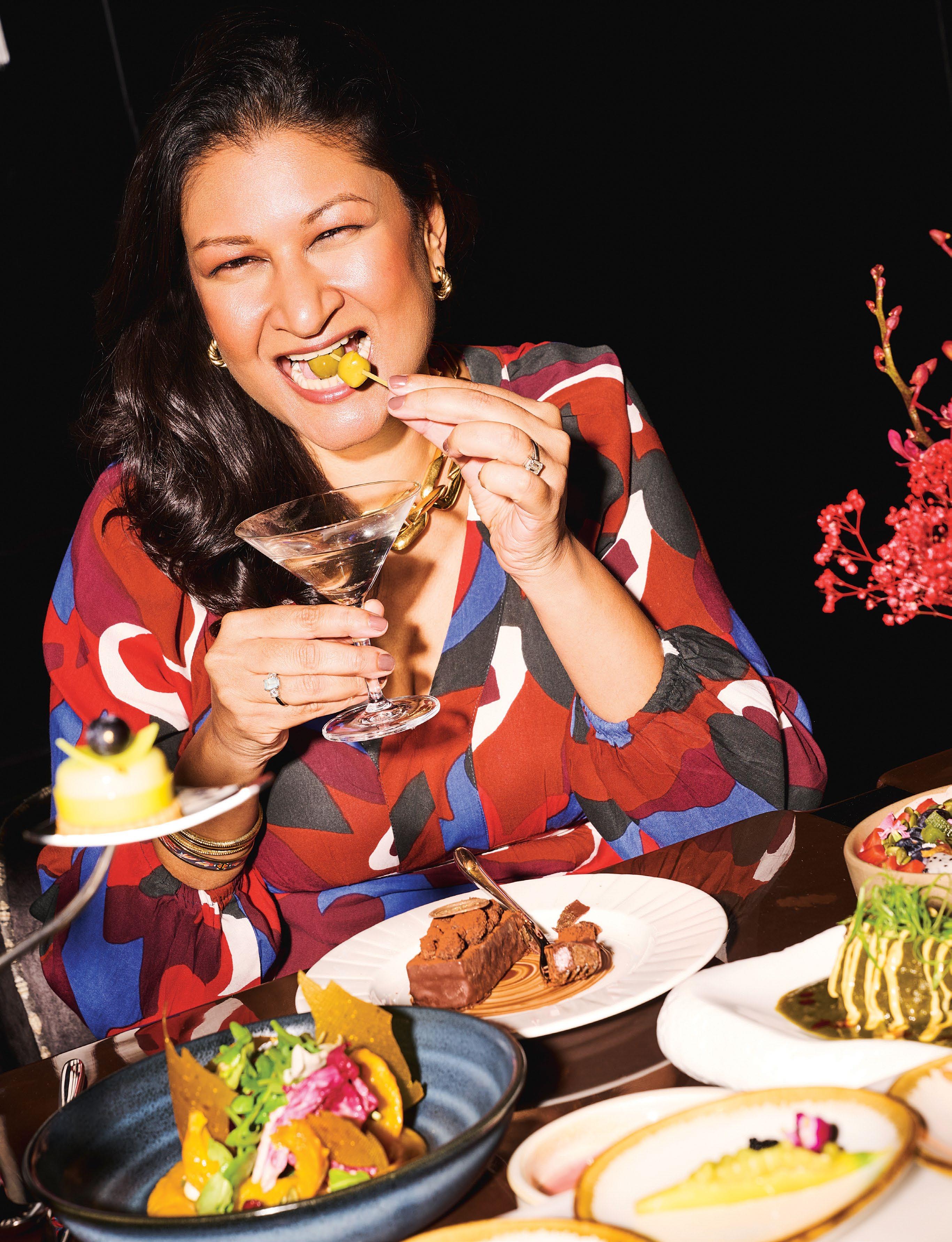
The Table Colaba, Kaspers, Magazine St. Kitchen, Mag St. Bread Co, Mag St. Restaurant, Iktara Mumbai
How do you refresh menus, spaces, or stories year after year?
I’m not sure we can speak of legacy restaurants in Indian fine dining as they’re very new. But take places like Madras Café or Swati: they may redo the space or add seasonal specials, yet people return because they stay true to their roots. That’s the testament. Globally, fine-dining institutions such as Balthazar, River Café, and St. John in London refurbish, but the core remains the same. Or Trishna in Mumbai: they may spruce it up, but the food has been consistent since I was a kid. One fundamental thing matters: creating a memory for the diner, a dish that leaves an impact. Weeks or months later, they still crave it.
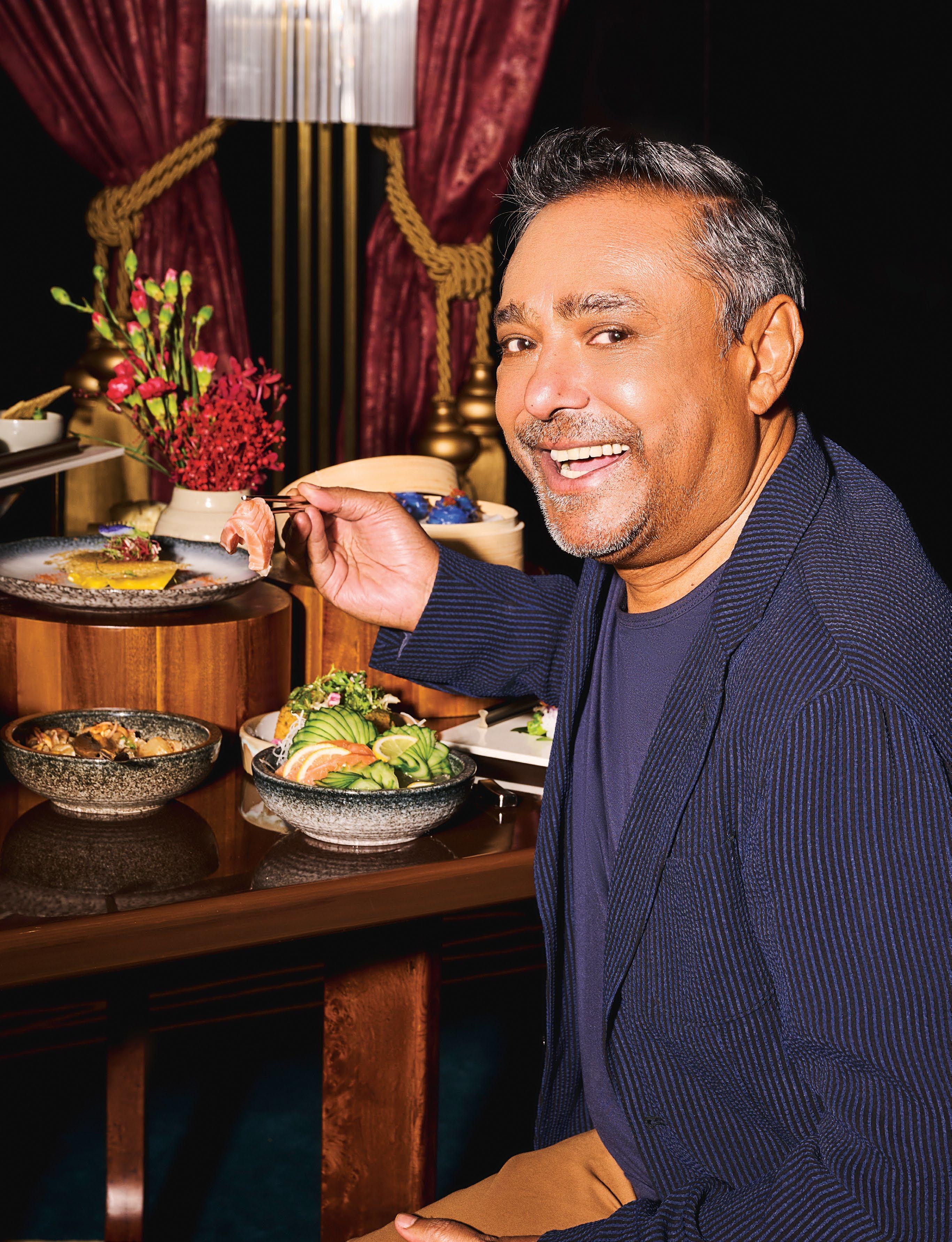
Co-founder Food Matters Group
Brands The Table Colaba, Kaspers, Magazine St. Kitchen, Mag St. Bread Co, Mag St. Restaurant, Iktara Mumbai
How do you refresh menus, spaces, or stories year after year?
At The Table, we created a distinct look, which took 14 months to complete. The pressure was on: we were new, paying international-standard rents. What we achieved in those 14 months is now a classic, not just with the space but also the food. Even today, every new chef cooks the same cuisine, in the same style, with the same dishes, but adds their own take. When I lived in San Francisco, I used to visit a neighbourhood restaurant called Garibaldi. Twenty years later it’s still a local favourite. It went through 8–10 chefs, each adding a twist, but the menu stayed.
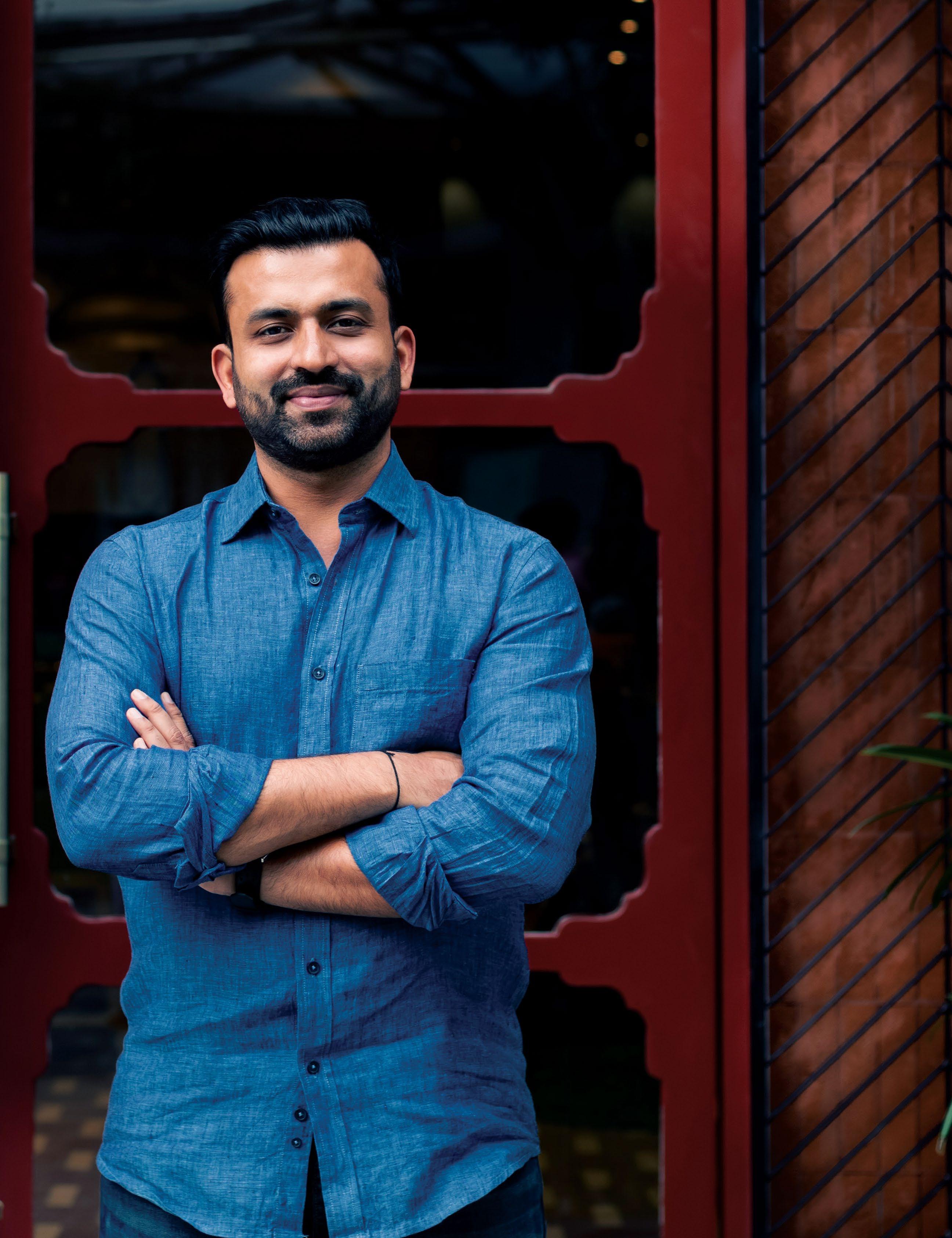
Co-founder Burma Burma
Are 20-seat speakeasies or members-only concepts smarter than 80-seaters?
Those are passion projects, not businesses. A 20-seater open four days a week is just 200 seats—and with rent, staff, and experience costs, it’s hard to make money. They won’t change eating habits. Every city may have a few, but the model isn’t scalable. Six-to-eight course meals for 15–20 guests are great to test concepts, events, or popups. You get a solid sample of about 100 people from diverse backgrounds, helping determine if an idea will work.
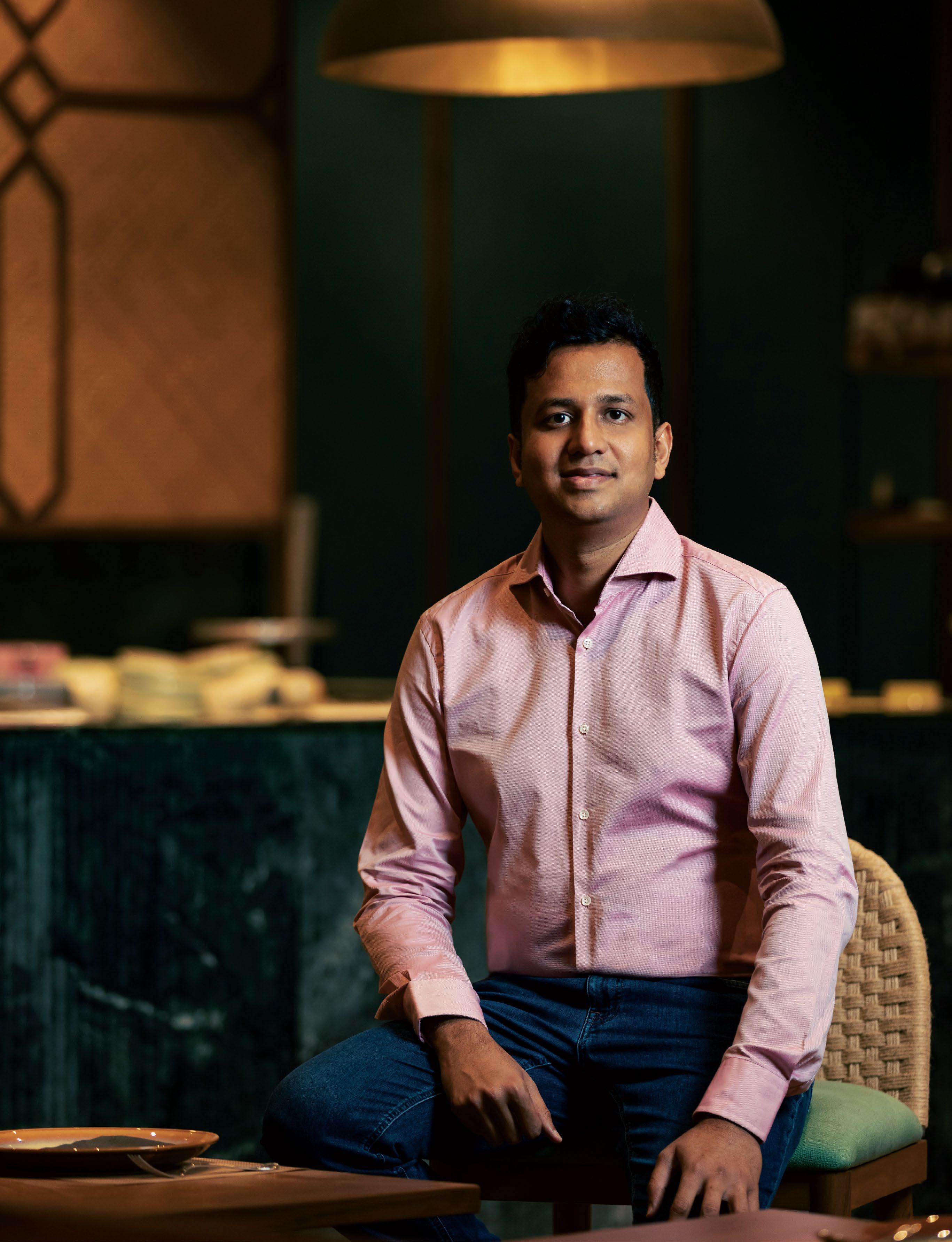
Co-founder Burma Burma
What is your approach to guest interaction and technology in the front-of-house experience?
We believe in being genuine and transparent. When it comes to the front of the house, we are very tech-averse. if I'm a guest going to a restaurant, I don't want to fill a feedback format or I don't want a QR code. I don't want these small menus that I have to strain to see. A menu should be traditional, old school—something I can touch, feel, talk to the server about, look them in the eye.
Relationship building is important. We put the guest first and everything else second.
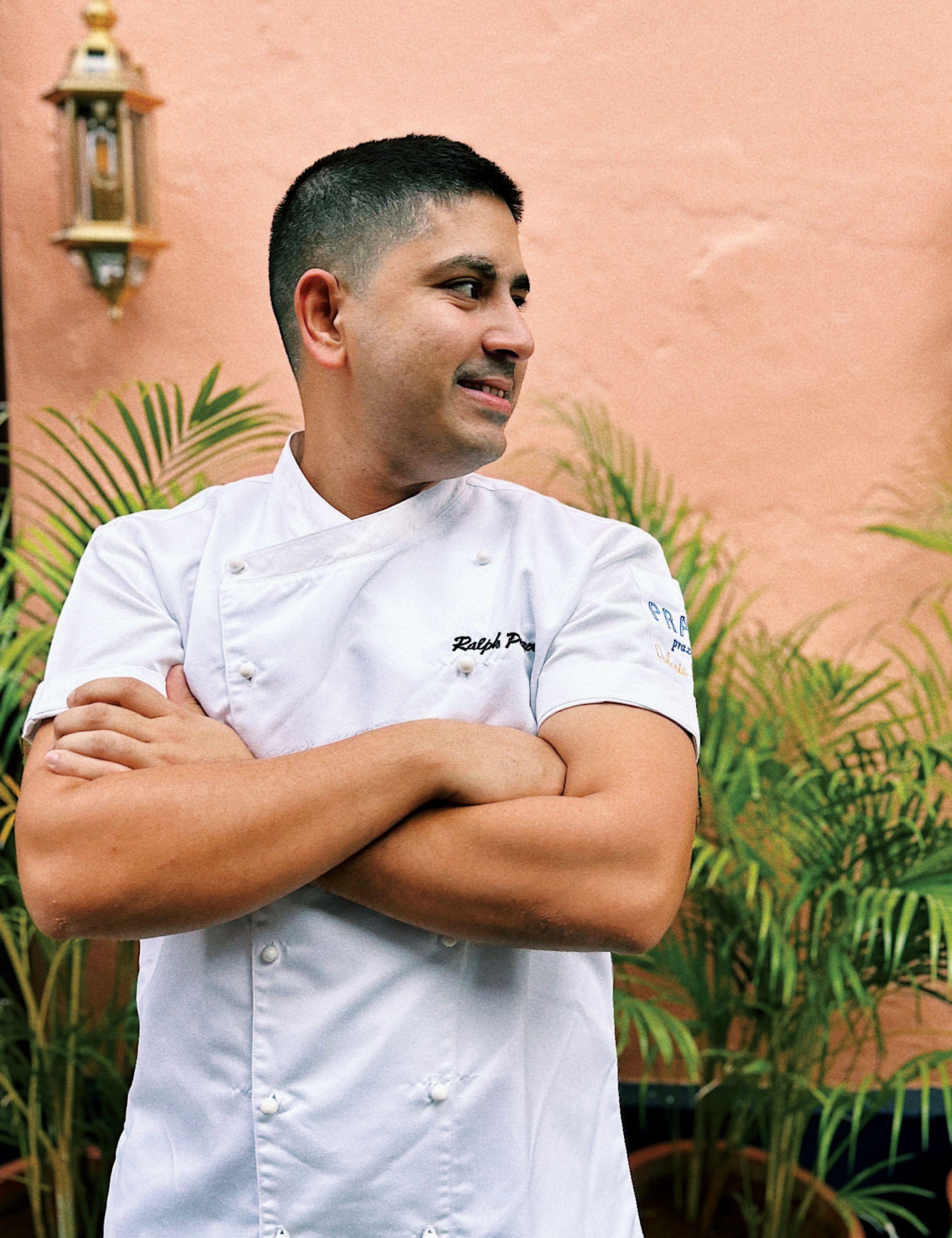
Founder Padaria Prazeres, Praça Prazeres
Do you think the Michelin guide is relevant in India’s current dining scene, or are there bigger challenges to address first?
Back in 2018–2019, Michelin was very different—no filters, no bias. If you delivered, you made the list, often without even knowing when anonymous inspectors visited. Recognition came from raw cooking. That’s no longer the case; there are now ways to play the system. Then there’s the question of why people don’t travel to India just for restaurants. The bigger issue is infrastructure. For example, if someone wants to eat at Praça Prazeres in Goa, how do they get there? There’s no aggregator. Before Michelin or foodie tourism becomes relevant, the basics need fixing.
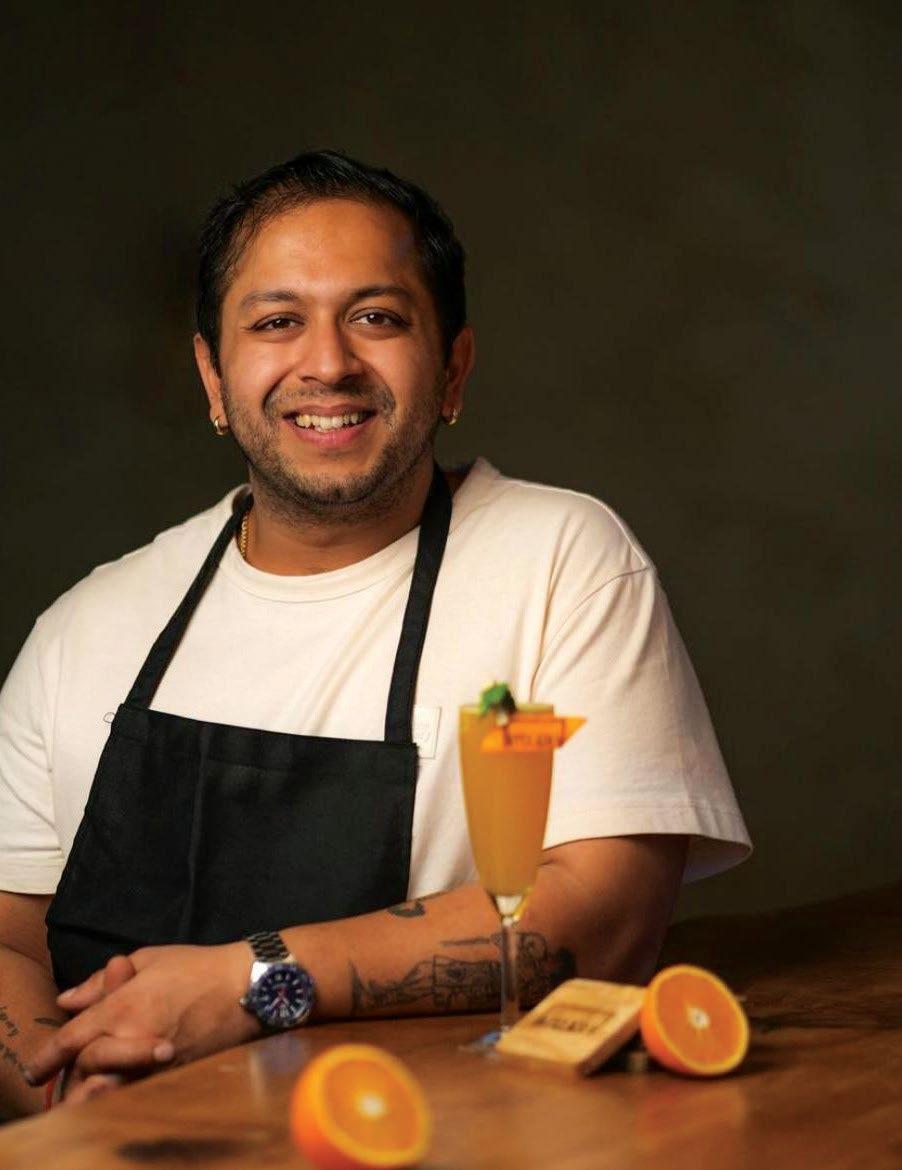
Founder and chef
Atelier V, Masala Code
Are Indore residents adventurous when it comes to eating out?
In Indore, a large part of the audience still stays in its comfort zone and avoids experimenting. They don’t want their palate challenged. Guests often come to Atelier V expecting Indian food, having assumed from Google or Instagram that it’s an Indian restaurant. I explain, “We don’t do Indian food at all.” Some even ask, “Can you make a custom Indian dish with this ingredient?” I encourage them to try our food, and many enjoy it, but usually it’s a one-time experience. Most prefer chatpata, spicy dishes, or food with familiar Indian spices.
Scaling a brand is as much an art as it is a science. Behind every successful expansion lies a delicate balance of quality, culture, and people, where a single misstep can ripple far beyond the kitchen.
AD Singh underscores the unyielding importance of customer experience while scaling operations or launching multiple brands. “For a customer, you’re only as good as your last meal. If he has a poor dish, he will never come back. An unhappy customer may tell 10, 20, 30 people.” He impresses upon his teams the painstaking effort behind every dish: “Every year at our team Diwali party, I tell my kitchen teams: our chefs work hard creating menus, new menus and specials. The leadership team tastes and refines them, and ensures excellence. The wider kitchen team must execute every dish exactly as imagined. That’s critical, even for restaurants that have been around 20 years.”
Quality, AD insists, extends beyond the kitchen. “Even today—maybe especially today—where choices are endless, each one of us wants to feel valued. I won’t go to the best restaurant in the world if I’m
just number 77 who walked through the door. They take my money, and it’s ‘Bye, bye’.” He recalls Olive Bandra early on: “On day five, a customer argued with a waiter over change. We told him it’s okay, we believe you, and gave him the change. He was surprised and pleased. Every guest must feel appreciated. That matters to even me when I dine out.”
Sameer and Yash stress foundational systems over rapid expansion. “When The Bombay Canteen got popular, we had offers to open a second within six months. But unless we built the right processes, we didn’t want to scale. Scale is about process, not just repeating a recipe,” Sameer says. That philosophy led to establishment of Bombay Sweet Shop, a productfocused business with 18 dark stores and five retail outlets delivering pan-India.
Quality remains the common thread even while expanding. “We’ve always been in the trenches with our teams,” Yash explains. “We build managers and leaders to carry our culture. At Hunger Inc., if Sam and I can’t embody the values we believe in, neither can our teams. Then comes quality control, which
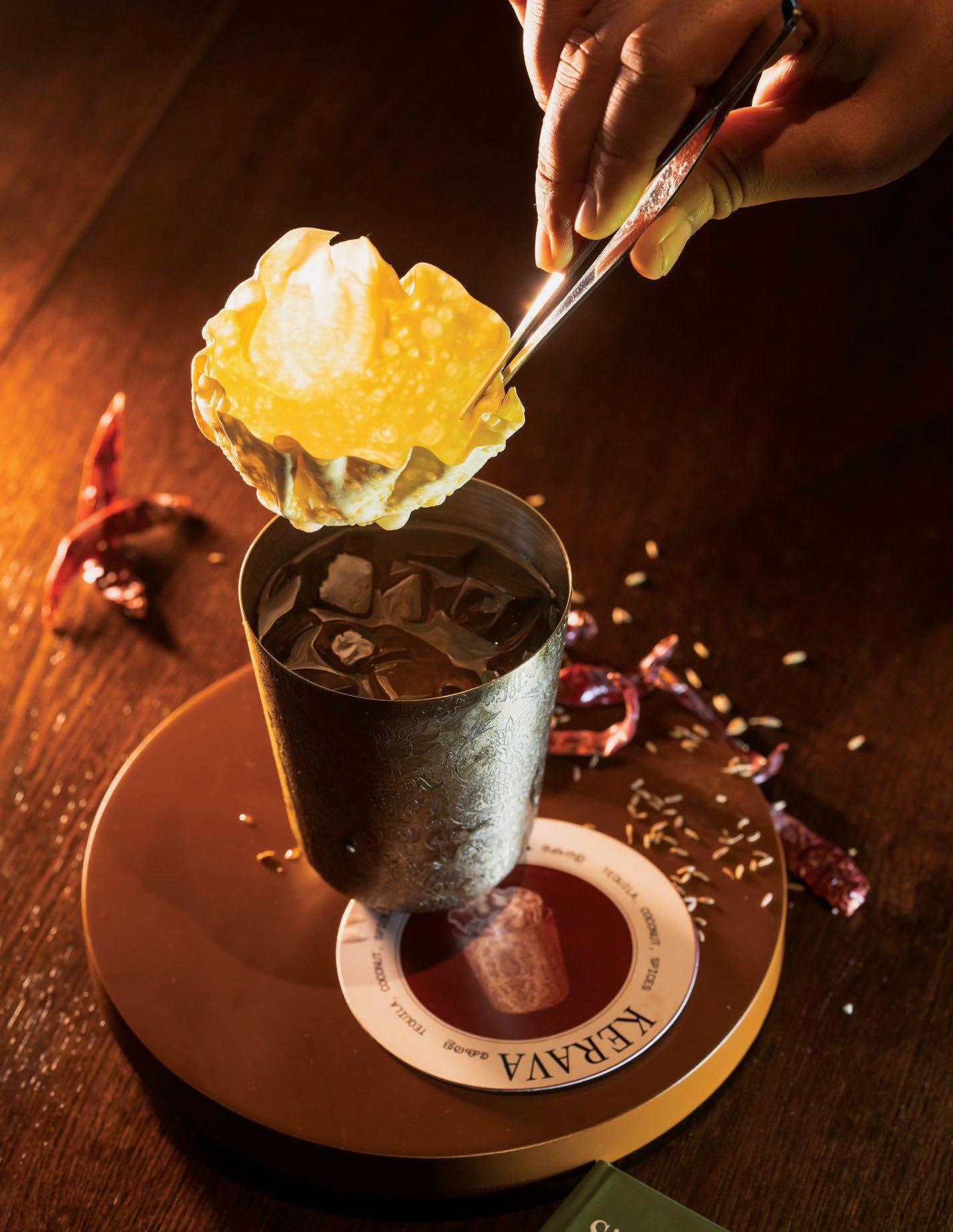
everyone, from chefs to front-of-house service must follow. It’s all about qualitative training, tasting new menus, and letting team members voice opinions in their language.”
Vedant Malik echoes a human-centric, slow-scale approach: “Scaling is one of the hardest things in hospitality. Systems matter, but people matter more. Every new outlet or brand must add meaning to our ecosystem, not just numbers.”
Gauri reflects the same philosophy. “When we opened, I knew every team member’s name. Today, with 500 staff, I can’t. But we’ve grown with the right people to ensure quality. When The Table opened, I did not step out of Mumbai for the first six months, and I was at the restaurant every night. Now I can step away because we’ve built a team that retains locals and regulars. It’s a people-first business. Without that, you’ve lost half the battle.”
Jay distills measured growth: “Understand your limits, strengths, and team. Many restaurateurs expand fast after one success. We realised Mumbai had enough opportunity to grow thoughtfully. The
Table was our flagship. Every project after it becomes easier because the foundations are solid.”
Regi, too, endorses a measured approach: “Expansions aren’t rapid. I give each restaurant a minimum of two years to settle. Our system is a team that creates the magic, not a single person. We train constantly. Each restaurant must be set before the next opens.”
Chef Avinash balances geography and creativity. “Cavatina has been around 14 years. It became easy and predictable. I wanted to take Cavatina’s food outside Goa, not by opening in five states, but by travelling with it. Then I needed a new creative stimulus. That’s how Janôt was born, where we are cuisine agnostic and ingredient-focused.”
Rakshay stresses early standardisation: playbooks, recipes, service SOPs, training modules, and a leadership bench that translates brand voice. “A central QA + R&D cell audits new openings. Balancing local adaptation with brand fidelity is key. We test locally, document everything, and only roll out what preserves the brand’s emotional trademark.”
Chirag adds another layer: standardisation across regions. “By 2020, we had opened six outlets in four zones with the same menu and almost the same pricing. People from different backgrounds enjoyed the same food. That gave us confidence to go panIndia.” Post-Covid-19 funding enabled five more outlets in 2023. “No two look the same.”
Dhaval summarises the discipline of scaling: “Scaling is more complex than creating. Hire people better than you, document everything—recipes, rituals, behaviours, decisions. Design kitchens for efficiency and not ego. Build culture and not hierarchy. Protect quality even if it slows growth. Before opening anything, I ask: ‘Can this restaurant taste, feel, and sound identical when I’m not there?’ If not, we’re not ready.”
An old industry adage captures the learning curve: opening one restaurant is hard, the second nearly impossible, the third extremely hard, but the fourth easier. “If you scale with systems and pure passion, expansion becomes natural,” says Zorawar Kalra. “Without processes, you can lose your shirt. Build a team with redundancy so that so openings as far apart as Bhubaneswar or Kolkata don’t falter and you can leverage the existing team. Expansion without preparation is risky, but with preparation, it’s natural.”
Yet some resist replication. Chef Manu Chandra, who has scaled multiple brands before, adds a dissenting voice: “Some restaurants aren’t meant to be cloned. I could scale with teams and structure, but that would be a different brand. There are things you scale, and things you choose not to.”
1
Clarity of purpose and identity is non-negotiable
“Your guests must know your style of food. Repeat visits happen only when a restaurant becomes ‘that special place’.”
CHEF AVINASH MARTINS
“Brands need a point of view. You can’t be everything for everyone.”
SAMEER SETH
2
Choose depth and honesty over chasing trends
“Great food doesn’t need constant experimentation.”
CHEF MANU CHANDRA
“Never betray what you set out to make. Don’t waver with trends.”
CHEF RALPH PRAZERES
3
Obsessive consistency is the real moat
“To stay, you need consistency, pride, and knowing exactly what you’re doing.”
JAY YOUSUF
“Social media may make you a rage, but the antidote is consistency guests feel every visit, and emotional memories that outlive viral reels.”
RAKSHAY DHARIWAL
4
Cultural authenticity and roots offer timeless strength
“The food philosophy, what you believe in, that is your strength. I always go back to the roots.”
CHEF REGI MATHEW
“People come for food… consistent food, great ingredients, authenticity. Simple things.”
ANKIT GUPTA
5 People (team + guests) are the backbone
“It’s a people-first business. People come back for the food they crave or that quiet corner they like to sit and eat in.”
GAURI DEVIDAYAL
“Scaling is one of the hardest things… Systems matter, but people matter more.”
VEDANT MALIK
6
Word-of-mouth and real memories beat marketing noise
“Nothing beats word of mouth… Noise may get diners in but only quality and consistency make them return.”
GAURI DEVIDAYAL
“Instagram reels may get someone through the door, but the memory created in the dining room is what brings diners back.”
ADITI DUGAR
7
Build strong systems and processes before you scale
“Endurance is earned… You need three pillars: an uncompromising product, a flexible culture… and systems that make quality scalable.”
RAKSHAY DHARIWAL
“Before opening anything, I ask: ‘Can this restaurant taste, feel, and sound identical when I’m not there?”
DHAVAL UDESHI
8
Reinvent with grace, not panic— stay true while evolving
“We stick to our core. We don’t chase every trend. Diners crave novelty, but they trust familiarity.”
AD SINGH
“Innovation is a muscle; you train it every day.”
ZORAWAR KALRA
9
Community > database; genuine connection > followers
“We sometimes forget the difference between a community and a database.”
YASH BHANAGE
“We wanted to bring the communitydriven warmth of an izakaya… where great food, sake, and stories flow freely.”
CHEF LAKHAN JETHANI
10
Attention to detail and relentless preparation win
“Attention to detail is extremely important… Your blueprint, your jet, your parachute—you need to be ready before you jump.”
ZORAWAR KALRA
“Focus on the details and all aspects of the operation. My experience in Michelinstar restaurants helped me impart best practices to my team, essential in a place like Indore.”
CHEF VEDANT NEWATIA
11
Make every guest feel genuinely valued
“Each one of us wants to feel valued… Every guest must feel appreciated.”
AD SINGH
“The goal isn’t setting up 20 restaurants; it’s great ones that last.”
VEDANT MALIK
12
Keep the menu consistent and the experience quietly exciting
“People never get tired of great food done the same way every single time. ”
CHIRAG CHHAJER
“In 2025, a brand lasts only if it feels genuine at its core.”
ADITI DUGAR
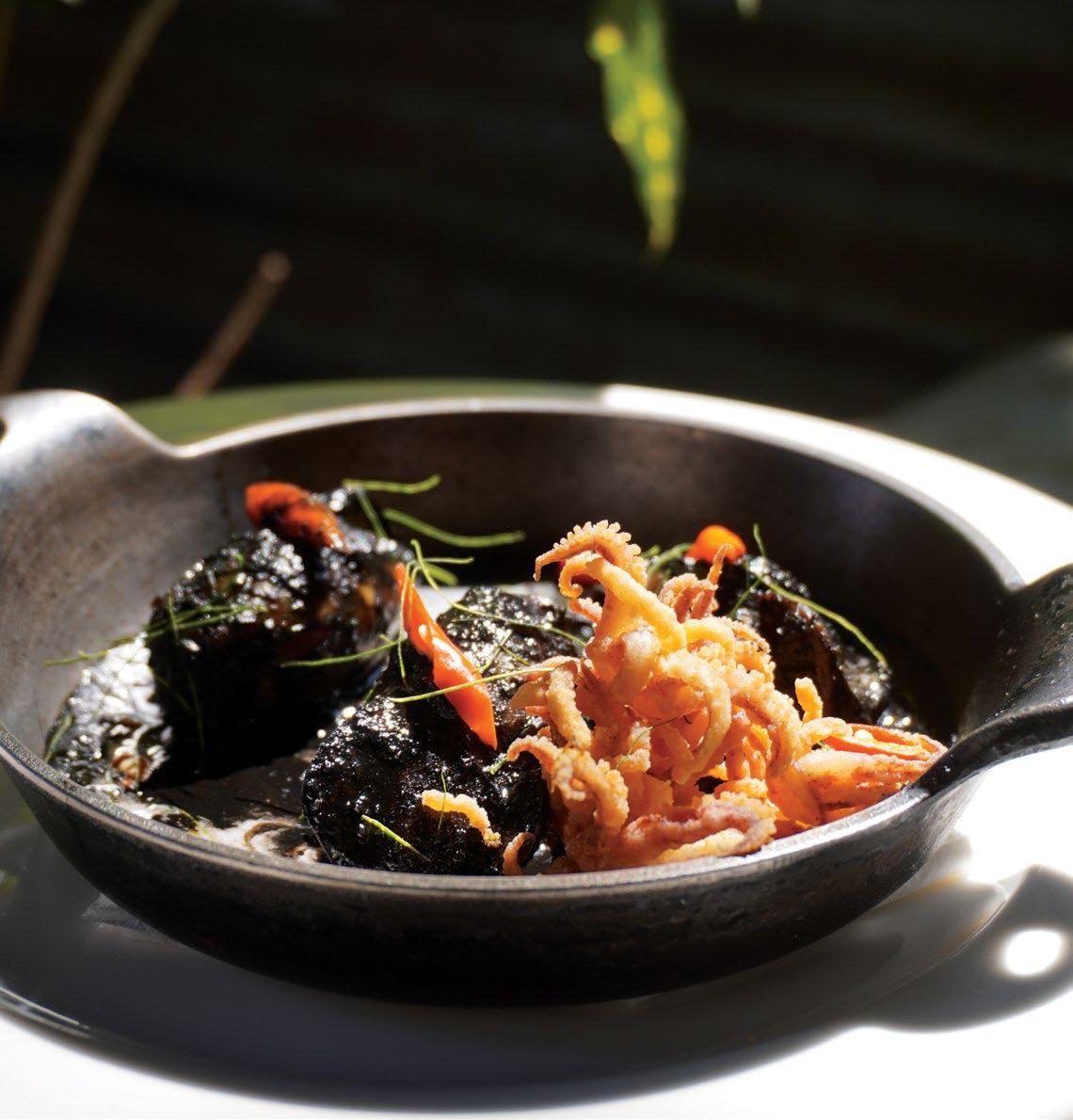
Tier 2 India is no longer the quiet, cautious frontier it once was. It hums with aspiration, disposable income, curiosity, and the confidence of cities beginning to see themselves as the country’s next cultural engines. How restaurateurs navigate this landscape, however, is a story of opportunity, restraint, and long-term thinking.
AD has watched this shift with optimism and precision. “For the last three or four years, the industry, including investors, have been very excited about Tier 2 and even Tier 3 cities,” he says. “There is an increasing economic strength, a desire for better experiences. They are very aspirational.” Olive has opened in Ludhiana, Chandigarh, and now Kolkata, which though a metro, has been slow on the uptake. But AD is clear-eyed about the ceiling: “Those markets have grown, yes. But the numbers are still limited. The right kind of consumer for good brands is smaller than in metros. Olive draws customers, but the overall market size isn’t huge. As more brands rush in, there will be a new equilibrium. It’s worth entering, but you must be prudent in size and positioning.”
Aditi, who has built Urban Gourmet with meticulous discipline, echoes this measured approach. “Tier 2 cities are full of energy. People are curious, well-informed, excited about new experiences,” she says. “But expansion has to be thoughtful. Can we source well? Train teams locally? Maintain our
standards? Those questions matter more than market size.” TwentySeven Bakehouse, she insists, will scale, but only once all processes meet her standards, starting in Mumbai.
Patience is doctrine at Hunger Inc. Sameer calls it a “walk before we run” philosophy. “Bombay Sweet Shop will go to other cities, but we’ve focused on scaling within Mumbai by deepening our playbook, building manufacturing and production capabilities. It’s easy to find real estate and open a store. Delivering a consistent experience day after day takes time.” Yash adds, “People ask why we’re slow. But we believe in slowing down and not speeding up. Wait for the right moment, keep practicing and building.”
Burma Burma has been more adventurous, a sign of how fast the landscape is shifting. “We open in Chandigarh in mid-December this year,” says Chirag. “There are 10–12 more cities on our radar over the next three years. As metros become world cities, Tier 2 cities are becoming the new metros.” Large, organised malls in Ahmedabad, Raipur, Surat, Lucknow, and Bhubaneswar, once impossible, are now the norm. “In the next three to five years, nine cities will hit doubledigit mall counts. Demand is rising so fast, you can open in 10–15 cities easily.”
Yet not every cuisine can ride the same wave. Chef Lakhan, whose Mizu Izakaya serves specific Japanese flavours, is cautious. “Tier 2 expansion is a bit scary,” he admits. Pop-ups, he believes, are essential tests. “Japanese culture is booming across India but are all Tier 2 cities ready for Mizu? The palate exists, but the crowd is smaller. A Japanese restaurant with a more local approach, such as spicier sushi, and adapted flavours, could work. But an exact Mizu experience? Tier 2 may not be ready yet.”
Some see the next frontier abroad. Rakshay notes global cities are hungry for Indian storytelling. “A thoughtful overseas step makes sense where there’s appetite for Indian narratives or premium cocktail culture in cities such as London, Dubai, and Singapore. Partner-first, modest scale and clear localisation is our aim,” he says. For now, his focus is pan-India growth and building his agave spirits platform.
Zorawar Kalra overturns assumptions about Tier 2 depth. “Some of our best-performing outlets are in Tier 2: Chandigarh, Goa, and Indore. I used to think width was limited and depth shallow in Tier 2 cities. Now both are immense.” Farzi Café in Goa, he notes, isn’t affected by seasonality anymore. Cities such as Lucknow, Raipur, Bhopal, and Indore can sustain multiple outposts. “The clientele is strong, occupancy costs lower. Food and manpower costs are similar to metros, but rentals are far more sensible.”
The unifying thread across these voices is clear: Tier 2 India is a promise, not a shortcut. The
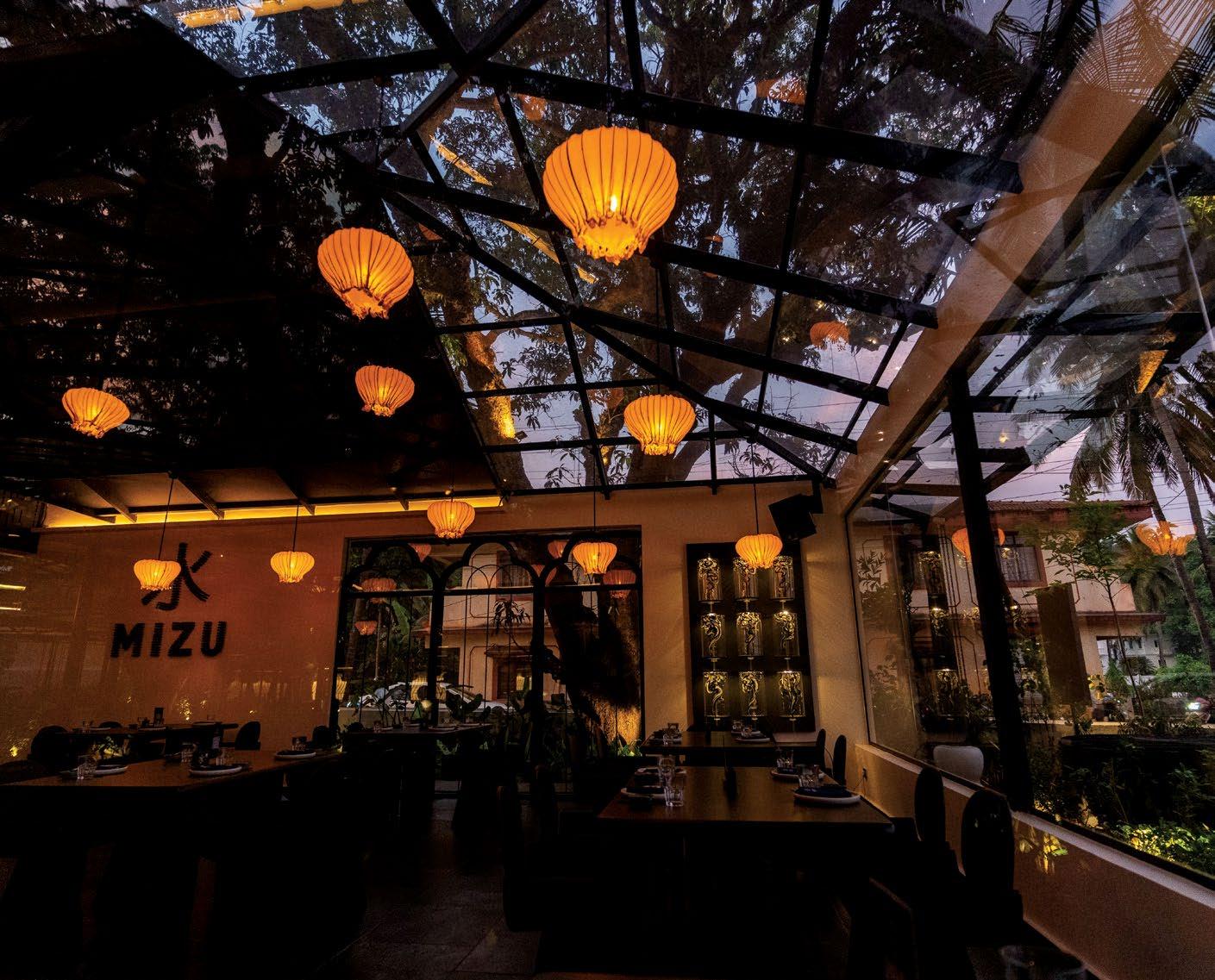
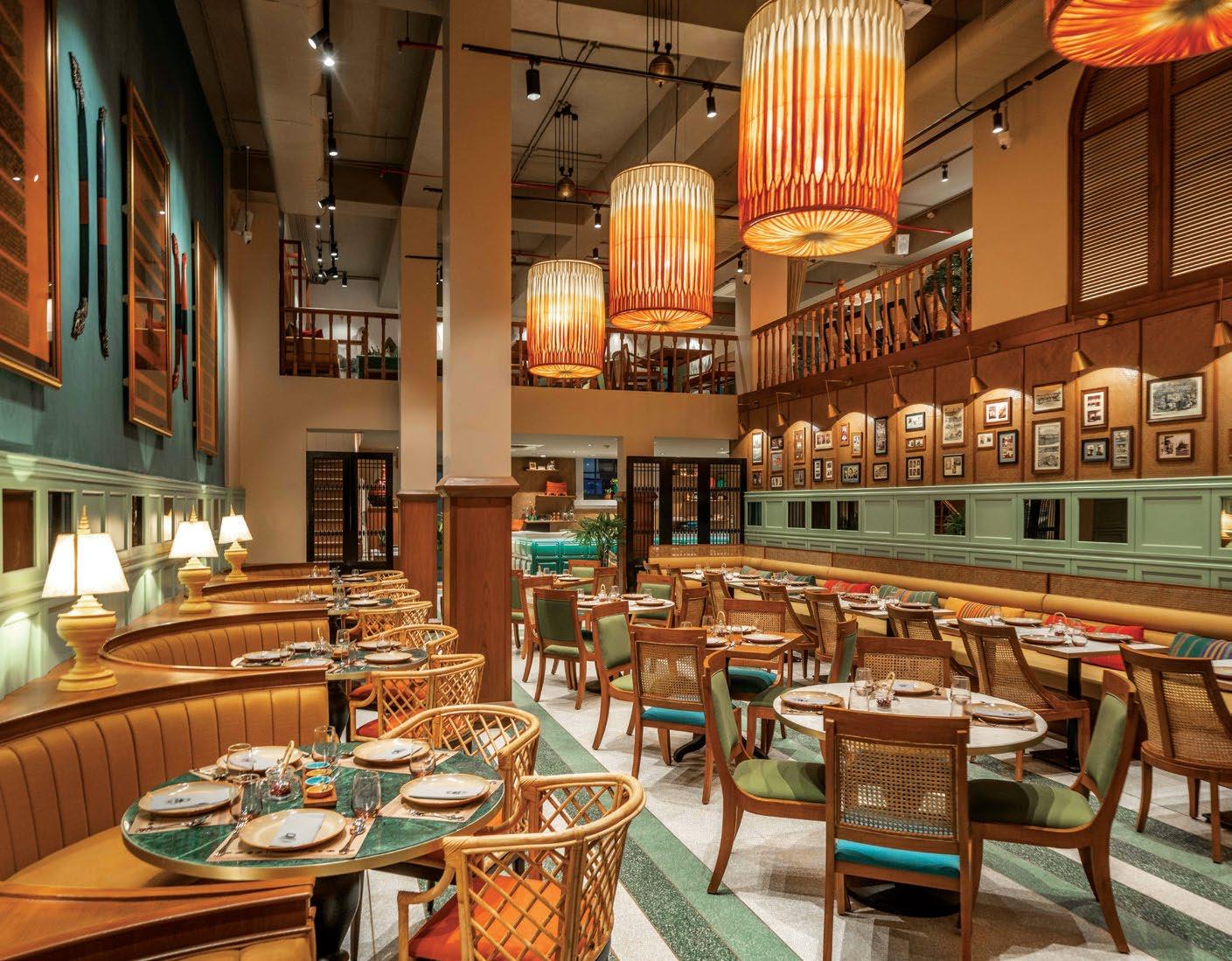
Mizu Izakaya brought the Japanese izakaya to Mumbai, a lively, casual dining style built around small plates, shared dishes and craft cocktails.
ABOVE: Burma Burma’s Kolkata outlet at The Park Street, the OG restaurant strip in the city, features a long tea bar offering more than 30 teas.
opportunity is real and ambition is rising. But longevity, they insist, depends not on expansion alone, but on discipline, timing, and a meditative clarity of purpose.
What begins as instinct—a flavour, a memory, a spark—becomes an institution in the hands of India’s most resilient restaurateurs, though they may not like the world ‘institution’. Brands endure not because they shout the loudest, but because they stay the course the longest. In a world obsessed with ‘the next new,’ they win by returning, again and again, to what truly matters: people, purpose, consistency, and the courage to care—relentlessly, unfashionably—about the work.
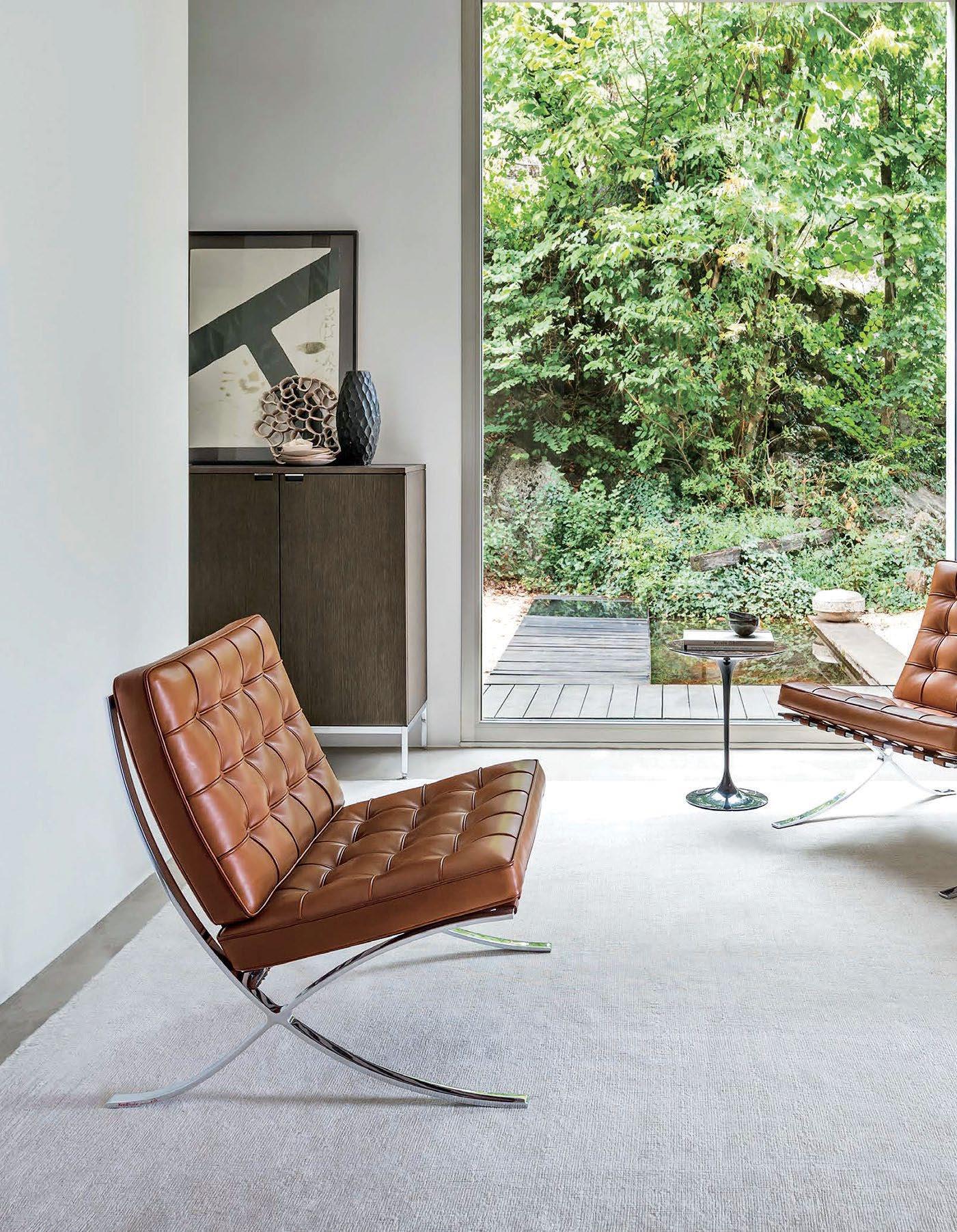

Design legends, scene-stealing chairs, and a few Indian originals that prove good furniture travels well.
Some hotels are remembered for their skyline views; others, for the way a chair makes you feel. Not in a lofty, museum sense—just in the quiet satisfaction of good design doing its job. You sink into it after a long flight, order a coffee you didn’t need, and think, I could stay right here.
Before “designer hotels” became a thing, a few architects had already figured out that furniture could complete a building’s idea rather than decorate it.
Arne Jacobsen’s Egg and Swan chairs (1958) were created for the SAS Royal Hotel in Copenhagen, the world’s first design hotel. Commissioned to design everything from façade to cutlery, Jacobsen imagined the Egg as a cocoon within an open lobby—a sculptural perch that offered privacy before privacy pods were a thing. Sixty years later, that same curve still defines what we expect from a hotel lounge: stylish, photogenic and comfortingly human.
BELOW LEFT: Handcrafted furniture by Ayush Kasliwal for Suryagarh Jaisalmer.
BELOW RIGHT: The Imperial Hotel Chair by Frank Lloyd Wright echoes the master’s angular architecture, and is one of the earliest examples of a truly 'hotel-born' chair.
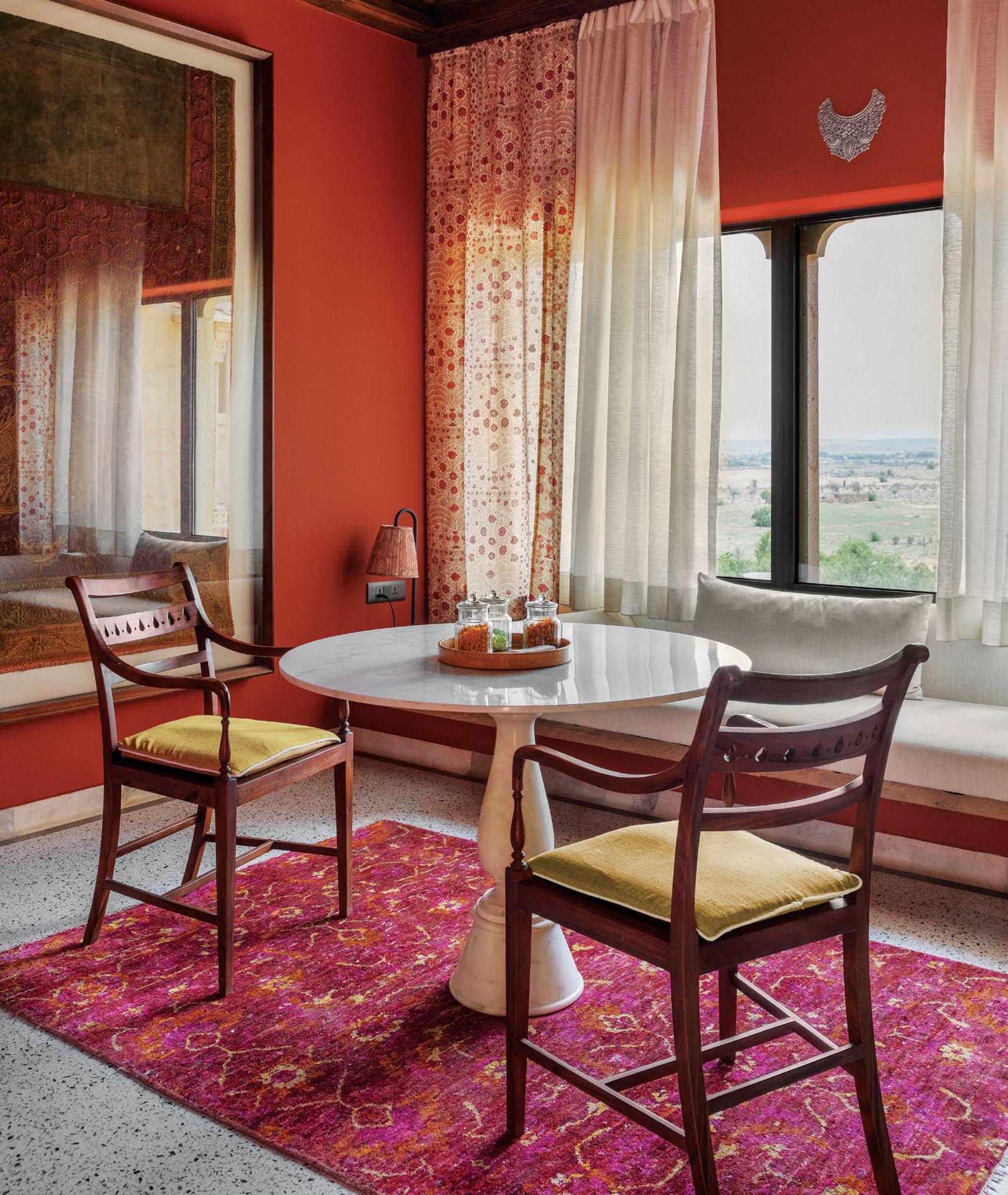
Across the Mediterranean, Gio Ponti took the same “total design” approach at the Parco dei Principi Grand Hotel & Spa, Sorrento (1960). Every tile, chair and light fitting was his own—a crisp geometry of blues and whites that distilled Italian coastal modernism. His feather-light Superleggera chair, barely three kilos of timber and air, summed up his philosophy of elegance without effort.
Long before both, Frank Lloyd Wright had done it first at Tokyo’s Imperial Hotel (1917–23). His hexagonal-backed mahogany chairs mirrored the geometry of his building and were sturdy enough to resist earthquakes. Wright’s idea—that the chair was architecture in miniature—still lingers in hotel design today.
When jet-age travel took off, hotels wanted a look that felt engineered, global and unmistakably modern. Designers obliged with furniture that looked as sleek as the planes bringing guests in.
Le Corbusier, Charlotte Perriand and Pierre Jeanneret’s LC2 armchair (1928) became the blueprint. A cube of leather cushions held in a steel frame— it was rational, elegant and adaptable. By the 1950s, it had

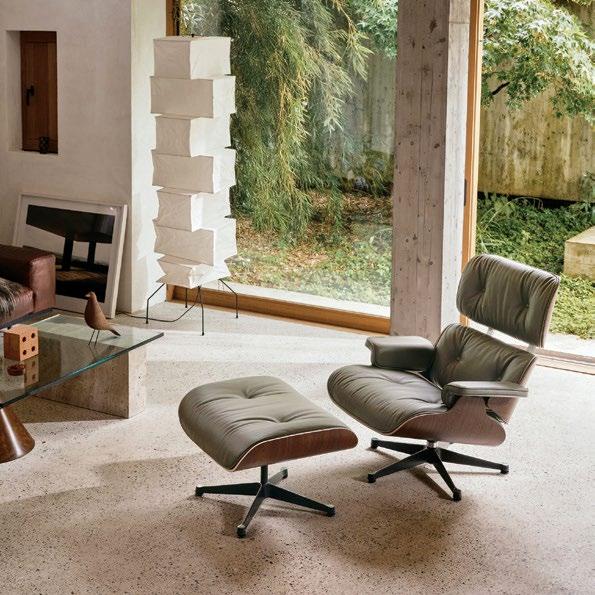

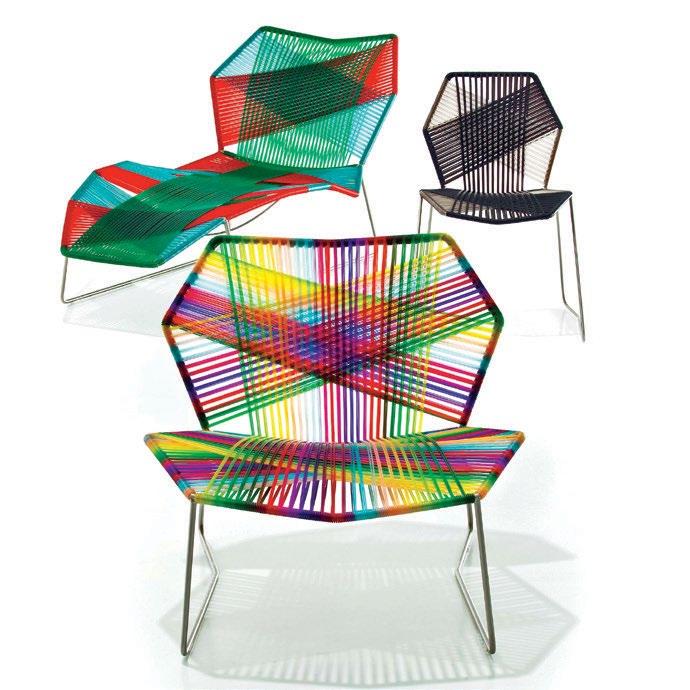
become the default for modernist hotels from Paris to Mumbai.
Then came Mies van der Rohe and Lilly Reich’s Barcelona chair (1929). Designed for a king but claimed by architects, its X-frame and buttoned leather made it the quiet symbol of global good taste. Even today, no minimalist lobby feels quite complete without one.
A softer note followed with Charles and Ray Eames’ Lounge Chair and Ottoman (1956). Crafted from moulded plywood and leather, it carried mid-century America’s optimism—warm, engineered and human. When it entered hotel suites in the 1960s, it redefined comfort: less boardroom, more living room.
Together, these pieces made modernism desirable, not doctrinaire. They turned simplicity into luxury and craftsmanship into currency.
By the late 1990s, hotels were done with polite minimalism. The boutique era wanted personality, and designers such as Philippe Starck, Patricia Urquiola and Antonio Citterio gave it just that.
Starck’s Louis Ghost chair (2002) for Kartell was a brilliant wink—a Louis XVI silhouette in transparent polycarbonate. Suddenly, lobbies could laugh at themselves. His interiors for Mama Shelter, SLS and Mondrian used the Ghost like punctuation: light, witty and perfect for a world about to discover the selfie.
If Starck was irreverent, Patricia Urquiola was warm. Her Tropicalia and Husk chairs combined tactile craft with sculptural form—woven, playful and effortlessly inviting. In hotels like Mandarin Oriental Barcelona and Bulgari Hotels, they helped luxury loosen its collar.
And then there was Antonio Citterio’s Grand Repos (2011).
A contemporary wingback with a hidden recline, it redefined quiet indulgence at the Bulgari Hotel Milan. No flash, no fuss—just
CLOCKWISE FROM TOP LEFT: Lounge Chair and Ottoman by Charles and Ray Eames for Herman Miller, 1956; starting out as functional civic furniture, the Chandigarh collection by Pierre Jeanneret now sits at the heart of India’s most atmospheric hotels; Tropicalia Armchair by Patricia Urquiola for Moroso, 2008; Arne Jacobsen's Egg Chair (designed for Fritz Hansen) carves out a personal refuge inside a busy lobby.
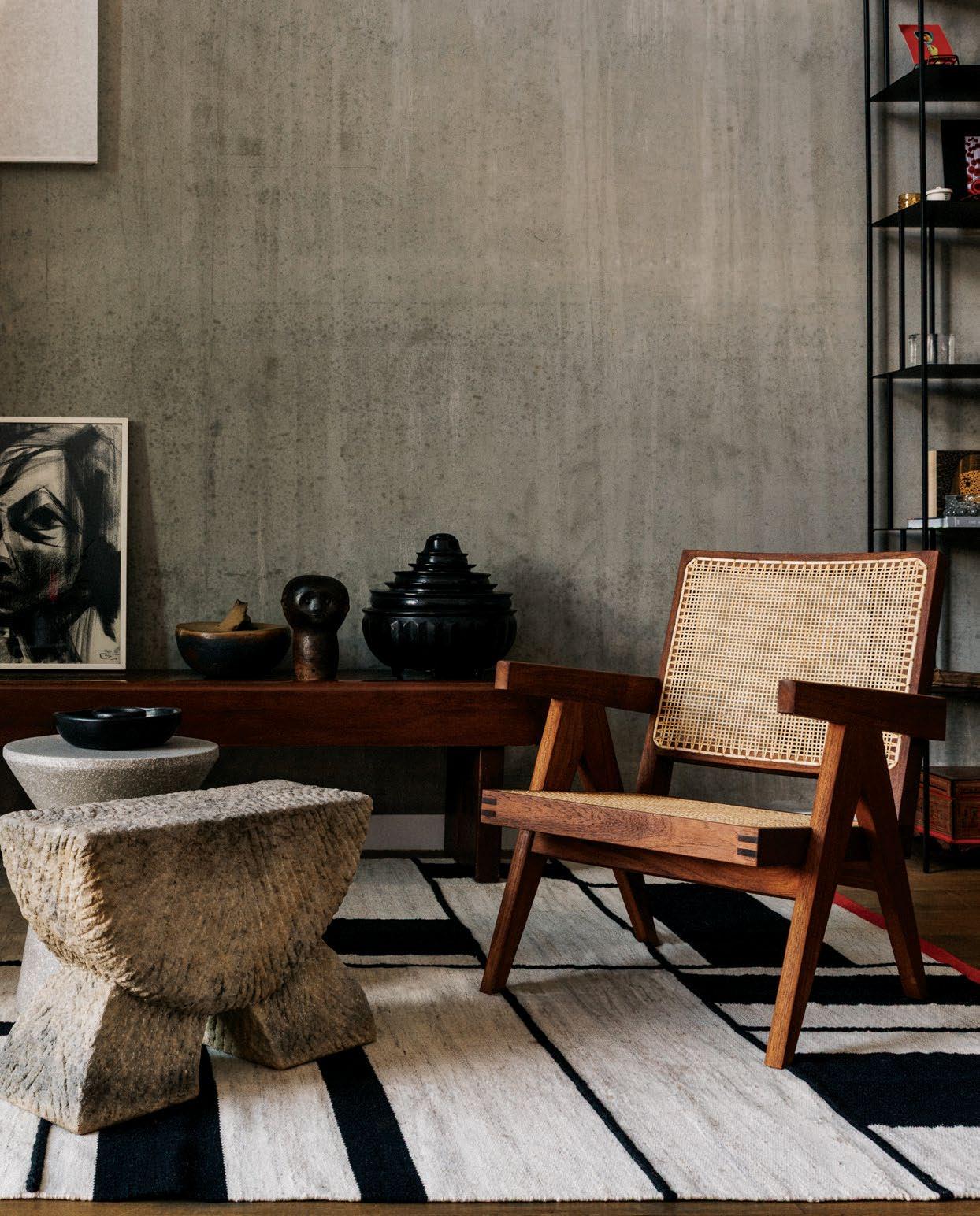
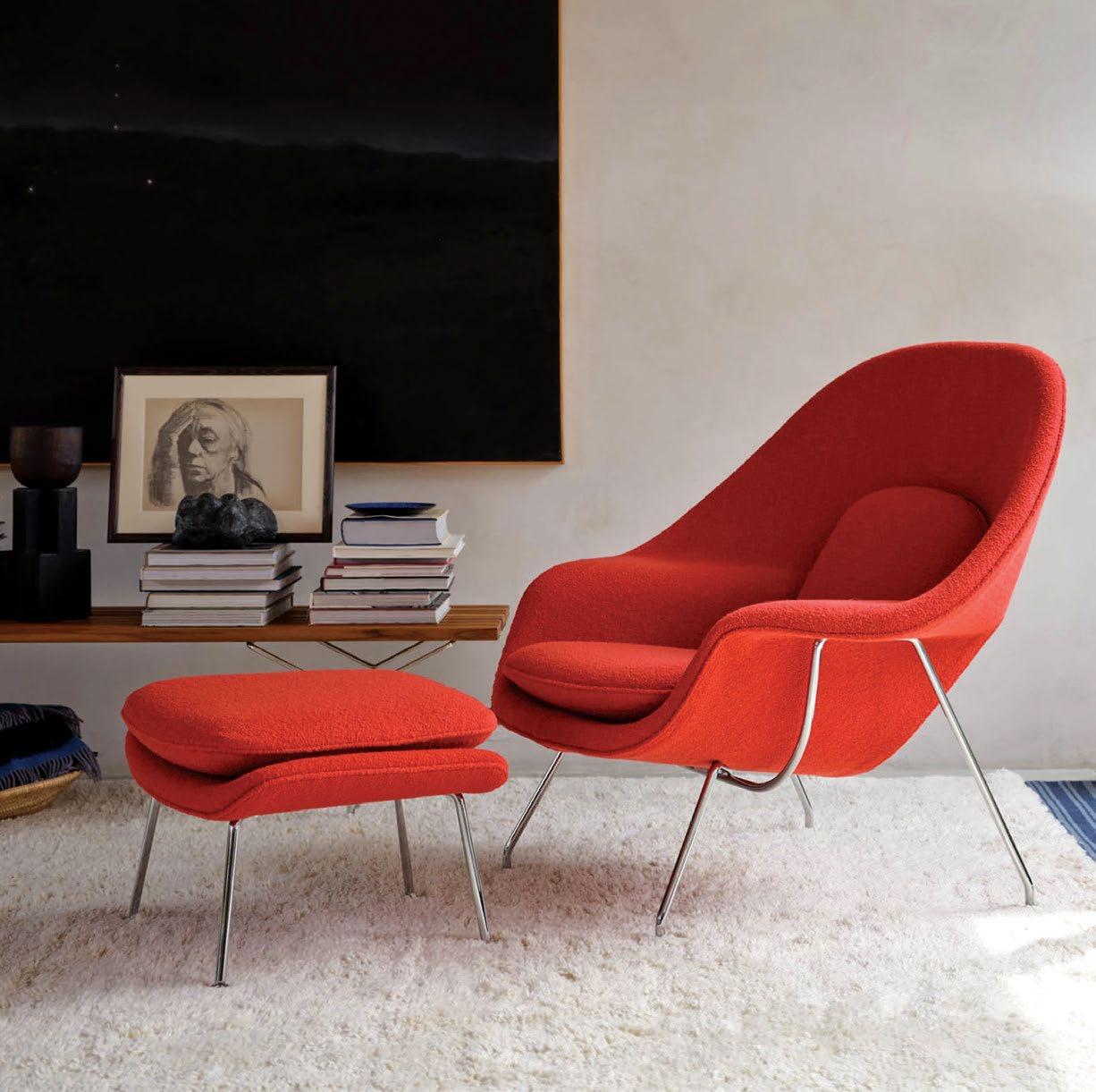

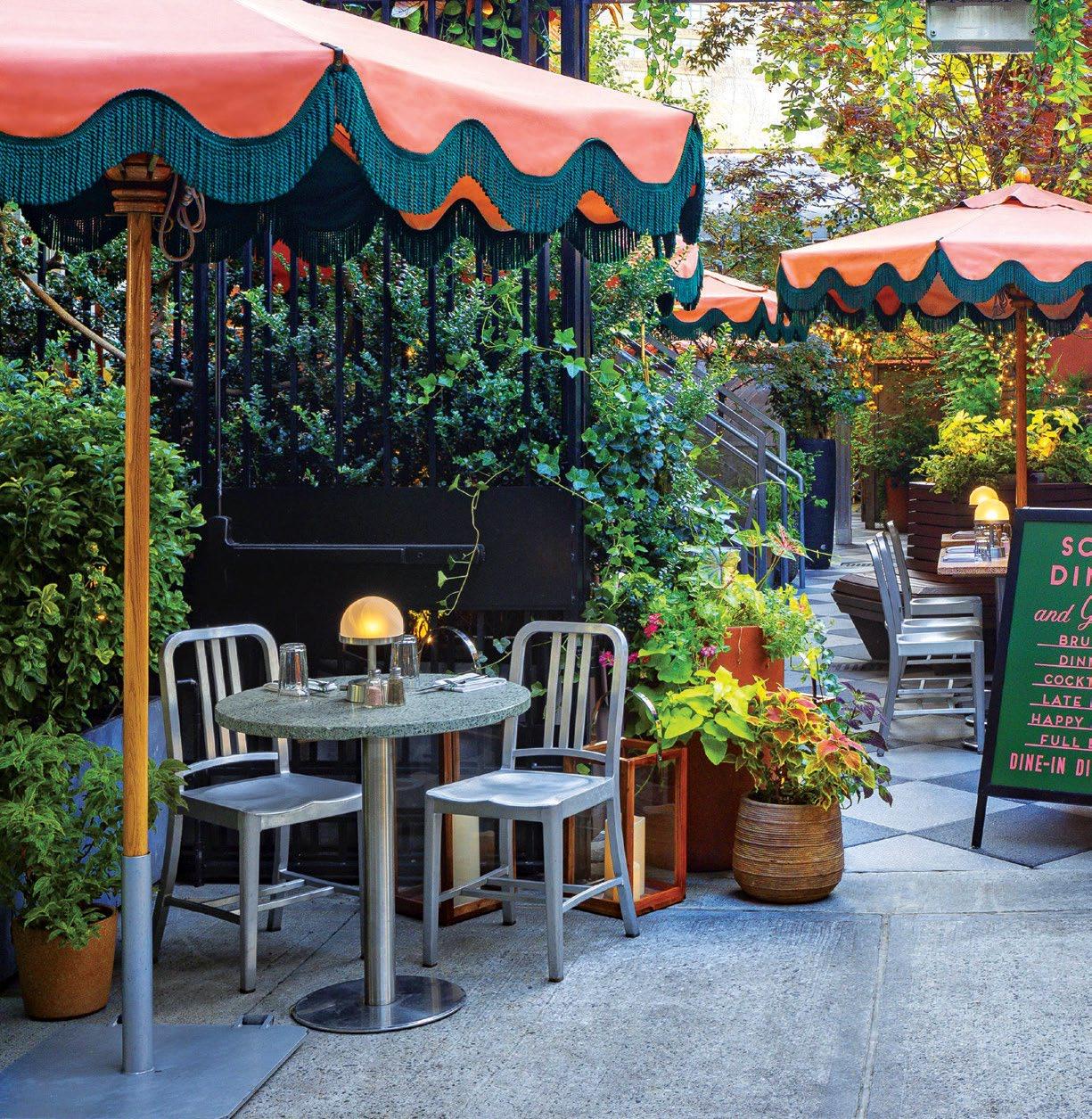
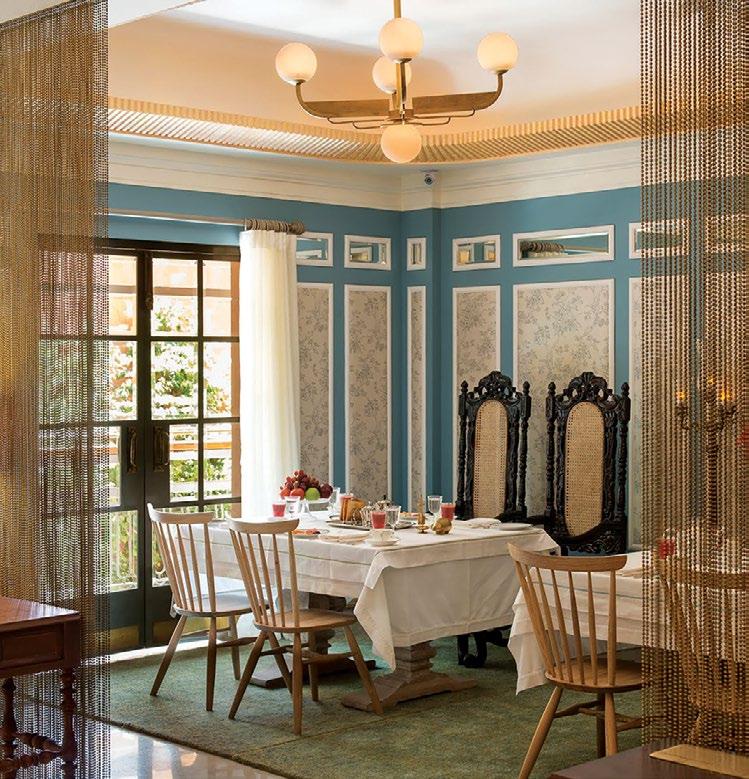
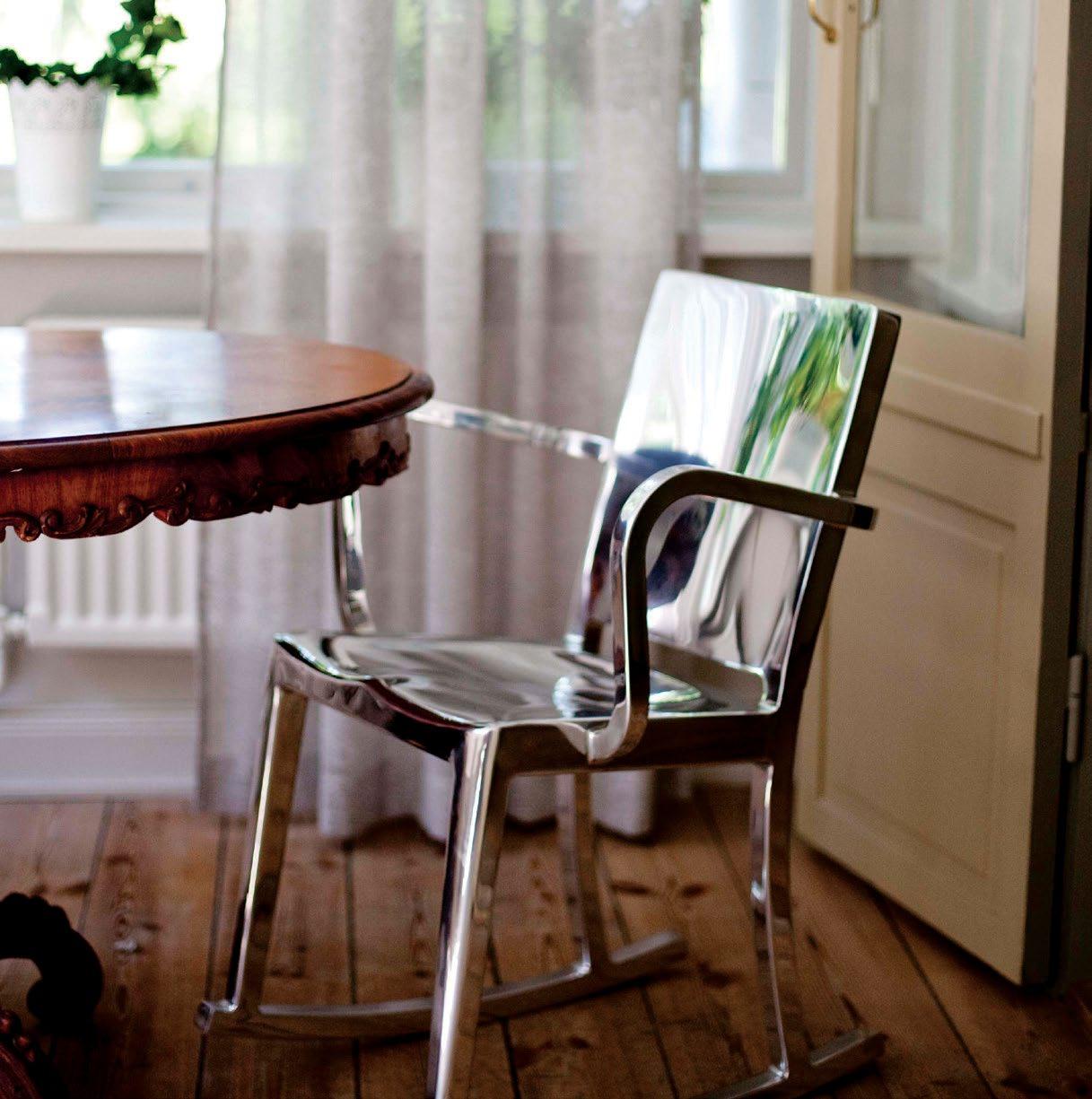
1. Eero Saarinen’s Womb Chair still curling up guests at the TWA Hotel.
2. Andrée Putman’s Morgans Hotel pieces where the boutique era began.
3. Hans Wegner’s Wishbone Chair that airy Scandinavian calm in dining rooms everywhere.
4. Tom Dixon’s Wingback a selfie magnet at Mondrian London.
5. Emeco’s Navy Chair from warships to cafés; built for gossip, not battle.
6. AKFD’s creations for Narendra Bhawan Jaipur craft with a global accent.
7. Starck’s Hudson Chair designed for the Hudson Hotel, now in MoMA.
8. Moroso’s Redondo velvet curves and unapologetic comfort.
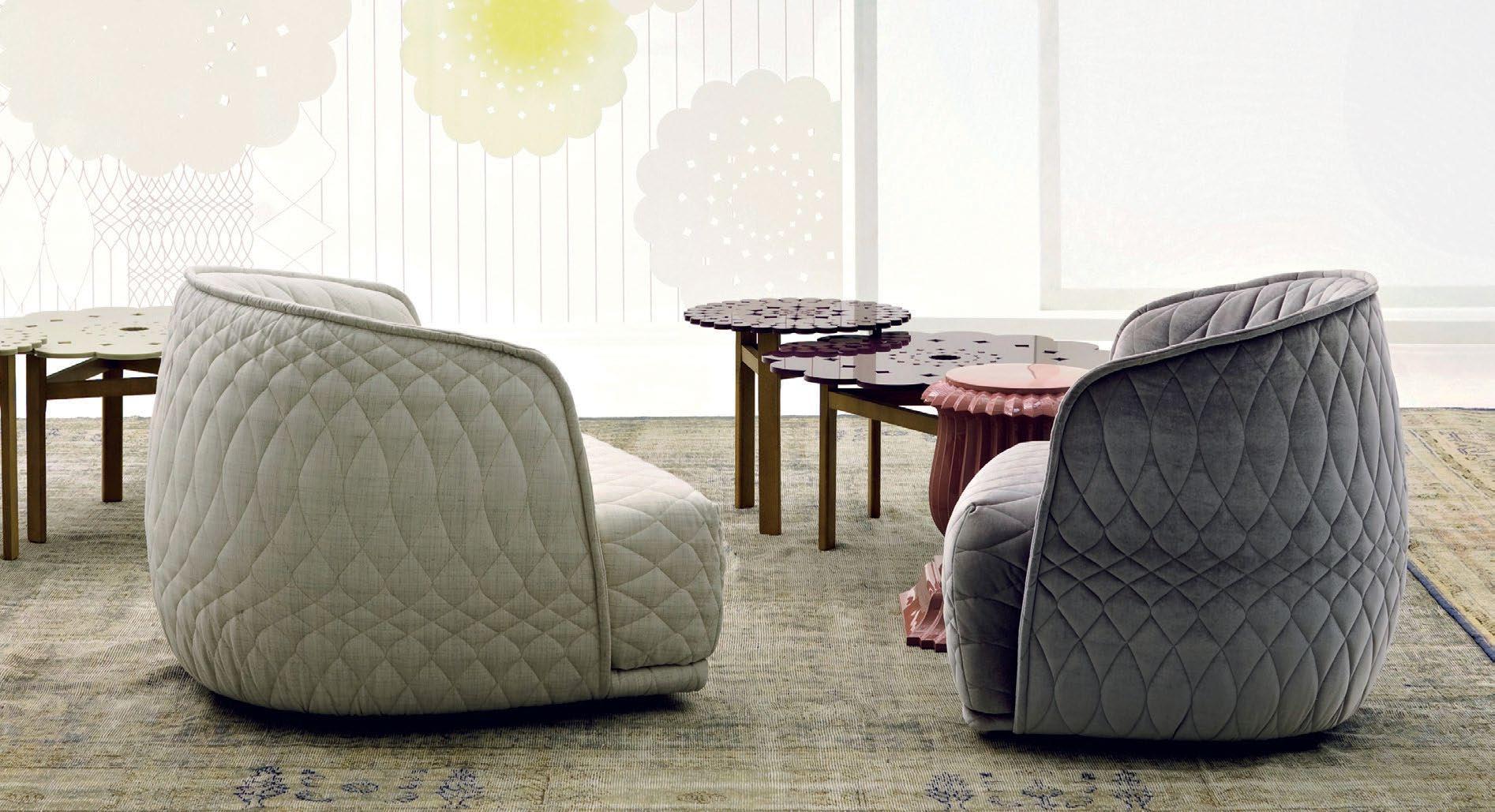
comfort delivered with Italian precision.
Together, they made hotels feel personal again. Less about statement, more about mood.
If Europe wrote the first grammar of hotel design, India is now adding its own idiom—rooted in craft, material and memory.
At the centre of it all stands Pierre Jeanneret’s Chandigarh furniture (1950s–60s). Once made for government offices, these teak-and-cane pieces have become global design shorthand for “India modern.” They appear in hotels like Amanbagh, The Lodhi and 47 Jobner Bagh, where their angled legs and woven backs bring a warm, handcrafted clarity to contemporary spaces.
Carrying that story forward is Phantom Hands, the Bengaluru atelier authorised to re-edit Jeanneret’s designs. Their chairs and tables appear across Indian boutique properties—including RAAS Jodhpur and select Postcard Hotels—reinforcing how Indian craftsmanship sits comfortably in modern hospitality.
In hotels such as Six Senses Fort Barwara and several Postcard properties, locally crafted seating, cane work, stone, wood and hand-blown glass have become part of the design vocabulary, embedding Indian craft into the guest experience without relying on nostalgia.
Completing this picture is designer Ayush Kasliwal, whose handcrafted furniture (RAAS Jaipur, Suryagarh, Narendra Bhawan) and lighting (The Oberoi, Gurgaon) demonstrate how contemporary India blends craft intelligence with modern proportion. His pieces may well be tomorrow’s icons—rooted, refined and unmistakably Indian.
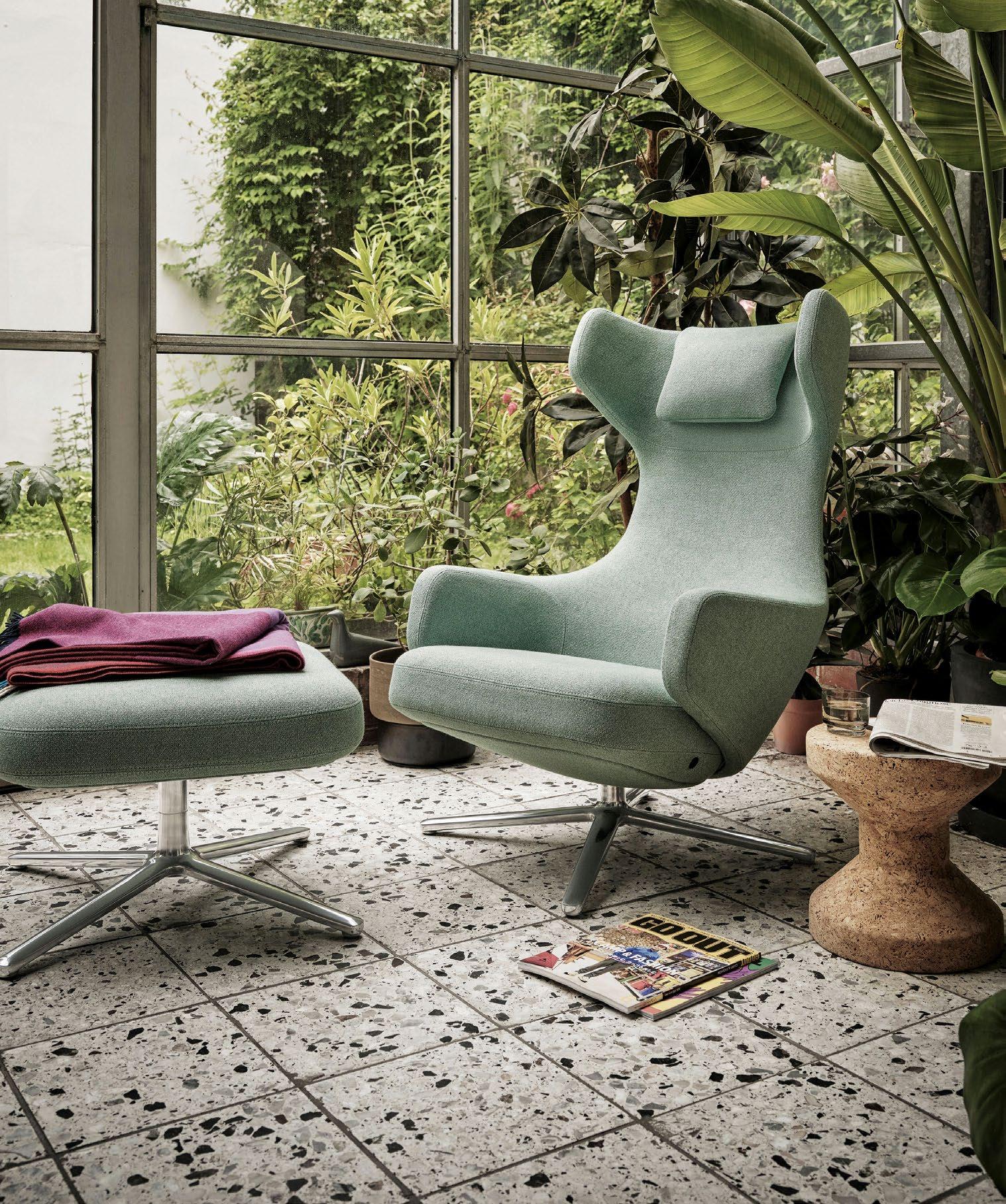
a
What’s remarkable about these pieces isn’t just their design; it’s their stamina. The same Egg that cradled jet-set travellers in 1958 still shows up in co-working hotels today. The Chandigarh chair, once municipal, now lounges in penthouses. Even the Ghost—born of postmodern play— remains the go-to for pop-up luxury.
Hotels, more than homes, give furniture its second life. They’re public enough for icons to be recognised, yet intimate enough for guests to form private memories with them. The best stays always have that one chair that frames a view, holds a conversation or simply makes you pause.
Because in the end, great hotels and great furniture have one thing in common—they make you want to linger a little longer.
CLOCKWISE FROM RIGHT: Playful and transparent, Louis Ghost Chair by Philippe Starck for Kartell (2002) has become the go-to chair for hotels that don’t take themselves too seriously; Swan Chair by Arne Jacobsen has become shorthand for mid-century charm; LC2 Armchair by Le Corbusier, Pierre Jeanneret and Charlotte Perriand for Cassina in 1928 still signals 'modern' the moment it enters a room.

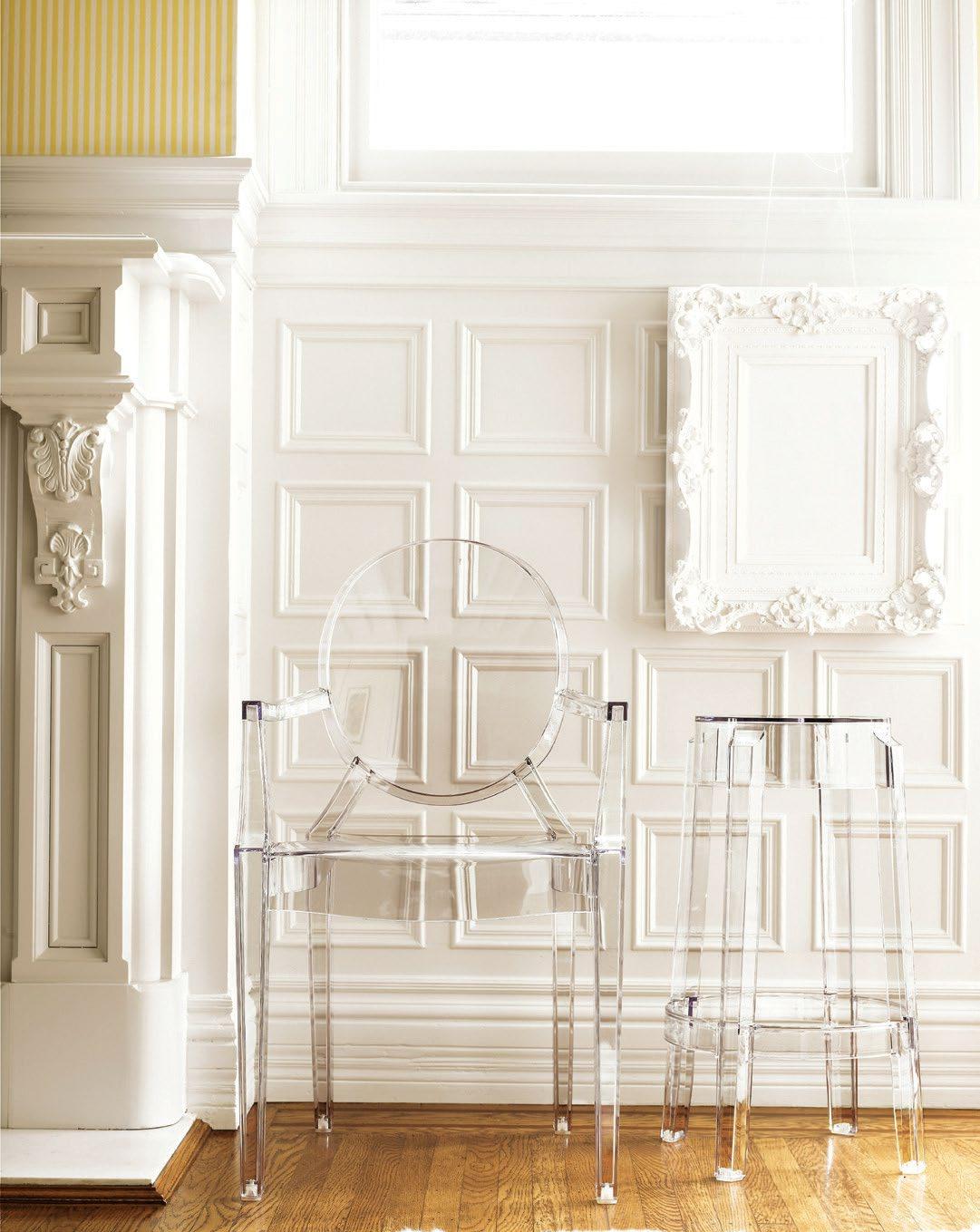
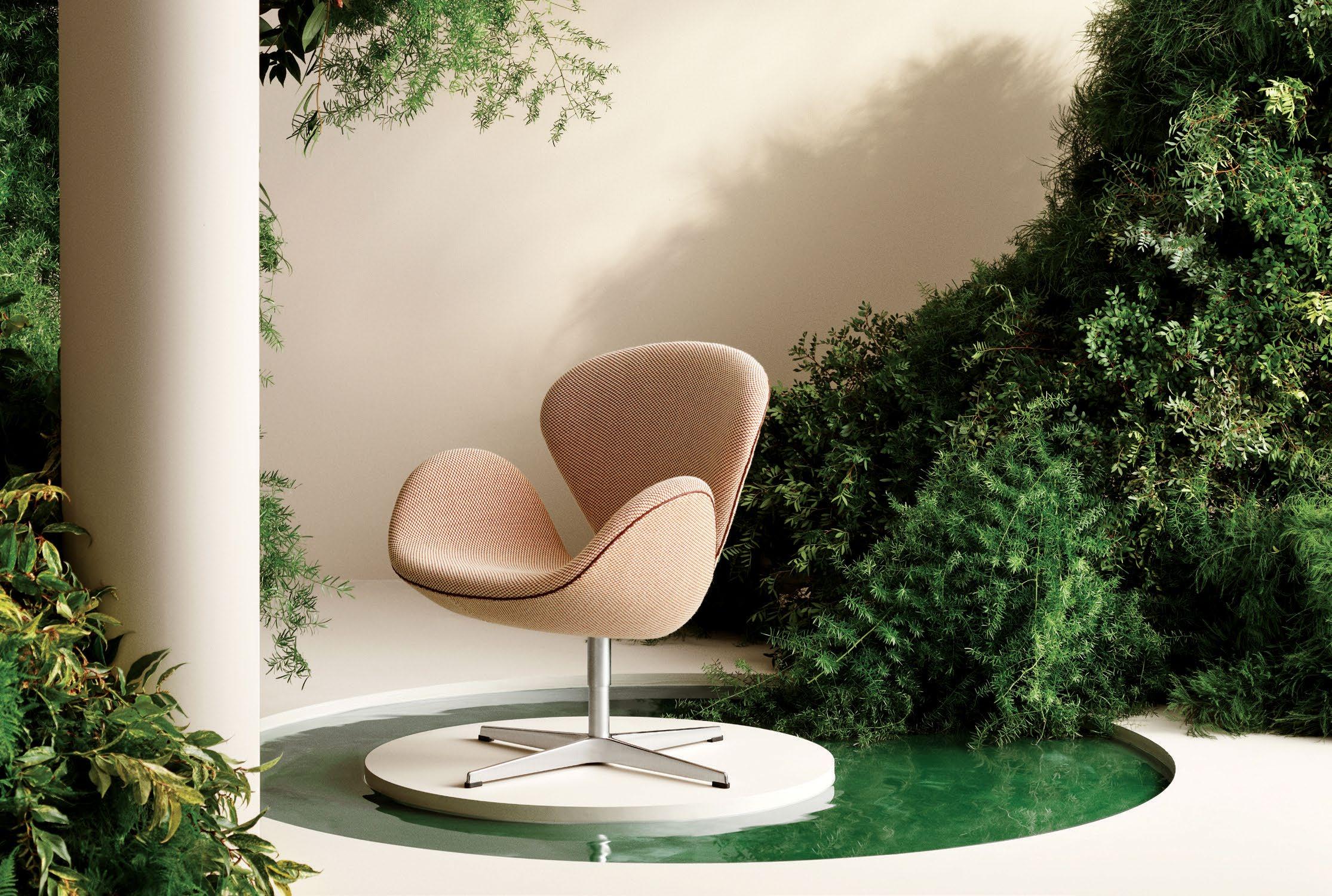
Few cities embody the meeting of worlds quite like Hyderabad, where Islamic domes rise beside glass towers, and centuries-old traditions mingle with the rhythms of modern life. In Banjara Hills, the city’s most refined enclave, this dialogue continues in stone and silk at The Leela Hyderabad.
SUMAN TARAFDAR

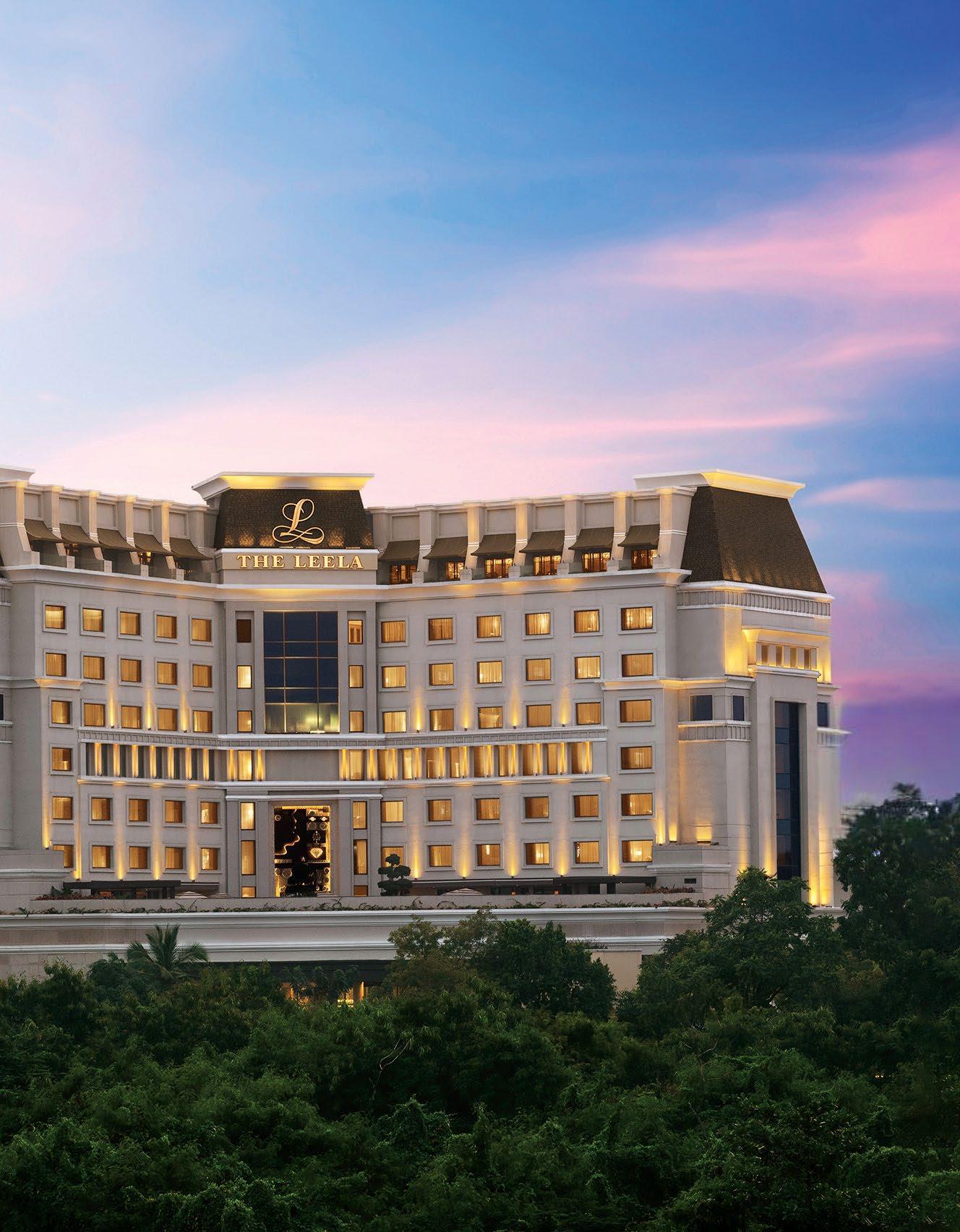
City of Pearls.
City of Minarets.
City of Nizams.
The city for the best biryanis.
India’s hi-tech city.
Hyderabad has many monikers, not the least of which is its everyday existence as one of welcoming diversity. It is in the toniest, most sought-after part of the city—Banjara Hills—that the city’s newest jewel has come up.
The Leela Hyderabad is not part of the luxury hospitality group’s palace collection, but an average guest would be forgiven for assuming so. From its palatial façade—reminiscent of the group’s hotel in Delhi—to its opulent interiors, this new hotel
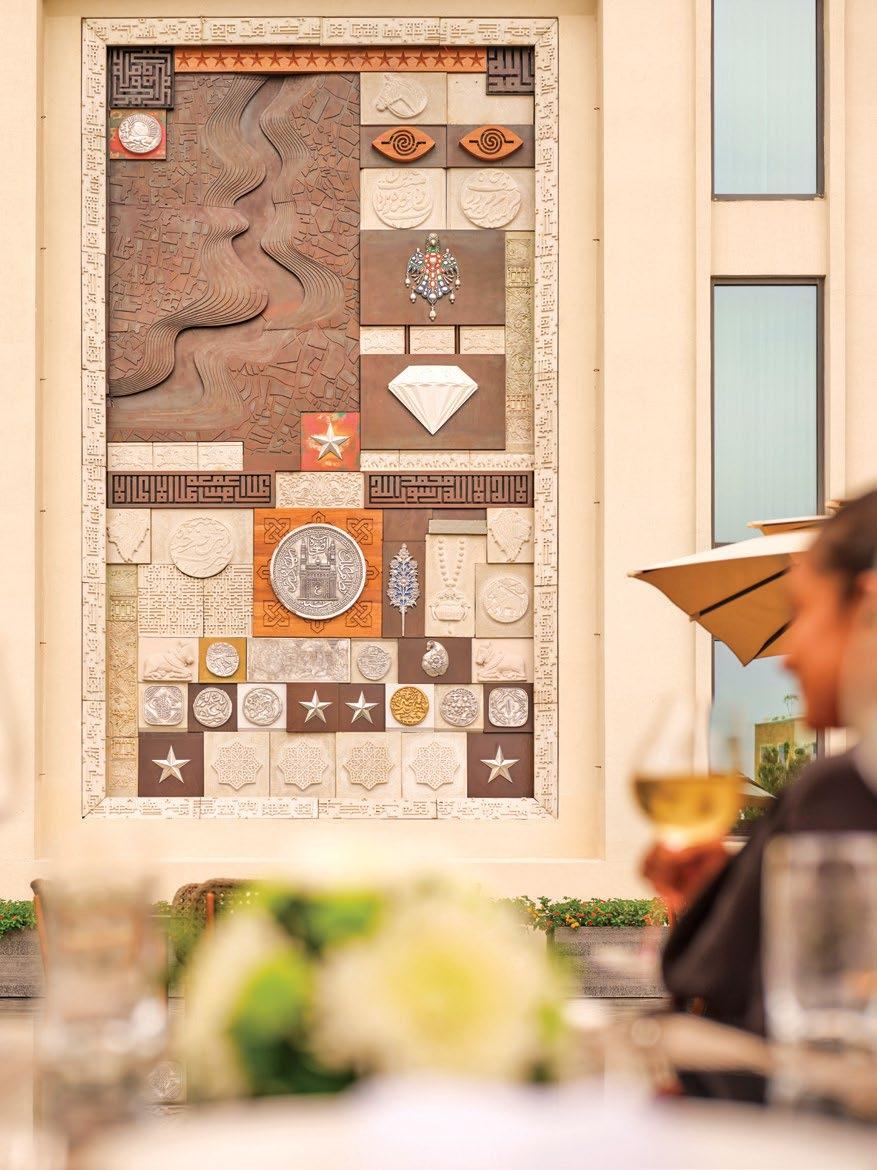

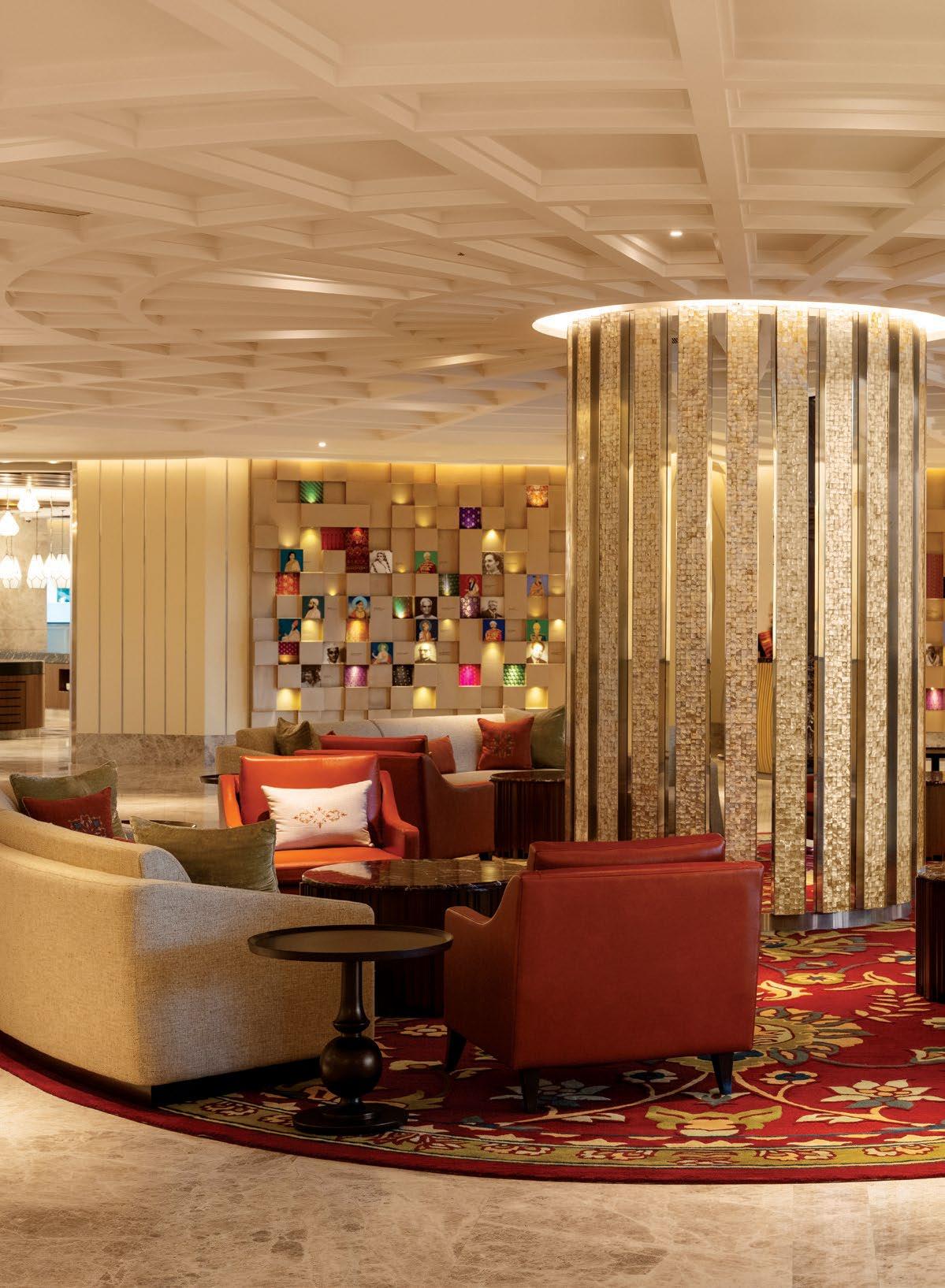

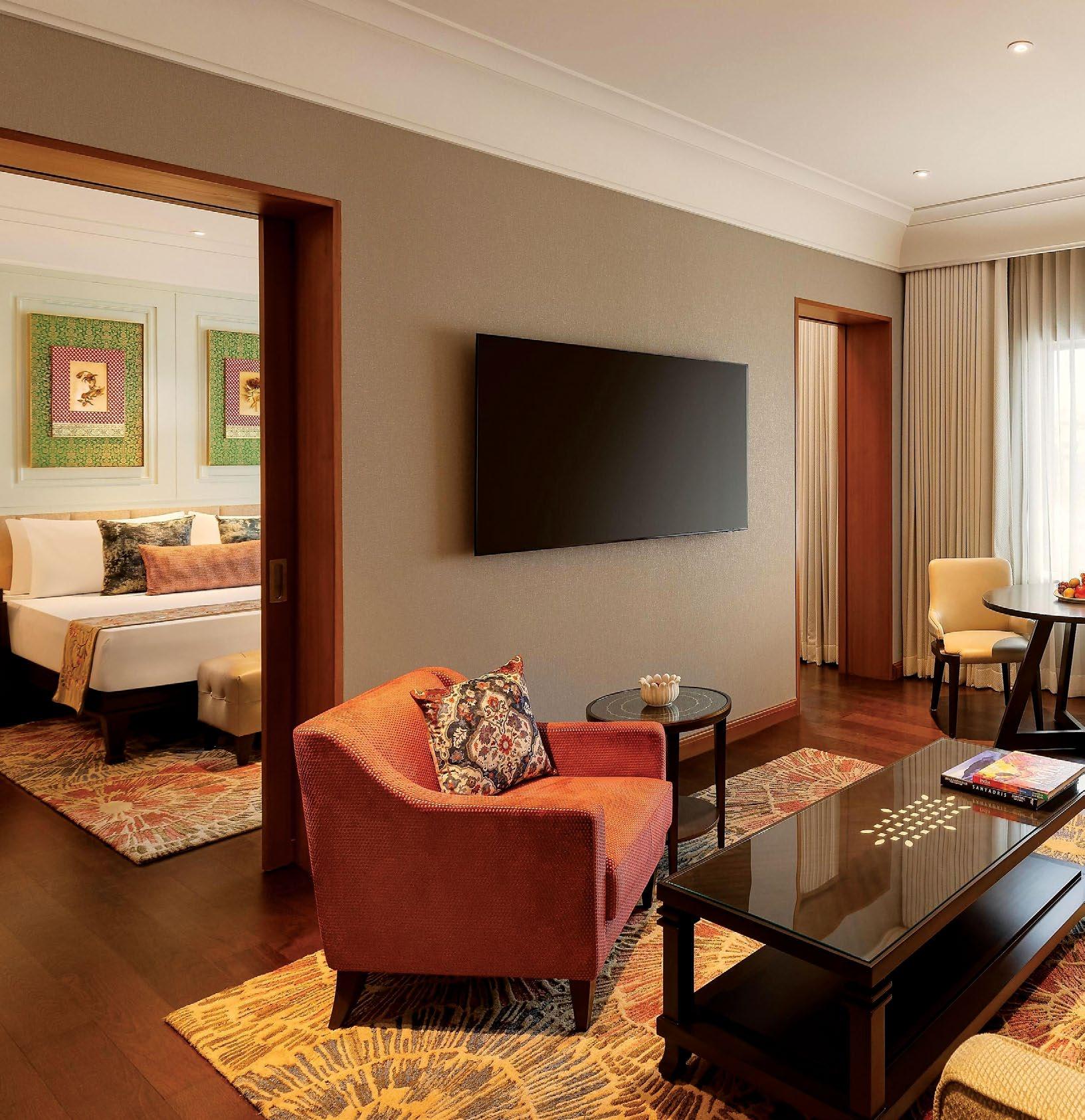
CLOCKWISE FROM OPPOSITE PAGE BOTTOM: Royal blue and silver make for great moodboard at The Library Bar; art plays an outsize in the interiors of the hotel; the massive lobby with a myriad eye-catching elements, particularly the 'Hyderabad's Shining Lights' wall; the opulence of the suites will tempt you to stay in!
beautifully blends the rich cultural legacy of the city with every modern innovation in hospitality, making it a sought-after destination in the city.
Carrying forward the spirit of the brand, the quintessential The Leela Group aesthetics are at the core of the hotel—marble, chandeliers, art, and local craftsmanship. Guests enter a vast lobby area clad in marble. Competing for your attention is a grand chandelier, a wall of paintings to the right (including M.F. Husain’s impressive horses), a massive pillar encrusted with alternating mirrors and mini tiles, all fronted by a jade Ganesh statue and surrounded by a vast carpeted seating area resplendent in red.
Close by are two enormous wooden pillars with another crystal chandelier that draws your gaze to a gilded ceiling. A staircase to the left almost hides the retail section. With The Leela’s hallmark flower bunches in imposing vases, and enveloped in the brand’s distinctive Tishya fragrance, you may even fail to spot the check-in area in the potpourri of art and décor where the local Dakhni influence is omnipresent.
Depending on the time of day, musicians play the veena, flute, or tabla. The women team members, dressed in resplendent Pochampally and Kalamkari sarees, seem to unobtrusively glide, attending to guests’ needs. To add to the experience, at twilight each evening, a ceremonial lighting of the lamp melds tradition and theatre.
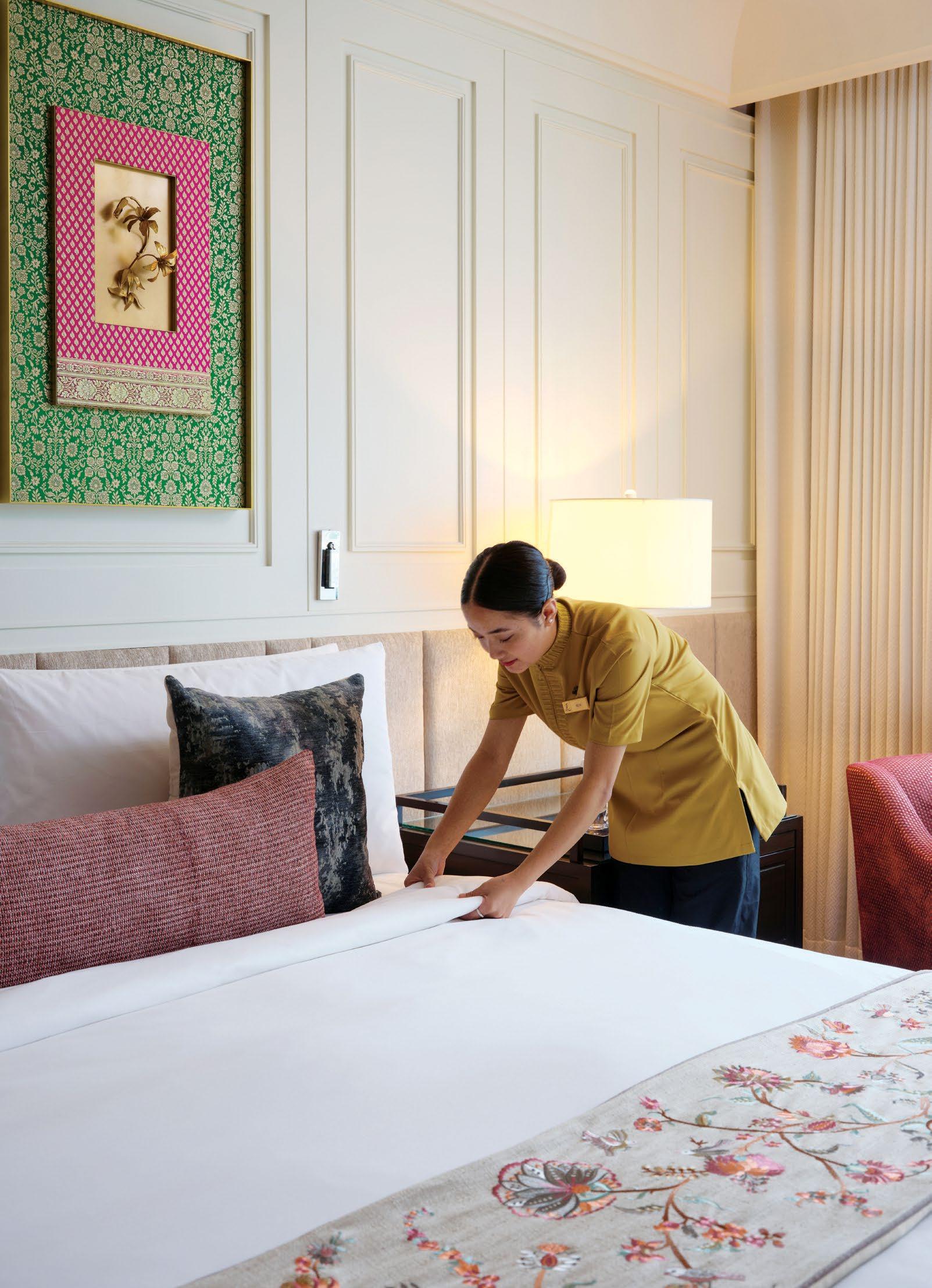
What stands out among all of these is a surprisingly extensive wall of faces interspersed with local textile panels. Called ‘Hyderabad’s Shining Lights’, they are all about a square foot in size and capture the leading protagonists of the city’s four centuries of existence: Nizam-ul-Mulk Asaf Jah, the first Nizam of Hyderabad; poet activist Sarojini Naidu; Malik Ambar, a slave of Abyssinian descent who rose to be the regent of the Ahmadnagar Sultanate (which ruled over the northwestern part of the Deccan Plateau); Mughal emperor Shahjahan; Sardar Patel; noblewoman Khair-un-Nissa and diplomat James Kirkpatrick, whose love story is referenced in The White Mughals; late Presidents S. Radhakrishnan and Neelam Sanjiva Reddy; tabla maestro Zakir Hussain; writer M Hanumantha Rao; Arthur T Cotton, the British engineer credited with the irrigation projects of the Godavari delta; former prime minister PV Narasimha Rao; cricketers C.K. Nayudu and M.L. Jaisimha; N.T. Rama Rao, former actor and chief minister; M Visveswaraya, regarded as the father of civil engineering in India; filmmakers Savitri Nissankara and Akkeneni Nageshwar Rao, and several more.
LEFT: Attention to detail is a hallmark of the hotel, amply reflected in service standards. BELOW: Chandeliers in all shapes and sizes are unfailingly alluring. OPPOSITE PAGE: The pool is part of Nila, the wellness centre.
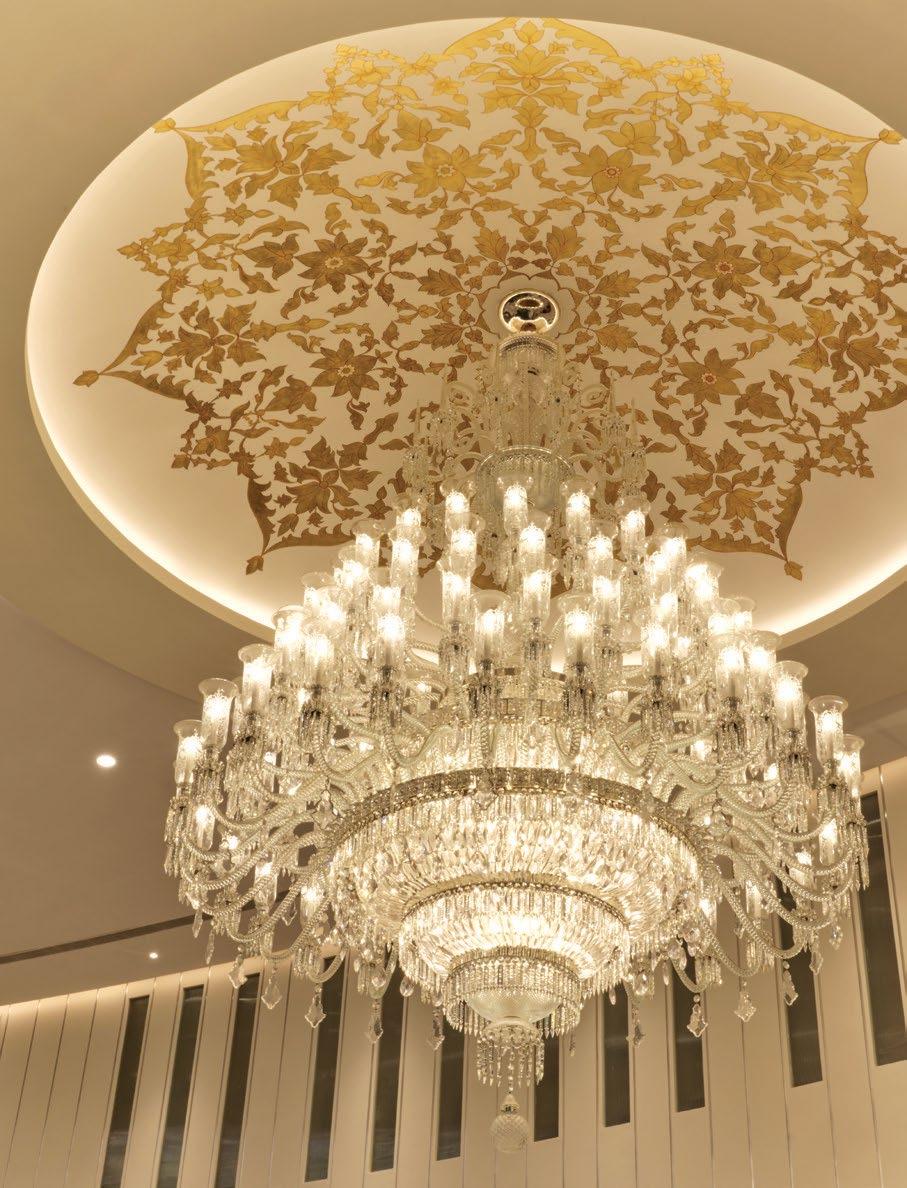
This crash course in the region’s history—from leading figures of the medieval period to Nizams, freedom fighters, writers, educationists, and scientists, politicians, entertainers, cricketers—is even more alluring not just due to its beautiful presentation matched by excellent curation.
Spread across 2.5 acres, The Leela Hyderabad, owned by the Pioneer group, offers 156 keys, including 29 suites. Both suite and room categories are further split into four sub-categories each. Statement making Prathap Suite at 2,152sq.ft, stocked with every amenity possible, offers grand views of the city. Though their
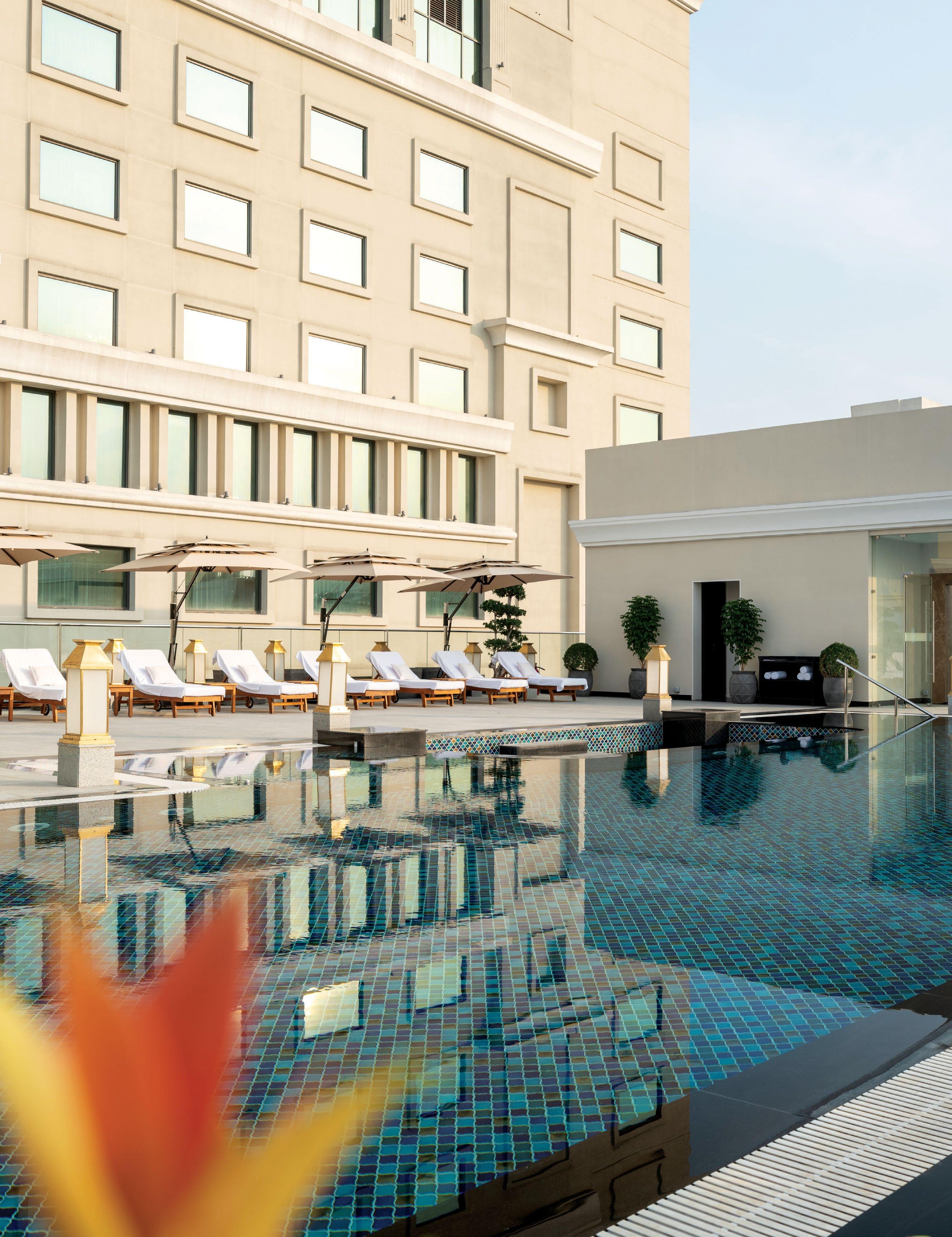
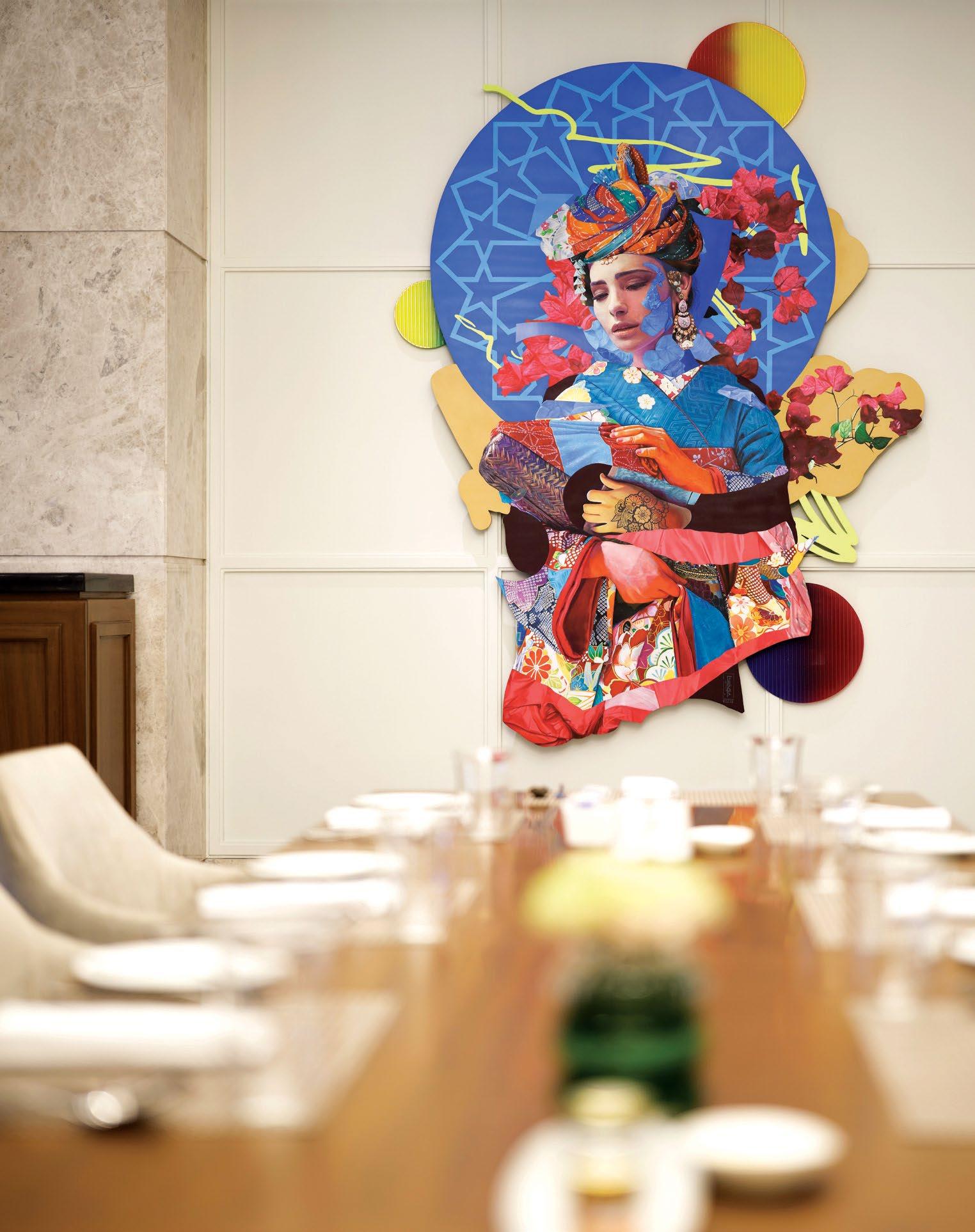
sizes vary, almost all the suites include services such as airport transfers, personalised butler service, access to The Royal Club, and Tishya bath amenities, making for a much pampered stay.
The names of the various suites pay homage to the city’s legacy. The Qutb suite, for example, is named after Quli Qutb Shah, the fifth ruler of the Qutb Shahi
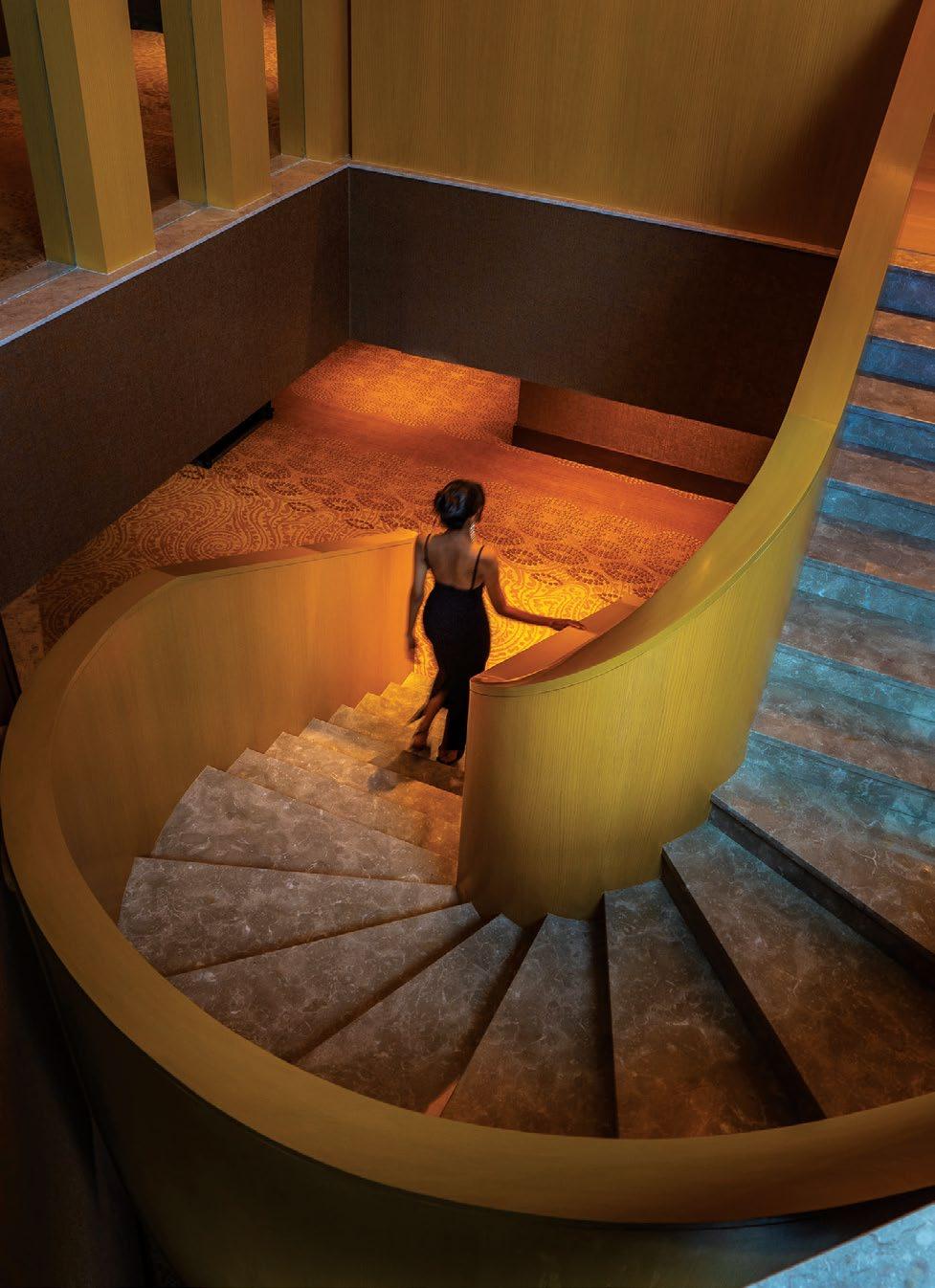
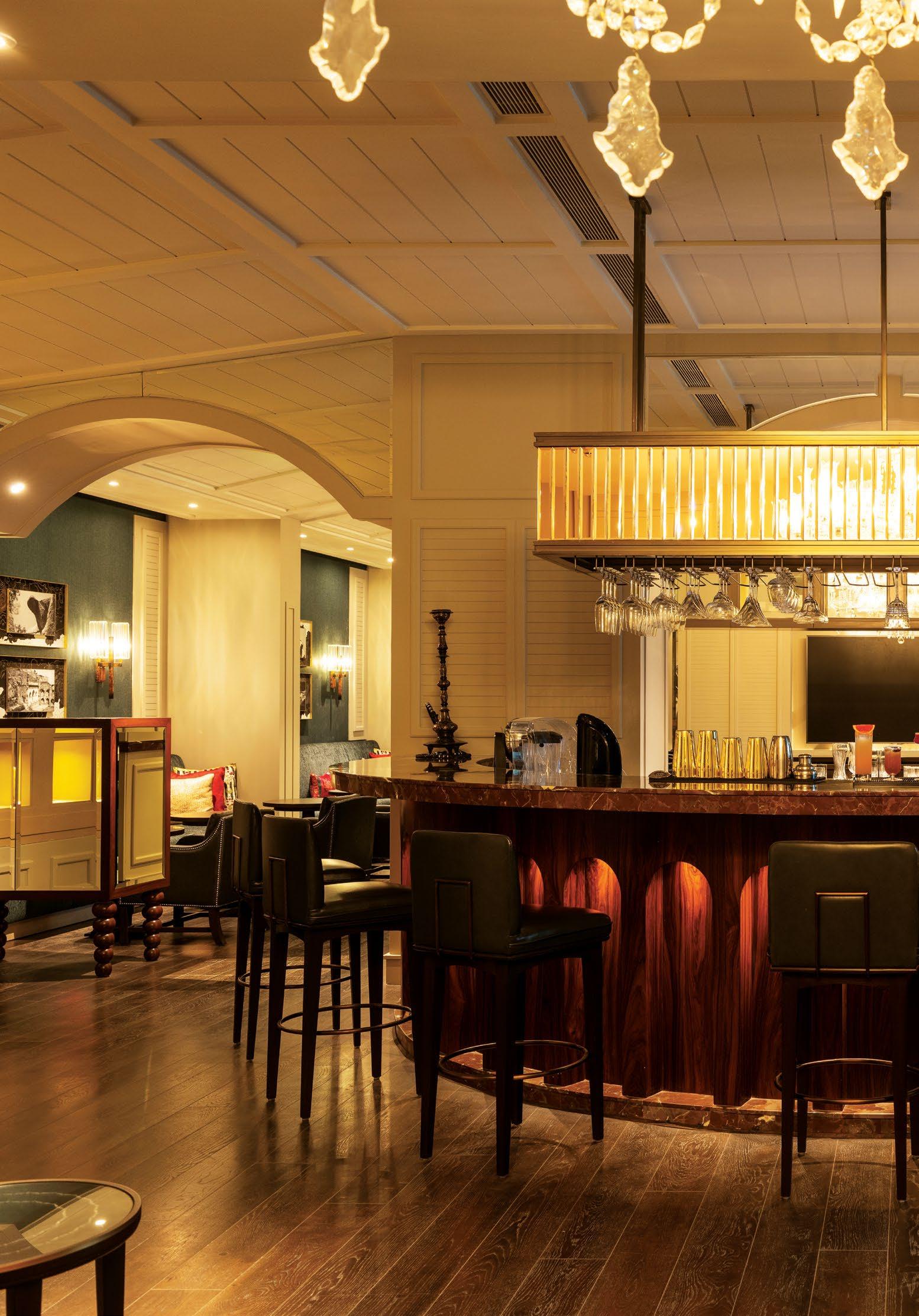
dynasty and the founder of Hyderabad in 1591 AD. Similarly, the Rudra Suite is named after the legendary Rudrama Devi, Kakatiya Dynasty’s first queen, while the Firoz Suite is named after the ruler of the Bahmani Sultanate.
Like the suites, the rooms, marginally smaller but just as sumptuous, offer extensive amenities and seem just as suited to the business executive as the leisure traveller. French windows—or at least massive wall windows—bring in charming views of the neighbourhood. The upholstery in Firoz Suite (where I stayed) is in neutral tones, while a couple of red pillows, a runner in olive with Kalamkari pattern, a baby pink ottoman lounge by the window, and an orange footboard add a splash of colour. Though the large desk is a reminder of work to be done, it is admittedly very ergonomic and supplied with a generous amount of plugs! More charming is the glass-topped, minimalist bedside table custom-made for the ottoman—perfect for catching the ever-changing views while indulging in baked goodies and beverages!
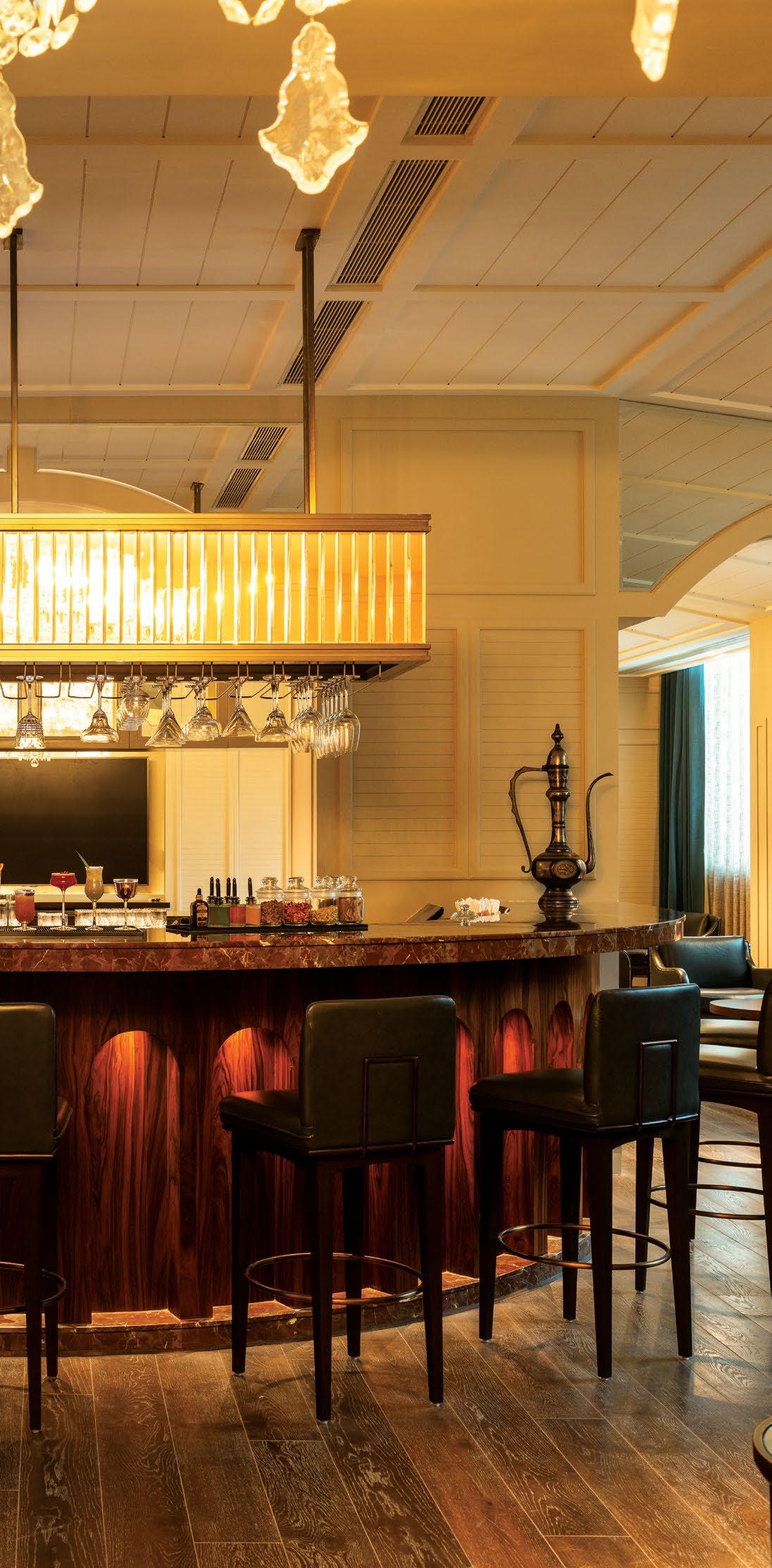
THIS SPREAD, CLOCKWISE FROM FAR LEFT: Murals enliven the interiors of Solcito; this sweeping staircase lends a sense of grandeur; the recently restored Qutb Shahi tombs are a reminder of the city’s opulent past; the Library Bar lives up to the brand’s standards.
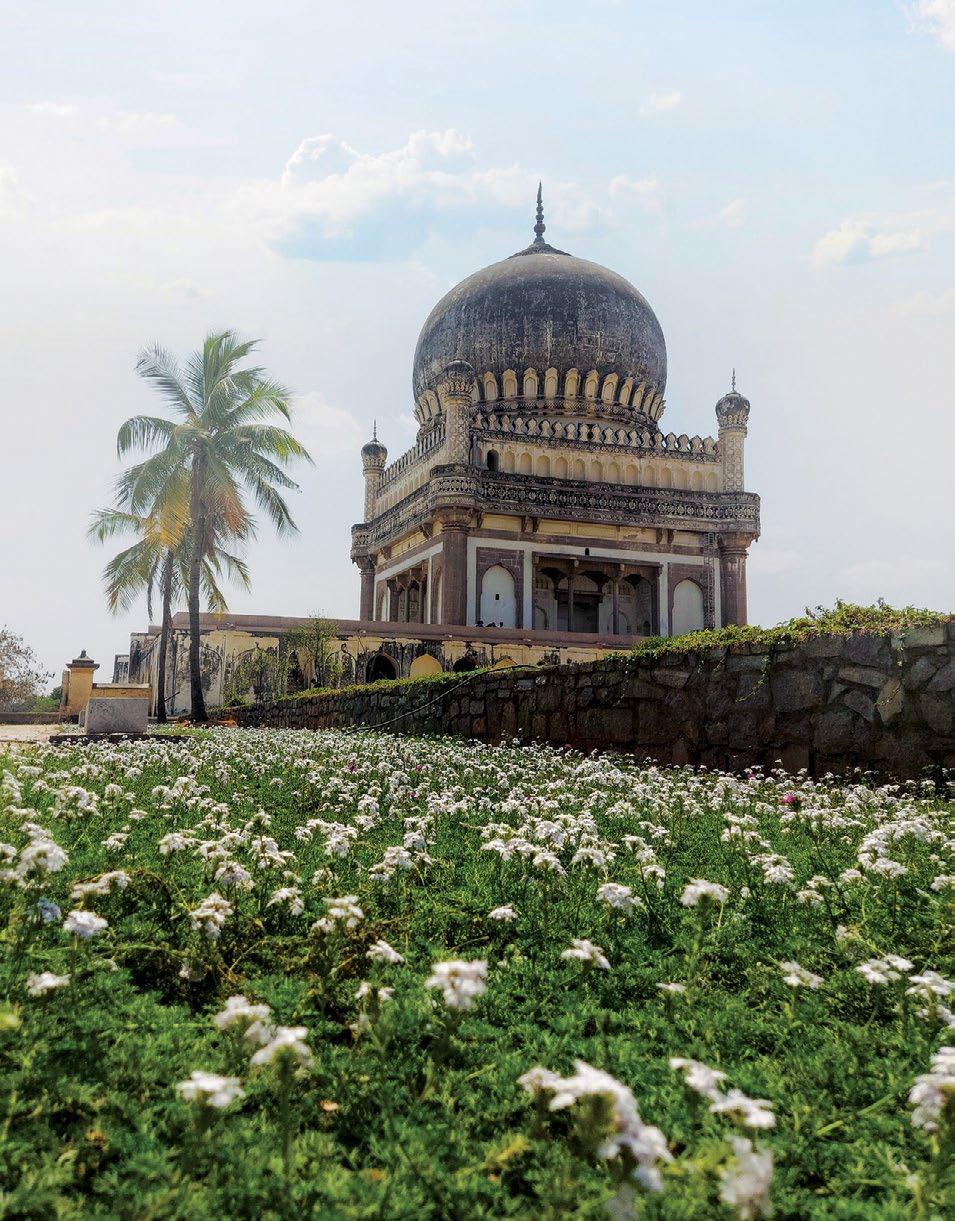
The walk-in closet is sheer indulgence. The washroom is huge and amply supplied with Tishya amenities. And an illuminated mirror. If you want a bathtub for a comforting soak—check to make sure your room/suite has it. Strikingly, the rooms and suites are all adorned in art reflecting the city’s heritage. The Leela’s effectively trademarked Venetianstyle cut glass mirrors, round and rectangular, add an ornamental touch to an already tastefully adorned space. Generous bunches of flowers in tall vases—warm canary-hued chrysanthemums in my case—make it even more enchanting. Yes, the rooms are comfortable enough to eschew any thoughts of stepping outside, even for pearls or biryanis.
The hotel offers a number of curated outings. The city, of course, has a number of attractions—from the massive Golconda Fort to the magnificent Qutb Shahi tombs—painstakingly restored over the past decades by the Aga Khan Trust. My personal butler, the bubbly and enthusiastic Arjit, not just anticipated every need within the hotel, but also accompanied me on a visit to these monuments, greatly enhancing the experience.
For those who haven’t visited Charminar and its surrounding markets, or sailed on the Hussain Sagar Lake, or gawked at the Chowmohalla Palace, or collapsed in sheer exhaustion at the captivating galleries of Salar Jung Museum, they come highly recommended. The city is a culinary and retail treasure trove; just consult your butler or the concierge.
Within the hotel, there is a lot to indulge in. In an unusual move, the pool, gym, and spa are in an adjacent though internally connected four-storey building, making it possible for not just hotel guests but
those from outside to indulge as well without intruding into the hotel space. The wellness centre, Nila, has been designed with special attention and offers guidance and treatments not easily available, such as HydraFacials and cryotherapy. Therapists are available for extended hours—my painful foot finding attentive treatment past 10pm! And there is more art. Bidriware objects, ikat furnishings, and art reflecting the city are sprinkled across public spaces.
At a time when many hotels are reducing the number of restaurants, the hotel seems to have focused on its culinary offerings. The all-day diner, Solcito, adjacent to the lobby, is most popular during the morning breakfast. Unusually, it blends buffet counters with an extensive a la carte menu, offering a range of both local and global favourites, along with Leela’s Aujusya menu, specially catered for the healthconscious. The range makes its
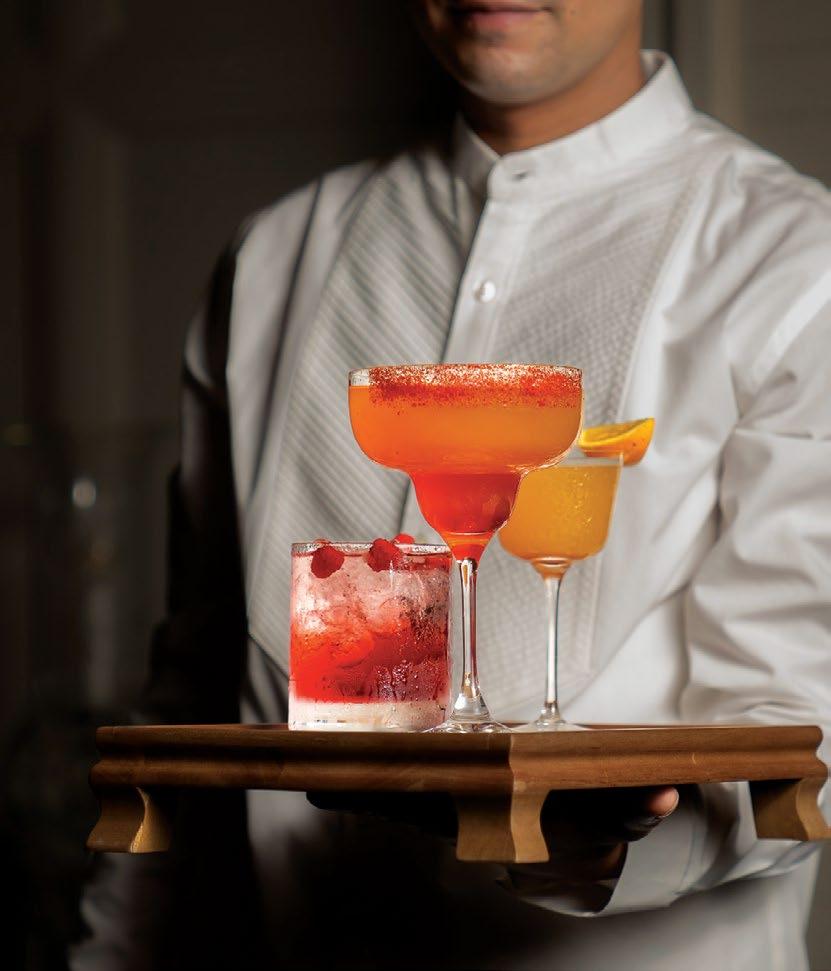
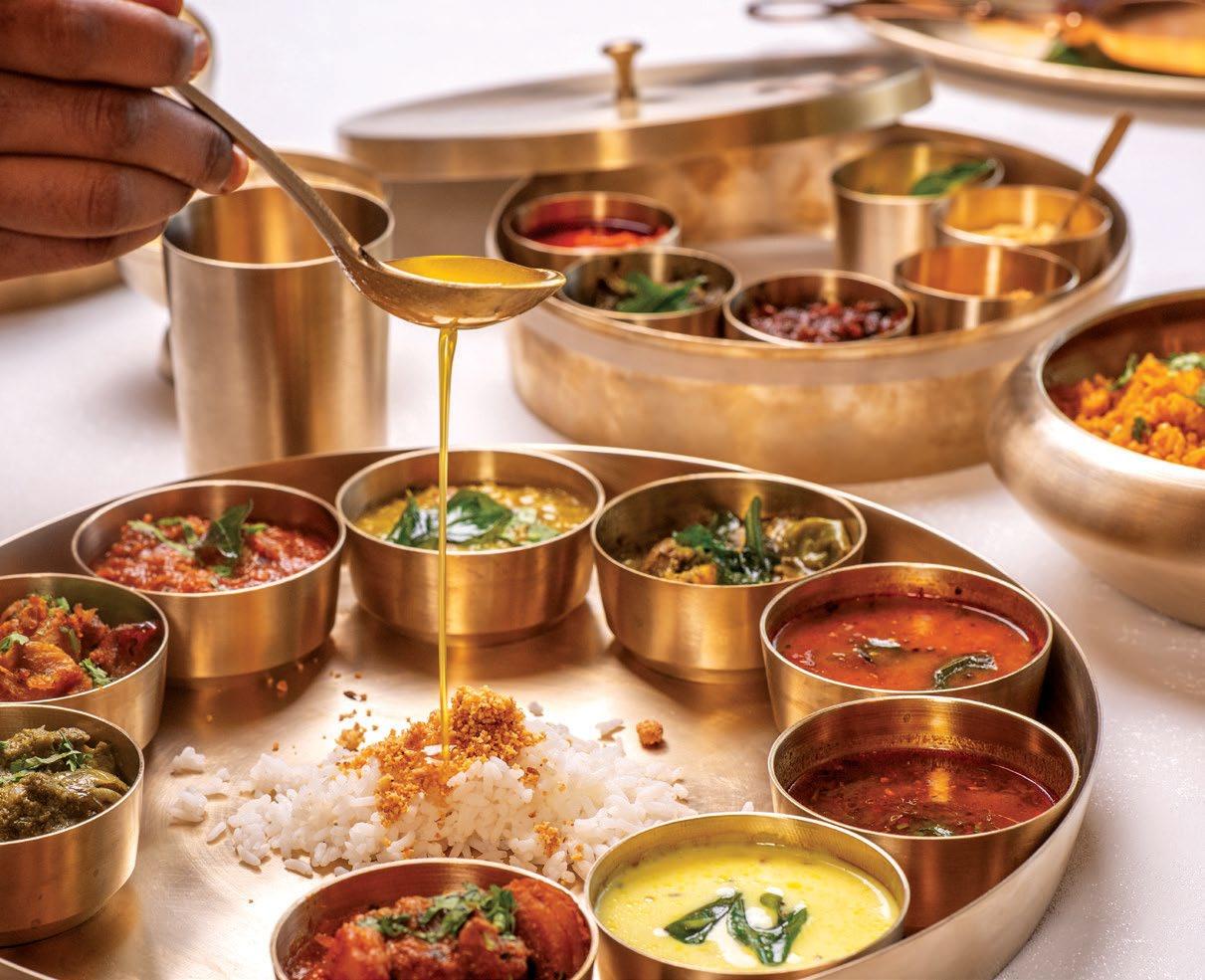

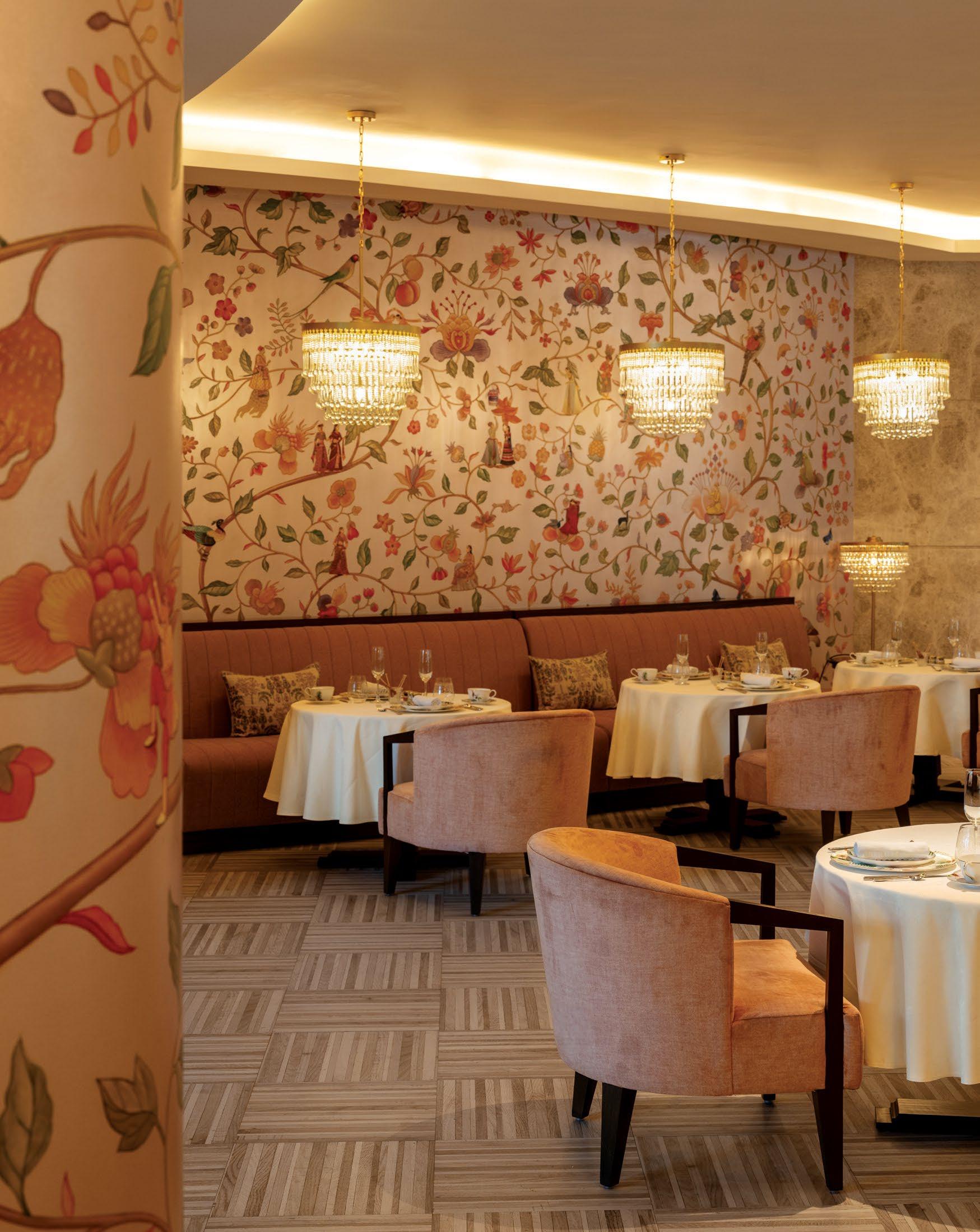
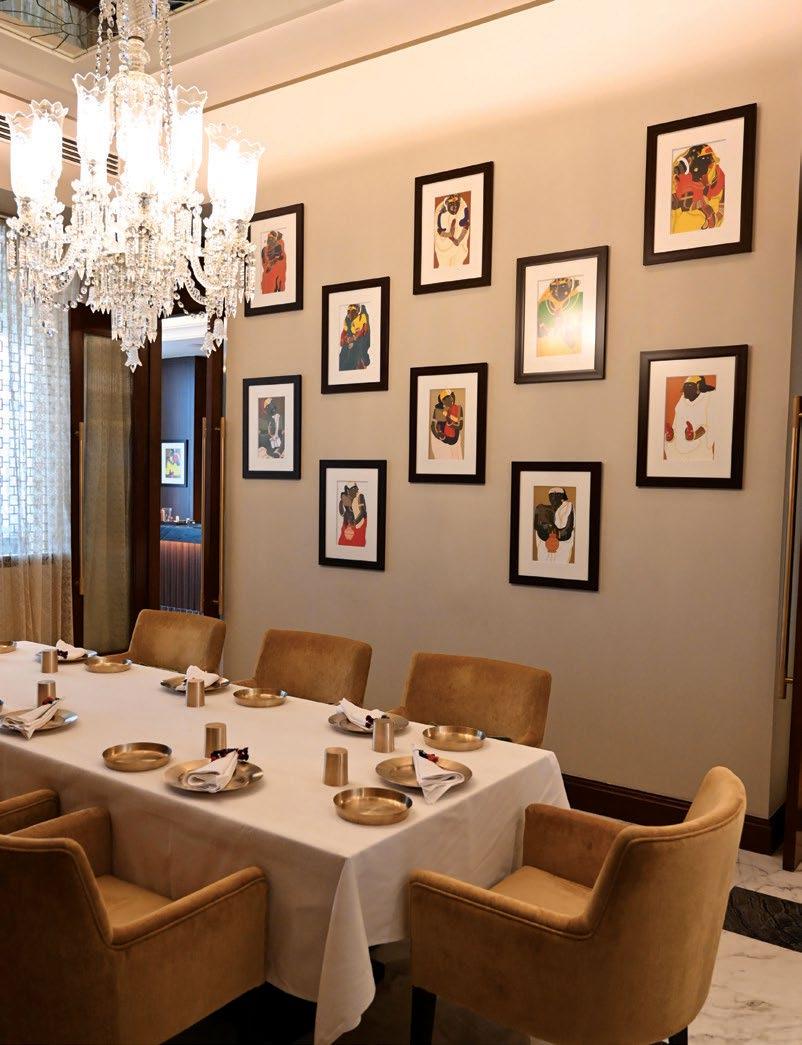
CLOCKWISE FROM BOTTOM LEFT: The Library Bar lives up to its reputation of benchmark setting cocktails; Multiple trips are encouraged to savour the magical thalis at Adi; Adi's elegant setting; beautiful plating is a given as visiting chefs go all out to woo guests at Raen; Tiga celebrates a fusion of Singaporean, Malaysian, and Chinese cuisines; The Wild Teapot is beautifully Indianised version of an English tearoom.

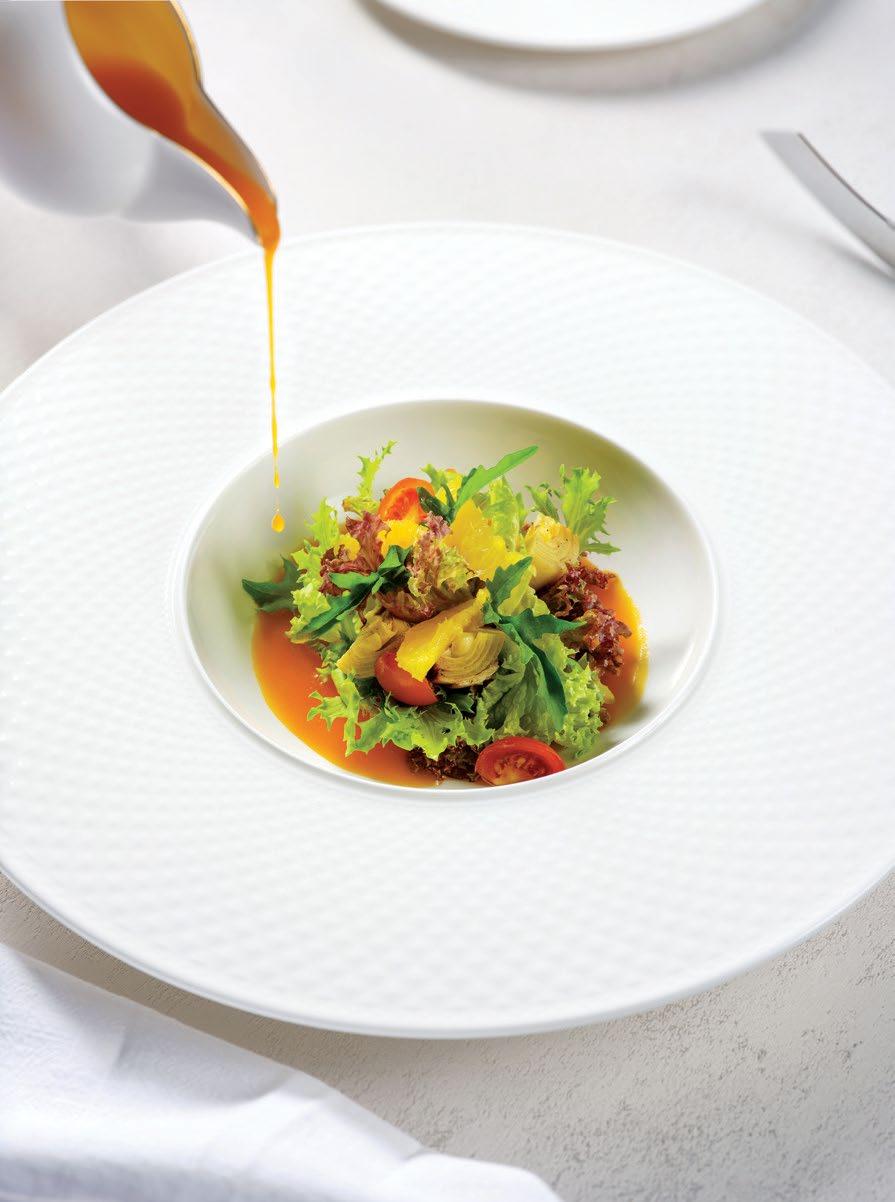
apparent as one goes through the various specialty restaurants.
A visit to Tiga, named after the Malay word for three, celebrates an outstanding fusion of Singaporean, Malaysian, and Chinese cuisines. Helmed by Singapore-based chef Albert Rayan, Tiga offers favourites such as authentic hawker-style dishes from Singapore. Indulge in Chilli Crab, Nasi Lemak, Rendang, Satay, and so much more. Take in the ambience too, for it is designed to look like a Singaporean hawker market—though in an elegant and extravagant surrounding.
Of note is the Yum Cha corner, where guests are served teas accompanied by dimsums.
A more surprising and utterly exquisite restaurant is Adi, literally the beginning. Helmed by the unexpected Meera Tadimeti, an architect-turned-chef, whose mission is to convince patrons that there is more to Andhra cuisine than tongue-numbing ‘hotness’. She has delved into the region's cultural heritage to introduce dishes created from traditional ingredients. Attention to detail
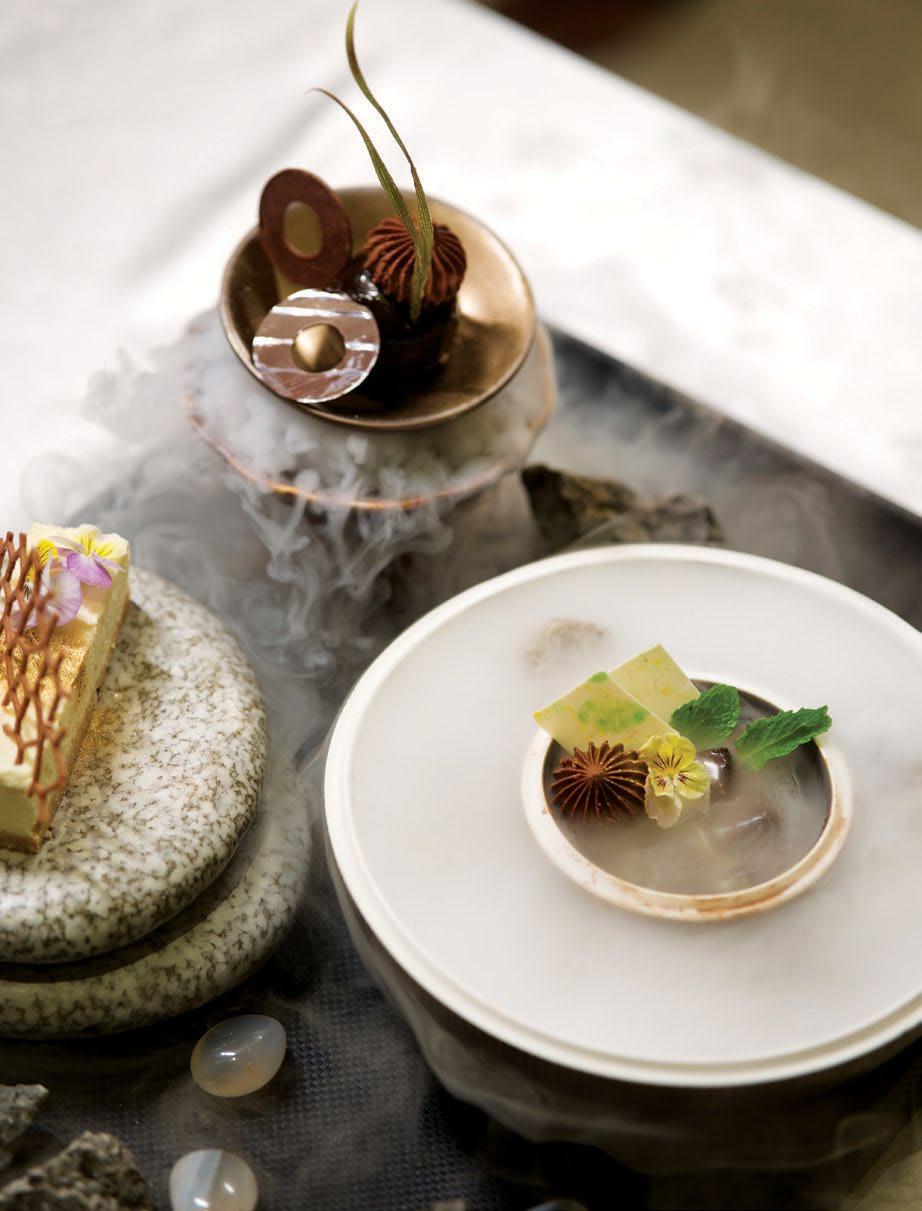
is paramount—the spices are hand ground, the grains authentic, each dish evoking many memories. Meals are largely set menus, with dishes which may be unfamiliar for those not acquainted with the cuisine— Sorakaya Perugu Pulusu (bottle gourd yogurt curry), Miriyala Charu (Andhra style clear broth soup made with freshly ground black pepper and garlic paste), Anasa Pandu Talimpu (a dish made with pineapple and a tempering of spices), Ankapur Chicken (the chicken is burnt on a low flame and cooked in an aluminum utensil), and Boti Kura (curry made with mutton bones). A cautionary note—even the smallest menu has dishes in double digits, so don’t fill yourself with the starters, irresistible as they are.
Tucked away in a charming corner of the lobby—look beyond the art wall—the Wild Teapot Tea and Champagne lounge brings alive an English tea café, and is full of sweet, delectable fare.
For those desiring an evening at the bar, there’s The Leela staple, The Library Bar. The Leela Hyderabad version is stunning—monochrome art enhances the ambience of the softly lit bar. Like its counterparts, its reputation for an enviable selection of wines and whiskies has already built up.
The greatest culinary surprise is Raen, or the chef’s studio. This is a ‘restaurant’ that reinvents every fortnight or so. For here, a rotating number of leading domestic and global chefs come to showcase their skills—ensuring that each time it is a different experience. Expectedly, live demonstrations, interactive workshops, and exclusive gourmet events, an innovation worth emulating.
Hyderabad wears many identities with effortless grace—a city of pearls and palaces, tech parks and teahouses, history and modernity. In the midst of this vibrant duality rises The Leela Hyderabad, a gleaming new landmark in Banjara Hills. Its soaring façade, intricate detailing, and sheer opulence suggest otherwise. Blending the city’s storied legacy with contemporary design and the brand’s signature elegance, it stands as Hyderabad’s newest expression of hospitality grandeur.
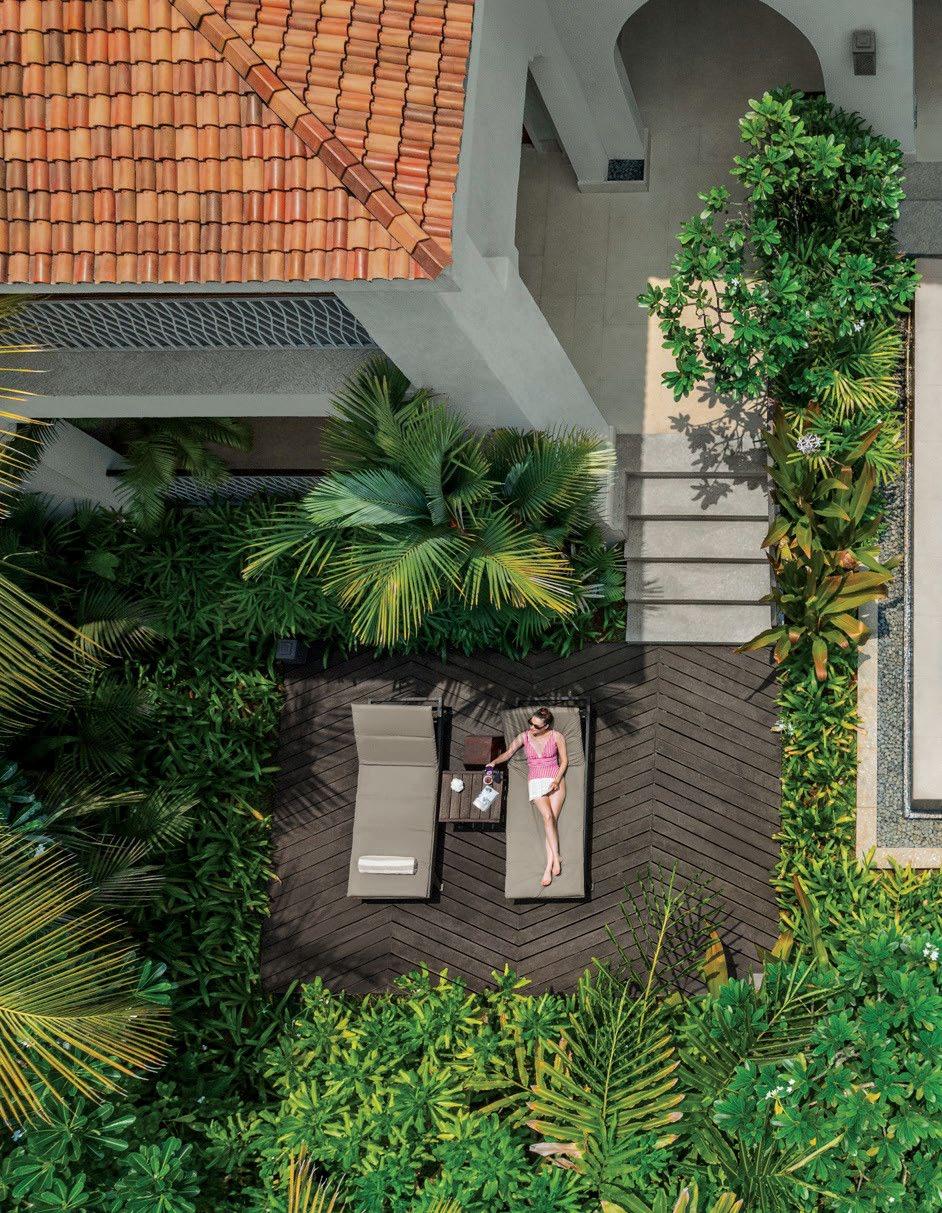
Manor at St. Regis Goa Resort is a ‘hotel within a hotel’, a self-sufficient luxury enclave within the property’s tropical grounds, featuring understated villas, a restaurant, and white glovestyle butler service.
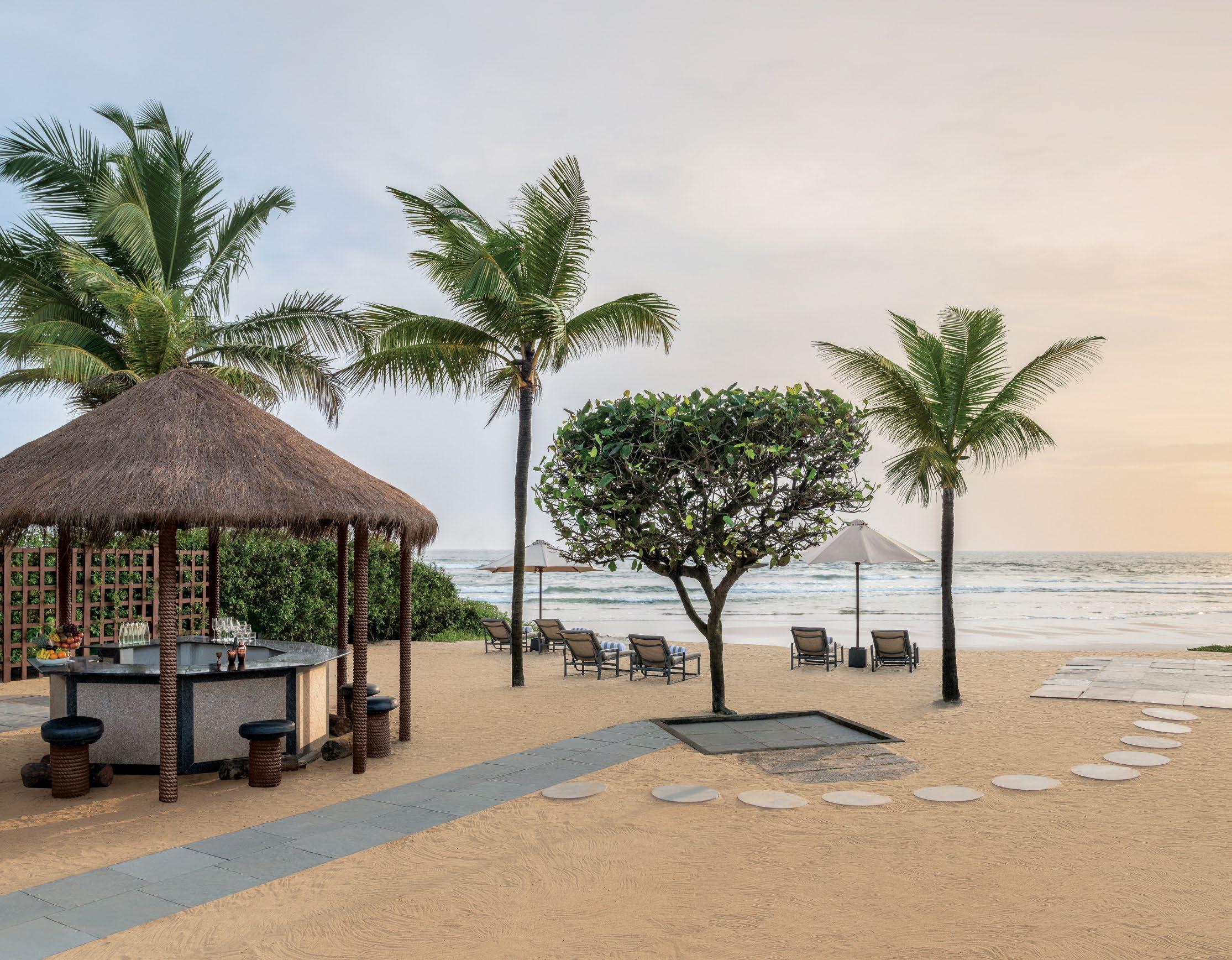
“I hope you like your villa suite,”
smiles Rohan Melanta, the butler assigned to me, as he walks me through the space.
The indulgent villa suite is understated luxury: wooden slats on sloping roof; French windows sliding open at the touch of a master control switch near the bed, as do the curtains; a long dining table; a spa-like marble bathroom with a luxury bathtub; tree-swathed pool decks; and a palette of ivory, caramel, beige, and wood. Diffused sunlight streams through woodencased glass windows, lighting up marble floors softened by lush rugs. A gnarled tree beside the pool appears to be over a century old, its ancient trunk supporting a lush green canopy, while huge elephant ear palms offer privacy from neighbouring villas.
This villa belongs to a cluster in a serene, hidden corner of St Regis Goa Resort, surrounded by a flourishing green canopy swaying to the rhythm of sea breeze. The Manor at St Regis Goa is an exclusive enclave—“a hotel within the hotel.” Its Manor Suites, John Jacob Astor Villa, and Presidential Villa, all with private pools and views of the tropical landscape, were refurbished to meet global standards when St Regis took over from The Leela Goa.
Green stretches separate the suites, connected by winding cobbled paths leading to Mobor Beach. Its spaces and architecture blend with the forested surroundings and beach backdrop.
The private retreat within the resort, limited to just 15 suites, has its own slice of beach, a swimming pool, restaurant, and an outdoor bar (weather permitting). And for times when you want a wider canvas, 49 acres of nature, a river on one side, the ocean on the other, a golf course, and diverse dining venues are all right there. Guests enjoy butler service, BMW transfers, bespoke in-villa dining, and private events such as beach barbecues.
“Manor is a secluded sanctuary for refined living,” says General Manager Gurnoor Bindra. “It offers privacy, intimacy, and tailored luxury. Surrounded by natural beauty and curated for the discerning traveller, Manor redefines the art of escape.” Bindra explains that guests can truly disconnect from devices and reconnect with themselves and their surroundings. “The Manor is about the joy of missing out—you can immerse yourself in the larger resort or enjoy complete seclusion,” she notes.
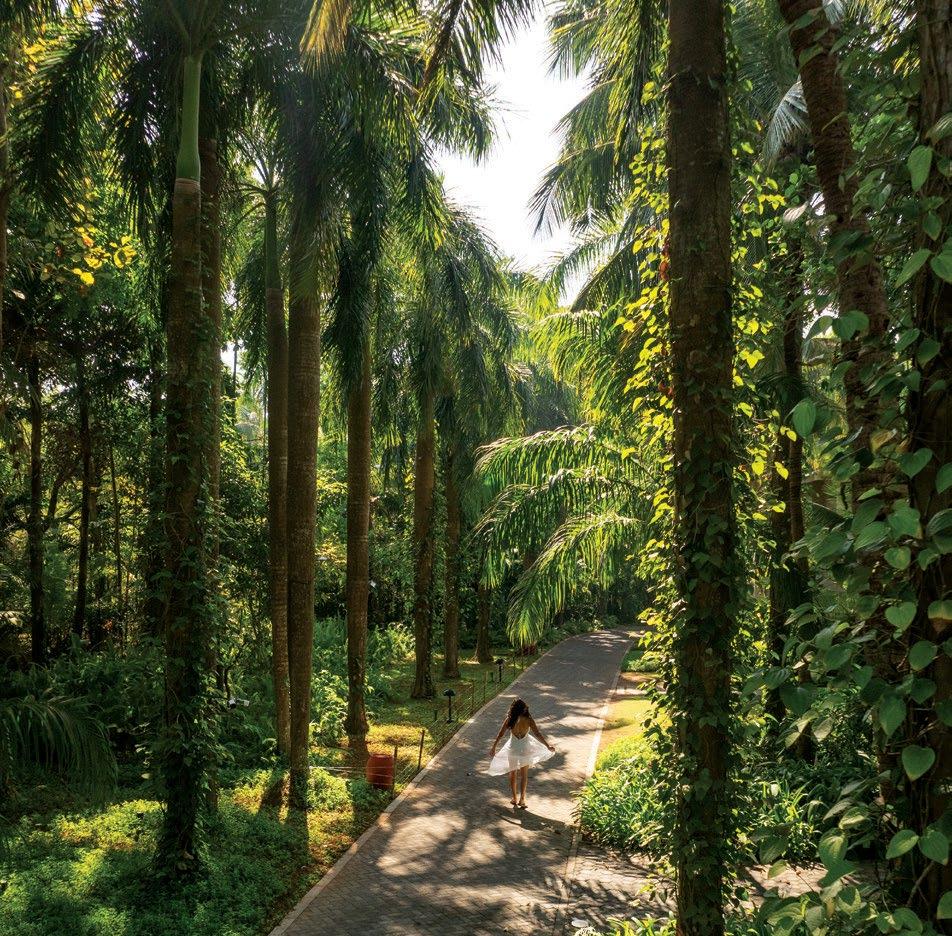
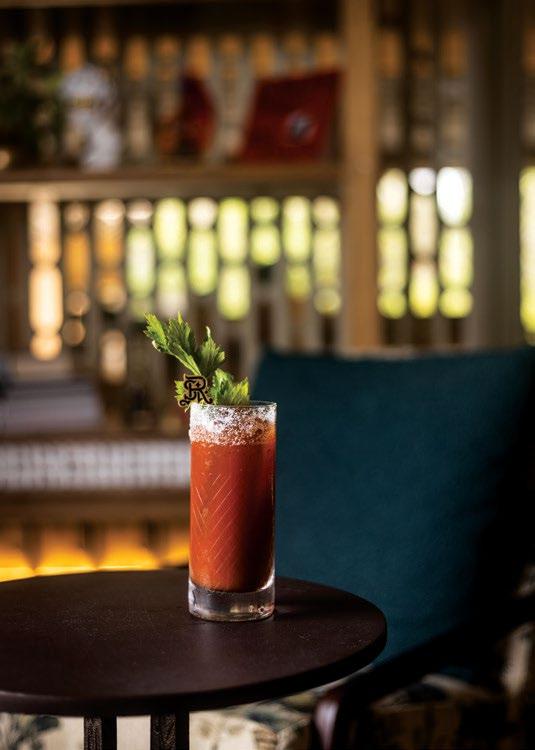
The Manor restaurant stands amidst the villas and is led by Chef de Cuisine Jyotiprakash Saha, who creates dishes often customised to a guest’s desires, palate, and mood. On an evening when I wanted to dine away from the main hotel’s buzz, in a quiet space, the chef served the most exquisite mackerel marinated in Goa’s famous spices; another fish curry in a coconut-infused gravy; a vegetable xacuti; and lamingtons—vanilla sponge squares coated in chocolate sauce and rolled in desiccated coconut.
Earlier that evening, Afternoon Tea had been a medley of the same lamingtons, thoughtfully repeated at dinner since I loved them so much; delicate sandwiches; and other savouries. The leisurely ritual begins with a cup of tea and ends with a glass of champagne—or you can reverse it and start with bubbly in a flute. The Manor stay also includes complimentary wine in the suite and cocktails in addition to afternoon tea. After the indulgent tea, pick up a bicycle and explore the heavily wooded property with rabbits and ducks, and ponds swathed in lotus and fronds.
Everything is tailored to a guest’s choice—select your preferred pillow scent, or even the pillow itself; have a lavish dinner laid out at that long dining table within the villa; or adjust the lighting to match your mood. As I stroll through the hotel’s vast gardens and dense monsoon-green tracks, and step into my villa suite, one word lingers in my mind—opulence, in the most subtle and discreet sense.

day.
Melanta leads a team of butlers offering impeccable, personalised, white-glove service—ensuring seamless comfort through tailored dining arrangements and anticipatory care, with attention to every detail. They also preside over St. Regis’s famous Champagne Sabering ceremony in the Drawing Room, the main hotel’s public space that houses a bar and two restaurants, or at the beach if weather permits. A tribute to St. Regis's founder John Jacob Astor IV, who believed an evening should begin with champagne, a ritual as theatrical as it is celebratory.
If you wish, a discreet butler will even unpack your suitcase while you unwind with a flute of sparkling wine. The service goes beyond the expected. After I sustained an injury at the hotel, Melanta brought me a beautiful bouquet, a platter of freshly made mithai, and a sweet postcard with a tiny bandaid stuck in one corner. On another occasion, when the spa was fully booked, he ensured a reservation at the end of the day.
There is, of course, the restaurant and bar, and the walk along cobbled pathways to the secluded, almostprivate beachfront. But there is also a nature walk through forested tracks winding past 300,000 plants and trees, including 2,000 sky-high coconut palms, tended by a team of gardeners led by horticulture manager Mario Misquita and deputy horticulture manager Haresh Parab. Parab guides me through wooded paths, past an organic herb and vegetable garden, ending with a cup of tea beside the Sal River, where fishing boats are silhouetted against the fastdarkening sky. Many of these trees are over a centuryold and you can explore Goa's tropical greenery right here on the grounds.
Food and drink sit at the core of the luxury experience. The bar at the main hotel hosts a fenitasting session, where the bartender shares its history and heritage, introducing guests to its flavours—from the raw kick of coconut feni served straight, to the way Goans enjoy it, with chilli, lemonade or Limca, and salt, as well as in fancier feni cocktails. Also on offer is the St. Regis signature Bloody Mary experience, each hotel reimagining the classic cocktail with a local
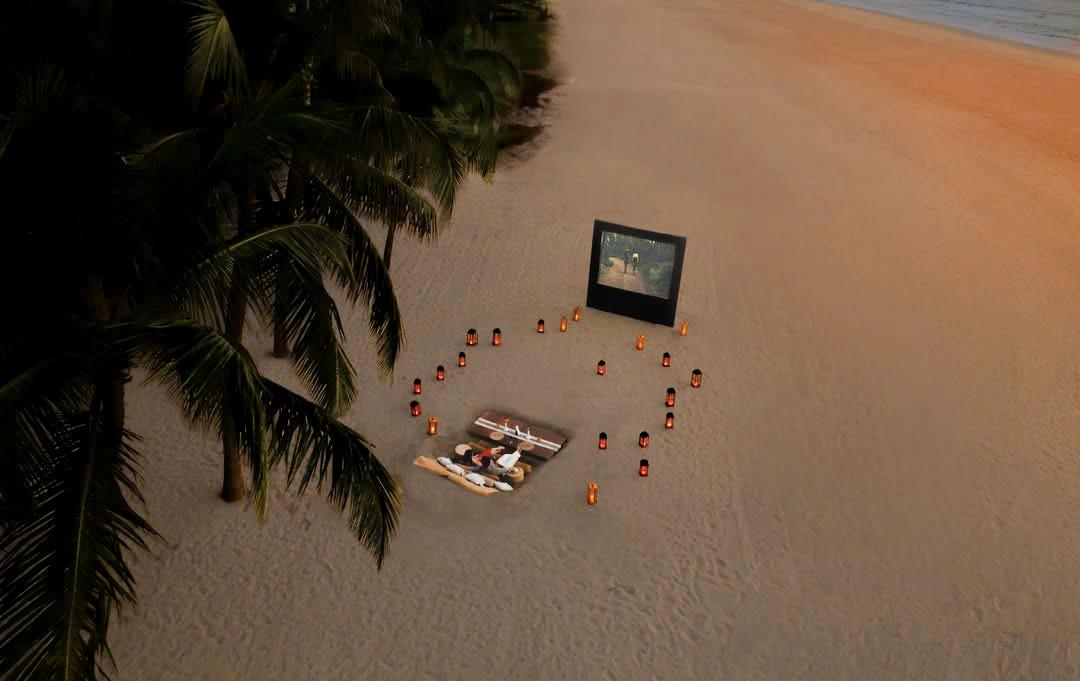
ALL PHOTOGRAPHS: Experiences, bespoke and 'traditional'—such as champagne sabering—elevate the flavour of
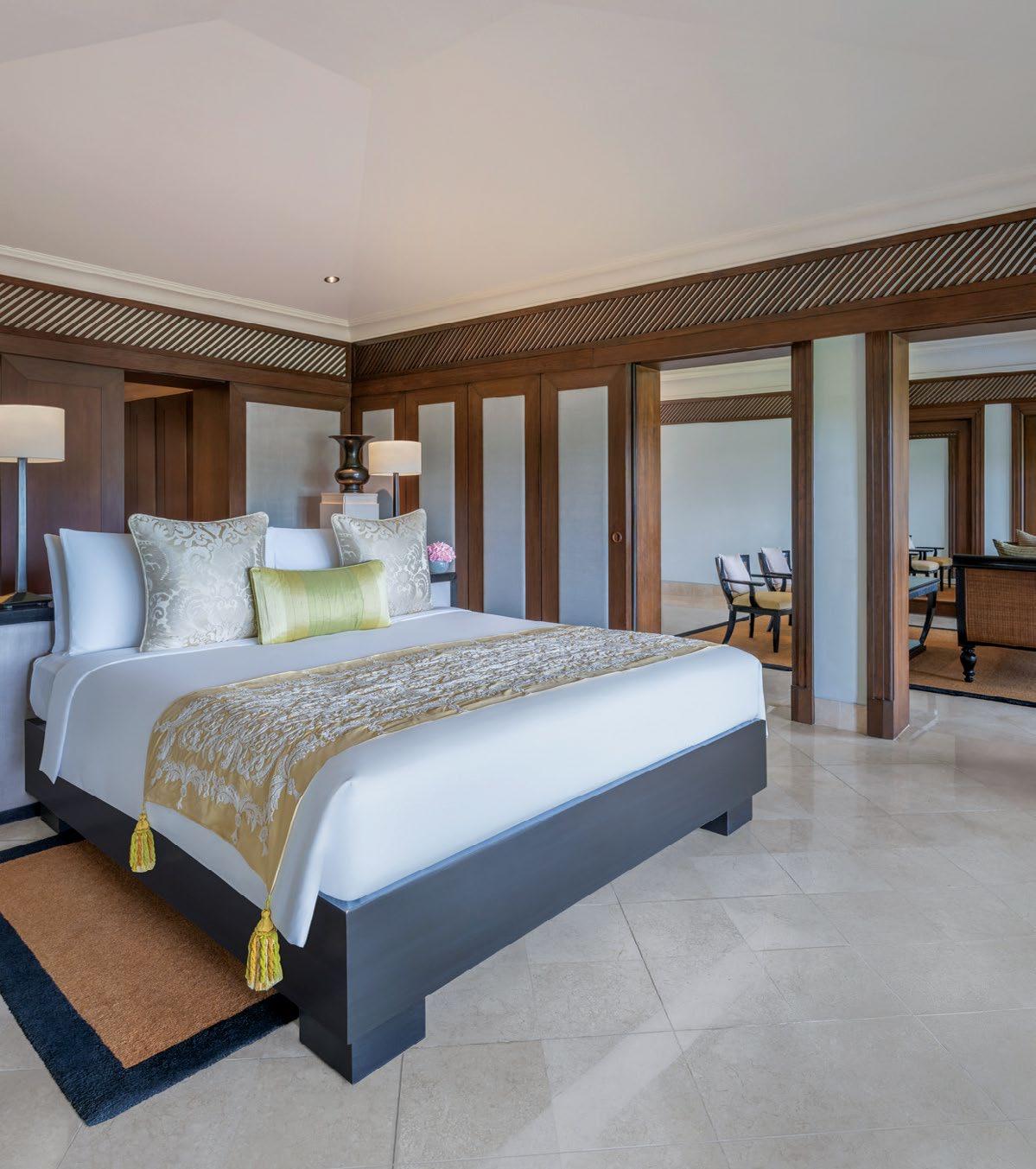
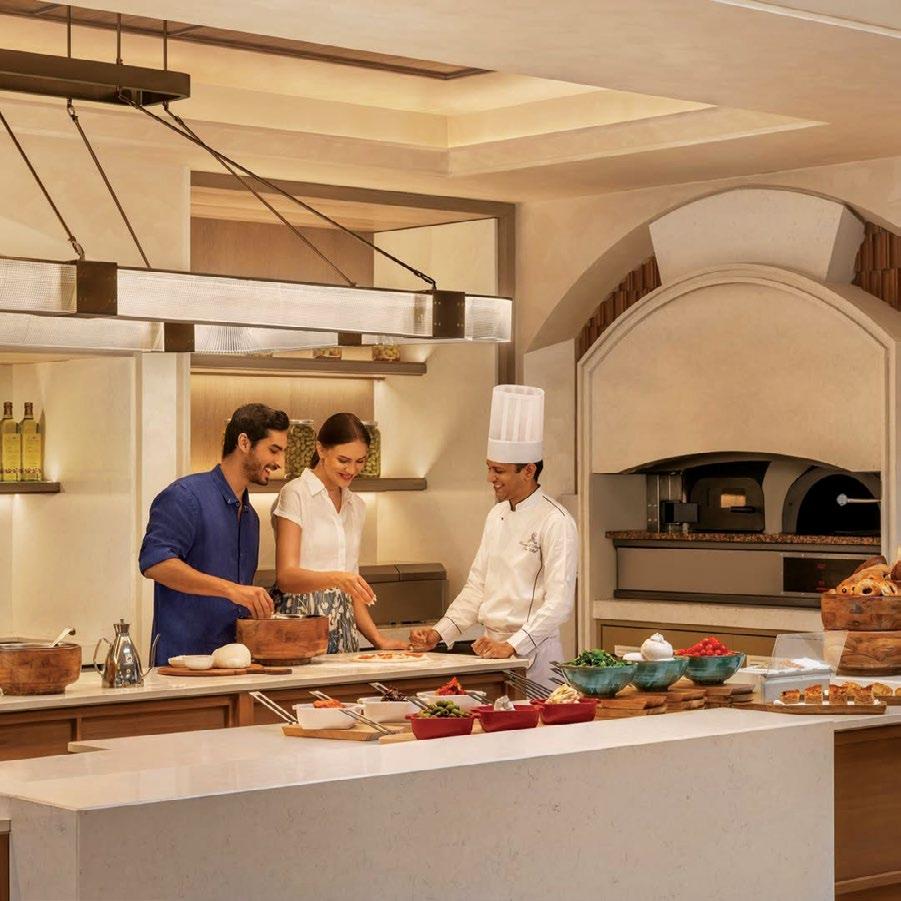

flair. At St. Regis Goa Resort, it arrives with a spicy, tangy Recheado masala. Few know that Bloody Mary was invented at St Regis New York's famous King Cole Bar by barman Fernand Petiot. Originally named the ‘Bloody Mary,’ it was rechristened the ‘Red Snapper’ to avoid offending the hotel’s refined clientele. More than 80 years later, the iconic drink—renamed again— remains a St Regis signature.
Besides dining at the superlative Manor restaurant, guests often explore the two restaurants in the main hotel. Miri serves expansive breakfast, lunch, and dinner buffets, with a strong emphasis on desserts and some of the most delicious steamed momo I have tasted—they melt in the mouth before you can chew. At Oliveto, the chef hand-rolls pasta sheets and serves oven-baked pizzas. The Villa Spaghetti Aglio Olio comes laced with Goa’s famous Lavangi chillies, while the handmade ravioli by chef
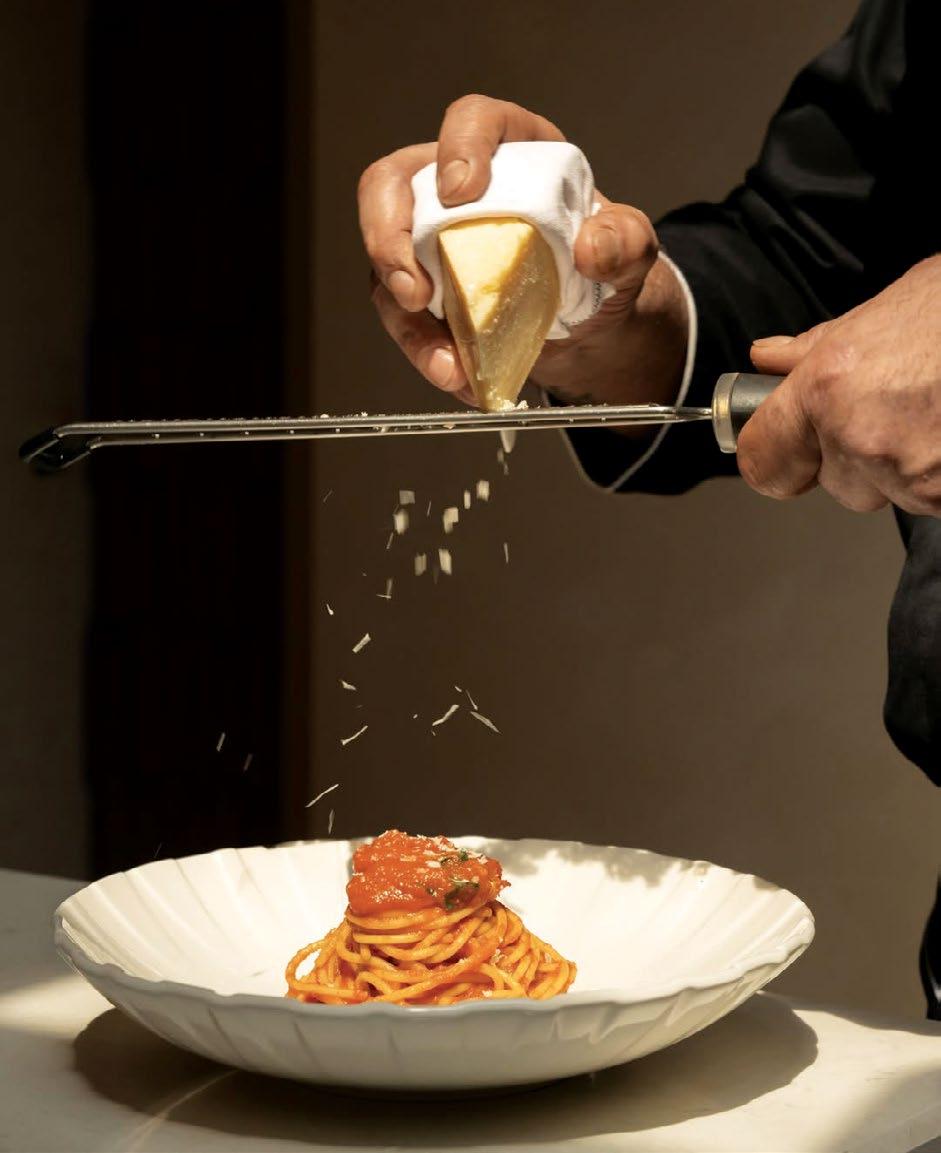
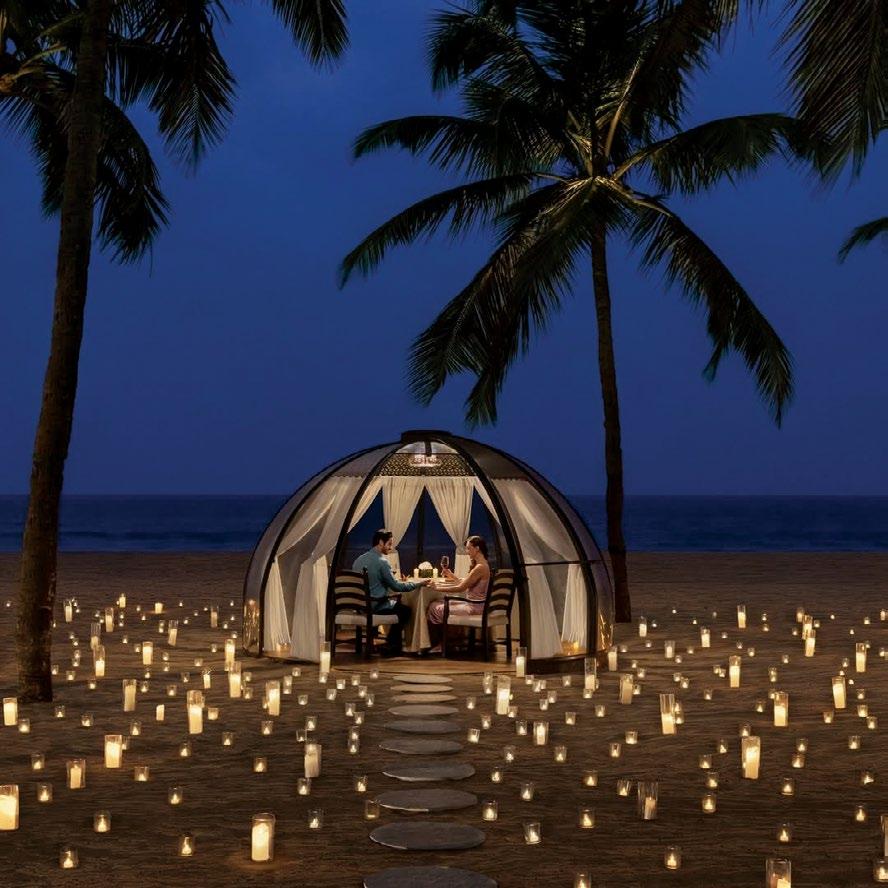
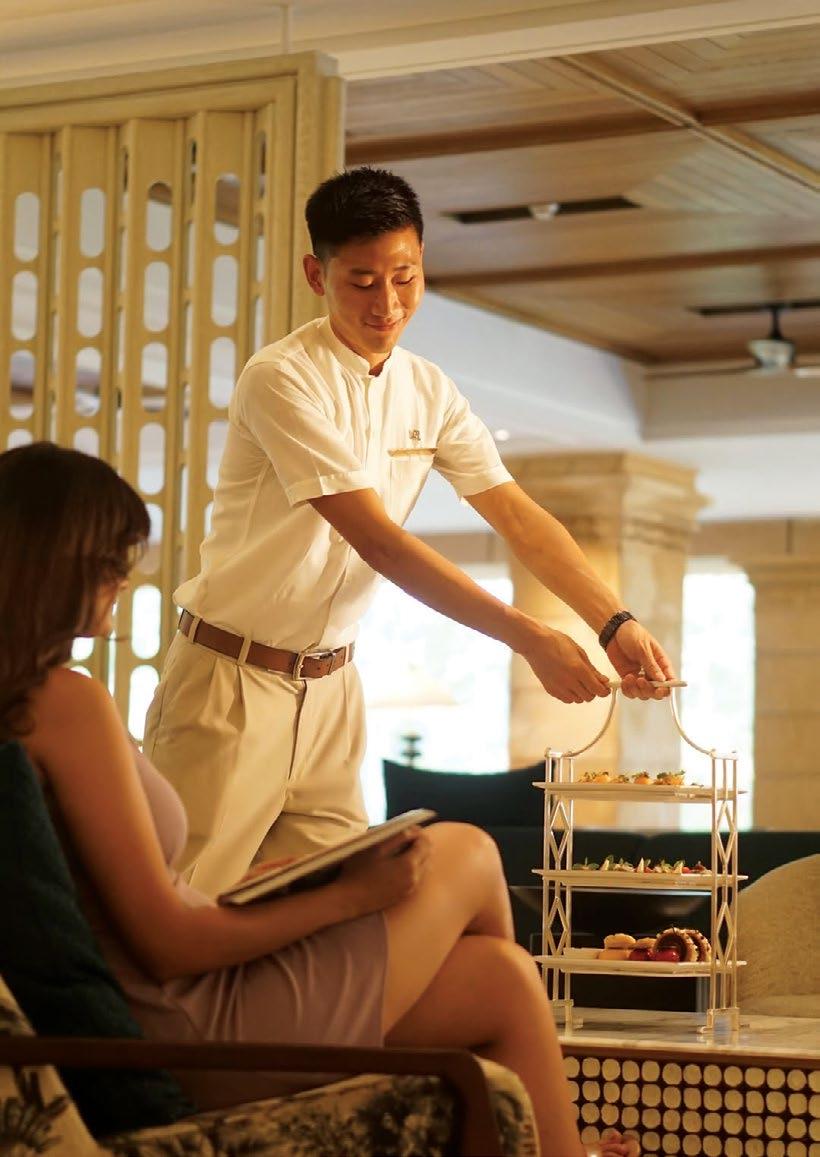
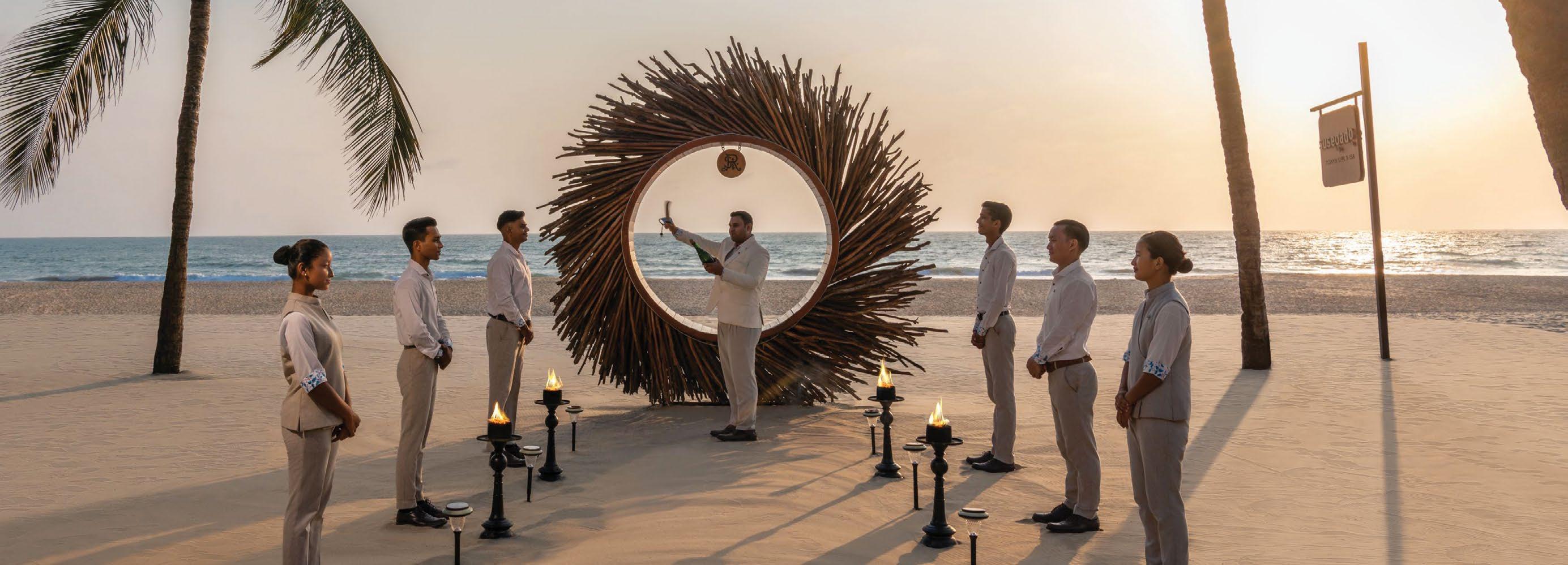
Silvio Zaccareo will transport you to Italy’s famous trattorias.
For a lighter indulgence, the ‘design your own cupcake’ workshop lets guests crown their creations with a variety of toppings, a sweet way to spend an afternoon. Most Manor guests end their evenings—or spend part of their day—at the lavish spa sanctuary, tucked into a bougainvillea grove beside the main swimming pool, the golf course, and the Mobor seafront. Here, trained masseuses ease away signs of urban stress and knotted muscles. The spa pays homage to the original Iridium Room at The St. Regis New York, where the city’s aristocrats and iconoclasts gathered. The retreat offers a range of rejuvenating therapies; I chose lavender and peppermint aroma oils, though the Indian elixir—St. Regis’s take on Ayurvedic therapies—is the most famous.
Across the spa and hotel drifts the signature
scent, Caroline’s Four Hundred Percent, a crisp floral fragrance inspired by the flowers from Mrs. Caroline Astor’s famous balls, with notes of American roses, white lilies, green stems, quince, apple, and cherry blossoms. For those unfamiliar, Mrs. Astor was an American socialite who led New York City’s 'Four Hundred', an elite group of individuals considered social arbiters during the Gilded Age, a term coined by author Mark Twain for an era known for unprecendented wealth and power.
Manor transports guests far from Goa’s tourist stretches to swaying palm fronds, a cool breeze, and the scent of the sea. Renovated to the highest standards, it leaves no guest’s wish unmet.
Here, luxury is served chilled in champagne flutes, sabered open at sunset, and lingers among acres of bougainvillea, palm fronds, cashew and bananas plants, and languid creepers.
Strategic hotel alliances now shape loyalty, sustainability, and visibility in the world of global luxury travel and hospitality.
CHANDREYI BANDYOPADHYAY
This, right now, is the era of discerning travellers who expect seamless luxury across continents. To meet these expectations, hotel alliances have evolved from convenient partnerships into strategic imperatives—crucial to a brand’s global ambitions. Independent luxury properties once thrived on exclusivity alone, but today’s sophisticated guests demand the impossible: authentic local experiences delivered with world-class standards, all accessible through a single loyalty ecosystem. The mathematics are compelling. So is the industry sentiment.
Hotels increasingly believe they must offer hyper-personalised, immersive experiences while leveraging strategic alliances to build lasting loyalty and reduce costly dependence on OTAs. The Leela Hotels, Palaces and Resorts partnered with GHA in 2022, launching access to the DISCOVERY programme. In 2024, the programme’s membership in India


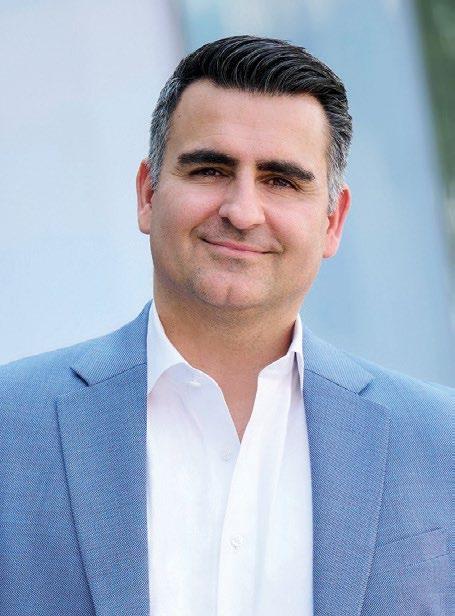
SENIOR VICE PRESIDENTASIA PACIFIC, SMALL LUXURY HOTELS OF THE WORLD
“What unites our portfolio is not uniformity, but a commitment to excellence, character, and guest intimacy. Some of our member hotels have been in the same family for generations. All are anti-chain and anti-same.”
EXECUTIVE VICE PRESIDENTSTRATEGY, GLOBAL HOTEL ALLIANCE
“An alliance enables smaller brands and hotel groups to compete on a global stage and gives them visibility in markets that would normally be very challenging for them to reach on their own, while allowing them to retain their independence.”

AREA MANAGING DIRECTOR – SOUTH ASIA, MIDDLE EAST AND AFRICA, PREFERRED HOTELS & RESORTS
“Helping our member hotels strengthen direct channels is a key priority. Strategically combining digital innovation, personalised marketing, and industry partnerships, we help them to shift booking behaviour and build long-term guest relationships.”
JELENA KEZIKA VICE PRESIDENTSTRATEGY, GLOBAL HOTEL ALLIANCE
“In just two years, the Green Collection has grown to represent more than half of our global portfolio, proving that sustainability is not only a priority but a defining pillar of hospitality today.”
PRESIDENT, RELAIS & CHÂTEAUX
“Our Association is firmly committed to a sustainable path so as to contribute, through cuisine and hospitality, to building a more humane and united world, in harmony with living things.”

IAN DI TULLIO CHIEF COMMERCIAL OFFICER, MINOR HOTELS
“Benefits resonate with travellers differently depending on the purpose of their stay— business or leisure—and the type of property they book.”
CHIEF COMMERCIAL OFFICER, MRS GROUP OF HOTELS
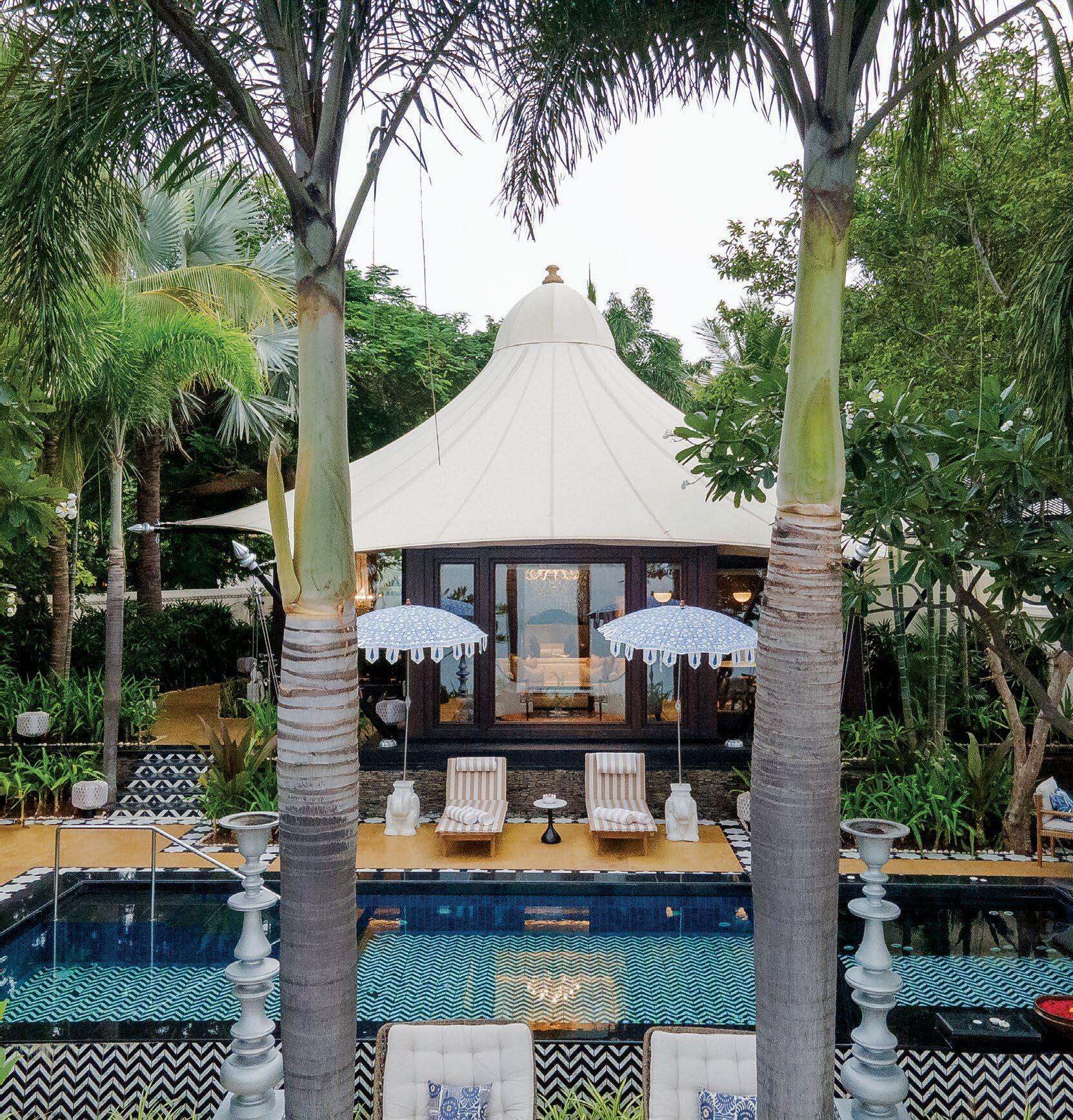
“With guests increasingly seeking culturally immersive, meaningful experiences over traditional luxury, SLH’s global presence and storytelling-driven approach has supported us in amplifying our properties to a new generation of conscious, experience-led travelers on the world stage.”
grew by 18%, reaching 623,000 members. Both The Leela and Minor Hotels are tapping into this demand with new luxury offerings tailored to high-end Indian travellers.
Minor Hotels joined GHA in 2007 with its Anantara Hotels & Resorts brand. Since then, it has deepened the partnership— becoming a shareholder in 2018 and integrating over 560 properties from its eight brands—Anantara, Avani, Elewana Collection, NH, NH Collection, nhow Hotel, Oaks, and Tivoli—into the DISCOVERY loyalty programme. “Together, we provide our members access to over 850 properties in 100 countries, which allows us to punch above our weight versus competing
independently,” says Ian Di Tullio, Chief Commercial Officer, Minor Hotels. With Anantara Jewel Bagh in Jaipur, the company has entered India this year.
The average global leisure traveller visiting India for the first time is typically unfamiliar with The Leela Palaces, Hotels & Resorts brand—despite its frequent recognition as one of the world’s top luxury hotel groups. Kristi Gole, Executive Vice PresidentStrategy at Global Hotel Alliance, explains, “Through the GHA DISCOVERY loyalty platform, we put The Leela in front of 30 million customers worldwide, expanding their footprint and maximising visibility.”
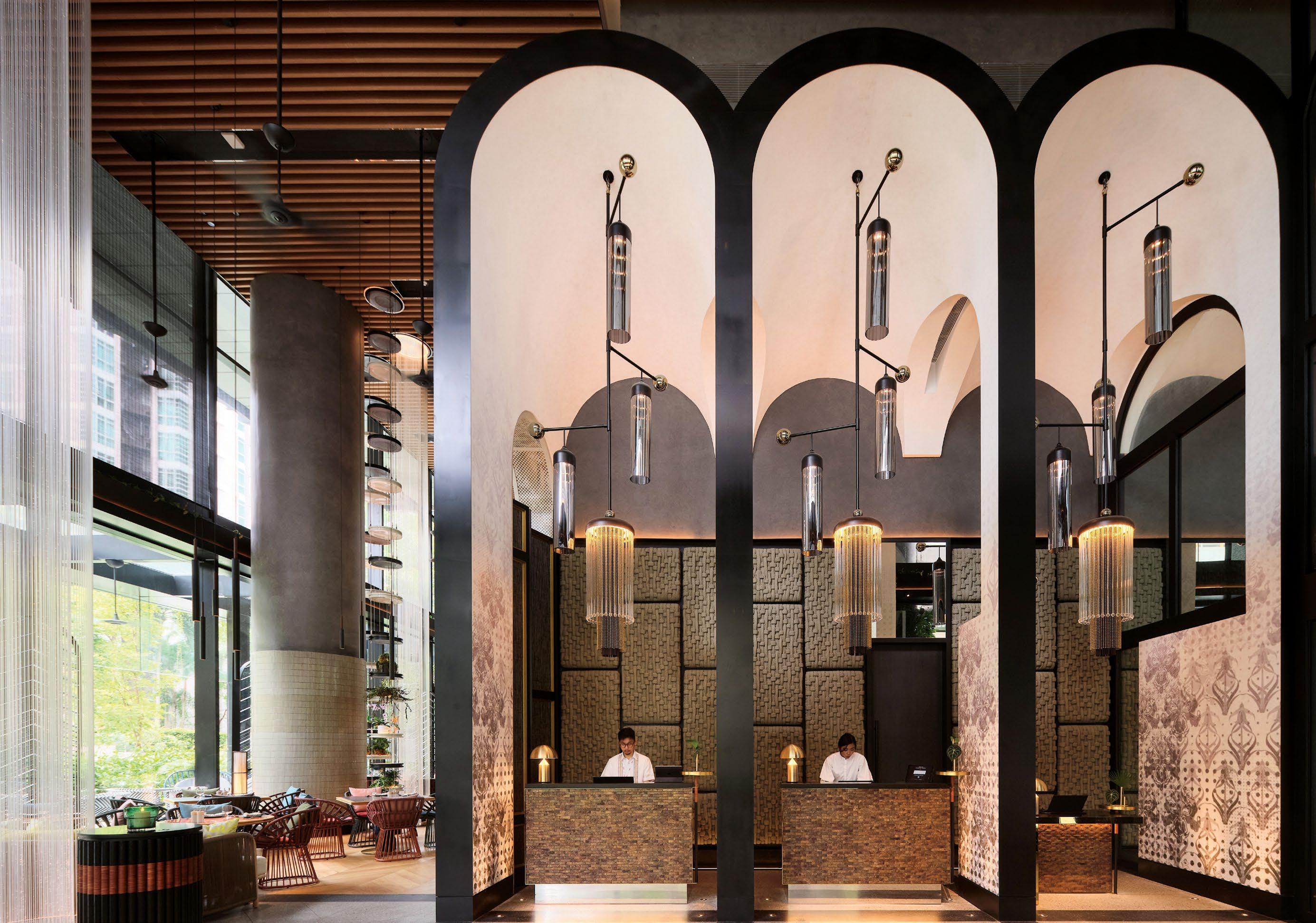
Relais & Châteaux, led by Laurent Gardinier, has onboarded 82 new hotels across 33 countries in just the past two years. (Read about its India outlook in India, Mon Amour in this edition). Its booking data reflects that 82% of the activity generated by Indian, Thai, and Sri Lankan clients is concentrated in Europe for the brand.
Notably, international spending by Indian GHA DISCOVERY members (54%) has, for the first time, surpassed domestic revenue (46%), with Thailand, the UAE, and Singapore emerging as top international destinations. GHA’s loyalty program, which includes 850 hotels, resorts, and palaces across 45 brands in 100 countries, recently launched a report exploring the key factors driving guest loyalty. At its core: what makes travellers stick around in a crowded loyalty landscape?
Gole highlights three defining trends uncovered by their research— simplicity, personalisation, and experiences over discounts. “We’ve seen a clear shift in traveller expectations and rising demand for loyalty schemes that are intuitive, deliver genuine value, are easy to use, and elevate the overall stay. Independent hotel loyalty programmes that deliver on these fronts are gaining ground on their larger counterparts.”
Loyalty programmes, once associated only with points, are evolving. GHA believes it’s now about meaningful, easy-to-use benefits, clear value, and a sense of recognition.
Preferred Hotels & Resorts has built its brand around celebrating individuality. “While we uphold core quality standards across service and guest experience, we give our member hotels the flexibility to showcase their local heritage and character,” says Seema Roy, Area Managing Director – South Asia, Middle East and Africa. Over the past year, the company has significantly expanded its footprint in India, now with 26 member hotels across its collections—including five within the prestigious Legend Collection.
Artyzen Singapore, a standalone member of Preferred Hotels, faced the classic challenge of visibility as a new entrant in a competitive market. “We needed to find ways to

accelerate our traction and reach a wider audience from day one,” says General Manager Marcel NA Holman. Joining the Preferred Hotels & Resorts Legend Collection helped bridge that gap. “The alliance connected us to a curated global audience of high-intent travellers—people who actively seek out independent, culturally driven hotels like Artyzen. Through this network, we’ve been able to deliver greater value to our guests by combining the soul of our brand with the scale, credibility, and booking infrastructure of a global platform.”
These market trends, combined with growing interest in India among GHA DISCOVERY’s 26-million-strong global membership, present immense opportunities for The Leela, says Anuraag Bhatnagar, Chief Executive Officer, The Leela Palaces, Hotels and Resorts. The group, he adds, “not only offers luxury accommodation but also the destination experiences today’s travellers seek—from adventure and cuisine to nature.”
Interestingly, The Leela maintains partnerships with both GHA and Preferred Hotels. Gole clarifies, “For hotels affiliated with multiple alliances, we collaborate closely to avoid brand dilution and ensure consistency in positioning and guest messaging.”
“Benefits resonate with travellers differently depending on the purpose of their stay—business or leisure—and the type of property they book,” says Tullio.
MRS Group of Hotels, which operates Suryagarh Jaisalmer, Narendra Bhawan Bikaner, and Mary Budden Estate, joined Small Luxury Hotels of the World (SLH) last year. Sameer Mehraa, Chief Commercial Officer, notes that the collaboration has delivered value by providing access to a vast global distribution network and greater marketing reach to a discerning international audience. “This partnership also adds value through SLH’s exclusive alliance with Hilton, allowing Hilton Honors members to earn and redeem points at our hotels,” he adds.
Catering to boutique hotels for the past 35 years, SLH has created a community of independent minded travellers and collection of more than 620 independently spirited hotels in more than 90 countries. Mark Wong, Senior Vice President of SLH has taken the path less travelled and journeyed to the edge of the map to seek out and select the distinctive, the diverse, and the downright delightful.
“Our role as a global representation company is to provide value to our member hotels by creating a future where people experience the world with intention, embrace its intimacy, and protect its integrity,” he says. On the principle of “independent-minded” travel, he explains, “What unites our portfolio is not uniformity, but a commitment to excellence, character, and guest intimacy. Some of our member hotels have been in the same family for generations. All are anti-chain and anti-same.”
One of the biggest differentiators of a loyalty alliance is the simplicity of its reward currency. For instance, GHA DISCOVERY doesn’t use points like traditional loyalty programmes. Instead, members earn Discovery Dollars (D$), where D$1 equals US$1—offering clarity and ease of use, with D$ spendable like cash across the globe, minus the complex math of legacy schemes.
Contrarily, while they don’t speak about it, Aman Hotels has deliberately chosen to remain outside any alliances—yet continues to attract guests worldwide to its distinguished properties. Being part of an alliance offers distinctive benefits, but it isn’t for everyone. Some brands fear that their image may be diluted amid the array of properties within such networks.
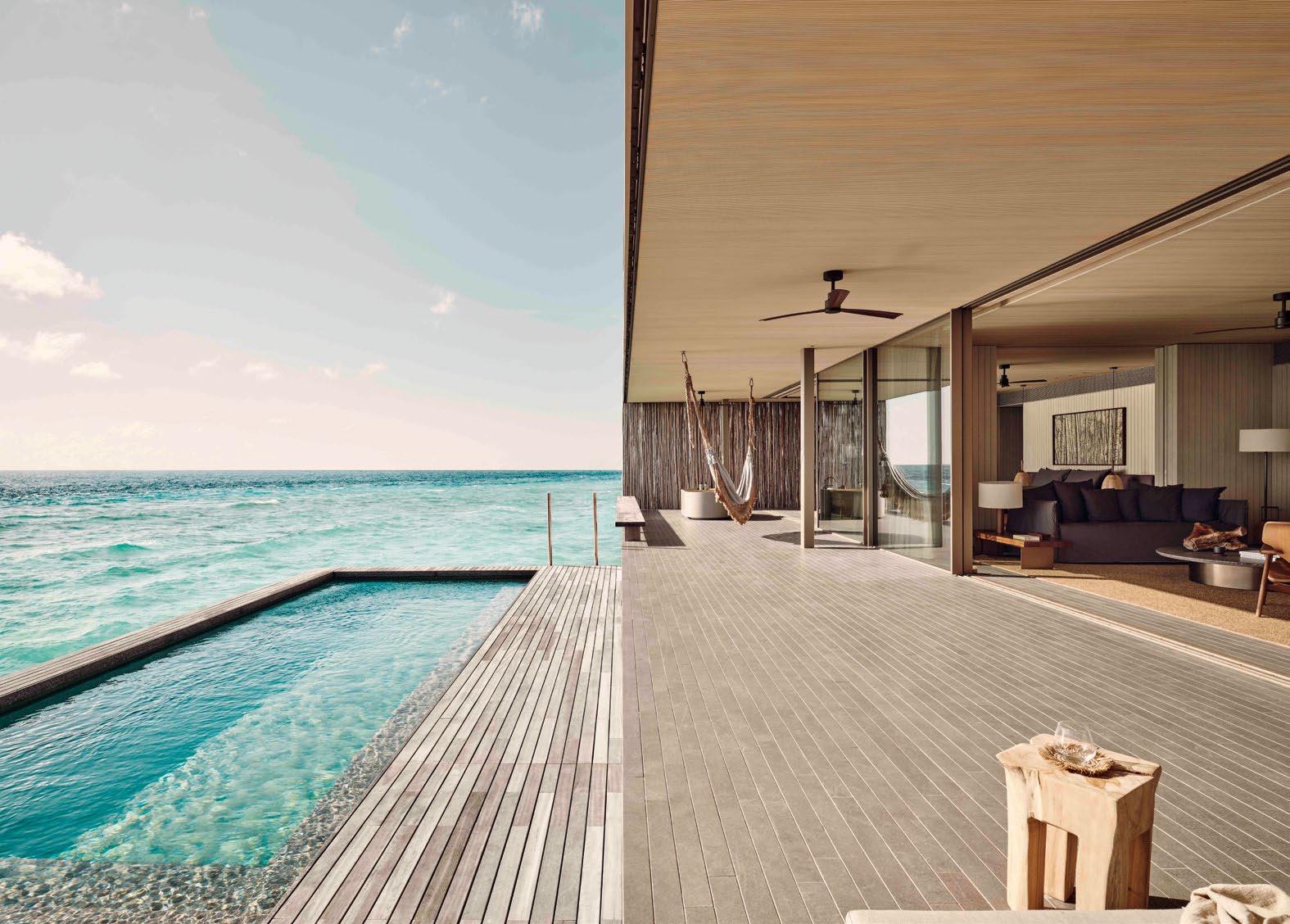
Wong notes, “Boutique hotels are naturally well-positioned to build emotional loyalty through bespoke service. Front-line staff can be empowered to deliver small but memorable touches, like remembering a returning guest’s preferences. Hotels also work closely with the local community to deliver exceptional experiences.” Still, only a few choose to do this independently, without the guidance of global benchmarks and best practices.
Recently, Minor Hotels evolved its master brand strategy to become guestfacing, fuelling strategic growth for the group. Tullio elaborates, “Our sustainability strategy guides all our decision-making, ensuring that all our actions improve economic, social, and environmental outcomes for everyone involved.”
GHA’s Green Collection helps loyalty programme members identify properties that align with their values and promote conscious travel. Each Green Collection property holds at least one certification from a globally recognised environmental organisation—among them EarthCheck, Green Growth 2050, Green Key, and Green Globe. These 20 leading certification bodies require hotels to meet the highest international standards for sustainability, with regular third-party audits to maintain certification. “The growth of the Green Collection is a powerful testament to our brands’ shared commitment to responsible travel,” says Jelena Kezika, Vice President - Strategy, Global Hotel Alliance. “In just two years, it has grown to represent more than half of our global portfolio, proving that sustainability is not just a priority but a defining pillar of hospitality today.”
While the Green Collection helps conscious consumers make more informed choices, it also supports member hotels on their sustainability journeys—sharing best practices, success stories, and meaningful initiatives to expand collective impact.
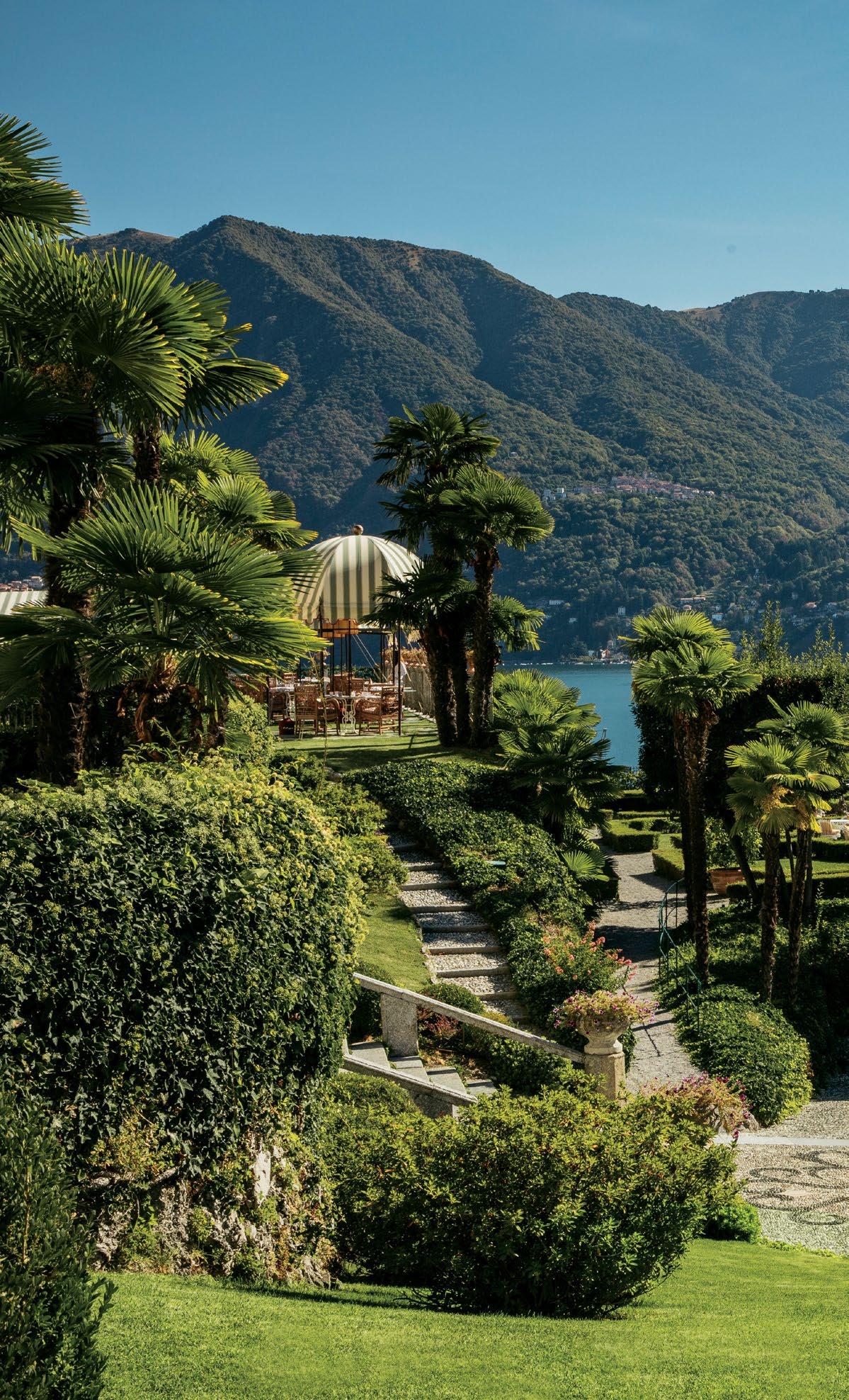
ABOVE LEFT: Patina, part of GHA Discovery, is a luxury resort offering by Capella Group of Hotels.
ABOVE: Exclusive destinations like the Passalacqua at Lake Como Italy are also in alliance with Preferred Hotels.
RIGHT: Suryagarh in Jaisalmer joined Small Luxury Hotels of the World in 2024.

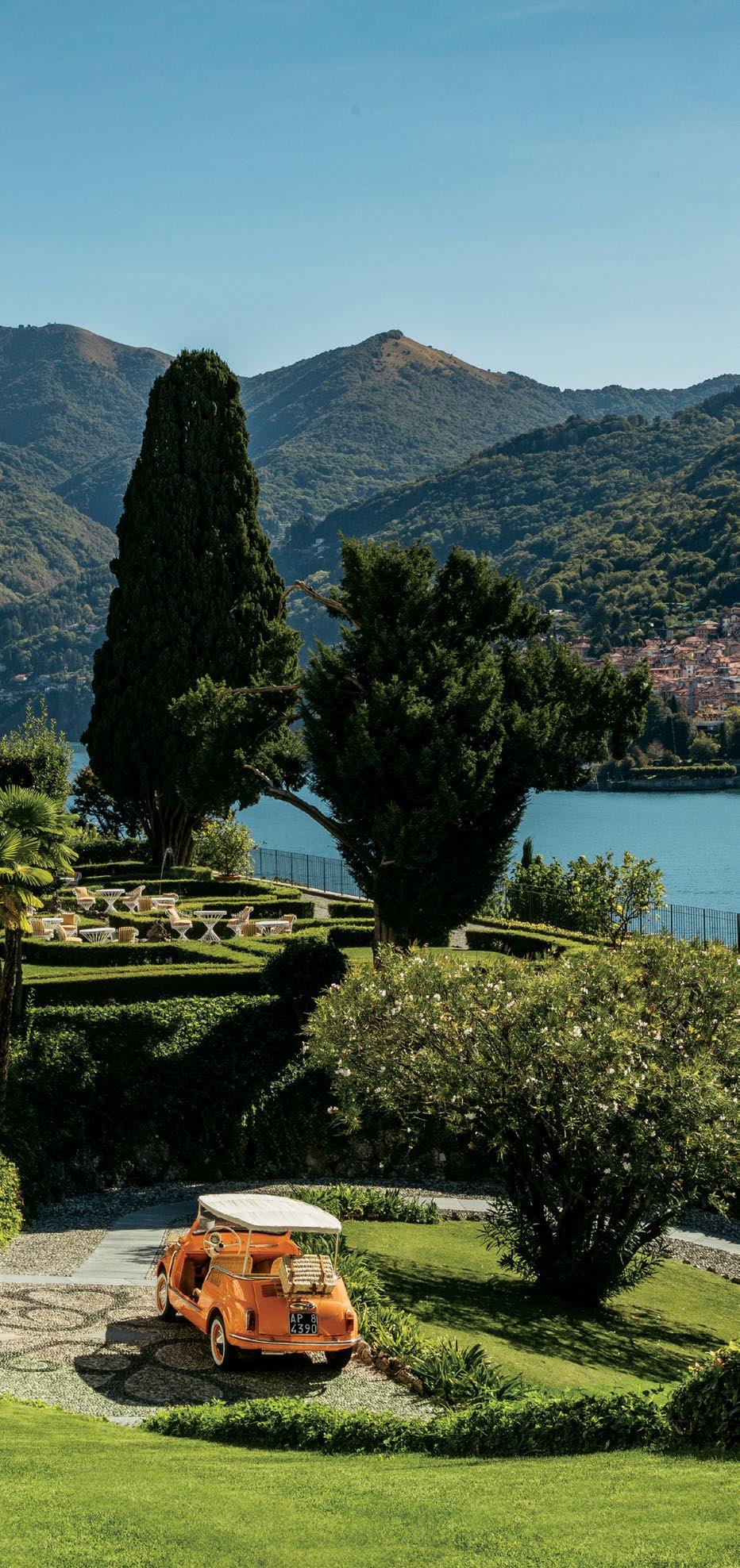
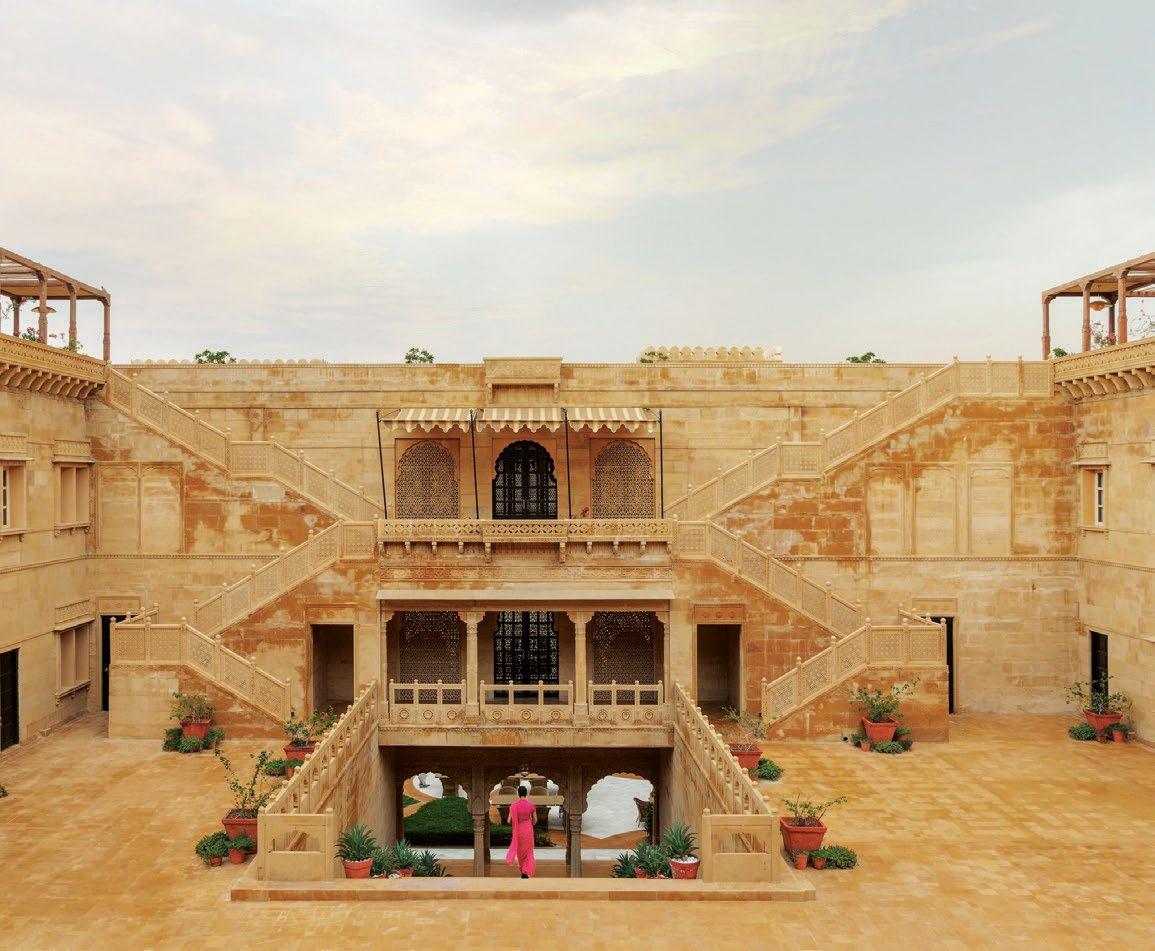
Similarly, Preferred Travel Group has transformed sustainability from a buzzword into an operational imperative through its Beyond Green initiative. Launched in 2021, this rigorous certification programme subjects luxury properties to 54 core sustainability criteria based on the UN Sustainable Development Goals. Unlike traditional eco-labels, Beyond Green demands measurable impact across three pillars: environmental stewardship (including eliminating single-use plastics and restoring eco-systems), cultural heritage protection, and direct economic benefits to local communities through prioritised hiring and sourcing.
Properties undergo detailed applications, biennial on-site inspections, and must demonstrate achievements that exceed baseline requirements— from habitat restoration to cultural preservation. This commitment extends to the corporate level: Preferred Travel Group’s December 2024 Climate Action Plan targets a 50% emissions reduction by 2030 and Net Zero by 2050—turning sustainability standards into competitive advantages rather than compliance checkboxes.
Holman offers a grounded perspective: “From architectural choices promoting natural ventilation to wellness programming that integrates mindful living, we’ve embedded environmental consciousness into the way we design, operate, and engage with our community. That said, our alliance provides a useful portal to benchmark ourselves against likeminded properties around the world. While the initiatives come primarily from our end, the alliance offers a valuable reference that keeps us informed, accountable, and inspired to do more.”
Small Luxury Hotels' Considerate Collection, launched in 2021, distinguishes itself through dual-validation rigour. Properties must achieve GSTC recognition and pass both an internal SLH panel review and an independent GSTC assessment across UNSDG pillars. With 74 certified members, this transparent framework helps combat greenwashing by ensuring that luxury hospitality delivers measurable sustainability outcomes—not just marketing claims.
Recent research by Preferred Hotels, part of The Luxury Travel Report, reveals that 85% of affluent travellers rely on “luxury hacks” to enjoy highend travel without overspending. For 82%, loyalty programs are essential to ensuring quality, and nearly two-thirds cite a great past stay as the top reason they return.
As luxury travel becomes more intentional, immersive, and value-driven, hotel alliances are becoming essential. For independent and boutique properties, they offer not only global reach but also the infrastructure, intelligence, and loyalty ecosystems to compete with legacy chains. For travellers, they promise seamless cross-border experiences anchored in personalisation, recognition, and increasingly, sustainability. These alliances are no longer just about distribution—they’re evolving into platforms for identity, values, and shared excellence. The rise of sustainability-centric collections marks a shift where luxury is defined not only by opulence, but by impact.
Yet, there is space for outliers. Some brands continue to stand apart, proving that a strong narrative and consistent excellence can still command loyalty through a different playbook. Ultimately, today’s hotel alliances reflect a new hospitality order: one where collaboration trumps competition, and loyalty is earned through purpose, not just points. It’s clear that those who ally wisely, thrive widely.
With passenger numbers soaring and infrastructure expanding at a matching pace, India’s civil aviation sector is set for strong growth in the coming years—provided a few key challenges are addressed.
SUMAN TARAFDAR

India’s aviation sector is at record levels, and the country is set to become the third-largest aviation market globally. More significantly, it is poised for rapid growth in the coming years. According to the International Air Transport Association (IATA), the sector contributes 7.7 million jobs and
$53.6 billion to GDP. In FY’24, Indian airports handled 306.79 million domestic passengers—a 13.5% YoY increase—and 69.64 million international passengers, up 22.3% YoY. Around 174 million passengers travelled to, from, and within India in 2024, representing roughly 4.2% of global air traffic and over 80% of the global growth.
At its 81st AGM held in India, IATA highlighted the big picture growth for the sector in India. Between 2011 and 2019, India recorded a double-digit average annual growth rate of 10.3% in air passenger Origin-Destination (O-D) departures, outpacing global and Asia Pacific averages, according to Aviation in India: Sustaining – And
Source: Oxford Economics, 2024
DEPARTING O-D AIR PASSENGER TRAFFIC FROM INDIA AND % YOY GROWTH (2011-2024)
Source: IATA Sustainability
“In the coming years,
is expected
the aviation sector
to be at the centre of massive transformation and innovation, and India is ready to embrace these possibilities.”
Source: DGCA
Source: DGCA
Growing – A Dynamic Air Transport Market. After pandemic-led disruptions, 2024 traffic exceeded 2019 levels by 10.9%, marking a fourth consecutive year of doubledigit growth. Domestic traffic recovered faster initially, but the international segment has now overtaken it. By December 2024, international traffic was nearly 20% above 2019 levels, while domestic traffic was over 8% higher.
Indian aviation, once almost an afterthought for leading global airlines, is now attracting significant investment and growth.
IATA forecasts passenger traffic in India will triple over the next 20 years. The government plans to expand airports from 157 in 2024 to 400 by 2047. From FY’16 to FY’24, domestic freight traffic grew at a CAGR of 3%, while international freight traffic rose at 2.7%.
Domestic flight capacity (ASK—Available Seat Kilometre) reached 162,289 million kms. in FY’24, with corresponding demand (RPK—Revenue Passenger Kilometre) climbing to 148,251 million kms. Aircraft movements increased at a CAGR of 3.85%,
from 2.05 million in FY’17 to 2.67 million in FY’24. Government projections indicate air passenger traffic will rise 80% over the next five years, reaching nearly 400 million by 2028-29, with the commercial aircraft fleet in India expected to grow to 1,300. It’s not just the numbers— innovations like greenfield airports, DigiYatra, the UDAN scheme, integrated multimodal transport systems, and LEED-certified terminals are transforming India’s aviation experience. The country also
has a massive order book, with Indigo and Air India together accounting for over $150 billion in aircraft orders.
By most measures, the outlook is robust. In his keynote at the IATA AGM, Prime Minister Narendra Modi said India is emerging as a leader in the convergence of space and aviation technologies. “India’s civil aviation sector has undergone a major transformation in the past decade,” he noted, describing the summit as a platform to advance aviation, global cooperation, climate goals, and equitable growth. “As speed increases, distant destinations are becoming our destiny. In the coming years, the aviation sector is expected to be at the centre of massive
transformation and innovation, and India is ready to embrace these possibilities.”
“We are fast emerging as a strategic connector country… India is a natural connector of the skies and aviation as well,” said Civil Aviation Minister Ram Mohan Naidu to global airline CEOs at the AGM. The government has already expressed ambition to build a hub on the scale of Dubai or Abu Dhabi.
An endorsement of the rapid growth came from IATA Director General Willie Walsh. “From 2020 to 2024, India and China have grown at the same pace—CAGR of 11.2% in domestic markets. Going forward, I expect India’s growth rate to surpass China’s. China will still grow strongly, but India will be the number-one growth economy from an aviation perspective.”
A significant portion of the sector’s growth over the past decade has come from Indigo, which accounts for nearly twothirds of India’s domestic market by passenger numbers. “Aviation is an integral part of economic growth,” said Pieter Elbers, CEO of Indigo, at the AGM. “There is an incredible pool of talent and ambition in India. The country must build infrastructure for the MRO (Maintain, Repair, and Overhaul) industry. Traffic and business will go to countries where it is good to do business. Every rupee invested in aviation gives a return of ₹3; every dollar gives $3. A single job in aviation creates six jobs in other areas.”
There is increased liberation in the space. Under the FDI policy, 100% FDI is permitted in scheduled
Source: DGCA, Wikipedia, airline sites
Profitability is a global challenge. IATA’s latest outlook projects the airline industry will earn $7.2 per passenger in 2025, slightly up from $6.8 in 2024.
Air Transport Service/Domestic Scheduled Passenger Airlines (automatic up to 49%, government approval beyond 49%). Several new entrants—Shankh Air, Air Kerala, and Alhind Air—are entering the market.
Historically, the Indian market has been challenging for airlines, with profitability a persistent issue. Of all carriers operating in India, only Indigo remains in the black. Fifteen airlines that launched after the skies opened to private players have folded, most notably Kingfisher (2012), Jet Airways (2019), and GoAir (2021), while government-owned Air India (until 2021) set record losses. In 2023, however, the Indian airline industry recorded a positive net margin.
Profitability is a global challenge. IATA’s latest outlook projects the airline industry will earn $7.2 per passenger in 2025, slightly up from $6.8 in 2024. West Asia leads with $27.2, followed by North America at $11.1 and Europe at $8.9, while Asia Pacific— including India—trails at $2.6 per passenger. According to Marie Owens Thomsen, IATA’s Senior VP of Sustainability and Chief Economist, India likely sits below the regional average due to high costs and competitive pricing. The
HYDERABAD-BENGALURU
HYDERABAD-MUMBAI
DELHI-SRINAGAR
AHMEDABAD-DELHI
DELHI-KOLKATA
PUNE-DELHI
DELHI-HYDERABAD
BENGALURU-MUMBAI BENGALURU-DELHI
Source: IATA Sustainability & Economics based on data from OAG
KOCHI-DUBAI
CHENNAI-SINGAPORE
KOCHI-ABU DHABI
CHENNAI-COLOMBO
DELHI-LONDON
MUMBAI-ABU DHABI
DELHI-BANGKOK
DELHI-KATHMANDU
Source: IATA Sustainability & Economics based on data from OAG
global aviation industry earned $36 billion in 2024, a modest 3.7% margin. Thomsen described aviation as a “capital-intensive and complex endeavour,” heavily reliant on passenger revenue, which accounts for over 70%
of earnings. She also noted that fuel represents 26% of total expenditure, highlighting the urgent need for solutions such as Sustainable Aviation Fuel (SAF) to manage costs.
According to IATA, the
operating (EBIT) margin has been positive in only four years, one of them marginal. While COVID played a role, broader challenges to airline financial sustainability in India are evident from the extended time series. On a positive note,
Source: IATA Sustainability & Economics based on data from DDS
Source: IATA Sustainability & Economics based on data from DDS
recovery since the pandemic’s depth is encouraging: EBIT returned to 3.5% in 2023, with the net margin improving to 0.3%.
The closure of airspaces globally and regionally drew criticism from Walsh, who cited the recent Pakistani airspace closure for Indian carriers, adding significant operational costs. Yet
he noted the industry’s resilience: “When airspace is closed, airlines will quickly adapt and find alternative routes.”
The IATA Director General called for greater dialogue between airlines and airports to develop efficient, affordable facilities.
“Many airports around the world—and I am not just picking
on India—don’t fully understand airlines’ needs. What we get is development that is inappropriate for airlines, which then operate at airports more expensive than expected.” While India’s top airports by passenger numbers are growing, many others have few scheduled flights, becoming financial burdens.
GENERAL WILLIE WALSH DIRECTOR, IATA
“When we talk about India, taxation is always on the agenda. What’s needed is clarity on how rules apply. Often, new interpretations of existing rules lead to claims for unpaid taxes and years of litigation.”
At the AGM, Walsh stressed that regulatory and fiscal stability is essential for India to realise its aviation potential. “When we talk about India, taxation is always on the agenda. What’s needed is clarity on how rules apply. Often, new interpretations of existing rules lead to claims for unpaid taxes and years of litigation.” He warned that poor regulatory decisions often result from insufficient economic scrutiny. “The litmus test for any regulation is cost–benefit analysis,” he said. “Regulators are not playing with their own money, and the gap between political success and solving a problem is wide, making bad regulation far too prevalent.”
Regulation is another bugbear. “Even the regulators will agree that they need to update; there is a reason why India is not punching above its weight. In fact, it is punching very much below its weight,” Association of Asia Pacific Airlines Director General Subhas Menon said at the event.
Indian aviation still has a long way to go to catch up with global leaders like the US and China. In 2024, a record 174 million Indian domestic and international passengers flew, compared to 730 million in China and 900 million in the US, according to IATA. While
the US holds 14.4% of the world’s domestic passenger market and China 11.3%, India accounts for just 1.7%. India has 157 operational airports, aiming for 400 by the 2040s, compared with 15,873 in the US, 4,919 in Brazil, 2,180 in Australia, 1,485 in Mexico, 1,425 in Canada, and 1,038 in the UK.
A telling figure is the Ministry of Civil Aviation’s allocation in the 2025-26 Union Budget: ₹2,400 crore, down 10% YoY, even as rapid infrastructure growth is urgently needed. Private players are stepping in, though there are only a handful of private airports. New airports in Delhi and Mumbai, the country’s busiest cities, are expected to ease pressure on existing facilities. The Ministry is developing PPP models for the privatisation of 25 airports under the National Monetisation Pipeline. Adani Airports, the largest operator, recently announced raising $750 million from a consortium of international banks. Indian airlines also inducted around 12.6% more aircraft in 2024 compared to 2023, according to Planespotter.
In December 2023, ICRA projected Indian aviation revenue growth of 15–20% in FY’24 and 10–15% in FY’25, noting that despite strong passenger traffic, earnings
recovery will be gradual due to high fixed costs. India’s 174 million passengers in 2024 accounted for 4.2% of global air traffic, compared to China’s 16.7% and the US’s over 18%. With 17.9% of the world’s population, India has significant headroom to grow.
Prime Minister Modi described UDAN, the regional connectivity scheme launched in October 2016, as a “golden chapter” in Indian civil aviation. Targeting Tier 2 and Tier 3 cities, it has enabled new regional airlines such as Star Air and Fly91. As of April, 625 routes across 90 airports have been operationalised under the scheme.
Despite growth, India’s aviation sector remains underpenetrated, even as aspirations from the emerging middle class rise. Opportunities include the goal of becoming a $4 billion MRO market by 2031. How global trends—new aircraft designs, alternative fuels, political shifts, climate change, and supply chain issues—will impact the sector remains to be seen.
IATA’s assessment is telling: “The outlook is potentially very positive for both the Indian economy and air transport industry. However, such outcomes are not guaranteed.” Stakeholders must plan growth sustainably, navigate headwinds, and advance the runway to expansion.

Driven by empathy and agility, Habeeb Mohammed turns setbacks into guest-delight moments, proving that true hospitality lies in thoughtful gestures, heartfelt connections and presence under pressure.
Chief Concierge, ITC Grand Chola
At ITC Grand Chola, exceptional hospitality is defined by people like Habeeb Mohammed, whose service philosophy is built on empathy, agility, and genuine warmth. His early journey— from recording studios to photo labs and tech work—eventually led him to the world of guest service, where he found his true calling.
Turning challenges into experiences: Mohammed’s instinct to elevate ordinary moments often shines in unexpected situations. During heavy rains in Chennai, a group of influencers found their city outing cancelled. Seeing their disappointment, he responded with creativity. “I wanted to turn a difficult situation into something memorable,” he recalls. He swiftly transformed a lounge into an elegant saree pop-up boutique—an experience that delighted guests and showcased his ability to innovate under pressure.
The art of handling expectations: For Mohammed, challenges are integral to the craft. “Every guest arrives with a unique set of expectations,” he explains. Some requests may even fall beyond legal boundaries, but he approaches them with diplomacy. “I ensure guests feel heard, even when I must communicate limitations.”
Moments that matter: Among his most meaningful memories is a couple he assisted with a customised itinerary—an effort that earned him a heartfelt public note of gratitude on social media.
Future goals: Mohammed hopes to expand his influence within the hotel’s leadership. “I aspire to grow into a role where I can elevate guest experiences on a larger scale,” he says. If he could switch positions for a day, he’d choose to be Front Office Manager to gain a deeper view of operations.
Local insights and lasting impressions: His favourite recommendation remains Ratna Café for its iconic filter coffee—an authentic slice of Chennai guests always appreciate. For Mohammed, thoughtful gestures and genuine connection define hospitality. “It’s about creating moments that truly matter,” he says.
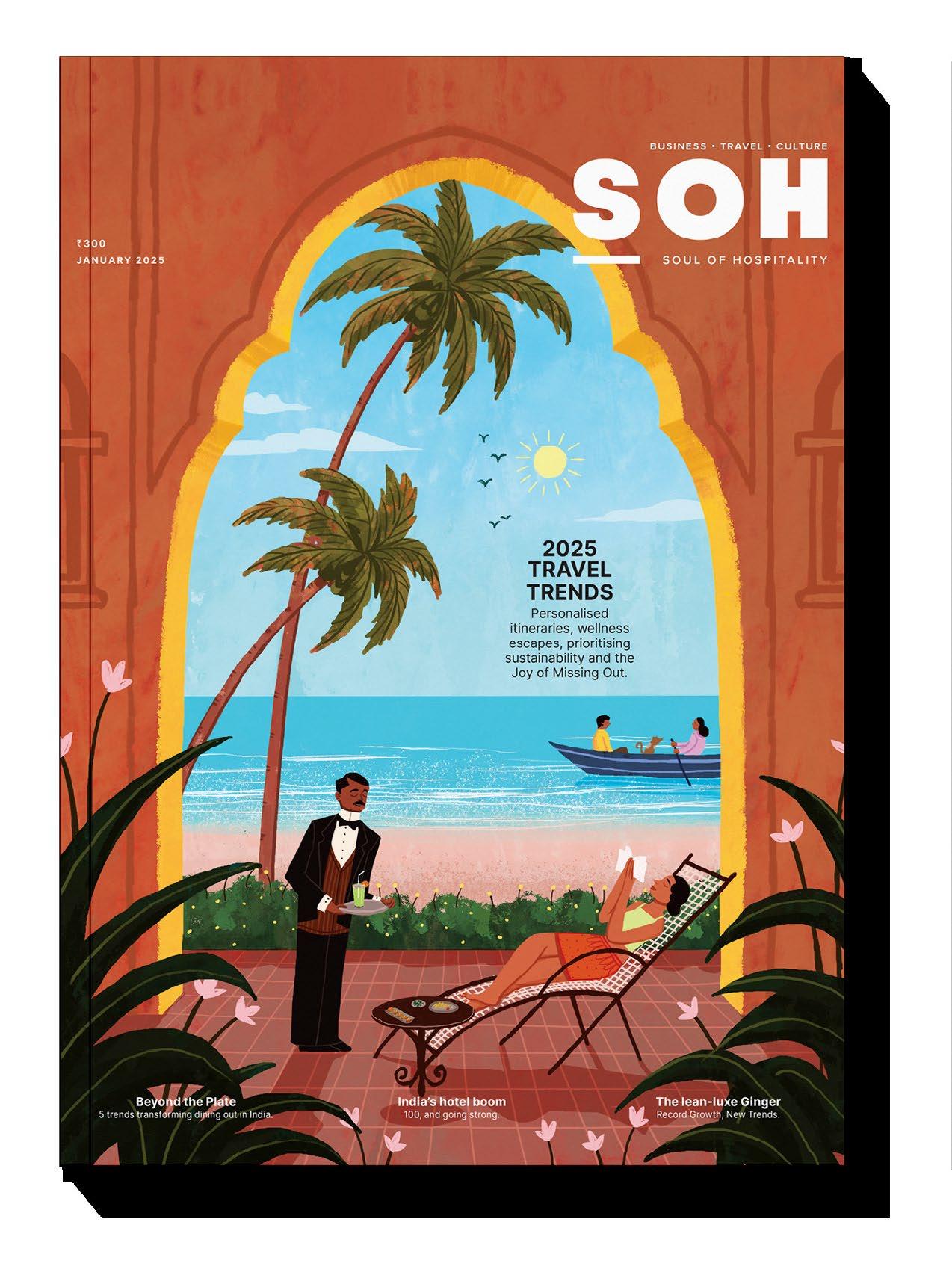
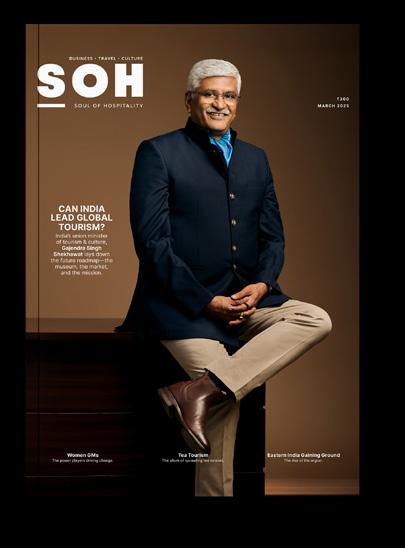
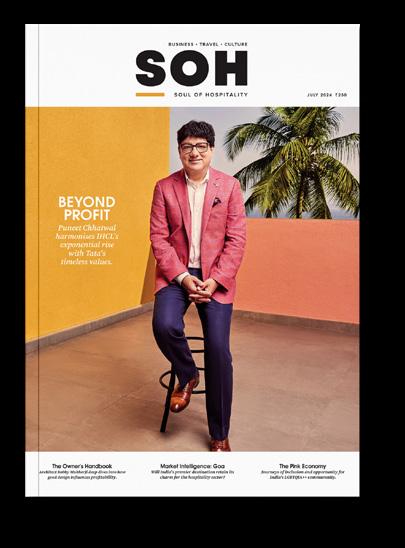
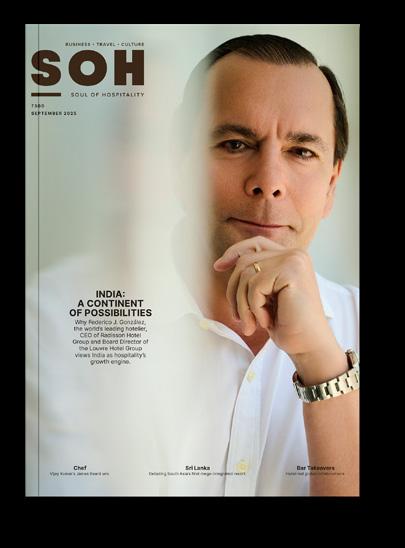


BY DEEPALI NANDWANI
Offbeat hotels are innovating new ideas on where to sleep their guests—some to spark social media buzz, others to express their philosophy on travel and the environment. The Zero Stern Hotel, or 'Zero Star Hotel', is a Swiss art concept featuring an open-air double bed with no ceiling or walls, designed to make guests reflect on global issues and social change. The original Null Stern Hotel, the precursor to Zero Stern Hotel, was created inside a nuclear bunker with no view. The brand’s core idea remains the same: the star is not the hotel but guest experience.
Chef Alain Ducasse, who has garnered 21 Michelin stars across the restaurants he has led, is set to bring his restaurant to the Middle East. Wynn Al Marjan Island—the $5.1 billion integrated resort under construction in Ras Al Khaimah, UAE—has confirmed the first two of its 22 planned restaurants and lounges. Debuting with the resort is an elegant steakhouse by Chef Alain Ducasse, where the dining experience is described as ‘theatrical,’ with steaks carved tableside and desserts like Baked Alaska flambéed before guests.
The mineral-rich glacial soil of Chitkul—India’s last village along the Tibet border beyond which the Himalayas stretch for miles—produces a potato so prized it was once exported to Europe for premium chips and vodka distillation. Locals still claim its potatoes are among the purest in India. Beyond Chitkul, there is no civil habitation until the Indo-Tibet border; shepherds speak of invisible mountain spirits guarding the meadows; and some unnamed peaks remain unclimbed out of respect. Locals also name the sudden gusts of icy wind Chopsho, believed to carry messages from the mountains.
The world’s greenest airport is currently being built in Phnom Penh, Cambodia. Designed by Foster + Partners, the $2 billion Techo International Airport draws inspiration from the region’s ancient civilisation and tropical climate. It aims to deliver a highlevel passenger experience and will be powered almost entirely by an onsite photovoltaic farm.