



Powering a
Powering a








Simarpreet Singh Executive Director & CEO Hartek Group





Policy & Regulatory >
CERC Review Ensures Grid Stability Amid Rising Power Demand And Solar Variability
In October 2024
The Central Electricity Regulatory Commission’s final order in Suo Motu Petition No 9/SM/2024 reviewed India’s grid performance during October 2024 CERC found stable operations despite seasonal and renewable variability, with peak demand reaching 2,19,222 MW Most SLDCs ensured adequate generation, though forecasting gaps persisted in eastern regions The Commission directed improved renewable forecasting, manpower, and SAMAST implementation. The order emphasized coordinated planning among NLDC, RLDCs, and SLDCs to ensure reliable, secure, and efficient grid operations as renewable integration grows
RERC Approves Parallel Operation Charges For Captive Power Consumers In Rajasthan, Effective FY 2025-26
The Rajasthan Electricity Regulatory Commission (RERC) has approved Parallel Operation Charges (POC) for captive power plants for FY 2024-25 Conventional CPPs will pay ₹27 237/KVA/month, renewable CPPs ₹11 90/KVA/month, and hybrid plants proportionately. Rooftop solar systems under net or gross metering are exempt Charges apply only to co-located loads and exclude PPA-linked capacities Applicable prospectively from FY 2025-26, the order ensures fair, transparent regulation while protecting renewable energy interests and mandates Discoms to report POC revenue in future filings
KSERC Approves Kerala’s Short-Term Power Purchase Plan With Strict Monitoring Guidelines
The Kerala State Electricity Regulatory Commission approved KSEB’s short-term power purchase plan to address expected shortages from September 2025 to May 2026 The order allows procurement of peak and RTC power while cautioning against inflated demand forecasts KSEB must monitor daily consumption, sell surplus power, and submit monthly reports. The Commission urged adoption of DSM measures, SWAP transactions, and futures market participation for cost control The approval ensures reliable supply, financial prudence, and improved long-term power management for Kerala.
Andhra Pradesh Discoms FPPCA True-Up 2024-25 Finalized, Consumer Charges Adjusted
The Andhra Pradesh Electricity Regulatory Commission finalized the True-up of the Fuel and Power Purchase Cost Adjustment (FPPCA) for FY 2024-25, covering APSPDCL, APCPDCL, and APEPDCL The order reconciles actual fuel and power purchase costs of ₹9,111 10 crore for 17,282 42 MU purchased APERC verified records to ensure only legitimate expenses are passed to consumers. Any over-collection will be refunded, and shortfalls recovered The decision enhances transparency, accountability, and pricing fairness in Andhra Pradesh’s electricity distribution system
RERC Drafts New Battery Energy Storage Regulations 2025 To Strengthen Rajasthan’s Renewable Power Framework
The Rajasthan Electricity Regulatory Commission (RERC) has released draft Battery Energy Storage Systems (BESS) Regulations, 2025, inviting stakeholder comments by November 14 The draft provides a framework for deploying and operating BESS to integrate renewables, enhance grid stability, and support energy reliability It allows ownership by DISCOMs, GENCOS, third parties, or consumers, enables market participation and energy arbitrage, and mandates competitive bidding, safety, and environmental compliance Renewable energy used for charging retains its status The SLDC will oversee operations, promoting a modern, flexible, and resilient grid
CERC Proposes Buyout Price Mechanism To Simplify Renewable Consumption Obligation Compliance
The Central Electricity Regulatory Commission (CERC) has proposed a new framework to simplify compliance with India’s Renewable Consumption Obligation (RCO) for large energy consumers. Under the plan, consumers can meet RCO via renewable electricity, Renewable Energy Certificates (RECs), or a Buyout Price CERC suggests linking the Buyout Price to REC market rates with a 5% premium, set at Rs 245/MWh for FY 2024–25, to encourage actual renewable use. Seventy-five percent of buyout funds will support state renewable projects Stakeholders have been invited to comment before the final order

JSERC Issues New Generation Tariff Regulations 2025 To Govern Power Tariffs In Jharkhand From FY 2026–31
The Jharkhand State Electricity Regulatory Commission (JSERC) has notified the “Terms and Conditions for Determination of Generation Tariff) Regulations, 2025, effective April 1, 2026, to March 31, 2031 Replacing earlier frameworks, the regulations introduce a five-year Multi-Year Tariff (MYT) system, defining norms for capital costs, operational efficiency, and tariff determination under Section 62 of the Electricity Act Annual Performance Reviews, provisions for additional capitalization, and mechanisms for late payment surcharges and early payment rebates are included The regulations aim to ensure transparent cost recovery, efficiency, fair competition, and reliable electricity generation in Jharkhand
DGFT Mandates REEIMS Registration For Solar And Wind Energy Imports From November 2025
The Directorate General of Foreign Trade (DGFT) has amended India’s import policy for renewable energy components, effective November 1, 2025, introducing mandatory registration under the Renewable Energy Equipment Import Monitoring System (REEIMS) Covering solar items like photovoltaic cells and wind components such as towers and gears, importers must register shipments in advance two days for air and five days for sea or land declaring intended end-use Registrations are free and valid for three months The move enhances transparency, oversight, and monitoring of renewable imports, supporting India’s solar and wind energy targets and ensuring equipment meets operational and strategic requirements
GERC Proposes Fifth Amendment 2025 To Simplify Rooftop Solar Rules For Residential Consumers In Gujarat Policy & Regulatory >
The Gujarat Electricity Regulatory Commission (GERC) proposes the Fifth Amendment to its 2016 rooftop solar regulations to simplify procedures under the PM Surya Ghar Muft Bijli Yojana. Separate connectivity agreements will no longer be required, with commissioning marking agreement commencement and Discoms confirming surplus energy rates Low Tension connectivity limits rise from 100 kVA/kW to 150 kVA/kW, reducing paperwork, speeding rollout, and supporting Gujarat’s rooftop solar targets
Middle East And Sub-Saharan Africa Target 62 GW Solar Manufacturing By 2030 –Report
The Middle East and Sub-Saharan Africa are emerging as potential global solar manufacturing hubs, aiming to replace Southeast Asia through full vertical integration across modules, cells, wafers, ingots, and polysilicon Supported by government policies, local content requirements, and Chinese investments, the region could achieve 62.12GW module, 52.55GW cell, and 45GW polysilicon capacity by 2030 Proximity to Europe and Africa enhances export potential, while manufacturing hubs create jobs and stimulate local economies Despite challenges like grid limitations and supply chain risks, strategic planning and integration across the value chain position the region as a key player in global clean energy transition
Global Solar Panel Market Poised for Rapid Growth Driven by Corporate Sustainability and Expanding Renewable Energy Initiatives
The global solar panel market is projected to grow at a 13.2% CAGR from 2026–2036, driven by rural electrification, sustainability goals, and corporate renewable commitments like RE100 Commercial and industrial sectors, including data centers and factories, are increasingly adopting solar to reduce costs and meet net-zero targets Asia Pacific, led by China, India, and Australia, is set to dominate with a 37 6% market share by 2036 Growth is supported by environmental regulations, energyefficient innovations, and solar-plus-storage solutions. Challenges include land constraints, manufacturing impacts, and policy uncertainty, while major players invest in R&D, alliances, and advanced technologies to boost adoption
CEA Webinar Highlights Future Of HighEfficiency Solar Cell Technologies And Global Manufacturing Growth
The CEA and MNRE hosted a webinar on advanced PV research, focusing on solar cell engineering and renewable self-reliance PMONO PERC cells reach 23.5% efficiency, while N-Type cells like TOPCON, TBC, HJT, and HBC achieve 26–27% Perovskite Tandem cells can exceed 33%, cutting land use and costs Global high-efficiency cell capacity is expected to grow from 655 GW in 2023 to 1,323 GW by 2028. Discussions covered new PV materials, manufacturing, and policies driving India’s innovation in solar efficiency and sustainability
Think Tank >
India’s Solar Market Hits 100 GW Module Capacity, Poised For 190 GW By 2027 –Report
India’s solar sector is rapidly expanding, with module manufacturing reaching 100GW, supported by PLI and ALMM schemes FY25 saw 24GW of solar additions, with steady-state capacity essential to meet 40–50GW annual targets Challenges include potential oversupply by 2027, limited cell capacity under 30GW, and reliance on China for wafers and polysilicon ALMM-II and blue wafer rules aim to boost domestic cell production, while global polysilicon volatility favors integrated manufacturers Companies are diversifying into inverters, storage, and power production Strong policies, rising domestic capacity, and global demand position India as a key solar industry player, though supply-demand balance remains critical
India’s ₹10 Lakh Crore Green Hydrogen Surge: Policy Push, Industry Momentum, and Global Ambitions – Report
India’s green hydrogen sector is set for rapid growth under the National Green Hydrogen Mission, targeting 5MMTPA production and 20GW electrolyser capacity by 2030. The sector offers a ₹10lakh crore opportunity, reducing fossil fuel imports by ₹1lakh crore, supporting India’s 2070 net-zero goal Strong state policies, financial incentives through SIGHT, PLI schemes, and ISTS waivers drive development, while green ammonia emerges as a key derivative for fertilizers and exports SECI has awarded significant production and electrolyser capacities, with partnerships spanning mobility, industry, and ports Despite costs and infrastructure challenges, policy support and technology advancements position India as a global green hydrogen hub
IEA Projects 50% Surge In MENA Electricity Demand By 2035, Driving Major Power Mix Shift
The Middle East and North Africa (MENA) faces a critical electricity transformation, with demand expected to rise 50% by 2035, driven largely by cooling needs Peak cooling demand could exceed 500 TWh, highlighting electricity security risks in countries like Saudi Arabia. Renewable energy auctions, led by UAE, Jordan, Egypt, and Morocco, have driven record-low solar PV prices, yet commissioning challenges persist in Algeria, Iraq, and Tunisia Oil and gas generation is declining, replaced by solar, wind, and nuclear. Grid expansion lags, risking bottlenecks Investment will reach USD 60 billion by 2035, focusing on low-emission technologies, storage, and smart grids, essential for meeting regional energy pledges
Global Electricity Demand and Renewables Surge Despite Economic Slowdown – IEA Mid-Year Report 2025
Global electricity demand is set to rise 3 3% in 2025 and 3 7% in 2026, led by China, India, the U S , and a rebounding EU Wind and solar will supply over 90% of new demand, surpassing 5,000 TWh in 2025 and overtaking coal by 2026, while solar and wind rise to nearly 20% of generation Nuclear and gas also grow, supporting low-emission targets CO₂ emissions are expected to plateau, with carbon intensity falling 3.7% annually. Regional electricity prices diverge, and grid stability faces risks from blackouts, emphasizing the need for storage, demand response, and resilient infrastructure amid continued electrification
Decentralized Renewable Energy Driving Sustainable Growth In Mauritania’s Artisanal Fisheries – Report
Mauritania’s artisanal fisheries, vital for employment, exports, and food security, face high energy costs, relying heavily on petrol and diesel for boats, storage, and processing Fossil fuel dependence raises expenses, emissions, and operational risks With abundant solar and wind potential, decentralized renewable energy (DRE) solutions solar PV for factories, solarpowered cold storage, ice facilities, freezers, and batterypowered boat motors offer technical and financial viability, with returns of 12–24% and potential CO₂ reductions over 96,000 tonnes annually. Implementing these requires USD 163 million, supportive policies, financing, and skills development DRE can boost incomes, reduce emissions, and strengthen sustainability and resilience in Mauritania’s fisheries sector.

Think Tank >
IEA’s Global Hydrogen Review 2025 Highlights Steady Growth Amid Challenges in the Hydrogen Sector
The global hydrogen sector is expanding, yet low-emissions hydrogen remains under 1% of supply, hindered by high costs, infrastructure gaps, and uneven deployment Global demand hit nearly 100 million tonnes in 2024, with China and Europe leading electrolyzer capacity, while other regions face financing and policy barriers Low-emissions hydrogen capacity is projected at 37 Mtpa by 2030, but delays reduce this outlook Policy frameworks, carbon pricing, and strategic hubs are key to driving demand. Emerging markets in Africa, Latin America, and Southeast Asia hold significant potential Hydrogen is critical for decarbonization, energy security, and industrial transformation, requiring coordinated global action
Electrifying Healthcare In Mali: How Renewable Energy Is Powering Better Health Outcomes – IRENA Report
Mali’s rural healthcare has long suffered from unreliable electricity, limiting medical services, lighting, and vaccine storage Renewable energy, especially solar PV, is transforming facilities by powering medical equipment, refrigeration, and digital tools, improving maternal care, reducing child mortality, and enabling 24/7 services. Electrification reduces reliance on diesel, cuts costs and emissions, and strengthens system resilience against climate and health shocks Success relies on community involvement, staff training, and capacity building, ensuring sustainability. Scaling these efforts with policy support, investment, and cross-sector collaboration is essential for universal health coverage, social equity, and sustainable healthcare development in Mali

>
NREL Develops Ultraefficient, Low-Cost Silicon Carbide Power Module to Address Global Energy Demands
The U S DOE’s NREL has unveiled the ULIS power module, a silicon-carbide-based device offering five times higher energy density, ultrafast switching, and seven–nine times lower parasitic inductance Lightweight, cost-effective, and future-ready, it features built-in monitoring, a flat octagonal design, Temprioncopper construction, and wireless modular connectivity, making it ideal for data centers, electric mobility, grids, aviation, microreactors, and military applications
New Study Reports 28.22% Power Conversion Efficiency Using Lead-Free Perovskite Tandem Architecture
Researchers at the University of Babylon, Iraq, developed a leadfree all-perovskite tandem solar cell achieving 28 22% efficiency via simulations. Combining Cs₂AgBi₀.₇₅Sb₀.₂₅Br₆ and FASnI₃, the design optimizes absorber thickness for balanced current and minimal losses The study highlights high visible–near-infrared performance, scalability potential, and a safer, environmentally friendly alternative to traditional lead-based perovskite solar cells.
CNU Researchers Advance Energy Storage with Next-Gen Zinc Battery Technology
Researchers at Chungnam National University developed a zincbonded polyacrylic acid (ZHP) nanolayer for zinc-ion batteries, preventing dendrites and side reactions Ultra-thin, scalable, and hydrophilic, it enhances zinc-ion transfer and stability Zn@ZHP anodes showed over 2,200 hours of stable operation, 95% capacity retention after 500 cycles, and reliable performance in pouch cells, advancing safe, cost-effective energy storage for diverse applications
AI Supercharges Perovskite Solar Innovation: Peking University Develops Rapid Screening Model for Next-Gen PV Materials
Researchers at Peking University used AI to accelerate discovery of high-performance halide perovskites for photovoltaics. Their machine learning model accurately predicts bandgap, CBM, and VBM, enabling faster, cost-effective screening of stable, lead-free materials. The approach applies to inorganic and hybrid perovskites, decodes key structural features, and supports designing high-efficiency tandem solar cells, advancing nextgeneration perovskite PV development

India’s solar energy sector has been growing rapidly over the past decade, and with the country’s ambitious renewable energy targets, improving the efficiency of solar photovoltaic (PV) systems has become a critical priority Solar PV efficiency refers to the ability of a solar module or cell to convert sunlight into electricity Higher efficiency means more power generation from the same amount of sunlight, which reduces costs and improves the economic viability of solar projects. In India, with its abundant sunlight and increasing energy demand, advancing solar PV efficiency is key to meeting energy goals and reducing reliance on fossil fuels.
Recent developments in next-generation solar cell technologies are playing a significant role in enhancing PV efficiency Traditional silicon-based solar cells, widely used in India, have achieved efficiencies around 20-22 percent However, new technologies such as bifacial cells, heterojunction technology (HJT), and perovskite-silicon tandem cells are pushing efficiency levels higher Bifacial solar modules can capture sunlight from both sides of the panel, generating additional power from reflected sunlight This is particularly useful in India, where rooftops, open fields, and floating solar installations can reflect light back to the module, boosting energy yield
Heterojunction technology combines crystalline silicon with thin-film layers, reducing energy losses and increasing conversion efficiency. HJT modules offer better performance under high temperatures and partial shading, conditions common in many parts of India. Meanwhile, perovskite-silicon tandem cells, which layer a perovskite material over a traditional silicon cell, can significantly exceed conventional silicon efficiency limits These tandem cells can potentially achieve efficiencies above 30 percent, representing a major leap forward for the Indian solar market
Alongside cell advancements, module-level innovations are also improving efficiency Smart module design, anti-reflective coatings, advanced encapsulation materials, and improved junction box technology help reduce losses and increase durability Modules with optimized layouts and reduced resistance losses ensure that more of the captured sunlight is converted into usable electricity. Manufacturers in India are increasingly adopting these technologies, supported by government incentives, research collaborations, and pilot projects aimed at demonstrating high-efficiency solar solutions.
converted into usable electricity. Manufacturers in India are increasingly adopting these technologies, supported by government incentives, research collaborations, and pilot projects aimed at demonstrating high-efficiency solar solutions
Solar tracking systems and bifacial mounting solutions further enhance efficiency by ensuring that modules receive maximum sunlight throughout the day These innovations are particularly beneficial in utility-scale solar farms, which form a significant part of India’s solar capacity Additionally, integration with energy storage systems ensures that the generated power is efficiently used or stored, reducing wastage and improving overall system performance.
The adoption of next-generation solar cell and module technologies is crucial for India to achieve its renewable energy goals and transition towards a low-carbon economy. With continuous research, local manufacturing capabilities, and supportive policies, India is well-positioned to leverage these high-efficiency solutions As costs decline and technologies mature, more solar projects will benefit from higher energy yield, improved financial returns, and a smaller environmental footprint The future of solar PV in India depends on these advancements, making high-efficiency cells and modules an essential part of the country’s clean energy journey.
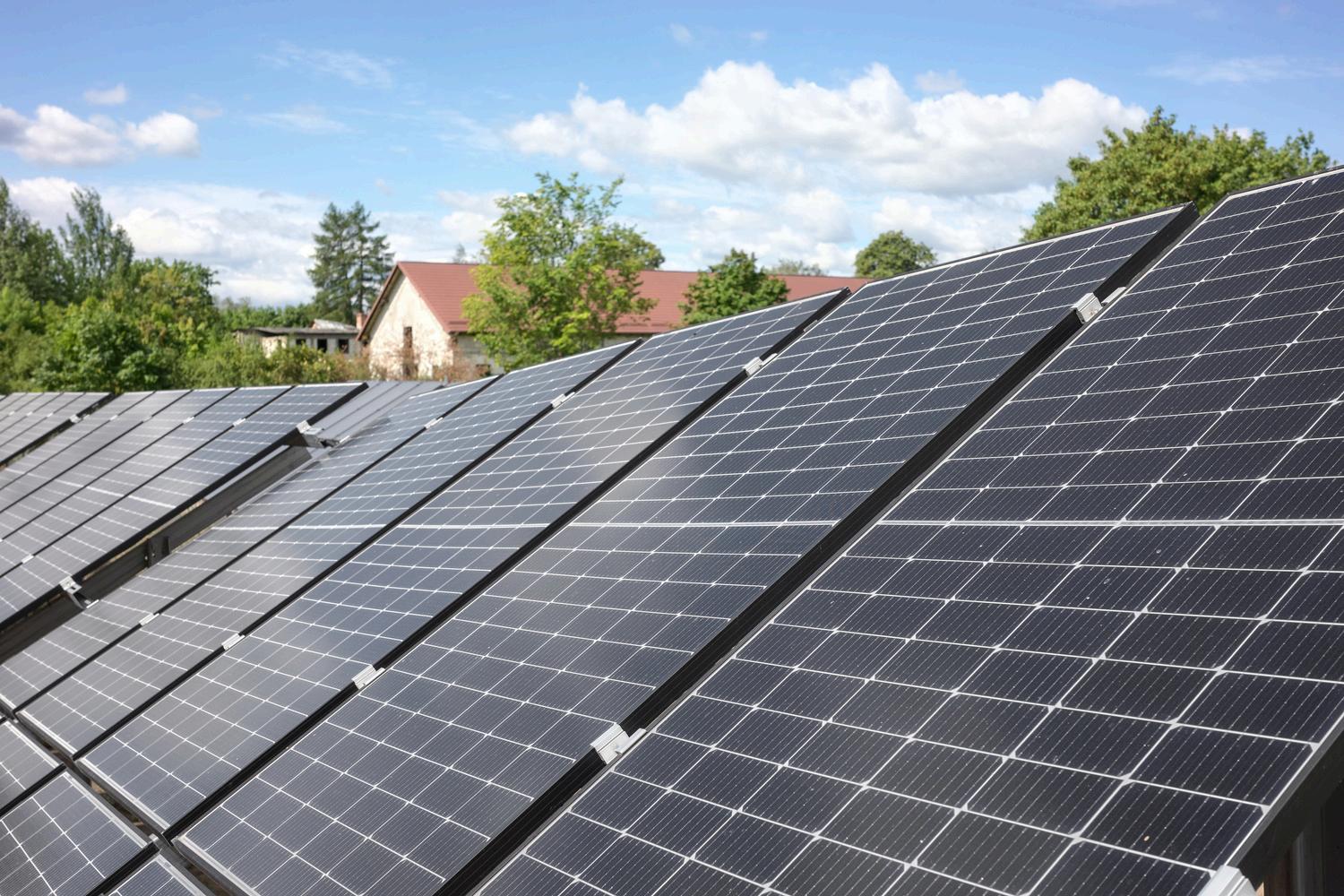

India’s renewable energy landscape has evolved rapidly over the past decade, becoming a central pillar of the country’s clean energy transition With over 150 GW of installed capacity, two of the key drivers have been utility-scale renewable energy generating systems and commercial & industrial (C&I) renewable energy generating systems Both are growing rapidly but serve distinct purposes, follow different economic models, and play complementary roles in India’s renewable energy ecosystem.
Utility-scale systems are the cornerstone of India’s large-scale decarbonisation efforts. They deliver affordable, clean electricity into the national grid and are vital for meeting ambitious renewable energy targets whilst displacing fossil fuel generation The C&I segment complements this by decentralising power generation, providing direct cost savings to businesses either on or off site Together, they make the energy system more resilient utility renewables offer scale and cost efficiency, while C&I renewables add flexibility, localisation, and end-user value
Utility-scale projects are typically large installations in the hundreds of megawatts and sell power to state distribution companies (DISCOMs) under long-term power purchase agreements (PPAs) secured via competitive bidding. In contrast, C&I systems target industrial and commercial consumers seeking to reduce operational costs and achieve sustainability goals C&I systems are deployed either on-site as roof or ground-mounted systems or off-site through “open access” projects that supply power via the grid under bilateral long- term contracts While the product – clean energy is the same, the motivations differ: utility projects focus on delivering the lowest cost per unit while C&I projects deliver energy independence, ESG alignment and overall reduction in power costs
In terms of capacity, utility-scale projects dominate India’s renewable additions, accounting for most annual installations Large government tenders run by agencies such as SECI, NTPC, SJVN, NHPC, and state renewable energy corporations have created robust project pipelines, with varying configurations from pure solar to wind-solar hybrid and combining wind solar hybrid with BESS to deliver assured peak power during evening and morning peaks used to balance the grid and reduce power costs for Discoms in non-solar hours Meanwhile, the C&I segment has grown steadily as businesses across manufacturing embrace solar power combined with local state banking policies to reduce costs and decarbonise operations. Rooftop and open-access projects are gaining traction, adding several gigawatts each year amounting to 10-20% of capacity additions annually
Economically, the two segments operate under different models Utility-scale projects benefit from strong economies of scale bulk equipment procurement, standardised construction, and lower permegawatt operating costs. As a result, they achieve some of the lowest levelised costs of electricity (LCOE), with competitive auction tariffs setting record lows C&I systems majorly solar dependent, while relatively more expensive per kilowatt due to smaller system sizes and custom designs, also remains highly attractive because it offsets higher retail tariffs For many companies, renewable energy adoption is both an economic and strategic decision - ensuring long-term energy price stability and advancing sustainability commitments.
Policy and regulation have been instrumental in shaping both markets Utility-scale growth has been driven by central and statelevel auctions, transmission network development, and incentives such as viability gap funding (VGF) The C&I sector relies on net metering, open access, and clear rules on wheeling and banking of energy However, regulatory inconsistency across states often hampers growth. A stable, transparent, and uniform policy framework is essential to unlock the full potential of both segments
Rather than competing between Utility & C&I and choosing where to focus, Developers are now complementing Utility-scale projects that provide them scale and stable returns guarantee for 25 years with a 24 - 30 month timeline to develop land and infrastructure and construct generation facilities with C&I projects where the land & infrastructure is developed before entering into PPAs with Industrial customers thereby allowing them to secure higher returns on the C&I PPAs which are generally priced 20-30% higher than similar Utility projects
As India moves toward its target of 500 GW of renewable capacity by 2030, integrating these two models will be vital Policymakers must optimise land and transmission planning for utility-scale projects while simplifying approvals and tariffs for C&I projects. Encouraging wind- solar hybrid systems, storage integration will further strengthen the sector With the right mix of policy support, regulatory clarity, and technological innovation, both utility-scale and C&I Re systems can thrive in parallel together powering India’s transition to a cleaner, more dependable, and economically sustainable energy future

VICEPRESIDENT,CHIEFBUSINESSOFFICER CLEANTECHSOLAR
GroomingFutureLeadersforIndia’sSolarIndustry–Roleof mentorship,skills,andleadershiptraininginthePVsector
Human Resource Constraints:
Existing vs Projected installed capacity of Solar Power (in MW):
Inverters play a critical role in solar power plants, converting the direct current (DC) generated by solar panels into alternating current (AC) that can be used by homes, industries, and the grid Over the last few years, innovations in inverter technology have significantly improved the performance, efficiency, and reliability of solar plants across India, making renewable energy more accessible and cost-effective Modern inverters now do much more than simple DC-to-AC conversion They actively monitor plant performance, optimize power output, and help maintain grid stability. These advancements have become especially important as India rapidly expands its solar capacity to meet renewable energy targets.
One of the key innovations is the development of smart string inverters Unlike traditional central inverters, smart string inverters can control smaller groups of panels individually This allows the system to maximize energy harvest even when some panels are shaded or dirty, improving overall efficiency By reducing energy losses and improving fault detection, these inverters help solar plants maintain consistent energy output, which is crucial for meeting both financial and environmental goals
Another breakthrough is in hybrid inverters that combine solar, battery storage, and grid management in a single device These inverters allow plants to store excess energy during the day and use it at night or during peak demand hours. This capability not only enhances energy reliability but also supports grid stability, which is important for integrating large amounts of solar energy into India’s power system. Hybrid inverters also enable features such as demand response and load management, helping utilities and large consumers optimize energy costs
Recent advances in digital and communication technologies have further transformed inverters Modern inverters come equipped with internet connectivity, cloud-based monitoring, and artificial intelligence (AI) algorithms These tools allow plant operators to monitor performance remotely, detect issues in real time, and predict maintenance needs before failures occur Predictive maintenance reduces downtime and operational costs, ensuring higher availability and energy yield from solar plants
Thermal management has also seen innovation in inverters. Improved cooling systems, both passive and active, help inverters operate efficiently even in India’s high-temperature regions Overheating was a major challenge in older systems, leading to reduced lifespan and performance Modern inverters now maintain optimal operating temperatures, ensuring long-term reliability and consistent energy generation
In addition, modular and scalable inverter designs have made it easier for solar developers to expand projects as demand grows. This flexibility allows for smaller initial investments and the ability to upgrade capacity without major infrastructure changes. With these innovations, solar plants can adapt to changing energy needs and policy frameworks more efficiently.
Overall, innovations in inverter technology are reshaping the solar energy landscape in India From smart string inverters to hybrid systems, digital monitoring, predictive maintenance, and advanced cooling solutions, these technologies are increasing energy yield, improving reliability, and reducing operational costs As India continues to push towards ambitious solar targets, these advancements will play a pivotal role in ensuring that solar plants perform efficiently, economically, and sustainably across the country
This new generation of inverters is not only enhancing the performance of solar plants but also contributing to India’s larger goals of energy security, sustainability, and carbon reduction, making renewable energy a reliable pillar of the nation’s power infrastructure

India’s energy story is entering a decisive phase, evolving from solar power success to the green hydrogen revolution a transformation that companies like Nuberg Green Energy are actively driving through engineering innovation and end-to-end EPC excellence Green hydrogen hubs are no longer just a futuristic concept, they are becoming a cornerstone in India’s journey toward clean energy and net-zero goals These hubs are more than production units; they are integrated ecosystems where hydrogen is produced, stored, transported, and utilized in a seamless manner. Beyond environmental benefits, they offer a transformative path to decarbonize heavy industries such as steel, cement, and fertilizers, while generating high-quality jobs, strengthening energy security, and positioning India as a global leader in green hydrogen and its value-added derivatives
A key differentiator of India’s emerging hydrogen hubs is their shared infrastructure model Such integrated infrastructure models demand a partner with proven capabilities in hydrogen, ammonia, and methanol technologies areas where Nuberg Green Energy brings strong process design and EPC expertise Unlike standalone plants, these hubs consolidate large-scale electrolyzers powered by renewable energy sources to produce green hydrogen. The output is supplied directly to nearby industries or converted into carriers like ammonia and methanol for easier transport and storage. Comprehensive supporting infrastructure such as pipelines, storage tanks, refuelling stations, and port facilities, serves multiple users This collaborative approach lowers costs, boosts efficiency, and accelerates adoption much faster than isolated projects
Under the National Green Hydrogen Mission, several flagship hubs are now under development, marking India’s shift from policy vision to on-ground implementation In Odisha, the ACME Group is building a 1 2 MTPA green ammonia facility at Gopalpur Port, one of the largest of its kind globally In Gujarat, Reliance Industries is creating a massive hydrogen and renewable energy complex in Jamnagar, while Adani New Industries Limited (ANIL) is aiming for 1 MTPA of green hydrogen by 2030. Indian Oil Corporation, in collaboration with NTPC and L&T, is developing a hydrogen hub at Panipat refinery to decarbonize refining and petrochemicals. In Maharashtra, JSW Energy is advancing hydrogen-linked projects, while ports such as Hazira and Kandla are being readied as export gateways Most of these hubs are expected to be operational between 2026 and 2030, contributing to India’s national goal of producing 5 MTPA of green hydrogen annually Hydrogen’s importance lies in its ability to address energy sectors that solar and wind cannot fully serve While solar power is ideal for electricity generation, it cannot meet the ultra-high heat needs of fertilizer production, steelmaking, long-haul shipping, and aviation.

Green hydrogen and its derivatives (ammonia, methanol, and sustainable aviation fuel), plug this gap, with the added advantages of long-term storability and transportability, making hydrogen a commodity of the future for global trade Nuberg Green Energy stands at the forefront of this transformation, not merely as an EPC contractor but as a strategic partner committed to enabling scale, efficiency, and sustainability With expertise spanning green hydrogen plants, balance of stack H2 mobility solutions, alternative biofuels, compressed bio gas, and Green hydrogen-based chemicals (Green Methanol & Green Ammonia), the company provides integrated solutions from EPC to equipment manufacturing and export-ready terminal infrastructure. Backed by experience across 65 projects in 32 countries, Nuberg brings the technical reliability and execution finesse needed to transition from pilot initiatives to worldclass operational hubs
India’s green hydrogen ambition represents more than an environmental milestone, it is about reshaping the nation’s economic standing With strong policy support, falling renewable energy costs, and proven engineering leadership from organizations like Nuberg Green Energy, hydrogen hubs can decarbonize hard-to-abate sectors, ensure energy independence, and position India as a clean fuel exporter and trusted global energy leader.
Through innovation and collaboration, the green hydrogen revolution is well underway

Bifacial solar modules have emerged as a transformative technology in India’s solar energy sector, offering a significant boost in energy yield compared to traditional monofacial modules Unlike conventional solar panels that capture sunlight only on the front side, bifacial modules generate electricity from both the front and rear sides, allowing them to utilize reflected sunlight from surfaces such as rooftops, ground, or water bodies This dual-side energy generation capability has become increasingly relevant in India, where maximizing solar energy output is crucial to meet growing power demand and achieve renewable energy targets.
The evolution of bifacial solar technology has been marked by improvements in cell design, module efficiency, and durability Early bifacial modules faced challenges such as higher production costs, complex installation, and lower energy gain under certain conditions However, advancements in passivated emitter rear cell (PERC) technology, transparent backsheet materials, and anti-reflective coatings have enhanced the efficiency and reliability of these modules Modern bifacial modules now deliver 10-25% more energy than comparable monofacial panels, depending on the installation environment, albedo effect, and tilt angle
Indian climates, with their diverse sunlight conditions, make bifacial modules particularly advantageous. In northern states like Rajasthan and Gujarat, where the intensity of direct sunlight is high and land surfaces often reflect sunlight, bifacial modules can capture additional energy from ground reflection, increasing overall output. In coastal and urban regions, innovative mounting solutions, including elevated racks and tracking systems, further optimize rear-side exposure to sunlight, boosting performance even under partial shading or diffused light conditions This adaptability makes bifacial technology suitable for large-scale utility projects, commercial rooftops, and floating solar installations
Beyond energy yield, bifacial modules offer long-term economic benefits for developers and investors Higher electricity generation translates into better returns on investment, shorter payback periods, and improved project viability in competitive power markets Additionally, these modules demonstrate excellent resistance to environmental stress factors such as humidity, dust, and temperature fluctuations, making them well-
suited for India’s varied climatic zones. The integration of bifacial modules into solar parks also allows for innovative project layouts, such as agrivoltaics, where solar installations coexist with agricultural activities, enhancing land-use efficiency
Policy support and declining costs have further accelerated the adoption of bifacial technology in India Government initiatives, such as the National Solar Mission and incentives for high-efficiency modules, encourage developers to invest in advanced solar solutions International collaborations and research partnerships are driving local manufacturing capabilities, ensuring that India benefits from global technological advancements while promoting domestic industry growth
Bifacial solar modules represent a critical step in the evolution of solar energy in India. By harnessing sunlight from both sides, these modules significantly improve energy yield, optimize land use, and offer robust financial and environmental benefits For business leaders and energy investors, embracing bifacial technology is not just a technological choice but a strategic decision to drive sustainable growth in India’s rapidly expanding solar market The continued evolution of this technology promises to shape the future of solar power deployment across diverse Indian climates, supporting the nation’s transition toward a greener and more energy-secure future
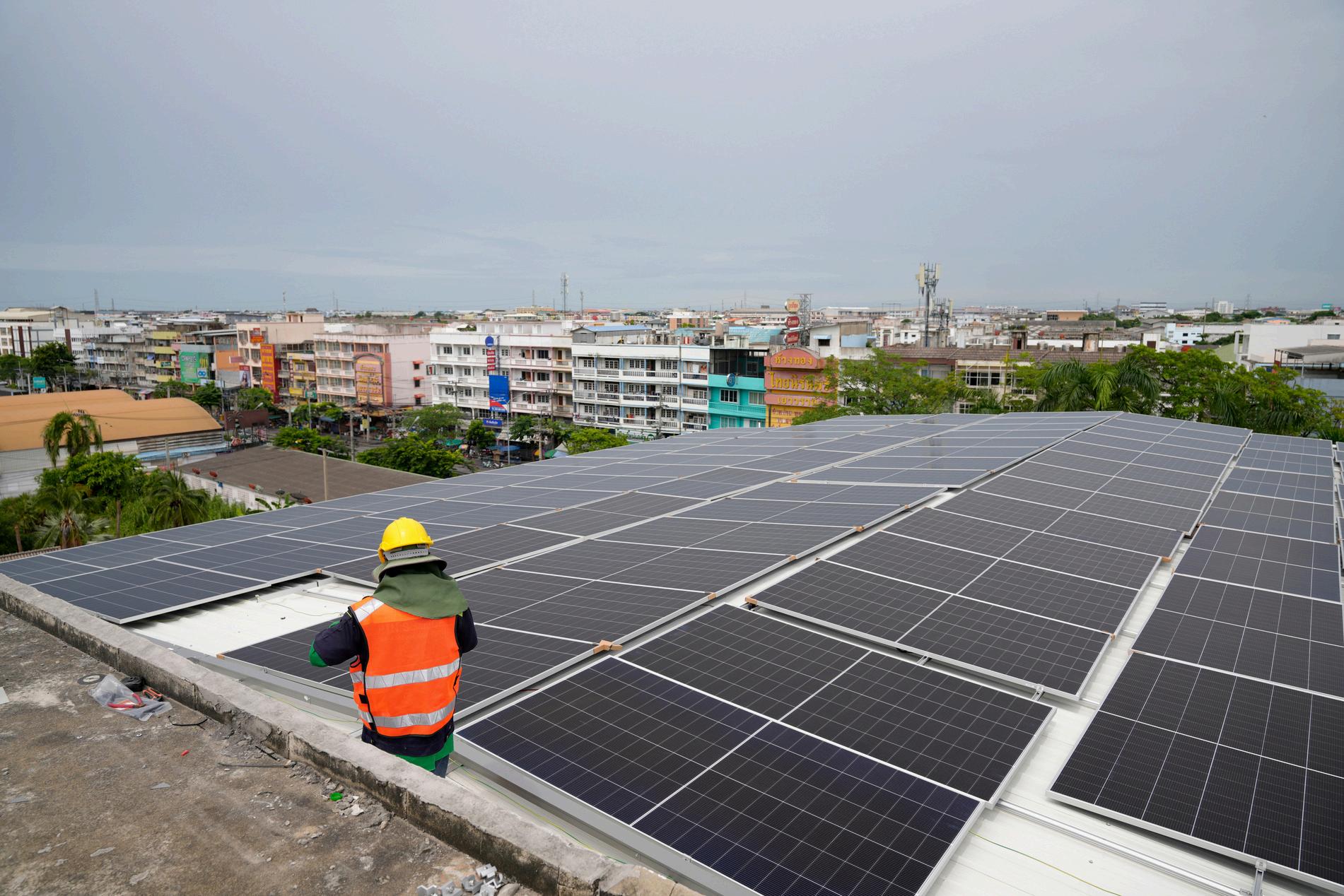
The paper sector is energy-intensive, which was previously based on fossil fuel for electricity and high-heat process energy It is no longer a matter of choice to decarbonize this sector, as regulators, customers, and investors all demand lower carbon emissions, and solar energy is an integral component of that process But the question that arises is can it do the heavy lifting by itself? The answer is solar, which is critical and has to be paired with electrification, storage, fuel-switching, and efficiency to provide actual decarbonization
Additionally, solar's advantages for paper mills are self-evident Building-mounted and ground-mounted solar PV systems can supply reliable daytime electricity to motors, pumps, lighting, and many control systems Solar on-site minimizes grid exposure and peak demand, can save on operating expenses, and provides strong supply chain partners For big buildings with open land, standalone solar arrays or corporate power purchase agreements (PPAs) can provide substantial portions of annual electricity consumption, especially for mills with extensive, flat roofs or nearby land
However, the industry’s major emissions challenge is the process that involves heating cooking wood chips, chemical recovery, drying, and thermal processes, which often require high temperatures and continuous availability, historically met by coal, heavy fuel oil, or natural gas Solar PV alone cannot replace high-temperature thermal demand without intermediaries Two practical pathways exist, i e , electrification of thermal processes and coupling solar with thermal storage or renewable fuels. Heat pumps and electric boilers can convert electricity into useful heat for many process steps, while concentrated solar thermal (CST) can supply higher-temperature heat where feasible Where electrification isn’t yet practical, bioenergy derived from mill residues (black liquor, bark) can displace fossil fuels with a much lower net carbon footprint
However, intermittency is the practical constraint, as solar production during daylight is seasonal, and paper mills operate continuously Battery energy storage levels smooth electricity supply and fill short-term shortfalls, while thermal storage covers heat requirements between sun hours. To deliver round-theclock decarbonization, a combination of firming measures, onsite batteries, grid-backed green contracts, seasonal biofuel availability, and flexible operation must be used.
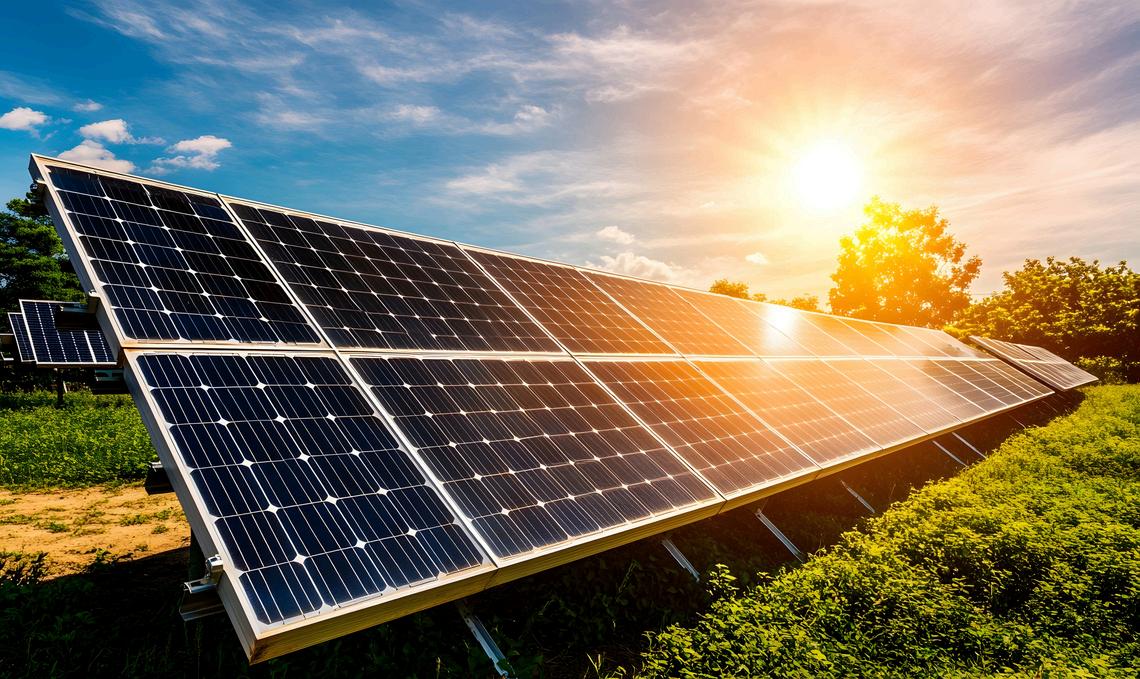
Beyond energy supply, mills must attack energy intensity Upgrading dryers, heat-recovery systems, and process controls often yields big emission reductions with modest capital Coupling efficiency gains with renewables multiplies the carbon benefit
Also, economics are improving as PV costs have fallen dramatically, making on-site and PPA solar increasingly attractive Incentives, carbon pricing, and low-carbon paper buyer requirements further enhance the business case. However, each mill is different as feedstock, product mix, size, availability of space, and local carbon intensity of the grid all determine the best solution.
Solar will not decarbonize paper by itself, but it can be a keystone. The realistic route integrates large-scale PV and PPAs, process electrification, smart storage (electric and thermal), the use of residues from mills as a renewable material, and radical efficiency gains. With that combined solution, paper producers can transition from fossil-based production to robust, lowercarbon manufacturing with preserved job competitiveness and fulfilled climate obligations.

DIRECTOR,CEO(TECHNICAL) CHANDPURPAPER
Hybrid solar plus storage systems are increasingly becoming a transformative solution for India’s energy sector, addressing multiple challenges such as grid instability, renewable intermittency, and peak demand management These systems integrate solar photovoltaic (PV) generation with battery energy storage systems (BESS), enabling continuous power supply even when solar irradiance fluctuates due to weather or nighttime conditions By combining generation and storage, hybrid systems provide a reliable, dispatchable source of clean energy, which is critical for a country like India that is rapidly expanding its renewable capacity while still grappling with grid reliability issues.
The core advantage of hybrid systems lies in their ability to balance supply and demand Solar energy generation is inherently variable, peaking during the day and dropping to zero at night Without storage, excess daytime energy may go unused, while evening demand often requires power from conventional sources Battery storage captures surplus solar power during daylight hours and dispatches it when needed, reducing dependence on fossil-fuel-based peaking plants This capability enhances grid stability, minimizes curtailment of renewable energy, and enables a more efficient utilization of solar installations, thereby improving overall system economics From a technical perspective, hybrid systems rely on advanced inverters, energy management systems (EMS), and control algorithms to optimize performance. Modern inverters not only convert DC solar power to AC electricity but also manage bidirectional energy flows between the solar PV array, battery storage, and the grid. The EMS monitors generation, load profiles, and storage state-of-charge to make real-time decisions on energy dispatch This level of control allows utilities and large-scale consumers to shift energy usage, participate in demand response programs, and even provide ancillary services such as frequency regulation
Hybrid solar plus storage projects can take multiple forms, including grid-connected, off-grid, and microgrid configurations Grid-connected hybrid systems support utility operations by providing peak shaving and load leveling, while off-grid installations empower remote areas with reliable electricity access Microgrids combining solar, storage, and other renewable sources enable localized energy management,
reducing transmission losses and enhancing energy security for critical infrastructure such as hospitals, data centers, and industrial clusters.
The economic implications of hybrid systems in India are significant While initial capital costs are higher than standalone solar PV, decreasing battery prices and improved system lifetimes are making hybrid solutions increasingly attractive Levelized cost of electricity (LCOE) from hybrid systems is declining, particularly when factoring in avoided grid expansion costs, reduced diesel consumption, and revenue from grid services. Policy support, such as incentives for renewable energy plus storage projects and favorable tariff structures, further accelerates adoption.
Hybrid solar plus storage systems also support India’s climate objectives by reducing greenhouse gas emissions and promoting a sustainable energy transition. They enable higher renewable penetration, help manage peak demand without fossil fuel backup, and provide resilience against climate-related disruptions As the Indian energy market evolves, hybrid systems are poised to play a pivotal role in enabling a more flexible, reliable, and decarbonized power infrastructure, contributing to both energy security and environmental sustainability
The integration of solar PV with energy storage is not just a technological upgrade but a strategic shift in India’s energy landscape. By enhancing grid stability, maximizing renewable utilization, and enabling new business models, hybrid solar plus storage systems are redefining the way power is generated, stored, and consumed, paving the way for a cleaner, more resilient energy future.
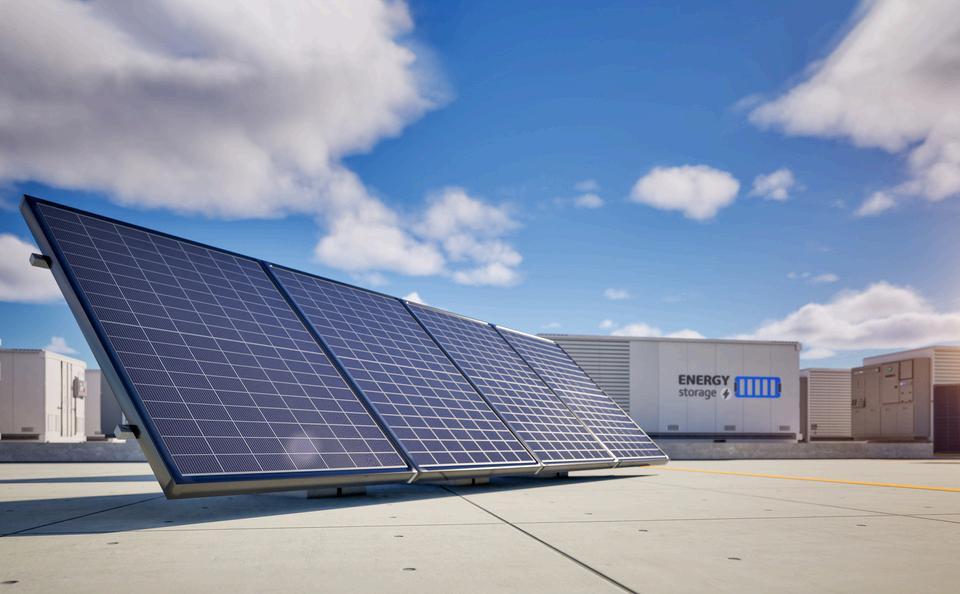
India’s skies are getting brighter, not just with sunlight, but with ambition. By 2030, the nation aims to reach 500 GW of non-fossil fuel energy, with solar power leading the charge In the first half of 2025, India added approximately 14 3 GW of utility-scale solar capacity, a 49% increase over H1 2024, alongside 3 2 GW of rooftop solar, reflecting a 76% year-over-year growth. With total renewable energy capacity touching around 234 GW by June 2025, solar alone accounts for nearly half of this remarkable achievement
But these numbers tell only part of the story. Behind every megawatt lies a vision, a leadership that dares to look beyond immediate challenges, aligning strategy, policy, and innovation to create a future where energy is clean, reliable, and truly inclusive
Leaders in the solar sector are building commendable projects But behind each project, there is a well-thought out long-term strategy for a resilient energy future From integrating solar into the national grid to advancing energy storage solutions, from nurturing domestic manufacturing to designing innovative financing models, every choice shapes the pace and scale of India’s solar transition This strategic foresight ensures that growth is sustainable, resilient, and inclusive
Let’s acknowledge the fact that vision alone cannot deliver results. Forward-thinking leadership involves creating an environment where ambition meets action By engaging with policymakers, industry leaders are helping streamline approvals, provide incentives for innovation, and encourage domestic production. They are bridging gaps between regulations and execution, ensuring projects move efficiently while fostering an ecosystem where ideas can thrive
Harnessing solar energy at scale requires operational intelligence. Leaders are driving the adoption of next-generation technologies such as AI-led forecasting for optimal energy yield, advanced storage solutions to balance supply and demand, and predictive asset management to minimize downtime. Each innovation ensures that solar energy is produced and delivered reliably, efficiently, and safely to end-users across the country
Capital and collaboration are as essential as sunlight itself Leadership plays a pivotal role in attracting investors, ensuring transparency, and forging global partnerships. When stakeholders trust the vision, the sector grows faster, with more innovation and broader impact Every project becomes a source of energy and a testament to collaboration, accountability, and shared purpose
India’s renewable energy story is moving from aspiration to action, powered by people who see possibility even in challenge The 500 GW target reflects a collective determination to redefine how the nation produces, consumes, and sustains energy.
What stands out most in this journey is leadership The kind that brings clarity when the path is uncertain, that bridges ambition with action, and that turns vision into measurable progress These leaders are shaping a new economic rhythm built on sustainability, innovation, and inclusion
As India continues its solar surge, the focus must remain on building systems that endure, partnerships that empower, and technologies that evolve with time Every project commissioned, every policy unlocked, and every investment secured is a step closer to a cleaner, more resilient tomorrow
Because the real success of India’s renewable mission will be measured not only in power generated, but in the confidence it builds, the opportunities it creates, and the future it secures for generations ahead

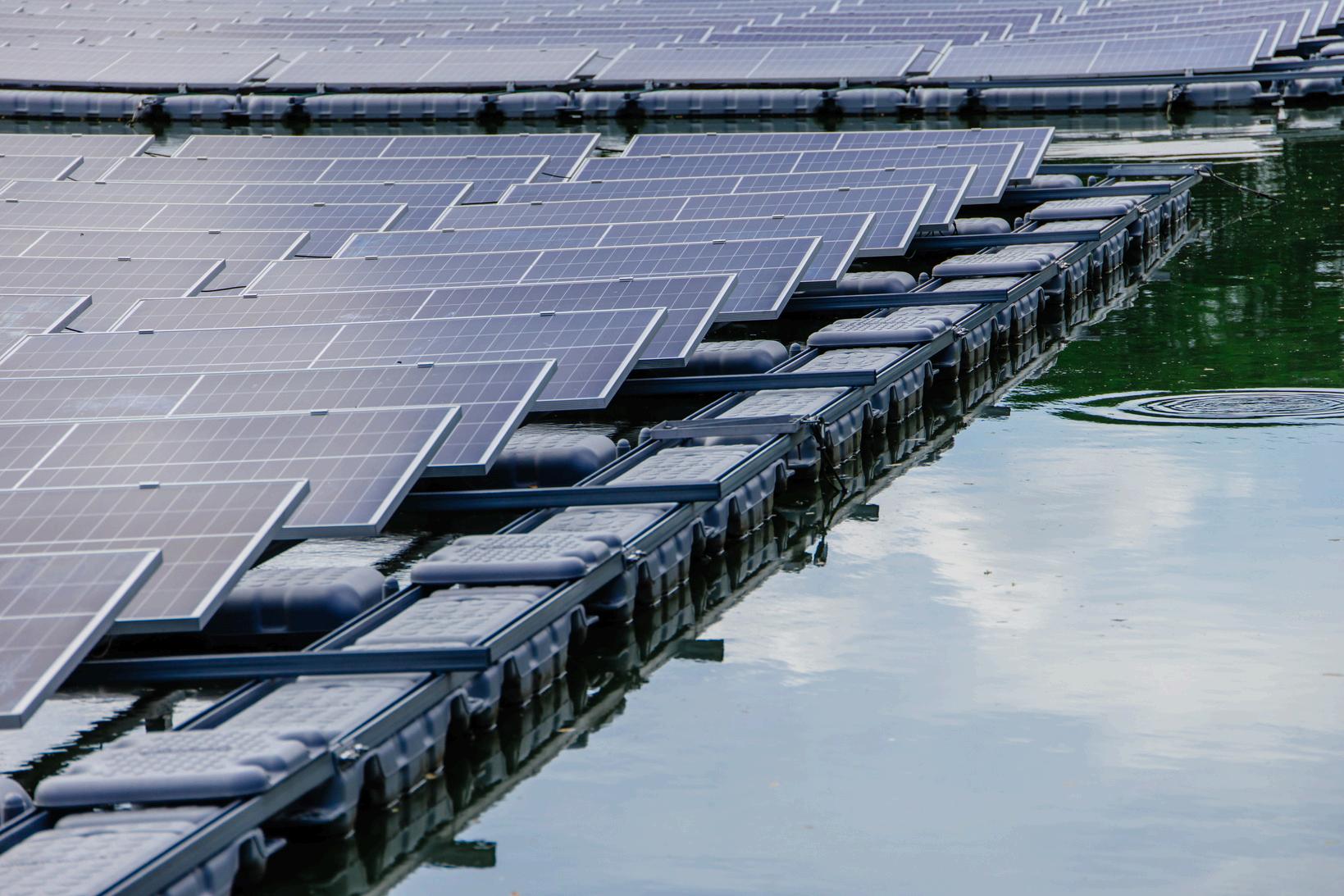
Floating solar photovoltaic (PV) installations are emerging as a viable and innovative solution to India’s growing energy needs while addressing land scarcity challenges With India’s renewable energy ambitions aiming for 500 GW of non-fossil capacity by 2030, conventional land-based solar projects often face hurdles such as land acquisition issues, high costs, and environmental concerns Floating solar, also known as floating PV or FPV, offers a sustainable alternative by utilizing water bodies like reservoirs, lakes, irrigation canals, and other water surfaces for generating solar power.
India has vast potential for floating solar installations due to its numerous rivers, dams, and irrigation systems By installing solar panels over water bodies, FPV projects avoid competition with agricultural land, forests, and urban areas This approach not only conserves land but also reduces conflicts with other land use demands Floating solar also presents environmental benefits, as the panels shade the water, reducing evaporation and preserving water resources for agriculture and domestic use The reduced water evaporation is especially significant in arid regions and during periods of drought, helping maintain reservoir levels and supporting irrigation needs
Technically, floating solar installations consist of modular solar panels mounted on buoyant structures anchored to the water surface. These systems are designed to withstand water currents, wind loads, and varying water levels. Advanced engineering ensures durability and long-term performance, while corrosion-resistant materials prolong the life of these structures Innovations in floating platforms, such as highdensity polyethylene (HDPE) pontoons and corrosion-resistant steel frames, have enhanced the scalability and reliability of FPV projects in India
One of the key advantages of floating solar is its potential for higher energy yield compared to ground-mounted systems The cooling effect of water naturally reduces the operating temperature of solar panels, improving efficiency and electricity output Studies indicate that FPV systems can generate 5–10% more energy due to this cooling effect Additionally, floating solar installations can be integrated with existing hydropower infrastructure, creating hybrid renewable energy plants that optimize energy generation and grid stability. Such integration enables better utilization of transmission lines, reducing overall project costs and improving financial viability.
Floating solar projects also contribute to environmental sustainability by reducing carbon emissions and minimizing land degradation. Unlike large-scale ground-mounted solar farms, FPV systems require minimal land preparation, thereby preserving local ecosystems In urban and peri-urban areas, floating solar can be installed on reservoirs, sewage treatment plants, and industrial water bodies, further promoting green energy without affecting local habitats
Despite these benefits, challenges remain, including higher initial capital costs, maintenance complexities, and ecological considerations related to aquatic life. However, with supportive government policies, such as incentives under the Ministry of New and Renewable Energy and statespecific floating solar schemes, India is witnessing increasing adoption of FPV technology. Major states like Telangana, Kerala, and Gujarat have already implemented successful floating solar projects, demonstrating technical feasibility and economic viability
Floating solar PV installations offer a strategic pathway to expand India’s solar capacity sustainably while addressing land scarcity challenges By combining technological innovation, environmental benefits, and optimal use of water resources, FPV systems represent a transformative approach to renewable energy deployment in India’s energy transition
FounderDirector
AllIndiaRenewableEnergyAssociation
DrivingRenewableEnergyGrowthand CommunityEmpowermentinIndia
KEY HIGHLIGHTS:
Promotes local jobs, entrepreneurship, and distributed renewable energy installations
Influences policies through advocacy, awareness, and bridging stakeholders with regulators
Advances technology adoption with training, workshops, and hybrid renewable solutions.
QHow AIREA’s initiatives have helped local communities and supported India’s renewableenergy goals
AIREA is “a collaborative platform bringing together a diverse range of renewable energy associations and integrators from across India” and acts as “a bridge between stakeholders, policy-makers and implementers in the renewable energy sector”.
Here’s how its activities contribute:
Local community deployment & job/entrepreneurship creation
AIREA projects including a “Solar Energy Development Project” focused on distributed rooftop solar systems and large-scale solar plants, with emphasis on “training and empowering local entrepreneurs in solar technology installation and maintenance”
Through its “7-point action plan” aims to promote entrepreneurship and selfemployment in rural and urban areas via training, awareness drives, skill development, and incubation support AIREA is facilitating deployment of renewables at the grassroots, creating local jobs (technicians/installers), encouraging local enterprises, and enhancing access to energy in underserved communities

Supporting India’s renewable energy targets
By promoting solar, wind, biomass, hydro, and storage projects AIREA aligns with India’s broader renewable energy goals (such as the target of non-fossil fuel capacity, expanded solar and wind deployment) “Supporting the goal of 280GW solar capacity by 2030” in its solarproject description
Its awareness campaigns, workshops, policy-awareness efforts (see below) help amplify the enabling environment needed to scale up renewables
The combination of community-level initiatives (distributed solar, biomass, microhydro) and larger scale (50MW solar plants, 200MW wind capacity) show that AIREA is working both on access and scale.
By shifting away from fossil fuels and promoting renewables, AIREA contributes to reduced carbon emissions, improved local air quality, and sustainable livelihoods
The training/entrepreneurship angle helps include rural and urban youth, boosting employability and aligning with the socialequity dimension of energy transition
AIREA helps local communities through skills training, job creation, distributed installations (solar rooftop, biomass, micro-hydro), and by supporting larger-scale projects At the national level, these helps push India toward its
renewable energy targets by expanding deployment, building capacity, and creating an ecosystem of renewable service providers
QHow AIREA influences renewable energy policies at the state and national levels
While AIREA is an non-profit organisation its role includes advocacy, networking, policy awareness and bridging between integrators/industry, and policymakers. Here are how it works in practice:
Policy-awareness and advocacy role
“Policy Awareness and Advocacy” AIREA actively engage with stakeholders to promote clarity and awareness regarding renewable energy policies and guidelines, ensuring that the sector’s growth is aligned with national and international goals.”
“comprehensive portal … for renewable energy policies, guidelines and updates across various states in India” to empower stakeholders to stay updated
Bridging integrators and regulators
it brings together integrators, associations and renewable‐energy service providers and connects them with policy-makers and implementers
AIREA feedbacks from the ground (installers, entrepreneurs, local integrators) to policymakers (state regulators, ministries GOI ) about bottlenecks, barriers and implementation issues
Participation in state and national level discussions
AIREA references national statistics (e.g., India’s solar installed capacity, gross potential) and government incentives for renewable energy
AIREA represent the solar fraternity at national level, particularly at the Ministry of New and Renewable Energy (MNRE) , States Discoms , renewable energy nodal agencies for implementation and issues of its members AIREA has access to policy forums and influence via its leadership
State‐level support and regulation feedback
AIREA works across various states (urban and rural areas) and focuses on training, deployment and entrepreneurial support, it likely engages with state energy/renewables departments, state power regulators (for netmetering, open access, Virtual net metering , Group net metering ) and local utilities
Via its awareness campaigns and education programmes it influences implementation of state policies (rooftop solar, net-metering, open-access wind/solar etc) by making stakeholders aware of opportunities
AIREA influences policies by disseminating knowledge of policy/regulations, feeding ground-level experience into policy dialogue, building linkages between industry and government, and supporting implementation of national/state programmes AIREA largely facilitative and collaborative rather than regulatory
QHow AIREA keeps up with new solar and wind technologies for its members
Keeping members up to date with technology is essential in the fast-moving renewable energy sector. AIREA’s approach includes:
R&D and innovation focus
1.Airea felicitated its members to visit many industries of solar modules & inverters manufacturer, storage systems, bio plants
2 These R&D initiatives help ensure the association’s members are aware of advances in technologies (e g , better PV modules, advanced battery storage, offshore wind)
1 “To educate and create awareness by conducting seminars, workshops, awareness programs and campaigns to boost the interest and self-employability in the Renewable Energy Sector ”
2 Through such capacity-building programmes, members and local entrepreneurs can learn about latest photovoltaic (PV) technologies, inverter innovations, wind turbine design, energystorage systems, grid integration, etc
1.As noted, AIREA is building a portal for policies and guidelines across states. Extending that to technology updates, the same portal (or associated knowledge-hub) becomes a way for members to stay current with renewable technologies, as well as regulatory/market changes.
Networking and collaboration
1 By being a platform that brings associations, integrators, manufacturers and service providers together, AIREA fosters networking That in turn means members hear about technology developments via peer exchanges, conferences, or partner initiatives.
Market-driven signals
1 The broader Indian renewable-energy market is evolving rapidly (declining solar module costs, larger wind turbines, storage technologies, grid-scale BESS) AIREA, by operating in this environment and aligning its activities (e g , pushing distributed solar, storage pilot projects) implicitly keeps up with technology by designing its programmes around evolving trends For example, its project list includes “Energy Storage Systems for Grid Stability” (pilot battery storage in Gujarat/Maharashtra) –indicating technology uptake beyond just solar/wind
Thus, AIREA ensures its members remain informed and capable of deploying advanced technologies through research programmes, training, networking, technology-updates portal, and integration of storage and hybrid systems into its project portfolio.
QWhat major challenges AIREA has faced in promoting renewable energy, and how they were addressed
Challenge: Awareness, skills and entrepreneurship gap
1 Many local communities and rural areas lack sufficient awareness of renewables, the skills needed to install/maintain systems, and entrepreneurship support
2 How AIREA addressed: By running awareness drives, skill development courses (entrepreneurship, faculty development, small industry capacity building) and training local youth/entrepreneurs
This helps create a cadre of local installers/technicians/entrepreneurs which is critical for scaled deployment
Challenge: Financing and funding for renewable projects
1 Up-front capital costs, access to funding for developers (especially small ones in rural areas) is a barrier Also aligning financing with business models in distributed solar and local biomass/hydro can be tricky
2 How AIREA addressed: AIREA’s action plan includes “help to raise capital/funding requirements of Entrepreneurs in collaboration with banks and other financial institutions provide consultancy and research services”
While this doesn’t solve all financing issues in the sector, it helps members and entrepreneurs access capital, understand funding models, and develop bankable proposals
Challenge: Policy/regulatory complexity and state‐level variation
1.Renewable energy implementation often requires navigating state policies (netmetering, open access, tariffs, land/clearances) and multiple levels of government Variation between states means uncertainty for developers
2 How AIREA addressed: By creating policy awareness programmes, by building a policy-portal across states, by engaging with policy-makers and regulators as a stakeholder network This helps members understand regulatory regimes in different states and feed their experiences into policy discussions
Challenge: Technology, grid integration, variability and storage
1.Solar and wind are variable; integration with the grid, energy storage, hybrid systems pose technical and financial challenges
2 How AIREA addressed: Including “Energy Storage Systems for Grid Stability” in its projects list, supporting R&D on hybrid systems combining solar, wind and storage By proactively embracing storage and hybrid solutions, AIREA mitigates the challenge of intermittency and helps its members be futureready
Challenge: Land, transmission, openaccess hurdles, unsold capacity
At the sector level, India faces land‐acquisition issues, transmission bottlenecks, delay in PPAs, undersubscribed tenders and investor caution
QAIREA’s main priorities for the next five years, and how India’s renewable energy is likely to evolve
five-year strategic roadmap (at least in the sources reviewed), one can infer priorities based on our mission/vision, project list, and the broader Indian renewable-energy trajectory
Inferred AIREA priorities for next five years
Scale-up of distributed renewable installations, especially rooftop solar, micro-hydro, biomass/waste-to-energy As India pushes towards its 500GW non‐fossil target, AIREA will likely ramp up its community-level deployments
Deepening technology adoption
Greater emphasis on storage (battery energy storage systems), hybrid systems (solar + wind + storage), digital/smart-grid enablers, IoT/monitoring for renewables
Because AIREA already lists storage and hybrid R&D in its project list
Skills, entrepreneurship and inclusion
More intensive programmes to train installers, technicians, entrepreneurs (especially in rural/remote areas), promoting women’s participation, local enterprise.
Policy/regulatory advocacy and harmonisation across states
Helping members navigate varying state policies for open access, net-metering, grid connectivity, tariffs; advocating for smoother frameworks and faster approvals.
Financial models & investment mobilisation
Working with banks, financial institutions, investors to de-risk small/medium renewables projects, especially in rural areas; promoting innovative business models (community solar, energy-as-a-service, micro-grids)
Local manufacturing and supply-chain strengthening
While not explicit in its public documents, given India’s push for “Make in India” in solar PV, wind turbines, storage, AIREA may prioritise awareness/support for members of local manufacturing, supply chain localisation.
Monitoring/impact measurement and knowledge-sharing
Building the portal for policy/technology updates; documenting best practices, creating case studies, disseminating lessons for largescale replication
QHow India’s renewable energy is likely to evolve (next five years) and how AIREA fits in
India has set ambitious targets: e g , nonfossil fuel energy capacity target of 500GW by 2030.
Key evolving trends:greater solar and wind additions; growth of energy storage to handle intermittency; increased decentralised/distributed renewable installations (rooftops, mini-grids); larger role of hybrid renewables + storage; stronger manufacturing/localisation; more
private sector and global investment; and smarter grid/ digitalisation
AIREA focuses on integrators, training, local deployment and policy-awareness, it is well positioned to support this evolution
Helping the decentralised/distributed side expand (which is a significant growth area)
Helping members adopt storage/hybrid solutions (which will become more mainstream)
Strengthening skills and local supply chain (essential as manufacturing and serviceecosystem scale up)
Advocating for smoother state regulatory frameworks and helping stakeholders navigate the heterogeneous state regimes
Thus, AIREA’s priorities align with the sector’s evolution: more scale, more decentralisation, more advanced technology, stronger local capability, smoother policy/regulation.
QWhat drives AIREA’s commitment to renewable energy, and how it inspires its team and stakeholders
mission, vision and core values we can reflect on the driving motivations and ways in which it fosters inspiration:
Driving motivations
Mission: “to accelerate the adoption and integration of renewable energy solutions across India contribute meaningfully to the national renewable energy targets and global environmental commitments by fostering innovation, collaboration and education ”
Vision: “to establish India as a global leader in renewable energy, driven by widespread adoption of sustainable practices and cutting-edge technologies A future where clean energy is accessible to all, fostering environmental sustainability, economic growth and social well-being ”
Values: sustainability, collaboration, empowerment, integrity, innovation So the commitment is grounded in: environmental sustainability,socio-economic empowerment (jobs, entrepreneurship), national leadership (India as renewables leader) and innovation
Inspiring the team and stakeholders
In short, AIREA’s commitment is driven by a combination of environmental sustainability, socio-economic empowerment, national leadership aspiration, and innovation It inspires its members and stakeholders through inclusive empowerment, collaborative communitybuilding, purpose-driven goals, continuous learning/training, and alignment with a broader national mission


Chief-CustomerExperience,Commercial, Govt Affairs,EAC&ConsumerLitigation
TataPowerDelhiDistributionLimited(TataPower-DDL)
PioneeringSolarAdoptionAndSmart GridTransformationInDelhi
KEY HIGHLIGHTS:
Achieved 6,338 rooftop solar installations totaling 120 MWp, driving renewable adoption.
Digitized distribution with smart meters, AI/ML, ADMS, and customer-centric digital platforms
Reduced AT&C losses to 5.54% and developed Net Zero roadmap for 2030.
QTata Power-DDL has led Delhi’s renewable integration; what leadership strategies have driven large-scale adoption of solar and clean energy?
TATA Power-DDL: Leading Delhi’s Renewable
Tata Power-DDL has been at the forefront of driving Delhi’s transition towards clean energy and to reaffirm this commitment to sustainability, the company adopted the tagline ‘Towards A Greener Tomorrow,’ in 2023 The company’s leadership has successfully combined a clear vision, strategic execution and strong partnerships to facilitate large-scale adoption of solar energy for its customers In keeping with its parent company Tata Power’s commitment towards net zero, Tata Power-DDL has ensured a suitable power purchase mix of conventional and renewable sources of power, with renewable energy accounting for 30% of its portfolio It has also achieved a cumulative solar installation count of 6,338 with a load of 120 MWp in its licensed area to date
Tata Power-DDL has adopted multiple strategies to drive renewable energy adoption within its licensed area The leadership has set a clear strategic intent

with measurable, time-bound renewable integration goals, aligning rooftop solar and MW capacity targets with national programs like the PM-Surya Ghar Muft Bijli Yojana (PMSGY) The company actively engages with regulatory bodies, municipal corporations, and state/central agencies to ensure policy and stakeholder alignment, contributing to more customer-friendly policies Customer-centric business models and awareness initiatives including doorstep promotional camps, media campaigns, bill inserts, and facilitation of net metering and financing have helped reduce adoption barriers Further, local ecosystem development through initiatives such as Solar Sakhis, trained village energy champions, and Solar Ambassadors has strengthened grassroots implementation, supported by a robust network of certified vendors and installers
QHow is Tata Power-DDL using digital transformation and smart grids to improve efficiency, reliability, and customer experience in power distribution?
As part of its roadmap for “Utility of the Future”, Tata Power-DDL has digitised and automated its entire electricity network through Advanced Distribution Management System (ADMS), Field Force Automation, Battery Energy Storage, AMI/Smart Meter,
As part of its roadmap for “Utility of the Future”, Tata Power-DDL has digitised and automated its entire electricity network through Advanced Distribution Management System (ADMS), Field Force Automation, Battery Energy Storage, AMI/Smart Meter, Big Data Analytics Implementation, EV Charging infrastructure LV Automation (IoT), Behind the Meter services, DER Management System, Data Analytics, AI/ML usage, Vehicle to Grid (V2G), Power Voltage Transformer, among others
Tata Power-DDL has developed a host of digital and service innovations such as the integration of SCADA and OMS enables endto-end fault monitoring with automated responses, significantly reducing outage durations and enhancing reliability AI/MLbased predictive maintenance prevents equipment failures, minimizes downtime, and lowers maintenance costs The My Tata Power App further cements the company’s digital leadership as a comprehensive selfservice platform for payments, account access, outage information, consumption monitoring, and complaint logging. With features like a 24x7 virtual assistant and real-time alerts, it ensures transparency and proactive engagement serving over 2 Million customers and recording more than 3 crore annual hits.
Tata Power-DDL is also the first private discom in India to install over 5 90 lakh smart meters till August 2025, enabling real-time two-way data exchange between customers and the utility Customers can monitor and control their consumption via the app, empowering energy-efficient choices Adding to its digital service suite, Virtual Connect offers remote, face-to-face interactions, serving over 3,000 customers monthly while reducing carbon emissions.
Going beyond service excellence, the company has pioneered Smart Metering and Behavioral Demand Response (BDR), leveraging in-house analytics to reshape consumption patterns during peak hours. Engaging over 1 lakh customers, the initiative delivers annual savings of 450+ MW, strengthens grid resilience, and contributes to India’s climate goals under Mission Life
AI-ML-powered bots now handle 80,000 annual email queries, cutting turnaround time from three days to one OCR-based meter reading has reduced errors by 90%, nearly eliminating billing complaints, while image analytics ensures defect-free installations Additionally, a revenue collection module helps identify potential defaulters early, improving cash flow by 30% through timely follow-ups
Through these initiatives, Tata Power-DDL has exemplified industry leadership by embedding customer centricity and digital innovation into its core operations
QWhat are the key challenges and opportunities for scaling solar in urban networks, and how does leadership help overcome them?
The scaling of solar in urban networks comes with several challenges Low awareness and limited trust among certain consumer segments, driven by the price differential of modules and allied equipment, continue to impact adoption Rooftop constraints and structural limitations at customer premises further
restrict solar potential Additionally, lengthy regulatory processes particularly delays in GBI payments act as deterrents for many customers At the technical level, maintaining grid stability amid increasing reverse power flows remains a key operational challenge
On the other hand, several emerging opportunities are driving optimism. Aligning customers’ daytime loads with selfgeneration, implementing community and virtual net metering models to help more customers avail solar power. Leveraging green financing and RESCO-based solar services for customers who are not able to avail solar option due to financial challenges Long term grid stabilization options by integrating storage systems like BESS and demand response programs can further enhance grid stability and accelerate the transition to a resilient urban energy ecosystem
The leadership team is addressing these challenges by promoting the financial and environmental benefits of solar power through large-scale customer campaigns Easy financing options have been arranged for financially constrained customers, while policy advocacy with the regulator has enabled the RESCO model and introduction of group and virtual net metering Through close regulatory engagement, issues like GBI payment are being resolved Pilots such as peer-to-peer trading, BESS, and Demand Response are also underway to tackle longterm grid stability challenges
QHow does Tata Power-DDL foster a culture of innovation and sustainability, and what role does leadership play in this transformation?
In line with the Tata Group’s innovation focus, Tata Power-DDL has fostered a strong culture of innovation and sustainability. Tata Power-DDL has been awarded the Deming Prize 2024 for innovation, and excellence in Total Quality Management (TQM) as the first power distribution company in the world,
along with several other global and national recognitions These achievements stem from focused roadmaps in infrastructure, technology, people, and service all benefiting end consumers
A front-runner in power distribution reforms, Tata Power-DDL has reduced AT&C losses to 5 54% (FY 2024-25) from 53% in July 2002 Tata Power-DDL is the first Indian utility to join the Global Intelligent Utility Network Coalition (GIUNC) a group of 90+ global utilities developing common standards and solutions for intelligent networks. It ranks among the top nine global utilities for customer empowerment and digitalization and holds an A+ Consumer Service Rating from the Ministry of Power in 2024
On its sustainability journey, the company has created a Net Zero roadmap for 2030, Tata Power-DDL has so far facilitated 6,338 rooftop solar connections across key consumer segments The Domestic segment accounts for the highest number of rooftop solar connections with 4,680, followed by Commercial & Industrial (C&I) 1,616, and Others 42
QWhat is your vision for the future of solar energy and smart distribution in India, and how will Tata Power-DDL continue leading this change?
Solar energy will be the cornerstone of future energy supply, and Tata Power-DDL envisions a resilient, intelligent, and inclusive electricity distribution network one where distributed solar, storage, and digital controls seamlessly deliver affordable, clean power to every customer.
The company’s future leadership commitments include further reducing AT&C losses to around 5%, enhancing smart metering and digital customer services, responsibly scaling distributed generation in its licensed area to reach 3 lakh customers, integrating storage and demand flexibility to ensure grid stability, and evolving from a power distributor to a comprehensive energy solutions provider
ExecutiveDirector&CEO HartekGroup
India targets 500GW renewable energy by 2030 with strong leadership and policy support
Grid modernization, smart technologies, and energy storage ensure reliable large-scale solar integration
Rooftop, floating solar, and green hydrogen innovations boost efficiency and sustainability.
QHow do you see leadership shaping India’s solar PV growth as the country moves toward its 500 GW renewable target by 2030?
India’s solar PV sector is witnessing unprecedented growth as the country moves toward its ambitious 500GW renewable energy target by 2030 Strategic leadership, policy support, and private sector participation are driving this transformation, creating a roadmap for sustainable energy expansion.
Recent policy measures, such as the reduction of GST on solar modules from 12% to 5%, are making solar projects more cost-effective, encouraging both industrial and commercial adoption In parallel, initiatives by the Ministry of New and Renewable Energy (MNRE) to map solar potential and train stakeholders are enhancing project scalability and operational efficiency
Private sector leadership is playing a key role in accelerating solar capacity Companies like ONGC are actively investing in renewable projects, aiming to add 2 5–3GW by 2030, while industrial groups such as RP-Sanjiv Goenka are establishing solar manufacturing and ecosystem hubs to support large-scale deployment Hartek, for instance, has connected over 10GW of solar capacity, demonstrating both scale and credibility in the sector The company also plays a leading role in policy collaboration, Make in India initiatives, and promoting industrial adoption, reinforcing India’s growing renewable energy infrastructure

Technological innovation further strengthens this trajectory High-efficiency solar modules, advanced inverters, and hybrid systems integrating battery storage are improving energy output and grid stability Hartek’s expertise in EHV/HV substations further positions the company as a critical enabler of infrastructure growth, supporting reliable integration of large-scale renewable projects
As of mid-2025, India has achieved 235.7GW of non-fossil fuel capacity, including 226 9GW from renewables, with record additions of 25 4GW in the first seven months alone
However, challenges remain, including the need for 61GW of energy storage by 2030 and bridging investment gaps in solar and wind capacity Continued leadership in policy, technology, and private sector engagement, exemplified by companies like Hartek, will be critical in overcoming these hurdles and ensuring India stays on track to achieve its renewable energy ambitions
QWhat technical improvements in grid infrastructure are most needed to integrate large-scale solar projects in India?
Integrating large-scale solar projects in India demands substantial technical enhancements across the power grid With solar generation being variable and distributed, the grid requires upgrades that ensure stability, reliability, and efficient transmission of clean energy High-voltage transmission lines, capable of carrying large amounts of power from remote solar farms to urban load centers,
are essential Modernization of substations with advanced switchgear, predictive control, and reactive power management plays a critical role in maintaining voltage stability and addressing fluctuations in solar output
Smart grid technologies further strengthen system efficiency by enabling real-time monitoring, automated control, and predictive maintenance to minimize downtime and losses. The adoption of digital grid solutions such as SCADA, IoT-based monitoring, and automation enhances operators’ ability to forecast demand and generation patterns accurately, optimizing power flow and ensuring system balance.
Energy storage systems, particularly large-scale battery installations, are also vital to mitigate intermittency and deliver consistent round-theclock power. Improved interconnections between regional grids and decentralized energy systems help reduce transmission bottlenecks while enhancing resilience against outages
With over 400 EHV/HV substations executed, including 765 kV projects, Hartek Group brings deep technical expertise and proven execution capabilities to these grid modernization efforts By delivering robust substations, integrating digital grid solutions, and implementing advanced control systems, Hartek is actively contributing to a resilient, intelligent, and futureready renewable grid that will enable the seamless integration of solar energy into India’s power system
QRooftop and floating solar are gaining momentum. What innovations in design, installation, and O&M can make these models more viable?
Hartek Group is actively advancing India’s renewable energy capabilities through its rooftop and floating solar solutions With over 200MWp of rooftop solar installed for commercial and industrial (C&I) clients, the company delivers end-to-end turnkey solutions encompassing site assessment, engineering, installation, commissioning, and operations & maintenance (O&M) These scalable, modular, and cost-effective designs, including hybridready systems and high-efficiency bifacial modules, enable faster deployment while maintaining high energy yield, helping businesses achieve their decarbonization goals
In floating solar, Hartek has pioneered projects such as the 22MW downstream floating solar installation Asia’s first of its kind The company implements optimized panel layouts, corrosion-resistant anchoring systems, and tailored IoT-enabled O&M protocols to overcome challenges associated with waterbased solar installations Predictive maintenance and real-time monitoring ensure long-term reliability, efficiency, and uptime
Leveraging its extensive experience in largescale EPC solar projects, having connected over 10GW of solar power to the national grid, Hartek ensures both rooftop and floating solar systems integrate seamlessly with existing infrastructure By combining modular, hybrid-ready designs, bifacial modules, and advanced IoT-enabled monitoring tools, the company enhances system performance, enables predictive maintenance, and minimizes operational downtime Through these initiatives, Hartek continues to improve the viability, scalability, and cost-effectiveness of rooftop and floating solar, directly contributing to India’s renewable energy targets
QGreen hydrogen is being seen as the next big opportunity. How can solar EPC and power evacuation expertise support this transition?
Green hydrogen is emerging as a transformative energy source that can significantly reduce carbon emissions and drive sustainable development Solar EPC (Engineering,
Procurement, and Construction) expertise, combined with power evacuation capabilities, can play a critical role in supporting large-scale, cost-effective green hydrogen production By designing and deploying renewable solar energy plants that provide clean electricity for electrolysis the process of splitting water into hydrogen and oxygen without carbon emissions these capabilities help enable the potential for scalable green hydrogen production. Efficient solar power generation ensures a reliable renewable energy supply, which is essential for producing green hydrogen at scale
This approach aligns with India’s National Green Hydrogen Mission, which sets ambitious goals including renewable energy capacity expansion and the development of a green hydrogen ecosystem to support economic decarbonization and reduced fossil fuel dependence Hartek is preparing to enter the green hydrogen space, positioning itself for future-readiness, and aims to support green hydrogen production by leveraging its solar EPC and power evacuation expertise
This synergy can facilitate decarbonization across heavy industries and transportation sectors while promoting storage solutions to manage variations in renewable supply
QRising module prices and supply chain challenges often impact project execution What strategies can the Indian market adopt to manage these risks?
Rising module prices and supply chain challenges have increasingly impacted solar project execution in India, affecting both costs and timelines The recent increase in module prices by 10–12% has been driven by factors such as anti-dumping duties and reductions in China’s export rebates, which directly influence project viability.
To manage these risks, the Indian market is focusing on enhancing domestic manufacturing capacity, which is projected to reach 200 GW by 2027-28, exceeding anticipated annual domestic demand of around 50 GW. Strengthening local production not only reduces reliance on imports but also aligns with the Make in India initiative, helping stabilize procurement and logistics
Developers are also adopting diversified procurement strategies, building strong vendor relationships, and implementing forecast-based procurement with efficient logistics to ensure timely delivery of modules and mitigate the impact of global price fluctuations By combining domestic capacity growth with careful sourcing and logistics planning, India can better navigate these challenges and rising module costs, ensuring the continued execution and financial viability of solar projects
Hartek ensures timely, high-quality project delivery even under market volatility by leveraging strong domestic sourcing, strategic partnerships, and efficient project management
QAs the solar sector scales, how important will digital tools, automation, and smart grid solutions be in achieving efficiency and cost reduction?
As India’s solar sector scales, digital tools, automation, and smart grid solutions are becoming indispensable for improving efficiency and reducing costs. Advanced technologies like artificial intelligence (AI) and IoT-enabled dashboards are transforming solar operations by enabling real-time performance monitoring, predictive maintenance, and performance optimization AI-driven analytics can identify underperforming modules, forecast energy output, and streamline operational decision-making, reducing downtime and enhancing overall plant efficiency
Automation further supports efficiency by optimizing installation, maintenance, and operational workflows, minimizing human error, and accelerating project timelines SCADAintegrated substations and smart grid solutions modernize power distribution by enabling dynamic energy flow, integrating variable renewable generation, and balancing demand and supply across regions, particularly in highgrowth solar states
At Hartek, these digital tools, automation capabilities, and smart grid solutions are seen as critical for enhancing operational efficiency, ensuring uptime, and optimizing costs By leveraging these technologies, the company reinforces reliable operations and a smarter, more sustainable energy future.
As a global leader in renewable energy, Sungrow has consistently demonstrated that its pursuit of sustainability goes hand in hand with a deep commitment to social progress. The company’s initiatives in India exemplify how corporate responsibility can translate into tangible benefits for education, community development, and environmental stewardship
In Delhi NCR, Sungrow has invested in strengthening educational infrastructure, transforming key learning spaces into vibrant, studentcentric environments The renovation of a state-of-the-art auditorium at Kendriya Vidyalaya now provides young learners with an inspiring venue for lectures, workshops, and national-level activities Similarly, the creation of a dynamic learning hall at MCD Primary Adarsh Vidyalaya is fostering imagination, confidence, and self-expression among younger students. Both initiatives highlight Sungrow’s recognition that empowering the next generation begins with nurturing their creativity, collaboration, and confidence
The company’s impact extends beyond urban centers into underserved communities In partnership with Enerbiz and Asha Deep Foundation, Sungrow commissioned a 20 kW solar plant at a school for underprivileged children in Ghaziabad, Uttar Pradesh By lowering electricity costs and demonstrating the practical benefits of clean power, this project both supports the school’s operations and instills sustainability values in students
Sungrow has also prioritized equitable energy access in rural regions. Through collaborations with Energy Swaraj and ESF, the company has distributed solar study lamps to students in Maharashtra and Gujarat, ensuring uninterrupted learning in areas affected by frequent power shortages Beyond immediate benefits, these initiatives raise awareness among families and communities about the importance of transitioning toward clean energy solutions
Taken together, these efforts reflect a holistic approach to corporate social responsibility For Sungrow, building a sustainable future is not solely about deploying cutting-edge renewable technologies It is about creating pathways for inclusive growth, empowering individuals, and fostering resilience at the community level
These initiatives have touched lives in deeply personal ways, inspiring hope and curiosity among students while strengthening educators’ ability to nurture growth and creativity.
“Our new auditorium has become the heart of our school it’s where we share ideas, perform, and feel proud of what we can achieve ”
Riya Sharma, Class 10, Kendriya Vidyalaya, Delhi NCR
“Before, our classrooms felt dull Now, the new learning hall makes studying more fun and creative I look forward to coming to school every day ”
Aman Gupta, Grade 5, MCD Primary Adarsh Vidyalaya
“The solar project has not only reduced our electricity costs but also given our children a living example of renewable energy in action ”
Meena Joshi, Head Teacher, Ghaziabad
“Earlier, I had to wait for the power to come back to do my homework With my solar lamp, I can study whenever I want I want to become an engineer one day ”
Rahul, Student from Gujarat
Together, their words reflect the real and lasting difference Sungrow’s efforts are making not just in classrooms, but in the outlook and aspirations of a new generation

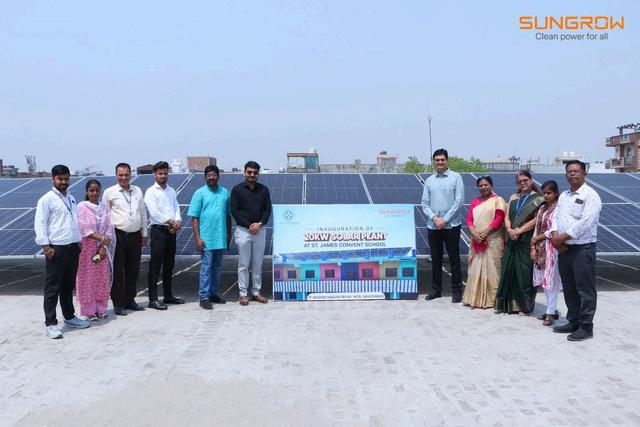
CEO-India&South-EastAsia AxitecEnergyIndiaPvtLtd
KEY HIGHLIGHTS:
Axitec’s 600 MW pilot lines enable local innovation, faster delivery, and modules tailored for Indian conditions
By aligning with ALMM and ‘Make in India,’ Axitec combines global quality with local manufacturing and longterm commitment
n-type TOPCon modules offer higher efficiency, better heat performance, and longer-lasting output for Indian projects
How will Axitec’s 600 MW pilot lines in India strengthen its position in the solar PV market?
At Axitec, we’ve always believed that our future in India must be built in India. The 600 MW pilot lines are not just about adding capacity they are about building confidence For the first time, we will have the ability to test, validate, and scale new module technologieslocally, without dependingon overseas facilities
For our customers, this means faster delivery cycles, better service response, and the assurance that every module they use has been designed and optimizedfor Indian conditions from high temperatures to dust and humidity For us as a company, it marks the first step toward deeper localization and a stronger supply chain in India.
How does Axitec align with India’s ALMM and ‘Make in India’ initiatives?
At Axitec, we’ve always believed that our future in India must be built in India The 600 MW pilot lines are not just about adding

capacity they are about building confidence For the first time, we will have the ability to test, validate, and scale new module technologieslocally, without dependingon overseas facilities.
For our customers, this means faster delivery cycles, better service response, and the assurance that every module they use has been designed and optimizedfor Indian conditions from high temperatures to dust and humidity For us as a company, it marks the first step toward deeper localization and a stronger supply chain in India
QWhat innovations in Axitec’s n-type TOPCon modules benefit Indian customers?
N-type TOPCon is not just the next buzzword it’s a real step forward in module efficiency and durability For Indian customers, the benefits are practical:
Higher efficiency means more kilowatthours from the same rooftop or ground space critical in markets where land is limited or projecteconomics are tight
Better performance in high temperatures something India knows all too well helps ensure a stable yield even during peak summer
Lower degradation rates mean that the modules retain more of their original output over 25+ years, translating into a lower Levelized Cost of Energy (LCOE)
Our focus is to ensure these modules are not just technically advancedbut also adaptedfor India’s realities from hot desert climates to coastal corrosion That’s why our pilot line is important; it allows us to fine-tunefor Indian conditions, not just global averages.
QWhere does Axitec see itself in India’s solar market over the next five years?
India is one of the most exciting solar markets in the world, not only because of its targetsbut because of its ambition.Over the next five years, we see ourselves growing from being a strong brand presence to becoming a strong manufacturing presence Our vision is threefold:
Expand local capacity beyond pilot lines into large-scale production.
Deepen partnerships with Indiandevelopers, EPCs, and distributors to bring valuebeyond just modules in service, financing options, and long-term reliability.
Invest in innovation so that Indiancustomers always have access to the best technology, whetherthat’s TOPCon today or the next leap tomorrow.
Ultimately, we don’t want to be seen as just a foreign companyselling into India. We want to be seen as a partnerthat is building India’s clean energy future together with its people and policies.

EnerMAN Technologies is a pioneering provider of intelligent IoT and energy management solutions tailored for solar power plants
Our comprehensive product portfolio enables Independent Power Producers (IPPs), EPC contractors, and Commercial & Industrial (C&I) customers to maximize solar asset performance and ensure regulatory compliance
EnerMAN products help in improving the efficiency or generation by more than 2% Our products are deployed in 10 countries for over 700 Solar PV plants & rooftops of total capacity of 2 7GW EnerMAN’s product will directly contribute to generating more than 2% i.e. additional 72 million units of clean and green energy in a year This will reduce additional 30 thousand Metric Tons of Co2 emission, which is equivalent of building tree farms of 1 4 million trees
Few of the Solar PV industry leaders from prestigious Govt organizations with whom we are proud to associate with are BHEL, GSECL, BEL, NTPC, HAL, MES, NFC, AIIMS, IISc, CCL & NLC in India
We at EnerMAN are proud to be a major technology partner of the Ministry of New and Renewable Energy's (MNRE) PM-KUSUM program and Presently, EnerMAN's integrated technology suite supports more than 100MW of PM-KUSUM solar projects, enabling developers, DISCOMs, and farmers to optimise operational efficiency, guarantee asset reliability, and enhance return on investment.
EnerMAN provides a wide range of solar PV monitoring and control products & solutions, which are required for digitizing Solar assets and efficient management of Solar assets with optimal performance.
ETi SOL is a flexible, hardware agnostic SCADA platform designed for comprehensive real-time monitoring, control, and performance analytics of solar PV plants across utility-scale, rooftop, and hybrid systems It enables asset owners to optimize energy production and operational efficiency via cloud or local deployment.
Key Features
Centralized Monitoring System (CMS) – Integrate multiple SCADA into a single dashboard.
Compatible protocols - Modbus RTU/TCP, RF, LoRa, OPC UA, FTP, API
AI/ML-based inverter ranking, and inverter down time analysis
Real-time alerts
User customizable dashboards & reports
Custom Branding – Your company logo and colour theme on the portal.
AI & ML driven Advance Analytics
Historical data storage in the form of archive
Cybersecurity - Strong security with user authentication, SSL encryption, and firewalls
ETi SOL Edge is a local SCADA solution that delivers real-time monitoring and control of solar assets without internet dependency Installed on a plant-level PC or server, it ensures uninterrupted data capture and analytics in remote or connectivity-challenged environments
Key Features
Offline operation (works without internet) with local data acquisition and control.
No cloud storage Charges
Includes dashboards, KPI analytics, alerts, and daily reports
Provides redundancy and data integrity features
Perfect for IPPs, EPCs, and C&I customers seeking Capex-only solutions
ETi LOG is an industrial IoT data logger designed to collect realtime data from various solar plant equipment like inverters, weather stations, and transformers It supports multiple communication protocols and ensures reliable data storage and transmission even during internet outages. ETi LOG acts as the foundational device for EnerMAN’s smart solar asset management ecosystem
Key Features
IIoT data logger – Collects data from inverters, SCBs, WMS, trackers, and transformers via RS 485, Ethernet, RF, or Wi Fi
Multi-protocol support – Supports Modbus RTU/TCP, RF, LoRa, OPC UA, FTP and API
Scalable architecture – Easily deployable across multiple plants with minimal setup
End to end inhouse developed cost-effective and affordable
Made in India products for Global Market,
ETi PPC is a web application software installed in local server (local control system) that manages active power, reactive power, power factor & active power ramp of inverters at the plant interconnection point It ensures grid code compliance by regulating inverter output and supports both manual and automated control modes with scheduling
Key Features
Controls active power/reactive power/power factor/Ramp Rate for Active Power to meet grid codes
Manual and automatic control modes with flexible scheduling. Supports curtailment tracking and real-time dashboards
Essential for utility-scale solar and hybrid (Solar-Wind) plants
Graph Visualization - Real-time and historical trends for active/reactive power and power factor.
Event logs and Scheduling - Event-based scheduling with autoactivation of modes or constraints Export logs in CSV format for compliance and Analysis
ETi ZES is an edge-deployable control solution that prevents any export of excess solar power to the grid, ensuring compliance with DISCOM regulations for C&I rooftops and hybrid plants. It dynamically throttles inverter output based on real-time load measurements from net meters
Key Features
Real-time inverter output control to maintain zero export.
Compatible with most inverter brands, connectivity through Modbus RTU/TCP
On-premises installation; no internet or recurring cloud costs
Granular control at plant, block, or inverter level.
Ideal for regulatory compliance in C&I and group captive setups
ETi LMS intelligently manages solar PV inverter output by dynamically adjusting generation based on real-time load, grid, and diesel generator status This prevents solar-DG back-feeding, reduces fuel consumption, and maximizes solar self-consumption at commercial and industrial sites
Key Features
Real-time active power control integrating load, DG, and grid data.
Real-time DG status monitoring and Automatic/Manual operations
Compatible with multiple inverter brands
Optimizes solar-DG coexistence.
Operates standalone or integrated with ETi ZES and ETi SOL
Ideal for factories, campuses, and off-grid hybrid sites
ETi‑CAST – Solar Generation Forecasting
ETi CAST is an AI/ML-powered cloud-based forecasting tool that delivers short-term and day-ahead solar generation predictions using weather, irradiance, and historical data It aids IPPs, SLDCs, and large C&I users in scheduling and dispatch compliance
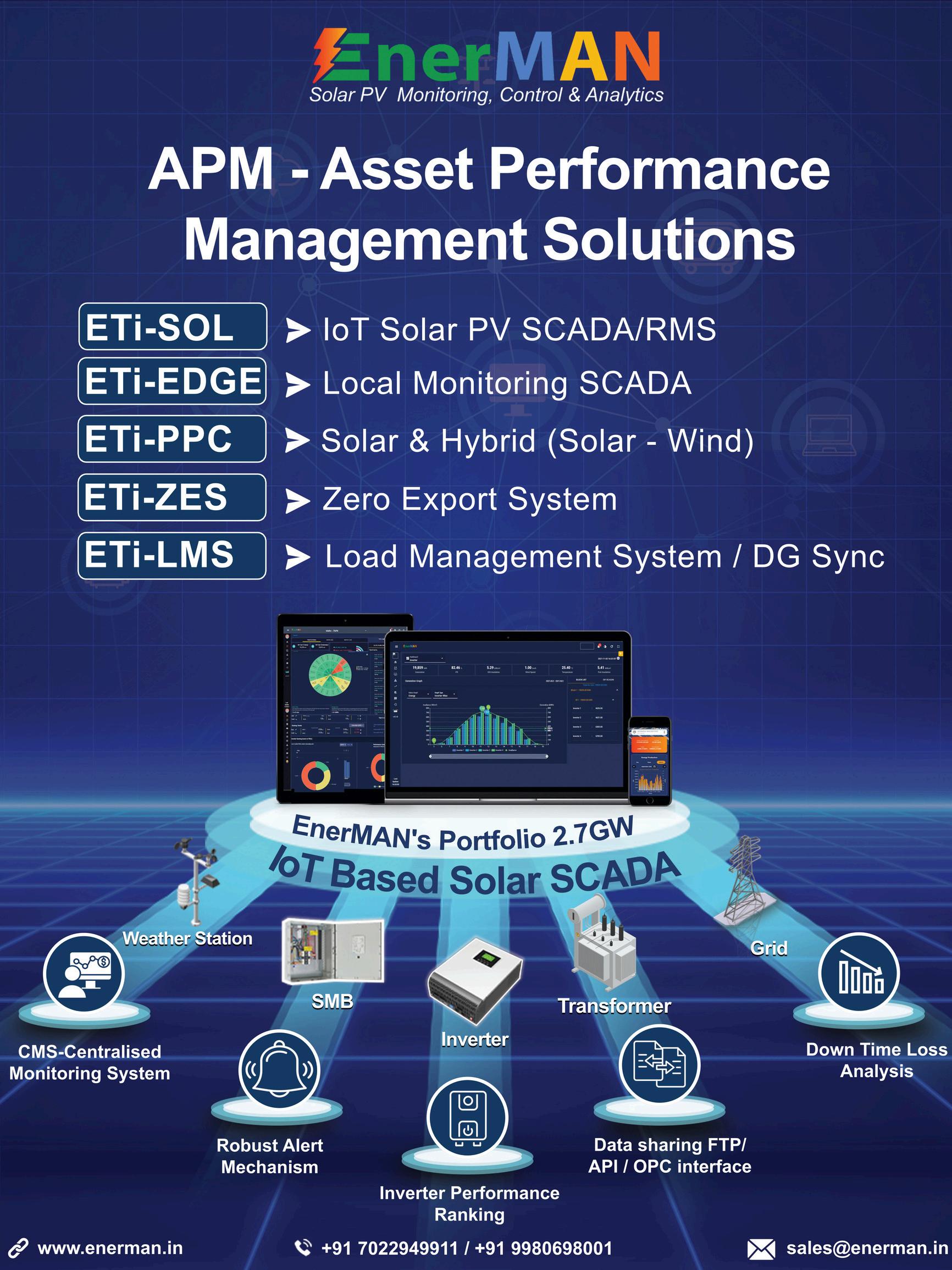
Key Features
Expected vs Actual Generation Analysis– Enables comparison of forecasted and actual solar output to track performance and losses.
Integrates with ETi SOL Penalty tracking as per DSM (Deviation Settlement Mechanism) norms.
ETi SLDC securely transmits real-time plant data to State Load Dispatch Centres in compliance with grid regulations. It automates telemetry reporting in required formats (FTP, XML, CSV, API), ensuring regulatory compliance with minimal manual effort
Key Features
Real-time transmission of voltage, power, frequency, and weather data
Supports multiple data formats and secure communication protocols.
Enables smooth compliance with SLDC telemetry mandates


Zhejiang Hyxi Technology Co., Ltd. (referred to as “HYXiPOWER”) is a high-tech enterprise specializing in smart PV & ESS, integrating R&D, manufacturing, sales, and services
The company offers products such as photovoltaic inverters, energy storage systems, and smart energy platforms Dedicated to providing leading renewable energy solutions for residential, C&I, and utility-scale applications, HYXiPOWER is deeply engaged in power electronic topology, core algorithms, thermal management, magnetics, EMC, BMS, EMS, AI, and smart energy platforms. With over 70 core intellectual properties and more than 200 certifications from international authorities including TÜV Rheinland, CSA, Bureau Veritas, and SGS, HYXiPOWER operates 12 Global Technical Assistance Centers (GTACs) across six continents, working closely with partners worldwide to promote a greener, low-carbon, and sustainable future
At Renewable Energy India Expo 2025, HYXiPOWER will highlight its full range of advanced PV inverter solutions designed to deliver safety, reliability, and efficiency across diverse applications:
Residential String Inverters (2kW–10kW):
Offering IP66 protection with over 1,400 cumulative rigorous tests, 160% PV oversizing for extended output, and module-level monitoring for precise fault positioning
Semi-Commercial String Inverters (12kW, 15kW50kW):
Featuring a max 40A design ideal for high-power modules, and an intelligent layout with rapid module-level visualization
C&I String Inverters (50kW–125kW):
Built with a 40A design and 99 9% dynamic MPPT efficiency, offering intelligent layouts and rapid module-level visualization for seamless system management
Utility String Inverters (350kW):
Delivering 75A design for higher output power, full power grid feed-in at SCR<1.2, and smart string disconnection with <25ms rapid shutdown for advanced safety
To enhance its presence in India, HYXiPOWER has partnered with four leading distributors: Skyparc Energy India Pvt Ltd, Hygrid Solar Pvt Ltd, Trom Industries Limited, and Sunpro Engineering Solutions Pvt Ltd With strong industry expertise and a customer-centric approach, the local team is dedicated to delivering tailored solutions and reliable services. Having spent over a decade in the solar industry, the team is led by a Service Head with more than 12 years of experience in the inverter sector, ensuring robust technical support for customers across India. To meet rising demand, HYXiPOWER is also expanding its Sales and Service teams to serve customers more efficiently and effectively
Renewable Energy India Expo is one of the region’s most influential clean energy events, attracting global innovators, investors, and industry professionals HYXiPOWER warmly welcomes partners and visitors to Booth No H4 R1956, from October 30 – November 1 at India Expo Mart, Greater Noida, to explore cooperation opportunities and join us in shaping a sustainable energy future
Email: Ashish.Bisht@hyxipower.com Website: www.hyxipower.com
Director GautamSolar
KEY HIGHLIGHTS:
Gautam Solar drives India’s solar growth with 630 Wp TOPCon modules and 28+ years of expertise
It ensures superior quality with AIbased defect detection and certified high-efficiency modules.
A ₹4,000 cr 5 GW cell plant in Madhya Pradesh will expand domestic manufacturing and market reach
QPlease give a brief overview of Gautam Solar’s journey and its contribution to India’s renewable energy growth. With more than 28 years of experience, Gautam Solar is among India’s leading solar manufacturers, recognized for quality, innovation, and reliability Leveraging decades of expertise, the company delivers highperformance solar solutions across utility, commercial, and rooftop segments, supporting India’s transition to clean energy.
Gautam Solar operates multiple state-of-the-art module manufacturing facilities across India, producing the latest high-efficiency products, including the 630 Wp R-Series TOPCon modules with maximum efficiency of 23.32%. Vertically integrated operations, in-house R&D, AI-based defect detection, and multiple patents ensure industry-leading quality and reliability
We continue to focus on innovation and expansion to meet the growing energy demands of the nation The upcoming 5GW cell manufacturing facility in Madhya Pradesh underscores our commitment to next-generation technologies and scaling production while maintaining world-class standards Through decades of proven expertise, advanced technology, and a commitment to sustainability, Gautam Solar delivers high-efficiency solutions backed by 30-year assured performance This combination of experience, innovation, and credibility sets us apart in an evolving solar industry
Gautam Solar remains a key contributor to India’s renewable energy journey, driving technological excellence, sustainable growth, and energy independence for the country.

QQHow does Gautam Solar differentiate itself in solar PV module technology and quality for the Indian market?
Gautam Solar differentiates itself in the Indian solar PV market through a strong focus on advanced technology and rigorous quality standards The company specializes in highefficiency TOPCon modules, achieving efficiencies up to 23 32%, with its latest 630Wp R-Series TOPCon Modules Our products are designed to deliver superior energy yield and optimized space utilization Additionally, they are PID-free, UV-resistant, and are ALMM approved, BIS certified, ensuring reliable performance across diverse climatic conditions in India

Complementing this product innovation, Gautam Solar is investing ₹4,000 crore to establish a 5 GW solar cell manufacturing facility in Gwalior, Madhya Pradesh, spanning 54 acres The facility, focused on producing advanced TOPCon cells, will initially roll out 2 GW of capacity in Phase 1, with an additional 3 GW planned in subsequent phases funded through an IPO.
Innovation in manufacturing is another key differentiator Gautam Solar holds multiple patents in solar module technology, reflecting its commitment to process innovation and continuous improvement The company also leverages AI-based defect detection, including electroluminescence and thermal imaging, to identify micro-cracks and soldering defects in real time, ensuring consistent quality in every module produced
Gautam Solar’s commitment to domestic manufacturing further sets it apart With fully automated facilities in Haridwar and Bhiwani, the company aligns with India’s ‘Make in India’ initiative, offering ALMM-listed and BIS-approved modules This ensures not only technological excellence but also compliance with government standards and support for local supply chains. Through these measures, Gautam Solar establishes itself as a trusted and innovative leader in India’s solar PV sector
QWhat recent innovations or product launches is Gautam Solar bringing to strengthen its market presence?
Gautam Solar is strengthening its market presence through a combination of advanced product launches and strategic investments in domestic manufacturing A key highlight is the launch of its R Series N-Type TOPCon solar modules, which offer a peak power output of 630 Wp and achieve a maximum efficiency of 23 32% These modules feature rectangular halfcut cells, enabling higher energy yield, improved bifacial gain, and excellent long-term reliability across diverse climates.
Together, these initiatives introducing cuttingedge high-efficiency modules and expanding inhouse cell manufacturing position Gautam Solar as a leading innovator in India’s renewable energy sector. These moves reinforce the company’s commitment to quality, reliability, and long-term growth, while strengthening its competitive edge in the rapidly evolving solar market
What future plans does Gautam Solar have to expand its footprint in India and serve project developers better? Gautam Solar is focused on expanding its footprint in India by strengthening its manufacturing capabilities and enhancing its service offerings for solar project developers
QOne of the key initiatives is the upcoming cell manufacturing facility in Madhya Pradesh, which will enable the company to produce highquality solar cells domestically, reducing dependence on imports and ensuring a steady supply of advanced technology modules. This move will also support faster project execution timelines for developers by improving availability and lead times
In addition to expanding manufacturing, Gautam Solar plans to introduce new highefficiency products, such as the R Series TOPCon modules with peak power of 630 W and peak efficiency of 23.32%. These technologically advanced modules are designed to maximize energy yield, thereby helping developers optimize project returns Through these strategic expansions in manufacturing, technology, and support infrastructure, Gautam Solar is positioning itself as a reliable partner for solar developers, helping India accelerate its transition to renewable energy while ensuring project success

Usha Shriram Solar Panels are in Indian market Since 2017, known for its higher generation, meeting the Indian Standards, further resulting in Customer Satisfaction meeting its Own Legacy as a Brand!
"Transforming India's Energy Landscape: Usha Shriram Solar's Vision"
Usha Shriram Solar is committed to reshaping India’s energy future as a responsible and forward-thinking manufacturer Through highefficiency modules, sustainable production, and reliable solutions, the company drives clean energy adoption while minimizing environmental impact. By combining innovation with accountability, Usha Shriram Solar ensures every project delivers maximum performance, long-term value, and a greener tomorrow setting a benchmark for responsible energy transformation across the nation
"Powering a Greener Tomorrow: Usha Shriram Solar's Commitment"
The solar industry requires solutions that offer high performance and long-term dependability The Lynx Series addresses this demand through advanced N-Type TOPCon technology, a robust design, and a focus on installation flexibility. Supported by comprehensive warranties and third-party insurance, the Lynx Series provides not only superior technical results but also enhanced bankability for investors and developers
"Cutting-Edge Solar Technology: Usha Shriram Solar's Latest Innovations"
From supplying to Utility Scale Solar Farms to empowering the Commercial & Industrial Sector
From supplying DCR Modules in PM Saurya Ghar Yojna to Powering Street lights till the remote locations of India
From Empowering small Batteries in villages to Solarising Agriculture
Usha Shriram has supported Solar Energy to almost every Indian State
"Revolutionizing Energy Generation: Usha Shriram Solar's High-Efficiency Modules"
In a world racing toward cleaner power, Usha Shriram Solar stands out not just for producing energy but for redefining how it’s captured, conserved, and consumed By marrying innovation with sustainability, Usha Shriram Solar isn’t just revolutionizing renewable energy it’s empowering a new era of smart, self-sustaining energy generation where technology and nature work in perfect harmony
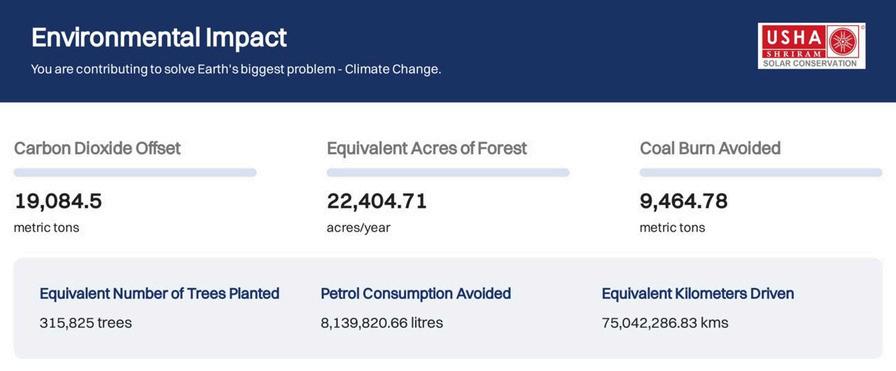
"Investing
Usha Shriram Solar is driving the next wave of renewable innovation through precision engineering and smart technology integration. The company’s future-ready approach focuses on high-efficiency PERC and TOPCon cell technologies, AI-enabled performance analytics, and automated manufacturing systems that ensure unmatched consistency and quality By leveraging bifacial modules, half-cut cells, and optimized power electronics, Usha Shriram Solar maximizes energy yield while minimizing system losses
"Customer Satisfaction at the Forefront: Usha Shriram Solar's Philosophy"
Customer satisfaction isn’t just a goal it’s the foundation of every innovation and interaction The company’s philosophy centers on delivering reliable, high-performance solar solutions tailored to the unique needs of each client From system design and installation to after-sales support, Usha Shriram Solar ensures a seamless, transparent, and service-driven experience Advanced monitoring systems provide real-time performance insights, while dedicated technical teams ensure maximum uptime and efficiency By combining cutting-edge technology with personalized support, Usha Shriram Solar builds lasting partnerships grounded in trust, performance, and customer delight making every watt of energy a reflection of its commitment to excellence
Every connection begins with a conversation one built on understanding, trust, and shared vision. The company believes that great partnerships go far beyond the installation phase; they grow
stronger with every milestone From the first consultation to years of reliable performance, Usha Shriram Solar stays actively engaged with its customers, offering personalized guidance, transparent communication, and proactive support.It’s not just about powering projects it’s about powering relationships that evolve, endure, and shine brighter over time
Highest form of certification doesn’t come from a lab it comes from its customers. Every satisfied client, every successful installation, and every glowing testimonial stands as proof of the company’s real-world excellence This customer-certified excellence reflects a standard built not just on innovation, but on lived experience, longterm satisfaction, and genuine partnerships. At Usha Shriram Solar, success is measured in smiles, not stamps
People are at the heart of every success story The company believes in nurturing talent, encouraging ideas, and providing the tools employees need to excel Partners are treated as true collaborators, supported with training, guidance, and shared goals to ensure smooth operations and happy customers By creating an environment where everyone feels valued, capable, and inspired, Usha Shriram Solar turns teamwork into innovation, and collaboration into growth Simply put, when employees and partners thrive, the company and its customers shine brighter

Spark Solar, a leading innovator in solar energy technology, has announced the launch of its latest high-efficiency module the 650 Wp G12RN TOPCon solar panel with an advanced composite frame This new-generation module combines cutting-edge N-type TOPCon cells, large-format G12RN wafers, and a lightweight composite frame, setting new standards for power output, reliability, and installation flexibility
At the heart of Spark Solar’s new module lies the G12RN cell platform an evolution of the 210 mm large-format wafer series The “RN” generation cells employ high-performance N-type TOPCon architecture (Tunnel Oxide Passivated Contact) with enhanced surface passivation and advanced metallization techniques
This results in:
Higher efficiency exceeding 23.3%, Lower temperature coefficient -0 29%/°C, ensuring better performance in hot climates, Zero LID and PID, ensuring long-term power stability, and Upto 650 Wp maximum power output in a compact footprint.
By combining the G12RN wafer format with half-cut, multi-busbar cell design, Spark Solar’s new module delivers up to 650 Wp power output with optimized current-voltage characteristics suitable for both utility and rooftop systems
The hallmark of this new module is its advanced composite frame, developed in collaboration with leading material experts and engineered from GFRP (Glass Fiber Reinforced Polymer)
This innovation offers unparalleled strength, corrosion resistance, and ultra-low carbon footprint, verified by international testing standards (TÜV-certified GFRP frame)
Key Advantages of GFRP Composite Frame (as per certified test data):
Superior Mechanical Strength
Tensile strength: 1000–1300 MPa
Bending strength: 1200–1700 MPa
Withstands static load tests of 7000 Pa positive pressure and 3600 Pa negative pressure, ensuring reliable performance in high-wind and snow-prone areas
Excellent Corrosion and Chemical Resistance
Tested under 10% NaOH, acetic acid, and seawater environments, maintaining >90% of original strength after 9,500 hours of salt-spray exposure where aluminum shows visible corrosion
Ideal for coastal, desert, and offshore solar farms
Naturally Insulating and PID-Free
Volume resistivity > 10¹⁴ Ω m, eliminating the need for module grounding
Proven to have minimal bending and zero deformation even at -40°C. 1 Low Thermal Expansion Perfect Glass Matching
Thermal expansion coefficient closely matches tempered glass, preventing frame-glass stress or cracking under extreme temperature cycles
Sleek Aesthetics with Customizable Colors
Standard elegant matte black finish improves module appearance without added cost, suitable for architectural and premium rooftop installations
The 650 Wp G12RN TOPCon module is engineered for maximum field performance:
Bifacial generation boosts energy yield by up to 25% under optimal albedo conditions.
High mechanical load ratings (5400 Pa snow / 2400 Pa wind) ensure robustness in extreme environments
Enhanced low-light response guarantees stable generation from sunrise to sunset
The module’s design is fully compatible with existing racking and tracker systems, thanks to Spark Solar’s precisely engineered clamp zones and corner profiles
The high power density and corrosion-proof composite frame make this module ideal for:
Utility-scale solar farms, reducing BOS costs per watt;
Commercial and industrial rooftops, where lighter panels reduce load stress;
Coastal and floating PV installations, where corrosion resistance is essential

Every Spark Solar G12RN module undergoes rigorous IEC 61215 / 61730 testing and accelerated UV, salt-mist, and thermal cycling evaluations With a 30-year performance warranty and 15-year product warranty, Spark Solar ensures long-term energy security and dependable returns on investment.
“The new G12RN module reflects Spark Solar’s vision of merging innovation with sustainability,” said a company spokesperson “By integrating advanced TOPCon cell technology with composite frame engineering, we’ve created a product that not only delivers higher energy output but also addresses long-term durability challenges in diverse environments ”
Spark Solar Pvt Ltd Is renowned Indian renewable energy company dedicated to designing and manufacturing highefficiency solar modules and systems With a focus on innovation, reliability, and sustainability, Spark Solar continues to advance India’s transition toward clean, affordable solar energy Website: wwwsparksolar in



The solar industry has always thrived on innovation, with each technological leap unlocking new opportunities for developers, EPC players, and end-users From M2 and M6 cell formats to today’s larger wafer technologies, the journey reflects a constant pursuit of higher efficiency, lower costs, and greater scalability Among the most significant advancements making headlines today is the G12R module a breakthrough design set to redefine the way large-scale projects are developed and executed.
The G12R module is built on wafers that measure 210mm × 182mm, often referred to as a “hybrid” of G12 and M10 formats. This unique size strikes the perfect balance between power output and ease of integration, making it a preferred choice for developers aiming to optimize both land and resources
With higher power density per module, G12R enables projects to achieve the same generation capacity with fewer panels This translates into lower Balance of System (BOS) costs from reduced cabling and mounting requirements to more efficient labour deployment The result is a significant reduction in the Levelized Cost of Energy (LCOE), making projects more bankable and attractive to investors.
For developers, the appeal of G12R goes beyond efficiency Its compatibility with existing production lines and project infrastructure ensures smoother integration compared to larger G12-only formats Moreover, the module’s design helps maximize land utilization, a critical factor in high-value or land-constrained projects By offering greater flexibility without compromising output, G12R is fast emerging as the preferred standard for utility-scale installations worldwide
At Contendre Greenergy, our G12R-based modules embody true innovation, empowering developers to shape the future of clean energy.”

Industry experts predict that G12R will play a pivotal role in shaping solar deployments over the next 3–5 years, bridging the gap between current designs and future innovations. Its ability to combine scalability with cost-effectiveness is expected to accelerate solar adoption globally, reinforcing the sector’s role as a driver of clean and reliable energy.
At Contendre Greenergy, innovation has always been the cornerstone of our journey Staying ahead of industry trends, we are proud to introduce our upcoming line of G12R-based solar PV modules engineered to empower developers with cuttingedge technology and uncompromising reliability.
As the solar industry moves forward, our mission remains clear: to deliver products that not only meet today’s energy challenges but also shape a greener tomorrow With G12R modules, we are taking another step towards making solar energy more efficient, accessible, and future-ready


In the modern world, where energy fuels industries and innovation shape the future, one name stands unwavering as a symbol of trust and reliability True Power Limited
Built on a foundation of integrity, safety, and innovation, True Power has become a trusted leader in earthing, lightning, and solar energy solutions, lighting the path for a brighter, sustainable tomorrow
At True Power, safety isn’t just a standard it’s a philosophy. Every product is engineered to ensure long-term durability, consistent performance, and complete electrical protection
From residential and commercial projects to industrial plants and large-scale infrastructure, True Power’s advanced earthing and lightning protection systems safeguard lives, assets, and the environment building confidence one connection at a time
True Power believes that innovation and quality go hand in hand with responsibility.
With its state-of-the-art R&D facilities and ISO-certified manufacturing systems, the company continually develops advanced, eco-efficient solutions designed to meet the highest global standards
Every product reflects the brand’s unwavering commitment to technological excellence, reliability, and customer satisfaction
As solar energy reshapes the world of power generation, True Power stands at the forefront as a trusted provider of complete solar BOS (Balance of System) solutions.
From solar cables, connectors, DC distribution boxes, and junction boxes to comprehensive earthing and grounding solutions, True Power ensures seamless integration and superior performance in every installation.
With its streamlined approach and unmatched reliability, the company delivers solar excellence to government projects, corporate enterprises, and private ventures across India and beyond.
As India advances toward a sustainable future, True Power continues to champion the cause of green growth and renewable innovation.
Through its commitment to quality, safety, and sustainability, True Power is helping to build a cleaner, more energy-efficient tomorrow where every spark of the sun ignites trust, and every connection power progress






Best Solar Panel Brand –High Durability & Minimal Degradation
ASOTE Solutions Pvt. Ltd.
Emerging Solar Module Company of the Year
Usha Shriram Solar


Best Solar Panel Brand –Technological Leadership
Redren Energy Pvt. Ltd.


Best Inverter Brand
SOLIS
Best Solar Panel Brand –Trusted Brand Legacy
Pahal Solar Pvt Ltd

Best Solar Panel Brand –Manufacturing Excellence

Next-Gen Solar Module Award
Sasa Energy LLP

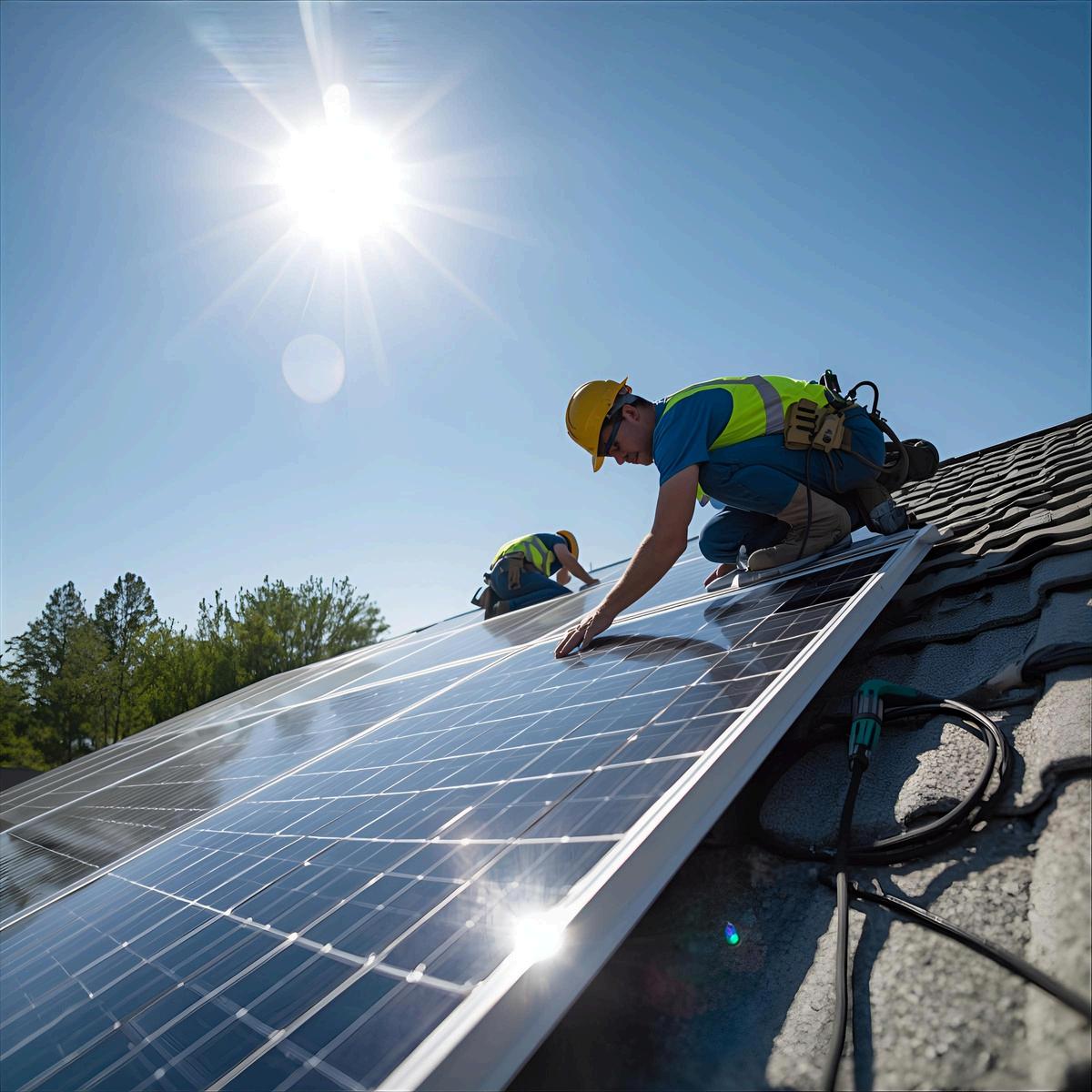

Gautam Solar
Best Made in India Solar Panel
Saatvik Green Energy Limited
Best Solar Panel Brand –Vision & Sustainability Commitment
Macwin Solar Energy Pvt. Ltd.

Atmanirbhar Solar Technology Leader (Inverter)
Feston Sev Pvt Ltd

Best Made in India Inverter in PM Surya Ghar Yojana
Selec Controls Pvt. Ltd.

Best Solar Cable Brand
Anand E-Beam Cables India
Limited

Best Solar Storage Solution –Innovation & R&D Excellence
Loom Solar Private Limited
Best Smart Inverter Technology
WattPower Systems Pvt. Ltd.


Best Ground-Mount EPC Contractor - Platinum
DEK and Mavericks Green Energy Limited

Best Rooftop Solar Installer (Commercial & Industrial)Platinum
Jupisol Power India
Private Limited
Best Rooftop Solar Installer (Commercial & Industrial)Diamond
Best Rooftop Solar Installer (Residential) - Diamond
Saan Electrical

Best Rooftop Solar Installer (Residential) - Platinum
Beliance Energy India Pvt.
Best Solar O&M Service Provider
ANP Solar Energy Solutions Pvt Ltd

Best Ground-Mount EPC Contractor - Diamond
R P Infra Private Limited


Best Ground-Mount EPC Contractor - Gold
Ecofinite Energy LLP

Outstanding Project Delivery Execution

As of 2025, 65% of India’s pin codes have at least one registered EV, showing that electric mobility has reached deep into the country EV adoption is no longer limited to cities; it’s a nationwide movement This shift means cleaner air, lower fuel imports, and growing confidence in EVs as practical for daily use
The fact that 65% of India’s pin codes now have an EV proves the reach of this revolution Electric two-wheelers and three-wheelers, which make up 94% of total EV sales, have made electric mobility affordable and suitable for short-distance travel in both cities and villages
Uttar Pradesh leads with over 400,000 registered EVs, driven by erickshaws and electric taxis Tripura now ranks among the highest in EV penetration, while Delhi was the first to cross 10% EV sales share Assam is on track to achieve 100% electric three-wheeler sales by 2025. These examples show that EV appeals lower costs, quiet rides, and eco-friendliness resonate widely across demographics
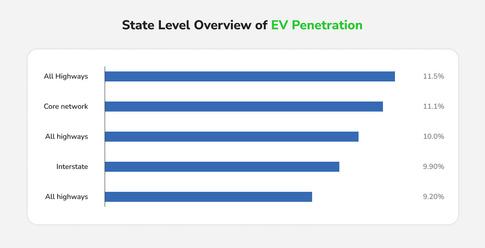
Consumer confidence has also grown Today, 84% of EV owners use their EV as their primary vehicle, up from 74% two years ago They now drive about 1,600 km per month, which is 40% more than petrol car users, reflecting trust in their vehicle range and reliability.
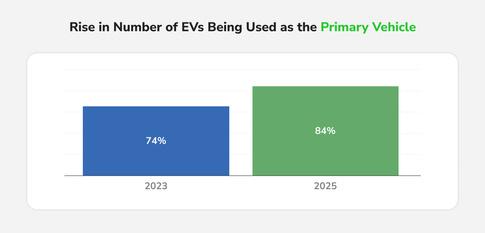
Long road trips are becoming routine Half of Tata’s EV customers have completed 500+ km journeys, such as Delhi–Manali or Mumbai–Goa, proving that long-distance EV travel is feasible and enjoyable
An EV is only as good as its charging network, and India’s has grown exponentially. Public charging stations increased from 5,151 in 2022 to over 26,000 by mid-2024, a nearly five-fold rise This expansion, driven by government and private investment, has erased many “charging deserts ”
Today, 91% of national highways have a fast charger within a 50 km radius, meaning drivers can find one every 30–50 minutes of travel About 9,700 chargers are in Tier-1 cities, 4,625 in Tier-2, and around 12,000 in smaller towns. This is proof that infrastructure growth isn’t limited to metros
India’s EV transformation is more than just a technological shift Widespread EV adoption reduces reliance on fossil fuels, cuts emissions, and supports cleaner air It also strengthens India’s energy security and creates new manufacturing and service jobs
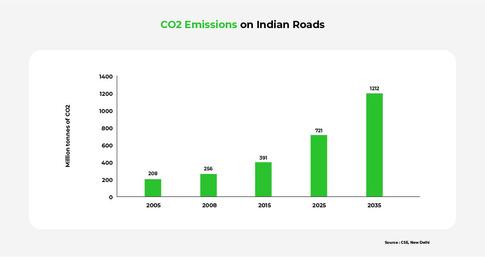
Hitting the 65% pin code mark shows that EV adoption has passed its inflection point Word-of-mouth, peer influence, and second-hand EV markets will now accelerate growth organically The benefits are spreading across rural and semi-urban India too, where e-rickshaws and electric scooters are empowering local economies and reducing transport costs
Challenges remain, particularly around affordability, grid upgrades, and charger reliability, but India’s progress sets a global example of how EVs can thrive beyond cities
In short, EVs have truly arrived. You can now drive electric from Delhi to Leh, ride an e-rickshaw in Bihar, or spot a delivery EV in a coastal village With 65% of pin codes electrified and 91% of highways covered by chargers, electric mobility is becoming India’s new normal