




Asya Cooley
Associate Professor
“This Scotland trip opened my eyes to the majesty of the Scottish Highlands, where we adventured into corners that are hard to reach, hiking mountains and peering from towering cliffs. We imagined faces formed of rocks, hunted for Nessie across the loch and admired a cascading waterfall. We were deep in local stories and folklore, and I felt like we created a deeper connection to this ancient land We sampled scones and cullen skink We attempted a quest in freezing temperatures that left our fingers numb Through it all, we shared laughs and hugs and created i f a lifetime that will forever bind us to Scotland's wild spirit ”
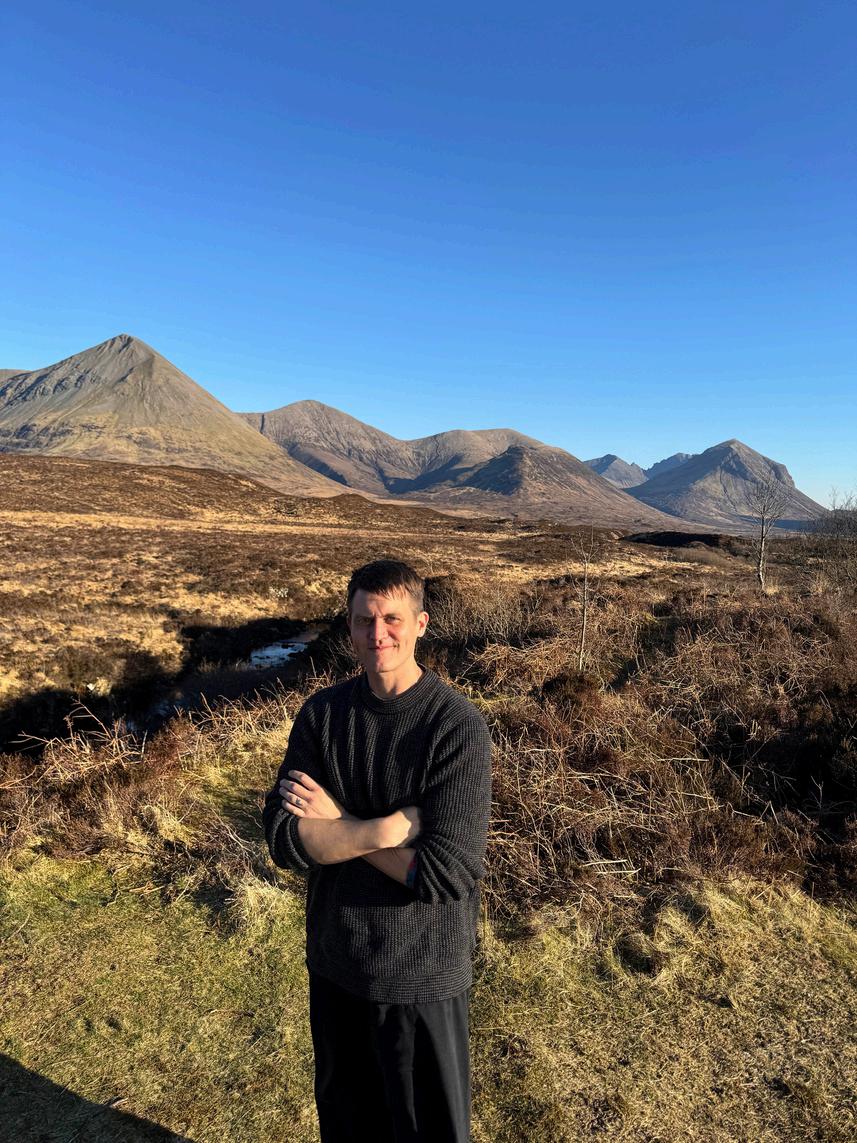
Skye Cooley
Associate Professor
“This trip was with an amazing group and the moments that stand out to me the most are visiting the Isle of Skye on such a beautiful day St Patrick's Day and karaoke with the group were also highlights line dancing to footloose in the highlands is a top life memory! Most of all, I cherish all the little moments where I got to hang out one on one with each student and learn a little bit about their lives and their plans for the future and share in an adventure with them I am grateful to OSU for all the opportunities I get to have as a professor with such outstanding young minds ”
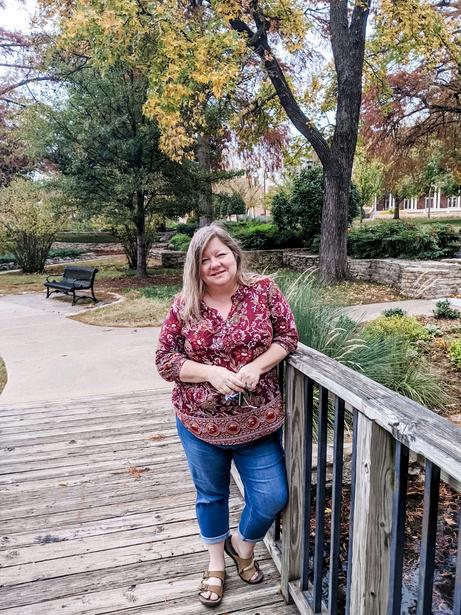
Karen Christian Coordinator of Academic Programs
“Scotland has good food and drink, history, amazing natural beauty and people who are straightforward, irreverent, funny and friendly I admire how Scots value writers, literature, storytelling and history Watching our OSU students see Scotland for the first time was also amazing We had such an interesting group of students, and I loved getting to know them away from campus I also loved going to my first ceilidh, which features traditional Scottish dancing and music I also loved the abundance of efficient public transportation to get anywhere easily ”
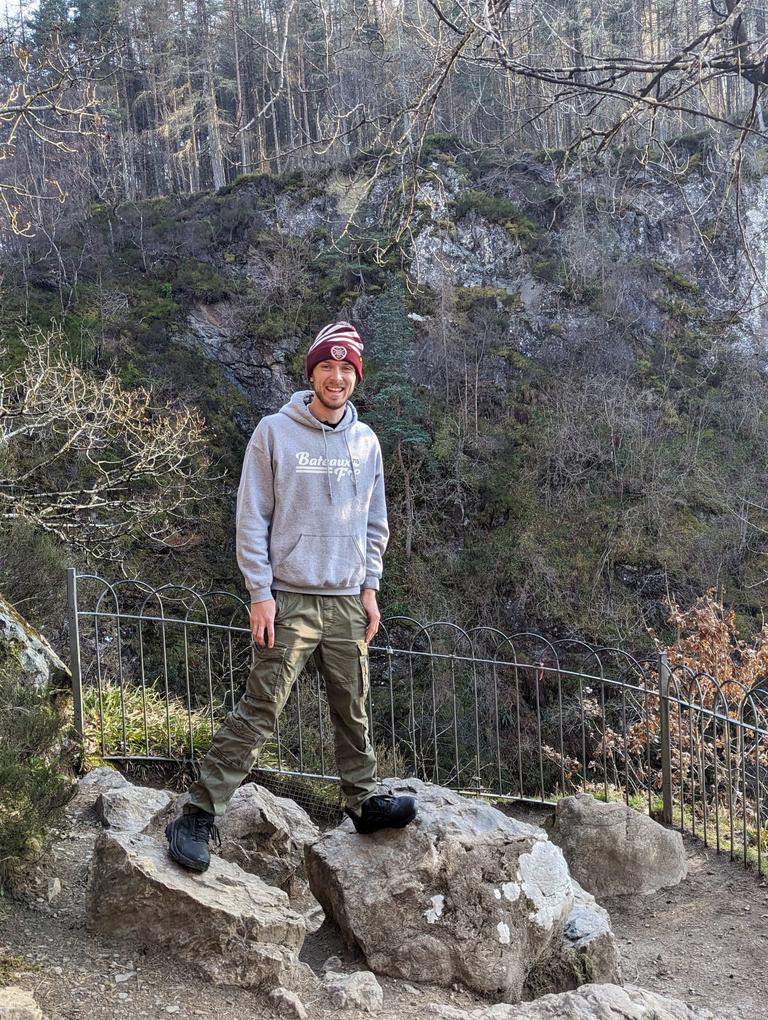
I’ve noticed that there’s a side of culture we often see but seldom bring attention to – that which we can already call upon, which interacts with what we don’t know and gives it color.
Culture is a combination of the known and the unknown, and in a very real sense, every aspect of culture fits somewhere between fully understood and fully foreign according to its beholder
I call it the dichotomy of culture, and I believe it was a core piece of our experience abroad.
We tend to refer to culture only when we experience something unique. Work cultures are called innovative, ethnic cultures are foreign or strange, and culture broadly references innovation in art and creativity.
Of course, these are all indeed valid examples of culture What I’ve been ruminating on during and since our trip, though, is that they may be incomplete; one of the beauties of culture is its dichotomy.
Take this magazine and the stories within it, then, as an attempt at balancing both sides of the dichotomy which is culture
Our sincere hope is that every reader’s eyes are opened to the newness and specialness of Scotland, but yet, that the reader finds an element of oneself in each story as we have also seen ourselves in the culture of others.
In other words, may you see Scotland through an orange lens.
With great excitement and gratitude, Danny Kotula Scotland 2025 Editor

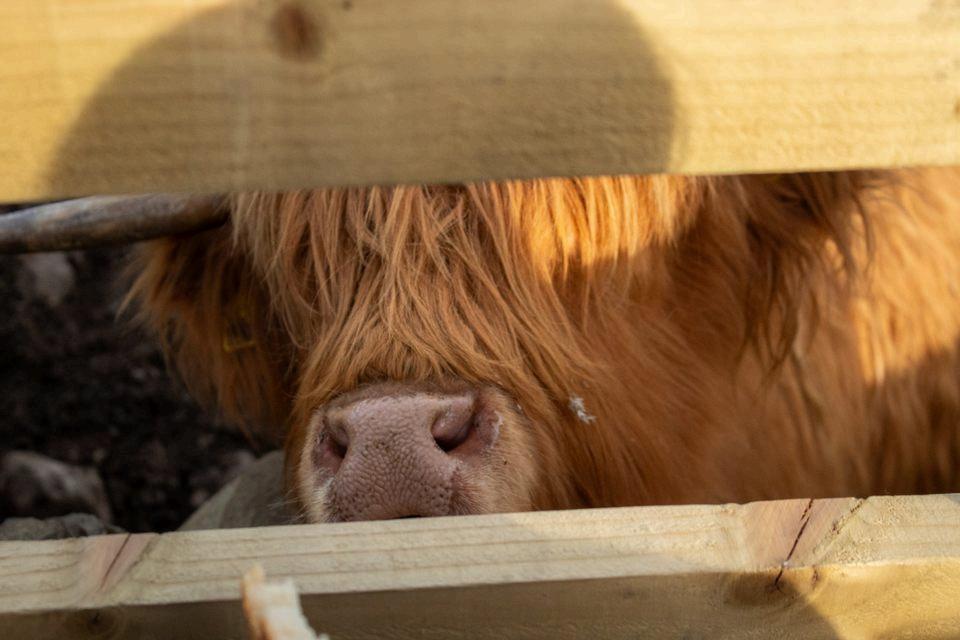
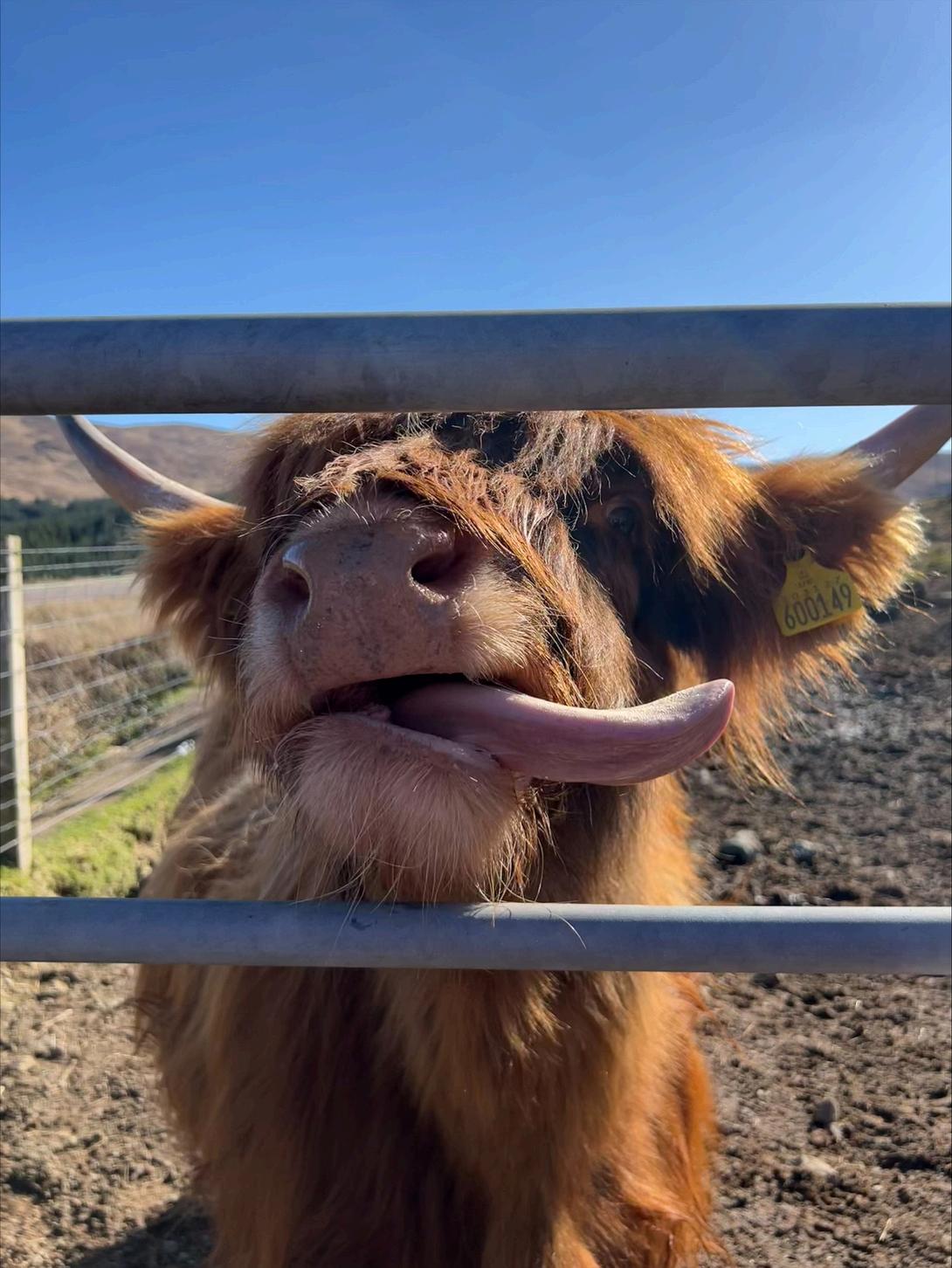
Highland cows, or "coos" as they are known in Scotland, spend their days wandering the Highlands.
With a shaggy waterproof coat and long, curved horns, the Highland cow is a master of survival
Highland cows represent the Scottish people in the way that they are highly resilient and independent Beyond that they are important to Scotland economically and culturally
Highland cows are part of Scottish folklore, art, and are even facilitators of tourism. They help the economy because tourists will visit with the hope of getting to see, pet, and take photos with this Scottish cow breed.
“I would say, up until about 10 years ago, they were nowhere near as popular as they are now,” said Isla Urquhart, who runs a bed and breakfast near Loch Ness in the Highlands. “They've really gotten crazy with the cow thing recently.”
Modern Scottish artists often refer to these cows as nostalgic and symbols of home in their poems, writings, and other art forms
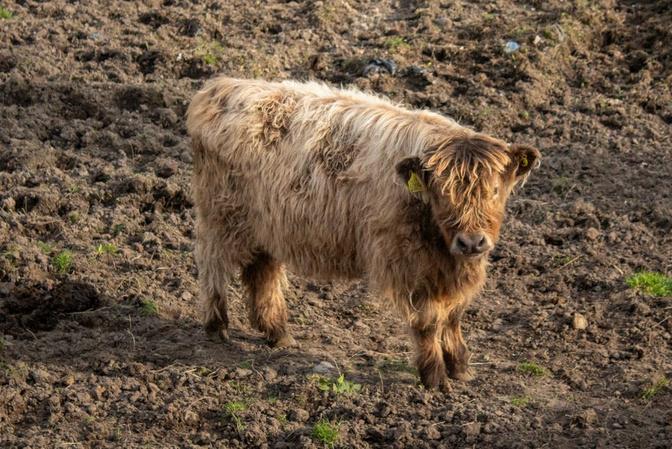
There are cultural and artistic festivals held in Scotland celebrating Highland cows and their beauty according to Highland Cow Artistry. The Highland cows are commonly depicted in Scottish children's books as well.
According to The Cattle Site, highland calves weigh 50 to 75 pounds at birth. They are also known for giving birth without human assistance, as well as being fertile and very protective mothers.
These cows are also known for being very docile when mother highlands and calves are present together.
"They're really cool, they're just really laid back," Urquhart said "But they're also extremely good parents "
Most people don't know much about Highland cows; one such shrouded fact is that they are the oldest registered breed of cow, first being documented in 1884 according to Bare Kind
The Highland cow originated in Scotland, making it genetically bred to survive Scottish weather and terrain
There are still large numbers of them there to this day
The breed we know today was originally two separate breeds, the smaller black Kyloe and the larger reddish Highlander according to Bare Kind
A Highland cow has an outer coat of oily fur, allowing it to repel rain and snow
They can be different colors besides the well known ginger, including black, white, yellow, brindle and silver. Both the male and female Highland cows have horns that are useful for digging through snow to uncover food in the winter.
“Modern Scottish artists often refer to these cows as nostalgic and symbols of home.”
These cows have a very deep history in Scottish agricultural traditions. The Highland cows help maintain biodiversity by only eating grass along with a select few other plants leaving room for more plant species according to Highland Cow Artistry.
This wider diversity of plants leads to the attracting of wildlife The Cattle Site states that these cows are also very protective; this applies to sheep that are kept in fields with them, which results in less loss from predator attacks
These cows have made and still are making a big impact on the Scottish economy, from gift shops to experiences like tea rooms
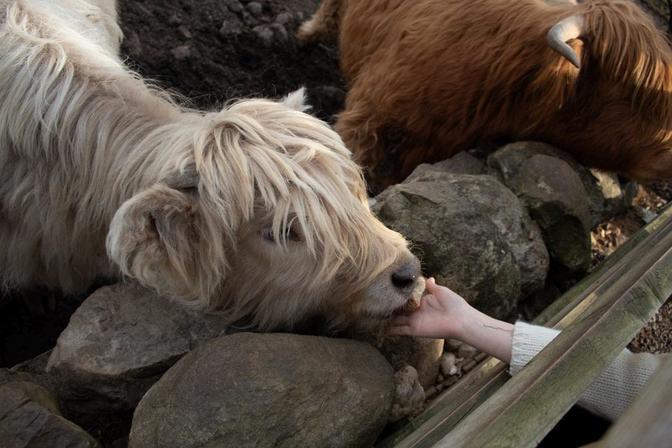
At Quila Cridhe Tearoom, you can combine a cup of tea and a meet-and-greet with cows
“Now you walk into gift shops and it's almost like a wall of ginger because there's Highland cow stuff everywhere,” Urquhart said
These cows don’t just look and seem like picture perfect creatures. They truly are vital to the land, the people, and the history of Scotland.
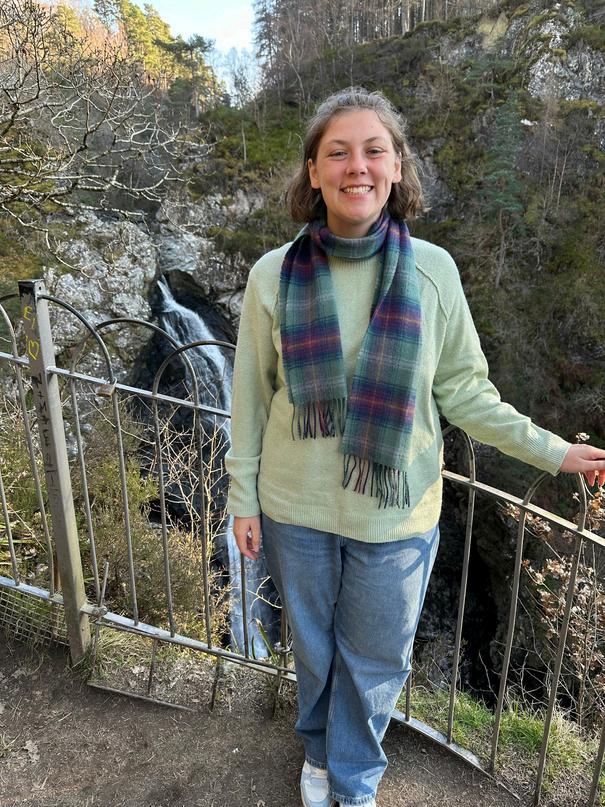
Kinsley Proctor Psychology
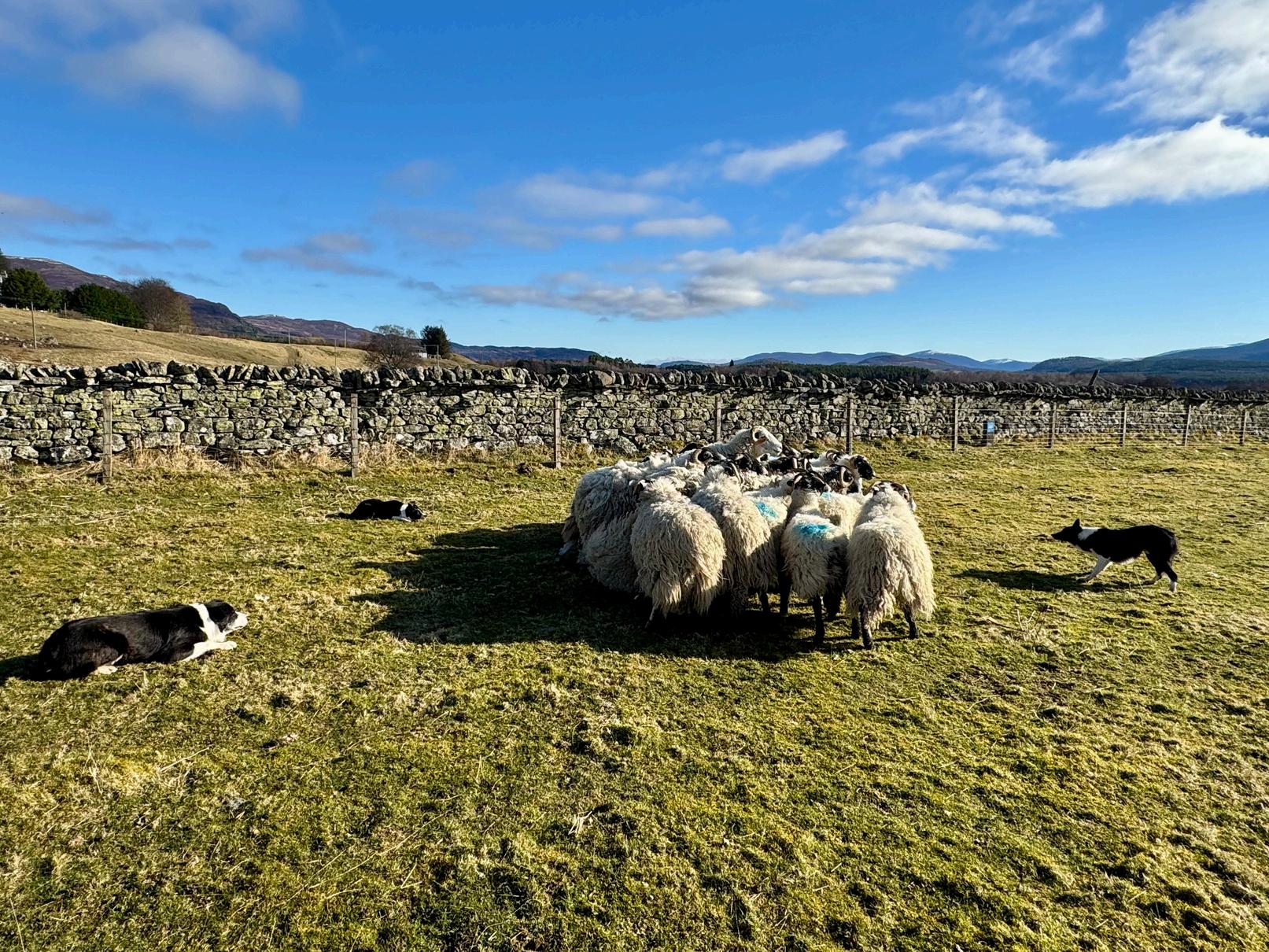
The phrase “working dog” might first bring to mind a disability assistance dog or a police K-9. However, in the rugged, mountainous Highlands of Scotland, travelers wandering through the moors may come across a shepherd and his team of Border Collies.
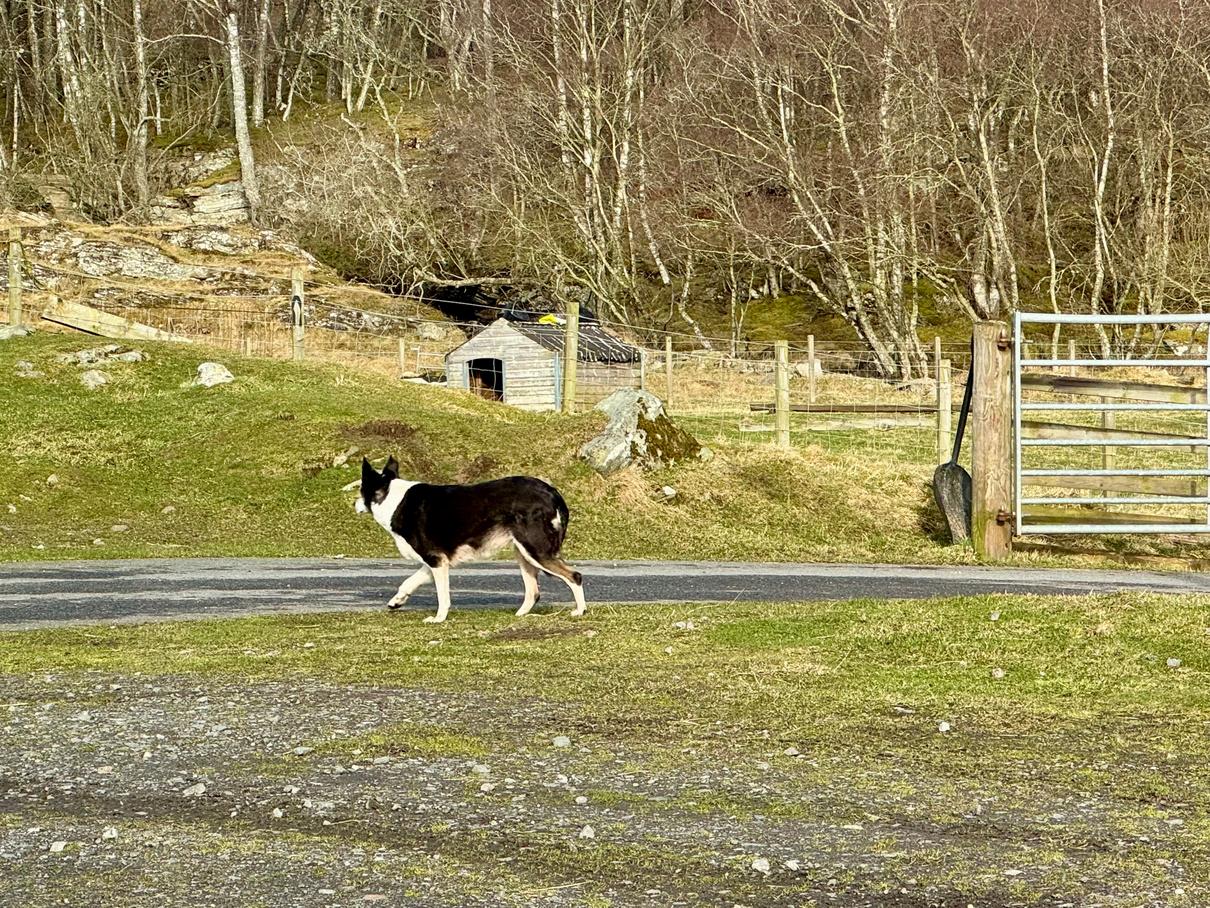
The Border Collie is a smart and agile dog that has been bred for hundreds of years for its strong instinct to herd sheep These dogs have an intense work ethic and love the long days of herding sheep through the mountains
Shepherd Neil Ross demonstrated the skill and precision of his working dogs during an interview near the town of Kingussie A generational shepherd, Ross follows in the footsteps of his father and grandfather, both of whom also tended herds in the Highlands
Ross shepherds 3,500 sheep on 11,000 acres of a laird’s land There are no fences on the land, and the sheep are allowed to roam for miles all the way from Kingussie to Inverness As the lambing season begins in April, Ross and his dogs must bring all the sheep to the farm at the end of March.
“The dogs make your life so much easier,” Ross said, “and the dogs are trained to respect the sheep.”
The dogs do not terrorize or threaten the sheep. Instead, they run around them and act as a guide toward the shepherd.
To communicate with his dogs, Ross uses a series of whistle commands, with the main ones being right and left. These commands instruct the dogs where they should direct the sheep. To avoid confusion, Ross gives the dogs very minimal commands.
Ross encourages his dogs and shapes their path but mainly allows the dogs to do their work Sometimes, obstacles can make it difficult for the dogs because they want to bring the sheep straight to the shepherd
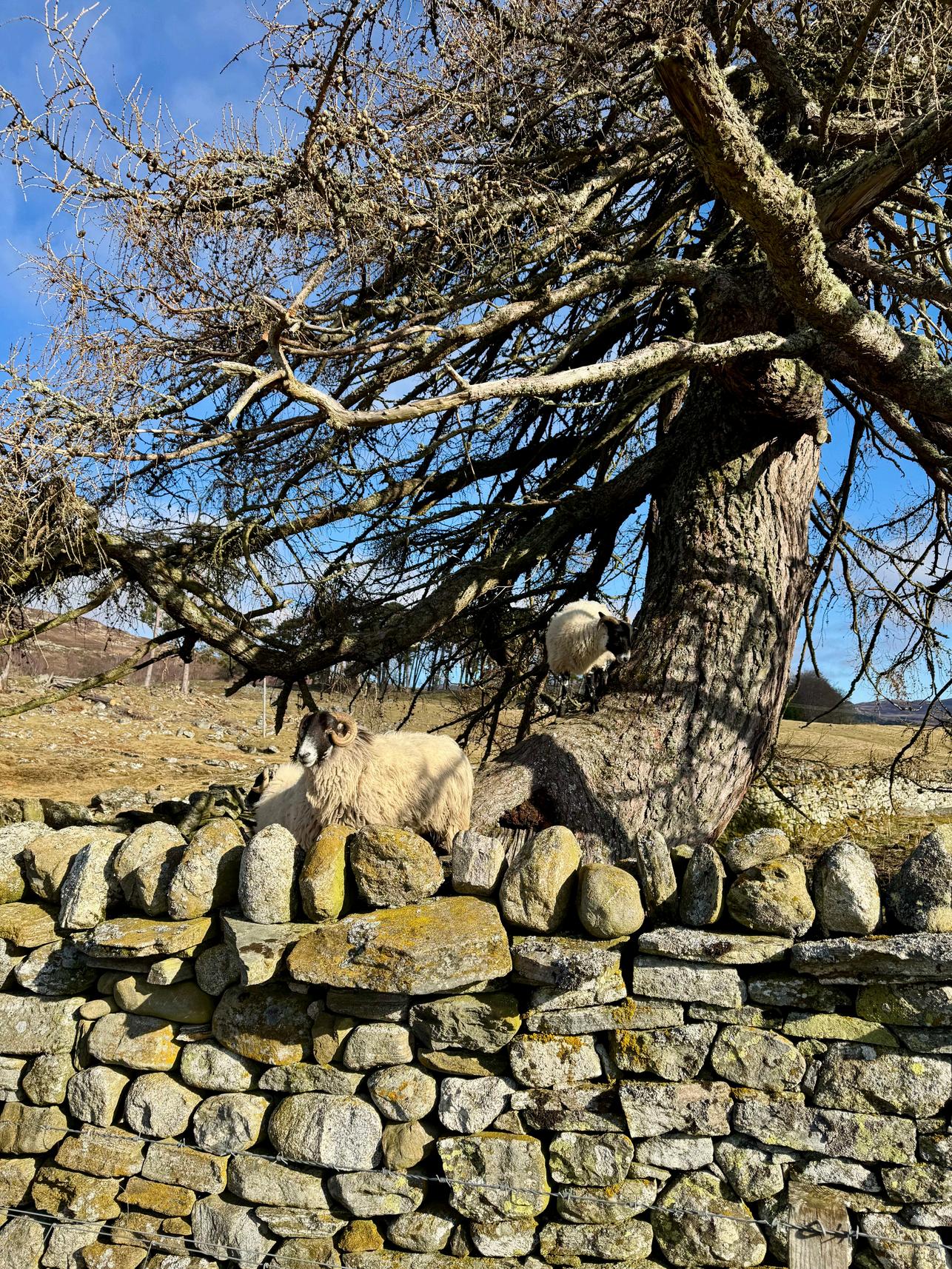
Common obstacles are stone walls called dykes, trees and other animals such as cows This is why it is important for the dogs to understand the right and left commands of the shepherd
Ross begins training Border Collie puppies at seven months to a year old, but the puppies want to start working as early as 10 weeks It is pure instinct when the dogs are that young, but a shepherd must let the puppies mature before they start working the long, hard days
“Their eyes are brilliant,” Ross said when asked about the best feature of a Border Collie.
The Border Collie’s sense of smell is nothing like a hunting dog’s, but their eyes are much sharper. It is one of the features they are bred for as well as confidence.
Confidence is key to working with stubborn sheep as the sheep will not respect nor respond to an unconfident dog
Working Border Collies are bred from a long line of confidence and great sight
When the dogs are herding closer to the shepherd, the shepherd uses his movements alongside vocal commands to direct the dogs
“My movement makes the dog move,” Ross said “If I change my direction, they change theirs I go right, they go right, and if I go left, they go left ”
Ross uses this to his advantage when training younger dogs They instinctively want to follow Ross’s movements when herding in close proximity, so he uses vocal commands when walking in the direction of that command The dogs learn what right and left are, and Ross introduces the whistle commands soon after.
“These dogs have an intense work ethic and love the long days of herding sheep through the mountains.”
“I have to give it time,” Ross said “I have got to make sure I take care of the sheep with the dogs ”
An important factor during shepherding is pace. Pacing the dogs allows the sheep to group up.
If one happens to get separated, there is a chance that it is feeling rushed and will not want to move when a dog herds it. By slowing the dogs down to match the sheep’s pace, Ross ensures the herding of the sheep and that the dogs are respected by the sheep.
In the present day, the role of working dogs in Scotland has evolved. While traditional shepherding practices remain as demonstrated by Ross’s hard work, many Border Collies have found roles beyond sheepherding
Their intelligence and trainability make them excellent companions and competitors in dog sports including agility trials and obedience competitions From their origins to their modern roles, Border Collies have continually adapted to showcase their versatility and dedication
The lasting partnership between Scottish working dogs and their shepherds stands as a testament to a shared history of trust, skill and mutual respect Moreover, Scottish working dogs have shaped and been shaped by Scotland’s landscape, traditions and way of life
The specific whistle commands and the dogs' intuitive responses highlight a bond that has been refined over the years, ensuring that the legacy of Scottish working dogs remains a vibrant thread in the tapestry of Scotland's cultural heritage.
Emma Thomas Zoology: Pre-Veterinary Science
If someone were to ask you where the home of golf is, what would you say?
There is no incorrect answer, perhaps, but Scotland’s deeprooted identity in the game cannot be overlooked.
The history of golf is a clumsy one, as no one truly knows how the modern game was first created.
“The history of golf is not an exactitude,” said David Kirkwood, co-curator of the Heritage of Golf Museum in Gullane, Scotland.
David and academic scholars from the United States Golf Association suspect that golf came out of Holland as early as the 14th century. Paintings from Holland around these times depict a game where a contender used a club to hit a ball, similar to modern golf but not entirely the same
In terms of how this older game made its way across the North Sea to Scotland, it is likely that Scottish sailors or soldiers brought the game back after traveling to Holland According to the New Netherland Institute, unfavorable winds required days or weeks of waiting from Scottish ships, likely resulting in time being spent learning the Dutch game These men would bring the game back home once they returned to Scotland
Early Scottish accounts of the game required just two people, two balls and two clubs The goal was to get your ball into a hole with as little shots as possible Gillian Kirkwood, David’s wife and co-curator of the museum, explained how the early sport was played.
“We could put a stick in a rabbit hole or something like that,” Gillian said “I could say to people, ‘I bet I can get to that stick with my ball and club in fewer shots than you can ’”
Overgrown grass was not an issue for these early golfers. Sheep and rabbits kept the grass short and designed fairways with their natural mowing capabilities. The design of the fairway was up to wherever the farm animal wanted to go. Add to that the hilly topography of Scotland, and behold, a links style course.
Gullane is one such place in the country where these links style golf courses have become world-renowned. This special part of the golfing world, home to many Open Championships, continues to produce high quality golf hundreds of years after established golf clubs called their fairways home Nestled on the coast of the Firth of Forth lies a golfer's haven with courses like Murrifield, Gullane, Archerfield and Luffness within only a couple miles of each other, providing stunning views of the surrounding seaside and dunes
This natural beauty and a rich history have made Scotland a bucket list item for golfers worldwide Recreational players and professionals want the feeling of playing a links course in the country They want to follow in the footsteps of Jack Nickalaus, Tom Morris, Tiger Woods, Walter Hagen and many others Scottish golf allows them to do so along with a backdrop of golfing history behind them
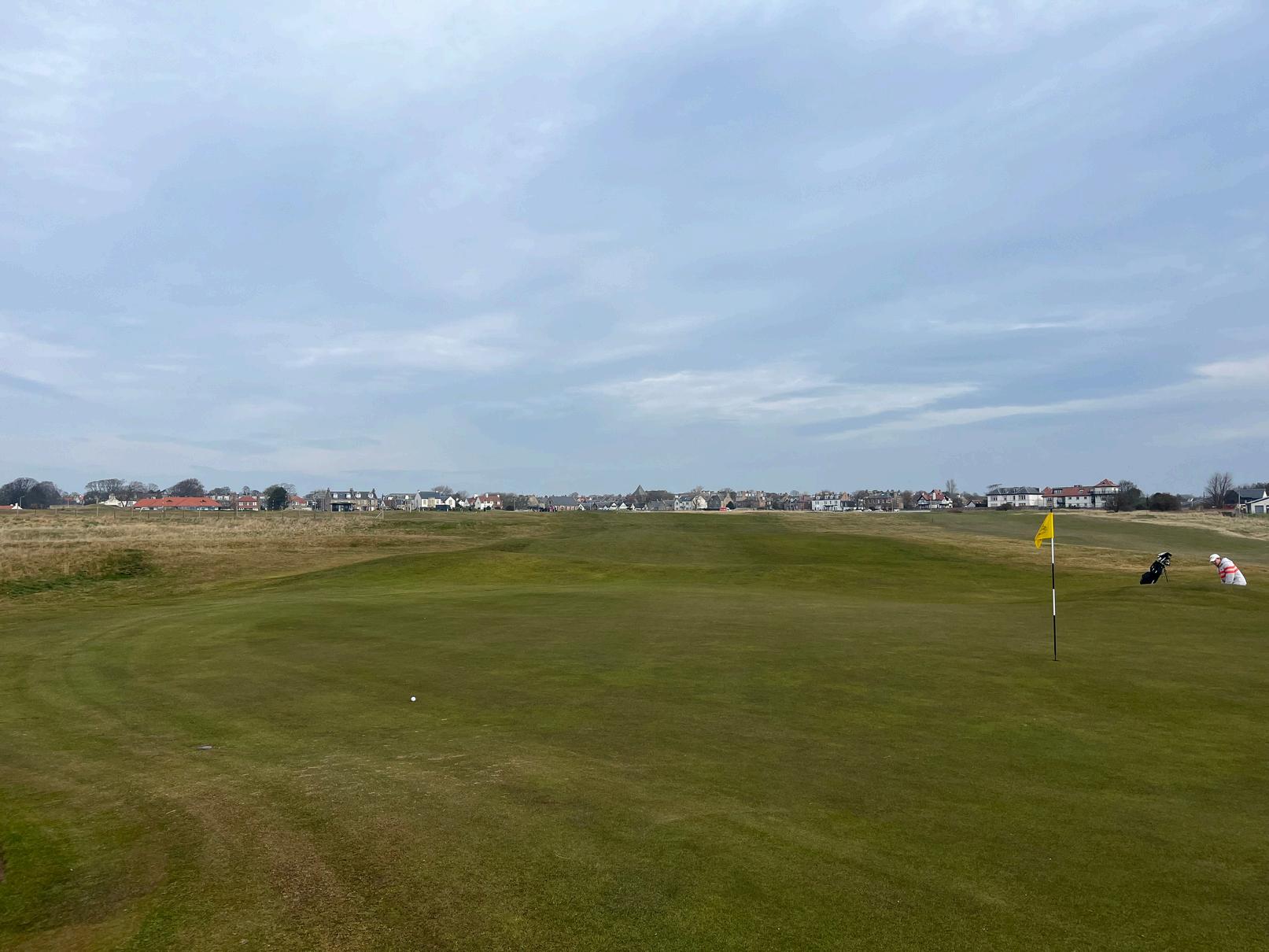
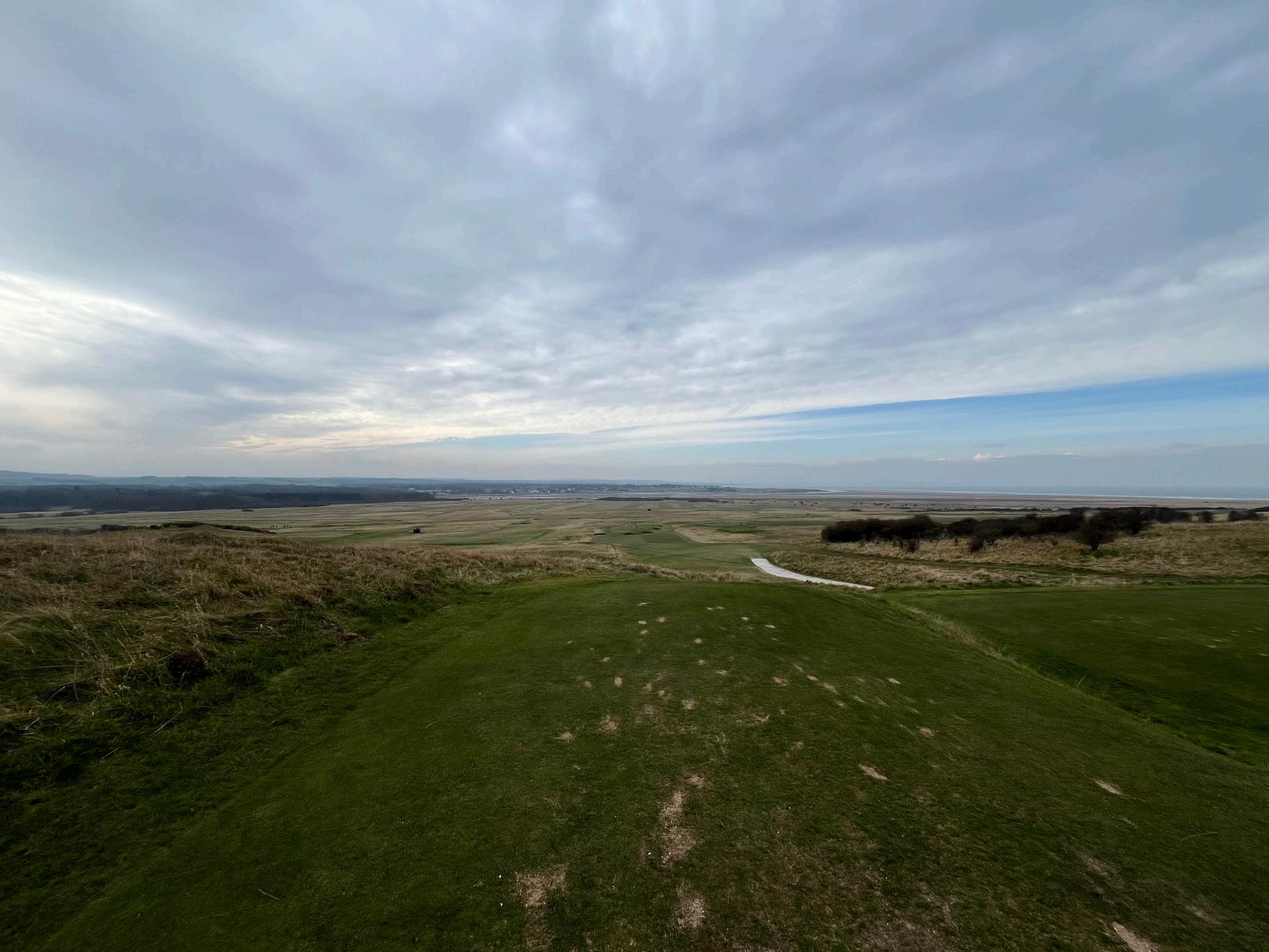
David Kirkwood said he loves telling golfers about the rich history of the Gullane courses. “[I’m] able to tell them that golf was played here in 1600 and something,” Kirkwood said.
The feeling of playing a course with hundreds of years of history is something that pulls in tourism. Golfers want to chase and relive history, even if they can only do it for four hours on a rainy and windy afternoon. Being able to say “I played St Andrews” or “I played Royal Troon” is something any golfer dreams about
The more tourists, the greater the revenue, and that is what Scottish golf is leaning more into The push to get more and more revenue from golfing tourists that come and play golf in the U K can be seen by the staggering green fees But that’s the price to play
It is, as St Andrews Links calls itself, the “Home of Golf ”
Maybe St Andrews is the home of golf, or maybe it’s the country of Scotland as a whole Whatever it is, golf and Scotland go hand in hand One is not complete without the other
“This natural beauty and a rich history have made Scotland a bucket list item for golfers worldwide.”

Hayden Andrews Aviation Management
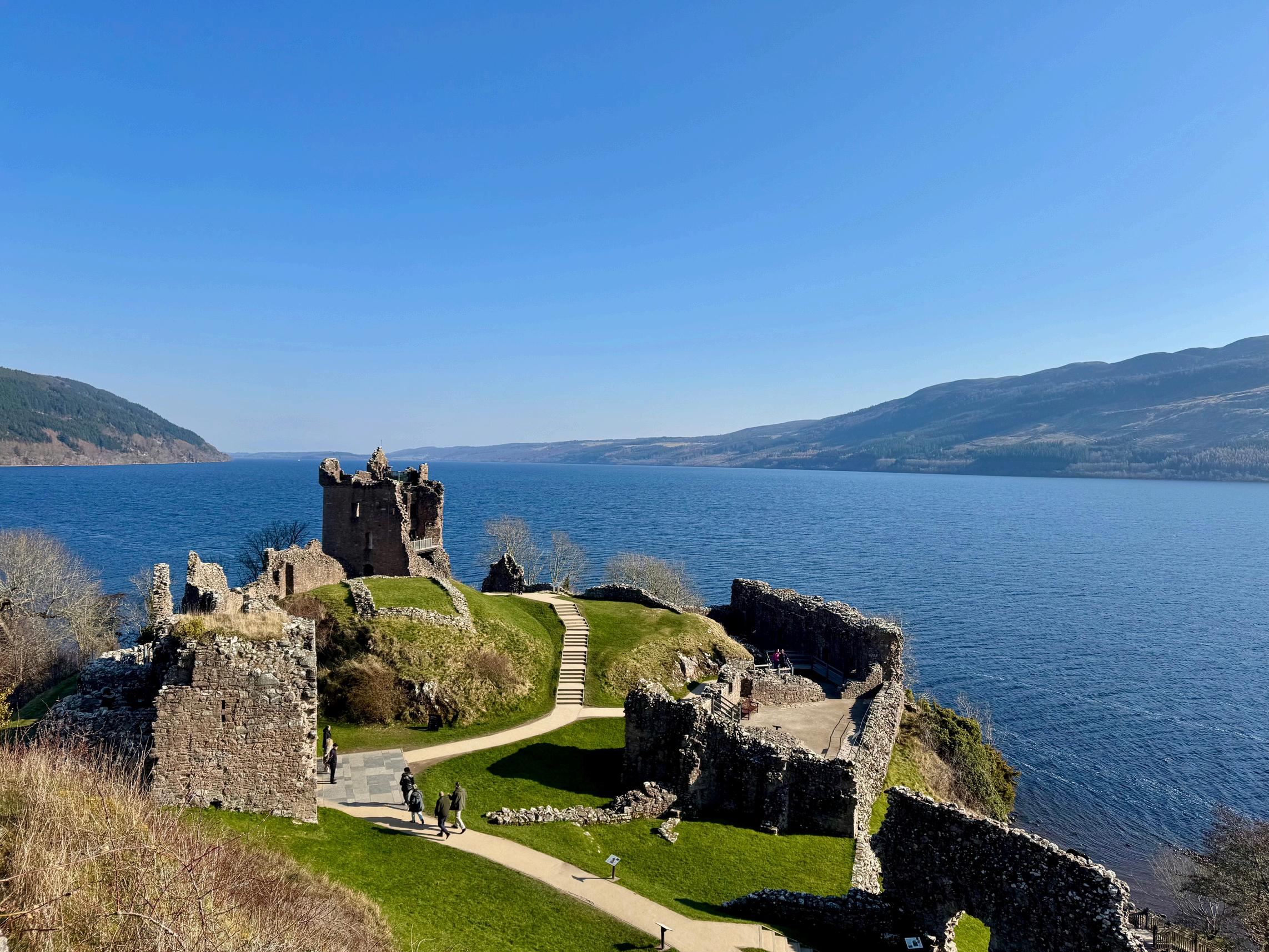
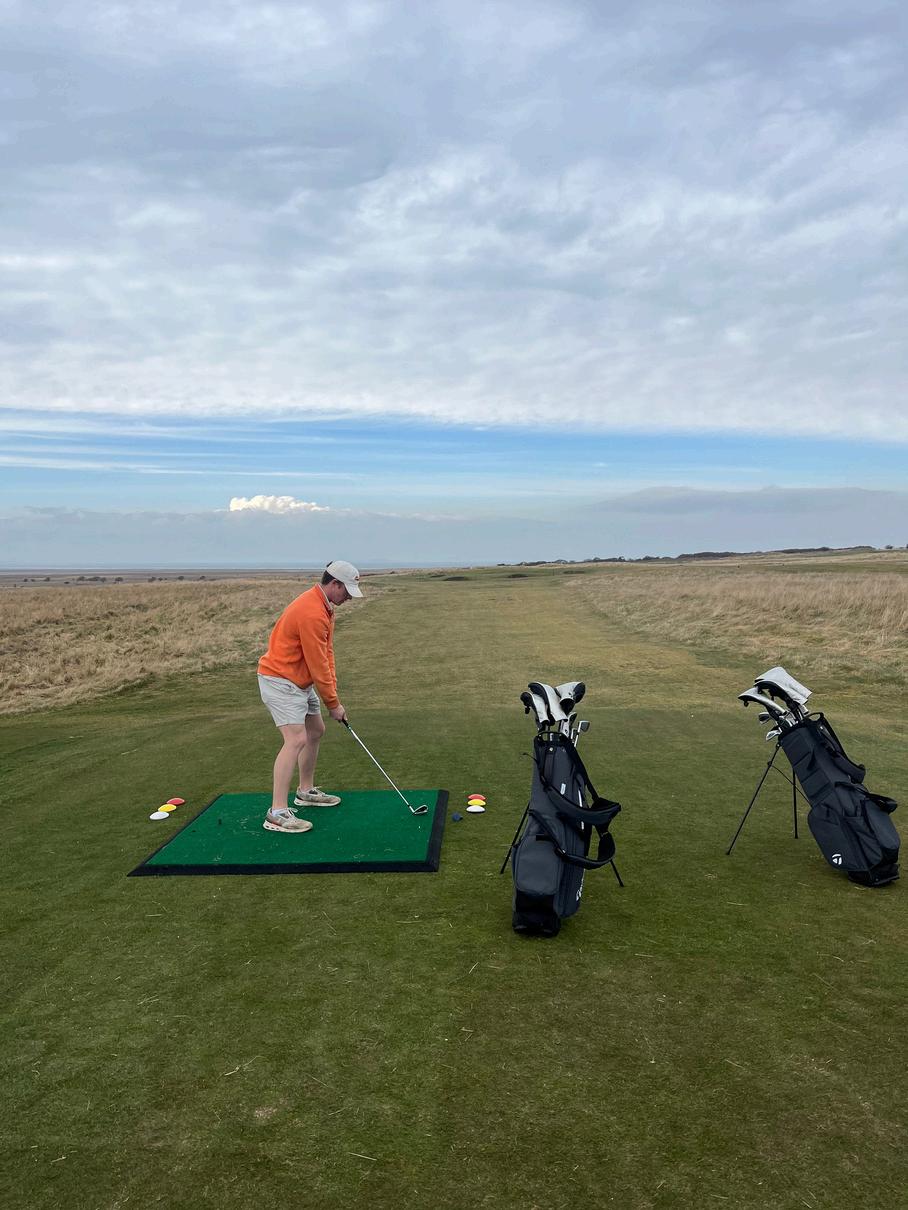
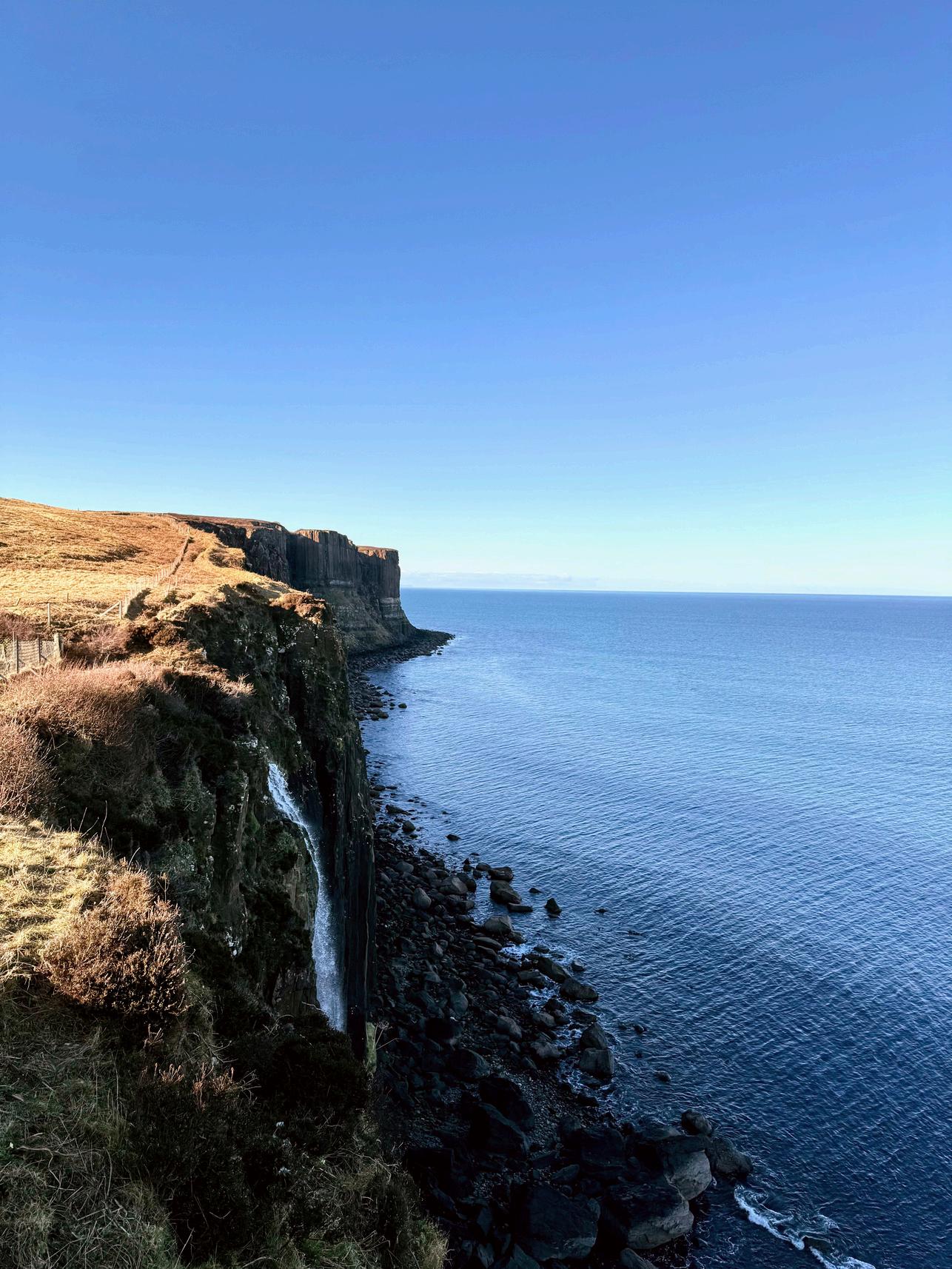
Complete with vast mountainous ranchland, dramatic cliffs, rocky beaches and ominous terrain, the Isle of Skye has inspired myths and legends throughout Scotland's history. From selkies and mermaids to faeries and kelpies, these myths, which hail from the Highlands, were created due to the terrain and scenery that make up the great isles.
The Isle of Skye is widely known for its landscape and breathtaking views. The contrast between the beige grass on the hills and the perfectly green grass in the pastures is the first introduction to the vast diversity of nature in the region
The initial introduction to the Isle of Skye is crossing over a great bridge into a foreign, mystical land As we made it to the end of the bridge, our tour guide, Marita Kalnina, welcomed us to “the land of magic ” This statement displays the popularity of these Scottish myths, as Kalnina is not even originally from Scotland
Throughout Scotland, there are a plethora of lochs, the
Gaelic word for lakes. Further down the Highlands from the Isle of Skye sits the most famous of these lochs, Loch Ness.
The massive water body is shaped like a gigantic, 23-milelong football field and boasts a depth of almost 800 feet. The loch holds many mysteries, but the most well-known is the Loch Ness Monster.
With the overwhelming size of the loch and creepily dark waters, it is easy to see how Nessie could be hiding within.
Another one of the more well-known creatures in the highlands is the kelpie, a shape-shifting creature that is said to live within the lochs and rivers of the highlands The kelpie mainly takes the shape of a black horse who lures in Highlands travelers
Though the kelpie is said to have a physical form, it is more of a spirit than a monster The belief of spirits is essential to understanding the folklore of the highlands and the Isle
The Scottish have a vast culture based on ghosts and
spirits. Some spirits and ghosts are good, and others are not.
The mountains that cover the Isle provide a perfect resting place for these spirits There are cliffs and waterfalls that provide a place for these spirits to remain unseen
The most notable mythological creatures specifically in the Isle of Skye are the fairies Throughout the hills, there are said to be many fairy burrows
The entire Isle is covered in hills and mountains, and legend tells that these fairies reside within the sides of the hills The fairies are not specifically looked at as good or evil,
“The entire Isle is covered in hills and mountains.”
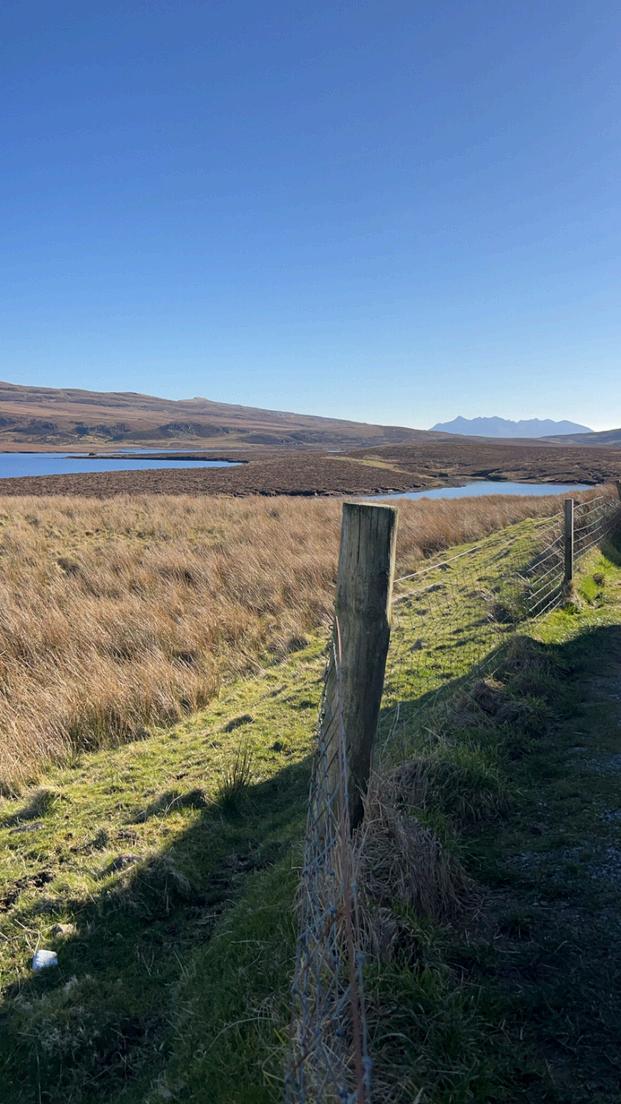
instead representing the untamed magic of the region. The way they interact with humans depends heavily on their treatment.
It is recommended to respect their mounds in order to avoid getting cursed by the fairies.
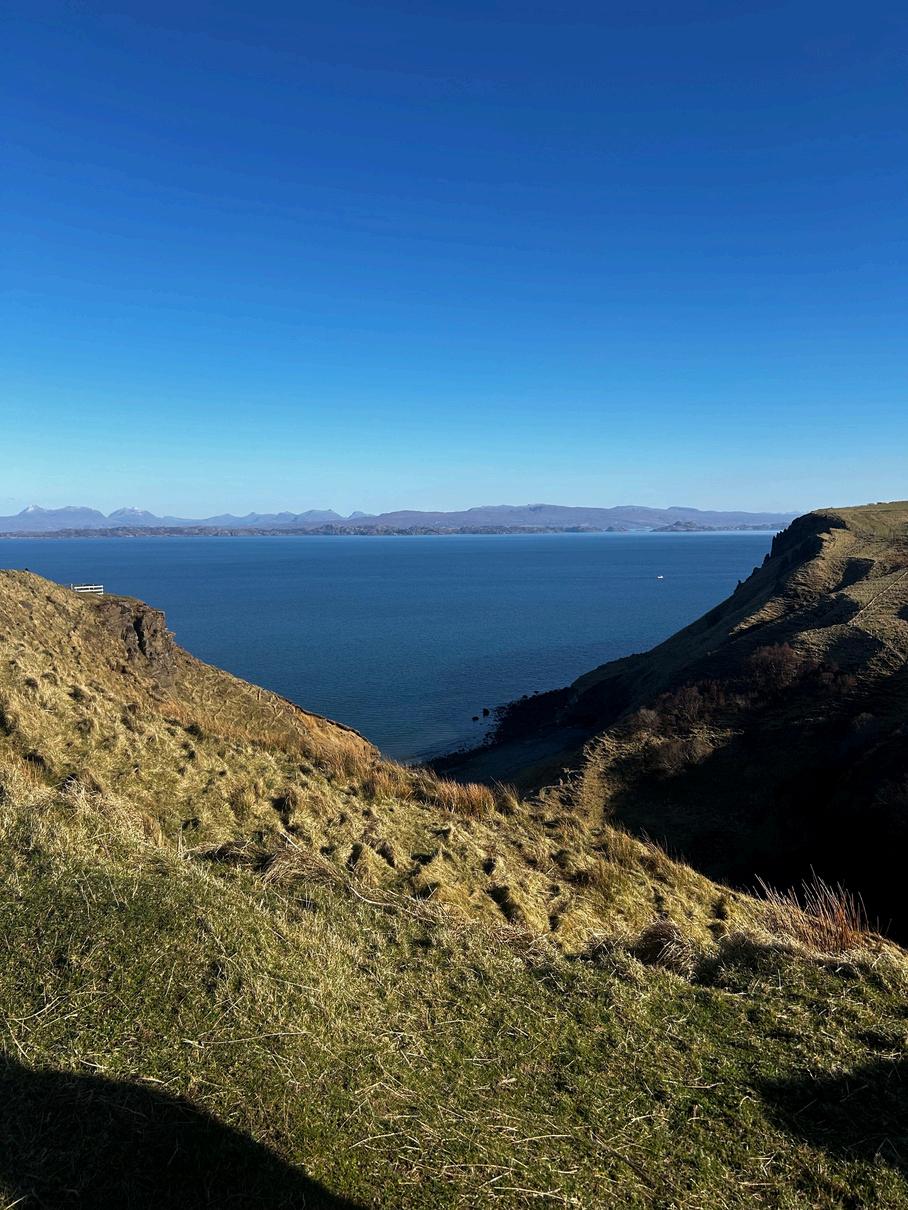
The cliffs are never-ending. Almost everywhere that the ocean meets the land shows a beautifully dangerous cliff that rolls down to the water.
The reason that the Isle has this vastly diverse, beautiful landscape is mainly due to two completely opposite forces of nature Lava flows in prehistoric times formed the vast majority of the northern portion of the Isle
On the other hand, a large portion of the Isle was formed by glacial run Over time, these two contrasting elements formed the beautiful landscape that makes up the Isle of Skye
Without this vast, mysterious landscape, many of these myths that make up a large part of Scottish culture would not exist
Cole Plumbley
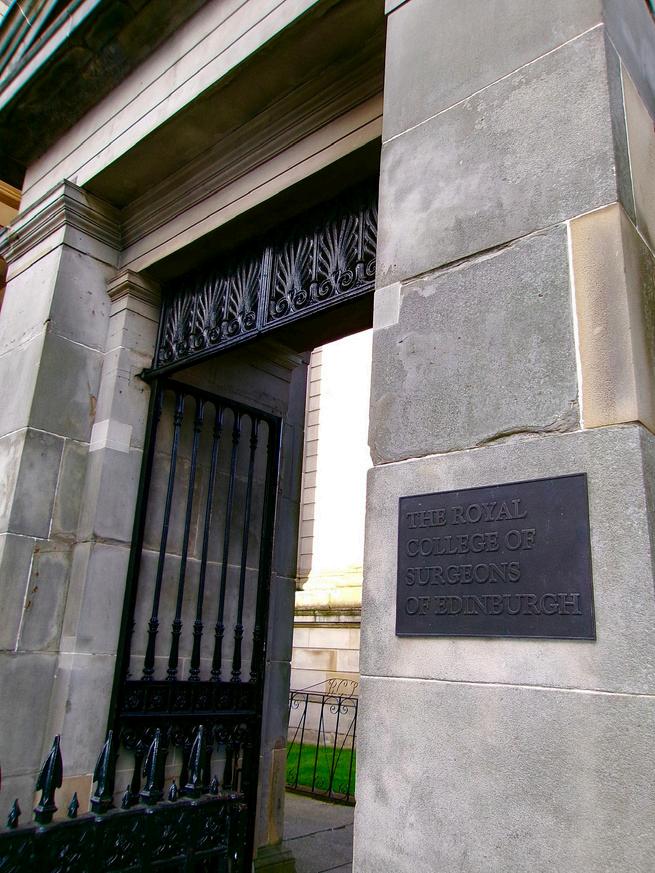
From the first incisions made in candlelit rooms to the founding of institutions that would shape generations of physicians, Edinburgh, Scotland has long stood at the crossroads of compassion and discovery leaving a lasting mark on the story of healthcare, both locally and across the world
Dating back as early as the 17th century, the healthcare journey of Edinburgh took off The Royal College of Physicians of Edinburgh, founded in 1681, is one of the oldest medical institutions in the world.
The founding of the college was established to professionalize medicine within the community.
“There was an element of professionalization of medicine and wanting Orthodox medicine to be really clearly distinguished from unorthodox medicine” said Dr. Daisy Cunynghame, the heritage manager & librarian for the RCPE.
Fast forward to the founding of the first medical school in the United Kingdom in 1726, the University of Edinburgh Medical School Over nearly 300 years, the university has been responsible for producing and educating many historical figures in the medical field
A tour guide for Blood and Guts: The Twists and Turns of Edinburgh’s Medical History discussed many of these figures such as Robert Liston, Sir James Simpson, Lord Joseph Lister, the Bell Brothers and the Edinburgh Seven Liston, better known as the “fastest knife in the west end,” began studying at Edinburgh Medical School in 1808 He obtained this nickname because of his quickness during surgical procedures
In 1846, Liston became the first surgeon to use anesthetic techniques for surgical procedures. Although the use of ether as an anesthetic was successful, Liston’s operations were said to have had a 300% mortality rate due to the lack of aseptic techniques.
This inspired Lord Jospeh Lister to find a solution. Lister came to Edinburgh for a short time before working as the Chair of Surgery in Glasgow in 1860.
The fatalities beneath Liston inspired Lister to develop a method of sterilization and aseptic techniques in which he used carbolic acid, which is still used today in the medical field Louis Pasteur’s studies on airborne illness helped Lister better understand how to achieve sterilization
Sir James Simpson first enrolled at the university in 1825 at the young age of 14
As an adult, Simpson wanted to find a solution for the pain women endured during childbirth.
He and his assistants would collect substances and test them for anesthetic uses in Simpson’s own living room Chloroform was found to be the most successful anesthetic and would later be used on Queen Victoria for the birth of her child
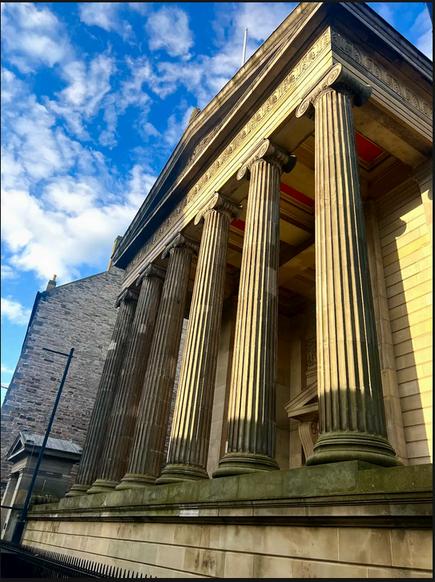
John and Charles Bell made significant contributions to the medical field through their artistic capabilities The brothers were both respected surgeons and teachers of anatomy who produced detailed anatomical drawings of the human body
Many of these drawing would be found in anatomy textbooks used by many physicians The brothers are also known for their extensive collection of jarred specimens which can be found in the Surgeons’ Hall Museum today, some dating back to the 17th century.
The Edinburgh Seven are recognized as the first women to attend the University of Edinburgh Medical School with Sophia Jex-Blake being the first of the group to apply.
After being rejected, an advertisement was posted in “The Scotsman” to get more women to apply. In 1869, the seven women who applied were approved to attend class.
As the women went to take their final exam, they were ambushed by a large, rioting crowd. Despite the struggle into the building, the women made it to their exam and the quoted tour guide with Blood and Guts said they “passed with flying colors ”
popular trade Burke and Hare picked up an interest in selling of bodies and were involved in a total of 16 murder
These bodies were sold to private anatomy profe Robert Knox Dr Knox was a renowned physician wh reputation was ruined by these murders.
Today, the Royal College of Physicians of Edinburgh the University of Edinburgh Medical School still play crucial role in the production and education of physic from around the world Both are still functioning, prestigi colleges.
The RCPE continues to support and represent members by being a voice for them
“Healthcare in Scotland is not only a service to the community but is a cornerstone of its cultural foundation.”
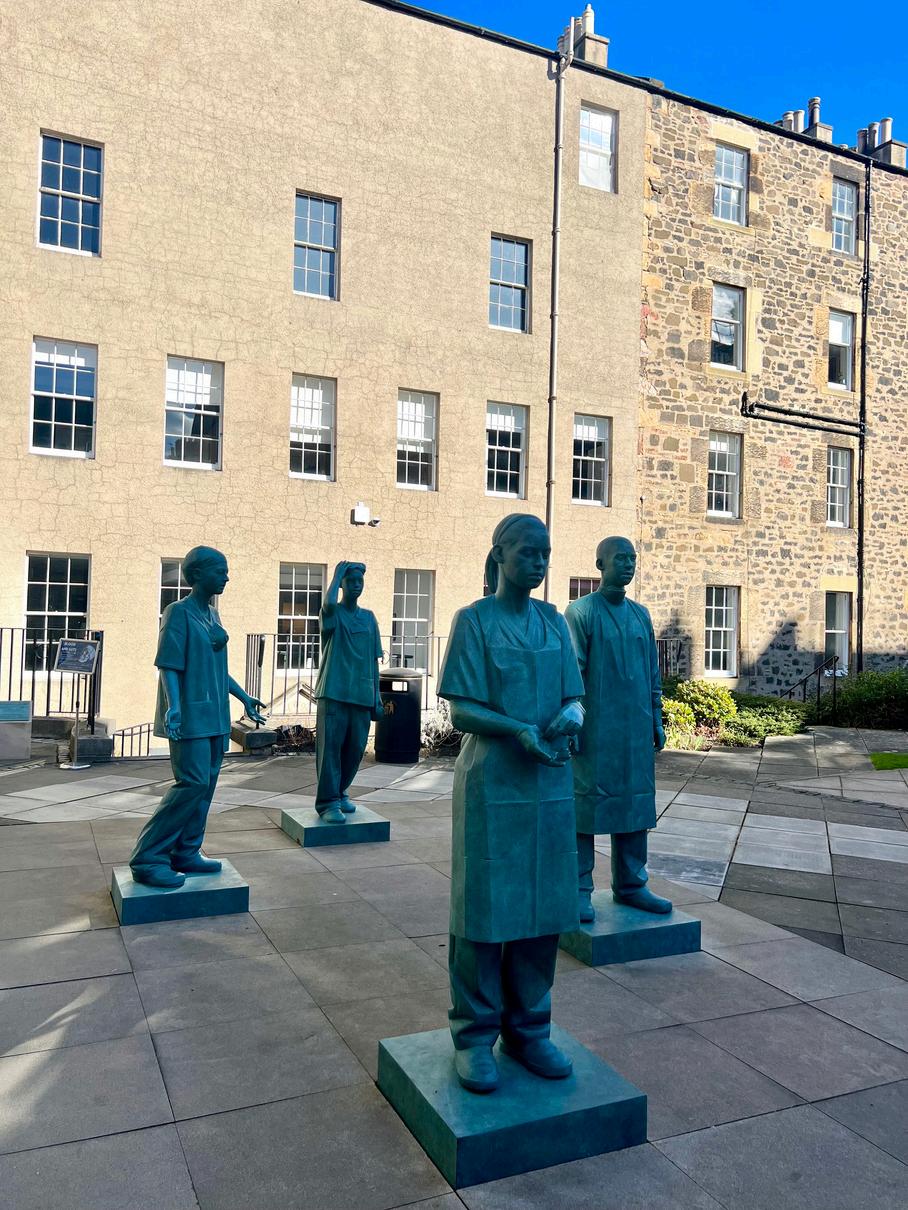
“It’s our place to represent what they think and fight for it and argue for it ” Cunynghame said
Understanding the history of Scottish healthcare can encourage individuals to have better appreciation for wha Scotland’s healthcare system is today
Healthcare in Scotland is not only a service to th community but is a cornerstone of its cultural foundation
Meghan Brewer
Psychology
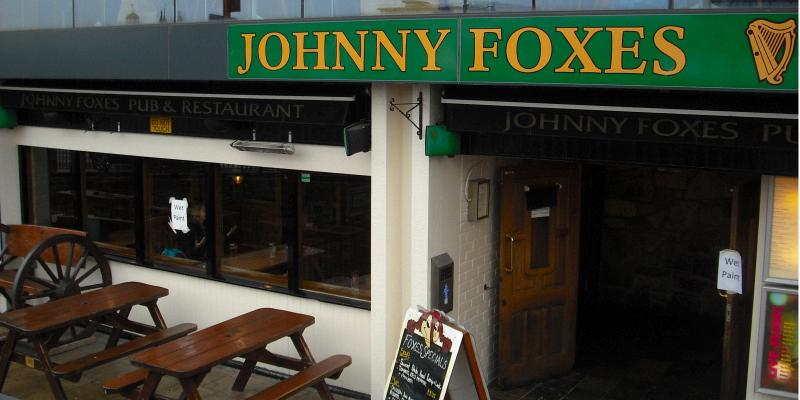
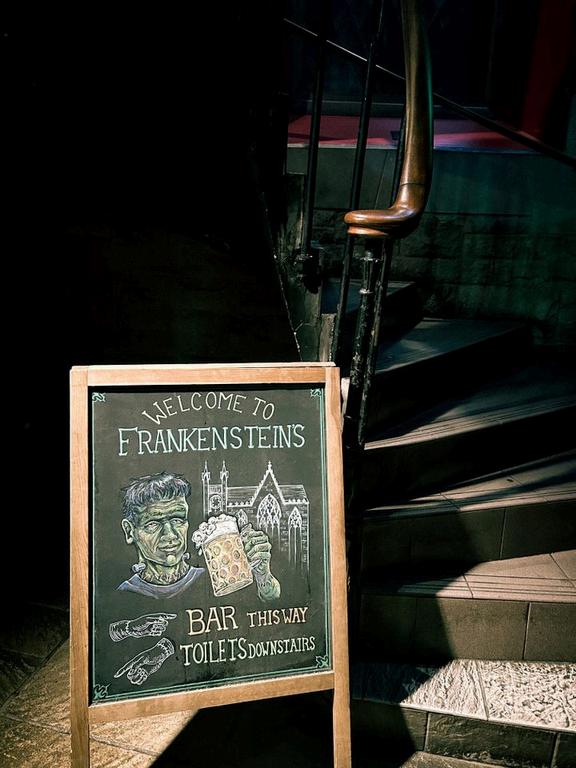
A cozy pub in Scotland is more than just a place to grab a pint of your favorite beer- it’s a place for society and culture to flourish and a true reflection of the country’s rich traditions
For tourists, stepping into a Scottish pub for the first time can feel like entering a brand-new world The sound of clinking glasses, friendly banter, occasional karaoke and the vibrant atmosphere can be overwhelming if you don't know the local customs
Whether you’re an incoming tourist or a loving local, the following is what to say and what not to do when visiting your new favorite Scottish pub
In many parts of Scotland, specifically in the highlands, it is considered polite to order your drinks at the bar Know what you want to drink and then go up to the bar to order; it may seem like a simple task, but there are a few things to keep in mind in order to correctly do so
“In Scotland, it’s quite common for people to go up to the bar themselves, rather than ordering at the table,” said Andy Gill, the pub manager at Johnny Foxes, a pub in the center of Inverness, Scotland. “The idea shows that they are taking initiative and helps contribute to the pub’s lively and fastpaced atmosphere.”
When ordering, make sure to have your payment ready While it is typical for bars in America to have a tab system, most of the small establishments in Scotland expect you to pay as you drink, keeping everything running smoothly.
When it comes to what you should order, don’t be shy to ask for advice if you are unfamiliar with Scottish drinks, especially beers and whiskeys.
Scots are proud of their local brews and many offer a variety of options that reflect the country’s heritage. Don’t miss out on the adventure of trying Scotch whiskey.
“We like to chat about drinking, sports and the local community,” said Paisley Craig, a regular at Inverness pub Highlander “It’s best to steer clear of heated discussions like politics unless you know the crowd ”
Football (known as soccer in the United States) and rugby are often the most popular topic of conversation in Scottish pubs, but remember that it’s not just any sport it’s the fierce rivalry between teams
“If you mention football, make sure you're careful about which team you support,” Craig said “Fans don’t always get along, and you don’t want to start an argument in the pub over something that could have been avoided ”
Also, it's common for people to greet one another with a “How’s it going?” or “Alright, mate?” and a handshake or friendly nod.
Scottish people are known for their wit and humor, and a quick friendly chat is part of the experience in a pub Just be sure to return the greeting it’s seen as polite and keeps the conversation flowing.
A common mistake is ordering too much at once. In a group setting, it’s fine to buy rounds of drinks, but don’t overdo it.
Pubs are meant to be relaxed, not a race to see who can drink the most
Scottish bartenders are friendly but can be firm when it comes to handling customers who are rude or demanding
“Always remember to say ‘please’ and ‘thank you,’” said Cami McLeod, a local waitress “It’s easy to get caught up in the atmosphere, but kindness goes a long way here ”
Lastly, public displays of affection or overly loud behavior are also frowned upon in most Scottish pubs
While it’s common for people to enjoy themselves, keeping things respectful and in moderation is key
A bit of shouting and karaoke is fun, but don’t be the person who’s being obnoxiously loud A pub isn’t a nightclub and is meant to be well respected
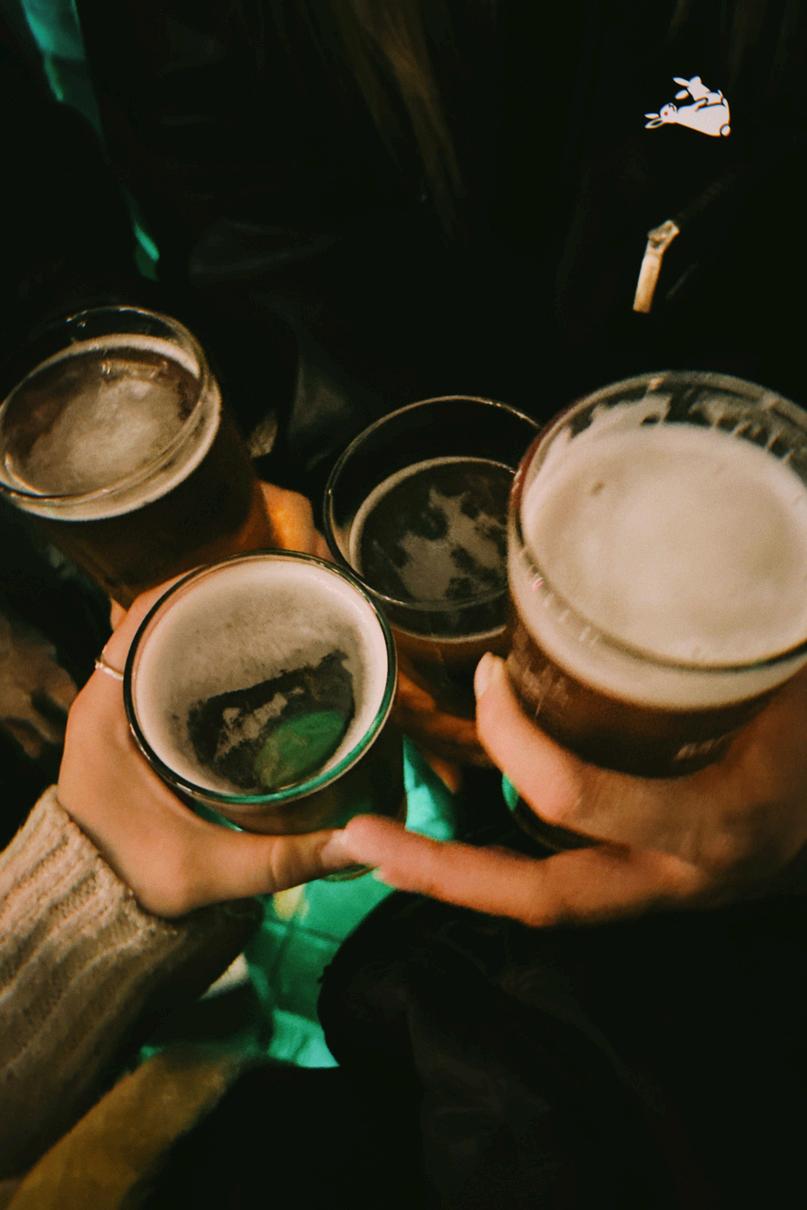
No visit to a Scottish pub is complete without raising a glass to toast with the locals.
A classic toast you’ll often hear in a Scottish pub is the classic “cheers.” This is a gesture of goodwill, and you’ll likely hear it being shouted out as glasses are raised.
If you’re unsure how to participate, simply smile, nod, and enjoy the moment. The important thing is to show respect for the customs and enjoy the drink in front of you.
Scottish pubs aren’t just about drinking; they’re places of connection, where people gather to share stories, laugh, and enjoy good company.
Whether you’re a local or a visitor, understanding the basic etiquette can help you feel more at ease in these spaces of culture. The pub is a cornerstone of the Scottish community.
If you’re respectful, you’ll always find a warm welcome. So next time you find yourself in a Scottish pub, remember to order at the bar, keep your conversation light, and most importantly, show respect for the people and the traditions that make these pubs so special.
“Scottish pubs aren’t just about drinking; they’re places of connection.”
Calli Andrews Sports Marketing
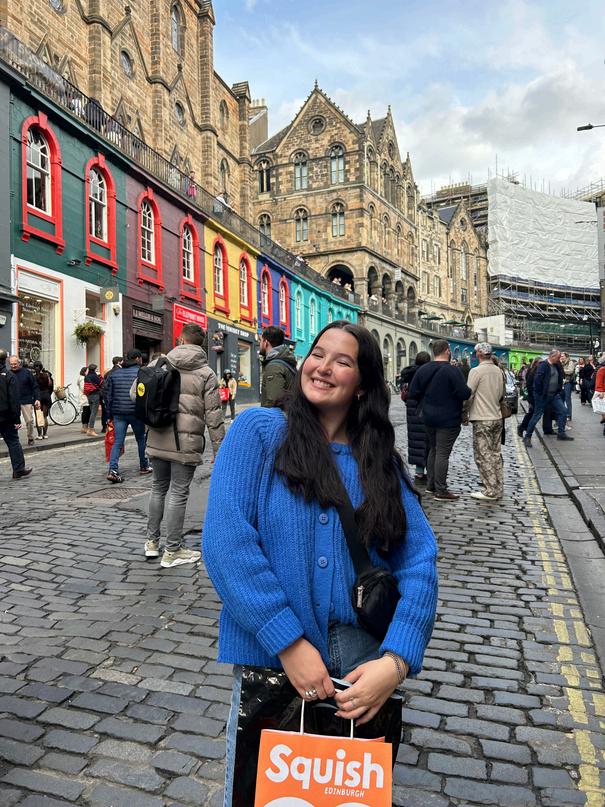
I remember getting an email about studying abroad in Scotland in late August last year Next thing I knew, I was boarding a plane for Edinburgh
Of course, there is more to this story and I did not just appear in Scotland, but I was not ready to come home by the end of the trip
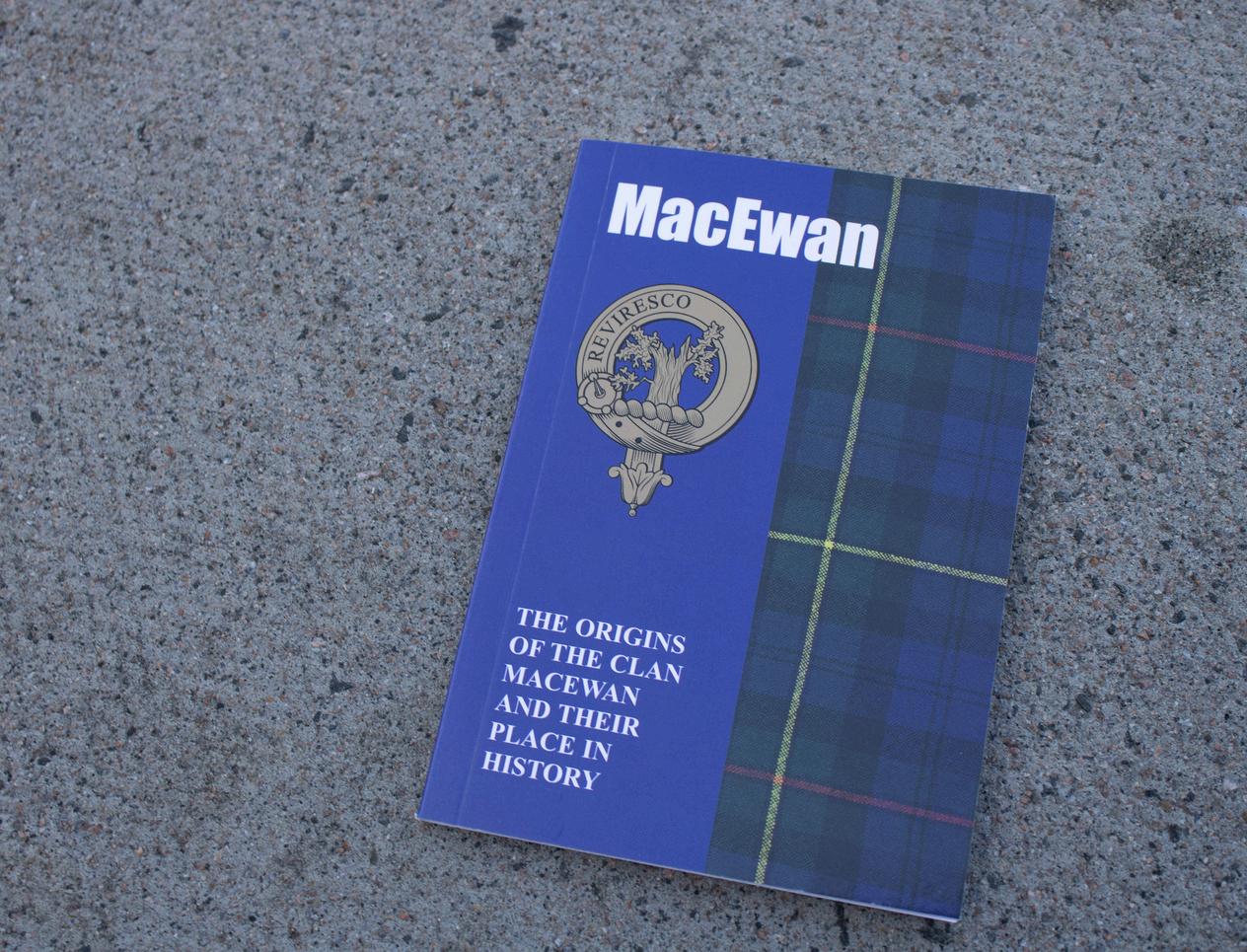
When choosing Scotland, I saw the opportunity to learn more about my family ancestry, as I am part Scottish
In the past few years, my dad, Jonathan Sharp, has told me stories of our ancestors and I’d even watch him train for the Highland Games in our backyard. I did not always understand the importance of these things, though.
Before I left, I sat down with my dad to take more of an interest in learning what we knew so far about our ancestors. Starting around the age of 12, he began going to the library with his Grandma, Bonnie, who was a MacEwen.
“I got into ancestry with my grandmother,” Sharp said. “I’m proud to be of Scottish and Irish heritage ”
My dad’s research would hit a wall, though, as the earliest ancestor he could trace was John MacEwen, a preacher, who came over from Scotland to Missouri in the 1800s
After speaking with him, I understood why this all mattered so greatly to my dad
“I wish we knew more about it,” said Sharp “I think we should celebrate it more, and I feel like we should get together more and go to more events as MacEwens ”
As I prepared to leave, I researched the history of the Clan and events that still happen today With my dad’s help, I began talking to his friend from Scotland, Ross McEwen Ross was appointed as the Clan MacEwen Society’s ninth Vice-Chair in 2019. Being born and raised in Inverness, he was just the person I needed to speak, being involved in the higher levels of the Clan.
“If there’s one defining element to Clan MacEwen, it’s showing perseverance.”
We scheduled a day to meet in Edinburgh
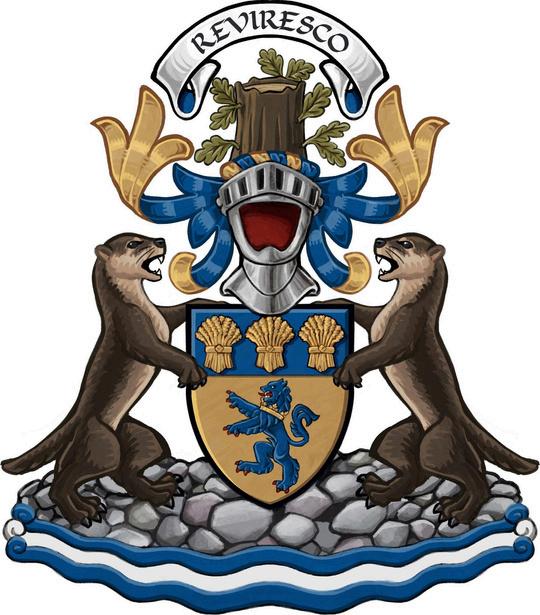
In my research before speaking to Ross, I found out that the earliest ancestor of the MacEwen is Ewen of Otter from the shores of Loch Fyne in Argyll around 1200 Ewen of Otter was a descendant of the original Scots of Dalriada
It is important to note that many clan people traveled apart before and after the end of the 15th century when the clan lost its land according to scotclans.com, a Scottish-owned tartan business that works with clans. Because of this, MacEwen has been spelled alternatively, forming alliances with other Clans and even being considered a broken clan by others.
In 1493, Swene MacEwen, the Barony of Otter passed away, making the clan chiefless according to clanmacewen.com, the Clan MacEwen Society official website.
The clan’s motto, though, is Reviresco, meaning “I grow strong again ” If there’s one defining element to Clan MacEwen, it’s showing perseverance
In 2014, Lord Lyon approved Sir John McEwen to become the clan's commander After completing his commandership, Sir John could petition for the grant of a new Coat of Arms of MacEwen, which would allow him to become Chief
With this in mind, I headed to Scotland, eager to see what awaited
As the week passed, I learned quite a lot in the span of a few days From the scenery of the Isle of Skye to the bustle and architecture of Edinburgh, Scotland felt like coming home
I learned about the culture and lifestyles of Scotland from conversations with a barista in a coffee shop, our tour guide Marita and students from the United States studying for their masters at the University of Edinburgh
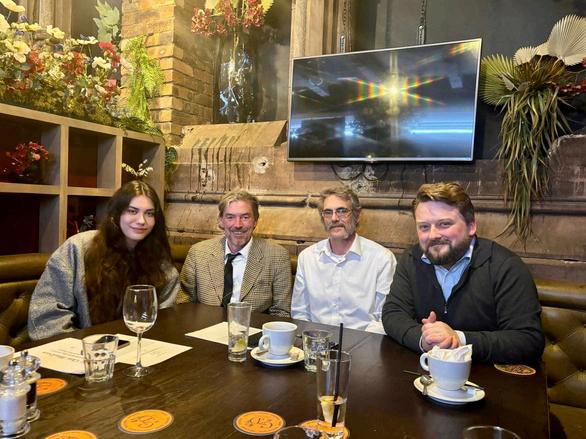
On Saturday, I arrived at Ghillie Dhu in Edinburgh and interviewed not only Ross McEwen but also Sir John McEwen and Sean McCuin.
In the space of 30 minutes, we discussed the Scottish history and cultural suppression that the Scots had faced.
After the Act of Proscription, the British government banned signs of Gaelic culture by banning kilts, removing power from Highland Clan chiefs, dismantling local Highland legal systems and even building roads to make the Highland region more controllable.
“Our main endeavor has been getting back together, being healed from being broken, is having a chief for the first time in 575 years,” Ross said.
Shortly before meeting them at the pub, Sir John became recognized as the new Chief of the Name and Arms of MacEwen. There, I got to see the chief's new coat of arms.
To learn more about Scottish history and heritage, MacEwen or not, Ross, Sean and Sir John recommend going to your nearest Highland games as they happen internationally, visiting Scotland and remembering that clans are open, not private clubs.
The Scottish story is now global, transcending borders and reshaping the narrative Through healing and reconnection, the spirits of people's ancestors live on to help continue to remember and restore
Sir John reflected on this time in history
“It was really genocide,” Sir John said
We highlighted the similarities between the Highlanders’ and Native Americans’ experiences of cultural erasure, as I am also Cheyenne on my Mother's side
“So the power the Chiefs used to have, their own courts of law and be able to make rulings and skirmishes that happen in their land, and that was all dismantled by the government,” Ross said “It was a genocidal frame of mind, a very planned and sophisticated dismantling of our culture ”
Ross then explained how they're changing the narrative after being seen as a “broken” clan
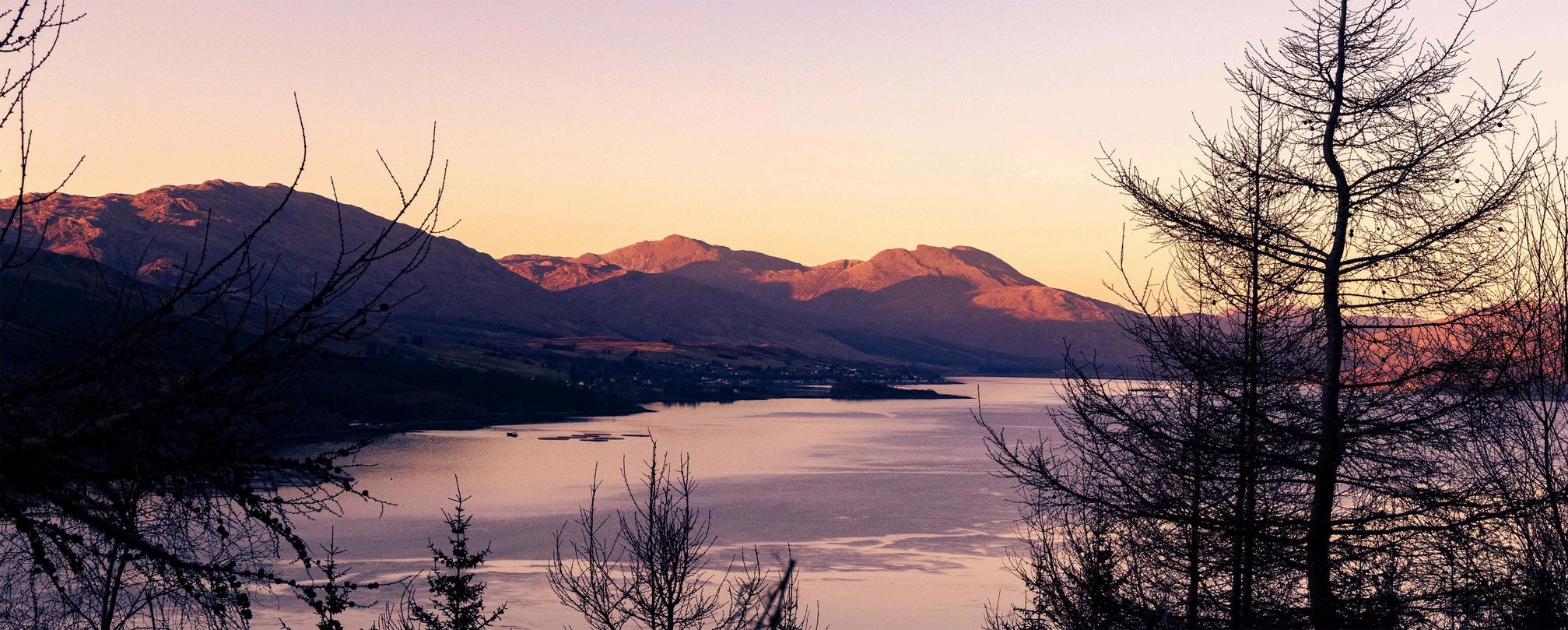
From murky lochs to the lush mountain ranges, Scotland draws people from around the world to experience their unique culture The essence of Scotland’s cultural identity is immersive storytelling, good whisky and folklore
Scotland’s rich history is rooted in myths, legends and folklore Famously, the Highlands are known for having monsters lurking deep within their lochs, ghosts haunting mysterious battle worn castles and stones that can transport people back in time
Due to the ever-growing popularity of Scotland portrayed throughout film and media, tourism has swept across their quiet lands Considering the impacts on this wee nation from economic benefits to infrastructure challenges, folkloric tourism plays a major role in the Highlands today
Before jumping into the impacts of tourism, the folklore surrounding the Highlands must first be examined.
“Stories are the true treasure of Scotland,” said Lizzie McDougall, a professional storyteller.
Scots are returning to their roots, according to McDougall, due to immersive storytelling that is actively keeping Scottish history, heritage and culture alive. Scotland's folklore is mystical and mysterious, with stories often warning people of potential dangers.
Kelpies, for example, are shape-shifting water spirits that transform into beautiful horses to lure children into the murky depths of the lochs
While on a day trip to the Isle of Skye, Marita Kalnina, a tour guide for Timberbush Tours, shared the story of six
sisters. The youngest married an Irish prince who promised to send five princes for her older sisters if her father allowed her to wed first
While waiting for their princes, a witch transformed the older sisters into five huge mountains, who can only return to human form when their Irish princes kiss the base of each mountain
Folklore not only plays a role in preserving cultural identity, but it also drives tourism to the Highlands However, locals in the Highlands are still trying to find a balance between tourism and cultural preservation
“Our approach to responsible tourism is holistic,” said Lyn Donnelly of VisitScotland “It’s about making better places for people to live and visit and tourism being a force for good
“Protecting our natural and built environment is hugely important as they’re vital for our brand and part of what makes Scotland such a special place.
“Communities are also central to this, as we need to make sure the balance is right, so everyone feels the benefits of tourism,” Donnelly said.
According to a blind study done by VisitScotland with 1,000 participants, when given a list of 15 different industries and sectors and asked to rank them on level of importance in terms of value to the economy, 87% of Scottish residents rated tourism as the highest economic importance compared to any other industry In the same study, 74% of participants agreed that tourism helps protect and conserve their heritage
Booming businesses in the Isle of Skye such as inns, Airbnbs and bed and breakfasts are privately owned and operated.
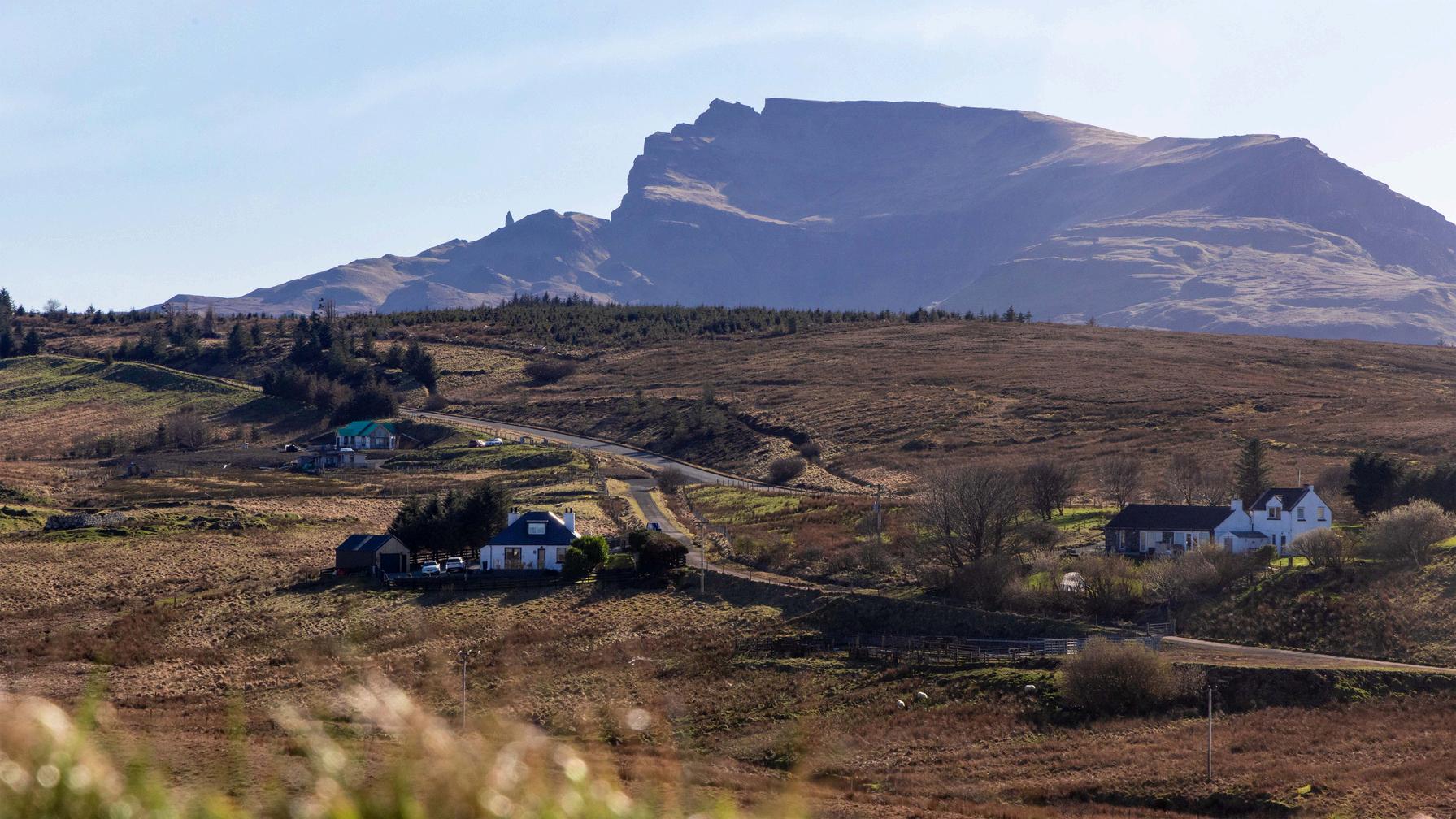
However, locals from heavily touristed areas reveal deeper concerns about cultural preservation.
Anna Pelkin owns a small bed and breakfast on the Isle of Skye and preserves Scottish culture through scone-making demonstrations.
“Tourism is a business,” Pelkin said. “[With tourists], there’s no actual interest in the heritage and culture.”
While acknowledging tourism feeds the economy, Pelkin worries that aspects of Scottish identity are overlooked.
“There's nothing wrong with taking pictures and having a good time, but if that's all you do then the rest slips away,” Pelkin said She believes “there's not enough opportunity to immerse yourself in it ”
While locals are aware that they need tourism to survive, some also feel that it is destroying their culture and nature
Beyond cultural concerns, the physical impact of tourism strains local infrastructure Kalnina believes the Highlands cannot sustain current tourism levels
Pelkin had the same opinion, explaining if she wanted to go out for a quick lunch during the busy season that restaurants would be booked weeks in advance She also stated that the grocery stores would be picked over, making everything more expensive.
According to Kalnina, narrow Highland roads pose particular challenges while being navigated by unfamiliar tourists.
“Oh, how I love tourists,” Kalnina said in a sarcastic tone. “I love them on my bus, but I struggle with them on the road.”
Tourism may be a necessary challenge, given that it provides a primary income source for many Highland residents.
Kalnina notes, however, that tourism in the Isle of Skye has gotten out of control and is not sustainable from an economic and infrastructure perspective.
While the Scottish people have demonstrated how cultural traditions can remain relevant in a contemporary society, there is more to the battle of tourism than just keeping traditions alive.
Without tourism, places like Inverness and the Isle of Skye would not be as economically successful On the other hand, without their rich history and folklore, the Highlands would not attract tourists
The balance between preserving authentic cultural traditions while embracing tourism's economic benefits
Over a century and a half ago, Hamilton Crescent Cricket Ground in Glasgow, Scotland held the first-ever soccer match between two nations
All these years later, and it’s still soccer that sits at the forefront of Scottish identity, separate from the United Kingdom and their better-known southern neighbors in England
As tourism grows and Scotland shares its land and culture with the world, it’s become harder and harder for locals to recognize their bigger cities. Even the more rural highlands become tourist traps, especially in the summer.
One place where Scotland can continue to be its uninhibited self, though, is in the stands at a soccer match.
There’s just an inherent Scottish-ness to the way the game is played, how it’s supported, and even the history of the game here.
There’s a roughness around the edges that’s easy to notice when watching a league or national team contest in Scotland It’s not particularly flashy, and fans might look elsewhere for top-quality play or the flair and finesse the “beautiful game” is known for
What you will find in spades in Scottish soccer is solidity Everyone is physical and does their job It’s sort of old-school, where everybody lines up in a classic 4-4-2 and kicks the ball at each other
It’s more like waiting for your opponent to give in than trying to score a goal yourself
This style of play may have fallen out of fashion a bit, but I happen to think it’s a perfect metaphor for Scotland as a whole–its people are about their business, solid, and do what needs to be done. Also like their soccer, they find the fun in the small things and don’t take it too seriously. It couldn’t be more different from the style the world sees in England.
Perhaps that’s on purpose, really. Scotland rarely misses an opportunity to distinguish itself from England, and soccer is one way to do that on a global stage.
Adrian Owen, a Norwich, England native who now resides in Inverness, Scotland where he works as a tour guide, understands that dynamic from both sides.
“There is a lot of rivalry,” Owen said “But if you speak to an Englishman, the rivalry is more with France than with Scotland If you speak to a Scotsman, it’s always against the English ”
There is indeed a big-brother, little-brother sort of relationship to the two teams Scotland hasn’t beaten its “Auld Enemy” since the turn of the century, and England leads the all-time series 49-41, with 26 draws
It doesn’t matter much to the Tartan Army, though, as the supporters are known Scotland fans take it all in stride and have a reputation across Europe for being agreeable and enjoyable to host for major tournaments, on the occasions they do happen to qualify.
“This past summer at the EURO in Germany, it was such a treat to actually have [Scotland] for an international event,” Owen said. “Normally they don’t qualify, and Europe opened [itself] with open arms to the Scottish. There was lots of friendly banter going on between the teams.”
That friendliness is in itself a departure from England, where the reputation is much less enjoyable. Owen admitted to the accuracy of English stereotypes of arrogance and expectation to win every major event, and that’s simply not the level of expectation in Scotland
It’s a party when Scotland even qualifies for something like the World Cup, something they haven’t done since 1998
In the absence of anything that exciting, any competition will do; the whole nation was buzzing during my visit for the return leg of a UEFA Nations League playoff, a glorified friendly match, against Greece

The week before, Scotland had managed a 1-0 victory in Athens, and in what’s been fairly typical Tartan fashion, the Scots managed to choke the advantage away, losing 3-0 on home turf.
Absolutely no skin off Scotland’s backs. Not one fan was lost that night.
Success has very little to do with why they’re so wellsupported, after all. It really comes down to being a Scottish product, something to be proud of. It’s the sort of recognition that’s hard to come by here.
“When the Olympics come together,” Owen said, “we have some fantastic Scottish athletes When they win, they’re British, and when they lose, they’re Scottish
“Andy Murray, when he won Wimbledon, was [considered] a great British player,” Owen said “If he lost a game, it was ‘the Scotsman’s lost the game ’”
Meanwhile, there’s no mistaking where the boys in blue and white are from From the way they play to the colors they sport, the Scotland national soccer team is unmistakably Scottish
They’re very unlikely to qualify out of a difficult group once again for the 2026 World Cup, featuring juggernauts Denmark and Greece again But the fans will celebrate every moment and build a positive reputation Great Britain can’t take away from them. This, too, is unmistakably Scottish.
So whether you see the Scots in the 2026 World Cup or not, Scotland will see itself in its national team. And that’s more than enough for the Tartan Army.
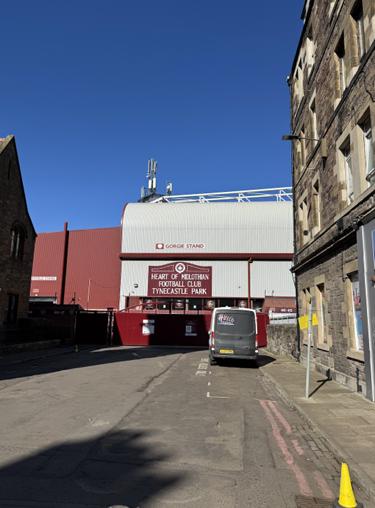
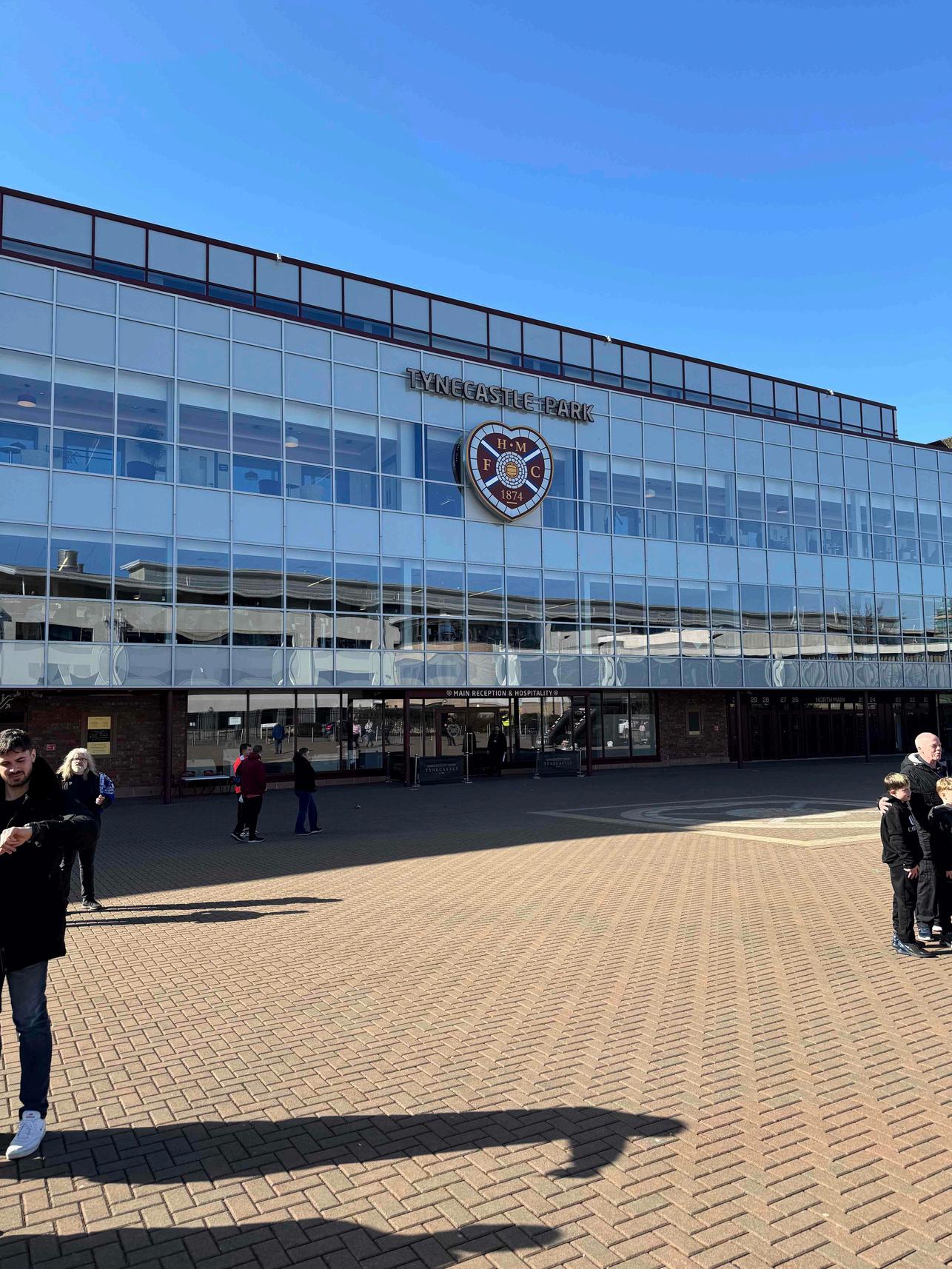
“Scotland fans take it all in stride and have a reputation across Europe for being agreeable and enjoyable.”

Kotula
When one imagines Scotland's paranormal, they often turn to their popular mythos: Kelpies, Selkies and, of course, the Loch Ness Monster.
This may lead some to think that Scotland is full of myths, but lacks the ghosts and ghouls and horror movies.
The kinds of specters one might find in a “truly” haunted house or wandering down a dark and cold street at night just aren’t there, at least in the minds of many.
This simply isn’t true.
Scotland itself has a rich history of ghosts, ghouls and haunting stories, and they’re more important to Scotland than you might realize. A peek behind the curtain lets one see what makes the undead tic, and there is only place to start.
Scotland isn’t slim for choice of haunted places, of course. The Royal Mile in Edinburgh or the hills of the highlands up past Inverness are bound to yield a tale of a crazed killer or soldiers who died in battle and still roam the lands where their bones are buried.
These stories bring laughter to some, uneasiness to others, and one very important thing to many of the local economies in Scotland: tourists. Scotland is a very tourism-heavy country, with the BBC reporting that in 2017 it made £11 billion in tourism alone.
I myself decided to book a tour, one that makes its way down to an entryway of a supremely unique spot of Edinburgh. One that outlived many of its inhabitants, plagues, floods and more, surviving in parts only through its wet and cavernous hallways: The Underground City.
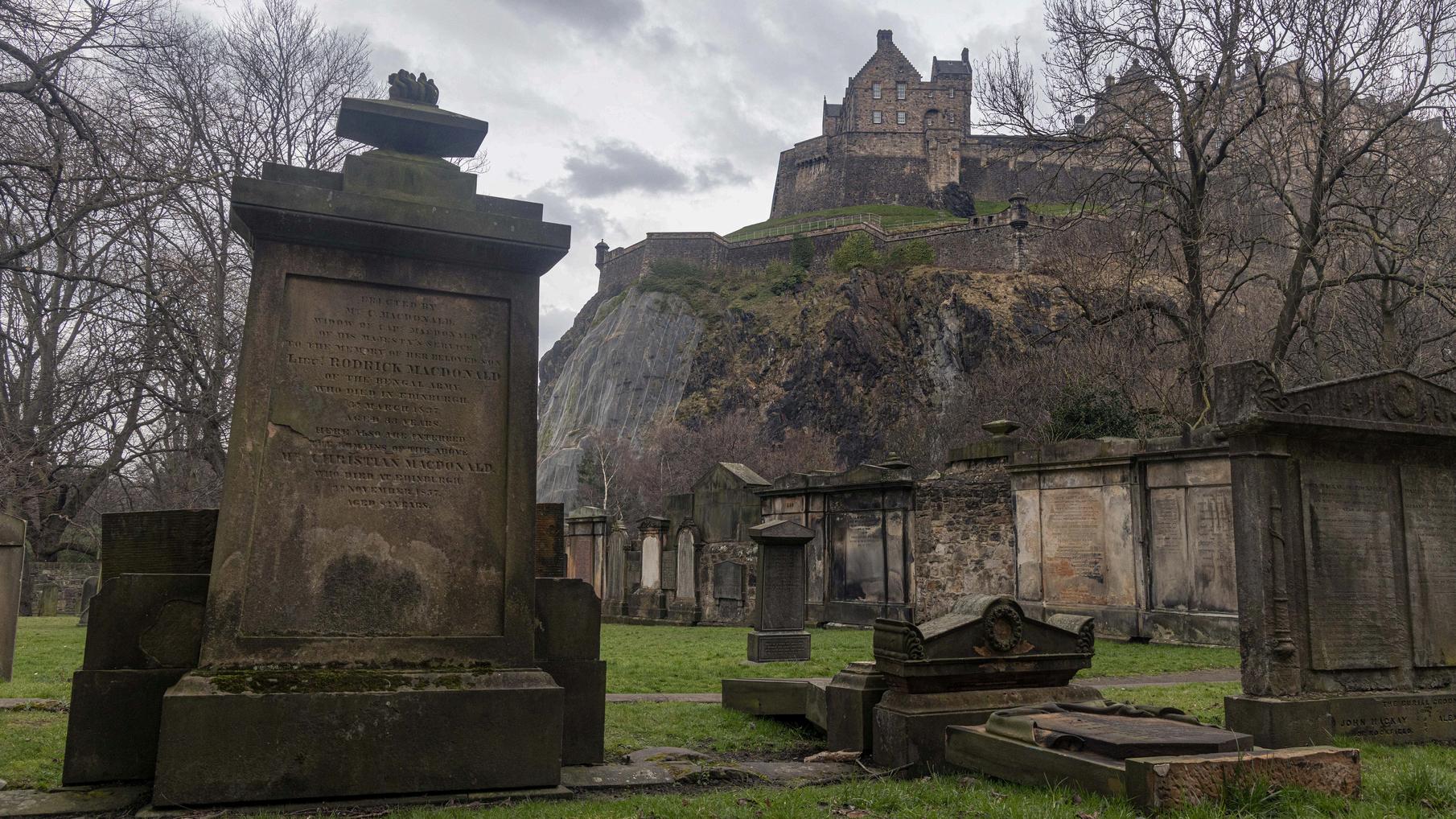
The tour began up on the Royal Mile in Edinburgh, pacing down street after street until, bearing a nightly chill and wet grass, a cemetery appeared.
Greyfriars Kirkyard, only illuminated by scant light posts and choppy moonlight, is the terminus of the first walk. Our tour guide retold stories of those who went missing in Edinburgh in the past, of the body-snatchers who dug up graves to turn a quick cent when times got tough.
And of that very cemetery's ghost, one who grabbed peoples hair when they least expected it.
With a few of us tucking away our ponytails, we made our way out past the headstones and the mausoleum of a murder. We made our way down the closes and streets until we came upon a faux house with a long, spiral stone staircase inside.
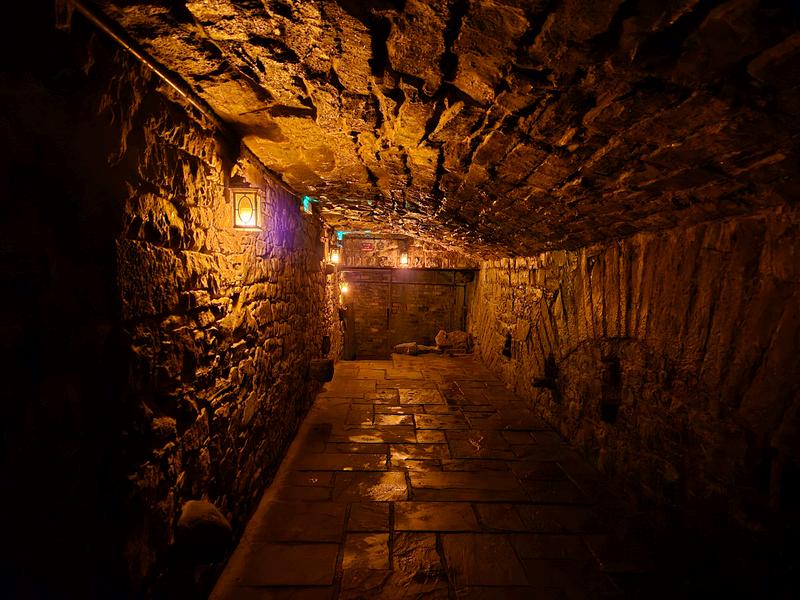
And then we went down. Deeper into the depths below Edinburgh, the old city vaults.
The air got stale, the wet coatings on the floor and ceiling became apparent. The ceiling was low, and miniature stalagmites of unknown substances loomed dangerously close to people’s heads.
My curiosity got the better of me, and I found myself poking what I thought was a long-dry stalagmite. I was greeted with a mysterious fluid that dripped down my fingers and into my palm, making me rake my hands furiously across my jeans for a good few minutes.
This now-defunct “Underground City” of Edinburgh consisted of tunnels and passages, storage areas for the merchants above and places people lived.
“Scotland itself has a rich history of ghosts, ghouls and haunting stories, and they’re more important to Scotland than you might realize.”
However, the walls and ceilings of these passages were often made with cheap and abundant limestone, which has a bad habit of being incredibly porous. As liquids, including sewage dumped by those above, began to seep deep into the rooms and passageways, people found themselves having to flee to keep from being sick or worse.
Once the majority of people left the catacomb-like tunnels, they quickly became a spot where only those who had nowhere else, or who wanted to keep away from the authorities, would go.
The homeless and criminals set up shop and disease ran rampant. As one tour guide pointed out, the black plague found its way down with the water above.
It spread like wildfire, and once the government found out they walled off entire sections of the tunnels, leaving large populations of children who took refuge and were infected to perish within.
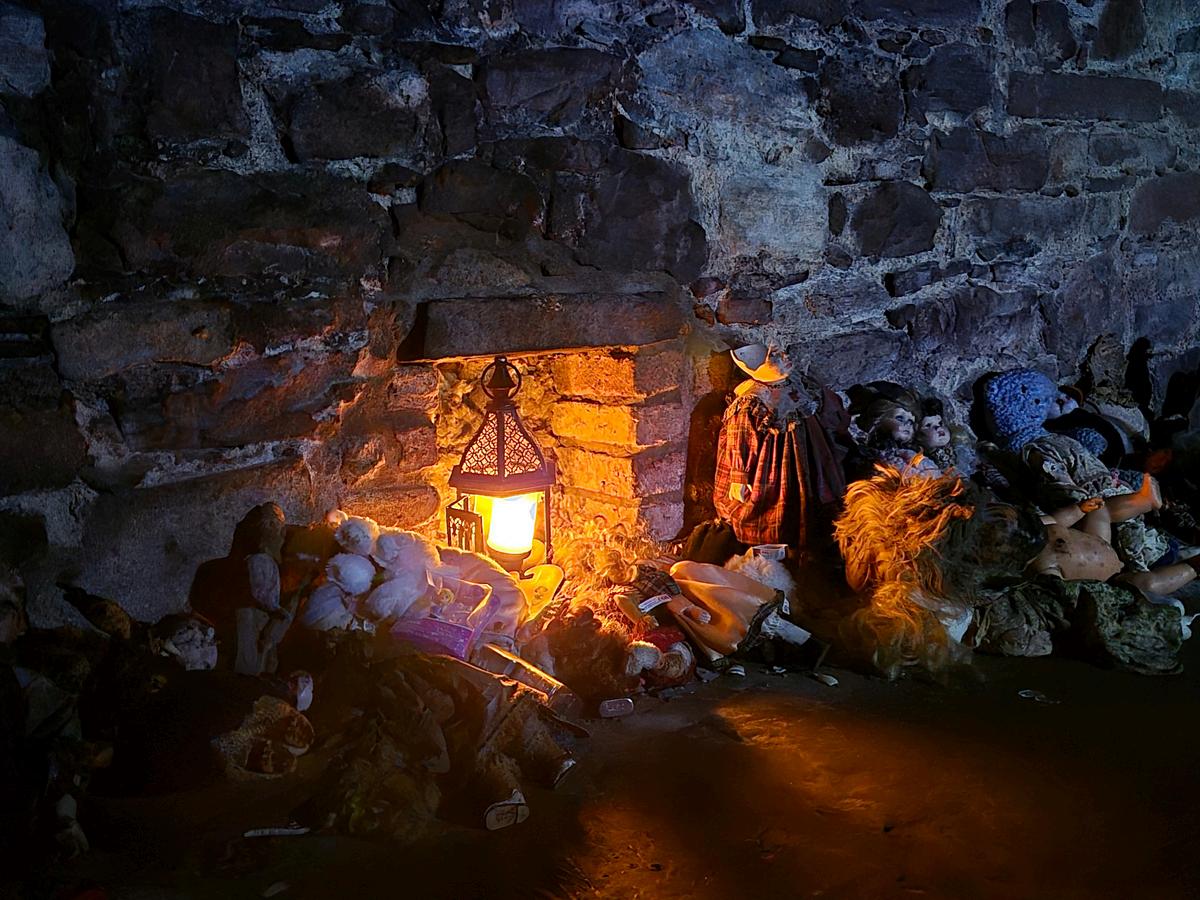
One room, sometimes called the doll room, sits alone in the dark down there, commemorating the deaths that happened in the 1800s. Some say that they can still hear kids running from one end of the hallways to the other.
We made our way back up the winding, wet staircase and back out into the bustling streets of modern-day Edinburgh, far from the world of those who perished below the streets.
Though that tour took us deep, the supposed ghosts aren’t only under the ground in Edinburgh. Some claim to see and hear ghosts within the very walls of Edinburgh castle.
One of them is the Grey Lady, who weeps on the steps of the St. Margaret Chapel.
The headless drummer boy is another, and it is said to be a dangerous omen if you hear his drumming on a quiet night.
It is no shocker that ghost stories would pop up given that, according to Edinburgh castle tour guide Costanza Careddu, the castle itself has weathered over 26 battles in its day. During various stretches of time, the entire castle, excluding the longstanding chapel, was leveled.
“In the Scottish Wars of Independence, the castle was in the hands of the English for about 40 years,” Careddu said. “the Scottish took it, then the English took it again. And then at some point there was nobody, there were goats. Just goats.”
Ghost stories and legends are fun and can be useful for creating warnings. They can be used for creating warnings that people will remember or to teach things to children.
One of the Underground Cities’ many hallways. Some say that they can hear the occasional running of children up and down this hallway.
However, these stories have an effect on the people around where they take place, too. One may think that if a place is well known for being scary and haunted that people would try to avoid that place at all costs.
This is true for some people, but evidently not all.
Tourism is a massive market for Scotland, and its mythos and paranormal stories only fuel this. Where some shy away, many people leap at the thought to sleep in a deserted crypt, or to try to hear the wails of a headless graverobber.
Others can’t wait to visit graveyards where murderers were hanged, just to see if they can feel their hair get tugged while nobody is near.
These tours, which offer people a chance to embrace the fun of old tales and ghoulish legends, bring in large amounts of money that often benefit the area and local economy.
Some tours in Edinburgh alone cost thousands of dollars in total.
But money isn’t all that’s in it for these storytellers and tour guides. It can be fun and games, but its also an art form.
Nowadays, people don’t subscribe to and rely on stories as they once did, but ghost stories are one of the few timeless traditions that get passed down, like folk songs or nursery rhymes.
I ended up leaving that Edinburgh tour with more than I came with.
I approached the tour with a solid belief in mind: ghosts aren’t real. I didn’t really leave with a different opinion as much as I left with a newfound appreciation.
Even as someone who always wanted to be a storyteller myself, I never even realized what a genius way of communication that tales of ghosts and ghouls really are.
It’s an amazing way to paint a story, to warn and to teach, and I’m so glad I was able to participate in such an old and wonderful art form in the short time I was there.
The Loch Ness Monster, or Nessie, is one of the world's most well-known mythological animals.
For generations, this mysterious creature has captivated imaginations, becoming not only a symbol of mystery but also an influential cultural and tourism icon. The legend of Nessie, which is based on Scottish folklore, is important in defining Scotland's national identity since it combines mythology and local pride.
The Loch Ness Monster's origins and ongoing importance, exploring its place in Scottish culture influence on mythology, and far-reaching impact on modern tourism make it relevant to Scotland in many ways
The tale of Nessie exemplifies the merging of myth, national pride, and worldwide mystery, demonstrating how supernatural stories continue to define Scotland's historical and cultural narrative
To gain a deeper understanding of Nessie’s significance, a local tour guide for the Cruise Loch Ness company who asked to remain anonymous for privacy reasons, offered rare insights into the stories and perspectives that continue to shape the Loch Ness experience for travelers
The shores of Loch Ness, surrounded by the rugged beauty of the Scottish Highlands, make it clear that Nessie’s legacy is as deep and mysterious as the waters themself.
Nessie is a millennia-old folklore.
The first reported sighting of a "water beast" happened in 565 AD when St. Columba, an Irish monk, allegedly came across the creature in Loch Ness. This early story provided the groundwork for decades of local legends.
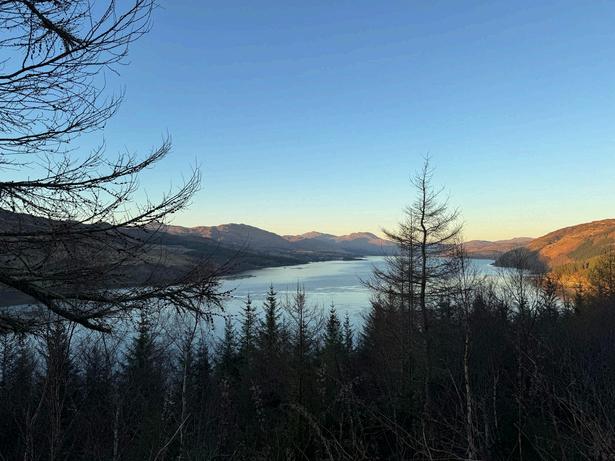
However, the modern version of Nessie gained traction in the 1930s with the infamous "Surgeon's Photograph," which reportedly depicted a gigantic serpent-like creature in a loch. The shot, which was later found to be a hoax, piqued popular interest and resulted in several sightings.
Since then, Nessie has become a symbol of Scotland's mythological history, attracting millions of visitors to the loch each year.
Today, the Loch Ness Monster is a key component of Scotland's tourism industry
The myth attracts about 200,000 people yearly, producing significant cash for the region From boat trips to museums, the Loch Ness Monster is a driving force in the local economy
The quoted tour guide, who walks tourists through the loch's history, stressed how Nessie remains vital to the local identity "People come up with an idea of Nessie in their minds," the guide said "They want to experience the magic of the loch, and Nessie is part of that magic,” they said
“For generations, this mysterious creature has captivated imaginations, becoming not only a symbol of mystery but also an influential cultural and tourism icon.”
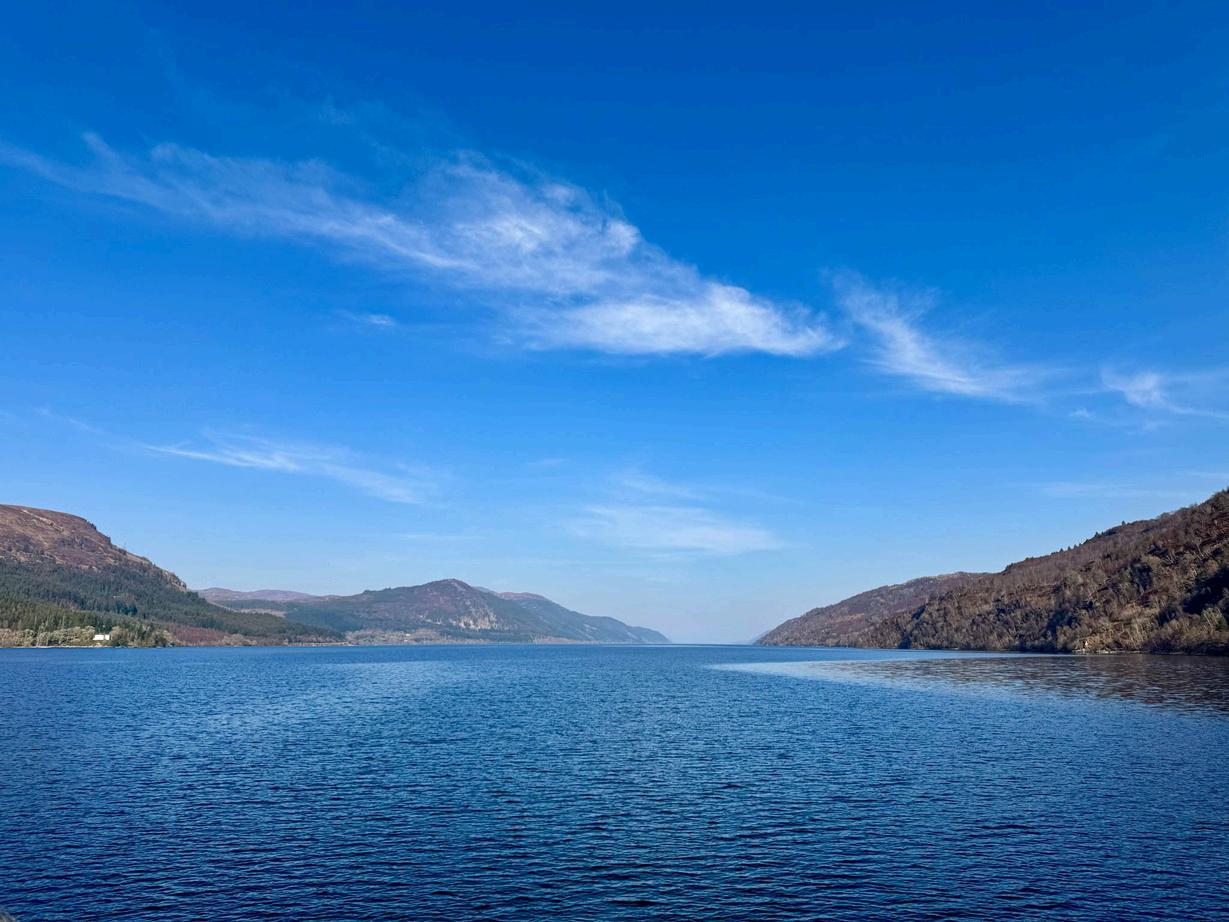
Regardless of marketing, the search for Nessie continues.
In 2018, a New Zealand-based research team conducted a DNA investigation of Loch Ness to identify animals that live in the waters
They discovered more than 300 species, but there was no sign of the monster reported by Gemmell "There are 600 species in the loch, some larger than great white sharks," the guide said
So, why is it so hard to find Nessie?
Though no conclusive evidence has emerged, discoveries continue to fuel the mystery In recent months, a sturgeon sometimes called a "living fossil" was discovered in Loch Ness, a species many believed had vanished The tour guide also mentioned the existence of Arctic char, which is not native to the loch.
"He shouldn't be here,” the guide said.
While many specialists are unconvinced of Nessie's existence, the tale lives on.
Scientists frequently connect sightings to mistaken animals, drifting logs, or strange meteorological conditions, but the mystery remains.
“There have been more people to the moon than who have been in Loch Ness,” the tour guide said, emphasizing just how undeveloped the water is
Despite scientific dismissals, many people are convinced that Nessie exists
“There are 400 different DNA strands found in the loch, but none match anything we've discovered so far,” the guide said
These findings contribute to the ongoing debate between rationality and tradition in Scottish society
Nessie is no longer just a tale; she is a symbol of Scottish identity For many people, the Loch Ness Monster symbolizes the country's deep connection to its folklore and natural beauty
While the commercialization of the story raises questions about authenticity, it also demonstrates how Scotland has transformed its cultural legacy for the global stage
"Nessie is a reminder of the stories that connect us to this land," the guide said "It's not just about believing in the creature it's about believing in the power of storytelling ”
Nessie plays an important role in Scotland's capacity to combine ancient heritage with modern tourism. Her presence has helped shape Scotland's reputation as a nation of mystery and legend, ensuring she will keep attracting worldwide visitors well into the future.

Madelyn Frans Psychology
Legends, power, religion, revolution and the very expansion of civilization has shaped Scotland’s architecture, landscape and Scottish culture for thousands of years
The earliest remnants of architecture still around today date back to 3,500 BC These ruins, referred to as vernacular architecture, are nothing more than small cabins and huts made from materials found locally such as sandstone or grey granite depending on location
Liz Lister is a writer for the tour guide group Guide Collective and runs a travel blog titled “Stravaiging with Liz”.
“They grew out of the environment, rather than adapting the environment to provide the status and show of later ‘polite’ architecture created by the fledgling profession of architects,” Lister writes in “Unlocking the Story of Scotland Through Its Architecture.”
The huts were constructed with a cavity in the walls where midden, a word essentially meaning trash, along with a mixture of sand and stones would be stuffed to provide insulation against the harsh elements of the Scottish landscape
Windows, if there were any at all, were often small, and roofs had to be less steep in windy areas to prevent from being blown away by winds
Some sites have been preserved and are now open to public viewing One example is Skara Brae, a location which boasts nine surviving houses which date back roughly 5,000 years
The oldest surviving building in Scotland’s capital city of Edinburgh stands atop an ancient extinct volcano surrounded by the walls of Edinburgh Castle
St Margaret’s Chapel was built in 1130 by David I in memory of his mother, Saint Margaret Its structure is small and simple compared to the highly detailed castle surrounding it. This is because it is the only building from that version of the castle to survive to this day.
In 1314, King Robert the Bruce ordered Edinburgh castle to be destroyed, but allowed the chapel to survive to stay in good standing with the church.
Around 1367, King David II rebuilt Edinburgh Castle and began work on a new tower which was completed in 1375, four years after King David’s death.
The tower stood for 200 years before being destroyed in battle, collapsing and knocking out their only freshwater well and leading to their surrender
These sieges are only a few of over 26 conflicts the castle has faced, though less than half of these attacks succeeded according to Costanza Careddu, a tour guide at Edinburgh Castle
Page #
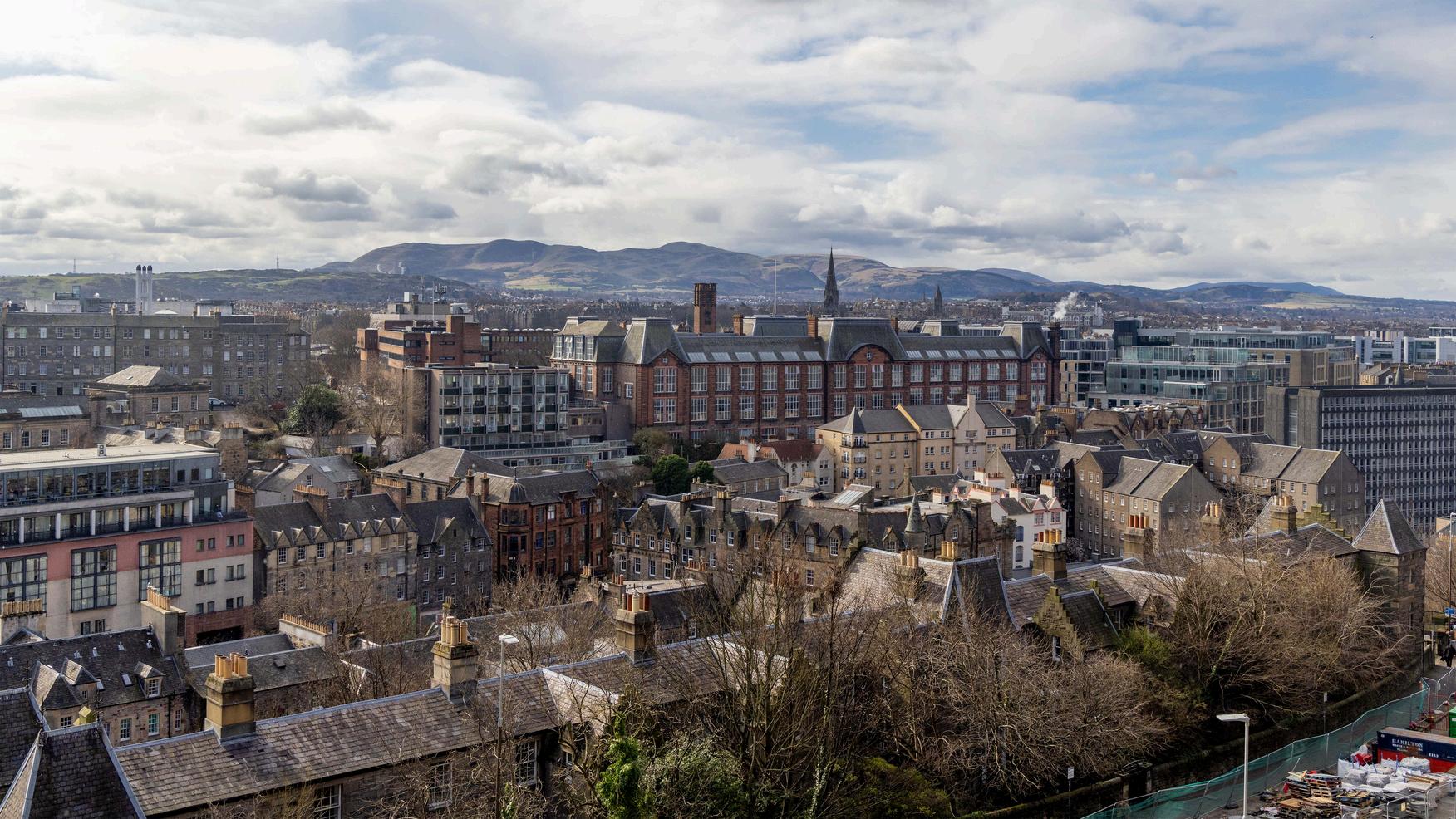
“One in the 1700s was unsuccessful because they miscalculated the length of the ladder,” Careddu said “They were too short and they just couldn’t get up the walls ”
Over time more buildings were added onto the castle, including the Governor's House in 1742, new barracks in 1799, and two types of prisons in 1842, one for prisoners of war and another for soldiers who broke the rules
A Victorian Era renovation effort began in the 1800s to turn Edinburgh Castle, which was only being used as a military barracks at the time, into a more intimidating and impressive landmark.
One such improvement was a new gatehouse in 1888 which replaced a much smaller and simpler one.
These renovation efforts carry on today with constant work being done to ensure the castle is able to be viewed by tourists and locals alike.
However, not every piece of architecture has been as lucky as Edinburgh Castle. Many historical buildings have unfortunately been lost to fires, demolitions and urban restoration projects
One such example comes from the City of Glasgow, which was home to a large variety of historical architectural styles and historically relevant buildings and neighborhoods
In the mid-1900s, Glasgow was suffering, and urban planners aimed to renew the city by introducing modernist high rise prefab buildings
These urban developments resulted in Glasgow having a steep population decline and many historical buildings including entire neighborhoods, were destroyed to make room for American-style freeways and grids
Buildings that have been lost since that time include the Christian Institute, Royalty Theater, Regent Theater and more.
Nowadays, even some of those high rise developments have been destroyed and built over.
Still, conservationism isn’t dead. Many new young conservationists have begun to sprout up in places around Scotland.
“In the event of flood, fire or storms, conservationists have a perfect record of each site stored on the cloud, right down to the tiniest mark of Viking graffiti,” said Gabriella Bennet, a writer for the Sunday Times
As time moves forward, Scotland will continue to grow and evolve As it does so, there will be people who want to wash over the old and replace it with new
However, there will also always be a strong and loyal group of conservationists dedicated to making sure Scotland’s architectural history is told and held onto as the futu approaches
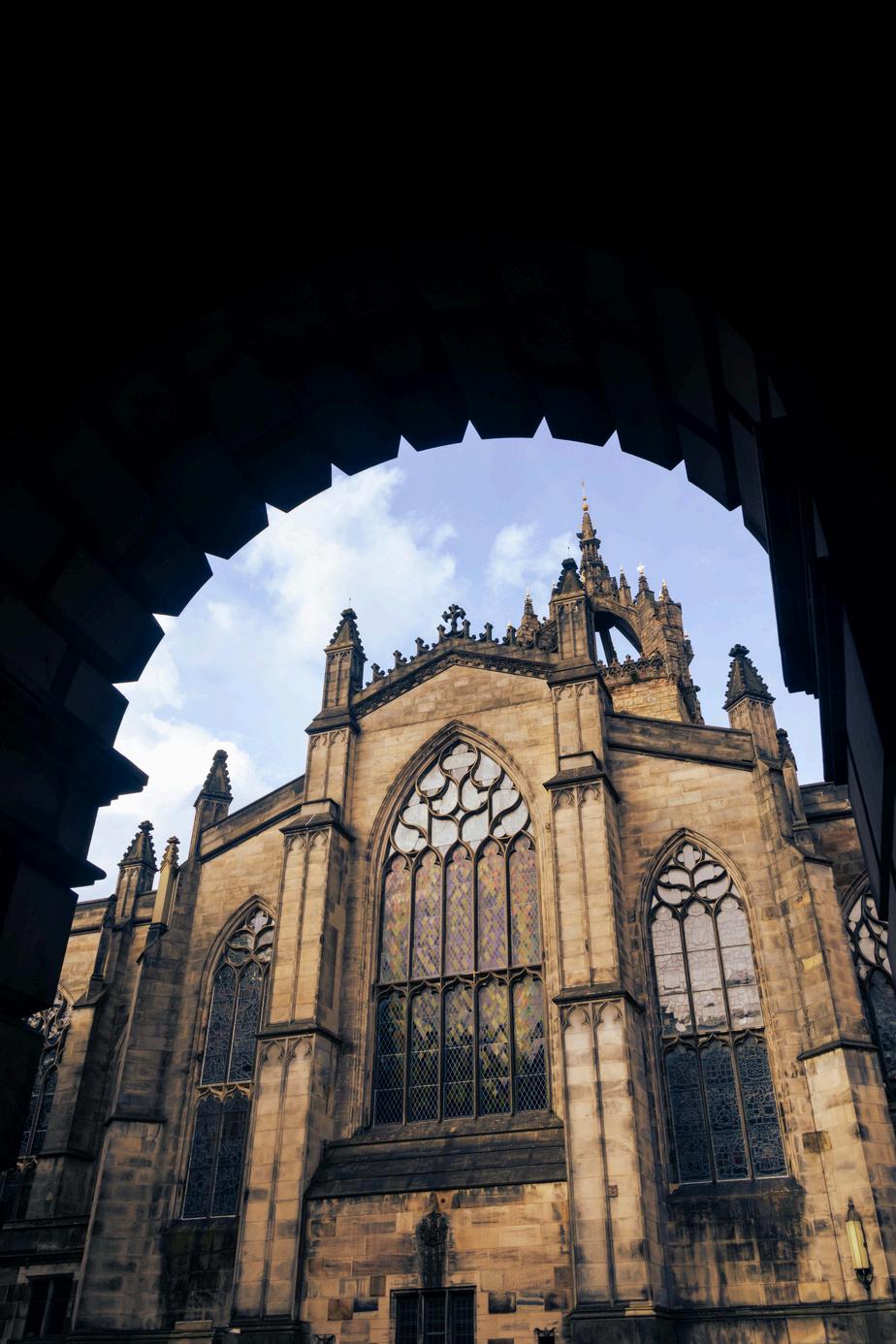
“Today, these structures are few and far between, existing mostly as piles of rocks found atop an overgrown foundation.”
Edinburgh Castle dominates the city skyline atop Castle Rock, a silent guardian of Scotland’s turbulent past Tourists gather at its gates, cameras in hand, while locals pass by on their daily routines, accustomed to the imposing structure looming over them.
It’s more than just a landmark it’s a cornerstone of the city’s identity. Edinburgh Castle has shaped the capital’s historical foundation and now plays a vital role in its cultural and economic life through tourism.
Long before Edinburgh became Scotland’s capital, Castle Rock was a strategic stronghold.
The castle’s official recorded history begins in the 12th century with the reign of King David I, but its importance predates even that Its location made it an ideal military fortress, offering a natural vantage point and protection against invaders
As centuries passed, the castle evolved from a defensive outpost into a royal residence, housing monarchs like Mary, Queen of Scots Its presence anchored the growth of the surrounding settlement, which would eventually become the bustling city of Edinburgh
As centuries passed, the castle evolved from a defensive outpost into a royal residence, housing monarchs like Mary, Queen of Scots Its presence anchored the growth of the surrounding settlement, which would eventually become the bustling city of Edinburgh
The Royal Mile, stretching from the castle to Holyrood Palace, developed as the city's main thoroughfare with the castle acting as a symbolic center.
The fortress’s historical role wasn’t just military or royal; it became the backdrop for pivotal moments in Scottish history.
From wars of independence to Jacobite uprisings, the castle bore witness to the country’s struggles and triumphs. Its stones, scarred and fortified, carry the weight of a nation’s narrative.
For the people of Edinburgh, the castle isn’t just an ancient monument it’s a living symbol of resilience and pride
It crowns the city, omnipresent in daily life, serving as the visual and emotional anchor of the capital Schoolchildren visit it on field trips, families picnic in its shadow and major civic events unfold within its walls Its clock tower and cannons mark not just the hour but also a sense of continuity between the past and the present
Its cultural resonance extends into everyday city life Locals orient themselves by its silhouette, watch fireworks burst above it during Hogmanay and festivals and see it illuminated during national moments of reflection
It is a public stage and a private memory a monument that grows with the city
Jack Kennedy, who lives in Bathgate, remembers how the castle was part of his childhood
“Growing up as a Scottish person, you usually always hear about Edinburgh Castle,” Kennedy said. “Even when you’re young, you don’t really understand the meaning of it like what it means to Scotland as a whole but it’s a very big part of Scotland. It’s like a staple to the country,” Kennedy said. With over two million visitors annually, Edinburgh Castle is not just Scotland’s top paid tourist destination it is a gateway for global audiences to understand Edinburgh itself.
Panoramic views, ancient architecture and interactive exhibits combine to offer historical education with a deeper connection to the city alongside it
Visitors walk through the castle’s layers, from the oldest surviving building in Edinburgh, St Margaret’s Chapel, to the regalia of Scottish royalty
Through these artifacts and settings, the castle communicates the city’s evolution: a place shaped by power, conflict and culture
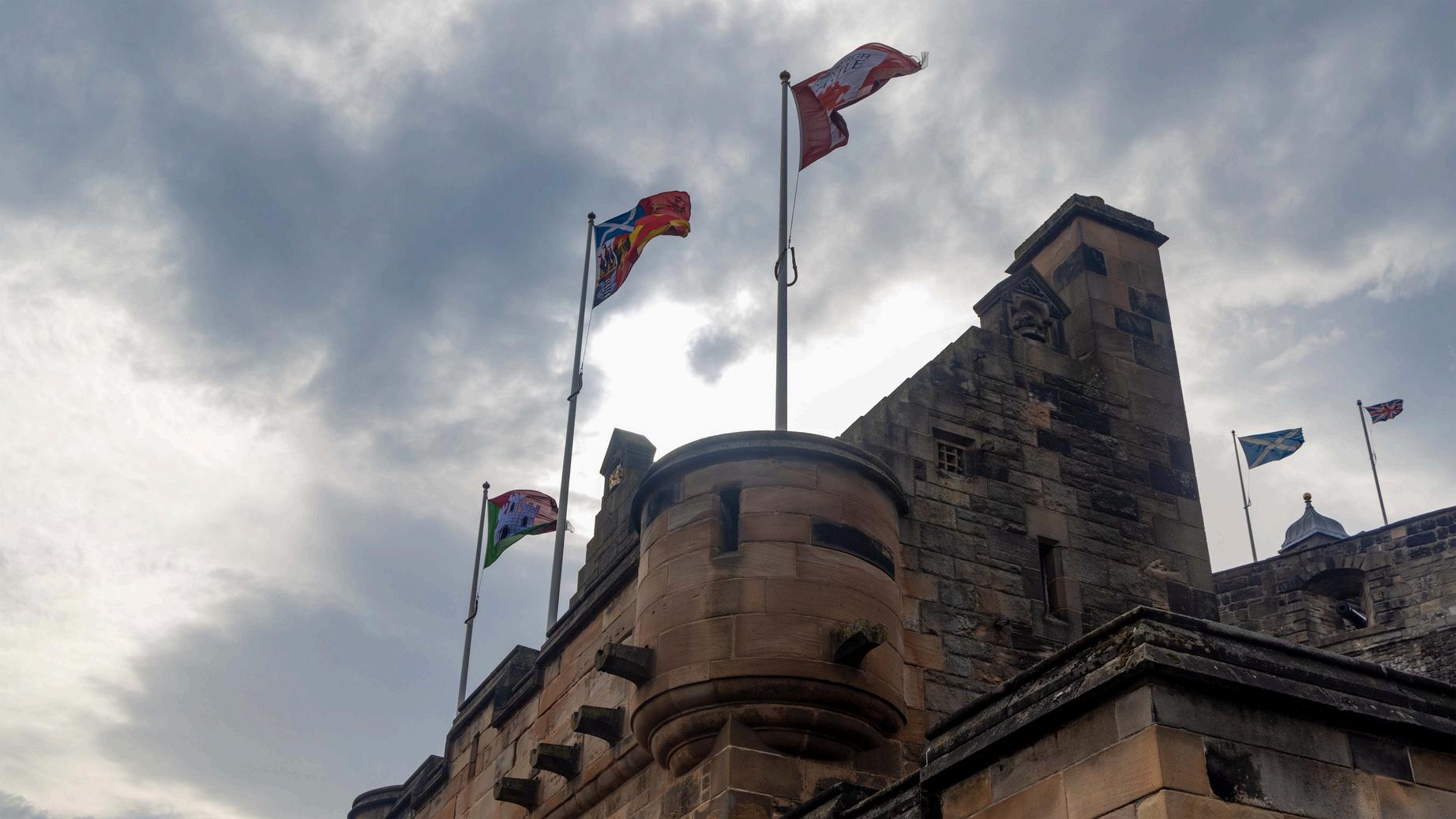
“The castle communicates the city’s evolution: a place shaped by power, conflict and culture.”
Beyond the stone walls and exhibits, many visitors describe a sense of awe of standing where monarchs ruled and battles raged Guided tours offer layered perspectives, weaving folklore and fact
For some, it’s a deeply personal journey, especially among members of the Scottish diaspora returning to trace ancestral roots.
The castle becomes more than a tourist attraction; it becomes a bridge to identity Interactive displays, audio guides in multiple languages and rotating exhibitions ensure that every trip offers something new In this way, the castle keeps its past alive while remaining relevant in a fastchanging world
“Even though I’m not from Edinburgh, the castle has always felt like a symbol of Scotland as a whole,” Kennedy said. “It’s one of those places you grow up hearing about. When you finally visit, it’s not just the history that hits you, it’s the sense that you’re standing somewhere that means something ”
Tourism here is not just passive sightseeing it is an act of engagement The castle invites visitors to consider how history lives on in the present and how a city continues to define itself through its past This relationship benefits both visitors and locals.
Edinburgh Castle is more than a relic it is the beating heart of Edinburgh. It tells the city’s story, from its earliest inhabitants to its modern-day citizens. It stands as a reminder of where the city began and a beacon guiding where it’s going
Whether gazed at from Princes Street Gardens or explored room by room, the castle offers a lens through which to understand the city
In it, one sees Edinburgh’s endurance, its complexities and its capacity to honor tradition while embracing change.
It’s a place where history and today meet. And in that space, Edinburgh continues to grow, with its castle always standing strong reminding everyone where the city came from and where it’s headed.
Jose Brito Mayorca
Traditional dishes remain central to Scotland’s cultural identity, even as modern tastes and global influences reshape the menu
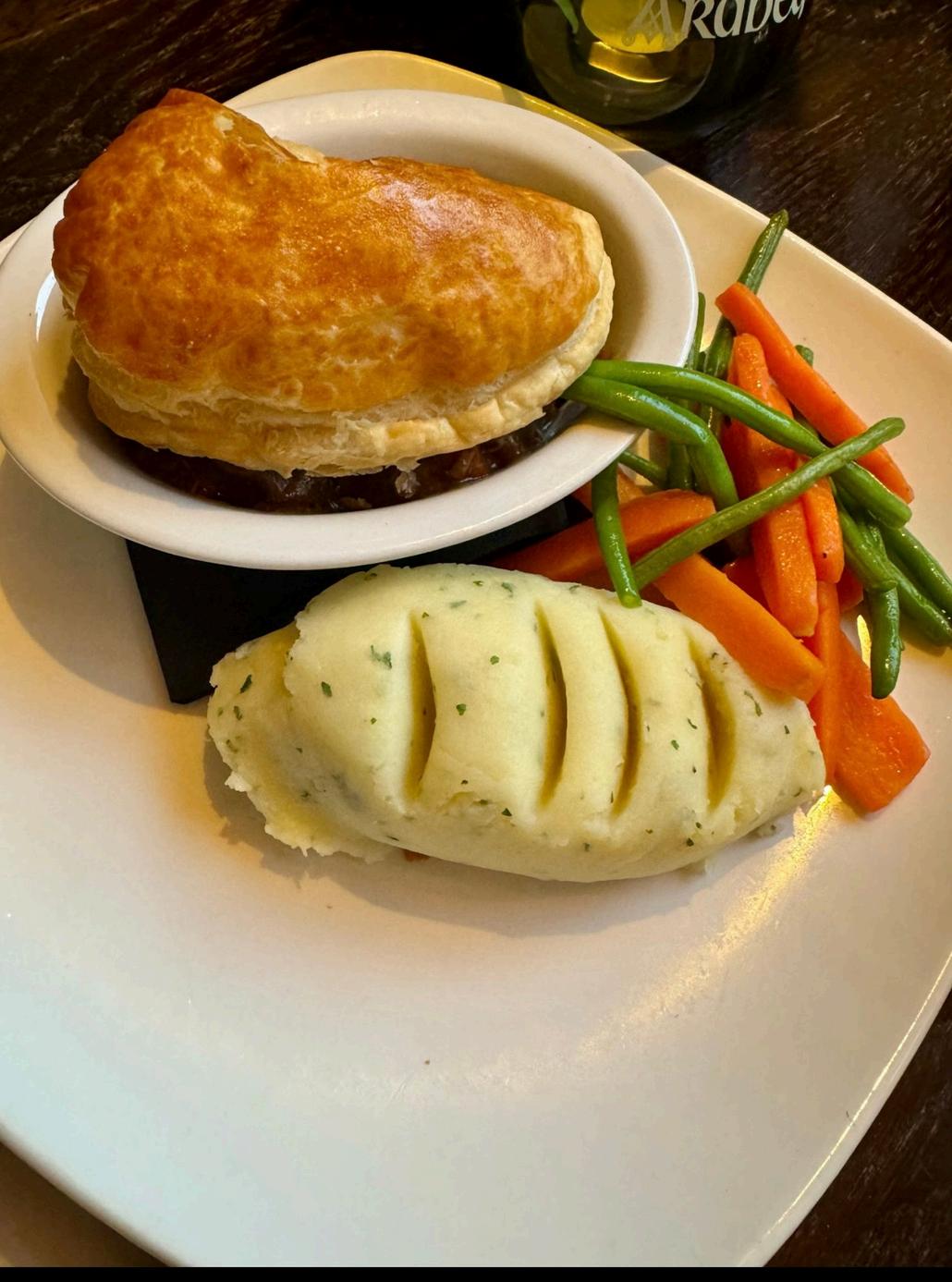
“Chefs add fresh touches to old recipes while keeping their traditional character.”
Scotland’s food culture reflects its geography, history, and evolving values From centuries-old staples like haggis and oatcakes to trendy cafes offering plant-based versions of traditional meals, Scottish cuisine continues to grow without losing its roots
Many classic dishes were born out of necessity The country’s cold, wet climate made oats, root vegetables, and preserved meats key ingredients for survival
Meals like Cullen skink, a creamy fish soup, and stovies, a slow-cooked potato dish, were once common in workingclass households. These foods provided warmth and energy through harsh winters and long days of labor.
Today, these traditional dishes remain an essential part of the national identity. Locals continue preparing them at home and ordering them in pubs or cultural events.
“These meals remind us of where we came from. They may be simple, but they mean something to us,” said a retired schoolteacher from Inverness. Her mother cooked stovies and oatcakes on a wood-burning stove “We didn’t have much, but those meals brought us together I still make them today, not just for the taste, but for the memories ”
Scottish cuisine has long been shaped by social and economic factors
In earlier centuries, wealthy families dined on roasted meats and imported spices, while farmers and fishermen ate what they could grow or catch. Oats became a staple because they grew well in poor soil and could be used in porridge, bread and cakes.
Haggis, often considered Scotland’s national dish, is made from sheep's organs mixed with oats, onions and spices, all cooked inside a sheep's stomach.
Though its ingredients might seem unusual to some, it has been enjoyed for generations, especially during Burns Night, an annual celebration of poet Robert Burns.
Burns, considered Scotland’s national poet, is best known for his poems written in the Scots dialect that reflect everyday life, love, and rural traditions
Some chefs describe their food philosophy as “Scottish produce, global ideas,” combining local items like venison, seaweed and barley with new cooking techniques and international spices.
Even historic Scottish foods are being reimagined.
Cullen skink, once made with simple smoked haddock, is now being offered in lighter, dairy-free versions. Oatcakes, once a common peasant food, are now sold in high-end shops with flavors like rosemary, sea salt and cheddar.
Beyond nutrition, food in Scotland plays a larger cultural role. It brings families together, marks special events and serves as a way of preserving heritage Visitors often take part in whisky tastings, afternoon teas or cooking classes to learn more about Scottish traditions through food
One of his most famous poems is “Address to a Haggis,” making the dish a symbol of Scottish pride and identity
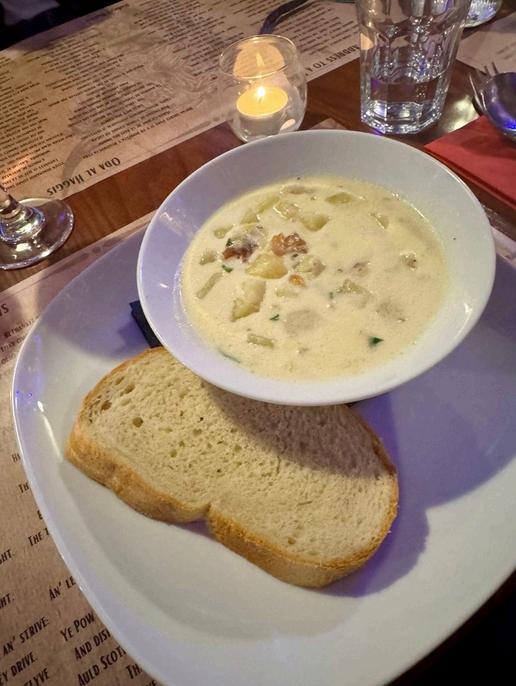
Despite modernization, many of these dishes are still present today, sometimes with a twist. In cities and small towns, chefs add fresh touches to old recipes while keeping their traditional character.
In recent years, Scotland’s food scene has expanded in response to global food trends, travel, and changing values around health and sustainability. Farmers markets, food festivals and restaurants now offer a wider variety of dishes influenced by international flavors and dietary preferences.
It’s common to find vegan haggis, oat milk lattes and gluten-free shortbread alongside traditional options
“There’s a balance now,” an anonymous local said “You can still find your gran’s tablet recipe, but also try something new like a curry pie or sourdough bannock Scottish food doesn’t have to be old-fashioned ”
Restaurants in major cities like Edinburgh and Glasgow are leading this shift Many focus on sustainable, seasonal ingredients sourced from local farms and fisheries
“Food is part of our identity,” the quoted local resident said “We celebrate with it, comfort each other with it and pass down stories through recipes ”
Scotland’s food also tells the story of its land According to “Scottish Food: A History by Catherine Brown,” geography strongly influenced what people ate
Coastal areas depended on seafood like salmon and mussels, while inland communities relied on grains, game and vegetables
This connection between land and table remains important today, especially as interest in local food grows.
In rural areas, many families still grow their own herbs or vegetables and buy meat and fish directly from producers.
In cities, mwanwhile, the popularity of farm-to-table restaurants and community gardens reflects a desire to reconnect with nature through food.
Scotland’s food culture continues to evolve. While younger generations are experimenting with fusion recipes and plantbased cooking, there is still a deep respect for traditional foods and the stories they carry
This blend of old and new helps Scotland hold on to its cultural roots while embracing modern values like sustainability, health and innovation
Food is not only a source of nourishment but a way to understand how a country changes while staying connected to who it has always been
It’s in the first bite of haggis on Burns Night, the smell of oatcakes baking in a family kitchen, and the fresh twist of seaweed on a modern plate
These meals aren’t just recipes; they’re memories, milestones and moments that unite people
As Scotland moves forward, its food culture remains a d fl ti f its past, present and future.
Grace Norton
The sounds of a fiddle could be heard traversing the streets of Inverness.
Melodies and motifs flitted through a crack in the doorway to the pub. Inside, patrons bustled around ordering drinks, trading smiles, and laughing at old memories. The fiddle continued crescendoing, accompanied by drums, the tempo building.
A voice joined the chorus of notes, and then another as merry listeners sipped their ciders and ales. With each passing measure, drinks settled on the table one by one, and people turned to listen. The music started from a slow, meandering lullaby and became a jaunty tune. Revelers found their way to the dance floor, spinning to the claps of their peers.
Dancing, laughter and joy lit up the pub in a universal display often found in pubs, ceilidhs and street corners.
In Scotland, music is interwoven into the nation’s cultural identity, telling a story of tradition, resilience and artistry.
The Scottish music scene finds its roots in the nation's multicultural fabric, deriving tunes from Gaelic, the Picts, Old Scots and Norse cultures, according to Wilderness Scotland.
Iain Hamilton, a bagpiper from Inverness, said music was woven into everyday life and working tunes helped make everyday tasks, like the process of processing tweed, a musical endeavor.
“They had a whole load of songs for working in the fields, loads of stuff like that,” Hamilton said. “In the evenings, what you tend to find is people would get together in houses and there’d be dances in the kitchen.”
Classical pieces are easily transcribed, but folk songs were passed down through families and oral tradition, much like storytelling, another pivotal aspect of Scottish culture. These songs stood the test of time, capturing tales and history within rhythms and lyrics. Songs became an integral part of daily life, and music served as a storyteller in its own right.
“Music has always been amongst the people here,” Rachel Campbell, a local musician, said. “There would be songs for everything that you did back in the day…there would be songs for dancing…there'd be a song for something because it was so labor intensive, the songs would be created to kind of like keep you going throughout the day.”
Campbell is a member of Tartan Paint, a traditional band that blends classic Scottish and Irish tunes with modern influences inspiring dancing in pubs across Inverness. Their goal is to rekindle interest in and foster a love for traditional or “trad” music.
The band got together more than three years ago and performs at least 300 nights a year in pubs, at ceilidhs and anywhere they can find a stage. The band recently held “Ceilidh for a Cause,” raising funds to save and preserve the Old High Church in Inverness, an 18th-century church that overlooks the River Ness.
When he’s not hiking through the Highlands, Allen Kells, Tartan Paint’s lead guitarist and vocalist, said he and his bandmates love playing traditional music.
“We can happily sit and play for three hours, no problem,” Kells said.
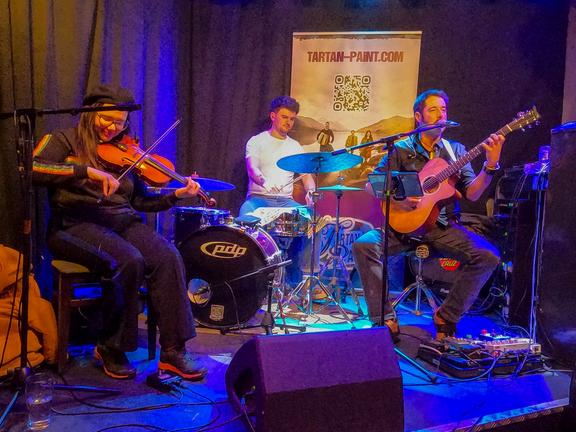
Campbell dazzles on the fiddle and lends her vocals to many of Tartan Paint’s signature numbers. For Campbell, performing is about preserving the traditions she loves.
“I'm totally passionate about playing traditional music and just teaching people about it, and telling the stories on stage and getting folks knowing about our traditional music and our culture,” Campbell said.
Safeguarding tradition is a guiding principle for Kells and Campbell. The two are working to keep traditional music in people's minds.
“I think there’s something wonderful there about keeping these tunes alive because a lot of them have been lost over time,” Kells said.
The Scottish music scene was forever changed after the Battle of Culloden on April 16, 1746.
The battle marked the end of the Jacobite Rising, a rebellion against the English monarchy led by Bonnie Prince Charles, aimed at reclaiming the Scottish throne for Stuart King James II. The British forces defeated the Jacobites and targeted multiple aspects of Highland culture to discourage future rebellions. The bans suppressed traditional dress, Gaelic, and the bagpipes, according to the United Clans of Scottish Oklahoma.
“In Scotland, music is interwoven into the nation’s cultural identity, telling a story of tradition, resilience and artistry.”
“There was a time after Culloden when playing of bagpipes and fiddles was banned in Scotland and the speaking of Gaelic,” Kells said. “There was a real attempt to strip the cultural identity of the people and these lands.”
Hamilton said that the English viewed Highlanders as “illeducated” and “barbarians” and had no issue continuing to decimate Highland culture after the rebellion.
“They made an attempt to wipe out the culture in the area,” Hamilton said.
The pillaging of Scottish culture did not rest at the moors of Culloden. During the 1750s, a series of “clearances” occurred. British soldiers proceeded to take over the Highlands, capturing estates for the crown. Commercial land owners forced the Highland people from their homes in favor of agricultural endeavors, leaving ashes in their wake.
“They did everything they could to stop language, to stop the wearing of the kilt, to deport folks overseas,” Hamilton said. “It was really anything that was distinctive to the area.”
Those living in the Highlands took to the seas, to the new world, North America.
“There’s been centuries of immigration, people moving out of rural areas and going places to build a better life,” Hamilton said.
Hamilton said that the mass immigration of people searching for a better life heavily influenced the American music scene.
“They’ve (American musicians) got their own twist and shaping of it, but they’re (American folk songs) still recognizable as being connected to the music and the songs and also the stories that Scottish people told, the folk tales and all things connect into Scotland,” Hamilton said.
Kells said the ability to once again tap into their cultural identity allowed the Scottish culture to thrive and spread outside of the country’s borders.
“There’s a massive Scottish and Irish diaspora, and I think a lot of those people remember their roots,” Kells said. “That’s why I think the appetite for particularly Scottish and Irish folk music worldwide is still so great and always will be,” Kells said.
The ban on traditional dress was lifted in 1782, and three years later, the ban on bagpipes was also repealed, but the damage had been done. Hamilton said it wasn’t until the 1960s that traditional Scottish music made a cultural resurgence.
“There was a big folk music revival,” Hamilton said. “A lot of Scottish traditional music was kind of rediscovered, and people began to take a real interest in it.”
Traditional music has taken on a new life in Scotland, recapturing hearts and minds one note at a time. Musicians like Campbell and Kells hope that with every performance, more and more people will fall in love with the tradition. Kells said he feels lucky that he gets to make a career out of what he loves.
“We both feel quite passionate about propagating that culture in the current climate of revival that we’re seeing locally,” Kells said. “I think the most wonderful thing is we’ve managed to turn a hobby into a job. Not everybody gets the opportunity to do that in life.”
Kells said he has seen a cultural resurgence as more music venues open up and new festivals fire up nationwide.
“There has been a real revival of this type of music amongst locals, like younger people who maybe would have thought it was a bit uncool less than two years ago, but that doesn’t seem to be the case anymore,” Kells said.
When he is not carrying a tune, Hamilton, a generational bagpiper, shares his love of music and knowledge with other aspiring artists. He helps artists book gigs, sort out contracts and navigate the music scene. Hamilton said young artists, like Campbell and Kells, are driving the comeback.
There are more young people getting involved in traditional music than there has ever been, and the standard is incredibly high; the quality of the playing and folk are really passionate about it,” Hamilton said.
For those looking to pick up an instrument and join in the cultural revolution, Hamilton recommends going beyond listening to traditional music and diving in.
“Learn as much as you can from everybody around you,” Hamilton said. “Get out and play for as many folk as you can because it hones your skills,” Hamilton said.
Scotland’s music scene is rich in history and rebuilding rapidly. Modern tunes often dominate the mainstream, but traditional music is finding new life from the streets of Edinburgh to pubs in Inverness.
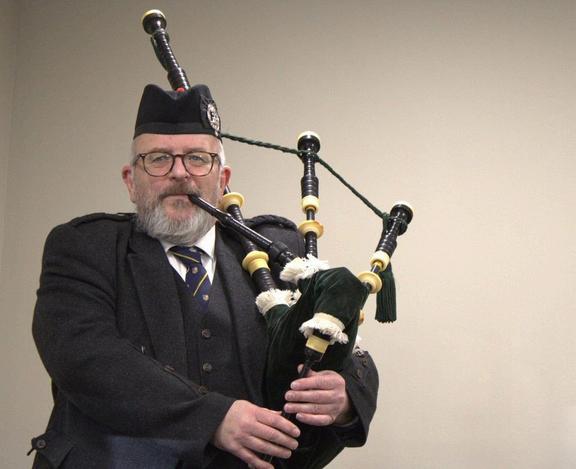
“I think people are looking for something that gives them a routine, a grounding in something where they’re from and who they are,” Hamilton said. “I think it’s a lot to do with that feeling of being from somewhere, being connected to something.”
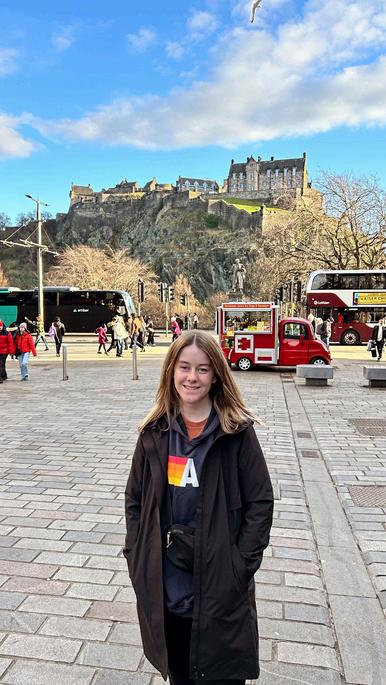
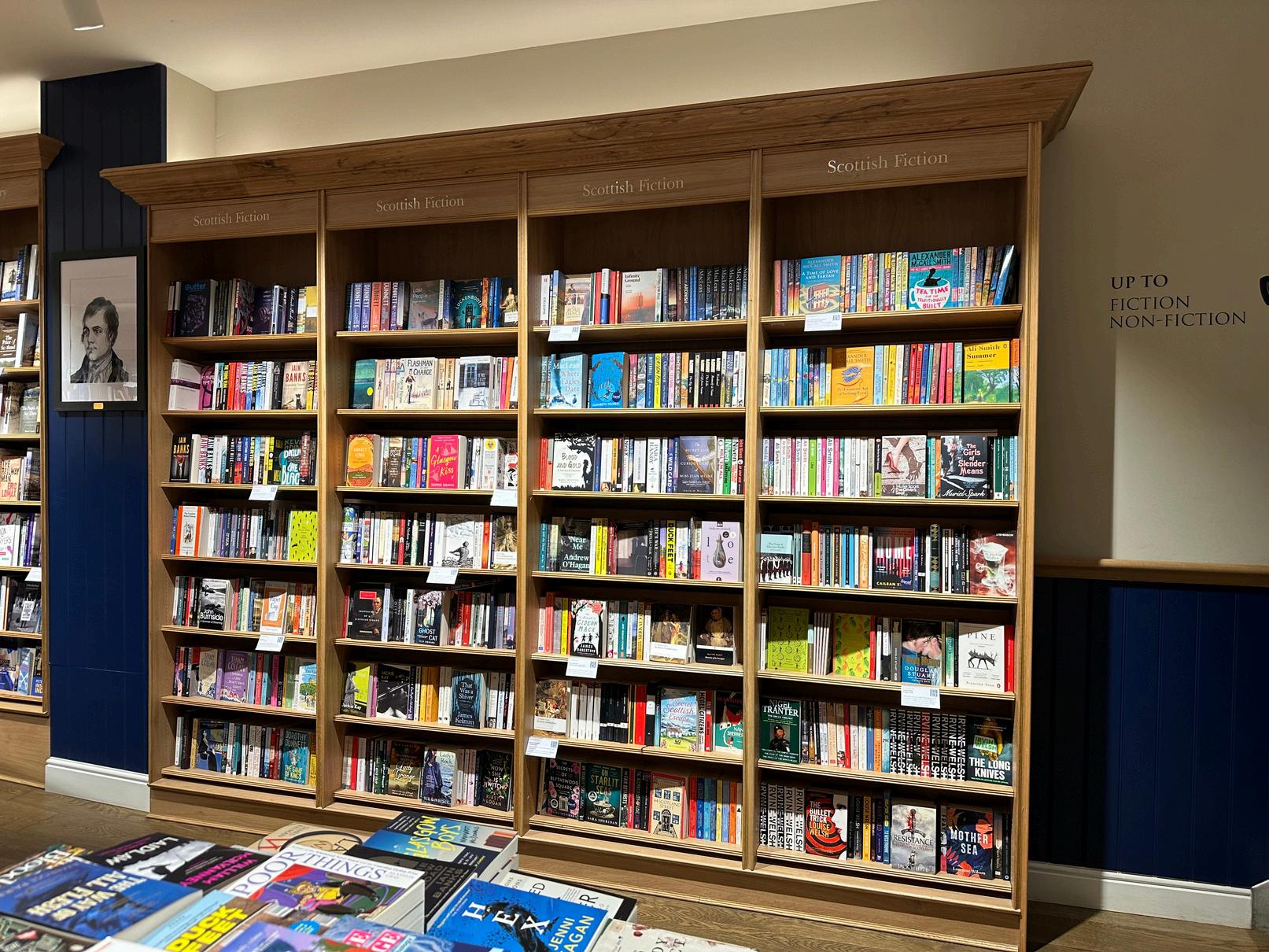
“Certain places in Scotland have stories that go with them, like the fairy pools in the Isle of Skye and how the fairies are both good and bad or mischievous.”
Scotland is a land full of stories of all kinds: folklore, legends and myths. But it is not just the stories that inspire literature; it is also people, the architecture and the land that inspire authors
Walking through the streets in Edinburgh, Scotland feels like you are walking through a fictional world
There are places and landmarks all around Scotland that have inspired stores, like the Fairy Pools in Isle of Skye The fairies are considered mischievous they can be good or bad depending on their moods, which is seen in stores that include fairies in them
There has been a recent boom in the reading world, especially in the fantasy genre, thanks to social media like TikTok Avid readers in the fantasy genre notice that there are heavy Scottish influences that come through in the world building and the characters.
Caitlin Morris, who works at Blackwell’s Bookshop in Edinburgh, Scotland, posed the question of why authors use Scotland as an influence in their books. Morris said that she thinks it could be because “authors recognize the UK as old, so they just put that in.”
“It fits the aesthetic of old fantasy worlds,” Morris said, “like in Game of Thrones by George R.R. Martin.”
This is seen in the mainland in the Game of Thrones universe, Westeros In Scotland there is a street named Wester Ross, which sounds the same with just a different spelling
Blackwell’s Bookshop in Edinburgh has an entire section on the main floor that is dedicated to literature written by Scottish authors, in a many different genres Morris pointed to a few of the books on those shelves when pointing to stories that are influenced by Scottish myths and legends
Tony Broonford works at the Scottish Storytelling Centre in Edinburgh He revealed that the book The Strange Case of Dr Jekyll and Mr Hyde by Robert Louis Stevenson is about a real man in Scotland named Deacon William Brodie Brodie was a good man in the day light, deacon of a trade guild, but had a different life at night, gambling and cheating.
According to VisitScotland, the unicorn is a symbol of innocence, power and purity, which is seen in how authors use the unicorn in their stories.
The stag is also a major symbol in Scotland. There are two versions, a big, more common stag and a big, white stag. Statues of stags are seen all throughout Scotland. The Throne of Glass series written by Sarah J. Maas has a big, white stag that shows up. Just like for Scotland, it is a symbol of power, beauty and freedom There is a stag in The Chronicles of Narnia by C S Lewis as well, symbolizing the end of the journey
Fairies play a big role in Scottish folklore A mischievous people neither considered good nor bad, it all depends on a fairy’s mood and if they are mistreated in some way The romantasy genre is full of books that have faeries They aren’t little like Scotland’s are, but they are usually people that are mischievous in some way Like the fairies in Scotland, the ones in books are very in tune with nature
In Scotland, especially the highlands, the people speak a second language, Gaelic The language is a huge part of the Scottish heritage Rebecca Yarros, the author of The Fourth Wing series used Gaelic to name the dragons in the series. An example is the dragon named Tairneanach, when translated to English it means thunder.
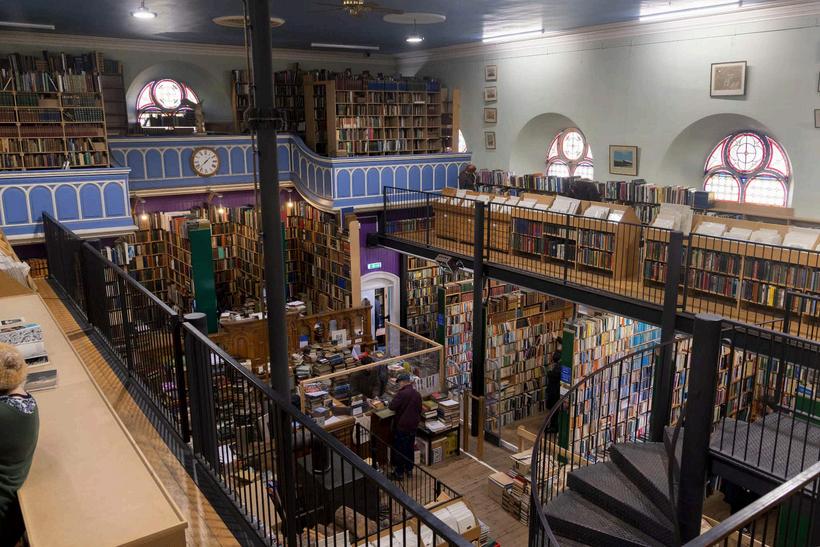
The Scottish Storytelling Centre is located off of the Royal Mile and in John Knox’s house. Broonford says that the purpose of the Storytelling Centre is “to keep the Scottish heritage and culture alive through storytelling,” such as passing on the folklore and legends to make sure their history is not forgotten.
In Scottish stories, there are creatures throughout that are symbolic, and they are seen throughout literature. The unicorn, Scotland’s national animal, in the coat of arms, is seen in many popular stories like The Harry Potter Series by J K Rowling and The Chronicles of Narnia series by C S Lewis
These authors are not from Scotland, yet they use the folklore and culture in their writings. Morris says it does not bother her when Scotland is used in books, but with a caveat.
“It is nice when it is done well,” Morris said. “It is better when it is done well.”
The most widely-known major reference to Scotland in a book series is undeniably the Outlander series by Diana Gabaldon and the popular TV series of the same name
There are mixed reviews on whether Outlander is an accurate representation or not According to Anna Pelkin, who owns an Airbnb on the Isle of Skye and leads sconemaking lessons, the historical accuracy of events is good, but the Gaelic accents are less so
Readers get a taste of Scottish folklore and legends through the books they read, through the inspiration authors draw from the stories of Scotland Just reading stories with hints of inspiration is not enough to get a full understanding of the culture shared through the stories

Makayla O'Shield Psychology & Criminology
I didn’t expect to find anything in the loch. That’s how legends work not because we believe we’ll see them, but because we hope we might
I had come to Inverness first, standing on the banks of Loch Ness with my hands buried in my jacket pockets, squinting into the water like a thousand hopeful tourists before me
I didn’t see Nessie But something about the cold mist, the distant hills, and the silence of the loch stirred something old in me the kind of wonder I hadn’t felt since childhood
I didn’t need proof I just needed a way to carry it That’s when I decided to get the tattoo
Scotland has a longer relationship with tattoos than most people realize Long before buzzing machines and brightly colored ink, the Picts, a Celtic people who lived in what is now northern and eastern Scotland during the Late Iron Age, were known as the “painted ones.”
Roman historians like Tacitus described them as fierce warriors, their bodies marked with symbols likely animals and spirals made with a blue dye called woad (National Museums Scotland).
“These early tattoos weren’t decoration,” said Fiona Kerr, an archaeologist I met at the Inverness Museum. “They were
identity. Protection. Power.”
Though physical evidence of Pictish tattooing hasn’t survived skin doesn’t last like stone their intricate carvings still dot the Highlands, especially around Inverness
Standing in front of the Shandwick Stone, with its looping beasts and symbols, I wondered how many of those patterns once adorned living bodies
“I think people forget tattooing is ancient,” Kerr added “Scotland’s tattoo tradition isn’t borrowed It’s homegrown ”
By the time I made it to Edinburgh, I wasn’t just getting a tattoo of the Loch Ness Monster I was connecting to something much older
I walked into Studio XIII Gallery, tucked into Jeffrey Street just off the Royal Mile, with the loch still fresh in my mind and a sketch in my jacket pocket
Akos greeted me with a nod. He had stubbled facial hair, a thick Eastern European accent, and salt-and-pepper hair streaked with bold blues and violets. He looked like someone who understood what myths were made of.
“I don’t just draw monsters,” he said, flipping through his designs. “I draw symbols. Nessie she’s a good one. She hides, but she endures.”
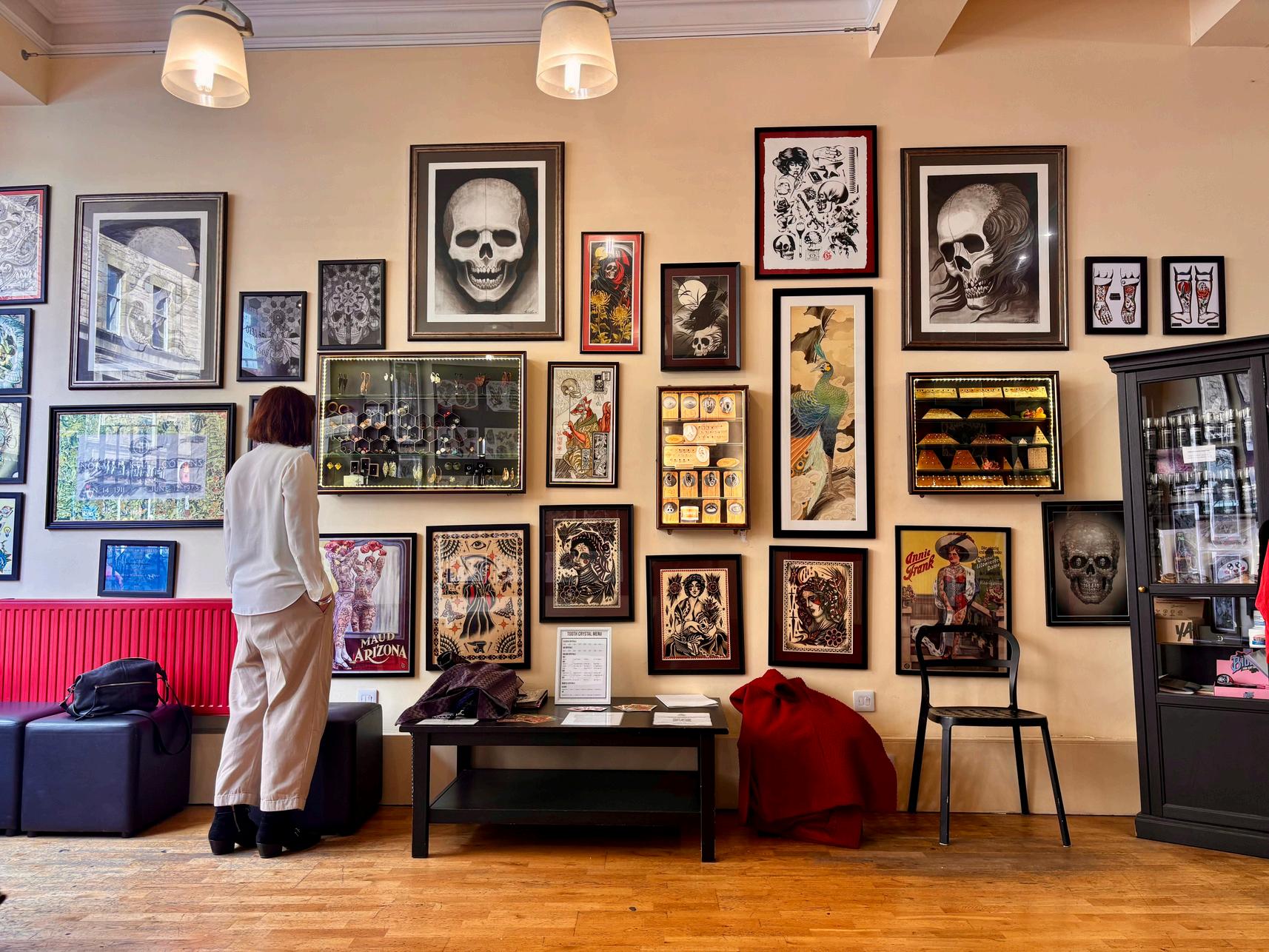
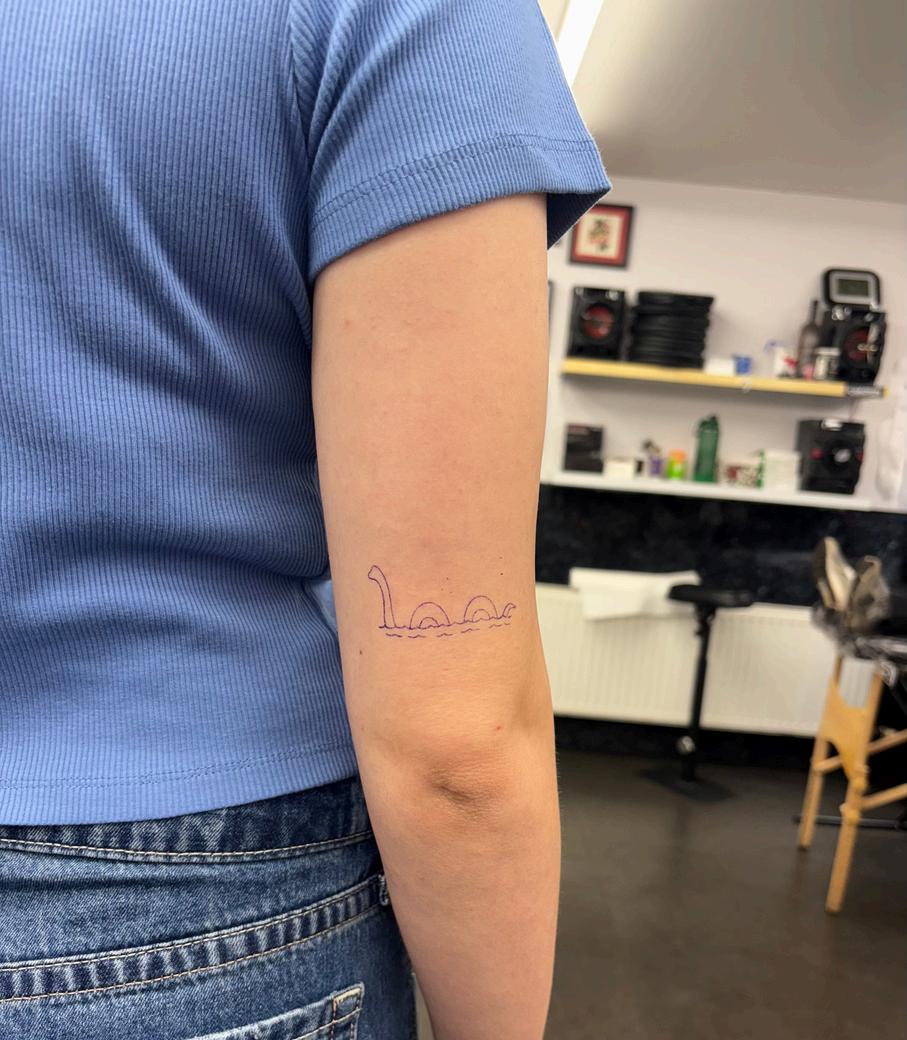
I rolled up my sleeve and pointed to the spot above my elbow “I want her here Close, but subtle Like she’s swimming away ”
He grinned “She already is ”
Tattooing in Scotland nearly disappeared after the Picts. As Christianity spread across the isles, body modification was seen as pagan and impure (The Conversation).
But in the 18th and 19th centuries, Scottish sailors some stationed with the Royal Navy brought back the tattoo traditions of Polynesia and Southeast Asia. Anchor tattoos, swallows, and ships soon became common symbols of survival and memory.
By the early 20th century, tattooing had gained popularity in working-class Scotland, especially among soldiers returning from war Edinburgh became a quiet hub for the craft, its artists working in back rooms and basements
Now, the city is home to dozens of studios blending ancient Celtic knotwork with modern design
“Nessie’s a good bridge between the old and new,” Akos said as the buzz of the needle began “She’s modern folklore with ancient roots Perfect for tattooing ”
The pain wasn’t bad more like concentrated heat I watched the outlines of the creature emerge above my elbow: a long, curling neck that wrapped gently around muscle, her tail flicking near my tricep, her eye small and knowing
“She’s part of your story now,” Akos said, wiping away the ink and blood. “A piece of the loch, wherever you go.”
Later that day, I passed a bookstore again on my way south
The tattoo was healing now, scabbed and a little sore, but beautiful. A man pulling in tables and signs noticed the bandage and asked what it was.
“Nessie,” I said, showing him.
He gave a low chuckle. “She’s followed you, then.”
Maybe she had. Maybe she always had.
Tattoos aren’t just art. They’re memory, place, belief stitched into the skin so they can’t be forgotten. In Scotland, that tradition runs deep, from Pictish warriors to punk rockers, from sailors to me.
Now, every time I catch a glimpse of her curling shape above my elbow, I remember what I saw in the Highlands: not the monster herself, but the silence, the mist, the feeling that something is out there just beneath the surface
Something worth carrying
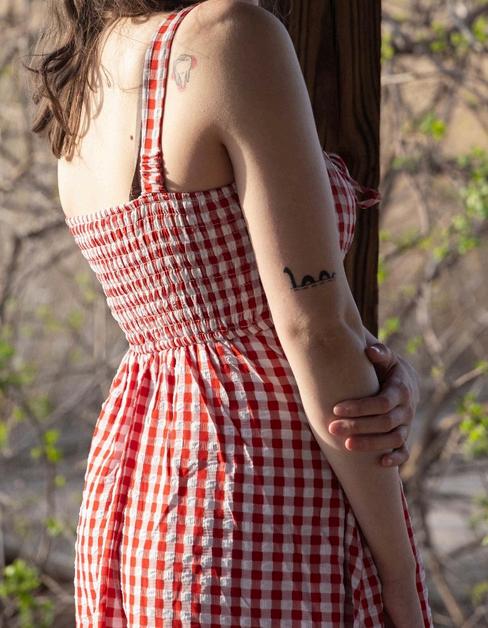
Outside, the Edinburgh air was still damp, and the castle loomed high above the city. I walked toward the Royal Mile with my arm wrapped in plastic, feeling oddly ancient as if I were carrying something forward. Tolle biology & Molecular
Storytelling is Scotland’s way of keeping history alive and passing information through the ages. It is a very important career and requires knowledge of the stories, a great memory and outgoing personalities.
Scottish storytelling can be tied all the way back to 500 AD. These tales revolve around mystical and magical creatures, villains, and heroes. They are used to teach life lessons, tell history and to bring communities together and entertain all.
As the internet progresses, in-person oral storytelling could begin to dwindle and be put at risk of losing captive audiences The stories are accessible online, and people nowadays tend to lean towards staying home and learning information that way versus going out to a performance This can lead to a distortion of historical retellings and can strip the stories of their fantastical aspects
Two storytellers in particular are using their talents and knowledge to educate and entertain others with some famous Scottish tales and other lesser-known stories as well
Lizzie McDougall is very proud of the stories she tells and is hopeful that the more she performs, the more people will get into Scottish history and carry on the traditions
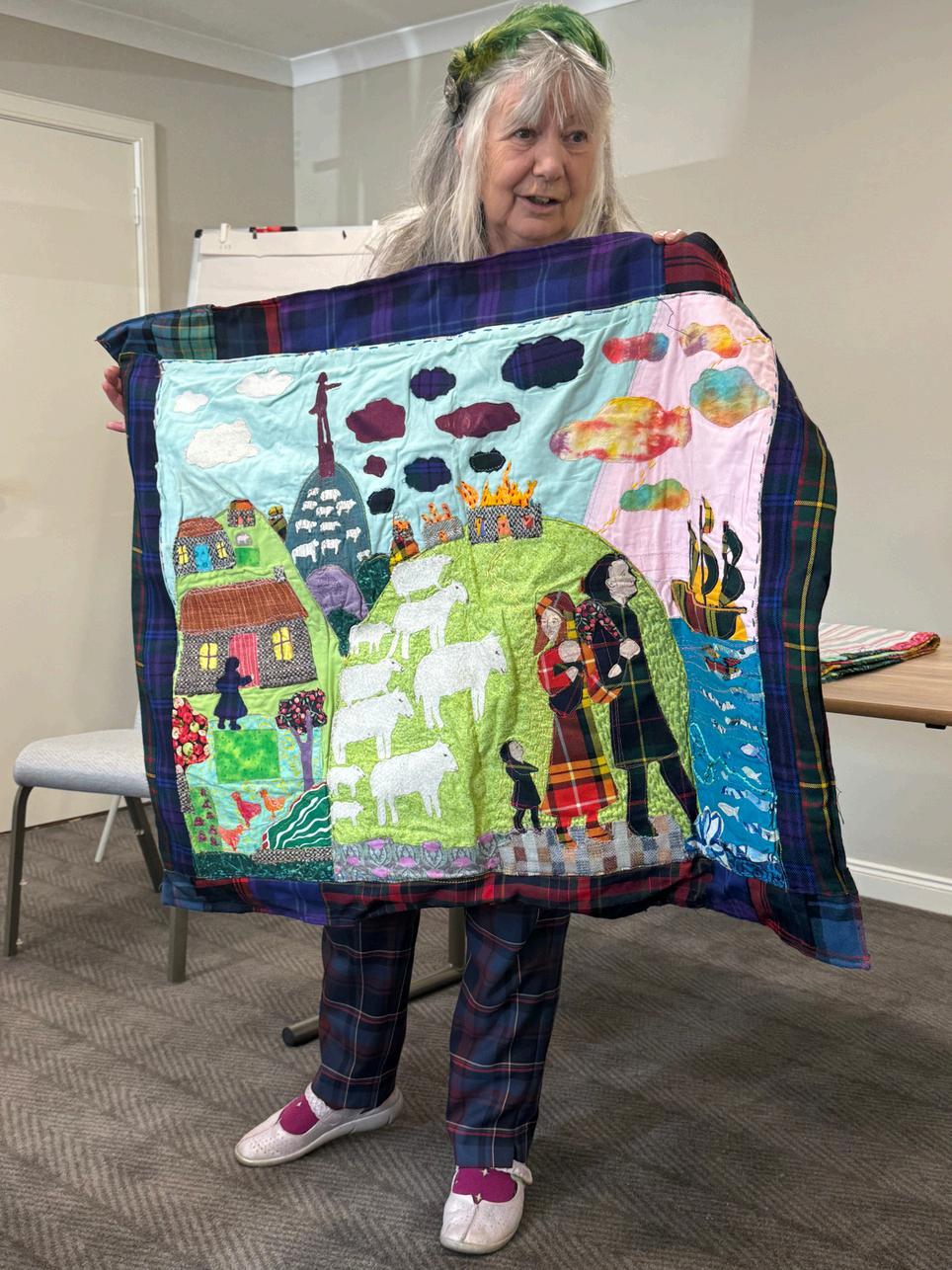
McDougall even crafts quilts that show the stories she is performing and folds them in ways that display on the portion she is performing at that moment until the whole thing is unfolded and displays the entire work.
She gets so invested in her stories that she pushes as far as she can with her vocal cords and has to stick to a tradition of tea and silence immediately after each performance.
Tim Porteus turned to storytelling as an escape from his everyday life. He had joined the army and then decided history was what he wanted to do with his life and left the army and went to Glasgow University to study history
While there, he began to lean into storytelling and what that has meant historically
Porteus said he encourages others regarding “the power of storytelling to name the world, to interpret what’s going on and to understand what needs to change ”
Porteus also wanted to be a meaningful parent to his five children, and he loved to use storytelling to do this
“Stories don’t cost anything,” Porteus said “Stories are free They can come from your head or a book in a library ”
Storytelling was a massive piece of Porteus’ parenthood journey and now one of his children follows in his footsteps as a professional storyteller.
Scotland has Tall Tales Oscar competitions for storytellers to go and compete against others in the trade, with a Gnome award for a prize. This competition tasks individuals with telling the most outlandish, entertaining stories they can; the audience holds the honor of deciding the winner at the end.
To go along with the competition, Scotland hosts an international Storytelling Festival every year to bring forth people from all over the world to come share their stories, hear others, and bring everyone together This tradition started as the Berlin Wall fell over 35 years ago
Some favorite stories of Scotland include Nessie the Loch Ness Monster, the Selkie story, and the tales of ghosts and ghouls such as the Ghost Piper of Culzean Castle
Nessie is one of the most famous Scottish legends and is known worldwide She is a creature that lives in the Loch Ness and there have been claims or sightings of her for centuries
Selkies, on the other hand, are mythical creatures whose stories are used as entertainment and a way to cope with both love and loss
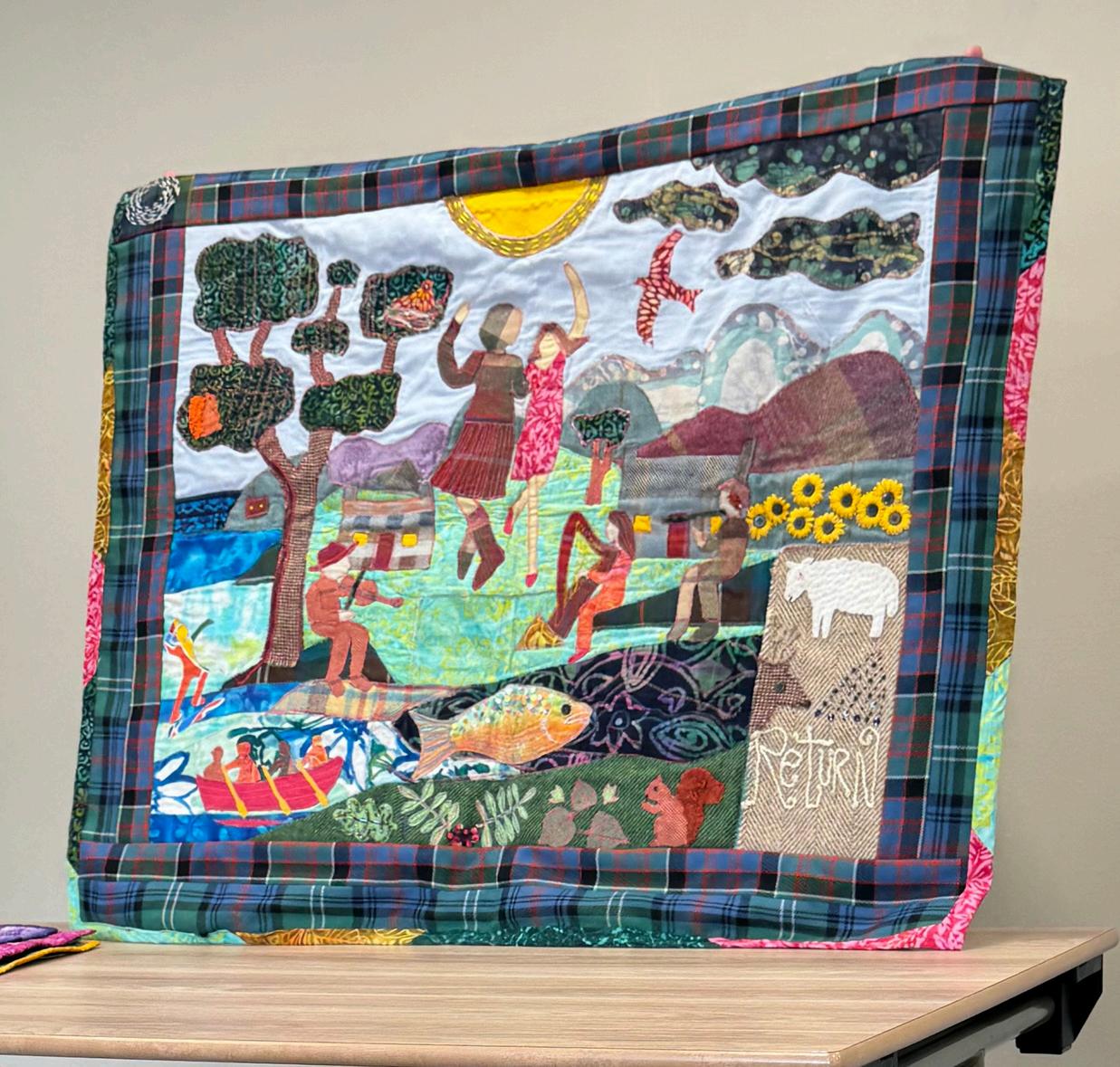
The Ghost Piper is a cautionary tale about a ghost who was sent into the caves below the castle and never returned Some say you can still hear him playing his pipes from the castle itself.
Scottish storytelling is a large piece of Scotland’s identity to keep history alive, pass on traditions, bring together communities, and teach and entertain the masses.
Storytelling is a highly revered position and is flourishing against all odds.
With the rise of internet storytelling, there could be potential for a decline in oral stories, but for now, it continues to be an integral part of Scotland that everyone is trying their best to maintain
Stories are passed from generation to generation and online archives can never provide the full depth experience of a true in-person performance that can be told in a million different ways and provide all different variations and feelings
It’s the kind of experience that could never come from a computer screen
“She gets so invested in her stories that she pushes as far as she can with her vocal cords and has to stick to a tradition of tea and silence immediately after each performance.”
Caitlin Hancock Communication Sciences & Disorders

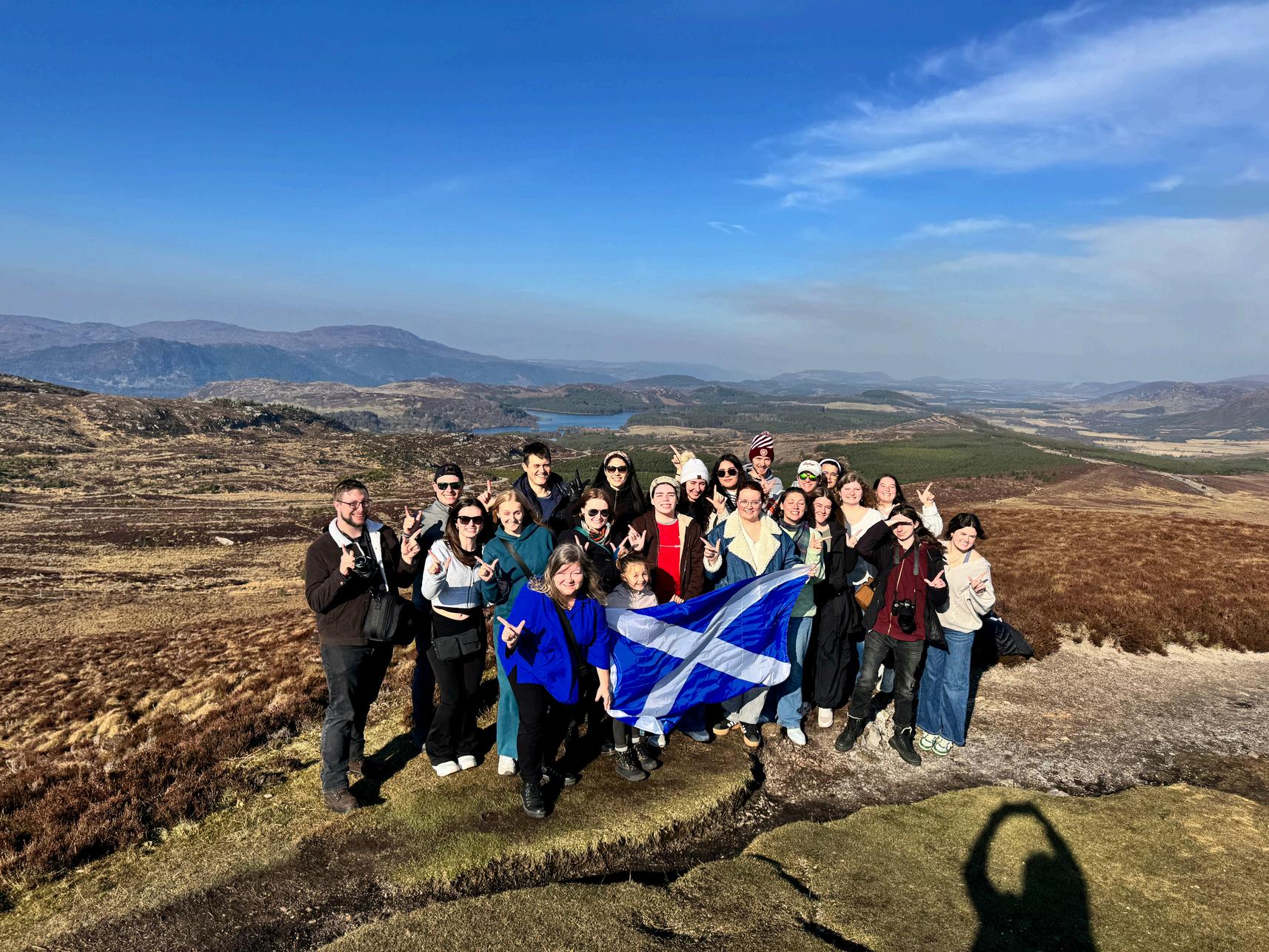
Hayden Alexander Multimedia Journalism Associate Editor
“I loved the live music It was a great way to get immersed in the culture and so much fun I also really enjoyed exploring the history each of the locations, Edinburgh, Inverness and the Highland that we visited ”
Calli Andrews Sports Marketing Social Media Coordinator
“My favorite part of the trip was the four days we spent in Inverness I loved getting to explore more of the rich culture and venture out of my comfort !”
Jace Bormann Computer Science Photographer
“I loved getting to see and take photos of all the beautiful architecture and landscapes ”
Meghan Brewer Psychology Social Media Coordinator
“My favorite part of the trip was seeing the historical beauty each city had Learning about the history of the buildings that stand today gave me a better appreciation for the history of Scotland. Each structure was so unique and intricate ”
Hayden Andrews Aviation Management Videographer
“My favorite part of the trip was playing a round of golf Being able to play the game in such a historic part of the golfing world was a dream come true!”
Jose Brito Mayorca
Strategic Communication Photographer
“My favorite part was vlogging the whole experience I felt like everyone loved it when I took out the camera and started recording and it added to the experience, I think ”
Madelyn Frans Psychology Photographer
“My favorite part of the trip was making new friends with everyone in our group I couldn’t have asked for a better group of people to explore Scotland with!”
Grace Norton Fashion Merchandising Videographer
“My favorite part was just seeing the sights of Scotland Driving around the Loch Ness felt like I was in a different world, like a fairy tale I also enjoyed learning all the history and seeing it com to life in the castles ”
Kinsley Proctor Psychology Layout Editor
the trip in my opinion g g my stomach hurt on th bus with the whole group ”
Caitlin Hancock Communication Sciences & Disorders Associate Editor
“My favorite part of the trip was experiencing all the wonderful sights and culture We had an amazing group of people and getting to know everyone was so much fun!”
Makayla O'Shield Psychology & Criminology
Associate
Editor
“My favorite part of the trip was going to the local bookstores! I also loved the Isle of Skye ”

Danny Kotula Sports Communication Editor
“The process of getting to know everyone better slowly but surely and learn about their stories was my favorite aspect of our trip Our group is incredible and everyone brought something unique that made us better!”
Cole Plumbley
Animal Science
Social Media Coordinator
“I loved hanging out with everyone. My other favorite part was the views on the Isle of Skye ”
Emma Thomas Zoology: Pre-Veterinary Science Layout Editor
“Scotland was such a magical place! My favorite part was visiting all the castles and feeling like I was transported back in time I am so glad I got to be a part of this amazing trip with this awesome group!
Carmen Sharp Strategic Communication Social Media Coordinator
e trip was going to weather and scenery were beautiful Yet, I also enjoyed wandering around Edinburgh meeting new people and experiencing the culture!”
Chole’ Tolle Microbiology & Molecular Genetics Layout Editor
“I think one of my favorite parts of this trip was just getting to know people I made amazing friends on the trip that I now am best friends with ”
Isaac Terry Strategic Communication Photographer
“I loved going everywhere with new and old friends The architecture and food/drink were also amazing ”

Amanda Vasher Brand Communication Brand Director
“Hearing the personal stories of bed and breakfast owners and professional storytellers gave me insight into the Highland's cultural identity that I wouldn't have had otherwise Getting to understand Scottish culture through the eyes of the locals made the experience truly meaningful ”

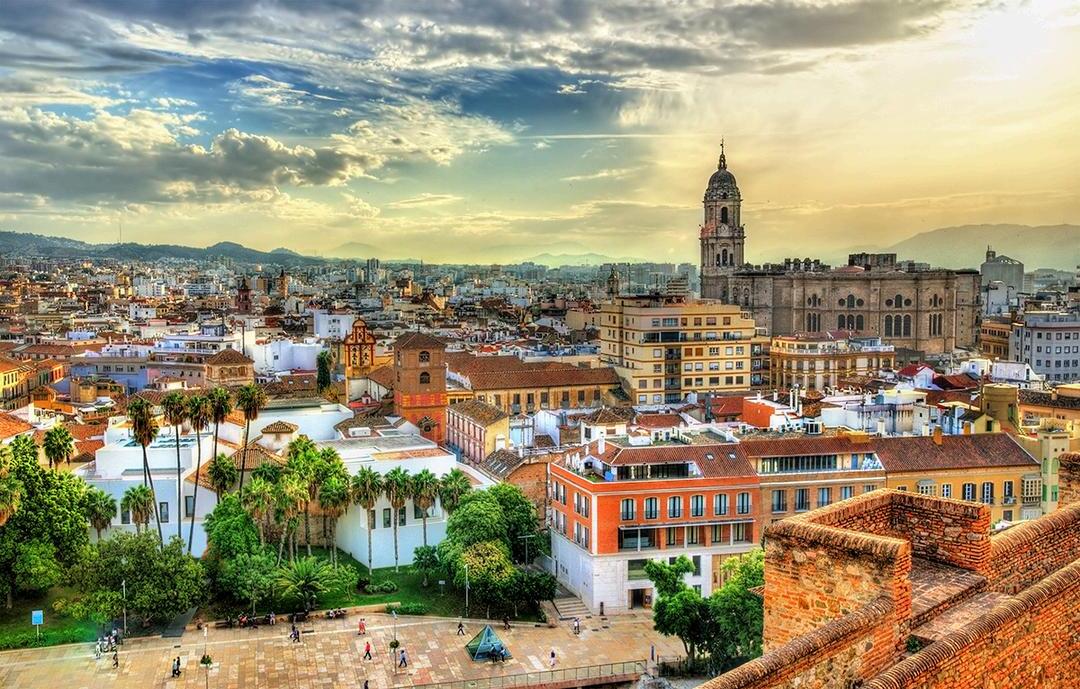
MC4043(G)
SC4053
MC5040
NarrativeIdentity ofSpain
Learnhowtomakeamagazinefromstarttofinishwhiletellingstoriesabout Spain.Wewillworkasateamofstorytellerswithcamerastofindandshare positivestoriesaboutourworldYouwillpracticeresearching,writing, designingandsharingcontentonlineandinprint.Bytheendoftheclass,our teamwillcreatearealmagazinethatshowsoffyournewskillsandhelpsyou thinkmorecarefullyaboutwhatmakesgoodmediacontent.
About the Spain Program

DiscoverthemagicofAndalusiainthisincredibleSpanish adventurethroughMalaga,Granada,Cordobaandbeyond! Immerseyourselfinrichculturalexperiences,fromcooking authenticpaellaandexploringthemagnificentAlhambrato enjoyingapassionateflamencoshowandwanderingthrough historicmarketsandmuseums.Withguidedtoursoficonic landmarks,exclusiveworkshopsandtimeforpersonalexploration, thisstudyabroadprogrampromisesanunforgettablejourneyinto theheartofSpanishart,historyandcuisine!