The Role of Locking Plates in Restoring Hand Function After Injury
Our hands are one of the most complex and vital parts of the human body, allowing us to perform everyday tasks with precision and ease Whether it’s typing on a keyboard, gripping a steering wheel, or holding a loved one's hand, the intricate structure of bones, tendons, and muscles in our hands makes all these movements possible Unfortunately, injuries to the hand, such as fractures, can be incredibly debilitating. One of the most effective solutions in modern orthopedic surgery for restoring hand function after an injury is the use of locking plates.
Understanding Hand Fractures and Their Impact
Hand fractures can occur due to various reasons, such as accidents, sports injuries, falls, or even workplace incidents. A fracture in any of the small bones of the hand can significantly limit movement, cause pain, and affect grip strength. The complexity of the hand makes treatment challenging because improper healing can lead to long-term functional impairment
Traditionally, hand fractures have been treated with methods like splints, casts, and external fixation devices. However, these methods often come with limitations, such as prolonged immobilization leading to stiffness or improper bone alignment This is where locking bone plates have revolutionized hand fracture management
What Are Locking Plates?
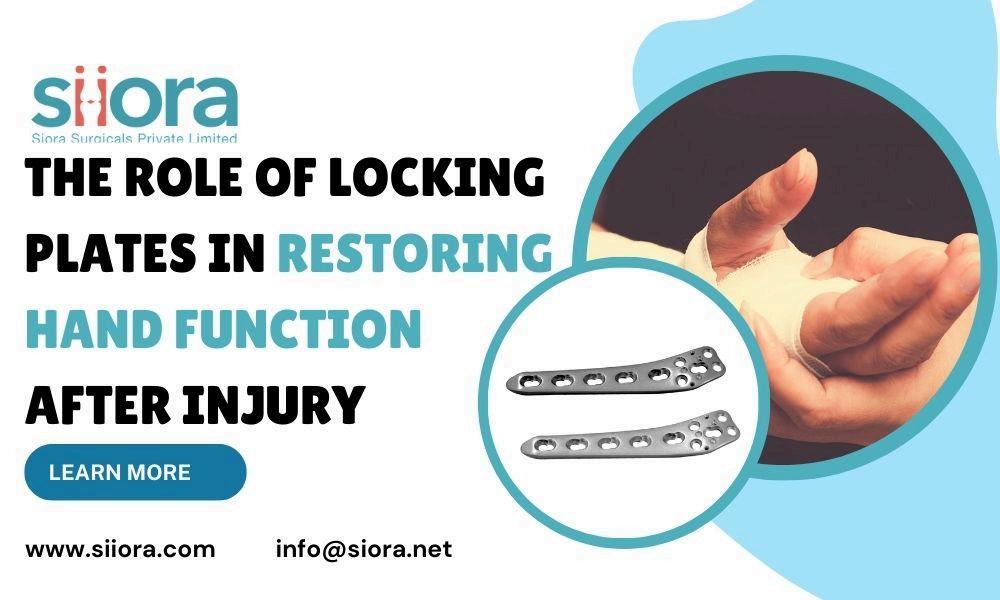
Locking plates are specialized orthopedic implants designed to stabilize broken bones during the healing process. Unlike conventional plates that rely on the friction between the plate and bone for stability, locking plates feature a unique design where screws lock into the plate itself This
mechanism provides a more stable fixation, reducing the risk of screw loosening and promoting better healing outcomes.
How do Locking Plates Improve Hand Function Recovery?
Superior Stability
Locking plates provide rigid fixation, ensuring that the broken bone remains in its correct position throughout the healing process. This reduces the chances of misalignment, which is crucial for maintaining normal hand function post-recovery.
Early Mobilization
One of the most significant advantages of locking plates is that they allow for early movement of the hand Unlike traditional casts that require prolonged immobilization, locking plates provide enough stability for patients to start gentle movements soon after surgery This helps prevent joint stiffness and muscle atrophy, which are common complications of hand fractures.
Minimized Soft Tissue Damage
Traditional plating techniques often require extensive surgical exposure, increasing the risk of soft tissue damage. Locking plates, on the other hand, can be applied using minimally invasive techniques, preserving the surrounding tissues and promoting faster healing
Reduced Risk of Hardware Failure
With conventional plates, screws can loosen over time, leading to instability and the need for additional surgeries The locking mechanism of these plates ensures a stronger fixation, reducing the likelihood of hardware-related complications.
Improved Healing in Osteoporotic or Weakened Bones
In patients with conditions such as osteoporosis, bones are more fragile and may not hold traditional screws effectively. Locking plates distribute stress more evenly, reducing the risk of further fractures and aiding in more effective healing
Real-Life Impact of Locking Plates
Patients who have undergone surgery with locking plates often report better outcomes in terms of mobility, pain reduction, and overall hand function. Many are able to return to their daily activities, sports, or work much faster than those who receive traditional treatments.
For instance, consider an athlete who sustains a severe hand fracture. With traditional treatment methods, they might face months of immobilization, followed by a long rehabilitation process. However, with locking plates, they can start therapy sooner, regaining strength and dexterity much more quickly Similarly, for an office worker or a musician, restoring fine motor skills is critical, and locking plates facilitate a smoother recovery.
Conclusion
Locking hand fracture plates have transformed the way hand fractures are treated, offering superior stability, reduced recovery time, and better long-term outcomes By allowing for early mobilization and ensuring proper bone alignment, they help patients regain function faster and more effectively Whether for an athlete, an artist, or anyone relying on their hands for daily tasks, locking plates represent a significant advancement in orthopedic care, giving people the chance to recover with confidence and return to their normal lives sooner.