WELCOME TO:Siora Surgical



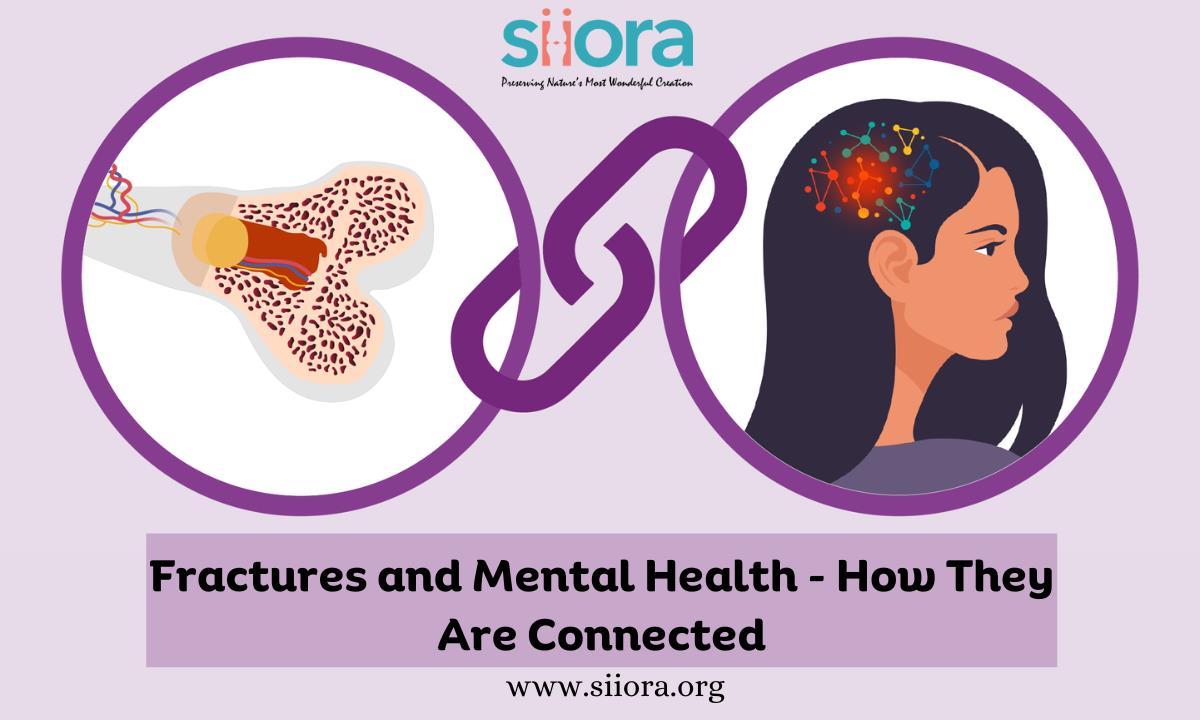
❖ Fractures and Mental Health - How They Are Connected
When we think of fractures, we often associate them with physical pain and discomfort. While it's true that fractures can cause physical distress, their impact on mental health is an often overlooked aspect of the healing process. In this blog, we will explore the relationship between fractures and mental health, shedding light on the emotional toll that these injuries can take on individuals. To get an international standard quality range of orthopedic devices, find
Experienced Orthopedic Instruments Manufacturers.
The Physical and Emotional Burden
Fractures can result from accidents, sports injuries, or medical conditions, and they vary in severity. Regardless of the cause or type, experiencing a fracture can be a traumatic event. The initial pain and shock of the injury can lead to feelings of fear, anxiety, and helplessness. Moreover, the subsequent journey of healing can be emotionally challenging.

Isolation and Dependency
One of the most significant factors affecting mental health during the recovery process is the isolation that often accompanies a fracture. Depending on the severity of the injury, individuals may find themselves confined to their homes or hospital beds for extended periods. This isolation can lead to feelings of loneliness, sadness, and even depression. Additionally, fractures often require assistance with daily activities, such as bathing, dressing, and cooking. The loss of independence and the need to rely on others can be emotionally distressing. Feelings of helplessness and frustration may arise, contributing to a decline in mental well-being.
Pain and Discomfort
Physical pain and discomfort associated with fractures can also take a toll on mental health. Chronic pain can lead to irritability, sleep disturbances, and increased stress levels. Individuals may find it difficult to engage in their usual activities, including hobbies and social interactions, which can further exacerbate feelings of isolation and sadness.


The Fear of Complications
Fractures may come with the fear of complications, such as delayed healing, infection, or the need for surgery. These concerns can lead to heightened anxiety and stress. The uncertainty surrounding the outcome of the injury can create a constant state of unease, making it challenging to maintain a positive outlook.
Loss of Identity
For athletes and physically active individuals, sustaining a fracture can be especially emotionally taxing. It may result in the loss of a significant part of their identity and purpose. This loss can lead to feelings of worthlessness and depression as individuals struggle to adapt to their new, more limited circumstances.
Coping Strategies
While the emotional impact of fractures can be profound, there are strategies to help individuals navigate these challenges:
• Seek Emotional Support: Emotional support sometimes is better in coping with mental stress. Talking about your feelings can be therapeutic and reduce feelings of isolation.
• Stay Informed: Understanding the healing process and the expected timeline for recovery can reduce anxiety and uncertainty.
• Maintain a Routine: Creating a daily routine can provide structure and a sense of purpose during the healing process.
• Practice Self-Care: Engage in activities that promote relaxation and wellbeing, such as meditation, deep breathing exercises, or gentle physical activity as recommended by your healthcare provider.
• Set Realistic Goals: Break down your recovery into achievable milestones, celebrating small victories along the way.