
Data scientists for life
SPECIAL FOCUS PREPARING FOR THE NEXT EPIDEMIC THE AI REVOLUTION CONTINUES
Our mission as a federal public service SIB is one of the federal government’s instruments to support research and innovation in Switzerland, and to promote the country internationally.


Activity pillar I – Developing world-class, open biodata resources
Our open software and databases are used across the world to accelerate research, boost innovation and tackle global challenges, from food security to pollution and climate change.
SEE P. 31
Forewords
Data, like energy or food, are now a strategic resource. But securing ‘digital sovereignty’ means more than securing access to data; it demands national expertise to manage, integrate and interpret data. Switzerland’s COVID-19 response five years ago made this clear: real-time decision-making and modelling of policy impacts was only possible by expertly analysing nationally and internationally collected data. Our country’s advantage was rooted in long-term investment into software and platforms developed at SIB, which were key for analysing and tracking viral variants. It is hardly surprising that a bioinformatician – SIB Group Leader Tanja Stadler – led the National COVID-19 Science Task Force.
Through SIB, Switzerland has built world-class expertise in life science data, supporting both research and AI with robust, trustworthy infrastructure. This not only enables national projects but also ensures we remain internationally connected and standards driven. Sustaining digital sovereignty depends on continued investments in such infrastructure and in the data expertise needed to keep Switzerland at the forefront. •

Christophe Dessimoz Executive Director
“SIB plays a vital role in the Swiss innovation ecosystem by maximizing investments.”
Switzerland’s innovation ecosystem is built on strong federal investment in basic science plus business-friendly policies. This approach enables ongoing discoveries at universities to fuel a steady stream of new patents, start-ups and publicprivate partnerships that in turn fuel economic competitiveness. One measure of success is the country’s consistent top place in global innovation rankings.
National research infrastructure like SIB plays a vital, but often overlooked, role in this ecosystem by maximizing investments. The efficiency gains provided by SIB’s expertise in data management and large project coordination, for example, accelerate the transformation of raw data into valuable insights at all levels of life science innovation, from academia to industry R&D.
Pharma and biotech companies are critical to the Swiss economy. With the current US science crisis, maintaining and reinforcing SIB is more important than ever – not only to support national industries but to ensure Switzerland’s continued reputation and performance as a global leader in research, innovation and competitiveness. •

Jérôme Wojcik Chairperson of the Board of Directors
Science has long been a driving force for international cooperation, collective progress, and the common good. SIB is fully aligned with this vision as a provider of high-quality biological databases and computing tools, as well as recognized expertise. The institute thus promotes access to globally relevant knowledge, makes tens of thousands of discoveries possible each year, and places Switzerland in major international research efforts. The recent example of the 2024 Nobel Prize in Chemistry for an AI model that predicts protein structures, which drew on SIB resources, demonstrates the importance of such research infrastructure in enabling significant scientific advances.
Today, however, science finds itself at the heart of geopolitical turmoil. Recent decisions taken by the new US administration (drastic cuts in funding and scientific staff, suppression of critical data, political interference in the direction of research, etc.) are fracturing proven models of scientific cooperation, and risk jeopardizing global efforts to address major challenges such as pandemic preparedness and climate change. Switzerland is not immune, for example with the risk of the NIH withdrawing from ambitious initiatives such as those supported by SIB. But the fundamental point is the signal sent.
While all countries must confront this new paradigm, Switzerland, one of the most innovative nations in the world, has the opportunity, but also the responsibility, to position itself as a stable and reliable player, and a defender of open science and global collaboration. This is a way to reaffirm the country’s ambitions in education, research, and innovation, and to uphold its centuriesold tradition within the international community of promoting knowledge as a universal good. Ensuring stable ties with our European neighbors to strengthen our scientific cooperation is all the more vital.
“SIB promotes access to globally relevant knowledge.”
At this pivotal moment, ensuring our sovereignty in the field of life sciences takes on a special significance. Research infrastructure capable of providing the global scientific community with high-value data and expertise, such as those developed by SIB, are more crucial than ever. Switzerland’s ability to innovate and maintain its leadership position will depend on its willingness to sustain these. •

Simone de Montmollin President of the Foundation Council




Data scientists for life
We are multidisciplinary experts who curate data and make them speak to solve biological questions. Discover how we work and the highlights of the year from our members and teams.
SIB in brief
The Swiss organization for biological and biomedical data science, with an ambitious vision for society.
Our mission
Our mission is to push the boundaries of data science through in-depth knowledge of biological data, cutting-edge technologies and interdisciplinary collaborations.
We provide researchers and clinicians with outstanding bioinformatics resources, services and training to accelerate innovation in many fields, from medicine, health and agriculture to the preservation of biodiversity and the environment.
We represent and federate Swiss bioinformatics. By fostering a culture of scientific excellence and collaboration, we contribute to ensuring Switzerland remains one of the most innovative countries in the world.
885 members, including
186 employees
91 groups
28 institutional partners across Switzerland
162 databases and software tools developed by our members and employees, accessible via the Expasy.org web portal
As of 1 January 2025
(SEE P. 15)
Our vision
At SIB, we know that expertise in life science data is key to solving many of the world’s most pressing challenges. By unlocking the potential of biological and biomedical data, we aim to generate knowledge and innovate for a better future.


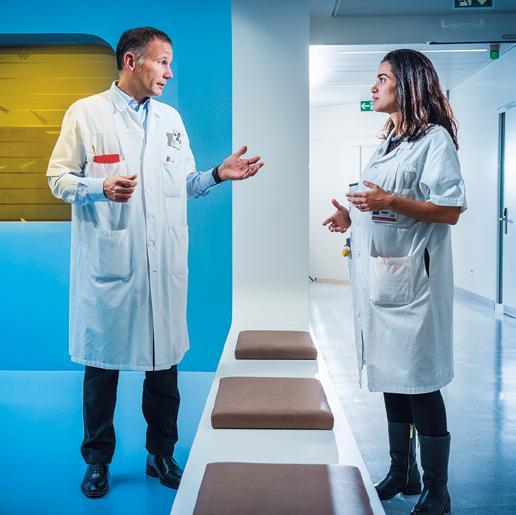
Bioinformatics: an interdisciplinary field fueling life science discoveries
By transforming complex biological data into meaningful insights, bioinformatics is at the heart of modern life sciences, healthcare and innovation.
New technologies are producing data at an unprecedented speed, and in such quantity and variety that they cannot be interpreted by the human mind alone. Enter bioinformatics.
Bioinformatics transforms raw biological data into meaningful, reusable knowledge for decision makers, clinicians, scientists, and even artificial intelligence (AI).
By turning vast amounts of data into actionable insights, this discipline accelerates scientific discoveries and innovation, helping to address global health challenges and environmental issues. For example, bioinformatics is now essential for developing new drugs, diagnosing diseases, developing personalized treatments and protecting endangered species.
Bioinformatics is thus crucial in shaping healthcare, life science research, and biomedical and environmental policy-making.
As an interdisciplinary field, bioinformatics encompasses many aspects, which are all part of SIB’s activities:
DATABASES for storing, retrieving and organizing curated information to maximize the value of biological data;
SOFTWARE TOOLS for modelling, visualizing, interpreting and comparing biological data;
ANALYSIS of complex biological datasets or systems using novel statistical approaches or machine learning techniques;
RESEARCH harnessing computational methods in a wide variety of biological fields (SEE P. 24) to foster discoveries in diverse areas, from agriculture to precision medicine;
COMPUTING AND STORAGE
INFRASTRUCTURE to process and safeguard large amounts of biological data.
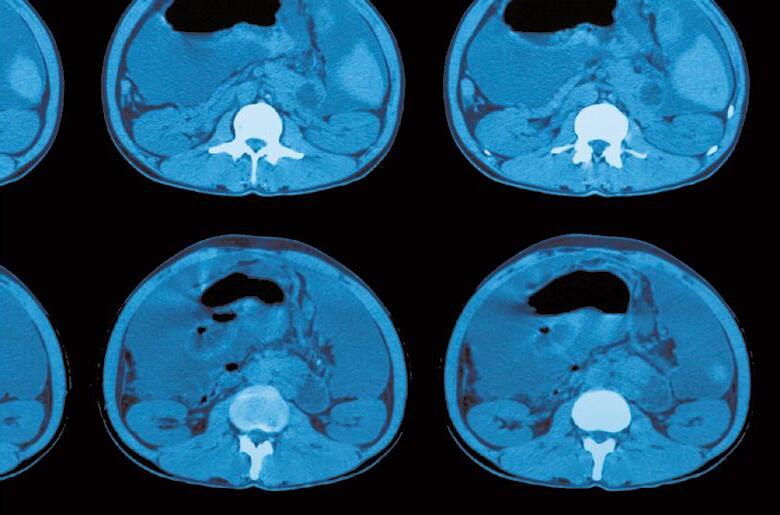
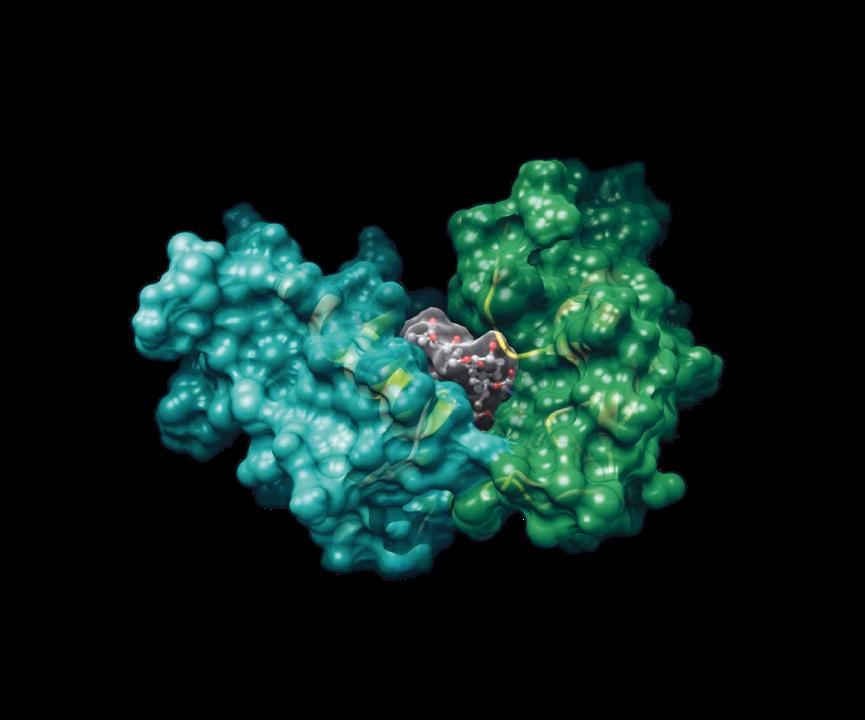
Bioinformatics deals with a broad spectrum of complex data types, such as:
IMAGES, including medical scans, to assist in early disease detection;
DNA SEQUENCES, to identify species in different ecosystems or genetic regions linked to disease, crop traits or climate adaptation;
PROTEIN STRUCTURE, to understand diseases and develop new drugs.
Explaining bioinformatics to the public
From precision medicine to drug design and infectious diseases: bioinformatics is intimately tied to health and societal issues. To bring the field to the general public and spark interest for data science, particularly among young people, we participate in science fairs, teach interactive workshops and develop popular science websites.
2,340 participants joined our 2024 outreach activities
Discover our origins
LIGHTOFEVOLUTION.ORG
Understand precision medicine
PRECISIONMED.CH
Explore the genome’s mysteries
CHROMOSOMEWALK.CH
What we bring to science and society
From an ambitious vision to structured activities and concrete impacts: discover our value chain.
ACTIVITY PILLAR I
Accelerating discoveries through open data, knowledge and tools
WHY To generate meaningful discoveries, life scientists and clinicians – and AI – rely on highquality, structured and harmonized datasets plus cutting-edge tools for analysing, visualizing and sharing data.
WHAT SIB develops essential open software tools and databases that enable research across a wide range of biological domains, from the study of protein function to pathogen surveillance.
OUTCOME By building a reliable, sustainable and cutting-edge infrastructure, we accelerate research, discoveries and trustworthy AI.
EXAMPLE OF IMPACT Our expertly curated databases have enabled breakthroughs in AI, such as AlphaFold recognized by the 2024 Nobel Prize in Chemistry (SEE P. 53).
See more on page 28
ACTIVITY PILLAR II
Supporting research and innovation through expert services
WHY Academics, clinicians, government agencies and businesses rely on good data science but do not aways have the necessary in-house expertise.
WHAT Our teams of data scientists, software developers, biocurators, computational biologists and trainers provide services and training that combine extensive informatics expertise with a deep understanding of the nature of biodata and the processes behind their generation.
OUTCOME We enable innovation, collaboration and applied research in public and private research projects, in Switzerland and internationally.
EXAMPLE OF IMPACT As part of IMMUcan, a European publicprivate partnership including several pharma companies, we set up an atlas of patient data to accelerate research for personalized cancer treatments.
See more on page 32
ACTIVITY PILLAR III
Maximizing science investments through efficient coordination
WHY Major life science advances require the sharing and analysis of harmonized and structured data by many stakeholders (including clinicians and health authorities), sometimes based in different countries.
WHAT Thanks to our independent and non-profit status, we coordinate efforts across disciplines, communities and institutions to overcome inherent challenges in technical requirements, legal frameworks and data protection, and build sustainable and scalable infrastructure.
OUTCOME We maximize investments in research, reinforce the economic competitiveness of Switzerland, and accelerate discoveries.
EXAMPLE OF IMPACT Switzerland is now better equipped against epidemics with the creation of our Centre for Pathogen Bioinformatics, which coordinates our capabilities in pathogen surveillance and data sharing, building on the infrastructure developed during COVID-19 (SEE P. 44)
See more on page 36
Our pillars feed from and into each other
Our expertise in developing and optimizing databases and software tools (PILLAR I) can also be applied to specific R&D and clinical needs (PILLAR II), such as making proprietary datasets interoperable with open ones.


Our recognized value as an expert R&D partner (PILLAR II), including as the data coordination centre for large European projects, has contributed to our leading role in setting up major infrastructure projects at the national and international level (PILLAR III).
Our coordination of open, interoperable research data for large-scale projects feeds from – and into – the best practices and standards we apply to our own open databases and tools (PILLAR I).
Collaborative governance for scientific excellence
SIB’s unique structure forms the basis of our strength.
SIB is anchored in Switzerland’s research ecosystem at several levels, from our highest governing body to our national network of affiliated members. This ensures a close connection to the evolving needs of life scientists.
Foundation Council
Highest authority in the institute with supervisory powers, its responsibilities include changes to SIB’s statutes, nomination of Group Leaders, and approval of the annual budget and financial report.
Board of Directors
Validates decisions necessary to achieve the aims of the institute, such as the scientific strategy and internal procedures, and allocates federal funds to service and infrastructure activities.
Discusses all matters relating to SIB Groups as a whole, and proposes new Group Leaders for nomination by the Foundation Council. The council also elects its representatives on the Board of Directors.
Council of Group Leaders
SIB Hub
Scientific Advisory Board
Acts as an independent consultative body, providing recommendations to the Board of Directors and the Council of Group Leaders. Its main tasks are to evaluate service and infrastructure activities (SEE P. 28), as well as the overall strategy of the institute.
Staffed and headed by SIB Employees, focuses on SIB’s three core activities (SEE PREVIOUS PAGE). Includes the executive management team defining and monitoring the institute’s strategic goals, and scientific groups and support teams (SEE P. 20) implementing the strategy. The latter comprises scientific relations, finance & grant services, legal & technology transfer, human resources, information technology & cyber security, biodata resources coordination, and communication & scientific events.
Two Group Leaders
One Executive Director Two external members
MEET THE LEADERSHIP
Foundation Council
Most of SIB’s 28 partner institutions are represented on the council. Composition as of 1 January 2025
President
Simone de Montmollin National Councillor President of the Science, Education and Culture Committee SECC
Founding members
Ron Appel Former SIB Executive Director
Amos Bairoch Group Leader, SIB and University of Geneva
Philipp Bucher Associate Group Leader, SIB
Denis Hochstrasser Former Vice Rector, University of Geneva
C. Victor Jongeneel
Carl R. Woese Institute for Genomic Biology, University of Illinois, USA
Manuel Peitsch Honorary Professor, University of Basel
Ex officio members
Hugues Abriel
Vice Rector for Research and Innovation, University of Bern
Thomas Baenninger
Chief Financial Officer, Ludwig Institute for Cancer Research (LICR)
Thomas Bieber
Director, Cardio-CARE AG
Francesco Bertoni
Deputy Director, Institute of Oncology Research (IOR)
Enrica Bordignon
Vice Dean of the Faculty of Science, University of Geneva
Edouard Bugnion
Vice President for Information Systems, EPFL
Emmanuele Carpanzano Director, Department of Innovative Technologies, University of Applied Sciences and Arts of Southern Switzerland (SUPSI)
Sébastien Castelltort Vice-Rector, Research and Sustainability, University of Geneva
Andrea Cavallaro Director, IDIAP
Estelle Doudet
Vice Rector Research, University of Lausanne
Patrick Gagliardini
Vice Rector for Research at the Universita della Svizzera italiana (USI)
Antoine Geissbühler
Dean of the Faculty of Medicine, University of Geneva
Doron Merkler
Department of Pathology and Immunology, University of Geneva
Vincent Peiris
Dean, School of Business and Engineering Vaud (HEIG-VD), HES-SO
Bernard Ries
Vice-Rector International Relations, Digitalisation and Young Researchers, University of Fribourg
Davide F. Robbiani
Director, Institute for Research in Biomedicine (IRB)
Patrick Ruch
Head of Research, School of Business Administration (HEG-Geneva), HES-SO
Nicolas Salamin
Director, Department of Computational Biology (DBC), University of Lausanne
Primo Schaer
Vice President for Research, University of Basel
Falko Schlottig Director, FHNW School of Life Sciences
Dirk Schübeler Co-Director, Friedrich Miescher Institute for Biomedical Research (FMI)
Elisabeth Stark
Vice President Research, University of Zurich
Michel Steinmetz Head a.i. PSI Center for Life Sciences, Paul Scherrer Institute (PSI)
Margot Thome Miazza Vice-Dean, Research and Innovation, Faculty of Biology and Medicine, University of Lausanne
Jürg Utzinger Director, Swiss Tropical and Public Health Institute (Swiss TPH)
Christian Wolfrum Vice President for Research, ETH Zurich
Co-opted Member
Alfonso Valencia Life Sciences Department Director, Barcelona Supercomputing Centre, Spain
Board of Directors (BoD)
Consists of two external members elected by the Foundation Council on the recommendation of the BoD, two Group Leaders elected jointly by the Council of Group Leaders and the BoD, and the SIB Executive Director. Members are appointed for a renewable five-year period.
Jérôme Wojcik (Chairperson) Industrial Data Scientist & Entrepreneur
Maria Boulos-Richter Independant Advisor
Katja Bärenfaller Group Leader, SIB and Swiss Institute of Allergy and Asthma Research (SIAF)
Richard Neher Group Leader, SIB and University of Basel
Christophe Dessimoz SIB Executive Director
Scientific Advisory Board (SAB)
Made up of at least five internationally renowned scientists from the institute’s fields of activity.
Alfonso Valencia (Chairperson) Life Sciences Department Director, Barcelona Supercomputing Centre, Spain
Melissa Haendel Director of Precision Health & Translational Informatics and Professor of Genetics, University of North Carolina-Chapel Hill School of Medicine, USA
Oliver Kohlbacher Director of the Institute for Translational Bioinformatics, University Medical Center, Tübingen, Germany
Claudine Médigue Head of the Laboratory of Bioinformatics Analyses for Genomics and Metabolism (LABGeM), Génoscope & CNRS, Evry, France
Alexey I. Nesvizhskii
Department of Pathology and Department of Computational Medicine & Bioinformatics, University of Michigan, Ann Arbor, USA
Christine Orengo
Department of Structural and Molecular Biology, University College London, United Kingdom
Ron Shamir
Computational Genomics Group at the Blavatnik School of Computer Science, Tel Aviv University, Israel
Executive team
Christophe Dessimoz Executive Director
Marie Dangles Director, External and Internal Relations
Marc Filliettaz Director, Operations
Council of Group Leaders
Comprises all Group Leaders (SEE P. 59)
FINANCES
In 2024, SIB achieved healthy financial results with a total income of CHF 33.2 million from both national and international funders supporting its three activity pillars.
Powered by the Swiss Confederation
The largest and most stable funder of SIB is the State Secretariat for Education, Research and Innovation (SERI). This base contribution accounts for 36% of our institute’s income. The SERI grant for 2024 was reduced by CHF 0.3 million, representing a drop of 2.8% compared with the initially allocated amount.
A unique funding model to sustain open resources
The largest part of SERI’s base contribution is devoted to our open resources (CHF 6.6 million, 57%). This subsidy is complemented by many additional funding sources, including competitive grants and contributions from the industry. In addition, most resources are also supported by short-term research funds held at partner institutions.
One third of SIB’s income comes from competitive funds
In 2024, CHF 10.1 million (31%) of SIB’s income originated from competitive funds, such as European public-private projects and collaborations with industry. SIB’s independent status, the diversity of skills of its employees, and the full professional support they offer, make the institute a desirable partner.





























Employee pro le

Personnel (embedded) 5.8M (17%)


Bioinformaticians





Keeping up with increasing demands
Funding for open resources and IT capacities is complemented by reserves (900K) to keep up with strong demand, and in accordance with the investment strategy for the 2021-2024 period.
A centre of excellence that delivers
Software developers



Biocurators
Researchers
Our centre of excellence includes training and bioinformatics services to universities, private companies and hospitals (SEE P. 32). It is mostly funded through collaboration and competitive grants –many international.
Lean and effective management & support







Scienti c project managers
IT specialists
Senior management

Suppor t functions
The management and support functions expenses (CHF 4.3 million, 13%) cover day-to-day administration, people and culture, finance, communication, legal and IT support. These support teams also contribute to projects in the key pillars, for which the funds are allocated to the relevant activities (e.g. legal expertise for SPHN is allocated to Coordination).







Personnel (SIB Hub) 18.8M (57%) External consulting
(1 0%)
& equipment
(2%) BioMedIT projects
(2%)
(5%)

2.3M ( 7%)
All figures are in millions of Swiss francs. They reflect the audited financial statements.
Investing in people at the heart of research
CHF 24.6 million (74%) of SIB’s expenses are devoted to our people, with 76% for employees at the SIB Hub and 24% for employees embedded in partner institutions. This reflects our unique and efficient model that anchors open science infrastructure in research.
Bioinformatics: a multidisciplinary field encompassing a large variety of life science data expertise.
INVESTING IN PEOPLE TO UNLEASH IMPACTFUL DATA SCIENCE
With a diverse workforce across Switzerland, SIB fosters a people-centred culture where talent is valued and developed.
Creating a respectful and safe workplace, through
Awareness training on Equality, Diversity and Inclusion (EDI)
Safety and security training
Regular onsite presence of our People and Culture staff in our different locations
Evaluation of employee satisfaction through diverse feedback channels
Fostering the highest engagement
Keeping our employees at the cutting edge, through
A tailored, internal mentorship programme
Continuous learning through LinkedIn Learning
Access to technical training organized by the Training group
Opportunities to engage in national and international projects and collaborations
A stimulating environment with ambitious goals, through
Structured approach to career development and progression across all roles
Voluntary initiatives including environmental impact and scientific focus groups (SEE P. 41) to develop knowledge and internal networks

We strive to provide the right environment and opportunities for all employees to thrive, grow, and contribute to our mission Geneva
“I particularly appreciate the flexibility, trust, support and
humaneness that SIB fosters among its employees.”
Florence Mehl Senior Computational Biologist, Vital-IT Computational Biology group, SIB Hub
MEET OUR HUB TEAMS
Our teams at the SIB Hub, staffed and led by employees, collaborate with partners and other SIB Groups across our three pillars of activity.
Clinical Bioinformatics
Valérie Barbié
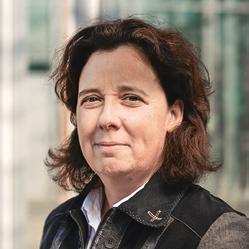
“We support hospitals, federal public health and veterinary departments, and the private sector to make the most of an exponential flow of health data, to enhance diagnostics and pathogen surveillance and to foster optimal patient care. We do this through the software tools and AI-based methods we develop.”
EXAMPLES
Innovative AI-based approaches for molecular imaging analysis (SEE P. 33). Cancer, genetic disease and other diagnostic applications for the medical and pharmaceutical domains. Collaborative platforms to enable data sharing for epidemic surveillance (SEE P. 46), research and clinical purposes.
TAGS human genetics; infectious disease; oncology; outreach; personalized medicine; training; pathogen surveillance
Environmental Bioinformatics
Robert Waterhouse

“We are a trusted partner in national and international projects focusing on the study of biodiversity, where we bring our expertise in the coordination of genomic, observational and literature data to better support informed decisions and policies.”
EXAMPLES
Actively participating in international initiatives such as the European Reference Genome Atlas (ERGA) (SEE P. 37), Biodiversity Genomics Europe (BGE) and ELIXIR Biodiversity Community. Developing the ERGA knowledge hub as a key resource for the global biodiversity genomics community.
TAGS agriculture; biodiversity; comparative genomics; data mining; evolutionary biology; functional genomics; text mining
Personalized Health Informatics
Davide Chiarugi
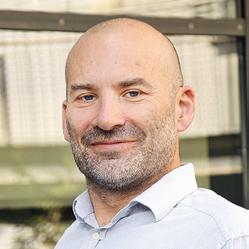
“The Swiss Personalized Health Network (SPHN) has entered an exciting new phase during which our focus will be on making the infrastructure even more robust, scalable and efficient to make health data actionable for research.”
EXAMPLE
New programme launched to integrate cantonal hospitals into the SPHN and BioMedIT secure infrastructure network to enable these hospitals to participate in multi-site personalized medicine research (SEE P. 39).
TAGS information security; interoperability; personalized medicine; training
Supporting data science: a range of specialized teams
Other SIB Hub teams provide non-scientific support to our projects and community, including legal & technology transfer, communication and IT: see full list P. 14.
Swiss-ProtKnowledgebases
“As recognized experts in biocuration and knowledge management, we develop, annotate and maintain internationally used knowledge resources. Our activities are crucial to the AI revolution in biology by providing trusted and structured datasets for training models.”
EXAMPLES
Flagship resources include: UniProtKB/ Swiss-Prot (SEE P. 53), ENZYME, Rhea, SwissLipids (SEE P. 31), HAMAP, PROSITE and ViralZone.
TAGS biochemistry; database curation; lipidomics; metabolomics; ontology; proteomics; proteins and proteomes; semantic web; systems biology
Training

“Our courses are unique: taught by experts, up-to-date, and practical. They complement the teaching at Swiss universities, with whom we collaborate. As leaders in open and FAIR* guidelines for teaching materials, we are also committed to empowering other trainers worldwide through standards development and capacity building.”
EXAMPLES
Contributing to the capacity-building component of several international projects where SIB is involved, such as ELIXIR-STEERS (SEE P. 36). Creation of Glittr.org, a curated platform that helps users discover and compare free educational materials in bioinformatics.
KEY FIGURE 2024
1,338 participants
Mark Ibberson

“As both computational biologists and software developers, we understand data and how to manage them, as well as the underlying biological questions. Our focus is on finding innovative approaches to data analysis, such as overcoming constraints related to sensitive data, or interconnecting data through knowledge graphs.”
EXAMPLES
Supporting European cancer research through a secure knowledge management system (SEE P.35); fostering discoveries in diabetes through innovative omics data integration and analysis (SEE P.32).
TAGS data management; data mining; knowledge representation; machine learning; multiomics data integration; statistical analysis
* FAIR: a set of guiding principles to improve the Findability, Accessibility, Interoperability, and Reuse of digital assets
Alan Bridge
Patricia Palagi
A SWISS-WIDE NETWORK OF EXPERTISE
Through institutional partnerships and close collaborations with affiliated academic groups, SIB unlocks access to national expertise.
Figures as of 1 January 2025
Collaborative by design
SIB’s strength lies in its unique structure: in addition to its employees, 700 members are affiliated to SIB from major academic institutions in Switzerland. Most of these institutions sit on the organization’s Foundation Council, SIB’s highest governing body. These strong partnerships across the country enable SIB to coordinate national initiatives and international projects with independence and efficiency. This also guarantees that the best expertise in the country will be found to meet the needs of the public and industry researchers who consult us.
1 GROUP 5 MEMBERS
16 GROUPS 205 MEMBERS INCL. 20 EMPLOYEES
GENEVA 11 GROUPS 113 MEMBERS INCL. 73 EMPLOYEES
26 GROUPS 281 MEMBERS INCL. 87 EMPLOYEES
1 GROUP 5 MEMBERS BERN 2 GROUPS 35 MEMBERS
4 GROUPS 10 MEMBERS

VILLIGEN 1 GROUP 5 MEMBERS
ZURICH 18 GROUPS 162 MEMBERS INCL. 6 EMPLOYEES
WÄDENSWIL 2 GROUPS 16 MEMBERS
ST GALLEN 1 GROUP 4 MEMBERS
DAVOS 3 GROUPS 15 MEMBERS
SIB Members, incl. 186 employees (SEE P. 19), across 28 partner institutions
BELLINZONA 2 GROUPS 16 MEMBERS
LUGANO 3 GROUPS 13 MEMBERS





VILLIGEN
DAVOS
ZURICH
A BREADTH OF BIOLOGICAL DOMAINS COVERED BY OUR NETWORK
Our groups have expertise across the many biological applications of bioinformatics.
Genes and genomes
Life’s instruction manual
A genome is the sum of genetic material of an organism, including all of its genes. It is composed of DNA or RNA and contains all the information needed to create and maintain an organism, as well as the instructions on how this information should be expressed.
Our groups create tools to read genomes and store, analyse and interpret the resulting data.
Proteins and proteomes
The building blocks of life
A proteome is the sum of proteins expressed by a cell, a tissue or an organism, at a given time. Proteins are the products of genes, and are involved in nearly every task carried out within an organism – from carrying oxygen to fighting off pathogens.
Our groups create tools to understand the role of proteins.
Structural biology
The third dimension
Macromolecules such as DNA and proteins have specific 3D structures that are dictated by their sequence. A protein’s function is defined by its 3D structure, which in turn defines the way it interacts with other molecules.
Our groups develop software to create 3D models of proteins to study their interactions with other molecules, such as drugs.
Systems biology
Never alone
Life occurs and is sustained by a mesh of interactions within and between cells, tissues, organisms and their environment. Understanding how these complex systems function allows scientists to predict what happens if one of the components changes or the conditions are altered.
Our groups refine methods to predict metabolic, disease and other biological pathways and interactions.

“Bioinformatics is everywhere in biology.”
Janet Thornton Former Director, European Bioinformatics Institute (EMBL-EBI)
Keynote at the
SIB days 2024 - The Swiss Bioinformatics Summit
Evolution and phylogeny
From ancestors to descendants
Changes that occur in genomes tell life scientists how an organism has evolved over time. Comparisons made between genomes from different species or populations tell them how they are related to one another – this is the field of phylogenetics.
Our groups create tools to compare the genomes of organisms, as well as computational methods to reconstruct their past and build their ‘family’ trees.
Machine learning and text mining
Rise of the machines
Machine learning (ML) techniques allow computers to learn from data without explicit instructions, and to draw inferences from data patterns. Text mining algorithms, often based on ML, are designed to recognize patterns within text, such as biomedical terms.
Our groups develop, train and fine-tune ML models for diverse applications including drug design, biomarker discovery and extracting information from literature.

“SIB is a powerhouse of bioinformatics.”
Obi Griffith Assistant Director, McDonnell Genome Institute, Washington University School of Medicine
Keynote at the SIB days 2024 - The Swiss Bioinformatics Summit
Core facilities
The means to an end
The quantity of data generated by the life sciences has grown exponentially over the years and needs to be stored and processed. Researchers also need support in making sense of their data. Core facilities centralize research resources, and provide tools, technologies, services and expert consultation to this end.
Our groups serve as core facilities to support researchers with the management and analysis of their data.
Swiss bioinformatics highlighted at inspiring event
Our biennial Swiss Bioinformatics Summit (SIB days 2024) took place in Biel. This inspiring and lively community event was a great occasion to take the pulse of the diverse domains in which our members and employees are active, and featured prominent keynotes and a panel on the responsible use of AI-based tools in scientific research.
SCIENCE HIGHLIGHTS FROM OUR NETWORK
Our members regularly publish new discoveries in the scientific literature. These advances gain further visibility through science news, press releases and talks.
490
peer-reviewed articles published in 2024*
*Source: Web of Science

Rare genetic variants could inform personalized medicine
Certain rare genomic DNA deletions and duplications were shown to increase the risk of common diseases, including kidney stones, asthma, epilepsy and cardiac disorders. Previously, such genetic variants were only known to be associated with rare and debilitating conditions. Identifying individuals with these variants could inform tailored prevention and treatment strategies.
GROUP INVOLVED
Statistical Genetics, led by Zoltán Kutalik
Published in Genome Medicine
DOI: 10.1186/s13073-023-01265-5
Subscribe to our newsletter to keep up-to-date throughout the year.
Antidepressant shows promise as brain cancer treatment
A screen of 130 treatments for neurological disorders found that several can kill cells from an incurable type of brain cancer. The researchers used machine learning to identify the cellular target for these drugs – and then performed in silico screening to analyse over 1 million compounds known to affect this target. Clinical trials are planned for the most effective drug, an inexpensive antidepressant.
GROUP INVOLVED
Snijder Lab, led by Berend Snijder
Published in Nature Genetics
DOI: 10.1038/s41591-024-03224-y
Earth’s northernmost forests worst hit by climate change
The first 500-year modelling of climate-driven impacts on biomes shows boreal forests and treeless tundra – which cover vast areas of Nordic countries, Canada, Alaska and Russia – may be worst hit. The study extends most previous projections, which only run to the year 2100, and shows up to 40% of Earth’s land will no longer be climatically suitable for its present biome by 2500.
GROUP INVOLVED
Computational Evolution, led by Tanja Stadler
Published in Philosophical Transactions of the Royal Society B
DOI: 10.1098/rstb.2023.0011


Ancient DNA rewrites Rapa Nui history
Genomic analysis of ancient Rapa Nui inhabitants suggests that, contrary to a long-held theory, the island’s people did not cause a devastating population collapse by destroying their environment. The analysis also revealed the presence of Native American genes, suggesting the islanders travelled to South America hundreds of years before the arrival of Europeans.
GROUP INVOLVED
Evolutionary Genomics, led by Anna-Sapfo Malaspinas
Published in Nature
DOI: 10.1038/s41586-024-07881-4
* Our online in silico talk series informs bioinformaticians, life scientists and clinicians on the latest advances led by SIB scientists across a wide range of bioinformatics methods, research and resources.
New tool identifies different cell communities within tissues
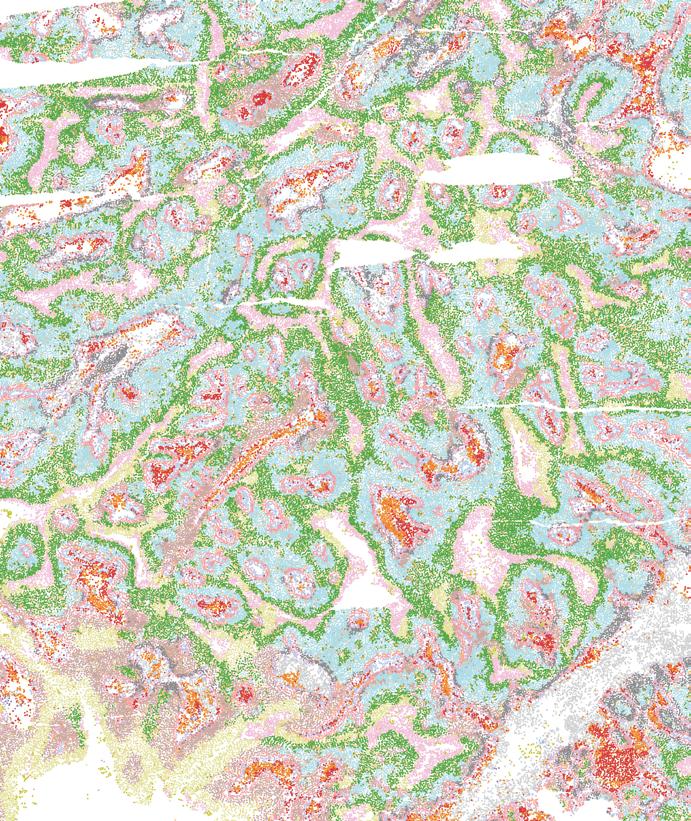
CellCharter identifies potentially interesting cell niches in tissues, by combining gene expression data from millions of individual cells with their precise 3D location. The new computational tool, presented in an in silico talk*, outperforms previous approaches and uncovered a cell community in lung cancers associated with worse patient prognosis.
GROUP INVOLVED
Computational Systems Oncology, led by Giovanni Ciriello
Published in Nature Genetics
DOI: 10.1038/s41588-023-01588-4
A better way to monitor the genetic health of rare species
The detrimental effects of inbreeding on a population’s fitness and overall health can now be evaluated in small populations of species at risk of extinction. The new model – which overcomes biases in the strength of this effect using traditional methods – was presented in an in silico talk*.
GROUP INVOLVED
Population Genetics and Genomics, led by Jérôme Goudet
Published in Proceedings of the National Academy of Sciences (PNAS)
DOI: 10.1073/pnas.2315780121
ACTIVITY PILLAR I
Accelerating discoveries through open data, knowledge and tools
We provide and maintain essential databases and software to serve the fast-evolving needs of life scientists, clinicians and public authorities.
SIB Resources enable scientists worldwide to study life and to innovate. Discover the stringent selection process guiding their inclusion in the institute’s portfolio and the professional support they benefit from throughout their life cycle. Our unique model ensures these resources reach and maintain the highest level of usefulness, accuracy and reliability for their over 12 million yearly users*.
Why do we need to preserve bioinformatics resources?
Massive volumes of data are produced by life science research and biomedical activities. Their conversion into reusable knowledge, as well as the reproducibility, impact and quality of science, rely on open biodata resources. Such resources are also key to maximizing public investments in research. Aware of their strategic value, the State Secretariat for Education, Research and Innovation has ensured funding for SIB to identify, support and co-develop essential bioinformatics resources. The process put in place to this end has proved its worth ( SEE Sustainable research infrastructure).
Switzerland is among the top three countries with the most Global Core Biodata Resources
Helping our resources to thrive with a unique model

A
competitive selection process involving international experts
Every four years, our independent Scientific Advisory Board (SAB) recommends which resources from the SIB community should be included in the institute’s portfolio (SEE New resources to join the portfolio). Its recommendations are based on external peer reviews and assessment of the resources’ scientific impact and alignment with the institute’s mission. Every two years, the SAB also provides guidelines for the continuous development of SIB Resources. Allocation of employees to implement these guidelines is then decided by the Board of Directors. And our commitment to these leading resources does not end there…
Our model promotes the codevelopment of SIB Resources between affiliated groups and SIB Employees throughout their entire life cycle, with the aim of reinforcing their impact and excellence ( SEE 5 million user requests). This unique model keeps the resources embedded in academic groups to ensure they remain at the cutting edge and meet researchers’ needs. Our portfolio also benefits from expert support within the SIB Hub ( SEE Dedicated support) and from regular independent review by the SAB. Furthermore, the resources can leverage the SIB network (e.g. focus groups, SEE P. 41) and synergies with our other activity pillars. A virtuous circle is thus created, in which SIB Resources reach wider recognition, receive additional funding from other sources, and in turn achieve sustainability.
Achieving international recognition
* User definition and sources: Google Analytics, Plausible, Matomo
An increasing portion of SIB Resources is gaining recognition outside of Swiss borders, as being of fundamental importance to the worldwide life sciences community – both in Europe as ELIXIR Core Data Resources, and worldwide, as Global Core Biodata Resources (GCBRs). This is a great tribute to the SIB Groups developing them, to SIB’s commitment to life science infrastructure, and to Switzerland’s leading expertise in biological data.
New resources to join the portfolio – with many more deserving but lacking funding
Selection processes may be as robust and inclusive as possible, but the current funding constraints limit the capacity to expand support to additional resources. Nevertheless, three new leading resources joined the SIB Resources portfolio from 1 January 2025:
Beast2, a software enabling evolutionary studies from bacteria to birds
mOTUs, a tool and database to characterize microorganisms from the environment
Swiss Pathogen Surveillance Platform (SPSP) to track pathogens in real-time (SEE P. 46)
SEE NEXT PAGE FOR THE FULL LIST.

“SIB’s support is crucial for the long-term stability and reliability of these open resources.”
Gerardo Tauriello Team Lead Software Development, SIB and University of Basel SIB Resource SWISS-MODEL, an ELIXIR Core Data Resource
Dedicated support that is unique in academia
Coordinated by the Biodata Resources team, SIB Resources benefit from: technical support, best practices and knowledge sharing, infrastructure hosting, user experience expertise, promotion and legal advice (e.g. best practice guidelines for open licensing), data protection and grant management.
5 million user requests for our drug discovery platform in 2024
High-quality biodata resources are ever-more important drivers of research and innovation. As one example, the SwissDrugDesign platform, which supports computer-aided drug discovery, saw its usage increase by over 40% in 2024 to 5 million annual user requests and reached a total of 10,000 citations in the literature.
Sustainable research infrastructure: a topic of strategic importance
The fundamental importance of having stable and lasting infrastructure for research, competitiveness and innovation was highlighted at several high-level events to which SIB was invited, including an AI BioSummit in Washington and a high-level science meeting in Brussels
HIGH GLOBAL IMPACT
Scientists around the world use our biodata resources to study life and tackle global challenges at different scales.
The examples on this page highlight a few discoveries with clear societal impact that were enabled by SIB databases and software tools. Usage figures tell another part of the impact story, showing the relevance of SIB Resources for scientists around the world and their boost to innovation through patents.
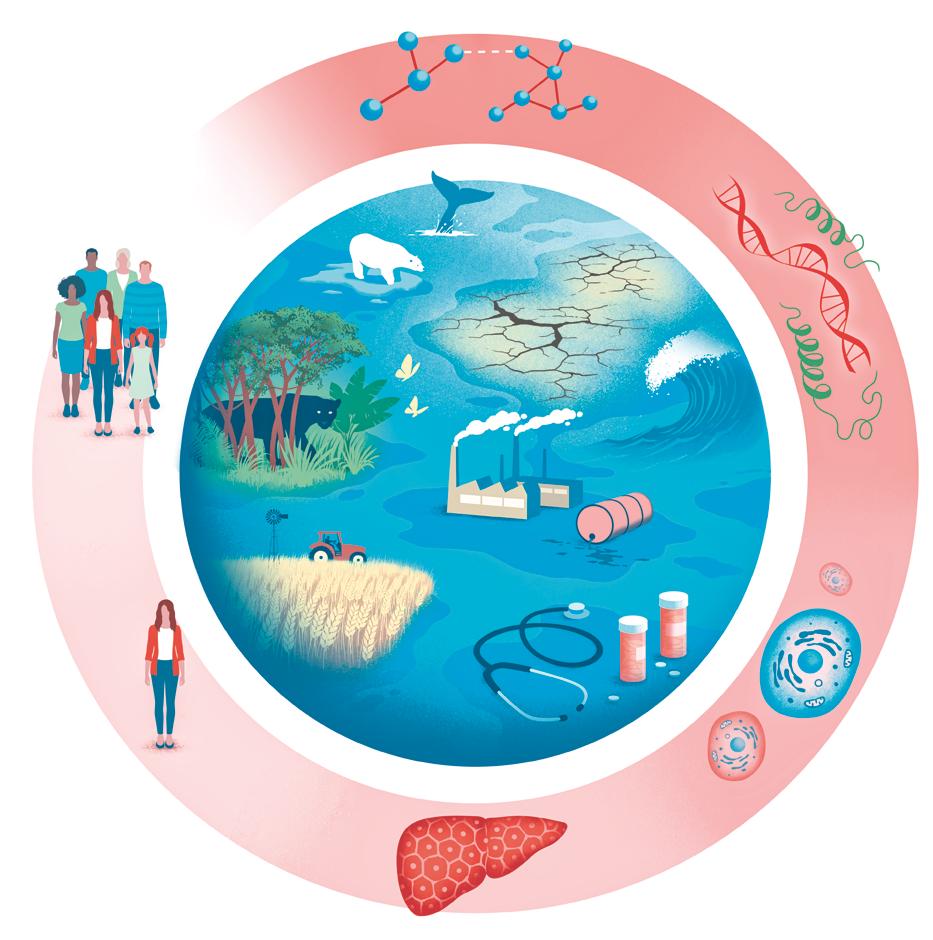
Scientific impact of SIB Resources in 2024
From atomic interactions and molecules to cells, organs and populations, SIB software and databases enable scientists around the world to make discoveries addressing the world’s most pressing challenges.
See further examples
12M
User definition and sources: Google Analytics, Plausible, Matomo
22.4K
citations in peer-reviewed papers
Source: Web of Science; citations of reference papers for SIB Resources
9.7K
mentions in patents
Source: lens.org

AGRICULTURE
Monitoring crop pathogens
Spreading to 35 countries over the past 10 years, the devasting Tomato Brown Rugose Fruit Virus (ToBRFV) is a major obstacle in maintaining secure global tomato crop yields.
EXAMPLE
Researchers developed a cost-effective way to track the virus by sequencing its genome in wastewater samples. Such environmental surveillance will help scientists and policymakers understand transmission routes and establish disease control measures. An existing Nextstrain database for ToBRFV was used to design the sequencing method, and also identify which virus subtypes were sequenced from samples.
DOI: 10.3390/v16030460

ENVIRONMENT
Removing ’forever chemicals’ from water
Global water resources are contaminated with PFAS – a type of persistent, toxic and bioaccumulative chemical used in many household items that is not efficiently removed by conventional water treatment systems.
EXAMPLE
To help design water purification membranes that can effectively remove PFAS, scientists used machine learning and simulations to determine how these chemicals cross one type of membrane – and what factors may block this.
Interactions between membranes and PFAS molecules were calculated at the atomic level with SwissParam, part of the SwissDrugDesign resource.
DOI: 10.1038/s41467-024-55320-9

MEDICINE & HEALTH
Improving mRNA vaccine delivery
Lipids serve as crucial components of the tiny spheres, or nanoparticles (LNPs), used to deliver mRNA vaccines into cells. Despite the growing use of LNPs since COVID-19, tools for their optimization are lacking.
EXAMPLE
Scientists developed models for predicting the performance of LNPs in terms of mRNA delivery and expression of the encoded protein. Such models could be used to virtually screen different lipid compositions as part of a computeraided strategy for mRNA vaccine design. The most accurate method was a large language model trained on lipids in the SwissLipids database.
DOI: 10.1093/bioinformatics/btae342
MEDICINE & HEALTH
Combating drug-resistant bacteria
Associated with some 400,000 deaths each year, drug-resistant Acinetobacter baumannii has been identified by the World Health Organization as a critical priority for antibiotic development.
EXAMPLE
Researchers showed that a new class of antibiotics kills A. baumannii by disrupting the formation of its tough outer membrane, which most antibiotics cannot cross. This opens the path for developing antibiotics for other types of gram-negative bacteria – for which no new drugs have been released in over 50 years. SWISS-MODEL helped characterize molecular interactions in proteins involved in membrane formation.
DOI: 10.1038/s41586-023-06799-7
The 17 SIB Resources, representing 40 tools and databases in total as of 1 January 2025
ASAP
Automated single-cell analysis
BEAST2
Phylogenetic analysis of molecular sequences
BGEE
Gene expression knowledge resource
CELLOSAURUS
Cell line knowledge resource
GLYCO@EXPASY
Portal of glycoinformatics resources
MOTUS
Microbial taxonomic and population genomic profiler
NEXTSTRAIN
Real-time tracking of pathogen evolution
RHEA
Biochemical reaction knowledge resource
STRING
Known and predicted protein-protein interactions
SWISSDRUGDESIGN
Tools for computer-aided drug design
SWISSLIPIDS
Knowledge resource for lipids
SWISS-MODEL
Automated modelling of protein structures
SWISSORTHOLOGY
One-stop shop for gene orthologs
SWISS PATHOGEN SURVEILLANCE
PLATFORM (SPSP)
Real-time sharing of pathogen sequencing data
SWISSREGULON
Tools and data for regulatory genomics
UNIPROTKB/SWISS-PROT
Protein knowledge resource
V-PIPE
Viral genomics analysis pipeline
ACTIVITY PILLAR II
Supporting research and innovation through expert services
We support the innovation, health advances and societal impact of academic, clinical, governmental and industry partners.
As a leading independent scientific foundation specialized in life science data, our teams of data scientists, software developers, biocurators and computational biologists provide professional services and robust solutions to partners in Switzerland and abroad.
Our service offering spans across sectors
We have over 25 years of experience in successfully delivering data science services to the academic and private sectors, in the context of large national and European public-private partnerships as well as through contract agreements, grants collaborations and Innosuisse schemes. Our partners include biotech/biomed start-ups, SMEs and large companies as well as scientists in academia and hospitals. Our services can be applied to any life science field, from agriculture to the environment and medicine. In particular, we have extensive experience in managing and analysing data in projects on infectious diseases, diabetes and precision oncology.
We boost innovation across a range of applications
FOOD SECURITY : development of agriculturally promising traits in crops and vegetables through expert services to BASF and Rijk Zwaan.
PHARMACEUTICAL R&D : enabling the search for drug candidates to tackle tuberculosis and obesity through the setup of a user-friendly database.
ONCOLOGY DIAGNOSTICS : development of OncoBench®, a platform routinely used at the Geneva University Hospitals to help interpret genetic variants in patient tumours.
MANUFACTURING PROCESS
OPTIMIZATION : development of a software tool to monitor the genetic stability of bacterial strains using microfluidic DNA chips.
PUBLIC HEALTH : supporting the genomic surveillance of epidemics through a dedicated Centre for Pathogen Bioinformatics (SEE P. 44).
Enabling discoveries in European-wide diabetes research
In 2024, two studies from EU-funded public-private projects on diabetes were published, building on SIB’s expertise in innovative omics data integration and analysis. The studies offer insights into how glucose balance is maintained across organs, as well as insulin resistance at the molecular level. These are examples of our contribution to a better understanding of human metabolic health and to the management of conditions like diabetes and obesity.
In both projects, our experts worked with large and complex biological data (multiomics), including sensitive data from patients. Their contribution involved the following key steps:
choosing the best way to combine different types of data (data integration strategy);
using advanced statistical methods to analyse and interpret the information;
identifying key biological processes at the molecular level to better understand how they function (pathway analysis).
RHAPSODY PROJECT STUDY: doi.org/10.1016/j.isci.2024.111134
BEAT-DKD PROJECT STUDY: doi.org/10.1038/s41467-024-54089-1
By bringing value to data, we remove barriers to innovation and ensure research delivers societal benefits
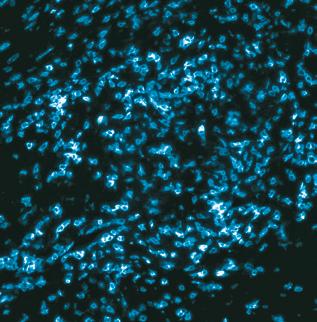
Partnership with Lunaphore: AI for personalized therapies
Collaborating since 2020 through Innosuisse grants, SIB is bringing its machine learning, image analysis and digital pathology expertise to the leading spatial biology company Lunaphore – a Bio-Techne brand. The first project, in collaboration with the Geneva University Hospitals, led to machine-learning solutions to power the analysis of molecular imaging data and better understand the tumour environment.
A new project focuses on developing AI-based tools to support advanced tissue analysis in spatial biology on Lunaphore’s COMET™ platform to further enhance its automated approach and accelerate progress toward personalized therapies.
Societal impact
Data produced by individual researchers
Specialized context
Stored in ad hoc formats
Low added value
Verified, organized and connected data thanks to SIB
Understandable and reusable by all (FAIR)
Maximized value
Ready for trustworthy AI
Innovation Health advances
OUR END-TO-END SERVICE OFFERING
We provide expertise in a wide variety of bioinformatics services and data types, combined with an in-depth understanding of the underlying life science data plus extensive professional support.
Clinical data
Text, including scientific literature and clinical reports
We are experts in all kinds of life science data:
Molecular imaging
Data stewardship and management
Organizing data for long-term reuse
We assist with defining and implementing Data Management Plans (DMP) for research proposals and funding applications as well as reaching data interoperability targets, from local to international scales. We do this within academic or regulated environments and ensure long-term management, expert annotation and storage of biological data. This involves making data FAIR and harmonizing datasets.
Multiomics and spatial analyses
Knowledge representation
Bringing more meaning to data
We enable novel, faster and useful insights from available data through intuitive queries across interconnected datasets and rich semantics. By using best practice standards for data interoperability, sharing and publication, we improve data discoverability. Our expertise in knowledge graphs, ontology engineering and software development acts as an accelerator for data preparation, integration and FAIRification.
Biostatistics and bioinformatics analysis
Making sense of life science data
We integrate and analyse all kinds of data from a range of technologies to enable discoveries. Our areas of expertise include molecular imaging data analysis; de novo assembly of sequencing data; functional analysis, multiomics data integration and machine learning.
Training
Boosting bioinformatics skills
Our comprehensive course portfolio provides hands-on experience of the latest bioinformatics techniques and resources, including clinical applications for researchers. We offer about 100 training days per year and design specific courses for companies. In 2024, we offered 55 courses by 58 experts and trainers from across SIB’s network. Find the full list of courses at
Sensitive data sharing
Enabling trusted research on human data
Biomedical research, and in particular personalized health research, relies on a critical mass of heterogenous sensitive data from patients or clinical trials spread across institutions and sometimes countries. We draw on our extensive experience in large European public-private consortia and national initiatives to enable the secure sharing and processing of interoperable data.
Software development
Developing engaging and customized tools
We harmonize and optimize internal data handling processes through the customization or development of analysis pipelines and software tools. This includes multi-site data processing tracking pipelines and diagnostic tools. Our teams also contribute to world-leading open science databases and tools for life sciences, which can be adapted as necessary for the needs of partners.
A secure atlas of data from cancer patients to boost precision medicine
Why do some cancer treatments, like immunotherapy, work for some but not others? The answer may lie in the tumour’s microenvironment. IMMUcan, co-led by Merck, EORTC, SIB and Bayer, collects and integrates data from 2,700+ patients across 80+ European hospitals into a secure, high-quality atlas hosted on BioMedIT – the national trusted research environment coordinated by SIB to process health-related data. This atlas helps pharma companies to digitally test hypotheses about treatments and to focus their efforts on the most promising molecules. It also supports trustworthy AI with real-life, structured data.
Professional support
Our partners also benefit from professional support during the project journey that ensures efficiency and long-term success:
Legal and technology transfer IT infrastructure
Data security
Data protection and GDPR compliance
Project management and coordination
External communications/ public relations
Maximizing science investments through efficient coordination
Enabling impactful discoveries from life science data requires massive coordination efforts among disciplines and institutions, and alignment between Swiss and international practices.
Thanks to its multidisciplinary nature, bioinformatics is at the crossroads of life science needs and developments. Our coordination activities thus aim to facilitate collaboration between disciplines, institutions and across borders, and optimize investments in science. Such efforts include establishing common standards to make data and knowledge open, universally understandable and usable, as well as organizing data flows in life science infrastructure. These activities benefit directly from our strong national network and international ties.
ECCB 2026 in Geneva
WHAT
International scientists will showcase and discuss the latest discoveries and methods at the European Conference on Computational Biology, taking place at the International Congress Center of Geneva in September 2026. The theme: “Biodiversity, AI, and Health: Connecting knowledge for the society of tomorrow”.
HOW
SIB was selected from five candidates to organize the conference, emphasizing our role of as a leading institute in the field.
WHY IT MATTERS
By delivering a scientific programme of excellence including renowned keynotes and a public track exploring the impact of bioinformatics and science policies, the conference will highlight how computational biology drives innovation and addresses global challenges. It will also strengthen Geneva’s and Switzerland’s position on these topics.
Subscribe to the conference newsletter: www.eccb26.org
Making bioinformatics training materials more accessible and useful
WHAT
A FAIR training handbook was released to help educators ensure their bioinformatics training materials are easy to find, access, and share.
HOW
Developed by ELIXIR (the European research infrastructure for life science data, with SIB as its Swiss national node) through an international effort led by the SIB Training group, the handbook provides clear, step-by-step guidance to improve the findability, accessibility, interoperability and reusability (FAIRness) of teaching resources.
WHY IT MATTERS
The handbook maximizes the impact of training efforts in bioinformatics. It enables scientists and institutions to share knowledge more efficiently, save time, and foster collaboration. By making training materials widely accessible, it strengthens innovation, supports education, and helps develop the next generation of experts in data-driven science.

“Coordinated efforts are essential for understanding and preserving biodiversity. By uniting experts and resources, we can generate high-quality genomic data critical for effective conservation strategies.”
Robert Waterhouse Director, Environmental Bioinformatics
group, SIB Hub
Sequencing all known species within the next decade
WHAT
A global initiative, led by the Earth BioGenome Project (EBP), aims to sequence and assemble the genomes of 1.8 million described species by 2035.
HOW
This moonshot project will generate freely accessible data, supported by public cloud infrastructure, ensuring availability to researchers worldwide. SIB contributes its extensive data science expertise to develop and coordinate best practices, provide computational infrastructure, disseminate results, and offer training. Robert Waterhouse, Director of our Environmental Bioinformatics group, is the chair of the European Reference Genome Atlas, which is the European node of the EBP.
WHY IT MATTERS
Species reference genomes are crucial for developing effective conservation strategies and combating biodiversity decline. By understanding the genetic makeup of biodiversity, we can better protect ecosystems, enhance agricultural practices, and promote environmental sustainability, ultimately benefiting both nature and human well-being.
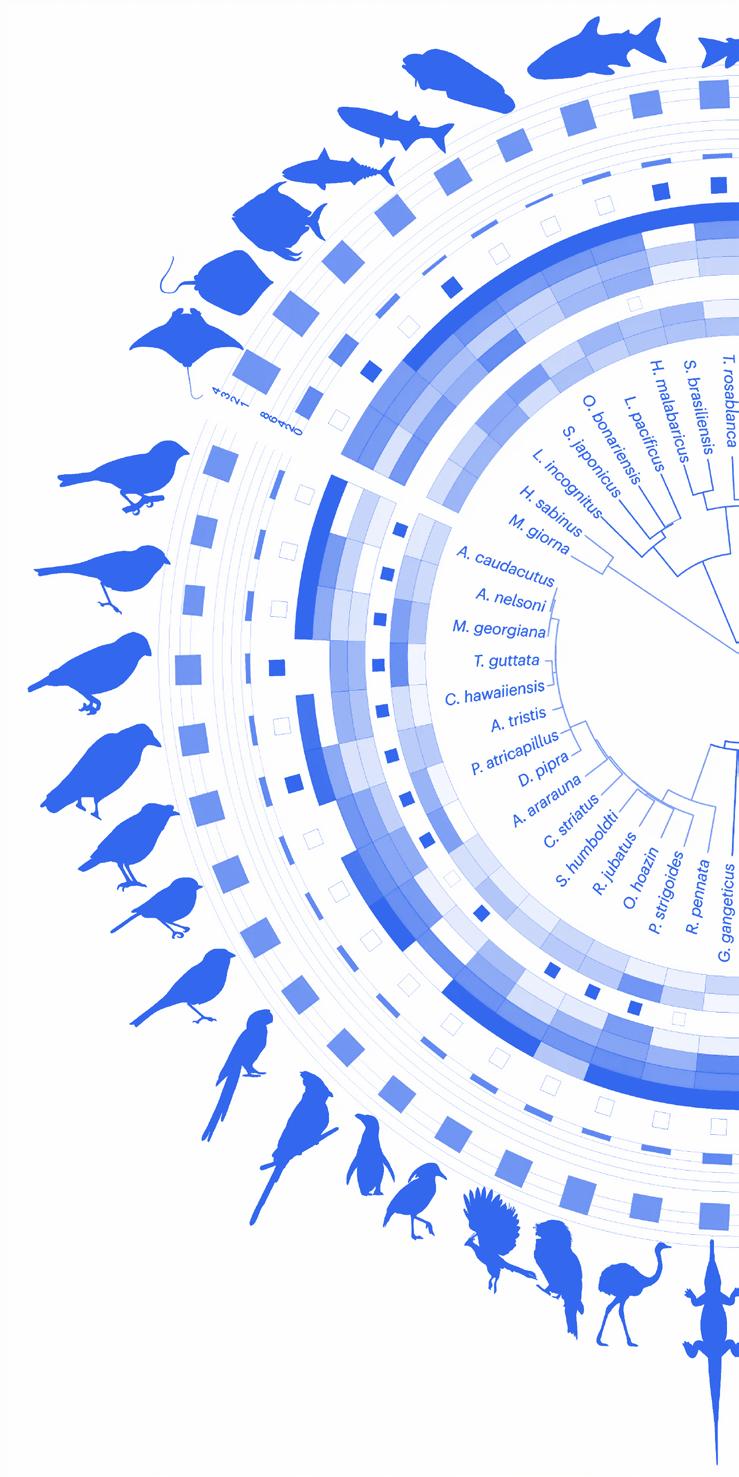
FOCUS
THE SWISS PERSONALIZED HEALTH NETWORK : A NATIONAL INFRASTRUCTURE FOR BIOMEDICAL RESEARCH
The Swiss Personalized Health Network (SPHN) is an example of successful national coordination co-led by SIB to enable secure sharing and use of patient data for research.
As data-driven medicine transforms healthcare, Switzerland faced a key challenge: health data was siloed across institutions, systems, and legal frameworks, limiting its use for research. Launched in 2017 by the Confederation, the Swiss Personalized Health Network (SPHN) built a nationwide infrastructure for secure, standardized, and interoperable data. This ambitious initiative required close collaboration between hospitals, research institutions, and policymakers. With the setup phase successfully completed in 2024, continued federal support will now ensure its consolidation, securing Switzerland’s leadership in personalized medicine.
Enabling medical innovation for personalized health care
Since its launch eight years ago, SPHN has established pioneering data infrastructure that makes high-quality patient data discoverable and securely available for research in Switzerland ( SEE Celebrating a successful set-up phase). Its implementation from 2017-2024 was coordinated by SIB and the Swiss Academy of Medical Sciences (SAMS).
1,000
researchers and clinicians involved
700,000
patients providing consented data
With over 1,000 researchers and clinicians now involved, and consented data available from over 700,000 patients across the country ( SEE Cantonal hospitals are joining SPHN), SPHN enables new scientific findings that can improve patient care through innovations in personalized medicine, from paediatrics to cancer.
Our teams, including the Personalized Health Informatics group that was in charge of setting up the Data Coordination Centre, played a key role in:
Establishing Swiss-wide standards for FAIR (Findable, Accessible, Interoperable and Reusable) health data;
Implementing BioMedIT, a national Trusted Research Environment that enables secure exchange and processing of these data for research ( SEE Meet Switzerland’s Trusted Research Environment);
Supporting the establishment of a national legal and ethical framework for regulatory-compliant data exchange.
From setup to sustainable infrastructure through federal support
With the setup phase completed, SPHN is now transitioning to long-term sustainability. The next funding period (2025-2028) focuses on increasing efficiency and further strengthening its infrastructure and expanding its services, for instance with a platform for searching and analysing standardized data and a national repository for human genomic data ( SEE Setting the foundation for the first Swiss human genomics archive)
SAMS is responsible for the mandate during this 2025-2028 federal funding period and will continue the successful collaboration with SIB. Our teams will continue to implement FAIR data standards, coordinate BioMedIT and provide legal and ethics support.
Find out more
Celebrating a successful setup phase: the “Data for Health” symposium
Over 450 participants and 30 speakers took part in the event held in Bern, where SPHN’s and PHRT’s* achievements were praised by politicians, such as Lukas Engelberger, President of the Conference of Health Directors and Councillor of the Canton of BaselStadt, and representatives of the federal administration including State Secretary Martina Hirayama from SERI and FOPH Director Anne Lévy.
* Personalized Health & Related Technologies
Cantonal hospitals are joining SPHN
Originally focused on the five main university hospitals, a new programme designed to integrate cantonal hospitals‡ into the SPHN and BioMedIT network was launched in 2024. This initiative aims to extend and standardize data delivery across Swiss healthcare institutions, to enable these hospitals to participate in multi-site personalized medicine research in the future.
‡ Cantonal Hospital Lucerne, Cantonal Hospital Aarau, Ente Ospedaliero Cantonale, Cantonal Hospital Baden, HOCH Health Ostschweiz and the Swiss Group for Clinical Cancer Research
Trusted Research Environment (TRE)
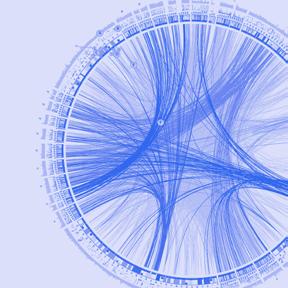
Meet Switzerland’s Trusted Research Environment
The increasing use of sensitive personal data in research offers immense opportunities but also raises challenges in security, trust, and regulation. Addressing these requires balancing usability with strong safeguards. From building the BioMedIT network to coordinating sensitive data for largescale research projects, SIB plays a key role in both national and international data governance. A 2024 publication leverages that expertise and collaborations with BioMedIT partners†, offering practical insights into designing and operating TREs to help researchers, policymakers, and institutions use sensitive data ethically and securely for scientific progress.
https://zenodo.org/records/14012894
† ETH Zurich, University of Basel and University of Lausanne
Setting the foundation for the first Swiss archive for human genomics data
In 2024, a consortium of Swiss institutions§ coordinated by SIB launched an SPHN initiative designed to enhance human genomic research by providing a secure, legally compliant environment for depositing and accessing sensitive Swiss genomic data. This Swiss Federated European Genome-phenome Archive (Swiss FEGA) will support scientific discoveries, facilitate data sharing, and foster collaboration across national borders. This project is set to become the Swiss node of the European FEGA network in 2025.
§ ETH Zurich - Scientific IT Services (SIS) and NEXUS Personalized Health Technologies; Health 2030 Genome Center; SIB; Swiss Data Science Center; Switch.

“At the start of the initiative, people questioned why and if we should share health data. Today, everyone focuses on how to accelerate that process even further, always in a responsible way.”
Thomas
Geiger Managing Director of SPHN
A LIVELY SWISS-WIDE COMMUNITY
The SIB network is characterized by a strong community spirit enabling innovation and collaboration.




Group Leaders’ retreat: Swiss Bioinformatics in Ticino
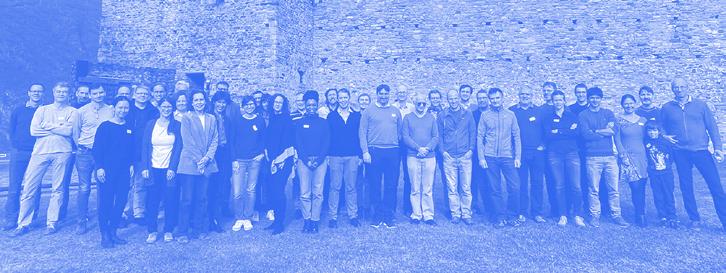
Around 50 Group Leaders from across Switzerland converged in Ticino for a two-day retreat. The programme featured discussions on scientific topics (including digital twins, Large Language Models for genomics, and environmental bioinformatics), strategy and community topics (including additional funding sources for biodata resources and how to make the most of the SIB network) and social activities. A symposium with the local community showcased the region’s dynamism in AI, MedTech and of course bioinformatics, with four institutions with whom SIB collaborates closely (SEE P. 23)
International recognition for our members
Global recognition of SIB Group Leaders in 2024 highlighted Switzerland’s excellence in the field of bioinformatics and computational biology.
Niko Beerenwinkel (Computational Biology group), Torsten Schwede (Computational Structural Biology group) and Mihaela Zavolan (RNA Regulatory Networks group) were elected Fellows by the International Society for Computational Biology (ISCB) – a distinction received by just 1% of ISCB members.
Emma Hodcroft (EVE Epidemiology and Virus Evolution group) was selected by Nature magazine as one of the three “People to Watch in 2025”.
Michael Baudis (Theoretical Oncogenomics group) joined the Strategic Leadership Committee of the Global Alliance for Genomics and Health GA4GH, to advance responsible use of genomic and related health data.

Coming together to advance specific topics
Our community continually establishes focus groups to foster knowledge exchange and collaborate across disciplines and topics.
CORE FACILITIES* Shares best practices and discusses grand challenges in bioinformatics core facilities, such as fostering reproducible research.
DIVERSITY Promotes values of equality, diversity and inclusion (EDI). The group organized the “Biological sex as a variable in biomedical research” workshop at the SIB days 2024 (SEE P. 25)
ECOIMPACT Looks into SIB’s impact on environmental sustainability. The group launched SIB’s carbon footprint survey in 2024.
EPIGENOMICS Proposes recommendations for reaching FAIR principles goals in the field.
LARGE LANGUAGE MODELS FOR GENOMICS* Shares the latest developments, best practices, and challenges in the field of RNA/DNA Foundation Models.
PATHOGEN BIOINFORMATICS*
Identifies challenges in the field and future projects to address these through the newly launched Centre for Pathogen Bioinformatics. (SEE P. 44)
SEMANTIC WEB OF DATA Develops solutions for seamlessly integrating life science datasets and databases. An in silico talk was released in 2024 on their collaborative paper “How to boost your research with SIB’s Semantic Web of data”
SINGLE-CELL OMICS Discusses various topics connected to single-cell data analysis and visualization.
* New in 2024
Increasing the visibility of Swiss bioinformatics
On top of our scientific conference [BC]2 organized in Basel every other year, which brings together about 500 scientists from Switzerland and abroad, SIB also supports and participates in a range of events. This is part of its mission to facilitate knowledge exchange across sectors and promote the widespread expertise of its national network. Conferences are also a way to foster new collaborations with academia and industry.
Events that we supported or co-organized in 2024 included:
AI in Health International Annual Conference, Basel
BioAlps Networking Day, Fribourg
Cell lines in the 21st century: challenges and opportunities for reproducible research, Lausanne
Clinics Meets Data Science Symposium, Zurich
Next-gen single-cell omics workshop, Basel
Lemanic Life Sciences Hackathon, Lausanne
LS2 Annual Meeting, Lausanne
Personalized Health Technologies conference, Zurich
Scientific Meeting of the Metabolomics and Fluxomics Network, Saint-Malo (FR)




Preparing for the next epidemic
Switzerland is a world leader for cutting-edge SARS-CoV-2 surveillance and data-informed responses. Explore how SIB is strengthening resources and expertise built during the pandemic to support effective preparedness and response to future outbreaks – for any pathogen of concern.
Strengthening genomic surveillance of pathogens
Genomic surveillance is now widely accepted as crucial to pathogen response and public health strategies. SIB scientists are at the heart of this new era of infectious disease control.
The speed of public health and biomedical responses to COVID-19 was enabled by unprecedented advances in pathogen sequencing and bioinformatics capacity – including for many resources developed by SIB Groups.
Our newly launched Centre for Pathogen Bioinformatics aims to rationalize and integrate these resources into a sustainable ‘peacetime’ ecosystem of tools and experts that sustains ongoing genomic surveillance and remains ready for any new crisis. By strengthening bioinformatics infrastructure, improving national and global collaboration, and integrating the latest research advances, the Centre reinforces national and global epidemic preparedness – and keeps Switzerland at the forefront of pathogen bioinformatics.

“As far as I know, every country with a national SARS-CoV-2 surveillance system has relied on SIB tools.”
Morten Rasmussen Head of Virus Genomics Section, Statens Serum Institut, Denmark
Agile responses through sustainable infrastructure
Resources developed by SIB Groups continue to serve as key tools in national and international genomic surveillance systems for SARSCoV-2. The Centre for Pathogen Bioinformatics is coordinating their strategic integration as a scalable ‘toolbox’ for monitoring any pathogen of concern.
Boosting efficiencies
The Centre currently federates seven key tools and databases for storing, analysing, sharing, visualizing and interpreting highquality pathogen genomic data: CoVariants, covSPECTRUM, Loculus, Nextclade, Nextstrain, Swiss Pathogen Surveillance Platform (SPSP), and V-pipe.
Bringing these under a common mission fosters an efficient, enduring infrastructure, by consolidating workflows (SEE P. 45), integrating and developing resources and services in a strategic manner, leveraging synergies between different SIB Groups, and opening opportunities for common funding.
Expanding to new pathogens
To ensure continued relevance, the Centre’s resources will integrate pathogens beyond SARS-CoV-2 –taking a One Health approach that considers interconnections between human, animal and environmental health. Several already cover influenza viruses, monkeypox virus, Ebola virus, dengue virus and/or respiratory syncytial virus (RSV). Efforts are also underway to include antimicrobial-resistant bacteria, food-borne pathogens such as listeria, and animal pathogens.
Prize for Pathoplexus virus database
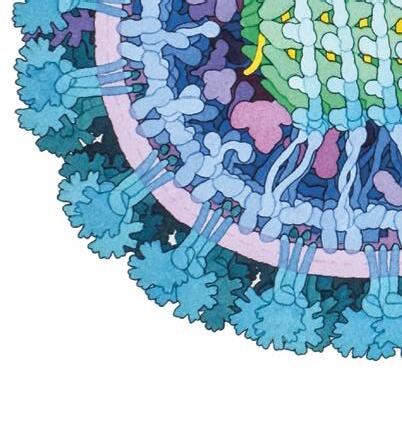
Pathoplexus – a new database for genomic data from human viruses with public health relevance – was awarded the Swiss National Open Research Data Prize 2024 for its innovative approach to reusing research data. Powered by the Loculus resource, it offers flexible data-sharing options that promote open sharing.
Pathoplexus was developed by an international consortium involving SIB Groups led by Emma Hodcroft, Richard Neher and Tanja Stadler.
Interoperable and integrated data pipelines
In one first project, the Centre is increasing interoperability between the seven resources to create an end-to-end data-processing pipeline – from initial submission of pathogen sequences to appropriate sharing of high-quality genomic data and actionable insights.
This FAIRification and integration will enable reproducible analyses, maximize data reuse while protecting data providers and privacy, and facilitate reporting to government authorities and citizens. The project is funded by Swissuniversities Call B3.2.
A timely, high-profile initiative
Public health, bioinformatics and microbiology experts – including from the World Health Organization, Swiss Federal Office of Public Health, and Denmark’s Statens
Serum Institut – recognized SIB and Switzerland’s role in strengthening genomic surveillance, at a launch event for the Centre for Pathogen Bioinformatics held in Bern.
The event, which was well covered by Swiss media, showcased SIB’s resources and the Swiss surveillance ecosystem. It also highlighted SIB’s unique position as a neutral organization with strong links to research institutions, Swiss federal agencies and international initiatives –and how this will ensure the continued provision of state-ofthe-art bioinformatics resources, expertise and services for epidemic preparedness.
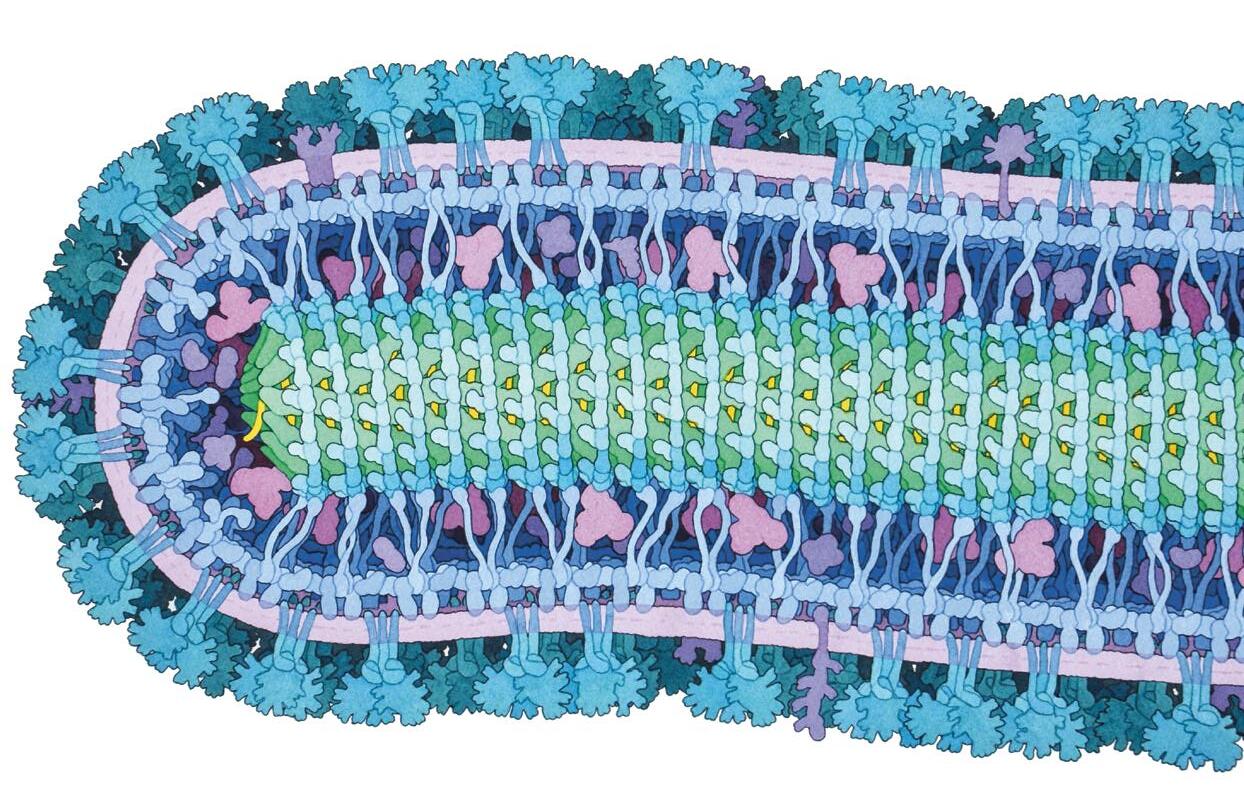
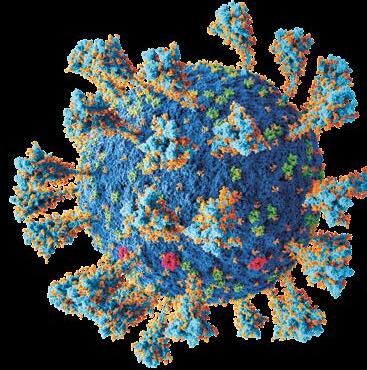
Illustration of Ebola virus cross-section
Enhanced data sharing through national and global collaboration
Rapid sharing of pathogen data is key to timely epidemic and pandemic control – and requires efficient coordination between diverse stakeholders. Our groups are building on strong collaborations forged during COVID-19 to further streamline data sharing from the local to international level.
Supporting an interconnected, One Health Swiss surveillance ecosystem
SIB’s contributions to infectious disease surveillance sit within a rich national landscape of actors that collect, sequence, share and analyse pathogen genomic data. These include hospitals, environmental and veterinary labs, sequencing centres, and other data providers; research groups in different universities; national reference centres involved in infectious disease surveillance; and Swiss federal authorities for public and animal health (SEE P. 48 ).
The Centre for Pathogen Bioinformatics serves as a central hub to support and further strengthen this ecosystem. This includes a central data infrastructure through SPSP as well as expertise and services
in computational molecular epidemiology, and related multisite project management, to any Swiss pandemic preparedness and molecular surveillance programme.
Leading European and global pandemic preparedness
SIB is working to strengthen international surveillance efforts as well. In Europe, we have fostered open sharing of SARS-CoV-2 and other pathogen genomic data ever since the pandemic – most recently as a contributor to the now concluded ELIXIR CONVERGE and EU BYCOVID projects, and as co-lead of the ongoing ELIXIR Pathogen Data Focus Group.
Building on these initiatives, we began coordinating a consortium of 12 institutions from three continents to enhance pandemic preparedness at the global level (SEE P. 47)
Veterinary & environmental surveillance laboratories
Sequencing
International initiatives on genomic epidemiology and FAIR data sharing
Microbiology & virology laboratories
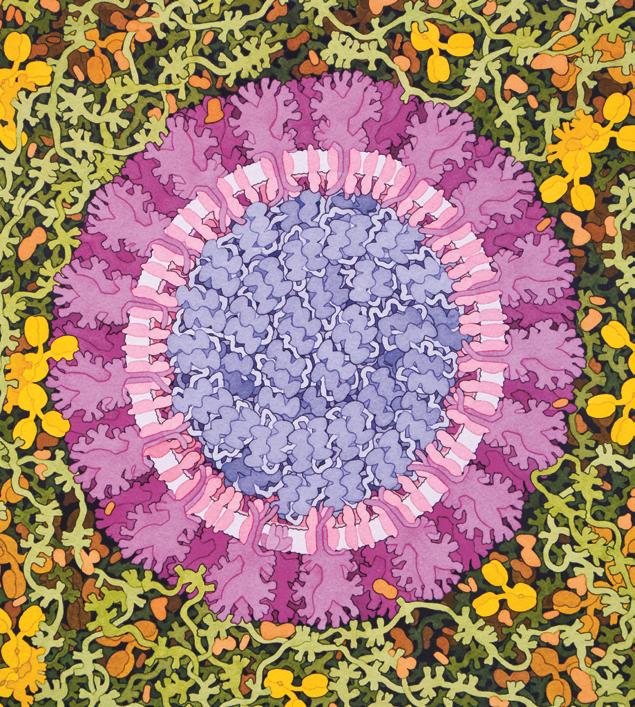

Defining and aligning with international standards
SIB is aligning and coordinating on standards for pathogen data sharing and reuse through our involvement with international initiatives and infrastructure beyond the Pathogen Data Network (SEE BOX ON THIS PAGE ) and ELIXIR Pathogen Data Focus Group (SEE P. 46 ). These include the WHO International Pathogen Surveillance Network, Global Microbial Identifier, Public Health Alliance for Genomic Epidemiology (PHA4GE), and the recently concluded EU-funded Monitoring Outbreaks for Disease surveillance in a data science context (MOOD) project.
“An integrated ecosystem of genomic data resources is the foundation for effective pathogen surveillance, transformative research, and timely responses to epidemics.”
Aitana Neves Director, Centre for Pathogen Bioinformatics Associate Director, Clinical Bioinformatics group,
SIB Hub
Enabling a global Pathogen Data Network C
oordinated by SIB, the Pathogen Data Network (PDN) aims to create a global ecosystem of linked data and tools to support research and public health responses to infectious diseases and epidemics. PDN will cover strategically chosen human pathogens along with their vectors and intermediary hosts, with a first focus on diverse data types from wastewater samples.
PDN forms the second initial project under the umbrella of the Centre for Pathogen Bioinformatics. Funded by the NIH*, it brings together 12 international partners from Europe, North America and Africa, including EMBL-EBI, Cold Spring Harbor Laboratory, Georgetown University and the South African National Bioinformatics Institute.
PATHOGENDATANETWORK.ORG
* This project is supported by the National Institute of Allergy and Infectious Diseases of the National Institutes of Health under Award Number U24AI183840. The content is solely the responsibility of the authors and does not necessarily represent the official views of the National Institutes of Health.
Illustration of coronavirus cross-section surrounded by respiratory cell secretions, antibodies, and immune system proteins
Supporting the needs of government authorities
Swiss federal authorities already rely on various resources from the Centre for Pathogen Bioinfortmatics to access real-time genomic data, tailored analyses and reports for a variety of pathogens, and pathogen bioinformatics expertise.
Data on specific pathogens of concern also feed into the Infectious Diseases Dashboard of the Swiss Federal Office of Public Health (FOPH) as well as international databases. Several of the resources are currently mandated to provide such information to FOPH for SARSCoV-2, influenza viruses and RSV, and SPSP is also working with the FOPH and Federal Food Safety and Veterinary Office (FSVO) to extend to other human, food-borne and animal pathogens (SEE P. 44 )
These services enable public health authorities to efficiently interpret and act on outbreakrelated data, while ensuring quality assurance through standardized analyses and outputs. The Centre can also create tailor-made dashboards and reports to support other pathogen surveillance needs.
Analyses of pathogen genomic sequences in wastewater samples (below) using SIB resources contribute to the FOPH Infectious Diseases Dashboard (above; example shows influenza B viral load by region)

“The ambition is that the Centre for Pathogen Bioinformatics becomes the trusted partner of federal authorities as a national reference for pathogen genomic sequencing data and associated bioinformatics tools.”
Christophe Dessimoz SIB Executive
Director
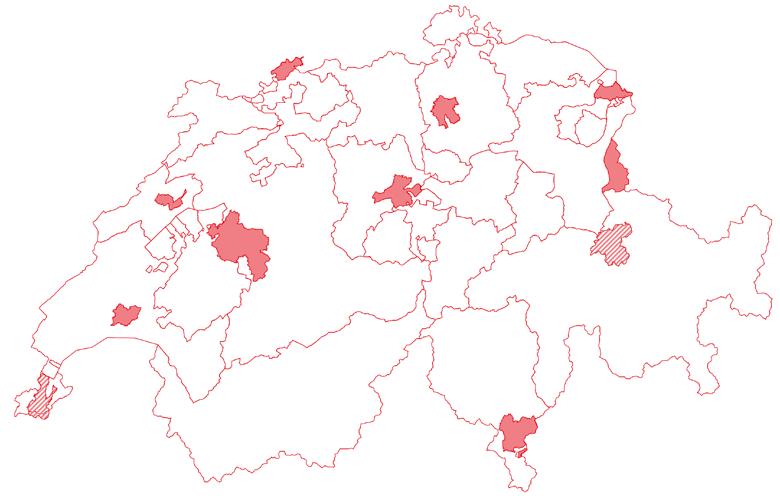
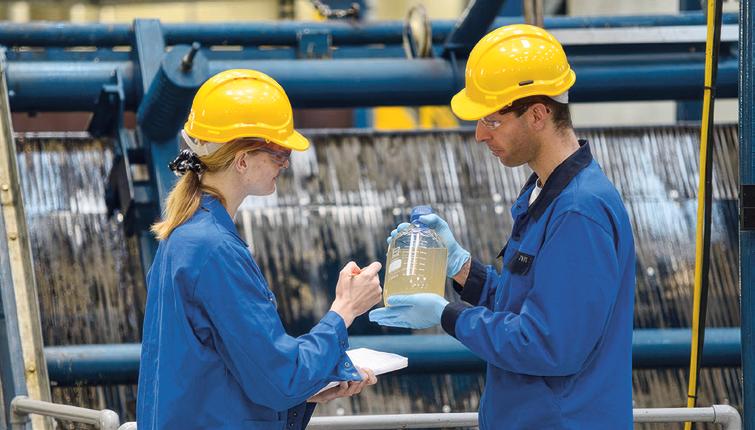
Continued relevance through close ties to research
Pathogens are constantly evolving and emerging, and scientists are constantly improving our understanding of their biology, virulence, fitness and more. The Centre for Pathogen Bioinformatics will keep pace through its close connections with research groups and international experts.
Recognized scientific leadership
Headed by Aitana Neves, associate director of the Clinical Bioinformatics group, the Centre’s steering board comprises SIB Group Leaders Niko Beerenwinkel, Emma Hodcroft, Richard Neher and Tanja Stadler. These renowned experts in computational biology, pathogen evolution and epidemiology are responsible for the Centre's strategic direction and the development of national and international collaborations.
Guidance from national and international experts
The advisory board oversees the Centre’s alignment with international roadmaps for pandemic molecular surveillance and preparedness. Its members include infectious disease and pathogen surveillance experts from the US Centers for Disease Control, World Health Organization, and the Reference Centre for Emerging Viral Infections (CRIVE) at the Geneva University Hospitals.
Input from the SIB network
All interested SIB Members and Employees can contribute through a dedicated pathogen bioinformatics focus group – which gives feedback on the Centre’s ongoing projects and activities, and identifies challenges in the field and future projects to address these.
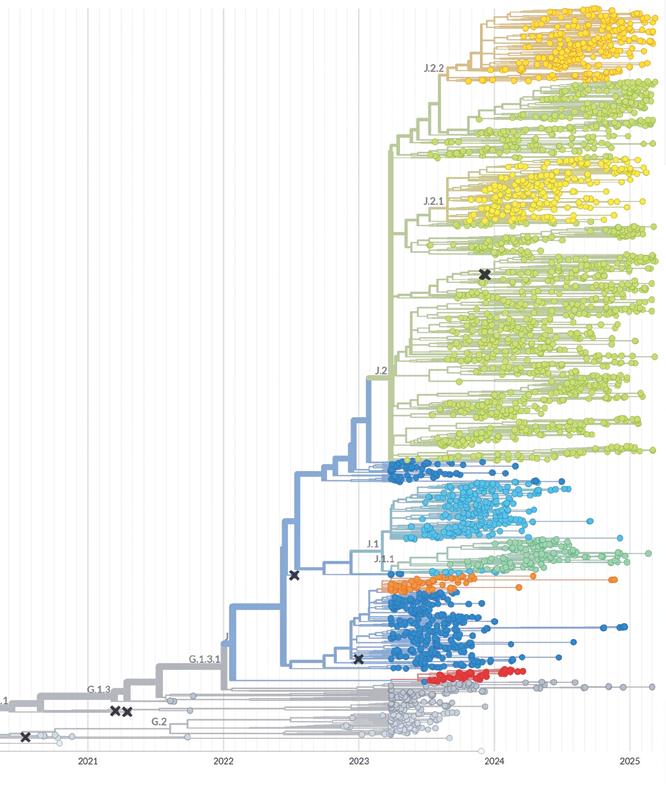
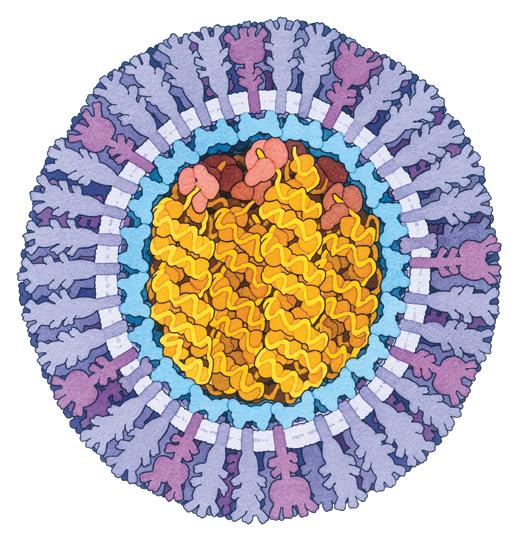
Illustration of influenza virus cross-section
Real-time tracking of influenza A/H3N2 evolution with the SIB Resource Nextstrain
The AI revolution continues
Artificial intelligence has won its first Nobel Prizes – including for groundbreaking life science tools –and generative AI is ever-more powerful and prevalent. Discover how SIB is catalysing, enabling and harnessing these and other transformative advances in AI.
Supplying the foundation of AI
AlphaFold, the AI model recognized in the 2024 Nobel Prize in Chemistry, was built on bioinformatics expertise – including decades of work by SIB scientists.
To effectively tackle complex challenges, AI models must be trained with accurate and relevant data. Their predictions must also be tested and fine-tuned. Our work in three key areas provides these essential foundations for trustworthy AI: democratizing data and knowledge through biocuration; describing and connecting data and information through knowledge representation; and assessing performance through benchmarking.
These building blocks enable SIB scientists and other researchers to develop reliable AI systems that deliver meaningful biological insights – from elucidating cellular processes to developing new biomedicines and biotechnologies.

John Jumper Distinguished Scientist, DeepMind AlphaFold Team Lead
“High-quality, publicly available databases and benchmarking systems –including UniProt, CAMEO and CASP – were essential to AlphaFold's development and validation.”
Gold-standard training data through curated databases
Our curated databases provide highly reliable data and knowledge from which AI models can learn to recognize patterns and make relevant predictions. One of these, UniProt, was crucial in training AlphaFold (SEE P. 53). Many others are available for, and being used in, AI applications across the life sciences.
Transforming data into AI-ready knowledge SIB databases follow FAIR and machine-readable principles, and are open and high quality. We achieve this by: harmonizing and organizing data according to international standards; annotating data with high-quality metadata to remove ambiguities, provide context and enable connections with other datasets; and in several databases even removing duplications and errors.
Expertly curated databases additionally include relevant and continuously updated information from the scientific literature and other sources. Biocurators in our Swiss-Prot group, for example, combine deep expertise in bioinformatics and protein biology to annotate protein sequences in UniProt with knowledge on the proteins’ structure, function and more
This explicit encoding of complex information in machine-readable formats underpins the democratization of data and knowledge – which is essential for AI advances in the scientific domain.
DOI: 10.1038/S41597-024-03099-1
A wealth of freely available training data
The open curated databases we co-develop cover a multitude of biomolecules and biochemical processes across the tree of life. They include: gene expression patterns (Bgee), cell lines (Cellosaurus), carbohydrates (Glyco@Expasy), biochemical reactions (Rhea), protein-protein interactions (STRING), lipids (SwissLipids), pathogen genomic data (SPSP, SEE P. 44), related genes between species (SwissOrthology), protein sequences and structures (UniProt, SEE BELOW ; S WISS-MODEL ), and gene functions (as part of the Gene Ontology Consortium).
Enabling training on sensitive data
We are also working on safe, ethical solutions to allow AI analysis of human data that cannot be made publicly available. One approach is through federated analysis, where relevant data can be accessed in a secure environment without sharing any personal information (SEE P. 54)
SIB expertise and data pivotal to Nobel-winning AI model
AlphaFold solves a 50-year-old problem: how to predict a protein’s 3D structure from its amino acid sequence. By transforming a long, expensive experimental procedure into a fast computation, this breakthrough accelerates studies of protein function – which in turn will accelerate drug discovery, crop development, biotechnology and much more.
AlphaFold relied on three open resources and initiatives developed and co-developed by SIB scientists: UniProt, CAMEO and CASP. This crucial contribution has been widely recognized, including at the AI-Bioscience Collaborative Summit in Washington DC and a high-level EU-Swiss science briefing held in Brussels. Descriptions of how these resources were harnessed are highlighted in this chapter.
NOBEL-WINNING AI MODEL
Trained with – and now informing – our curated protein database
AlphaFold learned to identify relationships between amino acid sequences and 3D structures by analysing hundreds of millions of high-quality protein sequences in UniProt. Expert annotations on protein structure also helped AlphaFold’s developers to understand and debug model performance.
Protein structures predicted by AlphaFold are also incorporated into UniProt, further enhancing the value of this world-leading protein resource for research and innovation. UniProt is co-developed by our Swiss-Prot group.
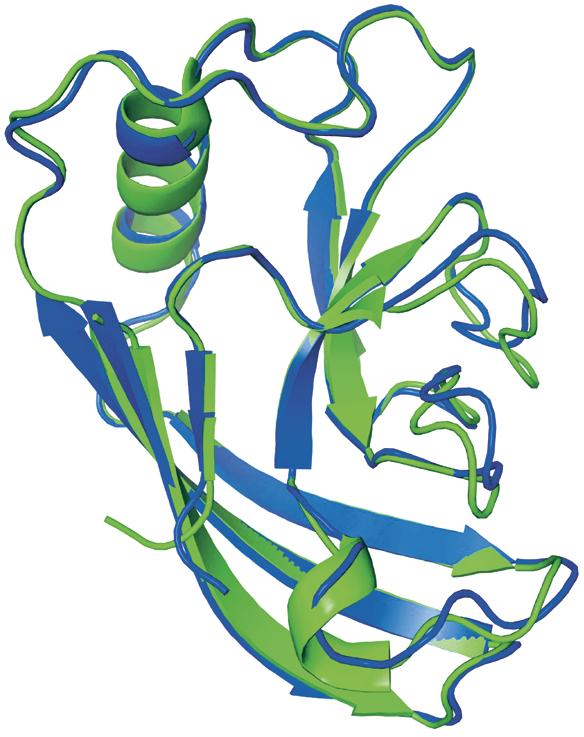
Protein structure predicted by AlphaFold (blue) and experimentally (green)
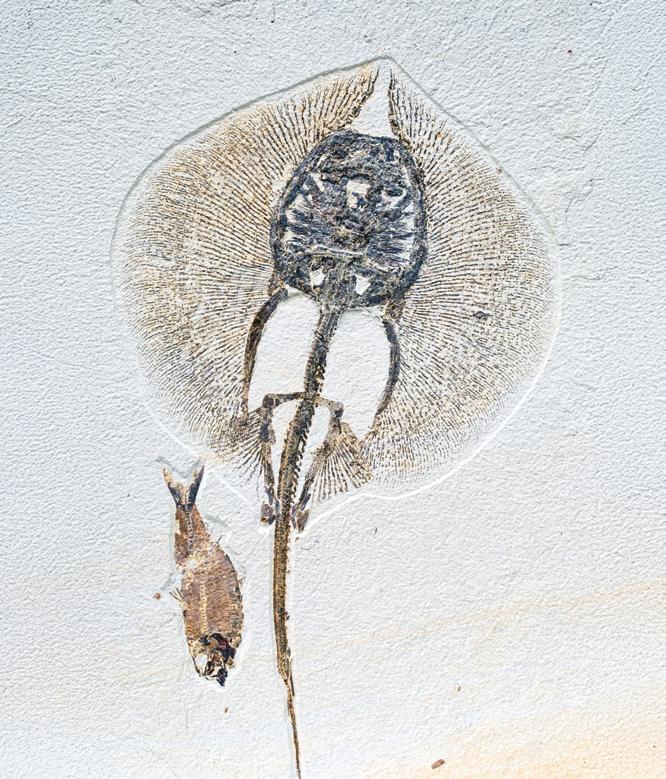
Safe AI analysis of sensitive health data
SIB scientists are supporting various efforts to enable AI analysis of health and clinical data without compromising patient privacy. One example is SOPHIA – an EU-funded public-private partnership to improve obesity care – where our Vital-IT Computational Biology group is harmonizing clinical data into FAIR formats to allow remote patient data analysis via a federated database. Building on this, the group is similarly contributing to the federated database of iCARE4CVD – an international initiative for personalized prevention and treatment of cardiovascular disease – and supporting a tool for securely analysing data from patients sharing similar characteristics. BioMedIT – the trusted research environment of the SPHN coordinated by SIB (SEE P. 38) – is also developing federated data analysis for AI training.
Synthetic training data to overcome research gaps
The incomplete fossil record makes it difficult to assess past biodiversity. To overcome this, a study by SIB's Daniele Silvestro and collaborators simulated realistic fossil data and used these to train an AI model for estimating species diversity over time. Among other findings, their innovative DeepDive tool suggests over 35 ele phant species roamed Earth until quite recently – many more than have been recovered as fossils.
DOI: 10.1038/S41467-024-48434-7
Actionable insights through knowledge representation
A single database is far more powerful when the knowledge it contains is linked to other databases. By developing and implementing systems to

Advancing the European Open Science Cloud (EOSC)
EOSC is drawing on SIB expertise to deliver a Europe-wide network of FAIR data and services. The contribution of our Knowledge Representation Unit to three projects funded by Horizon Europe –EOSC EDEN, FIDELIS, and EOSC Data Commons – will ensure interoperability between different data repositories, foster the set-up of Trusted Research Environments (SEE P. 39), and allow AI-based discovery of data and tools across the
Precision oncology with the ‘AI Tumor Board’
Our Knowledge Representation Unit will also work with Swiss hospitals for AI-enabled personalized medicine. Unstructured PDF guidelines for cancer care will be converted into structured, interoperable treatment procedures, using a large language model (LLM) and knowledge representation that adheres to Swiss Personalized Health Network (SEE P. 38) standards for organizing biomedical data. An AI tool will then analyse the procedures plus historical clinical data to predict the best treatment for

Unlocking knowledge from an explosion of data
Data for billions of metabolic molecules –from cells, tissues and entire organisms –are now available thanks to recent technological advances. Analysing these ‘metabolomics’ datasets is challenging, however, with most scattered across repositories and lacking appropriate annotations (metadata). A set of projects involving the Vital-IT Computational Biology group and SIB Group led by Pierre-Marie Allard addresses this through knowledge representation. A Sinergia project* and the Digital Botanical Gardens Initiative† are connecting chemical data on plants, linking these to information such as species interactions and traits, and enabling AI-assisted querying of the curated knowledge. Both projects feed into the larger Earth Metabolome Initiative and MetaboLinkAI project*. Applications of the work include identifying new drugs and other bioactive compounds.
The cover of this Profile illustrates an example of how knowledge representation supports such scientific discovery. The Sankey diagram shows connections between different categories of information on extracted plant chemicals, such as species, plant part and analysis method, which enables insights into previously disconnected data. This diagram comes from the Sinergia project mentioned above.
* Funded by the Swiss National Science
Enabling AI competitiveness A
high-level science briefing in Brussels highlighted the role of research infrastructure and data sharing for competitiveness in the age of AI. SIB’s curated databases and software tools were showcased as drivers of innovation and economic growth, including by addressing AI challenges such as biases, hallucinations and privacy concerns. The event was organized by the Mission of Switzerland to the EU, the Paul Scherrer Institute, the European Molecular Biology Laboratory (EMBL) and SwissCore.
Ask Expasy anything!
A customized generative AI tool integrated into Expasy, the Swiss bioinformatics resource portal, allows researchers to retrieve and compile information from SIB databases more quickly and easily than ever. Our Knowledge Representation Unit, with the support of the Biodata Resources and Information Technology teams, created ExpasyGPT by integrating an LLM with knowledge graphs maintained by our Semantic Web focus group (SEE P. 41). The powerful tool provides fast, accurate responses to natural-language questions, enables new insights through complex multi-database querying, and makes biological and bioinformatics discovery more broadly accessible. It can also stay up to date with new data and information continually being added to SIB databases without needing constant retraining.
The long-term vision is to transform Expasy into a full conversational assistant for life science research, and an indispensable companion for university students exploring life science data analysis and bioinformatics.
EXPASY.ORG/CHAT
Trustworthy outputs through benchmarking
How can AI developers – and the users of their models – be confident of AI predictions? And how can researchers know which AI tool is best for a particular task? SIB’s benchmarking expertise answered these questions for AlphaFold (SEE P. 57), and enables rigorous evaluation and finetuning of many other AI and computational analyses.
Providing performance standards
Benchmarking requires standard definitions of success, which our scientists provide by developing gold-standard reference datasets. These serve as either standardized input data for comparing the performance of different AI tools, or as the desired outcome against which predictions and computational analyses are compared. Specialized benchmarking datasets allow finetuning of models trained on general data, to improve their performance for highly specific fields or tasks. Reference datasets also allow researchers to assess the quality of their data prior to any analysis.
Developing assessment tools
Our groups also develop sophisticated benchmarking software to rigorously evaluate the performance of AI models and computational methods against reference data and/or in comparison to other models and methods. In addition to validating specific performance aspects, like accuracy or completeness, this process also identifies areas to improve. Such software can additionally help researchers choose which model or method is best suited for a given purpose and context.
Benchmarking applications across the life sciences
As for training data, the openly available benchmarking resources and platforms developed and codeveloped by SIB scientists have a large range of applications. These include evaluation of: protein folding predictions (CAMEO software tool and CASP competition, SEE P. 57); proteome quality (SwissOrthology reference dataset and software tools); and genome and metagenome quality ( BUSCO reference dataset and software tools, SEE P. 57 ; LEMMI software tools).
A benchmarking ecosystem for bioinformatics
The new Omnibenchmark platform is a flexible benchmarking system for computational biology tools that ensures reproducibility, FAIR principles, and neutrality. Developed by the SIB Group led by Mark Robinson, the platform supports both individual researchers (solo benchmarking) and large collaborative communities.
DOI: 10.48550/arXiv.2409.17038
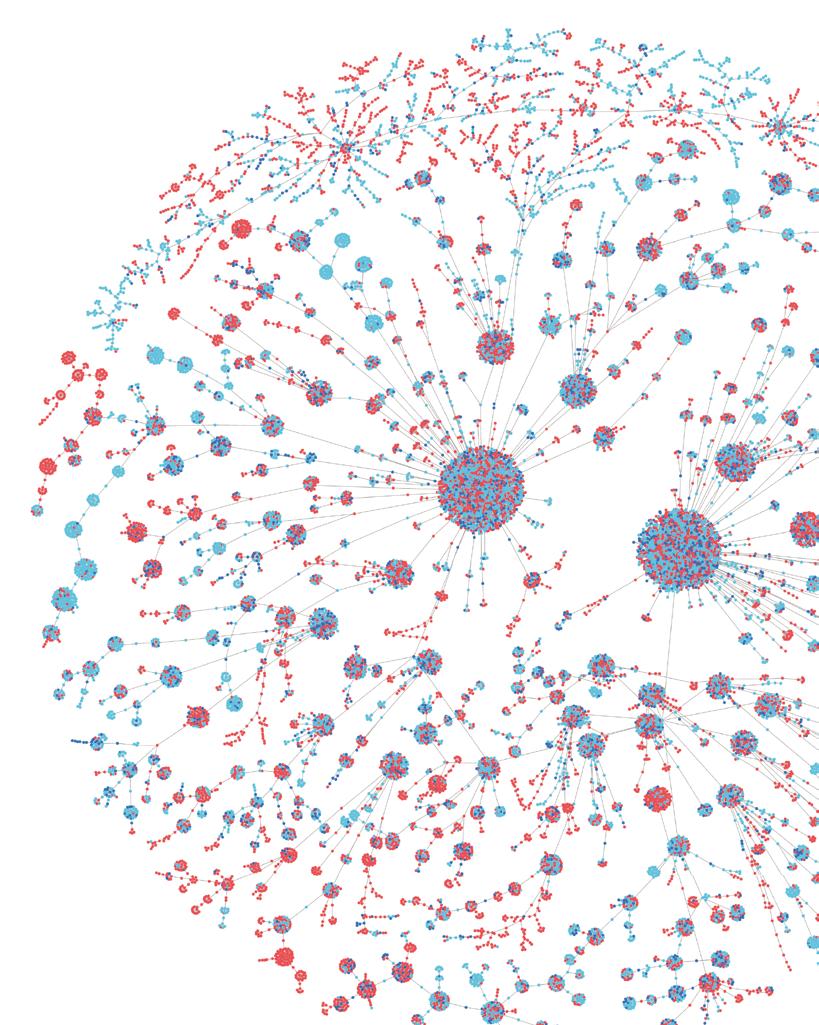

“Amid today’s explosion of methods and AI models, well-designed benchmarking systems –neutral, transparent, and reproducible – are crucial for enabling researchers to choose the right tool for the question at hand.”
Improving environmental sustainability
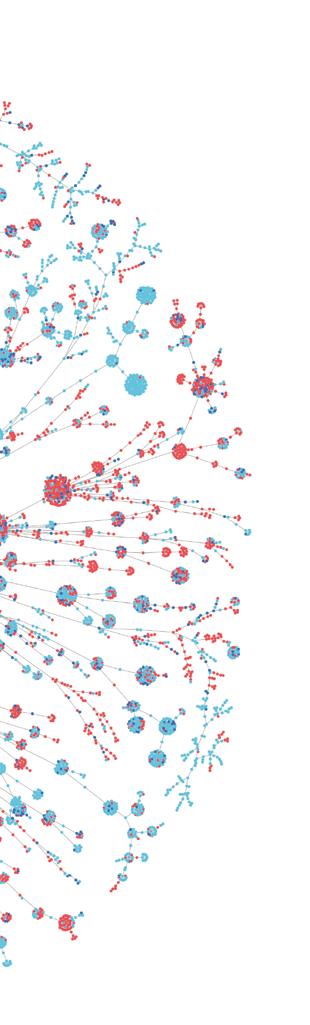
WMark Robinson SIB Group Leader, University of Zurich
Fine-tuning AIs for specialized data curation
LLMs can help expertly curated databases keep pace with today’s fast rate of new discoveries and publications (SEE P. 52)
A benchmarking dataset developed by our Swiss-Prot group, called EnzChemRED, significantly boosted the ability of such models to capture knowledge on enzyme function from the scientific literature. The team is applying this to guide biocuration efforts for the UniProt and Rhea knowledgebases.
DOI: 10.1038/s41597-024-03835-7
e are working on several fronts to minimize the environmental impacts of computational life science, including resourceintensive applications like AI. The EU-funded ELIXIRSTEERS project addresses the often-overlooked need for good software management that enables reproducible, efficient analysis of life science data. SIB teams and members are contributing to a toolkit for robust, reproducible, and green software and workflows (VitalIT group and the SIB Group led by Mihaela Zavolan) and
Faster, more accurate quality control of species genomes
BUSCO assesses the completeness of genetic sequences obtained from a species, by comparing these to a reference set of genes that are expected to be present according to evolutionary principles. Already a standard for genomics quality control – and also used to train and evaluate gene predictors –its value is now greatly enhanced through the addition of over 3oo new reference datasets for diverse microbes and higher life forms. A new tool was also introduced to speed up the comparison process. BUSCO is part of the SwissOrthology SIB Resource and is developed by the SIB Groups led by Evgenia Kriventseva and Evgeny Zdobnov.
DOI: 10.1093/nar/gkae987
coordinating best practices and capacity building across the ELIXIR country nodes (training and scientific relations experts). The project will help reduce energy consumption and carbon footprints by minimizing duplication.
Our teams also minimize their need for computational power by training and fine-tuning models on datasets with the appropriate number of parameters. The SIB-wide EcoImpact focus group (SEE P. 41) is additionally dedicated to reducing the institute’s environmental impact, including through sustainable practices in computer science.
NOBEL-WINNING AI MODEL Breakthrough performance shown with SIB expertise
The impressive accuracy of the Nobel Prize-winning AlphaFold model was first demonstrated by CASP – a global competition held every two years that tests the accuracy of computational methods against experimentally determined, unpublished, and very challenging protein structures. Its applicability to all human proteins was subsequently confirmed using data from CAMEO, an SIB resource that performs the same accuracy test as CASP but on a larger set of proteins published weekly. CAMEO and CASP have since developed further to evaluate the accuracy of computational methods for more challenging tasks, such as protein interactions with other proteins or small molecules. This enables applications such as drug discovery and design. CAMEO was developed by the SIB Group led by Torsten Schwede, who has been a member of the CASP organizing committee since 2011.
INDEX OF SIB GROUP AND TEAM LEADERS
As of 1 January 2025
AAhrens Christian Proteins and proteomes Agroscope
Allard Pierre-Marie NEW Systems biology University of Fribourg
Anisimova Maria Evolution and phylogeny Zurich University of Applied Sciences (ZHAW)
Azzimonti Laura NEW Machine learning and text mining Dalle Molle Institute for Artificial Intelligence Research (IDSIA)
BBärenfaller Katja Proteins and proteomes
SIAF – University of Zurich
Bairoch Amos Proteins and proteomes University of Geneva
Bank Claudia Evolution and phylogeny University of Bern
Barbié Valérie Core facilities and services
SIB Hub – Geneva
Bastian Frédéric Evolution and phylogeny University of Lausanne
Baudis Michael Genes and genomes University of Zurich
Beerenwinkel Niko Evolution and phylogeny
ETH Zurich, D-BSSE
Bergmann Sven Genes and genomes University of Lausanne
Beltrao Pedro Systems biology
Bitbol Anne-Florence Evolution and phylogeny
Boeva Valentina Systems biology
Brbic Maria NEW Machine learning and text mining
Bridge Alan Proteins and proteomes
ETH Zurich
EPFL
ETH Zurich
EPFL
SIB Hub – Geneva
Bruggmann Rémy Core facilities and services University of Bern
Buljan Marija Systems biology Empa
CCarmona Santiago Systems biology University of Lausanne
Cascione Luciano Core facilities and services Institute of Oncology Research
Cavalli Andrea Structural biology
Chiarugi Davide NEW Core facilities and services
Università della Svizzera italiana
SIB Hub – Basel
Chopard Bastien Systems biology University of Geneva
Ciriello Giovanni Systems biology University of Lausanne
Correia Bruno Structural biology
EPFL
DDal Peraro Matteo Structural biology
EPFL
Deupi Xavier Structural biology Paul Scherrer Institute (PSI)
Deplancke Bart Genes and genomes
EPFL
Dessimoz Christophe Evolution and phylogeny University of Lausanne
FFalquet Laurent Genes and genomes University of Fribourg
Fellay Jacques Genes and genomes
EPFL
Frayling Tim NEW Genes and genomes University of Geneva
GGervasio Francesco Luigi Structural biology University of Geneva
Gfeller David Proteins and proteomes University of Lausanne
Glover Natasha Evolution and phylogeny University of Lausanne
Gonnet Gaston Evolution and phylogeny
ETH Zurich
Gottardo Raphael Core facilities and services University of Lausanne
Goudet Jérôme Evolution and phylogeny University of Lausanne
HHastings Janna Machine learning and text mining University of Zurich
Hodcroft Emma NEW Evolution and phylogeny Swiss TPH
IIbberson Mark Core facilities and services
SIB Hub – Lausanne
Iber Dagmar Systems biology ETH Zurich, D-BSSE
Ivanek Robert Systems biology University of Basel
JJutzeler Catherine Genes and genomes
KKahraman Abdullah Core facilities and services
Kriventseva Evgenia Genes and genomes
Kutalik Zoltán Genes and genomes
ETH Zurich
FHNW School of Life Sciences
University of Geneva
University of Lausanne
LLane Lydie
Proteins and proteomes University of Geneva
Lehtinen Sonja NEW Evolution and phylogeny University of Lausanne
Levy Emmanuel NEW Proteins and proteomes University of Geneva
Lill Markus Structural biology University of Basel
Lisacek Frédérique Proteins and proteomes University of Geneva
Luisier Raphaëlle Genes and genomes IDIAP
MMalaspinas Anna-Sapfo Genes and genomes University of Lausanne
Mazza Christian Systems biology University of Fribourg
Messner Christoph Proteins and proteomes University of Zurich, Davos
Michielin Olivier Structural biology University of Lausanne
Miho Enkelejda Systems biology FHNW University of Applied Sciences and Arts Northwestern Switzerland
Milinkovitch Michel Systems biology University of Geneva
Mitri Sara Evolution and phylogeny University of Lausanne
NNeher Richard
Neves Aitana NEW
PPalagi Patricia
Evolution and phylogeny University of Basel Core facilities and services
Core facilities and services
SIB Hub – Geneva
Core facilities and services
Panse Christian Core facilities and services
Pedrioli Patrick Proteins and proteomes
Peña-Reyes Carlos-Andrés
SIB Hub – Lausanne
ETH Zurich
ETH Zurich
Machine learning and text mining HEIG-VD
Pivkin Igor Systems biology Università della Svizzera italiana
RRätsch Gunnar
Rapsomaniki Marianna NEW
Rehrauer Hubert
Rinaldi Fabio
Rinn Bernd
Machine learning and text mining
ETH Zurich
Machine learning and text mining University of Lausanne
Core facilities and services
Machine learning and text mining
Core facilities and services
ETH Zurich, University of Zurich
Dalle Molle Institute for Artificial Intelligence Research (IDSIA)
ETH Zurich, D-BSSE
Robinson Mark Genes and genomes University of Zurich
Robinson-Rechavi Marc Evolution and phylogeny University of Lausanne
Ruch Patrick
Machine learning and text mining
HES-SO - Geneva School of Business Administration (HEG)
SSchütz Frédéric Core facilities and services
Schwede Torsten Structural biology
Sengstag Thierry Core facilities and services
Snijder Berend Systems biology
University of Lausanne
University of Basel
University of Basel
ETH Zurich
Stadler Michael Genes and genomes Friedrich Miescher Institute for Biomedical Research
Stadler Tanja Evolution and phylogeny
Stekhoven Daniel Core facilities and services
Stelling Jürg Systems biology
Sunagawa Shinichi Genes and genomes
Vvan Nimwegen Erik Genes and genomes
Vogt Julia Machine learning and text mining
von Mering Christian Proteins and proteomes
WWagner Andreas Evolution and phylogeny
ETH Zurich, D-BSSE
ETH Zurich
ETH Zurich, D-BSSE
ETH Zurich
University of Basel
ETH Zurich
University of Zurich
University of Zurich
Waterhouse Robert Core facilities and services SIB Hub – Lausanne
Wegmann Daniel Evolution and phylogeny
Wollscheid Bernd Proteins and proteomes
ZZavolan Mihaela Systems biology
Zdobnov Evgeny Genes and genomes
University of Fribourg
ETH Zurich
University of Basel
University of Geneva
Ziegler Andreas Core facilities and services Cardio-CARE AG
Zoete Vincent Structural biology
University of Lausanne
ACKNOWLEDGEMENTS
We gratefully acknowledge the following funders, sponsors and partners for their financial support and encouragement in helping us fulfil our mission in 2024.
The Swiss government and in particular:
The State Secretariat for Education, Research and Innovation SERI
The Federal Office of Public Health FOPH – BAG
The Swiss National Science Foundation (SNSF)
Innosuisse
The European Commission
The National Institutes of Health (NIH)
We also thank all industry and academic partners who trust SIB’s expertise – and all employees and members who contributed to this edition of the SIB Profile.
IMPRESSUM
© 2025 – SIB Swiss Institute of Bioinformatics
DESIGN AND LAYOUT BY Bogsch & Bacco, www.bogsch-bacco.ch
IMAGE CREDITS (from top to bottom and from left to right)
Cover Luis Quiros Guerrero, University of Geneva, and Marco Pagni, SIB Vital-IT Computational Biology group
Inside cover
1 Alamy Stock Photo / Hector Christiaen
2 Alamy Stock Photo / Scott Camazine
P. 1
P. 2
Adobe Stock
Nicolas Righetti / lundi13
P. 3 Valentin Luggen
P. 4 Alexey Solodovnikov, CC BY-SA 4.0
Marco Varrone, University of Lausanne Larivière, D et al. Nat Biotechnol 2024. DOI: 10.1038/s41587-023-02100-3
p. 5 Adobe Stock
Franziska Gruhl –SIB. All rights reserved
p. 9 Adobe Stock
Adobe Stock
Nicolas Righetti / lundi13
p. 11 Franziska Gruhl – SIB. All rights reserved Sutthaburawonk / iStock
Molecular Modeling Group, SIB & UNIL
P. 13 Phylo.io
Adobe Stock
Alexey Solodovnikov, CC BY-SA 4.0
Adobe Stock
P. 20 Nicolas Righetti / lundi13
Felix Imhof
P. 21 Nicolas Righetti / lundi13
P. 26 BLM Alaska photo by Craig McCaa
P. 27 Adobe Stock
Marco Varrone, University of Lausanne JJ Harrison CC BY-SA 4.0
P. 29 Barido-Sottani J et al., Systematic Biology 2017, DOI: 10.1093/sysbio/syx060 Molecular Modeling Group, SIB & UNIL University of Basel
P. 30 Davide Bonazzi
P. 33 2025 Lunaphore Technologies SA
P. 37 Larivière, D et al. Nat Biotechnol 2024. DOI: 10.1038/s41587-023-02100-3
P. 39 CC BY-SA 4.0, DOI: 10.5281/zenodo.14012894
Circos, Martin Krzywinski5
P. 41 Adobe Stock LS2
P. 44 Statens Serum Institut
P. 45 David S. Goodsell, RCSB Protein Data Bank. DOI: 10.2210/rcsb_pdb/goodsell-gallery-013
P. 47 David S. Goodsell, RCSB Protein Data Bank. DOI: 10.2210/rcsb_pdb/goodsell-gallery-019 Nicolas Righetti / lundi13
P. 48 Nicolas Righetti / lundi13
Eawag & Ministry of Social Affairs and Culture – Liechtenstein – State: 29.04.2025
Eawag
P. 49 Nextstrain
David S. Goodsell, RCSB Protein Data Bank. DOI: 10.2210/rcsb_pdb/goodsell-gallery-049
P. 52 Google DeepMind
P. 53 Jumper, J et al. Nature 2021. DOI: 10.1038/s41586-021-03819-2 CC BY 4.0
P. 54 Alamy Stock Photo / Dominique Braud / Dembinsky Photo Associates
P. 55 Alamy Stock Photo / Mint Images Limited
P. 56 Anastasia Sveshnikova (Swiss-Prot group). DOI: 10.48550/arXiv.2404.14209
P. 64 Alamy Stock Photo / Album
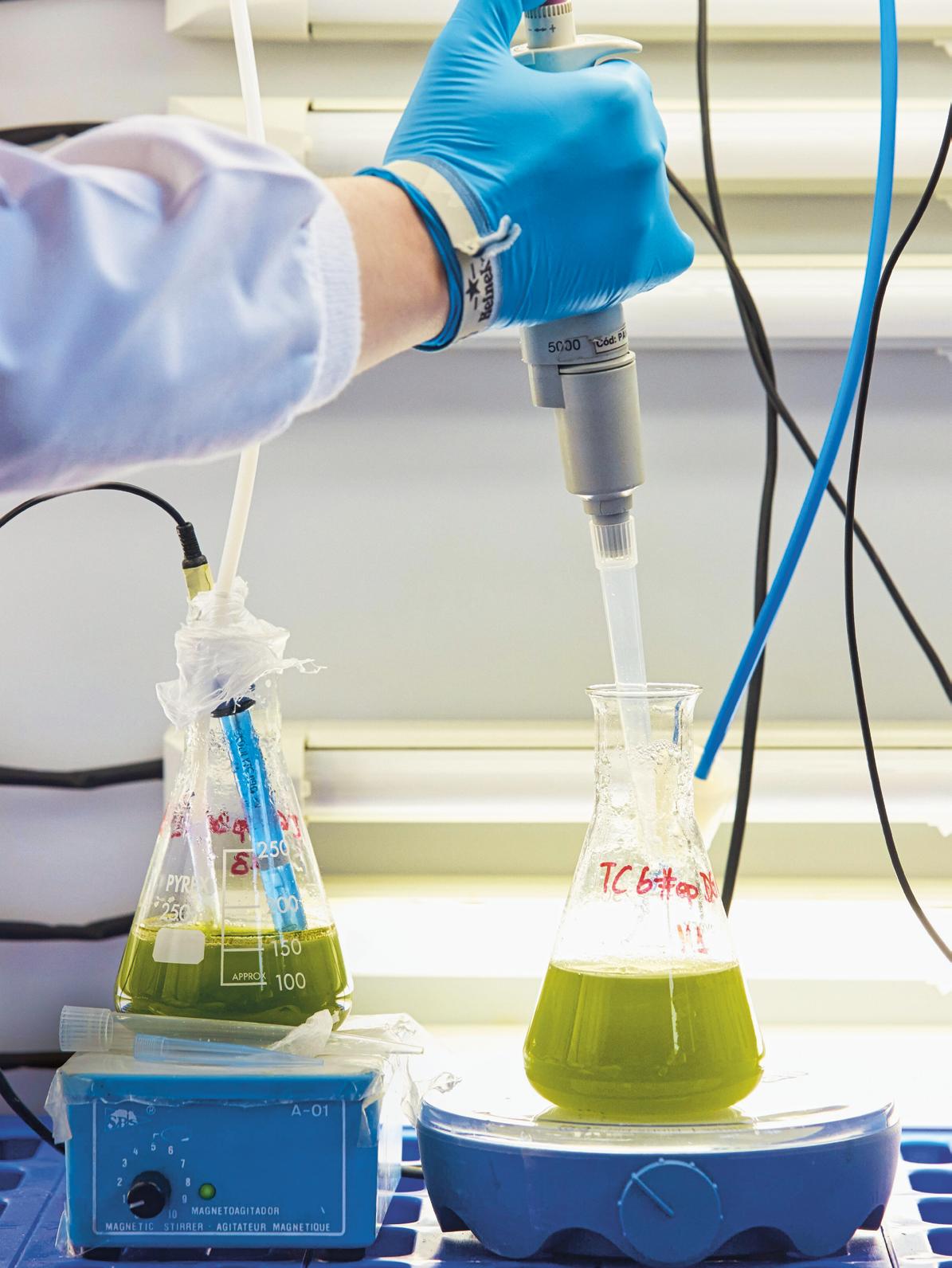
Activity pillar II – A centre of excellence delivering life science data services
We deliver data services fostering innovation, health advances and societal impact on a day-to-day basis to academic, clinical, governmental and industry partners.
SEE P. 32
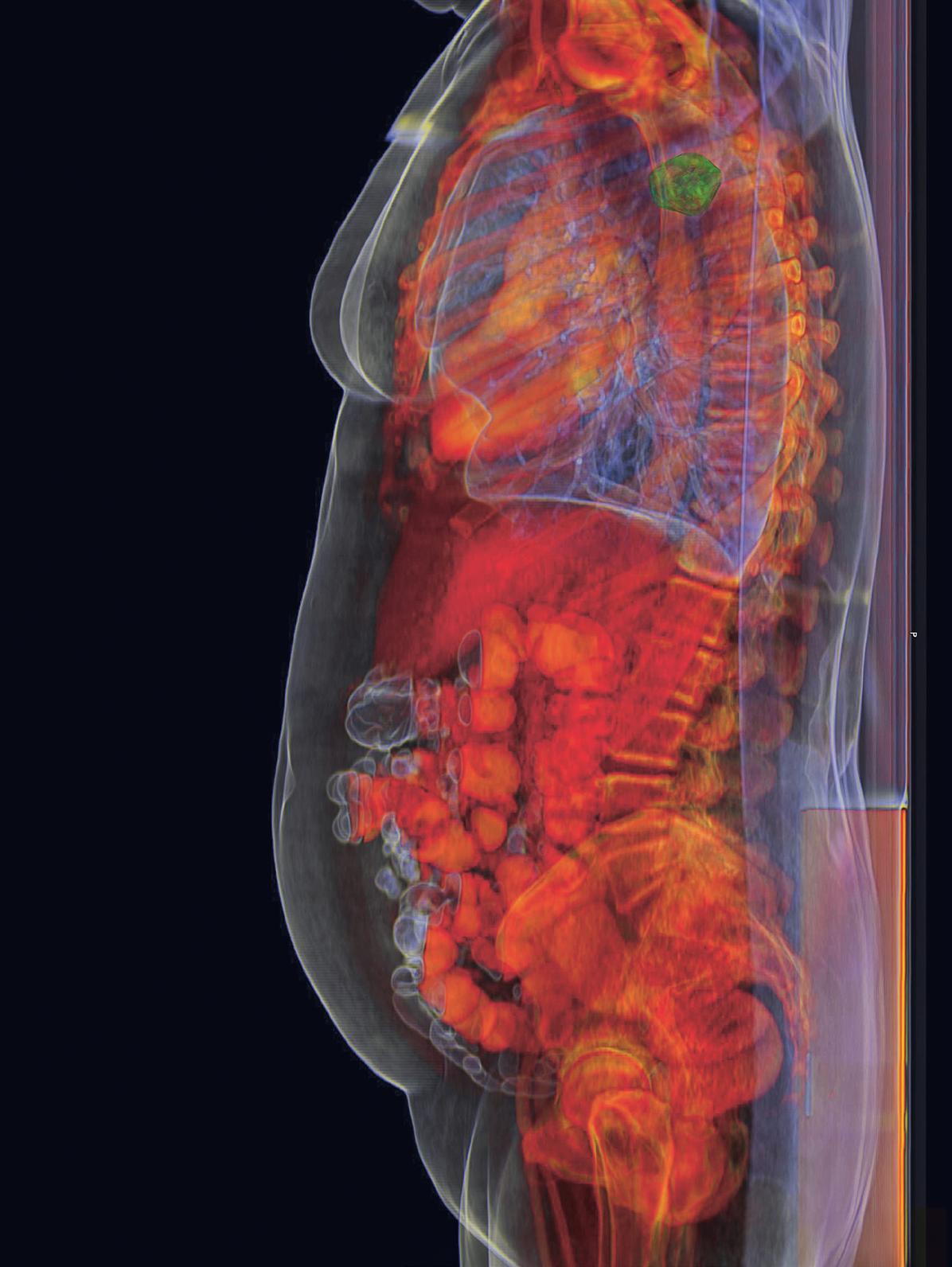
Activity pillar III – Large-scale infrastructure and projects coordination
We maximize the discoveries from life science data through coordination among disciplines and institutions, and alignment between Swiss and international practices. SEE P. 36