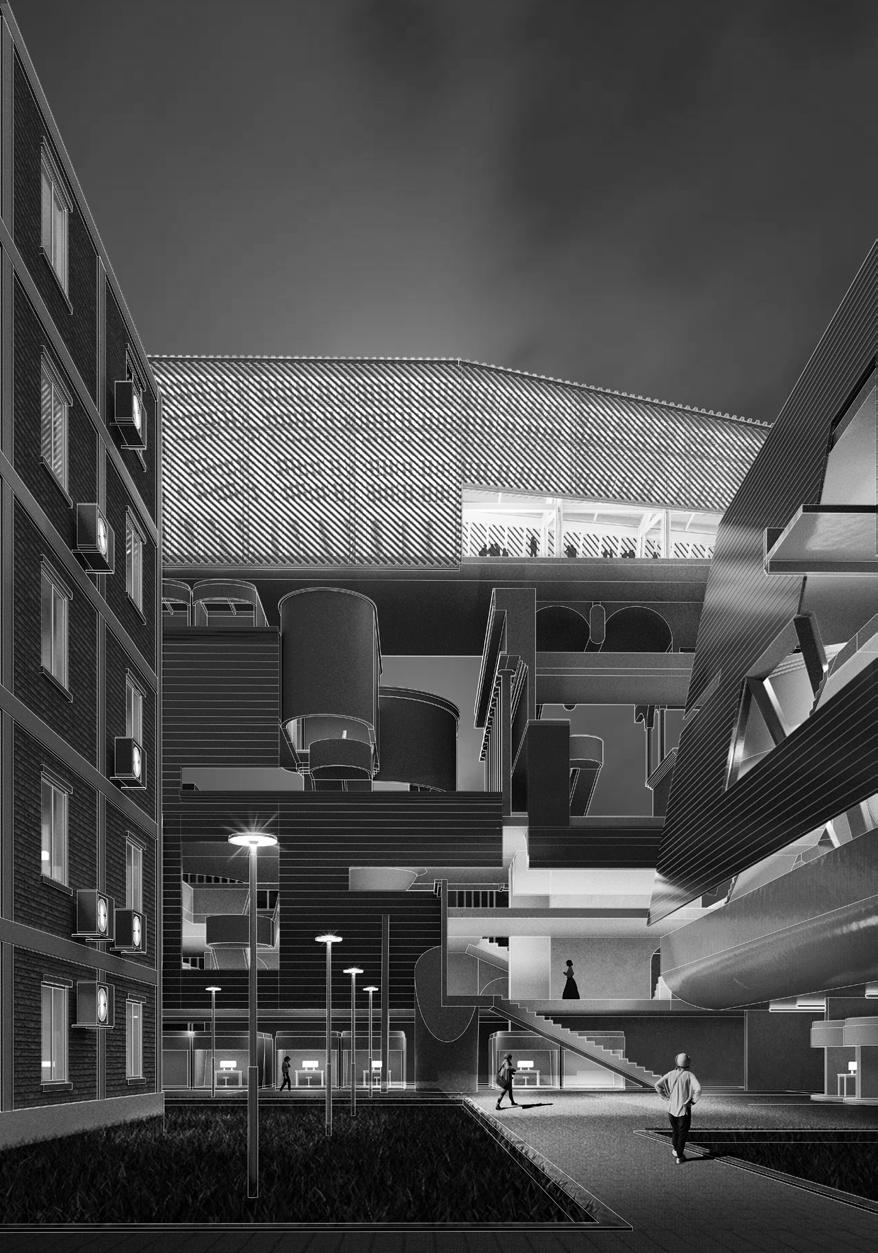
[Architectural Portfolio]
Selected Works
shiyi.arch@gmail.com | +44(0)7780209058 | 40c, Guildford Road, London, SW8 2BU
Education
Sichuan University, Chengdu, China
B.E. in Landscape Architecture (5 years)
Architectural Association, London, UK
MPhil. Architecture and urban design(Projective cities), Distinction
Professional Experiences
Intermediate Architect | Mad Architects, Beijing
- Jiaozhou City Library / Under Construction
Architect | DU Architecture Studio, Beijing
- Weiyang International Shopping Centre, Xi an, China /Mix use / Completion
- The Crown, Xi an, China / Mix-use / Under Construction
- Orcadt Plaza, Xi an, China / Apartment / Under Construction
- Jinghu Shopping mall, Zhejiang, China / Shopping mall / Completion
- Qujiang Sport Park, Xi an, China / Sports park and Shopping centre / Conceptual design
- Yingxuan Hotel, Qingdao, China / Hotel Interior / Completion
- Mikuhui Plaza, Hangzhou, China / Apartments / Completion
Assistant Architect | Beijing CCI Architectural Design co. Ltd, Beijing
- Maternal & Child Health Care Hospital, Jilin, China / Hospital / Completion
- Facade Reformation of Xihua News Agency, Beijing, China / Facade Design / Completion
Landscape Designer | Plasma Studio, Beijing
- Izmir University of Economic Guzelbahce / Campus Master plan / Competition
- Haitian Park, Zhuhai, China / Park Design / Under Construction
- Xiangshan Lake Park, Zhuhai, China / Natural Park / Completion
- Xixian Central Linear Park, Xi an, China / City Park / Conceptual design
- Baidu 5yuan Hope School (Co-funding), Yunnan, China / School / Completion
Architectural Intern | China Architecture Design & Research Group, Beijing
- Olympic Scenic Tower, Beijing, China / Completion
- Tea house of Notable Modern Architects, Haikou, China / Conceptual design
Honours
- 3rd Prize and Bast Debater award - Debate Invitational Tournament of Sichuan University
- 3rd Prize - Competition on Reformation of the Central yard of SCU
- 2rd Prize - Yuanye Final Thesis Competition
- Published Paper - Yi, S. 2015. “Review and Research of a Modified Model for the Fuzzy Hierarchical Integrated Evaluation of Tourism Resources in Scenery Area”.
Skills & Language
Software
- AutoCAD, Revit
- Rhinoceros, Grasshopper, Blender, Maya
- Adobe Creative Cloud, Vray, Enscape
Language - Mandarin Chinese (Native Speaker) -English (Fluent)
Professional Works
[ Wei Yang International Plaza ]
Shopping mall, Office, Apartment
[ Izmir University of Economic Guzelbahce ] Campus Master Plan
[ Orcadt Plaza ]
Residential area and office
[ The Crown ]
Multi-functional Complex
[ Mi ku Hui Plaza ]
Shopping mall, Artist apartment
[ Qujiang Sport Park ]
Landscape design
[ Yingxuan Hotel] Interior design
Academical Works
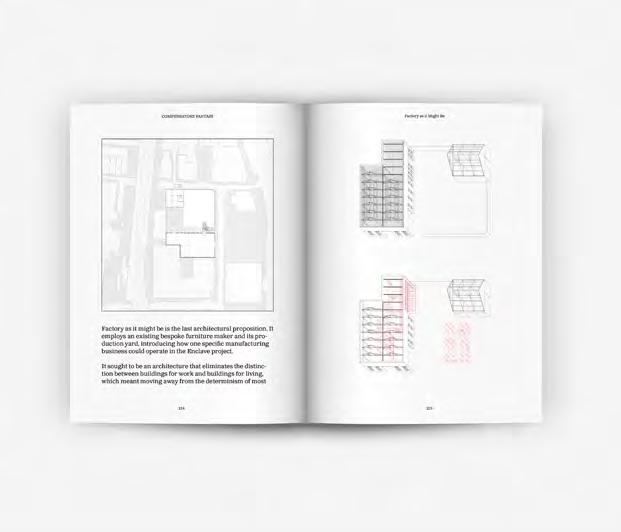
[ From Factory to Fireside:Dwelling with Small Manufacturing in London ]
Final Dissertation, Architectural Association, 2024
[ Behind The Elevation ]
Term1, Architectural Association, 2022
[ The Idea of North ]
Term2, Architectural Association, 2023
[ Delicate Teaching Machine ]
Independent project, 2015
[ UN-Authorized Building Works ]
Undergraduate School work, 2014
Professional Works 2016 ~2022
PLAZA
Mix use
Project in DU Architecture 02. 2017 | Completion
My role in the project: Architectural and landscape concept design and construction drawing
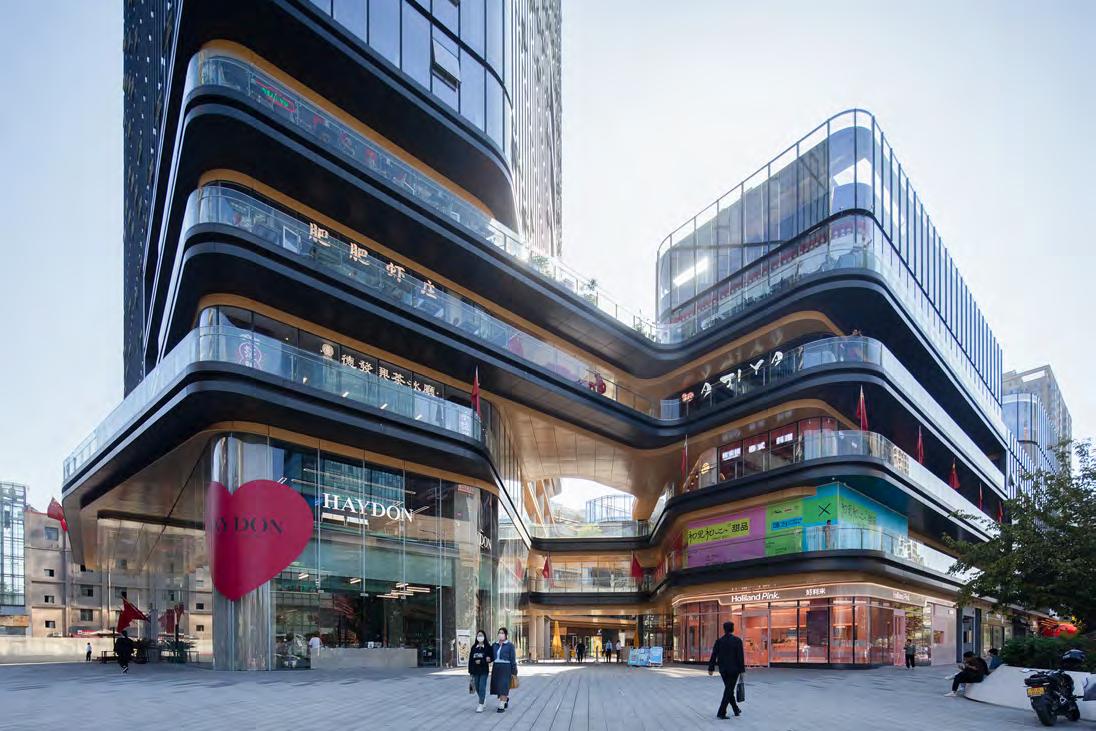
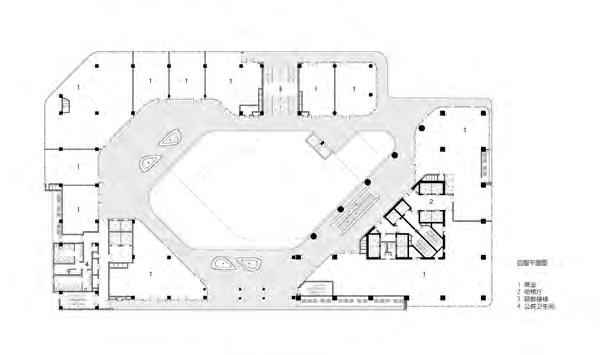
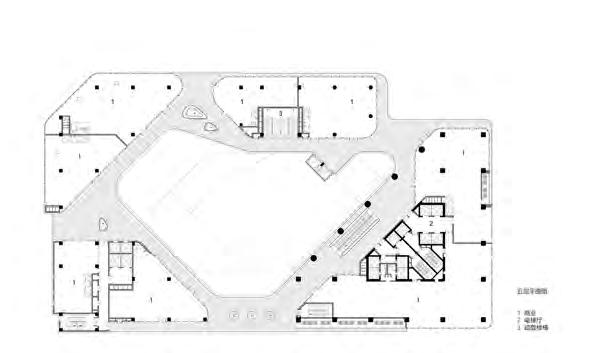
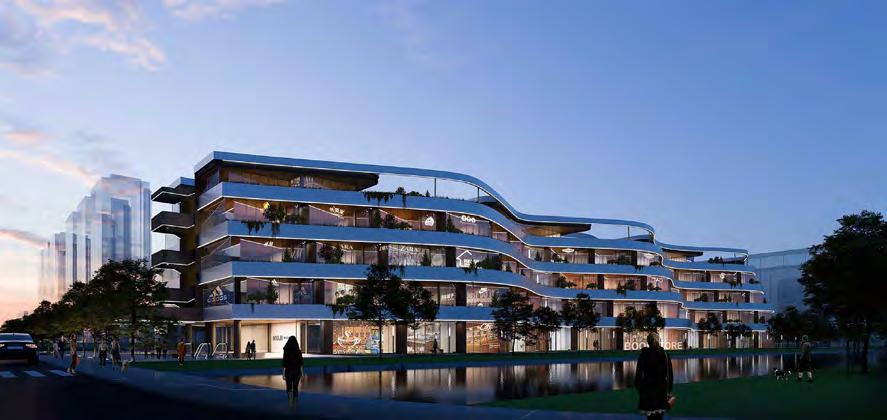
The development of commercial real estate in China has experienced a period of barbaric pioneering in the past 15 years. In this process, the homogeneity of the project is very serious, and the developer pays more attention to speed and economic benefits than others. With the steady growth of people’s income, convenient and funny online shopping has essentially liberated people’s spare time. Facing the impact of the Internet economy on the real economy, what we see is not a crisis but an opportunity revival. In this context, new commercial real estate should avoid copying classic commercial types. They should adopt measures to local conditions that could provide a differentiated experience project for local.
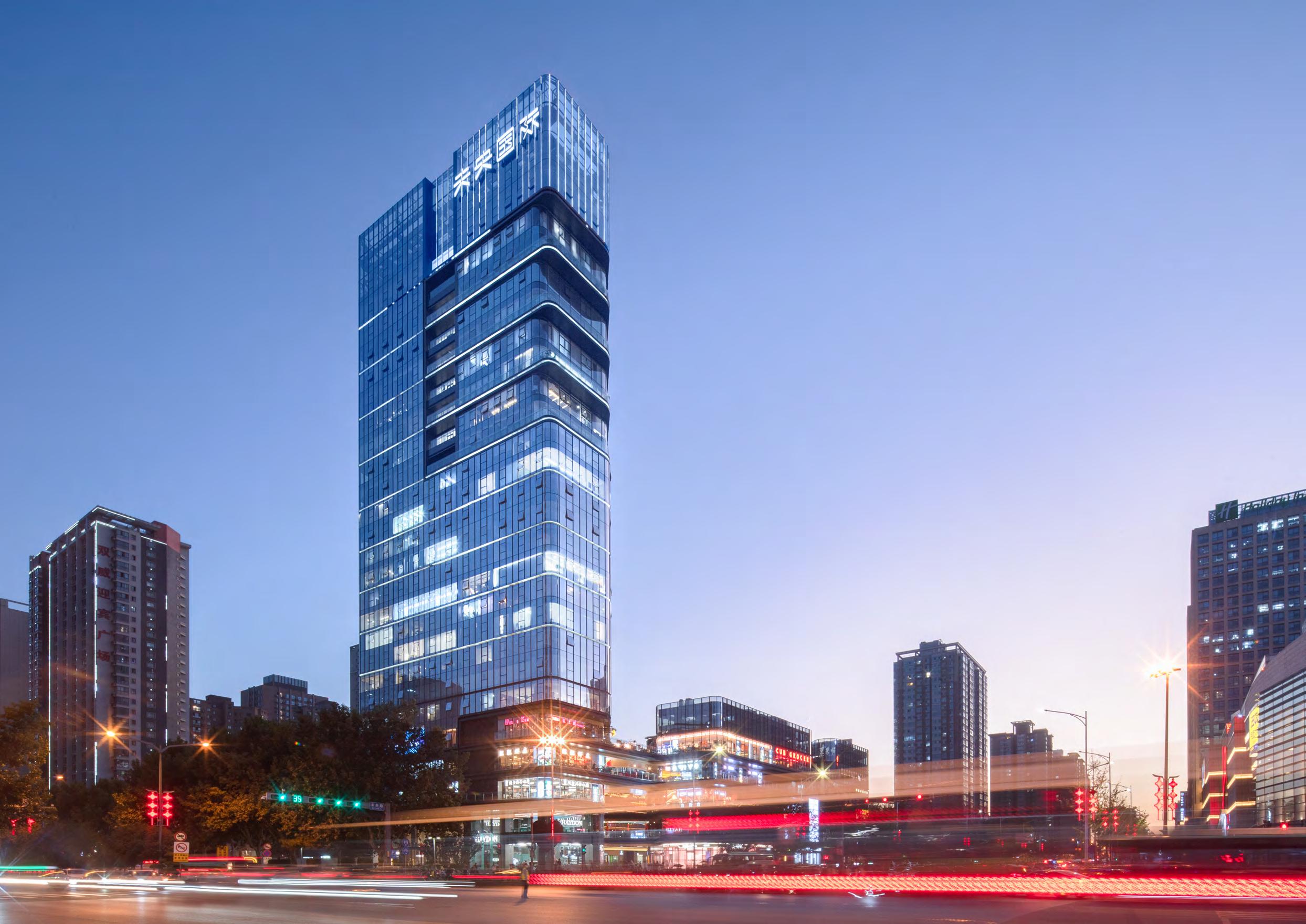
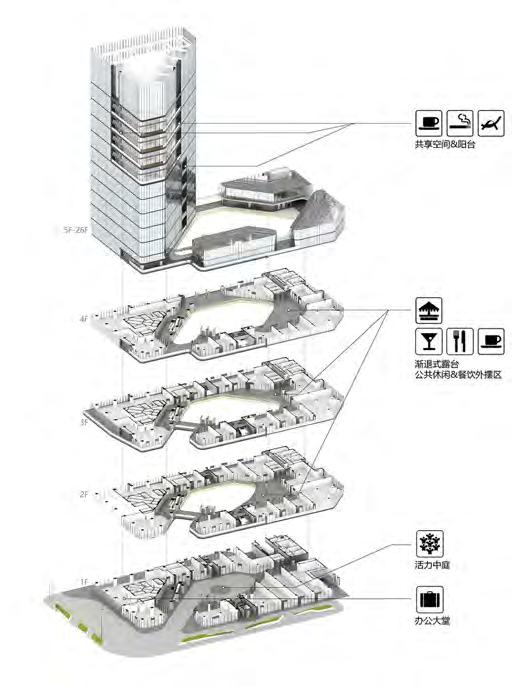
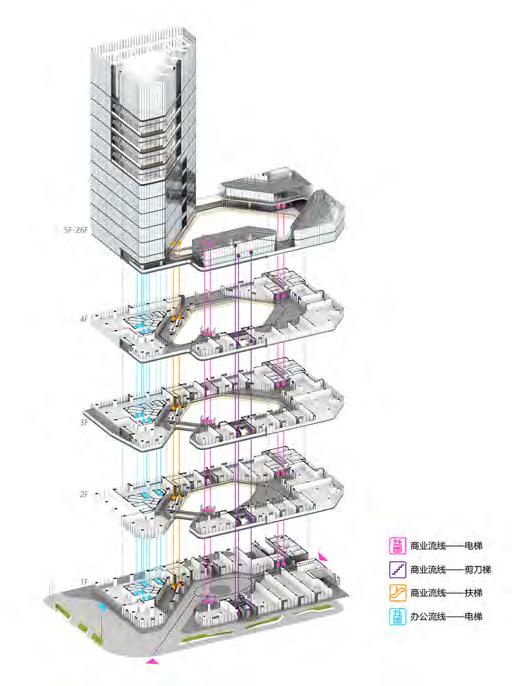
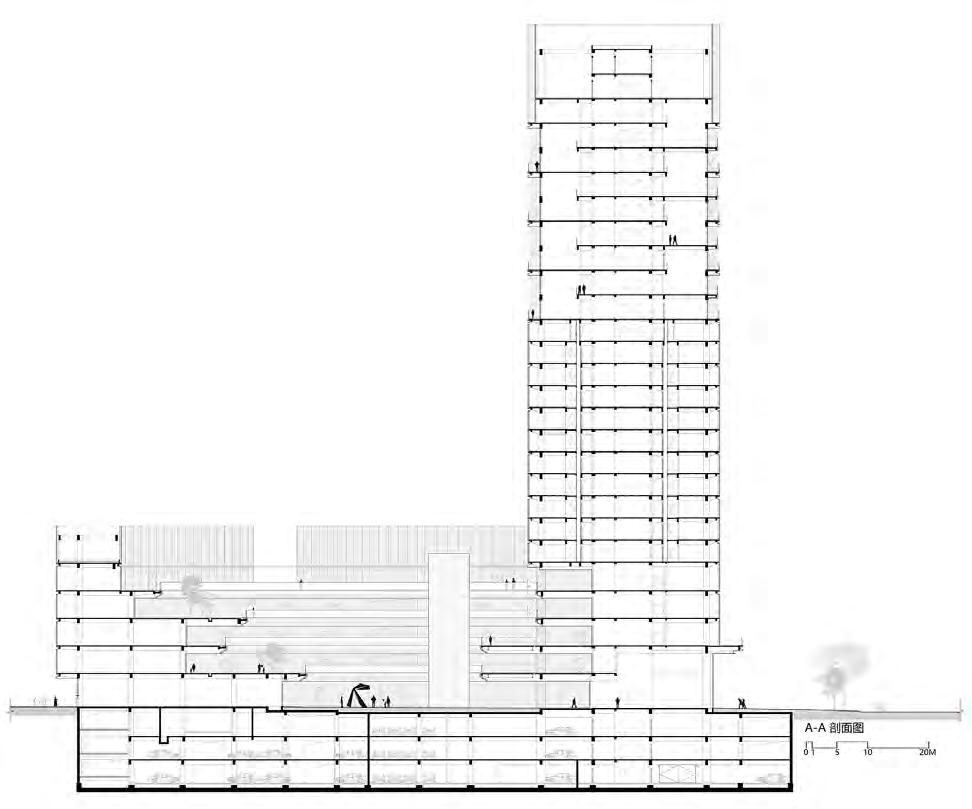
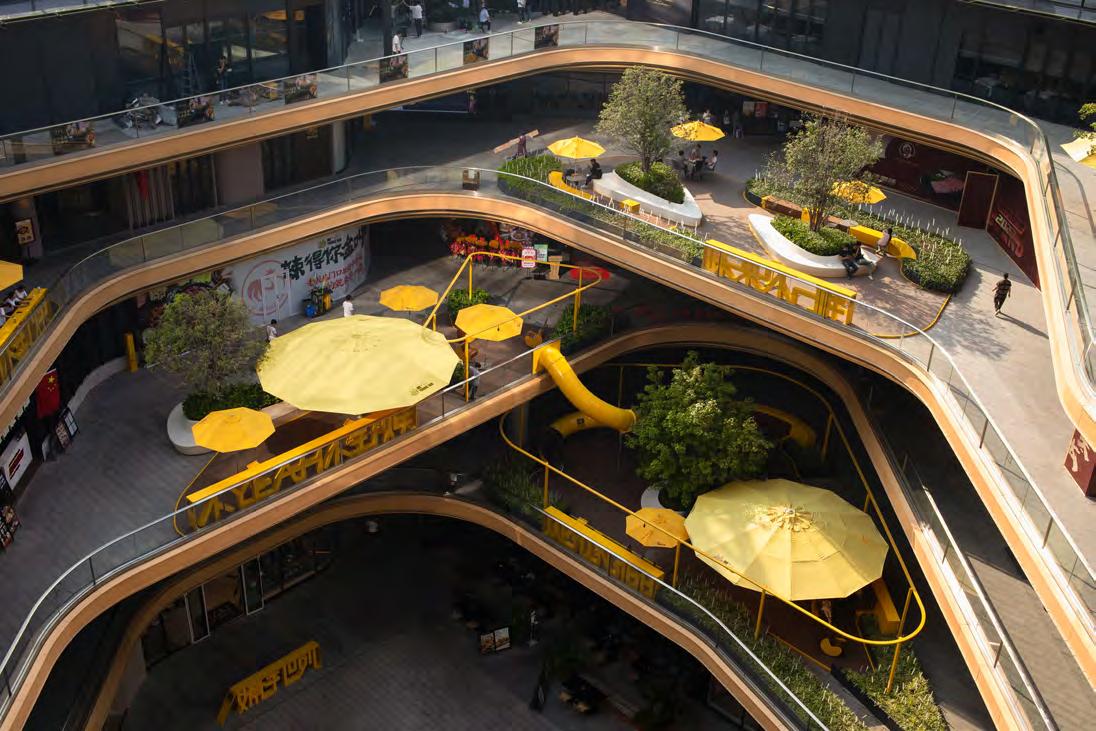
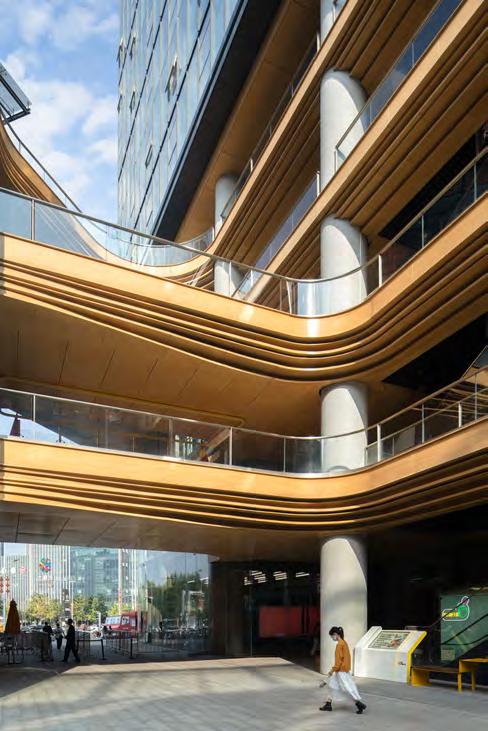
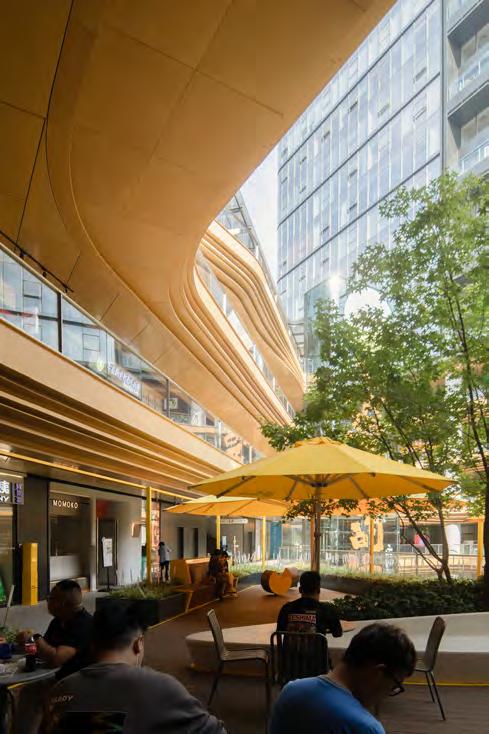
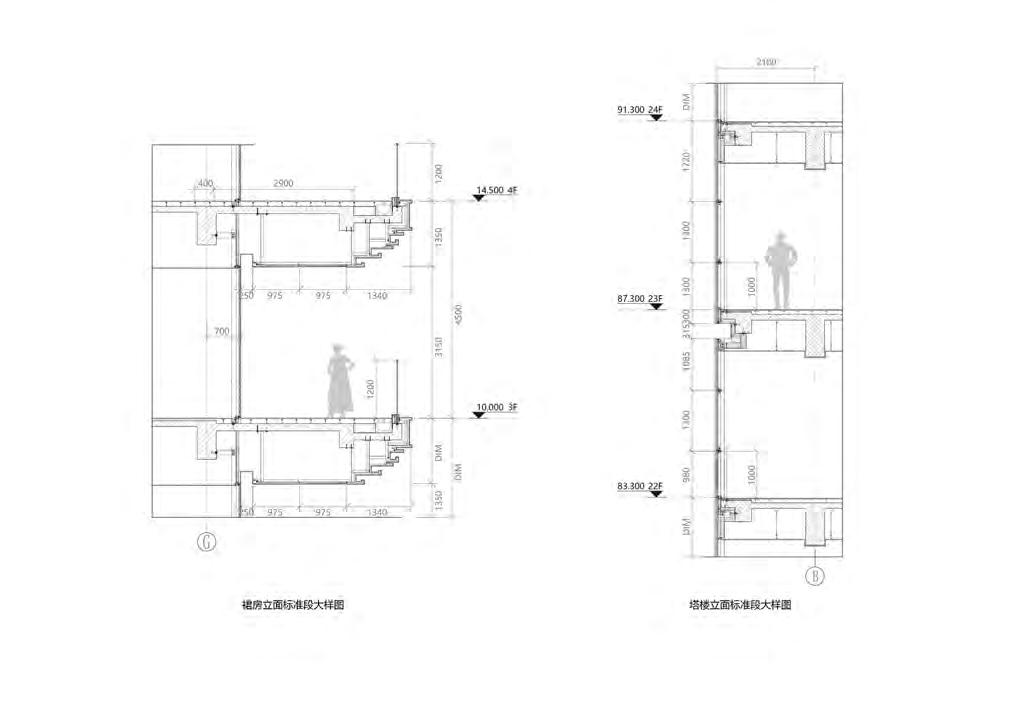
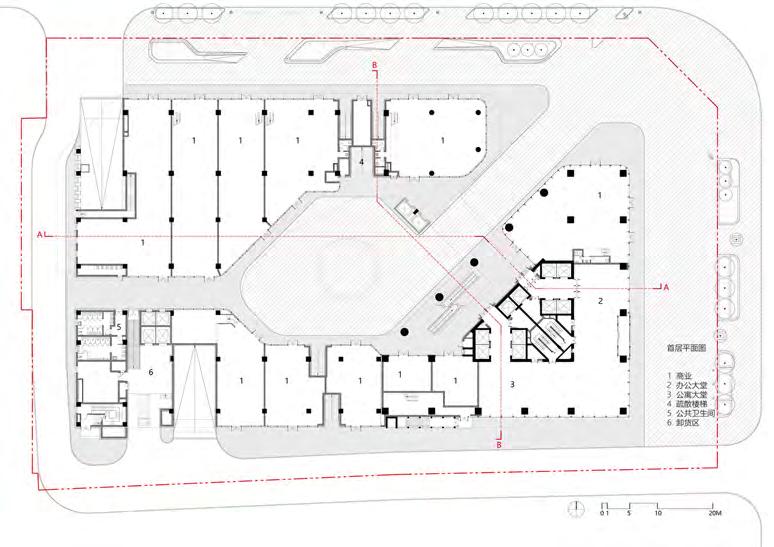
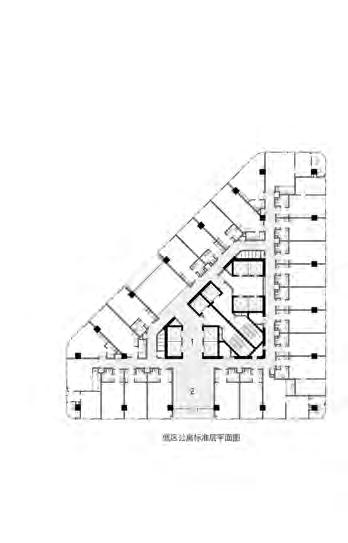
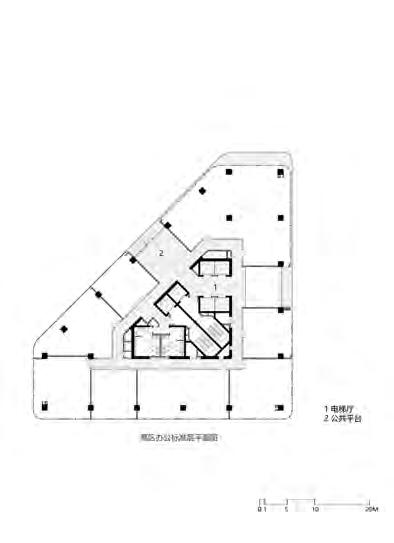
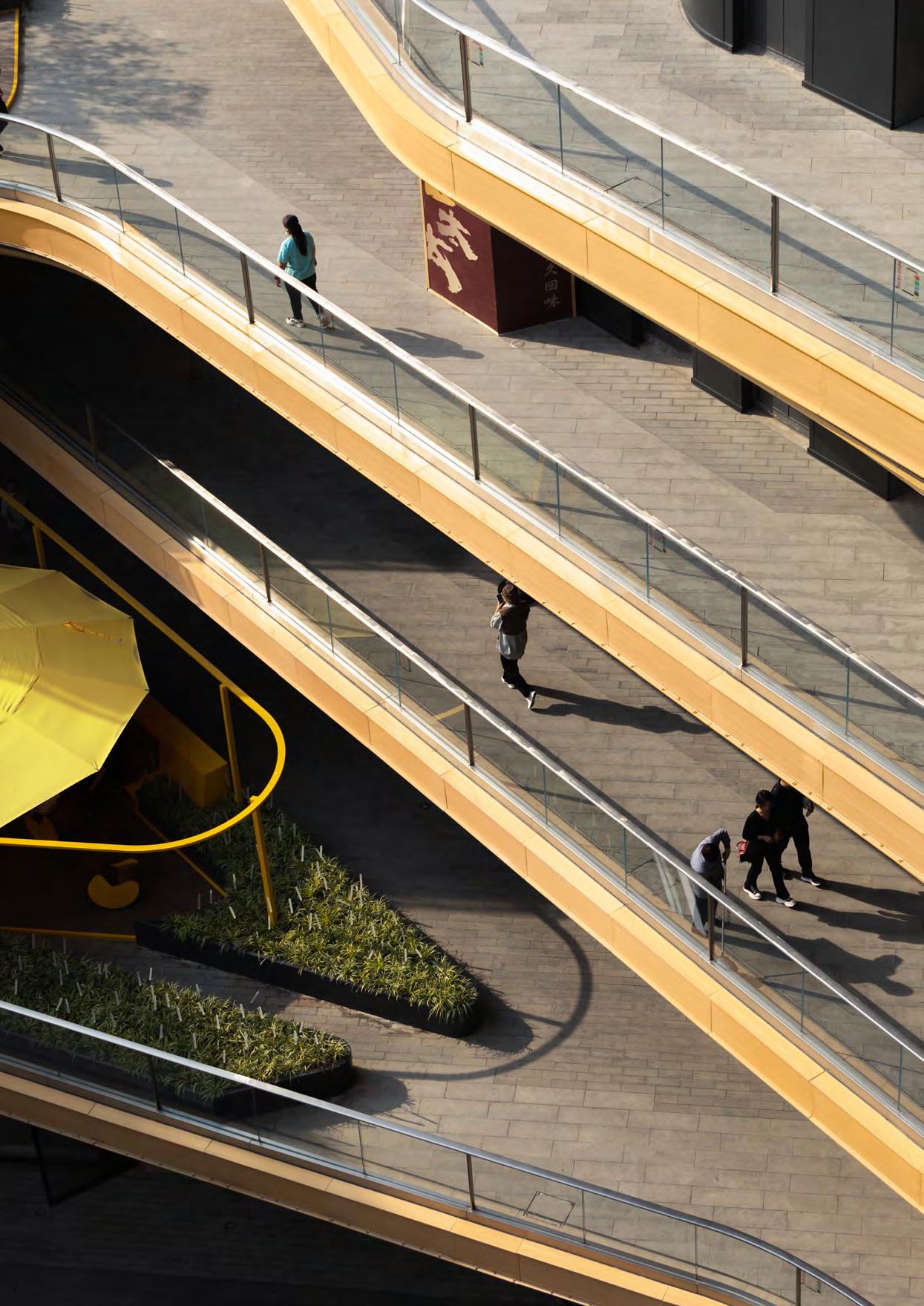
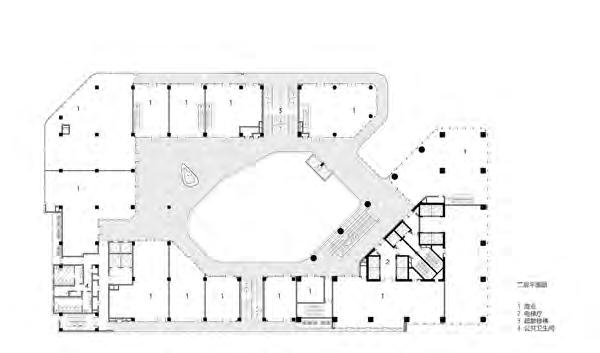
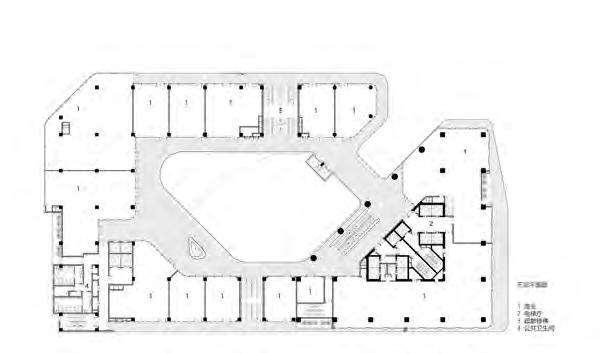
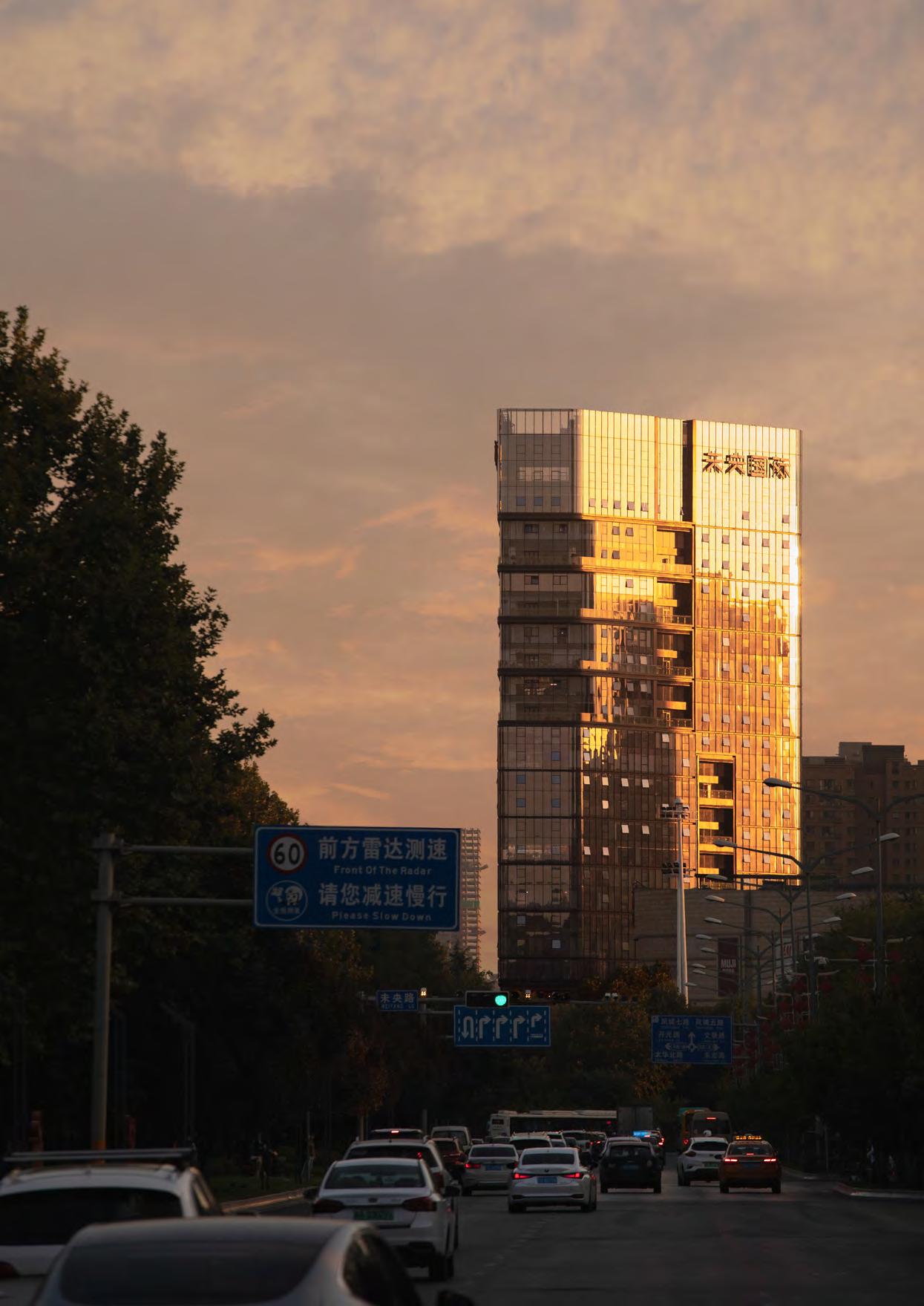
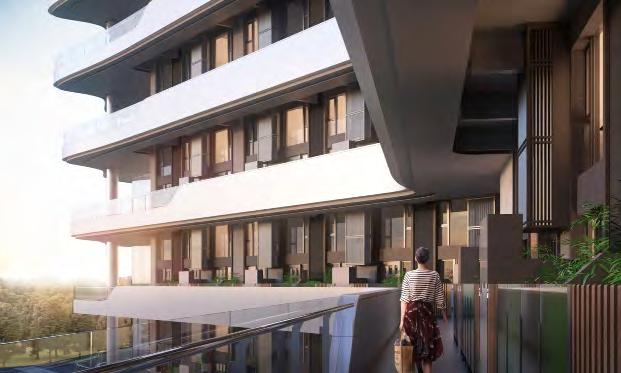
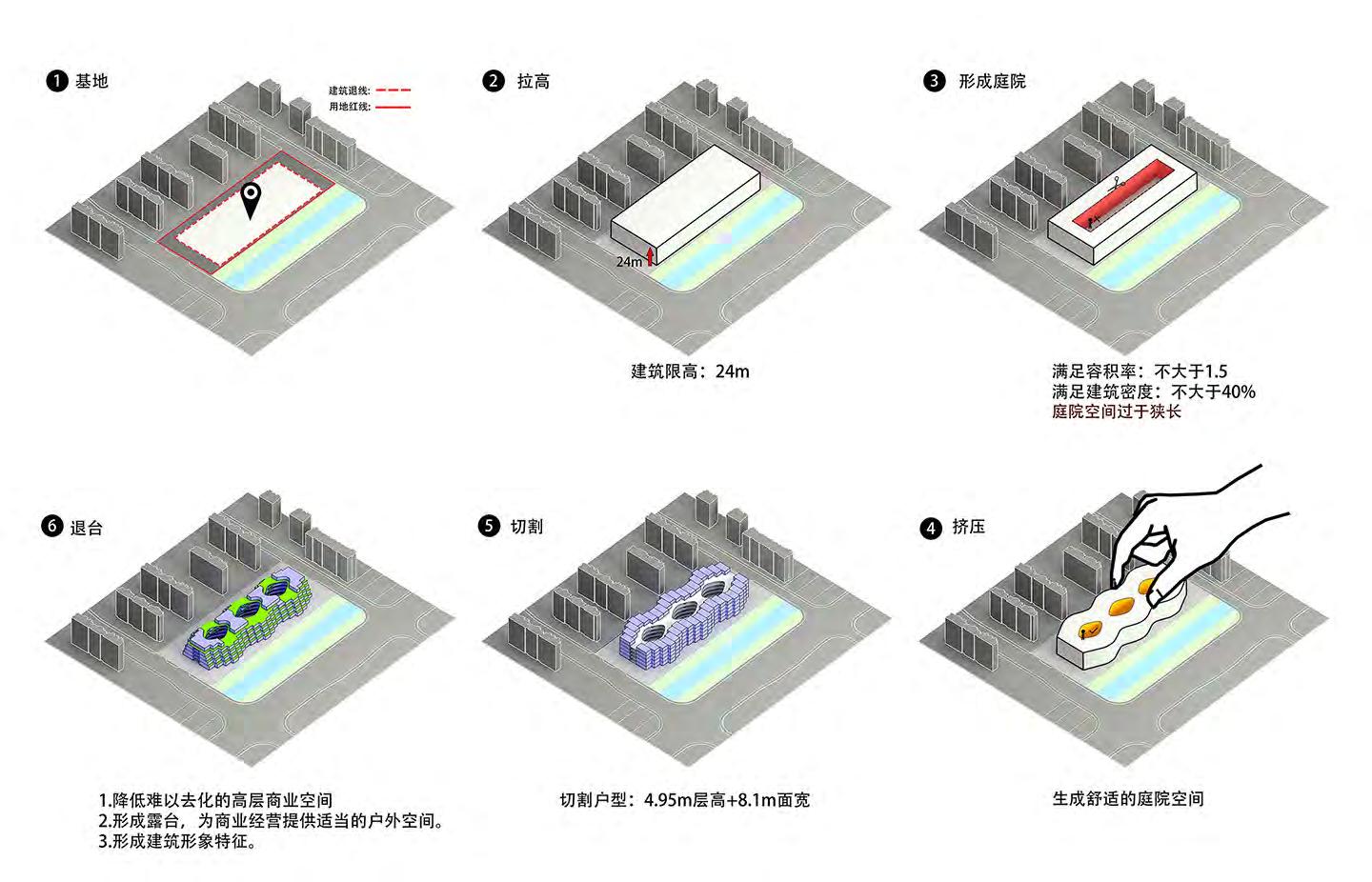
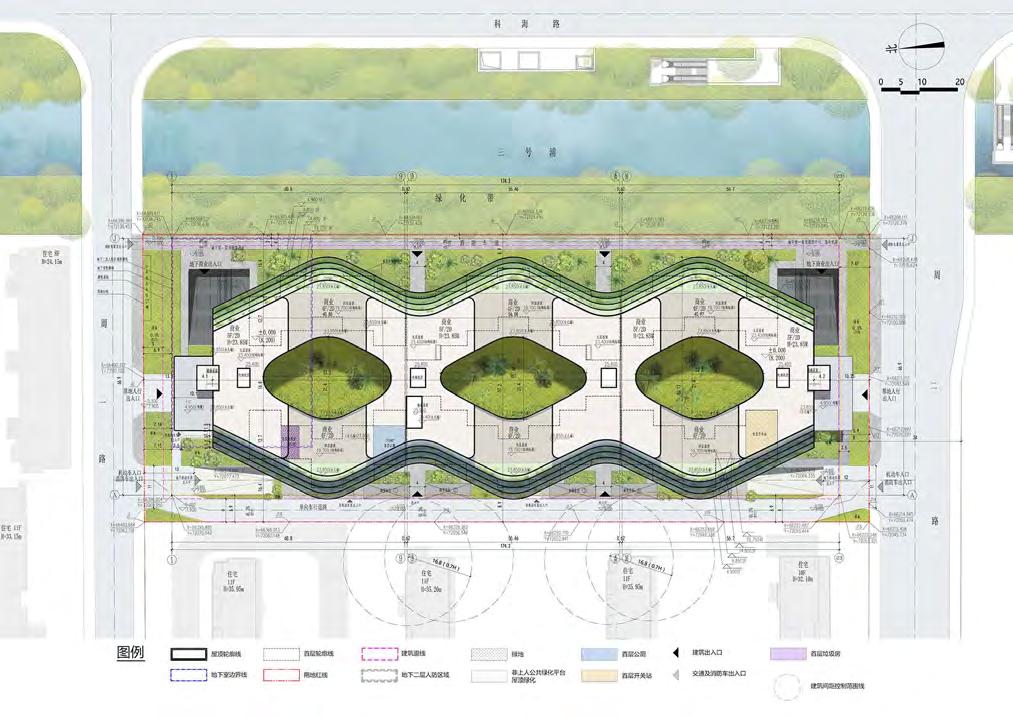
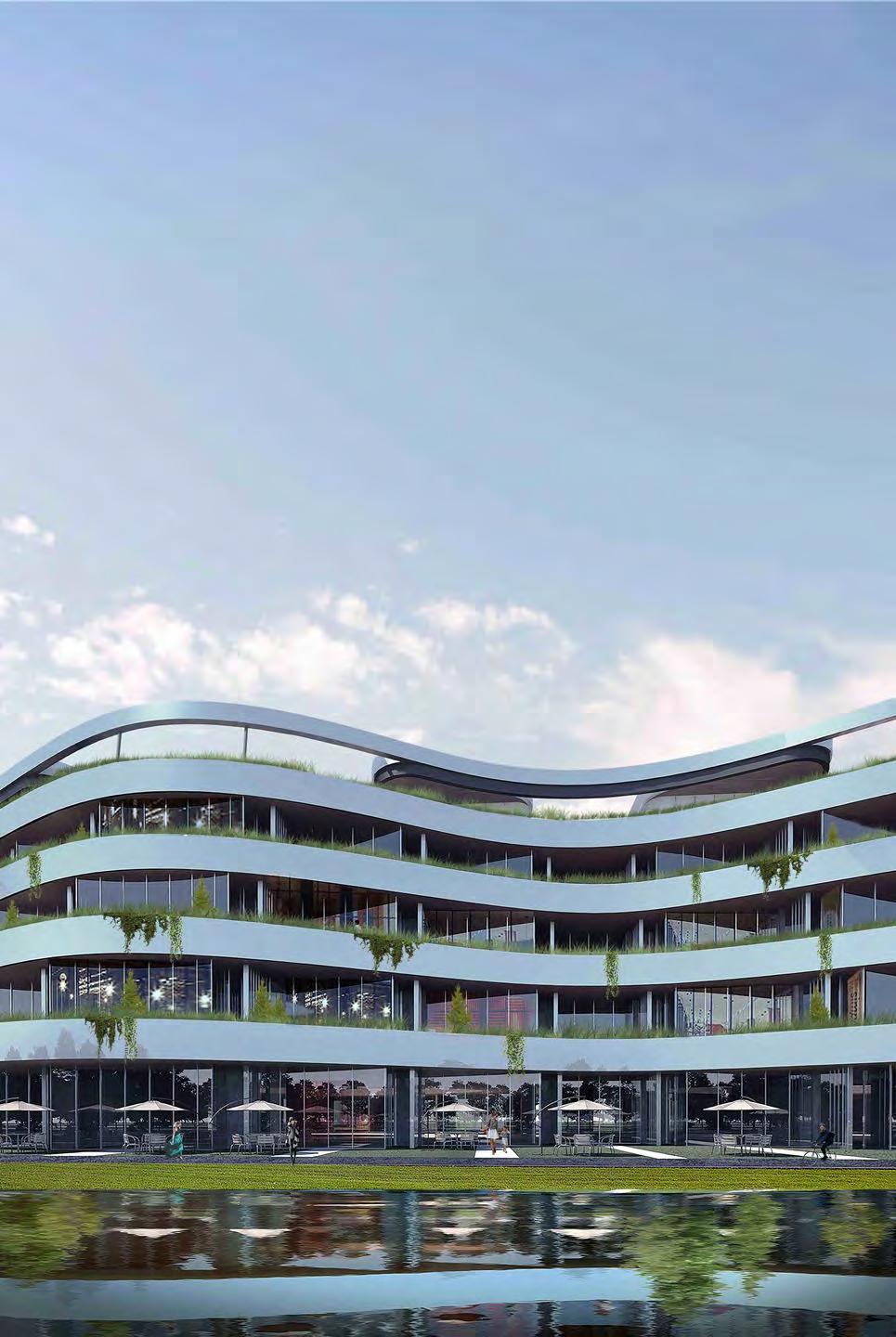
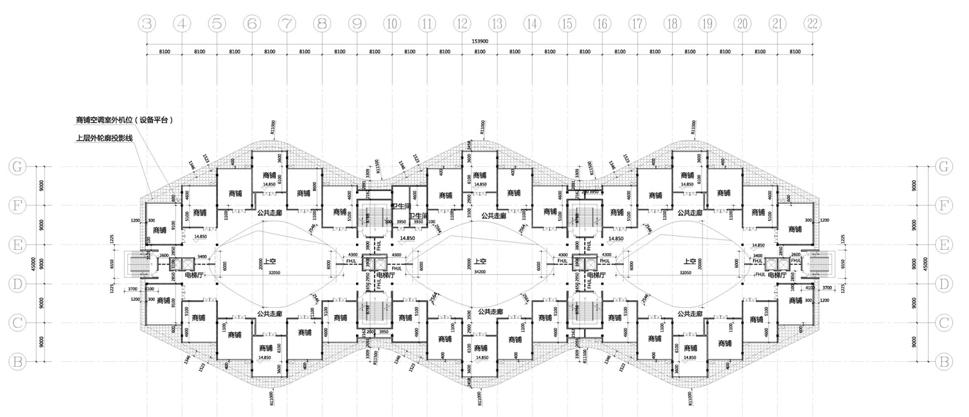
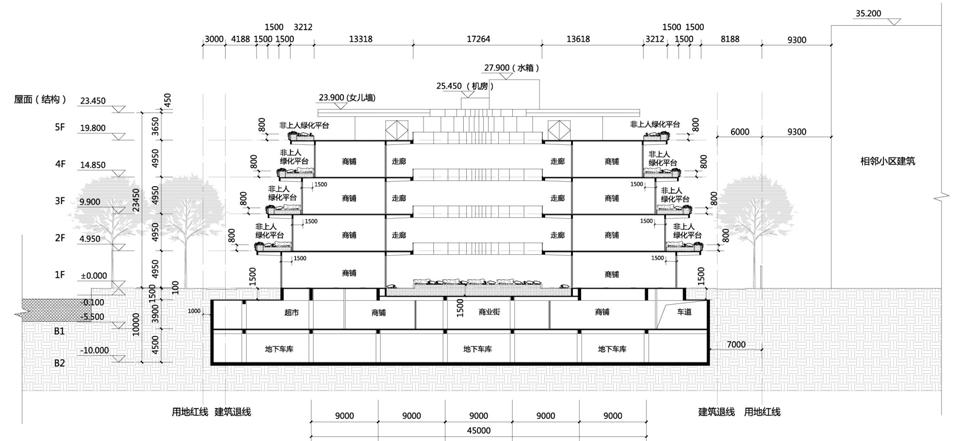
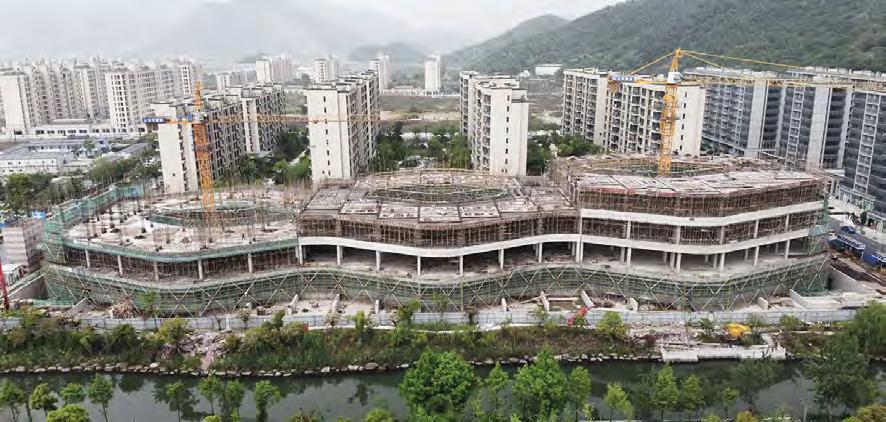
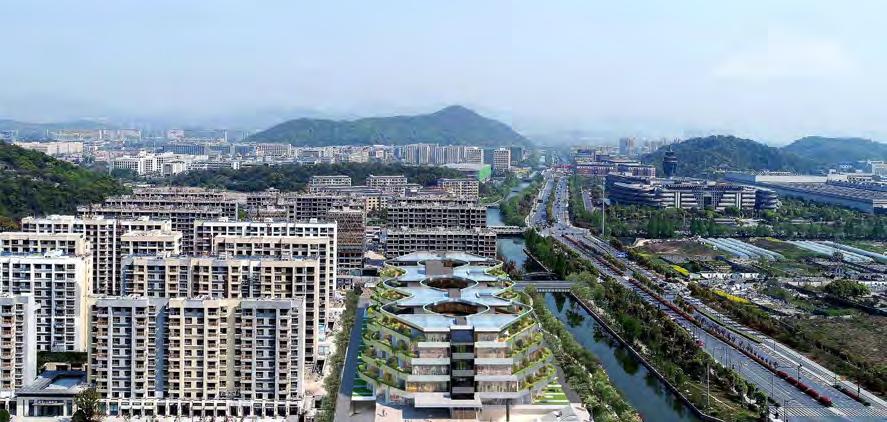
After analysing the surrounding environment, we propose to abandon the classic indoor commercial street and create a three-dimensional courtyard-style outdoor retail space with an open environment. Use a variety of equipment and design methods to provide businesses with flexible and complete operating conditions, provide consumers with a pleasant consumption environment, and create urban living rooms. The spacious inner courtyard provides an ideal stage for various commercial promotion activities and performing arts activities, and the hidden fountain on the ground provides children’s activity space after summer. From the ground up, the terraces on each floor are stepped back to form an upward open terrace, which effectively expands the space experience of the courtyard and provides a beautiful outdoor business area for the catering shops on all floors. The three-dimensional greening allows people to enjoy it on all floors. Leisure time in the sun, tree shadows and wind. The open corridor-style streamline makes it possible for businesses to operate at all times.
WEI YANG INTERNATIONAL
Izmir University of Economic Guzelbahce Campus Master plan
Project in Plasma Studio 11. 2016 Schematic Design
My work in this project: Massing Research, Landscape Master plan Drawing, Section drawing
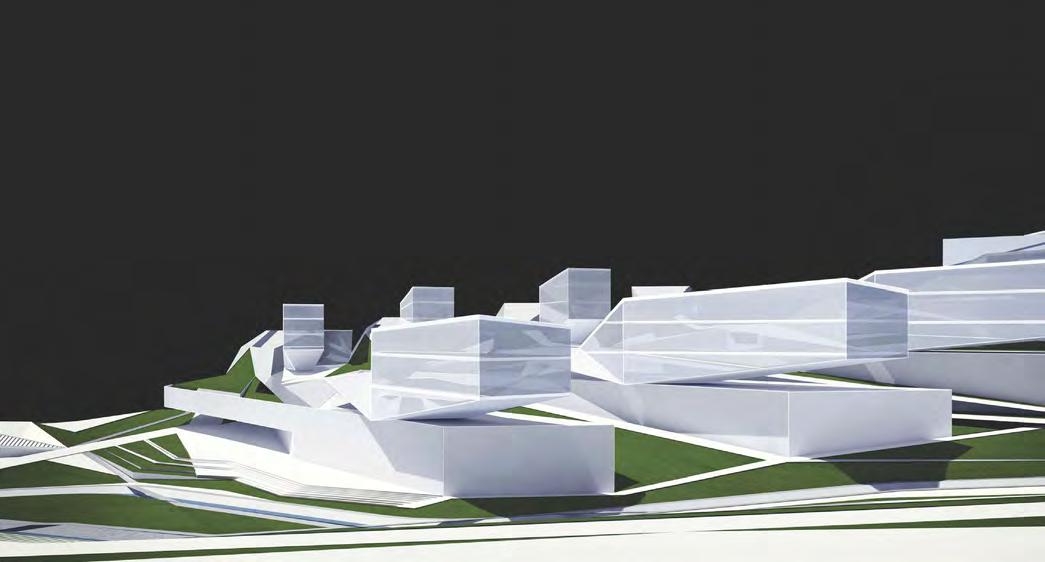
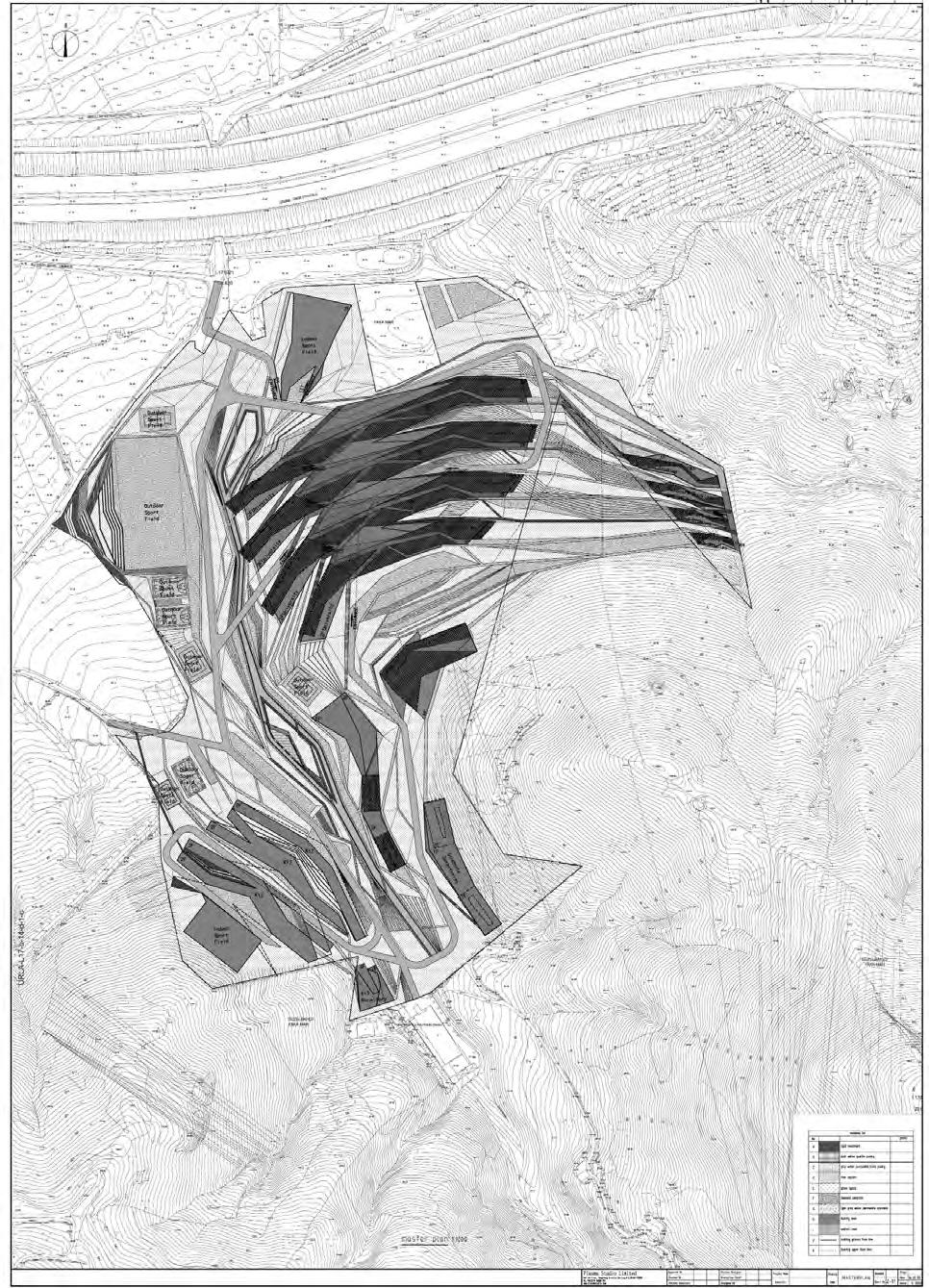
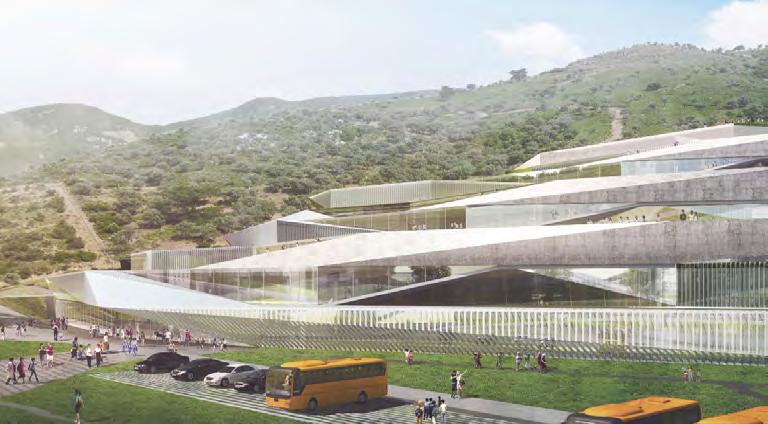
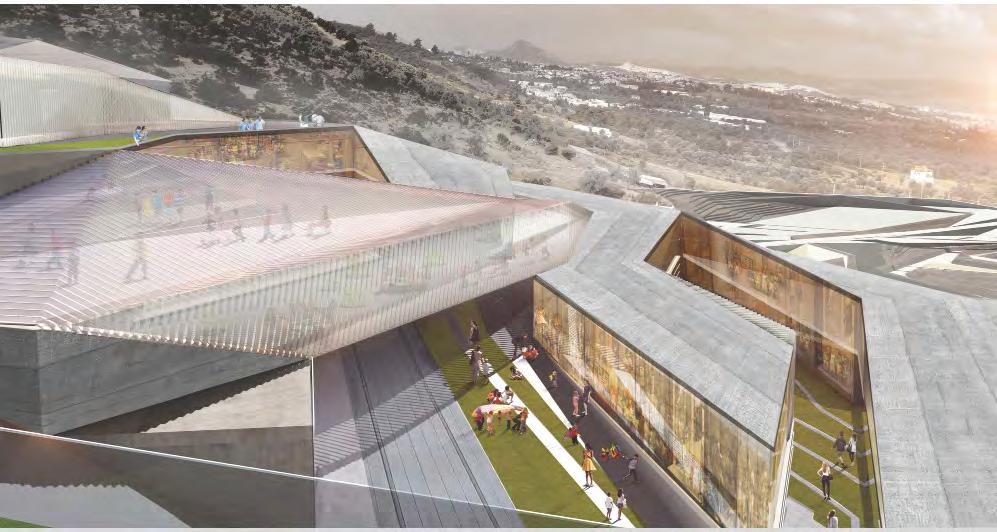
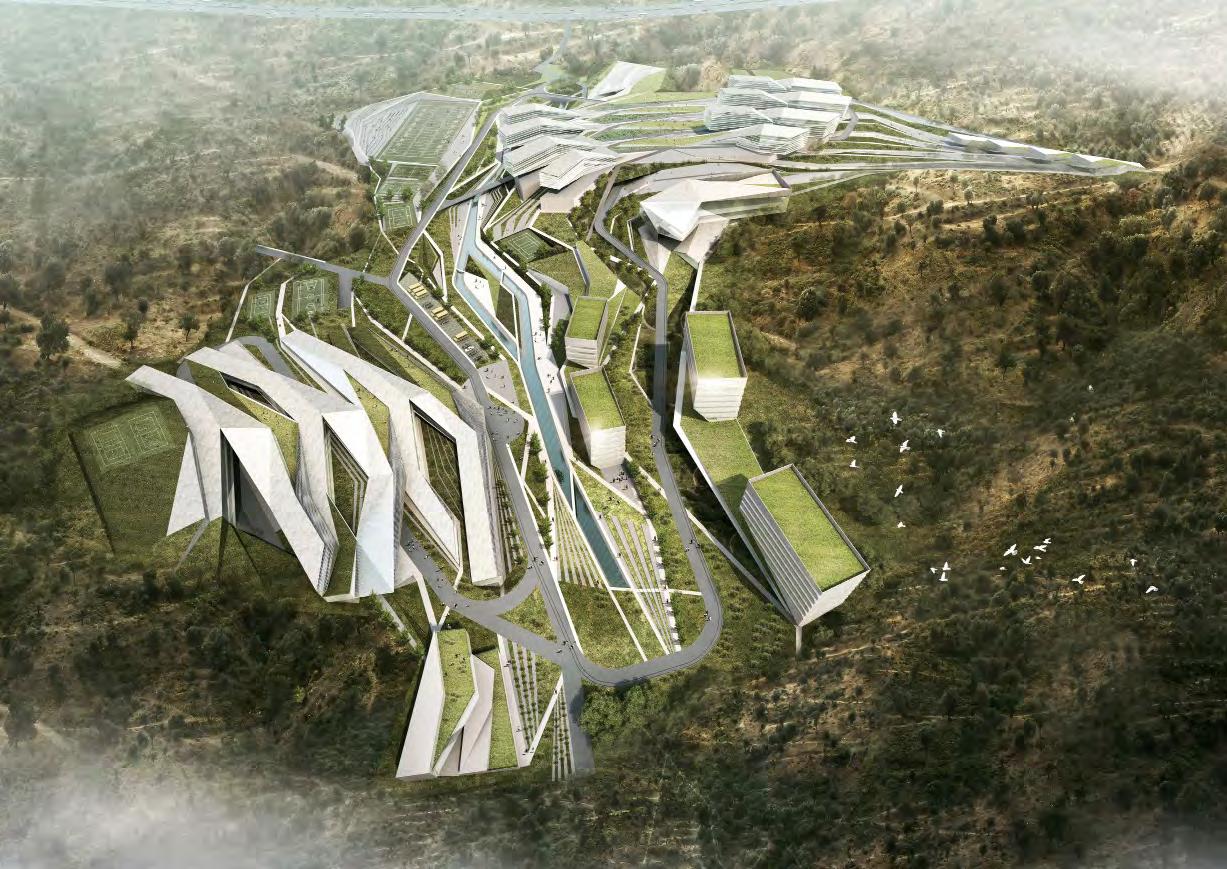
Being the total site area is 200,138.6 sqm, Plasma Studio was commissioned the design of a school complex (K12: Kindergarten + Primary + Secondary + High School) and of the University, with four Clusters of Faculties, Residential buildings, Services and Sport Areas. The project, that will be developed in three phases, will be completed in 2037 with the construction of 140,500 m2
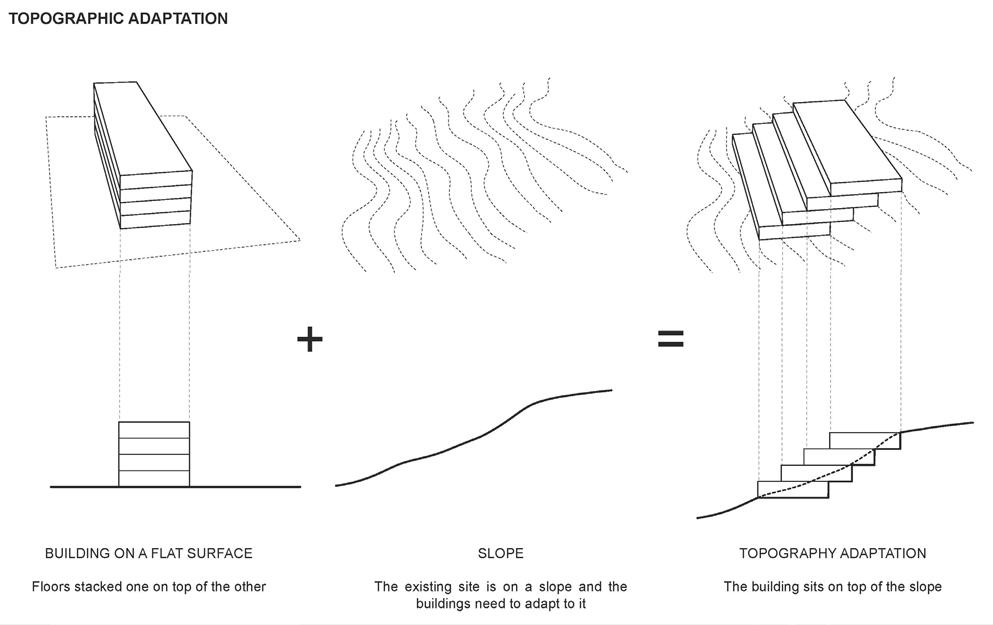
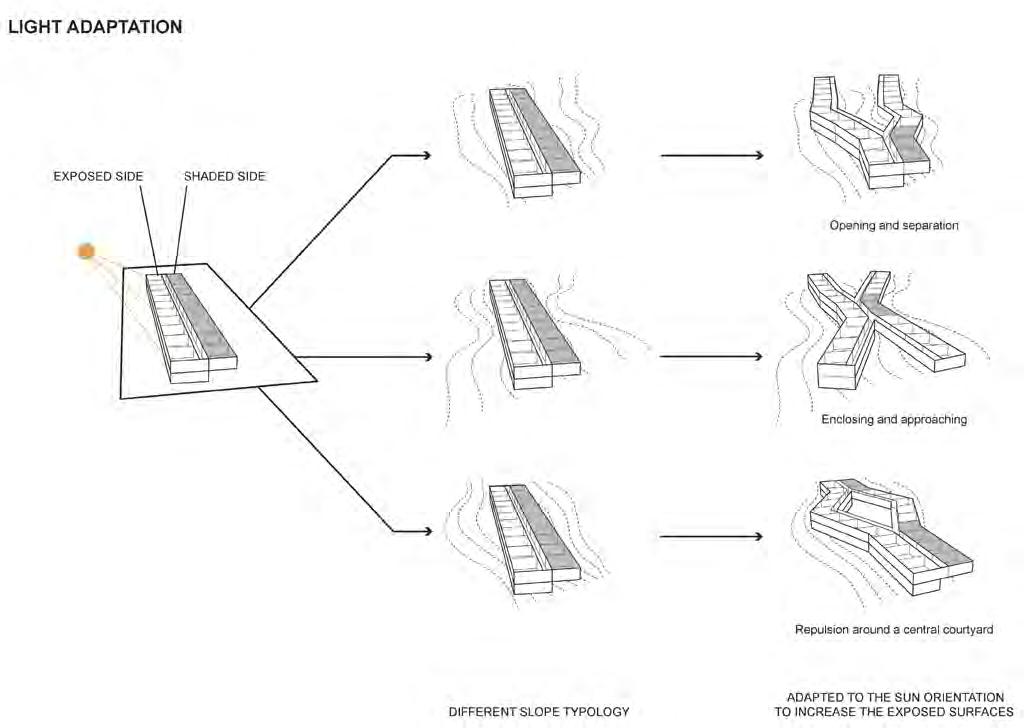
Given the steep topography of the terrain and the intention to stitch together the new buildings with the landscape, the task was to develop the massing as an artificial, jagged replication of the original hillscape. The essence of the landscape as “original” material is transformed and sculpted, becoming another self and forming an identity that is at once indexing the local geographic morphologies and specific latitude and environment and a projection of the logic of human rational thinking and spatial ordering.
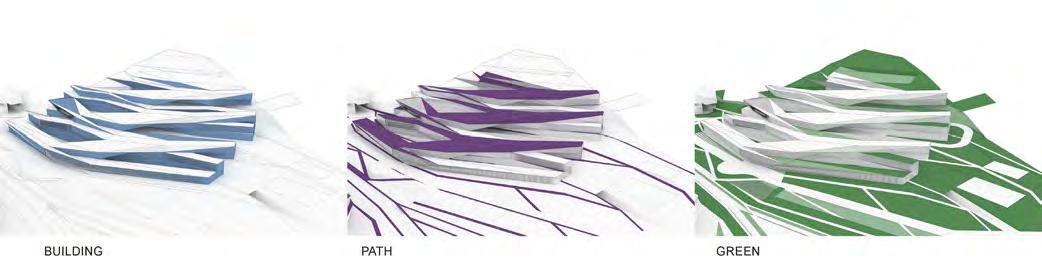
The educational bands of the K12 and of the University are organized along a Back Bone and on Podiums, which links diverse functions and produces new connections through social interactions. The social interaction is fostered by inserting semi public/ leisure activities within the academic environment, so as to create a common strata, where the knowledge is distributed through informal encounters among students.
ORCADT PLAZA
Apartment Residential Area Design
Project in DU Architecture 08. 2018 | Under Construction
My role in the project: Project Manager and Team Leader in full period
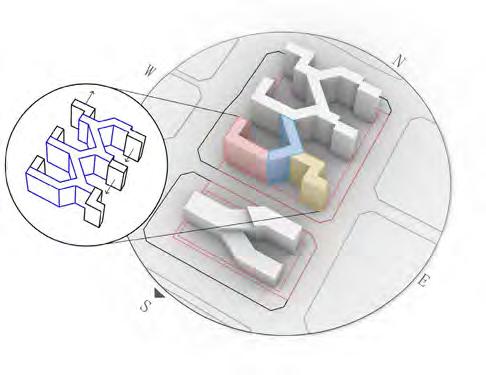
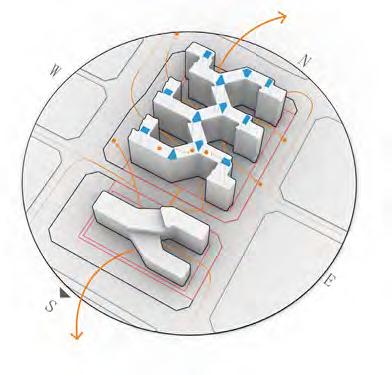
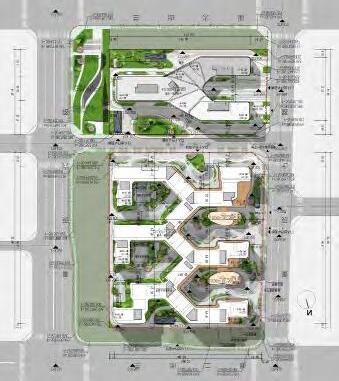
The project is located in Xi’an Qinhan new town, which is one of the Key development areas of Xi’an in the next ten years. It is a commercial area, and the area of the site is 50,000 sqm. The target building area is 300000 sqm, and the height limit is 60m. The site comprises two land pieces with 5A grade office buildings in the South and apartments and supporting commercial in the north. The plot ratio and density of the project land are relatively high. How to balance the natural conditions, landscape, and landmark are crucial to this project.
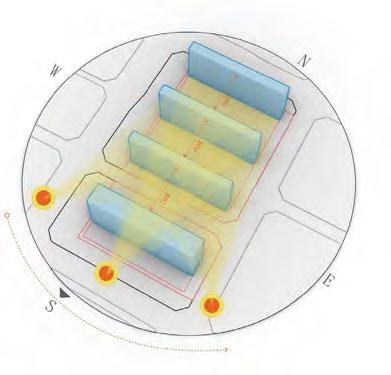
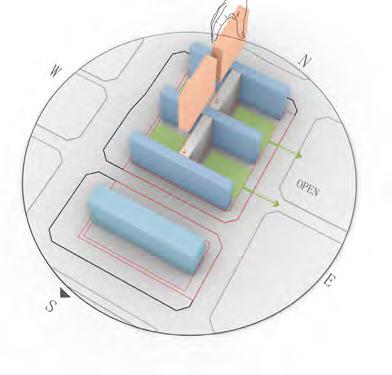
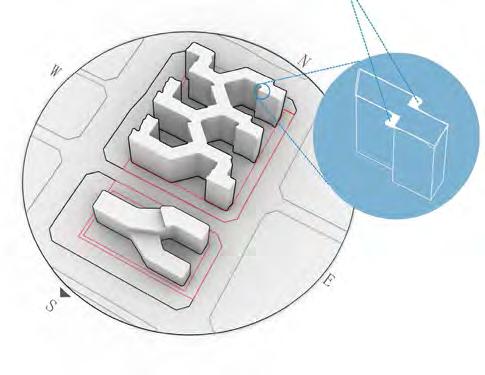
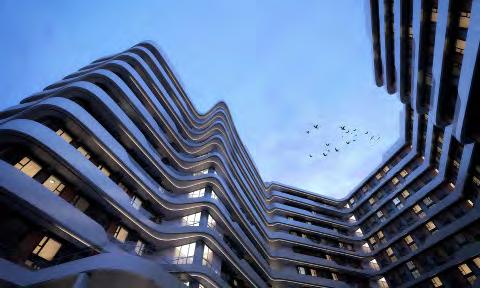
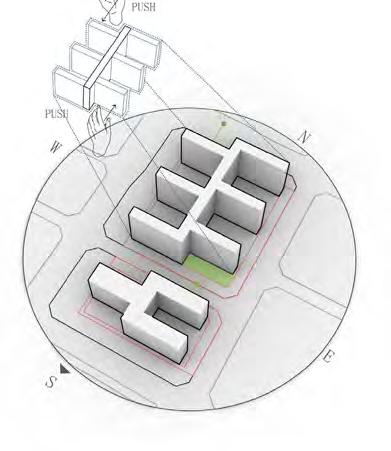
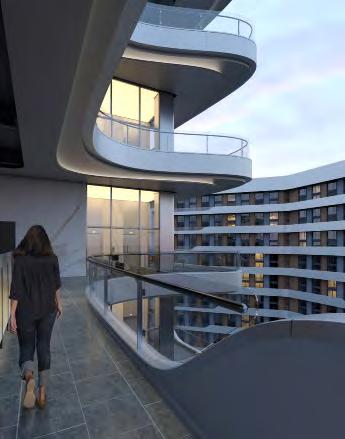
We proposed the primary form with reasonable spacing and daylighting of the apartment based on function requirement. Through the volume transformation, a united residential area and four landscape courtyards were defined. In terms of public space, we were intended to use the concept from local histories and obtain the architectural form from traditional auspicious clouds patterns. The auspicious cloud pattern like organic graphics enlarge the public space at the corners and intersections, which providing richness experience to the walkways. At the same time, it also shapes the sky form of the landscaped atrium, which makes it elegant and recognizable.
The Crown Multi-Functional Complex Design
Project in DU Architecture 08. 2017 | Under Construction
My role in the project: Project Manager and Team Leader in early stage
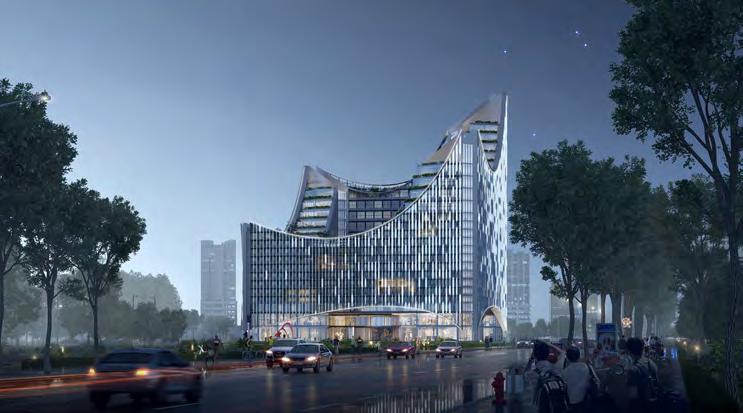
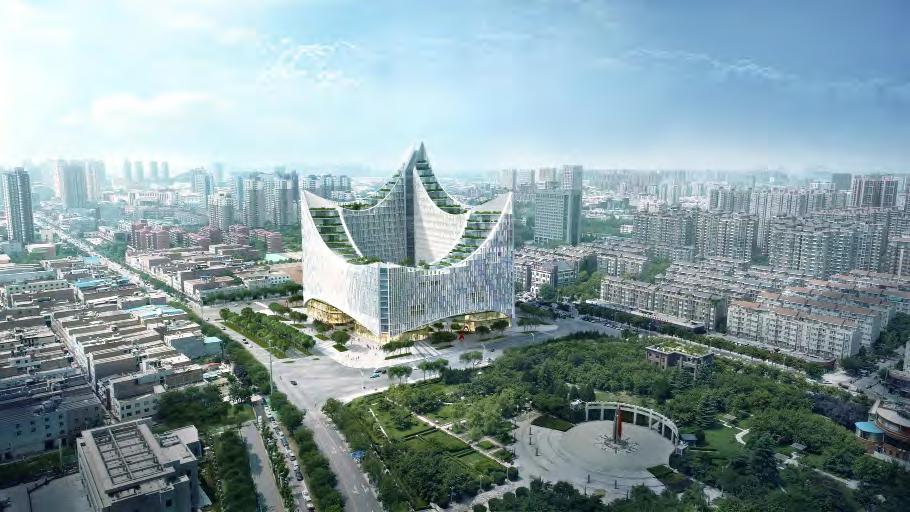
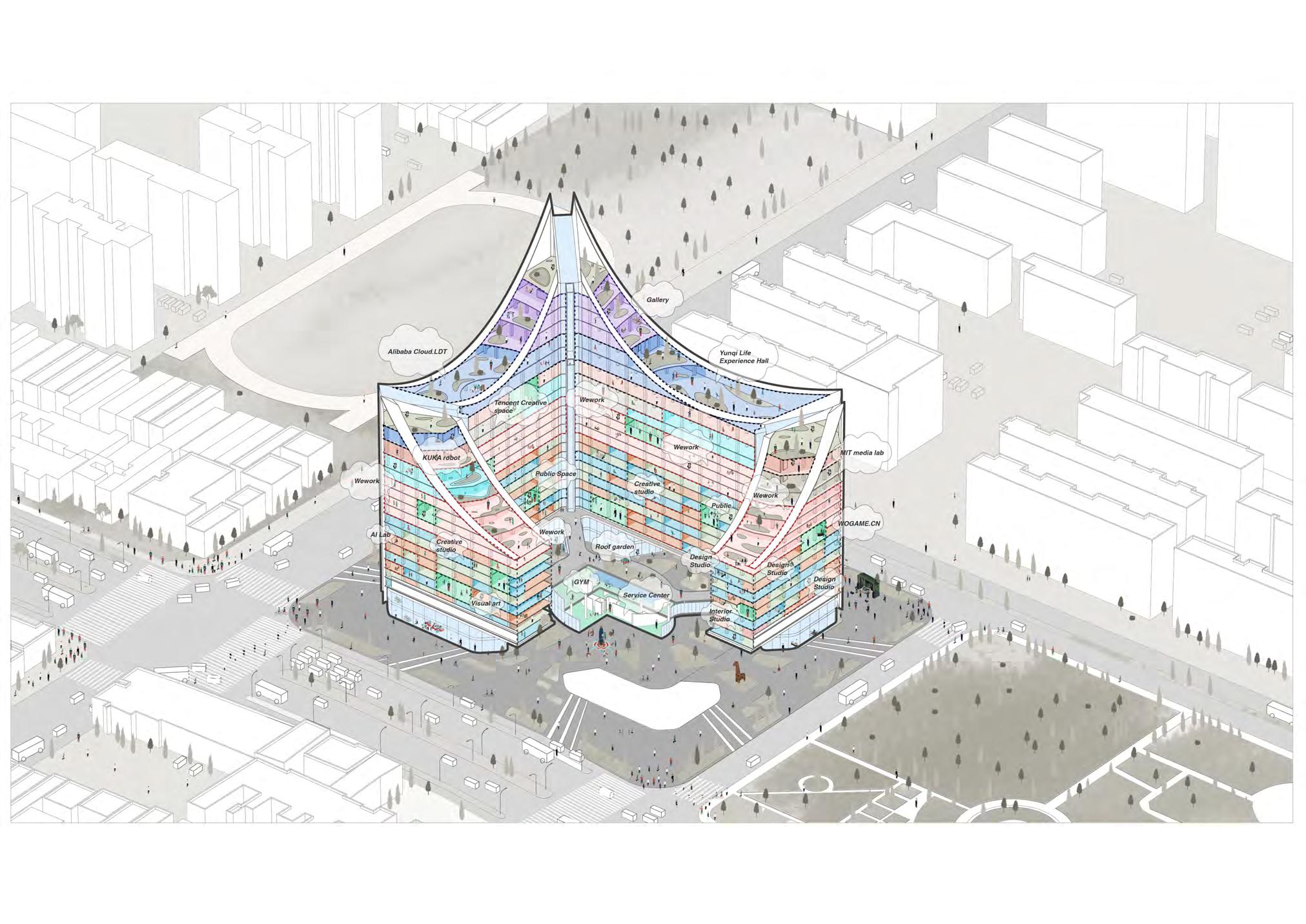
The project is located in the southeast of Xi’an, Shaanxi, China, surrounded by many universities. The site is a 10000sqm area commercial site with a 5.0 Plot ratio and 100m height limitation. In order to meet students and university staff’s off-campus living or hotel needs, we proposed the concept of a “super hotel”, which is a multi-functional residential community with high flexibility of room reformation.
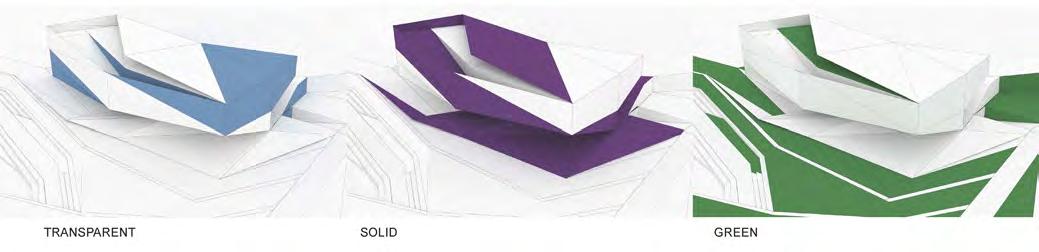
Located on the west side of Sakura City Park, the project is separated by a narrow street. As architects, our intuition made us realize that we should combine the site and parkland together to integrate the landscape system. We can obtain the largest inner courtyard through the full use of the boundary of the site. Furthermore, we adjust the roof height to improve the courtyard’s sunlight condition and bring a batter scenery to the high area. This move makes the building highly recognizable in the city skyline.
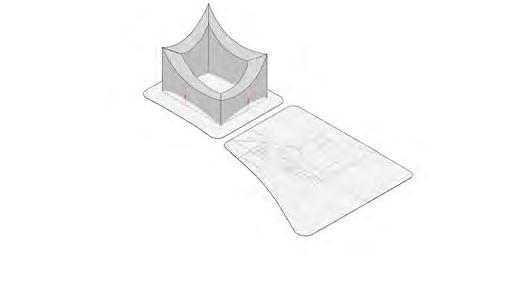
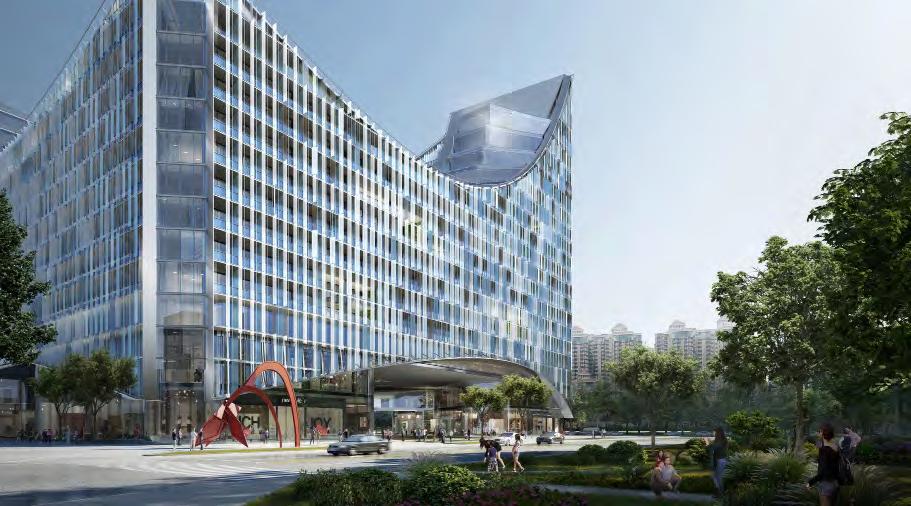
To improve the accessibility of the inner courtyard, we raised the bottom of the building to form an arch, which matched the curve of the roof and made the building open to the city.
Concept Development
Located on the west side of Sakura City Park, the project is separated by a narrow street. As architects, our intuition made us realize that we should combine the site and parkland together to integrate the landscape system.
We can obtain the largest inner courtyard through the full use of the boundary of the site. Furthermore, we adjust the roof height to improve the courtyard's sunlight condition and bring a batter scenery to the high area. This move makes the building highly recognizable in the city skyline.
The project is located in the southeast of Xi'an, Shaanxi, China, surrounded by many universities. Although the architectural design phase of the project has gone through several twists and turns, this project is finally under construction.
The site is a 10000sqm area commercial site with a 5.0 Plot ratio and 100m height limitation. In order to meet students and university sta ’s o -campus living or hotel needs, we proposed the concept of a “super hotel”, which is a multi-functional residential community with high flexibility of room reformation.
To improve the accessibility of the inner courtyard, we raised the bottom of the building to form an arch, which matched the curve of the roof and made the building open to the city.
Massing Study
We have studied several massing models within this site, and many shapes have finally developed to a deep level. In this process, we continuously adjusted our value orientation and overthrew the original value identity.
Vertical Living
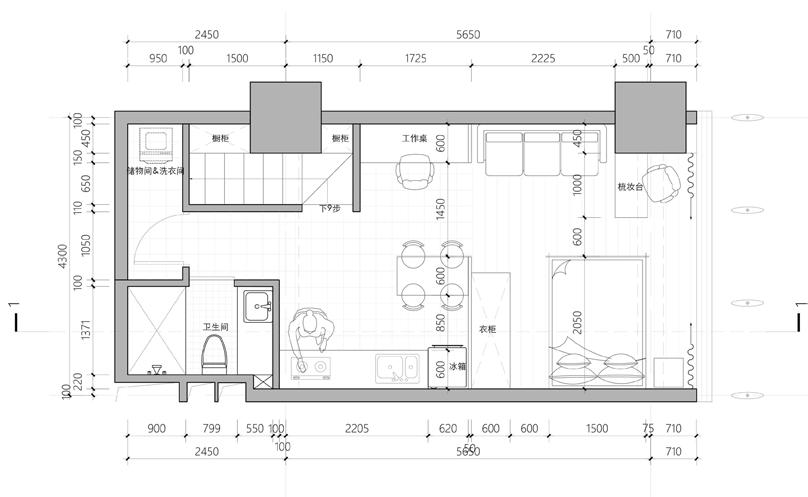
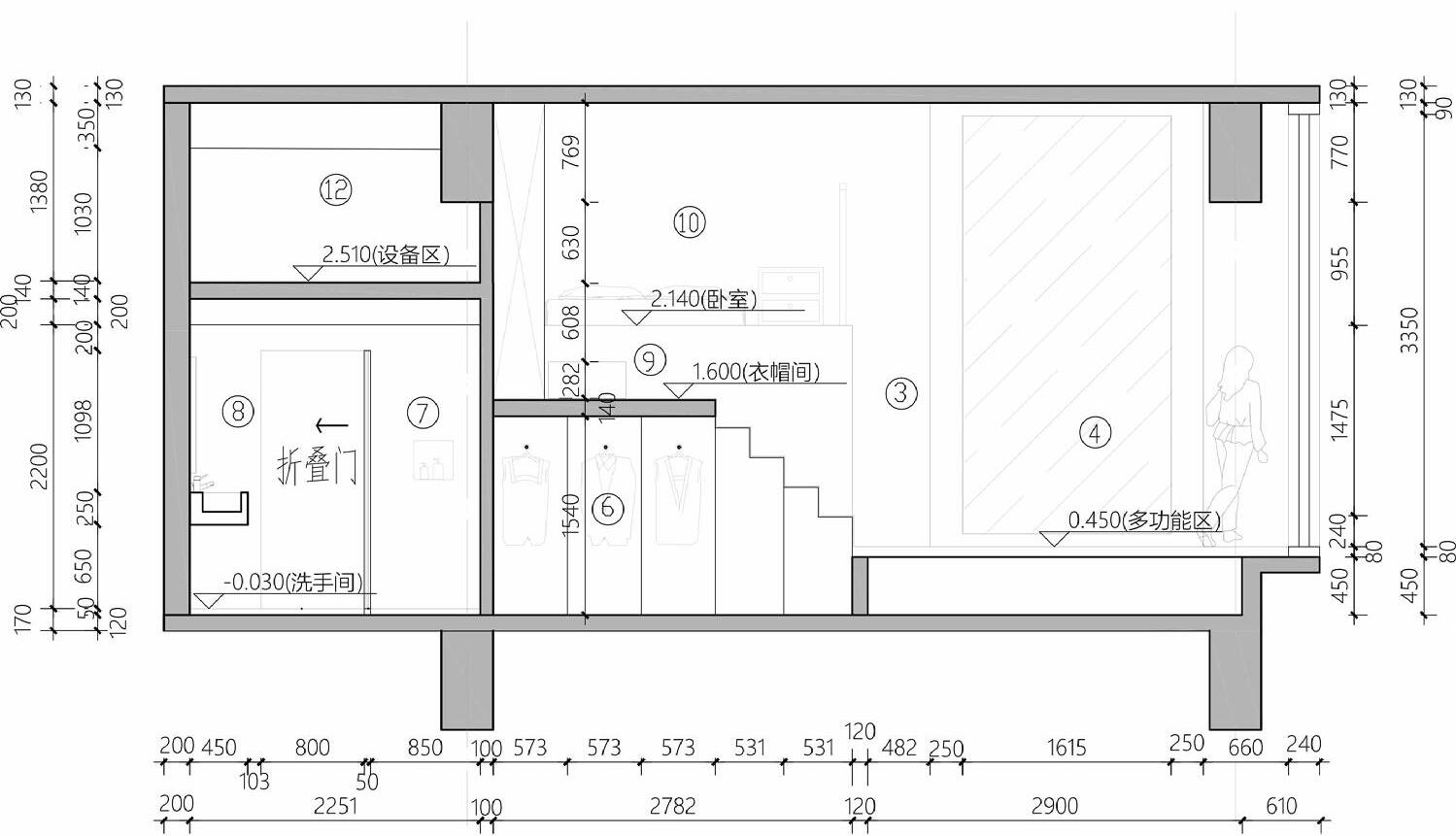
The era of moving to the suburbs is coming to an end. Instead, a growing movement of city dwellers are looking for grand architectural solutions in the smallest of spaces. Slender, slim, and tall structures are soaring in the limited land available, o ering innovative solutions to a world with ever-growing urbanization. Vertical Living is an introduction to the architecture and interior masterminds using skillful, clever design to conquer compact living wherever there is space. As we continue to expect more of our flats and houses, unexpected approaches are necessary for the future of our urban spaces.
TYPOLOGY RESEARCH
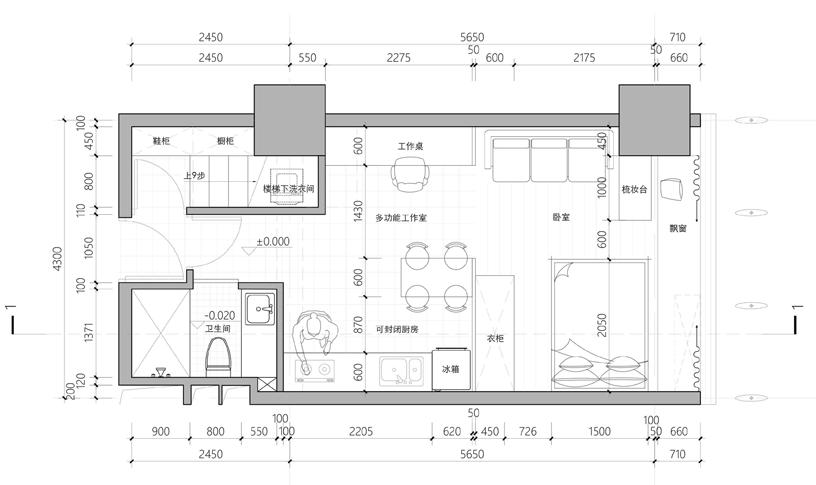
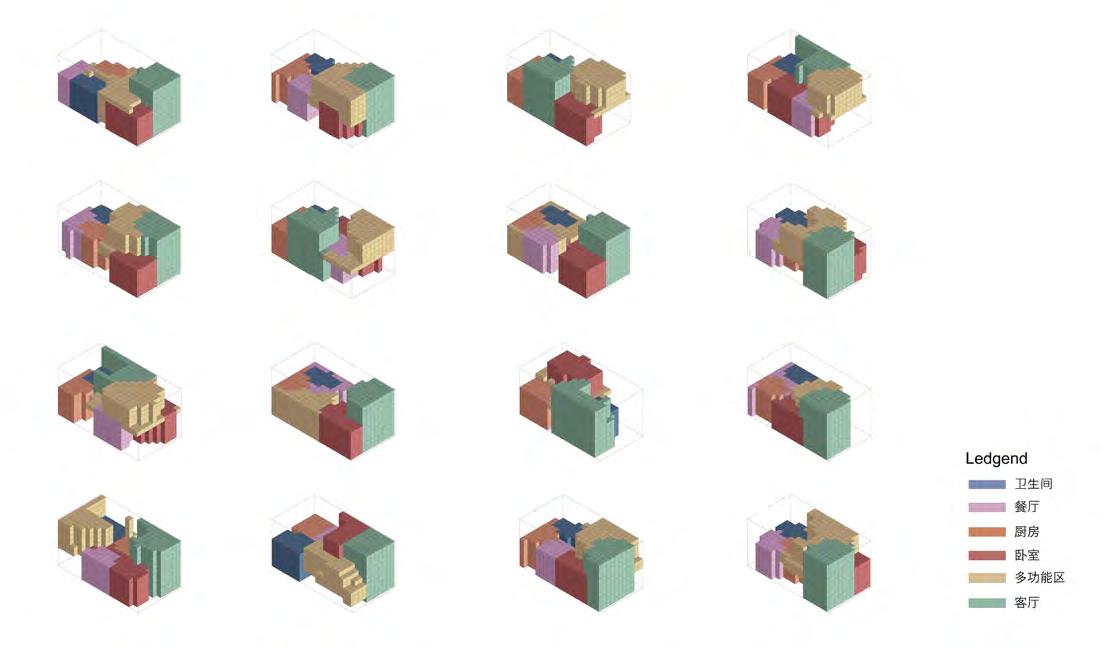
Using parametric tools, we can quickly generate several room prototypes that meet the necessary conditions. Then, we can explore the possibility of a variety of house type combinations, innovative design and utilization of space.
MIKU HUI PLAZA
Shopping mall and Artist Apartment
Project in DU Architecture 08. 2018 | Under Construction
My role in the project: Concept design
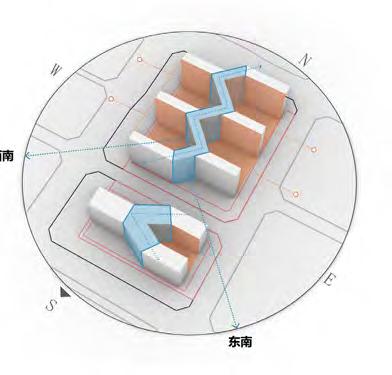
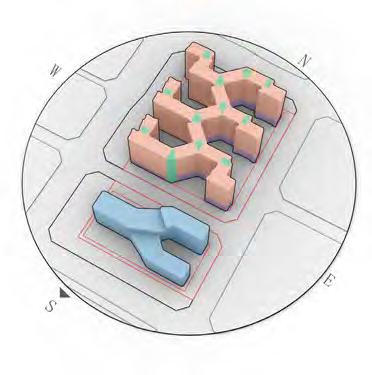
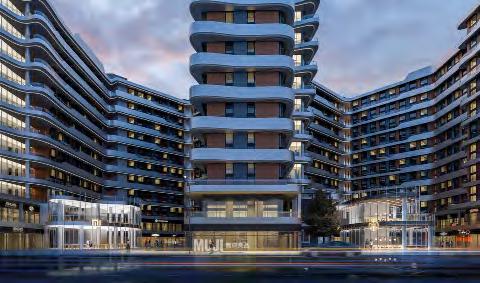
The base is located in the central area of Shuangpu Town, Hangzhou, with a number of well-known art colleges and a new technology and wood industrial park within 5 kilometres. The newly planned subway line makes this case more closely related to it. The south side of the land is a planned park, and the east side is close to the water system, with good landscape conditions. According to the research and analysis of the surrounding area of the project, there are many good houses and commercial complexes in the area in the future. How to stand out from many homogeneous projects has become the key to the planning of the local block.
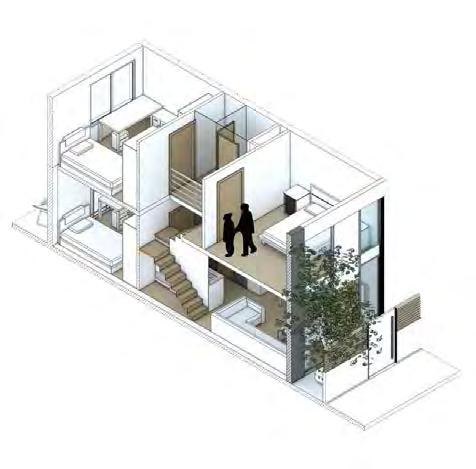
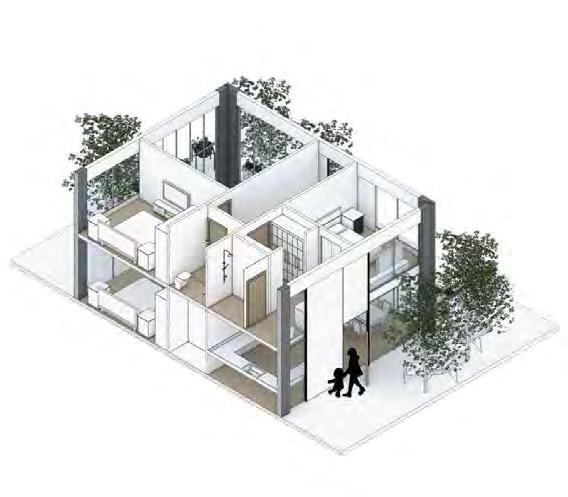
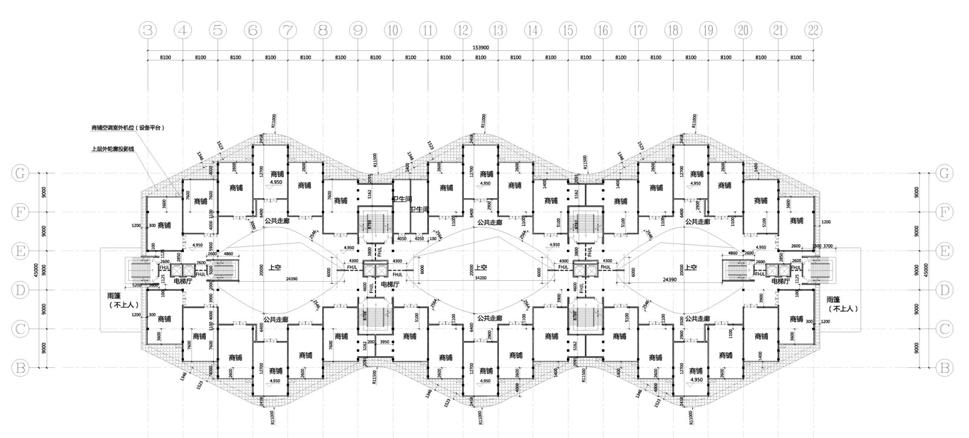
We propose a multi-functional three-dimensional villa concept of “livable, business-friendly, and office-friendly”. Taking the blocks of 8.1 meters wide and 4.95 meters as the unit, they are arranged in snow, and the horizontal direction is staggered forward and backward, and the vertical direction is retreated layer by layer, so that each apartment can form a “front yard, back yard and double-sided yard”. Four courtyards surrounding conditions. For living, the four courtyards make the product different from the traditional apartment form and create the outdoor conditions of a beautiful villa; for business, the public area formed by the dislocation provides a variety of outdoor spaces, creating a richer business environment. Street fun. At the same time, the layout of the small booths and the large storey height of nearly five meters also provide suitable basic office conditions for entrepreneurs.
Qujiang Sport Park Sports Park Design
Project in DU Architecture 02. 2021 | Concept Design
My role in the project: Team leader
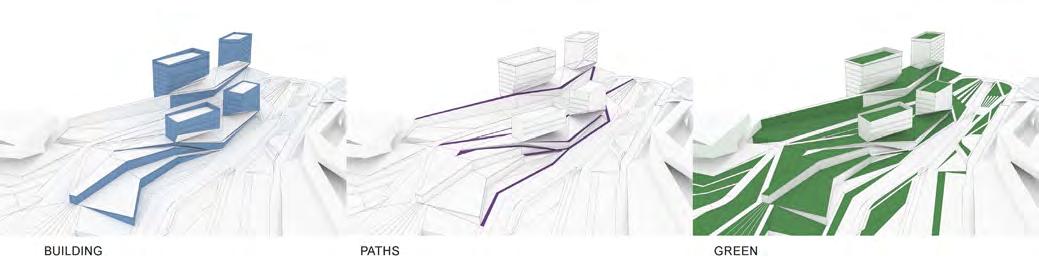
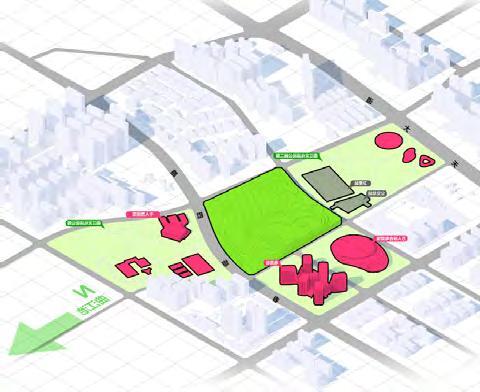
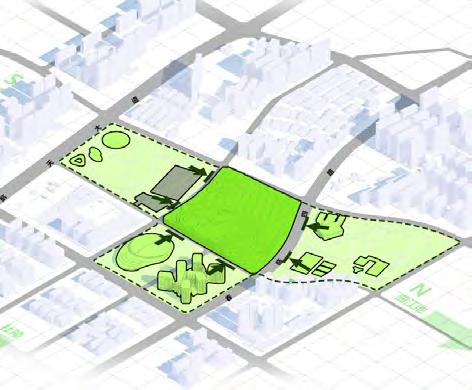
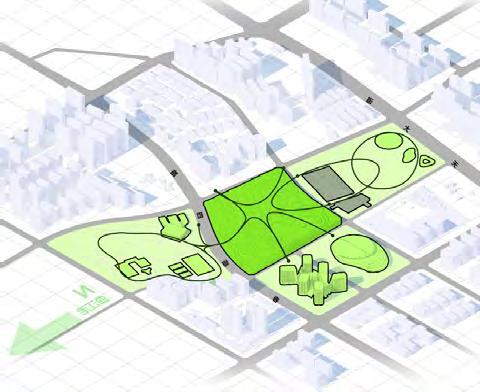
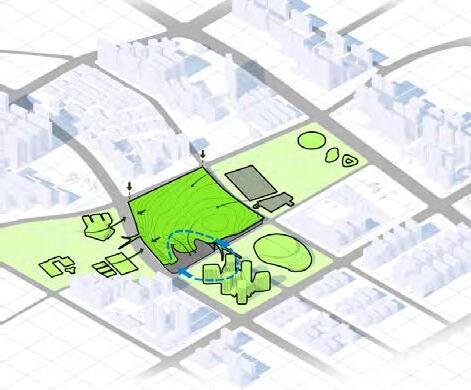
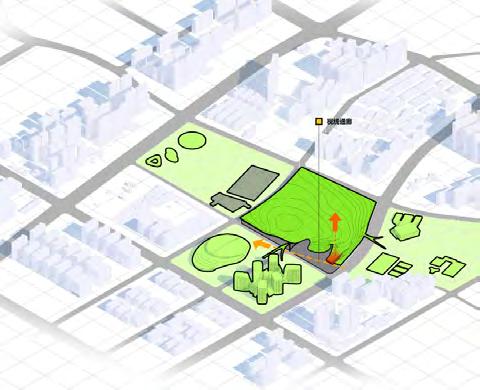
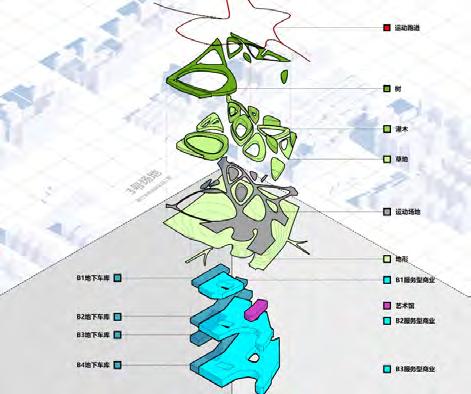
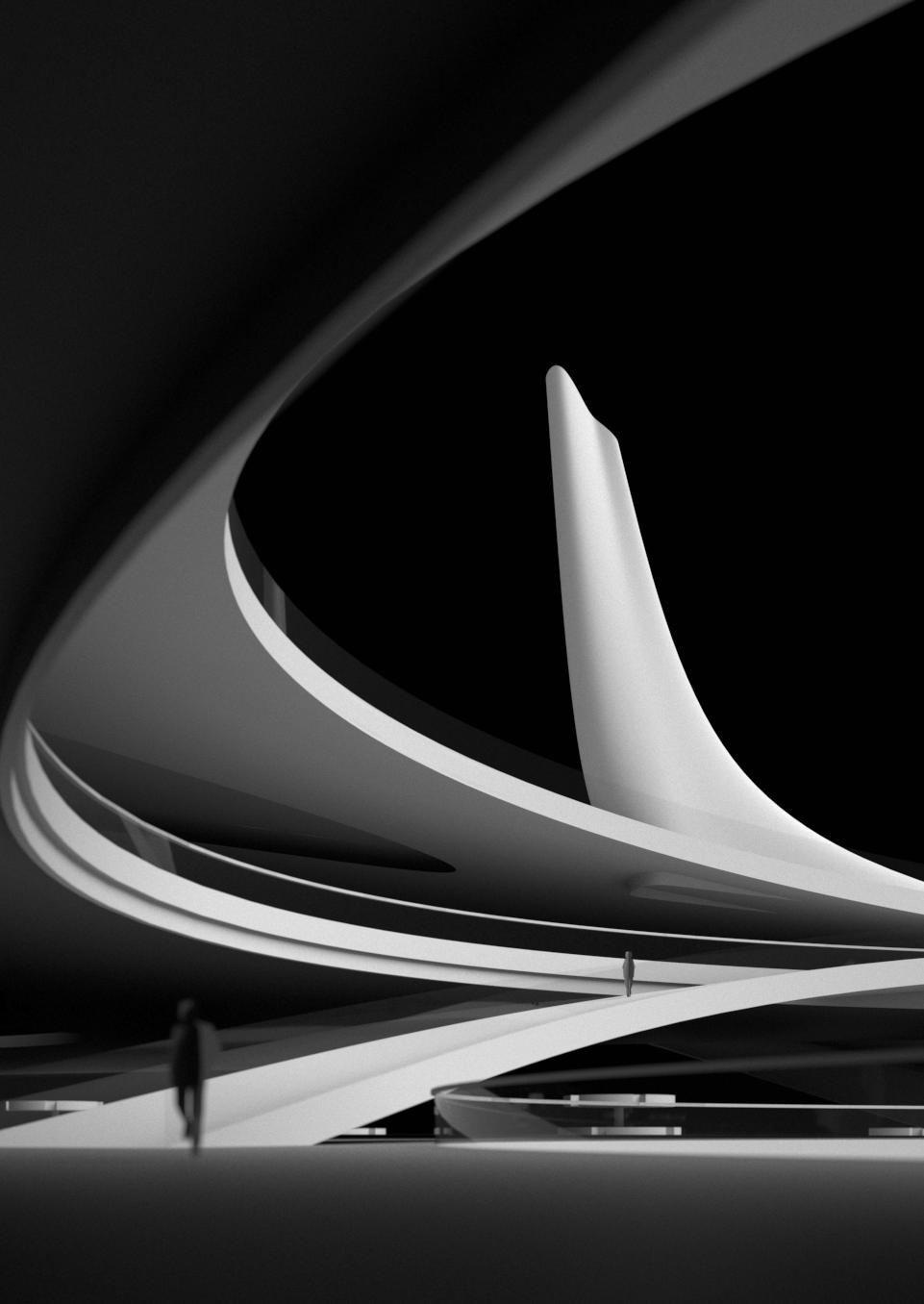
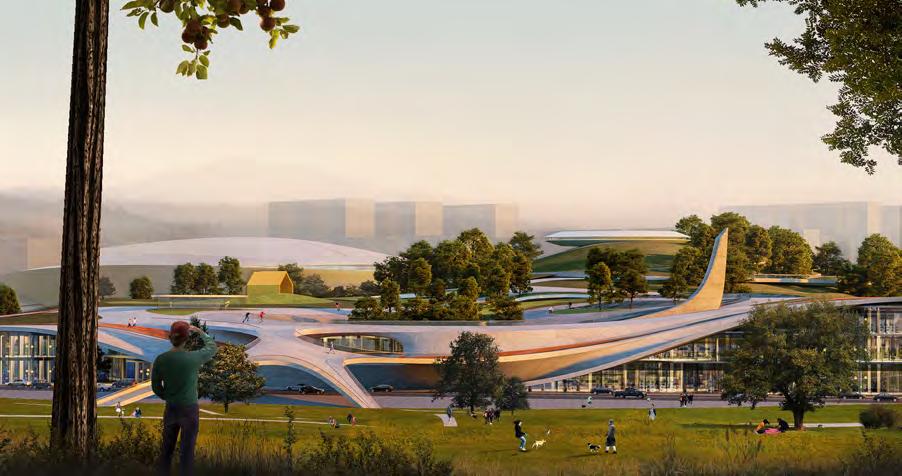
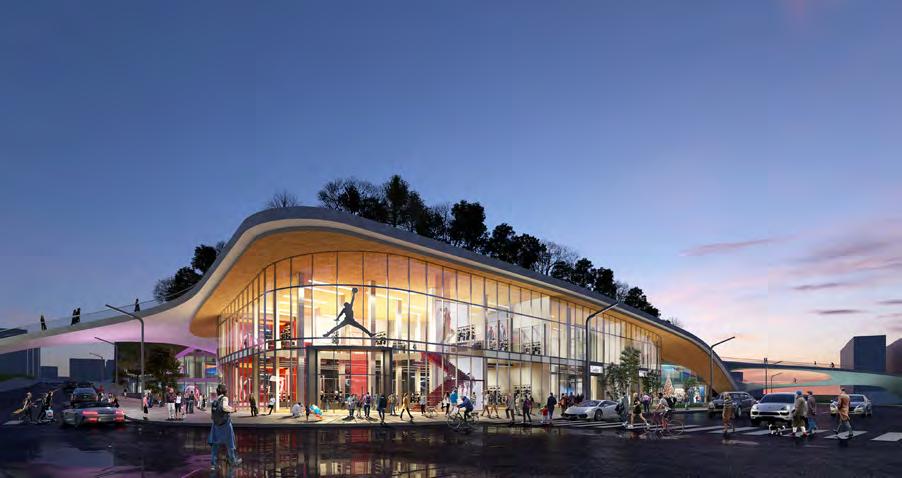
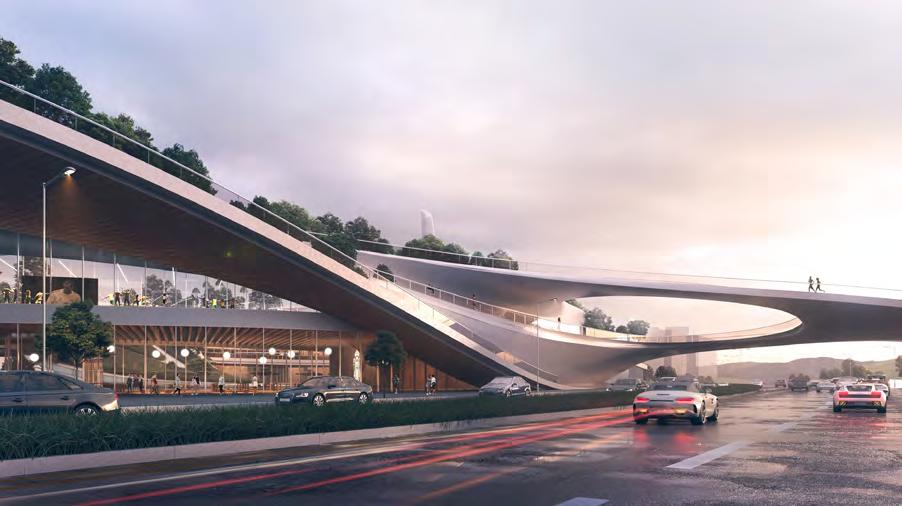
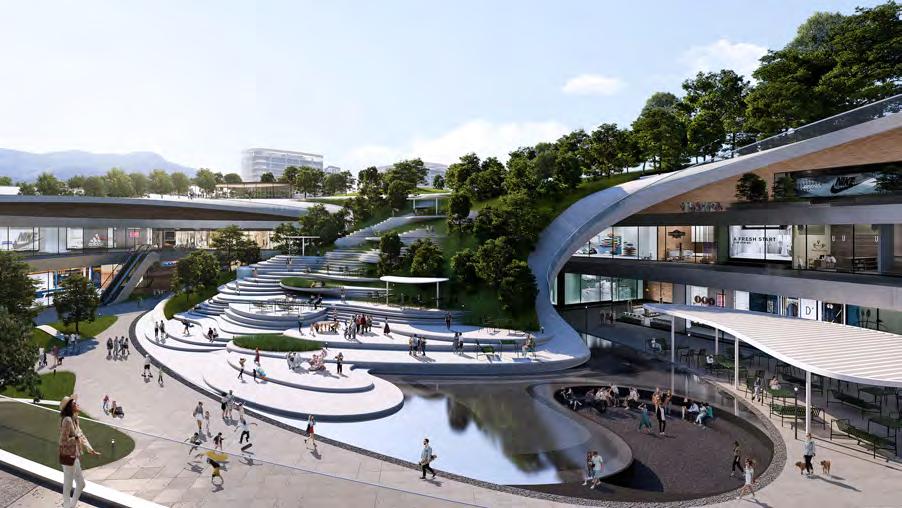
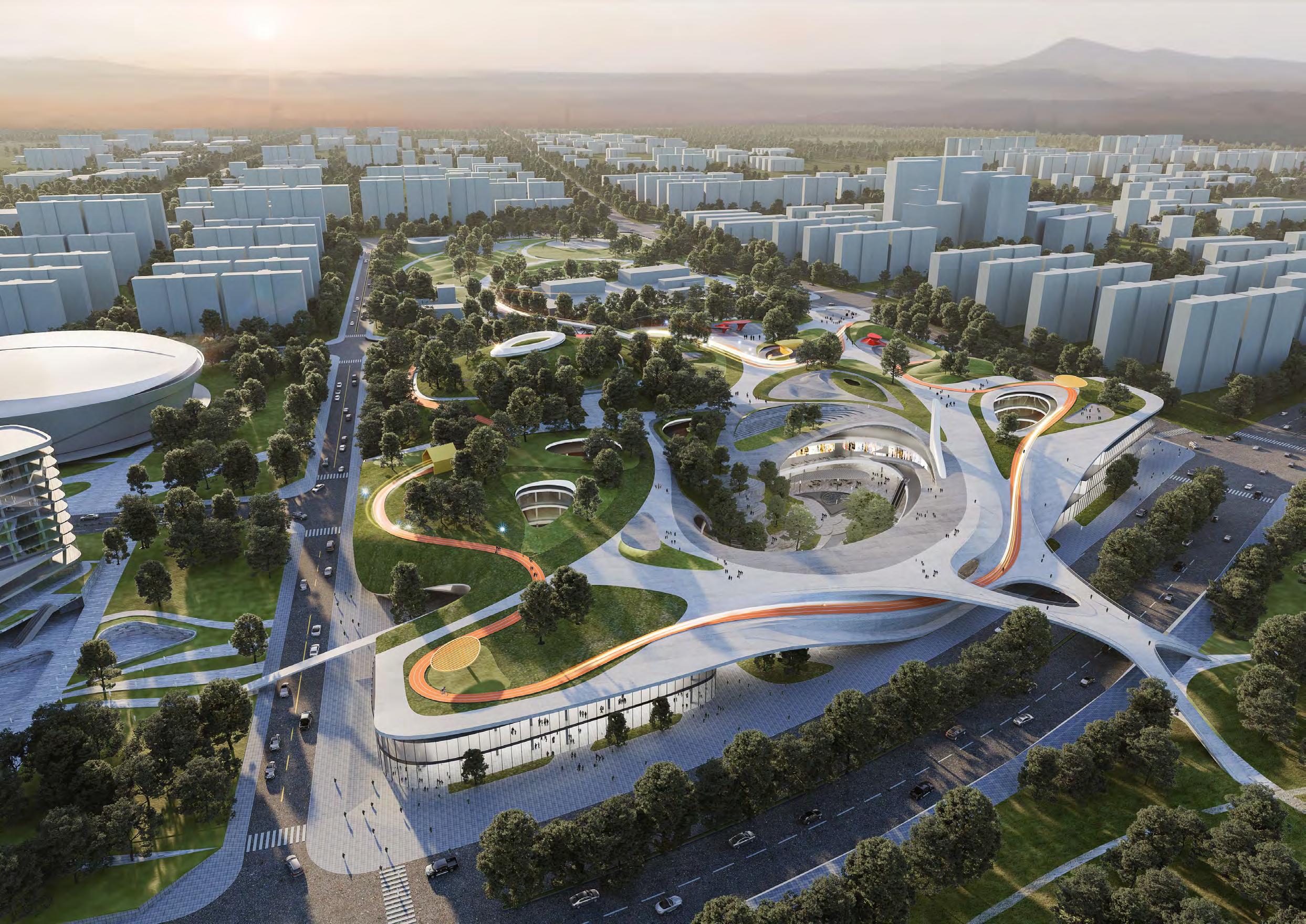
“Multi-layer surface”, as the name suggests, is a three-dimensional use space. Different from the traditional landscape that only designs on the surface, we will focus on establishing the interweaving and integration of landscape surface and underground space, and establish a complex multi-dimensional green urban infrastructure, so as to make full use of urban space and provide urban areas. Inject new vitality. Based on the analysis of the current topography, we ease the barrier between the site and the surrounding plots and enhance the accessibility of the site by sorting out the site elevation, slope, and erecting pedestrian bridges. There will be a running track in the park, connecting various plots of the area through pedestrian bridges, and constructing a large ring line of Qujiang Sports Park with No. 2 Field as the centre. At the same time, we will take advantage of the changes in the terrain height of the site to set up sports venues according to local conditions, so as to achieve a new urban experience of exercising in the natural environment and visiting the park during exercise.
Yingxuan Hotel Hotel Interior Design
Project in DU Architecture 02. 2021 | Completion
My role in the project: Interior Concept design
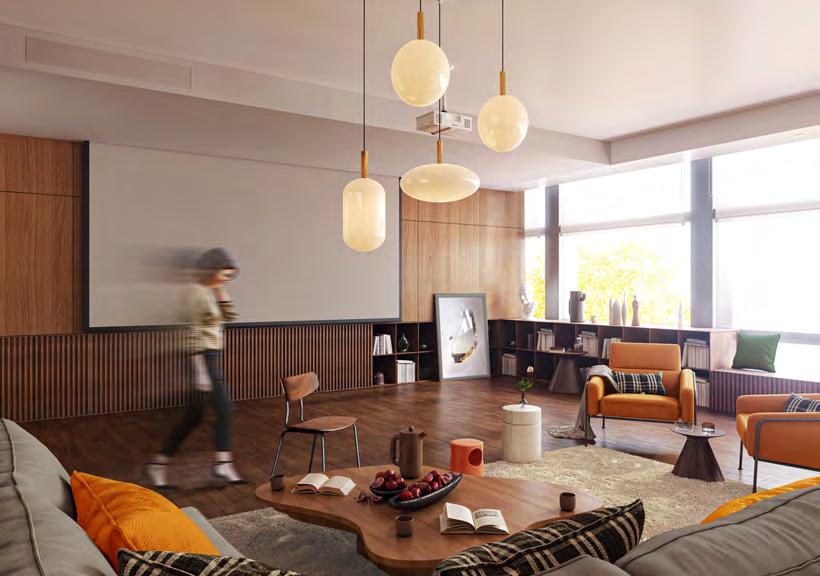
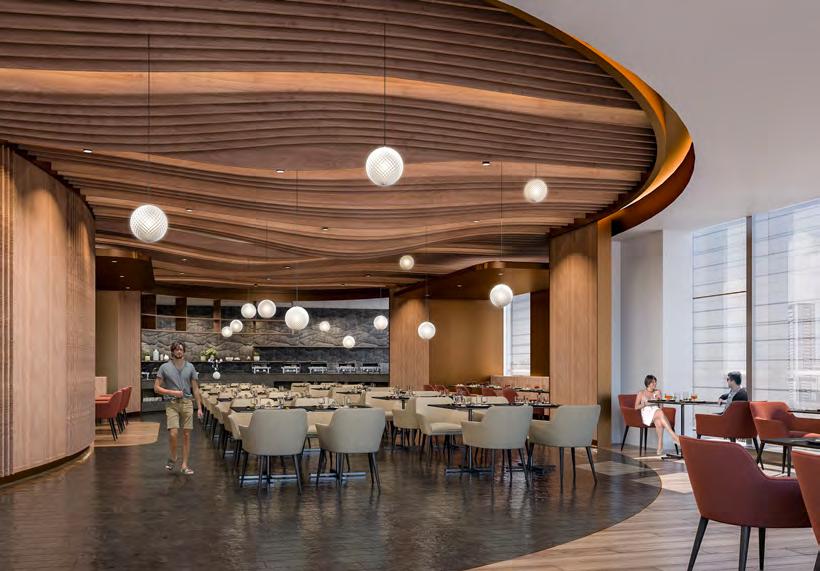
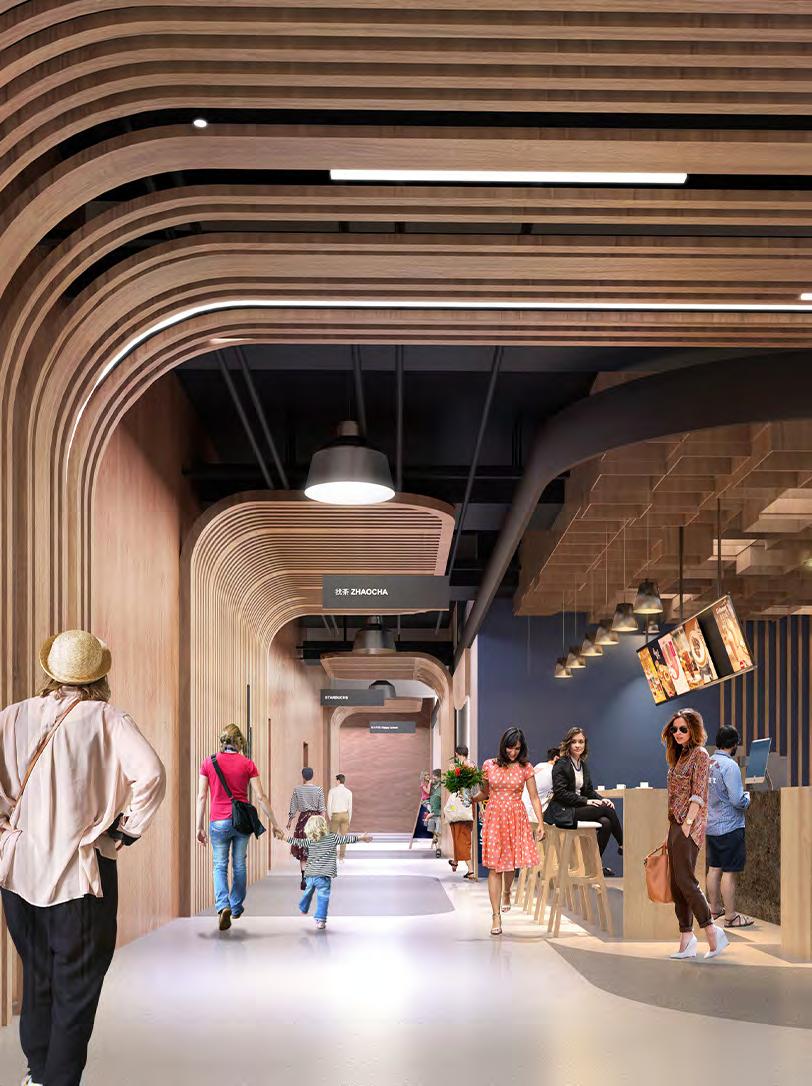
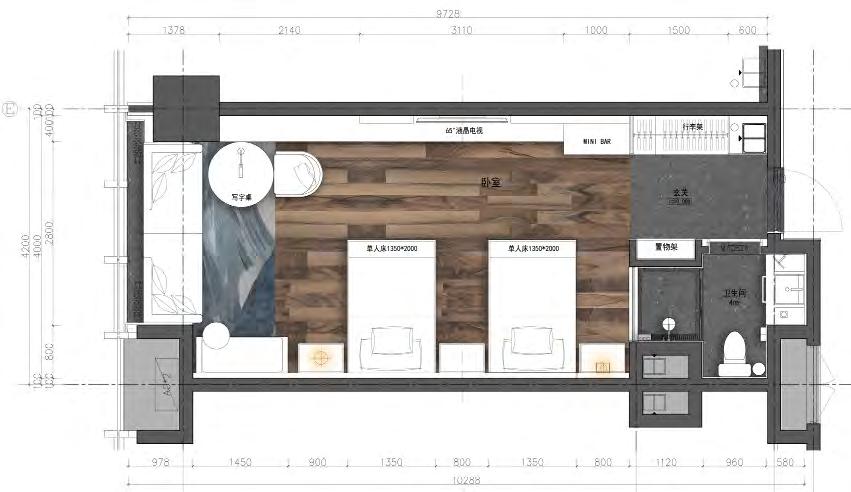
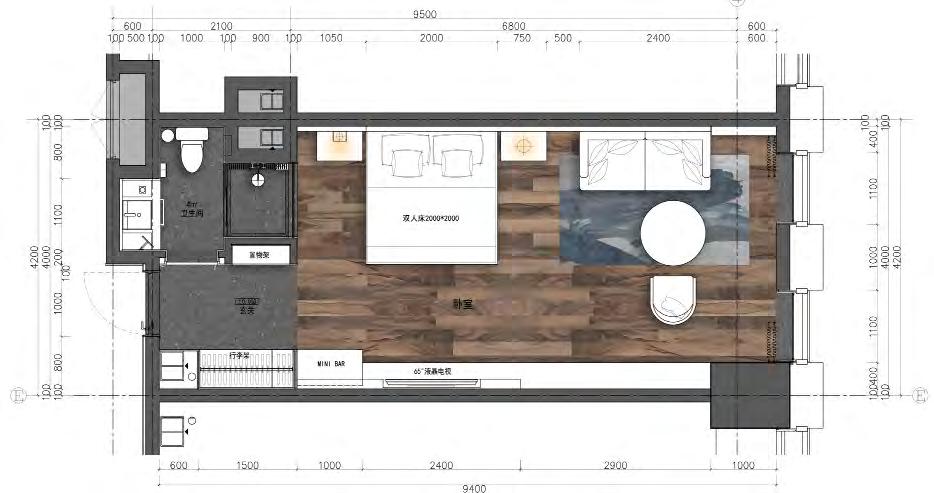
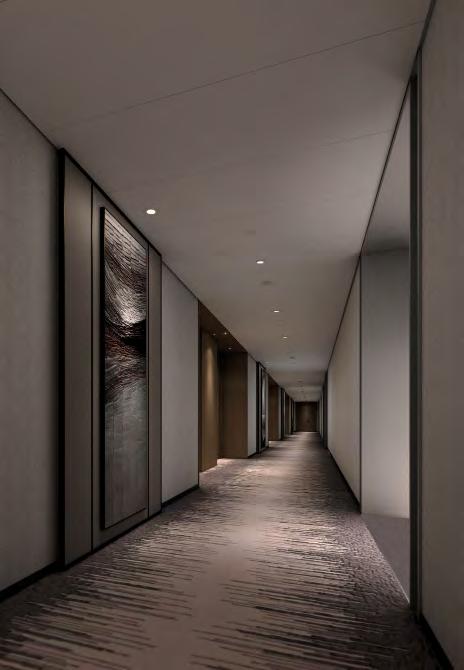
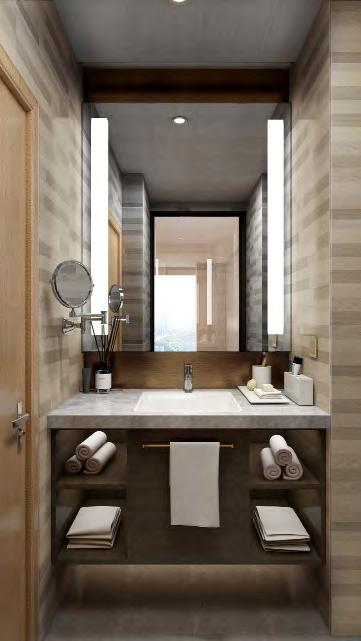
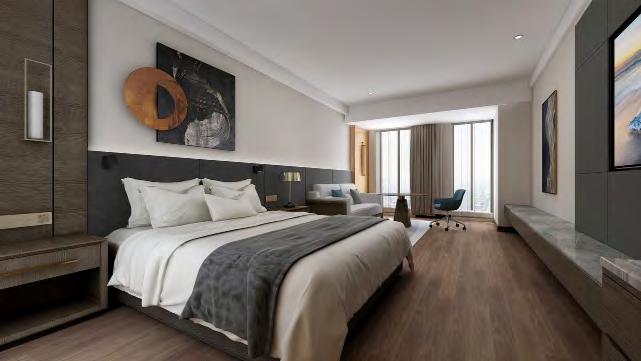
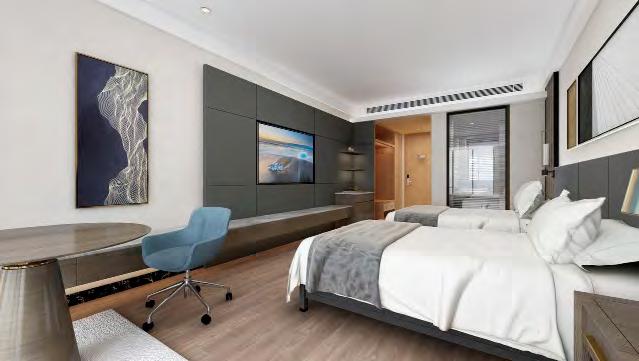
DU has undertaken the entire interior design and courtyard landscape design of two hotels, one brand apartment, and one shopping mall in Yingxuan Building. Both hotels and businesses are public spaces with strong experience. The design starts from the external landscape, extends to the indoor public space, and reaches the private space of the guest room. This continuous space sequence explores the expression of the smoothness, cheerfulness, and joy of the ocean through different materials and formal languages. Inclusive and mysterious. The main line of this sea is diverse in space, invisible, immersive, and consistent inside and outside.
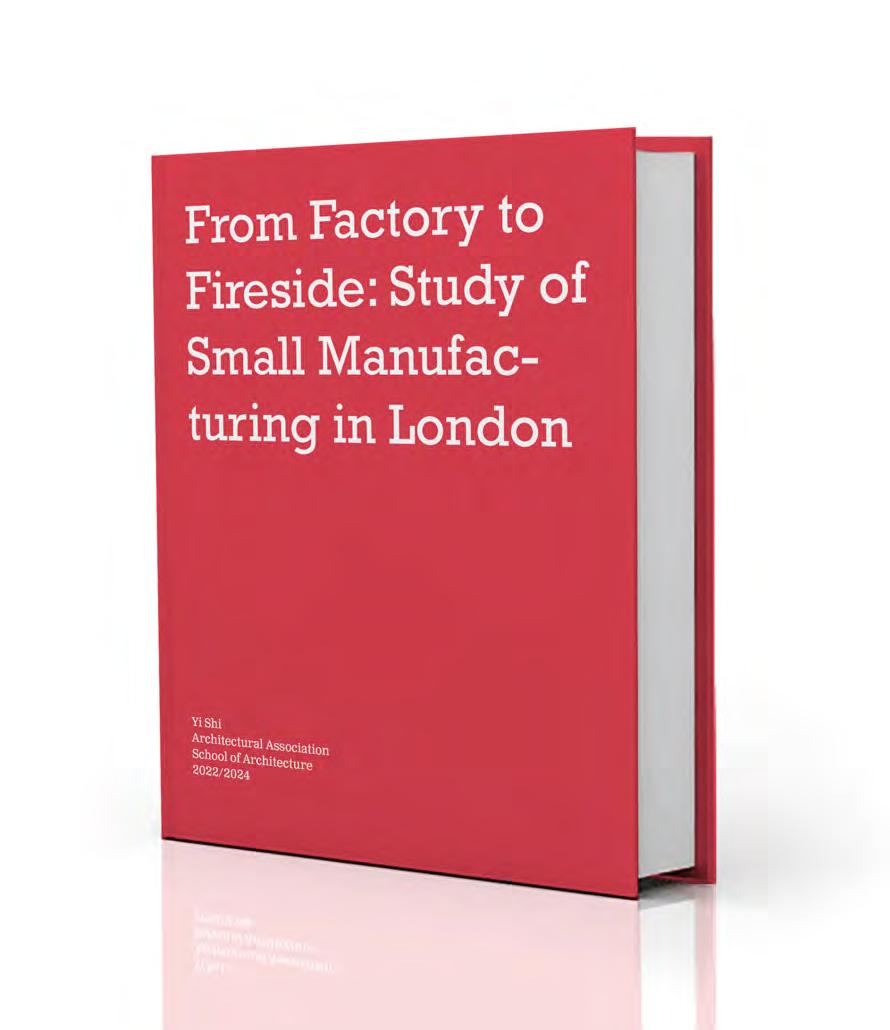
From Factory to Fireside: Study of Small Manufacturing in London
Type: Final Dissertation
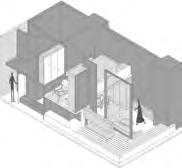
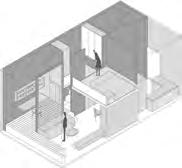
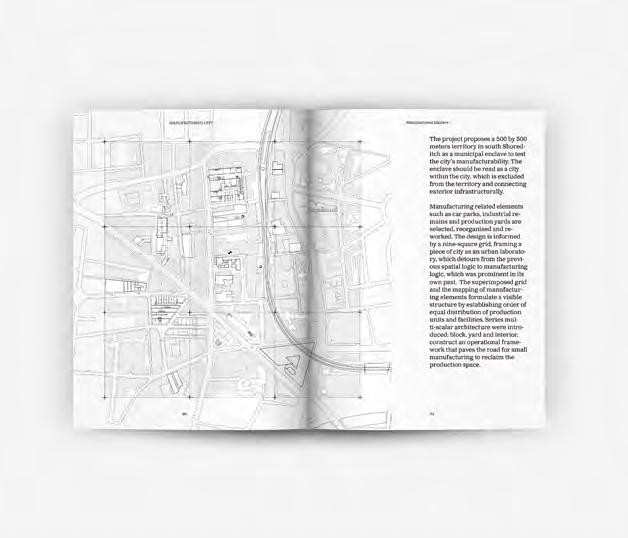
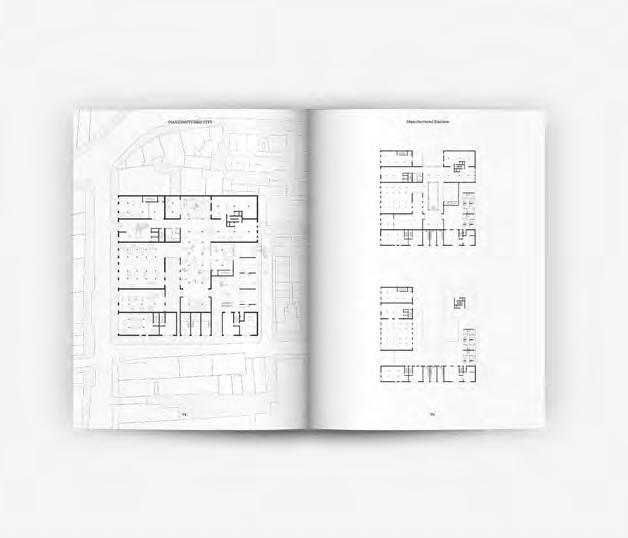
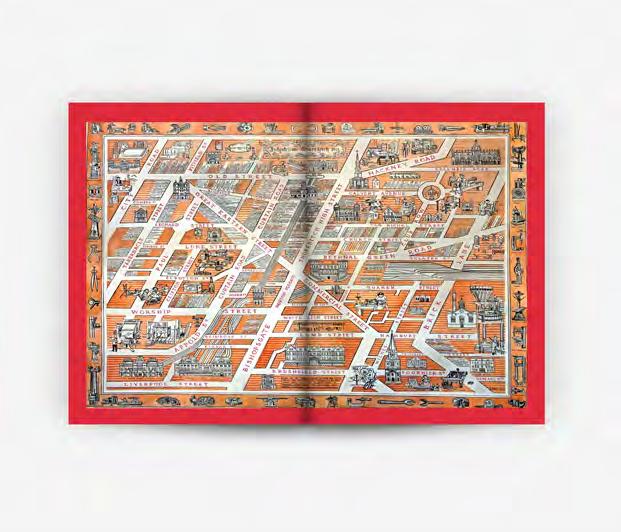
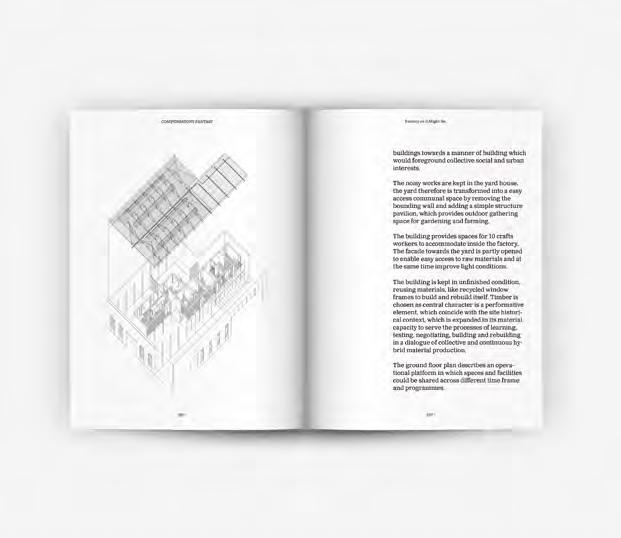
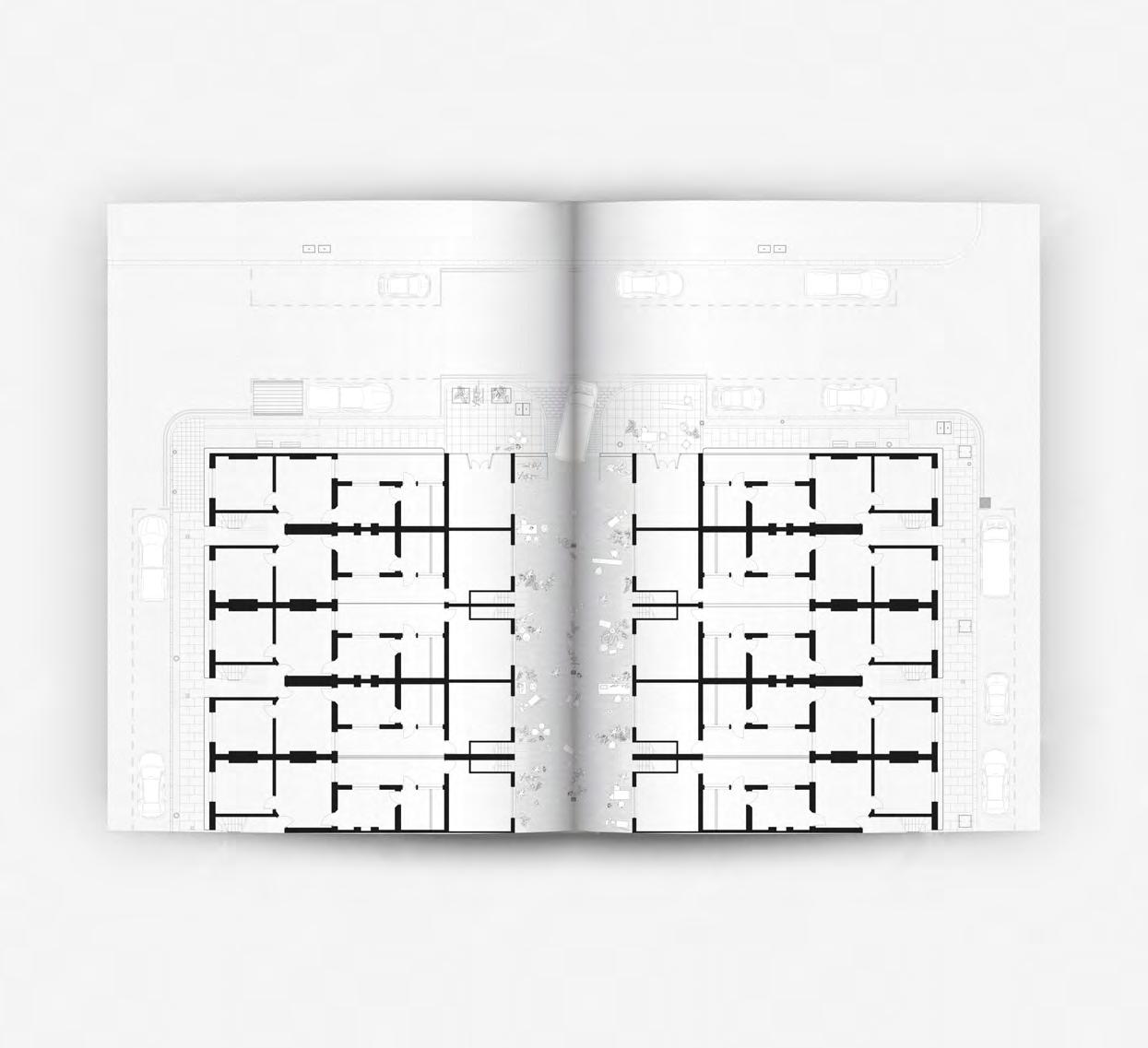
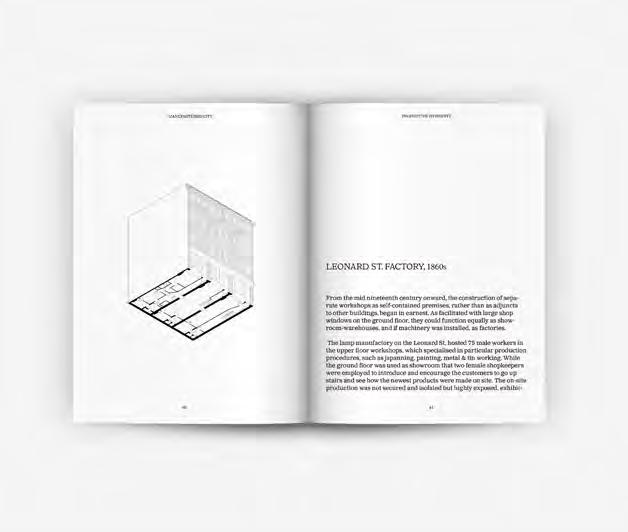
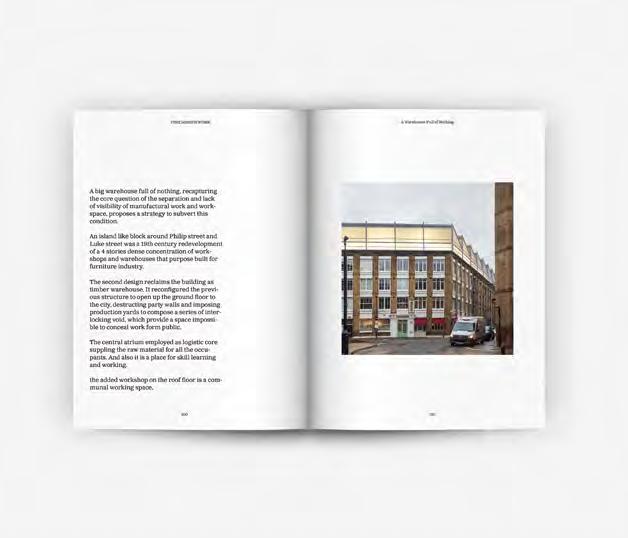
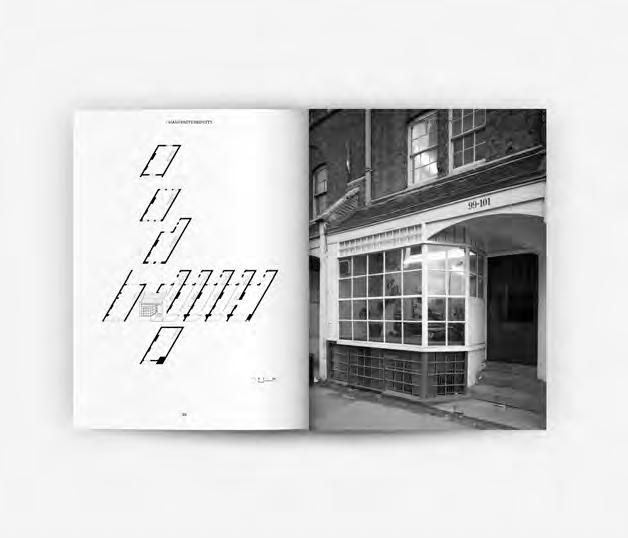
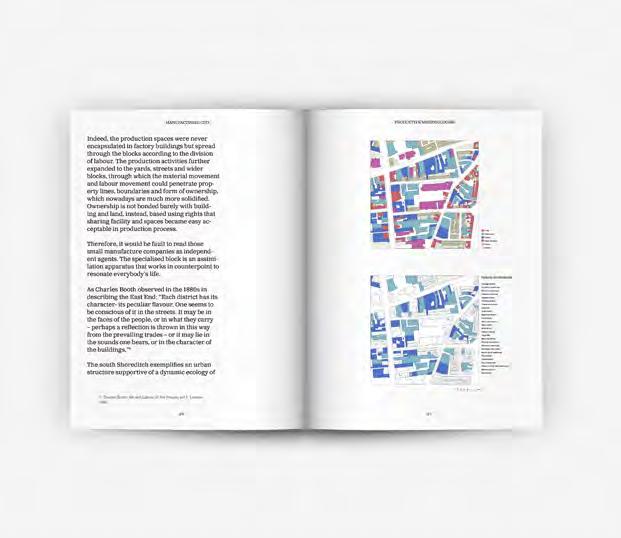
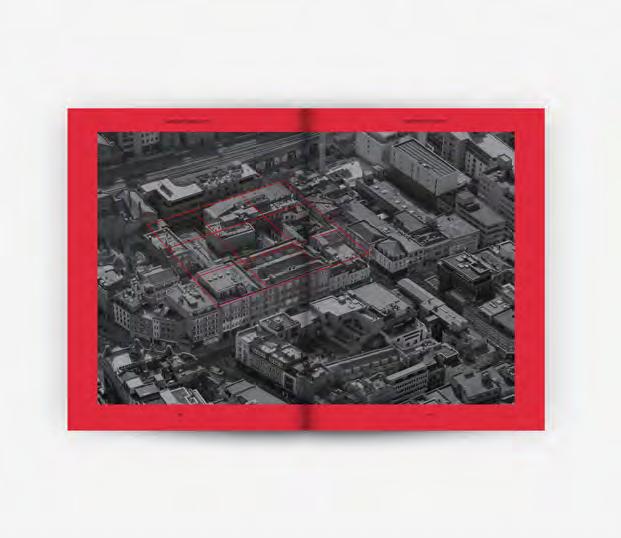
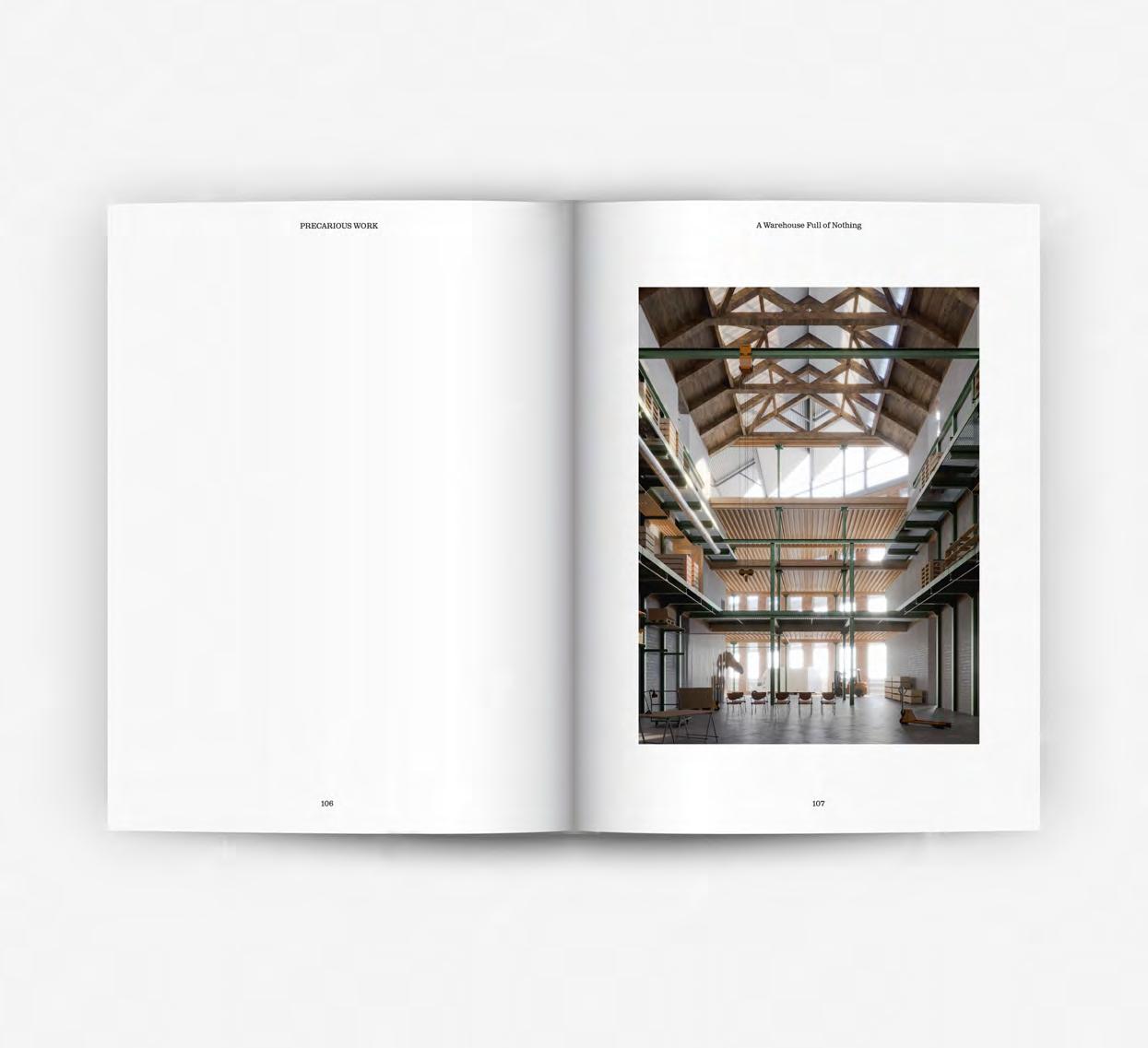
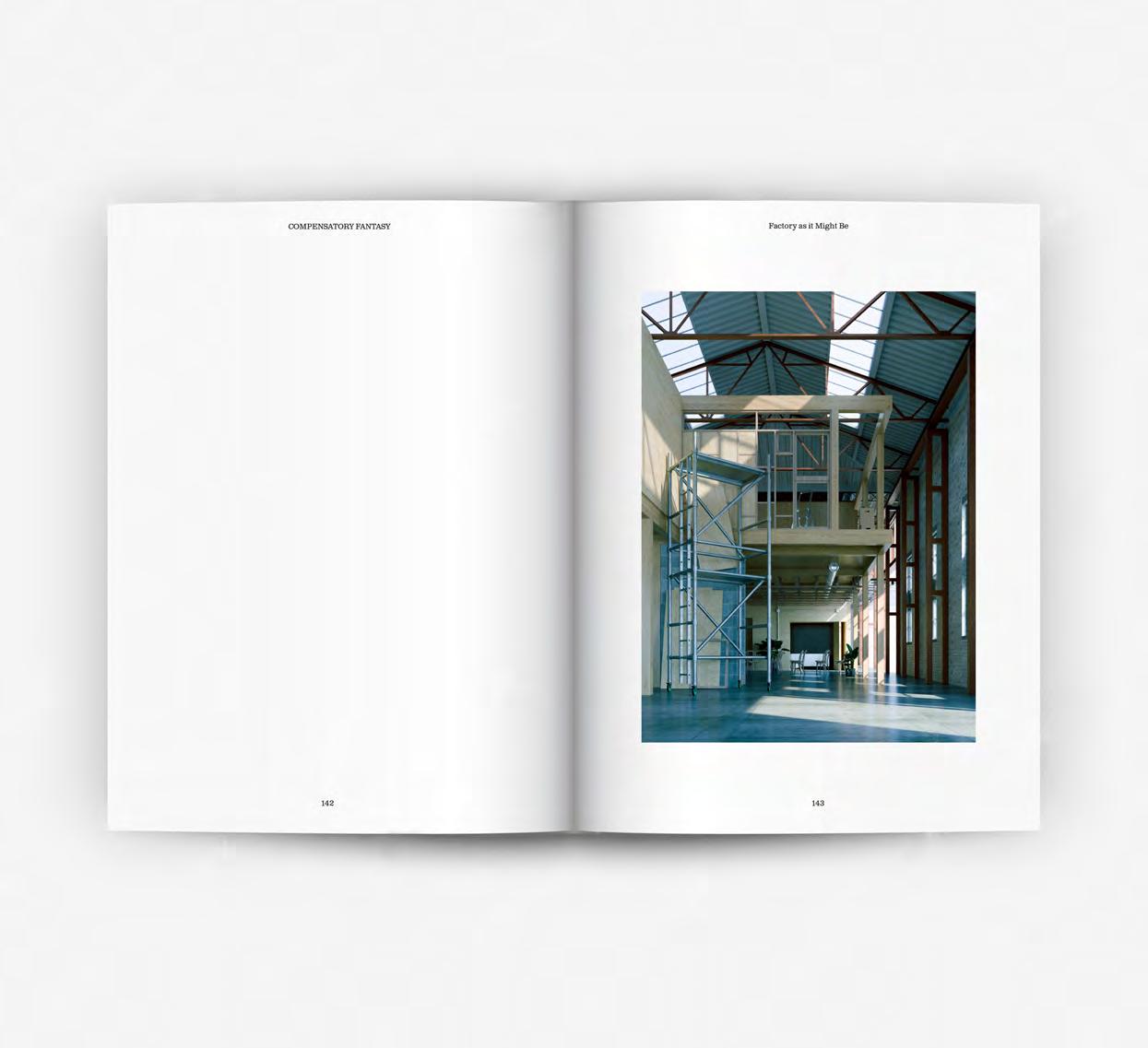
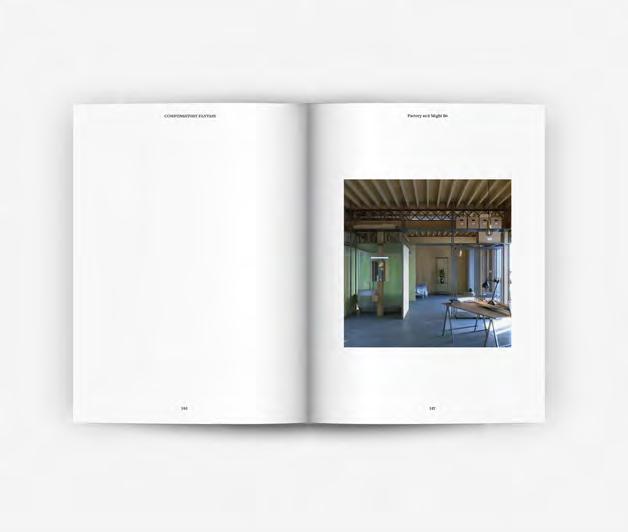
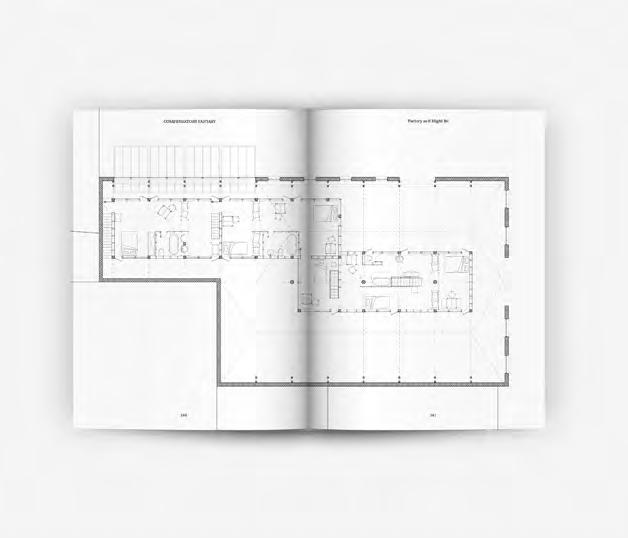
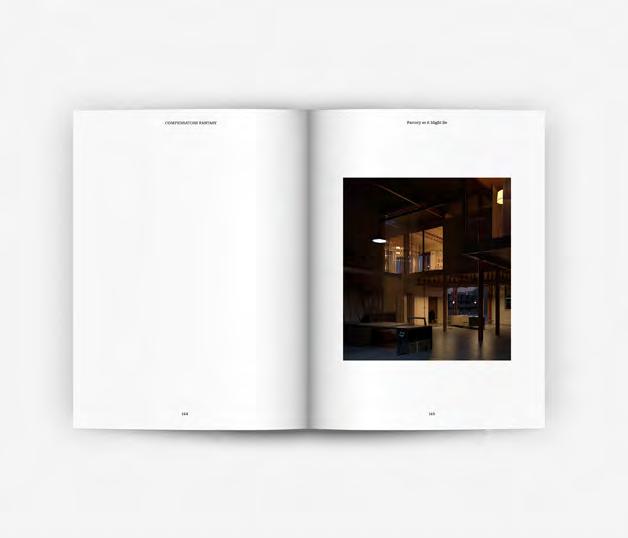
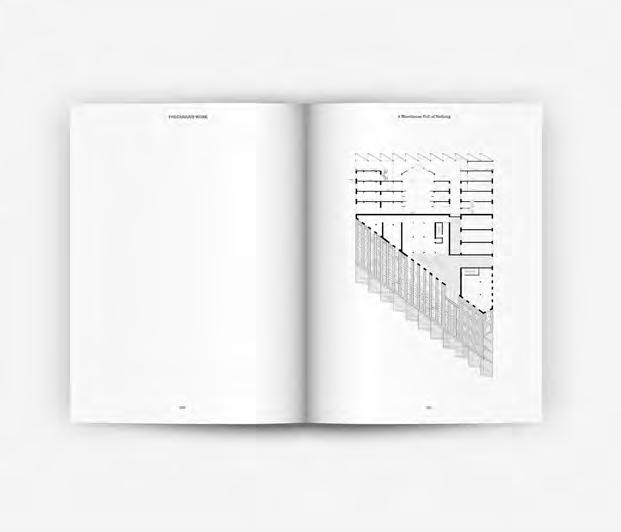
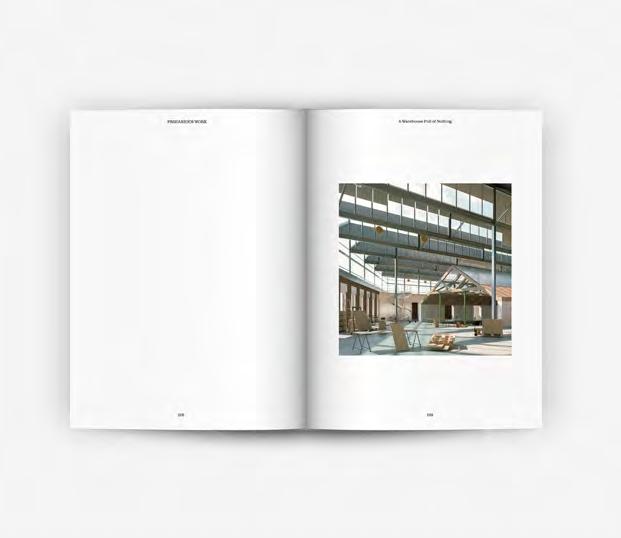
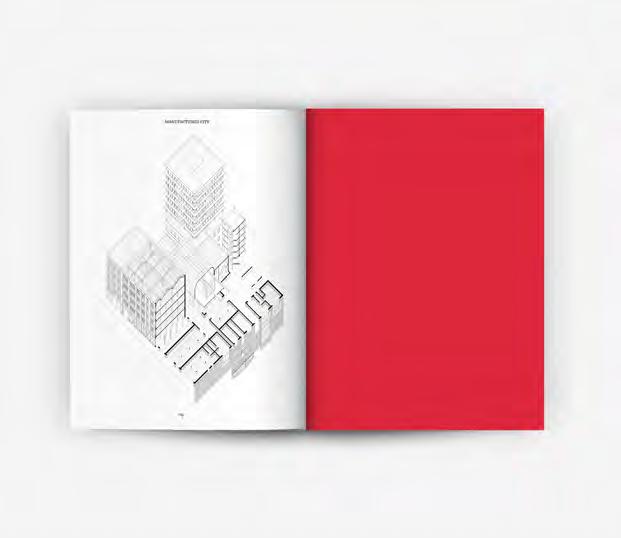
The thesis takes the urban small-scale factories as its vehicle to interrogate the dynamic role of urban production space to uncover the malleable correlations between our working and living, which continuously structures our territories, urban environment, homes and bodies. Based on the context of London and taking the mixed-uses typology as object of investigation, the exploration delves into the manufacturing space to articulate a narrative about our city’s material reality.
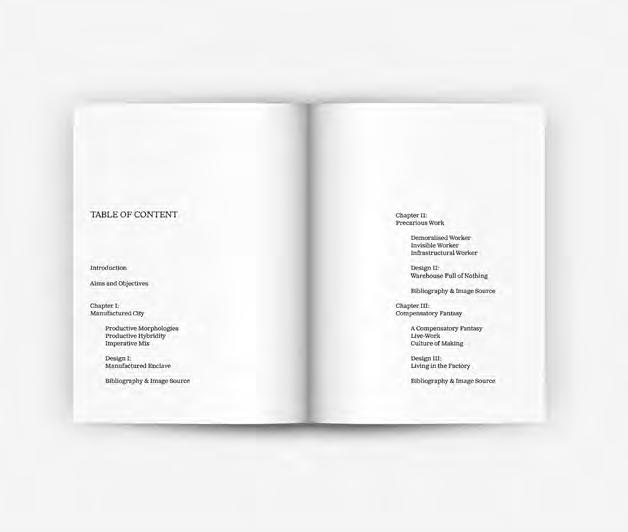
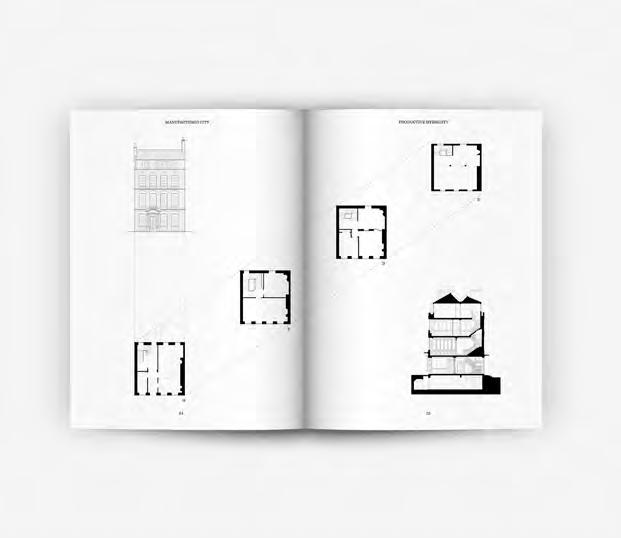
The project claims how we make things deeply affects how we living and working in the city. The thesis is structured into three chapters: productive hybridity, Infrastructural man, and the culture of making. These chapters set the stage for three explicit research paths that relate urban manufacturing through a reading of urban configuration, labour politics and material culture to the urban habitual. It offers a lens through which one can analysis the relationship between individuals, their work, and the rapidly evolving landscape of urban manufacturing.
Moreover, the project not simply advocates to reintroduce industry back to the city, nor intends to celebrate the progress of production methods in the digital era, but inquires inward on the fundamental contradictions embedded in the act of making, asking reconciliation between factory and city.
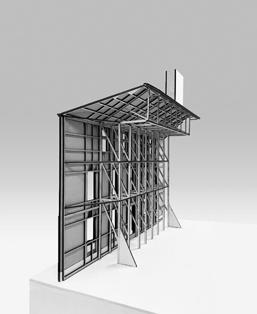
Behind the Elevation: Study of Metropolitan Police Station
“The Blue Lamp” (1950) is a British film about the life of policeman George Dixon. The film opens with a bystander of a crime announcing:
“To this man, until today, the crime wave was nothing but a news-paper headline. What stands between the ordinary public and this outbreak of crime: what protection has the man in the street to this armed threat to his life and property? At the old Bailey, Mr. Justice Fennimore in passing sentence for a crime of robbery with violence gave this plain answer: “This is perhaps another illustration of the disaster caused by insufficient numbers of police. I have no doubt that one of the best preventives of crime is the regular uniformed police officer on the beat.”¹
The construction of the crime problem and its solution, exemplified by “The Blue Lamp” reflect that the British police lived with the unrealistic belief that they were no more than ordinary citizens in uniform and that they could rely on the assistance and positive support of the public. The truth was, the majority of people had little contact with police in their daily lives.
Apart from these fictional assumptions, police stations are widely considered to be “the home of policemen”. Admittedly, since the end of the 19th century, the initial concept of police has developed into an institution, with police stations accepted as the core facility at the centre of its department.
1 The Blue Lamp, Film (General Film Distributors, 1950), https://www.youtube. com/watch?v=1C_6_tPj33A.
The Isle of Dogs P. S. London
The Bow Street P. S. Westminster, London 1881
John Taylor
Hammersmith P. S. Hammersmith, London 1930s McMorran and Whitby
Earl’s Court Road P. S. Kensington, London
Brixton P. S. Vauxhall, London 1950s John Innes Elliott
Tai Kwun Police HQ
The spatial nesting and sequencing; circulation operation; room hierarchy, and juxtaposition transfer the police station into a sophisticated device of policing, which articulate the control, surveillance and power structure embedded within the building.
The title “The Idea of North” is intrinsic to Beijing’s character, which is most evident in its very name. Bei (北) means North; Jing (京) means capital. This idea of North is not only intrinsic to Beijing’s spatial configuration, but also express a certain cultural mindset, which is embedded in spatial ritual.
Here I would like to make a connection to the Canadian pianist Glenn Gould’s film of the same title. In the film (1967), Gould uses contrapuntal structures in which four human voices speak simultaneously, describing their individual experiences about the Northern part of Canada. Those contrapuntal sounds provide a critical method, allowing the audience to put together the common concepts between the individual’s mouths. The North becomes a symbolic body of hierarchical order—a spatial ritual and navigation system, experienced and practiced by all residents in the old city of Beijing. For instance, Beijingers are always acknowledged as having good sense of direction—they can articulate which direction is North easily without the assistant of a compass. This could also evident in the old Beijing documentary film in which to avoid collapse, the cyclist must always shout their orientation before making a turn. This ability is obviously developed by the city’s delicate alignment to the North and South grid.
In Beijing during the Ming-Qing dynasty, this tension between rigidity and flexibility were still embedded extensively in the civil life, and it remains to date . The popular understanding of Beijing’s spatial configuration was that it was highly centric and hierarchical, following a strict alignment to a North-South grid, and dominated by a central axis embodying Beijing as a well protected city with few liberties. However, this rigidity was only present on the level of the diagram. Although the Li- Fang system was no longer dominating the urban plan, its multi-centric and inner-public characters have already been embedded in the way Chinese people interact with city—sometimes in a temporary and informal way.
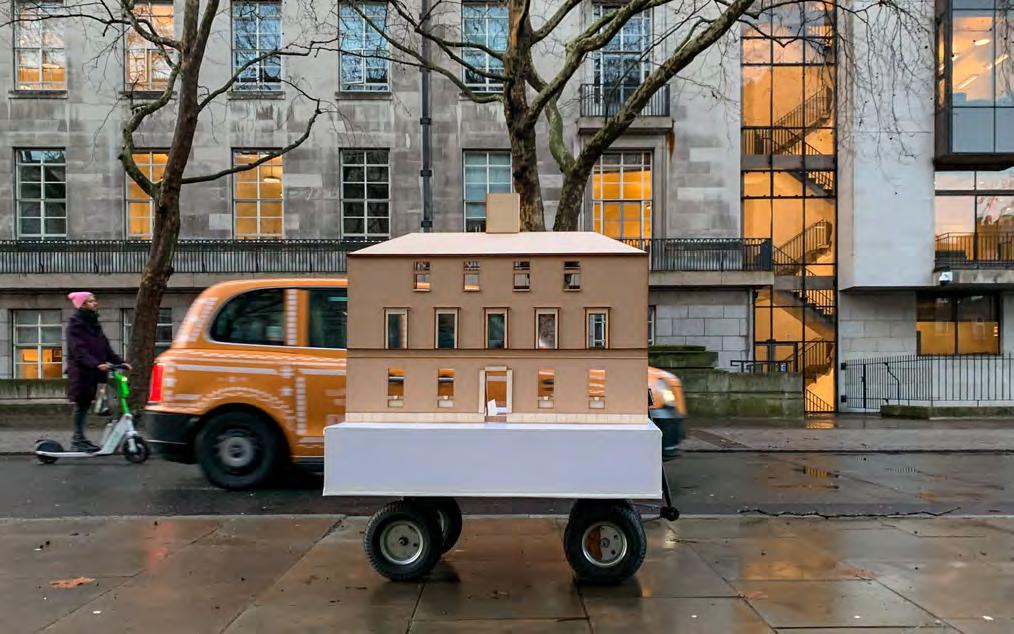
For instance, in the 1980s, the economic reform brought the free market to the people, and being a merchant was a legitimate life choice. At that time, lots of Hutong became markets with courtyards acting as warehouses. Hutong as a social connector provide multifunctional interfaces for the public. It is also an in-between space which challenges the binary of public and private as a straightforward division. For instance, some residents use vans as temporary storage space, especially as the courtyards are often overcrowded—the average domestic area is only 15 square Metres. This living wisdom perfectly indicates the ambiguity of the Hutong as a space between what is considered public and private space. The Hutong can be defined as a communal space that everybody can utilize.
The Idea of North: The common frameworks of the collective living in Beijing
Delicate Teaching Machine
Type: Independent project
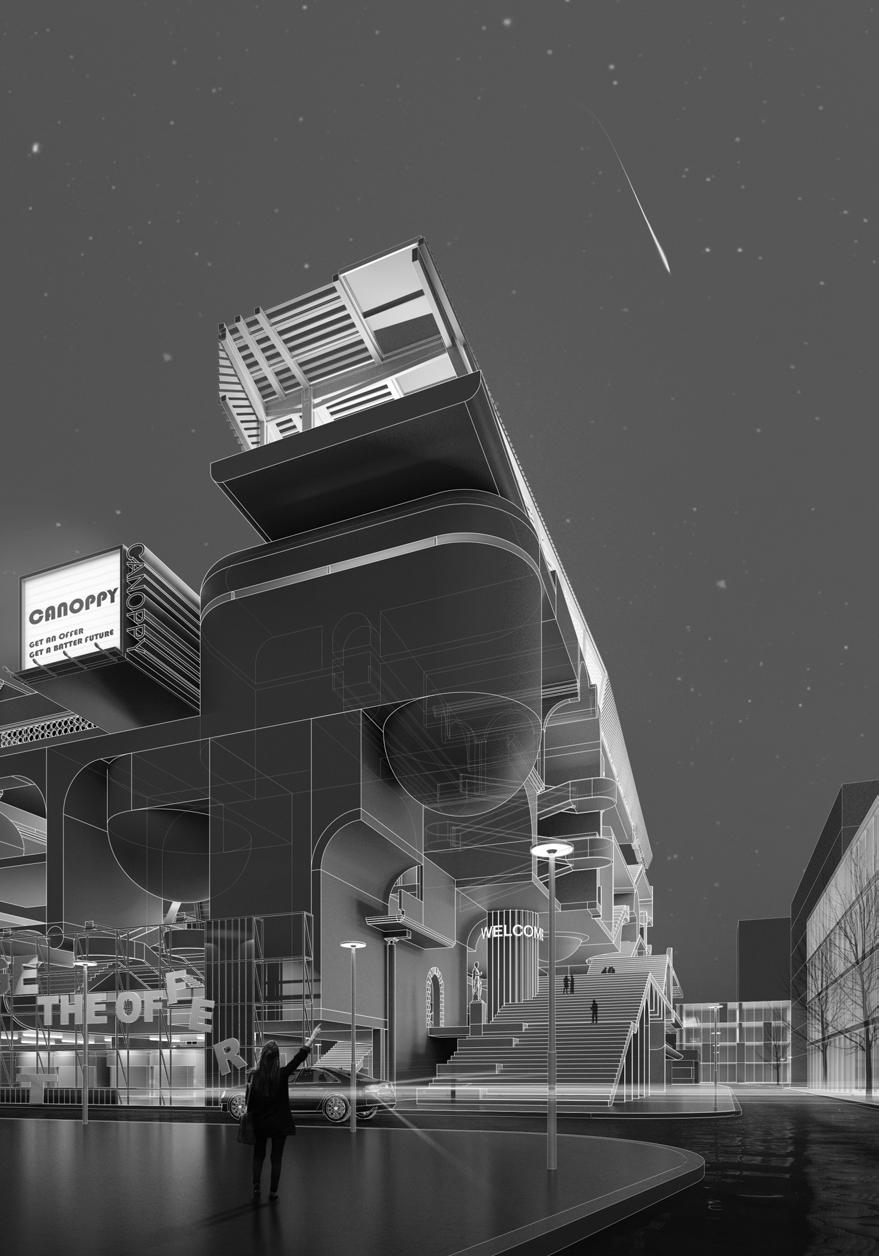
In the application process of architectural postgraduate Programmes, the portfolio is regarded as a crucial part valued by all applicants. In China, almost every applicant is familiar with those kinds of institutes focusing on portfolio tutorials. Different from traditional study abroad agency, they quickly monopolized this market segment with highly professional and targeted services.
These institutes often tout themselves as architectural academic institutions and design their curriculum by imitating famous architecture schools. Applicants can attend the programme by purchasing courses that are usually expensive, overly exaggerated, simplified, and highly pragmatic. Although academic fraud and plagiarism have happened occasionally in the past few years, more than 1/3 of applications from Mainland China still participate in those programmes due to the highly successful application rate. Meanwhile, those who cannot afford the high tuition fees will be further exploited.
This project paints a picture of how old notions of teaching machines are being reborn through a seduction of data analyses and competency-based personalization. It is also intended to be a declaration against the pragmatism on academic research and bring a rethinking about our architecture education system.
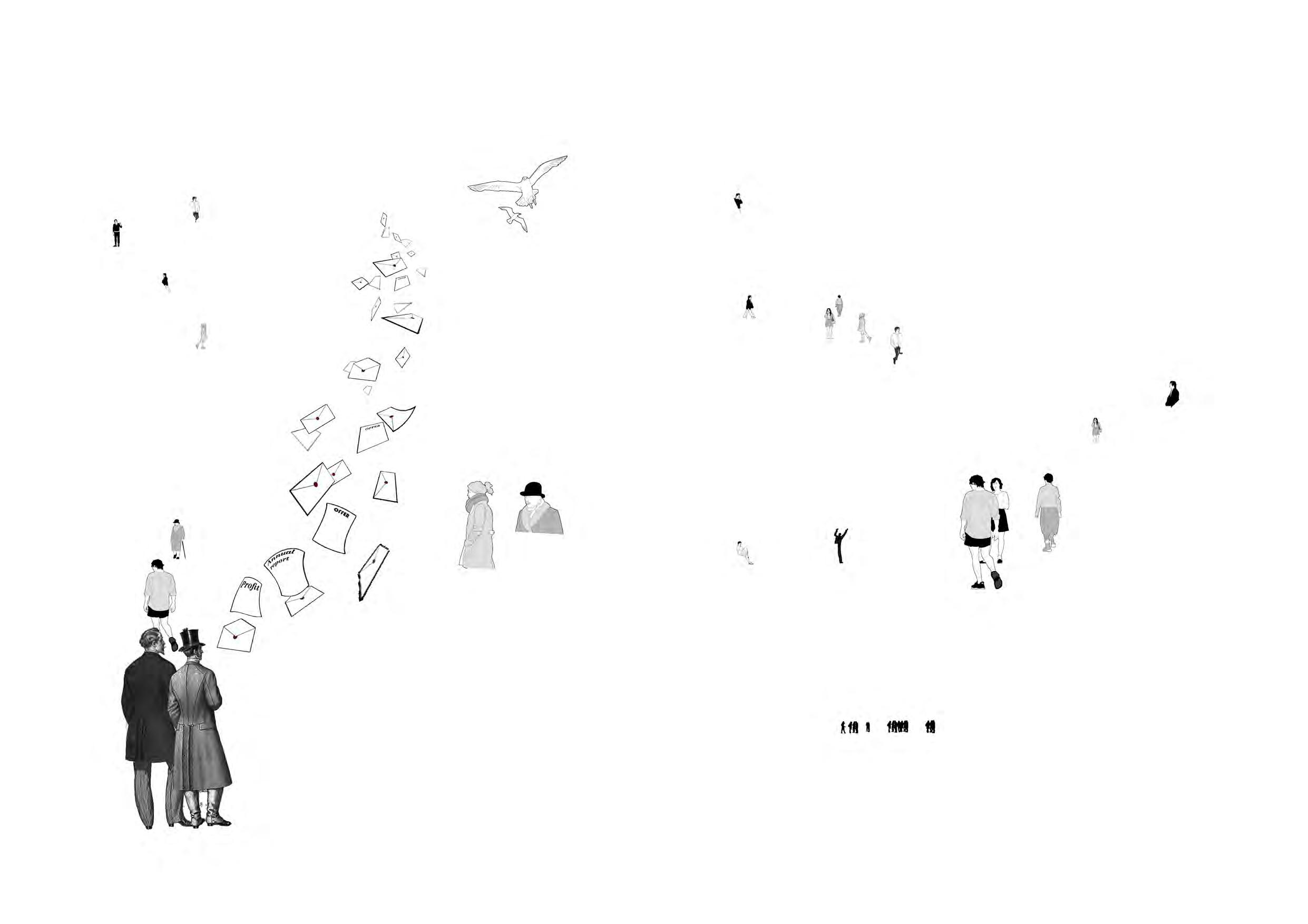
This diagram illustrate how these portfolio institutes making profit and working as a delicate teaching machines. The diagram is divided into three interwoven sectors: Media, Marketing and Education Through those detailed process, a concept comes to mind that these institutes are trying to hide the essence of a profit-seeking company and preaching themselves as educational institutes with world-wide vision. In order to achieve that, all the courses, are designed for a single purpose - to get an offer. In this single-purpose-oriented institute, utilitarianism and plagiarism will be systematic
LECTURE HALL
BALLROOM