


All we wanted was a really good magazine. About books. That was full of the really great stuff. So we made it. And we really like it. And we hope you do, too. Because we’re just getting started.
PRESIDENT, EDITOR IN CHIEF
Sarah Kloth
PARTNER, PUBLISHER
Debra Pandak
CREATIVE DIRECTOR
Corinna Kloth
CONTRIBUTING EDITOR
Christina Consolino
Michele Mathews
V. Jolene Miller
Chrissy Brown
Corinna Kloth
Catrina Stadler
FINANCE MANAGER
Jane Miller
For Advertising Inquiries: e-mail sarah@shelfmediagroup.com
For editorial inquiries: e-mail media@shelfmediagroup.com
18 Overall Winner
Water Finds a Way by Meghan Perry
28 Finalists
The Last Whaler by Cynthia Reeves
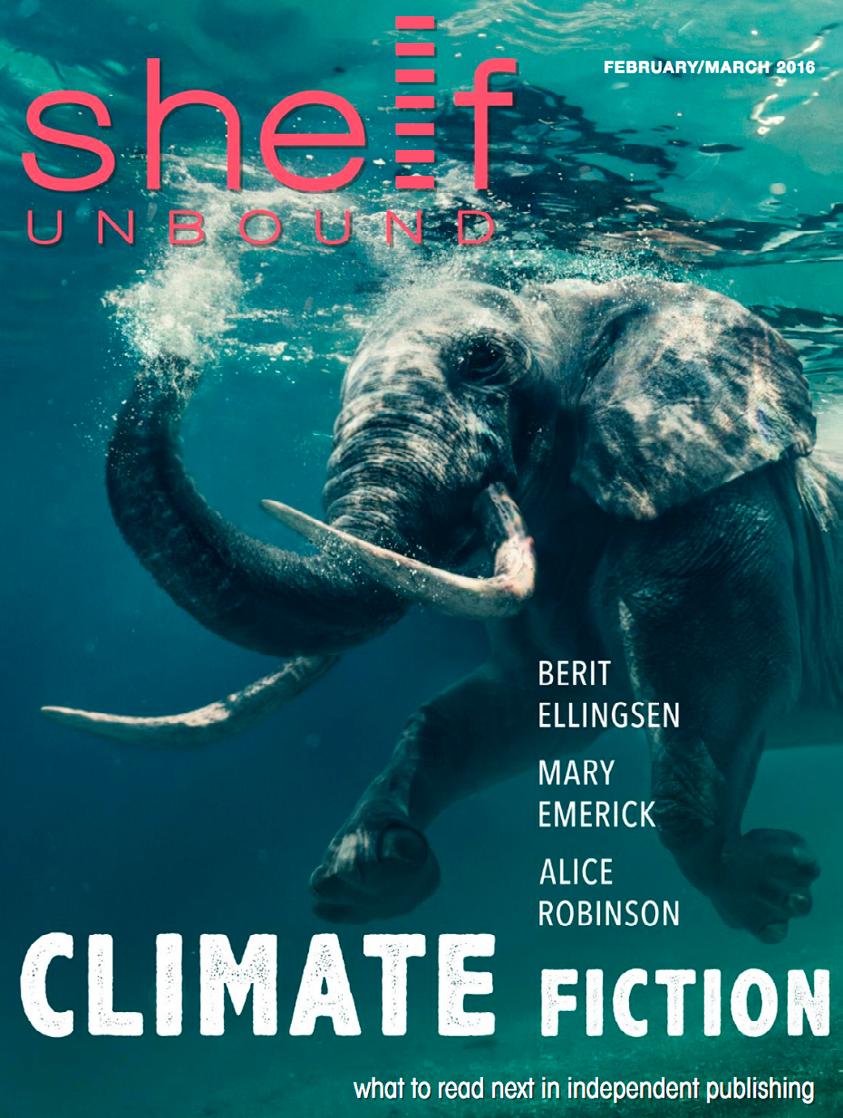
Never Dull! by Heather Sharp
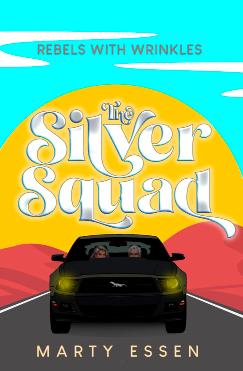
The Silver Squad: Rebels With Wrinkles by Marty Essen
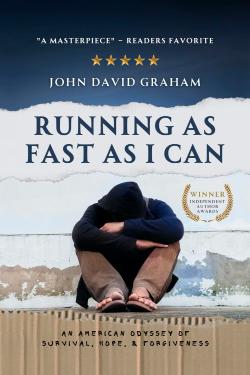
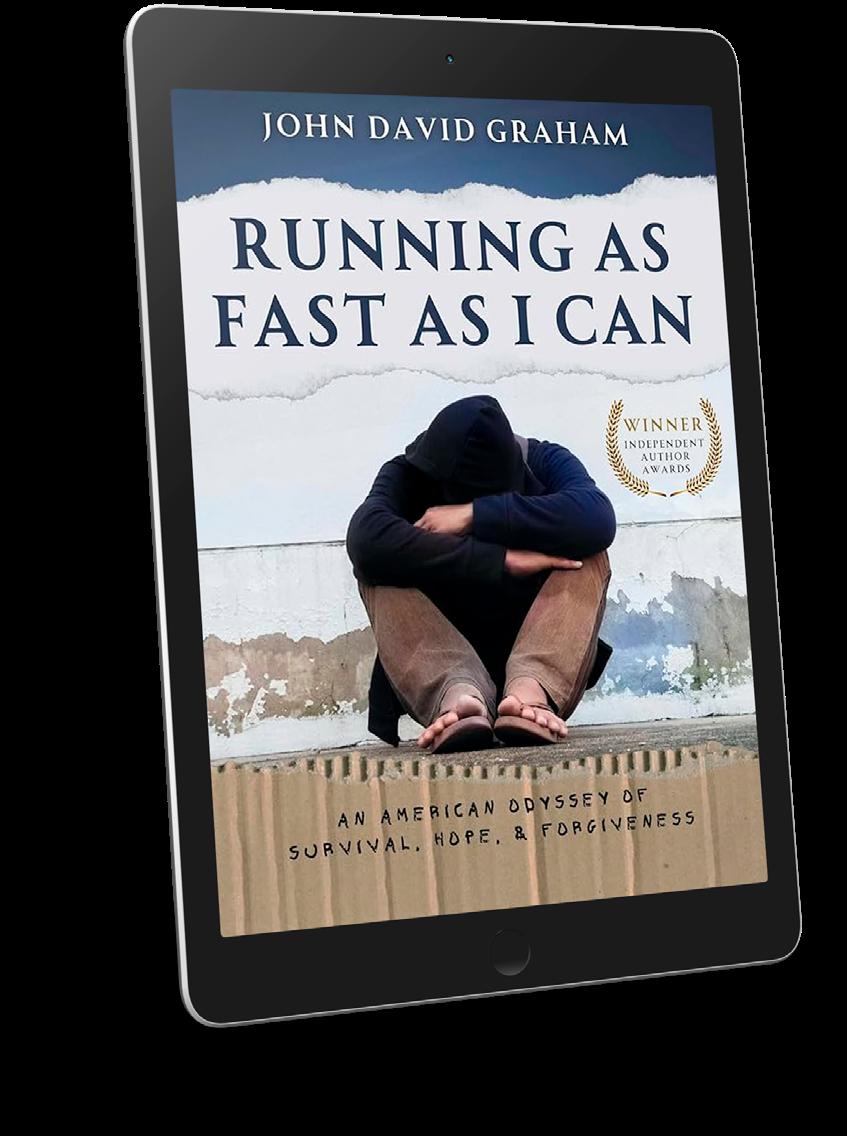
Running As Fast As I Can by John David Graham
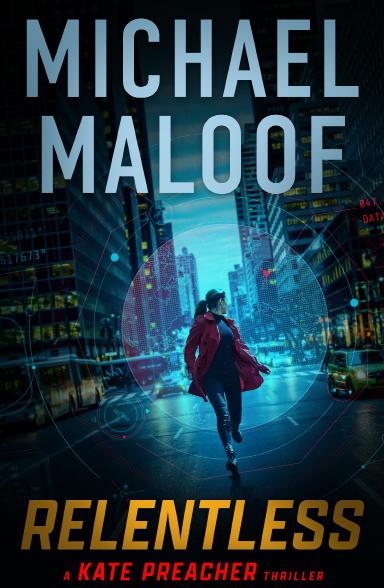
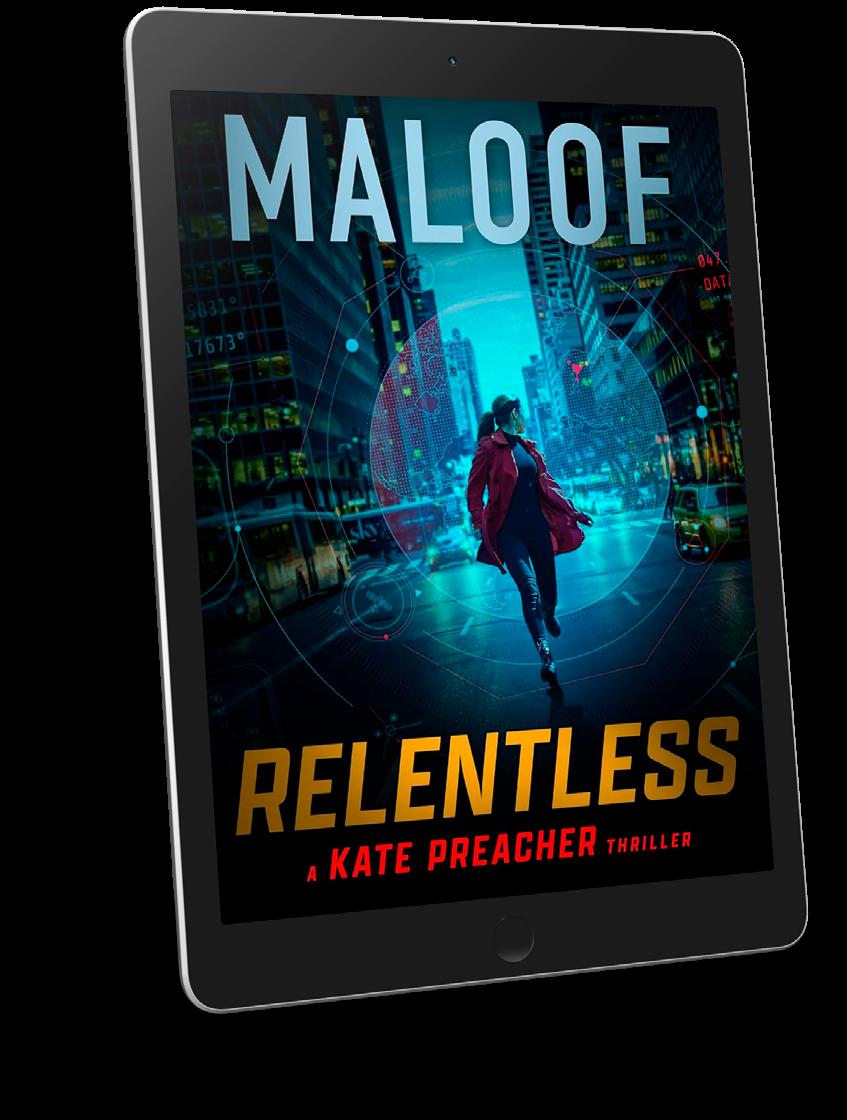
Relentless by Michael Maloof


52 Long-Listed The Moth by Scott Archer Jones
The Third Estate Secrets of the Manor by D.R. Berlin
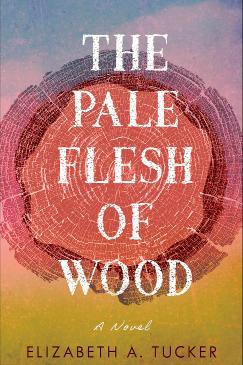
The Pale Flesh of Wood by Elizabeth A. Tucker
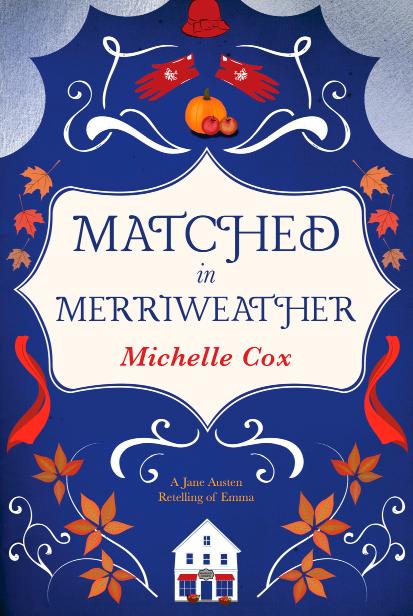
Matched in Merriweather by Michelle Cox
The Secret Song of Shelby Rey by Rayne Lacko
The Murmur of Everything Moving: A Memoir by Maureen Stanton
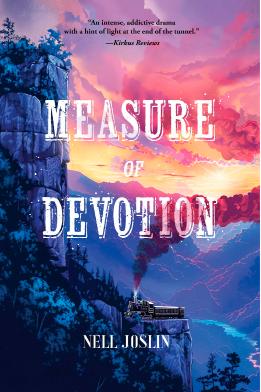
Measure of Devotion by Nell Joslin
Fox Creek by M. E. Torrey
Thirty-Eight Days of Rain by Eva Asprakis
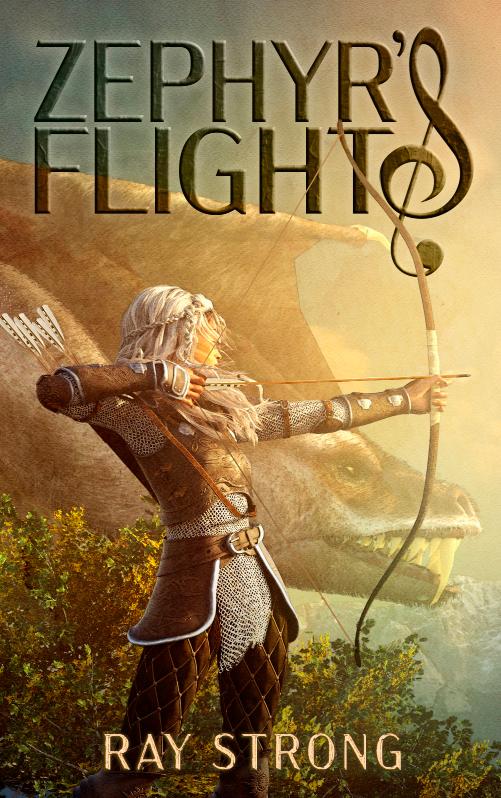
Zephyr's Flight by Ray Strong
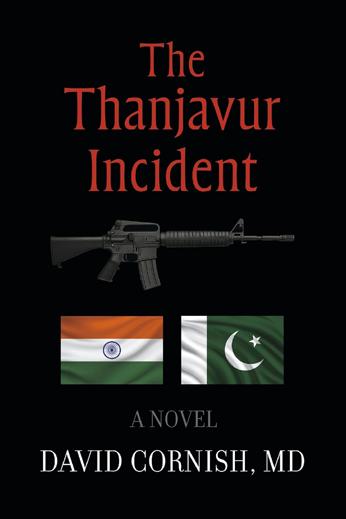



Commander Aarav Cheran—a renowned nuclear physicist and Indian Naval analyst—is thrust into a crisis that no war game ever imagined. As two nuclear nations edge toward catastrophe, Aarav must navigate a fractured landscape of political power plays, military brinkmanship, and catastrophic technological failure. The fate of millions may rest on his ability to outmaneuver forces poised to plunge the world into chaos.
Nolan Emerson, PhD, is a brilliant young theoretical and experimental physicist who is a professor at the University of Geneva, and the lead scientist at the CERN particle accelerator. He is a leader in the areas of general relativity and quantum mechanics. Dr. Emerson devises an experiment so radical and revolutionary that it seeks to unlock the astounding, complex, and mysterious secrets of Einstein’s space-time. Ultimately, his work challenges the fundamental notions of consciousness and of the concept of reality itself.
1918: THE GREAT PANDEMIC
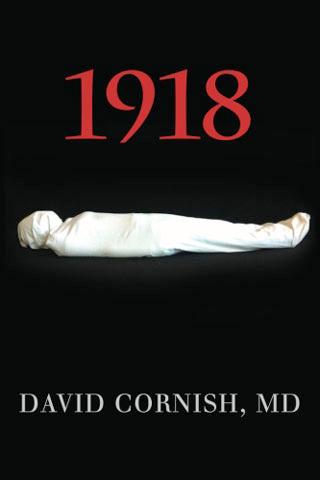
Major Edward Nobel’s mission, as a physician, is to help protect American troops from infectious ailments during the First World War. However, his unique vantage point in Boston allows him to detect an emerging influenza strain that is an unprecedented global threat. Eventually, the 1918 influenza pandemic killed up to 100 million people, and became the worst natural disaster in human history.
1877: A NORTHERN PHYSICIAN IN SOUTHERN UNGOVERNED SPACES
Colonel Charles Noble is a US Civil War veteran, and an Army surgeon reservist. Extreme violence in the former Confederacy, in anticipation of a national election, has caused President Grant to send additional federal troops to the Southern states. Terrorists are determined to counter Noble’s good intentions, as they threaten the civil rights, and the very lives, of all who oppose them.
1980: THE EMERGENCE OF HIV
Dr. Arthur Noble is a brilliant first-year medical resident in San Francisco. Noble encounters a strange new ailment that seemingly appears out of nowhere, and delivers its victims a most horrible merciless death. Dr. Noble struggles to find answers to the medical mystery, even as many researchers and society refuse to believe that it is a serious public health hazard, or that it even exists.
MORE AT

BY SARAH KLOTH, PUBLISHER
Each year, the Shelf Unbound Best Indie Book Competition brings us stories that expand our imagination and deepen our connection to one another. But every so often, a book rises to the surface with unmistakable force—one that lingers long after the final page.
Enjoy the issue! A WORD FROM THE PUBLISHER
You can explore a deeper look at Meghan’s inspiration and craft— including her full interview and an exclusive excerpt—in the pages ahead.
This year, that book is Water Finds a Way by Meghan Perry, our 2025 Overall Winner. Perry’s novel follows Blake, a woman returning to a coastal Maine town filled with memory, loss, and the possibility of redemption. With themes of resilience, connection, and the quiet power of nature, it’s a story that moved our judges with its emotional clarity and unforgettable sense of place.
In this issue, you’ll also find our five finalists, ten longlisted titles, and Top 100 Notable Books, representing a remarkable range of talent in today’s indie publishing world. Each of these books brings something bold, thoughtful, and original to the page.
To every author who submitted this year: thank you. Your creativity and courage are what make this community thrive.
Settle in, turn the page, and discover your next great read.
Congratulations to the Winners of our 2025 Social Justice Book Prizes!
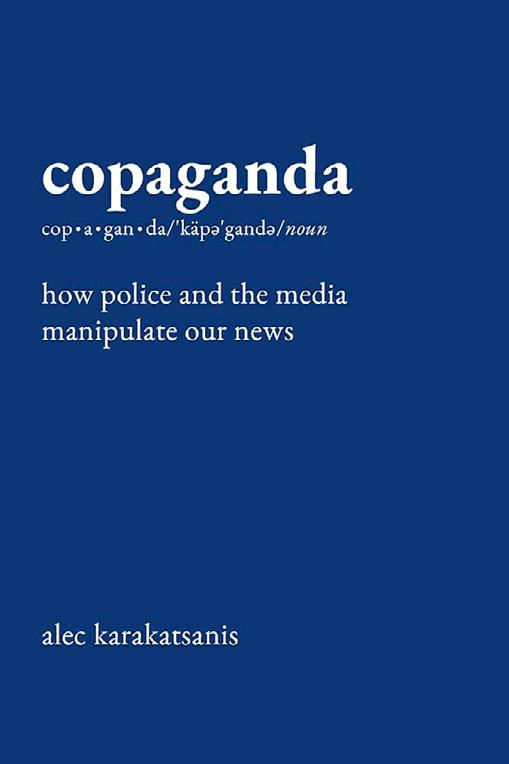
Copaganda: How Police and the Media Manipulate Our News by Alec Karakatsanis
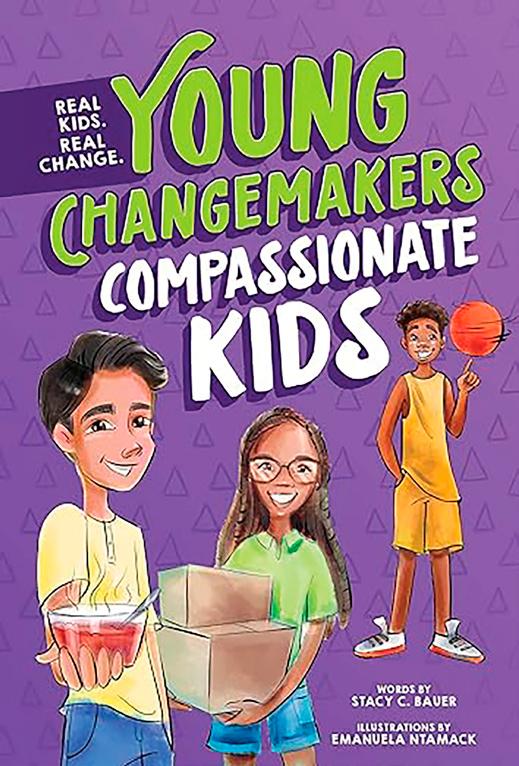
The Goddard Riverside CBC Youth Book Prize for Social Justice and the Goddard Riverside Stephan Russo Book Prize for Social Justice celebrate the power of the written word to create change in the name of justice for all people.

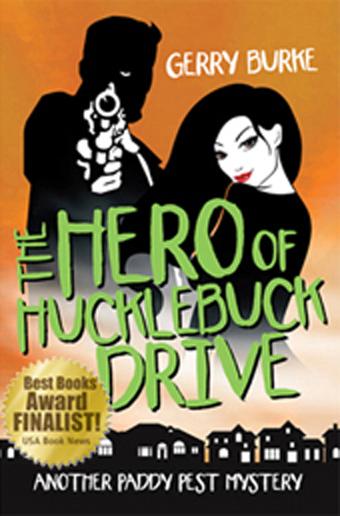
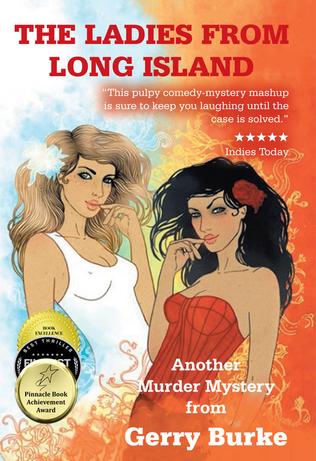
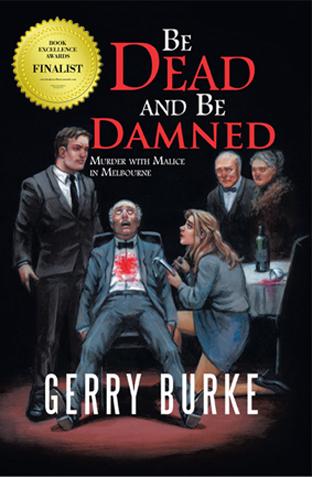
Gerry's latest potboiler even involves the White House—can you believe it? If you haven't joined the author's bandwagon yet, check out what reviewers have been saying about him.
"A great piece of literary work featuring well-crafted stories, focused scenes, and unpredictable endings.” - Kim Calderon, The Book Commentary
"He has a well-furnished mind, with an ingenuity dedicated to making readers laugh.” - Joe Kilgore, U.S. Review
"The Ladies from Long Island is one of the year’s best thrillers." - BestThrillers.com
Don't Miss These Other Bestsellers by Gerry Burke
Explore his other gripping novels that have captivated readers everywhere.


tr ee/playsmart


Play Smart delivers real-world career advice for women who want more from their obs, their managers, and themselves
Learn How to:
Build strong mentors and networks
Navigate the boys' club with grace and grit
Ask for the salary you deserve and get it
Address bias and microaggressions with confidence
Balance career goals and personal life without guilt
Educate male colleagues and to be better allies
“a seminal, ‘real world’ practical, and thoroughly ‘user friendly ’ combination of instructional guide and ‘how to’ manual for women in business, “Play mart is extraordinarily informative, exceptionally well written, deftly organized and impressively presented ”
Jobs & areer Shelf, Midwest Book eview
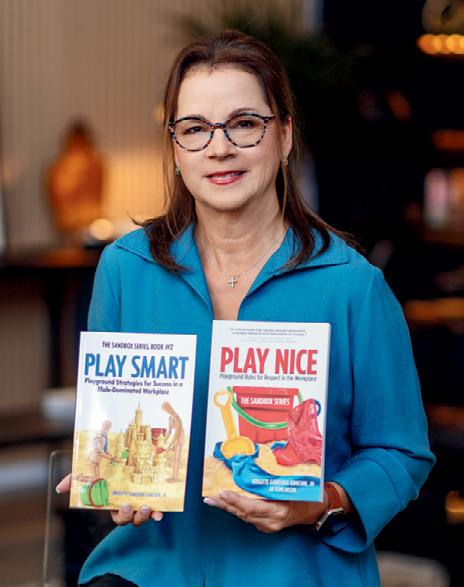
About the Author
“I recommend this book to professional women and women who are looking to rise in their careers hether you’re ust starting or are already an established professional, P provides excellent strategies for success.”
Elizabeth Javor for eader iews
Brigitte Gawenda imichik, JD, practiced law or over 30 years as a partner at leading S irms. She is the award-winning author o he
Sand ox Series ooks lay ice and lay Smart, and an advocate or
workplace respect, gender equity, and women’s career advancement. brigitte@thesandboxseries.com www.thesandboxseries.com

A rich, engrossing tale about the antebellum South that delivers indelible characters.” - Kirkus Reviews, starred
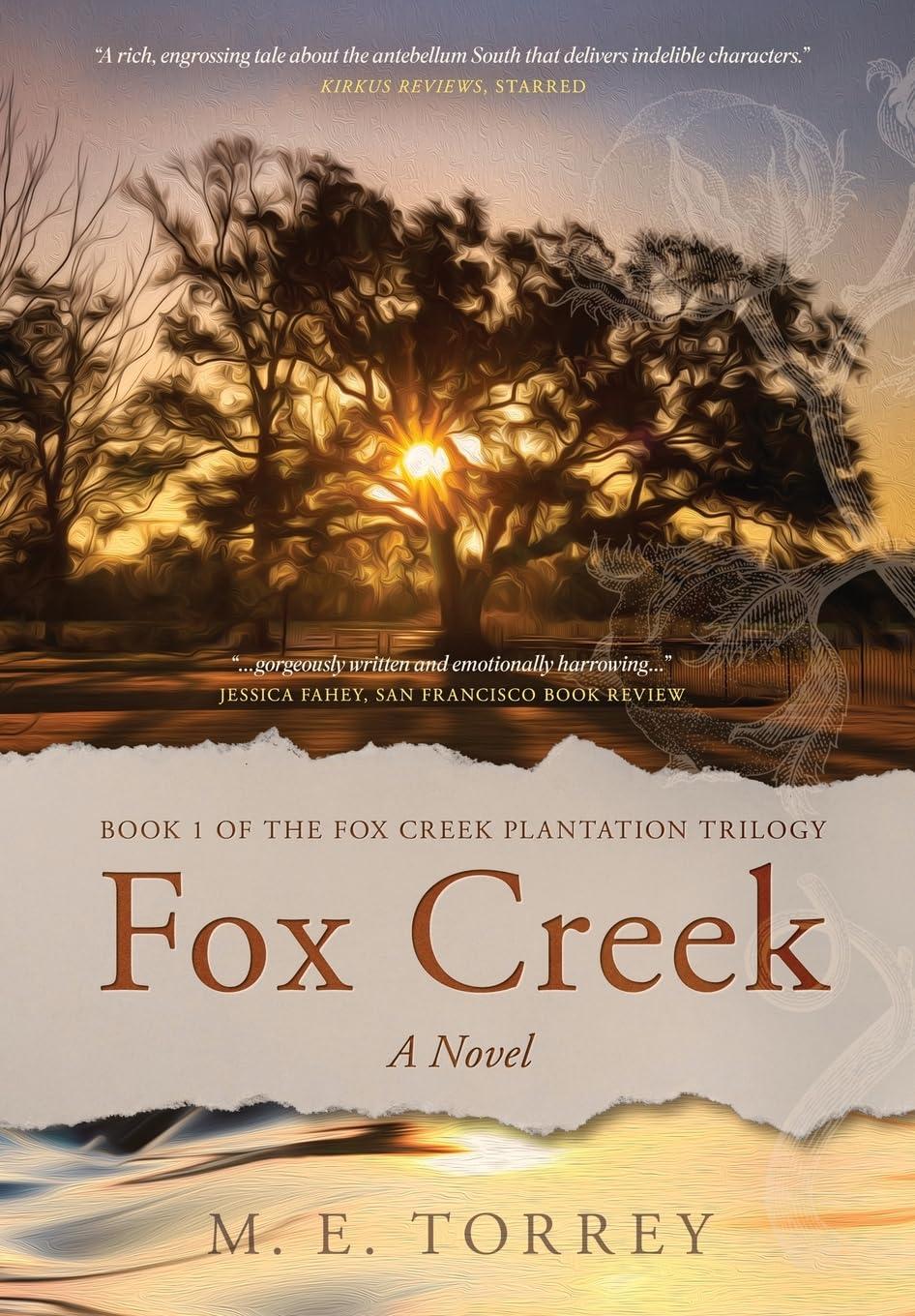

In 1843 Louisiana, Monette, the beloved, biracial daughter of a wealthy planter is sold into slavery along with Cyrus, a boy torn from his mother without a chance to say goodbye. Together they are purchased by the Jensey family, where soon, destinies collide.
Fox Creek is a powerful novel set during one of the most turbulent times in American history. It is a story of race, privilege, the battle of wills, and the denial of freedom. But most of all, it is a story of love, a love that transcends all that threatens to tear it apart.




Harold Phifer

In My Bully, My Aunt, and Her Final Gift, Hal confronts the bittersweet memories of his childhood, shaped by his aunt’s unpredictable and often cruel influence. As he plans her memorial—a gathering no one seems eager to attend—Hal is pulled back into a world of twisted philosophies and emotional turbulence.
But amid the chaos, he discovers unexpected lessons that lead to healing, self-discovery, and redemption. Through laugh-out-loud moments and heartfelt revelations, this memoir reveals how even the darkest relationships can leave behind profound gifts of wisdom and growth.



Author | Editor | Recovering Perfectionist


As an editor, I am committed to communicating every message with integrity. My strength in editing is preserving the author’s voice without sacrificing excellence in language. I work with many first-time authors, helping them draw out their purest message, discover their own process of putting words to paper, and navigate the writing and publishing industry.

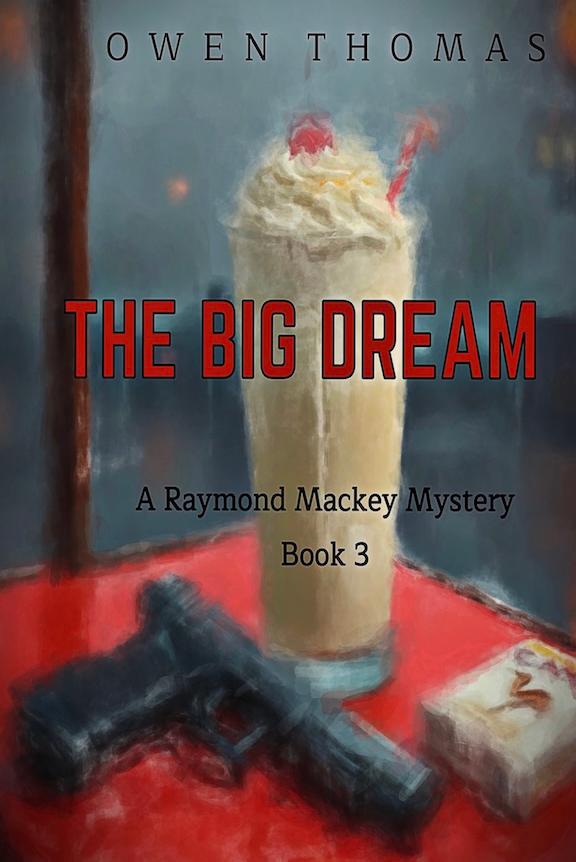


Finalist: Next Generation Indie Book Awards
“A gripping, action-packed ride. Fans of Deliverance and The Godfather will love it.”
- Kirkus Reviews



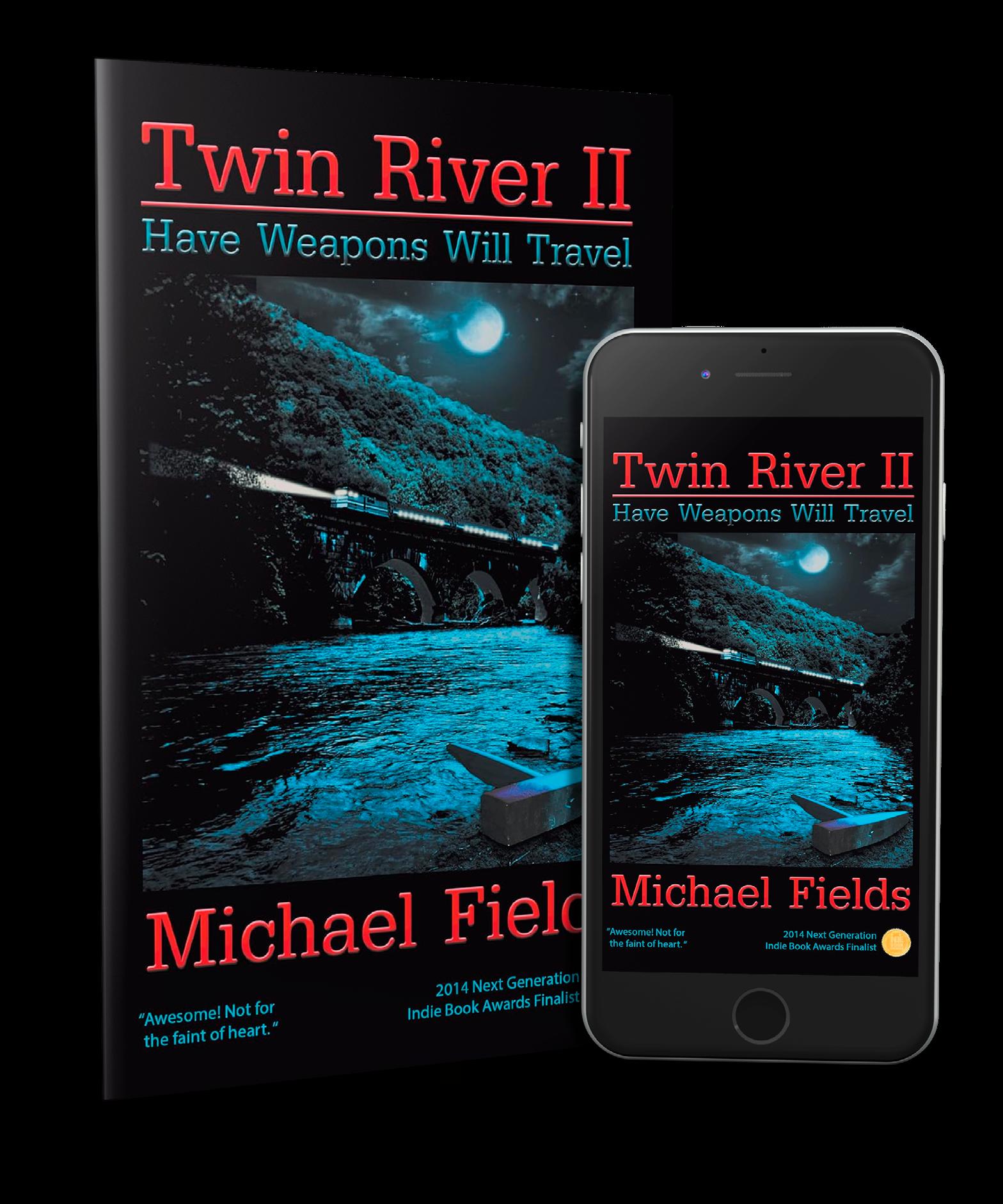
The Philadelphia mob wants Twin River. But standing in their way is Gene Brooks—a Vietnam veteran, a high school janitor, and a man with nothing to lose. When the town’s darkest history begins to repeat itself— kidnappings, murders, and a school hostage crisis—justice can’t wait for the law.
A relentless thriller in the tradition of Dirty Harry, First Blood, and Death Wish, Twin River is a bloody salute to vigilante justice.
“This grisly thriller will sink its teeth right in you.”
- Kirkus Reviews
“Twin River II is ideal for those who prefer a dose of reflection and depth of character along with swiftly moving action and lurid confrontations” - Clarion Review
“Thrilling, action-packed, and captivating—leaves you eager for the next installment.” - Readers’ Favorite


His name is Palladin— as in pallbearer.
Wesley Palladin was raised to be a killer. Trained by his father and hardened by the Philadelphia mob, he perfected his deadly craft. But when a contract goes wrong, he vanishes— reappearing in Twin River as a quiet security guard.
Then he meets Matt Henry, a violent teen on the brink of destruction. As Matt battles extreme bullying, a brutal juvenile institution, and a dark hunger for revenge, Palladin becomes his mentor. But in a town plagued by kidnappings, human trafficking, and unchecked brutality, redemption comes at a deadly cost.
“Readers who love classic gritty crime novels like The Godfather will love Twin River III.” – Pacific Book Review

When Twin River students Heather Wainwright and Alice Byrd are abducted into a twisted underground video ring, they have no idea of the horror awaiting them. Meanwhile, a violent confrontation brews as mobsters, mercenaries, and vigilantes collide at the sinister Happy Hollow Hunt Club, a fortress guarded by electrified fences, ruthless enforcers, and monstrous wild hogs.
Vietnam veteran Gene Brooks and young Matt Henry refuse to let evil reign in their town. With a team of unlikely heroes, they take the fight to the mob in a battle of grit, survival, and vengeance— culminating in a heart-stopping showdown at the historic One Thousand Steps.
“The latest visit to Twin River becomes an exhilarating exercise in sustained, multipronged tension” - Kirkus Reviews
“Intense, sinister, and thrilling, Michael Fields has finished the Twin River Series with a powerful ending” - Readers’ Favorite
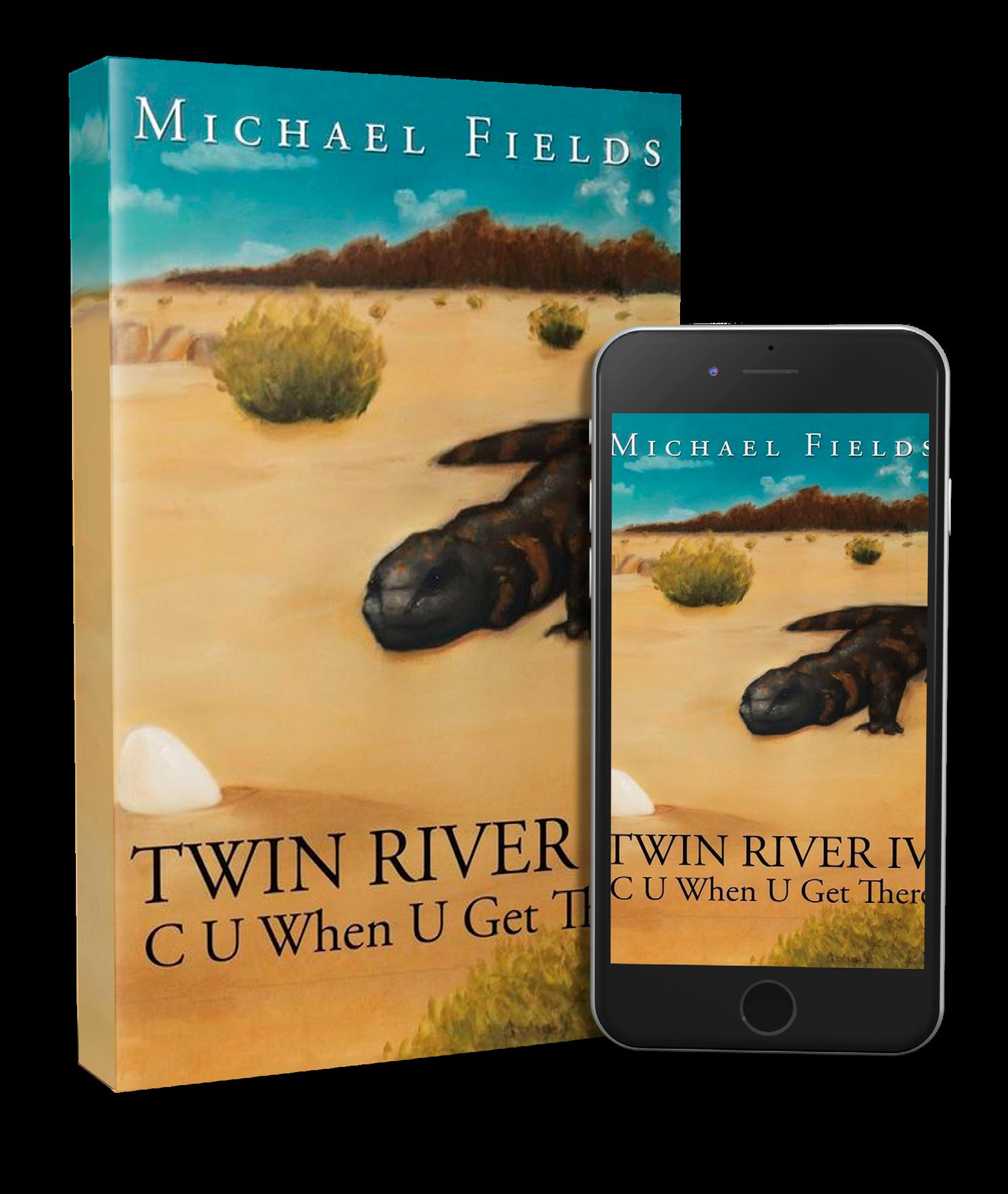
The final book in the Twin River series, C U When U Get There, delivers an explosive conclusion filled with terror, survival, and vengeance.
Resurrected in Death Valley, Cain Towers embraces his brutal nature. With his ruthless uncle Abel, he returns to Twin River, Pennsylvania, seeking revenge against Vietnam veteran Gene Brooks and the town that betrayed him. But their deadly path collides with three vulnerable teens— Stanley Banks, Niles Wilson, and Amber Crawford—who must fight to survive.
Inspired by real-life crimes, Fields delivers a relentless, pulse-pounding thriller. From the scorching desert to a town on edge, Twin River IV is an electrifying finale that will leave readers breathless.

of the 2025 Shelf Unbound Competition for Best Independently Published Book

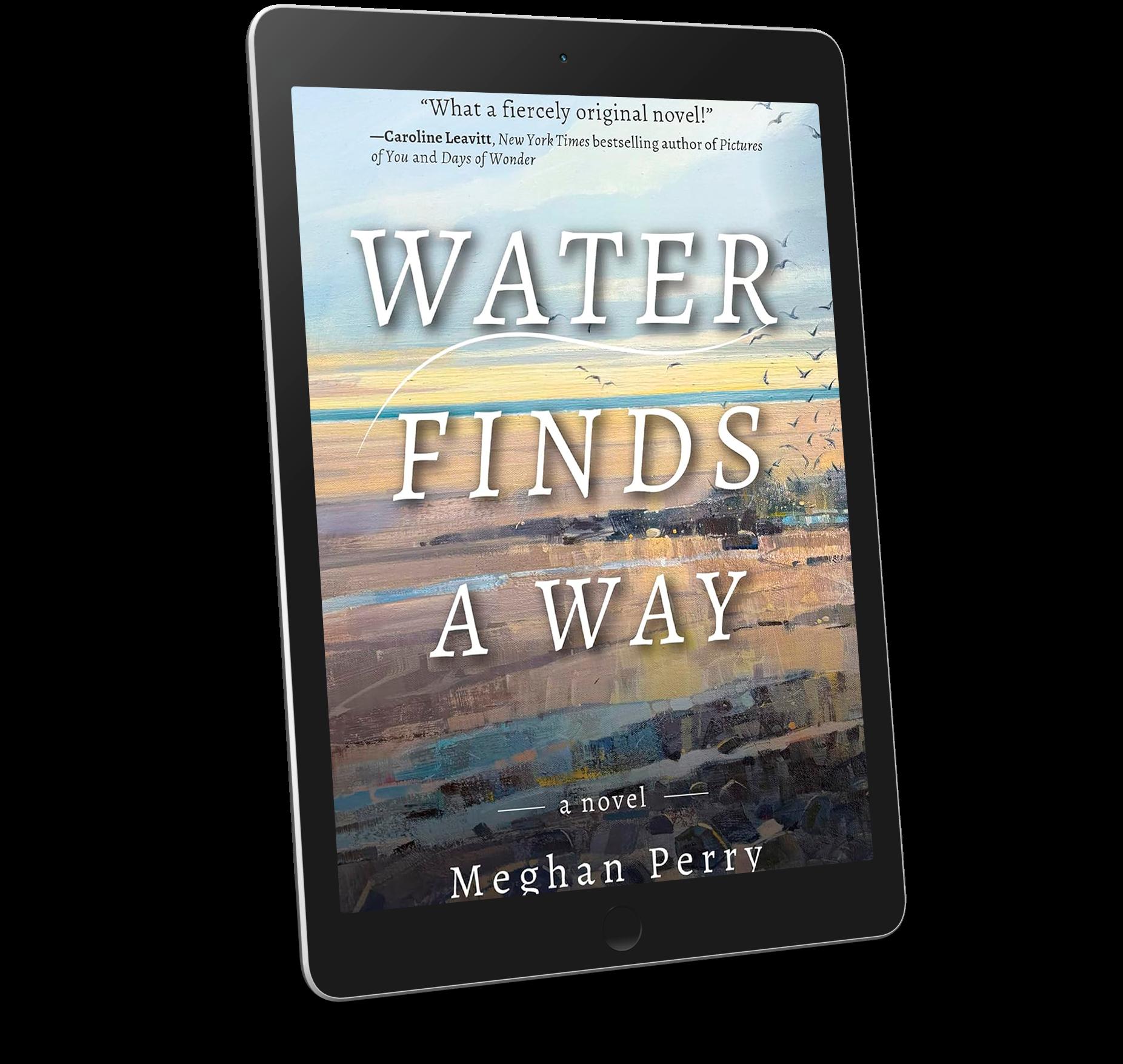
Recently released from prison, 44-year-old Blake Alvares seeks a fresh start in a remote Maine fishing village. There, she rents a room from an ailing widow and takes a job on a boat run by a notorious young lobsterman named Leland Savard. Gradually, Blake receives a glimpse of what it feels like to belong, but when Leland's feud with fellow fishermen escalates, she feels forced to run again. In her search for home, Blake must face a daunting question: can she ever again trust in human connection?




Meghan Perry grew up in New England. She holds a BA and MAEd from the College of William and Mary, in addition to an MFA from Emerson College. She began her career in education teaching high school English in New Jersey, during which time she published short stories in Sycamore Review, Cold Mountain Review, Passages North, Prism Review, Permafrost, and The Fourth River. Her debut novel, Water Finds a Way, was published by Delphinium Books and Penguin Random House Audio in 2024. It received a Kirkus Star, as well as an IPPY Awards Silver Medal. The novel was also named a finalist for both the Foreword INDIES Book of the Year Award as well as the Next Generation Indie Book Award, and it was recognized with an Honorable Mention in the Eric Hoffer Book Awards.
YOUR NOVEL OPENS WITH BLAKE RETURNING TO A RUGGED MAINE FISHING TOWN THAT BOTH MADE AND BROKE HER. IF YOU HAD TO DESCRIBE WHAT SHE’S WALKING BACK INTO — NOT JUST THE PLACE, BUT THE GHOSTS SHE LEFT BEHIND — HOW WOULD YOU PAINT THAT MOMENT FOR READERS?
MP: When Blake returns to Raker Harbor at the age of 44, she has just been released from a twenty-year prison sentence. Her grandparents--the only people who ever showed her real kindness--have passed away and left her their dilapidated saltwater farm. Blake arrives wearing a full suit of emotional armor forged over decades of trauma and struggle. While she yearns to find the peace that this isolated nook of Maine once offered her, she fears the memories that returning to it may resurrect. In the very first scene, we witness her unearthing a grave, but this is just the beginning of
her attempt to reckon with a tragedy that sent her life hurdling in a catastrophic direction.
WATER IN YOUR BOOK IS NEVER STILL — IT FLOODS, PULLS, AND RESHAPES. IT’S ALSO THE ONLY CONSTANT BLAKE CAN’T ESCAPE. HOW DID YOU THINK ABOUT WATER AS A MIRROR FOR THE WAYS PEOPLE ADAPT, ERODE, AND SURVIVE?
MP: There is nothing on earth more powerful than water. But within us, there exist metaphysical forces that possess equal might, and they act upon us, sometimes at a glacial pace, other times much more rapidly, sculpting us, wearing us smooth or ragged. Guilt, fear, and regret are a few of these forces. So is love. When I look at water, I think of these forces, and by the end of the novel, Blake is thinking of them, too. She has to choose the one to which she will grant dominance.
BLAKE’S PAST — HER TIME IN PRISON, HER FRACTURED FAMILY, HER COMPLICATED SENSE OF HOME — SHADOWS
MP: The abuse Blake suffers early in life robs her of her childhood, and the tragedy she confronts later in adolescence leaves her hollowed out by grief. By the time she enters prison, Blake has given up hope for herself, and when she exits decades later, her trust in human relationships is gone. She has grown so emotionally repressed that feeling anything, good or bad, frightens her. I wanted Blake to get to a place where she opens herself to feeling—a place where she can learn to trust her heart again. When she does, she discovers she is so much more than her mistakes.
MP: This tension exists in so many parts of rural America, and I think young people are uniquely affected by it. The
relationship between the two young adult characters in the novel, Leland and Morning Glory (Nora’s daughter), very much reflects that tension. Though both feel a deep affinity for the ocean they were raised upon, Morning Glory, an aspiring medical student, seeks to distance herself from the realities of poverty, substance abuse, and lack of education that pervade her home community, while Leland sees himself as inextricably rooted in them. Morning Glory laments what she sees as Leland’s lack of ambition, but Leland appreciates aspects of their home in a way Morning Glory cannot. He takes pride in the tradition of fishing and the independence inherent to his trade, and though socio-economic circumstances have propelled him to make some poor decisions, he feels a loyalty to his family and his roots that Glory herself regards as burdensome. Ultimately, both of these characters have to reckon with the ways they have been shaped by their community.
SUPPRESSED DESIRE FOR CONNECTION. WHAT DID YOU WANT THAT PUSH AND PULL TO REVEAL ABOUT EACH OF THEM?
MP: At the beginning of the novel, only their mutual need to make a living allows Blake and Leland to tolerate one another. On the surface, they hold nothing in common: Leland, 25, is a reckless, white, single father with a drinking problem, while Blake is a middle-aged, mixed-race woman with zero tolerance for alcohol or antics. Each heaps judgment upon the other, but working within the close quarters of a lobster boat slowly forges a trust between them. Blake comes to recognize the ways in which Leland feels trapped by his past, and this allows her to empathize with him in ways the rest of the world does not. Meanwhile, Leland witnesses Blake’s steadiness and her affection for his daughter, Quinnie, and he grows to respect her above other influences upon his life.
TO DO. WHAT ROLE DOES INNOCENCE PLAY IN A STORY BUILT AROUND REGRET AND SURVIVAL?
MP: Of all the characters, Quinnie is the greatest catalyst to Blake’s emotional rebirth. Her innocence elicits a fierce protectiveness from Blake, and it is that protectiveness that transforms Blake into the hero Quinnie believes her to be from the beginning. Sometimes innocence is the only bridge for human connection. It serves as a buoyant force in this novel.
QUIET ANCHOR IN THE CHAOS. HOW DO YOU SEE HER INFLUENCE ON BLAKE’S ATTEMPT TO REBUILD HERSELF?
MP: Despite her initial hesitance at Blake’s appearance and gruff manner, Nora treats Blake with kindness. Her gestures of friendship irritate Blake at first, but Nora’s persistent efforts to engage her eventually work, largely because, like Quinnie, she chooses to believe in Blake’s goodness. Through her gardening and quiet conversation, Nora helps Blake rediscover the hidden beauty in the world as well
as the simple joy of companionship. She becomes the first real friend Blake has ever had, and out of terror of losing her, Blake does not tell Nora about her past—a choice that jeopardizes all that she is building toward.
THERE’S A MOMENT WHERE IT FEELS LIKE EVERYONE IN THE TOWN IS DROWNING IN SOMETHING — DEBT, GRIEF, GUILT, THE TIDES. WAS THAT SENSE OF SUFFOCATION INTENTIONAL?
MP: Absolutely. All of us live surrounded by forces that might easily drown us. These characters face a confluence of those forces, and many are floundering because they are trying to tackle them alone. I wrote this novel during the pandemic, at a time when human isolation and loneliness were at the forefront of my mind. Really, every character in this book is drowning in a form of loneliness, be it social, spiritual, or existential.
THE TITLE WATER FINDS A WAY SUGGESTS INEVITABILITY, PERSISTENCE, AND THE QUIET POWER OF TIME. WHEN DID
YOU KNOW THAT WAS THE RIGHT TITLE — AND WHAT TRUTH DO YOU THINK IT CARRIES FOR BLAKE BY THE END?
MP: The title Water Finds a Way came late in the process of publishing this book. The manuscript had been acquired under a different title, and the publisher requested I come up with something different. Naturally, I thought about the real movement occurring within the novel, as well as Blake's profound sense of connection to the ocean. Much like the path of water flowing toward the sea, her path to redemption is far from linear. It takes her on some challenging detours, but ultimately, she arrives. As soon as I landed on this title, I knew it was the proper one.
YOUR DIALOGUE FEELS CARVED FROM REAL NEW ENGLAND GRIT — CLIPPED, UNSENTIMENTAL, BUT FULL OF HEART. HOW DID YOU APPROACH CAPTURING THE RHYTHMS AND RESTRAINT OF THAT COMMUNITY’S VOICE?
MP: I grew up in New England, so
some of this is just second nature to me. But I am also a shameless eavesdropper. Whenever I am out in the world, I love listening to the conversations that surround me in restaurants or other public venues. It's a wonderful way to pick up on the authentic character of a community, and I did a lot of that whenever I was visiting Downeast. I think it's safe to say I'm a frustrating person to bring on a dinner date because I always have one ear trained on everything going on around me!
THAT SHE DIDN’T WHEN SHE ARRIVED?
MP: By the end of the novel, Blake finally recognizes the goodness that lives inside her. For so long, she regarded herself as a vacuum of darkness, but really, there has been light all along, and the other characters help draw it out of her--just as she draws it out of them. At last, she believes that she deserves a home, but she
has also learned that putting down roots takes courage, and that home is defined by more than mere geography.
MP: This is obviously a novel about human connection, but it is also about connection to the natural world. I believe that so much healing--psychological, spiritual--can begin by turning toward nature. Blake's healing begins when she returns to the ocean she loves. The image of her running along the breakwater for the first time, arms flung out and whooping like a teenager, is one of my favorites in the novel. In that moment of return, she is briefly able to shuck off all her pain and heaviness and yield to the exhilaration of wind and water. Certainly, that is just the beginning of her journey, but I hope readers will appreciate how Blake undertakes it—with two feet stumbling across a line of sea-splashed rocks that she pursues breathlessly to its end.
BY MEGHAN PERRY
Blake left the car on the edge of the road and took the driveway on foot. It was a rutted vestige of a driveway that spelled death to city cars in mud season. The wind carried curls of woodsmoke and a pervasive current of salt, and she walked with her head bent against it, hands stuffed in the pockets of her big coat, the black rope of her braid smacking at her back. Patches of late spring snow still clung to the shaded slope where blueberries once grew. A dark fringe of evergreens shivered icy dew as she passed beneath them. The land was familiar still. She remembered the lichen-splotched knuckles of granite that poked up from the hill like a tease to clumsy feet. When she reached the house, a silvered skeleton of a farmhouse with a sagging roof and boarded windows up top, she allowed herself to pause briefly and acknowledge its emptiness. Then she beat her way through a gauntlet of thorns that clawed her coat. Beneath her boots, rusting disks of beer cans broke apart in the weeds. The loiterers and revelers had all gone. There were only ruins.
Her ruins now. Her single inheritance.
In the rear yard, she found the shell of a rottedout skiff where her grandmother had once planted marigolds—great buttons of tangerine and gold that bloomed all the way to first frost. She blinked away the memory. The birdbath had toppled and cracked in two. Beside the shed, her grandfather’s wooden lobster traps sat decaying like a pile of old rib cages. She pressed past these relics, her eyes hard and determined, her heart an unrelenting drum.
The apple tree stood at the edge of the yard. It was a gnarled relic now whose tattered limbs still sported a few black, shriveled fruits. She knelt beneath it and pressed her fingers to the scarred bark, announcing herself. Then she worked them down to the base of the trunk and
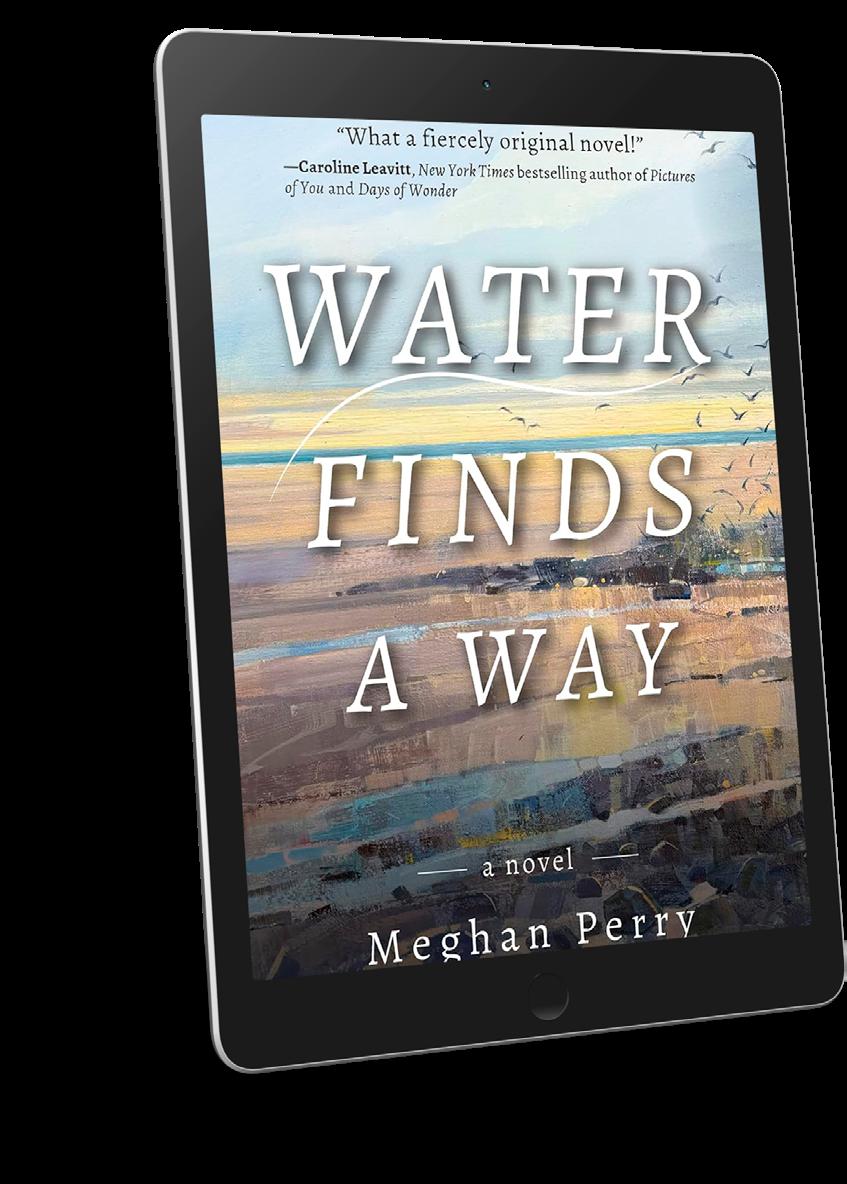
searched. Though weeds had engulfed the tiny slate marker, its etched initials had endured twenty-seven winters. She traced them once with a ragged fingernail, then lifted the stone clear, and with her knife, commenced to carve at the soil. The job proved difficult, the earth still winter-bound and reluctant there in the shade. She shucked off the coat and blotted sweat from her temples, set her teeth.
The urn she found first—a tiny vessel for a tiny purpose. She lifted it out and set it among the slick roots. Her heart shuddered once, then settled. She continued to dig until the blade struck the lockbox. Its weight as she pulled it to her lap reassured her, and when she thumbed the numbers and popped the rusted clasps, she found inside, still wrapped in plastic, the big nickel-plated Smith & Wesson. Six .357 Magnum rounds popped from the cylinder into her hand. She jangled them like loose change, reloaded them, hoisted the barrel. She pressed it to her cheek until she felt the metal strike her teeth.
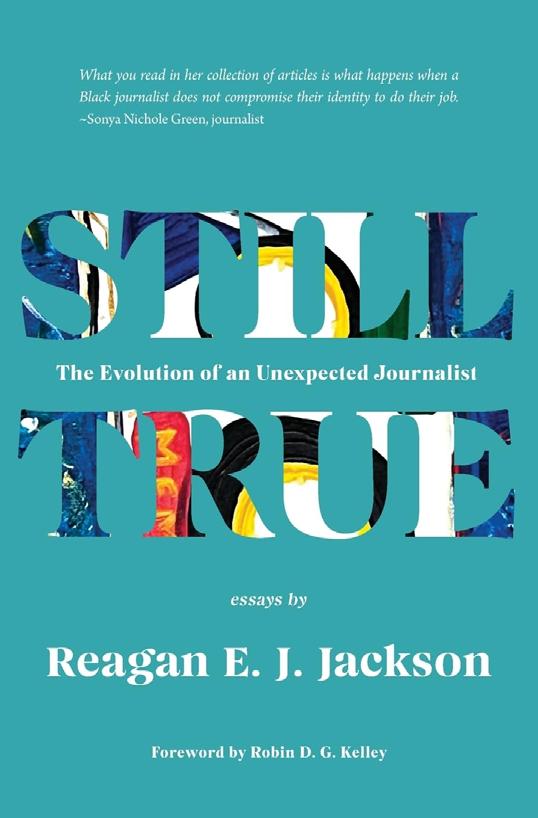


“What you read in her collection of articles is what happens when a Black journalist does not compromise their identity to do their job.”
- Sonya Green, journalistpected Journalist, essays by Reagan Jackson
Through this collection of essays, author and activist Reagan Jackson, chronicles her journey into the world of journalism. Art, cinema, social justice, feminism, Black reparations, health & reproductive rights, dance, education—while Jackson’s subjects range far and wide, her writing brings an intimacy & immediacy to all.

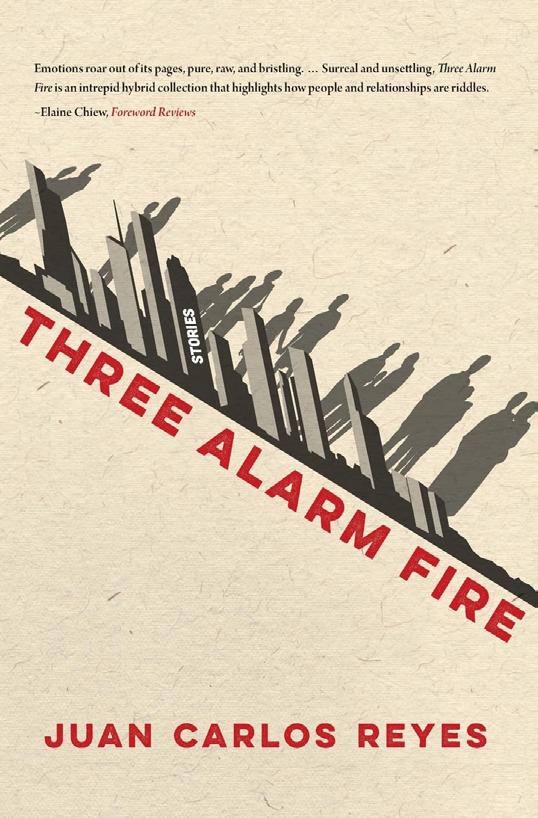
“Emotions roar off the pages, pure, raw, and bristling. Long, meandering sentences lead the way, doubling back, bounding forward, and experimenting with language. Conversations run without punctuation or tags; different consciousnesses bleed together.”
- Elaine Chiew, Forward Reviews
Three Alarm Fire is a collection that presses into the most important concerns of our time. With a diverse set of characters and experiences, Juan Carlos Reyes’s debut fiction collection examines the range of grief and healing we navigate as Americans. Reyes explores themes of immigration, identity, family legacy, sexuality, trauma, and what belonging means, as well as the cultural tensions between us that can be downright explosive.
“A heartfelt story that took me back to the ‘inbetween’ chapter of my own life—an experience many other readers will relate to as well. I was sorry to see my time end with Joann and her crew.” - Maggie Carr, Co-founder, Elliott Bay Book Company, Seattle
At The Sylvan, a small Seattle luxury hotel, Joann finds herself caught between late-night confessions, love affairs, and friendships while trying to figure out her future. As the 90s roll on, a deepening connection with a teammate forces Joann to confront the bittersweet adventure of growing up, all while navigating the quirky, electric world of the hotel’s swing shift.



INTRODUCING.... 2025 FINALISTS
Introducing our finalists of the 2025 Shelf Unbound Competition for Best Independently Published Book
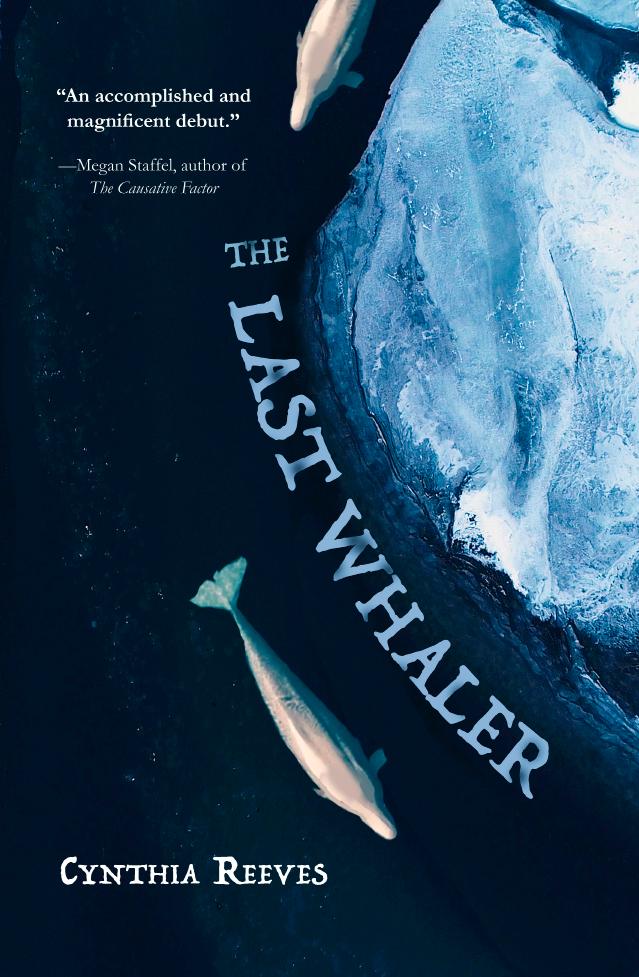
BY CYNTHIA REEVES
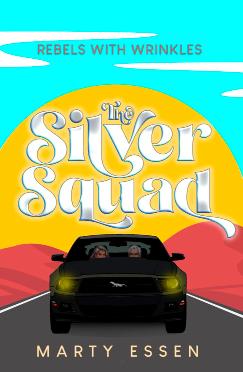
THE SILVER SQUAD
BY MARTY ESSEN
RUNNING AS FAST AS I CAN BY JOHN DAVID GRAHAM
NEVER DULL BY HEATHER SHARP

RELENTLESS BY MICHAEL MALOOF
Set against the haunting beauty and brutal extremes of the Arctic, The Last Whaler follows Tor Handeland, a beluga whaler, and his wife, Astrid, a botanist specializing in Arctic flora, who are stranded during the dark season of 1937-38 at his remote whaling station on Svalbard when they misjudge ice conditions and fail to rendezvous with the ship meant to carry them home. Beyond enduring the Arctic winter’s eternal night, the couple must cope with the dangers of polar bears, violent storms, and bitter cold—and Astrid’s unexpected pregnancy. The Last Whaler is an elegiac meditation on the resilience of the human spirit, the enduring power of love and remembrance, and the fragile threads that connect us to each other and to our environment.


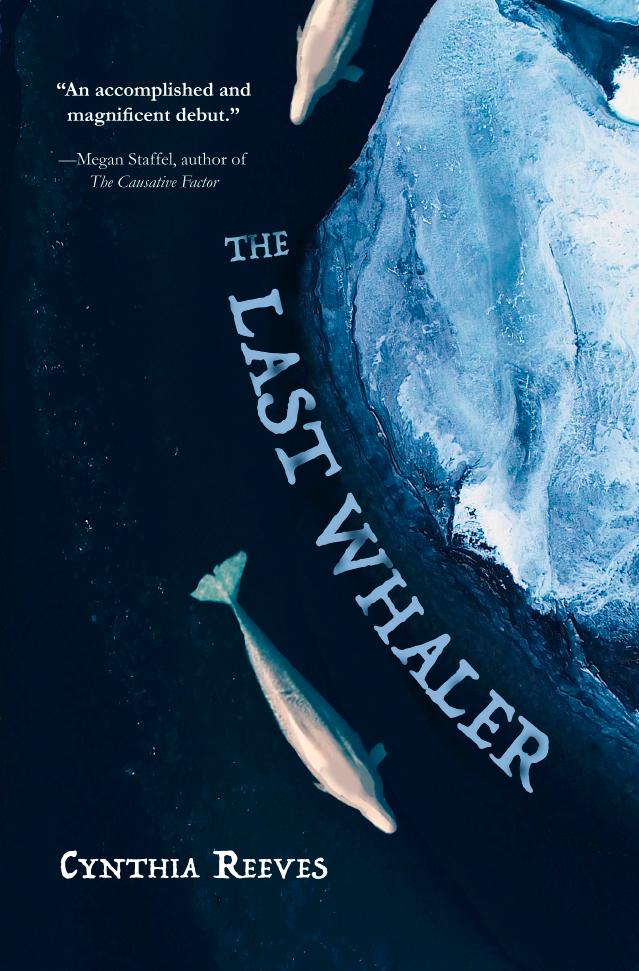
Cynthia Reeves’s fascination with the Arctic began in childhood, reading tales of doomed polar explorers. Her experience on the 2017 Arctic Circle Expedition along Svalbard’s western shores—and three later residencies in Longyearbyen—has since shaped her writing. Her most ambitious work, The Last Whaler (Regal House Publishing), has been praised by the New York Times as "an engrossing historical novel that celebrates ... an icy landscape filled with enchantment and danger." She is also the author of the award-winning Falling Through the New World (Gold Wake Press), inspired by her Italian immigrant roots, and Badlands, winner of Miami University Press’s Novella Prize. A Hawthornden Fellow, Reeves holds an MFA from Warren Wilson College and has taught creative writing at Bryn Mawr and Rosemont Colleges.
What first sparked the idea for your book, and how did it grow into the story it became?
CR: I’ve had a lifelong passion for all things Arctic. Hiding under blankets in my childhood bed with flashlight in hand, I devoured stories of polar explorers. Shackelton, Peary, Scott, Nansen, Amundsen, Franklin—I knew their voyages and sometimes tragic outcomes by heart. Deep down, I longed to witness the sites that they’d often sacrificed their lives to discover. It was a strange wish, given my hatred of the cold and tendency toward seasickness. This early interest later merged with concern for human impact on the Arctic’s fragile eco-system.
What sparked The Last Whaler. was my participation in the 2017 Arctic Circle Summer Solstice Expedition to Svalbard. One of our last landings was the site of an old beluga whaling station called Bamsebu on the southern shore of Van Keulenfjorden. Stretching to the horizon were whale bones, piles and piles of bleached beluga bones bearing silent testimony to the slaughter that occurred there in the 1930s. I knew right there and then that this otherworldly place would be a setting for a story. I even had a title— The Last Whaler.
Unfortunately, I knew little about what I needed to know to write a novel that dealt with whaling, Arctic flora, polar seasons, ship navigation, and so much more. What followed were two years of extensive research— hundreds of books, thousands of articles, and two extended stays at the Spitsbergen Artists Residency in Longyearbyen, one in fall 2019 as the archipelago entered the dark season and one in late winter 2020 as light returned. But the focus of my research was the whales. The
cemetery representing the lives of 700 whales stayed with me throughout. I spent two years reading dry texts on the history and process of whaling, visiting aquariums to observe beluga in captivity, whale-watching off the coasts of Svalbard and Iceland, and reading other fictional works featuring whaling. I found that the history of whaling and whale conservation is complex and spans centuries. In short, whaling began with exploitation, whalers harvesting a bounty of oil, baleen, and buttery-soft skins; moved through a period of enlightenment as knowledge of the whale’s intelligence and endangerment spread; and finally alighted on the past century of increasingly stringent laws to govern whaling.
Stories of the emotional and intellectual lives of whales—a cow who lost her calf and carried a buoy for months as a substitute, a bull who lingered for weeks offshore after his mate was harpooned and dragged ashore, and the “conversations” with whales that scientists have documented—all became part of the narrative. And ultimately, though The Last Whaler. is the story of the beluga whaler Tor Handeland, and his wife, Astrid, the novel is dedicated to the whales.
Introduce us to the world of your book. What should readers know about the story and the people (or ideas) at its center?
CR: At its core, the novel examines the emotional strains imposed upon a couple—the botanist Astrid Handeland and her husband, the whaler Tor—by the accidental death of their son. This tragedy precipitates their journey to Tor’s remote whaling station at Kvitfiskneset and all that follows.
Tor and Astrid are foils for each other, allowing me to illuminate what I found most compelling during that first trip to Svalbard. The whale cemetery represents the ways in which we damage sublime landscapes, and the whale harvest the ways in which we threaten species.
Part of the tension that arises between Tor and Astrid derives from their opposing views over the slaughter. The whaling itself informs the setting— what life was like at an isolated whaling station, what catching, flensing, and trying-out whales entailed, how whales communicate, and how society’s attitudes toward whaling changed over those years as reflected by the novel's protagonists.
The whaling station’s desolate landscape mirrors the couple’s isolation from each other caused by their coping in silence over the death of their son Birk. But the stark setting also forms a backdrop for the couple’s remarkable resilience and devotion. Their shared struggle for survival against all odds over the long polar winter is a testament to their enduring love.
My research extended far beyond whales and whaling to include Saami crafts and culture, botanical collection and preservation, skinning reindeer and tanning their hides, navigating ice-filled seas, glacier formation and calving, Norwegian history in the World War II era, and more. But what I found most fascinating were the real-life people who lived on Svalbard during the 1930s and 40s, especially the women who survived and even flourished there. Among them are: Christiane Ritter, whose memoir A Woman in the Polar Night recounts her year (1935-36) at a remote cabin in northern Svalbard with her husband; Hanna Resvoll-Holmsen, a Norwegian botanist and trail-blazing environmentalist who first catalogued Arctic flora in the early 1900s in her guide “Svalbards flora” (a rare copy of which I found in the library of Spitsbergen Artists Residency); and Helfrid Nøis, wife of the famous Norwegian hunter Hilmar, who carved a home at their remote compound at Sassen. Discovering Resvoll-Holmsen, in particular, led me to characterize Astrid as a botanist specializing in Arctic flora, which in turn informs the way she encounters her surroundings and the ways I could
engage environmental concerns.
Was there a particular moment or scene that changed how you understood your own story as you were writing it?
CR: Before writing The Last Whaler., my work had been largely based on personal history and experience. In fact, that first voyage to Svalbard was inspired by my determination to write about something completely divorced from my life. Up to that time, my only encounters with the Arctic were through books. I had little knowledge of Norwegian history or whaling, and no background at all in botany let alone Arctic flora. I’d never lost a child or been forced into survival mode. In short, I thought this novel would mark a significant departure from my usual subject matter.
I was wrong. Let me explain.
At the novel’s heart is a realistic story of a husband and wife whose anguish over their son’s death propels them to an adventure that they hope will ease their grief. About three-fourths of the way into the first draft, I wrote a pivotal passage in which Astrid comes to the following realization:
"They say time heals all wounds. They lie.
They say grief ennobles, clears away trivial matters, reduces us to concerns for the essential. They lie.
Grief is like walking on an ice floe. It fools you into believing you’re standing on something solid, but moves imperceptibly beneath you and carries you into the unknown. It threatens at every step to fissure, to fracture, to open into leads that can swallow you whole."
Quite literally at that moment, I, too, had a realization—the novel was a way to process my
grief over the loss of my parents and my only uncle. In fact, I was drafting the novel around the time my father and uncle were dying and died three days apart in 2019, and I’d lost my mother seven years before. I’d been led to believe that managing the grief over loved ones’ deaths would be linear—denial, anger, bargaining, depression, acceptance—but I found the process to be cyclical, moving from profound grief to a degree of acceptance and a lifting of that veil of sadness to a return to almost the same sorrow of those early stages of loss. Astrid’s words channeled my similar anger and frustration. The novel’s elegiac and meditative quality comes from living through that period of my life, so it very much is as personal as anything else I’d written up to that time.
What themes or emotions run beneath the surface of your book— what were you hoping to explore or uncover through this story?
CR: At its core, The Last Whaler. is a story of a marriage under existential stress. The novel strips this relationship to its essence, asking: What keeps a couple together? What drives a couple apart? How does memory function to continue a relationship, even after death? What exactly is love?
On a more personal note, when I became an “adult orphan” in the wake of my parents’ deaths, I experienced a deep sense of dread that lasted for over a year. I eventually realized that this was a way to come to terms with my mortality. In exploring that emotion, especially through Astrid’s thoughts and actions, I channeled my own sense of dread into the writing.
Set against these human elements are the many aspects of environmental concern, most especially the tension between the desire to stand before the sublime in nature and the damage
we do by encroaching on pristine landscapes. The over-harvesting of whales is but one aspect of this damage, and the long history of whale conservation is one of the bright spots in our effort to correct the mistakes of the past.
If a reader stops you to talk about your book, what do you most hope they’ll say it made them think or feel?
CR: The Arctic affects the psyche. Even the flight over the vast, undulating white terrain leading into Longyearbyen airport feels as if one is entering another world—a frozen landscape riven with fissured glaciers spilling down into the waters that surround the archipelago. Capturing that landscape and communicating its effects to readers were my great challenges. Astrid’s first impression of the sea as Tor guides his ship along Isfjord is but one example:
"The sea whirls and bubbles, as if breathing, and disappears into little vortices created by the currents washing up against small icebergs that the crew calls bergy bits. I’m mesmerized by their colors—shades of crystalline bluish white, like pieces of broken sky. They twirl around each other, dancing to unheard music. I listen. There is music. The jingling of bells, the crash of cymbals, the boom of the bass drum."
I believe that if The Last Whaler. allows readers to appreciate the Arctic sublime, they will be motivated to preserve its beauty. Readers have told me that the novel makes them feel as if they’re in the landscape, experiencing what the characters experience—the feel of bitter cold, the way the full moon illuminates a snowy landscape, the effect of the polar night on the mind, and so forth. That’s what I find most gratifying.
BY CYNTHIA REEVES
Kvitfiskneset
18 June 1947
Even on this desolate stretch of stony Arctic shore, on the archipelago Svalbard halfway between the northern coast of Norway and the North Pole, I must tell you there are consolations. Here the sun shines day and night from mid-April to late August. One can be fooled into believing summer will never end. Yet the summer solstice, the day of no night, is also the moment the sun begins its retreat. Only the seasoned Arctic dweller would notice the minute differences in the sunlight’s quality on either side of the solstice, the fulcrum upon which the season turns. Time and space converge, balance for a moment, then reel apart.
Norwegians celebrate Midsummer’s Eve by lighting a bonfire around which we dance and drink and sing. But like everything else in life, our joy comes tempered with the knowledge that sadness nips at our heels. Always. The bonfire reminds us that the sun is once again slowly sinking down. That in time, we’ll endure the companion days of no day. Perhaps if, on that evening by the bay, Astrid and I had thought of this precarious balance, this tipping point between the sun’s ascension and declination, we would have felt the undertow that foretold the time to come.
I want to relive that moment on the beach, the evening of our first Arctic Midsummer’s Eve celebration, 23 June 1937. To reach into time and space and wrench us back. To go forward from that instant and retrace with these words—mine and hers—the journey downshore from this whaling station to our private retreat at Haven. I want to add my thoughts to the weathered leather folio I hold in my hands—held together with fraying navy
grosgrain, bulging with Astrid’s letters to our son Birk written in her elegant cursive—to bind my words to hers, present and past counterpointed.
As if words themselves will finally solve the riddle of my wife.
As if black marks on these white pages could bring her back.
As if a wash of ink will absolve me of my sins.

“Witty and inspirational. As Will Rogers said, 'Everything is funny as long as it is happening to someone else.'"
- reviewed by Cowgirl Magazine.
This book is a tribute to the author’s remarkable family and the legends of the rodeo world who illustrate life lessons such as:
* Put God first
* You can do anything
* Be honest
* Laugh at yourself
* Stand up for what you believe
* Attitude is everything
* You are never too old
* There is no such thing as easy money
* Stand by your man
* Enjoy the moment
* Know what is important
The reader does not have to be a horse person to enjoy this book. The setting of many stories is the rodeo arena, but the values apply to all of us.

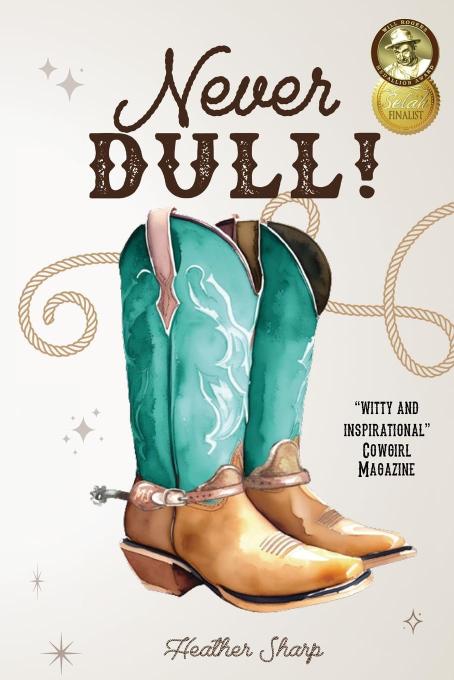
Heather Sharp entertains audiences with tales of life as a cowgirl, her journey to becoming a military pilot, and over 30 years with the airlines. She recently wrote about her amazing family in a book aptly titled Never Dull!—a family reunion could easily double as a comedy show!
What first sparked the idea for your book, and how did it grow into the story it became?
HS: My mom was a riot. Life was never dull with her. In the weeks before she passed, we looked at photos and told stories. I laughed so hard, I peed my pants, “I’m going to write a book!”
She said, “Knock yourself out. No one will believe it.”
I said, “Oh yes, they will. I have all these pictures and I’m going to call all your friends and they will confirm you were a nut!”
She laughed and said, “Oh well, I’ll be dead by then. Do whatever you want.”
I teared up. “Seriously, Mom,
you had a remarkable life. I want people to laugh when they hear these crazy stories, but I also want to share the valuable life lessons you and Dad taught us.”
Introduce us to the world of your book. What should readers know about the story and the people (or ideas) at its center?
HS: I write about my grandpa, who immigrated from Ireland with $18 in his pocket. During prohibition he ran booze in San Francisco. When it was repealed he owned the longest bar in the world and became a millionaire before he was forty. He dreamt of being a cowboy and brought a ranch in San Jose. My uncle became a world champion cowboy and was part owner of RSC- the Rodeo Stock Contracting Company.
Readers tell me they laugh out loud at hysterical stories my mom, including when she got her ponytail cut off and
handled to her, the Pyramid scheme and the arrest that followed, and everyone’s favorite, the inversion boot story. The common refrain she heard was, “You just can’t make this up.”
Was there a particular moment or scene that changed how you understood your own story as you were writing it?
HS: When I was a teenager, Mom and I had some hard times. We would go for weeks without speaking to each other. I was certainly not an easy kid to raise and took hard-headed to a whole new level.
In 1983, less than one percent of pilots were female. I used to believe I became a 747 pilot in spite of her, but now realize it was because of my parents that I became a success.
What themes or emotions run beneath the surface of your book—what were you
hoping to explore or uncover through this story?
HS: This book is a collection of all the funny stories about my family, I wanted to share the lessons and values I learned from them. A sampling of the 24 chapter titles are:
* Live in the moment
* It was meant to be
* The big picture
* You just can’t make this up
I want people to be motivated and know they can do anything they set their mind to.
If a reader stops you to talk about your book, what do you most hope they’ll say it made them think or feel?
HS: I want people to laugh out loud and be inspired. I hope and pray they love my parents as much as I do.
BY HEATHER SHARP
All good cowboys have a pocketknife clipped inside their front pocket in case a horse gets caught up in a rope. A good horse is hard to find, and accidents can happen anytime. Always be prepared—no matter what life throws at you.
My mom competed in the barrel race at the 1959 Grand National Rodeo at the Cow Palace. After the rodeo, all the cowboys went to the bar nearby to celebrating their winnings or drown their sorrows after they competed. You had to be very sure of yourself to go in there.
Right after her run, she wanted to celebrate. She put her horse away in his stall, put on some lipstick, took off her cowboy hat and brushed her long beautiful ponytail. She was only 19 but looked almost exactly like her older sister. Armed with a fake ID, she elbowed past the cowboys to order a drink at the bar. As she passed steer wrestler John W. Jones, he snatched her ponytail to pull her back from the bar.
She instinctively grabbed her hair. “Hey!”
In one swift motion, John W. took out his pocketknife, flicked it open, and cut off her ponytail above the bow. When she spun around, he handed it to her.
Stunned, she stood there for a second with her mouth hanging open. She ran her fingers through what was left of her hair. “Am I on Candid Camera?” she headed for the bathroom. “I’ve got to look in the mirror. This is a joke, right?”
Mom got a scissors from the bartender and came out with a new hairdo, looking cuter than before. She shouted, “Jones is buying the entire bar a round of drinks!” Everyone cheered.

Over the years, we heard that story many times, and Mom would laugh all over again. “Well, what was I going to do? It was too late. My hair was already gone. Party on!”
What a great attitude. She always looked forward and never cried over spilled milk. Her mantra was, “Live in the moment; you can’t change the past.” That attitude would serve her well for the rest of her life.”
Barry and Beth, high school sweethearts separated by time and circumstance, find themselves reunited at the Blue Loon Village senior living center in Minneapolis. Now both seventy, they rekindle their relationship only to discover how differently time has shaped them. Beth has blossomed into a free spirit with a goth flair, while Barry has transformed into the curmudgeon he swore in his youth he’d never become. Determined to prove you’re never too old to make a difference, they set off on a daring road trip across America as Silver Squad vigilantes. Along the way, they pick up a woman on the run from her abusive husband, confront a mass shooter with only a can of SPAM for defense, and become accidental celebrities along the way.
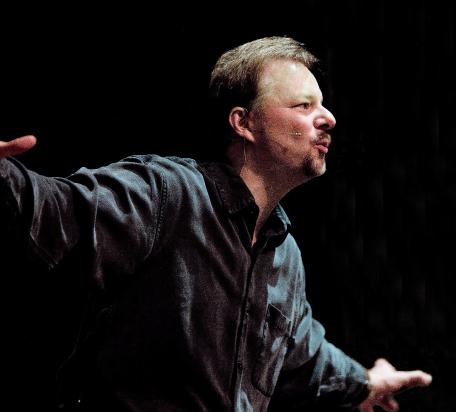
Marty Essen is the multi-award-winning author of eight books (three nonfiction and five fiction). He is also a college speaker, activist, adventurer, and photographer. He has written about his adventures on all seven continents and spoken on college campuses in forty-five states.
What first sparked the idea for your book, and how did it grow into the story it became?
ME: All of my books combine humor with social and environmental justice themes. I enjoy the challenge of bringing awareness to serious issues while simultaneously making my readers laugh out loud.
Spousal abuse and the plight of the homeless are two of the major issues I cover in The Silver Squad: Rebels With Wrinkles. My idea for the first theme came when my wife and I traveled to Seattle for a concert. The morning after the concert, we were eating in a downtown hotel café that had a large window overlooking the street. I noticed a homeless man sitting on the sidewalk and decided to bring breakfast outside to him. I’ll never forget the appreciative look on his face. Later that day, I gave money to some other homeless people, and they responded with similar appreciation. From that
experience in Seattle came the idea of helping the homeless as a cause for my protagonists and, hopefully, providing inspiration for people in the real world to do the same.
My idea for covering spousal abuse came from a story my wife told me about her first husband. As a strong supporter of women’s rights, I wanted the abusers in my story to pay for their actions in unconventional ways.
Introduce us to the world of your book. What should readers know about the story and the people (or ideas) at its center?
ME: The Silver Squad is also a laterin-life romantic comedy. Protagonists Barry and Beth are former high school sweethearts, separated by time and circumstance, who find themselves reunited at the Blue Loon Village senior living center in Minneapolis. Now both seventy, they rekindle their relationship only to discover how differently time has shaped them. Beth has blossomed into a free spirit with a goth flair, while Barry has transformed into the
curmudgeon he swore in his youth he’d never become.
Determined to prove you’re never too old to make a difference, Barry and Beth set off on a daring road trip across America as Silver Squad vigilantes. Along the way, they pick up a woman on the run from her abusive husband, confront a mass shooter with only a can of SPAM for defense, and become accidental celebrities along the way.
Was there a particular moment or scene that changed how you understood your own story as you were writing it?
ME: Some writers plot out their novels ahead of time. I don’t do that. When I start on a new novel, I have a basic theme in mind and that’s about it. My goal is to get so wrapped up in the story that my characters take over my fingers and tell their own story. Once the essentials of the novel are there, I will take it back from my characters and polish it with hundreds of hours of rewrites and edits. So my answer to the question is this: It’s never one moment.
It’s all moments.
What themes or emotions run beneath the surface of your book—what were you hoping to explore or uncover through this story?
ME: My first theme is that you’re never too old to make a difference. My second theme is that it’s possible for anyone to change the world—even if it’s for just one person at a time.
a reader stops you to talk about your book, what do you most hope they’ll say it made them think or feel?
ME: Mostly, I hope they will say it was one of the funniest books they’ve ever read. I also hope they will say the story inspired them to come up with their own way to change the world for the better.
BY MARTY ESSEN
Barry awoke in a panic. He hadn’t meant to fall asleep with Gertrude on his shoulder, and now she was missing. Other than tropical fish, the Blue Loon Village had a no pets policy. He’d only managed to get his gecko approved by arguing that the apartment’s policy was a form of speciesism. After all, one form of animal contained within a glass enclosure was the same as any other. He hadn’t mentioned that Gertrude liked to ride on his shoulder.
His current situation—the result of augmenting his clever argument with what he considered to be a little harmless rule bending— meant that he was fully reclined in his chair, afraid to move, because Gertrude could be underneath among the springs and bars of the recliner mechanism.
With a soft voice, he called out, “Gertrude? Come here, Gertrude.” He knew that responding to calls wasn’t a gecko feature, but he had to try it, anyway.
He swept the room with his eyes, hoping to spot Gertrude on a lamp, a table, or a curtain. With her nowhere in sight, he attempted to sit up, but even the slightest movement caused the footrest to drop and the back to rise. Any of those actions could separate Gertrude’s body from a leg, a tail, or a head.
A glance at the clock next to the television only increased Barry’s stress. He had been asleep for almost two hours, and the iced tea he had with lunch was pining for an exit.
After checking his pockets for his cell phone and finding nothing, he felt around the edges of

the chair cushion and scanned the room again. Eventually he spotted the phone on the coffee table in front of the couch, well out of reach.
If he were younger, he might have been strong enough to push down on the armrests and lift himself high enough to swing out of the chair without contracting it. He tried the move anyway, confirming that he was too unsteady to follow through.
He tittered as he envisioned a newspaper article, documenting his demise: Seventy-year-old man starves to death after becoming trapped in his recliner.
Daniel Robinson was a punching bag for his drunken father and abused by his pastor. He runs aways, wandering the country during the turbulent 1960s. On his journey, he gets caught up in the hippie drug invasion in San Francisco, racial violence in Cleveland and Detroit. Daniel finally finds love with Kate, who was running from her own demons. When asked to find housing for Charles Vickers, a black man who spent twenty years in prison for a rape Daniel is convinced he never committed, they open their own home to him. This enrages the community when a local girl disappears. Violence erupts—with Daniel as the focus of their rage. Should he stay and fight for Charles—and put his family at risk, or run away again?
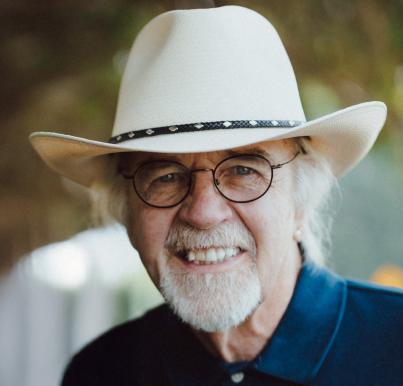
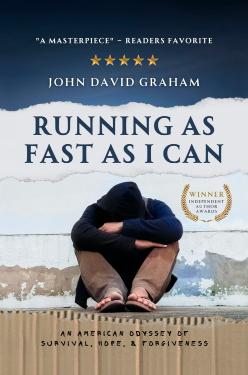
JOHN DAVID GRAHAM is the founder of Good Samaritan Home, a housing / mentoring program helping men and women restart their lives after prison. In the past twenty-four years, he and his staff have helped more than 2,500 people get a second chance and reenter the community.
Prior to publishing his debut novel RUNNING AS FAST AS I CAN at age 75, he was a door-to-door salesman, children’s home counselor, substitute school teacher, truck driver, fireman, building contractor, minister and journalist. John says it was those “detours” that helped him develop the “calloused hands and tender heart” needed to write this story.
What first sparked the idea for your book, and how did it grow into the story it became?
JDG: In my work with all the men and women coming from prison, I saw a common thread— nearly all of them came from a dysfunctional family, or no family at all. Although I had never been to prison, my background, and my feelings of abandonment growing up were not much different from theirs. That was when I realized too many of us feel we started out in life running behind people from normal (if there is such a thing) families. In other words, we all need a second chance.
Introduce us to the world of your book. What should readers know about the story and the people (or ideas) at its center?
JDG: Initially the idea started in 10th grade when I read Somerset Maugham’s semi-autobiographical novel “Of Human Bondage.” I identified with the emotional club foot the main character struggled with. Then having watched “Forrest Gump” and seeing the audience reaction to his limitations, I realized we all have a limp of some sort. That gave me the backdrop for the story that is roughly based on my travels, emotionally and physically, through the turbulent 60s and beyond. Overall, this was intended to be a testament to the healing balm of love. When two broken people lean on one another, they can walk straight together.
Was there a particular moment or scene that changed how you understood your own story as you were writing it?
JDG: There are so many scenes that still elicit an emotional response when I read them. But I think it was the kitchen conversion where Daniel describes how much Pastor Duncan has damaged him, even after twenty years. The ex-offenders I work with have overt and obvious damage, but in writing that scene I realized that too many, if not all of us, have hidden
childhood damage that we still carry with us. As Ernest Hemmingway said. “We are all broken by life. But some of us are stronger in the broken places.” That’s Daniel’s story, and that’s my story.
What themes or emotions run beneath the surface of your book—what were you hoping to explore or uncover through this story?
JDG: Some of us have been born into poverty, or abuse, or a handicap. Although we are doing the best we can, running as fast as we can, we can never catch up with those who go through life with no setbacks. “If only I had been born into another family. If only I was normal. If only I had a second chance.” That, I believe, is a universal cry, and that is Daniel’s story. Like many of us, he needed a second, third and fourth chance to succeed. This then is a story of hope for those who feel no hope.
If a reader stops you to talk about your book, what do you most hope they’ll say it made them think or feel?
JDG: I’ve been fortunate that readers often reach out to me privately to confide how much Daniel’s story has meant to them personally — and how they see themselves or their family members on the page. Additionally, many readers have also posted reviews publicly on Amazon and Goodreads with similar feedback. As an author, it means a great deal to hear that my story has reached people so deeply. Here’s some of what they have said:
“So much of this book rang true that it's hard to imagine that it's fiction.”
“The joy, the pain, the fear, the anger, and the despair. Be prepared to get lost in the story.”
“This isn’t a story written from the outside looking in—it’s raw, lived experience.”
“A story I will never forget.”
“It was so good I hated for it to end.”
“All in all, this is the most meaningful and gripping novel I have ever read.”
BY JOHN DAVID GRAHAM
I wanted my father to say something about my plane. Nice job. Looks like it was hard to build. I'm really proud of you, son. But he didn't say anything while I stood in front of him, anxiously holding up my airplane like some sort of offering to the gods.
“Want to see how the motor works?” Maybe he’ll like that.
After what seemed like forever, he slammed the bottle on the table, gave me that irritated look I saw so many times, and shouted, “You're blocking the fuckin' game!”
He didn't hit me, not like he sometimes did, but I felt my lip tremble and my eyes burn wet with tears, like he just punched me hard in the stomach. I quickly turned away and wiped my face. Without saying another word, I walked out of the room and went straight to the backyard. I set my new airplane on the ground, filled the tank with fuel and flicked the propeller several times until the motor screamed to life. Grabbing my father's Zippo lighter from my pocket, I flipped open the lid, hit the striker twice to get a steady flame and held it under the tail until the oil paint on the skin ignited. Then I launched my wonderful new plane into the air.
For a few wonderful seconds, my special P-40 Tomahawk fighter with all those authentic decals flew up and up, just like I always imagined. But when the flames engulfed the wings, it suddenly veered sharply to the right, then down and down in a death spiral until it crashed to the ground. I wanted to cry again as the acrid smoke from my beautiful burning plane drifted toward me, but this time I didn't shed a single tear. I never built another model airplane.
On the eve of her five-year wedding anniversary, a devastating terrorist attack in Paris shatters former CIA analyst Kate Preacher’s world and thrusts her into a lethal game of kill or be killed. Her husband, retired Navy SEAL Jake Church, is caught in the chaos—his actions spark a media firestorm and awaken enemies from Kate’s past. Drawn back into a world of deception and betrayal, Kate follows a trail of secrets that point to a shocking global conspiracy. As the investigation paints a target on her back, Kate must decide: is she just a pawn in a deadly international plot—or the one person who can bring it down?

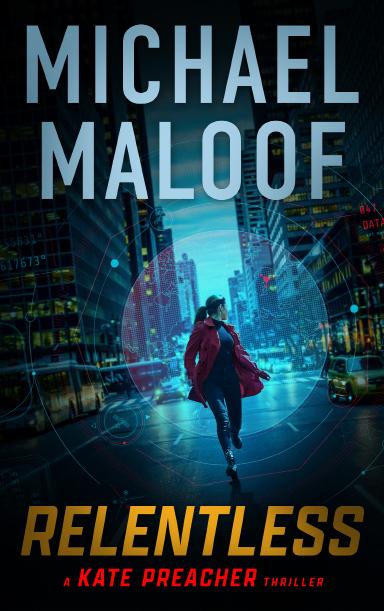
Michael Maloof is the award-winning author of Relentless and its highly anticipated sequel Unstoppable. His globetrotting adventures across forty countries—from dredging for gold in Honduras to training alongside Navy SEALs and CIA operatives—infuse his thrillers with unparalleled authenticity. He's not just writing thrillers—he's lived them.
What first sparked the idea for your book, and how did it grow into the story it became?
MM: A lifetime desire to write fiction became real one evening at my kitchen counter. My wife is my best friend and biggest fan—she also happens to be brilliant, beautiful, 5'6" with hazel eyes and dark auburn hair. Coincidentally, so is my badass protagonist, Kate Preacher. Kate was born over a glass of red wine and a conversation with my wife about pursuing my dream to write. That conversation was also the genesis of the social media handle that represents my wife's gentle guiding hand and unwavering support: @MichaelGoWrite.
Introduce us to the world of your book. What should readers know about the story and the people (or ideas) at its center?
MM: While the thriller world is populated with leading men, I wanted to write a leading woman—not only as
the hero, but as an inspiration. Kate Preacher is real: she's faced trauma and loss, overcome obstacles, and excelled professionally. As a digital forensic investigator, skilled hacker, and former CIA analyst, she married the love of her life—medically retired Navy SEAL Jake Church. Together they learned their scars don't define them, and Jake found new meaning building an internationally respected executive protection team.
Relentless thrusts Kate into a world of encrypted secrets, global surveillance, and billion-dollar conspiracies—where technology is weaponized, trust is scarce, and one woman's determination becomes a relentless force.
Was there a particular moment or scene that changed how you understood your own story as you were writing it?
MM: That's challenging to answer without spoilers, but I'll say this: while writing, whenever a scene choked me up, I hoped that emotion would translate to the page—that readers would feel what I felt.
Those moments made me realize these characters were flesh and blood. They were alive. I cared deeply what happened to them, and I hoped readers would too. That's when I knew the story was working—not because of the twists or the action, but because these people mattered.
What themes or emotions run beneath the surface of your book—what were you hoping to explore or uncover through this story?
MM: Placing a competent, capable woman at the center of my story was an intentional decision. Kate learns painful lessons early and trains relentlessly with Jake—both to help him find himself after losing a leg and to discover her own inner strength.
At its core, Relentless explores trauma and resilience. Kate and Jake both carry scars—physical and emotional—but they refuse to let those scars define them. Beneath the action, the book explores darker questions: What happens when the technology we trust betrays us? How far would you go for the truth when
everyone tells you to stop looking? Kate's journey is about reclaiming power in a world designed to strip it away—proving that the most dangerous weapon isn't a gun, it's a person who refuses to be silenced.
If a reader stops you to talk about your book, what do you most hope they’ll say it made them think or feel?
MM: I hope they'll say it felt like watching a movie—that they couldn't put it down. I've had some wonderful comments: dishes piling up in the sink, staying up all night reading, even crying in their car. It's incredibly gratifying when someone takes a chance on my book and then tells me they can't wait for the next one, and the next.
And as an unknown author, it's always thrilling when readers compare me to major thriller writers. The most recent said Relentless reminded her of reading the first Mitch Rapp and Jack Reacher novels—I was floored! That's the ultimate compliment.
BY MICHAEL MALOOF
A FRIDAY, APRIL 17 12:17 PM CEST (Central European Summer Time) PARIS, FRANCE
Francois LeGrande imagined his meeting with the Moore Industries representative. They’ll want to see my research and review my findings. A lucrative offer for my work would be nice, but it would be an honor to receive one of Moore’s Distinguished Fellowships.
Francois rushed to answer the door. He never saw what the masked man pressed into his side, but the effect was immediate. His body convulsed, knees buckled, and his head struck the floor. Next came the duct tape over his mouth and around his wrists and ankles. He lay on the floor of his apartment, dazed and in pain, only half-aware of the large black boot that passed over his face. Adrenaline surged. His heart raced. He fought to focus his thoughts. Blinked and squinted to clear his vision. He squirmed and wrestled against the restraints. Tried to call out, to scream. Nothing worked. In the futile struggle to free himself, his breathing was rapid and shallow. His vision blurred, and the room spun. Don’t pass out, he thought. Just breathe. Slow down. Listen.
From the hallway, it was difficult to know what the stranger was doing. Was Nomad right? No. Can’t be. If he was here to kill me, I’d be dead already. Then what? What does he want? His head throbbed as he thought back to the fleeting image of opening the door and looking up at the face. There was no face. Just a blur of gray and white rectangles. The man’s ball cap and hoodie obscured any chance of street cameras catching his approach to the building, and the camouflage mask stretched tight from his forehead to his neck prevented facial
recognition.
Francois tried to follow the sound of the stranger’s steps. The attic apartment, converted from an 18th-century mansion, was elegant but small. While it suited the Frenchman, it took only moments to explore. He heard the wheels of the office chair as they rolled across the hardwood floor. He’s in the bedroom.
The bedroom served as his home office. Stacks of books and papers shared his bed, and most of the floor. He pictured the stranger seated at his laptop and cursed his decision to close the connection with Nomad. If he knew, if he saw, he would call the police.

INTRODUCING.... 2025 LONG-LIST
Introducing our longlisted titles for the 2025 Shelf Unbound Competition for Best Independently Published Book
THE PALE FLESH OF WOOD MATCHED IN MERRIWEATHER
MEASURE OF DEVOTION
THE MOTH
THE SECRET SONG OF SHELBY RAE

THIRTY-EIGHT DAYS OF RAIN
THE THIRD ESTATE

THE MURMUR OF EVERYTHING MOVING
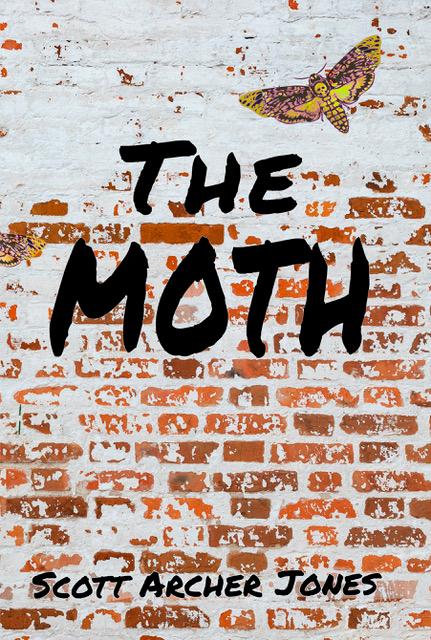
An East L.A. Pawnbroker Aspires to be a Criminal Mastermind -The Moth has bitten off more of East L.A. than he can chew. On the fringes of serious crime, the Moth reveals himself as a man whose morals are largely good but whose ethics are shaky. He’s battled by local forces — from the Arpias gang to a detective who’s forced him to fink out fellow crooks. Stumble along with the Moth as he serves a tough, ironic world, never quite getting there.

Scott is currently enmeshed in his eighth novel. He lives in northern New Mexico, after stints in the Netherlands, Scotland, and Norway, plus less exotic locations. He has five books out, through Southern Yellow Pine and Fomite.
BY SCOTT ARCHER JONES
On Tuesday, Mickey Barat’s twenty-something son crossed the pawnshop threshold, and not to hock a guitar for weed money either.
Mikhael Barat, with backing from the Brighton Beach Russians, owned enough of the neighborhood, both legally and feloniously, to be the de facto mayor. His kid Alexander, known as Butch, opened the door enough to materialize through the crack and sidled in. He edged around the shop, fingered the pawn and stared at the price tags the Moth had strung on each piece. Stalling. He worked around to the cash register where he mumbled something to the Moth.
The Moth surveyed the whey face with its sprinkling of acne, sought out a clue. “What?”
“I was wondering, maybe you got some guns for sale.”
Butch’s age slid over the Moth’s line; he wasn’t a minor. But word percolated around that Butch didn’t connect the dots. “You walked right by the case. Three revolvers, a deer rifle, and a crossbow. That’s all I have.”
“I meant... special guns. Semi-autos for instance.”
“Aren’t you Mickey Barat’s son?”
“So what?”
“Does your dad know you’re in here?”
Butch’s face screwed up in a scowl. “Sure. He sent me.”
The Moth locked his eyes on Butch, bored into him. “You wouldn’t mind if I called him?”
The kid gave him the most steely-eyed glare he could. “Sure, go ahead. I hope you piss him off.” He ruined the effect when his voice cracked into a soprano on the last word.
“Look, Mr. Barat. What’s this all about?”
“Some guys, see.... ”
The Moth waited.
“These guys over on Escuela cheated me out of my pink slip in a card game, took my ride. I got to get it back. I can’t let something like that happen, not close to my own neighborhood. And I can’t ask my Dad. So I need a gun that will scare the crap out of them.”
In an outdoor market, an ordinary woman is gunned down by an assassin. Twelve years later, the killer is back with a new target – and a mysteriously sinister employee. A jet pilot cadet at a military academy, Sophie Allard’s world is shattered when she’s summoned to the Commander’s office with devastating news—her estranged father has died in a mysterious lab explosion. A routine investigation soon spirals into something far more dangerous. She uncovers secrets that threaten not only her career but her life. Her father’s involvement with a powerful and shadowy organization—the Third Estate— may hold the key to her survival or downfall. With an assassin hunting her every step, will Sophie uncover the truth before it’s too late?


D.R. Berlin is an award-winning author, U.S. Army veteran, and General Surgeon with a Bachelor of Science in Biology and a Writing minor from MIT. A graduate of the Albert Einstein College of Medicine, her career in high-pressure environments fuels the pulse-pounding suspense and authentic detail in The Third Estate: Secrets of the Manor. Berlin combines her scientific expertise and love of storytelling to deliver a gripping, intricate thriller that keeps readers on edge. Drafted as the unofficial photographer of her children’s sports teams, she has been affectionately dubbed the “Mamarazzi.”
BY D.R. BERLIN
“Cadet Allard. Regulate your speed in the canyon. The wind is gusting. Adjust. Over.”
“Tower, this is Cadet Allard. Understood. Over.” She visualized standing on the podium at graduation, receiving her promotion to captain of the Joint Expeditionary Flight Command, the most elite section of the American military.
Sophie allowed her mind to return to her former soul-sucking, monotonous military assignment in the research lab. No, not going back. One step at a time. Complete this practice run. I can’t fail. I will make the Professor proud.
She’d invested the last four grueling years in intensive studying, muscle-aching physical training, and mental conditioning to earn her position as a fighter pilot. The time away from Grand Lake Manor, her childhood home, would not be squandered. With one chance to prove her worth, she awaited her clearance.
The control tower announced her status through her headphones: “Cadet Allard, wind velocity in the canyon is acceptable. Proceed. Over.”
She taxied to the end of the runway. The calm, smooth ride, and gentle hum of the engines soothed Sophie’s nerves. She stared down the narrow strip of pavement, eager for takeoff. With her foot planted firmly on the brake, she clenched her teeth, revved the engines, and inhaled. The ambient noise changed from a purr to a roar as the Phoenix vibrated. She released the brakes, unleashing the mighty engines with full throttle opened. The acceleration to 200 knots on the airspeed indicator molded Sophie’s back to her uncushioned seat, forcing her to exhale as she rocketed down the airstrip. She pulled the nose up and lifted off the tarmac.
The rush of additional gravitational forces sent waves of excitement into every cell of her being, expelling her nervousness and doubts. The Earth continued to plummet beneath her as she reached for the sky. The addictive sensation of power and control compounded with every flight.
She leveled off at 15,000 feet, carving through the clouds at 400 knots with surgical precision, her afterburners thundering. She mirrored the hum of the

engines and found her tempo, connecting with no distinction between the aircraft and her body—half human, half machine, an extension of herself.
Few people earned the privilege of flying a fighter jet. She savored every second of her flight, enjoying every turn, every scene, every inch of the course. She cruised through the first stretch, her only goal to complete the run as fast as possible. I’ve got this. The cup is mine.
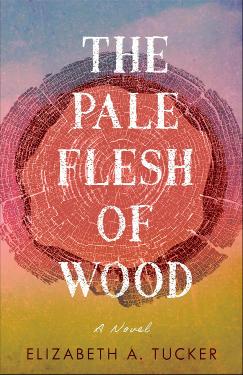
Set among the fault-prone landscape of Northern California, The Pale Flesh of Wood explores the rippling effects of trauma following the suicide of charismatic yet emotionally troubled WWII veteran Charles Hawkins. Told by three generations of the Hawkins family, the lyrically told braided narrative exposes the unsettling nature when the ground suddenly shifts beneath their feet and how they must each come to terms with their own sense of guilt in order to forgive and carry on.
ABOUT THE AUTHOR
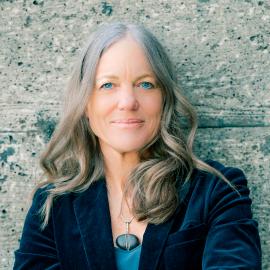
Elizabeth A. Tucker is a fiction writer, poet, playwright, and sixth-generation Californian living at 6600′ above sea level in the Sierra Nevada mountains with her husband and two kids. Her work, often rooted in the fault-prone landscape of Northern California, can be found in a host of national and international literary journals. Her debut novel The Pale Flesh of Wood published in 2025 explores the rippling effects of generational trauma, grief, and forgiveness following a WWII veteran's suicide after he returned from the war and has won eight awards in literary fiction.
BY ELIZABETH A. TUCKER
One Sunday night, Lyla and her mother start a new tradition. They stay home and watch old home movies projected on the living room wall—reels of silent 8mm footage that didn’t seem to add up to much of anything when Lyla’s parents filmed them. But now, these movies seem to be all they have left. Watching their former selves in black and white will be a ritual that will last for many years— until one day they stop.
Side by side, Lyla and her mother sit on the carpet with their backs against the couch. They hold hands underneath the woolen blanket draped over their legs. Lyla’s mother reminds her of how her father accidentally brought the blanket home after an anniversary trip to Big Sur, the very trip that brought them Baby Daniel. Over the next few years, they all learned to love this blanket as though it were part of the family, like a pet. Because it still smells of her father’s Old Spice aftershave, Lyla forbids her mother to put it in the laundry machine for fear her father’s scent will be washed away. Lyla is not ready for that yet. She is ten years old and has only just thrown grainy bits of him over the side of the boat. This first night, her mother unpacks the projector and sets it up on the coffee table. Lyla holds her breath and begins counting One Mississippi, two Mississippi
like when they’d drive through the rainbow tunnel coming home from San Francisco. Counting Mississippi's, Lyla prepares herself to see her father again.
A fresh take on Emma set in 1930s Wisconsin—full of charm, mischief, and unexpected romance. When vivacious college student Melody Merriweather is summoned home to run her family's general store after her father suffers a heart attack, she's convinced her life is over. The sleepy mining town of Merriweather, Wisconsin is a far cry from her exciting life in Chicago. With the country deep in the Depression and the Mercantile on the verge of collapse, Melody must rally a quirky staff— including a sweet shopgirl, a cranky clerk, and a maddeningly handsome butcher—and try to keep the business afloat. But small-town life proves more complicated than she imagined. As tensions rise and mysterious strangers arrive in Merriweather, Melody finds herself confronting more than just a failing business. She’ll have to face her own misguided assumptions about love, loyalty, and what it means to truly belong.

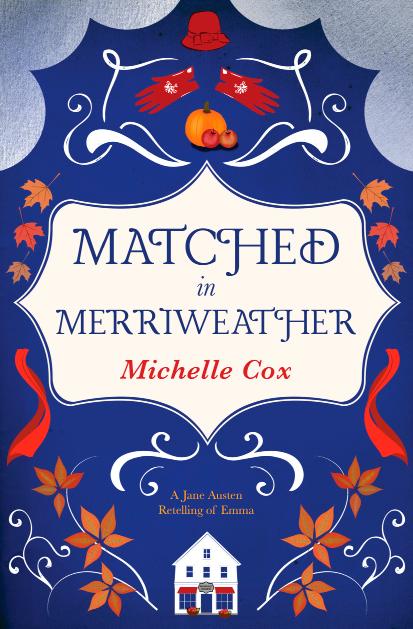
Michelle Cox is the award-winning author of historical fiction, including the Henrietta and Inspector Howard series, The Fallen Woman’s Daughter, and The Merriweather Novels. Cox also pens the wildly popular, “Novel Notes of Local Lore,” a weekly blog chronicling the lives of Chicago’s forgotten residents. She lives in the northern suburbs of Chicago with her husband, an assortment of children who continually leave and then come back, and one naughty Goldendoodle.
BY MICHELLE COX
“But, Harriet, he’s a farmer.” She gave a light chuckle. “That isn’t what you want, is it?”
“What’s wrong with being a farmer?” Harriet seemed genuinely confused. Melody adjusted her tone. “Harriet, dear. Have you not noticed how he sometimes smells?”
“Well, that’s just the farm on him. He doesn’t smell at church.”
Melody closed her eyes. This was going to be harder than she thought. Elsie had been a difficult protégée in that she played her cards close to her chest, but she was intelligent. Almost too intelligent—which was not exactly what she could say about Harriet.
“All I’m saying, dear,” Melody repeated the term of endearment, “is that you should keep your options open. After all, you don’t want to become a farmer’s wife, do you? Think of the endless work, the mud, the hundreds of children you’re sure to have to produce . . .”
“Yes, well, think of all the fresh food, though,” Harriet answered a little sullenly.
“Food! There’s more to life than fresh food, Harriet.” Melody twirled a pink scarf.
Harriet did not look convinced. “It’s not as if he asked me to marry him; it’s just meeting up at the Harvest Fest is all.”
“Yes, well, we might be terribly busy that day, so I wouldn’t necessarily plan on it.”
“What on God’s green earth is all this?” cried Mrs. Haufbrau. She must have entered through the door in the back by the meat counter. “Were we robbed?” Her face was one of genuine concern as she hurried over, removing her black hat mid trot.
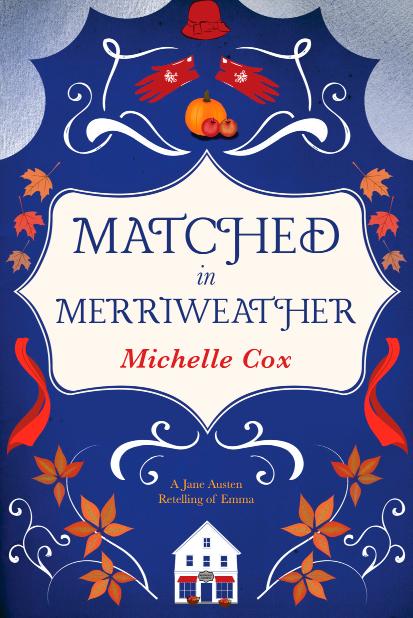
“No, Mrs. Haufbrau. I’m rearranging the window.” Melody tried to keep her voice matter-of-fact.
“But why? It’s all set for the Fest! We worked on that all last week!” Mrs. Haufbrau brushed past Melody and peered at the half-constructed display. She let out a snort of disgust.
A story of love, music, addiction, and self-discovery from the author of A Song For The Road. Eighteen-year-old Shelby Rey can hear people’s secrets as songs—haunting, and painfully honest. After her mom kicks her out, Shelby falls into the orbit of Zac Wyatt, a rock star with a melody she can't ignore. But behind the spotlight lies obsession, rivalry, and a truth that could ruin them all. Caught between love, addiction, and betrayal, Shelby must decide if her gift is a curse—or her only way out.


Rayne Lacko writes about emotions, creativity, and the healing power of music in Dream Up Now: The Teen Journal for Creative Self-Discovery and the YA novels, The Secret Song of Shelby Rey, and A Song For The Road, an Eric Hoffer Book Award finalist. A social-emotional learning specialist with a master’s in humanities, she lectures on writing and communication, and travels for inspiration.
LONG-LISTED CONTINUED
BY RAYNE LACKO
After that day, the music didn’t stop. I started hearing it everywhere, in anyone who touched me. I wasn’t sure what was harder, busting out another person’s innermost secrets in song or trying to maintain a no-touch zone around my body at all times. I started sitting farther toward the back of my classrooms, closest to the door. I wanted to be the last to arrive and the first one out. Survival meant keeping my distance.
I’d somehow merited entry to another realm of hearing, but it was making me crazy. As in, locked-up psych-ward crazy. Then it occurred to me that if the music was the problem, maybe it could also be the solution.
I fished around the apartment for Dad’s old headphones and radio. The headphones clearly weren’t the best even when they were new, but I liked that they were big. They served as an effective shield even when the batteries were dead. With my ears covered, other people gave up talking to me. When I turned the volume up, the music canceled their mutters about me in the hallways at school. Best of all, I could control what I heard. With music playing in my ears around the clock, there wasn’t much room for my classmates’ startlingly revealing songs when they bumped into me in the cafeteria while waiting for nuggets and mashed potatoes, or for the songs of strangers on a city bus.
Sometimes this whole music thing feels like a curse. But it’s funny; now that I’ve been living

with it for a while, I’ve started to worry that it might disappear as unexpectedly as it arrived. The hornet sensation went away after I got used to the lyrics coming. Once that happened, I stopped feeling attacked and started to feel curious.
Turns out some people have pretty decent music.
When Maureen Stanton's boyfriend, Steve, at 29, was diagnosed with cancer, they embarked on an allout effort to save his life. Meanwhile, Steve's childhood friend, Joey, a drug addict, sold Steve's pain medication to pay for Steve's experimental treatments. This eloquent memoir is an odyssey through the difficult but exquisite terrain of love in the face of mortality. Winner of the Donald Jordan Prize for Literary Excellence.
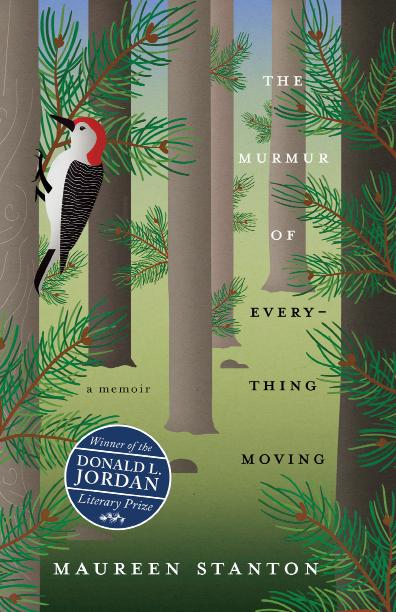

Maureen Stanton is the author of three awardwinning nonfiction books. Her essays have been widely published, and recognized with Pushcart prizes and prizes from the Iowa Review, Sewanee Review, and American Literary Review. Read more of her work at www.maureenstantonwriter.com
BY MAUREEN STANTON
Steve would be in the operating room for hours. To pass the time, I drove to Lake Michigan and walked along the flat, pebbly beach, surprised at how dreary the Illinois shoreline was, not sandy and dramatic like the Michigan side with its massive dunes and turquoise water rolling shoreward in corteges of white caps. A Chippewa myth about Michigan's Sleeping Bear Dunes tells of a mother bear and her two cubs escaping a raging forest fire in Wisconsin. They set out to swim across Lake Michigan, but along the way they encountered a storm. After paddling for days, the weary mother lumbered onto Michigan's shore and waited for her cubs. They never arrived.
From a canoe, the rising back of the dune resembled the silhouette of the mother bear in repose, still waiting for her cubs, the two Manitou Islands—South and North—which nosed out of the water a few miles offshore. When I first read that myth, I felt inordinately sad. Something about the story struck me. Perhaps it was the beauty of the metaphor, or the artful storytelling of the Chippewa, their belief in numen, the ability to see breath and body in landscapes. Every time I thought of the story, I wanted to cry for the mother bear on whose back I'd climbed many times, whose body shifts in the harsh wind, yet she never stops looking. Zion's homely, shapeless
coastline seems to have no story to tell, nothing to speak of its creation. Across the lake, I couldn't see the opposite shore or any islands, only a vast stretch of slate-gray water. I imagined the bears swimming. Unable to see the eastern shore, they must have forged ahead on faith alone.
As the Civil War begins, thirty-six year old South Carolinian Susannah Shelburne and her husband Jacob oppose slavery and the Southern cause. Yet their son Francis becomes a Confederate soldier, sparking bitter familial discord. When Francis is wounded near Chattanooga, Tennessee. Susannah embarks on a perilous journey and finds him haunted and delirious; soon thereafter he becomes a prisoner of war. As the war grinds on, Susannah faces impossible choices amidst harrowing revelations from home. This gripping narrative explores themes of sacrifice, resilience, and the profound impacts of war on families; a vivid portrait of a woman's relentless fight for survival and reconciliation in a time of unprecedented turmoil.
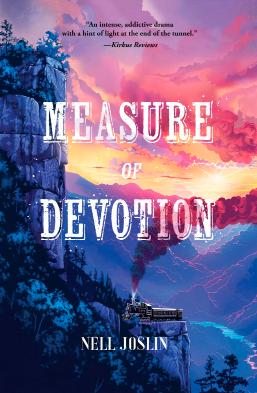
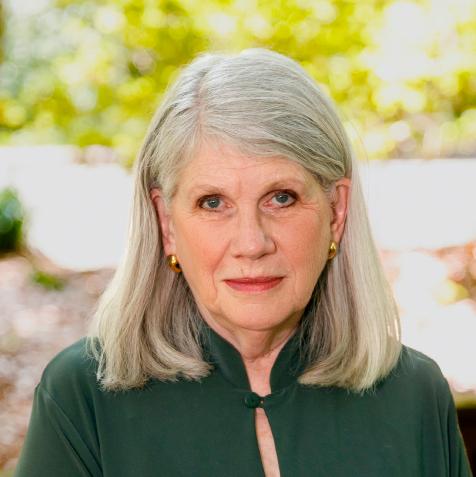
Nell Joslin is a native of Raleigh, North Carolina and a graduate of UNC-Chapel Hill. Over the span of five decades, she has been a public-school teacher, medical librarian, freelance journalist, and attorney, and about 20 years ago she became serious about writing fiction. Although she has published short stories and memoir pieces in various literary magazines, Measure of Devotion is her first novel. She hopes it is not her last.
BY NELL JOSLIN
I was rummaging in the food box when the booming began. Volley after volley poured in from the west and rolled in echoes against the mountains. So this was the dreaded fighting at last. Only two miles away, Yankees were attacking the far side of Lookout Mountain. I went outside, rubbing my arms beneath my shawl. It was later than I had thought, perhaps nearly ten o’clock. The mountain was like a great creature in repose, hoary with trees, a mane of rocky palisades flanking its broad flat head. The slopes shrugged in and out of heavy fog. I sniffed the cold damp air; still only the scent of rocks and trees and earth.
A flock of sparrows pecked through the grass where last night I had thrown dirty water. In a rich twitter of bird discourse they seemed to make a plan for their day. Then as one, they scattered. The black circle of ash where Claude Spofford had heated water looked desolate, with the vat tilted crazily against a charred stub of log. Hundreds of fresh horse prints pocked the ground. I had not known of so many horses together in one place since my arrival almost four weeks ago.
Bright improbable bursts of fire through the fog came across the Tennessee River, then the high inhuman whistling of mortar shells. Yankee artillery was pounding the north end of the mountain from the Union battery on Moccasin Point. Against the deep booming, a counterpoint of hundreds of rifle shots sounded almost delicate and playful. Farther
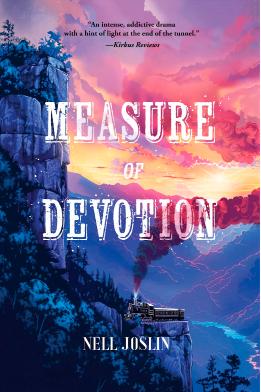
away, answering volleys foretold another layer of death in the landscape, for the Confederates were raining shells down from the top of Lookout Mountain. I was glad that Francis was wounded. At least I knew where he was. At least we were together.
In 1843 Louisiana, the beloved biracial daughter of a wealthy planter is sold into slavery and must survive while caught between the world of the white elite and the brutality of slavery. Sold along with her is Cyrus, a boy big for his age, torn from his mother without a chance to say goodbye. Together they are purchased by the Jensey family, where soon, their destinies will collide. Fox Creek is a story of race, privilege, and destiny. But most of all, it is a story of love, a love that transcends all that threatens to tear it apart.
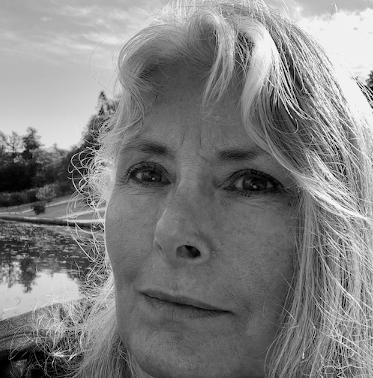
M. E. Torrey has worked in the children's book industry for twenty years as an author, speaker, and teacher. Torrey is also a co-founder of Orphans Africa and served as Executive Director for seven years. Torrey is concerned about social justice and feels compelled to write about ordinary people faced with issues of moral complexity. Ultimately, she longs to bring healing and forgiveness to a divided world. Fox Creek is Torrey’s award-winning debut novel for an adult audience.
BY M.E. TORREY
The morning the wagon came to take Monette away, the air was biting crisp, and a sheen of frost covered the cane fields.
Awakened before dawn, Monette rubbed her eyes, yawned, and stretched, asking her nurse, Heloise, what was the matter. Instead of the usual kiss and the mug of chocolat chaud, Heloise threw back the covers and said, “Hurry, ma petite. Get dressed while I start a fire in the grate. There is only cold water for washing this morning.”
Normally, in the brightness of the day, the child’s bedroom was filled with color—the lemon yellow of the walls, the lavish courtepointe on the tester bed, its indigo cloth embroidered with metallic gold thread, the dollhouse in the corner, orange, pink, and cream, painted with both precision and whimsy. But in the vague light of predawn, all was gray and ugly and cold, as if the colors lay exhausted.
Heloise knelt beneath the marble mantel, lantern beside her on the floorboards. At the first hiss of flame, the plantation bell pealed through the semi-darkness. On any other morning, hearing the bell, Monette would roll over, burrow deep under her covers, and close her eyes, letting the resonance of the bell wrap around her in low, undulating waves. But on this morning, Monette was confused.
Why had Heloise awakened her so early? Before a fire roared in the grate, warming her room and her wash water? Tired, shivering, fumbling with countless ties, buttons, and hooks, and frightened by Heloise’s silence, Monette began to cry. A soft, delicate whimpering.
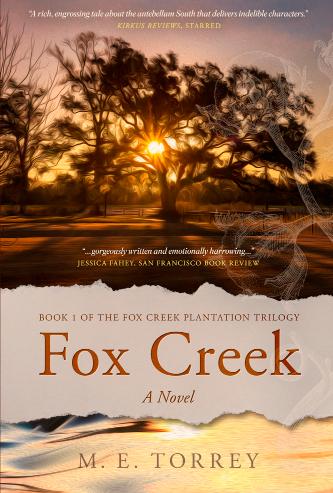
The nurse sighed and stood to help. “Do not cry, ma petite. Hush now.”
The nurse’s voice, quiet though it was, filled the bedchamber.
Monette allowed the words to soothe her, to scatter the confusion, the fear, like a fire dispelling shadow.
'Eva Asprakis is a gifted writer, and Thirty-Eight Days of Rain deserves attention’ – Alicia Rudnicki, IndieReader. What matters more, your place as a daughter or as a mother? Androulla is twentyfour and newly married when she learns that she is infertile. In a bid for Cypriot citizenship she is undergoing adoption by her stepfather, and wondering if she will have to adopt a child one day herself. As this reality sets in, Androulla’s marriage unravels. Between migration departments and doctors’ appointments, she must question what it means to be from somewhere, what it means to be a woman and, when an impossible choice presents itself, which of those things means the most to her.
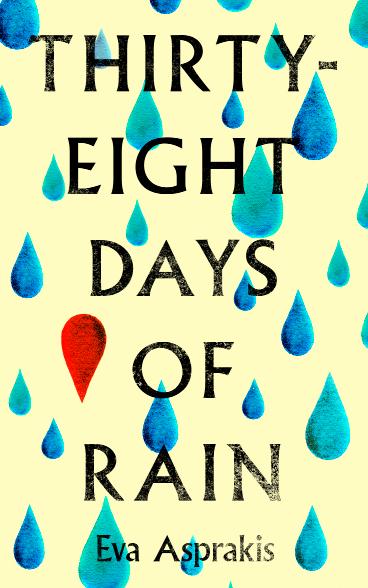

Eva Asprakis is a contemporary fiction author whose acclaimed novels explore complex family dynamics, sexuality and womanhood, and the search for identity and belonging. Winner of the 2024 Ink Book Prize for Fiction and a 2025 International Impact Book Award, she lives in Nicosia, Cyprus and is currently writing her fourth novel.
BY EVA ASPRAKIS
“I’m Cypriot.”
“No, you’re not,” he sneered. Androulla frowned. “Yes, I am.” It was fact. She gazes out her living room window at the rain coming down upon flat-roofed buildings, the water tanks crouching on steel legs, the pine trees stretching skywards from her local park. Everything that she has ever wanted a view of, but for the weather. Gary can accept that she is halfGreek because her mother is from Rhodes, and because she grew up speaking the language and reading the myths. Why, then, does he not count the ‘c-h’ sounds of the Cypriot dialect, or the various origin stories of the Five Finger Mountains that Androulla also grew up with? She watches a raindrop trail down her window.
There is something about Cyprus that gets under the skin. It possesses you, compels you back with an arcane force. You cannot attribute its power solely to the clear waters, the staggering mountains or the spirited people, the sweet wine, the smell of kléftiko roasting on a Sunday or the fact that it rains only thirty-eight days a year. Despite their loveliness, the sum total of those elements would not be enough for Androulla and Giannis to drag themselves through the immigration process. For them to stunt their careers and accumulate debts, live hand-to mouth and work overtime, fearing the law, there must be something more to it. An invisible current that runs with the rivers from Troodos into their hearts – never mind their veins – and which drives them to choose home over ease every time they are faced
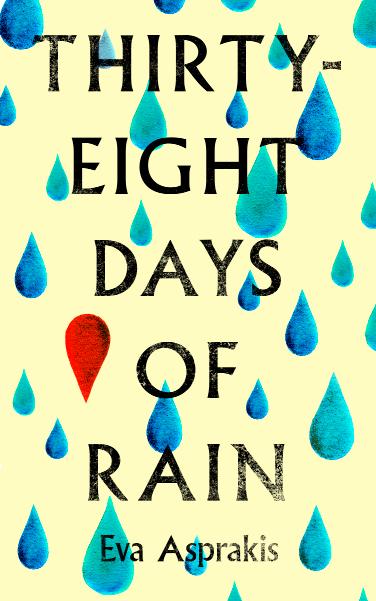
with another end date to one of their visas. Another restriction on what they can do with those visas. Another person like Androulla’s father, who should know better, asking why the hell they are putting themselves through it. The raindrop slides down, out of sight.
As a thousand years of peace shatters, a rebellious village girl and her dragon stand against an empire. Astria's only dream is to become a Dragon Rider, but the dragons are leaving. All but Zephyr. Crippled and flightless, he refuses to leave Astria’s side after she saves his life. But the Council of Elders forbids their partnership, fearing the End of Times foretold by an ancient prophecy. Defiance of their orders risks exile—and certain death—in the hostile highlands of the Wild. Determined to fly no matter the cost, Astria is quickly embroiled in a conflict between empires, where only one person understands her desires: a warrior from another land.
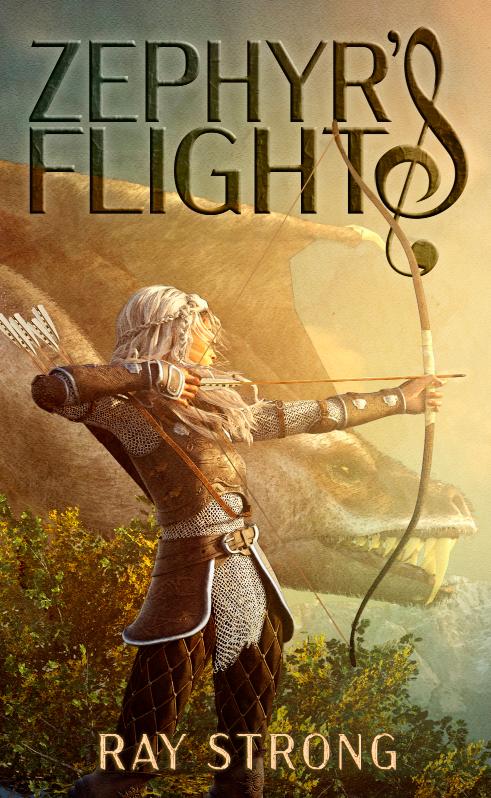
Ray Strong is the award-winning author of The Dragons’ War, an epic fantasy series that launched in 2025 with Zephyr’s Flight. He began his writing journey with newspaper stories in Chicago before earning a graduate degree in engineering. He now lives with his wife and three kids, building rich worlds full of adventure, mythology, and magic.
BY RAY STRONG
A thousand years after the Wandering, 10-year-old Astria Sannfjaer learned her world would end.
The news came with the rattle of grax skulls and chicken bones that called Astria to the split door of her tiny cottage with her sketchbook. There, along the cobbled path to the village center, came a cart pulled by donkeys whose eyes were painted with the heavy brows of hawks. And Astria sketched them in charcoal.
On the cart rode the Oracle of the Seers in a linen toga, her gray hair braided and curled across her shoulders and waist like a dragon’s tail. Around her neck hung a chain of wooden blocks with runes of sacred mysteries cut into them. Along her wrinkled arms, tattoos of spells and curses protected her from evil and influence.
From long willow branches at the back of the wagon fluttered paper kites fashioned after the dragons that soared above in the late afternoon sun. With her arms outstretched, Astria imagined she rode one.
In the Oracle’s wake drifted scents of sandalwood and the dark capes of Seers. From among them came a girl perhaps a year younger than Astria, with a kerchief covering her eyes. At the split door of the little cottage, the girl held out a doll of straw with a skirt of wheat spikes the color of Astria’s hair.
With nothing else to offer, Astria removed her favorite woven hair tie and placed it in the girl’s hand to trade for the doll. The girl rubbed her fingers along the tie, grinned, and gave Astria the doll. She placed her palm on Astria’s cheek and reached into her own pocket to offer a handful of wicker trinkets.
“Please,” the girl said. Astria’s father joined her and took a wicker mandala from the collection. “Thank you. That’s all we need.”
A Seer dragged the girl back to a procession of adults and children with beaded hair, their ghostlike faces covered in chalky clay. Bones of small animals and colorful feathers dangled from sticks lodged in their belts.
“Who are they, Papa?” “Druims,” Jorie said. “They’re Seers who venerate the dragons.” Astria’s mother, Skye, leaned over and dropped her voice. “They say they’re witches.” `. . .
Promote your book in Shelf Unbound in our Special Advertising Section for Authors.
Each issue of Shelf Unbound is distributed to more than 125,000 people in the U.S. and 62 countries around the globe. Our introductory ad rate for this section is $350/quarter page as seen here. Contact publisher Sarah Kloth to reserve your space. sarah@shelfmediagroup.com
BY LYNN SLAUGHTER
A tale of resilience, love, and friendship in the face of daunting challenges.

Never mind the circumstantial evidence. Seventeen-year-old Noelle doesn’t believe her missing mother would ever have committed suicide and launches her own investigation. Meantime, she’s dealing with growing romantic feelings toward Ravi, her best friend and fellow dancer, as well as worries about why her little sister seems so reluctant to visit their father. Threaded throughout the novel is also the story of Savannah, a young woman nearly twenty years earlier whose escape from an abusive marriage turns out to be related to Noelle’s investigation.
BY CHARLES GHIGNA
BY DAREN DEAN
During the “No Name” Louisiana flood of 2016, neighbors unite as they face loss, greed, and powerful environmental forces.
This novel follows the historic 500-year event that brought 20–30 inches of rain in just three days, devastating central and southern Louisiana. Set along Eden Church Road in the fictional town of Satsuma Grove, the story explores the resilience of Pelican State residents as they confront a natural disaster that destroyed homes and property, tore families apart, and ultimately brought communities together.
BY PAT SULLIVAN

Master poet Charles Ghigna delivers a lively collection of short, humorous poems guaranteed to PUNish you in the best way. With his signature wit, Ghigna playfully explores everyday life—marriage, family, art, money, politics, dieting, health, inspiration, and sports—offering quick, clever hits of laughter and insight. Lighthearted, clever, and irresistibly fun, this collection invites readers to dive in and enjoy a world where language twists, jokes land, and the poetry is always delightfully PUNishing.
When the egos of the art world collide, no frame can contain the fallout. The newly rebranded Toronto Art Gallery is gearing up for a pivotal fundraiser when disaster strikes: a rambunctious kids’ camp and a tour of art-loving naturists wander into the picture on the very same night. As chaos spreads through every corner of the gallery, clashing ambitions and fragile reputations hang in the balance. Now each staff member must confront the turmoil, outmaneuver the madness, and salvage what they can in this witty behind-the-scenes art-world caper.
BY MARK REUTLINGER
Having suffered through sexual abuse as a child, Suzanne Dahlstrom determines to get her own back against men. She becomes a successful call girl, taking advantage of men’s greatest weakness, their sex drive. Drawn into a secret plot to take down the incoming president, she seduces and marries his quiet younger brother and moves into the First Family circle, where she is to seduce the president himself and trap him in a scandal involving his own brother’s wife. But when genuine love derails the mission, Suzanne is faced with a deadly choice between loyalty and survival. In a single shattering moment, she must face the truth of her past, protect the few she loves, and confront the cost of her choices.
BY TAD CRAWFORD
A Woman in the Wild is a powerful novel about a psychologist in crisis who retreats to a mountain institute seeking healing after failing to protect her daughter from abuse.

BY J.E. LARSON
Our world is dying.
Skylar Cathal is a twentytwo-year-old half-human, half-shifter with a curious mind and knack for bending the rules. Gilen Warrick, Skylar’s childhood friend and the next Alpha of the Solace pack, wants more than just her friendship– but fate has a will of its own. When Skylar is marked as the shifter champion, she must overcome her darkest fears to leave her home and those she loves behind. Daxton Aegaeon, High Fae Prince of Silver Meadows, has sworn to protect Skylar as his ward, but only she can protect her heart.
When she’s assigned to help a mysterious “wild” man, their journeys intertwine in unexpected ways. Through meditation, hiking, and deep self-reflection, she confronts guilt, resilience, and the limits of therapy in a gripping tale of trauma, transformation, and self-discovery.
BY JEN MICHALSKI
When Lacie Johnson’s husband, Derek, suffers a stroke at forty-seven and falls into a coma, her plans come to a screeching halt— asking Derek for a divorce, going back to school to get her master’s, and starting over as a single woman now that their children have grown up. But what begins as a disaster brings an unexpected blessing in the form of Quinn, a kind stranger whom Lacie meets in the halls of the hospital. Told in alternating points of view, All This Can Be True follows Lacie and Quinn as they make the journey to each other—and then grapple with the fallout.
BY KRISTEN DONNELLY AND ERIN HINSON
The fate of humanity rests in the hands of a few.
Burnout is as American as apple pie, baseball, and the 4th of July.
Rooted in the overwork culture of the Puritans, burnout has shaped American life for centuries. Today, many of us are trapped in a relentless cycle of exhaustion, believing there’s no way out. But there is. Culture is shaped by the choices we make, and change is possible. This book reveals why burnout isn’t your fault and offers practical steps to break free. It’s not easy, but it’s doable— and it starts now.
BY JAMES AYLOTT
Missouri Towers— once St. Louis’s most glamorous address, now "Misery Towers"—is home to an unforgettable cast: a trapeze artist with a faltering love life, an aging stripper clinging to the past, an undertaker seeking vengeance, and a heartbroken man chasing love one hooker at a time. On a sweltering August night, their lives collide with explosive consequences. Tales of Whiskey Tango from Misery Towers is darkly funny, wildly tragic, and an unflinching look at a city on the edge.
BY PAMELA STOCKWELL
In 1972, change is sweeping the world—but not fast enough for Triss and Everlove.

Triss dreams of becoming an attorney, but her influential grandfather won’t allow it. Defying him, she makes a reckless choice that threatens everything. Everlove, from a working-class family, has always followed the rules—until one fateful decision upends her life. When their paths cross, an unexpected friendship forms. Together, they must navigate shattered dreams and uncertain futures. Can they rebuild their lives, or will the past hold them back forever?
BY MICHAEL PRONKO
In Tokyo, respect for elders isn’t always a given—sometimes, it’s exploited.
When a retired woman and a student recluse die under suspicious circumstances, Detective Hiroshi uncovers a gang preying on the elderly, stealing pensions, life savings, and even homes. Teaming up with Detective Ishii and her women’s crime task force, Hiroshi dives into the shadowy underworld of shitamachi. With old-school cops and an ex-sumo wrestler at his back, he must untangle a web of deception before more lives are lost.

BY MAGGIE SMITH
A ruthless DA. A relentless stalker. A race against time.
Rachel Matthews is no stranger to pressure— whether in the courtroom or at home with her rebellious daughter. But when chilling threats arrive at her doorstep, she turns to an old classmateturned-PI for help. As she digs into past cases, a terrifying demand is made: pay up, or her daughter gets hurt.
BY JAMES FULMER
A desperate beachside meeting turns deadly, leaving Rachel fighting to save her family, career, and freedom before it’s too late.
BY INGRID MCCARTHY
James Fulmer’s The Ark and the Whale blends literary fiction, magical realism, and philosophy. Through dreamlike vignettes, an introverted narrator—“Nobody”— embarks on an odyssey of redemption, confronting existential dread, identity, and the blurred lines between reality and the subconscious. Rich with poetic prose and layered symbolism, this thoughtprovoking tale challenges storytelling norms, inviting readers to immerse in surreal, introspective depths.
BY ONJA WASDEN AND RACHAEL SIDDOWAY
Sofia Rossi, a CanadianItalian orthopedic surgeon on leave from Doctors Without Borders, is staying with family in Verona and volunteering at Juliet's Club, answering letters from heartbroken lovers. When she responds to a letter from Luke Miller, a man in his late seventies, she writes, “Memories have huge staying power.” Unexpectedly, Luke arrives in Verona with his son, sparking an adventure that intertwines Sofia’s traumatic past with a search for a missing woman.
Anna's Shadow is a dramatic, uplifting tale of love, fate, and destiny, spanning continents and generations.
An award-winning memoir, An Impossible Life recounts one woman’s struggle through manic and depressive episodes, showing how she found lifesaving therapy and medication. At thirty-five, Sonja Wasden is involuntarily committed to a psychiatric hospital by her husband and father. Despite having a CEO husband, three children, and a picture-perfect life, she is caught in a downward spiral.
In this gripping narrative, Sonja shares her battles with mental illness, motherhood, and marriage.
“A deeply felt and pitch-perfect continuation that lets its title character finally come into her own.” – Kirkus Review
When Marianne – still beautiful, still impulsive and not yet twenty-one – returns to London, she is rich, with a house in Mayfair and an estate in Dorsetshire. Despite her resolve to remain single, she finds herself besieged with admirers, including the dangerously attractive Willoughby and the charming and irreverent Crawford.
Then Marianne’s younger sister Margaret arrives. Margaret’s passion for romance leads to unexpected complications. As Marianne attempts to navigate the social whirl of Regency London, she finds her resolution tested and her feelings torn – between the pull of the past and the allure of the present.

ALICE MCVEIGH
Alice McVeigh has been twice published by Hachette in contemporary fiction, and by Warleigh Hall Press in historical fiction. Her novels have been honoured in the UK Selfies book awards at the London Book Fairs in 2024 and 2025, and twice been finalists for Foreword Indies' "Book of the Year" (2022, 2024). Since 2021, what Publishers Weekly termed her "celebrated series" of Austenesque standalones has won over sixty international awards. Alice is also a professional cellist in London. She is married and lives in Kent.
"The Can Sack Ghost, John's fifth book, is equal parts paranormal memoir and cosmic philosophy. John is a natural storyteller, and his stories are as entertaining as any you'd hear around a campfire on a dark summer night. Yet what makes these stories special is that John looks for the deeper meaning behind his psychic encounters. He raises questions on dozens of topics, from the true meaning of skepticism to the spiritual implications of AI."
— Martha C. Lawrence, author of Murder in Scorpio
Learn more about John's books at www.johnrussellauthor.com
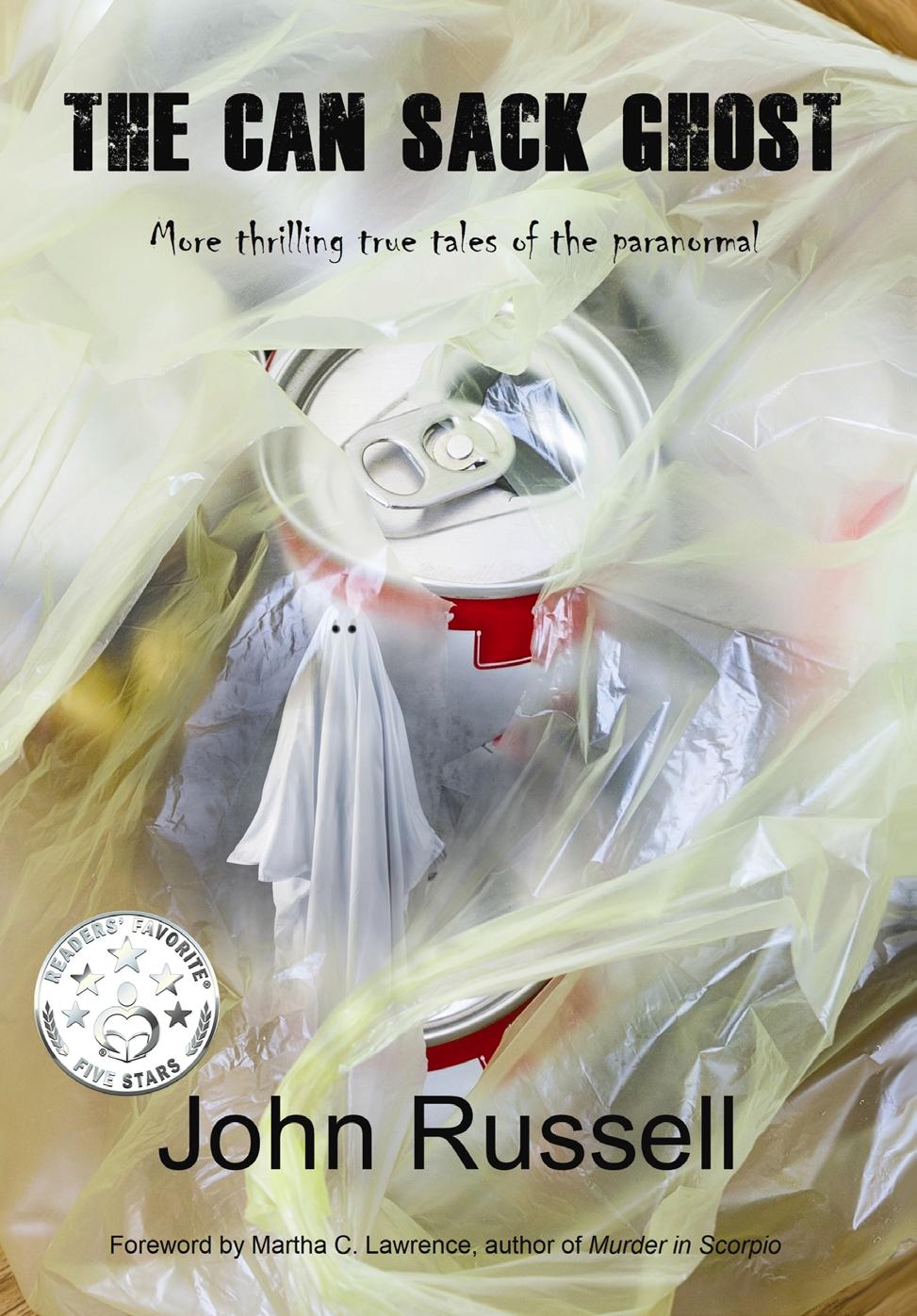
JOHN RUSSELL
John Russell has been a professional psychic for over 50 years. Internationally known and maintaining a worldwide clientele he has provided psychic readings for clients in over 40 countries. He has been a paranormal researcher and investigator for over 50 years, beginning serious study and investigations at age 11. During his lifetime John has experienced thousands of physical supernatural manifestations. In addition, he is a UFO experiencer with multiple encounters, including interactions with crafts and their associated paranormal phenomena. John filmed a TV pilot for The History Channel in which he psychically explored the assassination of President Abraham Lincoln. The accuracy of John’s psychic insights during his investigations were verified both by the docents at the historic sites he explored as well as by the production team; and he also stimulated a variety of paranormal activity, some of which was captured on film.
"John Russell is the Mark Twain of the paranormal." — Kat Hobson, host of FATE Magazine Radio.


CHECK OUT THIS YEAR’S











by Edward R. McMahon
Adam Edwards is a young, intelligent, and well-meaning but somewhat naïve American who finds himself thrust into a maelstrom of intrigue, violence, competing relationships and political crisis in the fictional African country of Kombonia. He arrives in-country as President, Simon Mushi seeks to manage the potentially most democratic election in the country's history. Adam directs a project funded by the U.S. government to help ensure legitimate elections in collaboration with a Kombonian civil society group. He also embarks upon a questionable relationship with a Kombonian journalist who is not what she seems to be. Events build up to climax in which Adam must decide what life-changing path to take.
by H.H. Mika
DESPITE THE PECULIAR NAME—and a few town misfits—Bloodrun, Alaska is ordinarily a quiet and peaceful place. This morning, however, Detective Terry Volker is called to the scene of a ghastly murder where the victim has been sawed in half at the waist. While the borough's small police department begins putting an investigation together, Terry becomes haunted by memories of his past “duties”—the desperate measures he’s had to employ to catch other bad men—and doubts if he still has what it takes to stop this one. With the help of his partner Eddie Koyukuk, they travel together down a dark path through Bloodrun’s history, ancient Inuit mythologies, twisted ciphers, psychoactive hallucinogens, and most dreadfully, more severed bodies...
by Skye Bothma
Catherine is used to being invisible. She’s an underachiever and lives her life in other people’s shadows. She has a job she hates and dreams she’s too afraid of pursuing. When her boyfriend leaves her, she heads to Hawaii to mend her broken heart. Jake can’t hide from the spotlight. A Hollywood superstar, he’s taking time out in Hawaii. He should feel he has it all, but he feels jaded and dissatisfied. When chance brings them together they find they have much in common. They escape their everyday lives and develop a fragile intimacy. But as reality closes in, they realise the fairy tale can’t survive in the real world and begin to ask whether their meeting was to inspire personal change or if it really was fated in the stars.
by Marie Montine
A hundred years from now people can visit any planet and take a vacation.
Despite all of the technological advancements, a new craving emerges: spirituality. With the Age of Aquarius on the threshold, intergalactic murders involving mythology begin. And it's up to two investigators to find out why. But the further they get into their investigation, the more dangerous the game becomes. Lucy meets Seven in this thrilling ride full of shocking twists and turns!
John M. McCarty
Golf at Northwood traces the adventures of Alister MacKenzie during his transition from surgeon to camoufleur to golf architect. He soon travels to Sonoma County in California where he carves a course out of a redwood forest along the Russian River. The story leaps from 1928 to 1961 as eight-year-old Eddie Bale befriends an eccentric greens superintendent. Eddie comes of age and together with a local physician, the course is rescued from loan sharks, developers and con artists. Along the way,escapades abound including the serendipitous discovery of Northwood's lost legacy with MacKenzie.

by Michael Calvey
It is dawn on Thursday, 14 February 2019, and armed FSB agents are raiding Michael Calvey’s Moscow apartment.
He is being arrested for a crime that never happened.
Twenty-eight years earlier, Calvey—a newly graduated, aspiring Wall Street hotshot—made a short trip from America to the recently collapsed USSR to look at potential investments.
But now, he finds himself thrown into Moscow’s notorious Matrosskaya Tishina prison on charges trumped up by local business rivals. As the White House and Kremlin argue about his incarceration, Calvey is caught in a Kafka-esque trap, denied access to evidence proving his innocence.
by Joseph Blackhurst
Long ago, an otherworldly creature made the Earth almost uninhabitable and nearly consumed all of mankind. Now angels protect, and rule over, New Eden—Earth’s last remaining city. By angelic decree, and scripture akin to propaganda, all redheads are enslaved. Alizard is the stubborn daughter of the two most powerful families in the city. She expects to inherit a position of great leadership until the day her hair turns red. A World Without Trees tells a story of ultimate sacrifice amidst a harsh, violent, landscape. Alizard’s journey within and without New Eden will force her to confront childhood trauma in the aftermath of a family torn apart. All the while, the return of the world-eating creature nears.
by Glenn Starkey
"When the Violin Weeps" is based upon the disturbing true events of the Holocaust in World War II and the struggles to create the State of Israel. It is a story of appalling crimes against humanity. Forcing Warsaw's massive Jewish population into an overcrowded ghetto to starve was Nazi Germany's first undertaking after invading Poland. Next came the merciless transports to the Treblinka extermination center. When Jacob Liebermann's wife Hanna is murdered in a gas chamber, the former Warsaw Philharmonic violinist fell into an abyss of insanity. But he keeps his promise to her to survive the Nazi atrocities at all costs.
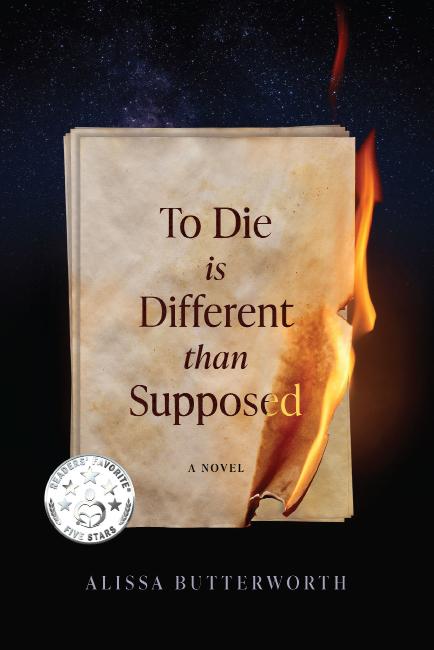
by Alissa Butterworth
Twenty years ago, the Gable family was nearly perfect—five siblings growing up in an old farmhouse in Pennsylvania with supposedly loving parents. But when a series of devastating events rocks the family—a house fire, the death of their young brother, infidelity, and betrayal—the siblings are left shattered and lost.
Jackson is the oldest, the distant wanderer. Lex is trapped on the other side, desperately trying to communicate. Adrian is on the verge of a breakdown. Ella is haunted, finding comfort in a familiar ghost. Remy is the embittered “good” son. And Calvin is the youngest, the half-brother trying to make sense of inherited pain.
When the estranged siblings come together for their father’s funeral, they must reckon with his legacy of abuse and abandonment, and with the secrets they kept from each other for so long. Will they all be forever trapped by their complicated pasts, unable to move into a more hopeful and united future?

by Cheryl Roberts Gale
London, 1965: for Captain Henry Kendall, the burden of silence has become unbearable. On his deathbed, he confides in the kind young nurse caring for him, unknowing of their shared connection. Thus, the tales of a colorful past submerge, including a notorious murder and the unbearable scenes of the purported cursed 'Empress of Ireland' as it slipped beneath the surface of the icy St. Lawrence River in 1914. nearly a century later, an article sends shockwaves through the nation. Could history have gotten it wrong, and an innocent man hanged?

by Eve M. Riley
They say you always regret the chances you don’t take. But that’s not always true— some are just dead ends. I pass on a chance the night I meet a beautiful but guarded, brown-eyed boy, too distracted by my crumbling job to wonder why he seems so cagey. Then Alex sends me a photo— teasing, tempting—and on a whim, I send one back. His reply? Unexpected, electric. When he calls asking for help, I can’t say no. His shy smile, tight body, and autumnsun eyes pull me in, so I ignore my messy past and hope this time it’s different. Alex makes me want things I’ve never dared to hope for. But when I uncover the brutal secrets he’s been hiding, I realize too late: some chances are better left untaken.

by Eve M. Riley
When Russian tennis sensation Anna Talanova catches her boyfriend cheating, she’s forced to take desperate measures— right on the brink of a high-profile event. Enter Adam Miller, a tech entrepreneur on the edge of financial ruin, enlisted as her reluctant new “date.” Their staged partnership sparks a media frenzy, and as Adam and Anna fend off tabloids, scheming exes, and shadows from Anna’s Russian past, a bond forms that neither of them can ignore. But as threats escalate and Anna’s past resurfaces with dangerous intensity, love and trust are tested to their limits in a high-stakes game, culminating in a final, harrowing test of loyalty and courage. Will they make it out together, or will their enemies win the ultimate match point?
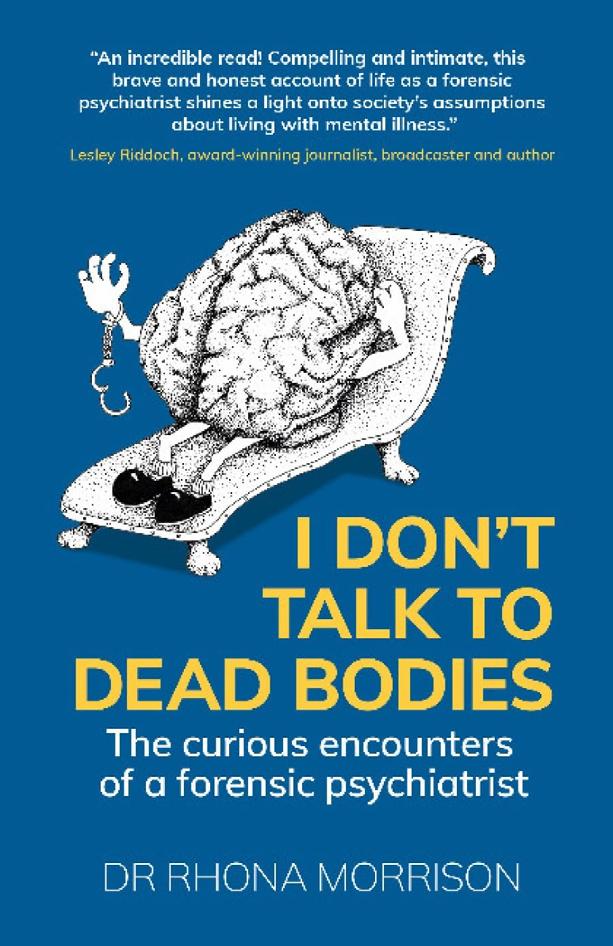
Dr. Rhona Morrison
Prepare to be intrigued, amazed and astonished as you join Dr Rhona Morrison on an often funny, and at times downright bizarre, thought-provoking and eye-opening rollercoaster ride through some of the most curious encounters of her career as a leading forensic psychiatrist. Delve into the minds of real people, whose actions may shock and stun you, but whose stories have the power to challenge your assumptions and the stigma that surrounds mental illness. The book shines a powerful and emotional spotlight on the fascinating life of a forensic psychiatrist and the people she works with.

by Hilary Leftwich
In lyrical prose that embodies the fragmented form, Saint Dymphna’s Playbook mixes with hybrid verse, poetry, and lyrical essay detailing a ferocious and unapologetic viewpoint of how a woman’s body is seen and governed in a world determined to control and dominate. Themes of suicide, sexual assault, and the male gaze—even in the professional world of being a private investigator, a child, a mother, a lover— each piece pulling from experiences hard to confront. In this playbook of survival, Leftwich allows the reader to bear witness, handing the reader a gift of vulnerability and what it means to be alive in a society where women vanish in more ways than one.
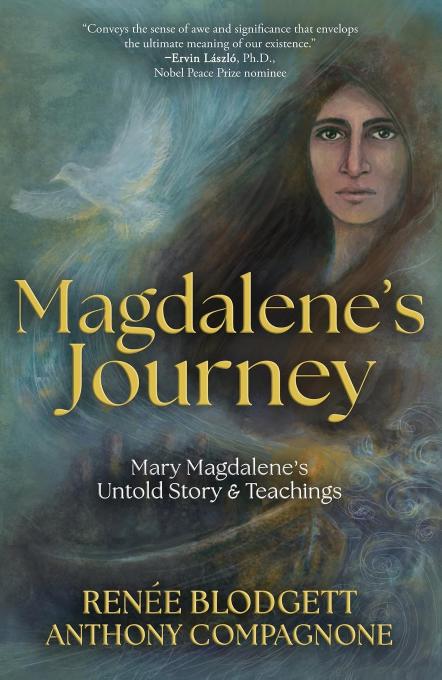
by Renee Blodgett, Anthony Compagnone
Magdalene’s Journey presents a modern enhancement to reality as we have been conditioned to accept it through a patriarchal lens across millennia. A work of historical fiction and visionary literature, the narrative captures a universal and revolutionary message about the lives of Mary Magdalene and Yeshua (Jesus), recreated in a period that can show us a fuller, more tangible understanding. In response to the distorting power for far too long, it also shares the need to rebalance the masculine and feminine energy in the world, starting with each of us. Part of this task is to understand women's vital, never-recorded roles in history. This book may transform how you perceive consciousness, science, and our role on the planet.
by Brant Vickers
La Ballona Creek interweaves adventure, history, magical realism, and important life situations that tests friendship and eventually means the difference between life and death. The setting is in Culver City, California in 1970. The tale concerns three young boys adrift from losses and abandonment connecting with a Gabrelino/Tongva member who becomes a father figure and model to guide them through their difficulties. He affirms cultural lessons and history of their homeland and educates them to the reality of the history of Southern California from the 1770s to the present. It is a YA paranormal novel in which the boys miraculously travel back in time to engage with a Tongva tribe.
by Jerry Jamison
Just before Thanksgiving 1959, a plane exploded over the Gulf of Mexico, killing all 42 on board—including, supposedly, Dr. Robert Spears. But weeks later, Spears was found alive in Phoenix, arrested for faking his death. He’d swapped identities, sent a friend on the flight with a “package,” and vanished with his car and ID. The FBI uncovered a decadeslong web of deception: over 25 aliases, insurance scams, fraud, and ties to illegal abortion rings. Vanishing Act reveals the full, shocking story—researched and told for the first time like a gripping true crime thriller.
by Barbara Black
by Barbara Black After her award-winning debut short story collection, Music from a Strange Planet, Barbara Black is back with another addictive page-turner of a collection. Poetic and quirky, surreal and unsettling, the carefully crafted fictions in Little Fortified Stories range from 50-word micros to flash narratives and a few hybrids in between. Within these pages expect to encounter Kafka and Pessoa, Daedelus’s Wife and Medusa, stories based on dreams and art, a batlike couple, a ruined saint and more from Black’s fertile imagination. The unforgettable fictions in the multi-awardwinning Little Fortified Stories will haunt you and reverberate far beyond their minimalist size.
by Stephanie Carpenter
Moral Treatment is a work of literaryhistorical fiction set in 1889–90 at a psychiatric hospital in rural northern Michigan. In alternating sections, it follows the hospital’s aging superintendent—known only as “the doctor”—and seventeen-year-old Amy Underwood, newly admitted with a diagnosis of “pubescent insanity.” As Amy navigates the institution’s strict routines and strange social dynamics, she begins to grasp her predicament: she will either be "cured" and sent back to her parents' stifling home—or she'll become a chronic patient, cut off from the outside world. Her story gradually converges with the doctor’s, revealing how both are caught in systems that define and constrain them. Can they find paths forward?
by Carrie KC West
Life Rewritten reveals how our stories shape daily reality—and how we can rewrite them for lasting change. Drawing upon her own remarkable journey and a deep understanding of storytelling principles, Carrie KC West offers a step-by-step process that merges classic narrative structures with the latest insights from positive psychology. She offers a clear, step-by-step process to spot and break the patterns that trap us in old pain and selfdoubt. With vivid examples and practical exercises, she shows that we can’t alter the past, but we can transform our relationship to it. By bringing hidden wounds into the light, we replace them with understanding, forgiveness, and a future that finally feels like our own.

by LK Quinn
It is 1968. Life is changing fast as the world prepares for the moon landings. When April's stepdad, Andy is sent to prison, April and her family are moved from the caravan, in the valley she loves, to a village house. She'll miss her friend, Eli, but he has to get back to America and help get a man on the moon. The family are not welcome in the village, except for the kindness of Reverend Fisher and his sister at the local church. Undeterred, April explores this new world, befriending The Toffee Man, a war veteran and a clock mender, who struggles to manage his garden. When Andy is released, he uses her friendship with The Toffee Man to cover his latest crimes - with tragic consequences.
ARTAMA & THE NEW KINGDOM by
Bruce Paul
AFTER ATRAMA’S SECOND JOURNEY to planet E1 in Artama & The Watchtower Portal, he returned to his home on E3, hoping to bring enlightenment. But upon his arrival, his father warned, “Beware, my son. These are dark times.” This third book in The Artama Legend series, Artama & The New Kingdom, is a lyrical, literary tale of speculative fiction—a tale of love, knowledge, hate, ignorance, fate, free will, loyalty, bravery, betrayal, cowardice, ambition, jealousy, deceit, treachery, lust, debauchery, brutality, tenderness, romance, intimacy, theft, murder, prayer, acceptance, the verisimilitudes of time and space . . . and more.
by Kim Yesis
Mayenne Bay, a quaint harbor town on Maine’s Mid Coast, once home to great sea captains, is in peril. Traditional maritime industries are no longer enough to sustain its people. As the town takes steps to reinvent itself, unusual things happen that disrupt the status quo¬—closed door meetings, a stolen painting, missing items all over town and flagrant effrontery by a few outlanders. The natives are becoming restless. Resolutely single, 29-year-old Claire Munro, struggles to find a place in her new hometown. Through her habit of people-watching and her peculiar magnetism for troubled strangers, she gains disturbing inside information about the townsfolk, but her usual good sense is clouded when she crosses paths with an intriguing artist.
by Joshua Gidding
In this entertaining, literary, and subversive memoir, seventy-year-old writer Joshua Gidding grapples with the social and cultural changes in twentyfirst-century America. In the process of re-evaluating his privileged background, the author explores his relationships with some of the people of color in his life, and begins to address the white guilt and complex feelings arising from an uneasy racial conscience. Leaning politically to the left of center, he nevertheless takes a nuanced approach to some of the most topical, timely issues of our age. Balancing themes of racism, entitlement, exceptionalism, bereavement, and biography, his approach throughout remains humorous and self-deprecating.
by Licia Chenoweth
Trouble is the last thing Raini expects when she stops to help a young girl on a New York subway after her belongings are scattered across the platform. Before Raini can return the girls mobile phone, she dashes away leaving it behind. Unsure of what to do next, Raini receives unexpected help from Harlow, a mysterious girl in her French class. Together, they uncover a cryptic text message on the phone that leads them to Coney Island. What starts as a simple good deed quickly spirals into a pulse-pounding adventure they never saw coming.
by J.S. Thompson
Will you make the perfect sacrifice? The Earth has turned against us. Worthington’s Domes promise safety while the planet heals. In Shamut, survival means abandoning the past and forgetting the stars. Solanis Tailor entered Shamut after a storm tore her world apart, leaving behind the man she loved. Years later, with a daughter to protect and influence within reach, she’s convinced herself the trade was worth it. But when a voice from her past resurfaces, cracks appear in her carefully built life. Solanis must face what she gave up, and what it will cost to protect her daughter.
by R.J. Striegel
Land Shadows, a "Get It" Kirkus reviewed novel, is a sweeping historical saga that explores the entangled legacies of land, identity, and power. Spanning the Scottish Highlands, Gilded Age New York, and the contested territories of New Mexico, the novel follows Murdoch McNeil, an orphan turned ambitious lawyer, and Kewanee, a Potawatomi girl resisting forced assimilation. Their stories converge as fraud, loyalty, and frontier law collide on the Maxwell Land Grant. Rich in historical detail and told through interwoven perspectives, Land Shadows unveils the dark side of Manifest Destiny with literary depth and emotional resonance, offering a powerful reflection on what it means to belong in a nation built on dispossession.

by Joelle Babula
QUINN shatters the norm. She's successful in the traditionally male wine world. She'll do anything for a hunk of swoon-worthy cheese. And she only dates married men, a practice designed to evade love and protect her battered heart. When she unexpectedly falls for MARCUS, a married man with a complicated past, her carefully curated world unravels. Now she must confront her romantic demons, her mistress status and learn what it means to sacrifice for another. Faced with the punishing choice of relinquishing a love she never dreamed possible or destroying a family, Quinn must decide for herself what’s worth keeping and what she must let go. Wine and cheese? Never. A man she loves? Perhaps.
by B.R. Michaels
A world of magic is being swallowed by an empire that takes what it wants.
A girl in over her head is after a stolen artifact, two master thieves are leading a crew to reclaim lost treasures, and their team is anything but ordinary-some of them shouldn't even exist. With shaky loyalties, dangerous magic, and an empire tightening its grip, their plan is held together by luck and desperation. They might just pull it off... if the world-or theydon't tear them apart first.
In this story about secrets, family, and good old-fashioned heists, a ruthless empire hoards stolen history, and a daring crew is reckless enough to take it back. But in a game where power is everything and disaster is inevitable, the difference between a successful job and a fatal mistake might come down to who's willing to risk it all.
by Joseph Blackhurst
An all-knowing A.I. was asked: How did our universe begin, how will it end, and what is the meaning of life? The answer follows the life story of Aldo Go—an artist living in a hilarious alternate universe from our own. The reader watches as Aldo is transformed by the ugliness of the modern-day zeitgeist from a starry-eyed child to a disillusioned man who drags a dead body into his condo to watch it decompose. The (fictional)
A.I. narration drips with dry humor and wordplay and embodies chaos and tangentiality in its pacing. The A.I. uses Aldo’s life as the central thread as it explores what it means to be human. It tackles themes of the dumbing down of entertainment, hypersexualization of media, death (including its own), and above all—the existential threat A.I. poses to artists and writers.
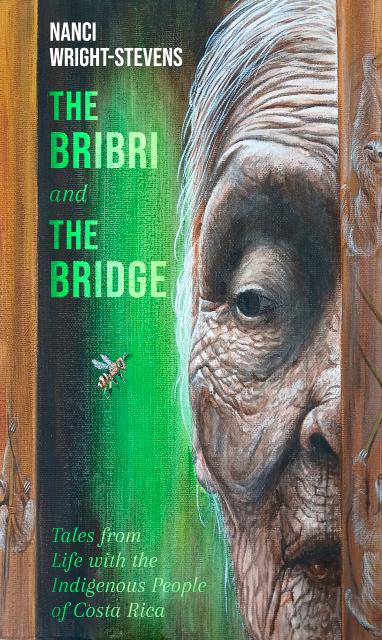
Nanci Wright-Stevens retired to the southern Caribbean coast of Costa Rica with her husband, Barry, in 2003. After a fateful encounter with a hungry man and a poor young boy yearning to go to school from the local Bribri ("Bree-bree") ethnic group, Nanci and Barry learned of the plight of the Indigenous there and were moved to “re-tire” (get tired all over again!), forming and running a charity they named The Bridge to provide muchneeded support out of their new home. The Bribri and The Bridge is Nanci's often funny, sometimes sad, and always loving account of her adventures and those she's assisted and cared for in this fascinating part of the world, home to an evolving land and culture with exotic animals and extraordinary people.
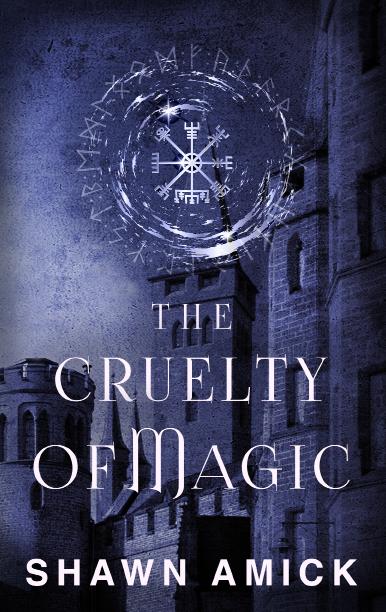
by Shawn Amick
A warlord seeks the destruction of Runefall, and the end of magic, as a prophecy is met with doubt. Kyra, a young woman capable of wielding rune magic, is called from her hidden city to a temple no one knows about. As Kyra wrestles with a prophecy, and wanting to save her city, a dwarven king leads his people to carve a new home for themselves but instead finds himself approaching divinity. On the other side of the world, a dark sewer hosts a father and daughter who escaped a tyrannical attack. They now hide and attempt to summon a golem for protection but learn something about magic that might change the world. Intricate stories and deep lies connect people from all across the land. The actions of one may very well condemn the lives of another, even if they never meet.
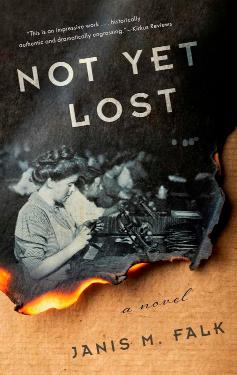
by Janis M. Falk
In this gritty, cinematic story, hardworking Florence and her best friend, Basia, are enraged by the poor treatment, low wages, and unsafe working conditions they endure in the factory where they hand-roll cigars. Florence is as reserved and compliant as Basia is fiery and forthright. During a time when their choices were between bad and worse, this is an underdog story of a woman who must search for her voice in order to lead a labor movement against her husband’s violent efforts to silence her.
Set in turbulent 1937 Detroit, this novel portrays the Eastern European immigrant struggle when difficult economic times, xenophobia, “Fordism,” secret societies, and Communist-led labor organizations buffeted the demographic. Will Florence and her husband resolve their conflicts both inside and outside the home? At what cost?
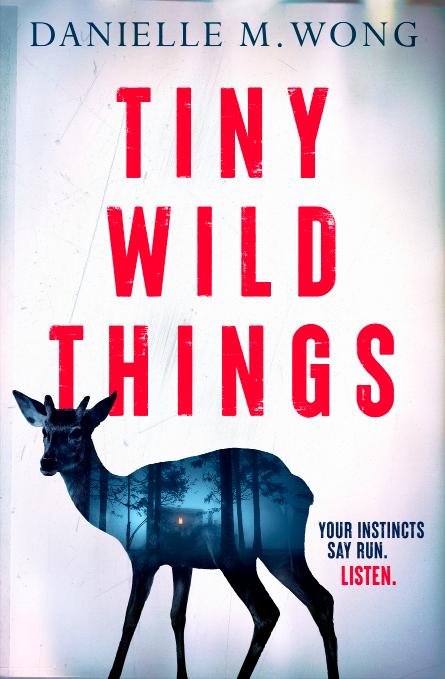
by Danielle M. Wong
Journalist Fran Hendrix is about to get the scoop of her career. A reclusive artist has chosen her to take his first interview since the tragic death of his wife years before. Not long after arriving at his secluded country estate, Fran receives a shocking anonymous message. "He is lying to you. Get out while you can."
Trapped alone with him in the wilderness days later, Fran starts to question whether the note was right all along – and if she should have run while she still had the chance...
by Melissa Rea
Thirteen-year-old Flowers is a half-breedmisfit among her Neanderthal tribe, who tolerate her only for the sake of her mother, their Healer. When her mother dies, Flowers sets off on a quest to find her father’s people, the flat-faces, as the Neanderthals have named the Sapiens. She is accompanied by her best friend, Mada, another runaway, on this perilous trek. In the age of megafauna, humans share the world with giant killer birds, saber-toothed tigers and rats as tall as men. At last, after many adventures, the runaways find a tribe of homo sapiens who welcome them with open arms but also secret treachery (for the savagery of beasts is as nothing to the guiles of men); and they are forced to make a fateful choice.
by Stephen C. Pollock
What if every ending held the seed of a beginning?
We live our lives counting moments, those we hope will last forever, and those we fear. In Exits, award-winning poet Stephen C. Pollock transforms these moments into sublime and magical music. With language both intimate and powerful, he explores the fragility of life, the cyclical truths of nature, and the mysteries of renewal that arise from even the darkest places.
by Carlo J. Emanuele
Milwaukee. Mafia. Family. Redemption. Costantino “Cost” Caduto Jr. thought he’d escaped his family’s criminal legacy. But when his grandfather Tiger, the man who held it all together, suddenly dies, Cost is dragged back into a city simmering with tension, betrayal, and unfinished business. Now, standing at the crossroads of who he was and who he might become, Cost must confront everything he left behind: A family fractured by power, grief, and long-held secrets A dangerous power vacuum that threatens to pull everyone under. The one person he’s always tried to keep safe, his daughter, now watching his every move. Set against the backdrop of Milwaukee’s underworld, The Sins We Inherit is a gripping tale of legacy, loyalty, and the price of silence. As old allegiances unravel and new threats emerge, Cost must decide whether walking away was ever truly an option, or if some bloodlines run too deep to outrun.
by Roberta Payne
Anne Hope, daughter of German immigrants and wife to an ambitious but abrasive husband, only wants what is best for her two daughters. In a world of mid-century conformity and female oppression, this path is fraught with pitfalls, and actions often bring unintended consequences. Anne finds refuge in a summer home within the Colorado woods, but a mental-health crisis soon emerges, one that will rewrite her sense of self and her family's future. In this stirring family saga, My Mother's Autobiography takes readers on a journey from the highs of the sweeping Colorado mountains to the lows of cold sanitariums: all written with heartwrenching empathy from the pen of one of Anne's daughters.
by Liz Fiedorow Sjaastad
Growing up with a mother with untreated schizophrenia and a turbulent alcoholic father, Liz was left to deal with the daily machinations of her mother's paranoid mind. Shedding light on the complexities of parental mental health and generational trauma, Liz shares the story of a life led despite the fears of "becoming her parents" and how she shows up for her parents— and herself—when it was needed most. Giving voice to isolating experiences, this memoir is a vulnerable look at growing up in the shadow of mental illness—and how somehow, we find our way through it.
by Elizabeth Upton
At fifteen, Elizabeth, a talented athlete, gives up her dreams of competing in the Olympics to become a nun. Separating from her mother and twin sister, she leaves her friends and familiar world behind to pursue a life of piety. But she finds herself unprepared for what lies ahead. While her cloistered life commences as a profound spiritual and emotional journey, personal disenchantment takes root and slowly grows over the next twenty years. Elizabeth recoils against the restrictive atmosphere of convent life. She struggles with conflicting emotions until a forbidden love affair forces her to come to grips with her needs as a woman. A true story inspires this fascinating account of courage and passion.
by Rodney Nelsestuen
Winston Williamsen grapples with the realization that his personal life has become a fraud, while professionally, he’s always been an imposter as the head of his father’s law firm. Trapped in a profession he felt coerced into, Winston’s cynicism deepens as his actions lead him down a path of moral and ethical decay. Nearing the point of no return, he must decide whether to cross it or not, both in his professional and personal life. But is redemption still possible? Quiet Desperation “…is a genuinely complex tale, one that confronts, with impressive verisimilitude, the complexity of moral affairs. A deeply thoughtful drama that never condescends with easy moralizing.” Kirkus Reviews.
by Rodney Nelsestuen
Too Many Stones is the story of Evelyn Toraason told from the Great Depression to the Vietnam War. She is a bright 11-year-old girl with the potential to go beyond her poor yet beautiful Wisconsin coulee farm. The special bond between Evelyn and her father cannot quite fill the void created by her failing mother, while her teacher and mentor, Miss Johnson, sees her potential as the fulfillment of her own lost dreams. Evelyn’s abuse by an older cousin forever changes the course of her life. While courage sustains her in the face of multiple setbacks and crushing losses, her own insecurities plague her, and in the end, she searches for a path to reconciliation, and the means to embrace both success and failure as a life well lived.
by Andrew Bays
An unexpected journey to find truth in tragedy. In the sleepy town of Jefferson Springs, three years have passed since the surprising and tragic death of Paul Robbins. His wife, Triss, spent that time picking up the pieces of her broken life, and left behind is an antique chest full of his belongings that his son, Matt, stows away in his bedroom closet. On a seemingly ordinary day, Paul appears to his son, but only for a brief moment, and Matt’s world is upended. Suddenly, it feels like the chest is speaking to him, begging him to open it. When he does, it sparks an adventure traversing space and time as Matt and his friends seek to unravel the mystery behind it all.
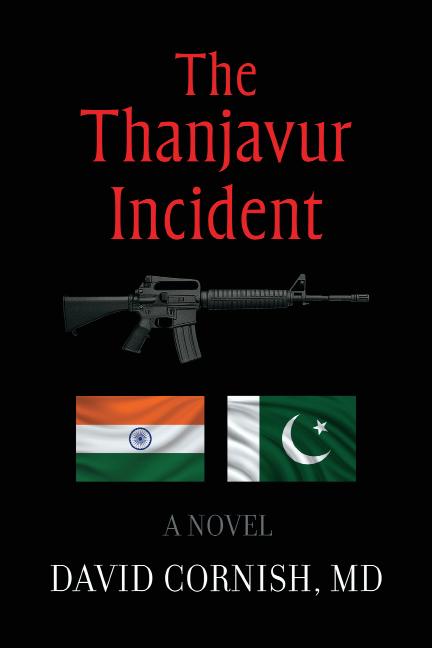
by David Cornish, MD
Commander Aarav Cheran—a renowned nuclear physicist and Indian Naval analyst—is thrust into a crisis that no war game ever imagined. As two nuclear nations edge toward catastrophe, Aarav must navigate a fractured landscape of political power plays, military brinkmanship, and catastrophic technological failure. The fate of millions may rest on his ability to outmaneuver forces poised to plunge the world into chaos.
by Ron Goldberg
This short story collection is a quietly powerful meditation on Jewish identity and assimilation. Set in the “Silk City” of Paterson, New Jersey—once a bustling hub of Jewish immigrant life—the book traces the fading outlines of a community that built the American dream and then simply moved on. Their stories unfold in the long shadow of the Holocaust, which serves almost as an atmospheric inheritance, as the immigrants and their children learn to navigate their new world without ever quite leaving the old. The city itself is nearly a character—a gritty, yet oddly luminous presence, undergoing its own transformations. By turns light and dark, but always deeply humane, Next Year in Paterson invites us to linger in the psychic space between arrival and departure, forgetting and remembrance.
by Deborah Mistina
The remnants of humanity are living in hiding, making the best of their circumstances while searching for a new celestial home. Just when salvation seems imminent, four strangers discover they have an unusual, inexplicable link—one that pitches them headlong into high adventure and intrigue.
Totally unprepared, the four must navigate shocking obstacles and trust unexpected allies as they race against the clock to unravel a chain of unsettling revelations that could impact the fate of the world.
The government has been concealing important facts about humankind’s promising hereafter. Will the efforts of a farmer, a hacker, a businessman, and an academic be enough to overcome impossible odds and expose the truth before it’s too late?
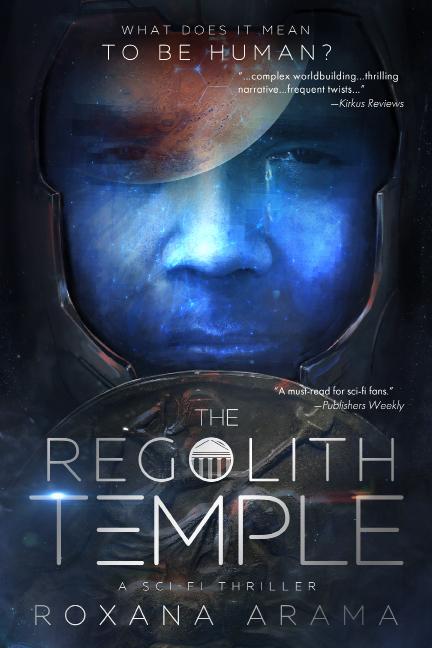
by Roxanna Arama
An ancient Roman temple terraforming Mars. An android longing for his human wife. Will their epic clash bring Earth to its knees? Neuroscientist Yamir Varro has uploaded his brain into an android, Y1, to prototype an artificial mind. Y1 watches helplessly as his human self neglects the family they both love. When a Roman temple acquires the lab and repurposes the androids to terraform Mars, Y1 must protect his kind and rescue his son, taken hostage by the temple. Now Y1 fights for a future neither side may survive.
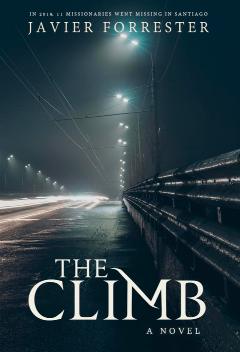
Javier Forrester
After the death of his fiancée—3 months pregnant—Mark Crosby lost sight of the life he once knew. He performs his 9-to5 job and returns home to his elderly grandmother occasionally attending a nearby church, if only just. But the invitation of an old presbyter upends everything: a mission trip to the breakaway territory of Santiago—the last place on Earth he wanted to go. Joining a team of 8 volunteers—alongside 3 missionaries, a bus conductor, the driver, and his family—he embarks on a journey through a country splintered by warring factions and a strained military. When their trip to the remote Puerto Palermo village takes a wrong turn, the tour bus crashes off-road near a precipice and Crosby discovers the accident wasn't an accident.

by Roman Surzhykov
Polaris is an epic fantasy cycle, written by Ukrainian author Roman Surzhykov. The cycle includes 6 novels. The first novel –Arrow, Coin, Spark – is now translated to English. The translation of other novels is in progress. The world of Arrow, Coin, Spark is a fantastical Middle Ages where railways link feudal castles, swords and crossbows stand alongside trains and telegraphs, and knightly oaths crackle with electric sparks. Mysterious Sacred Objects can shatter enemies, alter flesh, and grant superhuman powers, yet none can truly master them. Three fates, three paths. Lord Erwin, a Northerner sent to the Outland to uncover a terrifying truth about the world — and himself Harmon Paula, a merchant and rogue, becomes the bearer of an artifact hunted by armies Minerva, a girl from the margins drawn into a perilous game for the Imperial throne. The Great Houses scheme, the Emperor prepares a new era of progress, and a spark once kindled may ignite a wildfire.
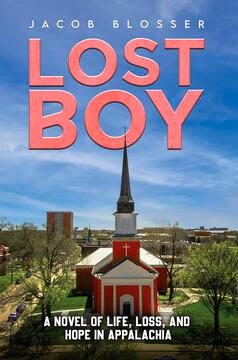
by Jacob Blosser
After being kicked out of his childhood home, Jamie Perkins finds refuge with local Presbyterian pastor Pete Gailey and his wife, Meg. Impressed by Jamie's work ethic and character, Pete offers him a job at the church. Life seems to settle into a peaceful rhythm ... until people in the community start dying. Jamie has an unsettling habit of being the last person to see many of the deceased, particularly the elderly, alive. As suspicions grow, Pastor Gailey must uncover the truth. Are these deaths acts of murder, or could they point to something far more mysterious ... and miraculous? With humor and heartfelt poignancy, this story explores what happens when God's presence defies expectations, challenging both faith and understanding.
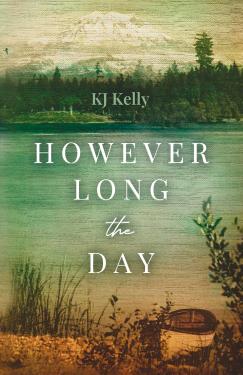
by KJ Kelly
Set against a backdrop of two world wars and the Great Depression, this family saga follows two generations of women across America's developing regions. They survive hardship and loss while trying to keep their families intact. They forge their own identities while fighting for their dignity and survival, often with grit and resilience as their only weapons against financial devastation and betrayal. This intimate story captures the complexities, fissures and joys of daily family life.
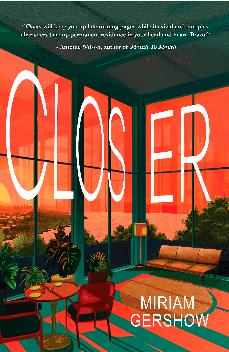
by Miriam Gershow
In 2015, the tranquil college town of Horace, Oregon is disrupted when white students taunt a Black student. This incident sparks repercussions through the community. Woody, the school's guidance counselor, finds himself thrust into the spotlight after years on the sidelines. Lark, a struggling student, grapples with the fallout as her relationships are reshaped by the incident. Stefanie, a conflicted parent, struggles to balance protecting her child with allowing him to find his own path. Friendships are strained, marriages are tested, and families face the threat of sudden violence. When tragedy strikes, the survivors are left grappling with the fault lines in their relationships and searching for ways to draw closer.

by Eva Asprakis
'A sharp and well-observed portrait of lives at the crossroads' - Kirkus Reviews. August, 2005. High-school sweethearts Aristos and Agathi, and Petros and Melina, are the best of friends, until Aristos declares that he is leaving Cyprus for university. Seven years later, Aristos returns with his new girlfriend, Wendy, to find Petros and Melina engaged, and Agathi still hung up on him. As the estranged friends become reacquainted, their worlds come apart. All of them have wrongs to right, but with Cyprus hurtling towards the worst aviation disaster in its history, they might have less time than they think.
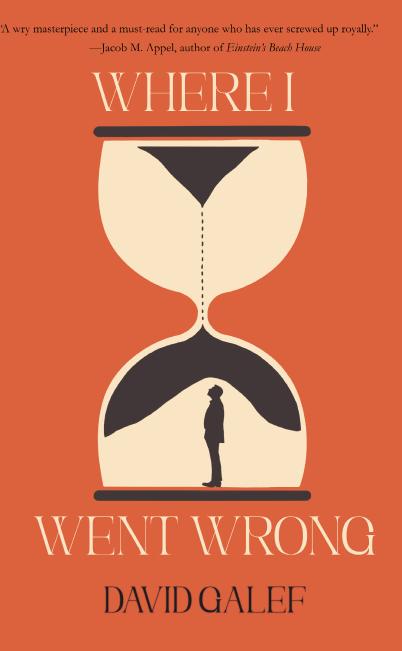
by David Qalef
Tony Mazza faces jail time for driving off in a stolen ambulance. “Where did I go wrong?” he wonders as he thinks back on his failed relationships and family challenges...all the way back to his birth. Where I Went Wrong blends action with rueful reflection, examining both failure and success. It questions why some people lose out while others get away with murder, in a narrative both comic and profoundly serious.

by Lynn Slaughter
Devastated by her mom’s sudden disappearance and the evidence pointing to suicide, seventeen-year-old Noelle, an aspiring ballet dancer, doesn’t believe her mom would ever have taken her own life. She undertakes her own investigation to find out what really happened to her mother. Meanwhile, Noelle is dealing with growing romantic feelings for Ravi, her best friend and fellow dancer. And she’s worried about her little sister, who won’t talk about why she doesn’t want to visit their dad. As she pursues the truth, her story intersects with that of Savannah, a woman escaping an abusive marriage who might be the key to finding Noelle’s mother. Missing Mom honors the resilience of women forced into impossible situations and the power of love.
by H. Hasl-Kelchner, MBA, JD
Seeking Fairness at Work challenges employer “truths” by examining unwritten workplace norms – the invisible lines that when crossed, create organizational dysfunction. This new perspective on employee engagement explains employees’ legitimate frustration and identifies missed management opportunities to improve workplace culture. Recognized business strategist and Journal of Business Ethics Education editorial board member Hanna Hasl-Kelchner, MBA, JD identifies the five most common workplace norms that betray fairness, leaving employees feeling dispirited, disengaged, and headed for the door by examining the social psychology of how our basic human motivations intersect with the implied workplace social contract.
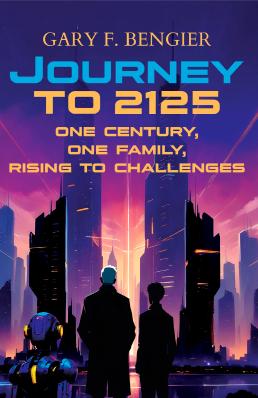
by Gary F. Bengier
The story of a family facing our future. It’s 2125 when a long-separated grandson suddenly arrives on his doorstep looking for answers. Max MacGyver retells their family story and secrets, revealing a century of challenges that they’ve faced. Journey to 2125 is one family’s touching story, across generations, of adventure, rivalry, loss, survival, and resilience. At its heart, Journey to 2125 is the story, told over a single day, of a young boy and his grandfather. Why did his parents decide to move to the Commune? What family secrets will his grandfather share? Take this journey with Max MacGyver and his grandson, as they reveal their family history, and the road ahead for you and yours.

by Kathleen Stone
Summer, 1975 Daisy Nicolazzi is an overweight fifteen-year-old girl whose parents’ own the local Italian bakery. As she tries to wade through her emotional high school years at St. Joseph’s Catholic School, she understands all too well what it’s like to be an outcast. She knows what it’s like to be numb. Jett Fontenot is the ten-year-old boy who moves in next door and he has a secret—he sees letters and numbers in specific colors and he can taste peoples’ names. He loves black and white movies, hates being touched, and is obsessed with blues singer Etta James. He, too, understands what it’s like to be an outcast. He, too, knows what it’s like to be numb, even though he is too young to understand it all.
by Jennifer Farwell
Cayden "Deni" Indigo is the hottest teen pop star on the charts, until an explosion at her concert shatters everything. Now she can't step on stage without panicking, and people blame her for the deaths at her show. When her mom decides she needs a summer out of the spotlight, Deni ends up at a lake in Canada where no one recognizes her. That includes Hunter Gray, her new neighbor. As her life shifts from red carpets and award shows to boats and bonfires, she starts to fall for Hunter—and he starts to fall for her. There's just one problem: Hunter hates celebrities. And Deni hasn't told him the truth. But secrets never stay hidden for long. And when Deni's catches up with her, it's not just her heart on the line—it could be their lives.
by Marisa Billions
I AM HAUNTED. I LIVE A HAUNTED EXISTENCE. For nearly a decade, Sophia Martin and her husband Eli built a thriving spiritual empire promising “a bespoke path to purpose.” But when Sophia meets a woman who awakens her heart, Eli’s empire—and control—begin to crumble.
I DANCE WITH THE PAST ON A DAILY BASIS. After escaping Eli, Sophia starts over in a quiet town, reclaiming her identity and finding love with Frankie, who shows her she deserves peace. Then, bodies of murdered women begin to wash ashore.
I RELIVE MY MISTAKES AND QUESTION MY PRESENT AND DOUBT MY FUTURE. When Sophia spots Eli nearby, she’s certain it’s no coincidence. But no one—least of all Frankie—believes her. Can she prove Eli’s back to destroy her before he takes everything again?
by William Graney
Twenty-six-year-old Amber Flynn is facing the two biggest disappointments of her life: she failed to qualify for the Olympic downhill ski team, and her husband announced that he will be leaving her for another woman. Seeking a fresh start, Amber relocates from the Lake Tahoe area to the Central California coastal town of Santa Severa, where she decides to open a bookstore. As Amber tries to search for her best self and recover from the recent traumas, she discovers a passion for the ocean and her childhood love of sailing. The sailor's nook in the bookstore becomes her favorite place, but it also inspires visions of a haunting ghost ship on the distant horizon. Challenges follow when Amber must face a stunning series of unexpected events.
by Mike Donoghue
Livingstone1813 has lost his memory. It’s been stolen from him. Ripped out of his head by an organ thief. He’s lost a decade of his life. Friends forgotten. Experiences erased. Even so, he understands this is how many humans live now, stealing parts from AI bots like him. Katie is trying to survive as best she can in a world where unemployment for humans runs at 50%. Some security consulting here, some memory theft there, and in between, trying to subvert the AI-controlled society. The problem for both of them is that the memory contained a secret. Together, the unlikely duo team up on an odyssey around the world and beyond to discover the truth of who nuked Silicon Valley and why.

by Erika Lynn Adams
Fourteen-year-old Allie Little lives in a perpetual Wonderland—with all the confusion and none of the wonder. Diagnosed with Auditory Processing Disorder (APD), she is continually forced into rabbit holes of misunderstanding and anxiety. Whatever she reads, sees, or hears often turns into nonsense, and the time to be "curiouser and curiouser" about her surroundings is a luxury she can't afford from the impatient people around her. But one day, during a field trip on a ferry named the Wonder, Allie meets an odd character named Charlie and sees the creative genius and unadulterated joy that madness can bring.
by David Benjamin
David Benjamin’s anthology, Almost Killed by a Train of Thought, won the 2019 NYC Big Book Award as the year’s Best Essay Collection. In this sequel … Benjamin messes around with subjects that range from politics and journalism to technology and travel, life in Paris and personal reminiscence. Among the surprises, Benjamin’s eclectic vision shines a revealing glow on … … the ghastly thing on the bedside table … Abraham Lincoln’s discovery of the bikini … The second coming of Jesus in the age of American narcissism … the irresistible fakeness of Las Vegas … the romance of Miss September, 1963 … the attack of the sentient refrigerator … God’s second thoughts about the Creation … the great Morovian housecat holocaust … And much, MUCH more.

by David Benjamin
The secret dream of every writer, or artist, is to live and work in Paris, although it rarely comes true. In An Apartment in Paris, writer David Benjamin not only chronicles the arduous process of planting a foothold—pied-à-terre—in the City of Light, he regales the reader with the adventures, observations, shocks and pleasures experienced by himself and his wife, artist Junko Yoshida, along the way.
To acquire their sunny garret in the Latin Quarter—overlooking Notre Dame—the doughty explorers enlist the aid of Roberta, an American widow in Paris who runs them through the weird gamut of French real estate, a whirlwind tour of vacant, and often appalling, apartment. They end up dealing with realtors, bankers and lawyers in three countries and they fall under the spell of a wise and lovely Parisian notaire.

by Kojo Gyan
Who’s in control in those moments you aren’t? They’re all around us. Wherever there’s enough of us to keep them alive. Waiting for their chance to occupy those of us whose consciousness lapses. There when we get lost in a thought. A daydream. A moment. Through us, they experience the joys of the world in fleeting moments. By feeding on the scraps of attention we let wander, they live a little longer. For most, those small glimpses of how we experience the world are all they get. But some want more. They find another way. They live among us. Within us. And in some cases, instead of us.
by Jodi Lew-Smith
1875 Vermont. Asa James hasn’t exactly sucked on the silver spoon. No one chooses to grow up on a rural poor farm, but a mixed-race orphan with Asa’s scarred face has little choice. Determined to be a naturalist and scientific thinker in the vein of Charles Darwin, instead he finds himself thrust alone into the wider world, taking a tutor’s position at a mountaintop mansion. There, the widow Caro Rockwell is someone so far outside Asa’s experience that she could well be another species. They somehow form a friendship that grows into a sweet and tender sort of love. His heart has what it wants. But then, from within the many dark recesses of Mansfield Hall, a shameful secret is discovered that will force Asa into making a terrible choice.
by Stephen Ford
In the far future, after a nuclear war, the world is separated into two realms under the protection of the all-powerful Commission. In Ecologia mammoths, wolves and sabre cats roam the world of Stone Age people, while in Economica modern people enjoy technological convenience. In Ecologia the Commission is worshiped as a deity, but in Economica resented as an obstructive and unaccountable bureaucracy. Peter finds a portal between these realms and illicitly sets up a life for himself in both worlds. Like everyone else he has no idea what the Commission really is, and when Peter’s friend, Simon, figures it out and is silenced by sinister forces, Peter questions his future. The imminent closure of the portal, Peter has to make a choice.

by Stephen Ford
The United Kingdom has broken up, the monarchy abolished and English society is dominated by the Universities, new centres of power in the land, a power as great as the medieval Church and suppressing heresy against the new woke creed as zealously as Stalin’s secret police, to protect the public from dangerous hateful influences. Ban of the Remembrance Day commemoration sparks an insurrection, restoration of the monarchy and purging bastions of the old regime’s power, the Universities.

by Kelley A. Raab
Psychotherapist and religious studies scholar Kelley Raab offers a deep appreciation of the importance of grieving our losses. The death of her mother propelled her on a spiritual search for purpose and identity. Along the way she discovered previous, unmourned losses that interfered with her ability to experience joy and hope. Inspired by her seamstress grandmother, Kelley uses a quilting metaphor to sort out the layers of her grief. Kelley sews a bit herself, a legacy inherited from both sides of the family. The book’s blend of research, memoir, art, and poetry weaves a skillful tapestry, offering key insights into the psychology and spirituality of grieving.
by Mitchell Lecoultre
What greater beauty is there than the truth? -Quote associated with Minollo, god of the Artstone Three interminable years have passed without her sisters. And Sophia is left with nothing but memories and letters from across the sea. Letters that hide the truth. Mundane lines about boring lives. That is until recently. Everyone knows the Vollimosa sisters don’t live boring lives… So, she reads the parchment over and over, but the words remain: mercenaries of The Crimson King, troves of Artstone plundered, plots linked to murders at the capitol. As a Keeper, she is meant to think, to ponder the fickle gods’ designs. But with godstone being used to further the schemes of Augustia’s worst, she wonders if boring might be better.
by J Spencer Osborne
Christmas Inc. blends corporate intrigue with holiday mystery in a story unlike any Christmas tale before it. When Tinkerhaus Toy Company faces a leadership vote, heir-apparent Arthur McClane begins acting strangely, shadowed by a mysterious woman whose sudden presence complicates everything. His odd behavior opens the door for Granville Greenway, the ambitious son eager to seize control. Caught in the middle is Hollis Sawyer, an unassuming junior executive who notices what others don’t. Witty, warm, and full of snow-dusted suspense, Christmas Inc. reimagines Christmas as both nostalgic and vital—a mythology still capable of surprise.
by Arwinder Kaur
Travelling the world in my youth was the best education I could have received. I learned many important life lessons about what it is to be human and how differently this is defined depending on where one happened to be born or raised. How different it is depends on gender and race. What is considered “suffering” or being “free” has as much to do with one’s external circumstances as what goes on internally in our hearts and minds. What are rights and privileges, and are humans really entitled to everything we want? These questions and the truths I acquired have been critical in providing me what I refer to as a “compass for the soul.” Find the kernel of simple truths through the clutter. A lack of moral clarity that makes living in our everincreasing world so chaotic and confusing for those who have lost their compass or never realized there was one. I have dedicated my life to giving to those around me. After attending SFU, I became a social worker specializing in the area of child welfare for almost 30 years. I hope that, in sharing my writing, others too may find it a comfort to have a compass to help navigate their lives as humans on this planet.

by Anna Binder Reardon
Amelia Glickman has it all: a trust fund, a shiny red Range Rover, a serious equestrian hobby, and a brand-new house on Wethersfield Road. But lurking in the basement of her existence is the ache of depression and the torment of life as an addict. At least she has her besties by her side: a bottle and a bong, the binge-purge cycle, and risky hookups. She’s the crossfaded chaos queen of nobody’s dreams. After a shameful series of unfortunate events—including domestic violence, cringeworthy sexual exploits, and everything in between—a brutal equine wake-up call propels Amelia on a journey to save herself in the way only she can.
by Hillary Bowen
England, 1917. When Ophelia Blackwood joins the Women’s Land Army, she’s escaping her father’s meddling and claiming the freedom she’s long desired. The work is grueling, but for the first time, she feels part of something larger than herself. Then Silas Larke returns— wounded from the Front yet as compelling as ever—and Ophelia’s hard-won independence is tested by the man she’s never forgotten. Still recovering from his injuries, Silas struggles to find purpose in a country changed by war. His new post assisting a local farm brings him face to face with Ophelia, whose determination both unsettles and inspires him. As food shortages and the threat of repossession loom, Ophelia and Silas must work side by side, fighting both circumstance and the pull of their own hearts. Amid one relentless summer, she begins to wonder whether independence and love might not be at odds—and whether together, they could become something stronger than either alone.
by Jeremy D. Scholz
Ethan Parker has always preferred the background, unnoticed, invisible. That is, until one impulsive mistake ends him in detention, sitting by the last person he wanted to see: Janet, the nightmare of middle school. Ethan & Janet clash, banter, & see the cracks in their armor. Ethan wants invisibility; Janet needs to be seen. Together, they trip into a fragile friendship, of bruises, laughter, loyalty, & wild ideas. Their worlds collide, Ethan and Janet discover that sometimes the most unexpected people are the ones who save us. Tender, raw, and full of humor, “I Have an Idea!” is a pair of broken teenagers who find belonging where they least expect it.
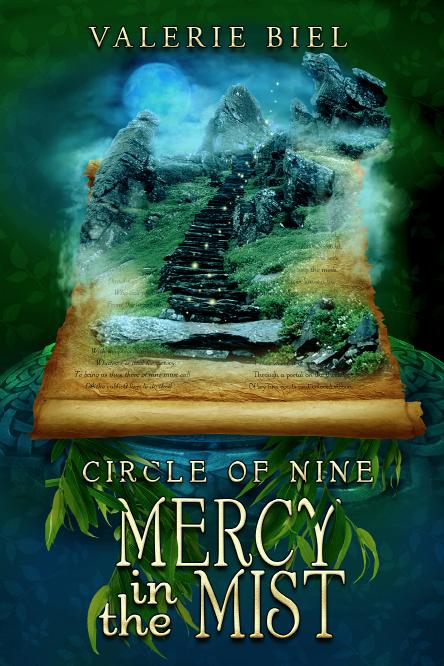
by Valerie Biel
The danger was supposed to be over. The enemies banished to the Otherworld. But the condemned return to haunt her sleep—refusing to be forgotten. Something is still wrong, even if the rest of the Circle of Nine insists the threat has passed. With anonymous warnings surfacing and the police asking questions about the missing, Brigit’s visions intensify, blurring the line between dream and prophecy. The Circle is unraveling. Shadows are gathering. To restore what’s been broken, Brigit must return to the Otherworld and seek answers from the immortal Elders—knowing that to question them is to risk everything. Ancient magic, mortal danger, and Brigit's quest for the truth collide in this spellbinding 4th installment of the Circle of Nine series.
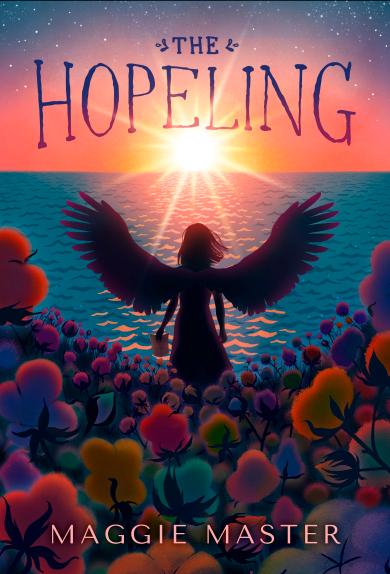
by Maggie Master
Ipsa hates reading human prayers. Unfortunately, that’s the eternal task she’s been assigned. An angel in the Prayer Reading Department, Ipsa must read and sort a never-ending flood of earthly requests before delivering them to the mysterious Answering Department. Unlike other prayer readers, Ipsa finds most humans—known as hopelings— annoying and their prayers forgettable. Until she stumbles upon one prayer she’s not supposed to read. Its cryptic message sparks her curiosity. Ipsa can't quite understand why she feels so drawn to the fourteen-year-old boy who sent the prayer, and she becomes determined to find him. As she searches for clues, she uncovers a host of secrets... and unanswered prayers.

by Allen Wolf
He longs for love; she fears it. Shawn dreams of finding lasting love but only finds frustration—until he meets Violet, a mysterious woman who sees past his autism to the man within. Something sparks instantly. But Violet hides pain behind her quiet smile. Trapped in exploitation, she's learned closeness brings danger. Yet Shawn feels different. Safe. Real. Worth risking everything. As their bond deepens, they must defy impossible odds and fight for each other. Only love can heal their wounds and break them free. This inspirational romance— now a film—returns as a revised 10th Anniversary Edition with expanded storytelling and greater emotional depth.

by A.K. Chandler
A deadly forest, a world-ending relic, and two enemies forced into an alliance–will the sparks between them light their way, or burn their worlds to ash? Clea Hart, a gifted healer and sheltered royal, becomes an outlaw the moment she steals the Deadlock Medallion—a dark relic intent on possessing anyone it touches. To protect mankind, she must destroy it, and that means returning home. The forest of Shambelin is the only obstacle standing in her way, but it’s a monster-infested labyrinth no human has crossed in years. Ryson can change that. A haunted warrior with a past steeped in blood, he has his own reasons for being her guide, even if every instinct urges him to betray her.
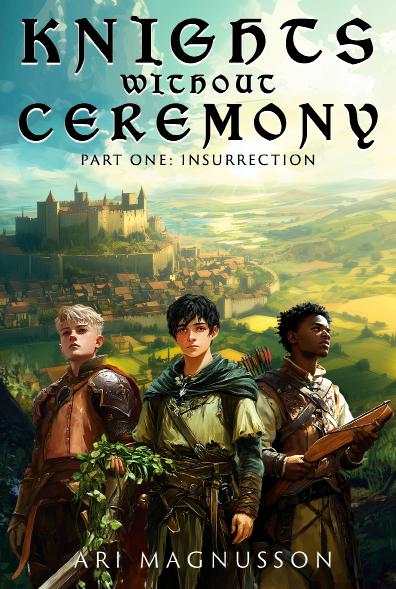
by Ari Magnusson
In the war-torn Kingdom of Gorum, Ettan, Drogue, and Kemo dream of becoming knights, but for more than the title and armor. For Ettan, an orphan stuck tending the King’s chickens, knighthood would mean an escape from poverty. Drogue, the son of the kingdom’s most powerful lord, might win his father’s approval. And Kemo, despised by some citizens for his dark skin, would finally feel accepted. But the path to knighthood is not as straightforward as they believe, and they each face tests far more difficult than the battle exercises on the training field. What they decide when faced with a choice between honor and justice or personal gain will determine who they become and will set the stage for a final battle for the kingdom.
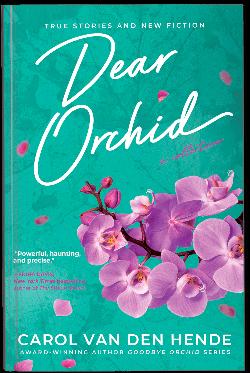
by Carol Van Den Hende
These aren't just stories. They're love letters. Told through a mix of true stories and new fiction, Dear Orchid opens the heart in unexpected ways: through loss and love, silence and recovery, and the hard-won resilience of people who don't always fit the mold. With tenderness and heart, Dear Orchid is an Asian American author's homage to Mary-Louise Parker's Dear Mr. You, through letters to a girl newly freed from East Berlin, an aunt lost to Communist-era borders, and Purple Heart-decorated heroes. These intimate portraits explore the messy beauty of friendship, family, disability, and belonging. You'll meet a wounded hero who jokes through his pain, a beloved cat with a crayon note taped to his back ("HELP ME"), and characters who refuse to be defined by what they've lost. The final chapter brings a fictional reunion with the unforgettable cast from the Goodbye Orchid trilogy, offering healing, closure, and a second chance romance.
by Helena P. Schrader
As the Allies desperately fight to keep the city alive against a relentless Soviet blockade, the Soviets turn to dirty tricks that don't stop short of murder. Meanwhile, former Nazis have regained control of the judiciary. When a young woman, a victim of gang-rape, is charged with murder, her trial becomes a cause célèbre. A high-stakes legal drama unfolds against a backdrop of escalating Cold War tensions. Cold Victory takes you beyond the spotlights and into the shadows of the Berlin Airlift. It explores the social and psychological aspects of the first battle of the Cold War, while reminding us that victory often comes at an extraordinary price. Ultimately, there can be no peace without justice—and no compromise with tyranny.
by Stephen A Marvin
happy marriage is suddenly torn apart by confused passions and a failure of communication. As Erica Seames and Charles Portland struggle to reconcile, a trusted counselor is in their midst—who kills for love. Erica is losing her identity and purpose. How could she have been so wrong about her husband? Charles is shocked by this personal tragedy, but as a reporter who knows his beat, he is determined to understand. “I am not a bad man, I am not.” He had acted foolishly, even meanly, but as he considers his joyful marriage of eight years, he discovers that there is something vital he is missing. As Erica flees New York for her childhood home in Toronto, an anonymous blog is her creation and refuge. She is never alone.
by Tony Bible
Ever said, “I wish I could go there,” when looking at a picture? What if you could? Allister McClamroch has the inexplicable ability to transport himself into photographs. When his best friend is murdered, Allister uses his photo-jumping talent to avenge him but it’s increasingly difficult to keep his secret and he’s forced to make hard choices. Now with the help of two unlikely friends, Allister must face the killer if he wants justice. One photo is more important to him than anything else, and he risks his life protecting it, but a chance encounter will change his destiny forever.

Kristin Nilsen
Is Millie ready to graduate from posters on the wall to a living, breathing boy who sits next to her in Social Studies? By herself, absolutely not. But with a little help from her friends—maybe! Feeling comically unprepared for this next phase of middle school, Millie calls on an adorkable cast of characters for instructions and support. But when a secret game of Truth or Dare leads to her ultimate fantasy of swaying with her crush on the dance floor, the moment is ruined in humiliating fashion. Amidst a whirlwind of embarrassing family shenanigans and side-splitting missteps, Millie learns to trust her own instincts, grow up on her own terms, and never, ever sacrifice her friends for a crush.

by Mike Langan
Wade Wesson is a Border Patrol Agent with a heart. After he catches a drug smuggler, he sets out into an Arizona desert to rescue a pregnant migrant. When news of his heroic gesture reaches home, his estranged father amends his will to leave Wade half his estate . . . and then dies. At the wake, Wade's sister Rory cries foul and points a finger at their father's disgruntled client, a clever ex-con named Chevy. But standing in the way is Chevy's protective probation officer – and Wade’s ex – Mary. To clear things up, Wade agrees to look into the case. Instead he gets arrested for criminal trespass and suspended from work. When he is about to give up, Rory goes missing in Canada, and Mary persuades Wade he must do the unthinkable.

by Danielle Smyth
Callie Sheffield dreams of being a novelist, but for now she’s ghostwriting other people’s stories. Her latest assignment—a finance book for her boyfriend’s boss— only underscores how stagnant her relationship has become. Seeking space, she retreats to the local library, where she meets Will Pearson, a charming clerk with a secret past. Their connection rekindles her ambitions and a sense of possibility she thought lost. With Will’s quiet support and her great-aunt’s wisdom, Callie begins to imagine writing her own story. But when tragedy strikes, she must face that love and loss often arrive together—and that choosing herself may be the bravest chapter of all.
by Thomas Kudla
Discover the Journey of Self-Realization and Resilience in "Waking Up at the Gates" Delve into the profound and introspective world of "Waking Up at the Gates," a compelling narrative that explores the depths of human experience, resilience, and self-discovery. This book, penned with raw honesty and emotional depth, takes readers on a transformative journey through the author's life, filled with moments of triumph, introspection, and profound realizations. "Waking Up at the Gates" is a testament to the power of perseverance and the human spirit. The author delves into personal experiences, reflecting on the challenges and triumphs that have shaped his journey.
by David Habib
When fourteen-year-old Cassie is sent to a weekend artists' retreat at an abandoned psychiatric facility, she expects to be bored. What she finds instead is a labyrinth where stories have power, reality bends like watercolor, and something sinister lurks beneath the promise of "finding your voice." The retreat at the Stacks, a sprawling former factory complex with a dark history, is nothing like the brochure promised. Hallways stretch impossibly long, rooms flood with indoor rain, and a clever rook needs help finding its way home. Guided by an eccentric scholar in a wheelchair and a mysterious new friend named Tara, Cassie must navigate a place where the line between story and reality has dangerously blurred.
by Grace Vice
Las Vegas was supposed to be the start of a better life for Emma. When her new boyfriend, Grant, offered security and love, the small-town woman was quick to jump on a plane, and leave her old life behind. But when three dangerous, disturbingly gorgeous, criminals stumbled their way into the couple’s home, no one expected what would follow. Dameon, Matthew, and Elijah didn’t plan to kidnap anyone. Emma was never a part of their bigger plan, but now that they had her, what next? In a town of mob bosses, heavy grudges, power grabs, and a thirst for revenge, Emma would find herself tied up in more ways than one with the men that kept her prisoner. Would Emma ever be able to leave their high-rise safe house? By the end, would she want to?
by Sondra R. Brooks
Amidst the control, confusion, and chaos caused by her eight-times-married mother, this author’s story spans the extreme emotions of a mother-daughter relationship, touching on cyclical family dysfunction, addiction, and forgiveness. Beginning at the age of five, Sondra spends decades auditioning for the role of her authentic self. Her dazzling mother casts her as confidante and co-conspirator in her affairs and serial marriages. Sondra vacillates between fierce anger toward her mother—who does nothing to protect her from physical, sexual, and emotional abuse—and a desperate need for her love and approval. As an adult, establishing a life independent from her mother proves far more complicated than she could have imagined.
by Charlotte Stuart
A young boy witnesses a kidnapping in a homeless encampment and flees for his life. When private investigator and single mom Cameron Chandler is asked to find a missing homeless woman, she enters into a complex world of camaraderie and hardships where no one is safe. What happened to the woman who was kidnapped? Who made off with the baby of a drug-addicted mother living in her car? Why are people disappearing from homeless encampments? In this borderline “cozy” mystery that combines a serious theme with quirky characters and plenty of suspense, who will win: the white unicorn of hope and fantasy or the black unicorn, a harbinger of death?
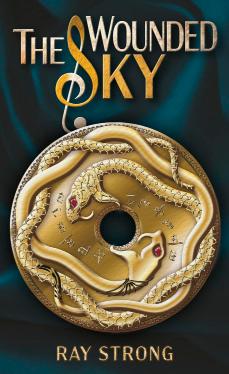
by Ray Strong
A cursed bond. A dying dragon. And a choice that could doom the world. Astria and her dragon, Zephyr, are poisoned by a deadly curse. Desperate for a cure, Astria infiltrates the legendary College of Singers, where ancient songs shape reality itself. But no magic comes without a price. Disguised as performer and spy, she travels from shadowed taverns to gilded courts, aided by an unlikely duo: a secretive giant and a sharp-tongued dwarf. But the cure is a bargain only the warrior-prince who cursed her can grant. As war brews and time runs out, Astria must decide: betray everything she’s fought for to save Zephyr, or let the curse consume them both while civilization falls to Darkness.
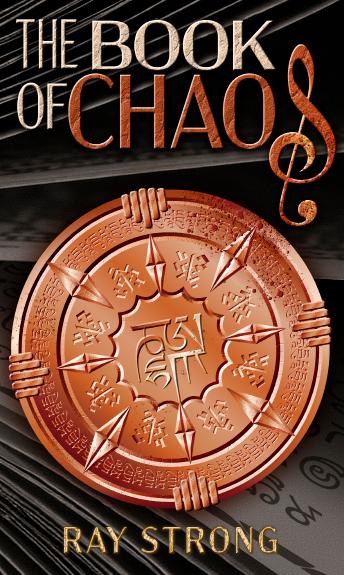
by Ray Strong
One girl. One legend. One empire to burn to ash. The Northern States rose from blood and rebellion, carved out by those who would not bow to tyranny. Diana was born into that legacy—daughter of a militia colonel and a Northern warrior known as the Angel of Death. But when an assassin’s arrow claims her mother’s life, Diana is thrust into a far greater war. She learns of the Book of Chaos, a dark artifact wielded by the Emperor of Suleria to spread corruption and conquer nations. To avenge her mother and protect her homeland, Diana sets out to find its only rumored counterforce—a rival book of magic lost to legend. Her journey is one of struggle and self-discovery. Her return could bring salvation… or death.

by Tia Banks
Tamara has went through a tough breakup with her ex-boyfriend Cain but with his disappearance after she sat his car on fire years prior, here he is again trying to make nice but why now. Tamara is now in a relationship with Larry who is a very successful business man on the surface but he is connected to Cain in which Tamara has no idea about. Since Cain's arrival so many events has risen that led to heartbreak, death and betrayal.
by Laura Creste
A high-lyric historian of the human project, Laura Cresté fixes her scrupulous gaze on the interwoven threads of this distressed anthropocene era. In the Good Years confronts a painful family legacy, returning to the violent artistic censorship of Argentina’s military dictatorship, her relatives’ survival of a Dirty War death camp, and the scattered paths of their migration to safer ground. In reconstructing the past, Cresté resists the individualistic contraction of the coming of age model, not merely solidifying the psychological actualization of a single person as they enter adulthood but discursively expanding the notion of self, discovering the boundaries of identity as they overlay the seams of the broader world.
by Glen Pourciau
As wryly profound as ever, Glen Pourciau solidifies his reputation as a master of American short fiction with Under, a collection of brief yet meticulously elaborated stories that deconstruct daily living as his characters see it by diving beneath their skin and surveying the electric heat bristling below. He scours their interiors for the granular details of consciousness that accrue to a person’s singular point of view, shape patterns of behavior, and culminate in consequential decisions (or equally meaningful inaction). Pourciau’s writing thrums with claustrophobic intelligence, untangling the knots of eccentric personalities by observing the trajectory of his subjects’ thoughts and tracing them back to the source.

by Allegra Solomon
Ranging in subject but joined by their keen attention to the lives of contemporary young women of color, these stories feature an eclectic cast of characters who are as fascinatingly complex as they are deeply relatable. In these pages, a heartbroken young woman named Salem starts over in LA, where she becomes entangled with Theo, a mysterious wealthy benefactor; teens Nikita and Alexandria bind together to navigate the adolescent politics of high school and female friendship as the only two Black girls at their school; and Ciara, a bookstore employee, agrees to housesit for a white coworker named Angelina she hardly knows, only for Angelina to disappear with no notice and leave Ciara looking after her apartment and dog.
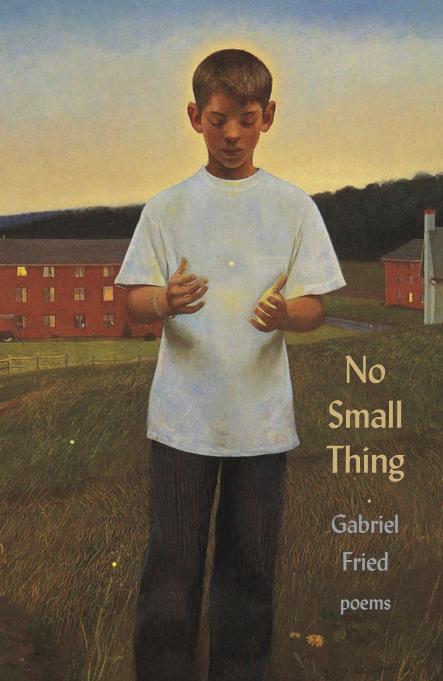
by Gabriel Fried
Like an itinerant evangelist, poet Gabriel Fried transforms every space he enters with a sacred kind of attention. If “the big-top makes a chapel of the fetid / lot between the ballpark and the river, / where the air sticks like a rancid jam,” Fried erects poetry in each humid landscape of our feverish lives. Gabriel Fried guides us down the corridors where sociality and gender, religion and ethnicity, language and identity negotiate their forms. The richly saturated subjects of No Small Thing range from pastoral youth, ancestral tenements, and remembered ghettos to the revival tent, child preachers, and the wordencrusted performances of the grown but still enchanted poet.

One of the secrets of life is that all that is really worth the doing is what we do for others.”
— LEWIS CARROLL

SHELF UNBOUND WHAT TO READ NEXT IN INDEPENDENT PUBLISHING