Technical Report | Integrative Design Studio | Fall 2024
Clinton Lake, Illinois
ARCH 575: Integrative Design Studio Fall 2024
Final Technical Report
Gayatri Pandkar & Shamita Honawar December 13, 2024
Concept 1
Illinois Boathouse + Community Boathouse
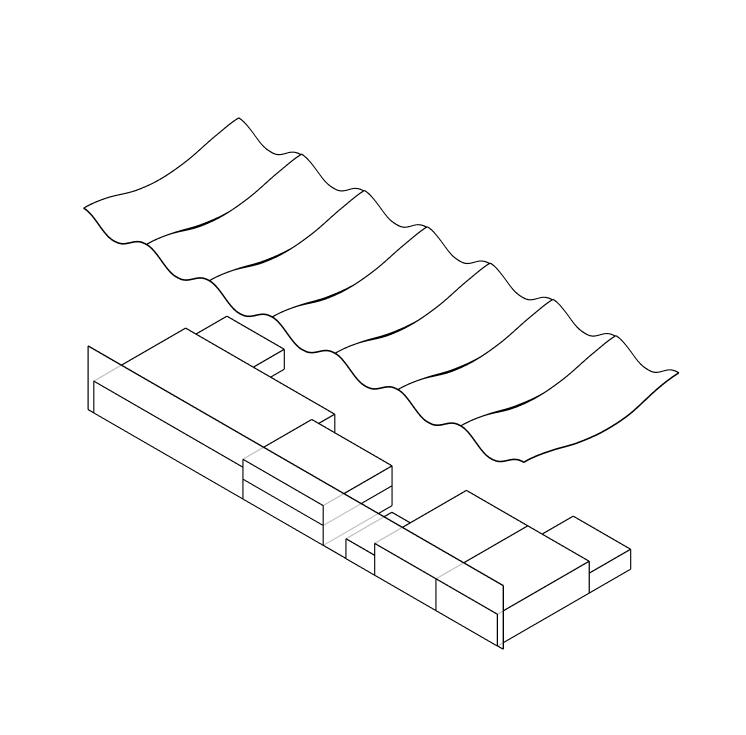
Floating Roof
Illinois Rowing Center
Concept 2
Illinois Boathouse + Community Boathouse
Illinois Rowing Center
Concept 3
Illinois Boathouse
Illinois Rowing Center
Community Boathouse
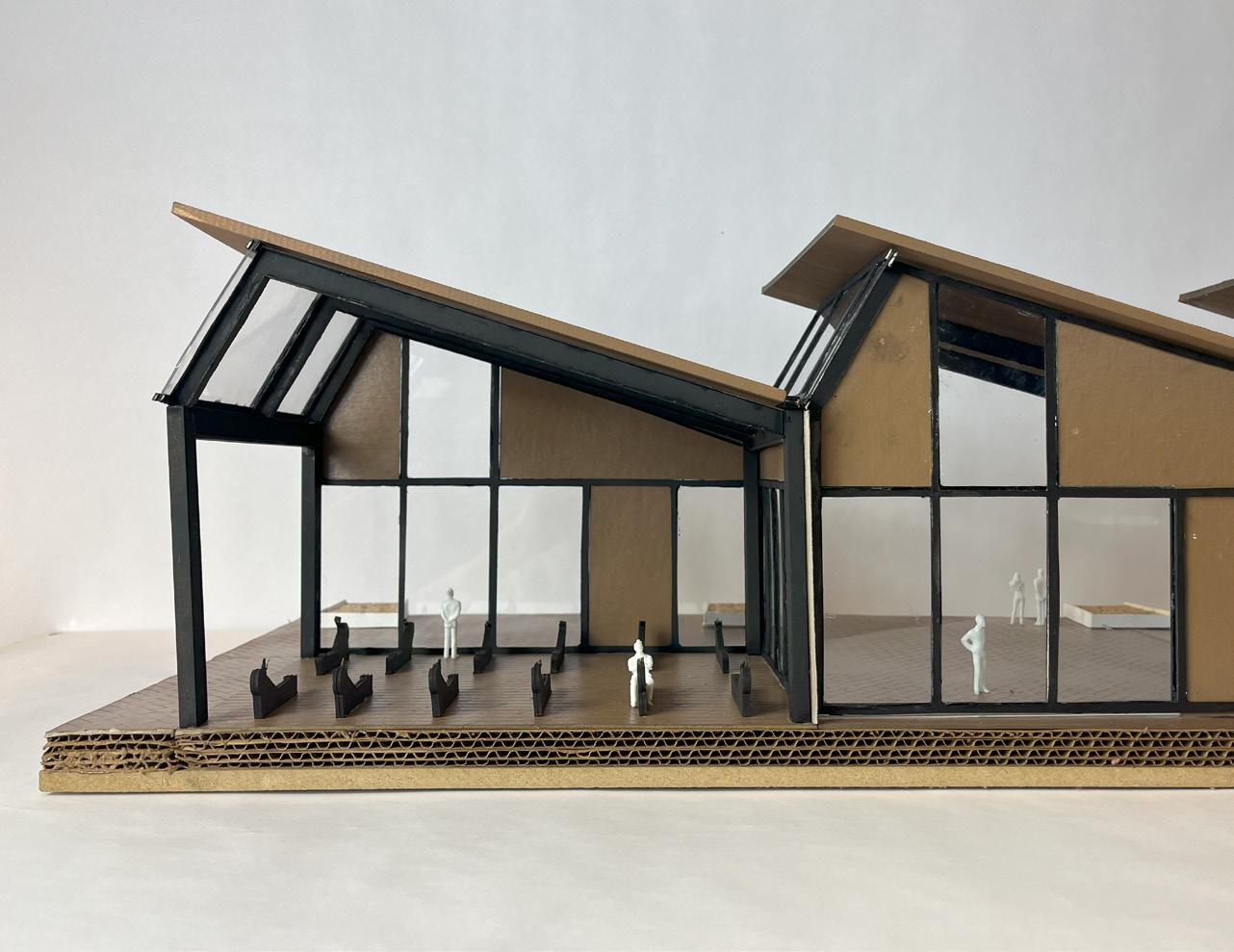
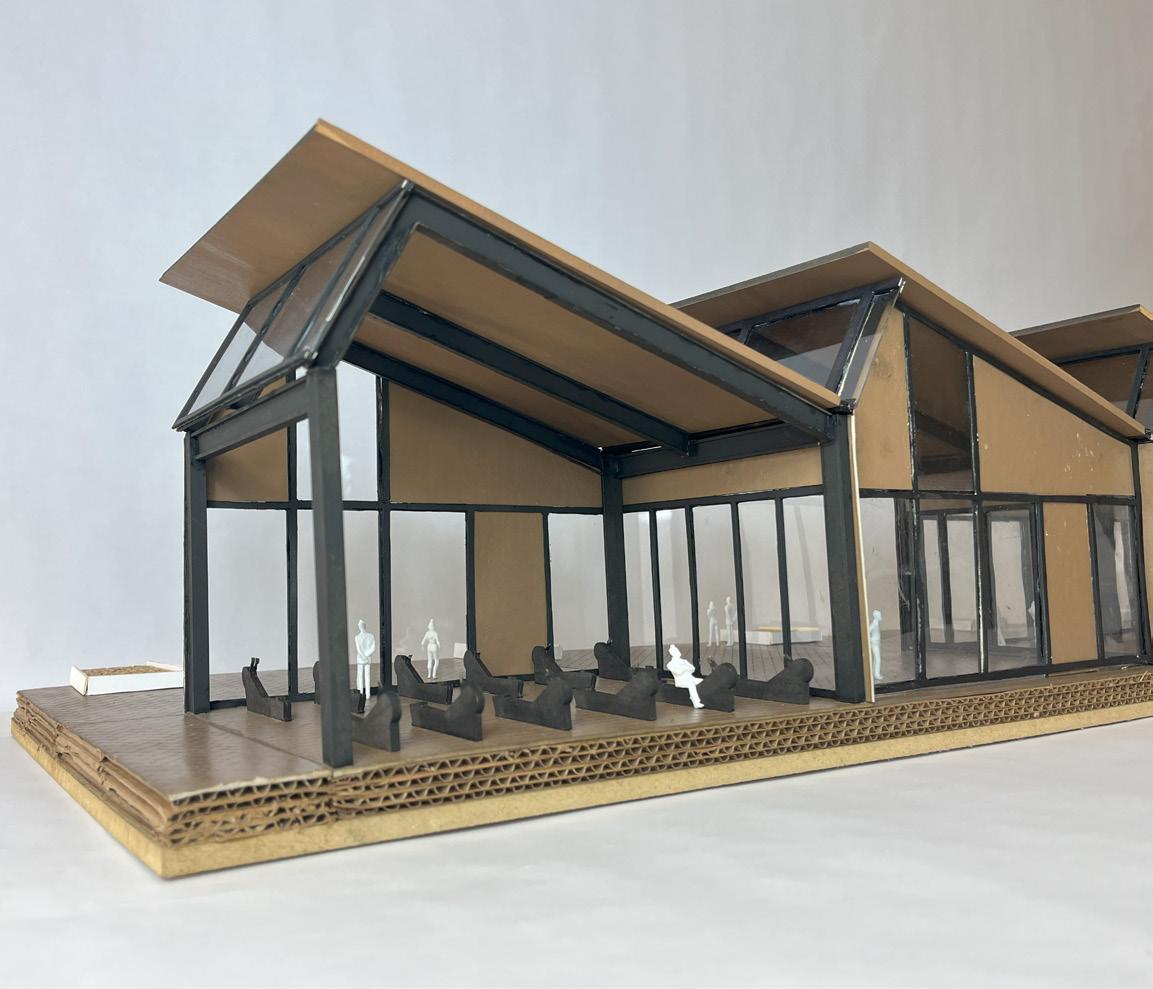
Central Canopy Interactive Space
Final Design: Executive Summary
Conceptual Design Phase
In the Conceptual Design Phase, our team focused on creating a harmonious connection between architecture, nature, and community engagement. We explored various strategies to emphasize transparency, visual connectivity, and interaction with the serene surroundings of Clinton Lake. Each concept aimed to enhance the visitor experience through thoughtful spatial arrangements, integrated views, and responsive roof designs that reflect the natural movement of water. Our design approach sought to celebrate the sport of rowing while fostering a sense of openness and unity between the built environment and the landscape.
In the Design Phase, our team focused on creating a harmonious connection between architecture, nature, and community engagement. We explored various strategies to emphasize transparency, visual connectivity, and interaction with the serene surroundings of Clinton Lake. Each concept aimed to enhance the visitor experience through thoughtful spatial arrangements, integrated views, and responsive roof designs that reflect the natural movement of water. Our design approach sought to celebrate the sport of rowing while fostering a sense of openness and unity between the built environment and the landscape.
Concept 1:
Concept 1:
A continuous glass wall stretches along Clinton Lake, blurring the line between inside and outside, creating an immersive experience of transparency and visual connection. The design features a floating roof that mirrors the fluid movement of the lake’s waters, adding a sense of lightness and flow. All program elements are thoughtfully arranged in a linear fashion at ground level, reinforcing the relationship between the structure and the surrounding landscape.
A continuous glass wall stretches along Clinton Lake, blurring the line between inside and outside, creating an immersive experience of transparency and visual connection. The design features a floating roof that mirrors the fluid movement of the lake’s waters, adding a sense of lightness and flow. All program elements are thoughtfully arranged in a linear fashion at ground level, reinforcing the relationship between the structure and the surrounding landscape.
Concept 2:
Concept 2:
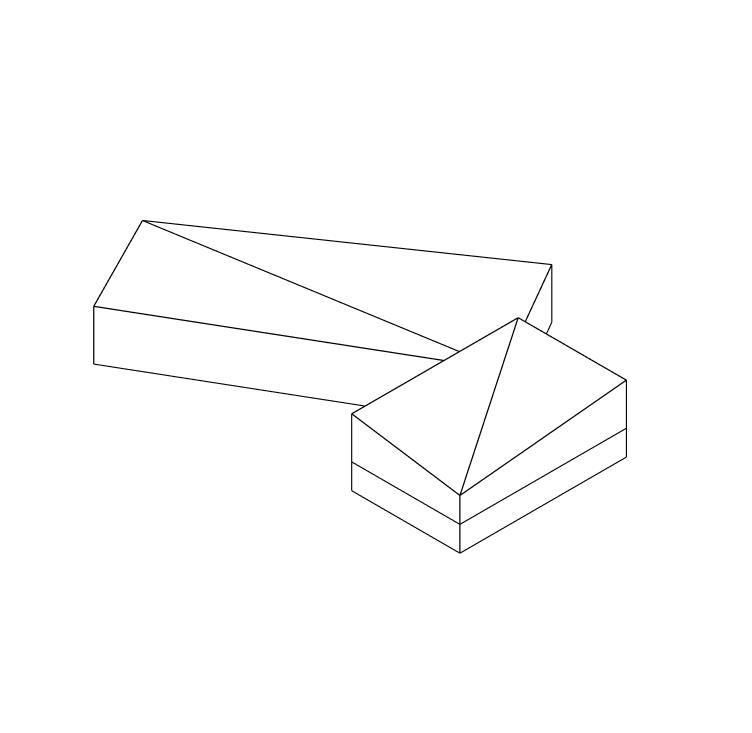
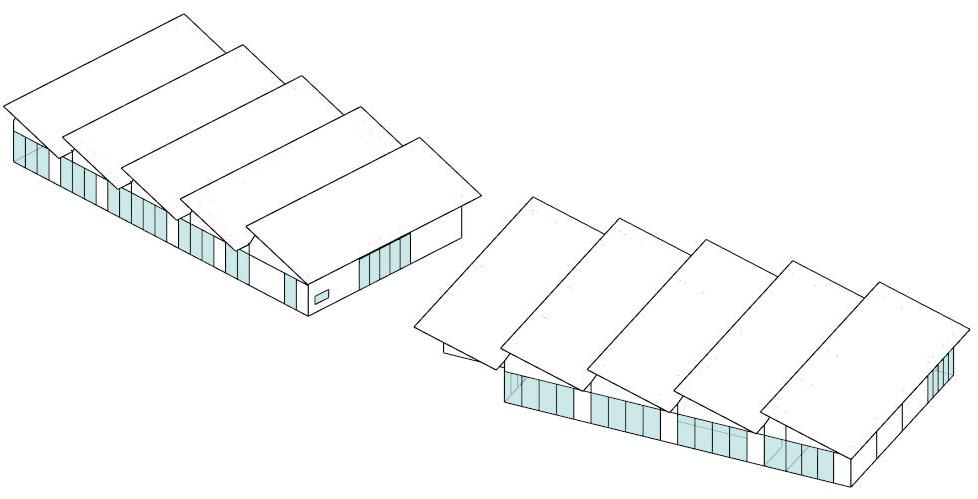
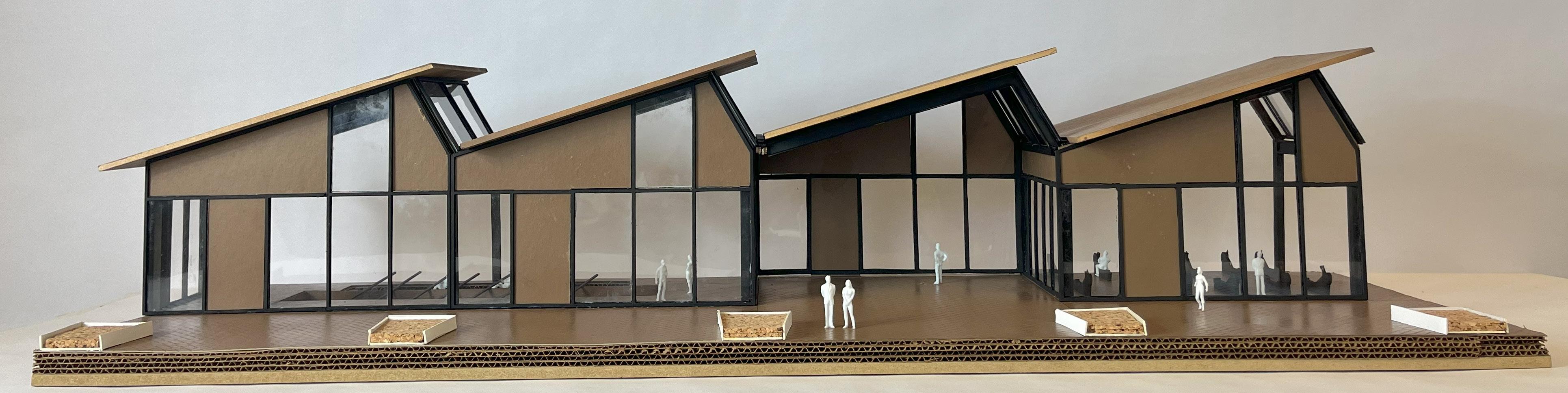
The Community Boathouse and Illinois Boathouse are unified into one dynamic composition, carefully positioned to offer uninterrupted views of Clinton Lake. Both buildings feature striking, sloping roof profiles that evoke the rhythm of the natural surroundings. This cohesive design approach frames the lake as the central focus, ensuring visitors enjoy a scenic backdrop from every angle.
The Community Boathouse and Illinois Boathouse are unified into one dynamic composition, carefully positioned to offer uninterrupted views of Clinton Lake. Both buildings feature striking, sloping roof profiles that evoke the rhythm of the natural surroundings. This cohesive design approach frames the lake as the central focus, ensuring visitors enjoy a scenic backdrop from every angle.
Concept 3:
Concept 3:
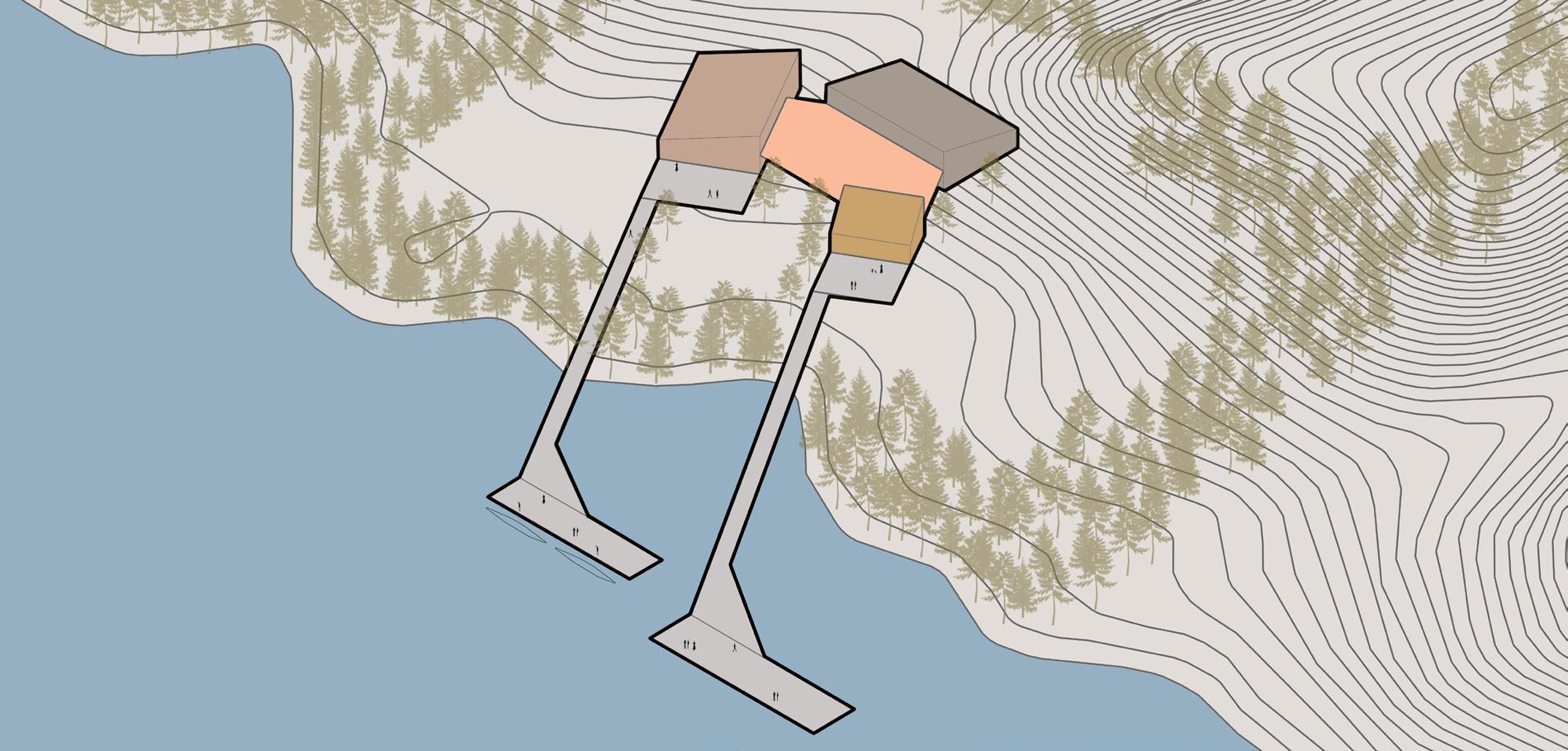
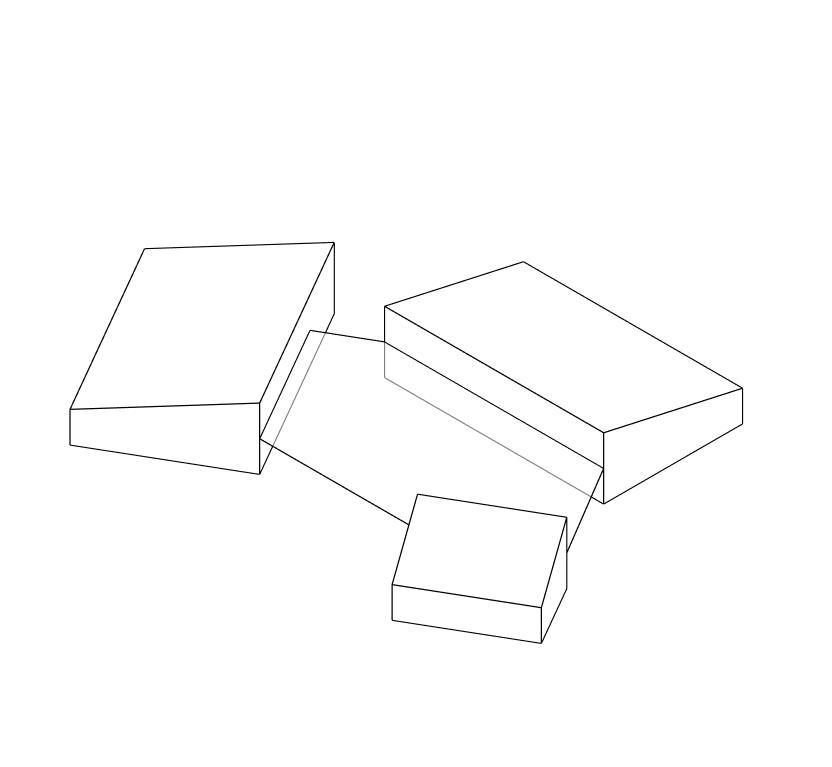
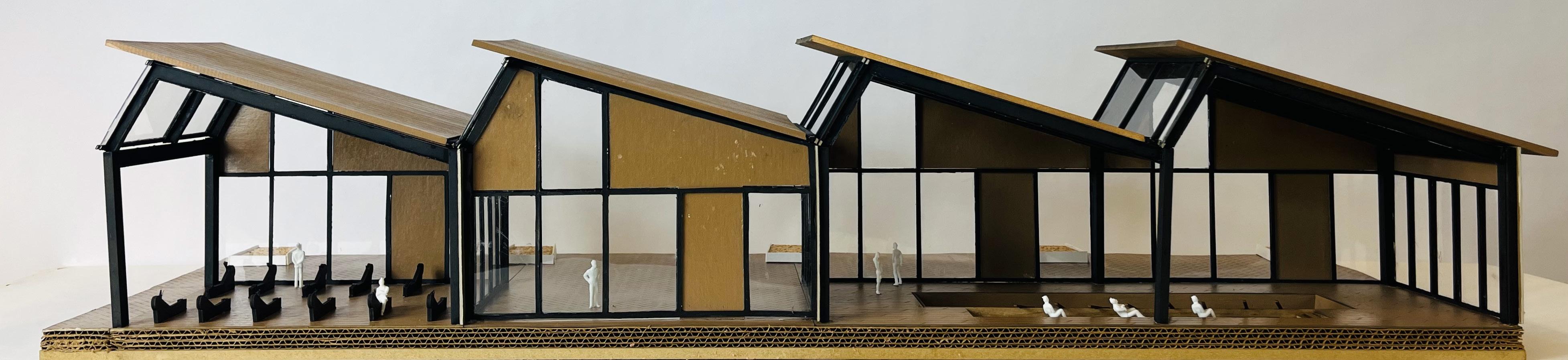
Three distinct blocks are linked by a central canopy, forming an interactive hub for visitors. This configuration fosters engagement, inviting people to gather, explore, and share their love for rowing and the water. The central space acts as a lively forum for the community, where architecture and sport meet in celebration of both the site and the activity.
Three distinct blocks are linked by a central canopy, forming an interactive hub for visitors. This configuration fosters engagement, inviting people to gather, explore, and share their love for rowing and the water. The central space acts as a lively forum for the community, where architecture and sport meet in celebration of both the site and the activity.
Site Assessment: Physical Context
Located along the picturesque shores of Clinton Lake in Illinois, the site for the Illinois Rowing Center and Community Boathouse boasts a harmonious blend of natural beauty and functional potential. The gently sloping topography guides the landscape seamlessly down to the water’s edge, creating an inviting connection between land and lake. The terrain transitions between open grassy meadows and pockets of native vegetation, offering an environment rich in biodiversity and visual interest. This setting not only provides an idyllic backdrop for rowing activities but also serves as a tranquil retreat for the surrounding community.
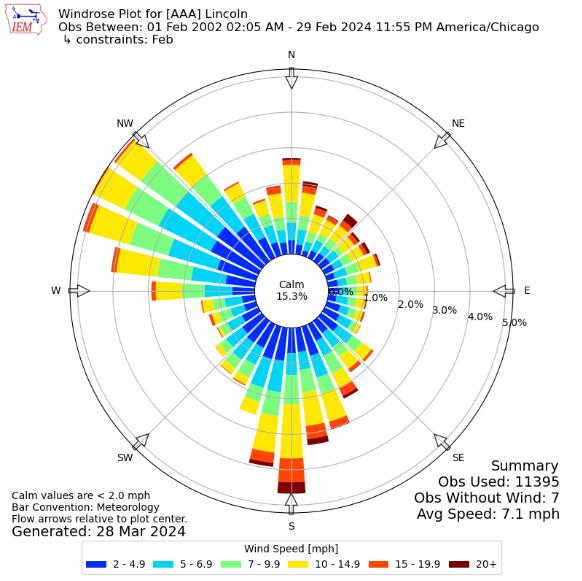
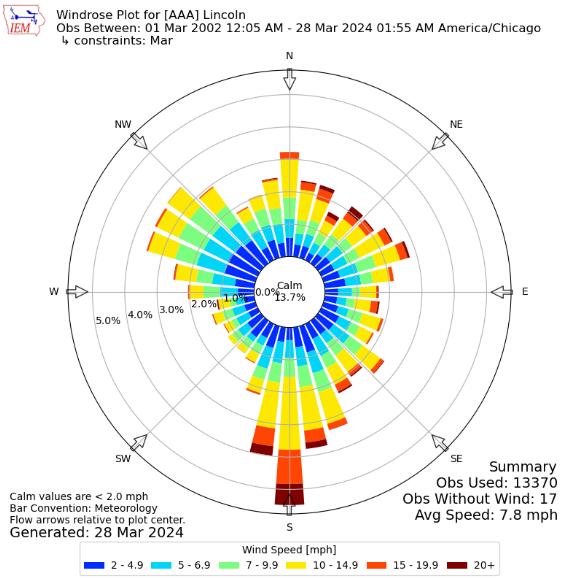
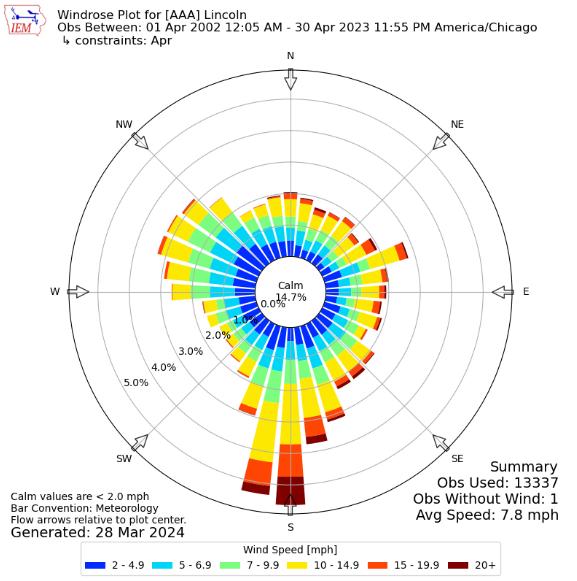
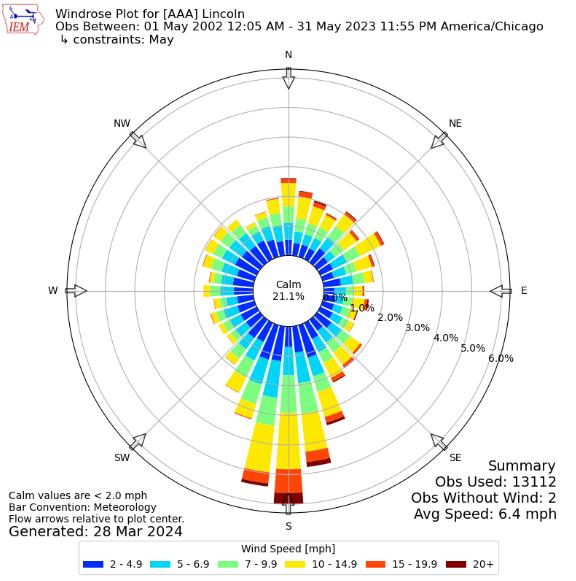
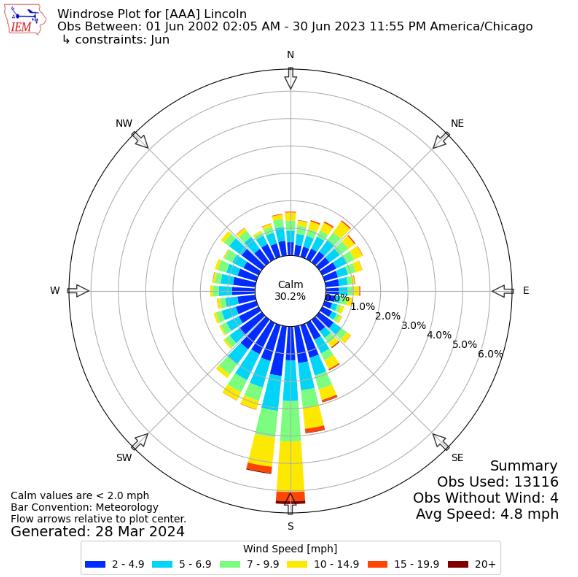
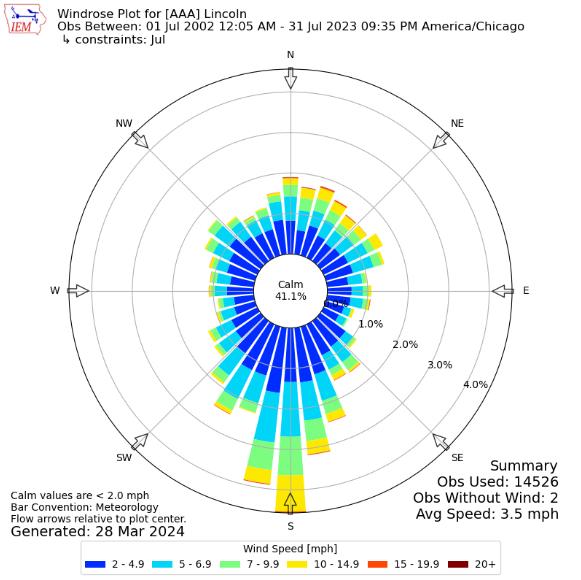
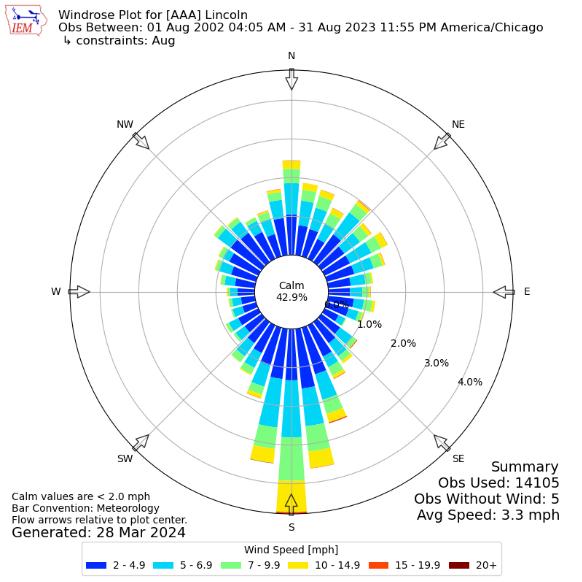
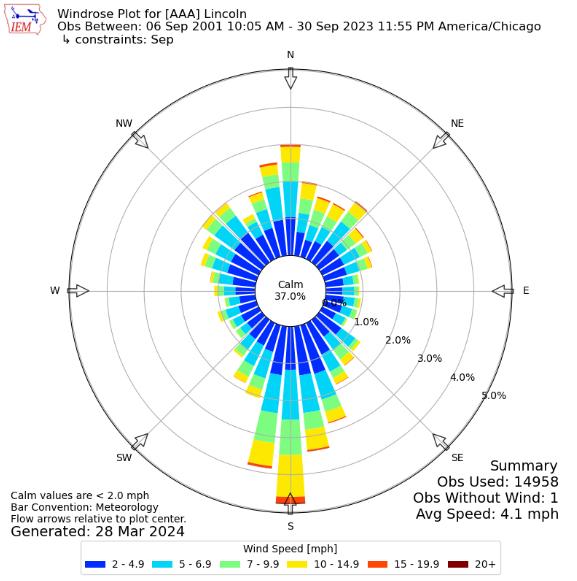
The lakefront location presents breathtaking panoramic views that enhance the user experience, drawing attention to the site’s aesthetic appeal. However, the proximity to the water introduces practical challenges, such as exposure to strong winds that can affect rowing conditions and building stability, as well as fluctuations in water levels that require adaptive planning for dock and shoreline management. Careful design strategies will need to address these environmental factors while maintaining the site's ecological balance.
Vehicular access is conveniently available through adjacent roadways, ensuring the site’s accessibility without compromising its serene and secluded atmosphere. The integration of access routes with the existing landscape preserves the area’s peaceful character, allowing visitors to fully immerse themselves in the natural surroundings while enjoying the amenities of the rowing center and boathouse.
Note: Site Analysis was collectively conducted by all students in the studio, working in teams with specific tasks. Students include: Ben Dirst, August Fuelberth, Shamita Honawar, Kriti Mangal, Deekshita Ponugoti, Gayatri Rajendra Pandkar, Natalia Ptaszek, Matthew Rios, Kendra Shouse, and Alisha Ther
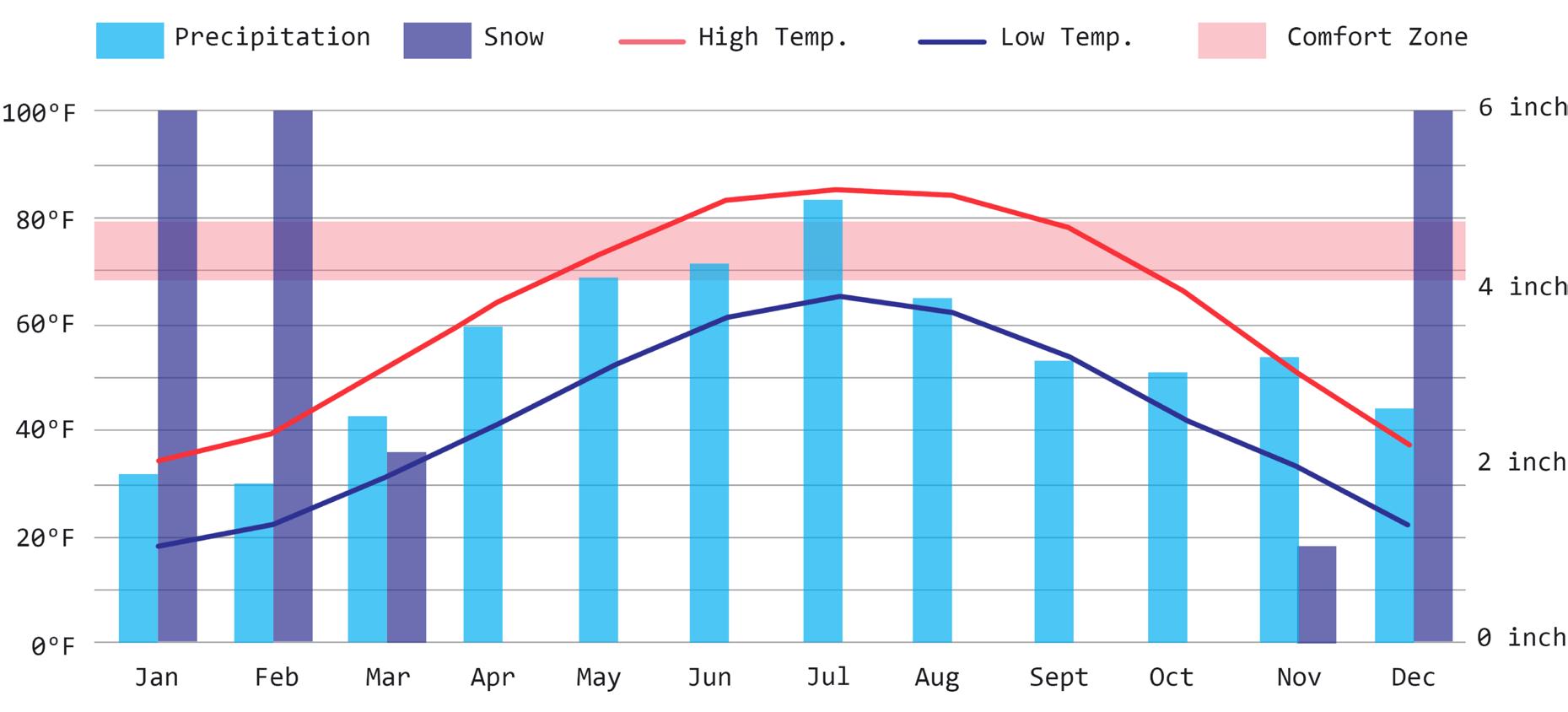
Climograph
Site Assessment: Climate
The site along Clinton Lake offers a temperate climate with distinct seasonal changes, shaping both the environment and the architectural response.
Chilly Winters, Warm Summers: The winters bring brisk, cold air, requiring indoor spaces to maintain a cozy warmth between 68-75°F, while summers bring milder, more comfortable temperatures ranging from 73-79°F, perfect for outdoor activities by the lake.
Balanced Humidity Levels:To ensure year-round comfort, indoor humidity needs to be carefully regulated between 30-60%, providing an ideal atmosphere for both sedentary visitors and those enjoying light activity in the boathouse.
The Department concurs with the ASHRAE guideline that indoor temperatures in the winter be maintained between 68 degrees and 75 degrees, with a relative humidity level between 30 percent and 60 percent. Temperatures in the summer should be maintained between 73 degrees and 79 degrees, with a relative humidity level between 30 percent and 60 percent. These ranges should be acceptable for sedentary or slightly active persons.
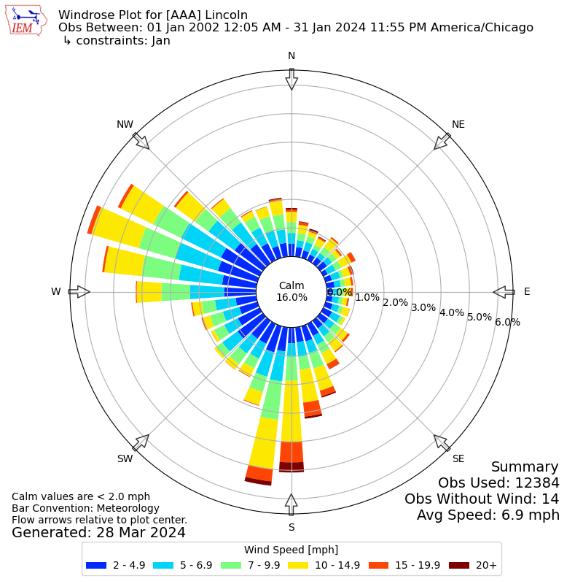
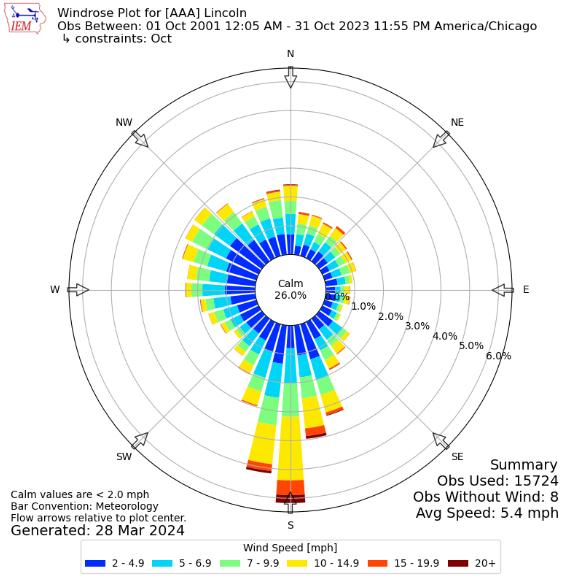
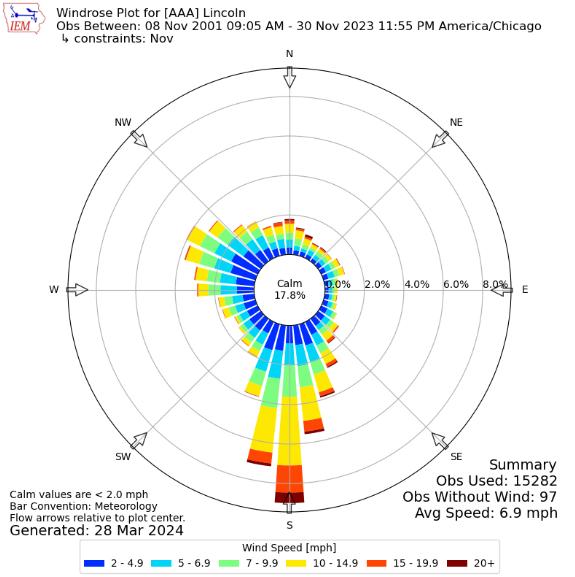
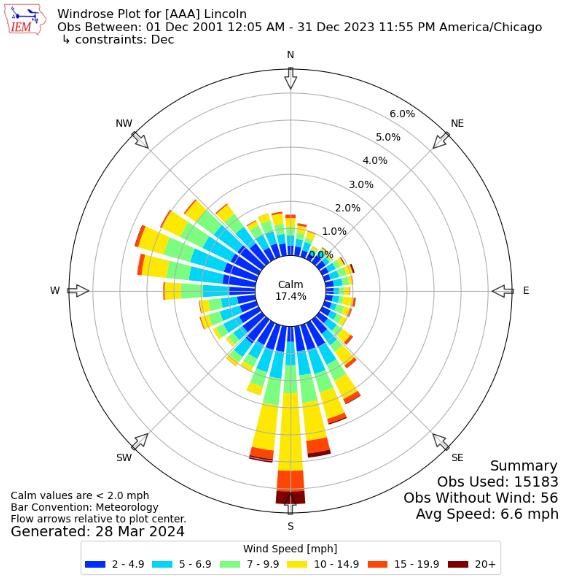
Wind and Lake Exposure:The proximity to the lake heightens exposure to winds, especially during colder months, making it essential to design sheltered seating areas and windbreaks for the comfort of users.
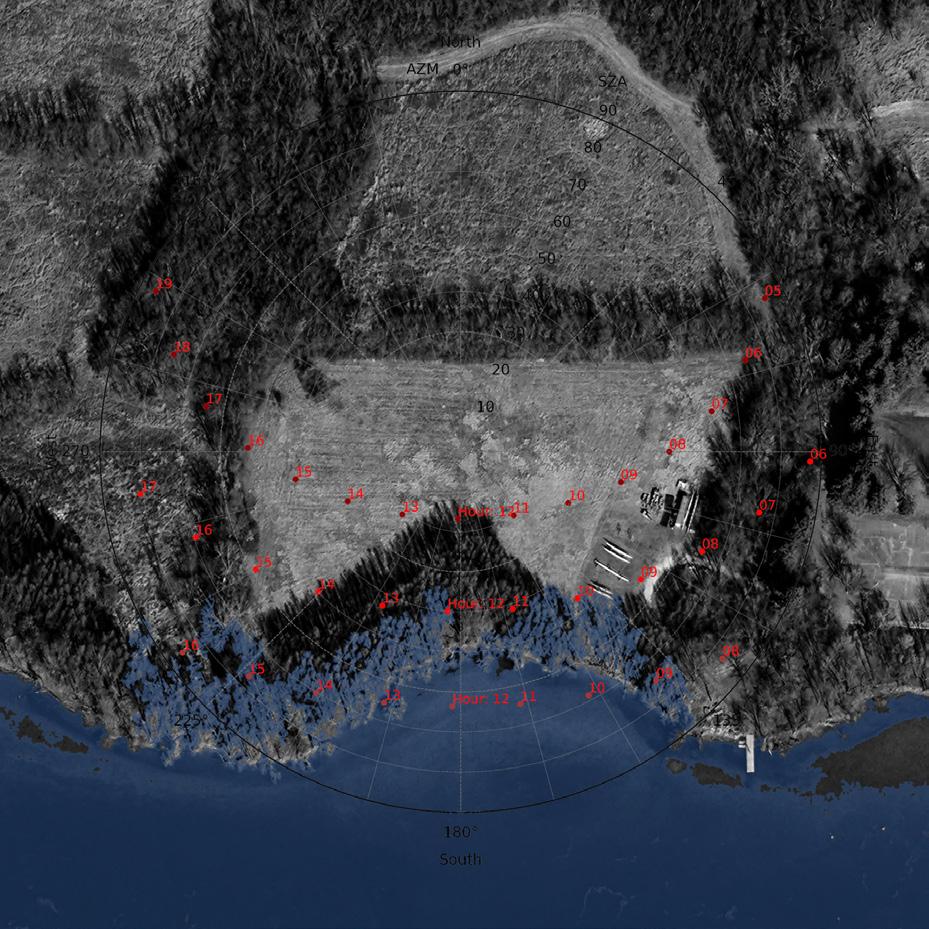
Sunlight and Seasonal Light: With the site's latitude offering varying levels of sunlight through the year, thoughtful shading and passive solar design will ensure warmth in winter and cool, shaded spaces in summer, keeping the architecture in harmony with the climate.
Note: Site Analysis was collectively conducted by all students in the studio, working in teams with specific tasks. Students include: Ben Dirst, August Fuelberth, Shamita Honawar, Kriti Mangal, Deekshita Ponugoti, Gayatri Rajendra Pandkar, Natalia Ptaszek, Matthew Rios, Kendra Shouse, and Alisha Ther
2D Sun Path Diagram
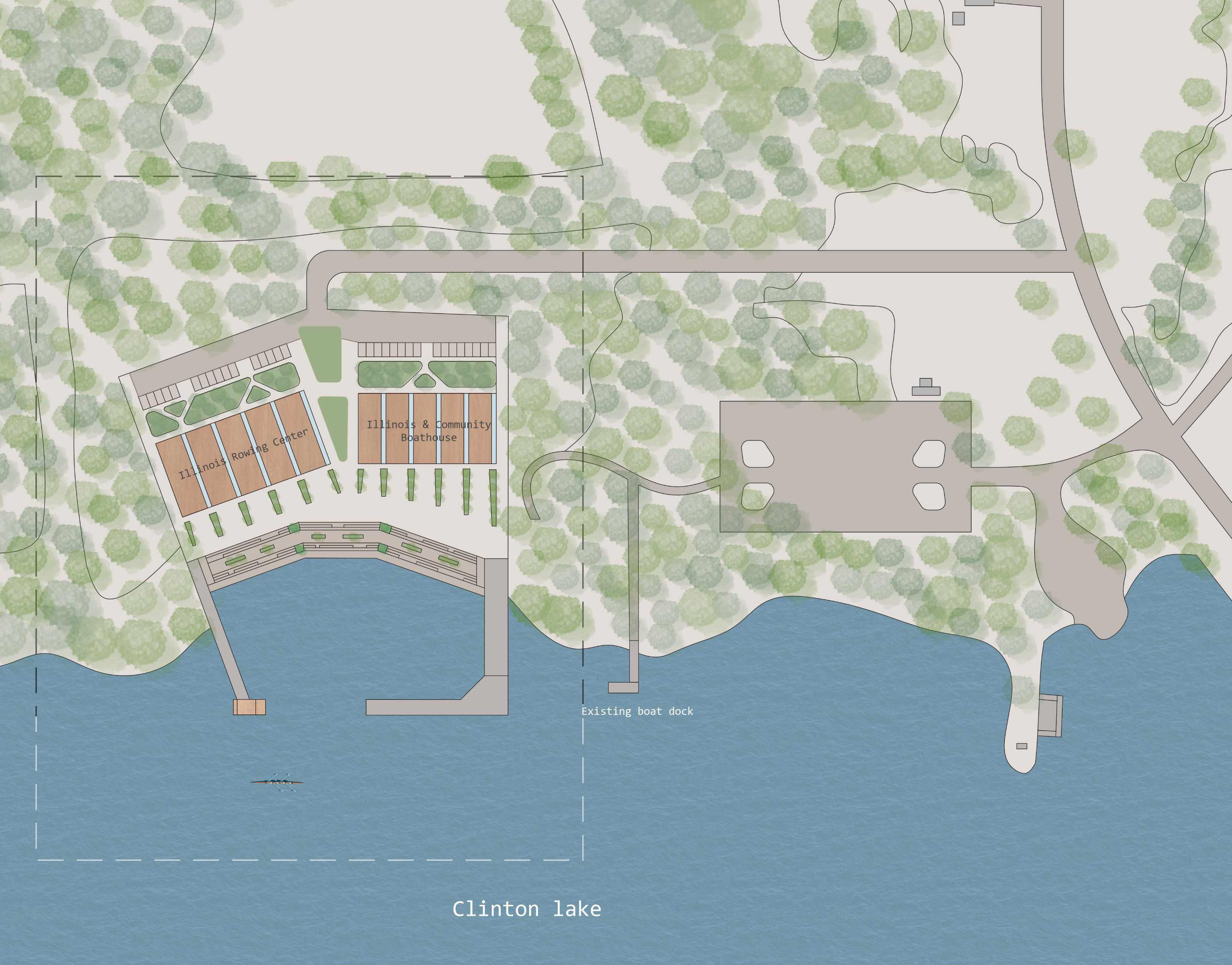
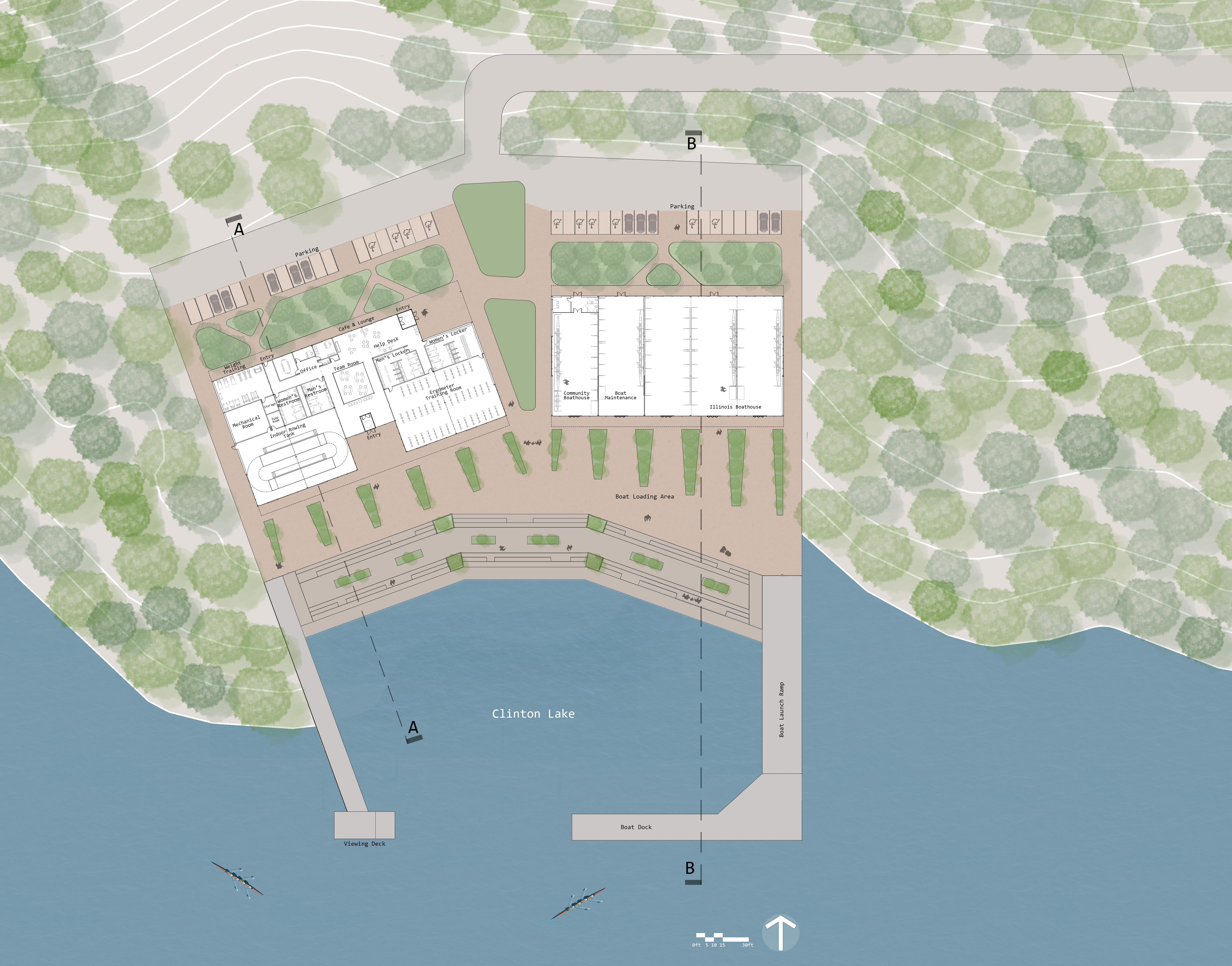
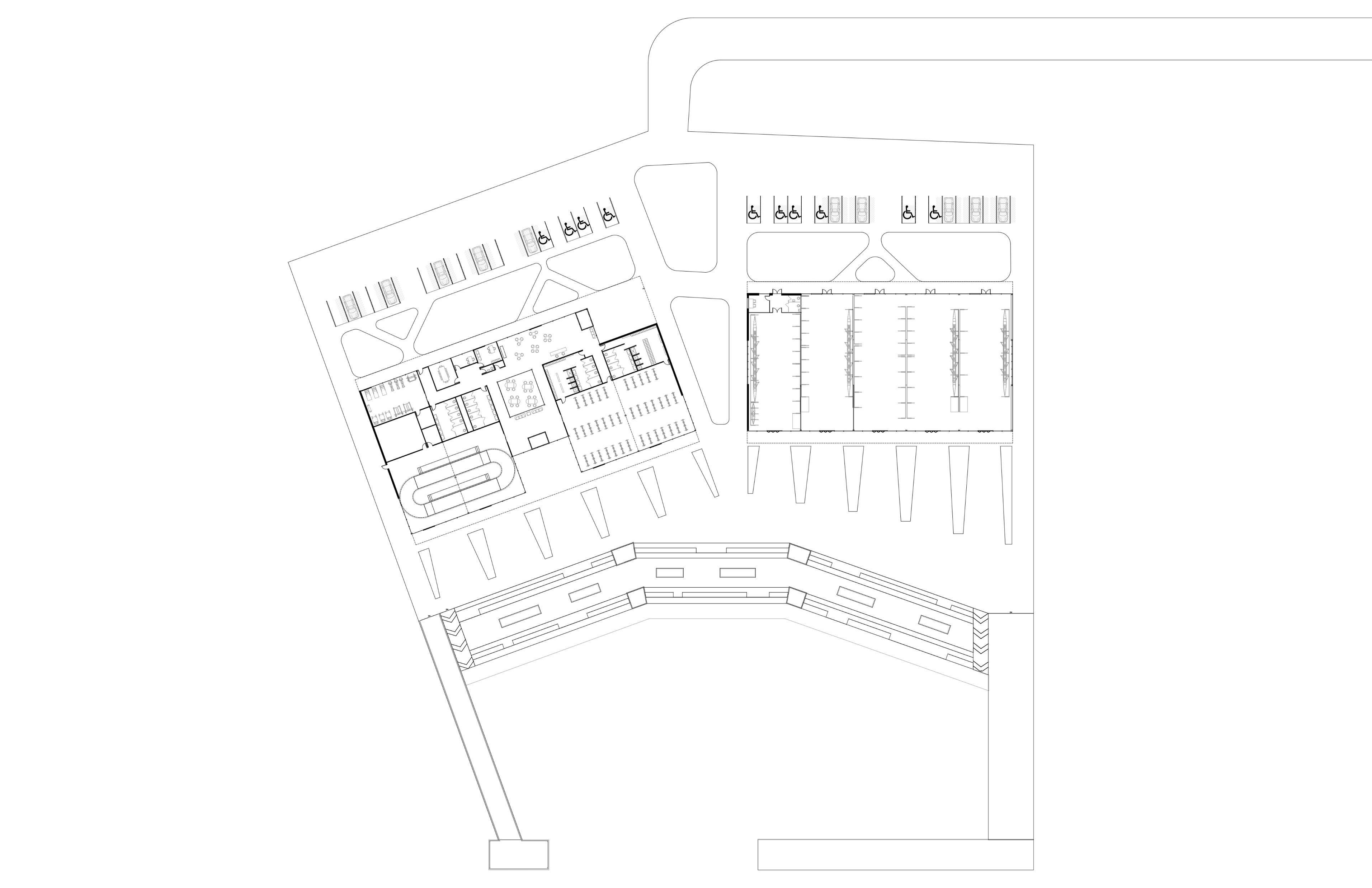
The site plan is thoughtfully designed to optimize natural lighting, scenic views, and accessibility while creating an engaging environment for visitors. The Illinois Rowing Center and Community Boathouse are oriented to ensure abundant daylight throughout the day and offer picturesque views of Clinton Lake. This careful positioning enhances the user experience and aligns the architecture with the surrounding natural landscape.
A new access road branches off from Liberty Road, providing a direct connection to the proposed site. To ensure ease of use, two separate parking areas are designated, one for the Illinois Rowing Center and another for the Community Boathouse, streamlining access for both visitors and athletes. Well-planned pathways link these parking areas to the main entrances and service zones, ensuring smooth movement for users and efficient operations.
The layout leads visitors to the stepped seating area, a key feature of the site. This seating zone not only offers a prime vantage point for rowing enthusiasts to enjoy the lake’s serene beauty but also serves as a communal space during events, particularly the annual rowing race. The stepped seating, paired with the lake-facing orientation of the buildings, creates a dynamic and welcoming environment, celebrating both the sport of rowing and the natural surroundings.
The overall site design prioritizes functionality, community engagement, and a seamless connection to the environment, making it a vibrant and inclusive space for both rowing activities and leisure.
Program Organization
The final design comprises two distinct blocks, the Illinois Rowing Center and the Boathouse Storage, each serving specific functions to optimize usability and enhance the overall experience for athletes and visitors. This thoughtful division allows for clear spatial organization, catering to both the athletic and operational needs of the facility while maintaining accessibility and flow.
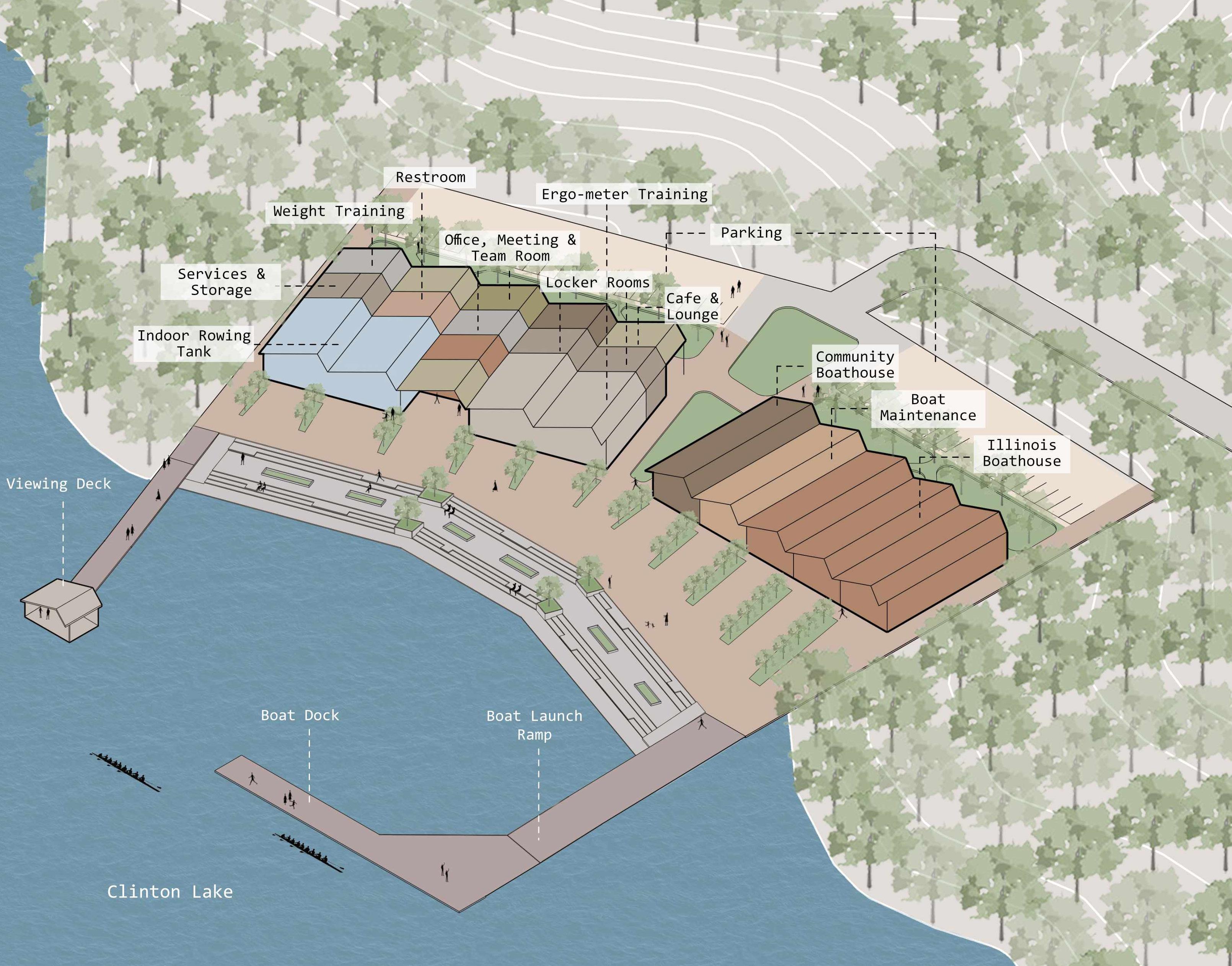
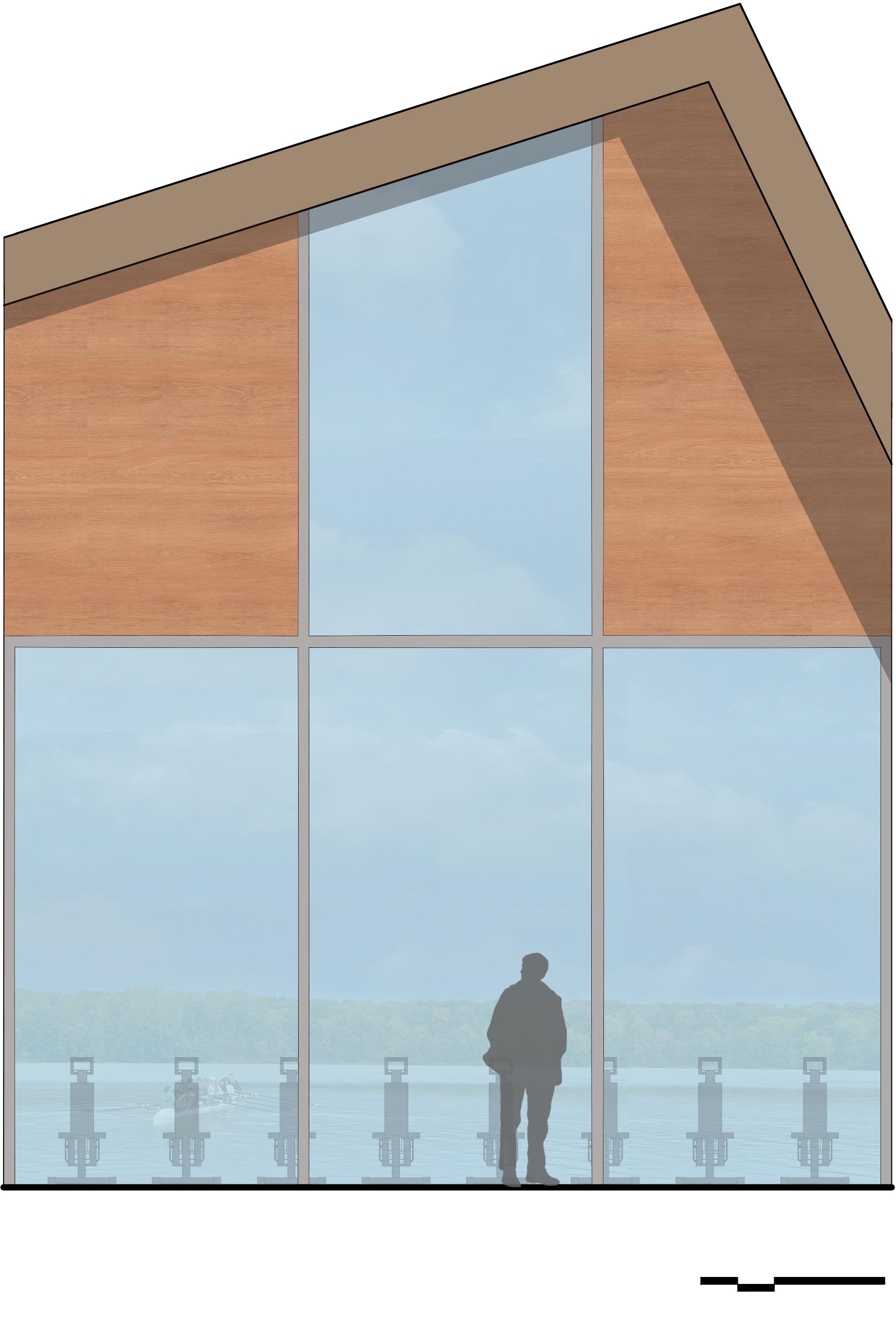
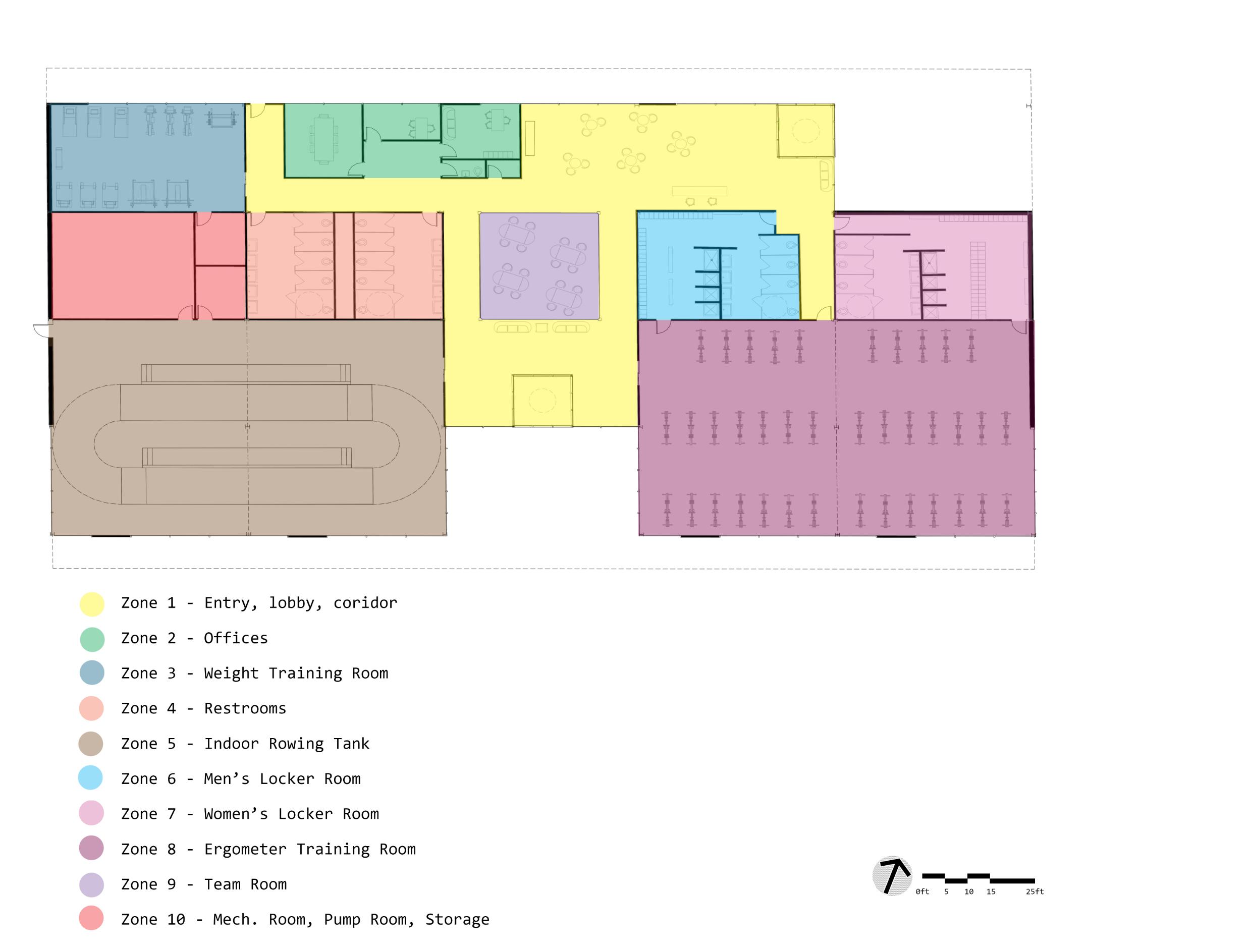
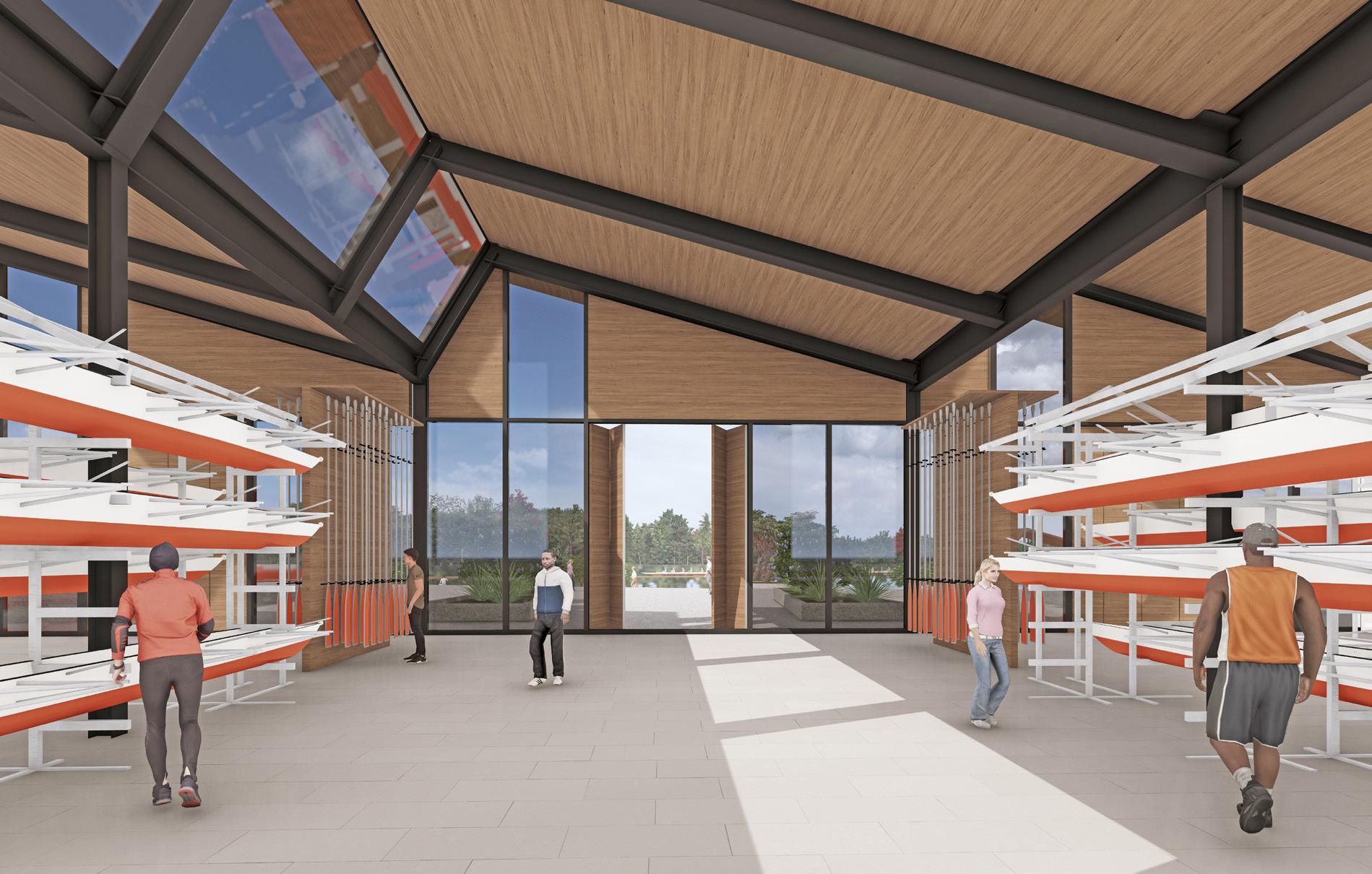
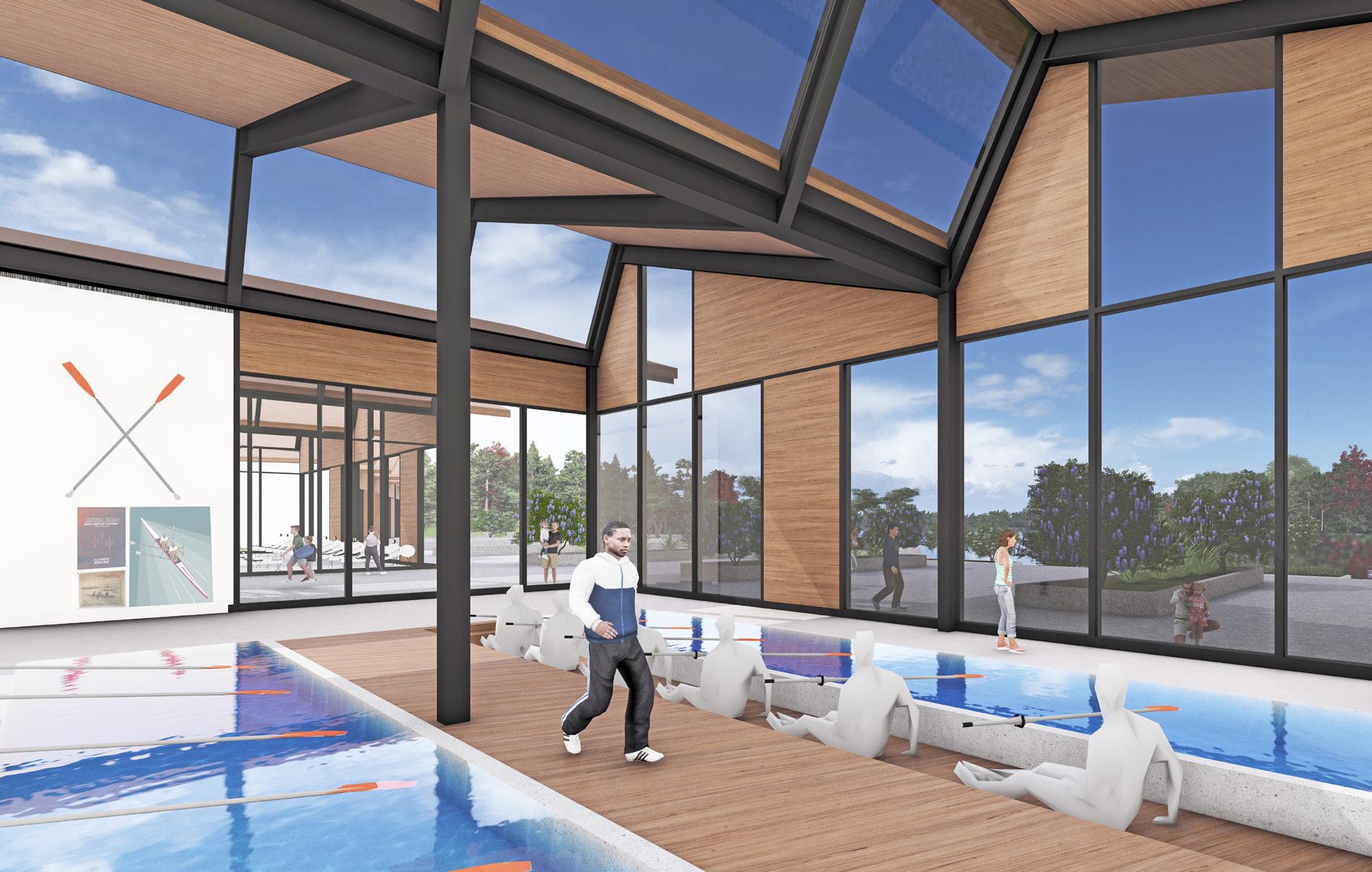
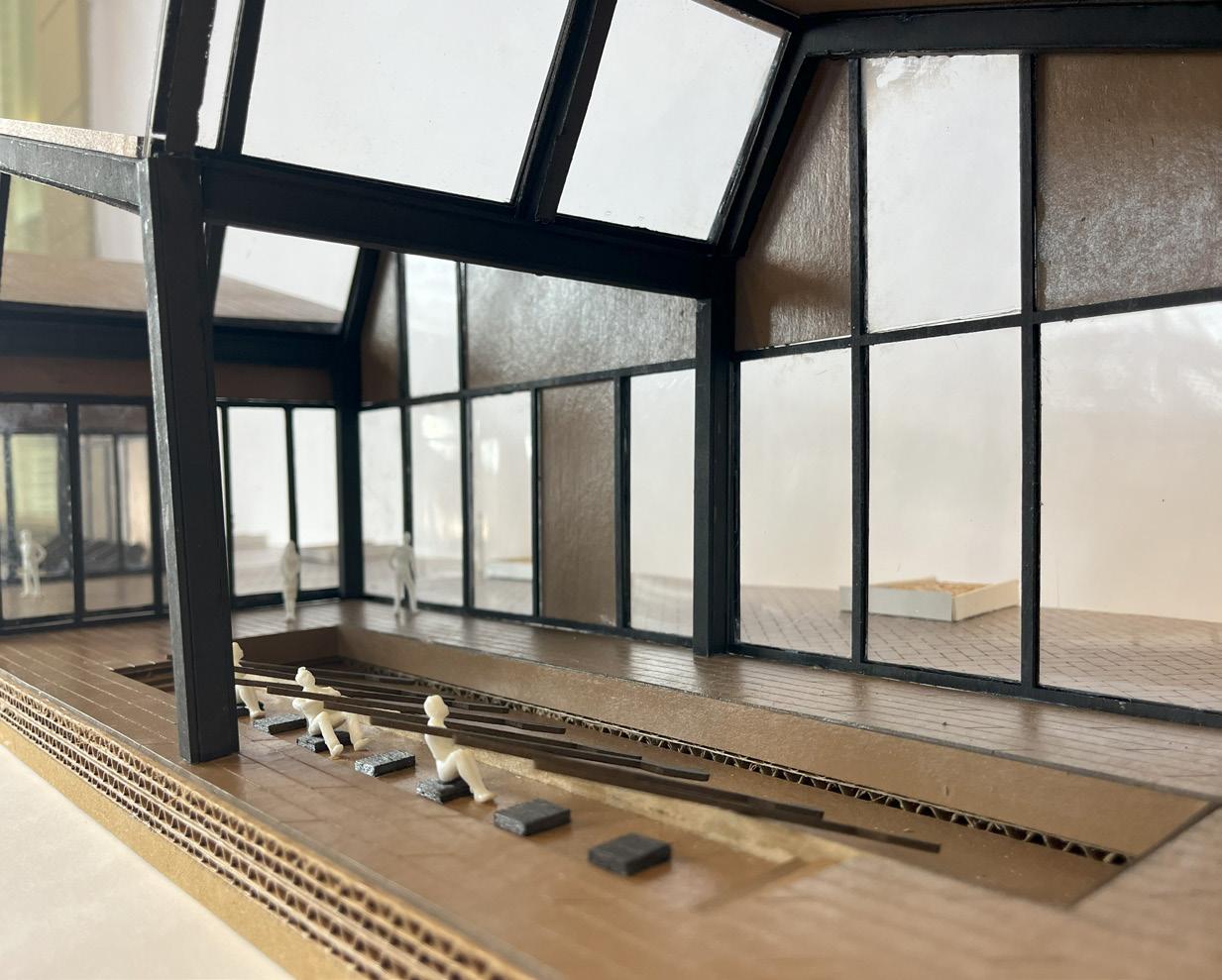
The Illinois Rowing Center serves as the primary hub for training and team activities. Key spaces within this block include an indoor rowing tank, designed to simulate rowing conditions in a controlled environment, with large windows offering breathtaking views of Clinton Lake. The ergometer room is equipped with state-of-the-art rowing machines, providing a focused space for individual and team training. A team room serves as a central gathering space for meetings, strategy discussions, and fostering camaraderie among rowers. Additionally, the block houses training facilities for strength and conditioning, along with essential support spaces such as locker rooms, showers, restrooms, and administrative offices to ensure convenience for athletes and staff alike.
The Boathouse Storage complements the rowing center by focusing on the operational aspects of the sport. This block includes rental storage areas for community members to safely store their boats and gear, encouraging wider participation in rowing. Dedicated boat maintenance areas are equipped to handle repairs and ensure equipment remains in optimal condition. The block also provides secure storage for Illinois rowing boats, strategically organized for easy access during practices and events. Ancillary spaces, such as tool storage, maintenance workstations, and washing areas, support efficient operation and upkeep.
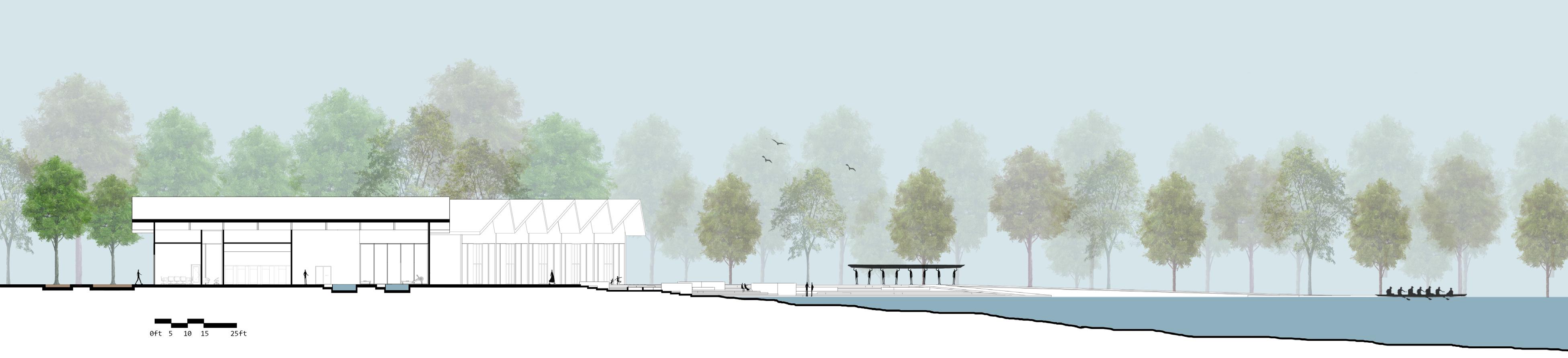
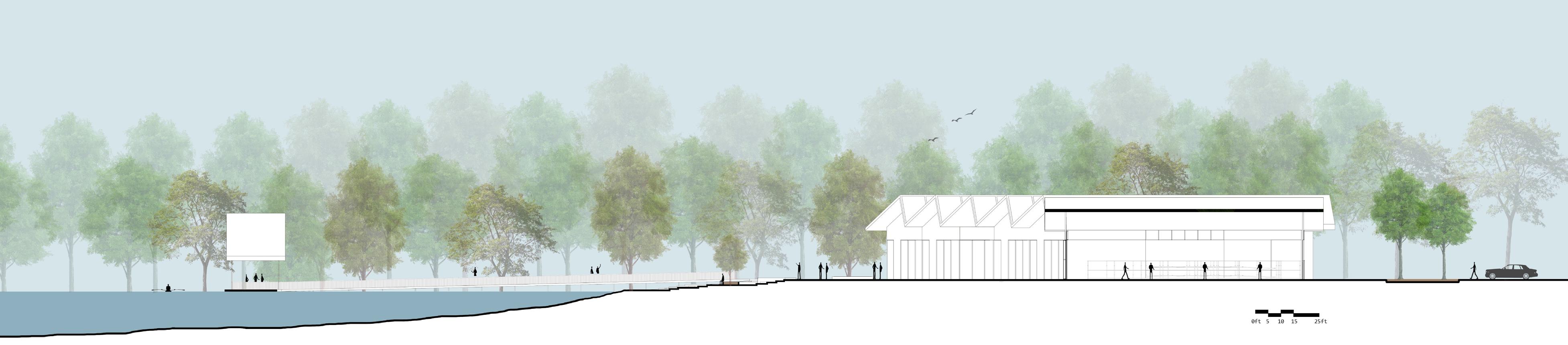
Connecting these two blocks are thoughtfully designed outdoor spaces, including a large platform with stepped seating and a viewing deck. These communal areas not only offer ideal vantage points for spectators to enjoy rowing activities but also serve as gathering spaces for visitors to interact and immerse themselves in the rowing culture. The integration of these elements into the design ensures a seamless blend of functionality, community engagement, and a celebration of the natural beauty of Clinton Lake.
Building Envelope and Site Development
Floor Plans
The floor plan is organized into two distinct building blocks, each designed to optimize functionality, accessibility, and user experience.
The Illinois Rowing Center features spaces strategically arranged to cater to different needs. Areas such as the coffee shop, administrative offices, and training rooms are positioned closer to the parking area for convenience and ease of access. In contrast, spaces that benefit from scenic views of Clinton Lake, such as the indoor rowing tank, ergometer training room, locker rooms, and team room, are located towards the lakefront. This thoughtful placement ensures that key activity areas take full advantage of the natural surroundings, creating a vibrant and inspiring environment for athletes and visitors.
The Community Boathouse is dedicated to operational and storage functions. It includes dedicated storage spaces for rental boats and Illinois rowing boats, with a centrally located boat repair and maintenance room. This arrangement ensures efficient workflows and easy access to essential facilities for both community members and professional rowing teams.
Both buildings are designed to naturally guide visitors toward the viewing deck and boat dock, which serve as focal points of the site. The viewing deck provides a panoramic perspective of Clinton Lake and the rowing activities, while the boat dock offers seamless access to the water for rowers.
This spatial organization reflects a deliberate balance of functionality and aesthetics, creating a cohesive environment that supports rowing culture while enhancing the connection to the surrounding natural landscape.
This integration of a robust structural system and eco-friendly materials ensures that the rowing center achieves a balance between technical precision, environmental responsibility, and architectural beauty, making it a standout facility for the community.
The detailed wall section, cut through the Ergometer Training Room, provides a comprehensive view of the facade and roof assembly, emphasizing the building’s focus on energy efficiency, durability, and seamless integration with its natural surroundings. The glazing system features triple-pane glass with a low-E coating, designed to deliver superior thermal insulation, minimize solar heat gain, and optimize natural light while reducing glare. This ensures a comfortable and energy-efficient indoor environment.
The wall assembly is meticulously designed with multiple layers to enhance performance and aesthetics. The outermost layer consists of a wood panel finish, adding warmth and a strong connection to the natural landscape. Beneath this, a layer of mineral fiber insulation ensures high thermal efficiency. An air space is included for ventilation, helping to reduce moisture buildup and extend the lifespan of the assembly. A waterproofing layer provides protection against weather elements, while structural wood rails and an inner wood panel finish complete the assembly, ensuring both durability and visual harmony.
The roof assembly features a metal deck base, layered with insulation to regulate indoor temperatures, a waterproofing membrane for weather resistance, and an inner wood panel finish that complements the wall design. The section also highlights the integration of an air supply duct, which ensures proper ventilation and indoor air quality in the Ergometer Training Room. This detailed design reflects a holistic approach to sustainability, functionality, and architectural coherence.
efficient indoor environment, making the Illinois Rowing Center both functional and sustainable.
Daylighting and Energy Analysis
DAYLIGHTING ANALYSIS: ILLINOIS ROWING CENTER AND THE COMMUNITY BOATHOUSE
TEST 1: BASE DESIGN
TEST 1: BASE DESIGN
TEST 1: BASE DESIGN
Energy code requirements for the site
Energy code requirements for the site
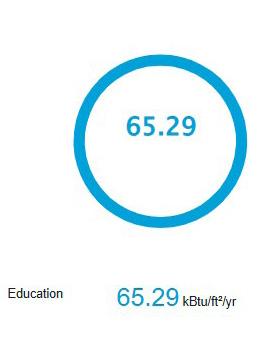
Energy code requirements for the site EUI: 65.29
Roof R-Value: 30 (h ft² F/BTU)
DAYLIGHTING ANALYSIS: ILLINOIS ROWING CENTER AND THE COMMUNITY BOATHOUSE
TEST 1: BASE DESIGN
Roof R-Value: 30 (h ft² F/BTU)
Roof R-Value: 30 (h ft² F/BTU)
Wall R-Value: 11.4 (h ft² F/BTU)
Wall R-Value: 11.4 (h ft² F/BTU)
Wall R-Value: 11.4 (h ft² F/BTU)
Glazing U-Value: 0.36 (BTU/h ft² F)
Glazing U-Value: 0.36 (BTU/h ft² F)
Glazing U-Value: 0.36 (BTU/h ft² F)
Energy code requirements for the site EUI: 65.29
Skylight U-Value: 0.5 (BTU/h ft² F)
Skylight U-Value: 0.5 (BTU/h ft² F)
Roof R-Value: 30 (h ft² F/BTU)
Wall R-Value: 11.4 (h ft² F/BTU)
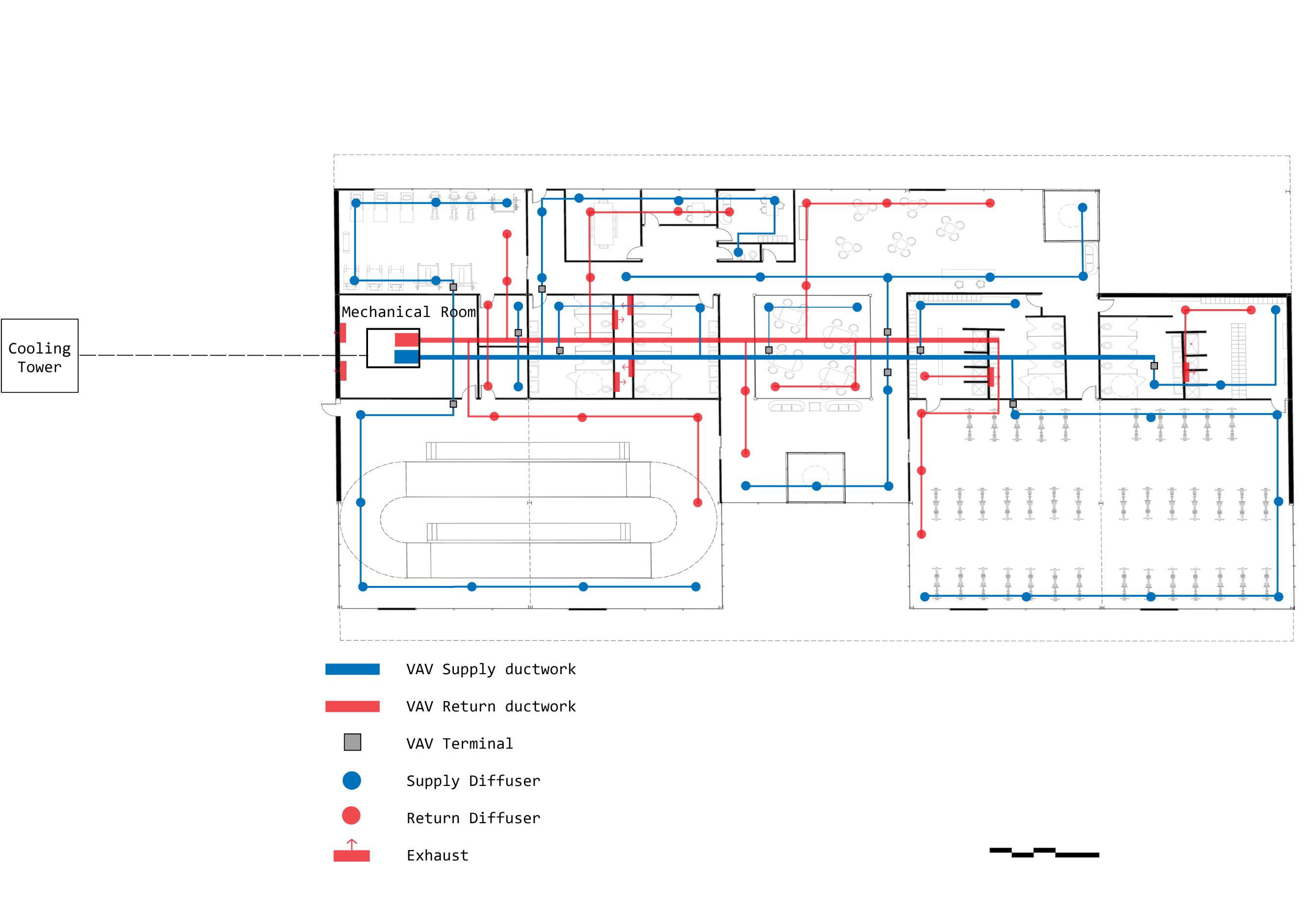
VAV w/Reheat, with Gas Boiler and Water-Cooled Chiller
Building System: VAV w/Reheat, with Gas Boiler and Water-Cooled Chiller
Glazing U-Value: 0.36 (BTU/h ft² F)
Skylight U-Value: 0.5 (BTU/h ft² F) Building System: VAV w/Reheat, with Gas Boiler and Water-Cooled Chiller
Skylight U-Value: 0.5 (BTU/h ft² F)
Building System:
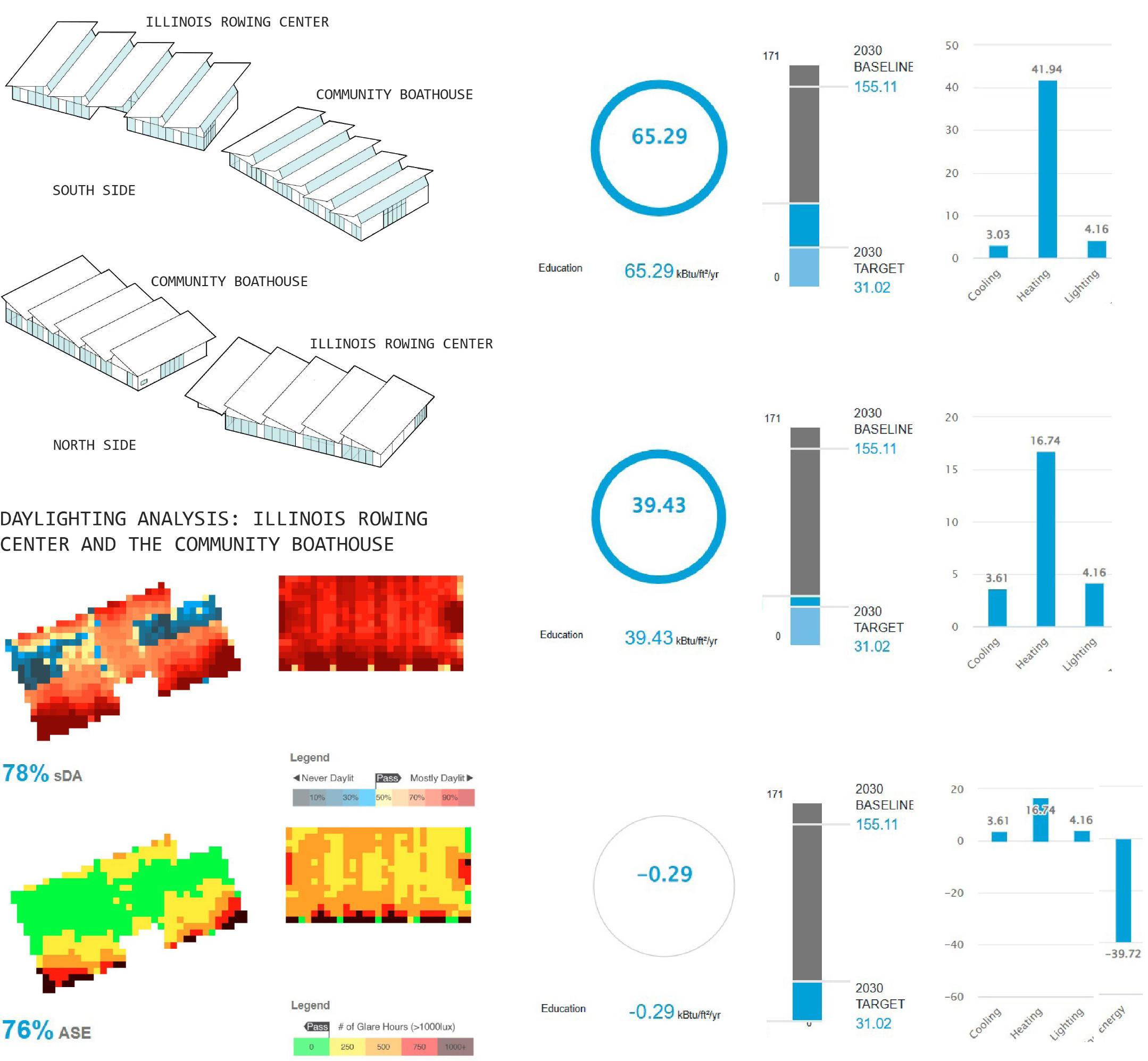
The Illinois Rowing Center meets the energy code requirements with an EUI of 65.29, standard R-values and U-values, and a VAV system with a gas boiler and water-cooled chiller.
VAV w/Reheat, with Gas Boiler and Water-Cooled Chiller
The Illinois Rowing Center meets the energy code requirements with an EUI of 65.29, standard R-values and U-values, and a VAV system with a gas boiler and water-cooled chiller.
The Illinois Rowing Center meets the energy code requirements with 65.29, standard R-values and U-values, and a VAV system with a gas water-cooled chiller.
The Illinois Rowing Center meets the energy code requirements with an EUI of 65.29, standard R-values and U-values, and a VAV system with a gas boiler and water-cooled chiller.
TEST 2: IMPROVED DESIGN
TEST 2: IMPROVED DESIGN
TEST 2: IMPROVED DESIGN
Adjusted R-Values and U-Values (Materials Chosen for the Project)
Adjusted R-Values and U-Values (Materials Chosen for the Project)
Adjusted R-Values and U-Values (Materials Chosen for the Project)
TEST 2: IMPROVED DESIGN
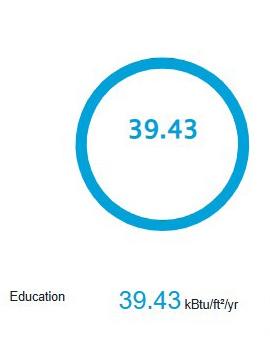
EUI: 39.43
Roof R-Value: 60 (h ft² F/BTU)
Roof R-Value: 60 (h ft² F/BTU)
Roof R-Value: 60 (h ft² F/BTU)
Wall R-Value: 15 (h ft² F/BTU)
Wall R-Value: 15 (h ft² F/BTU)
Wall R-Value: 15 (h ft² F/BTU)
Adjusted R-Values and U-Values (Materials Chosen for the Project)
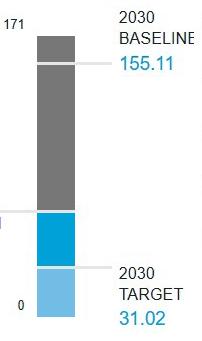
Enhanced insulation, high-performance glazing, and efficient skylights reduce the EUI to 39.43, achieving a 39.61% reduction from the baseline while maintaining the same building system.
Enhanced insulation, high-performance glazing, and efficient skylights reduce the EUI to 39.43, achieving a 39.61% reduction from the baseline while maintaining the same building system.
Enhanced insulation, high-performance glazing, and efficient skylights to 39.43, achieving a 39.61% reduction from the baseline while maintaining building system.
Building System: VAV w/Reheat, with Gas Boiler and Water-Cooled Chiller
TEST 3: NET ZERO OPTION
TEST 3: NET ZERO OPTION
TEST 3: NET ZERO OPTION
Addition of Photovoltaic Panels
EUI: -0.29
Enhanced insulation, high-performance glazing, and efficient skylights reduce the EUI to 39.43, achieving a 39.61% reduction from the baseline while maintaining the same building system.
Building System: VAV w/Reheat, with Gas Boiler and Water-Cooled Chiller
Building System: VAV w/Reheat, with Gas Boiler and Water-Cooled Chiller
Energy Generation:
Building System: VAV w/Reheat, with Gas Boiler and Water-Cooled
Solar Panel Surface Area: 9,000 ft²
Energy Generation:
Solar Panel Angle: 30°
Solar Panel Surface Area: 9,000 ft²
Solar Panel Surface Area: 9,000 ft²
Solar Panel Surface Area: 9,000 ft²
Solar Panel Angle: 30°
Solar Panel Angle: 30°
Solar Panel Angle: 30°
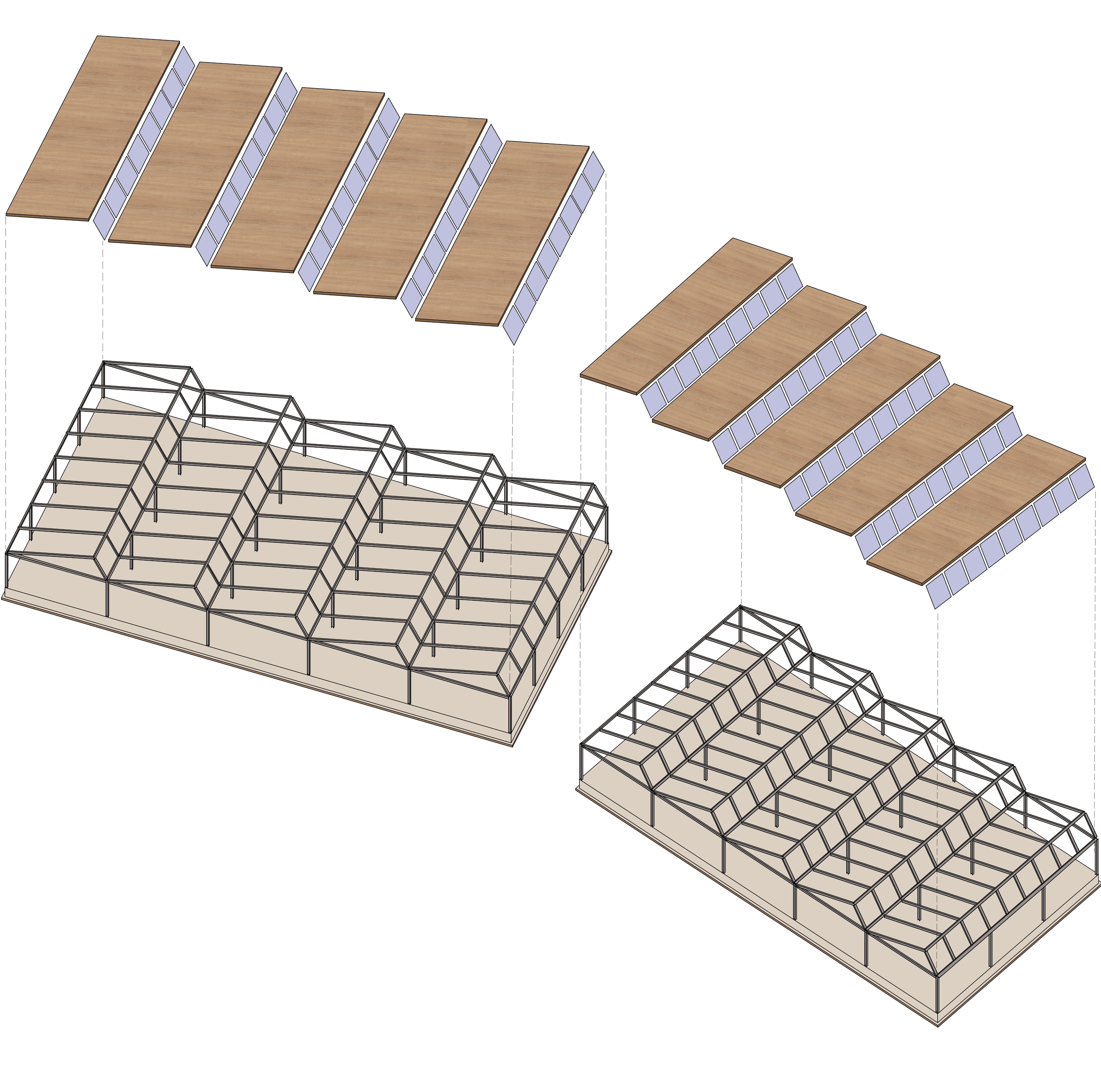
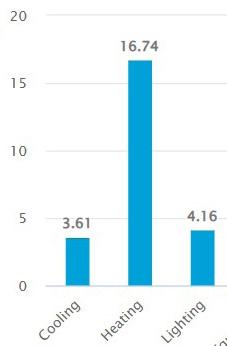
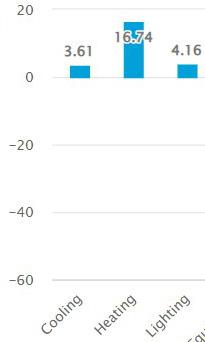
The addition of 9,000 ft² of photovoltaic panels at a 30° angle enables the Illinois Rowing Center to achieve a net EUI of -0.29, offsetting its energy consumption entirely.
The addition of 9,000 ft² of photovoltaic panels at a 30° angle enables the Illinois Rowing Center to achieve a net EUI of -0.29, offsetting its energy consumption entirely.
The addition of 9,000 ft² of photovoltaic panels at a 30° angle enables Rowing Center to achieve a net EUI of -0.29, offsetting its energy consumption
The addition of 9,000 ft² of photovoltaic panels at a 30° angle enables the Illinois Rowing Center to achieve a net EUI of -0.29, offsetting its energy consumption entirely.
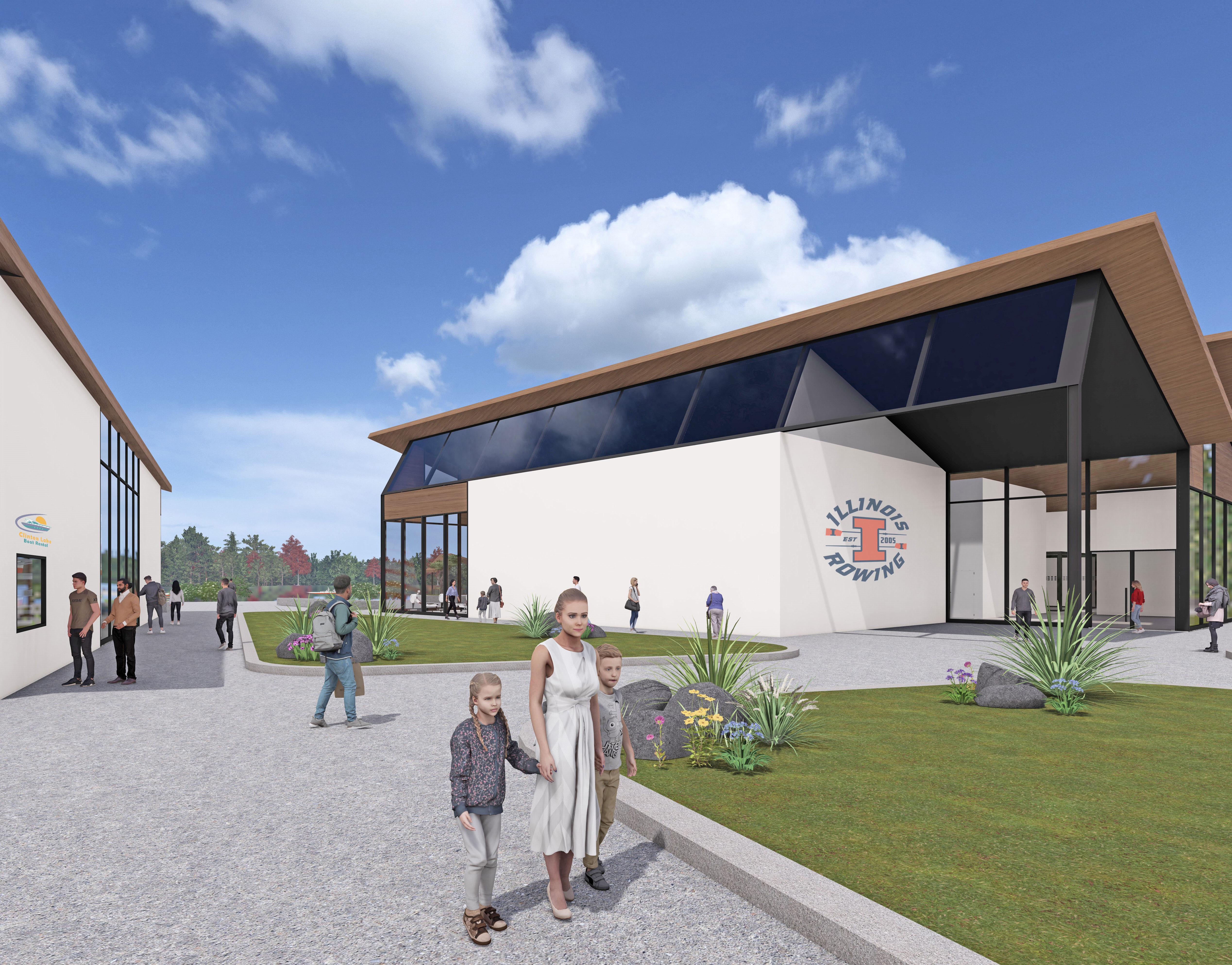
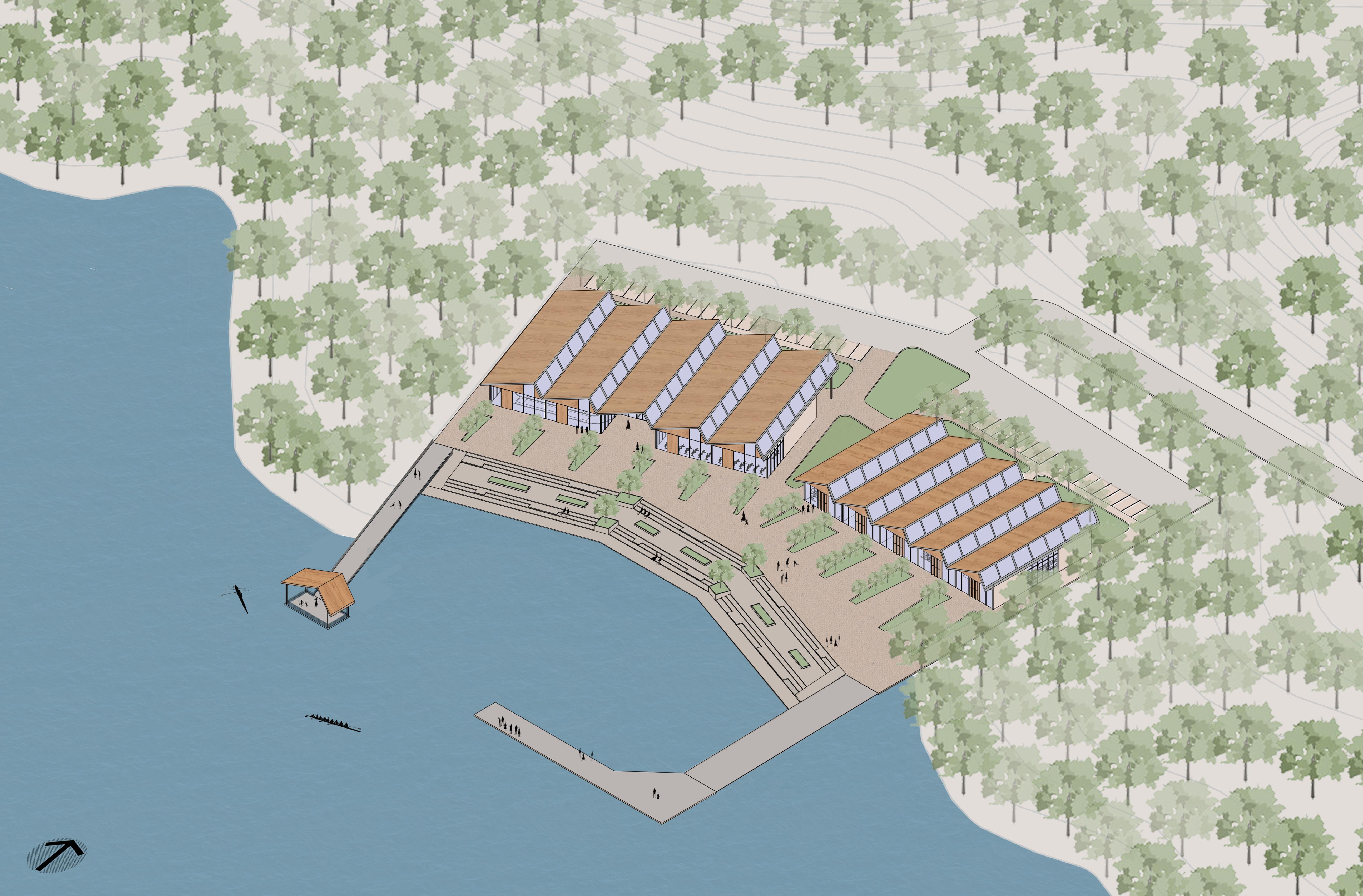
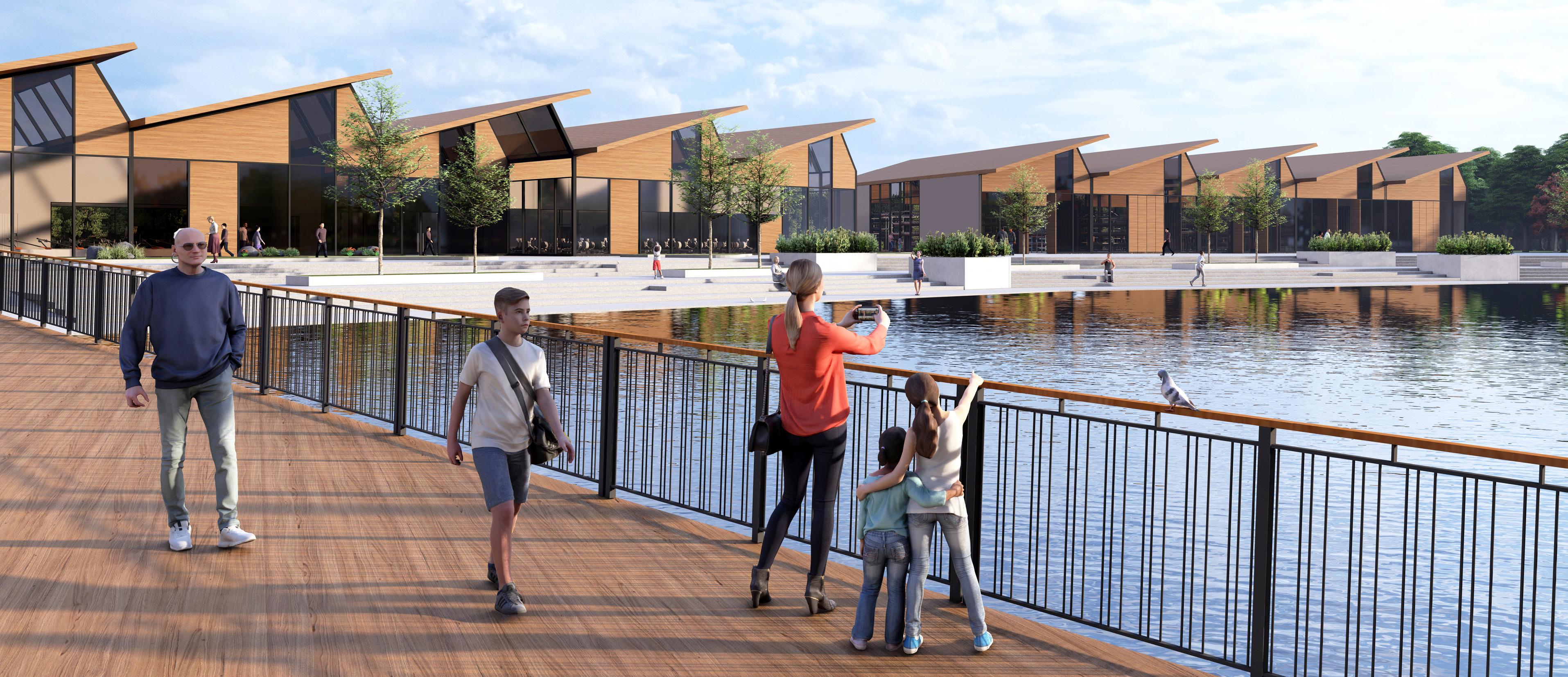
View from the viewing deck loking towards the Liionis Rowing Center and the Community Boathouse Storage