

Jesse Zwick Selected as Mayor Pro Tem as the City Prepares for a New
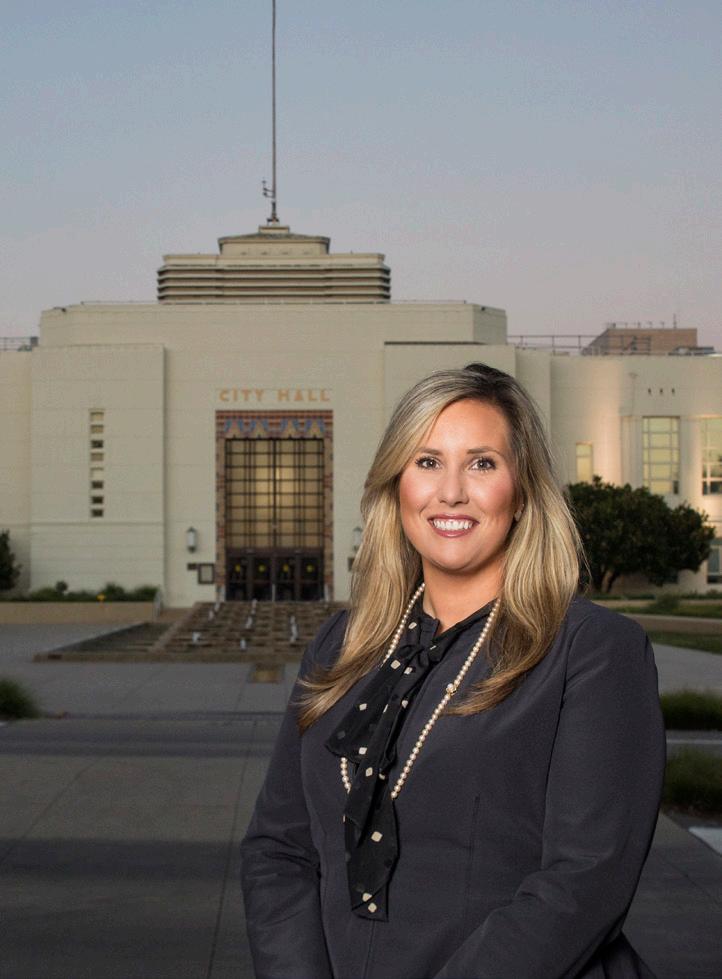
On Dec. 9, Caroline Torosis will be sworn in as the next mayor of Santa Monica, and Jesse Zwick will take the position of mayor pro tem.
Torosis was elected to the city council in 2022 and has served as mayor pro tem for the past year. She previously served as commissioner on the Santa Monica Rent Control Board. Torosis will take the helm from outgoing Mayor Lana Negrete, who has served in the post since 2024.
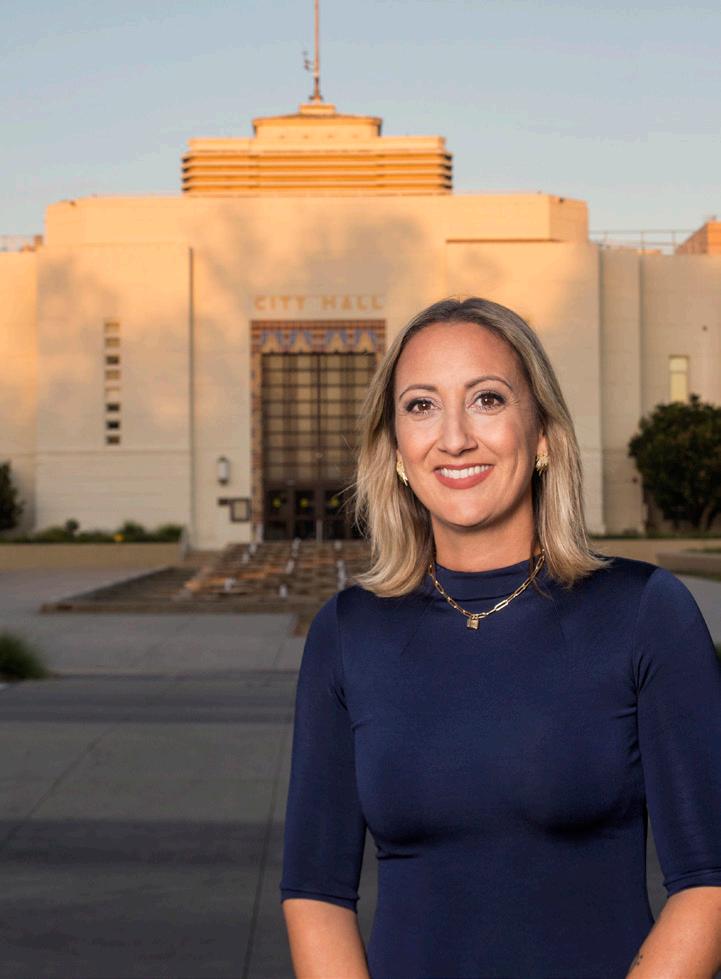
Born and raised in Santa Monica, Negrete owns Santa Monica Music Center. Negrete also previously served on the Public Safety Reform and Oversight Commission.
During her tenure, Mayor Negrete served as part of the city’s response to the Palisades Fire, including recovery efforts focused on business support. She also focused on involving young people in government and on educating community members about the city’s processes.
Negrete, who was first appointed to the City Council in 2021 and served as mayor
pro tem from 2022-2024, will transition back to the role of councilmember.
A UCLA alumna, Torosis is a government affairs attorney and workforce and economic development expert with a juris doctorate from Washington University. In her full-time job, she is the Policy Director for the Los Angeles County Board of Supervisors, Supervisor Holly Mitchell. She is also a member of the County's Women's Leadership Council.
Zwick was also elected in 2022. He
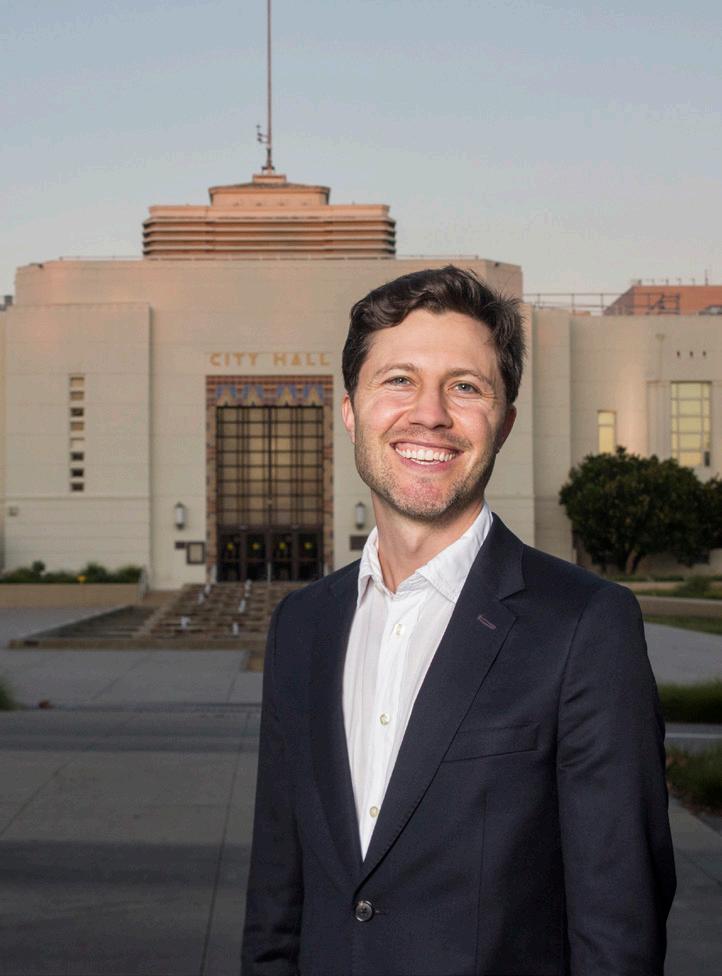
grew up in Santa Monica, graduated from Harvard University, and worked as a journalist in Washington, D.C. before returning home to write for film and television. He currently works as Southern California Director for the Housing Action Coalition.
Per the established council rules, the longest continuously serving councilmember will serve as mayor for a one-year term. If two or more councilmembers were elected in the same
election, the councilmember receiving the higher number of votes shall be considered as having served longer for purposes of the rule.
To celebrate the mayoral transition, a reception will be held in the City Hall lobby on December 9 from 4:30 to 5:30 p.m. with light snacks and refreshments. The reception is free and open to the public.
Santa Monica officials have directed autonomous taxi operator Waymo to halt late-night charging at two neighborhood facilities following months of complaints about noise and increased vehicle activity.
The City Council approved the order unanimously last week, requiring the company to stop operations between 11:00 p.m. and 6:00 a.m. at its charging hubs on the 1200 and 1300 blocks of Broadway.
Residents living near the stations began
reporting issues shortly after the hubs opened in late 2024, according to city staff. Complaints centered on the constant movement of autonomous vehicles in adjacent alleys, beeping from reverse sensors, and mechanical noise from charging equipment. A letter obtained by the Los Angeles Times shows the city warned Waymo that litigation was possible if it failed to comply with the overnight shutdown directive.
Waymo, which can charge up to 56 vehicles at once at the two sites, told the city in July that it had made several adjustments, including lowering reversealert volumes on its robotaxis and reducing alley congestion. But residents argued the changes fell short and said they had never been notified that large-scale charging depots would be operating in their neighborhoods.

The company has rapidly expanded its Los Angeles footprint while the dispute unfolded. In June, Waymo announced an expansion of its service area to more than 120 square miles, offering autonomous rides through Playa del Rey, Echo Park, Silver Lake, Ladera Heights, and stretches of the Sunset Boulevard corridor. Earlier
City documents multiple violations at 413 Ocean Ave., prompting orders to vacate, relocate residents, and halt operations amid broader scrutiny of the halted county housing plan
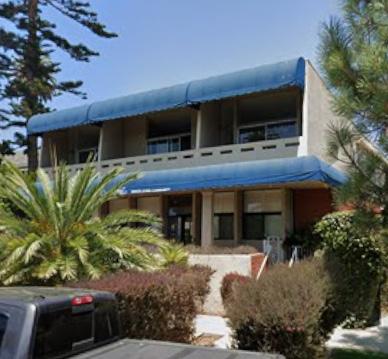
Santa Monica officials say a troubled Ocean Avenue property at the center of a now-terminated county housing proposal was found to be unsafe and operating without proper permits, according to a recent social post by Mayor Lana Negrete. City inspectors from Building & Safety,
Code Enforcement, Fire, and Housing conducted a full review of 413 Ocean Ave. on Friday after community complaints about the site’s condition and use. The inspection revealed that the building “is not in good shape and not ready for residential use,” Negrete said in a statement posted to Facebook.
City officials documented multiple violations supporting an existing Notice to Vacate. Staff on site told inspectors they were unaware the facility was unpermitted and operating without required approvals. While some residents had been relocated to Sherman Oaks, more than 30 people remained inside as of the inspection, Negrete said.
According to Negrete, the operator planned to house roughly 58 people — two per room — and described the site as a sober-living program. Inspectors also learned the operator appeared to manage the property through multiple legal entities and suggested a similar setup may have been intended for a second building at 825 Ocean Ave.
The City of Santa Monica plans to issue follow-up letters Monday to the property owner, developer, and operator outlining required compliance with the Notice to Vacate, relocation obligations, updated citations, and full identification of the site’s actual use. The letters will also direct the operator to halt all activity until permits, licensing, and a Certificate of Occupancy are complete.
“These are not allegations — these are the City’s documented findings,” Negrete said, adding that her priority is ensuring vulnerable people are not “shuffled into unsafe, unlicensed spaces.”
The update comes weeks after Los Angeles County Supervisor Lindsey P. Horvath ordered the termination of two proposed interim housing projects at 413 and 825 Ocean Ave., citing a breakdown in community trust and a lack of transparency in planning. The projects, intended to provide beds for people experiencing homelessness and behavioral-health challenges, faced mounting criticism from residents and city leaders — including
Negrete — over limited public outreach.
Horvath has directed county agencies and the city to identify new, compliant locations for the services originally planned for Ocean Avenue.
“People deserve dignity, stability, and real oversight,” Negrete said. “Policy reforms are already in motion to prevent this from happening again.”
















































By Kathryn Whitney Boole
This is a glorious musical epic that defies categorization. Director John M. Chu, cinematographer Alice Brooks, production designer Nathan Crowley, and team have created a world that your eyes will want to swim in. The characters pop out of the screen as unique and fascinating beings who have the same successes and failures, friendships, loves, and animosities as we do, but they are living in a place of vivid imagination.
The filmmakers and cast lived in this world for some five years to make the two-part film, Wicked and Wicked: For Good, spanning interruptions by COVID and the SAG strike. The way the camera moves with the characters and with your imagination when it skims over a landscape, a moment in time, or a room, is brilliant and intuitive, and the colors are rich and meaningful. Fields of bright rainbow-colored tulips are a feast for the eyes, and these flowers are not CGI: the filmmakers paid a British farmer to plant 9 million tulips.
The story is layered, unpredictable, and human. No character is perfect, and their eyes are open to their own flaws. The original 1910 novel from writer L. Frank Baum is woven into the film with finesse. I believe Baum would have loved to see this version of his story, The Wonderful Wizard of Oz, and the Broadway musical that it inspired, especially since Baum had moved to Hollywood in 1910 to write for movies shortly before his death.
Chu, the son of a well-known Northern California chef, won several awards for projects he made when he was a film student at USC, and was discovered when Stephen Spielberg saw one of his short films. In 2025, Chu won the Golden Eagle Eddie Award from the American Cinema Editors USA. Their president, Sabrina Plisco, ACE, said, “from the vibrant energy of In the Heights to the sweeping romance of Crazy Rich Asians, his films are a testament to the power of cinema to transport, entertain, and inspire.” Chu’s Wicked films add to that testament. He believes in preparation, but once he gets to set, it’s “So let’s play!” He wisely pushed to release the epic in two films because “if we were asking people to believe in the stakes, the emotional stakes…of these two women, then we needed time.” Both “Glinda’s” and “Elphaba’s” journeys are skillfully painted with emotional color and passion.
Chu made an excellent decision in hiring Brooks as his cinematographer for the two Wicked films, which were shot together. He had known Brooks since film school, where they both knew that they wanted

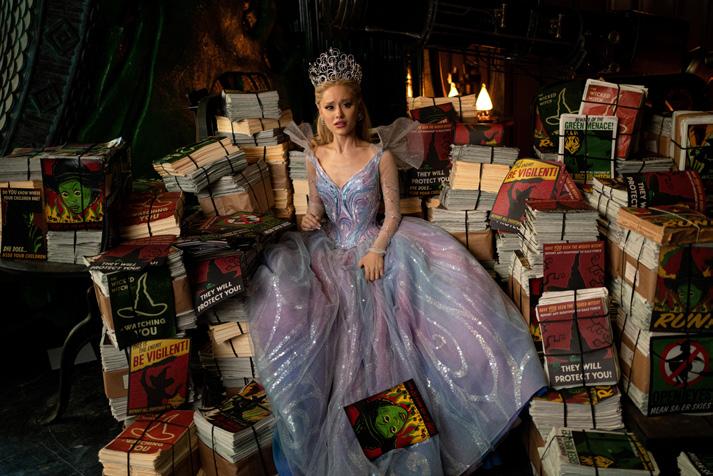
to make movie musicals. In 2021, Brooks was a cinematographer on the little-seen, beautifully shot Tick, Tick…BOOM! starring Andrew Garfield. She had shot features, TV shows, and commercials and worked with Chu on the musical In the Heights (2021) and two other films. Brooks had worked steadily as a child actress but decided as a teen that she was more drawn to the skills that were needed behind the camera.
Chu and Brooks made a roadmap of the intentions and emotional arc for every scene in the Wicked films, and how they would translate into colors, camera movement, and rhythm. Chu would give Brooks intentions for the camera work, as if she were an actor, and they developed emotional targets for each scene. Brooks also worked very closely each night with editor Myron Kerstein, looking at what was working best. Note that Brooks’ shoot of “the Girl in the Bubble” scene is NOT done with CGI but with light and mirrors.
Brooks notes that most of the visual effects were painstakingly realized and shot. She instinctively knows how to capture dance sequences with exhilarating lyrical movement, an extremely rare skill for camera people who shoot musicals. Every transition from narrative to dance is flawless. Chu says of Brooks, “Alice is not about the tricks and gadgets…she’s about savoring the essence of the frame, the lens, specifically the light. She sees things in a humanistic way. She’s a storyteller, not a technician.”
Writer Winnie Holzman also wrote the Broadway play, Wicked. She and her team have populated the movies with characters who are identifiable, who are passionate, and make us feel love, sadness, and anger. This is a Shakespearean world, with many flawed, wacky inhabitants and some who realize that they are tasked with the heavy responsibility of leadership.
The movie’s sets by production designer Crowley are extraordinarily creative and gorgeous. It’s flawlessly edited by Kerstein, who waded through some 250 hours of footage and beautifully stitched together a mesmerizing quilt of an epic. Kerstein’s


style is to “evoke emotion through a single edit.” One scene that he pulled from “the cutting room floor” became a haunting recurring dream of a picnic with “Glinda,” “Elphaba,” “Nessa,” “Fiyero”, and “Boq.” The voices and dramatic skills of Erivo and Grande are breathtaking. They bring the intense energy of a staged musical to the screen. I knew Erivo was an extraordinary singer when I first saw her in Bad Times at the El Royale (2018). Grande, who has a hugely successful career as a pop singer, undertook extensive vocal training to reach the operatic power and range required for Glinda. Most of the songs were not pre-recorded but sung live while filming. Erivo sings “No Good Deed” while being flung around the set in a harness in a prone position through flames at 18 feet above the floor. Her mic was placed in the peak of her hat. Just listening to the two of them sing here is transformative, and they have a natural chemistry that pervades the story.
Jeff Goldblum steals his scenes as the “Wizard.” He’s not simply an evil tyrant –his face shows that he shocks himself with his own dastardly deeds. Jonathan Bailey proves to be a compassionate, conflicted version of the handsome prince, Fiyero, with just the right dusting of humor.
Marissa Bode, as “Nessa,” is a sympathetic character despite her pent-up anger.
The two films were shot simultaneously, with the scenes from the second film providing a sunset feel to the story. This adds a degree of difficulty for the actors to be in the right mindset for each scene. Erivo even wore different perfumes to remind her where she was in Elphaba’s arc.
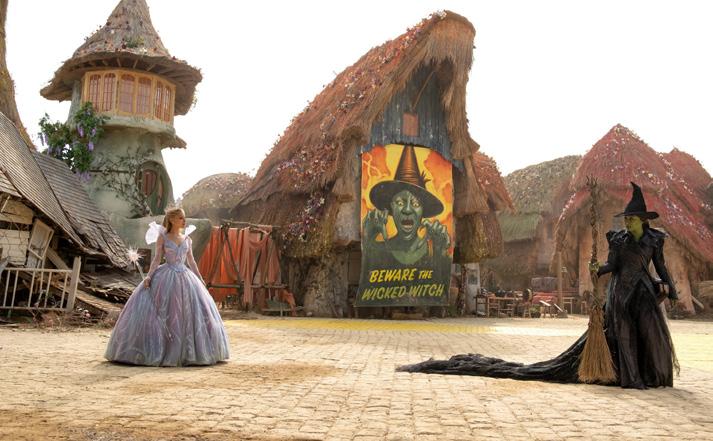
Brooks noted that “It became very clear that the first movie would be effervescent and the second would have a weight and a maturity to it. But there is a visual heartbeat, through lighting and camera, that connects the two.”
Hopefully, this masterpiece will draw some kids to the theatre who prefer to watch 10-minute shorts on YouTube or TikTok. This movie should win a shelf full of Oscars, and you may want to see it more than once. There are things and feelings hidden all around us that, if we stop to look a little harder, we may see. We all need to embrace the light and to see through the darkness. Chu realized that in the end, the title song, “For Good,” sung by Glinda and Elphaba, is about sacrifice and giving strength to each other, an idea that we need to bring forward in our current stressful political climate.
Kathryn Whitney Boole has spent most of her life in the entertainment industry, which has been the backdrop for remarkable adventures with extraordinary people. She is a Talent Manager with Studio Talent Group in Santa Monica. kboole@gmail.com
Presented
Menorah Lighting Ceremony

DECEMBER 14


Santa Monica Architects for a Responsible Tomorrow
Twenty years ago, at dismissal time, school intersections bustled with parents and children, the afternoon ritual of family life. Last June of this year, during the many new mixed-use projects along Lincoln Blvd., I’d expect there were more construction workers than kids. Plus, there are a growing number of those kids climbing into cars with out-ofdistrict permits, heading back to Culver City, Mar Vista, or Cheviot Hills.
Yet the 2024 US Census notes something else is missing— school-age children. Despite adding thousands of housing units, the interplay of demographic shifts, family composition, and economic constraints has led to a reduced demand for new threebedroom units in Santa Monica, contributing to the broader enrollment decline observed in the local school district.
This isn't anecdotal observation. It is demographic transition wrapped in the language of progress.
The Numbers That Haunt
Santa Monica Unified's enrollment has collapsed from 12,000 students in 1990 to roughly 8,900 today. But that number conceals darker truth: up to 17% of those students—nearly one in six—don't live here. They're imported to mask an exodus that may otherwise force school closures.
The real number of Santa Monica children in our schools may be as low as 7,400, a substantial decline from a generation ago. This collapse occurred while adding thousands of housing units. The impossibility of that equation reveals everything. How does a city add housing while losing families? Simple: You erase a housing type for low to moderate-income families.
The Architecture of Exile
Walk any recent development and count three-bedroom units. You'll find almost none—they comprise less than 5% of new construction. Studios and one-bedrooms dominate at 75%. The developer math is ruthless: three one-bedroom units generate
$7,500 monthly from space that would yield $5,500 from a family apartment. That's 36% more profit from the same concrete.
Consider the two teachers I know at Roosevelt Elementary. Combined income: $150,000. Their two-bedroom rent: $4,200 monthly. When their first child arrived, the cheapest three-bedroom demanded $6,000 monthly, requiring $240,000 annual income to qualify. They moved to Riverside. Their child will never attend the school where both parents teach. This story repeats too many times annually. We're not losing families to better opportunities— we're evicting them through economic engineering.
Memory as Urban DNA
Cities, as architectural theorist Aldo Rossi understood, are repositories of collective memory. This memory isn't stored in museums or archives but embedded in the very fabric of streets, buildings, and daily patterns. Every neighborhood carries what he called "urban artifacts"—persistent forms that give structure and meaning across generations.
Yet each project claims to solve our purported housing crisis. What crisis? California's Department of Finance consistently ranks Santa Monica among the state's highest for residential vacancy—over 5,000 empty units, nearly 10% of housing stock.
We don't have a housing shortage. We have an affordability memory shortage—a deliberate forgetting of what made this city


Immerse yourself in a sanctuary where nature’s tranquility meets the vibrancy of city life. Urban Jungle is more than a plant store it’s a communitycentered oasis bringing a lush slice of paradise to your urban lifestyle. Here, we passionately believe in the power of plants to transform spaces and

Santa Monica's low-rise beachfront character, its human-scale streets, its multigenerational neighborhoods—these aren't just aesthetic preferences. They're the physical substrate of community memory, the DNA that makes a place recognizable to itself across time.
When we demolish a bungalow court where three generations learned to ride bicycles, we're not just removing housing. We're severing memory. When we replace family neighborhoods with studio complexes, we're not adding density— we're erasing the possibility of generational continuity. The city becomes what urbanist Jane Jacobs warned against: a place that cannot remember itself.

The Shadow Economy
The transformation of Lincoln Boulevard tells this erasure in shadows. Where twostory buildings once created a rhythm of light and air, an unbroken wall of eight-story structures now casts permanent dusk. Solar panels that powered homes sit useless after 2 PM. Gardens die. Property values fall 1218% in shadow zones.


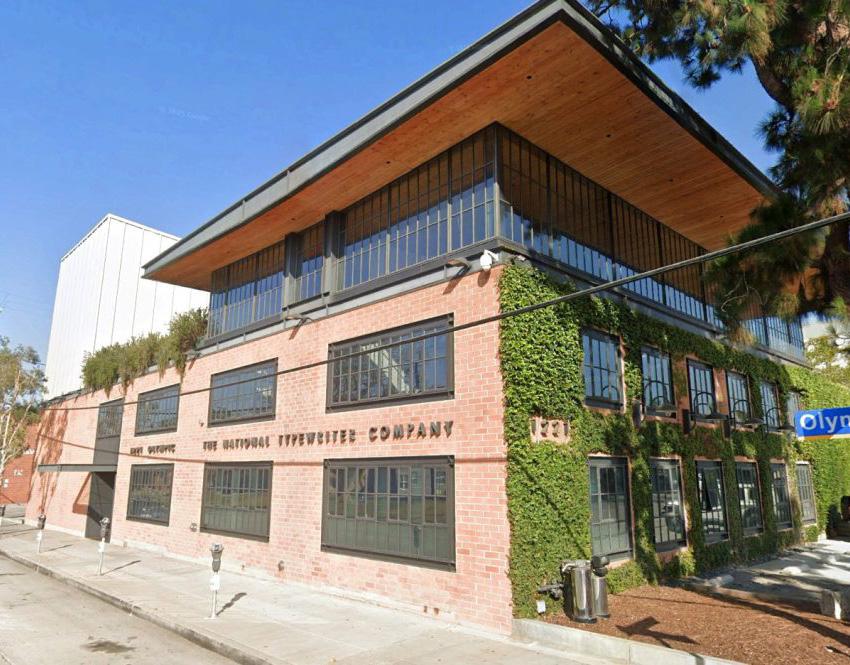
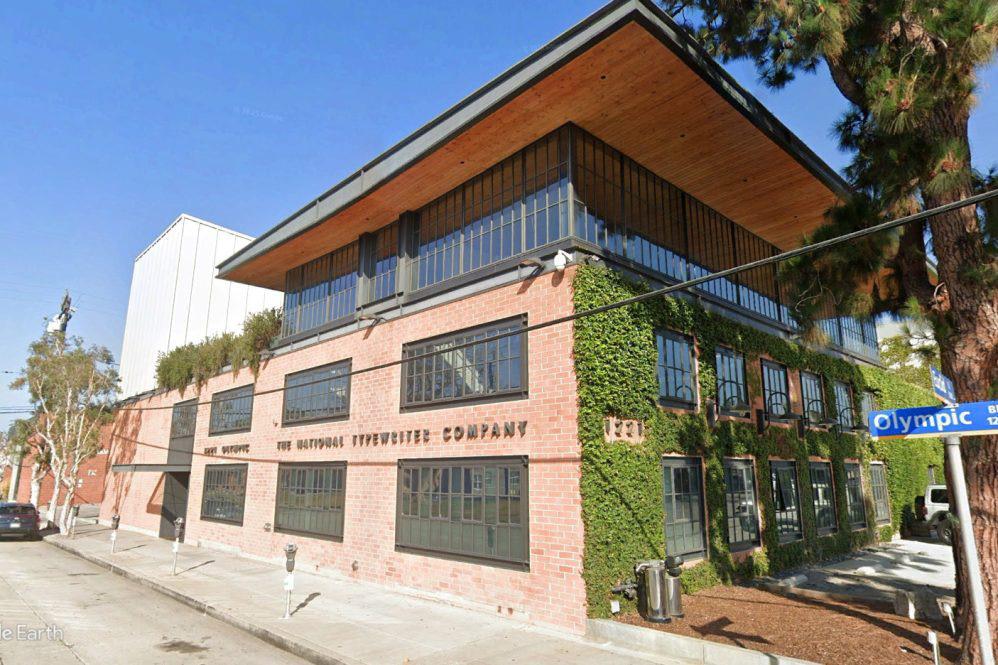
Black Bear, the independent studio led by producer Teddy Schwarzman, has been identified as the buyer of the former Bad Robot headquarters in Santa Monica, according to a source in reporting from The Real Deal.
Schwarzman’s company paid roughly $31 million for the brick building, which previously housed J.J. Abrams’ Bad Robot, The Real Deal reported.
Software Engineers (Levels 3 to 5) - Multiple Openings sought by Snap Inc. (Santa Monica, CA). *Hybrid work permitted - Snap practices a “default together” approach & expects team members to work in Santa Monica ofc at least 80% of time (avg 4 days/wk). Dsg, dvlp & modify s/ware apps & systems. SWE3: Base salary: $118,000-$176,000/yr; Job Code #SWE3-SM-1025. SWE4: Base salary: $157,000$235,000/yr; Job Code #SWE4-SM-1025. SWE5: Base salary: $209,000-$313,000/yr; Job Code #SWE5-SM-1025. Eligible for discretionary performance-based bonus award. Eligible for equity in form of RSUs. Our Benefits: https:// careers.snap.com/benefits. Email Resume: apply2snap@snap.com. Reference applicable Job Code when applying. EOE.
Continue from page 6
livable.
The Educational Shell Game
The school district runs parallel deception. Facing enrollment collapse that should trigger consolidations and administrative cuts, they import students from other districts. These families pay zero Santa Monica school bond assessments while their property taxes support their home districts. We subsidize their education while our own families flee.
Why hide this? Because without imported students, the real catastrophe becomes undeniable. How do you justify school bonds when enrollment dropped 40% despite thousands of new units? A school official recently confided: "If residents knew how many kids in our schools don't live here, while their own children can't afford to stay, there would be revolution."
The Palimpsest Becomes Blank Slate Cities are palimpsests—manuscripts written over yet never fully erased, each era adding layers while preserving traces of what came before. Santa Monica was such a palimpsest: Native American trails became streetcar routes became boulevards, each layer enriching the next.
But current development doesn't add layers—it scrapes clean. Every eight-story wall erases the human-scale rhythm that preceded it. Every family exiled takes irreplaceable memory with them. We're not writing a new chapter; we're burning the book.
The result? A city that Italo Calvino might
have imagined in his "Invisible Cities"— except our invisibility isn't fantastical but literal. The Santa Monica that generations knew is becoming invisible, replaced by something that occupies the same coordinates but lacks the accumulated memory that transforms space into place. As urban philosopher Kevin Lynch wrote, a city becomes illegible when its inhabitants can no longer form mental maps of it. Santa Monica's children—what few remain—will grow up in a city they cannot read, cannot remember, cannot pass on.
We're witnessing not development but erasure—the systematic deletion of collective memory in pursuit of maximum profit. The question isn't whether this is intentional.
The question is: Who benefits from our forgetting?
[Next: Part Two - The Machine: How Santa Monica's Memory Gets Deleted] Jack Hillbrand , Architect, AIA Santa Monica Architects for a Responsible Tomorrow
SMa.r.t. Leadership: Dan Jansenson (Former Building & Fire-Life Safety Commissioner), Robert H. Taylor, Architect AIA, Thane Roberts, Mario Fonda-Bonardi AIA (Former Planning Commissioner), Sam Tolkin (Former Planning Commissioner), Michael Jolly ARE-CRE, Jack Hillbrand AIA, Landmarks Commission Architect; Phil Brock (Mayor, ret.), Matt Hoefler NCARB, Heather Thomason, Community Organizer
For previous articles, see www. santamonicaarch.wordpress.com/writing
Black Bear, whose founder is the son of Blackstone CEO Stephen Schwarzman, already maintains an office less than 10 minutes away at 1739 Berkley Street.
The acquisition comes during a challenging period for the Westside office market. Santa Monica’s vacancy rate is hovering around 26 percent, reflecting one of the softest office environments in years. Despite that backdrop, the deal ranks as one of the area’s largest recent transactions: CBRE data shows it was the second-most expensive office sale in West Los Angeles in the third quarter.
Black Bear produces and finances independent film and television projects, and the new building is expected to serve as an expansion of the company’s growing footprint on the Westside.
AR Designer, Studio (4) sought by Snap Inc. (Santa Monica, CA) *Hybrid work permitted - Snap practices a “default together” approach & expects team members to work in Santa Monica ofc at least 80% of time (avg 4 days/ wk). Create AR experiences. Base salary: $118,000-$176,000/yr. Eligible for discretionary performance-based bonus award. Eligible for equity in form of RSUs. Our Benefits: https://careers. snap.com/benefits. Email Resume: apply2snap@snap.com. Ref. Job Code #ARDS4-SM-1025-MS. EOE.
To all heirs, beneficiaries, creditors, contingent creditors, and persons who may otherwise be interested in the will or estate, or both, of: JOHN MICHAEL MURPHY
A Petition for Probate has been filed by CHRISTOPHER MURPHY in the Superior Court of California, County of Los Angeles, Los Angeles County Superior Court Case No. 25STPB13513
The Petition for Probate requests that CHRISTOPHER MURPHY be appointed as personal representative to administer the estate of the decedent.
The petition requests the decedent’s will and codicils, if any, be admitted to probate. The will and any codicils are available for examination in the file kept by the court.
The petition requests authority to administer the estate under the Independent Administration of Estates Act. The independent administration authority will be granted unless an interested person files an objection to the petition and shows good cause why the court should not grant the authority.
A hearing on the petition will be held in Los Angeles County Superior Court as follows: Date: JANUARY 12, 2025, Time: 8:30 am. Dept.: 62 The address of the court: 111 North Hill Street, Los Angeles, CA 90012.
If you object to the granting of the petition, you should appear at the hearing and state your objections or file written objections with the court before the hearing. Your appearance may be in person or by your attorney.
If you are a creditor or a contingent creditor of the deceased, you must file your claim with the court and mail a copy to the personal representative appointed by the court within the later of either (1) four months from the date of first issuance of letters to a general personal representative, as defined in section 58(b) of the California Probate Code, or (2) 60 days from the date of mailing or personal delivery to you of a notice under section 9052 of the California Probate Code. Other California statues and legal authority may affect your rights as a creditor. You may want to consult with an attorney knowledgeable in California law.
You may examine the file kept by the court. If you are a person interested in the estate, you may file with the court a Request for Special Notice (form DE-154) of the filing of an inventory and appraisal of estate assets or of any petition or account as provided in Probate Code section 1250. A Request for Special Notice form is available from the court clerk.
Petitioner Attorney for Petition: Janet L. Brewer, 4 Main St. Ste. 20, Los Altos, CA. 94022
Published in the Santa Monica Mirror, 12/05/25, 12/12/2025, and 12/19/2025.