
Annual Report and Accounts 2024-25
Annual Report and Accounts 2024-25
It is my pleasure to introduce the Royal Trinity Hospice Trustees Report for the year ended 31 March 2025. I write at a time when hospices around the country are announcing heartbreaking reductions in their services because of the ever-rising costs of care. It is with pride and gratitude to our supporters, staff, and Senior Leadership team that I can state that Trinity has not yet had to cut its services.
We greatly appreciated the short-term government funding package for hospices announced in December 2024, which helped stabilise Trinity this year. But it is by no means the future-proof solution the hospice sector needs to continue to meet growing demand for our specialist care in the years ahead. At Trinity we are determined to continue to expand our reach to all those who need us, and we are equally determined to continue to work collaboratively with the hospice sector to secure equitable, sustainable funding to secure the future of our care.
This year we saw the invaluable financial support we received for our ‘Every Person Matters’ campaign translate into award-winning care for our patients, carers and family members. Our new clinical model of care, developed through the Transform Programme, became business as usual across our clinical teams. It is a tribute to the determination and flexibility of our staff that our investment in this transformation has shown significant impact already, with over 25% more patients, carers and family members receiving our specialist support and a 10% increase in home visits made by our Community Nursing team. Many more people have had access to our clinical care and support, fewer people have been left alone to navigate a complex healthcare system and more people have been supported through their loved one’s journey at the end of their life.
We have embraced our value of innovation this year, especially in our work to raise the funds the hospice needs to survive. We launched our new retail consultancy, which has harnessed the demand for our retail expertise into an important new income stream for our charity. The Fundraising team continued to innovate, introducing exciting new events and participating in Trinity’s first
national collaboration to raise awareness about legacy giving. Our Retail team has progressed further on its journey to become “London’s answer to sustainable fashion”, introducing a fully electric fleet and several exclusive partnerships.
We have worked hard to ensure that Trinity is experienced as a supportive, fulfilling and joyous place to work by all of our people. Through our in-house Management Development Programme and SMART Programme for our Assistant Retail Managers, we have strengthened our leadership teams in a way that benefits everyone - our patients, customers, and staff alike.
This report for the year is a detailed breakdown of our activities over the period April 2024-March 2025. However behind every initiative, every piece of learning, event and improved service are hundreds of personal stories that show the impact of our care.
I want to thank every supporter, donor, volunteer and customer who has supported Trinity in many ways this year. It is thanks to you that our care, and the life it helps to create, are made possible.
Professor Suzanne Shale, Chair of the Board of Trustees September 2025

The trustees of Royal Trinity Hospice present their report, together with the consolidated financial statements of the charity and its subsidiary company for the year ended 31 March 2025.
Royal Trinity Hospice (Trinity) provides expert, compassionate specialist palliative and end of life care to around 2,500 people in central and south west London every year.
We care for adults with progressive, lifelimiting illnesses, helping them to make the very best of every moment they have left. We strive to enable people to have a good death, and support those who are left behind when someone dies.
We support patients and their loved ones with their physical, emotional, spiritual and practical needs, wherever they are. We provide nursing and medical care, emotional and practical support, welfare advice, occupational and physiotherapy, complementary therapies, dietetics, spiritual care, counselling, art therapy, psychiatry and bereavement support to those who have been affected by the death of someone under our care.
Our vision, mission and values remain unchanged:
“To be the local hospice of choice for all those who need us, and an example of excellence in end of life care”
We care for people in our community and through inpatient and outpatient services in modern, welcoming facilities at our base in Clapham. Most of our care happens outside the hospice building, in our patients’ own homes, care homes, nursing homes, homeless hostels and prisons.
We share our specialist skills through education and support for other care providers, such as GPs, district nurses, hospitals and care homes, so that more people in our community have a better experience of care at the end of their lives. We work to ensure that key healthcare stakeholders are aware of our care and how it can benefit their patients at an early stage.
All our care and services are free to patients and their loved ones. We are commissioned by the NHS South West London Integrated Care Board (ICB), NHS South East London ICB, and NHS North West London ICB to deliver services on behalf of the NHS, which equates to about a third of the funding we need to deliver our care each year. We must raise over £13 million each year through the generosity of our local communities and supporters, from legacies, trust and corporate funders, and those who donate to and shop in our high street shops.
> To provide expert and compassionate end of life care, support, information and advice to patients and those close to them
> To provide education and information, working collaboratively with all health and social care providers, to ensure as many people as possible benefit from our expertise
> To improve communities’ relationship with death and dying, allowing them to live every moment
> To challenge and overcome barriers to equity, diversity and inclusion in our services
> To be true to our values and a good employer
We delivered the third year of activity against our five year strategy with the goal: “To expand our reach to all of the people in our community who would benefit from our services, through an inclusive and collaborative approach to delivery while maintaining outstanding quality and financial balance”.
As outlined throughout this report, navigating the impact of chronic government underfunding of hospices across the UK is an ongoing challenge. There is a pressing need for a central government response to provide sustainable, long-term funding to enable us to reach all those who need us with the care and support they deserve. Whilst we were able to follow through on our planned investments this year, this is largely due to the one-off capital funding for hospices announced by government in December 2024. While the investment period spans two years, this by no means solves the ongoing financial pressure on Trinity and we remain vulnerable to rising costs, fluctuations in legacy income and changes in the retail environment.
Objective 1
To make the best use of our existing workforce model and facilities, utilising digital and virtual working.
Highlights in 2024-25
> We invested in planned maintenance and building improvements to our historic building on the edge of Clapham Common and began developing a new estates strategy which includes a five-year maintenance plan, to ensure adequate investment is made to our ageing infrastructure to reduce incidents and make Trinity a more comfortable place to work, volunteer and be cared for.
> We embedded the national Patient Safety Response Framework (PSIRF), bringing a more robust and responsive quality monitoring system to the hospice, with weekly incident meetings, SWARM huddles and new systems to accurately embed learning from incidents and feedback in a timely manner.
> We worked to improve efficiency, safety and coordination and reduce duplication through our IT systems. This included:
> finalising data sharing agreements with 92% of GP surgeries in our catchment area to enable greater access through our patient record management system (EMIS).
> data integration with the London Care Record.
> implementation of new features within EMIS including triage tool Run PC, appointment booking, template updates and business continuity planning.
> beginning the rollout of a virtual consultation product.

To extend our reach across all our diverse communities, particularly those who do not traditionally access palliative and end of life services.
Highlights in 2024-25
> We set up a new Community Inclusion Group to ensure we hear from and learn from the diverse communities we serve, and respond to what they tell us so we can improve inclusion in our services and remove barriers to care.
> We continued to host events and activities aimed at bringing people into the hospice to see more of our world class facilities and understand that we are here for anyone who needs us irrespective of their circumstances. We had a specific focus on those people in our diverse communities that we meet less frequently. These events have included our regular Talk & Tour, Carer’s Week and Pride Month events, and a collaboration with King George’s Hostel for men affected by homelessness.

> We introduced innovative provision for patients and carers who are deaf or hard of hearing. This offered training for staff, new equipment on the inpatient unit and a new action plan developed through the Hearing Loss Working group.
To strengthen our collaboration with external partners utilising innovative pathways.
> We further developed our close working relationships with our neighbouring hospices, sharing best practice and resources, collaboratively managing our ICB contracts and working together on awareness and fundraising initiatives.
> We collaborated with Hospice UK in multiple ways including on Hospice Care Week promotional activity and in the media, a national legacies campaign and raising awareness of the importance of palliative and end of life care to the debate around the proposed Assisted Dying legislation.
> We embedded electronic patient records sharing with more primary care providers to streamline and improve the quality of patient care.
To invest in expanding our services, workforce, and facilities
Highlights in 2024-25
> We extended the operating hours of our Rapid Response team so we can now offer specialist nursing support to those in crisis and in urgent need in our community 12 hours a day, seven days a week.
> We began the process of replacing all the beds on our inpatient unit, including our first ever “cuddle beds”. The new beds have made a significant improvement to comfort and safety on the inpatient unit.
> We launched the Development Funding Panel for staff to access financial support for learning and development opportunities.
To ensure fundraising, retail operations and NHS income matches growth in activity and associated operational costs
Highlights in 2024-25
> We continued to raise the urgent need to increase the proportion of our funding that comes from the NHS with our commissioners, including collaborating with two other London hospices on a PR campaign to highlight the inequalities in hospice funding.
> We participated in the national “This is Hospice Care” campaign, led by Hospice UK, to promote awareness of the importance of gifts in wills to long-term hospice sustainability.
> We launched Royal Trinity Hospice Retail Consultancy Services, to drive income by sharing our expertise across all elements of charity retail.

Our year in numbers
Total patients cared for 2,492
£13m
We must raise over £13m from fundraising and our shops this year to supplement the funds we receive from the NHS, which only account for about 33% of what it costs to run the hospice annually.
332
patients received care in the inpatient unit
patients living in Wandsworth were supported by the Royal Trinity Carers and 384 received care coordination support 114
1,069
Is the amount of carers and family members we supported, a 22% increase on last year
3,561
patients in total, carers and family members directly received our care and support, over 25% more than the year before
The youngest patient we cared for was 19 and the oldest was 107
2,371
patients received care in their own homes, which is where over 85% of our patients receive their care
2,708
The Community Nursing team made 2,708 home visits, which was over 10% more than the number of visits they made the previous year
633
patients received physiotherapy, occupational therapy, complementary therapy or dietetic support in the hospice and in the community which was over 10% more than the previous year
203
people benefited from 1,359 bereavement support sessions
100%
of respondents to our survey would recommend us to friends and family if they needed similar care of support and 98% of respondents felt they were treated with dignity and respect
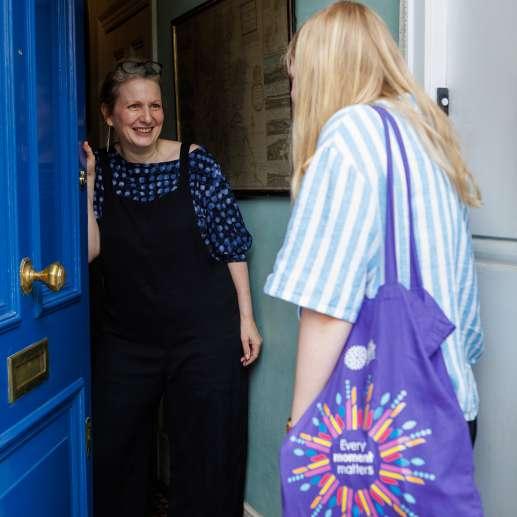
Most of the care we provide is to people living in their own homes, including supported living, community hospitals, residential and nursing care homes, prisons and homelessness hostels.
Our team of specialist palliative care nurses supports people by providing expert advice for symptom control, end of life care and supporting the coordination of services with the GPs, District Nursing teams, hospital teams and social services. Many of our other teams also provide services to people in their own homes, including the Patient and Family Support team, Therapies and Medical teams.
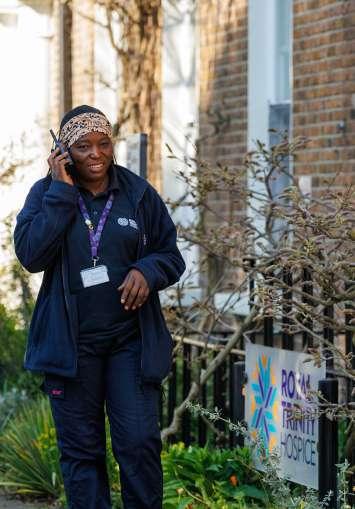
Trinity’s Specialist Community Nursing team provides home visits seven days a week as well as 24/7 telephone support. This year has seen a significant increase in home visits, with more than 10% more visits to patients at home made by the team. This is due in part to the expansion of our Rapid Response team, a team of Trinity nurses working to support patients in the community in urgent need 12 hours a day, seven days a week. As well as ensuring we reach people in crisis faster, the new Rapid Response team has reduced the frequency of rescheduling visits to lowerurgency patients to manage urgent issues.
Trinity’s inpatient unit has 26 beds, and the inpatient team provides skilled, compassionate care in a warm, welcoming and modern environment. People are admitted for many reasons, including for support to get difficult physical or psychological symptoms under control before returning home, rehabilitation to continue to live independently, or end of life care when their illness is advanced.
We face challenges around staffing, in common with many other health and social care providers nationally. This continued to be felt on the inpatient unit last year. We have continued to invest in developing our people, and this has successfully reduced the overall nursing vacancy. In turn, this has enabled us to use this facility more fully.
This year we improved processes and efficiency within the inpatient unit which reduced the average length of time patients stayed in the hospice and therefore increased the number of people we were able to support with inpatient care.
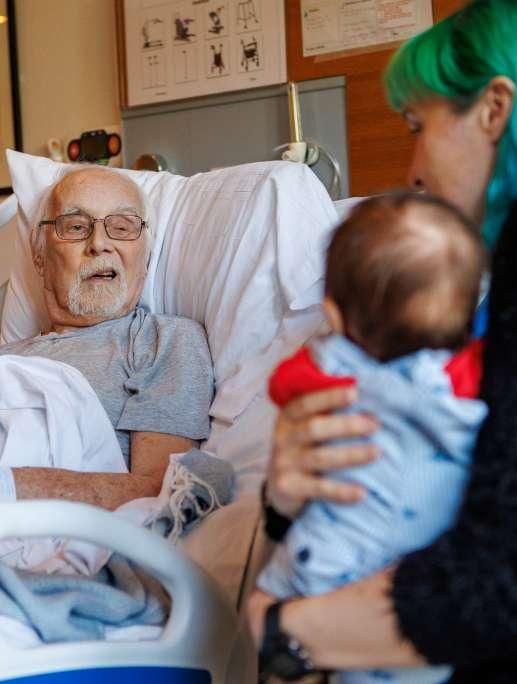
Our Community Dementia Service aims to ensure people living with dementia, and their families and friends, have the same access to specialist palliative and end of life care as those living with other progressive, life-limiting illnesses such as cancer.
The team provides advance care planning, support for carers and advice and training for professionals who care for people in the later stages of dementia. Our specialist inpatient bay has been designed as a “home from home” for people with dementia. We provide up to two weeks respite within a twelve-month period.
Our Patient and Family Support team delivers support through specific, focused individual and group activities and comprises various forms of support, aimed at offering patients, friends and family members, a range of options based on their needs. This is delivered across all settings: community, inpatient and outpatient.
Our team offers social work, welfare benefits advice, counselling, spiritual care, bereavement support and art therapy.
Our Carer’s Clinic offers carers the opportunity to meet with a Specialist Palliative Care Nurse and Trinity Social Worker. This year we held our first Carer’s Week event, bringing together unpaid carers in an informal setting to hear more about our care and access a range of wellness activities. Our bereavement support programme offers a weekly bereavement group programme, a gardening group for people who are bereaved and events such as the Summer Solstice remembrance event, a monthly Walk & Talk and Time to Remember, a regular event for people who have been very recently bereaved.
Trinity manages a care coordination service in Wandsworth on behalf of Wandsworth GP Federation (previously Battersea Healthcare CIC), the multi-speciality community provider in Wandsworth ICB. The service coordinates care for patients receiving end of life care and provides short-term care and support through a dedicated team of rapid response carers, the Royal Trinity Carers.
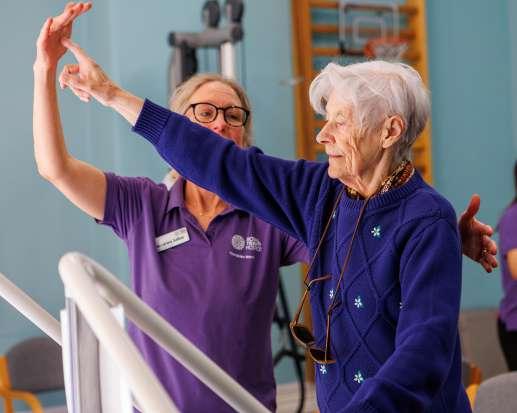
Our Therapies team provides personcentred interventions for patients to maintain their independence and safety for as long as possible, enabling people to remain in their preferred place of care or death. They also provide non-pharmacological management of symptoms such as pain, breathlessness, fatigue, and anxiety.
The Therapies team consists of physiotherapists, occupational therapists, complementary therapists and a dietician.
In addition to supporting patients in the community and on the inpatient unit, as part of Living Well service, the Therapies team delivers outpatient group and individual support, which includes a weekly calendar of activities to support patients to maintain their strength, independence and mobility for as long as possible.
Our Consultant-led medical team works closely with every other clinical team and consists of specialist palliative care consultants, specialty doctors, specialist trainees, GP vocational trainees, internal medical trainees and foundation year doctors.
The team provides medical expertise around symptom control and end of life care in the inpatient unit and in the community as well as offering outpatient appointments.
The team is actively involved in clinical governance with leading roles in audit, research, patient safety, teaching and education.
In 2024-25 the Community Engagement team continued to build relationships with community groups across our catchment area. Using the Community Engagement toolkit, which is a range of workshop and event plans, the team aims to:
> identify and understand barriers to accessing our care among various communities within our catchment area
> grow awareness of the hospice among those who could benefit from our care
> improve death literacy in our community so that people have greater confidence to talk about death, dying, serious illness, bereavement and planning for the end of life
> reach out to people who are disengaged with their community and socially isolated due to their advanced age or illness
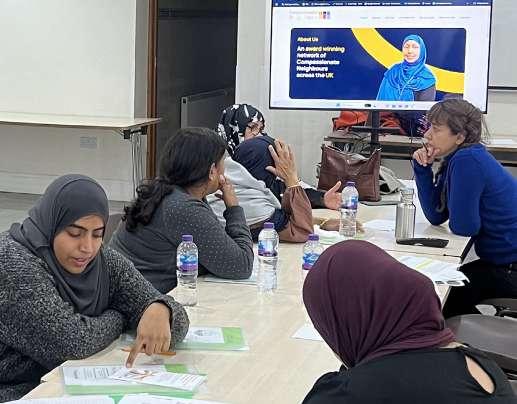
The team runs the Compassionate Neighbours befriending project, which matches trained volunteers in the community with people approaching the end of life due to age or illness who are lonely and socially isolated. The project matched 44 people with a Compassionate Neighbour and trained 58 Compassionate Neighbours this year.
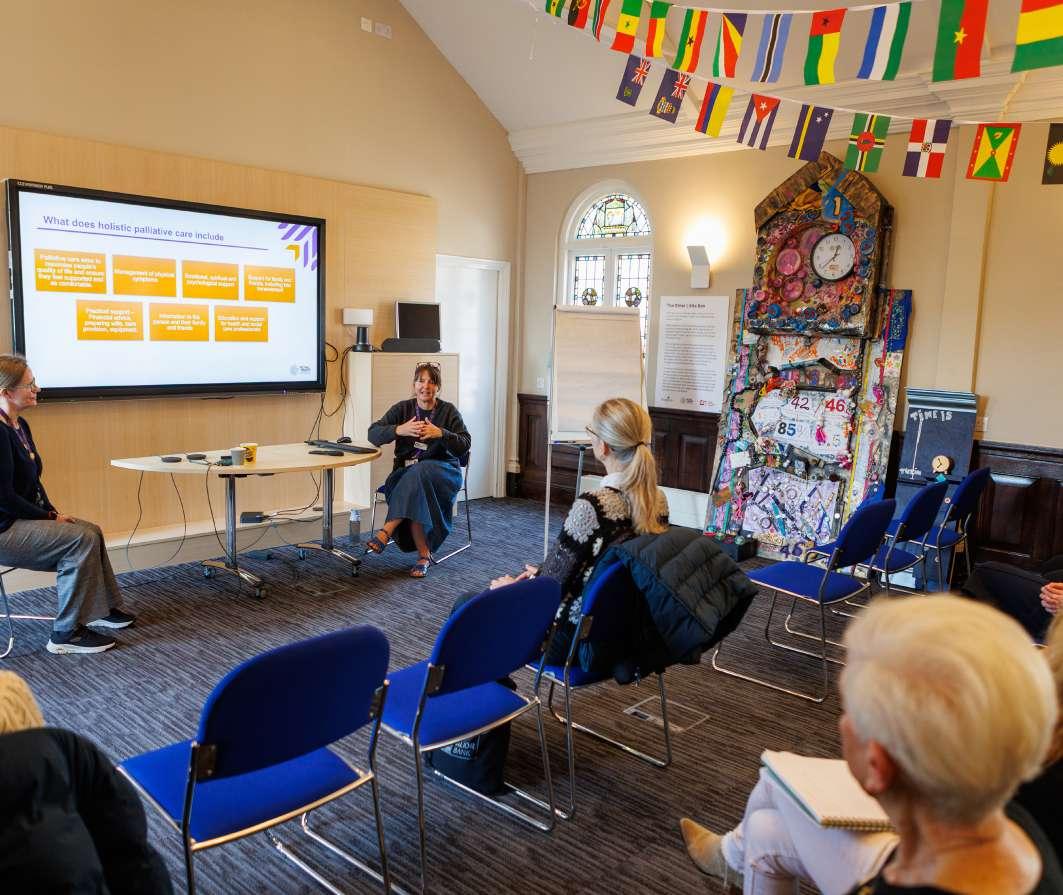
This year we launched our Development Funding Panel, a centralised development budget with an application process open to all Trinity staff. Over the course of the year, we have seen almost 40 members of staff benefit from funded development opportunities.
This year we embedded our new learning management system. The gratifying result was that mandatory training compliance increased by over 25%. Mandatory training is vital to maintain the quality of our services and is an important element in regulatory assessment, so we are delighted it now exceeds our target of 96% completion.
In 2024-25 two more cohorts of Trinity staff complete our internal Management
Development Programme, which is available to clinical and non-clinical managers. This forms part of our broader commitment to staff development and leadership excellence.
We continued to offer “Learning@Lunch” sessions for staff to access additional learning opportunities ranging from art therapy to understanding about neurodiversity.
Additionally, even more support was offered to our management functions in the form of policy specific HR courses delivered using the expertise within our HR team.
In 2025-26 we will be reviewing our clinical workshop training offer and intend to add more workshops for both internal and external delegates. Developing these workshops will help us to deliver
better care and a better experience for people living in our catchment area.
We offer clinical workshops to other hospices, local authorities and care homes as well as for Trinity staff. In addition to our scheduled open training sessions, we also delivered bespoke training to the new care home group KYN.
Below is a breakdown of the number of health care professionals, both internal and external, who attended our workshops, broken down by training module.
national training to support staff to
and concerns
We received three formal complaints in 2024-25. This is compared to eight received in 2023-24. The key issues identified were:
> Management of symptoms
> Challenges with the coordination of care across services
> Challenges with ineffective communication.
We received thirty-one concerns compared to the 27 concerns raised in 2023-2024. Two of the concerns that were addressed at the time then resulted in a formal complaint investigation.
The key trends for the concerns were:
> Staff behaviours.
> Challenges with ineffective communication.
> Difficulties in contacting the hospice for advice.
Complaints and concerns are an important source of learning for us, and we have taken steps to improve our care in response. These have included the improvement actions below.
Responses to concerns and complaints:
> The introduction of a new patient care assessment process for our Community teams.
> Further training for the Community team, including advanced communication skills with a focus on telephone/email communication skills for the Care Coordination team.
> The introduction of a daily huddle for the Community team. This now takes place every morning with key members of the Community team, to agree priorities and discuss any concerns relating to the patients on the list to be seen that day.
> A review of our process for providing and recording provision of informational leaflets to patients and carers.

Compliments received by patients and families are anonymised and reported to the Clinical Risk Management Committee. These are also shared with the staff on the Quality Board at the hospice and at their team meetings.
During 2024-25 we recorded 209 written and/or verbal compliments compared with 131 in 2023-24.
Thank you for treating my mum as a person, not just a patient.
As a GP I have had two recent calls with specialist nurses at Trinity and I cannot express how incredible their help and advice has been. They dealt with my queries professionally, responsibly and efficiently taking total ownership of their patients. They both gave me brilliant plans so I knew the patients were safe and well looked after.
Such peace of mind in this terrible time. The help takes a large burden off my shoulders.
Trinity has been an amazing support, liaising with the GP, district nurse team and care agency. Your help has been invaluable including welfare support and physio. It has been so reassuring to be able to reach out and get help 24/7.
You made a very sad time easier to deal with. You gave us all the greatest support we all needed.
We were all scared and apprehensive at the thought of end of life care and you made a very sad time as positive, relaxed, respectful and dignified. You injected laughter, making her share her love of Elvis with the nurses.
The support we received was exceptional and it was reassuring to know that no matter what time of day or night you might ring for help the call was answered. I can’t sufficiently praise the support we were given by the team.
Initially I did not think it would be possible for me to share my thoughts or ever want to, but my counsellor listened to my outpourings. I am so much more positive now in my outlook to the remaining years of my life.
The nurse visited us yesterday and was wonderful. Her empathy, knowledge, professionalism & can-do attitude have made Mum, me and the rest of our family feel so, so much better.
The financial year 2024-25 was the first full year of steady state following the investment budgets of the previous two years to implement our new growth strategy. Trinity set a small deficit budget, to maintain the investment in our people, estate and retail operations to meet the ever-growing demands for our services.
The size of the deficit was much bigger than budgeted. It was in part due to the rising costs of delivering care not being offset by a proportionate uplift in NHS income as well as legacy and retail income streams falling well short of target.
pass through probate or for property to be sold). As a consequence, we fell short of the overall fundraising target. However, we have taken action to adjust the Fundraising team structure and resource and are optimistic about our prospects for future success.
The hospice benefited to the tune of £320k from the Department for Health and Social Care’s capital funding in March 2025. Trinity was able to benefit from this funding because of our ongoing investment in our estate, which was supported by the DHSC funding formula. This helped us to reduce the scale of the operating deficit for 202425, without having to reduce services or allow our estate to deteriorate. Welcome though it was, the funding unfortunately does not constitute a solution to the revised funding model that is needed to guarantee the hospice’s long-term sustainability.
*Contribution is stated before depreciation. Figures included are for the relevant area less direct costs and a share of overheads
Our Retail team worked very hard in a difficult year for all retailers but finished the year slightly below budget owing to the subdued trading environment. It was the first time since Covid that retail sales have plateaued at Royal Trinity Hospice. The Fundraising team nearly achieved the non-legacy target we set for them.
However our legacy fundraising result was below expectations, partly due to the unpredictable nature of legacy gifts (some legacies take longer than we anticipate to
The hospice has adequate levels of reserves as set out in the reserves section below. The Board of Trustees approved a small surplus budget for 2025-26 to continue scaling services in line with the five-year strategic plan.
Income was £17,819,946 for the year ended 31 March 2025, which was a 0.4% decrease on 2024 (£17,889,884).
Retail income decreased slightly by 0.6% from £7,239,859 to £7,194,606. Trading conditions have been tough in the last 1215 months, and this led to flat sales year on year. An investment in a new shop in Tooting which started trading in April 2025 will support income growth for the year ahead.

Core patient services income increased from £4,677,301 to £4,903,679. There were varying uplifts in the core NHS contracts from the three ICBs in our catchment area, which helped offset the one-off £188k received from NHSE for non-consolidated Agenda for Change pay awards in the summer of 2023.
Non legacy fundraising income grew 11% from £3,266,842 in 2024 to £3,623,662 in 2025. Despite no signature gala fundraising event in 2024-25, income grew due to strong performances for Trusts and Major Gifts income streams. Legacy fundraising fell 42% reflecting lower estate values compared to previous years. The outlook for legacies has improved in recent months, and we expect this income stream to move back towards the long-term average of £2m in 2025-26.
Total expenditure decreased by 2% to £19,888,297 (2024: £20,194,484). The cost of inpatient, community and outpatient care decreased by 3% in 2025 to £12,415,999 which was driven by a reduction in the
use of agency nursing, lower project management costs following the launch of the Transform Programme and much lower maintenance costs as a result of the large scale refurbishment to the exterior of the IPU building in summer 2023.
The costs of the trading subsidiary increased by 5% to £6,292,575, driven by payroll costs in part due to the higher than inflation London Living Wage uplift of 10.3%. Fundraising costs remained similar to 2023/24 at £1,159,909. While there was no gala in November 2024, a couple of smaller events were delivered, as well as higher investment in legacies running alongside the Hospice UK campaign launched in February 2025.
We ended the year with a deficit of £2,068,351 (2024 deficit: £2,304,600). The table above adjusts this figure, removing the cost of depreciation and adding the cost of capital expenditure to show the operating cash (deficit)/surplus.
The Trustees regularly review the reserves requirement. The Board has adopted a liquidity and risk-based approach to reserves, recognising that Trinity’s funding and asset base remain well-diversified.
The reserves policy aims to ensure we hold sufficient investment and operating cash to cover the risks associated with short term income volatility, notably retail and legacy income. Trustees agreed to continue to reinvest investment cash into our equity investment fund, because the need to hold such large levels of cash have been reduced. Trinity’s policy is to hold between £2m - £3m in cash to support the working capital needs of the hospice, and investments plus cash to cover 3-6 months of budgeted operational expenditure. At March 2025 Trinity held cash plus investments equal to 3.8 months of cash cover (£6,451,482).
At 31 March 2025 free reserves, the General Purpose unrestricted fund, decreased to £7,483,353 which equals 4.4 months’ of budgeted running costs (2024: £9,332,223, 6.1 months’ running costs) (see note 16).
Designated Funds decreased from £11,316,956 to £10,982,175 during the year (see note 16) and represent the net book value of our fixed assets and the market valuation of our investment properties. The reduction is due to depreciation of fixed assets less the assets purchased in the year.
Restricted Funds decreased from £156,352 to £100,093.


Aside from retaining a prudent amount in reserves each year, most of Trinity’s funds are spent in the short term on end of life care provision.
The investment portfolio is strategic capital and is to be used to facilitate key Board objectives. It is not intended to support general running costs but provides a cushion against any short-term income volatility. The Finance and Resources Committee reviews the investment portfolio performance every 3 months.
No investments were sold during the year. Trinity owns The Elms, an investment property, valued at £4,900,000.
The movements in fixed assets during the year are set out in note 9. Following a desktop review of market movements in Summer 2025, the Trustees are satisfied that the book value shown in the financial statements is still comparable to the formal valuation conducted in June 2023.
The board has reviewed our financial position and believes there are sufficient resources to manage any operational or financial risks. Throughout the year the board receives financial updates on our spend against budget and the performance of our investments. We have adequate reserves in line with our policy.
We have stress tested and discussed scenario plans for disruption to our income and long term investments via our Finance & Resources Committee and we reasonably expect that we have adequate resources to continue operating for the foreseeable future and no material uncertainties have been identified. The board is satisfied that there are no material uncertainties relating to events or conditions which may cast doubt upon the ability to continue as a going concern and therefore continues to adopt the going concern basis of accounting in preparing the annual report.


Fundraising activity update
We are immensely grateful to the generous donors who support Trinity’s work, and the many supporters and volunteers who assist in our fundraising efforts.
Our Fundraising team adapted its strategies and campaigns to overcome challenges presented by the tough economic environment and managed to achieve considerable non-legacy income growth.
Our benchmarking exercise measuring return on fundraising expenditure showed that Trinity’s Fundraising team outperforms almost every other London hospice. They secured year-on-year growth in eight of the ten non-legacy income lines, contributing to a year-end position only a few thousand pounds short of the ambitious full-year budget that we set for them.
The Every Person Matters campaign continued to engage new corporate donors and major donors and contributed significantly to the non-legacy performance. This included securing a generous £250k donation from one individual who also pledged a further £250k next year. The campaign, which was co-chaired for us by Rahul Moodgal and Matt Passante, has allowed us to implement our Transform programme. We owe thanks to them for their fantastic work on the campaign, and indeed all of those who supported their efforts with advice, information and donations. Every Person Matters is now to be wound down and replaced with a newly designed major giving programme, with an annual gift commitment to generate a consistent income level.
Buoyed by the success of the Every Person Matters campaign and capital expenditure secured for the purchase
of new beds, the Trust income line outperformed the budget of £850k to achieve income of £1.06m and secured several multi-year funding relationships.
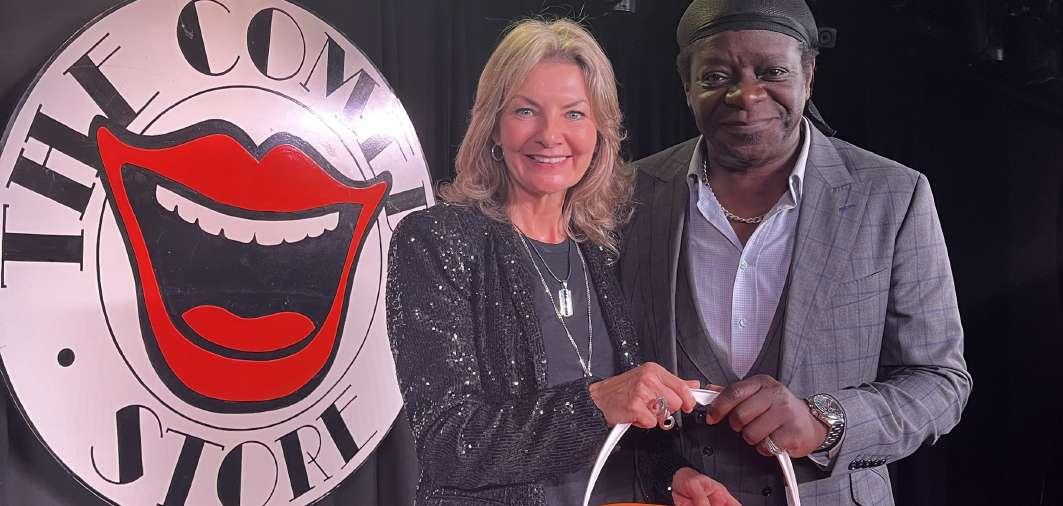
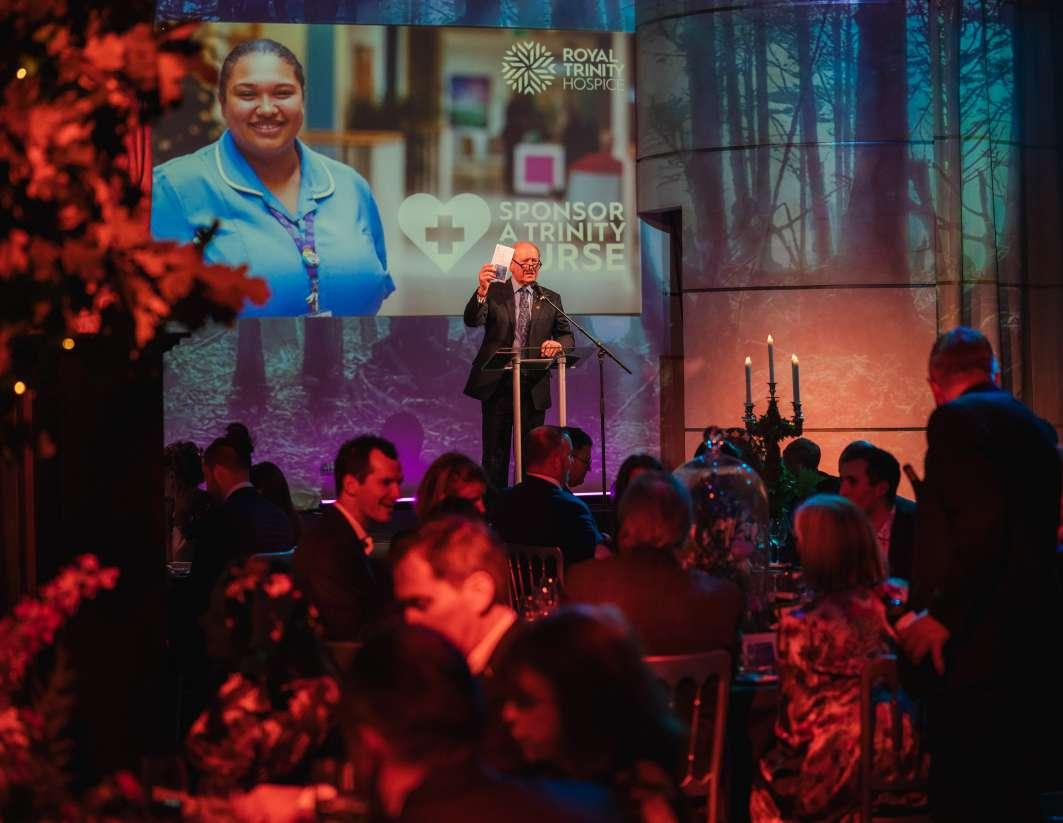
The Fundraising team successfully launched a new event during this non-gala year with the Dinner and Quiz held at the UnderGlobe below Shakespeare’s Globe on London’s Southbank. The event was well attended and successfully raised income in the Events line beyond budget and negated the gap that arises because of the cycle of our biennial Gala event (the next Gala takes place in November 2025). The team will continue to build this event to even out income in the non-gala year, and as an alternative for supporters to our more formal gala.
Legacy income realisation during the year was challenging despite a level of improvement in probate processing backlog. Delayed property sales and complex estates reduced income despite starting the year with a higher than usual pipeline.
Overall, the Fundraising team had a successful year increasing non-legacy income when many organisations experienced decline or stagnation. Strategies implemented for both nonlegacy and legacy activity will continue to attract and engage donors and ultimately increase income sustainably into the future.
Royal Trinity Hospice is grateful to every individual, trust, company and group who offered financial support through donations, legacies, participation and grants in the past year, including:
The Julia and Hans Rausing Trust
The Deborah Loeb Brice Foundation
The Wimbledon Foundation
The John R Murray Charitable Trust
The Dr Edwards and Bishop King’s Fulham Charity
Royal Trinity Hospice contracts all fundraising activities to Compton Fundraising Consultants Ltd (Compton). Compton provides expert fundraising services to ensure that Trinity has sufficient funds to provide end of life care to all who need it. Compton delivers individual giving, legacies, trusts and foundations, corporate, community and challenge events, in memory giving, major donor and special events expertise.
The Compton team at Trinity does not engage in cold-calling or wealthscreening and does not buy or sell data.
All data is managed and stored securely by Trinity. Compton does not contract other fundraising agencies on behalf of Trinity, with the exception of Legacy Link, a legacy administration company, which Compton contracts to administer legacy donations. Senior Compton staff are members of the Institute of Fundraising, and all staff adhere to the Fundraising Regulator’s Code of Fundraising Practice.
The Compton team is fully integrated with the charity and works full time on the hospice site. The Director of Fundraising is a Compton employee who reports to the Trinity Chief Executive and sits on Trinity’s Executive team. Compton attends and reports quarterly to the Board via the Finance and Resources Committee and the Fundraising Development Committee.
The Fundraising team adheres to the policies and procedures set by the hospice and
is monitored against those via Trinity’s corporate governance structure, with oversight also from the Fundraising Development Committee. The Director of Fundraising is a member of Trinity’s Information Governance Group, and a member of the Fundraising team attends the hospice’s Health & Safety Group. The Fundraising team works closely with Trinity’s Data Protection Officer to ensure data processing is in line with the requirements of the GDPR and Data Protection Act 2018.
In 2024-25, Trinity received three complaints in relation to fundraising, all of which were minor and were resolved to the supporter’s satisfaction (previous year: five).
Trinity’s Donor Charter sets out how we assure current and potential donors of the integrity and high standards of fundraising at Trinity and can be read at: www.royaltrinityhospice.london/donor-charter
During 2024-25, our retail business achieved a total income of £7.25m and profit of £1.9m (before support costs). Our focus this year was on consolidating the four shops we opened over the previous 18 months and continuing to update some of our existing shops. In summer 2024, we carried out a full refurbishment of our Islington shop. We also opened a new warehouse in February 2025 to support our efficiency and ensure that our operational infrastructure is sufficient for our growing business.

Throughout the year we looked at innovative ways to drive income. Highlights included:
> a collaboration with the iconic brand Vivienne Westwood, who held a takeover event in our shop in Kensington
> a collaboration with luxury handbag retailer Sellier Knightsbridge who held events in our Kensington and Islington shops
> our first ever wedding pop-up event at Kempton Racecourse
> the launch of the Royal Trinity Hospice Retail Consultancy Services, which has already successfully worked with several clients.
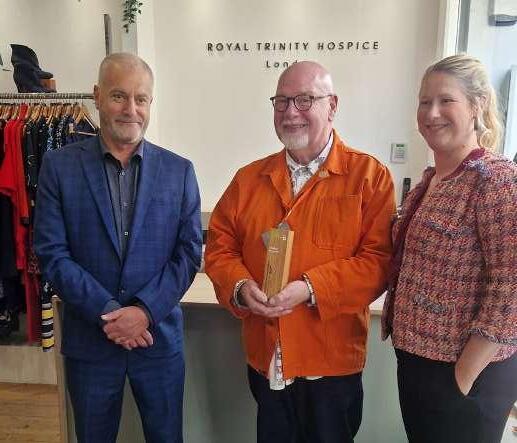
We continued our mission to be “London’s answer to sustainable fashion” and made considerable progress in our “Seven Steps to Sustainability” strategy, including moving our fleet to fully electric vehicles, implementing food waste collections across our shops and planning for a repair hub for our mending volunteers at our warehouse. We were delighted to have this work recognised with a prestigious Drapers Conscious Fashion Award for best carbon footprint initiative, as well as being shortlisted for the Conscious Store Design Award for our Brixton shop.
In addition, in September we were thrilled that our Fulham charity shop was named the London winner in the UK’s Favourite Charity Shop Awards, by the Charity Retail Association. The shop was one of 6,500 that were nominated across the UK and claimed the winning spot in a public vote involving almost 13,000 people.

Risk management is fundamental to good management practice and a significant aspect of corporate and clinical governance at Trinity. The overall management of risk is the responsibility of the Chief Executive. We manage risk through a Board Assurance Framework that tracks key organisational risks for the Board via Trinity’s Committee structure and a risk register that lists risks at team level.
Our risk management framework is a formal acknowledgement of our commitment to managing risk in a proportionate, meaningful and responsible manner.
The key risks outlined in the Board Assurance Framework are:
Risk Mitigation
Reach: Failure to meet the needs of the people in our community
Quality and impact of care: harm caused by deterioration in standards of safety and care
Estates and environment: operating infrastructure does not meet the needs of the organisation
This is mitigated by our growth strategy following the implementation of our new clinical model of care via the Transform Programme and a project that looked at inpatient unit optimisation and recruitment.
Constant review of this risk is carried out in daily meetings and reviewed at committee level.
The Patient Safety Incident Response Framework (PSIRF) and corresponding plan is in place, with ongoing progress in training and implementing learning response tools.
We have made ongoing progress with ensuring actions and learning from all incidents and complaints is disseminated. Robust governance processes are in place via weekly incident review meetings, monthly Clinical Risk Management Group meetings and quarterly Quality meetings (which reports to Board).
There is an ongoing review of our audit programme and compliance checks and work is progressing with benchmarking to ensure appropriate comparisons can be made.
This is mitigated by external health and safety audit and subsequent remedial works to improve key areas including electrical and fire safety as well as infection prevention control related cleaning process improvements.
This year, works to improve the health and safety around the hospice continued, including further improvements to evacuation processes and the setup of planned preventative maintenance (PPM) contracts for key building infrastructure.
A fully funded maintenance strategy with an emphasis on gaining efficiencies to reduce our impact on the environment is in development. The next Health and Safety audit will be conducted in August 2025.
Data and technology: systems and processes do not meet the needs of the organisation
This is mitigated through corporate governance policies and processes, with a particular focus on compliance with Care Quality Commission key lines of enquiry.
The red rated risks in this category centre on the hospice’s data maturity and information governance. On data maturity, the hospice is improving the use of several systems introduced in recent years and use of data to aid decision making. We have made good progress on information governance recommendations from prior audits and continue to refine the records of processing activities (ROPA) to ensure adherence to data protection regulations.
We acknowledge that cyber security is a key risk under this category and are improving systems and tools to support reducing the likelihood of an attack impacting hospice activities.
Workforce: insufficient or suitably skilled staff to deliver core functions
Financial sustainability: our financial health deteriorates and cannot support the operating model of the organisation
Communications and partnerships: Trinity deemed untrustworthy
The key people risk is staff turnover and its impact on our vacancy rate in key areas such as nursing. The People Plan 1 focused on key deliverables around attracting and recruiting quality candidates. The actions taken have resulted in a significant reduction in our vacancy and turnover rates which report each month at 10%, meeting the hospice’s KPI target of 10% for vacancy rate and around 1.5% each month which exceeds the hospice’s target of 2% for turnover. The annual turnover rate achieved at the end of Q4 2425 was an average of 20% which is below the hospice’s target of <25%.
Given the level of success achieved, the People Plan 2 prioritises retaining the talent that we have successfully attracted and recruited. Key retention actions include a new approach to induction, including local induction, effective probation management to support staff in their role and ensure success, annual review and the implementation of the “settling in” and “stay” conversations to proactively gather feedback and respond effectively.
This is mitigated by our fundraising and retail strategies monitored through Board-led committees and through quarterly review of investment performance and strategy by the Finance and Resources Committee.
In 2024-25 the hospice started work on expanding its income streams to take advantage of new opportunities to derisk income-related shortfalls. This includes expanding current activities such as opening new shops but also looking into areas where the hospice has expertise to deliver high standard patient services not included within our current NHS contracts and retail consultancy as two examples.
Reputational risk is mitigated by a robust risk management framework, a clear media and stakeholder response plan in the case of events or actions that could damage the hospice’s reputation and careful due diligence prior to any new partnerships.
The Board has ultimate responsibility for the governance and leadership of Royal Trinity Hospice. The Board is responsible for strategic decisions and for monitoring the organisation’s performance and ensuring that it complies with its Articles of Association and applicable laws and regulations.
The Board works closely with the Chief Executive Officer and the Executive team to set our strategy and monitor performance and risk management. The Board meets quarterly and works through four board committees (Finance and Resources Committee, People and Culture Committee, Fundraising Development Committee and Patient Services Committee) and closely with the board of our retail subsidiary.
Under the Energy and Carbon Report Regulations 2018, Trinity is required to report on the environmental impacts of the organisation. The key environmental impacts for Trinity are gas and electricity use across the hospice and in our shops; use of pool cars for community nursing visits; and two leased electric vans used for retail delivery and collections.
We have calculated energy usage using opening and closing meter readings across our sites and for our vehicles. Scope 1 emissions for gas usage and use of owned and leased vehicles are reported.
UK Greenhouse gas emissions and energy use data for the period 1 April 2024 to 31 March 2025
Hospice emissions have reduced slightly from 2023-24. In 2022 we launched our sustainability strategy and launched an Environmental Sustainability Group, chaired by the Director of Finance and Resources, to look at Co2 emissions across the hospice, particularly in our higher emission areas of waste and energy.
In the last twelve months, we have consolidated energy contracts across the hospice to green tariffs, as well as investing
in a new building management system to monitor the efficiency of various building systems to identify faults and reduce consumption of utilities accordingly. As part of the hospice’s sustainability strategy, we plan to begin a periodic investment in improving the infrastructure of the building at 30 Clapham Common Northside and reduce energy consumption. This will in part be funded by the capital grant funding received from DHSC for 2024-25 and 2025-26.
The hospice also launched several initiatives to change staff behaviour to support improvements to energy efficiency, recycling of waste and reuse of equipment.
This year our Retail operation continued its transformative journey to reduce our carbon footprint through our Seven Steps to Sustainability plan, launched in April 2023. This comprehensive strategy embeds sustainability into every level of our retail operation. Our year-one goals focused on reducing single-use plastics, transitioning to renewable energy, and reducing transport emissions. Our second-year objectives expanded to improving waste streams and reducing unsellable stock sent to textile recyclers.
This year we introduced food waste collections at all sites and overhauled our recycling infrastructure with clearer signage and better bin placement - maximising recycling and minimising contamination. We added a second electric vehicle, making our fleet 100% electric and supporting our commitment to low-emission logistics while reducing air pollution in London.
In 2023-24 we worked with Acopia to develop and trial a reusable stock transfer bag that has have widespread applicability across the sector, and over the last year we fully rolled this out across our estate, eliminating our final major single-use plastic consumable. We have now all but eliminated single-use plastics from our operations.
We also digitised more processes, reducing our reliance on paper and improving operational efficiency. Alongside these operational changes, we continue to educate, empower and energise our customers around the environmental impact of fashion, the benefits of preloved, and how they can be part of the solution.
Our approach has delivered measurable impact and set a new benchmark for sustainability in the charity retail sector.
We have recorded significant measurable carbon savings across our key initiatives:
> Recycling improvements: We currently recycle 45% of our waste from shops and offices, saving of 49 tonnes of CO₂e. As our new bin infrastructure beds in we anticipate this figure to increase in the coming year.
> Electric vehicles: Adding a second EV made our fleet fully electric, eliminating logistics emissions and saving 4.2 tonnes of CO₂e last year.
> Reusable bags: The switch to reusable stock transfer bags avoided the purchase of 23,000 single-use plastic bags this year, preventing over 2tonnes of CO₂e emissions.
> Paper use reduction: Digitising internal processes reduced our paper use by 31% year-on-year—a reduction of 6,591 sheets and 84kg CO₂e.
We also continue to see benefits from earlier initiatives:
> Green energy: Our switch to 100% renewable electricity in April 2024 saved 59 tonnes of CO₂e last year.
> Circular shop fits: A growing number of our fixtures and fittings are now reused, repurposed, or recycled, reducing the carbon footprint of our store environments.
> Sustainable consumables: including replacing bubble wrap and tape with paper-based alternatives
> LED lighting upgrades: now complete across most of our shop estate
> Planet friendly printing/POS: including the use of wood-pulp based KATZ board over un-recyclable and plastic based foamex.
Following the completion of our first People Plan last year, we launched People Plan Two in March 2024 to build on the work already delivered. The new two-year plan identifies new work in the same key areas of delivery, and we made considerable progress this year:
> In addition to the work done to refresh our recruitment packs, we have achieved the Disability Confident Level 2 status and are working through the required standards which would help us improve accessibility, encourage positive change and tap into the pool of candidates within this group.
> We have developed a new employee handbook to further strengthen the induction process and provide clarity around protocols including the new Trinity behaviours guidance.
> We have increased our Application Tracking System functionality for a streamlined onboarding process and data capture for reporting. The increased functionality will also include the requisition element of the process.
> In addition to our existing staff feedback mechanisms, we have developed staff networks to provide a platform for employees to connect, share experiences, and contribute to positive organisational change.
> As part of our FREDIE programme and anti-racism action plan, we have committed to fostering a more inclusive and respectful workplace. We have taken meaningful steps to further embed the FREDIE (fairness, respect, equality, diversity, inclusion and engagement) principles into the fabric of our organisation, including through our policies and our new behavioural framework. Our efforts are showing positive results. Our 2024 staff survey ran from 21 October-10 November, with a 75% response rate (221 staff), up from 68% in 2023. The results show notable improvements, particularly in reducing reports of bullying and harassment from 19% in 2023 to 14% in 2024. Additionally, 74% of staff felt confident reporting discrimination or bullying without fear of negative consequences, (2023: 61%). Appraisal participation rose to 67% (2023: 59%). However, only 66% felt the hospice is well-led, a slight decline from 68%. In response, “Well Led” has been identified as a priority area, with action plans in place to drive improvement. In the next year, we will build on our work around FREDIE by using the framework as a foundation to develop our new strategy.


> As part of our Anti-racism action plan, we committed to a total of 20 actions, of which 18 have been fully achieved and we are on track to achieving the outstanding actions. All staff and board members are required to complete mandatory anti-racism training. As of April 2025, staff and all board member compliance is 94%. Plans are in place to improve compliance and ensure both ongoing access for new starters and refresher training for existing staff. Additionally, all volunteers must complete mandatory EDI training as part of their role.
> Alongside the positive staff survey results, staff turnover has steadily reduced, remaining below 2% each month since July 2024, surpassing our target of 2%. Annual average turnover is at 20% which is below our target of <25%. The low turnover rate aligns with a declining vacancy rate, which has remained mostly below the 10% target since June 2024, (target: 10%).
We are dedicated to fostering a workplace that is fair, inclusive, and accessible to all. Our approach to disability equality is grounded in ensuring that our processes are consistent, legally compliant, and aligned with our FREDIE principles and Trinity behaviours. These values guide us in being both an employer and a charity of choice.
We conduct Equality Impact Assessments on all our policies to ensure they are inclusive and do not disadvantage or exclude any group
We have a zero-tolerance policy towards disability discrimination and any other form of unfair treatment. We are committed to creating a safe and supportive environment where individuals feel empowered to disclose and discuss disabilities without fear or stigma.
We actively support our employees through Access to Work applications and provide tailored assistance to those who acquire a disability or long-term health condition. In partnership with disability charities, we also offer work experience and volunteering opportunities to help individuals build skills and confidence.
We recognise the unique strengths that people with disabilities bring to our organisation, particularly their resilience and problem-solving abilities and we are committed to retaining and supporting them throughout their careers.
This year, our Hearing Loss Working Group has continued to assess and improve inclusion for patients, staff and volunteers who are deaf or hard of hearing around the hospice. As part of our plans for 2024-25, we have rolled out deaf insight training, secured specialist equipment for the inpatient unit and planned a BSLinterpreted Talk & Tour event for members of the local deaf community in early 25-26.
In February 2024 we made Oliver McGowan training mandatory for all staff which is the government’s preferred and recommended training for health and social care staff to learn about learning disability and autism. By the end of the year completion rates were 50% and have since doubled.
The Disability Staff Network was launched in late 2024 and provides a safe, supportive space for staff to connect, share experiences, raise awareness, and advocate for positive change within the organisation.
Our vision is to be the charity of choice for volunteers in London. Volunteers are involved in all areas of Trinity, including on the inpatient unit, in offices, shops, the garden, the retail warehouse, the café, in the community as Compassionate Neighbours, and remotely in roles such as fashion repairers and counsellors.
We are proud to hold an Investing in Volunteers accreditation demonstrating our excellence as a provider of volunteering opportunities.
Our volunteers contribute to ensuring that our patients and their loved ones receive outstanding care. Currently 400 people give up their time on a regular basis to support Trinity, with over 1,000 hours of volunteering completed each week. In 2024/25, 33 corporate volunteering days took place in shops, the hospice garden, the retail warehouse and out and about at stations doing fundraising collections. We welcomed over 100 work experience volunteers from a variety of different organisations such as schools, colleges, universities, organisations supporting people with disability, language schools and other community organisations.
We increased our volunteer engagement activities and ran two volunteer parties, as well as offering free trips to local attractions such as The King’s Gallery, Chelsea Physic Garden, Dulwich Picture Gallery, and Kew Gardens.

Following the successful delivery of Trinity’s Volunteering People Plan One, we launched the Volunteering People Plan Two in Q2 2024-25. This plan continues several initiatives from Volunteering People Plan One and includes new focus areas including:
> working more closely with schools, colleges, and other local organisations
> developing work placement and work experience opportunities
> developing our corporate volunteering offer including paid for opportunities
> introducing new roles and ways to volunteer
> promoting volunteering opportunities at Trinity
> introducing volunteer awards and 1-year anniversary awards
> developing our feedback mechanisms.
> introducing a training and support programme for staff who manage volunteers
> sharing case studies
Trinity’s Staff Involvement Committee meets bimonthly with members of the Executive team to provide governance and assurance on key people-related initiatives, including the People Strategy, compliance, and risk management. The committee reviews proposed or necessary changes and raises any concerns or issues for resolution.
This year we launched three new Executive team-led staff networks, engaging staff with a special interest in advocating for and exploring issues related to disability, minoritised ethnic groups and LGBTQ+. These groups have attracted membership from across the organisation and have begun to build plans to engage our people in the year ahead.
The Social Committee meets to organise year-round events and activities to bring together staff from across Trinity. This year they arranged a celebration event at the hospice to coincide with the annual staff excellence awards, a quiz night, and a Christmas celebration.
Trinity’s FREDIE steering group consists of staff from across the organisation at all levels including the Chief Executive. The group provides oversight and direction
to our work to promote and advance our FREDIE commitments and action plans.
Trinity’s Anti-Racism Action plan will be integrated into a broader programme of work under the FREDIE principles while the FREDIE programme will serve as the foundation for the Hospice’s forthcoming EDI Strategy. The strategy will not only consolidate existing initiatives but also set out clear, measurable objectives to advance equity and inclusion across all levels of the organisation.
The Board of Trustees and its constituent committees meet formally four times a year. In addition, we hold a strategic planning day twice a year. Trustees are not paid for the duties they undertake and are recruited in accordance with Trinity’s Trustee Appointment and Re-appointment Policy.
All trustees have access to the Company Secretary for advice and relevant services. New trustees undergo an orientation day to:
> Brief them on their legal obligations under charity and company law
> Review the content of the Memorandum and Articles of Association, the committee and decision-making processes, the
business plan, and the recent financial performance of the charity
> Spend time in our services meeting patients, carers, staff, and volunteers
Trinity is a company limited by guarantee and has no share capital. Individual trustees are members of the company. In the event of the charity being wound up, the liability in respect of the guarantee is limited to £1 per member of the charity. Members are liable for a period up to one year after they cease membership.
The Executive team consists of the key management personnel for the purposes of FRS102. The team comprises:
> Chief Executive
> Medical Director
> Director of People
> Director of Patient Services (and Chief Nurse from April 2025)
> Director of Finance and Resources
> Director of Retail
> Director of Nursing (until April 2025)
> Director of Fundraising (an employee of Compton Fundraising Consultants Ltd).
The Chief Executive, with the support of the Executive team, reports to the Board of Trustees, which approves Trinity’s strategic objectives, annual budget, and priorities.
The Remuneration Committee annually determines the policy for staff remuneration, including the Chief Executive and the Executive team. Salaries are aligned to the NHS Agenda for Change (AFC) guidelines and process. For all other staff it is benchmarked against appropriate comparable organisations and we comply with the London Living Wage uplift each year.
Trinity maintains close links with all local providers who provide care to those approaching the end of life in the voluntary, primary and acute healthcare sectors. This includes hospitals, care homes, homelessness hostels and GP surgeries. We work in partnership with local educational institutions which include university partners, NHS hospital trusts and secondary care providers.
We work closely with other organisations and charities on issues of mutual concern and are members of several representative bodies (e.g. Hospice UK, Charity Retail Association).
We participate in clinical studies led by academic institutions (see our Quality Account for more information).
Trinity’s Trustees act in accordance with their duties codified in law, which include their duty to act in a way in which they consider, in good faith, would be most likely to promote the success of the organisation, having regard to the stakeholders and matters set out in section 172(1) of the Companies Act 2006.
In decision making, both at board level and throughout the organisation, the continued success and stability of the organisation for the benefit of its members, service users and stakeholders is always prioritised.
Members of the Board of Trustees during the year ended 31 March 2025
Board of Trustees
Professor Suzanne Shale Chair
Jonathan Kembery Deputy Chair Member Member
James Piper Honorary Treasurer Chair
Heather Blake Resigned 29 April 2024 Member
Sir Andrew Dillon Resigned 18 March 2025 Chair
Gerard Manley Member Chair
Stefan Laban Chair
Angela Dawe Chair Member
Karen Proctor Chair
Angela Marcelle Member
Alison Petit Member Member Member
David Carmalt Member Member
Arvind Tewari Resigned 18 March 2025 Member Member
Rebecca Pritchard Member
Priya
Singh
Jane Maher Member Member
Royal Patron
> Her Majesty The Queen
Patrons
> The Earl of Snowdon
> The Bishop of Southwark
> Richard Briance
> Guy Dawson
> Lord Hintze
> Alexander S Hoare
> Patrick Hurst
> Richard Lockwood
> Lady Virginia Tate
> Barry Townsley CBE
> Adrian Williams (from July 2024)
> Derek Wyatt
Chief Executive
> Emily Carter Company Secretary
> Stephen Hooper
Principal Advisers
> Bankers
> Bankers
> Auditors
Messrs C Hoare & Co.
37 Fleet Street, London, EC4P 4DQ
Barclays Bank plc., Level 27, One Churchill Place, London, E14 5HP
Crowe U.K. LLP, 55 Ludgate Hill, London, EC4M 7JW
The aims of the charity fall within the criteria of the Charities Act 2011 and thereby the organisation, which has been established exclusively for charitable purposes, is for public benefit.
In planning the activities for the year, the trustees have given careful regard to the Charity Commission’s guidance on public benefit and considered its implications for the charity.
The trustees (who are also directors of Royal Trinity Hospice for the purposes of company law) are responsible for preparing the Trustees’ Report and the financial statements in accordance with applicable law and United Kingdom Accounting Standards (United Kingdom Generally Accepted Accounting Practice).
Company law requires the trustees to prepare financial statements for each financial year which give a true and fair view of the state of affairs of the charitable company and the group and of the incoming resources and application of resources, including the income and expenditure, of the charitable group for that period. In preparing these financial statements, the trustees are required to:
> select suitable accounting policies and then apply them consistently;
> observe the methods and principles in the Charities SORP (FRS 102);
> make judgements and estimates that are reasonable and prudent;
> state whether applicable accounting standards have been followed, subject to any material departures disclosed and explained in the financial statements; and
> prepare the financial statements on the going concern basis unless it is inappropriate to presume that the charity will continue in business.
The trustees are responsible for keeping proper accounting records that disclose with reasonable accuracy at any time the financial position of the charitable company and enable them to ensure that the financial statements comply with the Companies Act 2006. They are also responsible for safeguarding the assets of the charitable company and the group and hence for taking reasonable steps for the prevention and detection of fraud and other irregularities.
In so far as the trustees are aware:
> there is no relevant audit information of which the charitable company’s auditor is unaware; and
> the trustees have taken all steps that they ought to have taken to make themselves aware of any relevant audit information and to establish that the auditor is aware of that information.
The trustees are responsible for the maintenance and integrity of the corporate and financial information included on the charitable company’s website. Legislation in the United Kingdom governing the reparation and dissemination of financial statements may differ from legislation in other jurisdictions.
This Trustees Report and incorporated Strategic Report was approved by the Board of Trustees on 23 September 2025 and signed on their behalf by:
Prof Suzanne Shale
James Piper Chair of the Board of Trustees Treasurer
We have audited the financial statements of Royal Trinity Hospice (the “charitable company”) and its subsidiary (the “group”) for the year ended 31 March 2025 which comprise of the consolidated statement of financial activities, the consolidated and charity balance sheet, the consolidated cash flow statement and notes to the financial statements, including significant accounting policies. The financial reporting framework that has been applied in their preparation is applicable law and United Kingdom Accounting Standards, including Financial Reporting Standard 102 The Financial Reporting Standard applicable in the UK and Republic of Ireland (United Kingdom Generally Accepted Accounting Practice).
In our opinion the financial statements:
> give a true and fair view of the state of the group’s and the charitable company’s affairs as at 31 March 2025 and of the group’s incoming resources and application of resources, including its income and expenditure for the year then ended;
> have been properly prepared in accordance with United Kingdom Generally Accepted Accounting Practice; and
> have been prepared in accordance with the requirements of the Companies Act 2006.
We conducted our audit in accordance with International Standards on Auditing (UK) (ISAs (UK)) and applicable law. Our responsibilities under those standards are further described in the Auditor’s responsibilities for the audit of the financial statements section of our report. We are independent of the group in accordance with the ethical requirements that are
relevant to our audit of the financial statements in the UK, including the FRC’s Ethical Standard, and we have fulfilled our other ethical responsibilities in accordance with these requirements. We believe that the audit evidence we have obtained is sufficient and appropriate to provide a basis for our opinion.
In auditing the financial statements, we have concluded that the trustee’s use of the going concern basis of accounting in the preparation of the financial statements is appropriate.
Based on the work we have performed, we have not identified any material uncertainties relating to events or conditions that, individually or collectively, may cast significant doubt on the charitable company’s ability to continue as a going concern for a period of at least twelve months from when the financial statements are authorised for issue.
Our responsibilities and the responsibilities of the trustees with respect to going concern are described in the relevant sections of this report.
The trustees are responsible for the other information contained within the annual report. The other information comprises the information included in the annual report, other than the financial statements and our auditor’s report thereon. Our opinion on the financial statements does not cover the other information and, except to the extent otherwise explicitly stated in our report, we do not express any form of assurance conclusion thereon.
Our responsibility is to read the other information and, in doing so, consider whether the other information is materially inconsistent with the financial statements
or our knowledge obtained in the audit or otherwise appears to be materially misstated. If we identify such material inconsistencies or apparent material misstatements, we are required to determine whether this gives rise to a material misstatement in the financial statements themselves. If, based on the work we have performed, we conclude that there is a material misstatement of this other information, we are required to report that fact.
We have nothing to report in this regard.
Opinions on other matters prescribed by the Companies Act 2006
In our opinion based on the work undertaken in the course of our audit
> the information given in the trustees’ report, which includes the directors’ report and the strategic report prepared for the purposes of company law, for the financial year for which the financial statements are prepared is consistent with the financial statements; and
> the strategic report and the directors’ report included within the trustees’ report have been prepared in accordance with applicable legal requirements.
Matters on which we are required to report by exception
In light of the knowledge and understanding of the charitable company and their environment obtained in the course of the audit, we have not identified material misstatements in the strategic report or the directors’ report included within the trustees’ report.
We have nothing to report in respect of the following matters in relation to which the Companies Act 2006 requires us to report to you if, in our opinion:
> the parent company has not kept adequate accounting records; or
> the parent company financial statements are not in agreement with the accounting records and returns; or
> certain disclosures of trustees’ remuneration specified by law are not made; or
> we have not received all the information and explanations we require for our audit.
As explained more fully in the trustees’ responsibilities statement set out on page 36, the trustees (who are also the directors of the charitable company for the purposes of company law) are responsible for the preparation of the financial statements and for being satisfied that they give a true and fair view, and for such internal control as the trustees determine is necessary to enable the preparation of financial statements that are free from material misstatement, whether due to fraud or error.
In preparing the financial statements, the trustees are responsible for assessing the charitable company’s ability to continue as a going concern, disclosing, as applicable, matters related to going concern and using the going concern basis of accounting unless the trustees either intend to liquidate the charitable company or to cease operations, or have no realistic alternative but to do so.
Our objectives are to obtain reasonable assurance about whether the financial statements as a whole are free from material misstatement, whether due to fraud or error, and to issue an auditor’s report that includes our opinion. Reasonable assurance is a high level of assurance, but is not a guarantee that an audit conducted in accordance with ISAs (UK) will always detect a material misstatement when it exists. Misstatements can arise from fraud or error and are considered material if, individually or in the aggregate, they could reasonably be expected to influence the economic decisions of users taken on the basis of these financial statements.
Irregularities, including fraud, are instances of non-compliance with laws and regulations. We design procedures in line with our responsibilities, outlined above, to detect material misstatements in respect of irregularities, including fraud. The extent to which our procedures are capable of detecting irregularities, including fraud is detailed below:
We obtained an understanding of the legal and regulatory frameworks within which the charitable company and group operates, focusing on those laws and regulations that have a direct effect on the determination of material amounts and disclosures in the financial statements. The laws and regulations we considered in this context were the Companies Act 2006, the Charities Act 2011, together with the Charities SORP (FRS 102). We assessed the required compliance with these laws and regulations as part of our audit procedures on the related financial statement items.
In addition, we considered provisions of other laws and regulations that do not have a direct effect on the financial statements but compliance with which might be fundamental to the charitable company’s and the group’s ability to operate or to avoid a material penalty. We also considered the opportunities and incentives that may exist within the charitable company and the group for fraud. The laws and regulations we considered in this context for the UK operations were CQC Regulations, taxation legislation, health and safety legislation, employment legislation and General Data Protection Regulation (GDPR).
Auditing standards limit the required audit procedures to identify non-compliance with these laws and regulations to enquiry of the Trustees and other management and inspection of regulatory and legal correspondence, if any. We identified the greatest risk of material impact on the financial statements from irregularities, including fraud, to be within the timing and recognition of NHS and ICB contract income, legacy income and the override of controls by management.
Our audit procedures to respond to these risks included enquiries of management and the Finance Committee about their own identification and assessment of the risks of irregularities, sample testing on the posting of journals, NHS and ICB contract income and legacy income, reviewing accounting estimates for biases, reviewing regulatory correspondence with the Charity Commission, and reading regulatory reports and minutes of meetings of those charged with governance. Owing to the inherent limitations of an audit, there is an unavoidable risk that we may not have detected some material misstatements in the financial statements, even though we have properly planned and performed our audit in accordance with auditing standards.
For example, the further removed noncompliance with laws and regulations (irregularities) is from the events and transactions reflected in the financial statements, the less likely the inherently limited procedures required by auditing standards would identify it. In addition, as with any audit, there remained a higher risk of non-detection of irregularities, as these may involve collusion, forgery, intentional omissions, misrepresentations, or the override of internal controls. We are not responsible for preventing non-compliance and cannot be expected to detect noncompliance with all laws and regulations.
A further description of our responsibilities for the audit of the financial statements is available on the Financial Reporting Council’s website at: www.frc.org.uk/ auditorsresponsibilities. This description forms part of our auditor’s report.
This report is made solely to the charitable company’s members, as a body, in accordance with Chapter 3 of Part 16 of the Companies Act 2006. Our audit work has been undertaken so that we might state to the charitable company’s members those matters we are required to state to them in an auditor’s report and for no other purpose. To the fullest extent permitted by law, we do not accept or assume responsibility to anyone other than the charitable company and the charitable company’s members as a body, for our audit work, for this report, or for the opinions we have formed.

Statutory Auditors 55 Ludgate Hill, London, EC4M 7JW
Date:7 October2025
Dipesh Chhatralia (Senior Statutory Auditor) for and on behalf of Crowe U.K. LLP
Consolidated Statement of Financial Activities (incorporating consolidated income and expenditure account) for the year ended 31 March 2025
General purpose funds and designated funds are both unrestricted funds. The statement of financial activities includes all gains and losses in the year. All incoming resources and resources expended derive from continuing activities.
Funds
Balance Sheets as at 31 March 2025
The notes on pages 44 to 55 form part of these financial statements.
As permitted by the Companies Act, the income and expenditure account of the parent company has not been separately presented in the financial statements. The net loss of Royal Trinity Hospice was £2,160,477 (2024 net loss - £1,758,089).
Approved by the Board of Trustees on 23 September 2025 and signed on its behalf by:
Suzanne Shale Chair
Company Registration No: 2673845 (England and Wales)
Consolidated Cashflow Statement for the year ended 31 March 2025
Cashflows from investing activities: Returns on investments
Investing activities
Notes to the cashflow statement
(i) Reconciliation
(ii) Analysis of changes in
1. Accounting policies
a. Basis of preparation
The financial statements have been prepared in accordance with Accounting and Reporting by Charities: Statement of Recommended Practice applicable to charities preparing their accounts in accordance with the Financial Reporting standard applicable in the UK and Republic of Ireland (FRS 102) - (Charities SORP (FRS 102)), the Financial Reporting Standard applicable in the UK and Republic of Ireland (FRS 102) and the Companies Act 2006.
Royal Trinity Hospice meets the definition of a public benefit entity under FRS 102. The financial statements are presented in sterling, rounded to the nearest pound. Assets and liabilities are initially recognised at historical cost or transaction value unless otherwise stated in the relevant accounting policy note(s).
The financial statements have been prepared on the historical cost basis except for the modification to a fair value basis for certain financial instruments as specified in the accounting policies below.
b. Preparation of the accounts on a going concern basis
Given the strong reserves position the trustees do not see any material uncertainties regarding the charities ability to operate on a going concern basis.
c. Basis of consolidation
i) The consolidated accounts of the group incorporate the financial statements of the charity and its trading subsidiary company, both of which were made up to 31 March 2025.
ii) The agency fee charged by the subsidiary to the charity is treated as part of shops’ costs in the consolidated statement of financial activities (SOFA).
iii) The income and expenditure of the subsidiary are disclosed separately in the SOFA.
iv) A separate SOFA for the charity is not provided.
d. Critical Accounting Judgements and key sources of estimation uncertainty
i) A key area of judgement in these financial statements is the recognition of legacy income, which requires judgements about whether the income is probable or not and whether Royal Trinity Hospice holds entitlement to the monies. There is also estimation uncertainty regarding reliability of the estimate of the amount to be received. Many of the legacies in the pipeline will include properties which are inherently uncertain in value as well as sometimes there being uncertainty regarding the amount of the estate to which Royal Trinity is entitled. The value of accrued income relating to legacies has been estimated at £936,741 at 31st March 2025 and is included within note 12.
ii) The trustees have made key assumptions in determining the estimation of the fair value of investment property in respect of the state of the property market in the location where the property is situated. The valuation method is further described in note 1.j, together with the valuation of the property at the reporting date being disclosed in note 10.
iii) There are also judgements made in determining whether provisions are required and at what value. A dilapidation provision is held relating to the estimated cost of repairs to shops at the end of their leases. A dilapidations provision of £48,000 is held at the year end.
e. Taxation
Income tax recoverable in respect of donations, investment income and legacies is included under the heading to which it relates.
f. Incoming resources
i) All incoming resources are included in the SOFA when the charity is legally entitled to the income and the amount can be quantified with reasonable accuracy. Legacies and bequests are recognised when the conditions of entitlement, probability of receipt, and measurement are met. Entitlement to legacies is deemed to be met when there is sufficient evidence of a legacy having been left to the charity based on probate having been granted before the year end and the charity has been notified and has a reasonable estimate of the amount due. For residuary legacy interests, the charity should have received the confirmation of sufficient assets in the estate. A 10% reduction is made to the value accrued to allow for the estate administration costs.
ii) Where the charity has been notified of material legacies that have not been included in the SOFA (because the conditions for recognition have not been met), this fact and an estimate, where possible, of the amounts receivable are disclosed in the notes to the accounts.
iii) Grants, amounts arising under NHS contracts and trading income are accounted for on the basis of the amount receivable for the year. If any amount is received for a future year then it is deferred at the balance sheet date.
iv) Investment income is accounted for on a receivable basis, including recoverable tax.
v) Donations are recorded on a receipts basis.
g. Expenditure
All revenue expenditure has been dealt with through the SOFA on an accruals basis. Direct costs have been allocated to their appropriate functional headings. Indirect overheads have been apportioned to these headings on the basis of a fair estimate of time spent or resources used.
1. Accounting policies (continued)
h. Governance and support costs
Governance costs include those costs associated with meeting the constitutional and statutory requirements of the charity and include the audit fees and costs linked to the strategic management of the charity.
Governance and support costs are allocated between the expenditure categories on the statement of financial activities on a basis designed to reflect the use of the resource.
i. Shops’ operating costs
Costs incurred in acquiring shop leases and improvements thereon are capitalised as incurred and depreciated over five years.
j. Investments
Fixed asset investments are valued at cost. Listed investments are stated at mid-market value at close of business on the balance sheet date. Realised and unrealised gains and losses on investments are accounted for in the SOFA.
k. Investment property
Investment properties are held at fair value. A desktop review is carried out every year and a formal valuation carried out by a chartered surveyor every 3-4 years. Changes in the market value of investment properties are taken to the SOFA.
l. Depreciation
Depreciation is calculated so as to write off the cost of tangible fixed assets on a straight line basis over their expected useful life as follows:
- Freehold property
- Freehold property improvements
- Equipment, fixtures and fittings
- Computer equipment
m. Stocks
25 years
20 years
5 years
4 years
Stocks comprise unsold donated goods and goods purchased for resale. Unsold donated goods are not valued for balance sheet purposes since the amount is uncertain and the directors of the subsidiary company consider their value to be immaterial. Goods purchased for resale are valued at the lower of cost and net realisable value.
n. Financial instruments
The charity only has financial assets and financial liabilities of a kind that qualify as basic financial instruments. Basic financial instruments are initially recognised at transaction value and subsequently measured at their settlement value with the exception of bank loans which are subsequently measured at amortised cost using the effective interest rate method.
o. Operating leases
Rentals payable under operating leases are charged on a straight line basis over the term of the lease. Any rent premiums are written off immediately.
p. Designated funds
Royal Trinity Hospice may, at its discretion, set aside funds for specific purposes which would otherwise form part of the general reserves of the organisation. Specifically, funds are set aside which represent the investment made or to be made in buildings and equipment for use by the charity. Other funds are set aside to represent the trustees’ commitment to future projects. As such, they are not available for other purposes.
q. Restricted funds
Distributions from restricted resources must be used for purposes consistent with donor intentions and should be the first source of funding to support programmes and activities meeting the restriction.
r. Unrestricted funds
General funds are funds which are available for the general purposes of the charity. These funds will be spent in a way that the trustees see fit in accordance with the stated objectives of the charity.
s. Pensions
Royal Trinity Hospice contributes to two pension schemes on behalf of its employees. The first is a group personal pension scheme, which is a defined contribution scheme. The second is the National Health Service Pensions Agency scheme, which offers defined benefits to its members. This is an approved multi-employer scheme as defined in FRS 102 and accordingly is accounted as a defined contribution scheme.
Consequently the payments under both schemes are charged to the SOFA as they become payable.
2. Investment income
The charity has a wholly owned trading subsidiary, Trinity Hospice Shops Limited, which is incorporated in England and Wales (company number 01946988, registered office 30 Clapham Common Northside, London, SW4 0RN) and undertakes two main activities: i) The company acts as agent in selling donated goods on behalf of the charity. ii) The company conducts, as principal, the trading activity of selling greeting cards and other merchandise. The profits arising are donated to the charity by an annual payment under Gift Aid. At 31 March 2025 the company had 22 trading shops (2024 - 22 shops).
Agency agreement
Under the terms of the agency agreement, all income from the sale of donated goods totalling £7,194,606 for the year (2024: £7,239,859) is passed directly to the charity. This income is therefore not included in the profit and loss account of the trading subsidiary, as shown below. The charity is charged an agency fee by the subsidiary which is shown as income in the subsidiary company’s profit and loss account. The agency fee equals the expenses incurred in selling of goods.
Trinity Hospice Shops Limited profit and loss for the year ended 31 March 2025
The comparative profit and loss account for 2024 is as follows: Trinity Hospice Shops Limited profit and loss for the year ended 31 March 2024
Income from the sale of donated goods is not included in the subsidiary company’s profit and loss account.
The assets and liabilities of the subsidiary were:
5
6. Net income for the year
This is stated after charging:
7. Staff costs
(note 5)
Agency and contract staff in 2025 includes £778,464 (2024: £734,400) re contracted out fundraising.
£15,789 payments (2024: £0) were paid to 2 members of staff (2024: 0) in the year.
For qualifying Royal Trinity Hospice staff, participation in the NHS scheme provides benefits based upon final pensionable pay. However, the contributions paid by the charity in respect of the NHS Superannuation scheme are accounted for as if the scheme was a defined contribution scheme as the charity is unable to identify its share of the underlying assets and liabilities in the scheme.
The total pension cost for the year ended 31 March 2025 for the Royal Trinity Hospice was £486,721 (2024: £416,917). The Government Actuary, using the Projected Unit Method, determines contributions charged to the Statement of Financial Activities.
The NHS Pension Scheme is an unfunded, defined benefit scheme that covers NHS employers, general practices and other bodies allowed under the direction of the Secretary of State in England and Wales. As a consequence it is not possible for Royal Trinity Hospice to identify its share of the assets and liabilities of the underlying scheme.
a) Accounting valuation:
A valuation of scheme liability is carried out annually by the scheme actuary (currently the Government Actuary’s Department) as at the end of the reporting period. This utilises an actuarial assessment for the previous accounting period in conjunction with updated membership and financial data for the current reporting period, and are accepted as providing suitably robust figures for financial reporting purposes. The valuation of scheme liability as at 31 March 2025, is based on valuation data as 31 March 2023, updated to 31 March 2025 with summary global member and accounting data. In undertaking this actuarial assessment, the methodology prescribed in IAS 19, relevant FReM interpretations, and the discount rate prescribed by HM Treasury have also been used.
The latest assessment of the liabilities of the scheme is contained in the Statement by the Actuary, which forms part of the annual NHS Pension Scheme Annual report and Accounts. These accounts can be viewed on the NHS Pensions website and are published annually.
b) Full actuarial (funding) valuation:
The purpose of this valuation is to assess the level of liability in respect of the benefits due under the schemes (considering recent demographic experience), and to recommend the contribution rate payable by employers.
The latest actuarial valuation undertaken for the NHS Pension Scheme was completed for the year ending 31 March 2020. The results of this valuation set the employer contribution rate payable from April 2024 to 23.7% of pensionable pay. The core cost cap cost of the scheme was calculated to be outside of the 3% cost cap corridor as at 31 March 2020. However, when the wider economic situation was taken into account through the economic cost cap cost of the scheme, the cost cap corridor was not similarly breached. As a result, there was no impact on the member benefit structure or contribution rates.
The 2024 actuarial valuation is currently being prepared and will be published before new contribution tares are implemented from April 2027.
The number of employees whose total remuneration exceeded £60,000 and above was as follows:
The average number of employees, analysed by function was:
Bank (zero contract hours) and agency staff have not been included in the staff numbers.
No remuneration was paid to any member of the Board of Trustees during the year, or the previous year; expenditure totalling £0 (2024: £0).
Trustee donations to Royal Trinity Hospice were £20,593 (2024: £23,200).
The Charity purchased insurance for board members and officers of the company during the year to indemnify them against possible liabilities incurred in relation to their duties. The cost of the insurance was £3,651 (2024: £3,651).
The key management personnel of the group, parent charity and the wholly owned subsidiary comprise of the trustees, the Chief Executive Officer, the Medical Director, the Director of Finance and Resources, the Director of People, the Director of Nursing, the Director of Patient Services and the Director of Retail. The total employee benefits of the key management personnel was £907,174 (2024: £835,4385).
8. Related party transactions
Transactions with Trinity Hospice Shops Ltd are referred to in note 3.
Trustee related party transactions are referred to in note 6. The balance owed by Trinity Hospice Shops Ltd is included in note 12.
As part of the contracted out services of fundraising, key management personal in the form of the fundraising director is provided to the charity.
9. Tangible fixed assets
10. Investment property
The investment property is The Elms, 29 Clapham Northside. This was previously part of the hospice and has now been converted into flats. The last investment property valuation was undertaken in June 2023 by Katherine Goddard who is registered with the Royal Institution of Chartered Surveyors. The valuation shows that the market value of the property was £4,900,000.
11. Fixed asset investments
11. b) Analysis of other investments
11. c) Investments considered material in the context of the market value of the portfolio We have no investments that we consider material in the context of the market value of the portfolio. We have £43,977 of cash held for investment but available for use as
12. Debtors
13. Creditors:
14. Endowments
The Garden Endowment Fund was established by the Friends of Lanning Roper deceased to provide income for the maintenance of the Hospice gardens. The funds are represented by fixed asset investments and related cash balances.
15. Restricted
£447,206 (2024: £7,000) transfer between funds is restricted income funds used for the purchase of fixed assets which includes the £319,706 funded from the DHSC capital grant and £127,500 from restricted donations towards the replacement of beds on the incare patient unit.
The income funds of the charity include the following designated funds which have been set aside out of unrestricted funds by the Board of Trustees for specific purposes: Balance at 31 March 2024
16. Unrestricted funds (continued)
PriorYear Comparison
Analysis of Group Net Assets between Funds
17. Legal status of Royal Trinity Hospice
Royal Trinity Hospice is a company limited by guarantee and has no share capital. In the event of the charity being wound up, the liability in respect of the guarantee is limited to £1 per member of the charity. Members are liable for a period up to one year after they cease membership.
18. Operating leases
At 31 Mar 2025 there were the following total commitments under non-cancellable operating leases with respect to the charity shops:
Short leasehold premises Operating leases which expire:
Within two to five years 4,079,051 3,691,211
to the Consolidated Financial Statements for the year ended 31 March
19. Comparative Statement of Financial Activities
Expenditure on:
Royal Trinity Hospice is a charity registered in England and Wales, number 1013945, and a company limited by guarantee, number 2673845.
The functions of the hospice are governed by the Articles as amended by Special Resolution passed on 11 September 2020.
30 Clapham Common North Side, London SW4 0RN Registered Charity No: 1013945
020 7787 1000 | enquiries@royaltrinityhospice.london