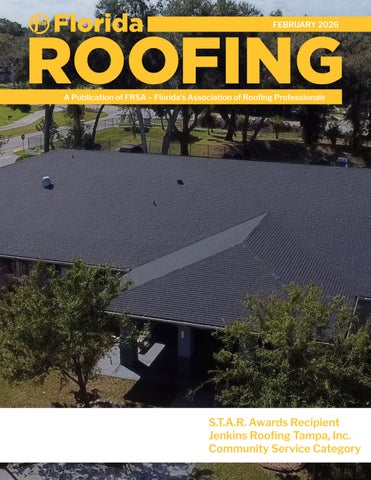
S.T.A.R. Awards Recipient Jenkins Roofing Tampa, Inc. Community Service Category
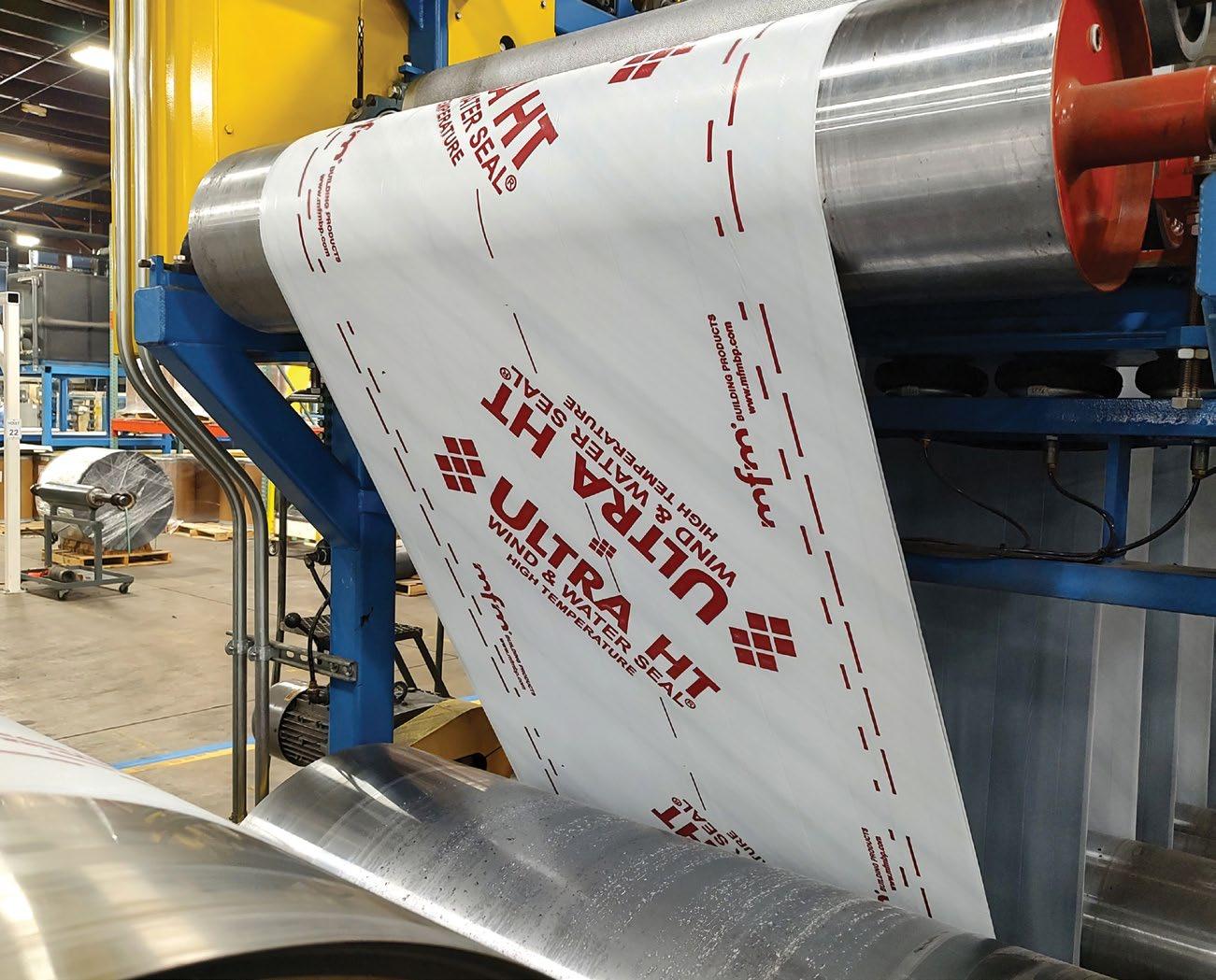
Import shortages don’t stop your schedule — because our products don’t come from overseas. Made in the USA means steady supply, no tariff headaches, and products you can count on, every job, every time. At MFM Building Products we manufacture a family of weather barrier products that are proudly made right here in the USA. With no tariffs or import shortages to slow you down, you get steady supply, dependable performance, and the satisfaction of supporting American manufacturing. It’s the way we’ve been doing business since 1961.
All feedback and reprint permission requests (please include your full name and address) contact: Lisa Pate, Editor, at: lisapate@floridaroof.com (800) 767-3772 ext. 157
Florida Roofing Magazine PO Box 4850 Winter Park, FL 32793-4850
View media kit at: www.floridaroof.com/ florida-roofing-magazine/ #FRSA #roofingprotects
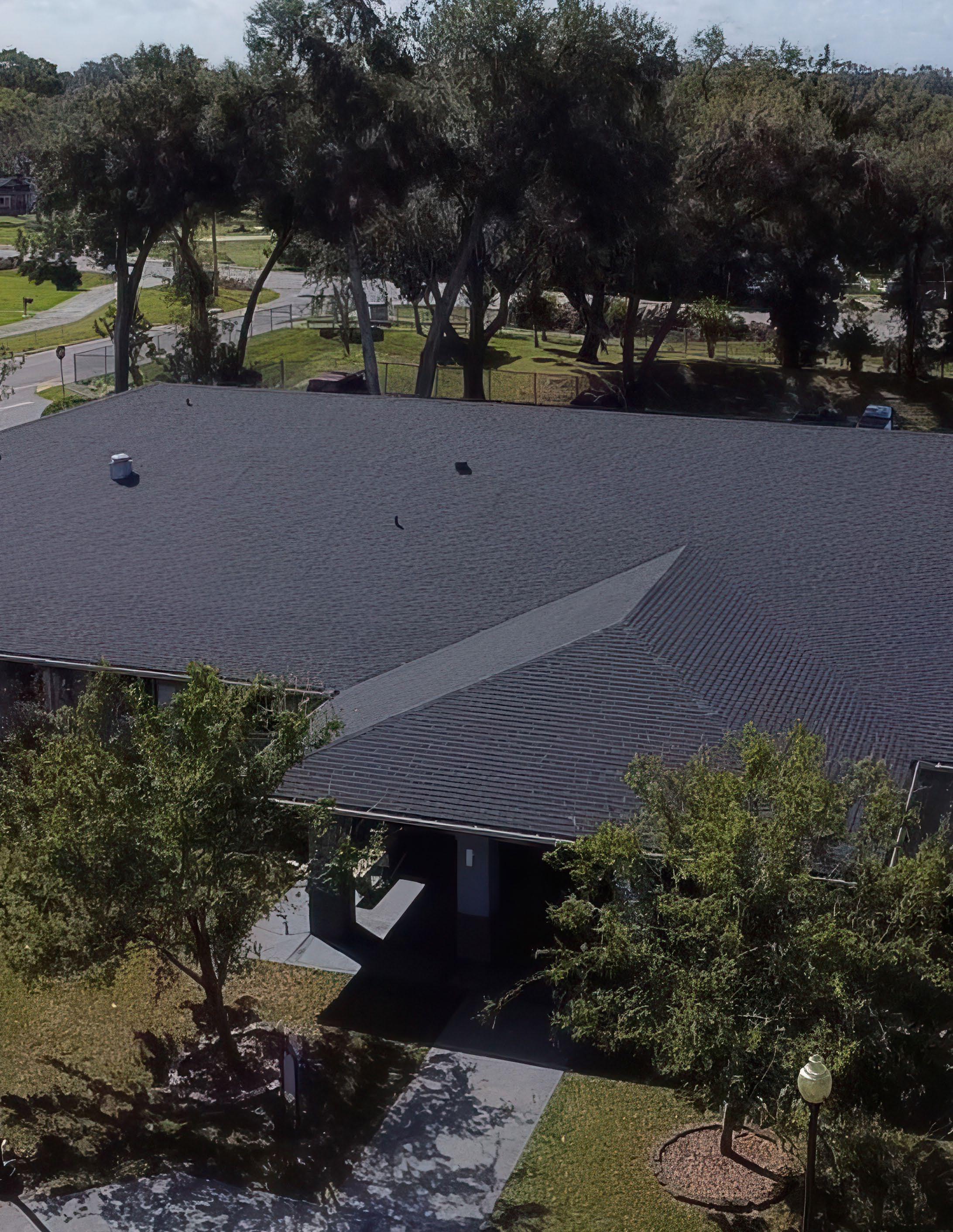
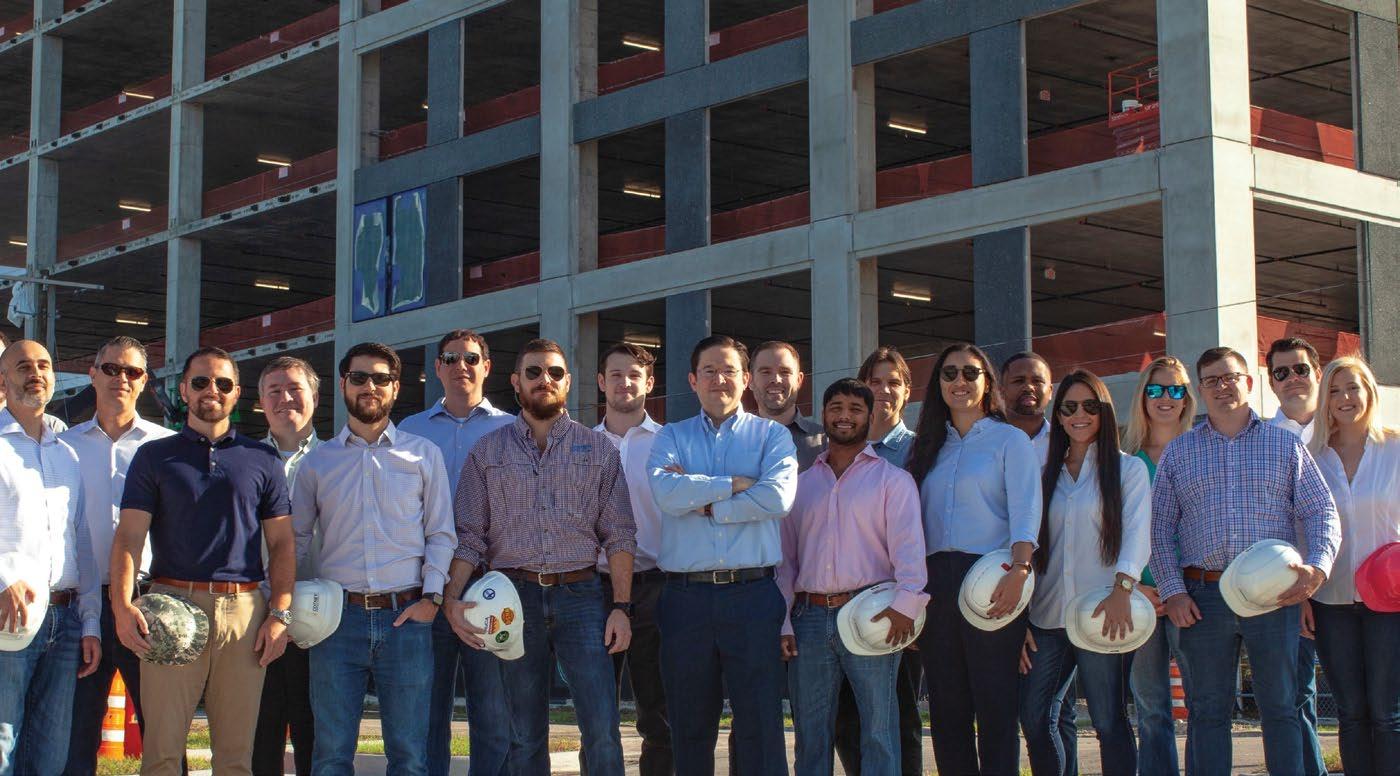
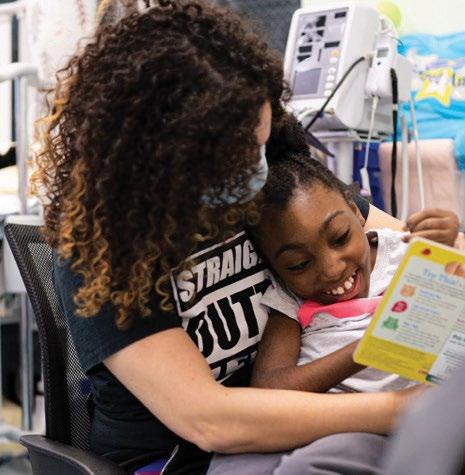
Jenkins Roofing Tampa, Inc. received a First Place S.T.A.R. Award in the Community Service category for its work on this reroof project at A Kid’s Place in Brandon.
What is the Future of Roofing in Florida?
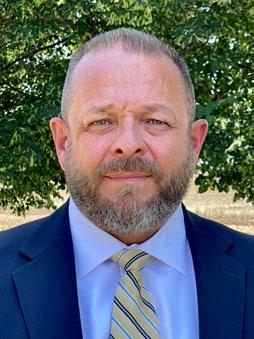
FRSA President Tibor Torok, Bob Hilson & Co. Inc.
The driving force in roofing and roofing technology today is climate resistance, building codes, pressures by insurance companies and consumers looking for systems that will protect and enhance the look of their homes and businesses.
Materials are evolving at astronomical speeds to meet the challenges of weather and evolving building codes. This century has seen the fastest evolution of roofing materials and installation techniques ever. Stronger and longer-lasting materials are available today. Florida's temperate climate zones and hurricane prone position on the map have been one of, if not the biggest, factor in roofing materials innovation. Manufacturers have risen to the task, providing stronger, more wind-resistant solutions for every type of roof structure.
Self-adhering underlayment, inter-plies and cap sheets have taken a large part of the BUR installations around the state. Their usage provides consumers with kettle-free roofing, avoiding the toxic fumes and unpleasant odors of hot asphalt and coal tar pitch systems of the past.
Solar integrated and energy-efficient systems like cool roofing have provided relatively new additions to the demands for reflective coatings and energy efficient materials. From the additions to the formulations of granules on shingle and cap sheets to the UV reflective qualities of metal coating, roofing has had a 25-year makeover. Future innovations will have us seeing more sustainable and eco-friendly recyclable materials. Solar and photovoltaic roofing installations will bring more control for owners to maintain building energy usage and monitoring.
Foam adhesives have also improved, providing greater uplift pressures for both steep-slope and lowslope roof systems such as tile and single-ply, TPO, PVC and KEE applications.
Installation procedures have kept pace to meet the ever-increasing demands. High-wind events have us looking at roof-to-wall connections and how pres sures, both positive and negative, affect not just the roof but the entire structure. Enhanced fastening patterns have become the norm in Florida, leading to better, more wind resistant systems than ever before.
Roofing will continue to evolve. Roofing systems with two-way communications are now in the works to tell us how to maintain them in peak condition and when and how to repair themselves.
In short, the future of roofing in Florida is climateadapted, energy-wise and tech-enabled – built not just to protect homes but also to help homeowners save money and manage long-term risks.
Kind regards,
Tibor Torok FRSA President slrcbhc@msn.com
Industry Updates
Nevin Holly New Elevate President Elevate, a leader in commercial roofing and building products for 45 years, announces Nevin Holly has joined as President. Elevate is a part of the Amrize family of brands, serving as the flagship brand within Amrize’s Building Envelope business.
Holly brings more than 25 years of experience in the building products and commercial roofing industry, with a proven background in operational excellence, commercial performance and organizational leadership. He previously held senior roles within both roofing manufacturing and distribution, giving him a broad understanding of the industry.
“I am thrilled to join the Elevate team. This is a trusted brand with deep roots, strong performance and significant opportunities ahead,” said Holly. “We will stay committed to delivering the quality, reliability and partnership our customers expect, while driving growth by advancing the innovations that will shape the future of commercial roofing.”
Gulfeagle Supply Announces Vendor Relations Leadership Transition Tampa
Gulfeagle Supply announced a leadership transition within its Vendor Relations team as Greg Russell, Director of Vendor Relations, steps away from the organization to transition into the next phase of his professional journey and explore future opportunities. Russell joined Gulfeagle through the Elite Roofing Supply acquisition and played a key role in strengthening vendor partnerships and supporting successful integration.
Mike Lesisko, currently Regional Vice President of the West Central region, will assume the role of Vice President of Vendor Relations. Russell and Lesisko will work closely together over the coming weeks to ensure a smooth transition, reaffirming Gulfeagle’s continued commitment to strong, collaborative vendor partnerships under the leadership of President Brad Resch.
Worthington Enterprises to Acquire Leading Metal Roof Components Manufacturer LSI Group
Worthington Enterprises Inc., a designer and manufacturer of market-leading brands that improve everyday life by elevating spaces and experiences, announced it has signed a definitive agreement to acquire LSI Group, LLC (LSI) of Logansport, Indiana. LSI, which includes market-leading brands BPD, Logan Stampings, LSI Metal Fabrication and Roof Hugger, is one of the largest U.S. manufacturers of standing seam metal roof clips and retrofit components in the commercial metal roof market.
Joe Hayek, President and Chief Executive Officer, Worthington Enterprises, said, “The addition of LSI will further strengthen our Building Products portfolio and deepen engagement with customers across the entire building envelope. A leading U.S. manufacturer in a niche market, LSI has built an exceptional reputation for superior quality, industry-leading lead times and outstanding service backed by long-term customer relationships. Those relationships and LSI’s people-first culture align with our own values and commitment to support our customers and employees. We’re very much looking forward to welcoming them to our team.”
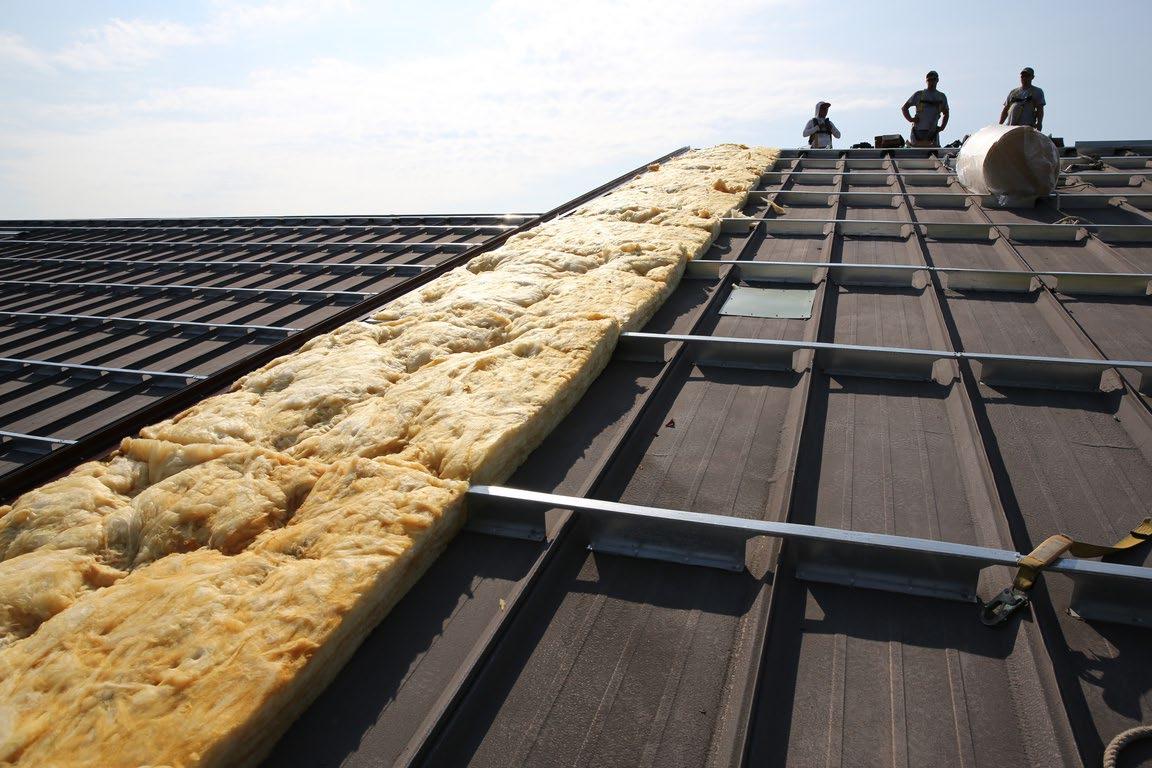
LSI serves the retrofit market with the Roof Hugger brand of metal sub-purlins used to attach a new roof on top of an existing roof.
Jimmy Bowes, President, Building Products, Worthington Enterprises, said, “LSI has earned its leadership position in the commercial metal roofing market through precision manufacturing, advanced automation and deep engineering expertise. We believe the business is well positioned with new construction and retrofit solutions to help OEMs and installers build stronger, longer-lasting structures that protect people and property for generations to come.”
Robert Baker, Owner and President, LSI Group, LLC, purchased Logan Stampings in 2004 and grew the business through innovation, acquisition and prioritizing relationships. He will continue as a leader of the LSI business as part of Worthington Enterprises.
Roofing Alliance Releases Sustainability and Resiliency Study
The Roofing Alliance has released its comprehensive Sustainability and Resiliency Study, providing a clear, data-driven look at how manufacturers, distributors and contractors understand and apply these practices and where the greatest opportunities for improvement exist.
Through an analysis of 243 peer-reviewed articles, researchers identified 78 sustainability factors and
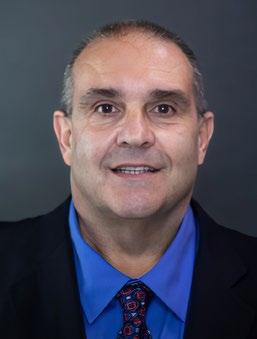
Mike Lesisko
28 resiliency factors, organized within LEED-aligned categories and core resiliency themes.
With sustainability and resiliency now central to the industry’s future, the study offers the evidence-based assessment needed to identify shared priorities, gaps and opportunities for alignment. Top sustainability priorities identified include recycling, long-lasting materials and heating/cooling load considerations, while resiliency priorities centered on longevity, rapid recovery and maintaining critical functions.
A major outcome of the study is the development of a new sustainability course that debuted at Clemson University last fall and will be part of Clemson’s forthcoming Roofing Minor. The fourcourse program – Roofing Fundamentals, Roofing Management, Roofing Business Principles and Leadership and Sustainable Roofing Practices – fulfills a seven-year vision realized through the Roofing Alliance’s leadership and investment.
The Roofing Alliance encourages industry professionals to explore the full report and consider joining the Roofing Alliance to support continued research, education, workforce development and philanthropic initiatives. The full report is available for purchase in the NRCA Bookstore at www.nrca.net.
Rip Hanks Inducted Into Florida’s Skateboarding Hall of Fame
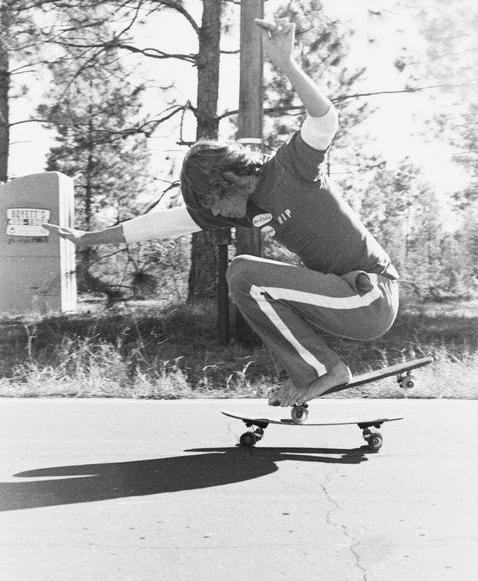
Recently retired, Rip Hanks, Weather Shield Metal Roofing Inc., Gulf Breeze turns 65 in March and is close to a milestone. “I’m looking forward to Medicare,” Hanks told the Pensacola Journal. “I’ll be getting Social Security. I’m going to be in retirement.” But that doesn’t mean Hanks won’t be jumping on his skateboard once in a while. The sport was a big part of his youth, a major part of his life.
Although far removed from the competitive years, Hanks is a skateboarding legend and Hall of Fame inductee. He set the World Skateboard High Jump Record at 4’11” in February 1977 at the age of 15 at the Paved Wave Skatepark in Pensacola. In 1978, he jumped heights exceeding five feet and was undefeated in all Regional Freestyle Competitions from 1976-1978. Hanks invented the Stack Board Nose Wheelie Samoan, also known as the “Rip Stack.” He also performed skateboard demonstrations at the Grand Opening of the Paradise Skate Park in Panama City.
Hanks, a skateboarding pioneer, was inducted into the Florida Skateboard Hall of Fame ceremony in January. The ceremony took place in Tampa and was a significant event for the sport and the community. Hanks, known for his handcrafted skateboard, was part of the Pave Wave generation, which played a crucial role in creating a space for skateboarders to enjoy and showcase their skills. His induction into the Hall of Fame is a testament to his contributions to skateboarding and his lasting impact on the Pensacola community.
Congratulations to Rip Hanks on his Hall of Fame achievement. We wish him well in his retirement.
What Roofing Contractors Need to Know About Additional Insured Status
Trent Cotney, Partner, Adams & Reese, LLP and FRSA General Counsel
Additional insured status is one of the most misunderstood and, at the same time, most heavily negotiated provisions in construction contracts. Roofing contractors routinely agree to name owners, general contractors and sometimes even developers, architects or property managers as additional insureds, often without fully appreciating what that obligation means or how it affects risk, coverage and claims down the road. When handled properly, additional insured status can be a manageable business requirement. When handled poorly, it can expose a contractor to uninsured risk and expensive disputes with both insurers and project partners.
At its core, additional insured status allows a party other than the named insured to receive coverage under a contractor’s liability policy for certain claims. In roofing contracts, owners and general contractors typically require this protection to guard against claims arising out of the roofer’s work. The problem is that many contractors assume that simply issuing a certificate of insurance satisfies the obligation. It does not.
One of the most common mistakes roofing contractors make is relying on certificates of insurance
ROOFING
5,500 Industry Professionals
1,332,902 Industry-focused 12-Month Digital Impressions
rather than the actual policy language and endorsements. Certificates are informational only and do not create coverage. If the policy does not include the correct additional insured endorsement or if the endorsement does not match the contractual requirement, the coverage may not exist when a claim arises. Contractors should always confirm that the endorsement itself has been issued and that it applies to the specific project.
Equally important is understanding that not all additional insured endorsements are the same. Older endorsements often provided coverage for liability “arising out of” the contractor’s work. Many newer endorsements are far more restrictive, limiting coverage to liability “caused, in whole or in part” by the contractor’s acts or omissions. That change in wording can significantly narrow coverage, particularly in situations where multiple trades are involved or where fault is disputed.
Another critical issue is the timing of coverage. Some endorsements only provide additional insured status for ongoing operations, while others extend to completed operations. Roofing claims frequently arise after the work is finished. If the contract requires completed operations coverage and the policy only provides coverage during ongoing operations, the contractor may be in breach of contract.
Priority of coverage is also frequently overlooked. Many contracts require the roofing contractor’s insurance to be primary and non-contributory. “Primary and non-contributory” means the roofing contractor’s insurance must respond first to a claim and cannot seek contribution from the owner’s or general contractor’s insurance. Not all policies automatically provide this and some require a specific endorsement.
Roofing contractors should also pay close attention to the scope of who must be named as an additional insured. Contracts sometimes include overly broad language requiring coverage for parties with no direct contractual relationship. Contractors should negotiate to limit this obligation. Print Circulation
Indemnity provisions and additional insured obligations are related but distinct. Being named as an additional insured does not eliminate the need for a properly drafted indemnity clause, nor does indemnity language guarantee insurance coverage.
There is also a growing trend of owners and general contractors demanding additional insured coverage that exceeds what standard policies provide, including coverage for sole negligence. Such requirements may be uninsurable or prohibited by law.
It is also common to see contracts require “equivalent” ISO forms. Contractors should understand that insurer-specific endorsements labeled as equivalents may not provide the same scope of coverage as the ISO forms they replace. Reviewing the actual endorsement language is essential to ensure it meets contractual obligations.
From a practical standpoint, roofing contractors should implement a standard review process for additional insured requirements, including contract review, coordination with insurance brokers and retention of endorsements.
Additional insured status is not merely an administrative requirement. It is a substantive risk-transfer tool that requires careful attention. Roofing contractors who treat it seriously are better positioned to manage risk and avoid costly disputes.
The information contained in this article is for general educational information only. This information does not constitute legal advice, is not intended to constitute legal advice, nor should it be relied upon as legal advice for your specific factual pattern or situation.
Trent Cotney is a Partner and Construction Team Leader at the law firm of Adams & Reese, LLP and FRSA General Counsel. You can reach him at 866-303-5868 or email trent.cotney@arlaw.com.
Free Legal Helpline for FRSA Members
Adams & Reese is a full-service law firm dedicated to serving the roofing industry. FRSA members can contact Trent Cotney to discuss and identify legal issues and to ask general questions through access to specialized counsel. They offer free advice (up to 15 minutes) for members. If additional legal work is required, members will receive discounted rates. This is a pro bono benefit provided to FRSA members only. Contact Trent at 866-303-5868.
Session Started in January
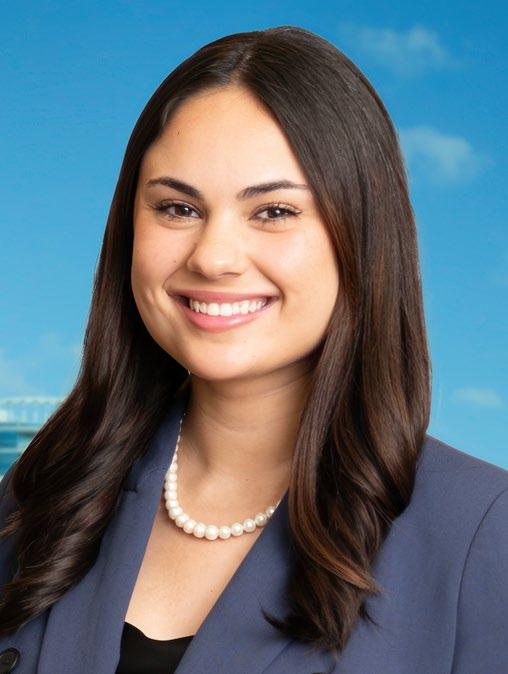
Kylee Anzueto, Government Affairs Advisor, GrayRobinson
Following the conclusion of committee weeks in mid-December, lawmakers went home for the holidays and returned for the legislative session on January 13. During the final round of committee meetings, legislators addressed a wide-ranging agenda that included major health care reform proposals, expansive education regulations, developing policy framework for data centers and preliminary discussions on redistricting. The breadth and intensity of these discussions underscore the likelihood of a highly active session ahead, particularly as tensions rise and power dynamics continue to evolve between the House, Senate and Governor.
DeSantis’ Final Budget Proposal
Governor Ron DeSantis released his final budget recommendation to the Legislature, outlining a $117 billion spending plan for Florida’s 2026-2027 fiscal year. The proposal, roughly $2.2 billion higher than the current budget, includes pay raises for teachers and state law enforcement officers and allocates funding to support small counties that could face revenue shortfalls if voters approve statewide property tax cuts next year.
The budget proposes an increase of nearly $300 in per-student K-12 funding and commits approximately $201 million toward teacher salary increases, though the state’s teachers’ union contends the funding does not sufficiently address rising living costs. Additional investments include increased funding for the state prison system; a five percent pay raise for law enforcement officers and a two percent across-the-board raise for other state employees.
Notably, the governor recommends setting aside $300 million to fully reimburse Florida’s 32 “fiscally constrained” counties for potential revenue losses stemming from property tax reductions. While the proposal serves as a starting point for negotiations, lawmakers are free to revise or reject individual components as they craft the final budget. DeSantis will retain line-item veto authority over the final spending plan.
Proposed Property Tax Relief Amendment
The House Ways & Means Committee voted 10 to 5 to advance a proposed constitutional amendment aimed at providing significant property tax relief to homeowners, despite warnings from Democrats and local government advocates that the measure could result in substantial budget shortfalls for local communities.
The joint resolution (HJR 209), sponsored by Representative Demi Busatta, is a top priority for House leadership and is now poised for a floor vote. If
approved by lawmakers, the measure would appear on the November general election ballot and would create a new homestead exemption shielding $200,000 of a home’s assessed value from nonschool property taxes, provided the property is insured.
The committee also adopted an amendment designed to protect funding for firefighters and first responders from budget cuts should property tax revenues decline. Under the amendment, those budgets would be required to remain at either 2025-2026 or 2026-2027 levels, whichever is higher. Some Democrats raised questions about whether 911 dispatchers would be included but Busatta said those details would be addressed later through implementing language if voters approve the amendment.
Busatta defended the proposal by arguing that some local governments “continue to fund their political wants on the backs of hardworking Floridians,” citing an unnamed rural county where the administrator earns $177,000 annually. Critics, including local government organizations, warned the amendment could severely undermine essential services. Florida League of Cities described the potential loss of homestead taxable value as catastrophic, noting that Port St. Lucie could lose up to 80 percent of its homestead tax base, while DeLand could see losses as high as 85 percent. Opponents also cautioned that any shortterm tax relief could be offset by sharply increased fees as local governments struggle to maintain operations and critical services.
Rural Renaissance
The Senate Appropriations Committee unanimously advanced a sweeping “Rural Renaissance” package aimed at expanding access to health care, education, transportation and economic development in rural communities. The bill (SB 250), sponsored by Senator Corey Simon, is a top priority for Senate President Ben Albritton and is expected to reach the Senate floor during the first week of the 2026 regular legislative session.
The Senate passed a similar measure last year, though it ultimately stalled in the House. The current proposal would establish an Office of Rural Prosperity Continued on page 20
AI in the Field: What Project Managers and Foremen Can Actually Use in 2026
John Kenney, CPRC, CEO, Cotney Consulting Group
Artificial intelligence has been getting plenty of attention in the roofing industry, most of it tied to lead generation, marketing, sales, estimating, bidding and office operations. That is where the early tools appeared and, naturally, those functions were the first to experiment with new technology. But anyone who has been around this business long enough knows the real test of any system happens on the roof, not behind a desk. Field execution is where projects succeed or fall apart and it is where the next wave of AI will make a noticeable difference. The question is not whether AI will reach the jobsite. It already has. The real question is how project managers, superintendents and foremen can use it in a practical, everyday way without losing control of their jobs or replacing the judgment they have spent years developing.
The first thing to understand is what AI actually brings to field operations. There is a belief in some circles that AI will somehow automate large portions of construction or make decisions on behalf of the field team. That is not the reality. Roofing projects are too dynamic, largely influenced by weather, building conditions, client behavior, manpower challenges and countless other factors that only surface once you are on site. AI cannot walk a roof, read the room during a tense scheduling conversation or look at a jobsite setup and immediately know that the material flow will slow production. Those responsibilities remain firmly in the hands of the field leaders. AI’s role is not to take over but to help these leaders see things earlier, faster and more clearly.
One of the most practical applications of AI in the field is its ability to process information and highlight patterns that might otherwise go unnoticed. Project managers (PM) juggle a tremendous amount of data every day: daily reports, photos, deliveries, weather issues, manpower changes, equipment concerns, safety reports and communication from the office and the client. Much of that information gets reviewed quickly and is then buried under the next wave of activity. AI doesn’t lose track of any of it. When used correctly, it becomes an extra set of eyes that never gets tired and never stops connecting the dots. A PM might upload photos from a day’s work and get an automated summary showing that production is drifting off pace compared to similar past jobs. It might flag a developing issue with staging or identify that material is being installed out of sequence. The PM still must make the call but now they can respond to potential problems sooner rather than discovering them weeks later.
Documentation is another area where AI is already making life easier for field teams. Anyone who has managed a roofing project knows how much time is spent gathering jobsite photos, naming them, organizing them and attaching them to reports. It is tedious work and is often pushed to the end of the day or the end of the week, when details are already fading. AI tools now automatically sort photos, recognize repeated locations, tag equipment, identify materials and pull images showing work completion. Foremen can speak into their phones and AI can turn their voice notes into structured daily reports. PMs can upload a stack of notes from a site meeting and receive a clean, organized summary in minutes. These tasks used to eat up valuable time. AI puts that time back into the hands of the field leaders who need it most.
AI applications are beginning to help with safety. No software can replace a strong safety culture or the foreman’s responsibility to maintain safe conditions but AI can support that effort with risk awareness. A foreman might take photos on the jobsite and receive automated suggestions highlighting potential hazards that warrant attention. PMs can receive weather alerts tailored to their active projects, including wind speed changes or heat index spikes that affect crew performance. AI can analyze safety reports across multiple jobs to identify patterns that suggest training gaps or recurring issues. Again, it does not enforce safety but it helps field leaders stay ahead of risk rather than reacting after the fact.
AI can offer support with production tracking. Most contractors review labor performance when the job is halfway finished or nearing completion and, by then, it’s too late to correct course. AI can take daily information from the jobsite and compare it with historical production expectations. If a specific task is falling behind or a particular crew is consistently struggling, AI will quickly identify that trend. The PM still needs to determine whether the issue is access, manpower, weather, staging or something else entirely. AI does not provide an answer but it eliminates the delay in recognizing the problem.
One concern many contractors have is whether foremen will resist technology. The key is to not overwhelm them. Their focus must stay on their crews, safety and the work in front of them. The best AI tools for the field are the ones that blend into their routine. A foreman snapping photos of completed sections. A quick voice note instead of typing a lengthy report. A reminder about the incoming weather that could impact tear-off. A simple prompt that helps prioritize tasks at the start of the day. When technology supports the work rather than interrupts it, foremen adopt it easily. They appreciate anything that reduces paperwork and helps them communicate more clearly with the office.
AI can also help project managers during punch list and closeout. Instead of flipping through hundreds of photos, AI can categorize incomplete areas, match them to previous images and generate a preliminary punch list for the PM to review. Warranty departments can use AI to compare service calls across similar buildings and identify recurring problems that may indicate a systemic installation issue. Closeout packages, which often take longer than contractors would like to admit, can be drafted more quickly with AI that organizes documentation, photos and reports into logical order.
At the end of the day, AI is not running the project. It is simply helping the people who do. The PM is still responsible for understanding the schedule, coordinating the workforce, communicating with the client and maintaining the project’s pace. The foreman is still accountable for quality, safety, productivity and the crew’s conduct. AI cannot replace leadership. It cannot replace experience. What it can do is expand field leaders’ awareness, reduce administrative burden and give them more time to focus on the core responsibilities that determine whether a job succeeds.
Contractors who want to bring AI into their field operations in 2026 should consider small, practical steps. Start by improving daily documentation habits so the data being fed into AI tools is clean and consistent. Introduce simple AI features – photo sorting, voiceto-report conversion or automated daily summaries – that make life easier instead of more complicated. Allow PMs and foremen to experiment without pressure. As the team gets comfortable, you can expand into predictive insights and deeper analysis. The value comes from consistent use, not from adopting the most complicated platform.
AI will continue to shape this industry just as smartphones, drones and digital takeoffs have. The contractors who benefit will be those who integrate technology without sacrificing the fundamentals that make roofing work. The future of field operations belongs to PMs and foremen who can interpret AI insights, apply them to real-world conditions and make decisions that keep projects safe, efficient and profitable. AI may enhance visibility and speed up information flow but the craft, the leadership and the responsibility remain with the people on the roof.
FrM
John Kenney, CPRC is CEO of Cotney Consulting Group, Plant City. He has decades of experience on commercial roofing projects, providing him with a unique understanding of what it takes to succeed in roofing – on the roof, in the office and at scale. John saw the need to provide contractors with strategic guidance built on real-world field knowledge. Cotney Consulting offers COO on Demand, online training, technology solutions, business advisory consulting, collections, contracts, Castagra estimating training, safety and OSHA training. John partners with FRSA to provide educational seminars. For more information, contact John at jkenney@cotneyconsulting.com or 813-851-4173.
Patches provides daily care for children stricken with critical, long-term medical conditions. Contact Amber at 800-767-3772 ext. 111 or amber@floridaroof.com for more info or to contribute.
Changes in the 2026 9th Edition of the Florida Building Code
Mike Silvers, CPRC, Owner, Silvers Systems Inc. and FRSA Technical Director
At this stage in the development of the new 2026 9th Edition of the Florida Building Code, we have a good understanding of what will be changing at the end of the year. The code’s effective date of December 31, 2026, seems like a long way off but we all know how time flies. Knowing which changes lie ahead is important, particularly when you are involved in planning and estimating, which require one to look into the future and consider the circumstances that can occur while the job is being done. Some of these circumstances are unknown but others, like changes in the code, are absolute. So in my columns over the coming year I will address some of the changes that will take place at the end of the year. We will also be offering a number of seminars that address the roofing-related changes, including many being presented during our 104th Convention, June 10-12, at Gaylord Palms Resort.
When FRSA submits a code modification, it is usually to address an issue that has arisen or to accommodate new roofing methods or materials. The changes that we will be reviewing in this article deal with both. These changes will primarily apply to reroofing, which includes both Roof Recover and Roof Replacement (italicized terms are those that are defined in the code). The code defines reroofing as follows:
REROOFING. The process of recovering or replacing an existing roof covering. See “Roof recover” and “Roof replacement.”
rOOF reCOVer. The process of installing an additional roof covering over a prepared existing roof covering without removing the existing roof covering.
ROOF REPLACEMENT. The process of removing the existing roof covering, repairing any damaged substrate and installing a new roof covering.
The code also has a long-standing section titled Recovering versus replacement. It covers many different circumstances and conditions and gives the user guidance as to when each is or isn’t appropriate. Each of three code sub volumes (Building, Residential and Existing Building) have a similar section. We will review the changes to the section in Existing Building since it is the most inclusive and all reroofs occur only on existing buildings.
The approved modification below will be part of the pending FBC changes (effective December 31, 2026). New language is underscored and deleted language is
stricken-through; if neither is shown, it is existing code language.
New roof coverings shall not be installed without first removing all existing layers of roof coverings down to the roof deck where any of the following conditions occur:
1. Where the existing roof covering or roof system components covering is are water soaked or has have deteriorated to the point that the existing roof or roof covering is not adequate as a base for additional roofing.
2. Where the existing roof covering is wood shake, slate, clay, cement or asbestos-cement tile.
3. Where the existing roof has two or more applications of any type of roof covering.
4. When blisters exist in any roofing, unless blisters are cut or scraped open and remaining materials secured down before applying additional roofing.
5. Where the existing roof covering is to be used for attachment for a new roof system and compliance with the securement provisions of Section 1504.1 of the Florida Building Code, Building cannot be met.
Exceptions:
1. Buildings and structures located within the HighVelocity Hurricane Zone shall comply with the provisions of Sections 1512 through 1525 of the Florida Building Code, Building.
2. Complete and separate roofing systems, such as standing-seam metal roof systems, that are designed to transmit the roof loads directly to the building’s structural system and that do not rely on existing roofs and roof coverings for support, shall not require the removal of existing roof coverings.
3. Reserved. Where two roof covering applications exist and the upper roof system or roof coverings is removed, or the upper roof system and original roof covering are removed, leaving an existing or repaired substrate that is adequate for installation of a new approved roof covering or roof system
4. The application of a new protective coating over an existing spray polyurethane foam roofing system shall be permitted without tear-off of existing roof coverings.
5. Roof Coating. Application of elastomeric and or maintenance coating systems over existing asphalt shingles shall be in accordance with the shingle manufacturer’s approved installation instructions. Where the existing roof assembly includes a vapor barrier or self-adhering membrane that is adhered to the roof deck, the existing membrane shall be permitted to remain in place and covered with an additional layer of membrane in accordance with Sections 1507 or R905.
Now that you have seen the modifications, let me discuss why each change was included and what we hope to accomplish by doing so.
■ Using roof covering or roof system in item 1 instead of roof or roof covering aligns the section with existing definitions and facilitates additional changes that come after.
■ Two relatively new roofing methods and material issues have arisen since this section was originally written. One was the evolution of high R-value rigid insulation being used regularly and then later being recovered. The other was the practice of pouring lightweight insulating concrete (LWIC) over an existing roof deck and roof covering and then installing a new roof covering over the new LWIC. In each of these cases, the existing requirement states:
New roof coverings shall not be installed without first removing all existing layers of roof coverings down to the roof deck where any of the following conditions occur: Where the existing roof has two or more applications of any type of roof covering required removing all existing layers of roof coverings down to the deck.
This included any insulation or the LWIC which was not in the case described the deck. By adding the following in Exception 3, we will facilitate the reuse of either the original high R-value insulation or the added LWIC if it is adequate as a base for additional roofing:
Where two roof covering applications exist and the upper roof system or roof coverings is removed, or the upper roof system and original roof covering are removed, leaving an existing or repaired substrate that is adequate for installation of a new approved roof covering or roof system.
This respects the building owner’s previous investment, makes reroofing less labor intensive and much simpler and keeps usable bulky material out of the landfills.
■ Revising or inserting (depending on the sub volume) the language in Exception 5 to include: Where the existing roof assembly includes a vapor barrier or self-adhering membrane that is adhered to the roof deck, the existing membrane shall be permitted to remain in place and covered with an additional layer of membrane in accordance with Sections 1507 or R905.
This provides a method to deal with existing membrane applied directly to the deck.
Removing the existing language contained in Recovering versus replacement in Exception 5 concerning coating of asphalt shingles was done since it does not involve either recovering or replacement and inserts that language into the more appropriate B1507.2.10 or R905.2.9 Asphalt Shingles sections (shown below).
1507.2.10 Coating of Asphalt Shingles.
Application of elastomeric and or maintenance coating systems over existing asphalt shingles shall be in accordance with the shingle manufacturer’s approved installation instructions.
R905.2.9 Coating of Asphalt Shingles.
Application of elastomeric and or maintenance coating systems over existing asphalt shingles shall be in accordance with the shingle manufacturer’s approved installation instructions.
Understanding the code changes in Recovering versus replacement that will take place at the end of 2026 should help with planning upcoming projects that will be done next year or anytime thereafter. This can be very important, especially when planning multi-building projects where the scope of work for reroofing may be planned decades in advance. Planning how a building or buildings will be reroofed going forward over its life is not only a service to the owners but also for the next roofer who needs to reroof the building. Knowledge of what is absolutely going to change (building codes), will allow roofing professionals to be proactive instead of reactive and better adapt to an ever-changing roofing landscape. FrM
Mike Silvers, CPRC is Owner of Silvers Systems Inc. and is consulting with FRSA as Director of Technical Services. Mike is an FRSA Past President, Life Member and Campanella Award recipient and brings over 50 years of industry knowledge and experience to FRSA’s team.
Succeeding in Florida's Portable Rollformer-Based Business
Ken McLauchlan, National Sales Manager for Associations, Carlisle Architectural Metals
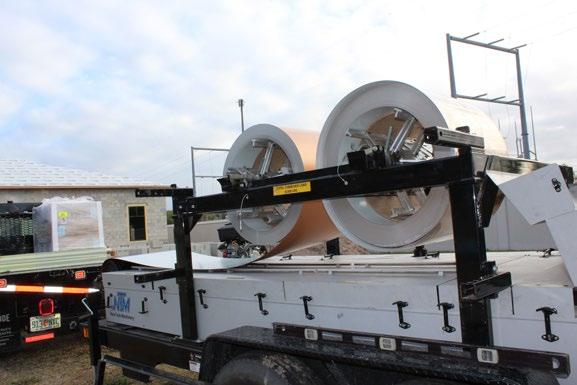
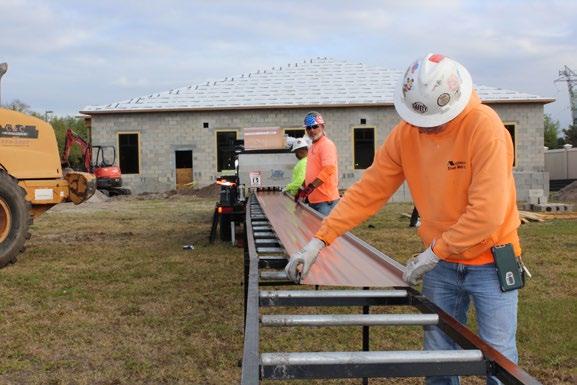
The term “portable rollformer” can generate interesting discussions when you consider that the definition of portable is “able to be easily carried or moved, especially because being of a lighter and smaller version than usual.” This is somewhat of a contradiction and a reason for some construction applications not to be ideal for the portable rollforming process or application. This is because several manufacturers have claimed their machines are portable but in reality, they are in-plant machines put on an aftermarket trailer with limited or reduced capabilities.
These setups typically are top-heavy and are not designed to be hauled down a smooth paved road, let alone a gravel or dirt road or operate on construction sites. Other manufacturers make longer machines and accessories that limit the portability and jobsite maneuverability. Some manufacturers are not basing their engineering decisions on DOT compliance or local conditions, which should be part of the process.
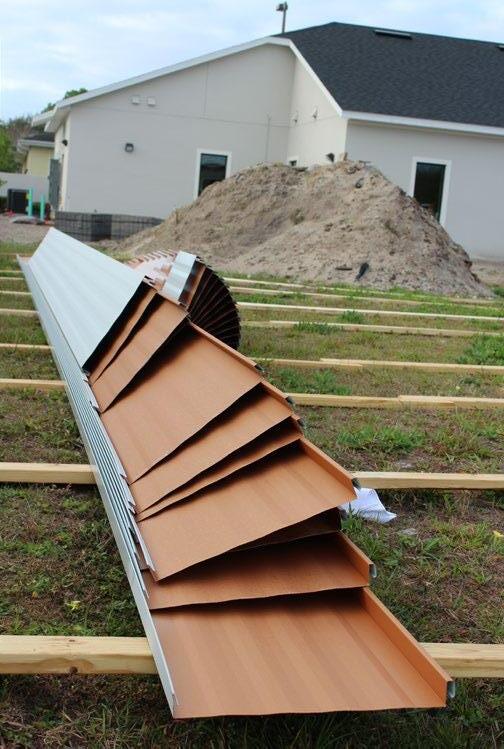
From a contractor perspective, portable typically aligns with being able to transport to the jobsite with the goal of increasing productivity, gaining job control and, in the process, increasing the efficiency of the application and ultimately controlling and improving profitability. Typical machinery operating in Florida is based on 24 and 26 gauge in steel substrates, with some allowing up to 22-gauge steel or .032”-.040” in aluminum as well as specialty materials like copper and zinc.
Considerations for Rollformer Ownership
Operating a portable metal rollformer-based business comes with benefits and detriments. Contractors
invest in portable rollformers as capital improvements to increase revenue and provide a better experience for their team and customers. There are financial gains to be made but do not overlook the ability to control the project schedule and experience as well.
Owning a portable rollformer adds a level of control, because the contractor is not waiting for the entire project to be complete before measuring and ordering. They have eliminated the reduced partial shipping of orders or ordering over-length panels, which adds both labor and material costs to the project. Material (coil) can be pre-ordered, can be stored onsite and ready to process as the project schedule and availability allow. In most cases, this allows the contractor to bill for stored materials while meeting the project schedule. Additional opportunities include:
■ Reduced waste (both panel material, dunnage and shipping debris such as film and crating).
■ Ability to offer multiple profiles in multiple materials with one machine.
■ Business growth by allowing tooling to be added on a project-specific basis.
Some machines have special and varying abilities such as quick changeover to other profiles, additional tooling, computer-aided generation of panel cut lists, ability to import panel cut lists from an outside source, providing accurate recording of quantities run for accounting and quality assurance, ability to change striation rollers to provide a different appearance, perforating tooling, adding sealants to achieve some testing requirements for slope and weathertightness, pre-notching of panels and angle-cutting shears to cut miters, which allows the skilled labor force more time to focus on installation, plus reduction of freight costs and damage (ship more coil with less opportunity for damage).
Downfalls, Pitfalls and Challenges
Owning a rollforming machine comes with challenges. For example, having fewer forming stations reduces the amount of floor space needed for manufacturing and provides the potential to increase deformation in panel systems based on type and grade of materials utilized. These machines come with a list of maintenance tasks that must be completed by a competent person or partner company.
Rollformer owners now become the manufacturer and must accept and steward the related responsibility. For example, owners must have a process of quality assurance that aligns with requirements of the city, county and state building code. This should take into consideration the required tolerance dimensions as well as assembly process to ensure the panels, clips, trim, etc., are in compliance.
Florida Building Code states, “The installation of metal roof panels shall comply with the provisions of this section. Metal roofing panels shall be factory or field manufactured in accordance with the manufacturers’ product approval specifications and limitations of use. Metal roofing panels shall be factory or field manufactured under a quality assurance program that is audited by a third-party quality assurance entity approved by the Florida Building Commission for that purpose.”
The Florida market presents multiple factors to consider when operating a business based on a portable rollformer. At the foundational level, potential contractor owners should consider if a portable rollforming panel machine will create products that conform to some of the most stringent codes in the country. Does this machine and supporting company have current testing to support the installation with assembly testing? Are you manufacturing the panel to achieve this system requirement and can you provide documentation? As this is a long-term investment for the contractor, make sure to have a long-term partner with history in the market to support code changes and regulatory requirements.
Limitations to Consider
Pay attention to local codes and other requirements for panel assemblies. Also, be aware that the length of a portable rollforming system includes the delivery and tow vehicle and typically you will need two to two-and-ahalf times the length of the tow vehicle and rollformer to allow for panel run-out at the end of the machine. Most machines can carry up to 6,000 pounds of material or approximately 3,200 to 4,800 square feet of a typical type standing seam roofing panel but some do not and limit productivity. So, if you run out or work more than this, it will create a need to access coil from site to the machine. Generally, this is done with an all-terrain forklift or small crane. Some owners of portable rollforming machines create tow vehicles with free-standing decoilers that can carry additional coil to dispense without the need for cranes and forklifts. In most of these cases, the operator must have a CDL-type driver and associated support. Be diligent when planning to avoid DOT-related issues.
Some portable equipment is modular and can be added to and some is limited or single purpose only.
Continued on page 23
What Not to Do When an Employee Files a Workers’ Compensation Claim
Seay HR
In Florida, employers are required to carry workers’ compensation insurance to provide benefits for an employee who experiences a work-related injury or illness. Workers’ comp insurance is meant to protect both employees and employers from unexpected outof-pocket expenses and losses. Benefits may include compensation for medical treatments, funeral expenses, lost wages and disability payments.
When an employee is injured on the job and files a work comp claim, it’s essential for employers to handle the situation with care and in full compliance with the law. Well-intentioned decisions can be misinterpreted as discriminatory if they aren’t handled properly. Even the appearance of retaliating against an employee because of a work comp claim can open your business up to serious legal risks.
Five Things to Avoid with an Employee Who Has an Active Workers' Comp Claim
In addition to damaging morale, failing to handle workers’ comp claims properly can put your business
at risk of an expensive lawsuit. This is because workers have a right to file for benefits after a workplace injury and employers have a legal obligation to treat them fairly and without retaliation. To help you stay compliant with workers’ comp laws and avoid potential legal issues, here are five examples of workers’ comp discrimination that can lead to lawsuits against an employer.
1. Firing an employee while they have an open work comp claim. Terminating an employee for filing or having a pending work comp claim can be seen as retaliatory and is illegal in many states.
2. Refusing to rehire or accommodate an injured worker after recovery. If an employee is medically cleared to return to work with or without reasonable accommodations, refusing to reinstate them may be considered discrimination.
3. Reducing hours or demoting an employee after filing a claim. Intentionally cutting hours, reassigning to a less desirable position or demoting the worker as a result of their injury or claim can be grounds for retaliation claims.
4. Harassing or retaliating against a worker with a claim. Mocking, isolating or otherwise harassing an employee because they filed a claim or are on modified duty can constitute discrimination and may lead to a hostile work environment claim.
5. Discouraging employees from filing work comp claims or threatening consequences. Telling employees they’ll be punished, lose hours or face termination for filing a claim violates workers’ rights and can lead to legal action.
How to Create a Safe Workplace and Stay Compliant with Workers’ Comp Regulations
One of the most important ways employers can protect themselves and their employees is to create a safe working environment. A safe work environment reduces the risk of work-related injuries and illnesses, which can prevent workers’ comp claims. Here are several ways employers can create a safe workplace and stay compliant with workers’ comp regulations:
Offer Safety and Emergency Preparedness Training
Training your employees how to stay safe on the job and what to do in case of an emergency not only reduces their risk of injury but can also decrease work comp claims.
Review Your Workers’ Comp Policy
Conducting an annual review of your workers’ comp policy is important to ensure that it is still meeting the needs of your business and satisfies legal requirements.
Post a Notice of Compliance
Posting a notice of compliance with workers’ comp laws can provide employees with the information they need to share with health care providers if an accident occurs.
Conduct Safety Inspections
Safety inspections are an opportunity to identify and fix safety hazards in your workplace before they cause an accident. According to OSHA, workplace safety inspections should be completed every six months.
Provide Personal Protective Equipment (PPE)
Provide all required and recommended PPE for your industry and train employees on how to use it to help prevent injuries.
Encourage Early Reporting
Encourage and facilitate early reporting of any injuries or illnesses that occur as faster treatment can sometimes prevent more serious injuries. If an injury occurs:
■ Respond Appropriately – Managers should be trained to respond appropriately to a workplace injury. Less serious injuries may be treatable with items from a first-aid kit, while an ambulance may need to be called for more severe injuries.
■ Comply with Workers’ Compensation Board Requests – When a workplace illness or injury is reported, the state’s workers’ compensation board may contact your business for information about the employee and your account of their injury or illness. It’s important to provide the board with accurate information in a timely manner to prevent delays in claim processing.
■ Report the Injury – Employers must file a “report of injury” if their injured worker requires medical care beyond first aid or if they need more than two treatments from a doctor. All employers are required to notify OSHA when an employee is killed on the job or suffers a work-related hospitalization, amputation or loss of an eye.
Employers May Face Penalties for Not Following Workers’ Comp Rules
Florida requires workers’ compensation insurance and if your business fails to secure it or you’re accused of committing workers’ comp fraud or discrimination, your business could face serious consequences, including:
■ Fines: The state decides how much you’ll pay for not having workers’ comp coverage and the longer you go without coverage, the more you could owe.
■ Criminal charges: You could be charged with a crime for not providing your employees with the insurance they’re legally owed.
■ Lawsuits seeking compensation for losses: If a worker gets hurt or sick on the job and you do not have appropriate workers’ comp insurance, they could sue you to recover damages for their injuries.
■ Discrimination lawsuits: If an employee believes they have been discriminated against after filing a work comp claim, you could face an employment discrimination lawsuit.
Taking workers' comp claims seriously helps protect both employees and your business. By keeping the workplace safe and handling claims fairly, you can avoid legal problems and build trust with your team.
FrM
FRSA partners with Seay HR to offer FRSA members HR information. This resource is available to provide answers to your HR, personnel management and
employment-related questions including topics such as payroll, leave of absence, discrimination, discipline, workers’ comp and disabilities. Sometimes a simple question can turn into a complicated and costly concern if it is not handled properly. When you have a question and need an accurate and concise answer, contact Seay HR by phone or email and identify yourself as an FRSA member. Email admin@seay.us or phone 888-245-6272. There is no fee for a 15-minute consultation. Discounted fees apply for in-depth consultations.
Free HR Hotline for FRSA Members
As an FRSA member, a free HR hotline service is available to you to answer your questions regarding HR issues such as compensation, wage and hour, hiring, dismissal, HR policy and more. Contact the HR experts at Seay HR at 888-245-6272 or admin@seay.us.
Legislative Session, continued from page 10
within the Department of Commerce, create incentives to attract physicians and other health care providers to underserved areas and dedicate funding to repair and modernize rural roadways. It would also prioritize rural communities for certain land-planning technical assistance grants, revise the criteria for counties to be deemed “fiscally constrained” and allocate millions toward upgrading farm-to-market roads. The roughly $218 million package would further establish a community block grant program to provide flexible funding to rural areas, among other initiatives. A related, though not identical, House companion bill (HB 723) was filed December 10 by Representative Shane Abbott.
Kylee Anzueto, GrayRobinson, is a skilled Government Affairs Advisor specializing in policy and appropriations at both the Florida Capitol and local levels. Based in Orlando, she offers clients strategic insights, detailed summaries of state and local hearings and tailored government affairs updates and reports. Kylee works diligently to strengthen relationships with elected officials across the state and represents GrayRobinson at key board meetings. She also delivers educational briefings to select groups, including college students pursuing careers in the legislative field.
FrM
Building a Referral-Driven Roofing Business Starts with Customer Experience
Gary A. Cohen, Executive Vice President, Certified Contractors Network (CCN)
Ask any successful roofing contractor where their best jobs come from and you’ll hear the same answer over and over again: referrals.
People trust friends, family members, neighbors and coworkers' actual experience more than any ad, website or sales pitch. Referrals close faster, are less price sensitive and tend to be better customers overall. But here’s the part many contractors don’t like to hear: If you are not consistently delivering a world-class customer experience, you will never fully maximize your referral potential, no matter how often you ask for referrals. Referrals are not something you “turn on.” They are something you earn.
Why Referrals Are the Most Valuable Leads in Roofing
Referral leads are different from every other lead source in your business. A referred homeowner already trusts you before the first call. They are calling because someone they know had an excellent experience and that trust changes everything. Referred customers typically:
■ Close at higher percentages
■ Push back less on price
■ Move faster through the sales process
■ Are more patient during production
■ Become referral sources themselves
That’s why many of the strongest roofing companies generate 30 to 60 percent of their annual revenue from referrals alone.
The question isn’t whether referrals work. The question is whether your business is built to generate them consistently.
The Hard Truth: Average Experience Produces Average Referrals
Most roofing companies believe they deliver “good service.” But good service doesn’t drive referrals. Customers refer companies that make the process easier, clearer and less stressful than expected. Think about it from the homeowner’s perspective:
■ Roofing is unfamiliar
■ It’s expensive
■ It disrupts their home
■ It comes with fear, uncertainty and risk
When a contractor removes that stress through communication, professionalism and follow-through, customers talk about it.
If referrals are weak, it’s usually not because you don’t ask. It’s because nothing about the experience stood out.
Step One: Design the Customer Experience,
Don’t Leave It to
Chance.
Referral-driven companies don’t rely on good intentions. They rely on process. They intentionally map the entire customer journey, including:
■ First call or web inquiry
■ Sales appointment and proposal
■ Pre-production communication
■ Installation day
■ Final walkthrough and follow-up
Every handoff, every expectation and every touchpoint is defined.
When expectations are clear and communication is proactive, problems don’t disappear but frustration does. And frustration is the enemy of referrals. Consistency is what creates trust. Trust is what creates referrals.
Step Two: Create Moments Worth Talking About
Most homeowners don’t refer because there was nothing memorable about the job. That doesn’t mean you need grand gestures or expensive giveaways. Small and thoughtful actions done consistently have far more impact. Examples include:
■ Clear pre-installation emails or packets explaining exactly what will happen
■ Proactive updates during the job
■ Respectful crews who protect landscaping and clean thoroughly
■ A post-job thank-you note, small gift of appreciation and follow-up call
These are “talk triggers.” They give customers something positive to share when your name comes up in conversation.
Referrals are emotional. People talk about how you made them feel and not the brand of roofing materials you used on the job.
Step Three: Train Your Team to Support Referrals
Your referral reputation lives or dies with your people. Sales reps, production managers and crew leaders all influence whether a homeowner becomes an advocate or just another completed job. High-referral companies train their teams to:
■ Communicate clearly and confidently
■ Show respect for the homeowner and their property
■ Address issues quickly instead of deflecting them
■ Close every interaction professionally
Referrals are rarely the result of one moment. They’re the result of many small moments handled well.
Step Four: Ask for Referrals – But Do It the Right Way
Once you’ve earned the right to ask, asking becomes easy. The biggest mistakes contractors make are:
■ Asking too early
■ Asking generically
■ Asking before the customer feels fully satisfied
The best time to ask is after the job is complete and the customer has clearly expressed satisfaction. And the best way to ask is simple and respectful:
“Most of our business comes from homeowners who refer us to friends, family or neighbors. If you know anyone who would appreciate the same experience you just had, we’d be grateful for the introduction.”
This positions referrals as a compliment and not a favor.
Step Five: Make Referring Easy and Appreciated
Referral programs don’t need to be complicated. What they do need is:
■ Clarity
■ Simplicity
■ Follow-through
Whether you offer gift cards, home improvement credits or another form of appreciation, the most important step is acknowledgment. When someone refers you:
■ Thank them immediately
■ Keep them informed
■ Follow up when the job is complete
Silence kills referral momentum faster than anything else.
Step Six: Stay Connected After the Job is Done
Referrals don’t only happen right after installation. Many happen months or years later – if the customer remembers you. Companies that generate long-term referral flow stay lightly connected through:
■ Annual inspections
■ Seasonal reminders
■ Educational emails
■ Community involvement
These touchpoints aren’t focused on sales. They’re relationship focused.
When a past customer is asked, “Do you know a roofer?” Your goal is to be the first name that comes to mind.
Referrals Are Built – Not Requested
The most important takeaway is this: You don’t get referrals because you want them. You get referrals because you’ve earned them. A referral-driven roofing business is built on:
■ World-class customer experience
■ Clear systems and expectations
■ Well-trained teams
■ Thoughtful follow-up
When those pieces are in place, referrals stop being unpredictable and start becoming a reliable, compounding growth engine for your business.
FrM
Gary A. Cohen is Executive Vice President of Certified Contractors Network (CCN), North America’s leading training, coaching and networking organization for home improvement contractors. With over 30 years of home improvement industry experience and a background in business education, Gary specializes in helping contractors achieve scalable growth through proven systems and processes. He can be reached at gary@contractors.net.
Rollforming, continued from page 17
Consider your long-term goals: this should factor into your equipment investment plans. Ultimately, not all portable rollforming machines are created equal, so find a manufacturer that not only has a machine but one that is capable of meeting your company and market needs. This should be inclusive of technical support, service and ongoing training to support your investment. Prior to your purchase, make a list of your team needs, ask questions of your team including employees, subcontractors, general contractors and design professionals. Understand that you are adding a title or description to your company; you are now a manufacturer and have responsibility as such.
FrM
Ken McLauchlan has made his career in the architectural metal market with more than 35 years of experience in roles including a contractor performing installation, estimating, project management and operations and as a direct factory representative with major manufacturers performing sales, sales management and operations on a local, regional and national basis. He is the National Sales Manager for Associations at Carlisle Architectural Metals, focusing on contractor and vendor-based relations. He is based in Senoia, Ga. where he lives with his wife of 33 years. If he is not working in the trade, he is exploring what he calls the greatest country on this earth on his motorcycle or in their motor home. He regularly participates in national trade shows, is an active member of the Metal Construction Association and was elected to
and serves on the board of directors, is a member of International Institute of Building Enclosure Consultants (IIBEC). He is passionate about the trades in general, however truly devoted to the architectural sheet metal trade and the craftsmen and craftswomen who create art every day.
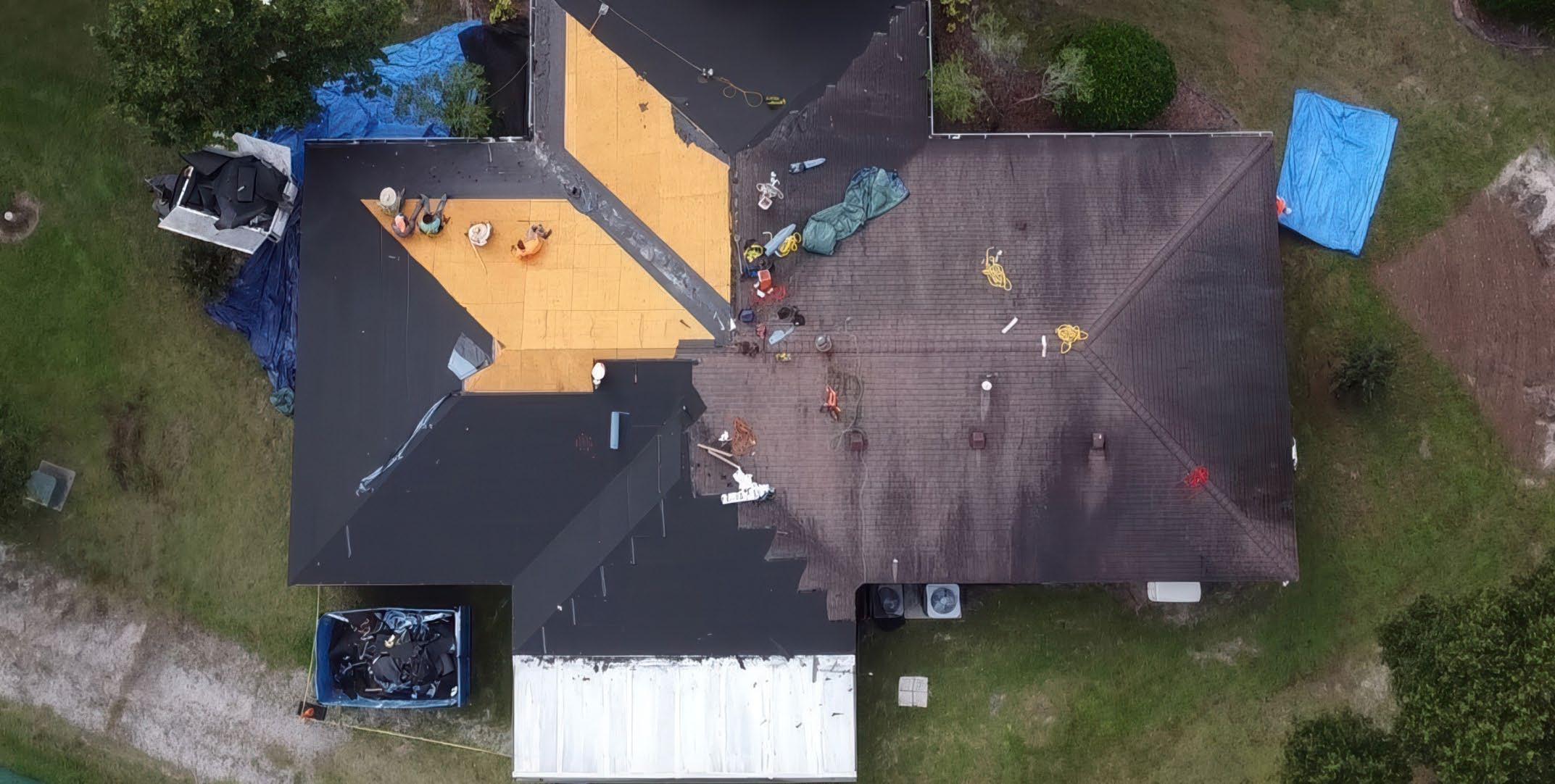
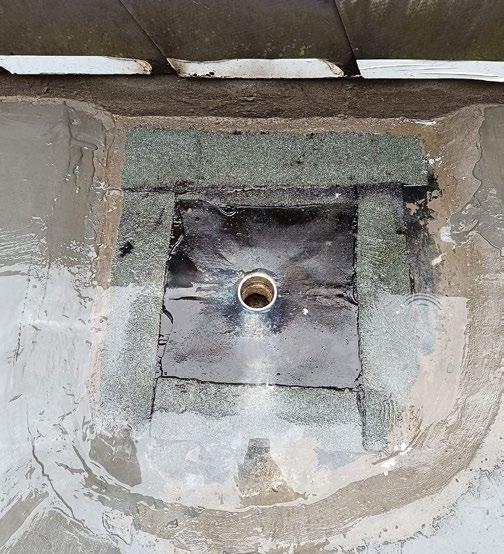
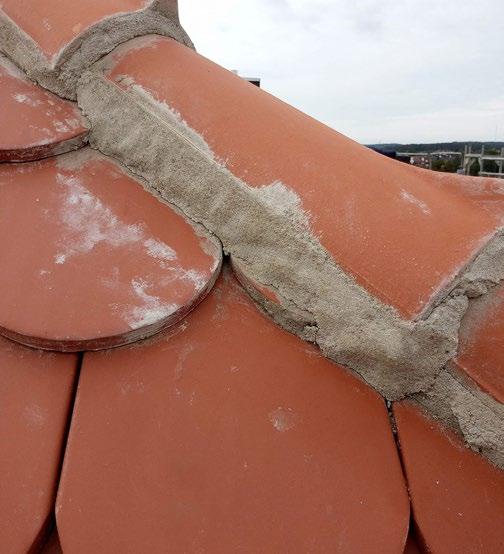
What's Wrong With These Pictures?
• 34+ Locations Across Florida
• Proudly Stocking the Top Brands You Need
• Experts in Residential, Commercial, Metal, and Tile Roofing
At QXO, we’re not just here to help you build more — we’re here to empower your vision, fuel your ambition, and create a lasting impact. Together, we shape the future, one bold step at a time. Visit QXO.com to find a