A LOOK INSIDE
• Calendar 4
• Kids’ Corner: Beautiful Butterflies 6
• Spring Birds 7

Nature Notes
By Pam Findley
MARCH
• Eastern Cottontail and Red Fox babies are born.
• Spring Beauties, Yellow Violets, and Wood Violets bloom.
• March 19 – Vernal or Spring Equinox –Spring begins.
• Running Cedar and Ground Pine (Lycopodium) are evergreen on the forest floor.
• Wood Frogs and Spring Peepers begin to call.
APRIL
• Raccoon kits are born.
• Bloodroot and Foam Flower have white blossoms.
• April 8 – Great North American Solar Eclipse (~88% totality in Reston).
• Red Maples, Spicebush, and Serviceberry are in bloom.
MAY
• Eastern Box Turtles lay eggs.
• Wild Geranium blooms.
• Eta Aquarid meteor shower peaks – May 6 and 7.
• Flowering Dogwood are blooming.
• Ruby-throated Hummingbirds return.
BRANCHING OUT
Eyes on the Eclipse
Ken Rosenthal
On April 8 this spring, millions will have the opportunity to witness a rare event, a total solar eclipse that can be seen from Mexico and Texas, through portions of the Mississippi Valley, the Midwest, along Lakes Erie and Ontario, and into Maine and southern Canada. An estimated 31,625,000 people live along the path of this eclipse, and many more are expected to travel into the path to view it. This eclipse has the potential to be the most viewed celestial event in human history.
What happens during an eclipse?
Solar eclipses occur when the moon blocks the sun during daylight hours. An eclipse may cover only part of the sun (partial or annular) or all of it (total). More occurs than just the light from the sun being obscured, however.
The moon moving between the sun and Earth also produces measurable changes to our atmosphere. Ozone levels drop to minimums during a total solar eclipse. Temperatures fall during totality, as if one were stepping into the shade on a sunny day. Temperatures have been recorded falling for another 15 minutes following the peak of the eclipse. These falling temperatures also lead to an increase in relative humidity, and can even affect wind speed. Humans are not the only ones to notice these changes.
Brief Opportunities
While eclipses can be plotted and predicted, widescale observation of phenomena during an eclipse can only be completed during a small window of time occurring irregularly and at different geographic locations. The longest calculated eclipse will be 7 minutes and 29 seconds, but that isn’t until July 16, 2186. The next eclipse similar to this year’s path will not occur for another 24 years. Bottom line, it is difficult to repeat these observations in the same setting.
Information on animal behavior during an eclipse is limited as a result of these brief observational opportunities and there is a lack of reliable historical data. (One 16th century report refers to birds falling from the sky during an eclipse as a result of “terror of such horrid darkness.”) If you add in the fact that these stories come from different habitats, you will find yourself with a lot of anecdotes but not a lot of reproducible data.
Is it time to roost already?
There are types of behavior, across species, that do appear to repeat in occurrence. Diurnal animals (active during the day) will begin to prepare for night.
Continued on page 2

Walker Nature Center
Spring | 24 |
WALKER NATURE CENTER
11450 Glade Drive, Reston, VA 20191
Dawn to dusk, enjoy year-round access to trails, restrooms and free parking.

CONTACT
703-476-9689
naturecenter@reston.org
FEATURES
72 acres of forested land, a picnic pavilion, demonstration gardens, educational signage, a fire ring, two streams, a pond, a Little Free Library, the entrance to 44-acre Lake Audubon and our education building, known as Nature House.
NATURE HOUSE HOURS
Mon. & Wed.-Fri. 9 a.m. – 5 p.m.
Closed Tuesdays
Saturday 10 a.m. – 1 p.m.
Sunday 1– 4 p.m.
HOLIDAY CLOSURES:
May 27 Memorial Day


www.facebook.com/WalkerNatureCtr
@walkernaturecenter
Groups: Please call ahead to arrange your visit.
Branching Out is a quarterly publication of the Walker Nature Center (WNC), owned and operated by Reston Association.
The mission of WNC is to foster an environmental stewardship ethic in the community. It is named after Reston’s first Open Space and Nature Center Director, Vernon J. Walker. Branching
Eyes on the Eclipse continued from page 1
Some songbirds stop calling and raptors stop circling, instead flying to nighttime roosts. Animals head for their nighttime resting spots. Captive chimpanzees in Atlanta gathered their young and headed into trees during an eclipse. During an eclipse in Zambia in 2001, hippopotamuses left the river for dry land only to return to the river when totality ended. Giraffes have been observed in both the wild and captivity to begin suddenly running during totality. Grazing resumed after for both the giraffes and hippos, but it was noted that the hippos seemed agitated for the rest of the day.
Orbweavers in Mexico began to break down their webs during an eclipse. Each night these spiders consume their web, then use this silk to spin a fresh web the next morning. When totality ended, they began to rebuild their webs. Spiders artificially lit by observers during the eclipse never started to break down their web.
Nocturnal animals can be equally confused. Bats and nocturnal birds emerged to hunt, with the birds also beginning to call. Frogs and crickets begin to call as well. These activities ceased at the end of totality, with the birds, bats, crickets and frogs returning to their daytime shelter. One can only imagine how jarring the sudden onset of a very brief 4.5-minute nighttime must feel to these animals.

Not every animal has a significant experience (that humans notice). During the 2001 eclipse in Zambia, observers noted little apparent effect on zebras, lions or crocodiles. Light is the main cue, and animals dependent on the daily light cycle have the strongest reaction. Other observers have suggested that animals with higher intelligence –llamas, dolphins and chimpanzees, for example – have appeared to stop and observe the solar events in the sky.
What can you do?
Keep an eye out for citizen science opportunities to document animal behavior during the eclipse. There were opportunities during the 2017 eclipse, including several projects on iNaturalist. While we will only reach ~88% magnitude in Reston, you will still be able to see a sizable chunk out of the sun. Be sure to wear eclipse glasses! And, keep an eye out for any behavior changes in our many-legged friends.
Yoga in Nature
Breathe, expand, stretch, bend, flex, and enjoy — nurture your body and mind with this outdoor, all-levels vinyasa yoga class at the Nature House Pavilion. Register by 4/12.
206201013
Mon 4/15 10 a.m. – 11 a.m.
Sun 4/28 2 p.m. – 3 p.m.
Adults $20/RA Member, $25/Non-member
Pre-K Yoga in Nature
Move, sing, dance, laugh, breath, play — join us for kids yoga! Play with making different animal poses, stretch and strengthen your body, learn basic breathing techniques for managing emotions, and have a whole lot of fun in the process. Register by 5/4.
206121013
Mon 5/6 10 a.m. – 11 a.m.
Ages 3-5 $20/RA Member, $25/Non-member
YOGA SERIES
Out is printed on 100 percent recycled paper using soy ink. It is produced using 100 percent wind power. Please recycle. 2
Native Plant SALE
Place orders by Friday, April 5, 5 p.m.
Pick up orders at the Walker Nature Center on Saturday, April 20, 9:30 a.m. – 1 p.m.
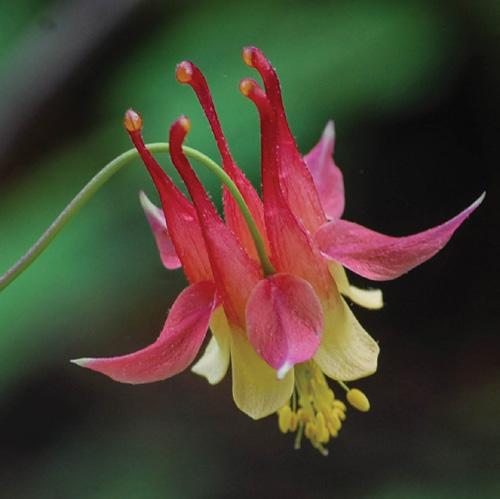
Species will include a variety of sun-and shade-loving wildflowers, grasses, and ferns. Plants are sold on a pre-order basis only. Order online at www.restonwebtrac.org. Click on the “Native Plant Sale” quick link on the home page.
Request an order form or ask a question by contacting naturecenter@reston.org or calling 703-476-9689, ext. 3.

Please and Thank You
By Ken Rosenthal
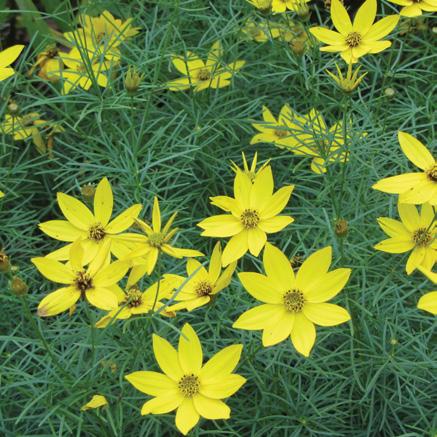
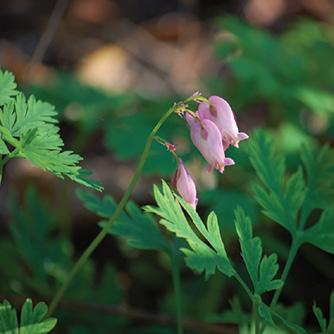

I enjoy winter, but I am also excited about spring being just around the corner. Before you know it, we will have Wood Frogs in the pond, then spring ephemerals on the forest floor and suddenly it’s the busy-ness of spring!
Like the green of spring, volunteer opportunities pop up everywhere. Enjoy meeting and chatting with new folks? Consider volunteering with us at Egg-stravaganza (March 28) or Spring Festival (May 4). We also need new faces volunteering at our front desk. Do you like planting flowers – AND meeting new people? Join us on April 10 for our Arbor Day event, or on April 22 for our Earth Day plantings. If you can’t make one of these days, there will still be more opportunities for planting, weeding or removing invasive plants in RA open space. We hope to see you at an event this spring.
Thanks to our donors:
Egg-stravaganza
THE NATURE CENTER IS FULL OF EGG- CITEMENT
Join us for some family fun. Collect colorful eggs along a woodland walk. Discover what types of animals are hatching. Check the pond for frog life and see real bird nests and life size eggs up close. Enjoy a storybook trail and snap a photo with a giant bunny or Walker the Woodpecker. Pre-registration by March 25 is required. Please register adults and children.
Thursday, March 28 • 10 a.m. – Noon with staggered arrival times
206011308 • $8/RA Member, $10/Non-member All
Julie & Charlie Bond and the Reston Garden Club for the seasonal container gardens, delightful mantel creations, and the lovely floral arrangements at the Welcome Desk. Friends of Reston for providing entertainment during our Holiday Fest.
Thanks to our volunteers:
John Ackerman; Sheila Anders; Caroline Ayres; Emma Ayres; Tsolmon Battsengel; Joanne & David Bauer; Susanne Blaya; Julie & Charlie Bond; Martha Garcia Brooks; Evan Cafaro; Pedro Chavez-Luna; Jason Chung; Min Chung; Alessa Ciccarello; Jane Currall; Jody Douglas; Robin Duska; John Eppler; Sergio Escalier; Ethan Evans; June Ferrara; Martha Furniss; Alexandra Godaire; Elizabeta Godaire; Barbara Heubner; Louisa Huang; Kathy Jackson; Nitin Kalluru; Jacob Kang; Urooj Khattak; Ben Lammers; Frederick Lewis; Lottye Lockhart, Mia Lopez; Fran & John Lovaas; Eliazer Martinez; Jamal Maxie; Sharon McHugh; Ande Mitchell; Clare Mulcalry; Mokshitha Myneni; Anna Najafi; Tanja Nelson; Barbara Paolucci; Emma Pattison; Anneshwar Peri; Roselyn Phan-Nguyen; Sara Piper; Julia Pollard; Princela Quarcoo; Meera Rajyagor; Jordin Ramos; Arianna Rivera-Delgado; Dana Scheibe; Nikki Scheibe; Jim Seret; Glenn Simonelli; Michele Simonelli; Surekha Sridhar; Maryam Taibi; Mary Teutsch; Jeanette Thomas; Brenda van Doorn; Vy Vu; Eve Wallin; Nasan Wazir; Verna Webb; Joanne Williams; Shawn Wu; Grant Yeary.
Ages
3
Register online with WebTrac
All programs will be held at the Walker Nature Center, 11450 Glade Drive, unless otherwise noted. Refunds are available with two weeks’ notice or if we cancel for any reason. Activities may be canceled due to severe weather, severe weather warnings or low enrollment. Children must be accompanied by an adult.
MARCH
SEUSS CELEBRATION
It’s Dr. Seuss’ birthday so let’s celebrate! Let the Cat in the Hat lead you on an adventure. Make a Fox in Socks craft. Walk a trail of Truffula trees and search for the Lorax and other Seuss-ian friends. Register by Feb. 28.
106011008 3/2
Sat 10:30 – 11:30 am
All Ages $7/RA Member, $9/Non-member
BEAUTIFUL BEARS
It’s time for bears to wake up from a sleepy winter. Learn about bears that live around the world and make a cute bear craft. Go on a treasure hunt through the woods. Register by March 6.
106121008
Sat 3/9 10:30 am–11:30 am
OR Wed 3/13 10:00 am–11:00 am
Ages 3-5 $7/RA Member, $9/Non-member
DANCING WIND
March is the windy month. Feel the wind as it dances around you. Blow like a gale and float like a breeze. Make a windsock and listen to the sound of woodwinds. Play an instrument as we walk through the woods. Register by March 8.
106111001
Mon 3/11 10:00 am–11:00 am
OR Tue 3/12 10:00 am– 11:00 am
Ages 18-35 months $8/RA Member, $10/Non-member
FROGS OF RESTON
In honor of World Frog Day, discover the common frog species found in Reston. Learn about their life cycles and why some are quick to emerge from winter dormancy during early warm spells. Take a hike to look for frog eggs. Register by March 13.
106011008 3/16
Sat 10:30 am – Noon
All Ages $6/RA Member, $8/Non-member
MARCH BIRD WALK: BROWN’S CHAPEL PARK
106201002 3/17
Sun 7:30 am – 10:30 am
Adults Free
CAMPFIRE- WEENIE ROAST
Enjoy an evening eating around a crackling campfire. Roast a hot dog and enjoy campfire popcorn. Finish with a tasty s’more. Park on Soapstone Drive between Glade Drive and Lawyers Road. Register by March 19.
106011003 3/22
Fri 6:30 pm – 7:30 pm
WNC Fire Ring on Soapstone Drive between Glade Drive & Lawyers Road
All Ages $8/RA Member, $10/Non-member
KIDS TROUT FISHING DAY
Snakeden Branch stream will be stocked with hundreds of trout. All equipment provided. Bait, cast, hook and cook your freshly caught dinner. Adults may not fish during the kids’ time. In partnership with Wetland Studies and Solutions, VA Dept. of Wildlife Resources, Friends of Reston, and Wildlife Foundation of Virginia. Register by March 20.
106101301 3/23
Sat 8:00 am – 12:00 pm
Check-in at 2303 Soapstone Drive
Ages 3-15 Free
EGG-STRAVAGANZA SEE AD ON PAGE 3.
Thu 3/28
APRIL
STEAM WORKSHOP-NATURE ENGINEERS
The natural world is full of amazing animal and insect engineers. Learn how beavers build their homes and then build one with a friend. How do birds create their nests? Study real nests and create one of your own. Learn how bees create their hives and observe real honeycomb under a microscope. Register for this drop-off program by March 30.
206131015 4/2
Tue 10:00 am–12:00 pm
Ages 6-12 $9/RA Member, $11/Non-member
EARLY APRIL BIRD WALK: BUTTERMILK CREEK TRAIL
206201002 4/7
Sun 7:30 am–10:30 am
WONDERFUL WILDFLOWERS
Before leaves appear on trees, wildflowers bloom to soak up the sun. Make a pretty flower craft to take home, and take part in a scavenger hunt to find different colored wildflowers. Register by April 5.
206111001
Mon 4/8 10:00 am – 11:00 am
OR Tue 4/9 10:00 am – 11:00 am
Ages 18-35 months
$8/RA Member, $10/Non-member
RESTON’S ARBOR DAY
Reston is a Tree City USA, certified by the National Arbor Day Foundation. Join us as we plant native trees and shrubs. Learn about Reston’s trees and show our appreciation for trees. Perfect for students, corporate groups and scouts. Rain or shine. Groups- please contact Ha Brock at ha@reston.org or 703-435-7986 to sign up.
206011201 4/10
Fri 9:30 am – 12:00 pm
Locations: TBD
Adults and Children 5+ Free
BUSY BATS
Let’s celebrate upcoming Bat Appreciation Day by learning about these interesting animals. Look at a real bat and learn about what they eat and where they live. Create a bat to take home. Take a walk in the woods and play a fun game of bat and moth. Register by April 10.
206121008
Sat 4/13 10:30 am–11:30 am
OR Tue 4/16 10:00 am–11:00 am
Ages 3-5 $7/RA Member, $9/Non-member
4
www restonwebtrac.org
CATERPILLARS COUNT- VIRTUAL PRESENTATION
Learn about Reston’s participation in this national citizen science project. Volunteers are needed to collect data on the abundance and phenology of caterpillars and other arthropods during the spring and summer. Held via Zoom. Register by April 15.
206201006 4/18
Wed 7:00 pm – 8:00 pm
Ages 16-Adult Free
LATE APRIL BIRD WALK: BRIGHT POND
206201002 4/21
Sun 7:30 am – 10:30 am
Bright Pond Lane, park at the end of the cul-de-sac
Adults Free
EARTH DAY CAMPFIRE
Celebrate Earth Day with some campfire fun. Sing songs, play games, and relax by the fire as it changes colors. Make a yummy s’more treat. Register by April 23.
206011003 4/26
Fri 7:00 pm – 8:00 pm
WNC Fire Ring on Soapstone Drive between Glade Drive & Lawyers Road
All Ages $7/RA Members, $9/Non-members
MAY
SPRING FESTIVAL SEE AD ON BACK PAGE.
Sat 5/4
EARLY MAY BIRD WALK: STRATTON WOODS
206201002 5/5
Sun 7:30 am–10:30 am
WARBLERS OF THE BLUE RIDGE
We’ll drive! Travel with us to GR Thompson WMA in search of migrating songbirds. We’ll also keep an eye out for trilliums, lady slippers and other wildflowers. Lunch at Sky Meadows before returning. Trip may include walking over uneven terrain and gentle slopes. Register by May 4. 206201007 5/7
Tue 7:00 am – 4:00 pm
Adults $50/RA Member, $65/Non-member
RAIN BARREL WORKSHOP
Build your own rain barrel and learn how to install it under a downspout to capture water from your roof. You’ll reduce runoff, help the watershed, and have water to use around your yard. All materials provided, including a heavy-duty, 50-gallon black plastic barrel. Presented in partnership with the Northern Virginia Soil and Water Conservation District. Register by May 8.
206201012 5/11
Sat 10:30 am–12:30 pm
Adults $55 per barrel (limit 2 per household)
NATURE BABIES
Many baby animals are born in the spring. Discover where baby animals sleep and make a nest craft. Look for baby animals and match them to their mommies. Register by May 10.
206111001
Mon 5/13 10:00 am – 11:00 am
OR Tue 5/14 10:00 am – 11:00 am
Ages 18-35 months
$8/RA Member, $10/Non-member
SPRING SHORT FILMS NIGHT
Spring is a time for new beginnings. Explore new beginnings through these short films that shed new light on environmental topics. Register by May 14. 206201051 5/17
Fri 7:00 pm – 9:00 pm
Adults Free, $5 suggested donation
POLLINATOR PALS
Celebrate World Bee Day by learning all about these amazing insects and other pollinators. Touch real honeycomb and learn about how bees change as they grow. Look at real butterfly wings with a magnifying glass. Buzz like a bee down the trail and pollinate flowers along the way. Make a beautiful butterfly to take home. Register by May 15.
206121008
Sat 5/18 10:30 am–11:30 am
OR Tue 5/21 10:00 am–11:00 am
Ages 3-5 $7/RA Member, $9/Non-member
LATE MAY BIRD WALK: LOWER GLADE STREAM VALLEY
206201002 5/19
Sun 7:30 am – 10:30 am
TURTLE TREK
In honor of World Turtle Day, discover the types of turtles found in Reston. Meet a terrestrial and an aquatic turtle up close. Take a hike to turtle habitat at Lake Audubon. Register by May 16.
206011008 5/19
Sun 1:30 pm – 3:00 pm
All Ages $7/RA Member, $9/Non-member
LAKE ANNE SUNSET PADDLE
Canoe or kayak on Lake Anne with a naturalist. Search for wildlife and learn about the lake. Relax on the water and enjoy the sunset. Boats and safety equipment provided. Register by May 20.
206011007 5/23
Thu 7:00 pm – 8:30 pm
Lake Anne Boat dock
Ages 10-Adult $15/Member, $20 Non-member
SUMMER BIRD CLASS: AN INTRODUCTION
Learn the basics of bird identification and how to look and listen for the common birds of Reston. Discover the major groups of birds and the best places to watch for them. Discuss a variety of bird guides and take home a Checklist of Birds of Reston. Learn how to use eBird and support Reston’s biodiversity projects. Register by May 27.
206201205 5/30
Thu 7:00 pm – 8:30 pm
Adults Free
OWL PROWL
Meet a wildlife rehabilitator from Secret Garden Birds and Bees for an up-close look at live owls of Virginia. Then prowl the trails in search of the Nature Center’s resident owls. Register by May 29.
206011008 5/31
Fri 6:30 pm – 8:00 pm
Ages 5-Adult $8/RA Member, $10/Non-member
5
Coffee Filter Butterfly Craft
Materials
White coffee filters
Washable markers
Spray bottle or eye dropper with water
Baking sheet
Pipe cleaner
Scissors
Instructions:
1. Place two coffee filters on top of each other. Use markers to color the top one. Create whatever design you would like. Some of the color will bleed onto the bottom filter.
2. Pull the filters apart and lay them on a baking sheet and lightly spray (or drop) water. The colors will start to spread throughout the filter. Once the filters are wet, stop adding water.
3. Allow the filter to completely dry.
4. Fold each filter back and forth (accordion style) and place the two folded strips on top of each other.
5. Twist a pipe cleaner around the middle so the two ends point upwards in a V shape. Curl the ends of the pipe cleaners around a pencil or your finger.
6. Pull apart the folds in the filters to shape the butterfly wings.
Beautiful Butterflies
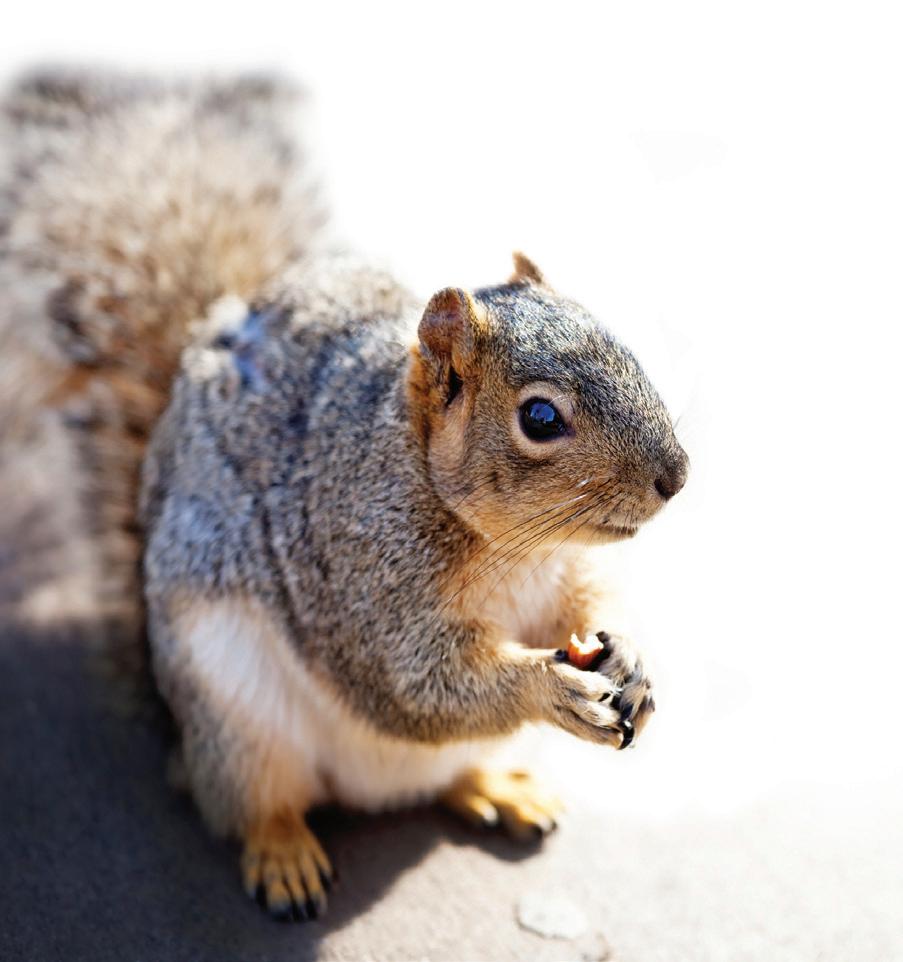
By Earl the Squirrel (with help from Kelly Michienzi)
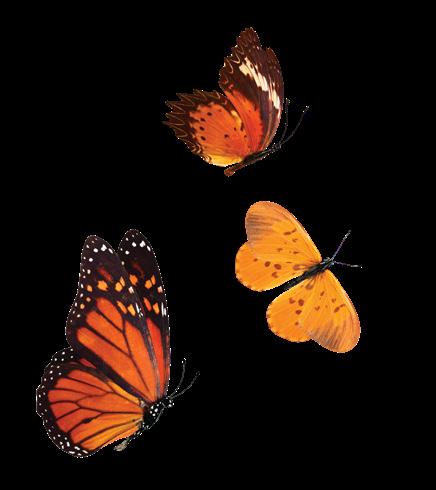
I love springtime when the forest comes to life with bright green leaves, fragrant flowers and the buzz of insects. My favorite insect to observe is the butterfly. They are so beautiful and bring a sense of calm and peace to the forest and gardens. Butterflies feed on nectar from flowers and especially like flowers that are red, orange, yellow, pink and purple. They have a long, tubular shaped mouth called a proboscis that works like a straw to drink nectar and water. Butterflies are pollinators, which means they carry pollen from flower to flower, allowing more flowers to grow. Butterflies use their feet to taste and identify flowers, and their antennae to smell.
The life cycle of a butterfly is fascinating. Butterflies experience many changes as they grow, a process called metamorphosis. They hatch from tiny eggs as caterpillars, feeding on leaves until they are nice and plump. After a few weeks they attach to a leaf by spinning a silk pad to hang from, and then shed their outer skin to form a chrysalis. Many amazing changes begin happening. They emerge as butterflies and begin the adult stage of their life cycle. The beautiful colors and patterns on their wings come from tiny scales. Some butterflies have bright colors to warn predators that they are poisonous. Others have amazing camouflage to stay hidden or eyespots to distract predators.
Where do butterflies go in winter? Some species like the Monarch migrate all the way to Mexico and return to Virginia in the spring. Other butterfly species spend the winter warm and cozy in the leaf litter, nooks and crannies of a tree or a crack in a rock. Now that spring has arrived, butterflies will be busy warming their wings in the sunshine and searching for flowers.

Butterfly Crossword
Down
[2] what a butterfly eats
[3] how some butterflies stay hidden from predators
[5] butterflies hatch from tiny ______
[8] life stage when the butterfly goes through big changes
[9] butterflies love flowers that are this color
Across
[1] colorful part of the butterfly made of tiny scales
[4] part of the body used to taste
[6] part of the body used to smell
[7] mouthpart of a butterfly
[8] a ______ crawls around eating leaves
[10] a species of butterfly that migrates to Mexico
[11] butterflies carry this from flower to flower

If you love butterflies as much as I do, there are some things you can do to help them. Please tell your parents not to spray pesticides anywhere. These are dangerous chemicals that can kill butterflies, bees, birds and more. Make your garden butterfly-friendly by growing flowers in sunny spots. Butterflies like to visit puddles to gather nutrients from the water. You can make a simple butterfly puddle station by filling a shallow dish with soil and sand, adding some flat rocks for perching and then pouring water to moisten the soil. Sprinkle a little salt on top. You can even add overripe fruit like oranges and bananas. The butterflies will have a place to rest and reenergize and you can enjoy watching them!
Kids’ Corner
6
Spring Birds – When and How to Help
By Abby Stocking
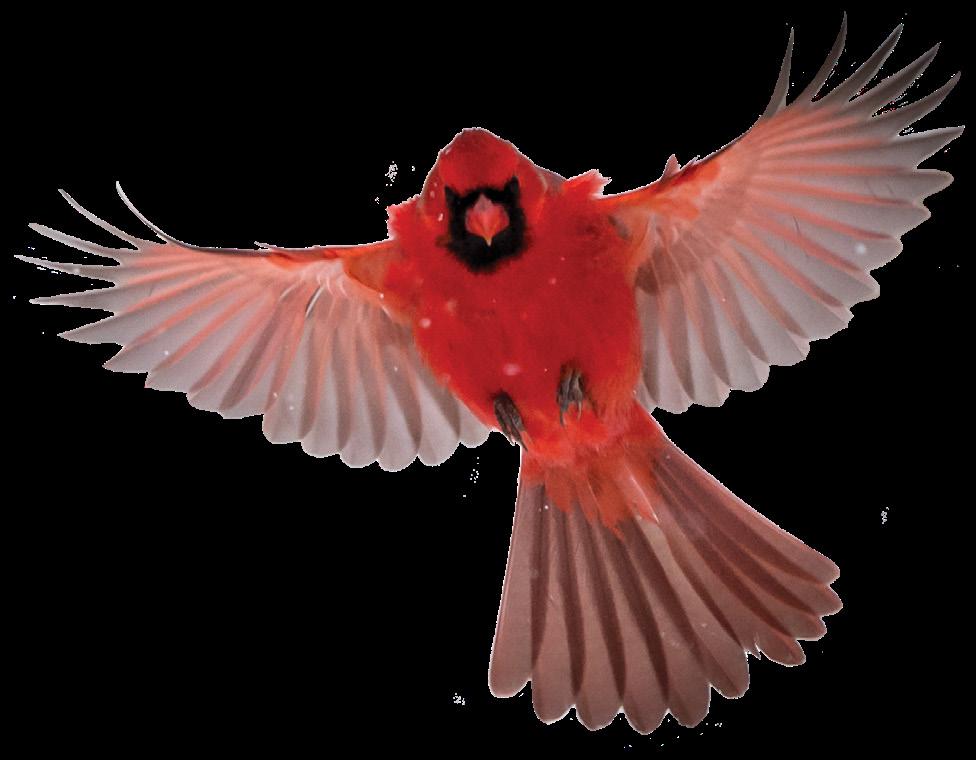
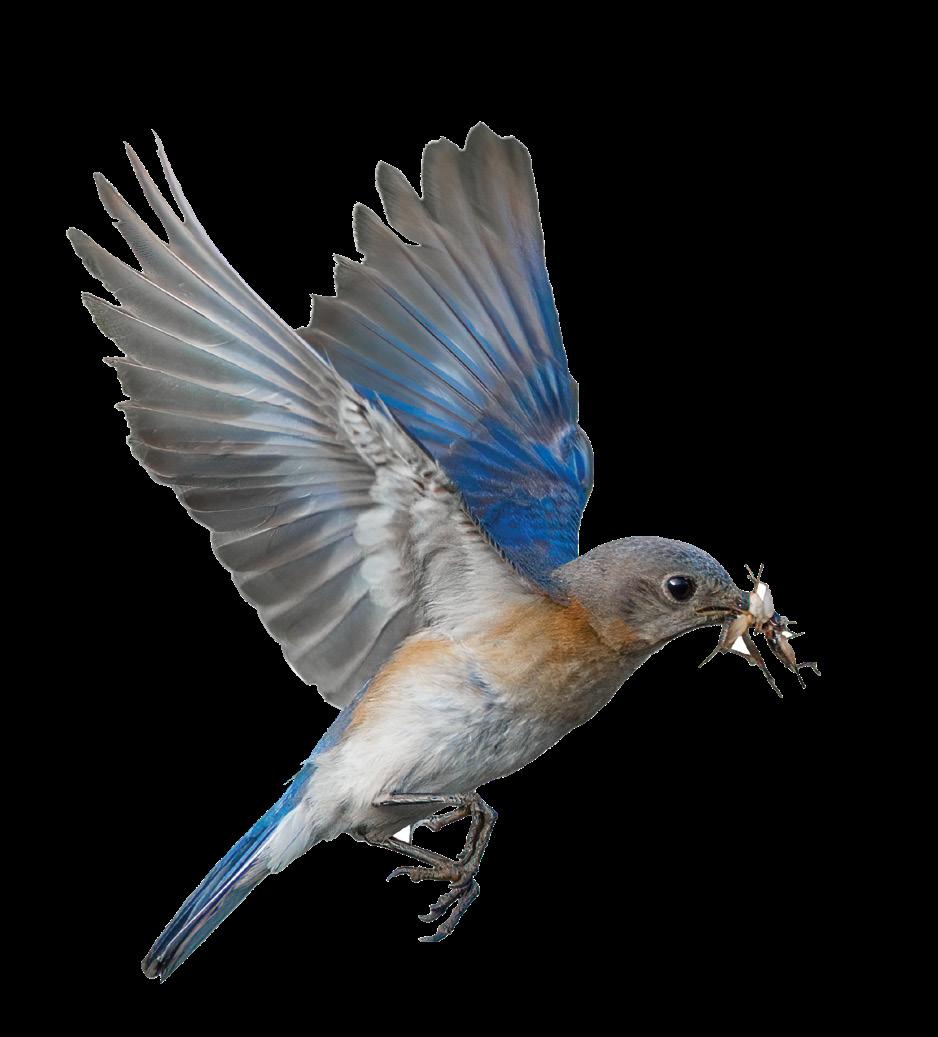
Every spring, it is common to spot birds that appear to be injured and/or orphaned. Here are some tips to help you decide if intervention may be needed and some tips for how to help when appropriate.
If you have found an animal you think may need assistance, the most important step is to wait and watch before taking any action. Not all animals need our help, and careful observation is essential. Also, not all animals are safe to approach. After a time of observation, use the tips below for helping our feathered friends.
Please note: The Walker Nature Center has no trained rehabilitators on our staff and we cannot accept injured wildlife. We recommend calling a licensed rehabilitator, such as the Virginia Wildlife Rescue League, (703) 440-0800, when help is required.
Step 1: Does the bird appear to have any obvious injuries such as a broken wing, head tilt or bleeding?
• If “No”, go to Step 2.
• If “Yes”, try to carefully cover the bird with a towel. This helps calm the bird. Place the bird in a cardboard box with air holes for ventilation with a lid or towel over the top. Keep the box in a secure place where it will not be disturbed by other animals (pets or wildlife).
o Call a wildlife rehabilitator.
Step 2: Is the bird an adult that possibly had a collision with a window or glass door?
• If “No”, go to Step 3.
• If “Yes”, try to carefully cover the bird with a towel. Place the bird in a cardboard box with air holes for ventilation with a lid or towel over the top. Keep the box in a secure place where it will not be disturbed by other animals (pets or wildlife).
o After 2-3 hours, see if the bird will fly away outdoors. If not, call a wildlife rehabilitator.
Step 3: Does the bird appear to be a juvenile that is mostly feathered and hopping around?
• If “No”, go to Step 4.
• If “Yes”, then observe the bird. Most likely it has fledged, or left, the nest and its parent is nearby. Young birds spend more time on or near the ground as they learn to fly.
o Keep pets away from fledgling birds.
o If no parent comes back after several hours, try to capture the bird and call a wildlife rehabilitator.
Step 4: Does the bird look like a juvenile with little to no feathers? This is likely a baby bird that has fallen from the nest.
• If you can find and reach the nest, try to place the bird back inside. If the bird feels cold, you can try to warm the bird in your hands before placing it in the nest. Birds cannot smell you.
• If you cannot reach or find the nest, put it in a warm, quiet, and dark place (like the cardboard box described above). Call a wildlife rehabilitator. Do not attempt to give the bird any food or drink.
Renowned birdwatcher and illustrator, Roger Torey Peterson, once said, “The truth of the matter is, the birds could very well live without us, but many – perhaps all – of us would find life incomplete, indeed almost intolerable without the birds.” Thank you for caring for the birds and other local wildlife.
7
www.reston.org
Walker Nature Center 11450 Glade Drive Reston, Virginia 20191
SATURDAY, MAY 4 1:00 – 5:00 PM (RAIN OR SHINE)

WALKER NATURE CENTER 11450 GLADE DRIVE
Entertainment
Live Animals
Fishing Activities
Craft Making for Kids
Booths by Local Environmental Groups
Native Plant Sale with Nature By Design
Canoe/Kayak Rentals on Lake Audubon ($5)
Volunteers needed. Contact ha@reston.org or call 703-435-7986.
See www.restonwebtrac.org for event updates.
EVENT ALL AGES
FREE
Winter 18/19 VolumeSpringTwenty | 24 |
