BENEFITS of MASSAGE & much more! PLUS: DENTAL & VISION HEALTH
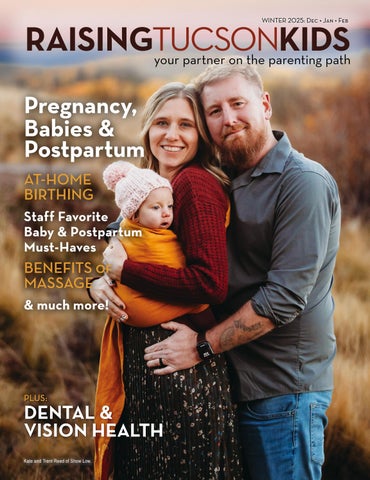
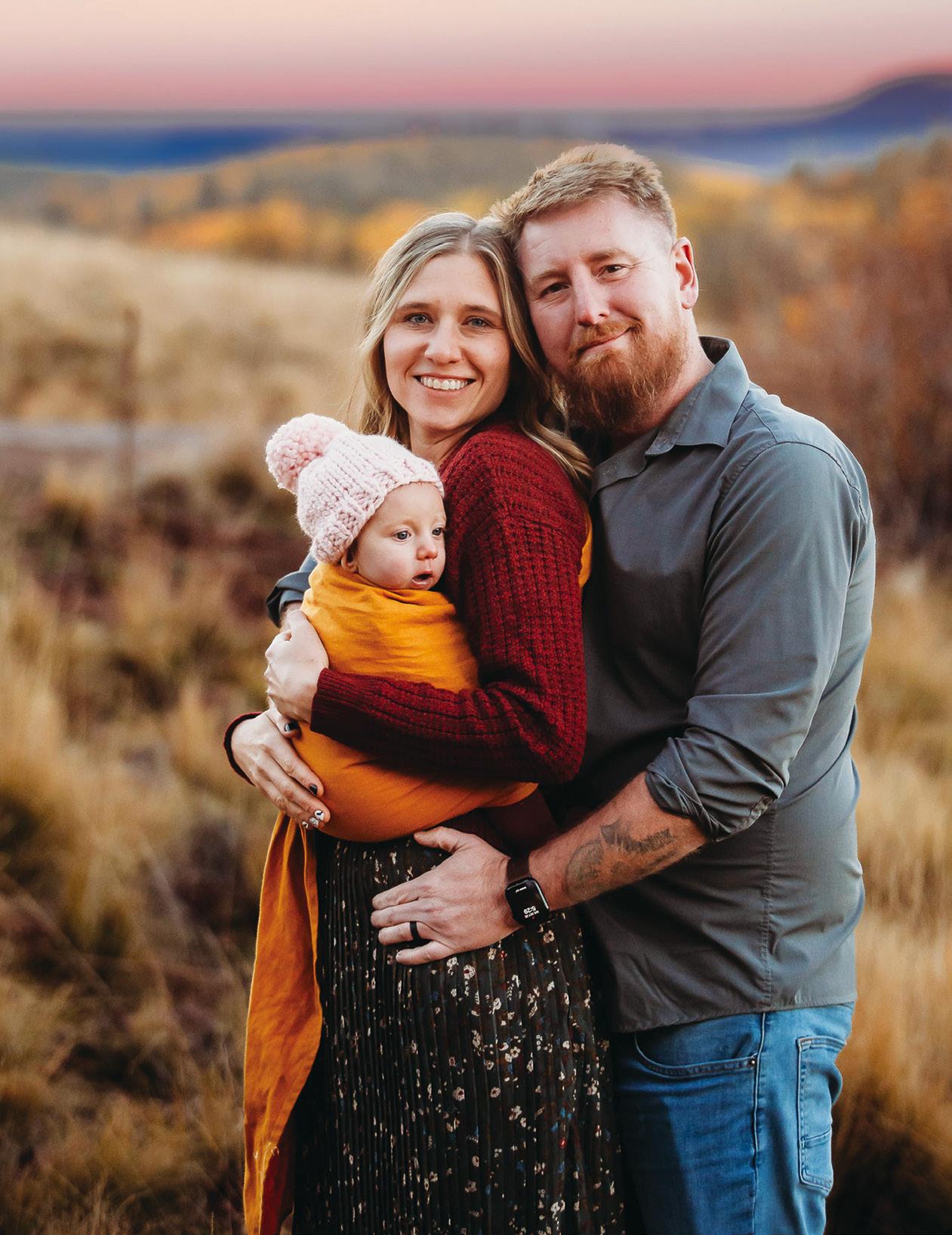
Kate and Trent Reed of Show Low.
Enroll at the top-ranked public school network in the U.S.
BASIS Charter Schools is now enrolling for the 2026-27 school year, but spots are limited. Apply now at any of our 20+ Arizona locations.
Accelerated STEM and arts curriculum Student clubs and team sports Hands-on learning Before- and
Our Students Exceed National Standards
K–12 Education
BASIS Charter Schools are a network of high-performing, tuition-free public charter schools, offering an advanced college preparatory curriculum for grades K–12.
Apply by Dec 12 to enter the lottery for Fall 2026
Che ers to the CHAOS , the CUDDLES , and the COMING YEAR
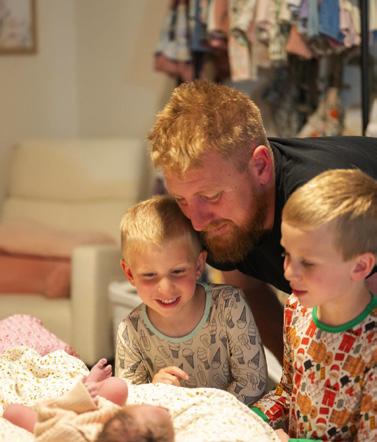
JUST LIKE THAT, another year has come to a close—a season of reflection, fresh resolutions, and hopeful planning for the months ahead. For our family, one of the most joyful milestones was welcoming our first baby girl after four boys. Watching our older kids fall completely in love with her has been such a gift, and we can’t wait to create even more memories together in the coming year.
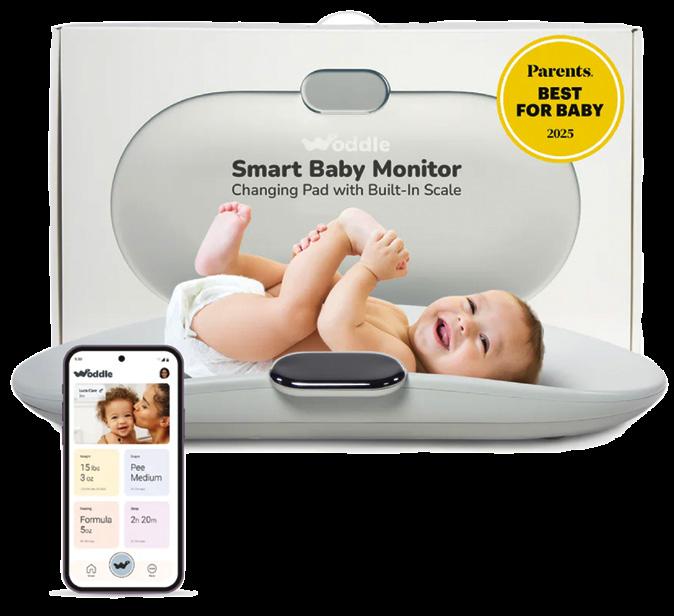
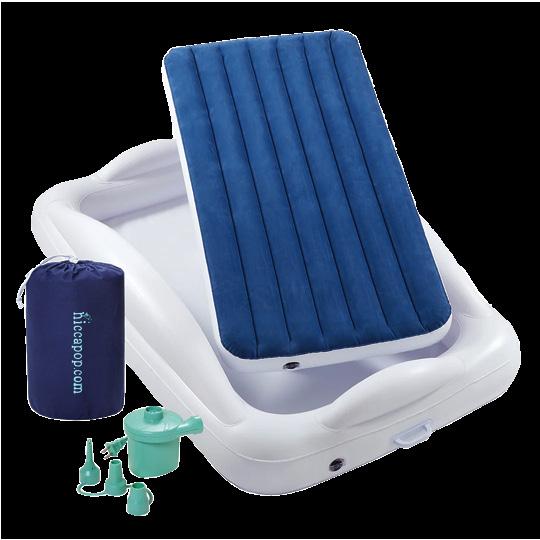
If you’re preparing to welcome a new baby or navigating the early postpartum months, this winter issue of Raising Tucson Kids is filled with support and inspiration. Inside, you’ll find our staff-favorite products, practical tips for traveling during pregnancy, guidance on financially preparing for maternity leave, and insights into the benefits of massage and acupuncture while pregnant. We also have expert advice on strengthening your marriage after baby and navigating the very real feelings of postpartum loneliness.
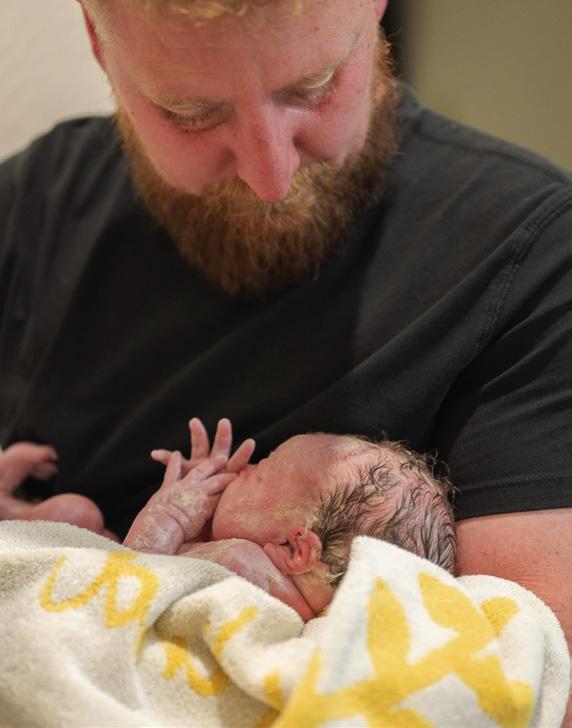
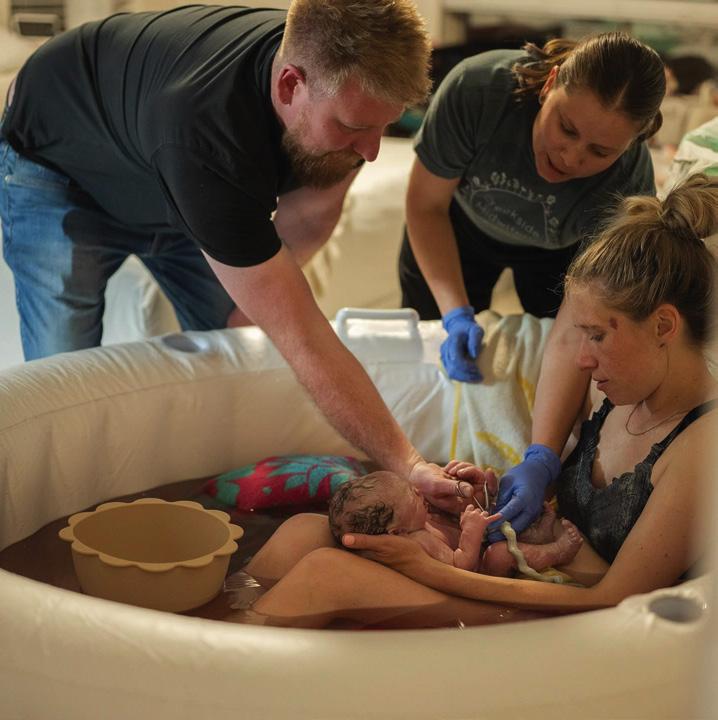
For dads, we’re excited to share a powerful collection of stories—including a look at the National At-Home Dad Network’s annual Home DadCon event, a piece on the silent emotional transition into fatherhood, and a moving home-birth perspective from a dad’s
point of view.
And if winter break has you wondering how to keep everyone entertained, try being a tourist in your own town! Explore hands-on learning at the Flandrau Science Center, venture underground at Colossal Cave Mountain Park, step into the Wild West at Old Tucson Studios, and discover plenty of activities—and delicious restaurants—to make your break memorable.
Finally, we’re grateful to Delta for providing a robust resource on dental and vision health for Arizona families. Inside, you’ll learn about the importance of helmets in youth sports, how to handle loose teeth and teeth grinding, tips on identifying whether your child may need glasses, and helpful guidance on navigating insurance.
Whether you’re leaning into new beginnings, savoring extra family snuggles, navigating the beautiful mess of parenting, or just grabbing a quiet moment—we’re honored to walk alongside you. Cheers to a meaningful and memorable year ahead!
Kate Reed, Publisher
Email us at publisher@rakmagazine.com with topics you would love us to write about.
Tucson • Catalina Foothills • Marana Oro Valley • and the Surrounding Areas
Winter 2025: Dec • Jan • Feb Vol 3 : No 1
PUBLISHER
Kate Reed
EDITOR
Monique Seleen
CONTRIBUTORS
Ben Mills • Dr. Brooke Jeffy • Dr. Desiree Brotsky
Dr. John Lahr • Dr. Nichole Shiffler • Kari-Ann Hubbard
on Twitter; RaisingArizonaKids on Facebook, Instagram and Linkedin; RAKmagazine Pinterest and Youtube.
South Hunters Run, Show Low, AZ 85901 480–991–KIDS (5437) • raisingarizonakids.com
Read-y or Not, Bab y’s Coming! Books for Kids Becoming Big Brothers and Sisters
By Pima County Libraries
There’s a plot twist in your household—a new baby is joining the story! If your little one is about to earn their “Big Sibling” title, the right picture books can make the transition a little smoother (and a lot more fun). From laugh-out-loud reads to gentle bedtime stories, these book titles selected from Pima County Libraries can help kids turn the page with excitement, empathy, and love on this new chapter.
BABY – 5
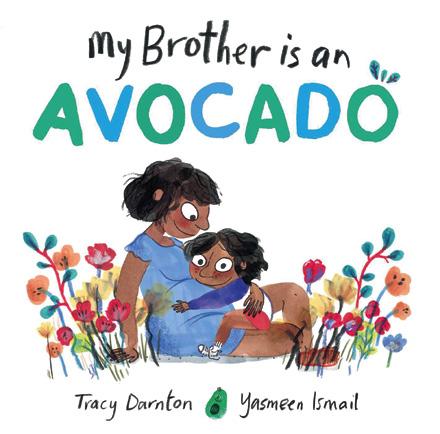
My Brother Is An Avocado by Tracy Darnton
It’s hard to wait for an exciting new baby to join the family, especially when it’s still growing inside Mom’s tummy. But when her dad tells her the size of the baby at each stage, one little girl imagines all the fun she can have with her baby brother as a teeny-tiny poppy seed, then a grape, then a lemon… But she’s not quite sure how she feels about having an avocado for a brother. Or an onion. Or—gulp—a watermelon!
Peter’s Chair by Ezra Jack Keats
A boy is upset when his parents paint his old baby furniture pink for his new little sister, but he’ll do whatever it takes to save his little blue chair. This is a gentle and reassuring story about sibling rivalry and a perfect gift for any family expecting a new baby.
2 – 6 YEARS
We Are Expecting You! by Barney Saltzberg
This sweet, lyrical read-aloud shares all the love young siblings feel as they count down the days to their new baby’s arrival! Following an adorable young elephant sibling who shares the boundless love and excitement for this soon-to-be new family member, this is a touching tribute to the most special relationship siblings have. This book is perfect for expectant families eagerly anticipating the BIG DAY.
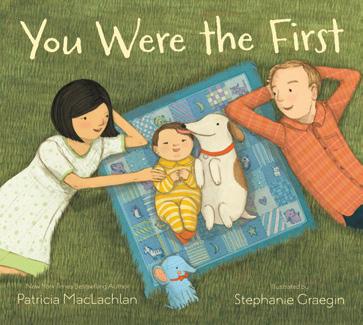
You Were the First by Patricia MacLachlan
There is nothing like the first experience of having a child, a life-changing experience that completely transforms the meaning of love. While all babies in the family are special, a new sibling can be an especially challenging emotional transition for the firstborn, and this unique story addresses those insecurities head-on in a most gentle and lyrical way. You Were the First is also a touching tribute to any baby’s early milestones—those unforgettable moments that will always be cherished. From first smiles to first cuddles and even to that first kiss, here’s a loving ode to every child’s—and parent’s—momentous “firsts.”
4 – 8 YEARS
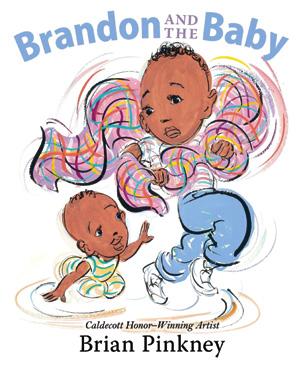
Brandon and the Baby by Brian Pinkney
Brandon loves his special blanket, but he isn’t too sure about his new baby brother. When it’s time for supper, a bath, and bed, the baby steals all the attention. Brandon is not happy. In fact, he’s very, very angry. Luckily, Brandon’s blanket (or is it Brandon?) has a few ideas to make everything better.
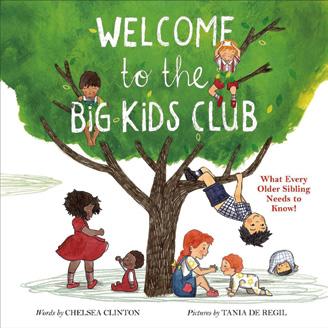
Welcome to the Big Kids Club by Chelsea Clinton
Is there a new baby coming to your home? One that will sleep and cry and demand attention and . . . poop? Well, welcome to the Big Kids Club! This book will teach what every big kid needs to know about their baby: what the baby can see, why the baby cries, when the baby will be able to talk, how the baby knows you love them, and so much more (including why the baby poops so much!). This book is perfect for any member or soon-to-be member of the Big Kids Club.
Book Recommendations for Par e n ts
Synopses Provided from Publisher
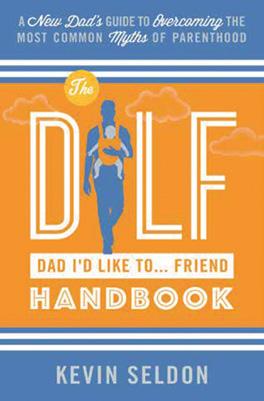
DILF Handbook
By Kevin Seldon
(available for presale in December, releasing in January)
After struggling to find support as a new dad, Kevin Seldon launched The DILF (Dad I’d Like To… Friend) Podcast, which has since been featured everywhere from The New York Times to People Magazine. He’s now created a sanity-saving guide under the same name - The Dad I’d Like to Friend Handbook - set out to improve the mental health of new dads. Drawing on research, expert interviews and proven strategies, this empowering parenting resource highlights the importance of caring for ourselves and our relationships, as much as we do our kids. Ultimately, this new dad handbook provides the tools needed to help dads of every shape and form to not simply survive, but thrive… so they can better support their partners, their children and themselves.
You Bet Your Stretch Marks
By Abbie Halberstadt
It’s easy to be grateful for motherhood when your child is writing “best mama ever” on your birthday card or giving you a great, big hug. But how about when you’re scrubbing crayon marks off the wall for the third time in a week or tussling with your teen about curfew . . . again? The all-in enterprise called parenting will test your patience and stretch your capacity like nothing else, but mama-of-ten Abbie Halberstadt is here to remind you that having children is a calling you should never, ever regret or apologize to anyone for. With her trademark candor, relatable humor, and biblically based insight, Abbie will help you keep your eyes fixed on Jesus as you navigate the sometimes-murky waters of motherhood.
Be Good to Your Body
By Jordan Lee Dooley
For too long, women have been caught in the relentless cycle of dieting fads and fleeting body-positivity trends, quick-fix weight-loss solutions, and intimidating lifestyle overhauls. If you’ve ever felt overwhelmed by society’s false promises and conflicting advice, you’re not alone. Jordan Lee Dooley knows this struggle well. She has navigated the same confusing landscape, all while grappling with the constant feeling of never doing enough.
In Be Good to Your Body, Jordan invites you on a powerful journey of health and faith. She shows you how to pursue wellness as an act of worship to God, rather than making wellness itself an idol. Discover the joy of honoring your body as you return to the good things God made for you as you embrace a wellness journey that nourishes your spirit and brings you closer to your creator.
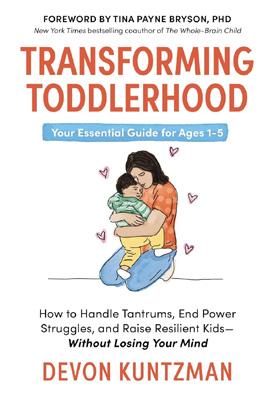
Transforming Toddlerhood
By Devon Kuntzman
In Transforming Toddlerhood, you’ll find bite-sized chapters packed with actionable advice, toddler tips, red flags, and easy-to-use scripts to respond effectively to everyday shenanigans. From understanding what’s driving your child’s behavior to surviving tantrums and encouraging independence, Devon gives you the tools to set clear, respectful limits while staying patient and teaching essential life skills. But what sets this book apart is its emphasis on working with your child’s development, not against it. Whether you’re a parent, caregiver, or educator, this is a go-to resource specifically for these critical (and often chaotic) toddler years, so you can feel confident, patient, and connected, no matter what gets (literally) thrown your way.
Dental Vision Health &
To support parents and caregivers in creating a path to better health and wellness, Delta Dental of Arizona is proud to present this dental and vision health resource guide, offering answers to frequently asked questions, tips to prevent oral health and eye diseases, and new ways Delta Dental of Arizona is helping care for the entire family.
Dental Products That Protect Young Smiles
THERE IS NOTHING better than seeing your child smile. You can help keep that smile bright and healthy by using the right oral care products at each stage of growth.
Babies
Even before teeth appear, you can maintain oral health by gently wiping your baby’s gums with a clean, soft washcloth after feedings. Be sure the cloth has no loose threads. Their first dental visit should happen within six months of their first tooth, or by age one, whichever comes first.
Early Baby Teeth
As baby teeth emerge, usually between 6 and 12 months, choose a soft bristled baby toothbrush that fits comfortably in their mouth. Use just a tiny smear of fluoride toothpaste about the size of a grain of rice. Fluoride is crucial for preventing decay. If your tap water lacks fluoride, consult your dentist about supplements.
Toddlers to Age 5
Let your child pick their favorite toothpaste flavor or color, just ensure it contains fluoride. As their teeth crowd together, introduce floss, floss picks, or a water flosser. Replace the toothbrush every three months, or sooner if the bristles fray.
Age 6 and Older
When permanent teeth begin to emerge, they transition to toothbrushes with small heads suited for their mouth size. If your child plays sports, use a well fitted mouthguard. Also, talk with your dentist about dental sealants, especially for the molars, since they can shield back teeth from decay.
A Lifelong Approach
Good oral health starts early, and adjusting dental tools as your child grows sets them up for lasting smiles. Use the products that match each developmental stage and help shield their smile from bacteria and decay.
WHILE IN 2024, the Tooth Fairy was tightening her belt, this year she was feeling generous. Findings from Delta Dental of Arizona’s Original Tooth Fairy Poll® revealed the average value of a single lost tooth during the past year increased from $5.18 to $6.50. But no matter the exact dollar figure she gives, the Tooth Fairy is a great way to get kids excited about oral health, teaching them that a healthy mouth supports a healthy body.
Did You Know?
BECAUSE GOOD oral and vision health starts at infancy, Delta Dental of Arizona’s individual and family plans encourage parents to get regular checkups for their kids with the Free Until Three™ benefit. Simply put, there is no charge to cover dependents under the age of 3. Learn more at smilepoweraz.com.
How Helmets Shield Your CHILD’S HEAD AND JAW
By Sarah Sharits
A WELL-FITTED HELMET does more than protect your child’s brain. It also helps safeguard their eyes, teeth, and jaw. Every part of a helmet works together to keep your child’s growing head, mouth, and vision safe during play.
Padding Inside. Soft foam cushions the head and helps reduce the risk of bumps or concussions.
Face Mask. The bars in front protect the nose, teeth, and the bones around the eyes.
Jaw Padding. Extra padding under the chin and around the jaw helps protect teeth and reduce the chance of jaw injuries.
Hard Outer Shell. The tough outside cover spreads the force from a hit across a wide area to lower the risk of skull or brain injury.
Visors and Shields. Clear plastic shields can attach to the face mask to protect eyes from sunlight, debris, or accidental pokes.
Chin Strap. A snug strap keeps the helmet in place and helps protect your child during play.
Mouth Guards. Sometimes attached to the helmet by a strap, mouth guards protect and cushion the teeth and jaws from injury during play.
Find the right fit. Your child’s helmet won’t offer as much protection if it doesn’t fit correctly. Ask a coach or sporting goods store staff to help find the right size and shape. A well-fitted helmet keeps your child’s head, teeth, and eyes safe every time they play.
Sarah Sharits is the Corporate Communications Manager with Delta Dental of Arizona. Sarah talks about her dogs a lot and enjoys running, being an Auntie and obsessively researching purchases before she makes them.
What To Do About a
LOOSE BABY TOOTH
THAT CLASSIC CARTOON image of tying a tooth to a doorknob and slamming the door might make you smile, but it is certainly not the best way to help a child with a loose tooth. Today, parents and guardians have safer and gentler options when navigating this natural stage of childhood.
Why Teeth Loosen
Children typically lose their baby teeth between the ages of six and twelve. During this process, permanent teeth push upward beneath the gums. As they grow, they slowly dissolve the roots of baby teeth until only soft gum tissue holds them in place. Eventually, the teeth begin to wiggle and fall out, leaving space for permanent teeth to emerge.
What Parents Can Do
Every child responds differently to a loose tooth. Some may be thrilled about a visit from the Tooth Fairy, while others dislike the sensation and ask for help. A few may feel anxious about bleeding or
discomfort.
If your child is ready, you can gently grasp the tooth with clean tissue or gauze and give it a light squeeze or small twist. If it comes out easily, the timing was right. If resistance occurs, it is best to wait. Children who feel uneasy can wiggle the tooth with their tongue or finger until it loosens naturally.
Handling Bleeding or Discomfort
Mild bleeding commonly follows the loss of a tooth. Apply a moistened piece of gauze and have your child bite down until the bleeding stops. If bleeding lasts more than two hours or is accompanied by swelling, redness, or pain, contact your dentist.
Making The Milestone Fun
Remind your child that losing teeth is normal and part of growing up. Create a fun tradition with the Tooth Fairy by leaving encouraging notes, small rewards, or keepsake containers for lost teeth.
Say “Lights Out” to Teeth Grinding
DOES YOUR CHILD grind their teeth while sleeping? Between 15 and 33 percent of children, compared to about 8 percent of adults, will grind their teeth at some point. Most teeth grinding, also known as bruxism, happens after children fall asleep, making it hard for them to know it is occurring. Parents, however, can learn to spot the signs and act.
Identifying bruxism
Not every child with bruxism shows symptoms, but some may develop chipped teeth or worn enamel, causing pain while chewing or sensitivity to hot and cold. Grinding can also result in headaches, earaches, or jaw pain. Listening while your child sleeps may reveal the grinding sound. If you suspect bruxism, visit your child’s dentist. Regular checkups can catch early signs like fractures or tooth wear.
Helping your child stop
Causes can include stress, anxiety, hyperactivity, medications, teeth misalignment, or pain from new teeth. Many children stop grinding once these issues fade or when permanent teeth arrive, but some continue into adolescence.
Dentists may recommend a night guard if damage occurs. At home, reduce stress by limiting caffeine, establishing calming routines, and turning off electronics before bedtime. These small steps help protect young smiles and restore restful sleep.
Exercise Your Child’s Eyes
YOUR CHILD’S EYES need movement just like the rest of their body. Regular eye exercises can help both eyes work together more efficiently, making reading, homework, and screen time more comfortable while reducing fatigue and eye strain.
Try a few of these simple “eye workouts” at home:
• Near-and-far focus: Ask your child to hold their thumb about ten inches
from their face and focus on it for fifteen seconds. Then have them look at something across the room for fifteen seconds. Repeat five times to build strength.
• Figure eight: Have your child imagine a large figure eight lying on the floor. Without moving their head, they should trace the shape with their eyes for thirty seconds, then switch directions. This improves eye coordination and tracking.
Pencil pushups: Hold a pencil at arm’s length and have your child slowly move it toward their nose while keeping the image clear. Stop if it doubles, then repeat several times.
The 20-20-20 rule: Every twenty minutes of screen time, encourage your child to look at something twenty feet away for twenty seconds and blink slowly to refresh their eyes.
If eye strain continues, consult an eye doctor for guidance.
Did You Know?
DELTA DENTAL OF ARIZONA has been providing vision benefits across Arizona since 2007. DeltaVision® administered by EyeMed Vision Care is affordable, convenient vision insurance for individuals, families and businesses, backed by America’s largest vision network.
For more information, visit deltadentalaz.com/vision or smilepoweraz.com.
The Tooth Development Timeline
YOUR CHILD’S TEETH do more than give them a smile. They help them chew, speak clearly, and shape their face. The journey of their teeth actually begins before birth.
Before Birth
Between six and eight weeks of pregnancy, the soft tissues of future teeth start forming. By three to four months, hard tissues begin developing. At birth, the crowns of 20 baby teeth are nearly complete, though still hidden in the jaw.
Baby Teeth Arrive
Primary teeth usually start appearing between six and twelve months. By age three, most children have all 20 baby teeth, ten on top and ten on the bottom. Teeth usually erupt in this order: incisors, first molars, canines, then second molars. Baby teeth are essential for chewing, speaking, and holding space for permanent teeth. The first dental visit should happen after the first tooth appears or by the first birthday.
Losing Baby Teeth
Around age six, baby teeth begin to fall out in the same order they arrived. By age 12, most children have lost all their baby teeth.
Permanent Teeth
As the jaw grows, 32 permanent teeth emerge. Regular brushing, flossing, and checkups help keep your child’s teeth and smile healthy for many years.
Dental & Vision Health
A Guide to DENTAL & VISION INSURANCE for Infants & Children
By Sarah Sharits
WHEN YOUR BABY arrives, securing health insurance is a top priority. But don’t forget about dental and vision coverage! These types of insurance are just as important for your child's overall well-being. This guide will help you understand everything you need to know about dental and vision insurance for children, making it easier for you to ensure your little one gets the care they need as they grow.
When and Why to Get Coverage
As soon as your baby starts teething around 6 months, it’s a good idea to consider dental insurance. Cavities can develop quickly, even in babies, so having coverage ensures your child gets the care they need. Regular dental visits help monitor their oral health and provide tips for healthy development.
In school-aged children, poor oral health can lead to missed school days. However, most dental issues are preventable with good hygiene and regular check-ups. Investing in dental insurance will set them up for success.
Don’t forget about vision health! Schedule your child’s first eye exam between 6 months and 1 year old, then follow up by age 3, and every two to three years after that. Regular visits to the eye doctor help keep track of their vision and catch any issues early on.
What To Look for In Coverage
When choosing dental and vision insurance for your little ones, take some time to compare plans and see what they cover. Think about your children’s ages and their needs for the upcoming year. Don’t forget to check the overall costs, including deductibles and co-pays, and see if the
insurance has a good network of dentists and eye doctors, including pediatric specialists. This will help you save money and ensure your kids get the care they need!
For dental coverage, look for plans that cover most preventive care, like check-ups and cleanings, as well as essential treatments like fillings and extractions. It’s also great if they include fluoride treatments and sealants to help prevent cavities. For vision coverage, make sure the plan includes eye exams, vision screenings and help with the cost of glasses.
Future Needs to Consider
Around age 6, your child’s permanent teeth will start coming in. It’s important to get dental sealants for their back teeth to protect them. By age 7, your dentist may recommend an orthodontist visit to check for braces. A plan that helps with dental work and orthodontics can be helpful.
As your child grows, their visual needs may change, so it’s important to have a plan that covers regular eye exams, glasses and any necessary treatments, especially as older children and teens may experience frequent headaches or difficulty focusing.
How To Get Coverage
Getting dental and vision insurance for your infant and child is crucial for their health and happiness. Early coverage helps prevent issues and supports their growth. Check your employer's plan for family coverage options or consider individual plans and state programs like Medicaid or CHIP to fit your family’s needs.
Sarah Sharits is the Corporate Communications Manager with Delta Dental of Arizona. Sarah talks about her dogs a lot and enjoys running, being an Auntie and obsessively researching purchases before she makes them.
Protect Your Kids’ Eyes This Allergy Season A PARENT’S GUIDE
AS THE SEASONS change and flowers bloom or leaves fall, many children experience seasonal allergies. Sneezing, congestion, and itchy throats are common, but allergies can also cause dry eye syndrome. This is when the eyes don’t make enough tears, or the tears dry out too fast, making them feel gritty, tired or blurry. Dry eyes can be painful and even raise your child’s risk of eye infections.
As a parent, here’s how you can help:
• Check pollen reports and keep kids indoors on high-pollen days. Close windows and use air conditioning or fans with clean filters and blades.
• Have your child wear sunglasses outside to block pollen, dust, and UV rays.
• Teach your children not to rub their eyes and to wash their hands and face regularly.
• Use a good air purifier with a high-efficiency particulate air (HEPA) filter to help remove allergens from the air in your home.
• Eye drops can help treat itching and redness caused by allergens. But, ask your optometrist which is safe for your child before using.
• Kids should wash their hands after touching a pet. You can also keep your pets out of the bedroom, so they don’t spread allergens where your child sleeps.
While most allergy-related eye symptoms are temporary, persistent issues such as prolonged blurred vision, severe swelling or pain should be evaluated by an eye doctor to prevent complications. By taking simple steps to reduce exposure, parents can help their children stay comfortable and enjoy the season—clear-eyed and allergy-free.
How to Tell If Your Baby or Toddler NEEDS GLASSES
By Dr. John Lahr
IT IS NATURAL to wonder if your baby or toddler might need glasses. After all, young children cannot always explain what they see or how clearly they see it. Detecting vision problems early is important for healthy development, confident learning, and overall well-being. The challenge is that the signs are often subtle. Knowing what to look for can help you take action and support your child’s vision at the right time.
Signs Your Baby or Toddler May Need Glasses
Before children begin speaking, parents must rely on observation. Here are some common signs that suggest your child may need an eye exam:
• Frequent eye rubbing or squinting
• Limited or inconsistent eye contact
• Excessive tearing or crossed eyes
• Tilting the head or favoring one eye over the other
• Holding books or toys very close to the face
• Clumsiness or poor hand to eye coordination
If you notice your toddler squinting, struggling to recognize familiar objects, or showing delays in crawling and walking, vision may be the reason. Poor depth perception can affect motor skills just as much as it can affect reading readiness. A pediatric eye doctor can help determine whether glasses or another treatment is needed.
What Every Parent Should Know About Early Vision
Vision disorders in babies and toddlers are more common than many parents realize.
Conditions such as strabismus (crossed eyes) and amblyopia (lazy eye) may not always be obvious. Warning signs include sensitivity to light, trouble tracking moving objects, or one eye that seems to “wander.” These concerns can develop in the first few years of life, which are critical for visual development.
The American Optometric Association recommends a baseline exam between six and twelve months of age. Another exam should take place between ages three and five, followed by a visit before starting school. Once school begins, annual exams are recommended. These appointments ensure that problems are detected early when treatment is most effective.
Understanding Astigmatism in Young Children
Astigmatism is one of the most common reasons children need glasses. It occurs when the front surface of the eye has an irregular shape, more like an oval than a circle. This irregularity causes blurry or distorted vision. Children may be born with astigmatism, and it can affect both learning and coordination.
The good news is that glasses often correct astigmatism and allow normal visual development to continue. If your child rubs their eyes frequently, squints, or struggles to see clearly, an eye exam can determine if astigmatism is the cause.
Choosing the Right Glasses
Today’s children’s eyewear is designed for comfort, durability, and style. Frames come in lightweight, flexible materials that are gentle on small faces. Straps or bands can help keep
glasses in place for very young children. Many parents are surprised at how quickly kids adapt to glasses when the improvement in vision is immediate and clear.
Supporting Healthy Eyesight Naturally
While glasses are the best treatment for many eye conditions, lifestyle habits also make a difference. Encourage outdoor play, which studies show may reduce the risk of nearsightedness. Limit screen time, especially before bedtime, and encourage frequent breaks when screens are used. Make sure your child eats a balanced diet rich in fruits and vegetables, gets plenty of rest, and stays hydrated. These small choices support eye health as well as overall wellness.
The Bottom Line
There is no single “average age” when children begin wearing glasses. Some need them as infants, while others may not until elementary school or later. What matters most is that parents remain alert to the signs and schedule regular comprehensive eye exams. Early detection can mean the difference between a child struggling to keep up in school and one who thrives. Glasses are more than just lenses—they are tools that help children explore, learn, and engage with the world around them. With the right support, every child can see a clearer, brighter future.
Dr. John Lahr is the medical director at EyeMed Vision Care, which administers Delta Dental of Arizona’s DeltaVision plans, and 50 years of experience in eye care delivery and vision care.
SUNGLASSES FOR KIDS Protecting Young Eyes Starts Early
By Dr. John Lahr
WHEN YOU THINK of sunglasses, you might picture pool days or a stylish accessory, but for children, sunglasses are much more than fashion. Young eyes are especially sensitive to sunlight, and regular UV protection is crucial to keeping them healthy now and in the future.
Shielding Eyes from Harmful UV Rays
Just like skin, children’s eyes can be damaged by the sun’s ultraviolet (UV) rays. Too much exposure raises their risk for eye diseases like cataracts and photokeratitis, a sunburn of the eye that can cause irritation, redness, or temporary vision problems. Sunglasses that block 100% of UVA and UVB rays (look for UV400) act like sunscreen for child’s eyes, reducing long-term risks and protecting vision.
Preventing Discomfort Outdoors
Kids love being outside, but bright sunlight can cause squinting, watery eyes, and headaches. Sunglasses make outdoor activities more comfortable while protecting delicate eyes from daily sun damage.
Protecting Vision for the Future
Eye health isn’t just about the present. Chronic sun exposure can accelerate age-related conditions later in life. By teaching children to wear sunglasses from an early age, parents help them develop habits that preserve vision as they grow.
Extra Benefits of Sunglasses
• Skin Protection: The skin around the eyes is thin and delicate. This makes it easy to wrinkle and more likely to get skin cancer. Wide or wraparound sunglasses protect this sensitive skin.
• Reducing Glare and Eye Strain: Bright sunlight can trigger headaches or migraines in sensitive children. Polarized lenses and sunglasses with UV protection reduce glare, eye strain, and make outdoor play more comfortable.
Choosing the Right Pair
• Ensure sunglasses provide 100% UVA and UVB protection (UV400).
• Consider polarized lenses for glare reduction.
• Look for larger or wraparound frames to protect both eyes and surrounding skin.
• Don’t assume dark lenses mean UV protection—always check the label.
Start Healthy Habits Early
Teaching children to wear sunglasses every time they go outside sets them up for a lifetime of healthier eyes. Regular eye exams are also important, helping catch any vision concerns early.
Sunglasses are more than a fashion choice; they’re a key part of protecting your children’s eye health. Protecting young eyes today means clearer vision, fewer headaches, and better eye health for the future. Make sunglasses a part of your child’s daily routine, and step outside knowing their eyes are covered.
Dr. John Lahr is the medical director at EyeMed Vision Care, which administers Delta Dental of Arizona’s DeltaVision plans, and 50 years of experience in eye care delivery and vision care.
TRAVEL: Hosted Stay
Clockwise: Seis Kitchen, The Westin La Paloma Resort & Spa, Tohono Chul Garden Bistro, Colossal Cave Mountain Park, and Flandrau Science Center & Planetarium.
Family-Friendly Tucson: Adventure in the Sonoran Desert
By Monique Seleen
JUST A SHORT 90-minute drive from the Valley, Tucson is exploding with so many things to do and discover. Whether you’re looking to do a romantic getaway for the weekend (babymoon anyone?), or want to take a family trip that doesn’t involve long travel days, you’ll find it all in Tucson!
While I’ve been to Tucson many times over the years both as a kid and as an adult, I feel like I’m always discovering something new. This past fall, my husband and I snuck away for a quick weekend together and had so much fun visiting and exploring new places.
Here’s a little recap of our trip, our recommendations of where to stay, what to do, and some of the best local dining destinations to check out – perfect for both families and couples!
WHERE TO STAY
The Westin La Paloma Resort & Spa
Set against the stunning backdrop of the Santa Catalina Mountains, The Westin La Paloma Resort & Spa blends both relaxation and comfort in a beautiful setting.
Parents can unwind at the spa or golf on the scenic 27-hole Jack Nicklaus Signature course, while kids can make a splash in the five sparkling pools — complete with a 177-foot waterslide.
You’ll find spacious, family-friendly rooms featuring private patios or balconies – perfect for capturing Tucson’s golden sunsets. Dining options on-site range from casual poolside bites to upscale Southwestern fare, so you don’t have to travel far for a great meal after a day of exploring.
WHAT TO DO
Tucson has plenty of family-friendly attractions and fun things to do! With a little planning, you can easily fill your days with hands-on experiences that educate and entertain. Here were a few highlights that we enjoyed:
Flandrau Science Center & Planetarium
Located on the University of Arizona campus, the Flandrau Science Center & Planetarium is a must-visit for curious minds. Families can explore interactive exhibits on topics ranging from astronomy and physics to marine life and geology. The real highlight, though, is the planetarium — a state-of-the-art dome theater that transports you
TRAVEL: Hosted Stay con't
through galaxies far beyond our own.
Shows change regularly, so you might explore black holes one day and take a journey through the solar system the next. Younger children will love the hands-on discovery zone, where they can play, learn, and tinker with science experiments.
Colossal Cave Mountain Park
For a true Arizona adventure, head just southeast of Tucson to Colossal Cave Mountain Park, a natural wonder steeped in history and mystery. Families can take guided tours through the vast underground
cave system – (children must be at least 5-years-old).
Beyond the cave, the park offers scenic hiking and horseback riding trails that wind through rugged desert terrain. There’s even a historic ranch and picnic areas perfect for a relaxing lunch outdoors. Be sure to keep an eye out for desert wildlife, from jackrabbits to hawks soaring overhead.
Old Tucson Studios
Step into the Wild West at Old Tucson Studios, where Hollywood history meets hands-on fun. Originally built as a movie set in 1939, Old Tucson has been featured in classic Westerns like Gunfight at the O.K. Corral and Rio Bravo. Today, it’s an immersive theme park where families can walk dusty streets, meet costumed cowboys, and watch live stunt shows and gunfight reenactments.
Kids will love the train rides, stagecoach tours, and carousel rides, while parents can appreciate the authentic film sets and historical charm.
WHERE TO EAT
No trip to Tucson is complete without indulging in some great food. Tucson’s food culture blends indigenous ingredients, Mexican influences, and modern creativity. Here are some great options that the whole family will love:
Seis Kitchen
This was a new one we had never tried before, but I know that Seis Kitchen will be on repeat every time we go to Tucson! Named after the six culinary regions of Mexico, Seis offers a flavorful journey through authentic Mexican cuisine. Families can enjoy dishes like chilaquiles, al pastor tacos, Sonoran-style burritos and much more! You definitely want to check out this local gem!
El Charro Café
As the oldest continuously operated Mexican restaurant in the United States, El Charro Café is a Tucson institution. Founded in 1922, this family-run restaurant serves up traditional Sonoran dishes.
Don’t miss their famous carne seca — sun-dried beef marinated and grilled to perfection — or their tamales, enchiladas, and handmade tortillas. The colorful adobe building, decorated with bright tiles and string lights, adds to the charm and makes for a cozy dining experience.
Tohono Chul Garden Bistro
For a peaceful meal surrounded by nature, Tohono Chul Garden Bistro offers an enchanting setting inside one of Tucson’s beloved botanical gardens. The outdoor patio is shaded by mesquite trees and bustling with hummingbirds — a tranquil spot to enjoy brunch or lunch after exploring the gardens. The menu features locally inspired dishes with fresh ingredients, such as blue corn tamales or the prickly pear chicken salad croissant. One must-try recommendation – get the prickly pear lemonade for a refreshing sip with your meal!
Tucson’s Southwestern charm and plethora of family-friendly things to do, makes it an ideal destination year-round. From exploring ancient caves, stargazing, or exploring the wild west, so many fun adventures await. Add in luxury resorts, authentic Mexican cuisine, and stunning sunsets, and you’ve got a getaway that’s as relaxing as it is unforgettable.
Above: Old Tucson Studios. Below: El Charro Café.
DATE NIGHT:
A Cozy Tucson Date Night
An Evening at ANELLO and the Symphony
By Monique Seleen
HERE’S A TUCSON date night that feels effortless yet unforgettable. Pair two of downtown Tucson’s gems: Dinner at Anello and a performance by the Tucson Symphony Orchestra. Together, they strike just the right note — relaxed and undeniably romantic.
Start the evening at Anello, a cozy woodfired pizzeria tucked downtown – with no outside signage, this place truly feels like a hidden gem. Step through the door, and you’re greeted by the earthy aroma of dough meeting flame, the hum of conversation, and the warm glow of candlelight flickering off the walls.
The menu is short, but every choice is intentional. The ingredients are fresh and seasonal, and rotate often. Start with the salad or vegetable– which are always changing to keep things new and interesting. When I tried it, the salad was a sweet and savory pairing of melon and burrata with a drizzle of honey and toasted almonds. And the vegetable was roasted hatch chili peppers stuffed with corn and pesto. Both absolutely delicious and so unique!
Then comes the pizza — Anello’s pride and joy — baked in a wood-fired oven until the crust is charred just so, with that perfect balance of chew and crunch. The Margherita remains a classic for a reason, while the Bianca, topped with ricotta, roasted garlic, and lemon zest, might just ruin you for all other pizzas. Certainly, don’t miss out on their one-of-a-kind desserts. The blue corn lemon tart was unlike anything I’ve ever had before –in the best way possible! Sweet and fresh with a crumbly buttery crust. This is definitely a place I will frequent again and again!
After your romantic dinner, take just a short drive or stroll to Tucson Symphony
Orchestra— one of the city’s cultural treasures. The historic Linda Ronstadt Music Hall offers an atmosphere that’s both elegant and inviting. Whether the program features a cinematic pops concert, a guest cellist, or the soaring strains of Tchaikovsky, the TSO delivers performances that resonate far beyond the final bow.
In a city known for its sunsets and desert
hikes, sometimes the best way to fall in love with Tucson — and with each other — is through its creative rhythm: a local pizzeria with fresh flavors and a warm ambiance, and a symphony that stirs the soul.
Because in Tucson, romance isn’t flashy — it’s found in the simple beauty of good food, great music, and the company of someone who makes the evening sing.
TRAVELING WHILE PREGNANT
What to Know Before You Go
By Dr. Desiree Brotsky
PREGNANCY DOESN’T HAVE to mean putting travel on pause. With the right timing and a few safety measures, many moms-to-be can still enjoy a getaway. Dr. Desiree Brotsky, D.O., shares what expectant travelers should know before hitting the road or taking to the skies.
The Best Time to Travel
According to Dr. Brotsky, the second trimester (14–28 weeks) is usually the safest and most comfortable time to travel.
“Patients often have more energy and their nausea has improved during this window,” says Dr. Brotsky. “Additionally, most obstetric emergencies occur in the first and third trimesters.”
After 28 weeks, women should begin using caution when traveling, and travel is not recommended after 36 weeks, even for low-risk pregnancies. Those with higher-risk conditions may be advised to limit or avoid travel altogether.
Flying: Domestic vs. International
If your pregnancy is healthy, the American College of Obstetricians and Gynecologists (ACOG) recommends that domestic travel can continue until 36 weeks. For international flights, Dr. Brotsky advises stopping by 34 weeks at the latest.
“Some airlines have their own restrictions,” she notes. “International travel involves much more preparation and discussion with your physician.”
Common Travel Risks — and How to Prevent Them
The biggest risks during air travel include blood clots, dehydration, and turbulencerelated injury. To reduce these risks, Dr. Brotsky recommends booking an aisle seat, moving or stretching every hour or two, and wearing compression stockings for long flights. Staying hydrated and avoiding caffeine or carbonated drinks can help prevent
dehydration and bloating.
“Turbulence is unpredictable,” she adds. “Always wear your seat belt low across your hips, underneath your belly.”
Staying Comfortable on the Go
Traveling while pregnant can bring challenges like nausea, swelling, and fatigue. To ease symptoms, Dr. Brotsky suggests taking nausea medication preventatively, staying hydrated, and moving frequently. Loose-fitting clothing, compression stockings on longer flights, and regular meals can all help maintain comfort and energy levels. Gentle foot exercises and wiggling your toes can also reduce swelling during long trips.
What If Labor Starts Away from Home?
No matter how well-prepared you are, unexpected situations can happen.
“Regardless of the trimester, there’s always a degree of risk,” Dr. Brotsky says. “I advise patients to always know their due date and where the nearest hospital is.”
Signs of preterm labor—such as abdominal pain, contractions, vaginal bleeding, or leaking
fluid—should be evaluated immediately at the nearest hospital.
Be Prepared Before You Go
Before traveling, especially long-distance or internationally, Dr. Brotsky recommends:
• Bringing a copy of your health record, prescriptions, and insurance information
• Scheduling a prenatal visit before leaving
• Ensuring travel health insurance and any required vaccinations are in place for international trips
With thoughtful planning and communication with your doctor, many women can travel safely and comfortably during pregnancy.
“Preparation is key,” says Dr. Brotsky. “You can absolutely enjoy travel during pregnancy— with a little planning and awareness.”
Dr. Desiree Brotsky is a board certified Obstetrician/ Gynecologist practicing at Pinnacle Women’s Center in Peoria, Arizona. She serves as the OB/Gyn department chair for Banner Thunderbird Medical Center.
How to Financially Prepare for MATERNITY & PATERNITY LEAVE
By Rachel Galvez
BRINGING A NEW life into the world is one of life’s greatest joys and also one of its biggest financial curveballs. In the U.S., paid parental leave isn’t guaranteed, and here in Arizona it’s often not part of standard benefits packages. That’s why financial preparation is key. Whether you’re part of a two-parent household, a single parent, or a nontraditional family, taking time to understand your options can make parental leave smoother and less stressful – so you can focus on what matters most: your growing family.
Start Planning Early
If possible, start organizing your finances six to twelve months before your due date. That might sound early, but it gives you time to build a cushion and peace of mind. Begin with an honest conversation about your goals:
• Will both parents return to full-time work?
• How long do you plan to take off?
• How much income will you need to replace?
If one parent plans to stay home longer, try a few “test months” living on a single income before the baby arrives. Note where adjustments are needed and build savings accordingly. Then, trim spending. Cut non-essentials like takeout, subscriptions, or impulse buys, and redirect that money into a dedicated leave fund.
Know Your Benefits and Rights
Every employer handles parental leave differently, so check in with HR early. Ask:
• Is paid maternity or paternity leave offered?
• Can you use vacation or sick days to extend leave?
• Are there childcare stipends, flex-time, or other family support options?
• If your employer offers short-term disability insurance, review the details – it can often replace 40–70% of your income for six to eight weeks, depending on your policy. File paperwork early since processing can take time.
• Also, know your rights under the Family
and Medical Leave Act (FMLA), which provides up to 12 weeks of unpaid, jobprotected leave for childbirth or adoption. While Arizona doesn’t currently offer state-paid family leave, some employers extend paid time off or follow policies tied to the state where they’re based.
Build Your “Leave Budget”
List your essential expenses – housing, groceries, medical bills, baby supplies – and compare that total to the income you’ll have during leave (from savings, PTO, or disability payments). Use that gap to guide your savings target.
Smart ways to prepare include:
• Opening a high-yield savings account just for your leave fund
• Trying a “financial fast” one weekend a month – no extras, just essentials
Tap Into Local Resources
Arizona families have great community support:
• WIC, for food and nutrition assistance
• Arizona Diaper Bank, clothing swaps, and parent groups for essentials
• Community financial counselors or credit unions, many of which offer free or low-cost planning sessions
• A single consultation can help you finetune a plan that fits your family’s needs.
Final Thoughts
Preparing financially for parental leave takes intention, but it’s worth it. The more you plan ahead, the more freedom you’ll have to focus on what really matters – those first precious weeks of bonding and discovering your new rhythm together.
Rachel Galvez is the Executive Director of Arizona Financial Foundation. A wife and mom of two, Rachel is committed to empowering families with the information they need to make smart financial decisions now and set their children on the path to financial success in the future.
PREGNANCY: Health
AS TEMPERATURES DROP and virus season ramps up, pregnant women face unique challenges when it comes to respiratory illnesses. According to Dr. Desiree Brotsky, D.O., natural changes in the lungs and immune system during pregnancy make expectant mothers more vulnerable to infections like the flu, RSV, and COVID-19.
Here are some tips and safety precautions to take to stay healthy during this winter season:
How Viruses Affect Pregnancy
Respiratory infections can have serious consequences for both mom and baby.
Pregnant women face a higher risk of pneumonia, sepsis, and hospitalization, which can lead to complications like low birth weight and preterm labor.
While RSV is usually mild for pregnant women, it poses significant risk to newborns. “RSV is a major cause of bronchiolitis, apnea, and even death in infants—especially those under six months,” says Dr. Brotsky.
Respiratory viruses tend to be most dangerous in the third trimester, when lung capacity and immune defenses are at their lowest.
Vaccines That Protect Moms and Babies
Vaccinations are a powerful way to prevent severe illness and protect newborns. Dr. Brotsky suggests the following vaccine recommendations:
• Influenza: Recommended for all pregnant women—any trimester, each flu
Winter Respiratory Virus Season and Pregnancy
By Dr. Desiree Brotsky
season (September–March).
• COVID-19 booster: Can be given anytime in pregnancy, any time of year. It helps prevent maternal and infant complications and increases antibody protection in newborns.
• RSV vaccine (Abrysvo): Recommended for women due to deliver during RSV season (September–January), ideally between 32 and 36 weeks of pregnancy.
• Tdap: Focused on protecting against whooping cough (pertussis), the vaccine should be given between 27–36 weeks each pregnancy.
Safe Symptom Relief During Pregnancy
Many common cold remedies aren’t safe for pregnancy, but there are effective and safe options:
• Cough: Honey-based syrups or guaifenesin are generally safe. Ask your provider before taking dextromethorphan.
• Nasal congestion: Try humidified air or saline nasal spray. If symptoms persist, discuss prescription options like ipratropium or cromolyn spray.
• Sore throat: Acetaminophen, hydration, hard candy, or humidifiers can soothe discomfort.
• Fever: Always treat fevers—especially high ones. “Extreme temperatures can increase fetal risk,” says Dr. Brotsky. Acetaminophen is the safest choice, used sparingly as needed.
While some studies have suggested potential neurodevelopmental risks with longterm Tylenol use, Dr. Brotsky says those studies are weak and confounded.
“There is greater known risk to not treating symptoms than to treating sparingly with Tylenol,” she emphasizes.
Managing Anxiety About Getting Sick
Feeling nervous about getting sick during pregnancy is completely normal—but preparation helps.
“Be proactive, not anxious,” encourages Dr. Brotsky. “Understand you’re at higher risk because you’re pregnant, no matter how well things are going.”
Her advice:
• Wash hands often and avoid unnecessary crowds
• Limit travel during peak virus months
• Don’t hesitate to set boundaries with family and friends
• Get recommended vaccines (flu, COVID, Tdap, RSV)
• Talk openly with your healthcare provider for reassurance and guidance
• “High doses of Vitamin C won’t work,” she adds. “But vaccines, good hygiene, and awareness will keep you and your baby safest.”
Dr. Desiree Brotsky is a board certified Obstetrician/ Gynecologist practicing at Pinnacle Women’s Center in Peoria, Arizona. She serves as the OB/Gyn department chair for Banner Thunderbird Medical Center.
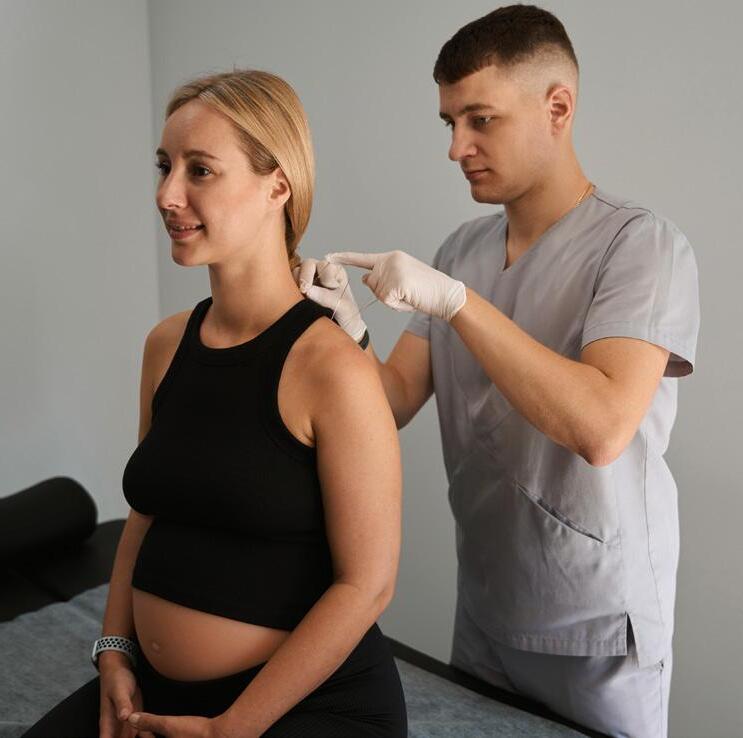
The Benefits of Massage During Pregnancy & Postpartum
By Monique Seleen
WHEN YOU THINK of pregnancy, the first things that come to mind might be glowing skin, a growing belly, and maybe even some outrageous cravings. But for many, pregnancy also comes with hip pain, backaches, round ligament discomfort, and an emotional rollercoaster. That’s where bodywork— specifically prenatal and postpartum massage—steps in as both a relief and a form of self-care.
Danielle Erosa, owner of Golden Clover Recovery, a Mesa-based massage therapy clinic, was inspired by her own pregnancy journey to open her massage therapy practice, with a focus on prenatal and postnatal massages.
After working as a paramedic and battling her own chronic hip pain, she discovered the therapeutic world of functional massage. Following the birth of her son in November 2024, she became certified in prenatal and postnatal massage and opened Golden Clover—a name symbolizing strong women and strength.
Functional Massage: Beyond Relaxation
Unlike a spa-style relaxation massage, functional massage focuses on long-term healing. For expecting and new moms, that often means addressing low back and hip pain, tension in the shoulders from breastfeeding, or scar tissue after a C-section.
“It’s not just about feeling good in the moment,” she explains. “It’s about getting you out of pain and helping your body function the way it should.”
Safe & Supportive Through Every Stage
Contrary to popular belief, Erosa says prenatal massage is safe in every trimester, including the first. Special bolsters allow moms to lie face-down comfortably, while wedges keep circulation flowing when lying on the back. Of course, always check with your own medical provider about your individual health concerns.
Erosa recommends once-a-month massages to ease discomforts, and biweekly sessions in the final stretch to prepare the body for the marathon of labor.
More Than Physical Relief
Prenatal massage isn’t just about easing sore hips or digestion—it supports emotional well-being too. Erosa explains that massage can reduce anxiety and depression during pregnancy, while also building body awareness before labor. “It’s your time to check in with yourself, to slow down, and to prepare mentally as much as physically,” she says.
The Overlooked Postpartum Stage
If prenatal massage is valuable, postpartum bodywork might be even more
essential. “We put so much focus on the baby, but the mom needs care too,” she says. From shoulder and neck tension caused by feeding and holding, to low back pain that lingers, postpartum massage helps restore function. One area she emphasizes is C-section scar tissue. Gentle abdominal massage, once the scar has healed (around 6–8 weeks postpartum), supports blood flow, reduces restriction, and aids recovery. Beyond the physical, it gives new moms a rare gift: dedicated time to recharge.
Making Space for Self-Care
For moms hesitant to book a massage, Erosa’s advice is simple: “Pain isn’t normal, and you don’t have to live with it. Taking care of yourself makes you a better mom for your kids,” she says.
She even welcomes little ones into her studio if childcare is a barrier. “If bringing your baby is what you need to do, that’s okay. It’s important for them to see you modeling self-care.”
Golden Clover Recovery is located at University & Country Club in Mesa, with sessions available Saturdays, Sundays, and Tuesdays. Appointments often book weeks in advance, so it’s recommended to reserve early through Instagram or the website at goldencloverrecovery.squarespace.com
The Gentle Support of Acupuncture in Pregnancy and Postpartum
By Kari-Ann Hubbard, LAc, MSOM, PMH-C
Finding Comfort in a Changing Body
When I was pregnant, there were days my nausea hung over me like a cloud. My purse was stuffed with granola bars, protein sticks, mints, gum - anything to make it through the day without vomiting. I religiously wore a seaband around my wrist to help bring the intensity down. “Morning sickness” ushered me into the early evening, eagerly waiting for sleep - my only comfort, until the next day.
The irony is that as a practitioner of Chinese medicine, I didn’t use my own tools until I was desperate. It wasn’t until early labor and assistance from my midwives and husband with the acupuncture needles, that contractions started and six hours later, my son was in my arms.
Having my sons and my experience is what projected me on this underserved path of specialty to help others find support and relief.
Is Acupuncture Safe During Pregnancy?
Safety is the first question most moms ask, and rightfully so. Research shows there is no increased outcomes of adverse events with acupuncture for pregnancy-related conditions in comparison to the control group. It’s important to find a practitioner well-versed in prenatal care to avoid contra-indicated points and to be aware of serious conditions that need to be ruled out prior to starting treatment.
What Does Acupuncture Help With?
There is a growing body of evidence that supports acupuncture’s use for pregnancy related conditions such as:
• Nausea - Acupressure point Pericardium 6 known on the wrist can ease heightened nausea
• Low back and pelvic pain - There is increased mobility, pain reduction and less of a need for pain relief medication with acupuncture
• Breech or malposition of baby - Often
support “head down” presentation
• Stress, anxiety and mood - Acupuncture, when used in conjunction with other therapies, helps relieve stress (which can often worsen nausea), anxiety and mood by activating the parasympathetic nervous system
• Cervical ripening or Labor prepResearch shows that prebirth acupuncture starting at 37 weeks supported a statistically significant reduction in the need of surgical births, analgesia, and use of medication to induce labor as well as hospital stays were also shortened
Acupuncture can also assist with:
• Carpal Tunnel
• Acid Reflux
• Pregnancy related insomnia
• Increased milk supply
• Cesarean recovery
If you’re interested in acupuncture during pregnancy, you can find a board-certified practitioner through Obstetrical Acupuncture Association or ABORM.
Kari-Ann Hubbard, LAc, MSOM, PMH-C is the owner of Luna Acupuncture & Wellness in Chandler, AZ, specializing in fertility, pregnancy, and postpartum care. She is Perinatal Mental Health (PMH-C) certified, a member of the Obstetrical Acupuncture association, and is a Fellow of the Acupuncture Board of Reproductive Medicine. With over 15 years of experience, Kari-Ann blends clinical expertise with compassionate care to support women through every stage of their reproductive journey.
References
• NY Chi Acupuncture: Health Topics & Research Summaries
• Smith CA, et al. “Acupuncture for nausea and vomiting in early pregnancy.” Cochrane Database Syst Rev. 2015.
• Ee CC, et al. “Acupuncture for pelvic and back pain in pregnancy: a systematic review.” Acta Obstet Gynecol Scand. 2008.
• Smith CA, et al. “Acupuncture for induction of labor.” Cochrane Database Syst Rev. 2017.
• Manheimer E, et al. “Acupuncture for depression: a systematic review.” CMAJ. 2005.
Expert Tips to STRENGTHEN YOUR MARRIAGE After a Baby
By Karen Aurit, LAMFT
WHEN YOUR BABY arrives, your world instantly shifts. It becomes filled with new routines, immense unconditional love, and the beautiful, overwhelming chaos of new parenthood. In this whirlwind, it’s easy for distance to creep in between you and your partner. While naturally focused on your newborn, you’re both likely navigating profound exhaustion, a lack of communication, and different ideas on how to care for your baby. It’s important to know that these feelings aren’t a sign that your love is fading; they are simply the common, natural hurdles of this new chapter.
The cornerstone of your family—your marriage—also needs gentle, mindful attention. Nurturing your relationship during this time is one of the most loving, compassionate acts you can offer your new family and yourselves.
Cultivating Connection Through Presence
In those first months, it’s normal for life to be centered around the baby’s naps and feedings. When you are both tired and adjusting to your new roles, finding time to connect can feel impossible. But remember, connection doesn’t require grand gestures. Mindful, present moments are what truly matter, and they can happen anywhere.
Here are a few quick ways to connect with your partner when you have little time or energy:
• Daily Check-In. Before you go to bed, take just 5 minutes to ask each other, “What was one good thing that happened today?” or “What is one thing we appreciate about each other?” This simple practice will help you remain attuned to each other’s emotional worlds, even when you’re exhausted.
• Hugs and Kisses. When you’re too tired to talk, let touch do the talking. Physical contact releases oxytocin, a hormone that promotes bonding and feelings of well-being. This doesn’t have to be anything more than holding hands while watching a show, a quick hug in the kitchen, or a foot rub while the baby is eating. These small, consistent moments help you connect on a physical and emotional level.
• Silliness and Smiles. Laughter is a powerful stress reliever and a great way to bond. Actively look for moments to laugh together, even if just for a few seconds. Seek out the humor in the challenges you are facing together. A little laughter can quickly cut through tension and bring back a sense of lightheartedness to your relationship. Knowing you can find joy together, even in the midst of chaos, will keep you close.
Honoring Individual Needs with Compassion
Becoming a parent profoundly enriches your life, but it doesn’t erase your individual identity. It’s vital to support each other’s personal well-being with compassion and grace.
• Protecting Self-Care. Encourage your partner to take time for themselves without guilt. Whether it’s a quiet hour to read, a solo walk, or a coffee with a friend, supporting their need for self-care shows that you value them as a whole person, not just as a parent.
• Acknowledging Each Other’s Journey. This is a time of immense personal change, and you’re both navigating your new identities as parents. Talk openly and without judgment about your feelings, joys, fears, and dreams. By creating a safe, open space for these conversations, you remind each other that you are truly on this journey together.
Remember, this is a beautiful and challenging time. Be gentle with yourselves and with each other. By mindfully nurturing your relationship, you are building a strong, resilient foundation for your family to grow and thrive.
Karen Aurit is the co-founder of The Aurit Center for Divorce Mediation . She is a licensed associate marriage and family therapist and certified mindfulness teacher dedicated to helping couples, parents, and families build strong, healthy relationships.
UNDERSTANDING POSTPARTUM HAIR LOSS
What to Expect & How to Manage It
By Dr. Brooke Jeffy
POSTPARTUM HAIR LOSS is a common and often unexpected change that many new mothers experience. Though it can be alarming, the good news is that it is temporary.
What Causes Postpartum Hair Loss?
The medical term for postpartum hair loss is telogen effluvium. It is triggered by hormone changes after pregnancy. Our hair goes through cycles. First, in the growth phase called anagen, the hair is actively growing over a period of years. This is followed by a transitional period of a few weeks, called catagen, when growth stops. Lastly, during the telogen phase the hair naturally falls out. In pregnancy, high estrogen levels encourage more hairs to enter the growth phase and stay there longer leading to fuller, thicker hair. However, after childbirth, estrogen levels drop and all of a sudden many hairs suddenly enter the resting phase and shed all at once. Over a period of months, follicles start to enter the cycle again in a more balanced way, without the influence of estrogen and hair returns to normal.
How Long Does It Last?
You can expect the increased shedding to:
• Begin: 2 to 4 months postpartum
• Peak: Months 4 to 6
• Resolve: By 9 to 12 months postpartum
What to do?
• Support a healthy scalp with regular shampooing
• Control dandruff
• Reduce breakage of existing hair by minimizing heat styling and chemical treatments
• Avoid tight hairstyles that can harm follicles
• Massage the scalp to promote circulation which supports follicle health
• Eat a balanced, varied diet of nutrient rich foods with adequate calories
• Prioritize sleep and don’t forget to take care of yourself. While I know this is hard to do with a new baby, stress and lack of sleep also promote hair loss and can compound the problem.
Dermatologist-Approved Products if Breastfeeding:
• Nizoral 1% shampoo to control dandruff
• Scandinavian Biolabs Bio-Pilixin Shampoo, Conditioner and Serum to support scalp health
• Vanicream shampoo and conditioner for
irritated/sensitive scalp
• Foreo FAQ 301 LED hair strengthening scalp massager for red light hair stimulation and massage
Over The Counter Treatments and Supplements Safe When No Longer Breastfeeding:
• Minoxidil 2% or 5% topical
• Xtresse Hair Growth Gummies
• Untangled Hair Supplement
When to See a Dermatologist
Consider making an appointment if:
• Shedding lasts beyond 12 months
• You notice bald patches or a widening part
• Your scalp is itchy, inflamed, painful or excessively flaky
• You are concerned you may have deficiencies of iron, vitamin D, zinc, vitamin B12 or folate
Dr. Brooke Jeffy is a board-certified dermatologist and the founder of youth skincare brand, BTWN. She takes a holistic approach to skin health and is particularly passionate about helping adolescents create skin care habits for a lifetime of healthy skin. See her in her private practice in North Scottsdale. www.brookejeffymd.com
Postpartum Foods
That Actually HELP YOU HEAL
By Monique Seleen
WHEN IT COMES to recovering from childbirth, food is more than just fuel—it’s medicine, comfort, and a tool for healing. Madelyn Ellis, founder of The Nest Prep, shares about the foods that best support new moms in the 4th trimester. From iron-rich staples to one-handed snacks, here’s her take on what really helps.
The Biggest Nutritional Needs After Birth
“Your body goes through so much in pregnancy and childbirth—including blood loss and extreme energy output,” Madelyn explains.
Some of the best foods to replenish iron stores and caloric needs that Madelyn suggests are:
• Beef
• Tuna
• Beans
• Lentils
• Cereal
• Dark chocolate
• Water with some added electrolytes
The Comfort of Warming Foods
Warming meals—think soups, stews, and teas—have long been part of postpartum traditions worldwide. “They’re thought to help with digestion support and nutrient absorption, increase milk production, and stimulate blood flow, which aids in tissue repair,” she says. But don’t worry, it doesn’t mean eating only warm meals. “You can add warming spices like cinnamon, ginger,
turmeric, and black pepper to almost anything.”
Eating for Energy, Sleep, and Milk Supply
Exhaustion and long nights with a newborn can make nourishing yourself feel impossible. “It’s so helpful to have convenient foods you can eat with one hand,” Madelyn advises. “Look for items that pack a punch with protein, fats, and carbs in just a few bites.”
Some go-to suggestions are:
• Energy bites made with fiber-rich ingredients
• Protein-packed breakfast burritos
• Smoothies with bananas, nut butter, dates, and cacao powder
• Yogurt and granola bowls
Planning Ahead for Postpartum
Many moms hear the advice to stock their freezer, but Madelyn believes what really matters is making a plan.
“Making a calendar for yourself for the first month will make the thinking SO much easier when it comes time to eat,” she explains. “Whether it’s having a friend bring food, ordering takeout, or prepping freezer meals, if you have a plan, you’re guaranteed to feel better about your postpartum meals.”
Pantry Staples Every Mom Needs
Madelyn says there are three foods that every postpartum kitchen should have:
• Nut butter: “It’s calorie-dense fuel for the huge energy demands of postpartum.”
• Flaxseeds or chia seeds: “One scoop into any meal boosts fiber, helps with digestion, and may even support breastmilk production.”
• A treat you love: “Yes, postpartum is a time to nourish yourself, but it’s also not the time to deprive yourself. Keep something that brings you joy—ice cream, chocolate, popcorn, cheese— whatever feels good to you.”
She adds: “If I could add two more, it would be colorful produce and lots of hydration.”
Easy, Healing Meals for Low-Energy Days
For the days when cooking feels impossible, she suggests giving yourself grace. “Try not to be hard on yourself if you don’t feel like cooking—you’ve been through a lot.”
That’s exactly why she started The Nest Prep. “Our meals are designed to completely remove the mental load of meal planning, prepping, and cleaning, so families can spend more time with their new additions knowing they’re nourished well.”
Postpartum recovery isn’t just about rest— it’s about restoring the body and soul. With the right foods on hand and a plan in place, moms can feel supported and nourished in one of the most demanding seasons of life.
For more information on The Nest Prep or to place an order, visit thenestprep.com
Postpartum Loneliness in the Digital Age
By Veronica Frash
WHILE HAVING A new baby at home can be a joyous time for the whole family, many mothers find the postpartum period challenging emotionally, mentally, and physically. Due to hormonal changes and the demands of caring for a newborn, some women may experience postpartum depression (PPD). Symptoms of PPD include mood swings, anxiety, irritability, fatigue, and loneliness, a struggle that is often overlooked after giving birth.
They say it takes a village, and every new mother knows how true that is. But in today’s digital age, that village can be hard to find when so much of our connection happens through screens instead of in person.
Postpartum loneliness can set in when the demands of motherhood collide with a loss of social connection and identity. Hormonal shifts, physical recovery, and exhaustion can make even simple acts of reaching out feel impossible.
In the past, many mothers turned to nearby family or friends for support, but today, many find themselves isolated at home, scrolling for connection instead. Digital platforms, while designed to bridge the gap, can sometimes cause more harm than good. Social media feeds filled with picture-perfect
families, often fueling unrealistic expectations and comparison, leaving new moms feeling like they are falling short.
Recognizing that loneliness is a normal part of the postpartum experience is the first step toward healing and rebuilding that sense of community in real, tangible ways.
Take Small Steps Toward Real-World Connection
Combating loneliness begins with small, real-world connections. This might mean inviting a friend over even when the house isn’t perfect, taking your baby for a walk in the park, or joining a mommy-and-me class in your neighborhood. These simple steps can help bridge the gap between isolation and support. Face-to-face connection can make a world of difference for new mothers who feel cut off from their old routines.
Seek Support
Joining a postpartum support group or talking openly with a mental health provider can also provide relief. Sharing your experience with others who understand what you are going through helps validate your emotions and reminds you that you’re not alone in what you are feeling.
Set Boundaries with the Digital World
Social media can be both a comfort and a trigger. Setting boundaries, such as limiting scrolling time or unfollowing accounts that spark comparison or designating phone-free hours, can help protect your mental space. Instead of scrolling, try reaching out to a friend, listening to music, or spending time outdoors.
Accept Help When It’s Offered
Be gentle with yourself and accept help when it is offered. Many new mothers feel pressure to “do it all,” but letting others step in, whether it is to drop off a meal, fold laundry, or simply listen, is an act of strength, not weakness.
Postpartum loneliness is more common than many realize. Reaching out, accepting support, and giving yourself permission to rest can open the door to connection. The early months may feel isolating at times, but you are not alone and with the right support, the village you need can be rebuilt, one small connection at a time.
Veronica Frash is the Director of Virtual Intensive Outpatient Program at Cornerstone Healing Center.
MUST-HAVES
Postp a rtum
By RAK Staff
Motherhood is beautiful — but the postpartum stage calls for support, comfort, and a few smart essentials to make life easier. Here are some standout products and local businesses designed to help new moms feel confident and cared for during the fourth trimester.
1. Earthly Threads Lounge & Pajama Sets
Earthly Threads provides effortless loungewear with their dreamy modal fabric. Choose from sets like the Tranquil Long Lounge Set ($119.95) which offers full-length comfort ideal for cooler days, or the Carefree Short Sleeve and Short Set ($98) which is perfect for warm weather or those middle-of-the-night feedings when you don’t want to overheat. Both styles are breathable, silky-soft, and made to move with you from bump to baby. Starting at $77.95. earthlythreads.com
2. Kindred Bravely Bamboo Sets
The pajama set you’ve been dreaming of! Classic, timeless, and unbelievably soft, this pajama set is made from temperatureregulating bamboo fabric that feels like a hug. The button-down design makes it nursing-friendly, while the relaxed fit transitions beautifully from pregnancy to postpartum. Perfect for sleeping, nursing marathons, or simply sipping your morning coffee, this set proves you don’t have to sacrifice style for comfort. $84.90 kindredbravely.com
3. The Lacto Bar
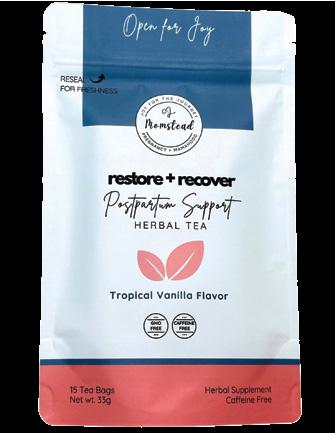
6. Momstead Postpartum Recovery Products
This creative local business turns breast milk into custom soap bars — a sentimental and skin-nourishing keepsake for new moms. Using your own leftover expired, unused or extra breastmilk The Lacto Bar is able to give it a second life by creating a soap loaf, uniquely designed and made for you. Each bar is crafted with love and integrity, using natural ingredients providing skincare that nurtures both individuals and the environment. thelactobar.com
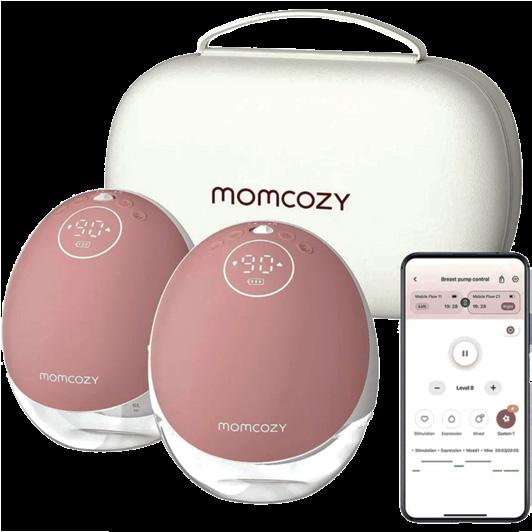
4. MomCozy M9 Hands-Free Breast Pump
Meet your new best friend for pumping freedom. The MomCozy M9 is a fully hands-free, wearable breast pump that lets you move around and multitask while expressing milk. With quiet operation, customizable suction levels, and a sleek design that fits comfortably in your bra, it’s a must-have for moms on the go or those balancing baby time with everyday life. $269.99. momcozy.com
A Scottsdale-based motherhood business built around supporting women through every stage of postpartum. Momstead offers all kinds of pampering products for moms to make postpartum recovery a bit easier. From sitz bath soaks, to postpartum support tea blends, belly butters, and more – everything is carefully curated and made with clean, non-toxic ingredients so that you can feel good about what you’re putting into and on your body. momsteadco.com
7. SeeSee’s High-Contrast Postpartum PJs
Designed by a mom of three, these thoughtful pajamas do double duty: they’re soft, stylish, and supportive for you—while the black-andwhite high-contrast pattern stimulates your baby’s developing vision and brain growth. Made from sustainable bamboo, the set is gentle against sensitive skin, easy to nurse or pump in, and perfect for roundthe-clock wear during those early weeks with your newborn. Starting at $98. shopseesee.com
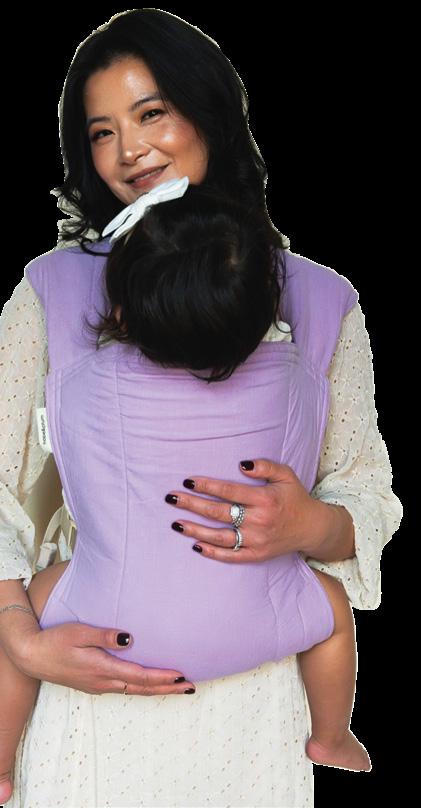
pregnancy through postpartum. Starting at $29.99. momcozy.com
A NATUROPATHIC GUIDE to CARING for YOUR NEWBORN
By Dr. Nichole Shiffler
WELCOMING YOUR FIRST newborn is one of life’s most exciting moments. However, between doctors’ appointments, sleepless nights, and wondering whether that rash is normal or something to worry about, the responsibility can be overwhelming.
One of the most important things you can do for your baby’s health and to ease worry is keeping up with their recommended pediatric checkups. You should take your baby to see a provider consistently starting 3–5 days after birth, then at 1, 2, 4, 6, 9, and 12 months of age. These visits are essential for tracking growth, developmental milestones, and nutrition.
Outside of pediatric visits, there are several solutions to help care for your newborn and ease common concerns. Here are some things to consider and solutions for common problems.
Sleep Patterns
Sleep is going to be hard to come by. For the first few months, your little one will need to eat every 2-3 hours. By 6 months, their tummies can hold more milk, waking every 4–5 hours. Initially, it’s important to set up a healthy, consistent nighttime routine to ensure the best sleep possible.
Keep your baby’s sleep environment calm, cool, and free from
stimulation. Avoid using your phone or any electronics while feeding. The light can make it difficult for them to fall back asleep. It’s a good idea to sing or read to the baby in a calm, soothing tone.
It’s also important to follow safe sleep guidelines to reduce the risk of sudden infant death syndrome (SIDS). Safe sleep practices reduce risk by up to 50 percent.
For every sleep, place your baby on their back on a firm, flat, non-inclined crib or bassinet. Babies should sleep in the same room as caregivers, but not in the same bed ideally for the first six months. Keep loose bedding, pillows, and toys out of the crib, and dress your baby in layers or a sleep sack to prevent overheating.
While back sleeping is safest for naps and nighttime, supervised tummy time is essential when your baby is awake. Tummy time helps build neck and shoulder strength and prevents flat spots from developing on the back of your baby’s head. Start tummy time soon after delivery, gradually increasing to 15–30 minutes daily by seven weeks.
Breastfeeding is another key factor in reducing the risk of SIDS, with research showing that exclusive breastfeeding for six months can reduce SIDS risk by up to 64 percent. Even partial breastfeeding provides significant protection.
Immunity and digestion
There’s a misconception that you need to go the extra mile to build your baby’s immune system, but it’s actually quite simple. Keeping your baby and family members up to date on vaccinations is key. Vaccines protect against serious, sometimes life-threatening diseases and are proven to be safe and effective. Babies are born with some passive immunity from their mothers, especially if the mother was up to date on vaccinations during pregnancy.
Digestive issues are another common concern for new parents. Many babies experience colic (prolonged, unexplained crying) or reflux, where milk comes back up after feeding. To prevent and soothe symptoms, keep your baby in an upright position after feeding. Abdominal messages and bicycle legs are also incredibly helpful, especially if there’s constipation. Some research suggests that probiotics can also help the baby’s gut health. Make sure you consult your doctor before giving them anything.
For breastfeeding parents, drinking fennel tea may help reduce gas and bloating in the baby. However, it’s important to consult your provider or lactation consultant before introducing it to your diet.
What if you’re not breastfeeding?
Whether you breastfeed or formula-feed, what matters most is that your baby receives consistent nourishment and care. If you’re not breastfeeding, there are still plenty of ways to ensure your baby gets optimal nutrition and immune support. Choose an iron-fortified formula that’s age-appropriate and free of unnecessary additives. Once you find one that works, stick with it. Frequent switching can upset your baby’s digestion.
Formula-fed infants don’t receive immune antibodies from breast milk, so maintaining a clean feeding routine is especially important. Sterilize bottles, nipples, and mixing equipment regularly, and always follow preparation instructions carefully to prevent contamination and ensure proper hydration.
Beyond nutrition, bonding is just as important. Hold your baby skin-to-skin during bottle-feeding, make eye contact, and create a calm, relaxed environment. This mimics the connection and comfort breastfeeding provides while ensuring your baby gets everything they need to thrive.
Skin Concerns
Newborn skin is sensitive and still adapting to life outside the womb. It’s common to see flaking skin, baby acne, cradle cap, or even eczema. To support healthy skin development, limit full baths to no more than two to three times per week during the first year. Frequent bathing can disrupt the skin’s natural barrier and lead to dryness.
Instead, opt for spot cleaning in between and moisturize regularly with fragrance-free, hypoallergenic creams or ointments. Products that contain ceramides or colloidal oat are especially helpful, as they reinforce the skin barrier and prevent moisture loss, an especially important in dry climates like Arizona’s.
For cradle cap, those greasy, scaly patches on the scalp, apply a small amount of coconut or mineral oil, let it sit for 15–30 minutes, and gently brush away the softened flakes with a silicone brush or comb, then use a gentle cleanser.
Avoid essential oils entirely. Many are too strong for infants and can cause respiratory issues or chemical burns. With your pediatrician’s
guidance, you may also consider vitamin D supplementation (400 IU daily), as it can help support both skin health and immune development.
The Importance of Parental Mental Health
One critical area that often gets overlooked is the mental and emotional well-being of parents and caregivers. The truth is, taking care of a newborn is physically demanding and emotionally intense and your health matters just as much as your baby’s. Parental mental health directly impacts infant development, bonding, feeding success, and even sleep regulation. When caregivers feel supported and emotionally well, babies thrive.
Some signs that you might be dealing with more than just the “baby blues” include persistent sadness, irritability, feeling disconnected from your baby, guilt, changes in appetite, or trouble sleeping even when your baby is resting. If these symptoms last more than two weeks or interfere with your daily functioning, it’s important to reach out to your healthcare provider or mental health specialist. Routine pediatric visits can also be a safe space to bring up your concerns.
Caring for a newborn can be stressful, but remember, you’re not experiencing anything that countless parents haven’t before. The key is consistency, informed choices, and reaching out for support when you need it. With regular wellness visits, thoughtful care, and a balance of conventional and naturopathic tools, your baby can thrive and so can you.
Dr. Nichole Shiffler is a naturopathic medicine physician at Be Well Medical Primary Care in Chandler, Arizona. She specializes in holistic, integrative, and personalized care to help patients meet their health goals.
Here’s How 95% of Infant Sleep Deaths in Arizona are Preventable
By Tenè Marion
WHEN YOU’RE WITH a baby, there’s a lot to think about—bottles, diapers, playtime, and keeping kids happy. But if you’re caring for a baby, one of the most important responsibilities you have is making sure they sleep safely. Safe sleep saves lives.
Every year in Arizona, infants tragically die from unsafe sleep environments. In fact, about 95% of sudden unexpected infant deaths (SUIDs) are linked to unsafe sleep practices. Many of these could have been prevented with simple steps and the Arizona Department of Child Safety wants to arm our community with the proper knowledge to keep our children safe. Whether you’re a parent, grandparent, uncle, or a teen babysitter, knowing the basics of safe sleep is critical.
Why Safe Sleep Matters
Infants are fragile and can’t roll away from danger or pull blankets off their faces. That’s why something that seems harmless—like placing a stuffed animal in the crib or letting a baby nap on the couch—can actually be dangerous. The safest way for a baby to sleep is alone, on their back, in a crib or bassinet with a firm mattress and no loose items.
Safe Sleep Checklist
Here are a few quick rules to remember if you have or are watching a baby under 1 year old:
• Always put babies on their backs to
sleep, for naps and at night.
• Use a crib, bassinet, or play yard with a fitted sheet—never a couch, armchair, or adult bed.
• Keep the sleep space empty: no toys, stuffed animals, pillows, or blankets.
• Check the room temperature: babies should be comfortable in light clothing, not overdressed or bundled.
• Never co-sleep, even for a nap. A bed shared with an adult, child, or even a pet is unsafe for infants.
Tips Just for Babysitters
• Ask the parents in advance: Where does the baby sleep? What’s their bedtime routine?
• Don’t improvise: Even if the baby falls asleep in your arms, gently place them in their crib on their back.
• Avoid distractions: It might be tempting to scroll on your phone, but staying alert ensures you notice if the baby stirs or something doesn’t seem right.
• Speak up: If you notice unsafe items in the crib, kindly mention it to the parent when they get home. You’re showing responsibility, not criticism.
• Stay calm: Babies cry—that’s normal. Rock them, sing softly, or use a pacifier, but never compromise safe sleep for comfort.
Watch for Warning Signs
Every child is different, but pay attention if:
• The baby seems unusually difficult to wake.
• Their breathing sounds strange or labored.
• They look sweaty, too warm, or chilled.
• If you’re concerned, call the parents right away. If it’s an emergency, call 911.
You Play a Critical Role
Babysitters, grandparents, neighbors, and older siblings who watch infants all play a role in keeping babies safe. Every time you put a baby down to sleep safely, you’re protecting them.
For more information on infant safe sleep practices, visit dcs.az.gov/ services/prevention/safesleep
Tenè Marion currently leads the DCS Office of Prevention as the Program Administrator. The DCS Office of Prevention was established to support the needs of children and strengthen families through collaboration with Community, Service Providers, Public and Private Stakeholders, as well as DCS Field Staff. Through these collaborations, the Office of Prevention leverages resources, education, training and programs based on best practices to serve Arizona’s children and families.
MUST-HAVES for MODERN PARENTS
Baby Produc ts
By RAK Staff
From sleep solutions to snuggly essentials, these baby products make life easier, cozier, and a little more restful—for both parents and little ones. Whether you’re setting up the nursery or packing for your next trip, here are our top picks you’ll love.
1. Hiccapop Daydreamer Blackout Tent for Pack ‘n Play
Sharing a room with your baby? The Hiccapop DayDreamer® blackout tent transforms any bright space into a cozy sleep oasis. Designed to fit over most Pack ’n Plays, it creates a safe, comfortable, and dark sleep pod for your little one— while giving you privacy and a better night’s rest. $134.99. hiccapop.com
2. Hiccapop Inflatable Toddler Travel Bed
As your baby grows out of the pack ‘n play, this Inflatable Toddler Travel Bed is lightweight, portable, and built for families on the move. Each bed comes with an XL travel bag and an electric turbo pump—and it’s backed by a lifetime guarantee. It inflates in under 30 seconds and fits all standard crib sheets and blankets. When it’s time to stow, simply fold, roll and go. $99.99. hiccapop.com
3. Earthly Threads Long Zip Rompers
Snuggly softness meets timeless design. These Earthly Threads zip rompers make late-night diaper changes a breeze while keeping baby cozy and cute. The gentle fabrics and delicate prints make them a perfect newborn essential or thoughtful gift. $34.00. earthlythreads.com
4. Restor Laundry Detergent Sheets
Winter can be tough on sensitive skin, but Restor’s Laundry Detergent Sheets offer a gentle, eco-friendly solution. Made with hypoallergenic ingredients and free of harsh chemicals, they clean effectively without residue—ideal for protecting baby’s delicate skin during the dry months. $13.97. restorhome.com
5. Woddle Smart Changing Pad
Woddle is more than a changing pad—it’s a smart hub designed to simplify infant care. By combining multiple nursery musthaves including a scale, warmer, adjustable nightlight, noise machine and more into one sleek, AI-powered changing pad, Woddle gives modern parents the tools and insights they need, all in one place. $249.99. woddlebaby.com
6. B.E.S.T Swaddle by Taking Cara Babies
Developed with the sleep experts at Taking Cara Babies, the B.E.S.T Swaddle (short for Baby’s Easy Swaddle Technique) is designed to promote restful sleep and smooth transitions out of the swaddle stage. It’s cozy, smartly designed, and truly a parent favorite for helping babies—and parents—sleep better. $64.00. takingcarababies.com
7. Bibvy
Bibvy is the only bib that truly catches the mess, thanks to its clever buckles and built-in silicone food catcher that forms a little hammock. Arizona mom, Danielle Bohannan, created it after struggling with messy mealtimes with her daughter, Ivy. When she couldn’t find a bib that actually worked, she designed one herself—complete with the patent-pending buckle that keeps it securely in place even when little ones wiggle and pull. It’s waterproof, easy to wipe or toss in the wash, and grows with your child. And it’s not just for meals— Bibvy is perfect for crafts, sensory play, and even haircuts. $24.99. shopbibvy.com
8. Hope and Plum Lark Baby Carriers
These baby carriers are crafted from high-quality, ethically sourced fabrics that are as beautiful as they are soft. The Lark is supportive and folds up to fit in a diaper bag! But what truly sets Hope & Plum apart is the heart behind the brand. Every carrier is handmade by women in Minnesota who are paid fair wages in a supportive work environment. From donating carriers to birth workers and lending libraries to offering free fit checks and inclusive support spaces, Hope & Plum consistently puts people—and safety—first. Starting at $195.00. hopeandplum.com
Why We Love Them
Each of these products supports what parents needs most: convenience, comfort, and peace of mind. From blackout tents to buttery-soft rompers, these finds bring function and a touch of luxury to your baby routine.
DAD TALK: Birth
Lacey Keith from Creekside Midwifery in Payson.
You Want to Have the Baby… At Home?! A Dad’s Perspective on Homebirth
By Trent Reed
WHEN MY WIFE initially tossed around the idea of a home birth, I had little experience with birth in general—only one of my own biologically, whom we last minute opted for a birth center due to high insurance costs at a hospital. A relatively easy birthing process (at least from my perspective) that only lasted about four hours—and home about four hours after that.
When my wife was pregnant with our third baby, she suggested a home birth because we no longer had a local support system from family. I immediately shot that down despite knowing it was not much different than our birth center. In fact, we’d be even closer to a great hospital. That labor went even quicker—with our baby arriving less than 90 minutes after we arrived. We ended up waking our two sleeping kids and bringing them with us! A planned home birth would have been a lot less stressful.
Our family relocated from the Phoenix area to Show Low when my wife was pregnant with our fourth baby, and although we had started care with our birth center in the Valley, we didn’t have that option near our new home. Everyone knew driving 3.5 hours to our birth center in labor probably wasn’t a realistic plan. My wife again suggested a home birth and I hesitantly agreed – that seemed to be our best option considering her quick labor and deliveries. We decided to stick with our midwife and add in a travel fee to the overall cost.
We began to prepare—a birth pool, bleach, stacks of towels and blankets, medicinal herbs, a birth kit, and everything else we might need. Despite my creeping doubts, my wife remained calm and confident about the idea of welcoming our baby right in the bedroom of our 1,300-square-foot home.
Winter came quickly, and with it, the real possibility that a snowstorm could close the roads and prevent our midwife from reaching
us in time. At her 38-week appointment in Phoenix, my wife was already nearly 5 centimeters dilated—labor was clearly approaching. Her midwife wisely told her to head straight home and followed soon after. They checked in on us around 10 p.m., rented an Airbnb nearby, and waited for the call.
In the stillness of the early morning, while the house slept, my wife quietly called our birth team. Breathing between steady contractions, she gently let them know it was time—she needed their support. Not long after, our fourth baby, a beautiful boy, was born in the peaceful warmth of our bedroom, just before a massive snowstorm swept through and closed the main roads. It felt like divine timing, a true blessing. That birth was the moment I understood the profound joy of home birth. All my worries melted away, replaced by an indescribable sense of peace. There’s nothing quite like holding your newborn in your own bed, mere minutes after their arrival, surrounded by the comfort and safety of home.
When we found out we were expecting our fifth baby, we learned that our beloved midwife had sold her birth center and retired to Tennessee. That meant finding new care, and we were fortunate to connect with a wonderful midwife from Payson—about a 90-minute drive from our home, on a good day.
At exactly 38 weeks, my wife mentioned to our midwife that she was having a bit of spotting, though contractions were barely noticeable. I was volunteering as a bartender at our local Elks Lodge while she was home with our four boys. Knowing how quickly my wife tends to deliver, our midwife didn’t hesitate— she got in the car and started the 90-minute drive right away.
My wife told me to stay put until things were more certain, thinking it would be a few hours at least. But things changed fast. Before
long, I was sending everyone home and calling last call well before our usual closing time. Thankfully, everyone at the Lodge—who truly feel like family—urged me to get home as quickly as possible.
Just 59 minutes after both our midwife and I arrived, our sweet baby girl made her entrance into the world. She was born peacefully in the comfort of our home, and within moments we were snuggled together in bed, soaking in every perfect newborn detail.
Another swift, beautiful birth reminded me once again that this is exactly where our babies are meant to be born.
Sometimes I worry about the possibility of complications, but our midwives have been incredibly diligent in caring for both mom and baby. I trust that if any concern ever arose, they would immediately defer care as needed — and they’re fully equipped to handle most emergencies themselves. Thankfully, our births have gone smoothly with only minimal complications.
Watching my wife bring our children into the world fills me with an overwhelming mix of emotions. I worry about her pain, the baby’s safety, and the helplessness of knowing there’s little I can do in those intense moments. Yet amid the whirlwind—our babies always seem to come so quickly that I hardly have time to dwell on those thoughts—there’s a profound calm that radiates from her. That quiet strength grounds me, reminding me that everything is unfolding exactly as it should.
Trent Reed is a father to five – four boys and a baby girl – ranging in age from 7 months to almost 13 years old. He’s a stay-at-home-dad who helps his wife, Kate, with some of the behind the scenes work for Raising Arizona Kids (and heading up this Dad Talk section!). He loves fishing, gardening (tomatoes, strawberries, blueberries, zucchini, peppers, and more!), and he’s become quite the chef in his spare time.
Super Dad’s Guide to HOME DADCON
By Ben Mills
“DADS DON’T BABYSIT. It’s called parenting.”
This is the official tagline for the National At-Home Dad Network.
For the past 29 years, the National At-Home Dad Network has hosted a threeday conference, HomeDadCon, for stayat-home dads and dads who identify as the primary caregiver. I have been fortunate to attend this conference for the past four years and it has become a large part of how I stay in shape as Super Dad.
My first year attending the conference was in 2022, right here in Phoenix. I was entering my second year of being an at-home Super Dad and really starting to feel the isolation of being away from peers at my former in-office job.
Flash forward to 2025: I was selected to be a breakout session speaker at HomeDadCon in San Antonio! My topic, “How to Make Super Dad Friends,” was based on a previous article my kids and I wrote for Raising Arizona Kids magazine. Dads in my session learned about their personality styles, made friendship bracelets and Lego brick animals, and enjoyed fruit snacks during a simulated dad playdate.
Below are my top two reasons for attending this conference:
Professional Development
Each conference has about 70 to 100 dads in attendance. There are pre-conference networking opportunities, keynote speakers, breakout sessions, a community service project, 5k run, and multiple fundraising events.
Breakout session topics range from intro to hair braiding or how to paint nails to maximizing your time as an at-home dad. Other sessions focus on re-entering the 9-to-5 workforce, like this year’s “You have the equity to be hired.” There’s also a network of hundreds of current and past at-home dads from across the country!
The majority of the year, parents are busy taking care of their family and other responsibilities. Rarely do we get the opportunity to just focus on our own personal health and wellness. HomeDadCon includes daily “Dads Gotta Talk” support groups, board game nights, book club, coffee club, fundraiser beer share, city walks, and outings with fellow dads to local eateries, breweries, ballparks, and museums.
Additionally, many dads arrive a day or two prior to the conference for personal time to reflect, nap, exercise, and connect with fellow at-home dads. Building community and spending time with other dads is my favorite part of the conference. I have dad friends from around the country that I keep in touch with throughout the year and look forward to seeing at the conference.
One of the best gifts my partner and
mom ever gave me as an at-home dad was a membership to the National At-Home Dad Network and the support to attend HomeDadCon. This holiday season, consider giving that same gift of connection — whether it’s a membership (AtHomeDad.org) or a trip to next year’s conference in Chicago — to the primary caregiving dad in your life. It’s a meaningful way to support community, learning, and wellbeing. More information can be found at HomeDadCon.org Until next time... up, up, and away!
Ben Mills is a full-time at-home dad who has been married for 10 years, with kids, ages 7 and 4. He is a Tucson native who now resides in Avondale. Ben currently serves as the Co-Organizer of Phoenix Dads Group: a dynamic, diverse and inclusive community of fathers dedicated to being active in their children’s lives and, by example, redefining what it means to be a dad in the 21st century.
Personal Health
THE SILENT STRUGGLE
Men’s Mental Health in the Transition to Fatherhood
By Olivia Abuhl
THE PERINATAL AND POSTPARTUM period, which spans pregnancy through the first year postpartum, is often associated with significant emotional and physical changes for mothers.
Often overlooked and under-discussed, however, is the mental health of fathers during this time. Understanding and supporting paternal mental health during the perinatal journey is crucial for the wellbeing of the entire family.
The Challenge for New Fathers
Studies show that one in ten fathers experience postpartum depression, while anxiety rates can be even higher. These conditions may present as irritability, withdrawal, fatigue, and difficulty bonding with the newborn.
Unfortunately, men’s mental health is still largely stigmatized due to societal norms, and fathers specifically experience this due to expectations to remain “strong and supportive.” This often can discourage men from expressing vulnerability and the need for help. Studies show that paternal depression can increase the risk of maternal depression and may also be associated with negative parenting behaviors which can affect emotional and behavioral outcomes in the child.
Supporting fathers’ mental health is not just about improving individual wellbeing—it’s an investment in the entire family’s long-term health and stability.
What Can We Do?
There are many ways to support a new father:
• Screening fathers during routine visits, providing resources for counseling, and normalizing conversations about mental health are key in identifying fathers who may be struggling.
• Peer support groups, or even friends who’ve been there before and other programs specifically designed for fathers provide safe spaces to share experiences, reduce feelings of isolation, and develop coping strategies with others who have experienced similar things.
• Employers should play a part in supporting fathers. Policies that encourage paternity leave, flexible schedules, and mental health support can alleviate pressure, and encourage fathers to prioritize family bonding.
The perinatal journey is a transformative time for all parents. Mental health care for mothers and fathers should be accessible, proactive, and inclusive. By acknowledging the mental health challenges fathers may face, providing the necessary resources, and cultivating a culture of support, we can foster healthier, more connected families and reinforce the powerful message that asking for help is a sign of strength, not weakness.
Olivia Abuhl, MSPAS, PA-C is a Psychiatric Physician Assistant at Denova Collaborative Health. She has a master of medical science degree in physician assistant studies from Midwestern University, as well as a certification in perinatal mental health. Olivia provides Psychiatric Care and Medication Management to patients ages 18 and older.
Coping with ANXIETY, OVERSTIMULATION , and INCREASED SENSITIVITY as a Parent
By Nate Bush
PARENTHOOD IS A beautiful experience, but for highly sensitive people, it can also feel overwhelming at times. From the noise and chaos to the constant demands, the challenges of parenthood can feel even more magnified when you feel everything so deeply.
Highly sensitive parents tend to process emotions deeply, pick up on small signs from their children, and feel easily affected by noise, clutter, or conflict. A highly sensitive parent might notice details others miss such as a shift in tone, a change in energy, or slight differences in their child’s demeanor. They also tend to process emotions more intensely than others.
This sensitivity is not a flaw, it’s a trait found in roughly 20% of the population. While being highly sensitive can make you a more empathetic caregiver, it can also increase the risk of stress and anxiety.
Highly sensitive parents often experience feelings that mirror anxiety such as racing thoughts, overstimulation, and a strong desire to control their surroundings to avoid discomfort. While sensitivity and anxiety are not the same, they often intertwine.
For example, a highly sensitive parent might feel anxious about sending their child to school, not because they don’t trust the environment, but because they can’t stop imagining every possible “what if.” This heightened empathy and awareness can become worry when stress builds up.
Understanding this overlap helps reframe anxiety not as a failure, but as a signal. Anxiety can be a sign that your mind and body are asking for care.
To better cope as a highly sensitive parent, I recommend the following:
Prioritize Downtime, Without Guilt. Highly sensitive parents need
quiet, restorative breaks to process their emotions and recharge. Even five minutes of deep breathing, journaling, or sitting in silence after a busy day can calm your nervous system.
Create Predictable Routines. Structure helps reduce sensory overload. Try consistent morning and bedtime routines for both you and your kids to help make transitions smoother.
Limit Overstimulation. Pay attention to triggers such as noise, clutter, or social obligations and make adjustments where possible. It’s okay to say no to a playdate or turn down the TV volume if it keeps your environment calmer.
Practice Self-Compassion. Highly sensitive parents often hold themselves to impossible standards. Remind yourself that sensitivity is a gift, not a weakness. You don’t have to manage every emotion perfectly, for yourself or your children.
Being a highly sensitive parent means feeling deeply, from love and joy to anxiety and stress, and everything in between. With awareness and gentle self-care, that same sensitivity can become your greatest strength. By honoring your limits, creating calm where you can, and showing yourself the same compassion you give your children, you can thrive. Not just as a parent, but as a person.
Nate Bush is a Licensed Clinical Social Worker (LCSW) and Clinical Director at Cornerstone Healing Center.
Academic foundations to take your child through life.
Every day matters in your child’s education.
If your child's current school is not the right fit, now is the perfect time to make a change!
Legacy Traditional Schools still has seats available in select grades! The sooner your child joins us, the sooner they’ll benefit from:
• A strong academic foundation
• A supportive, nurturing environment
• Long-term success that lasts beyond the classroom NO COST TO YOU | GRADES K–8