
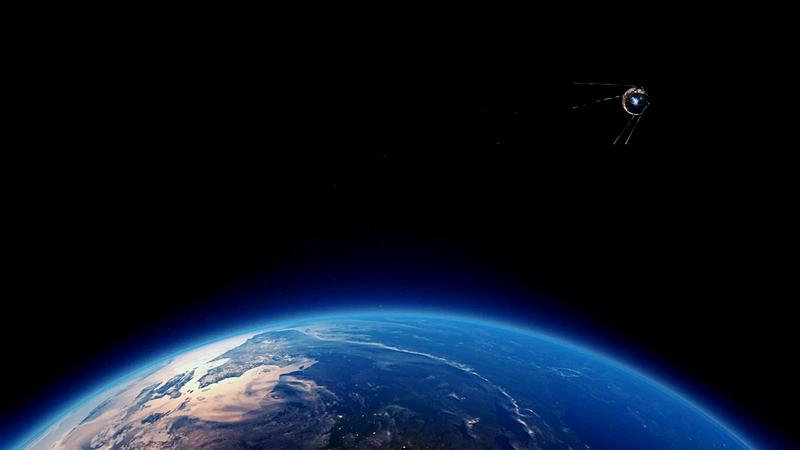
space
Space and Aerospace flight qualified testing and components

SILICON DIODES USED BY NASA

Optical Filters for Astronomy Applications

X-ray Tubes and Windows on Mars

Products to characterise spacebound optics
Flight-Qualified Temperature Sensors for Space Applications
Metrology of Optics and Imaging Systems

NASA’s Primary Optical Metrology Partner

Quantum Design UK and Ireland is part of the Quantum Design International (QDI) group. QDI is a global laboratory equipment manufacturer The company distributes scientific and industrial instrumentation through an international network, with subsidiaries in every major technological centre around the world
WITH CONTENT CONTRIBUTIONS FROM OUR PARTNERS:




FOREWORD
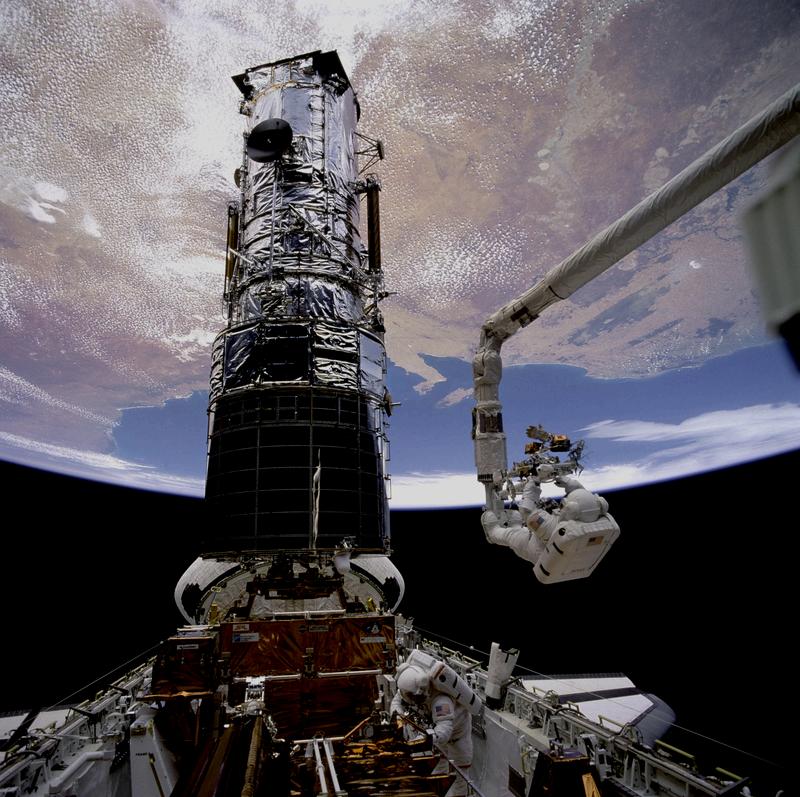
With these ever-changing landscapes, we at Quantum Design UK and Ireland are always looking to develop and grow to provide you the best solutions for todays challenges.
Our suppliers are responsible for supporting the development of iconic inventions such as the James Webb Space Telescope and the Mars Perseverance Rover The QDUKI team are happy to introduce a taster of our full solution for space and spacequalified testing in this new magazine.

The Quantum Design UK and Ireland Sales Team



COMPANY VIDEO


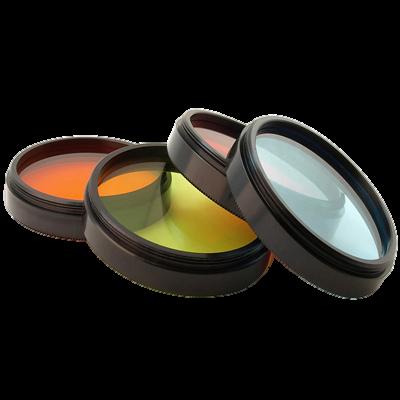
OPTICAL FILTERS FOR ASTRONOMY APPLICATIONS
FOR MORE INFORMATION:
Please contact our Technical Sales Team if you have a custom filter requirement or have any questions regarding our standard product range

CAPABILITIES
Manufacturing wavelength range:
200 – 3000nm
Spectral evaluation:
Routine transmission measurements expressed in %T across relevant spectral range
Optical and surface quality:
Research grade optical quality
Coating process:
Reactive magnetron sputtering
Coating materials:
Metal oxides and metals Silicon oxides and silicon
Engineering:
Customised thin film coating design for custom filters
Key filter product lines:
Fluorescence microscopy
Biomedical instrumentation
Raman spectroscopy
Machine vision
Remote sensing
ASTRONOMY FILTERS AND FILTER SETS
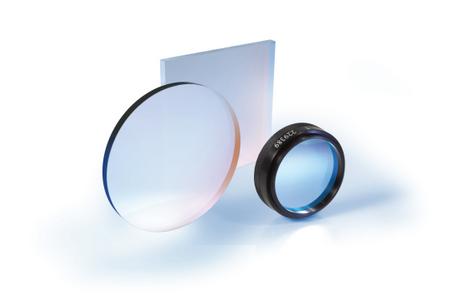
Extremely durable coatings withstand humidity changes and extreme temperature fluxes and remain spectrally accurate in centre wavelength (CWL) and band pass adherence.
No reflections leading to image distortions or "back reflections"
All Chroma Astronomy filters are coated on 3.0mm thick substrates, and are parfocal with other Chroma Astronomy filters, with the exception of the LoGlow Light Pollution Filters (27030), which are manufactured on 1 1mm LCD
All filters are manufactured with durable, sputtered hard coatings using single substrates of the best glass. All primary filter coatings are applied on the front surface and anti-reflection coatings on the rear surface to prevent ghosting and to maximise transmission
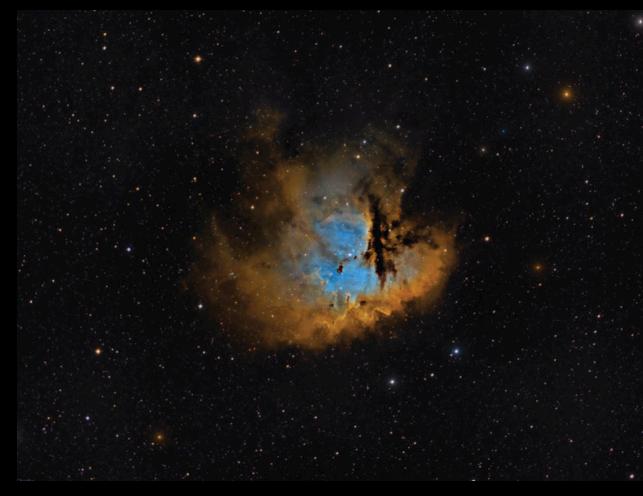
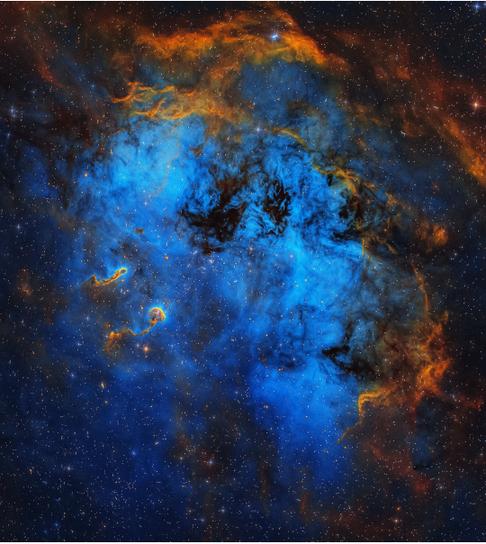
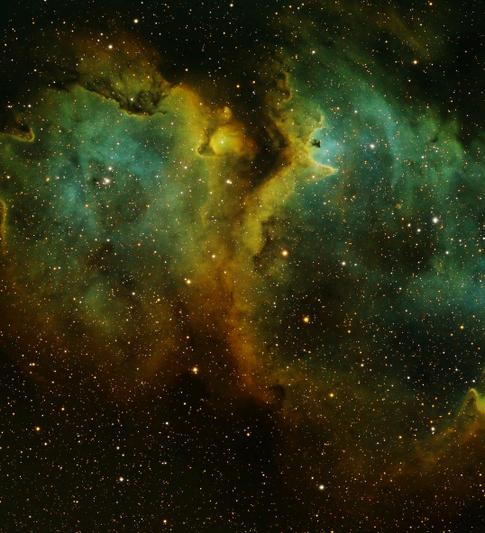
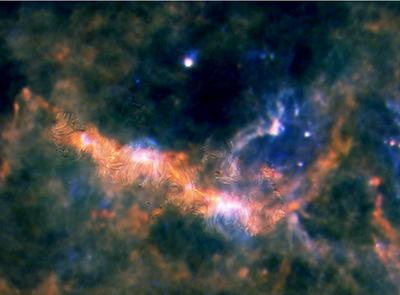
The large dark nebula that makes up this "gaping mouth" is a molecular cloud made up predominantly of molecular hydrogen, but also dust and other gases. New generations of solar systems are being forged within its cold interior. Once these young stars’ fusion engines switch on, they will irradiate their surroundings–heating up, ionising and eroding away the remaining dark material from which they formed.
Originally the whole Pac-Man nebula would have been one large dark molecular cloud. The stars that formed early on at its centre have progressively hollowed out the centre of the nebula. The gas in and around this central region is ionised by the copious UV radiation emitted by the central open star cluster (IC 1490), causing it to glow and provide the light by which this narrowband image was taken.
ASTROPHOTOGRAPHY FILTERS AND FILTER SETS
Durable sputtered coatings
Thickness: 3 0mm
Filters designed for use with CCD and for f/4 0 or slower
Transmitted wavefront better than 0 25 waves/inch
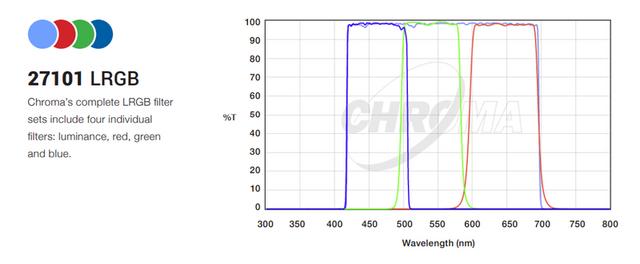
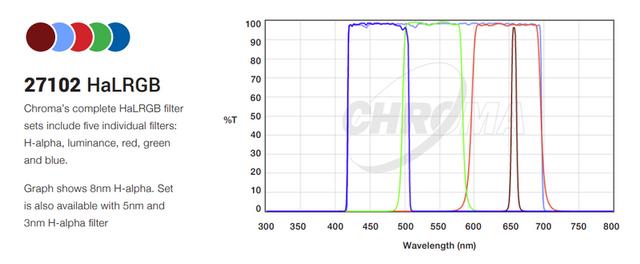
LRGB/HALRGB FILTERS AND FILTER SETS
Durable sputtered coatings
Thickness: 3 0mm
Filters designed for use with CCD and for f/4 0 or slower
Transmitted wavefront better than 0.25 waves/inch
PHOTOMETRY

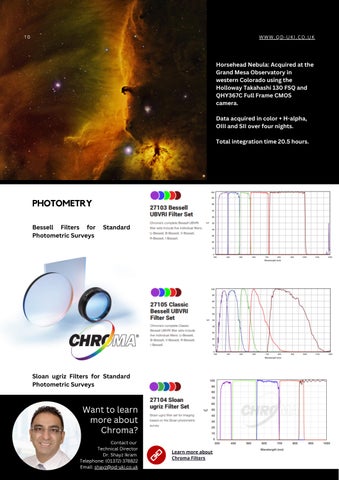
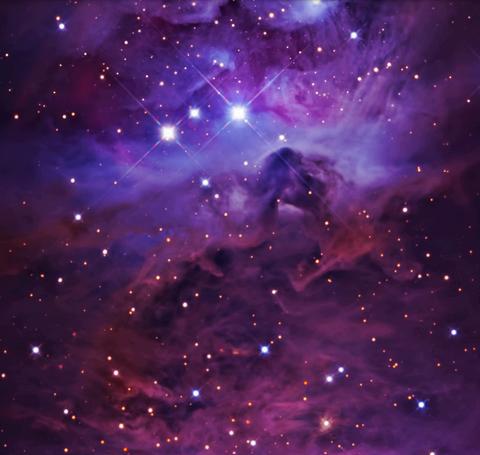
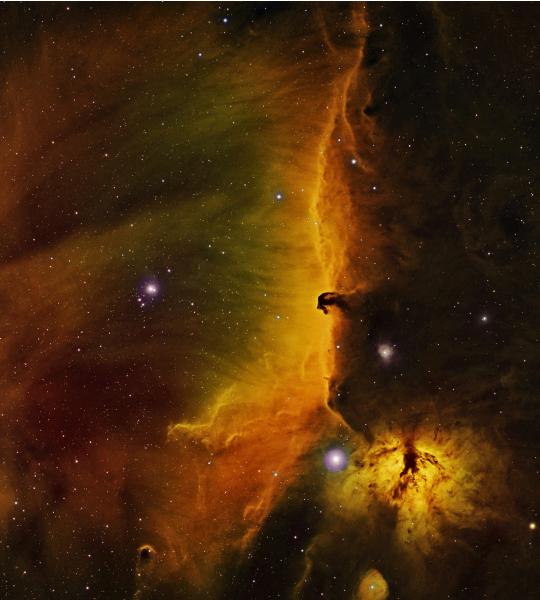
Horsehead Nebula: Acquired at the Grand Mesa Observatory in western Colorado using the Holloway Takahashi 130 FSQ and QHY367C Full Frame CMOS camera.
Data acquired in color + H-alpha, OIII and SII over four nights.
Total integration time 20.5 hours.

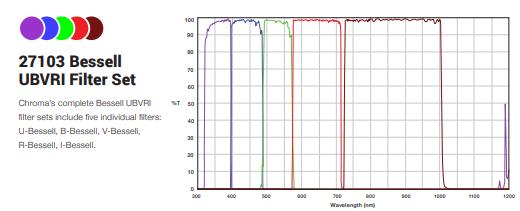
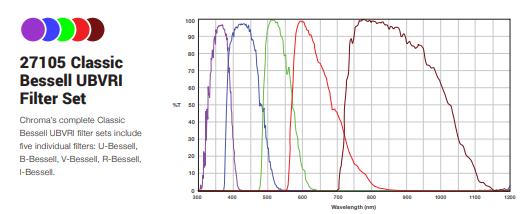
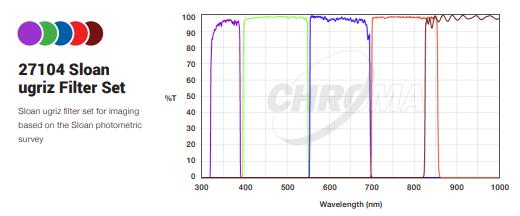

ASTRONOMY TIMELINE:

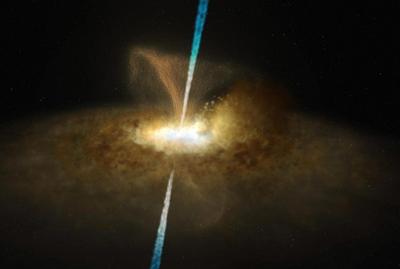
With almost 45 years of experience in the optical filter Industry, Andover Corporation has played a vital role in a large number of prestigious astronomical and space borne projects supplying some of the best image quality filters on the market The timeline shows just a few of these projects:


CRYOGENIC

C A P A B I L I T I E S I N S P A C E



Janis (now Environment by Janis, Lake Shore Cryotronics) has manufactured many custom designed cryogenic systems for aerospace and astronomy.
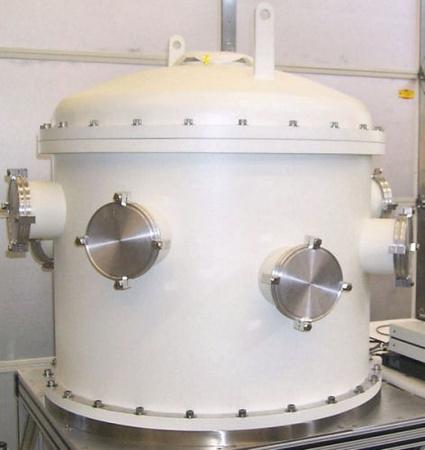
High-Cooling Power Test Chamber
The chamber shown is designed to provide a cryogenic work environment with an available temperature range of 20 K to 300 K NASA intends for this chamber to become a multi-purpose instrument, capable of performing a wide variety of experiments. Initially, NASA will use the chamber to test and evaluate the performance of spacequalified stepper motors These motors will be used on rover vehicles in future Moon and Mars missions. The output of the stepper motor will be connected to a dynamometer outside the chamber, and the power, torque, and other performance characteristics will be measured at various temperatures
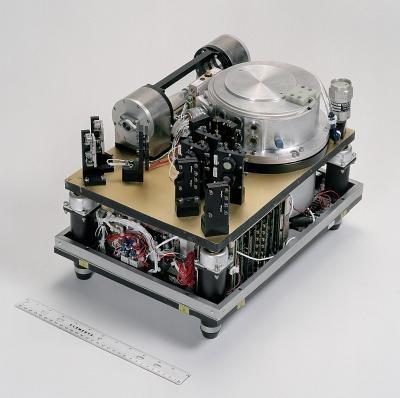
Products for ExoAtmospheric Research and Astronomy
Under the umbrella of the custom cryogenics line, Janis Research has cooperated with NASA on several programs This cooperation has extended over several areas of interest
The ARC Argus program, the successor to the ATLAS program, investigated the upper atmosphere from a balloon platform. (See photo to the right ) Of interest to the program was the tracking of inert tracer molecules for determining direction and speed
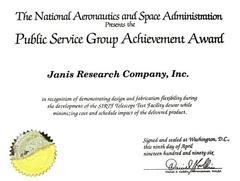
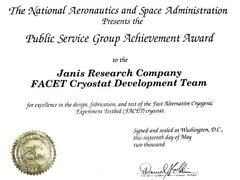
The Jet Propulsion Laboratory, in cooperation with Janis, produced the first viable test hardware on the SIRTF program This project involved a mirror test and qualification operating at liquid helium temperatures Sponsored by the LTS&E group, Janis received a Public Service Group Achievement Award for this program.
NASA GSFC worked with Janis on the AImS camera testing requirements Working with UMD and the GSFC Planetary Systems group, Janis developed a test enclosure to mimic the Mars environment for earth-bound terrain testing
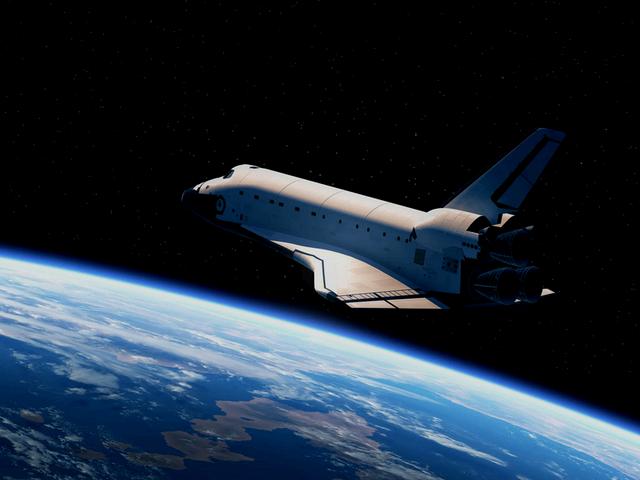
Solid Neon Shielded Superfluid Helium Cryostat for Micro-Gravity Studies in the Space Shuttle Environment
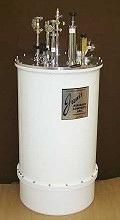
In 2000, Janis received its second NASA Public Service Group Achievement Award, again from the Jet Propulsion Laboratory. This time it was for Janis’ performance on the FACET program, the development of a cryostat to comply with the Shuttle Hitchhiker program, and providing a platform for microgravity experimentation. This second PSGAA, for a small company, is without precedent in the history of the JPL program and perhaps in all of NASA.


SILICON DIODES USED BY NASA
Temperature sensors part of cryochamber instrumentation
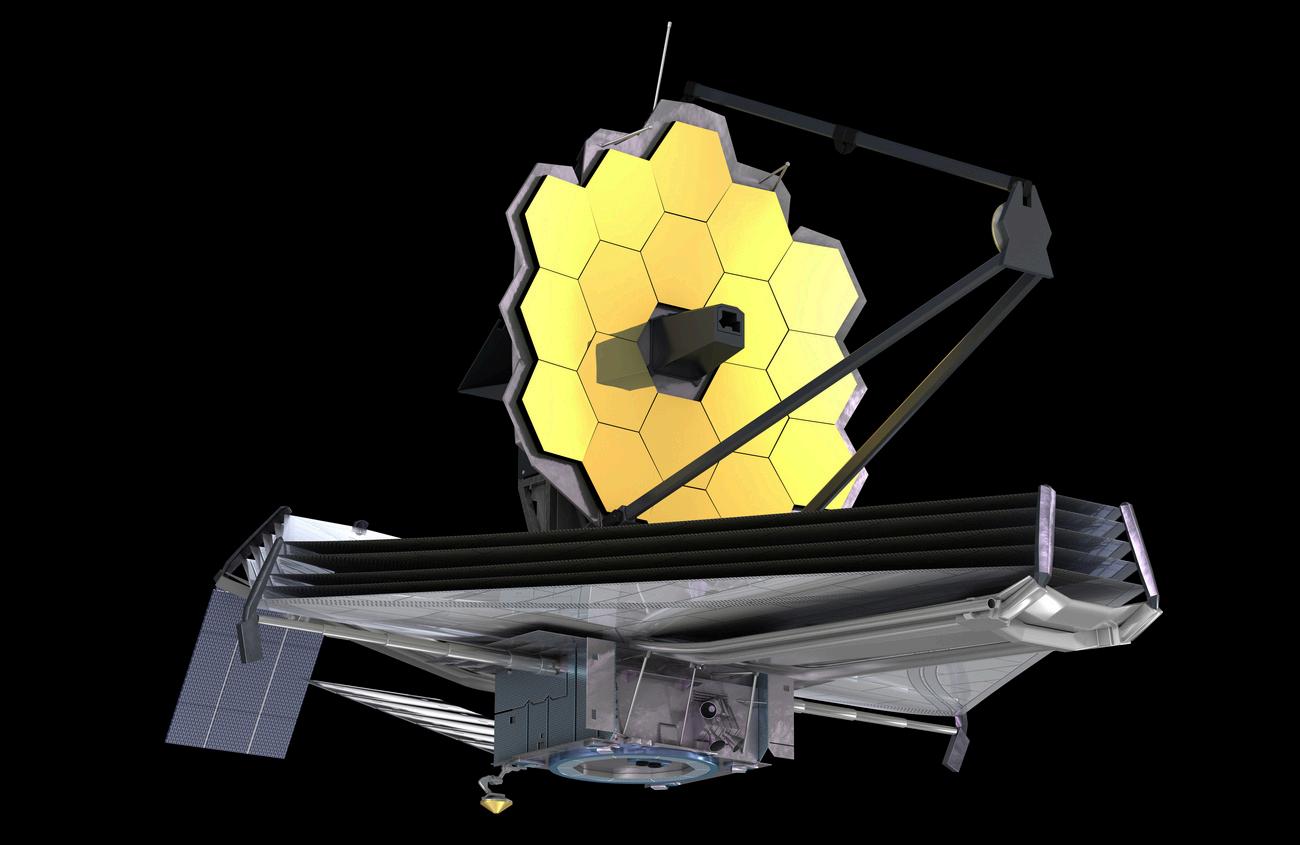
At the 23rd Space Simulation Conference, November 2004, Edward A Packard presented details of the James Webb Space Telescope (JWST) Integrated Science Instrument Module (ISIM)CryogenicComponentTestFacility TheTIS5 TestObjectivewas:
• To determine the emittance of candidate thermal control coatings for the JWST/ISIM InstrumentAssemblyfrom30Kto293K
• To minimise associated error bars in determiningemittancevalues(goal<5%)at30K
The cryochamber instrumentation included Lake ShoreDT-470-CU-13standardcurvesilicondiodes used for panel and tube monitoring to LHe temperatures
•±1Kaccuracy readthefull presentation
DT-670
Though discontinued, the diodes used on the JWST ISIM TIS5 test have been replaced with the DT-670 range.
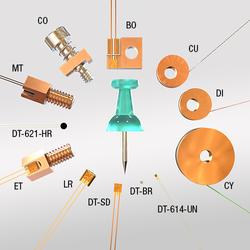
DT-670 Series silicon diodes offer better accuracy over a wider temperature range than any previously marketed silicon diodes Conforming to the Curve DT-670 standard voltage versus temperature response curve, sensors within the DT-670 series are interchangeable, and for many applications do not require individual calibration
Flight Qualified temperature sensors for space applications

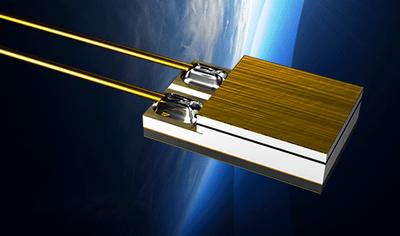
QDUKI PARTNER 4D TECHNOLOGY

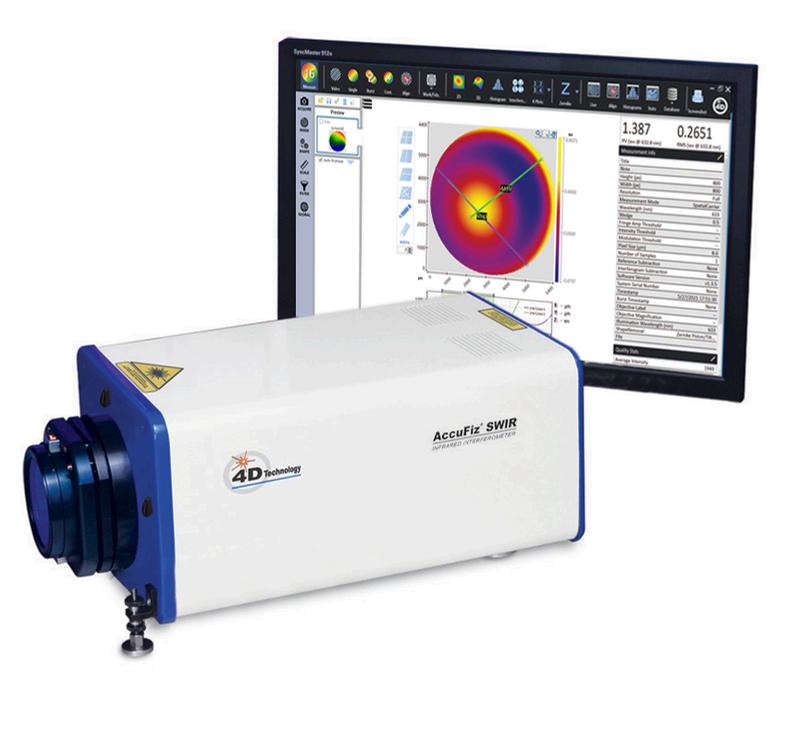
BringingInterferometrytoYou
For over 20 years, 4D Technology has been a leader in innovative metrology products for measuring surface quality and surface defects on precision surfaces, as well as the surface and wavefront quality of optics 4D’s patentedDynamicInterferometry®technology enables measurements in difficult environments, where vibration, air turbulence or rapid motion have traditionally prevented accuratemeasurement
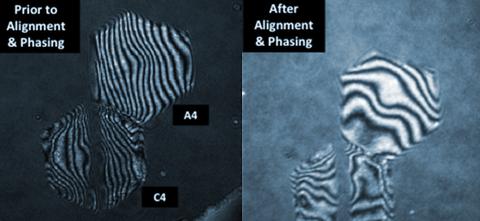
During that time, 4D interferometers have been used to assure the quality of some of science’s most challenging telescope projects,bothterrestrialandinspace Anearly customer was NASA, which used several instruments to measure the James Webb Space Telescopes multi-mirror components, the alignment of those mirrors, and the supporting structure for them, both in air and incryo-andvacuum-chambertests
Yourcontactfor4DTechnologyproductsinthe UKandIrelandisQDUKI'sDr.LukeNicholls. ContactTel:(01372)378822 | Email:luke@qd-uki.co.uk

"With the patented technology behind the PhaseCam from 4D Technology, customers can finally take vibration insensitive measurements of their optical systems in real time"
Dr.LukeNicholls,TechnicalSalesManager,QDUKI




Moxtek on Mars
Mars 2020 is a Mars rover mission forming part of NASA's Mars Exploration Program that includes the rover Perseverance, the small robotic, coaxial helicopter Ingenuity, and associated delivery vehicles
Perseverance landed in February 2021 inside Jezero Crater, which mission scientists have said hosted a lake and a river delta billions of years ago
The launch of the Perseverance Mars rover signified the 10th time that a Moxtek component had been launched into space flight This rover, developed by NASA’s Jet Propulsion Laboratory (JPL), includes seven important instruments intended to explore and seek evidence of past life on Mars.
One of these instruments, the Planetary Instrument for X-ray Lithochemistry (PIXL), is a compact x-ray fluorescence (XRF) spectrometer mounted at the end of the rover’s robotic arm and is designed to provide accurate identification of the elemental composition of rock and soil on Mars' surface
The PIXL system uses three Moxtek components including a miniature x-ray tube and two DuraBeryllium x-ray detector windows NASA/JPL chose Moxtek x-ray windows because of their exceptional dependability in harsh and remote environments and chose the Moxtek x-ray tube because of its compact design, rigidity, and lowpower consumption
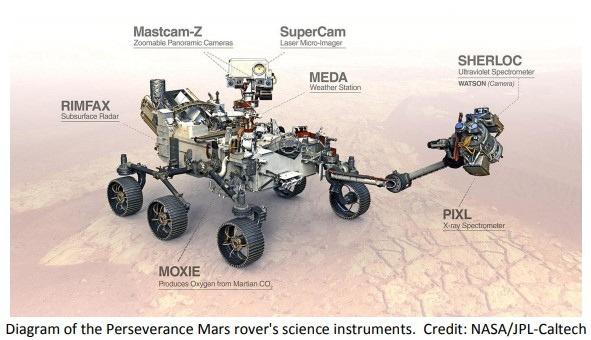
The Moxtek x-ray tube was specifically designed to couple directly to an x-ray polycapillary optic, developed by X-ray Optical Systems (XOS), for the purpose of elemental mapping Moxtek’s x-ray tube and window enable the PIXL system to provide increased spatial resolution and improved measurement sensitivity The PIXL system will analyse samples at each test site to determine the abundance and distribution of various chemical elements
ther Magazines
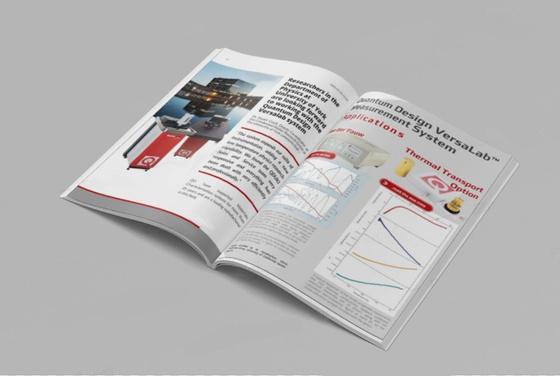
Cryogenics
Highlights:
Customisable Cryostats
Focus on Temperature Sensors
The Next Generation of Helium Recovery
view here
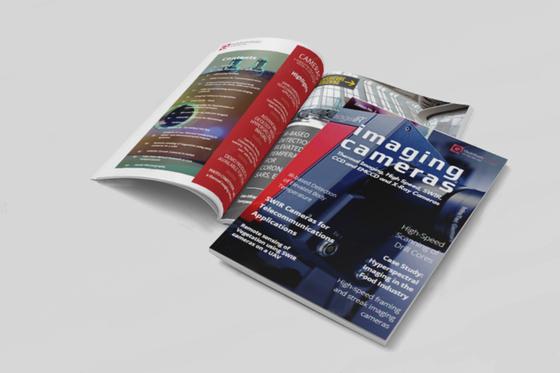
Imaging Cameras
Highlights:
Advancing Geology with Hyperspectral Imaging
Avoiding Contamination in the Food Industry
SWIR Cameras for Telecommunications Applications
Streak Cameras in Action (videos)
view here
High Tech Instrumentation
Highlights:
Customisable Cryostats
Focus on Temperature Sensors
The Next Generation of Helium Recovery
view here


PRIMARY OPTICAL METROLOGY PARTNER

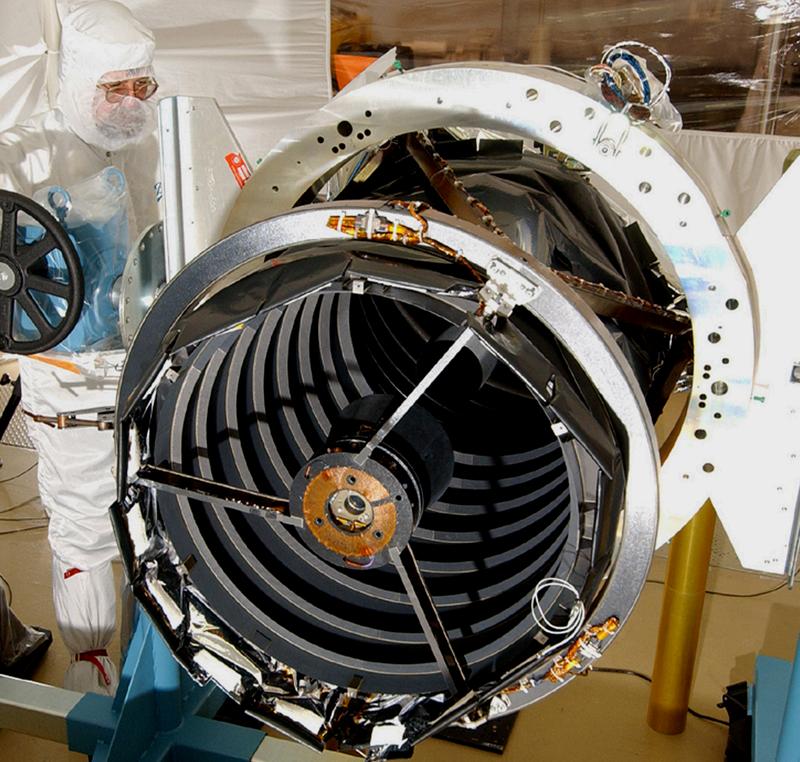
4D is proud to be one of the primary metrology partners in the development of the James Webb Space Telescope, and on dozens of other projects to explore space and understand our planet.
Extreme environments
Cutting edge aerospace and defence optics are being lab-tested under field conditions. Field conditions may include cryogenic freezing, turbulence, vibration, vacuum conditions and more.

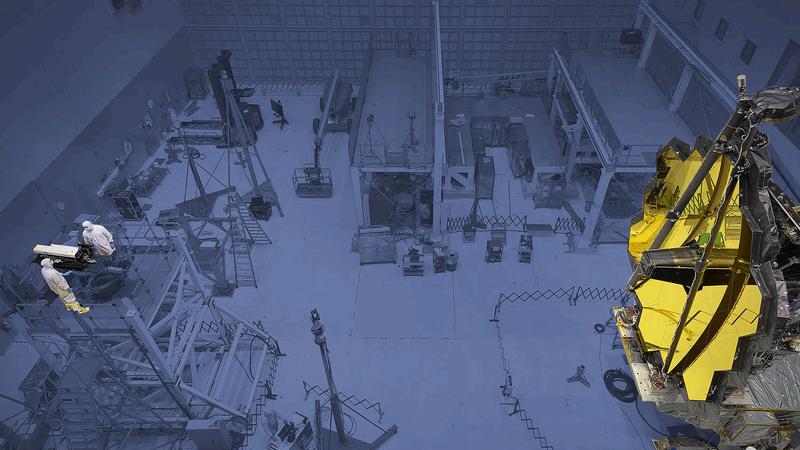
Engineers use a 4D Technology PhaseCam during Center of Curvature testing on the James Webb Space Telescope. Image courtesy NASA/Chris Gunn.

Products to characterise spacebound optics
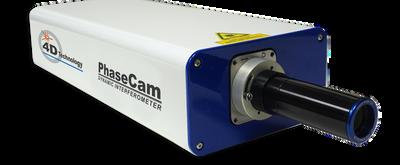
4D PHASECAM
4D PhaseCam Twyman-Green interferometers are the industry choice for measuring concave spherical optics, from several millimetres to tens of meters in diameter
PhaseCam systems can measure over long path distances despite air turbulence, and into environmental test chambers despite the heavy vibration from pumps associated with the chambers

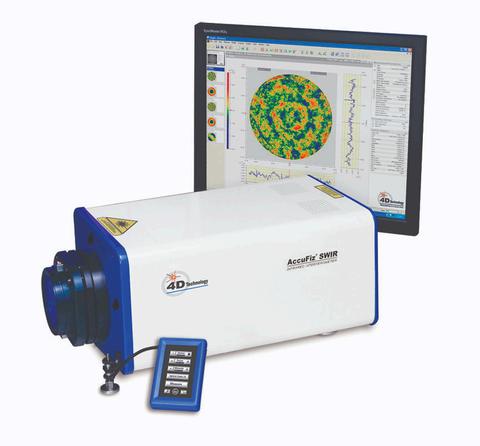
4D ACCUFIZ
AccuFiz Fizeau interferometers can measure flat, concave and convex spherical optics, with a wide range of reference optics to match test parts
High resolution systems like the AccuFiz 6MP can measure steep slopes. They can measure through view ports to test optics at cryogenic temperatures in vacuum chambers
through Sigray's Attomap-310
Synchrotron Grade MicroXRF
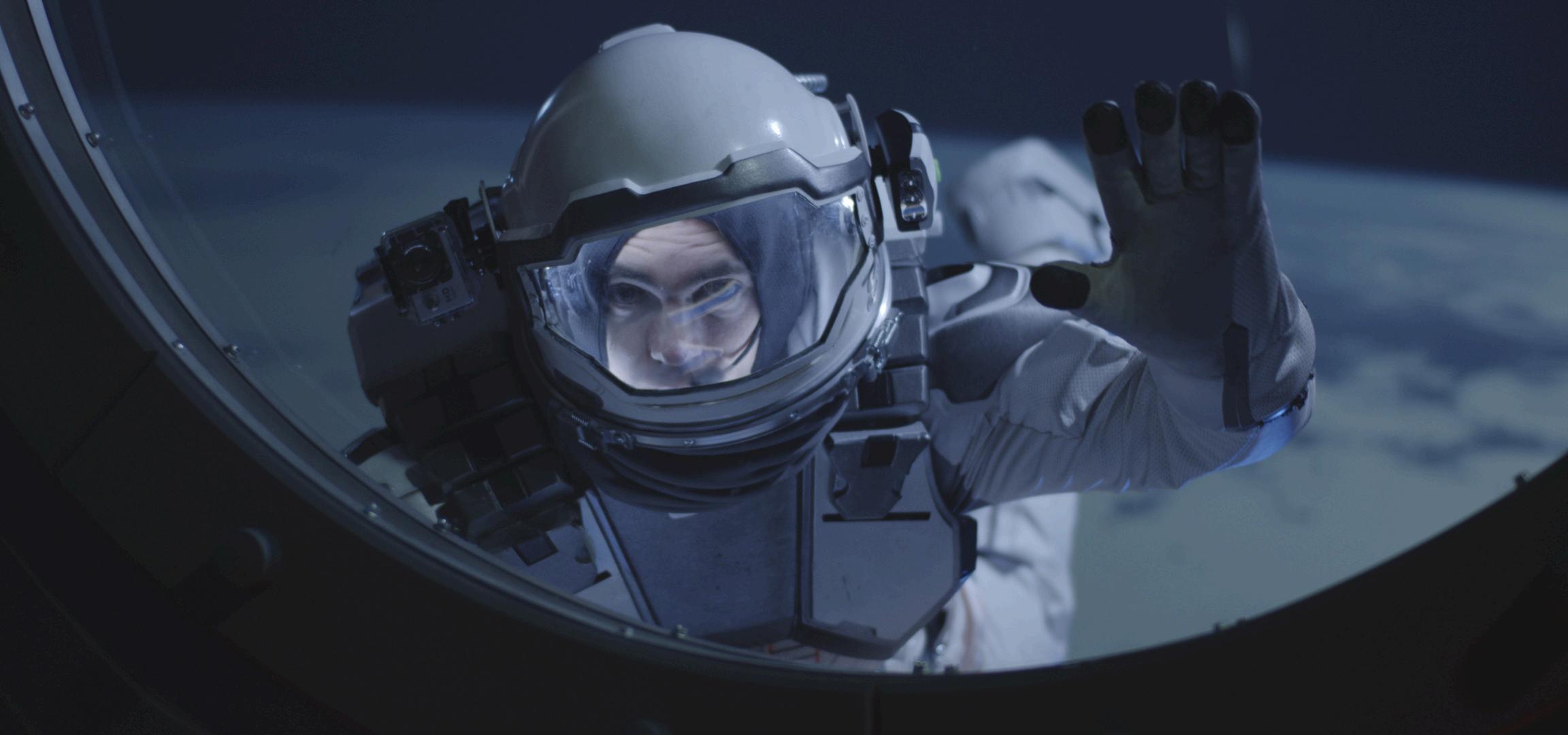

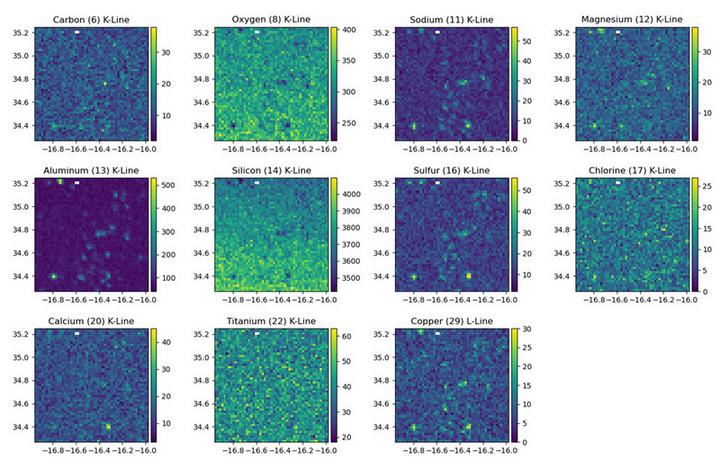
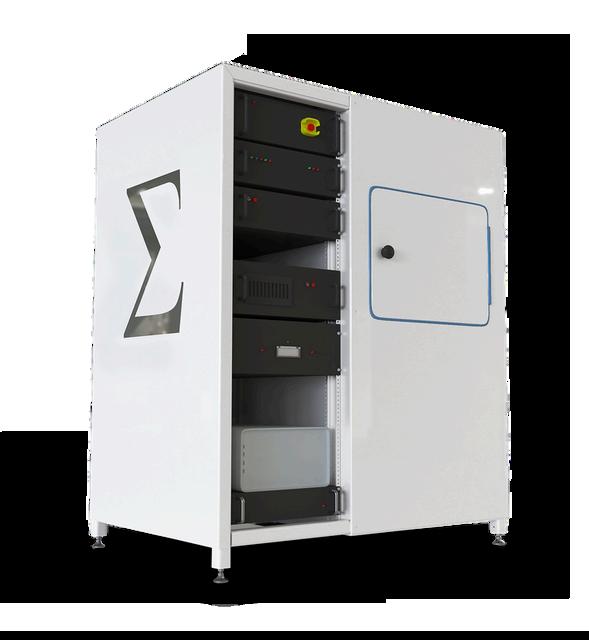
The properties of glass used in space-based applications is very important as high heat resistance and thermal expansion are required for many applications, so understanding the composition of the glass can be vital to ensuring high performance for spacecrafts, satellites and other space vehicles
Quartz is widely used by many space agencies and, with Sigray’s high vacuum Attomap 310 MicroXRF and patented SiC X-ray tube, the composition of and contaminants in the quartz was detectable on the order of sub-ppm sensitivity. A wide range of the trace contaminants were easily detected in a small field-of-view With the combination of highspatial resolution and sensitivity, the Attomap310 achieves data on par with synchrotron technology
Sigray Attomap µ-XRF system
Highest Resolution XRF Microscope on the Market. Large Stage Travel and Enclosure
The powerful sensitivity and high resolution of the AttoMap produces synchrotron-quality elemental distribution mapping of trace elements for a wide range of research applications, spanning from the life and materials sciences to industrial use for pharmaceuticals, natural resources (oil and gas, mining) and semiconductor failure analysis.