
FALL IN LOVE WITH GLASS IONOMERS AGAIN

Unrivalled Ergonomics
Unrivalled Ergonomics
Unrivalled Ergonomics
Unrivalled Ergonomics

Our exclusive TrueFit® Technology analyses your unique facial features and working posture to deliver comfort, perfect visual alignment, and lasting ergonomic support.
Our exclusive TrueFit® Technology analyses your unique facial features and working posture to deliver comfort, perfect visual alignment, and lasting ergonomic support.
CUSTOM MEASURED • CUSTOM FITTED • CUSTOM MADE
CUSTOM
CUSTOM MEASURED • CUSTOM FITTED • CUSTOM MADE
CUSTOM
Chancellor calls for competition watchdog probe into private dentistry
Rachel Reeves, the UK’s Chancellor of the Exchequer, has formally urged the Competition and Markets Authority (CMA), the UK’s competition watchdog, to launch a market study into the private dentistry sector. The move comes amid a severe crisis in NHS dentistry, which has forced millions of patients to rely on increasingly expensive private care.
The Chancellor stated that the inquiry is necessary to combat the “scourge of hidden costs, lack of transparency and overtreatment” that has “blighted families” seeking dental care. The letter asked the CMA to specifically examine the effectiveness of competition among private providers, including at the local level, and the ability of consumers to get good value for money.
The announcement is framed as part of the government’s wider efforts to tackle the cost of living crisis. It highlights reports showing private dentistry fees have been rocketing, with some analyses suggesting average costs for non-surgical treatments have increased by as much as 32% in two years. The lack of NHS appointments is a central driver, pushing patients into the private market.
“Utterly perverse”: BDA slams call for inquiry into private dentistry
The British Dental Association has warned the Chancellor’s decision to call on the Competition and Markets Authority to launch an investigation into pricing of private dentistry is merely a fig leaf for her failure to properly fund NHS care.
Private practices have had to cover significant increases in overheads following the Chancellor’s first budget, with surging costs across the piece. Over the last four years, the professional body estimates private fees have

increased at an average of 13.8% –when costs of delivering care have increased by as much in a single year. Cumulative inflation for the period 2021 to date stands at 24.5%.
The BDA has stressed that private dentistry needs to operate to market forces, with prices that cover the costs of delivering treatment, often using techniques and materials unavailable on the NHS, while expressing concern that the Chancellor has not provided a penny of new investment to support the rebuild of NHS dentistry.
The CMA is said to be ‘exploring the merits’ of an inquiry, the results of which would be felt UKwide.
BDA Chair Eddie Crouch said: “This call for an investigation is utterly perverse.
The Chancellor is singling out private dentists for doing what any business does: covering their costs, some of which are of the Chancellor’s own making.
“At the same time, she’s very happy to starve NHS services of vital funding. We’d remind her that profits from private care are all that are keeping NHS dentistry afloat.” ■
9 out of 10 Brits don’t realise that gum disease may be associated with Type 2 diabetes
More than a third of UK adults experience bleeding gums at least once a month when they brush their teeth and ignore it or simply brush more softly, according to new research from Gum Health brand, Corsodyl. Yet blood in the sink could be an early warning sign of gum disease, a common condition caused by plaque build-up. Gum disease is associated with an increased risk for type 2 diabetes, a serious condition that can lead to blindness and amputations if not treated effectively.
Around 1.3 million people are living with undiagnosed type 2 diabetes in the UK but Corsodyl’s research shows that while most people recognise diet, weight, family history, lack of physical activity and high blood pressure contributes to type 2 diabetes risk, just one in ten adults believe that gum disease is also associated with an increased risk of type 2 diabetes.
The science shows this link is twoway. Research shows a link between
gum disease and a possible higher risk of type 2 diabetes. For example, one review found people with gum disease had a 26% higher risk of developing type 2 diabetes compared with those without gum disease. At the same time, diabetes itself could make gum problems more severe and harder to treat. Despite this, the most common reaction to bleeding gums is to brush more softly or simply ignore it, leaving the hidden health risk unaddressed. ■
Dentaid launches campaign to help vulnerable people smile this Christmas
Dentaid the Dental Charity is using the festive period to raise funds as it looks to ensure that people experiencing
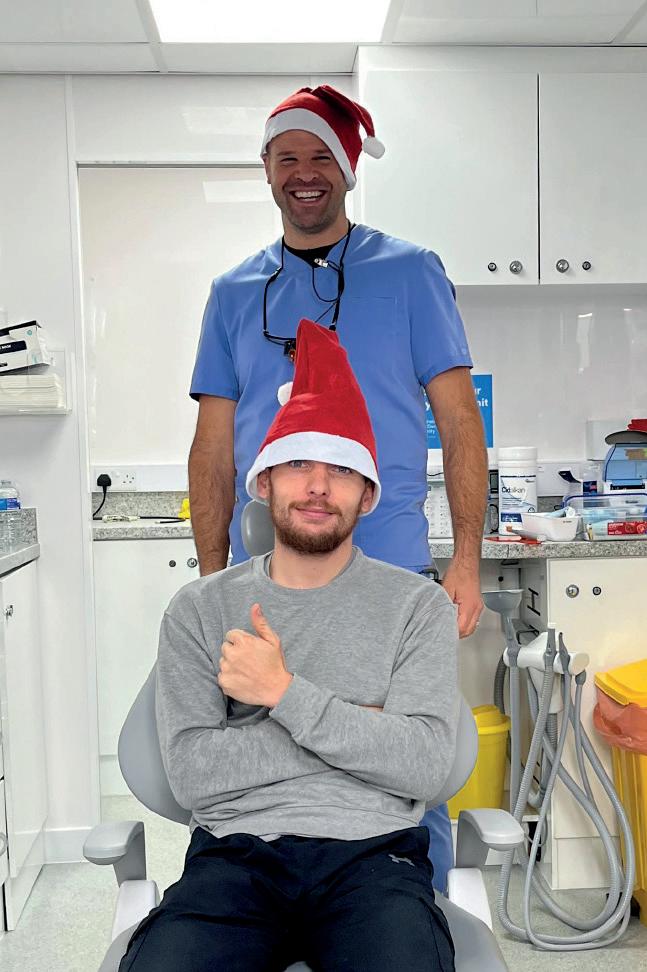
Every donation Dentaid receives will go a long way towards helping someone vulnerable to access treatment. Just £10 could help provide them with an oral health pack, while £30 could help them see a dentist this Christmas and £50 could help someone vulnerable become free from oral pain.
The campaign is already off to a great start thanks to the generosity of Working Feedback, who have provided a £1,000 festive donation.
One patient who has experienced homelessness and is a service user of Trinity in Winchester said: “My teeth are very black and I don’t smile, always sit with my hands over my face and avoid going out because of it.
“Before I saw Dentaid it had been 20 years since I last visited a dentist outside of emergency treatment. I broke down in tears because it finally feels like I’m getting somewhere, it’s just a big weight off my shoulder.”
Your donations will ensure that more people escape the misery of toothache and experience a pain-free Christmas.
To find out more or to donate visit https://www.dentaid.org/ ■
homelessness, hardship and abuse over the cold winter can access dental care.
A welcome from the editor
It’s a time for celebration, a time for festivities. You know what I’m talking about: The Dental Awards is now open for entries at the-probe.co.uk/awards
2026 marks the 28th edition of the original and longest-running awards event in British dentistry. While entries are open until the very end of February, if you begin your registration before 19th January, you’ll qualify for an early bird discount on your entry. And don’t worry – you can register for the discounted rate and return to finish your entry later. It’s also my pleasure to confirm a new category for 2026: The Technical Excellence Award is open to Dental Technicians and Clinical Dental Technicians. From all of us here at The Probe , we hope you’ve had a fantastic 2025, wish you a Merry Christmas, and a Happy New Year!










The Probe is published by Purple Media Solutions.
Registered in England.
Registered number 5949065
Managing Editor: James Cooke
Commercial Director: Gary Henson
Divisional Administrator: Francesca Smith



Production Designer 1 : Lorna Reekie
Production Designer 2: Rob Tremain
Digital Content Manager: Stephen Wadey
Circulation Manager: Andy Kirk
Managing Director: Ed Hunt
Regular Contributors: Lisa Bainham, Nigel Carter, Barry Cockcroft, Ollie Jupes and Pam Swain
E-mail news, stories or opinion to james.cooke@purplems.com
Circulation/Subscriptions: The Probe Subscriptions, Perception SaS, PO Box 304, Uckfield, East Sussex, TN22 9EZ, Tel: 01825 701520, https://purplems.my-subs.co.uk ©Purple
Media Solutions Ltd, 2014. All rights reserved. ISSN 0032-9185. The publisher’s written consent must be obtained before any part of this publication may be reproduced in any form whatsoever, including photocopies, and information retrieval systems. While every effort has been made to ensure that the information in this publication is correct and accurate, the publisher cannot accept
liability for any consequential loss or damage, however caused, arising as a result of using information printed in this magazine.
The views expressed in The Probe are not necessarily the views of the magazine, nor of Purple Media Solutions
Editorial Advisory Board: Dr Barry Oulton, B.Ch.D. DPDS MNLP; Dr Graham Barnby, BDS, DGDP RCS; Dr Ewa Rozwadowska, BDS; Dr Yogi Savania BChD, MFGDP; Dr Ashok Sethi, BDS, DGDP (UK), MGDS RCS; Dr Paroo Mistry BDS MFDS MSc MOrth FDS (orth); Dr Tim Sunnucks, BDS DRDP; Dr Jason Burns, BDS, LDS, DGDP (UK), DFO, MSc; Prof Phillip Dowell, BDS, MScD, DGDP RCS, FICD; Dr Nigel Taylor MDSc, BDS, FDS RCS(Eng), M’Orth RCS(Eng), D’Orth RCS(Eng); Mark Wright BDS(Lon), DGDP RCS(UK), Dip Imp Dent.RCS (Eng) Adv. Cert, FICD; Dr Yasminder Virdee BDS. Readers who



Dr Carol Somerville Roberts President of the British Academy of Cosmetic Dentistry.
Dr Imran Nasser Practice Principal Cheltenham & Cotswold Dental
Ian Eslick Regional Support Manager Practice Plan
Raj Rattan Dental Director Dental Protection.
Dr Rana Al-Falaki Founder MedDent Academy
Amit Patel President of the Association of Dental Implantology
Lianne Scott-Munden Clinical Services Lead Denplan
Abi Greenhough Managing Director Lily Head Dental Practice Sales



The Perfect Couple
Meet FLEXI & PREVENT Gel
The couple that helps you to achieve even better oral hygiene
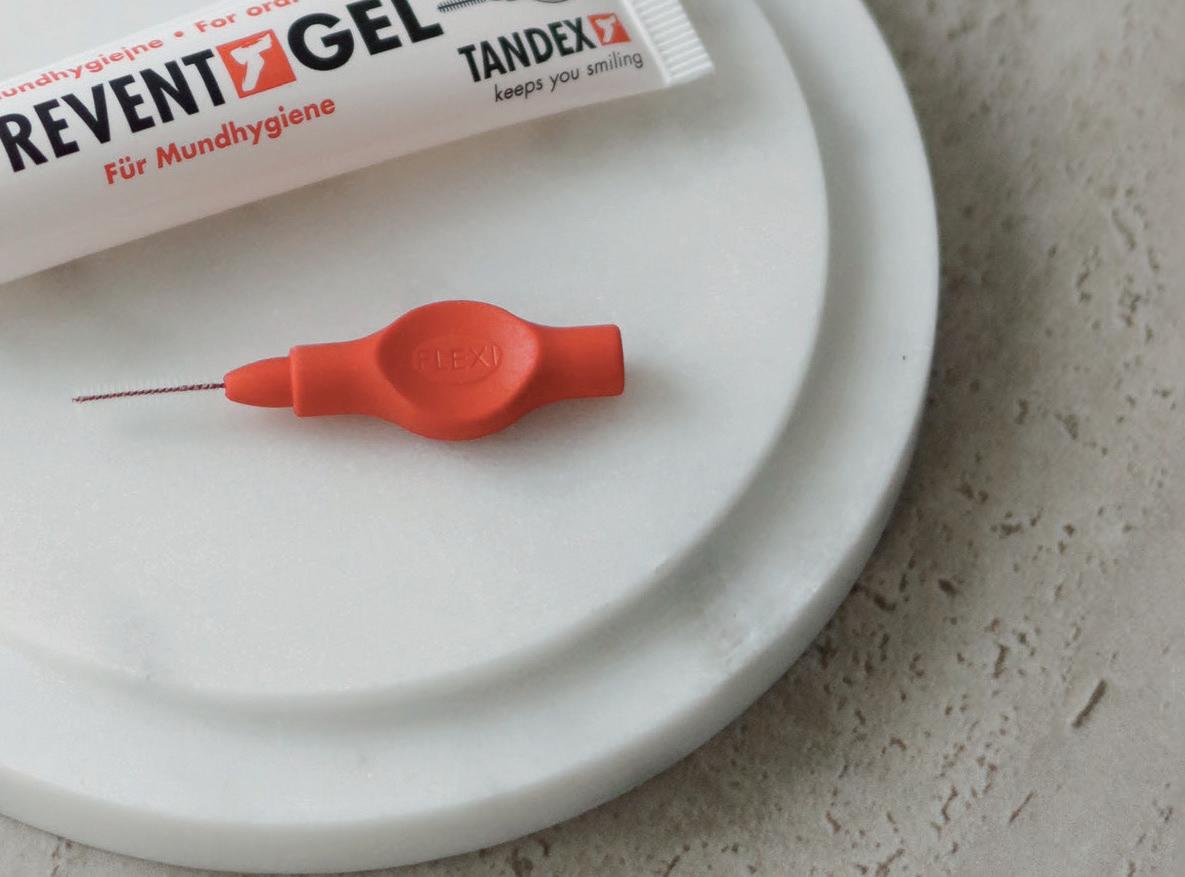


FLEXI
• The special flexible handle makes it possible to angle the handle to achieve better and easier access to all interdental spaces.
• The non-slip handle ensures good grip, even when fingers are wet.
• All brushes have plastic coated wire. This ensures no metal is in direct contact with teeth and gums, thus making them much more comfortable to use and preventing dental injuries.
• 11 sizes ensure that all needs are covered.
PREVENT Gel
• Strengthens the enamel and has an anti-bacterial effect.
• 0.12% chlorhexidine and 900 ppm fluoride.
• The consistency combined with the needle shaped tube end make it easy to apply directly on the FLEXI brush and use wherever needed.
• Pleasant taste of peppermint.
• No alcohol or abrasives.
Trust me - it’s only money
In 1992, whilst working as an NHS associate, I succumbed to viral encephalitis. I was off work for a few weeks and needed various outpatient follow-ups, including an MRI, at the John Radcliffe Hospital in Oxford. I had to wait six weeks for that scan, since MRI units weren’t ubiquitous in those days.
Other tests included a number of electroencephalograms (EEGs), since the general consultant physician on my case wasn’t convinced, even two months after the acute episode, that I was “quite the ticket”. After one EEG I asked the technician carrying out the test what he concluded on seeing the results. He shrugged and said, “It all looks a bit sluggish.”
After my discharge from hospital, I was referred to a unit dealing with head injuries, such was my poor memory, general drowsiness and slight slurring after the infection. This led to eventually being referred to a psychologist at the local county hospital for psychometric tests, which threw up just two things: Firstly, that my memory (to quote the psychologist) was *****d; Secondly, that I had dyscalculia (maths dyslexia).
I was overjoyed! That diagnosis explained a lifetime of struggling with mathematics.
So, you can imagine how my very slack grasp of mathematics was strained to the max when I tried to fathom how on earth the dental regulator could possibly justify slapping a not insubstantial and well-above inflation increase in the ARF on registrants for 2026.
In the spring of 2020, the year the Covid pandemic was at its deadliest, a story in Private Eye revealed that the General Dental Council would not consider a temporary reduction in the Annual Retention Fee, despite the fact that around 60 percent of dental nurses, hygienists and therapists were struggling to meet their July ARF fees. In the meantime, the regulator had topped up the furlough payments of its own administrative staff. The article said the GDC claimed it couldn’t reduce fees because of the “wider uncertainties about our income this year,” and “the need to be prudent in managing our finances.”
The GDC’s accounts available at that time showed “comfortable reserves of more than £24m.”
At the end of this October, the GDC announced a roughly 12.5% increase in the ARF across the board. In its Annual Report and Accounts 2024, the GDC puts its general reserves (at 31st December 2024), at £45,151,000 – not far off (if my dubious maths is correct) double the reserve it had when it turned down the opportunity to lend a helping hand to furloughed registrants during the pandemic.
I mean, HOW in the name of Dr Benjamin Franklin Tofflemire can the GDC justify a roughly 12.5% rise when it has all that dosh in reserve AND it knows a large number of GDS NHS dentists only received a 3.55% uplift this year?
Tom Whiting, Chief Executive and Registrar of the GDC, said on the regulator’s website: “Our vision is to be a trusted and effective regulator, supporting dental professionals to provide safe and effective care for their patients. We have a clear delivery plan to achieve our strategic ambitions and remain committed to protecting the public and maintaining public confidence in the dental professions. We will provide transparency about the work we do to deliver our strategic ambitions and will measure and report on our progress. Council has approved the investment needed to achieve this transformation whilst considering affordability for dental professionals.” It was an interesting use of the word “vision” – the noun is defined in the Oxford Dictionary as ‘a vivid mental image, especially a fanciful one of the future.’
It’s perhaps not surprising that the GDC’s hope is to be seen as a ‘trusted’ regulator since, in the past, it had to admit to Dental Protection in 2021 that it acted unlawfully in carrying out an under-guise operation without reasonable justification. The GDC had to pay ‘£38,000 to a clinical dental technician as well as legal costs after two private investigators working on behalf of the GDC attempted to induce the technician to act out of his scope of practice by posing as relatives of a fictitious housebound relative.
Whilst on the subject of trustworthiness and the ARF, the GDC certainly has ‘form’. In 2014, the British Dental Association challenged the lawfulness of the GDC’s consultation that led to a very large rise in the 2015 ARF. In the High Court, Mr Justice Cranston found the regulator’s consultation process unlawful because the GDC had failed to give consultees enough of the underlying information so they could test the key assumptions behind the proposed fee rise. The judge found a procedural error in the ARF level consultation but would not force the GDC to reverse its call for a 50x inflation rise in the annual retention fee, which equated to a £15m gross increase in fees. The GDC’s counsel cited the risk of ‘administrative chaos’ at the GDC if there was a reversal in the proposed rise. The then Chair of the BDA, Mick Armstrong, said: “This case has revealed that a regulator, unaccountable to government, can be found to have acted unlawfully but still walk away with its ill-gotten gains.” I don’t know about you, but I have grave misgivings as to whether a 12.5/12.4% increase in income is going to grasp that elusive mantle of ‘trusted regulator’ anytime soon.

A recent poll of my former dental colleagues in the pub still concurred with a 2020 report from the Medical and Dental Defence Union of Scotland, which showed 58% of dental professionals had a negative view of the GDC.
The GDC itself seemed almost elated that its YouGov research of over 3,200 registrants, as well as 106 students and 68 stakeholders, found that negative perceptions of the GDC fell from 65% to 56% in 2024. Is that a win?
In 2021, the GDC itself revealed that six in 10 dental professionals hold negative perceptions of the regulator. In a report into stakeholder perceptions of the regulator, perceptions of the regulator were more negative (58%) than positive (21%) with dental professionals being the most negative (65%) and students the most positive (50%). When asked to select three words from a set list that they associated with the GDC, participants chose ‘unrepresentative’ (48%), ‘fear’ (40%) and ‘aggressive’ (30%).
The GDC’s proposed strategy for 2026-28 is to focus on the climate of fear within dentistry. The perception of the GDC by new dental graduates is thought to plummet after qualification, and the strategy aims to reduce the negative impacts
of fitness to practise processes on mental health and wellbeing, while still maintaining ‘robust’ public protection.
New Chair of the GDC, Dr Helen Phillips said of the rise in ARF: “We were acutely aware of the impact of Council’s decision on affordability in setting the Annual Retention Fee (ARF). The ARF for 2026 will be £698 for dentists and £108 for dental care professionals (DCPs).
“We reduced the ARF in 2024 and then held it at the same level in 2025 by, in effect, returning excess financial reserves to registrants. We now need to bring income and costs back into balance and plan, other than in exceptional circumstances, to hold the ARF in line with CPI, at most, until 2028.”
Well, that clarifies the situation for me now. A £45 million reserve won’t last forever, you know. Now… where’s that calculator… n
About the author ollie Jupes is the pseudonym of a former nHs dentist. He monitors dentistry on twitter X as @DentistGoneBadd








X THE FACTOR



AN XTRA POWERFUL TEAM:
Perfectly coordinated products with easy and efficient application for safe and aesthetic results for direct restorations!
BONDING
Universal all-in-one adhesive for all techniques


FILLING
Fluoride-releasing composites for multiple indications

POLISHING
Superior finishing and polishing disks



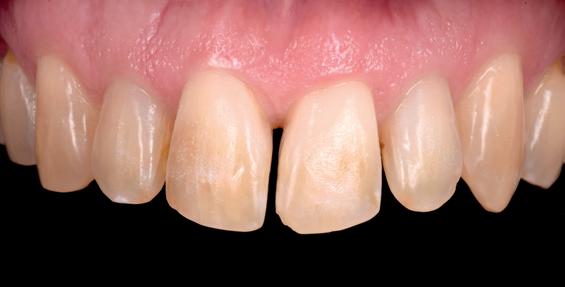



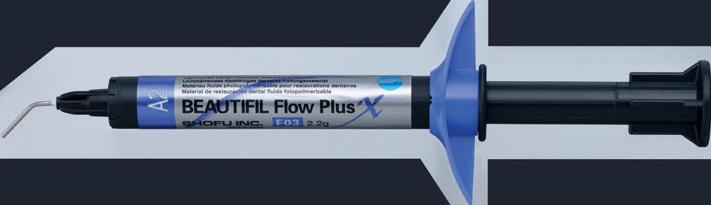










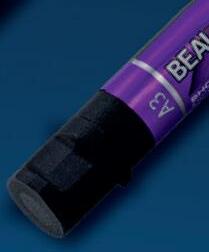
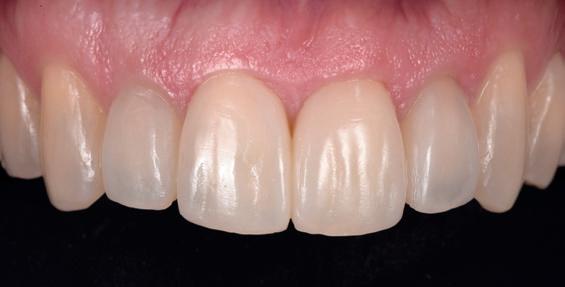





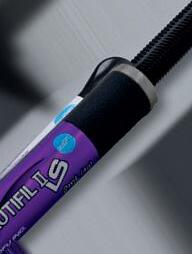








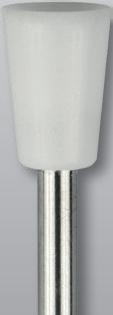

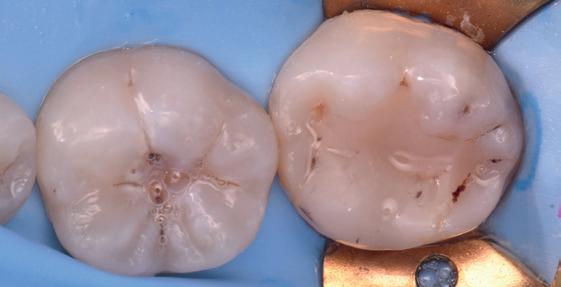












Case 1: Anterior tooth restoration with composite
Case 2: Posterior tooth restoration with composite
Restorations with BEAUTIFIL II LS, BEAUTIFIL Flow Plus X and OneGloss by Erik-Jan Muts, M.Sc., Netherlands
The Wellbeing Workplace
Wellbeing isn’t fluffy. It’s the glue that holds your dental team together

Let’s be honest - when you hear the word wellbeing at work, what’s your gut reaction? A quick eye roll? A poster on the wall? A staffroom flyer saying, “If you’re struggling, here’s a number to call”?
The truth is, wellbeing has often been misunderstood or treated as something soft, separate, or nice-to-have. But ask any practice where team performance is slipping, conflict is rising, or staff are walking away, and you’ll see that wellbeing isn’t fluffy. It’s foundational.
According to the latest data, 86% of dental professionals report stress, with more than half experiencing burnout. The consequences are real: increased sick days, fractured teams, poorer patient experience, and loss of talent that practices can’t afford. And yet, most teams are expected to just crack on.
But here’s the thing: you don’t fix burnout, disconnection, or overwhelm with a fruit basket or a one-off workshop. You fix it by embedding wellbeing into the culture of your practice – from the top to the treatment room.
That’s exactly why we created BREATHE, the free one-stop wellbeing platform for the oral health community. Built in collaboration with the Office of the Chief Dental Officer, it provides dental-specific resources, signposting, and support for every role. Whether you’re a practice manager, nurse, therapist, or associate, BREATHE offers tools that are practical, accessible, and designed for you. Because when we talk about wellbeing, we’re also talking about performance.
Wellbeing isn’t just about yoga or resilience. It’s about creating the conditions that allow individuals and teams to function at their best. And when it’s done well, it doesn’t feel like an extra task; it feels like a new energy running through the practice. We saw this clearly when one dental team approached us with a familiar story…
w hat does wellbeing look like in action?
One practice we worked with came to us facing a familiar story: team members leaving, conflicts starting to rise, and people getting signed off sick. Those left behind were trying to hold the fort, juggling extra workload, rising tension, and a growing sense of frustration. No one was to blame, but everyone was feeling it. Morale was low, and the team dynamic was starting to crack.
We helped them implement three simple but powerful wellbeing protocols – ones you can try in your own practice without needing extra time or budget.
1. The Appreciation Board
They set up a whiteboard in the staffroom titled Thank You Thursday. Team members could write messages of thanks, big or small, signed with their name. It turned into a weekly boost of feel-good energy, and it didn’t just make people smile. It changed how they looked at each other. They began noticing the good more often. And when people feel seen, they perform better.
Review the board in team meetings or reward those who appear most often – with coffee, a small treat, or a public shoutout.
2. The Buddy Check-In
Each week, they rotated buddies, pairing team members who didn’t usually work together. Just five minutes to check in on life, work, and how they were feeling.
This reduced stress, improved empathy, and even lowered internal complaints. Why? Because when you know someone as a person, you’re far more patient with them under pressure.
3. The Three-Word Huddle
This became a morning routine: everyone sharing three words that captured how they were feeling.
No explanations. No judgment.
Just words.
“Tired, grateful, focused.”
“Overwhelmed, supported, calm.”
“Excited, busy, capable.”
It gave the team space to be human and offered leaders a simple but powerful emotional temperature check. But more than that, it helped create a culture of empathy. When someone wasn’t on top form, others were more understanding. It reduced frustration and prevented people from jumping to conclusions or internalising blame. Instead, team members became more willing to offer help without waiting to be asked. That small shift led to less tension, more support, and stronger connection across the practice.
You don’t need to do all three at once. Start with the one that feels easiest and watch how the energy in your team begins to shift. And don’t be afraid to ask for help. BREATHE is a free, practical support platform for the entire oral health community. And NAIL-IT in Dentistry can help if you want to go further, whether that’s integrating wellbeing more fully into your practice, meeting emerging compliance expectations, or embedding leadership and performance strategies that genuinely support you and your team.
Small changes create big ripples. The only question is: what will you start with this month?
This is what I wish I, and many of my colleagues, had over the years to help us overcome challenges and struggles without feeling weak. It’s also my motivation: to empower and positively impact every member of our dental community. n
BREATHE: breathedentalwellness.org NAIL-IT in Dentistry: nailitindentistry.com
About the author Dr Rana Al-Falaki, founder of nAiLit in Dentistry, has collaborated with oCDo england on a new, free wellbeing resource: BReAtHe she works with teams to elevate wellbeing and performance.

Anxiety
Anaesthesia Without the Anxiety
Anaesthesia Without the Anxiety
Anaesthesia Without the Anxiety
Anaesthesia Without the Anxiety
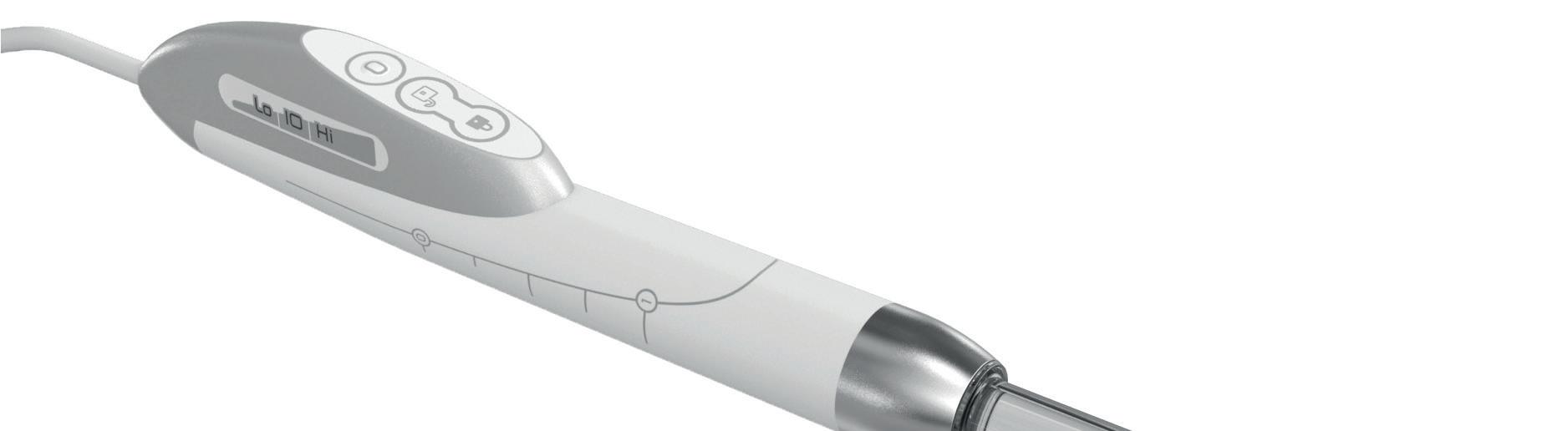
For many patients, the fear of the needle is greater than the procedure itself. QuickSleeper changes that.
For many patients, the fear of the needle is greater than the procedure itself. QuickSleeper changes that.
For many patients, the fear of the needle is greater than the procedure itself. QuickSleeper changes that.
For many patients, the fear of the needle is greater than the procedure itself. QuickSleeper changes that.
For many patients, the fear of the needle is greater than the procedure itself. QuickSleeper changes that.
Deliver instant, precise anaesthesia with exceptional comfort, even for the
Deliver instant, precise
Deliver instant, precise anaesthesia with exceptional comfort, even for the most anxious patients.
Deliver instant, precise anaesthesia with exceptional comfort, even for the most anxious patients.
Eliminate waiting time, boost e ciency, and elevate the patient experience, all while maximising your return on investment.











*A
*A
*A
*A
*A
FREE QUICKSLEEPER WORKSHOPS
FREE QUICKSLEEPER WORKSHOPS

Discover the bene ts of intraosseous
Discover
FREE QUICKSLEEPER WORKSHOPS
Discover
Discover the bene ts of intraosseous anaesthesia by attending one of our free*, hands-on workshops available across the UK.
Discover
BOOK NOW
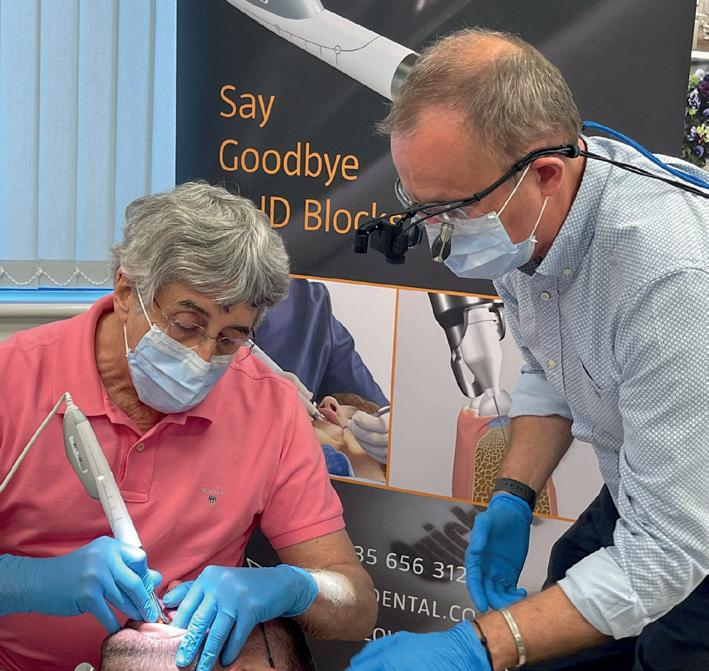
ARF up 12.5% – “efficiency savings” shouldn’t mean clinicians pay more forever!
polly Bhambra suggests a 12.5% rise in annual retention fee should come with an explanation as to when efficiency savings will result in more cost-effective fees for clinicians
The General Dental Council (GDC) has confirmed that the Annual Retention Fee (ARF) for 2026 will rise to £698 for dentists and £108 for DCPs.
That’s an increase of roughly 12.5% from 2025 levels (£621 and £96). It follows the regulator’s agreement of its 2026–2028 corporate strategy and the funding it says is required to deliver it.
For many in the profession –particularly dental nurses, the lowestpaid cohort this rise will hit – this lands at exactly the wrong moment.
Practices are wrestling with cost inflation, patients are more pricesensitive, and we’re being asked (again) to shoulder more.
Last year, the GDC held the ARF flat at £621/£96 and explicitly cited measures such as reducing reserves, ORE fee changes and growth of the registers as reasons it could do so. What’s changed in 12 months to justify double-digit increases now?
And how do “efficiency savings” square with higher fees?
I want to focus on three arguments:
1. The headline rise is real and regressive – it bites hardest for DCPs, especially dental nurses.
2. If efficiency is the story, there should be a credible path to future ARF reductions – not just a ratchet that turns one way.
3. We need transparency: a clearer line of sight from cost drivers to fees and impact metrics that justify taking more from frontline clinicians.
the facts – then the questions
The GDC’s notice is straightforward: £698 (dentist) / £108 (DCP) for 2026, aligned to a new three-year strategy. This jump roughly equates to 12.5%, using the 2025 levels as the baseline. The GDC’s own fee pages now display the new amounts and due dates.
For context, ARFs were reduced for 2024 (-10% dentists; -15.8% DCPs) and then held in 2025, a decision the regulator linked to financial management, lowering reserves, ORE changes and a growing register.
Those are, in plain English, efficiency and productivity levers. If those levers remain in play – or have matured – why are fees up sharply the very next cycle? If they have now been exhausted, where is the evidence?
The GDC also reports growth in registrant numbers, especially among DCPs – another factor that should, in theory, spread fixed regulatory costs over a wider base.
In April 2025, the regulator highlighted yearly increases across the register and, by August 2025, reported a lower
removal rate at the DCP renewal point compared with prior years.
More registrants paying ARF normally helps contain everyone’s bill. That makes a double-digit rise feel even harder to reconcile.
who feels this most? Dental nurses!
I began my career as a dental nurse.
The reality on the ground is that a £12 increase can feel like a rounding error for some – but not for most nurses. Especially amid wage pressure, childcare costs and the higher everyday inflation that hits lower pay bands first.
An extra £12 might look small in isolation; it’s not small in context.
In policy terms, we’ve spent the last two years telling DCPs they’re essential to access recovery, prevention and skill-mix. The GDC’s own data shows a growing, predominantly employed DCP workforce. If the regulator’s stated aim is to keep the public safe and keep a robust workforce on the register, fee decisions should be tested explicitly for DCP affordability and retention risk – and that analysis should be published.
“efficiency savings”
The GDC has previously referenced a mix of measures that allowed it to freeze or cut ARF: drawing down excess reserves, adjusting ORE fees, and benefitting from register growth. Those are legitimate management tools. But efficiency isn’t a press release; it’s a trend.
When a public body says it’s delivering efficiency, stakeholders should be able to track it across time and see the counterfactual: “If we hadn’t delivered X, ARF would have been £Y higher.”
So, here’s a simple principle going forward: if efficiency programmes genuinely lower the cost to regulate, then – absent new statutory duties – ARF should flatten or fall in subsequent years.
If new costs arrive (e.g. legislative changes, major regulatory programmes), set them out clearly and show why they require per-capita increases rather than being offset by productivity.
In other words, if we’re told efficiencies justify rises today (because they’ve freed resource for new priorities), then we should also be told what efficiency gains are targeted for 2027–2028, and what fee trajectory the Council regards as deliverable down as well as up.
A better conversation about value To be fair, ARFs are only one line on

a long list of pressures. But they’re also symbolic. They tell the workforce whether their regulator understands the margin in which dentistry now operates. Especially NHS-committed practices cross-subsidising access, and DCPs stretching pay packets while we ask them to do more.
We should acknowledge the recent history. The ARF was trimmed in 2024 and held in 2025. That shows the GDC can move down as well as up.
It’s not unreasonable to ask for the same discipline going forward – particularly if registrant numbers remain strong and modernisation programmes deliver genuine productivity.
And there’s a strategic point here. The regulator’s mission is public protection and confidence. The profession’s willingness to engage, report concerns, and invest in CPD is part of that confidence loop. Price signals matter. If DCPs feel nickelledand-dimed, if nurses feel unseen, we risk quiet attrition – the very opposite of what the system needs.
where i land (as a principal who started as a nurse)
I’m not arguing the GDC should never raise fees. I’m arguing that doubledigit increases now must come with double-digit clarity: on cost drivers, on efficiency gains, on the expected path back to flat or lower fees if those gains materialise.
If efficiency is cited as a reason for change today, it must also be a mechanism for relief tomorrow.
In the meantime, practices can help their teams by making costs visible
(share what ARF is, who pays it, when), offering pay-progression ladders tied to competencies (so nurses can move up), and – where possible – supporting ARF month with small, targeted bonuses or flexible shift options to ease cash-flow pressure for lowerpaid staff. That’s not the regulator’s job; it’s ours.
But the regulator can make it easier by treating affordability as a core design constraint, not an afterthought. If the GDC wants to rebuild trust, here’s a practical start: publish the ARF bridge, set explicit efficiency targets, and commit that verified productivity will be shared with registrants through future freezes or reductions.
Then we can all have a grown-up conversation about value – grounded in numbers, not noise.
Until then, a 12.5% rise feels like the wrong tool at the wrong time –especially for the people who hold the mirror, calm the room and keep the day on track: our dental nurses. They deserve better than another line on the bill. n

About the author polly Bhambra, practice principal at treetops Dental surgery.
Raising concerns about colleagues and inappropriate behaviour at Christmas parties
After working hard all year, dental professionals deserve to relax and enjoy each other’s company for a few hours but the Christmas social is not always the morale-raising event we might hope for.
In December 2024, the BBC reported that the Northern Ireland Human Rights Commission settled a case with an employee for £36,000 (without admission of liability) after she complained of “unwanted and inappropriate physical contact” by a colleague during a Christmas party two years before. And a survey by the Chartered Management Institute (CMI) in December 2023 found that 29% of managers had reported witnessing inappropriate behaviour or harassment at work parties.
While some people might feel confident enough to call out bad behaviour at the time, a more common and understandable reaction is to try and put the whole experience behind you, especially if it doesn’t relate directly to patient care. The difficulty with this approach is that unresolved issues can damage trust within the dental team and there’s always the risk that something similar – or worse – might happen next year.



You should also bear in mind that the GDC’s standards apply to dental professionals’ practice and to their lives beyond. Standards for the Dental Team says: “You must ensure that your conduct, both at work and in your personal life, justifies patients’ trust in you and the public’s trust in the dental profession” (para 9.1). It also says: “You must treat colleagues fairly and with respect, in all situations and all forms of interaction and communication” (para 6.1.2).
If you think that a colleague’s behaviour has been inappropriate, you should raise concerns promptly through your practice’s procedures. It’s a good idea to put your concerns in writing and request a written response. Stick to the facts in your report and try to avoid giving vent to personal feelings about your colleague. Once you’ve raised your concerns, your practice owner should keep you informed about how they propose to deal with the concern and the timeframe.
The GDC expects dental professionals in a leadership role to take concerns seriously, investigate promptly, and make an unbiased assessment and monitor the action taken to resolve the problem (Para 8.4.2, Standards for the Dental Team ). This could include disciplinary action against that colleague but the practice might also want to consider reminding staff of practice conduct and disciplinary policies ahead of future social events.





























































Friends, followers and fidelity
Raj Rattan, Dental Director at Dental Protection, explores the emotional toll of working alone, the enduring value of true friendship, and why fidelity – not followers – is the foundation of resilience and wellbeing in modern practice
Dentistry may be rich in patient contact, yet many practitioners feel professionally isolated. It is Sunday afternoon. A dentist friend has just called for advice. He works in a five-surgery practice and remarked how little interaction there is between colleagues – no one says good morning, few offer help, and some hardly engage at all. “Everyone is out for themselves,” he lamented.
only the lonely His experience only reinforces what we already know – dentistry is often described as a “lonely” profession. Despite the constant presence of patients, many practitioners work in relative isolation. The challenges of clinical decision-making, difficult patients, and the emotional toll of complaints or adverse events can weigh heavily if carried alone. It is at times like this that the value of true friendship becomes clear.
Many members will first seek comfort from close friends when faced with a problem before they contact us for advice. Friendship provides reassurance and perspective, but it is important to remember that well-meaning advice from friends is not a substitute for formal dentolegal guidance. Friends can sometimes be biased, whereas professional advisers provide the objectivity and expertise required to manage risk effectively.
Friendship
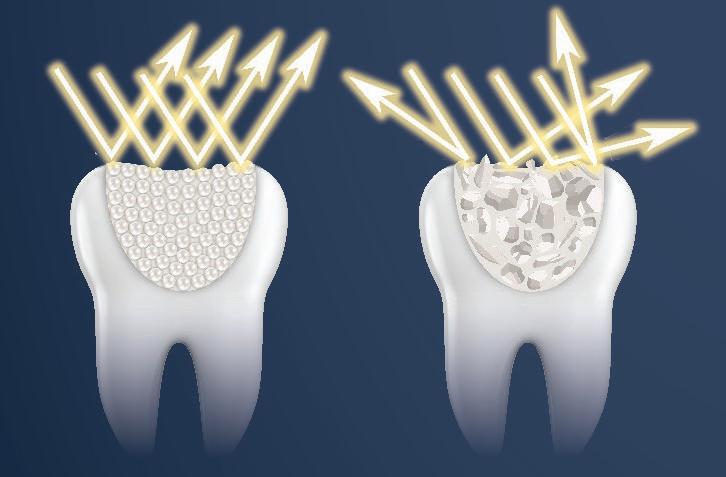
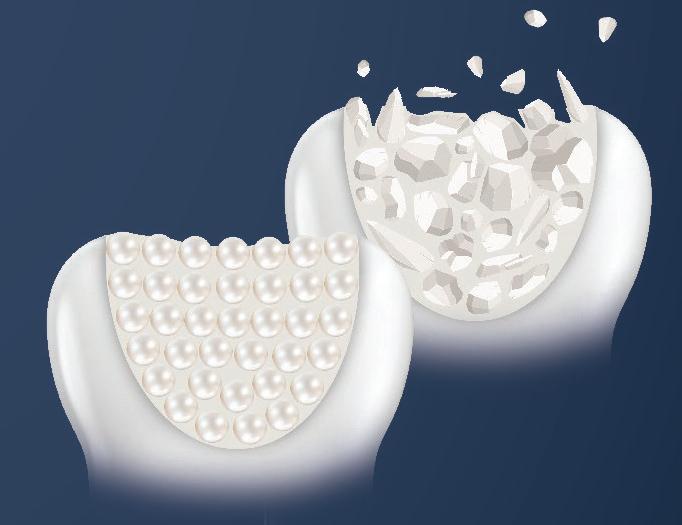
Aristotle, in the Nicomachean Ethics, described three kinds of friendship. The first is based on utility – relationships formed because they are useful to both parties. The second is based on pleasure – friends who enjoy each other’s company but whose connection is fleeting. The third, and highest, is the friendship of virtue – based on mutual respect, trust, and shared values.

In reality, all three co-exist (see figure 1). We make friends of utility in professional life – colleagues we collaborate with or turn to for advice. We find friends of pleasure at social events, conferences, peer review meetings, or study clubs. But it is the friendship of virtue that we rely on when things go wrong – friends who offer honest counsel, and whose loyalty is unconditional and not contingent on our success.
Fidelity
Fidelity goes beyond simple loyalty. It implies faithfulness, reliability, and staying true even when circumstances change. In friendship, it is the quality that ensures support does not disappear when success fades or challenges arise. In professional life, fidelity means being faithful to our patients, our values, and the ethical standards of dentistry.
Fidelity is like the lettering in a stick of seaside rock, running all the way through, visible no matter where you break it. It is this reliability that transforms fleeting or transactional connections into enduring ones, and sustains trust between colleagues, patients, and the profession.
Followers
Social media has reshaped the way we think about friendship. Platforms reward visibility and appearance over authenticity. Online, one can accumulate hundreds, if not thousands, of “friends” or followers.
A friend may also be a follower and, over time, some followers may become genuine friends. But trust is not built on followers or clicked likes, it rests on friendships grounded in fidelity – loyalty, honesty, and support when the pressure mounts.
In an age of constant posting, likes, and algorithm-driven validation, it is easy to forget what is really important. Social media can be addictive, drawing us into cycles of comparison and curated identity. For dentists, this can distort both selfperception and professional priorities –chasing visibility rather than authenticity. It is easy to overlook the fact that a hundred online reactions are no substitute for one trusted friend who listens, cares, and stands by us when things are difficult.
Sheldon Cohen’s landmark paper on social relationships and health showed that it is the quality of connections, especially those offering trust, reciprocity, and emotional support, that predicts resilience, reduced stress, and even lower susceptibility to illness1
Furthermore, research shows that excessive social media use is associated with addictive behaviours, reduced wellbeing, and increased symptoms of anxiety and depression –particularly when online interactions replace deeper, supportive relationships2
A systematic review confirmed that supportive friendships consistently correlate with better mental health, resilience, and life satisfaction3. There is also compelling evidence that people with close friendships have lower blood pressure, reduced risk of chronic disease, and even longer lifespans compared to those who are socially isolated4
Choose your chums
For dentists, this means deliberately cultivating not just professional networks but genuine friendships. A true friend will:
• Listen when you are struggling.
• Offer perspective rather than judgement.
• Celebrate your successes without envy.
• Remain loyal when things are difficult. These qualities mirror Aristotle’s friendship of virtue. Not every colleague will become a confidant – some professional relationships will remain transactional. What matters is recognising which friendships carry the qualities of trust, respect, and fidelity. These are the ones worth nurturing.
summary
For generations, friendship has provided humanity with support, perspective, and resilience. No digital platform, however compelling, can replace that. Aristotle’s insight remains timeless – friendships of utility and pleasure have their place, but it is friendships of virtue that we most need. Followers may give visibility, friends provide strength, but fidelity is what defines our profession. It is the same fidelity that underpins the way our team supports members every day. n
References
1. Cohen, S. (2004) American Psychologist, 59(8), pp. 676–684.r Reading
2. Andreassen, C.S., Pallesen, S. and Griffiths, M.D. (2017) Addictive Behaviors, 64, pp. 287–293.
3. Pillemer, J., Umberson, D., Chen, H. et al. (2023) Frontiers in Psychology, 14, 990270.
4. Holt-Lunstad, J., Smith, T.B. and Layton, J.B. (2010) PLoS Medicine, 7(7), e1000316.
About the author Raj Rattan, Dental Director at Dental protection.
Small, yet powerful, changes for big results
Since the beginning of September, I’ve been on the move- delivering four programmes a week in cities such as Chicago USA, Birmingham, Cardiff and London. It’s undeniable that we’re navigating challenging times. Many clients have expressed concerns about patients delaying treatments, resulting in white space in their schedules, all while dealing with a constant stream of bad news and the pressure budgets and tax increases In response, I’ve developed seven strategic approaches to help you boost sales and profitability in your practice. Implementing these small yet powerful changes can create big results. Here they are in no particular order:
stop discounting fees
Over the past two months, I have conducted my Two-Day Ethical Sales & Communication Programmes to around 220 delegates. Approximately 20% of them confessed to a daily habit of reducing their fees mentally, with an estimated additional 10% probably too embarrassed to admit it.
This practice costs thousands of pounds weekly, amounting to potentially hundreds of thousands over a decade. So, the big message here is ‘Stop discounting your fees!’ Patients will pay full price.
Charge appropriate fees
Aside from discounting, another prevalent issue is dentists not charging the correct fees. For instance, charging for a small filling when a large one is required, fearing patient dissatisfaction with the appropriate fee. One dentist admitted to undercharging four times a week, at £50 each time, which quickly adds up.
engage existing patients
Regularly ask patients if they are satisfied with their smiles or if there’s anything they wish to change. Utilising scanners to examine their teeth can uncover numerous opportunities. I recently encountered a friend at a football match who was undergoing cosmetic dental treatments to rejuvenate their worn-looking teeth in an attempt to stay looking young.
target the over-60 demographic
Contrary to some beliefs, this group often possesses significant disposable income. With new inheritance laws affecting pensions, individuals in this age bracket may prefer to spend now rather than leave funds to the tax man. A client, who had taken one of my programmes, noted a surge in private denture and implant requests from NHS patients after adjusting their conversational approach, all in a very working-class part of the UK.
enhance patient experience
Prioritise creating a world-class patient experience. Invest in team training. Handle new inquiries away from the desk to ensure a memorable experience and consider answering calls during lunch hours to remain open to new business.
Monitor financial metrics
Tracking performance is crucial. Measure conversion rates, new enquiries, referrals, five-star Google reviews, hourly rates, and membership plans. Display charts in the
staff room to keep everyone informed and motivated. You cannot keep score, if you do not keep score.
Avoid negative news participation
Refrain from engaging in recession discussions. Embrace proactive measures. Take massive action. For example, after attending my Two-Day Ethical Sales & Communication Programme, a dentist quickly implemented a picture book for consultations – just one of the several strategies that she implemented – leading to her best month ever. Another attendee is still working on his. He was not happy with his pictures, illustrating how perfectionism can hinder progress. These are just seven very simple strategies that, if applied all at once, can significantly improve sales and profits. n
About the author
Ashley Latter has delivered over 34,000 hours of Business
Coaching to the Dental industry.

Fig.1

Dental Protection
We’ve been there.
The pressure.
The pile up of problems.


the days when it feels too much
The long running battle with burnout.
And then a patient complaint, or a claim, or a disciplinary, gets thrown into the mix.
As dentists, solicitors, case managers and more, we bring our experience to helping you navigate whatever follows.

Our discretionary indemnity gives us the flexibility to help even in the most unusual circumstances. And whatever it takes, no matter how complex the legal challenge, you can depend on us to support you through it.



Medical device regulation compliance: The gold standard
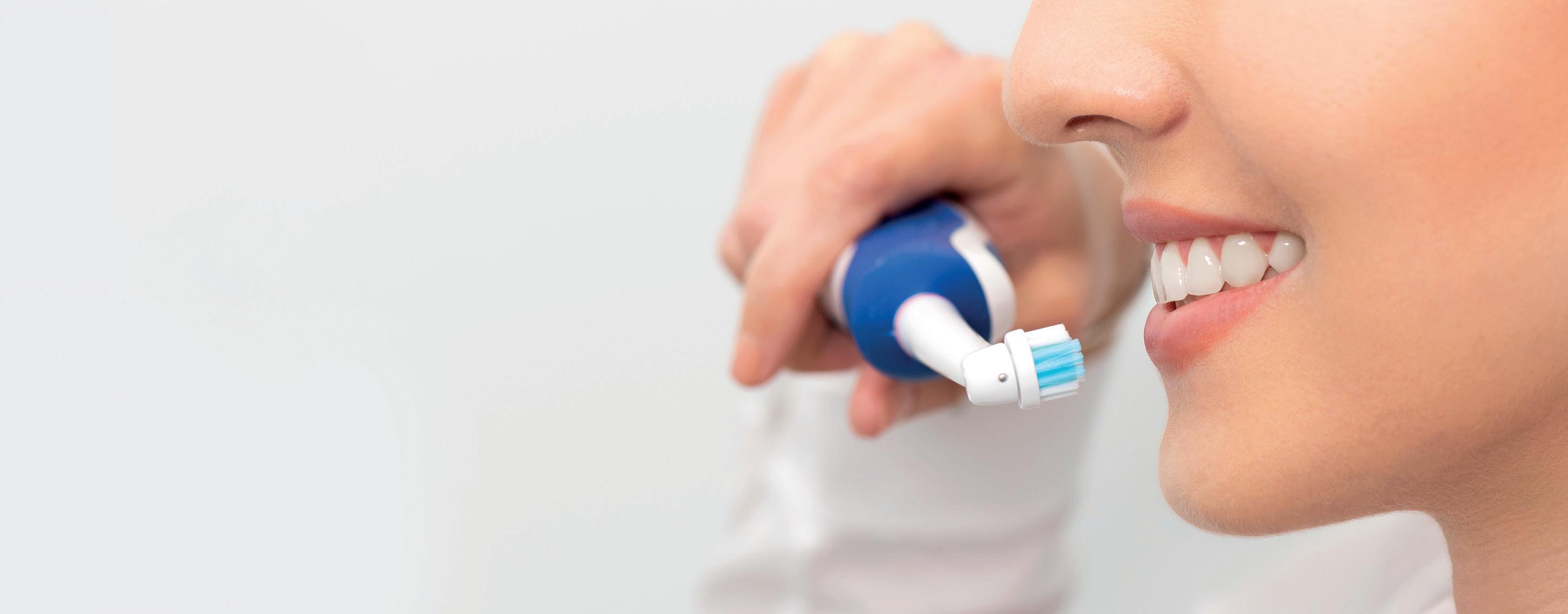
Generally, toothpastes are considered to be a cosmetic product, with their purpose to clean the teeth only. However, a small number are considered to be medical devices – offering sensitivity or enamel protection, for example. In order to make these claims, these toothpastes undergo rigorous regulatory processes – Medical Device Regulation (MDR) – to prove that they are backed by scientific evidence. Clinicians should be aware of the significance of MDR, and what it means for the toothpaste they recommend to their patients. This may influence their decision making when it comes to selecting a product of the highest possible standard.
What is a medical device?
According to the Medicines & Healthcare products Regulatory Agency (MHRA), a medical device is any product which claims to treat or prevent disease. As mentioned, toothpaste can fall into either the cosmetic or medical device category, depending on its intended results. Toothpastes which are intended to be used to relieve dentinal hypersensitivity could be classified as a medical device. Whilst enamel remineralisation and demineralisation is a natural cycle, with a fluoridated toothpaste contributing to maintaining a healthy balance, products which claim to remineralise the enamel imply a medical function. However, if a toothpaste is designed to be used purely to clean the teeth, freshen the breath, and maintain good oral hygiene, it is considered cosmetic. Here are the symbols that tell you what to look out for:


The MD logo means that a product is a registered medical device and the CE 0050 logo refers to a notified body number associated with CE marking, which indicates that a product complies with European safety, health and environmental requirements. It is important to recognise that even though toothpastes are usually ‘cosmetic’ they still have a clear role in keeping the teeth and gums in good condition, and protecting against cavities and gingivitis – claims relating to this, therefore, are in line with the cosmetic definition and have benefit for public health awareness. Further to this, whilst enamel remineralisation and demineralisation is a natural cycle, with a fluoridated toothpaste contributing to maintaining a healthy balance, products which claim to remineralise the enamel imply a medical function.
What does medical device regulation involve?
The medical device approval process in the UK is complex and thorough, ensuring optimal patient safety and device efficacy. There are a number of steps that must be followed to ensure that a medical device meets high standards of quality and safety. These steps include:
Classification and intended use definition
Precisely defining the intended medical purpose – prevention of caries or reduction of dentine hypersensitivity, for example – and determining the correct risk class under MDR (usually class IIa for therapeutic toothpastes). This classification dictates the level of oversight and the type of conformity assessment required.
Clinical evaluation and evidence dossier
A clinical evaluation report is compiled which includes a systematic review of the available literature, clinical investigation data, and a benefit-risk analysis. This must demonstrate the clinical performance of the toothpaste.
Risk management and biological safety
A full ISO 14971 risk management (formulation, biocompatibility, potential adverse effects, and mitigation strategies) is performed, a toxicological risk assessment is conducted for all ingredients and finished product, and proof of compliance with ISO 10993 safety requirements (cytotoxicity, irritation, and sensitisation) is provided.
Technical documentation
A detailed technical document is created which includes the product’s formulation and manufacturing process, quality control specifications, stability and shelf-life data, packaging and labelling information, and a post-market surveillance plan.
Notified body review and conformity assessment
The entire technical document is then submitted for independent assessment. Here it will undergo a rigorous review, which involves requests for additional data or clarifications, facility inspections and audits, or verification that the quality management system (ISO 13485) is in place and effective.
Declaration of conformity and CE marking
Once this stage is approved, an EU declaration of conformity is issued and the CE mark is affixed to packaging. This signals that the toothpaste is compliant with MDR and legally allowed on the market.
Ongoing post-market surveillance and vigilance
This process does not end here, ongoing surveillance is essential to ensure compliance with these high standards. This involves collecting and analysing data on product performance in the market, preparing periodic safety update reports, and undergoing regular audits and re-certification to maintain MDR status.
It is important to note that more recent changes mean that medical devices in the UK are now able to apply through a UK Approved Body, to receive a UKCA marking for a medical device.
What does this mean for patients?
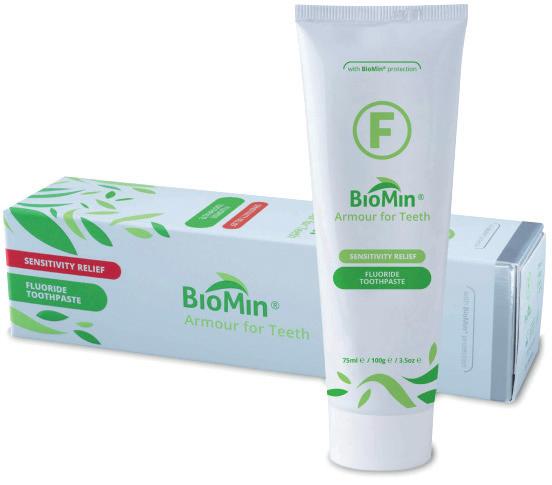
At BioMin®, we believe your patients deserve science you can trust. That’s why we have chosen to classify BioMin® as a medical device under MDR, the most rigorous standard in Europe for products that impact your health. Due to the comprehensive nature of testing, only a handful of toothpastes in the UK go through medical regulation. BioMin® does, because we are committed to giving you more than a quick fix. We deliver real results, verified by science, and trusted by dental professionals worldwide. Your patience while we complete our latest MDR update helps us keep that promise. Next time you order BioMin®, you can be sure you’re recommending one of the most thoroughly validated sensitivity toothpastes available. With BioMin®, you can confidently say: “This works — and I know why.”
It is beneficial for clinicians to understand what sets certain toothpastes apart from each other, in order to provide the best recommendations to patients depending on their unique needs. Recommending toothpastes which comply with MDR means that patients can consistently use a product which has been independently verified and clinically-proven to provide high-quality outcomes.
The science is clear. The solution is simple. www.biomin.co.uk n
Back in Stock Soon!
We are currently experiencing a temporary disruption in supply across many of our usual stockists due to regulatory processes. While this is a temporary pause, it’s a part of ensuring we meet the highest standards and continue to provide safe and trusted products to our customers.
We’re working hard behind the scenes to resolve this and will be sharing updates on our website as soon as we have a clearer timeline. Your patience and continued support is truly appreciated.
Smarter tools for better decontamination
Like all processes in the dental practice, any opportunity to automate, streamline and standardise procedures should be taken. Not only does this maintain highquality workflows and excellent patient care, but it also saves the business significant time and money. Achieving this optimal level of efficiency requires effective planning, wellrounded team training and smart equipment implemented across the practice.
a prime opportunity for efficiency
The decontamination workflow presents a prime opportunity to utilise modern technology as a way of simplifying the team’s tasks, while also elevating both patient and professional safety. Maintaining infection control and prevention protocols is a crucial yet often thankless task for professionals, who must comply with strict regulations while facing time pressures in the dental practice every day. This must also be balanced with time spent interacting with and supporting patients. As such, the more minutes saved during the decontamination process – without compromising quality or safety – the better and less rushed patient care can be.
team training
One way for the team to better cope with these challenges is to be confident in their roles. Ongoing training is essential to keep their knowledge and skills up-to-date and in line with the latest professional guidelines and recommendations. Whether this is

provided in-house or by an external source, it should be revisited on at least an annual basis to make sure all relevant members of the team understand their responsibilities. When they are confident in their skills and appreciate the importance of not cutting corners, higher decontamination standards can more consistently be achieved.
a gold-standard
Several technologies are utilised as part of the dental decontamination workflow today. The autoclave, for example, is the workhorse of every practice, consistently ensuring the sterilisation of reusable instruments. The solutions on the market today afford greater efficiency than they once did, with options like automatic data loggers removing a step for professionals and simplifying their to-do list.
The other piece of equipment at the heart of health and safety in the dental practice, is the washer disinfector. Mandatory in Scotland under SHTM 01-05, the solution is considered best practice in England and Wales by HTM 01-05. Consequently, the washer disinfector will feature in every dental practice in the UK that strives to achieve best practice in patient safety and care.
The equipment elevates the equality of decontamination in a number of ways. It is superior to hand washing instruments because it affords an automated and validated workflow – a manual process could never be performed in exactly the same way twice in a row, unlike two cycles in the washer disinfector. This gives confidence that instruments are sufficiently cleaned and disinfected in preparation for sterilisation. It also provides a data trail that can be used as evidence of the practice’s compliance during an inspection or audit. Furthermore, the implementation of features like hands-free instrument trays removes the manual interaction with instruments, reducing the risk of needle stick injuries among staff too.
Save time and money
Beyond achieving validated standards of instrument cleaning, the humble washer disinfector also saves the team time. The minutes that would otherwise have been spent washing instruments by hand after every appointment are eliminated – and can be better spent with patients.
In an environment where time equals money, this is also a positive for the business’s profitability. The bottom line is optimised by the increase in productivity that is made possible with dependable automation. Leading brands of washer disinfectors can accommodate up to 360 instruments per cycle, offering a fast and efficient solution to cater for the needs of even the largest and busiest of practices.
The new Miele PWD 8682 underbench washer disinfector from Eschmann also performs heavy-duty cleaning, disinfection and drying in under an hour for this number of instruments, taking productivity and workflow efficiency to the max. When you combine this with the Eschmann Care & Cover servicing and maintenance package, you can rest assured that your equipment will be expertly tested, maintained and validated. Not only does it help you to meet the regulations, but it also minimises the risk of equipment malfunctions or downtime, optimises product life and includes annual ECPD staff training for maximum return on your investment.
Work smarter not harder
Life in a dental practice is busy enough without adding manual tasks that can be more efficiently, more consistently and more safely performed by the right equipment. Instrument decontamination is a crucial daily workflow and the washer disinfector is the ideal candidate to perform a streamlined and validated job. For more information on the highly effective and affordable range of decontamination solutions available from Eschmann, please visit www.eschmann.co.uk or call 01903 753322 n
about the author Nicky Varney, Head of Marketing at eschmann.

Smarter business data management for practice success
The dental industry is constantly increasing in pace – in every aspect.
From clinical work to clerical tasks, patient experience workflows to finances and more, the pressures that professionals are facing continuously accumulate. Balancing high-quality clinical care with the business’ increasingly complex expectations is a tricky task at the best of times, notwithstanding when other issues arise. With such a vast number of elements constantly in consideration, one aspect of particular and growing importance is the ability to ensure the tracking of practice data. Whilst some practices adequately collect and monitor these figures, the best ones surpass this by utilising such statistics to make informed decisions that improve practice workflows and outcomes.

Why data matters in dentistry
Running a dental practice requires an astute conjunction between clinical proficiency and entrepreneurial skill. Hence, success within this role requires the maintenance of patient satisfaction, financial organisation, the consistent adherence to regulations, and ensuring staff fulfilment through broader measures. At the very core of coordinating each of these practice elements is the fact-based findings – statistics. The accurate and judicious analysis of data ensures consistently strong understandings of practice performance and finances, whilst enabling the monitoring and evaluation of further fundamental insights. Not only does this help to comprehend practice performance, but assists
in identifying where improvements must be made. Without quantitative evidence, practice managers and owners must navigate decisions and improvements speculatively – which can directly impact practice advancement. Regardless of short- and long-term goals, there are certain common statistical elements that many practices will find useful to consider.
chair time and efficiency
The analysis of chair time means far more than understanding patient experience, and results in much more than patient satisfaction. The data – including patient turnaround and appointment length per specific procedure –can allow practices to gain a greater scope on productivity by identifying inefficiencies. The optimisation of such means increased patient satisfaction and more streamlined workflows.
tracking patient flow
Firstly, tracking patient encounters is integral –practices need a reliable data source to quantify the number of patients being seen within particular time frames, how often patients are being seen, and the context of visits. Truly understanding this information assists in recognising demand patterns, optimising appointments and schedules, and subsequently evaluating whether the demand and capacity are accordant.
Finances
Financial management reinforces the maintenance of every practice. In order to gain clarity on profit, revenue, outgoings, and more, all must be continuously tracked. By accessing clear financial figures, practices can assess the importance and necessity of respective expenses, making amendments to such and exploring different expenditure options. Through the meticulous assessment of a practice’s figures, its future is more secure, with supported
investment decisions, tax-compliance, budget navigation, and more.
NHS care
Many practices deliver NHS services. Hence, activity must be consistently monitored to ensure that contractual expectations are adhered to. Inadequacy could lead to claw back, whilst excess in treatment means that clinicians are working underfunded. When supported with accurate data, the practice can plan better and protect finances and precious time.
Specific treatments
For practices that have specific treatment areas which they might plan to develop further – such as implantology, cosmetic dentistry, or endodontics – marketing analytics should be scrutinised. Tracking such data allows practices to cognise the success of marketing campaigns, understand customer behaviours, improve future strategies, and establish the return on investment. All of this can assist in achieving a competitive edge in each respective field. These analytics can be utilised in specific departments or for the practice overall.
the risks of poor data supervision
When practices rely on their own organisation systems, there are inevitably greater potential data security risks, primarily due to human error. Furthermore, the ill-keeping and utilisation of one’s figures means restricted practice growth, unidentified inefficiencies and issues, and subsequently reduced patient satisfaction – all due to the lack of informed evaluation. Digitalising your workflow with cloud-based platforms can alleviate lots of the stresses and risks associated with data management. Sensei Cloud from Sensei, the practice and patient management brand of Carestream Dental, transforms practice’s management of
business stats, offering security, consistency, and ultimate peace-of-mind. Designed by dental professionals for dental teams, the system allows practices to take control of their performance.
From managing contracts to simplified reporting systems, tracking revenue streams to maximising practice efficiency, the Sensei Cloud offers multiple advancements through the monitoring of data. The platform collates actionable information –a centralised solution for confidence and progression within your business.
Future-proofing your practice with data management
Successful practices require a compound of both clinical excellence and great business results. Remaining informed on fundamental figures – such as patients’ statistics, treatment types figures, finances, and more – is essential for such. Not only does having direct and easy access to this data reduce workload, but is also vital for making informed decisions and advancing the future of your practice.
The advantages of using digital cloud-based systems ultimately surpass all other methods of analysis. Rather than setting assumption-based goals, real-time performance data means actual results and substantial improvements.
For more information on Sensei Cloud visit https://gosensei.co.uk/
For the latest news and updates, follow us on Facebook and Instagram @carestreamdental.uk n
about the author claire Mccarthy, Senior Director of program & process excellence at carestream Dental.
More than a waste management handler
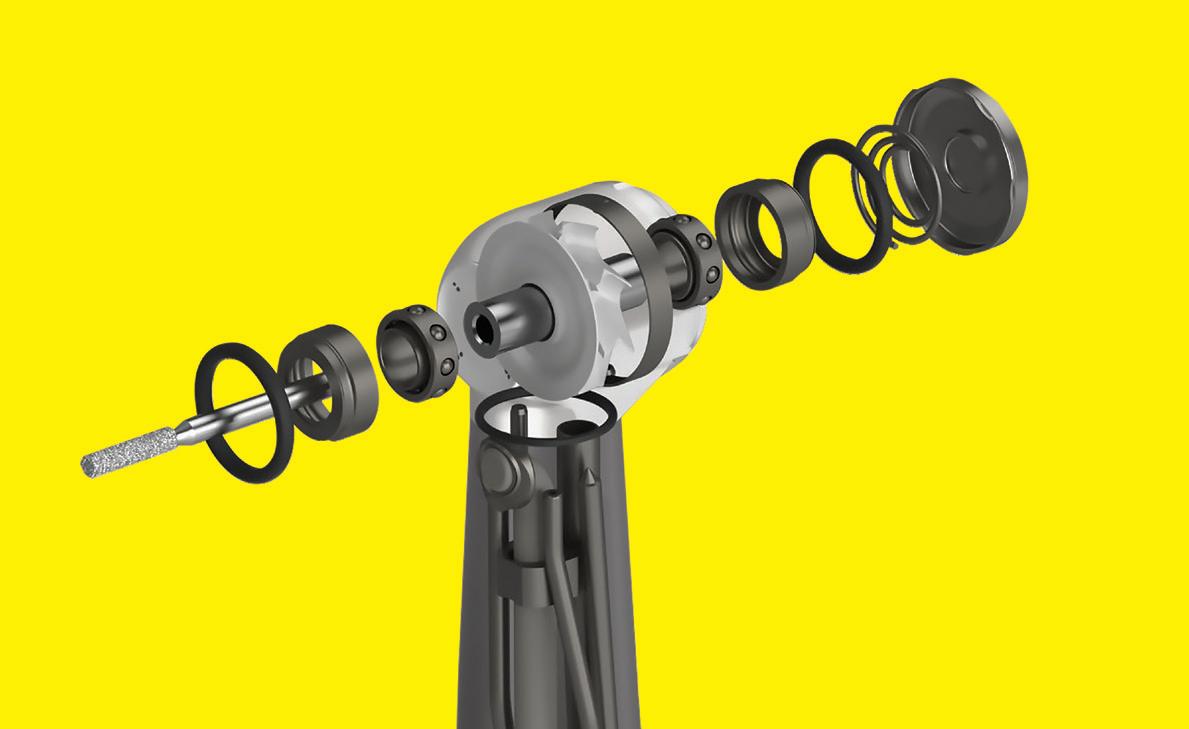
Patients, practice teams, and dental chairs are the foundations of great dentistry. Then, other elements of care enter the fray, as a good practice needs imaging systems to support their workflows, a detailed record keeping system to safely manage patient information, and the support of a waste management service to collect the waste produced through the giving of clinical care. However, a specialist waste management service shouldn’t just collect your waste items. Instead, they should be able to support your practice in a number of ways, from helping you understand current guidelines, and giving advice on waste segregation, to providing appropriate complaint waste storage containers and layout solutions for your practice.
insights on paper Waste management workflows in general health and dental care follow the guidance in Health Technical Memorandum 07-01 (HTM 07-01). This framework helps healthcare waste producers meet legislative, technical and policy requirements, whilst reflecting key principles for sustainable workflows – including improved environmental protection, social outcomes, and reduced carbon emissions.
The NHS Clinical Waste Strategy, built to steer decisions at a nationwide level, features a number of priorities and principles that can be applied to every dental practice’s waste
strategy. One element is investing in a skilled workforce, and HTM 07-01 interprets this by suggesting NHS England shares knowledge and best practice with others, whilst also seeking specialist advice where it is needed.
The dental practice’s relationship with a waste management provider can work in the same way; through collaboration and the sharing of information, dental teams and waste management services can change the way they work for the better, whether for streamlined protocols or more environmentallyfriendly actions.
Seeking out expert advice is reinforced further throughout HTM 07-01, including with waste consignment notes. Used as part of the control system for hazardous waste, consignment notes are the legal responsibility of a waste producer (the dental practice), but advice from a waste contractor is indicated as appropriate in many instances. Clinicians could also seek advice for other administerial and equally important tasks, such as waste pre-acceptance auditing. Guidance from specialists on subjects such as this ensures practices continue to follow regulations to the letter, and ensures individuals are kept abreast of any changes to disposal guidelines.
practical changes
Waste management experts will often be able to provide advice based on their extensive knowledge of workflows in other practices, and
similar healthcare providers, such as GP clinics or hospitals, which will require hazardous waste handling in a similar manner. This experience makes them ideally placed for guidance in workflow and waste container layout changes in the dental practice, as they understand the technical needs that healthcare professionals must meet.
As seen throughout HTM 07-01, dental professionals must have clinical waste containers located at points of use, as well as larger bulk containers for storage in safe areas, away from patients and public spaces.
This includes specific bins for safer sharps disposal, to protect the dental team, patients and waste handlers. A specialist waste management service will be able to identify where potential issues could arise, such as improperly positioned or maintained storage, and provide alternative solutions. This could be in the form of actionable changes on the spot, or advice for different containers or solutions that can be delivered to the practice.
Working with a partner that is also a supplier of such solutions can simplify these steps. It ensures any changes enacted by clinicians can be completed without having to reach out to multiple different services, saving time that can be better spent providing leading patient care.
However, dental professionals should be confident that their chosen partner is a reliable source for advice, practical solutions and waste collection. Ensure your service is registered with
the Environment Agency to legally transport or dispose of waste, or act as a broker, and has appropriate accreditation in place for providing clinical waste solutions.
Support you can trust
When looking for regulatory guidance and practical waste management support in your practice, choose Initial Medical. With half a century of expertise managing hazardous waste, the Initial Medical team can provide unique insights into your own workflows, with support for effective changes that can be made.
Our free clinical waste compliance audit survey will assess each step of your waste management process and identify areas where attention is required. Initial Medical is also well positioned to support your needs as a waste handler and provider of regulatory-compliant, colour-coded hazardous waste containers.
A waste management service can do more than collect your waste items, unlocking the full potential of a service begins with simple questions, and an effective partnership can blossom.
To find out more, get in touch at 0808 304 7411 or visit www.initial.co.uk/medical n
about the author rebecca Waters, Head of Marketing at rentokil initial.







New year, new habits
Oral hygiene routines are all a matter of habits. Some people like to take their time with them, brushing, flossing and using mouthwash at their own speed. For others, its often an afterthought, and the last thing to do before leaving the house for work or school.
When clinicians encourage patients to make effective changes to their routine (whether this is cleaning more often, or adding a new step) it’s important to consider that this changing an existing habit, or creating a new one entirely.
With New Year’s resolutions around the corner, there is no better time to speak to patients about their habits, and encourage them to develop healthier behaviours where necessary.

current behaviours
Good habits for oral hygiene include regular toothbrushing, interdental cleaning, tongue cleaning, and an awareness to seek support from dental professionals when needed. This is typically supported by mechanical cleaning performed by a dental professional in the practice.
The adult oral health survey for 2021 (latest available data) from the Office for Health Improvement & Disparities found that 77% of adults in England with natural teeth brushed twice a day, which is a promising figure. However, this also notes that many people aren’t keeping to the official guidance.
A smaller number of people use interdental cleaning solutions; just 30% utilised dental floss in their routine, and 21% used interdental brushes, whilst 11% used interdens, toothpicks or woodsticks. Interdental cleaning, completed properly, has many known benefits, including the reduction of periodontal disease and dental decay, which in turn are linked to general health conditions such as diabetes, strokes, cardiovascular disease, and more.
The data shows that efforts are still needed to encourage patients to take up these oral hygiene habits. Understanding some of the psychology behind habit formation could help clinicians advise simple changes that make a significant difference.
How to form a habit
Habits are repetitive enactments of behaviours within a consistent context, which eventually become near enough automatic and effortless. It takes time for these actions to become habitual. One idea in popular culture stems back to the 1960 text Psycho-Cybernetics by Maxwell Maltz, which suggests that new habits need just 21 days of repetition. This is heavily disputed, with many questioning variables such as the
difficulty or value of the targeted behaviour as well as the attitudes of an individual trying to develop a new routine.
A 2021 study found it took a median of 59 days for successful habit formation, reflecting a similar finding of 66 days in a prominent 2010 study. Participants with successful habit formation were more likely to have chosen a behaviour which felt intrinsically more rewarding. Both of these studies worked on the concept of behaviour in response to a cue, for example, drinking a glass of water when watching the news. Clinicians should encourage patients to try and pair oral hygiene routines with generic, everyday behaviours. Patients could clean interdentally after styling their hair for the day or following a shower, in effect typing the actions together mentally.
To ensure a habit is formed, consistency in repetition is required. In turn, patients need self-control for a significant period of time before the automaticity of the routine sets in, allowing the behaviour to be performed without exceptional thought.
inspired by reward
Telling patients about the eventual rewards of good oral hygiene and interdental cleaning may help them establish an end goal, which can drive motivation and encourage selfcontrol. This is inspired by the thought that successful habit formation is linked to behaviours that feel more rewarding.
In personal oral hygiene routines, the reward of regular interdental cleaning includes improved periodontal health, reduced risk of caries, and increased success of restorations by minimising treatment-related infection. This not only reduces the need for future treatment, but improves aesthetics by reducing inflammation.
Reward may also be felt through using a known effective and comfortable solution, like the Cordless Advanced water flosser from Waterpik™, the #1 water flosser brand recommended by dental professionals. The solution removes up to 99.9% of plaque from treated areas, including between teeth and below the gumline. It is 2x as effective for improving gingival health when compared to string floss, and includes 3 different pressure settings for a personalised, simple flossing experience.
With patients having one eye on the new year, suggesting improved oral hygiene routines with interdental cleaning could influence their upcoming resolutions. With benefits for their oral health, aesthetics, and potentially confidence in everyday life, using new solutions to form healthier habits may be the best way to enter 2026.
For more information on WaterpikTM water flosser products visit www.waterpik.co.uk. WaterpikTM products are available from Amazon, Costco UK, Argos, Boots and Tesco online and in stores across the UK and Ireland. n
about the author
rachel Bennett is a dental hygienist working at Bupa Dental care Leeds and churchview Dental care. She is a professional educator for Waterpik™.
Advice for busy parents experiencing dental pain
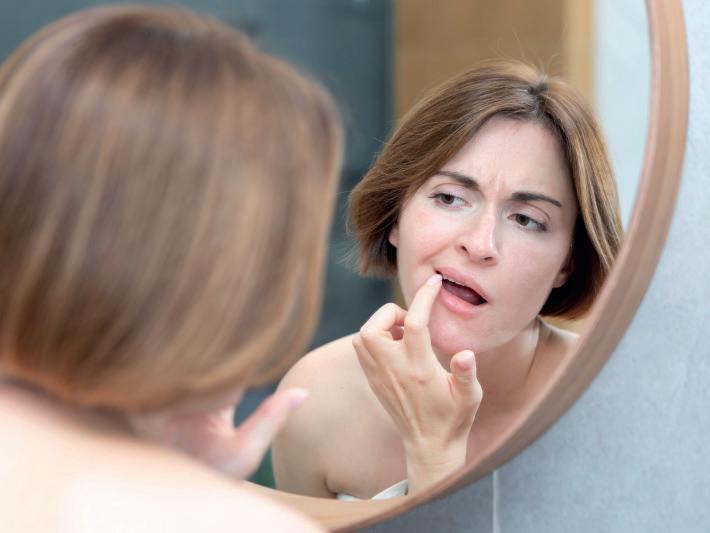
Toothache can be incredibly disruptive for any patient, and particularly so for those who are busy parents – trying to balance caring for their children, daily chores, working, and keeping up with the pressures of family life. It’s important that parents understand the importance of seeking care quickly should they experience dental pain, to ensure it is dealt with at the earliest possible stage, and to prevent any issues progressing further. After all, should the cause of the pain develop into a serious problem, the patient will inevitably require a more extensive and time-consuming treatment type down the line.
As such, it’s important that dental professionals are equipped with the appropriate recommendations for busy parents, both to manage their physical and mental wellbeing, and ensure they can be free of pain as quickly as possible.
Don’t ignore the problem
Sometimes, parents may feel that they can power through the pain of a toothache – but it is absolutely essential to advise against this. Toothache could be a sign of various problems ranging from caries and tooth fracture, to a dental or gingival infection. As such, ignoring the warning sign that something is wrong could result in worse decay or a more serious infection, requiring more invasive treatment to resolve it and often incurring higher costs. In extreme cases, ignoring the problem may lead to severe decay or periodontitis, which may in turn lead to tooth loss or the need for extraction.

c ontact the dental practice immediately
Ideally, clinicians should recommend that patients in pain contact the dental practice immediately, to ensure they receive timely care. Whether this is mentioned during routine appointments, or is made clear on the practice website, a dental exam is the best way to eliminate pain long-term by treating the cause. Even if a patient’s pain subsides, it’s crucial that they still seek dental care, as their pain may return with increased severity.
When a patient contacts the practice, it may be helpful to offer advice about what to avoid to prevent their pain from worsening. For example, avoiding potential triggers of pain and sensitivity can help to reduce discomfort whilst they wait to receive care. This might mean limiting hot and cold foods and drinks, sticking to soft foods, and avoiding chewing on the painful area of the mouth. Similarly, it may be helpful to
recommend the use of a soft toothbrush, to avoid making the pain and sensitivity worse, whilst still keeping the area clean.
Utilise at-home pain relief in the short-term
It should be a clinician’s top priority to free patients of pain as quickly as possible, due to childcare arrangements and a busy family life, for some patients, this may mean they are unable to attend the practice for an assessment immediately. Whilst this is not ideal, it is important to offer helpful advice to enable them to effectively manage their dental pain at home whilst they wait for their appointment.
Such advice might include rinsing the mouth with salt water as this is thought to reduce bacteria and inflammation and aid healing. Patients may also take oral painkillers – such as ibuprofen or paracetamol – to help manage the pain, although these can take time to take effect, and will not provide immediate relief from pain. As such, alongside these, a painrelieving gel should be recommended. These can be purchased from supermarkets and pharmacies, and offer an accessible and fast-acting pain relief solution.
Orajel Dental Gel is a fantastic option for the rapid relief of toothache, taking action in under two minutes. It contains 10% benzocaine – a powerful local anaesthetic – which can be applied directly to the affected area for fast results, and can be found in supermarkets for easy access. For more acute dental pain, recommend Oraje Extra Strength. It contains 20% benzocaine, the highest strength available without a prescription, and can be purchased from pharmacies, quickly acting to numb the painful area.
Even though many parents may be hesitant to visit the dentist for dental pain due to family commitments, it is essential for their health and wellbeing that they do so. By putting their health first, and being free from pain as quickly as possible, they’ll be better equipped to care for their family. For those who are not able to attend the practice immediately, in the case that childcare is not able to be arranged quickly enough, it is important to help patients manage their pain from home.
For essential information, and to see the full range of Orajel products, please visit https://www.orajelhcp.co.uk/ n
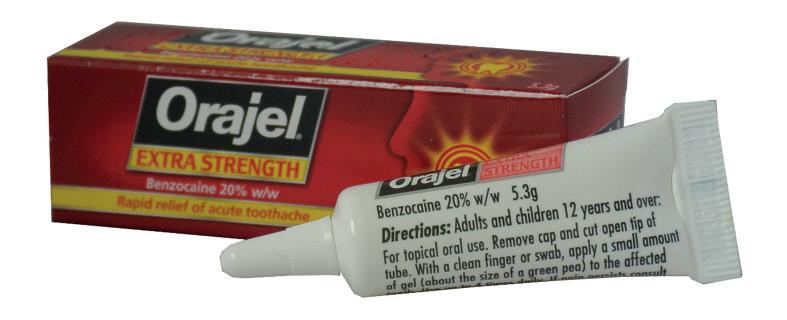
Play smart
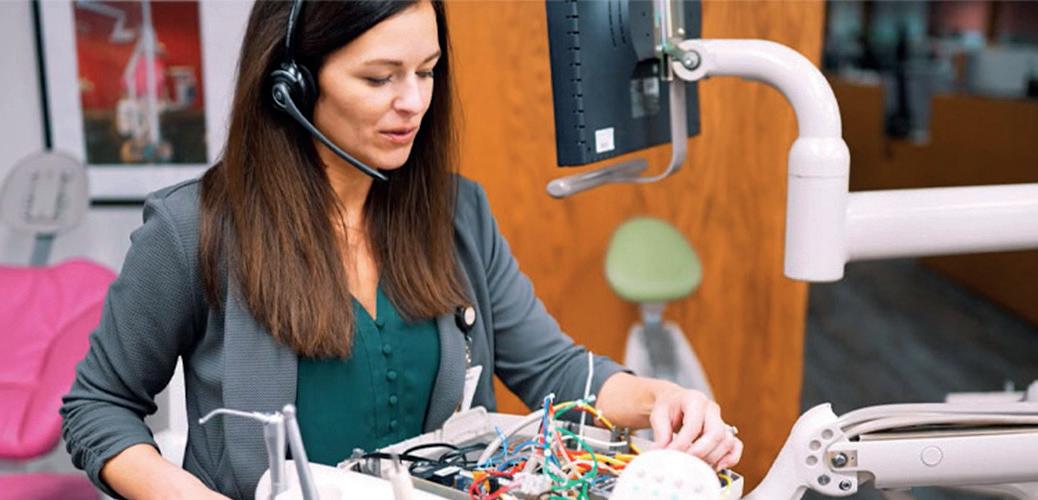
When you put your hard-earned money into investing in high-quality equipment – be it your car, computer, or dental chair, you naturally expect excellent performance and reliability. However, the real secret to protecting that investment often comes down to maintenance, the quality and the spare parts that keep everything running smoothly, day in day out. Some practices think that opting for cheaper generic replacement brands rather than A-dec spare parts will save money, but those short-term savings can lead to much bigger expenses down the line, and are therefore not recommended by A-dec. In a dental practice, your equipment is far more than just tools; it’s the foundation of the care you provide your patients. From chairs and delivery systems to handpieces and waterlines, every single component plays a crucial role. That’s why A-dec, a name trusted worldwide in dental equipment, highlights the importance of using genuine parts that are specifically designed, manufactured, and approved for A-dec systems.
The a-dec difference: commitment to excellence A-dec has built its reputation on decades of precision engineering, high-quality control, and innovative design. Every part manufactured, no matter how large or small, is crafted to meet exceptionally high standards and rigorously tested. By choosing genuine A-dec spare parts, you’re guaranteeing compatibility, top-notch performance, and adherence to the original equipment manufacturer’s specifications. It’s not just about replacing a part; it’s about keeping your equipment performing as it was meant to. That meticulous attention to detail is what sets apart the “A-dec difference”.
Genuine matters: compatibility, performance, safety
lead to poor fits, subpar materials, and, in the worstcase scenario, void your equipment’s warranty.
On the flip side, using genuine spare parts can benefit dentists in several ways:
• Safety – They help ensure your equipment meets all necessary compliance standards
• Functionality – Engineered for optimal performance and seamless integration
• Longevity – Designed to match the specifications of the original equipment, helping prolong lifespan and reduce long-term maintenance costs
examples of non-genuine parts
Even the tiniest components can make a huge difference. A few common areas where counterfeit parts often sneak in include syringe tips, handpiece control cartridges, lubrication, tubing and gaskets.
Here are just a few examples, in greater detail:
• Syringe tips that aren’t branded or approved can damage the O-rings in the tip retainer nut assembly, which could lead to tip ejection
• Handpiece cartridges and bearings made from subpar materials significantly increase the risk of failure
• Low-quality tubing and hoses can crack, leak harmful chemicals, or fail to meet hygiene standards. A-dec’s internal tubing is thoughtfully colour-coded for easy installation and crafted with Alphasan® antimicrobial additive to help slow down contamination
Warranty impact?
While generic or third-party parts might seem like a good deal, they often come with hidden risks. Parts not specifically designed for your equipment can compromise the output and functionality of your equipment. Using non-approved components can
When it comes to warranty, parts retention and longterm support, genuine A-dec parts, for example, come with a robust parts-retention policy. A-dec keeps service parts available for up to 15 years after a model is discontinued, and cosmetic parts with colour-match support for up to five years. This forward-thinking approach means your equipment is supported long after you make your initial purchase. Plus, using non-approved parts can void your warranty. A-dec clearly states that using parts not approved by the manufacturer “will immediately compromise the quality and performance of your equipment” and “voids any
warranty”. Combine that with A-dec’s recent introduction of a 10-year warranty on core equipment, and it’s clear: choose genuine parts to protect your investment.
Investing in peace of mind
When you choose genuine spare parts, you’re not just keeping up with maintenance; you’re making a smart investment. You’re safeguarding the value of your equipment, minimising downtime, ensuring safety, and maintaining the resale potential of your asset.
With original components, you can be confident that:
• The fit is precise, which means less wear and tear, fewer breakdowns, and unexpected costs are kept to a minimum
• The materials are specifically selected for the dental environment, significantly reducing the chances of corrosion or early failure
• You stay compliant with the medical equipment regulations that apply to your practice
In a nutshell: you make a one-time investment and enjoy years of dependable performance.
a-dec: where quality begins with design
From the very first design concept to every engineered component, A-dec builds quality into its products, not as an afterthought, but as a foundation. By choosing genuine A-dec spare parts, you maintain the full integrity, reliability, and performance of the equipment your team depends on every day. The result? Your team can deliver exceptional care with confidence, your equipment operates precisely as intended, and routine procedures run smoothly without interruptions. In contrast, non–A-dec parts may appear cost-effective upfront but can create unavoidable downtime, shorten equipment lifespan, and lead to closures that directly affect patient flow and practice revenue. Using authentic A-dec parts protects your investment, minimises risk, and ensures your treatment rooms stay productive rather than paused. Secure the future of your dental practice today. Visit https://unitedkingdom.a-dec.com/clean-and-maintain to learn how genuine A-dec parts and maintenance guidance can help you maximise performance, reliability, and long-term value n Future-proof
Metal microparticles – what’s the damage?
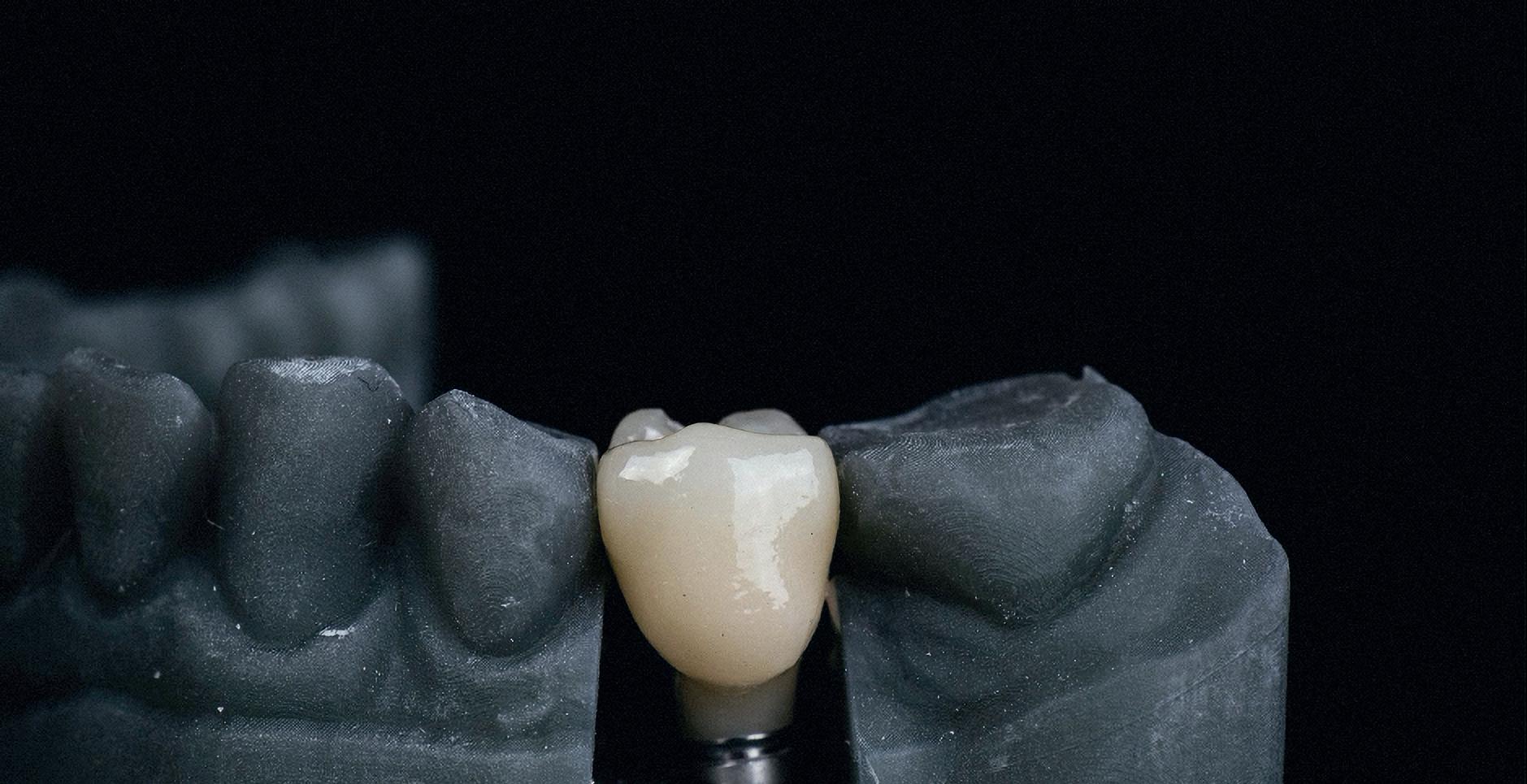
It’s no secret that human bodies are currently ingesting and inhaling more microplastics than at any time in human history. Whilst the long-term impacts of this are yet to be fully discovered, it is unlikely to be positive. But microplastics aren’t the only microscopic concern.
Miniscule metal particles can enter the body through respiratory, dermal, gastrointestinal, circulatory, immunological and neurological tracts. For dental professionals, titanium microparticles are of particular concern due to their role in dental implant treatments and their perceived association with peri-implantitis.
titanium troubles
Discovered in 1791, titanium is the ninth most abundant metal on the planet. Two centuries later, the first titanium dental prostheses were made, revamping the healthcare landscape by offering a strong and safe material that was biocompatible with the human body and compatible with CT and MRI scans. Titanium has since become the most common material for dental implants, promoting osseointegration when the metallic surface fuses with the jawbone. However, the relationship between implant material and implant failure must be considered. One of the leading causes of treatment failure is peri-implantitis, with an incidence among implant patients of 20-47%. Whilst the risk factors for this are many – poor oral hygiene maintenance, lifestyle choices like smoking, diabetes and other health conditions – one area to focus on is the role of titanium micro-particles.
Research on peri-implantitis
patients found that a much higher concentration of titanium microparticles was present at an inflamed site than a healthy implant site.
There are several explanations for the presence of micro-particles:
• The abrasion of the drill bit against the bone tissue can produce metal particles that remain around the implant site
• Metal particles have been detected in the surrounding tissue immediately after implant placement
• Dental trauma
• Implant wear
The latter is the most likely cause: titanium reacts quickly to oxygen, forming a layer of oxide film that improves corrosion resistance and optimises biocompatibility. Friction between the bone surface and the implant can destroy the oxide film, exposing the titanium and increasing its vulnerability to corrosion. This process then releases particles into the surrounding tissue, making wear a risk factor that dental professionals should educate their patients on to contain this problem. This could include wearing mouthguards for sports or at night to prevent bruxism, and attending regular dental appointments.
Correlation is not causation
Whilst there is substantial body of research highlighting the prevalence of titanium microparticles in periimplantitis patients, there is a minimal understanding of whether the metal is a direct cause for the disease. A recent study challenged this notion and emphasised how previous research only focused on inflamed sites. In the research, patients had
soft tissue samples taken from both peri-implantitis implant sites and healthy implant sites; each patient was therefore their own control. Titanium microparticles were found at all examined implant sites, suggesting that their presence is not associated with the occurrence of peri-implantitis.
For clinicians, undersized preparation of the implant bed during osteotomy can be a risk factor, leading to increased friction between the bony wall and the screwshaped implant during installation. Dislodged titanium microparticles are then embedded in the supracrestal connective tissue. The tissue samples that contain more titanium particles have an altered gene expression, especially for genes relating to inflammation and wound healing. This suggests that the microparticles may have more of an association with the symptoms of peri-implantitis than being a risk factor for it. The disparities in microparticle densities were also noted, with various implant types producing differing results.
manage the metal
Despite the presence of microparticles not directly causing peri-implantitis, its impact on gene expression may slow healing for infections. Clinicians can manage this in several ways. First, surface-treating the implant can increase the resistance to friction and therefore delay the corrosion rate of the titanium. Different titanium alloys can also be effective, offering superior corrosion resistance and releasing fewer microparticles. Above all, clinicians should stay up to date on the latest research around dental implants, ensuring that any
breakthroughs are accounted for when planning and executing future implant treatments.
To support clinicians with this, the Association of Dental Implantology (ADI) runs an excellent programme of Study Clubs throughout the year. Bringing renowned experts and likeminded dental professionals together to discuss the latest advancements in implantology, the CPD-accredited sessions help attendees achieve their educational objectives for the year. Each UK region hosts up to four Study Clubs per year – exclusively for ADI members. Join today to enhance your knowledge and skills in implantology.
eyes open for the future
Titanium is an integral material for clinicians, providing first-class strength and biocompatibility. The presence of metal microparticles in the soft tissue around implants should be reason for concern, but as more research continues to understand the impact of it on the oral cavity, clinicians should continue to master their treatments and stay at the forefront of scientific developments.
For more information about the ADI, visit www.adi.org.uk n

about the author
amit Patel is President of the association of Dental Implantology (aDI) and a specialist in periodontics.
Secondary caries interpretation and adhesive choice
Your patient is somewhat dentophobic, and they’ve been working through their anxieties under your care. They required a restoration to a tooth after developing caries, but have since made efforts to improve their diet and oral hygiene routine, and even managed to remain calm during their appointment where you placed their first (and hopefully last) composite restoration. Delighted with their ability to face their fears, they have diligently looked after their restoration and strived to make more regular dental appointments.
Upon their return to the practice to monitor the health of the new restoration, you take a radiograph. On first appearance your patient has developed secondary caries. You know that this might mean replacement of the restoration completely, and understand how this might impact your patient’s confidence and progress through dentophobia, potentially impacting the progression made in oral health improvements – but can you be certain of what your radiograph is telling you?
Secondary caries diagnosis is sometimes difficult to differentiate from restorative materials or other defects. The literature notes that a highly sensitive approach to detection could identify nearly all lesions, but increase the risk of false-positive diagnoses. On the other hand, a highly specific approach would avoid overtreatment, but could miss many incidences of secondary caries, leaving the restoration to suffer as a result. Understanding why it can
be difficult to identify secondary caries is key to providing patients with the highest quality of care.
Crown and composite confusion
Around 50-60% of defective restorations are replaced due to secondary caries, but this could be a clear case of overtreatment, since the rate of restoration failure due to secondary caries is as low as 2-3% in controlled clinical trials. Visual misdiagnoses may lead to clinicians confusing secondary caries lesions with microleakage or residual caries, and radiographic assessments can lead to professionals mischaracterising restorative material radiopacity, the presence of bond layer, or residual caries. The radiopacity of restorative materials is especially important to focus on. This feature enables clinicians to more easily distinguish restoration from dental defects, minimising the risk of overtreatment due to misdiagnosis of an issue such as secondary caries. Many restorations and dental cements are radiopaque naturally – especially amalgam or metal alloys – and composite materials often use specific fillers to increase their visibility in X-ray images.
This isn’t always the case with dental adhesives. When a clinician uses a solution with insufficient radiopacity, and then observes a radiograph, they can face interpretation struggles; radiolucency below a composite restoration could be secondary caries, a lack of marginal adaption, or simply a thick layer of adhesive material. To prevent overtreatment, a clinician needs
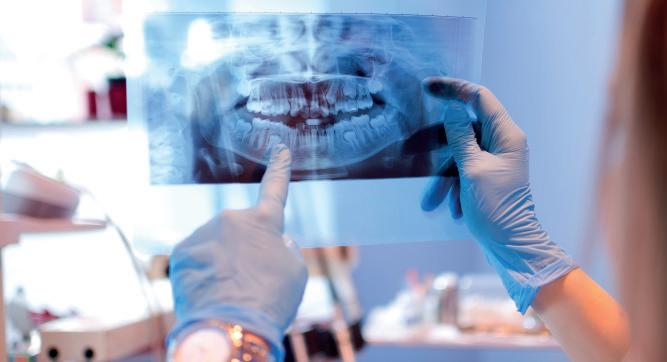
to monitor the patients’ health over time, taking action when clinical and radiographic changes are observed in ensuing visits. How the clinician places the initial restoration can also make a difference – demanding clinical skill and the correct restorative solutions to achieve an optimal result.
In the clinician’s hands
Secondary caries can appear below a restoration for a number of reasons. Sometimes called recurrent caries, development is a multifactorial process which takes on the key pathogenesis for ‘conventional’ caries, but is modified by a restoration or sealant margin. Since the problem is partially linked to the quality of the restoration, the clinician can be a main factor behind secondary caries development – and in turn, a key contributor to a restoration’s success.
The dental professional must adequately remove residual caries, and apply restorative materials at an adequate depth and in a sufficient quantity. Gaps beneath restorations may be a result of poor initial placement of a restoration, and can cause subsequent issues potentially requiring retreatment.
Clinicians also, of course, have control over the materials used. When choosing those for a restoration, it’s important to not only identify the best possible solutions for an immediate success, nor one that will last long into the future, but recognise that upon reassessment, the radiopacity of the materials chosen can affect treatment choices.
An adhesive solution like the 3M™ Scotchbond™ Universal Plus Adhesive from Solventum is ideal for a range of indications. Offering control and predictability, the material provides gold standard adhesion to all dental substrates, and bonds and seals caries affected dentine to support minimally invasive dentistry. Importantly, it is also the first universal adhesive with dentine-like radiopacity –this reduces the risk of misdiagnosis and overtreatment down the line, supporting your patients and the clinicians that care for them.
With the recognition that dental materials, and therefore the choices of the clinician, can affect the risk of overtreatment, dental professionals should endeavour to have reliable and effective solutions on-hand. Increased radiopacity can help clinicians when making assessments in the future, and in turn give patients an improved chance at high-quality care.
To learn more about Solventum, please visit solventum.com/en-gb/home/oral-care/ For more updates on trends, information and events follow us on Instagram at @solventumdentalUK and @solventumorthodonticsemea n ©Solventum 2024. Solventum and the S logo are trademarks of Solventum and its affiliates. 3M and Scotchbond are trademarks of 3M company.
Dental imaging: decisionmaking in orthodontics
Orthodontic treatment has long been a solution for correcting patients’ dental function and aesthetics, with many patients feeling self-conscious if they have misaligned teeth or struggle to keep their mouth clean. As such, it is important that clinicians who provide orthodontic treatment are well equipped to provide tailored care to patients, using accurate equipment for predictable outcomes. A variety of imaging techniques may be required to diagnose and treat orthodontic patients, depending on the specific needs of each case. Options may include panoramic radiographs, cephalometric x-rays, and 3D CBCT scans. As such, it’s important to have a good understanding about what benefits are afforded by each type of imaging, and when it may be appropriate to use them.
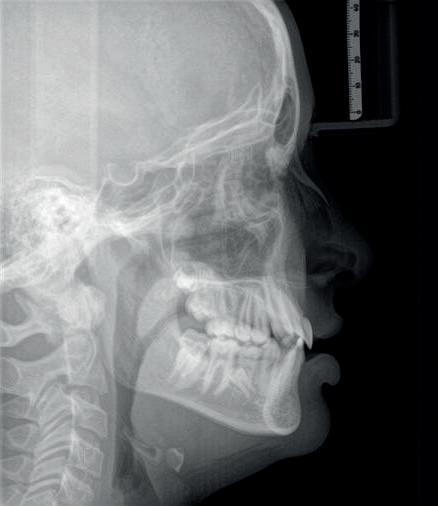
Panoramic x-rays
A panoramic x-ray is a great way to capture a broad view of the dentition, enveloping the jaws, sinuses, and nasal area too. It offers a wider view than a conventional x-ray and therefore provides useful information about the tooth positioning and any bone abnormalities. This makes it helpful for the planning of orthodontic treatment. The principal use of a panoramic x-ray is to assess the presence, position, and morphology of any uninterrupted teeth. It should also be noted that, because this is intended as a broad view of the whole mouth, and it is unlikely to be helpful for the diagnosis of pathologies, especially as the image is shallow, and may exclude parts of the dentition.
Cephalometric x-rays
A cephalometric x-ray provides a side view of the head. It shows the relationship between the teeth and jaws, and can be particularly helpful in orthodontic treatment. This is because it can be used to assess the temporomandibular joint and the causes of tooth misalignment (especially overbite and underbite), and diagnose any tooth and jaw fractures and analysing the precise measurements of teeth and their roots. In addition to aiding in diagnosis and treatment planning, cephalometric x-rays may be used for monitoring treatment progress.
3D CBCt imaging
Cone-beam computed tomography (CBCT) is able to create 3D images of the teeth and jaws, with results offering high resolution images which are excellent for diagnosis and treatment planning accurately. CBCT scans also provide a view of the soft tissue and nerve pathways. The 3D nature of the scan is particularly helpful in the planning of orthodontic treatment as it allows the clinician to visualise the clinical situation in 3D space; viewing teeth in relation to each other, the jaw bone, and the gums.
Specific areas where 3D CBCT imaging is useful include the accurate localisation of unerupted maxillary canines, identification of root resorption, assessment of unerupted dilacerated teeth, and in planning the surgical removal of supernumerary teeth.
High-quality, versatile equipment
The amount of equipment available in the practice will often depend on the types of treatment provided. As such, for those providing orthodontic treatment, it’s important to have high-quality, versatile imaging equipment on hand to meet your daily needs. Sometimes, space in the practice is at a premium, so investing in one piece of equipment which is able to perform multiple functions can be very helpful, and ensure that images can be taken within the practice for a smoother experience for the patient, and workflow for the dental team.
Versatility, dedicated low dose settings, and high image quality are just a few of the characteristics that make the Orthophos S, from Clark Dental, the perfect addition to any practice offering orthodontics. When used as part of an orthodontic workflow, it offers safe and efficient treatment and supports you in reaching an accurate diagnosis efficiently. The Orthophos S system is able to produce a range of images, including panoramic and 3D CBCT, along with the option of adding a ceph arm on the left or right, depending on your preference and practice space.
When a practice is equipped with a versatile imaging solution that enables them to accommodate the needs of their orthodontic patients all in one place, they are able to more effectively diagnose, treatment plan, and monitor patient throughout their course of treatment and beyond. When clinicians offer orthodontic treatments regularly, making considered decisions about the type of imaging required on a case-by-case basis will help inform accurate diagnoses and enable them to produce a predictable treatment plan in every case.
For more information call Clark Dental on 01268 733 146, email info@clarkdental.co.uk or visit www.clarkdental.co.uk n
The shape of a tooth
So much goes into an aesthetic smile. Aspects such as symmetry, the visibility of the gingival and buccal corridors, and malocclusion all come into play. The individual shape of each tooth can also make a big difference, collectively coming together to form a smile that can be judged – subconsciously or otherwise – by those that see it.
Understanding what makes an aesthetic tooth shape, and how clinicians can help deliver this to patients, is important for maximising the potential success of cosmetic and restorative treatment.
What is an aesthetic tooth shape?
Many aspects of restorative dental care, whether completed purely for cosmetic purposes or to remedy functional problems, will interfere with the appearance of the dentition. This influence could be positive or negative, and the clinician should always try to optimise the final result for the patient’s benefit.
When people are highly satisfied with their smile, they are more likely to show their teeth when smiling, and like to see their dentition in the mirror, videos and photographs. Overall the self-perception of dental aesthetics can affect greater social and psychological well-being factors, with a knock-on effect on their self-confidence.
A pleasant smile is also advantageous in job interviews, social interaction, and when finding a romantic partner.
the making of a perfect smile
Subtle changes can make a significant difference when assessing the perception of smile attractiveness. Though there is no universal agreement on what makes up a “perfect smile”, studies mostly show agreement amongst dentists, non-dentists, males and females regarding different aesthetic aspects of the dentition.
A 2017 report found a general consensus among different smiles, but dental professionals and non-clinicians differed slightly in just two instances. In one subject, which clinicians were slightly more critical over, aspects such as a poor crown to root ratio and asymmetry in the midline may be identified as of importance to those in the profession. In another subject, which the clinicians preferred, the smile could be commended less highly by the layperson due to minor incisal edge chipping. This suggests that though aesthetics are generally agreed upon in consensus, minor discrepancies can alter opinion based upon knowledge of dental care.
minimally invasive intervention
Research shows that rounded or semirounded incisal embrasures are preferred to rectangular incisal forms, and this may therefore be a common request when patients seek cosmetic treatment.
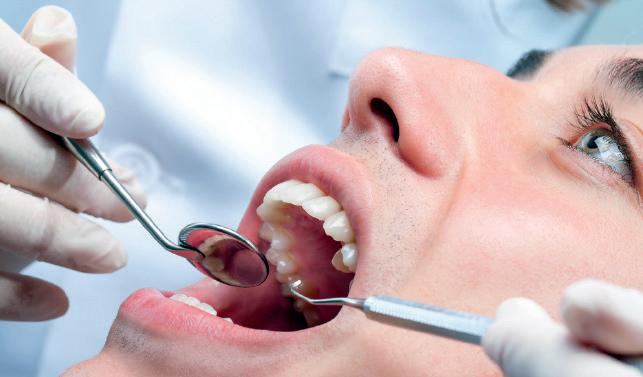
If an individual wishes to amend their tooth’s shape, a clinician must consider how changes could impact aspects such as occlusion – unsuitable treatment could create more problems than it solves, causing damage to a restoration and the surrounding dentition. Clinicians could also use a consultation to recommend more long-term treatment, such as orthodontic care, if it is suitable and aligns with the patient’s desired outcomes.
For minimally invasive care, cosmetic bonding can be a useful tool for reshaping individual teeth across the dentition. In cases of tooth wear, additive treatments such as direct composite bonding are preferred, reducing the risk of future complications caused by the removal of too much hard tissue. Repairs may be needed in future, and technical skill is required to provide an aesthetic and functional finish; clinicians should seek out high-quality educational opportunities to learn such techniques before putting them into practice.
Direct composite restoratives may also be suitable when patients want to amend the shape of their teeth even when excessive wear is not present, and therefore can act as an ideal cosmetic solution. Once again, clinicians should only provide such treatment when it is deemed to not impair their long-term health.
treat with care
To provide restorative care that optimises the aesthetic appearance of the dentition, and individual teeth, clinicians need confidence in their ortho-restorative skills. With these, treatments can be long-lasting and meet patient expectations.
The Ortho-Restorative course from IAS Academy covers key aspects of care, such as aesthetic tooth shaping and simple edge bonding, as well as advanced retention management for cases including orthodontic care. Delegates are supported by leading tutors who also provide lifelong mentoring where desired. The course equips clinicians with the ability to deliver complete treatment plans to their patients with confidence.
The shape of a tooth is just a small part of smile aesthetics, and might be included as part of considerations for a wider treatment plan. Understanding how clinicians can support patients is possible when we realise what an “attractive” tooth shape looks like, and how to achieve it safely.
about the
author
Stuart Clark, managing Director at Clark Dental equipment Systems.

When supporting patients who are dissatisfied with the shape of their tooth, there are a variety of effective treatment approaches that can be suitable. A clinician should always ensure the chosen mode of care is in the patient’s best interest, with a holistic approach that collates their physical, psychological, social, and longterm oral health needs, as well as the likelihood of achieving the patient’s targets for treatment.
For more information on upcoming IAS Academy training courses, please visit www.iasortho.com or call 01932 336470
(Press 1) n
about
the author
Dr tif Qureshi, Founder and a Clinical Director of IaS academy.

Why the new UK wet-wipes rules matter
…and why clinical staff and patients don’t need to panic
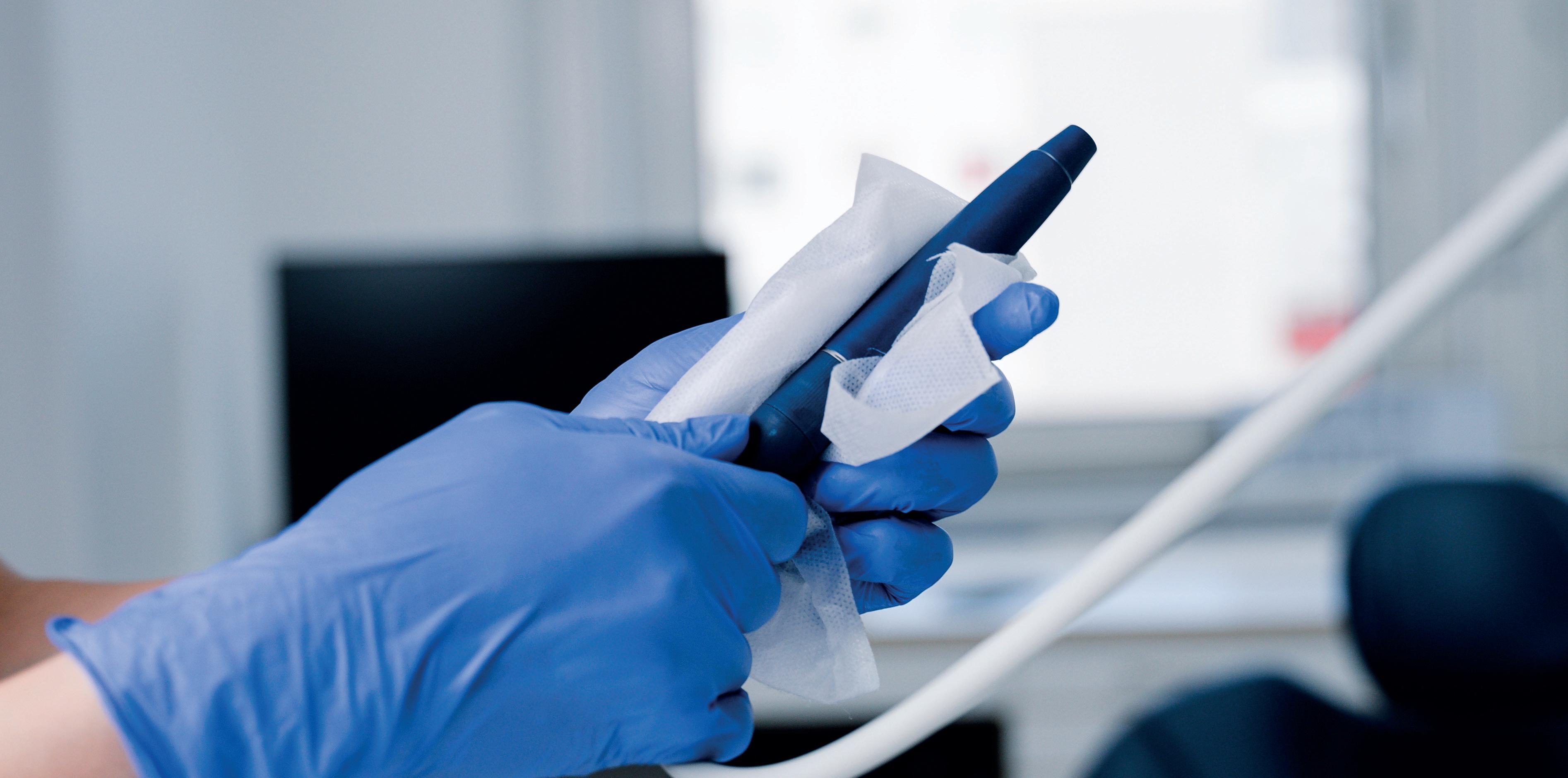
In order to protect waterways, the UK government has recently confirmed the ban for wet wipes that contain plastic. From Spring 2027, wipes that contain plastic will no longer be available for sale or supply.
Importantly, there is a critical exemption to this ban for wipes designed for use within medical environments.
Why do wipes use plastic?
A wipe material is designed to do one thing and one thing only: transfer the disinfectant solution to the surface in order to destroy micro-organisms that cause infection. Polypropylene is a great material for this purpose as it ‘releases’ the solution easily. Other materials can absorb the disinfectant and prevent its release on to the surface. This can result in poorer disinfection performance.
After the UK government confirmed new legislation to ban the sale and supply of wet wipes containing plastic in England, our first thought was: How could this effect patient care and infection prevention?
The answer, thankfully, is now clear. It will not!
“Disinfection wipes that are used in medical (this includes dental) environments by professional clinical staff will be exempt from the ban.”
Wipes that are currently supplied to provide vital infection control for healthcare purposes can continue to be used.
This means the wet wipes that Topdental manufactures, in our own Bossklein brand and for our range of other brand partners, will remain unaffected by the ban.
Our wipes will continue to be utilised everyday by thousands of clinical professionals, controlling infections and reducing the risks associated with disease transmission.
What do we think of the ban?
Topdental support this ban and the switch to plastic-free alternatives for general, mass market consumers. These are genuine, positive steps that can have a real environmental impact in both reducing the production and waste of plastic.
The ban is designed to reduce the amount of plastic pollution and microplastics that end up in drains, sewers and waterways. These plastic fibres do not biodegrade properly, causing blockages and contributing to long term pollution.
It was important to receive official confirmation of the ban and for a timeline to be established. The ban is expected to come into force in Spring 2027.
Why the exemption matters
Many of the wipes sold to consumers are designed for convenience, including baby wipes, cosmetic wipes and household cleaning wipes. Unfortunately, many of these wipes are then flushed down the toilet and enter the waterways.
The wipes used in dental surgeries and hospitals are engineered differently. These include extensive testing for biocompatibility, disinfection efficacy and regulatory compliance. Importantly, these wipes are not entering the sewage system after use.
Disinfection wipes used in clinical environments should be discarded within clinical or offensive waste. This is alongside other items such as used PPE and dressings. This waste is likely to be incinerated, which removes many of the risks associated with plastic pollution entering waterways.
A blunt ban without provision for medical use would risk interruptions to vital infection control protocols. The new UK wet wipe regulations make a clear distinction between consumer products and disinfection wipes supplied for medical professionals. That legal clarity protects both patient/staff safety and the continuity of supply to healthcare providers.
prioritising healthcare
We welcome the environmental intent behind the ban. Microplastic pollution from consumer wipes is a real problem but we also know that healthcare has different needs.
Dental surgeries, hospital wards and other clinical environments are considered at high risk for cross contamination. The high levels of traffic from patients and staff increase risk. Disinfection performance is vital in these highrisk areas.
Topdental’s wipes are registered medical devices that fulfil the exemption criteria and will continue to be manufactured and supplied. Topdental wipes already include all the correct documentation and labelling that purchasers (and regulators) require to show they are for clinical use.
plastic-free alternatives
At the same time, innovation is part of Topdental’s DNA. We already offer a biodegradable, plastic-free wet wipe designed for both dental practice and medical hygiene applications.
Bossklein V-WIPE ZERO ECOXL disinfection wipes are made from renewable cellulose fibres. They are formulated to the same microbial standards as our traditional products.
These disinfection wipes are the ideal alternative for practices looking to reduce their plastic use and carbon footprint without sacrificing performance.
a balance of safety and stewardship
The new rules aim to protect waterways and sewers from persistent plastic fibres, a goal Topdental wholeheartedly supports. At the same time, they wisely protect healthcare providers with the agreed exemption.
Topdental Products Ltd. manufactures disinfection wet wipes for the healthcare industry, this includes dental surgeries and hospitals. Our wipes are registered medical devices, which are designed for use by professional clinical staff.
At Topdental, we’re committed to supplying safe and certified wipes for clinical care and accelerating plastic-free alternatives, ensuring safety levels remain high and that the health sector can reduce its overall environmental impact.
Find out more by visiting topdental.co.uk or call 0800 132 373 topdental.co.uk | bossklein.com n
about the author
Max Harris, design and Marketing Manager at topdental.

Smile in a day
In the modern world, immediacy is the order of the day. We are all looking for speed and efficiency in every area of life, often choosing convenience over anything else. This has been reflected in dentistry, where professionals are continuously searching for faster ways to deliver care without compromising quality, accuracy or predictability. When treating any teeth in the posterior zone, an added challenge is achieving all of this while optimising strength and durability too. As such, the clinical techniques and restorative materials utilised will have a significant impact on treatment outcomes and patient satisfaction.
Unlocking value
A significant number of patients attend the dental practice in search of restorative solutions.
Tooth wear is a leading cause of damage to the teeth, with over 70% of the adult UK population estimated to experience mild to severe symptoms. Dental caries and periodontal diseases are also major culprits, with upwards of 50% and 80% of adults respectively developing issues in these areas.
Trauma is another factor driving patients into the dental chair needing quick and efficient restorative solutions. Affecting thousands of patients in the UK every year, dental injury is most often caused by falls, assaults, bicycle accidents, sports and road traffic incidents.
There are a number of potential advantages that are unlocked with the successful delivery of same-day restorative dentistry in all of these scenarios – once any underlying disease is under control, or is being managed. The patient typically appreciates the shorter time to teeth, with the reduced number of practice visits lowering travel costs and increasing convenience for them. They are also left without a complete smile for the shortest amount of time, which positively contributes to their self-esteem and quality of life. For the clinician, a shorter treatment time often improves efficiencies in the daily appointment schedule and allows them to see more patients during the day. An added advantage is greater patient satisfaction, which – when properly utilised – can boost their reputation and that of the practice overall. Increased patient satisfaction and loyalty are great for the business, leading to improved patient retention and securing the future sustainability of the practice.
Clinical confidence and competence
There are many factors affecting the quality and speed of restorative treatment delivered to patients. Top of the list is professional education and training completed by the dentist, who will need the knowledge and skills to perform the treatment being offered. With high-quality training and experience, clinician confidence can be improved, which has also been shown to directly impact clinical competence and the standard of outcomes achieved.
technology
Aside from clinical skills, dentists also need access to technology and equipment that will allow them to perform
restorative dentistry to the best of their ability. The digital workflow has grown significantly with regards to popularity and application in recent years, largely driven by this demand for faster and more efficient treatment solutions. The literature has suggested digital dentistry to save time during the implementation of smile design in appropriate cases, as well as in the laboratory process. here are also positive implications for patient education and medico-legal protection. In addition, the digital workflow is driving improved patient experiences, enhanced diagnostics and heightened customisation of treatment. The result is faster treatment, with no compromise in quality.
materials
Just as the technology used is crucial to the quality and speed of care delivered, so too are the materials. All product characteristics should be evaluated, from ease of handling to setting time, polishability and flexural strength, ensuring that they will result in excellent restorations that patients will love.
Restorative solutions are plentiful in the dental marketplace today, but not all are made equal. The BRILLIANT Bulk Fill Flow from COLTENE represents the next generation of bulk fill composites, providing highly reliable restorations. Designed for efficiency-driven dentistry, it facilitates fast, predictable and aesthetic restorations for posterior teeth, with a dependable 4mm curing depth achieving polymerisation in just 20 seconds. With no top layer needed, high abrasion resistance and one adaptive multi-shade option, it elevates speed of workflow with no compromise in strength and longevity.
Speed without compromise
As dentistry continues to evolve and patient expectations drive the need for fast yet high-quality solutions, sameday dentistry will need to be routinely delivered by professional teams. With the right training, technology and materials, clinicians will be well-positioned to restore smiles efficiently, while still maintaining function, aesthetics and longevity.
For more information, visit colteneuk.com/BRILLIANT_Bulk_Fill_Flow Email info.uk@coltene.com or call 0800 254 5115. n
about the author
nicolas Coomber, COLtene national account & marketing manager.
Effects of saliva on intraoral scan accuracy
Precision and trueness both represent different aspects of accuracy. Precision refers to the consistency between a measurement and an approved reference, and trueness is the similarity between successive measurements and the same value.
Inconsistency in clinical and laboratory methods can have an adverse effect on the accuracy of the resulting prosthesis. Cumulative inconsistencies accrued at varying stages of the process may result in a less optimal fit for a restoration. As such, as the initial stage of the fabrication process, impression accuracy is absolutely crucial. When selecting a method for impression taking, it is important that clinicians consider the various factors that might impact the outcome.
Impact of saliva on intraoral scan accuracy
One aspect which may affect intraoral scan accuracy is saliva. A clinical study of 50 dentate individuals under four different intraoral environmental conditions revealed that there was a 13% deviation caused solely by the presence of saliva. The study revealed the mean positive deviation to be 72µ and the negative to be 62µ, and found the reflectance behaviour of the beams emitted by the intraoral scanner to be unpredictable on complex surfaces.
This may mean that the different patterns of reflected light in tissues with different surface properties – teeth and gingiva –also affected the accuracy of the resulting scans. The research found that the maxilla was preferred when an intraoral scanner is used due to easier saliva isolation and the absence of movable structures (such as the tongue) which may otherwise have a negative impact on scan accuracy.
the need for accuracy when producing dental appliances and restorations
In order to produce the best fitting appliance or restoration for patients, it’s important to obtain the most accurate dental impression possible. This is relevant to numerous aspects of dentistry, including restorative, orthodontic, and dental implantology. For example, in order to provide precise customised orthodontic appliances, like lingual brackets or aligners, close attention must be paid to surface deviations at the micrometre level.
Additionally, the correct fit of implantsupported restorations is absolutely crucial for long-term treatment success and the avoidance of biomechanical issues.
Research suggests that digital implant transfer accuracy using an intraoral scanner improved when the setting was dry compared to moist, again emphasising the impact that saliva has on the accuracy of digital impressions.

Importance of traditional impressions
Research has found that most dentists are now familiar with intraoral scanners, however specialists have a better knowledge of them than general dentists. This is important as the operator’s background has an impact on scanning performance, demonstrating a need for improved training in this area to ensure accuracy is reliably achieved. In certain cases, in particular full arch, clinicians must take into account the potential for inaccuracies when it comes to intraoral scanners compared to conventional alginate impressions. An in vivo study into the comparative trueness of intraoral scanners and alginate impressions found that there was 0.10mm of deviation in full arch cases between the two methods, and highlighted the need for clinicians to take this into consideration. This suggests that, in such cases, alginate impressions should be taken to ensure accuracy, and so as to avoid the potential issues caused by light reflection, scanner calibration, and excess saliva in the mouth.
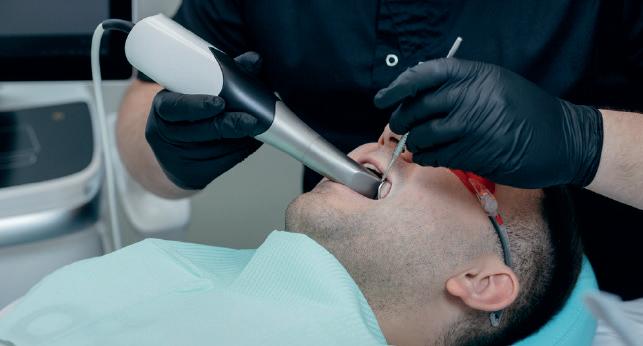
However, the choice to take conventional alginate impressions no longer means missing out on the extensive benefits of a digital workflow. With the Cubit360™ dental object scanner from Mimetrik™ – the world’s only six degrees of freedom scanner – dental impressions can be digitised to a far higher quality than intraoral scanners through fast and intuitive scan capture. Particularly suitable for complex treatment types, simply hold the impression in front of Cubit360 and scan to create a digital scan which can be shared instantly with the dental lab, eliminating the risk of loss or breakage during transit.
As intraoral scanning continues to gain popularity, it is crucial that clinicians are aware of the potential for inaccuracy in the resulting scans, and the factors that may contribute to this – such as saliva and lighting. Further to this, decisionmaking around when to use an intraoral scanner, and when alginate impressions remain the best option, especially in full arch cases, for example. Digital workflows remain accessible, even when conventional impressions are taken, thanks to the latest innovations in the field.
For more information about Mimetrik, please visit https://mimetrik.tech/ n
about the author
Although intraoral scanners have become increasingly popular in recent years, research surrounding the accuracy of digital impressions for veneer restorations advises clinicians to be cautious – overcoming the associated learning curve and ensuring optimal conditions (including maintaining a dry surface during scanning).
alyn morgan is the immediate Past President of the British endodontic Society, and the co-founder and CeO of a spin-out company from the University of Leeds, mimetrik Solutions.
“I’ve got a Christmas party next week! I want Whiter teeth… what can I do?”

Who doesn’t want the White Christmas that Bing Crosby sang about? The weather rarely brings the snow, but you can still offer all your patients a Whiter Christmas!
Whilst the organised patients will have asked in good time, think of how many leave the thought of a whiter smile until it is too close to Christmas to start that course of take-home whitening.
But, with BlancOne in Surgery Whitening from Trycare, you can now offer such patients the White Christmas they want! In as little as 10 minutes! How convenient is that?
And a fast, convenient Whitening isn’t just for Christmas! What about before summer holidays, or the best friend’s wedding?
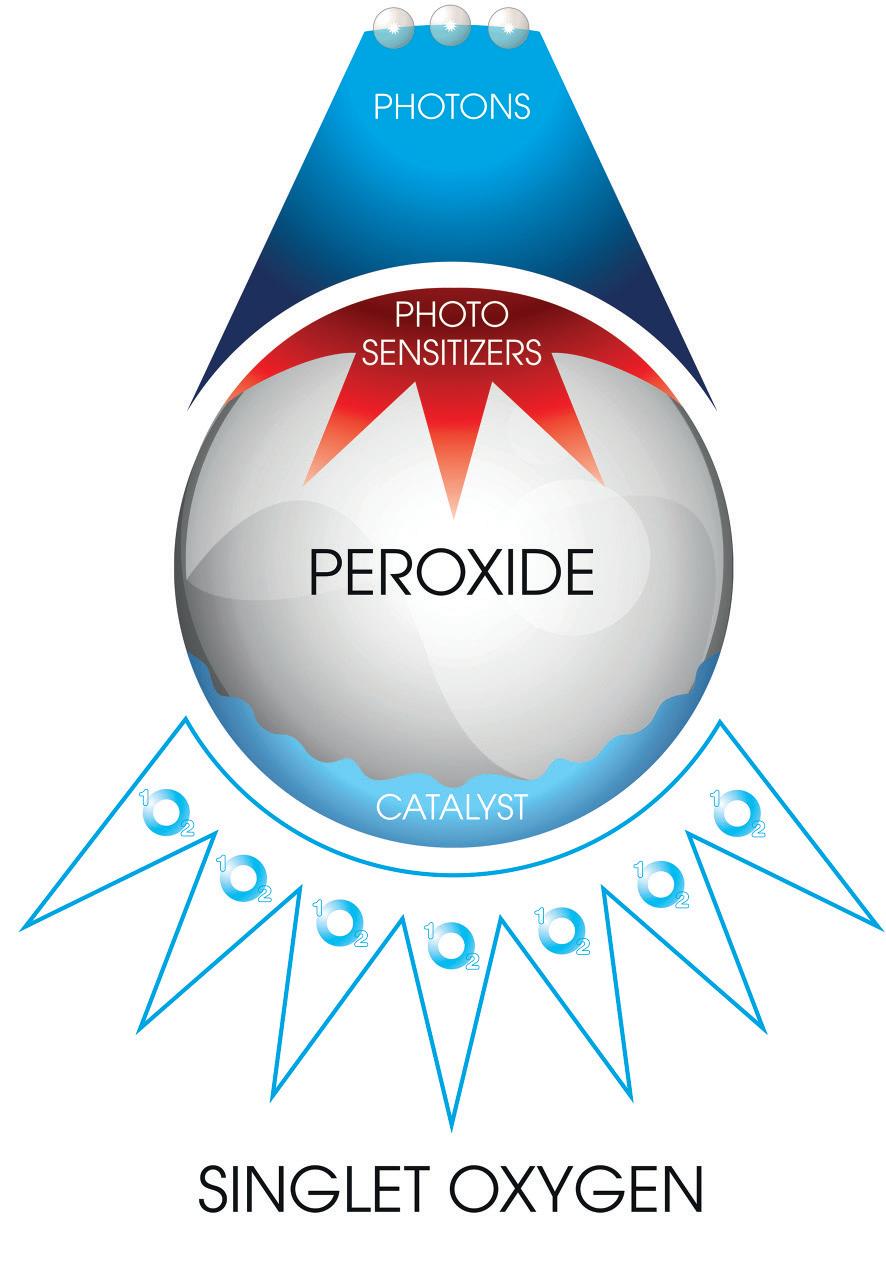
How does it work?
The special, patented gel contains peroxide within the current permitted concentration. This peroxide is mixed with a combined photo activator and catalyst, which is applied directly to the teeth in a matter of seconds. No timeconsuming gingival barrier is necessary – simply switch on the light!
The light causes the activator to hasten the release of the all-important oxygen from the now bright, red gel. As more oxygen is released, the gel bubbles show that the fast whitening is happening!
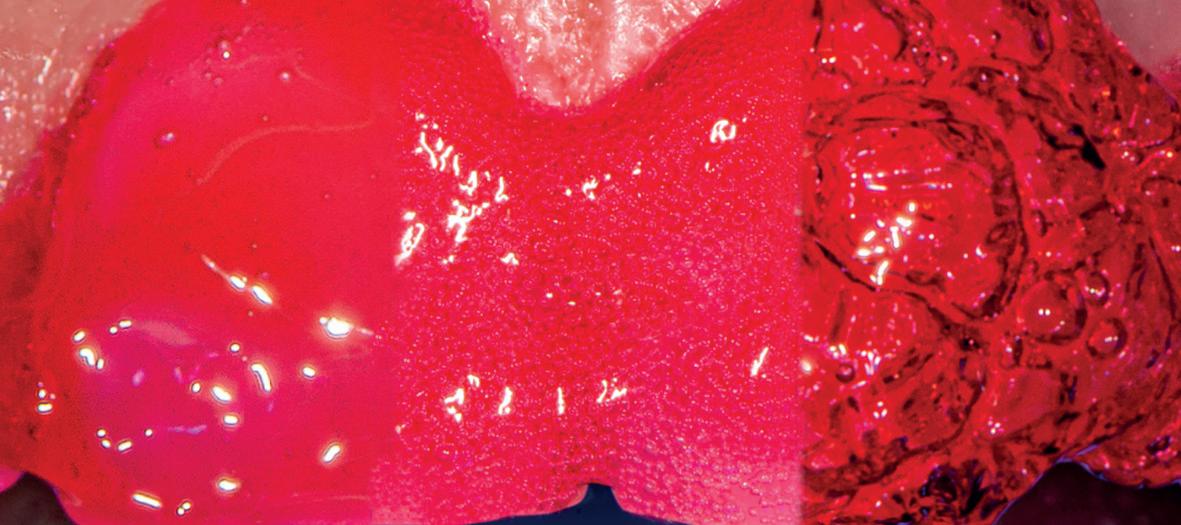
If the patient has limited time, or perhaps wants a quick whiten after hygiene, BlancOne Click delivers a couple of shades whiter in a mere ten minutes that will last for the festive period!
Does the patient want a more intense result?
BlancOne Touch often delivers five or more shades in just three applications of eight minutes apiece. With results lasting up to 12 months, the patients will return next December for another White Christmas!
To find out more, or to book your own in-practice demonstration of this exciting chairside whitening system, call Trycare today! Or speak to your local Trycare representative to discover the wide range of market leading whitening from BlancOne, 360 Dental, Boutique, Opalescence and more!
https://www.trycare.co.uk/dental-products/ orthodontics/whitening/blancone n
Cosmetic dentistry vs social media “hacks”
Social media has become a powerful driver of health and cosmetic trends – from TikTok fads and Instagram challenges to lifestyle crazes and recipe shortcuts. More recently, social media has fast-tracked the spread of so-called “health hacks” insurmountably. Within the oral health and aesthetics fields, these tricks have become both incredibly noticeable and often problematic. These cosmetic treatments are trending, not only due to patients yearning for pearly white smiles, but because platforms such as TikTok and Instagram are mass-spreading the dramatic “before and after” revolutions, fast fixes, and fun, trendy hacks.
One of the latest viral fads is mouth taping during sleep. Advocates propose that taping the lips closed throughout the night encourages nasal breathing, reduces snoring, improves sleep quality, and enhances facial structure over time. The initial perspective of this might be that it appears harmless, and is a trend that will gradually subside. However, dental professionals are increasingly concerned or the ultimate detriment that this trend, and others, are initiating.
More risk than reward Clinically, mouth taping is problematic due to the multiple risks associated with it. Primarily, the restricted airflow through taping is inherently dangerous, and even more so for patients with respiratory conditions or sleep apnoea, both diagnosed, and – even more dangerous – undiagnosed. With the potential of tape obstructing breathing during sleep, even through something as minimal as congested nasal airways, the consequences can be severe. Secondary repercussions include the risks of contributing towards xerostomia. Saliva is one of the body’s most important natural defences by washing food debris away and
neutralising acids. By drying out the mouth from this vital element, individuals become more prone to dental caries, periodontal disease, and halitosis.
Though nasal breathing is proven to be beneficial, there is no reliable evidence to support the notion that forcibly taping one’s mouth shut is effective or safe. The home-made intervention is not a reasonable substitution for professional evaluation and treatment.
The range of risky dental trends
Mouth taping is not an exception, but part of a greater spectrum of trends and “dental hacks” that have surfaced over the years, targeting viewers who are none-the-wiser to the ramifications of these shortcut trends.
Cheap solutions for teeth whitening are almost always unregulated and high in unsafe ingredients like hydrogen peroxide and abrasives. This can lead to extreme sensitivity, enamel erosion, and even chemical burns. These impairments are often heavily marketed by influencers, who irresponsibly promote kits and products through fabricated transformation posts without the disclosure of the sponsorships and risks attached.
Other risky dental trends include at-home aligners, which offer purchasers cost-effective, convenient solutions that
have not been advocated by orthodontic assessment, nor vital monitoring and radiographs. These “hacks” lead to gum recession, bite misalignment, and even non-reversible damage like root resorption. Additionally, cosmetic tourism has recently attracted patients looking for cheap answers to veneers, crowns, and more. In a survey of UK dentists, 86% reported treating patients who developed problems following treatment abroad. These treatments take place in countries that hold different regulatory standards, and whom often prioritise profit by using low-quality materials, and minimal aftercare – leaving patients to battle infections, unforeseen issues, and even remedial treatments in the UK, costing them even more money. Over 50% of these “fixing” cases cost patients over £1,000, with some exceeding £5,000.
The common denominator between each “hack” is cheap convenience and fast turnaround. Yet, without professional insight, the long-term biological and financial effects entirely, and damagingly, surpass these benefits.
professional for a reason
These patient repercussions are avoidable through the cosmetic dentistry offered by qualified clinicians, who balance aesthetic outcomes and patient safety. All stages of the treatment are thoroughly informed through assessment, research, and experience. Not only should clinicians ensure the maintenance of oral health, but systemic health too, each whilst adhering to patient budget and expectations. Patients are becoming wiser to the adverse consequences of cheap hacks and convenient oversees treatment, whilst others need great education through professional informing. From whitening to orthodontics, clinicians have a duty to inform patients of the risks and alternatives
Self-reflection and recognition
The British Endodontic Society (BES) offers its members the opportunity to submit their entries for a wide range of awards and prizes. Once such prize is the General Dental Practitioner Award.
General dental practitioners (GDPs) form the largest proportion of the BES membership and perform the majority of endodontic treatment in the UK. As such, the award aims to support the development of endodontic skills and knowledge amongst clinicians.
Dr Michael Brown, 2025 winner of the General Dental Practitioner Award, shares a little bit about himself as well as his experience with the BES and preparing his entry: “I am a general dental practitioner working in East Kilbride near Glasgow, and I have completed my Masters in Endodontology –my special interest. I take referrals for root canal treatment, and work with vocational trainees. As time has gone on, I have become more and more focused on endodontics.
“I decided to apply for the prize as I was completing more complex treatment and felt it was a good opportunity to reflect on the level of dentistry I was providing. I was delighted to
gain recognition for my work, and believe there is value in self-reflection in dentistry.
“The entry process was very straightforward. I have been a member of the BES since dental school, and I took some time to put cases together that I had already completed and submit them for consideration.”
As 2025 winner, Michael reflects on his achievement and the impact that it has had on him: “I found out that I had won the award whilst I was on holiday in France on my birthday, which was a lovely surprise. For this, I received a prize of £1,000 which was fantastic, however I found that the recognition I received and the sharing of my cases is what mattered most to me. Personally, it had a big impact on me, and professionally it was great to share the news of this recognition with patients and referrers.”
Some GDPs may be considering entering for this award in the coming years. For those individuals, Michael offers advice and encouragement:
“I would absolutely encourage people in my position to enter for this award. It is a great opportunity to reflect on your cases, whether you win or not. The simple act of looking at the work you’ve completed is a great way
to online tricks. Establishing a strong reputation within the field can be a tricky task without the right resources. However, establishing this strong reputation can offer a whole network of support and knowledge.
excellence within the industry
The British Academy of Cosmetic Dentistry (BACD) creates environments that ensure the adaption of each individual treatment to each specific patient. For clinicians, membership offers access to renowned networking events, in-depth education, and mentorship – each of which allow clinicians to remain at the forefront of innovative cosmetic dentistry. For patients, the BACD is the hub of reassurance. Knowing that their clinician is a member indicates their commitment held to continuous learning, meticulous insight, professional excellence, and the adherence to ethical standards –beyond any unregulated hack or dangerous trend found on the internet.
From mouth taping to home-whitening, and all internet hack in between, the environment of detrimental health hacks is flourishing. Subsequently, clinicians are forced to keep up with the trends, offering solutions to the consequences and having to confidently encourage patients to avert the harmful conveniences. By utilising the guidance and tools offered through professional and acclaimed organisations, both patients and clinicians can unite in safe, ethical, and aesthetic cosmetic treatment.
For further information and enquiries about the British Academy of Cosmetic Dentistry visit www.bacd.com n
About the author
Dr Carol somerville roberts, president of the British Academy of Cosmetic Dentistry.

to encourage yourself, and the process of applying is good too – just go for it!
“One piece of advice I’d offer to entrants is to earmark a number of interesting cases, with the knowledge that not everything has to be perfect. As part of your entry, it is important to include follow ups – so I’d recommend collecting cases as you go and keeping everything compiled. By doing this, it is far easier to submit all of the relevant factors for review.”
In 2017, whilst studying at the University of Glasgow, Michael also won the Harty Student Essay Prize. He discussed this experience too:
“I was encouraged by Professor Will McLean, who later became the BES President, to enter for the Harty Student Essay Prize. I have always had an interest in endodontology, and was eager to take things further. Will pointed me in the right direction, and I wrote an essay on the topic of resorption. This was a fantastic opportunity to learn a lot about a more complicated condition. Having won this prize, I was given the opportunity to attend the BES Regional Meeting in Edinburgh where I met lots of nice people. I believe this was my first experience of networking in dentistry, which was very valuable for me.”
“Whilst the profession has a big online community, day-today it can sometimes feel very focussed and independent, so I feel that the BES provides a good opportunity to connect with colleagues.”
For more information about the BES, or to join, please visit www.britishendodonticsociety.org.uk or call 07762945847 n
Riva Light Cure HV: Redefining confidence in glass ionomers
Most restorations aren’t placed under ideal laboratory conditions. Patient movement, limited access, moisture challenges and time pressure are part of daily practice –and they demand materials that are forgiving yet durable. Glass ionomers and resin-modified glass ionomers (RMGIs) offer distinct advantages: they bond chemically to tooth structure without etching, release fluoride continuously and tolerate imperfect moisture control.
In the era of minimally invasive dentistry (MID), which preserves affected dentin and removes only infected tissue, these properties are crucial. For patients with high caries risk, reduced saliva flow or limited cooperation, GICs and RMGIs can mean the difference between success and failure.
Riva Light Cure HV: Combining strength with simplicity
SDI’s Riva Light Cure HV represents the pinnacle of RMGI development, combining the proven advantages of traditional GICs with the mechanical strength and handling expected of a modern restorative. This radiopaque, resin-reinforced RMGI bonds chemically to the tooth, eliminating a separate bonding step and reducing the risk of postoperative sensitivitywhile offering controlled light curing for predictable results.
• Handling & Viscosity – Riva Light Cure HV’s true high viscosity offers superior sculptability and packable consistency. It’s creamy, nonsticky texture adapts smoothly to cavity walls, resists threading and won’t stick to instruments, giving
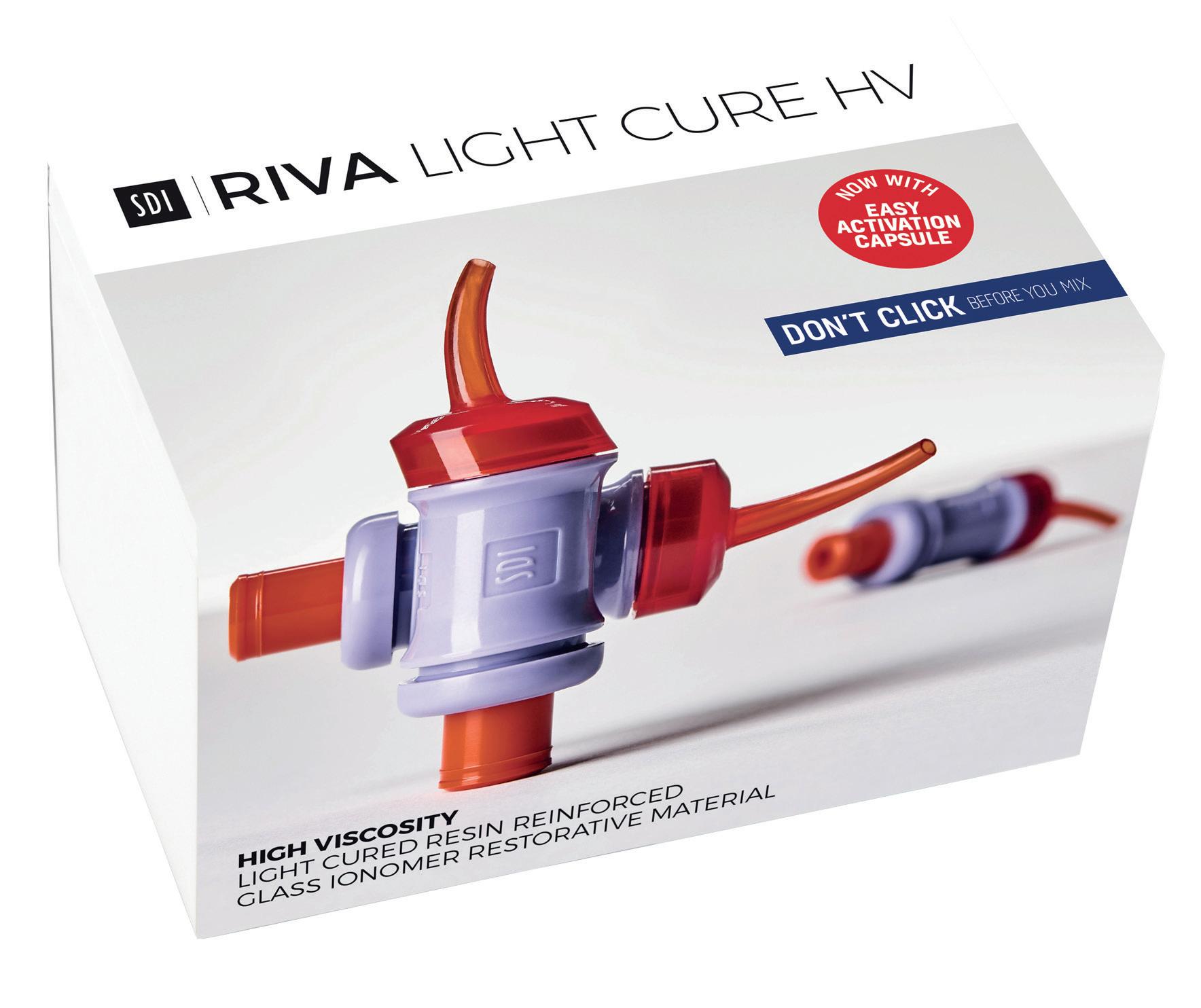
clinicians excellent control during placement. That control helps achieve tight margins with minimal voids, lowering sensitivity risk, and reducing unplanned recalls. Formulated as a packable, load bearing RMGI and BPA free, Riva Light Cure HV meets the demand for strong, restorative options in posterior and cervical sites.
• Patented ionglass TM Filler - Riva Light Cure HV uses SDI’s ionglass TM filler technology, a highly reactive, bioactive glass that releases a blend of fluoride and strontium ions to enhance tooth remineralisation.
Five-year study confirms High-Viscosity Glass Ionomers deliver reliable, composite-level results in small Class II restorations.
A five-year randomised clinical trial has assessed the performance of highviscosity glass ionomer restorative systems in small Class II restorations, providing valuable evidence for everyday dental practice. Conducted by Dr. Ramy Ahmed Wafaie, Dr. Ashraf Ibrahim Ali, Dr. Salwa Abd El-Raof El-Negoly, and Dr. Salah Hasab Mahmoud, the study evaluated the durability, fluoride release, and overall clinical reliability of these materials compared with traditional composite restorations.
The trial demonstrates that modern high-viscosity glass ionomers, including Riva, deliver outcomes comparable to composites while offering additional benefits such as fluoride release and chemical bonding to tooth structure. These findings reinforce the role of glass ionomers as a practical, bioactive, and minimally invasive solution, particularly for patients where moisture control is challenging or rapid placement is needed. The study provides dentists with evidence-based guidance to confidently incorporate high-viscosity glass ionomers into routine restorative procedures.
Read more at https://sdidental.co.uk/evaluatinghigh-viscosity-glass-ionomers-five-year-clinicalstudy or by scanning the QR code

It mimics the natural structure of dentine, ensuring chemical adhesion and exceptional acid resistance, while delivering excellent translucency and polishability for aesthetic harmony.
• The Capsule Advantage - A major advantage of Riva Light Cure HV over its competitors is its capsule delivery system. Each preproportioned capsule eliminates the variability of powder-andliquid mixes, ensuring consistent strength, setting and handling every time. SDI’s Easy Activation technology makes extrusion around 70% easier - reducing hand fatigue and improving placement control - streamlining workflows and supporting reproducible, predictable outcomes.
Many clinicians note that these refinements have transformed how they use glass ionomers. General Dentist, Dr Sanjukta Mohanta comments: “I had stopped using glass ionomers years ago because they were difficult to handle. Then I tried Riva Light Cure HV. It didn’t stick to my instruments, adapted beautifully and saved me time. I use it regularly now for lining deep restorations, Class V lesions and primary teeth. Riva made me love glass ionomer again.”
Practical applications in daily dentistry
Riva Light Cure HV can be used across a broad range of restorative scenarios. It performs particularly well in non-stress-bearing Class I and II restorations, cervical and rootsurface lesions, and as a core build-up material. It also supports the sandwich technique, providing fluoride release beneath a composite occlusal surface.
Dr Kiran Shankla’s explains why and when she reaches for Riva Light Cure HV: “Riva Light Cure has high flexural strength, so is less prone to cracking under stress. Handling is excellent. It’s sculptable, non-sticky and adapts well even in upper restorations. I like that it can be used as both a restorative and a base, and that it helps reduce microleakage over time.”
Award-winning Glass Ionomer Performance
Riva Light Cure HV’s performance and reliability are underscored by consistent recognition in the dental community. Its consistent quality has also been recognised by the Dental Advisor Awards for 15 consecutive years (2011-2025), earning either a ‘Preferred Product’ or ‘Top Product’ Award annually for its handling, performance and patient satisfaction. This enduring accolade reflects consistent positive feedback among clinicians worldwide using it daily.
For many clinicians, like Dr Sanjukta Mohanta and Dr Kiran Shankla, Riva Self Cure HV has changed their approach entirely. “What I like most is that Riva Light Cure HV makes restorative work simpler. It saves time without sacrificing quality and gives me confidence that the restoration will last.” Dr Sanjukta Mohanta concludes. Riva Light Cure HV reflects how far glass ionomer technology has advanced. With its high viscosity, it offers the packability and wear resistance of a composite while maintaining the bioactivity and simplicity of a glass ionomer. Explicitly formulated as a high-viscosity light-cure RMGI it meets the growing demand for packable, load-bearing restoratives while also being a safer, modern choice, as it is BPA-free. Suitable across a wide range of restorative indications it delivers the strength, handling and longevity clinicians need, with sustained fluoride release that continues to protect patients well beyond placement - a true example of efficiency and confidence without compromise.
For more information on Riva Light Cure HV and to book a Lunch & Learn, visit https://sdidental.co.uk/love-rivalight-cure-hv/ or scan the QR Code. n

Combining experience and passion
In all areas of dentistry, both experience and passion matter. Knowledge and skills are crucial, but they are only truly optimised over time when an individual is dedicated to honing their craft. Among clinicians, experience is integral to delivering exceptional patient care, particularly in complex clinical situations. They also need to be passionate about being the best they can be to propel professional progression and continuously elevate their skills. Among practice management staff, the two attributes combine to ensure that they can run the business efficiently and compassionately on a day-to-day basis. Both experience and passion are just as important when considering the professional service providers that you engage with to help run and drive your practice forward.
enhanced clinical outcomes
Within the context of dental care provision, dentists will often build confidence over time in their skills and their abilities. This confidence is central to achieving enhanced competence, while also encouraging individuals to successfully develop and grow. The result is a higher standard of dentistry and better patient care. In several dental disciplines, including endodontics, the literature also associates greater practitioner experience with improved treatment outcomes. There is also evidence that clinician training and experience has a role to play in the success of implant surgery. Further to this, their passion for patients’ wellbeing will influence the patient journey. Studies have shown individuals to

appreciate compassionate and empathetic interactions from their dental professional, leading to increased patient satisfaction with care. In fact, how dentists communicate with patients is a cornerstone of building trust and rapport, which is also key to enhancing treatment outcomes and patient satisfaction. In addition, there is evidence that passion and grit are attributes that fuel professional and personal development. This skill progression is likely to contribute to increased patient choice and an improved treatment workflow too.
However, the dentist is not the only member of the dental collective whose expertise and attitude will impact patients in some way. For example, where dentists, dental hygienists and dental therapists have the necessary training, experience and willingness to work effectively together, this too can improve health outcomes for patients. Even beyond practice team members, the skills and actions of anyone who supports the business as a service or product provider will influence the quality of patient care available.
A unique environment
Whether considering your consumables stockist, your equipment manufacturer, or your HR advisor, working with professionals
who are experienced in their field will yield many advantages for your practice. These will likely include increased efficiency and reliability, as well as a reduced risk of errors, complications or costly mistakes.
These benefits are compounded when the company you liaise with has a proficient knowledge of dentistry and the many nuances that the industry presents. Dentistry is unique in many aspects of how it works, with very strict and specific regulations to adhere to. Anyone advising the practice must be able to appreciate factors like how the NHS contract works, what clinicians need to deliver exceptional patient care and so much more. Only then can they effectively tailor their service to meet your business’s needs.
Plus, you work hard to keep your practice operating as smoothly and successfully as possible. You should be looking to work with partners who share this sentiment and show the same passion, commitment and pride in their own work.
A critical patient-practice link
All of this is particularly important when considering the practice finances. No business owner wants to work with an accountant that doesn’t understand how their typical income and outgoings work. Similarly, principals need to consider the payment plans they offer patients and the ability of their provider to tailor these solutions accordingly.
The benefits of working with an experienced provider, with team members who really care about helping your business are multiple. You will enjoy working with professionals who are hugely
A balanced dental career in Scotland
Considering the next steps in your dental career means assessment of more than merely the technology you will be using, the professional opportunities available, or the training and support your employer will provide. A hugely influential aspect should be the environment in which you will be working and living in. Outside the practice, your surroundings and lifestyle are equally as important – especially regarding long-term wellbeing and plans. Scotland offers a remarkably rare balance between professional growth and personal fulfilment. Renowned for its social and cultural characteristics, the country offers friendliness and approachability, unique customs, and eminently mesmerising landscapes – combined, these aspects establish an exceptional environment for dental professionals at any phase of their career. The diversity of Scotland makes it the perfect place to relocate in many circumstances; with the country offering a vast blend of bucolic settings and exciting cities, relocators can find a lifestyle that best suits them.
family-friendly opportunities
For those relocating with partners, family, or plans of such, Scotland bestows an exciting proposition. The country boasts a strong education system with high achievement levels and a great focus on inclusivity and wellbeing. University is free for those who
have lived in the country for 3 years minimum, making it an excellent choice for those with children who plan to enrol in the future.
Families specifically benefit from the safe, hospitable communities, with a plethora of prospects and fun for children to thrive.
every stage of a career
Another great advantage of embarking on a dental career in Scotland is vast number of professional opportunities within the country.
From 2007 to 2021 alone, there was a 39% increase in high-street dentists and a 9% increase NHS dental services budget in 202223. For newly-qualified dental professionals, this means a plethora of workspaces to pursue; the region offers various routes into general practice, specialist training, and more. Furthermore, there are ample supportive measures available to make the transition from undergraduate learning into one’s career with the continued development of vocational skills.
For more experienced professionals, opportunities to undertake leadership roles, narrow down to specialist, or even mentor others within the industry are in abundance. The friendly, community-oriented element of Scottish dentistry also ensures an encouraging environment through peersupport. All of such can be done at a respective pace that adheres to lifestyle and professional goals with ongoing support from peers and systems.
Community
As such, community is vital. Being able to access professional networks and mentors for example, can play a huge role, whilst embedding oneself within the local community shares a similar impact. This poses no concern in a place like Scotland, with a reputation for compassion and enthusiasm, diverse culture, and inclusivity. Ultimately, dentistry not only encompasses one’s career pathway, but the entire lifestyle. Transferring your livelihood to another country requires commitment, adaptability, and perseverance. Scotland, however, offers those that take the leap an exceptional balance between professional ambition and personal experience – solo or with family. Through the privilege of working in an environment that stimulates both aspects, motivation, and fulfilment – both professionally and personally – are guaranteed.
support for relocators
For dental professionals contemplating the huge benefits of relocating to Scotland, each aspect of one’s lifestyle must be considered in depth, with particular attention to where dental professionals can be supported. Clyde Munro Dental Group collates these benefits exceptionally. As Scotland’s leading dental group, it offers more than excellent patient care, but clinician care too. Benefits include 1-2-1 clinical support, a dedicated group of likeminded clinicians to network
knowledgeable about the dental industry, who understand the challenges you face every day and who can proactively help you overcome the complexities for the good of your practice and your patients. When you choose IndepenDent Care Plans, you will unlock access to their 30 years of experience in dentistry. We are passionate about driving your business growth and offer uniquely customised and practice-branded solutions to bring you regular monthly income, improved patient attendance and increased treatment uptake. We also make switching provider quick and easy, with dedicated Business Development Consultants on hand to guide you through the process and start making your dental plans work harder for you.
The foundations of success It takes a lot to build a successful dental practice. To deliver exceptional patient care while growing the business, you need passion for what you do and the experience to back it up. The service providers you choose to work with should be held to the same standards and with the right partners, you will see your practice really thrive. For more information and to book a no-obligation consultation, please visit ident/co.uk or call 01463 222 999
Celebrating 30 years in UK dentistry! n
About the author Dr robert Donald, indepenDent Care plans Director.

with, the most innovative technology, and even free marketing support.
Professional development opportunities are offered in abundance, plus competitive salaries and internal schemes that benefit you as a clinician. Clyde Munro supports your worklife balance through its flexible hours, with enhanced holiday, family-friendly policies, and by actively assisting professionals with lifestyle integration. When managing a dedicated profession, a worthwhile lifestyle, and an entire relocation, Clyde Munro is the only choice.
Career doesn’t mean compromising lifestyle
A well-balanced dental career rarely includes merely the professional ambition one wishes to pursue, but rather an environmental amalgamation of practice and personal lifestyle – whilst including loved ones within these plans. Scotland promotes this ideal setting with its rare blend of culture, beauty, community warmth, and professional prospect.
To find out more about the career development opportunities available at Clyde Munro, please visit careers.clydemunrodental.com/. n
About the author Jo Hood, Head of Clinical recruitment & Development at ClydeMunro Dental Group.











































A-dec 500 Pro: Experience a new level of connection. Everything you’ve come to appreciate about the A-dec 500 dental chair, is now available with a new delivery. Enabled with A-dec+ and an updatable software platform, the A-dec 500 Pro delivery system supports your dental team with a new level of connection.
























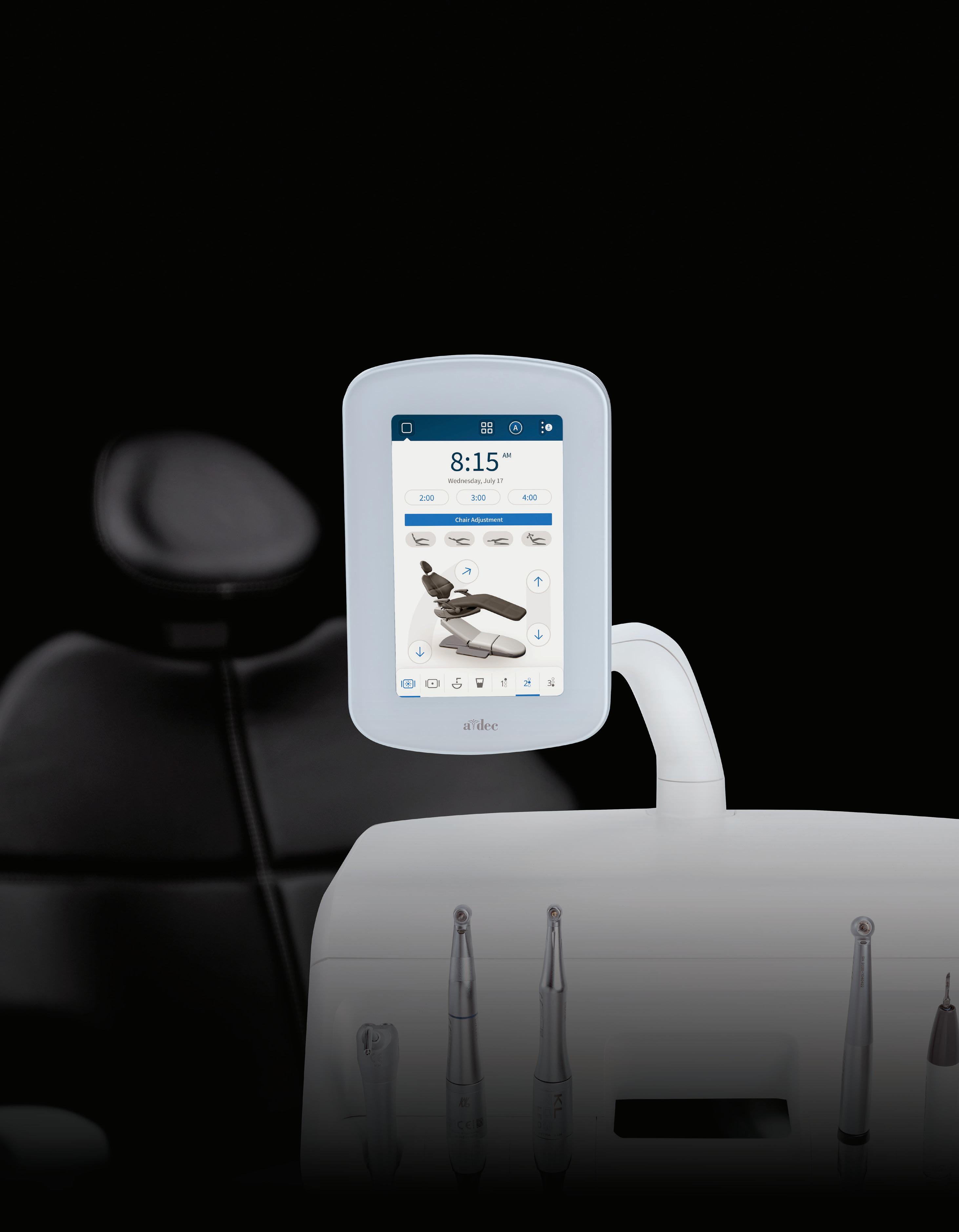







Sleighing the patient journey
Ah, the festive season! Picture this: you’re preparing for the big day, decorating the tree, and baking enough mince pies to feed a small army. But amid the joy and chaos, you realise that if you don’t keep track of who’s bringing what, Aunt Doris might just show up with a fruitcake that’s older than your last dental appointment! This is much like running a dental practice – if you don’t audit and learn from your patient journey, things can get a little... well, fruity! In the ever-evolving landscape of dental practice management, the need for continuous improvement cannot be overstated. A seamless patient journey –from marketing to clinical care – is essential not only for attracting new patients but also for retaining them and ensuring they have a positive experience. This article explores the significance of auditing your dental practice processes, the importance of effective communication, and the crucial role of Front Of House (FOH) in managing patient enquiries.
Understanding the Journey
• Marketing: The first point of contact with potential patients.
• FOH Interaction: How enquiries are handled can significantly impact patient perception.
• Clinical Care: The quality of treatment received and the overall patient experience.
Common pitfalls
• Disjointed patient journeys where marketing efforts do not translate into quality patient interactions.
• FOH teams excelling at generating interest, yet clinical teams failing to meet expectations.
• Patients feeling unvalued or unheard due to misalignment between departments.
The role of marketing in attracting the right enquiries
• Employ tailored marketing campaigns that resonate with your ideal patient demographic.
• Use informative and engaging content to educate potential patients about the services offered.
• Ensure that your marketing materials have a clear and compelling call-toaction, encouraging prospective patients to reach out.
Metrics to monitor
• Conversion rates from enquiries to bookings.
• Patient feedback on marketing messages and their relevance.
• The effectiveness of different marketing channels in attracting enquiries.
essential skills for foH
• The ability to recognise and manage emotions in oneself and others. This is vital for building rapport with patients.
• Ensuring that patients feel heard and understood during their enquiries.
• Clear, concise communication that conveys empathy and professionalism.
Creating a welcoming environment
• Train FOH staff to greet patients warmly and create a welcoming atmosphere.
• Encourage staff to ask open-ended questions to facilitate conversation and gather relevant patient information.
• Empower FOH teams to handle enquiries with confidence, ensuring that patients feel valued.
Aligning clinical and foH efforts
• Establish common objectives between marketing, FOH, and clinical teams to
End of an era
We are now fairly settled in to our new premises, back in Fleetwood. New locks on the doors, new blinds up at the windows, but still hundreds of boxes to sort through… it’s been a year of change at BADN HQ!
But we now have our updated Presidents’ Board back and hanging in pride of place in the main office. Our brass plaque is polished to within an inch of its life and has a new wooden surround – courtesy of my dad and another member of the local Veterans’ Group.
We are getting used to life in the heaving metropolis (well, just off Fleetwood’s High Street) after over 20 years out in the wilds at Hillhouse. Oh, the joy of not having to remember to bring something for lunch with you in the morning – now we can walk out of our office, turn left and there are shops and cafés, in place of an industrial wasteland. It’s been a year of endings as well as beginnings – Joan Hatchard stepped down as Immediate Past President at the AGM in November, after having been active in the Association for over 30 years and holding the roles of National Group Chairman, Council Chair, Executive Committee Acting Chair, Finance Officer, Treasurer and Honorary President.
ensure everyone is working towards the same patient experience.
• Conduct joint training sessions to foster collaboration and understanding among departments.
• Create systems for FOH to relay patient feedback to clinical teams, allowing for continuous improvement.
Continuous improvement
• Conduct audits of patient interactions and treatment outcomes to identify areas for improvement.
• Utilise surveys and follow-up calls to gather insights on patient experiences.
• Hold regular meetings to discuss findings and brainstorm solutions for identified issues.
Why patients may not proceed with treatment
• Patients may feel uncertain about whether they are making the right choice.
• If patients do not fully understand their treatment options or the benefits, they may hesitate to proceed.
• Patients should feel confident that any clinician in your practice will provide the same high standard of care.
Building trust across the board
• Standardising Care: Implement protocols to ensure consistency in care across all clinicians, minimising discrepancies in patient experiences.
• Cross-Training: Encourage clinicians to share knowledge and best practices, reinforcing a unified approach to patient care.
• Patient-Centric Culture: Foster a culture that prioritises patient experience and satisfaction at every level of the practice.
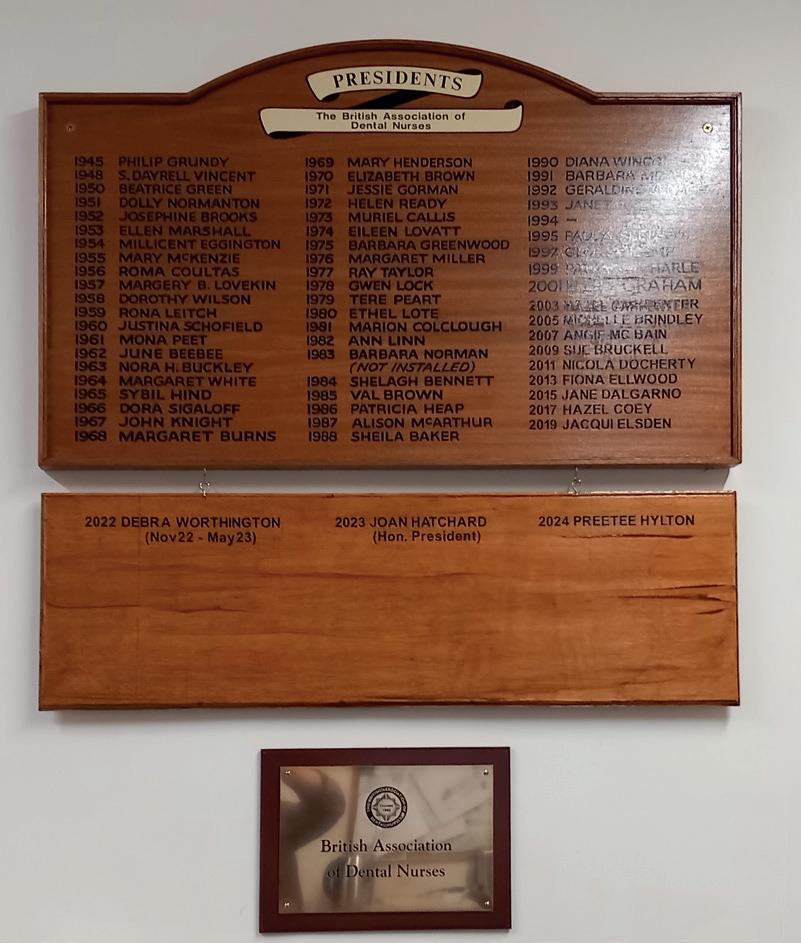
Joan, who was the practice manager of two busy private general dental practices, has been a qualified dental nurse since 1988, and went on to gain post-qualification certificates in Oral Health Education, Radiography, and Conscious Sedation. She also gained the FAETC and the Certificate in Education (FE), and holds the City and Guilds Licentiateship in Dental Nursing. Joan started teaching the National Certificate course in 1989 and was an examiner on the NEBDN Panel of Examiners for the
The path to a cohesive patient experience
In conclusion, the journey of a patient through your dental practice should be a cohesive and well-aligned experience. By auditing processes, training FOH staff effectively, and ensuring that all team members understand their roles in the patient journey, you can create an environment where patients feel valued and cared for.
• Continuous Improvement: Remember, every patient interaction is an opportunity to learn and improve.
• Communication is Key: Regular meetings and audits will help maintain alignment across all departments.
• Trust in Care: Ensure that your patients have confidence in the care they will receive, no matter which clinician they see. By prioritising these elements, you will not only enhance patient satisfaction but also foster a practice culture that is committed to excellence.
So, let’s make sure we’re not just throwing a hodgepodge of ingredients together and hoping for the best. Prioritising these elements will not only enhance patient satisfaction but also foster a practice culture that is committed to excellence. After all, nobody wants to end up with a fruitcake when they were expecting a delightful Christmas feast. n
About the author
Lisa Bainham is president at ADAM and practice management coach at practice Management Matters.

National Diploma and the Certificate in Oral Health Education. Joan is a BADN Fellow and received the 2013 BADN Award for Outstanding Contribution to Dental Nursing. Members of the Executive Committee, Panel of Representatives and the Education Committee, as well as BADN staff, have contributed to Joan’s leaving gift from the Association – two framed prints of Fleetwood landmarks. These were presented to her at the AGM.
Shirley Lyons, well-known to members as she was our Membership Administrator, has also retired after 26 years with the Association. Shirley started work at the Association in 1999, taking responsibility for the membership database and members’ queries. She also kept our books and reigned supreme over the petty cash tin –woe betide anyone wanting their expenses reimbursed without a receipt!
Following emergency surgery earlier this year, Shirley has now decided to retire. Because she was so well-known to members, we have decided to invite those who wish to donate to Shirley’s retirement gift, which will be presented to her at the staff Xmas lunch in December, to do so. Details of how will be in an e-newsletter sent to all those signed up for our newsletters; anyone who doesn’t get the newsletters
and wishes to contribute should contact me (pam@badn.org.uk or 01253 338365). Also stepping down (but not nearly old enough to retire) is Chairman Michelle Brand, who has completed her two-year term of office. Michelle qualified as a dental nurse in 1991, and also holds a BSc in Product Design and Development, as well as an MA in Bioclimactic Design. She is currently a self-employed dental nurse. Michelle received the BADN Exceptional Contribution to a UK Community Oral Health Care Project Award in 2019 and was also a key member of the ‘All I Want for Christmas’ project team, providing mobile dental care for the homeless and those in recovery across Blackpool in 2018 and 2019. Michelle will continue to be an active BADN member and a Registered Dental Nurse.
BADN thanks Joan, Shirley and Michelle for their hard work and dedication in supporting the dental nursing profession and the UK’s professional association for dental nurses – BADN! n
About the author pam swain MBe is Chief executive of BADn




















Varios Combi Pro2
NEW Perio & oral hygiene

AN EVOLUTION IN ULTRASONIC AND POWDER THERAPY
Gentle yet powerful, reliable and exceptionally durable, Varios Combi Pro2 has a host of advanced features designed to improve efficiency, control and enhance patient comfort. Engineered with meticulous attention to detail, Varios Combi Pro2 is an investment in clinical excellence and in the health of your patients.
• Superbly comfortable water temperature, for both ultrasonic & powder
• Durable titanium ultrasonic handpiece
• Jet Nozzle for Perio Handpiece
• Auto Cleaning
• Removable Powder Chambers*
• Multi-functional wireless foot control
Elevate your practice and patient care with the Varios Combi Pro2 - the future of ultrasonic and powder therapy.
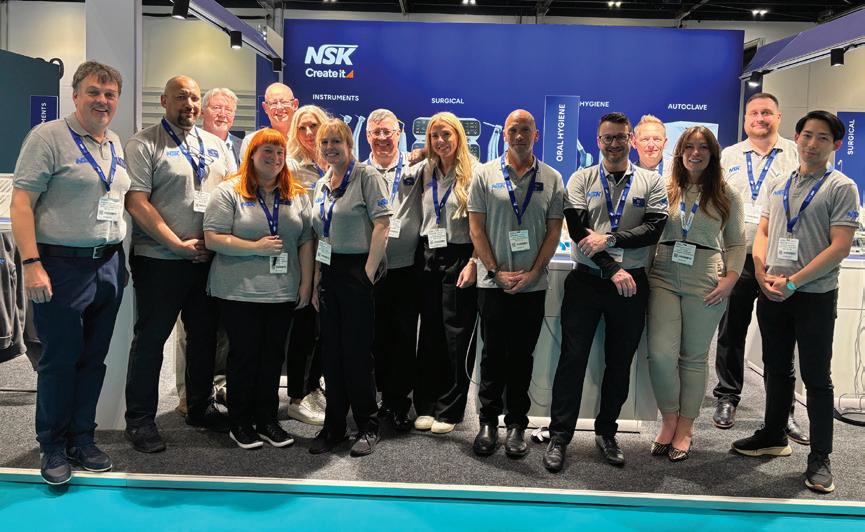
Heated Water
Both ultrasonic and powder handpieces inject water that is heated to the approximate temperature of the oral cavity, ensuring greater comfort, even for those patients with sensitivity.
Jet Nozzle for Perio Handpiece
Executes precise, targeted treatment to areas with staining or thick biofilm on roots or restorations.
Titanium Ultrasonic handpiece
• Durable & lightweight, with unrivaled ergonomics
• Non-slip & scratch-resistant Duragrip coating
• Slim LED handpiece enhances visibility



Watch the VCP2 demo with Cat Edney
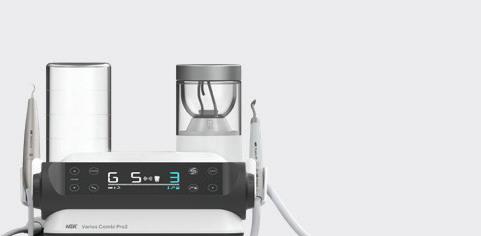

iCart Prophy2
User-friendly and convenient trolley cart with the optional extra of a water bottle attachment, to create an independent water supply. This means that when the Varios Combi Pro2 is used with the iCart & bottle, you can treat patients without connecting to the external water mains supply.
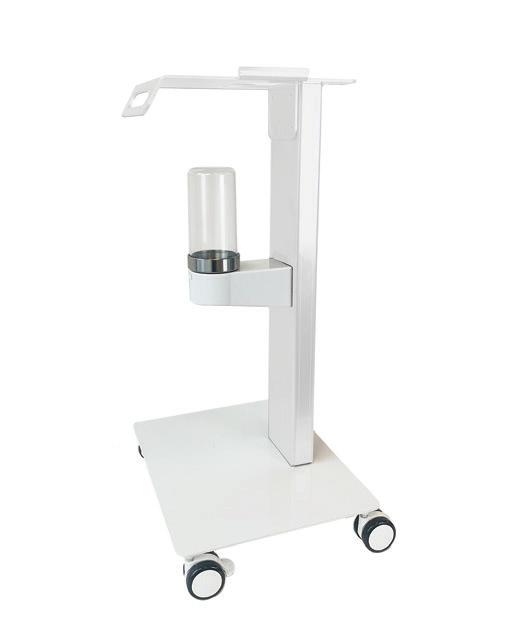
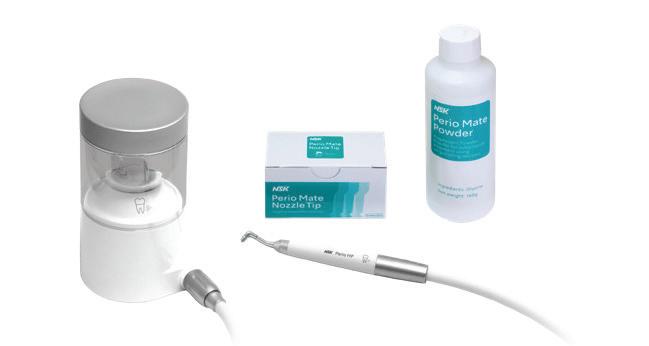
Perio & oral hygiene
Powder Therapy
Supragingival powder for tough stains. Used with ProphyMate or the Varios Combi Pro (Prophy Chamber).
4
• Calcium carbonate powder (54
Supragingival powder for moderate stains. Used with Prophy-Mate or the Varios Combi Pro (Prophy Chamber).
Ultrasonic Tips
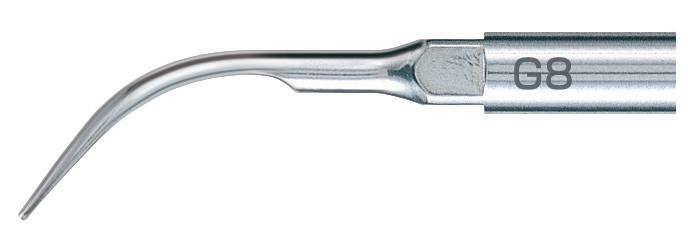
Perio Mate Powder
For subgingival biofilm removal or mild supragingival stains. Used with PerioMate or the Varios Combi Pro (Perio Chamber).
• Glycine based powder (25 µm)


BUY ANY 2 PACKS OF FLASH OR SOFT pearl GET A FREE nozzle for Varios Combi Pro or Prophy-Mate
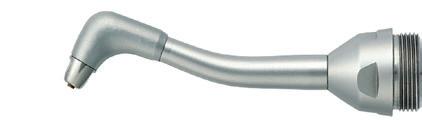
THERAPY PATIENT LITERATURE
Available on request with Prophy-Mate neo, Perio-Mate and Varios Combi Pro purchases.
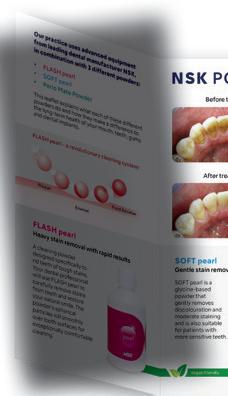
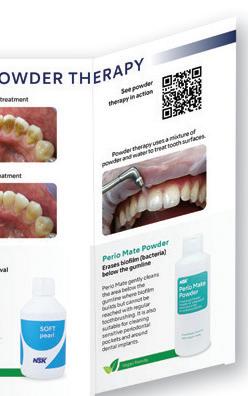

BUY 2 PACKS OF Perio-Mate Powder GET A FREE
Restorative
Including reciprocating and rotary Endo features
NEW compact portable electric micromotor, for general & endodontic applications with contra angles (ie speed increasing/red band, 1:1 direct drive/blue band or speed reducing/ green band).
• Lighter motor with enhanced power/torque
• Ideal for general (restorative, prophy etc) and endo applications (rotary & reciprocating** modes)
• Enhanced patient safety function indicates when the handpiece needs repair to minimise it overheating
• Versatile installation options – portable or semi built-in
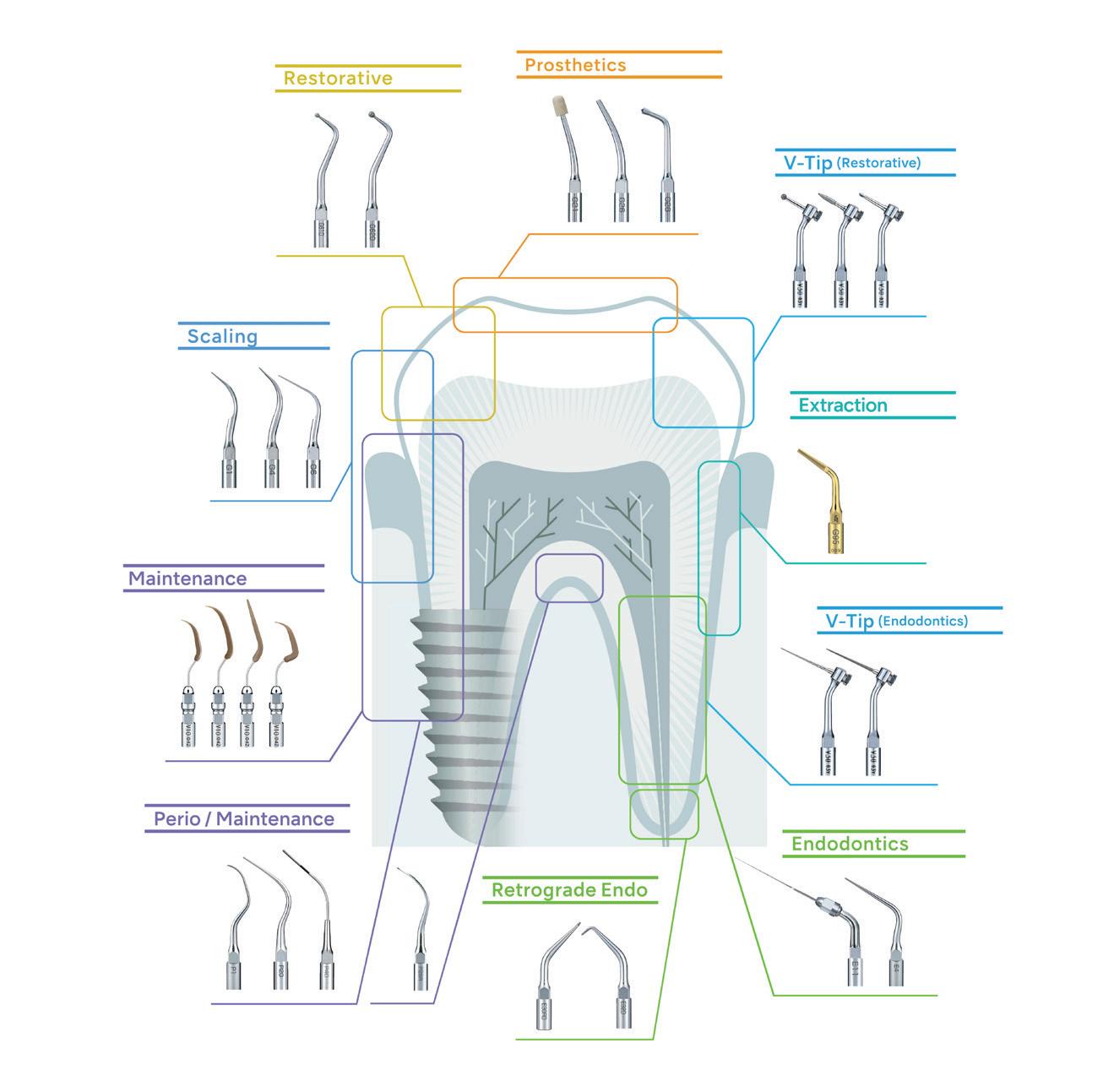

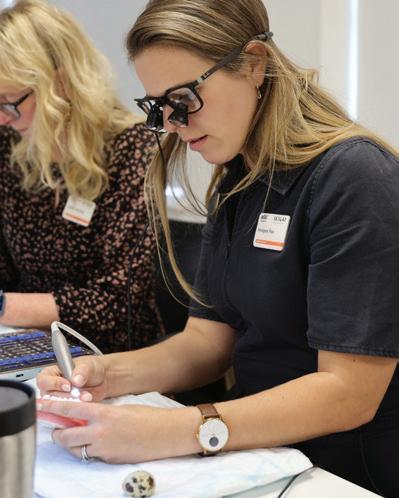


Surgic Pro2 & VarioSurg 4
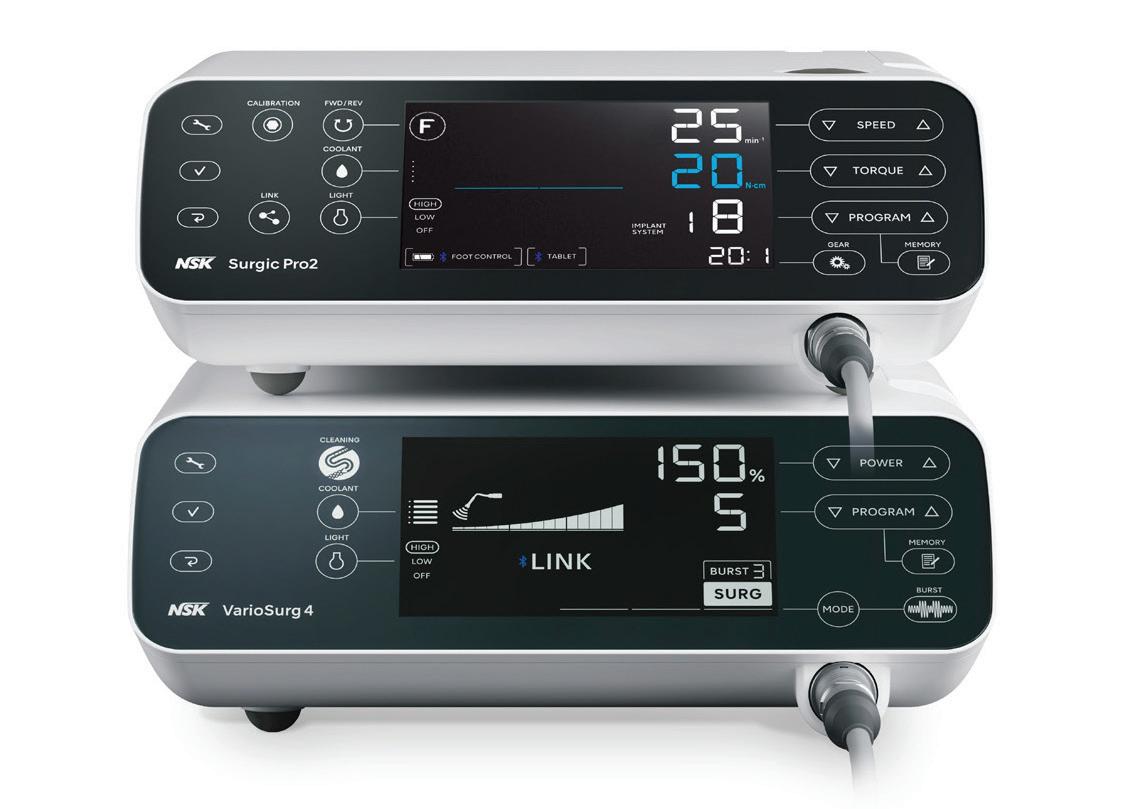


Decontamination & IPC
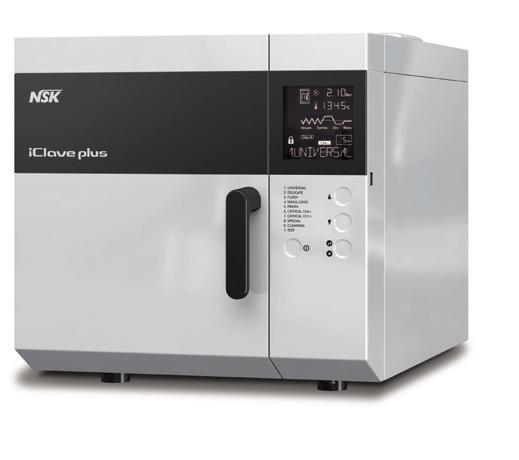
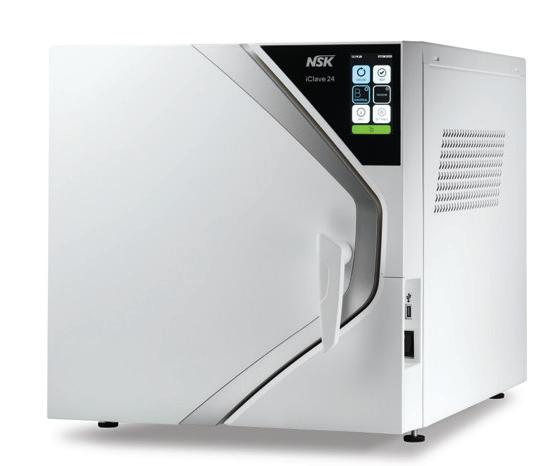
National
mbeckwith@nsk-uk.com 07900 246529
Scotland
N. Ireland & ROI Asnain Sadiq asadiq@nsk-uk.com 07435 840097
Muirhead nmuirhead@nsk-uk.com 07353 969563
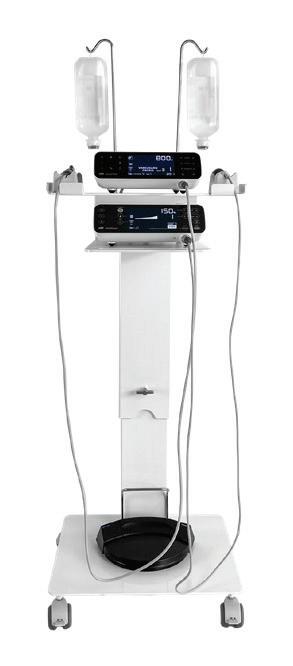

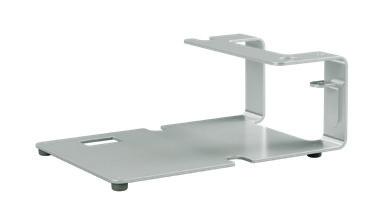
Derbys/Notts/Yorkshire/Lincs
Tomlinson jtomlinson@nsk-uk.com 07545 786619
West Midlands
Hargreaves ahargreaves@nsk-uk.com 07872 824175 South
South


Keep revisiting your ‘why’
No matter how long we’ve been in practice, there are periods that feel tougher than others.
A run of particularly complex cases, a colleague dynamic that feels a little off, or simply the weight of clinical and administrative expectations piling up at the same time. Even the most seasoned of us recognises those times where everything feels just that bit more pressured.
These wrinkles don’t mean we’re out of our depth. It just means we’re working in a challenging profession that combines everything we have learned (so far) with precision, people and emotion – and often all in the same hour. It’s not a bad thing and maybe this level of challenge is one of the reasons why we chose dentistry in the first place.
ride the discomfort
Complex care, by its nature, rarely unfolds in a smooth, linear line. There are treatment plans that take unexpected turns, patients whose needs change, and multidisciplinary cases where a hiccup can result from a combination of several moving factors.
Discomfort shows up in different ways: the moment you question a decision you were sure of yesterday; a difficult conversation you need to have; the clinical nuance that requires you to pause and rethink. These aren’t signs of weakness, they’re signs that you’re doing work that matters, and that you’re paying attention. This equates to learning, evolving
and growth, which is fantastic – how many professions throw this level of development opportunity your way?
Managing uncomfortable communications
Working with patients, our teams, our colleagues, we learn to see clearly how differently people respond to difficult exchanges. A treatment review that feels routine to one clinician can feel confrontational to another. A patient query that lands lightly for you may leave a colleague rattled for the rest of the day. Individual thresholds vary hugely. Patient communication is a vital part of what we do – so learning to read a patient, knowing how to deliver different kinds of information and taking the time to listen to them is all part and parcel of our daily work.
Part of clinical maturity is learning to read those differences, knowing when a colleague needs steadying, when a patient needs clarity, and when you yourself might need to step back before you step in. Dentistry is technical, yes, but it is deeply relational too, and those relational sensitivities matter.
Dentistry trains us to be precise, not rushed. Yet, in interpersonal moments, the urge to respond quickly, especially when something feels uncomfortable, can be powerful. A sharp patient email. A colleague’s tone. A disagreement over treatment direction. These are situations where haste rarely helps.
recognise the point of growth In endodontics, as with all dentistry, so much of what we do is about working through complexity to reach a point of clarity. The same applies to the uncomfortable moments. They pass. Cases stabilise, colleagues reconnect, misunderstandings clear, patients regain trust, and your confidence resets itself. As an endodontist running courses for general dentists, the point at which delegates learn the most are often when they step out of their comfort zones and have the potential to make errors. Working together within a safe space means that those shared ‘mistakes’ become powerful teaching tools for the whole group. I’m open about my own learning moments too, because growth in endodontics isn’t about perfection; it’s about curiosity, honesty, and the courage to push just past the edges of what feels comfortable. Our ‘learning moments’ usually show up as worry – at varying levels of seriousness. It’s helpful to recognise their importance. No fight or flight is needed – just measured reflection and careful consideration. To translate discomfort as an opportunity to grow can bring its own kind of calm and security. Think: “This is OK, take the time it needs, it’s something I need to unravel to ultimately feel and be better.”
Celebrate the wins
Things come good – not magically, but gradually – because you’ve kept moving steadily through the tricky part, even when it felt out of your control, awkward or emotionally tiring.
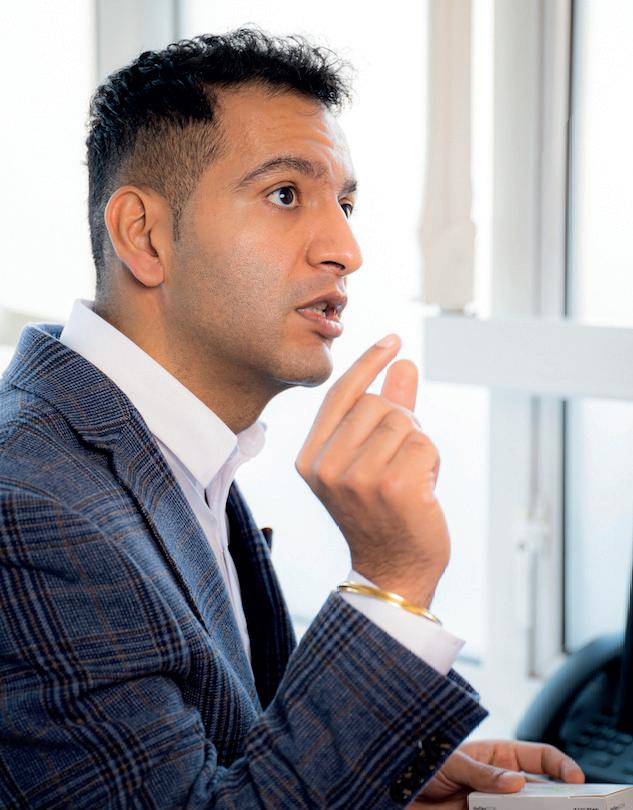
Uncomfortable periods don’t define you as a clinician. If anything, they deepen your resilience, refine your judgement, and remind you that we are all still learning, still human, and still growing, no matter what stage of our professional journey we’re at. n
About the author Dr Dhiraj Arora BDs MJDf rCs (eng) Msc (endo) pG Cert Ce owner of evo endo, with three practices (limited to endodontics) in Twickenham, Gerrard’s Cross and slough. Dhiraj is a passionate teacher and ambassador for all things endo. follow him on instagram: @drdij_evoendo

The problems of pleasing people and people pleasers
In any area of dentistry, one has to deal with people. The old joke, “This job would be easy if it wasn’t for the people,” applies across most occupations but it is truer for some than others.
Nobody leaps out of bed in the morning and exclaims, “Yes! Dentist today, I can’t wait! I do hope I’m a real challenge for them. I want them to prove their expertise when they’re working right at the back of my mouth on a tooth that wouldn’t go numb the last time.”
Exaggeration? Yes, but I think you get the picture. Thankfully, dentistry has lost a lot of its hang-ups for many patients but lying prone with one’s mouth open can still be

tricky and a challenge for many.
The professional, of course, wants to make any procedure as smooth and uneventful as possible for all concerned, whilst still completing it to the best of their ability.
Individual clinicians all have different past experiences. We are a broad church, and the profession attracts its members from a wide spectrum. Each of us had a separate reason for joining its happy band. Whilst we all want contented, satisfied patients who sing our praises, there is one group within us that suffers by trying too hard. These are ‘People Pleasers’.
Simply defined as, “Someone who habitually puts others’ needs and desires before their own, often to an unhealthy degree,” people pleasing arises from a strong need to be liked, a fear of rejection, an excessive desire to avoid conflict or, often, all three. It can result in self-sacrifice, burnout and a loss of identity. All of this makes an individual people pleaser not only less useful to their patients and colleagues but also inhibits their ability to function and to be fulfilled by their job.
In practice, this trait may show up as a difficulty in saying no, agreeing with others to avoid conflict or habitual
over-apologising, even when they have no fault. They prioritise the needs of others and may change their behaviour or suppress their true feelings to fit in. Their self-esteem often depends on the approval of others.
The reasons behind this behaviour can vary greatly but include fears of rejection or conflict, having had to appease a parent, older sibling or superior, or as a result of trauma through conflict.
Clearly a people pleaser can have significant downsides for both the individual and an organisation. It leads to stress and anxiety in the person affected, which can result in burnout with physical or emotional exhaustion. The suppression of one’s true feelings may produce a bottling-up of anger, and a lack of authenticity weakens relationships.
At first glance it may seem that a people pleaser might be a good fit in a team, especially in a caring profession or customer service. However, someone who is trying to please all the people all the time is unable to display their authentic traits. This authenticity is important because behaving as an individual and being consistently oneself results in a colleague who is more productive,
happier and more fulfilled. Of course, there is a desire to serve a patient, customer or colleague by doing one’s best but, if that involves subjugating your own basic needs and wants, the result will be far from optimal.
How to deal with people pleasing team members
• Don’t ignore the problem; help them to understand why it is a challenge.
• Set clear expectations, boundaries and support.
• Help them to prioritise tasks in order to focus their energy correctly rather than saying, “yes,” to everything.
• Define their workload so it is manageable and they are not overwhelmed.
• Teach them to delegate.
• Make it clear it is acceptable to say “no” to unreasonable requests and that they are able to do so constructively.
• Offer positive reinforcement for balanced behaviour.
• Address the behaviour directly and offer support to help them develop healthier habits.
People pleasers appear on the surface as if they should be an asset but it takes work on both sides to make them so. n

Smiles, sparkle, and self-care
enhancing patient and team wellbeing this festive season
As we step into the festive season, I’m reminded that while this time of year is often associated with joy and celebration, it can also bring its own challenges, stress, financial pressures, and disrupted routines. In my role, I see how important it is for dental teams to go beyond clinical care and embrace empathy, creating a safe environment that supports not only oral health but overall wellbeing. This season offers us a unique opportunity to make a real difference for our patients and for each other.
The patient journey begins long before they sit in the chair. Every interaction, whether it’s a phone call, a reception greeting, or a treatment appointment shapes how patients perceive your
UK Mental Health Resources for the Festive Season
Samaritans – Free, confidential support 24/7. Call 116 123
Mind – Mental health advice and local support services. Call 0300 123 3393 or text 86463.
nHS 111 Mental Health Option – For urgent mental health help. Dial 111 and select the mental health option.
Shout – Free, confidential text support. Text 85258 for 24/7 help.
CalM (Campaign against living Miserably) –Support for anyone struggling with suicidal thoughts. Call 0800 58 58 58 or visit thecalmzone.net.
age UK – Support for older people. Call 0800 678 1602 (8am–7pm daily).
Confidental – Listening and support services for all dental professionals in the UK Available 24/7 call 0333 987 5158.
practice. During the festive period, when schedules are hectic and emotions can run high, there are thoughtful touches that dental teams can put in place to make a lasting, positive impression.
A visually inviting space sets the tone for comfort. Festive décor, subtle seasonal music, and a clean, organised reception area create a sense of calm and celebration. Ensure decorations are tasteful and inclusive, reflecting the diversity of your patient base.
Like the rest of the year, transparency is key – especially when appointment slots are limited. Proactively inform patients about holiday hours, emergency contact details, and any changes to routine services. Use reassuring language to reduce anxiety and demonstrate that their care remains a priority. A genuine conversation can transform a stressful visit into a positive experience. Simple questions like, “How are you coping with the holiday rush?” or “Do you have any festive plans?” show empathy and human connection. These moments help patients feel valued beyond their dental needs. Consider offering small conveniences, such as flexible appointment times, digital reminders, or oral health tips tailored for festive indulgence. These proactive measures reinforce your commitment to patient wellbeing.
Seasonal celebrations often bring an abundance of sugary treats, late nights, and disruption to routine that can all pose challenges to maintaining good oral health. Dental teams can help patients navigate this by offering simple, practical advice: enjoy festive sweets and drinks in moderation, stay hydrated to neutralise acids and wash away sugars, and keep up with regular brushing and flossing – even after late-night gatherings. To make these reminders engaging, why not try a ‘12 Days of Dental Tips’ campaign across your social media, in patient newsletters, or even an advent style poster. The festive season can be a time of joy, but it also brings challenges such as stress, loneliness,
and financial pressures, which can affect overall health, including oral health. Dental teams have an important role to play in supporting both patients and colleagues during this period. For patients, acknowledging these challenges through empathetic conversations, providing access to mental health resources, and encouraging selfcare habits like maintaining oral hygiene can make a meaningful difference.
Equally, team wellbeing is just as important as patient care, especially during the festive season when workloads and personal commitments can increase stress. Supporting your team means creating an environment that prioritises health and resilience. Encourage regular breaks and hydration to prevent burnout and provide opportunities for mental health check-ins so staff feel safe to share concerns. Where possible, offer flexible scheduling to help balance work and family life. Recognising achievements and expressing gratitude can significantly boost morale, while festive activities or wellbeing initiatives – such as mindfulness sessions or charity events – help strengthen team spirit and truly encourage a positive culture during this busy time.
For me, personally, the festive season is about more than bright lights and sweet treats, it’s about connection, care, and wellbeing. We can’t always see the challenges others are facing, but by blending clinical expertise with empathy and mental health awareness, dental teams can make this time of year warm and supportive – for patients and for themselves.
Season’s greetings, from me to you. n
about the author
lianne Scott-Munden, Clinical Services
lead at denplan.



Powering the future of dentistry
The British Dental Conference & Dentistry Show is the event for dental professionals shaping the future of dentistry. With 400+ exhibitors, 11 theatres and 200+ expert speakers, this is where bold ideas meet unstoppable action. Embrace new ideas, explore the innovations shaping the future and take your practice to the next level.
The vicious cycle between depression and oral health
The word depression often evokes connotations of the emotional struggles associated – persistent sadness, fatigue, hopelessness, and so many more. But one of the less understood effects of depression is the intense impact it has on physical health, specifically oral health. This connection is often overlooked but affects the overall welfare of so many people worldwide.
Depression alters everyday habits detrimentally, and oral hygiene is one of the first routines to suffer the consequences. Due to the diminishment in energy and motivation that comes with depression, it has a profound impact on oral health due to neglected oral hygiene procedures. For so many people living with depression, simple tasks like brushing or flossing can feel overwhelming and are avoided. This can lead to countless oral health issues, some even lifelong.
The cycle between depression and oral health is vicious; the consequences of poor oral hygiene can cause greater depressive symptoms, and in turn, lead to even poorer maintenance of oral care, continuously.
the bidirectional breakdown
When individuals neglect their oral health due to circumstances beyond their control, an array of problems begin, including an increased risk of periodontal disease, avoidance of necessary dental care, dental caries, and even tooth loss. The scientific evidence supports the spiralling effect between depression and oral health, proving that the level of oral hygiene is insufficient in those suffering. As mentioned, this relationship is a bidirectional continuum. As such, improving and maintaining
good oral health offers better prospects for the long-term stability of mental health. With oral care being better prioritised, the risk of long-term implications is reduced and the likelihood of invasive, expensive treatment being required is minimised. Fewer necessary dental treatments doesn’t only mean better economic outcomes, but with the avoided financial stress, mental health can improve too.
Various obstacles in motivation
Medication also plays a significant role as antidepressant-induced xerostomia is a major risk associated with it. Saliva is crucial in maintaining oral health, rinsing excess food particles, preventing bacteria growth, and neutralising the pH balance. Many antidepressants note dry mouth as a common side effect due to a decreased production of saliva. The likelihood of suffering from halitosis when experiencing depression is greatly increased too, stemming from the dry mouth and the lack of interdental hygiene. Furthermore, these issues leave individuals that take antidepressants at a much higher risk of cavities, gingivitis, and other long-term effects, many of which they will not have the necessary mental enthusiasm to address.
The physical symptoms of depression and their interference with self-care are often under-acknowledged. Fatigue, muscle aches, and increased sleep disturbances can eventually build to make tedious tasks like tooth brushing feel physically exhausting. Something that once felt a twice-daily task now feels like a tiresome obligation. Furthermore, the psychological toll surrounding depression includes feelings of extreme low self-worth. Suffering individuals may

believe that they don’t deserve access to health care and the passive selfharm is warranted – avoiding essential measures and sustaining the depressive pit they’re stuck in. Moreover, some individuals often actively avoid dental appointments all together due to extended feelings of anxiety, shame, and fear of judgement.
Small steps outweigh stagnancy
When the emotional tax makes selfcare seem impossible, energy and mindsets are low, and routine has faltered, brushing can seem too great of an effort, with all oral care falling on the priority list. Due to this, establishing a feasible oral health routine which can be attained through accessible, easy-going actions can make a world of difference and help to break the vicious cycle.
One product that offers effective daily protection to a daily oral care routine is the Perio Plus Balance mouthrinse from Curaprox. Featuring an innovative pleasant tasting alcohol-free formula, it contains effective anti-bacterial agents Chlorhexidine (0.05%) and Citrox as well as sodium fluoride to provide additional
protection against caries too. It can also help provide relief from complications like dry mouth and halitosis, offering a professionally endorsed oral rinse from the comfort of patients’ homes. Perio Plus Balance can also help support daily oral care routines for those with impaired motor skills, with the PVP/ VA ingredient providing a long-lasting protective film over the teeth and gingiva, effectively helping to reduce common oral health problems to leave users feeling fresher and cleaner.
Seizing personal control of oral health
When people feel personally empowered in taking small steps towards reclaiming their health, the effects can transfer to mental health too. Improving oral health can ease discomforts and enhance confidence, eventually building to improved mental health and wellbeing. Breaking vicious cycles and unfavourable bidirectionality allows for positive progress and steps in the right direction towards good health. Recovery is never about perfection – establishing a flawless oral health routine is not always feasible – but supporting manageable consistency always leads to positive outcomes.
To arrange a Practice Educational Meeting with your Curaden Development Manager please email us on sales@curaden.co.uk For more information, please visit curaprox.co.uk and curaden.co.uk n
about the author andrew turner, Curaden head of Marketing, UK & Ireland.

Support young minds and mental health
Mental health is a growing concern in our world today.
It is also becoming an increasingly significant focus in our roles as dental professionals as we attempt to navigate the pressures of modern life that may impact our patients’ oral and systemic wellbeing. The mental health of young people is a particular concern, with the latest figures painting an alarming picture.
a diverse problem
Sadly, mental health challenges can present at any age. Government figures from 2023 suggest that approximately 1 in 5 young people aged 8-25 years had a probable mental disorder. It seems that women may be at higher risk. In the 17-25 year age group, rates for probable mental disorder were twice as high for women than men. Eating disorders were also identified in 12.5% of 17-19 year olds, with females four times more likely to be affected. That said, there are several reasons why reports of mental health conditions may be lower among

males, including perceived stigmas and a reduced willingness to seek help. As such, it is important to appreciate that many boys and young men remain at risk.
Improvements needed
As understanding of mental health among young people has improved, so too have the services available. However, work is continuing to ensure there are sufficient resources for those who may seek them.
A report by YoungMinds found that around 70% of young people sought mental health support in the two years preceding the report. More worryingly, almost 60% of these individuals felt that their mental health had gotten worse while they were waiting for professional help, with 15% attempting to end their life during this time.
Despite massive inroads in understanding and acceptance of mental health, these statistics highlight the importance of continued funding and training in the field.
It is everyone’s responsibility to keep the conversation going and ensure that anyone needing help is able to access it.
In the dental practice
For dental professionals, this responsibility can be fulfilled in a number of ways.
Firstly, it is essential to have an up-to-date knowledge of the oral manifestations and impacts of key mental health conditions like eating disorders, depression and anxiety. This can be improved with training for the team and creating a safe space for discussion among the staff.
It is also crucial to build rapport with patients from a young age to encourage their trust in you as a healthcare provider. This will prevent the dental visit adding to any stress they feel in later life, and hopefully give them confidence to seek advice about their wellbeing should they need it.
Finally, providing information on mental health, sharing links to reliable resources, displaying posters and advocating for mental health online will also establish your practice as a source of support for those who may be suffering. Any one of these may trigger a conversation with a young patient, or give them the confidence to ask for information.
Why not take the opportunity to show your young patients that there is always support available should they need it? n
about the author endoCare, led by Dr Michael Sultan, is one of the UK’s most trusted Specialist endodontist practices.

Mind













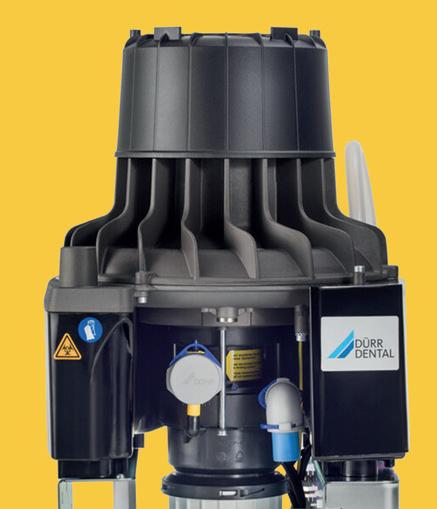




























































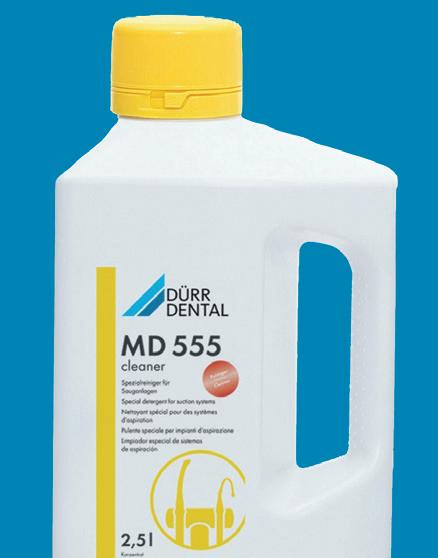



Bactericidal, with yeasticidal activity against enveloped viruses (enveloped viruses incl. HBV, HCV, HIV, and coronaviruses), non-enveloped adenoviruses and noroviruses.
Orotol Plus disinfects, deodorises and cleans all suction and amalgam separating systems and spittoon bowls. Use alongside MD555 to descale and physically clean all components of the suction unit and drain lines.
Orotol Plus is non-foaming, designed to protect and care for your suction unit. It’s high-standard material compatibility ensures performance and longevity.
For more information visit www.duerrdental.com/en/products/hygiene

Changing the odds
Though dental professionals are not responsible for diagnosing or treating most cancers around the body, they are integral to early detection of the disease around the mouth, head and neck. With the increase in cancer screenings, cuttingedge technology and growing awareness among both the healthcare sector and general public, cancer survival rates are improving. To continue this positive trend, it’s important that all play their part.
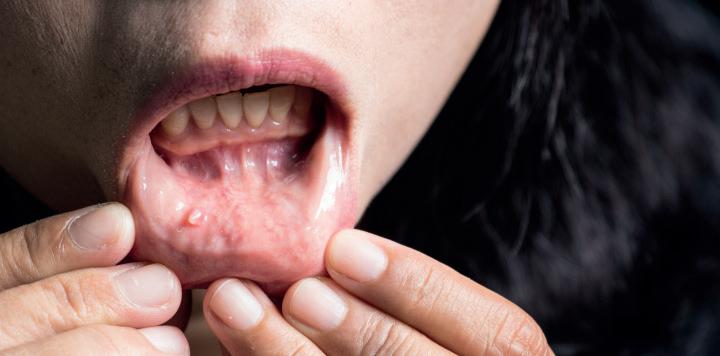
Cancer survival rates have doubled overall Cancer survival rates have doubled since the 1970s, when just 1 in 4 people lived more than 10 years following their diagnosis. Today, 50% of individuals survive 10 years in England and Wales, with ambitions to drive this trend further so that more and more people live long beyond their diagnosis.
According to the latest statistics from Cancer Research UK, there are more than 385,000 new cases each year. Men are slightly more likely to receive a diagnosis (199,000) compared to women (186,000), with breast, prostate, lung and bowel cancers accounting for more than half of all reported. Survival is not equal among all cancers and ranges from 1% for pancreatic cancer right up to 98% for testicular cancer. With regard to mouth and oropharyngeal cancers, early detection remains key. When identified in stage 1, the 5-year survival rate is 85% for mouth cancer. Those diagnosed in stage 2 have a 70% survival rate at 5 years, and stage 3 is linked to a 55% 5-year survival rate. Detection of stage 4 mouth cancer is associated with a 35% survival rate of 5 years or more. Similar rates are reported for oropharyngeal cancers, ranging from 75% for stage 1 and 64% for stage
treatment progression
The therapies available to treat various different cancers have come a long way in the past few decades. Key milestones have included the introduction of radical mastectomy for breast cancer, x-ray diagnostic imaging, radiotherapy, screening for cervical cancer, hormone therapy for prostate cancer, and combination chemotherapy, as well as several surgical interventions. Many have directly impacted the treatment of oral cancer, transforming outcomes with surgery, radiotherapy, chemotherapy, targeted therapy and immunotherapy for enhanced quality of life and improved outcomes for patients. To further drive survival rates up, this research and development must continue. Over the past year, a new three-drug therapy has been developed to double the amount of time taken for aggressive advanced breast cancer to progress. There
are similar hopes for new drugs within the field of prostate and ovarian cancers, and advanced melanomas.
Moving forward, Artificial Intelligence (AI) is expected to have a significant impact on the advancement of cancer therapies. It is predicted to facilitate early diagnosis and rapid yet highly tailored treatment delivery. This, accompanied by new and further refined drug combinations, is likely to help boost survival rates higher than ever.
Next-generation sequencing is another emerging technology that shows promise for the complete revolution of oncology in the years to come.
awareness and prevention
Despite heavy investment into management and treatment techniques, the priority remains prevention. Many cancers share several of the same or very similar risk factors, meaning that individuals can lower their chances of developing the disease by implementing a number of fairly simple steps.
The Cancer Awareness Measure ‘Plus’ is designed to assess public attitudes, understanding and behaviours with regard to diagnosis, screening and prevention of cancer. Findings from the 2024 report suggest that almost all participants recognised the main preventable risk factors of cancer development.
For mouth cancer more specifically, public awareness of the risk factors and symptoms seems to be lower. This emphasises the importance of patient education in the area, encouraging more individuals to appreciate the risks involved and to be proactive in reducing the likelihood of developing mouth cancer.
As behaviour change can take time, it is necessary to start with small and easily-implementable steps. For many, the easiest yet greatest change they can make to enhance their at-home oral hygiene routine is to introduce interdental cleaning.
TANDEX provides a range of FLEXI interdental brushes that are perfectly complemented by the PREVENT Gel to ensure exceptional daily oral cleaning and protect against an array of dental diseases. A thorough oral health regime that incorporates trusted products will help patients to optimise plaque removal and lower their risk of developing many dental diseases, including mouth cancer.
The statistics show positive trends in the survival rates for a number of different cancers. To help these continue in an upwards trajectory, it is crucial that treatment solutions are further developed and that public awareness continues to be improved.
For more information on Tandex’s range of products, visit https://tandex.dk/ Our products are also available from DHB Oral Healthcare https://dhb.co.uk/ n
about the author Jacob Watwood, rodericks Dental Partners associate dentist at Fieldside Dental Practice.

Consistency in cleft classification
Consistency in healthcare is absolutely crucial for accurate diagnoses, successful treatments and excellent patient outcomes. This consistency stretches to the classification of health conditions; if multiple systems are used by practitioners, then the treatments and results may be different.
Dental practitioners are vital for the diagnosis and classification of cleft lip and palate, supporting parents with affected babies and preparing the latter for surgery. However, categorising the anatomy and severity of each cleft lip and palate patient comes with a multitude of choices. This is further why consistency is important for the classification of the condition.
Dash to diagnose
Whilst a cleft lip is often noticed during the 20-week screening scan in the second trimester, a cleft palate is more difficult to detect via ultrasound. If a cleft lip or palate is not visible on the scan, they are diagnosed immediately after birth, or during a physical examination within 72 hours of birth. Cleft lip can encompass a wide range of severity, from a notch located on the left or right side of the lip to the most severe form, bilateral complete cleft lip.
The challenges posed by the conditions are instant, with infants unable to make a seal tight enough to feed through. Later problems, such as inhibited tooth growth, a higher risk of tooth decay, and a higher risk of ear infection and impacted hearing, underline how vital it is for surgery to correct the deformity.
The classification of a cleft lip and palate eases treatment planning and helps the patient, or the parents of the patient, to name, grade, plan, discuss and ultimately remember the clinical scenario. But there are many classifications to choose from.
Class struggle
Classification systems are based on cleft lip and palate morphology, with a few based on the embryological development of the cleft. Among the more widely used is the Kernahan classification, which employs a ‘striped Y’ diagram to visualise the extent and location of the cleft. However, when compared against the classification determined by the American Cleft Palate Association, the Kernahan system has limitations, such as an inability to separately identify cleft of the lip and alveolar. Despite this, the Kernahan system uses similar subheadings for combined clefts of the primary and secondary palate as it does for clefts only in the primary palate –this highlights how a simplified description could cover all cleft types and ease the classification model.
In the UK, two systems stand out. The Veau classification divides clefts into four groups: soft palate only, hard and soft palate, unilateral complete, and bilateral complete. This does not account for the severity of the defect.
In contrast, the LAHSHAL classification provides clinicians with a more comprehensive system. In practice it allows
cleft to be easily coded for computer use. LAHSHAL splits the mouth into seven parts, each corresponding to a letter: right lip (L), right alveolus (A), right hard palate (H), soft palate (S), hard palate (H), left alveolus (A), left lip (L). For maximum coverage, LAHSHAL can describe over 12,000 combinations.
a new study emerges
More recently, a study aimed to develop a new, anatomically based classification system for nasal deformities in infants with cleft lap and palate. Motivated by the omission of nasal deformities secondary to orofacial clefts in other classifications, the study focused on assessing aspects like the symmetry of the septum, projection of the nasal tip, and the shape of the nostrils. Using a range from moderate to severe, and guided by photographs of patients, the findings demonstrated a strong consistency among clinicians, with excellent agreement across the survey.
By following such a protocol, clinicians can better evaluate the efficacy of different treatment approaches whilst also identifying potential areas for refinement. This in turn can transform the life of a cleft lip and palate patient, supporting them in living without many of the complications associated with a cleft lip and palate and secondary nasal deformity. It is therefore essential for clinicians to retain consistency in the classifications as this means consistency for the patient and improved surgical outcomes.
Prepping with the best
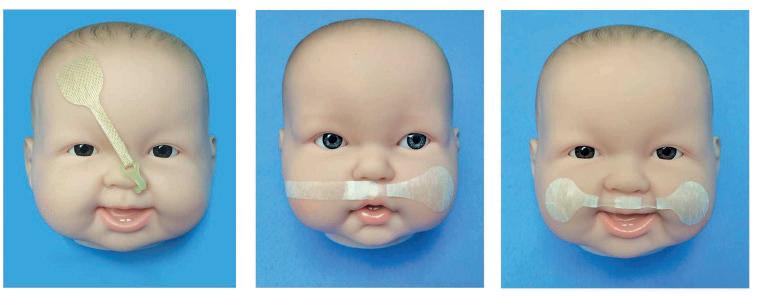
Pre-treatment preparation is essential for achieving the desired outcome. Clinicians should recommend the DynaCleft system from Total TMJ for cleft lip and palate patients. A collaborative result developed by plastic surgeons, orthodontists and cleft palate teams, the system gently guides and supports facial tissues, improving nasal symmetry and better positioning the cleft lip and palate for optimal surgical results. The correct classification of cleft lip and palate is integral for optimising treatment outcomes. Having consistency and staying up to date on the latest research allows clinicians to support affected patients to the highest level, preparing them an improved quality of life.
For more details about Total TMJ and the products available, please email info@totaltmj.co.uk n
about the author Karen harnott, total tMJ operations Director.





















































































































































































Multi-unit implant-retained prosthesis with sinus and hard tissue augmentation
d r Balaji presents a complex case in which sinus augmentation and hard tissue augmentation were required to replace a failing bridge with a multi-unit implant-retained prosthesis
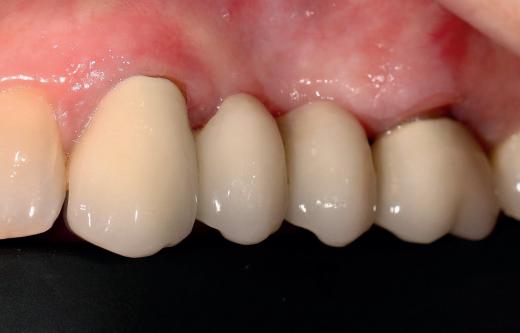
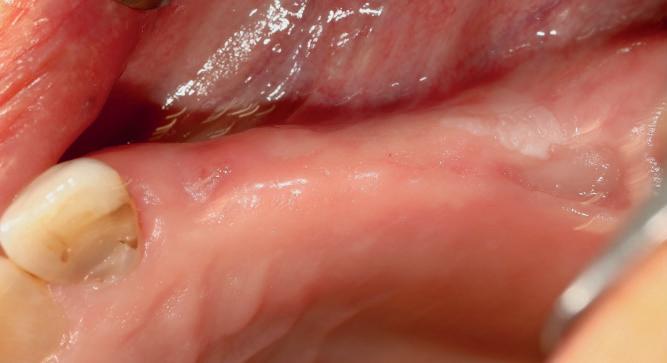
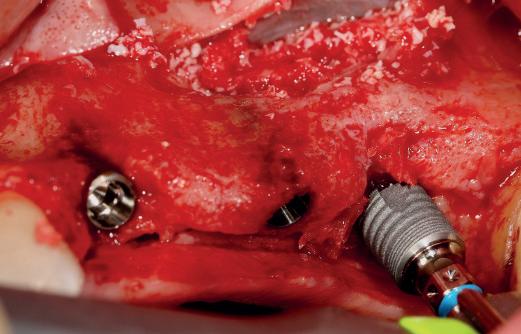
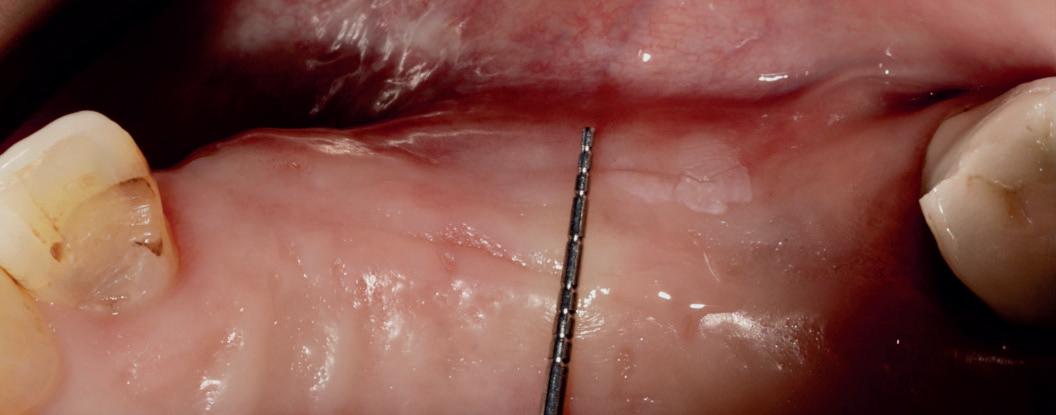

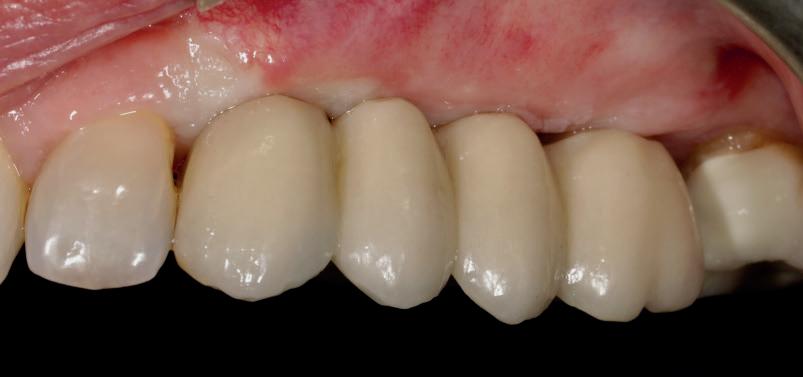
A70-year-old lady was referred to the practice for treatment of a failing four-unit bridge in the upper left region. The bridge was supported by UL3 and UL6 abutments, whilst the UL4 and UL5 were pontics.
assessment and treatment planning
Initial assessment revealed the need to remove the existing bridge along with the UL3 and UL6. The patient had a thick gingival biotype, but there was severe bone and soft tissue loss at the treatment site, and the sinus floor was very close to the crestal bone in the region. A CBCT scan was taken at this stage.
Having taken all of this into account, the ideal treatment plan would include the extraction of the UL3 and UL6 and a delayed implant placement approach due to the significant bone and soft tissue loss. Hard tissue augmentation would be required in order to achieve optimal function and aesthetics, as well as maximise treatment longevity.
All treatment options were discussed with the patient, including the option of no treatment (which was not advised in this case). The patient provided informed consent to proceed with the above
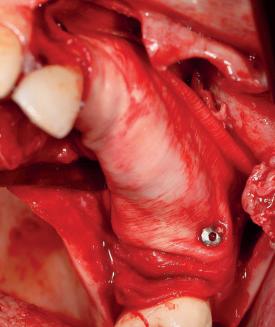

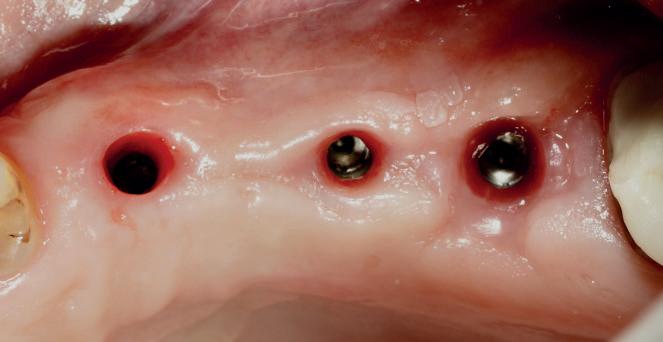
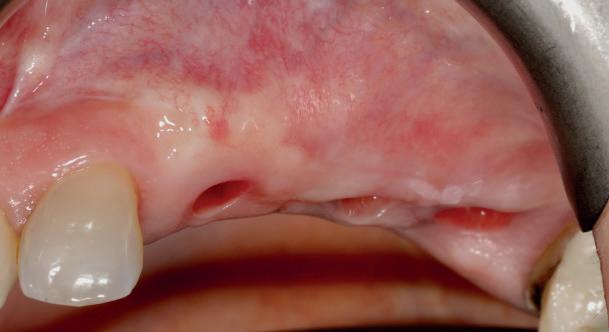
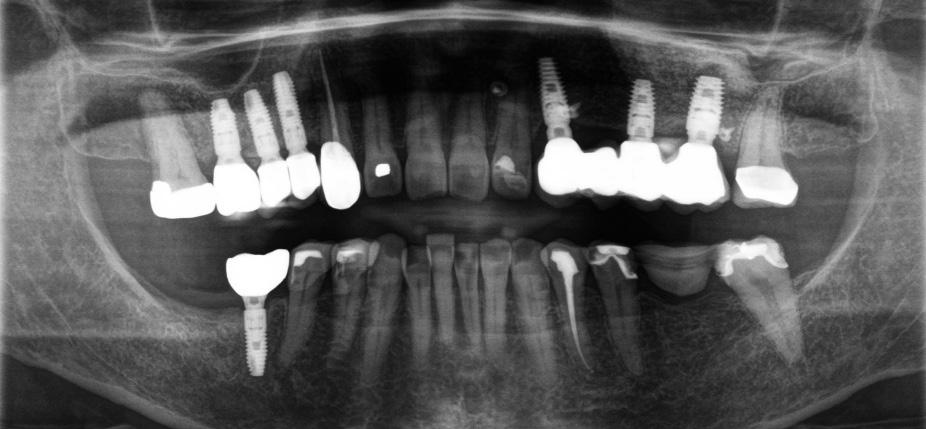
treatment plan, as this would provide good functional and aesthetic outcomes.
treatment provision
The UL3 and UL6 were extracted and the site was allowed to heal for three months.
When the patient returned for the next stage of treatment, a crestal incision was made and a full thickness flap was raised. At this time, it was confirmed that there was buccal bone loss at the UL3 site and palatal bone loss at the UL6. Additionally, there was narrowing of the crestal bone in the UL4-5 region.
The sinus graft was harvested from the lateral wall and mixed with xenograft. A sinus graft procedure was performed with an external approach. A lateral window was created to access the sinus, the sinus membrane was lifted, and the graft material was placed. A guide was then placed for the implant stent to determine the prosthetically driven implant positions. Three dental implants were placed in the UL3,5 and 6 regions. The buccal defect was augmented using autogenous bone which was placed on the implant thread and layered with a mixture of xenograft and autogenous bone. The grafting material was secured in place with a native collagen membrane using the sausage technique and stabilised
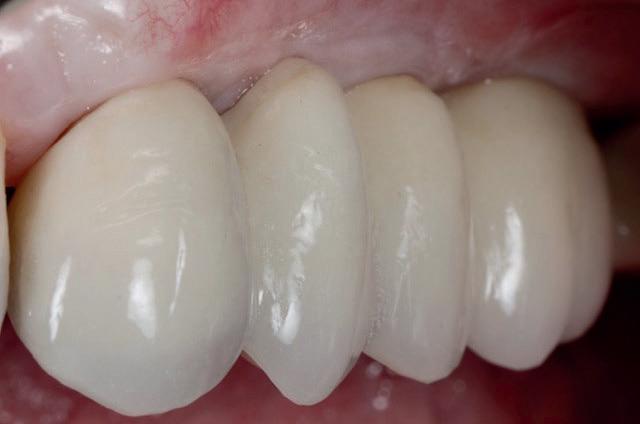
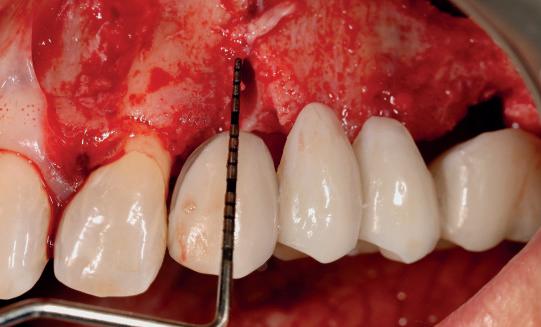
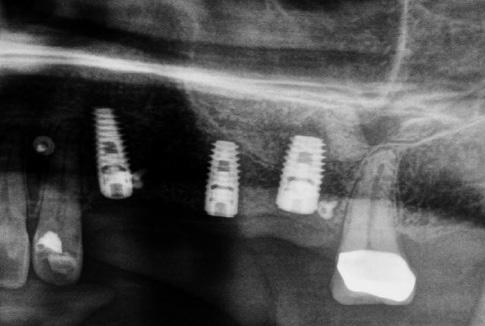
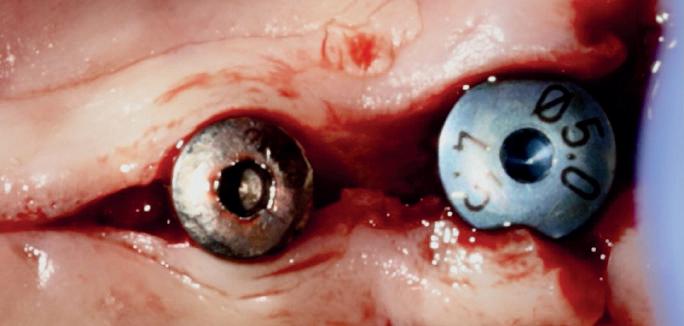
Fig. 1 Initial presentation, failing bridge in place
Fig. 2 site healed post extraction
Fig. 3 bone loss in region
Fig. 4 lateral window access to sinus
Fig. 5 implant stent in place
Fig. 6 autogenous bone mixed with xenograft
Fig. 7 dental implants placed
Fig. 8 autogenous bone graft placed
Fig. 9 mixture of xenograft and autogenous bone placed
Fig. 10 native collagen membrane placed and secured with master pins
Fig. 11 x-ray post implant placement
Fig. 12 bone and soft tissue thickness after healing
Fig. 13 implants exposed
Fig. 14 preparation for palacci technique to enhance soft tissue papilla
Fig. 15 palacci technique complete
Fig. 16 implant site post healing occlusal view
Fig. 17 implant site post healing anterior view
Fig. 18 implant retained bridge placed
Fig. 19 x-ray post restoration
Fig. 20 one year review
with master pins. This technique aims to immobilise the bone graft and improve long-term stability. The flap was sutured for tension-free primary closure using the mucoperioelastic technique. After this stage of treatment was complete, the patient was provided with oral hygiene instructions to help keep the mouth clean during recovery, and help to ensure optimal healing.
After four months, the implants were exposed and the palacci technique was used to gain soft tissue thickness between the implants in the UL5-6 region. The palacci technique requires the careful manipulation of the peri-implant tissue to create soft tissue architecture similar to papillae. This technique was successful and, after healing for two months, good gingival thickness was achieved in the area. The implants were restored with the final bridge.
Reflection
The biggest challenge in this case was the need to perform a sinus graft at the same time as bone augmentation. The patient was nervous about undergoing sinus and bone grafts. Fortunately, she had a thick soft tissue biotype, meaning that no extra soft tissue graft would be needed. The treatment provided resulted in a favourable outcome for the patient.
Dr Balaji provides industry-leading training courses on both hard and soft tissue management around dental implants with the ASHA Club.
For more information about how you could elevate your skills with the support of experts, please visit www.ashaclub.co.uk or call 07974 304269 n
Reference available upon request
about the author
Dr Selvaraj Balaji BDS, MFDS RCPS(Gla), MFD SRCS(Ed), LDS RCS(Eng)

Since he obtained the BDS Degree, Dr Balaji has worked in Maxillo-facial units in the UK for several years and gained substantial experience in surgical dentistry. He is the principal dentist of The Gallery Dental Group which is made up of Meadow Walk Dental Practice and The Gallery Dental & Implant Centre. Dr Balaji is also the founder of the Academy of Soft and Hard Tissue Augmentation (ASHA) and runs courses, lectures and study clubs in the UK and around Europe for aspiring implantologists
Immediately loading an anterior implant with occlusal considerations
d r Imran Nasser presents a recent case and offers advice on how to mitigate the potential challenges that can arise from immediately loading an
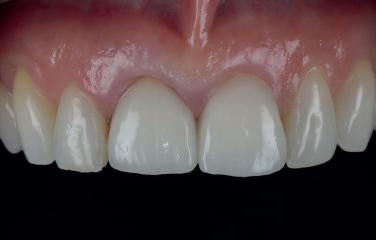
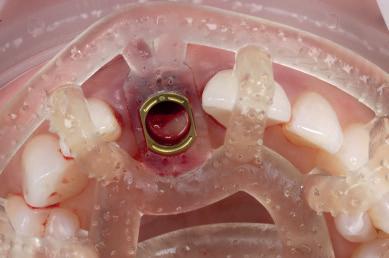
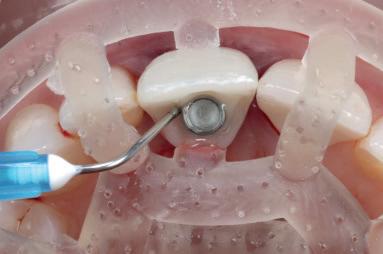
Fig.
Fig.
Fig.
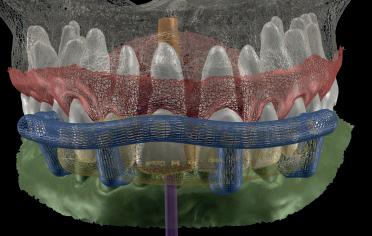
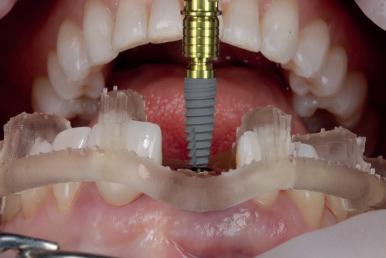

SMOP guide featuring 3.8mm implant sleeve included
Verification jig if original crown were to be used
Post crown removed, distal resorption visualised and root sectioned Fig.
Forceps used to remove fragments
Fig. 8 Granulation tissue removed
Fig. 9 Surgical guide fit check to ensure accurate seating
Introduction
Immediate implant protocols have been proven safe and effective in a number of clinical scenarios. For optimal outcomes, clinicians must take precautions to mitigate potential complications with each case they treat. Occlusal considerations must be included in the assessment and planning phases of treatment, for example, to determine the implant’s ability to withstand the forces it will be placed under if loaded immediately. The literature suggests no significant difference in success of non-occlusal and occlusal modalities of implant loading,i when case selection and techniques are sound. The following case demonstrates how implant placement alongside a deep overbite may be effectively managed.
Case presentation
A female patient in her mid-50s was referred due to pain around the gingival margin of the UR1. The tooth had previously been root filled and crowned, and was now unrestorable. External root resorption was confirmed with a periapical radiograph, which showed that the distal bone peak was absent. Located in the aesthetic zone, the missing distal peak meant that the remaining papilla would disappear after the tooth was extracted, and thus needed addressing to avoid the formation of a black triangle.
assessment and planning
The comprehensive assessment revealed tight interocclusal space and an increased overbite. The occlusion could present a risk of complications alongside immediate loading protocols, but the implant chosen offers excellent primary stability and confidence that it can withstand the loading forces, eliminating any concerns. The author would not have the same level of confidence with previous implant systems he has used.
anterior tooth
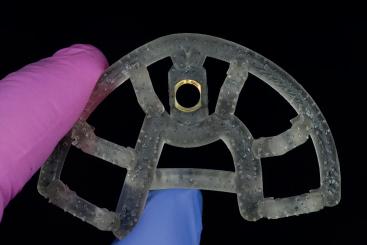
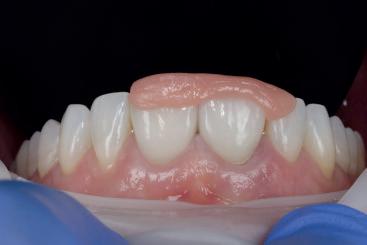
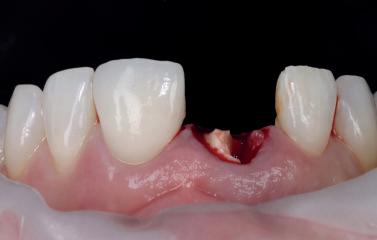
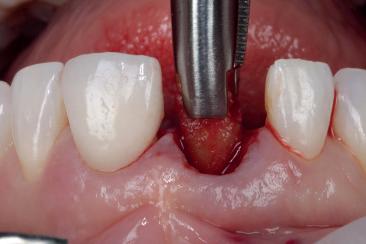

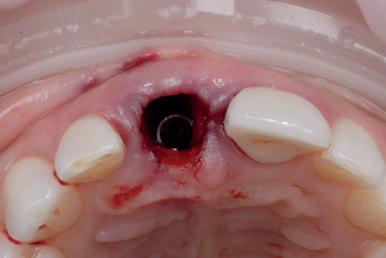
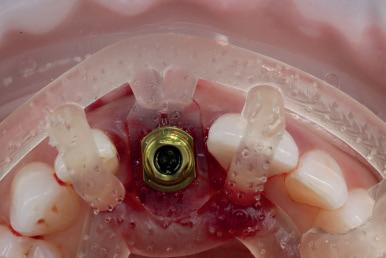
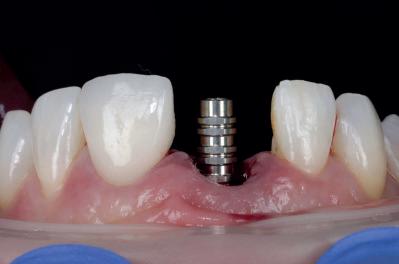
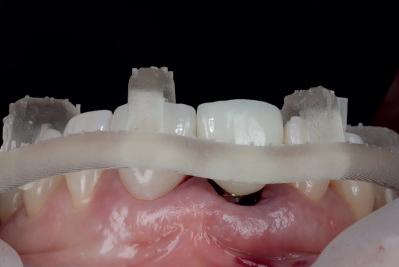
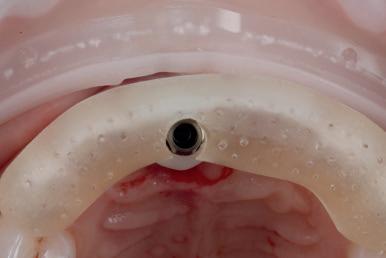
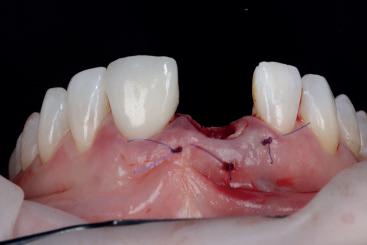
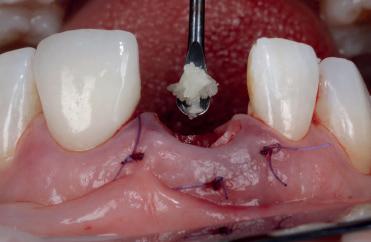
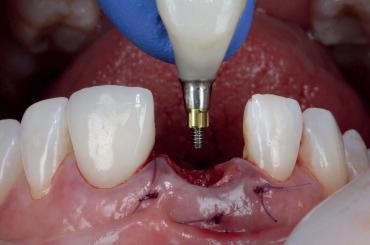
Fig. 10 CONELOG 3.8mm implant placed through guide
Fig. 11 Implant placed in close contact to palatal bone with jump gap visible
Fig. 12 Implant delivered fully guided
Fig. 13 Temporary restoration created prior to grafting to ensure material is not contaminated with composite
Fig. 14a Lab temporary tried in with SMOP verification
Fig. 14b Second guide tried in mouth, demonstrating the accuracy of impant placement with regards to planning
Fig. 15 Flowable composite attaching temporary to abutment
immediately loaded implant, and to determine the appropriate implant size for a jump gap of at least 3mm. The buccal plate thickness was also assessed – improved outcomes and reduced resorption are achieved when this is at least 1mm. For optimal success with immediacy, the implant should be placed 1mm below the buccal plate, 4mm below the level of the proposed CEJ of the final tooth, and palatally positioned.
An intraoral scan was taken, including the entire palate to provide a precise reference for the CBCT scan. This enabled the accurate merging of the intraoral and CBCT scans to create a diagnostic wax-up for the provisional restoration.
Smile Cloud software with AI-driven smile design features was used to assist treatment planning and provide short animations for use in patient communication. The same data was put into SMOP software to design the surgical guide, which is essential to optimise primary stability for immediate loading.
Two temporaries were requested from the laboratory. One was fabricated from the SMOP guide affording high visualisation to increase precision of fit. The second temporary had a stent that sat over the incisal edges, which could be used to confirm accurate positioning.
Implant placement
On the day of surgery, the post crown was removed, and the tooth sectioned to ease extraction while preserving the buccal plate. Forceps were used to deliver the fragments, with extensions to simplify pickup (Hu-Friedy). The granulation tissue was removed using a Lucas curette.
The surgical guide was checked in the mouth, ensuring it was fully seating and not in contact with the adjacent teeth.

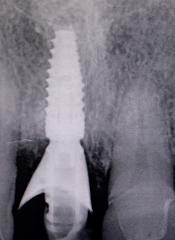
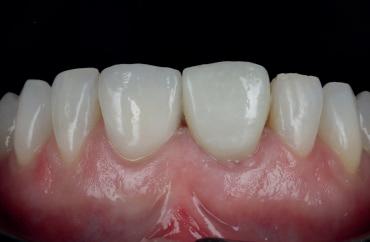
Fig. 16 CTG placed from papilla to papilla
Fig. 17 CTG stabilised from papilla to papilla
Fig. 18 MinerOss Blend added to jump gap
Fig. 19 Temporary restoration try in
Fig. 20 Site is closed with vertical sling suture, placing the soft tissue in close approximation to the subgingival profile of the restoration
Fig. 21 Post-operative radiograph without compressing crestal bone
Fig. 22 Eight week post-operative review
The CONELOG® Progressive-line implant maximised primary stability and in this case the implant was inserted at 70Ncm. The pre-made temporary was used as the temporary restoration; however, there would also be the option of modifying the existing crown.
The implant was placed in close contact with the palatal bone, 1mm below the buccal bone height. A temporary cylinder abutment was connected, with flowable composite placed to attach the temporary restoration. The composite resin was used to create the optimal emergence profile ensuring a highly polished restoration in the transition zone.
soft tissue regeneration
A free gingival graft was harvested from the palate, allowing enough tissue to reach between the base of each papilla and this was de-epithelialised to obtain the connective tissue. A thickness of 1mm is adequate, but in this instance, it was made intentionally thicker at the disto-buccal aspect to help plump up the papilla where bone loss was greater. The connective graft tissue was stabilised with three resorbable sutures placed, positioning the connective tissue graft 1mm below the free gingival margin.
A bone graft was then performed, adding MinerOss® Blend (BioHorizons Camlog) to the jump gap. This affords an ideal combination of cortical and cancellous bone, delivering high bone density and reliable revascularisation to ensure the fast and predictable turnover of bone.
Upon review eight weeks later, healing had been uneventful. The temporary restoration will be left in place for six months to allow the tissues to mature prior to final restoration.
Reflections
A key factor in this case was the patient’s occlusion. The deep overbite made immediate loading a higher risk, so a guided workflow was crucial to ensure primary stability was not lost. Occlusion, parafunction and bruxism are all critical factors when assessing for implant placement, especially alongside immediate loading.
The CONELOG® implant system is my go-to for immediate cases, particularly where strength and function must be balanced with aesthetics. Its long conus reduces micromovements and it affords greater positional stability than other conical systems I have used. The 3.8mm diameter is the ideal combination of surgical strength and aesthetic considerations. The Guided Surgical Kit is simple to use and has a streamlined workflow for increased efficiency. For product information from BioHorizons Camlog, please visit https://theimplanthub.com/ n
Reference available upon request
about the author
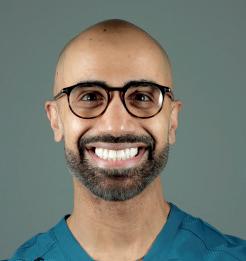
A CBCT scan was taken, using cotton rolls to keep the teeth separated during image capture for maximum accuracy and seamless digital integration with the intraoral scan. This was used to evaluate the volume of apical and palatal bone available to stabilise an
Dr Imran Nasser is Practice Principal at Cheltenham & Cotswold Dental. He completed his MFDS in 2009 and his Masters degree in Implantology in 2014. He runs regular courses in the UK for implant & ceramic restoration (Aesthetic Prosthetic), Ridge Preservation (15C) and Immediate placement & Soft tissue grafting (Replace). For the past four years in succession (2021-2024), Imi has received the accolade of winning the UK Aesthetic Dentistry & Clinical Case Awards in Implant & Ceramic categories. He is passionate about sharing his experiences with his colleagues (www.ap15c.com). Fig.
The standard CONELOG® (BioHorizons Camlog) guided drill sequence was followed. The Guided Surgical Kit is very simple to use with a streamlined number of drills. The CONELOG® drills support primary stability, with side-cutting features and apical threads that engage the native bone.
The temporary restoration was then reintroduced and the surgical site closed tension-free. Vertical sling sutures were placed through both papillary areas over the contact points to hold the tissue up, create a prosthetic seal and to combat natural shrinkage.
A post-operative radiograph was taken to confirm that the crestal bone was not compressed and there was no convexity in the area to allow space for the soft tissue graft to expand, proliferate and grow.
Dentists’ Provident, always by your side.
None of us know what the future holds.
Having to take time off work because of an illness or injury can have a serious effect on your finances. This is where we come in – our income protection plans can help take away the worry by replacing the income you lose, until life gets back to normal.
For over a hundred years, our members have trusted us to give them peace of mind when they need it most. Isn’t it time you did the same?
To get a quote for an income protection plan please visit www.dentistsprovident.co.uk

To discuss a new plan just for you or review your current plan please contact our member services consultants on 020 7400 5710 or memberservices@dentistsprovident.co.uk
SprintRay levels up 3D printing workflows again
SprintRay Retainer Resin is compatible with SprintRay NanoCure
The opportunities for 3D printing – as well as for business growth and enhanced patient care –are growing. Developments in the technology and related resins are constantly expanding applications, affording new and exciting treatment options for clinicians to use. As the only provider of 3D printing solutions dedicated to dentistry in the UK, SprintRay is driving innovation in the field.
reshaping the possibilities
Revolutionising the field right now is the ability to 3D print SprintRay Retainers using a specially designed and totally unique direct-print retainer resin.
The one-of-a-kind solution is engineered for strength, comfort and clarity, optimising the patient experience. It is offered as part of a fully validated biocompatible system that enables clinicians to deliver customdesigned, excellent fitting retainers quickly, easily and with unwavering confidence. It is the latest offering from the SprintRay Biomaterial Innovation Lab, saving clinicians time and money, while elevating the standard of patient care. In fact, SprintRay Retainer supports same-day dentistry for an improved patient experience and enhanced satisfaction.
Further to this, the comprehensive digital workflow made possible by SprintRay maximises efficiency and cost-effectiveness, making dentistry more accessible and more affordable for a greater number of patients.
How it works
The SprintRay Retainer bypasses the cumbersome and time-consuming process of printing and thermoforming over models. It is used alongside the free AI Design Software on SprintRay Cloud Design, which facilitates retainer design and further optimises speed of treatment without compromising accuracy or predictability. Designs are received in just 5 minutes from the submission of scans, with the flexibility to both upper and lower arch designs available. No CAD is required, simplifying the professional sequence and accommodating a broad range of patient needs and preferences. The design is sent directly to the printer delivering increased speed and reduced waste – it’s that simple.
The four steps of the workflow are as follows:
1. Material selection – SprintRay Retainer is specially designed for exceptional retainer products
2. Print – the SprintRay Pro 2 3D printer utilises state-of-the-art technology to deliver fast, accurate and predictable solutions
3. Wash – the SprintRay ProWash S ensures maximum resin removal for an unmatched cleaning stage
4. Post cure – NanoCure is in a league of its own when it comes to curing and polymerising products that become as strong as they are aesthetic

The result is a SprintRay Retainer that features outstanding clarity, and mechanical properties, as well as a simple post processing workflow.
Get to know NanoCure
Unlocking next generation printed appliances, NanoCure supercharges the post processing workflow to deliver the triple-threat of unparalleled speed, power and material chemistry.
It utilises new 365+385nm LEDs and controlled heat to cure the 3D printed appliances without any nitrogen, optimising the biocompatibility and mechanical properties of the SprintRay Retainer. The extremely short cure times of NanoCure also enhance aesthetic outcomes by producing shades that are even closer to the shade guide, despite the material’s strength and biocompatibility. The advanced software facilitates seamless connectivity to SprintRay Cloud for integrated workflows. Boosting silent operation, the thermal regulation system keeps the curing chamber at the perfect temperature without affecting the professional or patient experience.
Packed full of innovation, NanoCure is the epitome of cutting-edge technology in the 3D printing arena. With no need for lengthy warmup times, it is always ready to work when you need it.
an ecosystem that affords confidence
As with all solutions in the SprintRay ecosystem, the SprintRay Retainer workflow is designed for optimal efficiency and excellent outcomes. It joins an array of innovations that support the entire 3D printing process for a wide range of clinical situations.
All products are also available alongside the support of a dedicated UK customer service team, who offer extensive experience and expertise in the field. They are always available to answer questions, troubleshoot cases, and advise on how practice teams can further streamline their 3D printing workflows and completely transform their patient care.
The latest direct-print retainer resin is just one example of how SprintRay is reimagining restorative dentistry. Find out more today.
SprintRay Retainer Resin is only compatible with SprintRay NanoCure.
For more information on the SprintRay 3D printing solutions changing the game in dentistry, please visit sprintray.com/en-uk/ n
Small steps, strong foundations
Business progress is often measured by big wins and impressive results that define success. Yet, as Van Gogh once said, “Great things are done by a series of small things brought together”. Lasting improvement is built on consistency –through the small, steady changes that accumulate over time.
Dentistry embodies this principle perfectly. The profession thrives on precision, and it is often the smallest refinements that lead to the most meaningful, long-term outcomes. This applies not only to clinical work, where minor adjustments can transform treatment quality, but also to the management and development of a practice. The day-to-day habits, systems, and interactions all play an important role in guiding the entire process.
the power of small changes
The idea of smaller building blocks working towards a bigger picture presents in different ways within the practice: from enhancing the work environment by reducing the administrative burden and improving inter-communication to optimising patient satisfaction by reducing wait times; each subtlety links to a more secure and enjoyable future for the practice. As such, when compounded, these changes amount to something much greater and more stable which creates better cohesion for both the teams and with the patients.
Small changes and assessments have a chain reaction: the benefits of greater longitudinal efficiency lead to better collaboration and confidence.
Measuring progress with KPis
Because incremental changes are seemingly indirect, their value is often overlooked until more time has passed and the results become more visible. Sustainable success is determined when consistently tracking smaller, purposeful key performance indicators (KPIs).
Monitoring these offers data-driven insight into different areas of business performance to enhance decisionmaking, and overall, patient care.
For example, quality of care can be assessed by tracking KPIs related to treatment acceptance rates and diagnostic accuracy. Similarly, patient satisfaction can be monitored by asking for direct feedback.
Operational efficiency can be enhanced through analysing the KPIs surrounding schedules to maximise productivity.
For example, by automating recalls or utilising online booking tools, diary gaps can be reduced and filled with other patient appointments – something which will deliver better attendance rates and time management, creating a more cohesive professional workflow.
This also extends to marketing, as small implementations like responding to online reviews or utilising advertisement analytics can improve visibility, reputation, and familiarity.
Working towards success
Measurable indicators can be used in many practice sectors: patient retention, treatment uptake, compliance, and even staff satisfaction can all offer metrics on how each individual area is performing compared to the broader strategy.
The challenges are in recognising how to approach these opportunities. It is necessary to understand that when practices become accustomed to systems merely working well ‘enough’, they may fall short in optimising them.
The best way forward is with established support. IndepenDent Care Plans (ICP) has assisted dental teams for 30 years, directing small improvements into greater results. Their bespoke dental plans means that practices never lose their individual edge, with resources, business development consultants, and extensive experience in dentistry made available to you. ICP allows both flexibility and insight that is indispensable for your practice to grow and succeed confidently.

Building lasting success
The idea of what success means is beyond merely grand results, but involves the smaller attributes that drive that success. Sustainable changes in the right direction, the consistent tracking of KPIs, and the right support can set your practice apart from the rest – building long-lasting and ever-growing success.
For more information about ICP and to book a no-obligation consultation, please visit ident/co.uk or call 01463 222 999 n
about the author dr robert donald, independent Care Plans director.

Where choice meets simplicity
The BioHorizons Camlog advantage
For clinicians providing dental implant treatment, it is essential to have access to an array of triedand-tested products designed to elevate outcomes and streamline workflows. BioHorizons Camlog offers a comprehensive portfolio that helps to deliver time and time again.
surgical systems
The implant options available afford high confidence in a vast range of clinical scenarios. From single unit cases to full-arch rehabilitation, immediate to conventional protocols, there are implant systems and components to suit.
New to the portfolio is the innovative Tapered Pro Conical implant, which combines the macro design of the BioHorizons Tapered Pro with the patented CONELOG® connection by Camlog, helping to optimise stability, predictability, and aesthetics. Along with the proven 7.5° conical connection and reverse buttress threads, it also features grade 23 titanium alloy, LaserLok® surface, and 6-orientation position options. With a new regular prosthetic platform for the 3.8mm implant, restorative flexibility is improved and fullarch treatment streamlined with a single prosthetic platform.
Dr Duncan Park, principal of Green Square Dental and Implant Centre in Yorkshire, commented on the new system:
“The Tapered Pro Conical implant helps to achieve excellent stability in a range of situations. The emergence profile lends itself to create a very nice curvature of the gingiva, supporting the soft tissue adaptation for exceptional aesthetics and cleansability. The design and material of the implant as a titanium alloy (Ti-6AL-4V ELI) also means it affords the strength required to provide excellent implant stability even when used in a smaller diameter, should the case demand it. In effect, it is the best of both companies – BioHorizons and Camlog.”
The Tapered Pro Conical joins a long line of implant solutions from the company that has built a strong reputation for quality. Among the many other popular options is the CONELOG® Progressive-Line implant, which Dr Nikolas Vourakis – dental implant expert at the One to One Dental Clinic in Harley Street (London) and renowned lecturer / teacher in the field – prefers for complex full-arch rehabilitation cases. He said:
“The implant system chosen is important for full-arch cases. It is crucial to work with products that will support both functional and aesthetic outcomes, while helping the clinician to minimise potential complications associated with this type of treatment. I often select the CONELOG® Progressive-Line implants from BioHorizons Camlog. These implants feature an optimal thread

design and tapered figure, promoting high primary stability – which is essential in full-arch reconstruction cases.”
supportive solutions
To complement the various implant systems and help optimise all clinical outcomes, BioHorizons Camlog provides a variety of restorative components and biomaterials.
The latest addition to the prosthetic portfolio is an innovative direct-to-multi-unit screw. This allows further simplification of the prosthetic workflow, designed to secure zirconia, PMMA, and 3D printed restorations to the multi-unit abutment without any intermediate components or extra steps.
Within the biomaterials portfolio, clinicians will find a broad selection of evidence-based allograft, xenograft, and synthetic materials, designed to facilitate effective bone and soft tissue augmentation that can be tailored to patient and clinical preferences.
Dr Rob Oretti, a prominent dental clinician, teacher, and international speaker, commented on MinerOss® allograft:
“I regularly choose MinerOss because the combination of cortical and cancellous particulate delivers fast yet controlled bone remodelling. Its rapid turnover to bone allows a shorter overall treatment time, creating a stable environment in which to place an implant only months after augmentation. I have also received excellent support from the team at BioHorizons Camlog for the approximately six years I have been working with them.”
service with a smile
Ensuring that clinicians and practice teams have the information and support they need to choose the right solutions and to get the very most from them, BioHorizons Camlog is committed to delivering exceptional customer service as well.
Dr Chetan Mathias – renowned cosmetic and implant dentist in Coventry – shared his experience:
“I have been working with BioHorizons Camlog for the last 15 years. I’ve been part of their journey as they’ve grown into the company they are today, and they have been a pivotal part of mine. For me, the organisation is more than an implant company – they are an extension of what I do, of my team. I firmly believe that to be able to offer the service and treatment that I do, I need a company that can back me at every stage of my journey.”
BioHorizons Camlog offers an array of implant systems, components, and biomaterials, while promoting streamlined prosthetic portfolios and exceptional clinical outcomes. Find out more today.
For more information about the vast portfolio of solutions from BioHorizons Camlog, please visit theimplanthub.com n
A new model of partnership
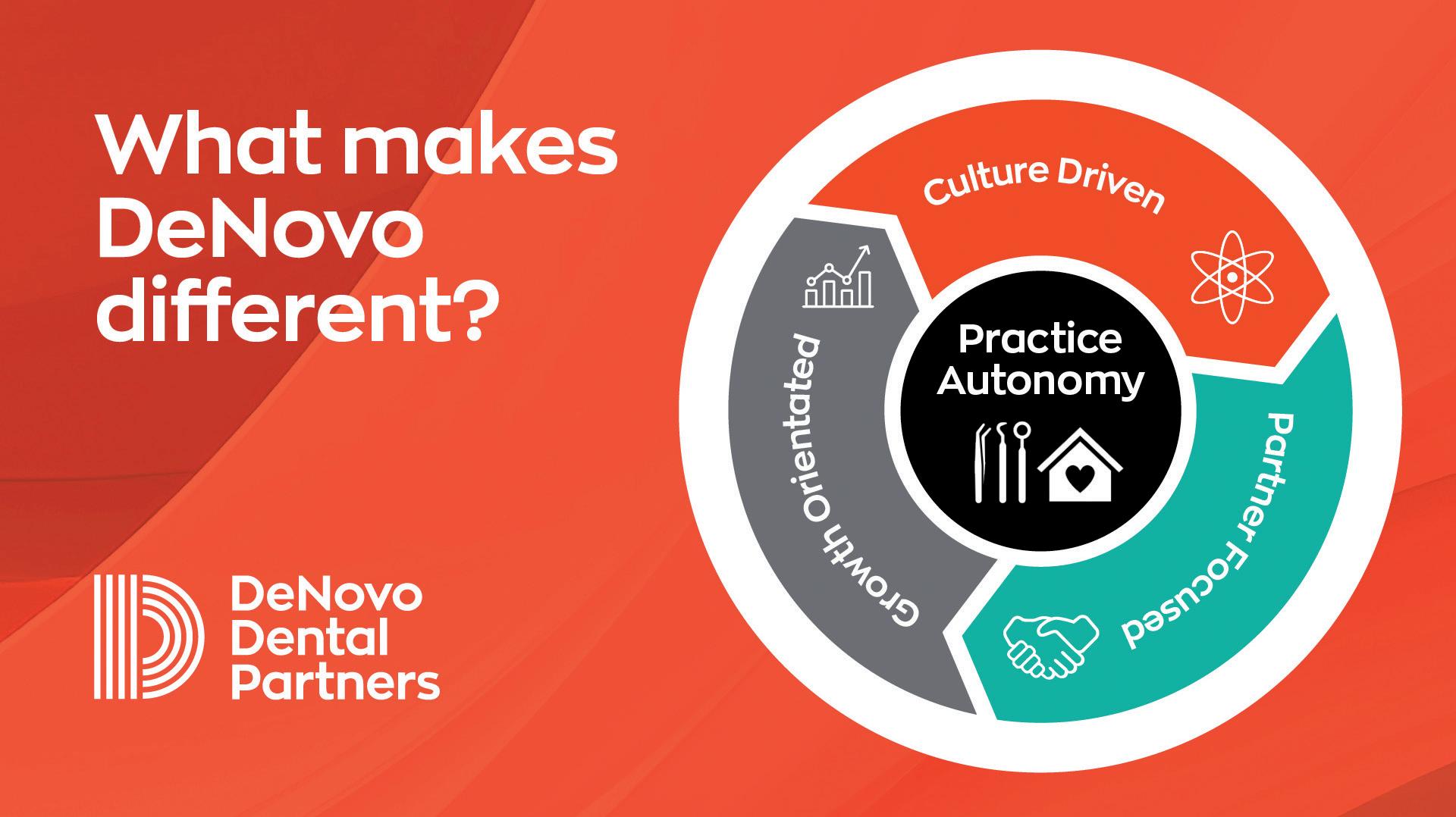
If you’re interested in unlocking real, long-term value within your dental practice, the traditional sales market is probably not for you. Until now, for many principals of well-established businesses, the only option for evolving the ownership of a practice has been to sell and retire.
This has changed with the introduction of DeNovo Dental Partners to the UK market, who is bringing an innovative new model to principals nationwide.

Changing the status quo
To understand the massive differences between DeNovo and other sales offerings, it’s important to appreciate the market as it stands. Traditionally, practice vendors would typically receive a percentage of the business value upfront, with the remaining deferred. Sellers in this model often find they are confined regarding the control that they need over the practice to maintain the business and drive further growth. As such, the traditional models are set up to protect the buyer.
DeNovo offers a more progressive model that focuses on driving mutually beneficial outcomes. We still value practices based on a multiple of EBITDA – that’s the industry standard – but we don’t hold back any consideration. Our Partner dentists receive 100% of the value of their business upfront, with the majority paid in cash and the remainder in group equity in the broader DeNovo parent company. This aligns all of our practices in both individual practice growth as well as the growth of the group. And, all of our Partner
dentists benefit from when DeNovo scales. Additionally, there are wealth generation opportunities for Partner dentists for years post-sale, actively incentivising and rewarding practice growth. The result means that dentists who work with us earn significantly more than they would if they sold via the traditional model. All of this is underpinned by complete practice autonomy. Partner dentists retain the power to run their practices as they see fit, protecting their legacy and having direct influence on the growth they can achieve.
a culture of support and partnership
The other advantage of the DeNovo model is that Partners have access to DeNovo’s ecosystem of support and to a community of colleagues to help unlock practice growth – the principal is no longer alone. Partner dentists can pick and choose if and which services they utilise, when they use them and how much guidance they would like from the group. This allows a totally customised approach for each practice, ensuring the support they need is available. This maintains practice autonomy and shows how we work in true collaboration with our Partner dentists.
Your next chapter
If any of this aligns with your own thinking and you are interested to know more, get in touch with DeNovo Dental Partners today. We are looking for well-established and highly successful dental practices that are poised for growth with the support and backing of our parent company. There is always room for new Partner dentists who are excited and ambitious about the future of their practices!
Find out if DeNovo is right for your practice’s future by visiting www.denovo.partners n
Future-proof your career
We are approaching the time of year when many people take stock and plan for the future. The end of one year and beginning of the next is an opportunity to reflect on everything already achieved and set goals for the months ahead in order to maintain momentum of growth. For dental professionals, this will often involve a review of their Personal Development Plan (PDP) to consult long-term objectives and determine the next steps in meeting these. In a rapidly evolving field like dental implantology, it is particularly important to regularly update your knowledge and skills to ensure you remain abreast of the latest evidence-based techniques.
Meeting patient expectations
Patient expectations tend to be high for those undergoing any type of dentistry. However, the stakes may be greater for many patients seeking dental implants due to the increased investment of time and money required for success, as well as a reduced understanding of the procedures involved compared to more routine dentistry. The literature confirms that patients expect an improvement in their dental function and aesthetics as a direct result of implants. Managing these expectations is, therefore, crucial to enhancing patient satisfaction. It goes without saying that clinicians must have the clinical knowledge and capabilities to deliver high-quality treatment too. This necessitates ongoing skill development, highlighting the importance of life-long learning for all members of the dental implant team. In many cases, professional training courses will also explore patient management strategies and other soft skills, further helping clinicians to more closely align patient expectations with likely outcomes for optimised satisfaction.
continuing technological revolution
Another area that practitioners must factor into their ongoing education is keeping up-to-date with new technology in the field. The advent, development and refinement of various solutions from CBCT machines to 3D printers have revolutionised the implant workflow. As such, digital dentistry has been linked to faster and more accurate treatment outcomes, as well as an improved oral health-related quality of life for patients. There is also evidence that digital solutions can elevate professional job satisfaction and broader career prospects.
A comprehensive understanding of the digital technologies available will be increasingly important for clinicians in the months and years to come. Digital capabilities are constantly expanding and affording new possibilities for patient care, so education in the field is crucial to ensure that professionals can prepare for the future. Both training and ongoing support in the field will also be important for streamlined workflows and reduced stress among professionals as they implement digital solutions. This should cover how to use the equipment, as well as how to maintain it in order to protect the practice’s investment and optimise product life. It is also vital to ensure that this training is tailored to the implant workflow, ensuring that all appropriate members of the dental team can positively contribute to the patient experience.
Business growth and sustainability
In addition to benefiting you and your patients, ongoing training and education also supports the business as a whole. There is a large body of evidence to show that individual training and career development positively influence company performance. The combination of improved staff skills, productivity and job satisfaction often leads to enhanced customer service, as well as increased staff retention.
This last point is particularly topical in dentistry right now, with practices across the UK facing considerable recruitment challenges. Strong career progression opportunities have been identified as a leading factor in retaining staff. Consequently, principals should consider opening up training opportunities in the field for colleagues to add even greater value to the business.
trusted training
Regardless of your implant experience to date or your future aspirations, the quality and type of training you undergo will have a significant impact on your career. Finding a provider that you trust to present expert instructors, ongoing mentorship and a diverse learning programme will be key.
The ICE Postgraduate Dental Institute & Hospital in Salford is the educational location of choice for many clinicians every year. With cutting-edge digital facilities, a combination of hands-on and theoretical tuition, and a teaching staff that consists of some of the most experienced implant clinicians in the country, it offers a second-to-none learning opportunity for professionals. The MSc in Dental Implantology is an ideal place to start for those building the foundations of a prosperous implant career, led by specialist oral surgeon, Professor Cemal Ucer.
Shaping your success
If you have chosen to shape a career in implantology, the training and ongoing education you seek will be vital for your success. A broad range of skills will need to be developed in clinical techniques, digital workflow and more, ensuring you have the confidence to deliver exceptional patient care. Only then will you be able to thrive for years to come.
Please contact Professor Ucer at ucer@icedental.institute or Mel Hay at mel@mdic.co
01612 371842
www.ucer-clinic.dental n
Learning to your strengths
When embarking on a new chapter in your dental career, it’s important to put your best foot forward into any opportunity. Embracing the field you want to excel in, whether it be implantology, periodontology, endodontics, orthodontics, or another discipline, is key to a long, successful and, most importantly, enjoyable career. In order to advance your skills and gain competence and confidence, its vital to seek out training opportunities that equip you with the skills and knowledge to support an array of cases – but what should you look for in particular?
Some academics state that the presence of distinctly different ‘learning styles’, with aspects such as ‘visual’ or ‘kinaesthetic’ learning, is a common misconception, and there is little evidence to support their use. However, breaking this down can still be helpful, enabling clinicians to better understand their own approach to education. Understanding the training environments that benefit you most can help with the selection of effective and fruitful courses for further learning, leading to a long, promising career down your chosen path.
can learning be optimised?
It’s important to first consider why ‘learning styles’ are debated in the literature. One key aspect is that whilst visual, auditory and kinaesthetic information is processed in different parts of the brain, these areas work with each other during learning, rather than in isolation. There is also little evidence to suggest that these areas of the brain work more effectively for some individuals in the determination of an objectively better learning style.
This does not stop people from prescribing themselves with their own learning styles, or at least trying to understand how their educational experiences can improve. Some individuals may feel that focusing on a learning style enables you to tailor your own study strategies, for example, a ‘visual’ learner may rely more strongly on reading and writing notes, delving into theory in this manner. In dental care, this may include exploring research studies, and reviewing case studies to understand how complex cases were completed.
Hands-on in dental care
Kinaesthetic learning, which includes learning through physical movement or touch, typically referred to as hands-on experiences, is the most common single preference for many people when asked about their learning styles.iii This style of learning is fundamental in dental care, both in preclinical years and when seeking out opportunities for further education. In undergraduate curriculum, this includes approaches such as treatment simulation, wax carving and cadaver dissection, as well as basic examinations. The aim of these, alongside improving clinical understanding, is to aid the development of hand skills and manual dexterity, which may be a foreign concept when transitioning from traditional education.
This also applies to fields of dentistry that are explored later in the career. In implant dentistry, for example, surgical skills may
not be immediately familiar to a clinician, dependent on whether they were covered extensively in their under- and postgraduate education. Developing surgical proficiency and knowledge of practical treatment options is key, and practical, hands-on courses will enable clinicians to gain this clinical confidence.
The literature recognises the strength of hands-on experience when developing skills in an area of dentistry such as implantology. By working on animal models or in the cadaver laboratory, or undergoing simulation-based learning, clinicians can shorten the learning curve and reinforce clinical knowledge and skills that they have learnt throughout the theory. Such experiences also provide the opportunity for trainees to receive feedback and refine their clinical skills in a controlled environment.vi Supplementing this with mentoring allows individuals to further receive personalised guidance, with the chance to observe and participate in clinical practice, safely implementing their skills in a real-world environment.
Research has shown dental students to have a preference for multimodal and kinaesthetic learning, and if this applies to you, it is worthwhile seeking out courses that offer hands-on educational opportunities.
Make your learning work for you
There are a number of other modes of learning that have evidence-based advantages, including multi-peer observation and feedback. Reflecting on how you like to learn, and what enables you to develop clinical knowledge, is a key aspect of course selection.
For dental professionals looking to develop their implant dentistry skills in an engaging, hands-on focused environment, look no further than the Postgraduate Diploma in Implant Dentistry from One to One Implant Education. professionals combine practical sessions with the theory needed to confidently provide and manage restorations. The course allows clinicians to learn in a structured, supportive manner, tackling topics such as implant and surgical planning, placement, and care, as well as bone grafting and sinus augmentation. With a peer-mentoring programme, the PG Diploma in Implant Dentistry offers unmatched support.
Understanding the approaches to learning that help you make the most of a training course ensures you can choose a provider with confidence. Kinaesthetic learning is paramount in dental care, and it is no surprise that confidence comes with hands-on education.
To reserve your place or to find out more, please visit 121implanteducation.co.uk or call 020 7486 0000. n

about the author dr Fazeela Khanosborne is the founding clinician of the Face dental implant multidisciplinary team for the one to one dental clinic, London.
Dare to restore with the BACD
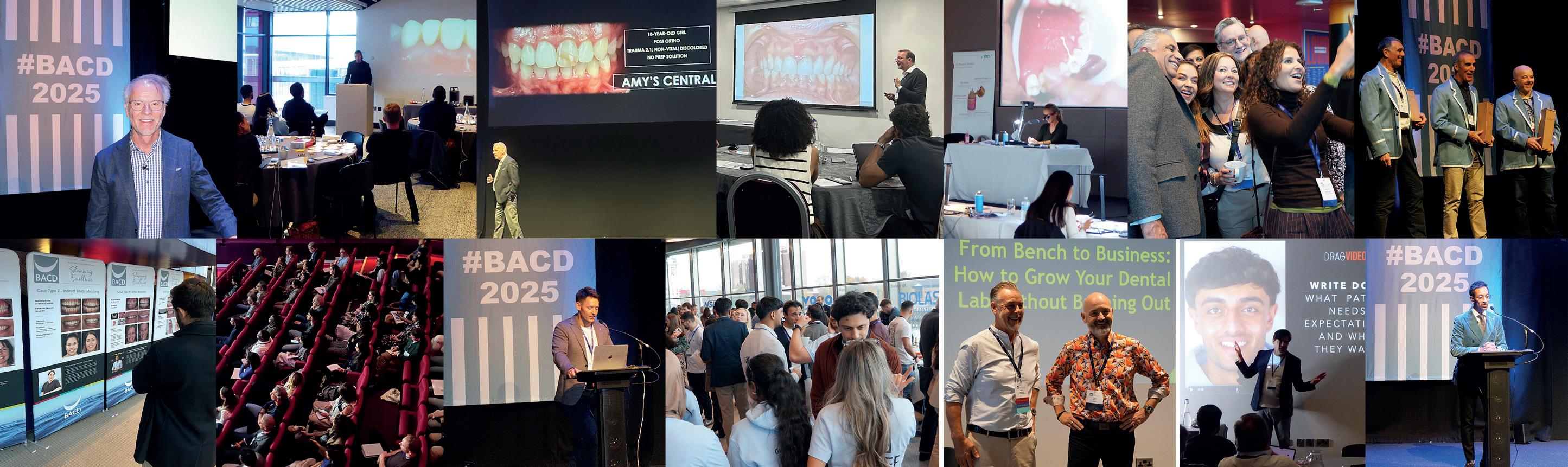
The BACD Annual Conference 2025 delivered cosmetic dental education with flair this year. From handson workshops, to internationally recognised speakers, product discovery, networking, and dancing – the event had it all!
Demonstrating how the Conference stands up to expectations year after year, Dr Odette Lazarus from 19 Dentistry shares her experience as a BACD member for more than 20 years:
“I attend the Annual Conference to hear from great speakers and to network with colleagues. The highlights of 2025 for me have been the content on digital dentistry and composites. It is also a benefit to have the hands-on workshops at the event too, allowing me to discover new materials and reinforcing what I know about aesthetic dentistry.”

With a local dance group setting a high-energy and exuberant tone for the day, the main programme took attendees on a journey that compared composite and ceramic techniques for restorative success. Championing direct resin, Dr Jason Smithson showcased its ability to blend with the nuanced beauty of natural enamel, highlighting its opalescence, and how well it mimics perikymata and subtle colour variations. A highly engaging speaker, Jason offered a wealth of practical tips for treating discoloured anterior teeth, covering a broad range of case examples to illustrate practical implications. Dr Bob Winter was next on stage, this time emphasising the benefits of ceramic indirect restorations and the

“transformative” impact these can have on patients. While exploring the decades of literature available in the field, Bob reminded his captivated audience that clinicians must “look beyond the teeth” to see the patient as a whole. Dualqualified, he was perfectly positioned to discuss the clinical and technical implications of different restorative approaches, advocating the right blend of strength and aesthetics for exceptional treatment outcomes.
Attendee Dr Jayesh Bharath said:
“I enjoyed the extremely engaging talk on what is possible with composite from Dr Jason Smithson, who shared some serious knowledge whilst keeping it tangible. It was a great session for all levels.”
Attendee Dr Bettie-Lenore Bronkhorst from Mannamead Cosmetic Dental Centre also had nothing but great things to say about the day:
“I’ve been a BACD member for more than 25 years and have attended the Conference many times. This year has been very good – I particularly enjoyed Jason Smithson’s session as it was interesting to see different ways of layering. It’s been useful to pick up lots of clinical tips and to engage with the trade in the exhibition.”
It wasn’t just long-time members who praised the event, with Dr Ahmed Al-Khadder commenting:
“This was my first time at the BACD Annual Conference and I have really enjoyed meeting so many people at the forefront of modern dentistry. The talks were engaging and I have
definitely come away with lots of tips and innovations that I can try to incorporate into my clinical work.”
The theme was extended on Saturday, when Dr Federico Brunner delivered another well-received seminar on facially-driven full mouth rehabilitation. His personality shone through as he discussed how he approaches different cases to ensure facial integration with the new smile. Federico went on to explore the core pillars of full mouth rehabilitation cases, including digitalisation of the patient assessment, data analysis, patient communication, controlled execution and so much more.
Dr Sasha Hein and Dr Sandra Hulac later spoke indepth about tooth colour analysis and injectable composites, respectively. Both speakers offered unique insights into their own workflows, with a clear passion for elevating standards across the profession by way of implementing clinical-proven techniques that deliver highly predictable and aesthetics outcomes.
The educational programme was once again complemented by an array of hands-on workshops, which afforded practical instruction and one-to-one support for attendees as they improved their skills in 3D printing, injectable composites, and several other treatment modalities.
Dr Harpreet Johal from the Bush Dental Clinic reflected on Dr Sandra Hulac’s workshop, saying:
“Firstly, what a woman! Secondly, the hands-on course was amazing; very thorough, step-by-step guide on a new technique for myself. She made it very interesting with lots of useful tips, which I will be taking into practice. It’s my first BACD Annual Conference, and I will be returning and recommending it to others. The students and their enthusiasm have been great, and they are super helpful too!”
The trade exhibition was another popular pitstop for attendees, who had the opportunity to interact with product developers and suppliers directly for even more information and tailored advice on how to elevate their own armamentariums.
And, of course, no BACD Annual Conference would be complete without the dazzling Gala Dinner. This year’s event was no exception, with everyone changing into their finest attire to enjoy a glittering night at the museum with great food, excellent entertainment, and even better company. During the evening, the BACD Rising Star Essay competition winner was also announced – congratulations to Elisa Aslam!
The BACD Annual Conference 2025 was a celebration of both technical mastery and aesthetic finesse in ethical restorative dentistry. It provided a dedicated platform for professionals to discover new techniques, exchanges ideas, be inspired, and engage with likeminded colleagues keen to elevate their craft. To be a part of the BACD community and enjoy future Annual Conferences, as well as many other educational and networking events, join the BACD today!
For further information and enquiries about the British Academy of Cosmetic Dentistry visit www.bacd.com n
Bob Winter
Dr Odette Lazarus
How to optimise the patient journey: build trust before they walk through the door
Are you getting as many patients as you’d like? Is your patient journey as good as it can be? Practice Plan Regional Support Manager, ian eslick, suggests ways to improve your patients’ experience
Many dental practice managers believe the patient journey begins at reception and continues through the clinical experience. However, the reality is that this journey starts much earlier – well before a patient steps foot into the practice.
From initial discovery to first impressions online, every touchpoint shapes expectations. Understanding and refining these early stages is key to attracting new patients and building lasting trust.
Your practice’s first impression begins online
Whether through advertising, social media, or word-of-mouth, one way or another, most prospective patients will eventually land on your website. It’s your digital shop front, so it must reflect the values and personality of your practice.
To help achieve this, take a step back and reflect on how you would like patients to describe your practice? Many practices would use words such as “caring”, “friendly,” or “professional,” but they won’t set you apart from the crowd. Consider how you can differentiate yourselves. You can still be friendly and caring but perhaps you could do this by having a “modern and welcoming” or “vibrant and communityfocused” tone. Once you’ve decided how you want to be viewed, these descriptors should be consistently reflected across all your communications, from your website to social media as well as any printed materials you have.
consistency builds confidence Consistency across marketing and patient experience is essential. If your online presence promises a warm, welcoming environment, the in-practice experience must deliver the same. Don’t try to appear as something you’re not. If you’re a family dentist caring for your local community then it would be misleading to portray yourselves as an upscale spa practice. Any disconnect can lead to mistrust and erode confidence before treatment even begins. By setting clear, authentic expectations, you help patients feel reassured and valued. This is especially important when you’re dealing with referrals, where a valued patient introduces someone new to your practice. In a world where there are so many dupes and fakes, it pays to be authentic.
referrals: a strategic opportunity
Referrals remain one of the most effective ways to grow patient numbers for a dental practice, yet they’re often underutilised. Rather than simply delegating the task of asking for referrals to reception, encourage clinicians to initiate the conversation directly. Try using a simple, sincere message, such as: “Mrs Smith, it’s always a pleasure seeing you. We’re looking to grow our

practice and would love more patients like you. If you know anyone who might benefit from our care, we’d be grateful for the recommendation. Here are a few referral cards you might like to hand out to people you think might like to join the practice.”
This approach feels personal and authentic, and at the same time, it reinforces to the patient that they’re valued by your practice.
Make your website work for patients
Many dental websites are written with clinicians in mind, focusing heavily on qualifications and technical expertise. While this is important, this isn’t always what patients are looking for.
You have just a few seconds to capture a prospective patient’s attention, so it’s important to highlight just what makes your practice unique and patient friendly. Rather than focusing on technical points, ensure your homepage communicates what you believe to be the most important things about your practice clearly and quickly. Also, steer clear of too much technical jargon and use language that patients will understand easily. Invest in professional photography and well-structured video testimonials. People love to see the genuine experience of real
people, so they can be a real asset as they build credibility and help prospective patients visualise their experience.
consider adding a chat function
Live chat can be a powerful tool for engaging prospective patients. A friendly chat box that pops up while a prospective patient is browsing your website offers a low-pressure, anonymous way for them to ask questions and even begin building rapport.
Practices have reported a significant increase in appointment conversions after implementing chat. The key? Friendly, proactive engagement that helps patients feel supported from the moment they visit your site.
to sum up
The most important point to remember is that the patient journey doesn’t begin at reception, as it starts much earlier than that with a Google search, a social media post, or a referral conversation. As a practice owner or manager, your role is to ensure every step of that journey is aligned, welcoming, and reflective of your practice’s values. By investing in consistent messaging, strategic referrals, and a patient-
focused online presence, you can create a seamless experience that builds trust from the very first click.
Practice Plan has been welcoming practices into the family since 1995, helping them to grow profitable businesses through the introduction of practice-branded membership plans.
With over 300 years’ dental experience in our field team, if you’re looking for a provider that has that family feel but knows a thing or two about dentistry… Be Practice Plan and get in touch.
Call 01691 684165 or visit practiceplan.co.uk/be-practice-plan n
about the author ian eslick is a regional Support Manager at practice plan and has around 30 years’ experience in the dental industry, including five in practice. practice plan is the UK’s leading provider of practice-branded patient membership plans, partnering with over 2,000 dental practices and offering a wide range of business support services.
















Guests join us from all areas of the industry to provide their own unique perspectives on a wide range of topics, from manufacturers and figureheads of various dental organisations, to those in the trenches working in practice, and more.


















































Nothing is off limits in The Probe Dental Podcast, so be sure to tune in wherever you get your podcasts! The Probe Dental Podcast features discussions that explore all areas of the British dental sector.
















For more information, sponsorship opportunities or to book a podcast please contact












It is estimated that a staggering 25 million aligners end up in general waste landfills each year as they can’t be recycled kerbside due to their multi-layered plastic composition. In response to this, TerraCycle and Angel Aligner have launched this new recycling programme designed to offer a more sustainable solution for the disposal of dental aligner waste. The programme leverages TerraCycle’s Zero Waste Box TM solution which is a turnkey service for collecting, transporting and recycling hard-to-recycle waste. Through the Zero Waste Box for dental aligners, now available exclusively through Angel Aligner, UK orthodontists and patients can now conveniently collect and recycle aligners, preventing them from ending up in landfills or incinerators.
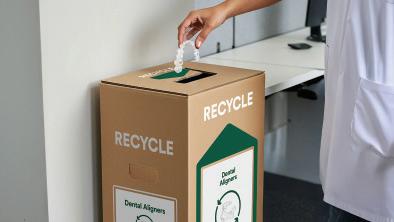
This initiative underscores a significant step towards reducing waste in the orthodontics industry, providing an accessible and environmentally responsible solution for managing previously difficult-to-recycle waste. Visit www.angelaligner.com/en-gb/ recycling-programme/ to order a box today and start recycling aligners.n
From waste management insights, to safe waste containers that make a difference in your practice, Initial Medical continues to commit to effective support for dentists.
A range of clinical waste solutions including the eco-friendly Griff Pac containers, made from at least 70% recycled plastic, are colour-coded in line with today’s regulations. Clinical sharps bins are available in yellow, orange and purple, covering the dental practice’s most common needs, and allow clinicians to safely dispose of needles and scalpels used in everyday care.
The Initial Medical team is on hand to answer any questions you have regarding
current legislation, ensuring you remain compliant with all applicable regulations.
This gives you confidence in your waste workflows, and confidence in your care.

Learn more about the support you could receive by contacting the Initial Medical team today.
To find out more, get in touch at 0808 304 7411 or visit www.initial.co.uk/medical n
schülke – experts in infection prevention - have launched new dentavon® ID, an aldehyde-free disinfectant based on active oxygen, for the disinfection of dental impressions through complete immersion. dentavon® ID replaces perform® ID, and has an improved formulation, offering a rapid 5 minute (rather than 15 minute) contact time. With a broad spectrum of efficacy, dentavon® ID is bactericidal1, virucidal2 and yeasticidal3, as measured by European standards. Designed for disinfection using the immersion method,
dentavon® ID creates no aerosols and ensures every surface of the impression is disinfected. Additional benefits include an economical 1% concentrate providing 90 litres of in-use solution from a 900g tub, excellent material compatibility and a container suitable for recycling.
Schülke & Mayr UK Ltd 0114 254 35 00 mail.uk@schuelke.com n
• BeautiBond Xtreme: All-in-one universal adhesive with high bond strength, suitable for all etching techniques.
• BEAutIFIL Flow Plus-X: Versatile, fluoride-releasing hybrid composite in 2 viscosities, perfect for Class I-V restorations.
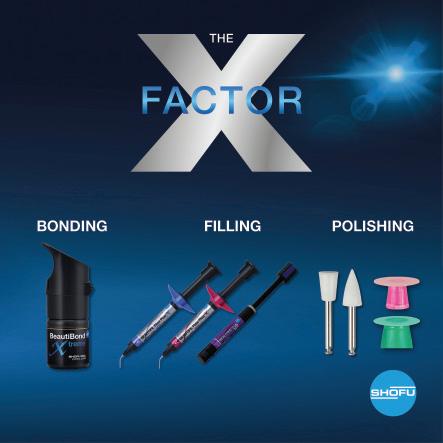
• super-snap X-treme Polishers: Achieve a flawless finish with our enhanced polishing disks for ultimate patient comfort. n
Looking to upgrade your CBCT x-ray unit?
You can trade in an old extraoral device for the new Viso G1 3D CBCT at a very special price.
Equipped with the latest sensor technology, the imaging unit enables easy and smooth patient positioning, with a smaller footprint making it accessible to an even wider range of customers.
FOV selection is easy with the virtual patient on the control panel, which can also be mirrored on the workstation for a convenient workflow. Offering volume sizes up to Ø11 x 11 cm, the FOV can be adjusted freely after scout imaging.
Complemented with Planmeca CALM to correct artefact motion, as well as the Planmeca Ultra Low Dose protocol to
lower patient dose without compromising image quality.
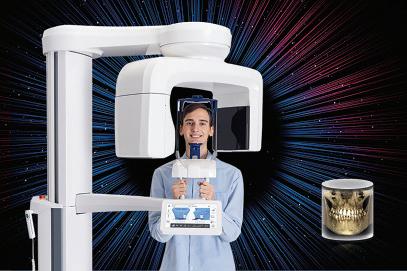
Additionally, the device features a high-resolution endodontic mode and AI-based noise optimisation for high-precision imaging. Working seamlessly with Romexis 7 all-in-one software and backed up with a 5-year warranty, take your clinic to new heights and experience the future of CBCT imaging today!
E: enquiries@planmeca.com
T: 02476 994160n
For clinicians offering dental implant treatment, it’s important to have access to high quality solutions for the best clinical outcomes.
BioHorizons Camlog provides a choice of industry-leading implants, prosthetics, biomaterials and more, enabling dentists to achieve outstanding results with their patients in a wide range of situations. The company is committed to developing evidence-based and scientifically-proven products, with various options clinically-proven to enhance everything from implant stability to soft tissue healing for excellent, long-term function and aesthetics. The entire portfolio is also supported by dedicated customer service and Territory Management teams who are on hand to provide all the information, advice and
guidance clinicians and their teams require to support their patients.
See for yourself the choice of innovative oral reconstruction solutions available from BioHorizons Camlog today.
For more information on the comprehensive product portfolio from BioHorizons Camlog, reach out to our friendly team at https://theimplanthub.com/the-team/ n
The Association of Dental Implantology (ADI) is delighted to return to BDIA Dental Showcase with the ADI Implantology Zone and Theatre for 2026!
Richard Cantillon, ADI Executive Director, commented: “We’re thrilled to be back providing another chance for members and non-members alike to access exceptional education in the discipline of dental implants. We will be bringing an array of fantastic speakers to the ADI Implantology Theatre, covering a range
Integrate AI solutions from the CS 3D Imaging software, by Carestream Dental, into your dental implant workflow, and find new ways to elevate your care.
The user-friendly system can optimise many time-consuming implant planning tasks, freeing up valuable clinical time, whilst ensuring precision.
A smoother, faster workflow, uses automated panoramic curves and nerve canal mapping in preparation for implant design, whilst also matching key landmarks on CBCT scans and intraoral digital impressions for one highly detailed model.
Clinicians can further enhance their planning by using AI programming for virtual crown design and implant
of topics relevant to oral surgeons, dental hygienists/therapists, dental nurses and more.
“The ADI Implantology Zone will also be the best place to engage with implant-focused product and equipment specialists, helping attendees to build their implantology business at the same time. We look forward to seeing you there!” 13th-14th March 2026, ExCeL London!n
placement, improving confidence in both aesthetic and functional outcomes.
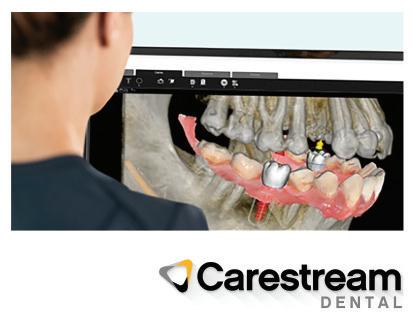
CS 3D Imaging software is the ideal first step into the future of dental implant planning, available from Q3 of 2025. Learn more by contacting Carestream Dental today.
For more information on Carestream Dental visit www.carestreamdental.co.uk
For the latest news and updates, follow us on Facebook and Instagram @carestreamdental.uk n
A comfortable experience for all
An ergonomic treatment experience is important, both for your patients and yourself.
The Axano treatment centre, available from Clark Dental, has an innovative design that ensures maximum comfort and optimal patient positioning. It features Smart Delivery Pro which brings the dentist element within your reach at any time and adjusts to your working height for an ergonomic workflow. This, alongside Smart Control which allows you to operate the treatment centre handsfree, contributes to a comfortable working style.
Further to this, the ErgoMotion function
Looking for speed in your restorative workflows that doesn’t compromise the quality of your dentistry? Enter COLTENE BRILLIANT Bulk Fill Flow to the chat… This innovative material has been designed to deliver exceptional aesthetics and strength, alongside optimal efficiency and convenience.
The one adaptive multi shade material offers a chameleon effect that blends with a wide range of natural tooth shades. It can also be reliably cured in increments of up to 4mm in thickness within just 20 seconds, affording time-saving benefits for every clinician. These are supported further with no need for a top restorative layer, as BRILLIANT Bulk Fill Flow features high abrasion resistant properties on its own.
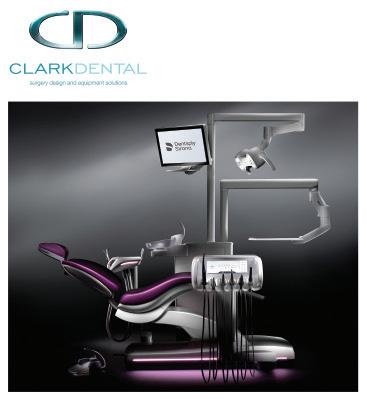
ensures ergonomic positioning of the spine, to help your patients relax during their treatment, and enjoy the massage and lumbar support functions too.
Find out more about the range of treatment centres available from Clark Dental by contacting the team today
For more information call Clark Dental on 01268 733 146, email info@clarkdental.co.uk or visit www.clarkdental.co.ukn
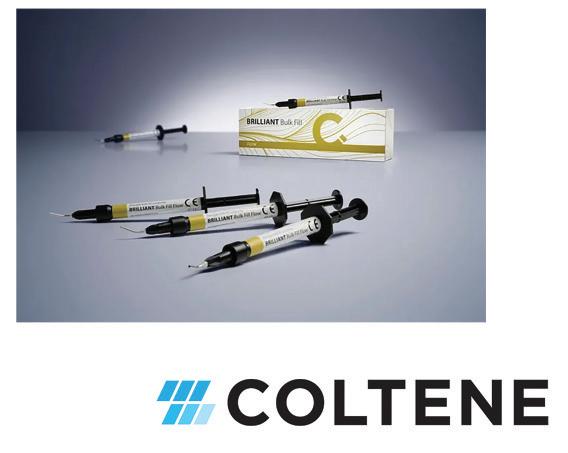
For speed and reliability in your restoration workflows, discover COLTENE BRILLIANT Bulk Fill Flow. For more on COLTENE, visit https:// colteneuk.com/BRILLIANT-bulk-fill-flow email info.uk@coltene.com or call 0800 254 5115.n
thousands of reasons to choose dental
Choosing the right products is foundational for efficient dental practices. Dental Directory offers one of the most extensive product portfolios in the profession, with thousands of items available.
From specialist handpieces and digital scanners to everyday consumables and restorative tools, being able to readily access the right equipment is integral for practice success, and everything can be sourced from one trusted partner.
Dental Directory is also dedicated to fast and efficient deliveries – streamlining delivery and workflows.
With more than five decades of industry expertise, Dental Directory continues to
ensure that dental professionals have absolutely everything they need, exactly when they need it.
Find out more about the vast range of dental equipment and aesthetic supplies from Dental Directory today, offering more to smile about
For more information on the products and maintenance services available from Dental Directory, please visit ddgroup.com or call 0800 585 586 n
Shaz Memon, founder of Digimax Dental, will take the Business Theatre podium on Saturday 14th March at 14:00 at BDIA Dental Showcase. About his session entitled “AI, Google & SEO: Ranking smarter with dentistry’s most trusted marketing channel”, he says: “There has never been a time in marketing when online visibility was more important than it is today for any business. “Dental professionals will leave my session knowing how to safely and effectively start improving their practice visibility on their own. I hope to give them the tools they need to transform their marketing plans with a practical approach.
The Hydrosonic Pro from Curaprox utilises sonic technology for an enhanced gentle but effective oral care and cleaning experience –creating a hydrodynamic effect. Its Curacurve® patented brush head design provides the optimised angles to access the hardest-to-reach areas in the mouth including tooth surfaces and gingival margins. The Curaden ultra-fine Curen® filaments offer maximum impact on plaque removal to further support a gentle and comprehensive clean.
The three interchangeable brush heads provide the options Power, Sensitive (for extra sensitive gingivae), and a Single Tufted brush head for effective cleaning around braces, implants, and restorations. Furthermore, the choice of seven adjustable
“I’m looking forward to sharing all this and more in London in March.
The first ever BDIA Dental Showcase I attended was the most successful show we’ve ever been to. It is a trusted name among dental exhibitions and conferences and I’ve always had a phenomenal experience. I’m excited to be part of it for 2026.”
BDIA Dental Showcase 13th-14th March 2026, ExCeL Londonn
power levels and a high-frequency motor producing up to 84,000 brush strokes per minute suit all patient needs.
Engineered to deliver a professional cleaning experience from the comfort of home, the Hydrosonic Pro from Curaprox is the best choice by far – recommend today!
To arrange a Practice Educational Meeting with your Curaden Development Manager please email us on sales@curaden.co.uk
For more information, please visit curaprox.co.uk andcuraden.co.uk n
“I couldn’t have asked for a better team”
Dental Elite Co-Founder Luke Moore, and Practice Consultant, Anil Sokhi, recently supported the sale of a dental practice, instructed by Dr Baz Patel.
Dr Patel was very pleased with the company’s professionalism, responsiveness and support throughout the whole process.
In his review, Dr Patel explained: “I recently sold my dental clinic with the help of Luke and Anil, and honestly, I couldn’t have asked for a better team to work with. Luke was great from the start – super professional, knowledgeable, and just made the whole process feel manageable and clear.
“Anil, who handled the day-to-day casework, was fantastic – always on top of things, quick to respond, and kept me in the
loop throughout.
They both made what could’ve been a really stressful time feel smooth and straightforward.

“If you’re thinking of selling your practice, I’d 100% recommend reaching out to them. They really know what they’re doing and genuinely care about getting the best result for you.”
Contact the team to find out how they can help you!
For more information on Dental Elite visit dentalelite.co.uk, email info@dentalelite.co.uk or call 01788 545 900n
A unique opportunity Building relationships for life
DeNovo Dental Partners offers a unique opportunity for Principals who want to unlock the value they’ve built in their practices — without losing the autonomy and independence that make their business special.
Through our shared ownership model, Principals can realise the full value of their practice upfront, with the majority paid in cash and the remainder provided as equity in the DeNovo group. This structure not only rewards success today but also creates multiple wealth-generation opportunities for the future.
Unlike traditional sale routes, DeNovo ensures that Partner dentists retain full clinical and operational control. You decide how your practice is run, how your team is supported, and how your patients are cared for — all while benefitting from the scale, expertise and collective strength
of a high-growth group.
This is partnership, not acquisition. DeNovo empowers their Partners to continue driving growth while gaining access to a supportive ecosystem designed to help practices flourish.
If you’re exploring your options and want to take a proactive, forward-thinking approach to your practice’s next chapter, we invite you to be part of this unique opportunity — with DeNovo.
DeNovo Dental Partners -
Kristen Popem, Chief Integration, Partnership & Communications Officer
Kristen.Pope@DeNovo.Partners n
At EndoCare, we aim to build long-term professional relationships with our referring dentists. This means we will get to know you and how you operate, providing any support that is needed.
When it comes to your patients, we will also update you on their progress at every stage, ensuring you are heavily involved throughout their referred treatment journey. Our team then remains available to you should you have any queries regarding post-treatment care.
To build a long-term referral relationship with a team you can trust, contact EndoCare today.
For further information about the endodontic referral services available from EndoCare, please call 020 7224 0999 or visit www.endocare.co.ukn
Introducing
Putting a pep in your first cBct step
When your practice enters the world of CBCT imaging, choose a solution specifically tailored to give you a running start. The CS 8200 3D Access from Carestream Dental is a CBCT system built to heighten intuitive care, whilst retaining exceptional results.
Choose from four imaging modes –CBCT imaging, panoramic technology, 3D model scanning and cephalometric imaging – to ensure you have the optimal answer to your needs. Plus, when patients have pre-existing restorations, prepare to treat with confidence with artifact-free images thanks to the CS Metal Artifact Reduction technology.The modern, sleek appearance suits practices of the future, and an ultra-
Solventum was an Event Sponsor and host of the Solventum Hub and Clarity™ Aligners Lounge at this year’s BDIA Dental Showcase. Ezgi Demir, Country Marketing Leader UKI –Dental Solutions commented:
“BDIA Dental Showcase was an incredible success, and Solventum – formerly 3M Health Care – was at the heart of innovation! We were thrilled to launch Clarity™ Precision Grip Attachments, offering next-level control in aligner treatment, along with Filtek™ Easy Match, simplifying shade selection for seamless restorations.
“Another standout was Clinpro™ Clear Fluoride, our next-generation fluoride varnish with a water-based, rosin-free formula that’s ready to apply and provides protection to enamel and dentine surfaces.
compact and smart design means it fits into tight spaces and can be adjusted to your patients’ unique needs – for example, being lowered for those that need to sit during the examination.
To learn more about how the CS 8200 3D Access will make an immediate difference to your practice, contact the team today. For more information on Carestream Dental visit www.carestreamdental.co.uk
For the latest news and updates, follow us on Facebook and Instagram @carestreamdental.uk n
“A huge thank you to all the dental professionals who visited the Solventum Hub. Your passion for innovation and excellence continues to inspire us. Until next time!”
BDIA Dental Showcase
13th-14th March 2026
ExCeL London n
At Dental Directory, not only is the latest equipment from leading global brands offered to customers, but comprehensive maintenance and servicing support is too – ensuring your practice is always running efficiently.
From dental chairs and vacuum systems to intraoral scanners and x-ray units, each piece of equipment must be reliable for the sake of efficiency, compliance, and patient care.
Dental Directory offers the full service, with the UK’s largest network of multi-skilled service engineers providing everything from installation to validation, servicing, and rapid call-outs – guaranteeing an engineer
on-site within 8 working hours when necessary.
With preventative maintenance plans also available, practices can protect their investment and reduce the risk of costly downtime. Explore the equipment and service packages available at Dental Directory today!
For more information on the products and maintenance services available from Dental Directory, please visit ddgroup.com or call 0800 585 586 n
With 50 years of experience working with dental professionals, Clark Dental understands the importance of precision and workflow flexibility in the practice. For clinicians who wish to incorporate chairside restoration manufacturing, CEREC Primemill® is the ideal solution. The unit empowers clinicians to produce high-quality restorations using a variety of materials, and features a super fast milling mode – which enables you to mill a zirconia crown in around five minutes – as well as extra fine milling and grinding modes to ensure the details are perfect. Overall, CEREC Primemill® means your patients will enjoy natural looking restorations with an excellent fit, in only one visit.
The iTOP programme by Curaden Academy encourages dental professionals to rethink their approach to oral prophylaxis, focusing on how patients can be supported to take better care of their teeth and gums in a way that’s sustainable and tailored to the individual.
Dental hygienist Louise Baguley, shares her insights as an iTOP Lecturer. For her, the learning never stops: “At its core, iTOP is about teaching dental professionals how to guide patients in achieving optimal oral health using individually tailored techniques. There’s a strong emphasis on hands-on learning through the Touch2Teach method, helping patients to help themselves.”
Louise reflects on the rewarding nature of seeing professionals reconnect with the basics in a more meaningful way: “As a
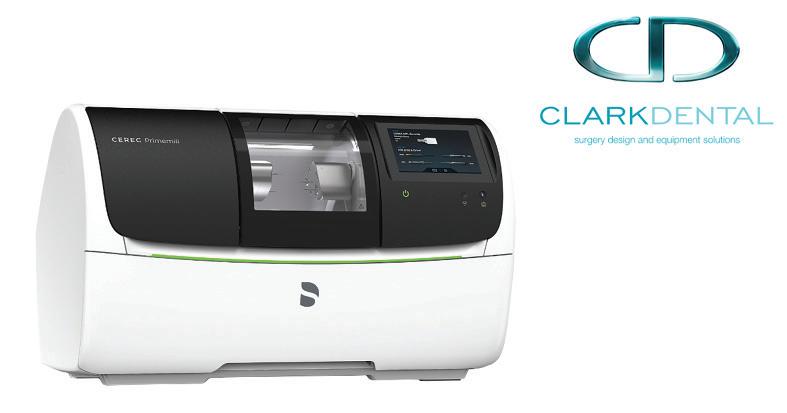
For more information, please get in touch with the team.
For more information call Clark Dental on 01268 733 146, email info@clarkdental.co.uk or visit www.clarkdental.co.ukn
Lecturer, it’s genuinely inspiring to witness those lightbulb moments, when dental professionals realise, they may not have fully appreciated the detail of their own oral care routines. It’s about unlearning, then relearning together. And when we do, we see fewer interventions, better outcomes, and more engaged, confident patients.”
For more information about iTOP courses and to book your place, visit www.curadenacademy.com
To arrange a practice educational meeting with your Curaden Development Manager please email us on sales@curaden.co.uk n
At Eschmann, we are proud to be known as the experts in decontamination, delivering quality products and services that are designed to help teams achieve compliance with ease.
But you needn’t just take our word for it.
Here’s what some of our customers have said: “Throughout the years, we have consistently received outstanding service from Eschmann. Their maintenance of our sterilisers has been exemplary, characterised by professionalism, attention to detail, and prompt response times. We highly recommend Eschmann for their exceptional service and reliability.” – Dawn Saunders (Practice Manager at Clark Dental Studio)
“We have had some of our Little Sister
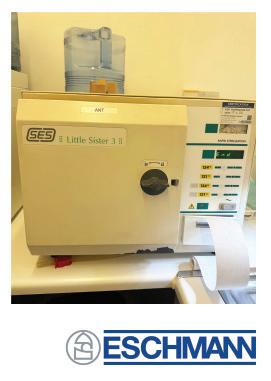
autoclaves for well over 10 years now and have been really happy with them. I would unreservedly recommend Eschmann products and the Care & Cover service package to others.” – Maxine Northall-Rollins (stock controller at Scott Arms Dental Practice)
To find out more, contact us today.
For more information on the highly effective and affordable range of infection control products from Eschmann, please visit www. eschmann.co.uk or call 01903 753322 n
For more information on the SprintRay 3D printing solutions changing the game in dentistry, please visit sprintray.com/en-uk/n time to thrive Level up your retainers with
Dental plans are a powerful tool for increasing monthly revenue, making dental care more accessible to patients and encouraging regular dental appointments for improved oral health. Finding the right plan for you is paramount.
By working with the expert Business Development Consultants at IndepenDent Care Plans (ICP), you will receive an objective review of your current business needs based on our 30 years of experience in dentistry. The team will then help you tailor a completely bespoke dental plan for your practice, with a seamless switch over process ensuring a quick and easy transition to a more profitable and efficient business.

The result is a fully customised, practicebranded dental plan that works for your patients, your team and your business. Help your practice thrive with bespoke dental plans from ICP.
For more information and to book a no-obligation consultation, please visit ident/ co.uk or call 01463 222 999 n
Revolutionising the field of 3D printing right now is SprintRay Retainer – which makes it possible to fabricate appliances using a game-changing direct-print retainer resin.
The one-of-a-kind solution is engineered for strength, comfort and clarity. It is offered as part of a fully validated biocompatible system that enables clinicians to deliver customdesigned, excellent fitting retainers quickly, easily and with unwavering confidence.
It is the latest offering from the SprintRay Biomaterial Innovation Lab, saving clinicians time and money, while elevating the standard of patient care. In fact, SprintRay Retainer supports same-day dentistry for an improved patient experience and enhanced satisfaction.
The latest direct-print retainer resin is just one example of how SprintRay is reimagining restorative dentistry. It’s time your practice levelled up. Find out more today.

solventum shines at BdIA
Prioritising culture
DeNovo Dental Partners is proud to be culture driven, providing a new and exciting opportunity for its member practices and teams to really thrive. Our culture is defined by our behaviours: Our six core behaviours — Empathy, Inclusivity, Quirkiness, Excellence, Ownership, and Positivity — shape everything we do at DeNovo Dental Partners. We care deeply about our communities and Partners, embrace individuality and humour, strive for excellence through learning and improvement, take ownership with an entrepreneurial spirit, and stay optimistic and solutions-focused as we grow together.
Unlock new potential for your practice with the Business and Mindset Mastery course from IAS Academy, led by Dr Prav Solanki – expert marketer, tutor, and dental practice owner.
The one-day course helps practitioners devise attainable goals for their practice, whilst being conscious of the importance of a life balance. Learning from Prav, the delegates dive into effective and proven business strategies that can increase treatment acceptance and overall gain and retain more patients.
As an interactive day session that encourages discussion between delegates, dental professionals take new ideas back to the practice that can be implemented
the gift of pain relief
Giving the gift of pain relief this Christmas – Orajel™ is the ideal stocking filler for anybody experiencing dental pain.
Orajel™ Dental Gel is unlike oral analgesics which can take up to an hour to act, providing relief in two minutes or less. It is unique in being the only benzocaine-containing over-the-counter product available for toothache.
The topical gel enables patients to apply 10% benzocaine local anaesthetic directly to the painful area for rapid pain relief. Or, for more intense pain, Orajel™ Extra Strength contains 20% benzocaine, and is available at the pharmacy.

All of this ensures a people-centred, productive, and forward-thinking organisation that enables every individual and team to excel.
If this aligns with your own beliefs, contact DeNovo for a no-obligation chat about your options. n
An “excellent” experience and team
Dr Robert Kynman recently completed the sale of his dental practice, working alongside Dental Elite. He says:
“I came across Dental Elite following a course on retirement and they came highly recommended by other dentists.
“My experience with Dental Elite was excellent. They were efficient and supportive, and knew what was required so that I felt well-informed and supported throughout the process. Someone was always available for advice and they were easy to contact ¬–Sue Humphrey was particularly helpful, but the whole team were excellent.
“I would highly recommend Dental Elite.”
Dental Elite offers a comprehensive suite of support solutions designed to help you sell your practice as efficiently as possible. Find out more by contacting the team today.
For more information on Dental Elite visitdentalelite.co.uk, email info@dentalelite.co.uk or call 01788 545 900n
immediately. You can find out more about the course, and secure a spot on an available date, by visiting the website or contacting the IAS Academy team today.
For more information on upcoming IAS Academy training courses, please visit www.iasortho.com or call 01932 336470 (Press 1)n
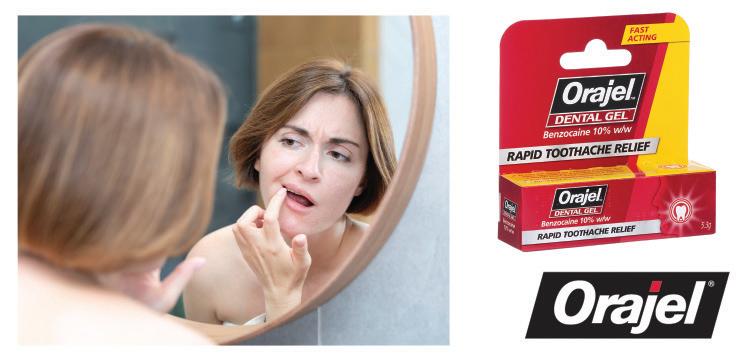
To find out more about the range of solutions from Orajel™, please visit the website and get in touch.
For essential information, and to see the full range of Orajel products, please visit https://www.orajelhcp.co.uk/n
the power of two
Discover the duo making oral health a breeze for a broad range of patients!
The TANDEX FLEXI interdental brushes are perfectly complemented by the PREVENT Gel, together ensuring exceptional daily oral cleaning and protection against an array of dental diseases.
The FLEXI interdental brushes come in 11 different sizes that are colour-coded for optimal patient convenience. They feature a flexible handle that is ergonomically designed to be easy to hold for simple manoeuvring around the mouth.
The PREVENT Gel makes excellent oral health simple for patients with enamelstrengthening and antibacterial properties afforded by 900 ppm fluoride and 0.12% chlorhexidine.
Help your patients implement a high-quality oral health regime supported by trusted products. Discover the power of the FLEXI interdental brushes and PREVENT Gel from TANDEX and recommend today.
For more information on Tandex’s range of products, visit https://tandex.dk/ Our products are also available from DHB Oral Healthcare https://dhb.co.uk/n
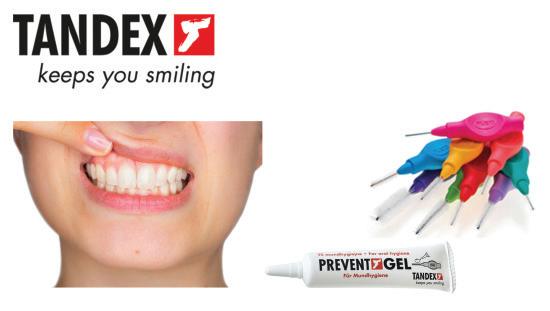
When you choose IndepenDent Care Plans (ICP), you unlock access to their 30 years of experience in dentistry.
We are passionate about driving your business growth and offer uniquely customised and practice-branded solutions to bring you regular monthly income, improved patient attendance and increased treatment uptake.
Already got a dental plan in place? No problem. We make switching provider quick and easy, with dedicated ICP Business Development Consultants on hand to guide you through the process and start making your dental plans work harder for you.
An
ICP is building on three decades of experience –make use of our expertise for your own practice growth by calling us today!
For more information and to book a no-obligation consultation, please visit ident.co.uk or call 01463 222 999 n
exciting new restorative option for patients
Deliver exceptional care with speed, precision and affordability using the ground-breaking Midas 3D printer from SprintRay.
Setting a new benchmark for accessibility in quality dentistry, the Midas harnesses patented Digital Press Stereolithography to overcome the limitations of first-generation printers, allowing the use of higher-viscosity resins for superior restorations. Combine it with the pioneering SprintRay Crown, and clinicians can now 3D print a crown in under 10 minutes – with a complete treatment time of just 45 minutes.
The result? A game-changing option for patients: highly aesthetic, cost-effective and
ready for rehab
The OraStretch® Press Rehab System from Total TMJ is ideal for restoring strength and function to the temporomandibular joint (TMJ).
Simple in its ergonomic design, the device is easily used: inserting the mouthpiece and squeezing the handles opens the jaw and stretches the orofacial tissues. Diligent adherence to the advised exercise recommendation can lead to great results, with a typical patient able to gain 1-2mm per week in overall range of motion.
Along with the device’s simplicity, compliancy is also ensured by its manageable and mobile design – it can
durable longterm temporary restorations that fit seamlessly into their lifestyle and their budget.
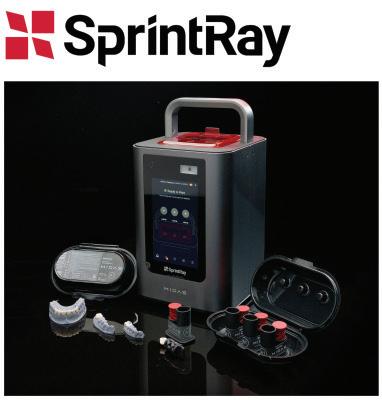
Discover the Midas 3D printer from SprintRay – the UK’s only dental-focused manufacturer of 3D printing solutions – and unlock a new era of possibilities for your patients.
For more information, please visit https:// sprintray.com/en-uk/n
be easily packed for travelling or taking into work for use at break times, ensuring that the rehabilitation protocol is not disrupted.

Reliable, efficient and easy – the OraStretch® Press is the perfect companion to support patients with rehabilitating the TMJ.
For more details about Total TMJ and the products available, please email info@totaltmj.co.uk n
totaltmj.co.uk
It’s a trap!
simon cosgrove, Dental Regional Manager and qualified Specialist Financial Adviser at Wesleyan Financial Services, reveals the hidden 60% tax rate catching dentists off guard
When I ask my clients, “What is the top rate of income tax in England today?”, some answer 40%, while others, correctly, state 45% (the top tax rate in Scotland is currently 48%). What most people don’t realise is that there is a 60% ‘tax trap’ that many dentists can easily fall into – and it’s all to do with the personal allowance.
How the personal allowance works
The personal allowance is the amount of income that someone can earn before they start paying basic rate tax. The allowance for the 2025/26 tax year in the UK is £12,570. Generally speaking, once someone receives income above this level, they will start to pay basic rate tax (or starter rate tax in Scotland).
In England and Wales, income between £12,571 and £50,270 is taxed at 20%. It’s 40% for income between £50,271 and £125,140, and 45% on anything over £125,140.
The trap is sprung when you start earning £100,000 or more. For every £2 of taxable income you receive above £100,000, your personal allowance (the amount on which you pay 0% income tax) is reduced by £1.
This means that once you earn £125,140 or more, you will have no personal allowance, and you’ll start
paying 20% on the first £1 of income you receive. This results in an effective marginal tax rate of 60% on income between £100,000 and £125,140.
a simple example
As a simple example, let’s assume you earn £1 more than £100,000. This means you lose 50p of your personal allowance. That 50p of lost allowance creates an additional 50p of taxable income, which is taxed at 40%, costing you 20p.
The original £1 is also taxed at 40%, costing you another 40p. Therefore, the total tax paid on that extra £1 is 60p - an effective tax rate of 60% due to the additional tax payable on the lost personal allowance.
The personal allowance threshold of £12,570 has remained unchanged since the 2021/22 tax year, meaning it hasn’t kept pace with inflation. In the 2022 Autumn Statement, it was confirmed that this level will remain frozen until at least 2027/28.
The £100,000 threshold, where the personal allowance begins to taper, has also been static since 2010. Had it tracked inflation, it would now be around £155,000.
As a result, more people are unwittingly falling into this trap – and not just workers. HM Revenue & Customs (HMRC) figures show that 77,000 people aged 66 and above were affected in 2024/25, up from 38,000 in 2021/22.
For many dentists, the trigger can be their state pension starting, pushing income above the threshold. In addition, the rise in the number of people accessing larger pension pots has also led to surprise tax bills.
The Financial Conduct Authority (FCA) reports that £70.9 billion was withdrawn from pensions accessed for the first time last tax year – a 36% increase on the previous year.
so, what can be done to avoid this trap?
Proactive planning with a Specialist Financial Adviser is key, and pensions are a great place to start.
As a further example, let’s assume you expect to earn £110,000 in a particular tax year, which is £10,000 over the threshold. This means you would potentially lose £5,000 of your personal allowance and face an additional £2,000 tax bill (40%).
By making a £10,000 gross pension contribution, your adjusted net income would reduce to £100,000 and your personal allowance would be restored.
In addition, don’t forget that you automatically receive 20% tax relief on pension contributions, so the £10,000 pension contribution would only cost you £8,000 (unless you’re paying an employer contribution through a limited company).

This is excellent financial planning because not only have you retained your personal allowance and avoided an additional £2,000 income tax bill, but you’ve also boosted your retirement savings, which grow in a tax-free environment (assuming of course that you still have sufficient annual allowance to make an additional pension contribution). Other strategies to avoid or mitigate the trap include salary sacrifice schemes or charitable donations eligible for Gift Aid, both of which reduce your taxable income. Tax treatment depends on your individual circumstances and may be subject to change in future.
Get expert advice
As with many things in life, proactive planning can help ensure you don’t fall into unexpected traps. To speak to a Dental Specialist Financial Adviser from Wesleyan Financial Services about your individual circumstances, visit wesleyan.co.uk/dental or call 0808 149 9416.
Please note: Charges may apply. You will not be charged until you have agreed to the services you require and the associated costs. Learn more at www.wesleyan.co.uk/charges. n

about the author
Having vast experience as a dental specialist financial adviser (sfa) over the years, simon cosgrove is now a Dental Regional Manager at Wesleyan financial services, guiding a team of dental sfas to support dentists, their families, and their practices with financial planning to secure their financial future.
The sweet spot
abi Greenhough from
Lily Head Dental Practice Sales pits Performance vs Growth potential
When preparing your dental practice for sale, one of the biggest questions is: “Do I max my business out before selling, or leave some value for the buyer?”
The truth is, there’s a sweet spot. You want to maximise performance and profit because when you sell, you could achieve up to 7.5 times that profit pot in your sale price. However, if there is no headroom in the business, your practice may not be a strategic fit for buyers.
Most buyers, whether a corporate or dentist, are not looking to buy themselves a job; they want to acquire a business they can grow. A practice that performs well today but offers clear pathways for future growth signals scalability and long-term value.
The sweet spot
• A practice with strong performance now, with predictable income, diversified team, robust systems.
• In most cases 10–20% headroom for growth with extra chair time, marketing opportunities, or additional services.
a strategic journey: from £1.4M to £4M
This principle of balancing performance with growth potential is illustrated perfectly in the following case study. Over the past five years, we’ve supported a client with a clear goal: retire at 55 with enough cash to bridge until pension age. They do not have an extravagant lifestyle but want security and flexibility. Knowing the eventual buyer
would be a corporate group, we worked with their team to build a plan to maximise saleability while leaving room for growth.
• Opening valuation: £1.4M
• Current position: £3.3M
• Target: £4M within the next phase
How did they achieve this?
• Annual valuations to create a clear pathway.
• Engaged expert support: This had the most profound impact. As the business evolved, so did the coaching, starting with leadership development and team communication, then moving to financial control and marketing strategy. It’s worth noting that our client invested £55,000 in coaching over five years, which you could say is an ROI of 1,718%.
• Shift from clinical to leadership: The owner stepped away from chairside dentistry to focus on business strategy.
• Patient loyalty: Over 800 five-star Google reviews supporting the marketing strategy.
• Team diversification: Reduced reliance on one clinician by expanding the clinical team.
• Physical expansion: Relocated to a larger space, factoring costs into the five-year plan.
• Growth headroom: Planning for 20% capacity headroom to ensure buyers see future upside. This will be key to generating interest at the £4M asking price.
This structured approach transformed the practice into a highly attractive asset
We are all leaders
When we hear the word leader, many of us picture CEOs, politicians, or famous change-makers.
But leadership isn’t about a title, it’s about how we show up. Whether you’re running a dental practice, guiding a team, raising a family, or simply choosing how to face challenges, you are leading. The truth is, we are all leaders in our own lives. The question is not if we lead, but how we choose to lead. Over the years of working with dental professionals and business owners, I’ve seen that the best leadership is not about authority but about influence, inspiration, and intentional action. Here are 10 lessons in leadership we can all put into practice:
1. Lead yourself first
You can’t pour from an empty cup. Leadership begins with self-awareness, self-discipline, and self-care. The way you manage your time, energy, and mindset sets an example for everyone around you.
2. Listen more than you speak
The most effective leaders are great listeners. By truly hearing your patients, colleagues, or loved ones, you show respect and create trust – the foundation of strong relationships.
3. communicate with clarity
Confusion creates stress. Clarity builds confidence. Whether it’s a team meeting or a conversation with a patient, clear communication prevents misunderstandings and fosters cooperation.
4. stay curious
You don’t need all the answers to be a leader – you just need to keep learning. Curiosity keeps you adaptable, open-minded, and better prepared for the inevitable changes that come your way.
5. show empathy
Dentistry is a people-centred profession. Taking a moment to step into someone else’s shoes, even for a moment, strengthens bonds and builds loyalty and trust.
with predictable income, strong systems, scalable operations, and a culture that retains staff and patients.
The room full of boxes
Not every seller has years to execute a full-scale growth plan. One independent practice owner faced a similar dilemma: they had a spare room and knew adding an extra surgery could increase value. But with only two years before retirement, they questioned whether spending £80,000 on a full fit-out would pay off. They factored surgery forecasts and the time required for marketing the practice. The calculations revealed they did not have enough time to get the full ROI. Instead, they took a strategic approach:
• Cleared the room and invested £8,000 to plumb and wire it, making it “surgery ready”.
• Presented clear KPIs to buyers, including new patient enquiries, endodontic referrals out, and hygiene diary which was booking six months ahead.
The result? Lots of viewings, offers, and competitive interest because buyers could visualise the growth potential. While they didn’t achieve the full £300,000 uplift with the surgery fully utilised (based on 3.5x surgery profit multiple), they captured 1.8 times the potential profit, saved £72,000 on fit-out costs, and sold on schedule with a net gain of £258,000 versus £300,000.
This example reinforces the principle: you don’t need to max out every opportunity, just make growth visible for the buyer.
avoiding buyer turn-offs
Our case studies highlight what buyers love: strong performance, clear systems, and room for growth. But what happens when these elements are missing? Practices that fail to strike this balance often fall into common pitfalls that turn buyers away:
1. Over-reliance on a single clinician.
2. Unpredictable income streams.
3. Lack of headroom for growth.
4. Weak systems and processes.
5. Negative cultural indicators.
6. Low patient volume.
Your strategic exit plan
Everyone’s circumstances are different. We always advocate growth because it translates into maximum sale value. In today’s market, growth potential is strategically critical for buyers. Without a clear pathway to growth, you could impede your sale or limit competitive interest. The key is to work out two sweet spots:
1. The market sweet spot – what buyers want to see for scalability and future upside.
2. Your personal sweet spot – what aligns with your timeline, lifestyle, and financial goals.
Finding that balance ensures you achieve the best possible outcome without overinvesting or missing opportunities. n
about the author abi Greenhough, Managing Director of Lily Head Dental Practice sales.

6. celebrate the small wins
Big successes don’t happen overnight but are developed through small, consistent efforts. Recognise progress in yourself and others – it fuels motivation and reminds everyone that the journey matters as much as the destination.
7. Lead with integrity
Leadership without trust isn’t leadership at all. Align your actions with your values, even when no one is watching. Integrity sets a standard that others naturally want to follow.
8. stay calm in the storm
Challenges are part of the journey. Leaders don’t avoid storms; they navigate them. Remaining calm and solution-focused gives others the confidence to keep moving forward.
9. empower others
True leadership isn’t about being the hero; it’s about creating more heroes. Encourage, mentor, and give others the
tools to succeed. Your impact multiplies when others grow under your guidance.
10. Lead with gratitude
Gratitude shifts perspective. A thankful leader sees opportunities where others see obstacles, and people are naturally drawn to follow someone who values and appreciates them.
Leadership is not reserved for the select few. It’s an everyday choice we all make in the way we speak, act, and respond. In your dental practice, your community, and your personal life, you are already leading. The real power comes when you do it with intention, warmth, and authenticity.
So, the next time you doubt whether you’re a leader, remember this: you already are. The only question is what kind of leader you choose to be. n about the author cally Walker, founder of connect My Marketing
cally Walker delivers 10 lessons in everyday leadership


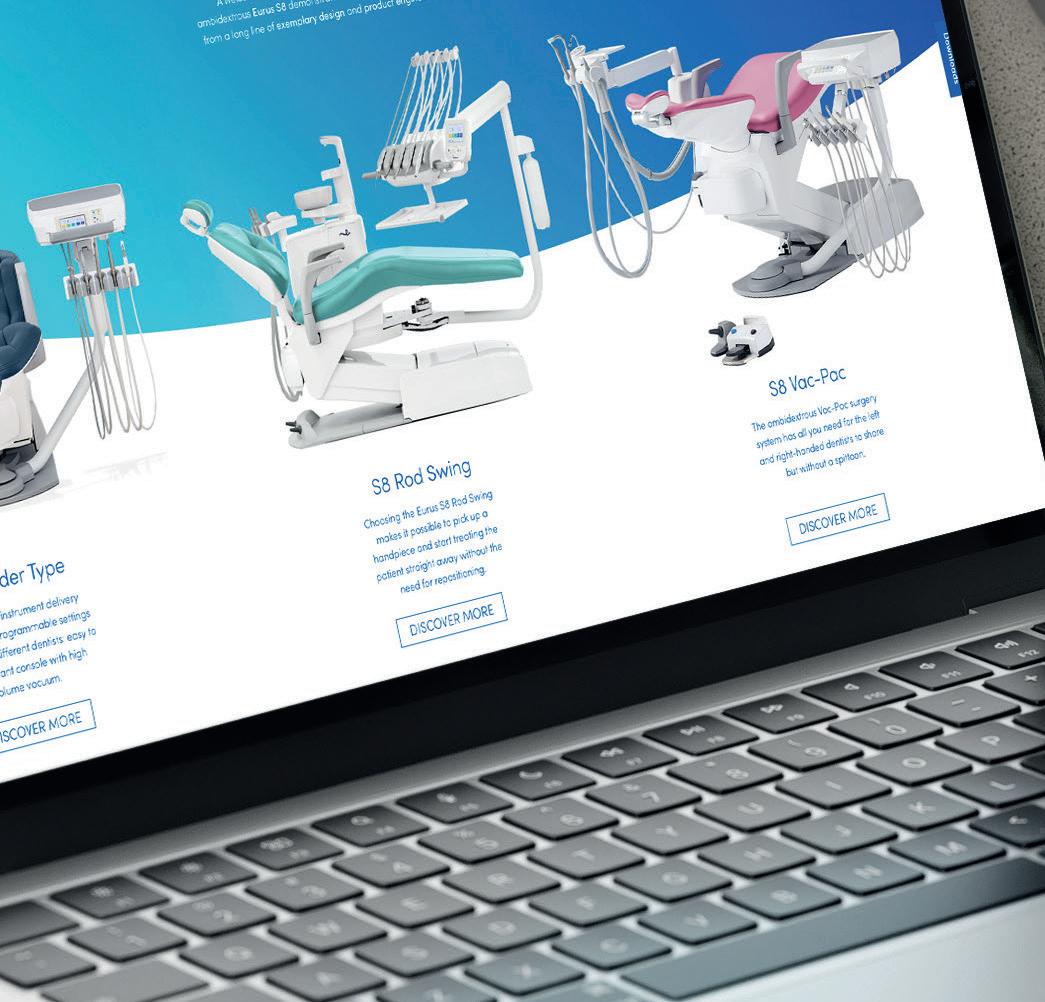

Engaging design, upholstery colour picker tool, videos, testimonials and much more... Explore now





Autumn Budget: A view for dental practice owners, personal financial planning and practice sales
After endless speculation, the Budget has finally arrived and, thanks to an over-eager OBR employee, it left the starting blocks some time before the Chancellor had finished tying her laces!
Frozen tax thresholds and phased-in measures mean that the tax rises will come broadly from 2028 onwards. The tax take is set to increase to a record high of 38.3% of GDP by 2029-30. Much of the tax rise will fund greater levels of welfare spending.
Practice values and selling
Thankfully, the Autumn Budget has been pretty quiet on matters impacting the taxation of dental practice sales. Previously, we have seen the rise in Capital Gains Tax from 20% to 24%. The Business Asset Disposal Relief (BADR) remains in place for the first £1 million of (lifetime) gain, and there has been no change to the rate. As a reminder, this was changed last year, with the first £1,000,000 of gain being taxed at 14% until April 2026, which then rises to 18% thereafter. The national living wage will be increasing by 4.1%, from £12.21 to £12.71. Meanwhile, workers aged 18-20 will be seeing an 85p-per-hour rise to £10.85. For some practices, the increase in staff wages will impact the EBITDA.
With little market reaction to the budget and no negative news on things that are likely to impact purchasers, there is no doubt that the market will remain
Running your business and taxation
General income tax rates are unchanged but there are new tax rates for dividends, property and savings income, which are 2% higher than the current income tax rates. The 2% uplift applies to basic rate, higher rate and the additional rate, except for dividend income where there is no increase to the additional rate. This may swing the dividends versus salary pendulum more towards salary but at least they haven’t introduced national insurance on dividends.
If you’re investing in new equipment or a make-over for the practice, the annual investment allowance has been maintained with a new 40% allowance for unincorporated businesses.
Capital Gains Tax, for those of you looking to sell, appears to have escaped any new increases and there are no changes to the reliefs or exemptions currently available. Remember, some of last year’s changes come into effect from April 2026, so it’s always a good idea to plan ahead for practice sales. There’s no move yet to increasing income tax levels. Holdover relief is still available for passing shares in trading companies to children.
Business rates
The chancellor mentioned increasing business rates on properties worth more than £500,000. This was aimed at ‘warehouse giants’.
However, this could affect dental practices with property values in excess of £500,000. We await further explanation from HMRC as to who will pay these higher rates.
Electric cars
These have been a tax-efficient option for many limited company directors. There will be a 3p-per-mile vehicle excise duty for electric cars and 1.5p-per-mile for plug-in hybrids. It is important to remember that, if it is a company car, these expenses will receive tax relief in the company.
Sadly, there’s no delay for making tax digital, so that’s important to gear up for. This will impact sole traders from April 2026 and companies/ partnerships from April 2027. There may be some devil in the detail when it gets fully published but, as ever, contact us if you need any advice.

Jeff Williamson is a Partner of PFM Dental Accountancy, looking after more than 1,200 dentists’ accounts.
strong. With interest rates predicted to fall further next year, borrowing cost will continue to reduce. The activity of both private buyers and Corporates has increased over the last 12 months, and we expect the levels to continue.
Martyn Bradshaw is a Director of PFM Dental and heads up the Dental Practice Sales Agency, undertaking 1000s of valuations each year.
Wealth management and financial advice
On the face of it, this was a budget without surprises. The long lead in has led to much speculation, namely on the removal of pension tax-free cash and/or pension tax relief, as well as a potential gifting tax on those trying to avoid inheritance tax. In brief, none of these measures were announced and, no doubt, some individuals will have acted unnecessarily, especially on pension tax-free cash. The fact remains that pensions are exempt from Inheritance Tax until at least April 2027.
It is worth bearing in mind that there will be at least three more budgets between now and the likely latest General Election (August 2029). So, it may be worth making the most of the available pension tax relief rules, as these were unaffected in this Budget. By way of reminder: every £1,000 contributed to a pension will cost Higher Rate tax-payers only £600 and Additional Rate tax-payers £550. Are you making the most of the available relief and the generous £60,000 annual limit on pension contributions?
ISA allowances remain largely unaffected, although there are some changes planned from April 2027 – the investment ISA allowance of £20k remains but the cash ISA allowance will be limited to £12k. Those over 65 retain the full £20k cash allowance.
Those who take dividends from a limited company, own investment properties, or have dividend income from investments will see a 2% tax rise on this income from the 26/27 tax year. So, it is worth exploring alternative investment options such as ‘International Bonds’, which would allow your investment to grow without attracting income or capital gains tax. These are also useful as part of an inheritance tax mitigation strategy, as they can be passed to the next generation without creating taxable gains.
Investment markets reacted positively, not least to more bullish forecasts on economic growth and debt reduction (good news for investors). There remains fiscal headroom, which may in turn cause all interest rates to fall with inflation already slowing. This will be good news for borrowers. As ever, taking independent advice on your financial planning is worthwhile.
Jon Drysdale is a Director of PFM Dental and is a Wealth Manager and independent Financial Adviser.
ECPD for your whole practice
CPD 4 DCPs is a fully veri able ECPD programme that enables each member of the dental team to complete one year’s ECPD requirement in a highly cost-effective manner. Covering all the highly recommended subjects, each volume is specially designed to cover the ECPD needs of up to 10 DCPs.
Providing 10 hours of veri able ECPD, one Volume covers the annual veri able ECPD needs of most practices.
Subjects covered:
• The reality of mouth cancer
• Young patients and consent
• Complaints and how to avoid them
• Regulating X-rays



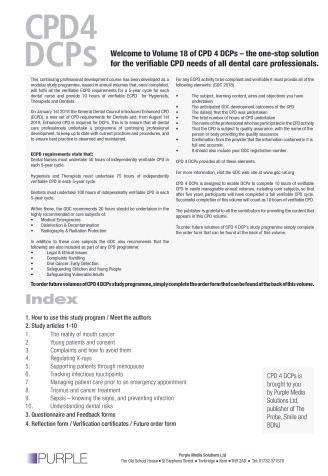


• Supporting patients through menopause
• Tracking infectious touchpoints
• Managing patient care prior to an emergency appointment
• Trismus and cancer treatment
• Sepsis – knowing the signs, and preventing infection
• Understanding dental risks
Money talks – but jargon complicates the conversation
For any dentists looking to purchase their own practice, effective finance management is vital. This means understanding the options available to borrow money, from who and at what cost. However, the process rarely seems that straightforward and the specialist language used by lenders or in contracts can create significant confusion and frustration. To ensure you’re getting the best deal, and that you know exactly how and when you will be paying back any loans, it is important to demystify the jargon and to work with experts you trust.
in the starting blocks
To get a good head start, it is crucial to understand your current financial situation and to accurately estimate how much you can afford to borrow or pay for a practice. Calculations will include available lump sums to be used as a deposit, savings, investments, assets, and existing debts. When you know your upper purchase limit for a new practice, you can explore the market. Of course, your chosen practice will need to meet much more than your financial criteria, with careful consideration for the existing NHS contract, potential growth, location, size, patient demographic and more. Once your ideal practice is identified, you will need to assess the numbers in more detail. To determine if you can afford the loan amount, the bank or lender will disregard certain costs to determine the practice’s value should anyone start running it. They will also deduct your current lifestyle expenses to ensure you can afford to maintain these while repaying the business loan.
All of the above will result in an adjusted net profit figure or Net Cash Flow. The bank or lender will then stress test the repayments against your finances – typically with an additional 3-4% on base rate. The amount of times the Net Cashflow goes into Stressed Repayment is referred to as the Debt Service Cover with different banks required a different index of this number to agree lending as first hurdle. The purpose of this is to ensure that you can still afford to pay back the loan even if you have additional personal expenses one month or if interest rates rise. The language used in illustrations can make it seem far more alarming than it is, but ultimately, it ensures you can comfortably afford the loan and is designed to present a worst case scenario.
combining cash and equity
The good news is that the market has really opened up in recent months with lenders arguably more gung-ho than they have been for the last fifteen years. (As a point of note, this is in terms of appetite not the cost of debt.) Larger debts are often being credit sanctioned with a 10% contribution with no other security by multiple different lenders. Further, there are now a number of challenger banks in dentistry who will do deals for applicants that more modal lenders would not consider. The deposit is commonly provided in the form of cash. However, this is not the only option. It can also be the combination of cash and equity or lending value of any property or other major assets you own. What’s important is that you meet the loanto-value criteria of the bank or lender.
For example, a mixed practice we recently worked with was valued at £600,000. A loan-to-value of 80% was required by the lender. To fulfil the £120,000 deposit, the buyer needed to offer £60,000 in cash and £60,000 in equity/lending in their house. Alternatively, they could have put down £70,000 in cash and the remaining £50,000 in equity/lending in another property they own.
expert support
All of the above has been simplified to demonstrate the fundamentals of buying a practice, but in reality, the process can be far more complex, with more considerations, underlying factors and jargon. That’s why it is beneficial to work with experts in the field who understand the ins and outs of dental practice finance, as well as how to optimise your situation.
DE Finance offers a comprehensive service that helps individuals and business partners accurately assess their circumstances and then purchase the practice of their dreams in a controlled and profitable way.
a quick glossary
A few key terms explained:
• Valuation – the amount a practice is worth based on what someone is prepared to pay for it! Not necessarily the same as the market offering price or the sellers expectations!
• ebiTDa (earnings before interest, Tax, Depreciation and amortisation) – the practice’s estimated operating profitability if fully associate-led.
• f MT ( f air Maintainable Trade)
– a more accurate estimate of the practice’s operating profitability, with one-off expenses and unusual revenue accounted for, but based on being operated by a full-time principal.
• net cash flow – could be either EBITDA or FMT depending on the individual context, but also adjusted for the applicant’s individual financial demands.
• stress test – testing of repayments at a higher interest based on the Net Cash Flow to ensure an applicant can comfortably afford to pay back the loan.
• Debt service cover – the index computed by putting the Stressed Loan Payments into the Net Cash Flow.
• e quity – the unencumbered proportion of an asset.
• Deposit – the sum of money put down to secure the purchase of a practice.
• Loan-to-value – the ratio of how much you have borrowed compared to how much the practice is worth.
For more information on DE Finance visit www.dentalelite.co.uk, email info@dentalelite.co.uk or call 01788 545 900 n

about the author Luke Moore, founder and Director of Dental elite.
Maximising return on investment for dental equipment
The dental practice is first and foremost a care provider. Delivering high-quality clinical treatment and patient services is the priority for every member of the professional team. However, it must also run efficiently as a business, which means balancing expenditure with profitability. Investment back into the practice is crucial to ensure a modern environment that features innovative facilities and provides advanced yet streamlined dental treatment to patients. This is especially important with regards to equipment. To maximise the return on this investment, there are a number of both financial and practical aspects to consider.
calculating ROi
When it comes to purchasing capital equipment, it’s important to do the maths before putting a significant dent in the bank account. When broken down, ROI can be measured using the below formula: Gain from investment – cost of investment = ROI (x 100 to give as a percentage)
cost of investment
Though it looks straightforward, it can be difficult to accurately estimate what will be gained as a result of the investment. To give a simple example, if a practice spends £10,000 on equipment for the introduction of new services, and makes a profit of £11,000 over the next year from those treatments, the ROI for this time frame would be:
£11,000 – £10,000 = 10%
£10,000
The same formula can also be applied prior to making the investment as a way of understanding how much profit a piece of equipment would need to generate in order to be a worthwhile investment for the business. For larger investments and more advanced technologies, the time
frame would likely need to be adjusted to calculate the profit made in 3 or 5 years post-purchase. For this reason, an annualised ROI may be more useful.
Optimising the numbers
There are several ways to improve the financial implications of a capital investment. One is to make use of the Capital Allowances available that provide tax relief on money spent on any essential equipment for the practice. The Annual Investment Allowance is one such option that enables you to claim tax deductions on qualifying capital expenditures. This would help to reduce the overall cost of new equipment to the business.
For those concerned about cash flow when contemplating a significant outlay, many dental manufacturers and suppliers provide different financing solutions to help here too. These include paying in instalments over time to reduce the immediate impact on the practice’s bottom line. The ROI calculation can then be adjusted to estimate the annual return on the investment made each year, helping to balance the books and ease cash flow.
More than your money
Beyond the financial investment, it is essential to keep the equipment running smoothly and for as long as possible to really make the most of your investment in the business. For capital equipment, this means meticulous in-house cleaning, testing and monitoring, as well as professional maintenance and annual servicing and/or validation as required by an appropriate engineer.
By keeping the equipment in good working order, it is more likely to operate efficiently, saving the practice team time throughout the day to focus on their patients. There is also a significantly reduced risk of a technical fault, equipment malfunction or a breakdown – all of which would cause downtime for the practice, disrupting patient services and
inconveniencing staff. The full cost to the business of unreliable equipment could be even greater should appointments be cancelled completely or, worse, patient safety compromised. Practice reputation could be damaged, patient loyalty lost and staff job satisfaction decreased.
This highlights the importance of having access to equipment servicing and technical support you can depend on. With Dental Directory, for example, you can do more than purchase industry-leading equipment from a supplier that has been trusted in the profession for more than 50 years. We also offer 1- and 3-year service plans that include the annual service, inspection, calibration and function testing of equipment to keep you running. Our team of engineers offers fast and efficient repairs too, with a 92% first time fix rate to give you complete peace of mind. The result is minimal equipment downtime, streamlined equipment costs and maximum longevity of product life for optimised ROI.
Protect your investment
Whether you’re looking to purchase a new dental unit, an autoclave or a CBCT imaging machine, a good investment will always be worthwhile for the business in the long-run. To make the most of every pound spent, it is important to protect your investment by looking after the equipment and prolonging its working life.
For more information on the products and maintenance services available from Dental Directory, please visit ddgroup.com or call 0800 585 586 n
about the author
Dean Hallows, Managing Director of Dental Directory.













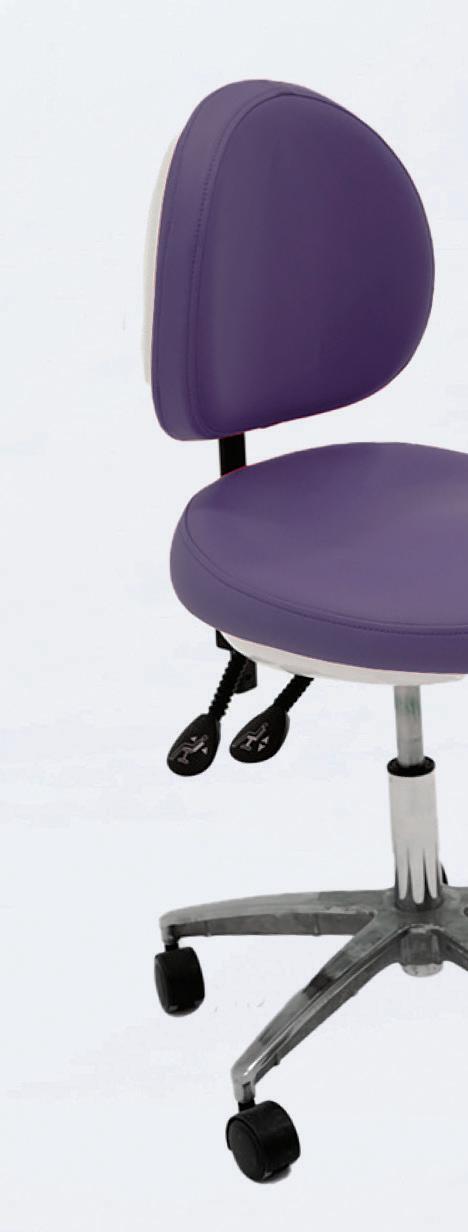


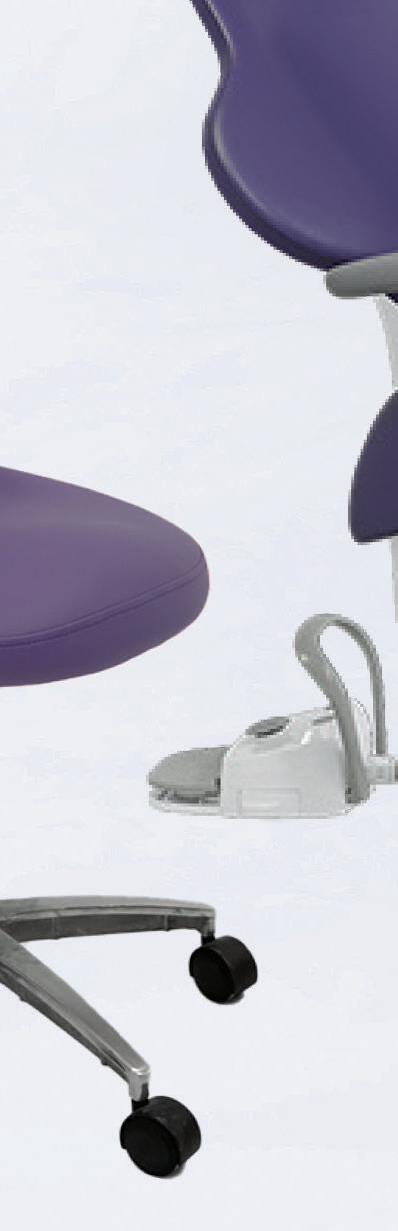











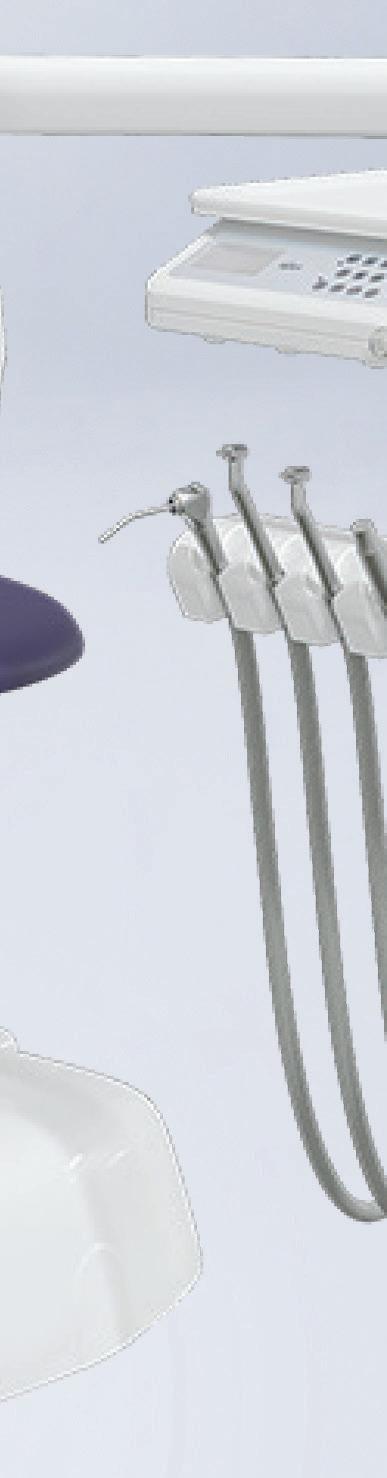


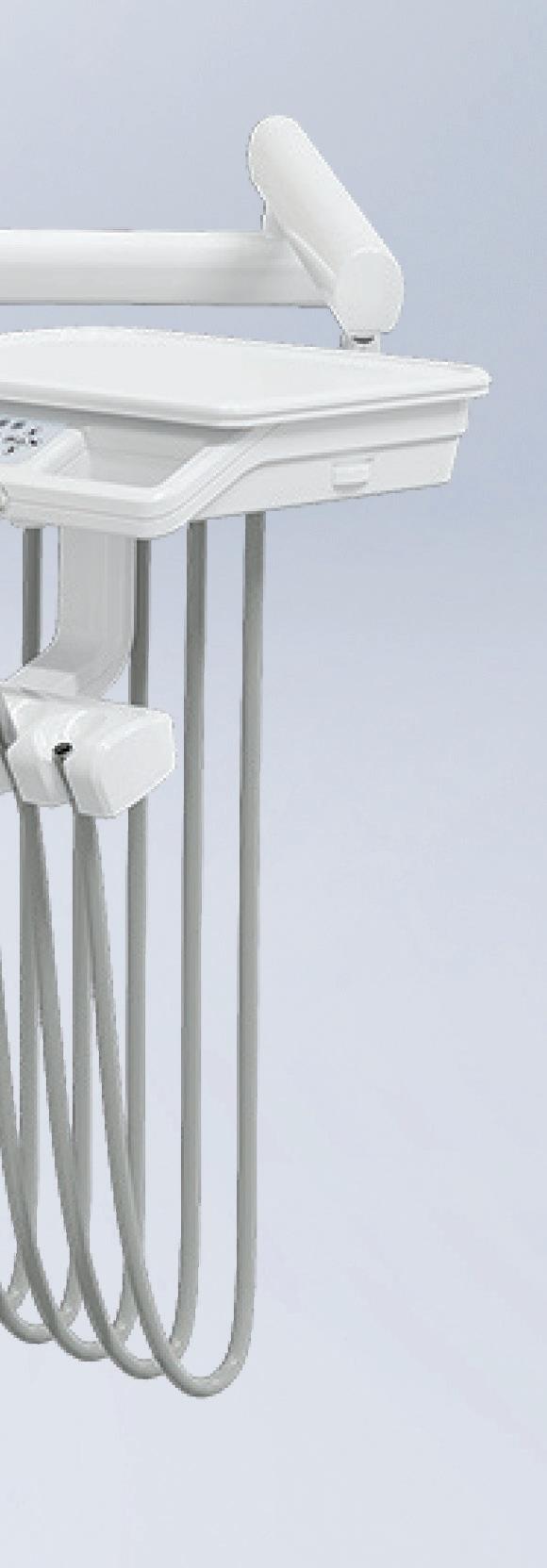




It's time to experience the glass ionomer you deserved all along.
Are you still settling for the handling, strength, and setting time of traditional RMGIs? In today’s demanding clinical environment, every restoration needs a material that delivers immediate confidence and lasting results. Riva Light Cure HV combines advanced chemistry with effortless handling, giving you a restorative experience that feels as good as it performs.
Why RIVA LIGHT CURE HV?
NO MORE COMPROMISE
Riva Light Cure HV is the RMGI that delivers the handling, strength, and confidence your daily practice demands.
FLAWLESS HANDLING
High viscosity for effortless sculptability that’s non-sticky, non-slumping and adapts beautifully.
AWARD-WINNING TRUST
Recognised by the Dental Advisor Award for 15 consecutive years (2011–2025) earning either a ‘Preferred Product’ or ‘Top Product’ Award annually for its handling, performance and patient satisfaction.








ACTIVE PROTECTION
Patented ionglassTM technology for a synergistic blend of fluoride and strontium ions to enhance tooth bioremineralisation.
THE CAPSULE ADVANTAGE
SDI’s Easy Activation Capsule Technology makes capsules around 70% easier to press and extrude than comparable materials.



“Riva Light Cure HV makes restorative work simpler. It saves time without sacrificing quality and gives me confidence that the restoration will last. Riva made me love glass ionomer again.”
- Dr Sanjukta Mohanta

Ready To Reignite The RMGI Love? Discover more and claim your free sample here.