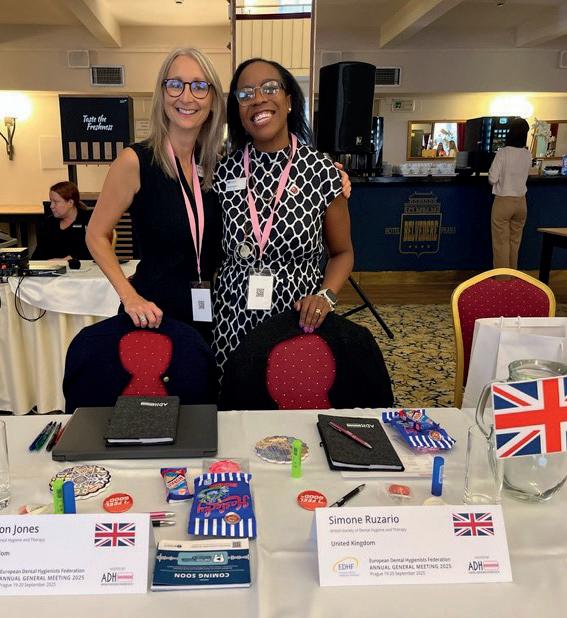
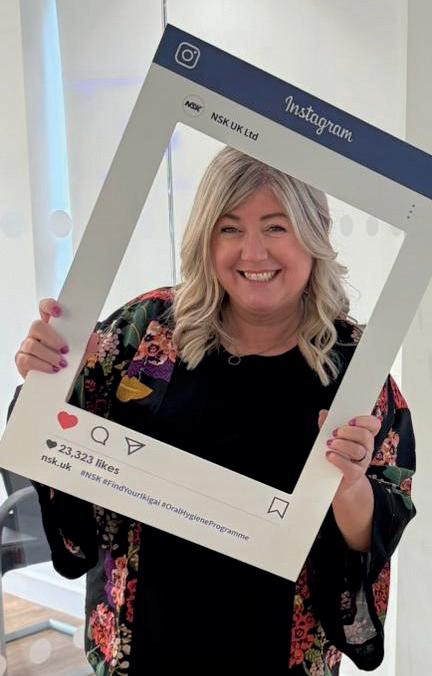
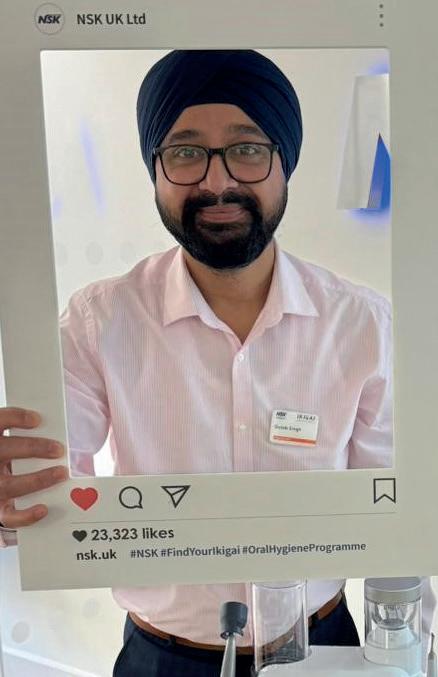
nd with that, 2025 comes to a close. It’s been quite a year, and 2026 is already shaping up to be a memorable one particularly for a group of dental hygienists and therapists who are travelling to Tanzania in the New Year with NSK Ikigai and Bridge2Aid to deliver essential oral health education. Read all about it on page 36 – and stay tuned in the coming months as we document their travels.
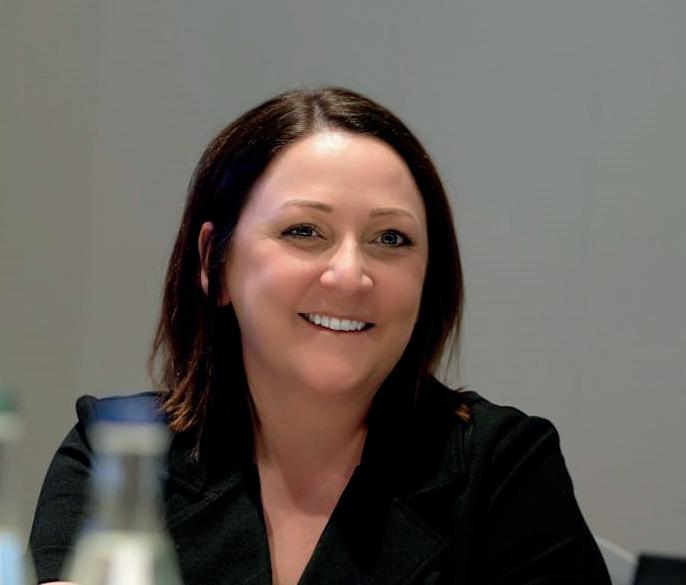
Looking back, 2025 was hugely memorable for Natalie Fitzpatrick, who won the trophy for Dental Hygienist of the Year at The Dental Awards. You can read our interview with Natalie on page 40…
SUBSCRIBE TO SMILE
Rates: UK £39.95 per year; Overseas £83 - all cheques in sterling drawn on a UK bank made payable to ‘Smile’. 8 issues including 16 hrs CPD £39.95
Published by Purple Media Solutions
The Old School House, St Stephen’s Street Tonbridge, Kent TN9 2AD Tel: 01732 371 570
Managing Editor James Cooke james cooke @purplems.com Tel: 01732 371 581
Commercial Director Gary Henson gary.henson@purplems.com Tel: 07803 505208
Production and Designer 1 Lorna Reekie lorna reekie @purplems.com Tel: 01732 371 584
Production and Designer 2 Rob Tremain rob.tremain@purplems.com
…and, if you would like the chance to enter The Dental Awards in 2026, the call for entries begins in December at the-probe.co.uk/awards
Could you be the Dental Hygienist or Dental Therapist of the Year for 2026? There’s only one way to find out!
In the meantime, have a wonderful Christmas and we at Smile Oral Health Matters wish you a Happy New Year.
ORAL HEALTH
Divisional Administrator Francesca Smith francesca.smith@purplems.com Tel: 01732 371 570
Circulation Manager Andy Kirk
Managing Director Ed Hunt ed.hunt@purplems.com Tel: 01732 371 577
consequential
of
or
the publisher cannot
however
information printed in this
The
liability for
arising
expressed in Smile OHM Magazine are not necessarily the
of the magazine, nor of Purple Media Solutions Editorial Advisory Board: Dr Barry Oulton, B.Ch.D. DPDS MNLP; Dr Graham Barnby, BDS, DGDP RCS; Dr Ewa Rozwadowska, BDS; Dr Yogi Savania BChD, MFGDP; Dr Ashok Sethi, BDS, DGDP (UK), MGDS RCS; Dr Paroo Mistry BDS MFDS MSc MOrth FDS (orth); Dr Tim Sunnucks, BDS DRDP; Dr Jason Burns, BDS, LDS, DGDP (UK), DFO, MSc; Prof Phillip Dowell, BDS, MScD, DGDP RCS, FICD; Dr Nigel Taylor MDSc, BDS, FDS RCS(Eng), M’Orth RCS(Eng), D’Orth RCS(Eng); Mark Wright BDS(Lon), DGDP RCS(UK), Dip Imp Dent.RCS (Eng) Adv. Cert, FICD; Dr Yasminder Virdee, BDS.
in association with:
Other titles include:
Nine out of 10 Brits don’t realise that gum disease may be associated with Type 2 diabetes
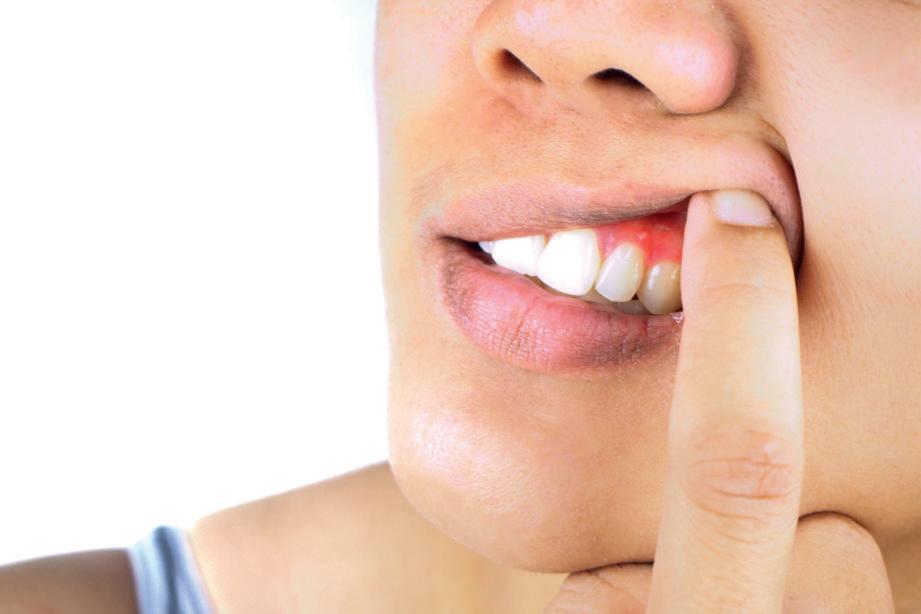
More than a third of UK adults experience bleeding gums at least once a month when they brush their teeth and ignore it or simply brush more softly, according to new research from Gum Health brand, Corsodyl.1 Yet blood in the sink could be an early warning sign of gum disease, a common condition caused by plaque build-up. Gum disease is associated with an increased risk for type 2 diabetes, a serious condition that can lead to blindness and amputations if not treated effectively.2,4
Around 1.3 million people are living with undiagnosed type 2 diabetes in the UK.5 But Corsodyl’s research shows that while most people recognise diet, weight, family history, lack of physical activity and high blood pressure contributes to type 2 diabetes risk, just one in ten adults believe that gum disease is also associated with an increased risk of type 2 diabetes.1
The science shows this link is two-way. Research shows a link between gum disease and a possible higher risk of type 2 diabetes. For example, one review found people with gum disease had a 26% higher risk of developing type 2 diabetes compared with those without gum disease.2 At the same time, diabetes itself
could make gum problems more severe and harder to treat. Despite this, the most common reaction to bleeding gums is to brush more softly or simply ignore it, leaving the hidden health risk unaddressed.1
Alastair Lomax, Medical & Scientific Affairs Director – Oral Health, Haleon, said: “These findings highlight the need to close the awareness gap between gum disease and systemic conditions such as Type 2 diabetes. Regular dental care and good oral hygiene are essential in removing plaque and bacteria, keeping gum disease under control. As a global brand and experts in gum health, Corsodyl is committed to raising awareness and encouraging early action. By using a specific gum repair toothpaste twice daily, people can help prevent bleeding gums, reduce the risk of gum disease, and maintain long-term oral health.”
Si King, best known for being a broadcaster and one half of the nation’s much-loved TV chefs the Hairy Bikers, was warned about his own diabetes risk in 2012. Since then, he has spoken candidly about his own health journey, using his platform to raise awareness of important issues affecting the health of millions across the UK.
Si said: “If I hadn’t confronted my own health risks, I mightn’t be here today. That’s why I believe understanding how gum health intertwines with type 2 diabetes risk is important. Small lifestyle changes can make a big difference to oral health, helping to prevent or manage gum disease. So if you see blood in the sink when brushing, it’s time to take action.”
Corsodyl’s research highlights the opportunity for dentists and dental hygienists to play a bigger role in raising awareness of the association between gum disease and type 2 diabetes. More than two in five people (41.9%) said they or a family member have been told they are at risk of developing type 2 diabetes, but in most cases this warning came from their GP (51.9%).1 Fewer than
5% recall ever hearing the same message from their dentist, despite gum disease being a clear risk factor, showing a major missed opportunity to use routine dental visits as a gateway for earlier awareness and intervention.1
To help address this, Haleon, the maker of Corsodyl, has partnered with the University of Birmingham on a study to assess a new care pathway that enables dental teams across 50 dental practices across the United Kingdom to screen 10,000 patients at risk of potentially undiagnosed Type 2 diabetes and pre-diabetes during routine check-ups. Each participant completes a diabetes risk questionnaire, provides a finger prick blood sample (HbA1c test) and is invited to provide a saliva sample for future research. If a patient’s HbA1c result indicates they are at risk of type 2 diabetes, they will be referred to their GP for further medical assessment and care. If the study is successful and a new pathway was rolled out nationally, it’s estimated that dental teams could potentially detect undiagnosed diabetes in more than one million people.
Professor Iain Chapple MBE, Professor of Periodontology and Consultant in Restorative Dentistry at the University of Birmingham’s Dental School and Hospital, said: “This study could make a real difference for patients by allowing oral health care teams to identify people at risk of type 2 diabetes during routine checkups. It means more people at risk of, or with the condition could get earlier diagnosis and support through their GP, helping them manage their health and reduce complications before those problems become more serious.”
Corsodyl has partnered with Diabetes UK to raise awareness that people living with diabetes are up to 3x more likely to experience gum problems. We are also encouraging patients to understand more about their risk of type 2 diabetes by using Diabetes UK’s self-assessment tool: https://riskscore.diabetes.org.uk/ n
Oral Health Foundation appoints Dr Rachael England as Head of Policy and Advocacy
The Oral Health Foundation has appointed Dr Rachael England as its new Head of Policy and Advocacy.
Dr England brings extensive experience in public health, advocacy, and strategic communications, having spent the last six years at FDI World Dental Federation in Geneva. There, she led global campaigns, developed national policies on sugar reduction, and worked with governments, NGOs, and international health organisations to influence policy and drive forward action on oral health.
Her career has spanned roles in research, clinical practice, and management, alongside founding and leading community health projects such as Maasai Molar, a charity integrating oral health into primary healthcare in Kenya. She is a Fellow of the College of General Dentistry and holds a Doctorate in Public Health, as well as a Master’s in Public Health.
In her new role, Dr England will shape the Oral Health Foundation’s policy positions, lead advocacy strategies, and work with stakeholders
across government, healthcare, and industry to reduce oral health inequalities. Policy and advocacy will be one of the charity’s key areas of work in its new Strategy to 2030. She will also play a central role in advancing the charity’s
campaigns, including National Smile Month and Mouth Cancer Action Month.
Dr England said: “I am honoured to be joining the Oral Health Foundation. The organisation has a proud history of championing better oral health, and I look forward to building on this legacy by developing evidence-based policy and forging partnerships that can deliver meaningful, long-term change.”
Dr Nigel Carter OBE, Chief Executive of the Oral Health Foundation, welcomed the appointment:
“We are thrilled to have Rachael on board. Her global experience, expertise in advocacy, and proven ability to influence public health agendas will be invaluable as we continue our work to improve oral health and reduce inequalities.” n
MPs
and Denplan urge greater focus on prevention and workforce
collaboration as Dentaid holds BrightBites workshop in Parliament
Empowering the whole dental workforce and embedding prevention at the heart of dentistry are essential to tackling the nation’s oral health crisis, Parliamentarians and industry leaders have said.
The calls were made during a Parliamentary event hosted by Denplan, part of Simplyhealth, attended by MPs from across the political spectrum, alongside policymakers, professional bodies, and dental professionals. Delegates agreed that prevention must be the cornerstone of future dental policy, supported by cross-sector collaboration and a resilient, well-supported workforce.
The event, which discussed the future of dentistry and how to unlock prevention-focused care, improve patient access, and ensure delivery is sustainable in the long term, involved an interactive session followed by a reception. During the interactive BrightBites oral health education session, children from Cordwalles school in
Camberley, Surrey, learned about toothbrushing, teeth names and functions, sugar awareness, and the importance of regular dental appointments.
Since 2023 Denplan and Dentaid The Dental Charity, have collaborated on the BrightBites programme, delivering in-person education
sessions to schools, nurseries, and clubs for lowincome families, providing a range of resources including toothpaste and toothbrushes for every child, toothbrushing charts, stickers, and healthy teeth leaflets, to educate and inform children about oral health. BrightBites has now reached 160,000 children in schools and community settings across the country, with a goal to reach 500,000 by 2028. The programme exemplifies how early education can drive long-term improvements in oral health across the population.
Attendees also emphasised that a strong and sustainable dental workforce is the foundation of access, prevention, and quality care. Despite this, many professionals feel overworked and underrecognised, limiting their ability to deliver the care they were trained to provide****. In response, structured mentoring, professional development and the ability to work to full scope were highlighted as vital to morale, retention and long-term sustainability. n
GUM and the European Dental Hygienists Federation announce the 2025 GUM EDHF Award of Distinction winners
GUM, an oral care brand of Sunstar, in partnership with the European Dental Hygienists Federation (EDHF), has announced the winners of the 2025 GUM European Award of Distinction.
The award, presented by the Sunstar Foundation, recognizes outstanding contributions by dental hygienists across Europe.
The 2025 GUM EDHF European Award of Distinction winners are:
• Full Time Clinician: Emily Gumina, Switzerland, dental hygienist, Splendente SAGL, Magadino
• Public Health: Tracey Kinsella, United Kingdom, dental hygienist, University Dental Hospital, Cardiff
• Research: Peggy van Spreuwel, the Netherlands, dental hygienist, Hogeschool Utrecht
• Entrepreneur: Joyce van Loock, Belgium, dental hygienist, Puurs-Sint-Amands and UC LeuvenLimburg
• New RDH: Anouk Loeffen, the Netherlands,
dental hygienist, HAN University of Applied Sciences, Nijmegen
• Academia: Emma Bingham, United Kingdom, dental hygienist and Professor, University of Sheffield
Mayumi Kaneda, director of the Sunstar Foundation, said: “We would like to congratulate the winners on their incredible achievements. This award was created to celebrate the hard work of the best dental hygienists across Europe who have demonstrated excellence in their respective category. They have shown an incredible standard and are truly inspirational in their field.”
All nominations were judged blindly by an independent selection committee from the EDHF, consisting of internationally recognized dental hygienists. Adds Ellen Bol, president of the EDHF: “It’s something we can truly be proud of – dental hygienists who are so dedicated to their profession that they go beyond the ordinary, making a lasting contribution to people’s oral health and to the
continued growth and professionalism of the dental hygiene field.”
Each of the winners of the 2025 GUM EDHF European Award of Distinction will receive a €1,000 cash prize along with automatic entry to the 2026 World Dental Hygienist Awards. n
General Dental Council announces Annual Retention Fee for 2026
The General Dental Council (GDC) has confirmed that the Annual Retention Fee (ARF) for 2026 will be £108 for dental care professionals (DCPs) and £698 for dentists.
The Council has agreed the Corporate Strategy 2026-2028, their strategic priorities and the funding required to deliver them.
The GDC received and has considered welcome feedback from dental professionals and stakeholders from its 12-week public consultation on the strategy over the summer.
The regulator has listened to feedback within the profession and the need for modernisation and reform. Council has considered the funding required to continue to modernise and improve efficiency.
The GDC has committed to deliver an additional 7% efficiency savings over the next five years, including savings from modernising registration processes and more effective use of estates.
Tom Whiting, Chief Executive and Registrar of the GDC, said: “Our vision is to be a trusted
and effective regulator, supporting dental professionals to provide safe and effective care for their patients. We have a clear delivery plan to achieve our strategic ambitions and remain committed to protecting the public and maintaining public confidence in the dental professions.
“We will provide transparency about the work we do to deliver our strategic ambitions and will measure and report on our progress. Council has approved the investment needed to achieve this transformation whilst considering affordability for dental professionals.”
The GDC will adjust the ARF as needed from 2027 onwards. Other than in exceptional circumstances, any increase will not exceed the rate of the Consumer Price Index (CPI).
Dr Helen Phillips, Chair of the GDC, said: “Over the next few years, I am committed to nurturing relationships built on trust and support. Council’s priority is public protection by working with and through dental professionals.
“By 2030, I want the GDC to be recognised as living by our values of transparency, respect, inclusion and purposefulness. We will be recognised as a regulator that operates with greater effectiveness across all our functions and works collaboratively as a valued partner across the sector.”
BDA responds
The British Dental Association (BDA) has responded to news of over 12% increases in General Dental Council Annual Retention Fees for dentists, stressing that, when the workforce is under such unprecedented financial pressure, the regulator must demonstrate the value of every additional pound raised.
BDA chair Eddie Crouch said: “Increases come when at a time when every dentist is under pressure from the mounting cost of care. Our regulator needs to justify how it uses every penny from a bill registrants have no choice but pay.” n
A year of connection and confidence
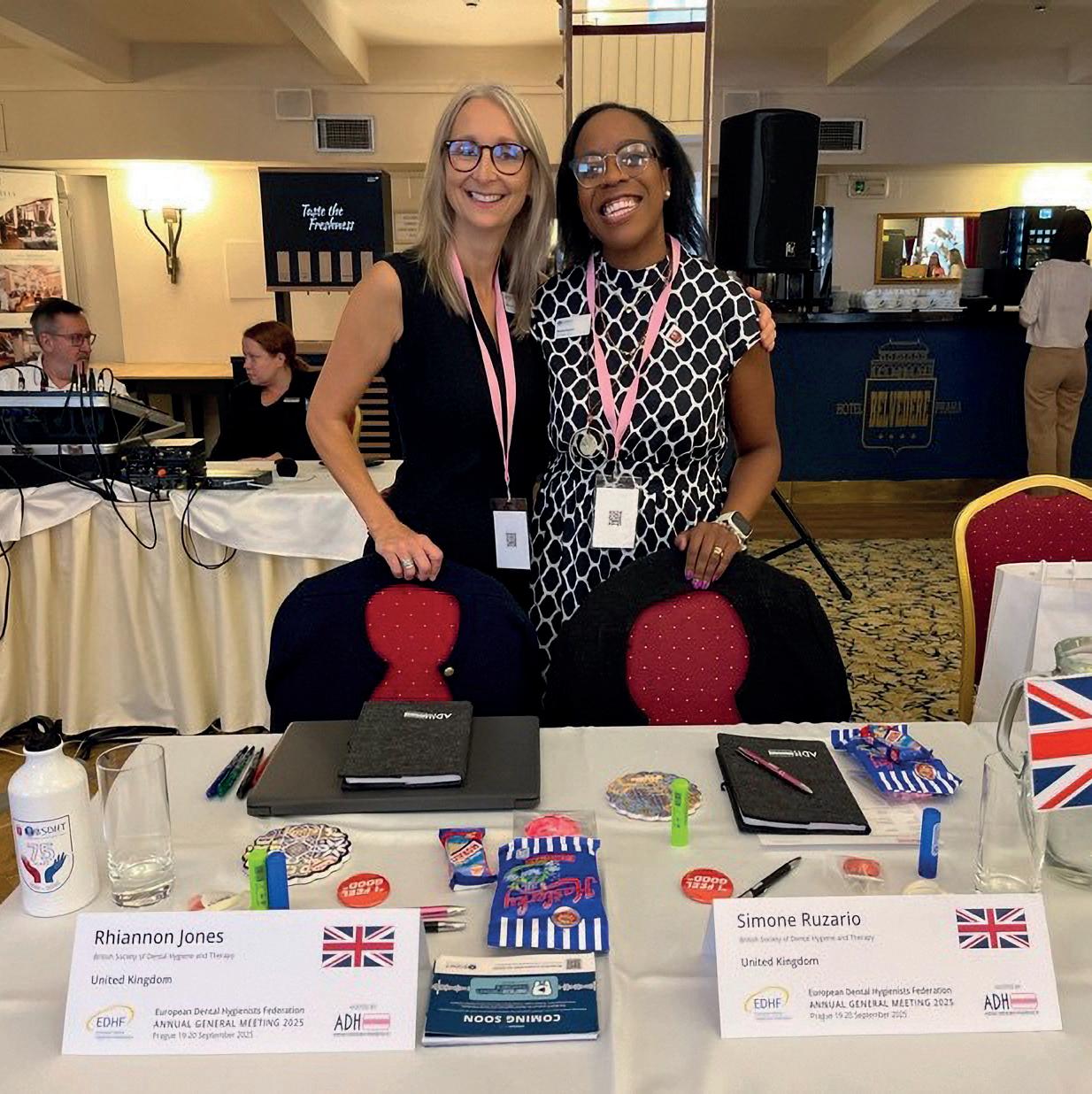
Rhiannon Jones reflects on how 2025 strengthened the BSDHT community, advanced prevention and set the stage for a brighter, more united profession in 2026
As 2025 draws to a close, it feels like the BSDHT has never had a stronger voice. This year brought a sense of genuine collaboration between stakeholders, with meaningful conversations taking place around the government’s 10-year health plan and the role of dental hygienists and dental therapists within it.
‘For the first time, we’ve been invited into spaces where we can speak honestly about what our members need,’ says Rhiannon. ‘We’ve been able to ask our members what messages they want us to take to these meetings, ensuring they have a voice at national level.’
That voice has been present not just in policy but in the profession’s everyday life, reflected in collaborative moments such as the Oral Health Summit with the British Society of Periodontology and Implant Dentistry (BSP). Bringing the whole dental team together, it shows what can be achieved when prevention and partnership sit at the heart of practice.
Equally exciting is the forthcoming Dental Health Matters podcast, launching soon. ‘It’s another way to reach our members and remind them of the value of belonging to a professional society that truly listens,’ says Rhiannon. ‘It’s accessible, inclusive and designed to support people wherever they are, whether that’s on their commute, walking the dog or setting up surgery for the day.’
Behind the scenes, the BSDHT has also been evolving. With rapid growth and an expanding membership, the society is taking a thoughtful look at how its structure and committees can remain fit for the future. ‘It’s wonderful to see the BSDHT growing,’ Rhiannon adds. ‘Now we’re making sure it’s built for the next generation too.’
Prevention at every level
Few themes have defined 2025 more than prevention. From First Smiles to the Oral Health Summit, the BSDHT has championed initiatives that put prevention first: not just as a professional duty, but as a moral one.
‘Most of our working lives are spent treating preventable disease,’ says Rhiannon. ‘So, prevention must always be the bedrock of what we do. Whether it’s community projects, education or national policy, prevention and health promotion are what define us as a profession.’
That philosophy underpins the BSDHT’s growing role in public health discussions. The society continues to advocate for members and their patients, using real-world examples to highlight access issues and inequalities.
‘I’m extracting more children’s teeth now than ever before because they’re not being seen until it’s too late,’ Rhiannon explains. ‘When I can share stories like that in meetings, it turns data into something personal and urgent.’
The BSDHT is also exploring closer collaboration with dental public health teams, including joint research opportunities to ensure dental hygienists and dental therapists are part of national data collection. ‘We have a wealth of insight from clinical practice that can shape public health strategy,’ she says. ‘That’s how we translate our prevention goals into lasting change.’
Looking forward with purpose
As the profession looks to 2026, there is a strong sense of optimism, not just for what lies ahead, but also for what the BSDHT community can achieve together.
Rhiannon sees the coming year as a time to build readiness and resilience. ‘There is a lot of excitement around new models of communitybased care, particularly in the NHS,’ she says. ‘It’s encouraging to see dental hygienists and dental therapists named directly as key to these models. We are, after all, the experts in prevention.’
She believes 2026 will be about preparation, ensuring professionals feel confident and competent to embrace new roles, while the society develops training and support to match. ‘If members identify any gaps in their knowledge, now is the time to fill them,’ she says. ‘We’re ready to create the programmes they need to succeed.’
The year will also see BSDHT continue to prioritise wellbeing and connection. With significant change and uncertainty still shaping the wider healthcare landscape, Rhiannon emphasises the importance of peer support and professional unity.
‘Many of us work in isolation. We might be the only dental hygienist or dental therapist
in a practice,’ she reflects. ‘That’s why our regional study days, webinars and mentoring are so vital. They remind us that we are part of something bigger.’
There now exists real optimism for what the profession can achieve together. By continuing to promote health, prevent disease and support one another, the BSDHT and its members are helping to shape a stronger, more connected future for dental care, reminding every member of the strength that comes from belonging to a professional community united in purpose. n
ABOUT THE AUTHOR
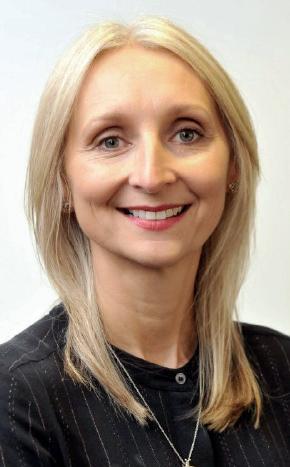
Rhiannon is the President of the British Society of Dental Hygiene & Therapy.
RHIANNON JONES
But your recommendation can make a big difference.
Prevention, policy and practice: addressing the rising tide of mouth cancer
The Oral Health Foundation is a not-forprofit dedicated to improving oral health and wellbeing around the world. For more than 50 years, we have continued to provide expert, independent and impartial advice on all aspects of oral health directly to those who need it most.
Mouth Cancer Action Month in November provides a timely opportunity for health professionals to reflect on the scale of the disease and their role in prevention, early detection, and advocacy.
Price/tax level
Economic and personal financial burden
Experiencing and treating mouth cancer has significant financial implications. Beyond NHS costs, patients face dental, dietary, and travel expenses. These pressures often fall on health professionals to help manage and may compound inequalities in access to care. Between 2006-2011, treatment of head and neck cancers was estimated to cost the NHS £309 million. Within that period, the costs from mouth cancer rose from £17.21 million to £30.32 million, reflecting the increasing incidence and treatment
Strength-based excise; mixed recent uprates; draught relief lowers some rates
Minimum price / floor price MUP in Scotland & Wales; none in England
Earmarking revenue
Duties go to general funds
Marketing & promotion Statutory controls but broad advertising still allowed
Product availability
Licensing controls; outlet density managed locally
Health warnings/labels No cancer warning labels on alcohol
Illicit trade enforcement
Targeted operations; variable resourcing
High-risk groups Limited targeted action
Screening/early detection link
Prevalence
No alcohol-specific cancer screening; brief interventions patchy
The most recent statistics show that 10,825 people are diagnosed with mouth cancer per year, that’s around 30 people a day.1 Men are more likely to experience mouth cancer (66%), making mouth cancer the 9th most common cancer for men.1
Mouth cancer is also correlated to age and 81% of new cases are in those aged over 55, however, mouth cancer is increasingly affecting young men.2
Living in areas of deprivation increases the rates of mouth cancer in men by a staggering 101%, and 64% in women.1
Risk factors
Smoking is attributed to 75% of mouth cancers, and the risk of getting mouth cancer is double for that of a person who never smoked. 3 Chewing tobacco, areca nut, paan masala, and smokeless tobacco cause a significant burden among men from Asian populations.4
Alcohol use is responsible for approximately 30% of mouth cancers. Risk increases by 81% in people who drink daily and rises with the number of units consumed.5,6 Combining smoking and alcohol consumption increases the risk by 30 times.7
Human papilloma virus (HPV) is linked to around 73% of oropharyngeal cancers and is increasing in prevalence among young, nonsmoking men. 2 Between 2010 and 2020, cases of mouth cancer in men have almost doubled.8
High, inflation-indexed duties that reduce affordability over time
National MUP to remove ultra-cheap, high-strength products
Hypothecate share to prevention, treatment, screening
Comprehensive marketing restrictions including digital
Tighter density/hours; stronger local powers
Prominent cancer & unit guidance labels
Strong national strategy tied to tax policy
Funded, culturally tailored interventions
Patients experiencing mouth cancer often have high dental needs for treatment before, during and after treatment. Restorative treatment and more frequent check-ups may not be accessible in the current access-to-care crisis, and patients may have to rely on private dental care. The Oral Health Foundation reported that 60% of patients incurred additional costs for dental care, often exceeding £500. Additionally, patients face costs associated with travel to appointments, special dietary needs, medications and dry mouth
High specific excise + escalator; plain packs
No statutory floor price
Same (general funds)
Comprehensive bans; plain packaging in place
Age-of-sale 18; proposed retail licensing expansion via new bill
Graphic warnings, plain packs mandated
HMRC track & trace; border ops
General population measures & stop-smoking services
Scaled brief interventions; referral pathways Opportunistic oral cancer checks via dental/primary care
required.9 In 2016, an estimated £531 million in workplace productivity was lost.8
The cost of treating mouth cancer in men alone is projected to amount to £1.6 billion across 15 years and societal costs are expected to reach £14.3 billion between 2025 and 2039.8
The Oral Health Foundation’s forthcoming report highlights the lived reality for patients (in publication): 70% of patients surveyed reported a negative impact on their finances and 28% an extremely negative impact. Women experienced higher rates of extremely negative impact that point to unique challenges such as lower average income or caregiving responsibilities.
This Mouth Cancer Action Month
Regular, above-inflation increases to shrink affordability
Minimum pack/floor prices to stop deep discounting
Hypothecate to cessation, enforcement, oral cancer screening
Maintain/extend to all nicotine products & online channels
National retailer licensing; robust penalties; track & trace
Maintain & refresh rotating warnings
Tight track & trace; penalties that deter
Targeted support (e.g., South Asian communities using paan/gutka)
Funded pathways & recall for high-risk
treatments. A significant proportion of patients reported that they experienced additional stress due to the financial strain (in publication).
Policy priorities to reduce the burden of oral cancer
As we can see, the cost of mouth cancer is significant. Therefore, prevention is the most costeffective strategy. The leading modifiable risk factors of alcohol and tobacco are subject to fiscal and regulatory measures. Table 1 outlines current policy levers for alcohol and tobacco, and actions that could impact outcomes for oral cancer.
1. Screen all patients for signs of mouth cancer and use each interaction to raise awareness about risk factors such as tobacco, alcohol, and HPV.
2. Promote prevention by recommending lifestyle changes, such as smoking cessation, reduced alcohol consumption, and HPV vaccination, as part of routine oral health guidance.
3. Educate patients and communities by providing clear information about early warning signs, including persistent ulcers, red or white patches, and unexplained lumps, and emphasise the importance of early referral.
4. Promote equity by engaging high-risk and underserved groups, such as South Asian communities using smokeless tobacco or paan, heavy drinkers, and deprived populations, with tailored support and culturally appropriate guidance.
5. Support policy change by participating in campaigns for stronger tobacco and alcohol control, dedicated taxation for cancer prevention, and improved access to dental and cancer services.
Tobacco and smokeless tobacco
For the fiscal year 2025-2026, tobacco duties are projected to raise £8.1 billion for the UK Treasury.10 The Tobacco and Vapes Bill11 aims to introduce a sweeping regulatory reform of tobacco and related products. The most significant being a “Smokefree Generation”, making it illegal to sell tobacco products to anyone born after the 1st January 2009. This Bill is currently under consideration in the House of Lords. Reforms of taxation are estimated to generate an additional £150–500 million per year.
Alcohol
Alcohol duties for the current year are forecast to raise £13 billio.12 A structural reform of alcohol taxation, including higher rates on stronger drinks and the elimination of favourable rates, could raise an additional £650 million to £1.3 billion per year.13 Minimum unit pricing (MUP) sets the minimum price per unit of alcohol, so cheap, strong alcohol is less attractive to retailers.
HPV vaccination
Equitable access to HPV vaccination is essential for preventing mouth and throat cancers, yet uptake among boys in the UK still lags behind where it should be. While the programme was extended to boys in 2019, coverage remains lower than for girls, with many young men missing out on protection that could prevent future oropharyngeal cancers.
Oral health professionals can play a leading role by highlighting the importance of HPV vaccination for both boys and girls, framing it as a cancer prevention measure rather than just a sexual health intervention. Ensuring equitable uptake will protect future generations and reduce the rising burden of HPV-related oral cancers in men.
Conclusion
Setting aside revenue from tobacco and alcohol taxes is one of the most effective ways to support long-term cancer prevention and control. These products bring in over £20 billion each year in UK duties, but most of this money goes into the general Treasury and is rarely used directly for public health. Even a small, protected share of these funds could make a big difference by supporting prevention campaigns tailored to different communities, expanding services to help people quit smoking or reduce alcohol use, offering oral cancer screening to high-risk groups, and improving care
for those recovering from cancer.14 Other countries have shown that using health taxes for health programmes builds public trust and provides a steady source of funding that is less affected by political changes.15 For oral cancer, where treatment is expensive, survival rates are low and inequalities are clear, setting aside these funds is not just a financial strategy but also an ethical responsibility. Dedicated funding could expand services delivered by dental teams, community health workers, and cancer specialists.
References available upon request
‘Growth and comfort do not coexist’
Award-winning dental therapist Jagjit Malhi shares what it means to harness resilience and self-belief to power a career in a new direction
It is an undeniable fact that women in dentistry must continually challenge boundaries to build successful careers.
Often having to dig deep to find the confidence to do so, they must confront traditional expectations as they pursue paths – some of which may deviate from the norm.
In its overview of registration activity of 2024,1 the GDC reported that the most notable change was a 23.5% increase in the number of dental therapists. This marks a significant turning point for dental care.
As the profession develops, an inspiring trend is emerging – more dental nurses are moving into the role of dental therapist.
Jagjit Malhi has been part of this revolution. She has advanced her career quickly – from dental nurse to award-winning dental therapist – and understands what it takes to leave the comfort zone of one role and move seamlessly into another.
Channelling her inner Ginni Rometty, she holds dear the famous quote of IBM’s trailblazing first female CEO: ‘Growth and comfort do not coexist.’
Starting her journey in dentistry as a dental nurse apprentice in 2014 – ‘earning just £2.68 an hour’ – by 2021, Jagjit had graduated from Manchester as a dental therapist. But it wasn’t all plain sailing. As she candidly recalls: ‘Early on in my career, I didn’t have it all figured out. In fact, in the first year of university in 2018, I told my tutors that I wouldn’t be returning after the summer break.’
Resilience and determination persevered, and she completed her studies with a distinction in BSc Oral Health Sciences.
Today, Jagjit works to her full scope of practice at the prestigious Aurora Dental in Solihull, led by the renowned Sharon Showker, where she says she is ‘doing the work I love’.
‘Dentistry can be challenging, but it is also incredibly satisfying – from the patients you meet to the daily support and love of the team around you. Sometimes, you have to discover your niche, make choices that align better – and truly enjoy the journey. I now feel a real sense of purpose in what I do. I’m also grateful to practise in a place where I am encouraged to reach my full potential. It’s important to surround yourself with those who want to see you grow.’
Being part of a motivated and supportive community has also reignited her passion for learning. She has focused on building strong rapport with her patients, regularly attending hands-on courses and staying up-to-date with the innovative techniques, tools and products that help her to deliver optimal care.
A recent postgraduate diploma in Aesthetic and Restorative Dental Therapy from the renowned Smile Dental Academy further develops these skills, enabling her to ‘level up clinically’, with a primary focus on aesthetic restorative dentistry.
Her confidence in complex treatment planning boosted, she says: ‘I love the precision and creativity it involves. There’s something truly special about working with your hands to restore function and aesthetics, knowing you can make a difference.
But for Jagjit, dentistry is about more than clinical excellence.
‘It is about making people feel seen. It’s restoring a smile, making someone smile or helping an anxious patient feel safe in the chair. I just want to leave people better than when I found them – in whatever way I can.’
She now feels empowered to tackle any emerging challenges, leveraging her knowledge and skills to meet the evolving needs of patients.
A recent example showcases her proactive approach, pinpointing a critical issue affecting her patients – dry mouth – which appears to be linked to the rising use of weight-loss medications like semaglutide. Jagjit’s swift recognition of this problem exemplifies her commitment to comprehensive patient care, addressing complications before they escalate.
Although currently little evidence supports the connection, many believe that weight-loss drugs have dental implications – semaglutide appears to affect the salivary glands in the mouth, reducing saliva production and potentially causing xerostomia.
A recent study2 reports three cases of hyposalivation associated with the use of semaglutide, all of which involved patients who had been using it for weight loss for an average of 11.3 weeks. The authors concluded that their study ‘sheds light on possible oral complications related to long-term use of semaglutide’, whilst calling for larger studies to verify the results.
For Jagjit, patients taking weight loss medications have indeed presented in this manner. She says: ‘With more patients now using medications such as Ozempic, Wegovy and Mounjaro, I’ve seen an increase in cases of xerostomia as a side effect.’
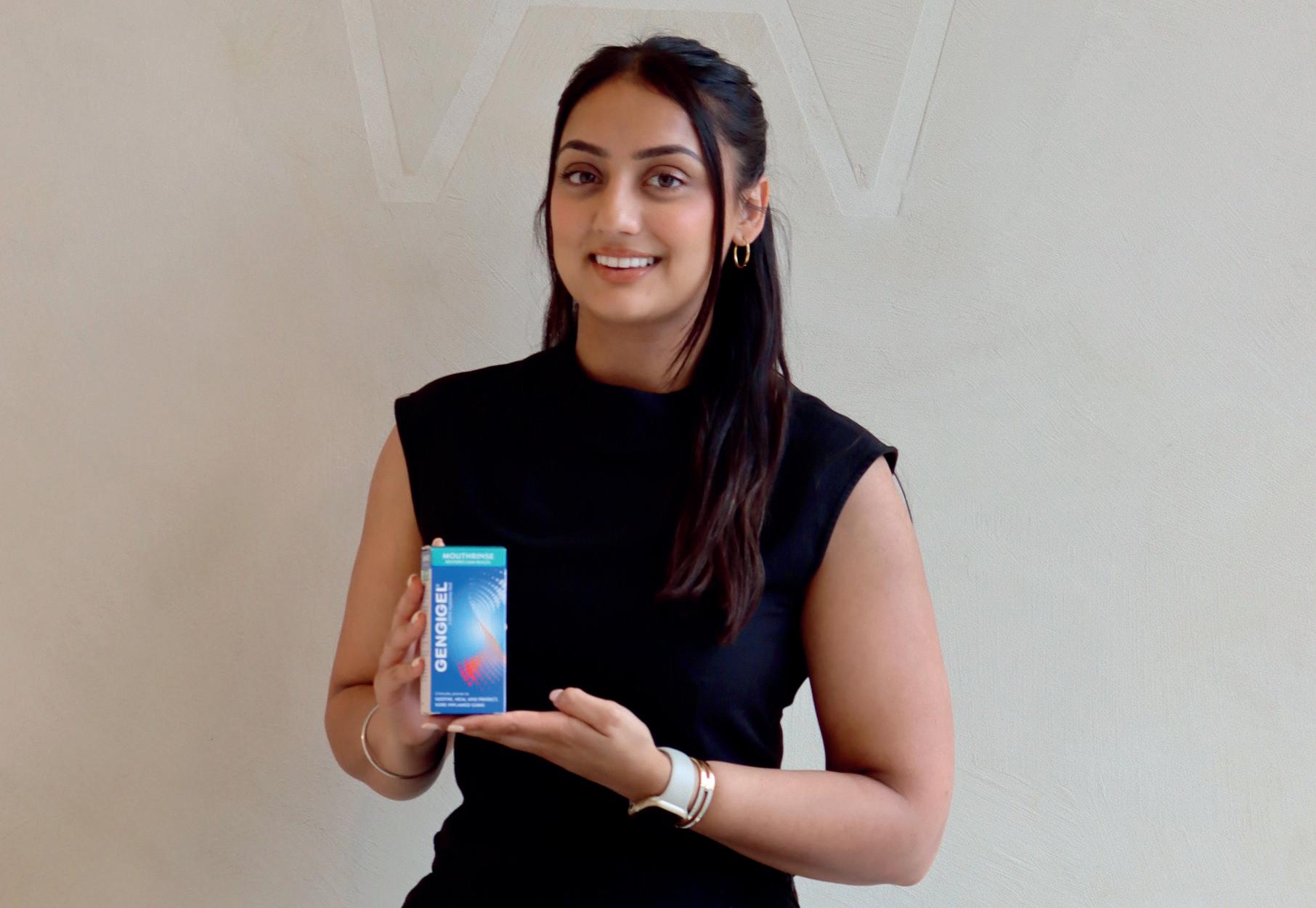
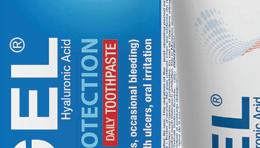
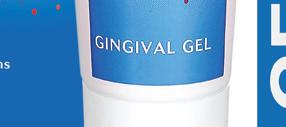
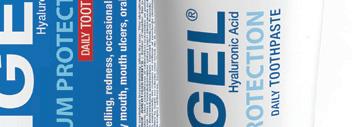
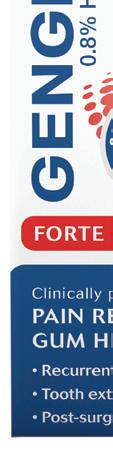
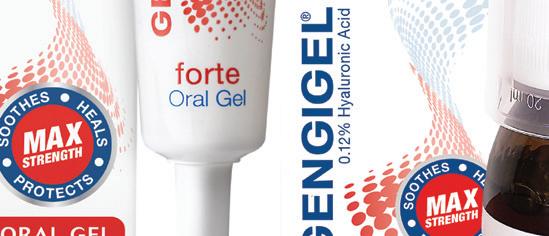
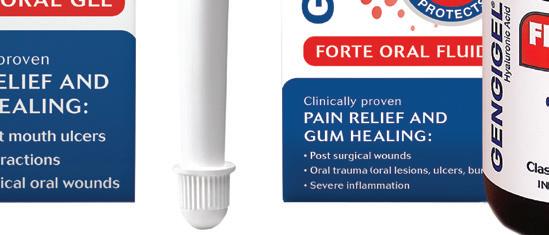
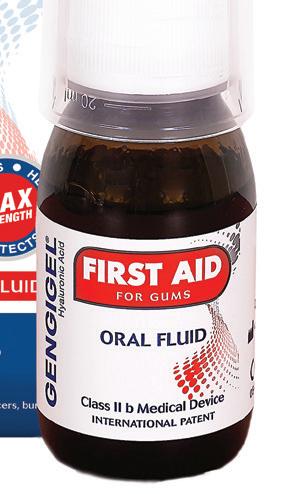
As it can carry an increased risk of tooth decay, gum disease, and enamel erosion, Jagjit recently incorporated Gengigel into her patient care.
She explains: ‘I’ve been recommending Gengigel, especially after treatment or for ongoing home care. Its hyaluronic acid-based formula is gentle, doesn’t stain and genuinely helps with healing and comfort. It’s also an excellent option for posttreatment recovery or daily maintenance when chlorhexidine isn’t suitable.
‘I take the time to educate patients on at-home management to ensure long-term comfort. Both Gengigel Spray and Gengigel Gel adhere to the oral
cavity and provide immediate relief. The naturally occurring active component, sodium hyaluronate, helps restore the balance of oral flora and prevents infections. After brushing their teeth, they rinse with Gengigel Mouthrinse to promote healthier gums and reduce redness and swelling.’
Consequently, Gengigel remains a vital part of her treatment plans for many of her restorative patients. A consistent push beyond limits has marked Jagjit’s growth.
‘Sometimes it’s learning a new skill or selfinvestment, such as buying a camera to document my clinical work. Other times, it’s about recognising when a space or environment no longer fits and having the courage to walk away. That might be a workplace, a dynamic or even a version of myself that I’ve outgrown. That’s not always easy, especially where we’re often expected to slot in and get on with it quietly. But we don’t grow by staying small in spaces that don’t allow us to show up fully. For me, the turning point was learning to take up space and be unapologetic about wanting more for myself and my patients.’
Recognition has followed, with her winning the Therapist of the Year category at the Dentistry Awards and Best Therapist North at the Private Dentistry Awards, highlighting her achievements –and the hard graft that powered them.
‘These have meant a lot to me,‘ she says. ‘They represent the journey, and support from people along the way. It hasn’t always been a smooth path. I recently came across the word, “sonder” – the realisation that each of us has a life as vivid and complex as everyone else’s – and I’ve come to see that true success is about the people you help, the impact you make and the way you carry yourself through it all.’
References
1. https://www.gdc-uk.org/news-blogs/news/ detail/2025/04/24/gdc-reports-increase-inregistered-dental-professionals 2. https://pmc.ncbi.nlm.nih.gov/articles/ PMC10754586/ n
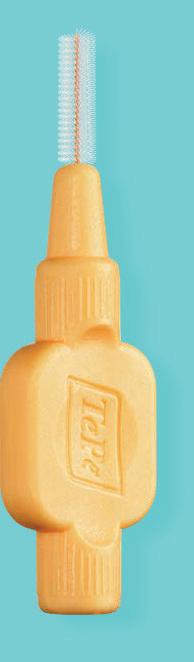
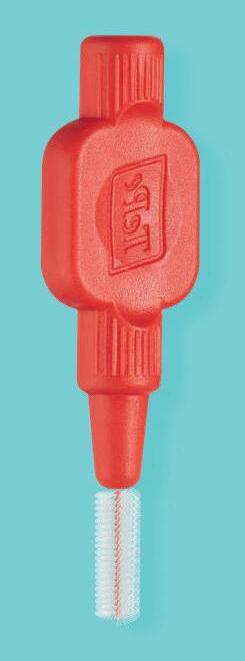
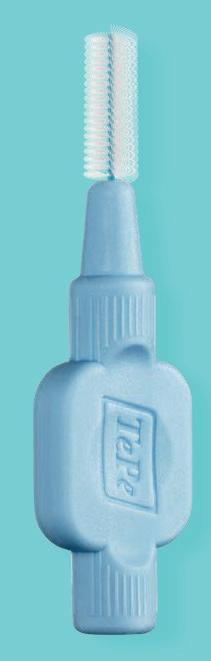
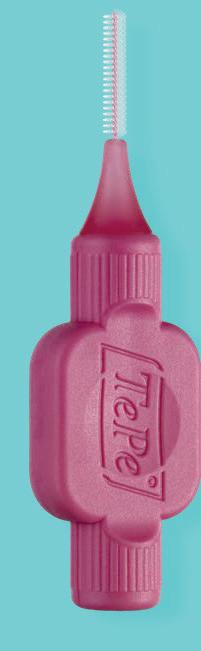
Interdental Cleaning
Interdental cleaning is essential for maintaining optimal oral health, as traditional brushing alone cannot reach the spaces between teeth where plaque and bacteria accumulate. Discover TePe’s comprehensive range of interdental cleaning solutions designed to meet the diverse needs of patients.
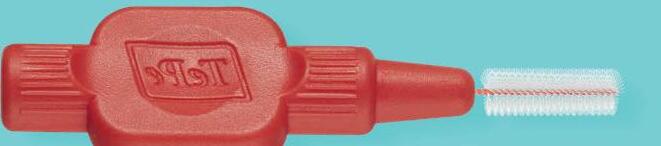
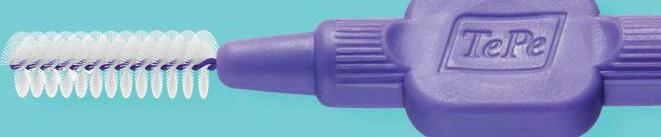
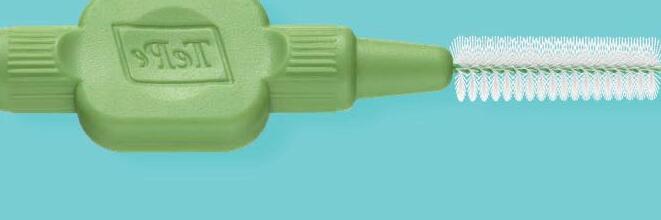
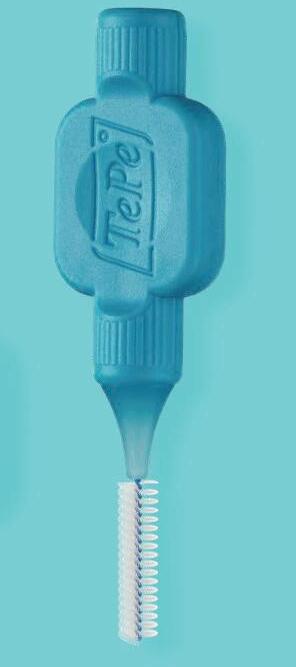
TePe® Interdental Brush Original
Available in nine sizes, Interdental brushes are the most effective way to remove plaque between the teeth.
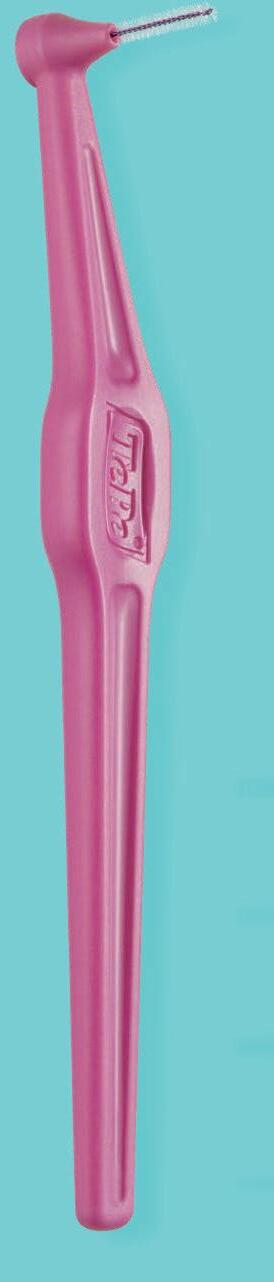
TePe Angle™
The long handle and angled head allows easier access to the back teeth from the inside and the outside.
TePe® Interdental Brush Extra Soft Extra soft filaments for a gentle and safe cleaning around natural teeth and implants.
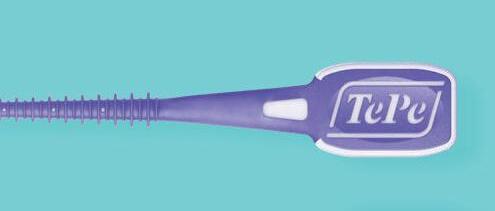
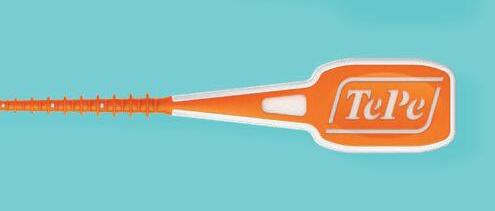
TePe EasyPick™ EasyPicks come in three conical sizes to suit all interdental spaces.
Scan the QR code to view TePe’s products suitable for interdental cleaning.
Venous Lake
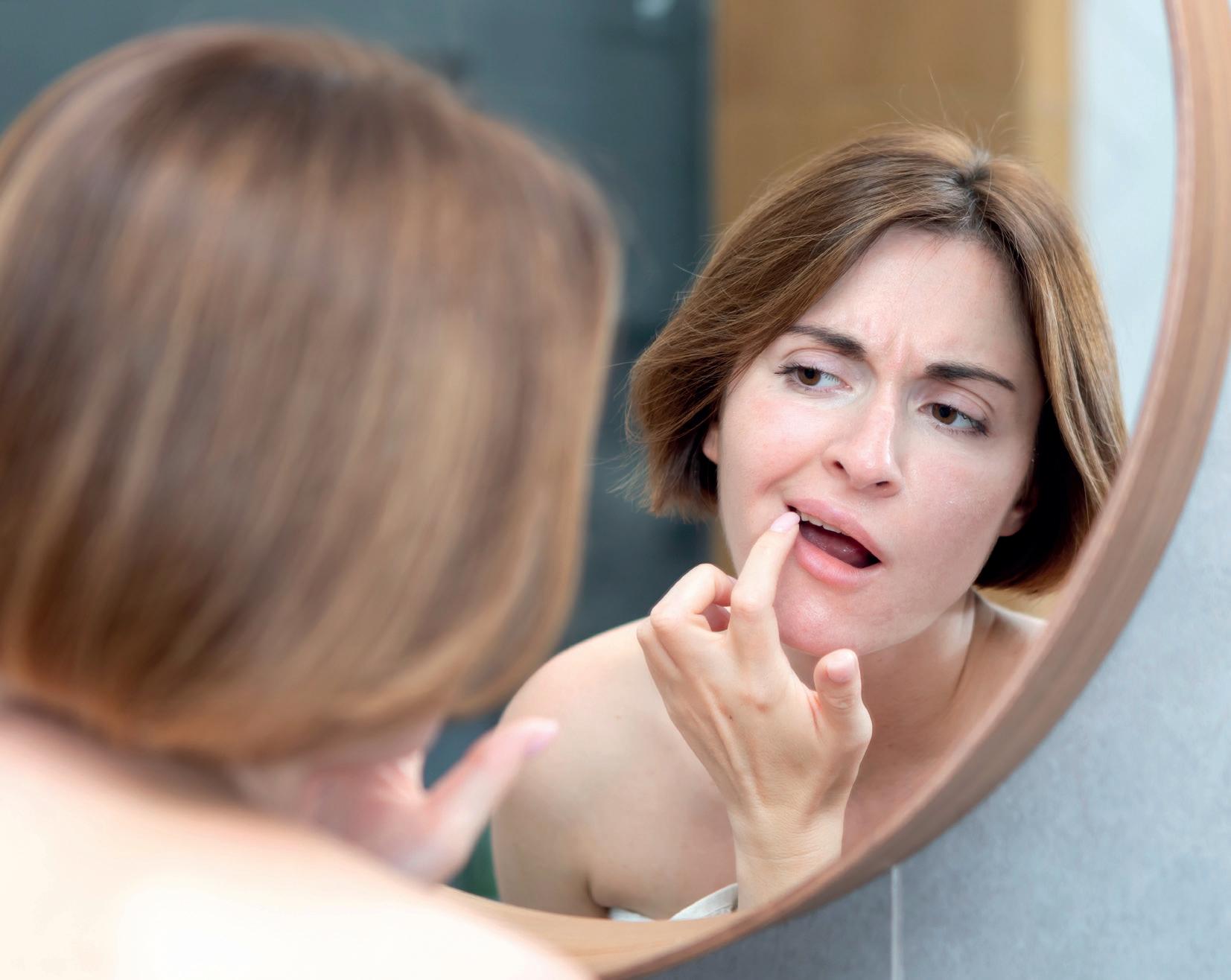
To the uninitiated, ‘Venous Lake’ probably sounds like a reality TV act but it’s actually a very real condition that is quite common in the UK, particularly among older adults.
What is it?
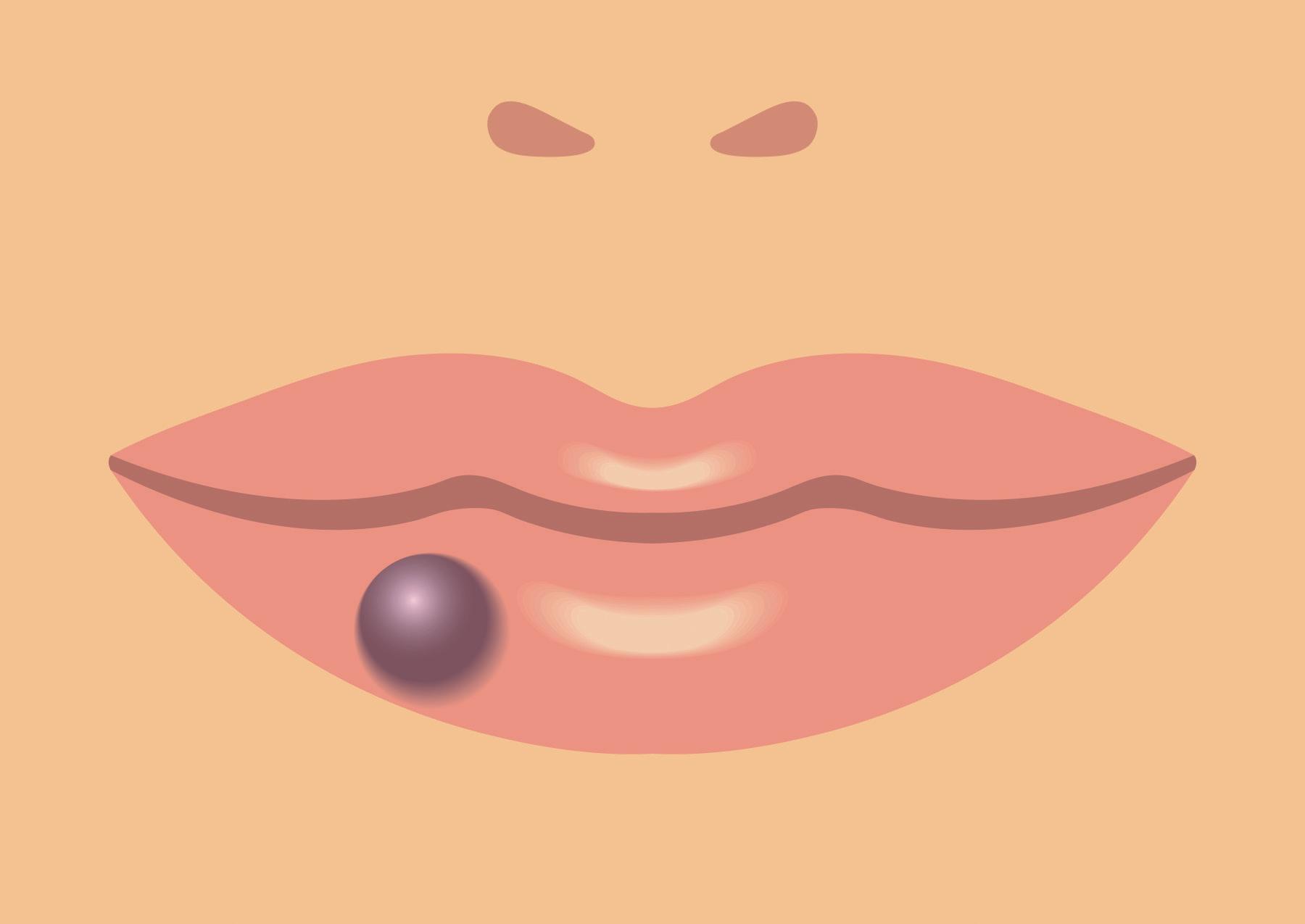
A Venous Lake (VL) of the lip is a small, enlarged vein sometimes referred to as a vascular defect or anomaly that can cause the formation of a dark blue or purple macule. There are numerous terms for a VL including:
• Varicosity (varix)
• Vascular formation
• Venous varix
• Venous lake tumour
• Venule
• Phlebectasia
• Senile haemangioma of the lip
The VL is an acquired form of vascular ectasia or dilatation and, although they are benign, they can have a very similar presentation to other, more serious conditions. So, if in doubt, get it checked out!
VLs are usually found on the lower lip but can also present on the upper lip. They tend to be flat or dome-shaped, and measure from 2-10 millimetres wide. However, if compressed, the blood drains out of it, causing it to flatten and almost disappear. Although it quickly refills once the pressure is removed.
Also, a thrombosis can occur within, changing its consistency and size. Usually, sun-exposed areas of the skin are affected, which is why the lips are particularly prone, but they can also occur on the face, ears, and neck. They’re usually singular but can appear in duplicate and, apart from being aesthetically displeasing, they’re not usually problematic – although they may bleed if accidentally knocked or caught.
Patients often seek the advice of their dental professional with regards to a VL due to two main concerns:
1. Malignancy
2. Appearance – particularly if it can no longer be disguised with concealer
Aetiology
The exact cause is unknown, but triggers are thought to include:
• Long-term ultraviolet (UV) damage. It is believed that sun-exposed areas are more prone to this type of damage since, over time, the UV rays will weaken the vascular walls in areas such as the lips. Another good reason for the use of SPF lip balm!
• Cigarette/pipe smoking or vaping (particularly when a VL develops on the lips)
• Injury or trauma to the area
• Lip biting
Generally, they’re seen in patients aged 50 and over, usually males because of the sun exposure accumulation of those who work and play outdoors. However, often, there is no definitive cause and since they’re not thought to be contagious or hereditary, they can present in anyone.
Psychological concerns
The psychological impact of a VL cannot be underestimated and not just for aesthetic reasons. Reassurance that its non-malignant is essential and, if the diagnosis is uncertain, referral to a dermatologist or Oral Medicine Department is the recognised protocol.
Diagnosis
VLs are usually easily recognisable due to their characteristic visual appearance. However, when
assessing this type of lesion, it’s essential to rule out the presence of malignancy because, as mentioned above, the presentation is often very similar and the VL can mimic either a melanoma or basal cell carcinoma. Although, malignant lesions are often accompanied by crusting, rolled borders, and a silvery hue, the bluish colour may arouse suspicion. Therefore, the only way to confirm the diagnosis is to perform a biopsy and examine the tissue under the microscope.
Traditionally, a ‘diascopy’ is carried out to determine diagnosis. A glass slide is pressed over the papule and if the blood flow is disrupted then it is indicative of vascular lesion rather than a malignant growth. Indeed, determining whether the lesion is vascular is the first step in determining the possible aetiology.
Differential diagnosis may include:
• Blue nevus
• Lentigo
• Melanocytic nevi
Treatment
Left untreated, a VL will last for life but since they’re mostly asymptomatic, and rarely cause problems, treatment is not usually needed and is only carried out following a consultation and assessment. However, sometimes they’re removed either for aesthetic reasons or if there is recurrent bleeding or soreness, which can happen if the VL continues to gain in size and the area is frequently trivially traumatised, i.e. through lip biting. However, it’s important to keep in mind that bleeding is not common, and the patient should not be experiencing this or symptoms such as pain or oozing with a VL.
Whilst excision is effective it can sometimes leave a permanent scar, meaning one blemish is swapped for another. Other negative reports related to a surgical procedure include recurrence, lumpy tissue, and discoloration of the surrounding area, although this can be made less obvious with clever use of concealer. Other treatment options include:
• Laser treatment: this is often the preferred method, with the long-pulsed YAG and pulsed
dye lasers showing high success rates and minimal complications.
• Electrosurgery: this involves the cutting and coagulation of VL tissue using high-frequency electrical current
• Sclerotherapy: sclerosing agents are injected into the lesion to cause it to collapse and shrink
• Infrared coagulation: this technique uses infrared light to heat and destroy the VL
• Cryotherapy: liquid nitrogen is applied to the lesion, causing it to freeze and shrink.
• Smokers and lip biters should be given cessation advice.
Conclusion
The dental team plays a valuable role in recognizing VLs, as they are often encountered during routine examinations. A trained eye ensures identification of these purplish-blue lumps, which many patients often mistake for more serious conditions like melanoma. Following examination of a suspected VL, initial diagnosis is needed together with referral to a specialist for confirmation and treatment, which may include removal if required. n
References available upon request
ABOUT THE AUTHOR
ALI LOWE
Ali Lowe is the founder of Fit Lip UK – a campaign aimed at encouraging people to wear SPF lip balm in order to protect their lips, prevent lip cancer and keep their mouth healthy.
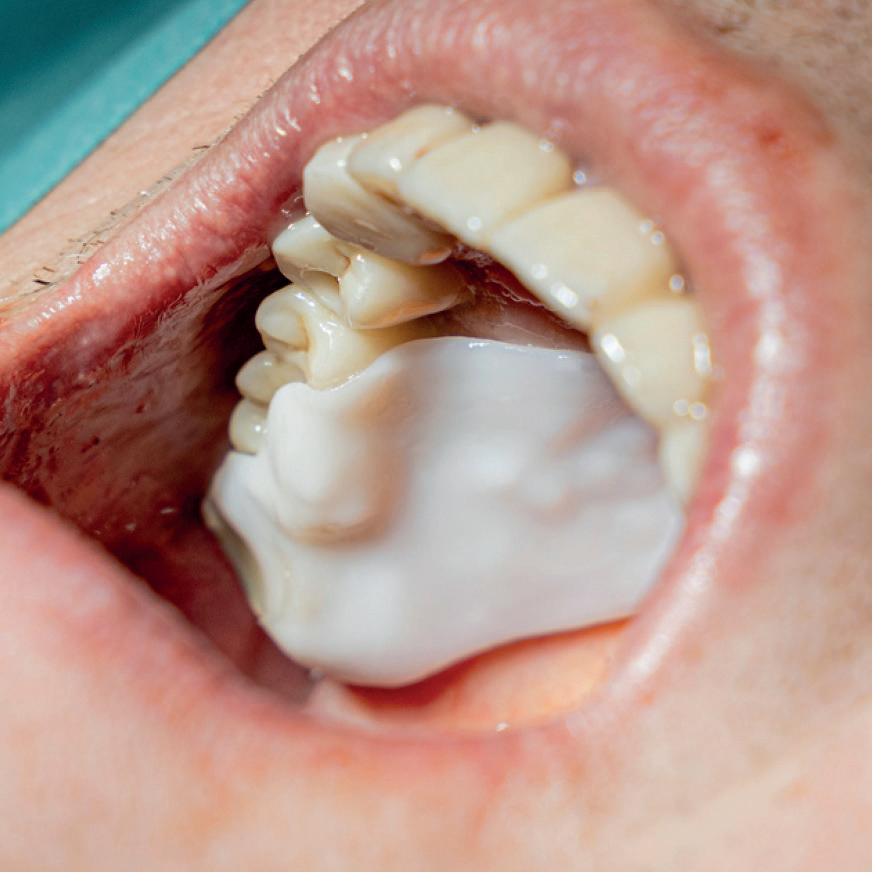
Elemental Antibacterial Wound Dressing
A Revolution in Bone Graft Protection
Minimise Complications and Improve Healing Conditions In Mucogingival and Implant Surgery
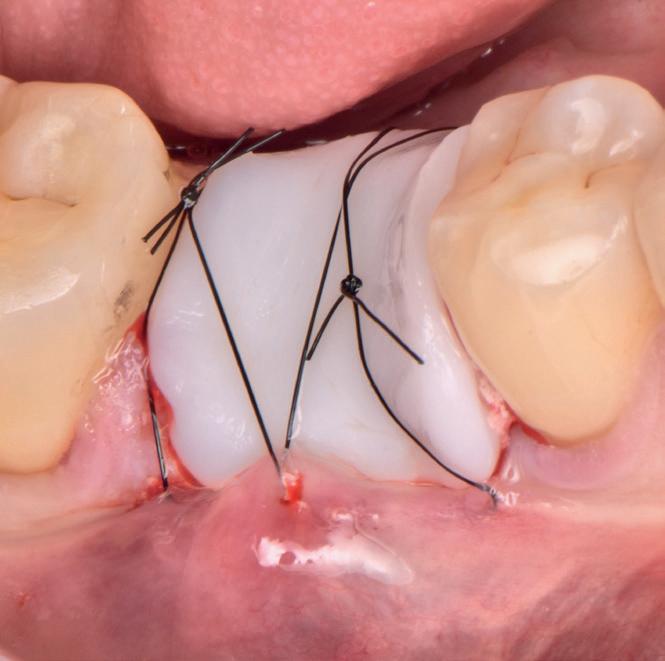
Leveraging the antibacterial and wound-healing properties of zinc ions, Elemental can be used post-operatively with or without a membrane.
Elemental activates when in contact with boiling water, and the resulting material, which sets rigid and stable, can be quickly and easily moulded and shaped according to the needs of the patient.
Elevating sterilisation protocols beyond the autoclave
At the core of all dental care is the safety of all involved. Patient safety in particular is not only integral throughout a procedure, but it is also deeply rooted in the preceding and ongoing interactions. To meet the expectation of safety regarding instruments, sterilisation protocols must be consistent and unfaltering.
While the autoclave remains a vital step in eliminating harmful bacteria, truly comprehensive infection prevention extends far beyond this singular piece of equipment. When patient safety is the factor on the line, the sterilisation of instruments must be a meticulous, holistic process. Instruments must always be sterile, but to maintain the highest sterilisation standards without compromising the integrity and product life of instruments, effective maintenance is also essential.
Intricate tools mean intricate challenges
Dentists have an extensive array of tools at their disposal, but dental handpieces present a particularly unique and significant challenge in reprocessing. These devices are constantly in contact with the oral environment, exposing them to substances such as saliva, blood, tissue, and microbial flora. Unlike simpler instruments, handpieces are carefully engineered with complex internal structures to meet the precise demands of their use. They consist of fine water and air channels, a web of tiny lumens, and sophisticated mechanisms which collaboratively make the instruments more susceptible to contaminants.ii Complicating matters further is the phenomenon of ‘suck-back’, where the use of the handpiece comes to a sudden stop, oral fluids can be pulled deep into the internal system.iii This makes thorough cleaning and lubrication of the internal mechanisms particularly difficult. When selecting handpieces, for the safety of your patients and team, it is prudent to choose those that are designed to limit or remove the risk of suck-back with anti-retraction.
Sterilisation processing
Inadequate sterilisation in between patients has extensive consequences. Insufficient presterilisation cleaning of instruments can result in organic debris, biofilm, and microbes becoming baked onto internal surfaces due to the hightemperature of the autoclave. When this occurs, a protective layer may form to shield contaminants from the sterilising steam, compromising the entire process, and increasing the rare, but real, risk of cross-contamination between patients. Essential equipment such as washer disinfectors ensure high standards of cleaning and decontamination prior to sterilisation.
These events can also negatively impact the practice itself, with possible damage to expensive instruments or the decontamination equipment directly. Repercussions include costly repairs or replacements, patient dissatisfaction, and poor patient reviews which will harm the practice’s reputation. Beyond these are the effects that repeated instrument failure can have on team morale. Avoid disruption and added stress by investing in reliable products, eliminating the stress of working with unreliable tools. Making sure that the products you use comply with current requirements being demanded by ethical and governing bodies who are placing emphasis on strict decontamination protocols. iv Failure to properly sterilise and maintain equipment can result in regulatory breaches which could have legal consequences, potential fines, failed inspections and even the temporary closure of the practice.
Elongating your instruments’ lifespan
Correctly lubricated handpieces will protect your investment long term whereas insufficient lubrication can cause premature wear of the bearings. Ensuring consistently high standards of handpiece maintenance avoids the risk of instrument malfunctions and the potential of unexpected repair costs.
Automating handpiece maintenance helps ensure reliable, consistent care, protects valuable equipment for years to come, and frees up clinical time for patient-focused tasks. This allows dental professionals to utilise their time more efficiently, focussing on patient care rather than maintenance tasks.
No longer seen as a luxury, these systems are an integral component of the decontamination workflow, optimising cleaning, and lubrication, directly adhering to the required guideline standards, and enhancing efficiency.
Demand
for
maintenance
In modern dental practices, the demand for safer, more effective, and more efficient instrument maintenance is growing. Protecting patients remains paramount, and preserving valuable instruments and maintaining seamless workflows are just as vital. Fortunately, the technology surrounding this field has developed synchronously, providing equipment to match all the needs of a dental practice, making it faster and easier to maintain products.
When looking for products to rationalise your processes, the W&H decontamination products offer a gold standard solution with the Assistina Twin, a handpiece maintenance device with a uniquely innovative duo-chamber system which allows continuous loading with no interruption. The technology offers consistently effective oiling, using innovative oil nebulisation technology to execute deep internal cleaning and precise lubrication in just 10 seconds. This ensures
instruments are quickly and easily prepared for sterilisation, extending their lifespan, and removing the risk of cross-contamination.
Enhancing sterilisation protocols to include all in one synergistic solutions from companies like W&H, is essential in today’s dental field. With increasing demands for patient safety, regulatory compliance, and overall efficiency, there is no longer the space nor time to waste on outdated, ineffective methods. By incorporating more advanced, reliable instrument maintenance, dental practices can confidently remove the risks surrounding dental contamination.
To find out more about the full range from W&H, visit www.wh.com/en_uk, call 01727 874990 or email office.uk@wh.com n
References available upon request
ABOUT THE AUTHOR
TOM JAMES
Tom James is the National Sales & Marketing Manager at W&H. With over 16 years in the dental industry, Tom has worked with some of the world’s leading manufacturers in a variety of sales, marketing, and leadership roles. He brings extensive expertise in leveraging the latest technology and innovations to deliver first-class service and support to the dental profession.
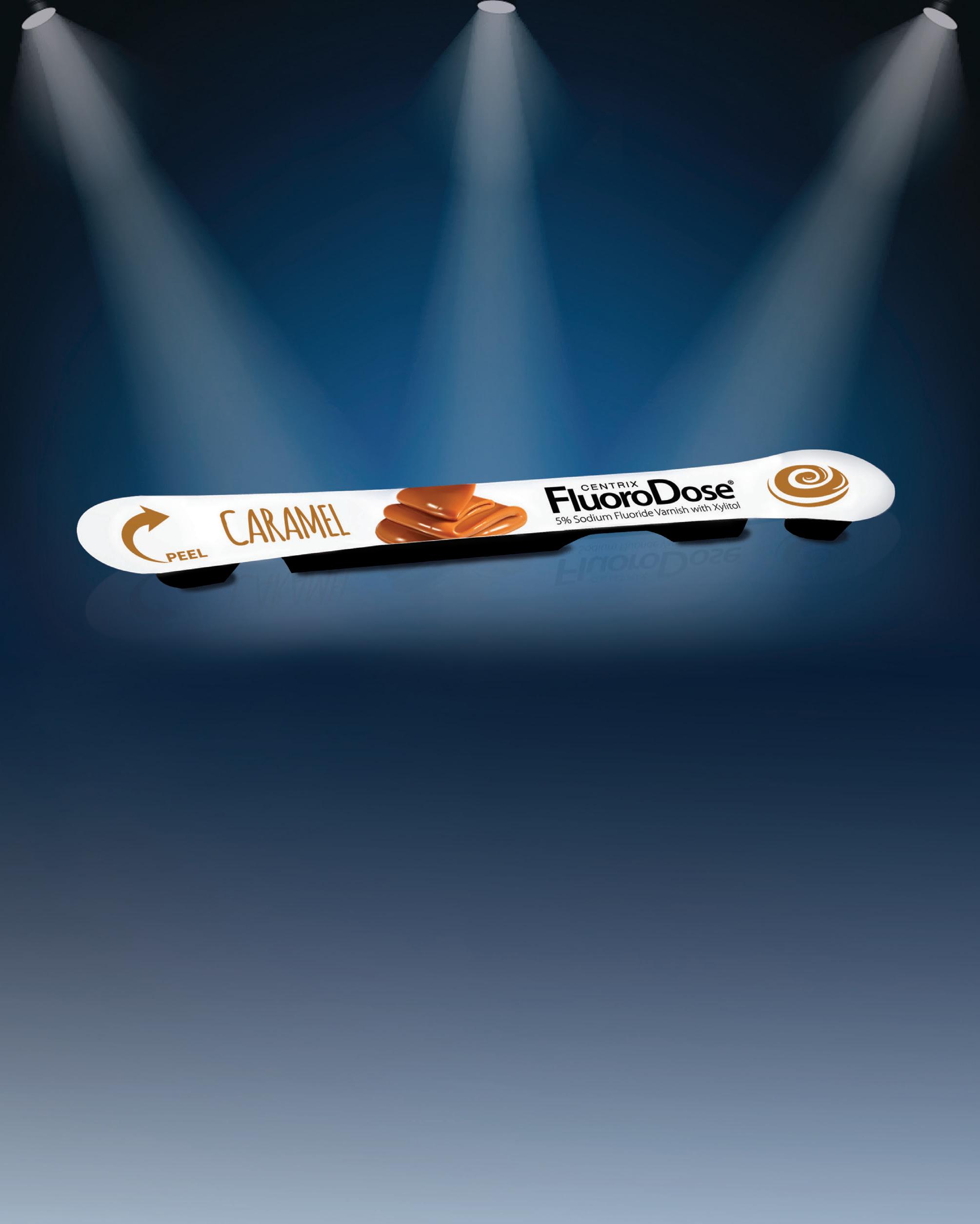
Peel, Pop, Perfection: The Fluoride Varnish that needs no drying!
Making Dentistry Easier is the mantra of Centrix. In the early 1970s Dr William Dragan found many dental products were fiddly, time consuming and messy. Dr Dragan turned his frustrations into innovation. He developed the now familiar composite resin gun and tips which today are used by almost every manufacturer! Imagine placing bond without that micro brush – Dr Dragan invented them too! Centrix don’t rest on their laurels: they continue with passion to create.
FluoroDose®
Fluoride varnishes really are different. Yes, they are all resin and sodium fluoride, but after this the differences are marked! Who wants a varnish that dries on yellow? What about a nice flavour? What about the tube that quickly becomes a sticky mess?
What about mixing the varnish to ensure optimum consistency? And not to forget the impossible task of drying the teeth before applying!
FluoroDose eliminates this hassle!
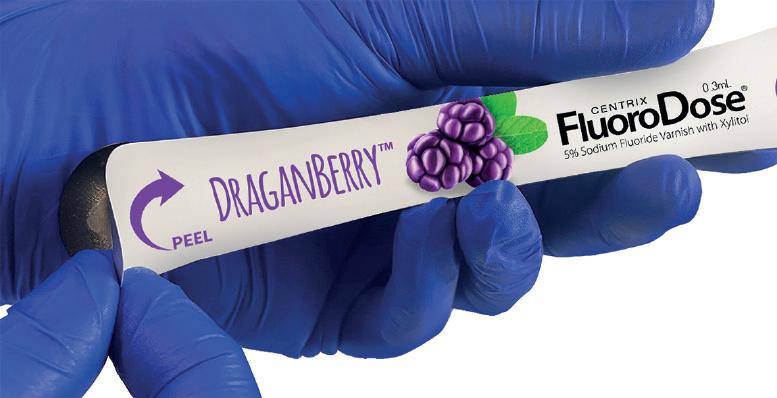
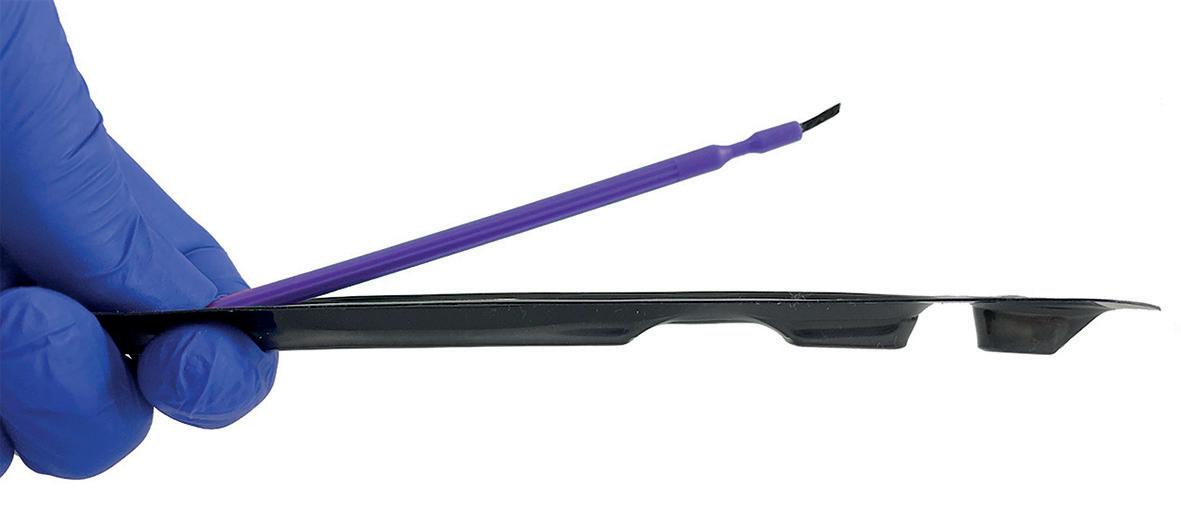
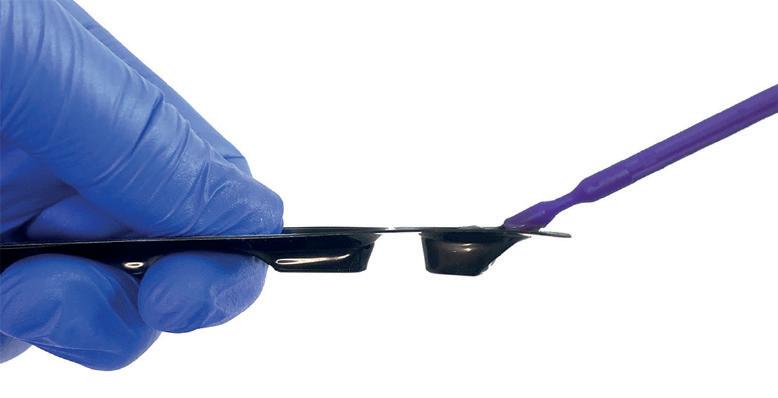
Simply Peel, Pop, Stir, Apply! No need to dry! And NO STICKY MESS!
Apply to the teeth – No Need to Dry!
Almost immediately, the varnish dries clear, and the patient can eat and drink – no long wait!
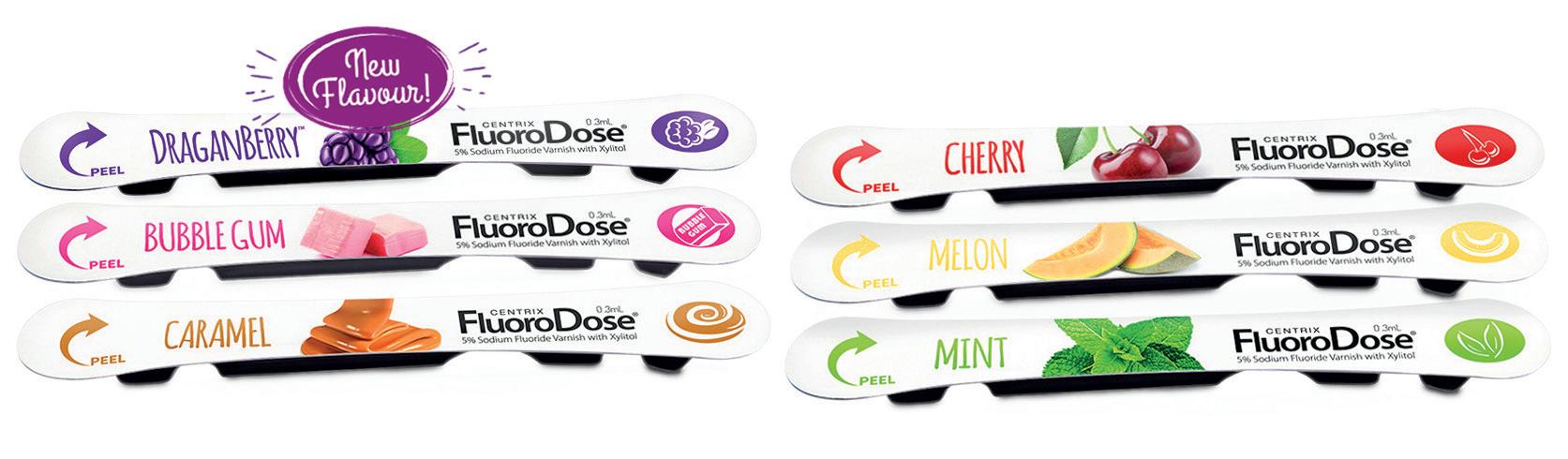
With 5% sodium fluoride, xylitol, and six great tasting flavours, FluoroDose is easier to use, quicker to apply, delivers an optimum coverage of fluoride, looks better, tastes better, yet is more cost effective than other brands.
It’s no wonder it is the Most Awarded Fluoride Varnish on the market: Top Product Award from Dental Advisor for six years!
NoMix®
“My temporary crown has fallen out – can you re-cement it urgently please?” This is the call that every practice dreads!
Re-cementing of temporaries is one of the most irritating, time-wasting and costly emergency appointments. Don’t you wish that you could take out insurance against these headaches?
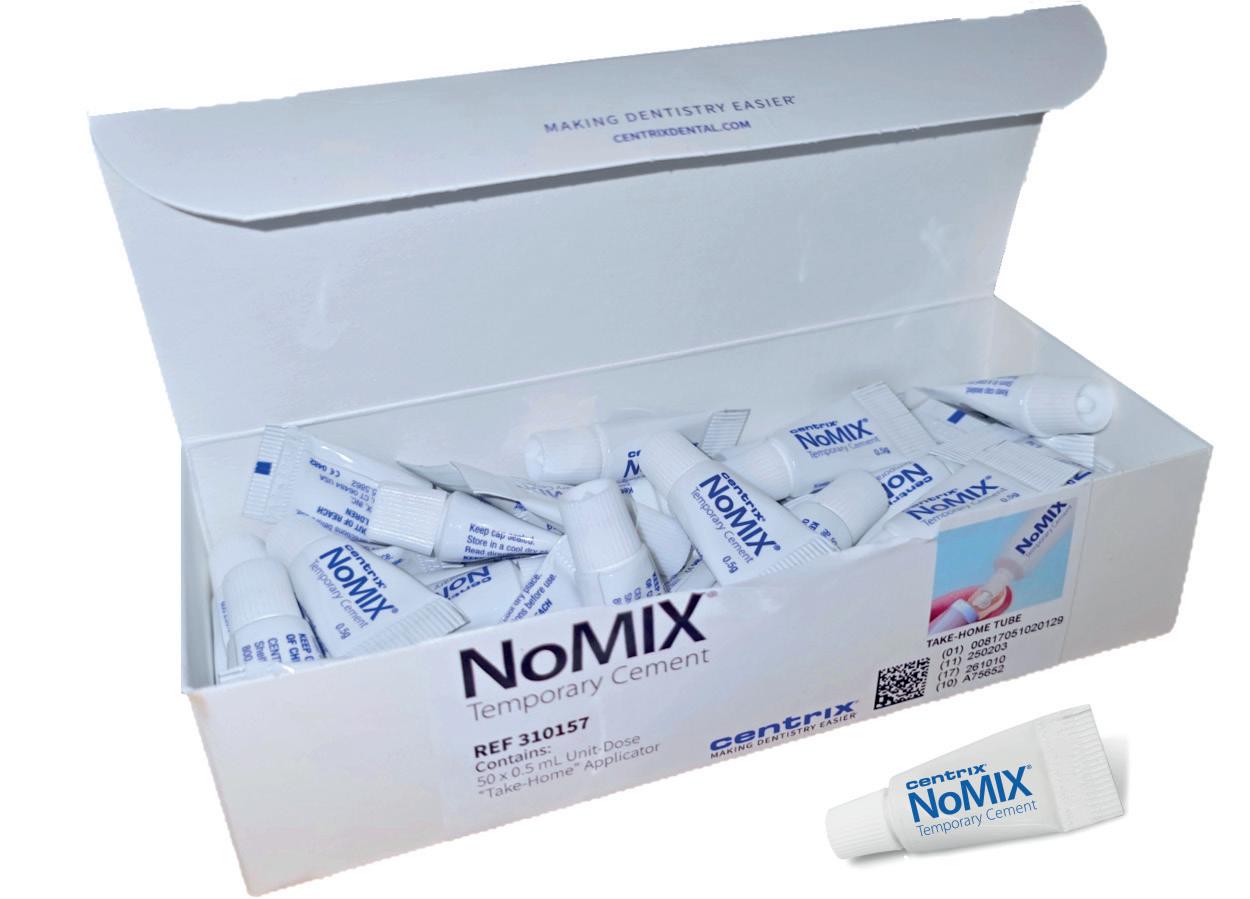
NoMIX from Centrix is that insurance policy - in a patient-friendly 0.5g tube!
Cement the temporary with NoMIX in surgery and send your patient home with a tube of NoMIX. If (when!) that temporary crown falls out, your patient uses their tube of NoMIX to recement in the comfort of their own home!
No need for them to take time off work and travel to the surgery, no need for the practice to juggle appointments in the diary! No dreaded phone call! How will Centrix Make Dentistry Easier for you? Trycare will help you discover! Call on 01274 885544, or your local representative, or visit www.trycare.co.uk/centrix n
Peel the foil to reveal the included Benda Brush. Pop the brush
Stir the varnish in seconds.
Streamlining successful sterilisation
Effective infection control requires a comprehensive workflow that affects every part of the dental practice. From the instruments used to the surfaces touched, the equipment utilised and the people who come into contact with patients, all must be appropriately considered to minimise the risk of spreading infection.
One of the most important steps is the cleaning, disinfection and sterilisation of clinical instruments. Having access to sterile instruments is integral to the daily running of the dental practice, so it is up to the team to optimise protocols for a seamless workflow.
A spotlight on instrument sterilisation
There is no argument that the quality of instrument decontamination is crucial for the safety of patients throughout the dental practice. However, the efficacy of the process is just as vital. This necessitates coordination among the professional team, as well as access to the right equipment, allowing practices to achieve the highest standards of infection control.
There are several potential errors associated with instrument sterilisation, which can occur across the healthcare sector. The most common (89%) arises from failures in visualisation – where the team insufficiently inspect or identify instruments during the decontamination and surgical or clinical workflow. The literature suggests that these pitfalls cause a delay to proceedings in more than half of cases reported, leading to significant lost revenue for the medical facility.ii In the dental practice, the extra 10 minutes here and there needed to reorganise instrument trays, or replace those that had not previously been inspected closely enough, could have a detrimental impact on daily schedules and patient experiences.
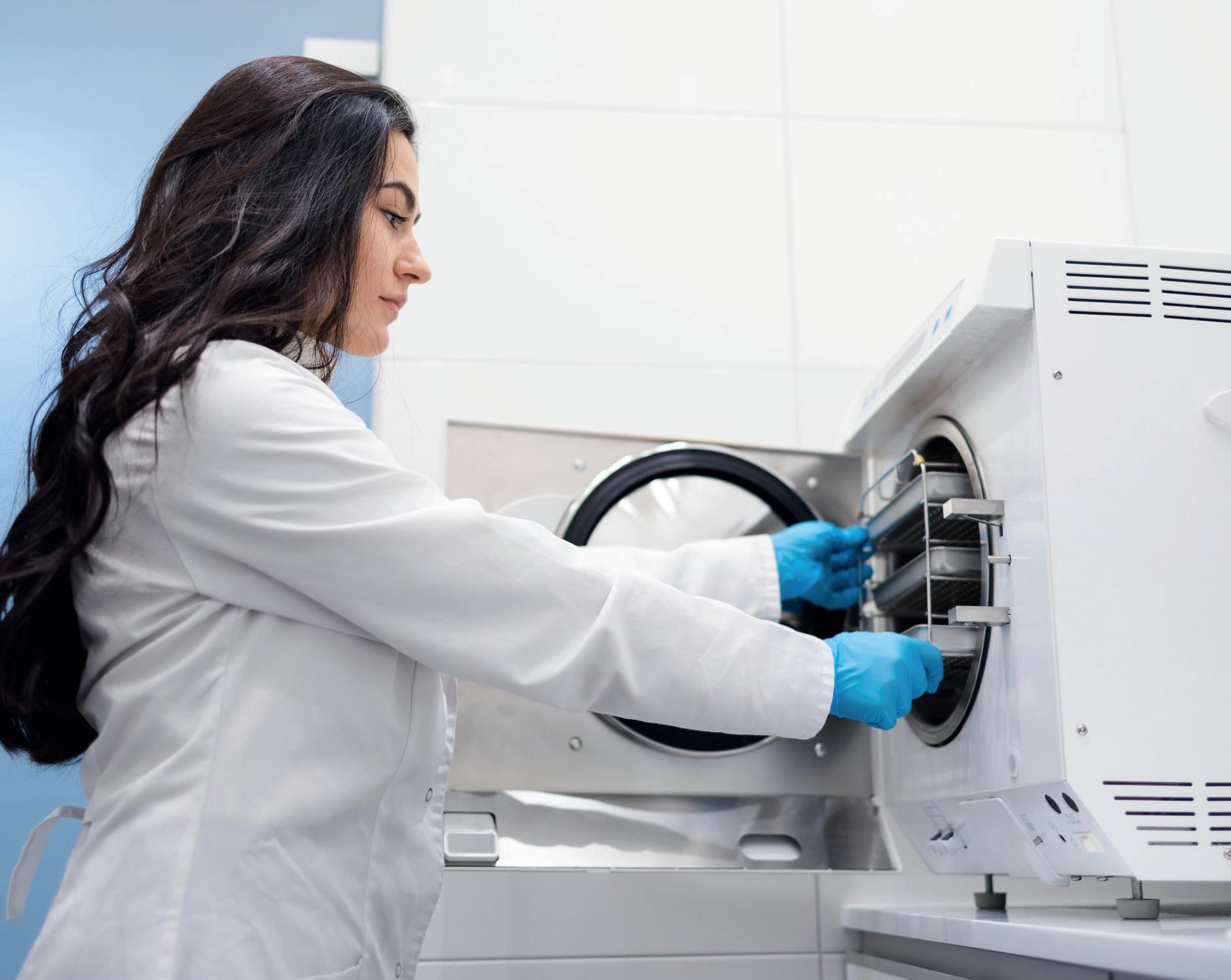
Another common issue can be caused by incorrectly loading instruments into the autoclave. For example, overlapping instruments will prevent them from being sterilised as the steam may not be able to penetrate all the necessary component surfaces. Overloading can also reduce the autoclave’s ability to reach the required temperature for the necessary amount of time, once again compromising the sterilisation process. Not only will instruments need to be reorganised and the autoclave run again – disrupting the daily workflow –but there is also an increased risk of breaking either the instruments or the autoclave itself. The latter would cost the practice in both time and money, as repairs or replacements will often need to be completed as quickly as possible.
To further streamline the instrument sterilisation workflow, instruments can be efficiently prepared for sterilisation with the use of a washer disinfector. This is a requirement for compliance in Scotland according to SHTM 01-05iii and an important step towards best practice in England as per HTM 01-05.iv This step is highly effective in removing physical contaminants from the instruments, rendering them ready for the autoclave. The process can also take place while staff are completing other tasks – which saves significant time compared to manually washing instruments. In addition, the automated and validated process affords greater peace of mind that instruments are subjected to a universal standard of pre-sterilisation cleaning and disinfection for enhanced consistency in quality assurance.
Hands and surfaces
Of course, the instrument decontamination workflow is not the only one relevant to the safety and efficiency of the dental practice. Comprehensive
protocols must also be in place for hand hygiene and surface disinfection processes. Although many of these are second nature for the dental team, it is essential that reminders are regularly provided to professionals to ensure continued adherence with high-quality processes.
There is also important work to do with regards to patient education. Did you know that more than a quarter of British adults are believed to skip washing their hands after using the bathroom –even today, post-pandemic? v Simple posters in the washrooms or in the waiting area to encourage good hand hygiene is an excellent extension of the team’s commitment to optimising health and safety throughout the practice.
Keeping the team up-to-date
To share best practice with patients and to maintain exceptional standards in all infection control workflows, it is important that staff are adequately educated and supported. This is especially relevant to new staff members to the practice or those who have recently qualified. Even for more experienced professionals who may be familiar with the steps involved, frequent refreshers are mandated as part of the Enhanced CPD requirements. These are also great opportunities for individuals to update their knowledge about new products or equipment.
When you work with leading providers of infection control solutions, this training is made all the easier. Eschmann, for example, is known as the expert in dental decontamination, providing world-class autoclaves, washer disinfectors and Reverse Osmosis (RO) water systems designed for dentistry. They deliver Enhanced CPD training for team members at installation of this equipment with their Care & Cover package, with the option to top up training annually as part of the service plan.
Infection control is much more than a regulatory tick box exercise. To optimise protocols and ensure the safety of patients and colleagues alike, it is essential that staff have the ability and confidence to perform related tasks correctly. Successful instrument sterilisation is a major part of this.
For more information on the highly effective and affordable range of laundry solutions available from Eschmann, please visit www.eschmann. co.uk or call 01903 753322
References
i. Laneve E, Raddato B, Dioguardi M, Di Gioia G, Troiano G, Lo Muzio L. Sterilisation in Dentistry: A Review of the Literature. Int J Dent. 2019 Jan 15;2019:6507286. doi: 10.1155/2019/6507286. PMID: 30774663; PMCID: PMC6350571.
ii. Nichol PF, Saari MJ, Navas N, Aguilar D, Bliesner RK, Brunner PJ, Caceres JC, Chen M, VanDommelen AR, Fischer M, Garcha S, Ghawas EA, Hackinson GR, Hitzeman A, Jabbour M, Jentsch AM, Kurth MM, Leyden M, Luo Q, McGrain AC, Nytes G, O’Brien OR, Philavong JK, Villegas N, Walsh SR, Wisdorf SS. Observed rates of surgical instrument errors point to visualization tasks as being a critically vulnerable point in sterile processing and a significant cause of lost chargeable OR minutes. BMC Surg. 2024 Apr 15;24(1):110. doi: 10.1186/s12893-024-02407-1. PMID: 38622597; PMCID: PMC11017563.
iii. Cleaning of Dental Instruments Dental Clinical Guidance Second Edition Scottish Dental Clinical Effectiveness Programme SDCEP. (2014). [Accessed January 2025]
iv. Health Technical Memorandum 01-05: Decontamination in primary care dental practices. Department of Health. 2023. https://www. england.nhs.uk/wp-content/uploads/2021/05/ HTM_01-05_2013.pdf [Accessed January 2025]
v. Research conducted by Opinium with a nationally representative sample of 2,000 UK adults, 16-20th August 2024. Reported by Direct Line Group. January 2025. https://www.directlinegroup. co.uk/en/news/brand-news/2025/23012025. html#:~:text=Seven%20in%2010%20(71%20 per,men%20according%20to%20the%20 research. [Accessed July 2025 n
ABOUT THE AUTHOR
NICKY VARNEY,
Nicky Varney, Head of Marketing at Eschmann Technologies Ltd.
The impact of oral health on physical performance
In the clinical setting, there are an abundance of systemic links between oral health and other health conditions, such as cardiovascular disease, diabetes, and dementia. However, an emerging area of concern is the correlation between oral health and physical performance, with reference to patients who regularly engage in exercise, sports, or physical labour. The frequency of encounters with dental patients who are exceedingly health-conscious is high. Though these individuals are committed to health-holistic disciplines like clean eating, regular exercise, and fitness tracking, many of these patients still present with signs of gingival inflammation or plaque accumulation, particularly interdentally.
The correlation between sports players or athletes and poor oral health is alarming: one study found that in over 100 elite athletes, 43% needed an urgent referral to the dentist.ii While patients may not know to associate slower recovery times and decreased endurance with gum disease, studies are increasingly drawing a relationship between oral health and physical capability. The role that dental teams play in the health of athletes and active individuals is vital to maximise their performance.
The mouth-muscle connection
Exercise induces strain and stress on various body systems, which requires the body, in turn, to maintain a strong immune system and regulate inflammation. However, oral conditions, like periodontitis, can disrupt this stability and hamper multiple aspects of exercise. Persistent low-level inflammation can lead to increased levels of systemic inflammatory markers such as IL-6 and CRP.iii This is particularly detrimental to professional, high-frequency athletes – whose livelihoods often depend on recovery and performance – as well as amateur sportspeople that are committed to improving their craft.
Research published in the British Journal of Sports Medicine found that athletes with poor oral health reported negative impacts on training and performance significantly more than those without. In this study of athletes at the London 2012 Olympic Games, 18% reported that their oral health negatively affected their performance, with over 40% suffering from gingivitis and 28% from periodontitis.iv These consequences harm concentration, sleep quality, and training recovery, which of course compromise form and results.
Energy, recovery, and respiratory health
Oral health also has a significant effect on digestion, and moreover, nutrient absorption.v Both of these factors are integral for the fuelling of and recovery from physical activity. Furthermore, painful chewing due to caries, or other dental issues, inhibits the consumption of important healthy and energyenhancing foods like vegetables, fibre, and other sources with important nutritional content. The resultant vitamin and mineral deficiencies can lead to inefficient muscle and bone repair after strenuous activity. In addition, when suffering from oral infections, the body’s immune system faces chronic imposition.vi Not only does this affect training abilities, but recovery extent, and susceptibility to injury.
For patients with an interest in endurance sports, respiratory health is integral and the oral cavity plays a crucial role. Periodontal pathogens such as Porphyromonas gingivalis and Fusobacterium nucleatum can be inhaled from the oral cavity into the lungs, worsening respiratory infections.vii This is particularly evident in patients who participate in high-intensity training, whose immune system can become compromised.
Additionally, a dry mouth, something most common in athletes that mouth-breathe during exercise like running or stamina-based sports, can be detrimental to oral health. The oral microbiome is compromised, increasing caries risk and soft tissue irritation.viii This overlooked, yet frequent condition can lead to infection, inflammation, further immune disruption, and will inevitably take a toll on performance and endurance.
Supporting physically active patients through preventative care
With the systematic studies and evidence surrounding oral health’s relationship with exercise, dental professionals are well-equipped to support their patients. By identifying inflammation early,
and promoting primary interventions and strategic plans, athletes, fitness-devotees, and those alike can focus on what’s most important to them without the inhibitions of oral health. Interdental cleaning is a reliable way to prevent oral disease and maintain a healthy oral cavity, consistently.
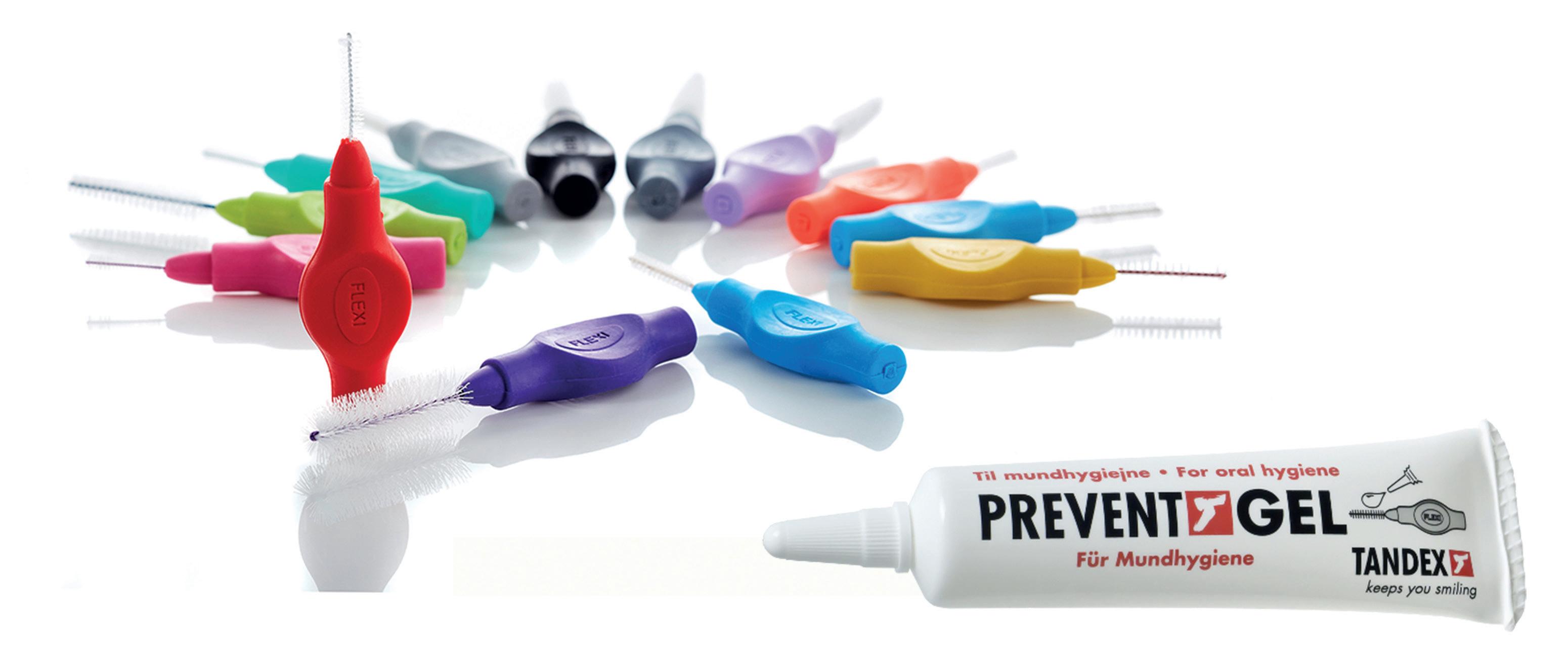
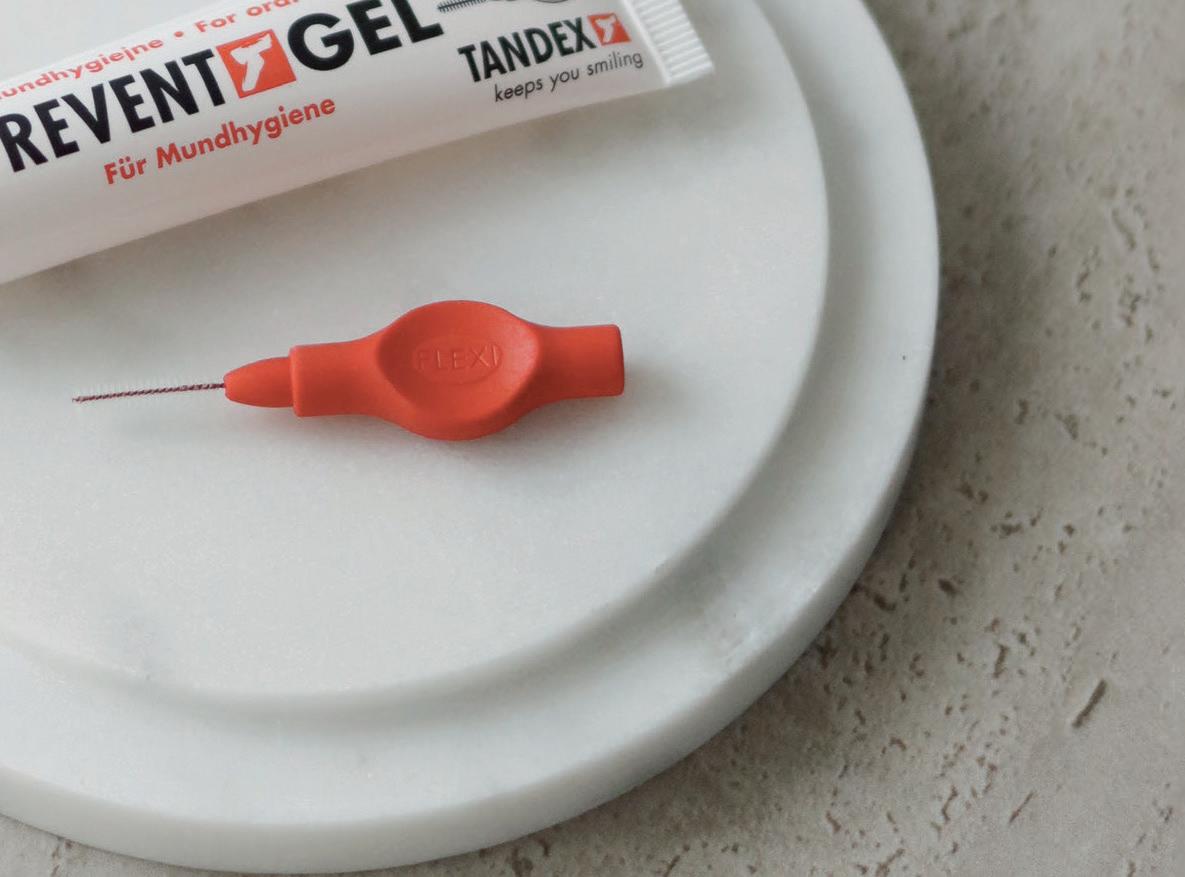
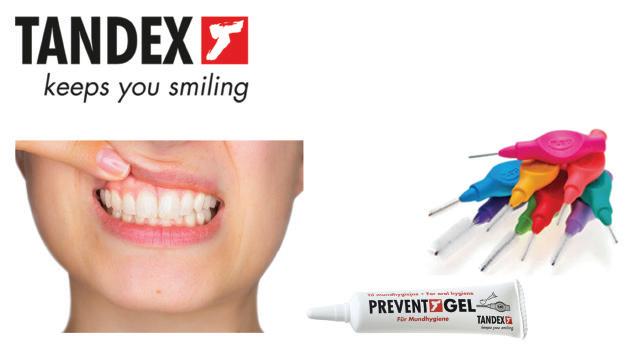
Recommending tools like the TANDEX FLEXI interdental brushes significantly decrease plaque build-up and continue to protect long term oral health. This subsequently protects physical health surrounding exercise. FLEXI brushes are available in 11 different sizes, offering patient-specific oral care. Combining this tool with the TANDEX PREVENT Gel enhances oral health further. The gel contains 0.12% chlorhexidine and 900 ppm fluoride, delivering antiinflammatory and anti-caries benefits. Applying the gel directly to the ideal FLEXI brush allows for these benefits to work exactly where they’re needed most, ensuring oral health.
It is becoming abundantly clear that oral health demonstrates a causal effect on multiple aspects of human wellbeing. Sporting patients’ health goals, such as the ability to train, succeed competitively, recover, and perform consistently are often hugely affected by their oral health. Dental care providers must continue to educate patients on the detrimental consequences of poor hygiene and gingival inflammation to maximise their active lifestyles. Proposing oral hygiene as a performance enhancer empowers patients as athletes in optimising their fitness potential.
For more information on TANDEX’s range of products, visit https://tandex.dk/
Our products are also available from DHB Oral Healthcare https://dhb.co.uk/ n
References available upon request
ABOUT THE AUTHOR
JACOB WATWOOD
Jacob Watwood on behalf of Tandex.
A new era of vaccinations?
Ihave spoken about vaccinations before because it has been a topical subject of late given the pandemic and a general rise in once eradicated diseases. However, I was intrigued to come across a study that suggests a new and rather innovative delivery system for vaccines in the future – dental floss!
New research
The research was recently published in Nature Biomedical Engineering, exploring whether flat string floss could administer sufficient vaccine to afford protection against specific diseases. Initial thinking creates a hypothesis that floss laced with proteins and inactive virus would effectively transfer these substances to the host as they enter the body through the interdental gingival spaces.
The pilot study, conducted in mice, administered the vaccine by flossing every two weeks for 28 days, before exposing the test subjects to a lethal strain of flu. All testgroup mice not only survived, but had also developed a more widespread immune response, with flu antibodies detected in their faeces, saliva and bone marrow.
As the research moves into human testing, it has so far evaluated access of string floss, finding that food dye on the product was detected on the gingival about 60% of the time. Further study is required to determine the viability of such a vaccination method, although the implications so far are somewhat promising – especially if the reliability of delivery can be increased.
Expanding role of dentistry
If such a concept is successfully developed, it could help to overcome another barrier to vaccination for thousands of people worldwide. It is estimated that approximately 10% of adults in the UK have a fear or phobia of needlesii –furthermore, this is expected to reduce vaccination uptake by an estimated 10% too.iii
This is just one more example of the expanding role of the modern dental professional, demonstrating the unique connections between oral and systemic health. It comes at a time when colleagues are introducing new screening services as part of a holistic approach to care.
For example, early diabetes testing is growing in popularity, requiring a simple questionnaire and finger-prick blood test. iv Several dental practices are
also offering vitamin D testing as a way to assess bone health and immunity strength.v Another systemic health screening is taking patients’ blood pressure to assess their risk of cardiovascular issues. Out involvement with vaccinations would certainly be a feasible next step.
References available upon request
ABOUT THE AUTHOR
DR MICHAEL SULTAN
Taste and oral health
Tastes evolve with time, but also alongside a changing oral health status.
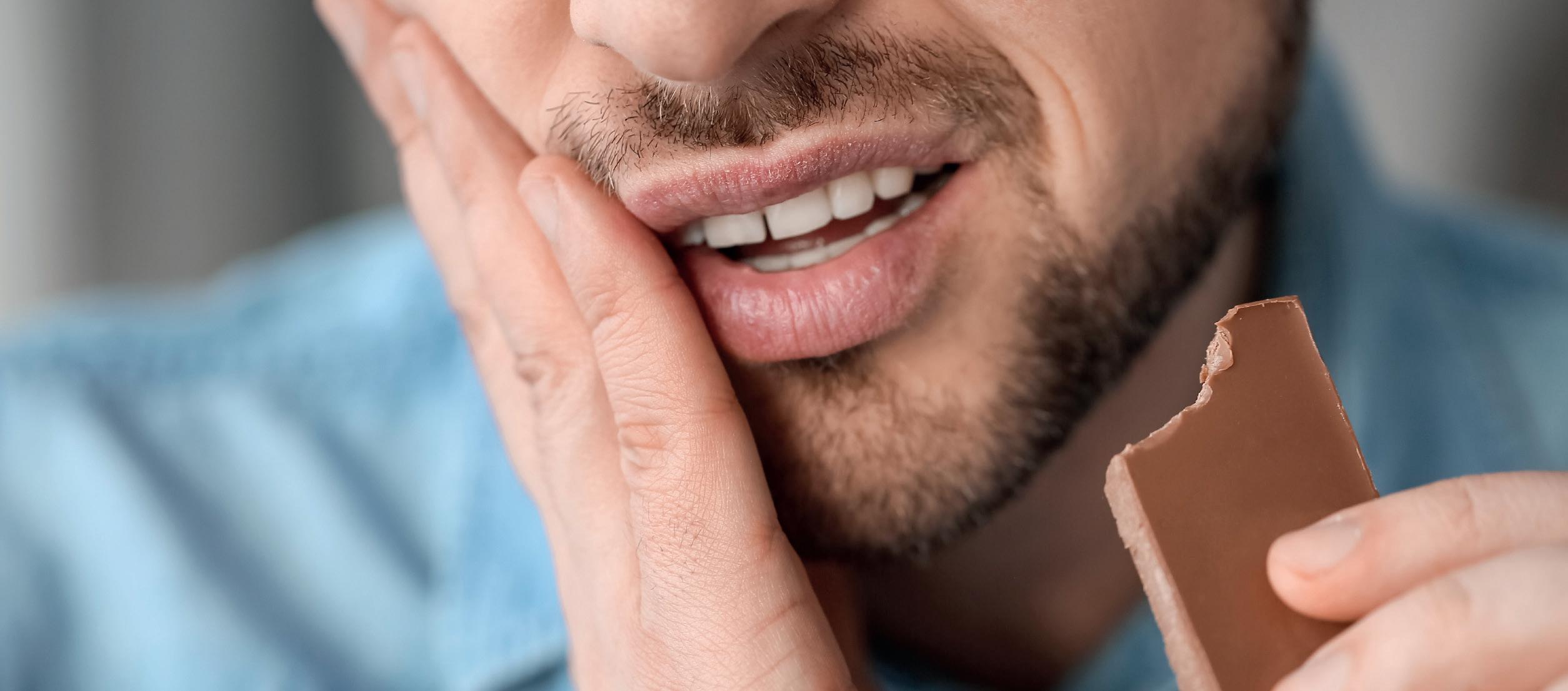
Recognising that the dentition is a prominent structure in the oral cavity, both clinicians and patients should understand how poor oral health may affect taste, and vice versa. It can also impact the enjoyment of dental appointments and treatments, and clinicians should know how they can make a difference.
Our own preferences
It makes sense to briefly consider how our own tastes can influence diet, and in turn oral health.
A 2022 review suggested that patients with little perception of bitter tastes are at a heightened risk of caries development, though noted that further research is needed.i When tested with 6-n propylthiouracil (PROP, a medication for hyperthyroidism that can be used in small quantities for assessment of taste predisposition to bitter flavours) those that didn’t taste the product almost always had a preference for sweet foods, leading to a high sugar intake. Those that did taste PROP were more sensitive to sweetness, and tended to dislike sweet food;i they may go on to avoid such products, and could have an improved oral health status as a result.
Patients with a sweet tooth should limit their sugar intake where possible, and be reminded by practitioners on the associated oral health risks. The UK Soft Drinks Industry Levy, introduced in 2016, aimed to reduce childhood obesity by incentivising producers to minimise sugar content in these products.ii A 2024 report found that daily free sugar intake fell by around 5g in children and around 11g in adults,iii showing government intervention has also been influential to some degree.
Caries effects
Studies have shown that patients can experience bitter and sweet flavours at a greater intensity when they engage in oral hygiene habits more frequently.iv This suggests that regular hygiene habits increase taste perception, potentially through improved exposure of taste buds and the reduction of bacterial coating or modifications to saliva, though this is not confirmed. However, the same individuals are shown to dislike bitter tastes more than those who brush their teeth and interdentally floss less often.iv An increased perception of bitter tastes could fuel improved oral hygiene habits, as bacteria in the oral cavity produces bitter metabolites, and any disdain for the
taste could prompt intervention to allay the flavour.iv
Mechanical tongue cleaning has also been shown to improve taste sensation. Twice daily cleaning delivers effective results, even for smokers.v
However, studies find that the intensity of bitter tastes increases by 25% when patients have three or more carious lesions.iv These individuals also have a 13% higher sweet intensity score on average compared to those with a caries-free dentition.iv
Reduced taste has been seen in acutely hospitalised elderly people with poor oral hygiene, caries development, high levels of oral bacteria and dry mouth.vi Taste alterations can cause changes in appetite and nutritional deficiency, leading to serious health problems.vii Improving oral hygiene in order to maintain quality of taste may not only be a positive for everyday life, but an individual’s health overall.
In the dental chair
Bad tastes can result from different forms of oral health care, such as the introduction of new restorations to the dentition.
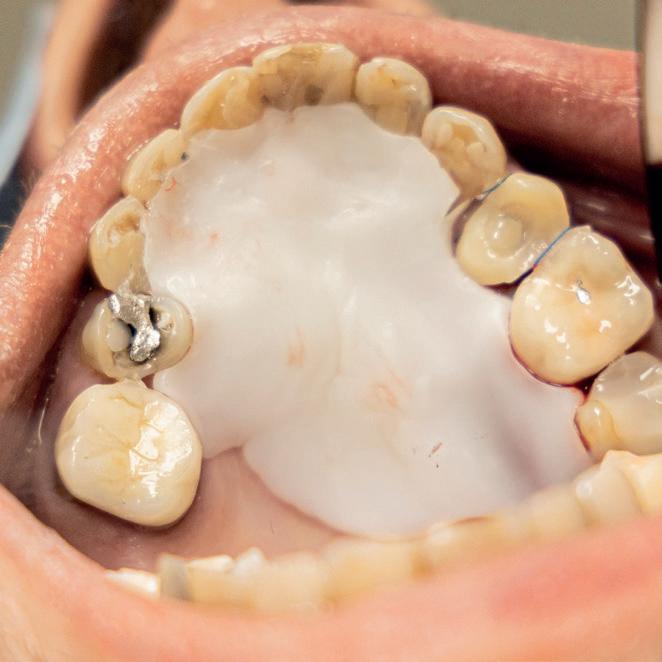
Edentulous patients may wish to receive dentures as an alternative to bridges or dental implants, but some restorations will have to cover the entire palate, which could interfere with the sense of taste.viii Whilst they may aid enjoyment of food through improved mastication, patients can suffer in this aspect –though the benefits afforded may mean individuals can eat more nutritional food, which is vital.
Treatments provided in the practice can also be problematic if they do not taste pleasant. Children especially can gag when treated with strongly flavoured products, such as some flavours of prophylaxis paste or fluoride solutions.ix If patients have a strong aversion to these based off of the taste experienced in a previous treatment, they may be unwilling to undergo that aspect of care in future; their oral health could suffer as a result.
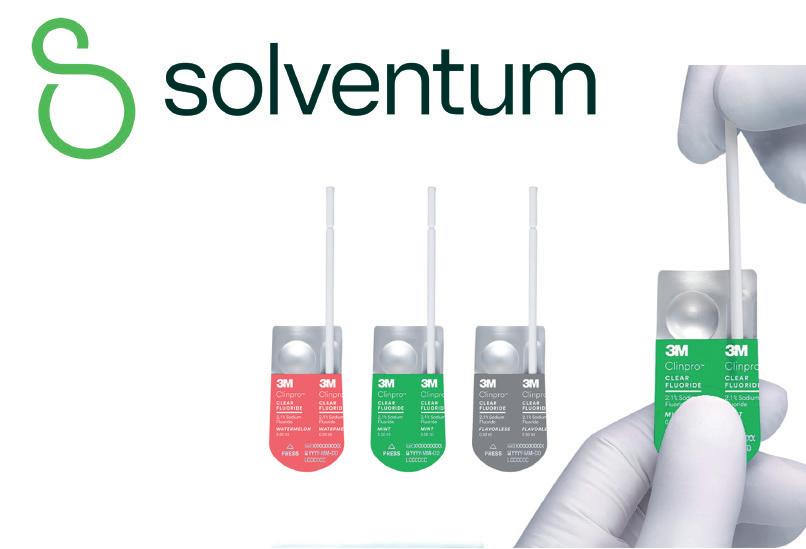
Clinicians should choose effective every-day solutions with this in mind. This includes 3M™ Clinpro™ Clear Fluoride Treatment from Solventum,
About Solventum
formerly 3M Health Care. The water-based, rosin-free formula is created to increase patient acceptance with watermelon and mint flavours and a flavourless option available. The solution has a minimum contact time of just 15 minutes, and creates a smooth mouthfeel for optimal comfort.
The pleasant taste doesn’t unnecessarily linger; instead, 96% of patients couldn’t feel or taste 3M™ Clinpro™ Clear Fluoride Treatment after one hour, meaning they can receive care and after just 15 minutes working time, can go about their day, no matter their lunch or dinner plans.x
Balancing oral health, dental care and taste perception is obviously key. Supporting individuals with pleasant solutions should be encouraged, and clinicians should spend time thinking about how their care could further influence the senses of their patients.
To learn more about Solventum, please visit https://www.solventum.com/en-gb/home/oral-care/
Solventum, enabling better, smarter, safer healthcare to improve lives. As a new company with a long legacy of creating breakthrough solutions for our customers’ toughest challenges, we pioneer game-changing innovations at the intersection of health, material and data science that change patients’ lives for the better while enabling healthcare professionals to perform at their best. Because people, and their wellbeing, are at the heart of every scientific advancement we pursue. We partner closely with the brightest minds in healthcare to ensure that every solution we create melds the latest technology with compassion and empathy. Because at Solventum, we never stop solving for you.
Exploring the link between oral health and heart health
In recent years, there has been a steady increase in the awareness of the links between oral health and systemic illness. However, this knowledge is not necessarily available to every patient, with many unaware of the impact that their oral hygiene is having on their overall health and vice versa. One particular area of focus amongst dental professionals and health researchers has been the impact of the mouth on heart health, with an increasing pool of evidence examining the correlation between dental diseases and periodontal inflammation on cardiovascular diseases and associated issues. As such, it’s important that dental professionals understand the links, and the ways in which prevention and management techniques may have an effect on patients’ general health.
What are the links?
Research strongly suggests that periodontitis has consequences for overall health, particularly when it comes to cardiovascular disease and associated conditions (endocarditis, hypertension, atrial fibrillation, coronary artery disease, diabetes mellitus, hyperlipidemia). Repeatedly, studies have found that those with poor oral health are at increased risk of cardiovascular problems – more commonly experiencing a heart attack or stroke than people with good oral health.
There are a number of theories that aim to describe why this correlation exists. The first is that gingivitis and periodontitis-causing bacteria (Streptococcus mutans, Treponema denticola and Porphyromonas gingivalis) also travel to blood vessels elsewhere in the body where they cause inflammation. As a consequence of this inflammation and resulting damage, blood clots, heart attacks, and strokes may occur. This is supported by the discovery of these bacteria far from the oral cavity, however antibiotics have not been found to be effective in the reduction of cardiovascular risk.
An alternative theory is that, rather than bacteria being the source of the problem, the body’s immune response is the real culprit. This theory suggests that inflammation leads to vascular damage throughout the whole body affecting the heart and the brain. Some research also suggests that there is not a direct connection at all. Instead, the reason for the correlation may lie with a common risk factor for both illnesses (like smoking, for example), a genetic pre-disposition for both disorders, or socioeconomic factors which restrict access to healthcare.
Managing at-risk patients
Whilst there is limited research surrounding the management of patients who may be at increased risk of both poor oral health and cardiovascular health, a study from Korea found that frequent toothbrushing and regular dental appointment for professional cleaning reduced the risk of future cardiovascular events by 9% and 14%, respectively. Overall, there is evidence that periodontal therapy may contribute to improved outcomes relating to cardiovascular pathologies. It is thought that this is due to a decrease in systemic inflammation.
Oral hygiene for reduced inflammation
Plaque build-up causes gingival disease and periodontitis, leading to inflammation, infection, and tooth loss if untreated. As discussed, it is thought that the effects of this extend beyond the mouth, potentially causing systemic illnesses such as cardiovascular disease, a leading cause of death globally.
As such, it’s important for there to be a focus on prevention. Research suggests that periodontal disease treatment can reduce inflammation. This highlights the importance of oral health management and public health initiatives which emphasise oral hygiene.
BioMin® understands the importance of oral hygiene as a preventative strategy. Developed by scientists and clinicians at Queen Mary University of London, the BioMin® range of toothpastes offer
Back in Stock Soon!
superior protection against acids and bacteria in the mouth. When used as recommended, the BioMin® F formula creates a strong fluorapatite layer over the tooth and within exposed tubules, effectively protecting the enamel.
It is important to recommend high-quality toothpastes to patients – both those who are at a high-risk and those who would benefit from preventative measures. Cardiovascular disease is a serious public health concern, and dental professionals are best placed to pick up on potential oral health risk factors to reduce the changes of a future diagnosis or cardiac event. With links between oral bacteria, inflammation, and cardiovascular disease becoming more established in the research, it is important that the correlation is taken seriously, and that patients are made aware of the potential impact of their oral hygiene on their overall health and wellbeing.
The science is clear. The solution is simple.
www.biomin.co.uk n
We are currently experiencing a temporary disruption in supply across many of our usual stockists due to regulatory issues. While this is a temporary pause, it’s a part of ensuring we meet the highest standards and continue to provide safe and trusted products to our customers.
We’re working hard behind the scenes to resolve this and will be sharing updates on our website as soon as we have a clearer timeline. Your patience and continued support is truly appreciated.
New year, new habits
Oral hygiene routines are all a matter of habits. Some people like to take their time with them, brushing, flossing and using mouthwash at their own speed. For others, its often an afterthought, and the last thing to do before leaving the house for work or school.
When clinicians encourage patients to make effective changes to their routine (whether this is cleaning more often, or adding a new step) it’s important to consider that this changing an existing habit, or creating a new one entirely.
With New Year’s resolutions around the corner, there is no better time to speak to patients about their habits, and encourage them to develop healthier behaviours where necessary.
Current behaviours
Good habits for oral hygiene include regular toothbrushing, interdental cleaning, tongue cleaning, and an awareness to seek support from dental professionals when needed. This is typically supported by mechanical cleaning performed by a dental professional in the practice.
The adult oral health survey for 2021 (latest available data) from the Office for Health Improvement & Disparities found that 77% of adults in England with natural teeth brushed twice a day, which is a promising figure.i However, this also notes that many people aren’t keeping to the official guidance.ii
A smaller number of people use interdental cleaning solutions; just 30% utilised dental floss in their routine, and 21% used interdental brushes, whilst 11% used interdens, toothpicks or woodsticks. iii Interdental cleaning, completed properly, has many known benefits, including the reduction of periodontal disease and dental decay, which in turn are linked to general health conditions such as diabetes, strokes, cardiovascular disease, and more. iv
The data shows that efforts are still needed to encourage patients to take up these oral hygiene habits. Understanding some of the psychology behind habit formation could help clinicians advise simple changes that make a significant difference.
How to form a habit
Habits are repetitive enactments of behaviours within a consistent context, which eventually become near enough automatic and effortless.v It takes time for these actions to become habitual. One idea in popular culture stems back to the 1960 text Psycho-Cybernetics by Maxwell Maltz, which suggests that new habits need just 21 days of repetition. This is heavily disputed, with many questioning variables such as the difficulty or value of the targeted behaviour as well as the attitudes of an individual trying to develop a new routine.v
A 2021 study vi found it took a median of 59 days for successful habit formation, reflecting a similar finding of 66 days in a prominent 2010 study.vii Participants with successful habit formation were more likely to have chosen a behaviour which felt intrinsically more rewarding. Both of these studies worked on the concept of behaviour in response to a cue, for example, drinking a glass of water when watching the news. Clinicians should encourage patients to try and pair oral hygiene routines with generic, everyday behaviours. Patients could clean interdentally after styling their hair for the day or following a shower, in effect typing the actions together mentally.
To ensure a habit is formed, consistency in repetition is required.vii In turn, patients need self-control for a significant period of time before the automaticity of the routine sets in, allowing the behaviour to be performed without exceptional thought.
Inspired by reward
Telling patients about the eventual rewards of good oral hygiene and interdental cleaning may help them establish an end goal, which can drive motivation and encourage self-control. This is inspired by the thought that successful habit formation is linked to behaviours that feel more rewarding.vi
In personal oral hygiene routines, the reward of regular interdental cleaning includes improved periodontal health, reduced risk of caries, and increased success of restorations by minimising treatment-related infection.viii This not only reduces the need for future treatment, but improves aesthetics by reducing inflammation.
Reward may also be felt through using a known effective and comfortable solution, like the Cordless Advanced water flosser from Waterpik™, the #1 water flosser brand recommended by dental professionals.ix The solution removes up to 99.9% of plaque from treated areas, including between teeth and below the gumline.x It is 2x as effective for improving gingival health when compared to string floss,xi and includes 3 different pressure settings for a personalised, simple flossing experience.
With patients having one eye on the new year, suggesting improved oral hygiene routines with interdental cleaning could influence their upcoming resolutions. With benefits for their oral health, aesthetics, and potentially confidence in everyday life, using new solutions to form healthier habits may be the best way to enter 2026.
For more information on WaterpikTM water flosser products visit www.waterpik.co.uk. WaterpikTM products are available from Amazon, Costco UK, Argos, Boots and Tesco online and in stores across the UK and Ireland. n
References available upon request
ABOUT THE AUTHOR
RACHEL BENNETT
Rachel is a dental hygienist working at Bupa Dental Care Leeds and Churchview Dental Care, where she offers high-quality care to her patients. She has been a professional educator for Waterpik™ for years, and will talk about the importance of water flossing and her experience with Waterpik™ solutions.
Guests join us from all areas of the industry to provide their own unique perspectives on a wide range of topics, from manufacturers and figureheads of various dental organisations, to those in the trenches working in practice, and more.
Nothing is off limits in The Probe Dental Podcast, so be sure to tune in wherever you get your podcasts! The Probe Dental Podcast features discussions that explore all areas of the British dental sector.
For more information, sponsorship opportunities or to book a podcast please contact
Helping patients help themselves
Louise Baguley graduated as a dental hygienist from the Royal Dental Hospital, London, and has since built over 30 years of experience in preventative care. Her passion for guiding patients toward better oral health led her to the Curaden Academy and its iTOP (Individually Trained Oral Prophylaxis) programme, where she now contributes as a Lecturer. Here, she shares her story:
“I was first introduced to iTOP in 2008 when I was invited to attend a seminar in Prague, presented by the founder of the programme himself, the late Jiri Sedelmayer. At that point, I had already been working as a dental hygienist for over 20 years, yet the course completely reframed how I approached oral health. I spent three concentrated days exploring the iTOP philosophy and was fully immersed in this new way of thinking.”
“It was my first experience with the Touch2Teach concept, and the importance of guided biofilm control tailored to each individual. It immediately resonated with my passion for prevention.”
For Louise, iTOP was more than a training course; it was a shift in mindset:
“The philosophy of iTOP perfectly aligned with my own values as a clinician. It wasn’t just about telling patients what to do; it was about showing, guiding,
and empowering them in a way that is effective, non-traumatic, and sustainable. I knew I wanted to share this with others.”
Becoming a UK iTOP Lecturer with the Curaden Academy allowed Louise to combine her clinical expertise with a deeper mission: to support other professionals in rethinking what preventative care can truly look like.
At its core, iTOP is about teaching dental professionals how to guide patients in achieving optimal oral health using personalised techniques. The course explores the challenges of biofilm control, the systemic impact of poor oral hygiene, and, crucially, how to apply this knowledge practically and empathetically.
The iTOP programme includes four seminar levels: Introductory, Advanced, Recall, and Educator. The Introductory session is a one-day course that lays the foundation. The Advanced level delves deeper over two days; both courses introduce the hands-on Touch2Teach method. Louise explains:
“There’s a strong emphasis on practical learning throughout. With the Touch2Teach approach, we use real-life scenarios to personalise routines to each patient’s anatomy, needs, and lifestyle. It’s about helping patients to help themselves and finding value in that process.”
The Recall seminar offers an opportunity to revisit and refresh key skills annually, and to meet up with like-minded dental professionals. For those interested in becoming instructors themselves, the Educator level offers a four-day immersive
experience that completes the training journey.
Reflecting on her experience as an iTOP Lecturer, Louise has witnessed first-hand the shift it creates for dental professionals:
“It’s genuinely inspiring to see those lightbulb moments, when clinicians realise that, despite years of training, they may not have fully appreciated their own oral care routines in such detail. I’ve had participants say things like, ‘I never realised I didn’t know how to brush my teeth properly.’ That level of honest reflection is what makes iTOP so impactful. It’s about unlearning, then relearning together.”
Louise believes the course offers something deeper than clinical instruction; it reconnects professionals with the reason many joined the field in the first place.
“iTOP has transformed how many dental teams approach prevention. Rather than defaulting to treatment, we focus on equipping professionals with the knowledge and skills to train patients in effective self-care. That leads to fewer interventions, better long-term outcomes, and more engaged patients. It’s also brought fun back into oral health for me, the show, tell, do has become second nature.”
For more information about iTOP courses and to book your place on one, please visit The Curaden Academy website http://www. curadenacademy.com/
To arrange a Practice Educational Meeting with your Curaden Development Manager please email us on sales@curaden.co.uk n
Powering the future of dentistry
The British Dental Conference & Dentistry Show is the event for dental professionals shaping the future of dentistry. With 400+ exhibitors, 11 theatres and 200+ expert speakers, this is where bold ideas meet unstoppable action. Embrace new ideas, explore the innovations shaping the future and take your practice to the next level.
Simpler interdental cleaning support with Waterpik™
Become a proud supporter of effective and simple interdental cleaning with the new Advocacy Programme with Waterpik™, the #1 water flosser brand recommended by dental professionals.i
It’s never been easier to inform your patients on the benefits of high-quality interdental cleaning solutions, and the Advocacy Programme ensures your practice is uniquely prepared to support a wide variety of patients.
From a free CPD module that helps to develop clinical knowledge, to patient brochures and discount codes, everyone in the practice can benefit from the Waterpik™ Advocacy Programme. But to first recognise the benefit of these, it’s important to understand the value a Waterpik™ water flosser has in your patients’ oral hygiene routines.
Waterpik™ is backed by the evidence
As the only water flosser brand to be approved by the Oral Health Foundation, Waterpik™ is seen as a reliable source of support for interproximal cleaning solutions. This trust has been earnt over 60+ years of research and development of high-quality water flossers, driving innovation at every turn.
Now, with 80+ research studies behind the brand, each solution is designed to be tailored to a patient’s unique needs.
This includes the Waterpik™ Cordless Pulse, an affordable introduction to water flossing that ensures effective interdental cleaning can be completed by near enough anyone.
It is clinically proven to remove up to 99.9% of plaque and bacteria from a treated area in just three seconds.ii The easy-to-use, portable system accesses interproximal spaces and below the gumline, where brushing alone cannot reach.
The Cordless Pulse is also up to 2x as effective as string floss for removing bacterial plaque and improving gingival health. iii Conventional approaches are incredibly technique sensitive, with many patients requiring individualised instruction and reinforcement from the dental professional to see improvements.iv It can be difficult for patients to access small spaces with dental floss, but the Cordless Pulse ensures the entire dentition is accessible for a thorough clean.
Know how to help your patients
When a clinician joins the Advocacy Programme, they receive a bespoke welcome kit, with access to a free CPD module (produced with Health Professional Academy) that enables them to develop their knowledge for confidence in every recommendation. “Should water flossing become an integral part of oral hygiene?” ensures dental professionals know how water flossing compares with traditional flossing and interdental brushing, and helps identify benefits for individuals with additional oral hygiene needs.
Advice provided to patients can be supported with dedicated brochures, available in the practice kit which is supplied to all Waterpik™ advocates. This helps patients recognise the solutions available to them, with key clinical benefits available on hand long after the appointment is over
Patients can access discounts on leading Waterpik™ water flossers, with access to some of the best deals year-round. A unique code provided to each advocate also allows the practitioner to earn points as their patients select effective water flossers, which can be redeemed for rewards – meaning everyone benefits!
Recommended by clinicians
Julie Deverick, renowned dental hygienist and Past President of the British Society of Dental Hygiene and Therapy, says “As a dental hygienist I recommend that all my patients clean between their teeth on a daily basis so that they can disrupt that plaque bacteria. Often many don’t, or they have an ineffective technique.
“The Waterpik™ water flosser is so easy to use compared to some of the traditional flossing methods, and my patients are definitely enjoying using it on a daily basis. I’ve also found that there is an improvement in their oral health, which is why I don’t hesitate to recommend the Waterpik™ water flosser.”
To learn more about Waterpik™ solutions, and how you can join the Advocacy Programme, simply visit the website today.
For more information on WaterpikTM water flosser products visit www.waterpik.co.uk. WaterpikTM products are available from Amazon, Costco UK, Argos, Boots and Tesco online and in stores across the UK and Ireland. n
References available upon request
As the pressure of practice grows, your wellbeing matters too. With confidential counselling and wellbeing support available at no extra cost, Dental Protection is by your side every step of the way. It’s time to put yourself first, with the support you deserve.
Delivering rapid relief for dental pain
When a patient presents with toothache, there are a number of potential causes, sometimes requiring complex treatments. As such, patients may have to wait a number of days, or even longer, for treatment. When this is the case, dental professionals must provide advice to help make patients comfortable whilst they wait.
As part of this, it’s important to recognise the different causes of toothache, patients’ priorities for pain relief, and the most effective forms of pain killer. In doing so, pain during the wait for treatment can be kept to a minimum.
Causes of toothache
When the dental pulp becomes exposed, irritated, or inflamed, patients may experience toothache. This can happen for a number of reasons, including decay, dental fractures, gingival recession, or loose dental fillings. Usually, toothache presents as a pain in a tooth, however patients may also experience sharp, throbbing, or constant pain, tooth pain only when pressure is applied, gingival inflammation, bad taste in the mouth (due to infection), and fever or headache.
Patients who present with toothache should be made aware of the potential triggers to avoid whilst they wait for treatment, in order to minimise their pain. These triggers may include consuming cold foods or drinks (such as ice cream or cold water), sweet foods (which could cause or worsen decay), and biting down as pressure can worsen dental pain.
Patients’ priorities for relief
When toothache strikes, fast relief is a patient’s top priority, with 63% of patients prioritising speed in pain relief. Only 16% of patients find oral analgesics to act quickly on toothache, typically taking up to an hour to act.ii
As such, it’s important that practitioners offer alternative solutions to better target pain at the source. Orajel™ Dental Gel provides rapid relief in under two minutes, providing patients with the solution they need to tackle acute dental pain.
Orajel™ as a targeted solution
Orajel™ Dental Gel gives patients complete control over their dental pain, enabling them to apply benzocaine – a powerful local anaesthetic – directly to the painful area. It contains 10% benzocaine for rapid relief, providing temporary comfort from toothache pain for up to two hours, enabling patients to manage their pain before they are assessed by a dental professional.
Orajel™ Extra Strength formula contains 20% benzocaine – the maximum level available without a prescription – to provide rapid relief of acute toothache. Additionally, Orajel™ Mouth Gel provides effective relief from mouth ulcer and denture pain, with its 10% benzocaine formula offering relief directly at the affected site. Patients have complete control over the gels, enabling easy application for targeted application.
How it works
Benzocaine is clinically proven to block pain signals at the nerve, preventing transmission of pain impulses, providing quick and effective relief from common causes of discomfort.
It is absorbed rapidly through the oral mucosa, enabling a fast onset while targeting dental pain at its source. This means that practitioners can help make patients comfortable prior to dental treatment, effectively managing their pain from home.
Benzocaine works by blocking the nerve signals. It reversibly binds to and inhibits sodium channels in nerve cell membranes, stopping the conduction of nerve impulses and reducing the likelihood of pain signal transmission.
As Orajel™ is a gel, it can act precisely at the application site to deliver pain relief exactly where it’s needed. Intended for patients aged 12 and above for short term use, it is a suitable solution for a wide range of patients.
When a patient is in pain, dental professionals first instinct is to help. However, when immediate treatment is not possible, it’s important to provide a temporary but effective solution to help them manage their pain. Standard painkillers are often not effective for dental pain, taking a long time to act. As such, offering a topical solution for immediate and targeted pain relief is ideal in the majority of cases, helping patients feel comfortable whilst they wait for a permanent solution.
For essential information, and to see the full range of Orajel™ products, please visit https:// www.orajelhcp.co.uk/
References
i. Orajel Consumer and HCP insights.
ii. Hersh, EV, et al. An evaluation of 10 percent and 20 percent benzocaine gels in patients with acute toothache. J Am Dent Assoc. 2013;144(5):517–526.
Putting your best face forward
It’s a professional’s market right now when it comes to recruitment in dentistry. It has been tough for practices looking to grow their team for some time, with a high level of competition for talented individuals. As such, it’s important for businesses to elevate their appeal by offering tangible benefits to their staff and to show themselves in the best light throughout the interview process and beyond.
An excellent place to work
First and foremost, your practice needs to be a great place for individuals to work. This means creating a culture that truly embodies your ethos, enabling all team members to enjoy where they work. For this to be successful, you need to have clearly defined values that are proactively reflected in everyday practice. If you’re all about collaboration with the team, for example, you’ll need to establish robust systems that facilitate open communication with individuals and then actually put their ideas and suggestions into action. Where you promote a good work-life balance, there need to be tangible processes in place that make this a reality for the team. This could mean offering flexible hours, compressed working weeks, job sharing or increased maternity/paternity support.
Just as important is the support afforded to team members at the practice to help them deliver the very best standard of patient care. This will vary depending on the size of your organisation and your resources, but it remains a key aspect of creating an excellent place to work. Support on any scale is crucial, from access to online research journals to a designated clinical mentor, administrative help, compliance assistance – the potential list is extensive.
Development opportunities
Another area in which the team can be supported is in their career progression. Training and development opportunities are important to clinicians across the country,i who value the chance to further their skills and advance in their career. Practices that can facilitate this, or proactively deliver training, will stand in good stead when looking to bring on new professionals.
This training should be varied in order to meet the needs of all candidates. From clinical topics like orthodontics, endodontics and oral surgery, to courses in patient management, communication or oral health education, there are a huge number of options beyond the recommended CPD topics to consider. For some businesses, this can be most economically achieved by collaborating with a training partner, who offers reduced rates for broad investment in programmes, and/or who may provide special rates for individuals seeking specific or advanced postgraduate training.
To complete the pathway, it’s important to think about how these new skills are then utilised and valued by the practice post-qualification. Clinicians may need help marketing a new service, or dental nurses might be able to take on additional responsibilities to practise their new skills. Individuals will also need to be recognised for their enhanced capabilities, whether that takes a financial or other form.
Tools
To complement these new skills, while also ensuring clinical excellence for all patients, the availability of effective equipment is crucial. After all, your team could be the best in the industry, but if they don’t have accurate diagnostic imaging, durable materials or a high-quality lab to work with, your patient care will suffer.
For example, dentists around the world agree that digital equipment increases efficiency, reduces treatment time and improves the patient experience.ii There are also implications for enhanced predictability of treatment processes, expanded treatment options for patients and elevated standards of communication.iii
Beyond capital equipment, everything from restorative materials to orthodontic aligners and endodontic files will impact the quality of care delivered – and the happiness of staff. Offering a choice of clinically-proven solutions and remaining open to requests where appropriate is important to allow the clinical freedom that dentists need to practise their very best dentistry.
Providing evidence
When you have all of this in place and you are actively creating the best environment for your team to work, it’s important to show this to applicants when advertising a vacancy. To show that it’s more than just lip service, provide evidence of the culture that you maintain in the practice and the benefits that are available. You can share testimonials from existing or previous staff members; provide an opportunity for candidates to speak to staff directly; outline the training package details; or give them a tour of the practice so they can see for themselves how everyone is valued. It will also be advantageous to give examples of how specific professionals have progressed since being with your practice and what your role as a business has been in their development.
For the most efficient recruitment process, it’s also important that you are seeing suitable candidates for your practice who share your ethos. Working with Dental Elite makes this simple, with recruitment experts narrowing down applicants to those most appropriate for you, saving both parties time and hassle. For information on the support available, as well as fresh ideas on how to make your business more appealing to potential new candidates, contact the team today.
For more information on Dental Elite visit www. dentalelite.co.uk, email info@dentalelite.co.uk or call 01788 545 900 n
References available upon request
ABOUT THE AUTHOR
Adam is a Recruitment Consultant at Dental Elite
ADAM NEEVES
Encouraging early diagnosis and supporting patients
Oral cancer is one of the most challenging health concerns globally, with high incidence rates and diagnoses regularly made in the late stages. Dental professionals are best placed to pick up on the very early signs of oral cancer and act quickly to reach a speedy diagnosis and, ultimately, save lives. However, early signs can be hard to spot, so it’s important to raise awareness amongst both clinicians and patients in order to detect cases early, and offer patients superior support. This includes helping patients manage their symptoms before diagnosis, during treatment, and throughout recovery.
Prevalence and recent stats
In order to understand the impact of oral cancer in the UK, it’s important to look at recent reports. Last year alone, 3,637 people in the UK lost their life to mouth cancer, with incidence rising by 49% over the past ten years. Awareness of the major signs and symptoms of oral cancer is very poor, with the resulting late detection meaning the 5-year survival rate has hardly improved in the last few decades. This means that 53% of all mouth cancers are diagnosed in stage IV.
Early detection
Detection in the late stages is all too common at present. As such, it’s important to consider ways to improve early detection with a number of public health strategies, and emerging technology. A study from 2013 outlined strategies to improve the early detection of oral cancer, primarily championing the use of screening programmes, through which at-risk patients present for screening early enough for disease to be detected in its early stages. Early detection, diagnosis, and treatment have been shown to significantly improve survival rates. As such, it is also essential for patient awareness to be improved, enabling them to notice signs more quickly and seek help in a timely manner. Additionally, practitioner training must be enhanced to ensure signs of oral cancer are being looked for in every appointment.ii
Modern innovations may also assist in the early detection of mouth cancer. The use of AI in diagnostics may help to overcome the limitations of traditional methods, with deep learning models already successful in medical imaging, and being used in pathology and radiology to enhance diagnostic workflows. Research from 2025 assessed the use of AI in oral cancer diagnostics. It achieved 93% accuracy, and tailored treatment recommendations with 87% accuracy – overall, resulting in a 20% improvement in survival rates.iii
Supporting patients in managing their symptoms
Symptoms of mouth cancer, even in the early stages, can be painful. As such, its important that practitioners offer the appropriate support and recommendations to manage their pain, before or after diagnosis. Common symptoms in the early stages include a mouth ulcer (lasting longer than three weeks), red or white patches in the mouth, a lump in the mouth or lip, pain in the mouth, difficulty speaking and swallowing, lump in the neck or throat, or unexplained weight loss. iv
There are a number of measures that patients might take to reduce discomfort in the mouth, before, during, and after treatment. To help soothe the mouth, it’s recommended to use lip balm to keep the lips moisturised, drink plenty of fluids, and eat chilled foods such as ice creams. It’s also recommended to avoid certain things such as spicy foods, raw vegetables, alcohol and tobacco, as well as acidic foods and juices.v
It may also be useful to recommend pain relief medicines, where appropriate. Orajel™ Dental Gel is the ideal solution for direct application to painful areas in the mouth. The topical gel contains benzocaine, a powerful local anaesthetic, to numb painful areas in two minutes or less, providing relief for up to two hours.vi
In order to improve the success rates of mouth cancer diagnosis and treatment, early detection is essential. This must be achieved through raising awareness of the signs amongst patients and improving practitioners’ skills in recognising the symptoms. Technology for use in diagnosis continues to develop, offering hope for the future of detection and diagnosis, for more accurate treatment plans and, ultimately, better outcomes for patients.
At the centre of this, it’s important to remember that mouth cancer and its treatment can result in painful symptoms. Because of this, practitioners must offer appropriate
advice for managing pain before, during, and post-treatment. By reducing discomfort as much as possible, practitioners can better support patients with mouth cancer in their journey to recovery.
For essential information, and to see the full range of Orajel products, please visit https://www. orajelhcp.co.uk/
References
i. https://www.mouthcancerfoundation.org/ mouth-cancer-facts-and-figures/
ii. Ford, P.J. and Farah, C.S., 2013. Early detection and diagnosis of oral cancer: Strategies for improvement. Journal of Cancer Policy, 1(12), pp.e2-e7.
iii. Satheeskumar, R., 2025. AI-driven diagnostics and personalized treatment planning in oral oncology: Innovations and future directions. Oral Oncology Reports, 13, p.100704.
iv. https://www.nhs.uk/conditions/mouth-cancer/ symptoms
v. https://www.cancer.org/cancer/managing-cancer/ side-effects/eating-problems/mouth-sores
vi. https://www.medicines.org.uk/emc/ product/1230/smpc
ABOUT THE AUTHOR
JENNY SINCLAIR BROWN
Jenny is Marketing Manager Orajel
The Perfect Couple
Meet FLEXI & PREVENT Gel
The couple that helps you to achieve even better oral hygiene
FLEXI
• The special flexible handle makes it possible to angle the handle to achieve better and easier access to all interdental spaces.
• The non-slip handle ensures good grip, even when fingers are wet.
• All brushes have plastic coated wire. This ensures no metal is in direct contact with teeth and gums, thus making them much more comfortable to use and preventing dental injuries.
• 11 sizes ensure that all needs are covered.
PREVENT Gel
• Strengthens the enamel and has an anti-bacterial effect.
• 0.12% chlorhexidine and 900 ppm fluoride.
• The consistency combined with the needle shaped tube end make it easy to apply directly on the FLEXI brush and use wherever needed.
• Pleasant taste of peppermint.
• No alcohol or abrasives.
Ticket to Tanzania
In the New Year, a group of NSK Ikigai Oral Hygiene educators will be heading to Tanzania with Bridge2Aid. Here, some of the team share their thoughts ahead of the trip
Siobhan Kelleher –
Ikigai Clinical and Project Lead
I met Shaenna from Bridge2Aid at the Scottish Dental Show two years ago.
We chatted and I knew instantly that the Ikigai team would be up for this trip, to support care in Tanzania.
We will travel to Tanzania with a dedicated team of eight Ikigai educators to embark on a mission that has the potential to change lives. Our goal is to educate 1,200 trainers – including teachers, health workers, and traditional healers – on crucial topics such as oral health and the prevention of female genital mutilation (FGM).
Equipping these trainers with knowledge and skills will create a ripple effect that reaches an astounding 6 million people in the community. This initiative is not just about education; it’s about empowerment, health, and breaking the cycle of harmful practices. Together, we can make a significant impact on the lives of countless individuals and families in Tanzania.
I am apprehensive about leaving behind my home comforts, but I am also excited to step out of my comfort zone and share knowledge that will benefit this population.
Get involved by signing up for a volunteer programme in the future. Run a fundraising event or support us by donating.
Cat Edney
I have always believed that prevention must be at the heart of healthcare, and Bridge2Aid are at the forefront of a prevention initiative in Tanzania. This is a serious push towards helping remote communities with dental health education, rather than only treating problems when they arise.
When I heard that we could get involved as a group of professionals, who all have education at our core, I knew I had to be a part of it. I really hope to learn a lot while working with Bridge2Aid, to gain better experience of working with communities and government initiatives and, of course, to make a positive impact on the lives of people who otherwise could face dental health complications. I am both excited and trepidatious – but I know it will be a trip of a lifetime.
Gulab Singh
I’ve always been passionate about giving back to the community. I’d read about and met several dental colleagues who have travelled to Tanzania with Bridge2Aid, and hearing about their experiences really inspired me. So, when the NSK Ikigai Group discussed organising a trip there, I felt it was the perfect opportunity to finally get involved in charity work in Tanzania.
As a dental hygienist and therapist, my goal is to provide essential oral hygiene education to local communities and raise awareness about issues such as oral mutilation. I want to share knowledge that can help improve daily oral health practices, even with limited resources, and empower people to take better care of their oral health.
I’m genuinely excited and counting down the days! I can’t wait to see what I can offer to the community – but also what I can learn from their resilience, culture, and way of life. It’s a wonderful opportunity for personal and professional growth.
This is such a rewarding cause, and I would encourage anyone interested to read about other volunteers’ experiences and get in touch with Bridge2Aid. They can register to take part or support the initiative in other ways. Every bit of help makes a difference in improving oral health and changing lives.
Lauren Long
We’re incredibly excited and genuinely enthusiastic about the opportunity. It’s a privilege to be able to contribute to a project that has such a positive and lasting impact. There’s a sense of anticipation, of wanting to get out there, meet people, and learn from them too.
Anyone who feels inspired by this kind of work can reach out directly to Bridge2Aid. They’re always looking for volunteers and supporters, whether through hands-on involvement, fundraising, or spreading awareness of their mission. Even small contributions can help them continue delivering life-changing education and support.
Nina Farmer
I am part of the Ikigai oral hygiene community, and I was invited to go as part of the group to Tanzania and help make a difference. I heard about the initiative through Bridge2Aid and the amazing work they are doing, and I wanted to take part and to help.
I think it’s amazing that we are going to be educating others and empowering them with knowledge, it really is the most sustainable way to make change. I’m excited to be taking part and helping to make a difference, I think it’s so important to give back if you can.
As a team, we had been exploring opportunities to support a meaningful charity project, particularly one focused on improving oral health in underserved communities. When we met Shaenna from Bridge2Aid and learned about the incredible work they’ve been doing in Tanzania for many years, it felt like the perfect fit. Their sustainable, communitycentred approach really resonated with us, and Tanzania is a country where this support can make a long-term difference.
Our focus is on education – specifically training teachers and community leaders on essential dental home-care practices. By equipping those already embedded in local communities with the knowledge and confidence to teach others, the impact becomes far more sustainable. The aim is to empower communities with practical skills that will support better oral health long after we’ve returned home.
Bridge2Aid are always raising funds and awareness. If you would like to get involved, follow them or reach out to them to find out more and see how you can personally support them.
Robbie Stewart
I’ve done something similar to this before and seen how it touched the lives of those who really need it! My aim, when I get there, is to make an impact on a small community that is so intense, the message is continually passed on.
Knowledge of health is wealth, and I would love to see the health outcomes in small African communities change drastically in the not so distant future!
Shaenna LoughnaneChief Executive, Bridge2Aid
We are delighted to welcome the IKIGAI team to the Bridge2Aid IOM education programme this January, where they will spend a week training oral health ambassadors to cascade essential oral health messages throughout schools and communities. Their reputation for delivering topquality, engaging teaching will help strengthen local capacity and create lasting impact. We are truly honoured to have them join us, and we extend our sincere thanks to everyone who has supported their journey and made this important work possible.
Mind and Body: Why oral health must be part of self-care
As the recent Self-Care Week encouraged us to focus on both mind and body, it’s a timely reminder that a truly holistic view of wellbeing must include a vital, but often overlooked, element of our health: our oral health. Looking after our mouths is not just about teeth and gums; it is a fundamental part of maintaining overall physical, mental and emotional wellbeing.
Barriers to better oral health
Across the UK, many people continue to face significant barriers that prevent them from caring for their mouths better. These are rooted not only in access to NHS dental care, but in prioritisation, as well as health literacy. For example, around 25% of adults brush only once day,1 despite NHS guidance to brush twice daily, 2 and incorrect use of mouthwash remains common. 3 High sugar intake is also a persistent issue, with UK residents obtaining 9-12.5% of daily calories from free sugars, more than double recommended levels.4
Our Health Inclusivity Index, developed in partnership with Economist Impact, shows that these challenges are amplified for lower-income groups where inequitable access to care and lower oral health literacy likely contribute to worse outcomes. More than one in three adults in the most deprived UK communities have untreated dental caries, compared with one in five in the least deprived.5 The impact of oral problems, like pain and complications, are almost three times higher for those in deprived groups.6
The role of prevention
With routine dental appointments harder to access for many, and gaps in health literacy making it harder to practice good oral care at home, the case for preventative oral healthcare has never been clearer. However, landing this message with people across the UK can be challenging. With the cost-of-living still high, we must remind people of the importance of taking care of their oral health. While visiting an oral health professional remains essential, true
self-care involves building everyday habits that protect oral health before problems arise.
Part of this involves embedding good oral health habits during childhood. The Health Inclusivity Index recommends7 that oral health education is built into the national curriculum for children. This is something that Haleon is already proud to support through our work with the Aquafresh Shine Bright Academy, where we deliver curriculum-aligned resources to schools across the UK, including those in areas where the need is greatest, through our new partnership with Tesco Stronger Starts.
But this education shouldn’t stop there: these messages should be reinforced throughout people’s lives. From accessible national public education around diet and oral hygiene, to better equipping a range of healthcare professionals to have conversations about oral health, it is important that we reinforce the importance of taking care of our teeth and gums.
Delivering evidence-based advice
Oral health professionals are critically important in delivering advice to patients on how to look after their oral health at home, as well as reinforcing the importance of regular check-ups.
While more than six in ten (63.6%) oral health professionals in the UK believe the nation’s oral health has worsened in the past year, 8 our research with the College of General Dentistry, the Dental Health Barometer, showed that there is often an implementation gap for preventative advice. 87% of oral care professionals believe that preventative action on oral care is beneficial for patients, but there was room for improvement in delivering it. 9
It therefore essential that we support oral health professionals to close this gap. The Dental Health Barometer recommends that this might be through the profession ensuring there is enhanced continuing professional development (CPD) on delivering preventative oral health advice, or the Government providing a more consumer-friendly version of the Delivering Better Oral Health care guideline to steer discussions.
Supporting everyday self-care
At Haleon, we understand that we have a role to play too. We are committed to delivering better everyday health, helping people take control of their oral health with products designed to support a variety of needs and lifestyles.
Whether it’s managing tooth sensitivity with Sensodyne, addressing gum health with Corsodyl, or protecting children’s teeth through Aquafresh and the Shine Bright education programme, we provide tools and accessible education that support prevention and build positive habits at every life stage, and in the communities where they are need is most.
We also work with oral health professionals through our Haleon HealthPartner portal, offering ongoing training and resources to support them to have conversations about prevention with their patients.
Our aim is to give people the confidence, education and the solutions, to look after their oral health as part of everyday self-care. As Self-Care Week invites us to connect mind and body, let’s ensure oral health remains part of that conversation, not only in times of pain or emergency, but in the daily routines that keep us well. n
References available upon request
ABOUT THE AUTHOR
DR KATE FABRIKANT
Dr Fabrikant is Medical Affairs Director Northern Europe, Haleon
ECPD for your whole practice
CPD 4 DCPs is a fully veri able ECPD programme that enables each member of the dental team to complete one year’s ECPD requirement in a highly cost-effective manner. Covering all the highly recommended subjects, each volume is specially designed to cover the ECPD needs of up to 10 DCPs.
Providing 10 hours of veri able ECPD, one Volume covers the annual veri able ECPD needs of most practices.
Subjects covered:
• The reality of mouth cancer
• Young patients and consent
• Complaints and how to avoid them
• Regulating X-rays
• Supporting patients through menopause
• Tracking infectious touchpoints
• Managing patient care prior to an emergency appointment
• Trismus and cancer treatment
• Sepsis – knowing the signs, and preventing infection
• Understanding dental risks
THE DENTAL AWARDS
Dental Hygienist of the Year: Natalie Fitzpatrick
2025’s Dental Hygienist of the Year, Natalie Fitzpatrick, discusses patient education, direct access and exemptions for dental hygienists and dental therapists, and her volunteer work with the Diamond Smiles Foundation.
Your entry highlighted inspiration from the emotional intelligence displayed by dental hygienists. Could you elaborate on what that means in your daily practice and how you apply the Oyster Theory to create a comfortable environment for patients?
Each appointment is individual and should be uniquely for the patient. It is not a tick-box exercise. Oyster Theory is metaphor for creating a safe space for my patients. My task is to stop anything from spoiling their experience and ensure a comfortable appointment. Using emotional intelligence to self-regulate my own daily emotions and have the social awareness of what it is the patient needs from this appointment helps me carry out this task successfully.
You mentioned that you personally welcome each patient from the waiting room rather than calling their name. What led you to adopt this specific practice, and what kind of feedback have you received from patients? I started this approach on returning to work during the Covid-19 pandemic. Often, because of fallow time and social distancing, there was only one patient in the waiting room. Coupled with all the PPE we had to wear at the time, it felt unnatural to call them in the previously standard way. I welcomed them to the practice with the medical face mask (which had become a social norm) and explained I would be donning a lot more PPE before we went into the surgery. With patients also wearing masks, my awareness of their non-verbal communication became heightened. Over time I was able to mirror their body language and build better clinical relationships with my patients.
How has your collaborative approach to treatment, where you guide patients rather than dictate, helped to foster trust and empower them in their oral health journey? A lot of people, even if they aren’t dentally phobic, dread coming for hygiene appointments. It is a vulnerable position to be in – lying back with your eyes closed and neck exposed – and can cause fight or flight reactions. It is important to recognise that patients are trusting and allowing us into their personal space during dental appointments. Speaking with patients and allowing them the chance to voice previous experiences and for you to explain why that step is necessary (or unnecessary!) builds a collaboration. I am there to guide them to better oral hygiene and there are many ways to approach that. Having a well-equipped surgery of ultrasonic scalers, hand instruments for supragingival and subgingival PMPR as well as supragingival and subgingival air flow units is a privileged position to be in, and allows me to offer a personalised service to my patients.
You’ve found an innovative way to educate patients on oral irrigators by using extra-oral demonstrations and even a demonstration sketch. How do you adapt your educational techniques to different types of patients, and what’s the key to making home care advice more than just advice?
When you attend a personal trainer to help with your fitness, they don’t solely explain the movement or purely tell you to do a squat or deadlift. They demonstrate the correct form so you can see it visually for yourself. They then help with your set up as you attempt it yourself. I believe that hygiene appointments are personal training for oral hygiene and, as such, dental professionals should adapt the same approach. Being mindful of their dexterity issues, missing dentition, or facial anatomy, train patients in how they can personally improve their oral hygiene.
Following your exemption training, how has being able to administer local anaesthetic impacted the way you treat patients with active periodontal disease?
I would like to thank the British Association of Dental Therapists (BADT) and British Society of Dental Hygiene & Therapy (BSDHT) for all their dedication on the exemptions project. It is going to have a long-lasting positive impact to our profession and patient perception. It has cut down on admin for dentist colleagues and made appointments smoother without the need to interrupt for a prescription midway.
As the Scottish representative for the BADT, you’ve been visiting dental school students and serving on the DCP Advisory Group for Scotland. What are the most pressing issues for the next generation of dental professionals, and how do you advocate for them?
The current hot topic across the four nations is direct access within the NHS. Whilst this would be another milestone for the profession, it is important to note that not all dental therapists or hygienists wish to work direct access, either within the private sector or NHS. Additionally, NHS contracts are not written with dental therapists or hygienists in mind and further considerations must be made for them to be acceptable to the profession.
The next generation of dental professionals are entering in a time where their colleagues are achieving high academic accolades, including PhD doctorates awarded with professor titles, and co-ordinating dental therapy programmes. The BADT is continuing to push the envelope for the profession, and I am proud to be a part of it. The new graduates should be very excited about their career choice.
THE DENTAL AWARDS 2025
You volunteer with the Diamond Smiles Foundation. What motivated you to get involved with this specific charity, and what has that experience taught you about the power of dental care in rebuilding lives?
The ability to smile is a wonderful thing and being able to gift that to someone else is highly rewarding. When Dr Leanne Branton announced the charity, it was the community project I had been searching for to fulfil my personal Ikigai and give my career a purpose. I was unsure if there would be scope for a dental therapist to join the volunteer team, but I was openly welcomed and there is plenty of PMPR, oral hygiene and direct restorations to be done before the patients move on to advanced procedures, including dental implants.
How did it feel to be named Dental Hygienist of the Year?
To be recognised as outstanding in both aspects of my career – Highly Commended Dental Therapist and Winner of Dental Hygienist – is truly overwhelming. I would like to take this opportunity to thank all those I currently work with and those I have worked with in the past. You have all helped shape me into the clinician I am today.
Congratulations again to all those who won, were shortlisted or entered. The future of patient care is in our hands.
Hands-on skill development with Clyde Munro
Nafisah Kashmiri is a Dental Therapist at 121 Dental Care in Arbroath, part of the Clyde Munro Dental Group. She recently utilised the mentoring and clinical support available from Drs Charlie Evans and Aisling Hanly and shares her experience:
“I spent a morning at Clyde Munro’s Advanced Dentistry & Clinical Skills Centre. This opportunity consisted of reviewing techniques to support and further enhance our existing skills. These included administering local anaesthetic, the theory of selective caries removal, techniques for placing larger amalgam restorations in the phantom head lab and an informative group discussion about the management of caries in children.
Dental Directory ¬– all about the team
At Dental Directory, everything we do is designed to support your practice team to deliver exceptional patient care.
That’s why we have built a fantastic team of our own, as Dean Hallows ¬– Managing Director – says:
“In addition to our amazing professionals on the phones, answering questions, taking orders and providing customers with an outstanding service, we also have approaching 200 customer-facing consultants, account managers, engineers, and technicians all out with customers every day, meeting their needs, solving problems and ensuring they can focus on delivering the best clinical outcomes
The perfect candidate for the role
To secure the best talent for your dental practice, it makes sense to work with the industry’s most respected dental recruitment agency with a large pool of excellent dental professionals on its books. Dental Elite offers a tailored recruitment service to find you the most skilled candidates that align with your culture and can hit the ground running.
Whether you are an independent operator, a small group, or a corporate seeking permanent team members or locums, Dental Elite can help.
When asked about her experience with Dental Elite’s services, Sharon Shenton was delighted to contribute this testimonial:
“The recruitment team’s patience and hard work made a potentially stressful time so smooth and streamlined. They kept us informed every
“The level of support I receive from Clinical Advisors at Clyde Munro is great and highly useful in reassuring me about the way that I practice. The environment encourages me to discuss personal struggles with aspects of patient management and taking notes with the more experienced practitioners around me. The sessions really help to support and better my approach for future.”
To find out more about the career development opportunities available at Clyde Munro, please visit the website below.
careers.clydemunrodental.com
and care for patients.”
To work with a team that cares about you, your business and your patients, contact us today at Dental Directory!
For more information on the products and maintenance services available from Dental Directory, please visit ddgroup.com or call 0800 585 586.
ddgroup.com
step of the way and were always extremely professional, friendly and helpful. The candidate they put forward was perfect for the role.
“We would definitely use Dental Elite again in the future for recruitment, and would without a doubt recommend their services to others.”
Contact the team to find out more!
For more information on visit the website, email info@dentalelite.co.uk or call 01788 545 900.
dentalelite.co.uk
Eschmann, recognised for excellence in decontamination
At Eschmann, we are proud to be known as the experts in decontamination, delivering quality products and services that are designed to help teams achieve compliance with ease.
But you needn’t just take our word for it. Here’s what some of our customers have said:
“Throughout the years, we have consistently received outstanding service from Eschmann. Their maintenance of our sterilisers has been exemplary, characterised by professionalism, attention to detail, and prompt response times. We highly recommend Eschmann for their exceptional service and reliability.”
– Dawn Saunders (Practice Manager at Clark Dental Studio) “We have had some of our Little Sister autoclaves for well over 10 years now and have been
really happy with them. I would unreservedly recommend Eschmann products and the Care & Cover service package to others.” – Maxine NorthallRollins (stock controller at Scott Arms Dental Practice)
To find out more, contact us today.
For more information on the highly effective and affordable range of infection control products from Eschmann, please visit the website or call: 01903 753322. eschmann.co.uk
The gift of pain relief
Giving the gift of pain relief this Christmas – Orajel™ is the ideal stocking filler for anybody experiencing dental pain.
Orajel™ Dental Gel is unlike oral analgesics which can take up to an hour to act, providing relief in two minutes or less. It is unique in being the only benzocainecontaining over-the-counter product available for toothache.
The topical gel enables patients to apply 10% benzocaine local anaesthetic directly to the painful area for rapid pain relief. Or, for more intense pain, Orajel™ Extra Strength contains 20% benzocaine, and is available at the pharmacy.
To find out more about the range of solutions from Orajel™, please visit the website and get in touch.
For essential information, and to see the full range of Orajel products, please visit https://www.orajelhcp.co.uk/.
oraljelhcp.co.uk
The power of two
Discover the duo making oral health a breeze for a broad range of patients!
The TANDEX FLEXI interdental brushes are perfectly complemented by the PREVENT Gel, together ensuring exceptional daily oral cleaning and protection against an array of dental diseases.
The FLEXI interdental brushes come in 11 different sizes that are colour-coded for optimal patient convenience. They feature a flexible handle that is ergonomically designed to be easy to hold for simple manoeuvring around the mouth.
The PREVENT Gel makes excellent oral health simple for patients with enamel-strengthening and antibacterial properties afforded by 900 ppm fluoride and 0.12% chlorhexidine.
Help your patients implement a high-quality oral health regime supported by trusted products. Discover the power of the FLEXI interdental brushes and PREVENT Gel from TANDEX and recommend today.
For more information on Tandex’s range of products, visit https://tandex.dk/ Our products are also available from DHB Oral Healthcare https://dhb.co.uk/.
tandex.dk
CLINICALLY PROVEN TO SPEED UP THE HEALING PROCESS
Gengigel is a patented range of oral health products containing high molecular weight hyaluronic acid, similar to the composition found naturally in our bodies. Consequently, there are no known side effects or drug interactions.
Hyaluronic acid is a key component in activating tissue regeneration, clinically proven to speed up the healing process.
• Inflamed gums
• Burning mouth syndrome
• Lichen planus
• Dry Mouth
• Periodontitis
• Ulcers
JULIETTE REEVES
DENTAL HYGIENIST (TRAINED NUTRITIONIST)
• Abrasions caused by braces and dentures
• Receding gums
• Localised inflammation
Gengigel is my go-to treatment for soft tissue injury, inflammation or trauma. It is an easy to apply simple solution for both patients at home or professional use in the clinical setting.
• Post-surgical wounds
• Extractions
• Food burns
• Stomatitis
• Candida
SOOTHES
HEALS
• Chronic ulcerations
• Lesions
• Dry sockets
• Peri-implantitis
• Periodontal pockets
Reduces inflammation & soothes pain.
Speeds up tissue repair & wound healing.
PROTECTS
Offers a protective barrier to help prevent infection.
Visit www.gengigel.co.uk for clinical studies, case studies and fact files (Brace Abrasions, COVID, Diabetes, Gingivitis, Hormonal Diseases, Mouth Ulcers, Periodontitis, Post Surgery, Pregnancy, Smoking) or for more information call 0208 459 7550
Unrivalled Ergonomics
Unrivalled Ergonomics
Unrivalled Ergonomics
Our exclusive TrueFit® Technology analyses your unique facial features and working posture to deliver comfort, perfect visual alignment, and lasting ergonomic support.