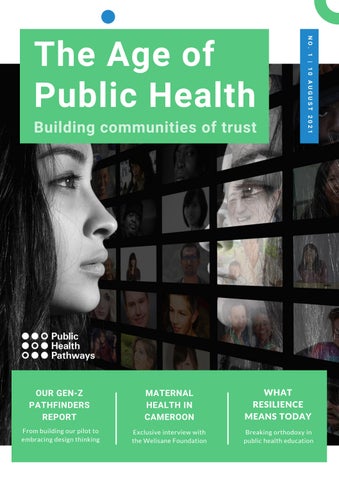
The Age of Public Health OUR GEN-Z PATHFINDERS REPORT From building our pilot to embracing design thinking MATERNAL HEALTH IN CAMEROON Exclusive interview with the Welisane Foundation WHAT RESILIENCE MEANS TODAY Breaking orthodoxy in public health education N O . 1 | 1 0 A U G U S T 2 0 2 1 The Age of Public Health Building communities of trust













Welcome to the future of public health
"Really valuable ideas can only be had at the price of close attention," C.
S. Peirce.
Public health is extensive It includes social, mental, physical, and environmental wellbeing While paying close attention to our development and the traditions we combine, we believe it is judicious to help produce better public health education to nurture the skills required for 21st-century challenges It is important to cultivate a resilient mindset and foster communities of trust by embracing our interdependence By building a foundation where we attend to individual and population health needs, we better position ourselves to become responsible caretakers of the planet
When Public Health Pathways was an idea in March 2020, the exponential coronavirus spread prompted the need Learnings from Ancient Greeks provided our 'eureka' moment, indicating how it is important for citizens to receive a comprehensive education in preventative medicine
The past year's events demonstrate how complex we and our environments are Yet, these multiple layers allow us to innovate At Public Health Pathways, we adopt current and developing ideas and apply them to meet current needs – from design thinking to building communities of trust
The Pathfinders programme, where we help young people use design-thinking tools to elicit problems, develop solutions, and embed new ways of seeing, is new to public health but not entirely new Designthinking methods have existed among engineers since at least the 1950s
When we work alongside local NGOs to develop solutions, such as our maternal health project in Cameroon, the method is not untried Area-based approaches, localisation, and even decolonising global health existed in the late 20th century and maybe before As Thomas Sankara - an advocate of the need for technological transfer and ideas borne from local reality – said in 1983, "We must dare to invent the future "
With our community in 20 countries, a vital conversation emerged - equity in public health Gradually, equity has established itself alongside diversity and inclusion The WHO state equity is "The absence of avoidable or remediable differences among groups of people " It is a moral imperative to address imbalances of social systems in a globe with different available resources Now, the onus has shifted, with corporations and governments advocating for equity Let us hope we sustain empathy to deliver vaccine equity
The Age of Public Health 10 August 2021 Public Health Pathways
We demonstrated our ability to provide insights from unheard voices ahead of the curve Like when we covered the situation indigenous communities face in the Central Amazon before the mainstream media Or, when we engaged one of the biggest corporations to highlight through our trend report that their globally used translate function distorted "autism" in English to "selfish-p***k" in Hindi - they corrected the error
As a grassroots organisation, we had to mediate how to gain trust at different levels Meticulous in our approach internally and externally, we see ourselves from a meta-level to produce reliable outputs To exist this way, we brought in a high calibre of dependable experts to guide us We tapped into verified sources, including peer-reviewed scientific journals, and subjected our content to a rigorous internal review process The aim: to cultivate discernment and make concepts accessible A bridge between experts and the public - to rebuild trust within communities and help understand their questions
Journals such as The Lancet and British Medical Journal - who removed their paywalls for COVID-19 related research - giving us insights into the best science known at the time. It freed previously closed doors as sharing became the status quo.
Resilience is becoming a popular term. You require durability to build a new charity. The Chair of our




Board of Trustees tells me, "sometimes doing things the right way takes longer - but it is the correct path " The coming generations will require resilience in an increasingly volatile world That is, multiple career changes, upskilling, surviving rejection, developing a growth mindset, and navigating the enormous environmental tests - are ahead
The so-called 'generational gap' has become the cause of concern across ages We recall the advice from 86-year-old Albie Sachs, "Be better than us " Tools and organisations like us are needed to curate a more harmonious and complementary ecosystem to live healthier futures
It took until 1948 to have the first clinical trial when Austin Hill combined statistics and medicine for a randomised tuberculosis trial Was this an idea behind its time? Perhaps, combining contrasting traditions are not at once apparent
An availability cascade was revealed when prepandemic elements such as epidemiology, behavioural science, and RNA vaccines emerged into popular discourse As expertise broadened, public health emerged in the mainstream.
Our vision is a world in which all generations can discover, create and shape a healthier future.
By Theo Richardson-Gool Public Health Pathways, CEO







The Age of Public Health Introduction
10 August 2021
27
WHAT RESILIENCE MEANS TODAY
Hear what our members think about the future of public health and our charity.
PARTNERSHIPS AND FUNDING
Find out how you can make a difference, support us, partner with us, and help build healthier futures
Managing editor Editor Contributors Strategists 25
Theo Richardson-Gool
Alicia Ramos
Ramos
How we built the Public Health Pathfinders programme and insights from Zoe Stockton.
An exclusive interview with our partner, Welisane, on reducing maternal mortality in Cameroon
A RUSSIAN WINTER
The story behind Russia's pandemic, vaccine distribution, and a forecast to the future
CONTAGION IN PERU
The impact of the pandemic on Peru, one of the most critically infected nations.
LOCATING HAPPINESS
What is happiness? How is it measured? And what's going on in our brain?
Locating public health and a new paradigm for inclusivity
How the pandemic impacted prisoners and human rights
A look back on one year of live events through the experts who informed our development
Camila Carbone, Taisiya Petukhova, Adriana Michalak, Samia Khan, Zoë Stockton, Charlotte Bexson, Jakia
Siddique Sufian, Ana Clara De Queiroz, Belén Ramírez Llopis, Ashley Rhoden, Olawale Adeniyi, Ester Ogun, Jonathan Zhang, Adam Mitchell-Heggs, Nkengfua Blaise, Jade Robinson, Jessie Karlovich, Ria Sen, Borja
Santos Porras, Bhaskar Banerjee, Ritu Awasthi, Iman Hameed
Josh Entsminger, Alec Strobel, Alex Erquicia, Cristobal Sapena, Tremayne Beckford 8 PATHFINDERS
CONTENTS
35
5
FOREWARD 6
From our Board of Trustees
By Alicia
EDITOR'S NOTE 11
HEALTH
MATERNAL
18 15
22
24
THE OLYMPICS & HEALTH Credits
4
PRISONER'S RIGHTS
32
OUR LIVE EVENTS
MESSAGES FROM OUR BOARD OF TRUSTEES
Dear Readers,
On behalf of the trustees of Public Health Pathways, I’m pleased to introduce you to the Age of Public Health: Building Communities of Trust magazine Since inception, the PHP team has been assiduously building a “community of trust” – through developing trustworthy research and communications, providing education-based training for improving health, and forging strong relationships with stakeholders in countries like Cameroon. Holistically, PHP reflects both a global and local depiction of public health – and brings to the fore this unique perspective in its works and communications. This issue unpacks the criticality of building communities of trust in order to combat and recover from the ongoing pandemic. We hope you enjoy this read, as PHP continues to actively contribute to an ecosystem for building communities of trust in public health
Sincerley,
Ria Sen
Secretary of Public Health Pathways Board of Trustees. United Nations, World Food Programme, Preparedness Lead, Technology Division.

“The 2019-nCoV outbreak and response has been accompanied by an overabundance of information, some accurate and some not, that makes it hard for people to find trustworthy sources on public health issues,” says the WHO. It defined this phenomenon as a massive infodemic accompanying the current public health crisis. Myths and rumors, conspiracy theories, tweets by politicians, and poorly written or inaccurate news content are often classified as fake news and are intoxicating our sources of information, effectively harming public health
Based on a global survey, in the last two years, there has been a decrease by more than 10% in user confidence in most trusted sources of general news and information worldwide (traditional media, search engines, social networks) In this context, how do we know if we can trust vaccines, how and when we should use masks, or how we collect data and correctly interpret public health outcomes?
Now, more than ever, we need Communities of Trust in the public health domain at the global, national, and local levels We need ecosystems where we recover trust, and Public Health Pathways provides a platform to build confident relationships of trust

Borja Santos Porras Public Health Pathways Trustee. IE School of Global and Public Affairs, Executive Director, and Associate Professor of Practice.

5 The Age of Public Health 10 August 2021
N O T E F R O M
E E D I T O R

S
B
P
Effective and inclusive public health is strongly, not solely, dependent on addressing misinformation The adverse effects of the ‘infodemic’ have been evident in the current pandemic and I shudder to think of how many lives could have been saved if this were not an issue
Public Health Pathways has recognised this and fashioned it as a strong pillar of their approach to realizing a healthier future The editing team constantly strives to act as a bridge-builder by working with academics and public health practitioners to deliver the latest research and insights to our audience
I personally enjoyed working with Public Health Pathway’s diverse and dedicated team from 20 different countries – one of its most valuable assets, which allowed us to develop more wholesome, context-aware content I believe this strength in diversity at Public Health Pathways will be a strong factor in ensuring we continue to bring unique perspectives to the table and reach an inclusive readership. We hope you enjoy the fruits of this labour and look forward to your support during this journey.
Alicia Ramos Editor at Public Health Pathways. Environmental specialist and Master in
International Development.
T
T H E E D I T I N G T E A M C O N S T A N T L Y
H
T R I V E S T O A C T A S A B R I D G E -
U I L D E R B Y W O R K I N G W I T H
C A D E M I C S A N D P U B L I C H E A L T H
A
R A C T I T I O N E R S T O D E L I V E R T H E
A T E S T R E S E A R C H A N D I N S I G H T S T O O U R A U D I E N C E .
L
The Age of Public Health 6 10 August 2021
"If you want to truly understand something, try to change it."
Kurt Lewin

Public Health Pathfinders
Why our Pathfinders training is needed
The top ten skills of 2025 include analytical thinking and innovation; creativity, originality and initiative; reasoning, problem-solving and ideation; and resilience, self-tolerance and flexibility (WEF, 2020) Further, an estimated 43 9% of young people aged 16-24 are looking for and available to work in the UK (ONS, 2021).
In late 2020, we surveyed almost 500 18-25-yearolds nationwide on public health and COVID-19 71% of respondents felt their voices were not being heard; half did not have access to the necessary support; and 75% highlighted the need for more public health education. Thus, the Public Health Pathfinder’s programme, a data-driven initiative, was formed to respond directly to young people's needs
"This timely report reflects diverse young people's concerns about public health during the pandemic, pointing towards the need for a much more context-specific and listening-focused approach to building trust in public health education It starts an important conversation about whose voice matters when mental wellbeing, employment, and lack of trust in the media are at the top of Gen Z's agenda, opening up a range of important questions for further study."
Dr Anna Carlile, Senior Lecturer in Inclusive education. Goldsmiths, University of London.
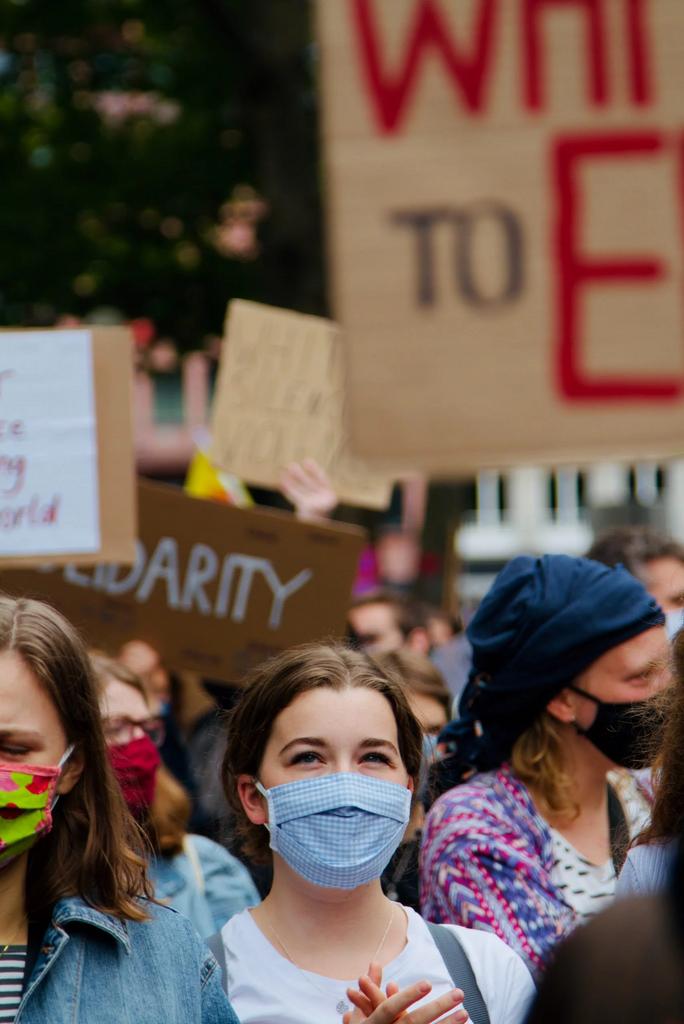
Be the wellbeing generation.

Following the survey, we ran a successful three-month pilot in consultation with young people in 2021. Our evaluations show that 100% of the participants found the workshops helpful, and 87 5% strongly agreed that the programme helped them manage their personal wellbeing better
The Age of Public Health 8 10 August 2021
A Pathfinder's story
BY ZOË STOCKTON
A founding Pathfinders member, Zoë worked as a mental health support worker for MIND and the NHS during the pandemic. A graduate of Human Sciences at the University of Oxford and now works in Agritech.

The eight-member Gen Z team was formed as a result of the PHP Pathfinders Program in February 2021 We spent the first few weekly sessions getting to know one another and understanding how our lives had led us to engage with what was then Cov360
We were a diverse group of postgraduate students with backgrounds in public health and non-related specialisms, translating into a broad range of opinions and life experiences Getting to meet, interact, and learn from one another was one of the most rewarding aspects of the program, particularly against the backdrop of the pandemic and multiple lockdowns limiting our social lives
The program consisted of a series of fast-paced workshops, in-depth discussions and inspiring talks from changemakers, industry leaders, and academics. The majority of us had never explored concepts such as design thinking so we were
challenged with new concepts beyond our backgrounds, which proved incredibly useful for our project to reduce stress among young people
Throughout this process, we realised that we performed best when the teams interacted and overlapped; our interdisciplinarity offered new perspectives for each of our ideas With multiple similarities between our ultimate goals for our projects, the synthesis resulted in a project targeting stress in 16-18 year olds Informed by our academic backgrounds, research during the program, and our lived experiences as young people, we believe we can equip future generations with the resilience needed to persevere through the challenges facing youth in modern life
Despite time constraints and pressure from studies and work, every member of the Pathfinders cohort remained for the programme ’ s entirety We are keen to begin the set-up to deliver workshops and resources on stress - a testament to the success of the program and dedication of the talented team.
This program provided a platform to collaborate and the confidence to lead with our own ideas, supported by PHP’s technical expertise and wider knowledge. We felt that our young voices were heard and respected, which they seldom are in public policy, and this empowered us to feel that our generation really does have the opportunity and potential to enact meaningful systemic change
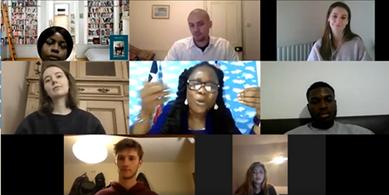
Gwendolyn Myers
Gwendolyn provided a motivational session for the Pathfinders pilot training programme.
Born in 1990, a year after the Liberian civil war began, she was 13 years old when the war ended in 2003. Since then, she has formed Liberia Peace Messengers, of which she is Executive Director. Recently, she was listed by Time Magazine as one of the top Youth Leaders to watch During the pandemic, she has worked with her national government leading the Liberia National Youth Taskforce Against COVID-19
The Age of Public Health 9
10 August 2021
Rebecca
Harris, 22, in Winchester.
I think the fact that it is co-created by a variety of people from different disciplines is really exciting.
Our training helps participants influence decision-making and take action After engaging in the Pathfinders programme, young people either develop their own public health projects or run peer-to-peer training to help others understand more about physical, mental, social, and environmental well-being This creates a groundswell that demonstrates return on investment via the capacity to scale and grow our Pathfinders community
METHODS WE USE:
• Applied psychology
• Peer-to-peer learning
• Design thinking
• Systems and behaviour
• Theory of change
• Logframe [introduction] 100%
SKILLS WE PROMOTE:
• Confidence & resilience
• Public speaking
• Creativity and initiative
• Analytical thinking
• Reasoning & problem-solving
• Project management
Agreed the training was helpful
EXPERT INPUT:
Adam Abdulla PhD in Behavioural psychology, Oxon Double First in Classics
Josh Entsminger, Economist, PhD student in AI at UCL Institute of Innovation and Public Purpose
M
d e n c e
v e l h a
I n o w t h
n k m o r e c l
a r l y . T h e P a t h f d i n d e r s t r a i n i n g h a s h e l p e d m e
h
o
y c o n f i
l e
s g o n e u p .
i
e
i n t
e l
n g t e r m .
J o h n , 2 1 , i n N o r t h a m p t o n
WELISANE
MOKWE
NKENG
IS A CAMEROONIAN DIPLOMAT, JOURNALIST, AND GENDER ADVOCATE.
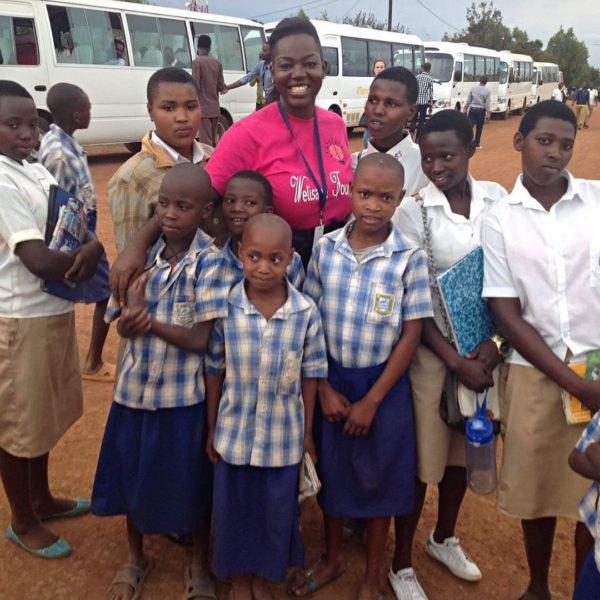
As founder of the Welisane Foundation, she seeks to enable girls and women to reach their utmost capacity and advance in society through education, workshops, networking, advocacy and empowerment initiatives. Her specialisation lies in International Relations and Diplomacy. She is also a Malaria Ambassador and Global Goodwill Ambassador
Welisane provides tremendous support to Public Health Pathways Through our partnership on the Maternal Health Project, she has contributed to project planning with her local expertise and introduced us to key experts on the ground
In this interview, Welisane discusses her current work in the South West region of Cameroon and highlights the maternal health needs there. She reveals key elements of project planning and further important issues surrounding women that should be prioritised.
Could you tell us about your work in the South West region?
The Welisane Foundation just donated 1000 reusable pads to Cameroonian refugees in Nigeria and the project is still ongoing We are raising more funds for phase 2 of it
The Age of Public Health 11
10 August 2021
The Welisane Foundation
From displacement to maternal health
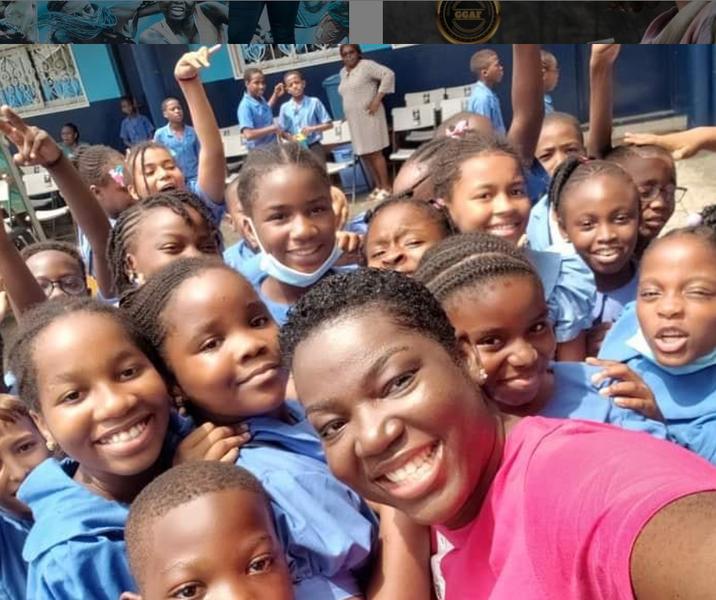
Soon we will run the 4th edition of the “Vacances Sans Grossesses” [Vacations without pregnancies] campaign It runs for three months and aims to sensitize young girls about the dangers of teenage pregnancy and the importance of pursuing an education
Furthermore, the 4th edition of the "One girl, One dream" –– back-to-school project will be launched in August and September to support displaced and less privileged girls in going back to school by donating didactic materials and tuition fees
What aspect of maternal health do you think needs more attention in the South-West region?
There are still several stereotypes, misinformation, and cultural and health myths around maternal health
Educating women with the right information about their health will go a long way to help them make informed choices and break the cycle of misinformation handed down from generation to
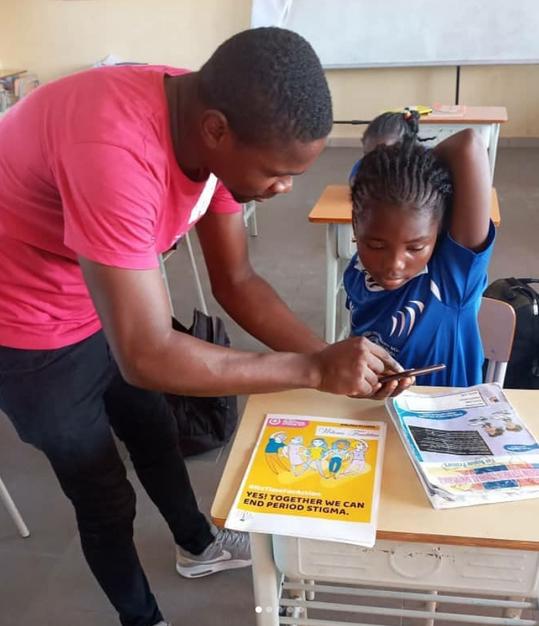
The Welisane Foundation just donated 1000 reusable pads to Cameroonian refugees in Nigeria
The Age of Public Health 12 10 August 2021
generation This can be achieved by targeting and educating women who attend antenatal care and post-natal care sessions
The shortage of health personnel is a challenge compounded by the ongoing Anglophone crisis, which has led to many health personnel fleeing the area Also, many of the midwives are not well trained; rather, they are nurses who have gained experience over time. Hence, there is a strong need for training and refresher courses.
What key elements should we consider while planning the maternal health project?
We should consider the cultural context of the Muyuka area and use the knowledge of local leaders and health personnel who look after the community In addition, the security challenges must be considered so as to not risk the life of anyone who is a part of the project Furthermore, it is important to
define the budget of the project while considering the lack of social amenities and the risk of working in an insecure area
Besides maternal health, what other issues should be prioritised for women in Cameroon and other areas in a similar situation?
Menstrual hygiene management, mental health, sexual and reproductive health rights (fibroids, infertility, breast and cervical cancer) and non-communicable diseases (obesity, diabetes and hypertension) are all key issues that warrant more attention if a more wholesome approach to health is to be achieved.
Interview by Camila Carbone
Public Health Pathways project lead for our Maternal Health Programme
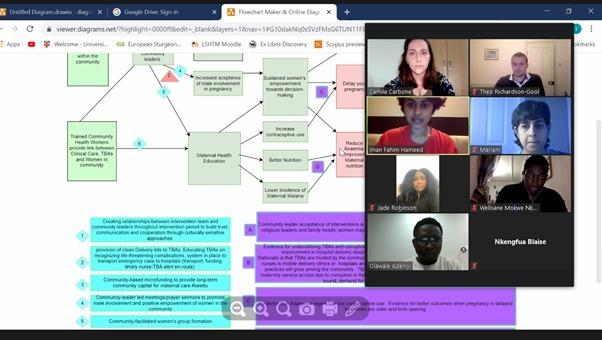
In October 2020, Public Health Pathways partnered with the Welisane Foundation to reduce maternal mortality in Cameroon.
Maternal health continues to be a public health priority
In Cameroon, the (World Bank, 201 per 100 000 live b
In October 2020, Foundation Our o South West regio
The ongoing Angl health owing to hi project focuses on where over a third
There is a high ris amidst the lack of barriers include lim displacement to ru
The Age of Public Health 13 10 August 2021
Refer to Page 35 for partnership information
Email: Partnership@publichealthpathways org
“Ordinary” people are capable of “extraordinary” things when we work together.”
Yemi Babington-Ashaye Chair of Public Health Pathways Board of Trustees President of United People Global
Charity No. 1192557. DONATE Today
Case study
Is Russia heading toward a winter of discontent
BY TAISIYA PETUKHOVA
Masters in International Relations from Lomonosov Moscow State University. Master in Water Security from the University of East Anglia. Taisiya covers environmental change, water risks, and Russian affairs for Public Health Pathways.
The first two cases of COVID-19 were officially registered in Russia on 31th January 2020, the day after the WHO declared a Public Health Emergency The responses to the threat of the pandemic changed significantly over time, from the introduction of sanitary measures in airports and land border crossing points with China to strict country-wide lockdown by the end of March
During this period, regional Governors were given powers to define the rules and restrictions imposed locally In Moscow, where the highest number of cases was registered, people had to get a QR-code pass to leave their homes and there was a limited list of permitted reasons to leave
Some restrictions were lifted by mid-June 2020
However, with the colder season approaching, Russia as with many other European countries was hit by the “second wave ” Nonetheless, for most regions, this did not mean a tightening of restrictions. When consulted by Forbes magazine in October 2020, prominent economists agreed that the Russian economy would not survive the second lockdown (Forbes 05.10.2020).
Before and after Christmas and New Year, dine-in restaurants, shopping malls and museums were open, and even cinemas and theatres were running, however, with 25% capacity permitted More restrictions were lifted when the vaccination campaign started in January 2021 By June 2021, the restrictions in place were to do with foreign travel and compulsory wearing of masks in public spaces
The Age of Public Health 15
10 August 2021
STATISTICS
As of July 2021, there have been about 5 65 million cases in Russia since the beginning of the pandemic, with more than 139 000 deaths (стоп коронавирусрф 6 07 2021) Compared to other countries, Russia has the 5th highest number of cases but lower deaths per 1 million compared to the UK, for example, which has more stringent restrictions.
The overall numbers however are constantly challenged. In December 2020, Tatiyana Golikova, Deputy Prime minister of Russia, announced that based on an excess mortality assessment, the total number of deaths associated with COVID-19 in Russia might be up to 186 000. The figures published by the Financial Times are even higher
This might be attributed to different reasons First, the difference in methods of counting and criteria for the attribution of a death to COVID-19 as well as the accuracy of the cases and deaths recorded Second, independent media reports have highlighted government manipulation of statistics to portray a “successful fight” against the pandemic According to polls by an independent polling agency, up to 60% of doctors and 66% of the general population believe that the numbers of cases/deaths are understated Third, some people
conceal the fact that they have come into contact with someone with COVID-19 or were infected and continue to go to work for fear of losing their jobs due to the 14-day mandatory isolation (Gadzhiev 2020) Even though central and local governments have implemented a series of preventive measures, the rules are not always followed, contributing to a faster and more uncontrolled spread of the virus
BEYOND MOSCOW
As repeatedly reinforced by WHO officials, access to comprehensive and reliable information is essential in the fight against COVID-19. The Russian government launched the website стоп коронавирус.рф, which provides official statistics, government measures, medical resources, and vaccination information Regional governments also have local portals with relevant information
"60% OF DOCTORS AND 66% OF THE GENERAL POPULATION BELIEVE THAT THE NUMBERS OF CASES/DEATHS ARE UNDERSTATED."
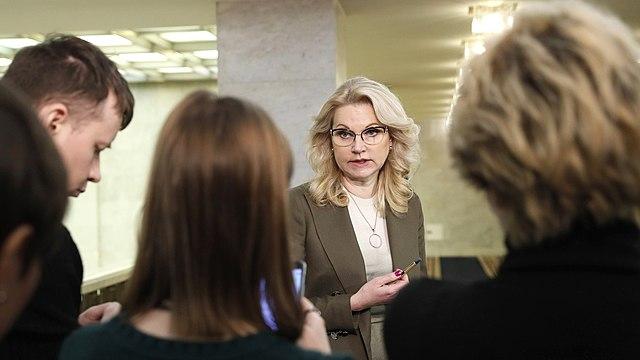
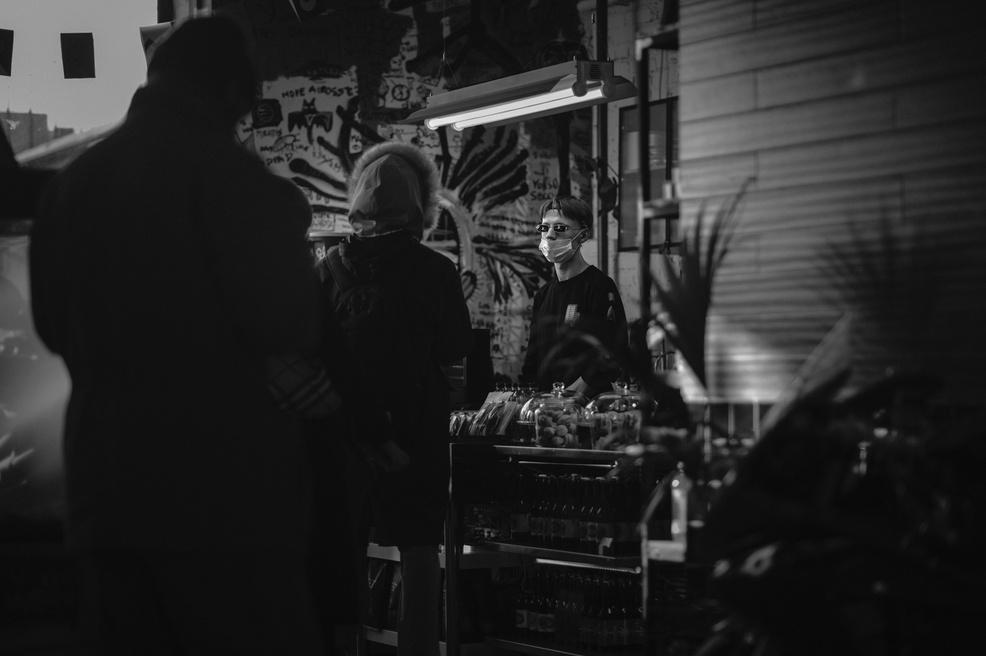
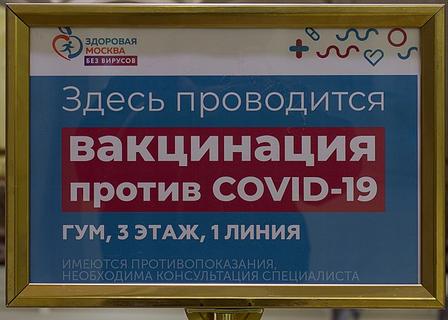
(Left)TatyanaGolikovaatCOVID-19briefing16March2020 Source:RussianGovernment-WikipediaCommon (Righttop)Abaristastandsbehindthecounterofthecafe,February10,2021 Source MyznikEgor (Rightbottom)COVID-19vaccinationsigninMoscowdepartmentstore March2021 The Age of Public Health 16 10 August 2021
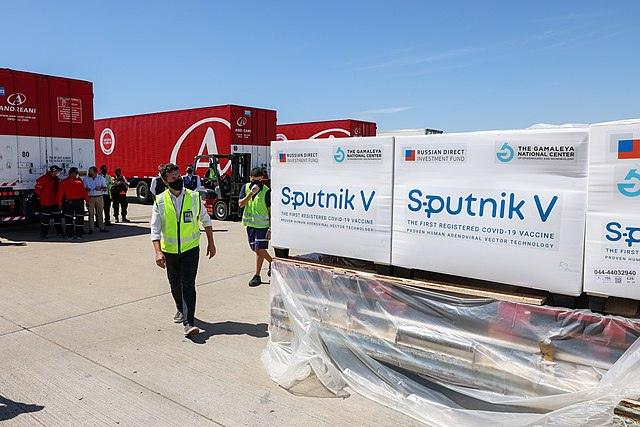
THE SPUTNIK V VACCINE IS REGISTERED IN MORE THAN 60 COUNTRIES.
The healthcare system in Russia was burdened with helping thousands of COVID-19 patients. Since the beginning of the pandemic, new hospitals were constructed, doctors made home visits to COVIDpositive patients, and testing and medical help have been made available for free in state hospitals. The government also pledged to provide additional financial compensation to doctors and nurses who work with COVID-19 patients (Government of Russia, April 2020)
However, the situation varies throughout Russia Doctors and nurses (1, 2, 3) have testified that beyond big cities, the medical system is “choking”; there are inadequate hospital personnel, ICU units, and PPE, and limited or no financial compensations (Niyazova 2020) Inconsistency in information is also contributing to distrust among the public, with some seeking alternative ways of tackling the virus, including self-medication with antibiotics (Ibid)
THE VACCINE
From January 2021, Russia started a mass vaccination campaign with the Sputnik V vaccine developed by the Gamaleya Research Institute of Epidemiology and Microbiology (Moscow) The country has four other “national” vaccines in development The phase 3 trials of the vaccine were completed on 2nd February 2021 The vaccine’s efficacy is reportedly 91 6% and the suggested lessening of disease severity after one dose is particularly encouraging (Logunov et al 2021) The vaccine is registered in more than 60 countries
In Moscow, vaccines are freely available in walk-in clinics and mobile vaccination points However, the vaccination campaign in other Russian regions is reportedly much slower and there are some dosage shortages In addition, the level of vaccine acceptance is very low - around 30% (Credit Suisse Emerging Consumer Survey 2021 (see p.65)). Local governments introduced several incentives for people to get vaccinated such as allowing vaccinated people to participate in a lottery with the chance to win a smartphone or even an apartment in the city of Ufa. However, with cases growing rapidly in June 2021, authorities started to tighten regulations regarding vaccinations. For example, from 28th June, people in Moscow are not allowed into restaurants and public events without a QRcode confirming their vaccination [These restrictions, however, were soon abolished] Businesses and institutions working with people are obliged to ensure that at least 60% of their staff are fully vaccinated (Gov of Moscow, Covid-19 info )
By the end of June 2021, there were about 16 7 million people fully vaccinated in Russia (compared to about 33 2 million in the UK)
LESSONS LEARNED
A big country means big differences The situation hugely varies depending on the region in Russia
It is not enough to declare restrictions – they should be implemented To implement restrictions, penalising people is not enough –the people’s cooperation is required To achieve that, trust must be maintained between government and society The pandemic has underlined problems that already existed in society: informal jobs and the lack of employee protection, and a lack of trust in the government and officials
The Age of Public Health 17 10 August 2021
Spotlight on Peru and COVID-19
BY CAMILA CARBONE
An asset to Public Health Pathways, working in operations across multiple teams. Master in Public Health from King's College London. Formerly a Clinical Nutritionist in the Lima Province of Peru.
When the first COVID-19 death was reported in Peru on March 19th 2020, the government had already declared a state of emergency, prohibited mass gatherings, implemented nightly curfews, and closed schools and borders (Benitez et al , 2020) Despite a strict national lockdown from March 16th to June 30th, Peru had the highest COVID-19 death rate per capita in the world in August 2020 (Quigley, 2020) and June 2021, after the death toll was doubled following a review (Reuters and Associated Press in Lima, 2021) In fact, projections of life expectancy at birth were cut by almost 3 years by January 2021 (Heuveline & Tzen, 2020) Information delays and chronological differences in identifying the first cases or waves of the pandemic hamper international comparisons
STRUCTURAL UNPREPAREDNESS
The early national response hinted at the country’s unpreparedness for the crisis The Peruvian health system is divided into five entities with multiple providers (WHO, 2020) and is underfunded – only 2.2% of the GDP was invested in healthcare in 2019, with 6% promised in 2014. As a result, Peru had 2.64 ICU beds and 2.9 ventilators per 100, 000 inhabitants in 2017, well below that of its regional peers (Garcia et al., 2020). Furthermore, there was a severe lack of personal protective equipment. There are reports of doctors even using plastic bags (Gonzales-Tamayo et al , 2020) Physicians were also unequally distributed per region and this deficit coincided with some of the highest number of COVID-19 cases (Gonzales-Tamayo et al , 2020)
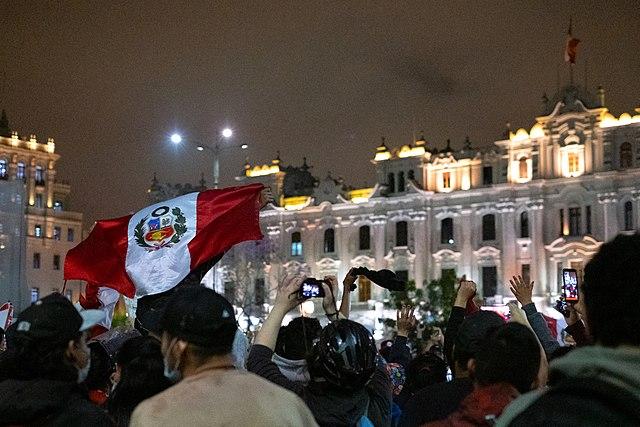
The Age of Public Health 18 ProtestsofNov17-CityCentre2020(Lima Perú)
PublishedNovember17 2020 Case study 10 August 2021
BySamanthaHare
SOCIAL CHALLENGES
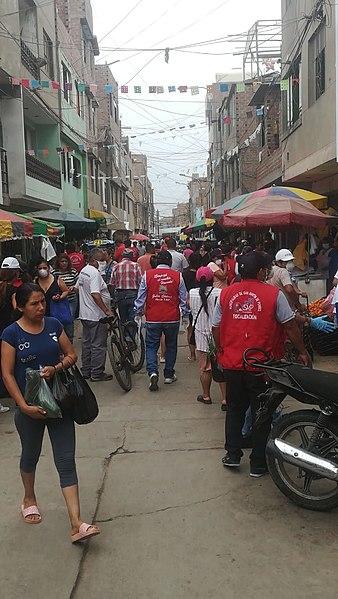
The pandemic exacerbated inequalities (income, gender, geography) that determine access to services (Gianella et al , 2020) As 72% of jobs are in the informal sector, the lockdown was a significant challenge for daily-wage workers (INEI, 2018) Thousands of citizens internally migrated on foot from the capital to other regions in search of survival despite the challenging geography (Lázaro, 2021). In addition, markets became hotspots for transmission because 58% of Peruvian households do not own a refrigerator (INEI, 2020); this was intensified by controversial gender-based permissions to leave homes, on female-allocated days, which led to increased interactions in markets between women, as they usually buy the food (Pulcha-Ugarte et al , 2020) Additionally, considerable numbers waited at banks to collect government-issued relief cheques because only 38% of Peruvians have bank accounts (Dyer, 2020)
The lockdown adversely affected mental health, especially for the elderly and those with high levels of anxiety/depression In fact, COVID-19-related distress had higher prevalence in areas affected by the virus (Kruger-Malpartida et al , 2020) Moreover, as schools were closed, the government implemented a digital educational platform (Aprendo contigo) to provide universal access to kindergarten, elementary, and high school students Although it was highly criticised, the digital barriers
and multicultural differences were addressed via campaigns on radio and television in nine national languages (Morales, 2020)
MISINFORMATION
The national communication strategy was dominated by Presidential conferences on television with undertones of a battle-like discourse, which may have negatively impacted empathy and caused repression. Even though individual action was recommended, supportive material or local reinforcement were missing. The media and private sector voluntarily amplified messages; however, their lack of coherence was exacerbated by misinformation on social media (Macassi, 2020).
Misinformation may have led to self-medication to prevent COVID-19 (Tejada & Medina-Neira, 2020) Consequently, vaccine hesitancy doubled from August 2020 to January 2021, with 13% opting to self-medicate with ivermectin instead (Pereyra, 2020) Ivermectin, an antiparasitic drug, was once approved by the Ministry of Health for COVID-19 treatment without scientific evidence of its effectiveness It presented antiviral properties in vitro at unachievable doses in the human body and no clinical trials have proven its efficacy or safety (Lescano & Pinto, 2020, Merck 2021) In fact, 80% of COVID-19 patients hospitalised report selfmedication, with 67% taking ivermectin to prevent the novel disease (Zavala-Flores et al, 2020)
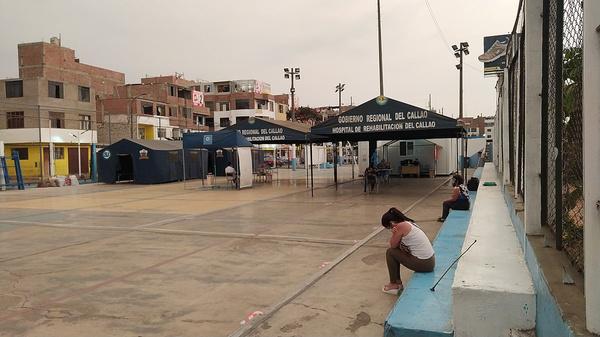
CondevillamarketsurroundingsinSanMartíndePorresduringtheCOVID-19StateofEmergencyinPeru ByTxolo,published20March2020 (left) ExtensionoftheSanJosédelCallaoHospitalduringthesecondwaveofCOVID-19inPeru ByJohnattanRupirepublished20January2021 (right) The Age of Public Health 19 10 August 2021
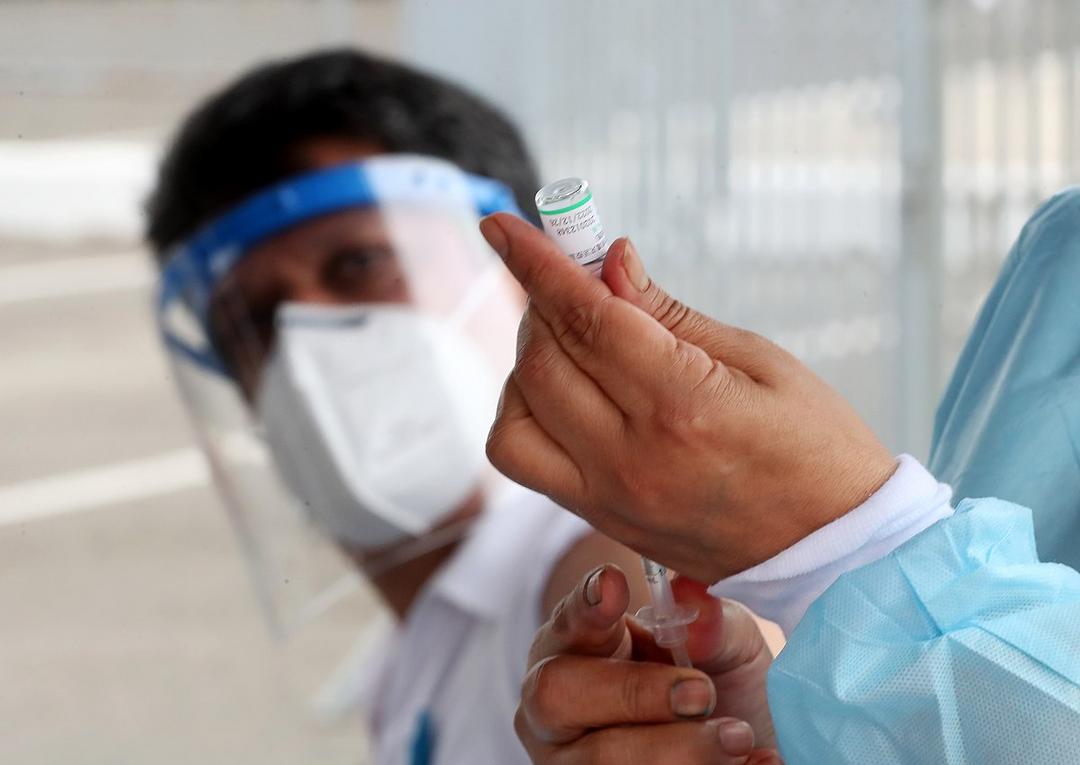
VaccinationagainstCOVID-19atthePeruvianNavyMedicalCenter ByCifras Confiables Published29April2021
NEGLECTED INFECTIOUS DISEASES CONTINUED TO AFFECT THE POOREST AND PUBLIC HOSPITALS STRUGGLED WITH A CONTINUING OXYGEN CRISIS
THE VACCINE SCANDAL
Peru witnessed protests and marches when President Vizcarra was impeached and Merino (then Speaker of Congress), was declared acting president in November 2020 The protests surrounding the “Merino does not represent me ” movement might have been fuelled by the pandemic’s impact: the rising unemployment rate (17%), contracting economy (30%), and ever-growing fatalities (Arnold- Parra, 2020)
The second wave in January 2021 was followed by the arrival of the first batch of COVID-19 vaccines (Sinopharm) in February 2021 Further agreements have ensured millions of doses from AstraZeneca, Pfizer, and the Covax Facility due to arrive throughout 2021 (Peruvian Government, 2021b).
As the vaccination rollout began, a COVID-19 vaccine scandal –“vaccinegate” – was revealed. Almost 500 people were secretly vaccinated since October 2020 with surplus vaccines from the Sinopharm clinical trial in the capital. Among them were the former President Vizcarra and Mazzetti (Romo, 2021), the fourth health minister to resign or be removed during the pandemic Distrust towards politicians increased as Peruvians were reminded
that the last six presidents had been charged with corruption.
Moreover, health inequalities were highlighted as neglected infectious diseases continued to affect the poorest and public hospitals struggled with a continuing oxygen crisis, especially in remote communities (Kenyon, 2021).
The 2021 presidential elections were testimony to an anti-establishment sentiment and widespread frustration with the political system (Taj, 2021) The elections differed from previous ones, as traditional media (radios and televisions spots) was not allowed Instead, political parties broadcasted their messages via digital platforms (social media) In order to mitigate misinformation, Lira (2021) suggested that digital users should report misuse by political parties to ensure a democratic process
LESSONS LEARNED
National diversity and social challenges must be acknowledged early to increase the effectiveness of measures or restrictions Community involvement and understanding can further add to this
Evidence-based decisions founded on international experiences and local context could improve measure effectiveness
Prioritisation of educational strategies and digital user engagement are vital for addressing misinformation
The digital educational platform must be improved to increase crucial access to digital information in the future.
The Age of Public Health
20 10 August 2021
Lakshmi Sundaram
Public Health Pathways Trustee Interim Executive Director of Open Democracy "I'm incredibly excited to be a Trustee, and be a part of this journey" Refer to Page 35 for partnership information. Email: Partnership@publichealthpathways.org DONATE Today Charity No 1192557
HAPPINESS - A WORD WITH 787,683,3378 DEFINITIONS
BY ADRIANA MICHALAK
Ph.D. candidate at the University of East Anglia, studying early sleep and circadian markers of Alzheimer's disease. Adriana has produced several reports on the cognitive sciences for Public Health Pathways with a commitment beyond the lab.
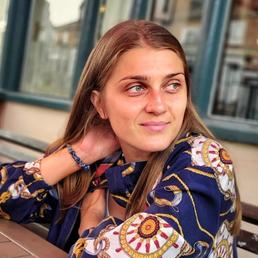
What is “happiness”? Why are some countries seemingly happier than others? How can we conceptualize the level of happiness and express it statistically?
The Merriam-Webster Dictionary defines happiness as a state of well-being and contentment In psychology, happiness is one of the basic, universally recognized emotions (Ekman, 1971). What makes us happy, however, is an intimate and subjective matter that varies through life Attitudes towards happiness have changed throughout history (Veenhoven, 2012)
Because of its subjective nature and cultural differences, happiness is challenging to measure Yet, since 2013, the Copenhagen-based Happiness Research Institute has studied well-being, happiness, and quality of life using qualitative and quantitative methods, exploring why some societies are happier than others One of the aims of the research conducted at the institute is to incorporate subjective well-being into the public policy domain and improve quality of life
Contentment was shown to have a beneficial effect on society on many levels Happiness tends to predict longevity and is positively associated with cardiovascular health, reduced risk of stroke, better immune system response, stress management, and sleep (e.g., Chei et al., 20218, Steptoe & Wardle, 2005, Ostir et al., 2001, Cohen et al., 2003, Smyth et al., 2016, Steptoe et al., 2008). Work-wise, happy employees were shown to be more productive (Bellet, 2019), whereas happier doctors were found to make quicker and more accurate diagnoses (Estrada et al , 1997)
Neuroscientific studies show that specific brain areas (amygdala, hippocampus, and the limbic system) supported by a cocktail of neurotransmitters (dopamine, serotonin, norepinephrine, and endorphin) play an important role in happiness As each neurotransmitter is coded by a specific gene, happiness is partially determined by genetic makeup (Nes & Røysamb, 2017) However, people are not restricted to their DNA and one can learn to be happier Volunteering, exercising, immersing oneself in nature and gratitude are happiness boosters that can be incorporated into daily life (Lawton et al , 2021, Zhang & Chen, 2019, Chang et al , 2020, Bono et al , 2004) Money seems to help as well A recent study on a U S cohort revealed that daily happiness and overall life satisfaction increased in a logarithmic manner with reported income (Killingsworth, 2021) The researchers speculated that money could buy happiness through mediators such as increased comfort, more control over life, or simply enjoying having money Interestingly, happy young people were more likely to become wealthy adults later in life (UCL)
The Age of Public Health 22 10 August 2021
In recent years, knowledge of Danish Hygge, Swedish Lagom, Finnish Sisu, or Japanese Ikigai has highlighted how culturally relative the valuation of happiness is. For example, in China, Xingfu refers to a good life that is sustainable, sufficient and with meaning, the Canadian Joie de vivre translates to the enthusiastic joy of life, the Brazilian Saudade describes a romantic nostalgia for past happiness, and the Australian Fair go prizes an egalitarian society where everyone deserves a fair chance (Russel, 2018) Further, in Bhutan, Gross National Happiness philosophy focuses on prioritizing collective happiness and non-economic aspects of well-being (Russel, 2018) The importance of happiness is also evident in the United Nations’ celebration of the International Day of Happiness
Interestingly, according to the World Happiness Report 2021, amongst the ten happiest counties, nine are European, with Finland, Iceland, and Denmark at the top of the list (Helliwell et al , 2021) The report ranked 149 countries based on respondents’ evaluation of factors indicating quality of life, such as GDP, life expectancy, generosity, social support, freedom of choice, and perception of corruption The ratings were compared to an imaginary country, Dystopia, inhabited by the world’s least-happy people
"VOLUNTEERING, EXERCISING, IMMERSING ONESELF IN NATURE AND GRATITUDE ARE HAPPINESS BOOSTERS"
"PERFECT FOR PARTIES AND CELEBRATIONS"
The report also focused on the impact of Covid-19 on happiness, and how people coped with pandemic-related challenges Findings show that the world showed resilience in the face of the devastation related to the pandemic, which can be explained by the fact that the pandemic affected everybody, creating a greater sense of solidarity East Asian countries fared well on the 2021 happiness list, owing to strict policies implemented to control the spread of the virus Likewise, Australia and New Zealand were rated highly, as morale was enhanced by effective, early government action Further, the high rating of Nordic countries could be accredited to mutual trust and confidence in the government
The initial effect of Covid-19 led to a mental health crisis In the UK, the number of mental health issues increased by 47% during the pandemic Further, people on furlough or redundancy indicating loneliness at the beginning of the pandemic were 43% less happy than those who did not report experiencing loneliness, which emphasises the importance of social connection and the sense of identity in the work environment in relation to happiness Well-being during the pandemic was also associated with connecting with others in the digital world Those who felt connectedness decline reported decreased happiness.

Happiness is an inside job; therefore, we can actively direct our attention to what is good and benefits our wellbeing. Importantly, successful approaches towards happiness cultivated by different countries and cultures can inspire one to learn how to be happy (see The Atlas of Happiness: the global secrets of how to be happy by Helen Russell, 2018)
The Age of Public Health 23 10 August 2021
If you like the Olympics, you are a globalist.
Yuval Noah Harari

OLYMPIC FEATURE
BY RITU AWASTHI
The Olympic games have always been the epitome of global solidarity, but the International Olympic Committee stepped up its game by introducing the Refugee Olympic Team (EOR) in 2016 The team has gotten bigger and stronger for the Tokyo 2020 Olympics and the games have become a paradigm for a celebration of inclusivity, diversity, and equal opportunity
The ethics and values on which the Olympic games are based can be applied to Public Health too Defined as the art and science of preventing disease, prolonging life, and promoting health through the organized efforts of society (Acheson, 1988; WHO), Public Health is incomplete without the concerted endeavour of the stakeholders involved. It is also concerned with wider social determinants of health such as education, housing, employment, and lifestyle. A global alliance of government, communities and international agencies is at the heart of withstanding the critical issues that we are currently facing, be it addressing the health inequities exacerbated due to the pandemic, the impending climate crisis, delivering healthcare in conflict-ridden areas, or the prevention and treatment of non-communicable diseases.
Achieving better health for all is an exercise in team-building and making the weakest link stronger It is important we actively work towards this without delay
PhD in Health Communications, Ritu helps Public Health Pathways as a digital creator. With expertise in documentary editing, radio, and formerly a faculty staff at Veer Narmad South Gujarat University, Surat
The Age of Public Health 24 10 August 2021
Prisoners, COVID-19, and Human Rights
BY BHASKAR BANERJEE
Practicing civil liberties lawyer at GT Stewart Solicitors, having qualified at Hodge Jones and Allen LLP. A graduate of BPP Law School, Queen Mary, University of London. Cum Laude in Philosophy from Washington and Lee University.

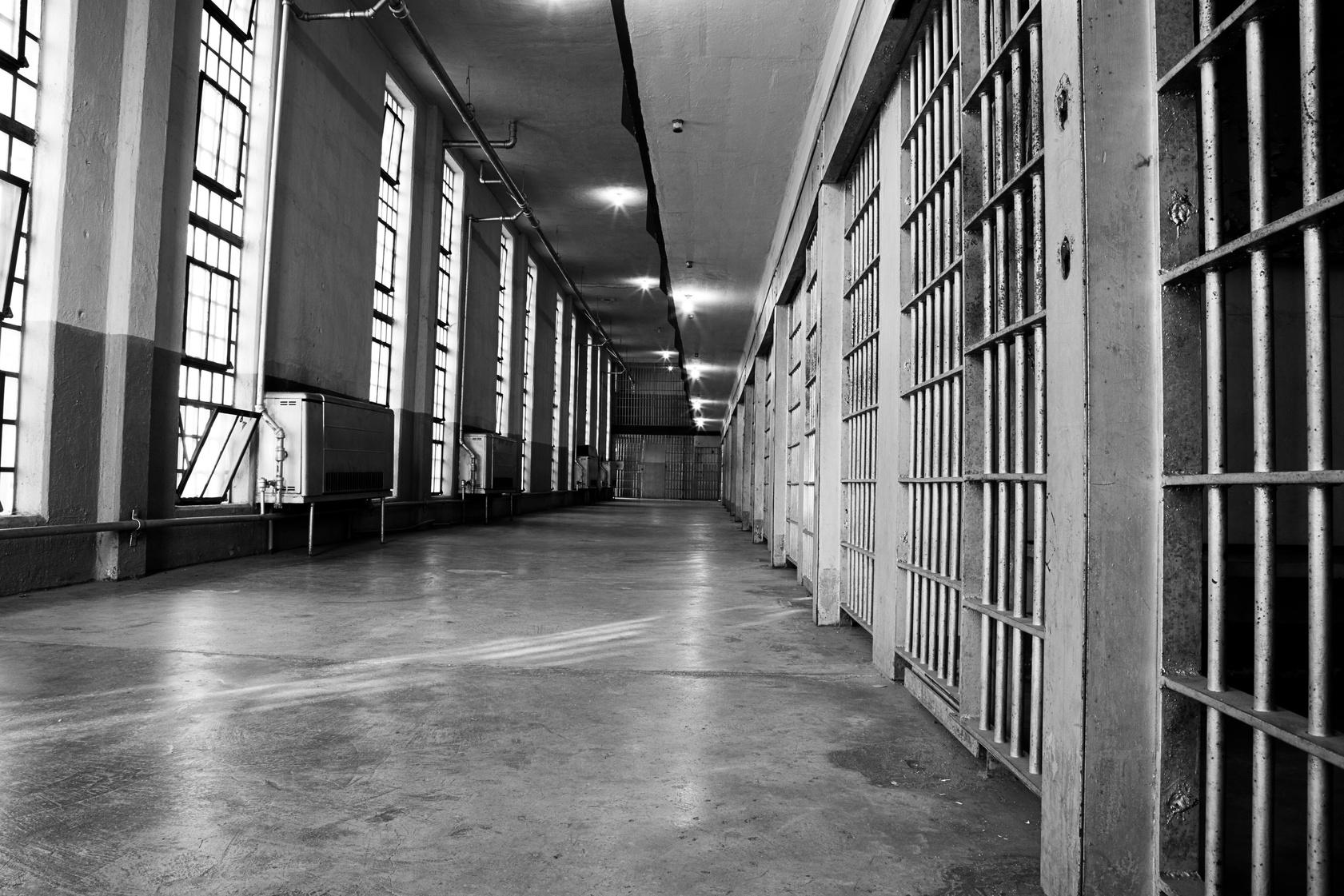
Though there have been fewer COVID-19 cases than feared in prisons, that is not the whole story. For almost a year, prisoners have been spending 23 hours a day in their cells. Notwithstanding, there is not enough space to put everyone in a single cell. The situation has put prisoners in a position akin to solitary confinement, with most employment and education opportunities ceasing. This comes at a time where there has already been a rising number of cases of self-harm Although keeping prisoners in these conditions similar to solitary confinement has reduced overall violence, it is not a viable long-term solution Furthermore, there is no access to secondary care except for cancer referrals and emergency care (Nuffield Trust, 2021)
In October 2020, the Chief Inspector of Prisons in England and Wales stated that they had visited more than 50 prisons and had warned that the practice of 23 hour detentions had become ubiquitous Thus, there are serious concerns about the mental health of prisoners
A lesser-known issue is the effect of the pandemic on the population of people in remand in England and Wales COVID-19 has led to rising numbers of those held on remand in prison by the courts This raises several questions: should courts continue sending untried persons to jail when prisons are over capacity, despite the availability of judges, jurors, and court staff? Human rights advocates have called for an urgent review to consider this and the broader physical and mental effects Should such regulation be abandoned or suspended in the case of children and even adults?
With untold health concerns among prison populations during the pandemic, there is a new impetus on rethinking related legislation and exploring prisoner treatment through a public health lens.
One of the strongest lessons from the end of the last century is that public health can no longer afford to ignore prison health.
WHO Regional Office for Europe
The Age of Public Health 25 10 August 2021
Our futures
We asked some of our community:
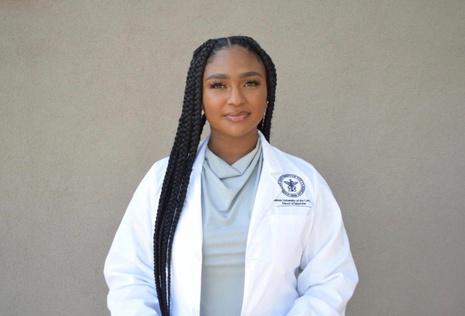
Jade Robinson MPH, Medical student, training in Preston, UK
 Charlotte Bexson MPH, Public health intelligence in local government, London, UK
 Jonathan Zhang Undergraduate student at Harvard University, Boston, USA.

What is your view about the future of public health and what is valuable about Public Health Pathways?
The past two years have reminded us that the world is one Regardless of geographical location, we have all felt the impact of this pandemic. While working on the frontline in my hometown, Bermuda, an isolated island in the Atlantic Ocean, I have seen how solidarity kept my island grounded Individuals from all walks of life came together and trained the youth to assist in various ways This experience reaffirmed the fact that the youth are the future of public health.
As a medical student, the most valuable part of joining Public Health Pathways was being part of a team of young intellectuals actively seeking change, not only in our communities but in the world
In the wake of COVID-19, public health systems worldwide must focus on building resilience against the next pandemic and improving health at the population level The inequalities COVID-19 has highlighted show the importance of adopting a whole-systems approach, addressing the socio-economic factors shaping wellbeing to realise sustainable improvements in health As the global vaccination rollout continues, there must be a renewed focus on public health education. Public Health Pathways uniquely brings together voices and experiences from diverse communities worldwide. By pooling expert and local knowledge, Public Health Pathways is building a platform that fosters new ideas, publishes peer-reviewed content, and provides strategic support for developing public health platforms
As a second-generation Chinese–Mongolian immigrant in the United States, I can say that the relationship between public health and my community has always been tenuous The government has repeatedly failed to meet the health needs of marginalised communities, as evidenced by the disproportionate amount of deaths from COVID-19 in communities of colour Hence, organisations like Public Health Pathways are needed now more than ever It is paramount for everyone to have equal access to information and representation within frameworks of health. I am grateful for my experience at United People Global and Harvard to have connected me with the Public Health Pathways, to provide me hope for the future in a world with such an uncertain present
The Age of Public Health 27
10 August 2021
Our futures
Ana Clara De Queiroz
Postgraduate at Universidade de Brasilia, and biology teacher, Brazil

Olawale Adeniyi
Postgraduate at NUTM and growth strategist, Lagos, Nigeria

Jakia Siddique Sufian
BSc, Digital and Graphic Design lead, London UK
In the 32 years since its establishment, Sistema Único de Saúde (the Brazilian public health system) has increased life expectancy, improved mental health, and decreased child mortality, among other wins. What are we without public health services? This pandemic has shown that public health systems cannot be homogenous, with the needs varying in underdeveloped and more developed countries Over the last year, millions worldwide have gone to the streets (or the internet) to protest for better, more locally attuned public health structures That is why initiatives such as Public Health Pathways are vital Their work in disseminating accurate information and mapping examples around the globe through local expertise is key to building healthier futures
The future of public health is the community COVID-19 has indicated how outcomes vary with communal responsibility. Misdirected individual actions can put us all at risk Therefore, I see the need for shared accountability at the individual and collective levels
Public Health Pathways was one of the communities that emerged in response to the Covid-19 pandemic to fight disinformation. I am glad to be a part of this global community of progressive young people showing leadership by working towards positive healthcare outcomes.
In light of the pandemic, public health, which was not at the forefront of discussions before, is now much more talked about An increasing number of people have taken an interest in their surroundings and events in relation to health. Being of Bangladeshi origin, I’ve personally found it challenging to explain the importance of health-related aspects to some family members I believe now is the time for us as a community to talk about these issues and guide people where we can
We all know young people are tomorrow’s future. The Public Health Pathways’ Pathfinder programme not only gives them a voice to learn, explore and challenge ideas, but also hopefully to educate others of the importance of public health
The Age of Public Health 28
10 August 2021
Our futures
Samia Khan MSc, Urban Designer, Internal culture strategist, Jeddah, Saudi Arabia
 Ashley Rhoden Bsc, Account Officer with Bristol City Council UK
 Belén Ramírez Llopis
MIR, Communications Associate with UN WTO, Madrid, Spain
Belén Ramírez Llopis
MIR, Communications Associate with UN WTO, Madrid, Spain

We are in an era that is pushing global human boundaries From 2019 onwards, we have revisited our socio-economic value systems and reevaluated these through scientific research For every question raised, science and communication media have been fundamental in providing answers The future of public health is dictated by information, education, and communication about foreseeable challenges It is key that organisations learn from the past and present of Public Health to promote sustainable research, develop mitigation strategies, and aid recovery. Public Health Pathways is valuable as a reliable and innovative platform to raise awareness and ensure preparedness for the future of public health.
In light of COVID-19, public health has been elevated to the forefront of both the public and government’s priorities The pandemic effectively put massive pressure on economic, social, and educational systems globally In the face of all this, the NHS (The UK’s National Health Service) has been nothing short of heroic.
Culturally, the pandemic has not changed much within the black community It has in fact highlighted problems such as trust amongst peers within the health service and mistrust in government guidance I genuinely believe Public Health Pathways will help to bridge the gap between the communities and misinformation
COVID-19 has highlighted how we are equally vulnerable, regardless of gender, religion, race or region Promoting public health is one of the most important elements to ensure a healthy life. PHP was created to help aid this goal by co-designing innovative solutions for tomorrow
Public health must also be incorporated in the restart of all economic sectors, particularly tourism, which has been one of the most affected during the pandemic. I'm proud to be a part of Public Health Pathways. Its pioneering attitude toward the current crisis has shown how we can promote solidarity and accelerate our recovery by considering different viewpoints
The Age of Public Health 29
10 August 2021
Our futures
Iman Hameed
London School of Hygiene and Tropical Medicine Postgraduate, Singapore
Ester Ogun
Student of Wolverhampton University in Public health, Birmingham, UK

The pandemic brought with it an unprecedented change From being confined in locked-down cities designed for capacity and efficiency to the unequal effects of Covid-19 and control measures, societies were challenged with a new reality Despite adapting to this, the impact of such drastic change continues to unfold. Consequently, public health is set to play an essential role in decision-making at global and local levels across all sectors Public Health Pathways' focus on combating misinformation, providing vulnerable groups a space with our Gen Z and maternal health programs is our way 'to do different' through agile work, systems thinking, and cultural sensitivity. It is a privilege to be part of this diverse collective, and I am excited to see the impact of our work in the future.
Given what we have experienced during these unprecedented times, I am certain public health will be a priority for both the public and government. It will and must be re-defined to serve the public's need in health protection and health promotion More funding will be allocated to healthcare with the need for better transparency, and evidencebased scientific research will be key
The diversity within PHP allows for a more integrated systemsthinking approach to tackle global public health issues more collectively and inclusively PHP is the voice of the public
Adam Mitchell-Heggs MBA, MIR, Venture Builder, Consultant, London/Paris, UK/France
In the natural world, health is a survival responsibility for the individual Humans have transcended the natural world and formed complex and interdependent societies Societies that depend on systems with healthy communities, organisations, and individuals. Each component has a role to feedback into the system's health Yet, to the detriment of countries, communities, and companies, the individual's health is overlooked all too often The pandemic came with tragic costs though I believe that new conversations surfaced to prioritise human health My view is that public health will re-emerge more like a shared responsibility Public Health Pathways understands this intimately and will provide resources to individuals, companies, communities, and society to integrate this successfully into society
The Age of Public Health 30
10 August 2021
A history of Public Health Pathways' live events
To find our pathway forward, we consult experts From the start, we have brought you thought-leaders from across the globe to help shape our understanding so we can together build a sustainable vision for public health
9
April
2020
- We are all in this together
Yemi Babington-Ashaye, Dr Camilla Pang, Dr Ilan Kelman, Dr Patricia Gabaldon
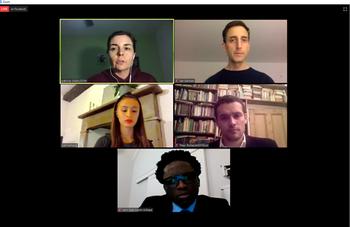
The onset of the pandemic brought a new way of living including social distancing and national lockdowns The priority for our guest panel was to elaborate on the impacts of these new parameters on universal mental health The panel highlighted the importance of immunology and epidemiology for understanding the effects of the coronavirus and called for a collective response to the pandemic
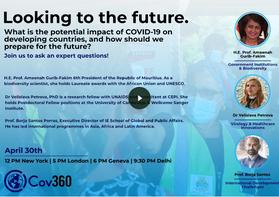
30 April 2020 - Looking to the future
H E Ameenah Gurib-Fakim, Dr Velislava Petrova, Dr Borja Santos
Strengthening multilateral cooperation, removing barriers, and understanding the gaps between the Global South and North is important to move forward. Through education, research, and reformed governance structures, a focused and comprehensive framework must be developed for healthcare Organisations such as the UN and WHO must develop a cross-sectoral response to end the pandemic.
28 May 2020 - Our green future
Anders Wijkman, Ria Sen, Martha McPherson
Strengthening multilateral cooperation, removing barriers, and understanding the gaps between the Global South and North is important to move forward Through education, research, and reformed governance structures, a focused and comprehensive framework must be developed for healthcare Organisations such as the UN and WHO must develop a cross-sectoral response to end the pandemic
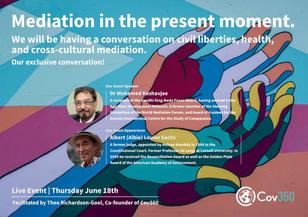
18 June 2020 - Mediation in the present moment
Dr Mohamed Keshavjee, Prof Albert (Albie) Louise Sachs
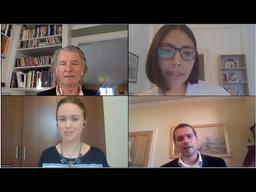
Survival is not reserved for the fittest but for those readiest to adjust to changing circumstances Compassion is proposed as a value that must be revisited and adopted The speakers were keen on developing a framework that incorporates compassion across medicine, law, academia, nursing, journalism, and more The coronavirus has paved the way for new faculties, and they must be ethically bound when dealing with social and environmental justice issues. Future generations must learn from the shortcomings of past generations and become better for the sake of civil liberties
The Age of Public Health 32
10 August 2021
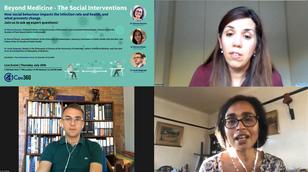
30 July 2020 - Beyond medicine
Dr Shireen Kassam, Dr Jacob Stegenga, Dr Nisreen Alwan
Health and wellness is a consequence of community One’s behaviour is largely determined by their environment and accessibility to surroundings that promote wellbeing. Social interventions can help close the gap between access to healthy environments and good dietary choices Individual and community responsibilities and responses are imperative to understand society's thoughts on public health and to address socio-economic implications


38 November 2020 - Green Health - in Chinese
Mr Guo Yin
The onset of the pandemic brought a new way of living including social distancing and national lockdowns The priority for our guest panel was to elaborate on the impacts of these new parameters on universal mental health The panel highlighted the importance of immunology and epidemiology for understanding the effects of the coronavirus and called for a collective response to the pandemic
12 November 2020 - Innovation in health
Amel Najjar, Dr Ernest Madu, Dr Tracy Chantler
When it comes to healthcare, the most important question is: What is innovation in health trying to address? According to the panel, reformation should be about positive change and build on existing strengths and then being innovative Strong and consistent leadership is important and the ability to adapt to new realities is vital to progressive innovation in healthcare Opportunities created because of the pandemic, such as telemedicine, proves technology is a great asset to medical services
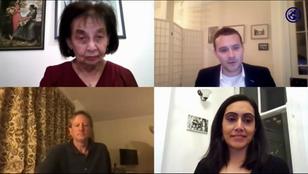
26 November 2020 - Neglected diseases
Prof. Amina Jindani, Prof. Tom Harrison, Dr Nadia Ahmed
Great advancements have been made with regards to diseases such as HIV, TB, and Cryptococcal Meningitis. However, reaching a nontransmission stage requires more resources and funding than what is being provided The pandemic has leveraged tremendous opportunity for collaboration and coordination to meet medical challenges via a top down approach. This can be carried forward to tackle health inequities and to overcome challenges in the transmission and treatment of neglected diseases
Event history write-up by Samia Khan
The Age of Public Health 33
19 May 2021 - Health is wealth
Alan Court, Samira Khan, Lakshmi Sundaram
The launch of Public Health Pathways (PHP), formerly Cov360, explored the role of non-profit and community organizations The panel provided key insights into how a public health charity can achieve impact that is sustainable
Creating shared value
“Some of the best practices in health have actually come out of grassroots efforts around the world”.
Co-creation requires new approaches, such as redefining purpose in the private sector to prioritize value impacts, and to use a corporation’s resources to create value for society.
“How do you actually use the full power of a corporation to create value for society?”
Advocating for stakeholder capitalism challenges the private sector to ensure consumers, employees, and society benefit from a company ’ s actions
Change can be led through boardroom discussions, but meaningful change often comes from grassroots or employee-led movements
Supply chain
Non-profits can highlight problems to those in charge of funding and can feed community solutions back up the chain
Measuring impact
Innovation in measuring impact requires non-profits to challenge held assumptions and to delve deeper into the outcomes, stakeholders, and data
Understanding the social determinants of health and complex social dynamics requires a holistic understanding of the situation and all the moving pieces that make up the problem to be solved
Sustaining impact
A strength of the non-profit sector is its ability to assist with unique and holistic solutions to address challenges facing specific communities
Corporations can play a pivotal role by collaborating with other sectors to increase grantmaking, sustainable investing, and impact investing
For a more sustainable and healthier future, we must remain innovative and open to rethinking the systems in place. Cocreation with stakeholders, expanding resilience, and valuing grassroots movements and knowledge are central to ensuring sustainable impacts
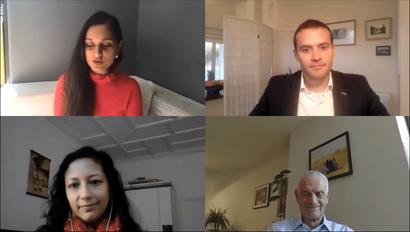
Our speaker's background
Samira Khan, Social Impact Expert, formerly of Accenture, and Salesforce org
Alan Court, a Senior Advisor at the Office of the WHO Ambassador for Global Strategy
Lakshmi Sundaram, former founding Executive Director of Girls Not Brides
Write-up by Jessie Karlovich
The Age of Public Health 34
10 August 2021
Partnerships + Funding Partnerships + Funding
Your donation helps shape healthier futures
Create a legacy and become a founding partner
Email us partnerships@publichealthpathways org
In 2022, we will launch our cross-sector Pathways Leadership Council Members co-create our roadmap and gain exclusive benefits, alongside an annual consortium meeting to help transform public health education
Empower young people Reduce maternal mortality Reduce maternal mortality Help us combat misinformation Help us combat misinformation
Partnerships for Partnerships for Donate to support Donate to support
Training workshops
Design thinking Impact reporting
Action-led research
Logistical support Medical expertise
Content production
Distribution networks
Academic input
Resilience building 100s of workshops Self-determination
Local capacity building 1000s of birth kits Health security
Health promotion
Reaching 100,000s Combat misinformation
Extendingyourvalue Extendingyourvalue
Donor Donor
35 Buildingtothefuture Buildingtothefuture
Our beneficiaries Our
Index of our previous trend reports.
Public Health Pathways operated under the name Cov360 and covered COVID -19 related topics during this period Upon registering with the charity commission on 27 November 2020, our charitable purpose is advancing education in public health
How Are Vaccines Developed? Why So Many? And Why Is The WTO Involved? By Ana Clara De Queiroz - 19 March 2021
Loneliness – The Silent Pandemic By Adriana Michalak - 3 March 2021
Losing My Father To COVID-19 By Ashley Rhoden - 8 February 2021 Voice of the Future - Listening to Gen Z on Covid-19, Mental Health, Education, Work, and Misinformation - 26 January 2021 Is The COVID-19 Pandemic Leading To A Mental Health Crisis? By Vlada Shevelkova - 12 January 2021 Public Health Innovation & Vaccine Confidence By Charlotte Bexson and Theo Richardson-Gool - 22 December 2020
Critical Vaccine Delivery: A Challenge For The Global South By Iman Hameed - 22 December 2020 Tourisms Worst Year Prompts A Call For Safe And Sustainable Travel By Belén Ramírez Llopis - 1 February 2021 Neuro-COVID-19: Complications That Call For Ongoing Analysis And Research By Adriana Michalak - 17 August 2020 Waldemar Haffkine: “The Most Unfamous Man ” Behind Vaccine Development By Taisiya Patukhova - 20 November 2020 Vaccine Hesitancy Identified As A Top 10 Threat To Global Health By The WHO - By Charlotte Bexson - 27 July 2020 Investing In Tomorrows Citizens: Five Recommendations For Early Childhood Education By Samia Khan - 27 October 2020 The Public Health Legacy Of Florence Nightingale: A Lesson For COVID-19 Recovery By Michael Baser - 7 October 2020 Four Distinct Acts Of Infectious Disease Outbreaks By Charlotte Bexson - 22 September 2020 Language Barrier Leaves 1000s In The Dark – Can This Be Solved? By A Ashni - 16 September 2020 John Snow’s Disease Mapping Strategy: From Cholera To COVID-19 By Nkengfua Blaise - 9 September 2020 Beirut Explosion: Four Recommendations To Curb The Public Health Impact By Samia Khan - 4 September 2020 How Can We Look After Those Who Look After Us? By Dr Bryony Porter - 28 August 2020 Interpreting COVID-19 Dreams By Adriana Michalak - 17 August 2020
COVID-19 Health Inequalities, Diet, And Non-Pharmacological Intervention By Michael Baser, Charlotte Bexson, Iman Hameed - 11 August 2020 Biodiversity In Crisis: Building Back Better By Jessie Karlovich and Samia Khan - 11 August 2020
Migrant Workers In Russia Face An Unsettling Dilemma By Taisiya Patukhova - 27 July 2020
The 1918 Flu Pandemic And COVID-19: History Does Not Repeat Itself, But Often Rhymes By Samia Khan - 21 July 2020
The Congo Besieged: COVID 19, Measles, And An Eleventh Ebola Outbreak By Jessie Karlovich - 17 July 2020 ‘No Area Has Been Spared By The Effects Of The Virus ’ United Nations - 10 July 2020 Yemen: A Country Besieged Confronts COVID-19 By Jessie Karlovich - 3 July 2020
Sustaining Life Below Water: The Contrasting Impact Of COVID-19 On Sea Life By Iman Hameed - 1 July 2020
Social Justice, Public Health, And Mediation By Jessie Karlovich and Samia Khan - 1 July 2020
Severe Food Insecurity Predicted Post COVID-19 By Jessie Karlovich - 12 June 2020
Why A “Green” Economic Recovery Post COVID-19 Is Essential By Alicia Ramos - 5 June 2020
Children At Risk Of Disease As COVID-19 Impacts Routine Immunisation By Nkengfua Blaise - 3 June 2020
Re-Imagining Cities Post COVID-19 By Samia Khan - 29 May 2020
SDG 6 And Water, Sanitation & Hygiene: Crucial Against COVID-19 By Jessie Karlovich - 26 May 2020
Running Against Time: COVID-19 In The Central Amazon By Iman Hameed - 18 May 2020
The World Health Organization Is Central To Public Health Yet Its Funding Is Precariously Balanced By Alex Erquicia - 25 May 2020 How Cheap Oil May Expose A Disparity Of Opportunity - By Cristobal Sapena - 12 May 2020
Why Ethnic Minority And Indigenous Communities May Be More At Risk From COVID-19 - 12 May 2020
Contrasting Impacts Of COVID-19 On The Environment And Considerations For The Future By Alicia Ramos – 7 May 2020
Lessons From Singapore’s Pandemic Response To Marginalised Groups By Iman Hameed - 30 April 2020
A Story Of A Proactive, Constructive Global Response To COVID-19 By Theo Richardson-Gool - 29 April 2020 “Leave No One Behind” How Will Refugee Communities Cope With COVID-19 By Samia Khan - 26 April 2020
UNWTO Leads The Global Tourism Crisis Committee By Belén Ramírez Llopis - 26 April 2020 Economic Impacts Of Covid-19 In The Gulf Cooperation Council By Farzana Hussain - 25 April 2020 How Will The COVID-19 Pandemic Continue? By Alex Erquicia - 24 April 2020
Other languages:
Como As Vacinas São Desenvolvidas? Por Que Existem Tantas? E Por Que A Organização Mundial Do Comércio Está Envolvida? By Ana Clara De Queiroz - 19 March 2021
¿Cómo Se Desarrollan Las Vacunas?, ¿Por Qué Hay Tantas? Y ¿Qué Papel Tiene La OMC En Referencia A Las Vacunas? By Ana Clara De Queiroz19 March 2021
36
Contact us +44(0)782 684 6178 Enquiries@publichealthpathways org Public Health Pathways is a Charitable Incorporated Organisation regulated in England and Wales Charity No 1192557 www.publichealthpathways.org "Simplicity, patience, compassion, these are your three greatest treasures"