PROGRAM GUIDEBOOK

2022 Grassroots Public Health Design Sprint

2022 Grassroots Public Health Design Sprint
Public Health Human-Centred
Design Sprint
9 Session Online Program
For: A-Level or Higher Education Students
Benefit/Outcome: Skill development & social project support
Grassroots Public Health
Design Sprint
6 Session In-Person Program For: Community Members
Benefit/Outcome: Skill developments & social impact concept project Human-Centred Design for Organisational Public Health
1 or 2 Full or Half Day In-Person Sessions
For: Organisations or Companies
Benefit/Outcome: Skill development & concept pitch
This Pathfinders guidebook offers you a roadmap and reference to open pathways to make society healthier
Public Health is integral to the quality of life in our communities It covers mental, physical, social, and environmental health Public health means health starts in Bristol’s community, at home, at school, and in our environment.
It is vital that people have the power to make a difference, and we believe that communities understand what's required to make their society healthier So, we developed a Human-Centred Design Pathfinders training programme.
Human-Centred Design (HCD) is the approach, and design thinking is the mindset that enables people to explore challenges and design solutions We use a double diamond method which includes four stages:
1. Discover the challenge (week 1)
2. Define the problem (week 2)
3 Develop the project (week 3)
4. Deliver the solution (week 4)
This programme empowers young people to use their knowledge of real-world challenges to develop practical solutions to make their communities healthier
In 2020 we asked 500 18-25 yearolds about COVID-19 and public health. 71% of respondents felt their voices were not being heard 75% highlighted the need for more public health education So we developed Pathfinders training to empower young people to determine their futures In 2021 we piloted the training, and 100% of the participants agreed the training was helpful.
Our goal is to train young people using HCD to support them with designing a project in response to the design challenge. Thus, the outcomes for the participants are three-fold:
Improve individual health
Develop practical and soft skills
Empower young people
What is global is local and what is local is global We look forward to empowering Pathfinders in Bristol to help build our vision of a world in which all generations can discover, create and shape healthier futures.
The Pathfinders Program provides a platform for us to determine the future
Zoë, 23, in Essex
This course is intended to harness and develop skills we already have Things such as empathy, critical thinking, and communication are naturally occurring skills that develop in many different forms, perhaps in ways you didn’t even realise. The goal of design thinking here is to show you how these skills can be used.
Your team will use your collective insights and knowledge alongside HCD research methods to focus on the design challenge we have presented to you regarding your community. Using your personal experiences and investigating those of other community members, your team will be able to determine the real problem and develop a possible solution.
You will work together in teams throughout the HCD stages based on the double diamond framework Before the program begins we will quickly survey your role and activity interests to form the most balanced teams. In your teams we will provide guidance (not rules) for general role categories so that the program experience is as balanced and inclusive as possible.
In this Pathfinder Program there is a low level of out-of-session work required, however some small tasks might need completing outside of the sessions.
The outcome of this program will be project concept, presented through a simple pitch presentation and the completion of one of the project models provided This guidebook also provides space throughout the stages for notes or process documentation and for feedback It is best used printed but digital copies will also be provided and is meant to be kept for future reference
The structure of the design workshops was great at helping to narrow focus on an overwhelming topic.
Rebecca, 22, in Winchester

Investigate why young community members may have low confidence in health providers and experts. Develop a project to help a local charity work alongside your community to improve young people's relationships with health providers and experts.
The facilitators will guide roles and group work-sharing Team roles are an opportunity to gain experience as an information manager, project coordinator or researcher
Roles can be agreed upon and easily changed throughout the program We encourage an inclusive approach where the team members can share work responsibilities and gain experience in roles that interest them.
Roles can help plan work, especially out-of-session. We encourage sharing workloads, and communication in case a members cannot complete on time - they can update with their team and facilitators to organise cover.
Make sure you select at least one team member (changing each session) to take notes throughout the session to have a reference point to look back on Taking these notes will help later to connect the dots and problem-solving
It's also good practice for members to take personal notes for developing thoughts or ideas.
Facilitators are available throughout the program for your support On top of facilitating the sessions, they are happy to explain or clarify anything, offer guidance, and give feedback when desired
Group members are welcome to join a Bristol Pathfinders WhatsApp group where they can discuss, raise questions, and channel feedback

Design thinking is at the core of the Grassroots PHP Pathfinders Program.
We aim to offer community youth members tools that empower them to explore innovative paths to address public health issues in their community
Design thinking is the underlying design mindset with which we apply human-centred design
Human-Centred Design (HCD) is a design approach to problem-solving that puts the people most affected directly at the centre of the process
Designers use empathy to understand the people's perspectives and identify real needs and the real problems behind them
HCD helps those creating solutions break down false assumptions and surface-level problems or 'symptoms' of the real issues This ensures the solutions developed are effective, impactful and accepted by those directly affected
The approach is a guideline for designers to help adapt to different contexts and needs For this program, we will base our process on the HCD Double Diamond Framework, which covers four stages that follow one another, Discover (week 1), Define (week 2), Develop (week 3), and Deliver (week 4).
This approach is handy for such grassroots projects as public health issues are complex and multifaceted, making it difficult for outside organisations to understand the challenges in the community, which can lead to ineffective solutions and interventions. Facilitating community members as designers empowers those with lived experience to use their knowledge to design solutions their communities want.
In the Discover stage, groups use their collective knowledge to explore the context of the core problems drawn from the design challenge Then the team will develop a research method to validate their assumptions and further understand the context
At the Define stage, the groups will extract the insights from the previous step and narrow their focus by identifying themes and opportunities for change. Thus, enabling them to define the real problem your team will address.
This is an iterative process, where the teams break down the design challenge and build it with a human-centred understanding of the problem
Once the Discovery and Define stages are complete, the groups move on to develop their solutions
At the Develop stage, they explore possible solutions to address the defined problem Using the team’s values, they will determine the best solution for which they want to create a prototype
In the final stage, Deliver, the teams consider which pathway would be best to implement their solution, i.e. a social project or social entrepreneurship. Last, the groups will explore methods of communication and storytelling to get your solutions out into the world
Design thinking is the foundation of HCD and can be viewed as both a mindset and a process As a mindset design thinking is the way one looks at and solves problems. Design thinkers take a step back and look at the big picture, then when the context is better understood, they focus in on what they wish to solve. The benefit of this is that prevents them from looking past important factors that aren’t so obvious at first and might have an unexpected influence
Another key aspect of design thinking is empathising and looking at problems through multiple perspectives. This helps create the best possible solutions, rather than ones made through one viewpoint, which can often be based on assumptions and false beliefs, leading to ineffective solutions
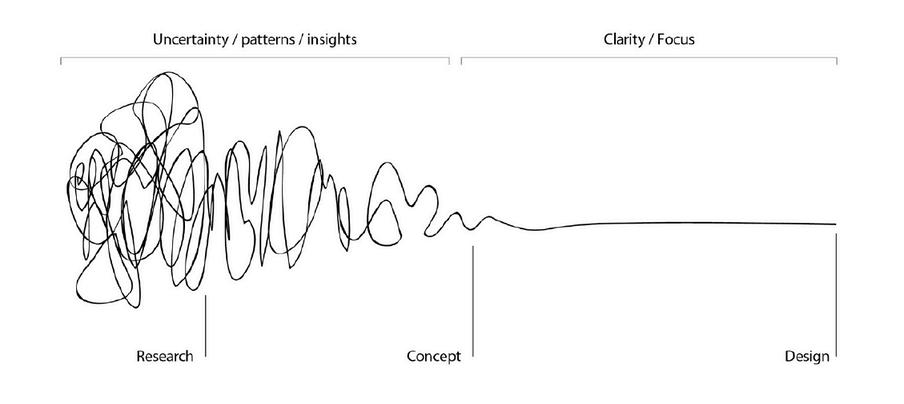
Design thinking is a problem solving and critical thinking mindset that allows you to uncover obvious and hidden human needs and creatively develop solutions As a process, design thinking can be confusing and seem messy in the early stages But trust the process Clarity will come The lack of direction in the research stage is actually important to finding the right problem and developing the best solution
In the discover stage I, we will tack a step back and explore the core problems of the design challenge.
The aim is to better understand the context of the design challenge by dissecting as many factors, causes, and consequences as we can consider.
Next, we will look at all stakeholders involved or affected by the problem.
Understanding the who and the what will help develop research directions and focus points These insights will come from personal insights and assumptions we hold.
The next stage will be to validate our findings through research
Empathy Communication
Critical Thinking Organisation Skills
The teams will be determined. No roles should be considered in this session As with all sessions, everyone will be brainstorming.
This session aims to dissect the problem by asking questions and considering the factors that make up the problem.
After which, we consider the stakeholders; who are involved, influenced, and impacted
Discuss and understand the context of the design challenge.
A group discussion method for generating ideas and thoughts
Groups of people or individuals that affect or are affected by something
A way of thinking that takes all factors of a context into account and how they influence each-other
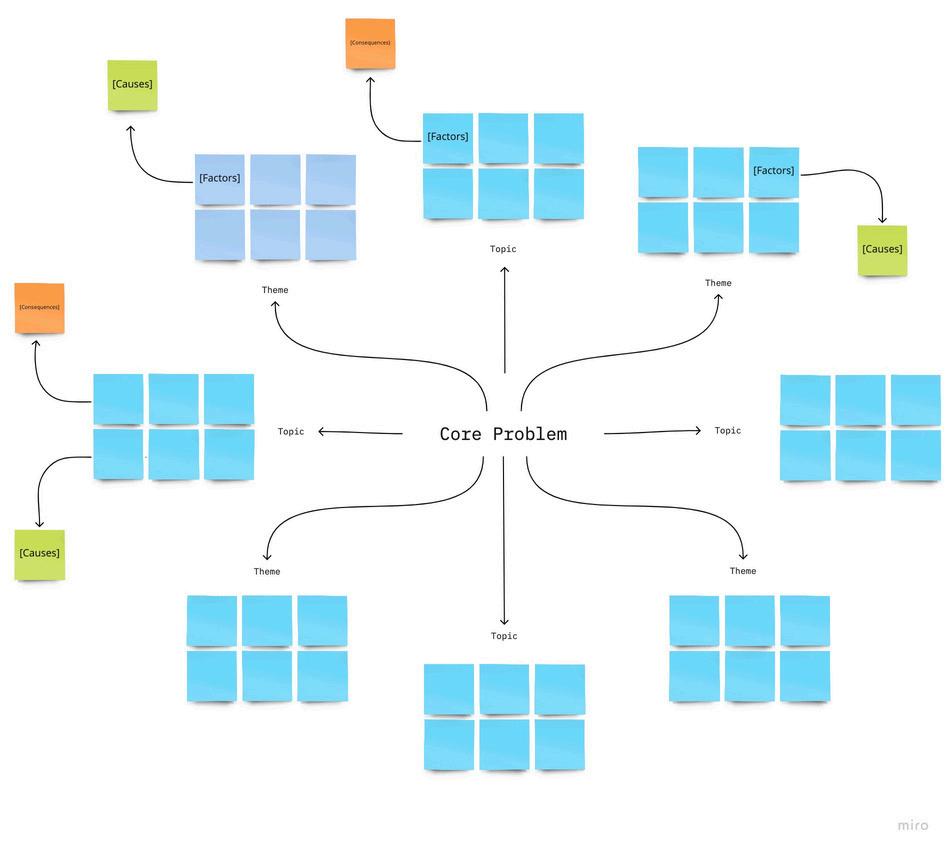
In teams, use the template provided to discuss and document your collective understanding of the context around the design challenge as a team Begin with the core problem in the middle. Then discuss the influencing factors and note them as topics or themes. After, consider their respective causes and consequences
SEEP
Consider the Social, Economic, Environmental, and Political factors that make up the problem
Most things are connected in some way or another Consider the connection in your context
Share
This stage is about open discussion and discovery! Your ideas or thoughts do not need to be complete or developed to share with your team
Questions and discussion will often lead to further insights and ideas otherwise not uncovered Ask questions about each other's thoughts and ideas
Discover Stage I: Explore
Now that your team has explored the ‘what’ and the ‘how’, let’s discuss the ‘who’. The template provided shows 3 categories for stakeholders. Consider which individuals, groups, communities, entities, organisations, or institutions are involved and where they fit on the stakeholder map based on their influence or how they are affected by the problem
Use your mind map as a reference when discussing how stakeholders are involved
Some stakeholders might influence factors of the problem more than others, in positive and or negative ways. What does this say about their involvement?
Some stakeholders might be affected, others may have no influence, and some might be both affected and have influence. Consider these connections
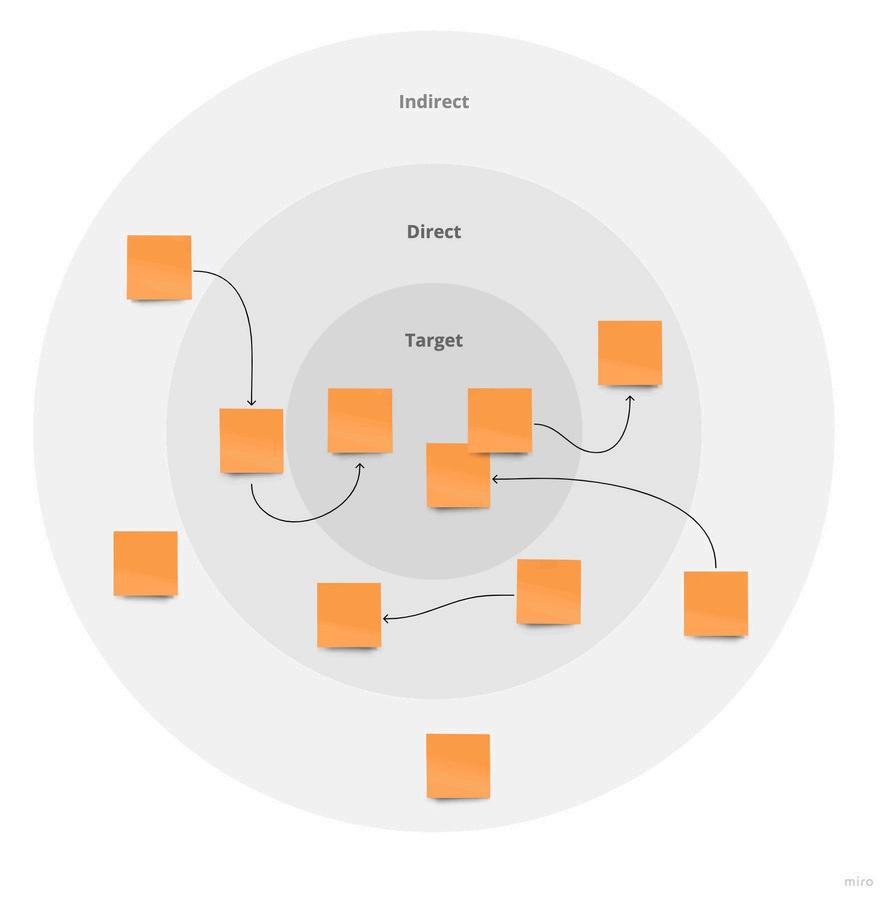

In the discover stage ii, we will take our initial insights from the previous stage and consider the best research method to help validate and further understand our problem.
Teams must consider if qualitative or quantitative research would support their research more or if a balance might help.
Qualitative research will give you answers to ‘why?’ and quantitative research will often more easily give you answers to ‘what?’
In the next stage, we can use this additional research to identify insights that will help more clearly define the problem on which teams want to focus
Research Skills
Critical Thinking
Problem Solving
Listening & Observation
Opportunities for team role categories will be explained. Teams can then consider whether they wish to split the roles or share the roles. Remember, roles are not set in stone, and teams are welcome to change roles in a later session.
Teams will develop three additional research methods themselves to use as a toolkit The teams will develop the research methods throughout the session, which they will then complete out-of-session through engaging with other community members
Develop a further research plan to gather community insights.
Research that focus on understanding concepts, opinions, or experiences
Gaining a new understanding of someone or something
Consider the factors discussed in the previous session during the mind map exercise and which stakeholders they apply to Develop a few questions that your team can ask these community stakeholders in order to gain further insights. The goal here is to have each team member ask someone at least one question and bring the results back to the next session
For genuine experience insights, it is helpful to ask behavioural questions rather than opinion-based questions
For example, ‘Could you describe a time when you last ?’ might provide the best insights.
If your team wants to gain insights into public perception of a topic, questions like; ‘What do you think about ?’ are helpful
Ask any stakeholder, whether it be a family member, friend, random pedestrian, employee somewhere, and so on However, make sure the stakeholder matches your question context to get the best insights
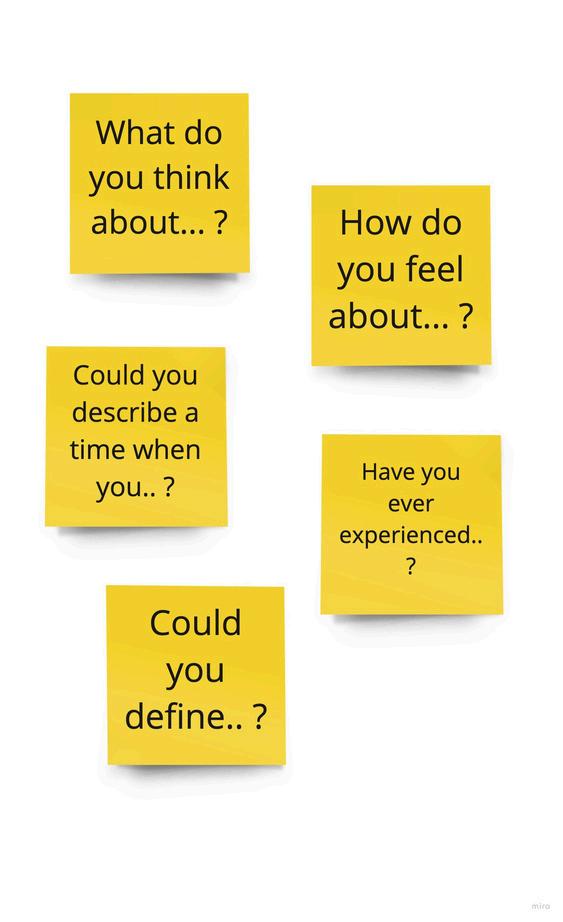
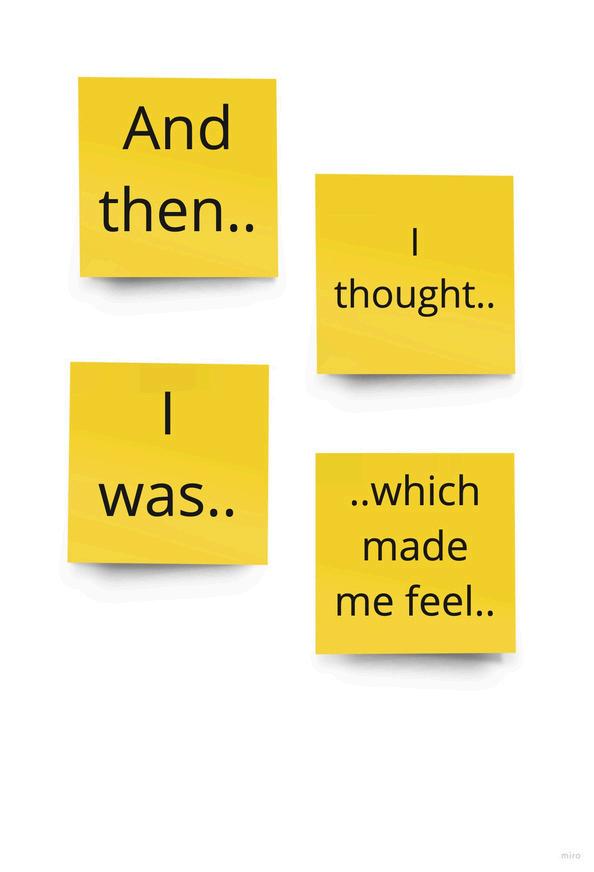
For this research method, we will tap into and reflect on past experiences you have had As a team, develop a few questions you can ask yourselves to reflect on how you might have experienced a factor, cause or consequence identified during the mind-mapping exercise
The goal here is to reflect and answer one of these questions (no more than a small paragraph) and bring the results to the next session
Experience
Consider what happened, how, and who was involved. Try to reflect this objectively
Reflect on how factors and instances made you feel, whether before, during, or after
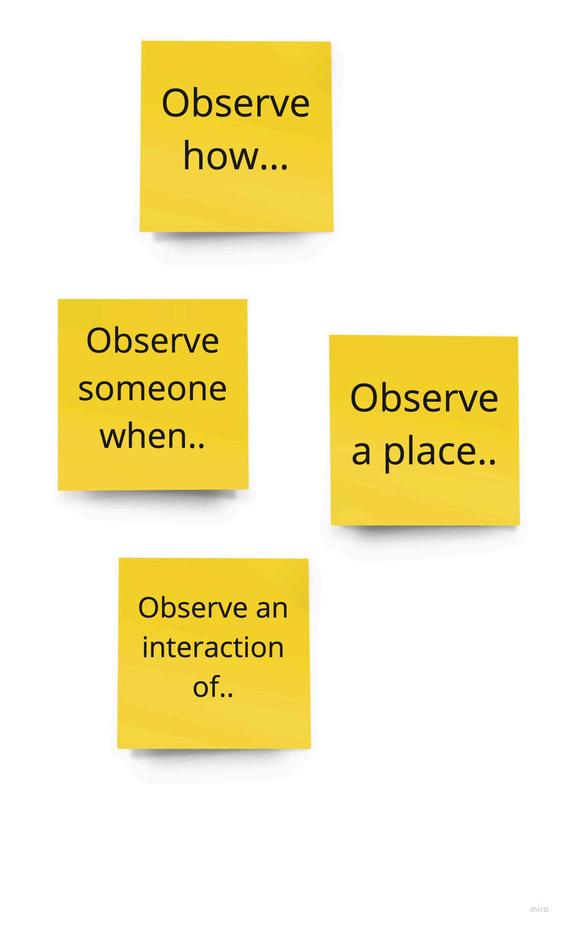
For this last research method, we will create mini-challenges to observe some of the factors discussed in the previous session
Observation can often provide more insights when co research observat an aspec
Each tea a challen photogra
Dissect T
Try to co and why role do t Discover Stage II: Research
Do you feel inspired about the challenge you are addressing?
Do you feel like you really empathised with the challenges that your audience faces in this process?
Did you identify assumptions or possible biases?
What do you think are some of your biggest unknowns?
Discover Stage II: Research
Define i is all about processing and analysing the research so far.
We will pick out individual insights from research that we can categorise by topics Once complete, we can further analyse these individual insights by grouping them into themes and opportunities.
This will help us de-clutter our research and find options for narrowing our focus
In the next stage, we can use these options to understand better who we will be helping with our project and how we might help them
Communication
Collaborative Thinking
Critical Analysis
Organisation Skills
In this session, we will extract insights from our gathered research and turn each individual insight into an individual sticky note for affinity mapping. By doing this, we can isolate the insights for easier organisation.
Then we will group these insight sticky notes together as themes and opportunities for improvements or change.
Identify research insights and potential opportunities to solve problems.
Remove unnecessary messiness and organise things into more digestible ways
Pain Points
Problems or difficulties that your target audience experience in the context of your problem
In pairs, go over the research gathered from your out-of-session research methods and extract individual insights, which you can note on sticky notes Then we split the research up evenly so that pairs do not overlap
While doing this, organise these individual insights into categories of topics (see example).
Each insight on a sticky note should make sense on its own and without the supporting questions or context
Individual Insights
These should be as simplified as possible Think of individual insights as an important stand-alone piece of information in the context of the problem
Topics
Organising the insights in groups under topics will help organise the process, prevent confusion, and provide oversight.
Getting stuck
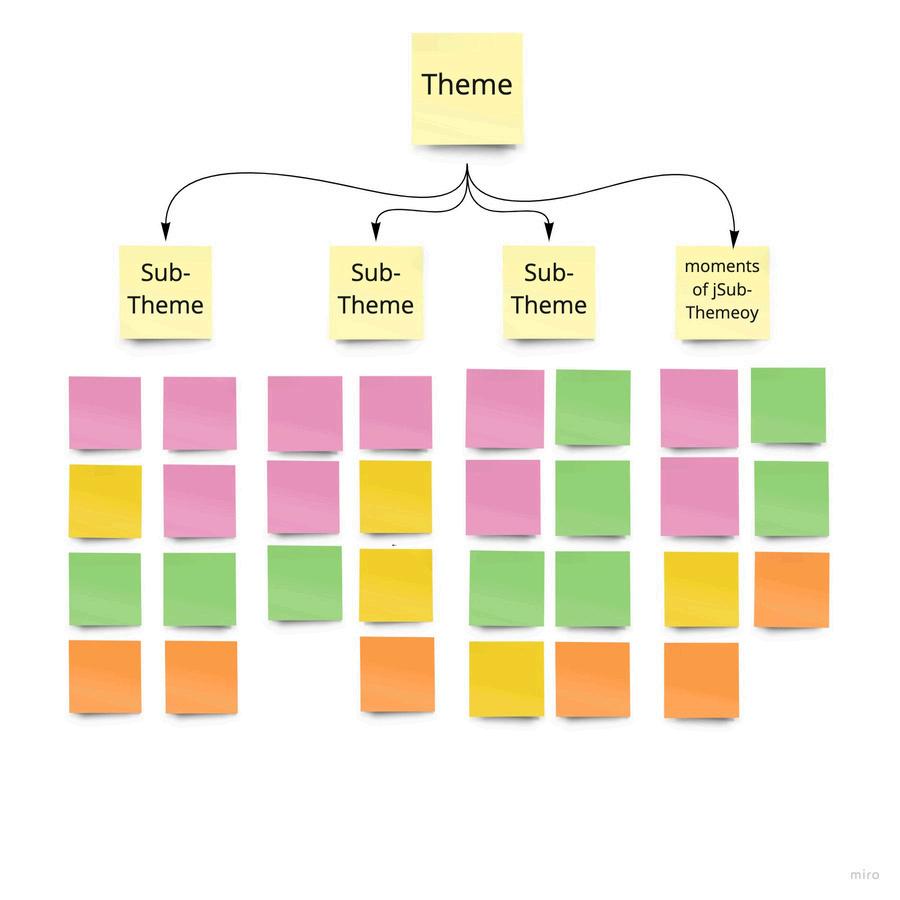
When in doubt if something is an insight or not, note it down anyway If it isn’t important, this will become apparent in the next step, so no problem.
Define Stage I: Insights
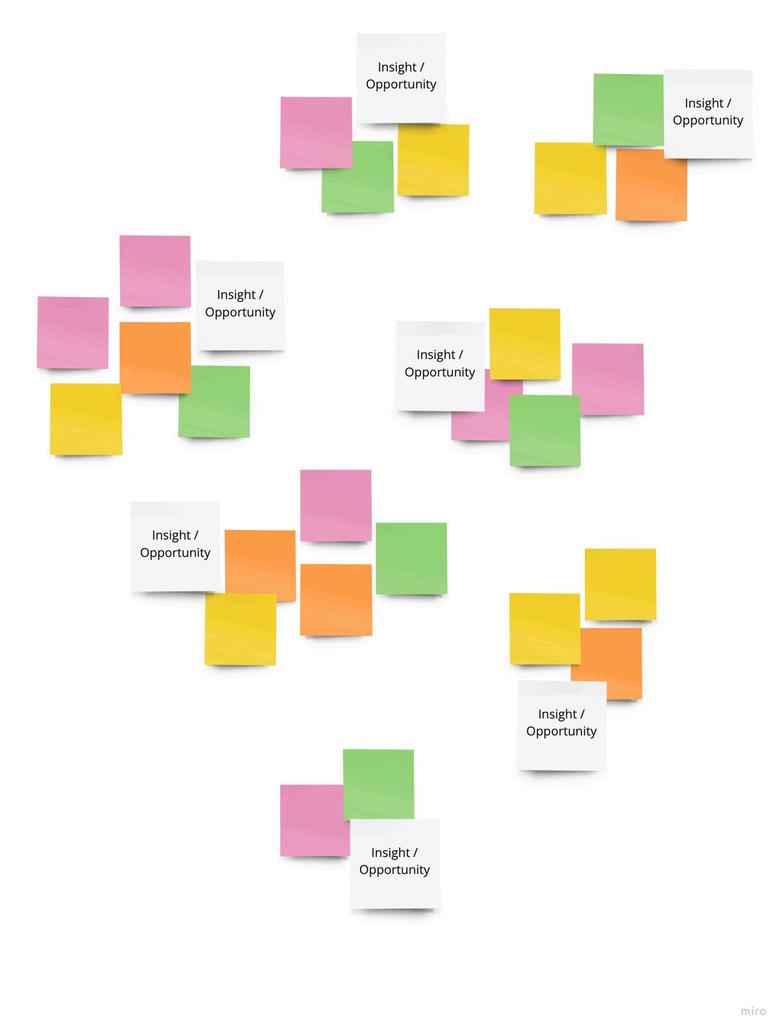
In this exercise, we remove the topic categories and place the insights bunched together. Then your team will go over the cards together, breaking them up and grouping them together under themes and opportunities for improvement or change.
By doing so we can create new connections and develop our understanding of where improvements or changes might make sense
Themes
This might be as simple as a recurring problem or an important factor influencing the problem
Pain points
Recurring themes will often arise in the form of problems or challenges the target audience faces Thus, addressing such themes makes the opportunities for improvement or change clearer
Opportunities
Do not hesitate to note down your thoughts on defining the opportunity (in a different sticky note colour) and add it to the grouping!

In define ii, we will narrow our focus on who we will design for, then define the problem we will address.
First, we will develop personas of our target audience to help understand what kind of pain points they have and what they might gain from a solution.
By understanding our target audience, we can use insights and opportunities to develop our ‘how might we’ statement, which will clearly define what problem we will address
This process will allow the team’s focused direction to be developed into a solution more readily in the next stage
Creativity
Empathy
Feedback Skills
Problem Solving
Each participant (or in pairs) will create a user persona of their ideal image of the target audience using a template provided.
After this, we will define the problem your team will address based on our new understanding of the context. We will provide a template to help break down how to describe the problem effectively
Then we can develop a ‘How might we ’ challenge statement which aims to clarify which problem we will solve, for who, and to what end
Refine your design challenge by deciding on the problem your team is best suited to address and ideate potential solutions
A characteristic description of an example of your target audience
A generalised or specific group of people you are trying to solve a problem for
Challenge Statement
A way to describe the problem to help clarify how you can solve it
In pairs, use the templates provided to come up with your ideal target audience personas. Think of this as a perfect example of someone you will design your solution for the design challenge for.
Remember that when you design for a particular set of people, your design can often neglect others that don’t fit into the description and have other needs
Personas are part of building an inclusive design and should be considered ideal users and not absolutes In other words, they provide a spectrum of the audience to consider
Since this is a grassroots project, feel free to incorporate characteristics or entire personas of people you know fit the context. This might even give your project that extra genuine edge
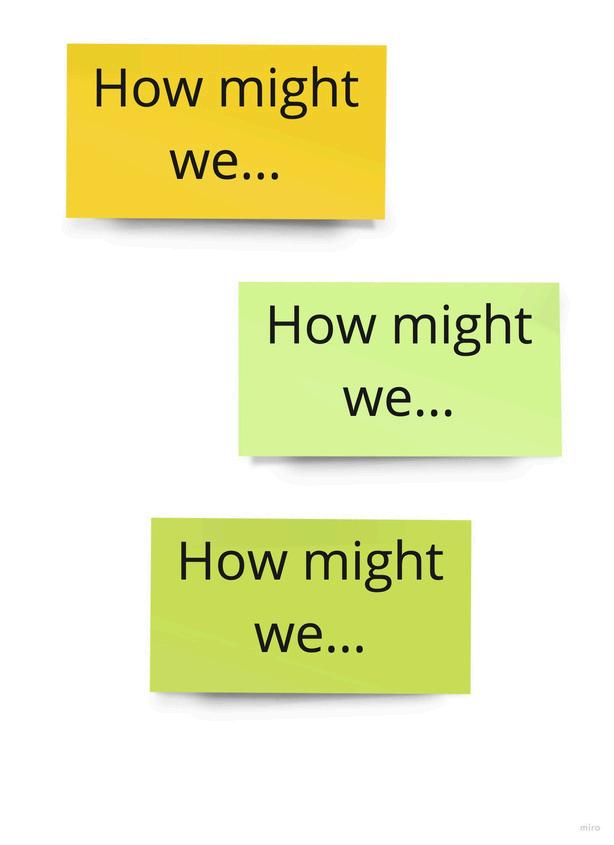
This exercise will build on the previous session where your team identified themes and opportunities. Use the sentence template provided to create rapid ‘how might we ’ statements based on the identified themes and opportunities
After your given time is up, discuss as a team and place these statements on the map template accordingly Based on the placement of these statements and your team’s values, discuss and decide on the best statement with which to move forward.
How might we [create a solution] for [what to solve and for who] so that [desired outcome]?
Remember, this statement can be as broad or specific as required since developing your solution comes later. Try not to let the specifics stump you
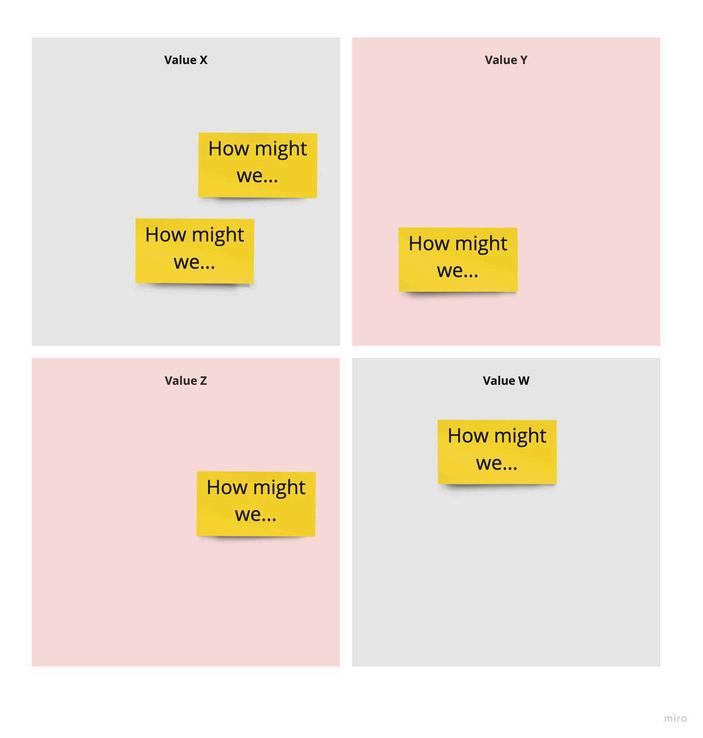
What are some of the key insights or connections your team identified in this design stage?
How and why have you defined the problem you're looking to address?
Turn your 'How might we..' statement into a 'How would you..' question and ask someone in your community.
Define Stage II: Focus

In the develop i stage, we will come up with solutions for our ‘how might we’ statement and map them against feasibility and relevance.
Then based on the outcome of the mapping, we can determine the most logical / best fit solution for the team.
Once the solution direction is decided, we can then develop the concept further with a user journey map that helps us understand the different stages and audience interactions that will occur during the implementation of the solution.
Once we understand what our solution might look like from beginning to end, we can develop a prototype visualisation in the next stage.
Creativity
Analytical Thinking
Problem Solving
Planning & Organisation
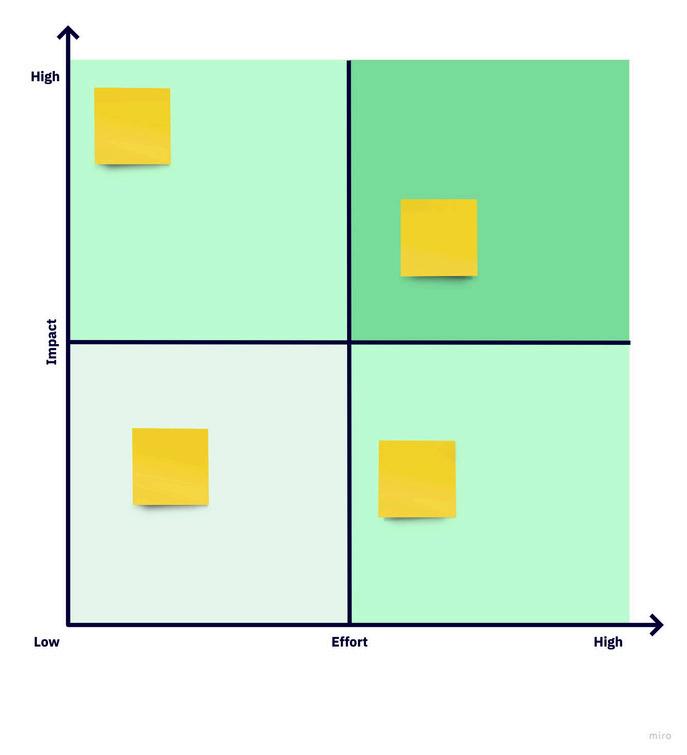
Here we will ideate the solution pathway using a priority map. This allows us to consider the feasibility and relevance of an idea as we brainstorm them together.
We can evaluate which solution sits in your team’s ideal spot on the priority map by ideating with this priority map Now we can decide on a solution and consider how the user journey will look.
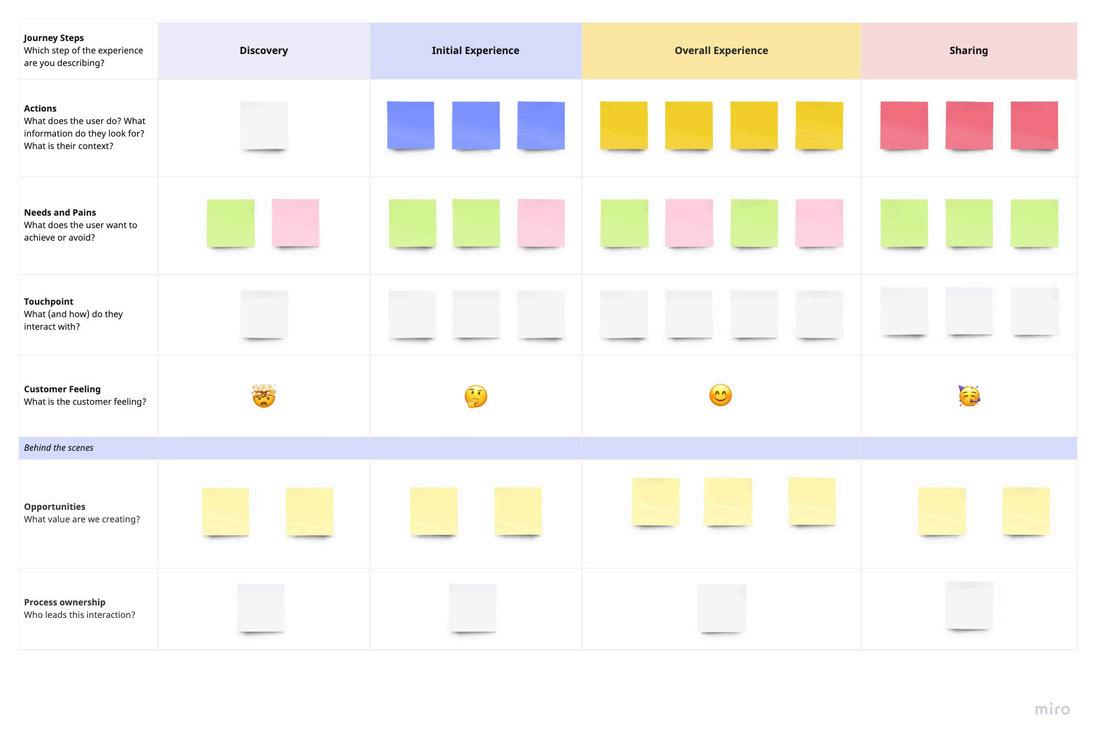
By creating a user journey map, we can fill in the holes of the solution concept, considering user touchpoints, interactions, and other factors from start to finish of the implementation.
Brainstorm possible solutions for the project and then work to develop how your solution might look using a journey map
Ideate
Create ideas for a specific purpose such as problem solving
An axis of values that allow you to place key information on for comparison and analysis
The degree of ability to achieve a certain outcome or goal
A point of contact or interaction between the user and the solution
Collaboratively work to generate possible solutions for a 'how might we' statement. Using the 'crazy 8' method, develop rapid solutions. Then share and discuss where to place them on the provided priority map (feasibility/impact axis) template. This should help put into perspective how realistic or suitable an ideated solution might be Have each team vote on a solution with which to go forward
No idea is too small or insignificant! On the contrary, noting down small or even silly ideas can help boost your creativity and help you come up with even better ideas later on Creativity is a muscle we can improve with practice! So try not to block yourself with judgement, let the ideas flow freely,


Once your desired solution is decided on, your team can take a fitting user persona you have developed and map out what this solution would look like from beginning to end. The user journey template presents implementation stages and experience categories from the user ’ s perspective for each stage
Scenario-Based Design
Consider the journey map to be one possible reality of your solution, so try not to have contradicting facts or statements.

In develop stage ii we will develop our solution further by creating a prototype visualisation.
This will not include all of the stages and detail your team created in the user journey map Rather, it will be one stage of the solution implementation. This might be as the target audience interacts with the solution or a part of the solution itself, or maybe when they become aware of it, or perhaps after they encounter it.
The idea is to have fun visualising the solution concept your team came up with Ensure the teams document this visualisation in some form or another so that you can use it in the next stages!
Creative Empathy
Communication
Collaborative
Teamwork
Feedback Skills
In this session, we will develop a simple prototype visualisation of the solution concept This might be in the acted physical form or designed physical form. It should only be a visualisation of the solution, like a snapshot - rather than the finished solution
Work to develop and complete the project prototype, get feedback, and refine the prototype to achieve the project outcome.
Creating a visual representation of an idea, situation, or object
A basic version of something for presentation and feedback
User Experience Scenario
A situation that a user might experience while interacting with an implemented solution
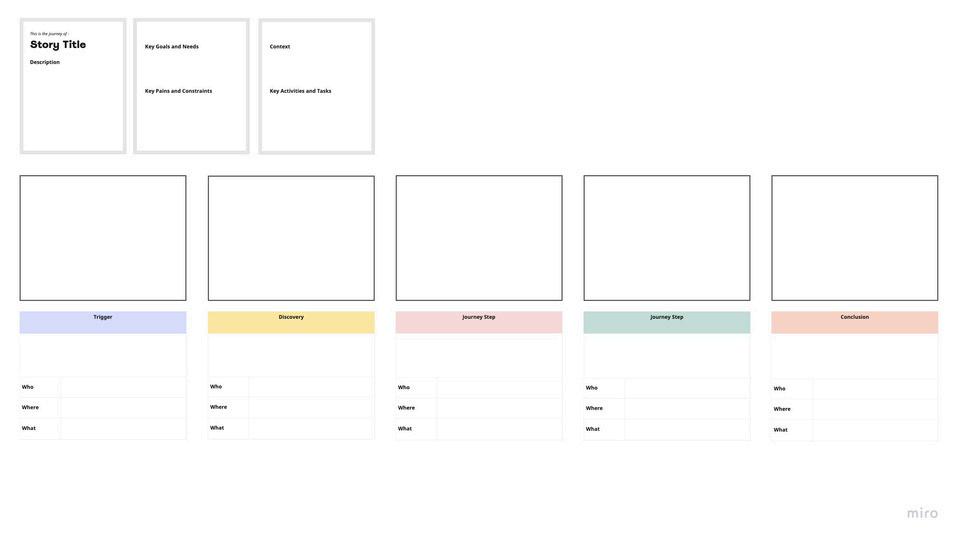
Teams can use the template provided or use a preferred format for this option.
Come up with a scenario your target audience might go through while interacting with your project outcome.
As a team, visually communicate what is happening and why. Have one or more of the team members contribute to the drawing of the storyboard, and the rest contribute to the descriptive text
The ideas of what to draw and why are much more important than the quality of the drawings themselves
This option is a fun way to act out a scenario your target audience might go through while interacting with your project outcome. As a team, consider how to best act out a situation that can communicate the ideas and aspects of the solution you are conveying. It could be just 2 members of each team showing an interaction or everyone depicting a scene.
Humanise
This option is a great way to humanise your solution Take up the role of the personas you have created and behave you feel they would.
Humour
Making things funny is a great way to leave a lasting impression on your audience!
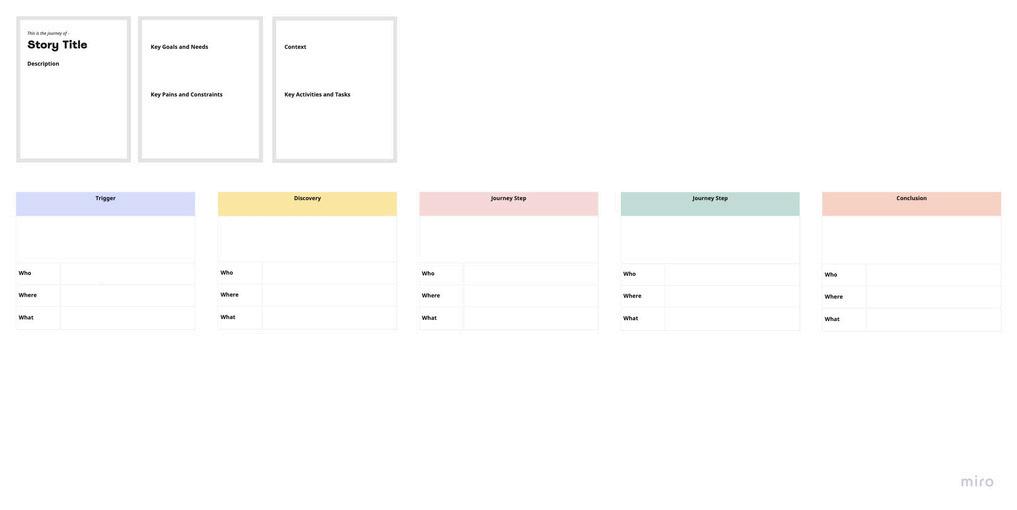
1. What are three obstacles your persona might encounter along their journey?
2. Why are do you feel project will help a local charity work alongside your community to improve young people's relationships with health providers and experts
3. b) Which stakeholder are you going to present your solution to - andwhy are you going to present to them?
3 b) What do you think this stakeholder will say about your solution?

Deliver stage ii will help consider what it might look like if we were to launch this solution concept and implement it in the real world
Teams will decide which pathway is best for them to design a solution; social entrepreneurship or a social project Each path has a model template to help the teams understand what factors will be needed to achieve implementation.
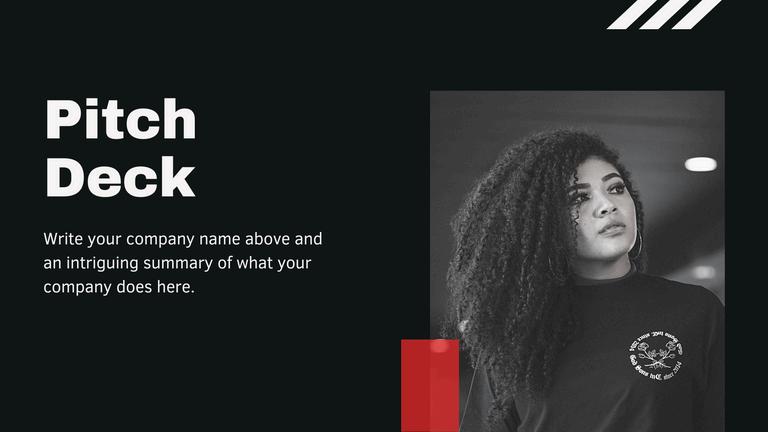
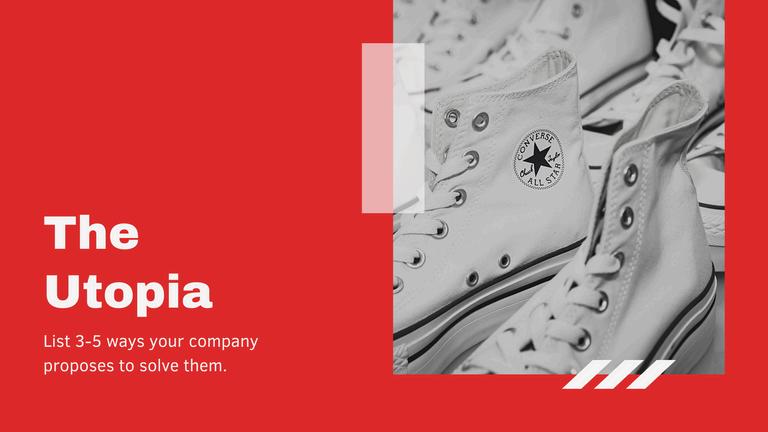
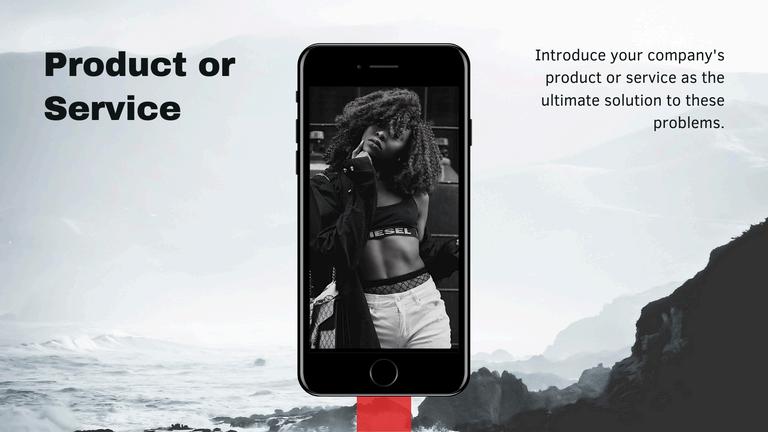
After this, we will look at how a simple pitch presentation structure can help convey the message and effectively present your concept to interested parties like partners or investors.
In the following stage, the teams will work to complete this pitch presentation.
Analytical Thinking Problem Solving
Collaborative Learning Planning & Organisation
This session aims to develop a conceptual launch strategy based on one of the two models provided; the Theory of Change or the Business Canvas Model.
Then, we will start to develop storytelling skills and dissect what a simple pitch structure might look like
Complete the project by understanding the theory of change and how to launch the project. Then bring this all together with storytelling in a concise, simple presentation pitch deck.
Launch Strategy
A plan or action-plan for turning a project into a reality
Theory of Change
A method for planning, participation, management, and evaluation of a project Pitch
A term used for a quick and concise way of presenting
"If you can't explain it simply, you don't understand it well enough"Albert Einstein.
A vision statement is a clear statement of your objective. Here are a few examples: Alzheimer's Association: A world without Alzheimer's disease Feed the Children: Create a world where no child goes to bed hungry. Honda, in 1970: We will destroy Yamaha
The important detail we gain from these vision statements is it outlines the project's ambition. If your project looks to build and improve relationships between communities and health providers, what is the goal of your project?
Agree on how to define this goal in teams.
You don't need a vision statement yet, but thinking about this will help you develop a Theory of Change (TOC).
TOC is an excellent tool for all charities, not-for-profit organisations, and even businesses, and it is a great way to develop a roadmap and communicate a strategy!
When building a TOC, we work backwards [from the goal back] It is counter-intuitive. But helpful. Generally, we start with a clear goal and develop from there in reverse gear from your Goal, Outcomes, Outputs, Activities, and Resources [e.g., your team is a crucial resource!]
In this session, we will build a theory of change so that each team has a clear path to delivering the change they want to see in the world!

The final stage, deliver ii!
Today, the teams will present their pitch and give and gather feedback.
In addition to getting external feedback, this is an opportunity to celebrate the completion of the program and show off what the team accomplished. Feedback for facilitators on their guidance is always welcome as well!
Participants gather together to present and answer questions to their peers and facilitators
Present projects to peers and receive feedback.
Feedback
Reactions, thoughts, and opinions of your presentation audience
Stage II: Pitch
As a team, use the pitch template provided to deliver a short 5-minute presentation on your social impact concept project.
Storytelling is a big part of the design process as it's our best tool for convincing other people of the value of our creations
Consider how to communicate who is involved and who benefits most from the solution. How can you best explain the value of your solution?
Using personas to connect your solutions to real people and real problems is a powerful way to create empathy in your audience
Be Concise
There is no need to overload your presentation with information Keep it simple.
Qualitative feedback and reflective question here..
Qualitative feedback and reflective question here..