Findings
Using “Lay Epidemiology” to evaluate the scope of training traditional birth attendants in Cameroon

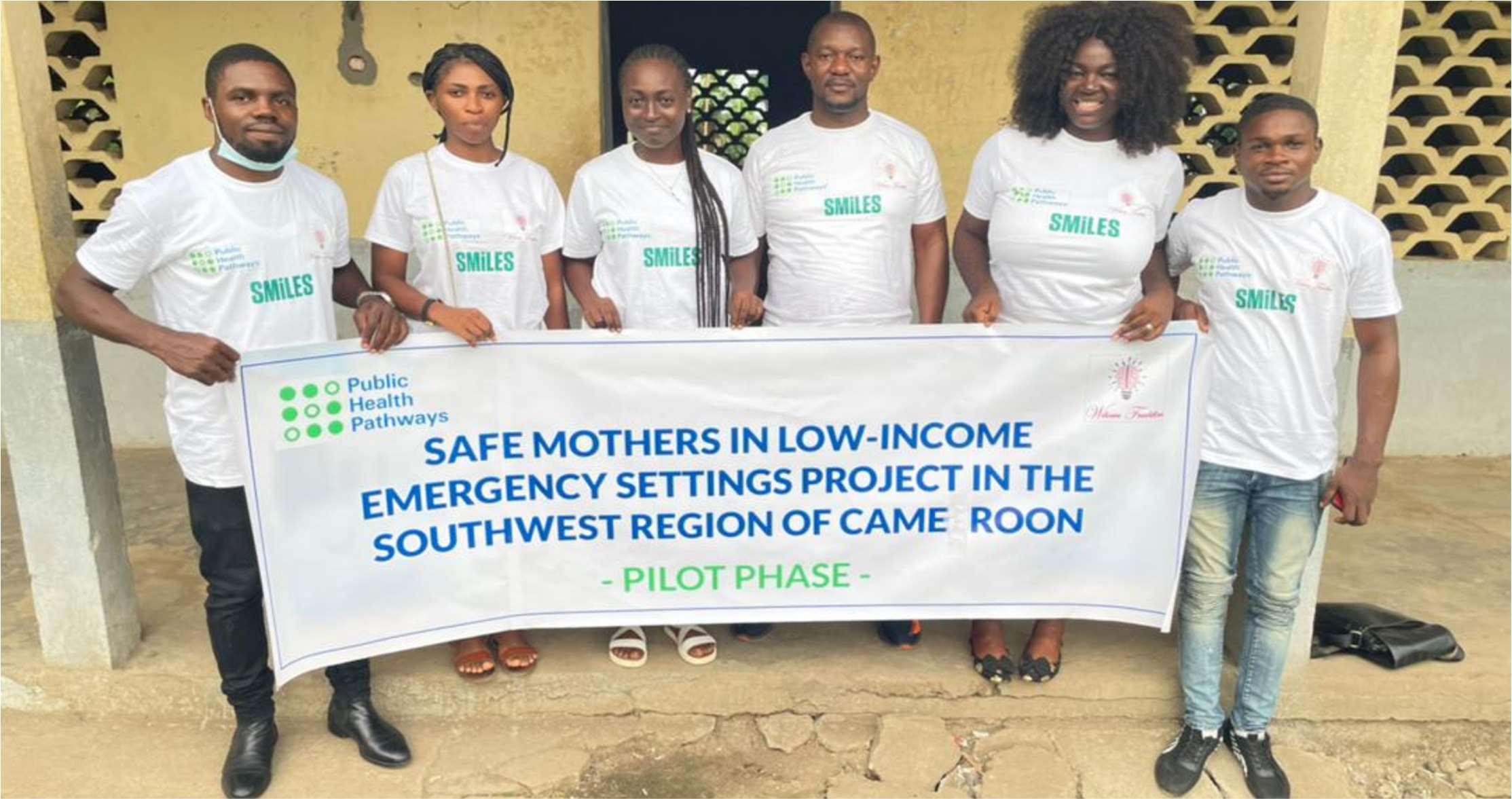
In memory of Dr. Martina Lukong Baye, who passed away in July 2022.
“You
are on the right path. Research first. Understand the reasons.”
These were the guiding words of the former Coordinator of the National Multi-sector Programme to Combat Maternal, Newborn and Child Mortality, in Cameroon, and early advisor and supporter of the SMiLES project. Dr Baye shaped the project focus on community engagement and expert-informed training.
Report and research funded by a grant from the Ashworth Charitable Trust in addition to individual donations from Limahl Mair-Macfarlane and Philmon Habtai
Nkeng, M. W., Hameed, I., Carbone, C., Richardson-Gool, T. S. (2023) Safe Mothers in Low-income Emergency Settings (SMiLES): Local Community Research Findings. Using “Lay Epidemiology” to evaluate the scope of training traditional birth attendants in South West Cameroon. London: Public Health Pathways and Welisane Foundation.
Figure
Figure


SafeMothersinLow-incomeEmergencySettings:Using“LayEpidemiology”toevaluatethescopeoftrainingtraditionalbirthattendantsinCameroon October2023 Page 2 of 21 Contents Abstract 4 1. Introduction to the Project Research 4 1.1 The Anglophone Crisis 5 1.2 Health Indicators 5 1.3 Other health interventions South West Cameroon 5 2. Project background 5 3. Methodology 6 4. FieldworkResults 8 4.1 Health Priorities 8 4.2 Maternal Health Priorities 8 4.3 Health-Seeking Behaviour 10 4.4 Role of Formal Health Services 10 4.5 Role of Informal Health Services 11 4.6 Actors 13 4.8 Communicating Health Messages 14 5. Limitationsand strengths 14 5. Discussion 14 6. Analysis 15 7. Recommendations for the project 17 8. Conclusion 19 References 20
1. Martina Lukong Baye (left) with the first members of the SMiLES project team.....................................................6 Figure 2. Have you or has anyone you’ve known experienced complications?.....................................................................9 Figure 3. Are you satisfied with the health services available to support maternal healthcare in your community?............10 Figure 4. Are you satisfied with the healthcare workers supporting maternal health in your community?...........................11 Figure 5. Do people in your community prefer Traditional birth attendants or hospitals?....................................................12 Figure 6. Do you think that TBAs would benefit from training with professional medical practitioners?..............................12
Table of Figures Figure
7. Map of actors operating in South West Cameroon in 2022...................................................................................13
8. Factors contributing to high maternal mortality in Cameroon based on existing published research...................16
9. Expected impact of the SMiLES project................................................................................................................18
10. Draft Theory of Change for the SMiLES project..................................................................................................19
Figure
Figure
This research was conducted based on a partnership between Public Health Pathways and the Welisane Foundation.
The authors of this report were Mokwe Welisane Nkeng, Iman Hameed, Camila Carbone, Theo Richardson-Gool, who drafted in consultation with Dr Alain Eko, and members of the Public Health Pathways team, who provided strategic input that informed Mariam Jiwani, Boris Mbia, K. Jade Robinson.
The editors of the report were Alicia Ramos and Michael Baser.
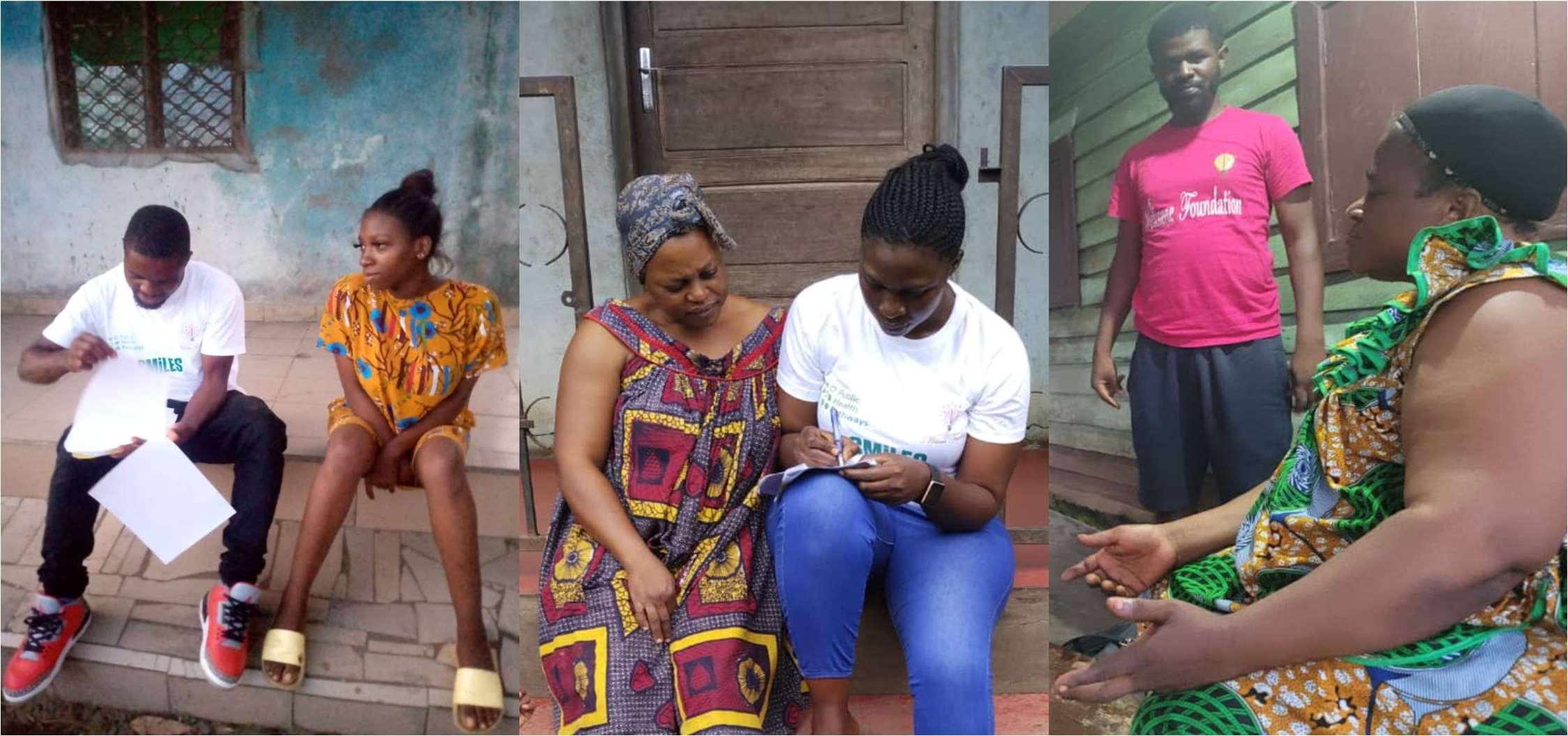
We thank the Welisane Foundation volunteers for their tremendous leadership in Cameroon, data collection, interviews, and work on the ground, which was instrumental in delivering this report.
We thank all the Public Health Pathways volunteer community members who supported this project. We mention those involved in the early project stages Nkengfua Blaise, Olawale Adeniyi, Charlotte Bexson.
We thank all the external project advisors. In particular, Dr Alain Eko. And to Dr Martina Baye, Dr Abass Alhassan, Dr Arif Alibhai, Marc Serna.
To be cited as:
Nkeng, M. W., Hameed, I., Carbone, C., Richardson-Gool, T. S. (2023) Safe Mothers in Low-income Emergency Settings (SMiLES):LocalCommunity ResearchFindings.Using“LayEpidemiology”toevaluatethescopeoftrainingtraditionalbirth attendants in South West Cameroon. London: Public Health Pathways and Welisane Foundation.
“It has been such an honour partnering with Public Health Pathways on the SMiLES Project. I sincerely thank the entire team for their selfless contributions and the opportunity to collaborate on such important work, which greatly affects the lives of women and, worst of all, in conflict settings.
Thank you to the Public Health Pathways team, for touching Cameroonian women's lives and bringing us in contact with several partners from your community in the UK and beyond.
Now we've laid the groundwork; we hope it will be easier to proceed from here as we call on partners interested in working in Maternal Mortality in Cameroon to the Welisane Foundation team in making SMiLES a reality.”
Mokwe Welisane Nkeng
“Welisane and her colleagues listened to the voices of those living in the South West. They allowed the Public Health Pathways team access to develop an understanding through carefully processing insights that the people in Meanja, Muyaka, and Ekona volunteered.
We hope the SMiLES report brings an appreciation of the innovation occurring in communities and the profound potential in investing in grassroots initiatives to strengthen the resilience of healthcare systems.”
Theo Richardson-Gool
SafeMothersinLow-incomeEmergencySettings:Using“LayEpidemiology”toevaluatethescopeoftrainingtraditionalbirthattendantsinCameroon October2023 Page 3 of 21
Safe Mothers in Low-income Emergency Settings (SMiLES): Local Community Research Findings
Using “Lay Epidemiology” to evaluate the scope of training traditional birth attendants in South West Cameroon
Abstract
This study aimed to gain a deeper understanding of the challenges in accessing maternal healthcare services faced by communities in South West Cameroon, Muyuka Health District. The results demonstrate that the community supports the trainingoftraditionalbirthattendants(“TBAs”)inmidwiferytomeettheurgentneedsofmothersandnew-borns.Theongoing Anglophone Crisis within Cameroon has aggravated financial constraints, which are the primary reason for delays in decision-making in medical care. The conflict has directly impacted the ability of mothers to receive care, resulting in instancesofgivingbirthinthe“bush”withouttechnicalmedicalassistance,whichhasledtocomplicationsduringpregnancy andbirth.ThesurveyresultsalignedwiththeThreeDelaysModel,whichhighlightsthedelayinmakingadecision,reaching a health facility, and receiving care in maternal health.
Reaching a health facility was a challenge for many respondents, with 25 (55.5%) citing cost, distance, or lack of equipment/resources as reasons for dissatisfaction with health services. The closure of 9 out of 10 health facilities has resulted in limited access to health services in the region (Dr Eko, 2023). Malaria was identified as a significant medical challenge, with infectious diseases threatening maternal, foetal, and infant health. In the Muyuka Health District, social challenges include the economic toll of the conflict, leading to job loss, poverty, and decreased access to healthcare. Structuralchallenges include the closure of health facilities, safety concerns, and a lack of staff and resources.
Beforeconductingthis“lay epidemiology”study,theresearchhypothesiswasthat thecommunityrequiresthesefindingsto support a bridge to healthcare access that TBAs can provide. This includes understanding the lack of confidence and trust inhealthcaresystemsduetothelackofavailable,accessible,andaffordablematernalhealthcareserviceshugelydamaged by the conflict. The study provides insights into community concerns and the best way to disseminate health information within the community, with a mix of digital and analogue methods preferred. The analysis highlights the importance of addressing medical, social, and structural challenges in South West Cameroon, which is demonstrated through using the Three Delays Model in order to understand the barriers to accessing healthcare. The findings corroborate previous studies (Ambe et al., 2020; Achidi et al., 2009; Gabriel et al., 2020; Egbe et al., 2018) in Cameroon that identified several factors affecting maternal mortality, including lack of trust, poverty, low levels of antenatal care, lack of knowledge, and the need for targeted interventions.
Thisresearchwillbeusedtoplananinterventionthataddressesthechallengesfacedbycommunitiesinaccessingmaternal healthcare services in South West Cameroon through training TBAs in midwifery. By identifying the key factors affecting access to healthcare, the study provides valuable insights into how to improve the delivery of healthcare services in the region and reduce maternal mortality. The results of this study can inform the development of targeted interventions that address the medical, social, and structural challenges faced by communities in the region and provide a roadmap for improving access to quality maternal healthcare services.
1. Introduction to the Project Research
The Welisane Foundation (a Cameroon-based NGO) and Public Health Pathways (a UK-based NGO) have partnered to study and reduce maternal mortality in South West Cameroon. The partnership aim’s to develop a locally led project that benefits from local knowledge systems and healthcare expertise. The aim is to train traditional birth attendants (TBAs) in midwifery. Before starting the project, it was essential to obtain input from the local community to ensure the intervention is genuinely inclusive.
The Ashworth Charitable Trust provided a grant for the research phase of the SMiLES project. The study is locally led and locally informed, and the hypothesis is that TBAs require further training with professional medical practitioners to build on
SafeMothersinLow-incomeEmergencySettings:Using“LayEpidemiology”toevaluatethescopeoftrainingtraditionalbirthattendantsinCameroon October2023 Page 4 of 21
existing local capacity, knowledge systems, connections, and trust within the community. The SMiLES project is the first in the South West region that aims to empower TBAs and reduce maternal mortality while building community resilience.
1.1 The Anglophone Crisis
Cameroon continues to face the postcolonial challenge of consolidating a single national identity, as there are sustained conflicts between its Anglophone and Francophone citizens. When the Republic of Cameroon acquired full independence in 1960, the north-western and south-western regions were under the merged British colonial influence with Nigeria (Agwanda et al., 2020). Since October 2016, Cameroon's Anglophone North West and South West regions have faced a crisis, as groups fight either to return to the federal government system or for the independence of the English regions to formanationcalledAmbazonia(NganjiandCockburn,2018).Thisongoingconflicthashadasignificantimpactonmaternal healthinthecountry,withmanyhealthfacilitiesintheaffectedregionsbecominginaccessibleduetoviolenceandinsecurity. This has left many women without access to essential maternal health services, and hence, increased the risk of maternal mortality and morbidity. The latest United Nations Office for the Coordination of Humanitarian Affairs (OCHA) Situation Report [December 7, 2022] shows that at least 885,211 people need adequate, dignified shelter. Presently, there are 420,000 returnees (former internally displaced persons) and refugees. At the same time, attacks on healthcare systems continuetoaffecttheavailabilityofhealthcareservices.OneincidentwasreportedintheMuyukahealthdistrictintheSouth West, where two health workers were kidnapped and released only two days later (OCHA, 2022).
1.2 Health Indicators
The Cameroon Demographic and Health Survey (DHS) of 2018 found that modern family planning is more prevalent and most births are attended at health facilities in urban areas,butthe data do notreflect the reality inrural areas. These areas have a higher fertility rate and indicators have been negatively impacted by the Anglophone crisis. A study found the maternal mortality rate at 240 per 100,000 live births in Mutengene with the main causes being haemorrhage, prolonged labour, malaria, anaemia, abortion, sepsis, and HIV/AIDS (Ambe et al., 2020). Data also indicate high rates of malaria and teenage pregnancy in Tiko Health District (Achidi et al., 2009; Gabriel et al., 2020). The prevalence of gestational diabetes was 20.5% in Limbe and it was associated with advanced maternal age, excess weight, a past history of stillbirth, and macrosomia.Thefindingsshowtheneedfortargetedinterventionstopreventpoorobstetricaloutcomes(Egbe et al., 2018).
1.3 Other health interventions South West Cameroon
Three previous maternal health interventions that have been implemented in the South West include:
An intervention in the Tiko CDC plantation camp, which combined health education, strengthening facilities, and the distribution of contraceptives. The outcomes are to be measured in the 3rd, 6th and 9th months after the baseline, and they include are contraceptive knowledge, perception, practise, maternal and infant morbi-mortality. The results are yet to be published (Emeh et al., 2021).
A full course of intermittent preventive treatment of malaria during pregnancy, which has been adopted to control malaria's impact on maternal health. In the Muyuka Health District, adherence to full course treatment was low (32%),butitreducedtheoddsofmalariaduringpregnancyandimprovedneonatalbirthweightandgestationalage (Yoah et al., 2018).
Another health strategy to control malaria, which is the use of mosquito bed nets. Fru et al., (2021) identified the following reasons for the irregular use of mosquito bed nets in the Tiko Health District: “it gives heat” (21.1%), forgetfulness (6.5%), use of fan (2.8%), difficulty to install (2.4%), and use of mosquito repellent (2.2%).
These examples of health interventions in South West Cameroon demonstrate the importance of addressing the various factors that impact maternal health. Similarly, the SMiLES project aims to address multiple barriers to maternal health by providing midwifery training to TBAs, distributing safe delivery kits, and building community resilience. By taking a comprehensive approach to maternal health, the project aims to reduce maternal and infant mortality in the region.
2. Project background
Stakeholder interviews were conducted between 2021 and 2022 with Dr Martina Baye, at the time, Coordinator for the NationalMultisectorProgramtoCombatMaternal,NewbornandChildMortalityinCameroon;DrArifAlibhai,Presidentand
SafeMothersinLow-incomeEmergencySettings:Using“LayEpidemiology”toevaluatethescopeoftrainingtraditionalbirthattendantsinCameroon October2023 Page 5 of 21
CEO of the non-profit agency HEAL International; Marc Serna, Programme Director for Reachout Cameroon; and Dr Alain Eko, at the time, Medical Officer for the UNDP and ex-Medical Officer for the Ministry of Health in Cameroon. All stakeholders emphasised the importance of community engagement and the utilisation of local resources to address maternal health challenges in rural areas. Dr. Baye recommended using data to identify prevalent health problems and engaging with communities to understand their specific challenges and solutions. Dr. Alibhai emphasised the need to prioritise monitoring and evaluation of long-term interventions and establishing a local advisory group.

MarcSernahighlightedthelimitedaccesstohealthcarefacilitiesandshortageoftrainedpractitionersintheMuyukaregion, and suggested implementing an early alert system where nurses visit communities and integrate a sustainable livelihoods approach that comprises factoring in human, social, natural, physical, and financial capital (Serrat,. O. 2017). Additionally, Dr. Eko proposed training TBAs to support the community in maternal health. Overall, the stakeholders emphasised the need for safety due to the ongoing conflict and for working within existing systems to avoid duplication of efforts. These insights align with the goals of the SMiLES project to improve maternal health outcomes in the affected regions by working closely with communities and local health authorities.
3. Methodology
Lay epidemiology
This is a term used to describe the use of community-based knowledge and experiences in the field of public health. It involves the active participation of communities in the collection, analysis, and use of data related to health and illness. The goal of lay epidemiology is to genuinely involve communities and give them a voice in shaping their own health and wellbeing. This approach recognizes that communities often have unique perspectivesandinsightsintothehealthchallengestheyface,whichcanbevaluableininforming publichealth policiesand programs (Davey Smith., et al, 1993; Lewin S A, 2005)
Three Delays Model
The Three Delays Model is a pertinent framework validated to identify access barriers to maternal care in low and middleincome countries by considering the delay to take a decision, reach a health facility, and receive care. It aids in describing the different levels that interact: household, community, and health system (Actis Danna et al., 2020; Shah., et al, 2020;
SafeMothersinLow-incomeEmergencySettings:Using“LayEpidemiology”toevaluatethescopeoftrainingtraditionalbirthattendantsinCameroon October2023 Page 6 of 21
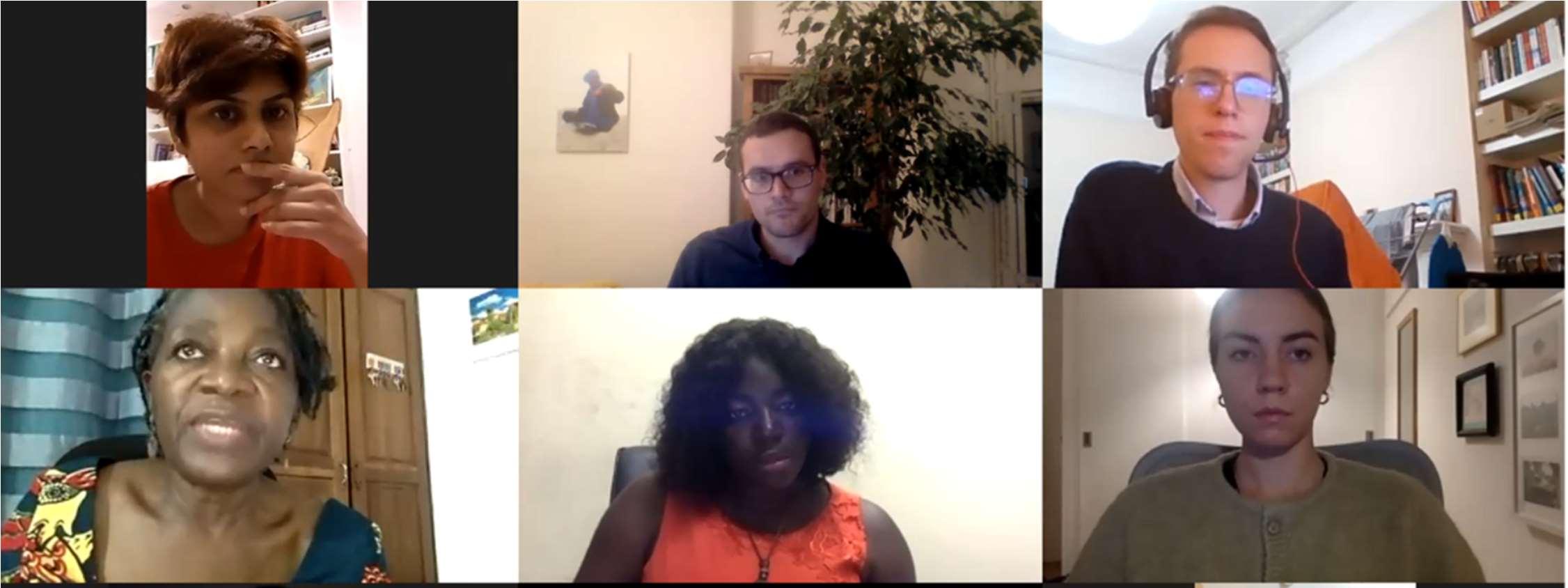
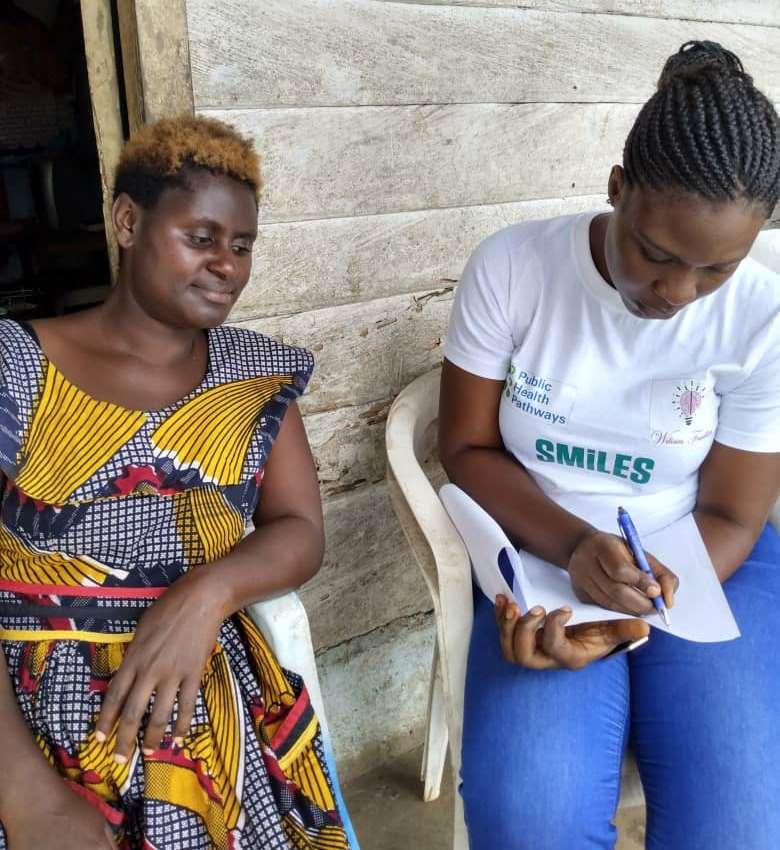
Figure 1. Martina Lukong Baye (left) with the first members of the SMiLES project team.
Thaddeus & Maine, 1994). To apply the Three Delays Model, a community-led survey was conducted to identify factors contributing to delays in maternal healthcare utilisation in South West Cameroon.
Patient and public involvement
Patients or the public were involved locally in the design, conduct, and reporting plans of the research.
Research Design
Thepurposeofthisstudywastoassessthecommunity'sneedsandsupportforTBAstoreceivemidwiferytraining.Amixed methods approach was used to test the hypothesis that TBAs would benefit from training and that the community would support it. The survey design was co-developed by the Public Health Pathways global team; the Welisane Foundation in Cameroon; Dr Alain Eko; and Dr Abass Alhassan, a lead lecturer in Embryology/Histology at the University of Central Lancaster.Thesurveyconsistedofbothopen-endedandclosed-endedquestions,with afocus oncommunity involvement.
Data Collection
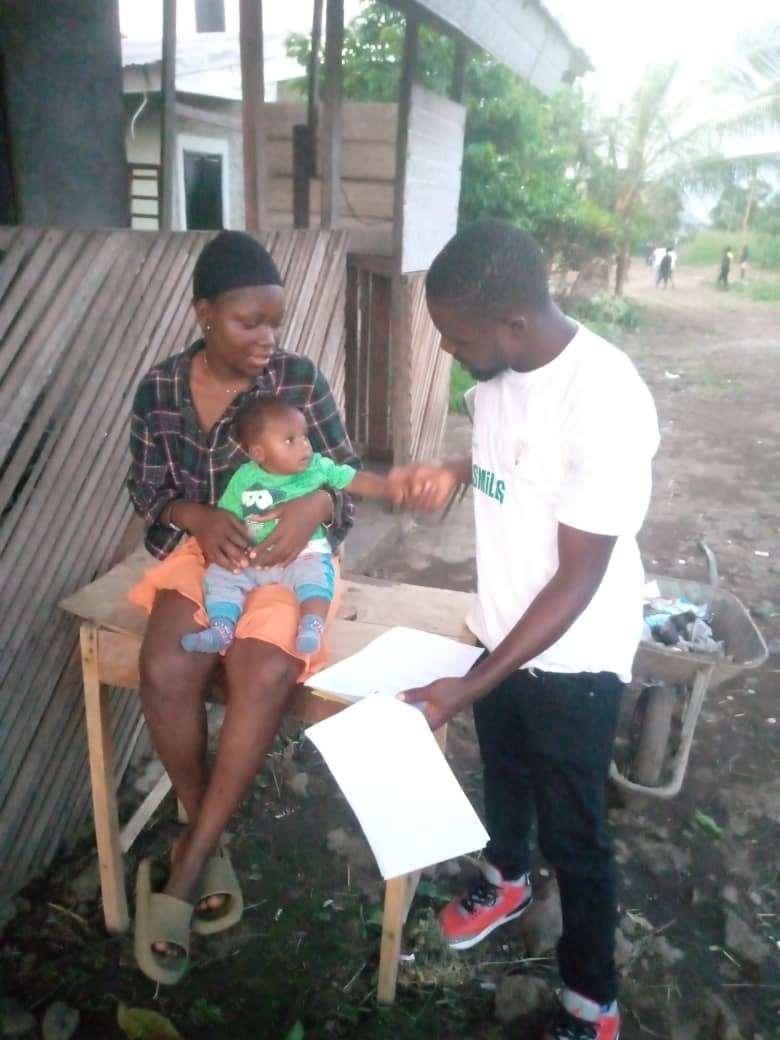
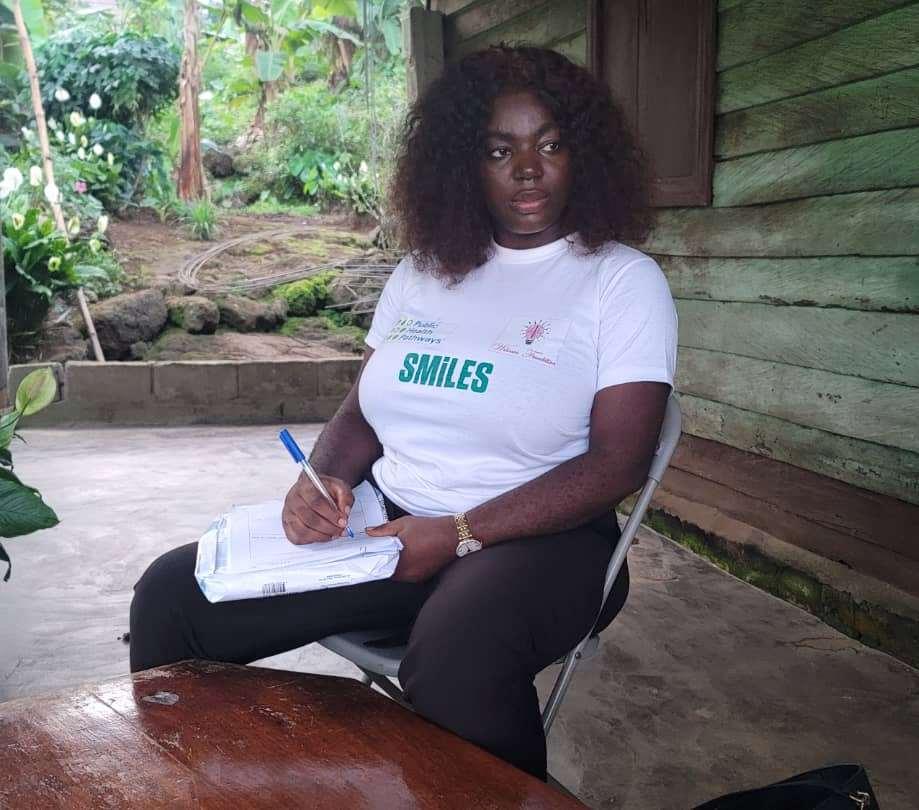
The field team conducted 50 face-to-face interviews in April 2022 in five locations in South West Cameroon (Muyuka, Meanja, Ekona, Bafia, andMalende).The sample was diverseandrespondents wererequiredto provideinformed consent and live in one of the five areas. The team aimed to interview respondents from different socioeconomic backgrounds, locations, and age groups. The responses were transcribed, translated, and entered into a digital database.
Data Analysis
The collected data was organised and analysed using descriptive statistical analysis. The survey comprised 29 questions: 19 concerned experiences and 10 concerned demographics. Thirty eight valid responses were received, which inform this report, focusing on Meanja, Muyaka, and Ekona (MME) due to limited responses from Bafia and Malende. A number of respondents did not provide responses for all of the questions asked, as some of the questions did not apply to the respondent or they chose not to answer the question. The report clarifies how many responses each respective analysis received for calculating results. As a small number of respondents gave multiple insights to some questions, this report shows the percentages as a proportion based on the total insights given per question asked.
Respondents
Of the 38 respondents, 17 (45%) were from Ekona, 15 (39%) from Meanja, and 6 (16%) from Muyuka. The ages ranged from 19 to 44 years old (mean age: 29 years), with 29 (76%) women and 9 (24%) men interviewed. The majority of respondents (n = 20, 55%) were married, and the average number of children per family was 2.75.
Languages spoken
Of the 33 respondents who provided information on languages spoken, 13 (`%) spoke English, 11 (33%) spoke Pidgin English, and 10 (29%) spoke a local language, dialect, or mother tongue. 11 (33%) of the respondents spoke more than one language.
Religion
Of the 34 respondents who provided information on religion, 18 (53%) were Christian (excluding Catholics and Presbyterians),11 (32%) Catholic, 4(12%) Presbyterian, and1 (3%) Muslim. This diversity may impact culturalbeliefs and practices surrounding maternal health and birth.
Employment and income
Ofthe27respondentswhoidentifiedtheiroccupations,7(25%)werefarmers,5(19%)werehousewives,and5(19%)were businesspeople. Other occupations included 2 (7%) students, 2 (7%) traders, 2 (7%) teachers, 1 (4%) seamstresses, 1 (4%) hunters, 1 (4%) healthcare workers/TBAs, and 1 (4%) hairdressers. Many of the respondents who identified as businesspeople were likely farmers (Dr Eko, 2023). Further, of the 11 respondents who provided their annual income, 7 (64%) earnedbetween 25,000 to 50,000 Coopération financièreenAfriquecentrale(“FCA”) ($8 to $17),withthe remaining 4 (36%) earning more. Unemployment rates may be higher, and income rates may be lower, than those observed in the data (Dr Eko, 2023). Most people before the conflict earned less than 25,000 FCA and were dependent on incomes from thelocalplantation,whichemployedthemajorityoflocalfarmers,earningbetween15,000and25,000FCA(DrEko,2023). Moreover, this could reflect an element of social desirability bias where respondents present more socially acceptable answers than their true behaviours (Bispo Júnior, 2022) as the respondents interviewed may feel pride and not wish to disclose a status of unemployment.
Ethical Considerations
The study adhered to ethical standards by providing informed consent, anonymising data, and providing training on ethical considerationsforfieldworkers.GuidelinesforconductinginterviewsandexplainingconsentformsfollowedUnitedNations
SafeMothersinLow-incomeEmergencySettings:Using“LayEpidemiology”toevaluatethescopeoftrainingtraditionalbirthattendantsinCameroon October2023 Page 7 of 21
4. Fieldwork Results
4.1 Health Priorities
The survey showed that most health priorities identified by the community are preventable and manageable diseases and illnesses. Many respondents identified multiple health priorities; 89 different insights were received from 38 respondents. 33(36.5%)specificallymentionedmalaria,19(21%)highlightedotherinfectiousdiseases[comprisingtyphoidandcholera], 11(12%)identifiednon-communicablediseases[comprisingdiabetesandbreastcancer],10(11%)highlighted‘headaches, coughs, fever, and diarrhoea’, 9 (10%) mentioned Sexually Transmitted Diseases (STDS) and HIV/AIDs [accounted for separately from 'other infectious diseases’ as STDs], and 3 (3.5%) mentioned skin diseases and rashes. The other seven health priorities highlighted by thosesurveyed are as follows:1(1%) ‘road traffic accidents’,1(1%),‘excess labour’, 1 (1%) ‘poverty’, 1 (1%) ‘substance abuse’, 1 (1%) ‘water’ [unclear whether this relates to unclean water or poor access to water), and 1 (1%) ‘violence’.
“I witnessed many ofmyfriends lose their lives while trying to give birth in the bushes; some bled, and there was nothing to help stop or replace theblood.” Respondents experiences of complications that occurred during childbirth in the bush.
4.2 Maternal Health Priorities
Complications
The data were collected from 28 respondents with multiple insights from some respondents. 52 insights were received concerning whether they know someone with preventable complications associated with pregnancy. 19 (37%) of the respondentsidentifieddeathandmiscarriage;10(19%)pre-eclampsia,eclampsia,ordiabetes;10(19%)infection;4(7.5%) pre-term or post-term labour; 4 (7.5%) anxiety or depression; 2 (4%) medical non-compliance; 1 (2%) domestic violence; 1 (2%)caesareandelivery;and1(2%)maternalnutrition.Inaddition,arespondenthighlightedtheconflict:“Iwitnessedmany ofmyfriendslosetheirliveswhiletryingtogivebirthinthebushes;somebled,andtherewasnothingtohelpstoporreplace the blood". Further, at a household level, one respondent reported, "Complications occur when the pregnant women don't follow medical health care or feed well or rest well or due to domestic violence", articulating a deeply concerning sensitive area.ThefindingsreflectdatafromWHO,whichshowthatpre-eclampsiaandeclampsia,infection,andbleedingareamong
SafeMothersinLow-incomeEmergencySettings:Using“LayEpidemiology”toevaluatethescopeoftrainingtraditionalbirthattendantsinCameroon October2023 Page 8 of 21 Office for the Coordination of Humanitarian Affairs (UN OCHA) and United Nations World Health Organisation (UN WHO) standards.
the leading causes of maternal death in the country (WHO, 2016) while highlighting the need for targeted interventions to address preventable complications associated with pregnancy in South West Cameroon.
Nonresponse
Figure 2. Have you or has anyone you’ve known experienced complications?
Experience of complications
Thedataalsoindicatethatthehighrateofcomplicationsandmaternalmortalityintheregionmaybeattributedtotheadded stress and trauma caused by displacement and conflict. From 35 respondents, 29 (83%) knew someone who had experienced complications associated with pregnancy, and the testimonials received reflect the impact of displacement, conflict, and loss on maternal health. This highlights the need for interventions that address not only the physical but also the psychosocial needs of pregnant women in the affected areas.
Access to Antenatal Services
Knowledge of Maternal Health Needs
“I get up every day and go to the form not knowing if we are going to come back or sleep there because of gun shots.” Respondent describing what a typical day is like in their community.
The data collected showed a lack of consistent attendance. Of 17 responses received, 7 (41%) reported monthly visits, 4 (24%) had 1 to 6 visits in total, 4 (24%) more than once a month, 1 (5.5%) zero visits or attended in the bush, and 1 (5.5%) not often. The reasons for non-attendance included security issues,distance to the nearesthospital, financialreasons, and prioritising safety during periods of crisis. This highlights the challenges and barriers that women in the region face in accessing maternal health care and the need for interventions such as mobile clinics or financial assistance to address these barriers. In response to why they were unable to access antenatal services, one participant said, “Because, we considered our lives first. Since there is a serious crisis going on between the government and the separatist groups.”
“Because, we considered our lives first. Since there is a serious crisis going on between the government and the separatist groups.” Respondent on why they were unable to access antenatal services.
Thesurveyrevealedthatrespondentsbelievethatwomenrequirevariousformsofcareduringpregnancy.Of33responses, 8(24%)emphasisedtheneedforbetteraccesstoqualityhealthcare,7(21%)stressedtheimportanceofpersonalisedcare visits andfollow-up care, 6 (19%) highlightedthe need for free medication, and 6(17%) focusedoncare from family.Other health priorities mentioned include “less hard labour responsibilities, support from husbands”, ‘free healthcare’, and ‘more TBAs’ (n=3, 10%, n=2, 7%, and n=1, 2%, respectively).
“Complications occur when the pregnant women doesn't follow medical health care or feed well or rest well or due to domestic violence.” Respondent describing why complications associated with pregnancy occur in their community.
Improvements Desired by the Community
When asked about areas in which maternal health support could be improved, the community primarily focused on better facilities and accessible health services. From 36 respondents, a total of 66 insights was received. 21 (34%) indicated the need for better facilities, general infrastructure, and medical equipment, while 20 (32%) emphasised the need for more accessible healthservices andcentres.In addition, 9 (14.5%) highlighted the importance of Water, Sanitation andHygiene (WASH),5(14.5%)emphasisedtheneedforpersonneltraining,and3(5%)mentionedfamilyplanning.Thequalitativedata 02468101214161820222426283032343638
SafeMothersinLow-incomeEmergencySettings:Using“LayEpidemiology”toevaluatethescopeoftrainingtraditionalbirthattendantsinCameroon October2023 Page 9 of 21
Yes No
gives us a deeper understanding of these needs, with respondents mentioning better job opportunities to afford hospital care and money to purchase baby supplies, as well as the need for better hospitals and access to water.
4.3 Health-Seeking Behaviour
When asked about seeking medical care, 44 insights were received from 36 respondents. 27 (61%) reported seeking medical care, 3 (7%) rarely sought care, 3 (7%) did so during pregnancy. 9 (20%) cited reasons such as lack of access to doctors, distance to hospitals, financial constraints, and insecurity during the crisis which prevented them from seeking healthcare. 1 (2.5%) relied on traditional medicine and 1 (2.5%) said they rarely get sick. These results highlight the challenges and barriers to accessing medical care in South West Cameroon.
4.4 Role of Formal Health Services
Satisfaction with Health Services
Of 37 classified responses on the level of satisfaction with maternal health services in the community, 3 (8%) were very dissatisfied,17(46%)dissatisfied,4(11%)unsure,7(19%)satisfied,and6(16%)verysatisfied.However,thereispotential for bias, as respondents may fear being openly critical or aligning with government views. The open-ended follow-up questionprovided45insights[someprovidingmorethanoneinsight]onwhypeopleweredissatisfiedorsatisfied.Itrevealed higherdissatisfactionlevels,withonly24.5% indicating satisfactionor neutrality.55.5%mentionedcost,distance,orlackof resources; 13% lack of trained personnel; 4% inconsistency; and 2% poor communication/neglect. Examples of unprocessed data include “Dissatisfied with lack of qualified personnel for maternal care” and “No modern equipment for population”.
“Dissatisfied with lack of qualified personnel for maternal care” Respondents explanation on why they’re dissatisfied with health services.
Figure 3. Are you satisfied with the health services available to support maternal healthcare in your community?
Satisfaction with Health Workers
Of 37 classified responses on the level of satisfaction with healthcare workers supporting maternal health, 1 (2.5%) were very dissatisfied, 11 (30%) dissatisfied, 3 (8%) unsure, 15 (40.5%) satisfied, and 7 (19%) very satisfied.
In the open-ended follow-up question on why participants are satisfied or dissatisfied, of the 36 responses, those who answered expressed a lower satisfaction levels. 14 (39%) indicated satisfaction or neutrality, 12 (33%) cited lack of
SafeMothersinLow-incomeEmergencySettings:Using“LayEpidemiology”toevaluatethescopeoftrainingtraditionalbirthattendantsinCameroon October2023 Page 10 of 21
02468101214161820222426283032343638 VeryDissatisfied Dissatisfied Unsure Satisfied Verysatisfied
resources, 5 (14%) lack of trained personnel, and 5 (14%) poor communication/neglect. Examples of unprocessed data include “Satisfied with services but insufficient resources” and “Not available during crisis”.
“Satisfied with services but insufficient resources” Respondent insight on why they were dissatisfied with health workers.
Verysatisfied
Satisfied
Unsure
Dissatisfied
VeryDissatisfied
4. Are you satisfied with the healthcare workers supporting maternal health in your community?
Health Service Provision
Before the conflict, MME had 10 health facilities serving a population of 25,000, but 9 have since closed due to the conflict. The remaining public facility exists as 90% of preexisting services have closed. The national government is exploring a health insurance system for Universal Healthcare Coverage, however talks are ongoing. Public sector hospitals are nationally run and paid for by the state, but most healthcare facilities require payment out of pocket (Dr Eko, 2023).
Consultation for Maternal Health Advice
When asked about who women consult for maternal health advice, 24 (66%) of 36 respondents cited health professionals, 9 (25%) local women with lived experience, and 3 (9%) family members. The unprocessed data provided contextual understanding of why women seek different services. For example, "Most women I know go to the hospital whereas, some few who cannot afford or are forcedintotheinteriortoconsultlocalandexperiencedbirth attendants.” and, “They go to the hospital. But because of the crisis and the fact that most of the women gave birth in the bushes, they were attended to by women in the community.”
4.5 Role of Informal Health Services
Preference of Health Services
Intermsofhealthservicepreferencesduringpregnancyand childbirth, of 33 respondents, 22 (67%) preferred hospitals, while 11 (33%) preferred TBAs. 02468101214161820222426283032343638
SafeMothersinLow-incomeEmergencySettings:Using“LayEpidemiology”toevaluatethescopeoftrainingtraditionalbirthattendantsinCameroon October2023 Page 11 of 21
Figure
02468101214161820222426283032343638
Figure 5. Do people in your community prefer Traditional birth attendants or hospitals?
Why Women choose TBAs
A follow-up question was asked to gain a deeper understanding of why some women choose TBAs. 32 respondents provided multiple answers; thus, 38 insights were obtained. 16 (42%) of the respondents cited cost as the primary reason, 11 (37%) cited access/conditions/situation, 4 (11%) cited culture/language, 2 (5%) cited trust/connection, and 2 (5%) cited politeness/patience. A respondent stated, "Because it is free, and you don't stress to look for money to go to the hospital," while another said, "They prefer TBAs as it's cheaper and accessible even though it's risky."
Figure 6. Do you think that TBAs would benefit from training with professional medical practitioners?
"They prefer TBAs as it's cheaper and accessible even though it's risky." Respondent on why women choose TBAs
Training TBAs
The community was asked about their views on TBAs and whether they thought they would benefit from training with professional medical practitioners. 31 (89%) of 35 respondents agreed, with one respondent stating, "Yes, they could because in the absence of professional medical practitioners, most women turn to TBAs," and another respondent stating, "Very well because they already have the zeal and gift, with the education they will do it marvellously."
"It's always a 50/50 chance, as getting medical attendance is costly and inaccessible" Respondent explaining the role TBAs play in the community.
Description of TBAs
When asked to describe the role TBAs play in the community, theresponsesemphasisedtheshort-termneedfortrainingwhile theAnglophonecrisisisongoing,andthedifficultiesinrebuilding the health systems. One respondent said, "It's always a 50/50 chance, as getting medical attendance is costly and inaccessible," while another respondent said, "To me, these women need to be encouraged so that they can assist in areas or situations where a woman needs help in their homes."
SafeMothersinLow-incomeEmergencySettings:Using“LayEpidemiology”toevaluatethescopeoftrainingtraditionalbirthattendantsinCameroon October2023 Page 12 of 21
Nonresponse TBAs Hospitals
Nonresponse No Yes
02468101214161820222426283032343638
“The desire to help people suffering because of inaccessibility to healthcare”
Respondent on what motivates people in their community to volunteer and support health initiatives
Payment to TBAs
In terms of payment for TBAs, the rates varied. When asked about how much TBAs charge per visit, 12 (46%) of 26 respondentssaidthatTBAs arefreeorreceiveavolunteertokenorgift, 7(27%)saidthattheycharge 1,000FCA,1(3.5%) said 5,000 FCA, and 1 (3.5%) said 10,000 FCA. Additionally, 2 (8%) indicated that drugs are paid for, while the remaining 3 (12%) said the price varies. Note that where the respondents stated, ‘free’ or ‘gift’, this may mask the reality. There are examples where people have had to put up their homes as equity to have access to care, hoping to pay over a period of time. Thus, the lack of free medical facilities and provisions providedviainformal markets compounds thepre-existing debt burden (Dr Eko, 2023).
“The love to help and assist others, motivates people to come support us in our community.” Respondent on what motivates people in their community to volunteer and support health initiatives
4.6 Actors
Local Actors
28 responses were collected on the respondents’ knowledge and experience of international and local organisations working in their region.
The respondents provided 21 insights into these organisations.10(48%)mentionedUNAgencies,7(33%) mentioned Médecins Sans Frontières (MSF), 3 (14%) mentionedZoeHealthFoundation,and1(5%)highlighted Reachout Cameroon.
Twenty insights were obtained on the impressions of these NGOs: 7 (35%) expressed support, 7 (35%) reported receiving medical care for women and children, 4 (20%) received food assistance, and 2 (10%) received help with medical bills and funding for start-ups.
Itshouldbenotedthatthehighproportionofrespondents mentioning UN Agencies may reflect a general recognition of NGOs and may not accurately reflect the presence of UN Agencies in the field.
Welisane Mokwe Nkeng and Dr Eko advised on the role these actors play in South West Cameroon:
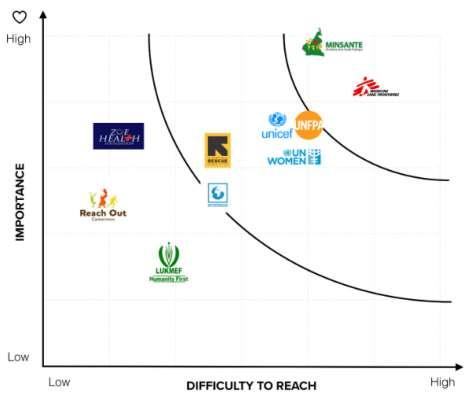
● TheMinistryofHealthisconsidered ahigh-intereststakeholder,with afocus on nationalandregional health.The aim of meetings led by the Welisane Foundation with the Ministry of Health is to obtain real-time information about the local situation.
● Lukmef, is a Cameroonian NGO known for its local knowledge of the humanitarian context and need, can provide second-hand information on the challenges faced in the region.
● Reachout Cameroon provides information similar to Lukmef, with a focus on localknowledge.
● UnitedNationsPopulationFund(UNFPA) hasalimitedroleinsupportingTBAs,witha focuson maternalhealth. They provide training for healthcare workers, emergency obstetric care commodities, and funding for medical equipment, but are not physically present in the field.
● MSF has fieldwork experience and can provide first-hand information on the situation. They support healthcare provisionthroughcommunityhealthworkersandempowerlocalhealthfacilitiesbyreferringpatientstothem.When working in MME,MSF workedinpartnership with the Ministry ofHealth, regionalhealth careworkers,andUNFPA.
It is worth noting that since the respondents were asked in 2022, the MSF have left the region; thus, Dr Eko advises that the need for the organisation is greater today. To get a sense of the void potentially left, several respondents mentioned
SafeMothersinLow-incomeEmergencySettings:Using“LayEpidemiology”toevaluatethescopeoftrainingtraditionalbirthattendantsinCameroon October2023 Page 13 of 21
Figure 7. Map of actors operating in South West Cameroon in 2022
MSF and the services they've provided, including one who advised: "Organisations such as MSF helped a lot in our community medically assisting bills and a quick response to local people."
4.8 Communicating Health Messages
Respondents were asked about the best way to disseminate health information within their community. 31 categorised responses revealed that a mix of digital and analogue methods was preferred, with a total of 62 insights from the respondents. 13 (24%) preferred the use of Social Media or SMS; 9 (16%) favoured town criers or quarter heads; 9 (16%) advised church announcements; 8 (15%) said radio,TV, or newspaper; 8 (15%) said healthcentres or healthcare workers; 4 (7%) suggested house-to-house visits or word of mouth; and 4 (7%) preferred the health ministry or NGOs.
“Through church announcements and traditional communicators or small Christian community meetings.” Respondent concerning how best to get a message concerning health around their community.
5. Limitations and strengths
Limitations
The sample size was limited to 38 respondents due to limited time, resources, and sensitivity of the subject matter in an unstable environment with ongoing violence. Descriptive statistical analysis methods wereused for this report,giventhe sample size, andthere were concerns of respondent bias and underreporting of the situation, including fear of openly expressing how they 'really' feel. Another limitation is since the research was conducted, MSF were asked by the Government to leave MME due to a disagreement concerning providing emergency medicalcare toseparatists, which means that needs have changed, and most likely been heightened due to their absence (Dr Eko, 2023).
Strengths
To our knowledge, this is the first survey conducted in South West Cameroon using a lay epidemiology approach to work directly with community members and gain valuable insights for future research and health initiatives in this field. “Lay epidemiology” was demonstrated through a community-led, grassroots, and informed approach. The study was conducted through building trusted relationships between Public Health Pathways and the Welisane Foundation. There was collaborative analysis between specialist advisorsandteams,benefitingfromdiverseandhigh-leveltechnical input and in-depth local insights. Data reflect a rigorous and wellconsidered approach to analysis.
5. Discussion
Three Delays Model
The Three Delays Model informed the survey design and findings in MME, which provide a deeper insight into the barriers to maternal health at the household, community and health system level from delays in decision-making, reaching health facilities, and receiving care.
Delay to take a decision: Financial constraints, exacerbated by the Anglophone Crisis, were identified as the primary reason for delays in decision-making. Respondents emphasised their limited financial means, which affected their ability to seek antenatal services, medical care, and led to reliance on TBAs. Additionally, most healthcare facilities require out-ofpocket payment, further complicating access to medical care.
Delaytoreachhealthfacilities: Theconflicthasalsodirectlyimpactedtheabilitytoreceivecare,asrespondentsreported giving birth in the bushes and facing complications during pregnancy. Theongoingconflict has led tothe closureof several
SafeMothersinLow-incomeEmergencySettings:Using“LayEpidemiology”toevaluatethescopeoftrainingtraditionalbirthattendantsinCameroon October2023 Page 14 of 21
health facilities making them more difficult to access. In addition, since MSF recently left MME in late 2022, it has further hampered the community's ability to reach health facilities.
Delaytoreceive care:Due to limitedhealthfacilities andclosure,thelackoftrainedmidwivesand medicalpersonnel, lack ofdrugs,andequipment,thelocalcommunityinMMEfaceseveralchallengesinreceivingmaternalhealthcare.Thesurvey demonstrated the lack of access to receive consistent maternal healthcare within the community.
“To me they really cannot take care of more complicated cases and so refer people to big hospitals.” Respondent on why they are not satisfied with the health services available.
Prior to this survey, the main problems to address in the South-West region were:
● Medical: cases of haemorrhaging and infection for births occurring in the community.
● Social: safety concerns, lack of money, and living in bushes.
● Structural: closure of health services and lack of staff and resources.
Medical, social, and structural reasons figure heavily in the data gathered and shed light on the structural reasons for the challenges faced in MME. Malaria was identified as a significant medical challenge, with infectious diseases threatening maternal, fetal, infant health, and being associated with anaemia, stillbirth, low birth weight, and maternal and fetal death (Bauserman, M. et Al, 2019). Social challenges include the economic toll of the conflict, leading to job loss, poverty, and decreasedaccesstohealthcare.Structuralchallenges includetheclosureofhealthfacilities,safetyconcerns,and alackof staff and resources.
In conclusion, through the Three Delays Model, the impact of the ongoing conflict on maternal health in MME includes the community'sabilitytomakeadecision,economicprospects,andcapacitytoreachhealthcarefacilitiesowingtothedifficulty of knowing when violence may escalate or deescalate, and receive healthcare with the lack of trained personnel.
6. Analysis
Findings in other studies in Cameroon identified several factors that contributed to maternal mortality (as summarised in Figure 1). Health system factors that affected outcomes were accessibility to clinics, lack of midwife training, lack of trust in existing interventions, and lack of holistic health programs. The results found early marriage, customary norms and religion,traditionalbirthingbeliefs,andastrongkinshiphierarchyandstructuretobe socio-culturalfactors contributingto this situation. Relationship factors such as a lack of peer to peer support and family support, and low trust in health professionals as well as individual factors such as poverty, illiteracy, pre-existing health conditions and dependency on other decision-makers contributed to high maternal mortality elsewhere in Cameroon. All these factors affect prenatal, delivery, and post-natal care as a result of delayed seeking of, accessing (or reach) of, and receiving care.
SafeMothersinLow-incomeEmergencySettings:Using“LayEpidemiology”toevaluatethescopeoftrainingtraditionalbirthattendantsinCameroon October2023 Page 15 of 21
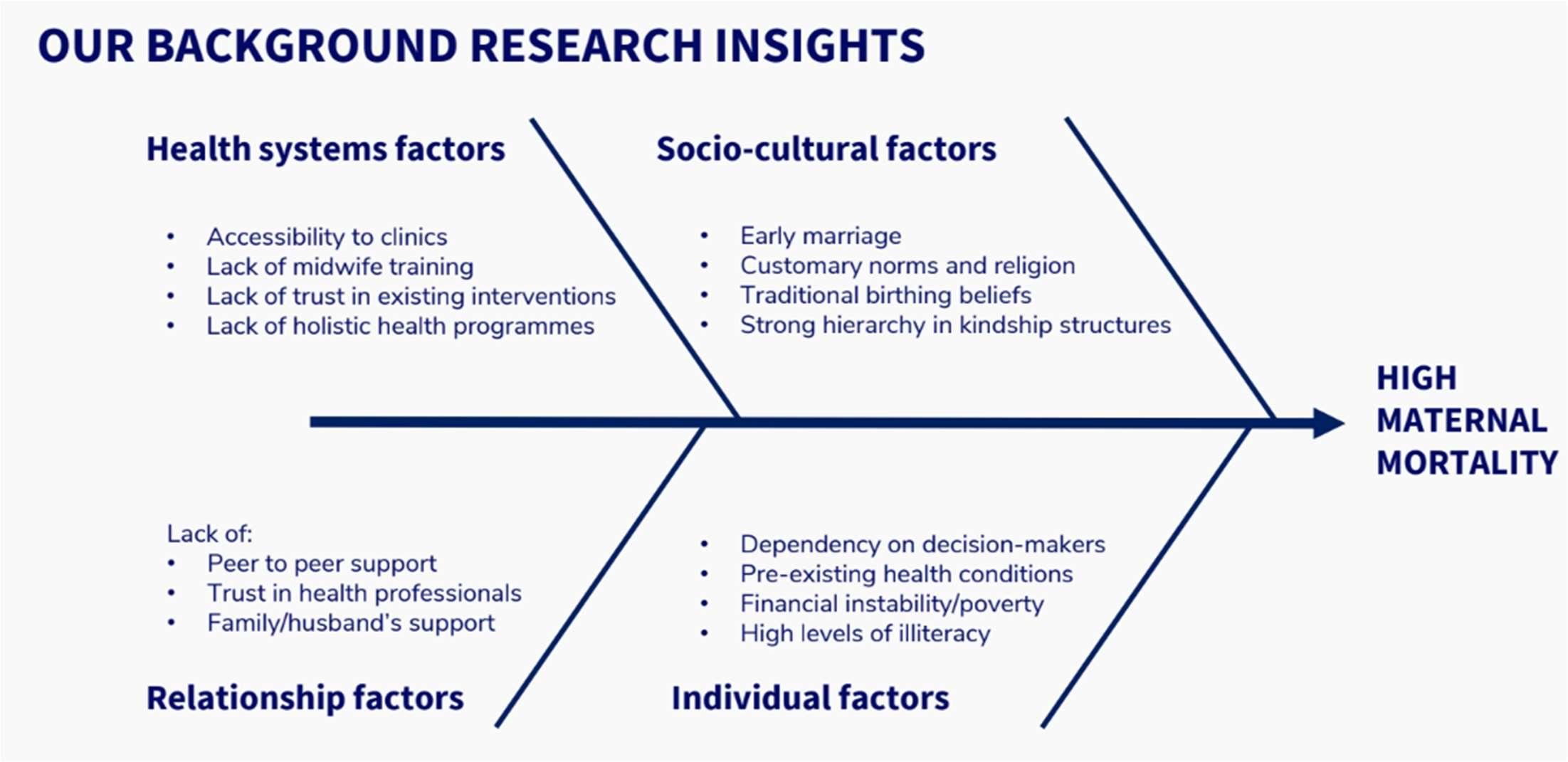
Figure 8. Factors contributing to high maternal mortality in Cameroon based on existing published research
It was hypothesised that, in South West Cameroon, maternal mortality in conflict areas may have similar and also different anduniqueseek-reach-receive issuesthatrequireatailoredinterventiontobetter suitthecontext.UsingtheThreeDelays Modeltodesignthesurveyandanalysedata,theenablersorbarriersrespondentsfacedinseeking,reaching,andreceiving maternal care were scrutinized.
The study found that seeking care was not impacted by sociocultural factors such as customary norms, taboos, or birthing beliefs.Infact,themajorityofrespondents,67%,preferredbiomedicalcareasopposedto33%,whopreferredTBAs.Strong kinship hierarchy did not deter women from seeking, accessing, or receiving care. Instead, in circumstances where it was not possible to access hospitals, kinship ties enabled women to receive some care from “women who have experience” or “elder women”.
Individual factors such as decision-making power, pre-existing health conditions, and illiteracy did not delay seeking, reaching, or receiving care. Although poverty andfinancialreasons were frequently stated in answers to multiple questions (refer to section ‘Delay in seeking care’) and 73% of respondents who provided income information earned less than CFA 169,012 per month (US $269; the amount required to live reasonably in rural Cameroon (Anker Reference Values, 2022), notallofthemcitedfinancialissuesasacauseofdelayed seeking ofcareduringpregnancy.Thatsaid,33%ofrespondents preferred TBAs over hospitals.
The major delays in accessing or reaching healthcare services were due to health system factors. Care during labour was frequently impeded, as most hospitals were closed due to the conflict. Many women reported giving birth in the bushes or at home as a result. Antenatal care attendance varied, and reported reasons for this (when provided) were predominantly due to inaccessibility or closed clinics due to the crisis. Lack of resources and trained personnel were contributing factors to inadequate care at clinics and closures.
Lack of resources and trained personnel were contributing factors to inadequate care at clinics and closures.
RelationshipfactorsdidnotpreventwomenfromseekingorreceivingcareexceptinafewcaseswherepreferenceforTBAs was indicated due to better emotional support or care. Somewomen did not trust the health system and showedthey were dissatisfied with the level of care shown by health workers although it did not alter their preference for biomedical care. Where mentioned, dissatisfaction with hospital services and workers did not necessarily directly translate to a preference for TBAs or a preference to seek other means of maternal care. This indicates an overall preference for biomedical interventions but an inability to access them due to the absence of staff or closed clinics and some financial barriers. Peerto-peer support is very high in this context during labour, as there is a reliance on elderly or experienced women in the absence of biomedical care. Whether this level of peer-to-peer support exists for antenatal care is unclear. Thus peer-to-
SafeMothersinLow-incomeEmergencySettings:Using“LayEpidemiology”toevaluatethescopeoftrainingtraditionalbirthattendantsinCameroon October2023 Page 16 of 21
peer support is an enabler of better care in the absence of biomedicalcare in this context. No barriers to seeking care as a result of family beliefs or reservations were identified in the study. Moreover, through training TBAs, opportunities exist to link and strengthen existing healthcare services.
From the above, it is clear that interventions that can strengthen or enable access to biomedical care will not face barriers from the local community. They are willing to take up biomedical care more readily than traditional care, and only prefer traditional forms of care when hospitals are closed, staff are unavailable, or services are unaffordable. TBAs are respected and valued for their empathy and affordability but are not preferred due to the risk involved due to lack of equipment in cases of complications, which confirms that there is an opportunity to train TBAs to counter the identified lack of staff in hospitals to provide better and timely care outside hospitalsettings. The dissatisfaction in health workers attitudes towards patients and the appreciation of emotional support by TBAs indicates that any training intervention should also focus on delivering care empathetically and with emotional support. The research also confirms that currently, most women are depending on women in the community to assist during delivery andthatthis frequently happens in the bush, not inaclean setting. It will therefore be beneficial to provide training to these women and equip them with basic kits to minimise postpartum infections and bleeding, both of which contribute greatly to Cameroon’s high maternal mortality rate.
The dissatisfaction in health workers attitudes towards patients and the appreciation of emotional support by TBAs indicates that any training intervention should also focus on delivering care empathetically and with emotional support.
Astherewerenofamily orkinshipstructuresor otherdecision-makerscontributingtobarrierstoseekingor accessingcare, interventions do not need to include ‘permission’from authoritative family members or community ‘gatekeepers’.
ThesurveyresponsesalsoconfirmedthatMalariaisthemostpressinghealthconcern.Additionally,asitcanseverelyaffect maternal health outcomes and as there is such varied antenatal monitoring and attendance, it is vital that interventions address antenatal care with malarial prophylaxis as a focal point.
The results on health communications indicate that the majority receive health information via digital means (social media) followed by the church (predominantly Christian and Catholic faith) as well as radio. Thus, one possibility is to tailor the trainingdeliveryusingtelecommunicationsorradio.Antenatalself-monitoringcouldbedeliveredthroughmobiletechnology like FamilyConnect and by creating village health teams leveraging ‘elder’ or ‘experienced women’. Tele-training can also beconductedtotrainTBAsandalsoprovidetrainingtoelderlyorexperiencedwomeninthecommunityforusingemergency delivery kits for safer, cleaner deliveries outside of a hospital setting. While network or telecommunication breakdowns during the conflict may be a problem, initiatives such as the Emergency Telecommunications Cluster (ETC) could be partnered with to deliver telecommunication-based interventions. Physical training provision could also be held at the Church, as this seems to be a central point for information in the community.
7. Recommendations for the project
The survey shows that the community prefers hospitals over TBAs and supports training for TBAs. It is understood that trainingTBAs does notovercomethe need for improved access toquality maternal health facilities.However, theconflictis ongoing and between periods of escalated violence and de-escalated violence. Further, it is difficult to extrapolate from such a small sample. Nonetheless, until there is stability, the key recommendation is that training TBAs in midwifery is beneficial to increase the capacity of the community to support pregnant women and births, improve links with healthcare facilities, and increase trust through greater integration into the healthcare system.
Objectives
General objective: To improve maternal care and skilled birth attendance to reduce maternal mortality in MME.
Specific objectives to:
Increase the number of antenatal care visits,
Increase the number of skilled attended births, and
TrainstafftocreateanenvironmentoftrustbetweenTBAs,thecommunity,andhealthcareprovidersandpersonnel.
Impact
SafeMothersinLow-incomeEmergencySettings:Using“LayEpidemiology”toevaluatethescopeoftrainingtraditionalbirthattendantsinCameroon October2023 Page 17 of 21
TheexpectedimpactoftheproposedprojectistobridgethegapbetweenuntrainedTBAsandtrained midwivesbybuilding a continuum of care through increased human resources, an effective referral system, and training. The three delays are expected to be prevented via sustained localised access to trained assistance within the community to provide basic preventative antenatal care and identify early warning signals along with an effective early referral system that flags when a TBA should refer mothers to a nurse. Targeting the three delays via this impact model could contribute to reducing maternal mortality in South West Cameroon (see Figure 9).
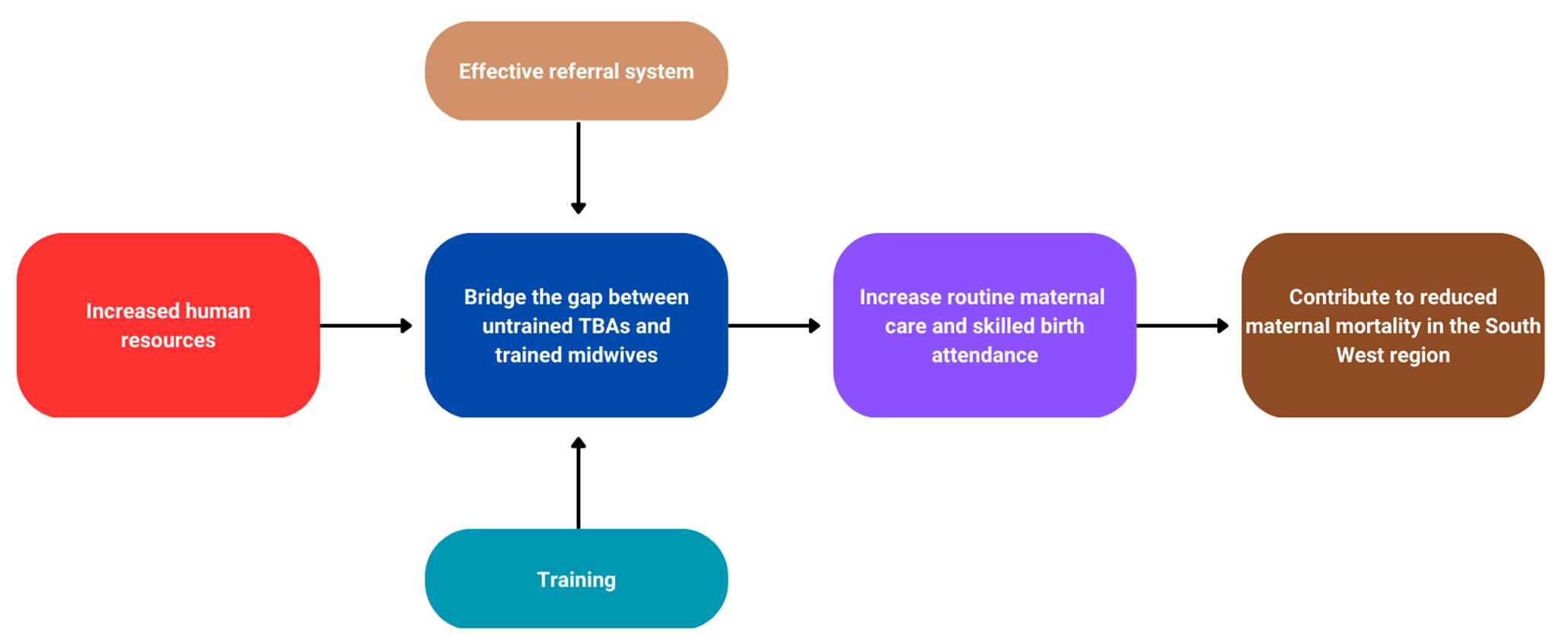
9. Expected impact of the SMiLES project Project plan
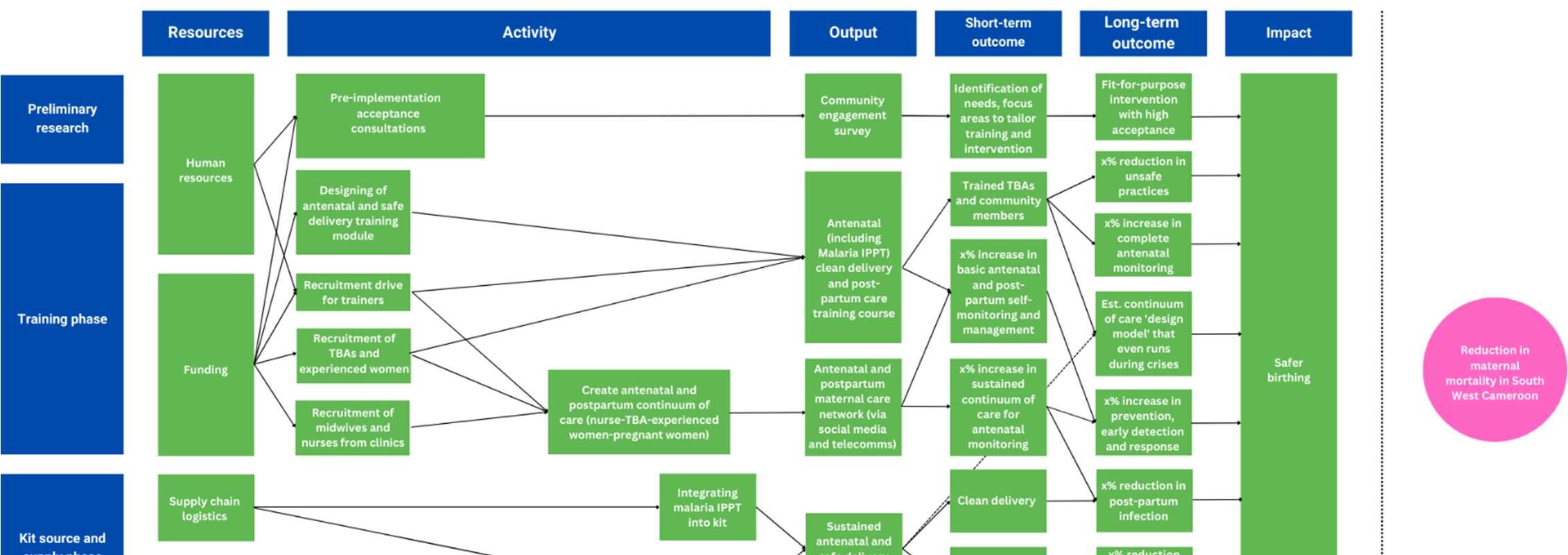
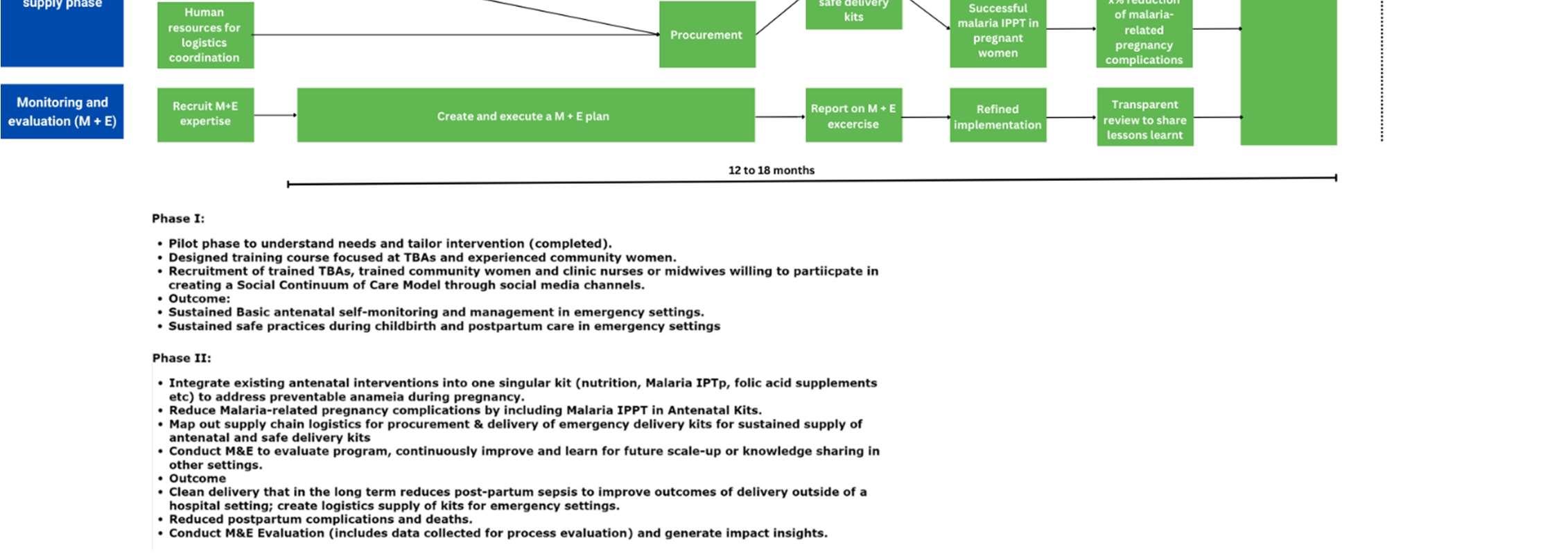
The overriding aims of the project are safer birthing and the reduction in maternal mortality in emergency settings. To achieve this, SMiLES has two overlapping phases that combine a training course and a kit source and supply phase (see Figure 10 for further details).
The survey data has informed the SMiLES project plan, which includes a training phase, starting with a recruitment drive for trainers and respondents, TBAs and experienced women in the community, and midwives and nurses from clinics to create an antenatal and postpartum continuum of care with a foundation for training. The training will include and is not limited to antenatal services [including Malaria intermittent preventive treatment (IPT)], clean delivery, and a postpartum care course. Further, a maternal care network will be set up via social media and telecoms to support all those involved. The kit course and supply phase will involve planning supply chain logistics, human resources for logistics coordination (with malaria IPT integrated), and procurement that leads to sustained antenataland safe delivery kits.
Inaddition,a monitoringandevaluationplanwillbecreatedandexecutedtoreportandrefinetheimplementationto ensure transparency, better performance, and learn lessons for future programs.
Next steps
PublicHealthPathwayssupportedTheWelisaneFoundationwithresearch,dataanalysis,andreportwriting. FromOctober 2023 Public Health Pathways stepped down from SMiLES, having introduced The Welisane Foundation to senior Londonbased academics with international maternal health expertise to explore the next steps.
SafeMothersinLow-incomeEmergencySettings:Using“LayEpidemiology”toevaluatethescopeoftrainingtraditionalbirthattendantsinCameroon October2023 Page 18 of 21
Figure
8. Conclusion
The locally led and informed data collection in this study demonstrates the key role ‘lay epidemiology’ can play in lowincome settings to understand and co-develop interventions that strengthen healthcare systems. As per insights from local experts, SMiLES is the first project in the South West region aiming to empower TBAs. To date, there have been limited attempts to train and re-skill them. Indeed, some see them as part of the problem, but it must be understood that most delays in treatment are due to thestate of the healthcare system.Eventhough TBAs provide an unofficial service, they are crucialinempoweringhealthcarefacilitiesandcanplayavitalroleinstrengtheningmaternalhealthcareservices.Inaddition, the present conflict is in an unpredictable phase, and fighting may return. Thus, this proposed pilot aims to first support TBAs and the local population, andthereafter, build community resilienceshouldthe conflictre-escalate. Atthe same time, the SMiLES project is unique because it directly involves the communities in order to develop their capabilities and skills to strengthen their capacity for providing health services in a conflict zone.
Beforethesurvey,thelong-termgoaloftheSMiLESprojectwastoprovidesafedeliverykitsanddesigncommunitytraining programs in the use of these kits to enable women in communities to self-administer treatment or assist mothers during deliverytoreducetheassociated riskofdeliveryoutsidea healthfacility.Thisaimremains.However,oncestabilityreturns, a secondary aim will be to enable former TBAs to contribute further to their communities. This can act as a precedent to transform communities in emergency settings, where the pilot aims to demonstrate how a future can be built using the knowledge withincommunities to open paths to provide advanced midwifery training, allowingcommunities to developfree and accessible professionalmaternalhealth services.
SafeMothersinLow-incomeEmergencySettings:Using“LayEpidemiology”toevaluatethescopeoftrainingtraditionalbirthattendantsinCameroon October2023 Page 19 of 21
Figure 10. Draft Theory of Change for the SMiLES project
References
1. Achidi,E.A.,Kuoh,A.J.,Minang,J.T.,Ngum,B.,Achimbom,B.M.,Motaze,S.C.,Ahmadou,M.J,.,&Troye-Blomberg,M.(2005) “Malaria infection in pregnancy and its effects on haemoglobin levels in women from a malaria endemic area of Fako Division, South West Province, Cameroon”, Journal of Obstetrics and Gynaecology, 25(3).
2. Actis Danna, V., Bedwell, C., Wakasiaka, S., & Lavender, T. (2020) “Utility of the three-delays model and its potential for supportingasolution-basedapproachtoaccessingintrapartumcareinlow-andmiddle-incomecountries.Aqualitativeevidence synthesis”, Global Health Action, 13(1), 1819052.
3. Agwanda B., Nyadera I.N., & Asal U.Y. (2020) Cameroon and the Anglophone Crisis. In: Richmond O., Visoka G. (eds) The Palgrave Encyclopedia of Peace and Conflict Studies. Palgrave Macmillan, Cham.
4. Alio, A.P., Salihu, H.M., Nana, P.N., Clayton, H.B., Mbah, A.K., & Marty, P.J. (2010) “Association between intimate partner violence and induced abortionin Cameroon”, International Journal of Gynecology & Obstetrics, 112(2), pp. 83-87.
5. Ambe, N.F., Bobga, T.P., Isah, M., Keturn, A.S., Sama, C.B., Therese, A.A., Beuadou, N.C., Gabriel, E.S.E., & Ayafor, T.P. (2020) “ Investigating maternal mortality at Regina Pacis Hospital Mutengene and the government health centre Mutengene, South West region, Cameroon”, Journal of Biosciences and Medicines,8(5).
6. Alvarez, J.L., Gil, R., Hernandez, V., & Gil, A. (2009) “Factors associated with maternal mortality in Sub-Saharan Africa: an ecological study”,BMC Public Health, 9, 462.
7. Awungafac,G., Njukeng, P.A.,Ndasi, J.A., & Mbuagbaw,L.T. (2015) “Prevention of mother-to-child transmission of the Human Immunodeficiency Virus: investigating the uptake and utilization of maternal and child health services in Tiko health district, Cameroon”, Pan African Medical Journal, 20(1), 20.
8. Bethel Ajong, A., Agbor, V.N., Simo, L.P., Noubiap, J., & Njim, T. (2019) “Grand multiparity in rural Cameroon: prevalence and adverse maternal and fetal delivery outcomes”, BMC Pregnancy and Childbirth, 19 (233).
9. Boynton, P.M., & Greenhalgh, T. (2004) “Hands-on guide to questionnaire research. Selecting, designing, and developing your questionnaire”. BMJ, 328, pp. 1312-1215.
10. Bauserman, M., Conroy, A.L., North, K., Patterson, J., Bose, C., Meshnick, S. (2019). An overview of malaria in pregnancy. Semin Perinatol. 2019 Aug
11. Bispo Júnior, J.P. (2022) “Social desirability bias in qualitative health research”, Revista desaude publica, 56 (101)
12. Cameroon Demographic and Health Survey Summary Report (2018) “Summary Report”. Available at: https://dhsprogram.com/pubs/pdf/SR266/SR266.pdf (Accessed: 30 June 2021).
13. Davey Smith, G., Gorter, A., Hoppenbrouwer, J., Sweep, A., Maria Perez, R., Gonzales, C., Morales, P., Pauw, J., Sandiford, P.(1993).TheculturalconstructionofchildhooddiarrhoeainruralNicaragua:Relevanceforepidemiologyandhealthpromotion. Social Science & Medicine, 36 (Issue), pp. 1613-24.
14. DeJonckheere,M.,&Vaughn,L.M.(2019)“SemiStructuredinterviewinginprimarycareresearch:abalanceofrelationshipand rigour”,Family Medicine Community Health, 7, e000057.
15. Egbe T.O., Tsaku E.S., Tchounzou R., & Ngowe M.N. (2018). Prevalence and risk factors of gestational diabetes mellitus in a populationofpregnantwomenattendingthreehealthfacilitiesinLimbe,Cameroon:across-sectionalstudy.PanAfricanMedical Journal. Availible at: bca3069b7b6a33c78114155ae17ffd442645.pdf (semanticscholar.org). (Accessed: 14 May 2023)
16. Emeh,A.N.,Hermann.,&Shey,D.S.(2021).‘’ImpactoffamilyplanningonmaternalandinfantmortalityinCameroon:Protocol for a clustered nonrandomized controlled trial’’, Journal of Public Health and Epidemiology.
17. Emergency telecommunication cluster. (2021) Cameroon. https://www.etcluster.org/countries/cameroon (Accessed: 17 March 2023)
18. Every Woman, Every Child. (2021) “What is Every Woman Every Child?”. Available at: https://www.everywomaneverychild.org/about/#sect5 (Accessed: 27 June 2021).
19. Food and Agriculture Organisation of the United Nations. (2021). “Cameroon”. Available at: http://www.fao.org/emergencies/countries/detail/en/c/153525(Accessed: 27 June 2021).
20. Fru, P.N., Cho, F.N., Tassang, A.N., Fru, C.N., Fon, P.N., & Ekobo, A.S. (2021) “Ownership and Utilisation of Long-Lasting Insecticidal Nets in Tiko Health District, Southwest Region, Cameroon: A cross-sectional study”, Journal of Parasitology Research, 202, 8848091.
21. Gabriel,E.S.E.,HalleEkane,G.E.,Isah,M.,SevidzemWirsiy,F.,Lebaga,M.L.N.,Siysila,N.D.,Musi,C.B.,Chia,N.C.,&Victor, M.N. (2020) “Prevalence and associated factors of teenage pregnancy among secondary and high school students in the Tiko health district, SouthWest Region, Cameroon”, Journal of Biosciences and Medicine, 8(9), pp. 99-113.
22. Global Living Wage Coalition. (2022). Living income reference value – rural Cameroon. https://globallivingwage.org/livingincome-reference-value-rural-cameroon. (Accessed: 17 March 2023)
23. Halle Ekane Edie, G.E., Obinchemti, T.E., Tamufor, E.T., Njie, M.M., Njamen, T.N., & Achidi, E.A. (2015) “Perceptions of antenatalcareservicesbypregnantwomenattendinggovernmenthealthcentresintheBueaHealthDistrict,Cameroon:across sectional study”, Pan AfricanMedical Journal, 21(45).
24. Iyawa, G.E., Dansharif, A.R. & Khan, A. (2021). Mobile apps for self-management in pregnancy: a systematic review. Health Technology, 11, 283–294.
25. Kamga, H.L.F., Njimog, D.L., Nsagha, D.S., Assob, N.J.C., Nde Fon, P., & Njunda, A.L. (2012) “A community survey of appreciation of Traditional Birth Attendants’ services in Cameroon in the context of HIV/AIDS ”, Scholarly Journal of Medicine, 2(6), pp. 84-88.
26. LewinS.A.,DickJ.,PondP.,ZwarensteinM.,AjaG.,vanWykB.,Bosch-CapblanchX.,&PatrickM(2005).‘’Layhealthworkers in primary and community health care’’. Cochrane Database Syst Rev.
27. Mbuagbaw, L.C.E., & Gofin, R. (2011) “A new measurement for optimal antenatal care: determinants and outcomes in Cameroon”, Maternal and Child Journal, 15, pp. 1427-1434.
SafeMothersinLow-incomeEmergencySettings:Using“LayEpidemiology”toevaluatethescopeoftrainingtraditionalbirthattendantsinCameroon October2023 Page 20 of 21
28. Nganji, J.T., & Cockburn, L. (2018) “Use of Twitter in the Cameroon Anglophone crisis”, Behaviour & Information Technology, 39(3), pp. 267-287.
29. Nkemtendong Tolefac, P., Halle Ekane, G.E., Ndip Agbor, V., Barbila Sama, C., Ngwasiri, C., & Marie Tebeu, P. (2017) “Why do pregnant women present late for their first antenatal care consultation in Cameroon?”, Maternal Health, Neonatology and Perinatology, 3(29).
30. Nkuoh, G.N., Meyer, D.J., Tih,P.M., & Nkfusai, J. (2010)“Barriers tomen’s participation in antenatal and prevention of motherto-child HIV transmission carein Cameroon, Africa”,Journal of Midwifery & Women’s Health, 55(4), pp. 363-369.
31. Ojong, N. (2019) “Healthcare financing in rural Cameroon”, Societies, 9(4), pp.77.
32. OCHA (2022). “Cameroon Situation Report, 7 December 2022”. Available at: https://reliefweb.int/report/cameroon/cameroonsituation-report-7-december2022?_gl=1*1b3s0h5*_ga*ODY0MzU5NjE4LjE2NzE0ODk3Njg.*_ga_E60ZNX2F68*MTY3MTQ4OTc2OS4xLjEuMTY3MTQ4O Tg5My42MC4wLjA (Accessed: 17 March 2023)
33. Ojong, N. (2019) “Healthcare financing in rural Cameroon”, Societies, 9(4), pp.77.
34. Paina, L., Wilkinson, A., Tetui, M., Ekirapa-Kiracho, E., Barman, D., Ahmed, T., Mahmood, S.S., Bloom, G., Knezovich, J., George,A.,&Bennett,S.(2017)“UsingTheoriesofChangetoinformimplementationofhealthsystemsresearchandinnovation: experiences of Future Health Systems consortium partners in Bangladesh, India and Uganda”, Health Research Policy and Systems, 15(2), pp. 29-29.
35. Serrat, O. (2017).The Sustainable Livelihoods Approach. In:Knowledge Solutions. Springer, Singapore.
36. Schaff, M., Warthin, C., Freedman, L., & Topp, S.M. (2020) “The community health worker as service extender, cultural broker and social change agent: a criticalinterpretive synthesis of roles, intent and accountability”, BMJ Global Health, 5, e002296.
37. Sevidzem Wirsiy,F., Ako-Arrey, D.E., Njukeng, P.A., Tendongfor, N., Mahjong, F.T., Lukong, L.K., Lekedji, M.Y., Gamba, R.B., & Yeika, E.V. (2019) “Maternal Mortality in Cameroon: A Critical Review of its Determinants“, Journal of Gynaecology and Neonatal, 2(1), pp.105.
38. Shah, B., Krishnan, N., Kodish, SR.,Yenokyan,G.,Fatema,K.,Uddin,K.B.,FazlurRahman,A.K.,Razzak,J.(2020)Applying theThreeDelaysModeltounderstandemergencycareseekinganddeliveryinruralBangladesh:aqualitativestudy.BMJOpen
39. Shikuku, D.N., tanui, G., Wabomba, M., Wanjala, D., Friday, J., Peru, T., Atamba, E., & Sisimwo, K. (2020) “The effect of the communitymidwiferymodelonmaternalandnewbornhealthserviceutilizationandoutcomesinBusiaCountyofKenya:aquasiexperimental study“, BMC Pregnancy and Childbirth, 20(708).
40. Tandi, T, E., Cho, Y.M., Akam, A.J.C., Afoh, C.O., Ryu, S.H., Choi, M.S., Kim, K.H., & Choi, J.W. (2015) “Cameroon public healthsector:shortageandinequalitiesingeographicdistributionofhealthpersonnel”,InternationalJournalforEquityinHealth, 15(43).
41. Tita, A.T.N., Selwyn, B.J., Waller, D.K., Kapadia, A.S., & Dongmo, S. (2005) “Evidence-based reproductive health care in Cameroon:population-basedstudyofawareness,useandbarriers”,BulletinoftheWorldHealthOrganisation,83,pp.895-903.
42. Thaddeus, S. &Maine, D. (1994) Too far to walk: maternalmortality incontext, Soc Sci Med, 38(8), pp. 1091-1110
43. United Nations Population Fund. (2020) “Transformative result: ending preventable maternal deaths”. Available at: https://www.unfpa.org/sites/default/files/resource-pdf/Costing_of_Transformative_Results_Chapter_1__Cost_of_Ending_Preventable_Maternal_Deaths1.pdf (Accessed: 28 June 2021).
44. United Nations. (2021) “The 17 goals”. Available at: https://sdgs.un.org/goals (Accessed: 27 June 2021).
45. World Health Organisation. (2016) “WHO recommendations on antenatal care for a positive pregnancy experience”. Available at: https://www.who.int/publications-detail-redirect/9789241549912 (Accessed: 27 June 2021).
46. World Health Organisation. (2017) “Primary health care systems (PRIMASYS) Case study from Cameroon”. Available at: https://www.who.int/alliance-hpsr/projects/alliancehpsr_cameroon_abridgedprimasys2018.pdf?ua=1 (Accessed: 27 June 2021).
47. World Health Organisation. (2019) “Maternal mortality”. Available at: https://www.who.int/en/news-room/factsheets/detail/maternal-mortality (Accessed: 28 June 2021).
48. WorldHealthOrganisation.(2019b)“Maternalmortality:levelsandtrends2000to2017”.Availableat:Maternalmortality:Levels and trends 2000 to 2017 (who.int) (Accessed: 29 June 2022). 49. Yaya, S., Zegeye, B., Ahinkorah, B.O, Seidu, A.A., Ameyaw, E.K., Adj
49. Yaya, S., Zegeye, B., Ahinkorah, B.O, Seidu, A.A., Ameyaw, E.K., Adjei, N.K. & Shibre, G. (2021) “Predictors of skilled birth attendance among married women in Cameroon: further analysis of 2018 Cameroon Demographic and Health Survey”, Reproductive Health, 18(70).
50. Yoah, A.T., Fru-Cho, J., Kah, E., Njukang, E., Sevidzem Wirsiy, F.S., Duamor, C.T., & Nkuo-Akenji, T. (2018) “Impact of adherence to a fullcourse of intermittentpreventive treatmentof malariain pregnancy onpregnancyoutcome inMuyuka health district: A cross-sectional study”, International Archives of Public Health and Community Medicine, 2(1).
SafeMothersinLow-incomeEmergencySettings:Using“LayEpidemiology”toevaluatethescopeoftrainingtraditionalbirthattendantsinCameroon October2023 Page 21 of 21