


Dear friends,
During these heaviest of days, I’d like to share with you this poem by Tanner Olsen.
Do you feel it, too?
The noise is being turned up.
There is a tension in the air and an unsettledness closing in.
The holidays are approaching.
Calendars are being filled.
Political ads are growing louder and louder.
Division, heartache, disaster, and fear are sweeping across the world. It’s becoming too much.
In all of this, all I really want is peace. Maybe you feel the same way?
That’s the reason for this post.
I hope it is a calm invitation into peace.
As you read, take your time. Slow down and sit with the words. Share them with a friend who is wrestling with the heaviness of life.
My wish for you is to find peace. Be well, my friends.

Pam Sager
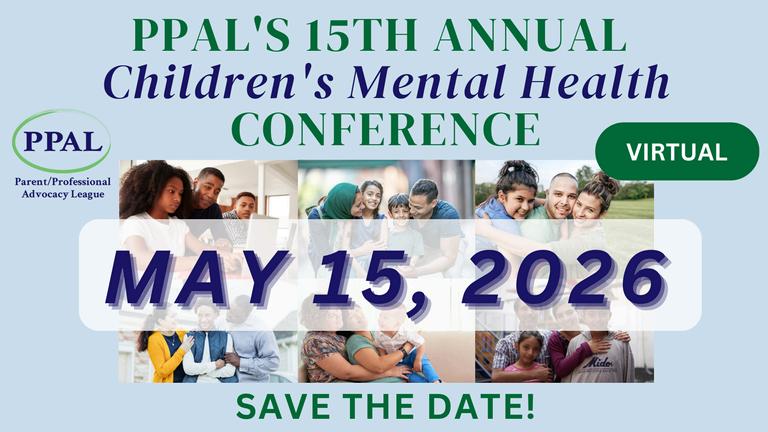
PPAL Statewide with Comedian Amy Tee
12/9/2025
10:00 - 11:30 AM
https://bit.ly/12-statewide
CLICK A LINK FOR MORE INFO! or visit
http://ppal.net/events/
What to Know What to Expect Juvenile Justice 102
12/10/2025
6:00 - 7:30 PM
https://bit.ly/1210-jj102
Moving To Young Adult Life: Transition Planning And Post Secondary Options
12/15/2025
10:00 - 11:30 AM
https://bit.ly/1215-ya
UN-Complicating the Complicated: Chaos to Calm
12/15/2025
12:00 - 2:00 PM
https://bit.ly/1215-calm
Planificación para la transición y opciones post secundarias
12/18/2025
6:00 - 8:00 PM
https://bit.ly/1218plani

Our support groups sometimes change Please visit PPAL net/Events for the most up-to-date info
Are you navigating the mental or behavioral health systems for a child, teen, or young adult?
Request 1:1 peer support! We have NO waitlist!
MONDAY
Virtual: Grupo de Apoyo Hispano 10:00 AM - 12:00 PM
Hybrid: Parenting Young Adults - Looking to the Future
5:00 PM - 6:30 PM (Gardner)
WEDNESDAY
Virtual: Relax & Connect 11:30 AM - 1:00 PM
In Person: Caregiver Connections
2 Wednesdays nd
12:30 - 2:00 pm Directions to PPAL office
4 Wednesdays th 6:30 - 8:00 PM
Virtual: Parenting Young Adults: Looking to the Future
6:00 PM - 7:30 PM
THURSDAY
Virtual: Grandparents Lunch and Learn 2 Thursdays nd 12:00 - 2:00 PM
4 Thursdays th 6:30 - 8:00 PM
Hybrid: Empowered Caregiver Connections
6:00 - 7:30 PM (Foxborough)

TUESDAY
Hybrid: Caregiver Connections
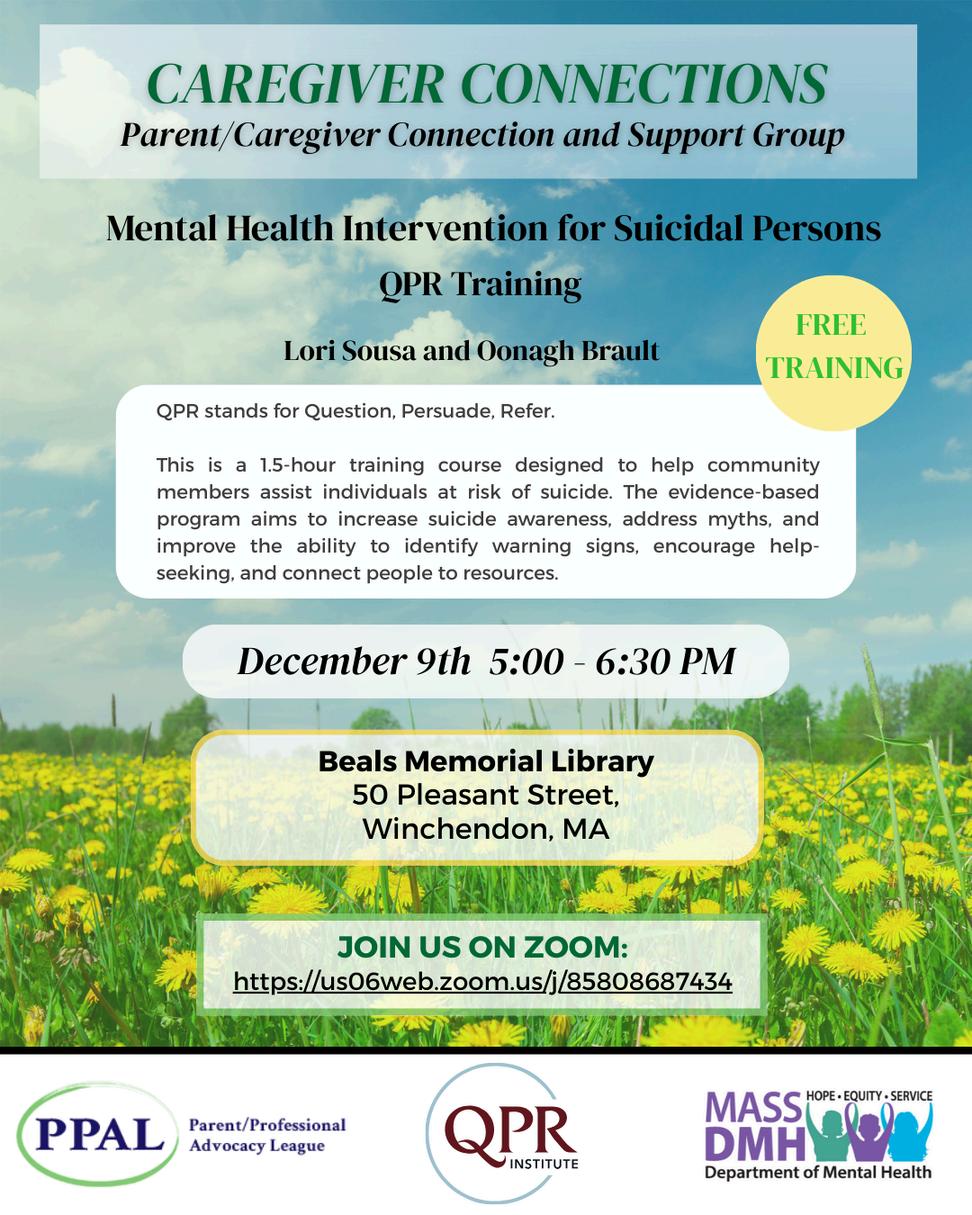
5:00 PM - 6:30 PM (Winchendon)
FREEServices. Noinsurance required.
FRIDAY
Virtual: Parenting Power UP 12:00 PM - 1:30 PM

Do you need help navigating and advocating in the school system for a loved one with mental or behavioral health needs? School Problem Solving Clinic Make An Appointment! PPALSchoolClinic@ppal net

Crisis at home. Who do you turn to for help? What families are saying...
2 out of 3 families (68%) needed help to manage their child’s crisis at home this year.
20% needed help most months. 45% needed help a few times this year.
Where do families look for help?
What does this mean for families?
Crises at home can be frightening. Families need help: a place to call, people to respond, and a community that cares.
PPAL staff are parents and caregivers just like you. We can help. PPAL offers FREE 1:1 support, community support, workshops, information, resources, and more!
If you need help from PPAL right now, request family support here or call us toll free at (866) 815-8122.
School asked you to pick your child up early or keep your child at home? What families are saying...
Asked to pick up.
Asked to keep child at home.
This occurrence starts early. 74% of students were in preschool or elementary school the first time a family was asked to pick up their child. Often we hear that schools don't have adequate resources to support a child, are unable to address safety concerns, or don’t understand why the child is struggling
Whatever the reason, the school is not meeting the student's educational needs. Children on IEPs or 504s are legally entitled to reasonable accommodations and services they need.
Far too many PPAL families are asked by schools to pick up their child or keep them at home due to mental health or behavioral issues. %
There are no easy solutions. Stronger communication between families and schools and productive advocacy is a good starting point
does this mean for families?
This is hard on you. When a child is at home, the whole family is affected. Families have shared there’s a significant impact on the caregiver’s daily life and their work decisions.
PPAL can help. PPAL offers FREE 1:1 support and workshops around school problem solving led by PPAL staff who are caregivers just like you.
If you need help from PPAL right now, request family support here or call us toll free at (866) 815-8122.


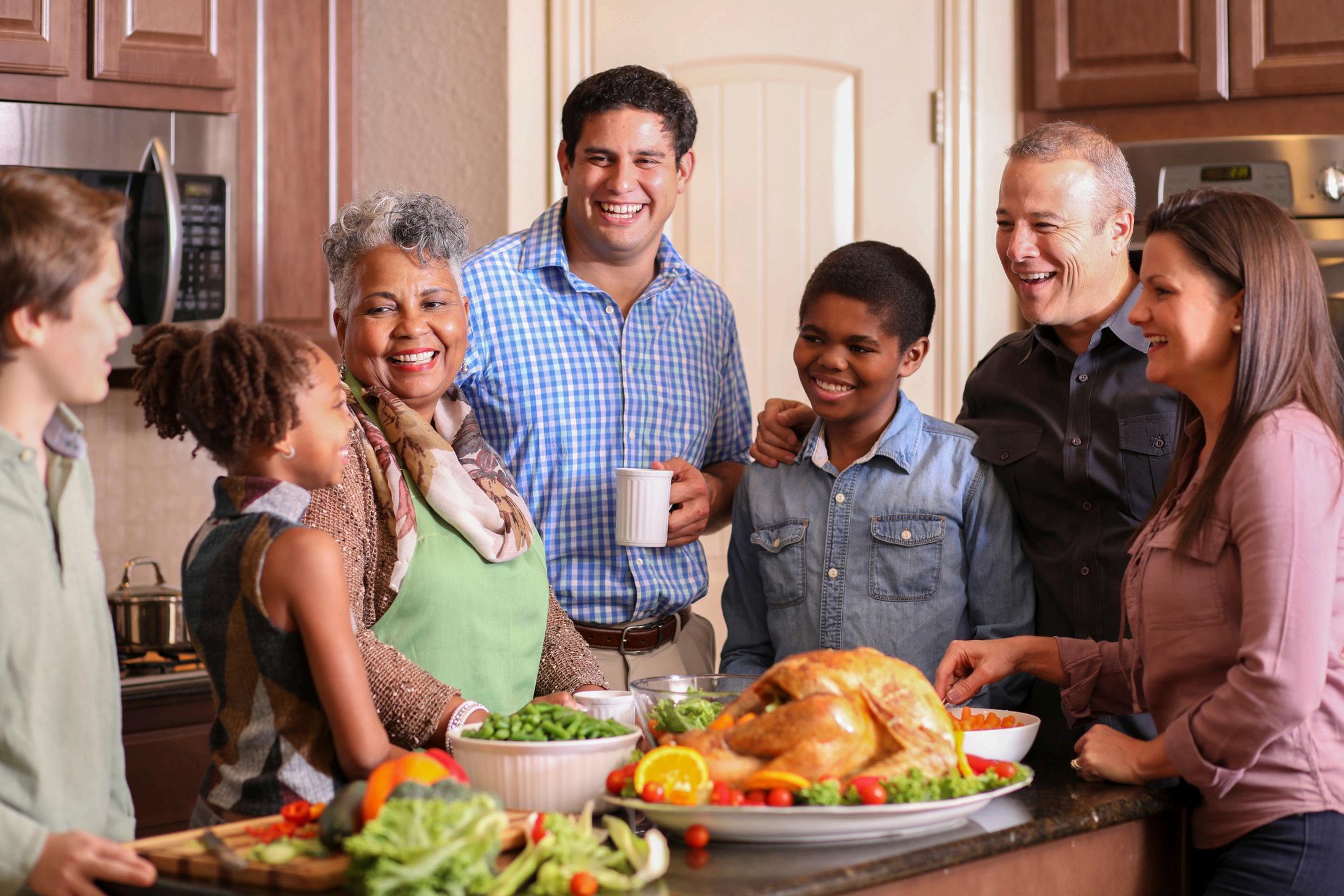
For many families of children with mental health needs, the holiday season brings a mix of anticipation and anxiety. Gathering with extended family can offer connection, tradition, and joy—but it can also introduce unfamiliar routines, sensory overwhelm, or expectations that don’t align with a child’s needs. Grandparents, aunts, uncles, or cousins may not fully understand the behaviors or supports that help a child feel safe and regulated. At the same time, children may feel unsure about interacting with relatives they see only a few times a year. The result is that families often find themselves balancing excitement with a need for careful preparation.
One of the most important steps parents can take is to communicate proactively with extended family before holiday gatherings begin. Clear, compassionate conversations set a foundation for understanding. This doesn’t mean disclosing every detail of a child’s diagnosis—it simply means letting relatives know what helps your child thrive. Sharing what triggers stress for your child, what strategies work well, and what kinds of interactions or questions to avoid can prevent misunderstandings and create a more welcoming environment Many families find it useful to frame these conversations in terms of “what helps our child feel comfortable” rather than “what our child struggles with”; this shift often helps relatives understand that their support truly makes a difference.
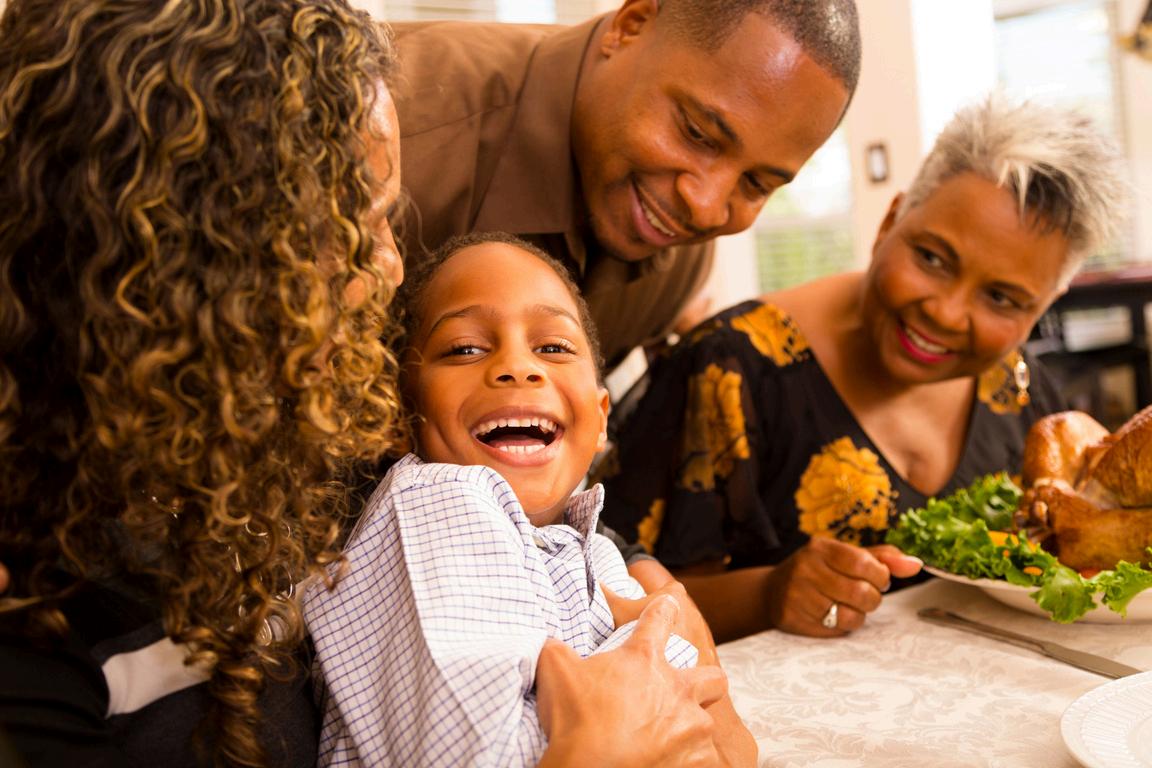

At the same time, preparing children for time with extended family is equally essential. Many kids with mental health needs benefit from knowing what to expect: who will be there, what the environment may be like, and what activities are planned. Parents might review photos of relatives, practice greeting people, walk through possible social scenarios, or talk about where quiet spaces will be if the child needs a break The goal is not to script every moment, but to give the child agency and predictability. When children understand that they can take space, ask for help, or express their needs, they are more likely to feel grounded—and more able to enjoy the parts of the holidays they love.
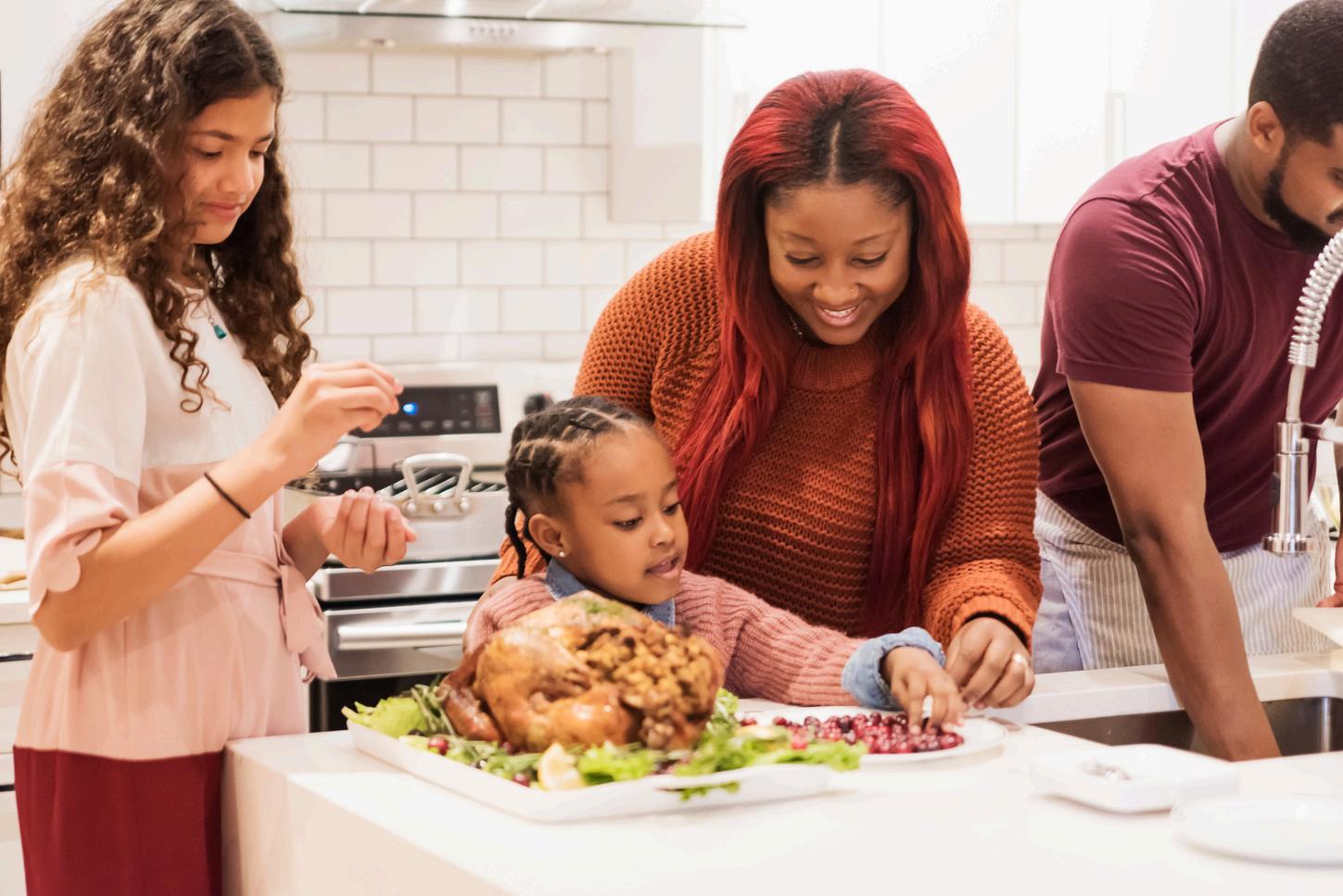
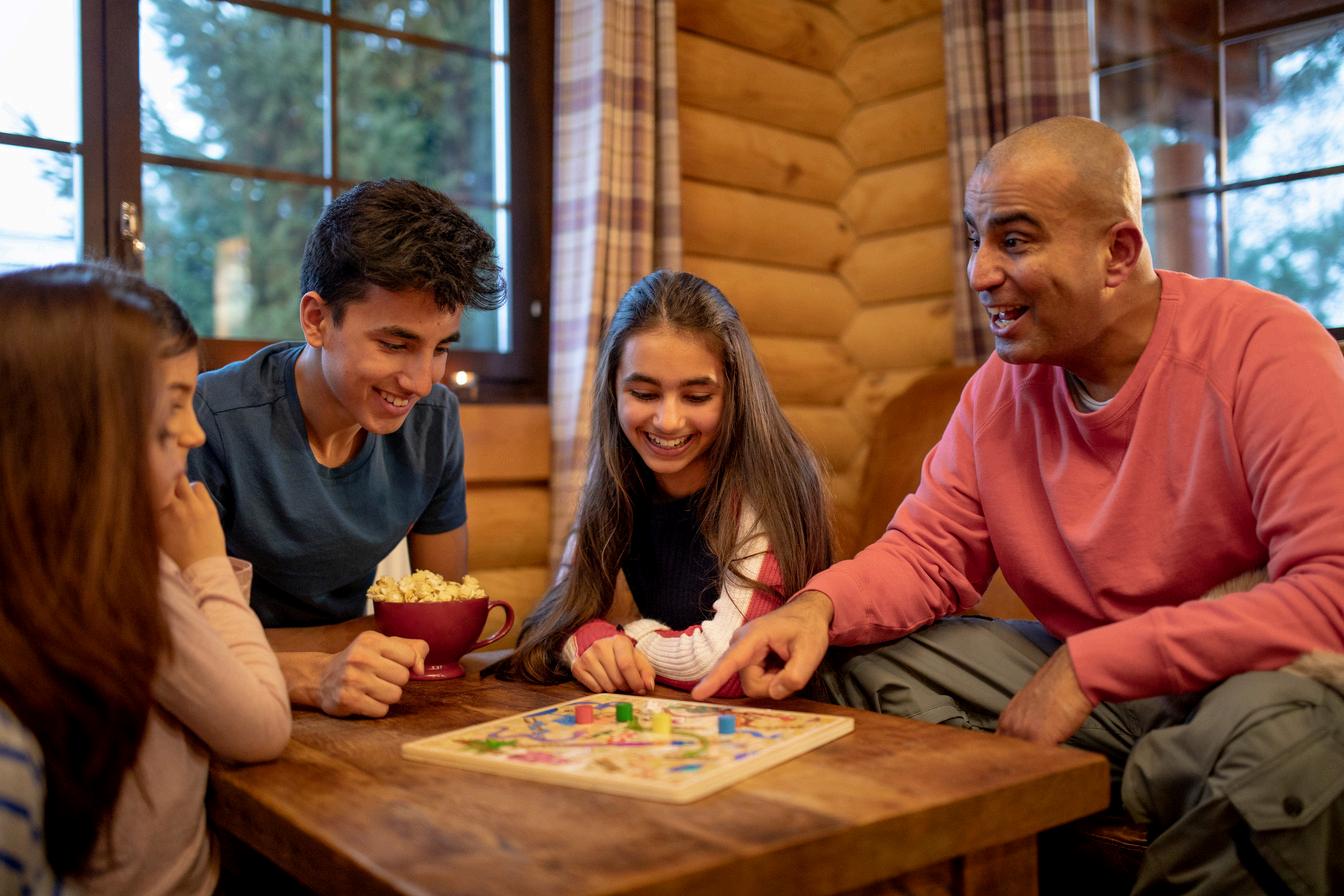
Another effective strategy is to offer extended family specific roles they can play. Many relatives truly want to help but aren’t sure how. Parents can invite them to assist in simple ways: offering a calm greeting, helping maintain a schedule, joining a sensory-friendly activity, or backing up a boundary the child already knows well. These small acts of partnership can strengthen family relationships and reduce the sense that parents are managing everything on their own. For families who feel hesitant about these conversations, written notes, group texts, or a short written “family guide” can make communication feel more manageable.
When everyone approaches the holiday season with understanding and intention, families often find that the experience becomes not just easier but more meaningful Children feel supported rather than overwhelmed; parents feel seen instead of judged; and relatives gain a deeper appreciation of the child’s unique strengths and needs. With preparation, communication, and compassion on all sides, the holidays can become an opportunity for connection that honors both the child’s mental health and the family’s well-being. If your family is navigating this journey, know that you’re not alone—and that with the right tools, the season can truly be a time of warmth, belonging, and joy
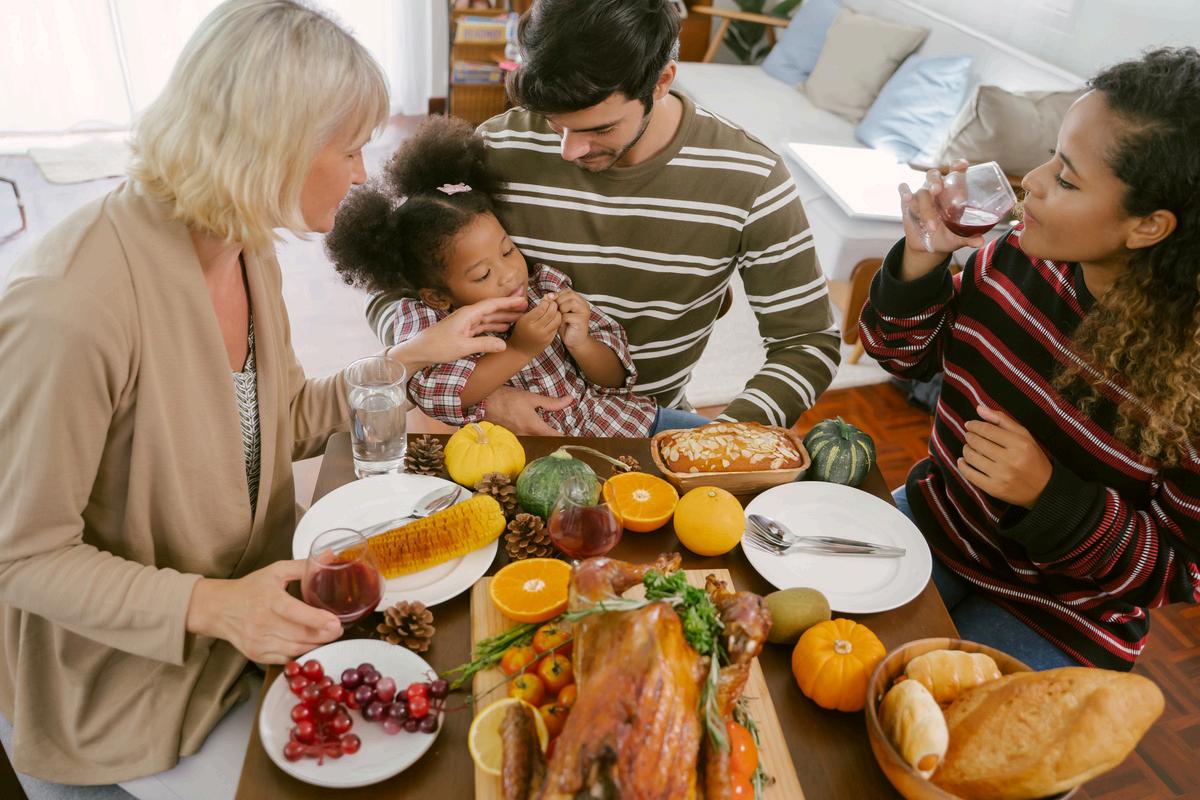
“We’ve learned what helps our child feel comfortable, and we’d love your support with it.”
“If you see us stepping away for a bit, that’s just our child taking a break to reset.”
“Please follow our lead—consistency really helps our child feel safe.”
“Unexpected changes can be tough, so we’re going to stick to our plan as much as possible.”
“Our child may need space before hugs or conversation; letting them choose helps a lot.”
“If things get loud or busy, we might take a quiet moment together—that’s normal for us.”
“It’s not misbehavior; it’s how their brain handles stress. Patience really helps.”
“We’re focusing on what our child can do today, not pushing beyond their limits.”
“If you’re unsure how to interact, just follow their cues—they’ll show you what feels good.”
“Thank you for asking how to support us; it truly makes the holidays smoother for everyone.”


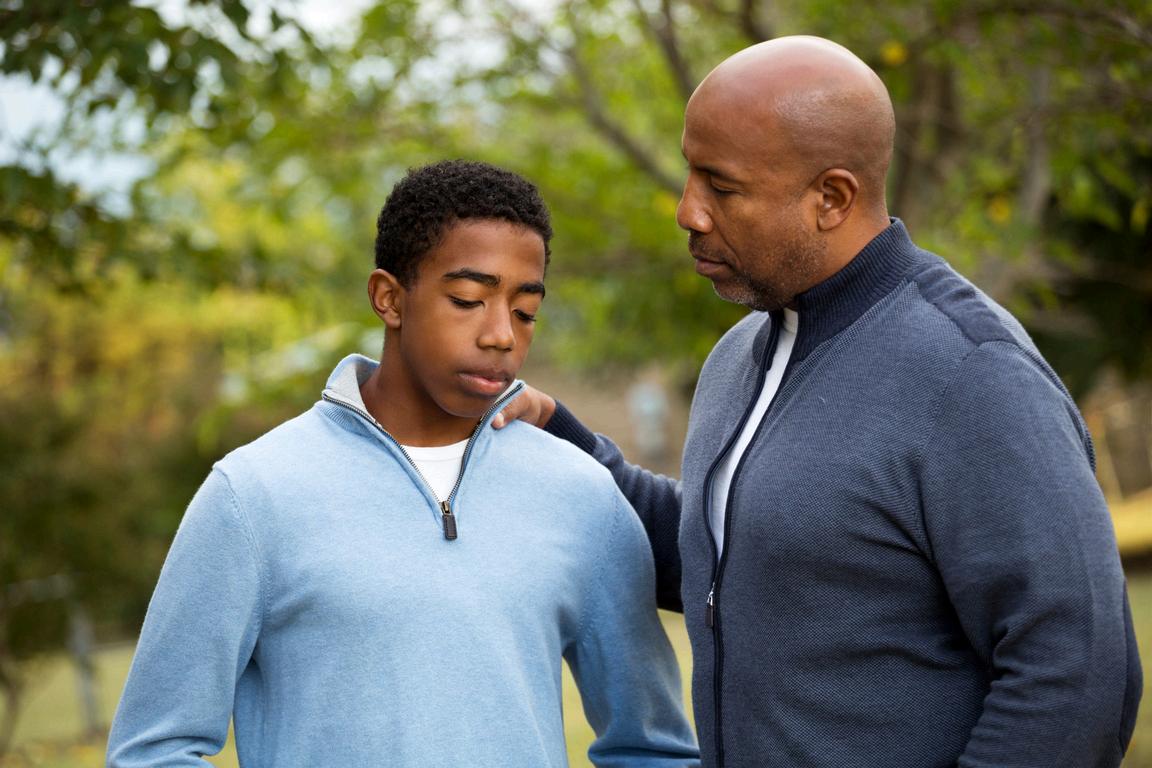
“I need a little space right now, but I’ll come back soon.”
“Can we talk about something else?”
“That feels like too much for me. Can we slow down?”
“I’m not ready for a hug—can we do a wave or high-five instead?”
“Where’s the quiet spot? I need a break.”
“Can you please ask my parent first?”
“I’m feeling overwhelmed. I need help.”
“I like doing things this way—it helps me feel calm.”
“Thanks, but I’m going to sit this one out.”
“I’m trying my best. I just need a minute.”
Growing up with a brother or sister who has mental health needs can shape a child’s holiday experience in unique ways. Siblings often learn empathy, flexibility, and patience early on—but they may also feel overlooked when routines center around managing challenging moments or keeping the peace. During holiday gatherings, the added excitement, travel, and social expectations can amplify both the joys and the stresses they experience.
The good news is that small, intentional steps can make the holidays feel supportive and meaningful for siblings too. One helpful approach is to give siblings a sense of control and predictability: let them know the plan for the day, identify who they can check in with if things feel hectic, and give them permission to have needs of their own —even if those needs differ from their sibling’s. A short walk, a quiet activity, or time with a trusted adult can give them space to reset.
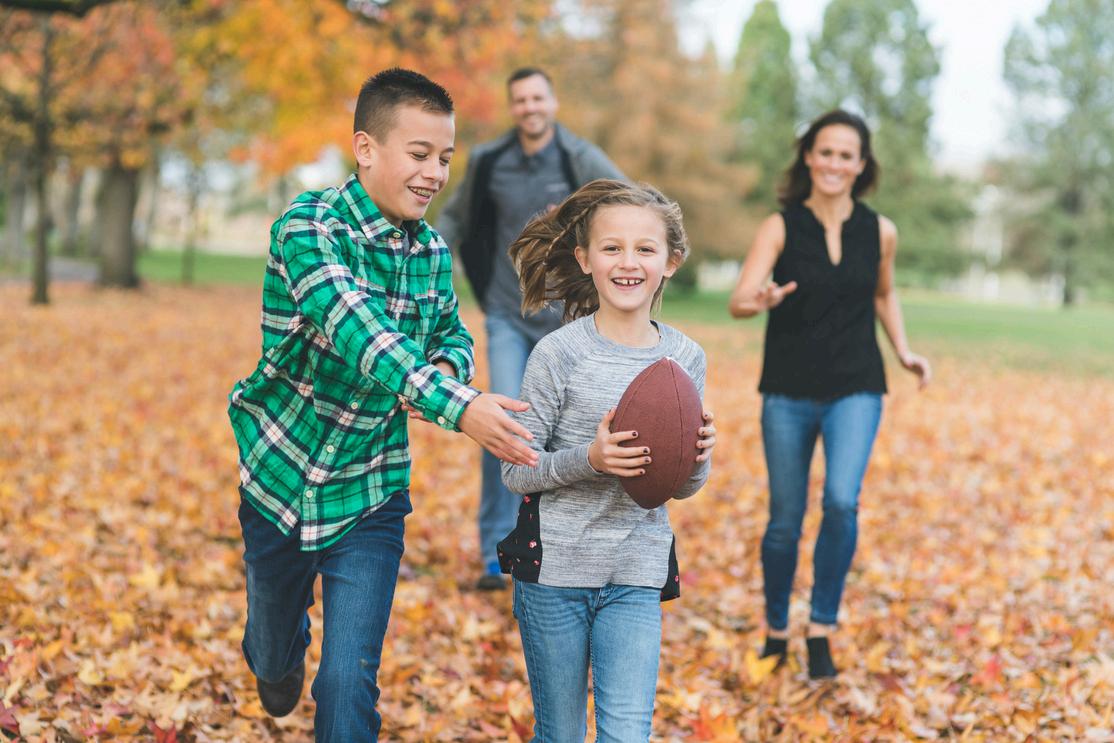
It can also be helpful to acknowledge the extra emotional work siblings may do during the holidays. A simple “Thank you for being so patient today” or “I know this part is hard—want to take a break together?” goes a long way. Some families set aside one-on-one “parent time” during the holiday season, even if it’s just 15 minutes, to make sure siblings feel seen and valued.


Encouraging siblings to speak up is equally important. They may need help navigating relatives’ questions, sharing space, or managing their own expectations. Let them know it’s okay to say things like, “I’d like some time alone,” or “Could we do something quieter?” Their needs matter, and the holidays are a good time to practice healthy communication.
With attention and care, siblings can enjoy the season without feeling overshadowed. When families make space for everyone’s emotional needs—including the siblings who so often adapt around others—the holidays become more balanced, supportive, and genuinely joyful for the whole family.

Generational trauma can have a significant impact on us and our children during holiday gatherings. While there are many things to explore and understand on this topic, our focus here on its potential impact on the holidays. The holidays are portrayed as a time of joy, warmth, and family togetherness, yet, they can be a time of resentment, fear, anxiety, and conflict for some. “Home for the holidays” does not always evoke a sense of warmth and safety for us, and sometimes we don’t even know why.
Generational trauma refers to the emotional, relational, or behavioral patterns that are passed down through families over time often without anyone realizing it. These patterns can emerge from many different experiences: societal oppression, violence in the home, migration or displacement, cultural pressures, discrimination, poverty, family separation, medical crises, physical health challenges, or simply parenting approaches learned from what previous generations had available to them. Generational trauma isn’t about blame It’s about recognizing that all of us carry histories, and those histories can influence how we parent, how our children behave, how we and others respond to stress, and what our family dynamics are.
For some families, generational trauma may show up as strict behavioral expectations, lack of acknowledgement or conversation about emotions, or a tendency to avoid conflict. For others, it may appear as heightened worry, perfectionism, or the belief that children should be “strong” or “grateful” no matter what they’re feeling. Immigrant families may experience additional layers of pressure—balancing two cultures, managing expectations for success, or coping with losses tied to leaving home None of this means we or our relatives are doing anything wrong; it simply means we are all carrying the stories and survival strategies of our pasts.
Understanding and identifying our own generational trauma can empower us to make intentional choices and decisions during the holidays and beyond If we can notice old patterns or expectations surfacing, we can pause and ask: Is this the experience I want to give my children? Does this support my child’s mental health today? Does it support mine? If the answer is “no”, the gentlest shift offering flexibility, using calmer communication, or validating a child’s feelings (and ours!) can begin to soften patterns that have been in place for decades. We can create new traditions, set boundaries, create quality time for our family, and most of all, exercise compassion for ourselves, our kids, and our families. The shifts we make can help us break free of the generational trauma we may have experienced and be a positive role model for our children.
Recognizing generational trauma, validating our feelings about it, and choosing to do differently is ultimately about healing, connection, and giving our children the chance to grow within a family environment that honors both their history and their well-being.
From Johana Rodriguez, Statewide/Multicultural Program Manager
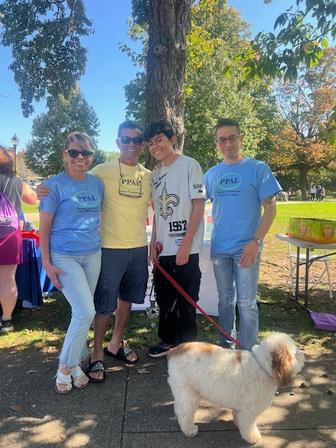
PPAL was proud to be present at the Hispanic Heritage Event held in Roxbury, MA, organized by Boston City Councilor Julia Mejia. This vibrant community celebration honored the rich cultural contributions of Hispanic and Latine families, featuring traditional music, dance, arts, and educational activities that promote cultural pride and community wellness. Latine leaders were recognized for their contributions to our community.
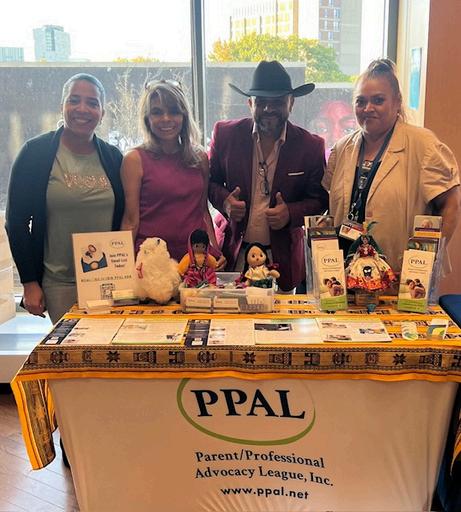
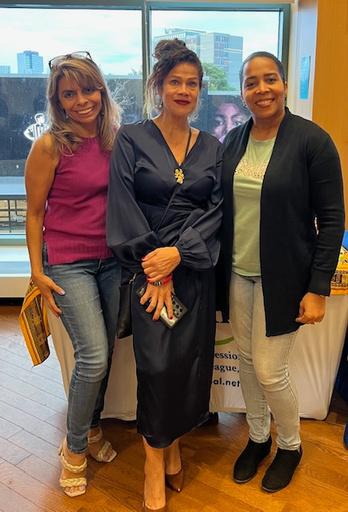
As committed advocates for family mental health, PPAL engaged attendees by sharing resources, offering support, and highlighting the importance of culturally responsive mental health services for Hispanic and immigrant communities. Our partnership in this event reflects our ongoing dedication to strengthening community connections and uplifting diverse voices across Massachusetts.
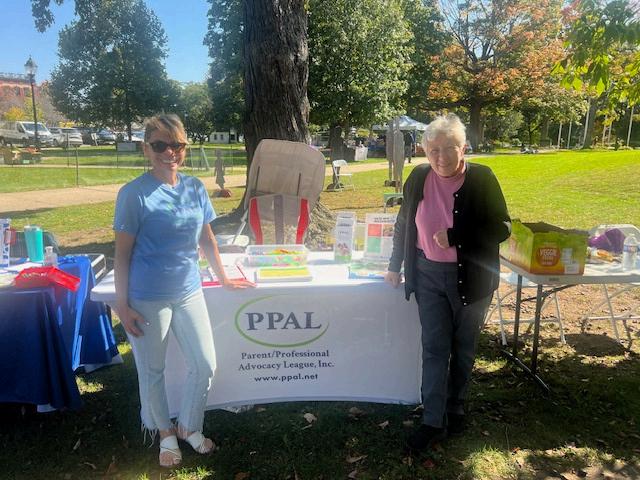
The Reach Beyond Domestic Violence DV Awareness Fair in Waltham, MA, raised awareness about domestic violence and connected survivors with vital resources PPAL collaborated as a community partner, supporting the event by sharing family mental health resources and underscoring the importance of culturally responsive services. This partnership highlights PPAL’s commitment to strengthening community support networks and advocating for family mental health within diverse communities.
Learn more at https://reachma.org
In October, families headed to Whitinsville for a fun-filled day at the farm, enjoying games, navigating the corn maze, bouncing on the moon bounce, and taking hayrides out to the pumpkin patch. As we look ahead, we have one more exciting family event to close out 2025: in December, PPAL will be hosting families at Launch in Leominster for trampoline jumping, arcade games, and pizza. We extend a heartfelt thank-you to DMH, whose support makes these opportunities possible for families across the Central MA region. Our support groups have also been busy this fall, welcoming impactful speakers from across the state. Families for Depression Awareness joined us to talk about understanding teen depression, and MPATH spoke with parents about psychosis. With daily support groups continuing and more guest speakers on the horizon, there is always something meaningful happening so keep an eye out for upcoming announcements.
Beyond events and groups, PPAL continues to provide daily 1:1 support for families throughout Central MA. We recently wrapped up our Fall Active Parenting training, which was very well attended, and our team spent the season connecting with the community through multiple tabling events. Staff enjoyed a full day at Douglas Octoberfest, meeting families and strengthening partnerships with local providers We also offered several impactful trainings this fall, beginning with our Mental Health IEP workshop and ending the month with Guardianship and Supported Decision Making in collaboration with the Center for Public Representation (CPR). Looking ahead to December, we invite families to join us for Uncomplicating the Complex on December 15th from 12–2 p.m., and please note that there will be no in-person evening support group in Westborough on December 24th due to the holiday We look forward to connecting with and supporting families throughout the holiday season.
Best Wishes,
Dani and Beth (Central MA Program Director and Assistant Program Director)
Meet Anna Cady Clouse
Youth MOVE Massachusetts (YMM)’s Youth Coordinator
Celebrating 2 years with PPAL!
Tell me about your role with PPAL and how you got here.
I have been working at PPAL and Youth MOVE Massachusetts for the past two years in my role as Youth Peer Specialist. In my work, I do a lot of direct advocacy work, as well as providing trainings to youth and adult allies. I started at PPAL while I was a sophomore in college. As a psychology major, I thought PPAL would give me amazing experience learning about mental health systems in Massachusetts, as well as offer opportunities to connect with a wide variety of mental health organizations
What drew you to children's mental health advocacy?

I have always cared deeply about mental health as a young adult who has lived experience and struggled through my high school years. In my role, I want to inspire other young adults who are struggling and show them their lived experience and voice can make a real difference!
What is your favorite part about your job and why?
My favorite part of my job is being able to support other young adults and help create opportunities for them to connect and learn. I have also enjoyed meeting so many incredible people and learning so much from others. I truly feel like I am now part of a larger community
What professional accomplishments are you most proud of?
I am most proud of planning and leading Young Adult Advocacy Day this past July in collaboration with my colleagues at the Statewide Mental Health Planning Council. This was the first large event I played a role in planning, and it was so exciting to put together the day. We had 30 young adults attend from across the state, and they all proved to be incredibly passionate about advocacy and excited to be there with us It was an amazing experience, and I was able to make so many new connections.
HUGE Congratulations to Youth MOVE Massachusetts!
YMM has been nominated for the 2025 Chapter of the Year from Youth MOVE National! See what they had to say about our chapter:
Youth MOVE Massachusetts (YMM) has been partnering with the Statewide Young Adult Council (SYAC) to work on advocacy efforts around the lack of transitionaged youth housing. In October, we brought attention to YMM’s current advocacy efforts and highlighted the voice of lived experience when we presented at the State Mental Health Planning Council (SMHPC). The SMHPC is a group of individuals including Department of Mental Health (DMH) clients, family members, advocates, providers, and legislators who help advise the DMH commissioner on the needs of the community and weigh in on policy and program development. Thank you Ashley for sharing your lived experience with the SMHPC!

Youth MOVE Massachusetts is a youth and young adult-led organization rooted in peer support through lived experience with mental health needs. We provide our youth participants with access to leadership development and training opportunities and we offer opportunities for engagement in statewide and national policy advocacy efforts. https://youthmovemassachusetts.net
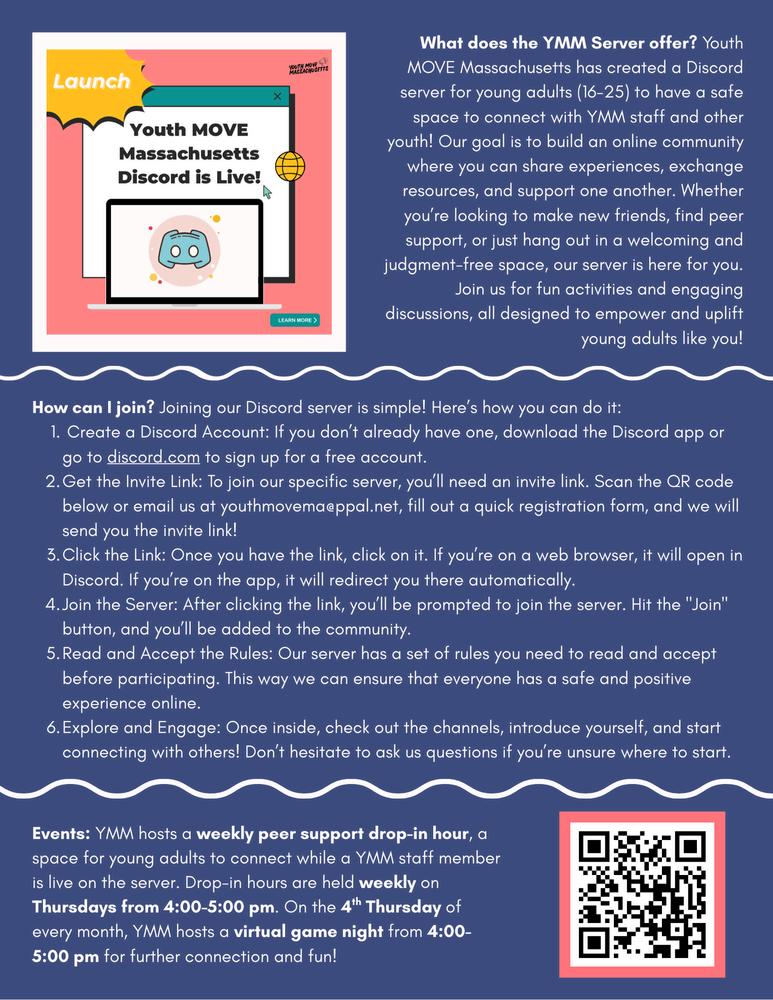
Youth MOVE Massachusetts is also continuing to grow our online Discord community, and we’ve been working hard to create an accessible, exciting environment where young people can connect and share their lived experiences with mental health! Our new addition of game nights has been a hit, and we are excited to plan more activities in the new year.
If you have any questions or want to connect with YMM, contact Anna Cady Clouse at aclouse@ppal.net
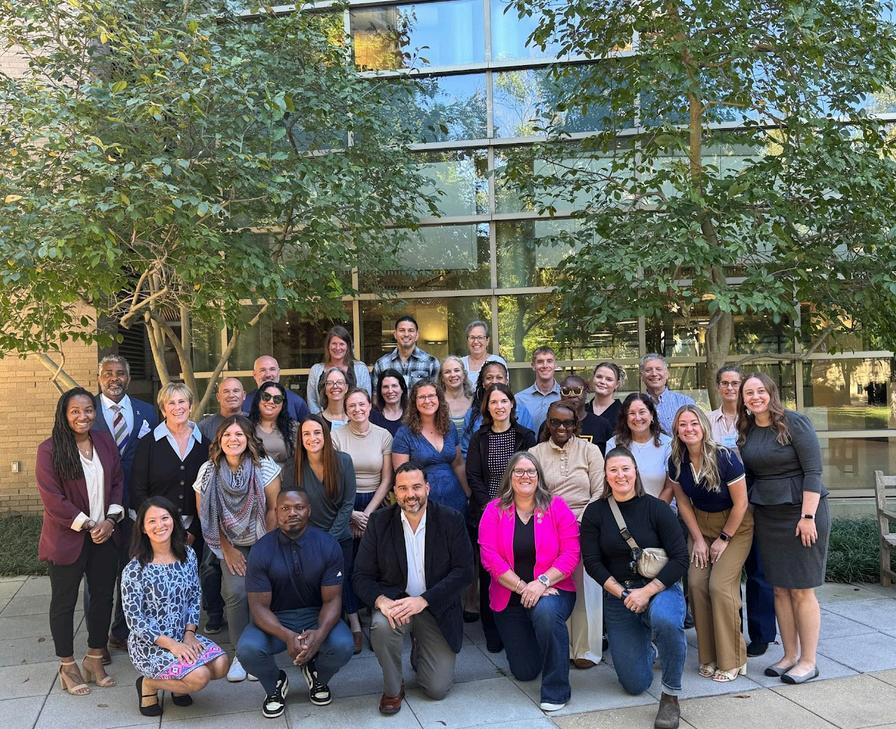
PPAL is very excited to announce that its Juvenile Justice Team is working on a Capstone Project with The Center for Youth Justice (CYJ) at Georgetown University. Candice Gabrey, PPAL’s JJ Program Manager is participating on behalf of PPAL. The first segment of the Project was a Certificate Program regarding Diversion in Youth Justice which Candice completed. Next up, the Massachusetts team (comprised of representatives from other Massachusetts organizations including the Committee for Public Counsel Services [CPCS], various child-serving state agencies, and the Juvenile Court, Police Departments, and District Attorneys) will work together to build a program to develop and implement specific actions to support youth jail diversion efforts in Massachusetts. When the project is complete, PPAL will be accepted into the CYJ Fellows Network, which allows professionals around the country who have completed the Capstone to continue to exchange ideas and advance juvenile justice reform! A huge thank you to the MA Dept of Youth Services for embracing family voice and inviting PPAL to participate!
Learn more about The Center for Youth Justice at Georgetown University: https://cyj.georgetown.edu/about-us/
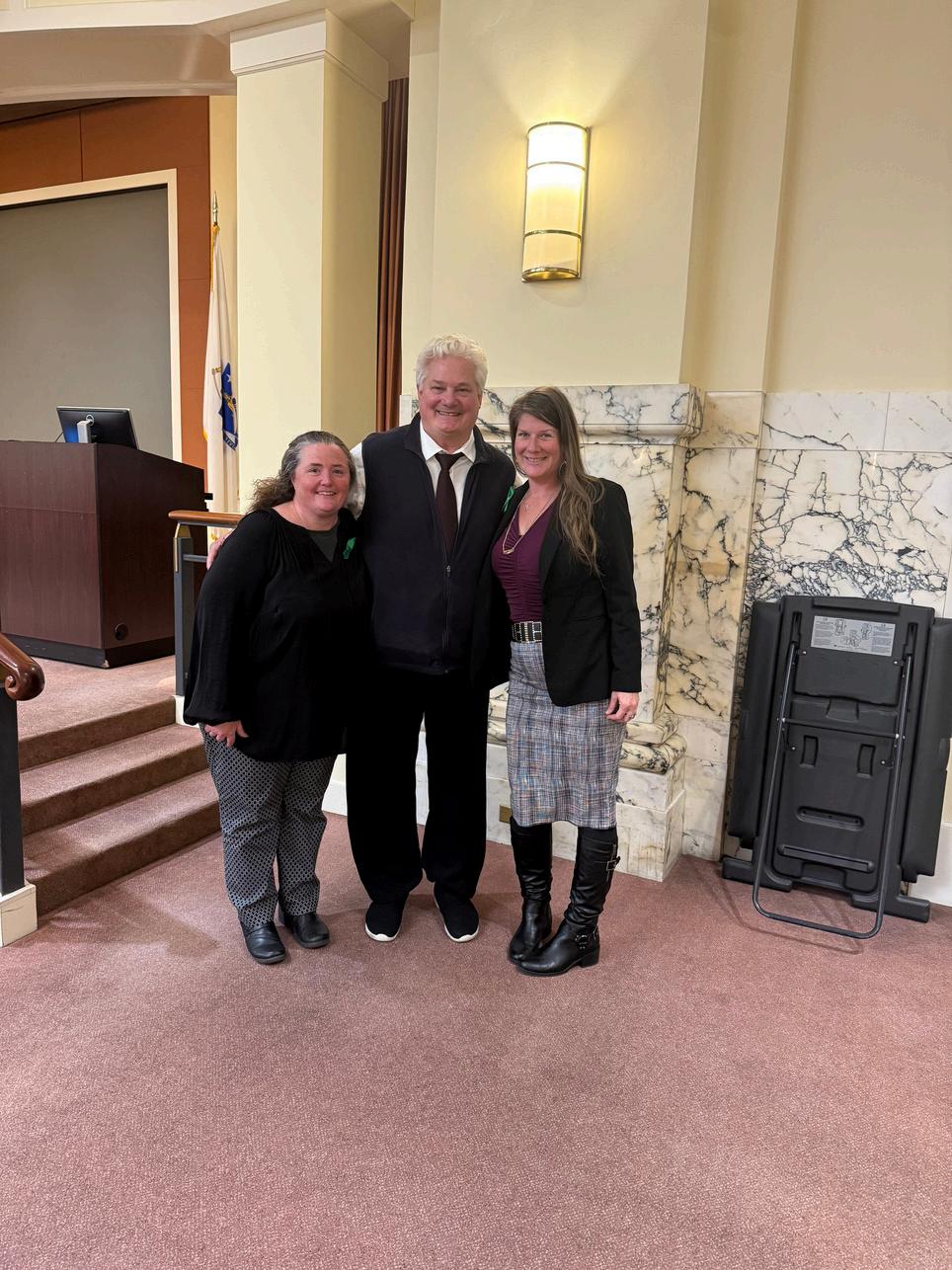
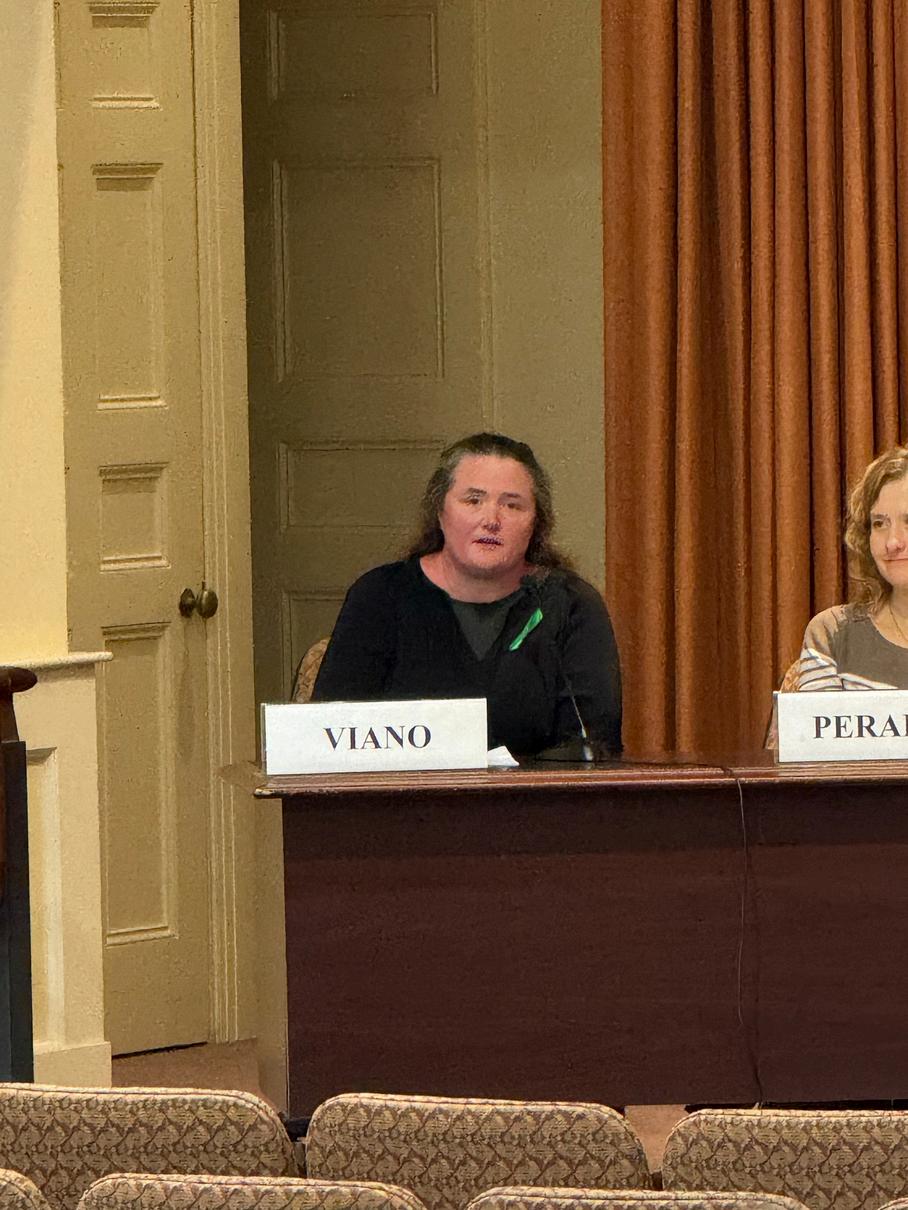
Recently, Meri Viano, PPAL’s Associate Director, and Candice Gabrey, PPAL’s Juvenile Justice Program Manager, had the opportunity to participate in the Massachusetts Continuing Legal Education (MCLE) 26th Annual Juvenile Delinquency and Child Welfare Law Conference. The conference focused on prevention and keeping children out of the court system completely.
Meri spoke as part of a provider panel which included the keynote speaker for the day, Dr. Robert Macy from The Trauma Ce Family Resource Centers, Comm family-serving organizations. Meri
Strategies for Youth (SFY) is presently developing training for Massachusetts law enforcement officers to support their ability to recognize and respond effectively to youthexperiencingmentalhealthcrisesand/orexhibitingsignsofdisability(MHCD).
SFY is a national training and policy organization founded in 2010, dedicated to ensuring the best possible outcomes for youth during interactions with law enforcement.TheystartedandarestillbasedinCambridge.
Thesurveyisanonymousandconfidential. Yourresponseswillbeintegratedintothetraining tohelpofficersavoidproblematicinteractions.


https://www.surveymonkey.com/r/YouthAdvocatesMHSurvey


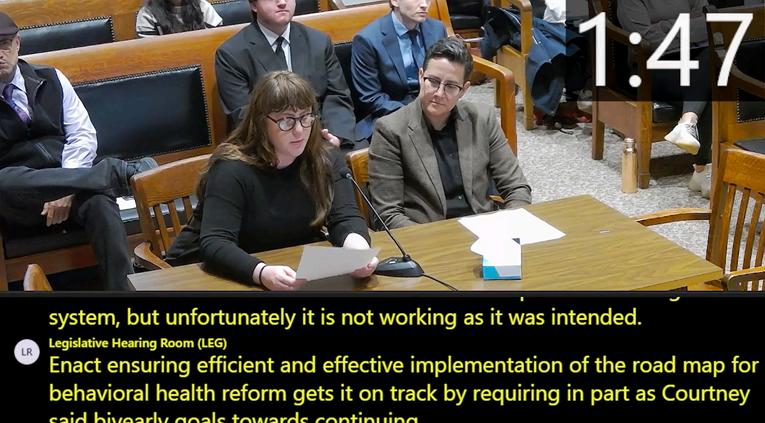
PPAL’s Policy Coordinator, Pamela Bows, contributed oral testimony to the Massachusetts Joint Committee on Mental Health, Substance Use, and Recovery for the bill H.2193 / S.1394 An Act to ensure efficient and effective implementation of the Roadmap for Behavioral Health Reform, alongside Courtney Chelo (MSPCC) and Jess Larochelle (MAMH) partners with PPAL in the Children’s Mental Health Campaign. This bill requires, in part, bi-yearly goals towards continuing effectiveness of implementation, gathering data and feedback from folks in the community, especially those with lived experience, and creating public awareness campaigns to reach those that have not heard of the Roadmap, which was first rolled out in 2023. See PPAL’s testimony using the link below, The testimony begins at timestamp: 22:50 Thank you Pamela for sharing your story and being a fierce advocate for mental health! https://malegislature.gov/Events/Hearings/Detail/5466
PPAL also provided written testimony to the Joint Committee on the Judiciary for H.1923 An Act to promote public safety and better outcomes for youths, commonly referred to as Raise The Age While we did not give oral testimony, you can see Citizens for Juvenile Justice (CfJJ)'s Deputy Director Sana Fadel give oral testimony on behalf of the CfJJ Coalition, of which PPAL is a member. Sana highlights that it is more cost-effective and timely to pass Raise the Age rather than engage youth in an adult penal system reform. Check out Sana’s testimony and that of all of the other incredible advocates that shared testimony in support of Raise the Age!
CfJJ’s Deputy Director Sana Fadel’s testimony starts 2:09:14 https://malegislature.gov/Events/Hearings/Detail/5478
H.1923, An Act to promote public safety and better outcomes for youths, “would gradually raise the age of juvenile jurisdiction to include 18- to 20-year-olds. This change reflects what research has shown for years: young adults do better and communities are safer when accountability is paired with developmentally appropriate supports instead of the harmful environments of the adult system.”
An article was recently published in the Boston Herald that highlights the opposition among law enforcement, citing concerns around increased crime and threats to public safety This is not an accurate understanding of the Raise The Age bill The bill does not address any changes for violent crimes; rather, it creates a place, within the Department of Youth Services (DYS) system, for young people aged 18-20 to receive mental healthcare and programming that supports their emerging adult brains.
Learn more about Raise the Age and ways to support here: https://www.raisetheagema org/why-raise-the-age


"You have within you, right now, everything you need to deal with whatever the world can throw at you."
— Brian Tracy