
BIODIVERSITY AND ITS ROLE IN CREATING HEALTHY, SUSTAINABLE COMMUNITIES
Welcome
4 Articles
Exploring Nature’s Role in Healthy, Sustainable Communities
Health & Sustainability Hub, Public Health
Wales,
The PRAM Project: Protecting Nature and Biodiversity by Tackling Phosphate Pollution in the River Teifi
Beti Gordon,Planning Policy Officer, Ceredigion County Council
Grow Well – Connecting People, Places and Nature
Claire Terry, Monitoring and Evaluation Officer, Grow Cardiff
Yr Oriel Fyw – a living gallery where people, trees, and ideas grow side by side
Gwynedd Nature Partnership, Growing nature and wellbeing across Wales with the NHS
Mair Davies, Project Coordinator for Local Places for Nature (North Wales)
Magical Mammals: Protecting Red Squirrels in Clocaenog Forest
Caro Collingwood, Red Squirrel Ranger Clocaenog, Red Squirrel Trust Wales
Community Orchards for biodiversity and the public, partnered with The Orchard Project
Beccy Williams and Matt Harris, Local Places for Nature, Newport City Council
Enhancing Biodiversity in Primary Care Settings
Angharad Wooldridge, Senior Public Health Practitioner, Primary Care Division, Public Health Wales
Sian Evans, Consultant in Public Health, Primary Care Division, Public Health Wales
Welsh Government’s Dark Skies Planning Guidance: A Clear Path to Healthier, Sustainable Communities
Dark Skies Working Group Cymru
Implementing the Global Framework on well-being at the country level
Dr Kate Isherwood, Lecturer in Public Health, Cardiff Metropolitan University
Professor Jenny Mercer, School of Sport and Health Sciences, Cardiff Metropolitan University
Dr Paul Sellars, Research Associate, Centre for Health, Activity and Wellbeing Research (CAWR), Cardiff Metropolitan University
Dr Rachel Sumner, Senior Research Fellow, Cardiff Metropolitan University
Professor Diane Crone, Professor of Exercise and Health, Centre for Health, Activity and Wellbeing Research (CAWR), Cardiff Metropolitan University
Professor Chris Wallis, Professor of Food Science, Cardiff Metropolitan University
Hedgerows: A Living Link Between Biodiversity and Community Wellbeing
Jim Kilpatrick, Senior Ranger Denbighshire (North), Denbighshire Countryside Service
Hannah Arndt, Sustainable Recreation and Access Officer, Denbighshire Countryside Service
Saving Wales’s Rarest Butterfly and How Volunteering Aids Wellbeing
Dot Williams, High Brown Fritillary Project Officer, Butterfly Conservation/Natur Am Byth
Finding Renewal in the Heart of the Forest: A Wellbeing Journey for Healthcare Practitioners
Roger Davies, Manager, Golygfa Gwydyr
32 Grapevine
Call for Partners: Applying Marmot Principles & Proportionate Universalism in Wales
Gillian Clark, Rape and Sexual Abuse Support Centre North Wales (RASASCNW) Training Manager

Exploring Nature’s Role in Healthy, Sustainable Communities
Health & Sustainability Hub, Public Health Wales,
The importance of nature to health and well-being have been demonstrated by a growing number of studies. PHNC, in collaboration with Public Health Wales’ Health & Sustainability Hub, recently held a webinar to explore this connection and nature’s place in creating healthy, sustainable communities.
The webinar, titled ‘What role does biodiversity play in creating healthy, sustainable communities’, involved speakers from Public Health Wales, the Office of the Future Generations Commissioner for Wales, RSPB, Natural Resources Wales, Social Farms
and Gardens and Coed Cadw.
From sharing resources such as Coed Cadw’s Tree Equity tool, initiatives including Hapus and RSPB’s Nature Prescription project, and inspiration from examples of greener primary care practices, the webinar was informative and inspiring.
The topic proved popular with over 60 people attending the session, and with more viewing the recording. A follow up event is currently being planned for early 2026.
Want to catch up on this inspiring event or be part of
the conversation? A recording of the webinar can be found here; and you can contact us at publichealth.sustainability@ wales.nhs.uk.
Public Health Wales
Biodiversity Report: A Sneak Preview
Over the past few months, Public Health Wales has been busy gathering inspiring stories and examples of how we’re working to support and protect nature ready for our next biodiversity report due at the end of this year.
We have a duty under The Environment (Wales) Act 2016
to “maintain and enhance biodiversity and promote the resilience of ecosystems” making sure nature is considered in everyday business planning, policies, and projects.
Public Health Wales has already published reports in 2019 and 2022, and this new report will capture the progress we’ve made between 2023 and 2025.
Here are some of the highlights –Supporting and inspiring our staff
The Green Advocates Network (Public Health Wales’ sustainability network for staff) have organised a number of sessions to help staff learn more about the connection between nature and health and well-being. These have included a wildlife gardening workshop and a joint session with our Welsh language network where we explored the link between the Welsh language and our connection to nature and landscape.
The Greener Meetings Challenge was launched last year to encourage teams to make sustainable choices when planning in-person meetings. This included looking for venues with access to green space to allow breaks to be taken outside in nature.
Promoting nature though our programmes
The Greener Primary Care Wales Framework and Award Scheme supports primary care contractors to improve their sustainability and environmental impact. Teams can choose to focus on different actions, including managing outside areas for biodiversity and promoting the benefits of green spaces to health and wellbeing. The scheme was launched in 2022, and since then 548 practices have signed up supporting 4,265 climate friendly actions.
The Hapus programme aims to inspire people in Wales to take steps to protect and improve their mental wellbeing. Nature is one of the eight wellbeing pillars within the programme. The website features stories from people sharing what they do to support their own mental wellbeing with a number focusing on the importance of spending time in nature. There are also tools in the resources section to inspire and signpost people, several of which are linked to the benefits of green space and outdoor activities. Working with partners
A Public Health Network
Cymru webinar ‘What role does biodiversity play in creating healthy, sustainable communities’ was held in November this year and included speakers from
the Future Generations Commissioners Office, RSPB, Natural Resources Wales, Social Farms and Gardens and Coed Cadw. The webinar explored the connection between nature and health and its place in creating healthy, sustainable communities. A recording of the webinar can be found here.
To find out more about our biodiversity work or to receive a copy of the report please contact publichealth. sustainability@wales.nhs.uk.
The PRAM Project: Protecting Nature and Biodiversity by Tackling Phosphate Pollution in the River Teifi
Beti Gordon,
Planning Policy Officer, Ceredigion County Council
The Phosphate Reduction and Mitigation (PRAM) project, funded by the Nature Networks Programme and delivered by the Heritage Fund on behalf of the Welsh Government, worked to restore the biodiversity and river health in the River Teifi catchment. This Special Area of Conservation (SAC) is home to iconic species such as otters, lamprey, and Atlantic salmon—but rising phosphate levels have threatened its condition. PRAM set out to address this decline through nature-based solutions in 2022–23, laying the groundwork for future efforts to protect the River Teifi’s biodiversity and natural heritage.
The PRAM project was coordinated by Ceredigion County Council as part of its commitment to safeguarding the county’s natural environment and meeting statutory obligations under the Environment (Wales) Act 2016 and the Well-being of Future Generations Act.
Why It Matters
Excess phosphates from agriculture, wastewater, and septic tanks cause nutrient enrichment, leading to algal blooms and habitat loss. Clean water is essential for wildlife, recreation, and public health. The project focused on actions designed to limit phosphate impacts and encourage
habitat restoration, towards a healthier river environment.
Here’s what was achieved
Wetland Feasibility Studies
PRAM completed feasibility work and prepared high-level designs for two potential integrated constructed wetlands and one wet woodland. These wetlands are intended to act as natural filters, trapping phosphates and creating habitats for wildlife.
Riparian Fencing
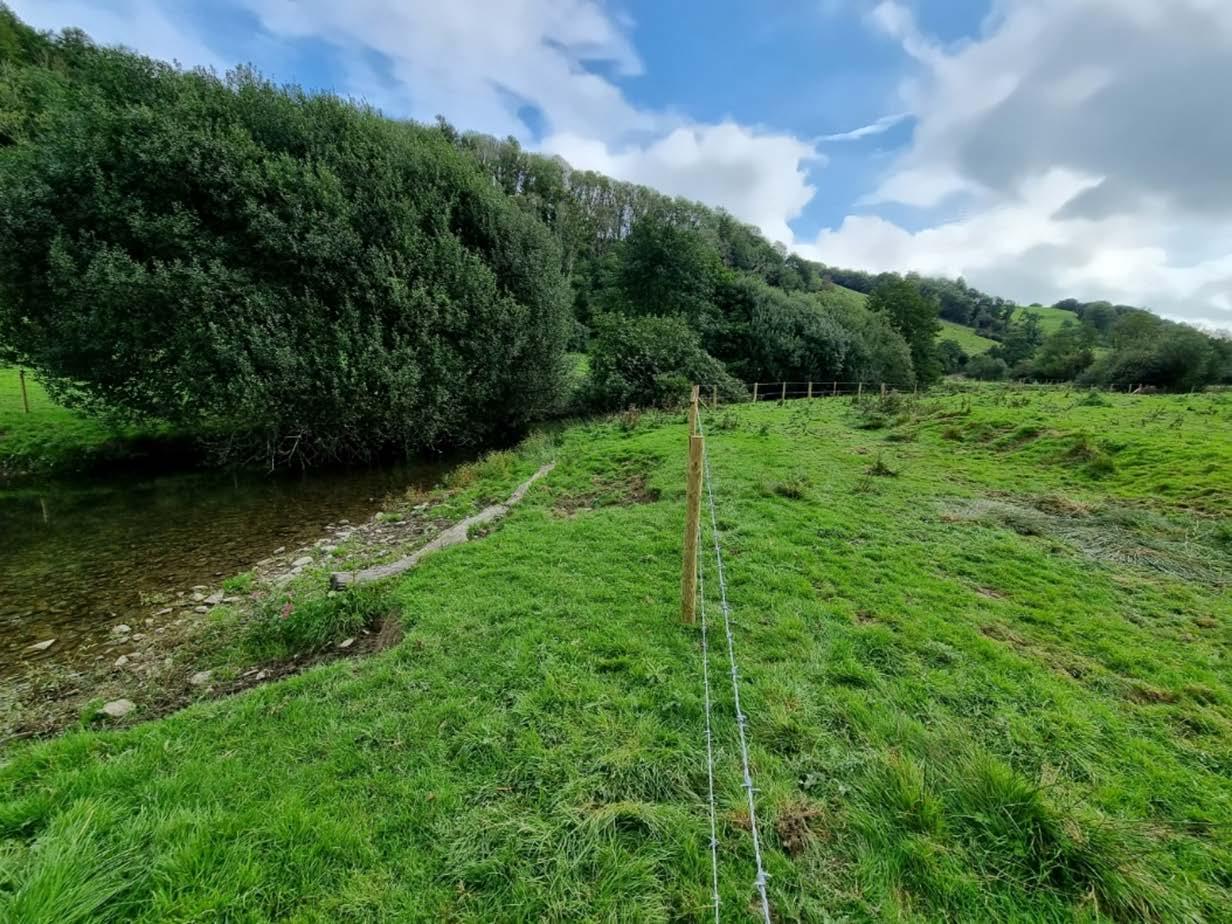
Over 9 km of riparian fencing was installed along livestockdamaged riverbanks. This
intervention prevents erosion, reduces sediment and nutrient runoff, and creates shaded wildlife corridors that support biodiversity.
Sustainable Urban Drainage (SuDS)
PRAM introduced rainwater planters in Ceredigion’s towns, reducing urban flood risk, filtering runoff, and adding green infrastructure. Volunteers were engaged to maintain these planters, fostering community ownership and skills.
Farm Management Plans and Capital Improvements
Working with 15 farms, PRAM delivered farmyard assessments and practical improvements - from repairing guttering to installing pollution-blocking measures. These changes were designed to reduce slurry and dirty water runoff and improve farmyard conditions.
Septic Tank Awareness Campaign
Recognising the role of small sewage systems in phosphate pollution, PRAM launched a public campaign with leaflets, social media outreach, and a dedicated webpage. A local desludging discount scheme encouraged best-practice maintenance.
Heritage and Awareness Initiatives
PRAM installed bilingual interpretation boards at key sites and alongside SuDS planters, explaining the river’s heritage and the importance of phosphate reduction. These boards, combined with media engagement, raised public awareness.
Water Quality Monitoring
To support ongoing citizen science and data collection, PRAM procured handheld phosphorus sensors. These now help track water quality. The Citizen Science Dashboard can be accessed here: https:// www.ceredigion.gov.uk/ resident/planning-buildingcontrol-and-sustainabledrainage-body-sab/ nutrients-in-the-teifi-riversac/teifi-citizen-sciencemonitoring-and-dashboard/
Looking Ahead
PRAM aimed to reduce phosphate pressures on the River Teifi, creating conditions to support biodiversity over time through targeted, practical interventions. This work continues through the Teifi Nutrient Monitoring Project, led by Ceredigion County Council and the Nutrient Management Board, using high-frequency sensors and citizen science to track nutrient levels, identify pollution sources, and guide future management plans. See: https://www. ceredigion.gov.uk/resident/ planning-building-controland-sustainable-drainagebody-sab/nutrientsin-the-teifi-river-sac/ teifi-nutrient-monitoringproject/
Grow Well – Connecting People, Places and Nature
Claire Terry, Monitoring and Evaluation Officer, Grow Cardiff
The Grow Well Project is a therapeutic community gardening project, part of the social prescribing network, which takes place in busy urban areas of Cardiff in partnership with the South West Cardiff, and City & South Primary Care Clusters. Working from four sites: ACE/Dusty Forge Community Centre, Lansdowne Surgery, Riverside Health Centre and Grangetown Medical Practice –participants can pop out of their front door and be in their local garden within 15 minutes.
Sessions run every week, right throughout the year. Using an ‘asset based’ approach – the project positively engages
some of the most isolated and hardest to reach members of Cardiff’s communities. It aims to improve the health and well-being of those affected by mental health, physical health, loneliness and isolation, working alongside patients as volunteers to codesign, coproduce and sustain thriving community gardens.
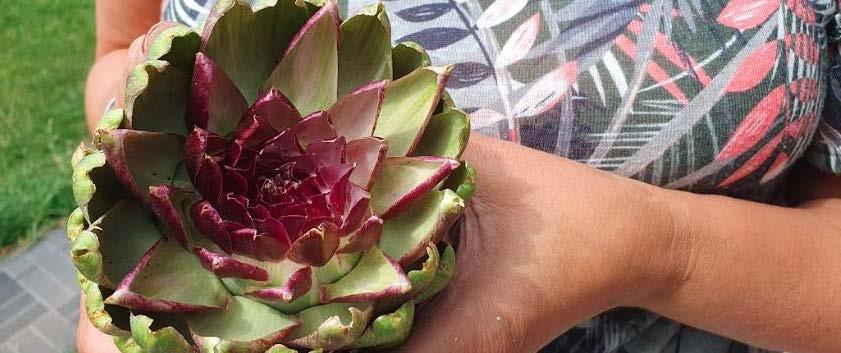
Most people who come to the project have never gardened before and don’t think of themselves as gardeners. Come along to a weekly session and you are always greeted with a big smile, a good cuppa and a broad choice of activities: sowing, planting and harvesting vegetables, fruit and herbs, arts/crafts
for the garden, carpentry and building, composting, mulching, developing wildlife habitats, soup making with veg straight from the garden, simply sitting and listening to the birds, but always good chat and friendship.
Underneath the surface of our work runs the theme of nature stewardship for our urban green spaces- a few dozen square metres amid a sea of roads and concrete. We garden without pesticides, instead teaching participants about beneficial garden predators – the ladybirds, lacewings and ground beetles that can help to save a little more of the crop for our plates. We grow plants like comfrey and
nettles, that can nourish the compost and boost growth. We create habitats and leave ‘untidy’ areas for nesting and overwintering of the small creatures in our gardens.
For many people, the care of these small creatures, the nurturing of nature, is easier and less complicated than looking after themselves. And yet, as humans and nature have been recognised to be interlinked over the centuries, caring for one, will bring benefits to the other, and to the community as a whole.
While children are often fascinated by the wildlife outdoors, it is a point of interest often lost as we grow up. However, it is easily regained in later life, and with great vigour- who knew fungi was such a diverse and resilient family? Who knew the lifecycle of a butterfly was playing out in view of our office window? And who knew that vegetables from around the world could be grown in inner city Cardiff?!
The resulting crops; aside from peas eaten straight from the pod, or tomatoes scoffed, still warm from the polytunnel; go home with volunteers, health centre staff, the general public, and onto the dinner plates of our local community- scarcely a mile or two from where they grew. Perhaps a by-product of the ’wellbeing’ project but always stimulating an appetite
for a little more.
For further information please visit: https://www.growcardiff. org/
Gwynedd Nature Partnership, Practice
Yr Oriel Fyw – a living gallery where people, trees, and ideas grow side by side
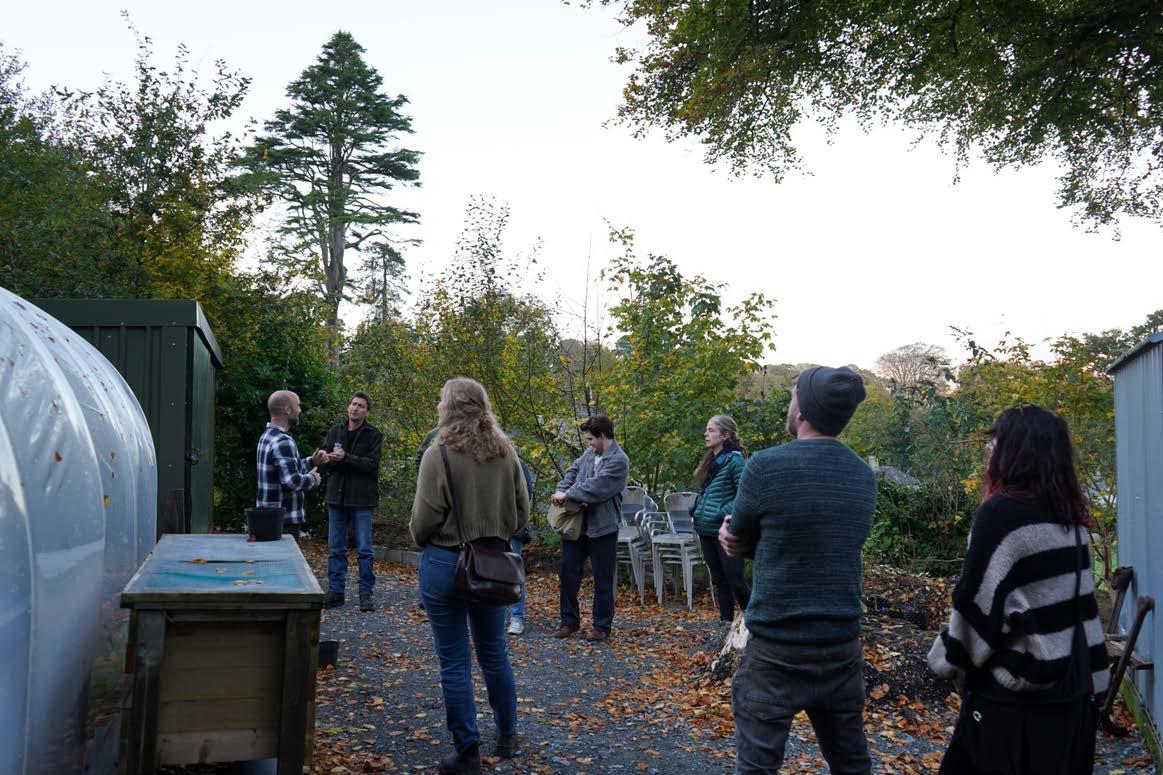
Oriel Plas Glyn-y-Weddw in Llanbedrog, Pen Llŷn is traditionally associated with the arts. But it is much more than an art gallery, it is a centre that combines art, nature and culture and nothing proves that more than its recent project to improve and develop biodiversity on site whilst increasing people’s engagement with nature – Yr Oriel Fyw (The Living Gallery).
Thanks to financial support from the Local Nature Partnership (LNP) Gwynedd, GwyrddNi and the Welsh Government, the Oriel Fyw has opened on site, a space that inspires learning, creativity, and love for nature and conservation. The aim of the project is to lay firm
foundations for a long-term project that will contribute and grow the regeneration and protection of the site’s natural resources and in the local community, by playing a role in the regeneration of rare tree species in Llŷn.
Gwyn Jones, Director of Plas Glyn Y Weddw, said: “Over time, we hope that this nursery will grow into much more than rows of young trees. The intention of the work is to create a living, dynamic and attractive space that combines nature, art, learning and well-being. The nursery will become a hub for social and educational activities, with growing areas, gathering areas, and quiet corners for reflection - a place that
encourages people of all ages to come together, to learn about nature, and to reconnect with their sense of wonder and their relationship with the environment. It will also foster a sense of local pride and strengthens the connection between the community and their natural landscape.
“Alongside this welcoming and creative spirit is a serious and broader purpose. By rooting our work in science-led conservation and meaningful community engagement, we are taking concrete steps to tackle some of the biggest challenges facing our time — climate change and biodiversity loss. The project enables us to act in a practical and collaborative
way, to improve the health of our woodland, support local ecosystems, and create a more resilient landscape for future generations.”
There are many things going on at the Oriel Fyw....
• Practical conservation –Collecting seeds, promoting seed development, planting, and care for habitat
• Species restoration projects – From poplar to Atlantic hemlock and the diversity of oak trees.
• Research and discovery –From soil science to genetics, and ensuring that the latest technique is available to everyone
• Creativity and culture –weaving Welsh mythology, art and storytelling into the living fabric of our nursery.
• Health and wellbeing – Open to the public every Thursday and Sunday with craft activities and workshops for families.
The simple workshops are a great opportunity for families to engage with nature while promoting health and wellbeing by bringing people together, celebrating the season, and letting creativity flourish outdoors.
Every little activity is important. When watering a seed, joining a workshop, sharing information, or spending quiet time wandering among the plants. This is
contributing to something more - a path to live together, according to nature’s intention.
If visiting the area, drop by to reconnect, to re-imagine, and to help create a future of mutual respect, to experience natural wealth and wonder. Paths are open to the public 7 days a week.
For further information please contact: partneriaethnatur@ gwynedd.llyw.cymru
Practice
Growing nature and wellbeing across Wales with the NHS
Mair Davies,
Project Coordinator for Local Places for Nature (North Wales)
Since 2020, Keep Wales Tidy’s Local Places for Nature scheme has helped communities and not-forprofit organisations create beautiful, biodiverse spaces right on their doorsteps. Through this initiative, groups can apply for readymade garden packages of various shapes and sizes, from wildlife gardens to foodgrowing spaces, designed to make it easy for anyone to bring nature back into their community.
Since the project launched, over 1,745 garden packages have been installed across Wales, with a further 253 currently being developed this year. Each of these gardens plays a part in restoring biodiversity, supporting pollinators, and providing
people with a space to connect with nature.
A key part of the project has been our partnership with the NHS and health charities. Together, we’ve worked to enhance biodiversity across 78 NHS sites in Wales. These installations have transformed hospital grounds and healthcare settings into nature-based therapeutic spaces. These installations not only improve the environment but also provide opportunities for meaningful activity, helping to support the health and wellbeing of staff, patients, and local communities.
This year, new garden packages are being installed at Wrexham Maelor Hospital, in partnership with Wrexham Community Gardeners, as well
as at Tonna Hospital, Sŵn yr Afon, and Cardiff Wellbeing College.
At Wrexham Maelor Hospital, the Wrexham Community Gardeners manage a thriving community garden that grows fresh produce on-site. The group donates food to the hospital and live-in staff, while also selling some to the wider community. The group also helps maintain other green spaces across the hospital grounds, making nature a visible and valued part of everyday life.
Wrexham Community Gardener, Ruth said: “Working with our volunteers, who are developing into an amazing team, and seeing the pleasure the gardens bring to staff, patients and visitors
alike has been an absolute joy completely justifying all the headaches and hard work we endured setting up the charity”.
All sites for this year have now been allocated, but applications remain open for next year’s projects, or sooner if additional funding becomes available.
If your NHS site or health organisation is looking to create a green, restorative space, we’d love to hear from you.
Find out more and apply here
Magical Mammals: Protecting Red Squirrels in
Practice
Clocaenog Forest
Caro Collingwood, Red Squirrel Ranger Clocaenog, Red Squirrel Trust Wales
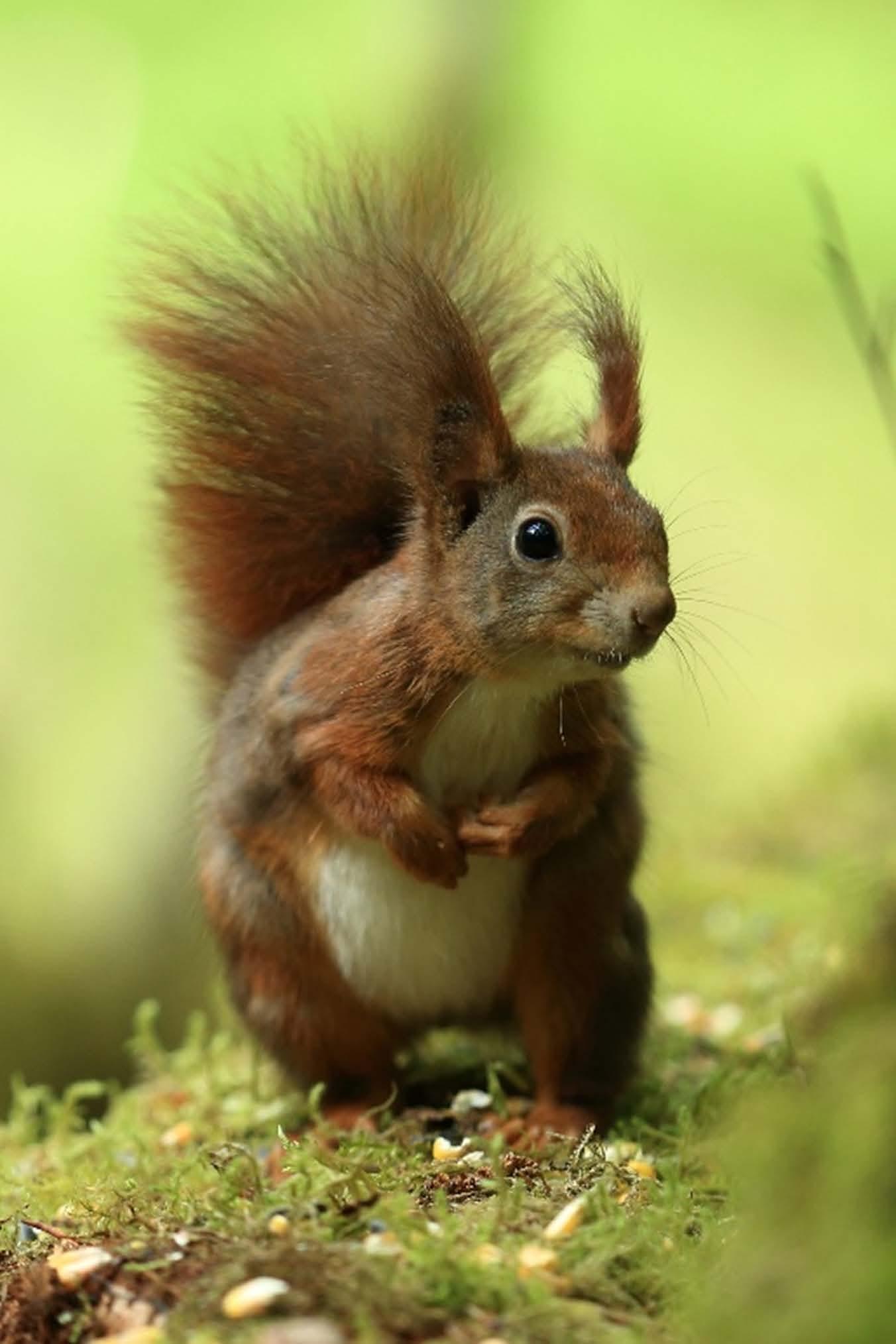
volunteer numbers have grown, and local awareness of red squirrel conservation has greatly increased. Caro has visited schools across the area, delivered talks and led forest visits where children have learned about wildlife through games and outdoor activities. She has also given talks to community groups such as the Denbigh Dementia Group, Corwen Women’s Institute, and at regional conferences.
Regular guided walks in Clocaenog Forest allow people to see conservation in action and learn how red squirrels are monitored and protected. Many of these walks are run in partnership with groups like MIND, Outside Lives Matter, and the Cymru Ramblers Women’s Group, helping to remove barriers to outdoor access and support mental wellbeing through nature.
On the ground, the project contributes directly to red squirrel recovery. Since 2018, volunteers from the Clocaenog Red Squirrel Trust have maintained an expanding network of trail cameras used to monitor the red squirrel population. This data informs targeted conservation work and has helped to guide translocations within the forest.
As part of the Magical Mammals project, red squirrel translocations have
been carried out, releasing captive-bred animals from conservation breeding programmes into the forest to strengthen the existing population. Monitoring through trail cameras shows encouraging signs. More red squirrels are being recorded each year, and their range across Clocaenog Forest has expanded. Beyond ecological benefits, the project has strengthened local community connection with wildlife on their doorstep, inspired new volunteers, and improved wellbeing by encouraging people to spend more time outdoors.
The Magical Mammals project demonstrates how wildlife conservation and community wellbeing can go hand in hand. Through red squirrel releases, school outreach and inclusive forest activities, the project demonstrates how practical conservation work can bring communities together and improve access to nature. We encourage readers to get involved, this could be by volunteering, supporting conservation charities or learning more about the wildlife in your local area.
To find out more about the Clocaenog Red Squirrel Trust, become a member, or follow our work, visit https:// clocaenog-rst.org or email info@clocaenog-rst.org
Community
Orchards for biodiversity and the public, partnered with The Orchard Project
Beccy Williams and Matt Harris,
Context:
Woodlands of any type contribute to both climate change mitigation and adaptation as they absorb and store CO 2, have a cooling effect on the immediate environment and attenuate rainwater during extreme weather events. However, orchards also offer the benefits of a different type of biodiversity to normal woodland, increasing habitat diversity, and are a great community asset providing a food source and a tranquil space for residents, boosting their physical and mental health.
Starting point:
We looked for sites where other trees might have been planted, but that would benefit from more of a community element. We considered
proximity to local schools, so they could be involved, and chose spaces that weren’t too close to main roads, and which weren’t totally flat so that we weren’t taking away play areas.
We undertook community consultation, surveying residents on NCC social media sites, and leafleted homes close to the spaces where orchards were to be planted. We also undertook in-person consultations at these sites.
Nearby schools and their ecocommittees were contacted to discuss orchards and orchard biodiversity. We then gathered names of people who might be interested in volunteering and ran training sessions for them. Tree planting training session and three orchard planting days
were well attended by school groups and the general public.
Results:
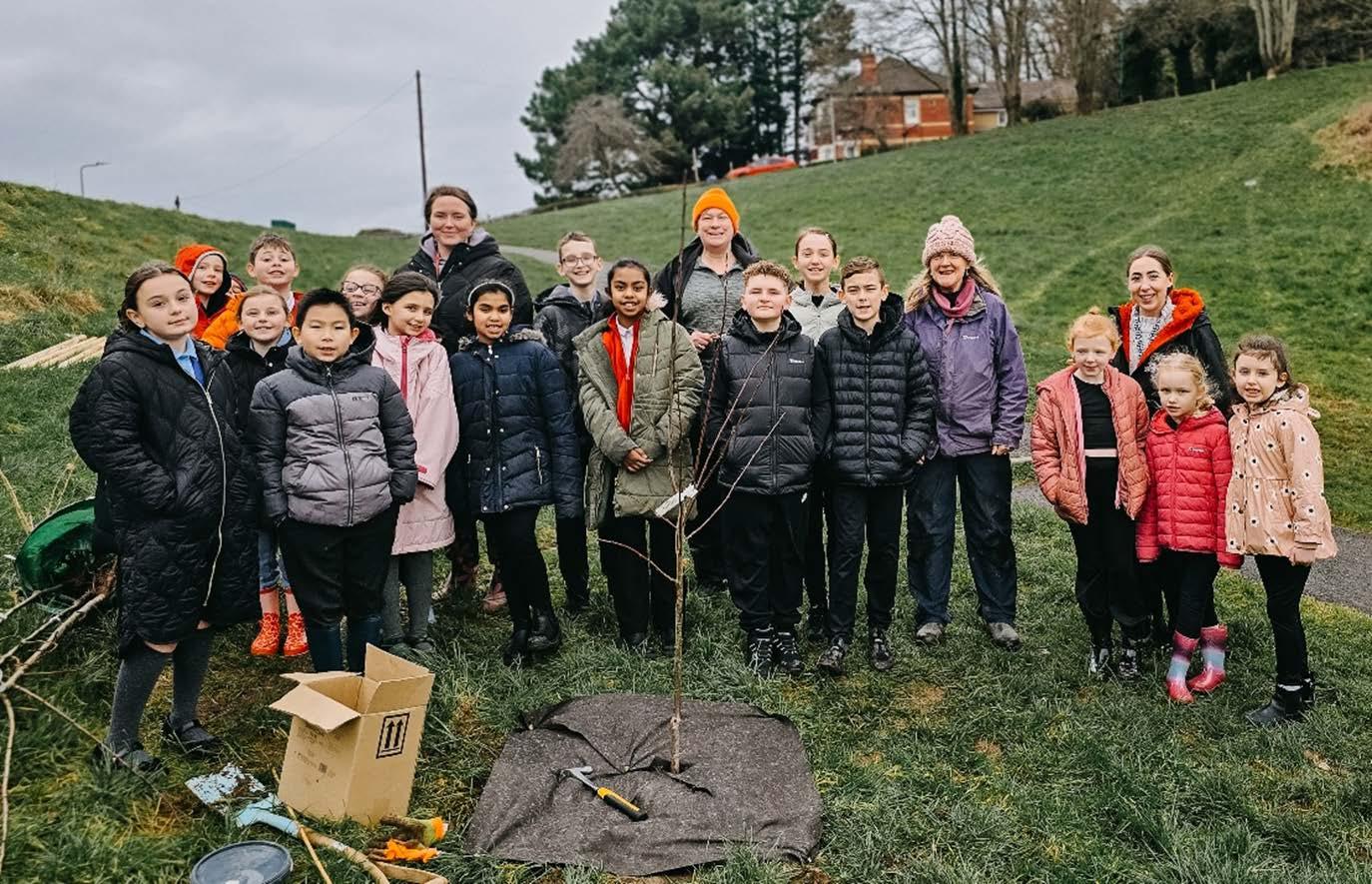
By the end of March, we had 4 community orchards planted across Newport, comprising over 125 fruit trees, including Welsh heritage varieties of apple and pear trees of mostly local provenance. Companion planting with smaller fruit bushes such as blackcurrant and gooseberries were also added. We created 3 volunteer groups and engaged 3 schools to help look after the orchards. One has been underplanted with spring bulbs by school children.
Impact:
Four local communities and schools now have an orchard for gathering food and as a community space for events
Practice
Local Places for Nature, Newport City Council
and outdoor learning. We have created spaces that will offer a different habitat for species in an area that was previously mown amenity grassland, thereby supporting nature recovery.
The engagement process generated a list of people interested in volunteering. Tree planting was undertaken by school children and volunteers, as was bulb planting. Volunteers were given training on orchard management and next year will have further training on pruning. Tools were purchased to enable volunteers to manage the orchards, and an orchard newsletter is planned, with a map of orchards across Newport.
Some were initially sceptical, however there has been a lot of positive feedback and now the orchards are in place, people are really pleased to see them flourishing. We posted on our social media accounts showing children planting orchards, with a lot of positive responses:
“Great initiative, perhaps involving local primary schools to teach young children about fruit trees.”
“It is an amazing opportunity to provide food and education to the local communities.”
“I think this is a lovely idea. Would love to see the local schools being involved also.”
For further information please contact: rebecca.williams@ newport.gov.uk
Enhancing Biodiversity in Primary Care Settings
Angharad Wooldridge,
Senior Public Health Practitioner, Primary Care Division, Public Health Wales
Our health and wellbeing are impacted both positively and negatively by a myriad of factors, one of which is the quality of the natural environment (1). The World Health Organization highlights how ecosystems impact our health through providing fresh water, food, and regulating air quality, among many other benefits (2).
“Biodiversity loss can have significant direct health impacts if ecosystem services no longer meet societal needs.” (2)
The Greener Primary Care Wales Framework and Award Scheme (3) provides a tool to enable GP practices, community pharmacies,
Sian Evans, Consultant in Public Health, Primary Care Division, Public Health Wales
community dental and optometry practices to consider how they can lead or get involved in local initiatives to maintain green spaces for the benefit of their patients and staff. The Scheme was launched by the Primary Care Division (Public Health Wales) in 2022 in response to the aligned policy and legislation in Wales. The Scheme offers primary care providers a range of clinical and non-clinical climate-friendly actions to implement, and depending on the number of actions completed, the opportunity to gain a bronze, silver or gold award. One of the Scheme’s actions directly relates to biodiversity:
“The practice has optimised
and maintains its outside areas and green spaces for biodiversity and has increased the opportunities available for local wildlife to thrive, as well as supporting the benefits of green spaces to health and wellbeing.”
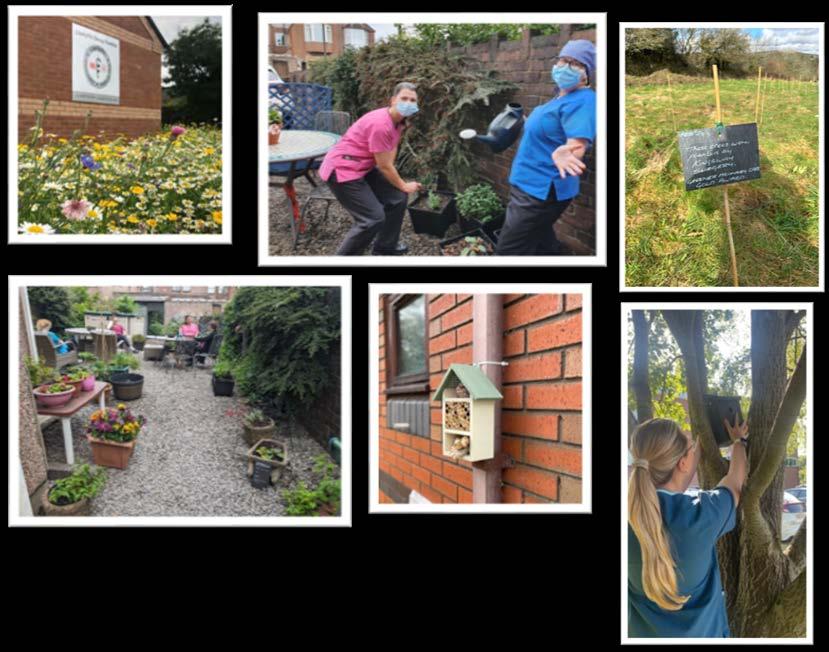
Since 2022 there have been over 100 examples of this action being completed by primary care practices across Wales, highlighting some fantastic work. These include installing bug houses and bird boxes, planting pollinatorfriendly flowers, growing vegetables, leaving grassy areas unmown and rewilding to encourage wildflowers. It is important to note that many of these examples are despite the practices being located, for example, on a high street with
little outside space.
Greener Primary Care Wales has worked with a number of practices to develop case studies to capture their work, share the learning and hopefully motivate more practices to consider what they can do with the outside space available to them (4). Two case studies to note in particular are from Talbot Road Dental Practice in Port Talbot and Specsavers Haverfordwest. These examples demonstrate that positive change can take place even when outdoor space and resources are limited, and involving the local community, friends and family, and other organisations is invaluable. The benefits that can be realised from even the smallest of actions can be enormous, not only for the environment and local wildlife, but also for staff and patient wellbeing.
To find out more about the Scheme please email greenerprimarycare@wales. nhs.uk
References
(1) https://www.who.int/ news-room/fact-sheets/detail/ biodiversity
(2) https://www.nhm.ac.uk/ our-science/services/data/ biodiversity-intactness-index. html
(3) https://primarycareone. nhs.wales/topics/greenerprimary-care-wales/ (4) https://primarycareone. nhs.wales/topics/greenerprimary-care-wales/case-
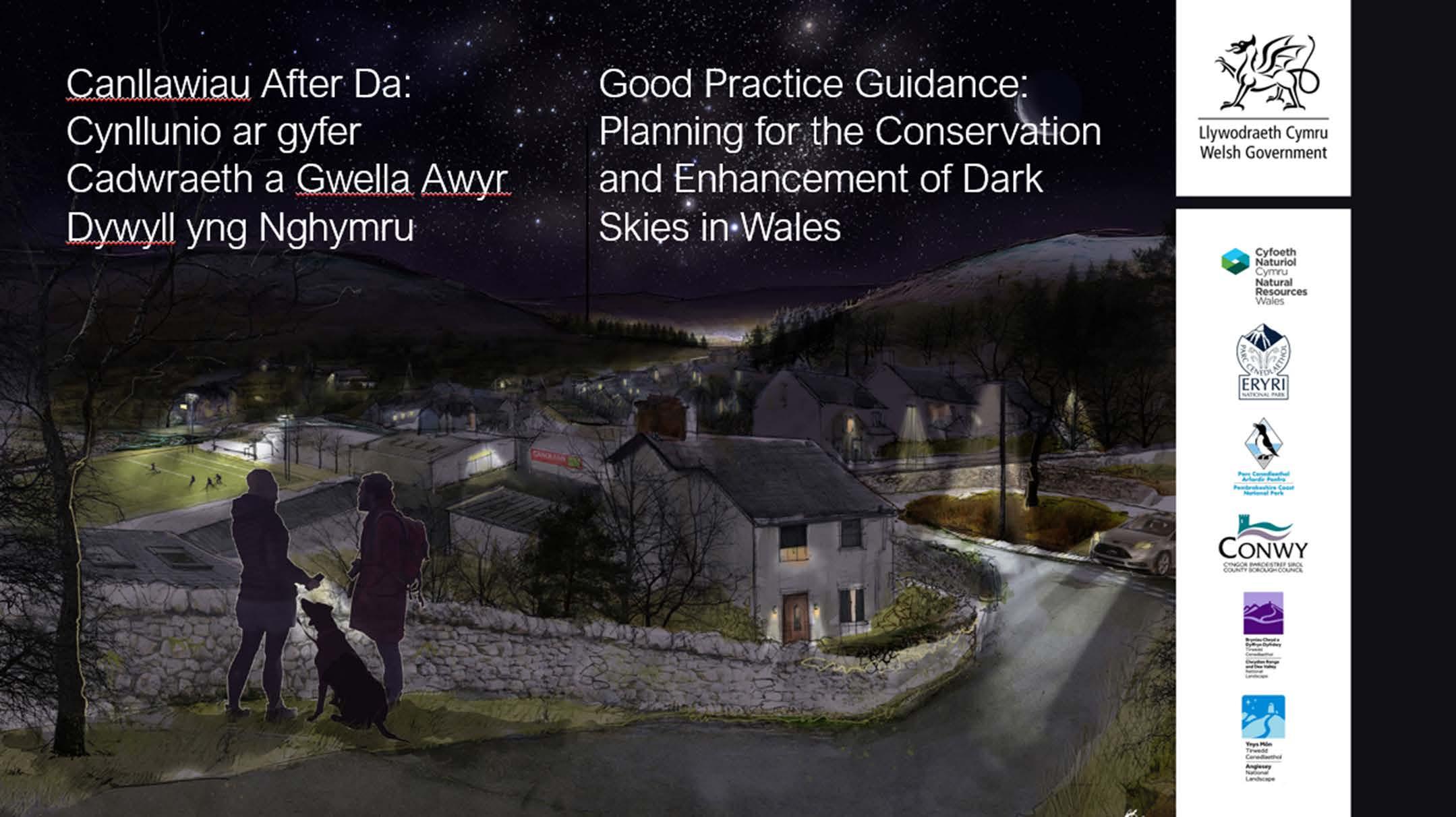
Welsh Government’s Dark Skies Planning Guidance: A Clear Path to Healthier, Sustainable Communities
Imagine a Wales where the night sky glows with stars, wildlife thrives, and communities enjoy healthier, more sustainable living. This vision is at the heart of the Welsh Government’s Dark Skies Good Practice Planning Guidance, developed by the all-Wales Dark Skies Working Group. The guidance sets out why reducing light pollution is essential for biodiversity and human wellbeing, and it
outlines practical steps that local authorities, developers, and communities can take to make it happen.
Why Darkness Matters
Artificial light at night disrupts natural rhythms. Many species, from bats and moths to birds and amphibians, rely on darkness for feeding, breeding, and navigation. Excessive lighting can confuse migratory birds, draw insects
away from their habitats, and even alter predator-prey dynamics. These changes weaken ecosystems and reduce biodiversity.
Health and Sustainability
Benefits
Reducing light pollution benefits people as well as nature. Excessive artificial light can disturb sleep patterns and circadian rhythms, affecting health and wellbeing.
Dark Skies Working Group Cymru
Communities that embrace dark skies enjoy calmer nights, improved mental health, and stronger connections with nature.
Creating darker nights also enhances our cultural and recreational experiences. Wales boasts some of the UK’s most spectacular dark sky designated areas, and protecting them supports tourism and fosters a deeper connection with nature. This sense of place and tranquillity contributes to mental health and community pride. The publication of the guidance document sets out that by using the right light, in the right place at the right time, we can make a big difference for our wildlife and communities.
Practical Steps Everyone Can Take
The Welsh Government’s guidance makes action simple and achievable. It encourages measures such as: Using downward-facing, shielded lights to minimise sky glow.
Installing timers and sensors to avoid unnecessary lighting. Choosing warmer light tones that are less disruptive to wildlife. These changes are small but powerful; creating environments that are healthier, safer, and more sustainable.
A Shared Vision for Wales
Preserving darkness is an investment in our environment, our health, and future generations. By following the practical principles set out in the guidance, we can build communities that respect nature, celebrate our heritage, and offer everyone the chance to experience a truly dark sky.
The all-Wales Dark Skies working group would like to see a future where we increase the extent of our protected designated dark skies areas and we have statutory targets to reduce light pollution. Small, simple interventions at scale and with strong political leadership and community action can secure a future where wildlife and communities are healthierday and night.
Take Action Today
Explore the Welsh Government’s Dark Skies Good Practice Planning Guidance and learn how you and your organisation can make a difference. Together, we can turn down the lights and brighten the future. �� https://www.gov.wales/ dark-skies-planning-guidance
Implementing the Global Framework on well-being at the country level
Dr Kate Isherwood,
Lecturer in Public Health, Cardiff Metropolitan University
Professor Jenny Mercer,
School of Sport and Health Sciences, Cardiff Metropolitan University
The Centre for Health, Activity and Wellbeing Research (CAWR) is an associate member of Euro Health Net, a Europe-wide Public Health Network which focusses on improving health inequities. Through this collaboration CAWR were given the opportunity to work with the World Health Organisation (WHO) to help shape a policy brief.
The policy brief titled ‘Implementing the global framework on well-being at country level: policy pathways’ offers practical insights for ministries of
Dr Paul Sellars,
Research Associate, Centre for Health, Activity and Wellbeing Research (CAWR), Cardiff Metropolitan University
Dr Rachel Sumner,
Senior Research Fellow, Cardiff Metropolitan University
health to support a vision which calls for breaking down silos and adopting a whole governmental approach to policy-making. It adapts the WHO Achieving well-being: a global framework for integrating well-being into public health utilising a health promotion approach into concrete, actionable strategies that help governments shape policies to enhance well-being.
CAWR colleagues authored the first chapter of the policy brief ‘Nurturing Planet Earth and its ecosystems’, which highlights the need to build climate-resilient
Professor Diane Crone,
Professor of Exercise and Health, Centre for Health, Activity and Wellbeing Research (CAWR), Cardiff Metropolitan University
Professor Chris Wallis,
Professor of Food Science, Cardiff Metropolitan University
health systems and policies that protect both human and environmental health.
The policy brief called for a systems approach to health and the environment which works to sustainably improve the health and wellbeing of the people and planet. Integrating a ‘One Health’ approach across relevant policy initiatives and activities was highlighted as vitally important for this mission. This vision would ensure that policy makers are working across sectors, cooperatively and collaboratively to meet the needs of the One Health
agenda (1).
Also highlighted was the importance of investing in policies that achieve both health and environmental benefits. Many policies outside the health sector, such as those related to transport, green spaces, food, energy and housing, have direct and important impacts on human health. It is important to advocate for a ‘Health in All Policies’ approach (2), to ensure these spaces are well-designed, safe and easily accessible. This approach would also ensure a sustainable, healthy, resilient and equitable food system at every stage from production to consumption. Throughout these initiatives, decisionmakers should meaningfully engage with local communities to help ensure policies and programmes are co-created and correspond to people’s needs.
The policy brief provides governments which tangible actionable insights for Ministers of Health across Europe. This collaboration also highlights CAWR’s expertise in this global public health area and emphasises the vital connection between human health and the natural environment.
The link to the full policy document is here: https:// iris.who.int/items/09646b35fbf2-4b20-8f06-e5e96bccecca
References:
World Health Organisation, 2022. One Health Joint Plan of Action (2022-2026): working together for the health of humans, animals, plants and the environment. Accessed from: https://www. who.int/publications/i/ item/9789240059139
World Health Organisation. Promoting Health in All Policies and intersectoral action capacities. Accessed from: https://www.who. int/activities/promotinghealth-in-all-policies-andintersectoral-action-capacities
Hedgerows: A Living Link Between Biodiversity and Community Wellbeing
Jim Kilpatrick,
Senior Ranger Denbighshire (North), Denbighshire Countryside Service
biodiversity is in decline. Protecting nature is a shared responsibility, and projects like hedgerow restoration show how local action can create healthier, more sustainable communities.
Why Hedgerows Matter
Hedgerows are among Wales’ most important habitats. They act as ecological corridors, connecting woodlands and grasslands, and supporting a rich diversity of plants and animals. They also shelter livestock and wildlife, store carbon, reduce soil erosion, and slow floodwaters. A University of Leeds study (1) found hedgerows increase
Hannah Arndt,
Sustainable Recreation and Access Officer, Denbighshire Countryside Service
Over 50% of UK hedgerows have been lost in the last 75 years due to agricultural intensification, development, and neglect and an assessment of Welsh hedgerows declared only 17% to be in good condition in 2016 (2). Without management, hedgerows degrade into skeletal remnants, losing their ecological value. Practical intervention is essential to retain this habitat.
Our Approach in Denbighshire
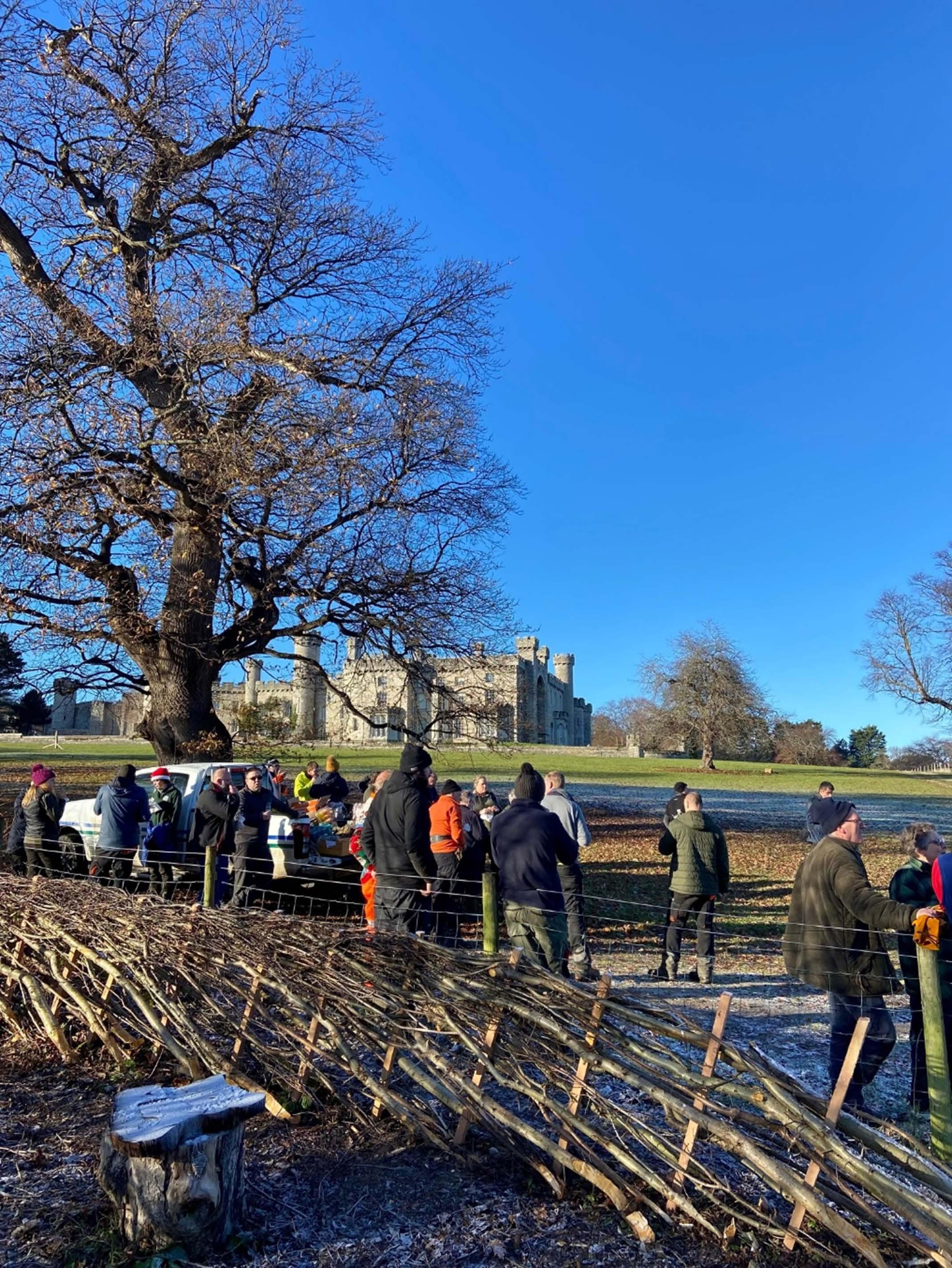
Through traditional hedge laying, we regenerate hedgerows by partially cutting and laying stems to encourage
Retaining these regional styles connects us to the farming traditions that shaped our landscapes.
Co-Benefits for Climate and Communities
Co-benefits are increasingly central to climate and nature work. Hedgerow restoration is a prime example:
Flood Mitigation: Crosscontour hedgerows slow upland tributaries during extreme rainfall, reducing downstream flood risk.
Air Quality: Dense hedgerows trap dust and pollutants, improving local air quality.
Carbon Storage: Hedgerows
sequester carbon in leaves, stems, and roots, helping Wales meet climate targets. Health and Wellbeing: Green spaces encourage outdoor activity, reduce stress, and foster social connection.
Community Engagement
Denbighshire Countryside Service manages 55 sites with the help of volunteers. Hedge laying is our most popular winter task, offering physical exercise, mental wellbeing, and a deep connection to nature. Over 1,450 meters of hedgerow have been restored through volunteer matches, with 300+ participants over 13 years. These events are intergenerational, sparking conversations about heritage and sustainability.
Nature for Health
Our Nature for Health Programme takes this further by linking conservation with wellbeing. It offers opportunities for people to engage with nature through practical tasks like hedge laying, guided walks, and outdoor activities. Participants often report reduced stress, improved mood, and a sense of purpose. Working with hand tools in a hedgerow is a mindful experience - shaping living structures that will grow for decades. This rare interaction benefits both humans and nature in equal measure.
Nature for Health also addresses health inequalities
by making green spaces accessible and inclusive. By improving biodiversity and encouraging outdoor activity, we help communities build resilience - physically, mentally, and socially.
Protecting biodiversity is a shared responsibility. By supporting initiatives like hedgerow restoration and programmes such as Nature for Health, we can ensure Wales’ communities thrive in harmony with nature. When we look after biodiversity, we look after ourselves - creating healthier, more sustainable communities for everyone.
For further information please contact: hannah.arndt@ denbighshire.gov.uk
References
1Sofia Biffi, Pippa J. Chapman, Richard P. Grayson, Joseph Holden, Jonathan R. Leake, Holly Armitage, Sarah F.P. Hunt, Guy Ziv, Consistent soil organic carbon accumulation under hedges driven by increase in light particulate organic matter. Agriculture, Ecosystems & Environment, Volume 382, 2025, 109471, (https://www.sciencedirect. com/science/article/pii/ S0167880925000039)
2Natural Resources Wales. (2020). State of Natural Resources Report (SoNaRR). Natural Resources Wales. (https://naturalresources. wales/sonarr2020. )
Saving Wales’s Rarest Butterfly and How Volunteering Aids Wellbeing
Dot Williams,
High Brown Fritillary Project Officer, Butterfly Conservation/Natur Am Byth
activities.
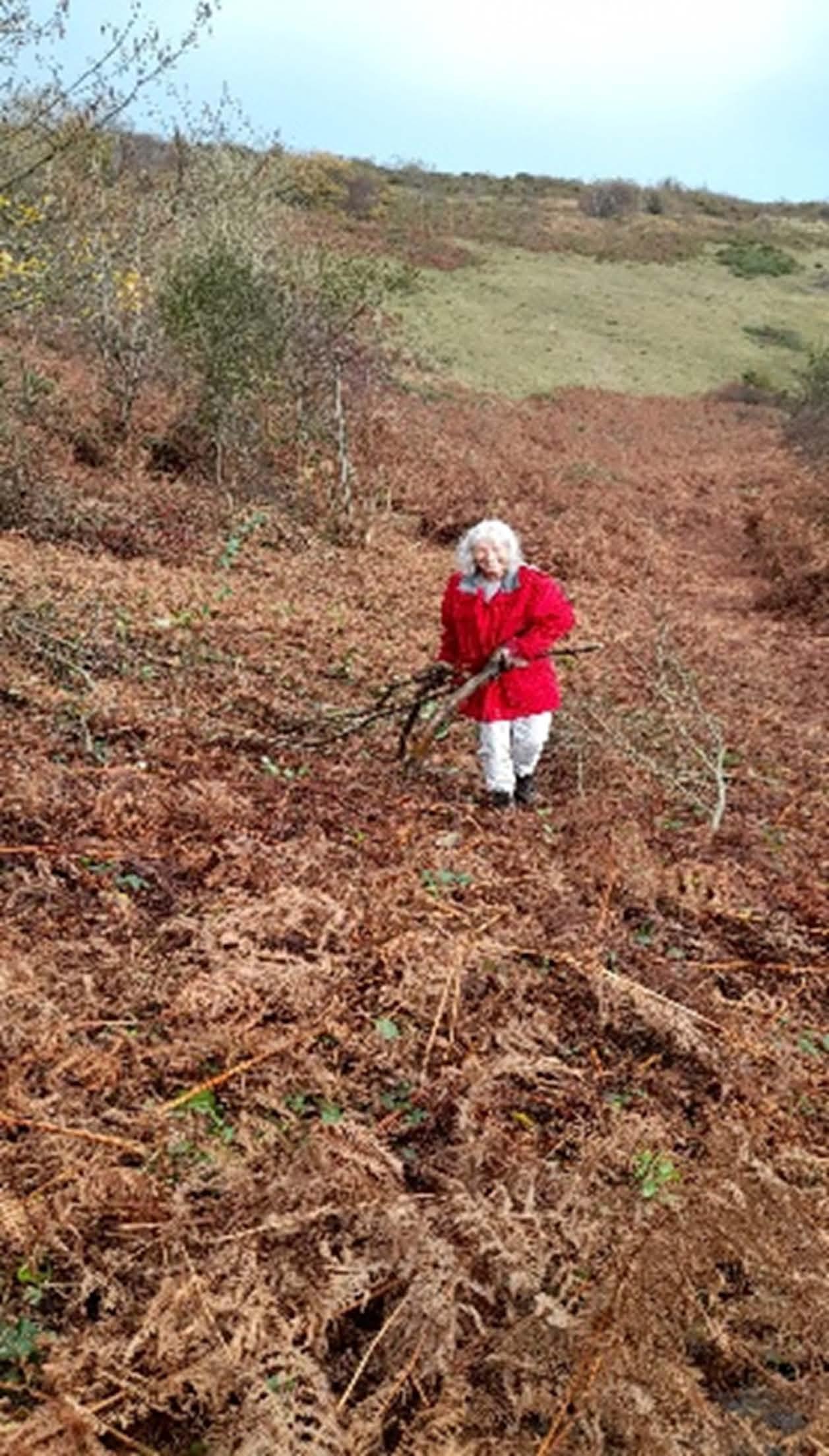
Research undertaken by the University of Derby showed that counting butterflies for 15 minutes as part of the Big Butterfly Count (4) reduced stress levels by almost 10% (5). We’d love more people to experience the joys of volunteering to save one of Wales’s rarest species whilst at the same time improving their mental and physical wellbeing.
For further information please contact: dwilliams@butterflyconservation.org
(1) High Brown Fritillary | Butterfly Conservation (2) Home - Natur am Byth (3) Volunteer impacts - Time Well Spent: A national survey on the volunteer experience | News index | NCVO (4) Home page | Butterfly Conservation (5) Connection for conservation: The impact of counting butterflies on nature connectedness and wellbeing in citizen scientistsScienceDirect
Finding Renewal in the Heart of the Forest: A Wellbeing Journey for Healthcare Practitioners
Roger Davies, Manager, Golygfa Gwydyr
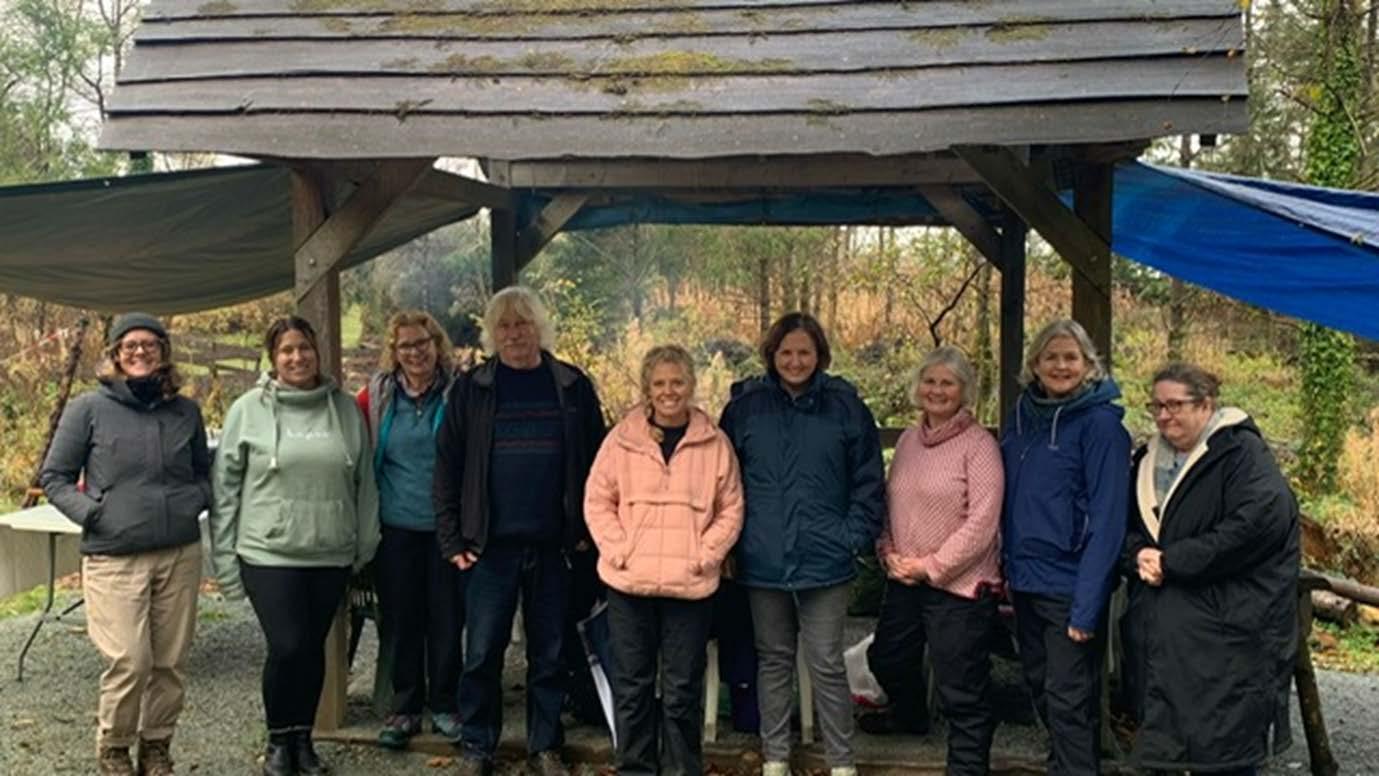
In the demanding field of healthcare, finding moments of stillness often feels like a luxury. However, a group of healthcare practitioners from Betsi Cadwaladr University Health Board (BCUHB) recently discovered the transformative power of pausing, breathing, and reconnecting with nature. They participated in a unique wellbeing programme held in the serene Gwydir Forest, which provided not just rest but deep restoration.
This nature-based course, designed by Golygfa Gwydyr, was targeted at healthcare professionals grappling
with the heavy burdens of compassion fatigue, emotional strain, and the relentless responsibilities of their roles. Its mission was straightforward yet impactful: to create a sanctuary for healing through rest, kindness, self-compassion, and renewal, illustrating how time spent in nature can alleviate stress and restore balance.
The programme was structured around weekly themes, each guiding participants deeper into personal wellness and their connection to the forest. The themes shaped the group’s shared experiences,
offering new insights into how nature fosters recovery, facilitating a powerful journey of reconnection, grounding, and renewal, emphasizing that wellbeing is both a practice and a path best explored among trees. The immersive sessions enabled participants to step away from the pressures of their clinical environments, entering a space that encouraged reflective healing. The emphasis on mindfulness included gentle breathing exercises, visualization, movement, stillness meditations, and creative sessions, all encapsulated by the forest’s serene embrace.
Practice
While the programme provided immediate restorative benefits, it also equipped practitioners with practical tools for ongoing use after leaving the woods. Participants received personal journals to document their insights, observations, and coping strategies, which would aid in fostering balance in their daily lives and promoting long-term wellbeing.
This journey of healing highlighted that the need for self-care extends beyond patient care; it is essential for healthcare providers themselves. Often, simply stepping into nature can be the first step toward regaining one’s centre.
Feedback from participants reflected the programme’s profound impact:
“The benefits have not only helped me personally, but also professionally. I feel more grounded to manage the demands of work and home.”
“I would highly recommend this programme to anyone working in the NHS as everyone deserves a break.”
“All patients would benefit
from this programme—it complements resilience initiatives for children and young people, addressing mild to moderate anxiety and promoting preventive care.”
“I gained so much from the exercises and meditations, fostering connections and kindness.”
“This course arrived at a crucial time for me, allowing for reflection on how to best support my team and patients.”
In conclusion, the Golygfa Gwydyr programme represents not just a respite for healthcare professionals but a pathway for sustained wellness, enabling them to nurture both their own wellbeing and that of their patients.
For information on future events or discussions about specific team sessions, please visit: https://www. golygfagwydyr.org/what-wedo/wellbeing/
Grapevine
Call for Partners: Applying Marmot Principles & Proportionate Universalism in Wales
Jordon Everitt, Research Fellow
Hello, my name is Jordan Everitt, I’m a Research Fellow with the Health Determinants Research Collaboration, hosted by Torfaen Council in South Wales.
We’re currently developing a research proposal focused on assessing how proportionate universalism has been understood and applied by public sector bodies in Wales. I’m reaching out to identify colleagues who advocate for, or who are responsible for delivering services that apply proportionate universalism.
This call is linked to the recent announcement by Welsh Government of its commitment to the Marmot Principles, becoming the world’s first Marmot Nation.
With a growing drive for
local government and public services to embed proportionate universalism, our research aims to capture learning from early adopters through case studies and interviews, building an evidence base to guide and support implementation across Wales.
We are looking for partners to participate in this research. If this resonates with the important work you are doing, or if you know of services seeking to apply proportionate universalism, please get in touch.
Email: jordan.everitt@torfaen. gov.uk
Mobile: 07716383734
Videos


School Food Environments to Shape Healthier Futures: Sharing Learning from Evidence to Action
This timely webinar coincides with a Welsh Government Consultation ‘Healthy eating and drinking in maintained schools in Wales’.
What role does biodiversity play in creating healthy, sustainable communities?
This webinar explored the connection between nature and health and its place in creating healthy, sustainable communities.
Explore our video library on our website
The public health potential of housing interventions: Could Wales lead the world?
Housing is a major factor in determining health and wellbeing, so by extension impacts on health and social care services. Housing could be considered to be the ‘missing link’ and more needs to be done to build the ‘golden triangle’ of health, social care and housing. By viewing housing as a public health topic, we can bring a broad partnership to this.

News & Resources
Consultation: Improving walking, wheeling and cycling
25-11-2025

Rise in mental health difficulties among children and young people highlight need for early action
25-11-2025
New guide to help local authorities plan and design healthier places across Wales
20-11-2025
Planning Healthy Places: A guide for local authorities in Wales for embedding health in planning policy
Public Health Wales
Delivering public health and well-being priorities through Local Development Plans (LDPs) in Wales
Public Health Wales / Cardiff University
Next Issue
A LOOK BACK AT 2025