The Willows Event Center (Beaver) February 8 & 9th, 2020
FEEDING THE OLDER HORSE
Cargill Feed
PITTSBURGH’S #1 resource for everything pets! petconnections.pet
FREE First Exam*!
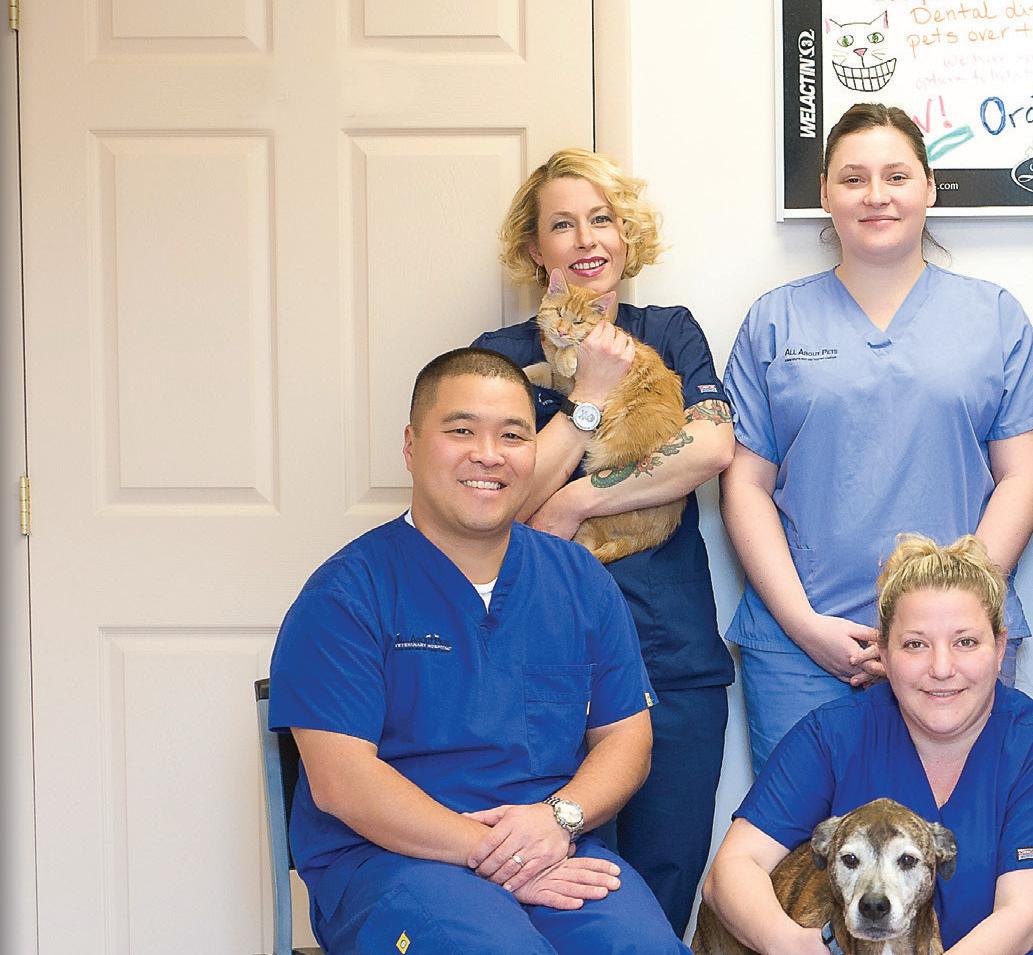
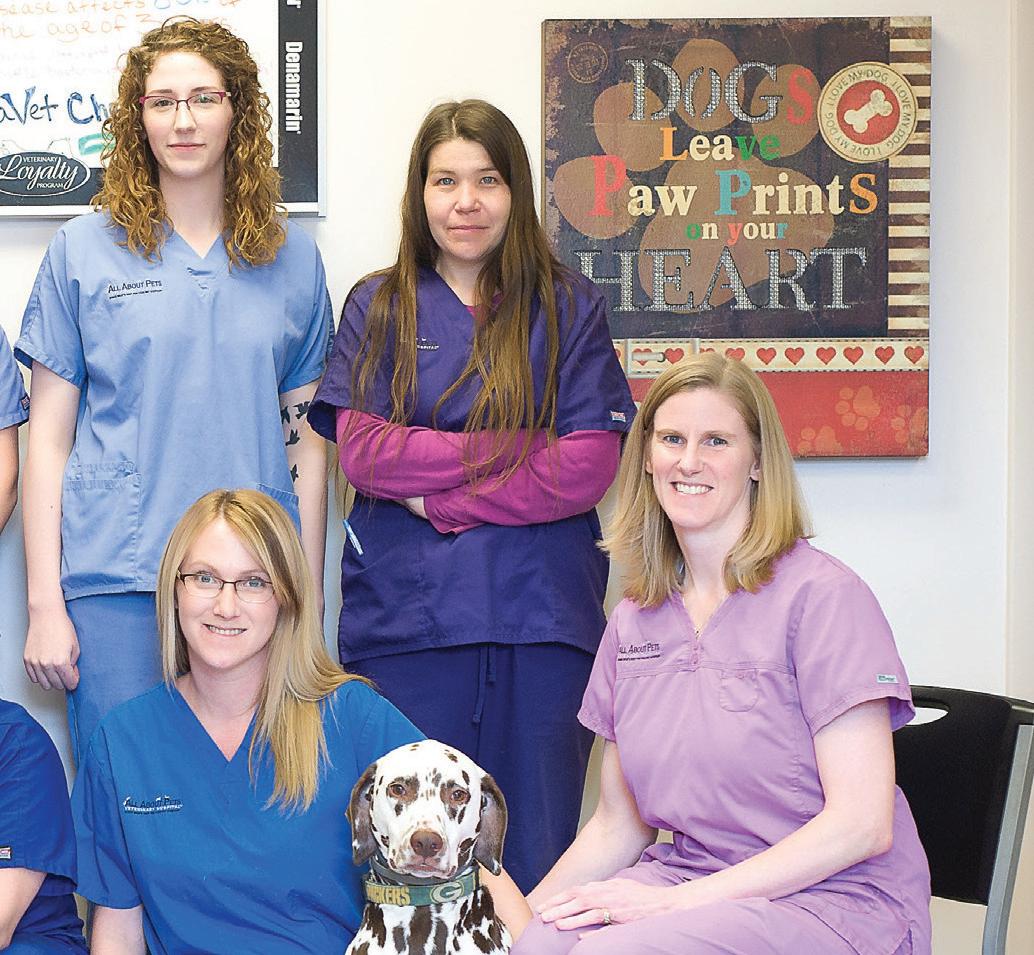
We hope that with each visit you and your pet feel like part of our hospital family.
Free exam includes:
•Status check on weight, nutrition and general health
•Dental check
•Vaccination overview
•Complete wellness services: vaccines, annual exams, etc.
•Emergency and critical care services
•Dentistry & surgery
•Therapeutic laser therapy
•Endoscopy and ultrasonography
•Over 70 years of trusted, compassionate care
MON-SAT: 8:00 AM - 8:00 PM SUN: 8:00AM - 4:00 PM
NOrTh h illS: 165 Blazier Dr., Pittsburgh
412.366.0700
Mon - Fri 9am-8pm | Sat 9am-6pm Sun 10am-5pm
craNB erry:
8001 rowan rd., cranberry Twp 724.776.5700
Mon - Fri 9am-8pm | Sat 9am-6pm Sun 10am-5pm
SOuTh h illS: 3043 Washington rd. McMurray 412.831.3700
Mon - Thur 9am-8pm | Fri-Sat 9am-6pm Sun 10am-5pm
h ealThy PeT GrOOM i NG: 2640 Brandt School rd., Franklin Park 724.759.7567
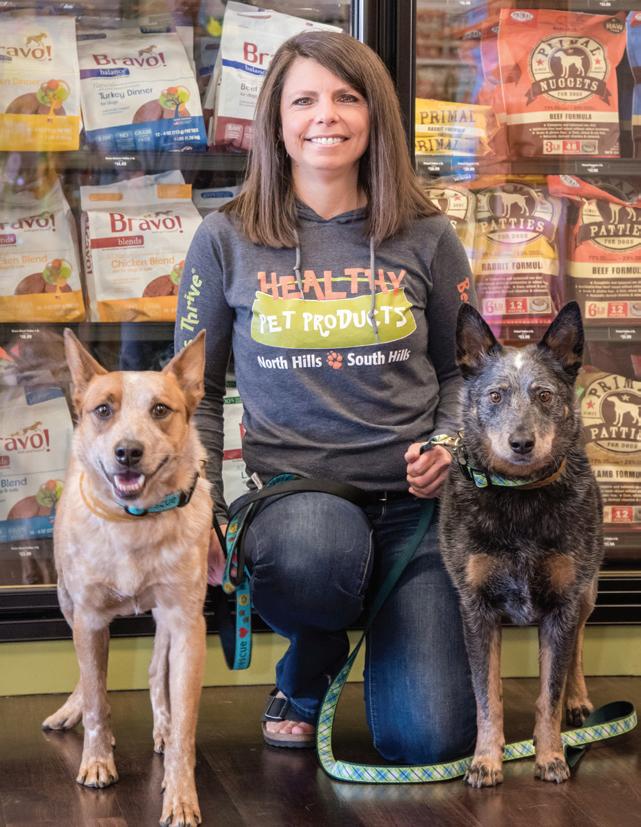
Toni Shelaske, Owner, with Desoto and Bo
FROM THE PUBLISHER
to Pittsburgh PetConnections
Holiday 2019/2020 Volume 7 Issue 3
Welcome to Pittsburgh
PetConnections
Winter 2019, Volume 7 Issue 1
News
We welcome Hounds Town USA to our PetConnections family! They recently opened their new location in the Strip District. See the article inside.
Welcome to our Winter 2019 issue!
Magazine’s!
Events this winter include Animal Friends Alley Up on January 26th. Steel City Kitties February 8 & 9th and this year it is at The Willows Event Center 1830 Midland Beaver Road in Beaver County. Stay informed about local pet events also on our PetConnections Facebook page!
We welcome Ease Animal Massage, Buzzy Photography, and O2 Derm Pet Topical Gel to our supporting advertisers!
Introducing our new sister publications coming out in March, Integrative Healing magazine for people (and, of course, a pet section!)
We are also pleased to announce some fun new things that we have in the works for PetConnections!
info@pghpetconnections.com
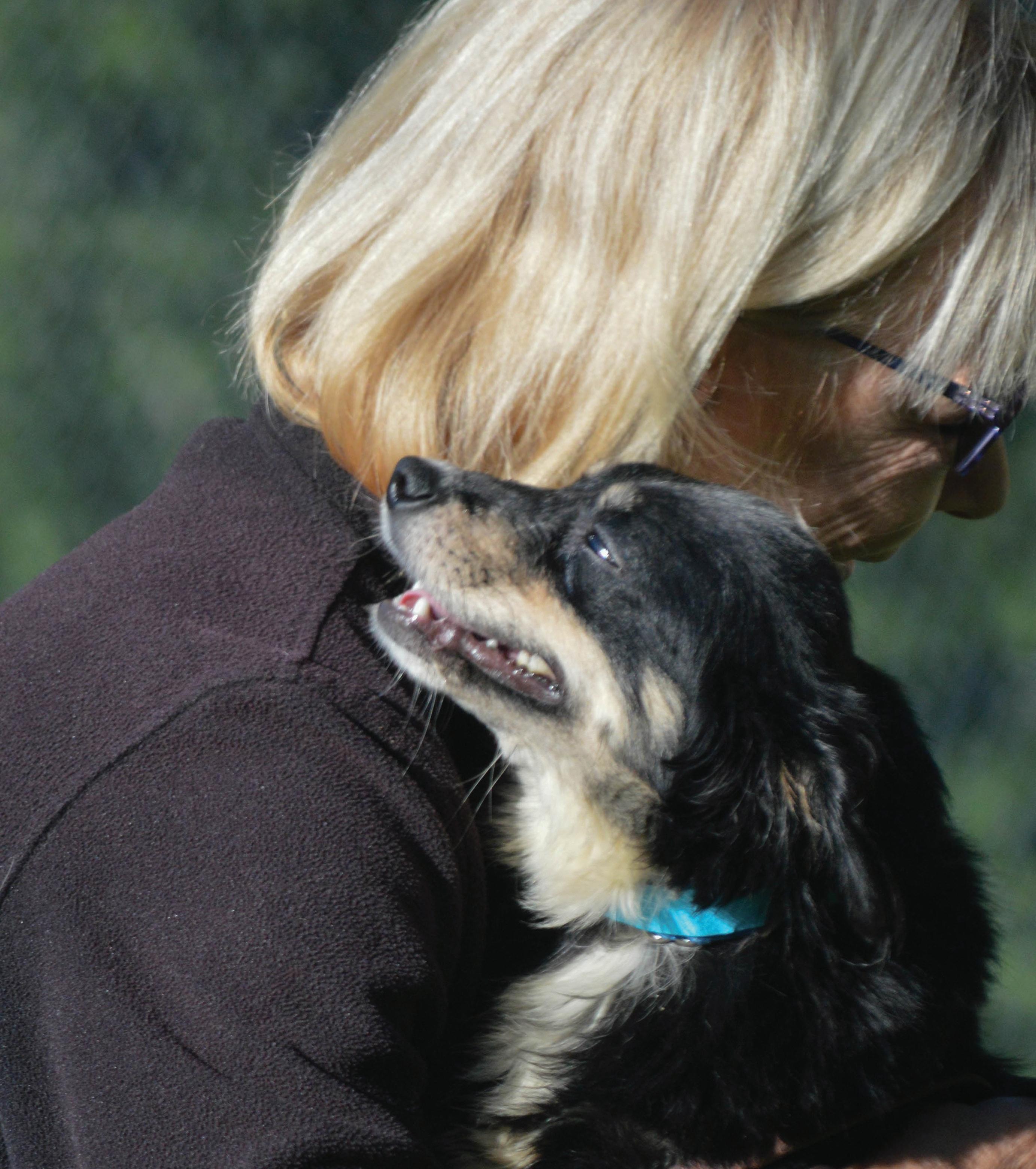
We hope you enjoyed the Holiday season! Our incredible cover features a scene from Animal Friends (photo credit Angela Pulice). See the article inside by Cody Hoellerman, “Home for the Holidays”.
Our Featured pet care business this month is Hounds Town USA. It is an outstanding facility, so please see more about them inside and certainly go visit them!
We will be publishing pictures of your pet from winners of our new weekly social media photo contests! Also new, our membership sign-up button on our Facebook page, where you can receive news about events and contests, special discounts from our advertisers, discount event tickets, join our PetConnections Birthday Club for Pets, submit your story to be published in our Human-Animal Bond section or Remembrance, and more!
This issue’s articles also include, the ongoing debate regarding the link between nutrition and Dilated Cardiomyopathy in dogs by Dr. Doug Knueven. Pittsburgh Veterinary Specialty & Emergency Center has an informative article on “Acute Renal Failure in Pets” Also, Edward Moats continues his avian nutrition series with, “The Foraging Plate“. Bernadette Kazmarski has updated the Homeless Cat Management Team schedule on the Cat Resource page, and wrote “Helping Community Cats Survive Winter”. Our Equine Affairs section features an article about Feeding the Senior Horse. Our Remembrance section features a memorial on the recent loss of our own cat, “Cleo”. Jefferson Memorial Cemetery, Funeral Home and Crematory also features an article.
Events
This Issue
PetConnections is published quarterly as follows: February, May, August, and Holiday issue! Our print copy distribution sites will be replenished every 6 weeks. Our online presence has always been much greater than in print with now over 350,000 impressions this year. To subscribe to your own personal copy of PetConnections, please contact us below.
Chartiers Custom Pet Cremation’s Healing Hearts Pet Loss Grief Seminar, Animal Friends’ and CARMAA’s highlighted in our event section.
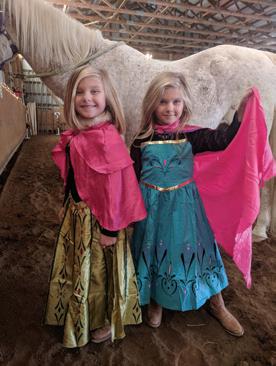
Our cover features Manon Farm’s Princess Showcase riding show! See the Equine Affairs section article April Minech! Also, a reader, Ruth Maloy-Carter submitted her heart-warming story, “Great to be Ginger”, Animal Bond section! Edward Moats continues his avian nutrition articles, with more great tips, in Also, we are revisiting Integrative Healing for Pets with Dr. Doug, in our Pet Holistic section.
Did you know? PetConnections has evolved into a full-service specialized pet media company, providing services for advertising in print and digital marketing platforms to help our sponsors grow their businesses. Contact us below for information on advertising or sponsoring!
Thank you for picking up this copy of PetConnections. Be well and have a safe and happy holiday season with your pets!
Our rescue section features Nate’s reptile Rescue. PVSEC/BluePearl’s article about winter safety for Korner has Homeless Cat Management Team has spay and neuter info, by Bernadette Kazmarski. Equine Hermann writes about Learning from Source.
PetConnections is published quarterly as follows: Early February, May, August, and November. distribution sites will be replenished every 6 weeks. Our online presence has always been much print with now over 350,000 impressions this year. To subscribe to your own personal copy please contact us below.
Did you know? PetConnections has evolved into a full-service specialized pet media company, services for advertising in print and digital marketing platforms to help our sponsors grow Contact us below for information on advertising or sponsoring!
Thank you for picking up this copy of PetConnections.
Warmly, Carla Mader Publisher
Warmly,
Carla Mader Publisher
Please submit any correspondence to: pghpetconnections@gmail.com
Please check us out on the web & subscribe at: www.petconnections.pet
Pittsburgh | Central Ohio PetConnections Magazine PetCon Expos
Follow PghPetMag on Twitter and “Like” us on Facebook! http://www.facebook.com/PghPetconnectionsMagazine
Please submit any correspondence to: info@pghpetconnections.com
Please check us out on the web & subscribe at: www.petconnections.pet
Follow PghPetMag on Twitter and “Like” us on Facebook! http://www.facebook.com/PghPetconnectionsMagazine
Edward R. Moats
Cover Photo: Hayden and Harper Stewart
Photo By: Erica Stewart
Cover photo by: Angela Pulice
Acana Answers
Earthborn Holistic
Fromm
Fussie Cat
Honest Kitchen
Orijen
Primal
Stella & Chewy's
Taste of the Wild
Weruva
Zignature and many more!
*Limit
Animal Friends
Alley Up Saturday, January 25th, 2020 www.thinkingoutsidethecage.org
The Pittsburgh Marathon Sunday, May 3rd.
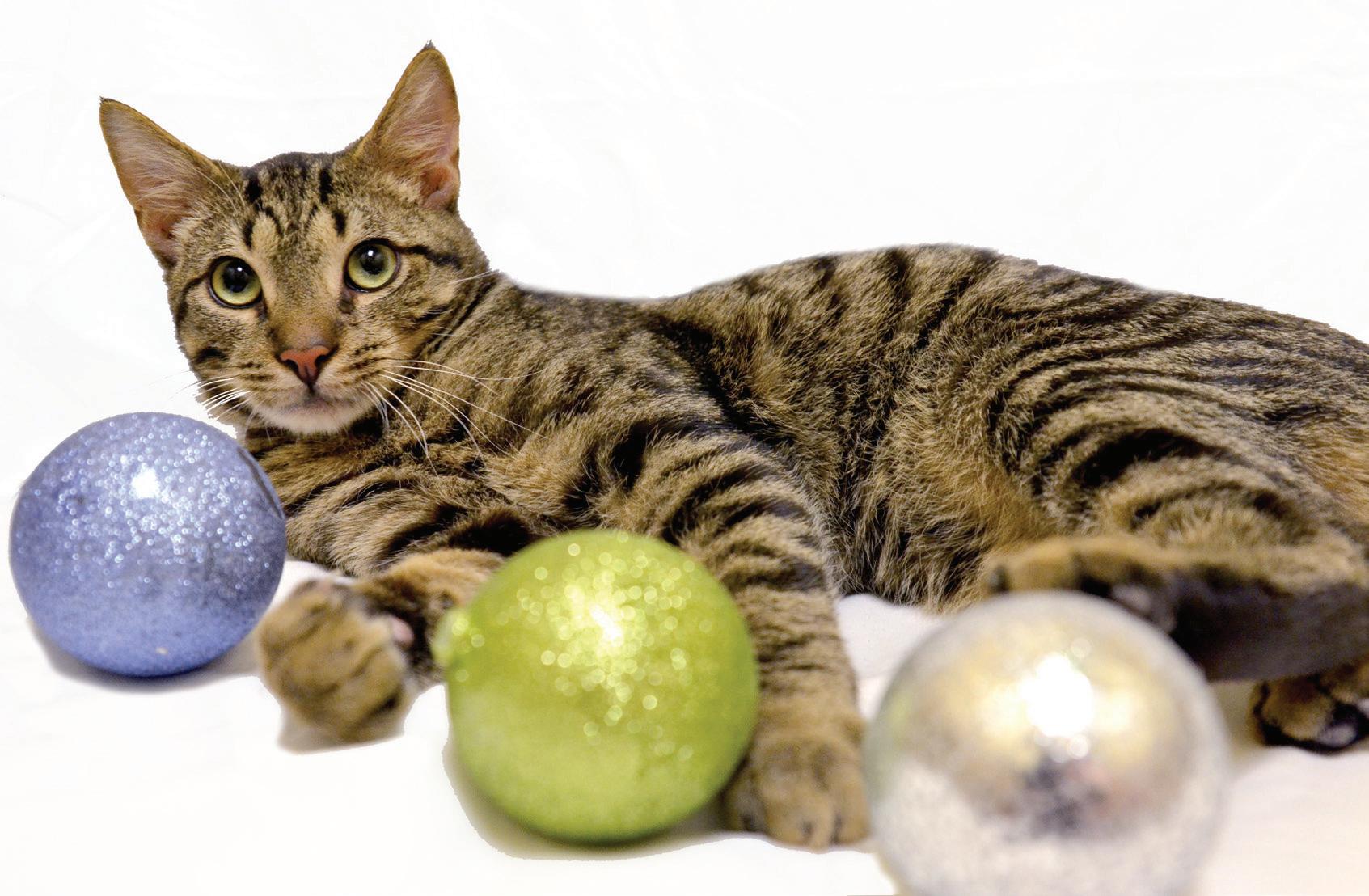
Steel City Kitties CFA Cat Show
February 8 & 9th
Enter your Household Pet by Monday, February 3, 2020 Visit steelcitykitties.com for more information on how to enter.
CARMAA
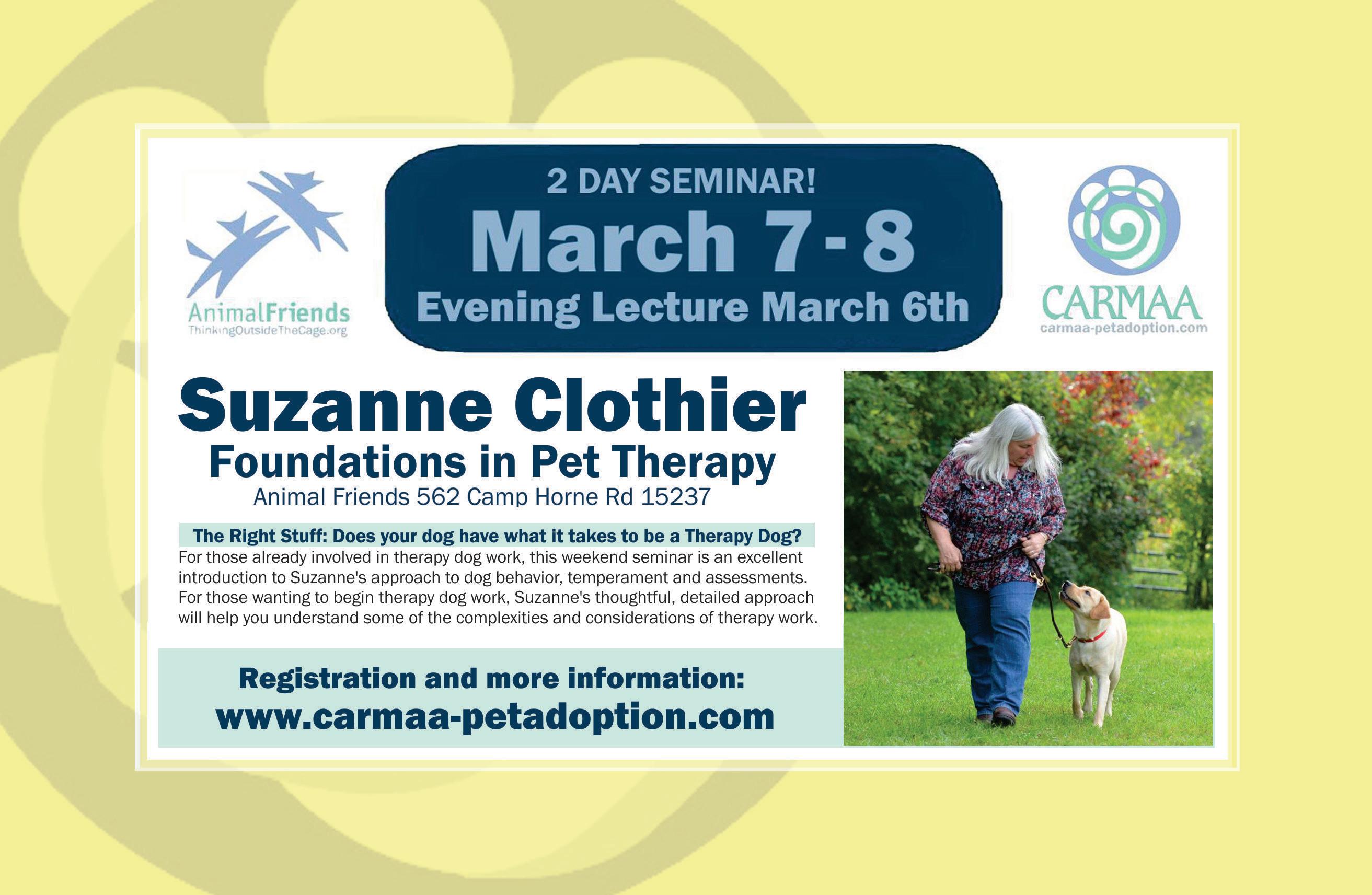
Suzanne Clothier Foundations in Pet Therapy March 7 & 8th, 2020 www.carmaa-petadoption.org
OHIO PA BIRD FAIRS
www.ohpabirdfair.com
Humane Animal Rescue
The Pittsburgh Marathon May 3rd www.animalrescue.org
CFA CAT SHOW
Sponsored By Steel City Kitties, Inc.
Saturday, Feb. 8, 2020
9 AM TO 4 PM Sunday, Feb 9, 2020
9 AM TO 4 PM
The Willows Event Center 1830 Midland Beaver Road (Beaver County) Industry, Pa 15052 724 643 4500
OPEN TO THE PUBLIC, TICKETS AT THE DOOR (CASH ONLY)
$8.00 ADULTS, $7.00 SENIORS, $6.00 CHILDREN, 5 years old and under are FREE, Ample FREE parking
Enter your Household Pet by Monday, February 3, 2020 Visit steelcitycitties.com for more information on how to enter.
STEEL CITY KITTIES, INC CAT CLUB, a NON-PROFIT CFA REGISTERED CAT CLUB. Our club was established in June of 2011. Our club members encourage the breeding of pedigreed cats to the CFA standard while also encouraging the adoption of shelter cats. Steel City Kitties welcomes household pets to enter our shows which are always the second weekend in February in the Pittsburgh area. It is the practice of Steel City Kitties to allow for a vendor space for a shelter at each of our cat shows. V ISIT US A T S T EELCITYKIT
Sponsored By Steel City Kitties, Inc.
Saturday, Feb. 8, 2020, 9 AM TO 4 PM Sunday, Feb 9, 2020, 9 AM TO 4 PM
$1.00 OFF Admission (one coupon per person) The Willows Event Center
RESCUE & SHELTER
Home for the Holidays
By Cody Hoellerman, Animal Friends Director of Communications
Home for the holidays. It brings to mind such wonderful memories of being surrounded by family and friends. And, for animal lovers, what truly makes a house a home is the companionship of a beloved pet (or two!).
At Animal Friends, our wish for each of the animals in our care is to have a home for the holidays. Our kennels are always at capacity with homeless dogs, cats and rabbits. But, in desperate times, we can often make room for one or two more – with the help of some creativity, of course! But, this past September when we rescued 117 Australian Shepherd mixes from a single residence during our historic Ross Township Rescue, we truly had to think outside the cage.
“Our Humane Police Officers were alerted to an odor coming from the property,” Krista Sobecki, Humane Investigations Coordinator, says of the call that led them to the house. “When officers investigated, the dogs were discovered on the property. Through the tireless efforts of not only our Humane Police Officers, but numerous Animal Friends staff and local first responders, we were able to safely remove all 117 dogs from the property.”
But, rescuing the dogs from the horrid conditions inside the house was just the beginning. “When I first went into the house, I was surrounded by wagging tails and lots of kisses – they were starving for attention,” recalls Kristy Pszenny, Animal Friends’ Admissions & Foster Care Coordinator. “Seeing them in their ‘home’ and the conditions they lived in … it was extremely hard to not be angry. At the end of the night, though, going back to see everyone in their clean kennels with a clean bed, food and water – they were finally safe and getting the care and support they deserved.”
dogs always requires a group effort,” says Liesl Wiesen, Behavior Coordinator. “This means experienced volunteers to sit with the dogs, hand feed them, slowly acclimate them to touch. We got to know each dog so that they could be matched with an appropriate home. Once adopted, our Behavior Department staff will continue to be available for adopters and dogs.”
Here at Animal Friends, we never back down from a challenge. We just dig a little deeper. Simply put, the support we receive from the community enables us to be there when the pets and people of our region need us the most.
“The outpouring of support from the community has been absolutely incredible. This ranged from donated food and supplies to goodie bags to be sent home with the dogs, and – of course –fantastic adopters,” says Katie Vecchi, Adoption Coordinator. “We are elated about the positive follow-up emails and phone calls we have received about the dogs in their new homes. They are adjusting well and enjoying their new lives.”
Our resources may have been stretched particularly thin this year at Animal Friends, but our goal remains the same for the animals who come through our doors – a home for the holidays. And, for animals like the 117 dogs from Ross Township, we will continue to fight for them even after they have found loving homes.
“Humane Officers are now working with the Allegheny County District Attorney’s office to file numerous animal cruelty and neglect charges,” says Krista Sobecki as she and her team continue to work toward justice being served.
Although it seemed like an insurmountable task, our dedicated team came together and worked tirelessly into the early morning hours until each and every one of the dogs knew they were safe.
A large-scale rescue has the potential to put a strain on any organization. A rescue of this size, however, could truly be devastating. “Bringing in such a large group of shy and scared
Please, help Animal Friends give a lifesaving second chance to abused, neglected and abandoned animals this holiday season and in the new year. Together we can help them find a home for the holidays. Join us at ThinkingOutsideTheCage.org/Home.
Looking to save a few dollars (and a few lives) with your holiday shopping this year? Look no further than the Retail Stores at Animal Friends! Whether you’re searching for the perfect gift for the pet lover on your list or something special for your four-legged friend, you’re sure to find something they’ll love at a great price. And, since 100% of the proceeds benefit Animal Friends’ residents and lifesaving programs, there is no better way to enjoy some guilt-free shopping.
As we welcome the new year, our animal residents would love to get to know you! Make your New Year’s Resolution to get involved with our life-changing work by becoming a volunteer. Whether you have seven days a week or a couple hours a month to give, sharing your time with our homeless residents is the best gift of all!
You can always brighten the lives of our homeless residents with a monetary donation or by purchasing an item from our residents’ holiday wish list. Learn about the many ways you can make a difference at Animal Friends at Thinking OutsideThe Cage.org/Give.
This holiday, give a unique gift that will have a meaningful impact in the lives of countless animals. We are pleased to offer a variety of options that will leave a mark on Animal Friends’ campus for years to come.
• Buy a Brick that will be engraved with your personal message and placed on the patio of either our Caryl Gates Gluck Resource Center or Howard Ash Animal Wellness Center.
• Pay tribute to a special pet with an engraved tag, wind chime, bench or other item that will be placed in our Memorial Garden, tucked away along the forested walking paths of our campus.
• Sponsor a Kennel of one of our dog, cat or rabbit residents. Your gift will be recognized with a personalized plaque on the kennel of your choice.
FEATURED BUSINESS
Hounds Town USA
By April Minech
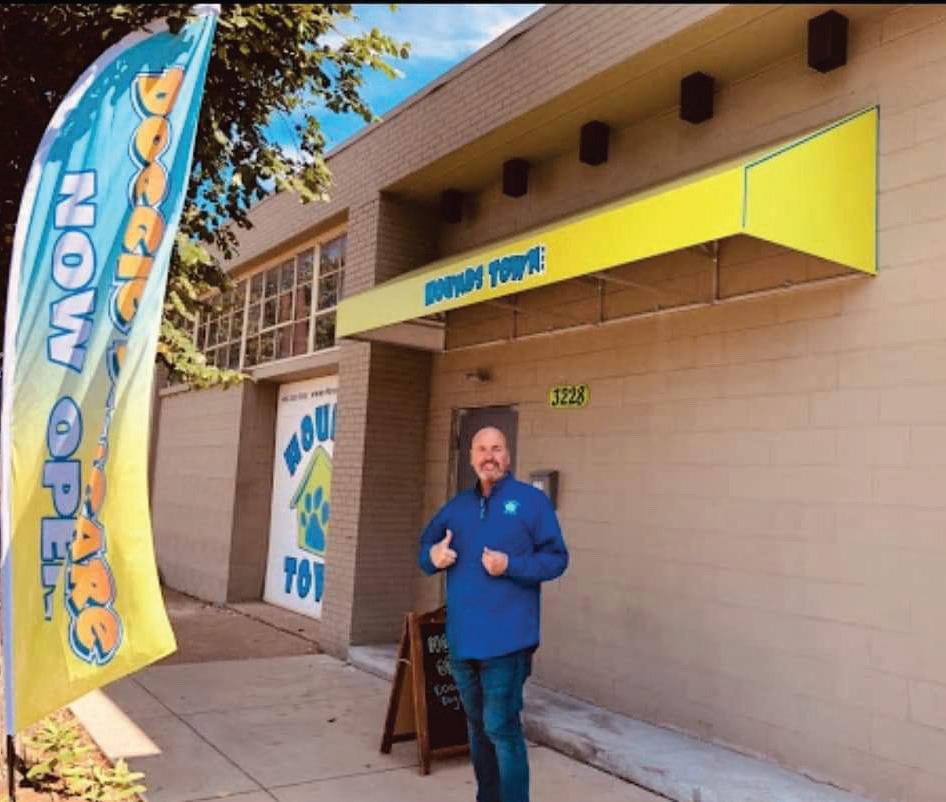
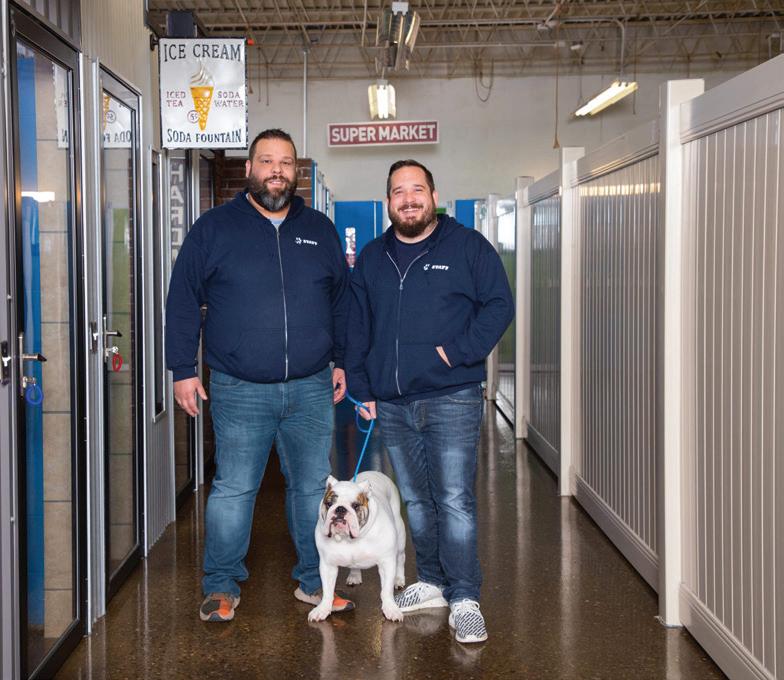
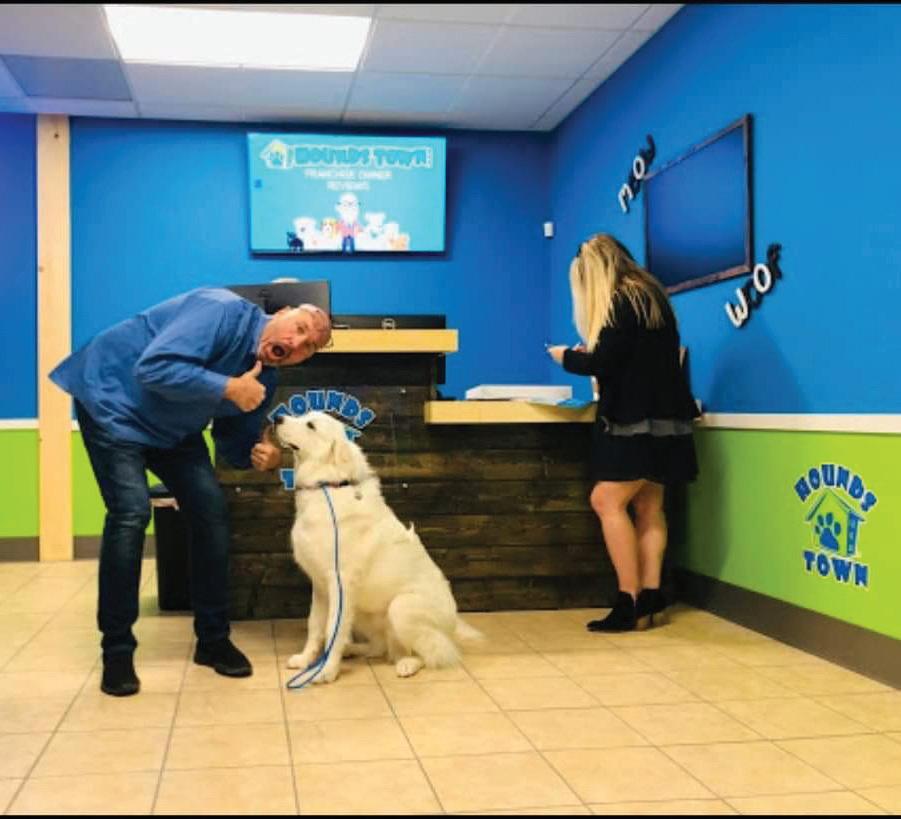
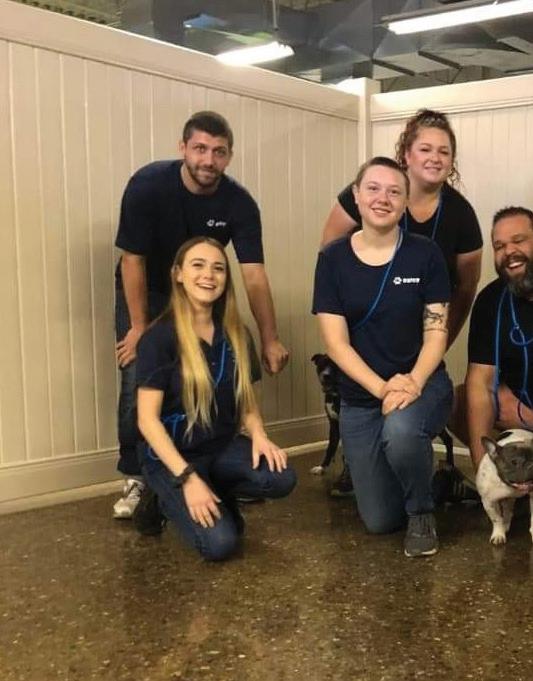
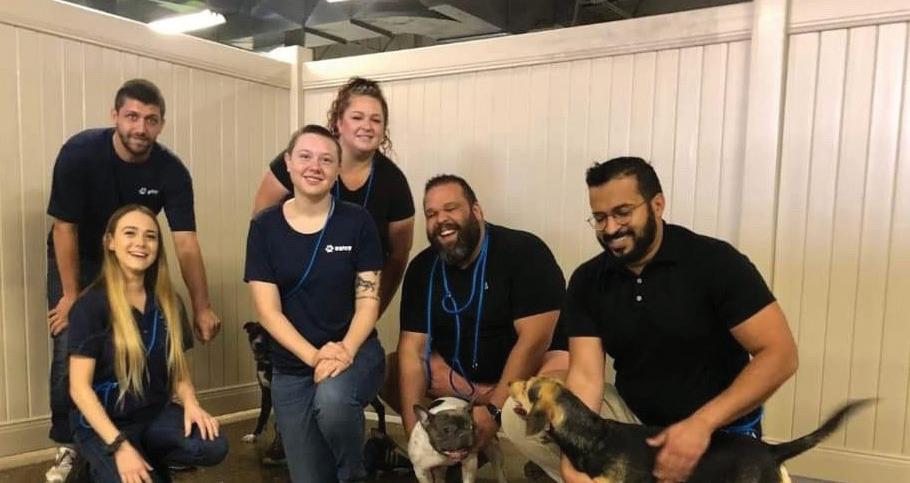
Hounds Town is a 9,000 square foot doggy day care facility located in the strip. With 22 kennels, they can provide overnight boarding and several separate play areas for daycare, as well as a full service doggie spa. For Daycare, dogs are grouped in natural packs based on similar size and temperament, so bullies get to play with bullies and so forth. “Dogs have no more than an average 5lb weight difference when playing, so you’ll never see a Great Dane playing with a toy breed,” says owner Joe Allbaugh. “We have our own toy dog area so they can be segregated from the others, and dogs can be matched by playstyle as well as weight.” Each group is supervised by a staff member for safety, and they have cameras on 24/7.
or try the dog in small groups based on what the dog’s social needs are. Sometimes they stop at just one on one care if that’s where the dog is at, with no pushing to get the dog further along. Shy and fearful dog owners take note: no matter how much individual work they put in with a dog, the pricing is standard and there’s no extra charge!
Of course, sometimes people miss their dogs, so Hounds Town offers several options for lonely owners. They set up a private fb page where staff can add videos of dogs playing and post pictures. And if people need a more individualized check-in, “we’ve been known, from time to time, to text or email individual pictures and videos for a personal touch” says Joe.
Joe explained how all dogs, whether they are using boarding or daycare services, go through a basic temperament testing for safety. As long as dogs pass the basic evaluation, they are invited to participate in many of the canine services available. Joe explains that the evaluation is important to see where the dog would fit best and confirm that it won’t be aggressive towards staff or any other dogs there.
The folks at Hounds Town also have a special way to handle fearful and shy dogs by providing one on one sessions. “We have taken in several shy dogs and turned them into not so shy dogs” explains Joe. “We’ll get on the floor with the dog, make sure the dog feels comfortable.” As the dog progresses, they bring in one more dog at a time,
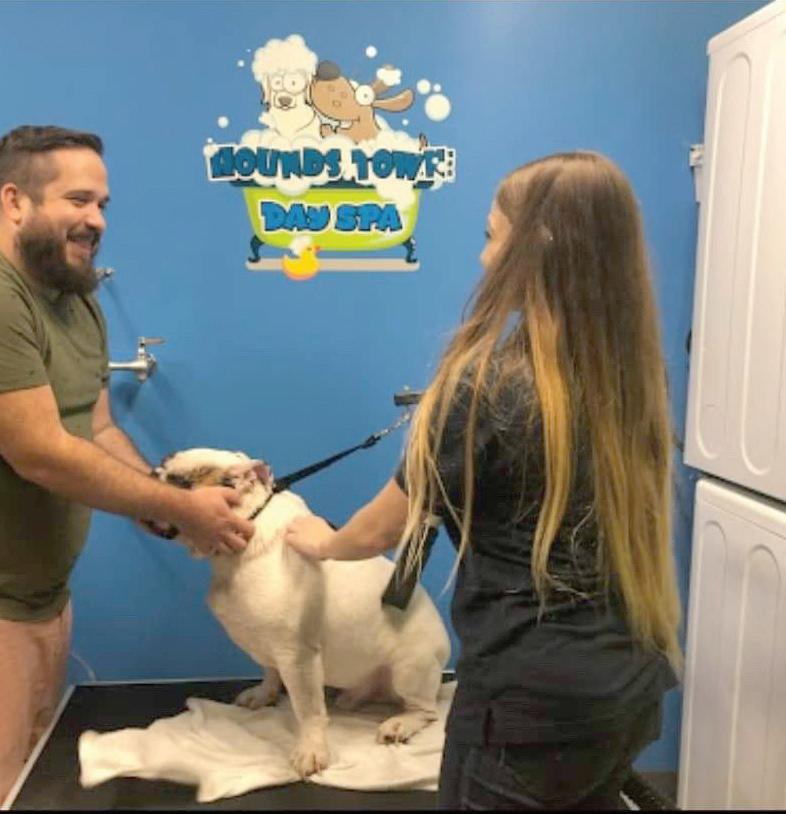
Hounds Town offers everything from quick “exit baths” (a quick wash down) to Hydrosurge spa baths which include nail clipping or grinding and ear cleaning. How about a blueberry face scrub to treat your baby? And every dog can benefit from de-shedding, furminating and blow outs. They even offer a pet-taxi service.
If you are interested in learning more about Hounds Town, you can visit their fb page https:// www.facebook.com/houndstownpittsburgh/ or web site https://www.houndstownusa.com.
The fb page offers a friendly interactive appoint scheduler, along with videos and reviews. Or call Joe directly to schedule an appointment for a temperament test to see if your best friend wants to go on an adventure. Hounds Town – where the happiest dogs on earth go!
Bonus: Hounds Town offers Cat boarding! Purrington Villas is their full-service cat boarding section of the facility. Cats can relax in their specially designed, spacious and multileveled cat condos. Cats are centrally located in their own temperature-controlled space.
Hounds Town
3228 Penn Ave, Pittsburgh, PA 15201 412-232 -5085
Acute Renal Failure in Dogs & Cats
By Jessica Romine, DVM, DACVIM, Board-Certified
BluePearl
in Small Animal Internal Medicine,
Specialty and Emergency Pet Hospital in Southfield, Michigan
The kidneys perform critical functions for dogs and cats, including filtering blood, eliminating waste in urine, and maintaining proper hydration, electrolyte balance, bone strength, blood pressure and red blood cell production. All of these functions are vital for dogs and cats to live optimally, and because of this, the kidneys have a high need for blood flow (20% of blood flow despite only making up 0.5% of the body weight) and high metabolic demand, making them particularly prone to toxic or low-oxygen injury.
Despite advances in the treatment of acute renal failure, it remains a serious and often fatal disease. Acute kidney injury develops in 15-22% of hospitalized dogs and cats, and even minor renal injury increases mortality in people and animals. About 60% of dogs and cats with this disease either die or are humanely euthanized because of failure to respond to supportive care.
CAUSES
When kidneys suddenly fail, various toxins in the body can no longer be excreted. Rapid onset of kidney dysfunction can be caused from accidental ingestion of poisonous foods, plants, and medications such as antifreeze (radiator fluid, ethylene glycol), lily plants (only cats), raisins and grapes, and pain pills like aspirin or ibuprofen (Advil® or Motrin®).
While kidney infections can happen spontaneously, there is often a preexisting illness or condition that decreases a dog or cat’s ability to fight infection. Examples of such are kidney stones, partial urine blockage or chronic kidney disease, which usually stems from congenital defects, immune system diseases or buildup of toxins.
One bacterial infection that can cause acute kidney failure in dogs, but rarely in cats, is Leptospirosis (Leptospira spp.). Dogs can contract leptospirosis from urine or water contaminated by infected animals, such as deer, cattle, rats, raccoons, mice or other dogs.
Dehydration, heatstroke or other disorders causing massive damage to body tissues, such as bee stings or snakebites, can also lead to kidney failure. In addition, prolonged low blood pressure will damage kidney function.
SIGNS
Symptoms of kidney failure include excessive thirst, lethargy, poor or absent appetite, or vomiting. In severe kidney failure, the amount of urine may decrease or the pet may stop making urine altogether. Stomach or intestinal ulcers may also develop, which can result in either a black or tarry stool or vomiting of digested blood. Most often, gastrointestinal signs are the most obvious and are what prompt a visit to the vet.
DIAGNOSIS
AKI is officially defined as a creatinine increasing above the normal range (without the presence of chronic kidney disease). Since creatinine doesn’t rise until kidney blood flow has been significantly affected, even rising creatinine while still within the reference range is indicative of renal damage, particularly if occurring in the face of supportive care therapies such as IV fluids.
The diagnosis of acute kidney injury requires bloodwork, oftentimes repeatedly to trend changes in BUN (urea), creatinine, electrolytes, acidbase status, and other markers of kidney function. X-rays, ultrasound, and urine testing and culture are often used as well. Sometimes a biopsy of the kidney is recommended, and the actual cause is not always apparent, if there is not a known toxin exposure, low blood pressure event, or infection present.
TREATMENT
Initial treatment for acute kidney failure is intravenous (IV) fluids. These fluids restore hydration and flush out substances that normal functioning
kidneys remove from the bloodstream. Since a decrease in urine can indicate the need for other therapies, urine production is monitored throughout the IV fluid therapy.
A urinary catheter may also be used to measure urine volume. If urine production is less than IV fluid input, this could indicate fluid retention. Fluid retention in dogs and cats manifests itself as increased body weight, belly bloating, swollen legs, or shortness of breath (if fluid builds up in the lungs).
If the cause of the kidney failure is suspected to be infection, antibiotics will also be given. Additionally, pets with kidney failure often refuse to eat, so anti-nausea and acid-suppressant therapies may be used, as well as appetite stimulants. If the dog or cat continues to be reluctant to eat, a temporary feeding tube may be placed to ensure that proper nutrition is being met.
With acute kidney failure, potassium levels—an electrolyte normally found in the blood in controlled levels—may also increase to dangerous levels. High potassium levels can slow the heartbeat and even cause the heart to stop, so this needs to be trended closely. Conversely, very high blood pressure could also develop, so blood pressure medication may be needed.
ADVANCED THERAPIES
If the pet does not respond to IV fluids, advanced therapies such as peritoneal dialysis or hemodialysis are recommended. Signs that indicate these therapies should be considered include:
• Dangerously high potassium level
• Fluid in the lungs
• Decreasing urine output
• Lack of improvement in blood values while a patient receives IV fluids
PERITONEAL DIALYSIS
Peritoneal dialysis involves placing a tube directly into the abdominal cavity, infusing fluid in to absorb toxins like BUN, creatinine, and potassium, and then draining the fluid back out to prevent them from being taken back up into the bloodstream. This flushes out toxins that the kidneys fail to remove. The procedure requires strict doctor or nurse supervision to keep the fluid moving in and out.
HEMODIALYSIS
With Hemodialysis, doctors place a specialized IV catheter in the pet’s vein. This catheter will remove a specific amount of blood, which is then sent through a machine (centrifuge) that cleanses the blood. Hemodialysis is effective, but only a handful of veterinary hospitals are equipped with the tools and technologies to perform the procedure, and it requires very intensive monitoring.
It is important to note that both peritoneal dialysis and hemodialysis are expensive treatment options. These therapies are usually reserved for patients in whom medical treatment has failed, and for whom the odds of survival without dialysis are close to 0%.
Even in patients that recover from acute kidney failure, the recovery may be incomplete, leaving the patient with chronic kidney disease that will require life-long ongoing care. However, many animals do recover fully and lead normal lives!
For more information on acute kidney failure or chronic kidney disease, speak with your veterinarian.
•
•
•
•
•
•
•
•
The Rogan Rexford Animal Blood Bank
Advertiser Locator
ADVERTISER LOCATOR
AGWAY - SOUTHERN STATES, see ad on page 25
A - All About Pets Veterinary Hospitals, page 16
Animal Healing Now, page 19
M - Animal Friends, page 9
D - Beaver Animal Clinic, page 17
Best Breed Pet Food, page 15
Buzzy Photography, page 3
Camp Bow Wow, page 17
CARMAA, page 6
F - Chartiers Custom Pet Cremation, page 28
Q - Cheyenne Veterinary Wellness & Surgical Center, page 15
Dog Stop, page 17
EASE Animal Massage, page 3
H - Fuzzy Paws Pet Villa, page 15
Gentle Journey Veterinary Hospice, page 15
I - Healthy Pet Products, page 1
Hounds Town USA, page 10
J - Jefferson Memorial, page 27
P - Larry’s Laundromutt, page 13
O2 Derm Pet, page 5
Paws Here Awhile, page 14
Pampered Paw Resort, page 15 Petagogy, page 5
Pittsburgh Pet Concierge, page 14
Page 15
- V Woody’s Dog Wash & Boutique
Page 11
- Camp Bow Wow
N - Pittsburgh Veterinary Specialty & Emergency Center, back cover Portraits of Animals, page 13
Page 6
Page 3
Page 14
- CARMAA
- EASE Animal Massage
O - Rockin Horse Stables, page 25
- Pittsburgh Pet Concierge
Rogan Rexford Animal Blood Bank, page 13
- o2 Derm Pet
Page 5 - Trixie’s Dog Fashions
Three Rivers Equestrian Association, page 25
Events
15
Page 13 - Portraits of Animals
S - VCA Castle Shannon, inside front cover VCA Northview Animal Hospital Specialty Referral Center, page 29
Page 3 - Buzzy Photography
Healing Hearts Pet Loss Grief Seminar
Feb 24
V - Woody’s Dog Wash & Boutique, page 15
Please see listed pages for complete addresses.
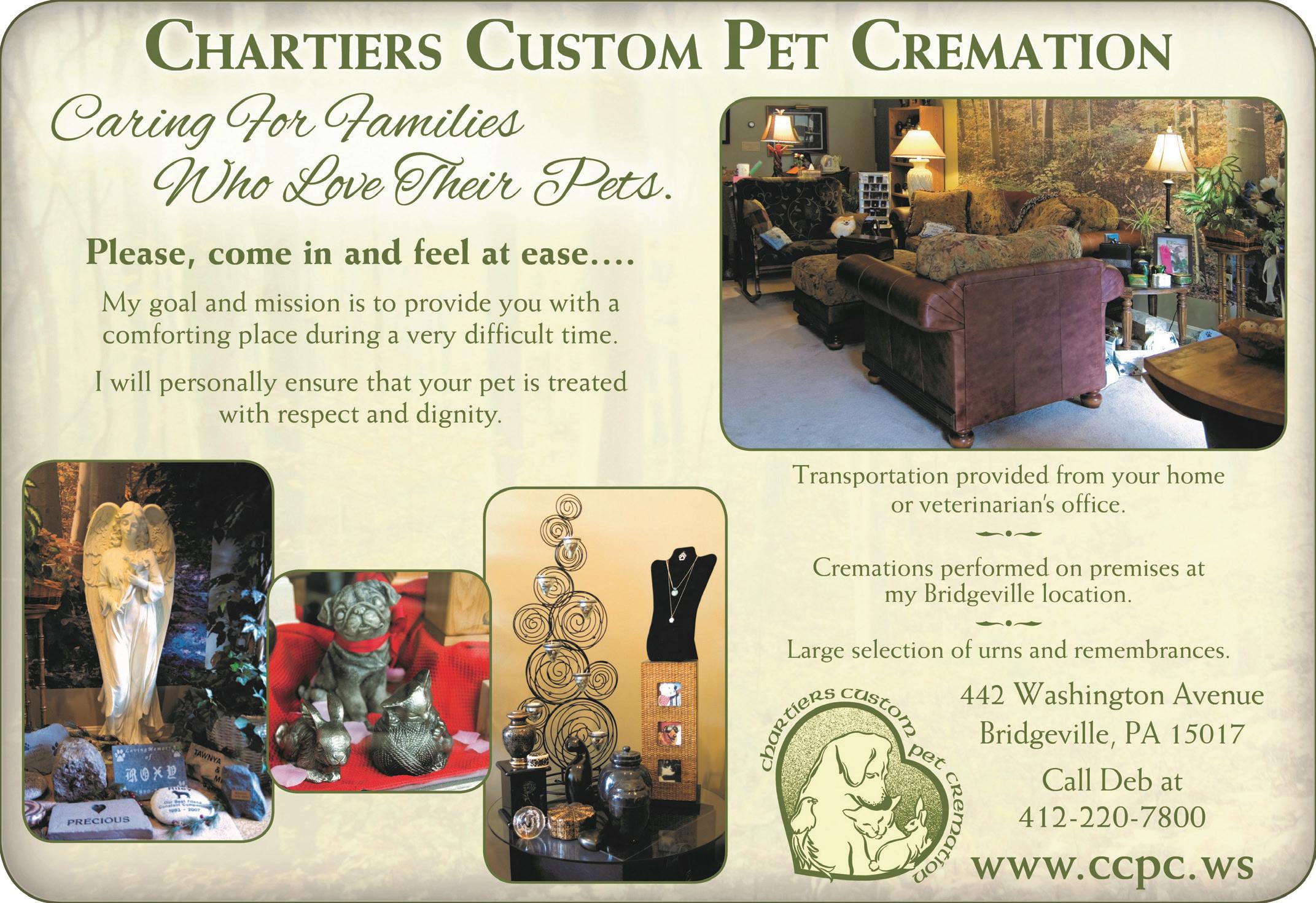
Bridgeville Chartiers Custom Pet Cremations www.ccpc.ws
Animal Friends
Biscuits Bingo Saturday
March 23 | Doors open at 10 a.m. Bingo starts at Noon | IBEW Hall 5 Hot Metal Street, Pittsburgh, PA 15213
Pittsburgh Marathon Run for Their Lives
Sunday, May 5 | 7 a.m. Downtown Pittsburgh
CARMAA presents Suzanne Clothier Behavior Lecture
May 24-26
HOLISTIC PET CARE
The Grain-free Debate – Skip it and Go Raw!
By Doug Knueven, DVM, CVC, CVCH
In July of 2018, the FDA released a warning to veterinarians and pet owners regarding a possible link between grain-free dog food and the development of Dilated Cardiomyopathy (DCM). The warning was based on reports from veterinary cardiologists who were seeing a spike in cases of DCM in breeds that are not prone to the disease. The cardiologists further noticed that many of these dogs were being fed grain-free diets – specifically those containing high levels of peas, lentils, legumes or potatoes. Soon the rumor-mill and media took off with the story and the controversy continues to this day.
Before we get into the grain-free issue, let’s back up and look at the disease we’re talking about. DCM is an ailment of the heart muscle brought on by a weakening in the muscle tissue. It is the most common cause of heart disease in certain large-breed dogs such as the Great Dane, Boxer, and Doberman Pinscher. This disease is also linked to a deficiency of the amino acid taurine in a dog’s blood.
The concern with grain-free diets is that they might lead to taurine deficiency. Most caregivers choose grain-free foods because they realize that grains are an unnatural ingredient in a dog’s diet. What they don’t appreciate is that grain-free diets simply replace the grain with ingredients such as peas, lentils, legumes, or potatoes, which are equally inappropriate foods for dogs. In addition, these grain replacers contain anti-nutrients which are natural plant compounds that interfere with the digestion and/or absorption of nutrients such as taurine. So, grain-free dog food manufacturers may formulate their diets to contain adequate taurine, but not account for the amount lost to the anti-nutrients in the diets’ novel components.
The grain-free link to DCM has brought conventional veterinary nutritionists down from their ivory towers and into the media. They are using the concern over grain-free diets to extol the value of grain in dog foods. The mantra of the nutritionists is that, when it comes to pet foods, it’s not the ingredients that are important, but the nutrients. I suppose that they themselves eat “People Chow” rather than freshly prepared meats, vegetables, and fruits.
Pet caregivers are understandably confused. They seem to be forced to choose between foods with crummy ingredients, including gains, with adequate taurine, and dog food with nice looking ingredients that might cause heart disease. Some people have become convinced that corn is good for dogs (which is obviously not true unless you’re talking about corndogs).
For me, this whole grain-free debate is moot. The truth is that no matter how “natural” the ingredients, there is no processed dog food (grain-free or otherwise) that is appropriate for dogs. Dogs have evolved over millions of years to eat a balanced, raw diet such as that of wolves. That’s why their dental structures are nearly identical. A truly natural diet for a dog is free of grains, peas, lentils, legumes, potatoes and other starchy ingredients. It has all the needed taurine and no anti-nutrients.
The importance of a diet’s macronutrient balance (percentages of protein, fat, and carbohydrate) cannot be overstated. Studies show that the macronutrient balance in an animal’s diet affects their grow rate and size, level of obesity, longevity, and disease resistance. If we want healthy pets, we need to feed then their ideal levels of these nutrients. But how can we figure out what’s best?
One way is to look at the diet dogs evolved eating over hundreds of thousands of years. In his book Unlocking the Canine Ancestral Diet, Steve Brown estimates the macronutrient content of the diets of our dogs’ ancestors. From his work I calculated that in the ancestral diet of dogs, approximately
50% of the calories come from protein, 44% comes from fat, and 6% from carbohydrate. This is the kind of diet dogs have adapted to eat.
Multiple research studies show that predators select food based on the macronutrient balance that enhances their survival. From this work it was determined that another way to determine the right balance of macronutrients for dogs is to let them decide.
Recent research looked at the macronutrient profile selection of present-day, adult dogs. They studied 5 diverse breeds including the papillon, miniature schnauzer, cocker spaniel, Labrador retriever and St. Bernard. They found that all these very different dogs consistently chose a diet consisting of 30% protein, 63% fat, and 7% carbohydrate (based on percentage of calories). Now we can quibble over the percentage of fat and protein, but look how close these levels of carbohydrates are to those of Steve Brown’s estimates. According to two, independent studies, the ideal level of carbohydrates for dogs is between 6% and 7%.
Furthermore, the study about dog nutrient profile selection concluded that “…the recent rapid divergence among dog breeds is not substantially reflected in their macronutrient priorities compared with other phenotypic features such as size, color, and temperament.” In other words, our genetic manipulation through breed formation of dogs has not changed their macronutrient selection from that of their ancestors.
So, now we have a good idea of the ideal level of starch in dog food (6-7%). What about processed, dry dog food. The American Association of Feed Control Officials (AAFCO) is responsible for creating the standards for pet foods. According to their recommendations, dog food is acceptable if, as a percentage of calories, there is 19% protein, 12% fat, and 69% carbohydrates. You read that correctly, processed dog food may contain as much as 69% carbs! AAFCO, and the pet food industrial complex, are way out of range. How they can, with a straight face, insist that grains and other sources of carbohydrates are good for pets is beyond me.
Actually, the reason for the excess carbs is clear. It has nothing to do with the healthiness of the food. It is all about keeping the pet food cheap and convenient (you can’t make kibble without starch to glue it together). Cost and convenience are important, but not more important than the health of our pets.
Another problem with processed dog food is that, although the label says it’s “100% complete and balanced,” the experts do not even know the proper levels of all the micronutrients (vitamins and minerals) for dogs and cats. Also, the high heat used to process pet foods create carcinogens. The best diet for most dogs and cats is a balanced raw diet. The brand I like best is called Answers.
So, skip the grain-free debate and go raw!
Integrative Holistic Medicine
Integrative: combining the best of conventional and alternative medicine
Holistic: providing more options for therapy
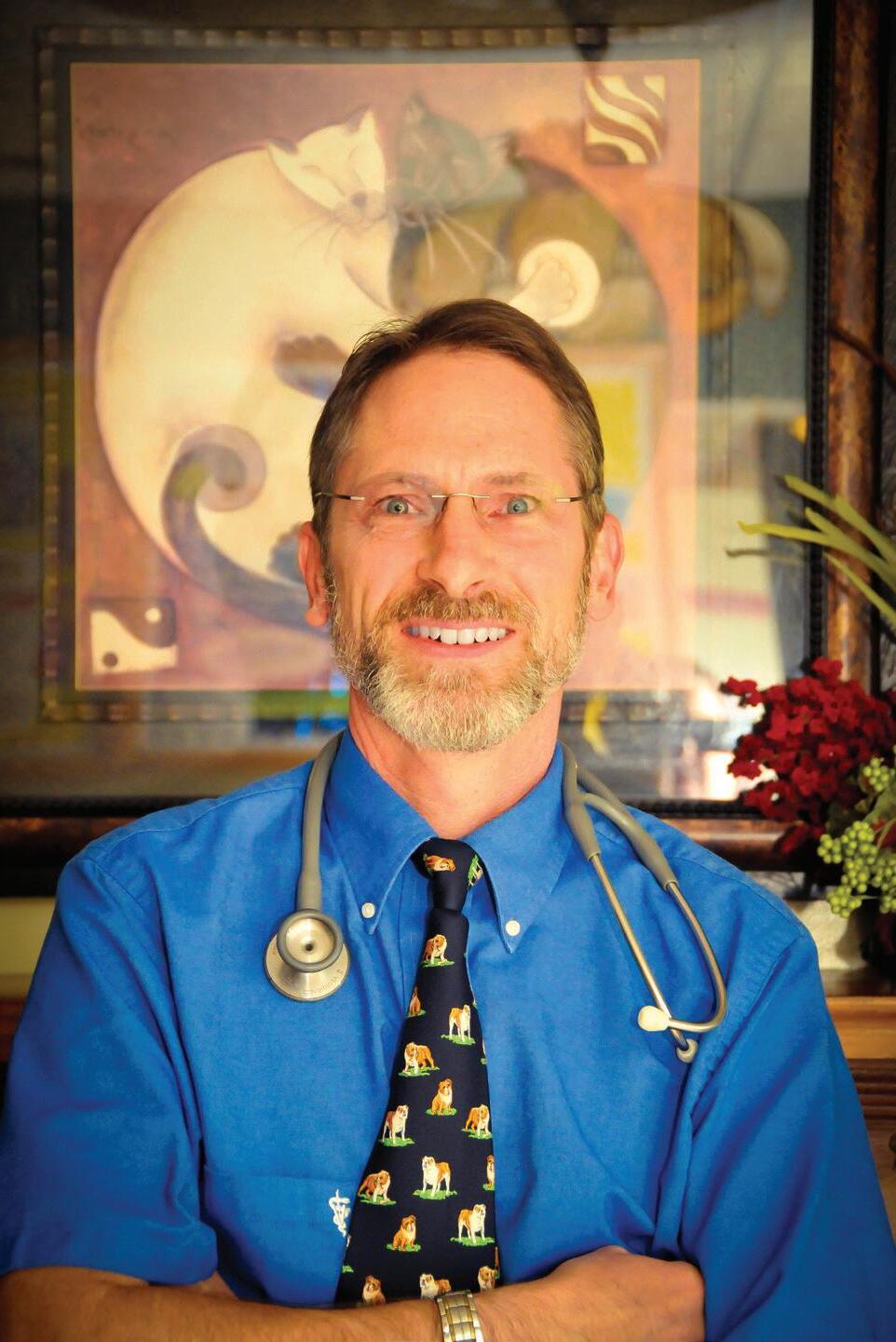
Dr. Doug has been practicing integrative veterinary medicine since 1993. He is certified in acupuncture, Chinese herbal medicine, and chiropractic. With over 30 years of veterinary experience, Dr. Doug has treated thousands of challenging cases.
For complete care for your animal companion, see Dr. Doug. Call Beaver Animal Clinic today to set up a holistic exam for your pet.
Dr. Doug | The Holistic Vet
357 State Avenue | Beaver, PA 15009 | 724.774.8047 beaveranimalclinic.com
Young, vibrant Golden Retriever named Bauer is diagnosed with torn knee ligaments, after just 2 visits he is “acting as if nothing had ever happened”, read what Bauer’s dad had to say about working with Animal Healing NOW:
"Dr. Savko has given my dog her life back!
After being hit by a car, she practically couldn't use her left leg for about a year until I found Dr. Savko in a desperate attempt.
Since that first visit my 90 pound lab-shepherd mix's quality of life has improved drastically. She has full use of her left leg, and gets to enjoy an active lifestyle on the farm and on hiking trips. I couldn't be more grateful!! "
Dr. Savko is awesome! I took my Golden Retriever to him when the vets thought he tore his ACL. He was limping and not playing a whole lot. Initially
might be a better way so I got a second opinion. I am so glad I got another opinion from a veterinarian that referred me to Dr. Savko. Right away I messaged Dr. Savko frantic about my baby and he responded immediately and was very calming. I’ve
since been seeing him for about 8 weeks now and after just 2 visits, Bauer was acting as nothing ever happened and playing with his puppy brother. Dr. Savko saw the progress himself and could’ve easily taken advantage of me and told me to come 7 days a week, but he spread out the visits and even cut a few out because Bauer was doing so well. NO MATTER WHERE YOU LIVE, THIS DR. IS WORTH EVERY SECOND TO GET YOUR PET BETTER. THANKS DR. SAVKO!
"Finally a straight shooter Doctor for once!!
You have not tried everything until you have tried Animal Healing NOW, besides why wouldn’t you go the non invasive route first? Unless it is a life or death emergency natural and non invasive options should always be considered first or at least in addition to anything else! Healing, not just treating.
My dog was diagnosed with both back legs having torn CCL’s. I had braces made and did water therapy and then, after consulting with my veterinarian, we added Dr Savko. My dog is now running a little with no pain meds and can walk up the steps on his own. He is doing so great and I couldn’t be happier. Not everything needs surgery and my dog is living proof."
LOCATIONS:
Holiday Park Animal Hospital, Plum
Greenfield Veterinary Hospital, Pittsburgh
LOCATIONS: Holiday Park Animal Hospital, Plum Greenfield Veterinary Hospital, Pittsburgh Donovan Veterinary Hospital, Ligonier Fox Run Equine Center, Apollo
New Stanton Veterinary Services, New Stanton Fox Run Equine Center, Apollo
“wish I would have known about you sooner” “best time/money we ever spent” “you have given us hope” 724.261.7915 20
Certified VOM Chiropractor Veterinary Affiliation
Certified ThetaHealer®
“miracle worker”
“miracle worker”
“a very supporting and caring doctor”
“a very supporting and caring doctor”
“wish I would have known about you sooner” “best time/money we ever spent” “you have given us hope” 724.261.7915 20 Years Experience
CAT RESOURCE GUIDE
2020 Clinic Schedule
CLINIC REGISTRATION
January 4 – in memory of Lance Bubash
February 1 – in memory of Milton Lendl
February 29 – sponsored by Moondogs Fundraiser
March 28 – in memory of James McDonald Jr.
May 9– sponsored by Samantha Ginsburg
June 20 – open for sponsorship
Low-cost spay/neuter and animal services in and around Allegheny County
• East End • South Hills • Strip District
• East End • South Hills • Strip District • Sewickly • Monroeville • Wexford
TNR and Low-cost Spay and Neuter Organizations and Programs
Homeless Cat Management Team
http://www.homelesscat.org
Our clinic is located at 207 Allegheny Street, Tarentum, PA 15084. At this time, we treat only cats at our clinics. You must call to register prior to any clinic.
BY PHONE: call 412-321-4060 and leave a message. Please include your name and phone number in your message. Someone will return your call and complete your pre-registration. HCMT is all volunteer and this may take some time. Clinics fill up quickly and it’s best to call at least two weeks in advance of the clinic you want to attend. BY EMAIL: Email cathomeless@gmail.com with your name, number of spots you need and which date you are registering for. You will receive a confirmation email ONLY if you are registered. NOTE: dates may be added and are subject to change.
May 23 – sponsored by Spaghetti Dinner Fundraiser
clinics but organize, host, sponsor or otherwise provide access to spay and neuter services.
Catnip Acres (Greene County)
January 18
February 15
March 14
April 11
April 25
June 6
Get Your Fix.org http://getyourfix.org/
*Offer only valid for new clients at participating locations. Limit one coupon per family. Offer expires 6/30/19.
http://www.catnip-acres.org/clinics.html
This is an ever-changing list of resources for pet owners in Pittsburgh and beyond including low-cost spay and neuter programs for pets as well as TNR for community cats, after-hours emergency care, help with veterinary bills, pet-friendly rentals in Pittsburgh and across the US and links to shelters for adoption and other services. This information is provided for reference only and subject to change without notice. Please contact the organization or agency before using their services.
City of Pittsburgh Free Spay and Neuter for City Residents, city of Pittsburgh offers five free spays/neuters to all city residents
Low-Cost Spay/Neuter Programs at Shelters in Allegheny and surrounding counties Shelter Programs
PENNSYLVANIA
Animal Friends
www.thingkingoutsidethecage.org
Humane Animal Rescue
Please call each branch while the two shelters continue their merger.
East Liberty Shelter (formerly Animal Rescue League) http://www.animalrescue.org/
North Shore Shelter (formerly Western Pennsylvania Humane Society) www.wpahumane.org
Clarion Paws
Serves Clarion, Forest and Jefferson County Low Cost Spay / Neuter Clinic: spayneuterclinic@clarionpaws.org
Trap-Neuter-Return: tnr@clarionpaws.org http://www.clarionpaws.org/ PET & OUTDOOR OR FERAL CATS
Beaver County Humane Society http://www.beavercountyhumanesociety.org
Butler County Humane Society http://www.butlercountyhs.org/FelineSpayNeuter.asp
Washington Area Humane Society http://washingtonpashelter.org/services/ EASTERN OHIO
Angels for Animals
http://www.angelsforanimals.org/snWhy.asp
Low-cost Spay/Neuter Organizations in Allegheny and surrounding counties
Fluffy Jean Fund (Washington County) http://fluffyjeanfund.weebly.com/
Fund for Feral Cats of Pittsburgh
ASPCA searchable map of low-cost clinics in US & Canada https://www.aspca.org/pet-care/general-pet-care/ low-cost-spayneuter-programs
Grooming Day CareBoardingTraining
Grooming Day CareBoardingTraining
Reimburses partial funds to help spay/neuter feral cats (funds not always available), 412-521-5352
http://www.lcarf.com/
Operation Spay/Neuter Butler, PA (for Butler County residents only)
http://operationspayneuter.com/ Pet Search
http://www.petsearchpa.org/
Fix ‘Ur Pet
http://fixurpet.org/
Lawrence County Animal Relief Fund (LCARF)
SNIPP: Spay and Neuter Indiana PA Pets Westmoreland/Indiana Counties, Alle-Kiski Valley (Leechburg), http://www.snippindianapa.org/ Low-cost Spay/Neuter and Veterinary Clinics These are independent clinics that offer services on site during regular business hours.
Frankie’s Friends http://www.FrankiesFriendsCatRescue.org/ Penn Hills Spay/Neuter Clinic http://www.spayaz.com/Pittsburgh.html
Wexford Spay/Neuter Clinic
http://www.spayaz.com/wexford-pa/
Find Local Low-cost Spay, Neuter and Veterinary Care on the Internet
Low-cost Neuter and Spay (search by zip)
http://neuterspay.org/
Love That Cat (online search)
http://www.lovethatcat.com/spayneuter.html
Spay USA
http://www.spayusa.org/search.php
Emergency and After-hours Care
Pittsburgh Veterinary Specialty and Emergency Center (PVSEC) http://www.pvs-ec.com/
In the Pittsburgh area, visit this list on the FosterCat website: http://www.fostercat.org/friendly.html Nationwide (United States only) http://www.rent.com/pet-friendly-apartments Shelters and Shelter Services
Adoption, surrender, low-cost clinics, pet food pantries, referrals, etc.
Humane Animal Rescue, North Shore (Western PA Humane Society) www.wpahumane.org
Humane Animal Rescue, East Liberty (Animal Rescue League), www.animalrescue.org
Washington Area Humane Society www.washingtonpashelter.org
Beaver County Humane Society www.beavercountyhumanesociety.org
These are organizations which are not day-to-day
Spay and Neuter Early, a Humane Alliance Campaign http://www.whentospay.org/get-your-pet-fixed
All About Pets Veterinary Hospital 724-745-5503 | aapvet.com
All About Pets Veterinary Hospital – Washington location 724-503-4887 | www.aapvet.com
VCA Castle Shannon 412-885-2500
East:
The Big Easy Animal Hospital 412-908-9301 | tbeah.com
Monroeville Pet Hospital 412-372-1100 | www.monroevillepethospital.com
VETERINARY SPECIALTY & EMERGENCY SERVICES
North/South:
Pittsburgh Veterinary Specialty and Emergency Center, Inc. 412-366-3400 | 724-809-2000 pvs-ec.com
North:
VCA Northview Animal Hospital Specialty Referral Center 412-364-5353 | vcanorthview.com
List your business today! info@pghpetconnections.com
EQUINE AFFAIRS
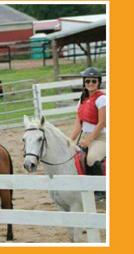
Feeding the Older Horse
Dr. Marty Adams, PhD, PAS – Equine Nutritionist for Cargill/Southern States
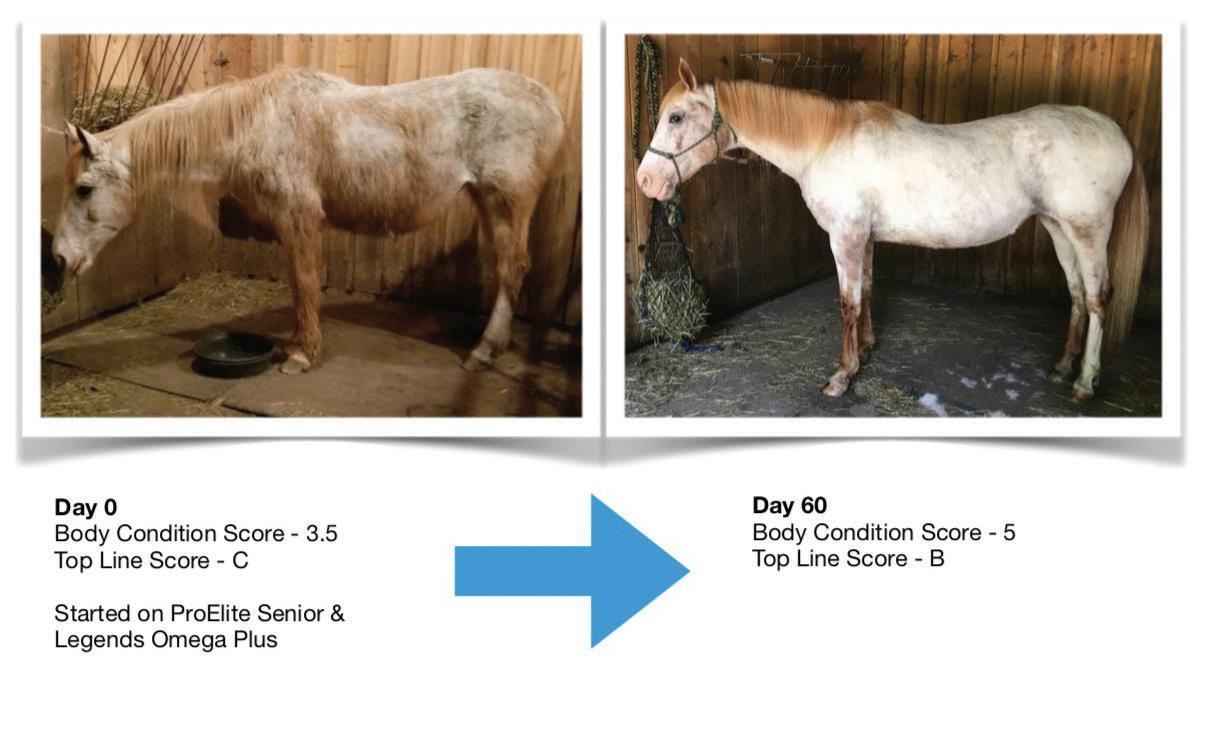
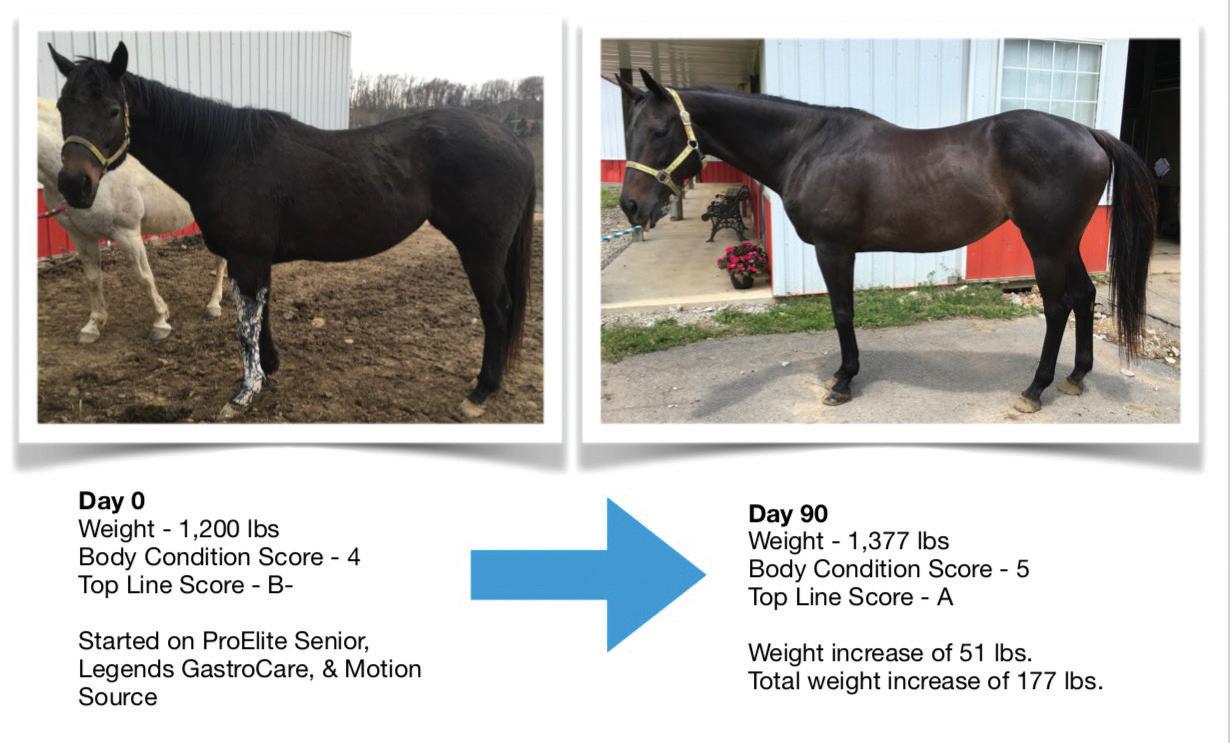
With advances in nutrition and preventive health care, today’s horses can expect to have longer and more productive lives than ever before. Many horses are living well into their late twenties and thirties, with a good quality of life. Special feeds have been developed for older horses, which meet their unique nutritional needs and extend their productive lives. A senior horse feed should be highly palatable, dust-free, easy to chew and digest, based on digestible fiber instead of grain, low in sugar and starch content, provide quality protein and with guaranteed levels of essential amino acids, and have added B-complex vitamins, added vitamin C, and a high fat content. ProElite Senior is a textured, low sugar/starch, beet pulp/pelleted feed with 10% fat that is very palatable and contains more digestive aids than any senior horse feed. Following are some tips on feeding the older horse, to help you make the most of your horse’s senior years.
• Schedule regular dental examinations for your older horse. Many horses have sharp points that develop on the edges of their molars that need to be filed down or floated. If hay and feed are not properly chewed, the horse may not be able to digest them well enough to obtain sufficient nutrients. If you notice your horse having trouble chewing, if he commonly drops his feed during mealtime, or he spits out balls of hay or grass, it is time to schedule a visit from the dentist.
• Wet the feed, making a mash or soup for the senior horse. Some older horses have lost enough teeth or their teeth are worn down enough that they are unable to properly chew even senior-type feeds very well. Adding some warm water to the feed and allowing it to set for 15 to 30 minutes before feeding will allow the dentally-challenged horse to chew or swallow its feed better, and reduce the risk of choke and impaction colic.
• Feed your older horse apart from aggressive eaters. If you have several horses grouped together and don’t have stalls to feed them individually, separate your older horse from the group so it can be fed alone. Unless your older horse is the most dominant horse in the group, it is not likely they would be able to consume all of their feed without a more dominant horse moving in and claiming the rest of the feed.
• Select a senior horse feed containing highly digestible fiber sources. Highly digestible sources of fiber include beet pulp, soybean hulls and alfalfa hay. These feed ingredients are easily broken down in the horse’s digestive system, providing more calories and a lower risk of impaction colic than less digestible fiber sources. Feeds for older horses contain more fiber than most conventional horse feeds. Senior feeds can be consumed at higher rates than conventional horse feeds and are designed to replace most of the hay or pasture that the horse would normally consume. Choose a senior horse feed with a high fat level. The older horse easily digests fat in the form of vegetable oil, which is the preferred form of fat for the horse compared to animal fats. Fat is a concentrated source of calories, containing more than twice the calories per unit than carbohydrates,
which make up the majority of calories found in grain and hay. ProElite Senior contains 10% fat from soy oil and flaxseed, which are both good sources of omega-3 fatty acids which help to lower inflammation.
• Choose a senior horse feed with low levels of starch and sugar. ProElite Senior contains large amounts of digestible fiber and is less than 12% sugar and starch according to average laboratory analysis, which is also defined as nonstructural carbohydrates or NSC. Many older horses may be affected by Equine Cushing’s Disease (ECD) and Equine Metabolic Syndrome (EMS), which alters normal cortisol, glucose and insulin metabolism and increases the incidence of founder or laminitis in affected horses. A low NSC feed is recommended for horses afflicted with ECD and EMS, making ProElite Senior a great choice for the older horse with these health challenges.
• Provide some long-stemmed fiber in your older horse’s daily diet. Although some senior feeds are labeled as complete feeds and recommended to be fed with no added fiber or hay, these feeds may lack what is called the “chew” factor and the “scratch” factor that will provide increased chewing and salivation, more gastric and intestinal buffering capacity, greater bulk and increased intestinal motility, and lower incidence of cribbing, colic and wood chewing. Even if your horse has few or no teeth, hay cubes or chopped forage can be soaked until soft and mixed into feed or fed separately to your older horse. For the dentally-challenged older horse who can only eat a limited amount of hay, use these guidelines: provide 0.5% of the older horse’s body weight daily in chopped forage or hay cubes (five pounds daily for a 1,000-pound horse) and provide up to 1% of the older horse’s body weight in senior feed (ten pounds daily for a 1,000 pound horse). Soak the hay cubes or chopped forage and senior feed before feeding, and divide the forage and senior feed into two to four daily meals. This feeding program will provide enough calories to maintain body weight for the older horse. ProElite Senior contains shredded beet pulp to increase chewing, salivation and better digestive function and health.
• Provide high quality processed forage for your older horse. Poor quality hay is more difficult for the older horse to chew and swallow, and is more likely to cause an impaction colic. High quality hay is harvested at an earlier stage, is less fibrous and easier to chew, and breaks down quickly in the horse’s digestive system, reducing the risk of impaction colic. Once the older horse starts “quidding” baled hay, meaning that it drops out of his mouth due to the inability to chew enough to swallow it, you need to select a processed forage that is easier for the horse to chew and swallow. A chopped hay or hay cubes is the best choice at this point. Be sure to wet hay cubes before feeding to prevent the risk of choke and you may also wet the chopped forage to increase the ability of your older horse to chew and swallow. As the older horse ages and has decreased dental ability, change the forage in his diet from chopped hay to cubed hay to pelleted hay to insure that the forage fed can be consumed and body condition maintained.
FEATHERED FRIENDS
The Foraging Plate: Introducing New Foods in Your Bird’s Diet
By Edward R. Moats
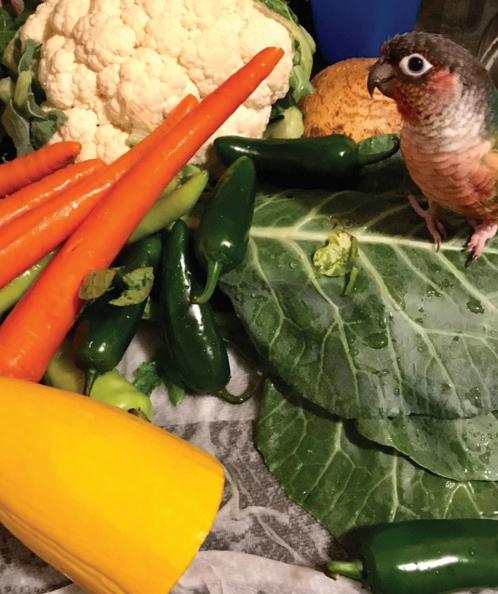
Quite often when I am consulting with pet parents regarding their bird’s nutrition, there always seems to be a series of questions that are on their minds. “How do I get my bird to try these new foods?” “Do I remove their normal diet and offer the new food?” “Do I mix new food with their current food?” Personally, I like to use their instinctive behaviors to introduce new foods. And I call this method “The Foraging Plate.” Essentially, you are encouraging a bird’s instinctive behavior for foraging to tempt them to try new foods.
As a rule, birds tend to be curious. They spend their days investigating with their beaks. From chewing toys and shredding materials, to sifting through foods offered in bowls. This is called foraging. And it is this curiosity that can be utilized to introduce new foods to your bird.
Normally, a baby bird would be taught by their parents what is safe and good to eat. This is part of fledging. However; many times, companion birds are not raised by their parents. They were hand fed by a person. The problem with hand feeding is that a baby bird is not taught by their parent’s innate behaviors that can aid in dietary choices that affect our bird’s health. Therefore, we must use their curiosity to teach and introduce new foods into the diet.
Setting Up the Foraging Plate
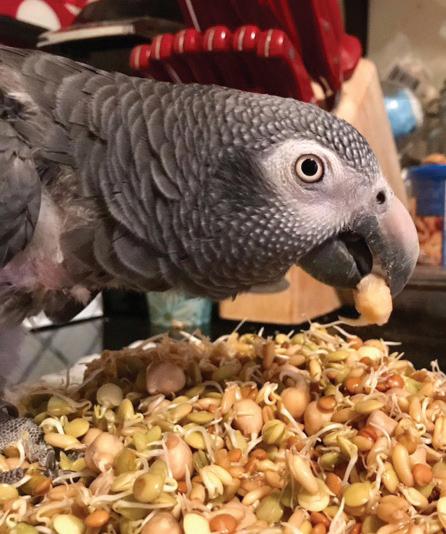
Setting up a Foraging Plate is quite simple. I recommend using a small to large plate. (Depending on the size of your bird.) Basically, you will be layering foods on the plate. The first layer will be the food your bird normally enjoys. Often, this is seed. Scatter the food on the bottom of the plate. Next, place a new food over the first layer. And then another food on top of that layer. And so on. After you have finished layering, place the plate on the bottom of the cage.
The concept of the Foraging Plate is that your bird will be encouraged to move the
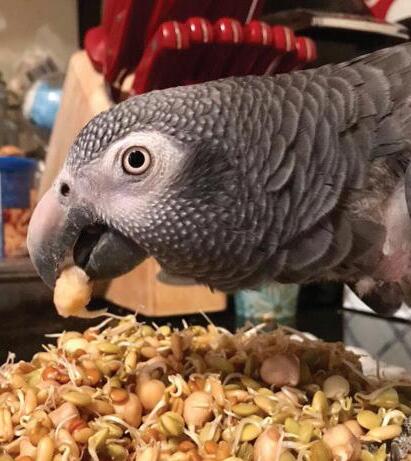
layers of food “foraging” to get to their favorite tidbits. While they are moving these new foods with their beaks, they will essentially be tasting the new foods. By encouraging the innate behavior to forage, you are manipulating your bird to try new foods. The Foraging Plate is also a good source for enrichment. Providing enrichment keeps a bird busy and they are less likely to exhibit behaviors such as screaming and feather plucking.
Other Techniques for Foraging and Enrichment
Other ways to introduce new foods and provide enrichment can be stuffing foods into a sterilized pinecone or an artichoke. Another technique used by pet parents is stuffing food into a small box. Even stuffing foods between branches encourages foraging behavior that can assist in introducing new foods to your bird’s diet. Take note of these ideas and be creative. By encouraging a bird to forage for food, you are not only transitioning them to a healthy diet naturally, you are keeping their minds busy and redirecting energy in a positive manner that will curtail behaviors.
Different foraging methods can be practiced throughout the day. Foraging is so much more stimulating to our birds than just throwing food in a bowl. I tend
to use the Foraging Plate in the morning. And then place other foods in branches throughout the day to continue enrichment and foraging.
And as I have mentioned in past articles, always be cognizant that fresh fruits and vegetables can grow bacteria in a short amount of time. Fresh foods should only be offered for a few hours and then removed. This includes any uneaten morsels scattered over the bottom of the cage.
Patience
is the Key
There is one last question I always seem to be asked. “How long will it take for my bird to accept the new food?” There is no particular time frame. Each bird is an individual. Some birds will immediately find their new favorite foods. While others may take time in determining
what they find satisfying. The goal is to encourage your bird to sample healthy choices. The fact that you are offering these choices is half the battle. Be patient. And in time, you and your bird will be rewarded with many years of health and happiness.
By Dagny Neel Fitzpatrick
Anyone who has ever owned a pet knows they have the capacity for unconditional love.
The gentle nudge of a wet nose or a lick on the hand comes when we’re upset or feeling down. The bounding dash to the door to greet us is also a demonstrable sign of the strength of the human–canine bond.
Pets give people so much in terms of love and emotional support. Did you know simply stroking a dog, cat, rabbit or even horse can lead to lower blood pressure and can combat stress? The feelings are reciprocated, as our touch can have therapeutic effects for our pets, particularly if they are feeling out of sorts.
However sometimes life can make an unexpected turn and in a blink of an eye your furry friend is gone.
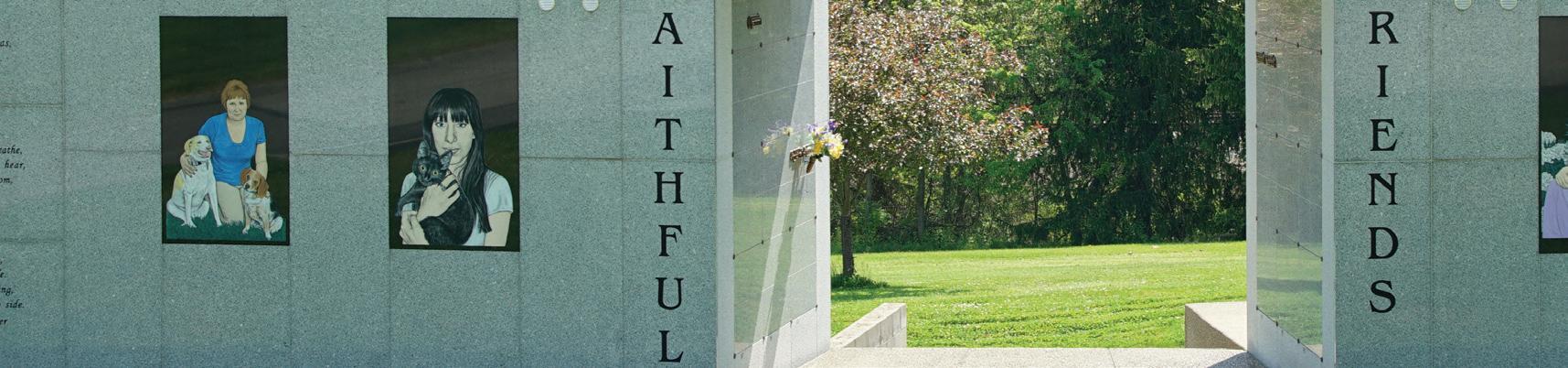
For situations like those, Jefferson Memorial has a place that’s open, cozy and, tranquil where you can say fare well to your friend in kind in a respectful way while never really saying good bye – The Garden of Faithful Friends. Within the garden is the Faithful Friends Mausoleum, which houses crypt spaces for your pet, or you and your pet. In that same building are niche spaces for pet and human cremated remains. The mausoleum is an elegant visual feature that expresses meaningful sayings and showcases people with their pets. Similar
Garden of Faithful Friends
to a full-service funeral home, Jefferson Memorial offers visitation opportunities to all pet families.
We at Jefferson believe that a pet who gave love and loyalty through life deserves the respect and dignity of having their remains placed in a lasting and final resting place, just as you would your human counterpart, for they too are a part of the family.
We have developed a distinctive pet room that consists of an arrangement room, a display room for caskets, urns and memorials, as well as a visitation room. Our before needs representatives and Family Service team aim to serve our pet families in every way we can.
Grooming Day CareBoardingTraining
We all love our pets and want to know they are in a safe and respectful place. Our Garden of Faithful Friends allows your pet to stay at your side forever.
For more information on how we can help you in your pets time of need, please reach out to our trained professional representatives at www.jeffersonmemorial.biz or call us directly at 412.655.4500
REMEMBRANCE
In Loving Memory
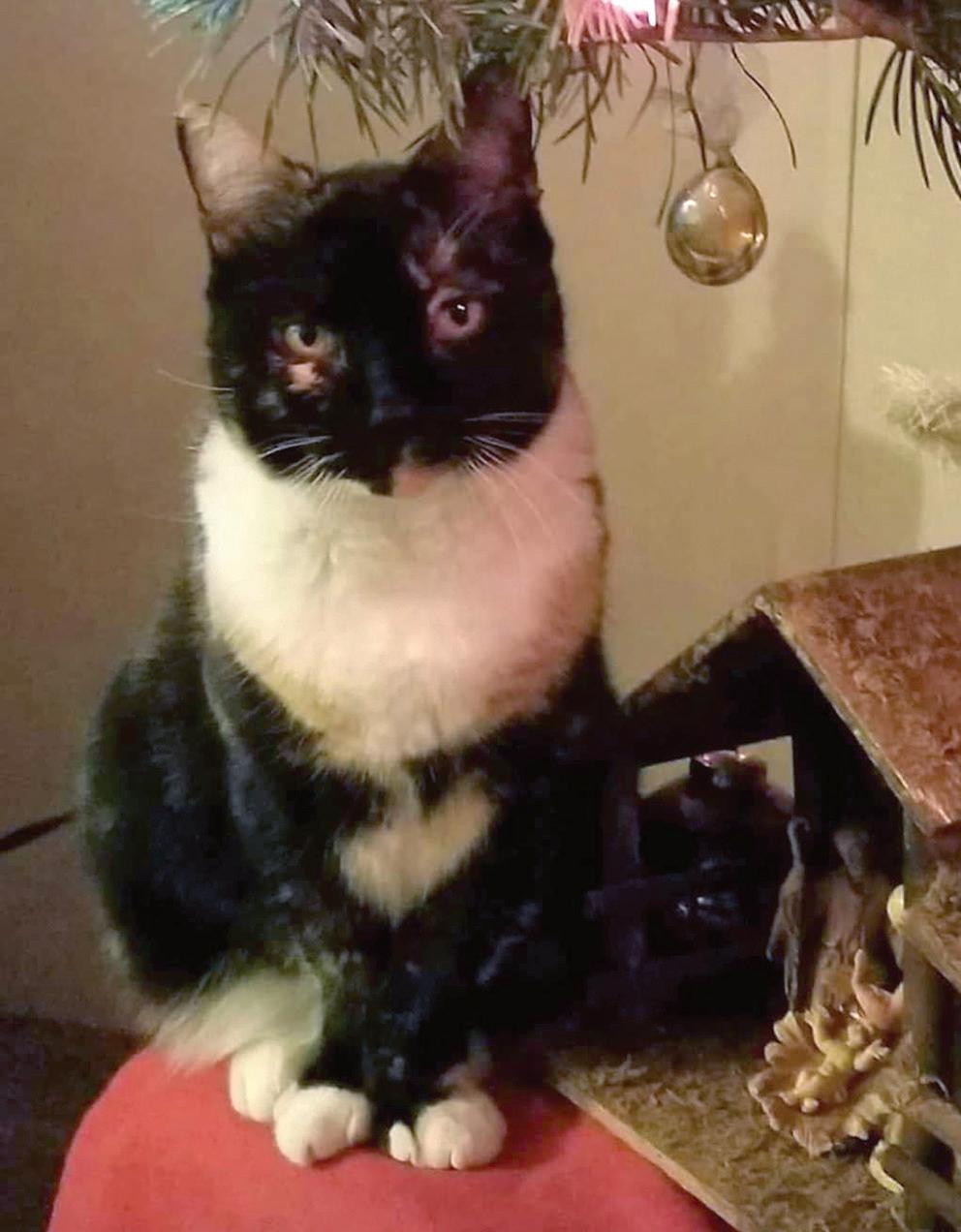
Cleo Mader, April 2006 – November 2019
By Carla Mader
We found Cleo along with 8 littermates and her injured Mother in the backwoods of Maine. I was working as a veterinary technician at the time, so I took her and her family into work for care. We stitched up her mother and all the kittens received testing and a check-up. Cleo stood out as the only purring kitten with a totally black mask. I instantly fell in love with her and claimed her as my own, along with her brother- a tuxedo cat, Elmo!
We moved back to Pittsburgh shortly afterward and poor Elmo got out of the house and, unfortunately, lost. Cleo thrived and we were never able to keep her completely indoor. She had a wonderful temperament as a Calico, and an outgoing personality, and a real lap cat. She was known as our “healer kitty”, as she always knew when someone wasn’t feeling well and would curl up on top wherever you were ailing and go to work making you feel better!
Through the years her antics and amazing presence made her very special to us. She had many close calls throughout the years. She was lost in the storm of 2010 for 5 days and came home smelling like a cherry cigar! Several years later she disappeared in the summer of 2017, and after posting flyers, we found her after 17 days, about a mile away. Luckily, she wasn’t injured and was back to her old self in no time.
Cleo finally succumbed to a bladder tumor this past November, at age 13. We decided to make a real grave for her on our farm to honor her. Cleo will be missed and never forgotten as the most special kitty that we have ever had.
PRIMARY CARE:
• Preventive and routine medicine (vaccines, spay/neuter, dentistry, routine diagnostic lab tests such as heartworm, fecal, CBC/chemistry, microchipping)
• VCA CareClub® – A wellness plan to help your pet live a happy, healthy life –is available for every stage of life!
SPECIALTY CARE:
• Surgery - Orthopedic, advanced soft tissue, laparoscopy/arthroscopy
• Internal Medicine - Diagnosis and medical management of complicated cases
• Integrative Medicine and Acupuncture - A mix of conventional western medicine and alternative eastern medicine
• Avian and Exotic / ZooMed - Fur, scales, feathers, fins, and slime!
Avian & exotic / zoological companion animals are unique and delicate. Their anatomy and physiology is vastly different from dogs and cats, yet require the same amount of expertise and care, special dedicated equipment, housing, and staff
• Advanced Diagnostics - Digital radiography, ultrasound, CT, endoscopy
Mention that you saw our ad in PetConnections when you book your appointment to receive a special offer upon check-in.