PRION PROTECTS THE BRAIN IN SPITE OF CAUSING MAD COW DISEASE
TECHNOLOGICAL CHALLENGES IN THE EXPLORATION OF THE PRE-SALT LAYER
PRION PROTECTS THE BRAIN IN SPITE OF CAUSING MAD COW DISEASE
TECHNOLOGICAL CHALLENGES IN THE EXPLORATION OF THE PRE-SALT LAYER


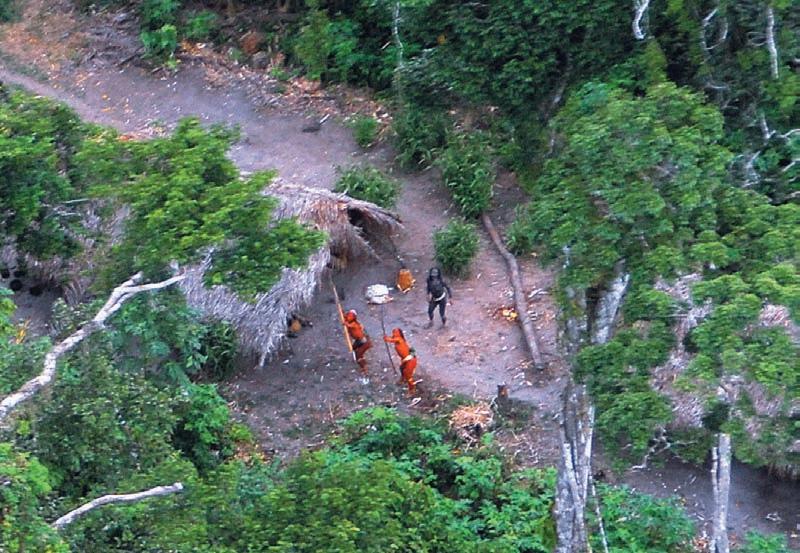
The Legal Amazon Region still conceals 68 indigenous groups that live in total isolation, without any contact with the side of Brazil that breaks records in automobile production and has achieved investment grade status. One of these groups was photographed for the first time ever by a team from Funai (the National Foundation for Indians) near the border of the state of Acre with Peru. According to wilderness expert José Carlos Meirelles, who has been monitoring indigenous peoples for almost 20 years, they live in huts and plant cassava and bananas, but their ethnicity remains unknown. The Funai plane was received by the group with arrow shots.
Published in June 2008
> COVER
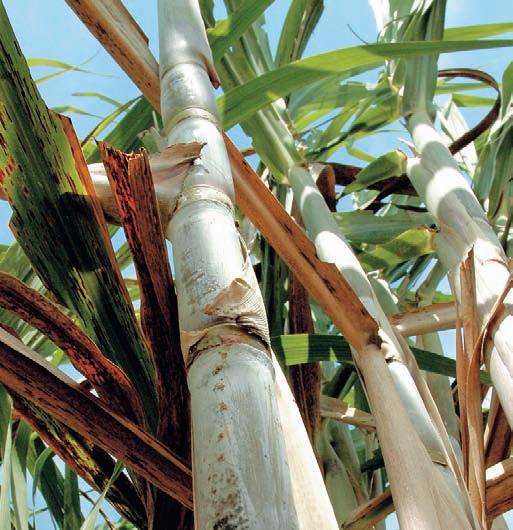
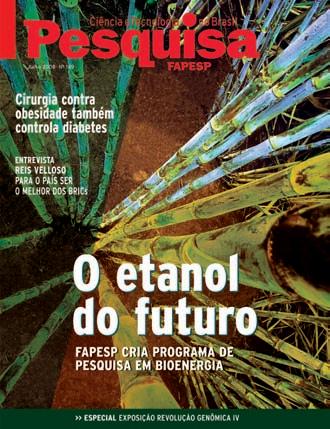
18 FAPESP launches program to drive bioenergy research
> INTERVIEW
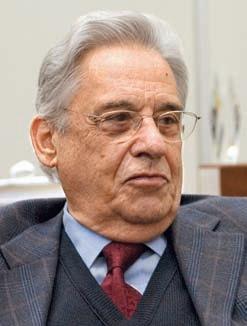
12 For the ex-President, Fernando Henrique Cardoso, as long as society is complacent about damage to the environment there will not be a solution
> SCIENTIFIC AND TECHNOLOGICAL POLICY
24 INNOVATION
The sale of Alellyx and CanaVialis to Monsanto for US$290 million: an example of how competitive research can generate wealth
28 ENVIRONMENT
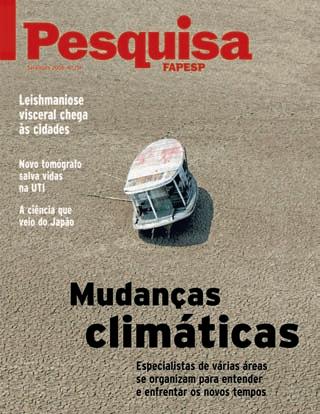
Foundation invites researchers from several fields, from natural sciences to humanities, to expand the Brazilian contribution to climate change studies
36 FOSTERING RESEARCH
Mega-evaluation based on peer review to guide distribution of resources to universities in the UK
> SCIENCE
40 NEUROSCIENCE
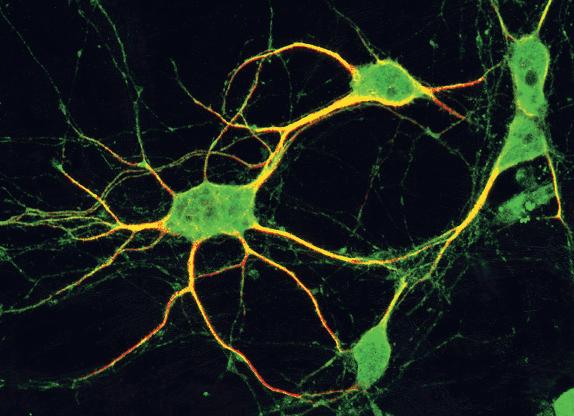
Brazilian team explains the functioning of healthy prions, essential for nerve cell protection
46 PHARMACOLOGY
Discoveries indicate paths that may help immune system fight generalized infections
50 IMMUNOLOGY
Brazilian group develops the first serum against bee venom
54 PUBLIC HEALTH
A lethal single-cell parasite infection, visceral leishmaniasis creeps into Brazil’s cities

60 ECOLOGY
Maps set guidelines for conservation of native vegetation, the restoration of degraded areas and environmental research in São Paulo
66 GEOGRAPHY
Researchers from Minas Gerais create index showing areas subject to deforestation in the Amazon region
68 PHYSICS
Pierre Auger
Observatory detects source of higher energy cosmic rays
> TECHNOLOGY
72 PETROLEUM INDUSTRY
Oil and gas exploration beneath the sea’s salt layer calls for know-how and technology
78 AERONAUTICAL ENGINEERING
Project led by Embraer to cut aircraft noise
82 NEW MATERIALS
Ethanol and bacteria: raw materials for making oil derived product substitutes
88 SEMICONDUCTORS
Ceramics center to develop raw material for new chip factory in São Carlos
> HUMANITIES
92 HISTORY
Bicentennial of the arrival of the Portuguese royal family calls for historiographic reflection
98 LITERATURE
New edition of Jorge Amado’s complete works proposes critical review of one of Brazil’s favorite authors
102 ANTHROPOLOGY
Scientists discover that early inhabitants in the Amazon region had an organized and complex civilization
Carlos Henrique de Brito Cruz – Scientific Director of FAPESP
Science and technology have been instruments for development in Brazil for some time. Besides contributing to the pool of human knowledge through scientific articles, books, thesis and conference communications, Brazil has used knowledge to build the most efficient agricultural system in the world and the only industrialized economy that has 47% of its energy generated from renewable sources. Brazilian companies use knowledge to build a strong IT sector, to create self-sufficiency in oil production and one of the main aircraft industries in the world. Universities and research institutes in the country generate 2% of the world’s scientific production and form more than 10 thousand PhDs every year.
Research in Brazil, as in many countries, is supported by industry and the government. Federal agencies as the National Research Council (CNPq), the Foundation for the Improvement of Higher Education Personnel (CAPES) and the Funder of Studies and Projects (FINEP) support thousands of research projects throughout the country. Many states have state foundations to provide additional support for research.
Recognizing the importance of science and technology for social and economic development, the State of São Paulo strongly supports research, public research universities, technology higher education and research institutes. In São Paulo 64% of the research funding from public sources is provided by the state.
FAPESP is a public foundation, funded by the taxpayer in the State of São Paulo, with the mission to support research projects in higher education and research institutions, in all fields of knowledge. São Paulo has a population of forty million and generates 35% of Bra-


zil’s GDP. The constitution of the State establishes that 1% of all state taxes belong to the foundation and the government transfers these funds monthly. The stability of the funding and the autonomy of the foundation allow for an efficient management of the resources that has had a sizable impact: while São Paulo has 22% of the Brazilian population and 30% of the scientists with a doctorate in the country, the state is responsible for 52% of the country’s scientific articles published in international journals.
FAPESP expects to invest approximately US$ 360 million in research projects in 2009. One third of this value goes into fellowships for graduate and undergraduate students. About 55% goes into exploratory academic research, mostly fundamental in nature. The remaining 10% is invested in application oriented research, in many cases performed in Small Businesses or in joint research performed by academia and industry.
The foundation works in close contact with the scientific community: all proposals are peer reviewed with the help of area panels composed of active researchers. Scientists in São Paulo often bring proposals for programs to the foundation, and these are carefully analyzed and, if deemed strong in academic terms, are shaped by the
foundation into research programs that might congregate a set of research projects. Since the mandate of the foundation is to foster research and the scientific and technological development in the State, ideas for programs that match world class research with contributions that will impact social problems are welcome. A special program on Genomics has brought important scientific and technological results, generating a paper highlighted on the cover of the science magazine Nature and the first two Brazilian small businesses in the field. In 2008 the foundation announced broad research initiatives on Bioenergy and on Global Climate Change. The foundation supports large research programs in Information Technology and in Biodiversity. Results from BIOTA, one of the largest biodiversity research programs in the world, besides being published in relevant scientific journals, have been used by the state government to create conservation oriented legislation.
This special number of Pesquisa FAPESP (FAPESP Research ) displays some of the science supported by FAPESP in different fields of knowledge. FAPESP Research has been published since 1997, creating a channel to communicate with the general public about the science supported by the foundation.
CELSO LAFER
PRESIDENT
JOSÉ ARANA VARELA
VICE-PRESIDENT
BOARD OF TRUSTEES
CELSO LAFER, EDUARDO MOACYR KRIEGER,
HORÁCIO LAFER PIVA, HERMAN JACOBUS CORNELIS VOORWALD,
JOSÉ ARANA VARELA, JOSÉ DE SOUZA MARTINS, JOSÉ TADEU JORGE, LUIZ GONZAGA
BELLUZZO, SEDI HIRANO, SUELY VILELA SAMPAIO, VAHAN AGOPYAN, YOSHIAKI NAKANO
EXECUTIVE BOARD
RICARDO RENZO BRENTANI
PRESIDENT DIRECTOR
CARLOS HENRIQUE DE BRITO CRUZ
SCIENTIFIC DIRECTOR
JOAQUIM J. DE CAMARGO ENGLER
ADMINISTRATIVE DIRECTOR
EDITORIAL COUNCIL
LUIZ HENRIQUE LOPES DOS SANTOS (SCIENTIFIC COORDINATOR), CARLOS HENRIQUE DE BRITO CRUZ, FRANCISCO ANTONIO BEZERRA COUTINHO, JOAQUIM J. DE CAMARGO ENGLER, MÁRIO JOSÉ ABDALLA SAAD, PAULA MONTERO, RICARDO RENZO BRENTANI, WAGNER DO AMARAL, WALTER COLLI
EDITOR IN CHIEF
MARILUCE MOURA
MANAGING EDITOR
NELDSON MARCOLIN
EXECUTIVE EDITORS
CARLOS HAAG (HUMANITIES), FABRÍCIO MARQUES (POLICY),
MARCOS DE OLIVEIRA (TECHNOLOGY), RICARDO ZORZETTO (SCIENCE)
SPECIAL EDITORS
CARLOS FIORAVANTI, MARCOS PIVETTA (ON-LINE)
ASSISTENTS EDITORS
DINORAH ERENO, MARIA GUIMARÃES
ART EDITOR
MAYUMI OKUYAMA
DESIGN
MARIA CECILIA FELLI
JÚLIA CHEREM RODRIGUES
PHOTOGRAPHERS
EDUARDO CESAR, MIGUEL BOYAYAN
SECRETARY ANDRESSA MATIAS TEL: (55 11) 3838-4201
COLABORATORS
ABIURO, ANDRÉ SERRADAS (DATA BASE), DANIEL NEVES, GONÇALO JUNIOR, JAIME PRATES E YURI VASCONCELOS
ENGLISH VERSION
TRANSLATION
LANGSOL TRADUÇÕES E ASSESSORIA LTDA.
REVISION
ALISON MARY EMILY ASKEW
THE SIGNED ARTICLES DO NOT
NECESSARILY REFLECT FAPESP’S OPINION
THE TOTAL OR PARTIAL REPRODUCTION OF TEXTS OR PHOTOGRAPHS WHITHOUT PREVIOUS PERMISSION IS STRICTLY PROHIBITED
OPERATION MANAGEMENT
PAULA ILIADIS TEL: (55 11) 3838-4008
e-mail: publicidade@fapesp.br
CIRCULATION MANAGEMENT
RUTE ROLLO ARAUJO TEL. (55 11) 3838-4304
e-mail: rute@fapesp.br
PRINTING
HR GRÁFICA E EDITORA LTDA.
ADMINISTRATION MANAGEMENT
INSTITUTO UNIEMP
FAPESP
RUA PIO XI, Nº 1.500, CEP 05468-901 ALTO DA LAPA – SÃO PAULO – SP
HIGHER EDUCATION SECRETARY
GOVERNO DO ESTADO DE SÃO PAULO
Mariluce Moura – Editor in Chief
This is the fifth special issue of the magazine Pesquisa Fapesp in English. The first was published in 2002; the second, in early 2004; the third, in late 2005; and the fourth, in September 2007. Here, we bring together 18 of the most important articles published in our monthly issues in Portuguese between November 2007 and February 2009, in order to provide English speaking readers with an overview of Brazilian scientific and technological production at this time.
We have maintained, essentially, the same editorial model as in our domestic issues. Thus, the magazine opens with texts on scientific and technological policy, followed by articles on science, then on technology and, lastly, on the humanities. A quick-witted interview with Brazil’s former president, sociologist Fernando Henrique Cardoso (page 18), and the issue’s cover story (page 12) precede this set of articles. Cardoso addresses the current stage of the debate on environmental issues in Brazil and the world, stressing its progress and the rising acceptance of the notion that global climate change is a real and serious problem for man. Incidentally, on the subject of the climate, this magazine has another article on page 28, which concerns the FAPESP Program of Research into Global Climate Change. This initiative, launched in late August 2008 along with a public call for researchers in several scientific fields, aims at expanding Brazilian contribution to the study of global climate change.
As for the cover feature, one can only say that it is based on yet one more initiative of the FAPESP foundation, the FAPESP Program for Research into Bionergy (Bioen), established on July 3, 2008. Placing a wager on this daring project in a country that has accrued, for decades, many advantages in the production of first-generation ethanol


from the fermentation of sugarcane sucrose means overcoming challenges to improvements in productivity, while also pursuing opportunities to develop second-generation ethanol from cellulose. In sum, this is a research program designed to further the basic science and technological development of power generation from biomass.
As for the articles on relevant scientific research and technological innovation in a range of fields published in this issue, I would like to stress that about half of them concern projects conducted by São Paulo state research institutions with FAPESP support, whereas the other half consists of projects developed in other Brazilian states. This ratio re-
flects the country’s reality: São Paulo accounts for some 50% of the science produced in Brazil.
Of the total of 11 articles in the science and technology sections, I would like to highlight, first, the one on a major study published in 2008, which explained the functioning of an essential protein for the protection of nerve cells, the cellular prion in its healthy form, i.e. the same protein that, in its defective form, causes Mad Cow Disease, the fourth known form of the Creutzfeldt-Jakob disease (page 40). In second place, I would like to draw our readers’ attention to the article on the range of new knowledge and new technological competencies that Brazil’s progress in oil exploration in the pre-salt layer demands.
To close, I must explain that the fundamental objective of Pesquisa FAPESP, which celebrated its 10 th anniversary in October 2009 with a circulation of 37 thousand copies, is to disseminate awareness of Brazilian scientific production with propriety and rigor, though tirelessly pursuing the indispensable clarity of all journalistic publications. This magazine, which can also be found on the Internet (revistapesquisa.fapesp.br) in Portuguese, English and Spanish, perfectly fits the mission of FAPESP, a government foundation established in 1962 to provide support for scientific and technological research in the State of São Paulo, as this mission also includes disseminating research objectives, processes and results.
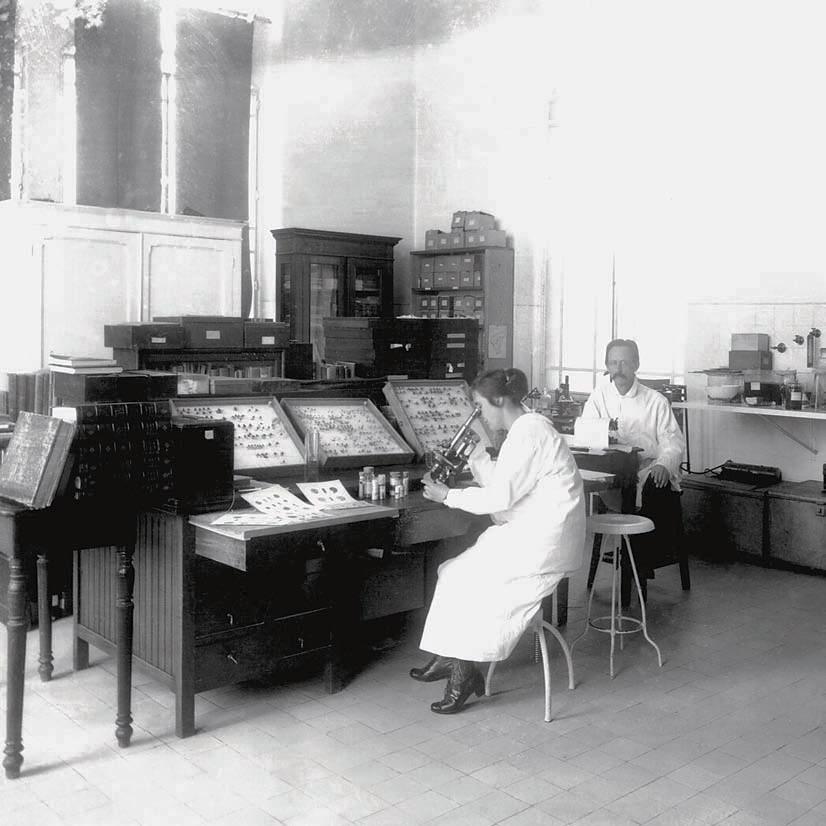
One hundred years ago, Adolpho Lutz published two articles describing a new disease
Neldson Marcolin
Published in April 2008
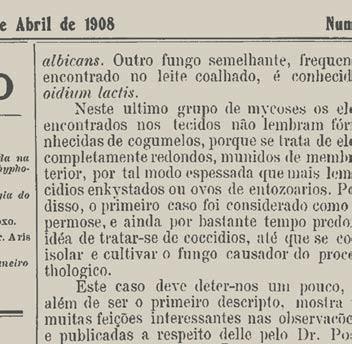
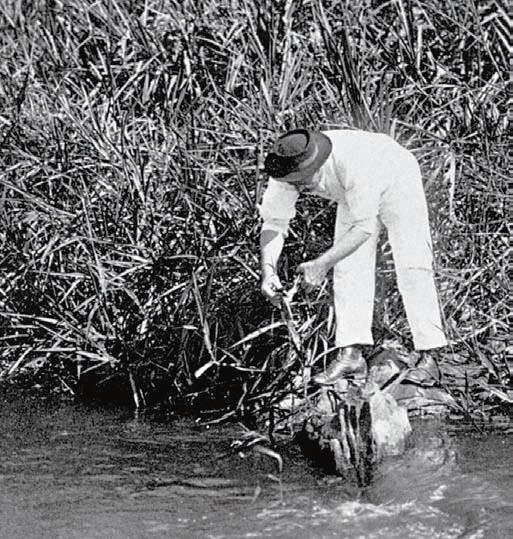
In the early 20th century, doctor and researcher Adolpho Lutz very carefully studied two patients in São Paulo with different illnesses that caused serious lesions and destroyed the gums’ mucosa, with painful effects upon the ganglia. In April 1908, after almost three years of research, Lutz published two articles in Brazil-Medico – Revista Semanal de Medicina e Cirurgia [Brazil-Medical –Weekly Journal of Medicine and Surgery], in which he qualified the disease as a pseudococcidar mycosis, after identifying the fungus that caused it and describing its typical reproduction system.
“What Lutz did was highly remarkable and rare,” says pharmacist and biochemist Cezar Mendes de Assis, a researcher from the Adolpho Lutz Institute. “He described the disease, observed its agent in clinical material under a microscope, isolated it in cultures, showed that it was dimorphous (had two distinct forms, mildew at 27ºC and yeast at 36ºC), described its characteristics, reproduced the disease in different laboratory animals and re-isolated the agent.” Furthermore, he was worried about claiming that he had discovered a new disease and warned of the difficulty of differentiating it from similar conditions.
The name for the disease since 1971, after a specialists congress held in Colombia, is paracoccidiomycosis, although it has had several names since 1908 – one of them being “Lutz’s disease.” It is a mycosis caused by


the fungus Paracoccidiodes brasiliensis, found in rural areas and that most often enters the human body via inhalation. When not diagnosed at the right time it causes skin sores and mouth lesions, may contaminate the lungs, spleen and liver, and may infiltrate the bones, joints and central nervous system. Some of the risk activities are linked to agriculture,
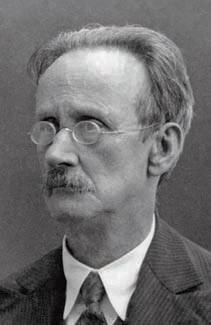
laboratory. On the right, collecting snails in the country
gardening and transporting vegetables. Deforestation and preparing the soil for planting increase the number of particles of the fungus in suspension.
As notification is not compulsory, there is a shortage of accurate information about the incidence of this mycosis in Brazil. Health Ministry data show 3,181 deaths from 1980 to 1995
and a mortality rate of 1.45 cases per million inhabitants. ‘Consensus about paracoccidiomycosis’, a technical report published in 2006 by the Revista da Sociedade de Medicina Tropical (Journal of the Society of Tropical Medicine), showed that few people exposed to the fungus develop the disease. When the mycosis manifests itself,

Issue with Lutz’s first article
however, the public health problem becomes significant because mortality rates are high –those who do not die are frequently disabled and unable to work. For the time being there is no effective vaccine.
After the pioneering articles in 1908, the mycosis continued to be studied. Italian bacteriologist Alfonso Splendore and São Paulo mycologist Floriano Paulo de Almeida added substantially to understanding it. In the same year in which he published his research, Lutz (1855-1940) left the Bacteriological Institute of São Paulo (now the Adolfo Lutz Institute), where he had been director for 15 years, and returned to his hometown, Rio de Janeiro, to work solely as a researcher. A lover of the solitude of laboratory work and field collecting, to the end of his life he remained at the Oswaldo Cruz Institute, where he continued studying topics of medical or purely biological interest.
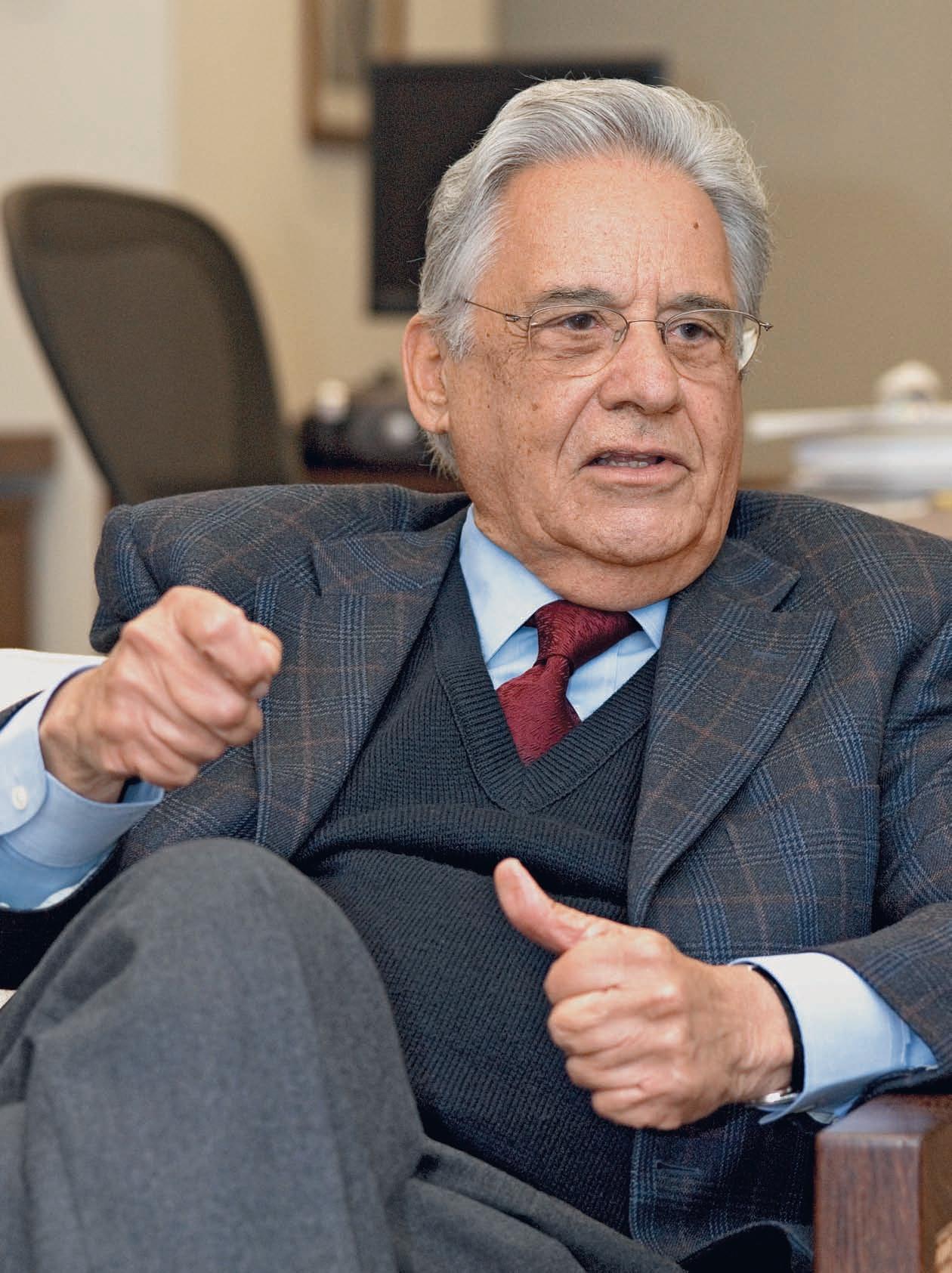
According to the former president, there will be no solution as long as society is lenient toward environmental damage
Fabrício Marques and Neldson Marcolin
Former president Fernando Henrique Cardoso has been monitoring the environmental debate for at least four decades. After stepping down from his position as President of the Republic, he divides his time between lectures and special courses in US universities and the activities of his institute, (iFHC), which holds seminars on subjects that are of interest to society, such as democracy, development, political institutions, media, federalism – and, in particular, science and the environment. His connection with this issue dates back to the sixties and seventies. As a result of the political persecution that followed the military coup of 1964, Fernando Henrique Cardoso, then a professor and researcher, spent some time at universities in Chile, France and the US as a professor of sociology, his field of expertise.
While abroad, he spent time with some of the main players in the environmental debate, long before this became mandatory, such as Ignacy Sachs, Johan Galtung and Marc Nerfin. He was the president of Brazil in 1997 when the Rio+5 meeting and the Kyoto conference were held and was involved with other heads of state in the negotiations that led to the famous protocol. This document established deadlines, ranging from 2008 to 2012, by which the signatory countries undertook to cut their emissions of greenhouse gases.
In August of this year, Fernando Henrique opened the ceremony at which
the FAPESP Program for Research into Global Climate Change was launched. This is the greatest and most articulated multidisciplinary effort ever conducted in Brazil to increase knowledge about this issue. The former president explained how society progressively woke up to the fact that conserving the environment is important. At the request of Carlos Henrique de Brito Cruz, the Foundation’s scientific director, he delivered a copy of the program to Ricardo Lagos, former president of Chile and currently an advisor to UN secretary-general Ban Ki-moon. In this interview, Fernando Henrique talks about the progress and acceptance of environmental issues in Brazil and throughout the world.
■ Was the establishment of the Club of Rome (which brought together academics to discuss a range of issues, in particular environmental ones, back in 1968) the first initiative of people of significant standing within society to try to change matters in aid of the environment? How do you see those times?
— In so far as I recall, yes it was. The idea of the Club of Rome was zero growth. This was incompatible with developing countries. Naturally, the Brazilian left-wing was against it. And so was I, of course. The idea at that time was that development was a central issue. The Club of Rome wanted zero growth because it believed that certain assets are limited. However, the common feeling was that everything was limitless – the air and
the sea would be available forever, no problem. There was no notion of limitation. One of the first people to develop this notion was Ignacy Sachs, a professor at France’s School of High Studies of Social Sciences [EHESS – École des Hautes Études en Sciences Sociales]. He has always had great environmental concerns. Though perhaps, before him, Johan Galtun, a Norwegian, had already focused on the issue. He taught at Flacso [the Latin-American College of Social Sciences] in Chile. I also taught there in the sixties. I used to see him going into the lecture hall playing a flute. He’d been an assistant to Paul Lazarsfeld, a social sciences scholar.
■ Where did Lazarsfeld come from?
— He taught at Columbia, in the US. Galtung had worked with him there and was up to date; he knew everything. Once I attended a meeting in Sweden, in the seventies, at which we discussed how to put development and environmental conservation together. The concept of eco-development was developed, I believe, by Sachs. Subsequently another friend, Marc Nerfin, a Swiss who was the chief organizer of the 1972 Stockholm Conference, created the International Foundation for Development Alternatives in a town near Geneva. I was on the Board of this foundation.
■ Were you in France at that time?
— No, I was in Brazil. We had already established Cebrap [the Brazilian Analy-
sis and Planning Center], but we had no means of survival. So I spent some time studying in France. I had been a regular professor there in the late sixties; I taught courses at the School of High Studies. During the seventies, I kept coming and going. In the mid-seventies I taught at Cambridge and spent some time at Princeton, in the US. Sometimes I went to Sweden.
■ Did your interest in this issue appear as a result of these meetings?
— It resulted from their infl uence. I remember a meeting in Canada, which has a foundation similar to FAPESP. A meeting was held there on the development and environment issue and its star was Sachs. He strongly influenced a lot of people here in Brazil. Sachs is Polish and lived for many years in Brazil; he has a home here and another one in France. He worked with Michal Kalecki, the great Polish economist, one of the major renovators.
■ Did the concept of sustainable development start to take shape as a result of these discussions?
— Naturally, this expression came later; it’s more recent. But concern with environment-friendly development actually appeared after the Stockholm Conference. The turning point was Stockholm and, later, the 1992 Rio Conference. It was in Rio that an arena for governments to manifest themselves better was really provided.
■ These mega-conferences that took place afterwards turned into something rather… — ... chimerical!
■ Exactly. Don’t they strike you as a huge marketing tool that lack effectiveness? Or, at least, that only work very slowly? — The governmental machine is always very slow.
■ Everywhere?
— Everywhere. Intergovernmental machines are even worse. At the end of the day, all themes that concern current affairs and political, social and economic thinking tied in with these conferences. For instance, the UN held a conference on racism in Durban, Africa. Nothing comes of it, let’s say, but the subject is raised. Conferences have been held about women. And about the habitat, about cities. An administrative office was created. In other words, converting this into public policy may be difficult, because it depends on each country’s government, but an intellectual environment is generated that enables ideas to become somewhat contagious. And in this sense I think it’s positive. One of these UN initiatives yielded practical results. It was conducted by Amartya Sen, the Indian economist and 1998 Nobel Prize winner. He is married to Emma Rothschild, who was a great friend of Ruth’s [Ruth Cardoso, Fernando Henrique’s wife, who died in June of this year]. Amartya and Mahbub ul Haq, a Pakistani who was the president of Pakistan’s Central Bank in the seventies, created the Human Development Index - HDI.
■ Didn’t you win a UN award because of this index?
— Yes, in 2002. I was the first person to win the human development award because Brazil achieved the greatest improvements in these areas in the nineties. Had there been no HDI, we would’ve been unable to measure the progress of anything other than GDP-related items. It’s a simple index that tracks per capita income growth, the extent of literacy and life expectancy. It was this which enabled the practice of evaluation to be disseminated. Here in Brazil, we adapted it for the João Pinheiro Foundation in the state of Minas Gerais, which assessed the HDI of towns, one by one. This resulted from this sort of debate, even though they seem to go nowhere. There was a meeting in Africa about the environment that Nelson Mandela and I attended and where we proposed – José Goldemberg came up with the idea and I adopted it – the target of all countries to produce at least 10% clean energy. Well, we aren’t getting exactly this, but progress is being made. Brazil has advanced a lot regarding the conservation of forests. At the end of the day, this is an outcome of these conferences. However, it’s a fact that action is always far more sluggish than one would like to see.
■ You were against slash burning, but they continued doing it. Why is it so hard to get compliance with the president’s wishes? — Actually, because one must go through channels that are more bureaucratic than political in order to succeed. Getting back to the slash burning example, I’m very friendly with Fábio Feldman [environmentalist and former federal congressman]. We created a council on global warming. We were the first country to do this during my term.
■ During your first or your second term? — Second. I was the council’s chairman and Fábio, its executive secretary. We held a few meetings to clarify matters to ministers, secretaries, governors, etc. regarding the issue. And Fabio used to drive me crazy in connection with slash burning. He always looked at me to complain: ‘They’re burning more than they say…’ On that occasion, we managed to build a satellite with China, the first to take pictures over the Amazon Region several times. That was in my first term. Back then, you could already figure out what was being burnt. But this only increases one’s anguish, because you know what is burning but lack the means to put a stop to it. That region
is huge, local interests are very strong and there’s no effective policing… Today, at least, the mentality of the region’s governors has changed a lot.
■ In which states of the Amazon Region is preservation greatest?
— Amazonas and Amapá are preserved. Not the south of Acre, though. The forest is attacked from the south because the population puts pressure on it. There are very strong pressures there. First from the lumberyards, which pay the Indians to fell trees and sell timber. Then there’s pressure from local governments, as they profit from timber exports. And there’s pressure from small farmers, in so far as population displacement occurs. I was recently reading in newspapers that it is Incra [the National Institute for Colonization and Agrarian Reform] that conducts the settling of farmers over there. At the time of the military, only large companies, the multinational ones, were strong players and cut down forests. And the government offered incentives for them to do so.
■ To advance deeper into the country. — They wanted plantations and pastures in the Amazon Region. I have a book about the region at that time, Amazônia: expansão do capitalismo [Amazonia: capitalism expansion, published by Brasiliense/Cebrap], dated 1977. I went there with Juarez Brandão Lopes, a professor from USP [the University of São Paulo], to conduct an occupational research study in the Amazon Region. The book wasn’t written with him, but with Geraldo Müller, who was my advisor, and with the help of Tetê [Teresa Marta], Marta Suplicy’s sister. Severo Gomes [businessman, former senator and former minister, who died in 1992] was my friend and had a farm in the south of Pará. We went there and I thought it was all rather weird, because they asked for documents and permits, and there were soldiers. Severo received us and, in the evening, the region’s bishop, whose name was Cardoso, a Dominican from the state of Minas Gerais, and a senior nun from a convent over there came to dine with us. Talking to them that evening we found out that there were guerillas in the country. And we didn’t know about it.
■ Given all your dealings with the left, didn’t you know about the Araguaia guerrillas? — No, nobody in Brazil knew. That was back in 1975. Severo, Juarez and I had gone all over that region… Later, when I returned, there were wounded soldiers
on the plane. But this story is just a detail. I went there to do research. We called the people from the area to talk. Capitalism was penetrating over there. There was a “cat” – which is what the guys who coopted labor were called – who decided I wanted to buy land. He said “Don’t you worry; buy the land, because over here, we’ll look after everything for you. There’s a system: the folks cut down the woods and stay there for 15 days. Then they go back to town, spend three or four days, and return to the woods. They can’t take guns or women, and they can’t drink. If they do any of that, we give them an alcohol injection and they’ll never do it again.” He was talking about the peons that were co-opted, mainly in Maranhão. I visited a village called Redenção. Today it has, I don’t know, about 100 thousand inhabitants, it’s a city. It had brothels and a drugstore to draw people. That was the idea at the time.
■ All of this with a tax break?
— Of course. There was the Volkswagen farm and those of other multinationals. And of course, all of that was going to turn into a desert. You cut the trees down, the cattle stampede the land and it doesn’t turn into anything. This kind of government measure, encouraging deforestation, has ended. However, the fatal capacity for controlling deforesta-
tion is still small. How is this measured? By satellite. We have Inpe [the National Space Research Institute] to do this. Then there are those who analyze the data. There was always a discrepancy between the true figures and the official figures. Once I went to dinner at the house of Ronaldo Sardenberg, my last Science and Technology minister. I had dinner there with Fabio, and a young woman who was his friend and who knew everything about the Amazon Region, and the person in charge of the satellite work and the analyses, to see if we could figure out what the correct slash burning and deforestation figures were. It’s very difficult. Even as president, even when you want things, there is no guaranteed set of tools. And it’s no use the government wanting to solve everything: it must be done by society. For as long as society is lenient about these matters, there will be no solution. Today we see that deforestation is still advancing. My position is zero deforestation. But there are always some interesting initiatives. We held two meetings at the Getulio Vargas Foundation in São Paulo and I was favorably impressed with the Brazilian cement and steel businessmen’s efforts. They’re all trying to control CO2 emissions. Our responsibility regarding global warming is slash burning. The feces of animals, of cattle, which also produce methane, is another factor. But the bulk of it is not industrial. The problem is burning the forest. And nothing can justify that.
If society lacks awareness, doesn’t bring about any pressure and has no government, the sources of private interests destroy everything
■ Capitalism at the time when you wrote Amazonia was far more savage than today’s, right?
— I think so.
■ How can this process be controlled?
— There is more than enough advanced capitalism. But right now we’re witnessing the melt-down of all stock markets… Capitalism has always had this irrational component, it’s true. But not that irrationality that we were talking about before. That kind is savage. As is what China has now. If society has no conscience, if it exerts no pressure and has no government, the sources of private interest destroy everything. There must be an instrument of counterbalance, plus regulation. The worst thing is when the State offers incentives that go against nature, which was the case at the time of the military. At that time there was no awareness; now there is. In the state of Amazonas there was a governor, Gilberto Mestrinho, who hated the nature conservation issue.
I met him in the Senate. He believed in the power of unfettered progress. His attitude has now changed.”
■ It changed?
— It did. Amazonino Mendes, another Amazonas governor, also changed. The current one, Eduardo Braga, is totally concerned with this issue, at least verbally; I don’t know what he’s actually doing. I introduced him to Al Gore when he was here. João Alberto Capiberibe, from Amapá, is also concerned. Today, the State is far more aware of the need to offset the more savage forces.”
■ Intergovernmental issues seem to pose a greater difficulty, as you mentioned. The Bali Meeting in 2007 indicated that today’s challenge is to try to combine the interests of both the poor and the rich countries. — There is no easy solution. But Brazil’s delegation over there, as far as I know, achieved a reasonable solution during the discussions on forest conservation. I think that we should absolutely insist on the value of standing forests and even of planted forests. This was never taken into account when we discussed the Kyoto Protocol originally. I think that that Kyoto has become insufficient. The protocol’s idea was shared and unequal
responsibility. An arrangement was devised there whereby developed countries can continue polluting provided they pay for the non-pollution of others. This is rather archaic, to imagine that we can accept that nobody has the right to pollute with no attempt at compensation. I always remember [Mikhail] Gorbatchev, because I was very impressed by his position in the eighties.
■ And what was that?
— He was the leader of a communist state, a world power based on atomic production, who said: ‘Look here, we can’t go on like this.’ I think that theoretically this is very interesting. In Marxist theory one can’t talk about Humanity without a degree of mystification: everything indicates that there will only be Humanity when a universal class comes into being. When the workers rule the world, everyone will be equal. Then we’ll have Humanity. Other than this, what we have are social classes. Humanity is mystification and opposing social classes are what concretely exist. These are [Karl] Marx’s ideas. Or, above all, the ideas of Marx’s disciples –Marx was always more intelligent than his disciples. Gorbatchev said the opposite: ‘We can’t go on like this. Atomic terror is no solution; having an atom bomb
not only hurts others; it all goes into the atmosphere and comes back to me. We must think that it’s a process that affects Humanity.’ I think this, in the late eighties, was a huge change. This evolution is very interesting, because in the tradition of leftist thinking it doesn’t exist. The idea of progress dates back to the 18th century. It’s the belief that progress is unlimited and that one needn’t think about the limits that nature imposes. Man would always discover a new technology to solve it all. It’s a blind trust in technological progress. Then Gorbatchev came along and said ‘Look here, think about this, be careful, because progress can be destructive.’ So we must have other values, including respect for the environment.”
■ Was Gorbatchev aware of this concept? — I met him several times. He has a relative awareness of this. But it’s hard to really tell, because he speaks no English, only Russian. He’s very talkative, very pleasant. And he has a good-looking daughter who translates well, besides the official translator. Still, interaction is complicated. Perhaps he doesn’t have a conceptual awareness, let’s say, of what he said and did. And he’s not a person with such an abstract thought process. But I know he did engage in this conceptual change. Today, the ethical theme in science has made a comeback. Science has become less arrogant. Will it solve all world problems? No.
■ We recently witnessed major debates about genetic modifications and embryo stem cells.
— It was good, wasn’t it? Of course, research must be conducted, but there are limits. That’s also true of the development and environmental issues. I think that social awareness has advanced. I see that young people show a lot of environmental sensitivity. Brazil has always held, at least where rhetoric is concerned, advanced positions about the environment. Lately that has slackened off a bit. We’re back to a ‘growth is what matters’ type of situation. Environmental concerns have been rather set aside due to growth ambitions.
■ You have always been critical of energy from nuclear sources. Wouldn’t that be a good solution today?
— The problem is disposing of atomic waste. However, given current circumstances, we must rethink this. I was heavily struck by a conversation I had with people from Alcoa. They’re injecting gas into holes where there was oil before. In-
stead of releasing it into space, they’re putting it under the ground. Something akin to this will have to be invented for nuclear waste. More than 60% of France’s power is atomic energy. Germany and Spain can afford the luxury of turning this down because they import power from the French. That makes it easy.
■ We interviewed professor José Goldemberg a few months ago and he was critical of Brazil’s current diplomatic posture. He said Brazil is playing China’s game and that it could hold a far more proactive position. How do you see this? — I agree with him. Indeed, Brazil’s diplomatic posture was heavily underscored, understandably, by the seventies’ economic boom and a vision of a powerful Brazil. Regarding the environmental issue, I myself forced the discussion in favor of the Kyoto Protocol. I talked to Bill Clinton (he called me on more than one occasion during negotiations), to Sardenberg (when he was in Holland, negotiating the issues) and to our diplomatic corps… Well, diplomacy more or less goes along with politics when this is convenient. As it is doing now, in the case of Lula. He has fewer environmental concerns and is more interested in growth; diplomacy has sort of taken up an attitude derived from the struggle of the poor against the rich. They aren’t third-world advocates; I’m exaggerating, but there’s an element of this. China is part of the Third World, the US and Europe are in the First world; so we’re together with China, we’re not in the First World. Well, I think this is a simplification. And so do they. For instance, the ambassador who has always dealt with this, Everton Vieira Vargas, is very good. There are several like him at Itamaraty [the Brazilian Foreign Office]. But there are others that think otherwise. If China prefers things over here, they establish an alliance with China. I think we shouldn’t maintain unconditional relations with anyone. We must consider our interests and the interests of Humanity regarding profit. China will have to take measures, because it knows it can’t go on with things as they are at present. Brazil pulled away from it a bit in Bali, but it must pull away further, because we don’t need to pay for their mistakes. China decided to grow and it has a problem. I can understand it: one billion people need to eat. But now that they’re eating, they need to pay more attention to how things are done. And Brazil isn’t China. We should understand these processes. In any event, we have made fair progress regarding such matters.”
Brazil pulled away from China a little at the Bali meeting, in 2007, but it needs to pull away further because we don’t need to pay for their mistakes
■ Can one expect some receptiveness from these institutions?
— Receptiveness yes; money no. It’s mainly to publicize the program. We have resources in Brazil. So the problem is getting people interested, to show what can be done.
■ And what about the environmental issue, in the light of the current major economic crisis?
■ Are you still a critic of the waste of energy?
— I think not wasting it is fundamental. We can gain a lot more.
■ Is this a trauma from the time of the nationwide power shortage?
— No it’s not. It’s about seeing what happened and how we managed to handle matters. We developed capabilities and learned to save power. Only recently did the level of power consumption return to its former levels. There’s a lot to be done, a lot of things left over.
■ You gave a copy of the FAPESP Program for Research into Global Climate Change to Ricardo Lagos, the former president of Chile. Why?
— He’s an advisor on the environment to the UN secretary-general. I used to chair the Madrid Club, an association of former presidents founded by Gorbatchev. Clinton was its honorary chairman. We held a major meeting on how to render fighting terrorism compatible with democratic rules. When Ricardo left the government of Chile, I transferred two of my duties to him: the chairmanships of the Madrid Club and of the Inter-American Dialogue, in the US. And he, in turn, held a meeting on the environment. I gave him the FAPESP program to take to the UN and to the Madrid Club itself.
— The crisis will have a positive impact on the environment because it will reduce growth and pollution. But a greater effort to understand the issue won’t necessarily occur. The crisis will just reduce the magnitude of the drama. One will spend less, consume less oil… In the US, there was major progress, and at the social awareness level as well. In California and in other states and cities, for example. Brazil works a bit like that. We aren’t a centralized country. We have states and municipalities, a more active society, as in the US. There, the federal government lacks the power to curb the California governor. I think Brazil is able to do the same. I was very impressed at a meeting of the WRI [World Resources Institute], of which I am a member, along with Al Gore. There was a presentation about what was happening in American companies. They’re much more advanced than the US government. And some of ours are as well. Talk to the Votorantim people to see this. They’re proposing to change their type of blast-furnace in order to cut the emission of greenhouse gases.
■ Are you asked to deal with this theme at your institute? The iFHC website lists several seminars on this issue.
— A lot of people ask for this. At first it was difficult. I used to be the president of the Republic and am the honorary chairman of the PSDB [political party]. So they thought that the institute was going to work as a politician’s disguise. But it doesn`t. To this day, I have difficulty in this regard . I’m not that well informed about day-to-day politics, but people don’t believe it. They think I’m putting this on, that I’m maneuvering – well, sometimes I am. But I no longer have patience with this type of thing and personal interest in it. Here at the institute we try to maintain a debate with society. And, in so far as possible, with the parties as well. In our seminars, we make an effort to get people from universities and companies, journalists and politicians. The difficulty is finding politicians interested in these subjects.” ■
Fabrício Marques
Published in July 2008
Researchers from the State of São Paulo are being invited to take part in a major research effort designed to improve Brazil’s ethanol productivity and to make advances both in basic science and in the technological development of power generation from biomass. The FAPESP Bionergy Research Program (Bioen), launched on the 3rd of the month, aims at encouraging and putting research together at São Paulo institutions and at improving the area’s current expertise. “Brazil has clear advantages in the production of first-generation ethanol from the fermentation of sucrose, but many challenges must be overcome to improve productivity,” states Carlos Henrique de Brito Cruz, FAPESP’s scientific director. “There are also major opportunities for developing secondgeneration ethanol made from cellulose. This has been a target for research
in many countries. Bioen will work on both fronts,” he explains.
The program will have five lines of research. One is research into biomass, with a view to improving sugarcane. The second is the biofuel manufacturing process. The third concerns ethanol applications in automotive engines. The fourth regards studies on bio-refineries and alcohol chemistry. And the fifth will examine the social and environmental impact of using biofuels. “The challenge is to establish a new R&D model with real impact on improving cultivars, on increasing the efficiency of ethanol production processes, and on evaluating the effect of using biofuels in several sectors of society,” explains Glaucia Mendes Souza, a researcher from the Chemistry Institute at USP (the University of São Paulo) and Bioen coordinator.
The call for projects estimates some R$ 38 million in investments,
of which R$19 million will come from FAPESP and rest from CNPq (Brazil’s National Council for Scientific and Technological Development), as follows: R$ 10.2 million in grants and R$ 8.8 million from Pronex, the Aid Program for Centers of Excellence. As part of Bioen, agreements were also established to bring together research efforts with companies and other entities. One of them involves the first call for proposals connected to the FAPESP/Dedini Aid Agreement for Research into Industrial Processes of Sugarcane Ethanol Production, which will initially invest R$ 20 million in cooperative projects involving experts from the company as well as from São Paulo research institutions and universities. The FAPESP/Dedini Agreement provides for investments in the order of R$ 100 million over five years, shared equally between the two partners.
Brazil is the sugarcane research leader, but other countries are ahead in studies about 1st and 2nd generation ethanol
Number of published scientific articles concerning research studies on sugarcane
United States
Brazil
State of São Paulo
India
Australia
China
Number of published scientific articles concerning research studies on ethanol extracted from biomass
United States
Brazil
State of São Paulo
India
China
Number of published scientific articles concerning research studies on 2nd generation ethanol (lignocellulose)
United States
Brazil
China
Japan
Canada
Dedini is not the only company to enter into a partnership with FAPESP in the biofuel research field. In 2006, the Foundation, together with BNDES [Brazil’s National Bank for Economic and Social Development], signed an agreement with Oxiteno, from the Ultra Group, for the development of seven cooperative projects that ranged from investigating the process of enzymatic hydrolysis of sugarcane bagasse for obtaining sugars to the bioproduction of ethanol from cellulose. Early this year, FAPESP and Braskem also established an agreement for the development of biopolymers. Besides the agreements with these three companies, the Bioen Program also encompasses a call for proposals to a total of R$ 5 million; the grants will be funded through an agreement between FAPESP and Fapemig (the Foundation for Research Aid of the State of Minas Gerais) c0vering research into biofuels. Finally, the program will also benefit from R$ 10 million that FAPESP has earmarked for regular aid and forthe Aid to Young Researchers program. The set of calls announced in early June corresponds to R$ 73 million in investment.
The sugarcane agribusiness involves transactions totaling R$ 40 billion a year in Brazil. The 2007/2008 crop is expected to yield 547 million tonnes of sugarcane or 15.2% more than the preceding crop. Half of this will be transformed into ethanol, making Brazil the world’s second largest producer of this fuel. The largest producer is the US, which extracts ethanol from corn under heavy subsidies. Two thirds of Brazil’s production is in the state of São Paulo. Estimates indicate that Brazil must double its production within the next five to seven years in order to meet local and international demand for ethanol. This will require building new mills, expanding plantations, improving plantation management and, above all, improving productivity.
One of Bioen’s chief targets is to create knowledge capable of speeding up the development of new sugarcane varieties that can generate such progress. In São Paulo, productivity improvement may be achieved, for instance, through the advent of cultivars
that are richer in sucrose, as the limited availability of unoccupied land hinders the expansion of plantations. As for the Planalto Central [the large plateau in Brazil’s midwest], expansion is more feasible – there are areas with great potential mapped in the north of the state of Tocantins, in the south of the state of Maranhão, in the states of Mato Grosso and Goiás, and in the Triangulo Mineiro area. What is needed, however, is the development of a greater set of varieties adapted to a limited water supply. “The availability of drought-resistant cultivars is necessary to expand sugarcane plantations in this area, because it would enable the use of pastures and might diminish the pressure for expansion on savannas (Cerrado) and forests,” says Glaucia Souza. “Producers in the Northeast will also benefit from drought-resistant cultivars, which might significantly increase the region’s productivity,” she says.
Highly productive sugarcane varieties with high sugar or fiber content and adapted to Brazil’s several climates and soil types have been developed for years
using traditional genetic improvement techniques. Bioen wants to speed up the development of these varietiesby genetically manipulating the energy metabolism of the farmed plants, thereby generating competitive advantages for Brazilian production.
Bioen’s starting point was the interaction of a group of researchers who studied the fragments of sugarcane’s functional genes, the socalled Expressed Sequence Tags (ESTs), as part of the FAPESP Sucest (Sugarcane EST) program. Better known as Sugarcane Genome, this project was conducted from 1999 to 2003 by some 240 researchers led by biologist Paulo Arruda; it was fi nanced by FAPESP and Coopersucar (the São Paulo State Cooperative of Sugar and Alcohol Producers). “We got to 238 thousand ESTs, then we moved on to identifying the genes involved; we studied the functions associated with them and did a tissues matrix to help generate more efficient genetically modified plants,” sums up Glaucia Souza. “We already
have 348 data about genes linked to synthesizing sucrose,” she states.
One of the challenges researchers now face is identifying the regions of the sugarcane genome that regulate the expression of the genes mapped by Sucest. An understanding of the physical location of the genes, of the dosage of their variations (alleles), and of their environment will further increase the efficient use of molecular markers to improve the culture and transform the plants. This knowledge should speed up the development of new varieties, also making this process cheaper and more competitive. It currently takes at least ten years. At present, improvement programs start with the selection of future varieties (genotypes) in the field, through the evaluation of the features of interest found in each genotype. This process is conducted on thousands of plants every year, with a view to narrowing them down to a few varieties with great potential. “The idea is to cut the number of plants that are evaluated in the field, using the data of molecular markers to select ahead of time variet-
Ethanol production cost, in USD per gallon (4.5 liters), from:
Refined sugar (USA)
Beet sugar (Europe)
Sugarcane (USA)
Beet sugar (USA)
Corn (USA)
Sugarcane (Brazil)
Source: USDA
Evolution of global ethanol production – in millions of liters
ies linked to genes that are of interest,” says agronomical engineer Anete Pereira de Souza, the study’s coordinator, who also teaches at the Genetics and Evolution Department of the Biology Institute and does research at Cbmeg, the Molecular Biology and Genetic Engineering Center, both of which are part of Unicamp (the State University of Campinas). “The identification of molecular markers associated with features of interest is extremely important for guiding plant crossbreeding in the sugarcane improvement program,” states researcher Marie-Anne Van Sluys, a professor at the Botany Department ofUSP’s Biosciences Institute. Both Anete and Marie-Anne will coordinate Bioen research. The task of identifying the molecular markers, incidentally, is far from trivial. The sugarcane genome is as much as three times bigger than the human one, with the added com-
plication that, instead of two copies of each chromosome, there are as many as ten copies that are not all equal.
The Bioen Program will also study sugarcane’s defense mechanisms against some of the main pests. The interaction between the plant and the insect is a dynamic system that is subject to continuous variations. “The plants have developed different mechanisms to reduce insect attacks, including specific responses that activate different metabolic paths and that considerably change their chemical and physical characteristics,” says Glaucia Souza. On the other hand, the insects have developed strategies to overcome the plants’ defense barriers, enabling them to feed off their hosts, as well as to develop and reproduce in them. One of the specific objectives is to study the giant sugarcane borer, one of the plant’s main pests in the Northeast of Brazil,
also recently identified in parts of the Southeast, besides understanding the function of specific sugarcane defense proteins that fight borer attacks.
Another research focus is how sugarcane will respond to climate change. This knowledge may help the development of varieties that can withstand more rain and heat better, besides the expected advance of pest infestation. It is a known fact that a high concentration of carbon dioxide produces photosynthesis and biomass increases, indicating potential productivity growth.
“On the other hand, we know very little about hormone control mechanisms, their relationship with carbon metabolism and the gene transcriptions networks connected to this,” says Marcos Buckeridge, a professor at the Department of Botany at the USP Biosciences Institute and Bioen coordinator. “Knowledge of these processes has the potential to show which are the sugarcane metabolism points that might be altered to produce varieties capable of adapting to climate change,” states Buckeridge. Sources of biofuel that do not jeopardize nature, such as making ethanol out of polysaccharides from the seeds of native trees grown in the midst of sugarcane plantations, will also be researched. “Agro-forest systems may provide a new model for increasing the production of renewable energy harmoniously and with social benefits, with minimal environmental impact,” states Buckeridge.
Sucrose alone, which accounts for one third of sugarcane’s biomass, is used to make sugar and fuel alcohol. It is true that Brazil uses sugarcane bagasse to produce energy at mills or for animal feed; this has resulted in an outstanding efficiency gain. The major challenge, however, is to transform the cellulose in the bagasse and straw from the sugarcane into ethanol – enzymatic hydrolysis or physical-chemical processes could enable the carbon units within cellulose and hemicellulose to ferment as well. Knowledge of cellulose utilization technology is at the core of the global race to produce energy from renewable sources. This process is currently very expensive and far from being fi nancially viable. If researchers find ways
to cut costs by using the cellulose that accounts for two thirds of sugarcane, Brazil’s ethanol production could dramatically increase in the long run.
The physiology of sugarcane cell walls will be studied as part of the Bioen project. These walls are made of cellulose, hemicellulose and pectins, interwoven in a way that makes it very difficult to efficiently extract energy from their chemical bonds. Investments will be made to understand how the wall is built, in order to perhaps change its structure and create varieties that degrade more easily. “We already have the composition and structure of the polysaccharides of the cell walls of sugarcane leaves, stalks and flowers. Therefore, we know which bonds must be broken to produce sugar,” says Buckeridge. “We also have a list of 469 genes connected to the cell walls and we’re studying this in greater depth to understand how some of these enzymes work. But this is a protracted task, because we must understand not only how each enzyme operates, but also how they work together. Our long-term aim is to cause the plant, at a certain point in its development, to start degrading its own wall, making it easier to complete hydrolysis after it has been reaped, using enzymes from microorganisms,” stated the researcher.
Research on obtaining ethanol from cellulose involves physical, chemical or biological processes; no one knows yet which will be the most efficient. “Up to two years ago, producing large amounts of ethanol was a Brazilian subject. Now, as developed countries have become interested in the issue, we will face competition that will oblige us to use a lot more advanced science,” says Brito Cruz, FAPESP’s scientific director, who highlights the importance of simultaneously investing in traditional ethanol and in cellulose ethanol. “The idea that second-generation ethanol might be superior is controversial. Undoubtedly it will be advantageous for countries that can’t make first-generation ethanol. Research indicates that first-generation ethanol will continue to be superior to the second-generation type for years to come. Still, second-generation ethanol will be very attractive in relation to current oil prices,” he states.
Dedini, which has established a partnership with FAPESP, has already
developed and patented a process for obtaining ethanol from cellulose and is now trying to perfect it. “It’s a great privilege to have access to knowledge from research centers so that together we may solve the technological problems of ethanol production,” says José Luiz Olivério, vice-president of Dedini. The call for proposals establishes that over the next three months researchers may submit projects related to improving traditional processes, such as ethanol production or using sugarcane waste for power generation, and with developing innovative processes, such as obtaining ethanol from cellulose through acid or enzymatic hydrolysis at competitive costs. The proposals will be selected by a committee and the chosen projects will be monitored by Dedini’s R&D experts.
The discussion about the eventual impact on food production of farming for ethanol production has grown in the last few months and may be studied under program’s fifth line of research, which will analyze the social and environmental effects of progress in the production of bioenergy. “It has been clearly shown that this is a misconception; the two main reasons why the cost of food has grown are the increase in the price of oil, which affects transportation, and the increase in the world’s consumption , due to the fast economic development in China and India,” says Brito Cruz. “Bioen’s concern is not tied to the debate about this state of affairs, but to the fact that, to date, agricultural development worldwide has always targeted food production; however, it will now also target producing energy for automobiles. This will probably change the reasoning that governs world agricultural progress and we still know very little about this,” he states.
Finally, Bioen also plans to attract and train qualified personnel for bioenergy research. The idea is to create the conditions needed to consolidate the state’s leadership in this field, through actions that enable academic research at competitive international standards, an increase in contributions from the institutions and centers that already engage in research in this field, and the establishment of a research network in partnership and collaboration with companies.











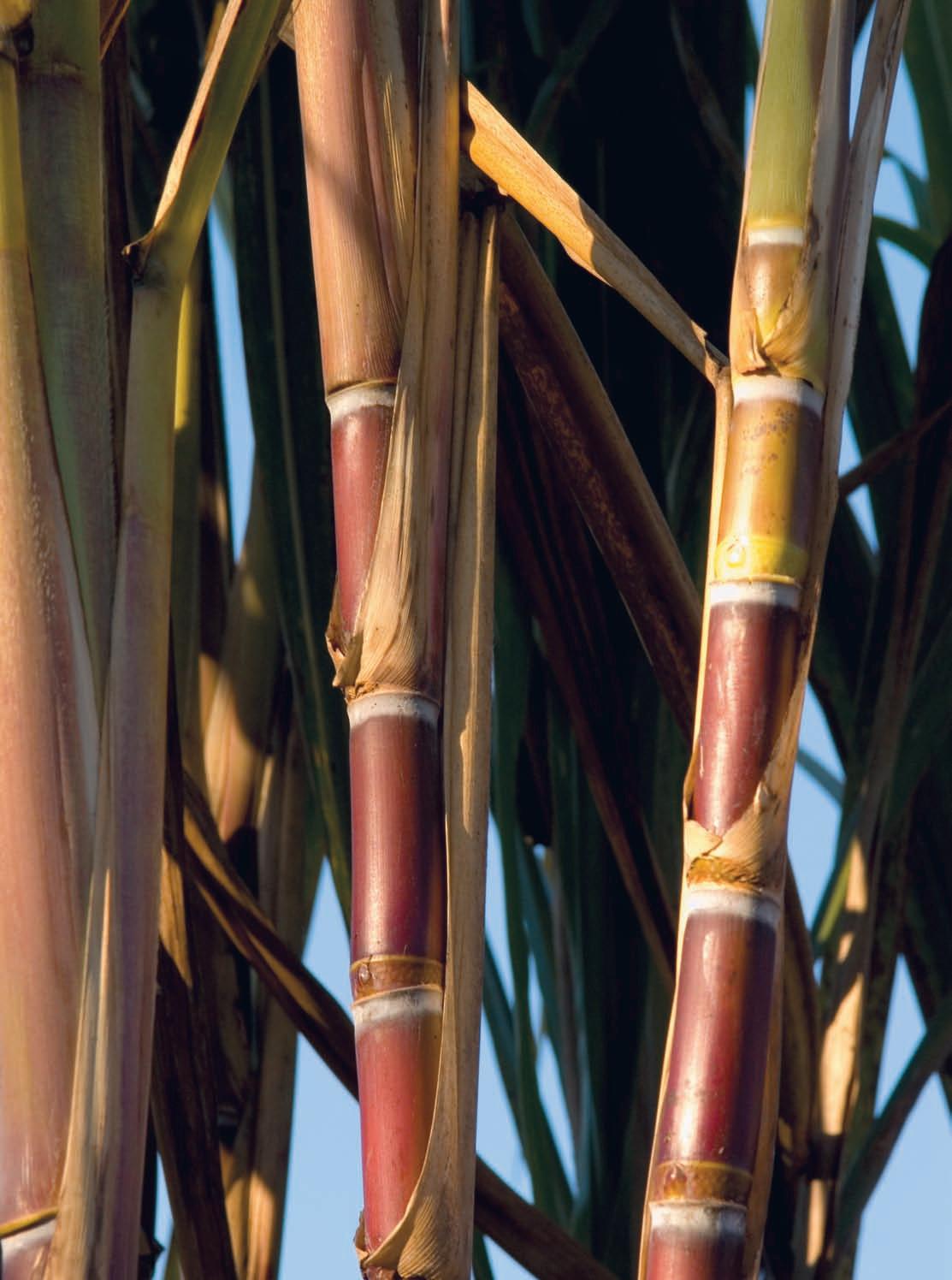



Sale of Alellyx and CanaVialis to Monsanto for US$ 290 million is an example of wealth creation through competitive research
Fabrício Marques
Published in December 2008
It was the largest business deal ever closed in Brazil involving biotechnology firms developed through venture capital. For US$ 290 million, equivalent to R$ 616 million, the multinational Monsanto acquired, on November 3, the Brazilian firms Alellyx Applied Genomics and CanaVialis, both headquartered in the city of Campinas (state of São Paulo) and created thanks to a venture capital fund, Votorantim Novos Negócios (Votorantim New Business), to seek technological solutions for the farming of sugarcane, orange and eucalyptus.
Alellyx was founded in 2002, resulting from a partnership of a group of researchers that took part, in the late 1990s, in the sequencing of the genome of the Xyllela fastidiosa bacterium (which causes citrus variegated chlorosis (CVC) in orange plantations), financed by FAPESP. It became a research company focused on creating products and technology to aid agriculture, based on molecular genetics. Alellyx is Xyllela spelled back to front.
To create CanaVialis in 2003, Votorantim Novos Negócios brought together researchers experienced in the genetic improvement of sugarcane, in particular those from Ridesa, the Inter-University Network for the Development of the Sugar and Alcohol Industry. CanaVialis is now the world’s
largest private-sector sugarcane improvement company. It is developing new cane varieties with genetic advantages and it has contracts with 46 sugarcane mills. Votorantim Novos Negócios investment to set up the two firms amounted to roughly US$ 40 million.
The two enterprises will continue to be managed independently and their 250 employees will be kept. Monsanto plans to center its global sugarcane research and development (R&D) work in their facilities. The key to the deal was the multinational’s interest in investing in the emerging sugarcane market and turning this into the fourth crop in its business portfolio, along with corn, soy and cotton.
“Monsanto is choosing sugarcane as a global crop,” noted André Dias, president of Monsanto in Brazil. “Global demand for sugar and biofuels is beginning to grow at a faster pace than sugarcane production levels. We hope that the CanaVialis and Alellyx acquisitions will allow us to combine our know-how on improving soy, corn and cotton crops with improving sugarcane. The objective
is to increase this crop’s productivity and to reduce the resources required to grow it,” stated Dias. According to him, Brazil will become a sugarcane R&D platform for Monsanto. “The country will play an outstanding role not only as a technology generator, but also as a user of these technologies.” Of the world’s 20.2 million hectares of sugarcane plantations, more than 6.8 million hectares are in Brazil. The 2007/2008 crop is expected to yield 547 million tonnes, 15.2% more than the previous one. Half of this is earmarked for the production of ethanol, making Brazil the world’s second largest producer of this fuel worldwide. The US ranks first, with ethanol extracted from corn.
Monsanto currently invests US$ 800 million in R&D and sugarcane will start vying for a share of this investment. According to Ricardo Madureira, CEO of Alellyx and CanaVialis, the acquisition will allow the two firms to accelerate their R&D work. In 2009, for instance, CanaVialis is expected to release a variety of sugarcane with an early cycle, designed to be harvested at the start of the crop season, and with a higher level of sucrose, achieved through traditional genetic improvement. “We’d been working for a year and a half on this project, and in partnership with Monsanto,” said Madureira. CanaVialis also developed genetically modified plants with Alellyx. In 2006, the first genetically modified variety of sugarcane went into trial on a plantation in the state of Paraná. This plant has a gene from the virus that causes mosaic, one of the diseases that attacks this crop. The gene manipulated by Alellyx made the plant resistant to the disease in the laboratory.
Monsanto CEO André Dias said he hopes that the acquisition will foster the launch of new technologies around 2016. “Though it is a long-term investment that completes our R&D portfo-
lio, we hope to take germ plasm to other areas of cultivation around the world in the middle of the next decade,” he stated. Monsanto is not alone in its interest in sugarcane. In late October, Sygenta AG, a Swiss multinational, announced that it is entering the sugarcane market and developing a new technology to cut the cost of planting per hectare by some 15%. The innovation should be released in 2010.
Technology transfer - Fernando Reinach, Votorantim Novos Negócios’s executive director, says the sale took place slightly earlier than originally envisaged. “We’d imagined that this would take at least eight years to happen,” he stated. “However, this is the venture capital principle. You invest in scientific research with technological potential and take the greatest risk. You turn it into a business and later sell it to those who have the resources to invest in expansion. It is common for technology transfers to society to be conducted via large firms,” explained Reinach, who teaches at the University of São Paulo (USP) and who was one of the coordinators, in the late 1990s, of the Xyllela fastidiosa sequencing. He stresses that although the sale was made to a foreign enterprise, the Alellyx and CanaVialis R&D complex will remain in Brazil. “It’s the first major success case of a scientific research venture capital company in Brazil, which could open the way for new initia-
tives and investments,” he stated. He recalls that when the Xyllela fastidiosa genome was published in the journal Nature, in 2000, one of the researchers in the program, João Paulo Kitajima, from Unicamp, tracked the firms that downloaded the sequencing as soon as the information was posted on the web. No Brazilian company showed any interest, contrary to several multinationals.” I remember that, at the time, I wrote an article saying we were illprepared for success, because we had produced a scientific achievement, but the country lacked the structure to benefit from such a gain,” he said. Although the two companies have been sold to a multinational concern, Reinach now regards the situation as quite different. “We’re still short of Brazilian firms with the muscle to invest, but we’ll have a global research center in Brazil and that makes a big difference,” stated Reinach. “Monsanto has no sugarcane knowhow. It’s a new crop for them,” said the researcher.
According to Reinach, the sales negotiations took eight months and other foreign companies had also joined the race to make this acquisition. “It was an auction,” he says. As of last year, Monsanto had already established a technological partnering arrangement with CanaVialis and Alellyx for the development and marketing of Monsanto technologies as applied to sugarcane. An example of this is the BT technology, that can make the plant pest-resistant, and RR (Roundup Ready), which makes plants resistant to the herbicide glyphosate.
According to Carlos Henrique de Brito Cruz, FAPESP’s scientific director, the sale of the two companies is a rare and encouraging example of the creation, in Brazil, of value and wealth as a result of internationally competi-
tive, scientific research. “In this format, which consists of creating a small enterprise, creating intellectual property within it and selling it for more than was invested in it, I can only recall the case of Akwan Information Technologies, a fi rm from the state of Minas Gerais that Google acquired,” says Brito Cruz. Akwan, a search engine created by professors from the Federal University of Minas Gerais, was acquired in 2005 and became Google’s R&D center in Latin America. “This case shows an important possibility, which Brazil should exploit further. The fact that Monsanto is running its platform for sugarcane R&D in Brazil is also a positive element, because it shows, once again, that competitive research attracts investments and the activity of large global firms.”
For physicist José Fernando Perez, FAPESP’s scientific director from 1993 to 2005 and the articulator of the FAPESP Genome Program, whose first fruit was the sequencing of Xyllela fastidiosa, the sale of Alellyx and of CanaVialis is also important because it is taking place during a period in which international investments are in the doldrums. “The acquisition isn’t taking place at a time when there’s surplus cash, which enhances its importance.
The sale allows to country to get investment when few are getting this. Who knows what other countries were competing with us?” asks Perez, who is currently the president of Recepta Biopharma, a biotechnology enterprise. According to him, the acquisition of Alellyx and CanaVialis is an indication of the success of the vision that led to the FAPESP Genome Program. “The leaderships that formed the program became involved with Alellyx. The return is unprecedented. I know of no scientific project that has resulted in an investment of this magnitude in Brazil,” stated Perez, further adding: “The sale shows that engaging in science in our country can be an excellent business.”
Fertile investment - Perez states that the sale success of the companies highlights how correct the policy of investing in them was – besides FAPESP’s investment in genome research and the federal government’s investment, the companies had been getting government funding for their projects from Finep (the Studies and Projects Financing Agency) and BNDES (Brazil’s National Social and Economic Development Bank). “The investment of public funds was so successful that it enabled a very advantageous sale. Biotechnology is an area that demands high investment with a slow return. At a certain point in time, enterprises demand a larger capital injection and only large companies achieve this. It’s a cycle that must be completed for research to result in products with high commercial value and that reach society.” Perez reminds us that, since the first presentation to the FAPESP’s board of governors, the chief objective of the FAPESP Genome Program was to train human resources, at high speed, for developing biotechnology in Brazil.
However, the purchase of the two emerging firms by a single multina-
tional made the federal government uncomfortable. In an interview to the daily newspaper O Estado de São Paulo on November 5, the minister of Science and Technology, Sérgio Rezende, said the news of the sale had “surprised and disappointed” him. “I don’t know how much Votorantim invested in these enterprises during these years, but the public sector invested a lot of money,” states Rezende. “The sale to any foreign group is disappointing.” The minister reminded us that Finep had approved a R$49.4 subvention for the firms’ research over the last three years – of which R$ 6.4 million had already been disbursed. “The two companies got a lot of government investment and just when this was beginning to pay off, they were sold for a fairly modest price,” he said.
José Fernando Perez also lamented that there were no domestic companies with the appetite for investing in the two firms. “But the frustration is small relative to the success indicators,” he said. Brito Cruz, FAPESP’s scientific director, stated that, naturally, it would have been better if the purchase had been made by a Brazilian group. “But unfortunately it’s not part of the tradition of Brazilian investors to bet on highly advanced scientific and technological activities, although there are notable exceptions that confirm the rule,” he stated. ■
ENVIRONMENT ENVIRONMENT
FAPESP launches program and summons researchers from many fields, from natural sciences to the humanities, to increase Brazil´s contribution in the study of global climate change
Fabrício Marques
Fabrício Marques
Published in September 2008 2008
Brazil’s largest and most collaborative multidisciplinary effort ever was released at the end of last month, to increase understanding of global climate change. Scientists from several areas in São Paulo State, ranging from the physical and natural sciences to the humanities, were summoned to take part in the FAPESP Program of Research into Global Climate Change, officially launched on August 28 in the morning. R$ 100 million will be invested over the next ten years – or some R$ 10 million a year – in the bringing together of basic and applied studies into the causes of global warming and its effects on people’s lives. “The aim is to increase the quantity and quality of São Paulo researchers’ contributions into the progress of our understanding of this complex subject; we expect the program to foster further studies into subjects that are of specific interest to Brazil,” stated FAPESP’s scientific director, Carlos Henrique de Brito Cruz. “We hope that the growth of Brazil’s scientific output in this field
earns it more room in the global debate on climate change,” he said.
Two calls for proposals were released, totaling R$ 16 million in grants. This amount is to be funded equally by FAPESP and by CNPq (Brazil’s National Scientific and Technological Development Council), through Pronex, the Aid Program for Centers of Excellence. One of the calls will provide R$ 13.4 million in grants for projects in six different subjects. The first is how ecosystems work, with emphasis on biodiversity and the carbon and nitrogen cycles. The second is the atmosphere radiation balance, in particular studies on aerosols, the so-called trace-gases (carbon monoxide, ozone, nitrogen oxides and volatile organic compounds, among others); and the change in the use of the soil. The third concerns the effects of climate change on crop and livestock farming. The fourth deals with energy and the greenhouse gas effects. The fifth covers effects on health, and the sixth, the human dimensions of global environmental change. Since the program’s initial stage aims to es-
tablish and link researchers’ networks, FAPESP chose to fund theme projects, but future calls for proposals may provide other types of grants, such as Aid to Young Researchers. Agreements with research aid foundations in three states (Amazonas, Pará and Rio de Janeiro) will be taken into account in the public notices that are to be released in coming weeks.
The reason for having this program goes beyond the pressing need to get Brazilian knowledge of this subject to advance, at a time when scientists worldwide are being marshaled to understand climate change and to face its consequences. There are a number of effects and aspects linked to global warming that affect or will come to affect Brazil in a unique manner. It is therefore up to its researchers to investigate them and to find answers about how to face them. “Developed countries want to involve all developing nations in the same major global struggle to cut greenhouse gas emissions. They’re concerned with adaptation to climate changes, but not with our adaptation,”
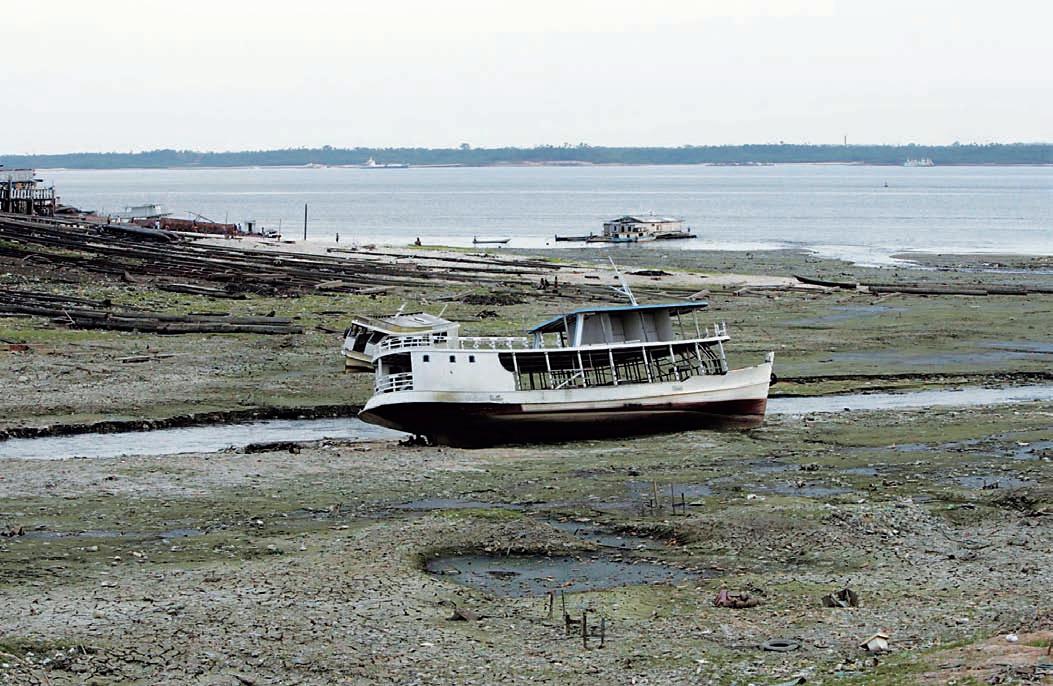
stated Carlos Nobre, who coordinates the FAPESP Program of Research into Global Climate Change as well as the newly created CCST (Center for Terrestrial System Science) of Inpe, the National Space Research Institute.
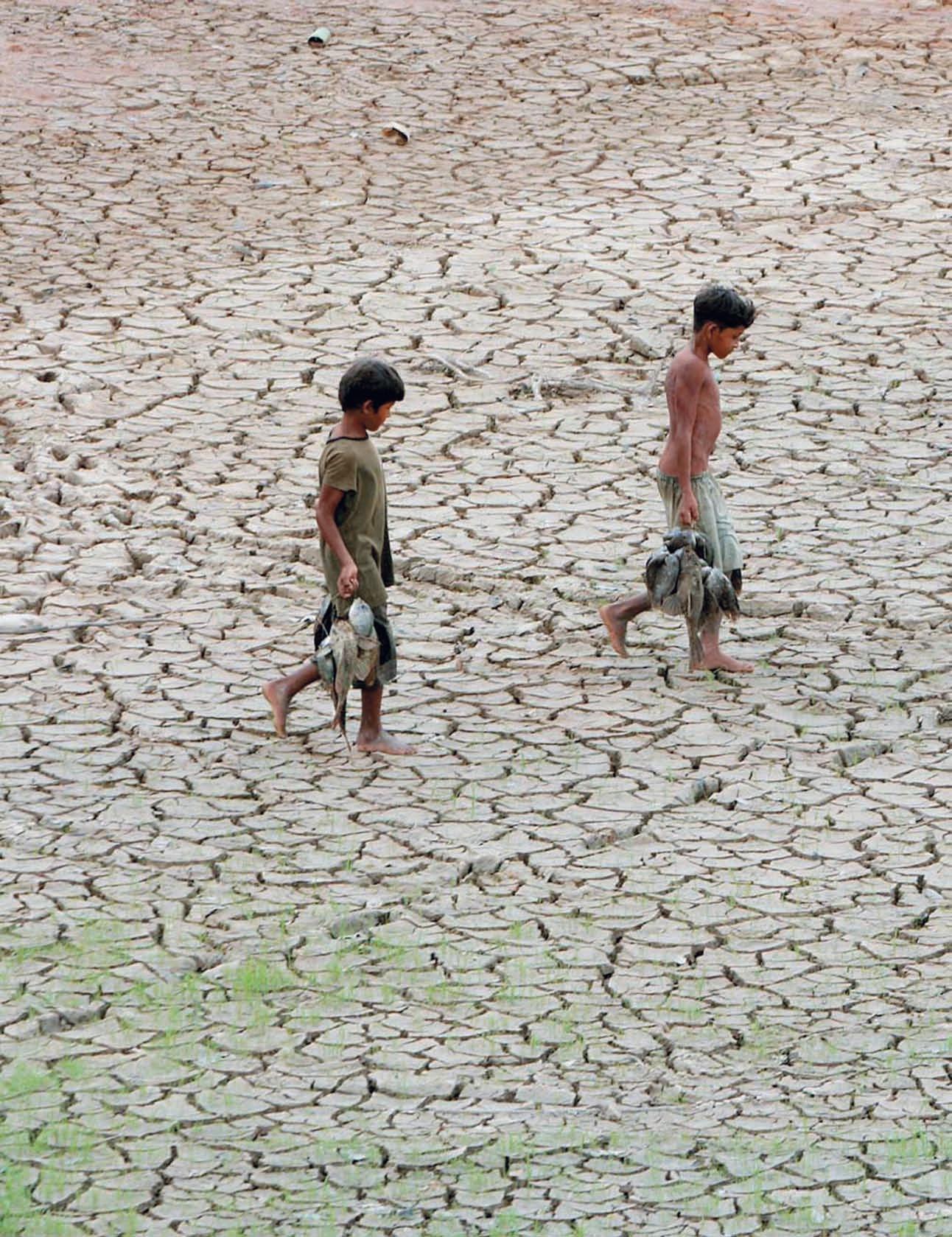
As most scientists agree, human activities are contributing hugely to climate change due to gas emissions and aerosols, all of which cause the greenhouse effect. The ongoing changes in Brazil’s patterns of greenery, for instance, are a key regional factor reflecting this. The slash burning of forests, in addition to deteriorating air quality, is a major source of aerosols and trace gases. Changes in the rainfall regime, to which the rising frequency of natural disasters such as floods and droughts are ascribed, may have a financial impact on the output of hydroelectric power stations, on soil erosion or on the water supply. Rising temperatures are likely to affect biodiversity, particularly in areas where the original vegetation has already become fragmented, or agriculture, by making it possible for new pests to appear, or by making it no longer feasible to maintain existing plantations that demand mild temperatures. The probable rise in the sea level poses a risk both for the millions of Brazilians who live along the coast and for the coastal ecosystems. As for health, illnesses such as dengue fever and malaria may increase in areas of rising rainfall, while the atmosphere’s pollution may spur an increase in heart and respiratory conditions. This glum outlook raises countless issues for researchers.
Carlos Nobre lists some of the aims of this investigative effort, such as reducing uncertainties as to what is driving Brazil’s climate change. “We see the changes, but find it difficult to determine if they’re due to global warming or deforestation. A significant change in Brazil’s vegetation is occurring at the same time as climate phenomena, so that sometimes the signs get confused,” stated Nobre. “As public policies demand sound scientific knowledge, one must invest in studies capable of finding the causes,” he said. Another focus will be
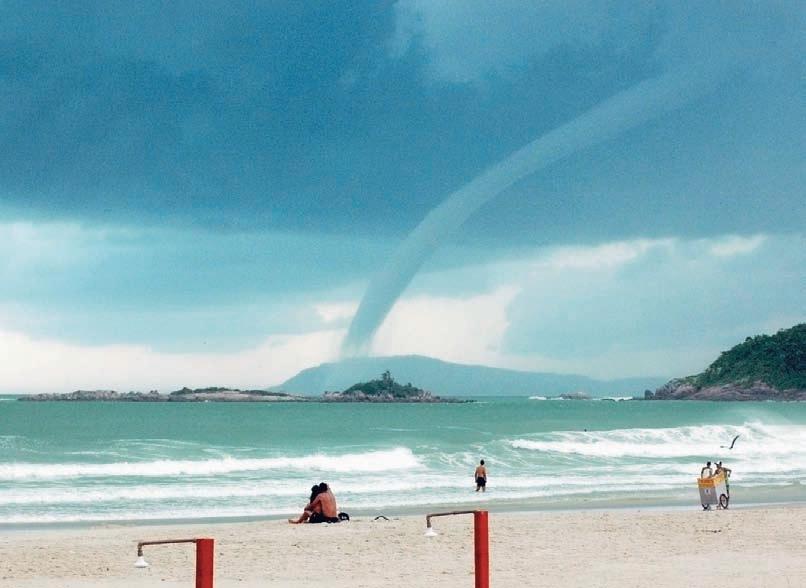
to measure the country’s vulnerability to climate change in fields such as health, agriculture, water resources and renewable energy. “We know little about the future impact [of this] on people’s lives and society. Surveying our vulnerability will enable us to design policies for the necessary adaptations.”
Yet another of the program’s objectives is to achieve closer international collaboration, by putting Brazilian researchers in contact with the best climate change study centers in the world. Cooperation is essential and IGBP (the International GeosphereBiosphere Program) or the IPCC (the Intergovernmental Panel on Climate Changes), among others, are targeted in the FAPESP program. Another aim is to become familiar with and develop new technologies for mitigating the effects greenhouse gases emissions, in the fields such as renewable energy, and to make it possible for society to adapt to the changes, including the establishment of partnerships with the private sector. Agriculture faces a series of technological challenges, such as adapting crops to higher temperatures. “There are
good ideas that merit research efforts, such as forest husbandry and crop and livestock farming systems that bring together high-productivity ranching, agricultural crops and the planting of trees, or techniques such as growing trees in coffee plantations,” said Eduardo Assad, a researcher from Embrapa (the Brazilian Crop and Livestock Farming Research Company), who is also involved with coordinating the FAPESP program. “We also need to improve our measuring of agriculture’s capacity to capture carbon,” he said.
Asecond call for proposals, granting R$ 2.6 million, aims at choosing a group of researchers to create the first Brazilian climate model: a software program to produce sophisticated climate simulations. The need to develop domestic competence in this field can be explained as follows: at present, to estimate climate change effects, one employs non-specific computing tools that are actually segments of worldwide forecasts. “Achieving this autonomy is strategic for the country,” said Carlos Nobre. “Brazil is large, diverse and has a large range of climates. Economic exploitation is heavily tied to natural resources and depends substantially Drought
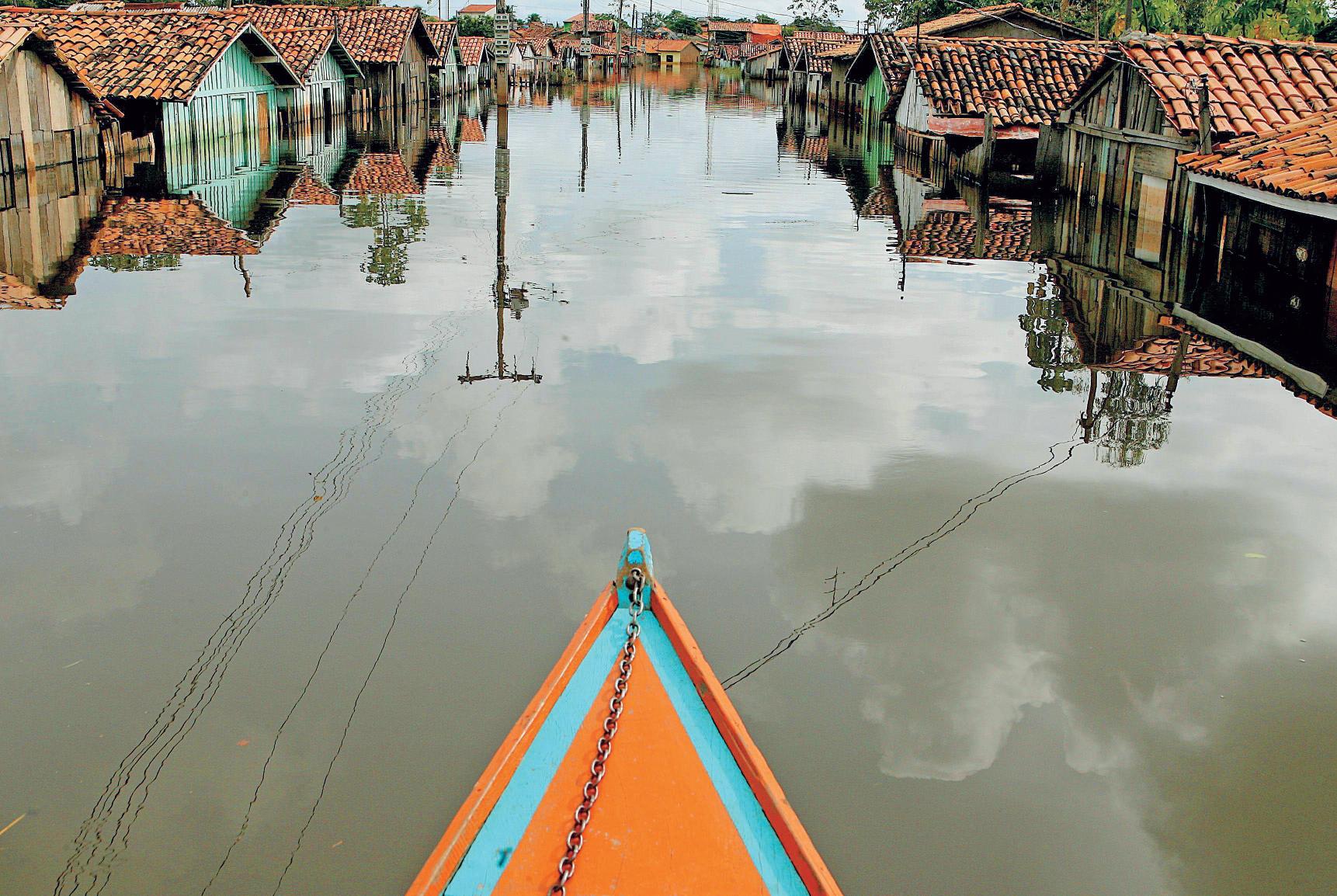
on climate. The ability to make simulations that are of greater interest to Brazil and South America will give us the assurance of good quality forecasts.”
The flooding Tocantins River spills into Marabá: likely impact of rainfall regime
According to him, Brazil will join a select group of countries that have a climate model, such as the United States, Japan and England. As a result, the importance of the scientific community in this field will increase.
The researcher explains that to develop and refine the climate model, Brazil will not start from scratch. “We’ll establish partnerships with two or three world-class centers and we’ll be able to choose certain modules of their model to add to our own,” said Nobre; he believes this will take at least four years. Brito Cruz, FAPESP’s scientific director, explains the foundation’s expectations of this model. “We hope that, at some point in time, a climate scenario generated by São Paulo re-
searchers will be used as the basis for IPCC analyses,” he said, referring to the United Nations’ collegiate of scientists that update knowledge of global change every five years.
“One good thing about the call for proposals is that it will provide grants for masters’ degrees, doctorates and post-doc work. Thus, we’ll be able to plan the training of PhDs in very complex fields,” said Nobre.
The creation of a Brazilian climate model will be possible thanks to R$ 48 million in investments, announced about two months ago. Inpe will house one of the world’s most powerful supercomputers, with a processing capacity of 15 trillion mathematical operations per second, for research into climate change. Out of the total of R$ 48 million, R$ 35 million will come from the Ministry of Science and Technology (MST) and R$ 13 million from FAPESP. The investment combines the MST’s priority in the study of climate change
with FAPESP’s program. “With this kind of supercomputer, we’ll be able to coordinate climate in a way nobody could have dreamt of 60 years ago,” stated Sérgio Rezende, the Science and Technology minister.
Inpe has volunteered to house the new program’s executive office and is already preparing to get the supercomputer, scheduled to go into operation in 2009. The machine will be installed at CPTEC, the Weather Forecasting and Climate Studies Center in the town of Cachoeira Paulista, in the Vale do Paraíba area of the state. Thirty percent of the supercomputer’s time will be earmarked for the program’s research networks, for them to simulate the effects of climate on human health, biodiversity, crop and livestock farming, etc. The FAPESP scientific director highlights Inpe’s aid to the program: besides housing the supercomputer, it will also second expert staff to help in using the machine. Five researchers will be hired for this task, under the coordination of a head-scientist. “It’s a special level of institutional aid, which we have seldom achieved in our programs,” stated Brito Cruz.
The program’s multidisciplinary nature also raises other challenges. One of its aims is to ensure the bringing together and communication of all the researchers involved. “The results of some must further the results of others,” said Brito Cruz. This strategy reiterates the experiences of the Biota-FAPESP Program, which led to a description of more than 500 species of plants and animals distributed across São Paulo State’s 250 sq km, and which resorted to project integration protocols to enable researchers from different areas to produce and share access to the data collected on São Paulo biodiversity. “One of our main challenges is to create biodiversity modeling competence,” said Carlos Alfredo Joly, a professor at the State University of Campinas (Unicamp) who coordinated Biota-FAPESP and who is also involved in coordinating the Climate Changes Program where biodiversity is concerned. “We have the competence to take inventories and to characterize landscapes and the loss of habitats. Now we must integrate this data into models that can simulate the impact of
climate change upon ecosystems and species,” he stated.
Joly provides practical examples of how modeling can leverage the understanding of the impact of climate change. “Climate change can alter the period when a given species flowers or yields fruit. Mathematical modeling will allow us to work out a detailed forecast of the effects of change: whether the pollinating insect or bird will be present at the time of flowering, whether the number of fruit produced will drop and what effect this will have on the survival of species whose diets depend on the fruit,” he explained. Other possible simulation targets are invading insects or plants, which may benefit from the ecosystem changes that climate change may bring about.
In Brazil, biodiversity interacts sharply and complexly with climate changes: it both affects and is affected by the latter. “Biodiversity certainly suffers as a result of climate change, as it alters habitats and can lead to species being lost in fragmented landscapes,” said Joly. “On the other hand, biodiversity also absorbs the shock of the changes. Forests and marine plankton, for example, account for a large stock of carbon. If the forest were to disappear, the consequences would be major. Moisture in the midwest and in the southeast comes from the Amazon region. If the forest vanishes, these regions’ entire agricultural area will be affected,” said the researcher. Among the biodiversity themes the program will study, some issues stand out, such as reconstructing the patterns of the flora and fauna of the past and their connections to climate change; the effects of more CO2 on the physiology of native plants; the impact of deforestation on economic and environmental systems; and an increase in the wealth of studies about water systems, among others.
The idea of introducing a program to integrate various aspects of climate change arose from the fact that the complexity of the problems in question is incompatible with the unchanging and conventional point of view of single disciplines. Moreover, adding humanities to efforts led by the physical and natural sciences is considered crucial in order to understand the causes and consequences of phenomena that are caused by man,
after all. “To discuss the program’s format, we brought together people from several areas, like economics, health, biology and engineering, to make sure the program would be coordinated, inclusive and cross-sectional,” said Pedro Leite da Silva Dias, a professor at the Astronomy, Geophysics and Atmospheric Sciences of the University of São Paulo (USP) and director of the National Laboratory for Scientific Computing, also involved in coordinating the program.
Another diagnosis shows even though Brazil has a critical mass of people in the natural sciences, it lacks the coordinated effort required to bring its scientists together and produce broader results. “Brazil doesn’t do modest research in this field. It’s one of the leaders, but there’s a lack of coordination among the researchers,” said Paulo Artaxo, a professor at the Physics Institute of the University of São Paulo (USP) and coordinator of the program that focuses on the atmosphere’s radiation balance and the role of aerosols. He refers, for instance, to Brazilian researchers’ active involvement in the IPCC – both he and Carlos Nobre are examples of this. Nobre also stresses the relevance of Brazilian research. “In the 20 main international journals, 1.5% of the articles on climate science or interdisciplinary themes connected to it are by Brazilians, and two thirds of them were conducted in São Paulo. This ratio is a little below the average Brazilian academic production in internationally indexed journals, which is 2% of the total, but it’s significant,” stated Nobre. Biota-FAPESP is of the few exceptions to the ‘lack of coordination’ rule, as it integrated researchers from several fields, as LBA (the Large Scale Project on the Biosphere and Atmosphere of the Amazon Region), which generated a huge amount of data on the interaction between the Amazon region and the global climate system. “We will have the opportunity to use data collected by LBA and other programs and to use this in computer simulations that will allow us to study the interaction between the Amazon Forest, the Pantanal swamplands and climate, for instance,” said Pedro Leite da Silva Dias.
One of the program’s innovations is to invite researchers in humanities to
join the effort. “We’re very curious to see what proposals will come up,” said demographer Daniel Joseph Hogan, a professor at Unicamp who works at the university’s Center for Population Studies and for Environmental Studies and Research and who also coordinates the effort’s segment concerning the human dimensions of climate change. He guesses some of the themes that may arise. “It would be interesting for us to get international relations researchers, for instance, to submit projects about treaties and supranational entities involved in climate change and how they challenge the established notions of national sovereignty,” he stated. The issues of food security, urbanization and technological transformation of industry in the pursuit of sustainability are other subjects that may arise.
Hogan reminds us that social scientists took a long time to become interested in the effects of global warming and were awakened thanks to the warnings of their colleagues in the natural sciences. “Sociologists and anthropologists have difficulty dealing with phenomena that are still to come true from the long-term perspective. They are used to doing this with past phenomena,” he stated. One of the references of the Program of Research into Global Climate Changes is the IHDP (International Human Dimensions Program), established in 1990 to research critical topics for the understanding of man’s influence on global change and the implications of global change for human society.
Though other countries are far ahead of Brazil in the study of human aspects, Hogan notes that the sophistication of these studies is not on a par with that of the research into areas like physics or meteorology, for example. “Suffi ce it to compare the four reports released by the IPCC last year. The first, which covers the subject’s accrued scientific basis, had the greatest repercussion, as it determined the causes and future effects of climate change with a high degree of certainty. The others, which dealt with the human dimensions, were less incisive,” he stated. According to him, there are commonsensical generalizations that demand further studies, such as the
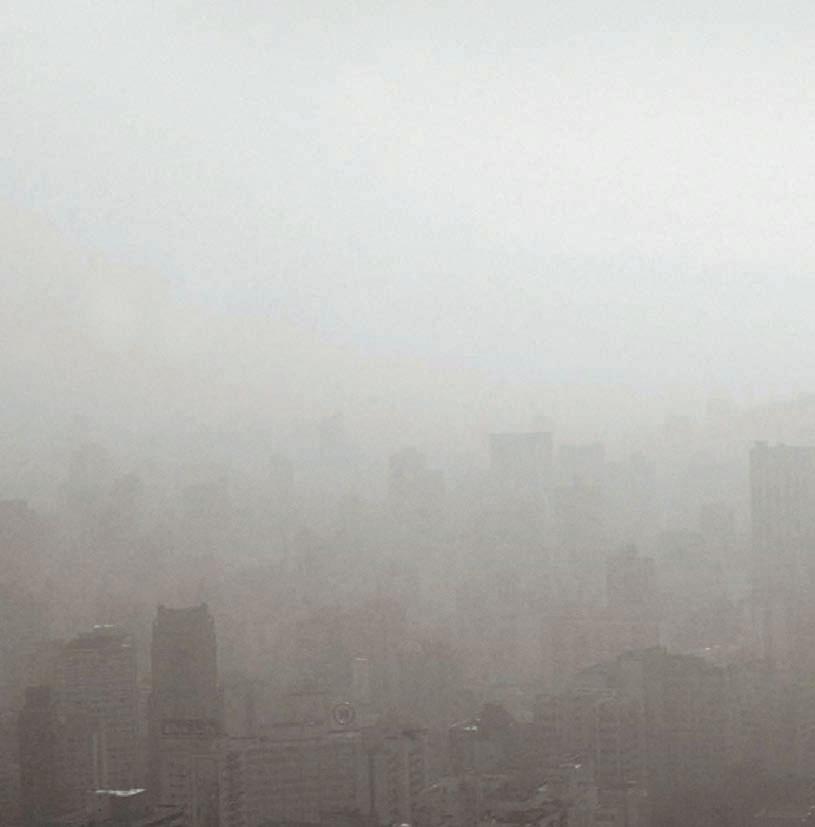
idea that climate change will tend to be more harmful to the poor. “Heat peaks mainly affect small children and the elderly. One must create public policy strategies to face such extreme events. This means preparing to act before and after the event. Brazil is still very much a beginner in this,” said the professor.
Where human health is concerned, the challenge of building research networks will be complex, foresees the area’s coordinator, Paulo Saldiva, a professor of medicine at USP. “The approach is very different from traditional research into health. We aren’t just interested in surveying epidemiological data or evaluating risks, but also in integrating experts in anthropology, healthcare management
Pollution in São Paulo: rising risk of respiratory diseases
and urbanization,” said Saldiva. “We’re talking about complex phenomena. The temperature increase will also affect health by changing the dynamics of cities. People from the countryside may have to move to the cities, causing shantytowns to grow and healthcare costs to rise. I compare this challenge to facing the diseases resulting from pollution in São Paulo. Medicine provides incomplete tools for dealing with the problem, which has become an urban planning issue,” he stated. The professor expects projects on several of these issues to appear. “If they’re isolated proposals, we’ll integrate them and make the researchers work in networks,” he stated.
Carlos Nobre, the program’s coordinator,
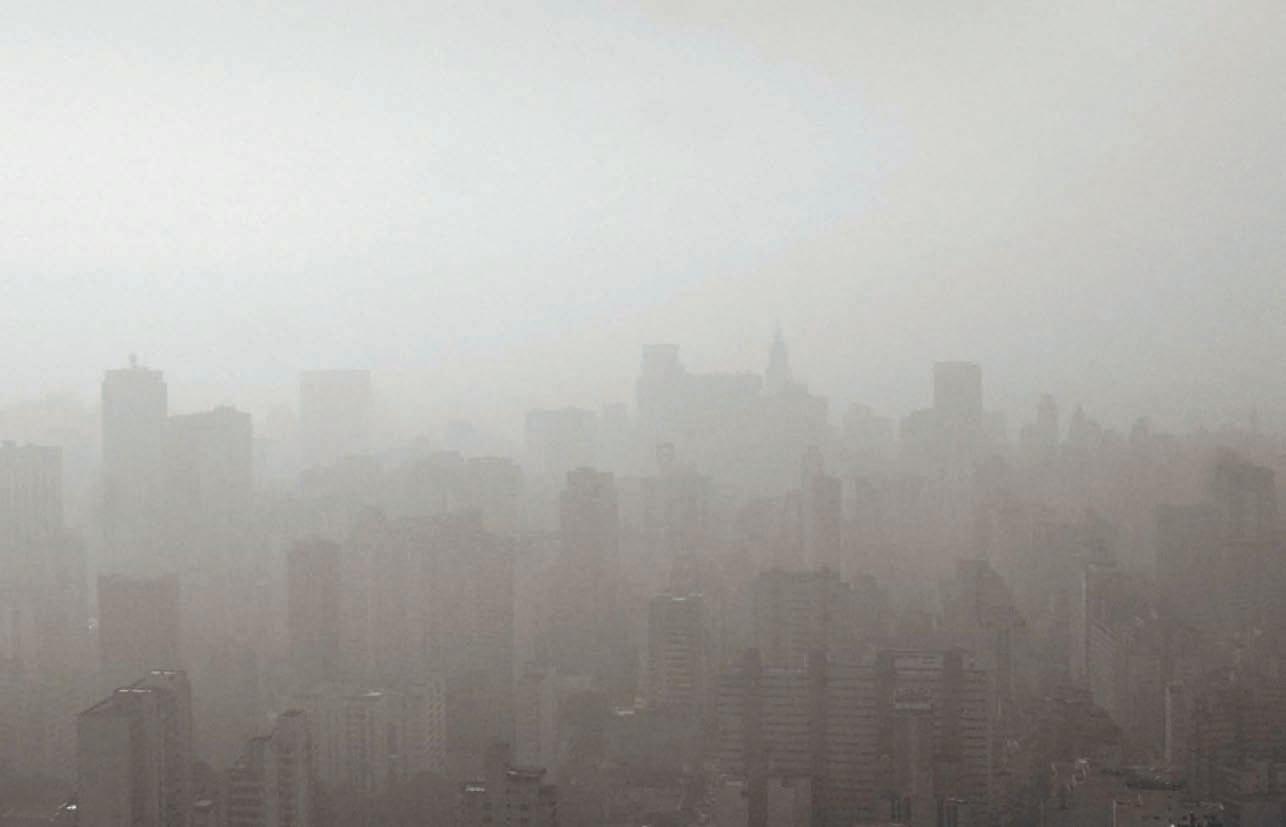
believes that the project will take off faster if most of the proposals submitted incorporate the interdisciplinary spirit that permeates the program.
“There are no boundaries for the proposals. They can freely focus on basic or applied research. The challenge is to get the groups to talk to each other. The more cross-institutional the projects, the greater the likelihood of it all working out,” stated Nobre.
At the program’s launch, the São Paulo State secretary for the Environment, Xico Graziano, announced that the state government will submit to the state congress a bill on climate change, proposing actions to reduce the state’s emission of gases. Fernando Henrique Cardoso, former president of Brazil, who attended the ceremony,
recalled that scientists’ efforts must also target informing and involving society so that the knowledge created may turn into concrete actions. “Without social pressure, there are no demands and it becomes harder for things to happen. Even in the United States, whose posture is reactionary, states, cities and companies decided to control the emissions of greenhouse gases, going against Washington’s direction, because the base of society takes part in the process of understanding the effects of global warming,” stated the former president. Fernando Henrique delivered a copy of FAPESP’s program to Ricardo Lagos, former president of Chile and currently United Nations representative on climate change issues, in order to divulge the initiative and encourage international partnership agreements. ■
Mega-evaluation based on peer review to guide distribution of funds to UK universities
Published in February 2009
The academic community in the United Kingdom is experiencing a phase of definitions. In late 2008, the results of the sixth Research Assessment Exercise (RAE 2008) were released. This was a major effort to assess the quality of research, in order to determine how US$2.3 billion a year of public funds will be distributed among British universities from 2009 to 2014. An evaluation of 52.4 thousand academics from 159 higher education institutions was conducted. The findings indicate that 17% of their research studies are at the global leadership level; 37% are in the international excellence category; 33% enjoy international acknowledgement; 11%, domestic acknowledgement; and 2% are below the standards required in the United Kingdom. “This represents a remarkable achievement and confirms that we’re one of the main global research powers,” declared David Eastwood, chief executive of the Higher Education Funding Council for England (Hefce), one of the agencies in charge of the evaluation, when he announced the results. “Out of the 159 institutions, 150 are doing some cutting-edge work in global terms.”
Though the RAE 2008 does not release a consolidated ranking of the institutions, an analysis of the data conducted by Times Higher Education shows that the best performances were from the universities of Cambridge and Oxford, followed by the London School of Economics and by Imperial College. Some institutions improved their performances relative to the preceding RAE, conducted in 2001; this is the case of the University of London- Queen Mary College, which climbed from the 48th to the 13th place. Other universities dropped, however; this is the case of Warwick, which slipped from 6th to 9th place. However, the universities will have to wait until March 4 to find out exactly who will gain and who will lose funding, because the division is to take into account not only research quality, but the volume of researchers submitted to assessment from each institution. The University of Cardiff, for instance, slid from 8th to 22nd place, but most probably it will not lose funding because a larger number of its faculty took part in the RAE than in




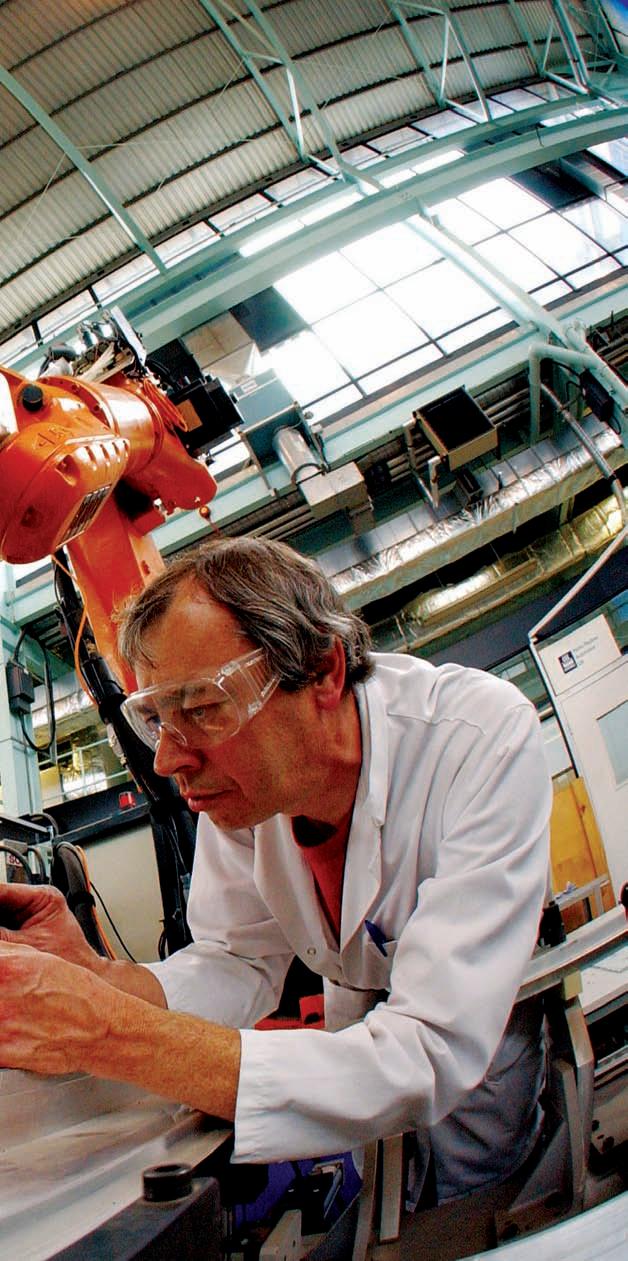
the preceding evaluation. Even so, shock waves are expected at those institutions where performance fell, in the form, for instance, of dismissals, as happened in previous evaluations.
The RAE is distinguished by the sophistication of its methodology, based on a peer evaluation system that involves both domestic and foreign consultants, and by its magnitude – it cost US$ 17 million, vs. US$ 8 million for the 2001 evaluation. It is based on 15 panels that supervise the work of 67 sub-panels. Overall, 950 reviewers took part in the process. There is at least one foreign researcher on the main committees. “The idea is not to compare the assessment of international members with that of domestic members, but to ensure that the levels of quality required are the appropriate ones,” said Ed Hughes, the RAE 2008 manager from Hefce, to Pesquisa FAPESP. “In many cases, the international members help to establish parameters. They play an important role, ensuring that the panels’ analyses have international credibility.”
Consequences – For the purposes of comparison, the British model has significant differences relative to the system conducted in Brazil by Capes (the National Coordinating Office for the Upgrading of Personnel with Higher Education), which has been evaluating Masters and PhD programs since the 1970s, starting with the purposes and consequences of the evaluation processes. In the Brazilian case, the triennial assessment of the masters, professional masters and PhD programs aims not only at measuring the quality of the programs but also at encouraging their development, given that it provides guidance for the financing of grants and acknowledgement of the excellence of the respective research groups. Closing courses that receive a poor evaluation only happens in extreme circumstances and programs with regular grades maintain the right to train masters and doctors, even though their prestige may be affected. The RAE, on the other hand, has an immediate and sometimes devastating effect, which may extend beyond research and post-graduate studies, because it is an input for the allocation of a substantial part of the resources that go to UK universities. A poor evaluation results in less money for a long time. “Based on the RAE, universities may decide to close down certain departments that performed poorly in the evaluation, as was the case, for instance, when the first RAE was held,” says Lea Velho, a professor at the Scientific and Technological Policy Department of the Geosciences Institute of the State University of Campinas (Unicamp). “The consequences for the departments that performed poorly in the evaluation are real,” she states.
Though both models take into account quantitative data and
peer evaluation, the Capes and Hefce methodologies have little in common. The RAE only assesses the quality of part of the academic production of universities, this part being what each department considers most relevant. Each researcher can declare at most four lines of research in which he or she has been involved during the period. In the Capes model, on the other hand, the masters and PhD programs must provide, every year, a broad spectrum of information concerning the scientifi both students and faculty, the training of the faculty and the quality of the education of the students – and this set of data contributes to the triennial evaluation.
In the British example, peer review is the keynote. The reviewers are obliged to read the scientific work highlighted by each department to form their own opinion. In exceptional cases, some committees are allowed to abstain from analyzing a given work in detail, provided they can base their analysis on reviews already conducted by other experts, and not on bibliometric data. The chapter on evaluation criteria literally says that “no panel will use impact factors in publications as a replacement measure for assessment of quality.”
The analysis is conducted on the basis of three elements. The fi the form of articles, books, technical reports, and patents, among others. The second is the research environment, based on data such as the number of grants, the volume of funds obtained or institutional research aid. The third is prestige indicators – at most four for each researcher – such as awards and distinctions granted, the organization of congresses, and participation in editorial committees of scientifi publications, among others. Each committee judges the quality of this set of data and the combination of the results of the three aforementioned elements provides a general quality profi into one of five groups: 0 (below domestic standards); 1 (domestically acknowledged); 2 (internationally acknowledged); 3 (of international excellence); and 4 (cutting-edge, in global terms). This methodology replaced that used in prior RAEs, which added up the points obtained in connection with a number of re-
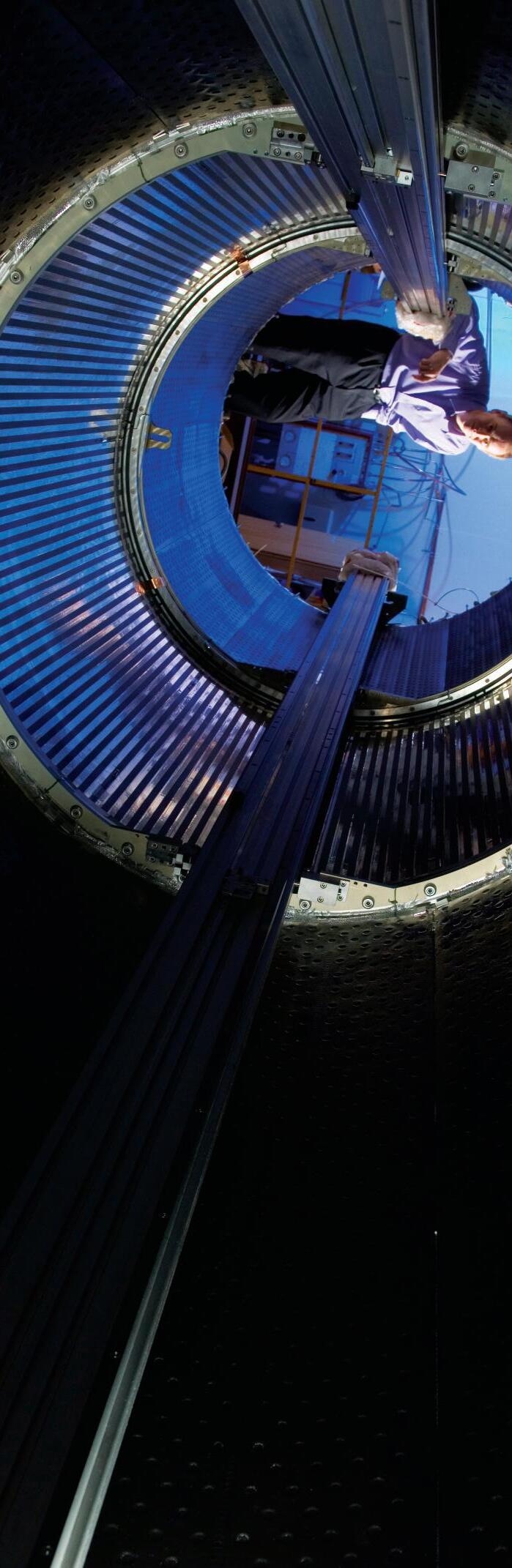
quirements. “The aim is to avoid repeating distortions in the distribution of funds, with a department being ranked as 5* getting far more money than another one also ranked as 5, although the difference between them may be small,” said Ed Hughes.
In the case of Capes, the bibliometric criteria carry a lot of weight, even though evaluation is the responsibility of committees of experts. The main scientific journals were ranked by the agency according to their quality (meaning impact factor) and circulation reach (local, domestic and international). This system, called Qualis, is used to evaluate researchers’ scientific articles and provides the foundation for a substantial portion of the evaluation process, especially in those areas whose academic output is expressed in articles published in journals. Thus, a modest production published in high impact publications carries more weight in the formulas used by the evaluation committees than a larger production published in periodicals with a more limited impact . The data collected are submitted to the area committees and each one of them uses specific criteria for analyzing the information. The programs are given a grade from 1 to 5. This work produces spreadsheets, common to all programs, that aim at providing transparency and that force the committees to take into account a standardized series of information such as the faculty contingent, the number of theses and dissertations submitted, articles published in national and international scienc periodicals, work published in the proceedings of national and international events, books and book chapters. However, a qualitative analysis may be required regarding topics such as the evaluation of books or book chapters, more common in the output of the human sciences, given the lack of indicators for evaluating their quality.
The doctoral programs that achieved the maximum grade (5) may be submitted to a second evaluation stage, of a more qualitative nature. They can then be re-evaluated and graded 6 or 7, depending on indicators such as the capacity to generate research groups of international standing, as measured by criteria such as the existence of international agreements, the presence of visiting professors from foreign universities generally regarded rst rate, the interchange of students with foreign universities, and the participation of faculty in committees and in the executive offices of international associations, among others.
The selection of the evaluators is also different in the two models. In the case
of the RAE 2008, there was a certain competition to fill the positions of members and heads of panels and sub-panels. These people were chosen by the representatives of the funding agencies based on 4,948 nominations provided by 1,371 scientifi c societies and institutions (the universities were not allowed to propose members). At Capes, the committee coordinators, who are chosen by the institution, have a degree of freedom to suggest with whom they plan to work, subject to compliance with the criteria of competence in the field. In any event, the names must be approved by the agency’s executive offi ce for evaluation. The latest triennial evaluation involved some 700 reviewers. At least 50% of the members of each committee must be replaced every three years.
Citations – The RAE 2008 will be the last British evaluation to follow this model. To cut costs and make the assessment faster, the UK government has decided to introduce a new system, the Research Excellence Framework (REF), which, even though it will not abandon peer evaluation, will rely heavily on bibliometric indicators, such as the number of citations of scientists’ publications. “The elements that will be used and the balance between them will vary in accordance with the characteristics in each field of knowledge,” states Ed Hughes. Hefce is conducting a pilot study involving 22 fi elds of knowledge to compare the results of the RAE 2008 with the future REF methodology. The change has split the opinion of the British scientific community, mainly because it is still unclear what methods will be used. “Taken in isolation, citations have repeatedly proven to be a poor measure of research quality,” stated an editorial in the journal Nature, January 1st edition, regarding the changes.
The journal mentions a 1998 study that compared the results of two analyses of a set of articles on physics; one relied on metrics such as citations, whereas the other was based on peer review. The divergences reached 25% of the articles analyzed. “The policy formulators have no other option but to acknowledge that peer review plays an indispensable role in the evaluation,” stated Nature.
In a report presented in 2003 to Hefce, researchers Nick von Tunzelman, from the University of Sussex, and Erika Kraemer-Mbula, from the University of Brighton, informed that, despite criticism of the system of evaluation by British peers, only very few countries resorted to purely quantitative systems to evaluate research and, wherever this had occurred, as in Flanders (Belgium), the measure was considered highly controversial. The issue, according to Ed Hughes, is finding the right balance. “The new system will keep some elements of peer evaluation, but we must find a way to produce a simpler and more efficient evaluation system without losing the value derived from the RAE’s strict methods,” he stated. ■
Brazilian team explains how the functioning of the healthy form of prion is essential for the protection of the brain cells
Ricardo Zorzetto
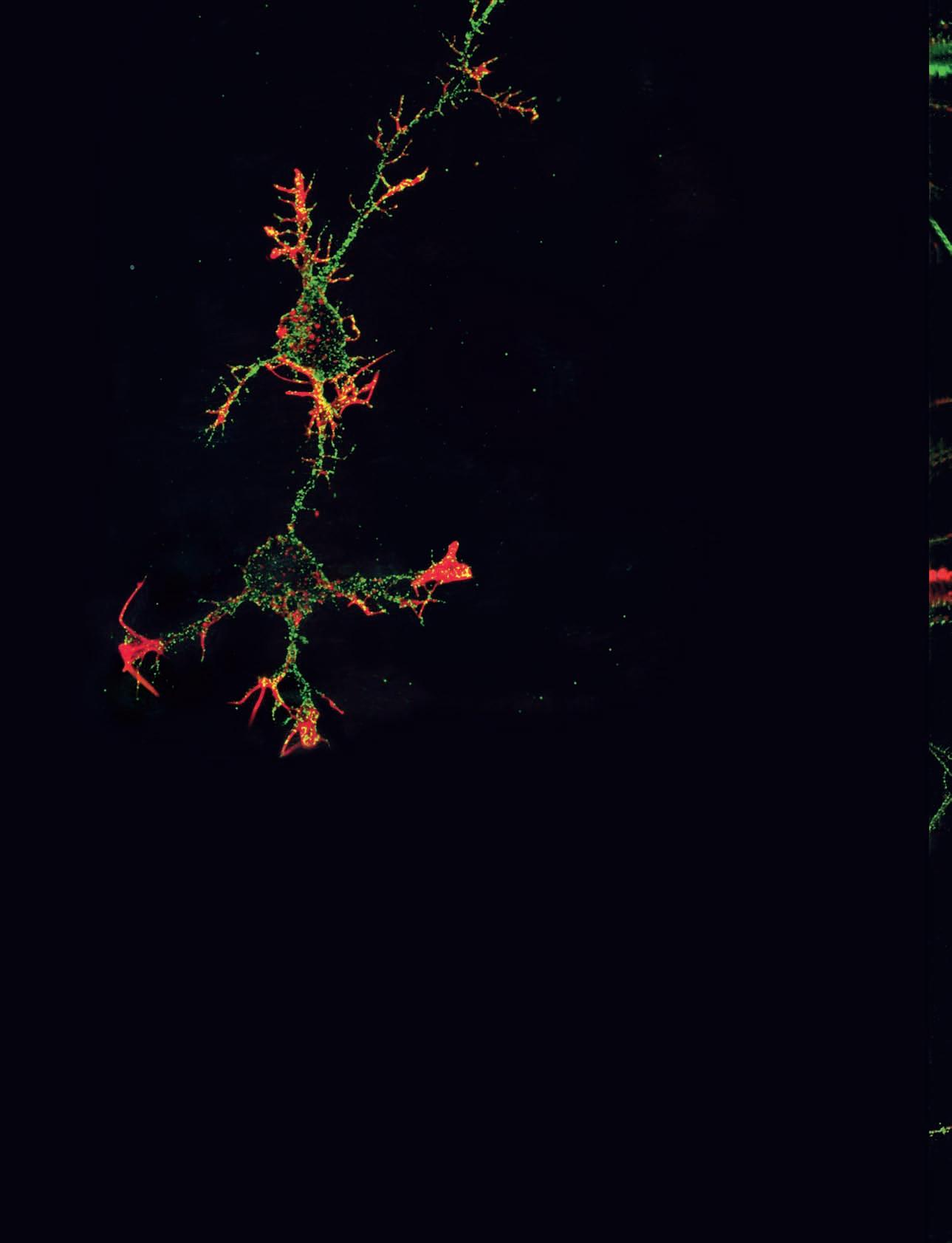
In May 1990, the English Minister of Agriculture, John Gummer, was the protagonist in a disastrous public appearance. He posed for photographers and cameramen while savoring a juicy hamburger together with his fouryear-old daughter. His idea was to show Britons and the rest of the world that beef consumption was still safe even amidst the most severe crisis his country’s cattle raising industry had faced in recent years: contamination of part of the herd with mad-cow disease, or bovine spongiform encephalopathy, which spread throughout Europe, the United States and Canada, and since 1987 has resulted in the slaughtering of 180 thousand infected animals.
Six years after that hamburger, Englishmen would remember Grummer and feel betrayed when the first human cases of the disease came about, probably contracted from the consumption of infected meat. The human version of mad-cow disease was a new form – the fourth known one – of a rare incurable illness: Creutzfeldt-Jakob disease, which kills the nervous system cells (neurons) and leaves the brain full of holes, much like a sponge.
The disease, which reduces the brain to half of its original size, was first described in the 1920s in Germany by neurologists Hans Gerhard Creutzfeldt and Alfons Maria Jakob. There is now a new explanation based on recent studies carried out in Brazil and abroad. In an article published in April in Physiological Reviews, the São Paulo, Rio de Janeiro, Minas Gerais and Rio Grande do Sul research group coordinated by oncologist Ricardo Renzo Bretani, from the A. C. Camargo Hospital, in São Paulo, presents the broadest review on the infectious agents
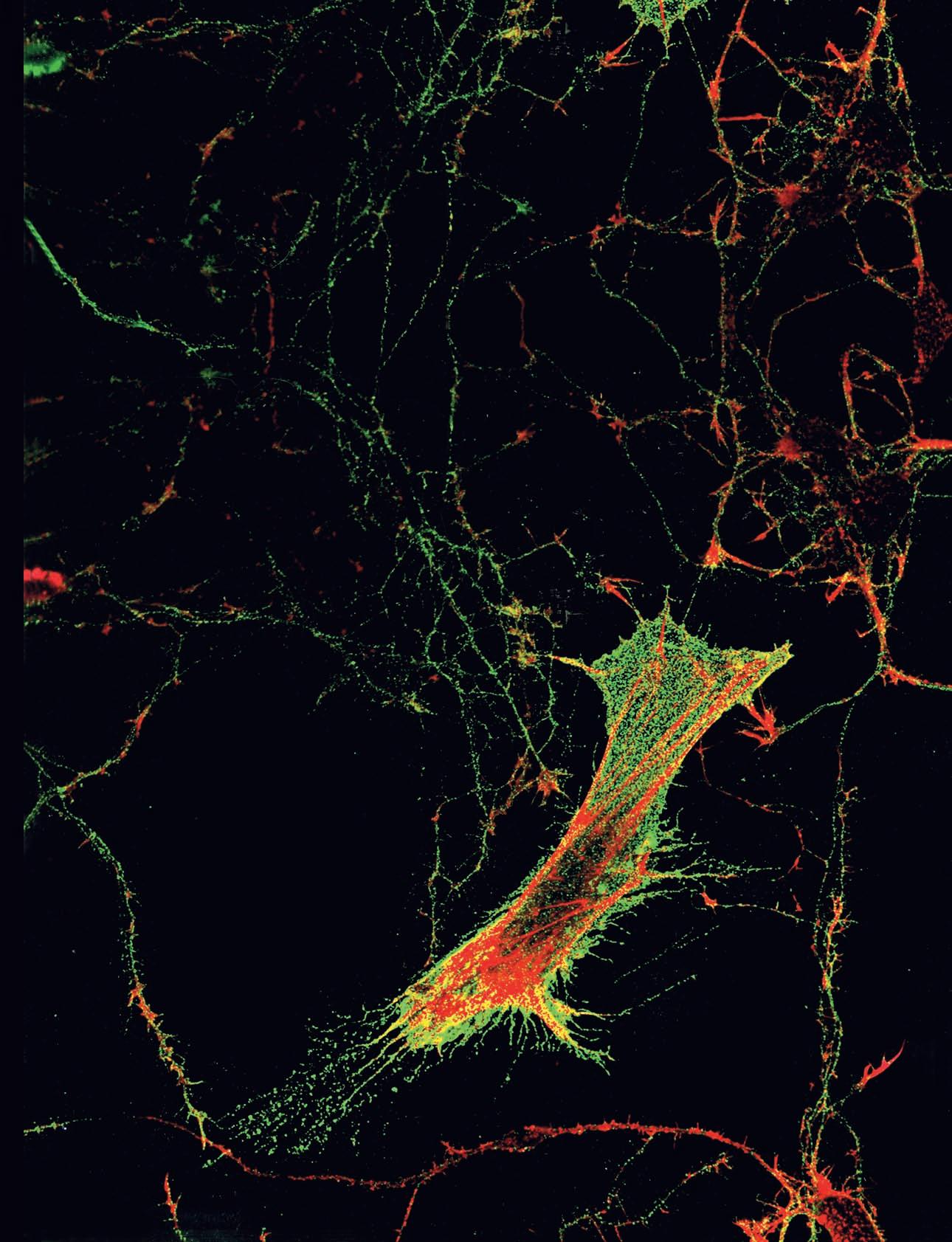
Cellular prion, in green: abundant in neurons (left) and in astrocytes (above)
of this disease, with information that may influence its treatment. The illness develops furtively for two or three decades and evolves at an astonishing speed, finally leading to a tragic death.
The first signs are quite subtle, such as fatigue or depression. Then, balance when walking or handling objects deteriorates progressively; movements become slow and vision, blurred. This is followed by speech impediment and short term memory loss ; it becomes increasingly difficult to find one’s way through streets or objects in the house. “In less than one year, nine out of ten infected people become weak, to the extent of being unable to get out of bed, and eventually die,” says neurologist Ricardo Nitrini, from the University of São Paulo (USP), who identified the first Brazilian case of a new form of the disease caused by genetic change eleven years ago.
Besides the form caught from contaminated meat – the new variant of Creutzfeldt-Jakob – and the genetic variation, passed on from parents to their offspring, there are still two other types of this disease that corrodes the central nervous system. The most common (and spontaneous) type appears randomly for unknown reasons and affects one out of every one million people. The fourth type is transmitted by infected surgical equipment, blood transfusions and, until a couple of years ago, by the application of growth hormone produced from the brain cells of cadavers, now replaced by synthetic hormones, to treat growth disorders.
The spread of the mad-cow disease in the European and American countryside and the appearance of the new form of the disease in humans – since 1996, the new Creutzfeldt-Jakob variant has killed 160 people in England and in neighboring countries, including the daughter of a friend of former minister John Gummer – helped intensify the search for the cause of this illness. The main suspect for this group of diseases has challenged biologists and physicians for decades. Unlike other infectious diseases, the cause of Creutzfeldt-Jakob is not a virus, a belief held for a long time. Nor is it a bacterium or a protozoan, microorganisms that multiply on their own account and
that are easily passed on. Today, it is believed that a defective protein called a prion (acronym for infectious proteinaceous) causes the disease. The mere contact of the prion with a healthy protein found abundantly on the surface of the neurons seems to induce the protein to assume a changed form, somewhat like the domino that falls and hits the other pieces in the row, and there is not much one can do about it. Because they are more stable than healthy protein, the deformed molecules adhere to each other, generating long fibers that are toxic for neurons.
The identification of prion in ewe brains with a certain type of spongi-
form encephalopathy referred to as s and the explanation of how it could deform normal proteins led United States researcher Stanley Pruiser to win the Nobel Prize for Medicine in 1997, and helped scientists worldwide to investigate the defective protein and its effects on the organism. While all the attention focused on the prion, another basic and perhaps more important question remained in the background: what was the normal protein – the cellular prion found on the surface of all body cells, and in larger amounts in the central nervous system – doing? No one knew and no one seemed very concerned about it.

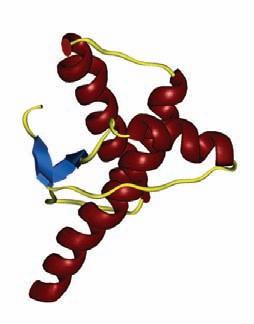
There was actually a reason for the lack of concern about cellular prion. In 1990, molecular biologist Charles Weissmann created a lineage of rats that did not produce this protein. The animals did not develop the spongiform disease and apparently survived with no harm to their health. For this reason, it was assumed that cellular prion did not play an important role in the organism. “It was a limited point of view,” says Brentani.
Brentani suspected that nature would not waste time and energy to create a protein with no biological activity, so he followed his intuition and decided to go against the trend. “It was an opportunity to take part in a hot area of study in which no one had been interested,” he says. A letter published in 1991 in Nature encouraged him to keep going. Three years before, Brentani proposed a theory according to which both helixes of the DNA molecule contained the recipe for protein production – and not only one of them, as had been previously believed. He also stated that the proteins codified by complementary parts of the DNA helixes had complementary roles: they could chemically interact and fit into each other as a key into its hole. From the evolutionary perspective, it made sense that the parts of the DNA that codify a protein and that connect to the protein be close, since there is a greater possibility of them migrating together to another area of the genetic material, in the case of repositioning. However, according to Brentani, no one believed in this hypothesis – other than him, of course.
Then came the Nature letter, in which researcher Dmitry Goldgaber,
from the State University of New York in the United States described how the cellular prion should interact with water – one of the chemical features of the proteins – and stated that if Brentani were right, the complementary DNA portion of the cellular prion gene would contain information about the protein that possibly activated it. In sum, an important clue.
Brentani studied proteins associated with cancer – and he decided to analyze prion and the molecule that worked as its on-off switch. Brentani, along with biochemist Vilma Martins, from the Ludwig Institute for Cancer Research (LICR) and biochemist Vivaldo Moura Neto, from the Federal University of Rio de Janeiro (UFRJ), deciphered the structure of this other protein and described it in 1997 in Nature Medicine.
The protein they presented – later identified as STI-1, an acronym for stress inducible protein 1 – was comprised of 543 amino acids (the building blocks of proteins) and was almost twice as large as cellular prion. It was necessary to find out what both of them did. “We had two hypotheses: either they were useless or they were essential for important phenomena in the neurons, such as the neuritogenesis process [ the forming of the ramifications that connect the neurons among themselves],” says Brentani.
Since the team was not specialized in neurons, Brentani and Vilma invited neuroscientist Rafael Linden, from the
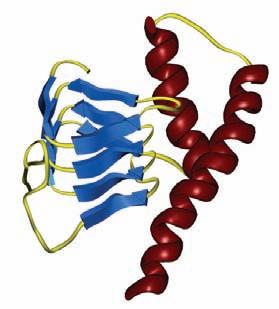
Biophysics Institute of UFRJ, to collaborate with the other tests. The complex formed by the cellular prion and STI-1 was shown to be essential both for the development and the forming of the neuron prolongations and to protect them from apoptosis, or programmed cellular death.
However, these were not the only parts played by the pair. Experiments with lab rats, conducted jointly with Iván Izquierdo, one of the best-known memory researchers worldwide and currently a professor at the Catholic University of Rio Grande do Sul (PUCRS), showed that cellular prion and STI-1 are essential for memory formation. Without them, animals have a hard time remembering something they learnt hours before (short-term memory) and also days before (longterm memory). Tests carried out with genetically modified rats, such as those created by Charles Weissmann, in order not to produce cellular prion, showed that these animals only seemed to be normal. As they aged, they suffered from greater memory-related difficulties than cellular prion producing rats.
The Brazilian group also saw that the healthy form of prion has different effects on different tissues. At UFRJ, Linden’s team found that this protein modulates the immune system’s response to inflammation, at times increasing or reducing defense cell activity. Cellular prion stimulates neutrophils, the most abundant defense cells in the organism. 100 billion neutrophils are produced every day within the long bones and they are the first cells to arrive at the inflammation, where they rapidly involve and destroy invading microorganisms such as bacteria. When Linden caused an inflammation in the rats, he found that the genetically modified animals that did not produce cellular prion had fewer neutrophils, which were also slower than in normal rodents, an undesirable effect in the case of infection.
One protein, two forms: cellular prion (above) and its infectious form
The opposite effect was found concerning macrophages, the defense system cells that act as ‘cleaners’, eliminating dead cells. Rats with no cellular prion had more active macrophages than animals that produced the protein, a result which is not always advan-
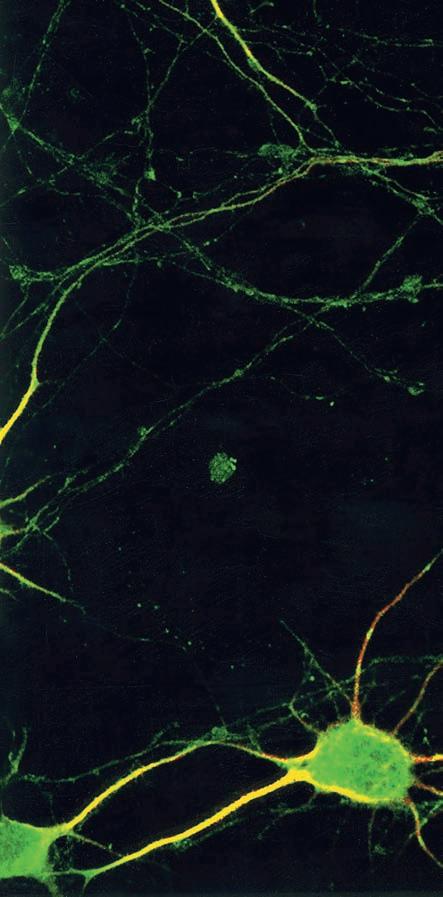
tageous for the genetically altered animals, since excess macrophage activity can damage to healthy tissues. “The response to inflammation and to dead cells depends upon a delicate balance,” explains Linden. “It is undesirable for them to be either absent or too abundant. The body doesn’t resist infection without an inflammatory response, but excessive inflammation can also kill.”
There is also evidence that cellular prion protects heart cells from chemical aggression. At the A.C. Camargo Hospital, Vilma and physician Beatriz de Camargo analyzed the presence of a slightly altered form (variant) of the cellular prion proteins in 160 patients treated with adriamicin during childhood, a drug that can cause heart dam-
age. Preliminary data suggests that those that carried the cellular prion variation were more susceptible to the drug than those with the protein’s normal version.
As the lab results showed, it was obvious that cellular prion was essential to keep the body healthy; not bad for a molecule that until recently was considered to be devoid of biological importance. However, researchers still did not understand why it protected tissues in certain circumstances, but damaged them in others. An important step was to figure out how this balloon-shaped protein that stays on the outside surface of cells communicated with the inside.
Vilma, Brentani and Linden resorted to the help of cellular biologist
Marco Antonio Prado, from the Federal University of Minas Gerais (UFMG), who researches molecule transport within cells. Together with Vilma and Kil Sun Lee, from the Ludwig Institute, Prado and Ana Maria Magalhães marked the cellular prion of the neurons with a fluorescent green coloring to follow its path and analyzed the cells under a confocal microscope, which enables live observation. Then, with the help of Byron Caughey, of the United States National Health Institute, they marked the infectious prions and observed them enter the neurons (see Pesquisa FAPESP no. 115).
Anchored in the thick areas of the cell surface by long sugar and lipid molecules in a rope-like form, the cellular prion slides towards smaller areas of the neuron membrane. There it is sucked into the inside of the acid-containing vesicles, where it connects to other pro-
THE PROJECT >
Cellular prion role in physiological and pathological processes II
TYPE Theme Project
COORDINATOR
VILMA REGINA MARTINS –Ludwig Institute INVESTMENT R$ 2,053,618.66
teins and sends commands to the nucleus or to other regions. From the beginning of its plunge until emerging on the surface, the cellular prion takes no longer than one hour and a half.
This displacement is not random, as the Brazilian group was able to show. Cellular prion only moves on the neuron surface after specific proteins attach to it, thus activating it. As a host welcoming guests to a party, the healthy prion guides other proteins to the inside of the neurons. Once inside the cell, the complex formed by the prion and its activating protein sends chemical signals that order the emission of extensions or the production of compounds that protect the neuron from death, as the researchers explained in an article soon to be published in the Journal of Neuroscience. “Communication mediated by the cellular prion remains truncated without this plunge inside the cell,” says Linden.
These discoveries about the cellular prion gave rise to more doubts. At the end of 2006, Linden, Vilma, Prado, Izquierdo and Brentani started reviewing all literature on the healthy and the defective prion in order to arrive at a clearer general framework. The assessment of 597 articles resulted in the broadest review of the subject, published in April in Physiological Reviews, with a common understanding on the functioning of cellular prion and a new interpretation on how diseases such as Creutzfeldt-Jakob and mad-cow come about.
In their paper “Physiology of the prion protein,” the São Paulo, Rio, Minas Gerais and Rio Grande do Sul teams suggest that cellular prion works as a selective magnet to which only certain molecules in the body adhere. STI1 is obviously not the only one. Studies carried out in Brazil and abroad identified another 30 proteins connected to cellular prion, activating different chain chemical reactions that represent different cellular commands. “We believe that cellular prion helps to organize the outside signals before they are sent into the cells,” says Prado.
According to Linden, this role of selective magnet or assembly platform of signaling complexes enables the explanation of results previously considered contradictory, such as protection
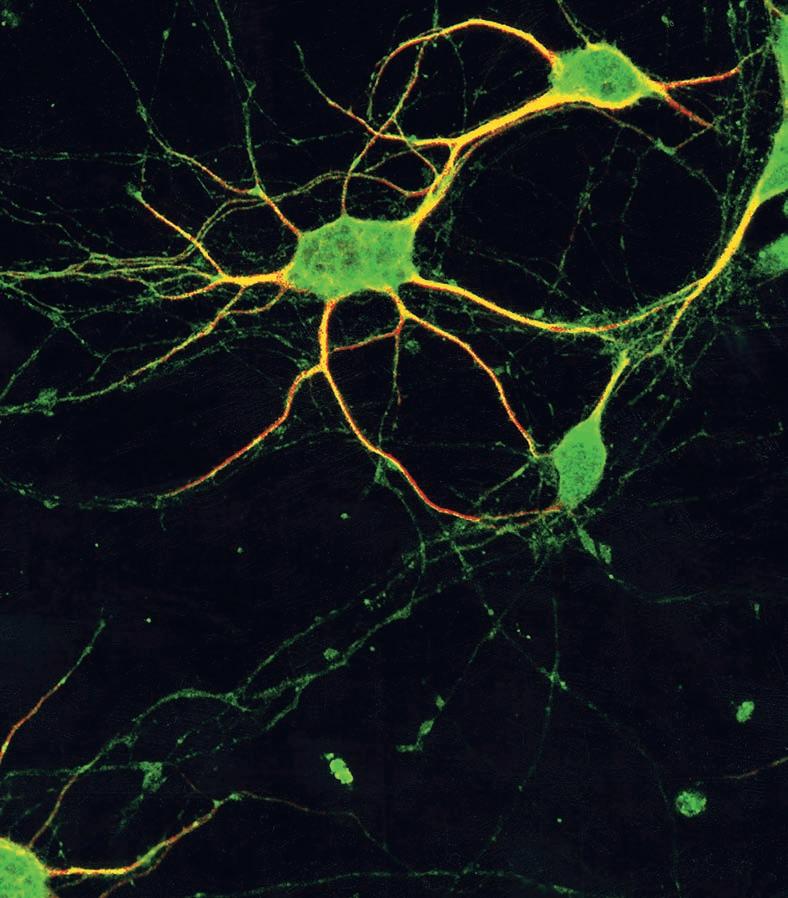
against cellular death in certain circumstances and/or toxic effect in others.
“This assembly platform activity of chemical signs is so essential to life that even other proteins possibly carry out the same role in the organism,” says Brentani. “Therefore, rats genetically modified not to produce cellular prion seemingly survive without any harm,” he explains.
This new role changes the understanding on how prion-caused diseases appear. According to this new interpretation, where the Creutzfeldt-Jakob disease is concerned, it is not only due to the adhesion of infectious prions generating toxic attachments that neurons die. The Brazilian group believes that cellular death also takes place due
to the loss of healthy prion molecules, which presumably leaves the neurons unprotected from chemical aggression. According to Prado, the toxic effect of infectious prion could be intensified with the loss of cellular prion. “We will only know if we are right when the ideas presented in this work are tested,” says Linden.
Researchers expect that the understanding on how cellular prions work will lead to treatment alternatives for diseases caused by prions and neurodegenerative diseases such as Alzheimer’s, connected with the attachment of a protein whose production is controlled by the healthy prion. “Therapeutic approaches based solely on what is known about the defective
prion haven’t yielded good results,” says Linden. Quinacrine, a malaria drug used in the 1930s, was capable of hindering the attachment of the infectious prion in in vitro experiments with neurons. However, it did not prevent the development of the disease when tested in human beings. “There is still no effective treatment,” says Ricardo Nitrini, from USP.
Together with Hélio Gomes and Sérgio Rosemberg, from USP, and Leila Chimelli, from UFRJ, Nitrini and Vilma are part of the team responsible for the diagnosis of prion-caused diseases in Brazil, which require, since 2005, that the authorities be notified. This is an essential measure to generate an awareness of which regions are the most affected and the populations most susceptible to the four forms of Creutzfeldt-Jakob disease. From 2005 to 2007, the group analyzed 35 suspected cases, of which 26 were deemed probable – confirmation is carried out through brain tissue analysis after death. These people developed the disease spontaneously. No case was related to the consumption of infected meat. “Many cases are not reported in Brazil. We believe there are up to 200 cases a year,” says Vilma.
In the meantime, Vilma’s team at the Ludwig Institute continues to study the action of STI-1. In the last few years, the group found that a fragment of this molecule, a 16-amino acid peptide, has the same role as the full protein and aids memory formation in rats. Initial tests with cells on a glass plate also suggest that the peptide holds back the development of glioblastoma, an aggressive brain tumor that kills in six months, which is why this part of the molecule was patented by the Ludwig Institute in 2007 in the United States. “This is promising information,” says Vilma. For the time being, no further data can be provided until tests are carried out on lab animals and, if all goes well, on human beings. ■
> Scientific article
Linden, R. et al. Physiology of the prion protein. Physiological Reviews. v. 88, p. 673-728, 2008
Maria Guimarães
Published in April 2008
Be careful when turning the page. If you cut your finger on the edge of the paper bacteria will enter the wound and unleash a battle there. In these situations, the tissue defense cells, such as the macrophages, detect the invading bacteria, surround them and kill them. This process releases a series of substances around the cells that, like the bread crumbs in the story of John and Mary, indicate the path for leucocytes, defense cells that patrol the body in the blood stream. If all goes well, the infection will be controlled and will go unnoticed. But sometimes, because there are too many bacteria or because the immune system is compromised, this is not enough. The bacteria and inflammation spread through the body, causing generalized infection or sepsis. It is the second most common cause of death in Intensive Care Units (ICUs) in the United States, where more than 700,000 cases go on record every year – of which almost 30% lead to death. The team of pharmacologist Fernando de Queiróz Cunha, from the Medical School at the University of São Paulo in Ribeirão Preto (USP-RP), is revealing the battle of the immune system against sepsis and the direction to be taken in preparing medication.
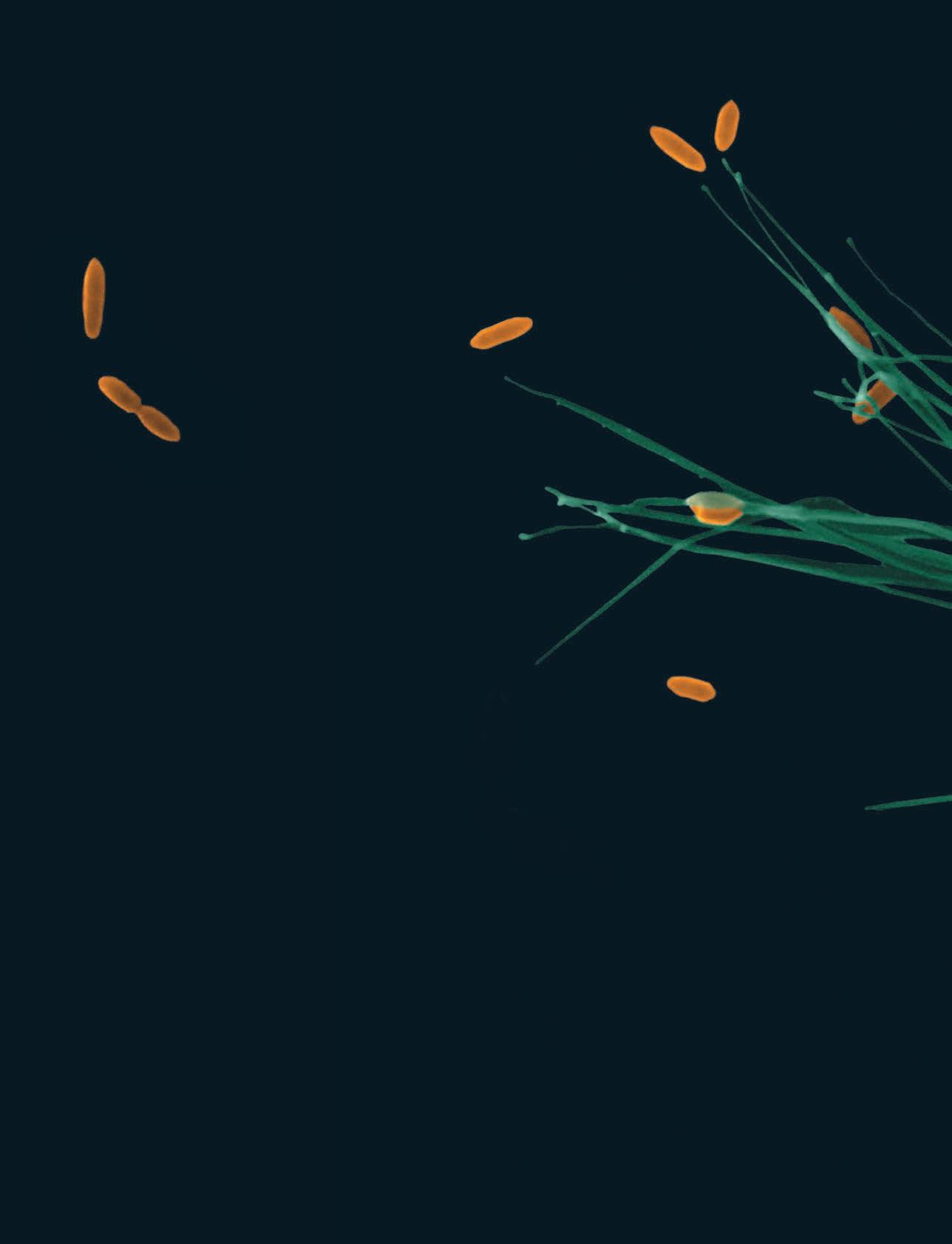
Macrophave (green) captures bacteria in the lung
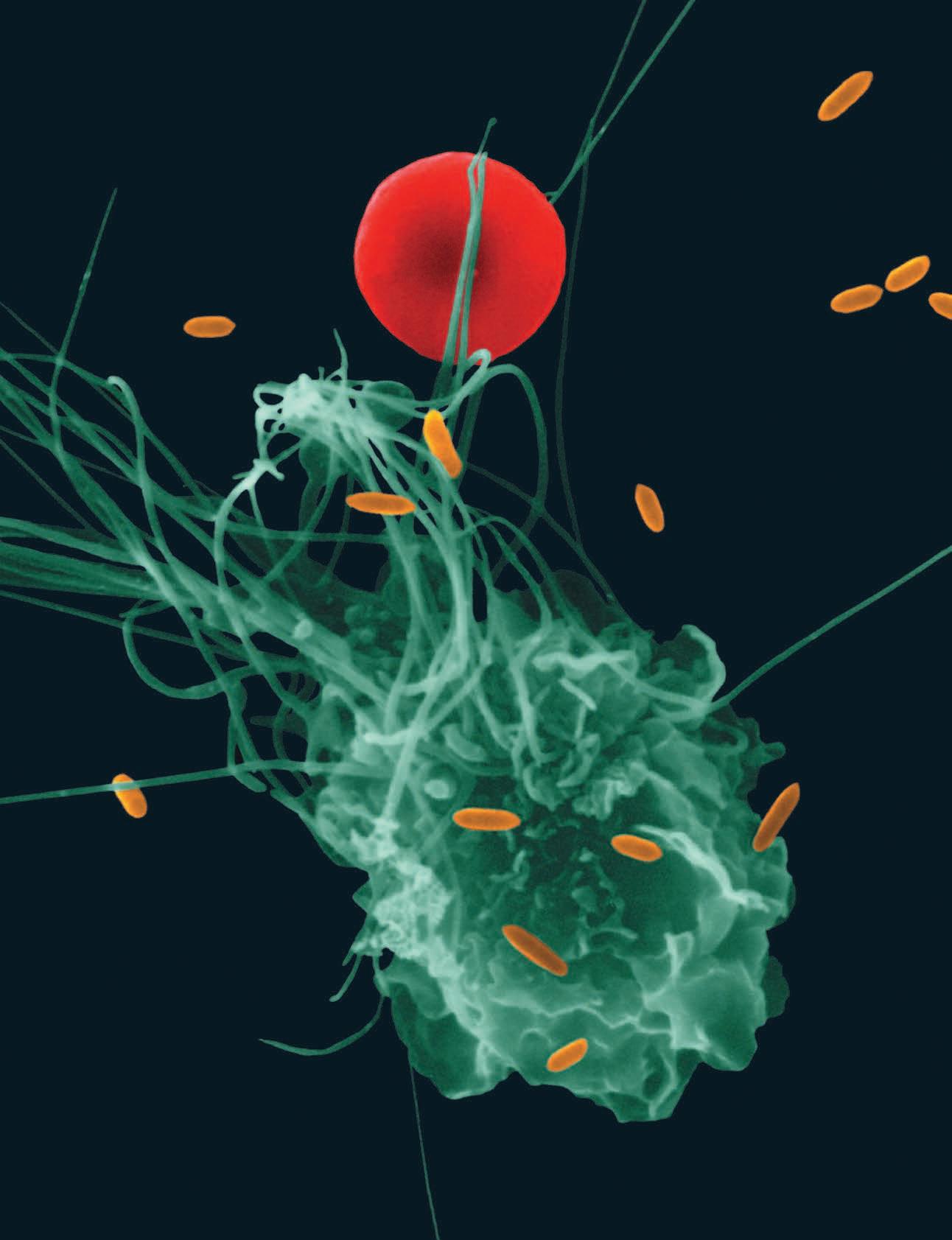
Cunha’s work shows how the immune response works: in an inflammatory reaction the signaling substances advance to the closest blood vessel, attach themselves to the cell walls and send signals inside. The leucocytes then roll around inside the wall of the vessel until they find a breach through which they escape. Then they follow the chemical trail to the front line and join up with the macrophages to fight the bacteria, which they kill with substances like nitric oxide. The substances released in this process also cause an inflammatory reaction that attacks the tissue itself.
When the bacteria win the battle they spread throughout the body and generate sepsis, with the immune system in pursuit. In an extreme effort to contain the infection, the inflammation itself becomes generalized, causing blood pressure to drop and, in the end, multiple organ death. This is the situation currently known as sepsis (the word septicemia is no longer used much among experts). At least half of the people who succumb to this state die.
The great surprise for the international scientific community around ten years ago was to discover that the invading bacteria are not the most serious problem. The great damage happens because the inflammatory process, a valuable weapon in fighting bacteria, turns against the body itself – the same out-of-control situation that causes diseases like gout, arthritis and multiple sclerosis. It seemed obvious; all that was needed was to block the inflammation to contain sepsis. North American researchers tried, but without the inflammatory process, the fight against the infectious focus also stops and the bacteria spread unchecked.
To find an effective way of fighting sepsis, the group from Ribeirão Preto put together a three part research project. Physician and pharmacologist Sérgio Henrique Ferreira, project coordinator, is responsible for investigating the mechanisms that cause pain in an inflammatory process, while detailing
the sepsis process and the migration of leucocytes to the focus of the infection is Cunha’s task.
He discovered that the role of nitric oxide, which leucocytes use to kill bacteria, is central in septic shock. Within the blood vessels, this sub-
neutrophyles lose their main microbicidic agent and are no longer able to fight the infection.
Cunha discovered something else: nitric oxide in excess also inhibits cell migration. “The leucocytes didn’t stick to the vessel walls, didn’t roll and didn’t
Intensive Care Units in the United States, sepsis is also a serious problem in Brazil.
In 2003, the Brazilian healthcare system earmarked more than R$ 17 billion for the treatment of 400 thousand sepsis patients, with unsatisfactory results, given that some 227 thousand of them died from severe sepsis.
stance aids the defense mechanisms, because it induces the vascular muscles to relax; in doing so the greater volume of blood in the vessels carries more leucocytes to the focus of the infection. However, when there is sepsis, nitric oxide production goes uncontrolled and can be as much as a thousand times greater than normal, leading to a dramatic drop in blood pressure. Discovering this suggested a treatment: inhibit the patient’s nitric oxide production. But what seemed like one more good idea gave rise to new problems. Without nitric oxide,
respond to the gradient of inflammation mediators,” he says. In articles in the international journals Shock, Blood and Critical Care Medicine in 2006, Cunha’s group detailed how this happens. The biochemical and protein paths, which lend cells movement similar to that of slugs, do not work in the presence of high levels of nitric oxide. In an article published in 2007 in the American Journal of Respiratory and Critical Care Medicine, the team from Ribeirão Preto also showed that nitric oxide inhibits the expression of receptors on the surface of neutrophyles,
which consequently lose their sensitivity to the inflammatory mediators. The immune system is therefore paralyzed, putting the patient’s life at risk. This discovery suggested directions to Cunha’s team. “If we were to re-establish the migration mechanisms, the infection would be controlled,” he says.
That is what his team is trying to do now. They found that an essential substance in this biochemical chain is sulfhydric acid, also known as hydrogen sulfide (H2S), the gas that makes rotten eggs smell bad. When its synthesis is inhibited within the leucocytes, cellular migration is halted; in returning H 2 S to the cellular environment, the researchers saw that the defense cells started rolling again within the walls of the blood vessels. The strategy is new and the pharmacologist from Ribeirão Preto is now preparing an article for publication. For Cunha, the results encourage optimism. Perhaps now the understanding of sepsis is closer to allowing lives to be saved. Until then, septic shock remains a public health problem with no solution. On the contrary, with the annual ageing of the population, a greater proportion of ICU patients suffer from sepsis. An article published in 2006 in Endocrine, Metabolic & Immune Disorders – Drug Targets, coordinated by Eliézer Silva, a doctor from the Intensive Therapy Center of the Albert Einstein Israelite Hospital in São Paulo and president of the Latin American Institute for Sepsis Studies (Ilas), compares the impact of sepsis in various countries and shows that for every one hundred people admitted to North American ICUs about ten go into septic shock.
In Brazil, Silva coordinated the study known as Bases (epidemiological study of sepsis in Brazil), which evaluated 1,383 patients admitted to five Brazilian ICUs and that was published in 2004 in Critical Care Medicine. The study, one of the widest in the country, found that some 30% of these patients entered sepsis and developed septic shock. Intense medical care only man-
THE PROJECT >
Mediators involved in the genesis of pain, the migration of leucocytes and in sepsis
TYPE
Thematic Project
COORDINATOR
SERGIO HENRIQUE FERREIRA –
USP/Ribeirão Preto
INVESTMENT
R$ 2,277,550.31
aged to save half the patients with sepsis. The Brazilian Association of Intensive Therapy conducted another study, known as Sepsis Brazil, which examined more ICUs and achieved results similar to those of Bases
According to data published by Ilas, in 2003 the Brazilian health system spent R$ 41 billion on intensive care. Of this amount, more than R$ 17 billion were earmarked for the 400,000 septic patients - with unsatisfactory results, since some 227,000 of them died as a result of serious sepsis, thereby taking to the grave an investment of almost R$ 10 billion.
To reduce these numbers, in 2005 Ilas joined the international campaign ‘Surviving Sepsis’. With the aim of reducing death from septic shock by 25% by 2009, 48 countries are implementing international directives for the care of septic patients. To control and optimize the campaign results, participants send information to an international database. Brazil, with 50 institutions taking part in the program, is one of the countries that is contributing most data.
“The main difficulty is a cultural change,” explains Eliézer Silva, who in 2006, through the Atheneu publishing house, published a manual for training professionals with regard to the new concept in which time is crucial. The new directives determine that when a
patient with serious sepsis arrives for emergency treatment in a hospital, a blood sample must be collected immediately to identify the germ causing the infection. Then, within the first six hours, it is essential to give the patient antibiotics, large volumes of physiological serum and blood pressure stabilizing medication. Depending on the disease’s progression during this time, another series of actions are required by the 24th hour of treatment: medicating with corticoids and activated C protein, controlling glycemia and, when the patient has difficulty breathing, supplying ventilation to maintain oxygen pressure at an appropriate level. The most recent data, not yet published, indicate that during the course of the campaign, death by sepsis dropped by almost 7% worldwide – at least as far as those that could be easily measured were concerned.
According to Fernando de Queiróz Cunha, discharging patients is not the same as breathing a sigh of relief. He showed from research with rats that has not been published yet that sepsis leaves the immune system weakened. The pharmacologist saw that 15 days after the septic crisis it is enough to spray bacteria close to an animal’s snout (a situation not unlike talking to someone who has a cold) to cause death in guinea pigs. The work of Silva and Cunha makes clear the need for combining basic research, medical clinical studies and public policies to win the battle against sepsis. ■
> Scientific articles
1.Rios-Santos, F. et al.Downregulation of CXCR2 on neutrophils in severe sepsis is mediated by inducible nitric oxide synthase-derived nitric oxide. American Journal of Respiratory and Critical Care Medicine. v. 175, p. 490-497, 2007
2.Torres-Dueñas, D. et al. Failure of neutrophil migration to infectious focus and cardiovascular changes on sepsis in rats: effects of the inhibition of nitric oxide production, removal of infectious focus, and antimicrobial treatment. Shock. v. 25, n. 3, p. 267-276, 2006
Brazilian group obtains the first serum against bee poison
The expression “to fiddle with a wasp hive” indicates serious trouble. The same goes for bees. Bees are social insects that work together even when it comes to defending themselves from enemies. For this reason, people who hit one of these hives are most likely to land up in hospital with several stings on their bodies. And with toxins in their bloodstream for a couple of days, which damage the liver, kidneys and the heart especially, dissolving the tissue that binds the cells together resulting in chronic problems. “We have only recently been able to understand how the poison of these insects works,” says biochemist Mário Palma, from Ceis, the Social Insects Study Center of the State University of São Paulo (Unesp), Rio Claro campus. Palma sought reinforcements from the University of São Paulo (USP) and the Butantan Institute, and was able to put together a team that managed to develop a serum against bee stings.
According to Palma, the difficulty in producing a specific serum against insect stings was primarily due to a lack of knowledge of the composition of such substances. “Unlike serpents, whose poison is based on complex proteins, 70% of the bee and wasp poison is comprised of peptides,” he explains, referring to molecules related to the proteins, but smaller. He first noticed that these poisons work differently. A victim of a serpent bite – especially those that
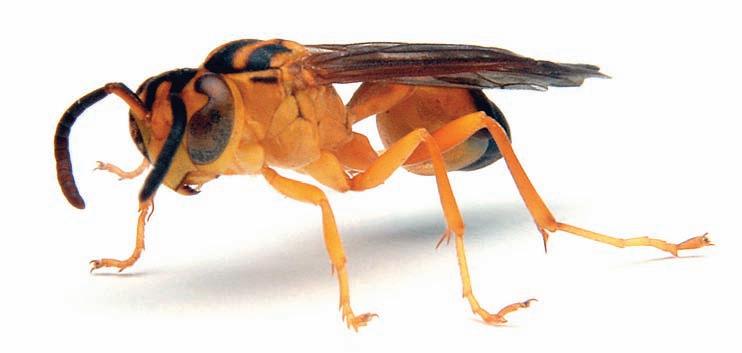
The neotropical social wasp (Agelaia pallipes)
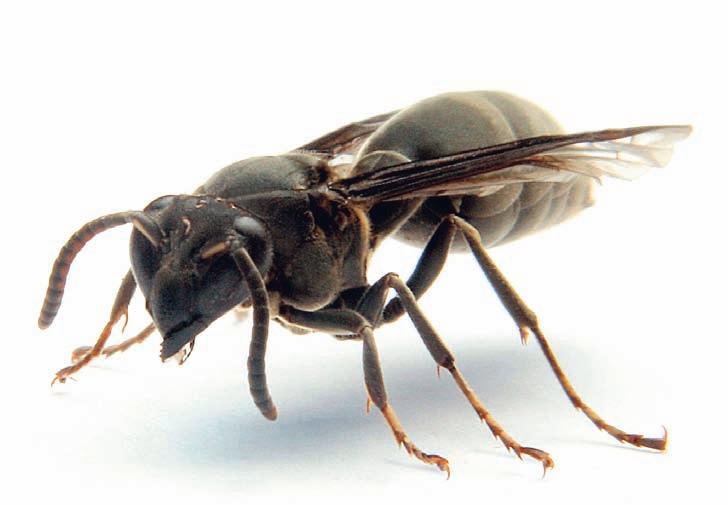
become meals, such as rodents – die quickly. After all, it is a hunting strategy. Bees and wasps, on the other hand, use poison as a defense mechanism: their fragile stings, though they only manage to penetrate the soft skin on the face of a monkey which is after honey, of a bird interested in insects or of an inattentive person, leave a very painful memory behind that marks the place to be avoided.
This year, the Ministry of Health believes that there will be from 10 to 15 thousand bee and wasp-related incidents – a vastly underestimated number, for people who are only stung once and do not develop a strong allergic reaction seldom seek medical assistance. Unlike serpents (over 20 thousand bites per year in Brazil), most patients survive. However, the small molecules of the insects’ poison easily spread through the body. Thus, 98% of he victims of multiple stings suffer from sequela such as chronic kidney and liver problems.
Until recently, the method for finding serums and vaccines was based on trial and error: the serum was produced and its effect was tested. “A patient is lost every time it doesn’t work,” says the Unesp researcher. This result must be avoided even when laboratory rats are tested, but so far no one has been able to develop in vitro tests in order to assess the efficacy of the serums.
Palma’s strategy was to build a laboratory with top technology to analyze proteins, with the help of a bioprospection project fi nanced by FAPESP. The result is groundbreaking: in four years, Palma’s doctoral student, Keity Souza Santos, co-supervised by Fábio Castro, found approximately 200 compounds in the bee’s poison, in addition to the known proteins. But knowing the poison’s composition is not enough; therefore, the researchers investigated its effect on the organism. On this issue, collaboration with University of São Paulo’s
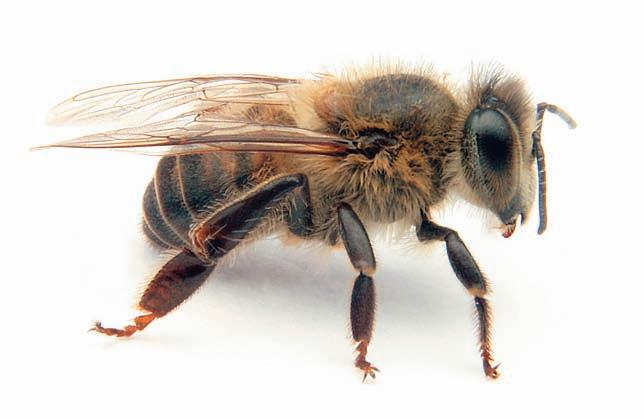
(USP) Clínicas Hospital (HC), headed by immunologist Jorge Kalil and by allergist Fábio Castro, was essential. While caring for patients stung by bees or wasps, the physicians compiled a list of approximately 50 symptoms, which included pain, redness, edema, itching, darkening of vision, unconsciousness, fatigue in the legs and memory loss. The team was able to evaluate how each compound acts in the human organism by crossing this data with the list of peptides and proteins found in the poison.
Production – Palma then joined efforts with the Butantan Institute, responsible for the production of 80% of all the serums and vaccines consumed in Brazil. The Institute injected bee poison into its horses and extracted the response. Palma carried out in vitro tests at the laboratory in Rio Claro in order to verify whether the serum extracted from the horses neutralized all the toxic elements of the poison, and gradually added the missing defenses. “As far as we know, this process of looking for the antibody against each protein had never been carried out before,” he says.
In order to reach its final formulation, the serum also had to pass the approval of pharmacologist Marco Antonio Stephano, of the Pharmaceutical Sciences College of USP, specialized in quality control. “We had to keep all this a secret during the four years of work,”
says Palma, “until the request for the patent was filed”. Now that the formulation is ready, the Butantan Institute team headed by Hisako Higashi is producing the serum lots to be tested at the Vital Brazil Hospital, which is part of the Butantan Institute and a national reference center for accidents involving poisonous animals. The researcher estimates that the serum will be ready for clinical tests in approximately six months.
According to Hisako, in addition to enabling the proteins analyses, the partnership with Unesp is the source of significant quantities of bee poison to be used in the serum production.
The university maintains a bee farm for which biologist Osmar Malaspina, also a member of Ceis, takes responsibility. He places a glass plate covered by an electrified fence at the entrance of the hives. When the bees land, they receive a discharge, to which they react by stinging the glass. They do not actually lose their stings, but they leave a droplet of poison behind. With these droplets and the automatic method, Malaspina can get enough poison to produce the serum. Once approved, the product will probably be distributed to the entire public healthcare network. Palma says that this is a governmental
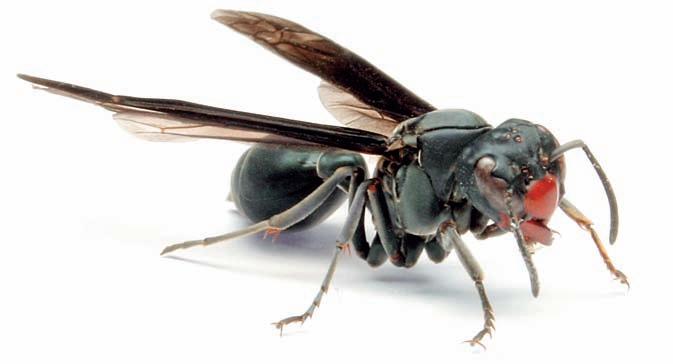
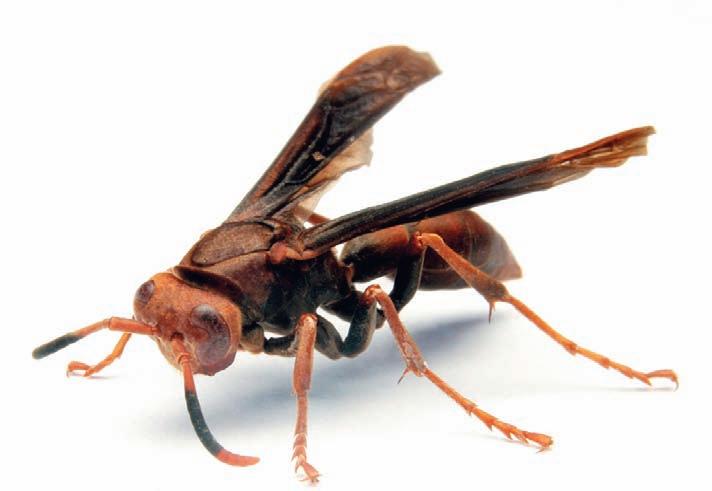
undertaking, for it was financed by national research aid agencies – FAPESP, CNPq and Finep – and produced by Butantan Institute, which is under the State of São Paulo Health Bureau.
The Unesp researcher believes his first successful step is giving them the necessary energy to continue. The serum he developed works against Brazilian bees, but he has already received samples of bee poison from other places in the world to test whether it works against other subspecies of Apis mellifera, which can be found in 75% of the planet. If it does work, Palma already sees Brazil as the largest worldwide producer and exporter of serum against bee stings.
The team has not forgotten that bees are blamed for many wasp stings, whose poison is different and is not neutralized by the bee serum. With Malaspina’s aid, Palma selected the 12 wasp species responsible for most of the accidents. The Rio Claro team is currently dividing the wasp poison into its peptide and protein components and is trying to produce a serum that works against all wasp stings, which are as dangerous as bee stings.
Allergy – Aside from being painful and toxic, the sting of one bee can bring on an allergic reaction capable of killing from one minute to the next. This happens because the immune system responds to the poison producing antibodies
called immunoglobins E, and or IgEs. When IgEs fight long battles against the poison, they cause edema, itching and even anaphylaxis in some people, which keeps them from breathing and causes immediate fainting. The serum has no effect against this reaction.
In order to fight an allergic process, its precise cause must be identifi ed. Since in most cases one cannot demand strict scientific observations from the person suffering the attack, the Health Centers need tests to identify the allergen in the patient’s blood. There are tests to detect allergens from certain North American and European wasps, but they are not the same species as found in Brazil. Moreover, the 51 spe-
Bioprospection of the arthropod fauna in the State of São Paulo for the development of new drugs and selective pesticides
TYPE
Biota Program
COORDINATOR
MARIO SERGIO PALMA – Unesp
INVESTMENT
R$ 1,646,290.60 (FAPESP)
R$ 1,530,000 (CNPq and Finep)
cies alone found on the Rio Claro campus are greater than the European and North American biodiversity together. There are approximately 500 species in Brazil but only some 20 in the United States, and another 20 in Europe.
The team lead by Palma intends to develop tests to recognize at least the species that causes the largest number of accidents in Brazil, and to develop training programs to recognize and treat allergies to insect poison. “Most people who are currently trained to do so trained with us,” says immunologist and allergist Fábio Castro, who is willing to train more professionals throughout Brazil. Castro and Palma have already started to expand their frontiers: they set up Genar, the New Regional Allergens Study Group, which intends to systematize a network of researchers and professionals in the health area to investigate and treat rare allergies, such as allergies to regional foods, about which little is known.
The project’s success is an example of how scientific technology – in this case, the technology that enables the assessment of proteins and peptides –provides for surprising results when associated with knowledge of nature. “The animal toxins are true sources of inspiration,” says Palma, who relies on spider and insect behavior and on the function of chemical substances in nature to understand how they act and how can they be used. ■
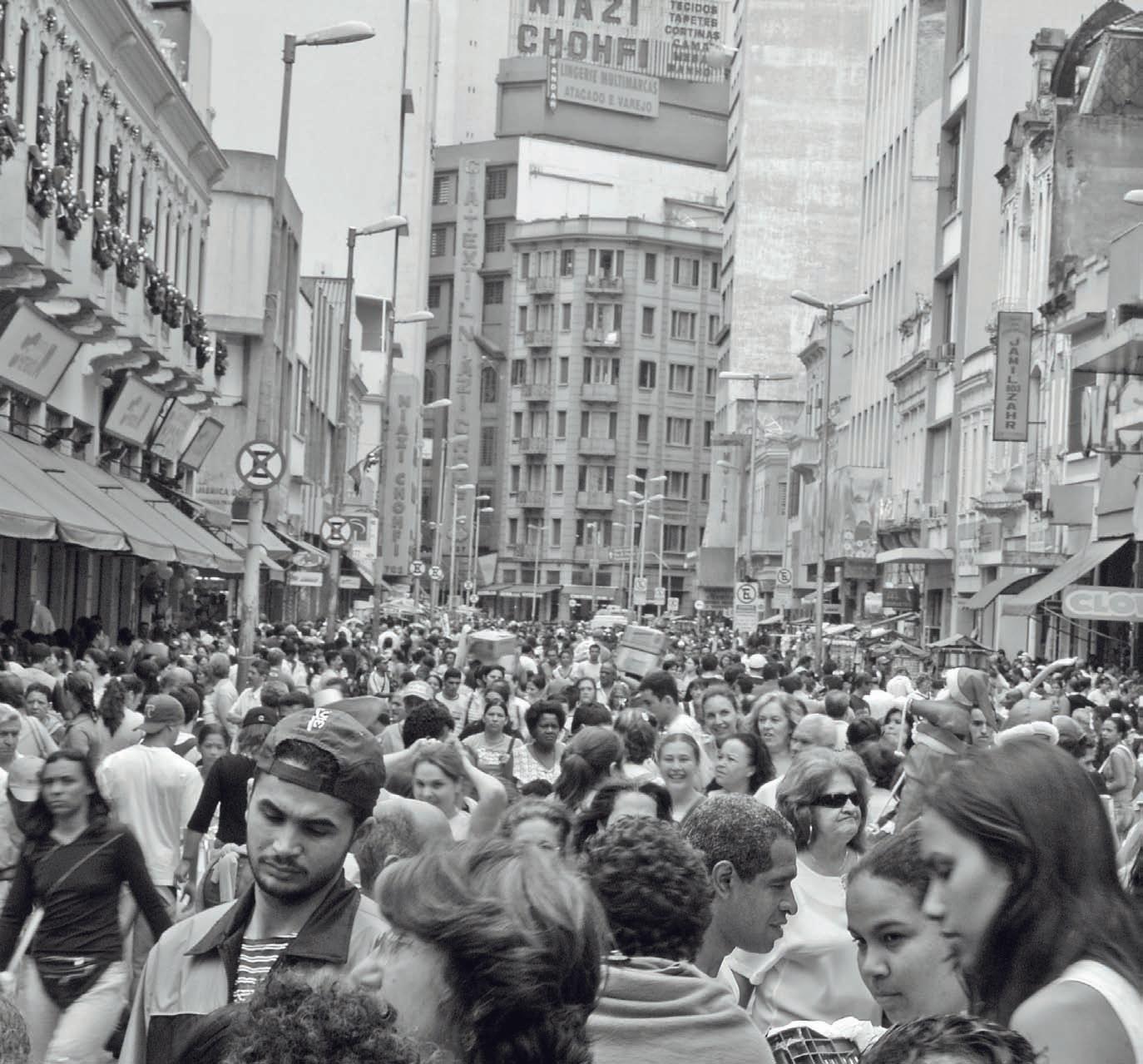

Lethal infection caused by a single cell parasite, visceral leishmaniasis spreads throughout Brazilian cities
Ricardo Zorzetto
Published in September 2008
Ahighly lethal disease that attacks some 3,100 people a year in the country and kills in over 90% of the cases, if not properly treated, is reaching large Brazilian cities: visceral leishmaniasis. Caused by a single-cell parasite, the protozoan Leishmania chagasi, it settles within the body’s defense cells and damages the spleen, the liver and the bone marrow. For a long time, visceral leishmaniasis was considered a solely forest-related issue or a disease restricted to Brazil’s rural areas. Not anymore.
In the last three decades, health authorities have been identifying the first cases contracted in the cities, initially in the northeast. Since then, for reasons that are yet to be properly understood, visceral leishmaniasis has become urban and national, reaching cities in the North, Midwest and Southeast. It has already spread across medium-sized and large cities in 20 of Brazil’s 26 states; only the South is free of the disease, as it risks encroaching upon cities such as Rio de Janeiro and São Paulo, which, much like fortified medieval towns, may be unable to contain the spread of leishmaniasis within the walls of buildings and houses.
Seventy years after being first described by physician Evandro Chagas, in a Science magazine article, as the cause of the new form of visceral leishmaniasis, different from the strain found in Europe and India, the parasite Leishmania chagasi and the insect that transmits it to humans in Brazil continue to challenge researchers and public health authorities. Throughout this period, the Brazilian population became urban – it was essentially rural until the beginning of the last century and migrated from one region of the country to the other in an ongoing quest for work. Today, eight out of every ten Brazilians are city dwellers. Thirty percent of the country’s forests were consumed in order to harbor these cities. Forests are the natural habitat of the leishmaniasis parasite, found in animals such as the crab-eating fox (Cerdocyon thous) and the hoary fox (Lycalopex vetulus), as well as of its carrier, the insect Lutzomyia longipalpis.
As a result, the disease spread and the number of cases increased. In 1985, Pará parasitologist Leônidas Deane, who was part of the commission headed by Chagas, counted 8,959 visceral leishmaniasis cases in Brazil since the first cases were identified by Henrique Penna in 1932. This situation has deteriorated. The Ministry of Health reported 53,480 cases from 1990 to 2007 – and 1,750 deaths. Visceral leishmaniasis is also more aggressive. In 2000, it killed three out of every one hundred people who contracted it. Now, seven out of one hundred die.
“There may be an epidemic outbreak in the city of São Paulo in the next five years,” says public health physician Carlos Henrique Nery Costa, from the Federal University of Piauí (UFPI). Costa states this based on his experience of almost 20 years in the study of visceral leishmaniasis transmission. He has thoroughly investigated the causes of the outbreak of the epidemic that has underscored the disease’s recent urbanization: the one thousand cases recorded in the city of Teresina between 1981 and 1985. This outburst was followed by another almost ten years later, with over 1,200 cases.
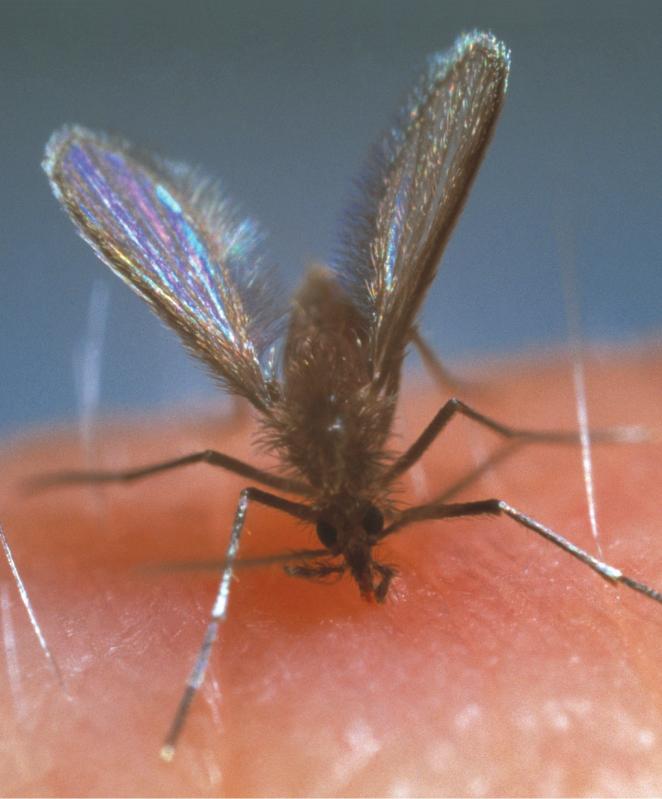
the State of São Paulo and may reach the capital,” says epidemiologist Vera Lucia CamargoNeves, CVE researcher. In her assessment of the dispersion of visceral leishmaniasis, Vera Camargo found that the parasite migrates 30 kilometers nearer to São Paulo every year, transported by an insect only three millimeters long, with hairy legs and wings: the Lutzomyia longipalpis, commonly known as a sandfly.
As the capital city of Pará was treating its ill and trying to understand the causes of the problem, distant cities such as São Luís, in Maranhão, Santarém, in Pará, Montes Claros, in Minas Gerais and Corumbá, in Mato Grosso do Sul also witnessed the rise of visceral leishmaniasis. “The disease appeared in these places as if out of nowhere, with no defined patterns,” says Costa.
The situation was different in the country’s Center-South region. Soon after the number of urban cases of visceral leishmaniasis increased in Corumbá, in the western portion of the Pantanal swamplands, in the state of Mato Grosso do Sul, on the border with Bolivia, the disease rapidly spread across the State towards the east. According to epidemiologist Suely Antonialli’s team, from the Jorge David
Nasser Public Health School in Campo Grande, in an article published in 2007 in the Journal of Infection, by the end of the 1990s, the disease had already arrived in the capital city of Campo Grande and reached Três Lagoas, on the border with the State of São Paulo. Its advance followed the path of the Brazil-Bolivia pipeline, which follows the course of the Tietê river towards the city of São Paulo and highway BR262. This links Corumbá to the State of Espírito Santo.
From Três Lagoas, it did not take long for the disease to cross the Paraná river and spread through the northwest of the State of São Paulo and finally, to the capital of the State. Since the identification of the insect in 1997, of the disease in dogs in 1998 and the first human case in the city of Araçatuba in 1999, visceral leishmaniasis has established itself in the State and has been silently spreading across it, along the Marechal Rondon highway (SP-300), the main connection between Mato Grosso do Sul and the city of São Paulo. For almost ten years, the Epidemic Outbreak Surveillance Center (CVE) of São Paulo reported 1,258 cases in 49 cities in the State of São Paulo – and 112 deaths.
“The disease has spread from the western region to the eastern region of
Based on this information, the prediction that sooner or later the disease will reach the largest South American metropolis, where 19 million people live, is not as absurd as it may seem. Two years ago, the surveillance system identified a child with visceral leishmaniasis in the neighborhood of Vila Prudente. The case is still under investigation, its causes still being unknown, and it has not been broadly divulged by the Health Bureau.
It was not the first case. Two other cases were detected 30 years ago by Lygia Iversson, then a researcher from the Public Health School of the University of São Paulo (USP). In 1979, Lygia identified a person with visceral leishmaniasis in Diadema, in the Greater São Paulo. Two years before she had reported another infection, this time in a two-year old boy who had never left the city.
To date, all three cases remain unexplained, since the transmitting insect was not found in the 39 towns and cities of Greater São Paulo. However, in 2002, a transmission of Leishmania chagasi between dogs was recorded in the towns of Cotia and Embu. In these cases, other insect species were captured, of the Lutzomyia genera, hosts of the Leishmania braziliensis parasite, which causes the commonest and most mild form of the disease - cutaneous leishmaniasis, which leaves lesions and nasty-looking ulcers on the skin. “We suspect that the insect captured in the Greater São Paulo area is a species that only transmits leishmaniasis between dogs,” says epidemiologist Luiz Jacintho da Silva, Sucen superintendent when the first cases were detected in the State. He has
tracked the issue since. “We are unsure whether visceral leishmaniasis will get to the city of São Paulo,” he says.
Even if it does not reach the capital, the health authorities are concerned about the spread of the disease in medium-sized and large cities such as Bauru, in inner-state São Paulo, and Belo Horizonte, in Minas Gerais. What gives rise to such concern is that the larger the number of people in the region in which the parasite and its carrier are present, the larger the risk of contracting the disease. The three most important control methods adopted in the past fifty years – pesticides, the elimination of ill dogs or those suspected of being contaminated, and the treatment of human cases – have proven to be ineffective in containing the spread of the disease. “Visceral leishmaniasis kills about 200 people every year, more than malaria and dengue fever together, and it’s harder to control it than we’d imagined,” says Costa, of UFPI.
Researchers suspect that internal migrations, especially from the Northeast to the Southeast, have fuelled the spread of visceral leishmaniasis in the country. However, other factors may have contributed to this as well. British parasitologist Jeffrey Jon Shaw has lived in Brazil for the past 43 years and studies the life cycle of protozoa of the Leishmania genera and their transmitters. He believes that the insect carrying visceral leishmaniasis has adapted very well to cities. “We are creating favorable environments for the proliferation of the carrier, such as humidity and lots of food,” says Shaw, USP professor emeritus of and currently a researcher at the Fundação Tropical de Pesquisas e Tecnologia André Tosello (André Tosello Research and Technology Tropical Foundation), in Campinas. It is still impossible to identify a spreading pattern for all the areas in the country. No one knows whether the insect populations that currently live in the outskirts of many cities already existed in these areas or whether they migrated from regions with better preserved vegetation. Shaw believes in both possibilities. “In Belo Horizonte, it is almost certain that there was a mosquito invasion in the suburbs; however, in
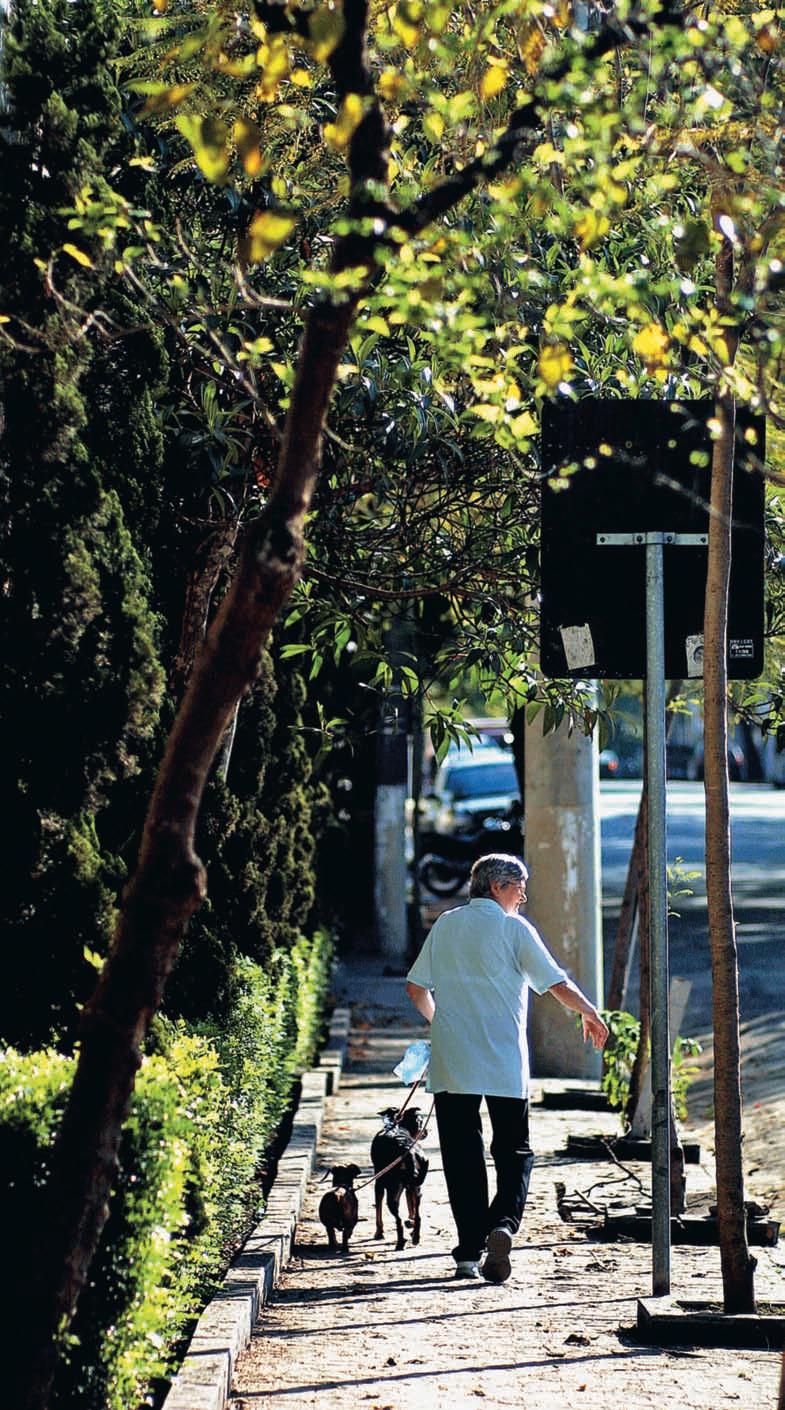
other states, it may be a result of the expansion of the populations that lived in the woods along the rivers,” says the parasitologist, who studies the population dynamics of Lutzomyia in São Paulo, Mato Grosso do Sul and Pernambuco.
Costa, from UFPI, has a different suggestion. He believes the spread of the disease-carrying insect is linked to the use of exotic trees such as acacias, with their small leaves and yellow fl owers, in the urban planning projects of the cities. There are reasons that support this suspicion. Acacias had been planted in Teresina at the time of the first outbreak, back in the 1980s. At that time, another devastating outbreak left 100 thousand dead in the Sudan, and affected especially the families living near acacias, possibly a source of nectar for the insects. There are also indications that the nectar of certain plants favors the proliferation of the parasites in the insects’ intestines.
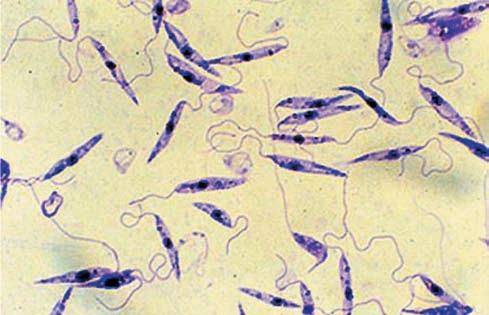
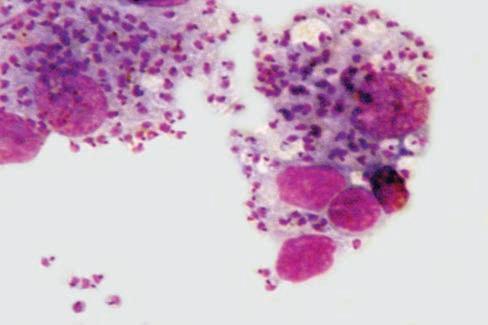
It is still necessary to prove whether this in fact takes place in Brazil. However, it is certain that with the reduction of the natural vegetation areas, insects have adapted to parks and backyards, common in the inner-state areas. Unlike the dengue-transmitting mosquito (Aedes aegypti), which needs water in order to reproduce, the Lutzomyia longipalpis female lays its eggs on moist surfaces, such as rocks and leaves in contact with the ground. Once the eggs hatch, the larvae feed from organic material in the soil until they develop into adult insects. Once they have wings and the rest of their body is formed, adults feed on the nectar of plants and always land with open wings in moist and shady areas. In the early evening, the females seek the blood they need to lay their eggs. They engage in short flights, land, and bite uncovered body parts.
The bite is painful; the female makes a small incision in the skin and injects saliva and other substances that increase blood vessel diameter and that keep the blood from clotting. During its meal, the insect regurgitates forms
of the parasite that only reproduce in its digestive system. Once in the blood, the parasite profits from the defense system mechanism and hides before invading other cells and reproducing, according to recent findings.
David Sacks’ team, from the United States National Health Institutes, placed females of the Phlebotomus duboscqi insects hosting Leishmania major, capable of infecting laboratory animals, to feed on the ears of mice. The team followed the struggle against the parasites with a microscope that enables seeing images of live animal tissues. As soon as the mice’s immune system identified the invasion, the defense cells (neutrophils) moved towards the bite area. In just over one half-hour, the neutrophils had already involved most of the parasites and were trying to destroy them with digestive enzymes. Because they live for only a couple of hours, the neutrophils are then digested by a second group of defense cells, the macrophages – a sort of cleaning-up team.
Researchers observed that after the neutrophils died, live parasites approached the macrophages, cells to which they attach and in which they reproduce. In an article published on August 15 in Science, Sacks’ team referred to the strategy as a Trojan horse, in reference to the tactic of the Greeks to enter the walls of Troy, in the war narrated by Homer. Probably, this same disguise enables Leishmania chagasi to penetrate human and other mammal macrophages, hindering the defense system and causing the typical visceral leishmaniasis symptoms – recurrent fever that lasts for weeks, swollen liver and spleen, loss of appetite and weakness. “Physicians must be aware of these symptoms all over the country,” says Costa. “If the patient runs a fever for a long time for no apparent reason, is pale and the spleen is enlarged, a bone marrow exam should be requested to eliminate the suspicion of leishmaniasis.”
From the public health point of view, the solution is to try to control the sandfly population with the deltamethrin pesticide, applying it to leishmaniasis focal points. However, this measure, currently under the responsibility of city councils, is not always effective. The pesticide lasts for three months and has to be applied to every single house wall , and the insects do not always die. Sometimes they only drop on the floor but are able to fly again later on. “We know of no application method for the pesticide to kill a larger number of the insects,” says Vera Camargo, of CVE.
The arrival of the sandfly in large cities involves yet another complication. The insect found an excellent source of blood that people like to keep by their side, plus the shade and fresh soil in backyards: dogs, which easily contract the infection and become as debilitated as their owners.
The Ministry of Health determines the elimination of infected dogs in order to contain the spread of leishmaniasis.
It is a controversial measure that is not sufficient if carried out alone. In several states, the dog population is high – there is one dog for every four people in São Paulo, while the World Health Organization suggests the ideal ratio is of one to ten, and the infection rate is as much as 20% of the animals in some cities. Moreover, owners are not prone to give up their dogs to be put down. “People only give up their dogs when they find out someone in the neighborhood died from visceral leishmaniasis,” says veterinarian Maria Cecília Luvizotto, from the State University of São Paulo (Unesp) in Araçatuba, who identified the first infected dog case in 1998.
Studies carried out in different cities indicate that about half of the dogs identified with leishmaniasis are eliminated. Veterinarians and animal protection groups criticize the strategy for diagnosis as exams can fail under certain circumstances. “We are unable to distinguish visceral leishmaniasis from cutaneous leishmaniasis if the dog has already been given the vaccine against the disease,” says parasitologist Célia Gontijo, from Fiocruz (the Oswaldo Cruz Foundation) in Belo Horizonte. “The test can still suggest the animal has leishmaniasis when, in fact, it may have other curable diseases, such as babesiosis.”
In an attempt to reduce the errors, Olindo Martins Filho and Renata Andrada, from the Fiocruz in Minas Gerais, developed a test that distinguishes the positive result caused by the infection from that caused by the vaccine, described in 2007 in Veterinary Immunology and Immunopathology. They are currently trying to use it to distinguish the visceral form from the cutaneous form. Even Célia obtained more precise results than the traditional tests by using the polymerase chain reaction (PCR), which identifies the parasite’s DNA.
Other groups test the use of dog collars with deltamethrin, which would keep the insects far from the dogs for months. The collar costs about R$ 60 and has to be changed from time to time. In 2004, Richard Reithinger, from Fiocruz in Minas Gerais, compared the use of the collar with euthanasia. He showed that the collars provide a feasible alternative, if people use them correctly.
At the Federal University of Rio de Janeiro (UFRJ), Clarisa Palatnik de Sousa’s team developed a vaccine based on the parasite’s antigens and that has only been used in private clinics. In 2003, the vaccine was authorized by the Ministry of Agriculture – the Ministry of Health, responsible for leishmaniasis control, is yet to authorize its use as a mass protection method. The chief criticism of this vaccine is that it has only been tested in small groups of animals. The health authorities’ decision may now change with the publication of the most recent tests in the August issue of Vaccine. Clarisa monitored two groups of dogs for two years (550 had received the vaccine, and 588 had not) in Andradina, a town in inner-state São Paulo, where visceral leishmaniasis is endemic. The vaccine protected the animals in 99% of the cases.
Some experts regard the preventive vaccine as a measure to protect dogs, since the Ministry of Health prohibited the use of human medication to treat canine leishmaniasis in July. There are reasons for caution. Although they do improve clinically, dogs are not cured and can continue to transmit the parasite to insects that bite them. There is also the risk that the treatment promotes the selection of Leishmania chagasi strains resistant to human drugs, such as pentavalent antimonials, amphotericin B and pentamycin.
After decades with no new compounds for the treatment of humans, a study published in June in Plos Neglected
Tropical Diseases shows an important advance. At USP, parasitologists Silvia Uliana and Danilo Miguel proved that tamoxifen, a drug used to treat and prevent breast cancer, is effective against Leishmania amazonensis infection in rats. They are now getting ready to repeat the tests against Leishmania chagasi in hamsters, prior to evaluating the effects in a small number of patients. The advantage of tamoxifen over new drugs is that its action mechanism is already known and it has proved safe. “Still,” says Silvia, “three years of study are necessary”.
Among the compounds currently being tested against leishmaniasis, at least one was entirely developed in Brazil by the research network Farmabrasilis. The compound is P-MAPA, an acronym for protein magnesium ammonium phospholinoleate anhydride polymer. In tests conducted in Brazil and in the United States, it has proven to be effective against Listeria monocytoges bacteria, whose survival mechanism in the organism is similar to that of the protozoa of the Leishmania genera. ■
> Scientific articles
1. CHAGAS, E. Visceral leishmaniasis in Brazil. Science. v. 84 (2183), p. 397-398. 30 oct. 1936.
2. PETERS, N.C. et al. In vivo imaging reveals an essential role for neutrophils in leishmaniasis transmited by sand flies. Science. v. 321. p. 970-974. 15 aug. 2008.
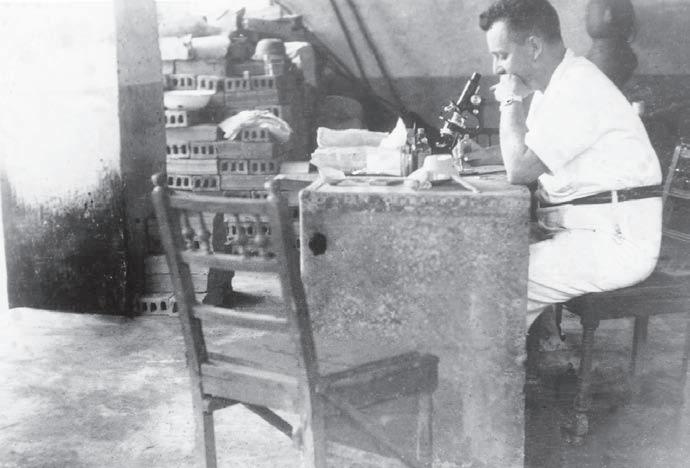
Maps define guidelines for preserving native vegetation, restoring degraded areas and carrying out environmental research in São Paulo
Get ready for some surprises. Less than 300 km from the capital of Brazil’s most industrialized state, symbolized by its noisy metropolis, its stressed people and the endless sugar cane plantations of its inland plains, cougars and jaguars still roam freely; marsh deer and jabiru storks live in the wetlands of the west, in the midst of novateiros tree trunks that are always covered with ants , and buritis, tall elegant palms. In the south-west a native forest of indescribable abundance grows, full of pitangueiras [Surinam cherry], jabuticabeiras, cambuís, araça, uvaias and other trees of the myrtle family, including the lesser known gabirobeiras and piúnas , which in the spring and summer feed the birds and monkeys with their succulent fleshy fruit and form an immense and sweet smelling orchard.
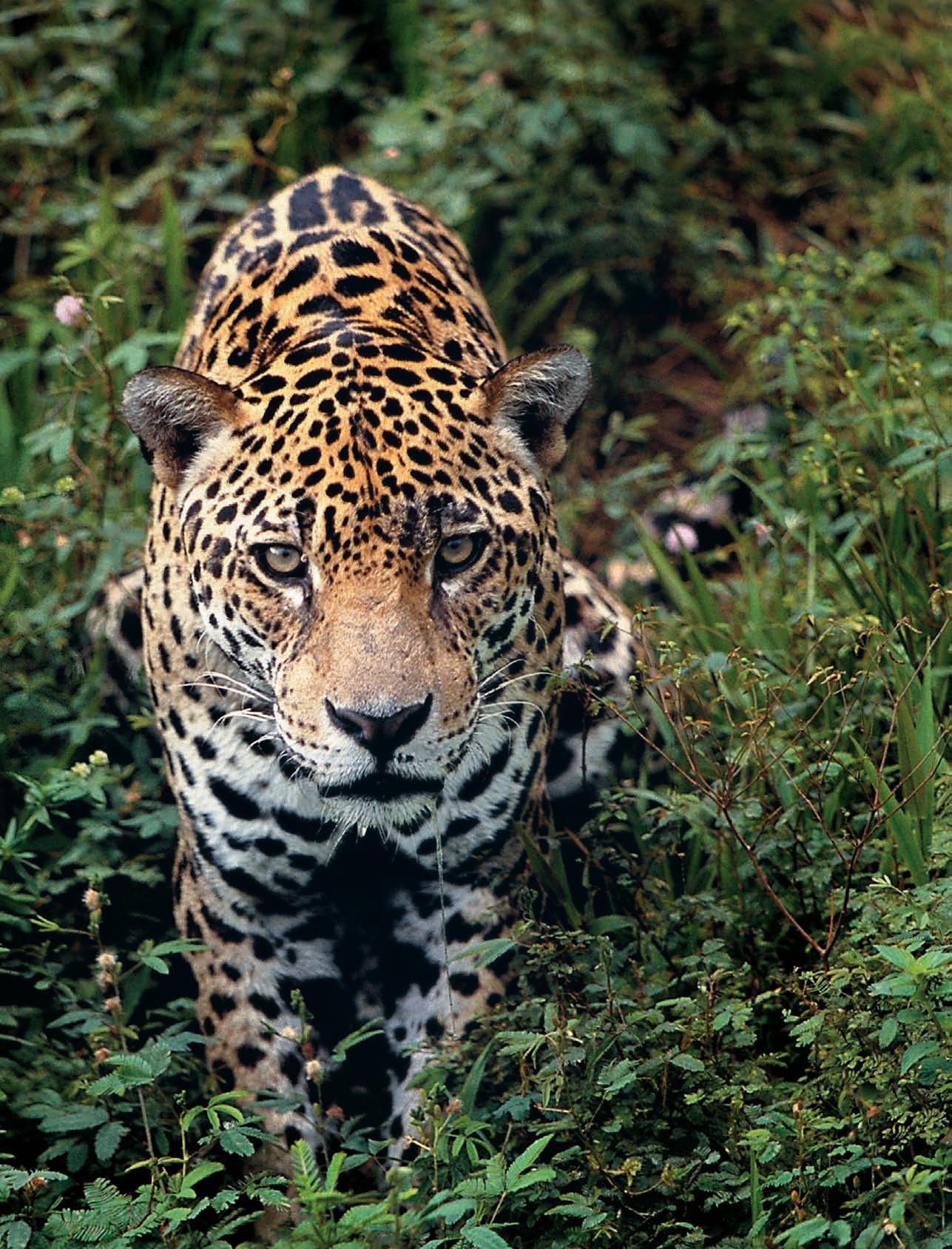
The jaguar: bad reputation for attacking unprotected cattle when its own environment no longer supplies it with food
Biologists have decided to open up this treasure chest and share these rarities. In partnership with the Department of the Environment, 160 researchers from the Biota-Fapesp Program have prepared three general maps and a further eight thematic maps by animal and plant groups to show the abundant wealth or the state of destruction of the native forests and Cerrado [scrubland/ savannah] in the state of São Paulo, as shown in the poster inserted in this edition and on the website www.biota. org.br/info/wap2006. These maps, the result of almost ten years of research, should be used to guide the work of conserving and extending the native forests where São Paulo’s authentic wild life is concentrated. Although there are few of them left, the remaining areas of vegetation form environments that are as different from each other as the humid forests of the coast, which are reminiscent of the Amazon forest; they are also different from the dry vegetation of those inland areas that are similar to the Northeastern Caatinga region [arid scrubland and thorn forest].
The maps, which were prepared from the distribution study of 3,326 species of plants and animals considered strategic to maintain the state’s natural areas and are entitled Directives for Conserving and Restoring Biodiversity in the State of São Paulo, propose two simultaneous plans for action. The first is the creation of 10 to 15 total protection conservation units in areas that are extremely rich, biologically, and that are shown on one of the maps. This is the case of the exuberant stretch of Atlantic Rain Forest between the three state parks on the outskirts of the town of Itapeva, in the south of the state, which is privately owned, at present. It is also the case of the Japi hills, which are being corroded by the expansion of towns close to the capital and are now seen as strategic in linking up the forests of the Mantiqueira hills, which are already legally protected, and the south of the state of Minas Gerais.
These new areas could add as much as 25,000 hectares to the already preserved 800,000 hectares spread over 28 conservation units subject to total protection (100 hectares equals one sq. km). This, however, is the most difficult, expensive and lengthy route
Much less protected than the Atlantic Rain Forest and split into thousands of fragments, the Cerrado is the environment of which the least remains and that is disappearing the fastest in São Paulo
to keep such areas green. The State would have to buy the land from the private owners and compensate the local residents before setting up and effectively managing these new areas. The other route, proposed in the second general map, might be faster: encourage the land owners to protect the forests on their properties. “If all the rural landowners obeyed the Law and maintained the 20% of mandatory native vegetation, that would already be a huge expansion of green areas”, says Marco Aurélio Nalon, Deputy Director General of the Forest Institute and one of the coordinators of this work. Today, the areas of native forest, called Legal Reserves, correspond to 10%, on average, of the state’s rural properties.
“In order to make good decisions and determine what areas should be protected in the form of Legal Reserves, we need good information”, comments Helena Carrascosa von Glehn, the agronomist who is coordinating the environmental licensing and natural resource protection teams at the Department of the Environment. “Now we’ll be able to work better, with more
arguments.” Her 320-technician team, along with the 2,200 environment wardens, will finally be able to tell the most stubborn farmers and cattlemen what they may or may not do on their land, based not only on the Law, but also on the map of the priority areas for the establishment of private reserves, for conserving or restoring native forests. Thus, ecological corridors may be formed that will connect the remaining areas of native forest, which cover at least 1,000 hectares, as proposed in one of the summary maps.
The maps are, therefore, becoming a sort of Green Constitution, to be adopted also by other departments to avoid highway construction or electricity transmission line projects, for example, being vetoed by the Department of the Environment, if they do not follow the map’s recommendations. Other likely users are members of the Environmental Compensation Chamber, which obliges business people to invest at least 0.5% of the overall value of any works that are potentially harmful to the environment in conservation units. “The maps will be the basis of all of the state’s environmental strategic planning”, says Carlos Alfredo Joly, a biologist and a professor at the State University of Campinas (Unicamp) and the first coordinator of the BiotaFAPESP Program.
Joly says that he started strongly advocating the use of scientifi c information for environmental management ten years ago with the then-state Secretary of the Environment, Fábio Feldmann. But they advanced little, mainly because knowledge about plant and animal diversity in the state was very limited, apart from the difficulty that researchers and state administration bodies had in agreeing and coordinating their priorities and working pace. As from March 1999, researchers from São Paulo working together in the Biota-FAPESP Program began to overcome this gap and transform the database they were using into a tool to be used also for formulating and perfecting public policies in the State of São Paulo.
At this time a lot of greenery disappeared. “Lots of natural areas were and continue to be destroyed by fire,

logging or hunting and they don’t have much of a role to play in biodiversity conservation because they are tiny and very isolated”, comments Ricardo Ribeiro Rodrigues, current Biota coordinator and a professor at the University of São Paulo (USP) in Piracicaba. “We need to reverse this picture.” Eliminated over two centuries, mainly because of the expansion of coffee plantations and towns, natural vegetation today covers only 13.9% of the territory of São Paulo, the or 3.5 million hectares, of which 77% belong to private landowners and 23% to the State. Native forests should cover at least 20% of São Paulo in order to maintain not only animal and plant diversity, but something that is nearer to the hearts of city residents, the so-called environmental services, such as the water supply.
Fewer forests also imply more heat. It is no coincidence that the State’s Northeast region, between the Tietê and Grande Rivers, is the barest, with less than 5% of its natural cover left, as well as the hottest and driest; this is the São Paulo desert. As luck would have it, it is not actually a desert. In a
small stream running alongside a patch of remaining forest in the municipality of Planalto, one of Lilian Casatti’s teams, from the ichthyology laboratory at the Paulista State University (Unesp) in São José do Rio Preto, found for the first time in the region the Tatia neivai species, a 4 cm long colored catfi sh that lives among the fallen trunks and branches close to riverbanks. In a well on the edge of a forest surrounded by sugar plantations in União Paulista, another group from the sane Unesp unit, coordinated by Denise RossaFeres, also found for the first time a green tree frog, Phyllomedusa azurea “In one night”, she says, “I found 14 species of toad, frogs and tree frogs, all singing at the same time, right after the first rains in October”. Both the Northeast and the West of the state have gaps
in scientific knowledge, according to a third summary map, which establishes priorities for research to be carried out by teams of researchers from the Biota Program and the research institutes at the Department of the Environment.
The contrasts between the natural environments in the state have also become evident. Until now only one type of Atlantic rainforest, the dense ombophilous forest, has been biologically well represented in extensive blocks protected by law, mainly along the coast, and has a reasonable structure of parks and supervision. In contrast, the Cerrado still falls outside the environmental protection laws and is spread throughout the state, inland, in thousands of fragments in the middle of private properties; only one of them, on the Jataí Ecological Station, is more than 2000 hectares. The Cerrado is the environment of which the least remains and that is disappearing fastest: less than 7% of the original area, and less than 1% of the area of the state, is well conserved.
The fragmentation that isolates animal and plant populations and makes seed dispersion difficult is just one of the
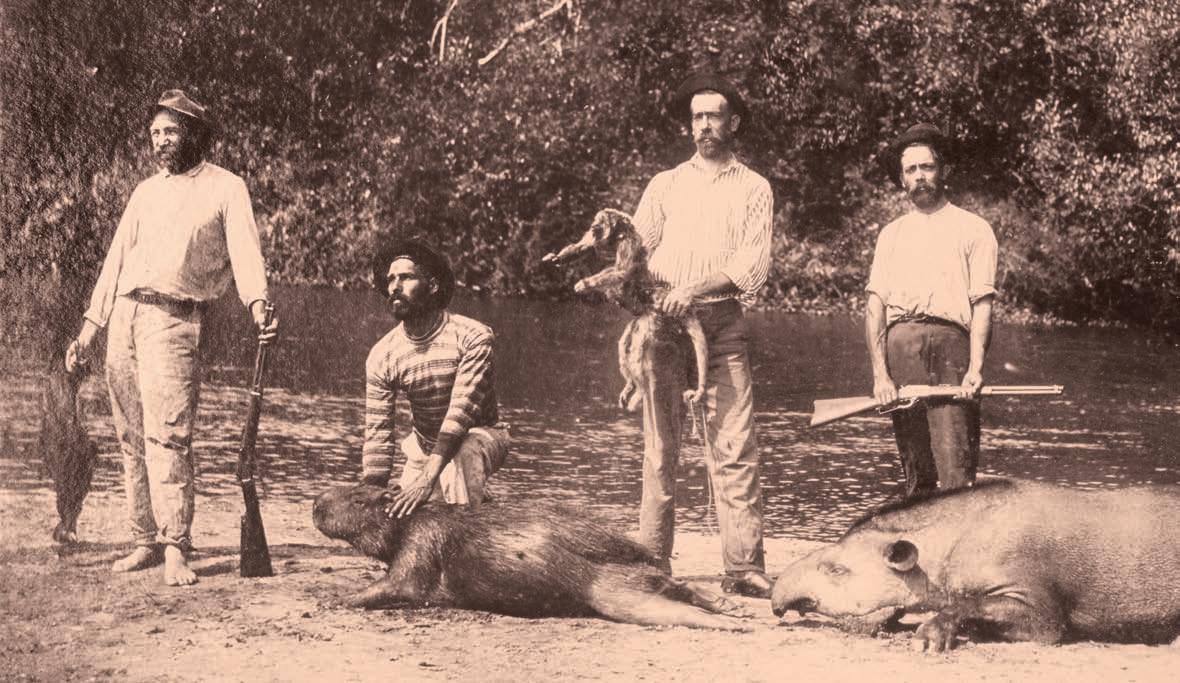
threats to survival of São Paulo’s Cerrado. An analysis of 81 fragments carried out by Giselda Durigan and Geraldo Franco, from the Forest Institute, and Marinez Siqueira, from the Environmental Information Reference Center (Cria), exposes other dangers, such as invading grasses and fire, especially in areas close to highways and cities, which are more harmful than the expansion of sugarcane plantations and the planting of forests for commercial exploitation. It is not just the Cerrado that deserves extra attention. It is equally necessary to protect two coastal environments that are much coveted for residential developments; salt marshes and mangrove swamps, warns Kátia Pisciota, a technician from the department of environmental conservation management at the Forest Foundation, who intends to use the maps as arguments to speed up approval for requests to create natural reserves on private properties.
Neither the conservation priorities nor the knowledge gaps would have been so clearly apparent were it not
for the great capacity of Joly himself, his successor, Ricardo Rodrigues, and researchers such as Vera Lúcia Ramos Bononi, director of the Botanical Institute and highly aware of the complicated and tortuous ways of the Department of the Environment (she was a trainee there in 1968). Because she knows the plans of the team from Biota to select the priority areas for conservation and restoration in the state she invited Rodrigues, as the coordinator of Biota, to a meeting on April 15 this year, at which Francisco Graziano Neto, the new Secretary of the Environment, would present the research program to be carried out during his term in office. Upon realizing that one of the priorities was to study São Paulo’s diversity, Rodrigues described Biota, a flora and fauna survey in the state that today has 1,200 researchers. He then expressed his interest in organizing the information already obtained to help formulate environmental policies and establish conservation strategies in the remaining areas of vegetation, in
partnership with the Department of the Environment. “This was the moment”, says Vera, “when the priorities of the Department of the Environment gelled with those of the researchers”.
Almost six months later, on October 3, Graziano observed the ready maps and was surprised by the richness of the detail. Enthusiastic about the possibilities of using these maps he had already signed a resolution suspending for six months, as from September, the granting of any authorizations for deforestation. In presenting the maps publicly, on the morning of October 10, Graziano said that his plan was to reorganize the authorization procedures for cutting down native forests; the most delicate areas or priority areas for conservation are likely to have stricter laws. According to Graziano, the information from the researchers has become “fundamental for environmental management in São Paulo”.
The men of science did not imagine the difficulties, deadlocks and conflicts
Researchers in the Northwest of Sao Paulo state in 1910: the intense pace of occupation in the territory has left the state with a meager 13.9% of its native vegetation
sued warnings about the silting up of rivers in São Paulo, because of the loss of waterside vegetation, increasing the risk of water shortages in towns and the countryside, and has helped identify the areas that supply the Guarani aquifer that were receiving fertilizers or where the native forest was scarce in the Ribeirão Preto region.
Tthat they would have to face between one meeting and another with the secretary. At the beginning it was all very easy. The new maps would have as their basis the Forest Inventory of São Paulo, a survey by a team from the Forest Institute that shows how the surviving 13.9% of native vegetation in the state is distributed (see Pesquisa FAPESP 91, September 2003). Constantly updated (this month, as a matter of fact, a more detailed version has been published, covering only the 27 coastal municipalities) the Inventory would become a point of reference for public environmental control organs. Since it was launched in 2005 it has is-
he problems first appeared when they started deciding on the biological wealth and the priorities for conservation in the areas outlined in the Inventory. The biologists had organized themselves into working groups covering birds, fish, mammals, reptiles and amphibians, arachnids and insects, landscapes, cryptogams (non-flowering plants) and phanerogams (flowering plants). To assess the diversity and distribution of the species they had resorted to the collections that they themselves or other teams had put together and were mentioned in SinBiota, the Biota database, and other scientific databases in the State of São Paulo. They assembled, therefore, nearly 220,000 collection records, including those that had been made decades earlier. When they opened up this information bank, however, many of the scientific names were wrong, there were invalid records of common plants that appeared as rare and excessive generic information, particularly the oldest, which referred only to the municipality in which the sample had been collected. Because of the technical limitations and the difficulty in recording collection locations with any degree of accuracy (devices that show geographic coordinates do not work well in the forest), many plants and animals seemed to have been collected outside the State of São Paulo. In practice, a lot less information was used than expected.
The effort of filtering and organizing this information, which began at the end of last year, intensified after a meeting in April of teams from the Forest Institute, the Botanical Institute, USP, Unicamp, Unesp and Conservation International, an NGO. This was when each one had to demonstrate what talent they had. Nalon, whose background is physics, and who has been working for 15 years with maps in the geoprocessing laboratory of the
Forest Institute, assembled the information from each working group and applied it to the vegetation maps, catchment areas, roads and cities. An ecology professor from USP, Jean Paul Metzger, assembled information about nearly 100,000 fragments of native vegetation in the state and had to discover which could be connected, depending on their shape, size and proximity. In the background, untiring young workers collected information and edited the maps: Milton Cezar Ribeiro, Giordano Ciocetti and Leandro Tambosi from USP worked on the final versions of the maps up until five minutes before Metzger and Rodrigues went on stage in the department’s auditorium on the night of October 10 to show what had been done to a select audience of 150 people.
The happy ending of this rare story of integration between scientific research and public interest may still be lost in the jungle of cultural prejudice. Many crop and livestock farmers see native forests as weeds, as something that is worthless. Furthermore, many people think that wild animals such as the jaguar should be eliminated since they attack cattle, chickens and dogs. “Jaguars only eat cattle that are badly looked after, sick, unprotected and close to the forest and if there is no food available in their own environment”, comments Beatriz de Mello Beisiegel, a researcher at the National Research Center for the Conservation of Natural Predators (Cenap), in Atibaia. When farmers call, terrified because they have seen a jaguar, the team from Cenap tells them they can protect themselves by adopting simple measures, such as leaving a light on close to where the animals sleep and letting off a loud firecracker when night falls.
Progress, however, is undeniable: the demonstration that experts from Universities and public bodies can work together sharing the same objectives of social interest. “It seems difficult for researchers to understand our urgency for rapid responses”, comments Helena von Glehn. “They have to be strict and perfectionist, but even incomplete information, which may not be worth much for scientific work, may help a lot when it comes to solving urgent environmental problems.” ■
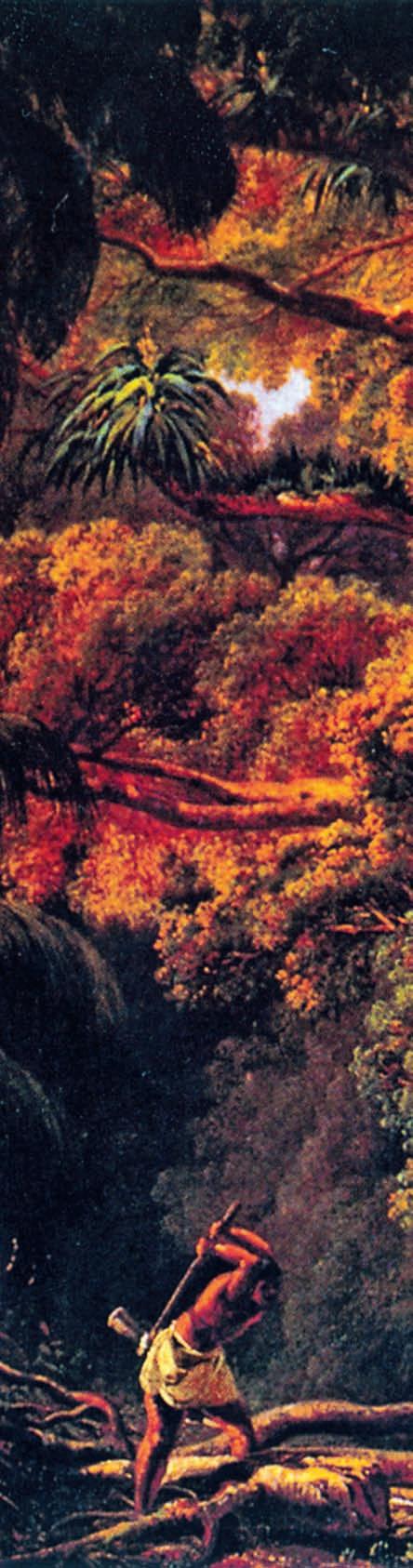
Carlos Fioravanti
IPublished in December 2007
f federal government technicians and administrations indeed decide to fight deforestation, in keeping with the President of the Republic’s announcement in late September at the United Nations General Assembly, they may question which areas should be considered priority, given that they have limited personnel and Brazil is so big. A potential area of priority are the towns in the south of the state of Pará, along the Cuiabá–Santarém highway. This is not a random choice, but the result of applying a mechanism that detects environmental transformations, the Index of Socioeconomic Dimensions (ISD) prepared by geographers from the Federal University of Minas Gerais (UFMG).
This index associates social and economic factors such as education, health, employment, urban development and the economy with the transformation of an area. The faster the growth of a municipality and its economy, the more precarious the living conditions tend to be, the stronger the migration, the higher the ISD and the greater the risk of environmental damage. In other words: more people in pursuit of employment or better jobs but fewer trees standing.
Areas with high population growth and high ISD could warrant more attention, since they are potentially areas of deforestation . This is the case of the town of Aripuanã, state of Mato Grosso, the towns near Santarém, state of Pará, the towns north of the city of Manaus, state of Amazonas, and along the Amazon River, beside the strip along the Porto Velho–Manaus highway.
Upon developing this index, Ricardo Garcia, Britaldo Soares-Filho and Diana Sawyer realized that the Amazon region is subject to the demands of many different social groups – a territory. Deforestation therefore has become a social phenomenon and acquired its own characteristics, according to local needs. “The main cause of deforestation in the south of Pará is the expansion of livestock, while in the state of Amapá deforestation is driven by the development of cities”, Garcia exemplified.
The progress of livestock farming is one of the key explanations for deforestation, since the beginning of the occupation of the Amazon Forest, which occurred at least two centuries ago. On a bigger scale, when each state is analyzed separately, as is the case in this study, migration appears to be a stronger reason for the disappearance of natural vegetation. According to Garcia, “migration accounts for a large proportion of deforestation, as it precedes the expansion of crop and livestock farming. People migrate to places where they hope to find work.”
Between 1995 and 2000, some fifty thousand people left Belém, the capital of Pará; this illustrates how other states capitals in the North of Brazil experienced a population growth. Manaus, for instance, saw an inflow of forty thousand inhabitants between 1995 and 2000, who, added to the city’s previous population of 1.4 million inhabitants, significantly contributed to the transformation of the natural landscape within the urban perimeter. According to this study, the greater the population, the greater the impact on the environment.
Urban expansion, population migration and the Index of Socioeconomic Dimensions help predict the forest areas likely to disappear
Deforestation density
High
Medium
Low
Deforestation fronts
Regional centers
Paved roads
Access roads
National and state borders
SOURCE: RICARDO A. GARCIA, BRITALDO S. SOARES-FILHO AND DIANA O. SAWYER/UFMG
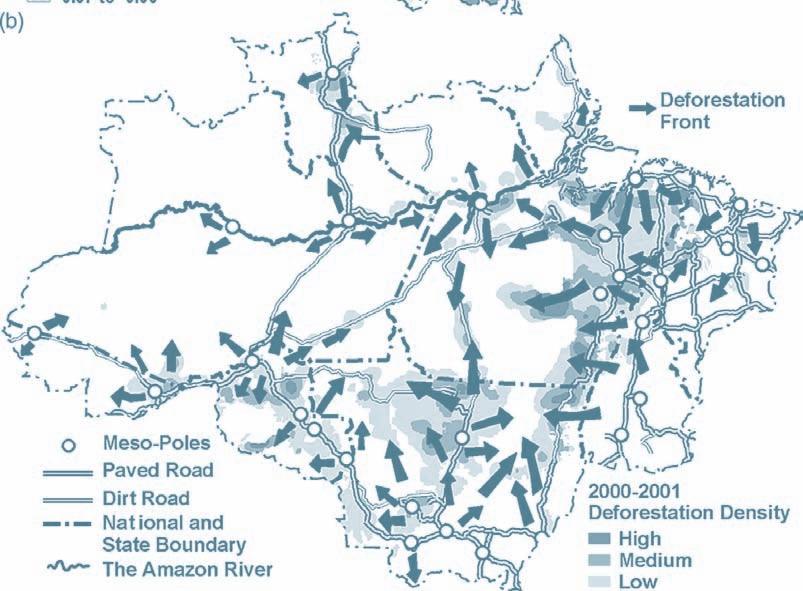

This reasoning explains why important urban centers in the Amazon region (generally the capital cities, which the authors of this study have dubbed “macrocenters”) have the highest ISD and very little forest. The nine macro-centers (São Luís, Cuiabá, Porto Velho, Rio Branco, Manaus, Boa Vista, Belém, Macapá and Palmas) are the hubs of a network of 792 municipalities, also regulated by 29 regional centers and 48 micro-centers, respectively defined in accordance with their area of influence.
Given that the economy of a macro-center is more dynamic, they often represent focal points of deforestation. “The expansion of crop and livestock farming arises from and depends on metropolitan areas that provide manpower, equipment, slaughterhouses and a consumer market; it spreads thanks to roads and waterways”, explained Garcia. “The southern tip of Pará is a good example of how urban centers are promoting deforestation.”
Detailed in an article published in the Ecological Indicators journal, the ISD takes into account five variables from economic and population censuses. Four of them are directly related to de-
forestation: the greater the indicator, the higher the risk of deforestation. The first variable is the population concentration and dynamics, which includes the total number of inhabitants, the density and the growth rate. The second variable is economic development, which takes into account the municipality’s gross income and currency in circulation. The third variable is agricultural infrastructure, which is assessed by agricultural revenue, farmed areas and the number of tractors and trucks, for example. The fourth variable is agricultural and timber production, i.e., the total area of agribusiness and timber producing properties.
Only the fifth variable of the index represents a factor capable of restraining forest disappearance: social development, quantified by indicators such as the population’s level of education, the number of doctors and public healthcare centers, houses with running water, and streets with lighting. The rationale is quite simple: the greater the level of comfort and the better the infrastructure, the less likely it is that residents of a given city will move to other areas.
This index also explains why forests become farms or pasturelands. According
to figures published by the Institute for Space Research (INPE), the state of Mato Grosso accounted for 48% of the 26 thousand kilometers of deforested areas in the past few years. Its towns have the highest ISD index in the entire region.
Meanwhile, there is no indication that the ISD will be adopted quickly in Brasília, but this study has been of use for other research. It was used as basis for dividing the Amazon Forest into social and economic regions, as part of a larger study published by the journal Nature in March 2006. This study showed that by 2050 half of this forest may disappear, giving rise to farms, pastures and cities, indicating the need for adjustments in the environmental policy. The forest preservation areas alone may not be sufficient to sustain the forest and the rainfall in the southeast’s major cities. ■
> Scientific article
GARCIA, R.A. et. al. Socioeconomic dimensions, migration, and deforestation: An integrated model of territorial organization for the Brazilian Amazon Ecological Indicators v. 7, n. 3, p. 719-730, jul. 2007
An ancient question about cosmic rays may have been clarified. Nearly 70 years ago, French physicist Pierre Auger identified those particles – the Universe’s most energetic ones – disintegrating into billions of other particles when colliding with the Earth’s atmosphere, but he was unsure about two seemingly simple points: where these particles came from and what they were exactly. Now, a team of 370 researchers from seventeen countries, including Brazil, have found an answer to the first question, though the second is still unanswered. As detailed in the November 9 issue of Science, the high energy cosmic rays are apparently formed near black holes - which absorb matter and energy – found in the nuclei of the active galaxies in the vicinity of our own Milky Way galaxy.
Map of the heavens showing the arrival of 27 highest action cosmic rays detected by Pierre Auger (white circles) and the closest Active Galaxies’ Nuclei (red asterisks). The white asterisk represents the Centaur A Galaxy
The high energy cosmic rays arise in the midst of a mixture of electrically charged particles released by the more active black holes after they have gorged themselves on gases, cosmic dust and stars. This Dantesque situation occurs in active galaxies such as Centaur A, the nearest one, some 12 million light years away from the Milky Way, or in other ones, which are as much as 300 million light years away – not that far, since the Universe spreads across 13 billion light years. Therefore, the high energy cosmic rays that reach the Earth today may have originated on the eve of the super–extinction that wiped out 95% of our planet’s life-forms (250 million years ago) or of those reptiles that formed the blue print for dinosaurs (around 230 million years ago).
Physicists working in this field are not keen on low energy cosmic rays. These are more common and even less is known about their origin, though these rays can interrupt mobile phone conversations or films broadcast on TV when they are formed from more intense solar explosions. High energy rays are more attractive. First, they are charged with a massive amount of
and the scientists who wanted to learn where the rays come from
energy – up to 60 x 1018 electron-volts (1 electron-volt, the energy unit of the particles, equals the energy of the electron, the smallest elementary particle).
Second, these rays are very rare: only one such high energy ray probably reaches each square kilometer of the Earth every century (the name of these particles suggests that they come in bundles, but actually they do not: they travel alone). Third, they may turn into a different way of seeing the heavens.
“This article published in Science raises the possibility of studying celestial objects through cosmic rays”, says physicist Carlos Escobar, a professor at Campinas State University/Unicamp and coordinator of the Brazilian team. Since Galileo’s times, astrophysicists have relied only on light – initially, on visible light and later on the various wave lengths, ranging from infrared to gamma rays – to observe the Universe. Cosmic rays might, at first, aid research into the phenomena that occur within the hundreds of active galaxies, whose nuclei release an amount of energy thousands of times higher than that produced by
the entire Milky Way. These nuclei often shelter black holes with a sizeable mass (millions of times greater than the Sun) that absorbs everything around them. High energy cosmic rays are the result of this insatiable voracity, much like bread crumbs of hastily-eaten bread, and are then pushed out through the turbulence of the magnetic fields in outer space.
A recent paper by physicists from Japan, Ireland, Germany and the USA was published in Nature. They explained that cosmic rays with energy ten thousand times lower than that of the cosmic rays referred to in Science can be accelerated by explosions referred to as supernova stars, which can release, in a very short time, the same amount of energy that the Sun would release in ten billion years. This study confirmed a phenomenon predicted decades ago by Italian physicist Enrico Fermi; however, the question was where these particles were being formed.
The team that includes Brazilian researchers detected the origin of the high energy cosmic rays because it had massive equipment, more specifically, the
Pierre Auger Cosmic Rays Observatory, which covers three thousand square kilometers, twice the size of the City of São Paulo. It is located in a desert region in western Argentina, close to Malargüe, a town of 20 thousand inhabitants. Plans to build the world’s biggest observatory of this kind began in 1992 by US physicist James Cronin, a professor at the University of Chicago and winner of the Nobel Prize for Physics in 1980, and by Scotland’s Alan Watson, from England’s Leeds University. The need for international cooperation soon became evident, given the proportions that the original project had taken on; as a result, the two physicists invited several other colleagues interested and working in the field of particle physics to a preliminary meeting in June 1995. One of these colleagues was Escobar, who was at the time a professor at the University of São Paulo/USP.
A meeting was held in November 1995 at Unesco headquarters in Paris. The meeting was attended by Escobar, Ronald Shellard, from the CBPF Brazilian Physics Research Center and
> 18 researchers from 10 institutions in São Paulo, Rio de Janeiro and Bahia, as well as students enrolled in master’s and doctoral programs, as well as in science programs
> Five companies: Alpina Termoplásticos, Rotoplastyc Indústria de Rotomoldados, Equatorial Sistemas, Schwantz
Ferramentas Diamantadas and Acumuladores Moura
> Investments:
FAPESP: US$ 2.5 million
Finep/MCT: US$ 1 million
CNPq: US$ 300 thousand
FAPERJ: R$ 200 thousand

One of the cosmic ray nurseries 12 million light years away: the nucleus of the Centaur A, one of the galaxies closest to the Milky Way. The highly charged particles of the Universe might come from the nuclei of galaxies as much as 300 million light years away
by Armando Turtelli. They were joined by their Argentine colleagues, Alberto Etchegoyen and Alberto Filevicvh. The Argentines heatedly defended the possibility of building the new observatory in Argentina. “That was the crucial moment”, says physicist Marcelo Leigui, who took part in this research project while doing post-doctoral work at Unicamp; Leigui now teaches at the ABC Federal University. “Brazil’s participation would have been smaller if one of the other two countries willing to build the observatory – namely, South Africa and Australia – had been chosen instead. “Brazil’s participation, officially announced on July 17, 2000 at Unicamp, resulted in investments of some US$ 4 million in the form of equipment purchased from Brazilian companies and grants for postgraduate scholarships and travel expenses.
Readers of this journal got an update on the major highlights of the slow and arduous construction of the Pierre Auger. In August 2000, the cover story of that month’s Pesquisa FAPESP issue described the details of the negotiations and the first stages of the construction. In April 2002, another article described the pace of building work: “At this moment, in a space that sometimes resembles the sophisticated image of a space ship and at other times
looks like the robust construction of a hydroelectric power plant, hundreds of workers, technicians and researchers are working intensely on assembling the cosmic rays measuring equipment.”
At that time, 40 of the 1,600 surface detectors, named Cerenkov tanks, were already in operation. Each tank can hold 11 thousand liters of pure water, which captures the bluish radiation produced when a cosmic ray collides with the water. The tanks are equipped with 24 fluorescent telescopes that register the light produced when cosmic rays collide with the atmosphere. The Pierre Auger was a pioneering experiment that integrated two observation methods, which until then had only been used singly at smaller observatories in the USA and Japan.
The ingenuity of this construction, depicted in its final construction stages in an article published in August 2003, was also the result of the collaboration of firms from 19 countries. The following Brazilian companies took part in the construction: Alpina and Rotoplastyc, manufacturers of the Cerenkov tanks; Schwantz, manufacturer of the telescopes´ corrective lens; Equatorial, which assembled the regulating devices on the telescopes; and Moura, manufacturer of the solar panel batteries that equip the surface detectors. Physicist Vitor de Souza says that he learned to
overcome “barriers of understanding between academic thinking and industrial concepts” as he helped build and install the equipment.
Pesquisa FAPESP also kept track of the arrival of the cosmic rays. In October 2005, the date on which another article was published, there were records of 3 thousand particles, 20 of which were the most precious ones: they were in the highest energy band. This year, the physicists brought together the 27 particles whose energy was higher than 57 x 1018 electron volts registered from 2004 and 2007, and found that they had come from specific directions related to the nuclei of the active galaxies in the vicinity of the Milky Way. The conclusion discarded the possibility that the particles had come from the Milky Way galaxy or from more
Pierre Auger Observatory
TYPE
Theme Project
COORDINATOR
CARLOS OURÍVIO ESCOBAR – Unicamp
INVESTMENT
R$ 6,034,341.71 (FAPESP)
Tank with 11 thousand liters of pure water from one of the 1,600 detectors of the biggest observatory of cosmic rays in the world: pioneering experiment that integrated two study methods, namely, surface detectors such as this one and 24 fluorescent telescopes
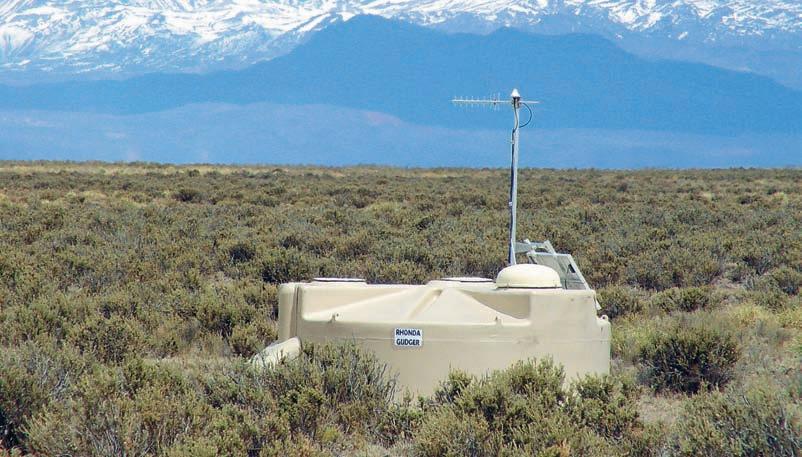
distant regions (in which case they would have spread homogeneously through the skies, instead of grouping together according to their probable origins).
“We proved that it would be possible to carry out such a huge project with a budget that was lower than had been planned”, said Escobar. The 17 countries invested US$ 54 million, US$ 6 million below budget, despite unforeseen events of all kinds. “The learning in terms of project management was invaluable. “The Brazilians also tightened their belts.” Two years ago, for example, Escobar decided that all the members of the Brazilian team would no longer take two flights to get to the Pierre Auger site; they were told to fly to Buenos Aires, and from there go on a 16-hour bus ride to Malargüe.
“In addition to the learning itself, we also learned how to get along with different styles and places of work”, acknowledged Sérgio Carmelo Barroso. In the course of one year, Barroso traveled ten times to Malargüe to assemble and test equipment – he is still a member of the team, but now he also teaches at the Southwest of Bahia State University/ UESB. “I learned how to design, build and test an experiment, how to analyze data and finally how to extract data of scientific interest”, added Souza, who has been working at Germany’s Karlsruhe University since last January.
“We still haven’t achieved our final goal”, worried Leigui. To begin with, it is still necessary to confi rm whether the ultra high energy particles are really protons – one of the components of the atom’s nucleus and nearly two thousand times bigger than the electrons – or whether they are the nuclei of oxygen, carbon, or of any other material. “The results we got so far are coherent with the idea that cosmic rays are actually protons with a low electric charge”, stated Escobar.
This project has led physicists to test the validity of several theories. There seemed to be a maximum energy limit that the cosmic rays had upon reaching the Earth – this is the so-called GZK cut, which is close to 60 x 1018 electron-volts, but of course this had to be confirmed. According to Escobar, the fact that only correlations with close-lying extra-galactic objects were obtained indicates that the GZK cut is working.
The end of this journey may mark the beginning of even longer journeys. Therefore, the Auger team is holding on to the plan of building a similar version to the Argentine observatory in the USA. This future observatory might reveal more secrets hidden in the skies of the Northern Hemisphere, after it goes on-stream, in no less than ten years. ■
Rays lose energy on their journey to Earth*
In 2008, the physicists from the Pierre Auger Observatory showed that cosmic rays really do lose energy on their journey toward Earth, as a result of their interaction with the cosmic background radiation left over from the Big Bang, the primordial explosion thought to have generated the Universe 13.7 billion years ago. In a study published on August 8 in the scientific journal Physical Review Letters, the researchers practically confirmed the existence of the so-called GZK cutoff. According to this theory, there is a top energy limit, around some 5 x 10¹⁹ electron-Volts (eV), for cosmic rays upon reaching Earth. Rays with energy higher than this are less powerful on their journey toward the planet because of cosmic radiation. This is what the measurements taken by the Pierre Auger team indicated, only a very few events having energy greater than 5.8x10¹⁹ eV ever having been recorded.
* Update of research results from 2008.
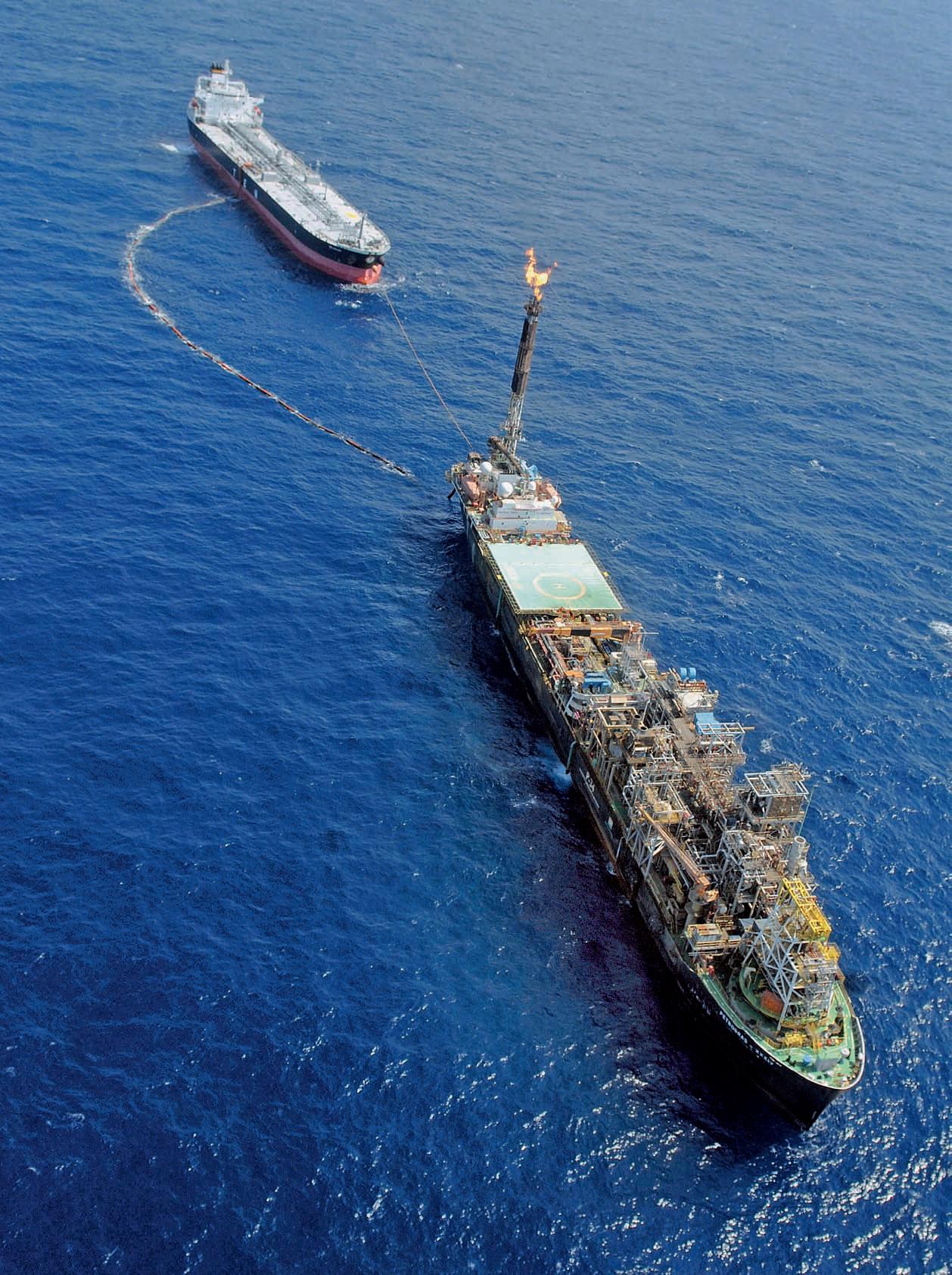

Exploiting oil and gas beneath the sea’s salt layer creates demand for knowledge and technology | Marcos de Oliveira
A SET OF ROOMS IN THE MECHANICAL ENGINEERING BUILDING OF THE POLITÉCNICA SCHOOL OF ENGINEERING OF THE UNIVERSITY OF SÃO PAULO (POLI/USP), IN THE SÃO PAULO STATE CAPITAL, is the source of some of the solutions that will enable the transportation of natural gas from the depths of the pre-salt layer in the Santos basin, the new oil reserves that Petrobras confirmed in late 2007. The team of professor Kazuo Nishimoto, coordinator of the Numeric Proofs Tank (NPT), a lab specializing in hydrodynamics and comprised of groups or clusters of computers, is developing systems that will simulate the future transportation of the natural gas from the platforms to the ships, one of the alternatives that Petrobras is considering to carry this type of mineral resource. The other alternative would be to lay large pipelines along the bottom of the sea, but this would be expensive and hard to do, requiring very large diameter pipes and a very long distance within a marine environment. The gas, which goes hand in hand with oil, will have to be converted into liquid right on the oil platform in order to make it easier to carry, in a ship specially adapted to carry liquid gas. This would be a system that would have to work properly out on the high seas, more than 300 kilometers away from the coast, in a hostile environment, in the midst of strong waves and winds, and at a depth, from the surface to the sea floor, of 2,200 to 3,000 meters, the so-called water sheet, an element that makes it difficult to anchor and to stabilize the risers (pipelines attached to equipment on the sea floor that carry oil and gas to the platform on the surface).
“Nowhere in the world is there a working system out at sea to turn the gas into a liquid. In this state, the LPG (liquefied petroleum gas) must be kept at a low temperature in a cryogenic and low pressure environment. The entire system
and pipeline for transferring the gas from the platform to the ship must be at a temperature of -120° to -160° Celsius (C). The tank must also be chilled. The problem is that metal, when it is very cold, can become fragile and crack,” says Nishimoto, from the Naval and Oceanic Engineering Department of Poli/USP. Yet another challenge is how to perform this transfer under critical circumstances, with the movement of the ocean and of the platforms, which may be semi-submersible or consist of an anchored tanker, know as FPSO units (for Floating, Production, Storage and Offloading) as well as the movement of the LPG ship, which will behave differently depending on whether its tanks are full or empty.
The NPT, which is part of the Petrobras systems development group, produces calculations and simulates situations about these future events, taking into account the marine environment and the equipment’s several variables. It was set up in 2002 with funds from Petrobras and from Finep, the Studies and Project Financing Agency of the Ministry of Science and Technology. It also includes researchers from Coppe, the Coordination Center of Post-graduate Engineering Programs at the Federal University of Rio de Janeiro (UFRJ); from Tecgraf, the Technology and Graphic Computing Group of the Pontifical Catholic University

Water sheet
It lies between the surface and the sea floor. It poses the first challenge that must be overcome. Today, Petrobras drills 1.8 km beneath the surface. In the Santos basin, the depth may be as much as 3 km
Saline crust
Formed approximately 113 million years ago, during a great evaporation of the ocean. It is solid and contains rocks called tachydrite, halite and carnalite.
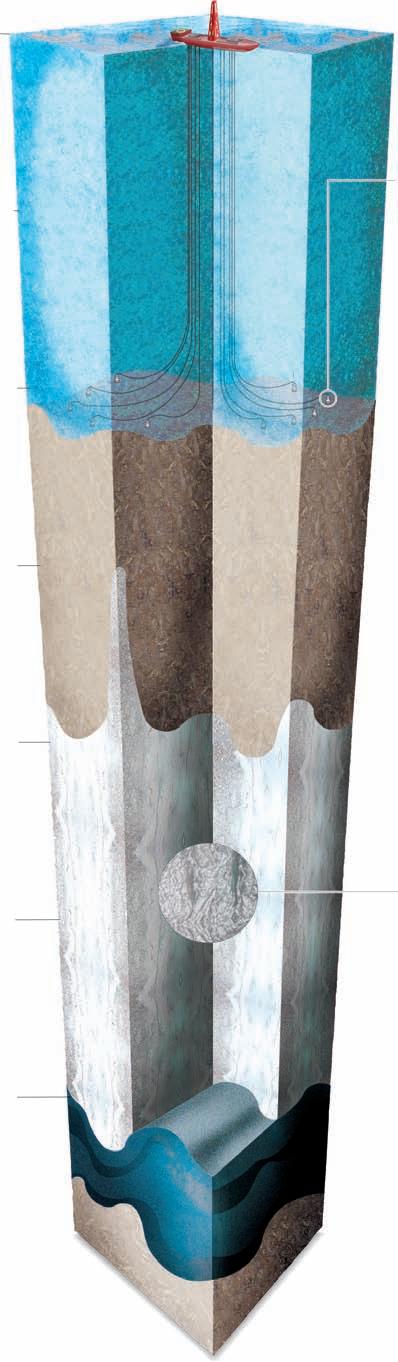
The oil is at depths in excess of six kilometers. Teams of researchers from Petrobras, academia and suppliers study the difficulties involved in drilling and extracting gas and oil
Known as Christmas-trees, the valves that hold the tubes at the beginning of the well will have to be stronger
Post-salt layer
Sedimentary rocks formed from sediments such as calcareous rocks and sandstone from the column under the salt, more than 2 km long. In the Campos basin the oil is in this layer.
Saline danger
When drilling a well in this layer, there is a risk of it caving in. Therefore, the teams must put the lining in place very quickly
Pre-salt layer
The oil and gas are mixed within the pores of the carbonaceous rocks of which this column is comprised that were formed more than 115 million years ago
of Rio de Janeiro (PUC/USP); and from the State University of Campinas (Unicamp), the Federal University of Alagoas (Ufal) and the Technological Research Institute (IPT).
Making use of the natural gas is one of the technological challenges that Petrobras and the other companies involved in exploiting these reserves face, along with their partners in academia or suppliers. All are seeking solutions for the production, extraction and transportation of the oil and gas, under unprecedented circumstances, with oil fields beneath the salt layer, a set of solid rocks some two kilometers thick. The salt layer functions as a natural sealant for the oil and gas formed beneath it by the so-called carbonate rocks at a depth of five to seven thousand meters.
Though a leader of deep-sea oil exploitation, with commercial wells 1,800 meters below the surface of the water, Petrobras is checking the reserves of new wells and the volumes that will be
commercially viable in the region that extends from the coast of the state of Espírito Santo to the coast of the state of Santa Catarina. It is also checking on the technology required to extract gas and oil under extreme circumstances and to carry them to the refineries and gas distributors. To this end, it established Prosal, the Technological Program for the Development of the Production of the Pre-Salt Reserves. With 23 projects in different fields, such as well engineering, reservoir engineering, and gas and oil flow assurance, the company releases information that is veiled in secrecy. “Many details are still being kept under lock and key,” says Osvair Trevisan, the director of Cepetro, Unicamp’s Petroleum Studies Center. “The company is defining the treatment, the standards and the parameters for engineering and production, but we estimate that there will be no major technological barriers facing the exploitation of the pre-salt layer,” says Trevisan, formerly the exploration superintendent of ANP, Brazil’s National Petroleum Agency.
The confidentiality that surrounds the more technical details, which even extends to the scientific community working with Petrobras, is probably connected to decisions about the paths that the exploration of the pre-salt reserves will take within the economic context, because the country may see a growth of its oil reserves from the current 14 billion barrels to 50 billion barrels or even more. Fields such as Tupi and Iara , in the Santos basin, have already yielded some 9 to 12 billion barrels in terms of reserves. The discoveries, whose initial indicators of excellent quality oil have been confirmed and which should be capable of providing a higher grade of petrochemical products, still need to be quantified more precisely. In any event, they may very well elevate Brazil to the level of one of the world’s ten major oil producers. At present, it ranks 24th. The natural gas prospects that the company has announced just in connection with the Tupi field, in the Santos basin, in the pre-salt area, indicate the availability of some 176 billion to 256 billion cubic
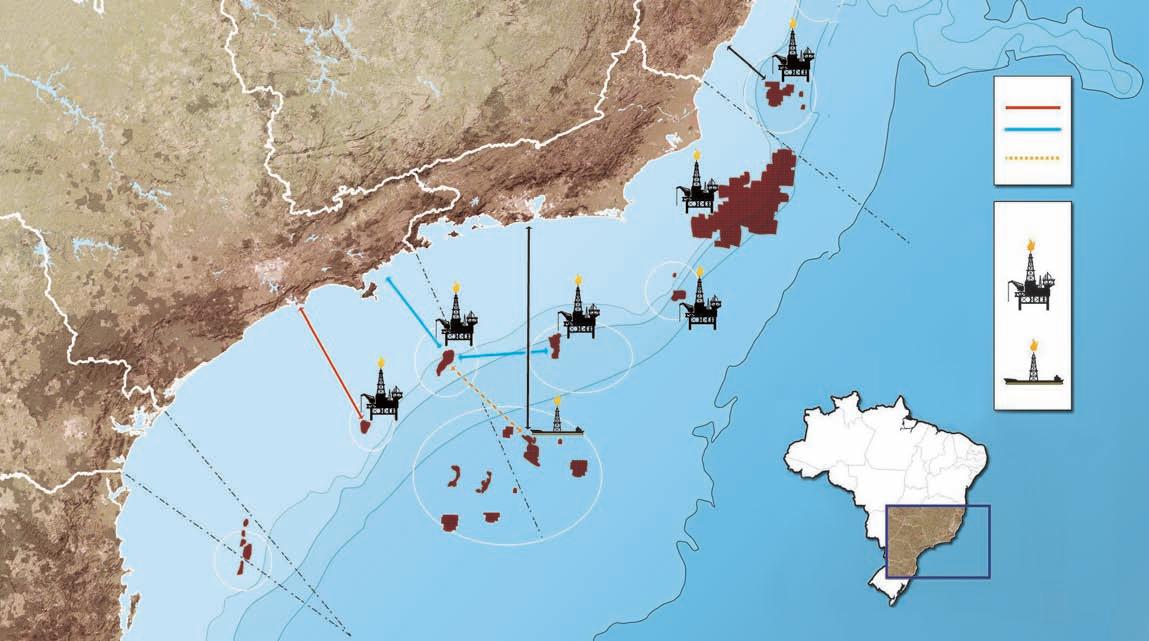

meters, almost equal to the current reserves of 330 billion cubic meters, most of which in wells that are yet to go into production. Brazil still imports 60 million cubic meters of gas, half of which comes from Bolivia.
The viability of commercial exploitation and the true reserves can only be established through long term trials, which, in connection with the Tupi reserves, should take a year and a half, starting in March 2009. Only then, in the second half of 2010, can the pilot production system go into action. Once everything has been proven and adjusted, one will get to the production stage, which should occur through new platforms that will be in operation around 2013 and 2014, each of which will initially produce 100 thousand barrels of oil a day and 5 million cubic meters of gas a day.
One of the challenges of exploiting the new fields is drilling the salt layer, because it can become deformed and cause the perforation column to collapse. “One must monitor it every hour,” says Nishimoto. “That is why each well must have an experimental numerical model made by computer programs reproducing the conditions of the sea and the soil, and calculating the dynamics of the ships and platforms.” This is one of the functions of the professionals from the perforation area of Petrobras, with the aid re-
search institutions such as IPT and USP. “The institutions often get e-mails from personnel on the drilling platforms in the Santos basin to prepare calculation forecasts.” Everything is done very carefully because the salt not only cracks easily, but it is also necessary preserve the well and make it permanent, ensuring the drill bits are not trapped. “Drilling through salt isn’t hard, the problem is the dislocation that can happen, blocking the well,” says professor Giuseppe Bacoccoli, from the CoppeUFRJ area of oil and gas and a former Petrobras employee. Containing the slide is a particularly difficult mission in a type of saline rock called tachydrite. Two other kinds are called halite and carnalite, both of which are stronger. Therefore, the exploration teams have to be quick about preserving the well and recovering the drill bits, which are often lost in the exploration of the presalt layer in the Santos basin.
Cement and steel – When drilling through a terrain it is necessary to line the well with steel and to fill in the space between this lining and the rock with a special type of cement. Despite these measures, the salt pressure can deform the steel. To avoid this, the company is studying the use of sturdier materials. “If the steel or the lining is too heavy, the drill’s capacity to lower these materials along the well may be harmed. One must
strike a balance,” explained geologist Cristiano Sombra, the Prosal coordinator. Because of its many unprecedented aspects and the care required - all of which involves a lot of engineering studies, the coordination of Cenpes (Petrobras Research Center), and the exploration and perforation areas, both from the company - the cost of drilling the first well was US$ 240 million. All in all, Petrobras has spent US$ 1.7 billion on 15 wells. The next well perforations are expected to drop to US$ 60 million.
“In Campos, in the post-salt wells, the cost is US$15 million at most,” says professor Bacoccoli.
One of the challenges that seems to have been partially solved where exploration in ultra-deep waters is concerned are the risers, the flexible pipes that carry oil and gas from the well to the platform. “The risers for operations at depths greater than 2,500 meters are in their final stages of development and approval,” says professor Celso Pesce, from the Mechanical Engineering Department of Poli/USP. “The new ones will be useful regardless of whether exploration is taking place in the pre-salt environment or not,” he says. Together with other researchers from Poli/USP, Pesce is studying the structural and mechanical behavior of the risers, in projects carried out in conjunction with Petrobras and the companies that manufacture these artifacts, with financing provided by FAPESP, Finep and CNPq (the National Scientific and Technological Development Council), including rise behavior at great depths. The studies involve the relation between the movement of the floating units that are subject to the effects of winds and waves, and the transmission of these stresses to the pipes, which vibrate with the current. How to keep these structures in operation, in waters more than three thousand meters deep and how to ensure they do not suffer mechanical fatigue are some of the factors being studied at Poli/USP.
Pesce indicates another challenge for the risers to be used in the pre-salt environment. “The temperature of the extracted oil will range from 60° C to 70° C, with very high internal pressure.
The tube’s external layer, in contact with the water of the bottom of the sea, is far colder, with temperatures around 4° C. But loss of heat encourages the formation of paraffin that obstructs the duct. This also happens with wells in the post-salt environment. The solution currently used is to remove the paraffin from the inside of the tube with a piece of equipment called a pig, which works as an unblocker. “One must develop new concepts for the pipes, with thermal control or isolation that can avoid the formation of paraffin,” says Pesce, who is involved with the Network of Submarine Structures, one of the 40 networks that Petrobras maintains with dozens of research institutions in Brazil.
Corrosion is another issue that the engineers will have to face in order to drill wells six or seven meters below the surface. “The tubes and valves on the sea floor, the so-called Christmas trees, will have to be stronger because in that environment there’s a lot of carbon dioxide (CO2) and sulfur,” says professor Nishimoto. “These components, coupled with the chemical aggressiveness and structural instability of the salt are unusual for Petrobras,” says professor Trevisan, from Unicamp.
Positions available – The multiple challenges will most likely require a lot of personnel. The fi gures are still unclear, but the areas are already defined. “Professionals will be needed in the metal-mechanical industry area, in the petroleum chemistry area, and in logistics and services, for instance,” says Trevisan. The universities’ and the research institutions’ recent graduates will continue to be sought after. “During the course of more than 20 years, Cepetro has produced more than 300 Masters and PhDs who went to work for Petrobras.” Equally significant figures appear at the Federal University of Rio Grande do Sul, at UFRJ, at USP and at Paulista State University (Unesp), where the building of Unespetro has started in the Rio Claro campus. This will be a teaching and research complex focusing on the oil industry, in particular on geology and the environment. The initial investment in construction plus equipment purchase is R$ 5 million, entirely shouldered by Petrobras. In a
building of 1,600 sq. m there will be a Sedimentary Geology Center (CGS) and a Center of Excellence for Organic Petrology (Nopec). “Petrobras contacted Unesp in May 2007 after deciding to establish in Brazil a center of research into carbonaceous rocks, those that are found in the pre-salt layer and that hold the newly discovered oil and gas,” explains professor Dimas Dias Brito, from the Department of Applied Geology of the Institute of Geosciences and Exact Sciences and the man in charge of the Unespetro project. “The Rio Claro geology course is almost 40 years old and
An interesting combination of geological and climate factors formed, by sheer accident, the oil and gas found beneath the sea, under a layer of salt in the south-southeast coast, covered by deep waters and far away from the coast. The reserves are held within carbonaceous rocks formed by Cyanobacteria (blue-green algae) millions of years ago. When the super-continent of Gondwana broke apart, resulting in South America and Africa, lakes were formed there between 145 million and 113 million year ago. Soon thereafter an invasion of sea water occurred. The bacteria then started to interact and to grow within the shallow newly-formed carbonaceous ecosystem, which had a high temperature and high salt content. This microbial action generated calcareous packages, which later become the ‘hosts’ of the oil created by the transformation of the organic matter from plankton, a type of microorganism that lives in water and that had accumulated in the former lakes. Thus, during the course of millions of year, the progressive covering of the lacustrine rocks heated and put pressure on this matter, which turned into hydrocarbons (gas and oil), later expelled toward the carbonaceous rocks, in which they were trapped.
“The thick layer of salt rock, which is impermeable and hundreds of meters deep and which worked as a
several of our faculty members, myself included, have worked for Petrobras,” tells us Dias Brito. Petrobras investments have already enabled 18 geologists from the company to hold a six-month course at Unesp, this year, about carbonaceous rocks. “At the center, we will study all types of calcareous rocks from the Brazilian Atlantic coast, from the pre-salt to the post-salt layers. The geological challenges are huge and spectacular. At present, Brazilian geologists, represented by their Petrobras colleagues, are experiencing a magical moment,” concludes Dias Brito. ■
shield and kept the oil from migrating to the post-salt rocks, was formed during a short geological period of only about 500 thousand years, possibly between 113 and 112 million years ago, when a great evaporation of the primitive young ocean took place,” explains professor Dimas Dias Brito from Unesp. The layer of salt can also be found in other regions, and even on land, for instance, in the town of Carmópolis, in the state of Sergipe, where Petrobras pumps oil from several wells. “Even the oil of the Campos basin (which has been pumped since the 1970s) originated in the pre-salt layers. It consists of hydrocarbons that escaped into higher ground, calcareous rocks and sandstone, through gaps in the salt layer, in areas in which the sea was shallower, where the layer is thinner. Thus, most of Brazil’s oil comes from the former lakes that preceded the South Atlantic.” He recalls that the pre-salt carbonaceous reserves, like the others, are not huge cavities filled with oil. Both the oil and the gas are within rock layers that have interconnected pores.
Although he lacks further details about the new oil fields, Dias Brito reminds us that these carbonaceous formations with cyanobcteria are unique in the world, because the other calcareous formation that exist, though also associated with oil, had different origins.
in January 2009
Global air traffic has been growing non-stop for the last several decades and is expected to maintain this trend going forward. Estimates produced by Iata, the International Air Transport Association, indicate that passenger movement will reach 2.75 billion trips in 2011, vs. 2.13 billion in early 2007. One of the challenges that the aeronautical industry faces in order to continue evolving without worsening the quality of life in cities is to design and develop quieter aircraft that can be used in airports without bothering those who live nearby. A new requirement of the FAA - Federal Aviation Administration (the agency that regulates the air sector in the United States), which is to go into effect as of 2015, will further restrict aircraft noise in airports.
To adapt to this and maintain its global competitiveness, Embraer, the world’s third largest aircraft manufacturer, recently embarked upon a broad project called Silent Aircraft: a study of aero-acoustics, designed to identify and evaluate the noise that Embraer planes generate and propagate. Based on its results, the firm plans to implement engineering solutions to make its aircraft even quieter. “In large cities, airplane noise only loses to car noise,” states engineer Micael Gianini Valle do Carmo, who is responsible for this project at Embraer. “The initiative of studying the external noise produced by our aircraft arose a few years ago as part of the project of the Embraer 170/190 family of jets, which were far larger planes than those we had manufactured previously.” The program, which benefits from FAPESP financial aid through the Pite program (Research Partnership for Technological Innovation), focuses on the so-called airframe noise (or aerodynamic noise), generated by the air flowing around the aircraft’s wings and fuselage. Together, FAPESP and Embraer have earmarked R$ 11 million for this program, which will take three years.

In the last few years, technological progress has transformed aircraft engines into quieter equipment, as a result of which aerodynamic noise now stands out. During landing, some 75 to 80 percent of the aircraft’s noise is of aerodynamic origin, the rest being produced by the engine. During takeoff, when the aircraft needs more power in order to rise into the air, this ratio is the opposite. “The main sources of aerodynamic noise during takeoff and landing are the landing gear and the hyper-supporting surfaces, in other words, the set of wings and of flaps and slats, the latter being the mobile devices on the wings whose purpose is to expand the surface area in order to increase aircraft lift. The noise comes from air vortex effects and pressure fluctuation at these points,” explains engineer Julio Romano Meneghini, a professor at the Politécnica School of Engineering of the University of São Paulo (Poli/USP) and the project’s general coordinator.
Besides Poli/USP, the program also involves another five Brazilian teaching and research centers, and four foreign
ones: the São Carlos School of Engineering of the University of São Paulo, the Federal University of Santa Catarina (UFSC), the University of Brasilia (UnB), the Aeronautics Technical Institute (ITA), the Federal University of Uberlandia (UFU), Twente University in the Netherlands, Imperial College and the University of Southampton, both in England, and the Germanic
COORDINATOR
IINVESTMENT
R$ 707,506.58 and US$ 1,709,305.41 (FAPESP)
R$ 6,000,000.00 (Embraer)
Aerospace Center (DLR in German) in Germany. The researchers plan to attack the issue with three different but complementary aero-acoustics approaches: flight and wind tunnel trials, analytical and empirical models, and computational aero-acoustics. The latter will be centered in the Poli/USP Fluid Dynamics Center, which will get a supercomputer with more than 1,200 core processing units (CPUs) and 2.5 terabytes of memory, acquired with the project’s funds. “We’ll model and numerically simulate the air flow around the hyper-lift surfaces and the landing gear. By simulating the airfl ow we will get to the structure of the vortices that are formed and thus we’ll have an estimate of the noise generated over these surfaces,” states Meneghini. “With the help of the supercomputer, one of the most advanced in Brazil, we’ll learn about the complex phenomenon of aerodynamic noise generation concretely and then we’ll be able to suggest to Embraer changes in the geometry of these elements, such as a wings, flaps, landing gear and others,” he says.
The experimental part of the program will be carried out at the testing runway of the Embraer unit in the town of Gavião Peixoto, in inner-state São Paulo. Its objective will be to identify the sources of aerodynamic noise and to quantify them. To raise this information, 256 microphones will be installed in an area of 50 meters by 50 meters at the start of the runway, in order to record aircraft noise during countless take-offs and landings. The reason for so many microphones is that aircraft noise is very complex. “Based on the processing of acoustical data, we will learn the percentage of noise caused by flaps, landing gear, slats and so on,” highlights Meneghini. According to him, the results of these trials will enable the researchers, among other things, to develop aerodynamic noise reduction kits to be applied to specific points of the aircraft. This part of the work will be the responsibility of UFSC and of the São Carlos School of Engineering. “We’ll be in charge of de veloping experimental tools and of diagnosing the sources of aircraft noise,” says professor César José Deschamps, from the UFSC Mechanical Engineering Department. “We’ll also carry out studies to understand aeronautical noise from a more theoretical point of view and, once we reach this understanding, to use better methods to foresee it. This way we’ll be able to propose changes in Embraer’s aircraft designs,” states Deschamps.
Another branch of this project, for which the University of Brasilia (UnB) is resposible, is the study of the noise generated by the engine fan. The fan, a type of propeller with a large number of blades, is the second greatest source of noise in aircraft propulsion systems, only outdone by the jet of hot air that the engines push out. Though it does not manufacture its engines, supplied by US manufacturer General Electric, Embraer wants to study this kind of noise because it manufactures the nacelle, the metal structure in which the turbofan engine is mounted. “The nacelle is the first line of combat regarding engine noise,” explains professor Roberto Bobenrieth Miserda, from the UnB Technology Institute.
According to Julio Meneghini, the foreign institutions involved in the
program will play an important role. Twente University, in the Netherlands, will make available a wind tunnel for aero-acoustical trials, whereas the University of Southampton and Imperial College in England offer their experience in the field of simulators and simplified analytical models. “They have experience of long standing in this field and they will use these empirical models to make noise estimates,” says Meneghini. There are also plans for an interchange of Brazilian, Dutch and English students from the participating institutions.
The Silent aircraft project, in addition to theoretical progress, to the development of methodologies and to the creation of tools with which to understand the phenomena involved in the issue of aircraft noise will also serve to train human resources specialized in this field, because there are only a few aero-acoustics experts in Brazil. Therefore, part of the program’s funds will be used to finance grants for undergraduate research, master’s degrees, PhDs and post-graduate work for students doing research into the program’s themes. “We want to create a center of competence in the acoustics field and to put highly qualified experts at the disposal of the domestic aeronautical industry,” highlights engineer Deschamps, from UFSC. At present, part of the study and evaluation of the levels of Embraer aircraft’s external noise is carried out by international external consultants,
which creates certain difficulties, such as slow responses to critical situations. Besides a team comprised of some 25 researchers from Embraer and universities, it is estimated that approximately 40 students will also take part in the project.
Programs similar to this one financed by FAPESP and Embraer are also being carried out in firms and research institutions for the American and European aerospace industry. Nasa, the US space agency, leads the project Quiet Aircraft Technology (QAT), which aims at cutting aircraft noise by half within ten years and by 75% within the next 25 years. It is estimated that the first aircraft that will incorporate some of the advances provided by QAT technology will start being produced in 2010. Another American program, Advanced Subsonic Technology, in which Nasa is also involved, along with the federal government and private initiative, aims at producing devices for reducing noise by 20 decibels relative to the technology that existed in 1997, by 2020. This is a bold target; if met, it will represent, for instance, a reduction of some about 20% in the noise of a Boeing 777 during landing, when it generates about 100 decibels. The European Community, in turn, is sponsoring the Silence(R) theme project, involving 51 enterprises from 14 countries and a budget of 110 million euros. Its objective is to validate noise reduction technology with a view to cutting aircraft operation noise by as much as six decibels. ■
English jet retired due to engine noise
One of the most successful British aircraft ever, the BAC 1-11 (One Eleven) had to be retired due its engine noise. Designed by Hunting Aircraft and produced by British Aircraft Corporation (BAC), it was launched in the early 1960s and flew for roughly 30 years, until it was retired as a result of noise restrictions. Other airplanes, such as the Boeing 737-200, the Douglas DC-8 and the Tupolev Tu-154 might have met the same fate
were it not for the invention of an anti-noise device called the hush kit, created to reduce the noise of the old turbofan engines of the low-bypass kind; the current high-bypass models are far quieter. The hush-kit is a sort of exhaust system placed at the end of the turbine that muffles the noise in old planes. Another benefit of this technology is that it cuts down on the engine’s emissions of polluting gases.

The consumer market boom and pressure on the costs of petroleum-derived raw materials have led the plastics industry to look for renewable sources to replace their raw materials. Sugar cane ethanol plastics, which can be recycled, as well as biodegradable polymers produced by bacteria that feed on saccharine and other substances, are at the forefront of the research and investments announced by petrochemical giants Dow Química, Braskem and Oxiteno, which make plastic resins from naphtha and other oil-based raw materials. Braskem, Latin America’s leading resins producer, invested US$ 5 million in R & D in the discovery of a certified polyethylene made from sugar cane alcohol, called a “green polymer”.
The research that resulted in the new product started back in 2005, though since 1998 the company has been evaluating the properties of other polymers made from renewable raw materials available in the market. Since at that time there was no real market interest in this type of product, the matter did not progress. “When we reopened discussions we assessed the existing options and began to work with green polyethylene from cane alcohol”, said Antônio Morschbacker, Technology Manager for Green Polymers from the Triunfo Petrochemical Center in Rio Grande do Sul and the man in charge of the project.
The available information indicates that the company may arrive at a competitive product. “Throughout 2005, after cost estimates, we saw it would be feasible to manufacture it and, in 2006, we decided to build a pilot plant, while also carrying out a more indepth study of the global market”, says Morschbacker. “The process, which is fairly efficient, transforms 99% of the carbon in the alcohol into ethylene, the raw material for polyethylene. “The main sub-product is water, which can be purified and reused.
Dehydrating ethanol – At the pilot plant, which began operating in June 2007, the ethanol (obtained using a biochemical fermentation of the wash, centrifuging and distillation) is transformed into ethylene. The conversion occurs through a dehydration process, during which catalysts (compounds that speed up chemical reactions) are added to the heated ethanol, transforming it into an ethylene gas. From this point to get to polyethylene, the most widely-used plastic in the world, the manufacturing process is the same as that used for raw materials from fossil sources, i.e. polymerized ethylene results in polyethylene. Polymerization is a reaction in which the smaller molecules (monomers) combine chemically to form long ramified molecules. With the ethylene produced by this technology one can produce any type of polyethylene. Initially, Braskem plans

Biodegradable polymer produced by bacteria



to produce high and low density resins, for hard and flexible applications in the automotive, food packaging, and cosmetics and personal hygiene products packaging sectors. Some customers in Brazil and abroad are already receiving samples of the green polymer produced on a pilot scale. The start of production on an industrial scale, which should reach 200, 000 tons per year, is forecast for the end of 2009. The company is yet to define where the new polymer plant will be built, but it is likely to require some US$ 150 million in investments.
The product, which will probably cost between 15% and 20% more than traditional polymers, will be initially
1. As sugar cane grows it absorbs carbon dioxide from the atmosphere through photosynthesis. The vinasse , a waste liquid resulting from the crushing and fermentation process, will be used as a fertilizer for cane growing.
2. The transformation of ethanol into ethylene is conducted through a dehydration process, with the addition of catalysts. The water released during the process will be used for producing power-generating steam.
sent to Asian, European and North American markets. Before it has even been launched on a commercial scale the green polyethylene is already a success story. At the International Trade Fair for Plastics and Rubber (K 2007), the world’s biggest petro-chemical event, held in late October in Düsseldorf, in Germany, Morschbacker gave ten highly heavily attended product presentations in eight days and talked to many people interested in the product and the project.
Ethanol-based polyethylene was certified by the Beta Analytic Laboratory in the USA, using the carbon-14 technique, as being a product made from
100% renewable raw material. While the raw material, in this case ethanol, is renewable, the end product is not biodegradable. “The product has identical properties to those of oil-derived polyethylene. As it is a fairly resistant and stable plastic it can be recycled and reused several times; at the end of its useful life it can be incinerated without causing environmental problems”, says Morschbacker. The big environmental advantage of polyethylene from alcohol is that for every kilogram of polymer produced, roughly two and a half kilograms of carbon dioxide are absorbed from the atmosphere by the photosynthesis of the sugar cane.
Dow Química is also preparing to produce polyethylene from ethanol. In July, it announced a joint-venture with Crystalsev, a Brazilian sugar and alcohol trading company belonging to the Vale do Rosário refinery, from Morro Agudo, and the Santa Elisa refinery, from Sertãozinho, in São Paulo state, for setting up an integrated alcohol-chemical center that should go on-stream in 2011, with capacity to produce 350,000 tons of low density polyethylene a year; its commercial name is Dowlex and it will be used for making flexible packaging, industrial films and injected articles. At first, the product will be sold in the domestic market, which is growing at six to seven percent a year. The material is already produced by Dow from
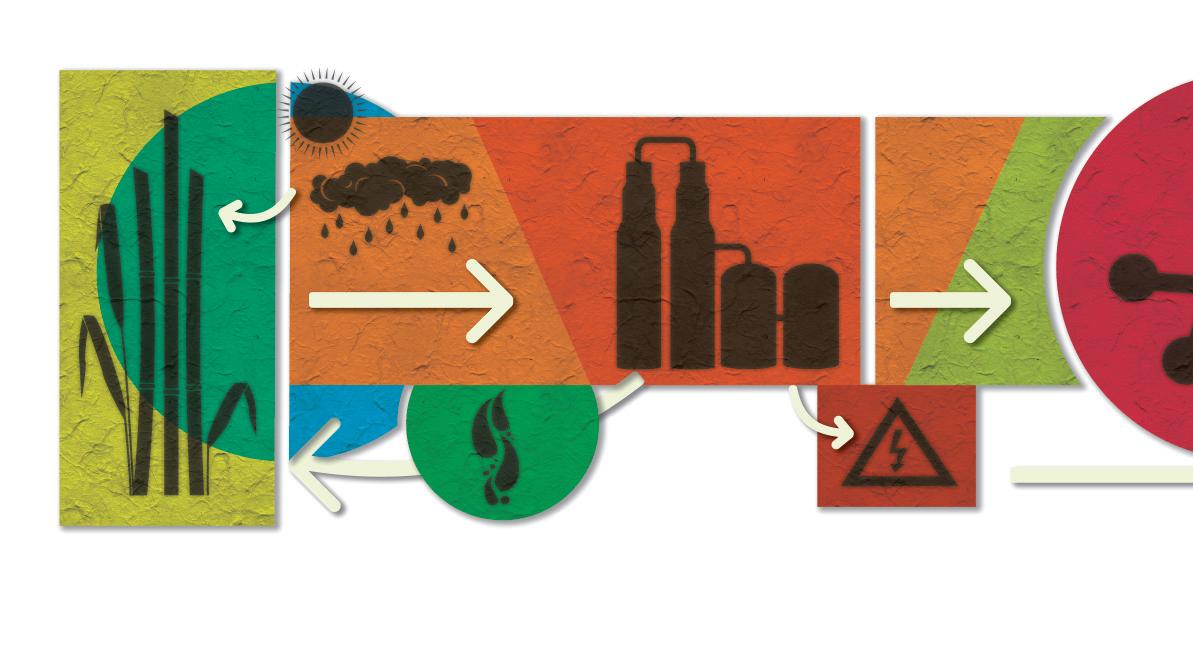
oil-derived naphtha at plants in Asia and Europe.
To transform ethanol into polyethylene, Dow also uses the dehydration process. Modern catalysts enable the firm to obtain an ethylene that is as pure as that produced from oil. The water released during the process of transforming ethanol into polyethylene will be used for producing steam for power generation. It is estimated that the undertaking will create some 3,200 direct jobs, plus hundreds of indirect ones in the agricultural, industrial and manufacturing sectors. The polyethylene plant will consume seven hundred million liters of alcohol a year, which corresponds to eight million tons of sugar cane.
The two companies will be partners at all the stages, beginning with the planting of a 120,000 ha. sugar plantation to the manufacture and marketing of the plastic. Complete integration of the cycle means that the center will be self-sufficient from the energy point of view, generating enough surplus energy from cane bagasse to power a city with half a million inhabitants. The location of the alcohol-chemical center is yet to be defined but locations in the midsouth of Brazil are being analyzed. “The price of ethanol polyethylene will take into account the same supply and demand forces that affect naphtha polyethylene”, says Diego Donoso, Plastics Director for Dow -Latin America. “The end customer will get a product with
Obtaining and characterizing environmentally degradable polymers (PAD) from renewable sources: sugar cane
MODALITY
Technological Innovation in Small Companies Program (Pipe)
COORDINATOR
JEFTER FERNANDES DO NASCIMENTO –
Industrial PHB
INVESTMENT
R$ 338,686.30 (FAPESP)
the same technical and performance characteristics as conventional polyethylene, but will gain in the added value of the production. “
Acid hydrolysis - Oxiteno, which is part of the Ultra Group, has a similar project to Dow’s for building a bio-refinery for the production of sugar and alcohol from sugar cane bagasse, straw and tips, using a technology called acid hydrolysis. This has not yet been mastered on a commercial scale; it consists of breaking up cellulose molecules by adding sulfuric acid to the waste. The future unit will also produce alcohol-chemical products from non-conventional technology.
Since November 2006, the company has maintained a partnership arrange-
ment with FAPESP for developing research projects in the technology area for the production of sugar, alcohol and derivatives. In January 2007, during the first phase, twenty-three projects were chosen in partnerships with research institutes and universities, of which seven were approved in the second phase in July.
While the petro-chemical companies are wagering their money on ethanol plastics, PHB Industrial, part of the Pedra Agroindustrial Group, from Serrana, and the Balbo Group, from Sertãozinho, both in São Paulo state, have been making, since December 2000, a biodegradable plastic produced by natural bacteria, in a pilot plant. The product is sold in small quantities under the trade name of Biocycle to the USA, Japan and European countries. The raw material has been used mainly in the manufacturing of rigid plastics produced by the injection-mold process and also in foams that can replace Styrofoam. Biocycle is also used for the production of polyurethane substitutes, as well as for bioplastic sheets and thermoformed products.
The industrial plant for production on a large scale, expected to be ready in 2010, will be installed in the Ribeirão Preto region. “The production of biodegradable plastic should reach some ten to thirty thousand tons a year”, says physicist, Sylvio Ortega Filho, Executive Director for the development of biodegradable plastics at PHB, in which
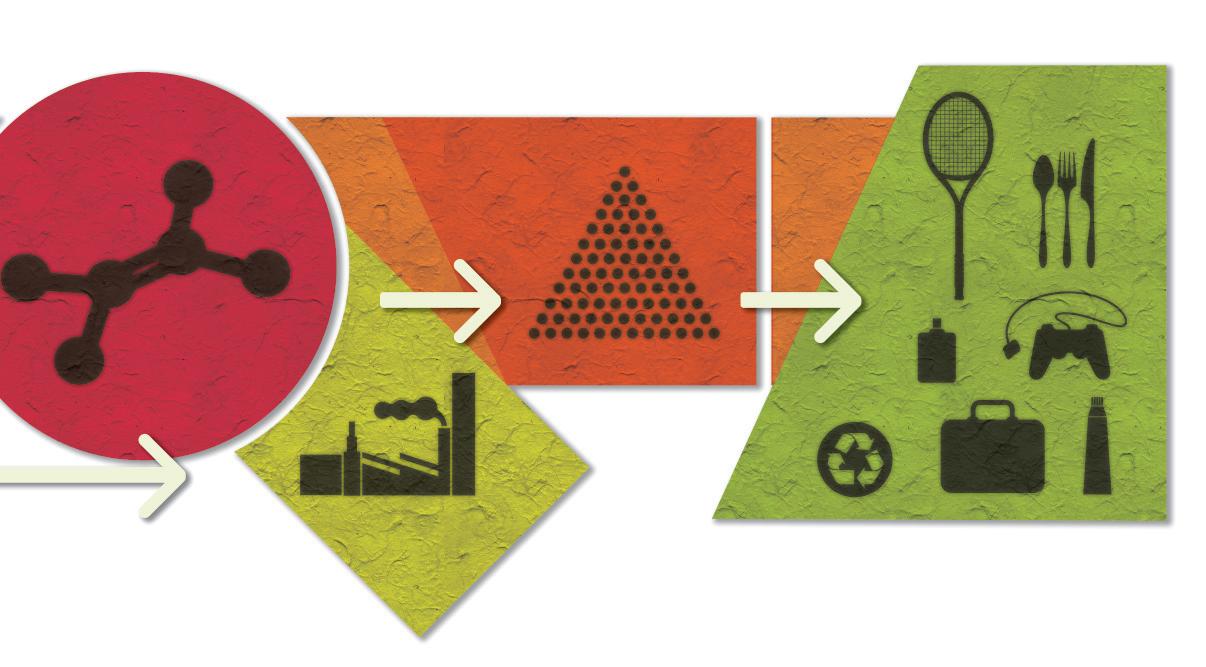
3. Ethylene is converted in a process similar to that used for manufacturing raw material from fossil sources.
4. The alcohol-chemical center will be self-sufficient from the energy standpoint and will generate a surplus sufficient to power a city of half a million inhabitants.
5. Once the polyethylene has been produced, it is possible to make a range of plastic products.
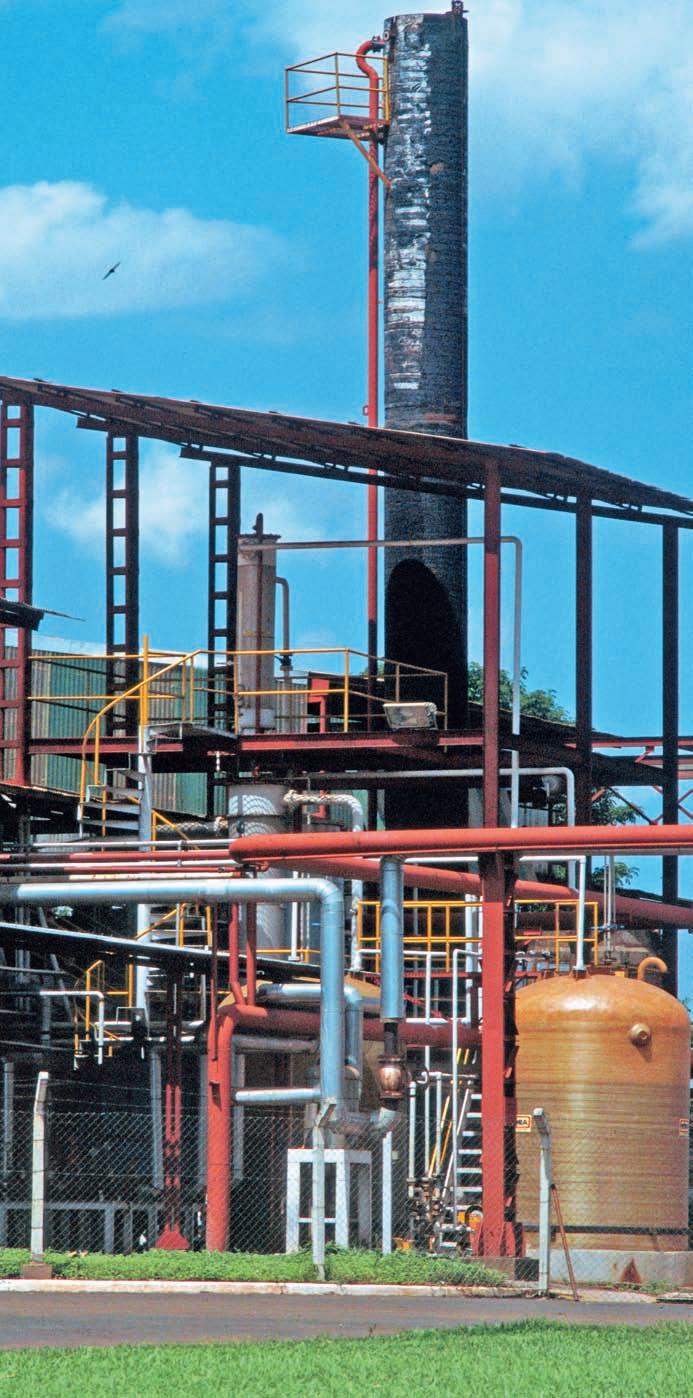
the Institute of Technological Research (IPT), the Sugar Plantation technology Center (CTC) and the Institute of Biomedical Sciences (ICB) of the University of São Paulo also took part, with funding from FAPESP’s Technological Innovation Program in Small Companies (Pipe).
Natural polyester - The polymer is produced by growing the Alcaligenes eutrophus bacteria, currently called Cupriavidus necator, in a culture with the saccharine from sugar. The saccharine is transformed into glucose to feed the bacteria. “The carbon chain from the glucose is transformed by the bacteria into poly-2-hydroxy butyrate (PHB)”, explains Professor Elisabete José Vicente, from the Institute of Biomedical Sciences (ICB ) at USP, who took part in the studies that resulted in the biodegradable plastic and is currently supervising research into the production of polymers from bacteria. PHB belongs to the group of polymers called polyhydroxyalkanoates (PHA), which are polyesters accumulated by microorganisms in the form of intracellular granules.
Their thermoplastic properties mean that, after being extracted from the interior of the producing cell with organic solvents, they can be purified and processed, generating a biodegradable, compoundable and biocompatible product. These polymers may have many applications, such as the production of films or rigid structures, in addition to medical and veterinary uses, such as making sutures, supports for growing tissue, implants, the encapsulation of controlled release drugs and other applications that use nanotechnology.
“So far, more than 150 different bacteria that naturally accumulate this cytoplasmatic granule have been identified”, says Elisabete. The C. necator bacterium stands out because it can
Pilot PHB plant, where products sold under the Biocycle trade name (right) are produced
accumulate a large amount of polymer – from eighty to ninety percent of its dry weight. To grow, it needs fructose or glucose. “The first genetic improvement of the bacteria, which was carried out many years ago, obtained a mutant that was capable of growing in glucose, which is cheaper than fructose”, says Elisabete. In Brazil, the researcher, along with Professor Ana Clara Guerrini Schenberg, also from ICB , started working on the project in 1992. This resulted in a new mutant bacteria that can grow in sugar cane saccharose and in another recombining bacteria with a better production yield of the PHB-V co-polymer, which is more malleable.
Genetic modifications – The bacteria manufactures the polymer naturally, but the genetic improvements allow for a considerable increase in production to take place. In the project, involving PHB and partner institutions, some genetically modified bacteria were developed and patented. “We’re only using natural bacteria to produce the biopolymer, because Europe prohibits genetically modified organisms”, says Ortega. The demand for polymers from renewable sources comes basically from three major applications in the global market. The first is the packaging market. The second is the automotive industry, which is trying to replace products used in cars by others that do not contribute to global warming, as European markets demand. The third application is in the medical area (see box Integration).
The partnership with PHB resulted not only in a product that is already in the market, but also in on-going research at the university. The group, coordinated by Professor Elisabete, from ICB at USP, is working on two fronts. On one, the researchers are looking for bacteria that can produce polymers from carbon sources other than saccharose, such as the industrial waste. “This would lower the production costs of the biomaterial, which is as much as three times that of oilderived plastic”, says Elisabete. At the same time, the group is also studying applications for the biopolymer after it has been purifi ed, such as a substrate for growing stem cells, a line of research carried out jointly with
Professor Radovan Borojevic, director of the advanced program of Cell Biology as applied to Medicine at the Federal University of Rio de Janeiro. Another line is studying the use of the biopolymer for immobilizing enzymes and pharmaceutical drugs, in partnership with Professors Mário Politi, from the Institute of Chemistry at USP and coordinator of the Nanotechnology Research Group at the National Council of Scientific and Technological Development (CNPq), and Carlos Alberto Brandt, a member of the same research center.
At USP’s ICB, another group, led by Professor Luiziana Ferreira da Silva, who also took part in the development of the production of biodegradable plastic from PHB, but who is linked to the IPT technical research institute, is working on lines of research that involve the production of biodegradable materials. In 2002, Luiziana concluded a process for the use of sugar cane bagasse to produce PHB. Bacteria were selected that, after being broken down into smaller molecules through acid hydrolysis, are capable of growing in cane bagasse and not in the wash where the saccharose is found. Another line of research is studying the development of a hybrid plastic produced by bacteria, except that instead of being fed with sugar cane they receive the fatty acid from six carbons. “As oil is offered to the bacteria, they start producing an elastomer that is very like rubber”, says Luiziana. The objective of this study is to obtain another type of plastic material plastic that can be used, for example, in the covering of diapers, disposable carpets and other uses. ■
Sutures for surgery, reinforcing mesh used in operations for correcting hernias, membranes for repairing venous and arterial lesions and tubes for arterial implants are just some of the products developed by the Biopolymer from Sugar Cane Research Group, a partnership between the Federal University of Pernambuco (UFPE) and the Rural Federal University of Pernambuco (UFRPE). “All these products have been used in experimental research with excellent results”, says Professor José Lamartine de Aguiar, the group’s coordinator. The research started in 1990, when Francisco Dutra, a chemical engineer from UFRPE, identified polymeric formations in the fermentation process for alcohol production. The biopolymer is obtained from sub-products of sugar cane, such as molasses. The physical and chemical characteristics of the biopolymer after it has been purified aroused the interest of researchers from various areas. “Initially, the material was applied in test animals after cytotoxicity and biocompatibility tests had been performed”, says Aguiar. Production of the biopolymer, which has been patented by UFPE, will be the responsibility of a bioplant that is in the final set-up phase at the Experimental Sugar Cane Station of Carpina, an off-site campus of UFRPE in the Pernambuco countryside.



A ceramics center will develop raw materials for a new chip factory in São Carlos
Dinorah Ereno
Published in November 2008
Atype of memory device that stores information even when disconnected from a power source, used in smart cards, bus tickets, mobile phones, digital TV and financial transactions will be produced in a new factory whose construction will begin in 2009 in São Carlos, in inner-state São Paulo. The city houses the Multidisciplinary Center for the Development of Ceramic Materials ( CMDMC), which is one of FAPESP’s Research, Innovation and Dissemination Centers (CEPID). The center also gets aid from the São Paulo State University (UNESP) in Araraquara and the Federal University of São Carlos (UFSCAR). This was a key factor in the decision to locate the ferroelectric semiconductor factory in the city. The ceramic materials center, which is a partner in the project, has already awarded 25 PhDs and 17 Master’s degrees in ferroelectric materials since 2000, when it was founded. Many of these professionals and students will be able to work in the Brazilian factory.
At first, the ferroelectric random access memory (FeRAM), a type of non-volatile memory, will be produced using technology developed by Symetrix, an American company founded 18 years ago by Carlos Paz de Araújo, a Brazilian professor of electrical engineering at the University of Colorado. The center will also participate actively in developing new ferroelectric memories and memories made out of other materials. “We will focus research on new ferroelectric memories because we know that it can be applied, but we will not sideline basic research”, says physicist José Arana Varela, a professor at the Araraquara Institute of Chemistry and Dean of Research at UNESP, who is also responsible for the CEPID’s innovation division.
The ceramics center has developed thin ferroelectric film, made of thin layers of semiconducting material, via a new method that is relatively simple and cheap. It is a strong candidate for

Ferroelectric memory chips can be read from a distance of up to six meters.
use in the memory chips that will be produced in the São Carlos factory. “We have managed to obtain new materials with storage capacity 250 times greater than that of conventional memory”, says Elson Longo, a chemist and general manager of the CMDMC. These materials are made out of an organic solution derived from citric acids, found in fruit such as oranges and lemons, mixed with barium, lead and titanium. “The compound is heated in a simple oven at about 300º C to remove some organic elements, such as carbon”, explains Varela. Next, the material is crystallized in a domestic microwave oven, which produces a thin fi lm of lead and barium titanate. “Initially we will use the American company’s process. In the future, we might work with materials other than those which we have already developed, to make thinner film”, says Varela. The thinner the film, the greater the integration of the semiconductor system and the lower the costs. Some of the advantages of using thin ferroelectric film in preparing electronic devices, as compared to the magnetic ceramics used for memory, are that they are smaller, lighter, have high read and write speeds, and require low voltages to operate.
Ferroelectric materials enable the development of electronic memory that does not require a constant supply of energy to work. “The information storage capacity has to do with the way the atoms are arranged”, says Longo. Each memory cell is made up
of one access transistor connected to a ferroelectric capacitor, a device that stores energy in an electric field. The transistor works like a switch, allowing the control circuit to read or write binary code, 0s and 1s, which is stored in the capacitors. The basic principle is the same as that of magnetic semiconductors used in standard credit cards and bus tickets. “The difference is that the magnetic cards need to be close to a reader to transmit the information, while the ferroelectric cards can be read at a distance of up to six meters”, explains Longo. The reading is done by radiofrequency. The chip, which is about two millimeters squared in size, is not visible; it is embedded in the cards or mobile phones, for example, and has a system to protect it from hackers.
In Japan, where the technology developed by Araújo and his team was licensed to Panasonic, it is used in subway and train cards and driving licenses. You can also pay for your shopping with your mobile phone, without credit or debit cards. In Brazil, since the building of the factory was announced, several companies have expressed interest in the technology. They want to replace magnetic cards with ferroelectric ones in several applications. “One big Brazilian bank, which doesn’t want to import the technology for security reasons, came to us for the cards”, says Varela, who will not name the bank because negotiation is still under way. For the automotive industry, for instance, Symetrix has patented the technology for a crash avoidance system. “With this
Ferroelectric memory
TYPE
Research, Innovation and Dissemination Centers (CEPID)
COORDINATOR
ELSON LONGO – CMDMCMultidisciplinary Center for the Development of Ceramic Materials
INVESTMENT
R$ 1,200,000.00 for all of the CMDMC (FAPESP)
memory you can install a safety system in the car with infrared sensors which work like night-vision cameras to detect the presence of people, animals or stationary cars 100 to 200m ahead of the vehicle”, he explains.
Integrated control – In supermarkets, the use of ferroelectric memory instead of barcodes will allow integrated product control. Information such as the expiration date, manufacturer’s name, price, stock and amount purchased could be stored in a device the size of a pinhead. “It’s not just a barcode – it’s intelligent memory”, says Longo. “Each label with an embedded chip will cost less than R$ 0,01”, points out Varela. The consumer will be able to see how much he spent by passing three to four meters away from a panel. If he decides to make the purchase, the card in his pocket will be debited or credited before he walks out the door. “While a magnetic card (like credit and debit cards) lasts four to five years, the ferroelectric one can be magnetically read or written up to one trillion times, which means it could last about two thousand years”, explains Varela. One reason why magnetic cards do not last as long is that they have to be in physical contact with the reader to be used.
The researchers connected to the group that founded CMDMC began studying ferroelectric devices in 1992. Their research led to the publication of 112 articles in Brazilian and foreign academic journals. “We began our research roughly at the same time as Carlos Araújo at the University of Colorado”, says Longo. “We’ve been working essentially with the same compounds since then, but he patented the knowledge produced by his team and set up a company.” Araújo, a professor of electrical engineering, founded Symetrix with resources from Small Business Innovation Research (SBIR), an American program for supporting small innovative businesses that inspired FAPESP to start the Innovative Research in Small and Very Small Companies Program (PIPE). Today Symetrix has over 200 international patents.
The partnership with the Brazilian researchers began during a convention on ferroelectric semiconductors in Portugal in 2006. At the time, Araújo
told Varela that he would like to come to Brazil to discuss his experience in the field. Some time later the researchers from the ceramics center organized a symposium in Natal, in the state of Rio Grande do Norte. Araújo was born and lived in the city until he was 17, before moving to the USA in the late 1960s after having gone on an overseas-exchange program. “It was during the meeting in Portugal that the idea for a ferroelectric semiconductor factory in Brazil came up”, says Longo. Initially the states of Pernambuco and Rio de Janeiro were considered for the location, alongside São Paulo. The city of São Carlos was picked thanks to the know-how that Longo and Varela’s group had acquired in years of research in the field. Symetrix, which has patents in Japan, South Korea, Europe and the USA, set up a partnership in Brazil with Emcalso-Damha, a Brazilian heavy construction and real estate development conglomerate that has been active in a variety of market segments for over 40 years. “The international partnership allows us to produce not only for the domestic market, but also for export”, says Longo. Araújo’s company has three divisions: Symetrix Devices, which is responsible for developing the systems and memory, Symetrix Systems, which takes care of intelligent cards and labels, and Symetrix Development, which is responsible for research, development, innovation and technology licensing.
German project – Every year Brazil imports about US$ 100 million of chips, but none of them have ferroelectric memory. Brazil’s share is roughly 2% of the global market of about US$52 billion. The partnership plans at first to satisfy all domestic demand. Symetrix’s technology competes with other non-volatile types of memory, such as Flash, which is used mainly in memory cards for cameras, pen-drives, MP3 players and mobile phones. The initial investment in the factory is US$250 million. Construction will begin in 2009 and should be completed by 2011. The partners are currently structuring the business plan. “We have already decided on the size of the factory, and so a German fi rm has been hired to take care of the project”, says Varela.
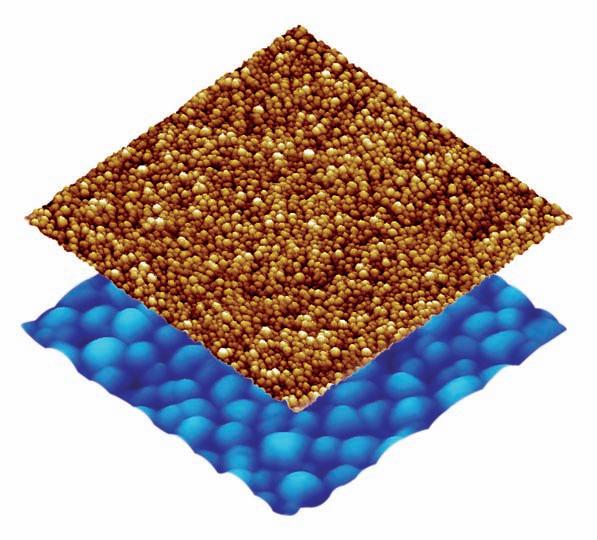
Manufacturing ferroelectric chips requires an ultra-clean environment and professionals who are capable of doing the deposition of thin film. “We have qualified personnel who know how to do the chemical deposition and the thermal treatment that are necessary for chip production”, says Varela.
The thin film can be made via either physical or chemical deposition. Symetrix’s patented technology, which is licensed for Japan and will be used in São Carlos, uses chemical deposition, which is cheaper because it can be applied to large volumes. “The chemical solution is deposited drop by drop on disks of silicon, a semiconductor that forms the base of the memory chip”, explains Varela. “The size of the film depends on the viscosity of the drop.”
Several different types of film, with insulating, conducting and ferroelectric properties are deposited over the silicon disks, known as wafers. “For each different application, we use a customized architecture”, says Longo. The communication between the components of the chip is instantaneous. “The more conductive the material, the faster the response”, he explains. ■
> Scientific articles
1. COSTA, C.E.F. et al. “Influence of strontium concentration on the structural, morphological, and electrical properties of lead zirconate titanate thin films.” Applied Physics A: Materials Science & Processing. v. 79, n. 3, p. 593-597, Aug. 2004.
2. SIMÕES, A.Z. et al. “Electromechanical properties of calcium bismuth titanate films: A potential candidate for lead-free thin-film piezoelectrics.” Applied Physics Letters (published online). Feb.17, 2006.
Published in January 2008
Roger Bastide’s phrase may have been chastened with time, but nothing has detracted from its wisdom: Brazil, a nation of contrasts. From soccer to history, everything obeys the infamous “all or nothing” rule; as did the arrival of the
Portuguese royal family in Brazil in 1808, for example. How long has this journey been talked about in jesting terms, this adventure of King Dom João VI, the “fleeing king,” with his “mustachioed” wife and their provincial court? Today, as the bicentenary of the arrival of the Portuguese in Bahia and Rio de Janeiro draws nearer, huge celebrations are being prepared and the monarch who “carried chickens in his coat” is being reassessed as a skillful statesman. What is the true facet of this journey and what were its consequences for Brazil, not yet a nation at the time?
“Without ignoring the role of the arrival of the royal family in the formation of Brazil as an independent nation, it might be useful to look at the phenomenon from a different point of view. It seems opportune to me , purposely and momentarily, to try and dissociate the phenomenon itself from its results. Analyses from 1808 were almost invariably underscored by reflections on the formation of Brazil, which led to a series of value judgments and often teleological relationships,” comments historian Laura de Mello e Souza, from USP, who since 2003 has been studying the flight of the Braganças to Brazil from a comparative aspect, which forms part of a thematic project supported by FAPESP, entitled Dimensions of the Portuguese Empire. “The fact that 1808 is associated with the rise of the nation has meant that the memory of what happened was constructed in an almost farcical way, empirical evidence often being hidden under pure ideology,” she warns us, add-
ing that historiography has frozen 1808 in opposing perspectives that, she states, “have not been properly equated”.
“In the case of the unequalled uniqueness of this event (for many people the homeland dates back to 1808 and not 1822), in order to highlight the extraordinary fact, one tended to lose sight of the historical process. A broader stretch of time was overlooked to focus only on that singular expression of one point in time, i.e., 1808, as if it hovered, like a sort of bubble, over other expressions of the same circumstances. As the anecdotal and unusual were recorded, without realizing it, this reverted to an old tradition of prejudice that was particular to Northern European countries when, starting in the 18th century, they looked at countries in the South.” At the other extreme, that of the general crisis in the former colonial system (as witnessed by the independence of the New World colonies, when for the first time the subjection of a colony to its metropolis was broken), with its strong Marxist roots, evaluates the historian, they were wrong for opposite reasons. “With their eyes on an extended time span, the general lines of phenomena that had much in common, but were also unique, stood out and the logic of structures came to the foreground while that of events became almost opaque,” she evaluates. Thus, she continues, “everything was diluted between the might of a capitalist England in control of subordinate countries or the weight of the Napoleonic steam-roller that was substituting the revolutionary ideology of the Great French Nation. Per-
haps this tension between extended time and specific moments is insoluble. But without analysis, history is a chronicle; with analysis, a certain margin of anachronism is unavoidable”.
“This is a permanent debate in historiography, stretching back to the times immediately after independence. It has an obvious political bias, which colors both those interpretations that attribute great importance to the presence and actions of Dom João VI in the Brazilian political emancipation process, and those that play down the importance of the King, to the point of putting forth the notion that independence happened ‘despite’ and ‘notwithstanding’ the actions of the sovereign,” says historian Jurandir Malerba, from Unesp, the author of A corte no exílio [‘The court in exile’]. “The historiography about 1808 is constructed from those rectifications that happen from generation to generation, but the leitmotif of historical reconstruction and political struggle is anchored firmly in the present.” Even so, as Mello e Souza notes, past prejudices remain. “There’s a lapse of time between the end of the Renaissance and the start of the Age of Enlightenment, in which a relationship, based on ambiguity and contradiction, was established between the ‘rich’ (North) and the poor’ (South), a time when the lens of prejudice and detraction were active. Reports on the arrival of the court were contaminated by this preexisting detracting tradition and, very possibly without knowing it, by the liberals who conducted the independence process in Brazil and included

Embarkation of Dom João, Prince Regent of Portugal, for Brazil on November 27, 1807
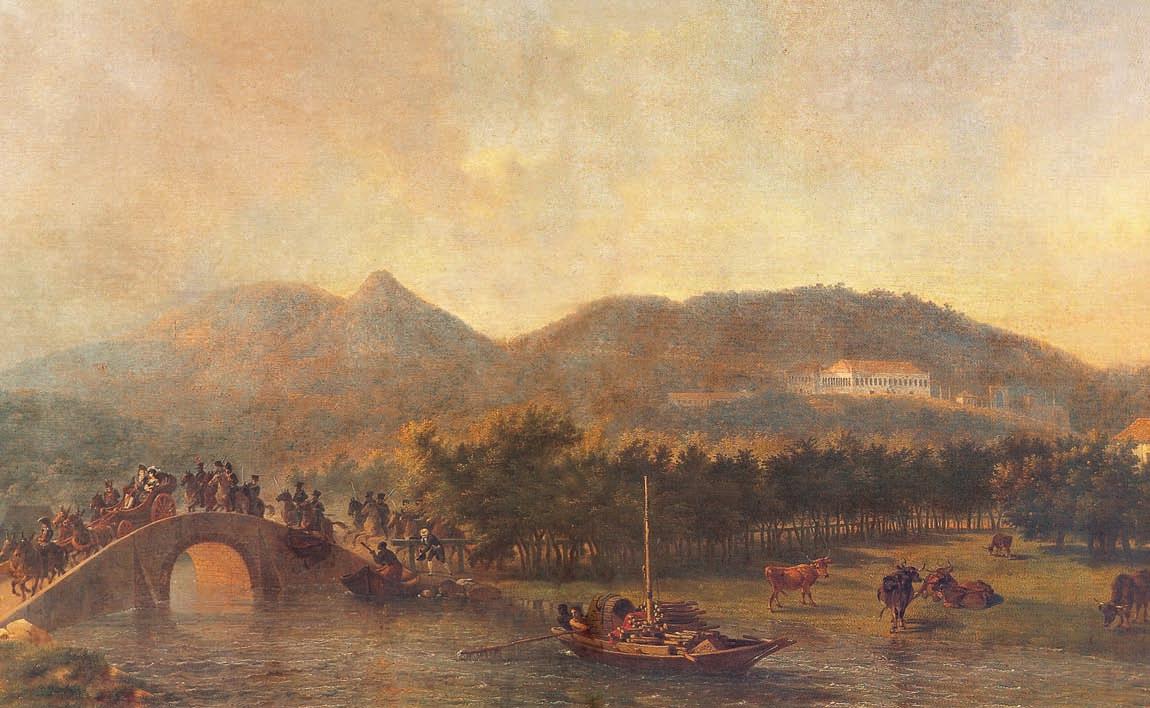
the detracting traditions of foreigners from the North. In Brazil, the nation, the former ended up winning over both the cultured elite as well as those of more popular extraction.”
This occurred right after the transfer of the court: in 1809, for example, the History of Brazil, by Andrew Grant, was already calling the episode the “flight of this imbecile court”. In 1900, the História do Brasil [History of Brazil], by João Ribeiro, stated: “If in coming to Brazil Dom João VI brought us the prize of autonomy, albeit in the form of absolutism, in the meanness of his spirit there was not, however, sufficient talent to create a ‘new empire’, as he immediately called it. It was he who demoralized the monarchic institution, which was in itself unsympathetic to American aspirations”. Time has not helped provide us with a precise picture of the arrival of the royal family. In the História Geral da Civilização Brasileira [General History of Brazilian Civilization], organized by Sérgio Buarque de Holanda, the court’s presence is somewhat pallid and the highlight is the recurring idea of moving the seat of the monarchy to America, an obsession of all the kings and ministers of Portugal, from the Prior of Crato to Rodrigo de Souza Coutinho, head of the Royal Treasury who, in 1803, gave
the Prince Regent an assessment of the precarious political situation in Portugal, in which, in a war between France and England, the “independence of the Portuguese monarchy would be at risk,” advising Dom João that the creation of a new empire in Brazil could give the Portuguese a base from which the heir to the throne could reconquer everything that had been lost in Europe and “punish the cruel enemy”. As early as 1580, when the Spanish king, Felipe II, claimed the Portuguese crown for himself, Brazil was already being considered as a place of refuge for the exiled court.
Decades later, strategic reasons were transformed into a messianic vision in the words of Father Vieira, for whom the king could be the head of an eternal empire on American soil. In the reign of Dom João V (1706-1750), in the face of Spanish expansion and the start of Lusitanian decadence, in a secret memorandum that preceded the forecast of Montesquieu of the ongoing inversion in modern empires, a Portuguese courtier, Luiz da Cunha, almost convinced the sovereign of the need to move the court to Brazil in order to guarantee its future and preserve its nobility within European nations. “The transfer of the court was, in fact, an old
idea. At the end of the 18th century it was explicitly advocated by Souza Coutinho, who clearly perceived the limitations of the metropolis,” says UFRJ historian, José Murilo de Carvalho. “The history of the politics and political culture of the transfer of the court begins long before the Prince regent left Portugal and landed on Brazilian shores. The decision to transfer the center of the monarchy, made in the midst of a merely apparent chaos and short-term planning, was firmly rooted in a vision of the potential of Brazil, which was already in focus in the 18th century,” notes Brazilian scholar Kirsten Schultz, the author of Versalhes Tropical (Tropical Versailles).
In 1972, with the collected writings 1822: dimensões [1822: dimensions], edited by Carlos Guilherme Motta, a new tone surfaced, guided by the crisis of the Old Regime, especially in the chapter written by historian Fernando Novais. The year 1808 begins to acquire new hues. In this secular historiographic interregnum, in which the event went through prejudicial devaluation, uncritical apology and reduction to anecdote, when faced with the structural changes in the economic and political system of the Old Regime, there is an important epigone, recalls Mello e Souza: Dom João
VI no Brasil [Dom João VI in Brazil], by Manuel de Oliveira Lima (now republished by Topbooks), 1908. “We need to go back to it to rethink the course of the future historiography of 1808, and in this sense, despite its antiquated style, it is still modern and stimulating, since Oliveira Lima deals simultaneously with extended time and points in time, with the structure and the event and with the general context and the particular personalities involved.”
To complicate matters further, within the historiographic debate there is another, even more burning, element, which despite the 200 years that separate us from what occurred, generates exasperated controversies. “This thing of celebrating Dom João VI is a plot by people from Rio de Janeiro to promote the city,” said the historian from Pernambuco, Evaldo Cabral de Mello, for whom there is “an insistence on reinforcing the common place view, according to which the king was responsible for the country’s unity, which was nothing more than a fabrication by the crown, and not with the objective of creating an independent country from such unity”. Does Valeria, therefore, celebrate the bicentenary of 1808? “As far as celebration of the event goes, I stick with the warning of historian, François Furet, who said that it’s necessary to be passionate about what one celebrates in order to avoid taking stock. In other words, excessive celebrations run the risk of pushing many issues under the rug,” ponders historian Mary del Priore. Among these issues is the debate about how the country acquired its independence, a controversy that again splits historiography into two camps: those who defend the choice of the centralization of Brazil, which was achieved by the permanence of the Braganças in the country, versus those who blame it for suffocating a federalist movement, along the lines of the American movement, preferably called “separatism”.
Let us go back in time, however, to analyze the departure or the flight of the Portuguese court to Brazil. The movement’s catalyst was the rise, in 1799, of Napoleon Bonaparte to first-consul and the start of a French military campaign, with overtones of the French Revolution, an action that transformed the terror in European courts into panic. “The main
powers were defeated, with the exception of the English. Dom João, therefore, saw himself faced with a “Sophie’s choice”: either he surrendered to the French, running the risk of being deposed, of seeing Lisbon demolished by the British and of losing the colony to them, or he fled, submitting to Great Britain and incurring the wrath of his abandoned Portuguese subjects,” analyses Murilo de Carvalho, according to whom, for Portugal, leaving meant the preservation of the monarchy and the prolonging of the colony for some time, although without the benefits of colonial exclusivity, which had been overturned with the opening of the ports. Remaining might have meant what happened in Spain: the king deposed and imprisoned, and after the fall of Napoleon, possible annexation by Spain. “We do not know, however, which was the main argument that led the Crown Council to vote for leaving,” reiterates Murilo de Carvalho.
Anecdotes about the journey and the flight of the court apart, the arrival of the royal family brought changes and dilemmas to the incipient nation. “The ‘accident of the presence of the royal family’ completely changed the game. The king is not just the political institution that avoids the country being broken up at the time of the separation from the metropolis, he is also the person who makes feasible the hegemony of Rio de Janeiro over local and regional powers ,” observes political scientist Gildo Marçal Brandão in Linhagens do pensamento político brasileiro [Lineages of Brazilian political thought]. “The nefarious independence of the State vis-à-vis civil society (the birth
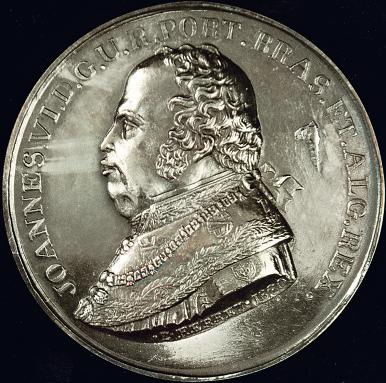
of the State vis-à-vis civil society, its abusive predominance and the fatality of individuals and social groups who live on and for the State) is based on the internal history of the metropolis, on the oceanic transmigration of the Portuguese State and on the severe and jealous reiteration of the culture of its origins,” he continues. This is the dividing line between the unitarists and the federalists. “There are those, like Brother Caneca and Cipriano Barata, both from Pernambuco, who insisted on the federal form and on greater independence of the provinces from the capital. But those who saw the greatness of Brazil’s territory as its strength and wanted to keep it united at any cost alleged that the federalist model had worked in the USA because it preceded the formation of the State. If it had been implemented here it would have ended up causing disintegration and led us to the same destiny as the Spanish colonies, wracked by revolutions,” assesses USP historian Isabel Lustosa.
“The tradition of historiography, for those for whom the history of our political emancipation is just the construction of a centralist State, tends, therefore, to ignore that if the New World kingdom of Dom João VI can be considered a cornerstone in the construction of the future imperial edifice, it is no less true that he was on the verge of destroying its fragile possibilities, precisely because of his incompetence in overcoming the rhetoric of the vast empire, updating it and carrying it out,” criticizes Cabral de Mello, for whom, as for Murilo de Carvalho, the imperial construction did not go beyond a figure of rhetoric with which the Bragantine crown tried to undo the painful impression created in Europe by its leaving, presenting it as a “measure of major revelation, destined to rehabilitate Portugal and to readapt itself in the New World in order to return to the Old World as a power of the first order”. This “Sophie’s choice” would determine whether Brazil’s future would lie in a monarchic centralism that left the Braganças in power until the end of the 19th century, or with federalism along the lines of that achieved in the United States, as was already being preached in 1817 by the leaders of the independence movements in Pernambuco and Bahia.
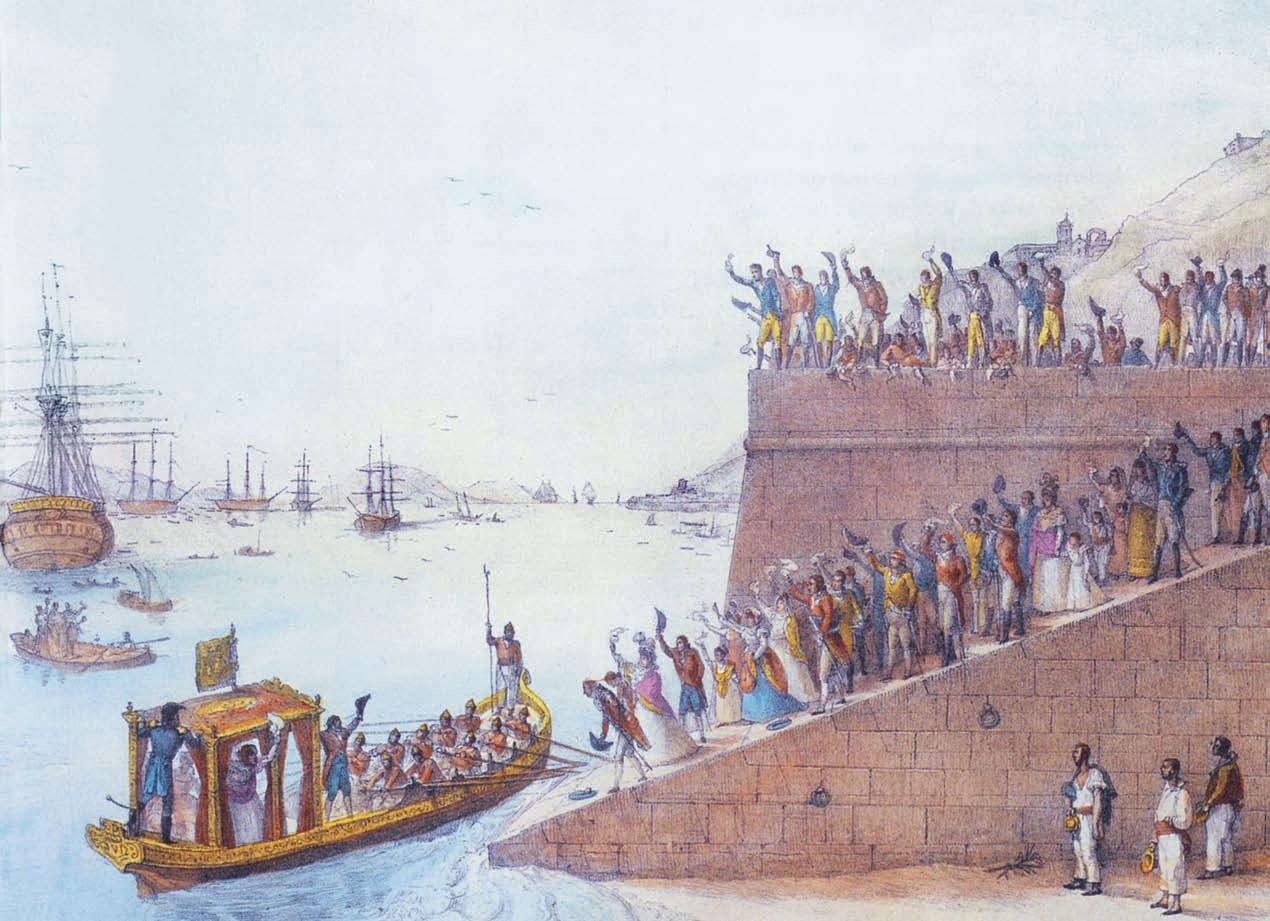
For Evaldo Cabral de Mello, there was another possible form of independence, other than that of a “unitary, conservative and naturally monarchist nature, which makes us neglect other possible ways for developing the nation or of forming the State”. “Those movements were grouped under the deceptive amalgam of ‘separatism’, so much so that the constructors of the Empire, when they left Rio de Janeiro, passed into history with the fine image of unitarists and nationalists,” he observes. “Since the unitary forces, the ‘unitary pack’, as Brother Caneca called it, beat the centrifugal forces, above all those of Pernambuco and Rio Grande do Sul, one can ask oneself whether the arrival of the court helped to shape Brazil because of the weight (rather than the determination) it brought to bear in conserving the monarchy, and above all in maintaining unity. The response is positive. Monarchy and unity (unity
partly because of the monarchy) meant inheriting one of the most backward cultures in Europe and favored the prevention of social, cultural and economic ruptures and an excess of political centralization and social conservatism,” assesses Murilo de Carvalho.
Also according to the same author, what might have been a colony transformed into several countries can be glimpsed by analyzing what happened in the Spanish part: a lot of instability, civil war, and a dictatorial orientation, but also more political mobilization, more self-government, more reformist boldness. “Would it have been better? That depends on one’s point of view. For those who dreamt and still dream (not my case) about a great empire or Brazil as a major power (oil?), the maintenance of unity was essential. For those who are concerned with prosperity and the population’s living conditions,
fragmentation might have been better, above all for the richer provinces.” Is there unanimity in this controversy? “I believe that most historians think that the preservation of Brazilian unity was something positive. However, until federalism was adopted, the discussion about its advantages was on the agenda and lasted throughout the Empire, the debates about the first Constitutional Assembly (1823) and the Republic. The practical application of federalism with the ‘politics of the governors’, of the Campos Salles government, however, ended up strengthening ‘coronelismo’ [oligarchic patron/client power of the landed gentry in rural areas] and served to increase national social inequality,” notes Isabel.
Nevertheless, it is also necessary to return to the criticisms of Cabral de Mello against the Dom João period in Brazil and its consequences. “Any discussion about political reform was always
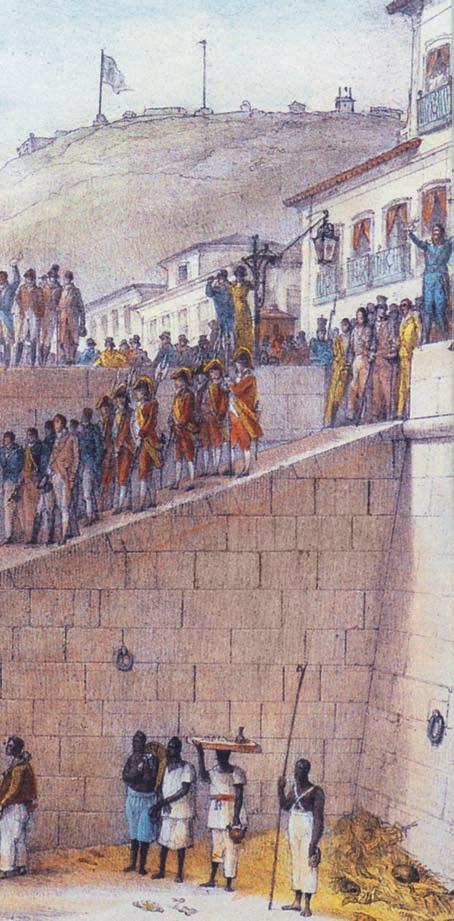
short-circuited in palace circles by the objection that the French Revolution also started with reform. The period of Dom João was characterized by extreme conservatism, which reduced the activities of public authorities to administrative issues to be solved in accordance with the practices of the former State.” According to de Mello, as from independence, a territorial notion was imposed that Brazil had been destined to be one country. For those from Rio de Janeiro the concept was of a big country, with its corresponding tax collection potential, under a centralized regime”. Furthermore, idealization of the Dom João kingdom was born and developed in Rio, making the seat of the court the great beneficiary of the immigration of the Braganças, while the provinces were taxed further to finance beautifying the capital, in order to make it acceptable to the courtiers and civil servants who came from the realm. “This intertwining
of the interests of the native elite with those of the immigrant elite marked the pace of the independence process, as the elite from the Center-South drew close to the Crown during the Brazilian years of Dom João,” says Malerba. “Here, I agree with Cabral de Mello: this winning and centralizing project that co-opted the prince of Brazil, after the return of the king to Portugal, fighting to impose both regional (or even provincial) interests as well as those of the so-called ‘separatists’ from Rio Grande do Sul or Pernambuco, which makes me wonder what the advantages for Brazil would have been if any one of these regional projects had imposed itself on the others.”
For Malerba, however, what matters is that it was in Dom João’s Brazil that the embryo of the elite that would build the imperial State and the Brazilian nation throughout the 19th century was generated “And this elite was from the Center-South,” he points out. Malerba also notes that in coming to Brazil, the patriarchal configuration of the State in the Portugal of the Old Regime accompanied the configuration of the sacred character of royalty. “One of the principles of this form of government, the absolute monarchy, was based on the liberality of the sovereign, on his capacity to grant favors. The distinctive feature of the Portuguese monarchy in Rio was its abuse of the use of this characteristic,” writes the historian. “The monarchy that arrived in Rio de Janeiro, at a time when it was crumbling in its place of origin, transformed itself into something new, or at least different. However, the weight of this dying time was strongly rooted in the minds of the elite and particularly in that of the heir, Dom Pedro. Without the experience of a radical rupture, Brazil was born as a Nation-State, the child of two ages. This ambiguity marked the imperial period and certain aspects of it are noticeable to this day.”
“What we cannot know is: if this centralizing, monarchist and conservative project had historically not been the winning project, what type of federation might have arisen from the rubble of the colonial world? The political bias is clear: those interpretations that bemoan the aborting of federalist projects tend to attribute the social ills of Brazil to
our conservative revolution, the Prussian path followed by the Brazilian elite. But in history we do not have proof ,” says Malerba. “Would a federalist experiment have led to a better country? Our republican experience does not allow us to answer this question with any degree of certainty.” Laura de Mello e Souza prefers to choose a “third way”. “What in fact was tried in 1808 was the confi guration of a new Empire, and not just Portuguese for the people in the New World, who wanted it to be Portuguese-Brazilian; perhaps it was from this that the tension that would explode soon after happened, and as the inhabitants of the metropolis (because it continued seeing itself as such) insisted on continuing to qualify the relationship. In short, it was no longer the same Empire that the Portuguese and Portuguese-Brazilians cogitated: the former wanted it to be Portuguese and the latter Portuguese-Brazilian.”
“A happening only becomes memorable to the extent that, in some way or another, it is exceptional and that it creates, in addition to its ephemeral development, a durable reality that ends up stamped on areas of the collective memory, becoming a type of exemplary experience,” wrote the French historian Charles Mozaré. “In this sense, celebration and construction of the memory are fundamental when it comes to constituting a political body. How did this entity we call the Brazilian nation begin? The recall of events, like the permanence of the court in Brazil between 1808 and 1821, had a social cohesive function and contributed to keeping societies organic,” notes Malerba, who advises that good use be made of this “joint remembering” and that advantage be taken of the date to debate our path (“from that event or because of that event”), our current reality and its impasses. “To do so we need to think about the more general historical connections while also showing how and why they are not random. And to stop seeing the arrival of the royal family as a grotesque anecdote or a random occurrence,” says Mello e Souza. “Let us celebrate historical dates like the birthdays of our parents, the people from whom we are descended and whom we did not choose, but who begot us and with whom we are inevitably associated,” adds Isabel Lustosa. ■
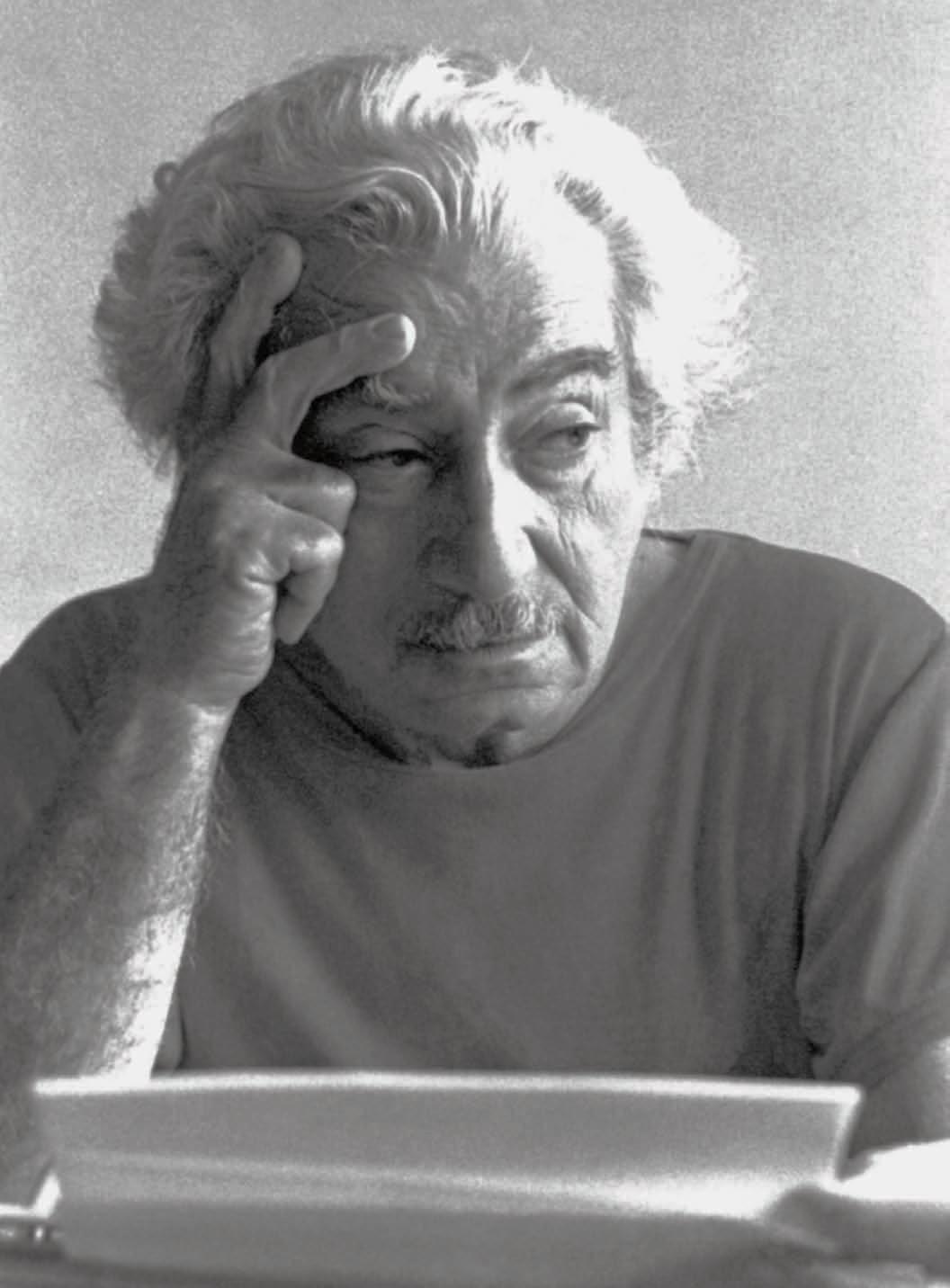
The release, in March, of the first six volumes of the new edition of the complete works of author Jorge Amado (1912-2001), from the state of Bahia, by the Companhia das Letras publishing house (to be concluded by 2012, with 32 books) is not only the company’s most ambitious editorial project ever, but it is also the most challenging. It intends to encourage critical reading and to provide the ‘father’ of Gabriela, Tieta and Dona Flor with the literary value the company believes he deserves. After 33 years, Amado will no longer be published by Record and will now be published in São Paulo. His new publishing house beat six other bidders in the struggle to publish his complete works last August.
Re-edition of the complete works brings about a critical review of one of Brazil’s most popular authors
Published in April 2008
Jorge Amado: efficient connection between literature and the public
Attracting the Brazilian intelligentsia will involve a parallel investment in promotion, ranging from lectures and workshops with famous authors and artists to shows, movie showings and even cartoon versions of some of the novels – currently, cartoonist Spacca is working on “Jubiabá” together with Lilia Schwarcz. Lilia, in fact, is the editorial coordinator of this endeavor, together with diplomat and author Alberto da Costa e Silva, considered the greatest authority alive in Brazil on Africa and one of the country’s most important intellectuals.
The strategy is ambitious. Since mid-March, the most important bookstores have carried floor and counter displays, plus excerpts of the first novels in the form of booklets distributed to customers free of charge. The frontal attack also includes an advertising campaign in newspapers, magazines and online, with photos and testimonials by lovers of Amado’s books. The publishing house resorted to the often enthusiastic testimonial of people such as Rubem Fonseca: “His splendid stories show our country and our people in a moving manner, with a universal tone capable of bewitching readers worldwide.” In his own style, José Saramago observes: “In Jorge, the art of making love was spontaneous, never premeditated.” Editor Thyago Nogueira enthusiastically states: “We want people to read his books; we’ll encourage debates, and because of this we’re also developing special postscripts for each book.” He adds: “We’ll train teachers nationwide, providing extra school material, shows, etc. We’ll look for new readers among the young and notso-young. Hence all the activities, such as competitions for teachers and students.”
Actually, there are two challenges. Aside from the possible reviews, Companhia das Letras wishes to turn Amado into good business again – although the sale of his works are still significant – among young readers, much like it managed to do with the works of Nelson Rodrigues in the 1990s.
Alberto da Costa e Silva knows that selling the author to opinion leaders will require persistence. As he sees it, the political aspect of Amado’s books was important only at a certain very specific time, which does not justify labeling Amado as an involved author. “His creations prevail over political vicissitudes.” He prefers to remember that his work enjoys major appreciation in certain sectors and eras. “His works are admired and enjoyed by
* The title is a pun on the author’s surname: “Amado” means “loved” in Portuguese.
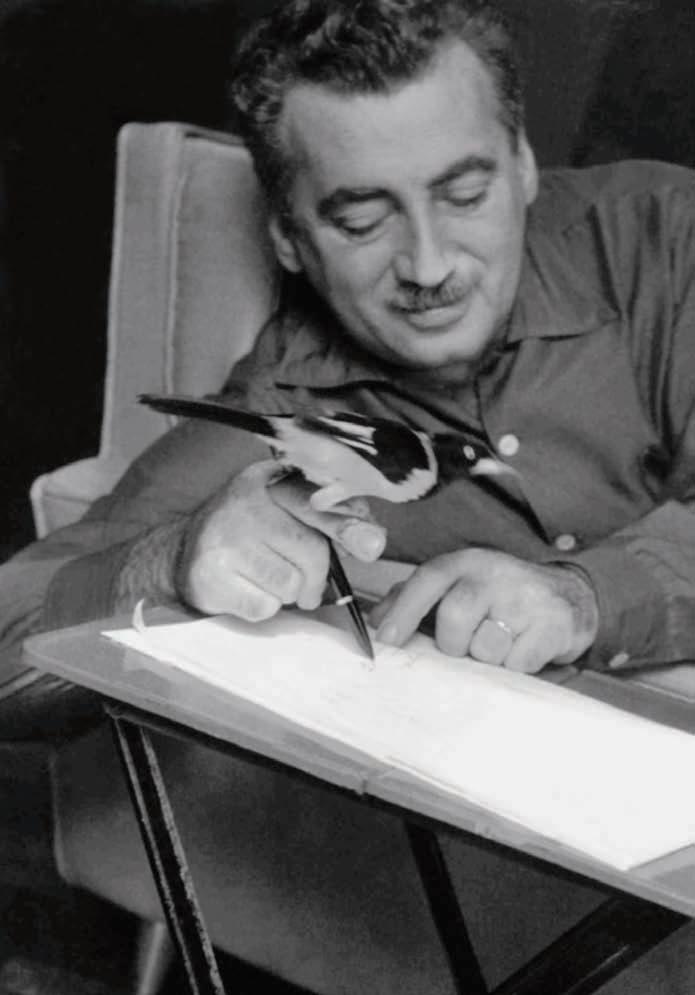
colleagues of his generation and by the most important authors of the two subsequent generations.”
The diplomat admits that there is a certain resistance to authors who achieve popular success among academics and on the part of the critics. “His work is rich in shades and colors, and even serves as an example of a certain interpretation of Brazil.” Academia, says Costa e Silva, has in fact found it difficult to analyze Amado’s work. “Certain intellectual sectors are fascinated with formalism and Jorge is an anti-formalist by nature. Much like it is
difficult to study Manuel Bandeira’s and Cecilia Meireles’s poetry, it is easier to focus on João Cabral de Melo Neto, because of the very clear formal features of his works. In other words, there are greater chances of doing a brilliant job with little effort on an author as good and original as Guimarães Rosa.” Jorge is in this second group. “In his case, one must have a deep knowledge of Brazilian sociology and anthropology. His books show the hard, magical Brazil, mixes that come together after being mismatched. Those that dislike and even despise his works lack the special sensitivity needed for life itself, and not only for literature.”
Literary critic and author José Castello agrees that Amado paid a high price for his political participation. “To this day, although he has passed away, Amado continues to pay this price. It is similar to the case of Saramago, another declared communist. Both suffer from extra-literary prejudices that hinder and diminish their writing. This is very unfair. Obviously, one may dislike Amado or Saramago, but not because they are communists. Or because they are Christian, Muslim, Atheist or conservative, or even fascist. Céline was a fascist, but a genius in spite of it.” Castello says that the literary environment, even today, is contaminated by issues and ideological stubbornness hidden under the beautiful cover of ‘theoretical positions’. “People are part of closed groups; they only consider their equals, searching only for similar things and repetition.” There are also enthusiastic advocates of Amado in academia. German citizen Claudius Armbruster, professor of Romanistic philology and director of the Portuguese-Brazilian Institute at the University of Cologne, focused on Brazilian literature in his post-doctoral work (submitted at UFBA, the Federal University of Bahia UFBA), and, specifically, on the role of miscegenation in Jorge Amado’s works. He considers the notion of prejudice against Amado because of his communist activism to be exaggerated. “In fact, despite his involvement with politics, he was always a successful author, both in relation to critiques and financially speaking.” The researcher believes that the relevant as-
pect of Amado’s works is that he expresses its literary value through a combination of popular culture, oral voices, political contexts and “readability.”
Mara Rosângela Ferraro Nita, who is currently working on her doctoral dissertation entitled “Jogo de espelhos: A ilustração e a prosa de ficção de Graciliano Ramos, José Lins do Rego e Jorge Amado” (Mirror Reflection: Ilustration and prose fiction in Graciliano Ramos, José Lins do Rego and Jorge Amado) at the Arts Institute of Unicamp, focuses her study on literary illustration. She says that she had read some of Amado’s novels prior to starting her research and she was aware that most critics were not interested in his works. “Maybe this unfavorable opinion didn’t affect me because I’m an average reader; I have no academic background in literary studies. I must confess that my initial interest was awakened by the magnificent illustrated editions of his works published by Ariel, Record and Martins, in particular.” However, over the course of her studies she became fond of Jorge Amado’s prose.
In the dissertation Jorge Amado: romance em tempo de utopia (Jorge Amado – Novels at a time of utopia) by Eduardo de Assis Duarte - which became a book published in 1996 by Record - the author studies the context of the production of Amado’s works. He especially analyses how his leftist orientation interfered in the writing of his first novels, from País do Carnaval (Carnival Country” (1931) to Os subterrâneos da liberdade (The Underground of Freedom) (1954). Duarte highlights the nuances that derive from the use (or lack of) of the guidelines referred to as “party aesthetics.” In the thirties, Duarte explains, ideological radicalism challenged artists and intellectuals to position themselves politically. This activism is found in the social criticism and the idealization of people and in political participation, especially regarding leaders, such as Prestes, known as the “Knight of Hope.” Duarte shows that Amado’s writing does not strictly reflect “socialist realism”. In Seara Vermelha (Red Corner), for example, there is a strong critique of self-sufficiency and mistakes by the leaders of the so-called communist uprising in 1935.
According to Ilana Seltzer Goldstein, Jorge Amado always discusses issues related to national identity, whether as a political activist at the start of his career, or as a novelist that praised the miscegenation of the people, their feasts and flavors. “This was what lead me to study Amado from the sociological viewpoint, focusing on the image of Brazil that he helped build.” To her surprise, she found “very few” theses and dissertations by Brazilian sociologists, anthropologists and historians on Amado, perhaps two or three. “This only made my interest grow,” she says. She is currently working as a consultant for Companhia das Letras on the Amado collection.
According to data that the publishing house sent Ilana, only from 1975 to 1995, the total number of copies sold in Brazil totaled 20,050,500. She stresses that, besides novels, Jorge Amado, as a journalist and contributor to periodicals, wrote more than one hundred articles on a fair range of subjects. He also held several positions in the intellectual field, including writing criticism and prefaces, and being a member of the Brazilian Academy of Letters. Not to speak of the television adaptations of his works, the honors he received and the lectures he delivered abroad, where Amado was seen as a symbolic ambassador of Brazil. All this helped him an important opinion leader, a public man whose ideas significantly influenced several social classes in several parts of Bra-
zil and the world. According to Ana Paula Palamartchuk, who has a PhD in history and wrote the book Os novos bárbaros: escritores e comunismo no Brasil (1928-1948) (The new barbarians –authors and communism in Brazil, 1928-1948), there is no such thing as prejudice against Amado. She admits, however, that there is a certain memory built on his life that does not really accept its role in his literary experience. Amado himself fostered this, she says. O mundo da paz (World of Peace) (1952), his travel narrative about his trip to the USSR, was published as a “contribution to the struggle for peace. I wrote it in honor of comrade Stalin, from a Brazilian writer, on his seventieth birthday, wise leader of the people of the world in the quest for human happiness on earth,” as Amado wrote. Years later, in his book of memoirs, Navegação de Cabotagem (Coastal Navigation) (1992), he stated: “I got O Mundo da Paz out of circulation, I struck it from list of my works, I try to forget it…” “Political activism, however, is an ongoing element of his literary creation, especially from 1933, when he published Cacau”(Cocoa), to 1954, when he published the trilogy Os Subterrâneos da Liberdade. Thereafter, when he left the Communist Party, this political activism appeared in his works as though absent, in an attempt to provide another meaning to his previous path. This absence is offset by the people and the popular culture that provide the linking element in his works.” ■
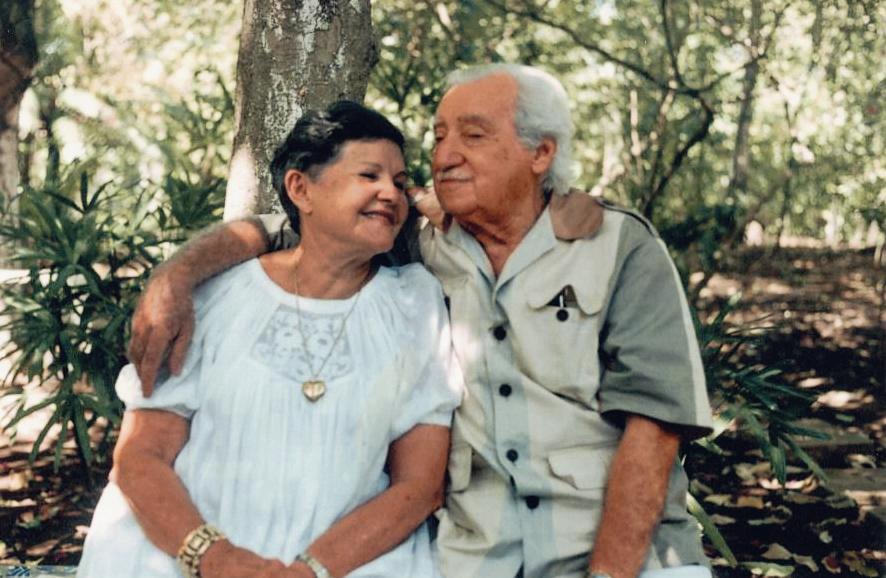
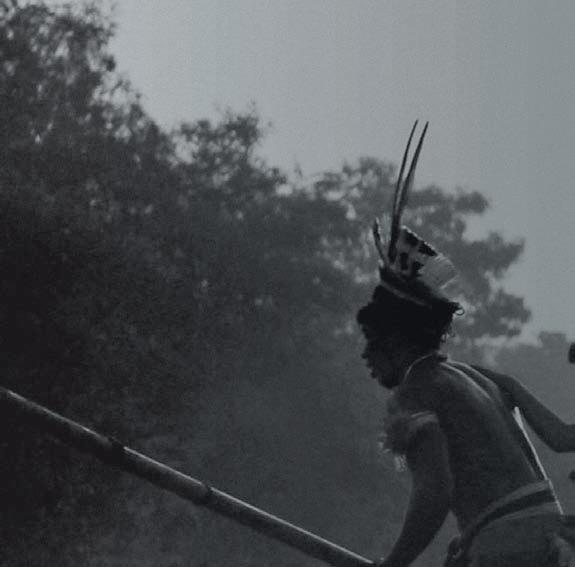
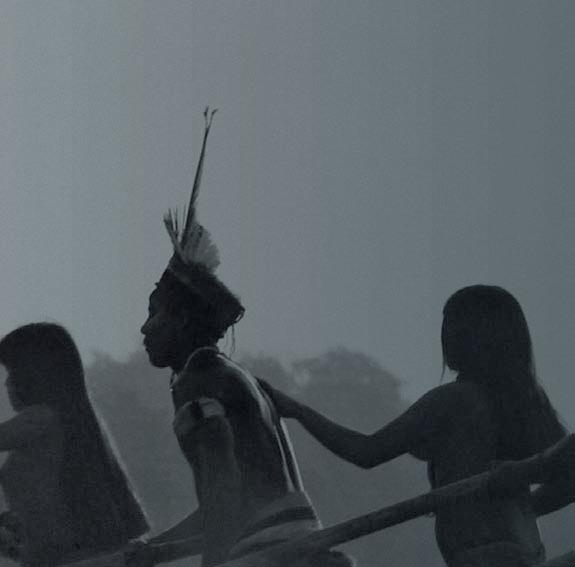



ANTHROPOLOGY
Scientists discover that the first inhabitants established civilizations that were organized and cwomplex
Published in October 2008




Perhaps this is a perfect example of a cruel irony: the criminal and reckless deforestation of the Amazon Forest has made possible one of the most important archeological discoveries ever in Brazil.
Based on satellite images and field research studies, Brazilian and Finnish scientists have discovered and mapped out geoglyphs, up to 350 meter-wide gigantic geometric designs made by the first organized group of human beings that inhabited the region approximately 13 thousand years ago.
“Perhaps we’d still be unaware of their existence, if deforestation hadn’t taken place”, acknowledges professor Denise Pahl Schaan, vice-coordinator of the Graduate Program in Social Sciences, coordinator of the Specialization Course in Archeology at the Federal University of Acre (Ufac) and presi-

dent of the Brazilian Archeology Society. Moreover, Denise is head of the Amazonia Geoglyphs research group, financed by CNPq, the National Council for Scientifi c and Technological Development, together with Miriam Bueno, Ufac geographer.
The investigation will probably significantly change what had already been studied about the occupation of the Amazon region. To begin with, it puts an end to the understanding that the western portion of this region is a vast area free from complex human culture, as previously believed. The enigmatic drawings on the ground left behind by organized societies show that they lived and harvested in the area. These signs may lead to important discoveries at the beginning of the twenty first century, when no one believed the news on this matter. “The presence of geoglyphs in Acre puts an end to the paradigm
that complex societies in Amazonia were only developed along the flooded forests of the main rivers”, observes Alceu Ranzi, of (History and Geography Institute of Acre and a member of the team headed by Ondemar Dias, of the Federal University of Rio de Janeiro (UFRJ), who, in 1977, discovered the first traces of these signs.
Ranzi explains that the geoglyphs are essentially found in areas between the rivers – the highlands that divide the rivers Acre, Iquiri and Abunã. In other words, they are located on terra firma. Dias’s team discovery was only officially communicated to the scientific community in 1988, without any repercussion, in an article published by anthropologist Eliana de Carvalho.
In the past nine years, however, work carried out in the region has obtained international results. Currently, the team of anthropologists lead by Denise
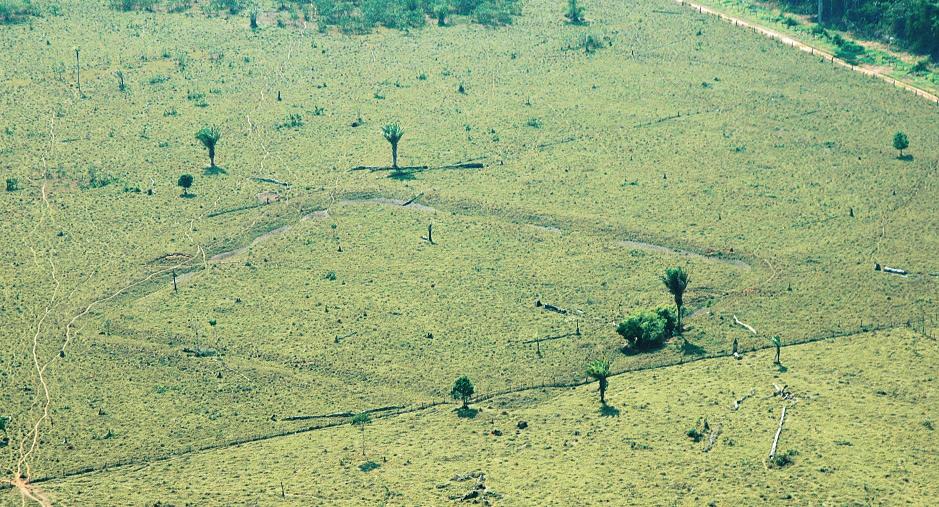
is regionally surveying the geoglyphs. “When one considers the abundance of geometric shapes, circles, octagons and perfect angles, one notices the complexity behind the design of these gigantic geoglyphs”, adds professor Ranzi.
Project Amazonia Geoglyphs was established in 2007. In 2006, a project to study five geoglyphs deemed of great importance was created, together with Finish researchers. According to Denise Pahl Schaan, information provided by travelers of the past centuries mentioned great societies living along the Amazon river and its most important tributaries. Likewise, the first archeological researches emphasized flooded forest areas. The remaining native Indian populations from the colonial era migrated to the areas between rivers, and thus were found there by the ethnographers, who described their lifestyle.
In the 1950s, some researchers suggested that the native Indian lifestyle (small villages, migration from villages every five years, on average) known by the ethnographers reflected the typical model of life on terra firma, at all times. “The geoglyphs show that this concept is incorrect. The gigantic designs indicate that there was organization of the workforce and planning, a social hierarchy and possibly armed conflicts, since the excavated trenches may have been built for defense purposes.” The researcher highlights that its geometry is perfect and further mentions their symbolic concern. “The cultural development stage of these peoples would be of the so-called cacicados, i.e., regional societies with social stratification.”
However, there is no information on when and why these peoples disappeared. “We are currently surveying the sites in the entire State of Acre and adjacent areas, carrying out excavations in some and collecting soil samples and vegetation material in others for dating purposes, so that we can discover the vegetation cover at the time of the design. Thus it will be possible to learn whether the forest was cut down to enable the design of the geoglyphs or whether it was an open area, a savannah.”
When compared to the native Indian populations living in the Amazon region today, these ancient peoples were far greater in number with a more complex social organization. According to Denise, the geoglyphs mean there was a considerable population living on terra firma. The structures made of earth indicate workforce mobilization and planning, which only exist in complex societies.
“The considerable extension of the distribution of geoglyphs in an area of over 250 km indicates a standardization of monumental cultural practices across vast regions, which only takes place in complex societies”, she adds. “It is important to recall that the landscape transformations made with the geoglyphs only exist in complex societies.”
Among the researchers that were part of Ondemar Dias’s team was Franklin Levy, who has since completed his PhD in anthropology. By e-mail, the Finnish researcher recalls that after the discovery of the first land structure in Acre, in 1977, during the next few years he took over the research in the eastern front, from the City of Cruzeiro do Sul to the frontier with Peru. “Land structures have not been located there”. During this time, says Levy, there was no knowledge about the western portion of the Amazon region. “Sparse data and fortuitous findings did not constitute organized archeological knowledge. Thus, this gap could be filled by people’s imagination and, occasionally, as an extension of modern ethnologic knowledge.”
According to the anthropologist, the preconceived observation of modern cultures based on the idea of linear evolution, and on the belief that each people reach easily observable evolutionary standards – in other words, material progress – resulted both in distortions in the assessment and interpretation by other thinkers and theorists. “However, this confusion is gradually being clarified, providing ground for a
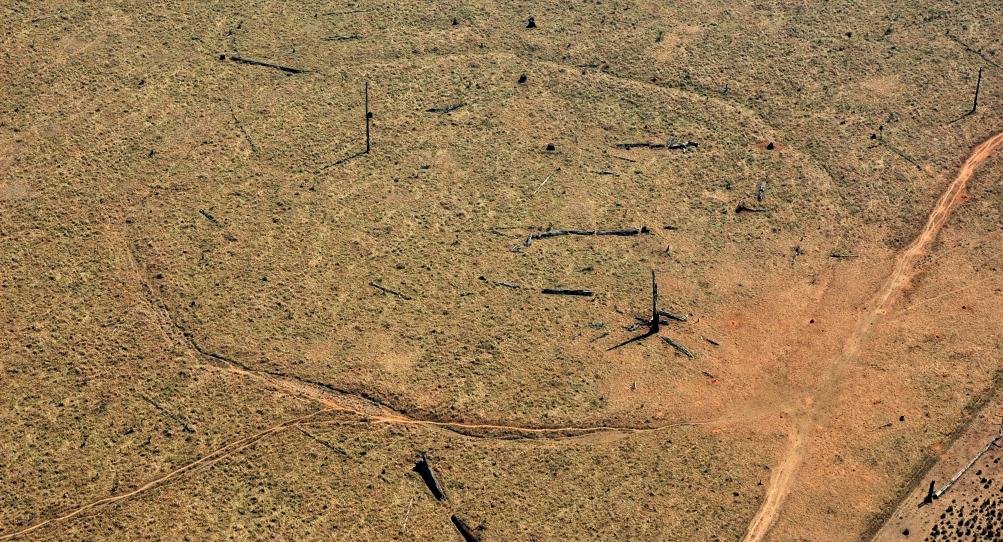
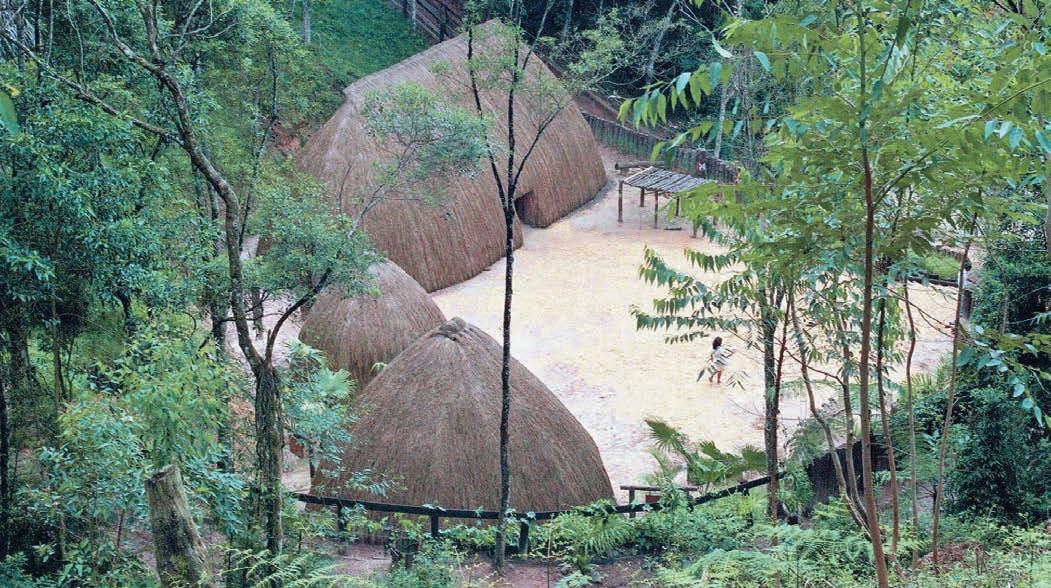
new viewpoint, which speaks of complex cultures with organization, leadership and regional societies with social stratification. The archeologist’s role is to understand how these phenomena were understood internally, without trying to explain them based on the size of their undertakings.”
Levy fi rmly states that based on archeological evidence, a society remained within its geoglyphs, though with certain migration periods, for over 2,500 years. The society thus had time to develop such a complex culture that it will be impossible to discover all of its particular features. “These people dominated the environment with their several technical resources and overcame climatic vicissitudes, maintaining production throughout all seasons of the year.” They also inhabited the savannas in the higher lands between the rivers. Because the waters kept them from inhabiting and harvesting, they excavated large ditches around the area that was to be improved, lowering the insurgent water table and thus releasing the roots from the water. Thus, they managed to keep the floor of their houses drier during the rainy season.
Still according to Levy, when the rains ceased and it was necessary to
burn the stubble, the ditches became safe areas and preserved the domestic environment. They also used fi re to contain forest advancement. “They diversified the economy with resources from the flooded lands which, once uncovered, at the end of the rainy season, supplied everything that the highlands lacked.” As proven by the archeological remains, they would remain there for short periods of time. “The perfect awareness of the climate and environmental conditions, and their ability to explore productively even the forms of interaction between the many peoples that composed this culture, show a baffling level of evolution to the modern eye”, evaluates Levy. “We attribute intent and inventiveness to these survival technologies, eliminating casualty in the process and in the intentions.”
Finnish researcher Martti Pärssinen, scientific director of the project Man and Nature in Western Amazonian History, financed by the University of Helsinki, mentions that Alceu Ranzi is the ‘soul’ of the geoglyphs research for he was responsible for mobilizing all the researchers to establish a research group. He lists the main objectives of the project he coordinates, in terms of
importance: (1) to rebuild the history, culture, economy, ethnicity and demographic distribution of the peoples that inhabited the region located on the border between Brazil and Bolivia before and after the arrival of the Europeans; (2) to provide the authorities of both countries with information that can help them protect the archeological sites, in addition to a strict and sustainable control of tourism in the area.
In 2002, Pärssinen was invited by Ranzi to see the geoglyphs in Acre, when he was studying an Inca fortification near the City of Riberalta, Bolivia, 200km away from the City of Rio Branco, Acre. “Until the mid-twentieth century, the pre-European Amazonian peoples were in general interpreted by a contemporary ethnographic perspective. The Amazonian societies were essentially seen as primitive groups living in small hostile groups and without a complex social organization.” He cites the writings of Julian H. Steward, in 1948: “The tropical forest culture was adapted in an extremely hot, humid and densely covered area. Hunting, fishing and deforestation resulted in a low population density and small communities”. Evidence nowadays indicates otherwise. ■
jaime prates

Supporting creative minds and knowledge

FAPESP is one of the largest agencies supporting Brazilian research. During 2009, it has invested US$400 million in all fields of knowledge. Below, some of our most ambitious programs:
> Bioen (Bionergy)
A biofuels research program to increase the productivity of sugarcane ethanol in a sustainable way and to generate energy from biomass www.fapesp.br/en/materia/472
> Climate change
Brazil’s largest and most articulated multidisciplinary effort to expand knowledge on the causes of climate change and its consequences for people’s lives
www.fapesp.br/en/materia/4485

> Biota-FAPESP
Research to identify, characterize and recover the biodiversity of the State of São Paulo. The basis of the formulation of environmental protection laws, during the course of 10 years it has discovered 500 new plant and animal species www.biota.org.br/
> Cepids (Research, Innovation and Dissemination Centers)
The 11 Cepids conduct basic or applied research of an innovative nature. The knowledge generated by the invariably multidisciplinary teams is transferred to society, to several spheres of government, providing input into public polices, and to the private sector, in the form of new technologies www.fapesp.br/en/materia/17
FAPESP invites talented researchers with a recent PhD degree and a successful research track record to apply for postdoctoral fellowships www.fapesp.br/opp