
WHAT DO WE GET FROM WORKING IN PERSON?
WHAT DO I GAIN BESIDES A COMMUTE?
Employees do not want to return to full-time office work
Executives say they want to work in the office most or all of the time
say they are designing their companies’
Source: https://www.vox.com/recode/23161501/return-to-office-remote-not-working https://futureforum.com/2021/10/05/the-great-executive-employee-disconnect/
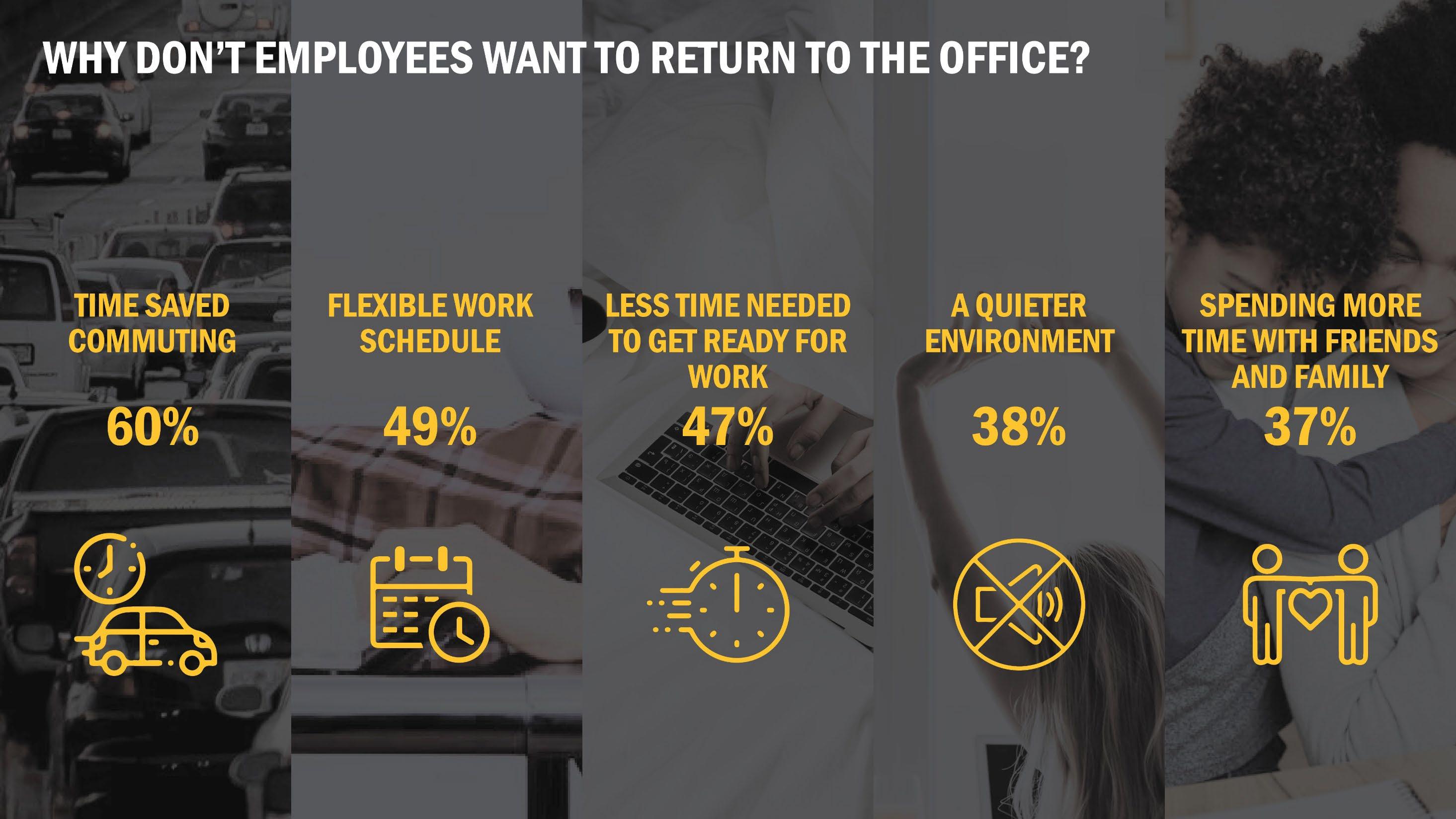
WHAT DO WE GET FROM WORKING REMOTELY?
THE PURPOSE OF AN OFFICE
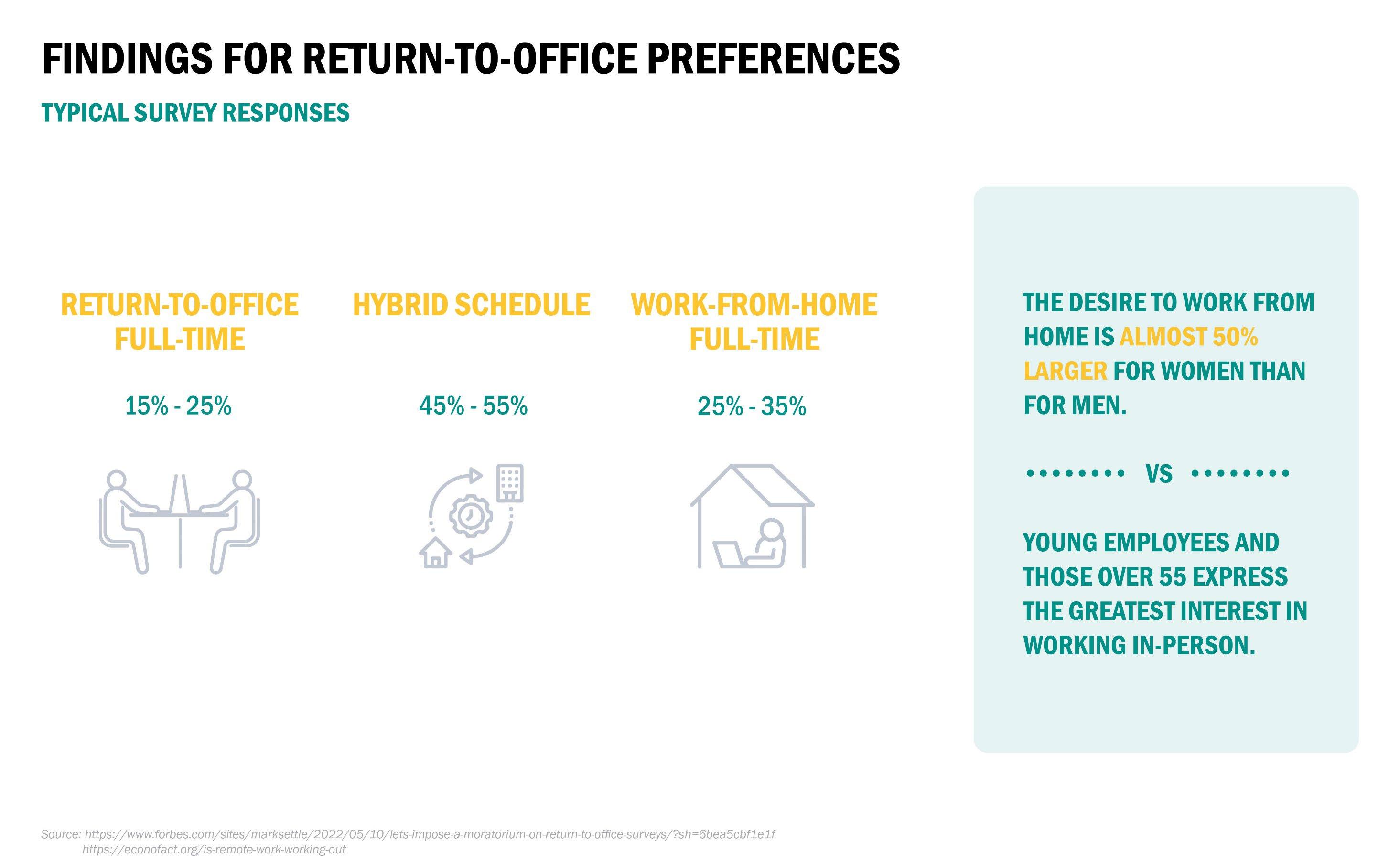
SAMPLE SURVEY RESPONSES
According to Employers
1. Increasing employee productivity
2. Providing a space to meet with clients
3. Enabling our employees to collaborate effectively
4. Enabling our company culture
Employees want to return to the office more slowly than employers expect.
Few executives think company culture will survive a purely
remote working set up
read://https_www.pwc.com/?url=https%3A%2F%2Fwww.pwc.com%2Fus%2Fen%2Fservices%2Fconsulting%2Fbusi
According to Employees
1. Collaborating
2. Accessing equipment or documents securely
3. Meeting with clients or colleagues
4. Training and career development
DECREASED DESIRE TO RETURN TO THE OFFICE
I enjoy working remotely
I am more productive working remotely
I would be more likely to apply for a job that offers a remote work option
About 6 in 10 employed adults say they’re more likely to apply for a job with a remote work option.
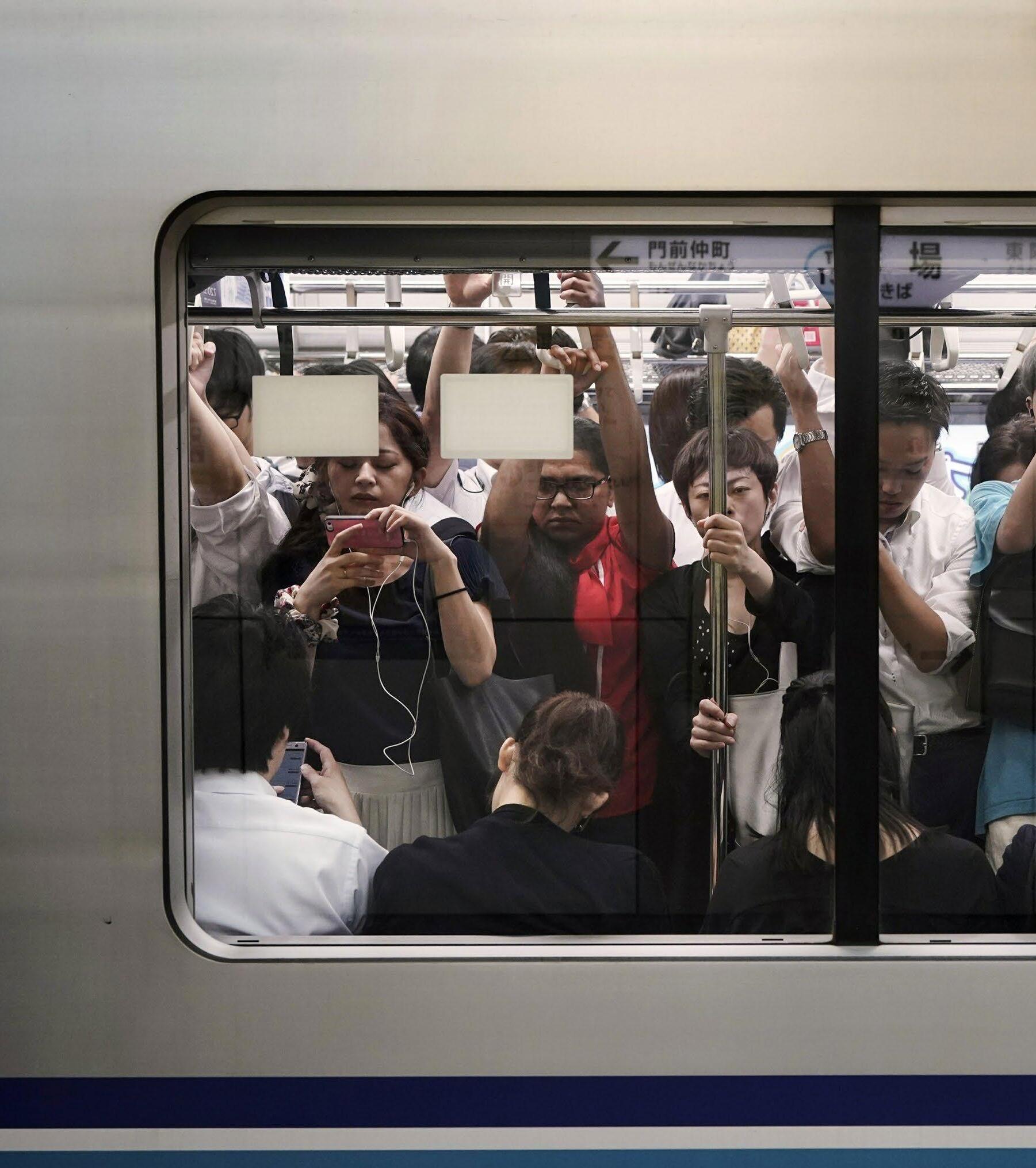
IS THIS REALLY WORTH IT?
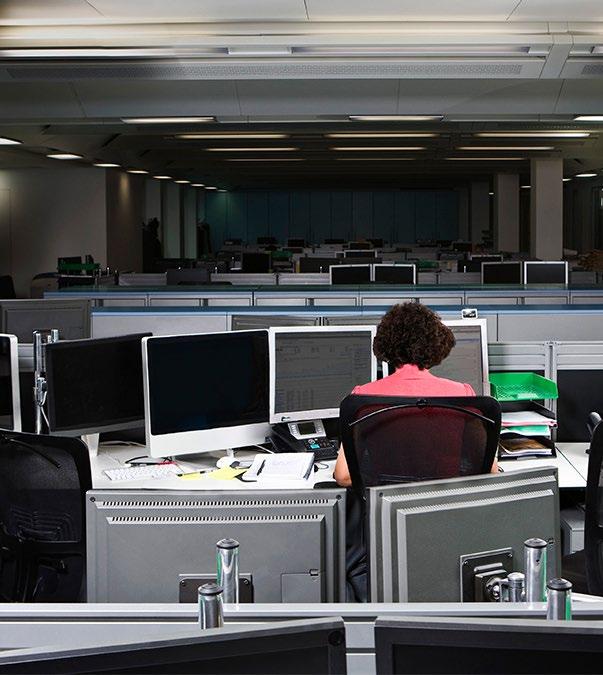
WHAT DO WE GET FROM WORKING TOGETHER IN PERSON?
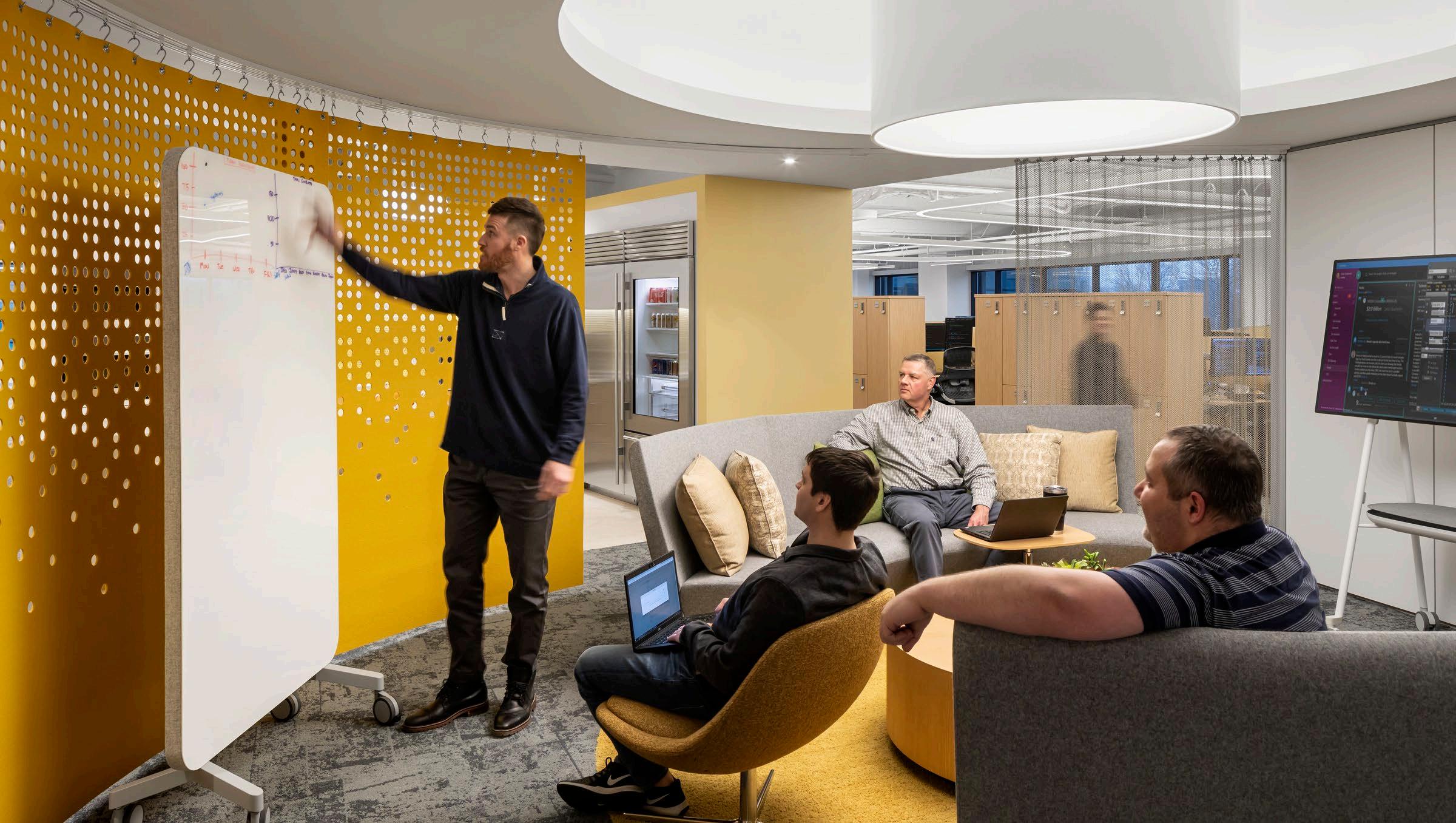
Better communication
Better attention and memory Facilitated creativity (“Burstiness”) Stronger social connectedness Improved well-being
1 BETTER COMMUNICATION
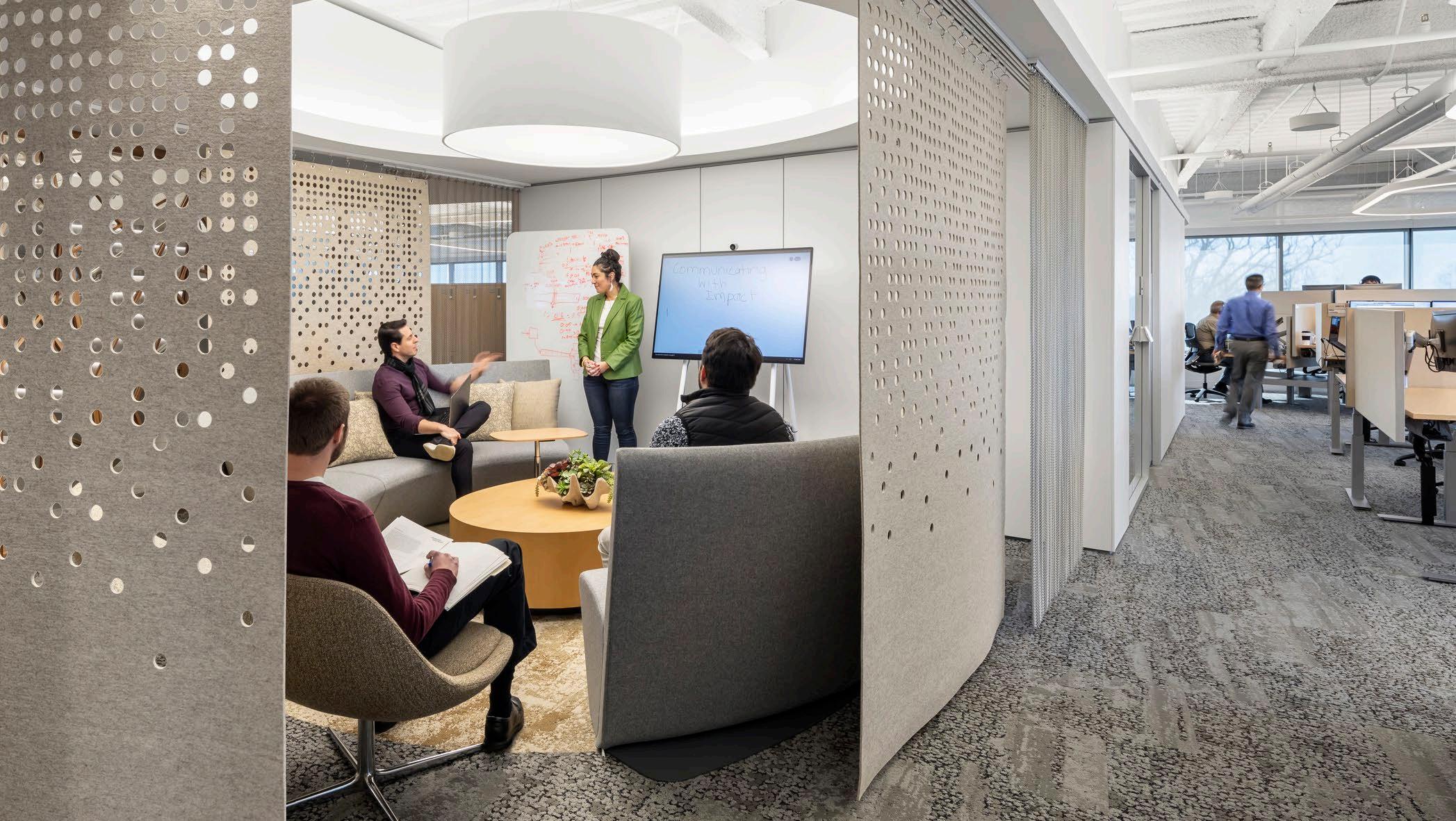
• Communicating online feels unnatural and is cognitively taxing (Kock, 2004)
• Nonverbal cues make up much of communication (Thompson, 2011)
• People perceive better communication satisfaction and communication quality in face-to-face interactions compared to online interactions (Umphrey et al., 2008)
2 STRONGER SOCIAL CONNECTEDNESS
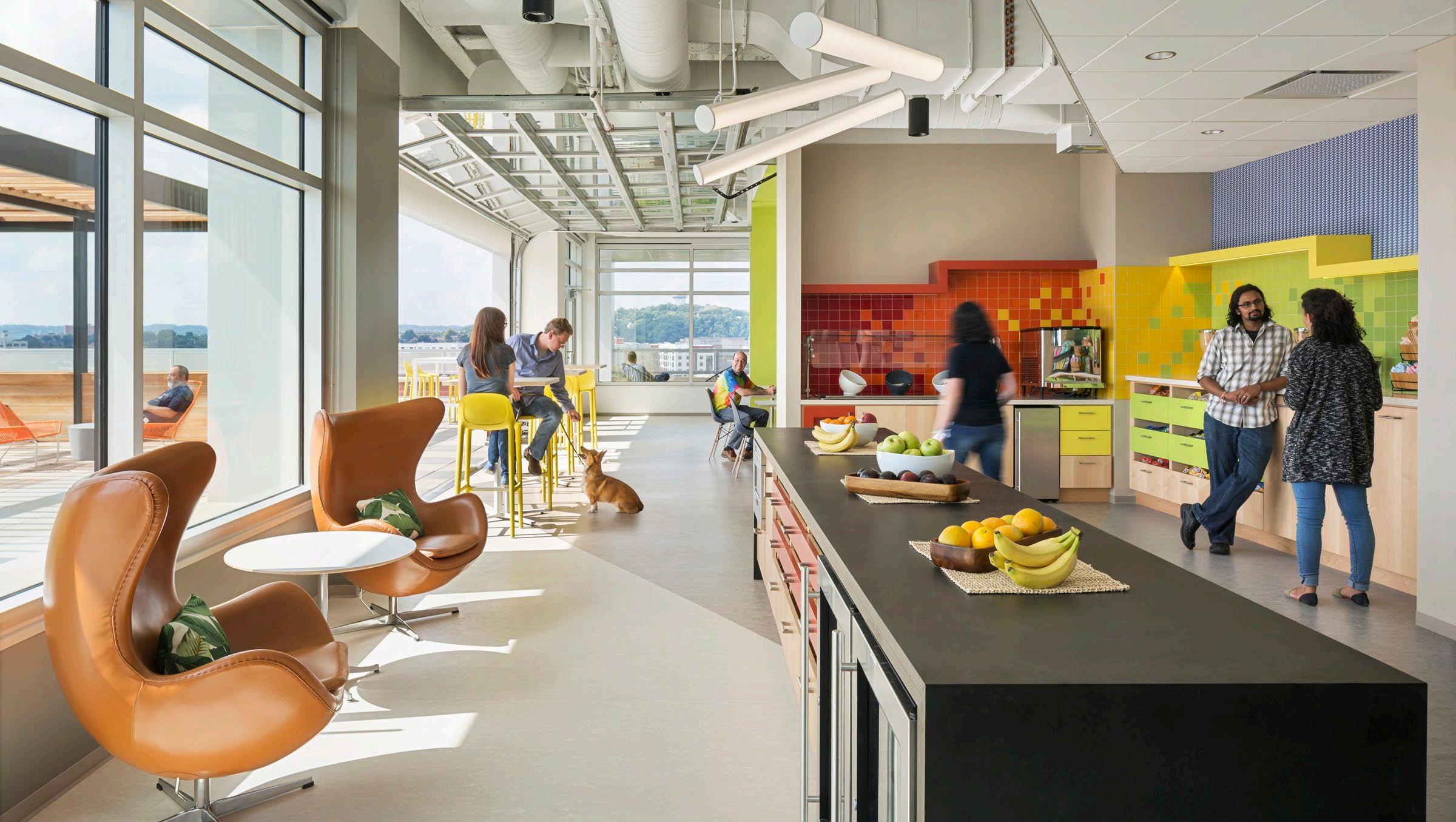
• Faces convey important social information – we have a brain area dedicated to processing faces (Kanwisher et al., 1997)
• The eyes are particularly important for social cognition (Itier & Batty, 2009)
• Eye contact is hugely important (Kleinke, 1986) , and we don’t get that online
• Direct gaze is associated with more positive emotional responses in the observer, a more positive evaluation of the gazer, and can even facilitate affective empathy (McCrackin, 2020)
3
IMPROVED WELL-BEING
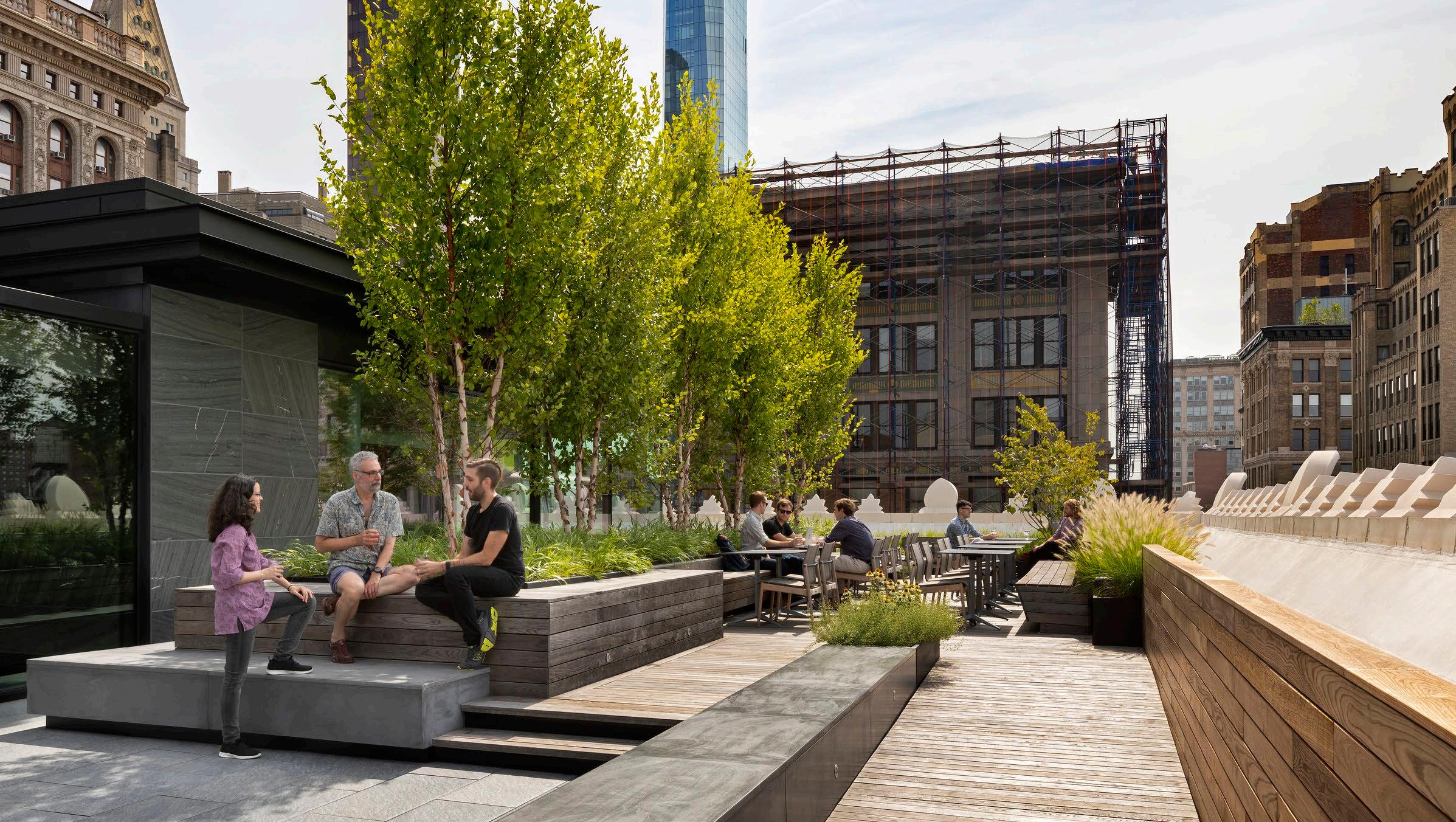
• During everyday social interactions people feel more happiness and interest and less sadness, tiredness, and pain (Bernstein et al. 2017)
• Both quantity and quality of social interactions are associated with improved well-being – especially for introverts (Sun et al., 2020)
• Need to belong is a fundamental motivation of human behavior (Baumeister & Leary, 2007)
4
BETTER ATTENTION AND MEMORY
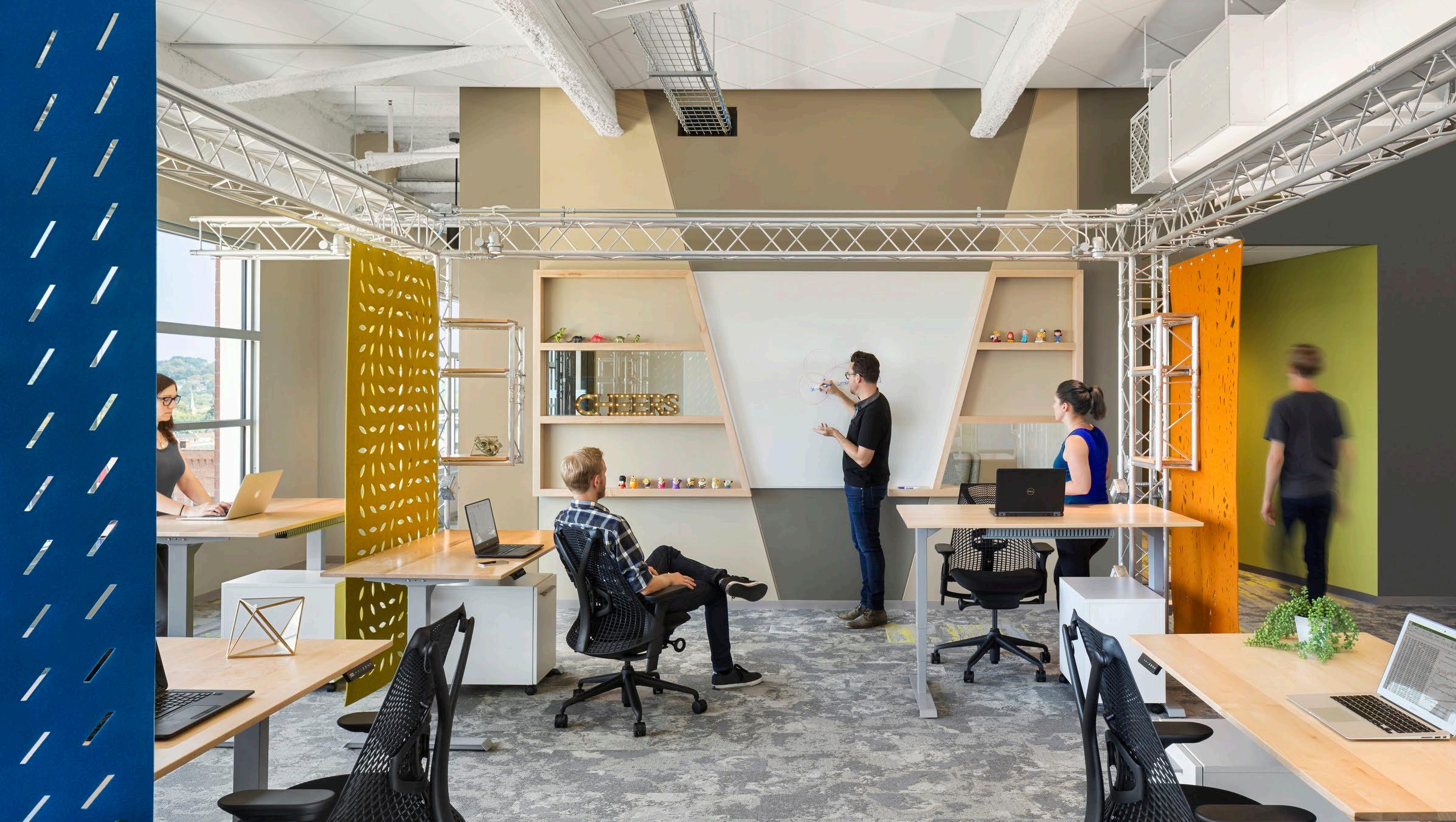
• Eye contact enhances memory for spoken words (Lanthier et al., 2021)
• In-person communication is associated with better attention (Lanthier et al., 2021)
5
FACILITATED CREATIVITY
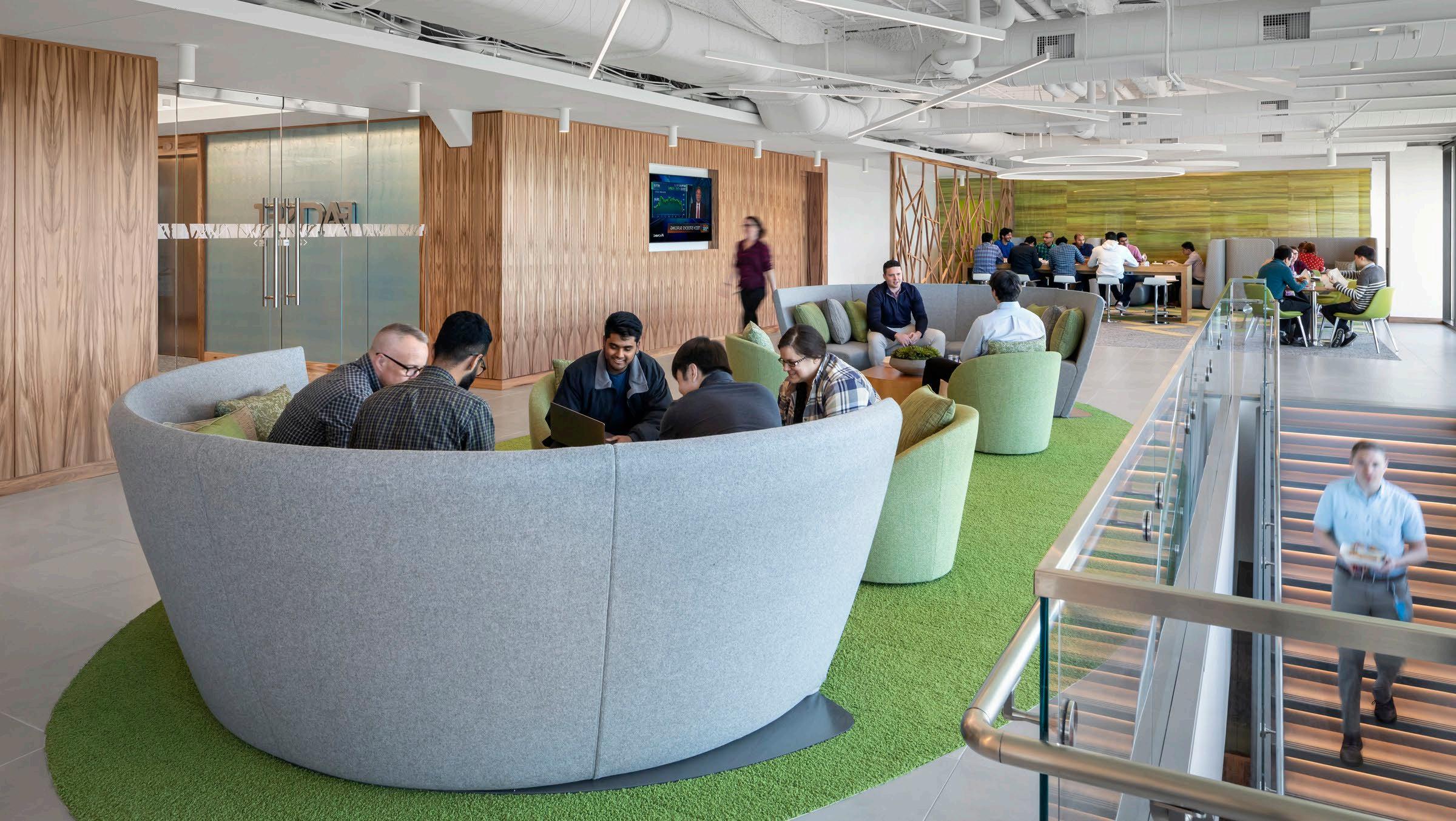
• Collaborative creativity (“burstiness”) can be easier to generate in person (Vallance, 2020)
• In-person work affords the ability to externalize/display thinking on a shared physical space (Clark & Chalmers, 1998)
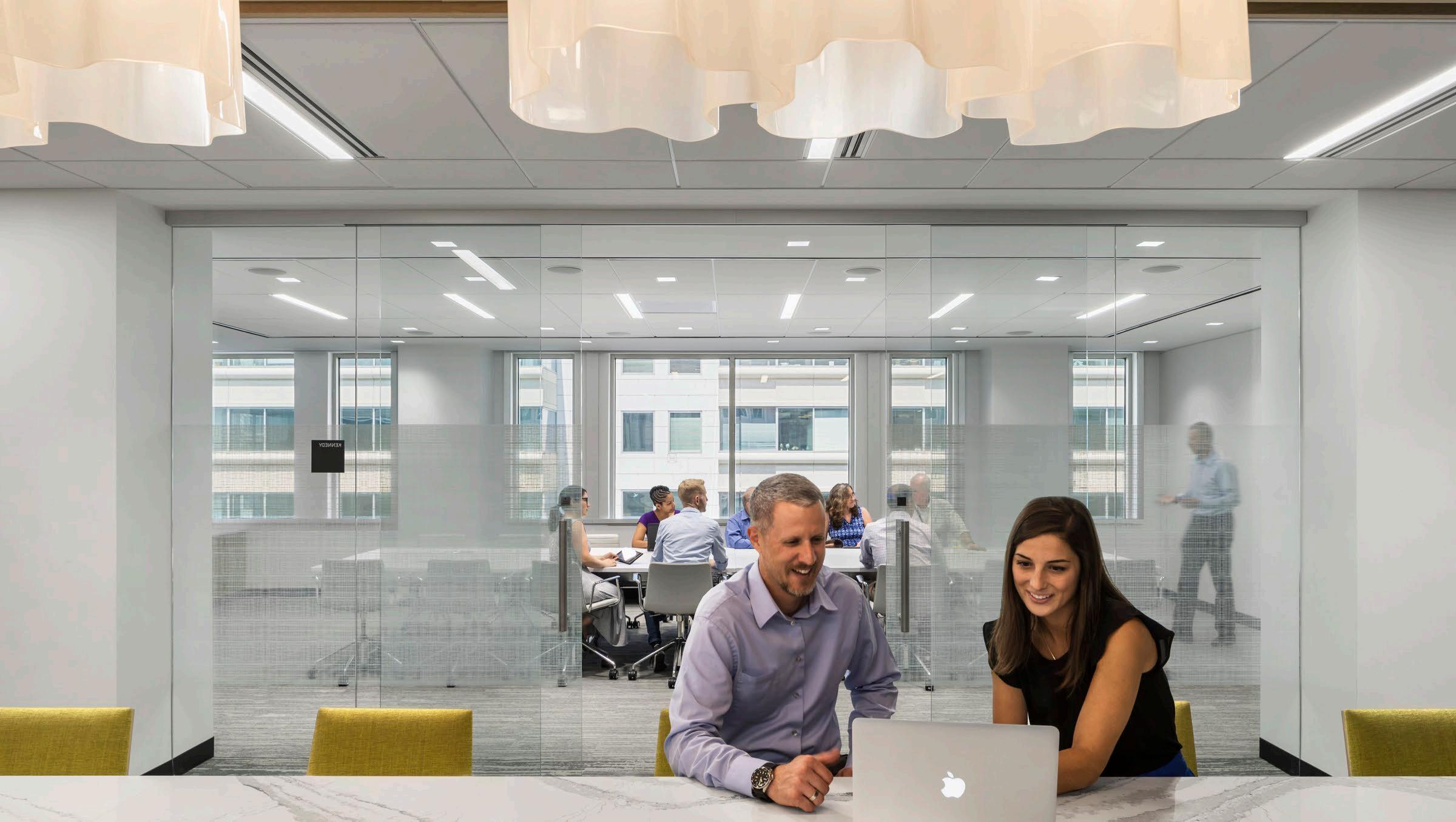
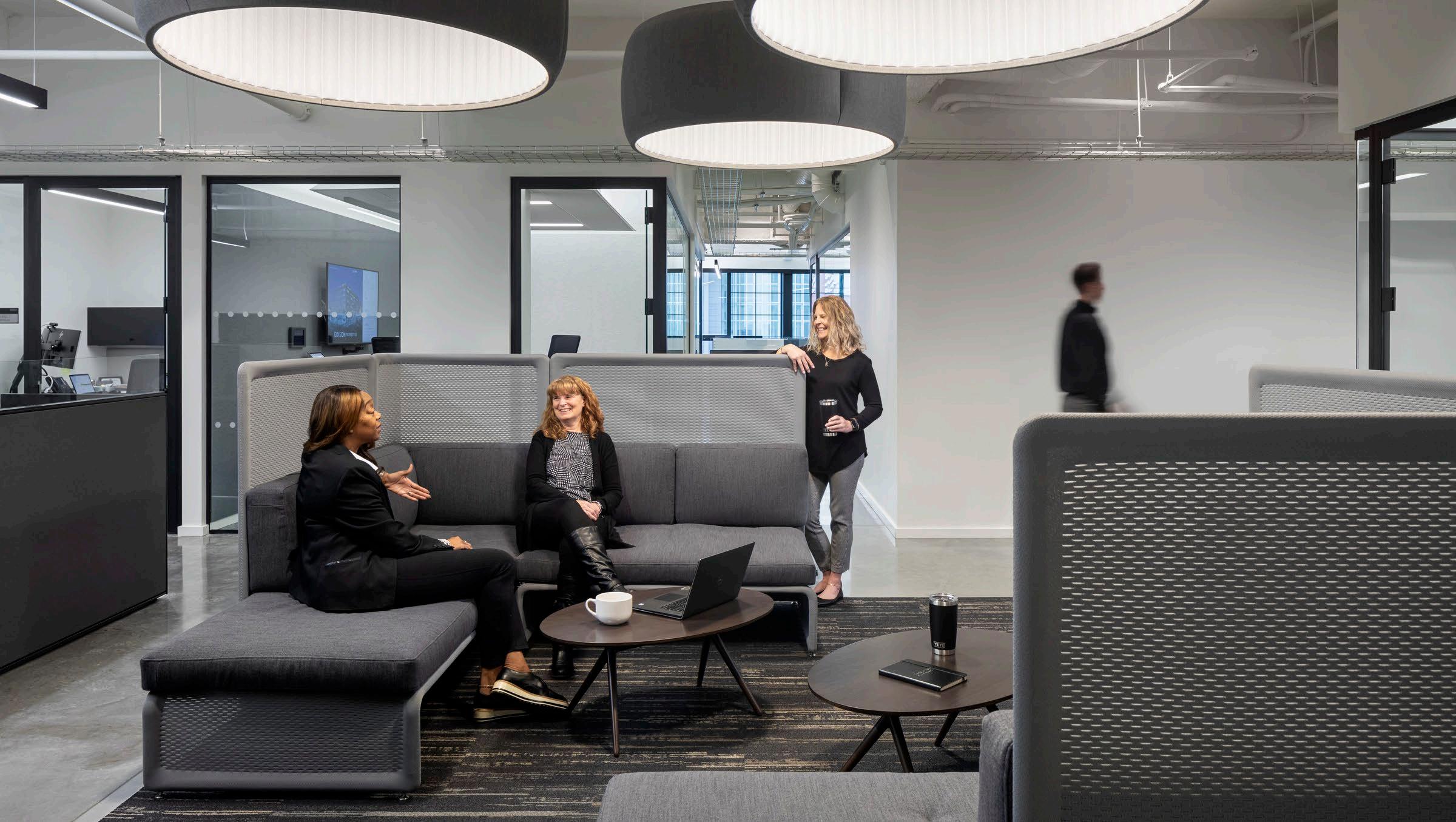
OFFICE DESIGN SUPPORT TOGETHERNESS?
BURSTINESS
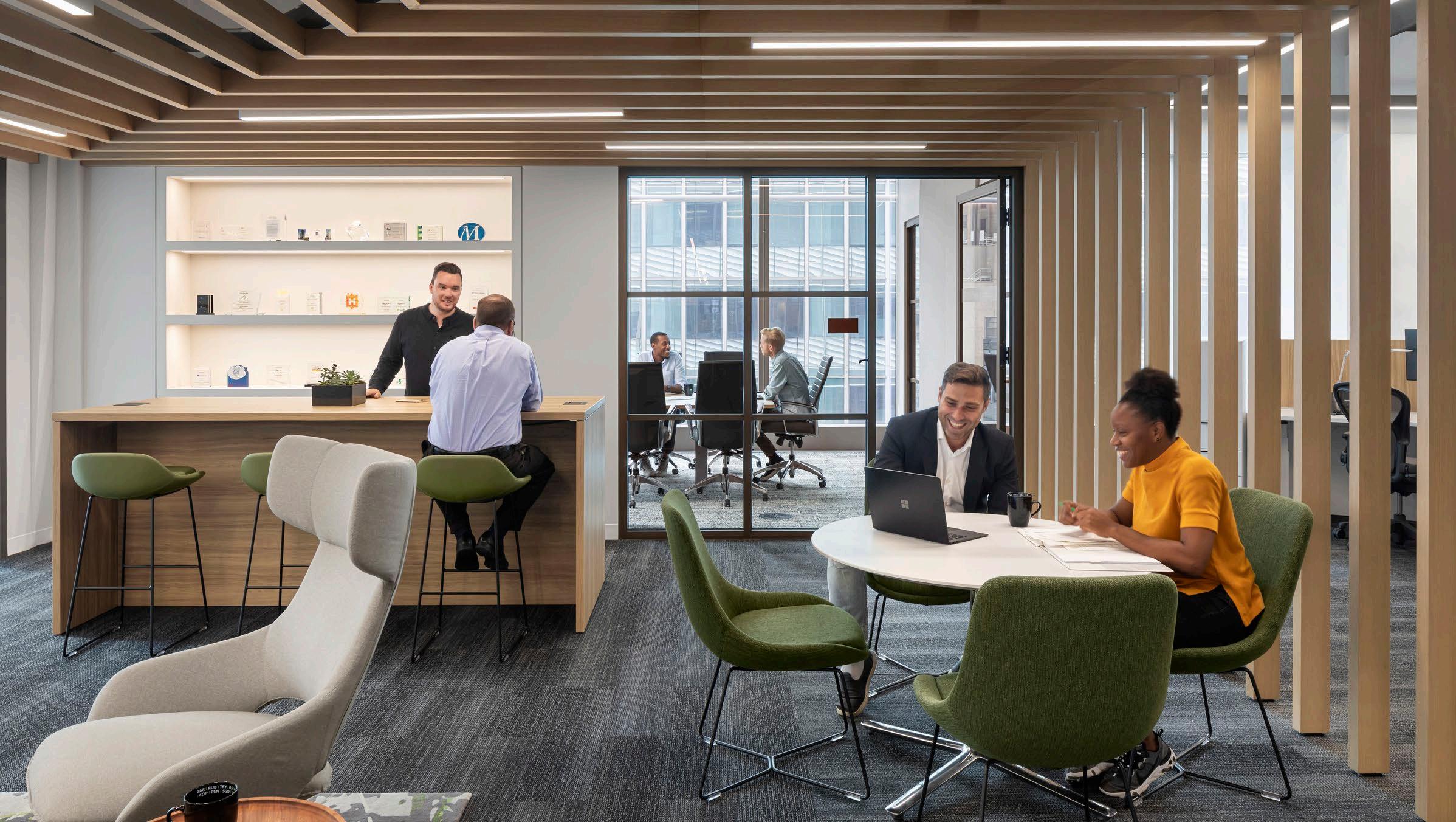
‘Burstiness’ – Collaborative Creativity
• Relaxed, comfortable atmosphere
• Non-hierarchical (no ‘head of table’)
HOME ADVANTAGE
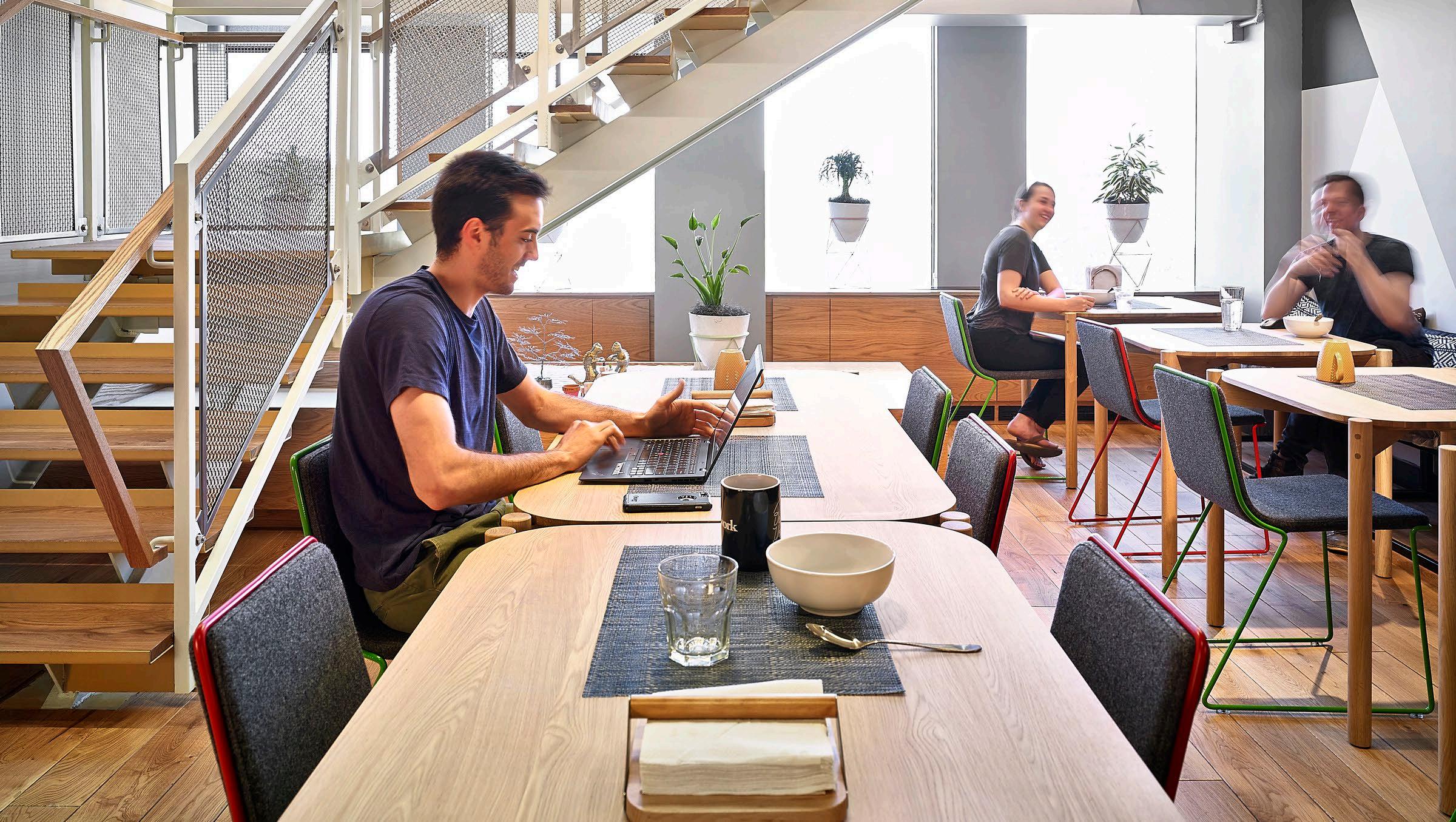
Homey workspace with plants, personalization
• People do their best work when they feel at home in an environment
• In our research, hominess (personalization, naturalness, and a feeling of being at home) was associated with different phases of creativity (inspiration, illumination, and verification) (Paul, 2022) (Perkins Eastman Design Strategy, 2022)
PERSONALIZATION
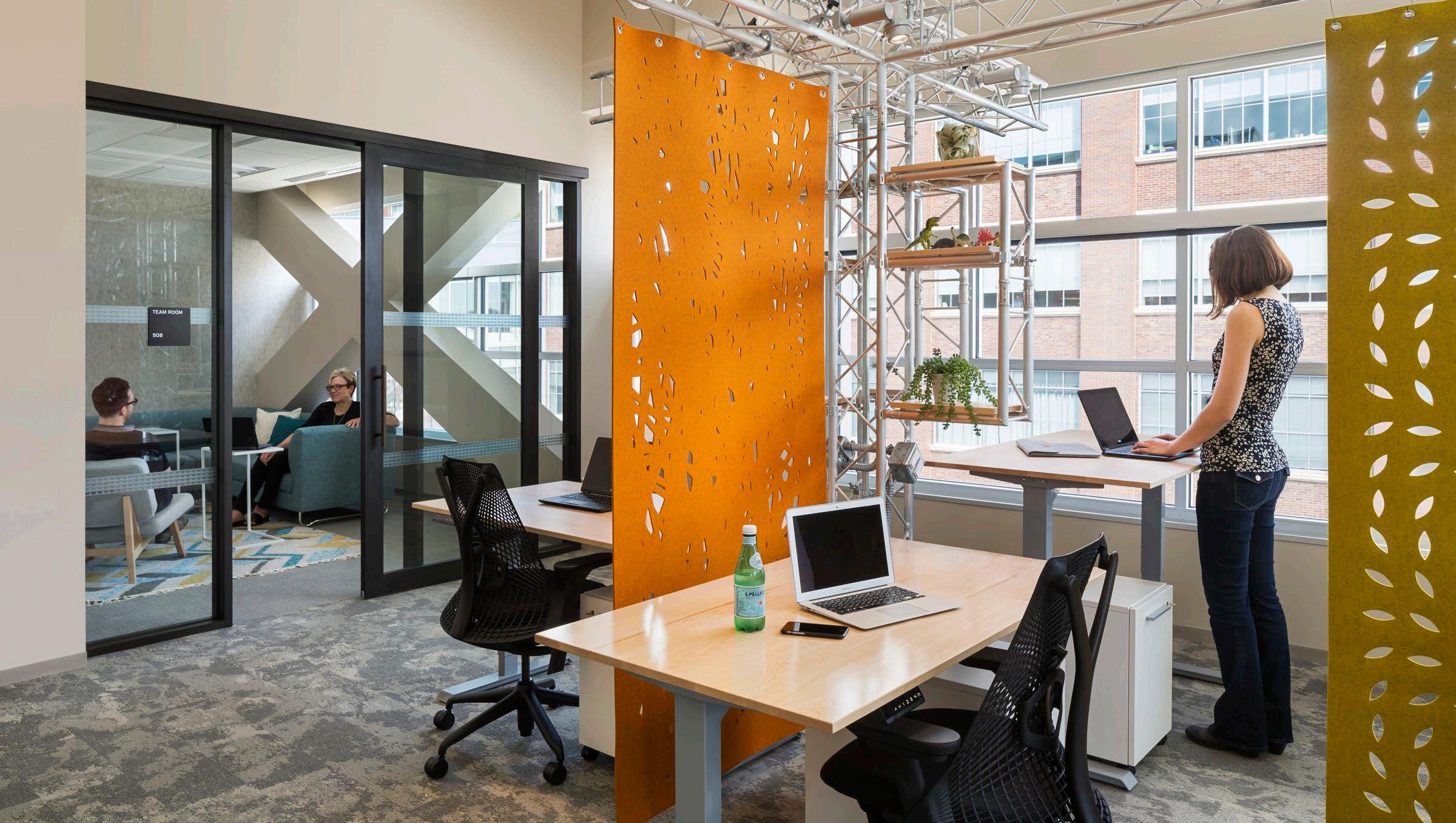
Personalization and empowerment
• Look for shared spaces that can be personalized and cared for by a team
• Utilize temporary environments like phone booths that offer individualization over lights, sound level, temperature, etc.
• Include employees in decisions about hybrid models and workplace design
VITALITY
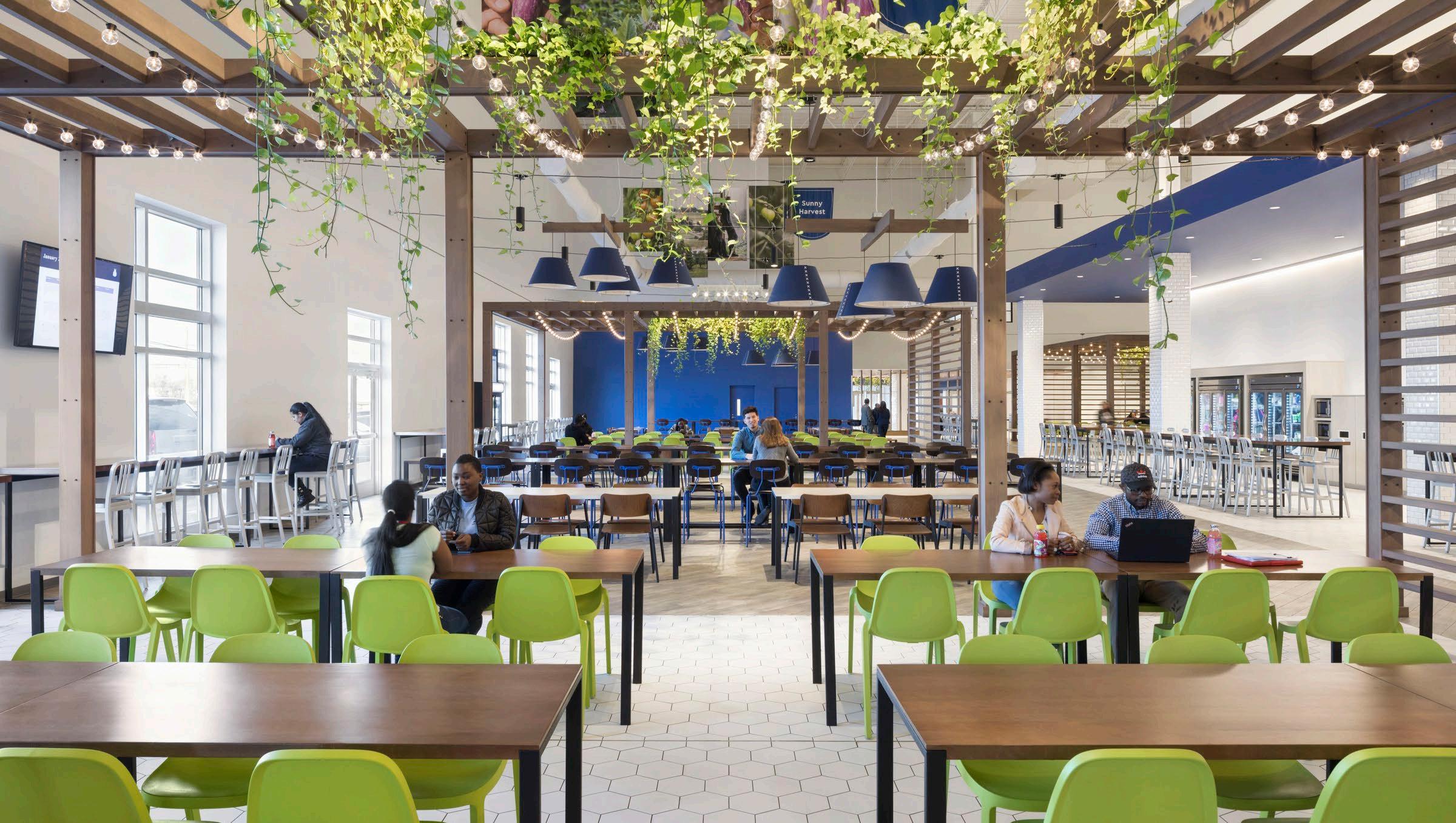
Promote well-being through aesthetics and vitality
• We have a universal attraction to vitality (life) in design
• Strong positive responses to natural scenes, complex designs
• Low levels of positive affect and arousal to low complexity facades
What does vitality look like in the workplace?
• Active buzz
• Visual complexity
○ People seem to prefer designs with a moderate amount of complexity
• Connection to nature
• Attention restoration theory (Kaplan, 1995)
• Stress reduction theory (Ulrich, 1981)
SHARED EXTENDED MINDS
Co-creation spaces
Analog and digital collaboration tools “Camping” remnants: providing space to offload cognition and memory