RE-IMAGINING THE OFFICE OF THE FUTURE DIVERGENT
































Are we asking the right question?















What can the office learn from your favorite restaurant?
Even before the pandemic, offices were plagued with problems...
Loneliness
Lack of Engagement Layout Dissatisfaction
LONELINESS
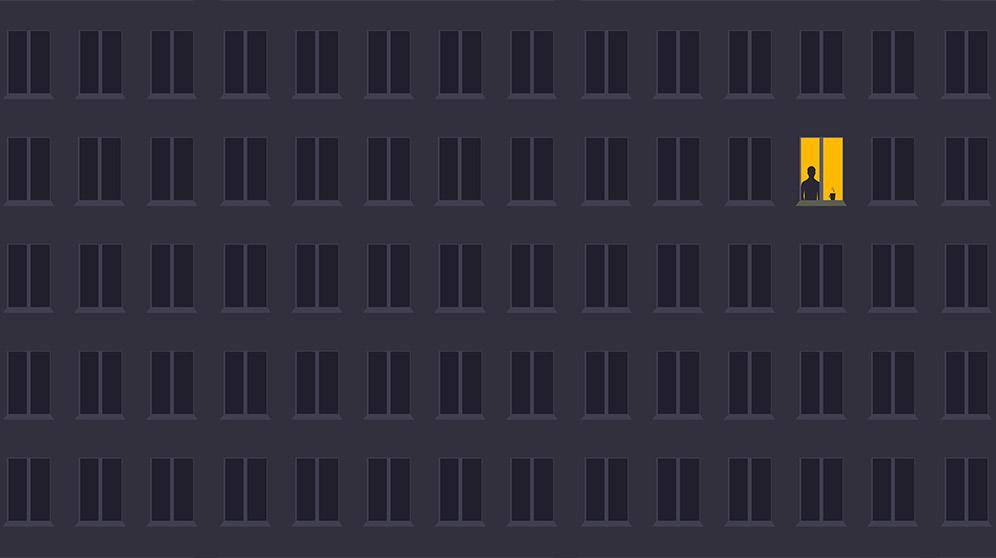
In 2017, U.S. surgeon general Vivek Murthy wrote a cover story outlining the “loneliness epidemic” in workplaces and its detrimental effect on public health.
Source: “Vivek Murthy: How to Solve the Work Loneliness Epidemic,” Forbes Magazine, October 2017
LONELINESS PRE-PANDEMIC - 2019
Pre-existing and persisting workplace challenges
Globally, 37% of employees reported feeling lonely at least monthly.
38% of lonely employees reported making more mistakes & 40% felt less productive.
Overall, there was a 13% rise in workplace loneliness from 2018 to the end of 2019.
Source: Cigna’s 2019 & 2018 Loneliness Research Reports
LONELINESS POST-PANDEMIC - 2022
Pre-existing and persisting workplace challenges
Globally, 72% of employees report feeling lonely at least monthly.
65% of lonely employees believe that their mental health affects their work performance.
Workplace loneliness costs companies $154 billion/year
Source: Soocial’s “35 Workplace Loneliness Statistics,” 2022.
LACK OF ENGAGEMENT
In 2019, just 15% of employees were engaged at work; organizations globally invest $18 billion per year on tools to boost engagement.
Source: ITA Group’s 2019 Employee Engagement Study





















































































LACK OF ENGAGEMENT
Pre-existing and persisting workplace challenges
Just 35% of workers reported feeling generally engaged
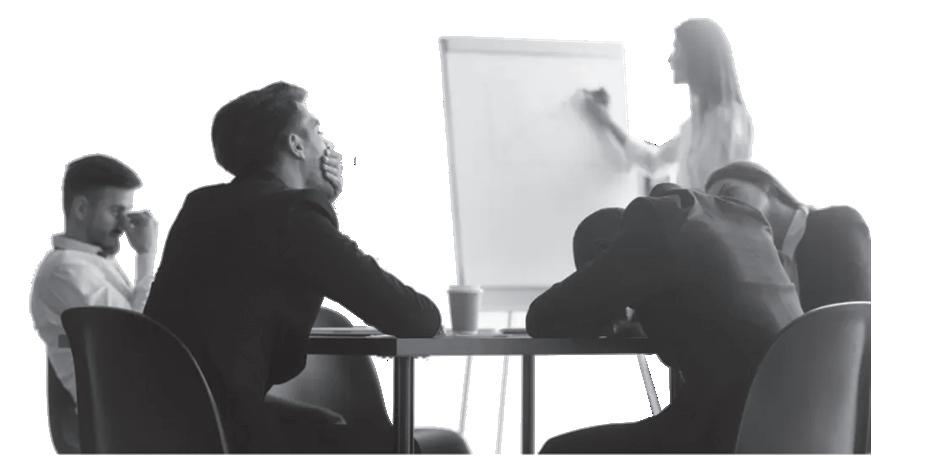
Roughly 13% of workers are “actively disengaged”
The remaining 51% of workers are “not engaged”
Source: Gallup’s 2019, 2020, and 2021 “U.S. Employee Engagement” Studies
LAYOUT DISSATISFACTION
Pre-pandemic, some of the most frequently cited issues with office layouts were poor space utilization and noise control, lack of privacy and personalization, and insufficient natural light elements.
PERKINS
LAYOUT DISSATISFACTION
Pre-existing and persisting workplace challenges
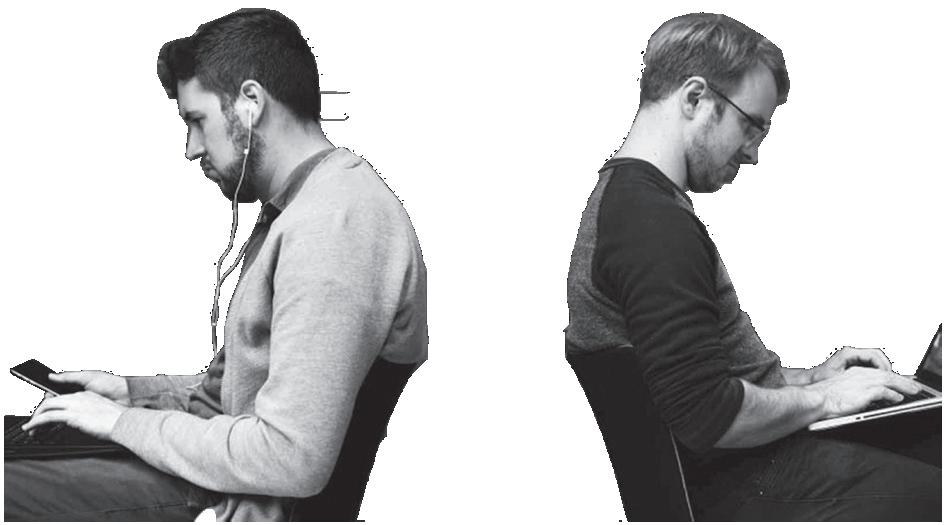
A Harvard study found that open-plan offices (spaces without walls and doors) actually lead to a 70% decrease in face-to-face communication.
More than 85% of employees are dissatisfied with their office environment and have difficulties concentrating globally.
31% of employees reported needing to leave their office to complete work due to a plethora of distractions and a lack of private space.
Source: Harvard Business School’s 2018 Open-Plan Office Study. and Steelcase’s 2014 Office Layout Study.
THE EXPERIENCE ECONOMY IS “BOOMING,” AND OTHER INDUSTRIES HAVE SUCCESSFULLY BOUNCED BACK...
% of buyers would rather spend money on a desirable experience over buying something material
2011
Source: Eventbrite’s 2014 Harris Interactive Methodology & Fueling the Experience Economy Survey & Super Office’s 2021 Experience Economy Survey.
Annual growth in total tickets sold to festivals, concerts, and entertainment events.
EARLY IN THE PANDEMIC
Restaurant Workplace
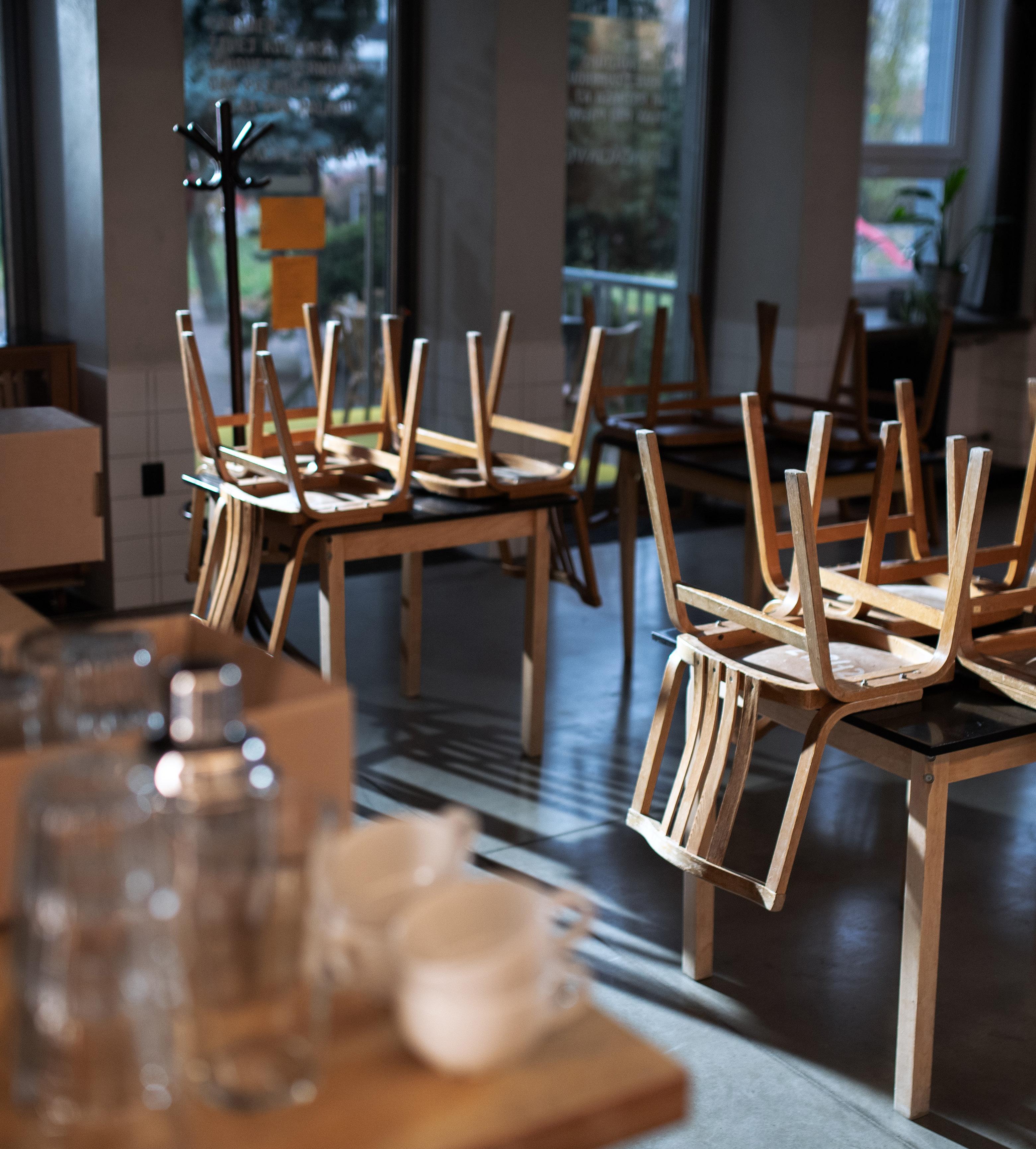
Revenues of casual- and fine-dining restaurants fell by as much as 85%.
Only 6% of American workers were fully remote.
Restaurant sales fell 45%.
Customer traffic to limited-service restaurants fell a median of 46%.
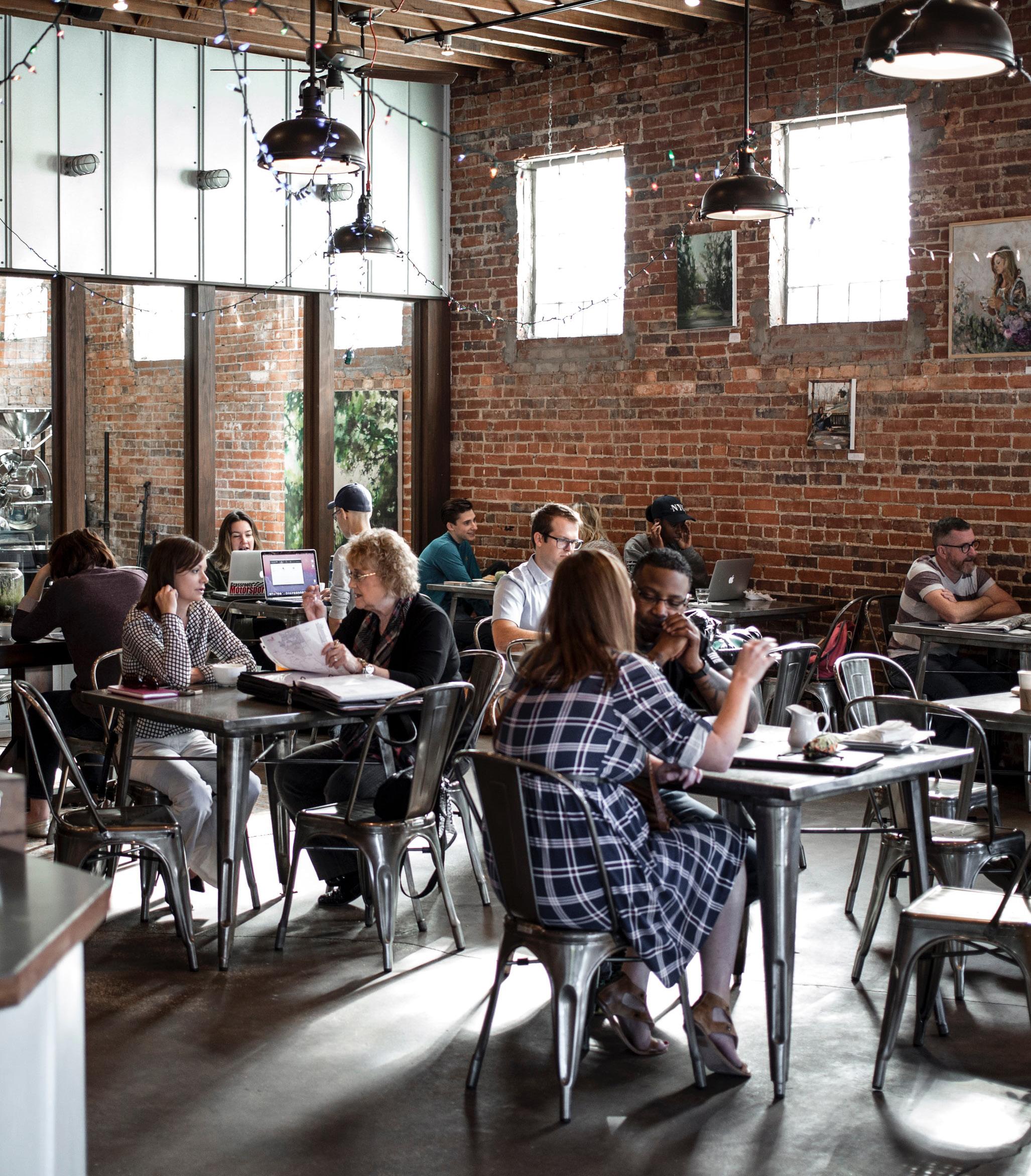
In 2019, just 8.9% of U.S. office real estate was vacant.
THIS YEAR ...
Restaurant Workplace
Restaurant dining is set to recover 98% of pre-pandemic visits by the end of 2022.
58.6% of the American workforce works remotely.
Full-service restaurant visits grew 18%.
Consumer spending at restaurants grew 16% YoY.
Roughly 60% of employed adults look for /require a job with a remote work option.
Office real estate vacancy rates in the U.S. rose to 17.4%.
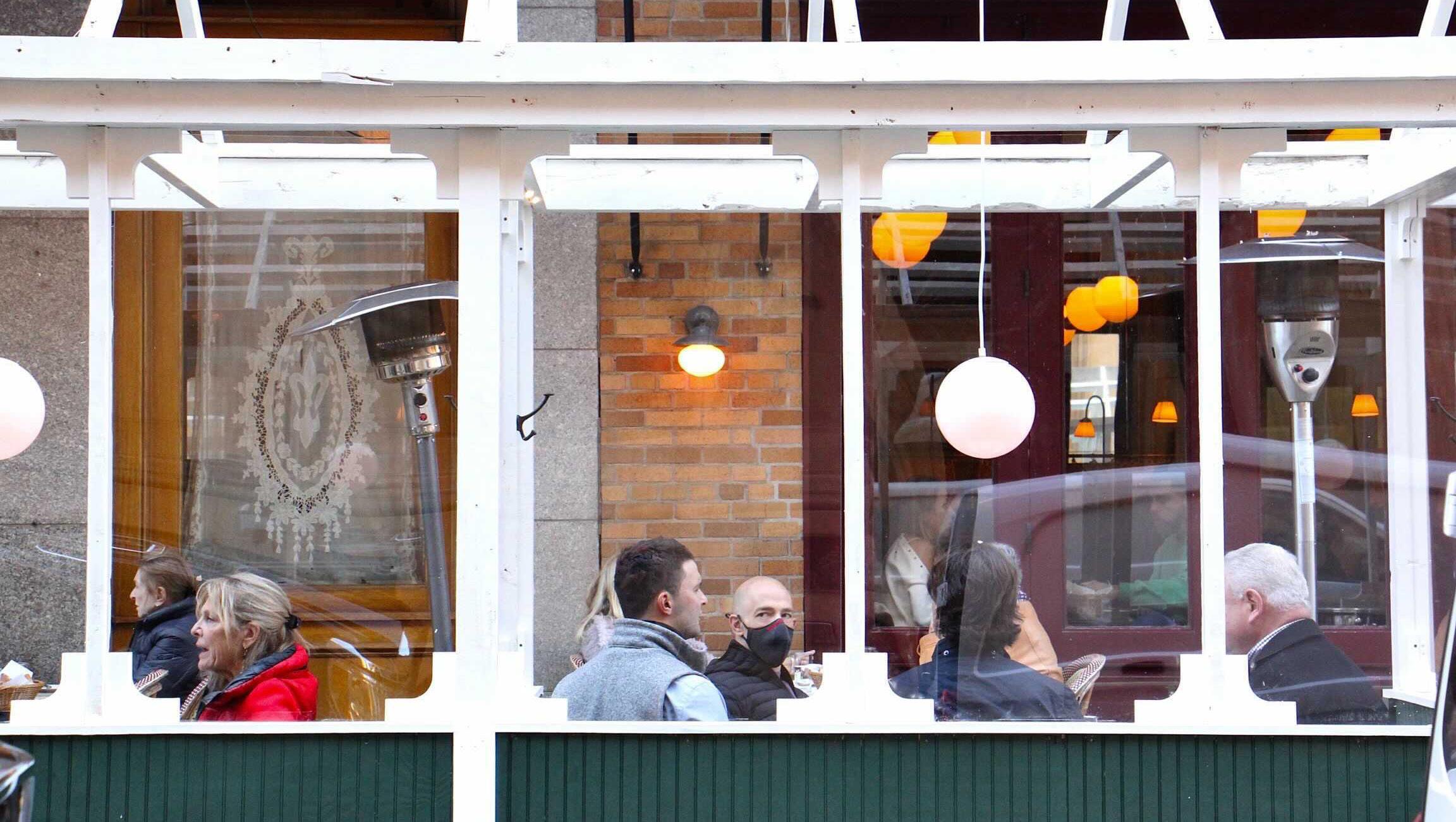
So, why are people returning to restaurants, but not the office?
WE POLLED OUR TEAM: WHY DO YOU DINE OUT AT A RESTAURANT?
I want to feel taken care of
It’s convenient and I save time cooking and cleaning
I want to treat myself to something special/nice
It’s nice to be around other people in a relaxed & fun setting
I enjoy the atmosphere
I want to try new foods that I can’t make at home
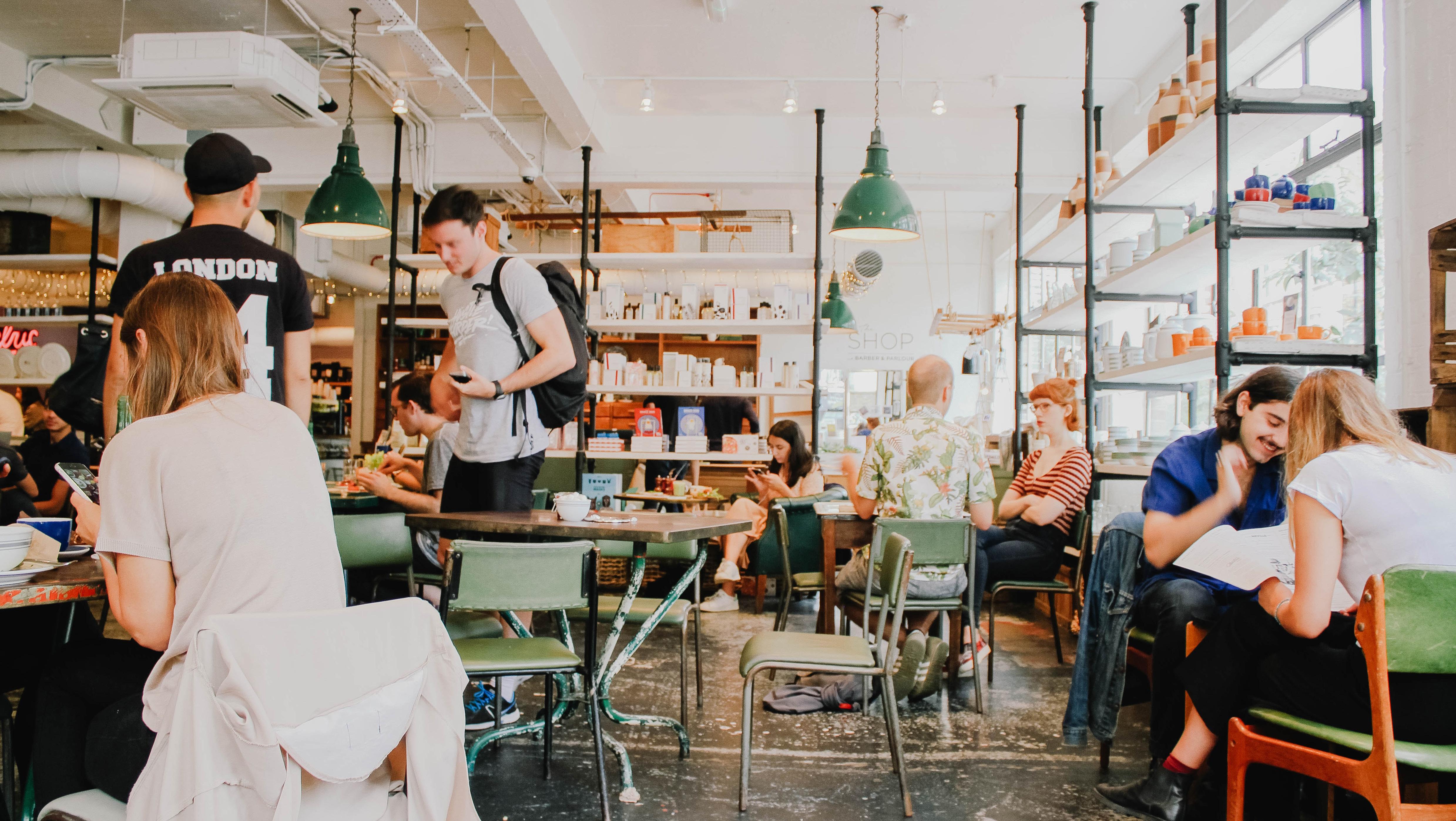
What can the office learn from your favorite restaurant?
Reason #1
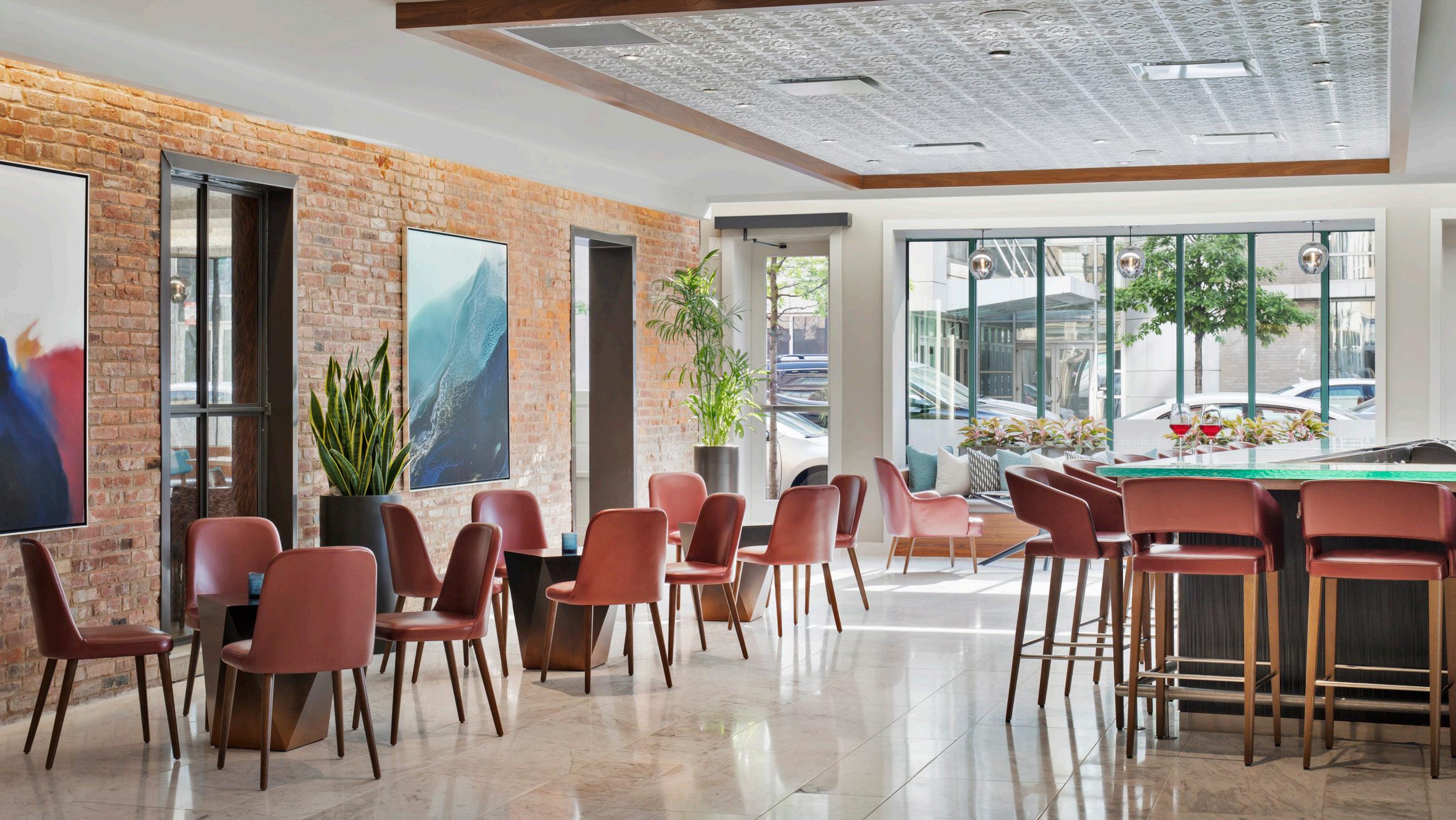
I enjoy the atmosphere
STRATEGIES
Encourage burstiness and collaborative brainstorming.
Appeal to all the senses — vision, sound, smell, touch, taste.
Reference the psychology of lighting — illumination affects tone mood, and behavior.
sensory & playful
burstiness
I want to try novel foods that I can’t make at home
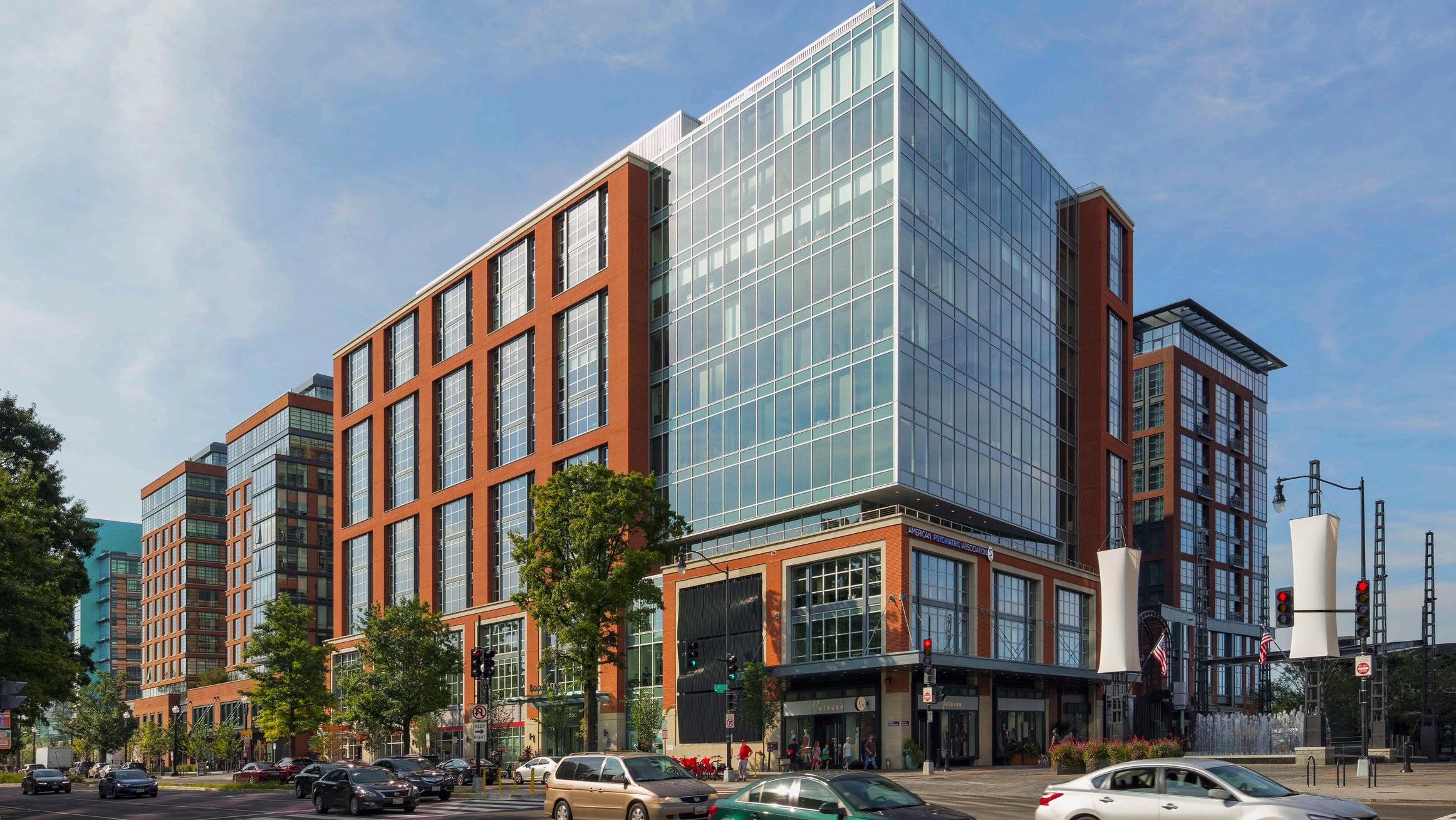
STRATEGIES
Tap into the growing experience economy and the allure of novelty. Keep in mind that commodities are fungible, goods are tangible, services are intangible, and experiences are memorable.
Explore the 4 categories of immersive experiences: entertainment, educational, escapist, and aesthetic. Incorporate the concept of brain plasticity with environmental design.
I want to treat myself to something special/nice
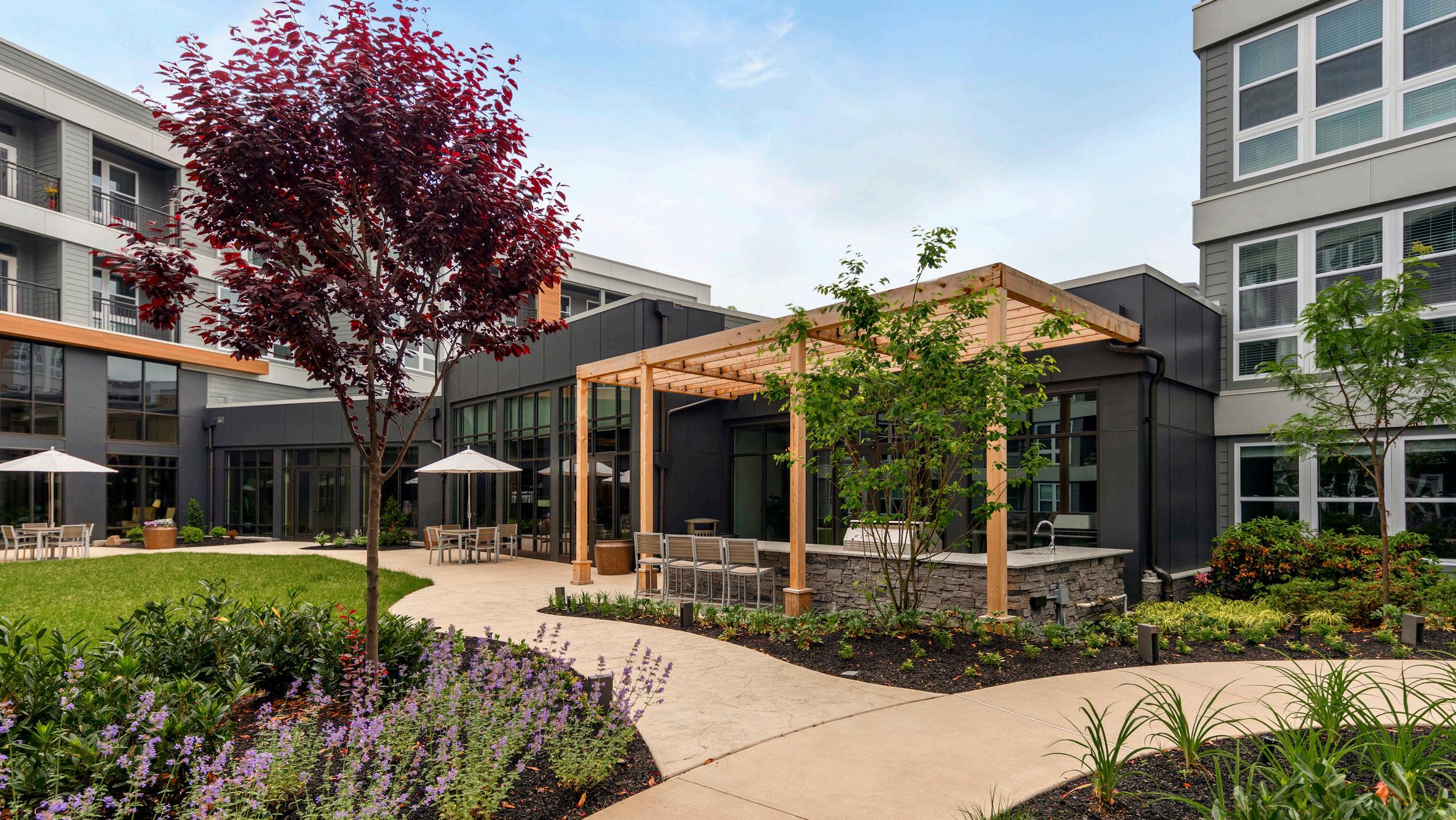
STRATEGIES
People-centered amenities are key. Amenities are no longer “nice to have,” but are essential attributes of experience. Create ecosystems to work, reflect, play, and socialize.
Offices ought to mimic hotel and restaurant amenities to compete.
Top 4 in-demand office amenities: air quality, greenspaces, touchless access, and personalized workspaces.
ecosystems
people-centered
It’s nice to be around other people in a relaxed & fun setting
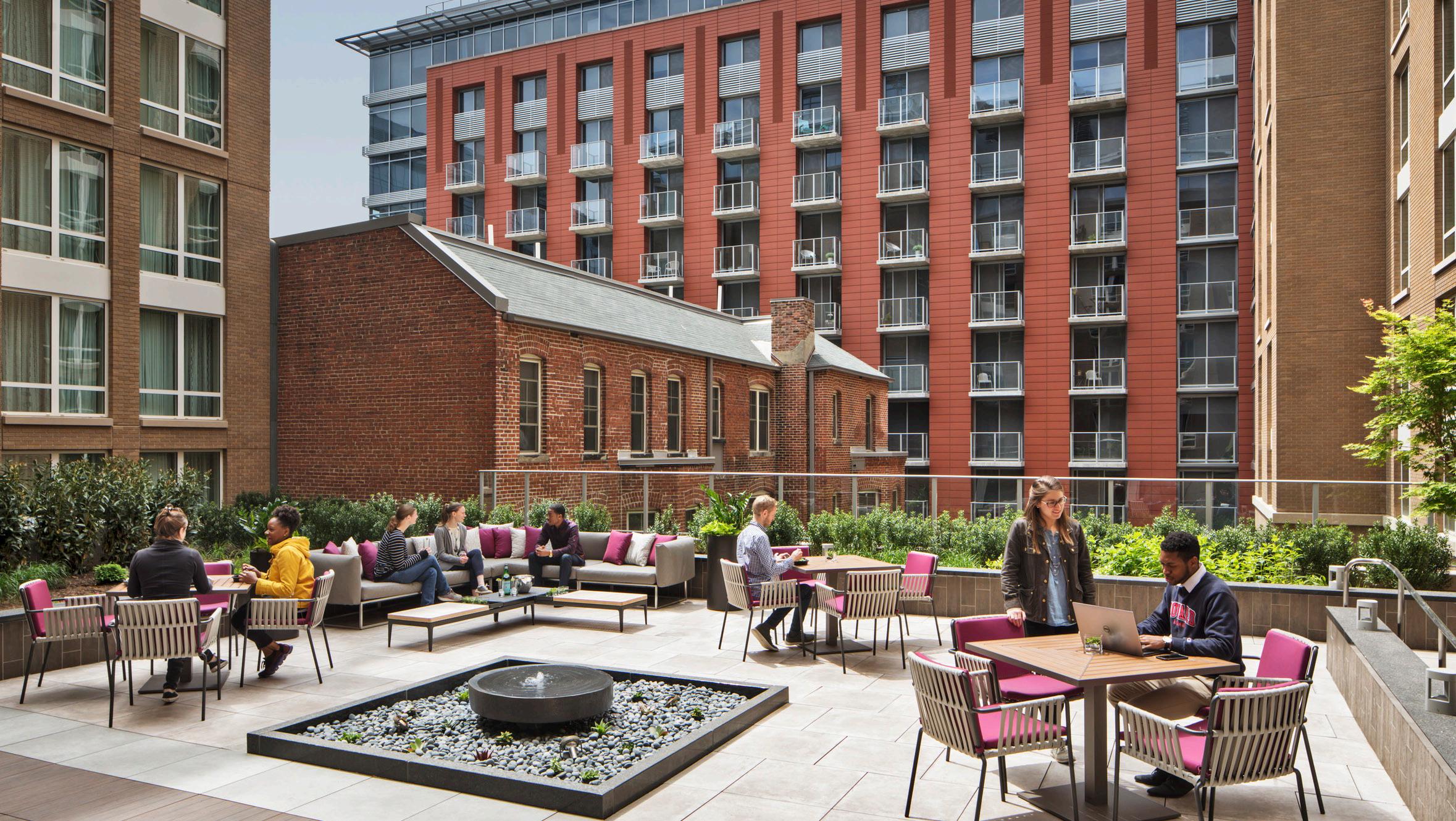
STRATEGIES
Prioritize “Being Alone Together” by providing a mix of open spaces to collaborate and private spaces for deep concentrative work.
Take inspiration from “The Dining Experience” by encouraging organic engagement and interaction. Apply a disruption of expectations. Experiment with flexible seating layouts to achieve connections.
being alone, together connected flexible partitions
Reason #5
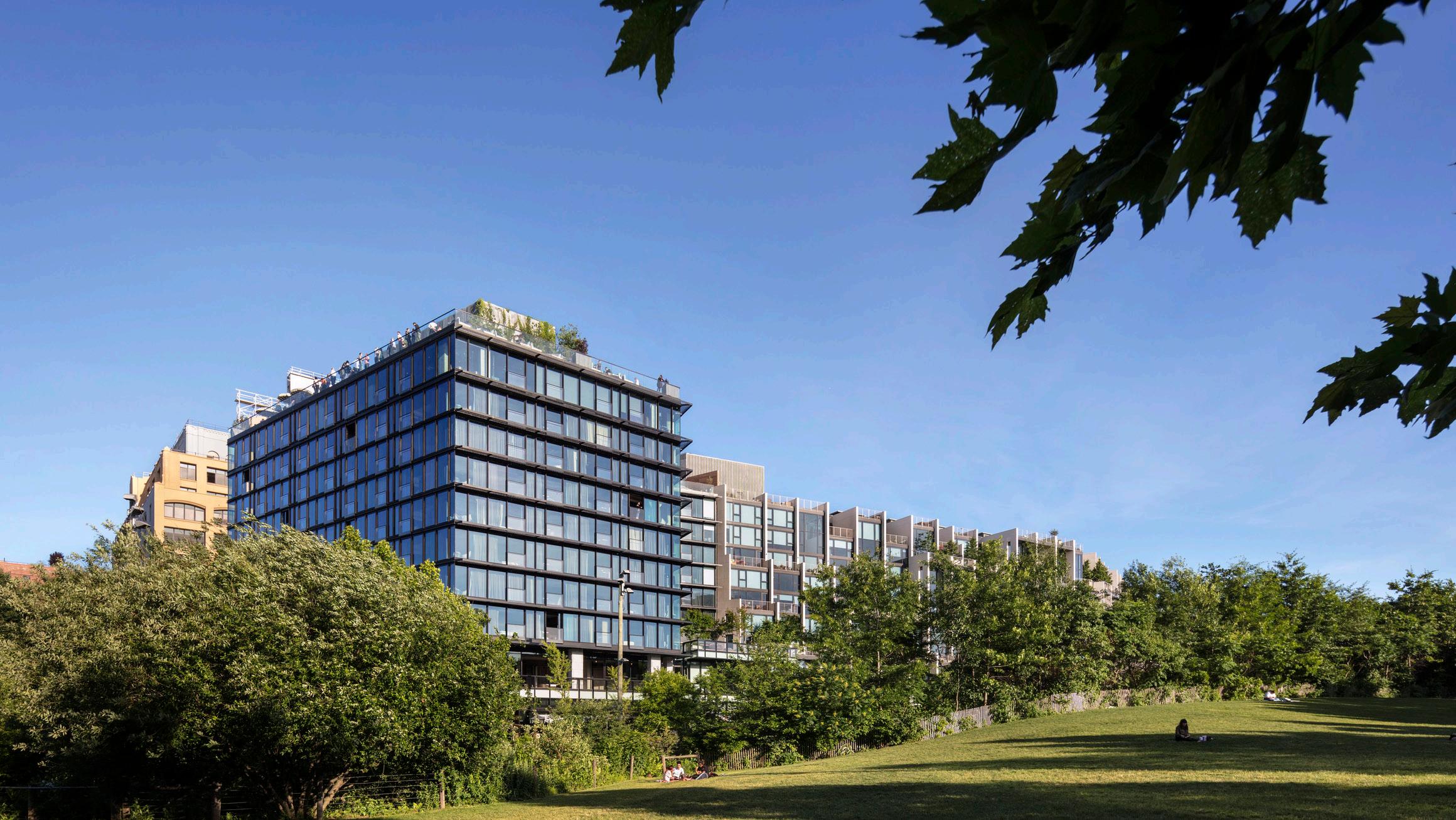
I want to feel taken care of
STRATEGIES
Incorporate: personalization, professionalism, positive emotions, proximity, and surprise.
Focus on quality over quantity and the “guest experience”.
Adapt hospitable design to enhance well-being through materials, lighting, air quality, and the incorporation of nature.
Reason #6
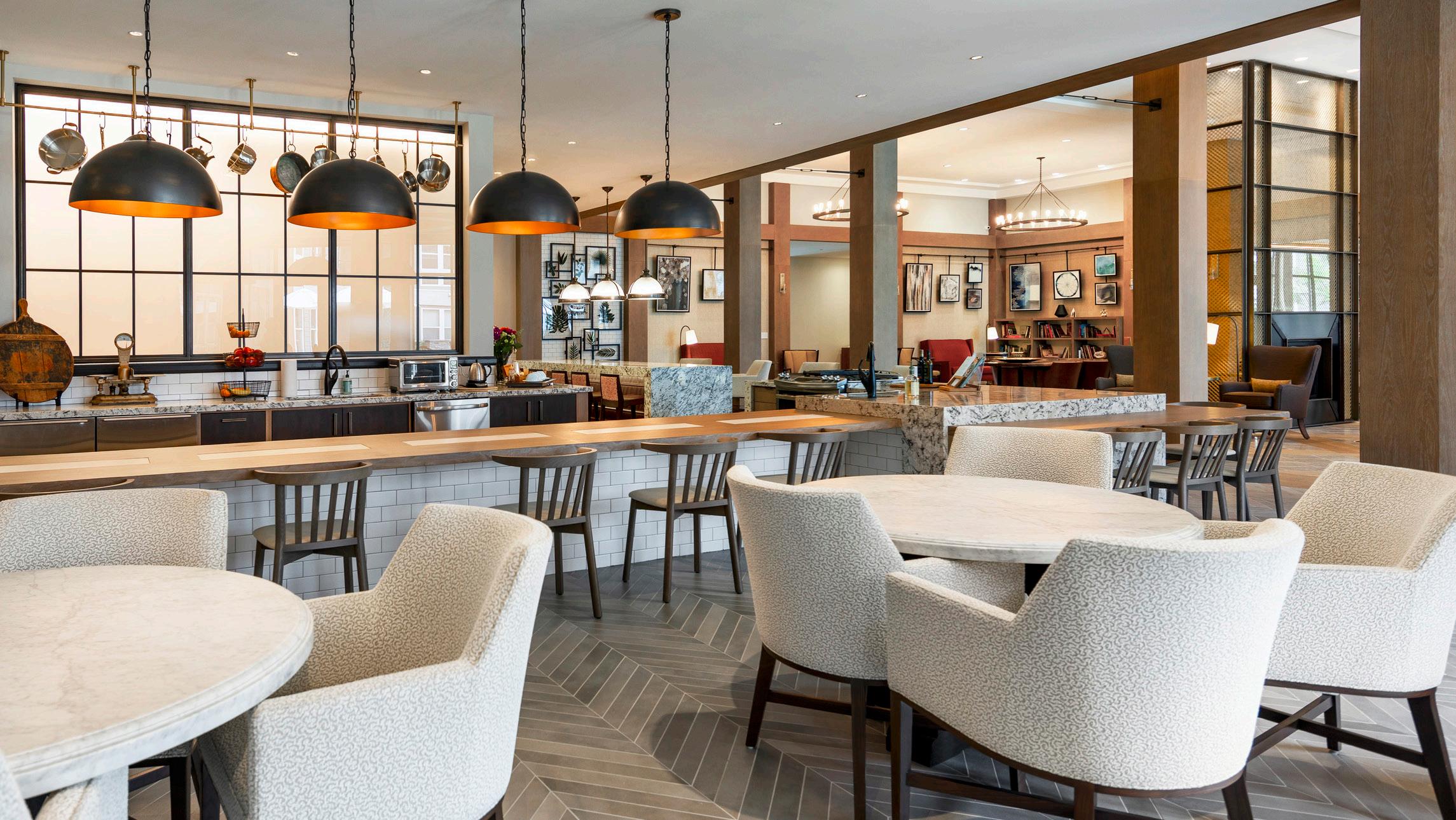
It’s convenient and I save time cooking and cleaning
STRATEGIES
The office is now competing with the living room and the neighborhood cafe. It is key to prioritize design, policies, and services that optimize employee convenience.
Incorporate ergonomic features, smart devices, and flexible benefits for transportation, childcare, and technological support. Iteratively poll employees for feedback and take action.
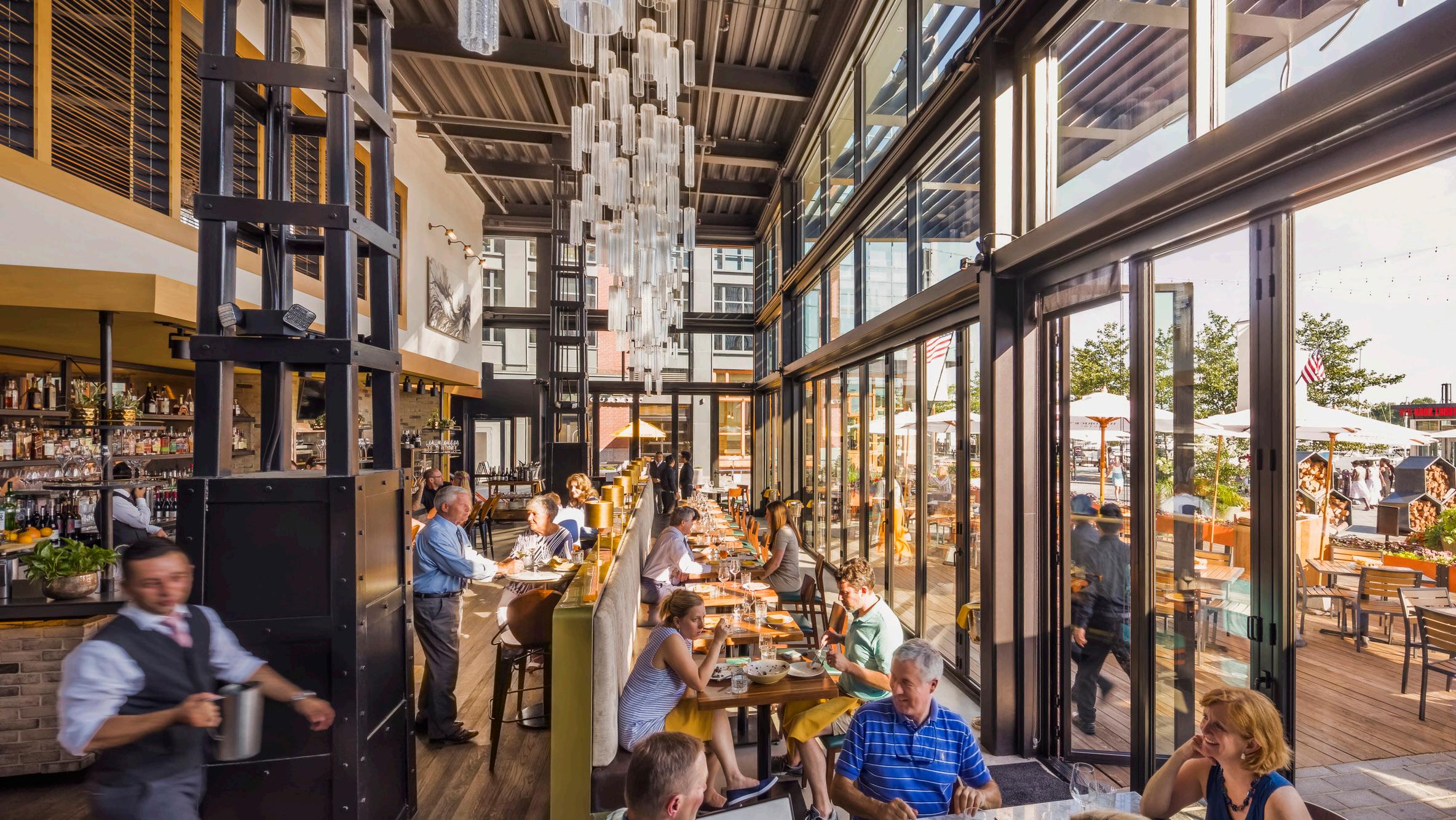
Can we flip the script?
FLIP