


To be reviewed by: Headmaster, Peponi School Head, Peponi House Head of Peponi House Kabete Kindergarten
Date of Policy: September 2023
Review Frequency: Annually
Review Date: September 2024
The Directors and staff at Peponi take seriously their responsibility to safeguard and promote the welfare of all children in their care. As a British school in Kenya, Peponi accepts the guidelines given under British Legislation as best practice and seeks to meet the requirements therein, while recognising that the Kenyan context not only restricts the school’s ability to do so and legislation in Kenya provides an alternative framework within which to achieve these aims. Peponi is therefore prepared to work together with other agencies to ensure adequate arrangements are in place within the school to identify, assess and support those children who are suffering harm.
This policy applies to all Peponi Schools (including EYFS and Boarding)
This policy links to our:
i. Anti-bullying policy
ii. Attendance policy (including Children who are absent from Education)
iii. Behaviour policy
iv. Complaints policy
v. Critical Incident plan
vi. First Aid policy
vii. Health and Safety policy
viii. Online Safety Policy
ix. Protocol for children not collected from school at the end of the school day/activity
x. Safer Recruitment policy
xi. Staff Code of Conduct/Safer Working Practice
xii. Staff Discipline and Grievance procedures
xiii. Supporting Pupils with Medical Conditions policy
xiv. Whistleblowing policy
Designated Safeguarding Lead for the School
Peponi School Anne Maina (Senior Tutor)
Peponi House Graeme Anderson - Deputy Head (Pastoral)
Kabete Kindergarten
Sophie Ross (Head of Pre-Prep)
Deputy Designated Safeguarding Lead
Karl Cook - Deputy Head (Pastoral)
+254 701 913840 seniortutor@peponischool.org
+254 743197325 dhp@peponihouse.sc.ke
+254 743197276 hoj@peponihouse.sc.ke
Peponi School
Peponi House
Sarah Thuo (DSL for support Staff)
Mrs Sophie Ross (Head of Pre-Prep)
+254 743 600053 dhp@peponischool.org
+254 720 385420 sthuo@peponischool.org
+254 743197276 hoj@peponihouse.sc.ke Mr Ezekiel Oganga (DSL for support staff) e.oganga@peponihouse.sc.ke
Kabete Kindergarten Mrs Aisha Cockar (PHKK) a.cockar@peponihouse.sc.ke
The Safeguarding Director
Mrs Nyokabi Muthama safeguardingdirector@peponischool.org
Outside Contacts
Robert Blake (Past Headmaster P1)
Sophie Muriuki (Clinical Psychologist)
Aldo Oluoch-Olunya (Old Peponian / Counsellor)
+254 726 295678
Tel: 0712 445339 Email: sophie.psychosocial@gmail.com
Tel: 0704 170637 Email: aldolunya@gmail.com
CPAN (Child Protection Advocacy Network) admin@cpankenya.com
1.1 Peponi fully recognises the responsibility it has under British legislation section 175 of the Education Act 2002 (as amended), the Education (Independent School Standards) Regulations 2014, to have arrangements in place to safeguard and promote the welfare of children and Kenyan Legislation The Children’s Act (2022).
1.2 This responsibility is more fully explained in the statutory guidance for schools and colleges Keeping Children Safe in Education (September 2023). All staff must be made aware of their duties and responsibilities under Part One of this document, which are set out below. Peponi Schools School is also an active member for the Kenyan independent schools ‘CPAN’ network, which keeps practitioners abreast of legislation and best practices in regard to child protection.
1.3 The Kenyan Government has developed a strong legal and policy framework to protect children. The 2010 Constitution of Kenya (Article 53) recognises the right of all children to be protected from abuse, neglect, harmful cultural practices, all forms of violence, inhumane treatment and punishment, and hazardous or exploitative behaviour. The provision further embodies the Best Interest Principle as a matter of paramount importance in every matter concerning the child. The Children Act No. 29 of 2022 (the 'Act') repealed the Children Act No. 8 of 2001. The Basic Education Act, 2013 Section 36 prohibits torture, inhuman and degrading treatment or punishment against the child, be it physical or psychological.
1.4 As a Kenyan Association of International Schools (KAIS) member, we work alongside KAIS and the child protection group CPAN to ensure we fulfill these statutory requirements. As a British School Overseas we must also fulfil the statutory requirements for Keeping Children Safe in Education 2023 where it does not conflict with the law of Kenya.
1.5 The school acts in accordance with Keeping Children Safe in Education (2023) and associated policies, however, the context of the school’s safeguarding procedures give precedent to the legal aspects of a child in Kenya
i. In every district in Kenya, there is a District Children's Officer (DCO) and a Children's Officer (CO). The latter acts as an assistant to the DCO.
ii. Any child's grievance is reported to the DCO who reports directly to the police.
iii. Where a child needs immediate withdrawal from a risk environment; the DCO will look for a place of safety either in
a. CCI (Charitable Children's Institutions) or
b. Statutory Institutions (Government Facilities) which include;
i). Reception Centers (where all children committed through the court are received before being sent to other institutions)
ii). Children's Homes (give the children care and protection)
iii). Remand Homes (for convicted or juvenile cases)
iv). Rehabilitation Schools (for juvenile cases)
a. Except for the children's homes, the rest cater for children in conflict with the law.
b. Academic qualification of the DCOs and COs is either a first degree in Sociology/psychology Community Development Degree
c. The Kenyan constitution has outlined channels to meet the children's grievances under the Children's Act 2001. The act is available at the Government press and it can be purchased.
d. All the above are under the Ministry of Gender, Children and Social Development.
iv. In Consultation with the British High Commission and other national embassies In the event of a foreign national child being the subject of withdrawal from a risk environment by Kenyan Authorities, the relevant embassy or high commission should be informed of the action through the Ministry of Foreign Affairs (MFA).
1.6 This policy sets out how the school’s directors discharge their responsibilities relating to safeguarding and promoting the welfare of children who are pupils at the school.
1.7 Achieving these aims is achieved through the four main elements to our policy:
Prevention through the teaching and pastoral support offered to pupils and the creation and maintenance of a whole school protective ethos;
Procedures for identifying and referring cases, or suspected cases, of abuse or exploitation. The definitions of the categories of abuse are attached (see Annex A);
Supporting children particularly those who may have been abused or witnessed violence towards others;
Preventing unsuitable people working with children. Processes are followed to ensure that those who are unsuitable to work with children are not employed.
1.8 This policy is available to parents on request and is on the school website.
1.9 Added to this, the following principles apply to the school’s safeguarding and child protection policy: i. Our whole school approach to safeguarding is based upon an understanding of the local context and an attitude of ‘it could happen here’.
ii. Our pupils’ welfare is our paramount concern. The proprietors will ensure that our school will safeguard and promote the welfare of children and work together with other agencies to ensure that our school has robust arrangements to identify, assess and support those children who are experiencing or are likely to experience harm.
iii. Our school is a community and all those directly connected, staff, volunteers, proprietors, parents, families and pupils, have an essential role to play in making it safe and secure.
iv. Safeguarding is not an isolated activity which is undertaken by a select few within only certain areas of school practice. Safeguarding children is everyone’s responsibility and everyone at our school who has contact with children and families must play an active role in keeping children safe from harm. In that respect we take a whole school approach to safeguarding, ensuring that it is at the forefront of all our work, that it underpins all of our policies and processes and that everything we do is always with the best interests of the children at heart.
v. Our school will provide a caring, positive and stimulating environment that promotes the social, physical, emotional and moral development of the individual child, and where children feel safe.
vi. We always take a child-centred approach to our work and ensure that we listen to the voice of the child so that all children feel heard and understood. When children talk to an adult about a concern they may have they will always be taken seriously, they will always be supported and kept safe, and they will never be given the impression that they are creating a problem or have anything to feel ashamed about.
vii. So that children are able and confident to raise concerns with adults we ensure that our safeguarding systems are well promoted, easily understood and easily accessible. Alongside this
we expect all staff to develop positive relationships with children, which build trust and facilitate communication.
viii. So that children are supported to identify and manage risk in their lives we teach a range of knowledge through specific topics related to safeguarding as part of our broad and balanced preventive curriculum.
ix. Although some curriculum areas are better placed for the delivery of teaching and learning around some areas, e.g. IT lessons can lead on online safety and PSHE can lead on healthy relationships, all teachers recognise that there are opportunities to reinforce the learning around these topics within all subject areas and will plan to do so. Non-teaching members of staff recognise that they too can support learning in these areas through broader modelling of behaviours or messages.
x. The use of technology is a significant component of many safeguarding issues so as part of our whole school approach to safeguarding we have a separate Online Safety Policy which covers this area of work.
xi. This policy includes details of how internet use at the school is filtered and monitored and how we teach children to stay safe online whether they are at school or at home.
xii. We recognise that abuse may occur in a range of situations: within families or households, within the community, or online or face to face. We also recognise too that it is not only adults who may abuse children but also that children can abuse other children as well.
xiii. We recognise that just because children are not raising concerns, that is not to say that there are no concerns. For example, there may be no reported cases of child-on-child abuse, but such abuse may still be taking place and is simply not being reported, this is why it is so important to listen to children, teach them about risk and safety and raise awareness around how to seek support and what the school will do.
2.1 We recognise that high self-esteem, confidence, supportive friends and good lines of communication with a trusted adult help to protect children.
The school will therefore:
i. Establish and maintain an environment where children feel safe, including in a digital context, and are encouraged to talk and are listened to.
ii. Ensure children know that there are trusted adults in the school whom they can approach if they are worried or in difficulty and their concerns will be taken seriously and acted upon as appropriate.
iii. Tailor our curriculum to be age and stage of development appropriate so that it meets the specific needs and vulnerabilities of individual children, including children who are victims of abuse, and children with special educational needs or disabilities.
iv. Incorporate into the curriculum, activities and opportunities that enable children to develop their understanding of stereotyping, prejudice and equality.
v. Ensure that all school staff challenge instances of prejudice related behaviour. Any prejudice related incidents will be responded to in accordance with our behaviour policy.
vi. Incorporate into the curriculum, activities and opportunities which equip children with the skills they need to stay safer from abuse and exploitation in all contexts, including:
a. How to recognise if family relationships are making them feel unhappy or unsafe and how to seek help or advice from others if needed.
b. How to recognise who to trust and who not to trust, how to judge when a friendship is making them feel unhappy or uncomfortable and how to seek help or advice from others, if needed.
c. The importance of permission-seeking and giving in relationships with friends, peers and adults.
d. That some people behave differently online, including by pretending to be someone they are not.
e. The rules and principles for keeping safe online, how to recognise risks, harmful context and contact and how to report them.
f. How to critically consider their online friendships and sources of information including awareness of the risks associated with people they have never met.
g. About the concept of privacy and the implications of it for both children and adults; including that it is not always right to keep secrets if they relate to being safe.
h. That each person’s body belongs to them, and the differences between appropriate and inappropriate or unsafe physical, and other, contact.
i. How to respond safely and appropriately to adults they may encounter (in all contexts, including online) whom they do not know.
j. How to recognise and report feelings of being unsafe or feeling bad about any adult or other children.
k. How to ask for advice or help for themselves or others, and to keep trying until they are heard.
l. How to report concerns or abuse, and the vocabulary and confidence needed to do so.
m. Where to get advice e.g. family, school and/or other sources.
(Relationships Education, Relationships and Sex Education (RSE) & Health Education, DfE, 2021)
3.1 The Directors will:
i. Appoint a senior member of staff, from the leadership team, to the role of Designated Safeguarding Lead (DSL). The DSL will take lead responsibility for safeguarding and child protection. Whilst the activities of the DSL can be delegated to appropriately trained deputies, (Deputy Designated Safeguarding Lead, DDSL), the lead responsibility for safeguarding and child protection remains with the DSL and cannot be delegated.
ii. Ensure that the role of DSL and DDSL is explicit in the role holder’s job description (as outlined in Keeping Children Safe in Education, 2023 Annex C).
iii. Ensure that the DSL has the appropriate status and authority within the school to carry out the duties of the post. Give the DSL the time, funding, training, resources and support to provide advice and support to other staff on child welfare and child protection matters. (See ‘Keeping Children Safe in Education, 2023, Annex C). Ensure that the DSL and deputies have undertaken relevant training is updated at least every two years.
iv. Ensure that in addition to the formal training set out above, the DSL and DDSLs refresh their knowledge and skills e.g. via updates, meetings or additional training at least annually.
v. Ensure that every member of staff, paid and unpaid, and the proprietors knows who the Designated Safeguarding Leads and Deputies are and the procedures for passing on concerns from the point of induction.
vi. Staff members are required to log a concern via the electronic system and submit it to the DSL/DDSL immediately.
vii. Ensure that the DSL or DDSL are always available (during school hours, during term time) to discuss any safeguarding concerns and that all staff are clear upon the course of action they must take if in exceptional circumstances the DSL and DDSL are not available.
viii. Liaise with other agencies in line with Working Together to Safeguard Children, 2018 which in the Kenyan context is CPAN
ix. Nominate a Director responsible for safeguarding and child protection who has undertaken appropriate training.
x. Ensure every member of staff and every Directors knows:
a. the name of the Designated Safeguarding Lead/Deputies and their role;
b. how to identify the signs of abuse and neglect, understanding that children can be at risk of harm inside and outside of the school, inside and outside of home, and online.
c. that children may not feel ready or know how to tell someone that they are being abused, exploited or neglected and/or they may not recognise their experiences as harmful
d. how to pass on and record concerns about a pupil/student;
e. that they have an individual responsibility to be alert to the signs and indicators of abuse and exploitation; and for referring safeguarding concerns to the DSL/DDSL;
f. what is meant by, and the importance of, showing professional curiosity
g. that they have a responsibility to provide a safe environment in which children can learn;
h. their role in the early help process;
i. the process for making referrals to CPAN and the police responsible for safeguarding;
j. the safeguarding response to children who are absent from education, particularly on k. repeat occasions and/or prolonged periods.
l. the role of filtering and monitoring and the process for reporting issues
xi. Ensure all staff receive appropriate safeguarding and child protection training (including online safety which, amongst other things, includes an understanding of the expectations, applicable roles and responsibilities in relation to filtering and monitoring, at induction.) The training should be regularly updated, as required, and at least annually, to continue to provide them with relevant skills and knowledge to safeguard children effectively.
xii. Ensure that all staff, recognise their duty and feel able to raise concerns about poor or unsafe practice in regard to children and that such concerns are addressed sensitively and effectively in a timely manner in accordance with agreed whistle-blowing policies, including low level concerns and allegations against staff.
xiii. Ensure that this policy is available publicly via the school website.
The school is responsible for ensuring that all action taken is in the child’s best interest. Using many UK and Kenyan guidelines to safeguard children to the best of the school’s ability. The child protection process is now incorporated within a comprehensive policy and procedure for all children in need. The role of the
school within this procedure is to contribute to the identification of those who are at risk of suffering significant harm. The school may also have a role in the provision of services to outside agencies.
3.3 All Directors and staff, including peripatetic, domestic/ground staff in school have a role to play in relation to:
i. Protecting children from abuse
ii. Promoting the welfare of children
iii. Preventing children from being harmed
3.4 The Designated Safeguarding Leads or DSLs are responsible for:
i. Co-ordinating child protection action within school
ii. Liaising with other agencies
iii. Ensuring that locally established procedures are followed including reporting and referral processes
iv. Acting as a consultant for staff to discuss concerns
v. Making referrals as necessary
vi. Maintaining a confidential recording system in liaison with the School Nurse and Counselor
vii. Representing or ensuring the school is appropriately represented at inter-agency meetings in particular Child Protection Conferences (DSLs will attend CPAN events once a term).
viii. Managing and monitoring the school’s part in childcare
ix. Organising training for all school staff
x. Liaising with other professionals
xi. Transferring records when a child changes school
xii. Informing the designated Director of any allegations of child abuse.
xiii. The role description for DSL and DDSLs is in accordance with KCSIE (2023)
We will always undertake to share our concerns with and support parents/carers but the school is required to take into account the safety of the pupil. Professional advice would be sought prior to contacting parents should the need arise.
The school will:
i. Keep clear, detailed, accurate, written records of concerns about children, even where there is no need to refer the matter to CPAN immediately.
ii. Records should include:
a) a clear and comprehensive summary of the concern;
b) the child’s wishes and feelings;
c) details of how the concern was followed up and resolved;
d) a note of any action taken, decisions reached and the outcome.
e) a record of any discussion/communication with parents, other agencies etc
iii. Electronic records are stored on an identified, purpose-built, secure platform (CPOMS).
iv. Ensure all relevant safeguarding records are sent to the receiving school or establishment when a pupil moves schools, within five days, in accordance with ‘Keeping Children Safe in Education, 2023, (page 167) and the Education Safeguarding Team’s Guidance on Keeping and Managing Child Safeguarding Records.
v. The DSL will consider whether it would be appropriate to share information with the new school/college in advance of a child leaving.
vi. Make parents aware that such records exist except where to do so would place the child at risk of harm.
vii. Ensure all actions and decisions are led by what is considered to be in the best interests of the child.
The school will:
i. Ensure staff and volunteers adhere to confidentiality protocols and that information is shared appropriately.
ii. Ensure staff are aware that they have a professional responsibility to share information with other agencies in order to safeguard children.
iii. Ensure staff are clear with children that they cannot promise to keep secrets.
iv. The Designated Safeguarding Lead/Deputies will:
v. Disclose information about a pupil to other members of staff on a ‘need to know’ basis, considering what is necessary, proportionate and relevant. Parental consent may be required.
vi. Aim to gain consent to share information and be mindful of situations where doing so would place a child at increased risk of harm. Information may be shared without consent where to do so might place the child or another person at immediate risk of harm or prejudice the prevention or detection of crime.
vii. Record when decisions are made to share or withhold information, who information has been shared with and why. (See ‘Working Together to Safeguard Children,’ July 2018)
viii. In cases where the ‘serious harm test’ is met, schools must withhold providing the data. Where in doubt schools should seek independent legal advice.
The school will:
i. Ensure that parents/carers are informed of the responsibility placed on the school and staff in relation to child protection by setting out its duties in the school prospectus/website.
ii. Undertake appropriate discussion with parents/carers prior to involvement of another agency unless the circumstances preclude this action.
iii. Record what discussions have taken place with parents or if a decision has been made not to discuss it with parents, for example if the school believes that notifying parents could place the child or another person at immediate risk of harm or prejudice the prevention or detection of crime, the rationale must be recorded. Records may subsequently be disclosable to relevant partner agencies if Child Protection proceedings commence.
i. We recognise that child-on-child abuse can manifest itself in many ways. This can include but is not limited to: bullying (including cyberbullying, prejudice-based and discriminatory bullying); abuse within intimate partner relationships; physical abuse such as hitting, kicking, shaking, biting, hair pulling, or otherwise causing physical harm; sexual violence and sexual harassment; consensual and non-consensual sharing of nudes and semi-nudes images and/or videos; causing someone to engage in sexual activity without consent, such as forcing someone to strip, touch themselves sexually, or to engage in sexual activity with a third party; upskirting and initiation/ hazing type violence and rituals. Addressing inappropriate behaviour (even if it appears to be relatively innocuous) can be an important intervention that helps prevent problematic, abusive and/or violent behaviour in the future.
ii. All forms of child-on-child abuse are unacceptable and will be taken seriously.
iii. The school will therefore:
iv. Create a whole school protective ethos in which child-on-child abuse, including sexual violence and sexual harassment, will not be tolerated.
v. Provide training for staff about recognising and responding to child-on-child abuse, including raising awareness of the gendered nature of peer abuse, with girls more likely to be victims and boys perpetrators.
vi. Ensure that staff do not dismiss instances of child-on-child abuse, including sexual violence and sexual harassment as an inevitable part of growing up or ‘banter’.
vii. Include within the curriculum, information and materials that support children in keeping themselves safe from abuse, including abuse from their peers and online.
viii. Provide high quality Relationship and Sex Education (RSE) and/or enrichment programmes including teaching about consent.
ix. Ensure that staff members follow the procedures outlined in this policy when they become aware of child-on-child abuse, referring any concerns of child-on-child abuse to the Designated Safeguarding Lead (or deputy) in line with safeguarding procedures.
x. Staff should be aware that some groups are potentially more at risk. Evidence shows girls, and children with special educational needs and disabilities (SEND) children are at greater risk. Schools will ensure that these children have a trusted adult in school to talk to.
xi. Recognise the risk of intra-familial harms and provide support to siblings following incidents when necessary.
i. Sexual violence and sexual harassment can occur between two children of any age and sex from primary to secondary stage and into colleges. It can also occur wholly online, concurrently online and offline, or technology may be used to facilitate offline abuse. It can occur through a group of children sexually assaulting or sexually harassing a single child or group of children.
ii. Children who are victims of sexual violence and sexual harassment will likely find the experience stressful and distressing. This will, in all likelihood, adversely affect their educational attainment and will be exacerbated if the alleged perpetrator(s) attends the same school. Sexual violence and sexual harassment exist on a continuum and may overlap, they can occur online and face to face (both physically and verbally) and are never acceptable.
iii. The school will:
a. Make it clear that there is a zero-tolerance approach to sexual violence and sexual harassment, that it is never acceptable, and it will not be tolerated.
b. Provide training for staff on how to manage a report of sexual violence or sexual harassment.
c. Make decisions on a case-by-case basis.
d. Reassure victims that they are being taken seriously, offer appropriate support and take the wishes of the victim into account when decision making.
e. Implement measures to keep the victim, alleged perpetrator and if necessary other children and staff members, safe. Record any risk assessments and keep them under review.
f. Give consideration to the welfare of both the victim(s) and perpetrator(s) in these situations. Liaise closely with external agencies when required.
The school recognises that any child may be subject to abuse and that mental health problems can, in some cases, be an indicator that a child has suffered or is at risk of suffering abuse, neglect or exploitation and as such will support all children by:
i. Providing curricular opportunities to encourage self-esteem and self-motivation.
ii. Creating an ethos that actively promotes a positive, supportive and safe environment and values the whole community.
iii. Applying the school's behaviour policy effectively. All staff will agree on a consistent approach, which focuses on the behaviour of the child but does not damage the pupil's sense of self-worth.
iv. The school will ensure that the pupil knows that some behaviour is unacceptable but s/he is valued and not to be blamed for any abuse which has occurred.
v. Liaising with the school councilor where safeguarding concerns are linked to mental health in school for advice on case management.
vi. Promoting supportive engagement with parents in safeguarding and promoting the welfare of children, including where families may be facing challenging circumstances
3.12 The School recognises that whilst any child may benefit from early help, staff are encouraged to consider the wider environmental factors present in a child’s life which could pose a threat to their welfare or safety, (contextual safeguarding). Staff are required to be particularly alert to the potential need for early help for children in particular circumstances. Please see page 9 of Keeping Children Safe in Education, 2023 for the complete list. The list includes:
i. We recognise that, statistically, children with additional needs, special educational needs, emotional and behavioural difficulties and disabilities are most vulnerable to abuse. School staff who deal with children with complex and multiple disabilities and/or emotional and behavioural problems should be particularly sensitive to indicators of abuse.
ii. The school has pupils with emotional and behavioural difficulties and/or challenging behaviours.
iii. The school will support staff to decide appropriate strategies that will reduce anxiety for the individual child and raise self–esteem as part of an overall behaviour support plan agreed with parents.
iv. As part of the PSHE curriculum staff will teach children personal safety skills commensurate with their age, ability and needs. Children will be taught personal safety skills such as: how to recognise if they are feeling unsafe including within family relationships and friendships; how to ask for help; the difference between safe and unsafe secrets; the difference between safe and unsafe physical contact; and how to recognise and manage risk including online. The content of lessons will be shared with parents so that these skills can be supported at home.
v. The school has pupils who may have communication difficulties and we are aware that they are vulnerable to abuse because they are unable to express themselves to others. Instead, such children will often exhibit changes in behaviours or signs and indicators of abuse recognised by staff with a good knowledge of the child.
vi. Where necessary, the school will make reasonable adjustments for disabled children and young people.
vii. We promote high standards of practice, including ensuring that disabled children know how to raise concerns, and have access to a range of adults with whom they can communicate.
The school recognises that children who are living in a home environment which requires them to act as a young carer for a family member or a friend, who is ill, disabled or misuses drugs or alcohol can increase their vulnerability and that they may need additional support and protection.
School will: seek to identify young carers; offer additional support internally; signpost to external agencies; be particularly vigilant to the welfare of young carers and follow the procedures outlined in this policy.
All staff will consider whether children are at risk of abuse or exploitation in situations outside their families. The school will address indicators of child criminal exploitation with staff through training. Staff will follow the procedures outlined in this policy if concerns of criminal exploitation arise. The school recognises that young people who go missing can be at increased risk of child criminal exploitation, modern slavery and/or trafficking and has procedures in place to ensure appropriate response to children and young people who go missing, particularly on repeat occasions.
Child sexual exploitation (CSE) is a form of child sexual abuse. It occurs where an individual or group takes advantage of an imbalance of power to coerce, manipulate or deceive a child or young person under the age of 18 into sexual activity (a) in exchange for something the victim needs or wants, and/or (b) for the financial advantage or increased status of the perpetrator or facilitator. The victim may have been sexually exploited even if the sexual activity appears consensual. Child sexual exploitation does not always involve physical contact; it can also occur through the use of technology.
CSE can be a one-off occurrence or a series of incidents over time and range from opportunistic to complex organised abuse. It can involve force and/or enticement-based methods of compliance and may, or may not, be accompanied by violence or threats of violence.
Potential indicators of sexual exploitation will be addressed within staff training, including raising awareness with staff that some young people who are being sexually exploited do not show any external signs of abuse and may not recognise it as abuse. Staff will follow the procedures outlined in this policy if concerns of child sexual exploitation arise.
The school recognises that young people who go missing can be at increased risk of sexual exploitation and has procedures in place to ensure appropriate response to children and young people who go missing, particularly on repeat occasions.
School recognises that children who are absent from education, particularly repeatedly, can act as a warning sign of a range of safeguarding possibilities including abuse, neglect, child sexual exploitation and child criminal exploitation, modern slavery, mental health problems, risk of substance abuse, risk of travelling to conflict zones, and risk of FGM or forced marriage.
The school monitors and follows up on the attendance of individual pupils closely, as outlined in the Attendance Policy, and analyses patterns of absence to aid early identification of concerning patterns of absence.
The school endeavours to hold more than one emergency contact for each pupil to provide additional options to make contact with a responsible adult when a child who is absent from education is identified as a welfare and/or safeguarding concern.
The discovery that a young person is misusing legal or illegal substances or reported evidence of their substance misuse is not necessarily sufficient in itself to initiate child protection proceedings, the school will consider such action in the following situations:
When there is evidence or reasonable cause:
i. To believe the young person’s substance misuse may cause him or her to be vulnerable to other abuse such as sexual abuse;
ii. To believe the pupil’s substance related behaviour is a result of abuse or because of pressure or incentives from others, particularly adults;
iii. Where the misuse is suspected of being linked to parent/carer substance misuse.
iv. Where the misuse indicates an urgent health or safeguarding concern
v. Where the child is perceived to be at risk of harm through any substance associated with criminality
Misuse of drugs and/or alcohol is strongly associated with Significant Harm to children, especially when combined with other features such as domestic violence.
When the school receives information about drug and alcohol abuse by a child’s parents/carers they will follow appropriate procedures.
This is particularly important if the following factors are present:
i. Use of the family resources to finance the parent’s dependency, characterised by inadequate food, heat and clothing for the children
ii. Children exposed to unsuitable caregivers or visitors, e.g. customers or dealers
iii. The effects of alcohol leading to an inappropriate display of sexual and/or aggressive behaviour
iv. Chaotic drug and alcohol use leading to emotional unavailability, irrational behaviour and reduced parental vigilance
v. Disturbed moods as a result of withdrawal symptoms or dependency
vi. Unsafe storage of drugs and/or alcohol or injecting equipment
vii. Drugs and/or alcohol having an adverse impact on the growth and development of the unborn child
All children can witness and be adversely affected by domestic abuse in the context of their home life where domestic abuse occurs between family members. Experiencing domestic abuse and/or violence can have a serious, long-lasting emotional and psychological impact on children. In some cases, a child may blame themselves for the abuse or may have had to leave the family home as a result.
Young people can also experience domestic abuse within their own intimate relationships. This form of child-on-child abuse is sometimes referred to as ‘teenage relationship abuse’.
Domestic Abuse is defined as any incident or pattern of incidents of controlling, coercive or threatening behaviour, violence or abuse between those aged 16 or over who are ‘personally connected’ regardless of gender or sexuality. This can encompass but is not limited to the following types of abuse: psychological, physical, sexual, financial and emotional, coercive or controlling behaviour.
The school recognises that where there is Domestic Abuse in a family, the children/young people will always be affected; the longer the violence continues, the greater the risk of significant and enduring harm, which they may carry with them into their adult life and relationships. Domestic Abuse can also affect children in their personal relationships as well as in the context of home life.
So called ‘honour-based’ abuse (HBA) encompasses incidents which have been committed to protect or defend the honour of the family and/or community, including breast ironing, female genital mutilation (FGM) and forced marriage. The school takes these concerns seriously and staff are made aware of the possible signs and indicators that may alert them to the possibility of HBA through training. Staff are required to treat all forms of HBA as abuse and follow the procedures outlined in this policy. School will manage any concerns relating to forced marriage sensitively and will report concerns immediately via the procedures outlined in this policy.
FGM is a procedure involving the partial or total removal of the external female genitalia or other injury to the female genital organs. FGM is illegal in Kenya. Any indication that a child is at risk of FGM, where FGM is suspected, or where the woman is under 18, will be dealt with under the child protection procedures outlined in this policy. Staff will report concerns to the DSL, who will make appropriate and timely referrals to CPAN.
i. School recognises that experiencing abuse or neglect may have an adverse impact on those children which may last into adulthood without appropriate intervention and support. School may be the only stable, secure and predictable element in the lives of children at risk. Children who have experienced abuse or neglect may display this through their own behaviour, which may be challenging and defiant or passive and withdrawn. We recognise that children may develop abusive behaviours and that these children may need to be referred on for appropriate support and intervention.
ii. All staff should be aware that safeguarding incidents and/or behaviours can be associated with factors outside the school and/or can occur between children outside of these environments. All staff, but especially the Designated Safeguarding Lead (and Deputies) should consider whether children are at risk of abuse or exploitation in situations outside their families. Extra-familial harms take a variety of different forms and children can be vulnerable to multiple harms including (but not limited to) sexual abuse (including harassment and exploitation), domestic abuse in their own intimate relationships (teenage relationship abuse), criminal exploitation, serious youth violence, county lines and radicalisation.
The school will provide training for staff to ensure that they have the skills to identify and report cases, or suspected cases, of abuse in accordance with the procedures outlined in this policy.
Children are susceptible to extremist ideology and radicalisation. Similar to protecting children from other forms of harm and abuse, protecting children from this risk should be a part of the School safeguarding approach.
The governing body will ensure that a DSL has undertaken Prevent Lead training and that all staff receive training about the Prevent Duty.
The following member of staff is the Prevent Lead and has undertaken Prevent Lead training
Sally Davies for Peponi House
Isidora Correa for Peponi School
Staff are required to be alert to changes in children’s behaviour which could indicate they need help or protection. Concerns that a child is at risk of radicalisation are referred to the DSL in the usual way. The school’s If there are concerns the DSL should be aware of how to make a referral to CPAN.
The school is committed to supporting children and young people who have a parent or close relative in prison and will work with the family to find the best ways of supporting the child.
The school recognises that children with family members in prison are at risk of poor outcomes including: poverty, stigma, isolation, poor mental health and poor attendance.
The school will treat information shared by the family in confidence and it will be shared on a ‘need to know’ basis. The school will work with the family, specialist organisations and the child to minimise the risk of the child not achieving their full potential.
3.25 Host families – homestay during exchange visits.
Exchanges can benefit learning across a range of subjects. In particular, overseas visits can enrich the languages curriculum and provide exciting opportunities for pupils to develop their confidence and expertise in the use of other languages. Schools have a duty to safeguard and promote children’s welfare, as defined in KCSIE 2023 (paragraph 4). This extends to considering their safety and how best to minimise risk of harm to those children during any exchange visit the school or college arranges, and when organising the care and accommodation for a child with a host family (known as homestays) as part of the exchange.
It is not possible for schools and colleges to obtain criminality information from the DBS about adults who provide homestays abroad. Schools and colleges should liaise with partner schools abroad, to establish a shared understanding of, and agreement to the arrangements in place for the visit. They should use their professional judgement to satisfy themselves that the arrangements are appropriate and sufficient to effectively safeguard every child who will take part in the exchange. Parents should be aware of the agreed arrangement. Schools and colleges are also free to decide whether they consider it necessary to contact the relevant foreign embassy or High Commission of the country in question to discuss what checks may be possible in respect of those providing homestay outside of the UK. During the visit Pupils should understand who to contact during a homestay should an emergency occur, or a situation arise which makes them feel uncomfortable.
4.1 The school will operate safer recruitment practices including ensuring appropriate Police Certificate of Good Conduct (CID) or International Child Protection Certificates and reference checks are undertaken according to Part Three of ‘Keeping Children Safe in Education’, 2023 and in accordance with Kenyan Procedures. This section should be read in conjunction with the school’s Safer Recruitment Policy.
4.2 The directors will ensure that at least one of the persons who conducts an interview has completed safer recruitment training.
4.3 Allegations that may meet the harm threshold KCSIE 2023 (Part Four, Section One)
i. Any allegation of abuse made against teachers, (including supply staff, other staff, volunteers and contractors) that meets the harms threshold as set out in Keeping Children Safe in Education, 2023, Part Four, Section One, will be reported straight away to the Head.
ii. In cases where the Head is the subject of an allegation, it will be reported to the director who has designated responsibility for safeguarding.
iii. The school will consult with the child safety officer in the event of an allegation being made against a teacher, member of supply staff or other staff, volunteer or contractor and adhere to the relevant procedures in accordance with Kenyan law.
iv. The Head will ensure that all allegations are reported within one working day. Before contacting the CSO, the school will conduct basic enquiries in line with local procedures to establish the facts to help them determine whether there is any School to the allegation, being careful not to jeopardise any future investigation.
v. Where the school identifies a child has been harmed, that there may be an immediate risk of harm to a child or if the situation is an emergency, they should contact the police immediately.
vi. School will consider:
a. Looking after the welfare of the child - the Designated Safeguarding Lead (or Deputy) is responsible for ensuring that the child is not at risk and referring cases of suspected abuse to the local authority children’s social care.
b. Investigating and supporting the person subject to the allegation - the case manager should discuss with the Police, the nature, content and context of the allegation, and agree on a course of action.
4.4 The school will ensure that any disciplinary proceedings against staff, supply staff or volunteers relating to child protection matters are concluded in full even when the member of staff, supply staff or volunteer is no longer employed at the school and that notification of any concerns is made to the relevant authorities and professional bodies and included in references where applicable.
4.5 Staff (including supply staff and volunteers) who are the subject of an allegation have the right to have their case dealt with fairly, quickly, and consistently and to be kept informed of its progress. Suspension should not be an automatic response when an allegation is reported. However, in some cases, staff may be suspended where this is deemed to be the best way to ensure that children are protected.
4.6 Concerns that do not meet the harms threshold (KCSIE Part Four, Section Two)
i. Low level concerns that do not meet the harms threshold should be reported to the Head). NB: The term low level does not mean that it is insignificant, it means that the behaviour towards a child does not meet the harms test.
ii. In cases where the Head is the subject of an allegation, it will be reported to the director with designated responsibility for safeguarding.
iii. The School will deal with any such concern, no matter how small, where an adult working in or on behalf of the school may have acted in a way that:
a. Is inconsistent with the staff code of conduct, including inappropriate conduct outside of work; and
b. does not meet the allegations threshold
iv. All low-level concerns should be recorded in writing. The record should include details of the concern, the context in which the concern arose, and action taken. The name of the individual sharing their concerns should also be noted, if the individual wishes to remain anonymous then that should be respected as far as reasonably possible.
v. The School will promote an open and transparent culture in which all concerns about all adults working in or on behalf of the school (including volunteers and contractors) are dealt with promptly and appropriately. This will enable the school to identify concerning, problematic or inappropriate behaviour early; minimise the risk of abuse; and ensure that adults working in or on behalf of the school/college are clear about professional boundaries and act within these boundaries, and in accordance with the ethos and values of the institution.
vi. School will ensure that all staff, volunteers and contractors, are aware of the need for maintaining appropriate and professional boundaries in their relationships with pupils and parents as advised within the Code of Conduct: which includes reference to Guidance for Safer Working Practice for Adults who work with Children and Young People in Education Settings’ (February 2022). As part of the Induction process, all staff, including volunteers and contractors, will receive guidance about how to create appropriate professional boundaries (both online and offline) with all children, especially those with a disability or who are vulnerable. Staff are encouraged to self-refer, where, for example, they have found themselves in a situation which could be misinterpreted, might appear compromising to others, and/or on reflection they believe they have behaved in such a way that they consider falls below the expected professional standards.
vii. All staff have signed to confirm that they have read the ‘Guidance for Safer Working Practice for Adults who work with Children and Young People in Education Settings’ (February 2022) or in the case of identified staff verbal training will be provided and verbal understanding sought.
1. KCSIE 2023 defines the following types of abuse, however, staff should be aware that abuse, neglect and safeguarding issues are rarely standalone events that can be covered by one definition or label and in most cases, multiple issues will overlap with one another.
2. All staff should be aware that safeguarding incidents and/or behaviours can be associated with factors outside the Foundation and/or can occur between children outside of these environments. All staff, but especially the DSL and DDSLs, should consider whether children are at risk of abuse or exploitation in situations outside their families. Extra-familial harms take a variety of different forms and children can be vulnerable to multiple harms including (but not limited to) sexual abuse (including harassment and exploitation), domestic abuse in their own intimate relationships (teenage relationship abuse), criminal exploitation, serious youth violence, county lines, and radicalisation.
3. All staff should be aware that technology is a significant component in many safeguarding and wellbeing issues and should recognise that children are at risk of abuse and other risks online as well as face to face. In many cases abuse and other risks will take place concurrently online and in daily life. Staff should be aware that children can also abuse other children online, this can take the form of abusive, harassing, and misogynistic/misandrist messages, the non-consensual sharing of indecent images, especially around chat groups, and the sharing of abusive images and pornography, to those who do not want to receive such content.
4. Abuse is a form of maltreatment of a child. Somebody may abuse or neglect a child by inflicting harm, or by failing to act to prevent harm. Harm can include ill treatment that is not physical as well as the impact of witnessing ill treatment of others. This can be particularly relevant, for example, in relation to the impact on children of all forms of domestic abuse. Children may be abused in a family or in an institutional or community setting by those known to them or, more rarely, by others (e.g. via the internet). Abuse can take place wholly online, or technology may be used to facilitate offline abuse. Children may be abused by an adult or adults or another child or children.
5. Physical abuse: a form of abuse which may involve hitting, shaking, throwing, poisoning, burning or scalding, drowning, suffocating or otherwise causing physical harm to a child. Physical harm may also be caused when a parent or carer fabricates the symptoms of, or deliberately induces, illness in a child.
6. Emotional abuse: the persistent emotional maltreatment of a child such as to cause severe and adverse effects on the child’s emotional development. It may involve conveying to a child that they are worthless or unloved, inadequate, or valued only insofar as they meet the needs of another person. It may include not giving the child opportunities to express their views, deliberately silencing them or ‘making fun’ of what they say or how they communicate. It may feature age or developmentally inappropriate expectations being imposed on children. These may include interactions that are beyond a child’s developmental capability as well as overprotection and limitation of exploration and learning, or preventing the child participating in normal social interaction. It may involve seeing or hearing the illtreatment of another. It may involve serious bullying (including cyberbullying), causing children frequently to feel frightened or in danger, or the exploitation or corruption of children. Some level of emotional abuse is involved in all types of maltreatment of a child, although it may occur alone.
7. Sexual abuse: involves forcing or enticing a child or young person to take part in sexual activities, not necessarily involving a high level of violence, whether or not the child is aware of what is happening. The activities may involve physical contact, including assault by penetration (for example rape or oral sex) or non-penetrative acts such as masturbation, kissing, rubbing and touching outside of clothing. They may
also include non-contact activities, such as involving children in looking at, or in the production of, sexual images, watching sexual activities, encouraging children to behave in sexually inappropriate ways, or grooming a child in preparation for abuse. Sexual abuse can take place online, and technology can be used to facilitate offline abuse. Sexual abuse is not solely perpetrated by adult males. Women can also commit acts of sexual abuse, as can other children. The sexual abuse of children by other children is a specific safeguarding issue in education.
Sexual abuse also includes sexual violence and sexual harassment which can occur between two children of any sex. They can also occur through a group of children sexually assaulting or sexually harassing a single child or group of children. Sexual violence is sexual offences under the Sexual Offences Act 2003, such as rape, sexual assault and assault by penetration. Sexual harassment is ‘unwanted conduct of a sexual nature’ that can occur online and offline. Sexual harassment is likely to violate a child’s dignity, and/or make them feel intimidated, degraded or humiliated and/or create a hostile, offensive or sexualised environment. Sexual harassment can include sexual comments, such as telling sexual stories, making lewd comments, making sexual remarks about clothes and appearance and calling someone sexualised names; sexual “jokes” or taunting; physical behaviour, such as deliberating brushing against someone, interfering with someone’s clothes and displaying pictures, photos or drawings of a sexual nature; and online sexual harassment, which might include consensual and non-consensual sharing of nude and semi-nude images and videos and videos (often referred to as sexting); inappropriate sexual comments on social media; exploitation; coercion and threats. Online sexual harassment may be standalone, or part of a wider pattern of sexual harassment and/or sexual violence.
8. Neglect: the persistent failure to meet a child’s basic physical and/or psychological needs, likely to result in the serious impairment of the child’s health or development. Neglect may occur during pregnancy, for example, as a result of maternal substance abuse. Once a child is born, neglect may involve a parent or carer failing to: provide adequate food, clothing and shelter (including exclusion from home or abandonment); protect a child from physical and emotional harm or danger; ensure adequate supervision (including the use of inadequate care-givers); or ensure access to appropriate medical care or treatment. It may also include neglect of, or unresponsiveness to, a child’s basic emotional needs.
1. GENERAL INDICATORS OF ABUSE
i. Significant changes in behaviour without explanation
ii. Deterioration in work
iii. Poor attendance at school
iv. Low self esteem
v. Withdrawn
vi. Running away
vii. Self Harm
viii. Fear of parents being contacted
ix. Extremes of passivity or aggression
x. Aggressiveness, anger, anxiety, tearfulness
2. Physical Abuse
A. Physical indicators may include:
i. Bruises/marks – on soft parts of the body e.g. cheeks, forearm (in defence), hips, stomach, upper arms, shoulders and neck
ii. Bruises/marks that carry the imprint of an implement or hand
iii. Bruises on any site, of any size, in a pre-mobile baby or a child who is not independently mobile2
iv. Bite marks, burns/scalds, weals
v. Unexplained recurrent injuries, burns or bruises
vi. Untreated injuries
B. Behavioural indicators may include:
i. Refusal to discuss injuries or improbable explanations
ii. Flinching from physical contact
iii. Acceptance of excessive punishment
iv. Pattern of absences which may serve to hide bruises or other physical injuries
v. Wearing clothes that may cover bruises, particularly in hot weather
vi. Fear of undressing for PE, for example
vii. Aggression towards others
viii. Over compliant behaviour or a ‘watchful attitude’
C. Common sites for accidental injury
i. Forehead Forearm Nose Hips Chin
ii. Knees Spine Shins Elbows
D. Common sites for non-accidental injury
i. Eyes: bruising/black (particularly both eyes)
ii. Skull: fracture, bruising/bleeding under skull (from shaking)
iii. Cheek/side of face: bruising/finger marks
iv. Mouth: torn frenulum
v. Neck: bruising/grasp marks
vi. Shoulders: bruising/grasp marks
vii. Chest: bruising/grasp marks
viii. Upper or inner arms: bruising/grasp marks
ix. Back, buttocks, thighs: linear bruising (outline of belt/buckles) scalds/burns
x. Genitals: bruising
xi. Knees: grasp marks
E. Under S58 of the Children Act 2004:
i. The term “reasonable punishment” was brought in to replace the term “reasonable chastisement”. The law states that it is unlawful for a parent or carer to smack their child unless the smack constitutes “reasonable punishment”.
ii. The decision about whether the smack is “reasonable” will depend on the circumstances but will take into consideration factors like the age of the child and the nature of the punishment.
iii. Physical punishment will be considered “unreasonable” if it leaves a mark on the child or an implement is used.
F. SEXUAL ABUSE
i. Behavioural Indicators may include:
a. Provocative sexual behaviour, overly affectionate
b. Sexual awareness inappropriate to the child’s age – shown, for example, in drawings, language, games etc
c. Asking other children to behave sexually or play sexual games
d. Sexualises non-sexualised objects or events
e. Regression to younger behaviour, e.g. bed wetting, thumb sucking
f. Refusing to stay with or avoid being left alone with certain people or go to certain places
g. Frequent public masturbation
h. Over-compliant behaviour
i. Tries to tell about abuse through hints or clues
j. Self harm
ii. Physical Indicators may include:
a. Soreness in the genital or anal areas
b. Unusual discharge
c. Persistent urinary tract infection
d. Tiredness, lethargy, listlessness
e. Underage pregnancy particularly where the girl is not known to have a boyfriend
f. Sexually transmitted infections
i. Physical Indicators may include:
a. Delays in physical development
b. Self harm
c. Sudden speech disorders
d. Physical complaints with no medical basis
ii. Behavioural Indicators may include:
a. Excessively withdrawn
b. Delays in intellectual development
c. Continual self-deprecation
d. Negative statements about self
e. Over-reaction to mistakes
f. Fearful or anxious about doing something wrong
g. ‘Neurotic’ behaviour – obsessive rocking, thumb-sucking, and so on
h. Air of detachment – ‘don’t care’ attitude
i. Social isolation – does not join in and has few friends
j. Desperate attention seeking behaviour
iii. Family or Parental behaviour:
a. Mental ill-health – suicide attempts, depression, threats
b. Domestic Abuse
c. Alcohol and drug abuse
d. Blames or puts down child
e. Humiliate their child, name-calling or negative comments
f. Cold and rejecting
g. Indifferent to child's problems or welfare
h. Withholds affection
i. Shows preferential treatment when there is more than one child in the family
i. Physical indicators may include:
a. Constant hunger and tiredness
b. Underweight or obesity
c. Poor personal hygiene
d. Inadequate or poor state of clothing
e. Poor skin or hair tone
f. Not receiving basic health care
ii. Behavioural indicators may include:
a. Social isolation
b. Frequent lateness or non-attendance at school
c. Destructive tendencies
d. Poor relationships with peers
e. Scavenging and scrounging
iii. Parental behaviour
Neglect is often characterised by parents “omitting” to care appropriately for their children:
a. Leaving them at home when they are too young to care for themselves
b. Exposing children to dangerous situations
c. Putting their own needs before those of their children
d. Leaving them with inappropriate carers
e. Failing to provide adequate shelter, food or clothing
f. Failing to seek medical treatment when children are ill or injured
At Peponi Schools we believe that all children have a right to attend school and learn in a safe environment. Children should be free from harm by adults in the school and other children.
We recognise that some children will sometimes negatively affect the learning and wellbeing of others and their behaviour will be dealt with under the school’s Behaviour Policy.
DfE guidance, Keeping Children Safe in Education (2023) says that ‘All staff should be aware that safeguarding issues can manifest themselves via peer-on-peer abuse. This is most likely to include, but may not be limited to, bullying (including cyberbullying), gender-based violence/sexual assaults and sexting. Staff should be clear as to the school or college’s policy and procedures with regards to peer-on-peer abuse’. All members of the school community must be aware that abuse is abuse and should never be tolerated or passed off as “banter” or “part of growing up”.
The DfE guidance also states the importance of minimising the risks of peer-on-peer abuse. In most instances, the conduct of children towards each other will be covered by the school’s behaviour policy. Some allegations may be of such a serious nature that they may raise safeguarding concerns.
These allegations are most likely to include physical abuse, emotional abuse, sexual abuse and sexual exploitation. It is also likely that incidents dealt with under this policy will involve older children and their behaviour towards younger children or those who are vulnerable.
The intervention of child protection agencies in situations involving sexual activity between children can require difficult professional judgements. It may also be difficult to be sure that what has or has been alleged to have taken place definitely does have a sexual component.
As usual, important decisions should be made on a case-by-case basis, on the basis of an assessment of the children’s best interests.
Referral under safeguarding arrangements may be necessary, guided by an assessment of the extent to which a child is suffering, or is likely to suffer, significant harm.
Key specific considerations will include:
i. The age, maturity and understanding of the children;
ii. Any disability or special needs of the children;
iii. Their social and family circumstance;
iv. Any evidence in the behaviour or presentation of the children that might suggest they have been harmed;
v. Any evidence of pressure to engage in sexual activity;
vi. Any indication of sexual exploitation;
vii. There are also contextual factors. Gender, race and levels of sexual knowledge can all be used to exert power. A sexual predator may sometimes be a woman or girl and the victim a boy
As a school we will minimise the risk of allegations against other children by:-
i. Providing a developmentally appropriate PSHEE syllabus which develops children’s understanding of acceptable behaviour and keeping themselves safe
ii. Having systems in place for any children to raise concerns with staff, knowing that they will be listened to, believed and valued
iii. Delivering targeted work on assertiveness and keeping safe those children identified as being at risk
iv. Developing robust risk assessments and providing targeted work for children identified as being a potential risk to other children.
Occasionally, allegations may be made against children by others in the school, which are of a safeguarding nature. Safeguarding issues raised in this way may include physical abuse, emotional abuse, sexual abuse and sexual exploitation. It is likely that, to be considered a safeguarding allegation against a child, some of the following features will be found. If the allegation:
i. Is made against an older child and refers to their behaviour towards a younger child or a more vulnerable child
ii. Is of a serious nature, possibly including a criminal offence
iii. Raises risk factors for other children in the school
iv. Indicates that other children may have been affected by this child
v. Indicates that young people outside the school may be affected by this child Then, the allegation should be treated as a safeguarding issue.
Examples of safeguarding issues against a child could include:
Physical Abuse
i. Violence, particularly pre-planned
ii. Forcing others to use drugs or alcohol
Emotional Abuse
i. Blackmail or extortion
ii. Threats and intimidation
Sexual Abuse
i. Indecent exposure, indecent touching or serious sexual assaults
ii. Forcing others to watch pornography or take part in sexting
Sexual Exploitation
i. Encouraging other children to engage in inappropriate sexual behaviour (For example -having an older boyfriend/girlfriend, associating with unknown adults or other sexually exploited children, staying out overnight)
ii. Photographing or videoing other children performing indecent acts
Procedure
When an allegation is made by a child against another child, members of staff should consider whether the complaint raises a safeguarding concern. If there is a safeguarding concern the DSL should be informed.
i. A factual record should be made of the allegation, but no attempt at this stage should be made to investigate the circumstances
ii. The DSL should contact the appropriate agencies (MDT, CPAN, CRADLE etc.) to discuss the case
iii. The DSL will follow through the outcomes of the discussion and take further action where appropriate
iv. Parents, of both the child being complained about and the alleged victim, should be informed
v. The DSL will make a record of the concern, the discussion and any outcome and keep a copy in the files of both children’s files
vi. It may be appropriate to exclude the child being complained about for a period of time according to the school’s behaviour policy and procedures
vii. A thorough school investigation should take place into the matter using the school’s usual disciplinary procedures, and keeping the designated Director informed viii. In situations where the school considers a safeguarding risk is present, a risk assessment should be prepared along with a supervision plan
ix. The plan should be monitored and a date set for a follow-up evaluation with everyone concerned
Any member of staff affected by issues arising from concerns for children’s welfare or safety can seek support from the DSL. All newly qualified teachers and classroom assistants must discuss concerns including the area of child protection with the DSL should they have any concerns. The DSL can also put staff and parents in touch with outside agencies for professional support if they so wish.
The DSL is responsible for ensuring staff including him/ herself receive training in the area of safeguarding and child protection. For Designated Staff this will take place regularly and at intervals no greater than 3 years for a DSL and 5 years for other members of staff. All staff will undertake IAPS iLearning online training
The School recognises that Information Technology, (I.T.) and the Internet are excellent tools for learning, communication and collaboration. These are accessible within the school for enhancing the curriculum, to challenge pupils, and to support creativity and independence. Using IT to interact socially and share ideas can benefit everyone in the School community. However, it is important that the use of IT and the internet is understood and that it is the responsibility of pupils, staff and parents, to use it appropriately and practice good e-safety. It is important that all members of the school community are aware of the dangers of using the internet and how they should conduct themselves online
There are three main areas of risk: i. content: being exposed to illegal, inappropriate or harmful material; ii. contact: being subjected to harmful online interaction with other users; and iii. conduct: personal online behaviour that increases the likelihood of, or causes, harm.
The school will do all that it reasonably can to limit children’s exposure to the above risks. Filters and monitoring systems are in pace, using Sophos network security, as well as the protection provided in collaboration with the school’s ISP.
There is a school-wide approach to e-safety, with most of the teaching and learning taking place in computing lessons. Regular assemblies on the topic are followed up by PSHE lessons immediately afterwards.
NB; At Peponi House and Peponi House Kabete Kindergarten, children are not allowed to bring mobile phones into school. Some children may from time to be asked to bring a tablet or laptop into school. In this instance, the device is kept in the DHP’s office until such time as it is required. The device is returned immediately after the lesson for which it was requested.
Cyberbullying, as with any other form of bullying, is taken very seriously by the school. Information about specific strategies to prevent and tackle bullying are set out in the school’s Behaviour Policy. The anonymity that can come with using the internet can sometimes make people feel safe to say and do hurtful things that they otherwise would not do in person. It is made very clear to all members of the school community what is expected of them in terms of respecting their peers, members of the public and staff, and any intentional breach of this will result in disciplinary action. Any incidents of cyberbullying will be dealt with in accordance with the School's Behaviour Policy and, where appropriate, the School's Safeguarding and Child Protection Policy
Online safety including filtering and monitoring
Staff are all made aware that technology is a significant component in many safeguarding wellbeing issues. Children are at risk of abuse and other risks online as well as face to face and that these may take place concurrently via online channels and in daily life.
The School will ensure that:
i. appropriate filters and monitoring systems are in place to keep Pupils safe online, which take into consideration the numbers and age range of our Pupils, those who are potentially at greater risk of harm and how often they access the IT system and which are reviewed at least annually and after any law or technology change. This applies offsite as well for all years apart from the Sixth Form
(available for Sixth Form upon parental request). These systems reduce the risk of Pupils being exposed to harmful content in line with KCSIE guidance and the DfE filtering and monitoring standards. Monitoring systems provide real time alerts and weekly reports to designated safeguarding persons so they can proactively identify any causes of concern; ii. the leadership team and relevant staff have an awareness and understanding of the filtering and monitoring provisions in place and manage them effectively and know how to escalate concerns when identified;
ii. Pupils are taught about safeguarding, including in relation to online safety;
iii. staff receive online safety training, and regular updates, as a part of the safeguarding training and updates;
iv. online safety is a running and interrelated theme in devising and implementing the School’s whole school approach to safeguarding and related policies and procedures. This will include considering how online safety is reflected as required in all relevant policies and considering online safety whilst planning the curriculum, any staff training, the roles and responsibilities of the DSL and DDSLs and in parental engagement; and
v. liaise with parents to reinforce the importance of children being safe online and the systems the School uses to filter and monitor online use. Parents and carers will be made aware of what their children are being asked to do online when undertaking remote learning, including the sites they will be asked to access and who from the School their child is going to be interacting with online.
The School carries out an annual review of its approach to online safety, in the context of safeguarding and its compliance with KCSIE 2023, and this is available to staff for their awareness and implementation, where applicable.
The School's Technology Acceptable Use policies for staff and Pupils and the Online Safety Policy also set out the School’s approach in relation to online safety and are reviewed annually.
It is widely recognised that many children have access to personal communication devices including mobile phones, smart phones and smart watches. Children using these devices are likely to have unlimited and unrestricted access to the internet via mobile networks such as 3G, 4G and increasingly 5G. For many these devices can provide security and reassurance; however, there are also associated risks. Safeguarding of children within the School is paramount.
Effective guidance is in place to avoid the use of mobile, smart phone and smart watches causing unnecessary disruptions and distractions within the workplace, and to ensure effective safeguarding practice is promoted to protect against potential misuse.
The terms ‘phone’ or ‘mobile phone’ in this guidance denote mobile phones, smart phones, airpods, iPods, iPads, MP3 players, MP4 players and smart watches.
All staff (including teachers, support staff, and supply staff) may wish to have their personal mobile phones at work for use in case of emergencies, however, there is a clear expectation that all personal use is limited to areas and times when there are no children present or likely to be present. Mobile phones and other devices should be connected to the School WiFi.
All staff:
The school expects staff to lead by example and therefore should not make or receive personal calls, or texts (via mobile phone or smart watch), whilst children are present or during contact time.
Staff (including volunteers) should only use their mobile phones and smart devices for personal contact in designated areas such as a staff room.
Other than in agreed exceptional circumstances, mobile phones should be switched off or on silent and left in a safe place and smart watches silenced during lesson times.
Safeguarding
Staff should not contact pupils or parents from their personal mobile phone in or out of school time or give their mobile phone number to pupils or parents. If a member of staff needs to make telephone contact with a student, a school telephone should be used.
Staff should not share personal contact details through social media and messaging apps including WhatsApp.
Staff should regularly monitor and update their privacy settings on social media sites.
Staff should never accept a ‘friend request’ or respond to any posts that may deliberately or inadvertently include them but inform their line manager or Senior Leader of the contact.
Staff should never send to, or accept from, colleagues or Pupils, texts or images that could be viewed as inappropriate.
Photographs and videos
Parents/carers have given permission for their children’s photographs to be taken when they join the School under the terms and conditions. Staff will be made aware where permission has not been given.
If photos or videos are being taken as part of the school curriculum or for promotional purposes then school equipment should be used. Staff should not allow themselves to be photographed by a student(s). Storage of the images should be on School storage only, on School computers or other School devices and on secure School accounts on social media.
Before taking a photograph it is good practice to explain to the children why you want to take it and check that they are happy for this to happen.
Children in photos on display in any forum (including media and social media) should not be named by their full name.
Unless required for curriculum/assessment purposes, staff are not permitted to take photos or videos of Pupils or anything else (e.g., work) that might identify the student.
When publishing images of children in documents or on the website/for Twitter use, care shall be taken to minimise the risk of such images being modified to create inappropriate or indecent images. The DSL can give specific advice as requested.
All adults must raise concerns with the DSL or DDSLs if they become aware of anyone:
i. Taking an unusually large number of images;
ii. Taking images in inappropriate settings such as cloakrooms, toilets or changing areas;
iii. Taking images of Pupils who are apparently unaware that they are being photographed or filmed in situations where taking images would not be expected.
iv. Using photographic material of any kind to bully, harass or intimidate others will not be tolerated and will constitute a serious breach of discipline which may lead to dismissal. Appropriate action will be taken in accordance with the School’s anti-bullying and behaviour, policies.
In the EYFS, the use of mobile phones is strictly prohibited.
The use of mobile phones for taking photographs and videos by parents of all children, other than EYFS, is restricted to their own children or of children for which they have explicit permission.
Phone calls are to be taken away from children.
This is in accordance with the School’s safeguarding duties and data protection.
Using a personal mobile for work purposes
In some circumstances, it may be appropriate for staff to use a personal mobile phone for work purposes. Where possible this should always be agreed with a line manager or Senior Leader in advance. Such circumstances may include, but are not limited to:
Emergency evacuations;
i. Parental contact in emergencies (mobile phones setting that allow for the number not to be identified should be used).
ii. This guidance should be seen as a safeguard for members of staff and the school. Any breach of school policy may result in disciplinary action against that member of staff.
NB; At Peponi House and Peponi House Kabete Kindergarten, pupils do not travel independently to school and have no requirement of a mobile phone; therefore, pupils are not allowed to bring their own devices into school.
Smart watch capabilities are in line with smart phones (except for taking photos and video) and should therefore be regarded as such within the policy.
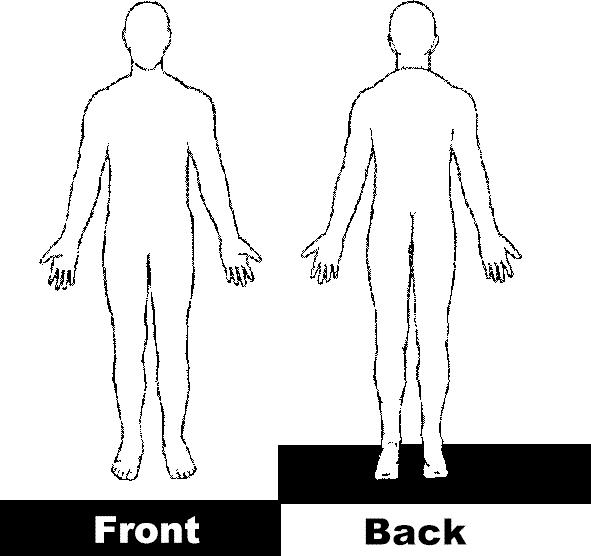
Recorded by:
Dated:
Witnessed by:
Child Protection: Record of Concern
Name of child:
Date:
Time
Duration:
You must record accurately here any questions that you asked and the answers that were given by the child. When recording a child's words, you MUST use the actual words used by the child. If in doubt, acknowledge your words might not be exact.
If there is any evidence of physical injury, this should be indicated separately on a body map.