TERM 3 2025 Issue 77 No 3
The Journal of the Federation of Parents & Citizens Associations of NSW PREPARING FOR THE FUTURE!

TERM 3 2025 Issue 77 No 3
The Journal of the Federation of Parents & Citizens Associations of NSW PREPARING FOR THE FUTURE!
THE P&C FEDERATION is dedicated to representing and supporting P&C Associations and working on behalf of public-school parents, carers, students and school communities.
To stay up to date with us, subscribe to our fortnightly bulletin. It contains the latest news, events, grants and information for P&C Associations.
If you need support in running your P&C Association you can find all of our resources by logging into our website. If you’re still looking for help and support you can call or email us, Monday to Friday from 9am to 4pm – we’d love to hear from you.
We love to hear your stories. The Parent & Citizen Journal is published once a term and is a great way to showcase what your P&C Association and school community is up to. If your school, parents or P&C Association is doing something special this year, share your story and photos with us and fellow school communities. Please scan the QR code to submit your story.
SNAP PRINT SOLUTIONS
Printed with Snap Print Solutions Phillip Street, Parramatta, a certified Sustainable Green Printer.
We’re proud of the great work P&C Associations do throughout NSW public schools. If you have any feedback on the journal or need a resource that doesn’t currently exist, just get in touch and let us



When we talk about the future, we often focus on what’s changing – rapid developments in technology, the increasing use of artificial intelligence, and the way new tools are transforming how we live, work, and learn. These are important conversations, especially in the context of education. But in all the talk of innovation and progress, I believe we sometimes overlook something far more fundamental.
As President of the Board of an organisation that has stood for over a century, I’ve learned that preparing for the future doesn’t always mean chasing what’s new. Sometimes, it means returning to what is essential - and in our case, that means returning to people.
For all the challenges and opportunities ahead, the future of P&C Associations, and the future of our public schools relies not on devices, systems or tools, but on the strength of our communities. That strength ultimately depends on a shared commitment to something very simple, and very powerful - a spirit of inclusivity.
Every school community is unique. Across NSW, our P&C Associations operate in vastly different settings, with different histories, needs, and capacities. But, despite all this variety, one thing remains true - no Association thrives without people. When parents, carers, teachers and community members show up, to listen, to contribute, to support each other, something incredible happens. People who were once strangers become collaborators. Shared concerns become shared purpose. Small ideas become lasting change.
Aresha Quaass President of the Board P&C Federation of NSW

But this only happens when we actively create space for it. When we’re intentional about building Associations that are not only passionate and purposeful, but also open and welcoming. Where every person who wants to get involved feels they can, regardless of background, experience, or how long they’ve been part of the school.
I know that so many of us care deeply about our children’s education, about school resourcing, about our community’s values, and about the kind of future we are helping shape. This passion is essential, but passion on its own is not enough. It needs to be housed within communities that are cohesive and collaborative. Communities where respect is modelled, difference is welcomed, and all contributions are celebrated in their many different forms.
The Standard P&C Association Constitution speaks clearly to this, with one of the central objects being, “to promote the interests of the school by bringing parents, citizens, students and teaching staff into close co-operation.” That is not just a nice sentiment, it’s a guiding principle, and it starts at the most local level - with each of us choosing to lead with openness and humility.
One of the privileges of my role is seeing the breadth of what’s happening across NSW. I can tell you, there is no typical P&C Association. There is no standard volunteer. What makes our movement so enduring is that it’s made up of such a wide range of people, each bringing their own experiences, talents, and perspectives. That diversity is one of our greatest strengths, but only if we make room for it.
So, as we reflect on the theme of preparing for the future in this issue of the journal, I encourage every Association to take stock not just of your plans, your policies, or your priorities – but of your people. How do you welcome new voices? How do you make space for difference? How do you ensure that no one feels they have to be ‘a certain type’ to get involved?
These aren’t small questions, they go to the heart of how we sustain this work over time.
If we want our Associations to grow, to adapt, and to continue making a difference in the years ahead, we must continue to foster the kind of culture that brought them into being more than 100 years ago – one built on respect, collaboration, and inclusion.
That spirit is not just part of our history, it is essential for our future.







This checklist provides you with vital information during your handover process. You are welcome to add additional items to this list as you see fit.
P&C ASSOCIATION DETAILS
Legal Name
Address For Service
PO Box Address (if applicable)
P&C Association financial year start and end dates
P&C Association ABN
GST Registration - Is any part or all of the P&C Association registered for GST? If so, which part?
Australian Business RegisterOffice Bearer(s) Registered
Financials - Outgoing treasurer to handover all financials to the incoming treasurer

Minutes - Secretary to handover all minutes in written or electronic form or provide links and passwords to access
Member Registers - Secretary or Treasurer to provide the incoming Office Bearer with electronic member register and provide any links or passwords for access
P&C ASSOCIATION AUDITOR FOR THE COMING YEAR
Firm Name (if applicable)
Contact Name
Email Address
Phone
INCORPORATION & CONSTITUTION
The P&C Association is (check one)
Unincorporated Using the standard constitution for unincorporated P&C Associations where members are liable for the debts and liabilities of the P&C Association
Incorporated Under the P&C Associations Incorporation Act 1976, using the prescribed constitution set by the Minister for Education
Incorporated Under the Associations Incorporation Act, the Fair Trading model constitution is used for associations or a variant thereof.
Constitution is located
By-laws are located
P&C FEDERATION
Scan the QR code to log into our website and update your P&C Association Details and add new office bearers. Upload the minutes from your AGM

Account name
Name of Bank Branch
Account Type: (Cheque, Term Deposit etc)
BSB Account Number
Account name
Name of Bank Branch
Account Type: (Cheque, Term Deposit etc)
BSB Account Number
Account name
Name of Bank Branch
Account Type: (Cheque, Term Deposit etc)
BSB Account Number
Account name
Name of Bank Branch
Account Type: (Cheque, Term Deposit etc)
BSB Account Number


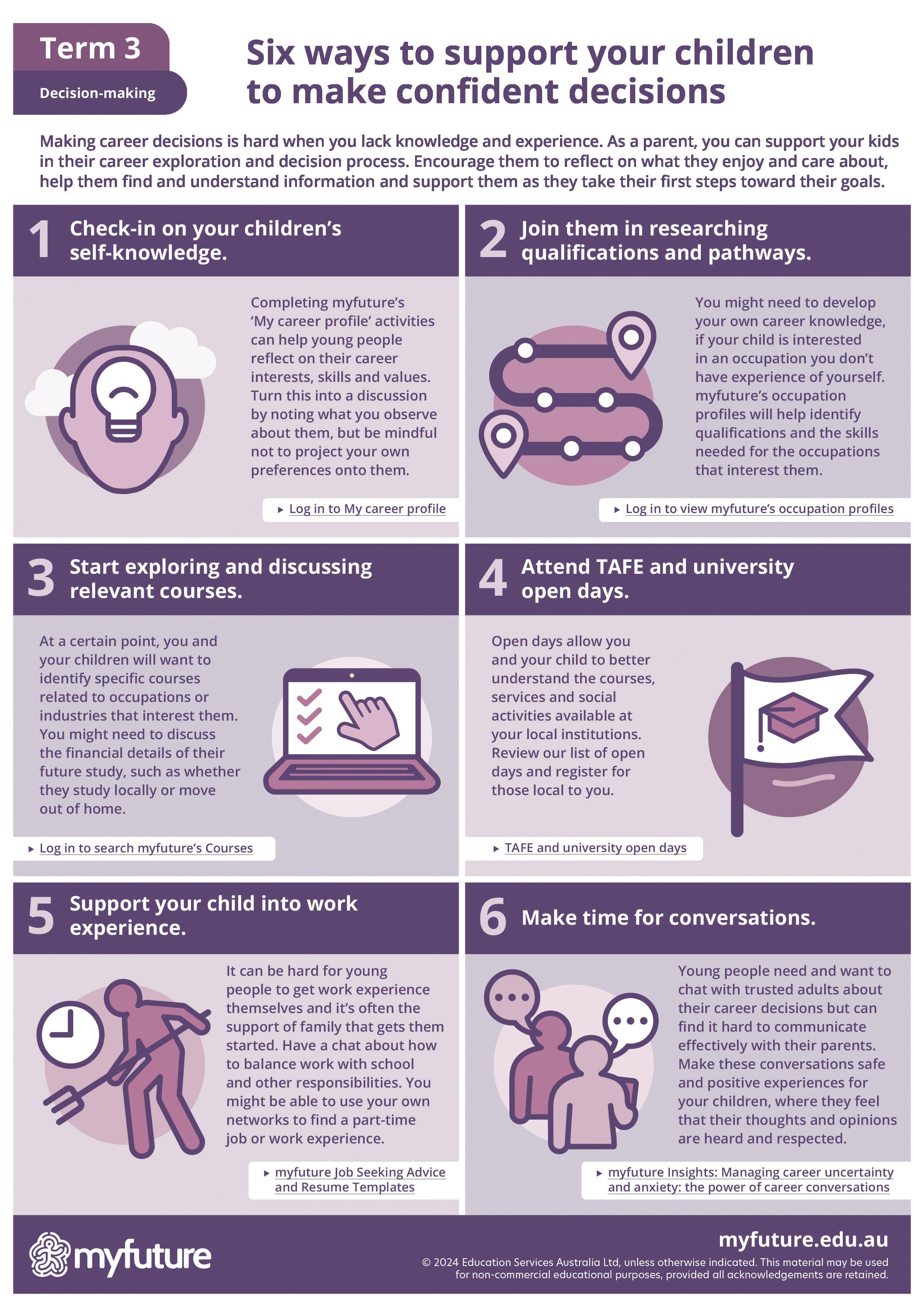
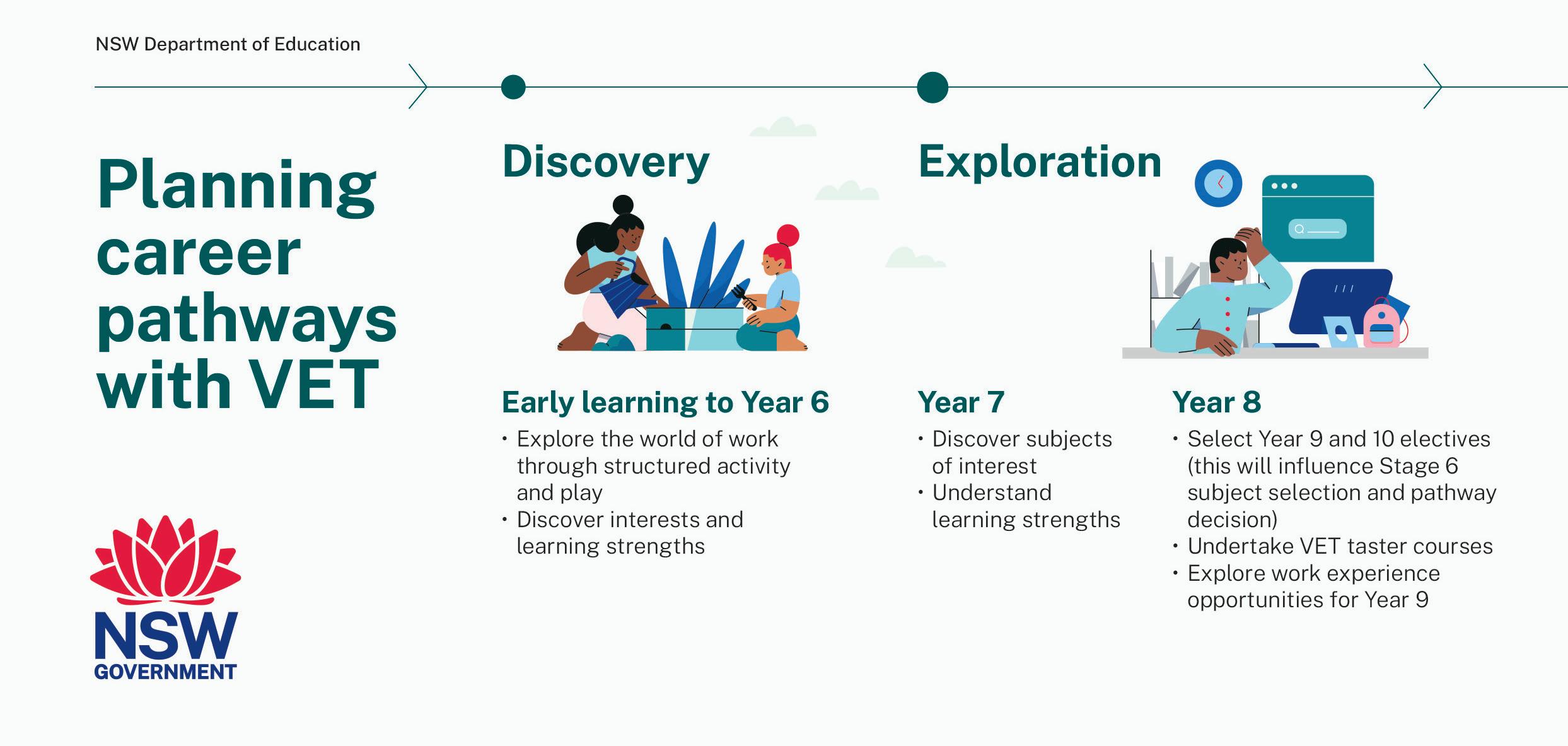
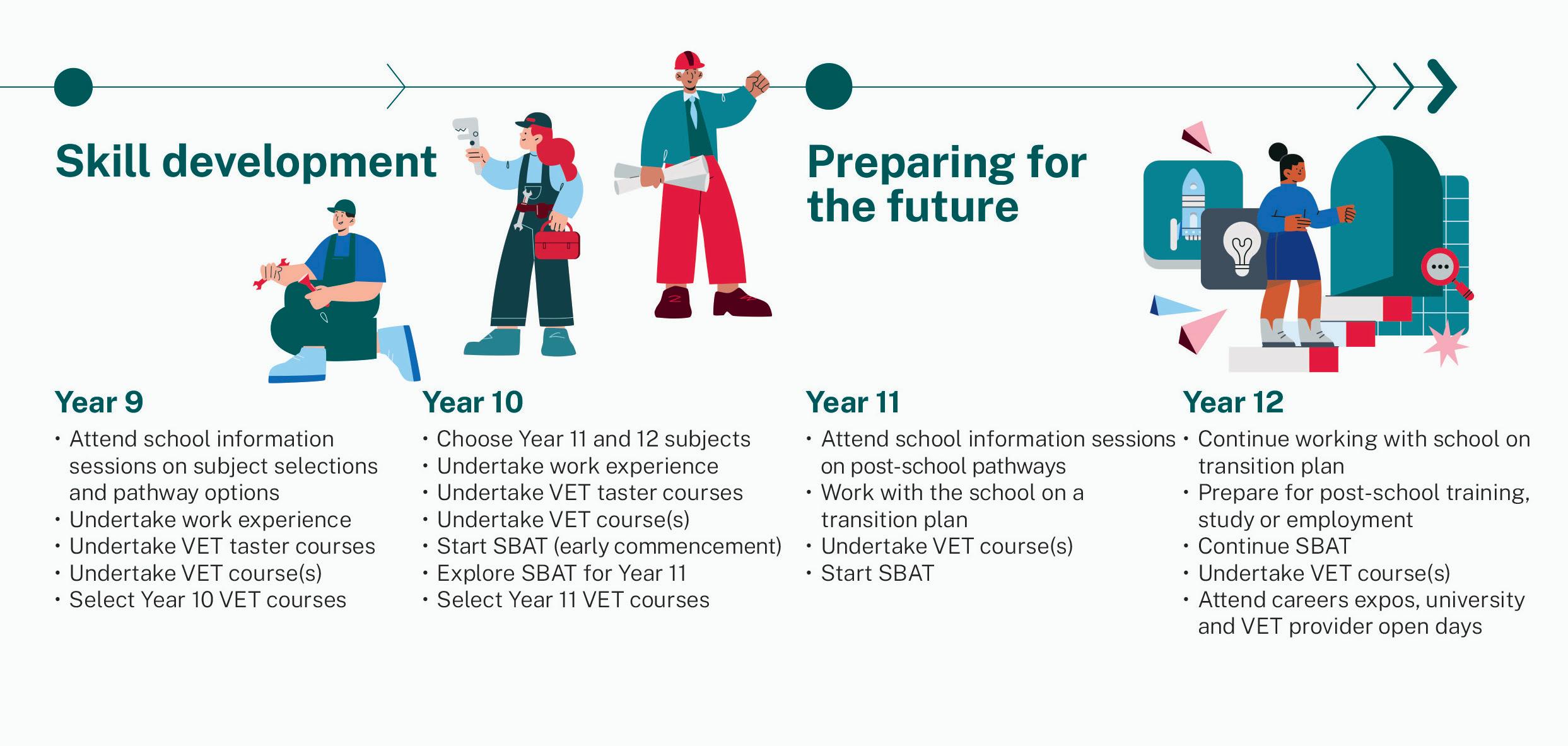
As a parent, you play an important role in helping your child explore career options and prepare them for life beyond school. From the earliest days of imaginative play into primary school and beyond, you’re aware of their interests and strengths, as well as what they find challenging.
For young people who like learning by doing, participating in vocational education and training (VET) at school is a perfect way to develop work-ready skills through practical hands-on learning. It also helps students figure out what they are good at and what they enjoy.
There are hundreds of VET subjects to choose from, many in high-demand industries in areas like the trades (e.g. construction, electrotechnology), healthcare, digital technology, and hospitality. The best part about studying VET at school is that it keeps your child’s options open. It can be a pathway to university, further vocational learning, or straight to employment.
Key opportunities to explore careers at school include:
• Vocational education and training (VET) courses
• School-based apprenticeships and traineeships (SBATs)
Over the next 10 years, around 92% of new jobs created will require post-secondary qualifications, split between VET and higher education.
Source: 2024 Jobs and Skills Report
“It all started when I was very little watching Bob the Builder and then as I got older, my tastes sort of matured more into Grand Designs. I’m doing a school-based traineeship in construction pathways. I knock 6 months off my apprenticeship and graduate with my HSC.”

and is now continuing his apprenticeship full-time.
Vocational Education and Training (VET)
Vocational education and training (VET) combines theory and practise. It offers hands-on learning, workplace experience, and technical skills and knowledge for a large range of careers. Students find it easier to retain essential knowledge as they can see the practical use of what they are learning.
VET courses are developed by industry and students will learn exactly what employers want from a potential employee. VET courses can be studied at school and included as a subject in their studies for the HSC. The best part about studying VET at school is that your child will finish Year 12 with a nationally recognised qualification.
When can my child start VET?
Stage 5 (Years 9–10): these are more introductory courses to help students explore the culture and work practices in a range of trade and service-related industries.
Stage 6 (Years 11–12): these courses build deeper industry skills and knowledge and help with the successful transition from school to employment, further training, or even university study.
How can my child access VET at school?
VET courses can be delivered in various ways:
• In school (known as school-delivered VET or SVET)
• External to school (known externally delivered VET or EVET)
• Virtually
School-delivered VET is for students in Stage 5 (Years 9–10) or Stage 6 (Years 11 and 12) and is delivered in school by qualified VET teachers, allowing students to include their VET course within their day-to-day school timetable.
Externally delivered VET can be offered to students from Years 9–12 and is delivered by a Registered Training Organisation (e.g. TAFE NSW) which normally occurs off school grounds. There is a broader range of courses available through the externally delivered VET program.
In 2024, 64.4% of students who completed a VET course during school had a better job situation after training – including being hired at a higher skill level –while 33.3% went on to further study.
Source: VET student outcomes 2024
Virtual VET courses combine teacher-led virtual classrooms with workshops and work placements. Work placement (mandatory for Years 11 and 12 students who study VET subjects as part of their HSC) is a planned opportunity in a quality host workplace that enables students studying VET courses to practise and develop their industry competencies and their employability skills in a real work context.
Dual accreditation: all VET courses can contribute to the Record of Student Achievement (RoSA) or the HSC, as well as a nationally recognised VET qualification.
Practical skills: VET courses emphasise hands-on learning. It gets them out of the classroom and into realworld settings.
Career preparation: VET provides students with industryspecific skills and knowledge, ready for the world of work straight out of school.
SBATs combine the formal training of their VET qualification with part-time paid work. Students typically spend one day a week at their workplace, one day completing their formal training, and the remaining days at school.
When can my child start an SBAT?
SBATs are available to all Year 10, 11 and 12 students. They are required to complete their number of paid workdays (between 100–180) before the end of their HSC year.
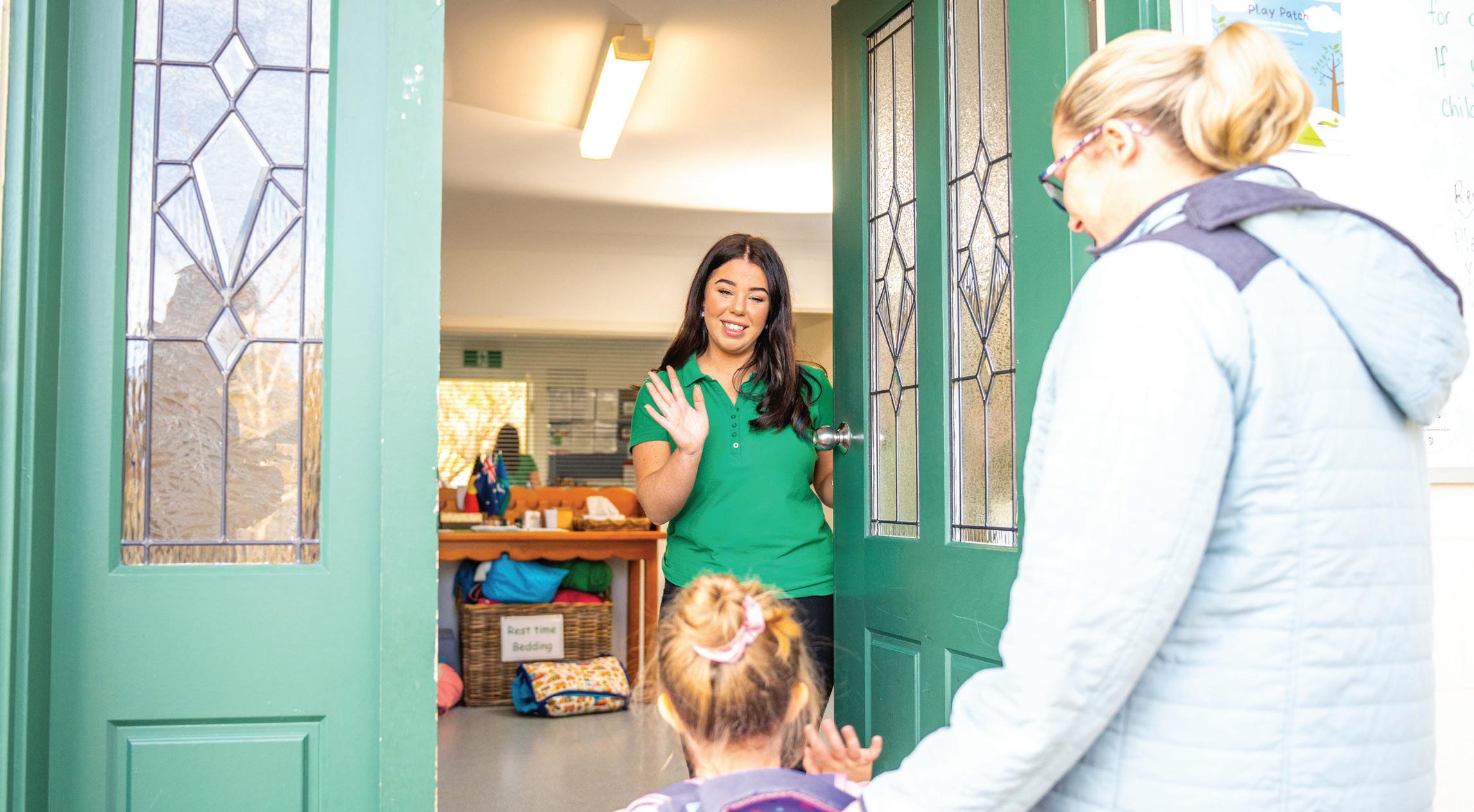
Career head-start: SBATs are hired by real employers in real workplaces, setting them up for a career after school.
Earn while you learn: Students are paid according to the wage rates and conditions of employment in the appropriate industrial award or modern working agreement.
Flexibility and variety: SBATs offer a flexible learning path, especially suitable for students who prefer hands-on learning to a traditional classroom setting.
“My traineeship made me want to be the best version of myself and really gave me a passion for the industry. I knew that to be in the industry I needed to complete my HSC, and it really gave me that drive to do that.”
Tara completed a school-based traineeship in Early Childhood Education and Care and is now working in the industry while completing a Diploma in Early Childhood Education and Care.
To access more information about VET in school please visit the NSW Department of Education website.

Have discussions with them about their learning strengths, interests, and goals.
Attend school information sessions about subject selection, VET, and SBATs.
Together with your child, meet with your school’s careers adviser to help explore what VET courses align with their goals and plan their pattern of study.
Encourage them to take up work experience in an industry they are interested in.

P&C Associations have always been at the heart of public education in NSW—raising funds, supporting schools, and building strong communities. But as schools face rapid social, technological and environmental change, the P&Cs of the future will need to be more than support crews. They’ll need to be strategic partners, creative problem-solvers, and community connectors. Here’s how P&C Associations can prepare today for the challenges and opportunities of tomorrow.
Strong futures are built on strong relationships - and relationships begin with listening. P&C Associations that thrive in the long term are those that create consistent, open channels for communication with their community. That means:
• Asking families what matters to them through surveys, focus groups or informal conversations
• Clearly communicating how P&C efforts make a difference, using newsletters, social media and noticeboards
• Inviting families to contribute ideas - not just their time or money
• Creating a welcoming culture that values every voice, including those who might not typically be involved
When communities feel heard and informed, they’re more likely to participate, and more likely to sustain engagement across years and generations.
GIVE STUDENTS A SEAT AT THE TABLE:
GROWING THE NEXT GENERATION OF ADVOCATES
Our schools exist for children - yet too often, children are left out of conversations about their learning environment. Forward-thinking P&C Associations are starting to change that by:
• Inviting the Student Representative Council (SRC) or school leaders to attend P&C meetings
• Seeking student feedback on projects like uniform changes, playground upgrades or sustainability initiatives
• Supporting student-led fundraising or wellbeing campaigns
• Involving students in conversations about inclusion, accessibility, and what makes them feel safe and supported
Giving students a voice not only improves decisionmaking - it also nurtures advocacy, confidence and citizenship in the next generation.
USE YOUR COMMUNITY’S STRENGTHS CREATIVELY
Every P&C has untapped expertise sitting in its community - designers, educators, tech enthusiasts, carers, tradespeople, business owners. Future-ready P&Cs find ways to harness this local brain trust to do more than just raise money. They innovate.
• Got a graphic designer parent? Invite them to refresh your newsletter.
• Know a tech-savvy member? Help the school improve digital literacy or set up coding clubs.
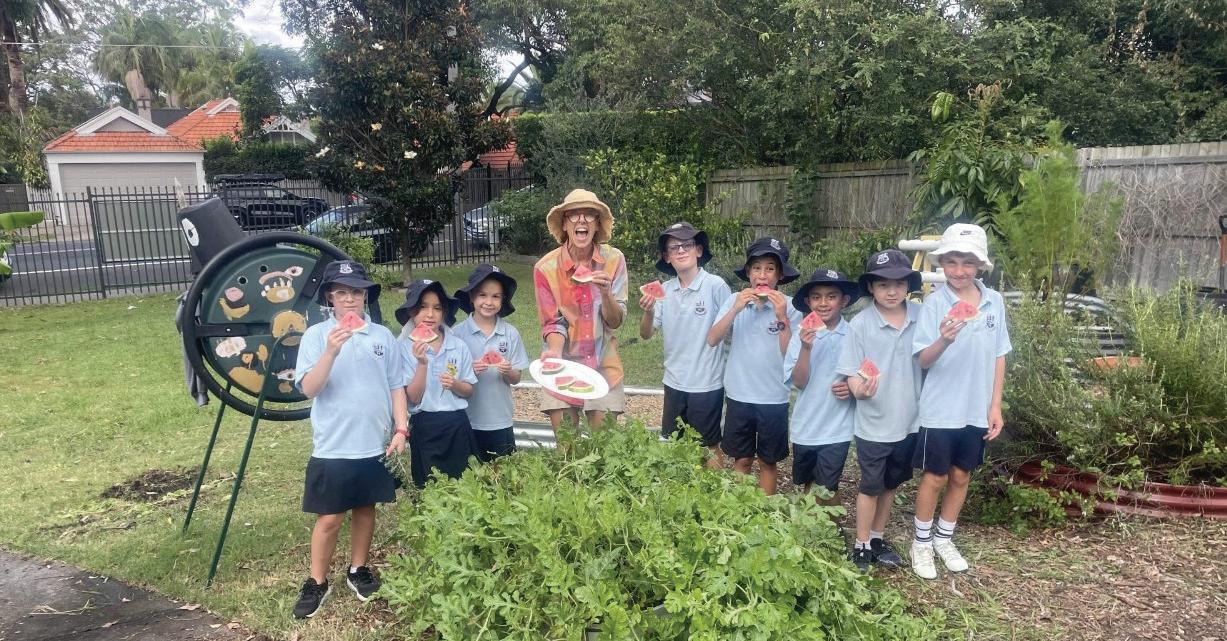
• Have a passionate gardener or builder? Reimagine outdoor learning spaces or sensory play zones.
• Looking to promote inclusion? Engage experts in your community on neurodiversity, disability, or wellbeing to shape policies and practices.
Innovation doesn’t have to mean expensive - it means finding smarter, more inclusive and more impactful ways to support your school.
P&C Associations are uniquely placed to act as bridges between schools and their broader communities. Fostering these connections can ensure the long-term sustainability of both the school and the local economy. Future-focused actions could include:
• Sourcing canteen food or event catering from local grocers, butchers or general stores
• Promoting local clubs, sports, art classes or cultural events through P&C channels
• Partnering with local businesses for sponsorships or in-kind support
• Sharing school spaces with community groups for events or workshops
• Supporting local initiatives that align with school values - such as sustainability, reconciliation, or disability inclusion
When P&Cs connect schools with the world around them, they help cultivate resilient, thriving communities that wrap around children and families.
The P&C of the future is collaborative, child-centred, innovative and community-minded. Whether you’re a small rural P&C or a large metropolitan one, these are not just nice ideas - they’re achievable, practical steps that can future-proof your association and your school community.
After more than a century of parent and carer involvement in NSW public education, P&C Associations are evolving. They will continue to shape public education - not just for today’s children, but for generations to come.


































IN ADDITION TO THE YEAR 10 PROGRAM, PPEP Talk offers a Menstrual Education program suitable for students in Years 5–9. The focus here is on building a confident, informed mindset towards the menstrual cycle, helping to reduce fear, stigma, and embarrassment. Topics include period products and hygiene, understanding hormone cycles, leaking and how to confidently manage bleeding, and how to support friends and classmates.
All schools receive follow-up resources and activity suggestions, along with guidance on where students and teachers can go for further help.
PARENTS AND CARERS have a unique insight into the day-to-day challenges their children face at school. As such, P&C Associations are in a powerful position to advocate for better menstrual health education and raise awareness about the link between period pain and school absenteeism.
It is very encouraging to the State Government finally recognise the urgent need for endometriosis education in our public schools, with early discussions being had around funding.
To register your school’s interest in PPEP Talk or to learn more, visit the Pelvic Pain Foundation website (scan the QR code) or email: ppeptalknsw@pelvicpain.org.au.

Raise the issue formally at the next P&C meeting and request it be added to the agenda.
Advocate to school leaders to bring PPEP Talk to your school.
Explore local fundraising opportunities, including events, small business sponsorships, or local council grants to support this education.



SHAPING SCHOOL CULTURE
Creating a culture of belonging also means preventing the things that break it, like bullying. Most schools have anti-bullying policies, but what usually makes the biggest difference is the everyday culture: how students treat one another, what’s modelled by staff, and what behaviour is reinforced.
At one Melbourne primary school, students helped develop a “bully blocker pledge” as part of a wider approach to culture change. The pledge outlined shared behaviours and values and was reinforced at assemblies and in classrooms. Alongside their Peer Support Program, it helped shift mindsets from “I won’t get in trouble” to “This isn’t how we treat each other here.”
“Building an inclusive culture is about building expectations into the daily rhythm of school life”
- Jonathon Peatfield, CEO of Life Ed NSW/ACT
ACTIVATING THE WIDER SCHOOL COMMUNITY
Inclusion starts at home, and can become part of your family conversation. Peatfield recommends asking your kids meaningful questions, like “Who did you play with today?” or “Did anyone make you feel included?”
You can also ask your school how they’re building belonging. What spaces exist for students to connect? Are quieter kids supported socially? Are leadership opportunities open to everyone?
And when it’s done well, as Ruby, a Year 6 Peer Leader from Oxley Park knows, it leaves a lasting mark.
“I love that I can make new friends that are younger than me” she says. “If they see me, they come up and give me a big hug. I love teaching little kids so then they can grow up and be big like me”
Want to find out more about supporting whole-of-school belonging? Download Peer Support’s free ebook, Build Your School’s Wellbeing With Peer Support below.

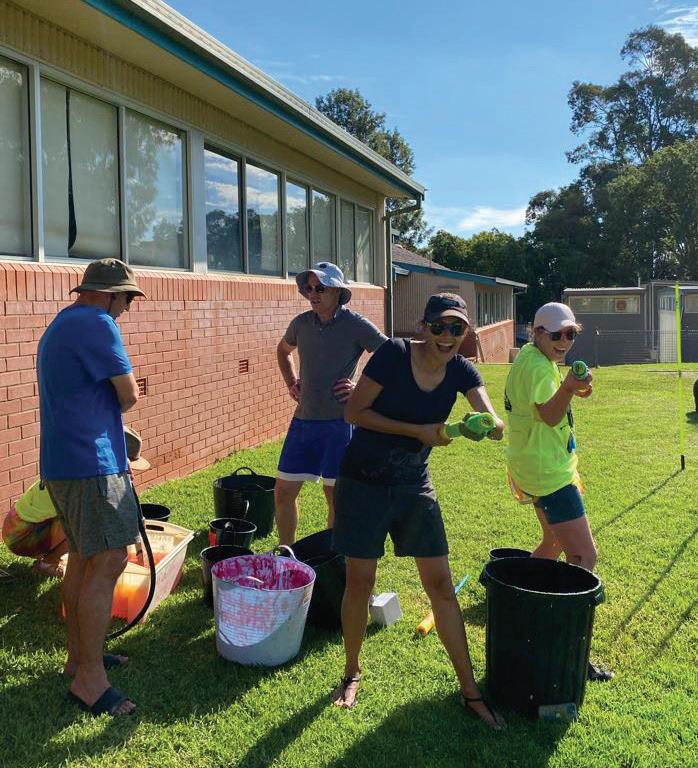
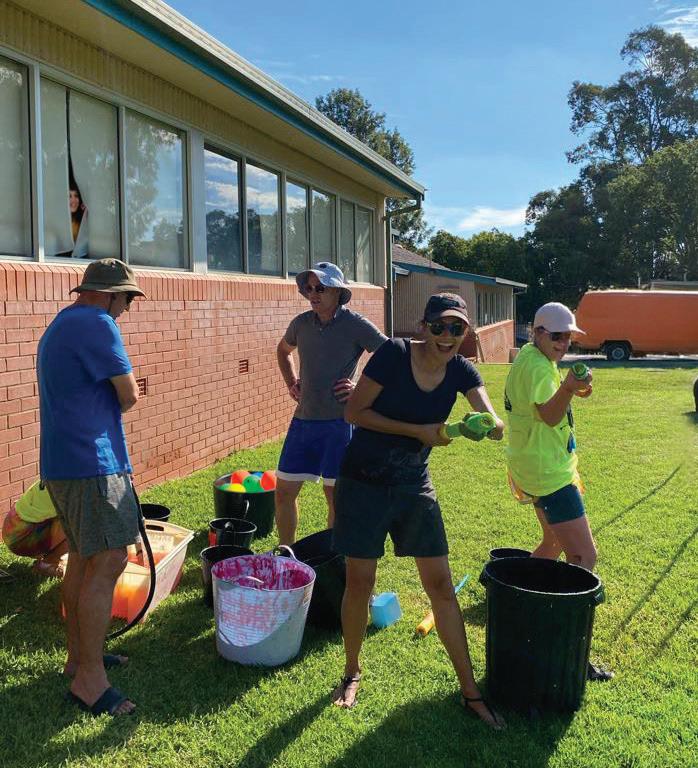
SPOT THE SEVEN DIFFERENCES answers on the welcome page
yes no
The P&C FederaTion ConFerenCe is baCk — and we wanT To hear From you!
This year’s theme is ‘Participate and Communicate’ because what makes a conference valuable is sharing the voice and values of our members. This event is for all P&C Associations from every part of NSW to get involved with ideas, conversations, and connections. Whether your P&C is large or small, newly formed or long-established, based in metro Sydney or further afield in the state - you’re invited, and your voice matters.
Throughout the day, you’ll have the chance to take part in interactive sessions designed to capture the different experiences of P&C Associations. One of these will be dot voting - a simple, visual activity that makes it easy to share your perspective on a wide range of topics, and to see how others feel too. We’re looking forward to hearing what matters to you!
There will also be a variety of helpful sessions and speakers, so you’ll hear from leading voices in education and meet experts in their fields. Plus, a fun and interactive trade hall will offer practical tools, useful resources, and fresh ideas to take back to your school. And maybe most importantly, you’ll meet other P&C Association members who are passionate about public education and committed to making a difference in their local community.
We’ll be sharing more information in the coming weeks, so keep an eye out. But for now, we hope you’ll consider coming along. This is your conference, and your opportunity to participate and communicate. We’re working to ensure that this is a great day for all who attend, and we hope to see you there.