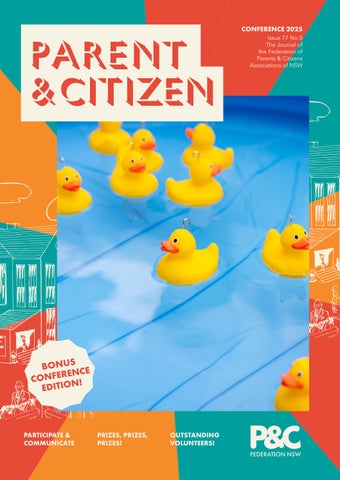
CONFERENCE 2025 Issue 77 No 5
The Journal of the Federation of Parents & Citizens Associations of NSW

CONFERENCE 2025 Issue 77 No 5
The Journal of the Federation of Parents & Citizens Associations of NSW
THE P&C FEDERATION is dedicated to representing and supporting P&C Associations and working on behalf of public-school parents, carers, students, and school communities.
To stay up to date with us, subscribe to our fortnightly bulletin. It contains the latest news, events, grants, and information for P&C Associations.
If you need support in running your P&C Association you can find all of our resources by logging into our website, pandc.org.au. If you’re still looking for help and support you can call or email us, Monday to Friday from 9am to 4pm – we’d love to hear from you.
We’re proud of the great work P&C Associations do throughout NSW public schools. If you have any feedback on the journal or need a resource that doesn’t currently exist, just get in touch and let us know. Enjoy this journal and share it with your school community.
CONTRIBUTIONS & FEEDBACK journal@pandc.org.au
QUESTIONS & SUPPORT 1300 885 982 mail@pandc.org.au
Get your ducks in a row. Find 8 missing rubber ducks throughout this journal.
Shout out to Peter Secheny Photography for photographing the conference! The photos are amazing.
If you are in the Sydney area and need a photographer check out his website: secheny.com.
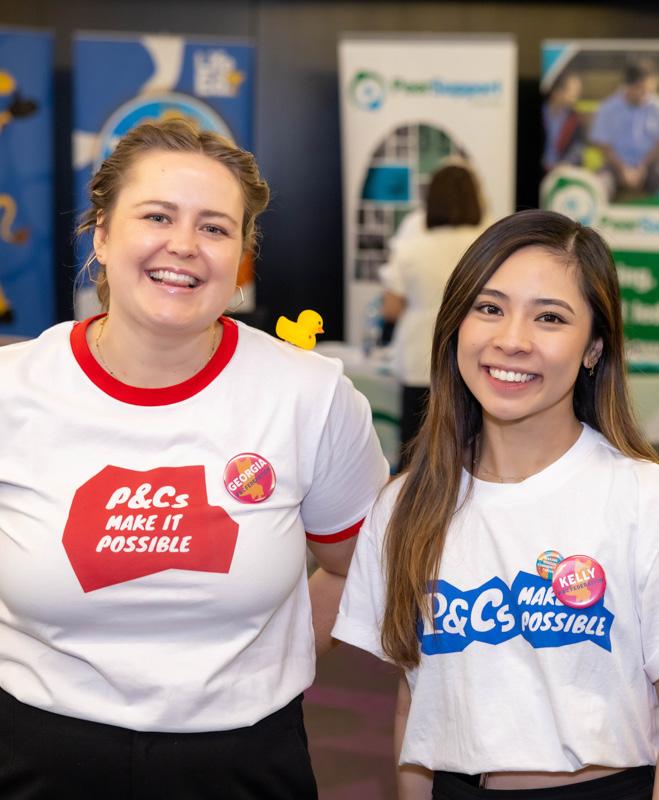
If you liked the Federation Team's shirts from the conference, you can now show your P&C pride with a shirt, hat or bag of your own. Our "P&Cs Make it Possible" merch collection is designed to celebrate the volunteers who make school communities thrive. Whether you're flipping sausages, running a meeting, or just spreading the word, there's something here to wear, gift, and love. Scan the QR code to shop the full collection. Duck not included.

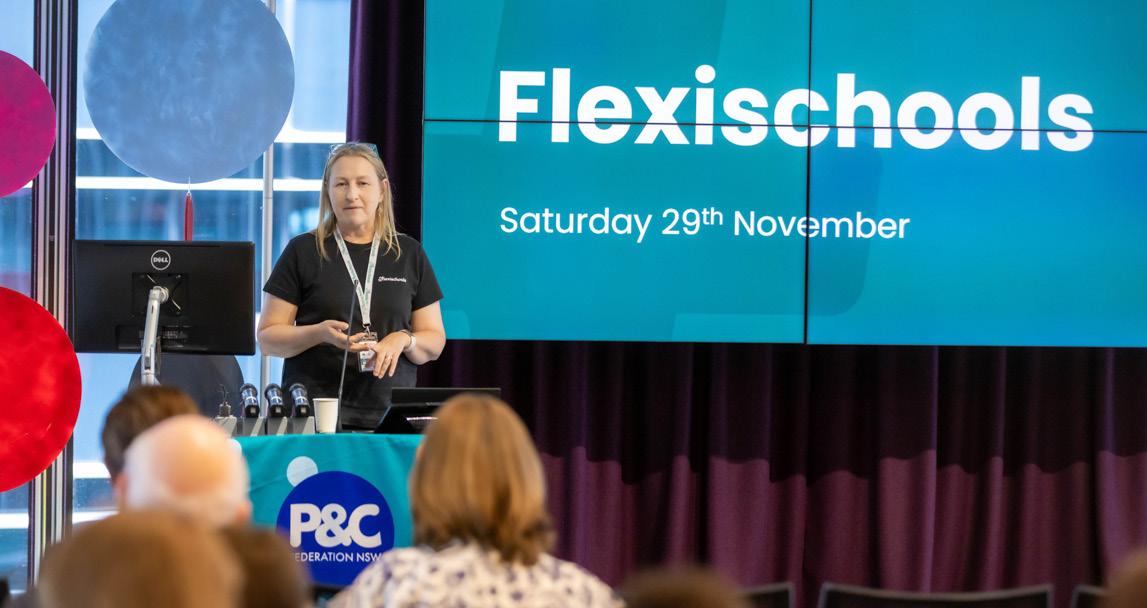
Free Tickets courtesy of Flexischools and the P&C Federation!
Gold Sponsor: Flexischools!

Thank You Conference Sponsors











Flexischools service modules give parents the flexibility to place orders and make payments for a range of school services, online at any time. Prepayment, and over the counter student card payments eliminates the need for mobile phones for in-school purchases.
Join more than 2,100 schools already using Flexischools and streamline your school payments today!


Canteen
Australia’s #1 canteen platform.

Events & fundraising
Take event payments online.

Uniform shop
Manage orders and sales.


FlexiPOS
Over the counter payments.
Our platform is safe, secure and reliable.
We hold an Australian Financial Services Licence (AFSL), regularly load test our platform, and are ISO 27001:2022 accredited.

Find out more




The Welcome to Country by Graham Davis King was more than a formal opening, it was a welcome that placed the location of the conference in the deeper context of ancient indigenous connection to the area, and connected the values of P&C Associations to Indigenous values.
The conference occurred in Parramatta, a name which comes from the Dharug word burramatta, roughly meaning the place of eels. Graham gave everyone an evocative account of the Indigenous connection to the area, and how the preponderance of eels in the Parramatta River made the area a natural place for people to gather, meet and eat.
Graham vividly connected the values of P&Cs and this conference to the values that underpinned Indigenous Australian communities for millennia. He pointed out that like P&Cs, Indigenous communities were governed by sets of mutually agreed upon laws, and that there was an expectation that the community would walk beside young people and advocate for them.
He also stressed that helping one another is central to Indigenous society, and that “the evidence of this is all around us”, in the fact that these cultures have thrived for millennia. The ancient stories he shared were rich with history and insight.
It was a powerful reminder that all of us are but temporary custodians of this land, and that we all have a duty to one another and to the next generation. It was a message of wisdom, resilience and unity, and the perfect note on which to start the conference.
"Graham Davis King focused attention and set the tone for the conference i.e. 'we're part of something big and important'."
- Michael
I want to say thank you to everyone who stopped by my stall at the conference and took the time to fill out our Parent & Citizen journal contribution form. It was wonderful to meet so many passionate P&C volunteers and hear your stories firsthand. From incredible collaborations with students, to monumental fundraising efforts, to creative projects that bring school communities together, your ideas and experiences were inspiring and heart-warming.
If I haven't already, I will be reaching out to each of you who completed a fish form to learn more about your story sometime in 2026.
Your feedback and suggestions will help shape the Parent & Citizen, and I’m grateful for every conversation we had over the weekend.
If you didn’t get a chance to contribute at the conference, we’d still love to hear from you! Whether you have a story to share, an initiative you’re proud of, or an idea you think other P&Cs would benefit from, please take a moment to fill out our online form and get involved.
If you have a story that fits one of these themes (or sparks from one!), we’d love to feature it. We love to showcase the incredible work happening in P&Cs across NSW.
Term 1: Inclusive School Communities
Term 2: Old & New
Term 3: Health & Wellbeing
Term 4: Community Impact
Congratulations to Scott from Ramsgate P&C Association who was the lucky winner of a Custom School Banner from SchoolBanners.com.au when we drew a completed form from the fishbowl!
Keep the stories flowing!
-Alex

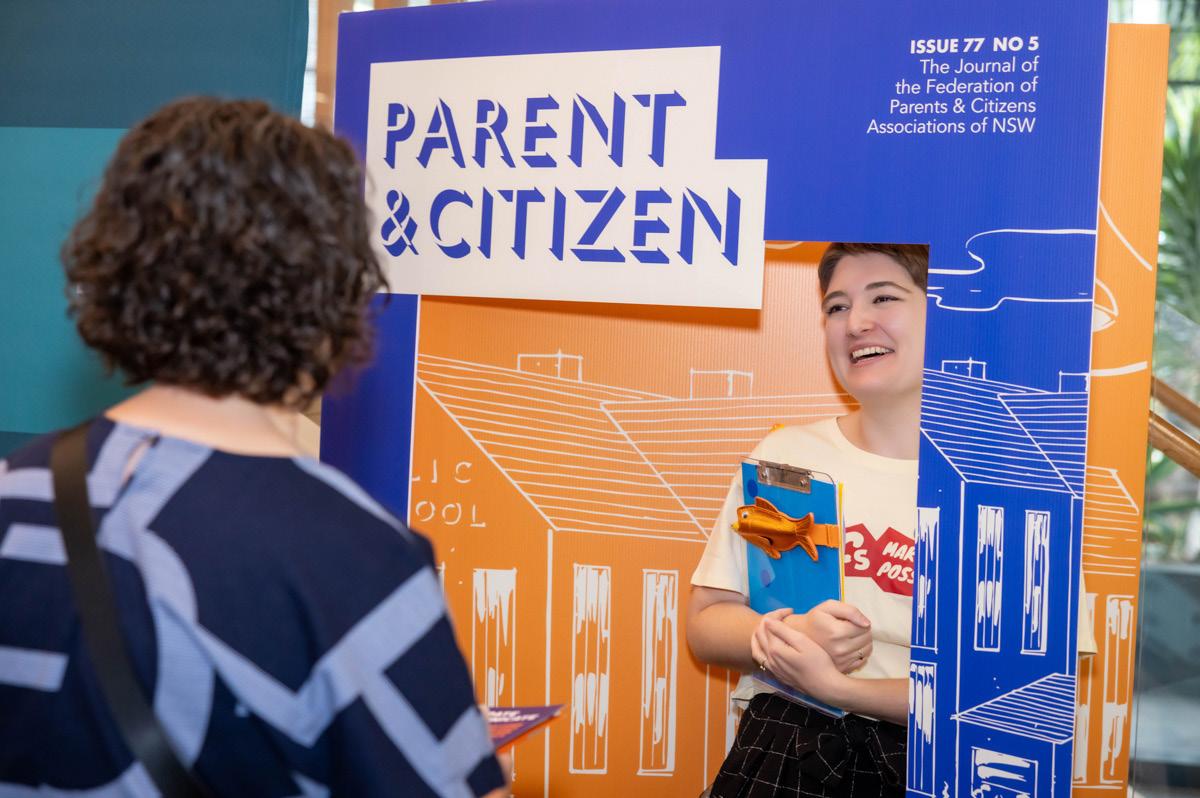
"When partnerships thrive, schools thrive"
We were honoured that the first keynote speaker for the conference was The Hon Courtney Houssos, MLC, the Acting Minister for Education and Early Learning.
The key message of Minister Houssos was partnership – the partnership between parents and schools, encapsulated by the partnership between schools and their P&C Associations, and on a higher level by the partnership between the NSW Department of Education and the P&C Federation.
Her key message, “when partnerships thrive, schools thrive,” set the warm, constructive and motivating tone of the day. When families and educators work side by side, sharing insights, celebrating progress, and supporting each other, students feel it. They feel seen, encouraged, and understood. They begin to believe in their own potential because all the important adults in their lives believe in it too.
The Minister also shared some moving firsthand insight into the centrality of schools to communities. She described the opening of a new high school in a smaller community, and how the most meaningful feedback she heard about it was from children at the existing primary school, who said the best thing about this new high school was that they could now stay together with their friends after Year 6.
It was a reminder of how schools play a huge role in helping communities survive and thrive, and a reminder of the crucial role of parent participation in children’s education.
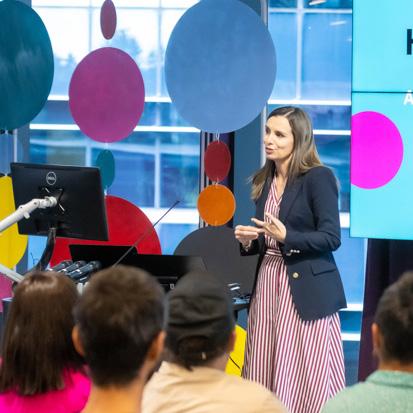

We were pleased to welcome Murat Dizdar, Secretary for the Department of Education, as a guest speaker at our conference. Drawing on his dual experience as Secretary and as a former principal, Murat spoke directly to P&C members about the vital role parents play in schools. His address blended practical advice, personal stories, and reflections on school leadership, delivered in an approachable and engaging style.
From the start, Murat affirmed the importance of P&Cs. “I need no convincing of the critical nature of having a P&C,” he said, reflecting on his experience and the difference parent involvement can make. At one school where he was principal, he prioritised using very limited flexible funding to establish a P&C as soon as possible. That association grew into a thriving body supporting students, fundraising, and advocating for improvements. “I saw the power first-hand, of parents being advocates and pushing us - as they should - to do better for their kids,” he said. He acknowledged that nearby Parramatta High recently established a P&C for the first time, and Murat thanked parents for taking the time to strengthen their school community.
Murat illustrated the practical impact of P&Cs with memorable examples. At one school, a poorly performing canteen had students “jumping the fence and going down to the shops.” Replacing the tendered canteen with a parent-run one, operating with thin profit margins, resolved the problem almost overnight and improved student wellbeing. “I couldn’t have done it without parents,” he reflected, showing how parent-led initiatives can address day-to-day challenges while making a real difference to students.
He also highlighted the scale and impact of school fundraising and community events, citing Drummoyne Public School’s fete, which he described as “bigger than the Easter Show.” Murat noted that initiatives like these not only raise funds but strengthen school communities, build connections between families, and give parents a visible role in supporting their children’s education.
Murat shared his engagement with the work of the P&C Federation, saying “I’m an avid reader of the P&C Journal,” and expressed the journal’s value in keeping parents informed and inspired.
The session also addressed broader education issues, including funding equity. Murat welcomed the government’s commitment to reach 100% of the Schooling Resource Standard (SRS) by 2034 and reflected on the historic work of the Gonski report. “Why do we say to children to line up on the line for 100 metres, then tell public school kids to take five steps back and others kids get to take six steps ahead? It’s not fair.” he said, emphasising the importance of working together to provide fair opportunities for all students.
P&C Federation Conference 2025
Murat acknowledged the contributions of P&Cs across NSW, including those supporting students in disadvantaged communities and volunteers involved in canteens, sporting programs, grants, and fundraising. He also thanked the P&C Federation NSW team, recognising the work of Aresha Quaass and Gemma Quinn in fostering strong engagement between schools, parents, and government.
Throughout the session, Murat blended practical advice with reflections from his own experience as a principal. His examples demonstrated the direct impact P&Cs have on students’ lives, from daily operations to advocacy for better resources, reinforcing the vital role of parent-led initiatives in strengthening public education.
“I saw the power firsthand, of parents being advocates and pushing us - as they should - to do better for their kids”
Murat
Dizdar Secretary, NSW Department of Education

text
Order now in time for your presentations, assemblies, award nights and Christmas concerts.
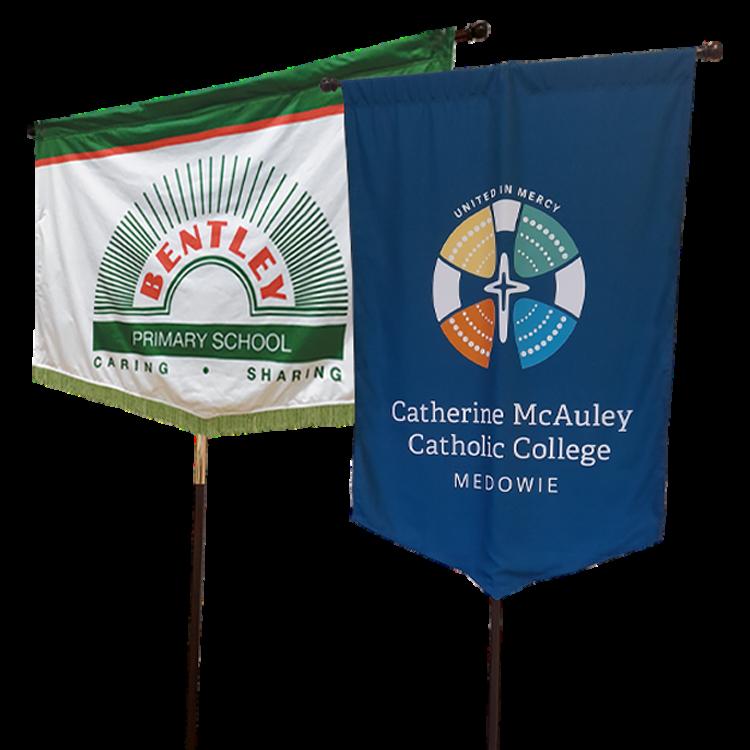
S c h o o l B a n n e r s
The most popular style of School Banner, these hanging banners are beautifully presented
SHOP NOW
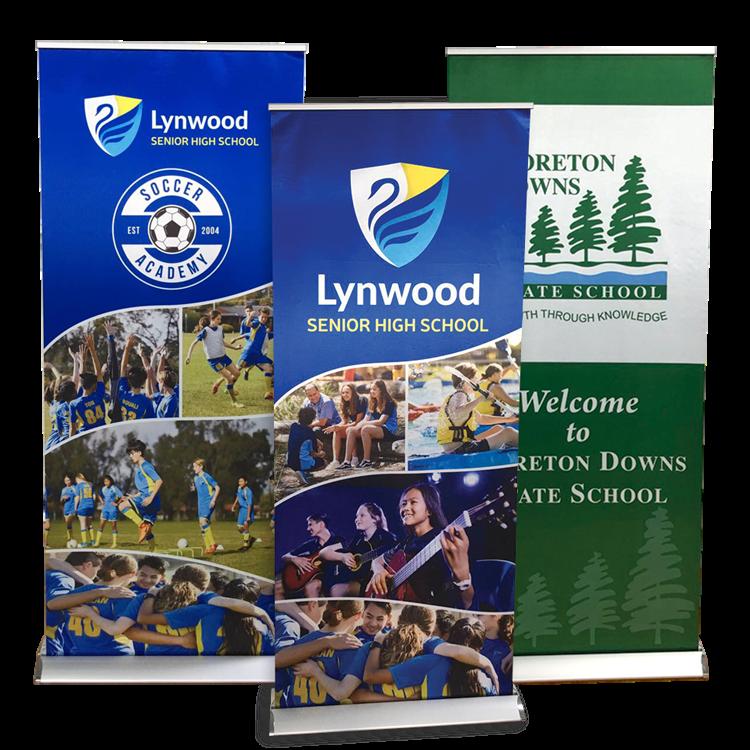
R e t r a c t a b l e B a n n e r s
The vibrant custom-printed banner pulls out from its own sturdy display stand, then retracts back for easy storage and transport.
SHOP NOW
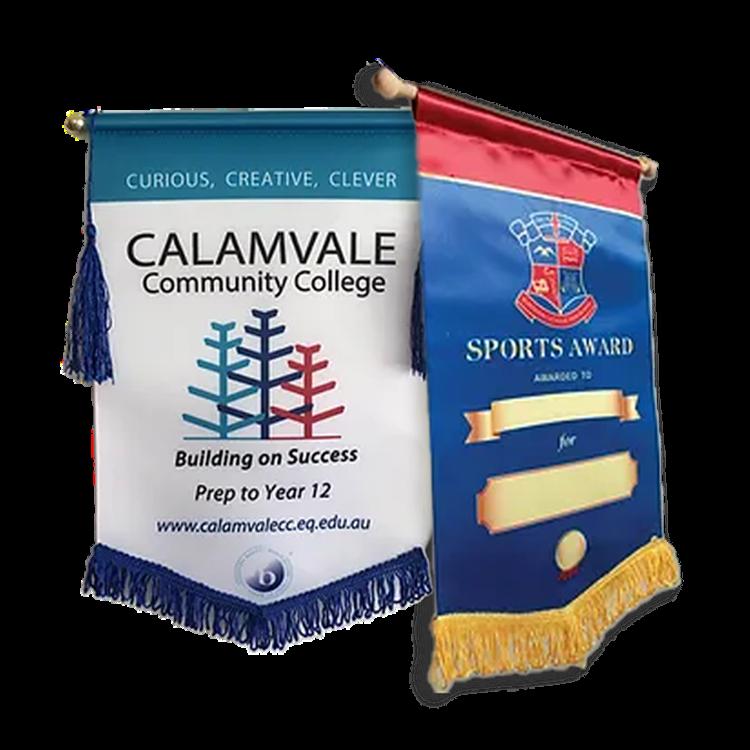
Highlight your students' achievements with custom printed award banners!
SHOP NOW
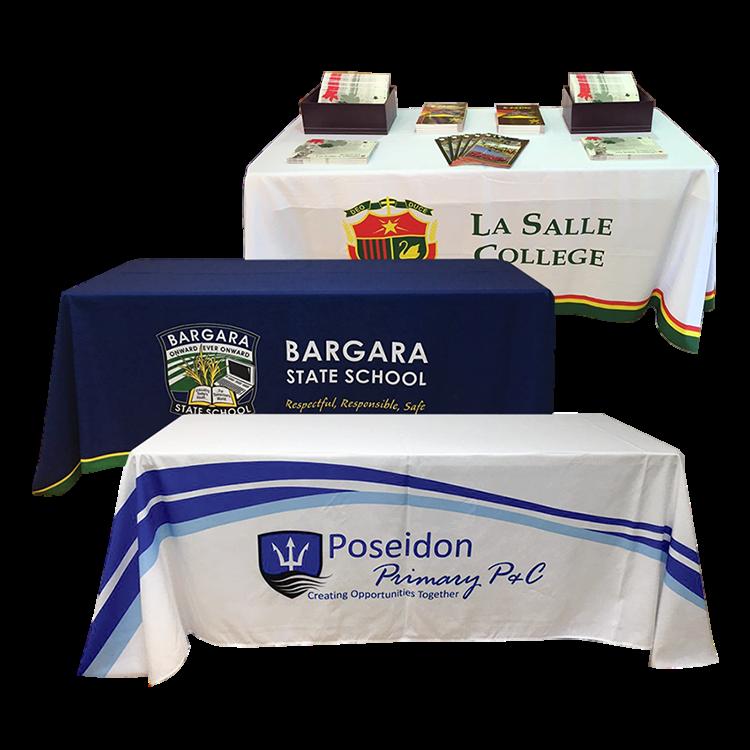
School Tablecloths are perfect for giving your school the professional and positive image it deserves
SHOP NOW
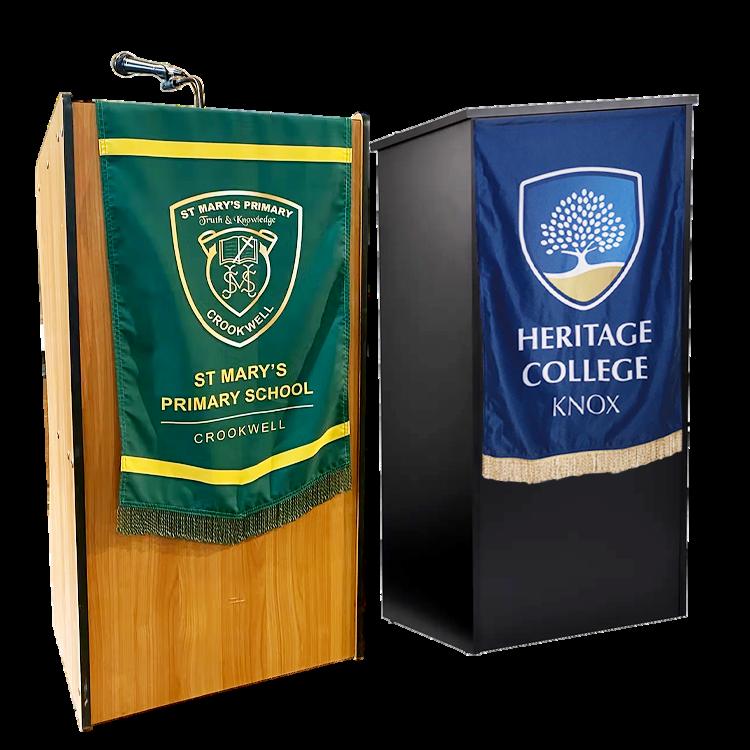
L e c t e r n B a n n e r s
A beautiful new Lectern Banner with your school's logo and colours, is perfect for assemblies and events
SHOP NOW
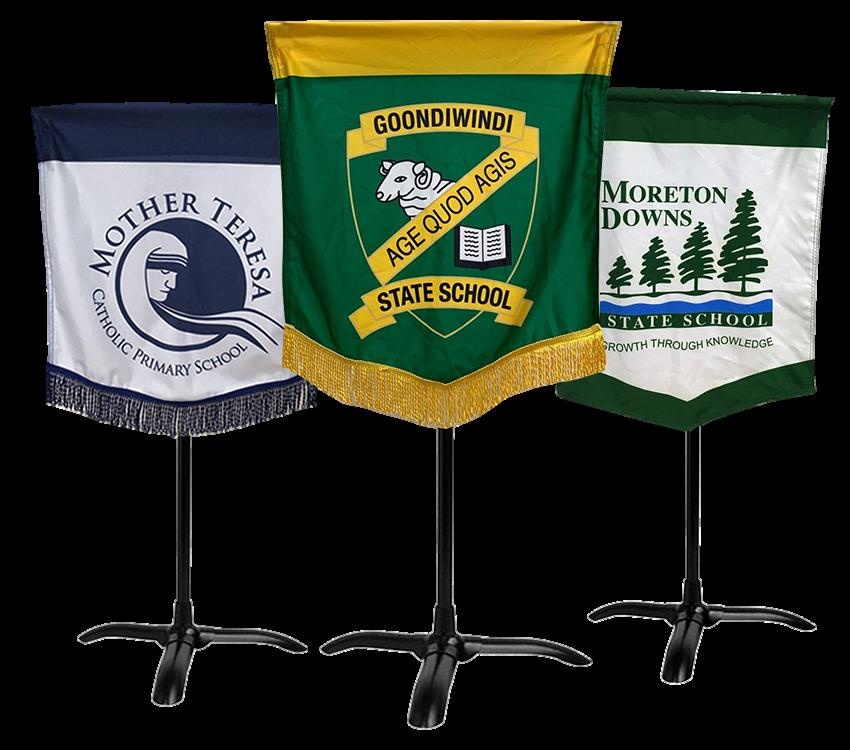
Music Stand Banners are the perfect addition to your school's music group and performances
SHOP NOW
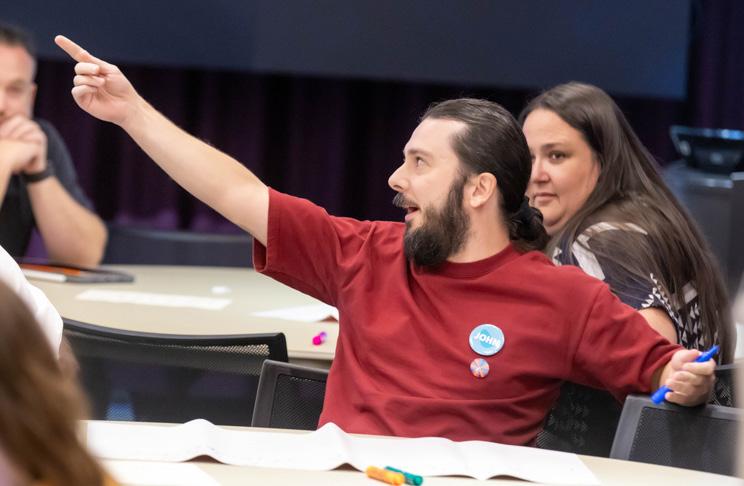
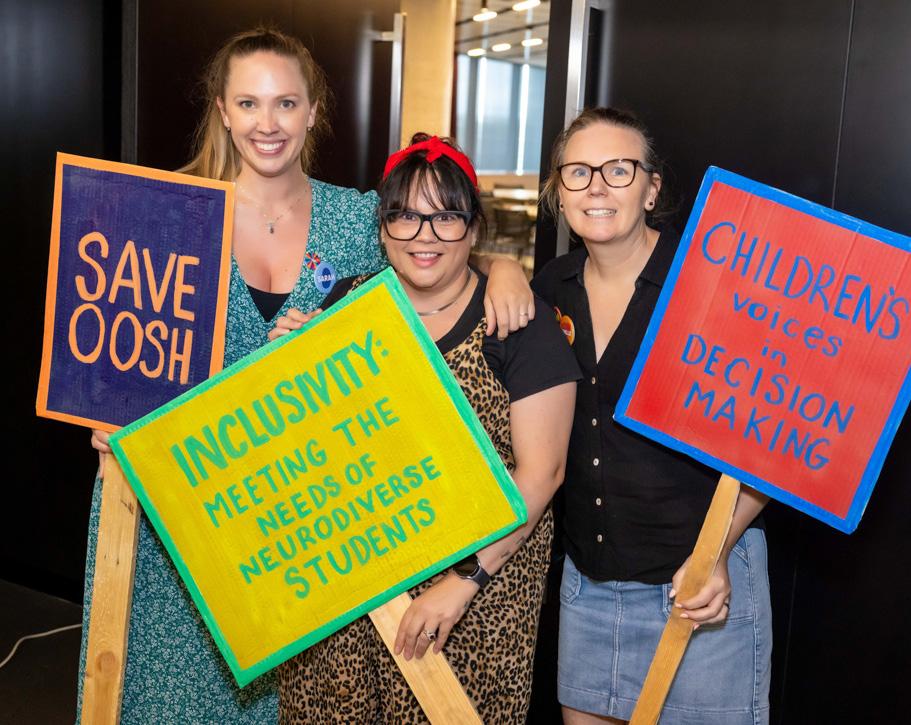
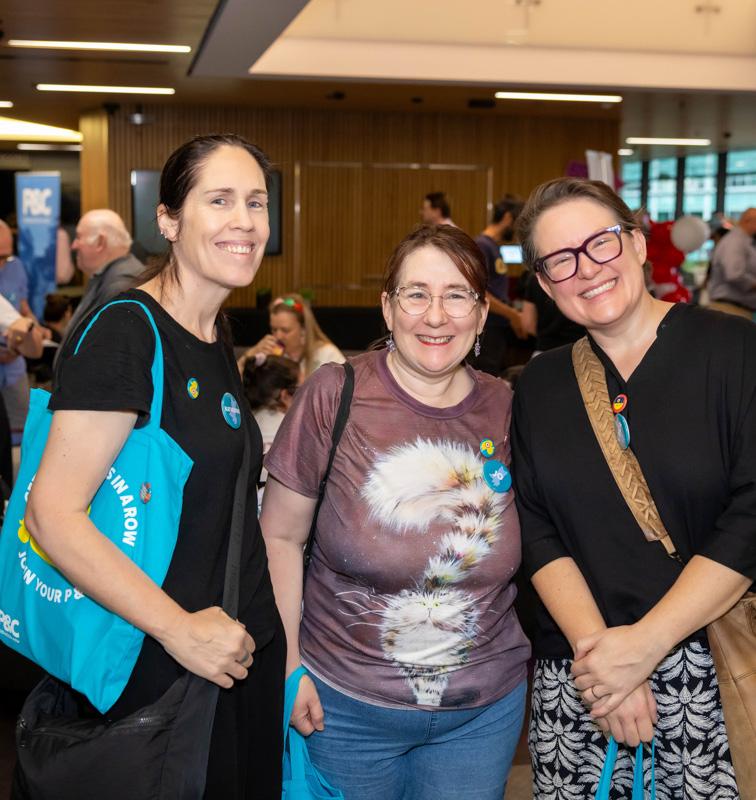
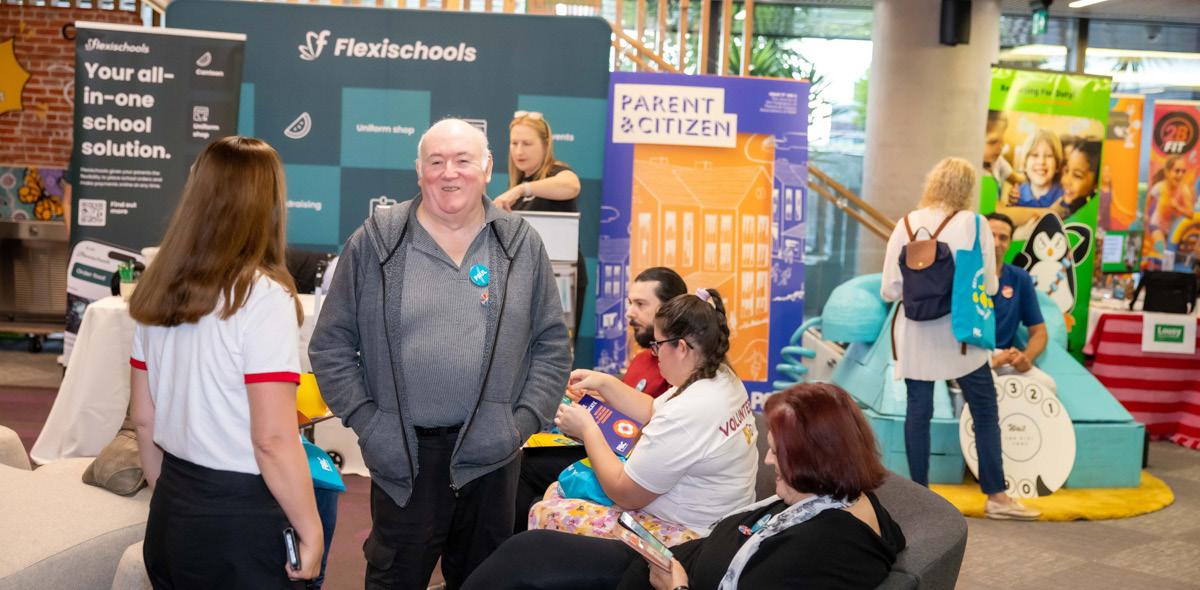





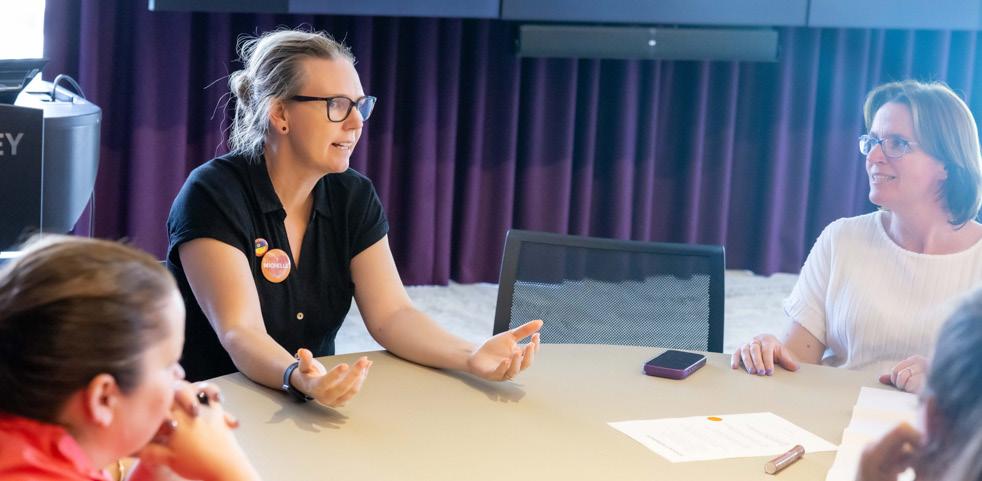
The conference session led by P&C Federation Board President, Aresha Quaass, was an engaging session, giving attendees the opportunity to hear directly about the priorities guiding her work and the principles central to P&C Associations. It was a passionate address, highlighting the values, perspectives, and traditions that underpin P&C work across NSW.
Aresha began by welcoming everyone, recognising both long-standing volunteers and those new to P&C life. She emphasised that every voice and perspective matters, and that each participant’s contributions strengthen not only their local school but the wider public education community. “Your voice matters. Your experience matters. Your perspective matters,” she said.
The session focused on three key points. First, shared values. Across the state, P&Cs are united by fairness, equity, and ensuring every student has the best possible start in life. These values are reflected in everyday contributions - volunteering, fundraising, helping with school projects, and advocating for improvements. “Shared values keep us aligned, even when circumstances are complex or challenges arise,” she noted.

Second, different perspectives. Every school and community brings unique experiences and ideas. Listening deliberately ensures decisions and representation are informed and inclusive. “Perspective is something we not only carry, but something we actively seek… we do not presume to know all the answers, but we are committed to learning, adapting, and responding in ways that genuinely reflect the communities we serve,” she explained. Leadership is about stewardship, ensuring members’ insights guide the Federation’s actions.
Third, the history of parent and volunteer involvement. For over a century, parents have strengthened schools, advocated for children, and built communities. Understanding this history provides perspective and reinforces the responsibility of current members to continue the legacy of care and commitment.
Finally, Aresha called attention to inclusive school communities. Inclusion strengthens schools and P&Cs by ensuring every parent and carer feels welcomed and able to contribute. “Inclusion is not about perfection. It is about openness, curiosity, and the ongoing effort to notice who is missing and to make space for them,” she said. The conference itself demonstrated this principle, with opportunities for attendees to connect, ask questions, and share experiences.
Throughout the session, Aresha emphasised how these ideas work together - shared values guide action, diverse perspectives strengthen decisions, history provides context, and inclusion ensures participation. Participants left with practical insights and a clearer understanding of how these principles can guide their work in schools and communities.
The session was a reminder that P&Cs thrive through collective responsibility, informed by diversity, and strengthened by inclusion. Every conversation, contribution, and connection matters throughout the state.
“Shared values keep us aligned, even when circumstances are complex or challenges arise”
Aresha Quaass President of the Board P&C Federation of NSW
CEO Gemma Quinn spoke to P&C members with clarity and warmth, reflecting her experience as a long-standing volunteer and parent. Following an introduction from Federation President Aresha Quaass, Gemma opened by acknowledging the commitment and effort that goes into P&C work, noting the practical and often unseen contributions of parents across NSW.
Gemma emphasised the Federation’s role in amplifying parent voices and supporting school communities. She highlighted that the work of P&Cs extends well beyond fundraising, noting the impact parents have on school culture, decision-making, and community engagement.
“You have an impact beyond dollars,” she said, reinforcing the importance of the P&C role in shaping local school environments and advocating for students.
She outlined the Federation’s recent achievements, including advocacy that led to the removal of a proposed 10% tax on school uniforms, changes to the school complaints process, and increased flexibility for P&Cs in managing infrastructure funding. Gemma also spoke about the Federation’s involvement in securing full funding for public schools in NSW, acknowledging the contributions of parents and volunteers who participated in petitions, shared stories, and supported resolutions to influence government decisions.
Gemma addressed challenges facing P&Cs, particularly the ongoing difficulty of attracting volunteers. She encouraged Associations to welcome different forms of participation and to recognise that even small contributions strengthen school communities. Her comments emphasised practical approaches to volunteer engagement, highlighting that inclusive participation benefits both parents and schools.
Drawing on insights from the Federation’s regional road shows, Gemma noted the diversity of P&C communities across NSW and the shared priorities that unite them, including fairness, respect, inclusion, and safety. She stressed that the Federation relies on this input to ensure advocacy reflects the needs of families in every part of the state.
Throughout her session, Gemma highlighted the importance of collaboration between P&Cs and school staff. She spoke about establishing clear roles, maintaining open communication, and building trust, noting that strong relationships support better outcomes for students and a positive school environment. She encouraged P&C members to share feedback, successes, and challenges with the Federation to strengthen collective advocacy and influence.
Closing her session, Gemma encouraged continued engagement and contribution from parents. “Let us keep keep going. Together. Our children deserve nothing less,”
Her message combined recognition of the work already achieved with a clear call to remain active and involved in shaping the future of public education in NSW.
This was a fantastic session and reinforced the Federation’s commitment to supporting P&C Associations and highlighted Gemma’s approachable and practical leadership style. Attendees left with a clear understanding of the Federation’s priorities, recent achievements, and the value of their ongoing participation.
“Let us keep going. Together. Our children deserve nothing less.”

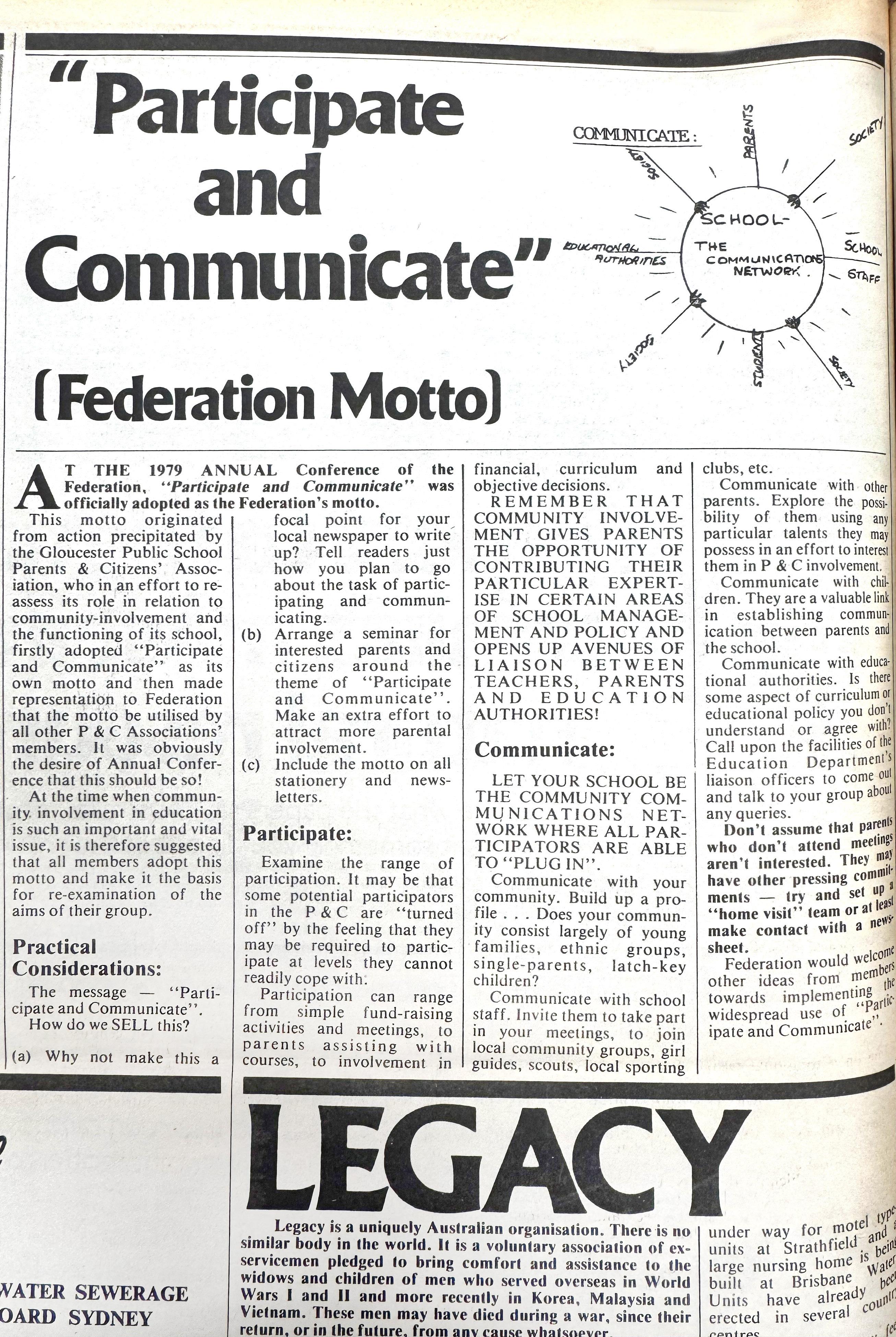
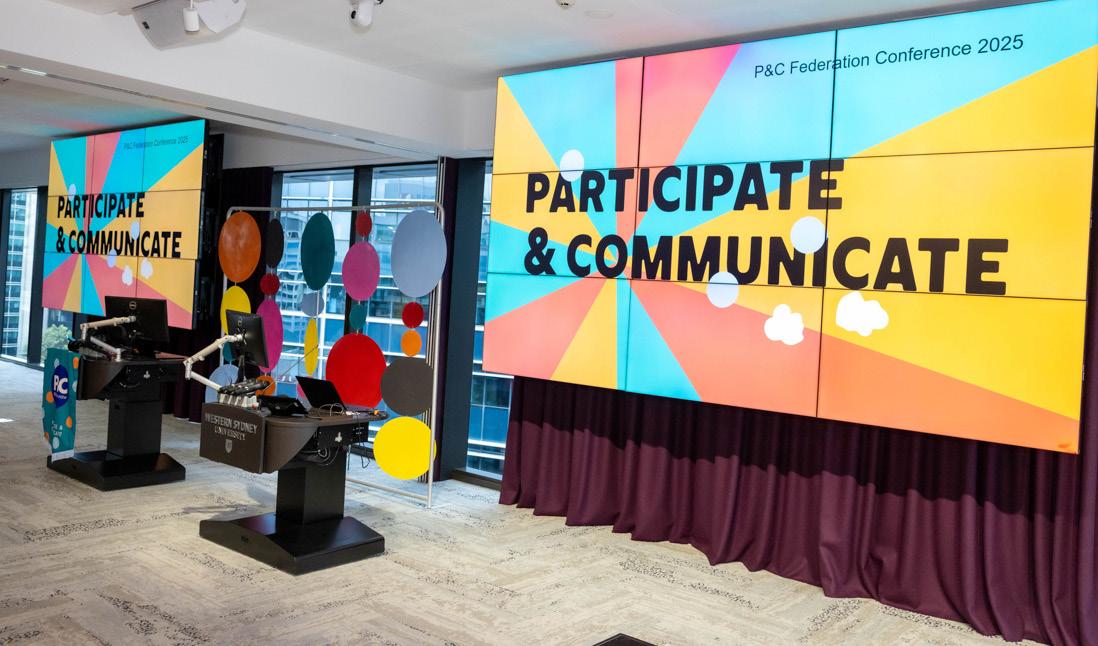
At the 1979 P&C Federation Conference, "Participate & Communicate" was officially adopted as the Federation's motto. Over the years the motto has changed, but for the 2025 conference we brought it back!
Thanks to a rediscovered article from an old Parent & Citizen journal, we were inspired to reconnect with this piece of our history. The original message still rings true today: schools thrive when parents, teachers, students, and communities participate wholeheartedly and communicate openly.
This year’s conference created spaces where members could embody the motto in meaningful, practical ways.
We hosted interactive sessions inviting attendees to share their success stories, the projects they’re proud of, the collaborations that have strengthened their schools, and the moments that reminded them why P&C work matters.
We closed the day with a hands-on advocacy workshop, where participants explored big questions together:
• What does change look like in your local school’s context? Where is your P&C wanting to make a difference?
• Share your thoughts of public education as a whole. Where is the system working and what needs to be addressed?
• What could you do differently in the year ahead? Set some goals for your P&C to maximise impact in 2026, and get out of your comfort zone!
The session encouraged everyone to think boldly and take those conversations back into their own communities.
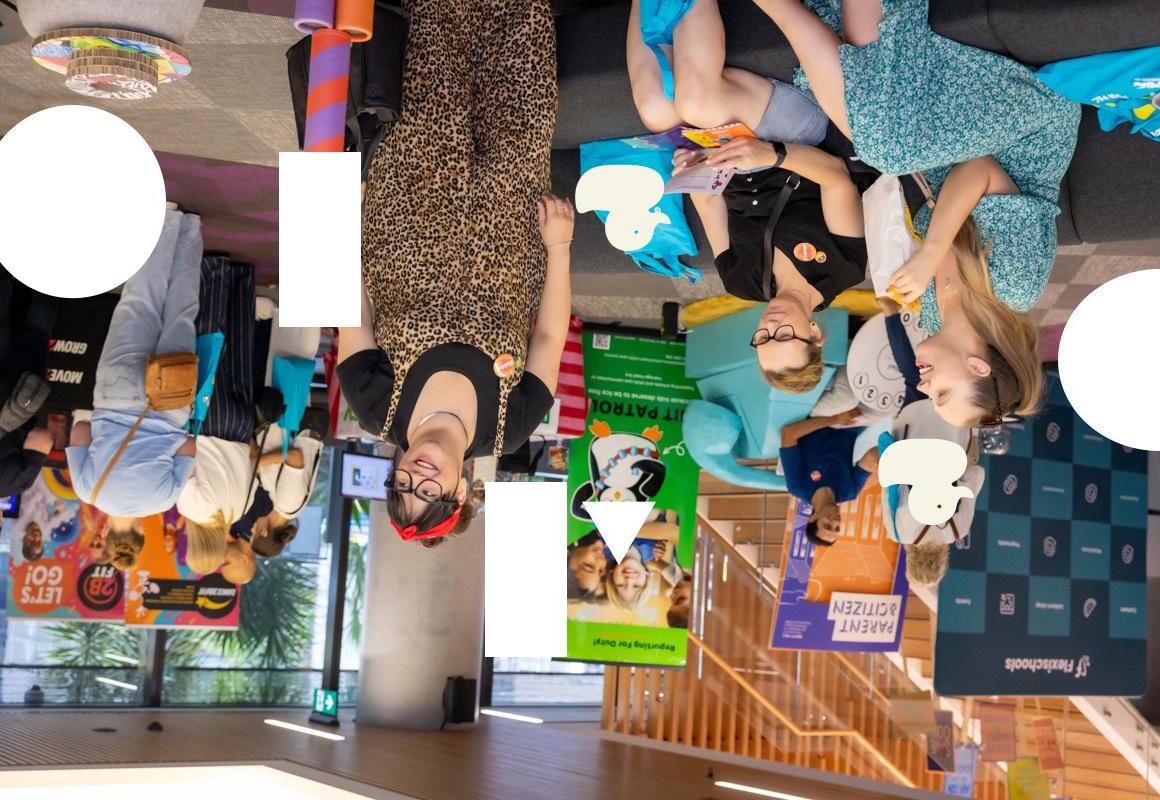
To keep the energy flowing all day long, we filled the venue with questions for attendees to answer using the dot stickers in their conference folders. Participants also collected dots from each other, and from every stall at our expanded tradeshow.
This year we added an extra hour of tradeshow time to give participants more time to talk to each other and to vendors. The level of participation was extraordinary, over 40 people returned fully completed tradeshow cards, and dozens more completed our “collect the dots” challenge.
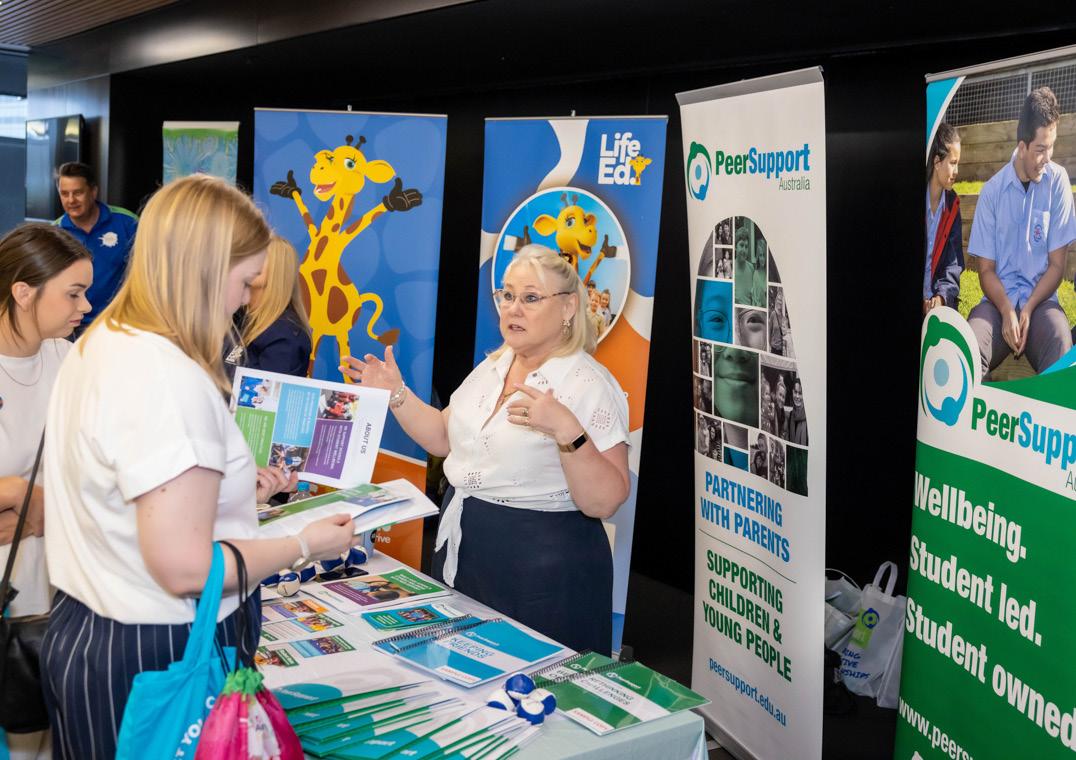
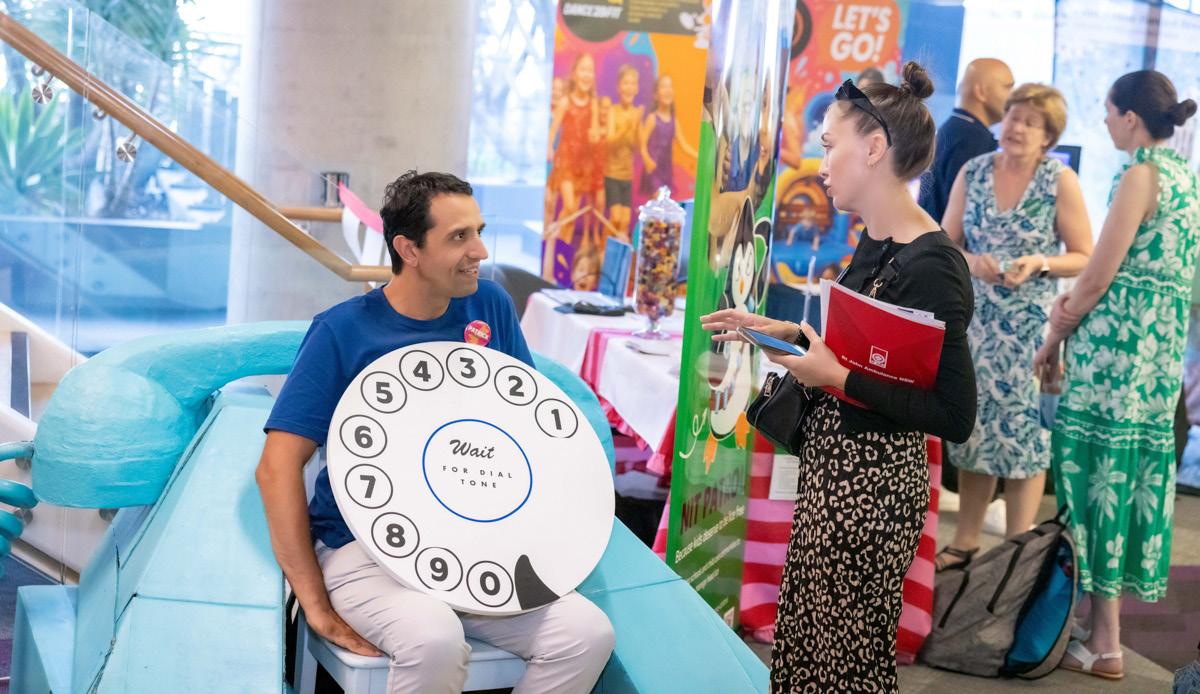
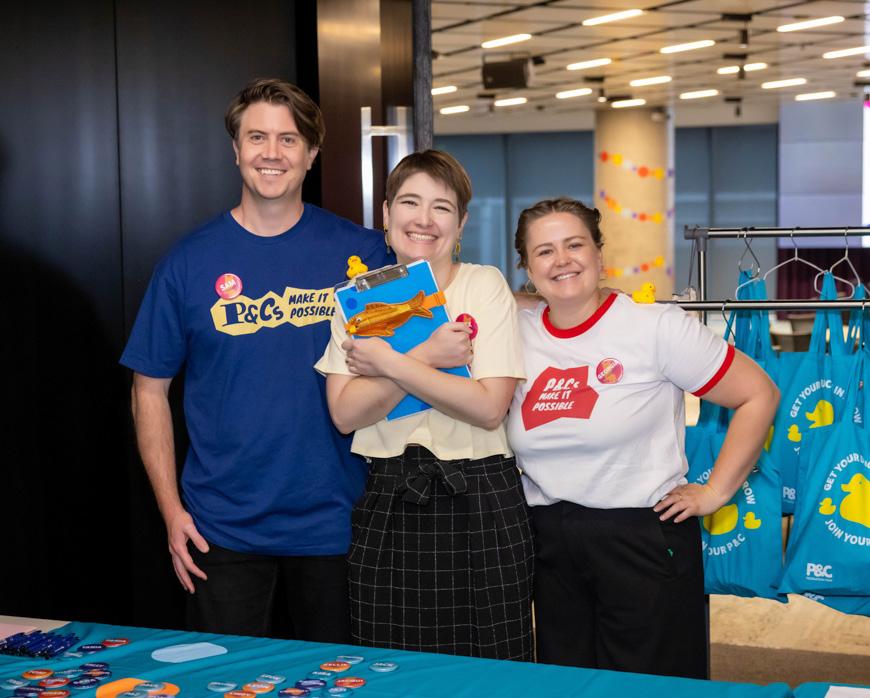
The P&C Federation team was stationed throughout the space to communicate with attendees. Kelly walked people through our website and collected resource ideas, Alex asked people to submit stories to the Parent & Citizen, Patrick was busy as ever in his giant phone answering questions about all things P&C. Fi gave out prizes at the duck pond, and Robert manned our merch table.
The revived motto felt right at home in 2025, echoed in every conversation, every dot sticker, and every moment of shared learning. Participate & Communicate may be decades old, but it remains a powerful guide for the work P&Cs do today.
We’re proud to honour our past while shaping the future together.
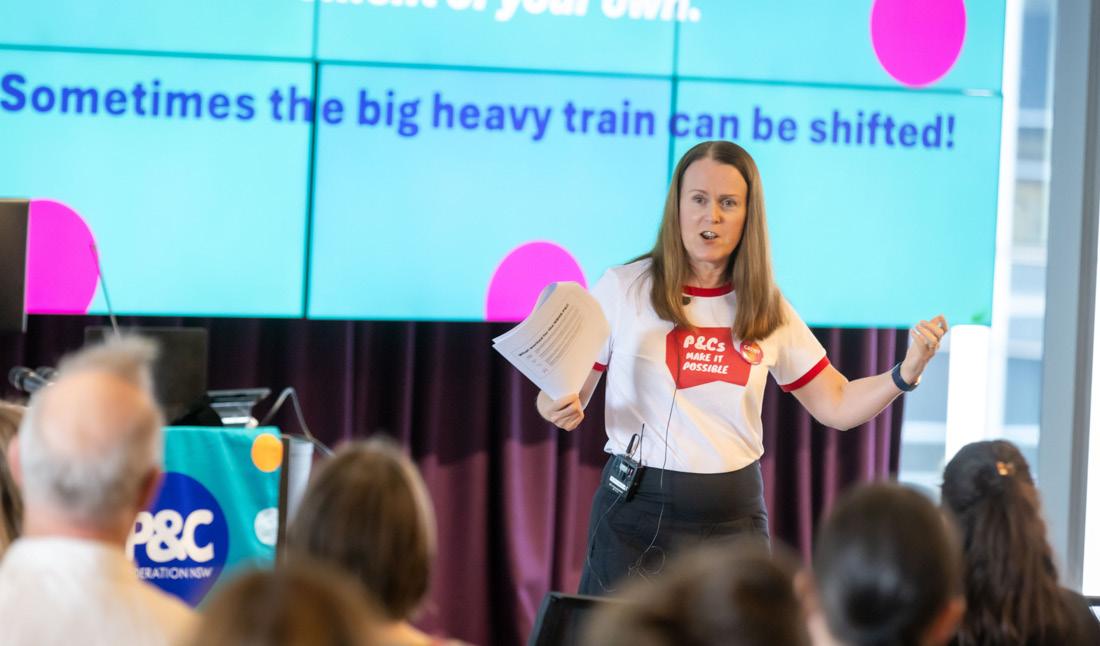
One of the standout sessions at this year’s P&C Conference came from Cathy Callaghan, the Federation’s Head of Policy, Advocacy and Government Relations.
Packed with practical insights and delivered with characteristic clarity, her workshop on “Strengthening Influence & Advocacy Capacity" left attendees feeling confident and full of tips to take back to their P&Cs.
Cathy opened with a powerful metaphor: the moment Japanese rail passengers collectively pushed against a train to free someone who had fallen beneath it. The message was simple and memorable, when people move together, even the heaviest obstacles can shift. For P&C advocates, that collective voice is one of the strongest tools available.
The session focussed on the 3 step process to expanding your influence & impact as a P&C:
FEEL: More confident and energised to advocate beyond the school gate.
KNOW: How the NSW political system works, and how to engage credibly with local MPs.
ACT: Leave equipped with tactics to use immediately back in your school community.
With 93 MPs in NSW, every school has a direct line to decision-makers, but understanding how to use it makes all the difference.
KEY
Principles for building constructive relationships with elected representatives:
1. Know who they are. Understand your MP’s priorities, positions, and election commitments.
2. Get confident. Know your issue inside out—and be clear on the ‘why’ that fuels your advocacy.
3. Respect their staff. Staffers are gatekeepers, advisers, and people doing demanding work. Treating them with courtesy goes a long way.
4. Be patient but persistent. Progress often happens behind the scenes. Regular, well-timed updates keep your issues alive.
5. Be easy to work with. A positive, solutions-focused approach keeps your school from being “blackcarded” and strengthens long-term influence.








NEW FUNDRAISING PRODUCT!
$30* PROFIT PER BOX (*approx.) MAKING IT ONE OF THE MOST PROFITABLE FUNDRAISING OPTIONS AVAILABLE! EASY TO MANAGE WITH MINIMAL VOLUNTEERS!
3 AWARD-WINNING FLAVOURS: RASPBERRY WHITE CHOC | CHOC CHIP | SALTED CARAMEL SELL
~ The Bitesize Kids Appeal is dedicated to helping children Australia wide ~
After years of consideration, asking ourselves WHO, WHY and HOW we could help, the BITESIZE KIDS APPEAL initiative was created - as a way to give back to the community. A percentage of proceeds from each 'FUN'raising box sold will go towards various organisations and charities. These partners are carefully selected based on their impact on community, their alignment of values, and common goals of helping Aussie kids.

Fundraising with Bitesize doesn’t only benefit your school, it also benefits our charity partners: Supertee & Heartbeat of Football!
A successful canteen starts with a great menu full of healthy and tasty choices. Menus can only contain Everyday or Occasional food and drink.
TIP: Flexischools allows you to rate the items in your menu to help parents make healthy choices when ordering online.
1 A plain bottle of water is always an Everyday item.
2 Banana bread is usually an Everyday item.
3 Potato wedges count as Everyday if baked.
4 A chicken salad wrap with lean meat and veggies is Everyday
5 If one item in the meal deal is Occasional, the whole deal can still be Everyday.
6 Popcorn can be an Everyday snack if airpopped.
7 Flavoured milk is always an Everyday item.
8 Hot dogs are always an Occasional item.
9 A healthy school canteen menu needs to comprise of 70% Everyday items.
Many hot dog brands are not permitted, check carefully before adding to your menu.
TIP: Managing parents who have missed the cut off. Add a Late Order service to help prevent IOUs. Offer limited items that are easy to prepare at short notice. To learn more, visit flexischools.com.au. TRUE OR FALSE
10 Promoting healthy options with fun names cavincrease sales.
count as



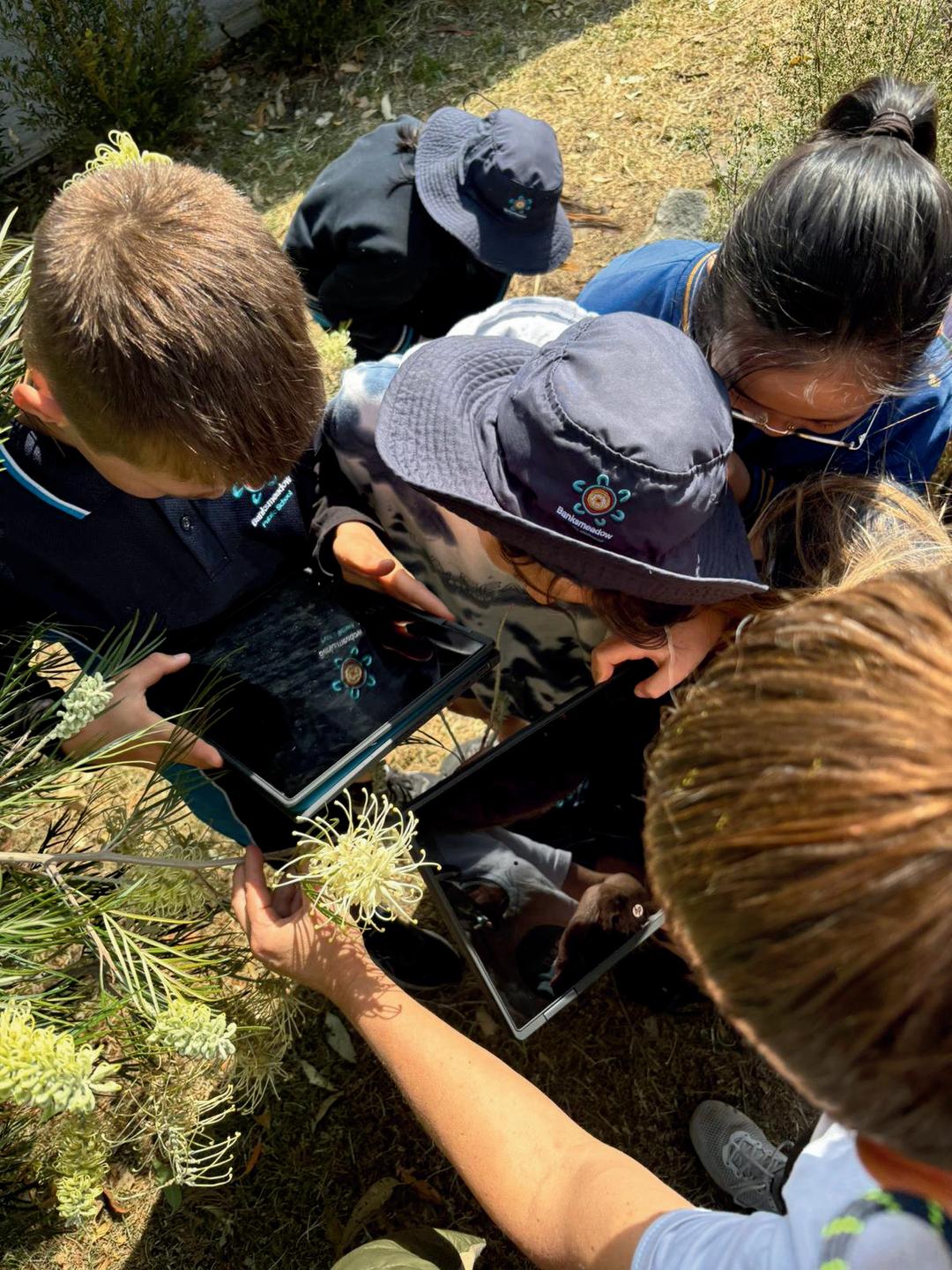
Discover the world of plants and pollinators in your school with hands-on educational and practical sessions that relate to key curriculum areas.
The B&B Highway program creates Bed & Breakfast spaces for Birds, Bees, Butterflies and Biodiversity to help support our declining pollinator populations.

Our 5-part program is interactive, hands-on and practical.

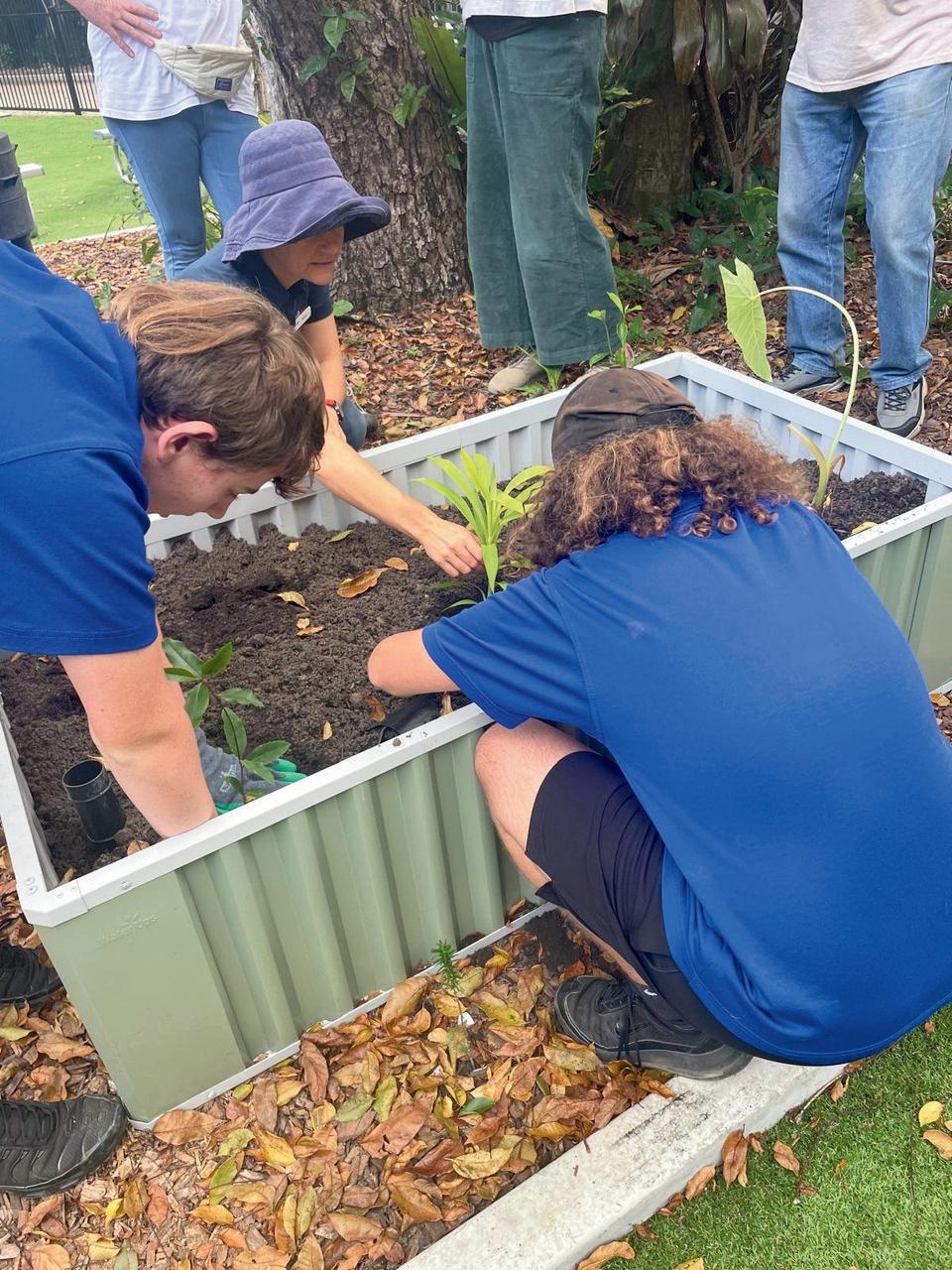
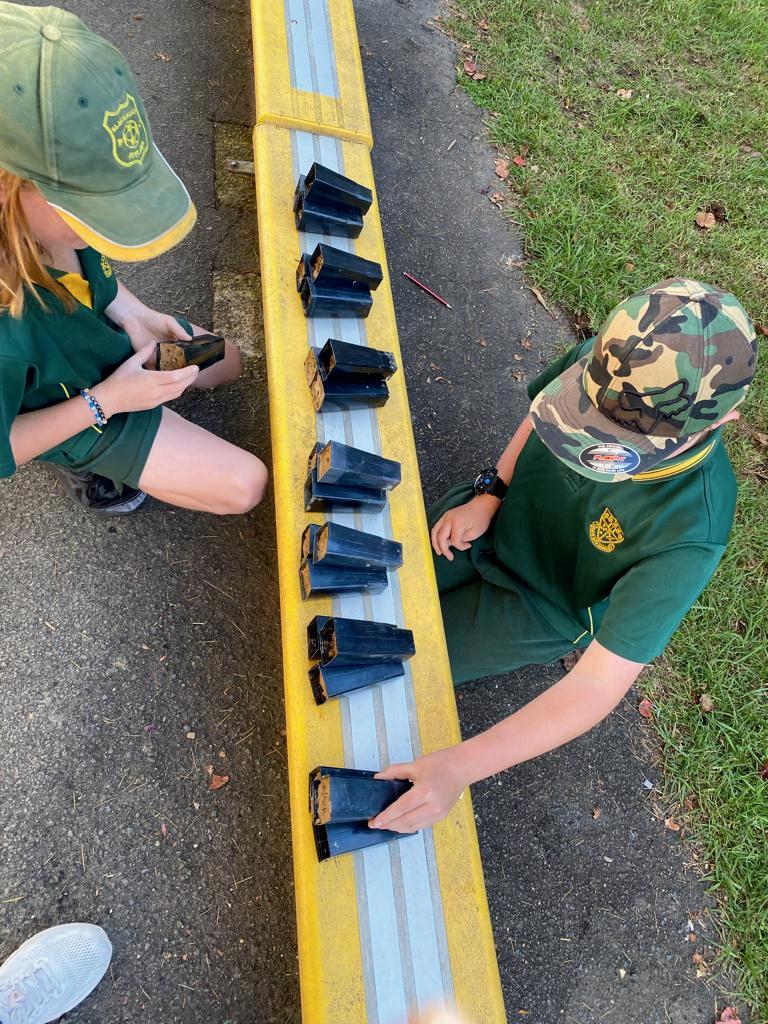



Activities include:
Biodiversity quest | planting | Citizen Science| making Blue-banded bee homes | Urban Heat
Full-day Incursion
Ages: 3-18 years


Albury Public School P&C Association
Appin Public School P&C Association
Australia Street Infants School
Australian Council of State School Organisations
Baulkham Hills North Public School P&C Association
Belmore South Public School P&C Association
Black Hill Public School P&C Association
Bligh Park Public School P&C Association
Brookvale Public School P&C Association
Burraneer Bay Public School P&C Association
Cammeraygal High School P&C Association
Carlingford High School P&C Association
Carlton South Public School P&C P&C Association
Castle Hill High School P&C Association
Colyton High School P&C Association
Concord West Public School P&C Association
Cooranbong Public School P&C Association
Corrimal East Public School P&C Association
Cherrybrook Technology P&C Association
Dungog Public School P&C Association
Elderslie Public School P&C Association
Epping Boys High School P&C Association
Epping North Public School P&C Association
Epping West Public School P&C Association
Ettalong Public School P&C Association
Faulconbridge Public School P&C Association
Glenmore Road Public School P&C Association
Googong Public School P&C Association
Governor Philip King P&C Association
Haberfield Public School P&C Association
Harrington Park Public School P&C Association
Heathcote High School P&C Association
Helensburgh Public School P&C Association
Homebush West Public School P&C Association
Huskisson Public School P&C Association
Jannali East Public School P&C Association
Kensington Public School P&C Association
Kincumber Public School P&C P&C Association
Kingswood South Public School P&C Association
Leumeah Public School P&C Association
Macquarie Fields High School P&C Association
Moruya Public School P&C Association
Mosman High School P&C Association
Moss Vale Public School P&C Association
Mount Colah Public School P&C Association
Narranga Public School P&C Association
Nepean CAPA Highschool P&C Association
Newington Public School P&C Association
Ngarala Public School P&C Association
Northbridge Public School P&C Association
Northmead CAPA High School P&C Association
Oyster Bay Public School P&C Association
Beverly Hills Public School P&C Association
Parramatta North Public School P&C Association
Pennant Hills High School P&C Association
Point Clare Public School P&C Association
Ramsgate Public School P&C Association
Richmond High School P&C Association
Riverbank Public School P&C Association
Rose Bay Public School P&C Association
Rozelle Public School P&C Association
Shelley Public School P&C Association

Schofields Public School P&C Association
St Ives North Public School P&C Association
Stanmore Public School P&C Association
Surveyors Creek Public School P&C Association
Sutton Public School P&C Association
Sydney Boys High School P&C Association
Tarro Public School P&C Association
Telopea Public School P&C Association
Tempe High School P&C Association
The Ponds High School P&C Association
Turramurra High School P&C Association
Turramurra Public School P&C Association
Vincentia High School P&C Association
Vineyard Public School P&C Association
Wallsend Public School P&C Association
Wellington Public School P&C
Aurora College P&C Association
Wentworth Point High School P&C Association
West Pennant Hills Public School P&C Association
Windsor High School P&C Association
Winmalee Public School P&C Association

Connect with the other P&Cs in attendance at our Conference!
Follow along on their P&C profiles online, or join our NSW P&C Federation Facebook page to see all the highlights of the conference!
FACEBOOK: NSWPandCFed
INSTAGRAM: pandcnsw



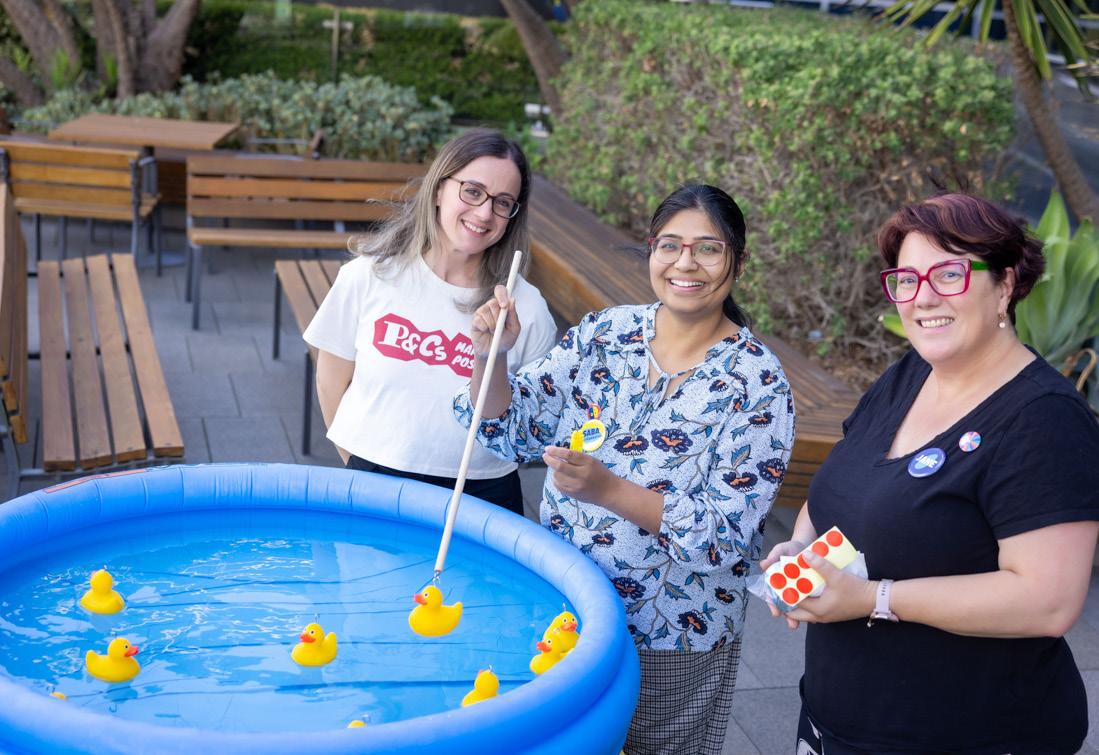
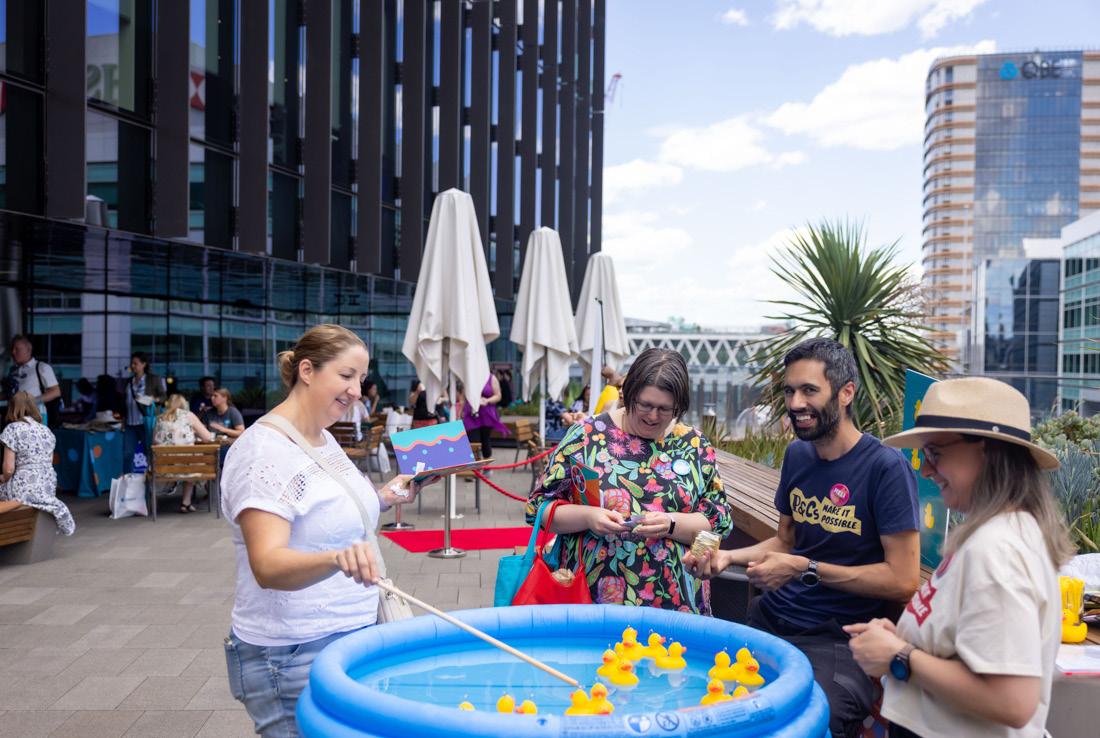
The Federation Duck Pond was the social hub for attendees, with one of our prize tasks: to meet and exchange dots with six other members!
Congrats to our winners from Turramurra High School P&C Association!
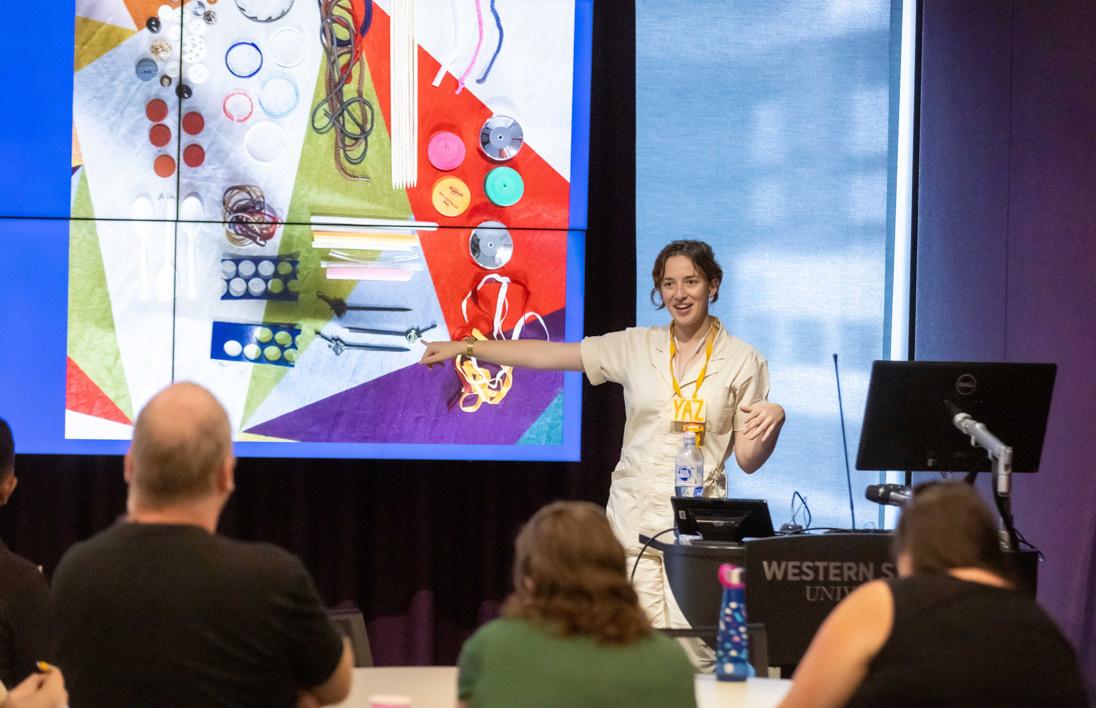
One of the breakout sessions at this year’s conference was delivered by the team from Reverse Garbage, who opened with a startling fact: Australians produce 75.8 mega-tonnes of waste every year, the equivalent weight of 471 Sydney Opera Houses. It was a powerful reminder of the scale of our waste problem, and a perfect launchpad for a conversation about creativity, sustainability, and the role schools can play in both.
We began with a small-group reflection, sharing childhood memories of making and creating. Many of us noticed how little room there is for that kind of openended creativity in schools today. Art activities are often highly structured, step-by-step, with limited opportunities for experimentation or problem-solving.
Yaz Andrews from Reverse Garbage then introduced their refreshing alternative: creative reuse programs that prioritise open-ended exploration and sustainability. Materials are sorted by use, one key category being "joining materials". Unlike most classroom activities, students aren’t given tape or glue. Instead, they learn to connect materials using split pins, shoelaces, rubber bands, paper clips, and different cardboard attachments. This approach reduces waste and mess while encouraging independence, resourcefulness, and genuine problem-solving. Visual diagrams support students without limiting their imagination.

Then came the hands-on challenge: create a creature. The prompt was intentionally loose, and we all ended up with very different creatures. As one participant said, “We’re all sitting here having a conversation and don’t want to leave.” It was genuinely fun, and really challenging to make something without relying on traditional adhesives.
This session was a wonderful reminder that creativity can flourish when we loosen the rules and rethink our materials. If you're looking for engaging, sustainable activities for your school, or even a team-building session for your P&C, Reverse Garbage’s programs are worth exploring.

Former P&C Federation President and local P&C leader, Yvonne Hilsz, brings practical insight into the challenges faced by parents and school communities. Her expertise in strategic planning, teamwork, and confidence-building equips her to support P&Cs across NSW to operate more effectively and create positive outcomes for their schools.

This session explored practical and sustainable ways for P&Cs to thrive in a time-poor society.
FORWARD PLANNING builds stability, consistency and confidence. Planning fundraising events 1–4 years in advance helps families budget effectively and gives schools a clear understanding of how they can support these initiatives. It also prevents P&C members and executives from becoming overwhelmed by constantly implementing and carrying out new ideas. MPs and funding bodies strongly favour P&Cs that demonstrate consistent, long-term planning, which often leads to greater success in securing grants and financial support.
REDUCE LABOUR-INTENSIVE EVENTS and move away from approaches that unintentionally isolate families (such as P&C levies where some families can afford more contributions than others). Instead, focus on engaging local businesses for sponsorships, applying for grants from state councils, and strategically planning events. These approaches generate stronger returns while reducing manual workload and fostering inclusivity amongst families.
STRONG RELATIONSHIPS WITH THE PRINCIPAL are essential. Collaboration becomes far easier when the principal and P&C work as partners. Clear communication, transparency about funding needs and agreed-upon boundaries (such as setting clear boundaries with the principal that their requests should be made privately rather than in meetings) which help maintain respect, reduce tension and support better decision-making. Principals can also open doors to infrastructure partnerships and DOE funding opportunities.
"The principal is the CEO of the school, whether you like it or not."
COMMUNITY APPRECIATION AND ENGAGEMENT is vital. Genuine gratitude strengthens relationships with families, volunteers and sponsors. Consistent acknowledgement helps retain volunteers and boosts community spirit. Another helpful idea is to engage with student parliament to amplify student voice – this ensures the P&C is promoting the interest of the school by bringing parents, students and teaching staff into close co-operation (which is the 1st objective of the Prescribed Constitution!)
BUILD ENDURANCE, NOT EXHAUSTION: Sustainable P&C leadership requires protecting volunteer wellbeing, distributing workload and making decisions that will not overburden future committees. Seeking community feedback through things like surveys can help set clear strategies. Setting realistic goals are key to long-term stability and ongoing P&C success - avoid creating goals that only suit the current executive team, as this can inadvertently cause strain on future committees.
Some helpful links to connect with Yvonne Hilsz: yvonnehilsz.com/about/ au.linkedin.com/in/yvonnehilsz




“Whether
THE CHALLENGE
Umina Beach PS wanted a high-energy, inclusive way to raise funds — something fresh and fun that didn’t drain teachers or parents. Traditional sausage sizzles and raffles were losing impact, so the P&C turned to 2BFIT for a ready-made, fully managed event.
THE SOLUTION - 2BFIT SPLASHATON
THE RESULT
2BFIT delivered a SPLASHATON event with obstacle courses, foam zones, and a water slide rotation schedule — transforming the school oval into a festival of movement and laughter. The $6,500 event was run end-to-end by our trained team with full risk management, logistics, insurance, setup, supervision and pack-down.

““Another
MASSIVE thank you for helping us pull off our Splashathon last term. It was a massive success.”
- Nellie Feeney, P&C President Umina Beach PS

AI is rapidly shaping the way young people learn, interact, and seek support. While its potential in education is undeniable, concerns around bias, identity, and ethical use remain front and centre. The session explored how schools and educators can navigate this double-edged sword thoughtfully.
KEY TAKEAWAY
AI is not just a tool, it’s becoming part of a young person’s identity and daily life. Educators must balance its benefits with the risks of bias and overreliance, ensuring policies and strategies promote responsible, informed use.
“Teachers and education systems have a responsibility to embrace artificial intelligence while also protecting students against its harmful effects.”
Turn the page to read more about Matt and AI in schools or read Matthew's book, The Next Word.
“Technology isn’t just something young people use; it’s part of who they are.”
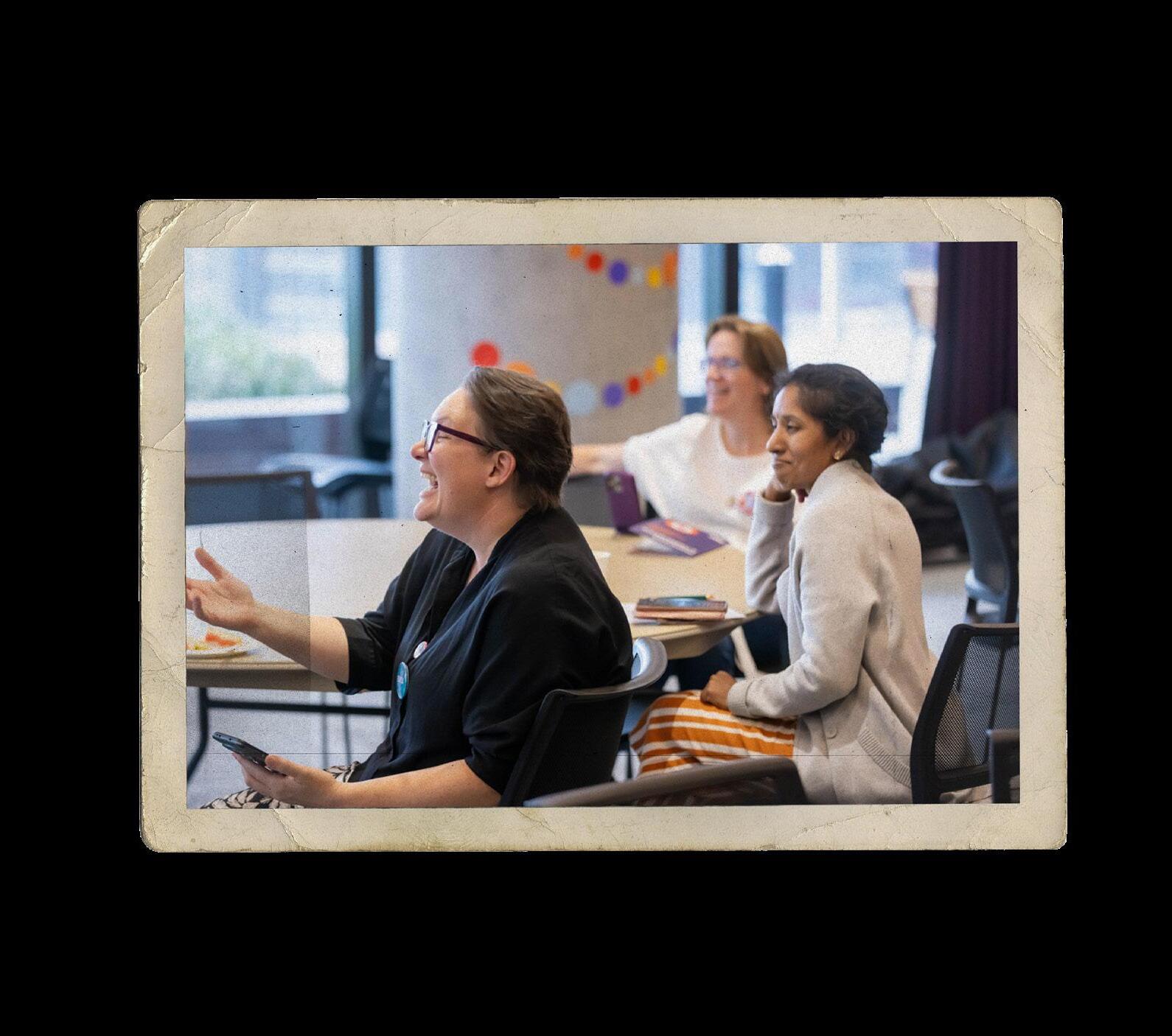

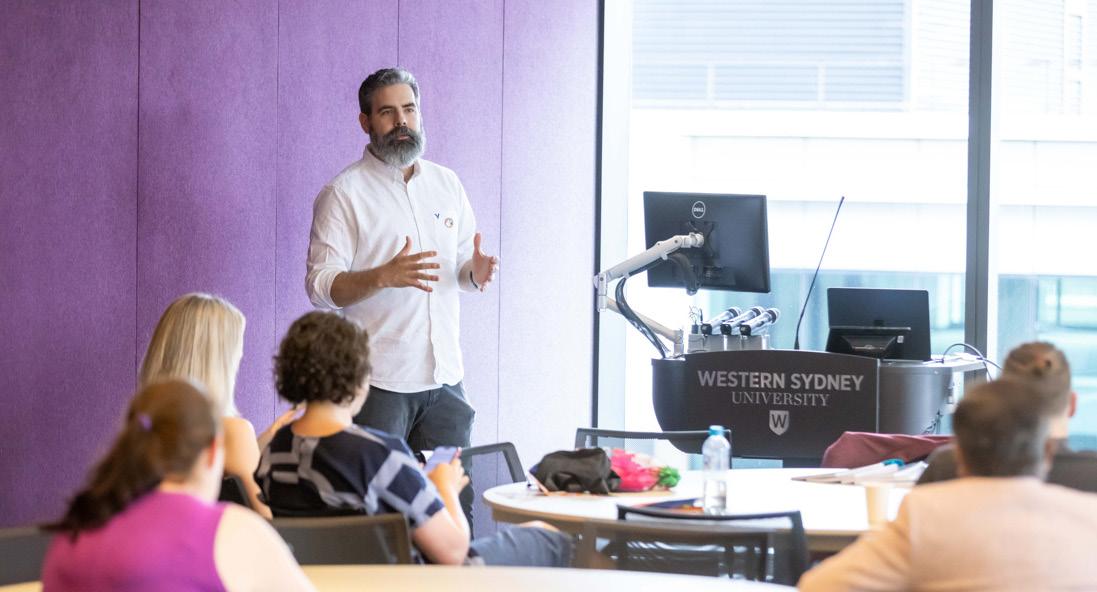
The P&C Federation CEO Gemma Quinn presented an invaluable introduction into the structure of the education system in Australia and New South Wales. She described where P&Cs fit in this system, and how P&Cs can leverage this system to get the best outcomes for their schools.
She started by giving the room a high-level overview of how education in Australia is structured, the key points of which were:

• The Commonwealth Government provides strategic direction for the nation’s education system and certain levels of funding but has very little direct power in education. Most regulatory powers in education lie with the states
• The NSW Department of Education is the main source of policy in NSW government schools, and most of its powers are derived from the Education Act 1990.
• P&C Associations are also defined in the Education Act 1990, as this is where P&C objectives are set in stone.
• P&Cs objectives in the Act are essentially to bring the school community together in close cooperation, providing facilities for the school and promoting the recreation and welfare of students at the school, and in to encourage parent and community participation in curriculum and other education issues.
Gemma stressed how important this is: “Just think about that for a second. P&Cs have a statutory remit and obligation to encourage parent participation in
curriculum and education, to promote the welfare of school students and to bring the community together into close cooperation.”
The session then discussed the various branches of the Department of Education, and what they are responsible for. This was no easy task considering the Department is one of the largest organisations in the Southern Hemisphere, in terms of number of staff.
The two areas of the Department of most interest to the session were:
• School Infrastructure NSW, responsible for building and maintaining schools.
Problems raised by attendees included the following:
• P&C Associations and parents are referenced in many policies of the Education Department as stakeholders to be consulted. However, many parents have experienced this as a tick box exercise, where parents and P&C Associations are informed of a decision, and this is counted as ‘consultation’.
• There has been a decades-long culture of schools trying to save money by relying on parents being willing to fundraise and spend money, even for things that are in school budgets.
• Many parents are unaware of how to raise complaints and concerns, and if they do, they frequently never hear back.
Some of the key takeaways from this session included:
• If a policy states parents/P&C Associations must be consulted, but they don’t feel consulted, this can be raised with the principal’s supervisor (the DEL, or Director Education Leadership)
• Items such as stationery, IT, are reflected in school budgets and so schools should not be reliant on parents for these.
• The Department has become more transparent about who you should contact if you want to escalate a concern, and they do take concerns seriously, though there is more to do.
• If you wish to escalate a concern, persistence is sometimes necessary. One complaint may be overlooked, but if there are multiple follow ups and concerns raised by multiple people on the same topic, the Department is likelier to take note.

• Professional and Ethical Standards (PES), responsible for investigating allegations of misconduct by Department employees.
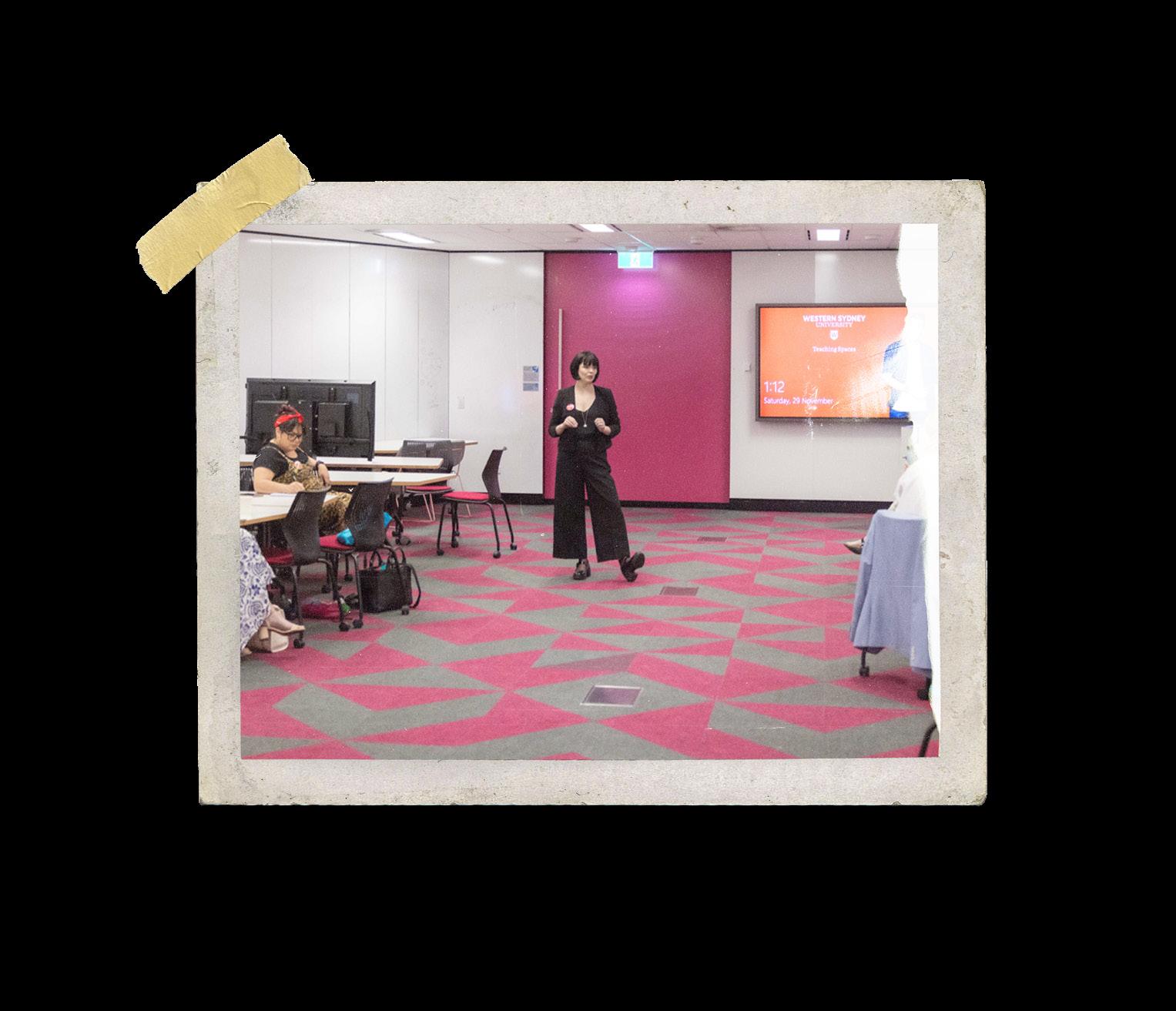
By Matt Esterman,
It's time for a refreshingly honest conversation about Artificial Intelligence in our schools. Forget the dystopian red herrings of robot teachers and cheating scandals. The real story is far more interesting, and it’s one where every parent in NSW needs to get ahead.
This article was drafted with editorial support from Google’s Gemini AI tool. Any mistakes are mine to own.
Let's be blunt: Generative AI is not some futuristic fantasy. It's here, it's in your child’s world, and it's already being trialled in NSW public schools in an official capacity, and in their hands in a much less official way. The question isn't if it will change your child's education, but how we, as parents, can ensure it’s for the better.
Here are five inconvenient truths and provocative questions to help you navigate the AI revolution in the classroom and ensure it delivers real value, not just novelty.
Before we even get to student learning, let's talk about the single biggest handbrake on your child's education: their teacher's administrative workload. A recent audit of NSW schools confirmed what we've all suspected –teachers are buried under a mountain of non-teaching tasks. This is time that could be spent with your child.
The NSW Department of Education is already trialling its own secure AI tool, NSWEduChat, with the explicit aim of easing this burden. This is the low-hanging fruit of the AI revolution. Why on earth would we want a highlytrained professional spending hours on paperwork that a machine could handle in seconds?
Your question for the school: "I understand teachers are trialling the Department's AI to help with their workload. Can you tell me about this as a strategy for them to focus more directly on my child's learning?"
2. Banning AI is like banning calculators (and even less effective).
Some schools, in a fit of understandable panic, have taken a "just say no" approach to generative AI. This is a hopelessly naive strategy. Your child is already using it, or will be soon, outside the school gates. The real task isn't to ban it, but to teach them how to use it wisely, ethically, and effectively.
A school that blocks AI is not protecting your child; it's failing to prepare them for the world they will graduate into. The focus should be on "augmented intelligence" –using AI as a powerful tool to enhance, not replace, their own thinking.
Your question for the school: "What is the school's strategy for teaching students to be discerning and ethical users of AI, rather than simply trying to catch them out for using it?"
3. Not all AI is created equal. Ask about the difference.
The NSW Department of Education has been commendably cautious, developing its own "walled garden" AI tool, NSWEduChat, to ensure data privacy and student safety. This is a crucial distinction. The freefor-all of publicly available and privately owned AI models is not a safe space for children.
As parents, we need to be clear about this. While we should encourage the use of school-sanctioned AI, we should also be wary of the risks associated with students using unvetted tools on their own devices. To stop this completely is a fruitless endeavour, but to establish a conversation, provide clear advice, and a safe space to discuss is essential both at school and at home.
Your question for the school: "How are we, as a school community, clearly communicating the difference between the school's safe AI tools and the 'Wild West' of the internet, and what are the school's guidelines on this?"
4. The real AI skill isn't getting answers, it's asking questions.
The power of generative AI lies not in its ability to spit out facts, but in its capacity to respond to nuanced, well-crafted prompts. This is where the future of many "knowledge worker" jobs will lie. Using AI tools like Google search is utterly boring, as will be the answers you get.
Instead of worrying about your child using AI to write an essay, you should be asking if they are being taught the art of "prompt engineering" – the skill of asking the right questions to get the most insightful and creative responses. This is the new frontier of critical thinking. And it’s probably something already happening in many classrooms for many years.
Your question for the school: "Beyond just using AI for information, how is the school actively teaching students the skill of crafting effective and insightful questions to get the most out of these powerful tools?"
5. AI should make education more human, not less.
This is the great paradox of AI in education. By automating the mundane, we free up human time and energy for what really matters: mentorship, wellbeing and personalised support. The true promise of AI is not a classroom run by algorithms, but a classroom where teachers are liberated to be more human.
We should expect and encourage our schools to embrace AI precisely because it allows our teachers to refocus their efforts on the uniquely human aspects of their profession.
Your question for the school: "As the school adopts more AI tools, how will we measure their success not just in academic results, but in the increased quality of human interaction and personalised support for our children?"
The conversation about AI in our schools is happening now. As parents, we have a critical role to play in steering it towards a future where this technology serves our children and their teachers, creating a more effective, engaging, and, ultimately, more human education system. Let's start asking the right questions.
If any of the answers to these questions are not satisfactory, it might be an opportunity to support your child’s school to develop an approach to AI that makes sense in that context. There are many resources and people available to help, including me.
As with many aspects of education, grappling with AI is a team sport: one that includes the school, teachers, parents, children and other supporters. Make sure to rally those resources to ensure clarity and alignment so that everyone is on the same page as you take your next steps.

Matt Esterman has over 20 years working in schools and beyond as a leading voice in the thoughtful adoption of technology. He is a trained History teacher with two masters degrees, who has made a significant contribution to professional learning in Australia and overseas. He has been recognised with several awards, most recently as a Commonwealth Bank Teaching Fellow, provided by Australian Schools Plus. Matt has founded The Next Word, a consultancy that seeks to leverage AI and other technologies to help shape a better future. He works with schools, universities and other organisations to increase awareness and capability in using AI. He has coauthored a book titled “The Next Word: AI & Teachers” with Dr Nick Jackson, which launched in 2024. He is a regular speaker and workshop facilitator across Australia and internationally with educational and corporate organisations. Matt has been appointed an Adjunct Fellow in the School of Education at Western Sydney University, a casual academic at Macquarie University, and is a member of the HP Futures 2025: AI & Leadership Council.
For more information about The Next Word, please go to www.nextwordnow.com.

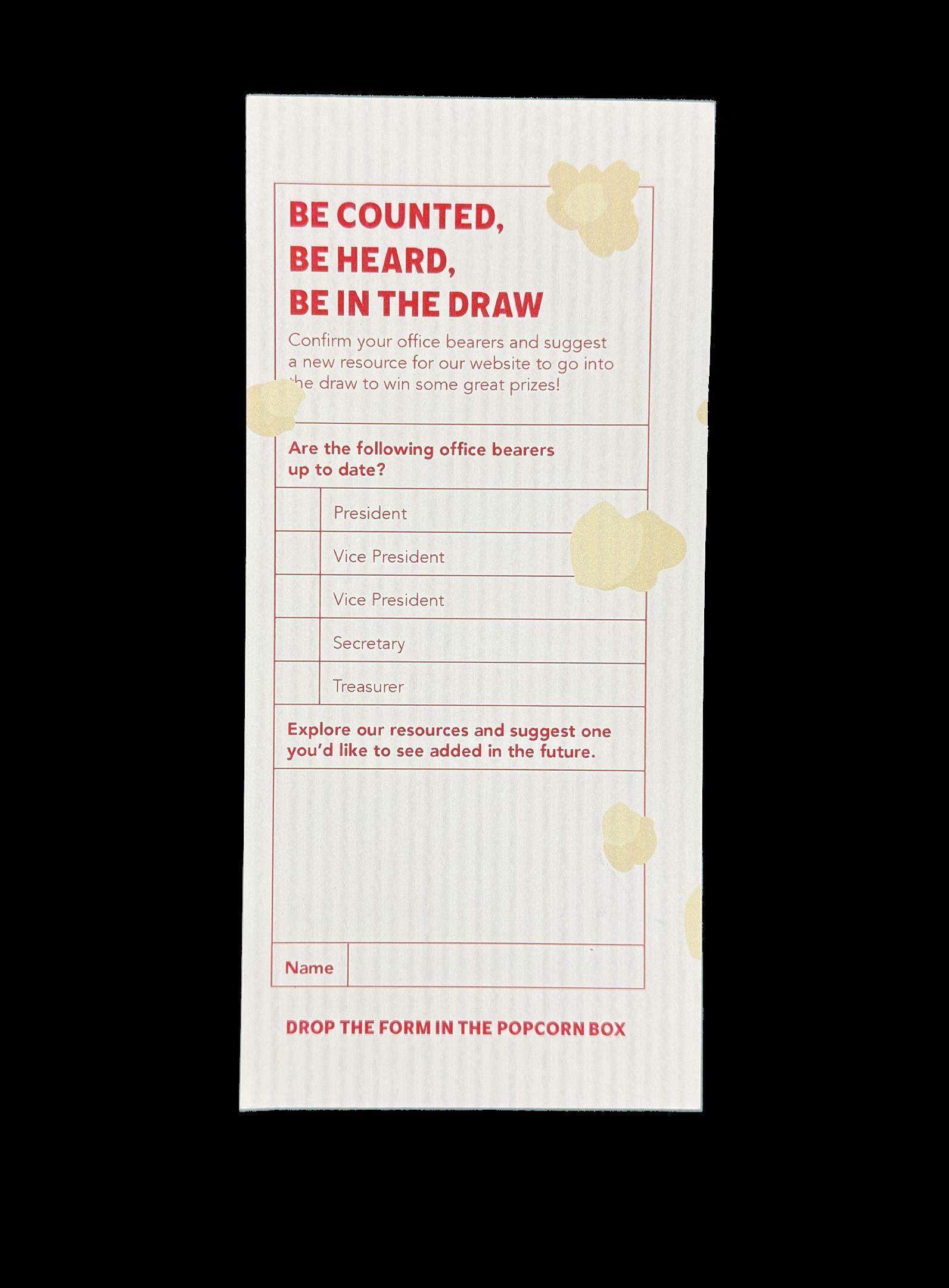
At this year’s P&C Conference, our Member Services team ran a hands-on Live Website Station at our giant computer, giving attendees the chance to check and update their association’s details on the spot. With office bearers changing throughout the years, keeping your information current for the P&C Federation is essential. Removing outgoing members and adding new contacts ensures your P&C stays connected and supported.
Exploring the website also reminded many delegates of just how much it offers: hundreds of resources, early access to webinars, FAQs, policy documents and so much more.
Everyone who updated their details on the day went into the draw to win a Movie Night Fundraising Kit, complete with a huge 5-metre inflatable screen.
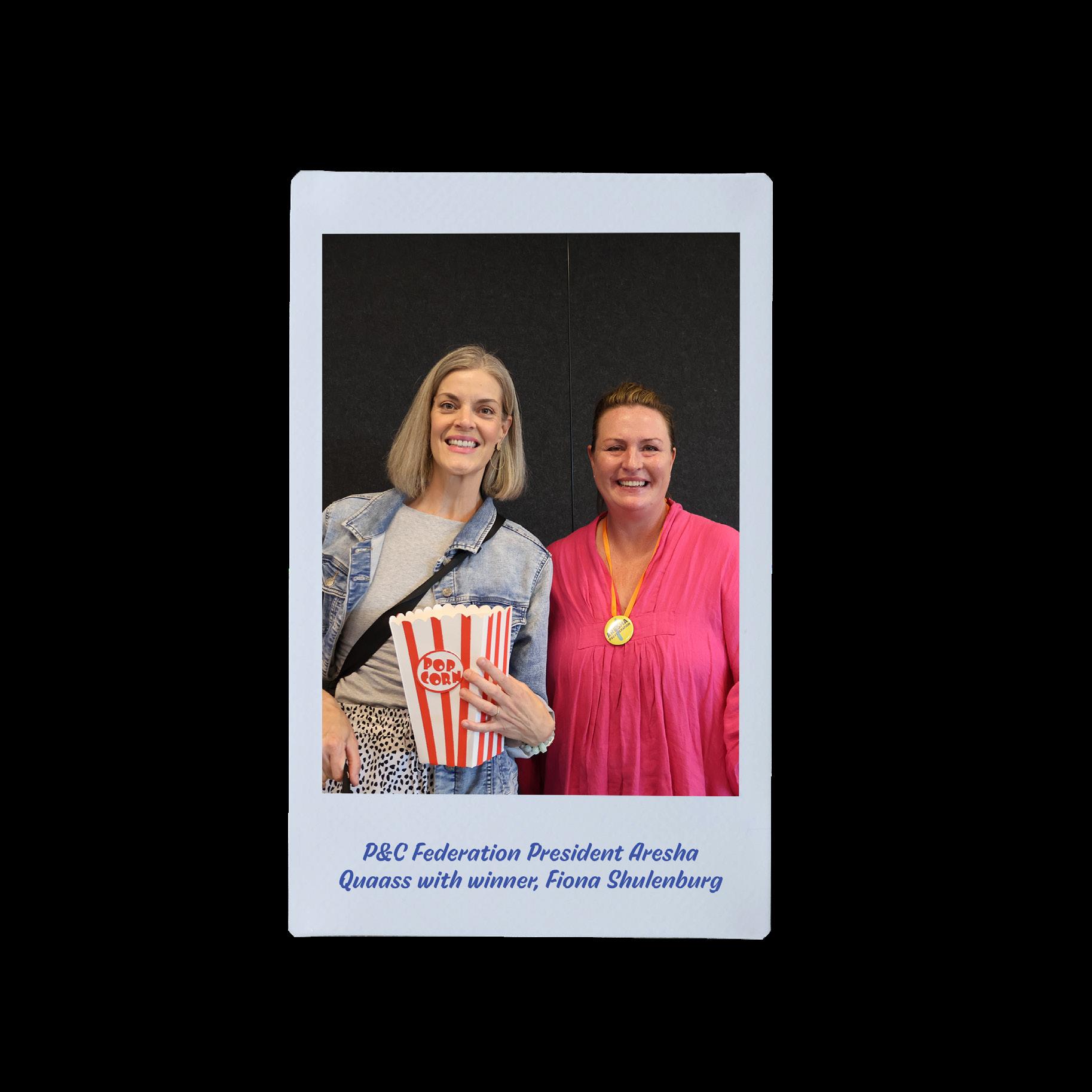
A big congratulations to Fiona Schulenburg from West Pennant Hills Public School P&C, who took home the prize, and set a great example by keeping her P&C’s details up to date!


This conference session showcased real-life examples of how P&C Associations across NSW are creating meaningful outcomes for their school communities. The session highlighted the power of strong collaboration between schools and parents to implement positive changes, uplift student wellbeing, and create safer, more supportive environments. This session helped P&Cs gain insight into practical, impactful initiatives that any P&C can adapt to their own context to make their school community thrive!
Jati shared how collaboration at a state level can significantly help a P&C Association, such as his. At Carlton South Public School, their P&C worked closely with the NSW Premier Chris Minns, to secure $250,000 in funding to transform a large unused piece of school land into valuable facilities for students. Jati highlighted that this success came from building strong relationships with State Council and demonstrating a clear vision for improving the school environment. Their story showed that when P&Cs advocate confidently and work with government partners, even large scale projects become achievable.
“Change doesn’t happen overnight”
Raveen focused on the vital role P&Cs can play in strengthening student wellbeing, particularly around bullying. At his school, there was limited support available for bullied students which prompted the P&C to take action. After extensive discussions, planning and collaboration, they developed a bullying management hierarchy system designed to guide students and parents through what to do if bullying occurs. This system outlines where to go for support, how to report incidents and what steps follow, ensuring families feel informed and supported. Raveen emphasised that creating this framework was challenging and was met with school pushback, but persistence was essential because students’ emotional safety is non-negotiable.
In addition, the P&C introduced regular wellbeing workshops during meetings to help parents better understand bullying, its impacts, and how to support their children. These workshops also act as a feedback channel, allowing parents to share their experiences with the system and suggest improvements. Raveen reinforced that while meaningful change takes time, consistent effort and patience, the outcomes make the journey worthwhile. When students feel safer, supported and genuinely heard, it strengthens their overall wellbeing and creates a more positive school environment for everyone involved.

“P&Cs are not just for fundraising, it’s also about the wellbeing of our kids”
The Peer Support program is a peer-led initiative that empowers students to build meaningful cross-year connections, develop leadership skills, and enhance their social and emotional wellbeing. Delivered over 8–10 weeks, the program integrates seamlessly into your school timetable.
Program outcomes include stronger connections, improved emotional regulation & conflict resolution and a greater sense of belonging
The program achieves this by helping students to develop and sustain: positive relationships agency sense of self responsibility for self and others
Primary school teachers: Tips for boosting whole-of-school wellbeing.

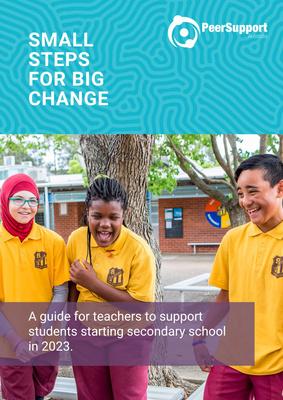
Senior students are trained as Peer Leaders to lead small groups of younger students in weekly structured sessions
We provide:
Professional development workshops to help teachers confidently implement the program
Access to comprehensive year-round resources and ongoing support
We have upcoming face-to-face one-day workshops. We also offer 2-hour online workshops.


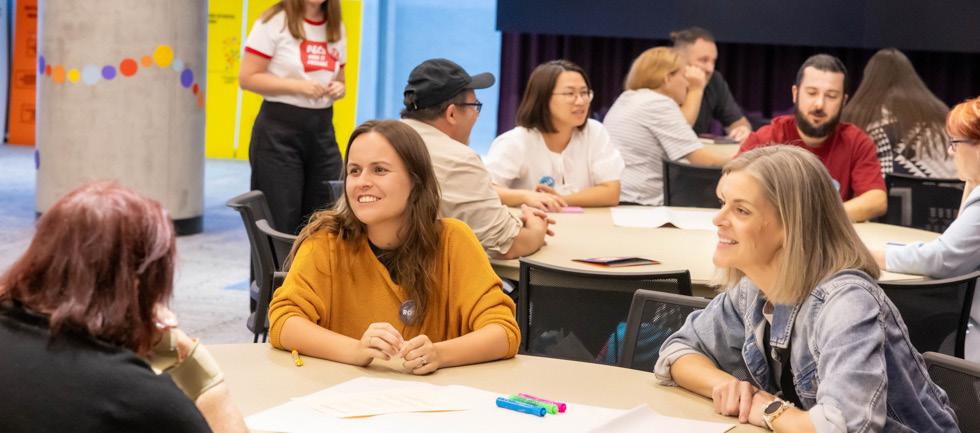
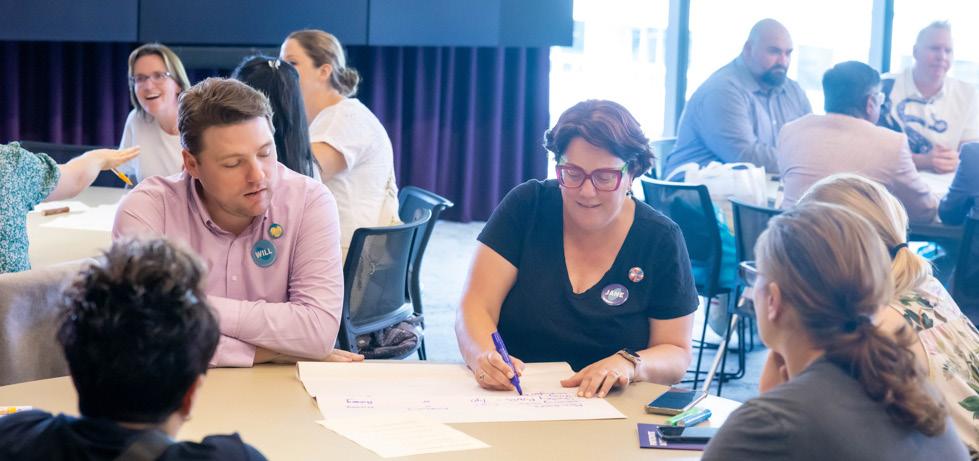
This session was an opportunity for P&Cs to collectively share what advocacy priorities would be most important for their school communities, and to compare and contrast their needs and experiences.
It proved to be an occasion for parents to realise their communities shared many of the same needs, and the presence of Cathryn Callaghan, the P&C Federation Head of Policy, Advocacy and Government Relations, provided much needed guidance and insights based on her long experience in government and advocacy.
Some of the main priorities identified included:
• The fact that public education goals are currently aimed at meeting the Schooling Resource Standard (SRS), which is defined as ensuring 80% of students meet minimum literacy and numeracy standards. Being satisfied with one fifth of students not meeting minimum literacy and numeracy is not good enough.
• Road safety, such as the need for more school crossing guards.
• Inclusivity, such as the need to reduce transport costs for out-of-school activities.
• The need for both schools and P&Cs to not get absorbed by administrative burdens, but to continuously zoom out to remind themselves of the bigger impact they are all trying to make.



Every child deserves to feel confident and included at school. But head lice can make that hard itchy heads, loss of focus, embarrassment, even teasing. It’s a small issue with a big impact on learning, wellbeing, and family stress That’s why Nit Patrol exists to help schools and childcare centres work together towards a lice-free community.
For years, schools and parents have been doing their best treating cases as they pop up and sending home ‘lice alert’ notes But because each family acts alone, lice just keep circulating. Nit Patrol changes that. It’s a coordinated, community-wide approach that helps everyone work in sync without adding to staff or parent workloads. We make it easy, effective, and stigma-free
Educates: Dispels Myths. Gives the facts.
-Engaging sessions, presentations, fact sheets and guides
Communicates: Reduces the stigma
-A series of bite-sized posts for newsletters that normalise head lice and encourages families to talk.
Coordinates: Gets parents working together to break the reinfestation cycle.
-Class, year, or all school screenings
Supports: There is always expert help on hand via the Nit Patrol Helpline
Monitors & Motivates: Tracks progress towards zero lice and keeps everyone engaged.

Happy, Healthier Kids - who can focus on learning not the itching, or the embarrassment, that comes with lice
Confident Informed Parents - who know exactly what to do, and feel supported with credible information
Less Stressed Staff - who spend less time on lice and more time on teaching.
Leadership in Student Wellbeing - it demonstrates a proactive, community approach to student care

BORING BUBBLERS? NO THANKS!
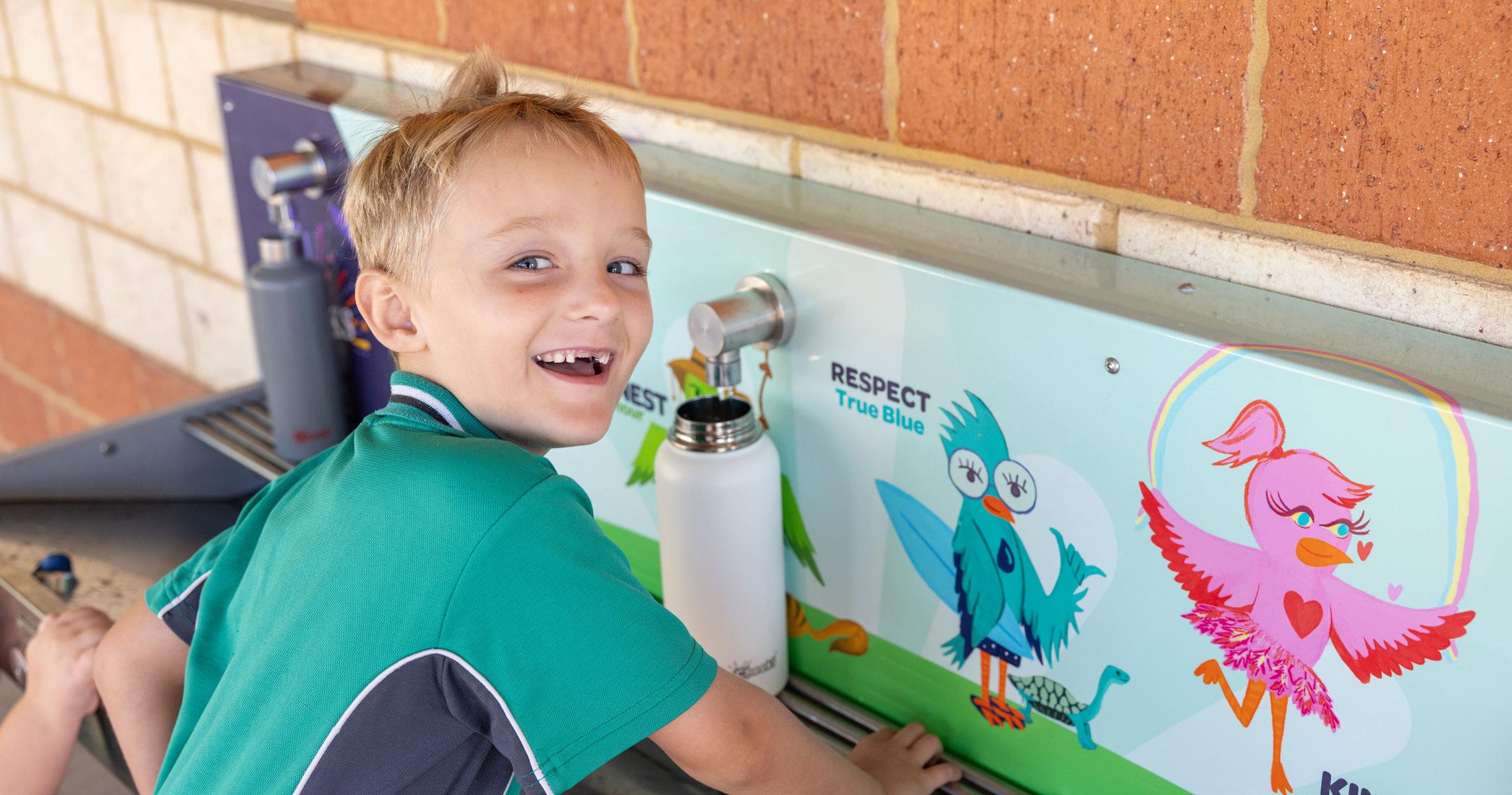
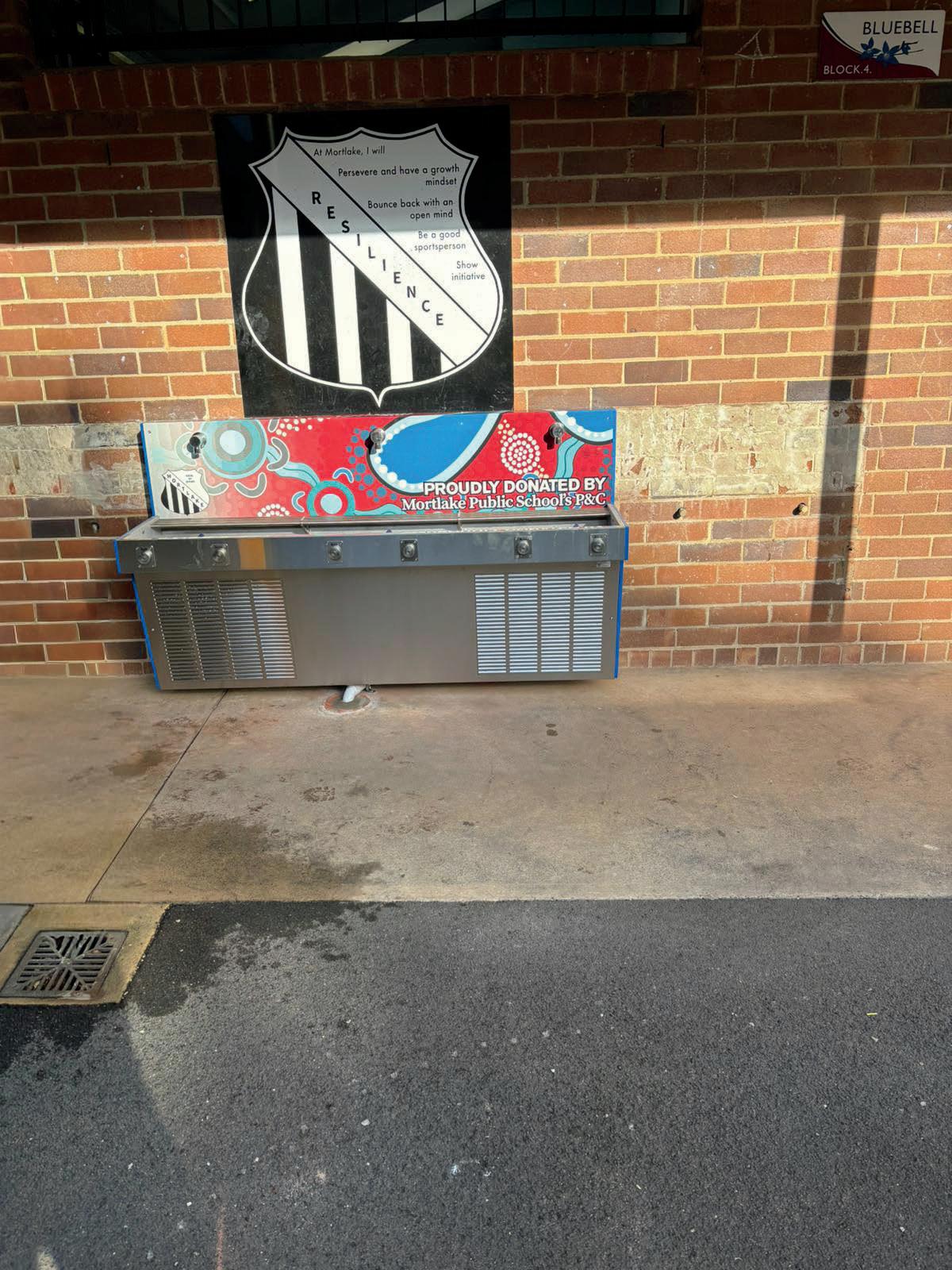
Old drinking fountains can be unhygienic, unreliable, and just plain uninspiring. That’s why schools across Australia are upgrading to modern hydration stations, featuring water bottle refill points and vibrant student-designed artwork. But how do you fund one? That’s where P&Cs and community fundraising come in!
Today’s refill stations aren’t just taps. They’re designed to encourage kids to drink more water. With easy bottle refill access, better hygiene, and exciting features like usage counters and custom artwork, students are finally saying goodbye to “eww” and hello to “wow!”
But new water stations don’t just appear. It takes dedicated parents, students, and teachers work together. And the results? Totally worth it.
HERE’S WHY IT’S TIME TO UPGRADE
It’s time to move your school’s drinking fountain out of the “ewww” zone! Upgrading that old-school trough to a modern hydration station with easy access to clean, fresh water can:
• Improve student health: Better hydration means better focus, energy and overall wellbeing.
• Enhance school environments: Create a more inviting and visually appealing space.
• Reduce plastic waste: Promote the use of reusable water bottles.
• Boost school spirit: Foster a sense of community.
Big impact doesn’t always mean big budgets. With the right ideas, your school can fund new drinking water stations faster than you think. Try these fun fundraising ideas:
• Colour Run: A hit with families. Add sponsors, smiles and splashes of colour for high-energy fundraising.
• Bake Sales: Easy, effective, and delicious.
• Raffles & Hampers – Partner with local businesses or families for prize donations and raffle them at events.
• School Disco: Charge a small fee, theme it “Hydration Nation,” and dance your way to a new fountain.
• Dress-Up Days: Think “Blue for Bottles” or “Wacky Hair Day” with gold coin donations.
• Water Challenges: Sponsor students to drink only water for a week or track their refills on a leader board.
READY TO MAKE A SPLASH?
Parents play a powerful role in upgrading school drinking fountains. When students help fundraise for a hydration station, they take ownership of their health and create a lasting impact. A new Aquafil Hydrobank isn’t just a water source; it’s a symbol of teamwork and community spirit.
So, if drinking from old-school bubblers gives you the scaries, it’s time to embrace the future of hydration. Because when it comes to school drinking water, students deserve better—and better is what we deliver.
Start fundraising today and join the school fountain revolution. Make drinking water easy, fun and better for students.

At Oxley Park Public School in Western Sydney, something special happens each week. Year 6 students gather younger peers into small groups, lead activities, and talk about friendship, resilience and kindness. It’s not a one-off initiative or a leadership program for a few hand-picked students. It’s the Peer Support Program, a school-wide commitment to building belonging.
“Peer Support has become one of our rock-solid foundational programs,” says David MacVean, Deputy Principal. “It empowers the kids. It builds the confidence in our kids to manage life and to manage the complexities of school life.”
Oxley Park Public School has more than 700 students, with many from diverse cultural and socioeconomic backgrounds. The school wants to make sure every child felt included and connected, so they embed a culture of peer connection.
According to Jonathon Peatfield, CEO of Life Ed NSW/ ACT, research supports their approach.
“Students who feel connected at school tend to do better, not just academically, but emotionally and socially,” Peatfield says. “They’re more likely to attend, engage, and reach out when they’re struggling.”
It’s easy to assume kids will naturally make friends and find their place at school, but it doesn’t always happen on its own. This has become even more apparent since the pandemic, with schools noticing a rise in social disconnection and emotional distress.
“Schools are still grappling with significant levels of student disconnection,” Peatfield says. “While the immediate disruptions of the pandemic have subsided, schools continue to face significant challenges related to student disconnection and mental health.”
“Schools play a huge role in helping kids reconnect and build the social and emotional skills they need to thrive,” he says. That could look like structured peer interactions, buddy systems, team projects, or creating quieter spaces for those who struggle socially. It also means giving kids time to practise empathy, problem-solving and teamwork, just like they practise literacy and maths.
One of the ways schools can support inclusion is by rethinking leadership opportunities. Peatfield says that many schools limit leadership roles to captains and councils. He says: “But some students don’t fit the traditional mould. Maybe they’re shy, neurodivergent, or still finding their voice. That doesn’t mean they can’t lead.”
At Peer Support schools, like Oxley Park Public School and Newcastle High School, every senior student gets a chance to step into a leadership role via the program. For some, it’s their first taste of being trusted with responsibility, and it can be transformative.
“I’ve seen students who wouldn’t normally volunteer for anything take ownership of a group and grow week by week”
- Classroom teacher Fiona Flavell.
SHAPING SCHOOL CULTURE
Creating a culture of belonging also means preventing the things that break it, like bullying. Most schools have anti-bullying policies, but what usually makes the biggest difference is the everyday culture: how students treat one another, what’s modelled by staff, and what behaviour is reinforced.
At one Melbourne primary school, students helped develop a “bully blocker pledge” as part of a wider approach to culture change. The pledge outlined shared behaviours and values and was reinforced at assemblies and in classrooms. Alongside their Peer Support Program, it helped shift mindsets from “I won’t get in trouble” to “This isn’t how we treat each other here.”
“Building an inclusive culture is about building expectations into the daily rhythm of school life”
- Jonathon Peatfield, CEO of Life Ed NSW/ACT
ACTIVATING THE WIDER SCHOOL COMMUNITY
Inclusion starts at home, and can become part of your family conversation. Peatfield recommends asking your kids meaningful questions, like “Who did you play with today?” or “Did anyone make you feel included?”
You can also ask your school how they’re building belonging. What spaces exist for students to connect? Are quieter kids supported socially? Are leadership opportunities open to everyone?
And when it’s done well, as Ruby, a Year 6 Peer Leader from Oxley Park knows, it leaves a lasting mark.
“I love that I can make new friends that are younger than me” she says. “If they see me, they come up and give me a big hug. I love teaching little kids so then they can grow up and be big like me”
Want to find out more about supporting whole-of-school belonging? Download Peer Support’s free ebook, Build Your School’s Wellbeing With Peer Support below.

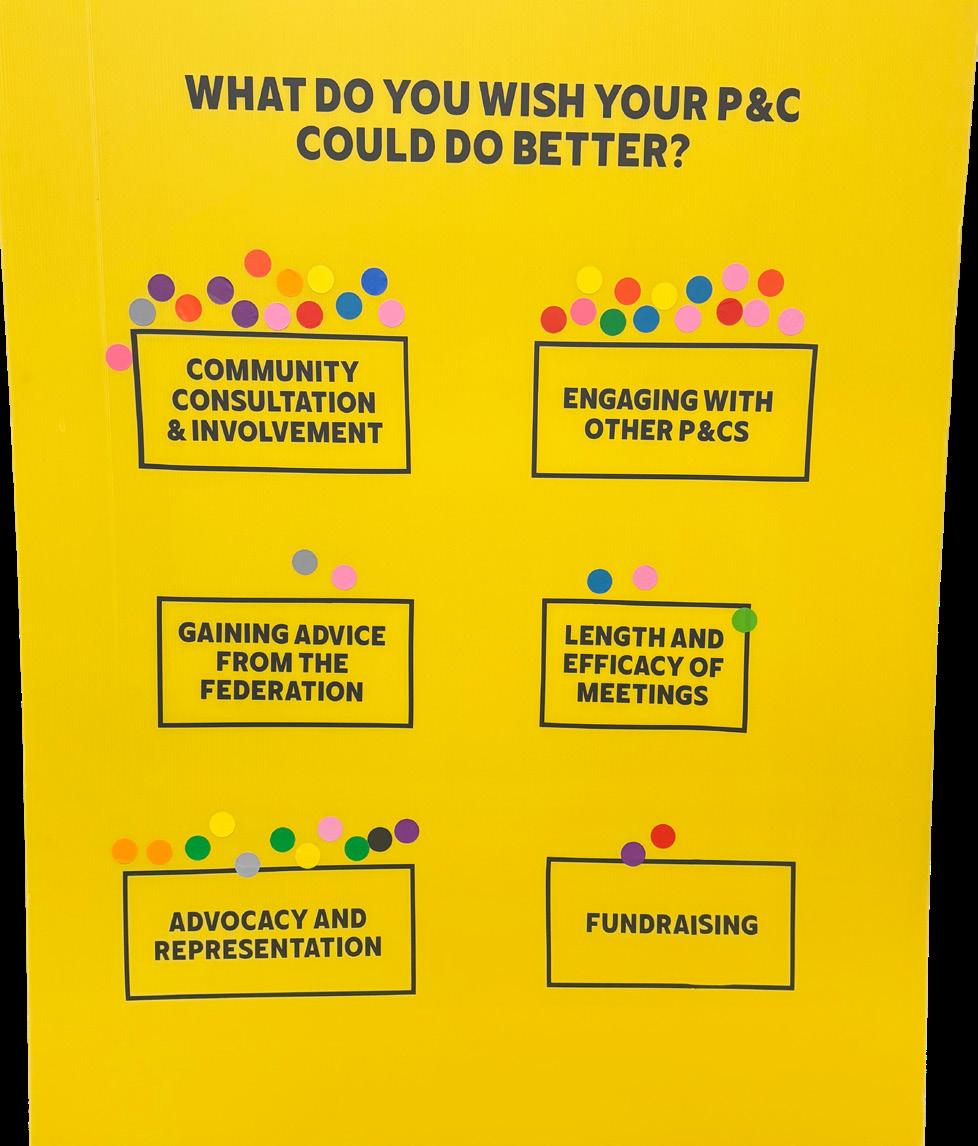
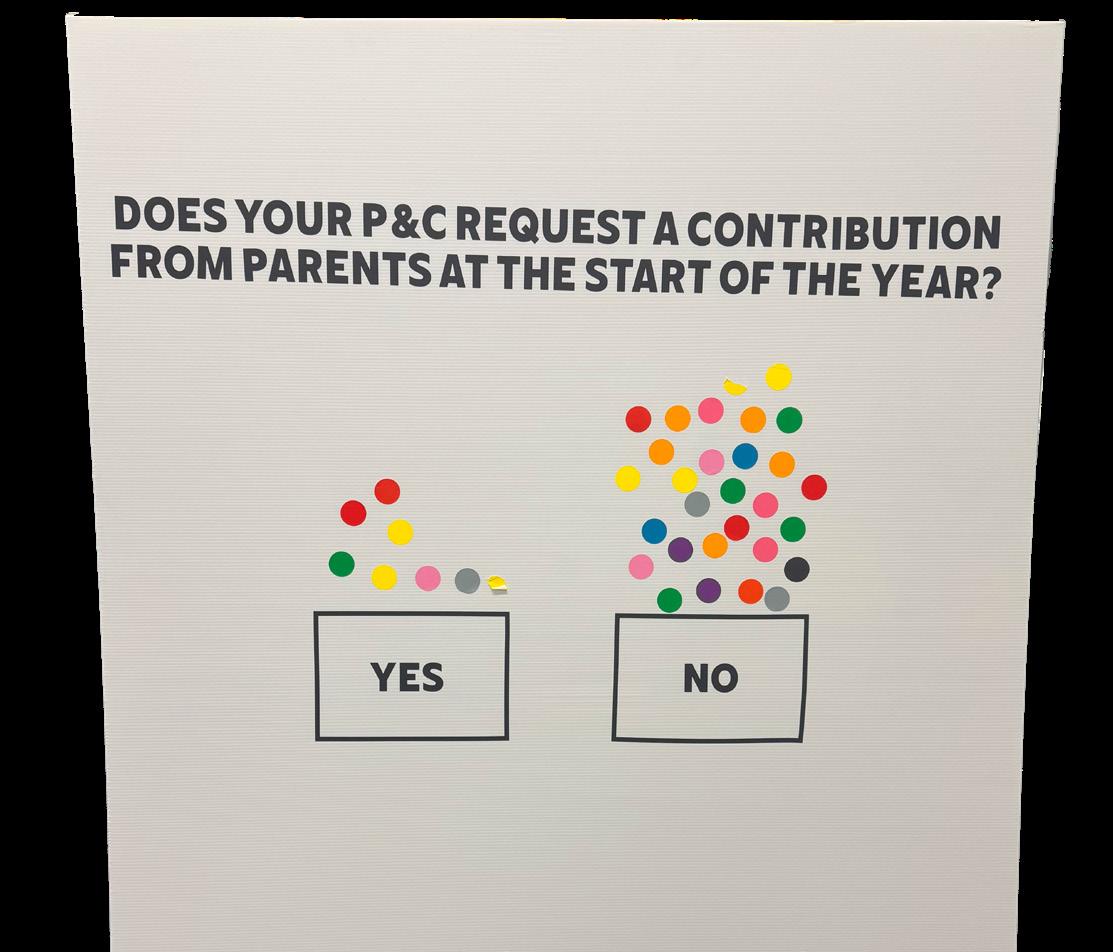
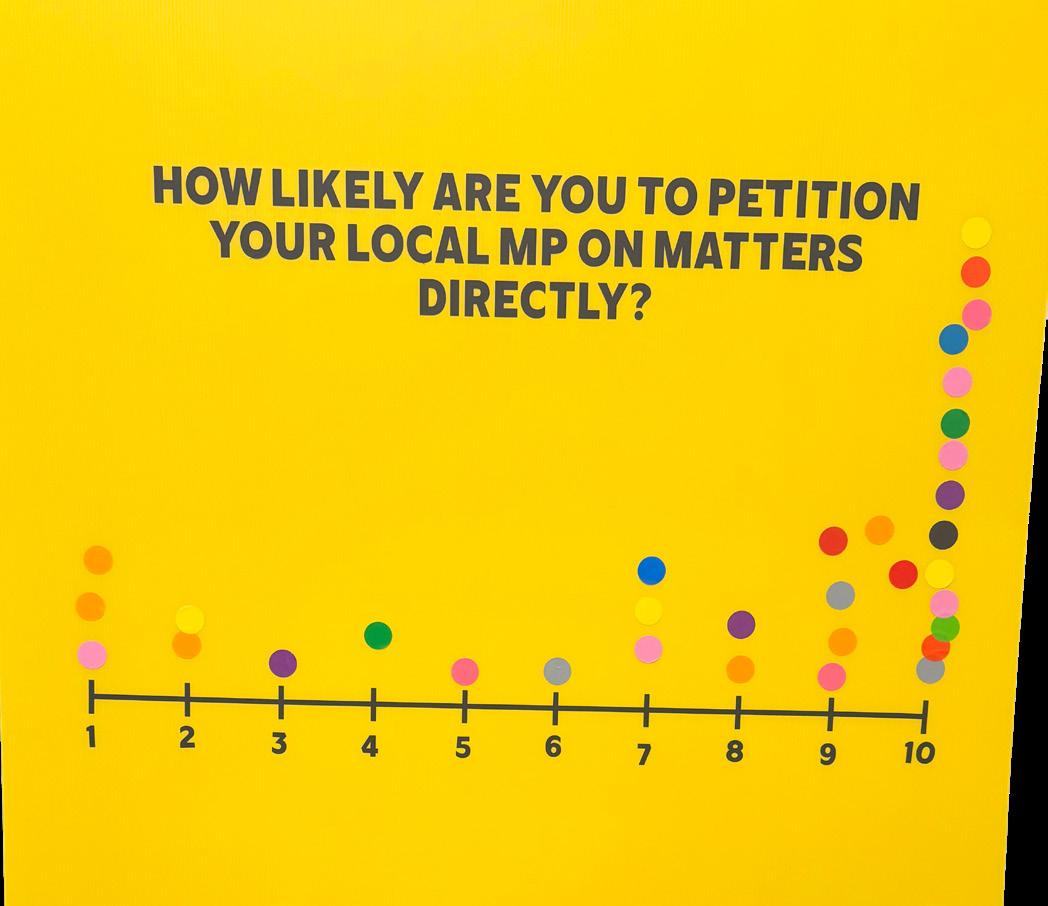
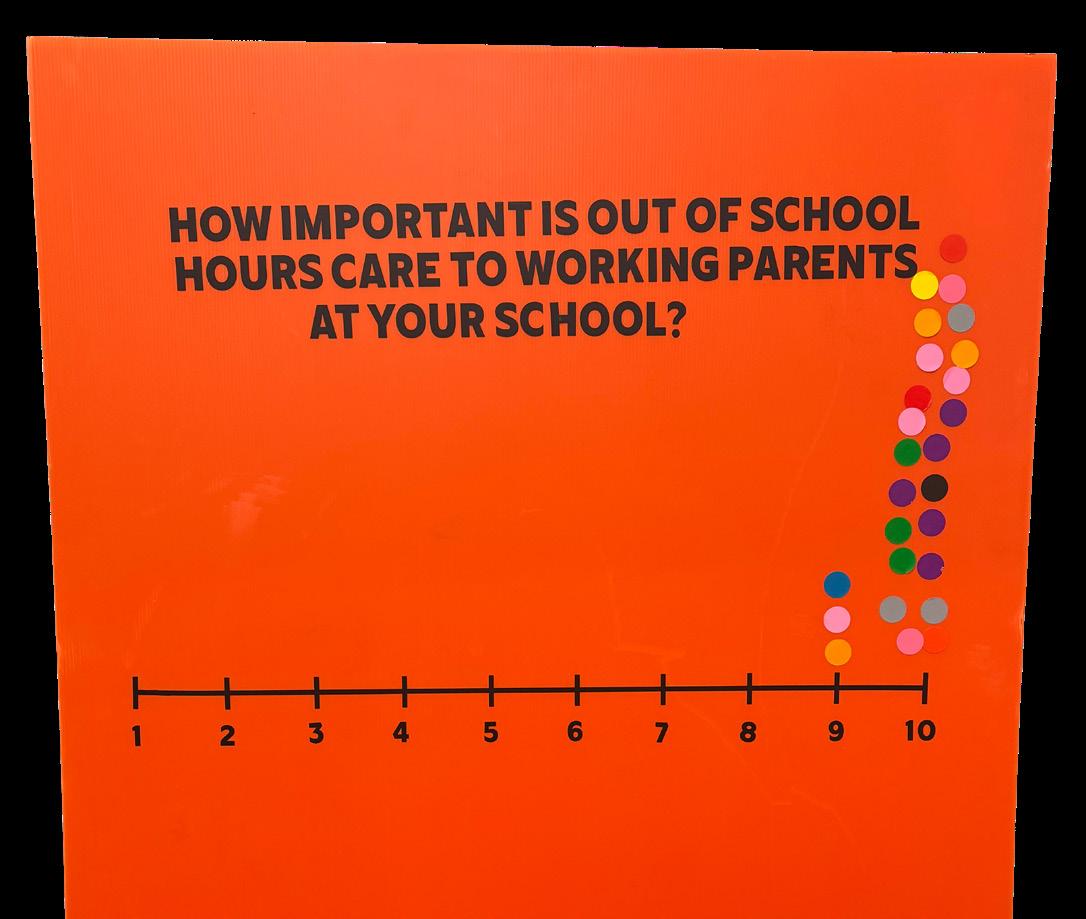
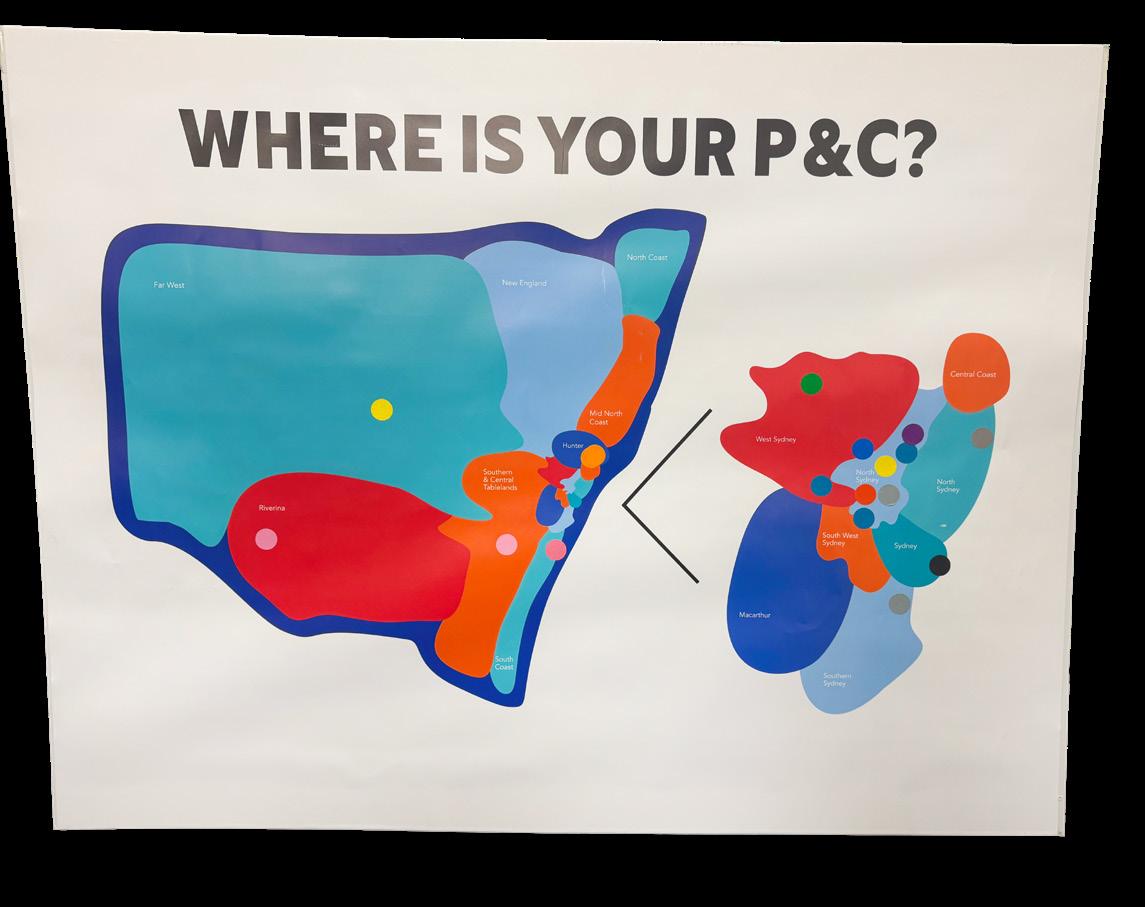
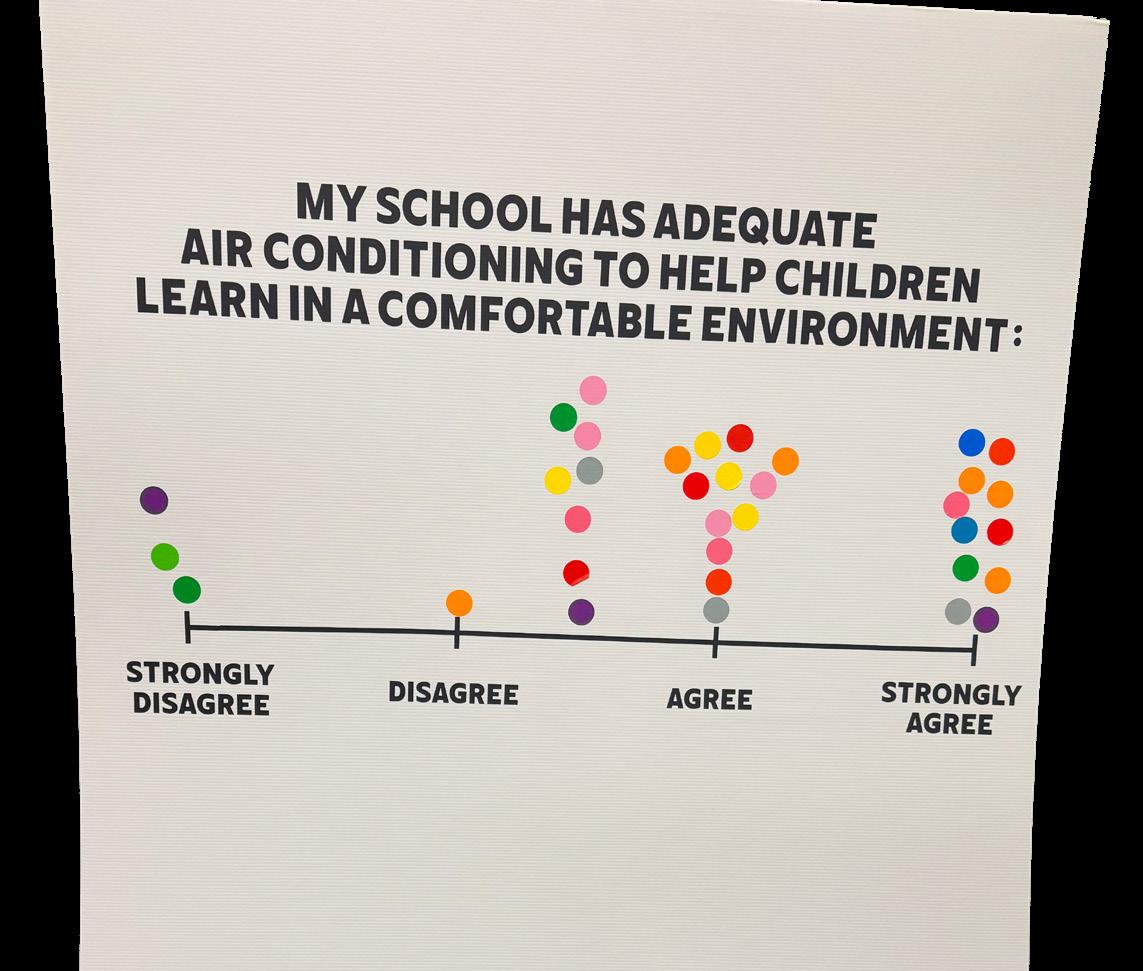
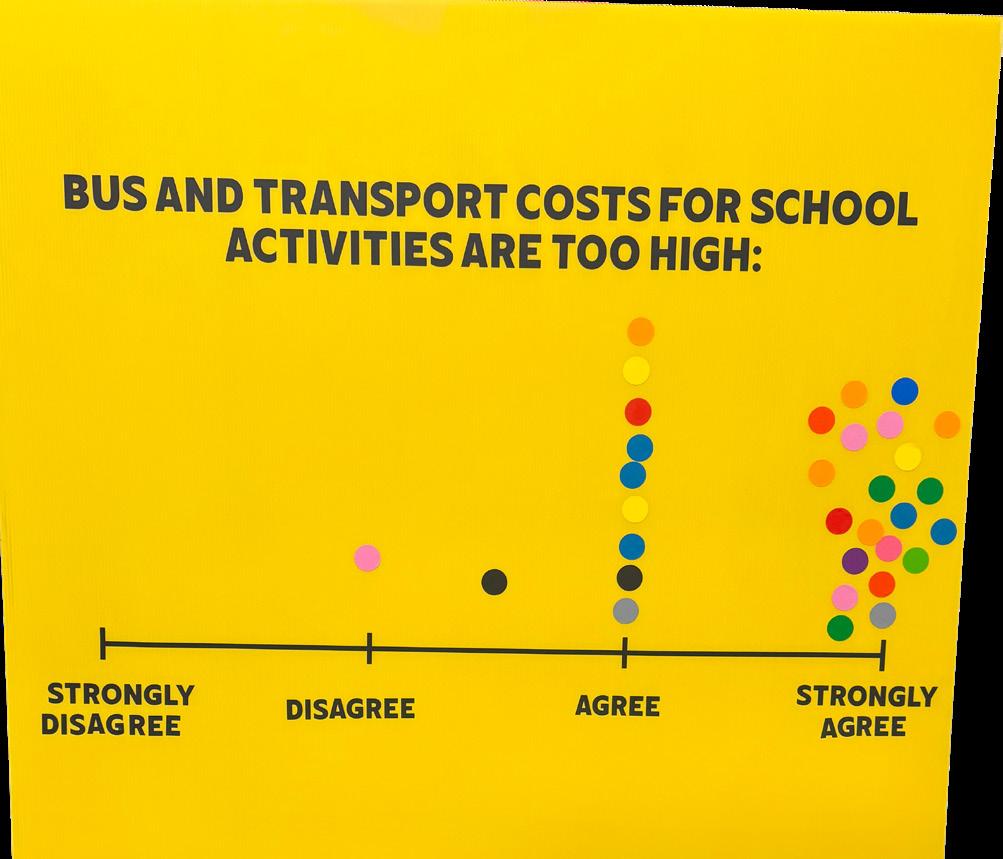
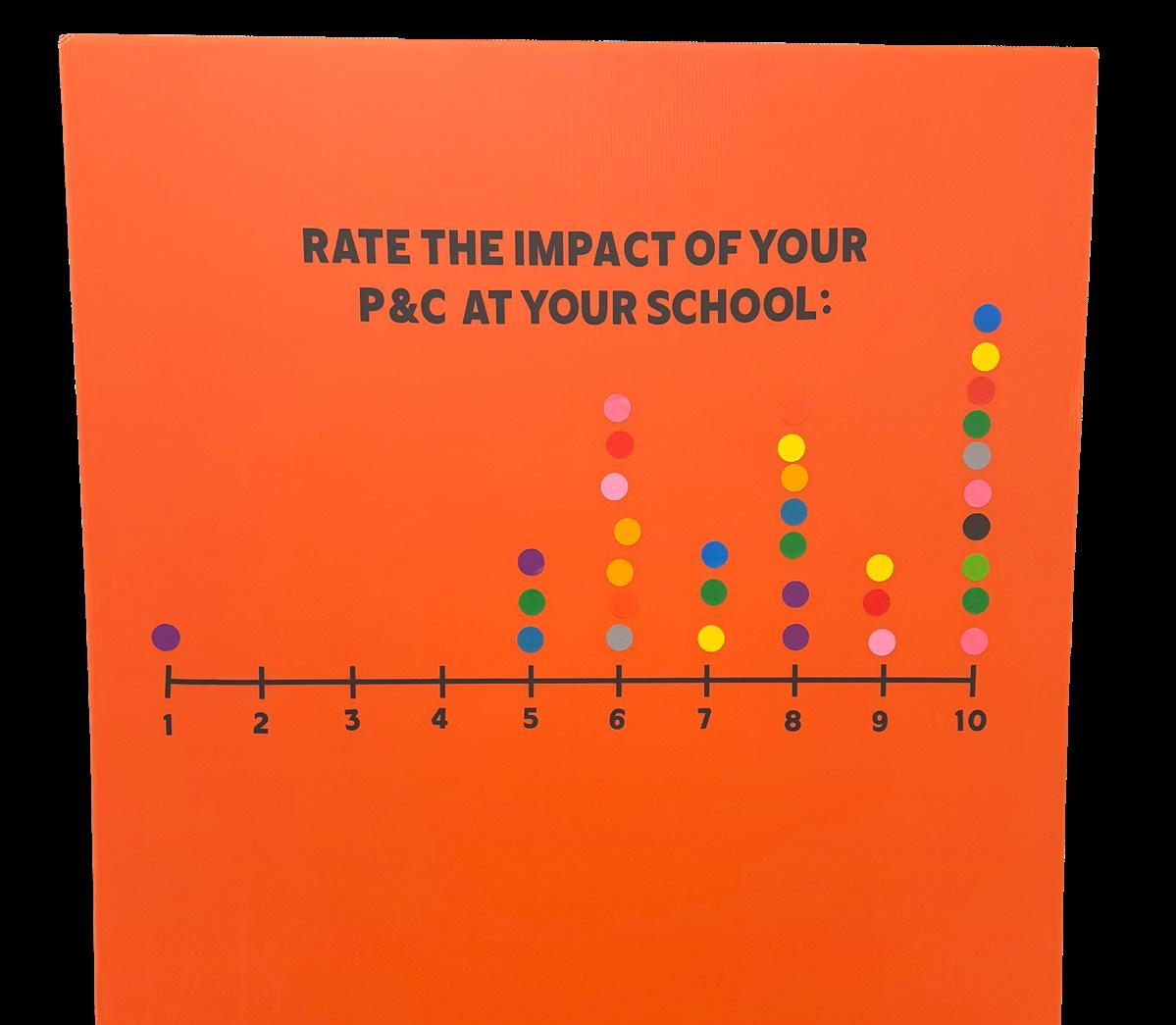
If you’ve been reading our fortnightly bulletin, you may have noticed something new: short parent-voice questions inviting you to share your thoughts on issues affecting public education. These bulletin questions are just a sample of what you get if you join the parent voice! The Parent Voice helps guide our advocacy work and ensure we represent the real experiences of families across NSW.
We took this idea a step further at the 2025 Conference, placing brightly coloured coreflute boards around the venue, each with a question for attendees to respond to using dot stickers. The results sparked great conversations and gave us valuable insights into what matters most to P&C members.
But we know that not every parent or carer has time to volunteer on their P&C. That doesn’t mean their voice shouldn’t be heard.
We’re asking P&Cs to help us engage the broader school community by sharing The Parent Voice with all parents and carers at your school. By joining, parents don’t take on any commitments, they simply agree to receive occasional questions from us about topics they care about.
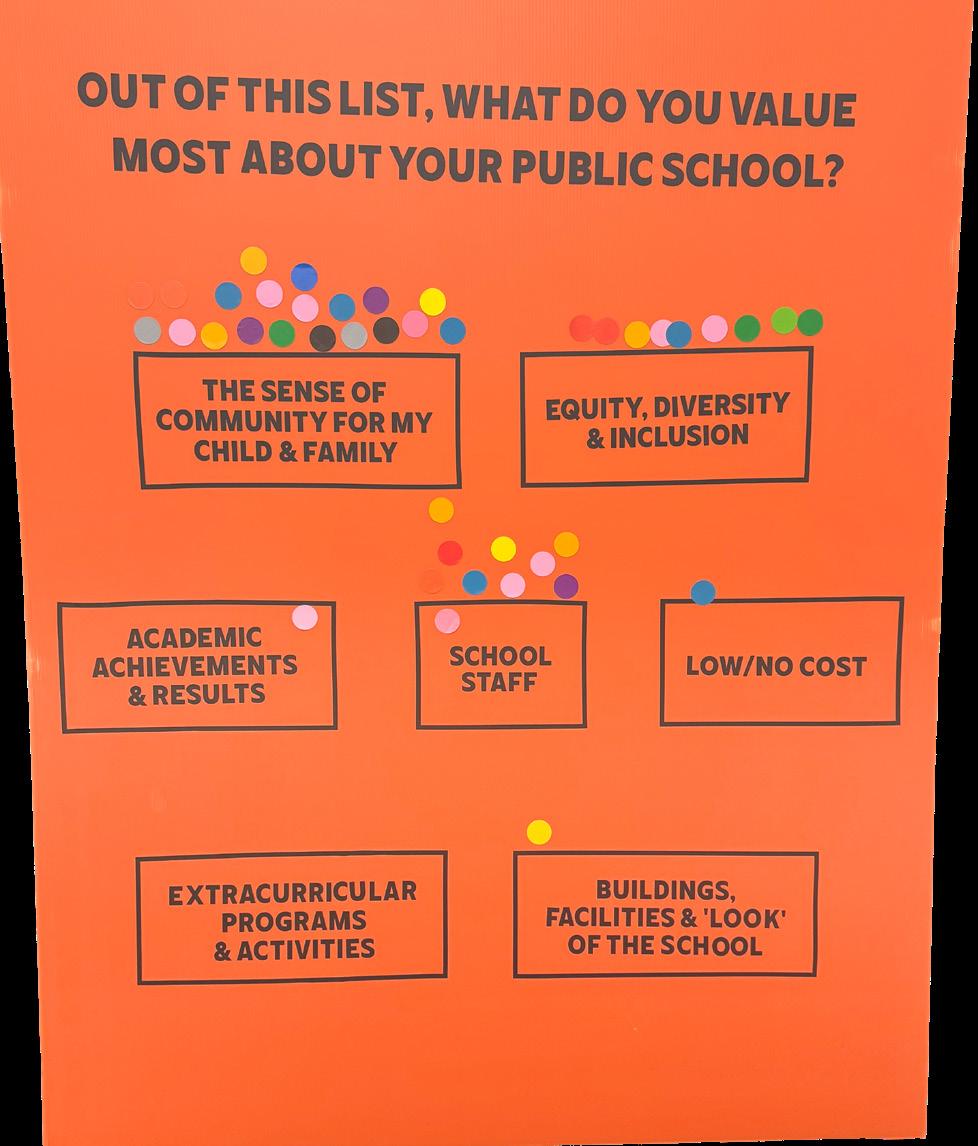

Each response strengthens our ability to advocate for every public-school family in NSW.
Share your voice on what matters to you!
The Parent Voice is a group of volunteers who would like to be consulted on a wide range of topics related to public education. Insights from The Parent Voice are included in reports, submissions, and other opportunities to influence public school policy and other issues for government, industry, and other institutions.
It only takes a moment:
Visit our website and sign up using the link provided.
If you already have an account, simply click My Profile at the top of the page and tick the Parent Voice box under Communication Preferences.
Your voice matters, and by helping us connect with more families, you’re strengthening the future of public education.

After spending so much time talking to members by phone and email, this was a rare and welcome opportunity to talk to members face-to-face. Despite not being in the office, I wasn’t entirely off the phone, since the team built me a giant phone to be placed in the middle of the conference hall to signal attendees to come up and talk and ask questions.
A lot of people wanted to introduce themselves in person, and it was refreshing to put a face to a lot of familiar names.
Others took the opportunity to ask some more P&Cspecific questions, and below are some of the varied topics that came up.
Some raised issues about P&C executives asserting certain things are in their P&C bylaws, but nobody being able to see the bylaws outside one or two executive members. We discussed that members have the right to see bylaws, that it’s good practice to make bylaws available at each meeting. Any bylaws would have been voted on by members at some point; they are P&C rules that they adopted and so they certainly have the right to see them.
More than one person described helping a school in their local area set up a P&C Association for the first time in a long time. We also had P&Cs attend the conference after only being set up that very week. When P&Cs exist
at a school, they are such an important part of the school community, so it is greatly encouraging that just at this conference alone, we heard of multiple cases of new P&Cs starting.
There were also numerous people who were relatively new to P&Cs and we talked about the following:
• The role of P&Cs in schools, and what the jurisdiction of the school and the P&C Association is. We discussed that schools are responsible for providing anything that is required for curriculum delivery, and that they should not rely on P&C Associations for this. For example, we discussed it would not be appropriate for P&Cs to fund the wages of school staff such as teachers or teachers aids, and that the P&Cs preferred role is to provide additional services and facilities to help make the school a better place.
• We also discussed the role of the P&C Federation, and it was a great opportunity to introduce people to the resources and services the P&C Federation has on offer and the things we regularly do to assist P&Cs (such as attending their meetings to help their processes and smooth over problems, and providing a regularly updated library of resources and templates for P&Cs to use).
- Patrick
When school communities come together to raise money, they seek experiences that are not only profitable but also memorable for families and students. The annual school fete is a highlight of the calendar—an event that blends community spirit, entertainment, and fundraising. In recent years, a growing number of schools have partnered with professional shave ice vendors to bring excitement, flavor, and flair to their events. This case study explores how one specialty shave ice business became a cornerstone of successful fete fundraising and examines the balance between hiring professional artisans and opting for do-it-yourself (DIY) snow cone stands.
In 2025, the Mawarra Public School P&C Association (Parents and Citizens Association) aimed to refresh their annual fundraising fete. Previous years featured homemade cakes, sausage sizzles, and traditional stalls, but attendance numbers and fundraising totals had plateaued. The organizing committee wanted a new attraction that could draw crowds, boost engagement, and deliver a strong visual and sensory appeal. After exploring different options, they partnered with Hawaiian Snow,” a local mobile shave ice vendor known for their tropical presentation and authentic textures.
Hawaiian Snow specializes in crafting Hawaiian-style shave ice using finely honed stainless steel blades that transform pure water ice blocks into snow-like flakes. This ultra-fine texture soaks up flavored syrups evenly, creating vibrant and refreshing treats. The company’s professional team, dressed in coordinated uniforms with tropical motifs, sets up an eye-catching stall complete with colorful signage, fun music, and a cheerful service approach. They offer premium shave ice syrups that are gluten free, allergen free—a key selling point for the healthconscious school community. The vendor proposed a revenue-share model: 20 percent of total sales would go directly to
the school’s fundraising pool. This arrangement eliminated upfront costs, removed the burden of food handling compliance from parent volunteers, and ensured a polished food service experience. The P&C Committee agreed, recognizing that professional support could elevate the event’s overall quality and reputation.
On fete day, a warm Saturday in late October, Hawaiian Snow positioned their mobile trailer near the main stage and playground—strategically placed for high foot traffic. The bright display, became an instant crowd magnet. Children lined up throughout the afternoon, captivated by the colorful syrups and the mesmerizing preparation process. Each order took less than a minute to prepare. Staff members skillfully shaved the ice, layered it into biodegradable cups, and applied syrup with precision. The vendor accepted both card and cash payments, using a wireless point-of-sale system to streamline transactions. Parents appreciated the efficiency, while students delighted in customizing toppings like mango drizzle, mochi pieces, and condensed milk. Hawaiian Snow not only served hundreds of refreshing desserts but also actively engaged with the crowd—offering mini tasting cups for younger children and coordinating a “design your own flavor” poll
that generated social media excitement. The friendly professionalism and well-rehearsed rhythm of the team gave the fete a vibrant, organized atmosphere.
By the end of the day, the stall had processed over 400 transactions, generating close to $2400 in gross sales. The school received nearly $480 in profit, exceeding the previous year’s total from multiple smaller stalls combined. But more importantly, the feedback from attendees was overwhelmingly positive. Parents described the shave ice as a refreshing highlight, students voted it their “favorite treat,” and the event organizers appreciated the low stress compared to running a DIY food operation. The school’s principal noted that the professional setup created a “festival atmosphere” and elevated perceptions of the event’s quality. The strong visual presence of the vendor also provided valuable marketing for the school, as many families shared photos on social media, tagging both the school and the vendor— amplifying the fete’s reach for future years.
Benefits of Professional Artisans Hiring professional shave ice artisans brought tangible and intangible advantages that transformed the school fete into a premium community experience.
▪ Reliability and Quality Control: The







P&C Federation Duck Pond Fundraising Kit
P&C Federation Movie Night Fundraising Kit
P&C Federation Jelly Bean Jar
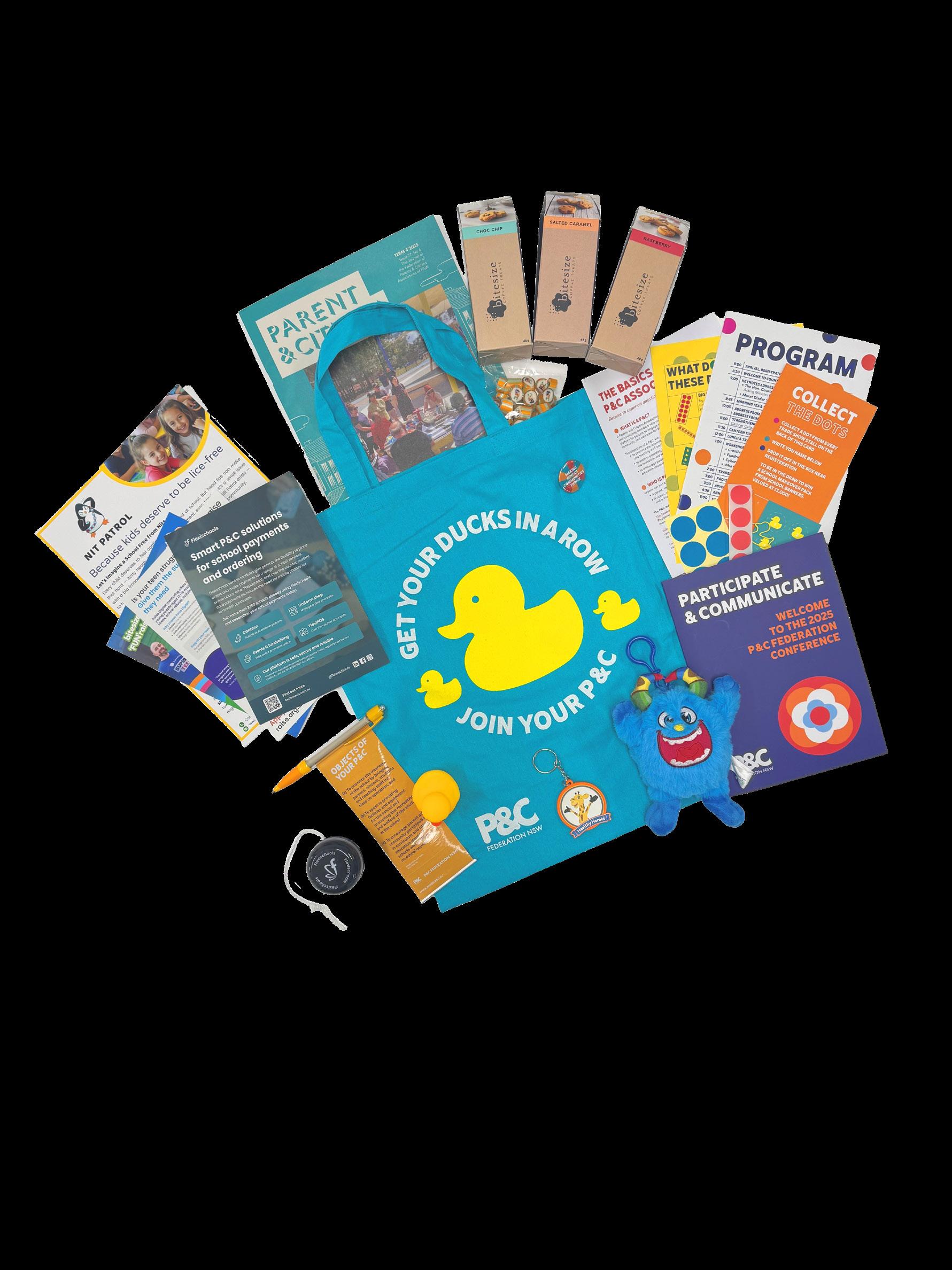
P&C Federation P&C Merchandise Pack
Flexischools
Bitesize
Bitesize
Bitesize
Bitesize
Bitesize
Bitesize
Bitesize
Bitesize
For more than three decades, this proudly Australian, family-owned business has been helping schools across the country showcase their identity with style, pride, and professionalism. Schoolbanners.com.au was founded in 1987 and based in New South Wales, the company specialises in creating custom School Banners, Flags, Tablecloths, and Mats—each crafted to reflect the unique spirit of the school community it represents.
From its humble beginnings, schoolbanners.com.au has grown to serve schools in every state and territory, combining traditional values of quality and service with modern design and production methods. Today, it continues to play a quiet but powerful role in helping schools celebrate who they are.
When schoolbanners.com.au began in the late 1980s, the founders noticed a simple yet powerful trend: schools wanted to enhance their image and sense of belonging within their communities. School identity was increasingly seen as more than just a logo or a uniform—it was something that could be expressed visually across every aspect of school life, from assemblies and award nights to sports carnivals and open days.
Recognising this need, the founders saw an opportunity to help schools bring their values, colours, and achievements to life through high-quality fabric signage. Over time, they developed a range of products that became essential elements of school presentation and pride—most notably School Hanging Banners, Lectern Banners, Music Banners, Sporting House Banners, and Tablecloths.
Each piece was designed not only to look beautiful but to tell a story—to capture the unique identity of each school and the people within it.
As Australian schools grew and evolved, so too did their expectations for quality and design. Many schools wanted to present a consistent, professional image to the wider community—something that aligned with their crests, colours, and values.
However, schools often faced a few challenges:
• Inconsistency in branding: Different departments or events used different designs, colours, and materials.
• Limited design resources: Many schools lacked access to professional designers who understood how to translate a crest or emblem into a cohesive design.
• Budget and quality concerns: Schools needed products that would last for years, withstand regular use, and still look impeccable at every event. These challenges called for a solution that balanced design expertise, craftsmanship, and personal service something few suppliers could offer all in one place.
SERVICE
From the very beginning, schoolbanners.com.au set out to make the process simple, collaborative, and enjoyable for schools. The solution was built around three core pillars:
1. COMPLETE CUSTOMISATION
Every banner, flag, tablecloth, and mat is fully customised to suit the school’s needs. Whether it’s a large hall banner for award ceremonies or a small bannerette for classroom displays, the design team ensures that every detail— right down to the shade of blue in the crest—is perfectly accurate.
Schools can provide their logos, mottos, and colour references, and the design team takes care of the rest, transforming them into striking visual pieces that reflect the school’s unique identity.
2. FREE PROFESSIONAL DESIGN SERVICE
To support schools that may not have in-house design resources, schoolbanners.com.au offers a Free Design Service. This includes digital mock-ups, adjustments, and proofing to make sure every customer is 100% satisfied before production begins.
This service has become one of the most valued aspects of schoolbanners.com.au, as it allows schools to confidently create professional-looking materials without additional cost or stress.
3. DEDICATION TO QUALITY AND CUSTOMER CARE
Each item is made using premium materials and craftsmanship to ensure long-lasting durability and a refined finish. The team takes pride in delivering products that look stunning on day one—and stay that way for years to come.
Equally important is schoolbanners.com.au dedication to kind, personal customer service. As a family business, they treat every client like part of their extended community—listening closely, responding quickly, and going the extra mile to make sure every order is perfect.
Over the years, thousands of schools across Australia have experienced the difference that a cohesive, highquality presentation can make.
From small rural schools to large metropolitan campuses, the feedback has been overwhelmingly positive. Schools report that their new banners and signage have:
• Enhanced their professional image during public events, assemblies, and open days.
• Fostered a stronger sense of pride among students, teachers, and parents.
• Created visual consistency across all events and departments.
• Made celebrations and achievements more memorable with bold, beautifully designed banners.
Perhaps most importantly, these products have become a symbol of belonging—a way for every member of the school community to see their identity proudly represented.
Some of schoolbanners.com.au most popular items include:
• School Hanging Banners – A timeless favourite, often displayed in halls, reception areas, and assembly spaces.
• Lectern Banners – Adding elegance and professionalism to every presentation.
• Music and Sporting House Banners – Bringing colour and spirit to competitions and performances.
• School Tablecloths and Retractable Banners –Perfect for open days, expos, and community events.
• Custom Floor Mats – A practical yet stylish way to reinforce branding right at the school entrance.
Each product serves a unique purpose but shares the same hallmark of quality and care that defines the brand.
AHEAD: CONTINUING A LEGACY OF
As schoolbanners.com.au moves forward, its mission remains unchanged: to support schools in presenting their best selves—with warmth, pride, and professionalism.
While technology and design trends may evolve, schoolbanners.com.au continues to stand by its founding principles of quality, reliability, and personal service There’s a deep sense of fulfilment in knowing that their work contributes to something greater: the pride that students feel when they see their school’s name and colours displayed with honour.
Future goals include expanding product options, improving sustainability in materials and production, and continuing to make the process as seamless as possible for busy schools. Above all, schoolbanners.com.au remains committed to its customers—the educators and administrators who dedicate their lives to helping young Australians grow.
Since 1987, this family-run Australian business has been more than just a supplier of school banners—it has been a partner in building community pride. By combining thoughtful design, impeccable craftsmanship, and genuine customer care, schoolbanners.com.au has earned its place as a trusted name in school signage nationwide.
Through every banner, flag, tablecloth, and mat, they help schools celebrate who they are—and that, in itself, is something worth celebrating. Contact schoolbanners. com.au today to see how they can help you.
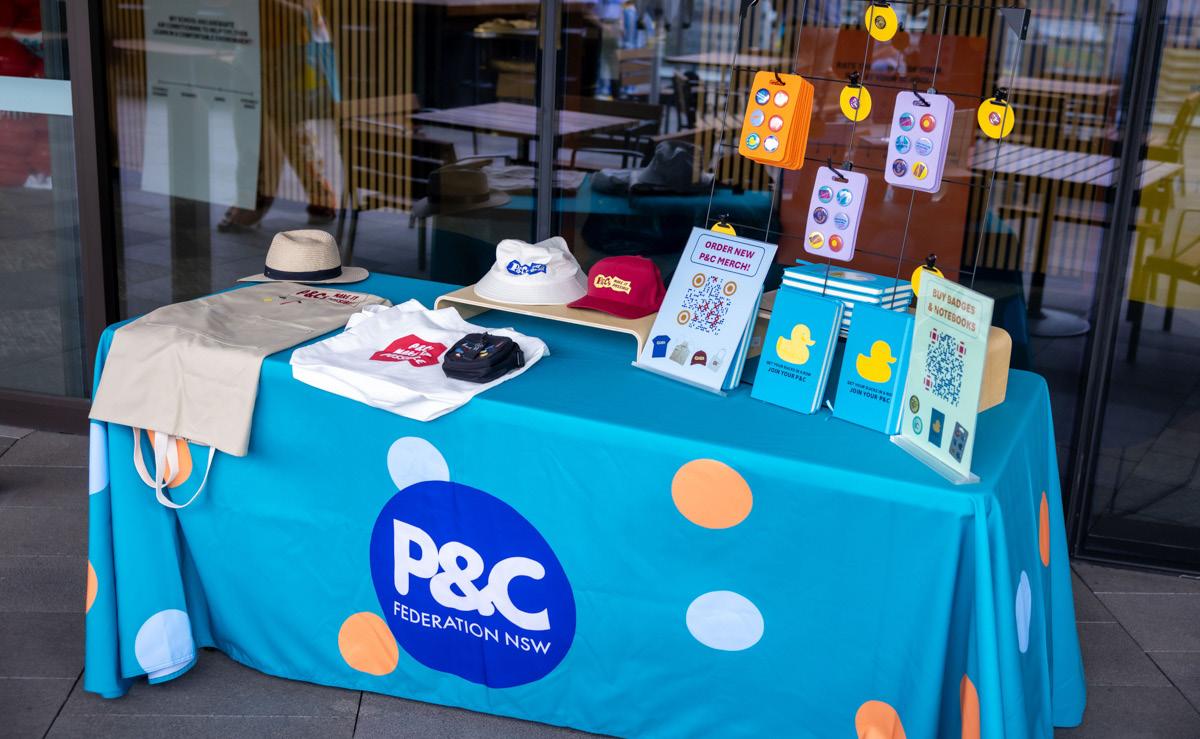
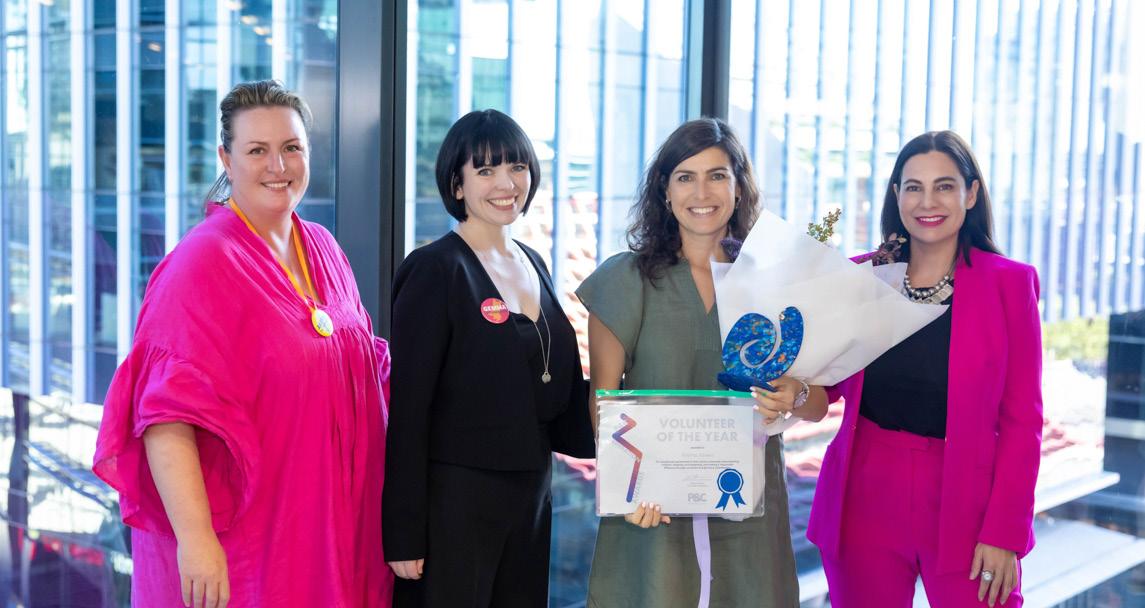
Alana Jones has been a dedicated member of our P&C for seven years, beginning her journey when her eldest child started Kindergarten. For the past three years, she has served as Vice President, consistently contributing her time and energy to support the school community. Her leadership in organising events such as Mother's Day and Father's Day stalls, Easter raffles, colour fun runs, and fundraising BBQs has been instrumental in raising vital funds and fostering community spirit. Alana has also built strong relationships with local businesses to support P&C raffles, enhancing community engagement.
Alana Jones is more than a volunteer, she is a catalyst for community spirit and parent engagement. Her presence in the P&C has consistently inspired others to step forward and contribute, often turning hesitant parents into enthusiastic participants. Through her warm, approachable nature and genuine passion for the school, Alana has created an environment where everyone feels welcome and valued. She leads by example, never asking others to do what she wouldn't do herself. Whether it's setting up stalls in the early morning, coordinating volunteers for a colour fun run, or reaching out to local businesses for raffle donations, Alana's commitment is visible and contagious. Her ability to rally support and
build momentum around school initiatives has been instrumental in growing the P&C's reach and impact.
Alana also takes time to mentor new members, patiently guiding them through processes and encouraging their ideas. Her inclusive leadership style ensures that everyone feels heard and appreciated, fostering a culture of collaboration and mutual respect.
Perhaps most inspiring is Alana's unwavering belief in the power of community. She sees every event, every meeting, and every conversation as an opportunity to strengthen connections between families, staff, and students. Her optimism and dedication remind us all why we volunteer and how much of a difference one person can make.
Alana's contributions go beyond event planning and fundraising. She has participated in numerous staff interview panels, ensuring that parent perspectives are represented in key decisions. Her strategic involvement and advocacy reflect a deep commitment to public education and community development. Alana embodies the values of the P&C Federation: Participation, Collaboration, and Advocacy.
By Krissi Goldspink


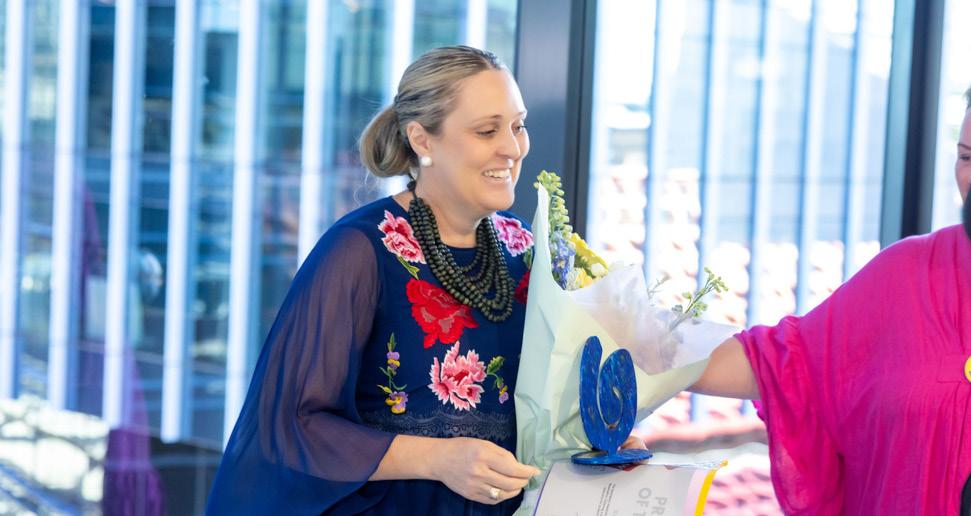
Since starting as principal in 2024, Kristy has brought the divided community together.
The executive of the Haberfield Public School Parents and Citizens Association would like to warmly commend Ms Haggett. Every interaction with Ms Haggett has been positive for all members of the executive. Her attitude towards the community is generally very well received and it has been noted how much of an improvement this has made to all who are involved at the school.
In a very short time there has been a wide range of accomplishments, which include:
• Open, honest communication with all P&C members
• Helpfulness and a genuine sense of care toward the community at all times
• Thorough and timely follow-up on P&C Action Items and prioritised queries from P&C members at our meetings, and from executive interactions generally
• Transparency to date on matters of school funding
• Ongoing, timely, clear and concise communication regarding progress on school infrastructure, policy and other improvements, to both the P&C executive and the wider school community
• Clarity on answers to questions regarding school voluntary contributions, however it is noted there is ongoing discussion in this area
• Engaging equally positively and proactively with each member of the P&C executive and each of the Working Groups, especially in relation to First Nations Engagement
• Expressing a desire to improve the school, and outcomes, for the most disadvantaged students, and fostering a generally
• Working with Department officers and school Assistant Principals to demonstrate outcomes and revised policies to parents without delay
Ms Haggett shows energy, empathy, trustworthiness and accountability in her role.
By Paul Rupil, Secretary, HPS P&C Association
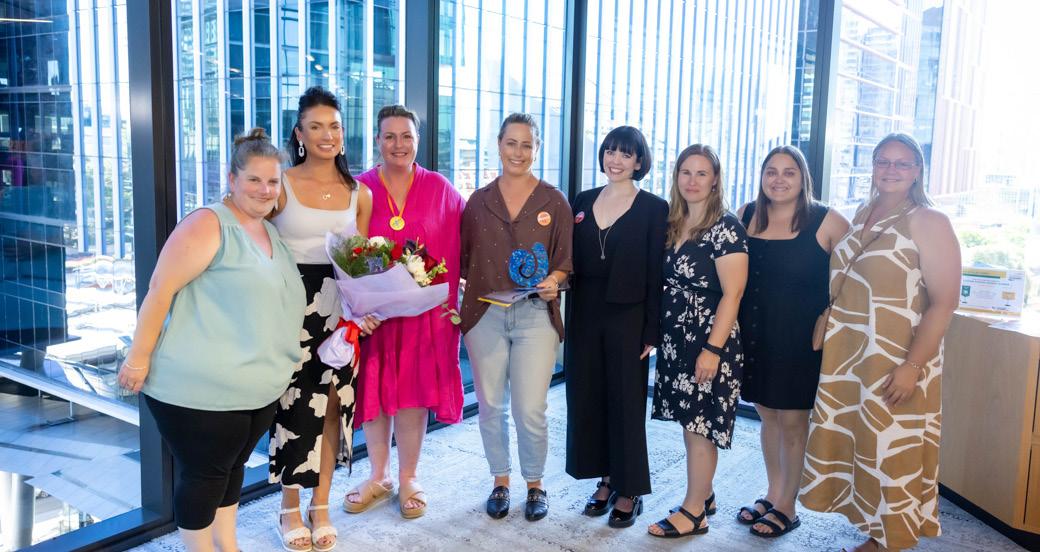
At Faulconbridge Public School, our P&C strives to go above and beyond in creating meaningful change. We don't just respond to immediate needs, we think strategically, advocate, and deliver projects that make lasting improvements for our students, staff, and community.
One of our most significant achievements has been ensuring that every child at the school now has access to their own device. Through extensive fund raising and careful financial planning, we funded the purchase of over 100 HP Chromebooks for Stage 2 and 3 students. This initiative was driven by parent advocacy for digital equity and modern learning opportunities. By removing barriers to access, we empowered every student to participate fully in digital learning, ensuring no child is left behind. This investment not only transformed day-to-day classroom practice but also set our school apart as a leader in digital readiness within the region.
We also created lasting impact through the establishment of our Yarning Circle, a project supported by the NSW Government's Community Building Partnerships Grant. More than just a physical structure, the Yarning Circle represents cultural recognition, storytelling, and connection to Country. It provides a dedicated space where students can learn, share, and reflect together. What began as a P&C-led initiative has since inspired other schools in the Blue Mountains to replicate the idea, demonstrating how our commitment to innovation and inclusion can ripple outward, shaping broader community practices and strengthening cultural awareness. Most recently, our P&C successfully secured $25,000
in funding through the NSW Government Community Building Partnerships Grant to deliver air conditioning and upgrades to the school hall. This space is not only central to assemblies, performances, and school events but is also used by the wider community. By advocating for and delivering this upgrade, we've improved comfort, accessibility, and functionality for current and future generations of students and families. It is a tangible example of how our P&C continually pushes beyond the status quo to secure resources and improvements that make a real difference.
These projects highlight our P&C's exceptionalism: a willingness to think big, advocate boldly, and deliver results that go far beyond what is expected of a volunteer organisation. From ensuring digital access for all, to embedding cultural inclusion in the school environment, to upgrading vital community spaces, we consistently look for opportunities to make transformative improvements.
At Faulconbridge Public School, exceptionalism means never settling for "good enough." It means listening to our families, identifying opportunities for positive change, and working tirelessly until ideas become reality. The legacy of our efforts is clear. Every child now has equal access to technology, every student has a culturally inclusive space to gather and learn, and the whole school community has a hall that reflects the care and commitment of those who advocate on their behalf. This is the P&C difference: going above and beyond to ensure our school continues to grow, innovate, and thrive.
- By Meagan Witten



The St John PowerBeat X3 delivers fast, reliable defibrillation in critical moments. With advanced video and voice guidance, built-in safety features, and automatic daily checks, it’s always ready - even for untrained responders.
Video & Audio Guidance

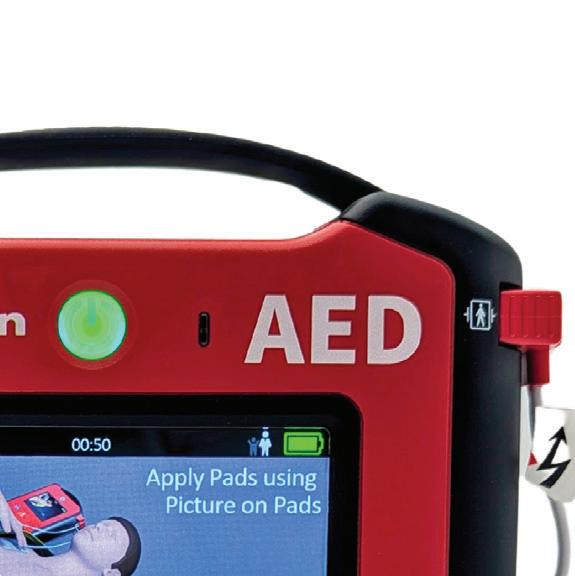


A built-in video screen provides step-by-step visual prompts alongside clearvoice instructions, making it easy to follow in high-stress situations.
Adult & Child Mode


Switch to child mode with the press of a button - no need for separate pads or extra setup.
Intelligent Heart Rhythm Analysis

Automatic ECG Recording

The device automatically detects a pulse and determines whether ashock is needed, preventing unnecessary shocks.
Captures and stores real-time ECG data during an incident.
Daily Self-Testing
Runs an automatic self-diagnostic test everyday, ensuring it’s always ready for use.
IP55 Protection Rating
Dust and water-resistant, making it suitable for workplaces, public areas, andoutdoor settings.
Rugged & Reliable
Drop-tested from 1.5m, built to withstand demanding environments.
Failsafe Shock Button
Integrated safety mechanism to reduce the risk of accidental failure.











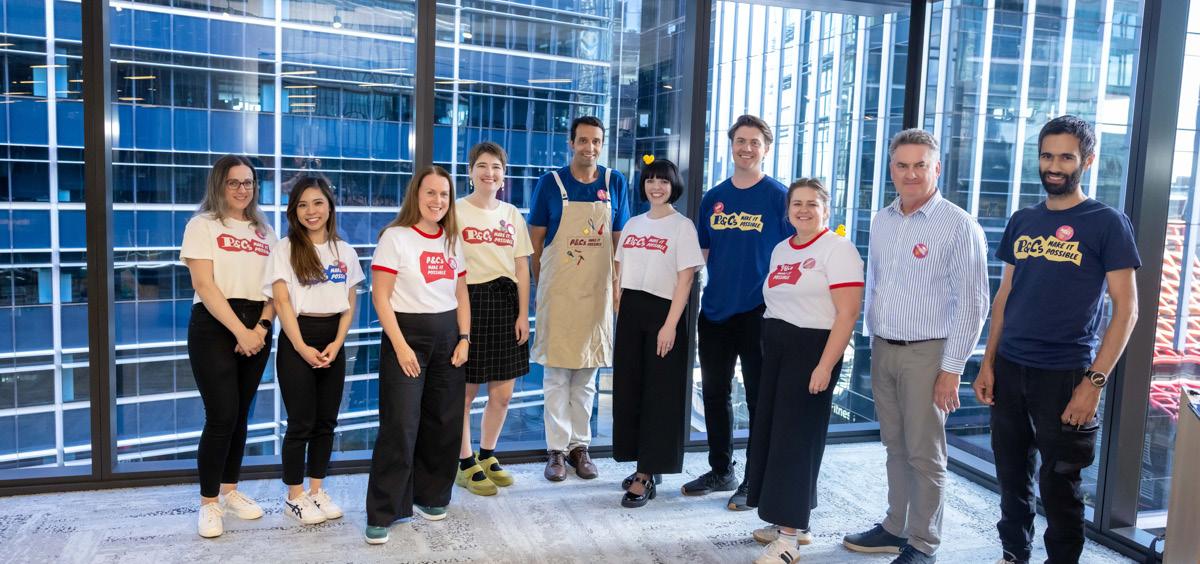
In addition to the insurance that is included in your membership, the P&C Federation also works in a number of ways to support, represent and unite P&C Associations in NSW.
Our team works for P&Cs to make a great impact in public schools, through providing a library of helpful and up-to-date resources, guides and real time support. All of our factsheets, videos, news and recommended tools can be found on our website by logging in. It’s the best place to find support and information to help you conduct meetings, run businesses, fundraise effectively and help your school community to thrive.
P&C members and office bearers can change regularly, but there are many common questions and challenges that we can help you to navigate. Volunteering on your P&C is a great thing to do for your school, but you don’t have to do it alone.
This quarterly Parent & Citizen journal is another amazing resource filled with information and news for P&Cs. It comes out in print and online at the start of each year and is free to all P&Cs in the state. We also produce a fortnightly bulletin with all the latest news, information, grants, and opportunities to keep you informed and up to date – so make sure you are subscribed. If you already have an account with us, simply click "My Profile" at the top of the page and tick the "Fortnightly newsletter with news and updates" box under Communication Preferences.
We also work hard to represent the needs, values, and issues that matter most to P&Cs in NSW. The Federation speaks on behalf of parents in NSW to call for change from government and education partners. We actively advocate for fair treatment for public schools, including on issues of funding, resourcing, curriculum, and equal provisions for all students in all post codes. The Parent Voice is a way for parents to key involved in our advocacy work directly, to be consulted on special issues and to
receive updates on our plans and progress on major topics throughout the year.
We also work to unite P&Cs across the state through key events and celebrations throughout the year. The first Wednesday of March we celebrate P&C Day with P&Cs across the state, showcasing and celebrating the work that our members do in their school communities. We also run annual events such as the P&C Federation Conference, and our Road Show events that visit regions outside of metro Sydney. These events are each great opportunities to meet and understand the needs and perspectives of local P&Cs and for members to meet each other in the same regions and facing similar challenges.
We also reward outstanding achievements in school communities with our annual P&C Federation Awards. Each year we select from a great volume of nominations and announce the Principal of the Year, Volunteer of the Year, and P&C Association of the Year. Through events, celebrations, awards, and our communications channels we are enable a central sense of belonging for P&C Associations in NSW.

Can You Spot the Eight Differences?
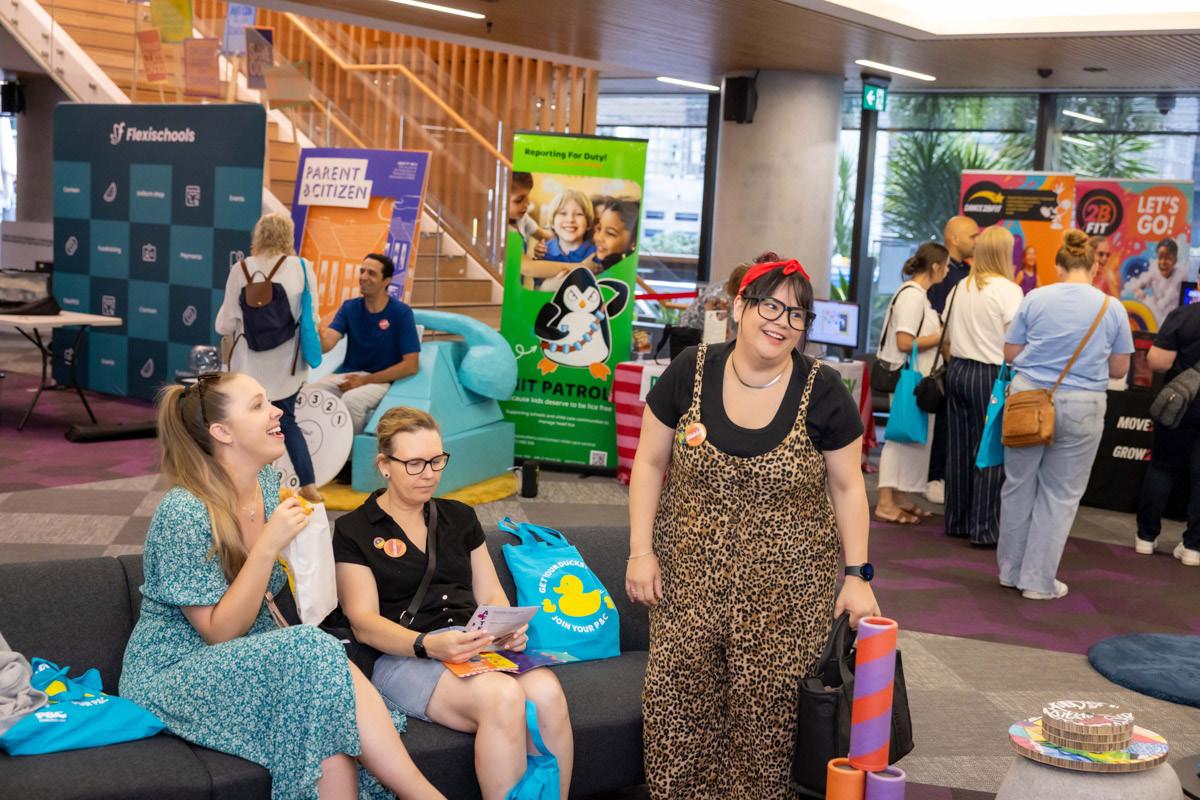
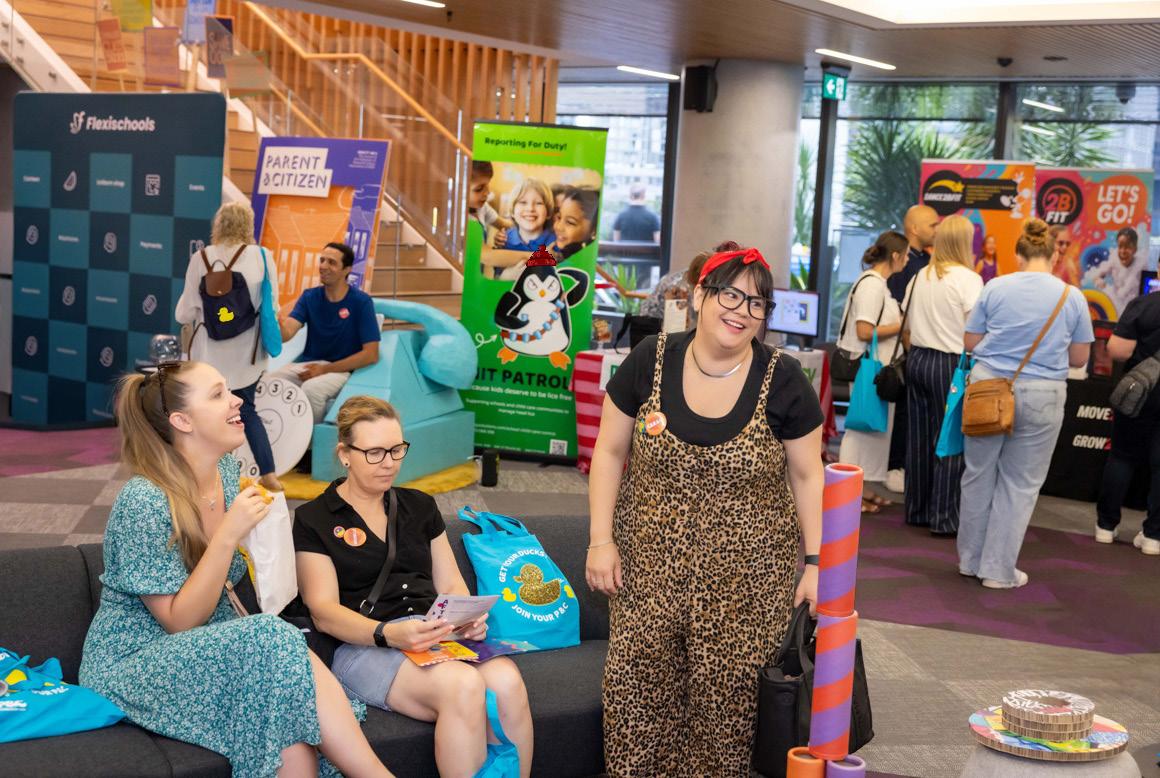
Sign up today to be informed of upcoming opportunities to have your say on the issues that matter most.
The Parent Voice is a group of volunteers who would like to be consulted on a wide range of topics related to public education. Insights from The Parent Voice are included in reports, submissions, and other opportunities to influence public school policy and other issues for government, industry, and other institutions.