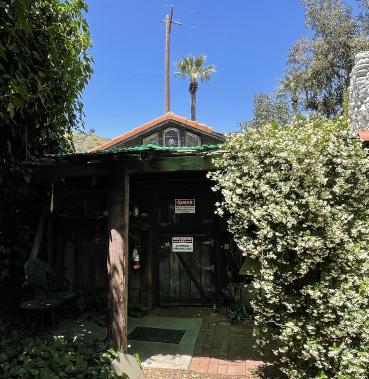
CONDITIONS ASSESSMENT AND PRESERVATION PLAN
RUBEL CASTLE HISTORIC DISTRICT
GLENDORA,CA [21345] Prepared for: Glendora Historical Society
MARCH 18, 2023
This Page Intentionally Blank
OF CONTENTS
TABLE OF CONTENTS- CONT.
APPENDIX B. RESOURCE AND SPACES LIST
APPENDIX C. NATIONAL PARK SERVICE
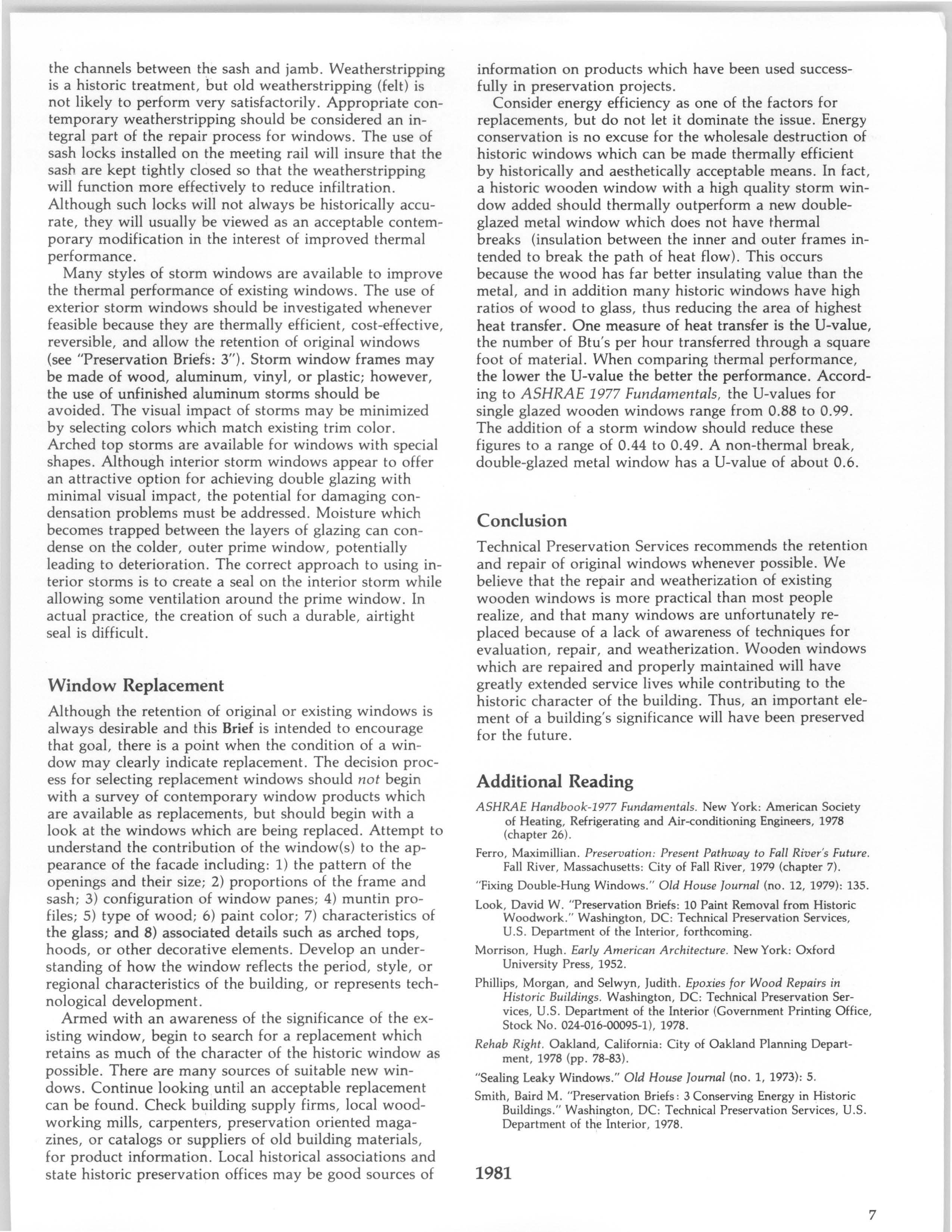
#3 – improving EnErgy EFF C EnCy in historiC buildings
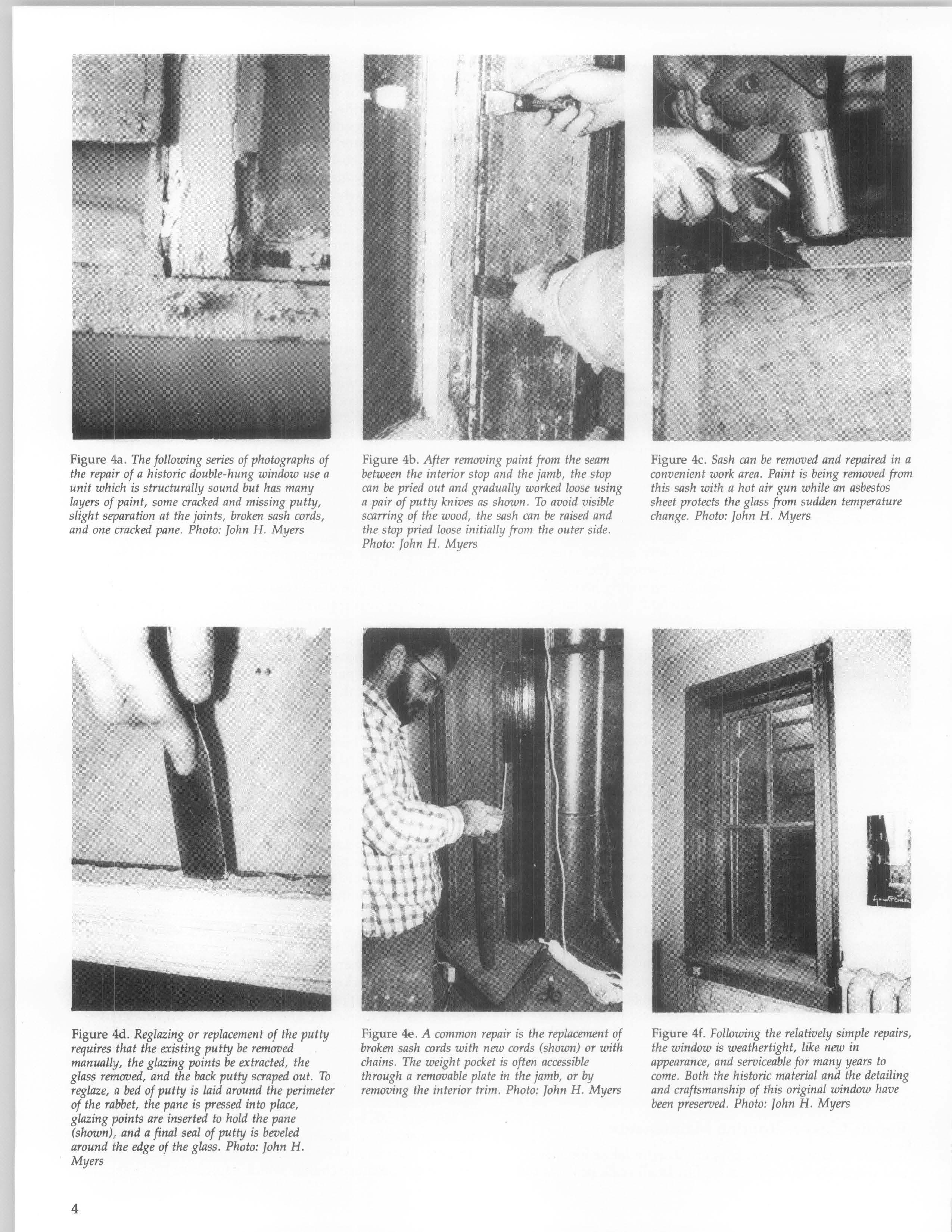
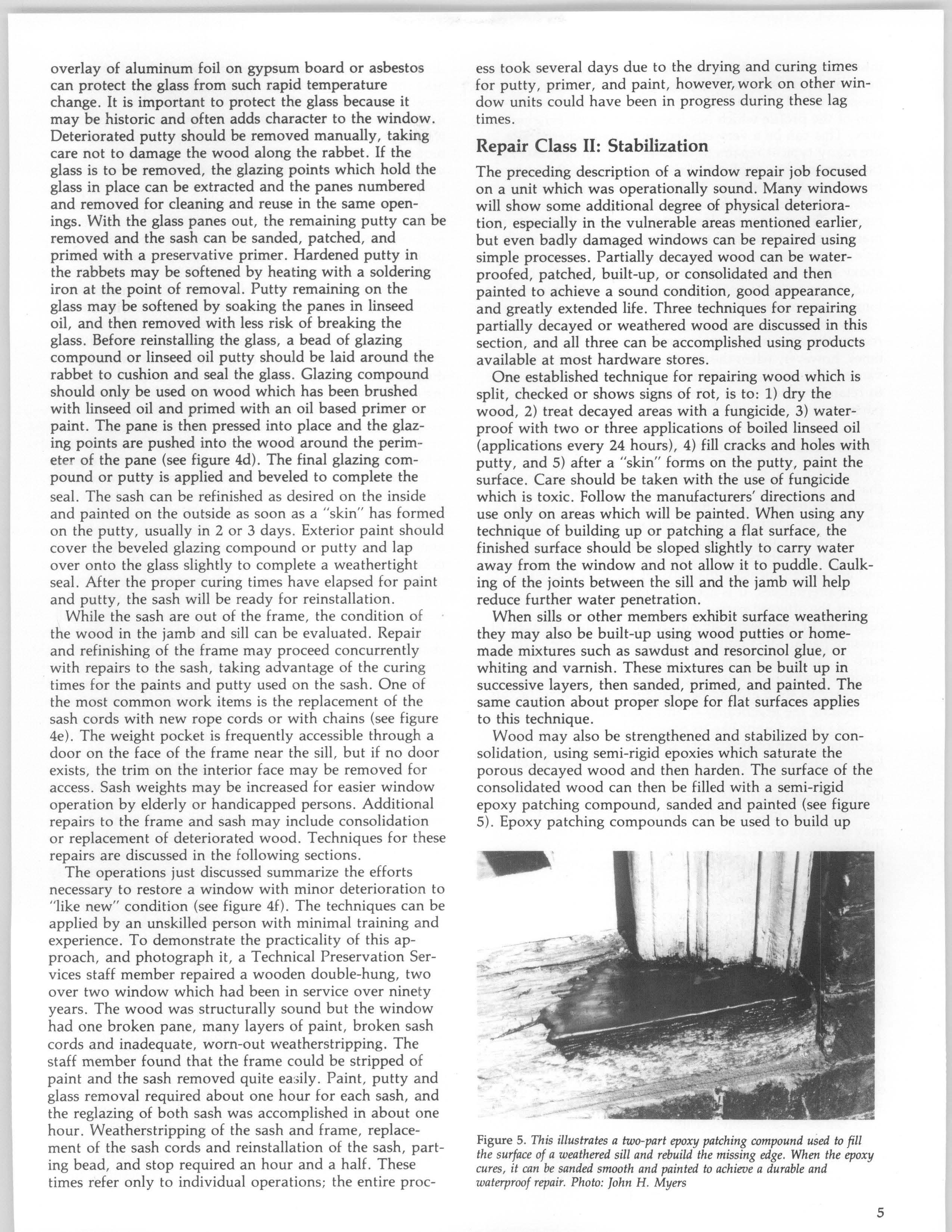
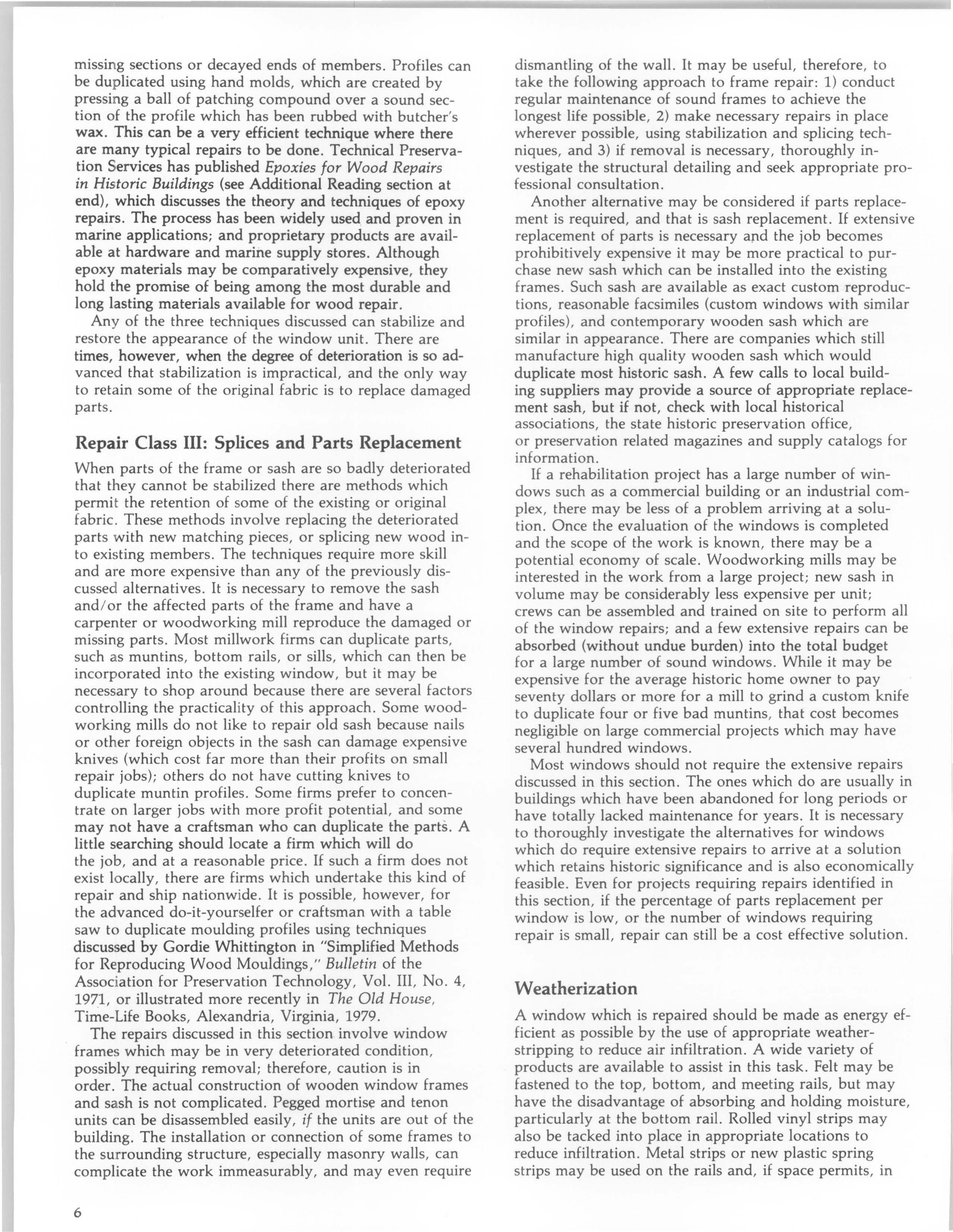
#9 – thE rEpair oF historiC woodEn windows
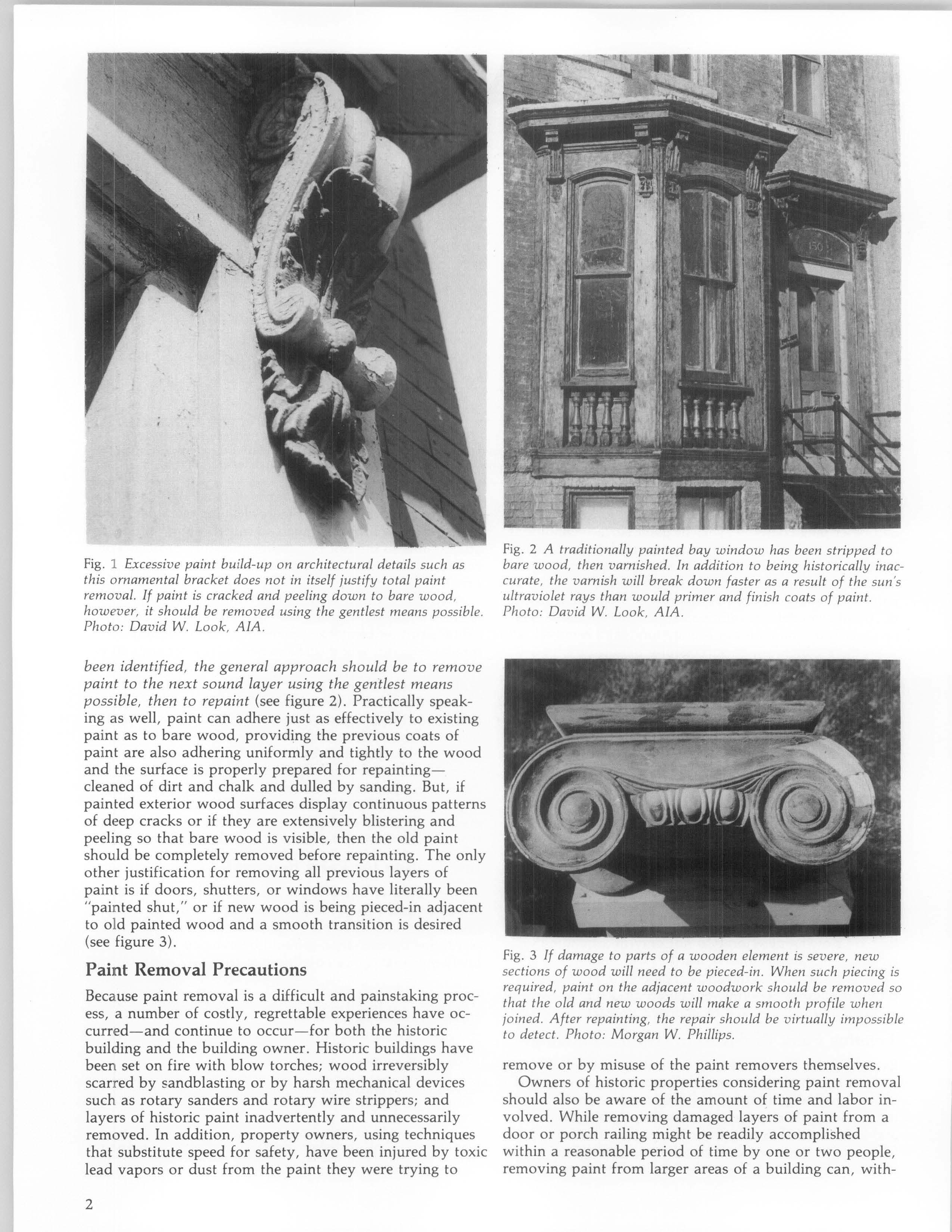
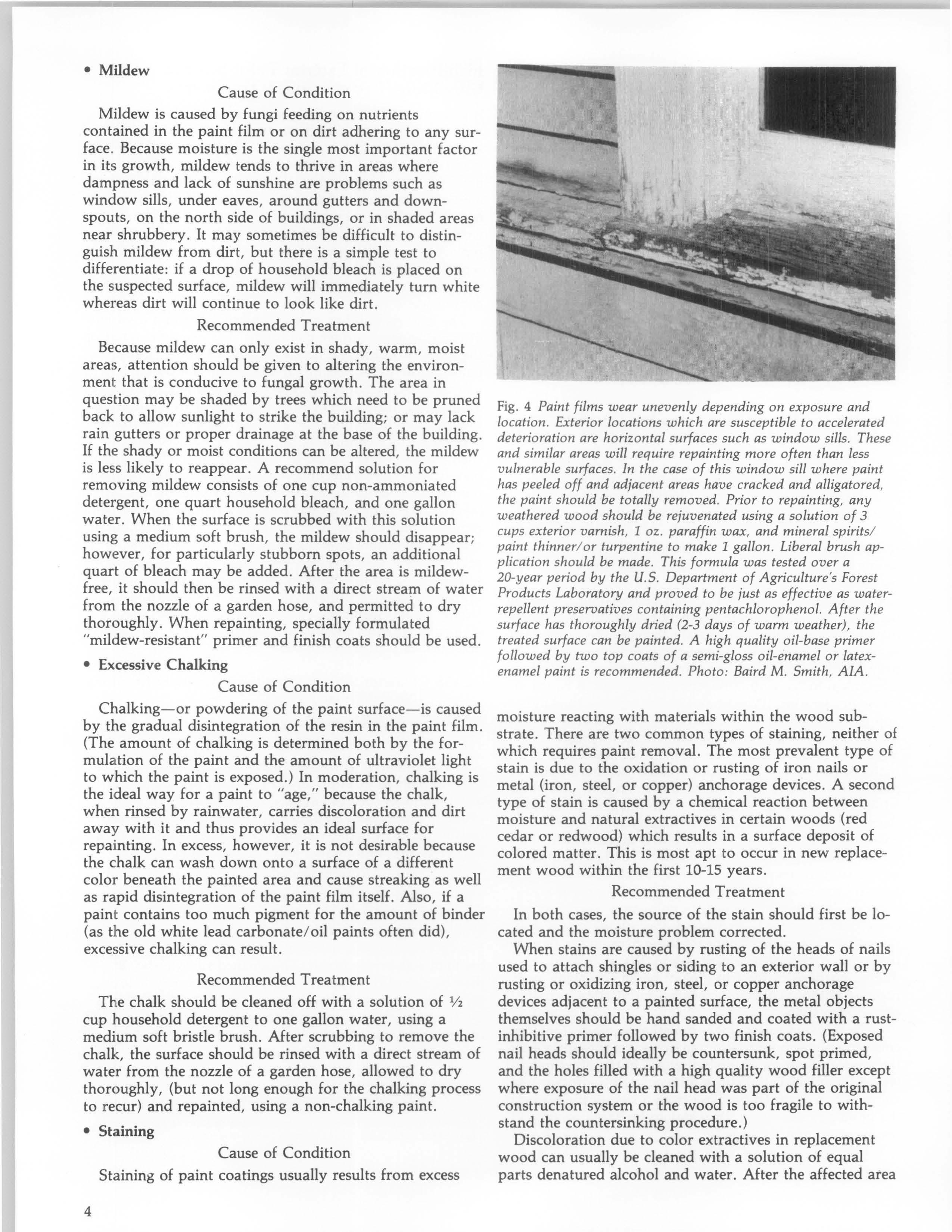
#10 – ExtErior paint problEms on historiC woodwork
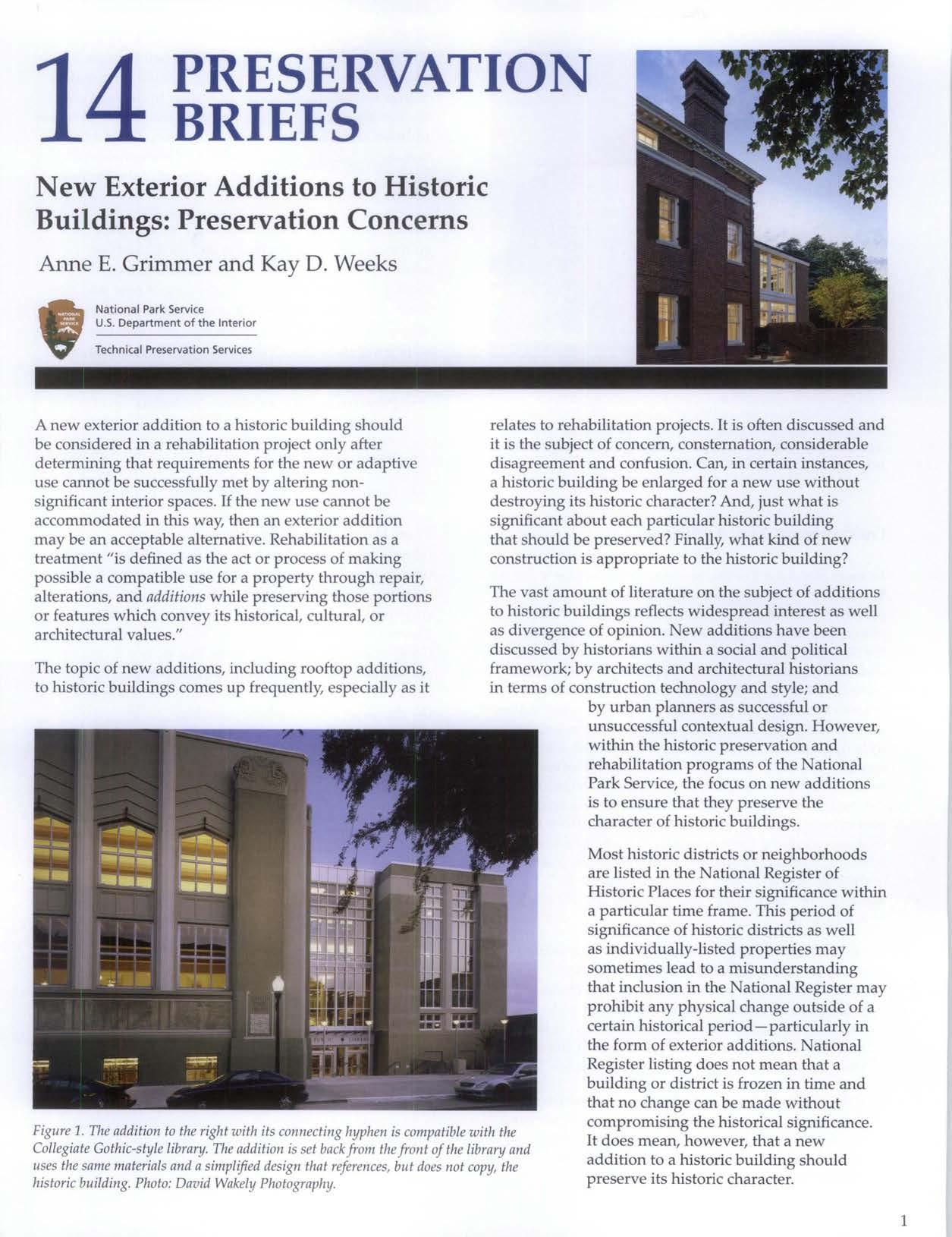
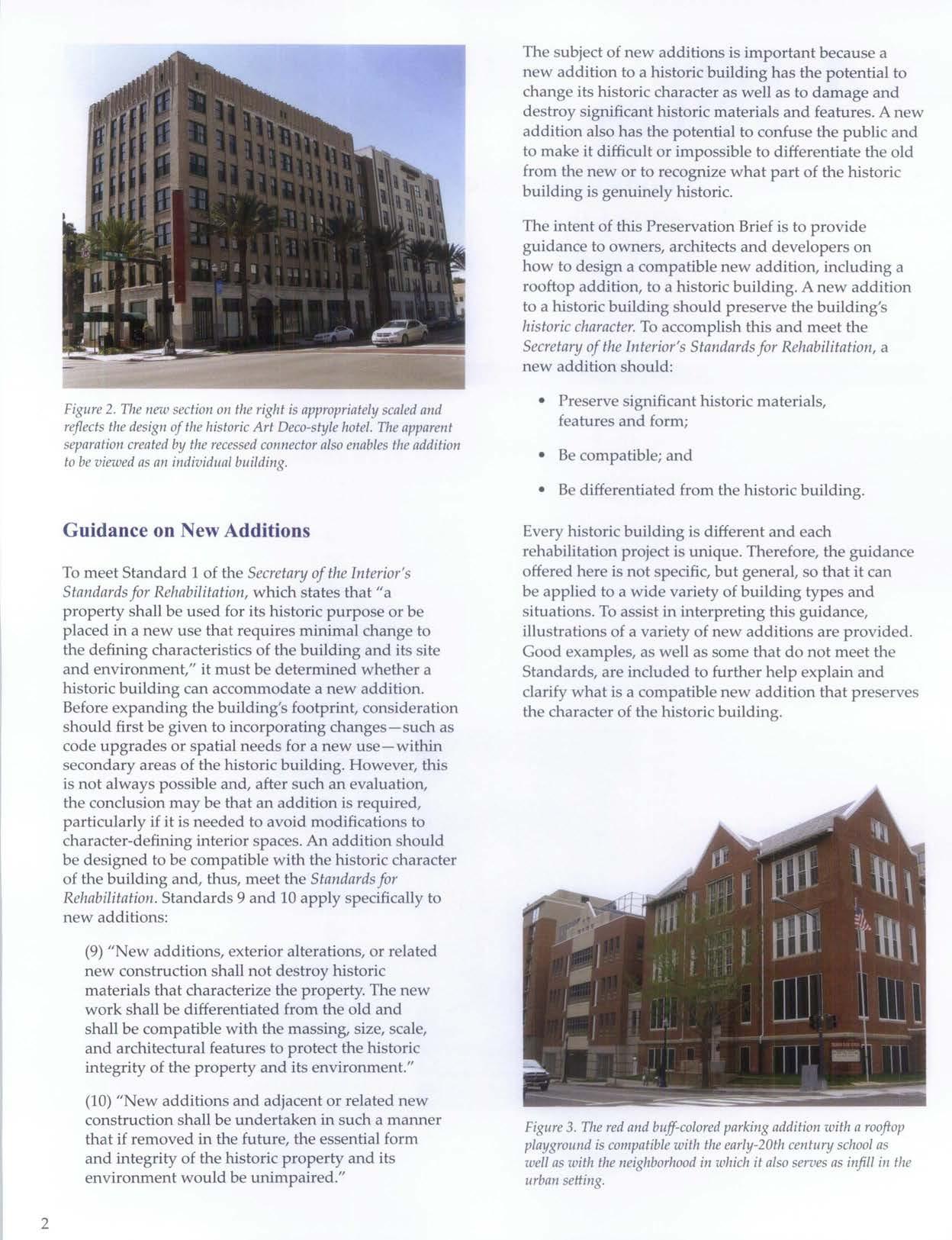
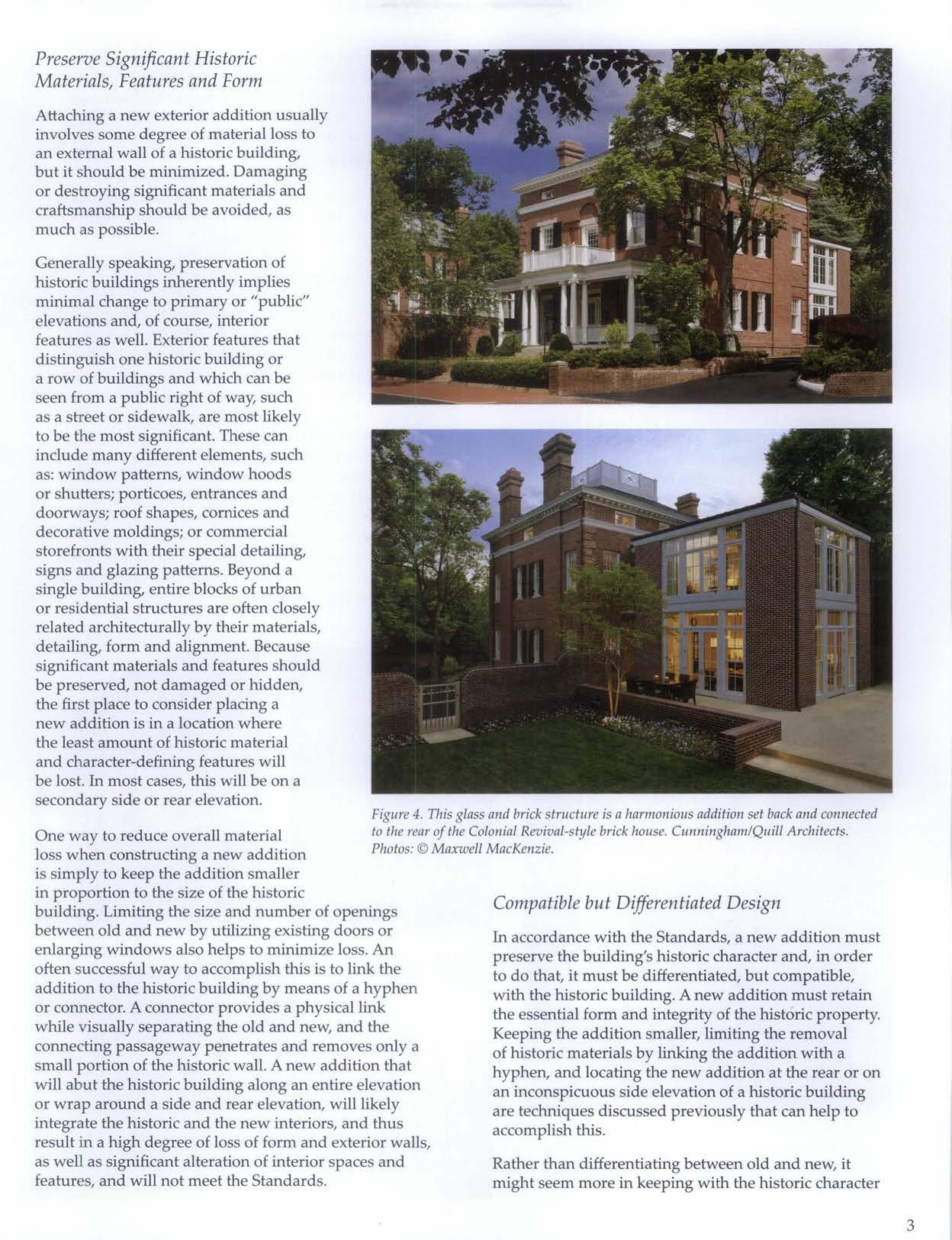
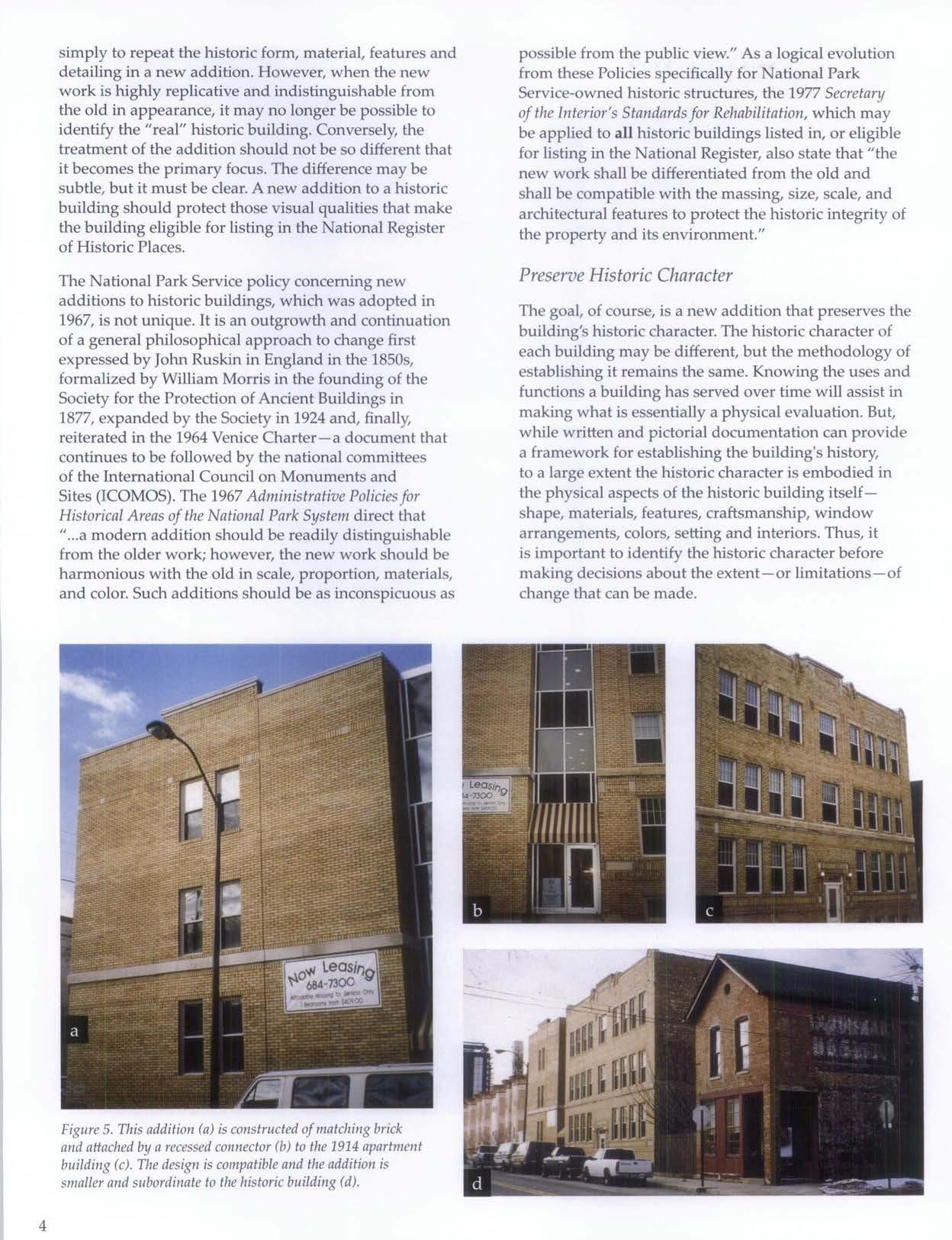
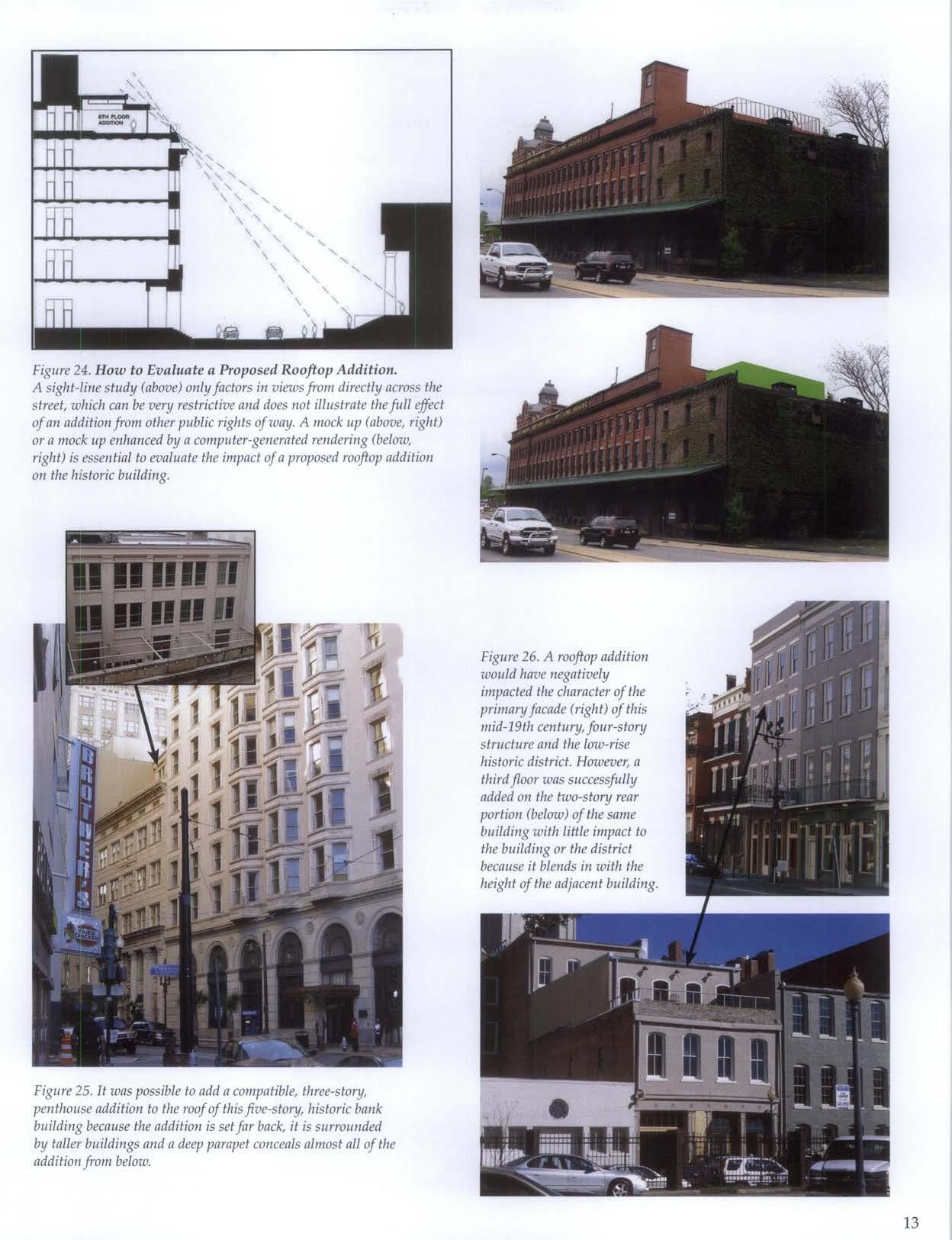
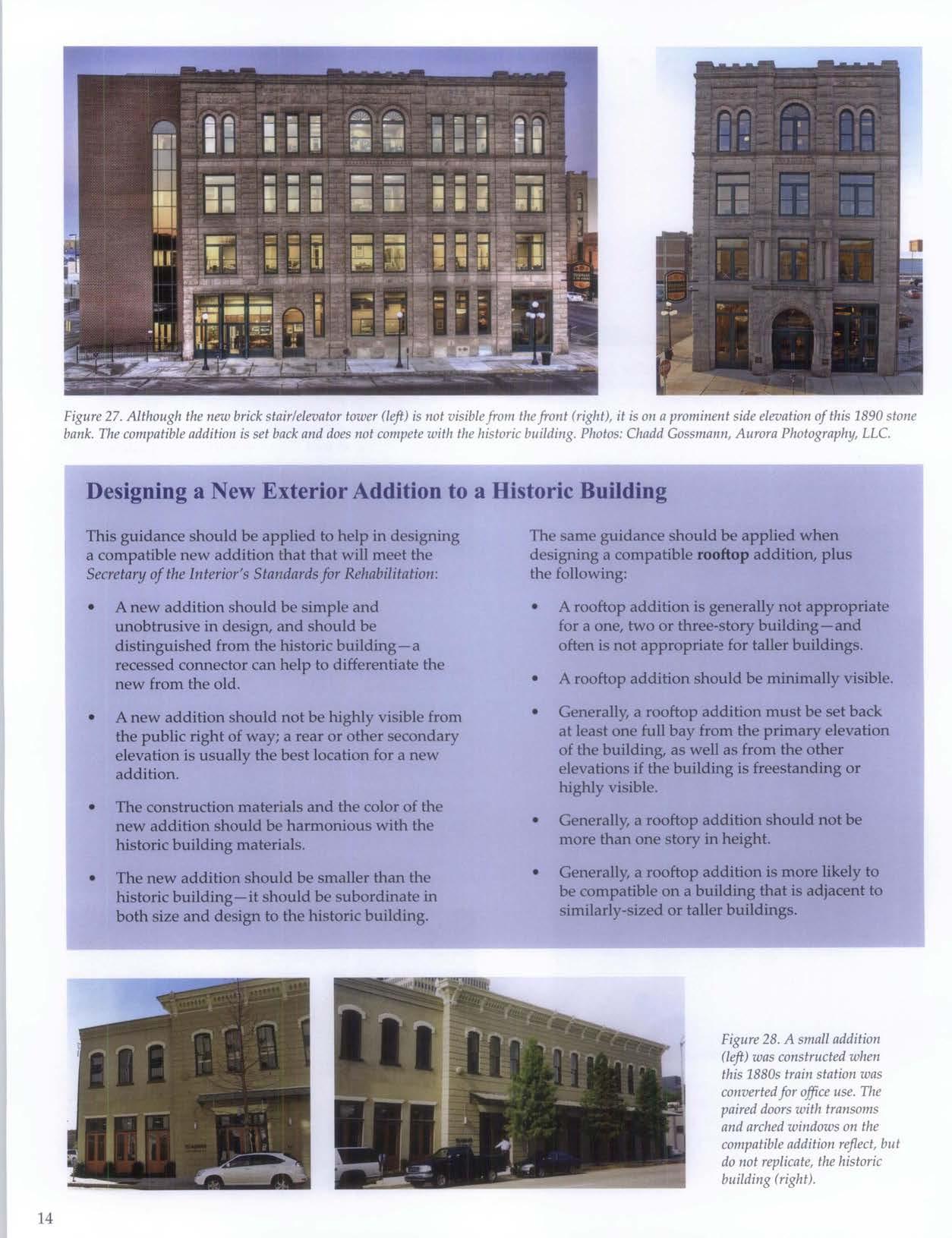
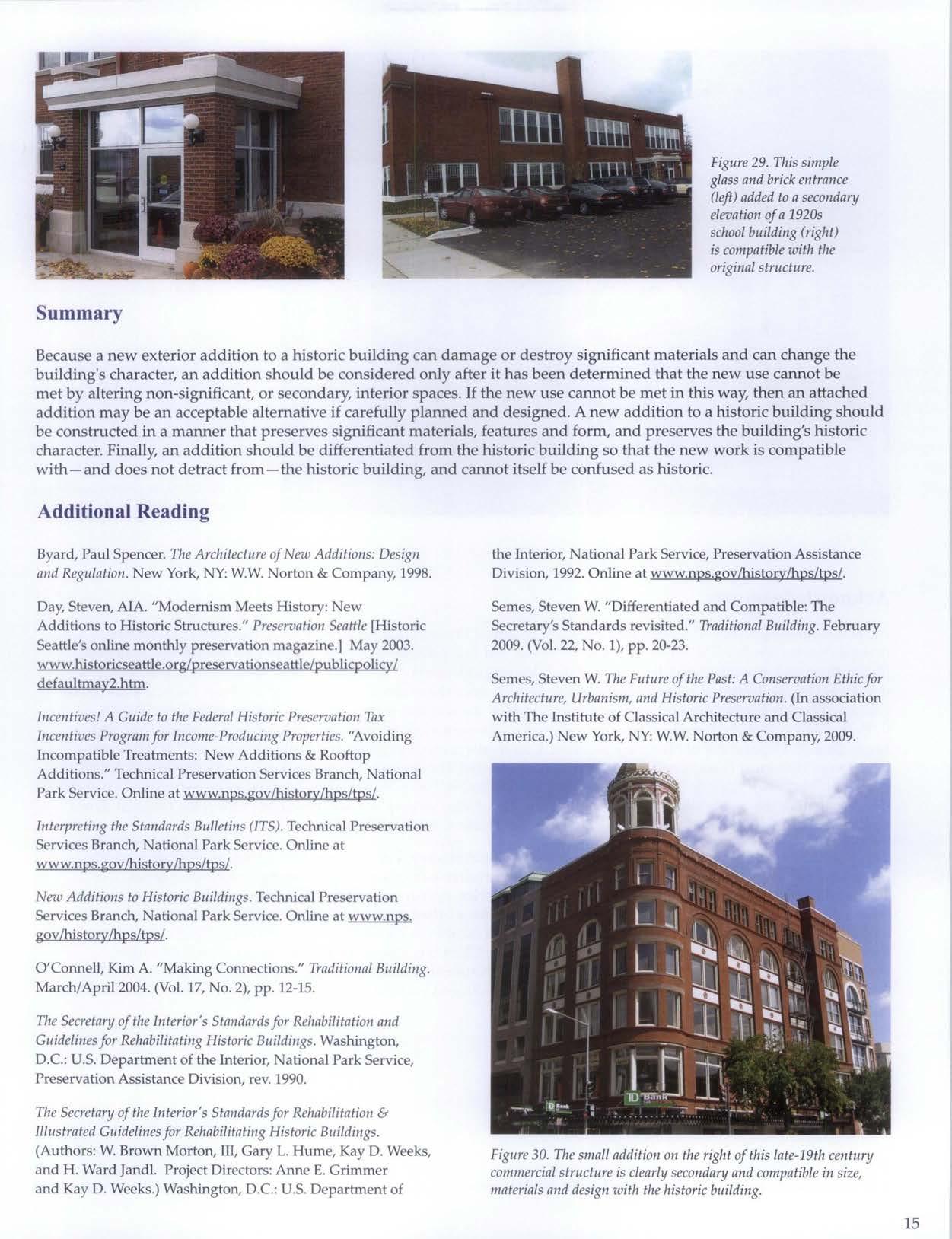
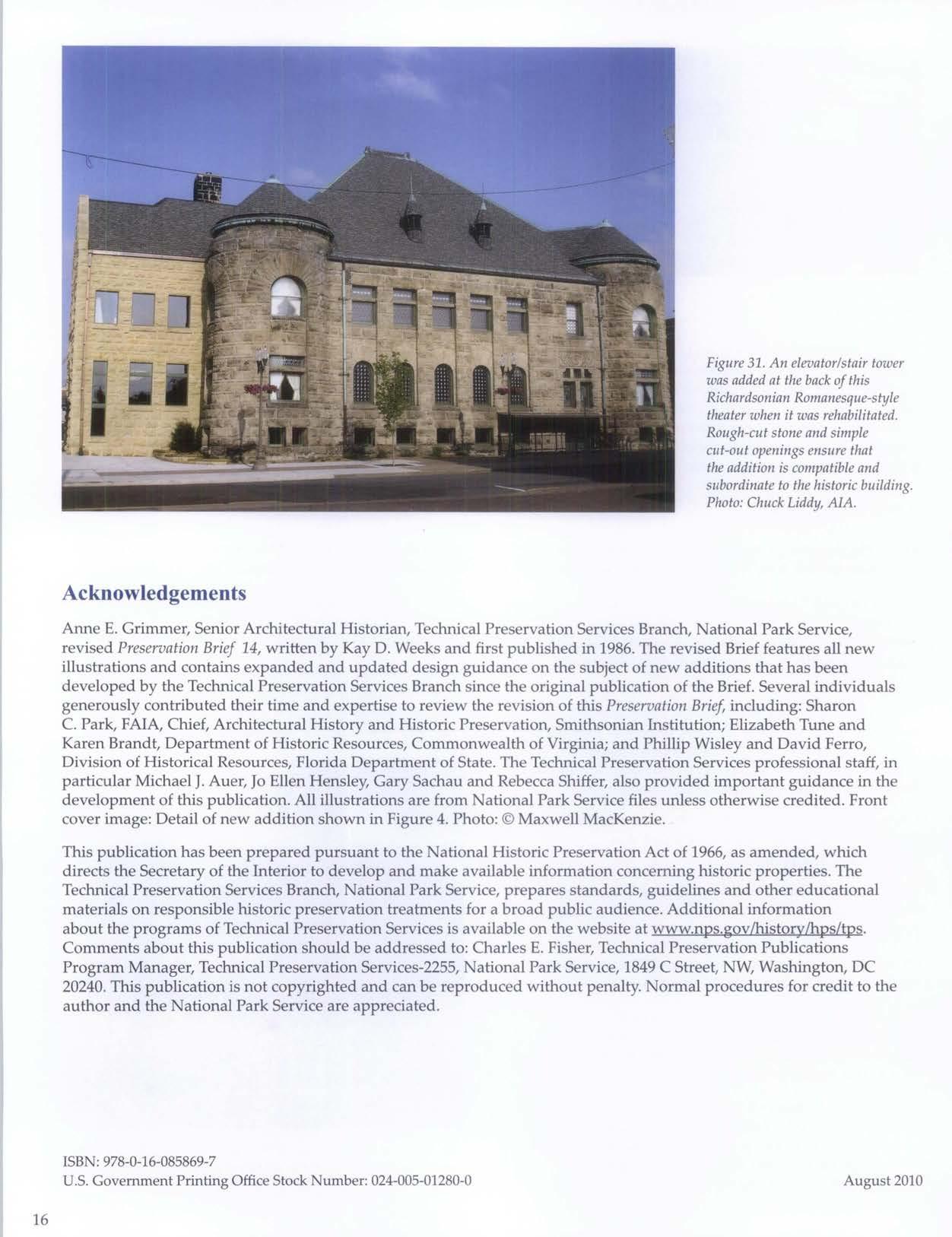
#14 – nEw ExtErior additions to historiC buildings
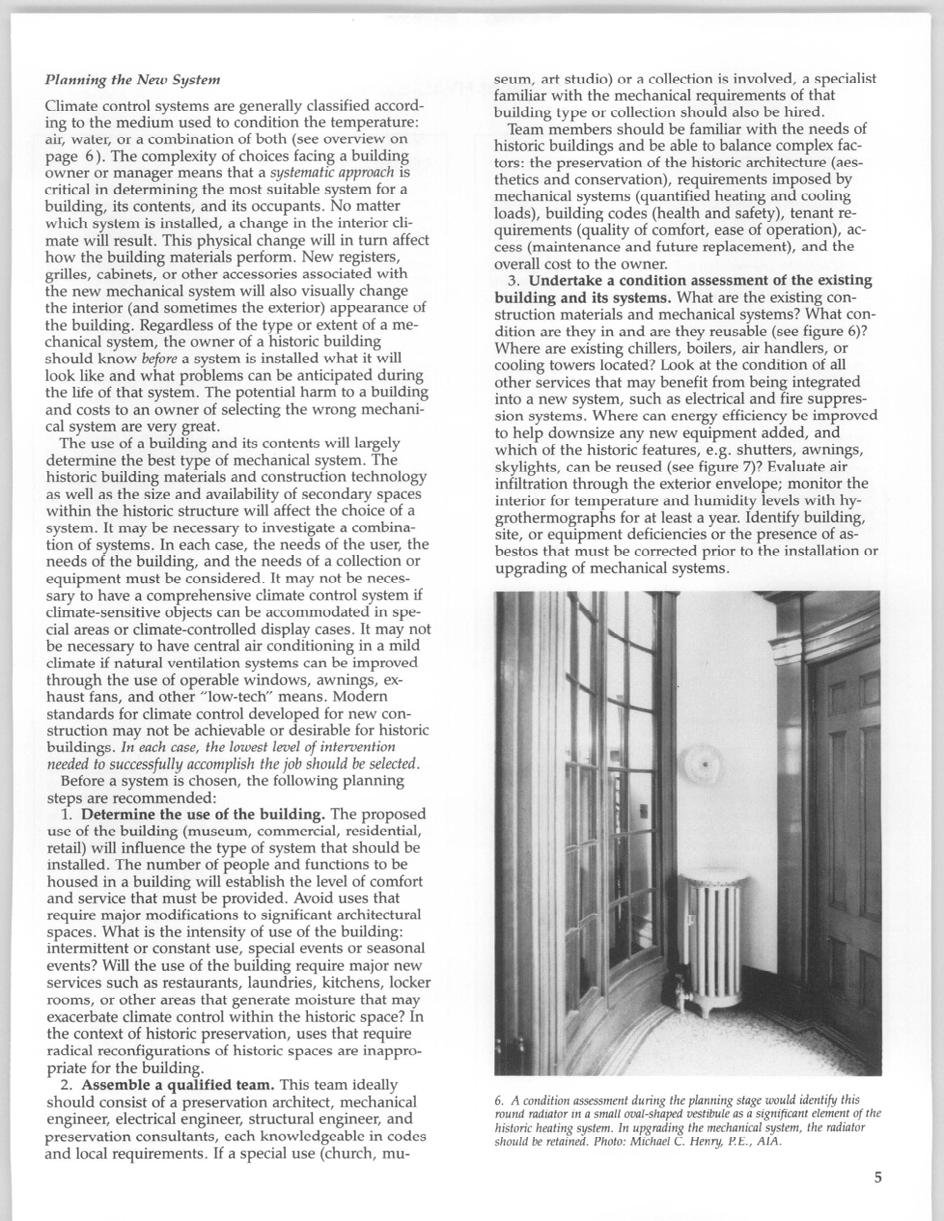
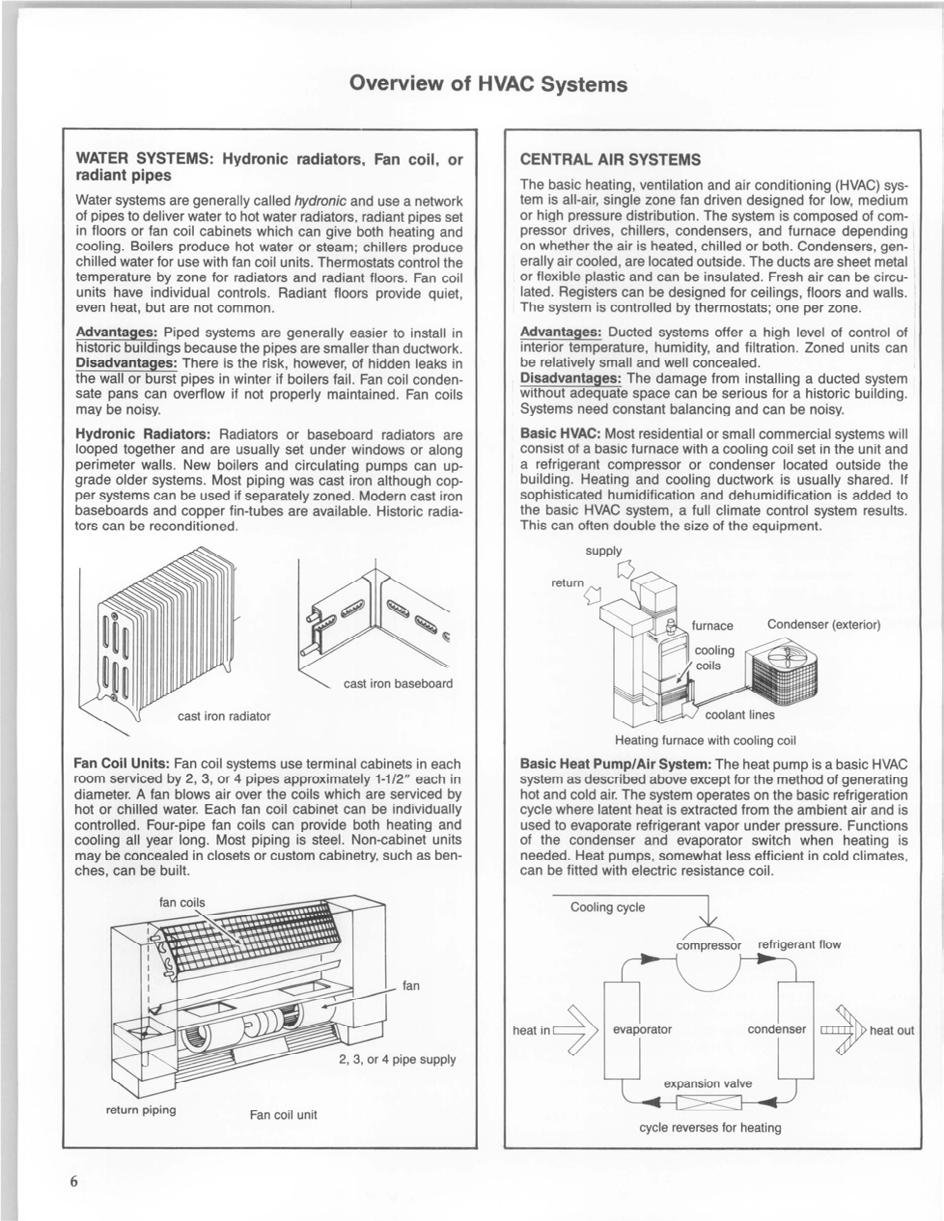
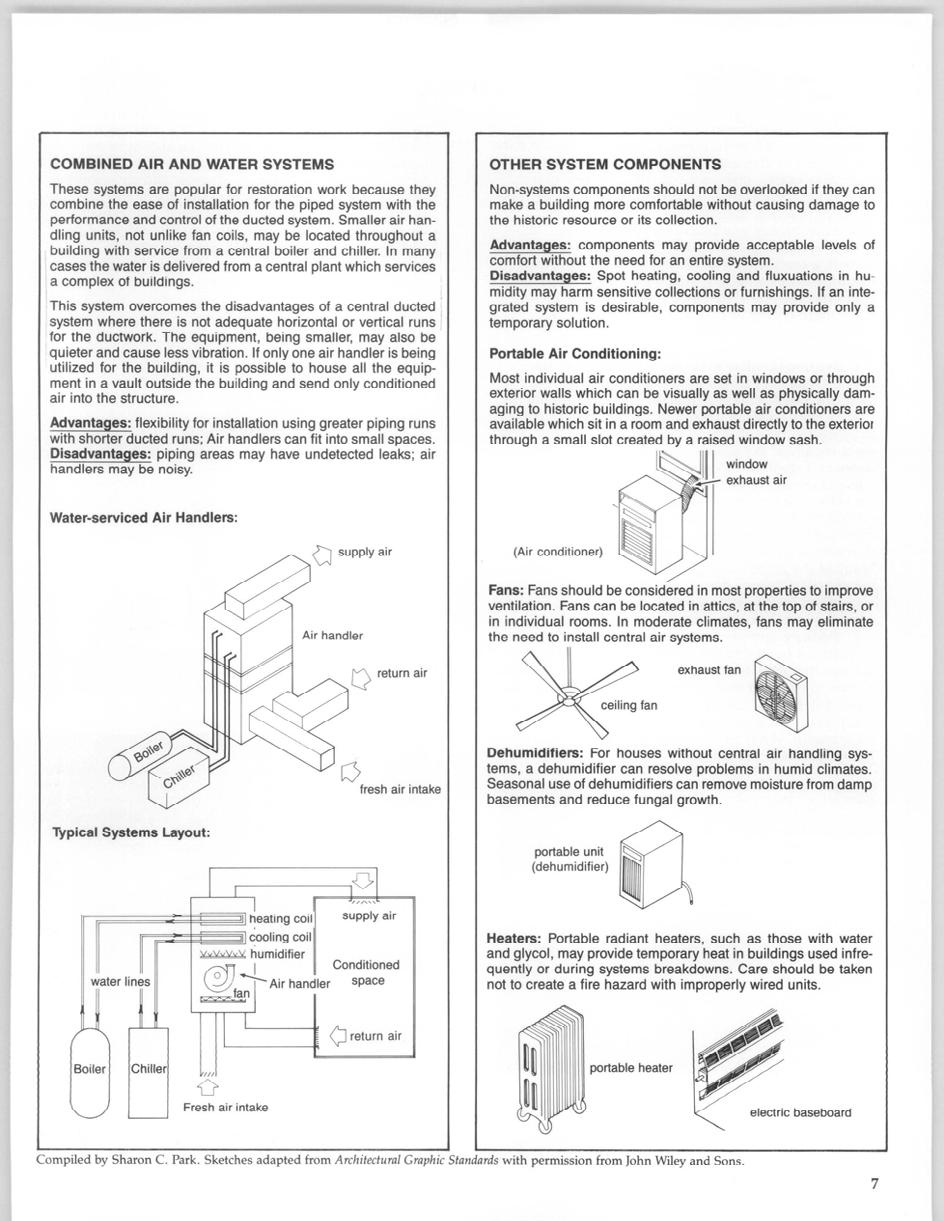
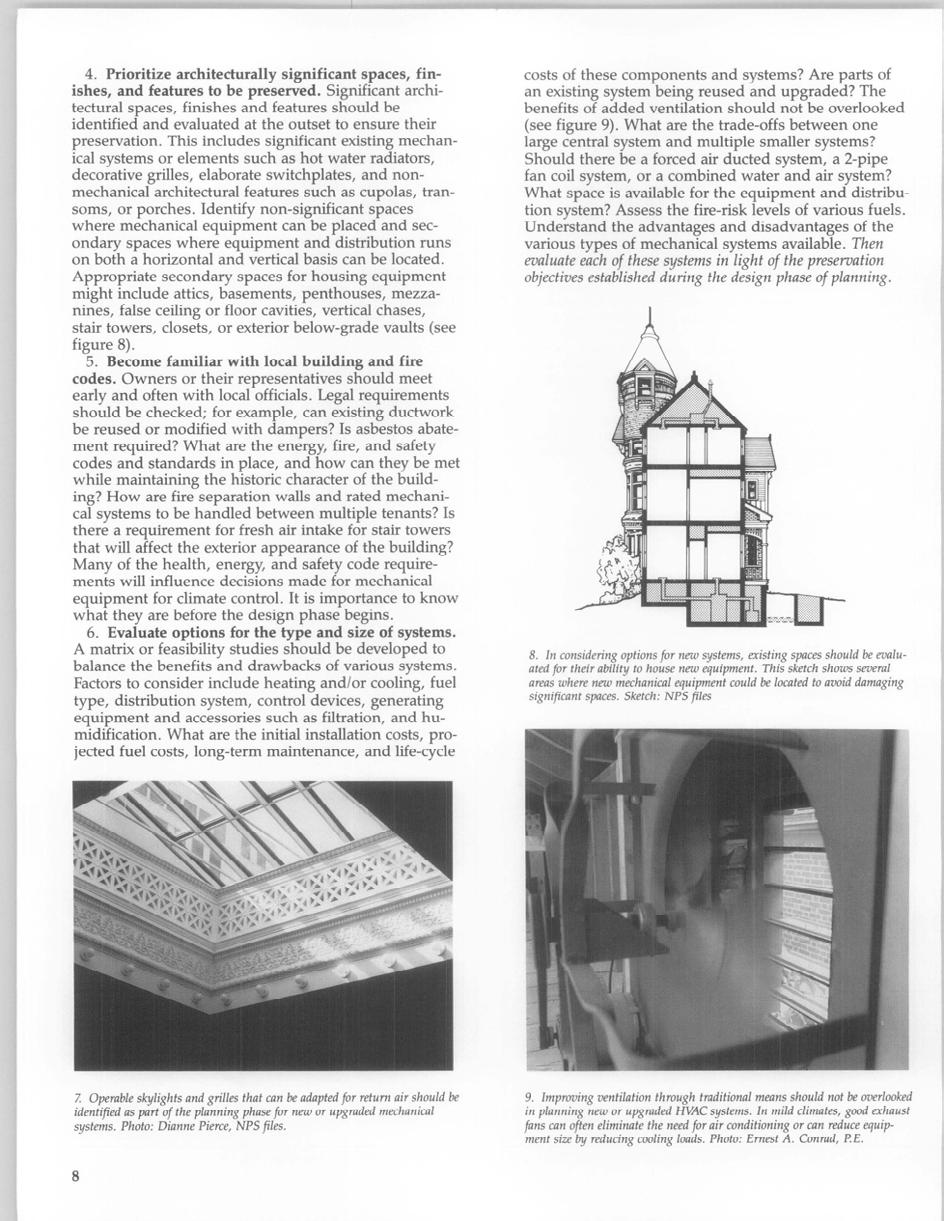
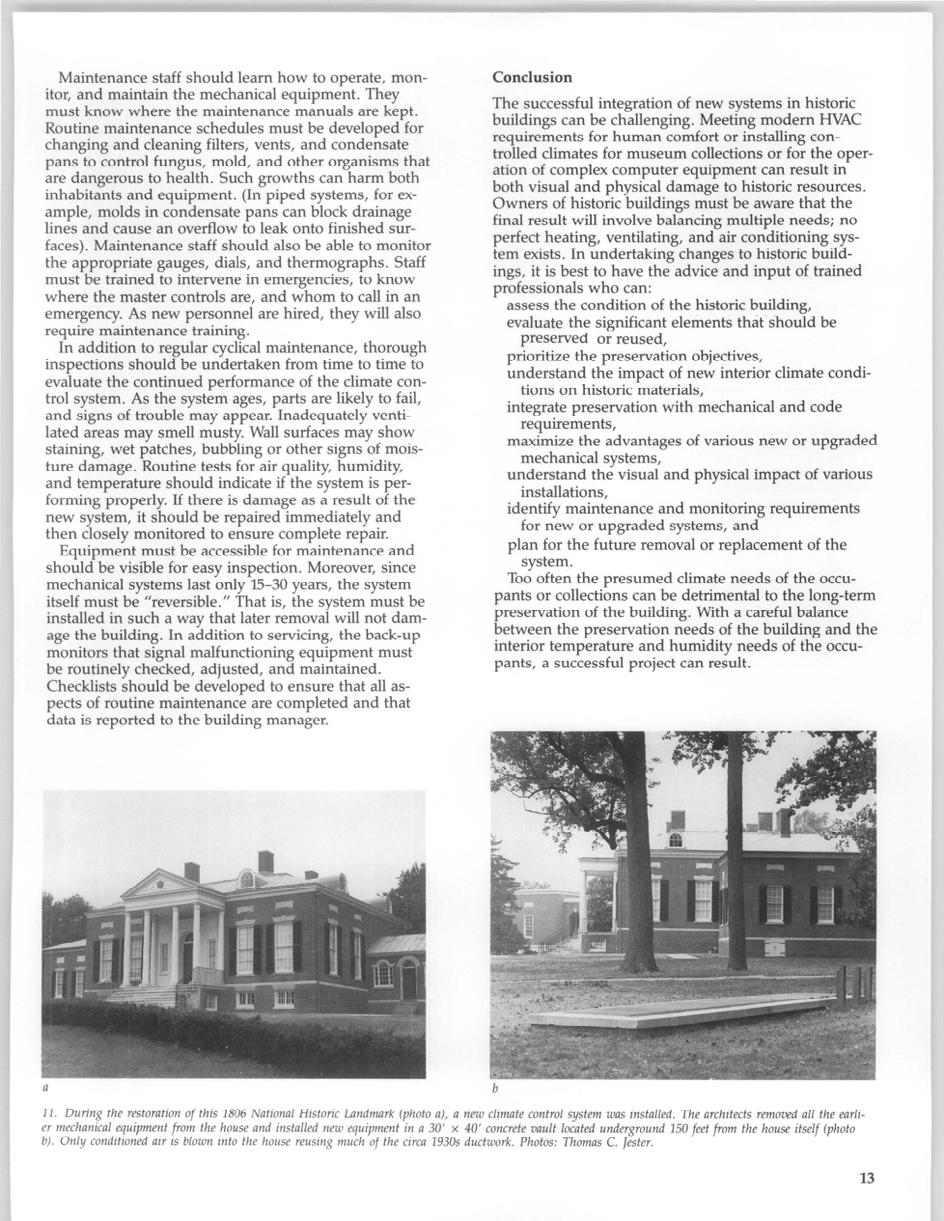
#24 – hEating, vEntilating and Cooling historiC buildings
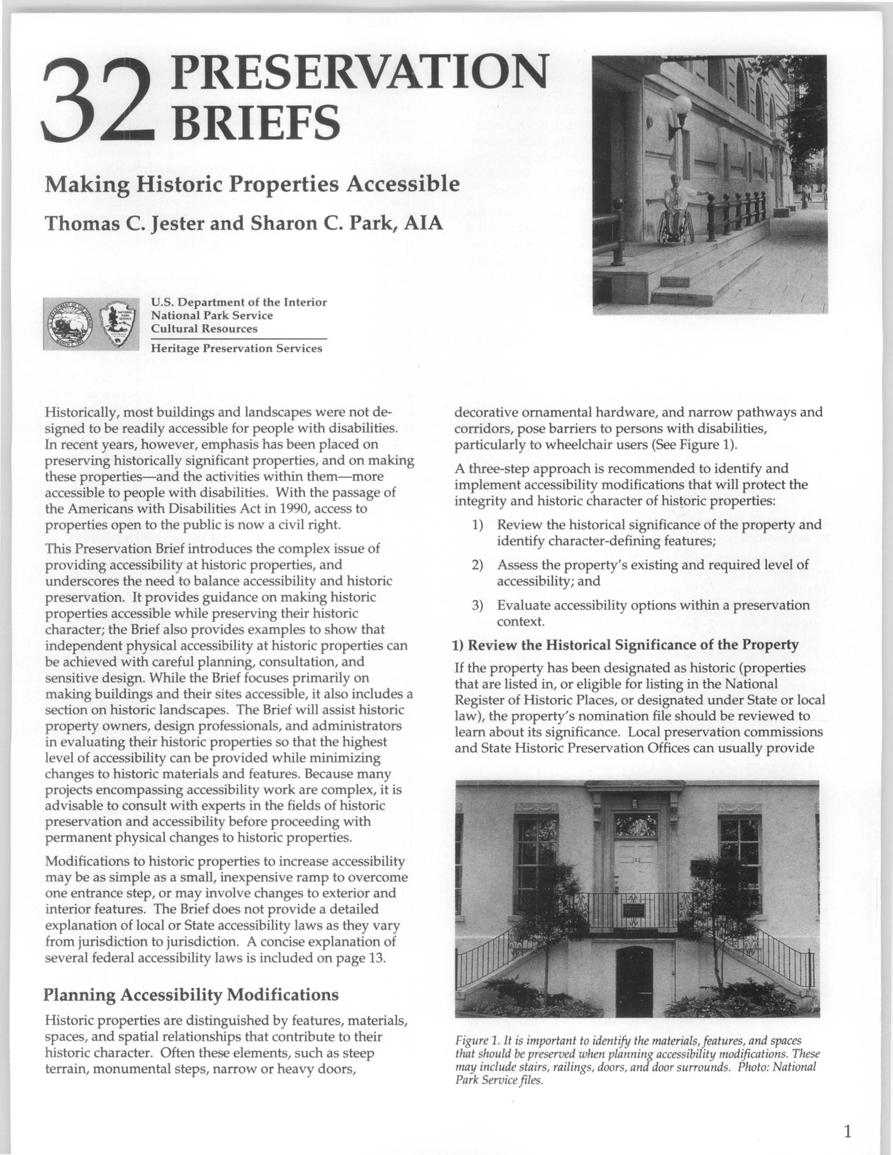
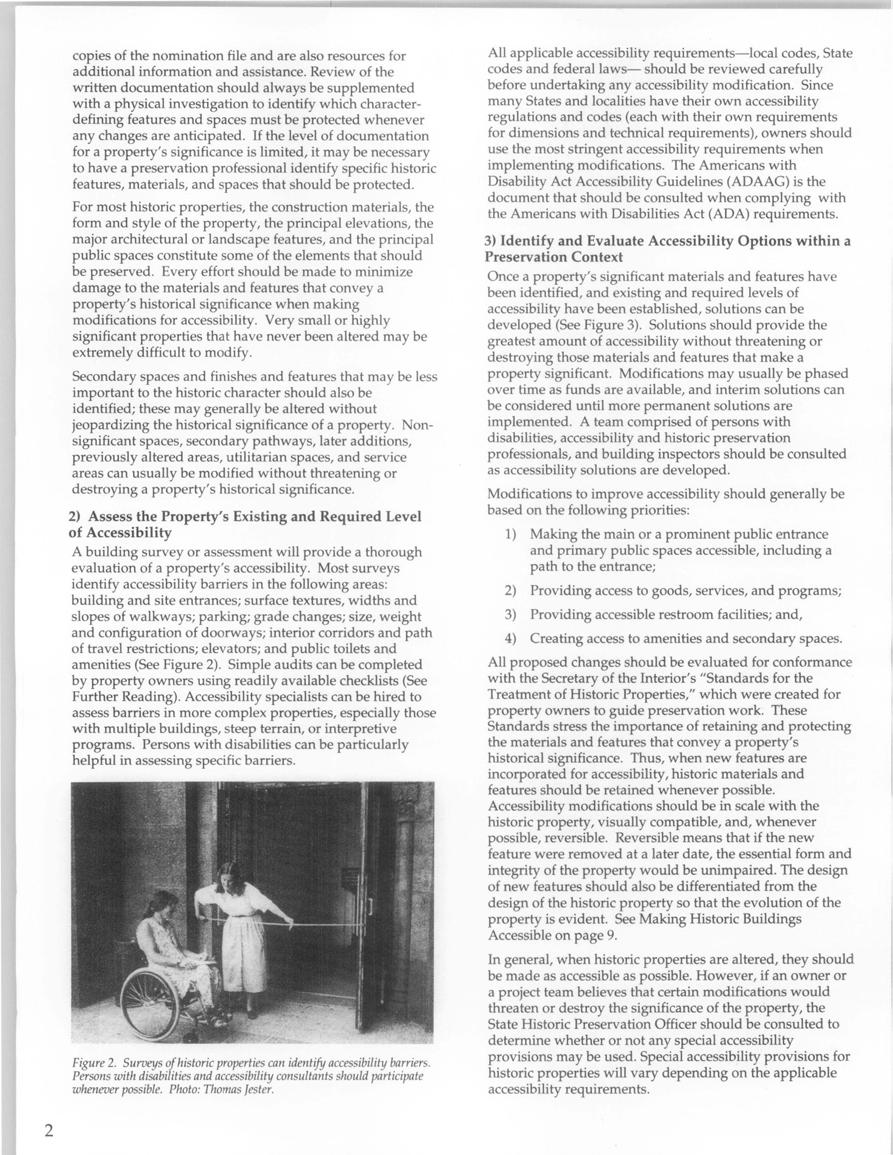
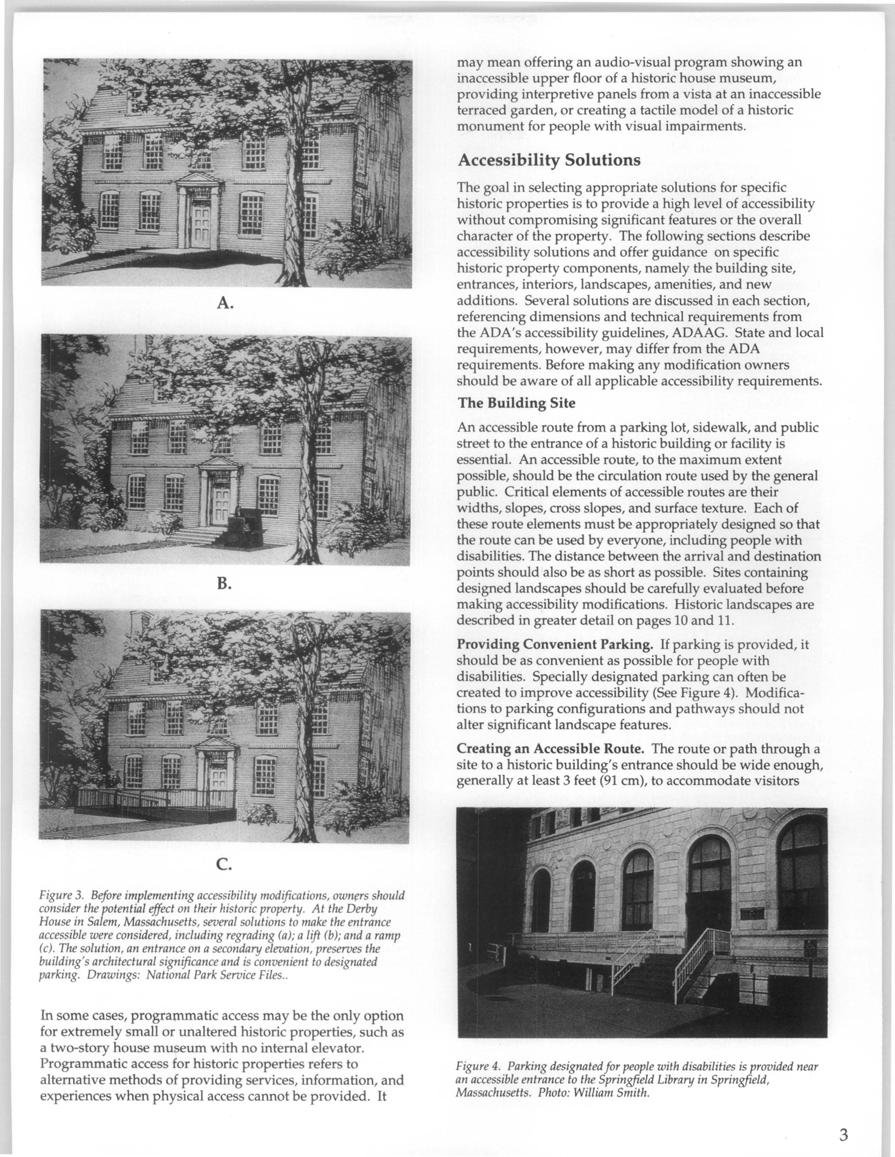
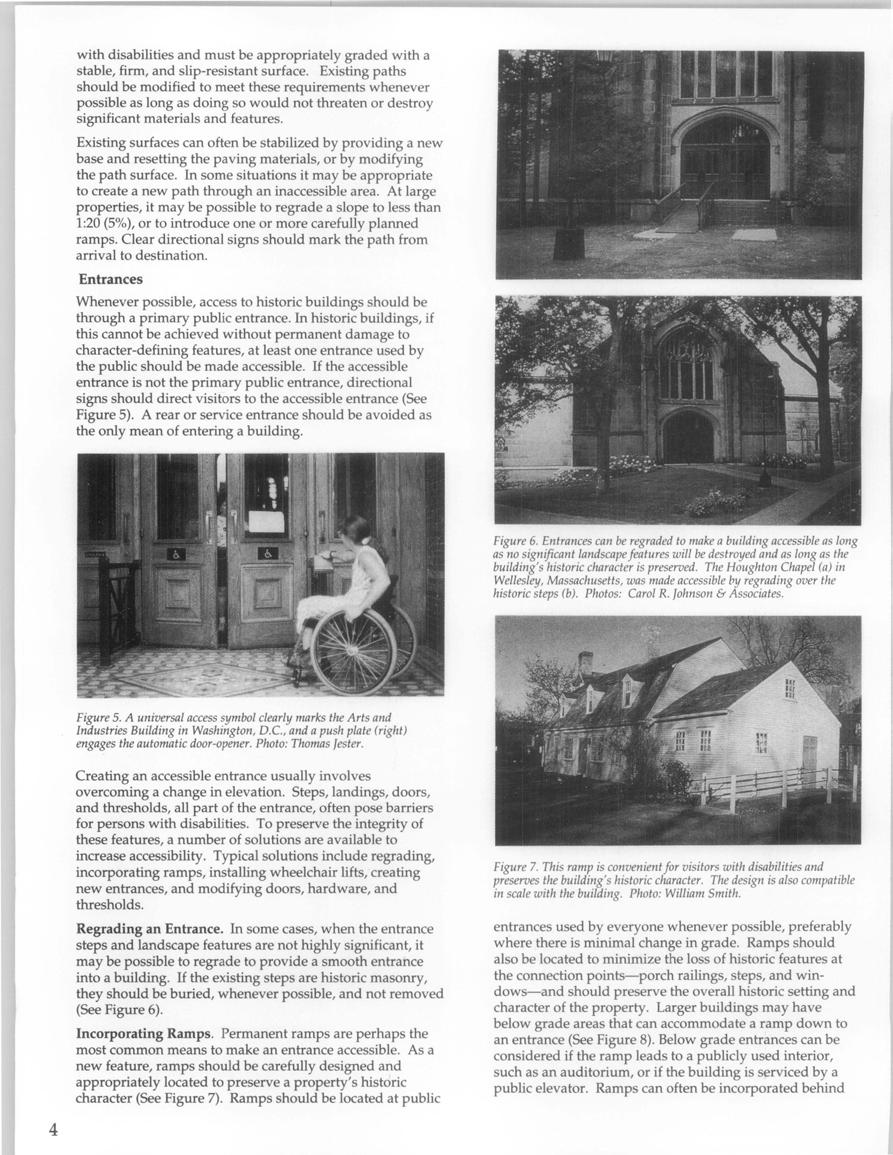
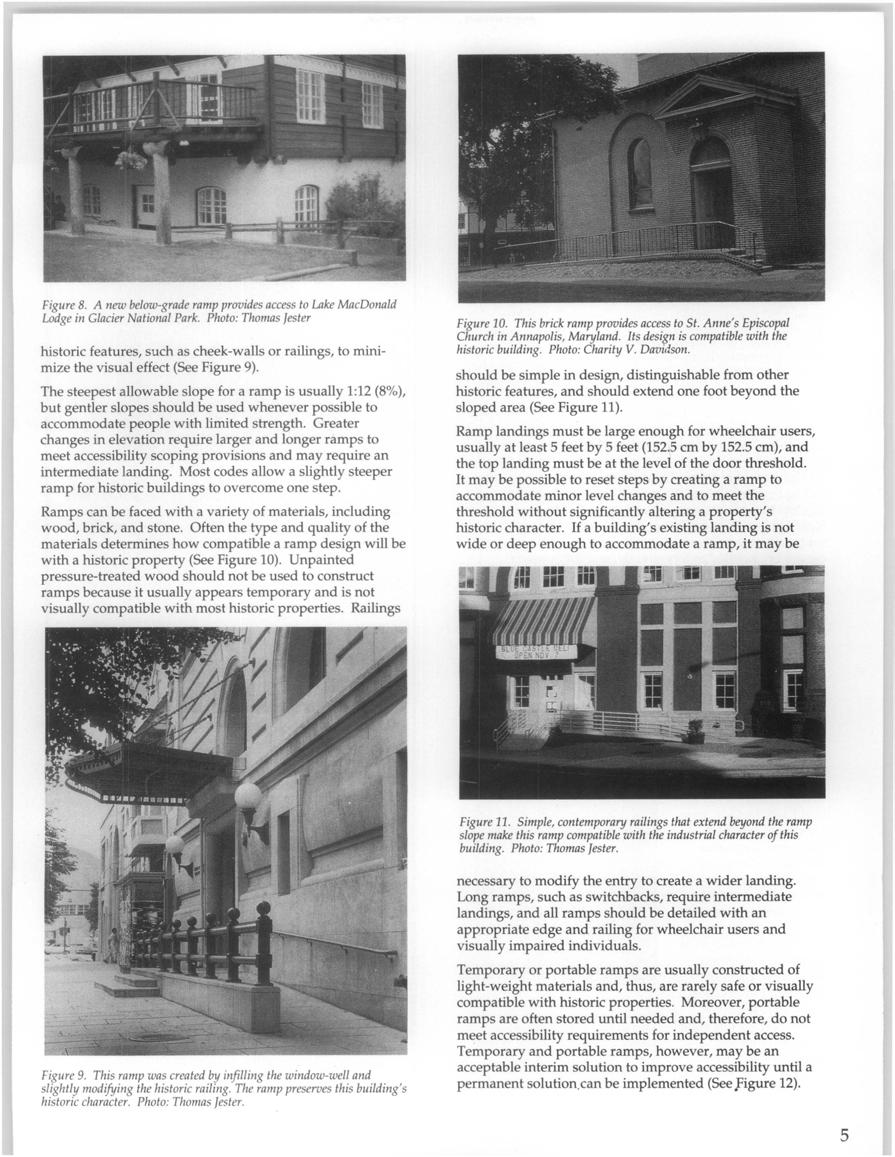
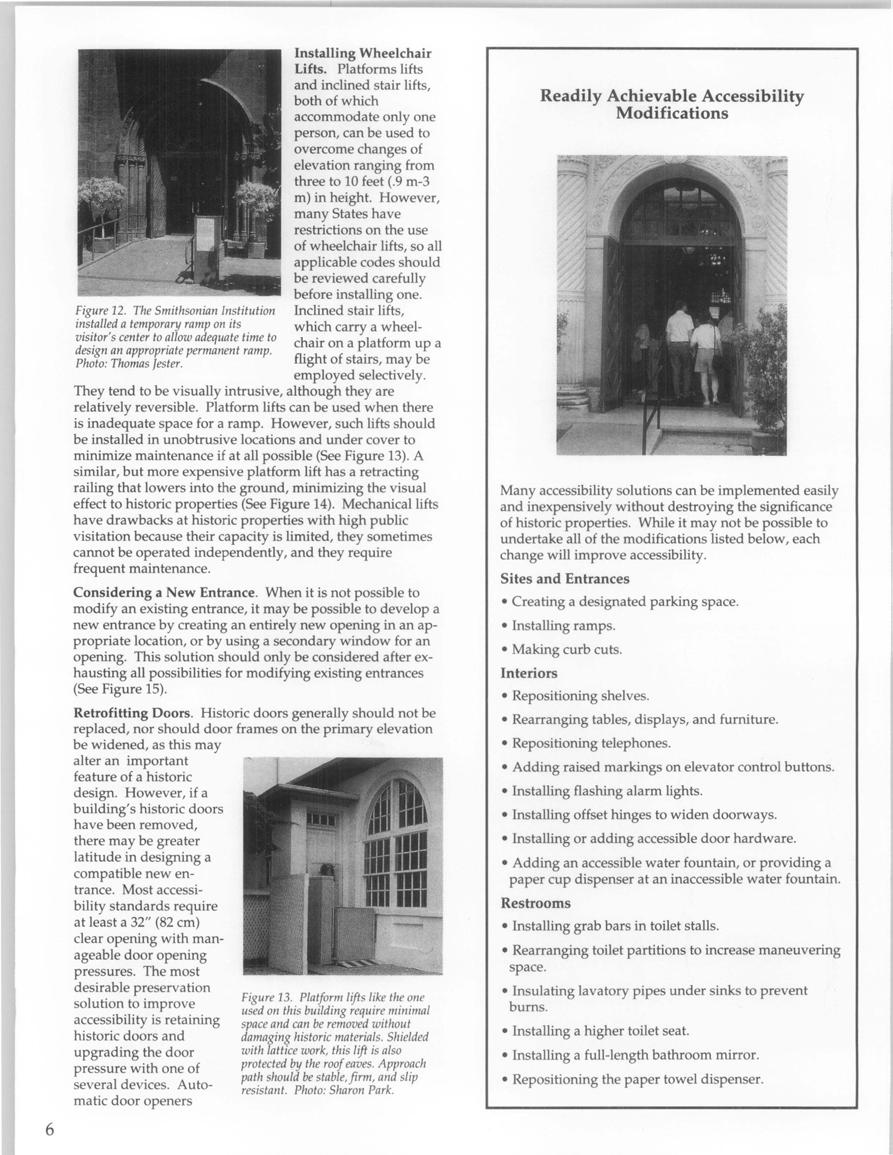
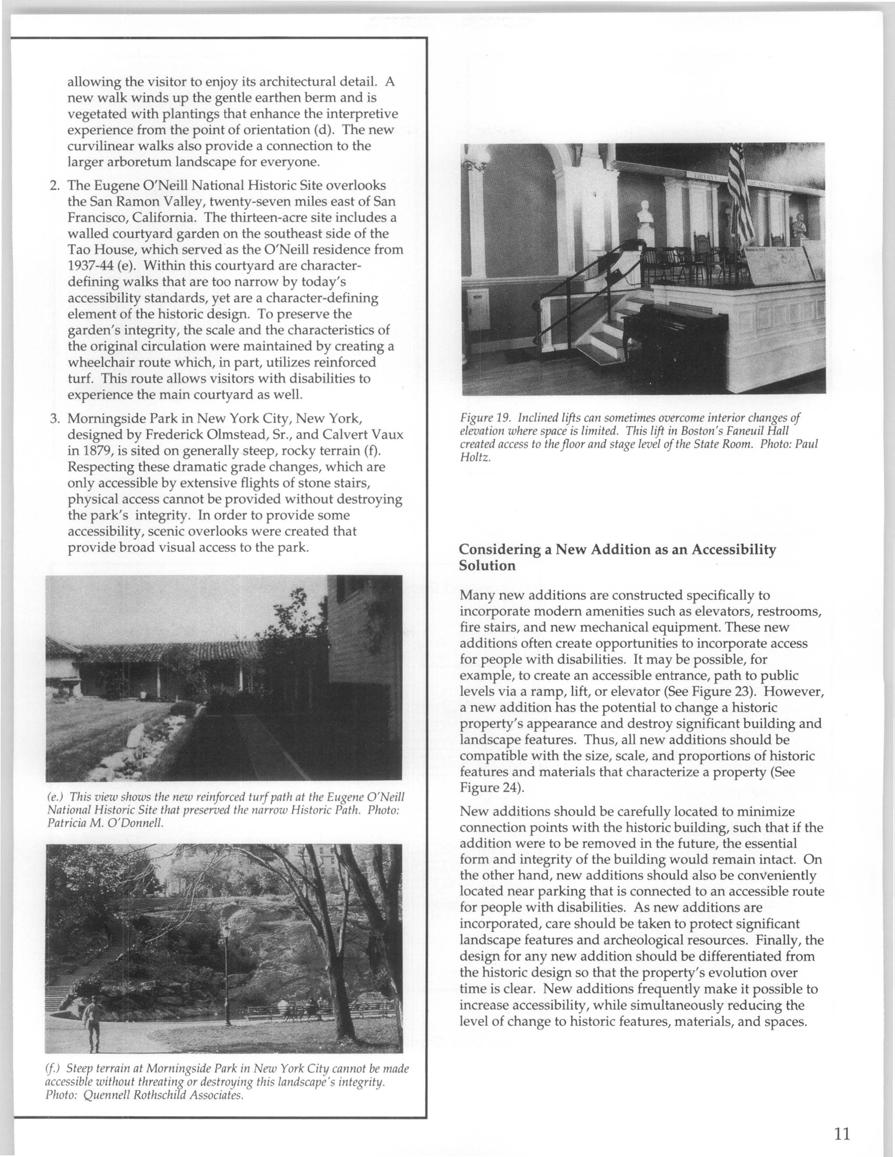
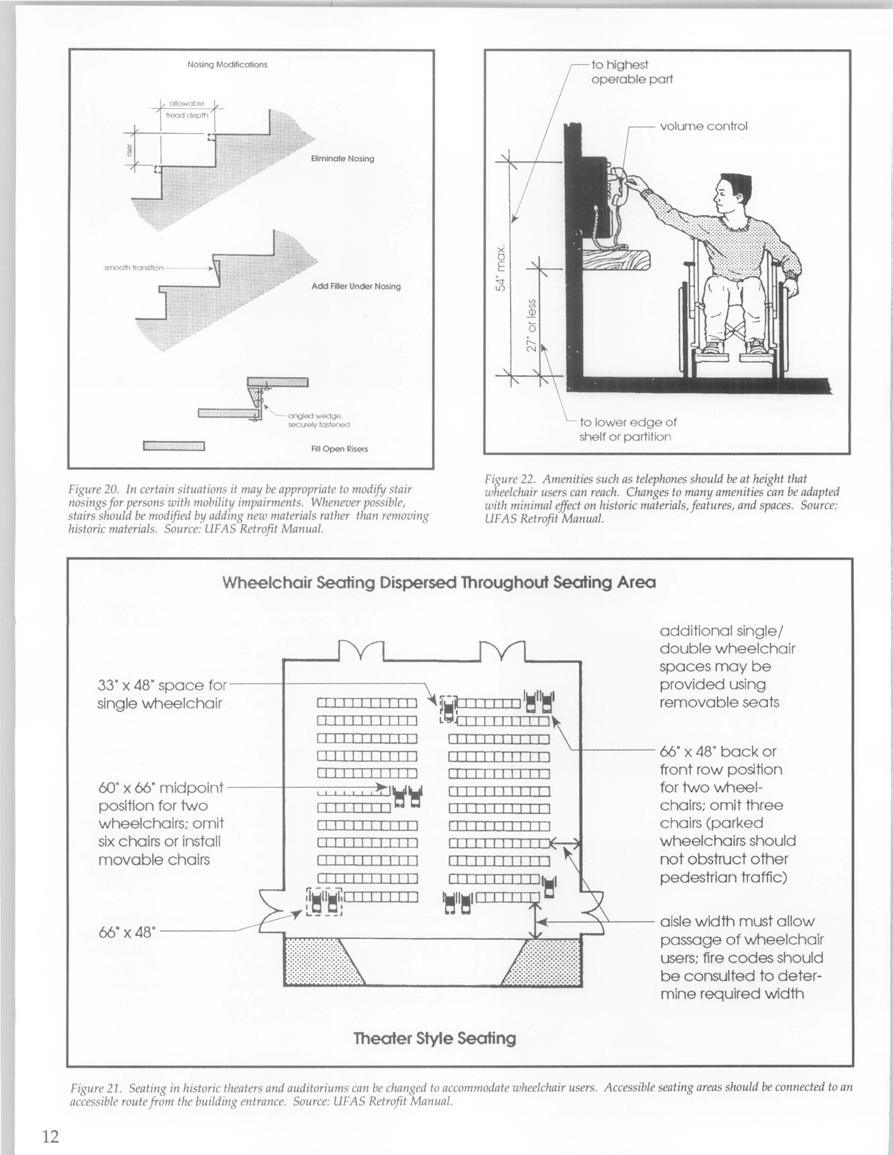
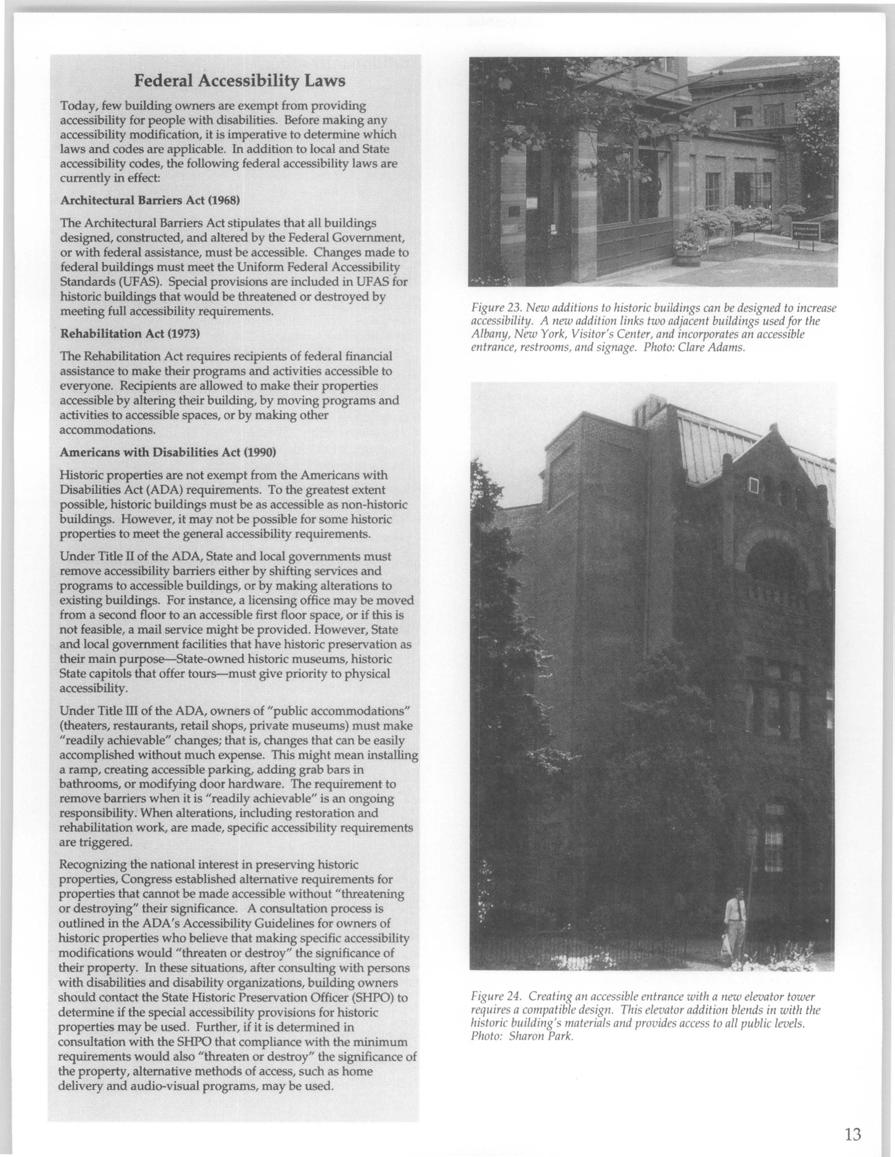
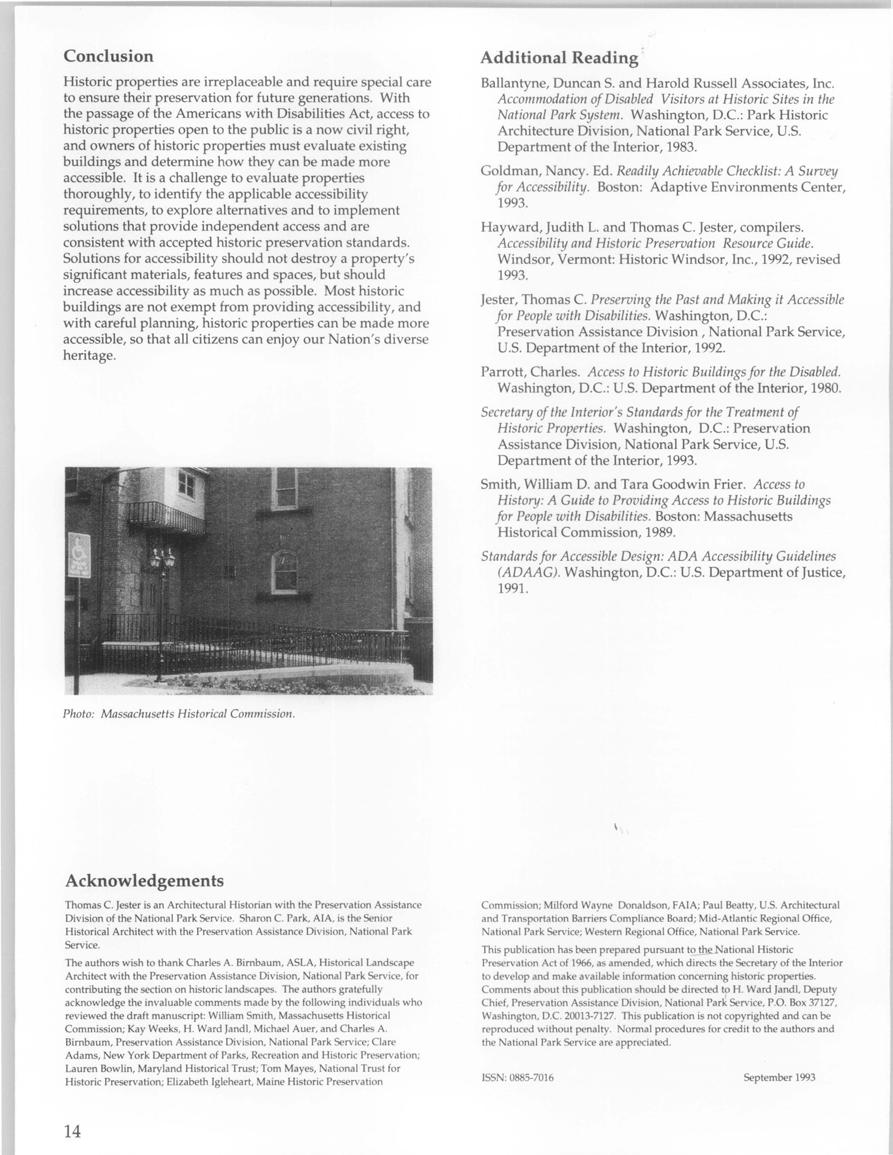
#32 – making historiC propErtiEs aCCEssiblE
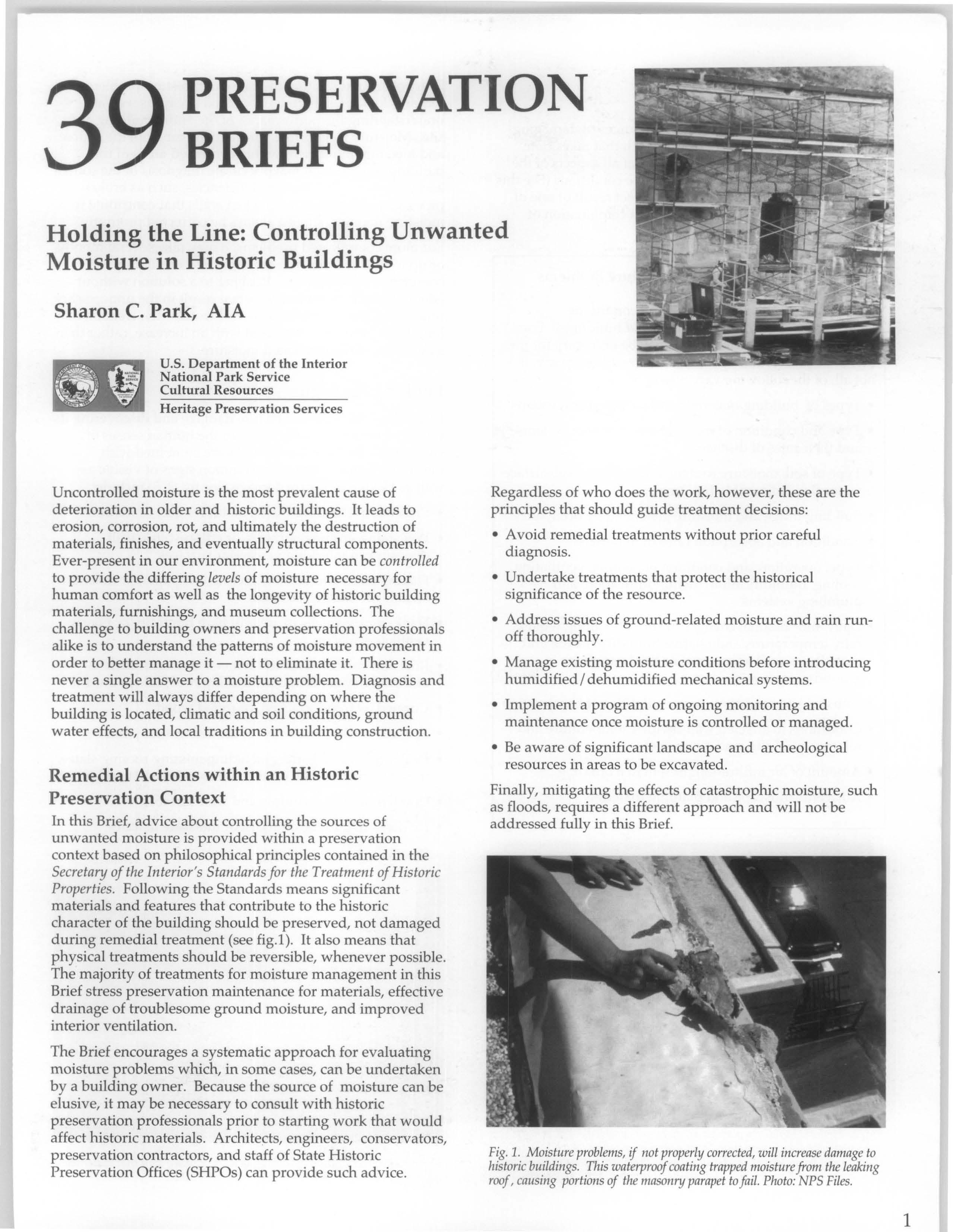
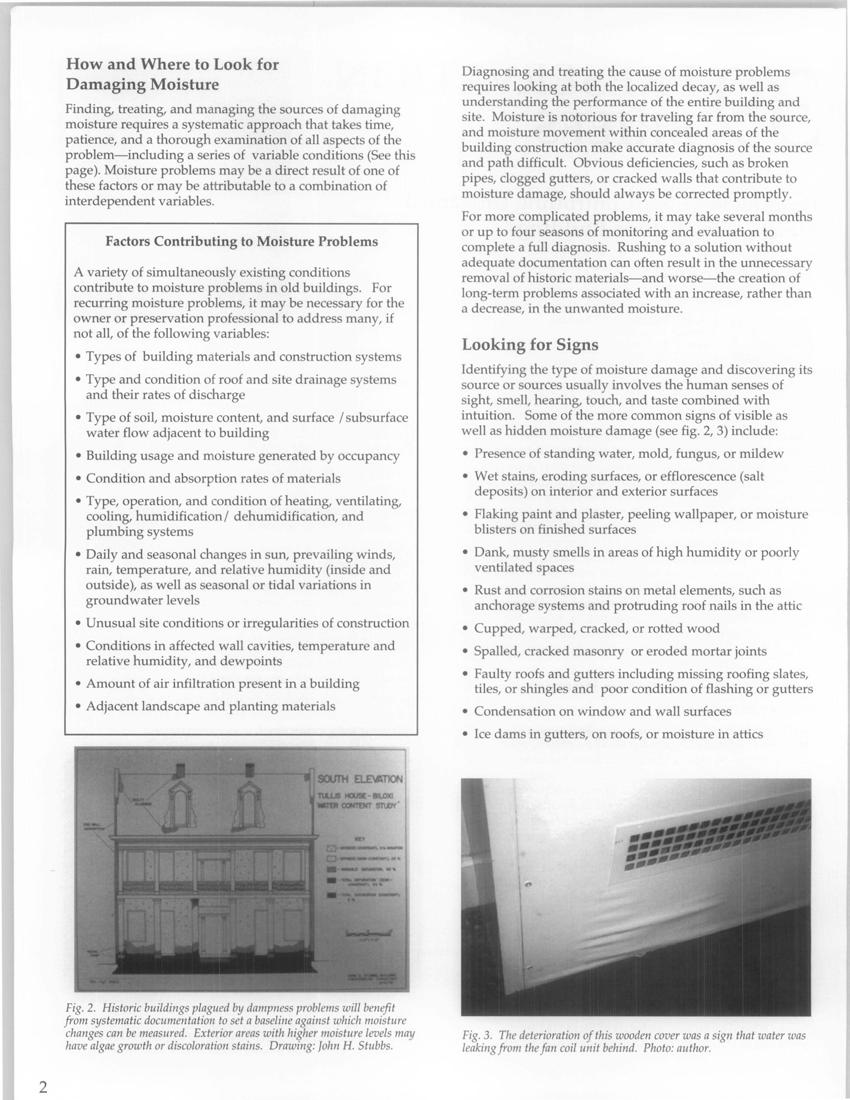
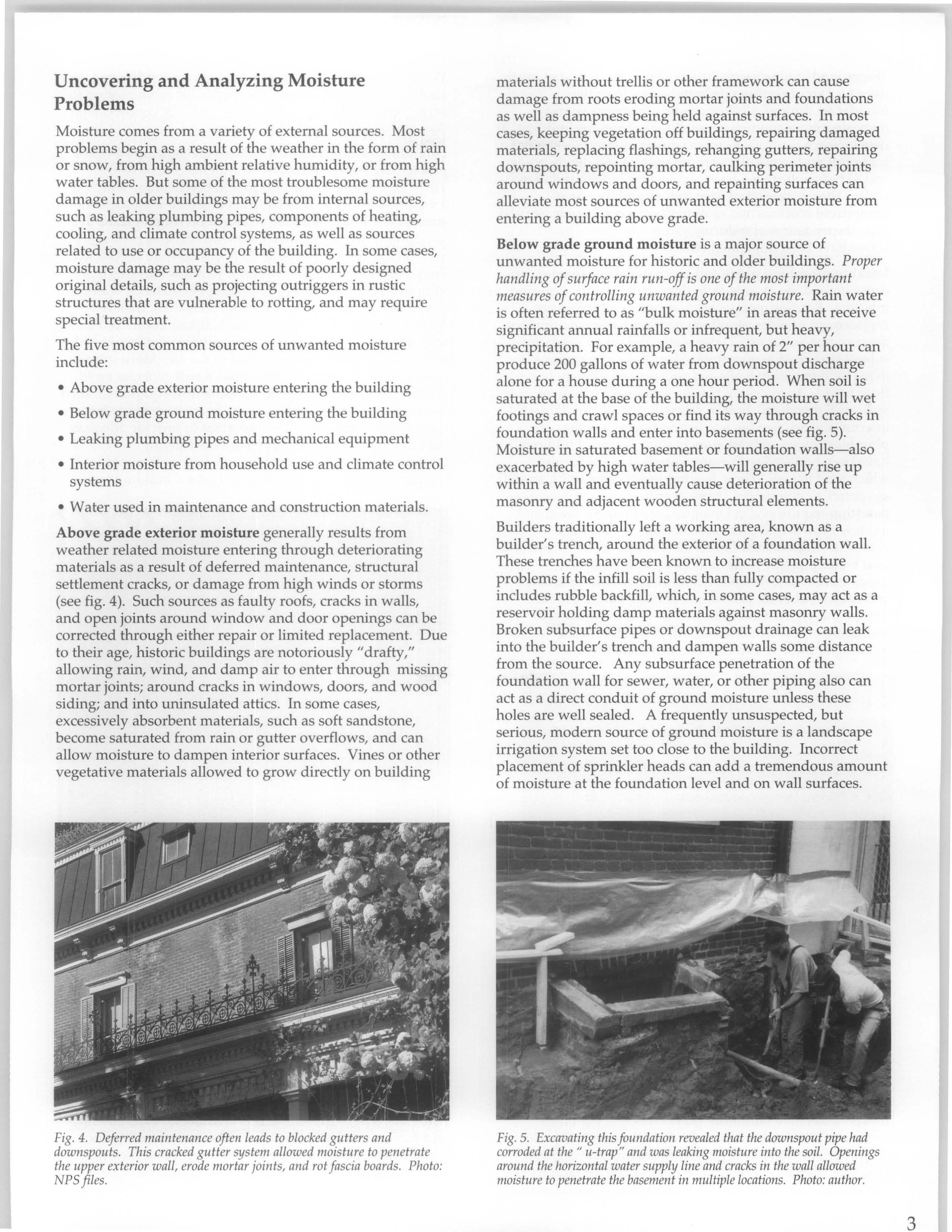
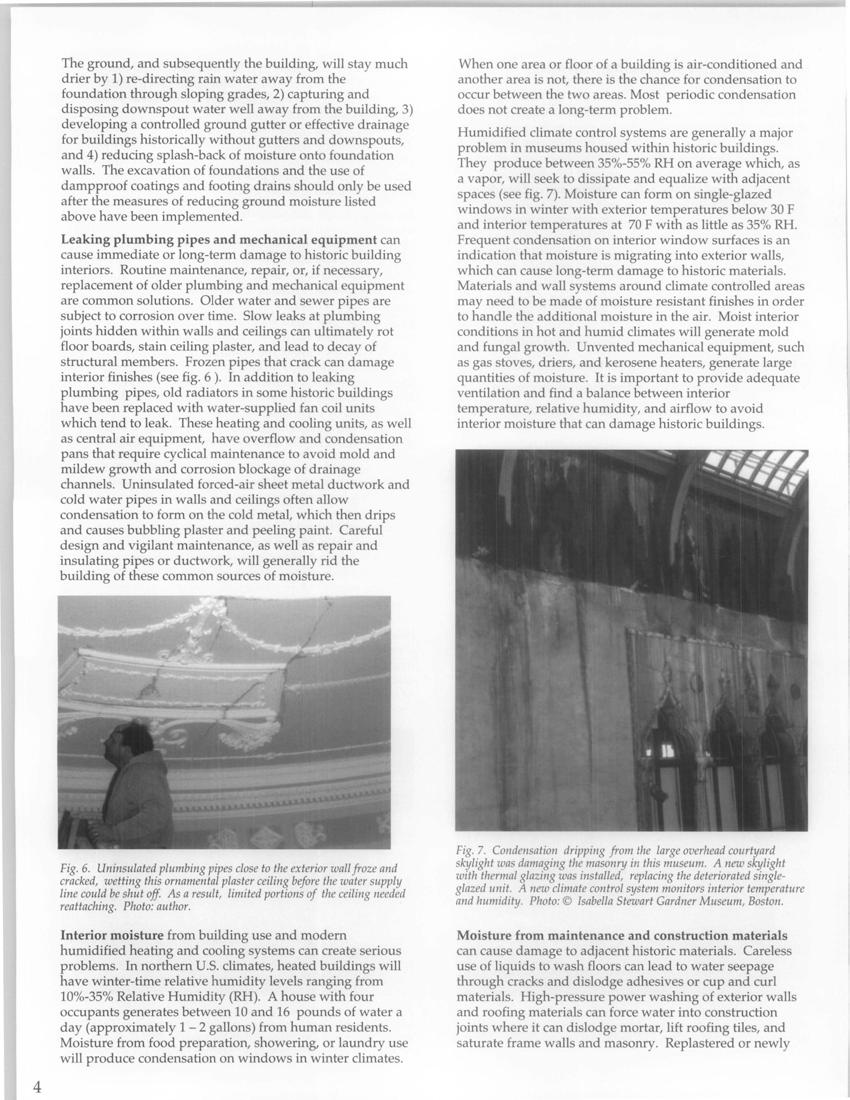
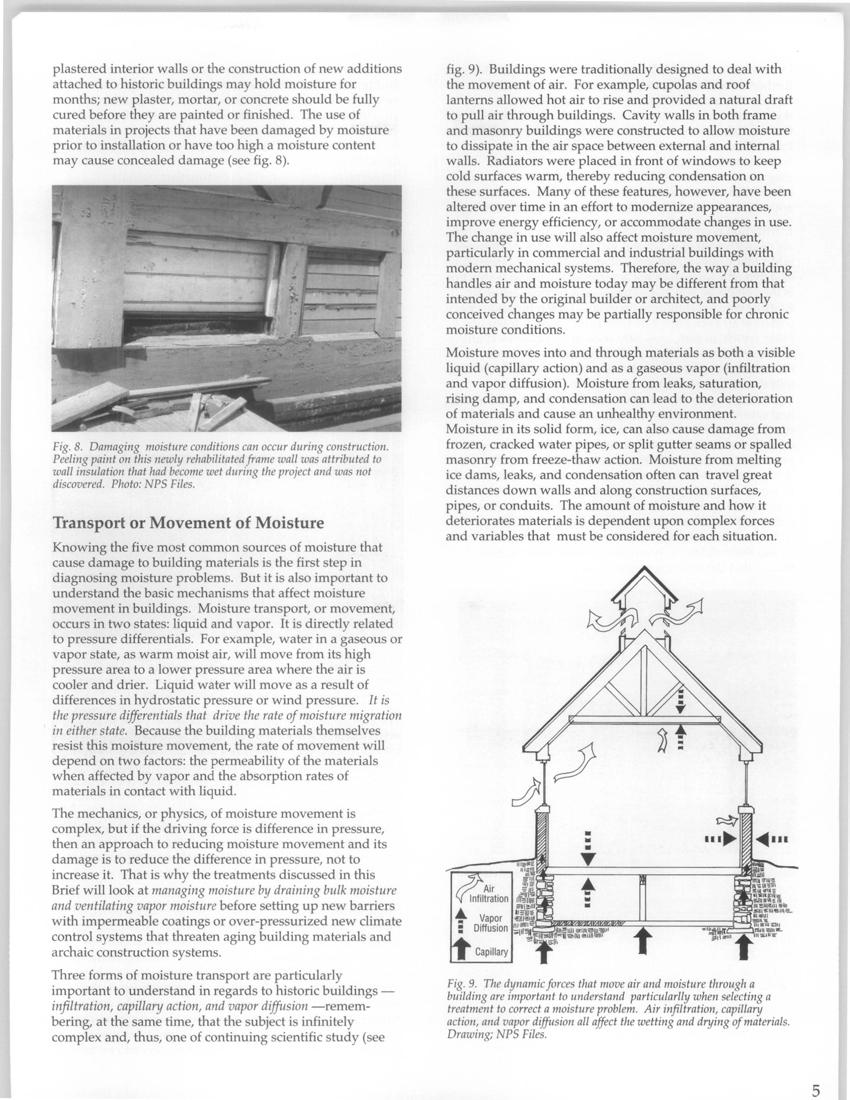
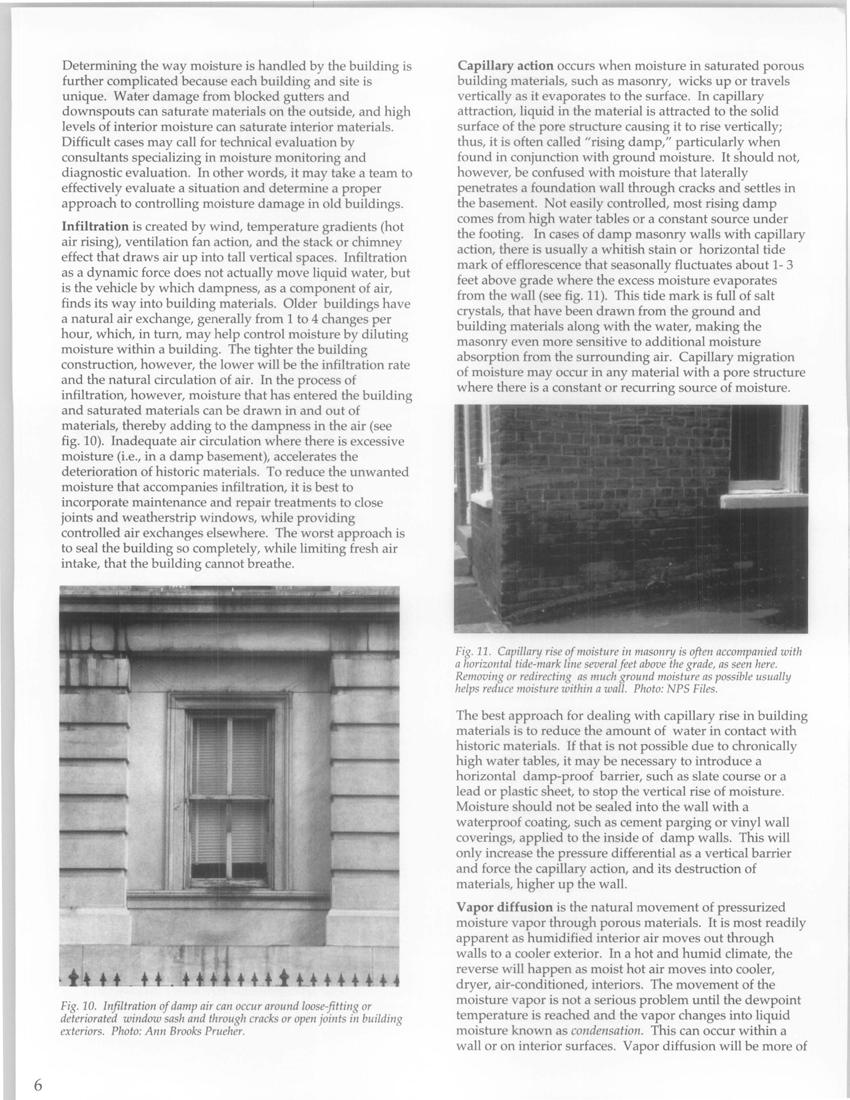
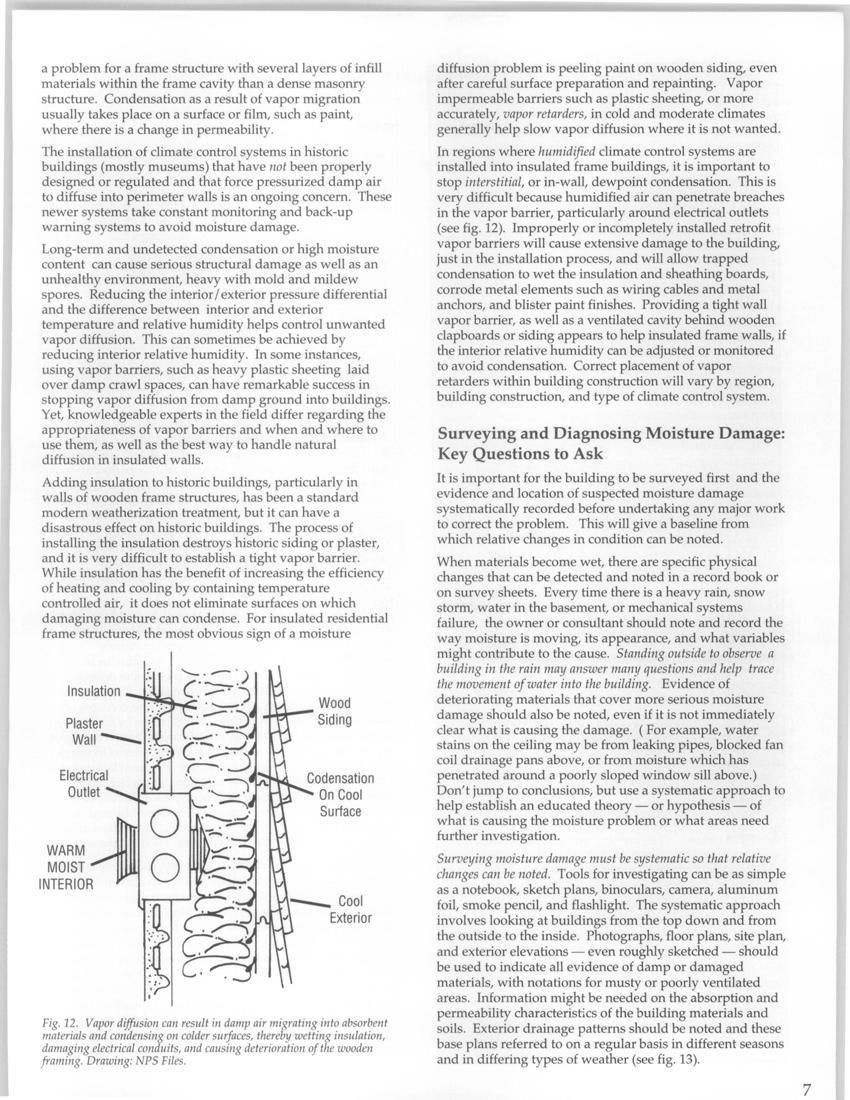
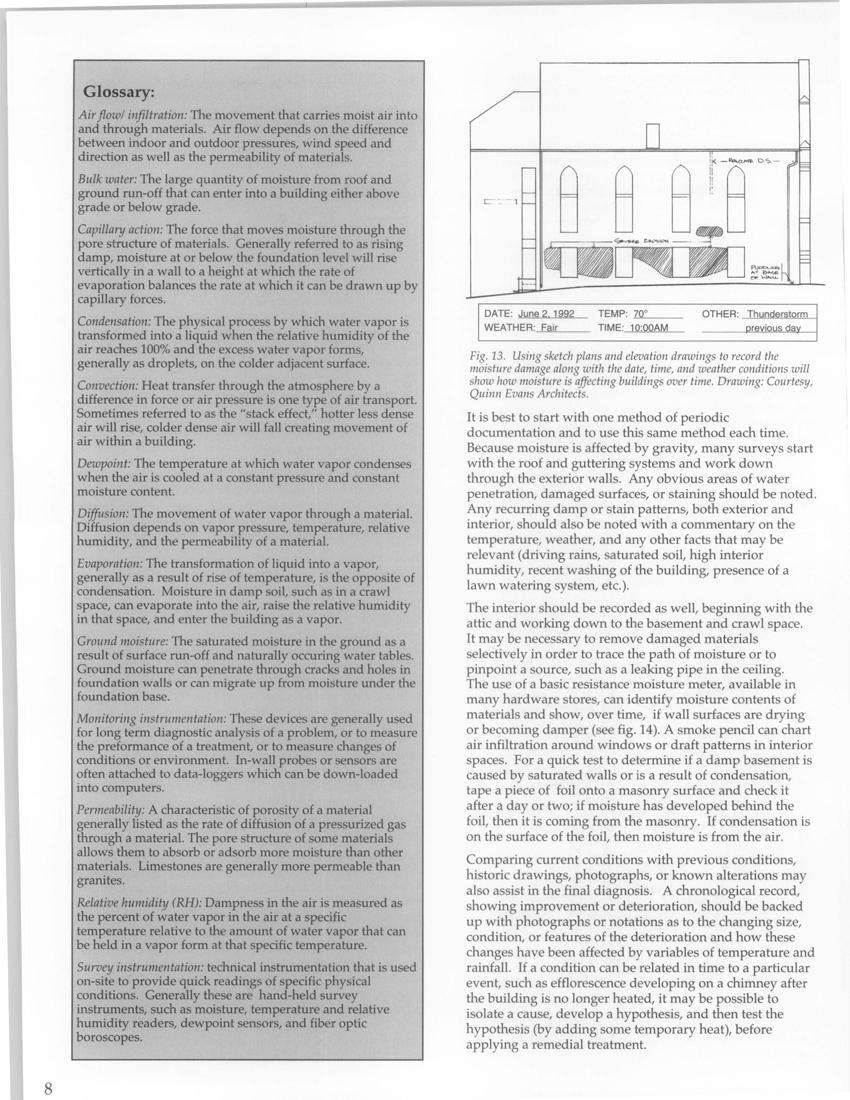
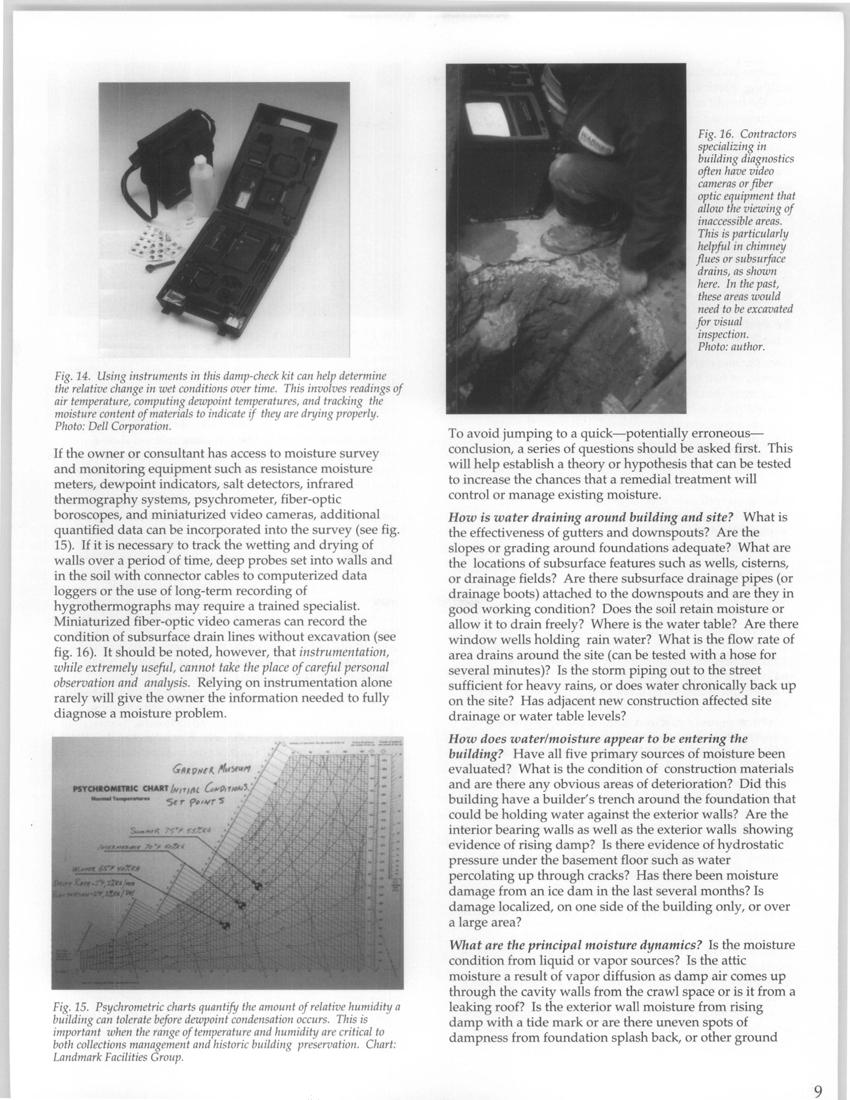
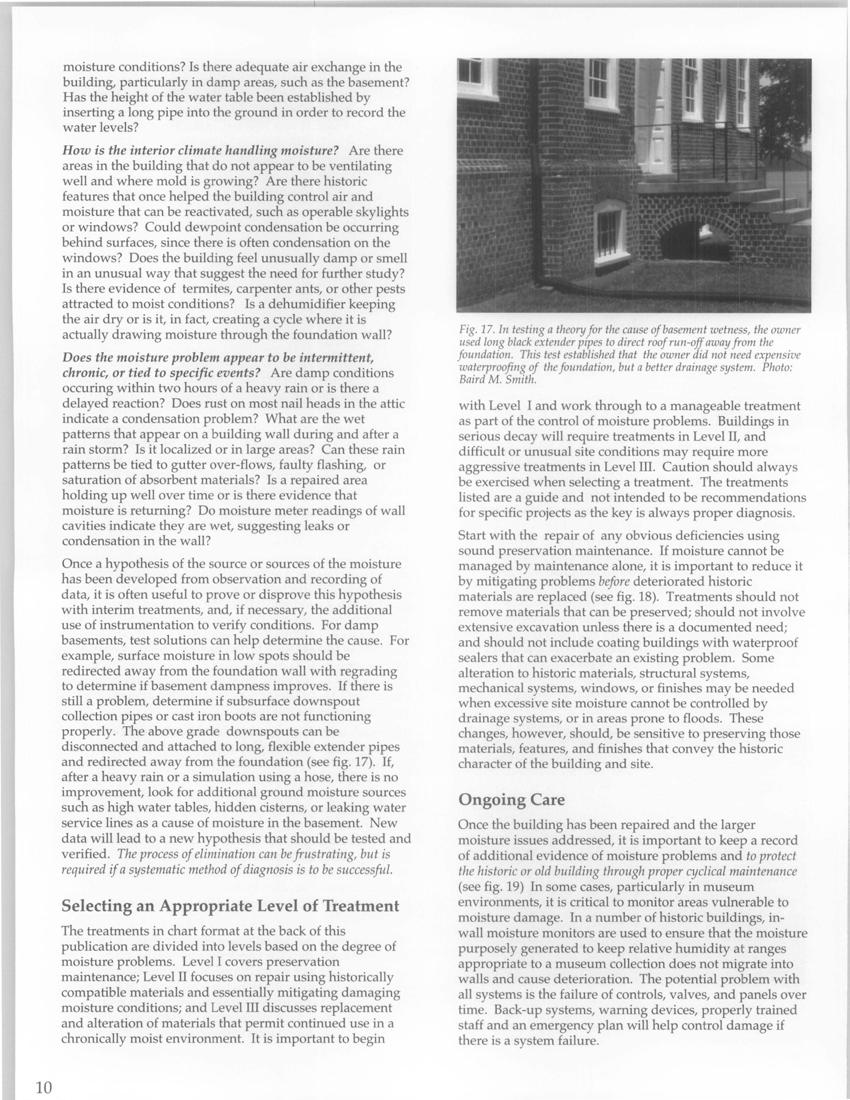
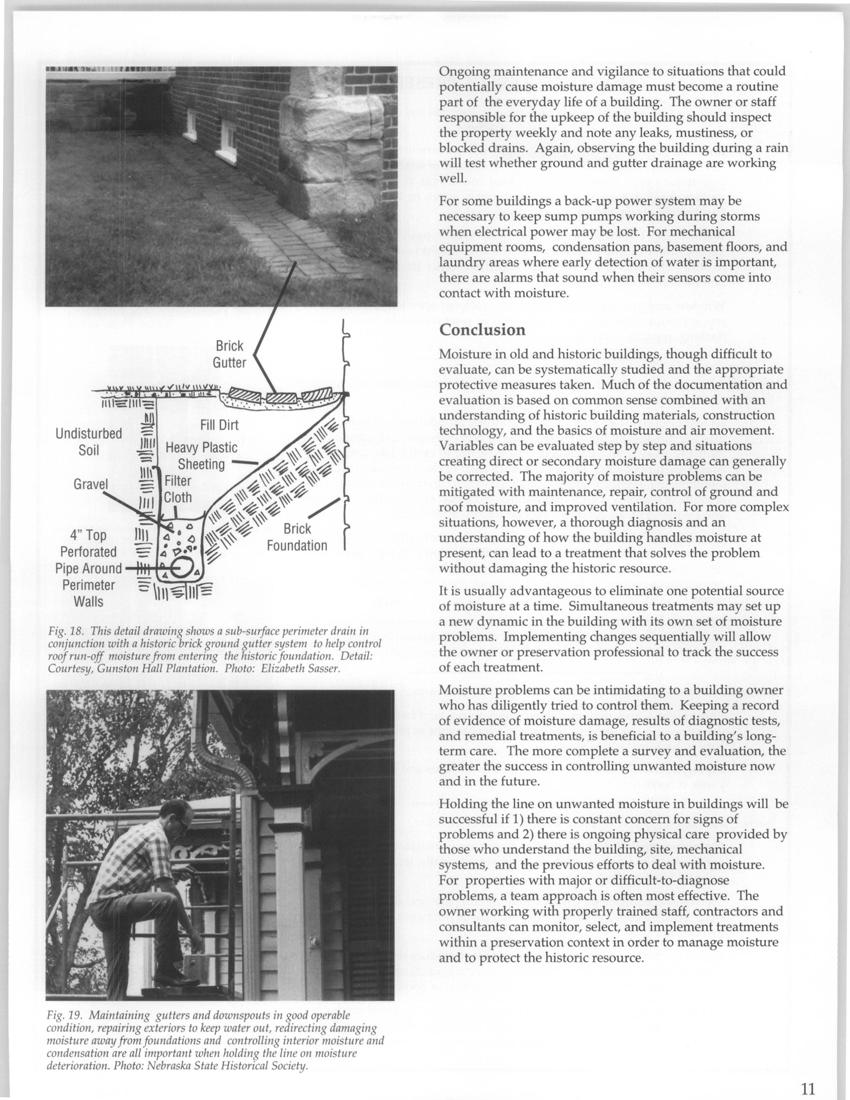
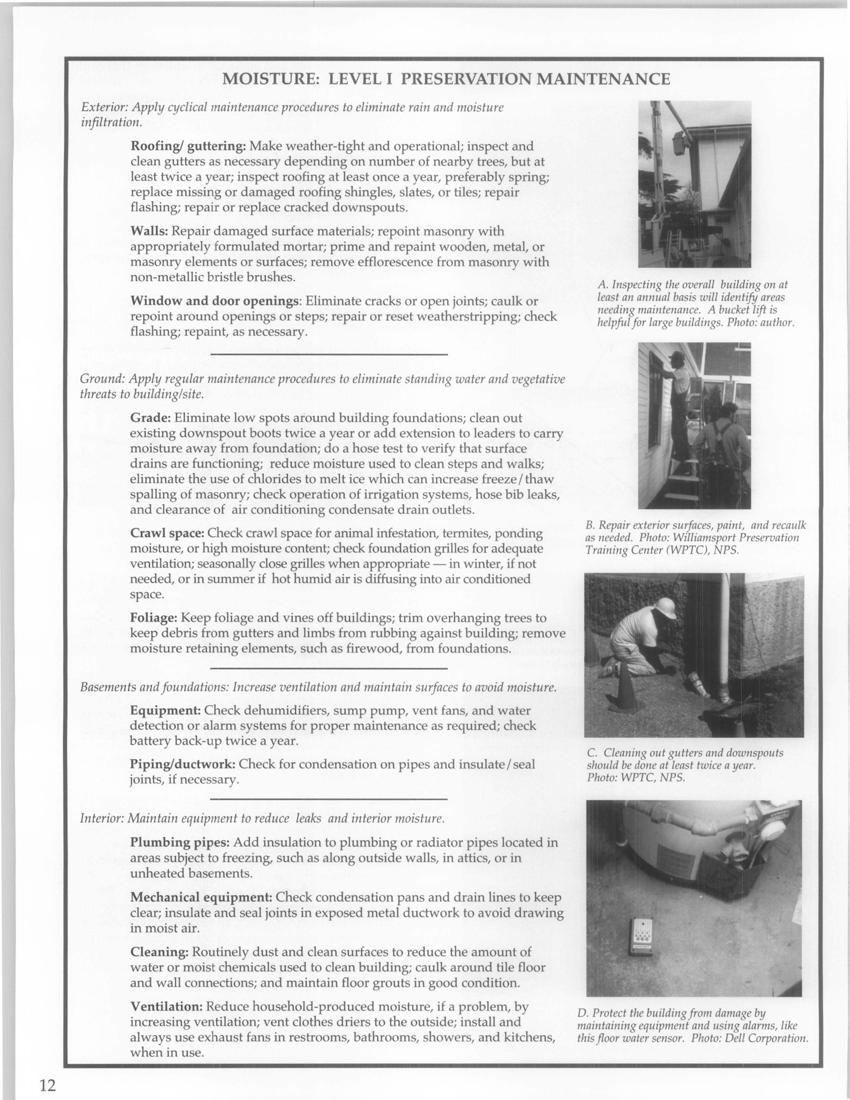
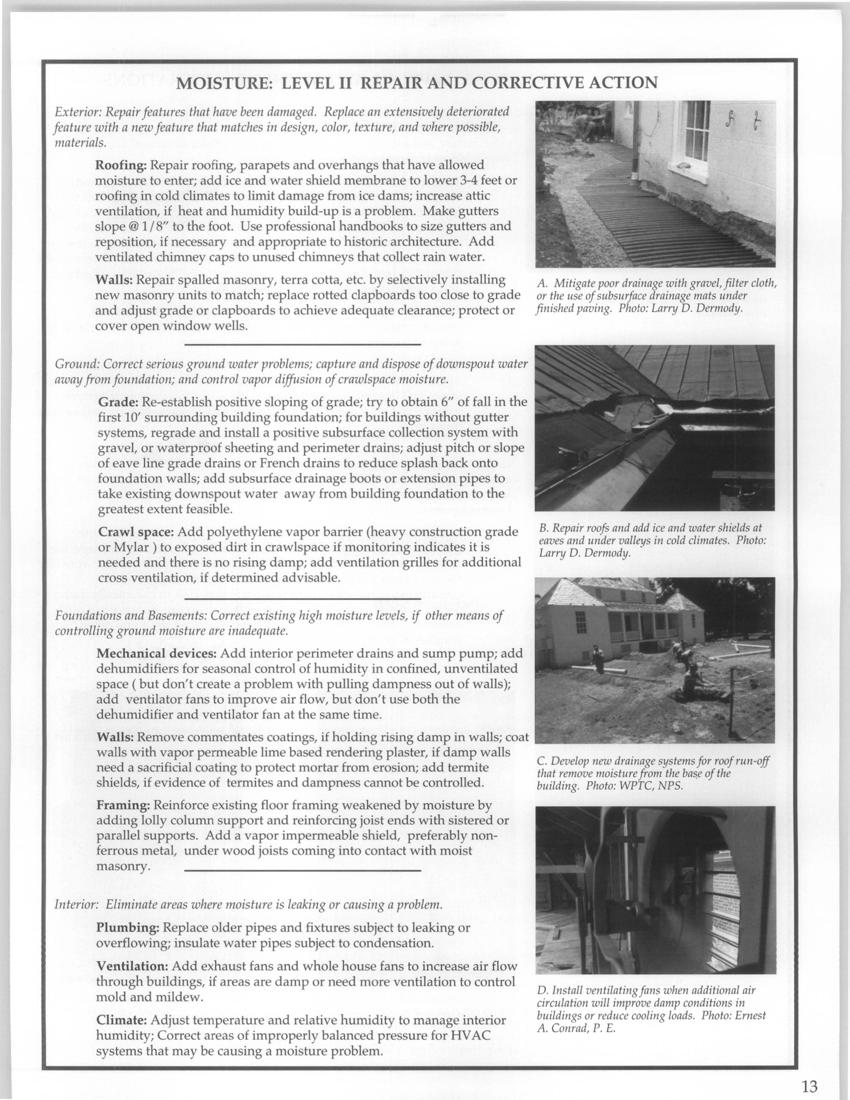
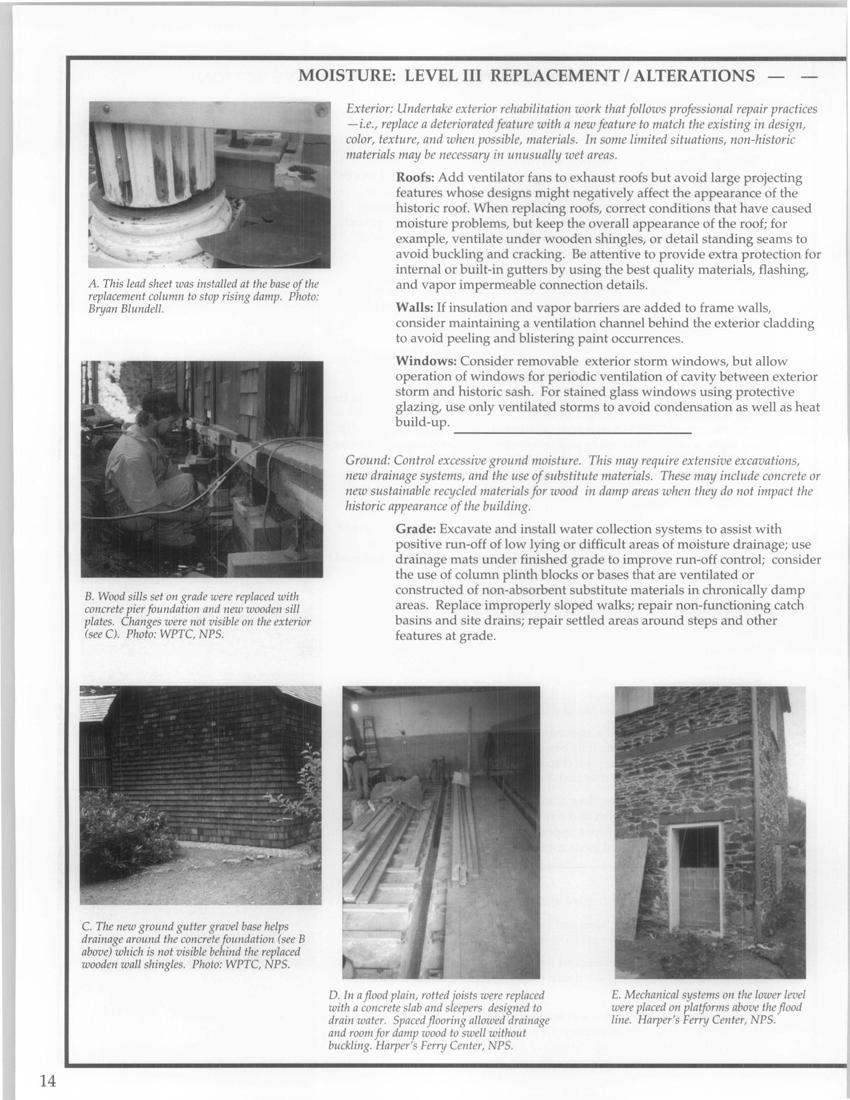
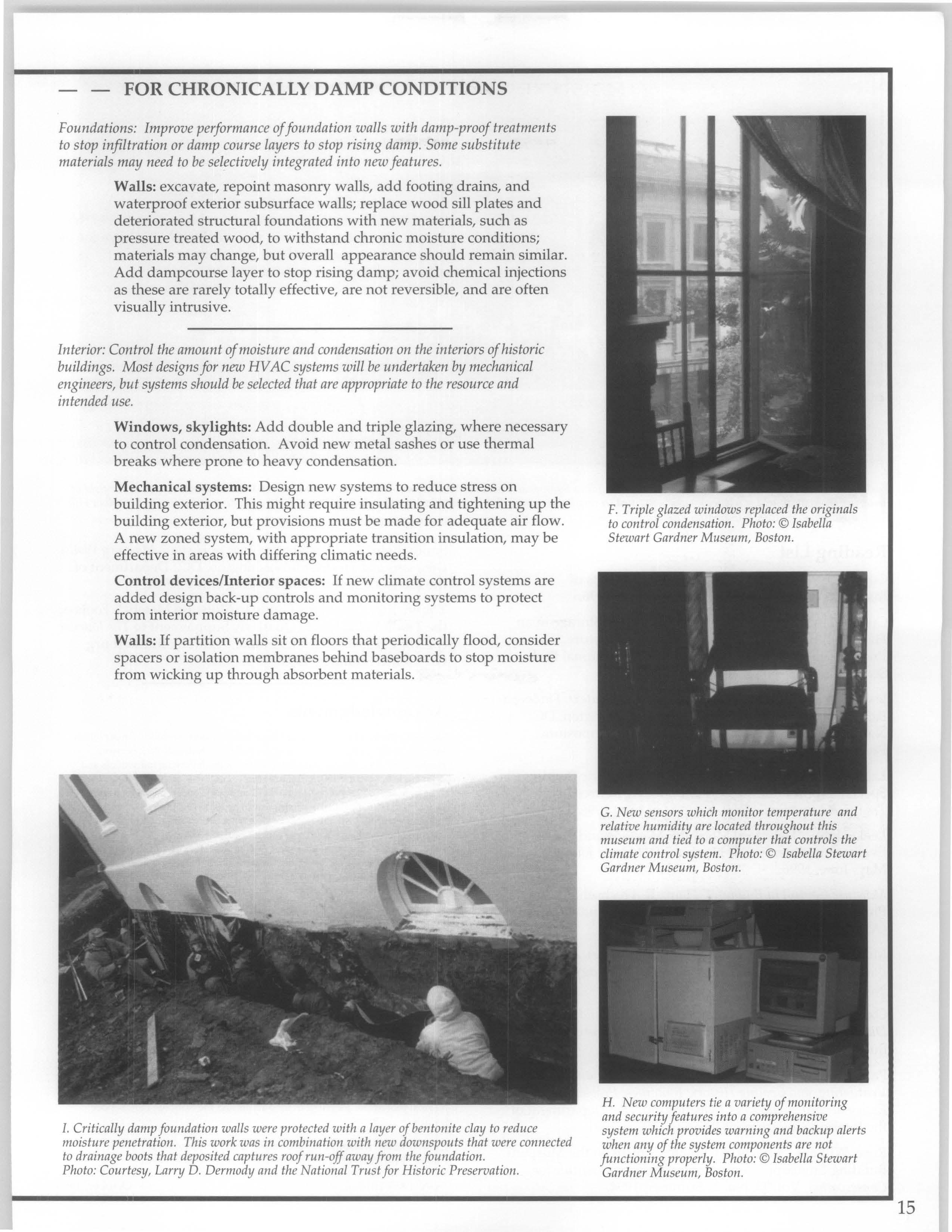
#39 – Controlling unwantEd moisturE in historiC buildings
APPENDIX D. CONDITIONS ASSESSMENT REPORT
(LAYER REPORT) (PROVIDED AS SEPARATE DOCUMENT)
APPENDIX E. RCHD NPR FORM (NOT COMPLETE)
PART I. INTRODUCTION
LOCATION
The Rubel Castle Historic District (RCHD) is located in the city of Glendora, California, near the San Gabriel Mountain foothills. It is part of Los Angeles County. Glendora developed amid the expansive citrus industry, which gave way to suburban development in the mid-twentieth century.
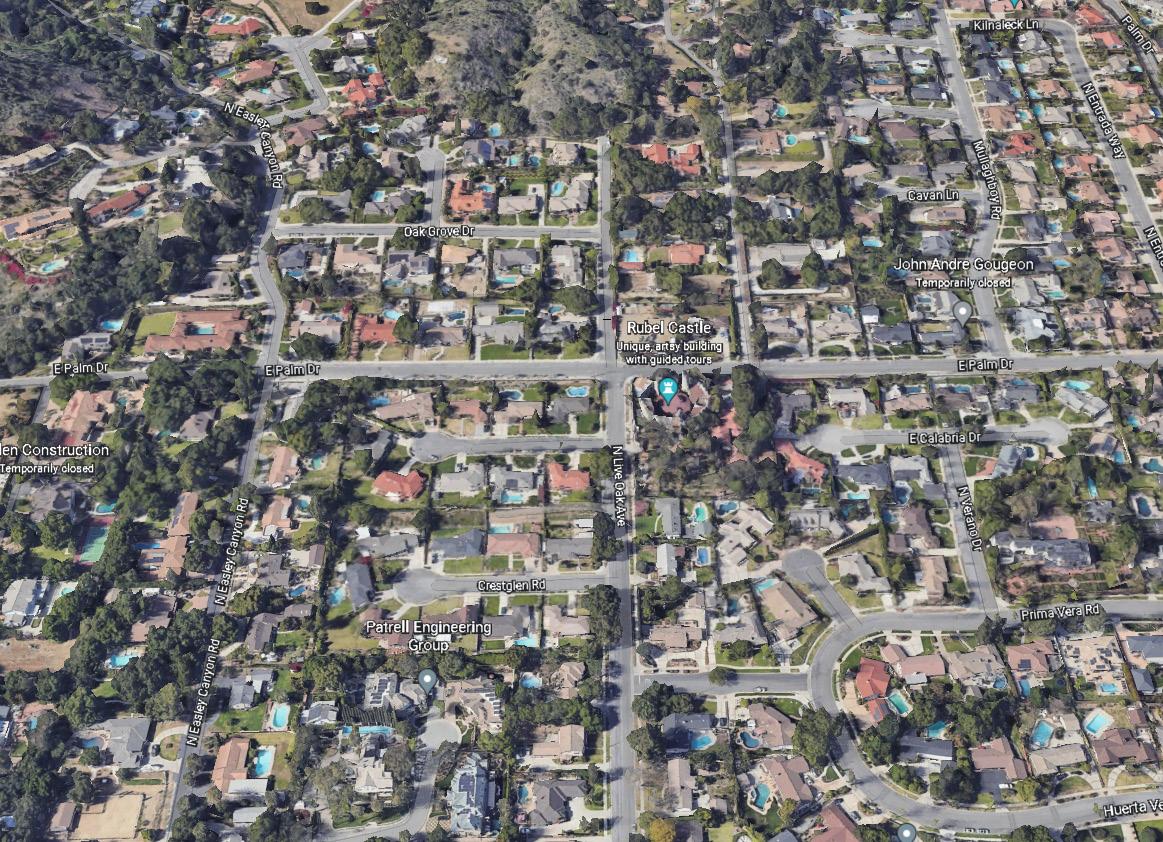
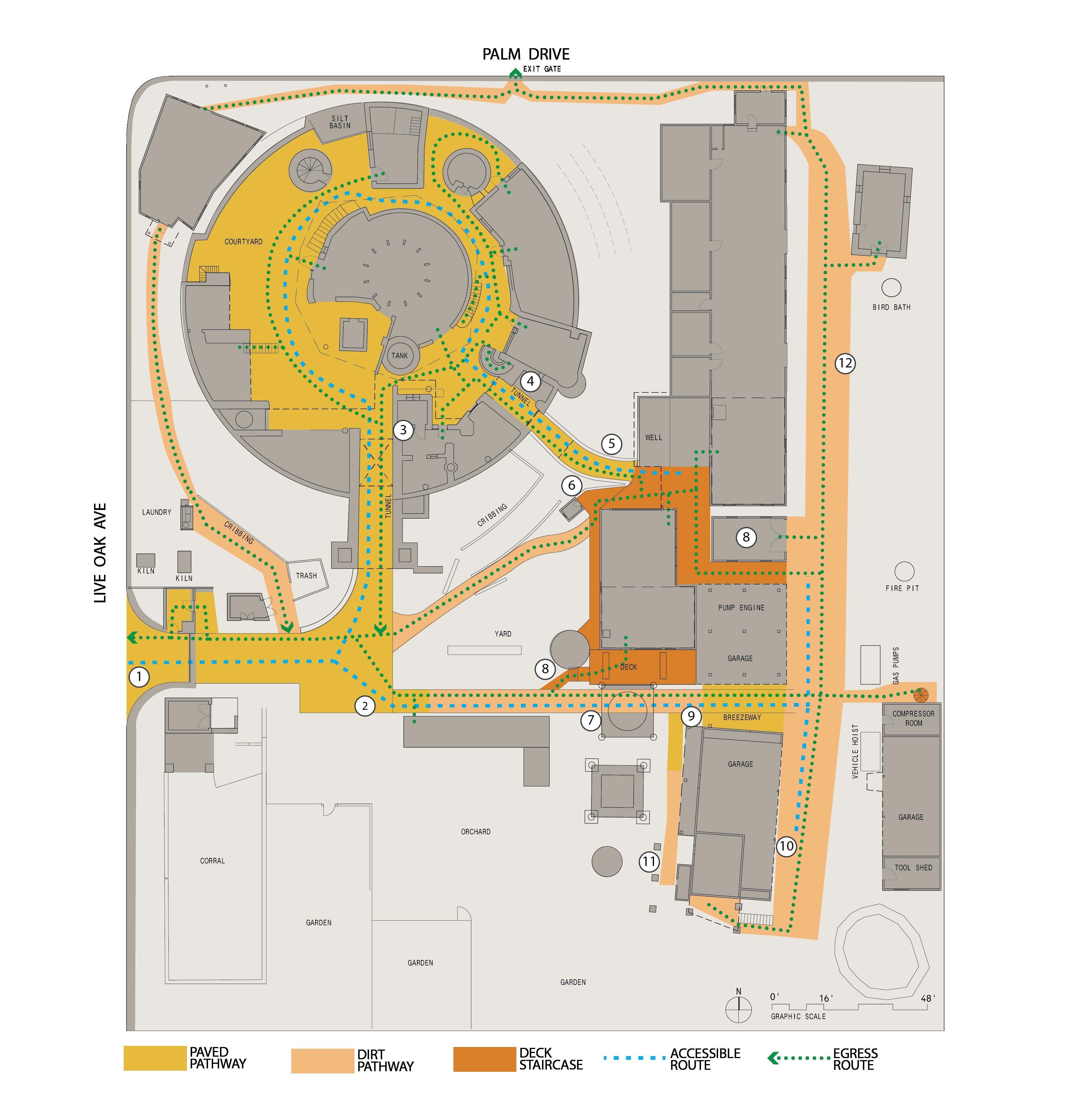
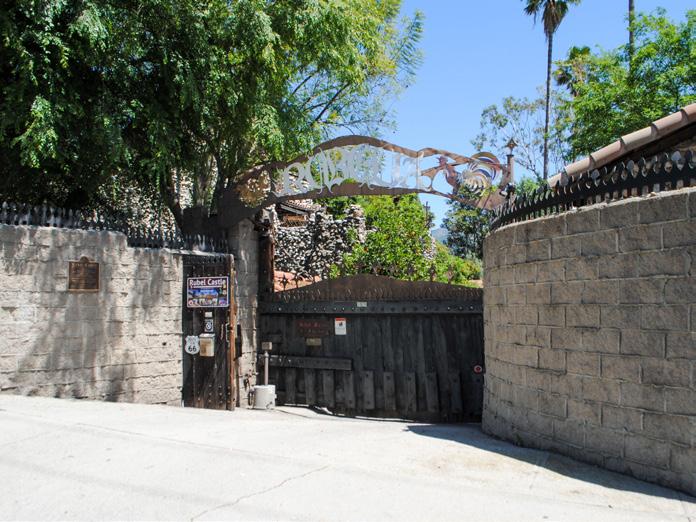
The RCHD is a 1.7-acre site located at the southeast corner of East Palm Drive and North Live Oak Avenue on the north side of the city. It is delimited by a perimetral wall to its north and west— with a chain-link fence that abuts single-family residences to its east and south. The site has two access doors that exit westward at the Main Gate onto North Live Oak Avenue. In addition, one small door on the site’s north side opens onto East Palm Drive.
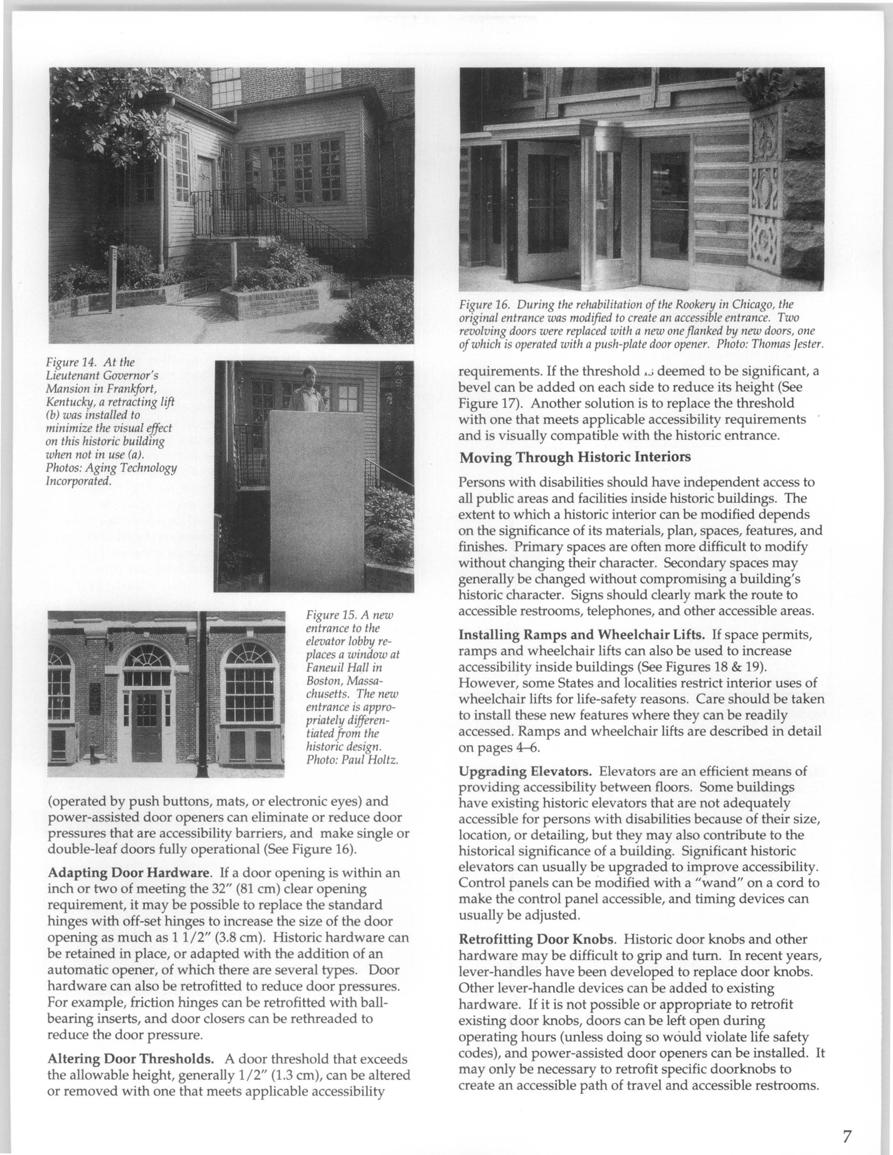
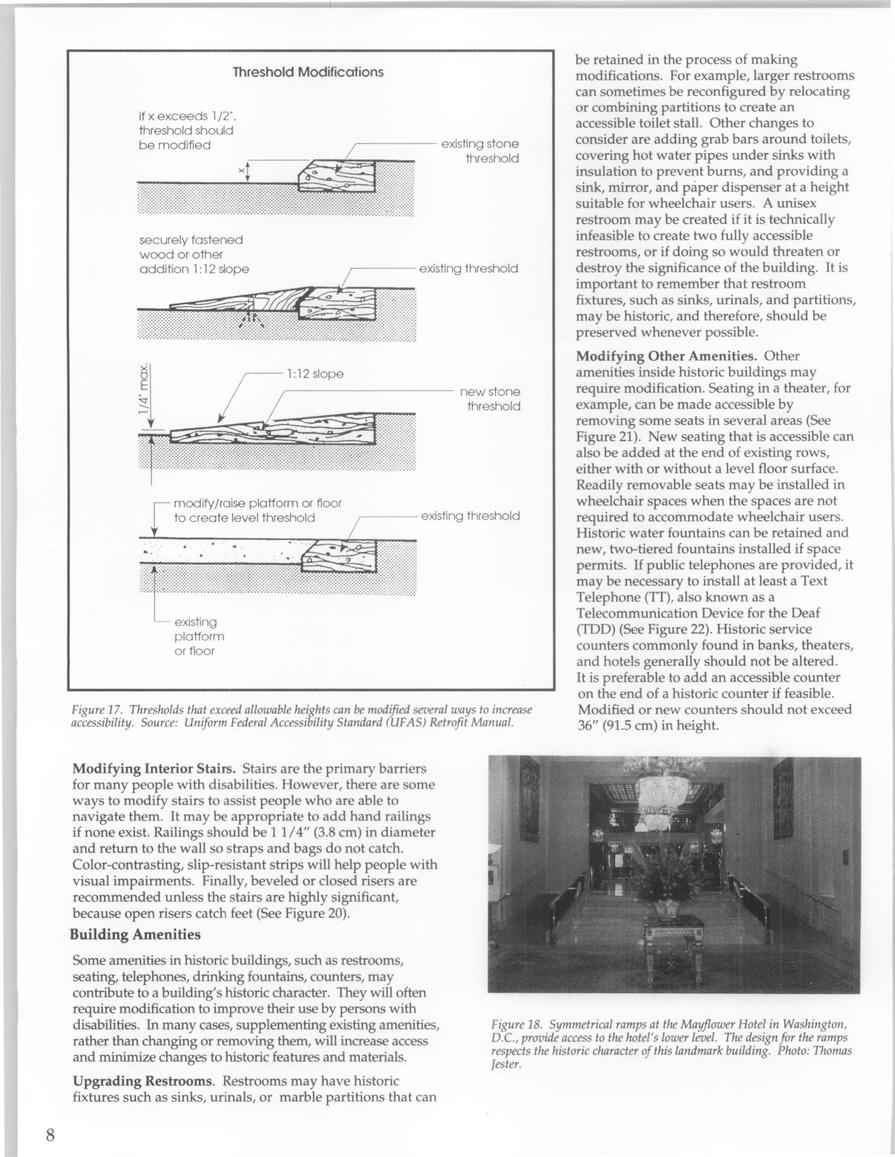
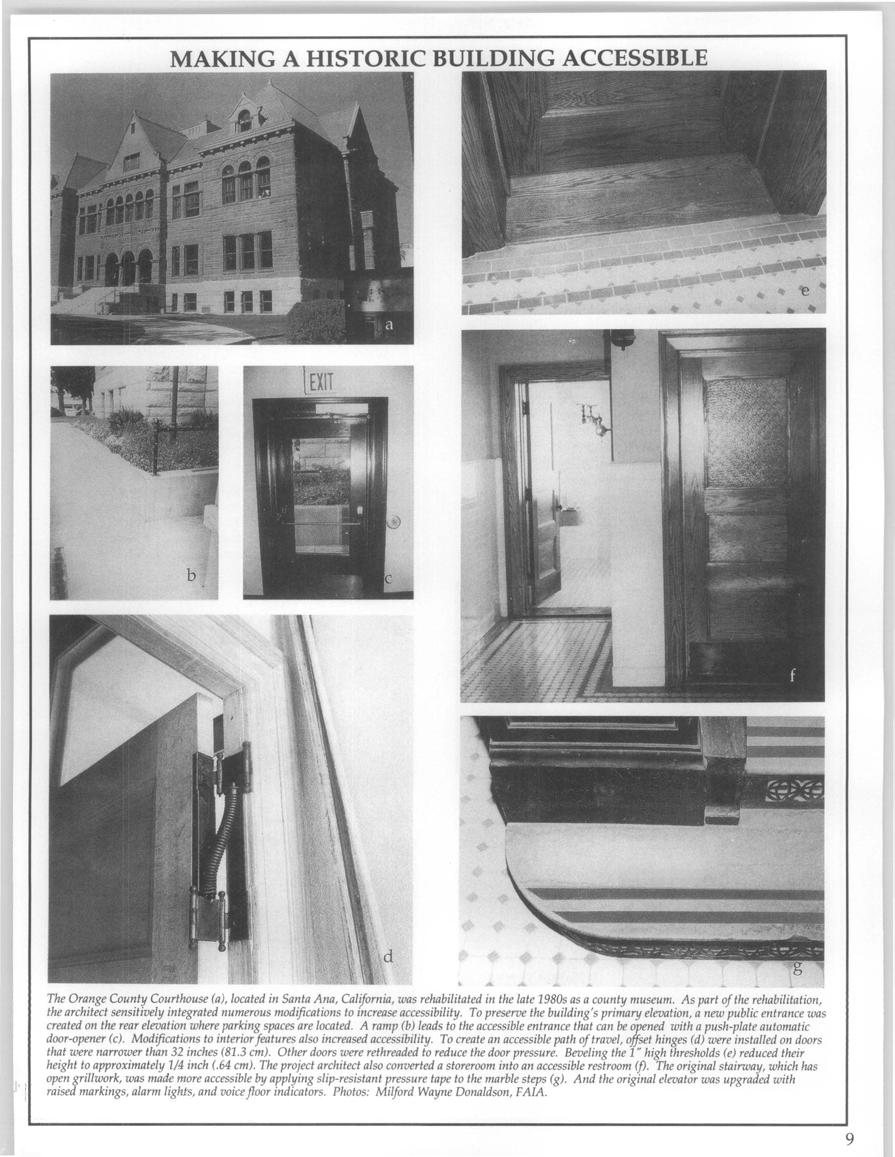
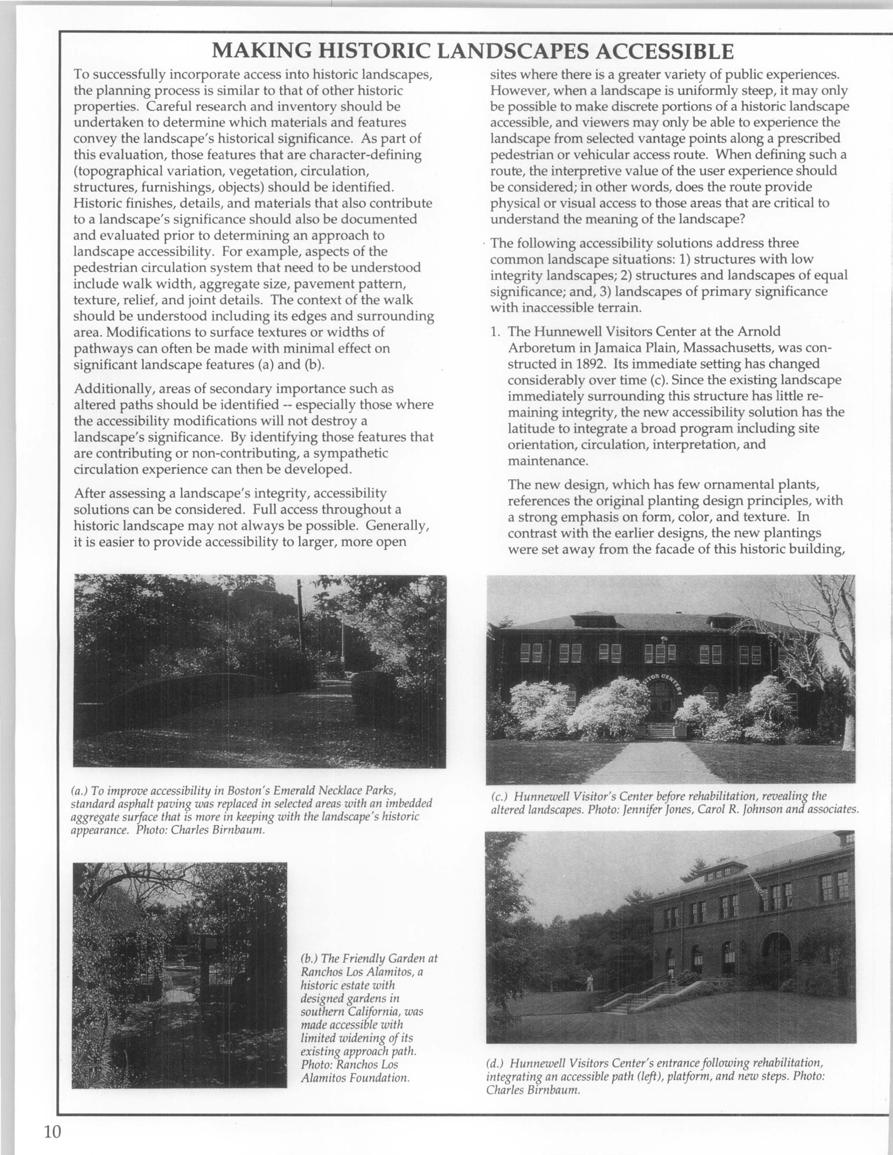
Figure 1. Site Map - Taken form Google Earth © November 2022
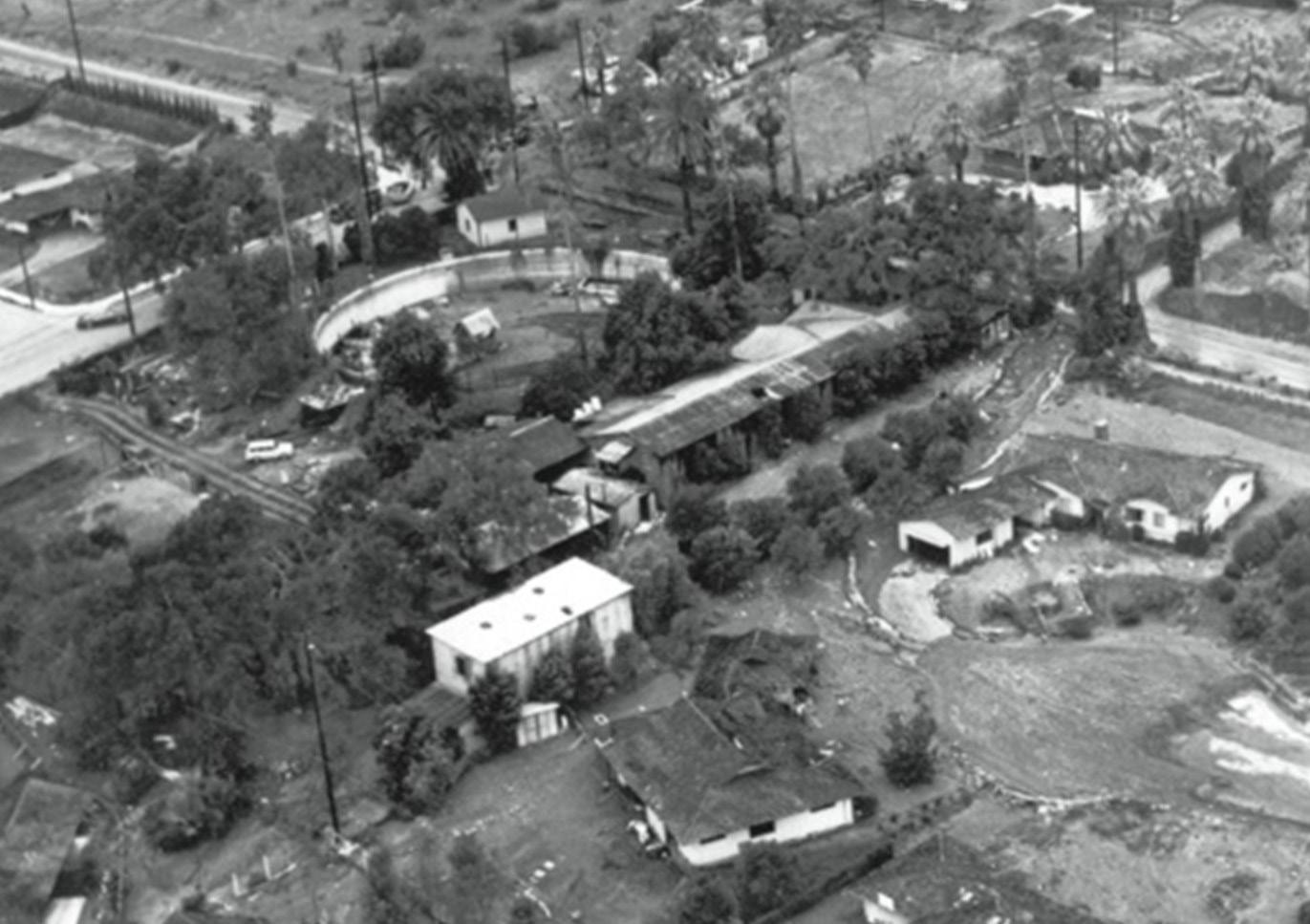
Figure 2. Aerial view of Rubel Pharms 1969, GHS Archives.jpg
PROJECT OVERVIEW
The Glendora Historical Society (GHS) asked Page & Turnbull to create this Preservation Plan for the RCHD, which is owned and operated by the GHS. “Rubel Castle”, also known as “Rubelia” or “Rubel Pharms,”1 is a self-contained site named after Michael Clark Rubel (1940-2007). Michael Rubel acquired the property and existing citrus ranch buildings in 1959. With no more than his own hands and the help of friends, workers, and family, Rubel modified the property by constructing several structures and a castle out of recycled, local materials (referred to as “urbanite”2 throughout this document) between 1960 and 1986.3
Rubel Castle remains widely regarded as a place where dreams are possible. It hosts a community of artists who live on the site. Artists work in the district’s workshop spaces. Such art, along with a vast collection of artifacts and memorabilia, collected initially by Michael Rubel, can be appreciated at Rubel Castle day tours.
The RCHD was added to the National Register of Historic Places on October 3, 2013 (# 130008104). The 1.7-acre district contains fourteen contributing buildings and structures (as stated in the National Park Service National Register of Historic Places Registration Form). The site was found eligible under criterion “A” for its association with the California citrus industry, and under criterion “C” as a rare and excellent example of the folk-art environments of California. For this Preservation Plan, Page & Turnbull identified Character-Defining Features associated with both criteria.
RCHD resources are divisible according to their period of significance and eligibility criterion. All resources related to California’s citrus industry era are built on the east portion of the site—while most resources with unique Folk Art Architecture cluster on the northwestern corner of the site. By nature of the urbanite construction, all Folk Art Architecture resources have been affected by use and the weather over time. Structures belonging to the citrus era are in slightly better condition, though they have also changed over time. Because construction was performed without professional supervision, there is a lack of documentation regarding systems, structures, and infrastructure throughout the entire site. These factors present a risk to residents and visitors as well as the resources themselves.
The scope of this Preservation Plan includes fourteen contributing buildings and structures, along with eleven structures and landscapes not yet recognized as contributing. Eleven non-contributing structures and landscapes are included due to their association with the folk-art environment and their direct impact to contributing resources and the district’s integrity. Moreover, they are potentially eligible in the future.
1 “Pharm” refers to the production of oranges in the site, Michael Rubel’s friends are referred to as Pharm Hands.
2 Urbanite is a term that refers to broken pieces of unwanted leftovers from a demolition project. Urbanite can be locally sourced at construction sites, and is usually free if you are willing to haul it away.
3 Historic Resources Group, LLC. 2012. “Historic Designation - NPS Registration Form.” Glendora Historical Society Website. November 5. Accessed August 20th, 2022. https://glendorahistoricalsociety.org/rubel_castle_historic_district.pdf.
4 National Park Service. 13. “NPGallery Digital Asset Management System.” NRHP Registration Form. August 21. Accessed July 12, 2022. https://npgallery.nps.gov/AssetDetail/NRIS/13000810.
Recommendations and guidelines found in this Preservation Plan correspond with the Secretary of the Interior’s Standards for the Treatment of Historic Properties (The Standards). In addition, this Preservation Plan focuses on the Ad Hoc Committee’s suggested areas of investigation:
• Structural and life-safety hazards.
• Deterioration of wood elements
• Stone masonry construction
• Water intrusion and stormwater control at buildings
• Erosion and stormwater drainage at site
• Guidelines for building infrastructure repair and maintenance
• Guidelines for site infrastructure repair and maintenance
METHODOLOGY
The GHS through the Ad Hoc Preservation Planning Committee, which is part of the GHS, worked collaboratively with Page & Turnbull to:
1. Develop a methodology able to evaluate the RCHD
2. Develop priorities, and create a roadmap to execute treatments.
Prior to the formulation of recommendations, Page & Turnbull formed a basic and underlying understanding of the Historic District through the following:
• Identifying and listing historically significant spaces, spatial relationships, features, and materials (Character-Defining Features).
• Assessing and documenting conditions, including life-safety and code-related issues such as structural/seismic retrofit, disabled access, and/or fire prevention-egress.
• Reviewing traditional, current, and intended uses.
Page & Turnbull surveyed the RCHD during visits conducted between May and September of 2022. Prior to the site survey, the team reviewed all known reports supplied by the GHS and the Ad Hoc Committee and thereafter reviewed available drawings and diagrams of the site and buildings. Preparation for the assessment included a series of working meetings between Page & Turnbull and the Ad Hoc Committee.
During site visits, the team surveyed resources with the use of traditional methodologies, observation, and a cloud-based collaborative software (Layer App) to identify the following aspects and conditions of the site:
• Significance and Integrity
• Character-Defining Features
• Safety hazards
• Overall condition
• Infrastructure upgrade requirements
• Accessibility and egress conditions
PURPOSE
The purpose of the Conditions Assessment and Preservation Plan is to document the property and provide useful guidance for the treatment of the buildings and landscape elements of the district. This document was produced at the request of the GHS and will principally be used by the Historic District management. The Conditions Assessment and Preservation Plan will also be used by residents and private contractors hired to perform restoration, rehabilitation, preservation, and maintenance work at RCHD. The document is meant to provide baseline information to guide management decisions and aid in establishing prioritized maintenance and rehabilitation strategies for the district.
This report follows The Standards. Such guidelines and recommendations should promote safety, security, and accessibility while conveying the historic character of the RCHD.
The project team sought to create a practical document that would provide base guidelines and best practices for the preservation and rehabilitation of the Historic District useful for several years.
This document assesses Character-Defining Features and levels of significance to determine urgency and prioritize work to be performed in the RCHD. The main body of this report assesses overall condition and makes recommendations, and a more detailed Conditions Assessment Report is included as appendix D.
EXECUTIVE SUMMARY
The Conditions Assessment and Preservation Plan provides the GHS and the Rubel Castle community with a framework to conserve and maintain the RCHD. This plan should be used as a starting point for developing strategies, programs, and schedules to conserve the livelihood and historic character of the district.
Part II provides the historic background of the district along with its general Character-Defining Features. These features are identified as the base for conservation efforts and prioritization stemming from the historical and cultural significance of each one of the resources. Character-Defining Features’ impacts must be considered before any upgrade or alteration is undertaken.
Part III provides the general conditions of the district at the time of the assessment in 2022. It sets the condition of “Fair” as an accepted baseline for any future work undertaken for upgrades or adaptation within the conservation framework. Because adaptation is part of the district’s fabric integrity, feeling, and workmanship. More detailed information on the conditions can be found in the “Conditions Assessment Report” attached to this document.
Part IV Outlines a series of recommendations for maintenance, upgrades, and enhancements based on preservation treatments aligned to the Secretary of the Interior Standards for the Treatment of Historic Properties (“The Standards”) and the unique evolving character of the district. The recommendations set a basic framework for repair and maintenance of the features identified in poor condition during the survey; given the nature of the various constructions, each repair and upgrade work should be looked at specifically under considerations presented in this document. Additional strategies are presented for consideration for the maintenance of the site and structures.
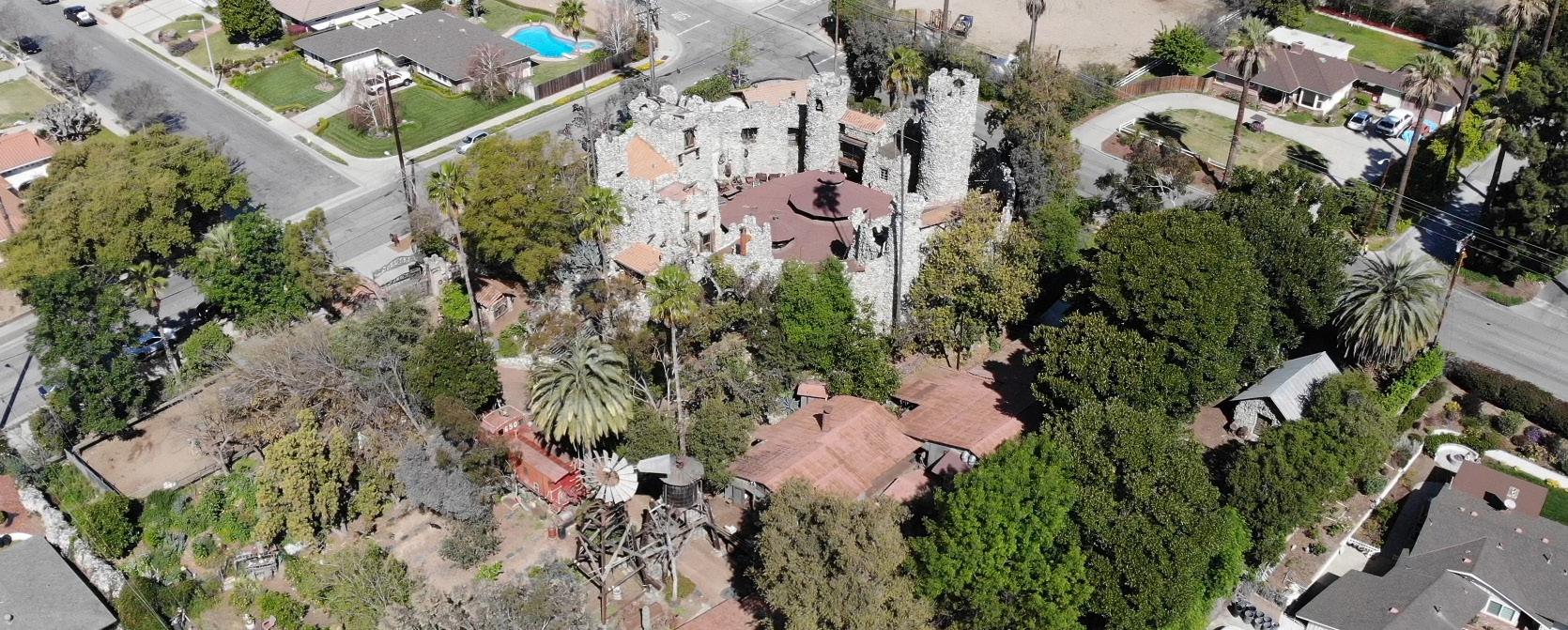
Figure 3. Aerial view of Rubel Castle Historic District. Source Scott Rubel archives.
PROJECT TEAM
Glendora Historical Society Ad Hoc Contract Committee
Craig Woods
Ad Hoc Contract Committee Co-Chair
Kaitlin Drisko
Ad Hoc Contract Committee Co-Chair
Linda Granicy
Ad Hoc Contract Committee Co-Chair
Scott Rubel
Ad Hoc Contract Committee Member
Sheharazad Fleming
Ad Hoc Contract Committee Member
Sandy Krause
Castle Curator
Ad Hoc Contract Committee Member
Hans Hermann
Ad Hoc Contract Committee Member
Robert Deering
Ad Hoc Contract Committee Member
Criswell Guldberg
Ad Hoc Contract Committee Member
Robert Knight
Ad Hoc Contract Committee Member
Steven Flowers
Ad Hoc Contract Committee Ex Officio Member
Stephen Slakey
Ad Hoc Contract Committee Ex Officio Member
Page & Turnbull
417 S Hill St. Los Angeles, California, 90013 Ph. 213.221.1200
John Lesak
Historic Preservation Architect
Principal
James Mallery Architect Project Manager
Flora Chou
Architectural Historian
Jesús Barba Bonilla
Architectural Designer
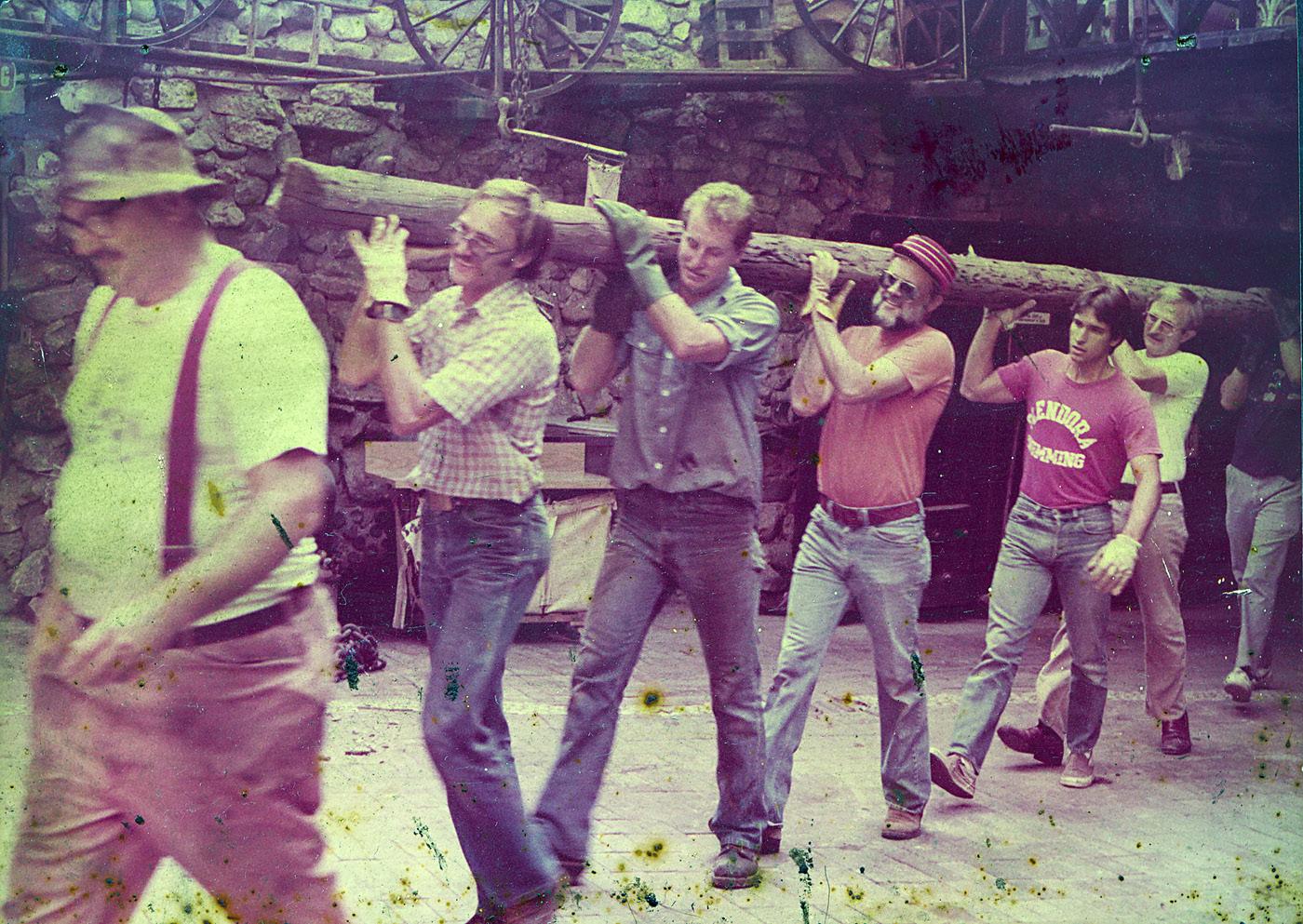
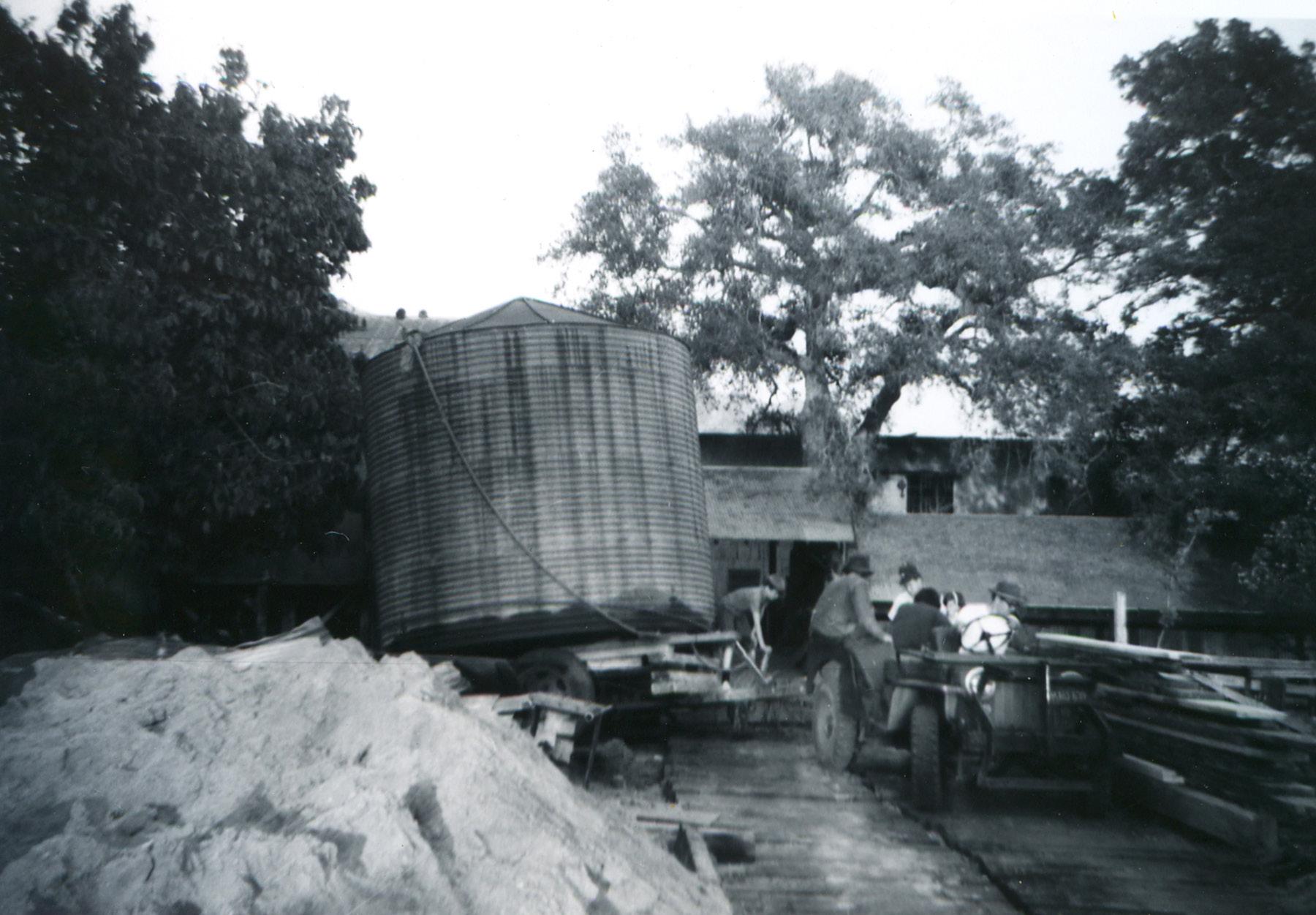
Figure 4. Michael Rubel and typical work crew. Source Scott Rubel archives
Project and Historic Architect
PART II. HISTORIC BACKGROUND AND SIGNIFICANCE
The Rubel Castle Historic District (RCHD) was listed in the National Register of Historic Places in 2013 with the following eleven contributing buildings and three contributing structures:
Tin Palace, also known as Citrus Packing House: The one-story building, formerly the citrus ranch packing house, is today adaptively reused as a museum and collections space. The building has an underground cellar and a refrigeration equipment pit on the west side referred to as “the well”.
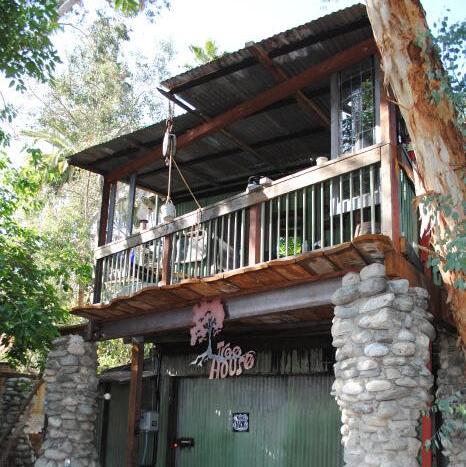
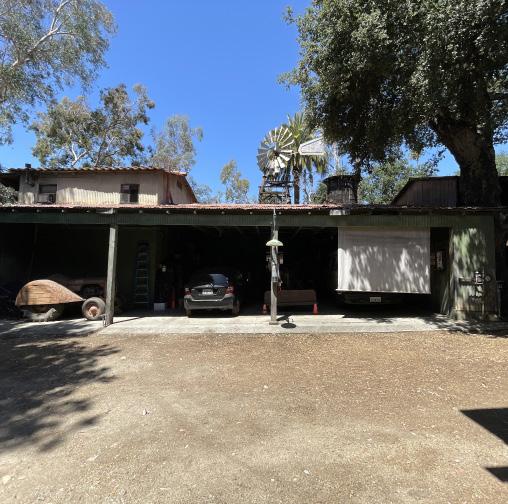
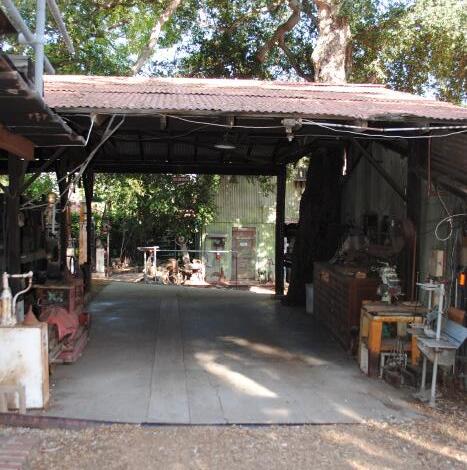
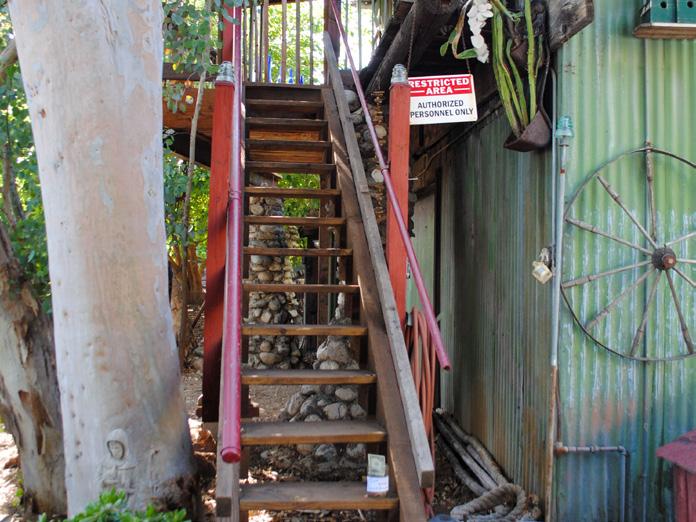
The Tree House Residence: The two-story building has a residence on the second floor. The resource is attached to the steel-clad carport and shed that include a breezeway, known as the Shop, used as a historic artifact exhibition space, and an open garage used by residents. It is the only existing original residence from the citrus era. It is completed inside with its own kitchen and restroom with a shower.
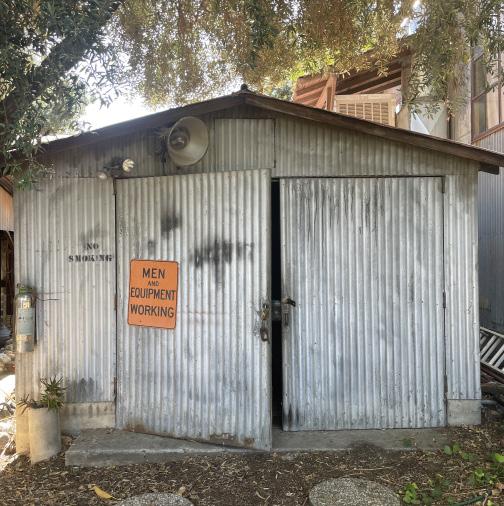
The Glenn’s Shop: The one-story tin structure is used for historic artifact storage.
The Big Kitchen or Lemon House: The two-story building houses a communal kitchen along with collections on the upper level. The first level includes an assembly space referred as “the Dungeon.”
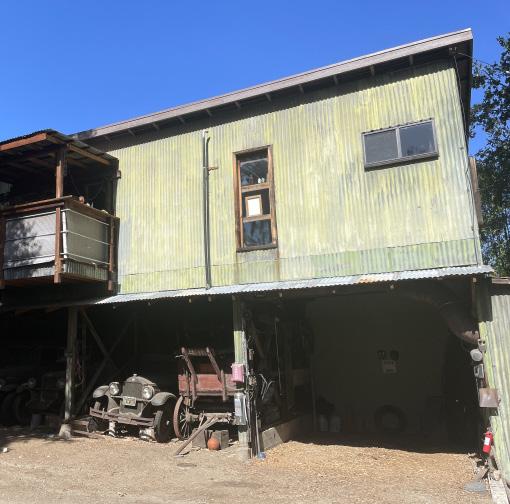
The Box Factory: The two-story, wood and tin building has an open garage and two utilitarian rooms at its base and a residence on its second floor; this is where the citrus crates were manufactured in the Albourne days. The Box Factory was the first building Michael rented to his first tenant, Glen Speer, architect of Mongoose Junction in St. John, USVI.
The Wood Rental, also known as the Chip House: The one-story utilitarian building has been adapted into a residence. The core of the Chip House is an older structure. It did have plumbing and a toilet in it, according to Scott Rubel. Some reservoir control valves are in a pit outside this house.
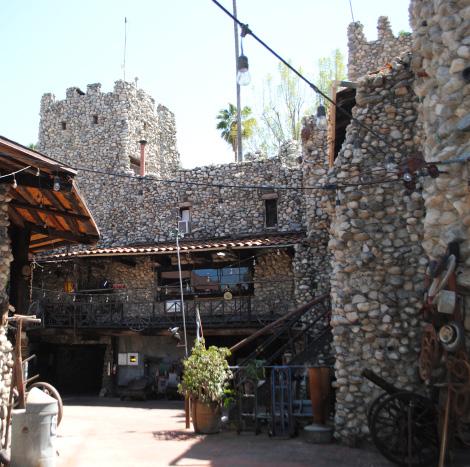
The Castle Complex: The stone masonry building was built on top of the old reservoir concrete walls. It has battlements, towers, a portcullis, and a central courtyard. Several buildings/structures are attached or built within the castle walls. For purposes of surveying the Castle Complex is subdivided in the following:
• The North Tower: The three-story structure is attached to the round perimeter wall and is used as a museum exhibition space.
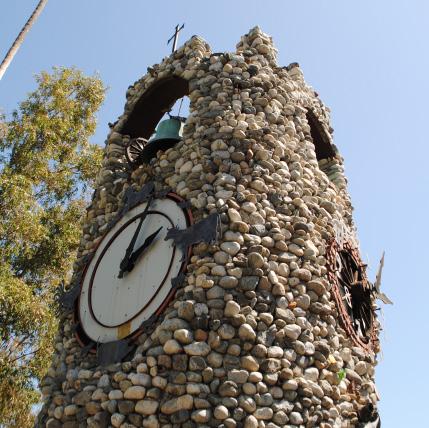
• The Clock Tower: The cylindrical tower on the northeast side of the courtyard contains historic artifacts related to the clock.
• The East Tower: The two-story building is used as an assembly space called the Bennett Room and an art workshop on the second level that is accessed through the drawbridge from the Central Tower into the Clock Tower.
• The Pigeon Tower: The four-story tower with battlements houses a print shop at its base and residence at its upper levels. The tower has a pigeon coop on the rooftop.
• The King’s Quarters East: The three-story section east of the Fire Water Tower houses the Troll’s House residence at the base and the King’s Quarter’s residence in its upper levels.
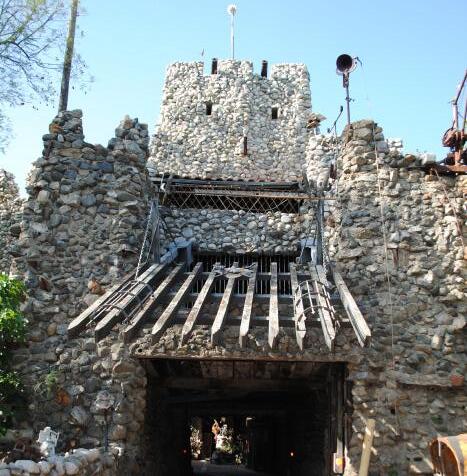
• Fire Tower and Perimeter Walls: The central entry tower above the drive tunnel has an open shaft with a series of catwalks and mechanical engines to open the portcullis. The Central Courtyard is an open space with pavers and can be accessed by way of the portcullis tunnel and a tunnel between the Trolls House and the Pigeon Tower.
• The King’s Quarters West: The three-story section west of the Fire Water Tower includes a series of communal spaces used by Michael Rubel.
• The West Tower: Two open wood and steel decks connects Kings Quarter’s West and the Bee Tower. This is the main access staircase into the King’s Quarter’s residence.
• The Bee Tower: The four-story tower has a garage at its base and an elevated deck above. The upper floors of the tower are not currently used.
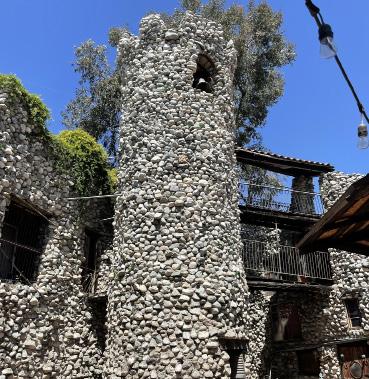
• The Bell Tower, also known as the Stair Tower: The cylindrical tower with a helicoidal staircase provides access to the upper levels of the north tower. It also provides access to the Wood Rental through the perimeter wall.
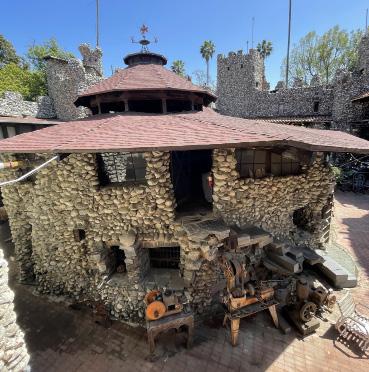
• The Central Tower, also known as the Round House, and the Machine Shop: The doubleheight round wood structure stands at the center of the Castle courtyard. The structure has a mezzanine and functions as an art workshop and museum collections space.
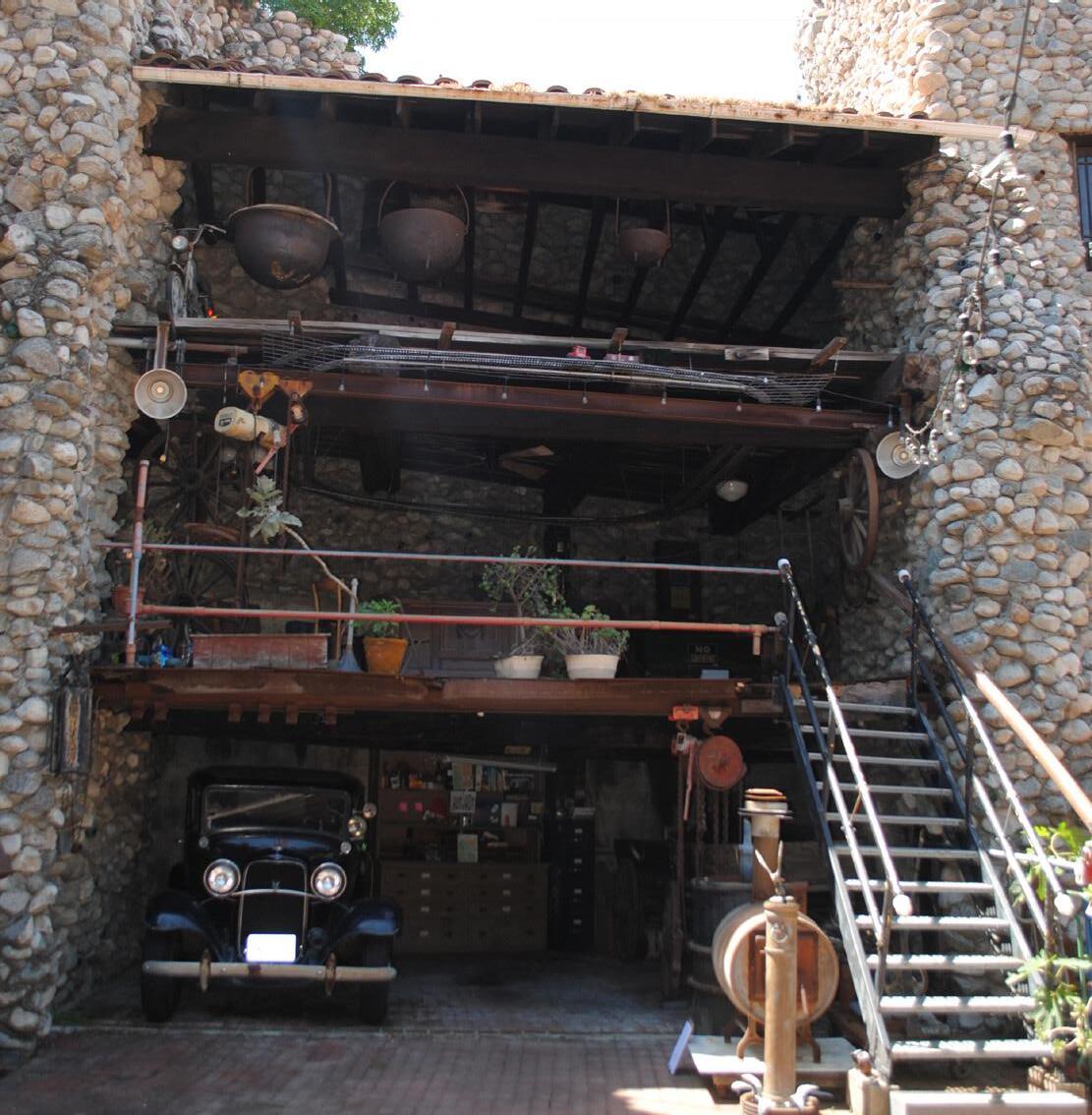
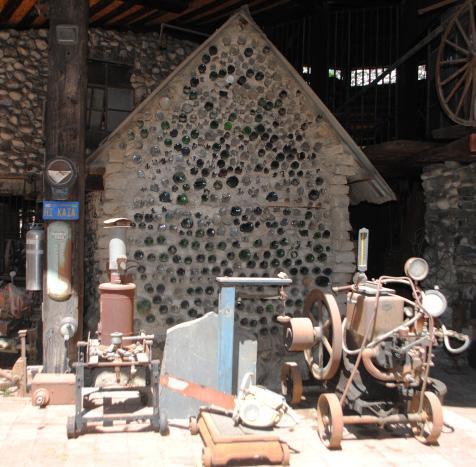
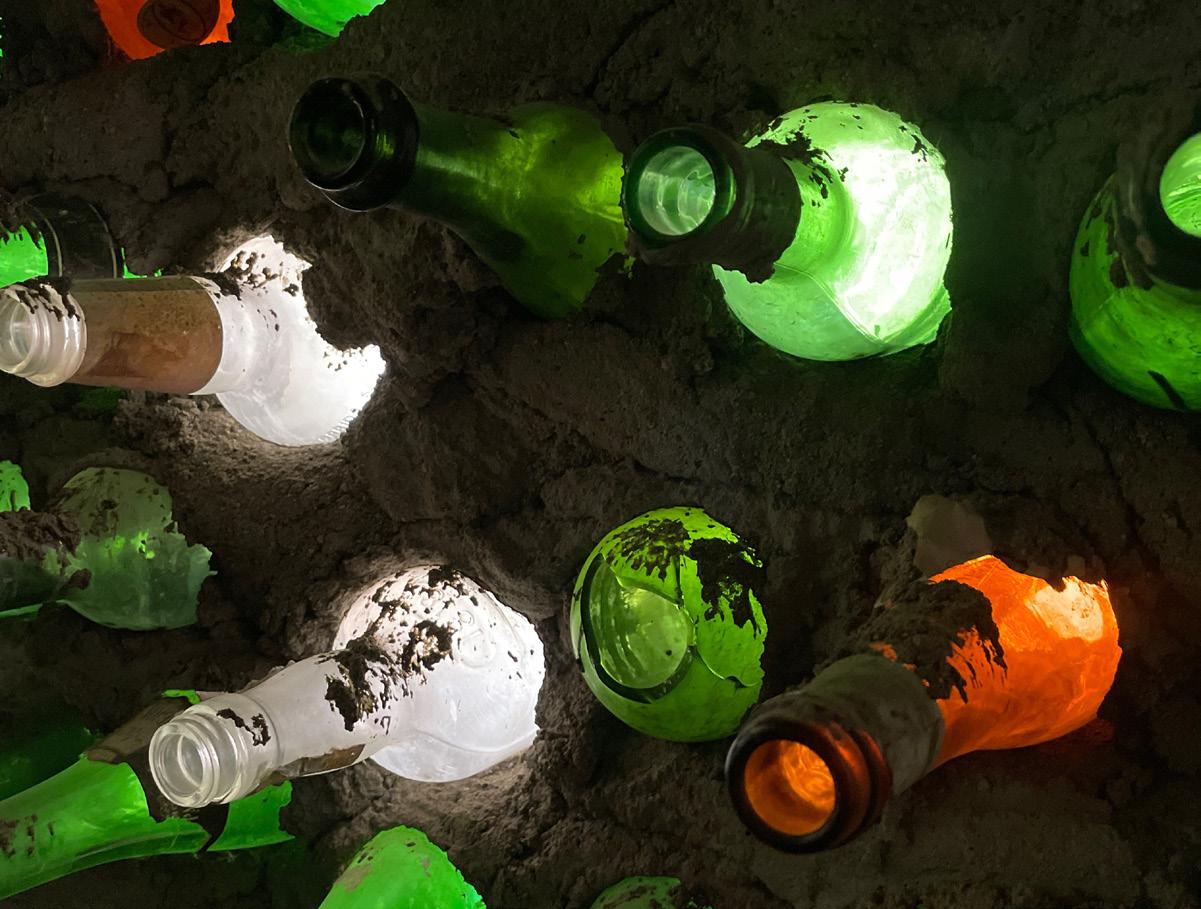
• The Bottle House: The one-story structure was built of glass bottles in the central courtyard. It stands under the Central Tower roof. It is used as a museum collections space.
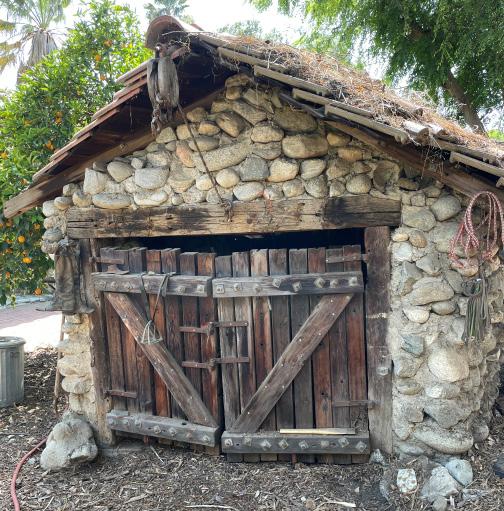
Bennett’s Bunker: Also known as the rock shed or propane house, the one-story stone masonry structure near the Main Gate is used for storage.
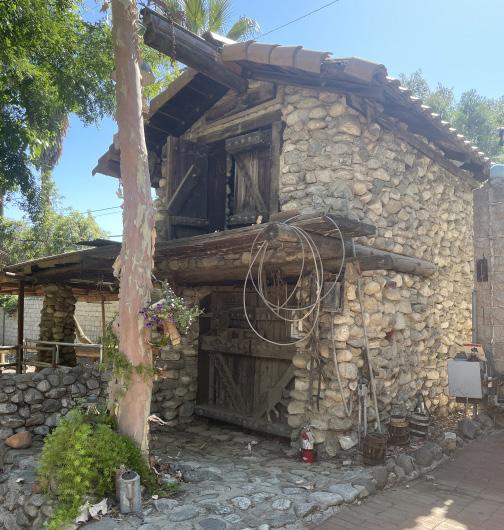
The Rock Barn or Billing’s Barn: The two-story stone structure south of the Main Gate is rented out as storage.
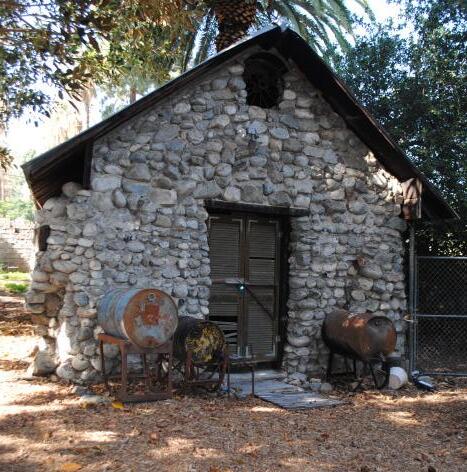
The Pump House, also known as the Rock Garage or Bird Bath Engine: The one-story stone structure at the northeast corner of the site is used as a museum artifacts space.
Aside from the contributing resources, five (5) resources are identified in the National Park Service registration form as non-contributing:
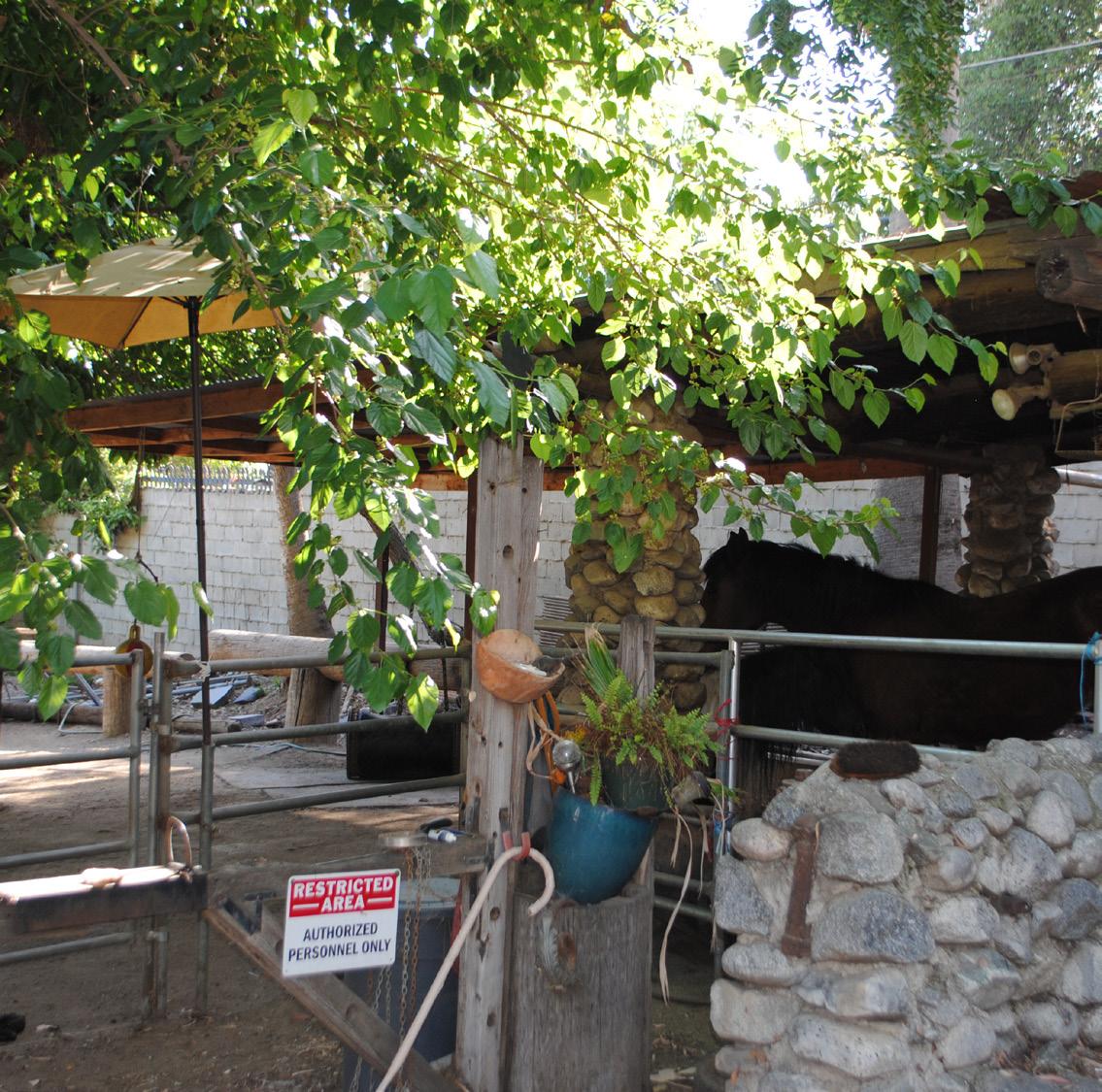
• The Corral: The fenced piece of land at the southwest corner of the site.
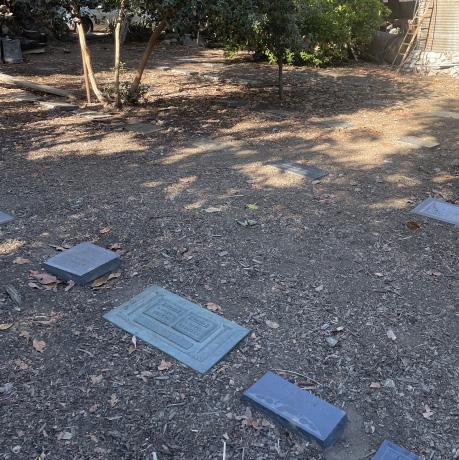
• The Cemetery, also known as the Orchard: This citrus grove south of the site is decorated with some misspelled stones and homemade memorials to family and Castle Builders.
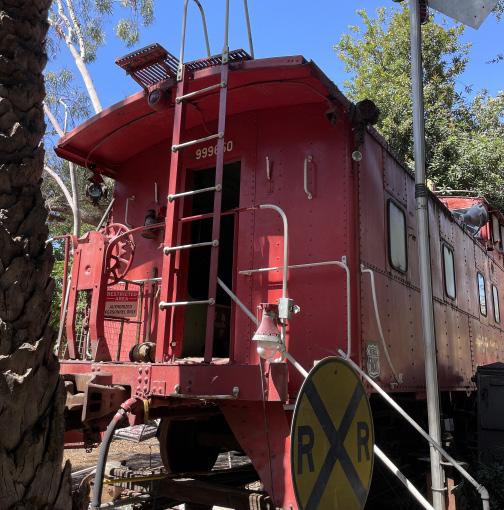
• The Santa Fe Caboose: This 1942s Santa Fe Rail Lines caboose built for the conductor’s living, is used as a guest house.
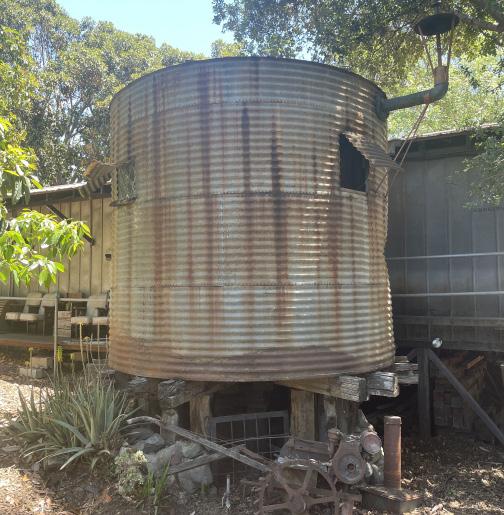
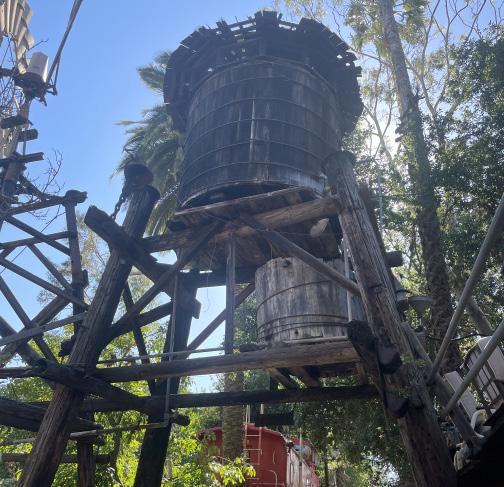
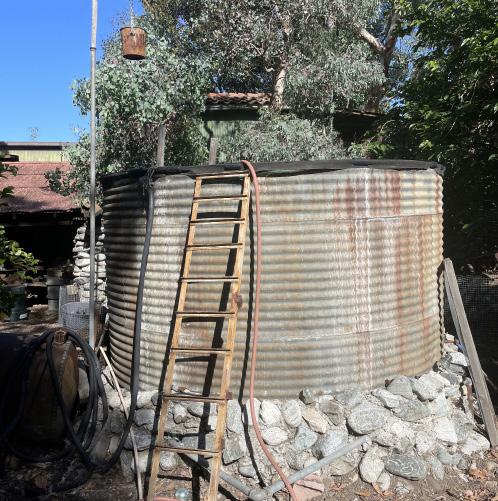
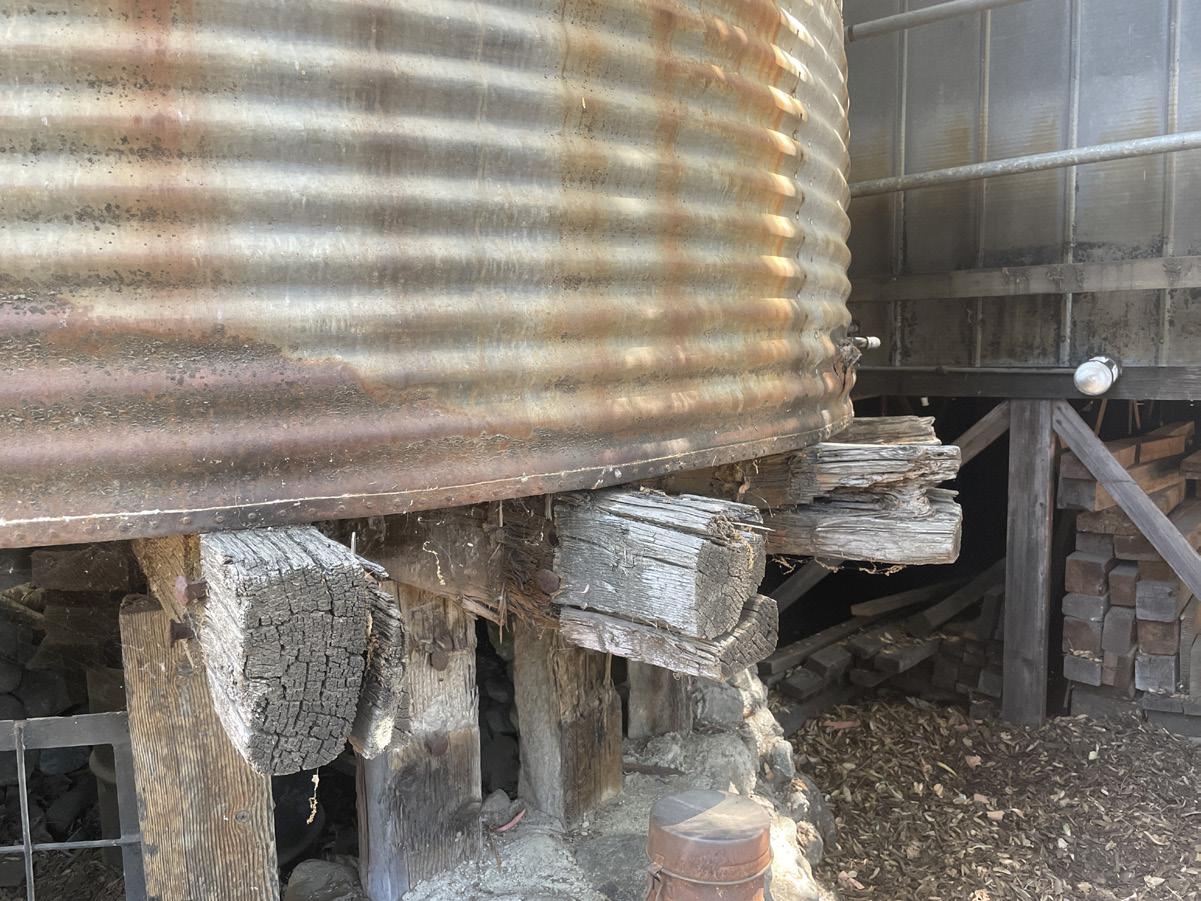
• The Water Tower: The wooden structure and water tank south of the Big Kitchen.
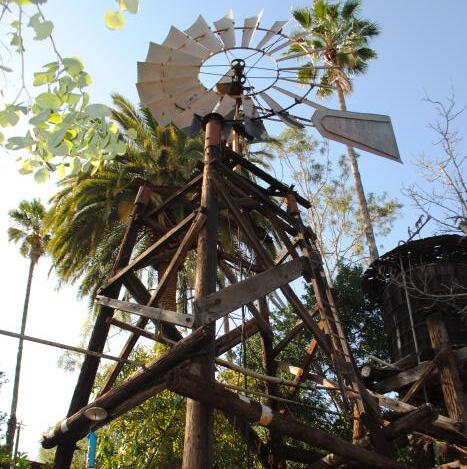
• The Windmill: The wooden structure adjacent to the Water Tank.
With the aim of providing a Preservation Plan for the RCHD, the Page & Turnbull team has identified six (6) additional resources not previously assessed:
• The Perimeter Walls: The Historic District’s entry and the masonry wall delimiting the site and the Main Gate.
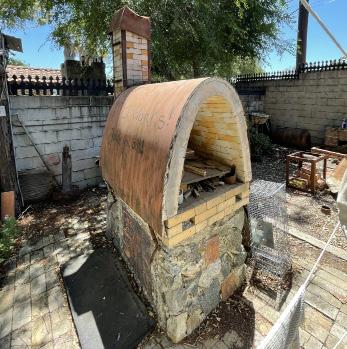
• The Kiln Area (Laundry): The open workshop space north of the Main Gate. It includes a wooden shed over the community laundry.
• The Restroom: The single-use restroom between the Castle and the Tin Palace.
• The Shower Room: The recycled tank west of the Big Kitchen was formerly used as a shower room. It has a bathtub, sinks and shower.
• The Pool: The recycled tank south of the Windmill. Formerly used as the community swimming pool, it is abandoned today. It used to be attached to the Tree House by a wooden deck. The deck columns are still in place.
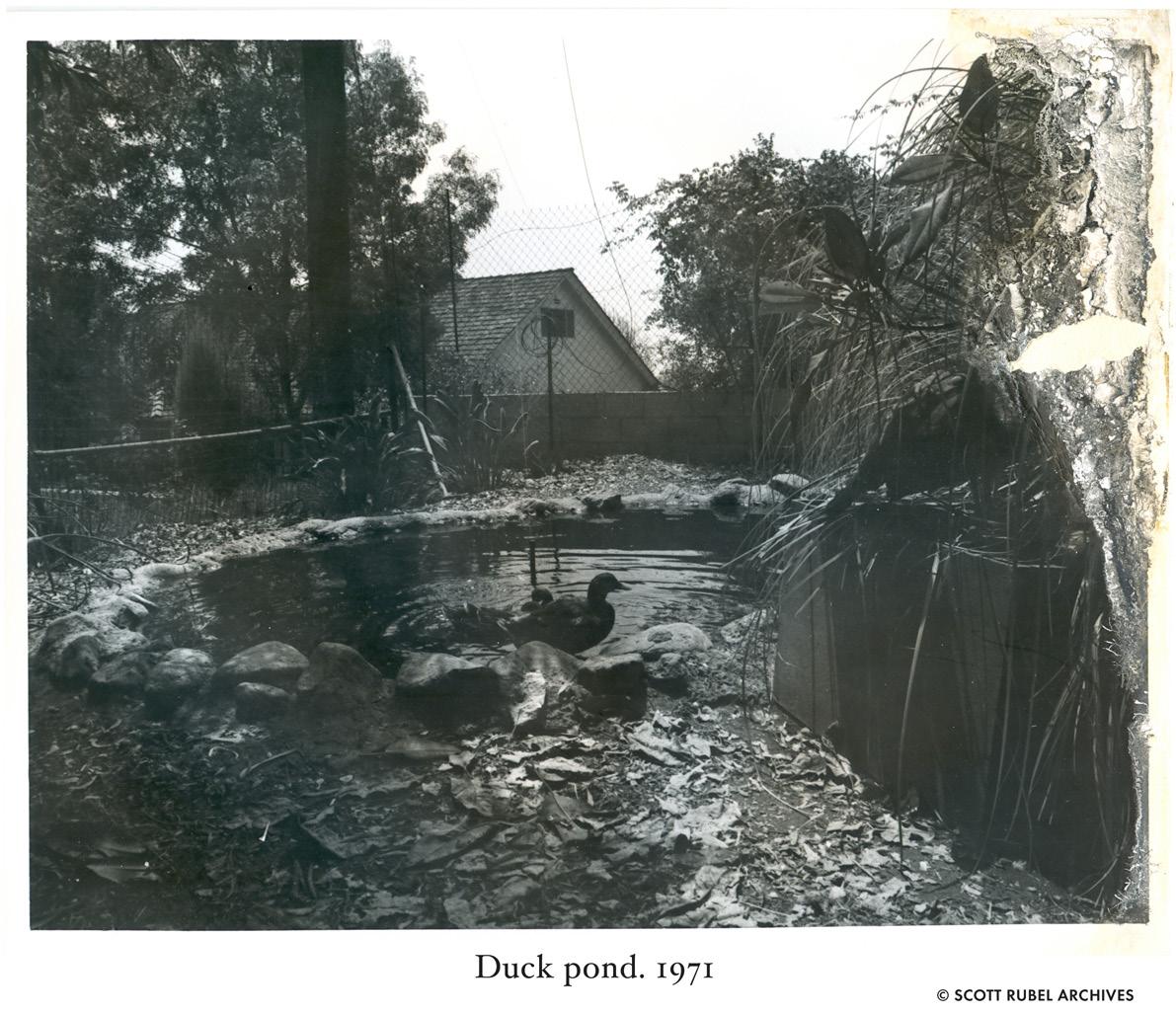
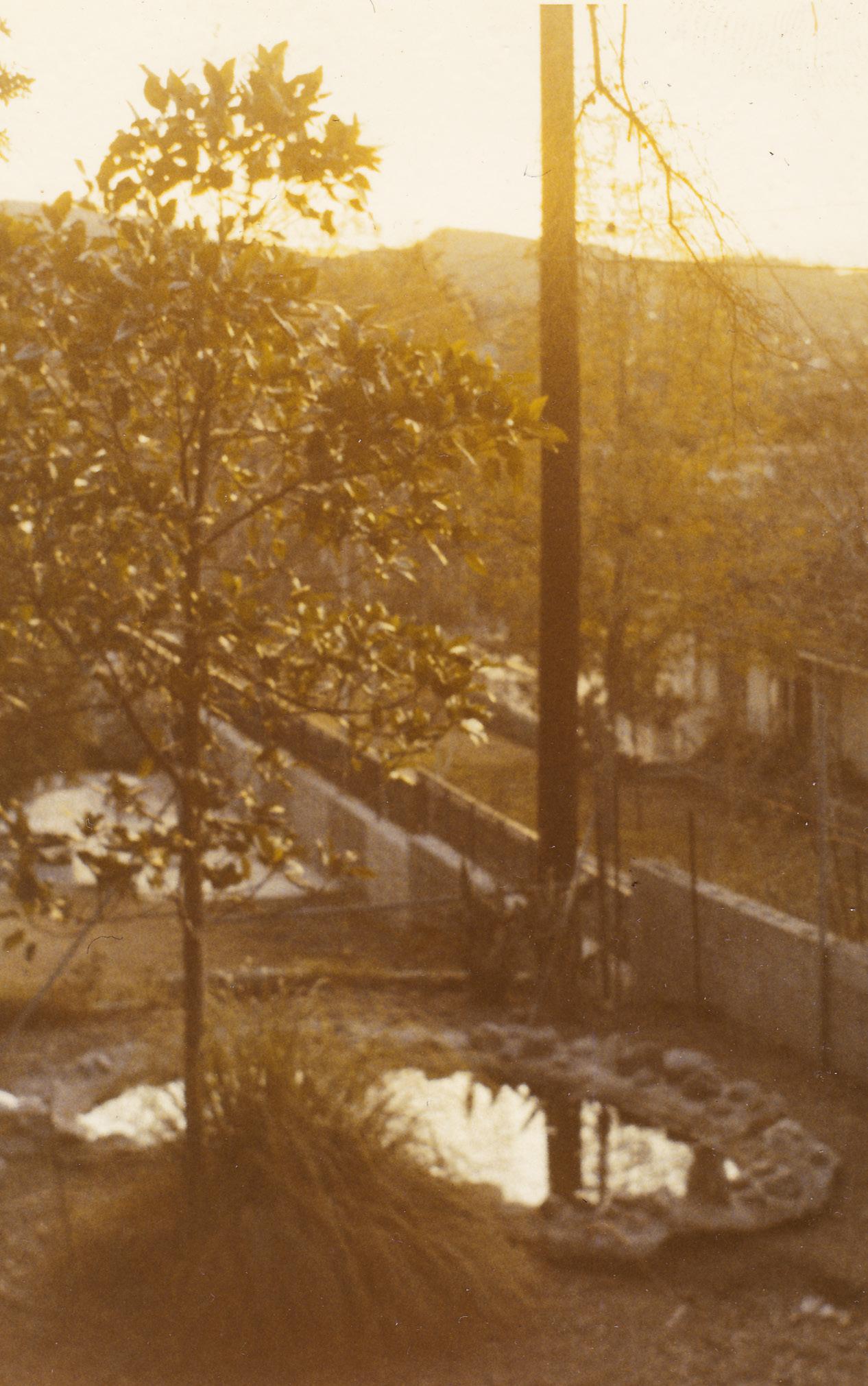
• The Duck Pond: The stone and concrete pond at the southeast corner of the site is abandoned today.
These features are included in the document as non-contributing resources due to their potential for future eligibility and their impact on the district’s fabric and feeling.
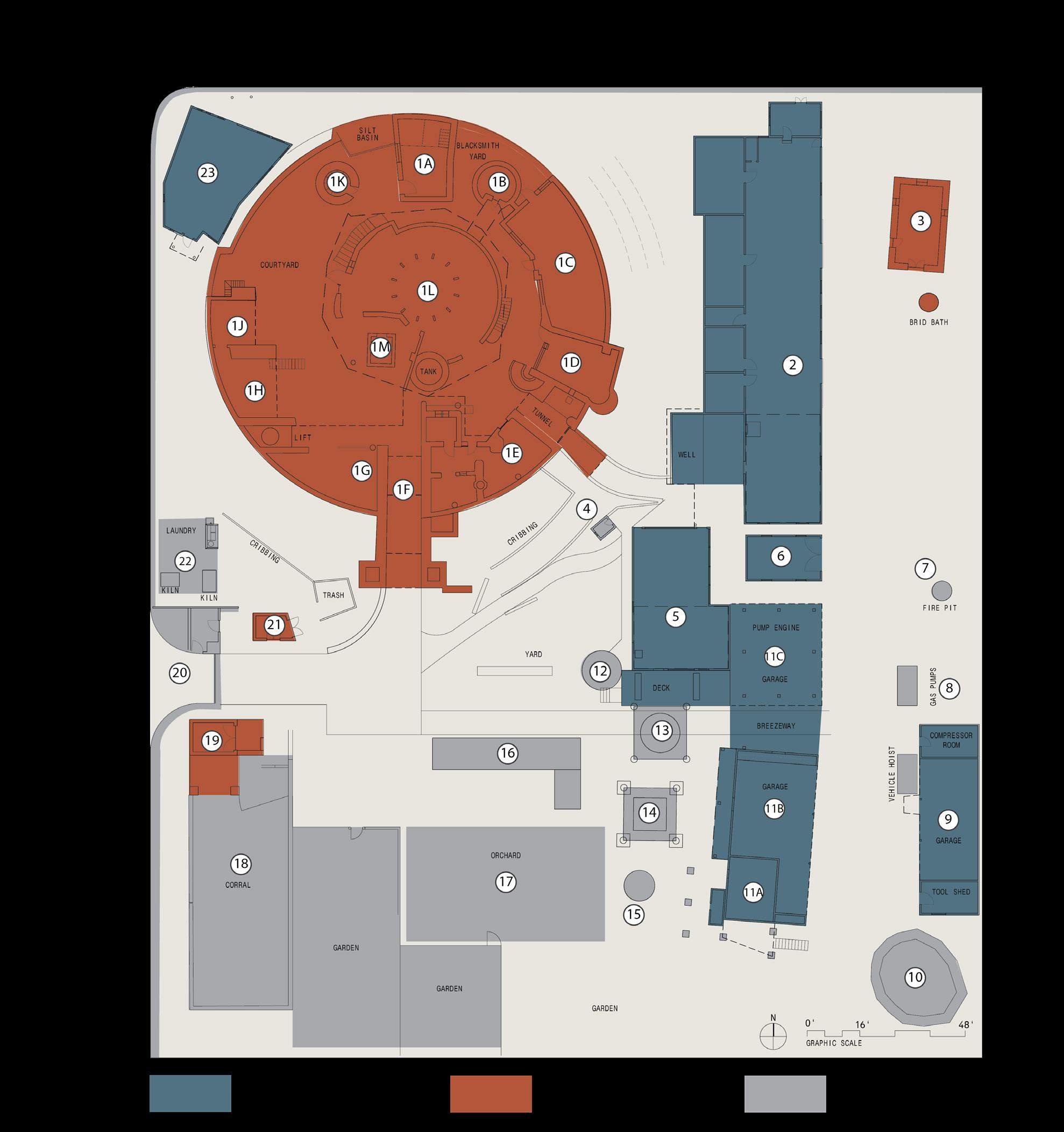
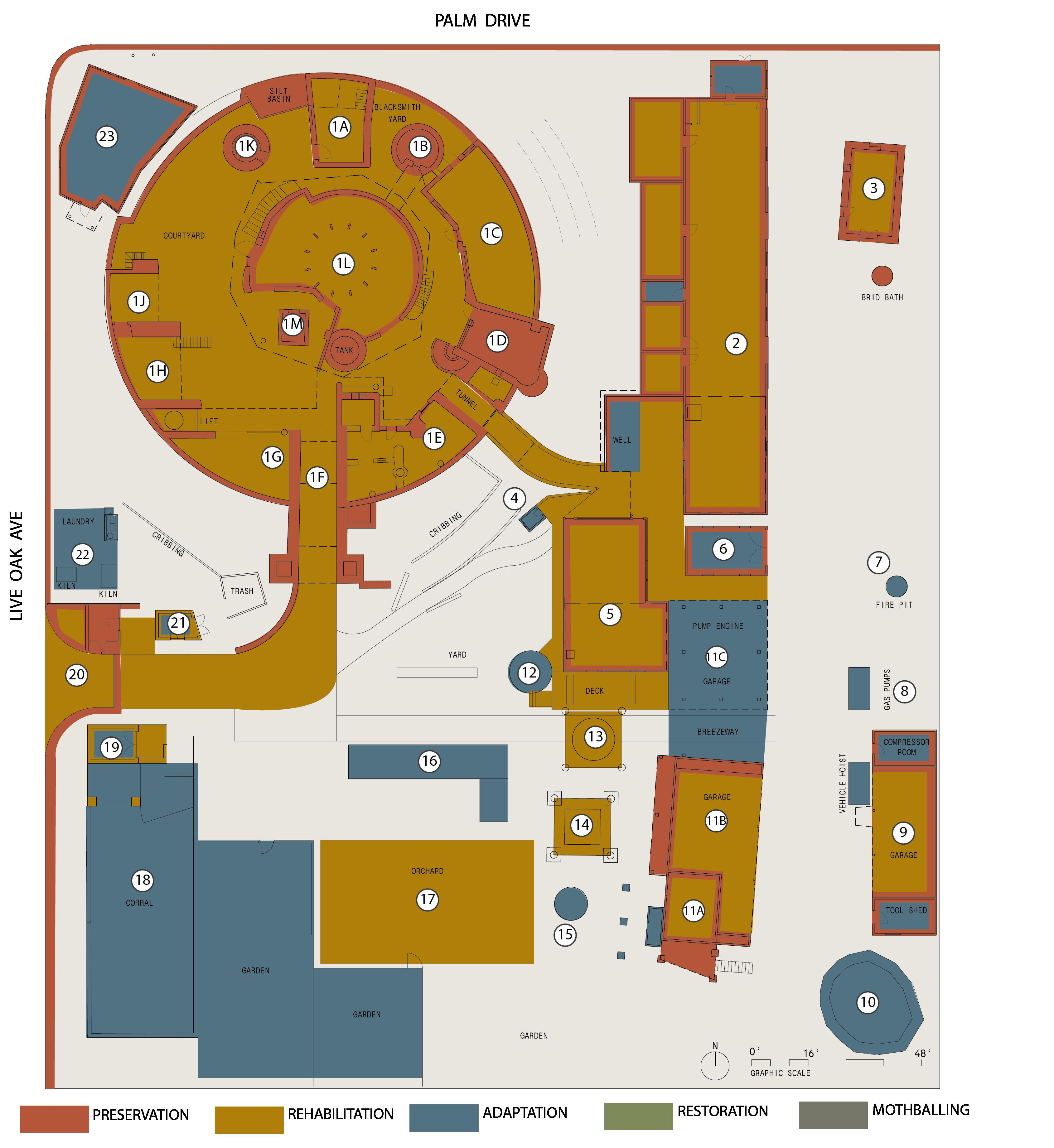
The Conditions Assessment and Preservation Plan documents a total of twenty-three resources in the district. Each resource has been assigned an identifier number (1-23). To help communicate specific conditions and guidelines the Castle Complex has been subdivided into twelve resources from 1A to 1M. In the same manner, the Tree House has been subdivided into three resources from 11A through 11C. Resources 4 and 5 are considered landscape follies and no specific assessment was conducted for them.
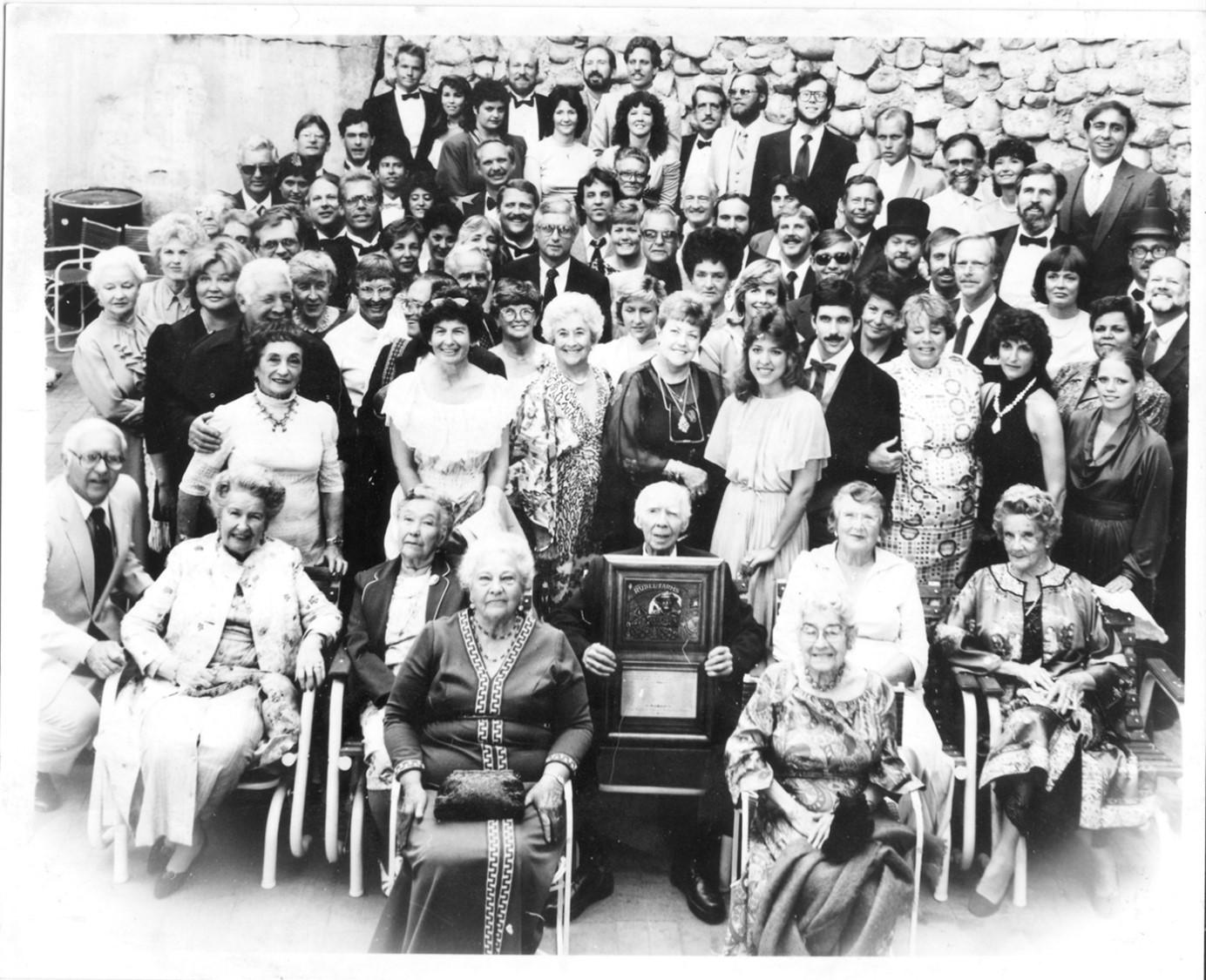
Figure 5.
1986 Castle Completion Celebration. Source Glendora Historical Society archives
Landscape features within the district include: the overall layout of the site, specimen trees, fruit trees at the Cemetery, screening vegetation at the property boundary, and shrubs on the perimeter of the Castle Complex. The site plan of the RCHD has a vernacular, non-formal pattern. Resources cluster around an axial non-paved driveway that runs east-west from the Main Gate, under the Water Tower and through the breezeway at the Tree House building to the end of the site. Additional sinuous unpaved pathways interconnect the buildings and features in the site.
PERIODS OF SIGNIFICANCE
A self-contained folk-art village, the RCHD consists of a walled, 22,000 square foot Castle Complex and adjacent buildings that date to the early-twentieth century citrus farming that dominated the region. The Historic District has two distinct but interrelated “periods of significance” as stated in the National Park Service registration form (see appendix E). In the first period, 1910-1949, the district is historically significant due to its association with the local citrus industry and includes an irrigation reservoir on the property that dates to the period. The second period, 1959-1986, is historically significant due to the development of a unique and exceptional folk-art environment designed and built by idiosyncratic visionary Michael Clark Rubel. Rubel obtained the site previously known as the Albourne Citrus Ranch in 1959. Following acquisition, Rubel set out to construct a medieval-style castle from found and recycled materials. Major construction on the Castle Complex ended in 1986 with the completion of the Clock Tower.
Period of Significance 1910-1949: The period of significance from 1910 to 1949 reflects the property’s association with Glendora’s citrus industry. The concrete irrigation reservoir was built in 1910, and the citrus ranch ceased operations in 1949.
Period of Significance 1959-1986: The period of significance from 1959 to 1986 reflects the property’s association with Michael Rubel. Rubel acquired the property in 1959, and the Clock Tower, which was the last addition to Rubel Castle Complex, was completed in 1986. These resources are referred to as “Folk Art.”
BUILDINGS AND STRUCTURES
In total, the Historic District contains eleven contributing buildings and three contributing structures, for a total of 14 contributing resources. To facilitate the assessment of the Castle Complex's perimeter walls and battlements, Castle Complex resources have been subdivided into seven resources listed from 1A to 1M. In the same manner, the Carport and Shed building is subdivided into three resources and is listed from 11A to 11C.
According to the National Park Service registration, non-contributing resources include an orchard (the Cemetery), three structures, and one object. However, additional resources not previously assessed for significance are identified in this report and are considered part of the Folk-Art Environment theme due to their potential to become contributors to the Historic District in the future. Therefore, twentythree resources are identified in the Preservation Plan.
Resources are organized into three categories:
a) Citrus Farm Era
b) Folk-Art Environment
c) Non-Contributing Folk-Art
The Castle Complex sits on the northwest portion of the site while adaptively reused citrus farm buildings primarily sit on the eastern portion of the site. Contributing and Non-Contributing Folk-Art resources are scattered through the site.
Contributing Citrus Era rEsourCEs
Citrus Era resources are rare examples of utilitarian construction used during the Historic District's orange, lemon and avocado agricultural era. All Citrus Era resources were built prior to Michael Rubel’s acquisition of the property in 1959. With the exception of a couple of additions, the original building envelopes of this era are preserved while the interiors were adaptably reused by Rubel to house dwelling units for rent. These resources include:
3
– Tin Palace (Packing House)
5 – Big Kitchen
6 – Glenn’s Shop
9 – Box Factory
11A – Tree House Residence
11B – Garage
11C – Breezeway Shop
23 – Chip House
Contributing Folk-art EnvironmEnt rEsourCEs
Folk-Art Environment resources comprise buildings and structures built by Michel Rubel and Pharm Hands between 1959 and 1986. Built of ad-hoc, urbanite materials, their distinctive, medievalinfluenced style contrasts with the buildings and structures of the citrus era. Contributing Folk-Art Environment resources include the Castle Complex and the ancillary structures listed below:
1A – North Tower
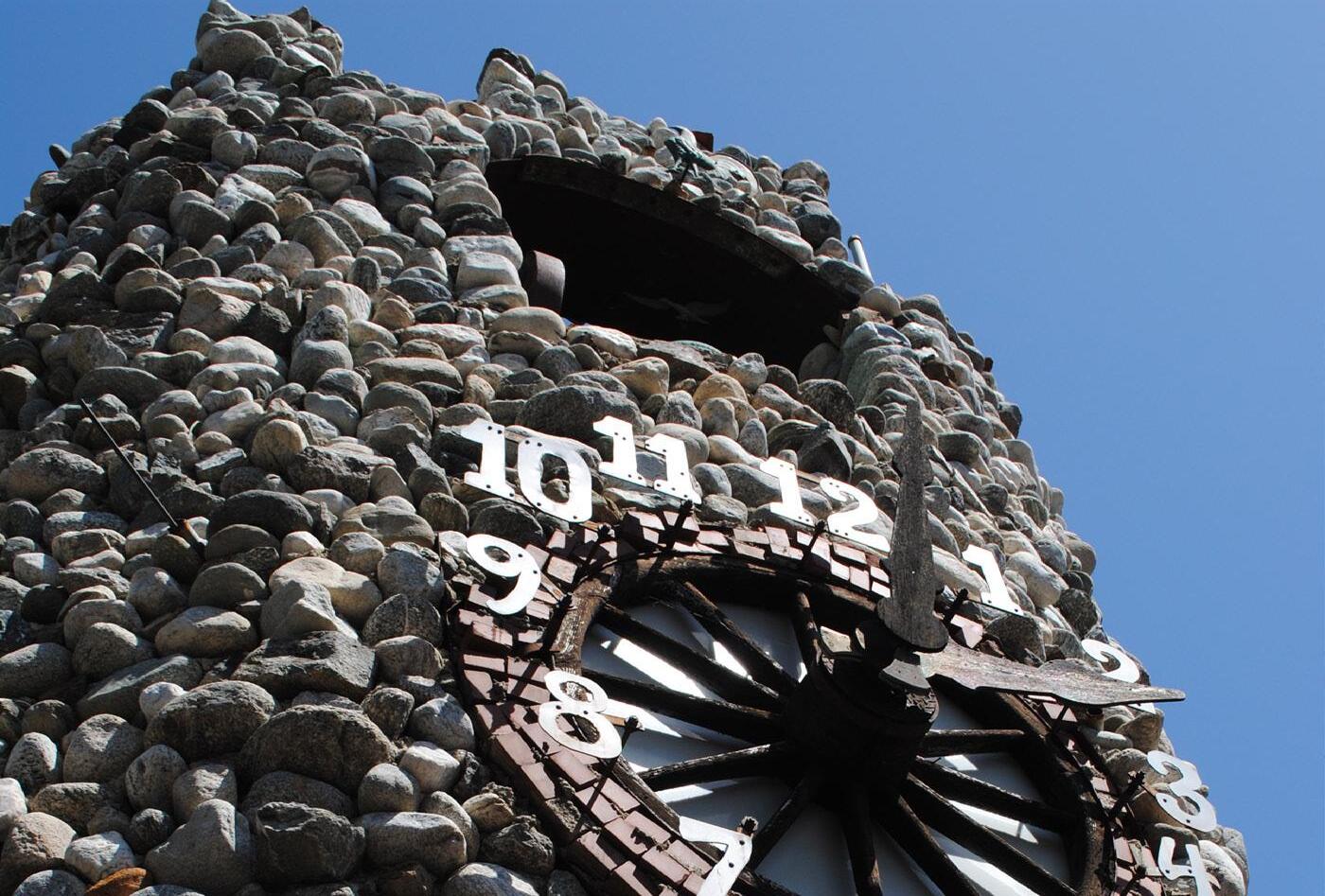
1B – Clock Tower
1C – East Tower
1D – Pigeon Tower
1E – King’s Quarters East
1F – Fire Water Tower and Perimeter Walls
1G – King’s Quarters West
1H – West Tower
1J - Bee Tower
1K – Bell Tower
1L– Center Tower
1M – Bottle House
3 – Pump House
19 – Billing’s Barn
21 – Bennett’s Bunker
non-Contributing Folk-art
Non-contributing Folk-Art includes sites, structures, and objects that are not considered contributing to the RCHD include:
4 – Restroom
7 – Fire Pit
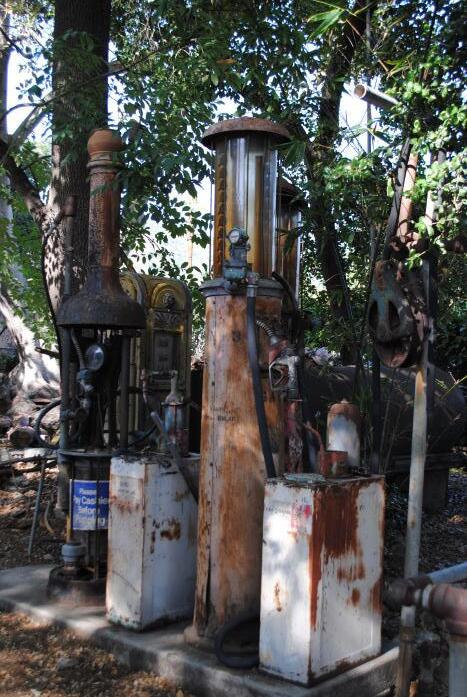
8 – Gas Pumps
10 – Duck Pond
12 – Shower Room
13 – Water Tower
14 – Windmill
15 – Pool
16 – Caboose
17 – Cemetery
18 – Corral
20 – Perimeter Walls
22 – Kiln Area
Figure 6. View of Box Factory
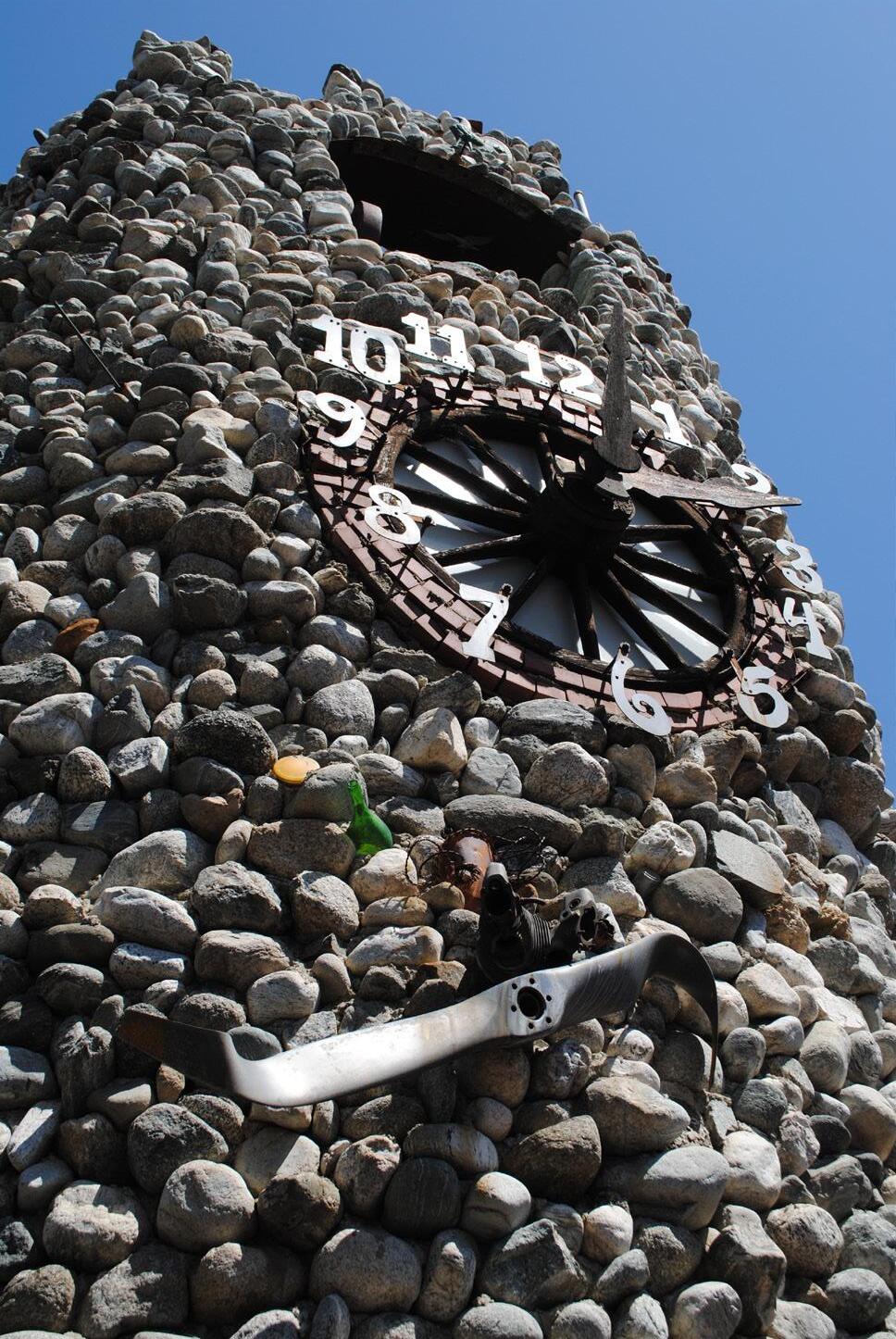
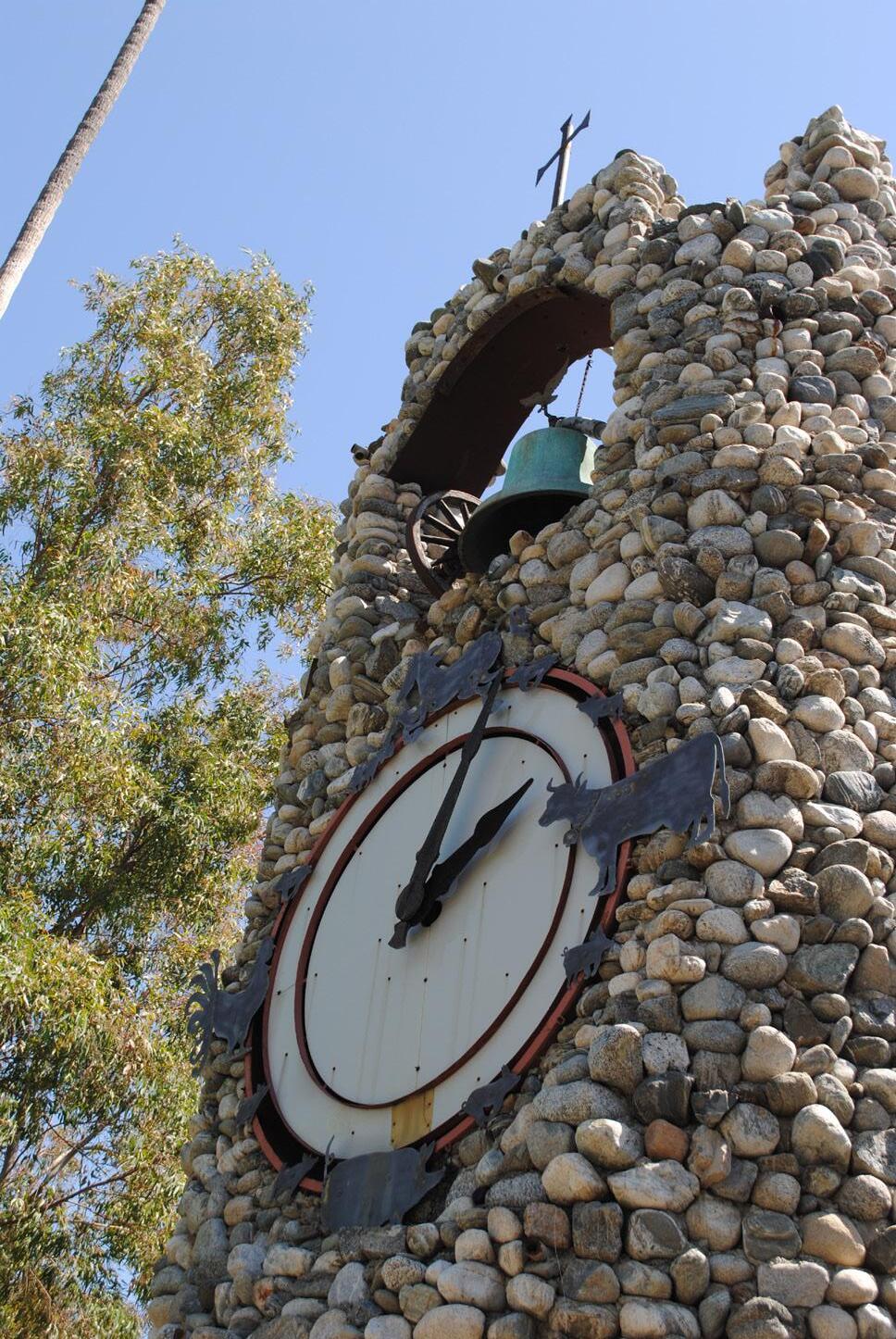
Figure 7. View of Clock Tower
Figure 8. Duck Pond 1971. Source Scott Rubell archives
RESOURCES
1A - North
1B
1C -
1D -
1E
1F -
1G -
1H
1J
1K
1L
1M
2
3
4
5
6
7
8
9
10
11A
11B -
11C - Breezeway
12
13 -
14
15 -
16 -
17
18 -
19 -
20 -
21
22 -
23 -
CHRONOLOGY OF DEVELOPMENT AND USE
Below is an updated summary of development provided by the Glendora Historical Society (GHS). The chronology of development and use is an important part of the evolution of the Historic District and should continue to grow under the characteristic folk-art adaptations part of the narrative of the site and Michael Rubel’s vision. According to the GHS, the dates provided by Michael Rubel are imprecise (as he often changed dates or made them up) which has become part of the story of the district. Below, timeline dates are approximate and used as reference only.
1890 Estimated year that the reservoir was dug.
1905 The Glidden reservoir was built, according to the assessor’s records.
1910 A 124-foot diameter irrigation reservoir was completed for the citrus ranch.
1936 Today known as the “Tree House,” (11A-11C) a residence with a carport and shop was constructed for ranch personnel.
1937 The Glenn’s Shop (6) was built.
1938 The Tin Palace (2) or Citrus Packing House was completed.
1939 The Tin Palace (2) was extended on the south and north sides, and a partial basement was added beneath the building’s southern portion.
1940 A small office was added to the northern portion of the Tin Palace, which was originally used by Rubel as a kitchen. It was subsequently removed following damage from the 1969 flood.
1941 The Box Factory and tool shed (9) was constructed as a box-making factory, residence, and tool shed for the Albourne Ranch Co.
1943 A Platform and covered walkway was added along the southern side of the Tin Palace (2) to connect it to the Big Kitchen (5).
1943 The Big Kitchen (5) was constructed by the Albourne Ranch Co. as a Lemon Packing House and cold storage area. After Rubel acquired the property, it became the “Pharm” Kitchen and gathering place.
1949 The Albourne Citrus Ranch closed.
1950 Cold storage rooms added at west of original Citrus House (2).
Figure 9. Rubel Castle Historic Distric Resources Diagram
Pre-1953 The Chip House (23) or Wood Rental can be seen on a 1953 aerial photograph. (The exact date of original construction is unknown.)
1959 At age 19, Michael Rubel acquired the packing house and reservoir with the help of his mother, Mr. Bourne, and the Grace Episcopal Church. Rubel immediately took in renters who were encouraged to improve their living spaces.
1959 The Packing House (2) was converted into a residence. Cold storage rooms along the west elevation were converted into bedrooms. The large, open rectangular space of the building became dining, living and public rooms.
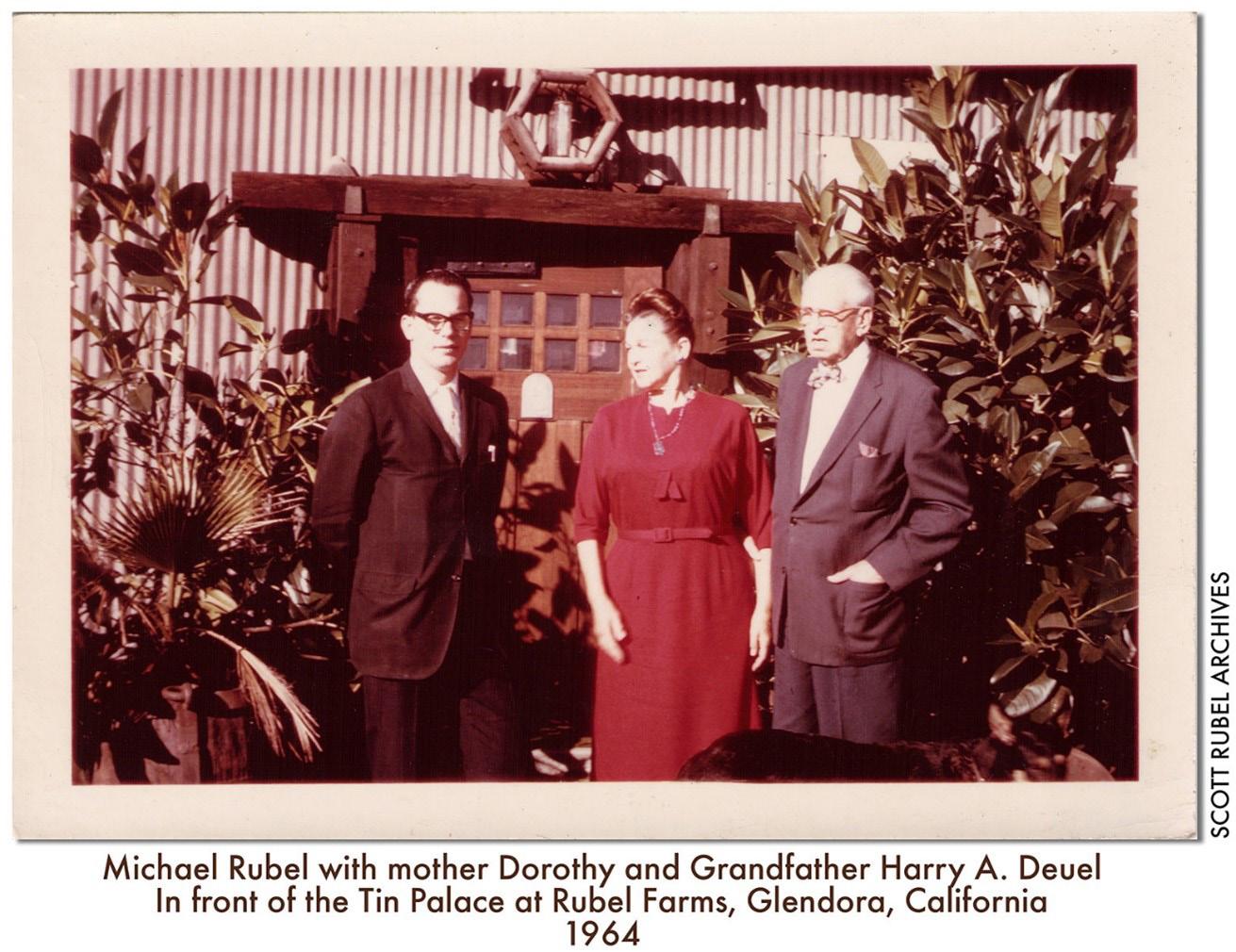
1961 Dorothy Rubel moved into the Packing House. Known for entertaining Hollywood celebrities and elaborate black tie events, the Packing House came to be known as “The Tin Palace.” (2)
1965 The Western 30 Horsepower pump engine was obtained from Glendora Mountain Road. Annual Easter parties began.
1965-1968 Construction began on Rubel Castle. A car-sized passageway was created by boring below grade through the circular reservoir walls.
1968 The Bottle house (1M) was built inside the reservoir and the drive tunnel was created. This marked the beginning of Castle construction.
1969 Massive floods hit Glendora and the foothill communities in January and February.
1969 Rubel ceded ten feet of the site for street widening along East Palm Drive and five feet on North Live Oak Avenue. Rubel agreed to remove a wood and tin residence on East Palm Drive north of the Citrus Packing House. The city of Glendora installed sidewalks and gutters. Glendora allowed Rubel to install a six-foot wall on East Palm Drive and North Live Oak Avenue. An entrance to the site was created along East Live Oak Avenue.
Early 1970s Construction focused on the southern portion of the Castle walls and buildings. By 1972, the Castle walls reached approximately three stories tall around the periphery
1970 The Windmill (14), found in Lompoc, is transported and rebuilt on site.
1972 The Central Tower also known as Round House or Machine Shop (1L) is constructed and becomes the centerpiece of the Castle Complex.
1975 The Billing’s Barn (19) was constructed south of the North Live Oak Avenue entrance to house horses by Pharm Hand Curt Billings.
1975-77 Tanks were lifted, stacked and assembled (bolted and welded) to create the Clock Tower (1B).
Figure 10. 1964 photo at the Tin Palace. Source GHS archives
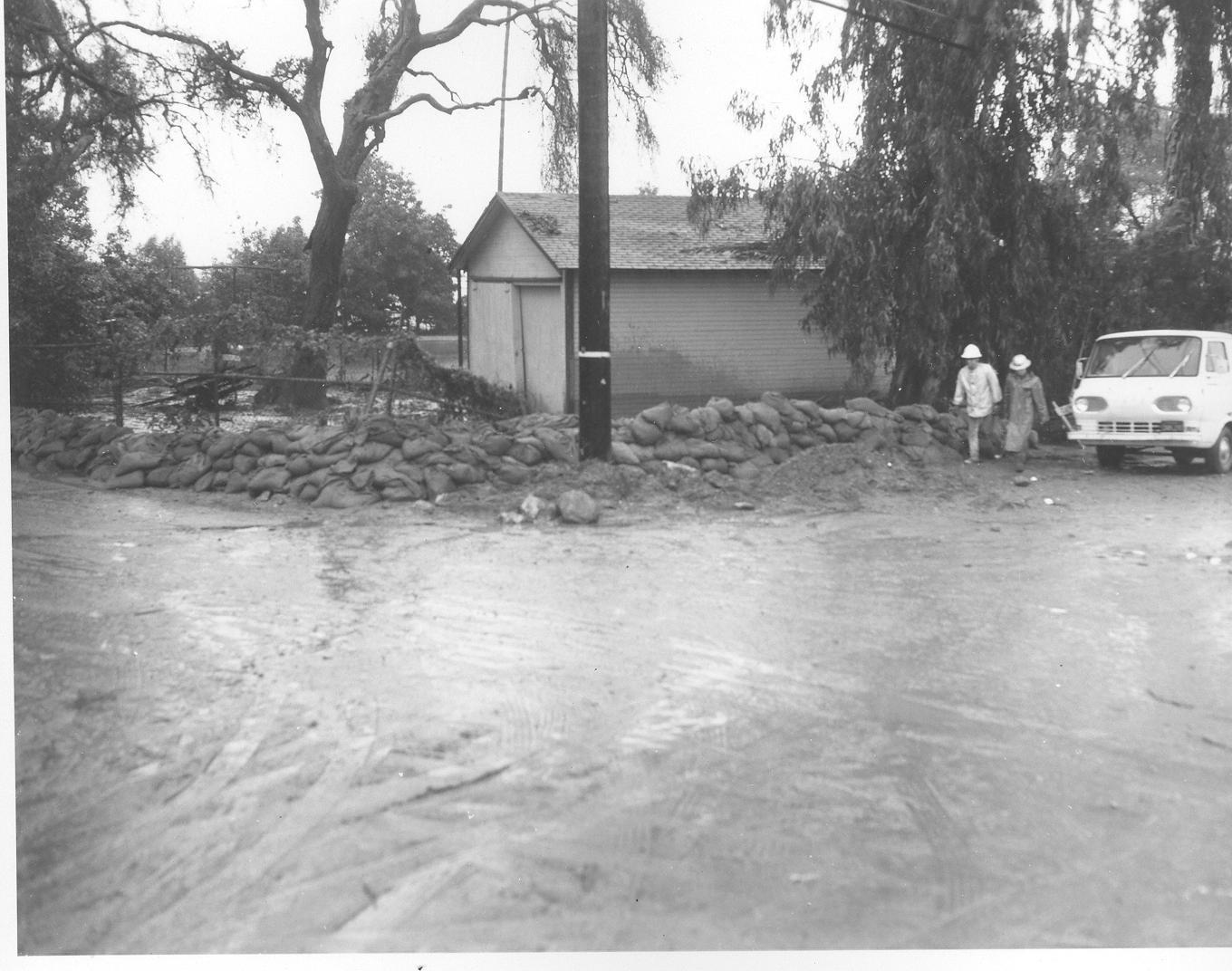
Figure 11. 1969 Flood. View of garage that became the Chip House (Wood Rental) beyond. Source GHS archives
1978 Lorne Ward gifted the Seth Thomas Clock (from Bausch & Lomb, Rochester, NY).
1978 Michael Rubel and Curt Billings completed the Bee Tower (1J).
1979 Michael Rubel and Curt Billings completed the Garage and Elevator Tower at the West Tower (1H).
1980 Michael Rubel and Curt Billings completed the Pigeon Tower (1D).
1981 Curt Billings built the Loom Room and helped complete the Fire Tower (1F).
1981 The Bennett's Bunker (21) was constructed near the Live Oak Ave entrance to the property by long-time Pharm Hand Ed Bennett.
1982 Ed Bennett returns and resumes work on the Bell Tower (1K), north wall, circular stairway and roof over his shop the Bennett Room (1C). Ed completes construction of the Castle with the help of John McHann, and Scott Rubel.
1985 The Clock Tower’s (1B) river-rock exterior was constructed.
1986 According to a bronze plaque, the Castle was completed on April 16th.
1986 The 1890 Seth Thomas hand-wound clock was installed in the Clock Tower (1B).
1989 A caboose (16) was craned onto the Rubel Pharm. It was a gift from San Dimas friend John McCafferty. The caboose was originally built in 1942. The date painted on the side of the Caboose indicates that it was re-built in 1974.
2004 Michael Rubel suffered a heart attack. After the ambulance took him to the hospital he never returned to the site.
2005 Michael Rubel gifted the Rubel Castle to the GHS. The Castle Conservation Committee (CCC) was formed.
2007 On October 15th Michael Clark Rubel died in a home down the street from the Castle. The home belonged to his wife Kaia.
2009 The Tin Palace (2) was determined to be the best location for Michael Rubel’s personal and family archive and collection.
2013 The RCHD was placed on the National Register of Historic Places.
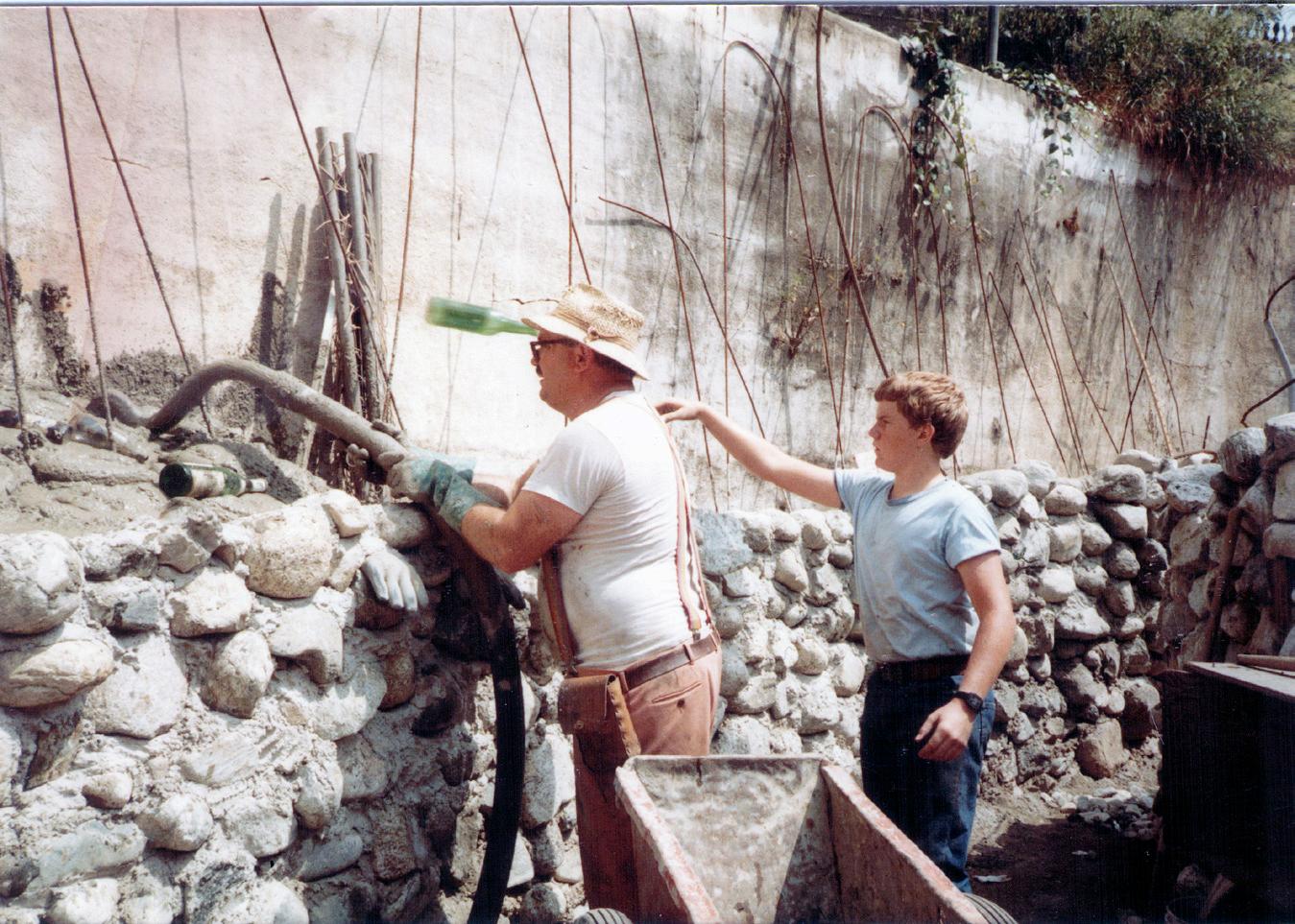
Figure 12. Concrete pumping under Chip House. Source Scott Rubel archives
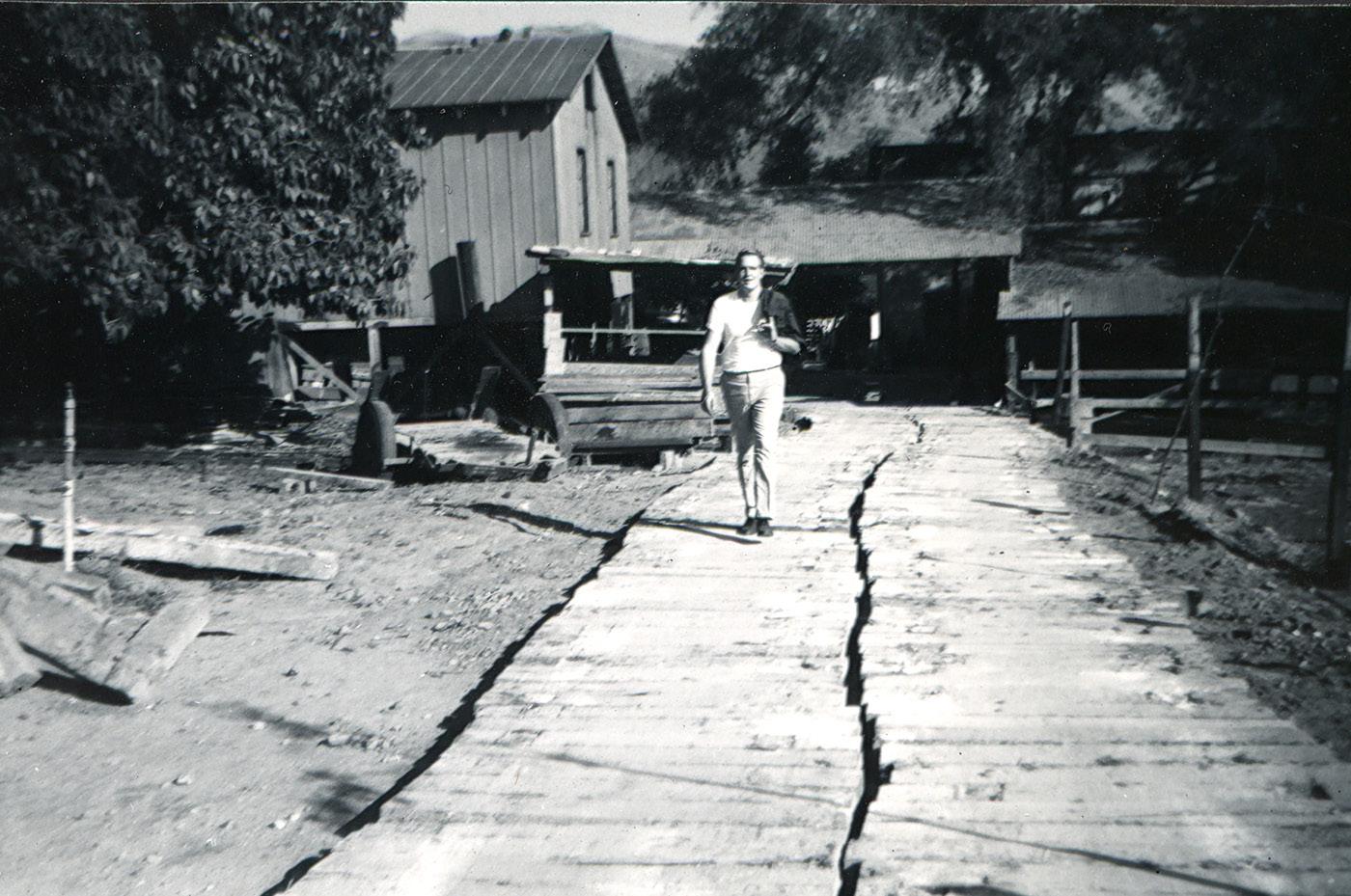
Figure 13. Rubel Pharms driveway. Source Scott Rubel archives
CHARACTER-DEFINING FEATURES
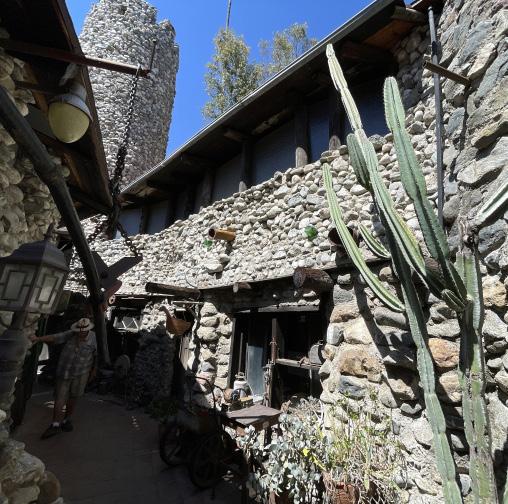
Except for Citrus Era Buildings, resources in the RCHD are built of urbanite construction and mix recycled material, folkloric objects, and local stones. This type of construction can also be seen in adaptations to Citrus Era building interiors.
sitE and landsCapE
Site landscape includes mature trees, numerous recycled artifacts, and architectural follies
gEnEral propErty matErials
While different eras of significance display different materials, overall, the site’s Character-Defining Features include:
• Concrete
• River rocks
• Recycled bottles
• Wood
• Corrugated metal siding
• Composition shingles
• Concrete roofing red tile
• Recycled/found objects
• Decorative ceramic tiles
• Brick
Contributing Citrus Era CharaCtEr-dEFining FEaturEs
The Contributing Citrus Era resources have the following Character-Defining Features:
2 Tin Palace
• Exterior:
o Utilitarian design
o Wood-frame construction
o One-story height
o Generally rectangular plan
o Exterior walls clad in corrugated metal siding
o Capped with wood truss roof clad in corrugated metal panels
o Fenestration of wood-framed, multi-light, double-hung windows in a variety of configurations
o Stencil signage
• Interior
o Open layout/floor plan
o Refrigerator Rooms and wine cellar at basement
o Changes of flooring that illustrate that the building was previously three separate buildings that were connected (date unknown)
o Wood paneling along walls (including bathroom)
Excludes wood veneer paneling
Includes wood paneling dated dates to the Citrus Era.
Figure 14. Gas Pumps by Box Factory. Photo looking northeast
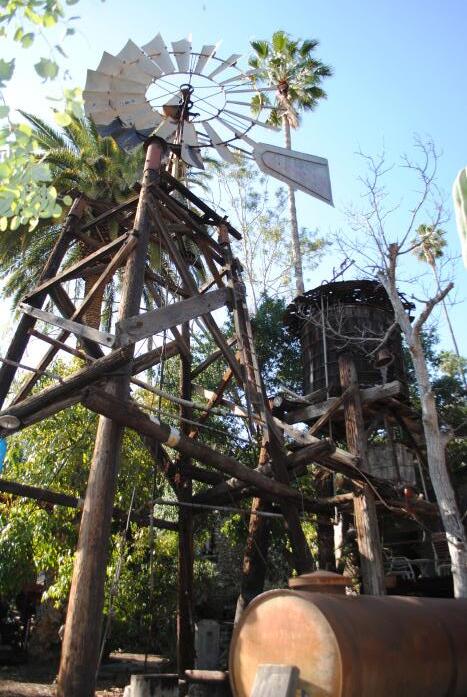
Figure 15. Windmill and Water Tower structures
11 Carport and Shed (Tree House, Garage, and Breezeway)
• Exterior
o Utilitarian design
o Two-story, wood frame construction
o Rectangular plan
o Enclosed garage at the ground story with sliding doors
o Full-length balcony supported by a recycled telephone pole used as a beam and post clad in irregular courses of river rocks, set in cement. The balcony has shed roof and wood railing that spans the second-story façade
o Low-pitched, side gable roof with red concrete tiles
o Fenestration varies but consists of metal- and wood-framed windows in a variety of configurations
o Exterior walls clad in cement plaster and corrugated metal siding
o Breezeway
o Open truss roof framing
o Historic era light fixture posts
o Stencil signage
• Interior
o Wooden built-ins
6 Glenn’s Shop
• Exterior
o One-story, rectangular plan
o Wood-frame construction with wood-beam roof
o Corrugated metal siding on exterior walls and doors
5 Big Kitchen (Pharm Kitchen, Lemon House)
• Exterior
o Two-story, wood frame construction
o Full length, open balcony, fronted by an iron-pipe railing, extending across the second story
o Low-pitched, front-gabled roof
o Exterior wall material includes panels of ribbed metal siding
o Fenestration varies and consists of single-panel, wood- and metal-framed windows and doors in a variety of configurations and sizes
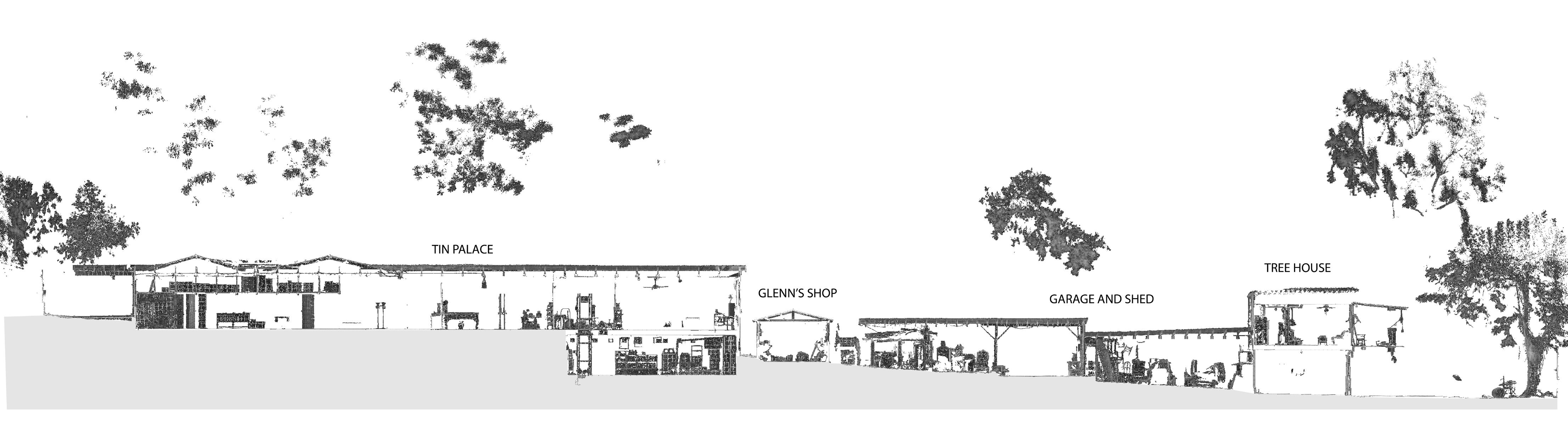
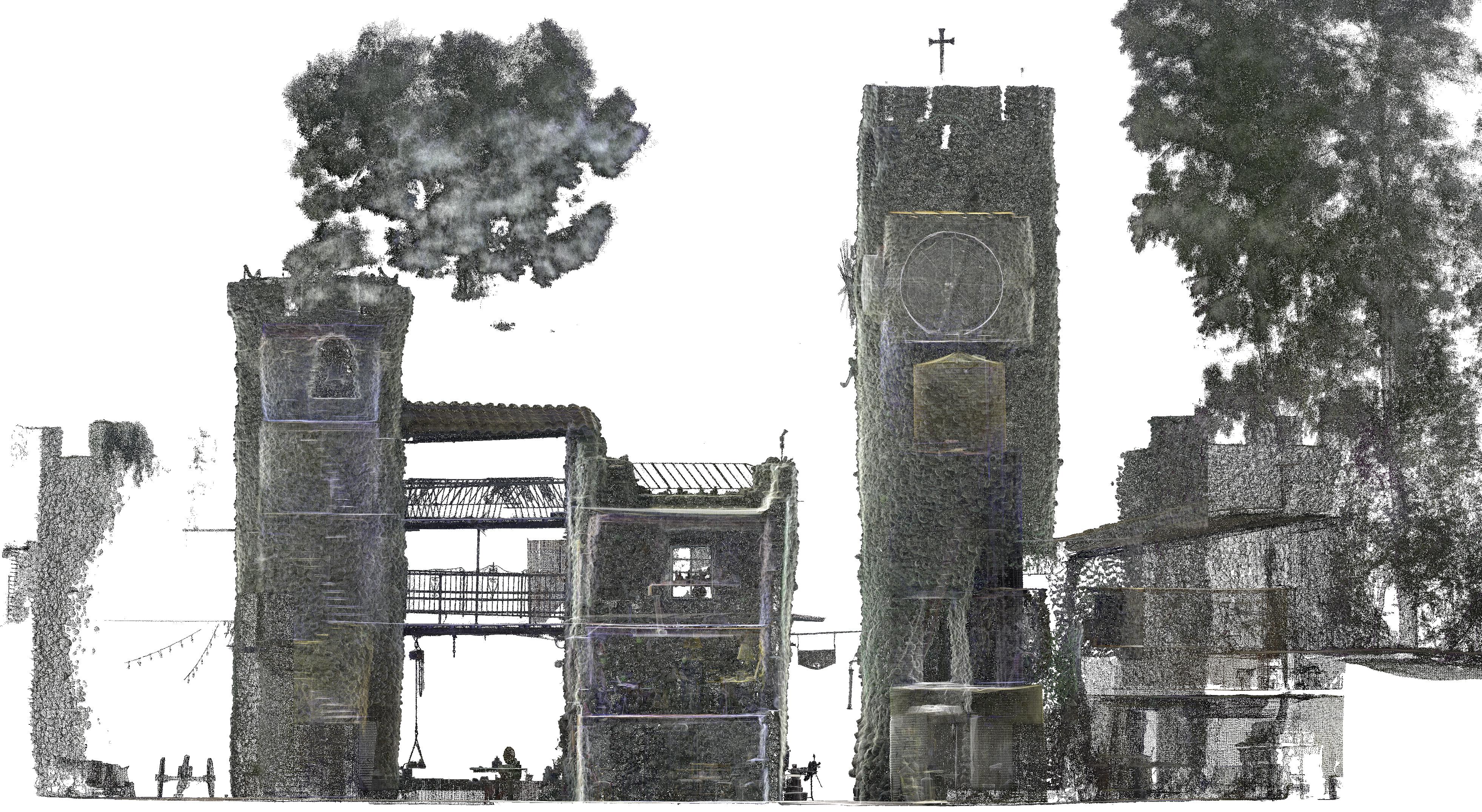
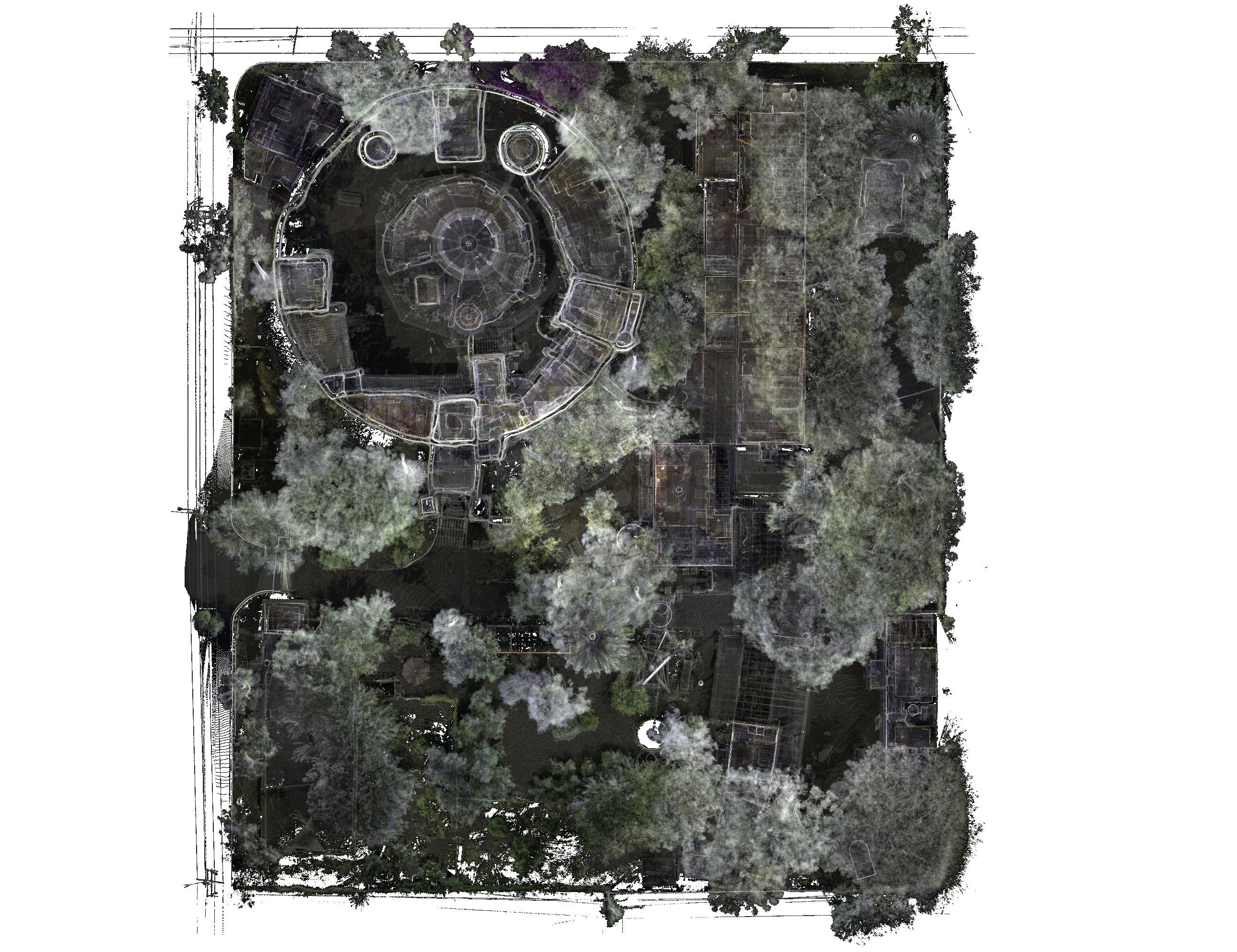
Figure 16. North-South Section. Source Laserscar point cloud. Credits Aqyer
• Interior
o Wood flooring
o Wooden built-ins
o Fireplace
o Historic era plumbing fixtures and furnaces
9 Box Factory
• Exterior:
o Vernacular design
o Rectangular, two-story wood-framed building
o Corrugated metal exterior walls
o Concrete foundation
o Low-pitched, side-gabled roof with exposed rafters and corrugated metal sheathing
o Exterior walls clad in corrugated metal
o Barn door on second floor, former hoist door
o Fenestration of wood-framed windows in a variety of sizes and configurations
o One-story tool shed located at the southern portion of the Box Factory
o Stencil signage
• Interior
o Wood flooring
o Wooden built-ins
o Historic-era plumbing fixtures and furnaces
23 Chip House
• Exterior
o One-story, wood frame construction
o Wood siding
o Side-gable roof
o Porch that spans the façade and consists of telephone poles used as post supports and a timber beam
• Interior
o Glazed tile flooring
o Wooden built-ins and slat walls
o Fireplace
o Historic-era plumbing fixtures and furnaces
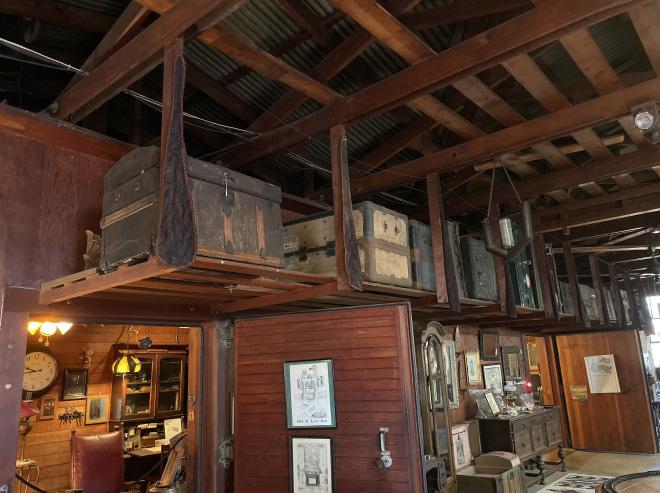
Figure 17. Interior of Tin Palace
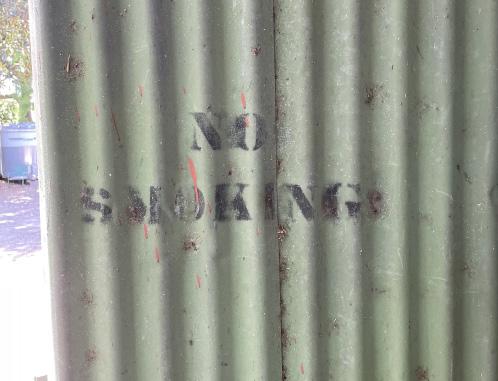
Figure 18. "NO SMOKING" stencil signs. typical around the district.
Contributing Folk-art EnvironmEnt
The Contributing Folk-Art environment resources have the following Character-Defining Features:
1 Castle Complex: Castle Walls, Buildings, Towers, and Entry Portcullis5
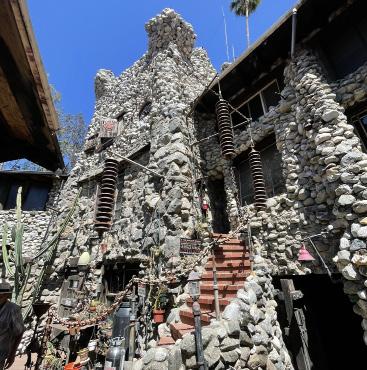
• Castle Complex Overall Character Defining Features
o Courtyard and walkway around the Castle faced with symmetrically arranged brick pavers accented by decorative glazed ceramic tile
o Stairs
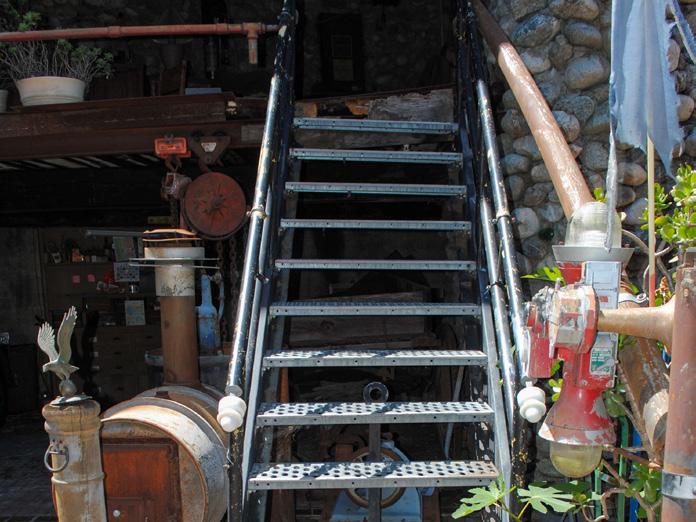
Open stairs made of steel, repurposed tombstones, concrete, and wood
Second- and third-story residences, workshops, and rooms accessed by external staircases
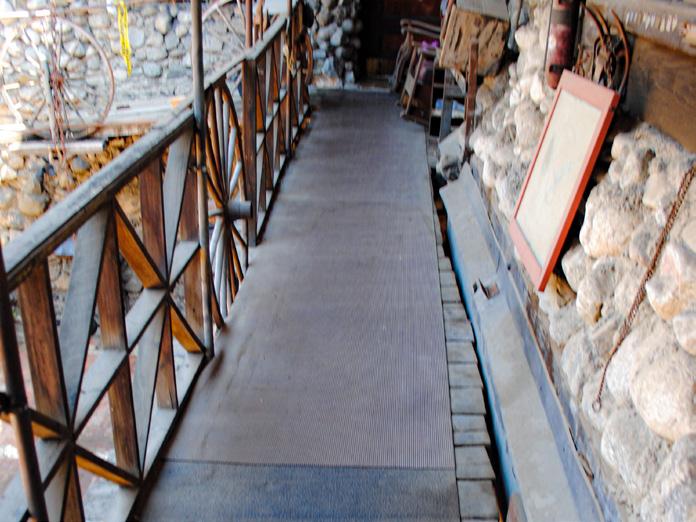
Railings made from a variety of recycled materials including wood grilles, wagon wheels, and rail tracks
Stair treads of irregular-shaped slabs of recycled granite with steel-pipe railings
5 The Castle Complex is subdivided in sections from 1A to 1M for purposes of surveying and documentation.
o Decorative ironwork made at the Castle’s blacksmith shop
o Telephone poles as roof beams and opening transoms.
o 124-foot diameter concrete reservoir walls, which are exposed in some interior and exterior locations
o Walls
Irregular courses of boulder-sized river rocks with granite slabs (donated by a locat tombstone maker) that reinforce portions of the base
Walls reinforced with steel bars and other materials such as steel piping, railroad tracks, bed springs, large steel cables
Battlements that top Castle Walls
Recycled and found objects such as bottles, household items, appliances, and portions of bicycles and motorcycles embedded in mortar
Walls with wood lintels. handmade and recycled wood and steel casement windows, double-hung sash windows, and large iron grilles
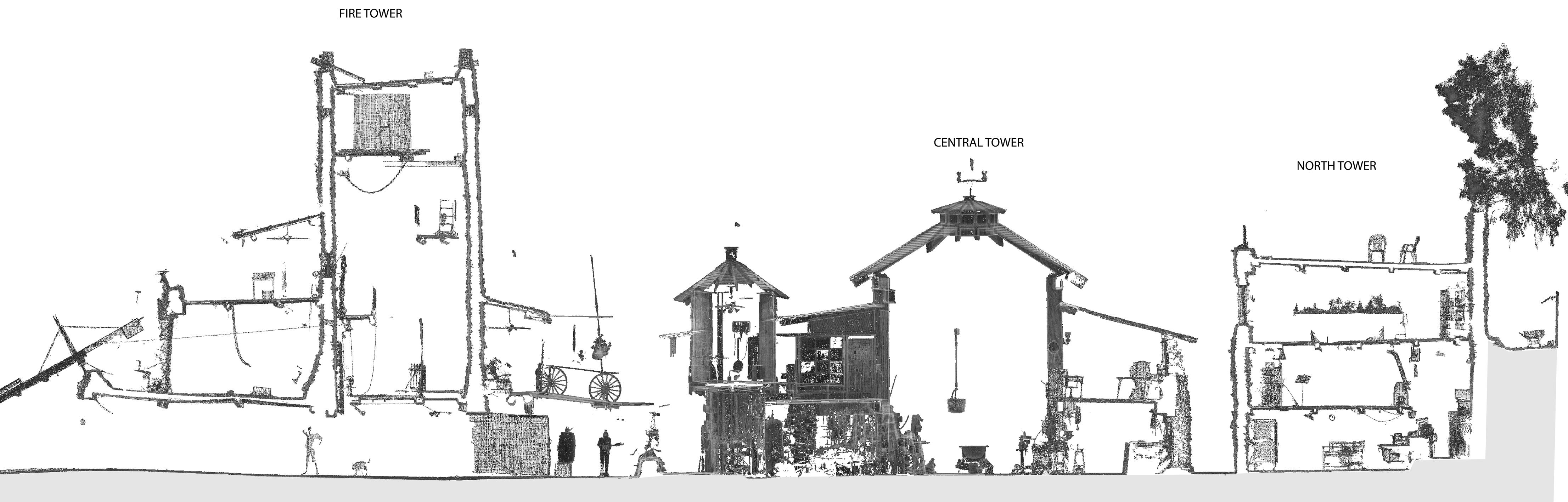
Figure 19. Castle Complex North-South Section. Source Laserscan point coud. Credits Aqyer
1A North Tower
o Three-story height with a roof terrace
o Upper floors accessible via circular staircases via the Bell Tower
o Loom room at the ground floor, office at second floor with a mezzanine, train room at third floor and an open roof terrace with tile floor finish at the roof
1B Clock Tower
o Approximately 74-feet tall
o Structure of 10,000-gallon water tanks, stacked vertically, bolted together, and welded
o Tanks clad in river rocks and granite set in cement
o 1890 Seth Thomas hand-wound clock installed in Clock Tower on the ground floor
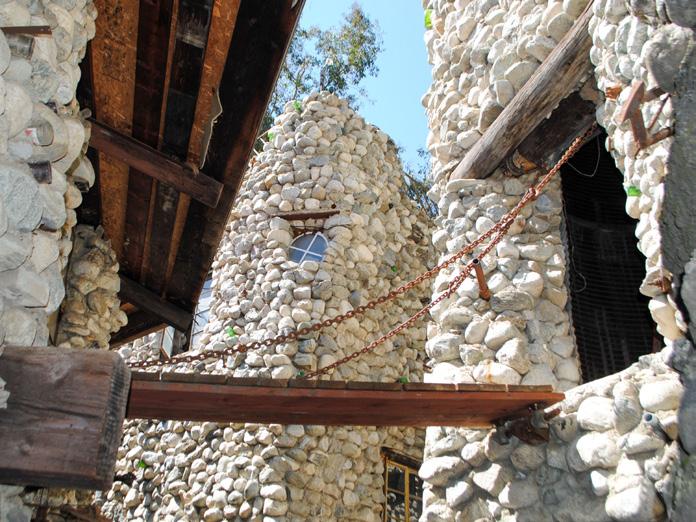
o Drawbridge connecting Clock Tower to Machine Shop and the studio in the East Tower
1C East Tower
o Two-story height
o Upper floor access via drawbridge on Clock Tower
o Quintessential windows with telephone poles
o Protruding piping
1D Pigeon Tower
o Four stories with open roof terrace
Print Shop at ground floor (Pot Shoppe)
Residences at floors 2-3
Pigeon coop at roof terrace
o Upper floors accessible via a brick and stone curved staircase
o Interior with wooden built-ins, ceramic glassed decorative tile, and wood and rope flooring
1E King’s Quarters East
o Stone walls
o Troll House residence at the base
o Urbanite windows and doors
o Metal signs
o Exposed wood beams
1F Fire Water Tower
o Entry Portcullis
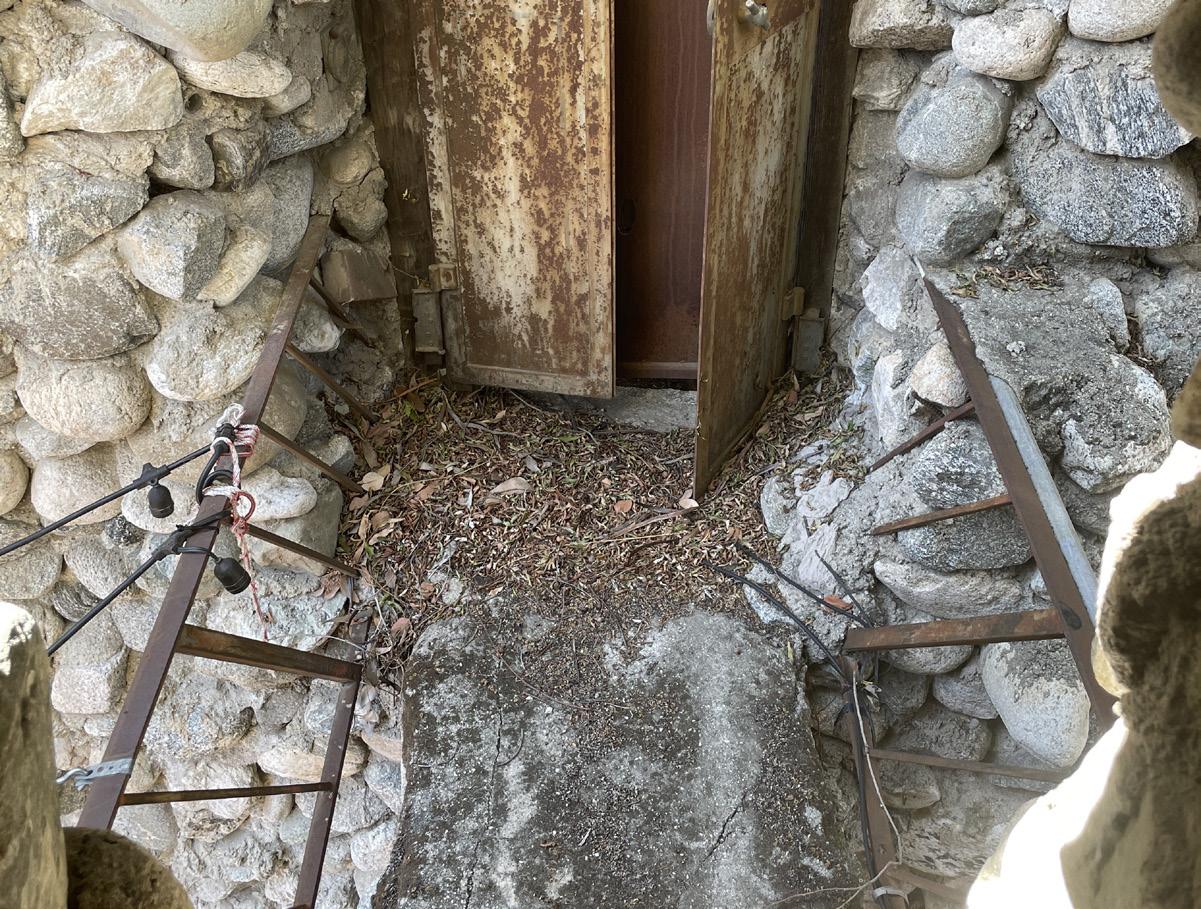
Main entry tunnel on the south side of the Castle leading north into the Castle Complex courtyard
• Walls finished with multi-colored glass bottles set in cement
• Wood-plank ceiling with wood rafter supports
Portcullis (medieval-style gate) of recycled metal made by the castle blacksmith
• Members arranged vertically and bound with wrought-iron hardware
o Stepped Water Fire Tower
Three-story, river rock towers on the east and west sides of the tunnel and gate
Includes passageway/tunnel at the ground floor and the King’s Quarters above
Includes tank and pressurizing pump
Large terrace overlooking the grounds and surrounding neighborhood
Balcony or “hyphen” that extends between the two towers with massive timber posts that support a shed roof
Figure 20. Clocks on Clock Tower
1G King’s Quarters West
o Unfinished stone walls and some areas of applied horizontal wood siding in an irregular manner
o Wood & tile bar counter at the east end of the room
o Exposed beams at ceiling
o Painted wood door at entry landing with central glazing finished with wrought iron grill and tile
o Custom elevator
1H West Tower
o 3 level open decks
o Metal staircase and railing
o Hung artifacts
o Sloped roofing with red tile
1J Bee Tower
o Four stories with an open roof terrace
o Garage space at ground floor and storage space at the three upper levels
o Upper floors accessible via an L-shaped staircase made of repurposed tombstones at the north side
1K Bell Tower
o Three- and one-half stories height
o Spiral staircase leading up to an open walkway that connects to the castle’s North Tower terrace and train room
o Catwalk connecting to north side of Castle wall
o River rock and reinforced granite walls
o Arched opening at the top of the tower that contains one of the clock bells that came with the Seth Thomas clock
1L Central Tower
o Location as the centerpiece of the Castle Complex
o Circular plan with a double-height open center
o Two-story, timber framing
o Irregular design composition with different appearances from all angles
o Walls with irregular courses of granite and boulder-sized river rocks set in cement
o Recycled bottles, curios, and other found objects embedded in the walls
o Series of large iron grilles and gates, reclaimed jail bars, placed irregularly along the ground story, which provide light and access to the interior
o Roof of radial wood joists supporting a grid of wood-plank sheathing covered in plywood
o Two cupolas at the roof, once centered and a smaller one off-center
Larger cupola with clerestory windows
The smaller cupola roofs the restroom in the upper level
o Varying eave treatments, including wide open eaves at the southwestern side extending to shelter the one-story Bottle House and shallower, open eaves ringing the circumference of the building
o Varying fenestration patterns including homemade and recycled fixed and casement windows in wood and metal
o Windows and doors with lintels made of timber and slabs of granite
o Open floor plan with shop occupying the first story and loft area and workspaces on second story
o Second story balcony and walkway at south side near entry tunnel that connects the loft of the Central Tower with the castle buildings
o Drawbridge at the northern portion of the building that connects with the Clock Tower.
o Custom bathroom on second level
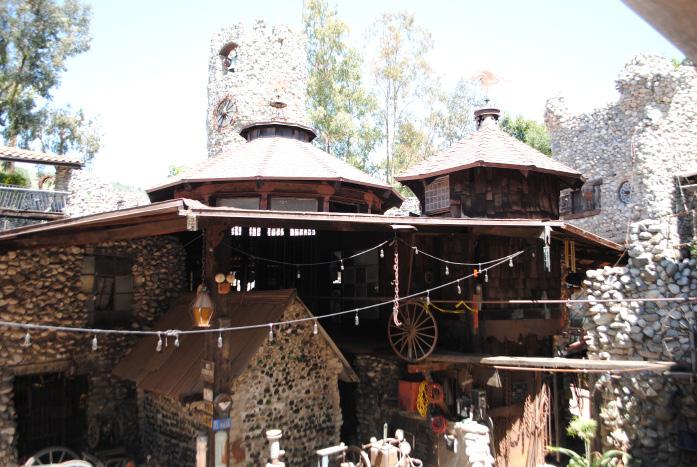
Figure 21. Figure - Courtyard at Castle Complex.
1M Bottle House
o One-story residential dwelling
o Constructed out of multi-colored bottles set in cement
o Rectangular plan
o Front gabled roof
o Corrugated metal sheathing
o Transparent multi-colored bottles that allow light into interior
o Low height mezzanine level accessible by ladder at interior
3 Pump House (Bird Bath Engine)
o One-story structure
o Rectangular in plan
o Front-gable roof sheathed in corrugated metal
o Recycled wood doors, with wood frames and a lintel, that provide access to the ground story
o Gable apex pierced with a round opening filled with a recycled wagon wheel, providing ventilation to the interior
o Pump Engine
o Palm Trees for building construction
o Structural river-rock exterior walls in irregular courses, set in cement
19 Billing’s Barn
o Two-story construction
o A rectangular plan capped with a front-gable roof sheathed in clay tiles
o Three purlins, made from recycled telephone poles, that mark the gable apex and sides
o Open eaves, revealing the structure of wood planks and recycled wood rafters beneath
o Roof eaves on the south side that extend to enclose a storage area
o Handmade, double wood doors that provide access to the ground story
o Wood casement windows with wood frames at the second story
o Exterior walls built of structural river-rock arranged in irregular courses, set in cement
o Hoist and platforms
21 Bennett’s Bunker
o One-room structure
o Rectangular in plan
o Capped with a side-gabled roof sheathed in concrete tiles
o Roof gables and rafters bear on massive wood logs and beams
o Building displays load-bearing river-rock walls set in cement, with timber lintels over a handmade wood door made of recycled materials
o A series of small, rectangular window openings framed by flat, asymmetrical chunks of granite
o Pulley, hoist, and hardware
non-Contributing Folk-art EnvironmEnt The Non-Contributing Folk-Art Environment
Figure 22. Tank Room getting set. Courtesy of Scott Rubel
SIGNIFICANCE
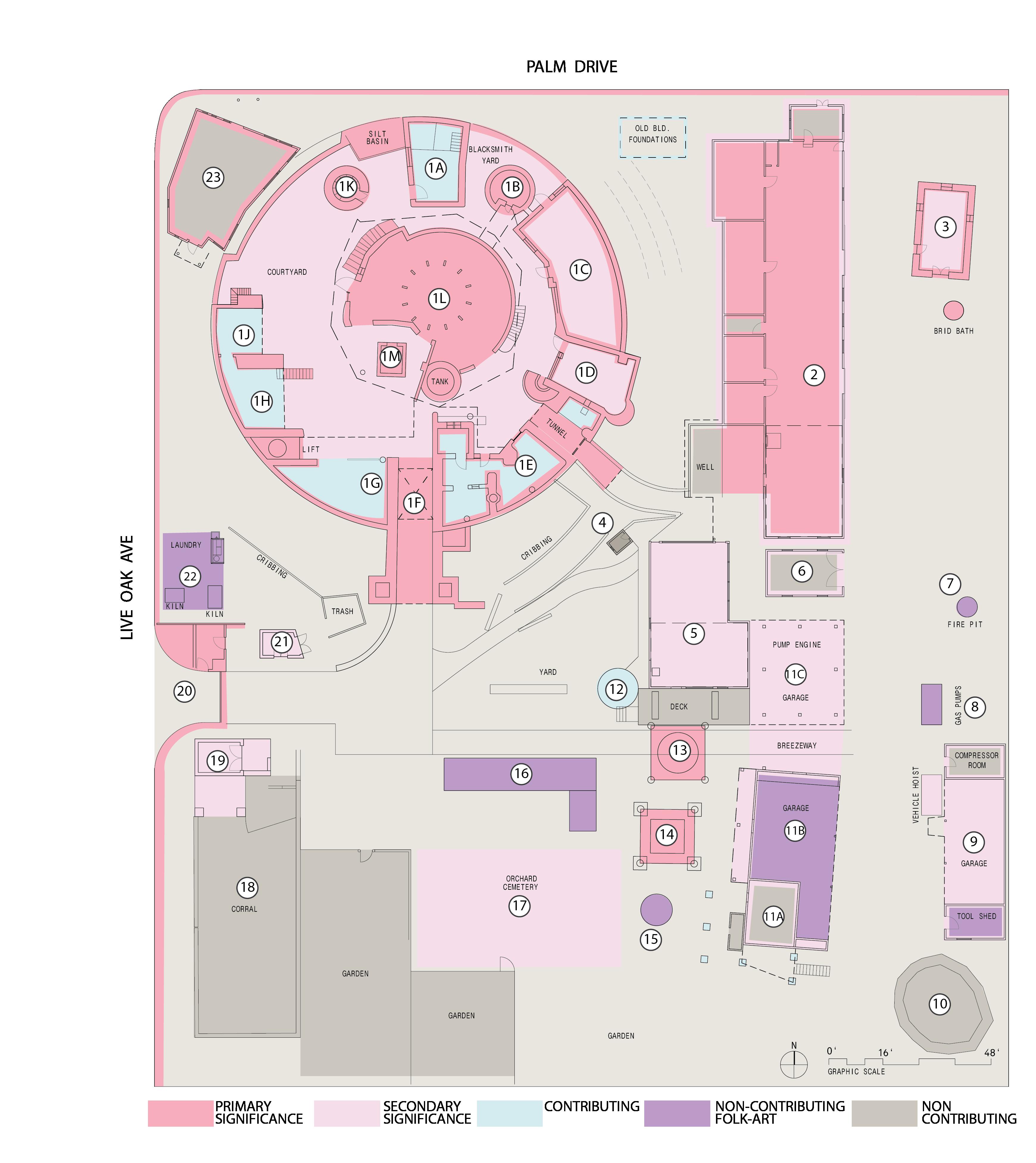
To determine Preservation Plan work priorities, this Preservation Plan identifies five levels of significance within the RCHD: Primary Significant, Secondary Significant, Contributing, Non-contributing Folk-Art, and Non-Contributing. Each level is applied to features and spaces to clarify their significance and prioritize their preservation.
Primary Significant
Primary Significant features convey the seven aspects of integrity defined by the National Register. Due to their importance, they should be the focus of preservation efforts. Within the concept of integrity, the National Register criteria recognize seven aspects or qualities that, in various combinations, define integrity. These seven aspects include location, setting, design, materials, workmanship, feeling, and association. Primary Significant features include features identified as Character-Defining Features in Historic District’s Contributing resources that have remained in their original states, such as exterior walls, original windows and doors, and public spaces which, due to their location, association, and feeling within the district represent the overall legacy of Michael Rubel and Rubel Castle.
Secondary Significant
Secondary Significant features also convey the seven aspects of integrity. Secondary Significant features such as exterior walls, original windows and doors, and public spaces remain in their original states. However, due to such factors as change in fabric over time, location within the district, and current condition they are considered secondary. They represent the progressive evolution of Rubel Castle.
Contributing
Contributing features are resources that convey some, but not all aspects of integrity. Contributing features include spaces that are partially accessible to the public, have suffered significant modifications throughout the years, and/or currently act as utilitarian spaces and are in plain sight.
Non-contributing Folk-Art
Non-contributing Folk-Art features include sites, objects, follies, and resources within the district’s boundaries that are not contributing to the RCHD per the National Park Service registration form. Although not significant at the National Register level, these features have the potential to become eligible in the future because of their association with the Twentieth Century Folk Art Environments in California theme. They contribute to the district’s fabric and feeling.
Non-contributing
Non-contributing features are elements within the Historic District’s boundary that do not pose any significant value.
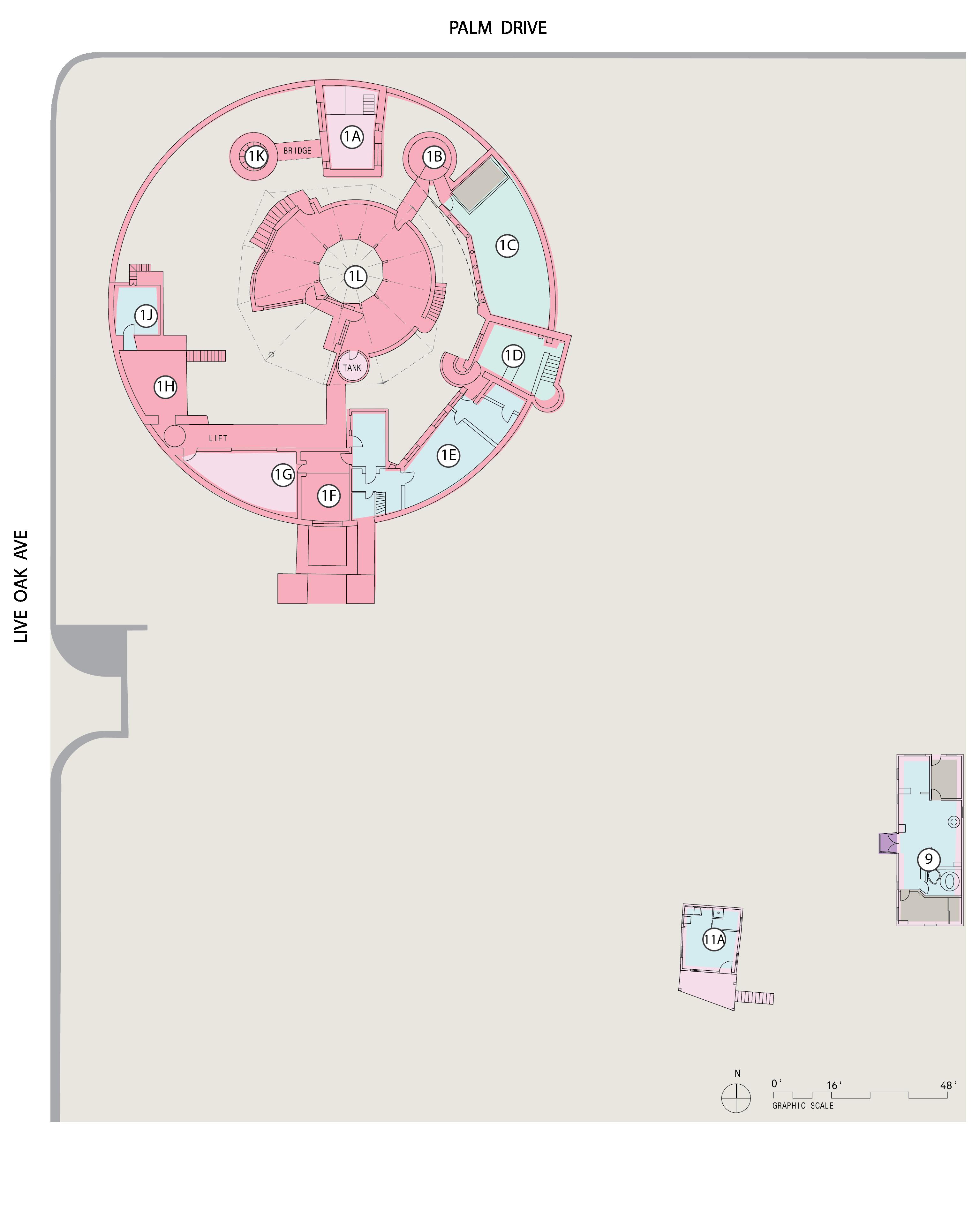
signiFiCanCE diagrams
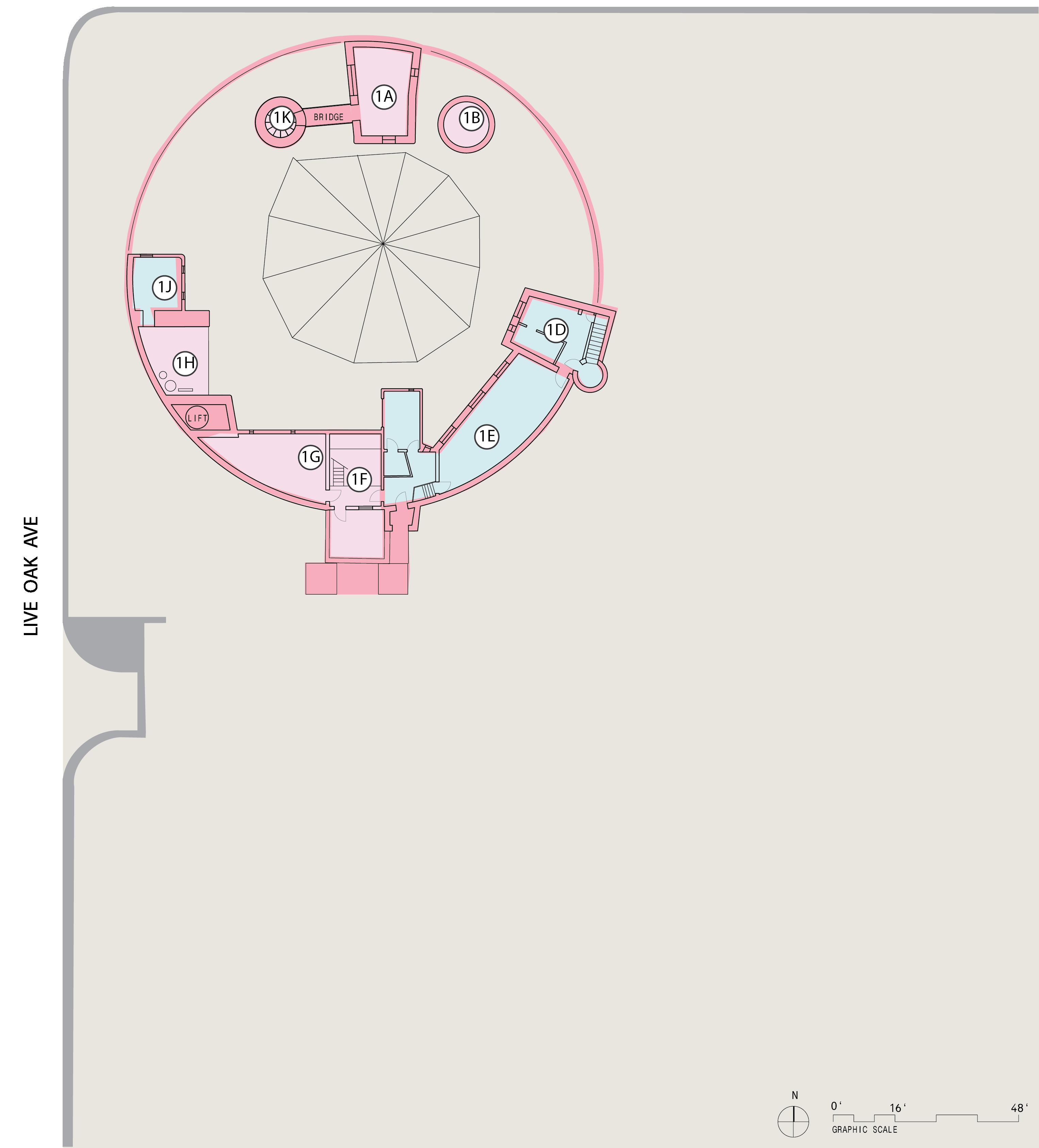
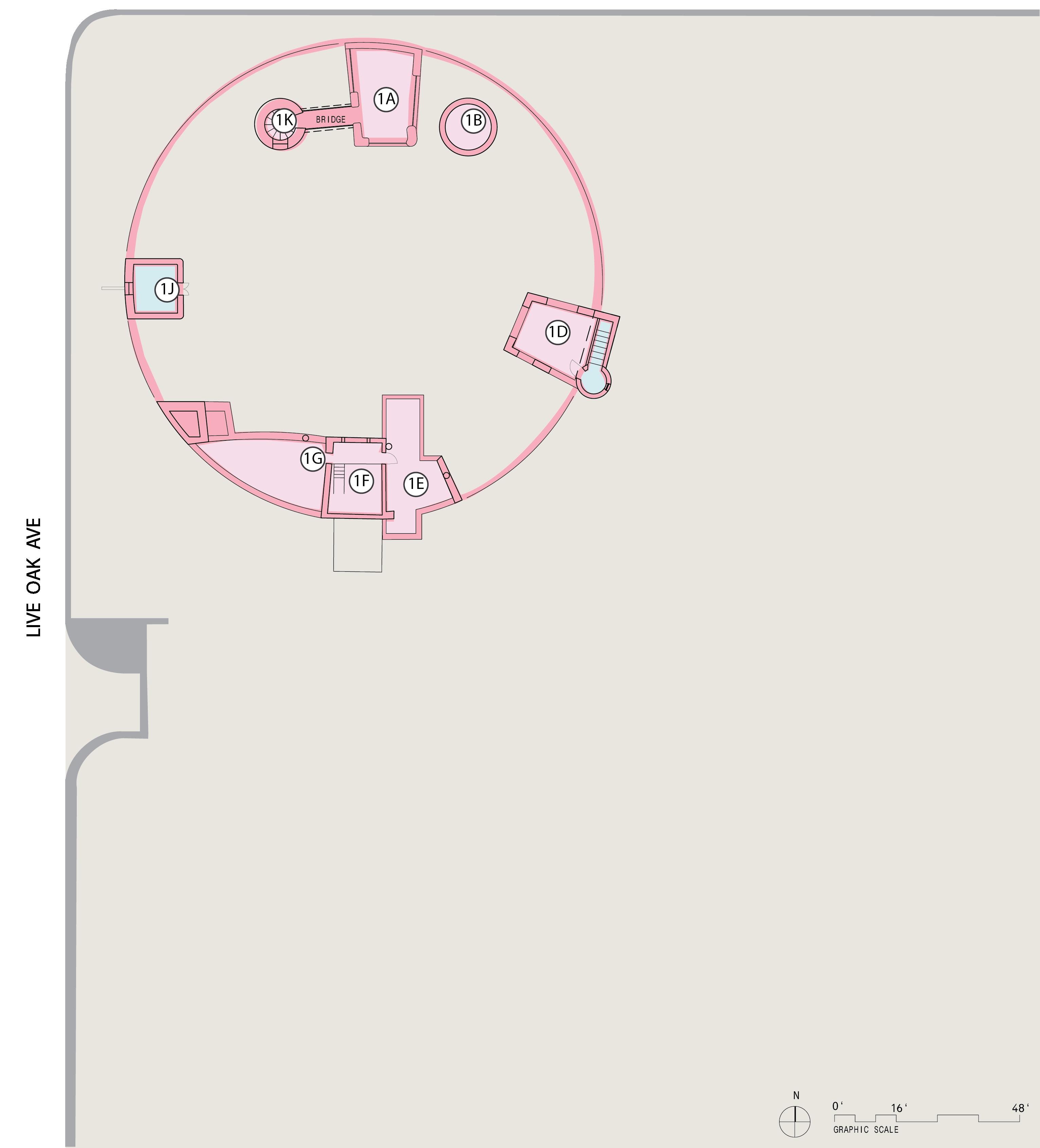
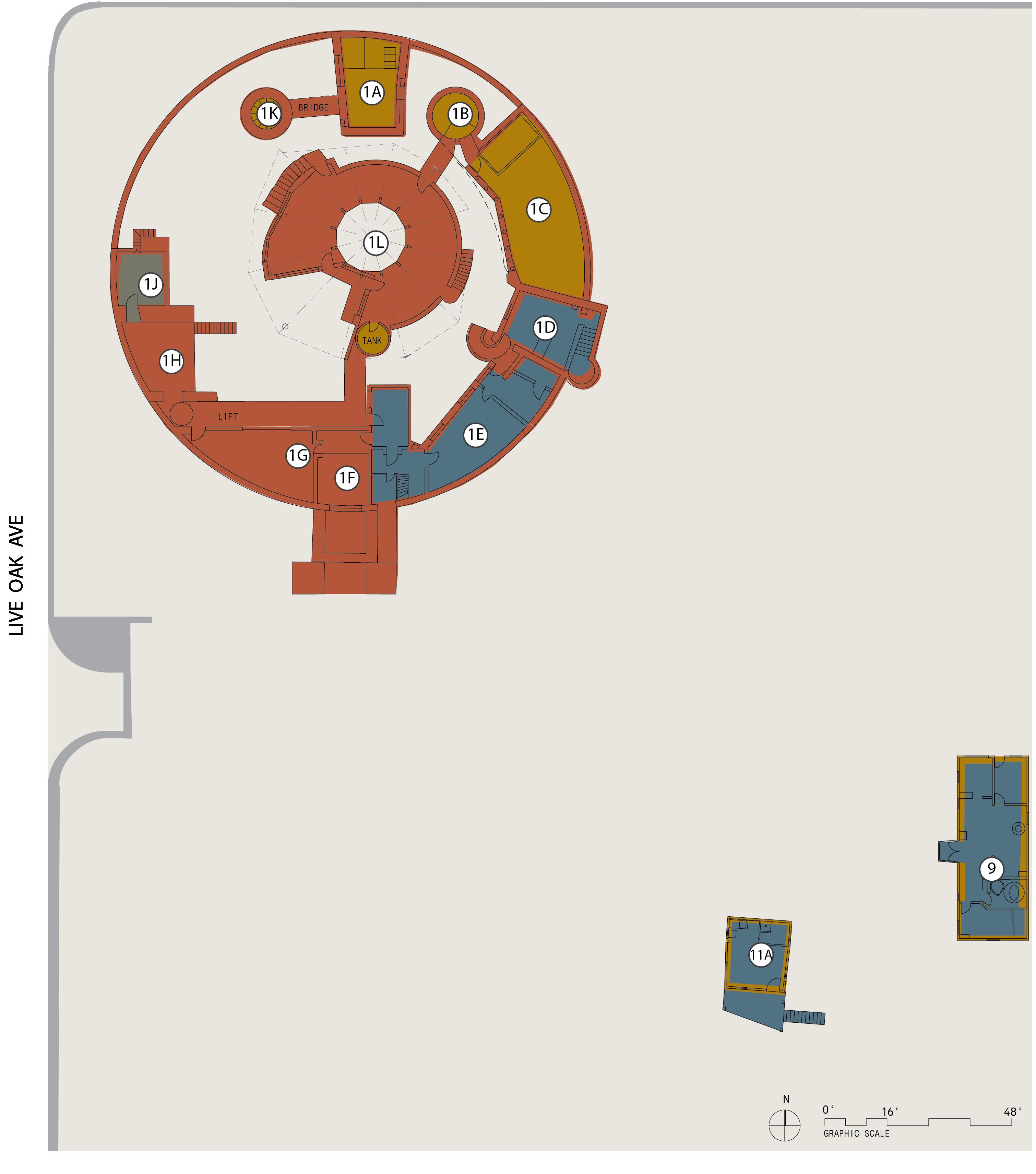
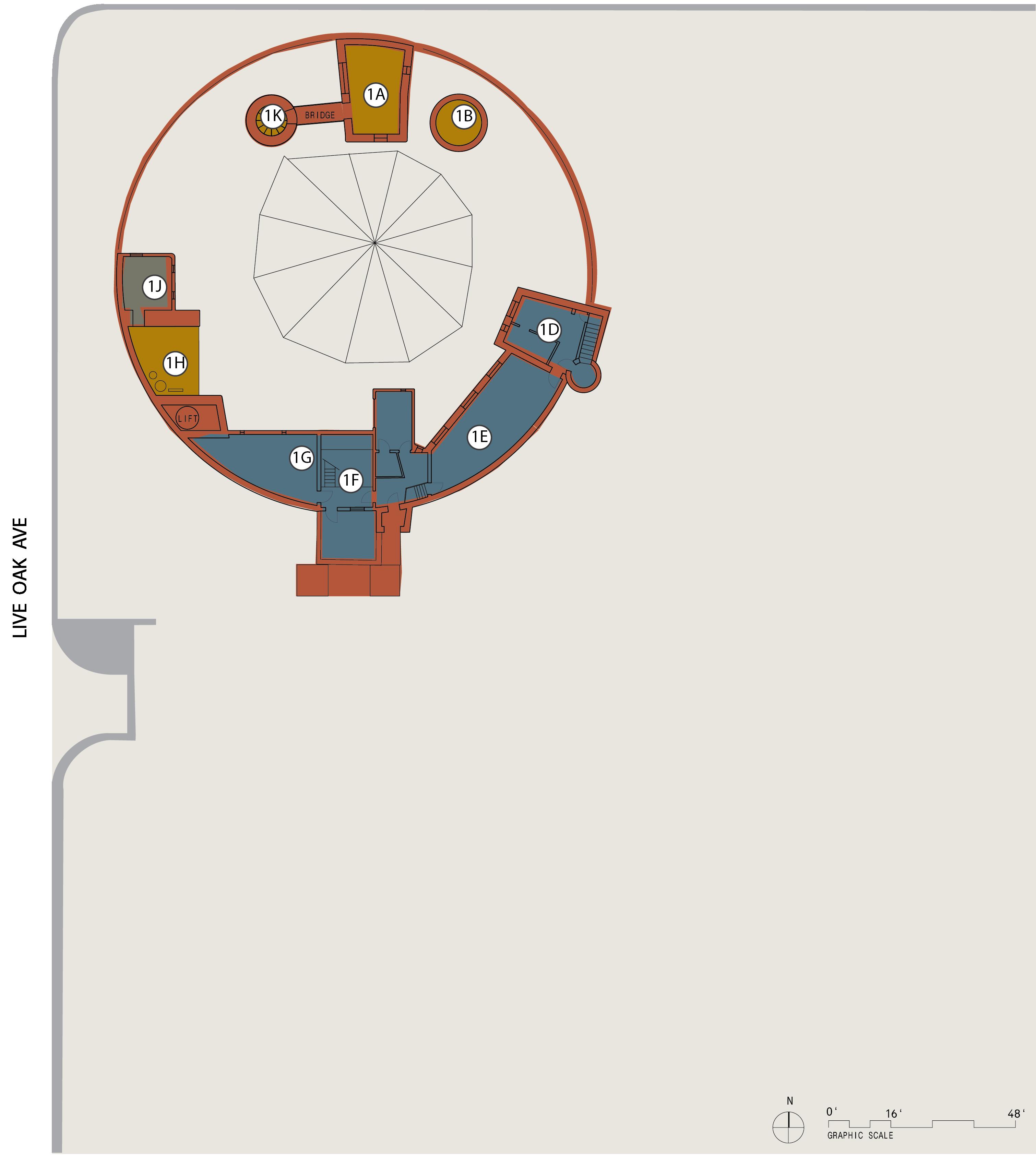
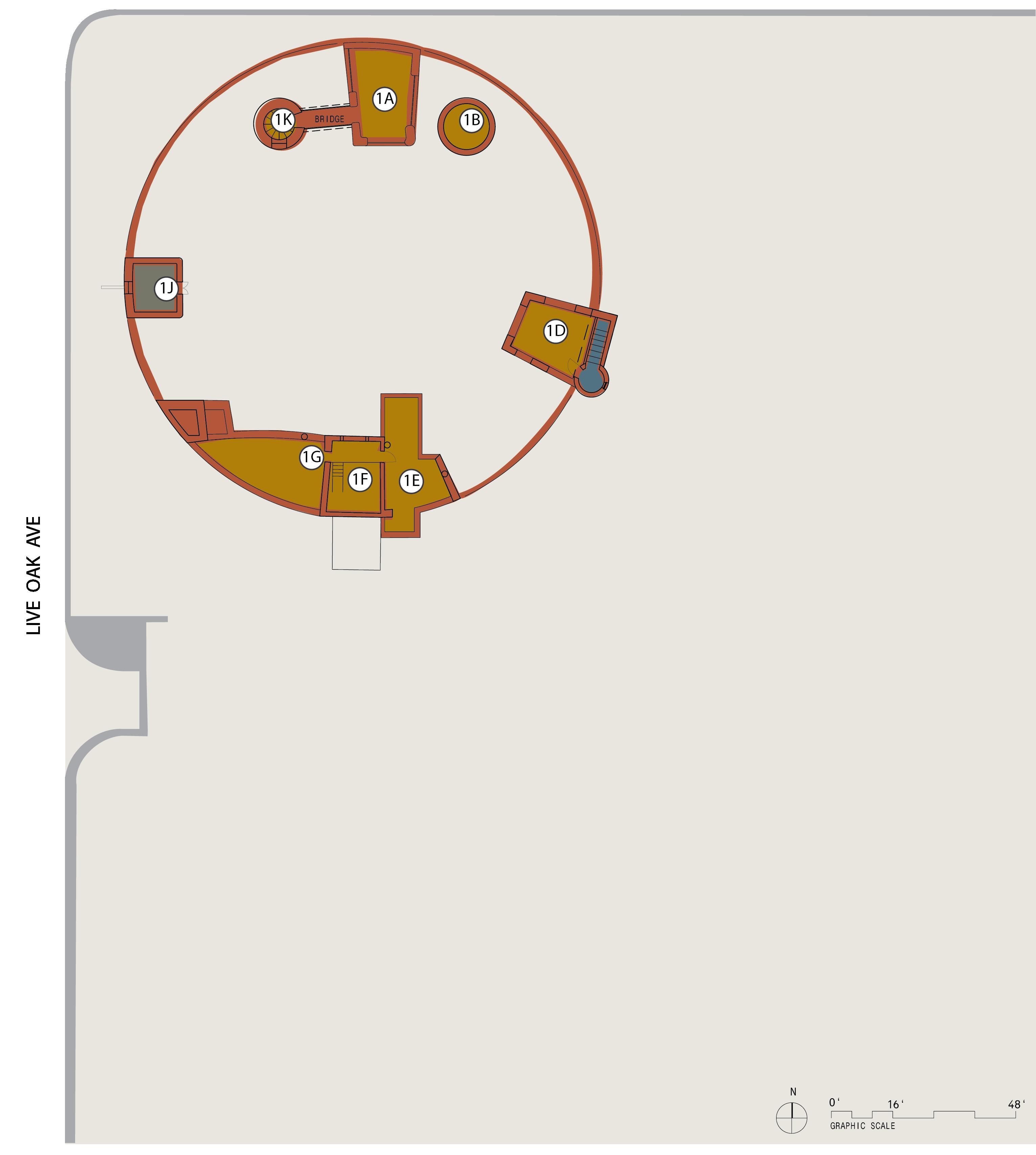
The following diagrams illustrate and identify the significance of features within the RCHD.
Figure 23. View of the original Rubel Duck Pond. Courtesy of Scott Rubel
1A
1E
1F
1G
1J
Figure 24. Significance Diagram
Figure 25. Significance Diagram
CONDITIONS ASSESSMENT AND PRESERVATION PLAN
BUILDINGS AND STRUCTURES
1A - North Tower
1B Clock Tower
1C - East Tower
1D - Pigeon Tower
1E King's Quarters East
1F - Fire Water Tower and perimeter walls
1G - King's Quarters West
1H - West Tower
1J Bee Tower
1K Bell Tower
1L - Center Tower
1M - Bottle House
2 - Tin Palace
3 - Bird Bath Engine
4 - Restroom
5 - Big Kitchen
6 - Glenn's Shop
7 - Fire Pit
8 - Gas Pumps
9 - Box Factory
10 - Duck Pond
11A - Tree House
11B - Garage
11C - Breezeway
12 - Shower Room
13 - Water Tower
14 - Windmill
15 - Pool
16 -
17 -
18 -
19 -
20 -
21 -
22 -
23 -
Figure 26. Significance Diagram Third Level
Figure 27. Significance Diagram Fourth Level
This Page Intentionally Blank
CONDITIONS ASSESSMENT AND PRESERVATION PLAN
PART III. EXISTING CONDITIONS
CONDITIONS ASSESSMENT AND THE FOLK ART ENVIRONMENT
Evaluating the conditions of a folk-art environment is similar, but not identical to a building conditions assessment. The characteristics of a folk-art environment are reviwed here as a prelude to the summary of existing conditions. Folk-art environment characteristics present at Rubelia are:
• The monumental size of the work, consisting of buildings, structures, sculptural forms, and decorative surfaces – including the living space of the artist (Michael), as well as living spaces for many of his collaborators/craftspeople.
• Visitors find themselves surrounded on all sides (above and below) by the vision of the artist.
• The artist used the natural and built landscape, as well as discarded materials to create the folk-art environment.
• Recycling and innovative use of natural and man-made materials are endemic to the work. These works combine beauty with utility and transform common objects into art – bringing pleasure to those who view them.
• The artist(s) spent the bulk of their time (spare time) on their creation. Ingenuity and creative drive, rather than money and new materials, were important elements of the work.
• The visionaries are not highly skilled artisans, builders, or craftspeople – they do not earn their living making art or building buildings. They possess a vigorous unschooled spirit and create powerful individual statements amid routine commercial culture. Nonetheless, the visionaries grow to become “schooled” citizens.6
• The design of the folk-art environment was the result of a highly intuitive process of creation rather than products of a particular plan or set of rules.7
SUMMARY OF EXISTING CONDITIONS
Existing Conditions mEthodology
The following assessment identifies many of the current conditions of the Rubel Castle Historic District (RCHD), site, and resources. Such conditions were observed during on-site investigations in Spring 2022. The team assessed conditions of the Citrus Era, the Folk-Art Environment, and resources identified as Non-Contributing Folk-Art. The purpose of the investigation was to document and assess the condition of the existing site and structures, identify areas of immediate concern, and make general recommendations for the overall treatment. This conditions assessment will serve as a tool for planning future maintenance and preservation.
Architectural investigations were conducted on site on May 12th and 13th of 2022. Conditions were assessed with basic, visual tools such as tape measures, cameras, and non-invasive metal probes. Documentation took the form of written notes and digital photography synchronously uploaded to a cloud-based software (LAYER APP). Information was then rectified and processed in the office.
The Existing Conditions section of this Conditions Assessment and Preservation Plan is divided into two sections: 1) Historic District Site and Landscape and 2) Buildings and Structures. Historic District Site and Landscape includes an assessment of softscape and hardscape elements as well as site drainage issues. Buildings and Structures includes a brief assessment overview of resources.
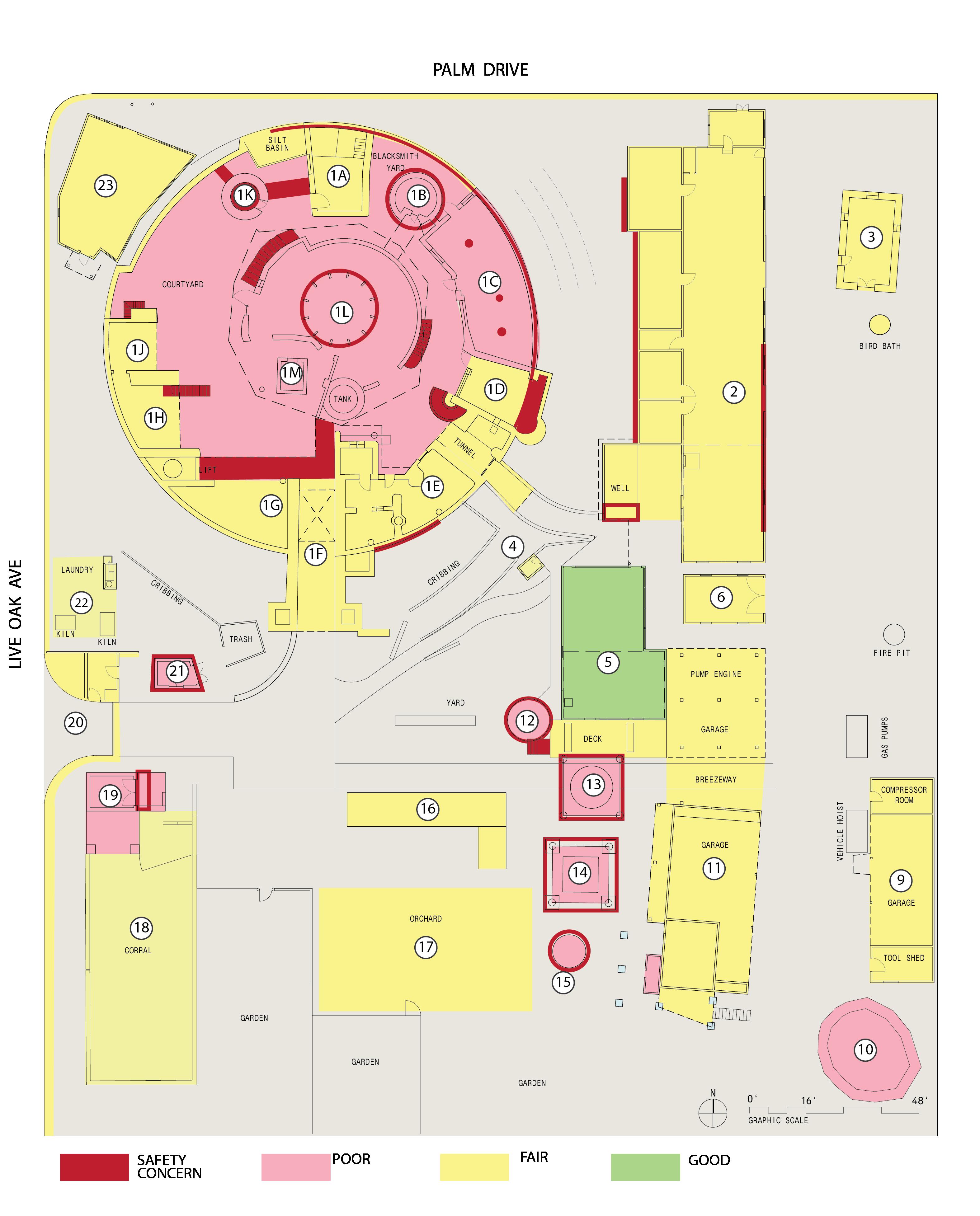
Page & Turnbull assessed resources regardless of significance to identify possible safety hazards. P&T utilized a rating system according to the Conservation Assessment Program (CAP) Handbook for Assessors Historic Structure Guidelines.8 Each site and building element condition is described and given an assessment rating of “Good,” “Fair,” or “Poor.” To set a benchmark for preservation work, the Glendora Historical Society (GHS) agreed that a “Fair” rating is acceptable. Preservation efforts should thrive to bring resources rated as “Poor” to a minimum of “Fair” through upgrades.
6 Glen Speer became a renowned architect and built Mongoose Junction. Curt Billings became a city engineer for Rancho Cucamonga and many others went on to become handymen and contractors.
7 “Twentieth Century Folk Art Environments in California,” National Register of Historic Places Thematic Nomination, 1978 and Addendum, 1979.
8 Heritage Preservation (the National Institute for Conservation). 2009. Conservation Assessment Program (CAP) - Handbook for Assessors.
Condition dEFinitions
Page & Turnbull uses the following National Park Service definitions to evaluate conditions at the RCHD:9
GOOD (G)
The structure and significant features are intact, structurally sound, and performing their intended purpose. The structure and significant features need no repair or rehabilitation, but only routine or preventative maintenance and monitoring.
FAIR (F)
The element is in fair condition if either of the following conditions is present:
• There are early signs of wear, failure, or deterioration through the structure and its features are generally structurally sound and performing their intended purpose; or
• There is failure of a significant feature of the element.
POOR (P)
The element is in poor condition if any of the following conditions is present:
• The significant features are no longer performing their intended purpose; or
• Significant features are missing; or
• Deterioration or damage affects more than 25% of the feature; or
• The structure or significant features show signs of imminent failure or breakdown.
A rating for each building is provided here. Because not all building elements or features were assessed, ratings are observed averages. P&T recommends that the maintenance staff assess each building in greater detail to develop a resource-specific monitoring and maintenance plan.
The work for accessibility compliance, structural, mechanical, plumbing, electrical, building envelope, and life safety egress is estimated in the following categories:
Heavy
Most of the construction and infrastructure need retrofitting.
Medium
Some of the construction and infrastructure need retrofitting or upgrades.
Light
Minimal work or solely maintenance and monitoring is required.
Conditions summary diagram
The following diagram illustrates and identifies the estimated average of resources throughout the RCHD. Specific features and locations are indicated in red to identify them as safety concerns because their current state poses a threat to residents and visitors.
9 U.S. Department of Interior. 1997. Preserving Historic Structures in the National Park System: A Report to the President. National Park Service recommendations, National Center for Cultural Resources Stewardship and PArtnership Programs, NAtional Park Service, Washington: Park Historic Structures and Cultural Landscapes Program, 111. Accessed September 30, 2022. http://npshistory.com/publications/habs-haer-hals/ preserving-historic-structures.pdf.
saFEty ConCErns
Safety concerns should take priority in preservation work. The following are some items and reasons of concern observed during the survey:
Stairs and elevated walkways: The majority of the stairs and walkways in the Castle Complex represent a safety concern due to open threads, lack of handrails, open or lack of guardrails, and uneven steps. Particularly the helicoidal staircase at the Bell Tower presents signs of rotten and dry wood. The Drawbridge in the Clock Tower has no guardrails and the catwalk connecting the King’s Quarters to the Center Tower is currently closed and in disrepair. The staircase inside the Pigeon Tower has some loose steps. Because most of these are the only access to the different spaces of the Castle and residences, it is important to make sure these are stable in case of an emergency.
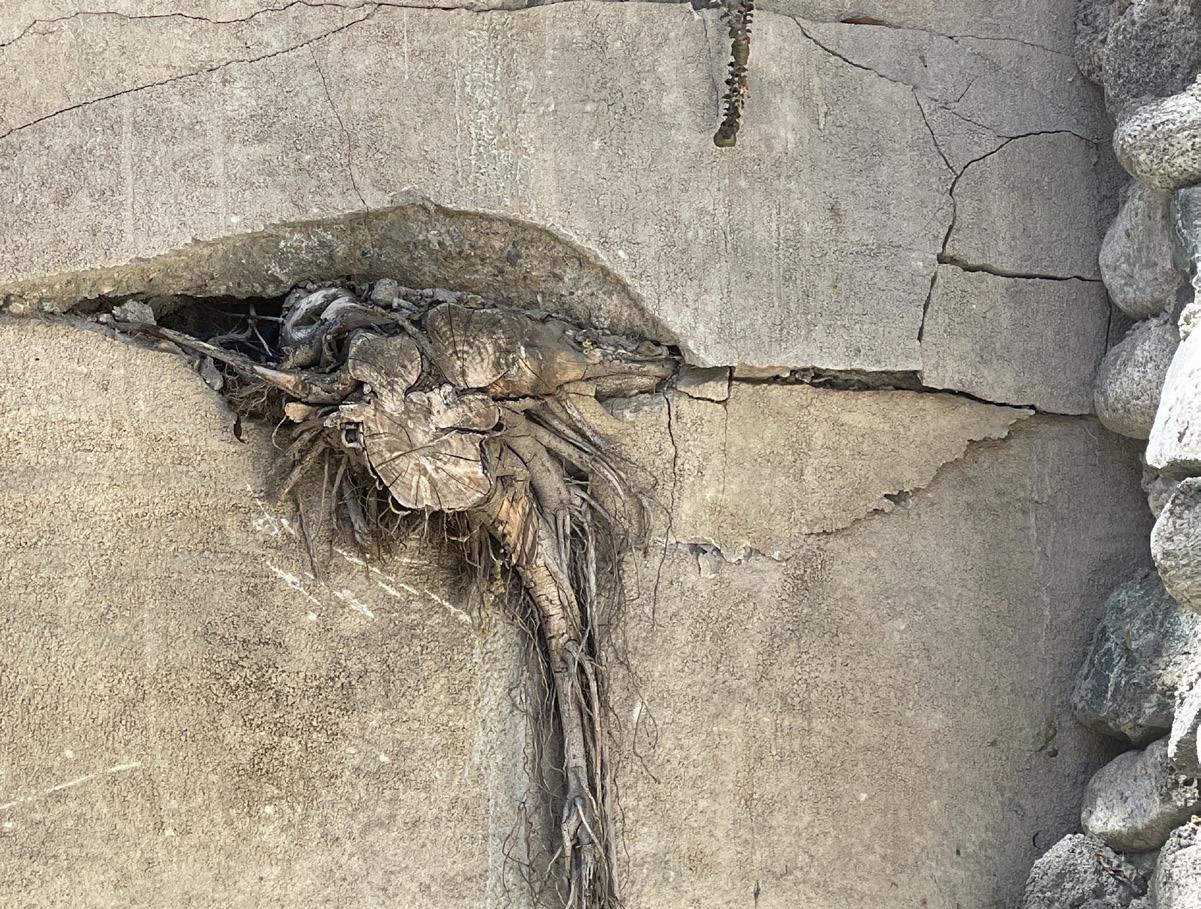
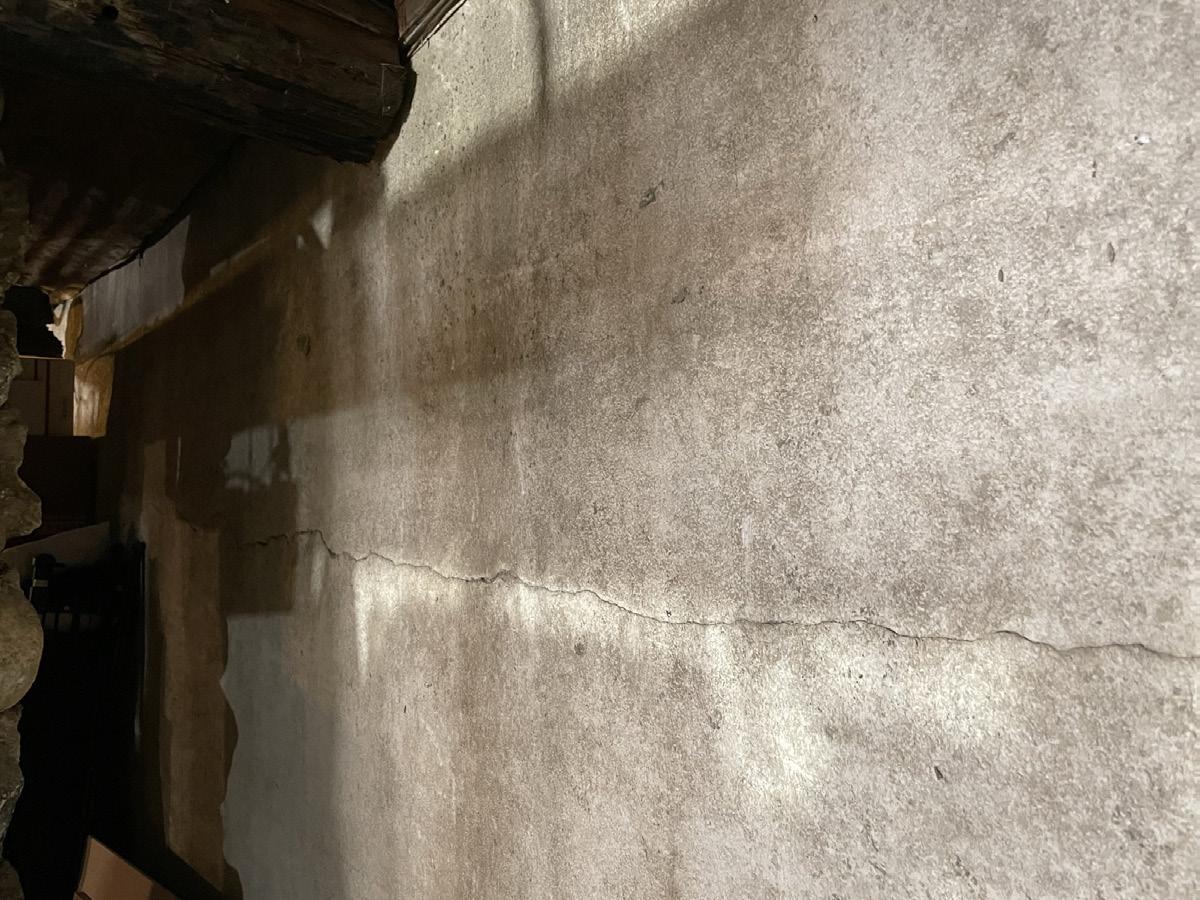
Foundations/retaining walls: The reservoir retaining wall presents cracks and signs of moisture infiltration. Potential undelaying conditions could cause failure and irreparable damage to the Castle. The retaining wall on the east side of the Tin Palace leans inwards because of the tree rooting pressure. The movement seems stable, but shoring should be considered. The west side of the Tin Palace is likely under stress and water damage. The Shower Room’s wooden foundation is heavily damaged.
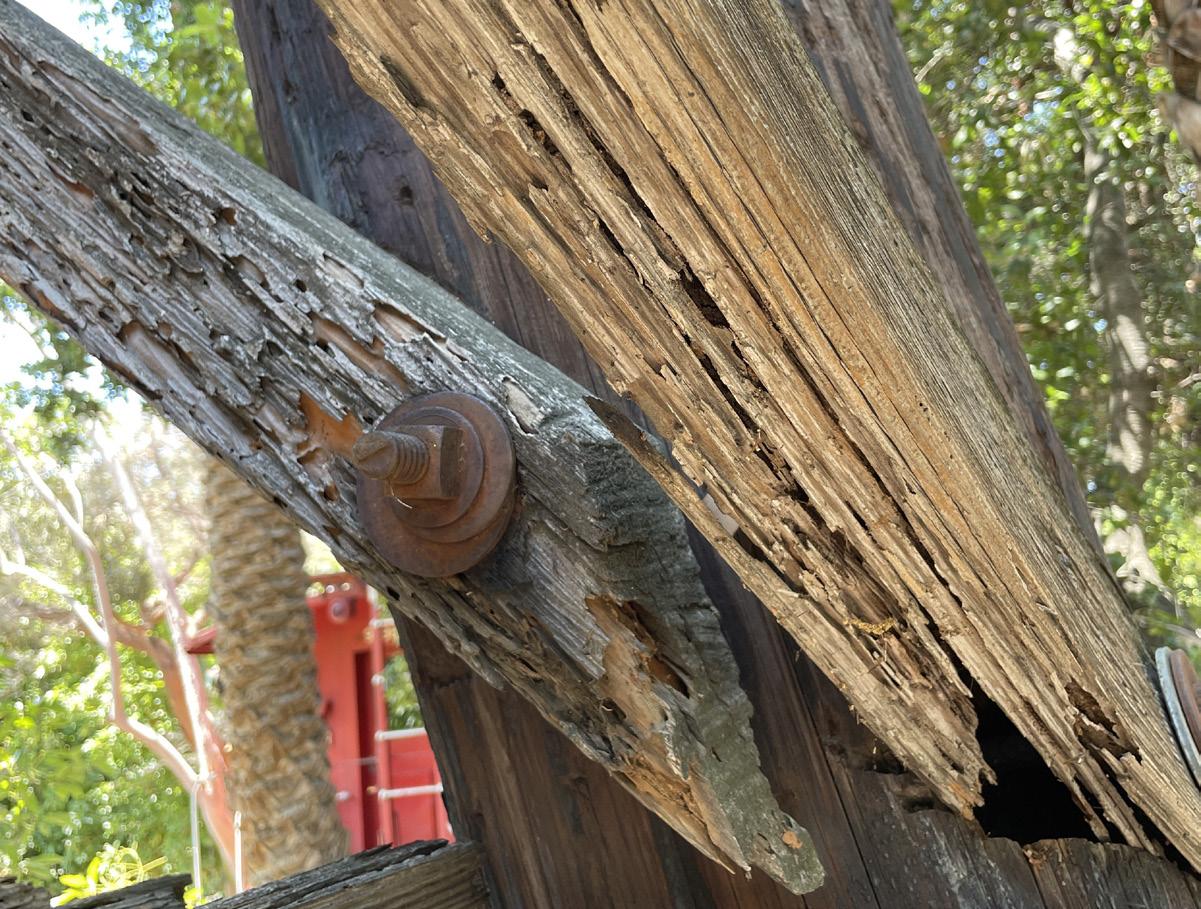
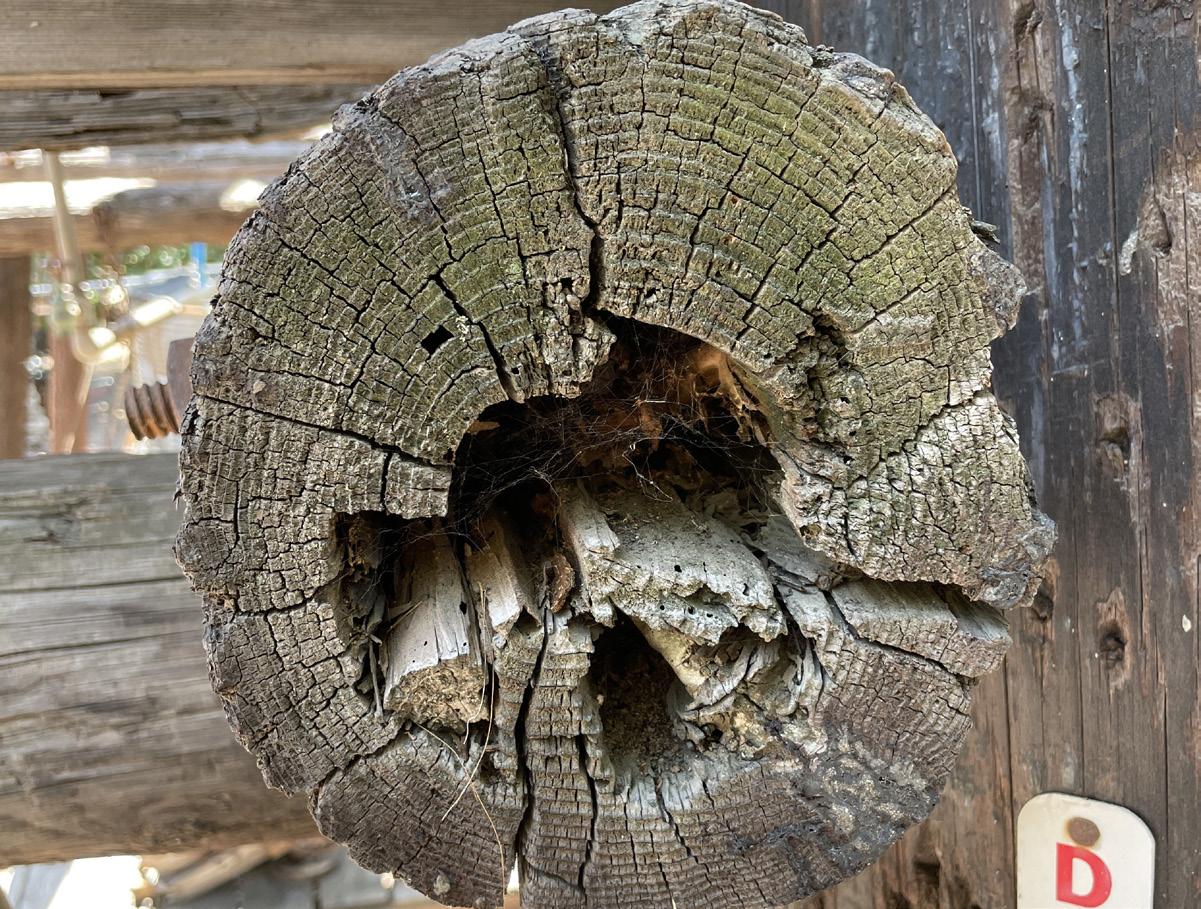
Structural elements: Most structural elements in the district are wood and significant rotten damage and termite infestation are evident. Failure of elements like wood beams, the balcony at the Billing’s Barn, the Windmill, and the Water Tower represents a safety concern for residents and visitors of the district.
Additional elements of concern: The loose concrete tiles, sticking rusted elements, and pointy wood rafters in Bennett’s Bunker can harm people passing by due to their low heigh; the water collected in the Pool creates the perfect environment for disease-transmitting insects.
sitE and landsCapE
The site plan of the RCHD has a vernacular, non-formal pattern. Resources cluster along an axial, non-paved driveway that runs east-west from the Main Gate, near the Water Tower, and through the breezeway at the Tree House building. Additional sinuous, unpaved pathways interconnect other buildings and features.
Shrubs and mature trees adorn the Historic District. Architectural follies are scattered throughout the site. Most trees on the site are mature, and some are structurally damaging built resources. This is the case of the Tin Palace, whose east retaining wall foundation is being uplifted by mature fig roots. Also, the slab at the Breezeway is being uplifted by a tree at its southeast end. Moreover, trees around the Historic District cast mature branches over building roofs that pose potential damage in case of failure.
sitE drainagE
The RCHD sits in a former orange grove farm built adjacent to a water reservoir; commonly these reservoirs are built in depressed terrain where rainwater flows naturally. The reservoir was converted into the Castle Complex water runoff, which is a primary challenge. A series of scuppers around the castle direct water from the north into the courtyard, and exposed drain lines with glazed pavers direct the flow outside the Castle. Both the scuppers and drain lines are part of the Character-Defining Features of the Castle Complex. The loose backfill against the concrete walls of the reservoir does not have the appropriate drainage to mitigate hydrostatic pressure and signs of moisture can be seen around the Castle’s walls.
The terrain slopes from north to south. While the city of Glendora’s public infrastructure (roads and drainage) may help decrease the stormwater flow into the district, the site still does not have sufficient infrastructure to prevent damage to the historic resources. A main storm drain line runs through the site north to south on the east side between the citrus era resources.
landsCapE FEaturEs: soFtsCapE
Drought-resistant shrubs and mature trees compose the landscaping fabric of the Historic District. They line the sinuous pathways adorning the site and provide its picturesque look. Mounds front the exterior of the castle walls covered in mulch and fruit trees. Similar mulch and fruit trees can be found at the south portion of the site in the gardens and the Orchard (Cemetery). The softscape throughout the site is in fair condition.
landsCapE FEaturEs: hardsCapE
Most pathways in the Historic District are unpaved. Brick pavers adorn the Castle Complex courtyard with glazed tile accenting the original drainage lines. Historic objects retrieved from various locations are scattered throughout the site and are part of the RCHD museum collections. Most are in poor to fair condition, in need of maintenance, and not accessible. The main driveway runs below the Water Tower, which is in poor condition and at risk of failure, posing a safety concern in case of emergency because it is the only vehicle access to the east part of the site.
RESOURCES CONDITIONS SUMMARY
The following section presents an overall summary of the existing conditions of landscape, building, and structure resources. More detailed information can be found in the Conditions Assessment Report included as an appendix of this document.
CONDITIONS ASSESSMENT AND PRESERVATION PLAN
FINAL DRAFT
landsCapE rEsourCEs
The following is a list of the resources and their overall condition. More information can be found in the Conditions Assessment Report appended to this document.
10 - DUCK POND - POOR condition.
17 - CEMETERY - FAIR condition.
18 - CORRAL - FAIR condition.
22 - KILN AREA - FAIR condition.
buildings and struCturEs
1C - EAST TOWER - POOR condition.
1A - NORTH TOWER - FAIR condition.
1B - CLOCK TOWER - FAIR condition.
1D - PIGEON TOWER - FAIR condition.
1E - KING'S QUARTERS EAST - FAIR condition.
CONDITIONS ASSESSMENT AND PRESERVATION PLAN
1G - KING'S QUARTER'S WEST - FAIR condition.
1H - WEST TOWER - FAIR condition.
1J - BEE TOWER - FAIR condition.
1K - BELL TOWER - FAIR condition.
2 - TIN PALACE - FAIR condition
3 - PUMP HOUSE - FAIR condition.
4 - RESTROOM - FAIR condition.
5 - BIG KITCHEN - GOOD condition.
6 - GLENN'S SHOP - FAIR condition.
9 - BOX FACTORY - FAIR condition.
11A - TREE HOUSE - FAIR condition.
11B - GARAGE - FAIR condition.
11C - BREEZEWAY - FAIR condition.
12 - SHOWER ROOM - POOR condition.
13 - WATER TOWER - POOR condition.
14 - WINDMILL - POOR condition.
15 - POOL - POOR condition.
16 - CABOOSE - FAIR condition.
19 - BILLING'S BARN - POOR condition.
20 - PERIMETER WALLS - FAIR condition.
21 - BENNETT'S BUNKER - POOR condition.
23 - CHIP HOUSE - FAIR condition.
PART IV. TREATMENT RECOMMENDATIONS & GUIDELINES
Part IV, Treatment Recommendations & Guidelines uses the historical information and documented conditions presented in Parts II and III, as well as working meetings with the Glendora Historical Society Ad Hoc Committee, to formulate historic preservation objectives and tailor a range of treatment approaches for the on-going and future treatment of the variety of buildings, structures, objects, as well as site and landscape features that contribute (and do not contribute) to the historic district. As discussed in detail below, “Preservation Zoning” is applied to the Rubel Castle Historic District (RCHD) to relate the treatment recommendations and guidelines to the Secretary of the Interior Standards for the Treatment of Historic Properties (“The Standards”).
Crafting historic preservation treatment recommendations and guidelines for the RCHD is challenging for a variety of reasons, including (but not limited to):
• The complexity of the district ranging from type of construction, era built, wide variety of materials used, organic quality of the building forms (particularly within the Castle Complex), etc.
• The size of the historic resource.
• The folk-art environment characteristics of the district. Because Michael and his team of “Pharm Hands” were not professional builders and they often developed construction methods as they went, the as-built construction is not comparable to building norms, standards, and/or codes.
• Similarly, the incorporation of “found”/recycled materials throughout the district and the need to accommodate the differing physical and mechanical properties of the materials – a stone is going to behave (age) differently than a piece of wood or a bottle or a vacuum cleaner head or a bicycle.
The treatment recommendations and guidelines below provide general advice regarding materials, features, systems, structures, buildings, and landscaping that make up the historic district. Additionally, they offer a process for managing and executing parts of the Preservation Plan. Accompanying Part IV is a “Treatment Matrix” that more specifically locates, classifies, and prioritizes treatment recommendations. The Treatment Matrix also offers timelines and suggests responsible parties for the treatment recommendations undertaking, either by the Castle Conservation Committee or, if subcontracting is preferable, by the Historic Preservation Committee (Ad Hoc Contracts Committee). While the Treatment Matrix is included as a printed appendix, it is also provided in digital format so that the information can be reorganized/sorted in a variety of ways. It should be considered a “living document” that is periodically updated as work is completed and conditions change.
HOW TO USE THE PRESERVATION PLAN
The Conditions Assessment and Preservation Plan provides the GHS and the Rubel Castle community with a framework to conserve and maintain the RCHD. This plan should be used as a starting point for developing strategies, programs, and schedules to conserve the livelihood and historic character of the district.
The plan provides a series of high-level standard recommendations for the treatment of the most common conditions observed around the castle. Materials and construction methodology vary at each condition and treatment should be selected based on the case-by-case specific need.
Creating two committees to oversee and perform the preservation work in the RCHD can help organize the different treatments needed around the site depending on the level of proficiency required by the work:
• Historic Preservation Committee: This committee will oversee the whole implementation of the preservation plan and will decide on work that requires large city processing permits, specialized workmanship, and any work that requires a contract.
• Castle Conservation Committee: This committee mostly composed of volunteers will undertake maintenance tasks around the castle, documentation, and routine repairs needed around the historic district.
It is also recommended to form a joint committee with members of both the CCC and HPC to manage, schedule, and oversee the application and progress of the preservation plan. This committee will decide on key components in the process cycle with the objective to provide the least aggressive treatment.
Refer to the Treatment Matrix (Appendix A) and figure 33 for additional recommendation on which committee should perform the task.
Figure 29. Rubel Castle Committee Diagram
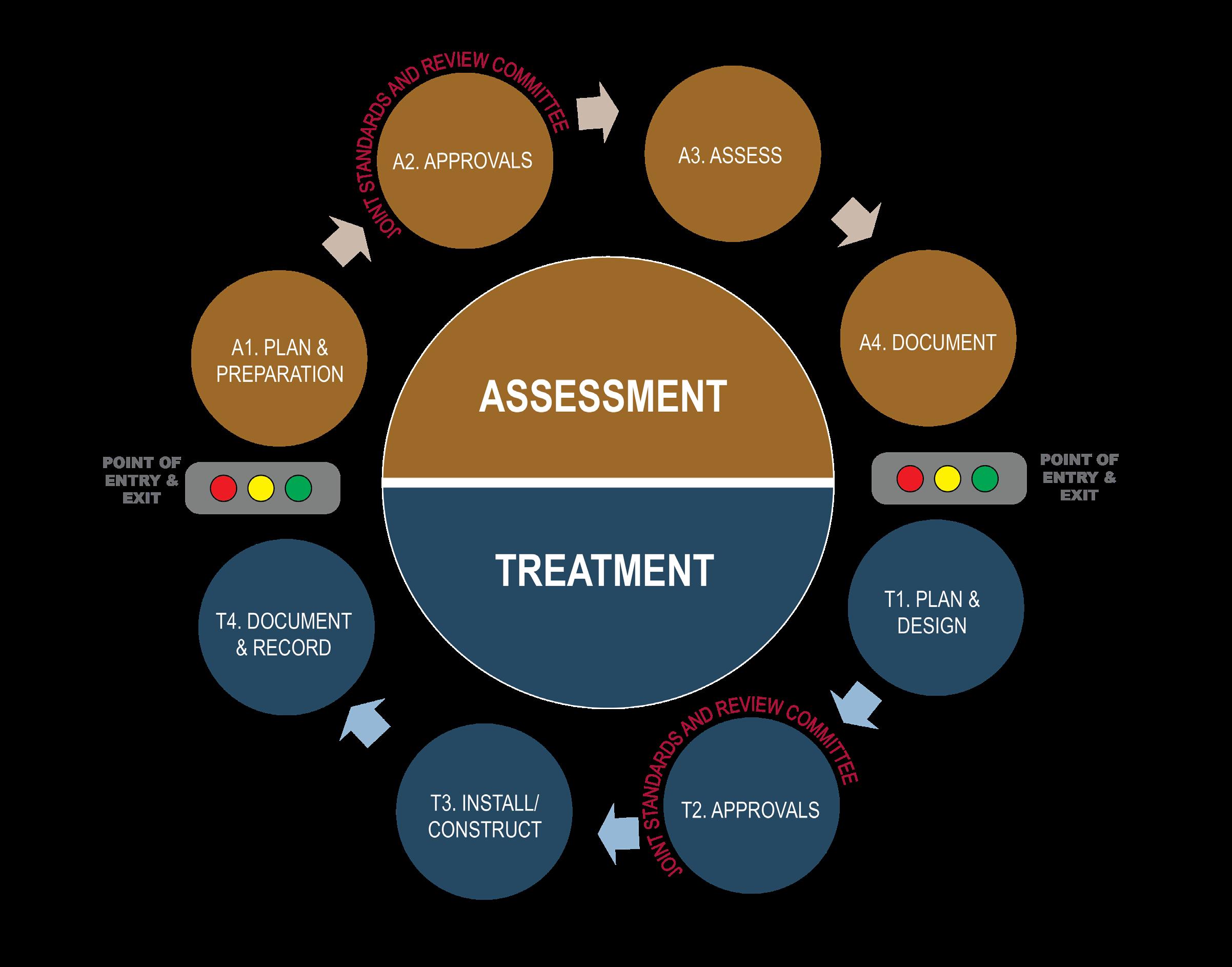
PROCESS CYCLE
daTa collecTion and documenTaTion
The first step is to develop a maintenance and monitoring plan that prevents additional deterioration of the resources and features. Due to the nature of the construction and the lack of documentation, it is difficult to understand and predict where systems and structures may fail. The diagnosis should evolve over time through data collection and documentation.
A maintenance and monitoring plan should be developed in accordance with the Historic Districts’ requirements. All resources, spaces, and landscaping within the district’s boundary should be periodically inspected, cleaned, maintained, and repaired as required.
Recommended TReaTmenT
The RCHD’s overall condition is fair, as some key materials (wood) and assemblies have deteriorated, some atypical (folk-art) construction methods/materials are not performing adequately, and maintenance and monitoring efforts are not always coordinated, systematic, and/or applied with regularity. Recommendations in this document strive to bring conditions deemed as “poor” into a better state and to prevent the further deterioration of elements in fair condition.
The required maintenance, documentation, repair, and additional work can be performed either by a crew of volunteers (Castle Conservation Committee) or by contracting professional services depending on the scope and requirements of each specific intervention through the Historic Preservation Committee. The Castle Conservation Committee can take care of regular maintenance items, documentation, and minor repair required around the district, while works that require professional input, plan-check permitting, and heavy labor should be undertaken by professionals in the field required. This may include works such as structural assessment and retrofit, extermination services, rainwater site drainage, etc.
Describe WHY the assessment is necessary. HOW would the condition be classified - Maintenance, Repair, Monitoring, Systems Upgrade, or Resiliency?
Ascertain information about the material / assembly to be assessed and what types of deterioration may exist. Assemble information regarding relevant data to collected and types of assessments that may be relevant. Note that research may be ongoing throughout an entire assessment.
Decide WHAT type(s) of are needed. There are different types of condition assessments. The most common is a visual assessment - others include monitoring / measuring change over time, field testing, and materials sampling followed by laboratory testing. Assessment can also include trial treatments / mockups to determine their efficacy.
Establish WHERE and HOW MUCH assessment is needed. Often a representative sample may need assessment to provide sufficient data to more forward with treatment recommendations.
Determine HOW is the assessment being completed. Is special equipment required? Will ladders or lifts be required to access the feature being assessed? Is information being recorded via pencil and paper -or-digital methods? Do forms or background drawings need to be prepared to record data? What nomenclature is being used? How is each feature uniquely identified? How are the results being presented to others and entered into the record.
Identify WHO should participate in the assessment. Is professional or expert assistance needed? Is training required for tools being used to field test? Are volunteers being used - if so, who coordinates the volunteers? Prepare a directory with contact information of the assessment team.
Determine WHEN the assessment is to occur. Is access to private spaces required? What other site activities (tours) or conditions (weather) could affect the schedule? Consider building in time contingencies.
As needed, determine HOW MUCH the assessment would cost. Include any professional time, equipment purchase or rental, shipping and handling of samples, and/or laboratory fees.
Prepare a written proposal including the information above for Approval. If an assessment proposal is large, complicated, expensive, or controversial, consider starting with a brief conceptual proposal.
Figure 30. Process cycle diagram
A2.1
A2.2
A2.3
A2.4
Present the proposal for the assessment to the board or committee for approval. Include all the steps from the planning and preparation phase in the proposal.
Answer any questions relating to the proposed assessment. Set relaistic expectations and scope.
Any changes requested from the board or committee should be addressed in a timely manner. Schedule ongoing working meetings to come to an agreement in a proper time frame.
Receive authorization, funding, etc. to proceed. Set a start deadline.
A3.1
A3.2
A3.3
A3.4
A3.5 PROGRESS CHECK-INS
A4.1
A4.2
A4.3
Mobilize. Gather equipment, team, etc. Update and review schedule.
Hold a kickoff meeting with team and stakeholders, could be on first day of assessment.
Assess conditions, document any unforseen circumstances.
Based on initial results, revise scope, methodology, team, and/or schedule as needed.
For longer efforts, periodically check-in with stakeholders and joint committee
Prepare assessment report, include 1) a summary of observations and data, 2) an analysis, and 3) recommendations for additional assessment and options for treatment. List next steps. Include field information as an appendix.
Answer any questions from the assessment the board or committee may have
Prepare the final assessment report documenting all the data from the observations and proposing possible treatments. File and archive copies of report and appendices in print and digital formats. Distribute copies of report to all interested parties. Ensure information is available to future generations.
T1. PLANNING & DESIGN
WHAT do we need to know?. Gather and prepare all the documentation relevant to the condition to be treated. This may include but is not limited to: As-builts, assessment reports, historic records, construction drawings, specifications, or any other form of documentation that may inform the treatment process.
HOW MUCH is needed and HOW MUCH do we have? Allocate the budget and obtain pricing for the treatment work required. Depending on the size and requirements of the work estimate the cost of the treatment. For larger projects prepare a request for proposal (RFP) and consider a bidding process if time allows for it. For smaller projects request quotations from the required professional and consider allowances for volunteers.
Create a schedule that is inclusive of all work required to perform the treatment necessary. HOW LONG will the entire process take? Is there down time required for repairs to cure or set? Is the work scheduled after visitor hours or does it need to be coordinated during public visiting hours? consider weather factors.
Present the proposal for the treatment to the board or committee for approval. Include all the steps from the planning and preparation phase in the proposal. Review bids and proposals and quotations with the help of historic preservation professionals and select the most appropriate.
Answer any questions relating to the proposed treatment. Set relaistic expectations and scope.
Any changes requested from the board or committee should be addressed in a timely manner. Schedule ongoing working meetings to come to an agreement in a proper time frame.
Receive authorization, funding, etc. to proceed. Set a start deadline.
Build a team to oversee the project. Bring consultants, staff, and stackholders whose involvement is critical in the treatement process of the upcoming work. DIVIDE AND CONQUER, assiegn one or two members from the committees to follow the process. For example WHO is the best fit to help repair the wooden steps?
Hold a kickoff meeting with team and stakeholders, could be on first day of treatment.
T3.3
Commence the work, schedule regular team check-in meetings. document and brainstorm solutions for any unforseen circumstances.
Document all phases of treatment work. Before, during, and after the treatment work, document the conditions with photographs, drawings, video recordings, etc. that adequately capture the process. File and archive copies of all materials in print and digital formats. Ensure information is available to future generations.
Prepare a final treatment report include all the documentation gathered during the work and include any conditions discovered after demolition that may be useful to furture monitoring or maintenance efforts. Report any variations from the construction documents or specifications that may be needed for reference in the future for additional work or maintenance. File and archive copies of report and appendices in print and digital formats. Distribute copies of the report to all interested parties. Ensure information is available to future generations.
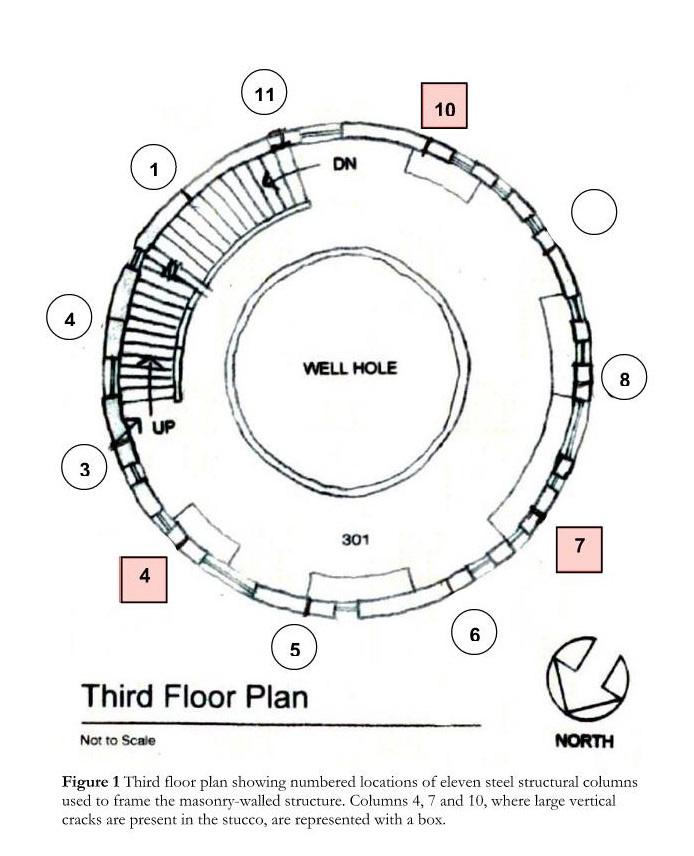
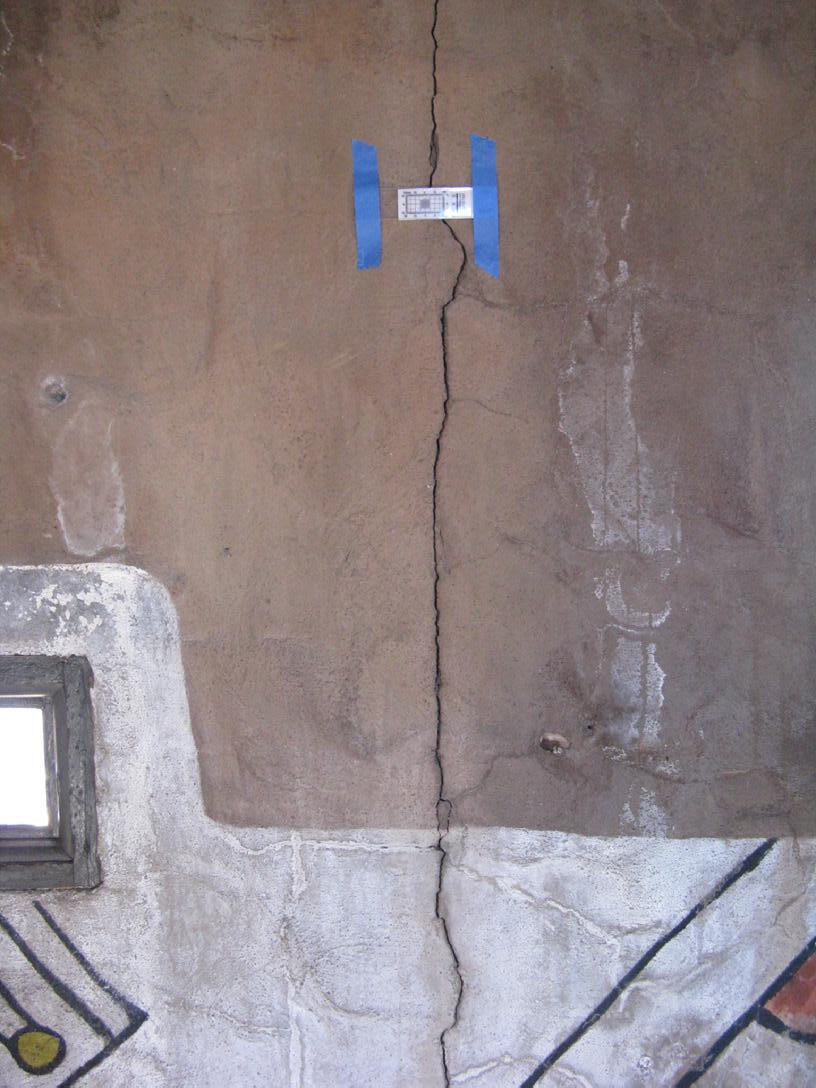
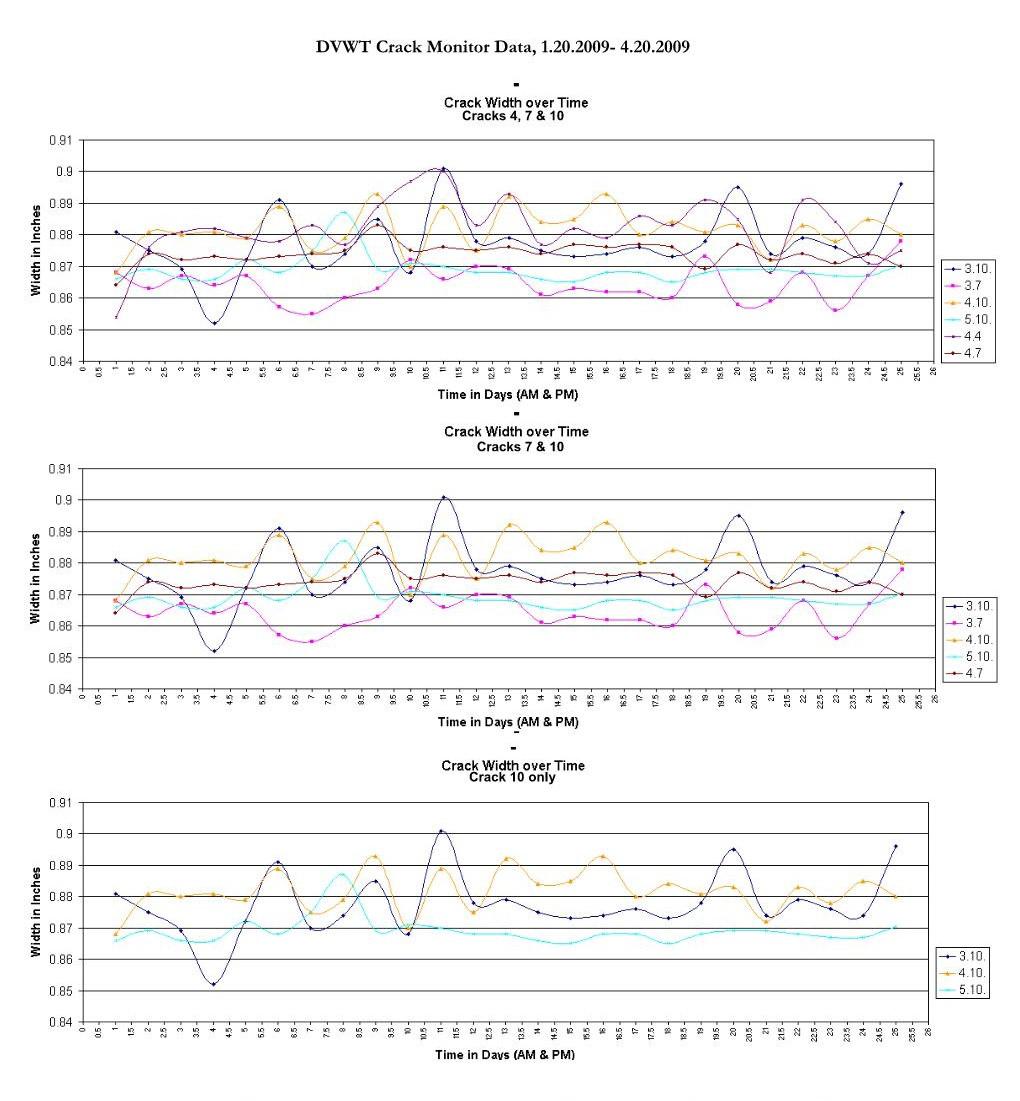
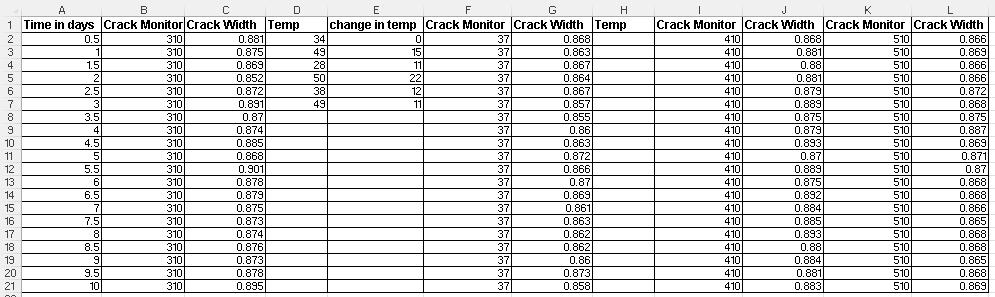
Figure 31. Example of monitoring progam at the Desert View Watch Tower, Grand Canyon National Park.
1. Plan showing location of existing cracks
2. Proposed location of exterior crack monitor
3. Installed interior crack monitor 4. Monitor data log
Results of moniotring
CLASSIFICATION OF TREATMENT RECOMMENDATIONS
There are six (6) interrelated areas to consider when planning to protect the historic character of the RCHD both now and in the future: maintenance, repair, monitoring, systems upgrades, resilience, and enhanced use. The areas of concentration provided by the Ad Hoc Contract Committee fall into one or more of these focus areas.
MAINTENANCE
For the purposes of this report, MAINTENANCE is defined as proactive measures to upkeep materials, features, and systems of the RHCD so they can continue to perform their required function(s). Other terms used to describe this are preventative maintenance, planned maintenance, cyclic maintenance, or scheduled maintenance.
It is our understanding that the Ad Hoc Committee members who operate and maintain the district would like to apply a folk-art environmentalist mindset to the maintenance of the site - selfperforming work and applying ingenuity and creative drive to solve maintenance problems. In crafting recommended treatment and guidelines, the team should try to balance this mindset with traditional historic preservation best practices.
REPAIR
REPAIR is a reactive measure to replace or renew materials, features, and systems of the RHCD that have failed – i.e., no longer perform their function(s) due to damage, decay, deterioration, wear, and/ or obsolescence. Repair is often used synonymously with maintenance and can rightly be described as corrective maintenance or deferred maintenance. For Significant and Contributing areas (see Significance Diagrams in Part II Historic Background and Significance), replacement materials and features should match the old in design, color, texture and, where possible, materials.10
Part of the historic significance of the Rubel Castle Historic District resides in the Folk-Art Environment Michael Rubel created in the place. The Castle and all other buildings came to be due to his vision and the help of the Pharm Hands. Architectural elements are designed and built-in place with the available resources and by the genius of the builder. This tradition is intrinsically vital to the conservation and development of the district. Many of the features built initially in the district present signs of weathering due to the natural course of time and materiality. Repair of these elements is vital and ad hoc repairs in the folk-art tradition are considered the best approach, although repair is a reactive conservation approach and should be prevented through maintenance and monitoring.
MONITORING
All the areas identified by the Ad-Hoc Committee (listed again below) should be considered integral with Maintenance.
□ Structural and life-safety hazards.
□ Deterioration of wood elements
□ Stone masonry construction
□ Water intrusion and stormwater control at buildings
□ Erosion and stormwater drainage at site
□ Guidelines for building infrastructure repair and maintenance
□ Guidelines for site infrastructure repair and maintenance
Condition MONITORING is the monitoring of various parameters over time to predict the remaining service life of materials, features, systems and plan for future Maintenance or Repair. Monitoring constitutes an integral part of the conservation effort in the RCHD and should be performed throughout the district with the purpose of documenting, analyzing, and preventing further deterioration of historic buildings and structures.
SYSTEMS UPGRADES
The self-built / folk-art environment approach to much of the district also shows within the extant systems, whether architectural, mechanical, electrical, or plumbing. Many of these systems were not installed per industry standards or in accordance with building code. The impromptu nature of the original installation combined with the fact that many of the systems are beyond a typical service life, makes SYSTEM UPGRADES of critical importance to the preservation, as well as continued use of the site.
In addition to structural, mechanical, electrical, plumbing, and drainage systems; P&T considers the building envelope (roof and windows) a system. Many of the rainwater intrusion issues at the site appear related to the original construction and lack of traditional construction techniques designed to control water (such as through-wall flashings, drip edges, and stone moldings at windows).
RESILIENCY
Resilient places can limit the impact of acute shocks and/or chronic stresses that threaten them or weaken their foundation on a day-to-day or cyclical basis. Historic resources like the RCHD are often lost to acute events, such as earthquakes, floods, or fires.11 However, chronic stresses such as something as big as global warming – or simple and localized, like the aging of volunteers who
10 Standard 6, SOI Standards for Rehabilitation.
11 RCHD is right on the edge of a Very High (Wild) Fire Severity Zone
Figure 32. Vine trimming, Aug 17th 2022.
maintain the resource or lack of community interest - can threaten the historic character of the site. Whether planning for or executing treatments, providing for RESILIENCY will help assure conservation of the RHCD in ever-changing conditions.
CASTLE CONSERVATION COMMITTEE
ENHANCED USE
Whether updating the existing uses or functions or expanding to accommodate more visitors, program, or residents, the Ad Hoc Committee should plan to accommodate improved disabled access, egress, and fire and life-safety systems (alarms, sprinklers, fire truck access, etc.) to meet contemporary public expectations. Additional public restroom facilities are also required to meet current and future public norms, and options for new addition or rehabilitation should be considered.
HISTORIC PRESERVATION COMMITTEE
Figure 33. Conservation Treatment Types Diagram
PRESERVATION ZONING
PRESERVATION ZONING is a decision-making tool widely used by federal agencies, cultural institutions, and historic preservation professionals to guide the treatment of historic properties. Preservation zones are often developed to accompany Historic Structure Reports, Cultural Landscape Reports, and Building Preservation Plans. Preservation zones establish a hierarchy of significance and integrity for interior and exterior features, spaces, and spatial relationships. The adoption of preservation zones allows for the preservation of significant historic features while also providing for flexibility to incorporate new requirements, technology, and program.
The zone definitions and treatment descriptions articulated in this section have been developed to correlate with the The Standards. The The Standards offer four discrete, but interrelated approaches to the treatment of historic buildings: Preservation, Rehabilitation, Restoration, and Reconstruction. While these words are sometimes used interchangeably by the layperson, each has a specific meaning when applied to professional historic preservation practices.
• Preservation is defined as, “the act or process of applying measures necessary to sustain the existing form, integrity, and materials of an historic property.”
• Rehabilitation is defined as, “the act or process of making possible a compatible use for a property through repair, alterations, and additions while preserving those portions or features which convey its historical, cultural, or architectural values.”
• Restoration is defined as, “the act or process of accurately depicting the form, features, and character of a property as it appeared at a particular period of time by means of the removal of features from other periods in its history and reconstruction of missing features from the restoration period.”
• Reconstruction is defined as, “the act or process of depicting, by means of new construction, the form features, and detailing of a non-surviving site, landscape, building, structure, or object for the purpose of replication its appearance at a specific period of time and its historic location.”
Each preservation treatment has a series of associated standards and guidelines, developed by the Technical Preservation Services division of the National Park Service.
The development of the preservation zones for the RCHD were guided by a thoughtful understanding of the property’s history, significance, and evolution over time-based on both historical research and physical observations. Assignment of specific zones considers not only the seven aspects of historic integrity, but also the historic and current function of buildings, areas, and spaces. For example –utilitarian spaces such as closets, mechanical rooms, and wine cellars, typically do not contribute to the historic significance of a residence to the same degree as “public” receiving spaces, like a dining room, living room, or library.
The research and fieldwork conducted for the RCHD identified five preservation treatments appropriate for the site: Preservation, Rehabilitation, Adaptation, Restoration, and Mothballing
It is imperative that all repairs, systems modifications, and alterations that may affect CharacterDefining Features of the contributing resources within the RCHD are reviewed and approved by Heritage Conservation Professionals.
PRESERVATION ZONE
Preservation requires the most conservative treatment and should be applied to areas of high integrity and/or architectural and historical significance after accounting for the collections in the spaces.
• Application: Spaces or areas designated for Preservation represent the highest degree of detailing and finish. Areas exhibit unique or distinctive qualities, such as original materials or elements, skilled craftsmanship, or the work of a notable architect or builder. They may also be of significance due to associations with persons or events of preeminent importance. At the Castle Complex, in addition to the building exterior, primary public and exhibition spaces such as the Print Shop and Bottle House interiors are considered appropriate for Preservation treatment.
• Guidelines: Areas designated for Preservation shall retain their historic use and distinctive materials, features, and finishes. Preservation treatment mandates the retention, repair, and maintenance of extant historic features. Preservation does not require the replacement or recreation of missing historic features; however, replacement of missing features from the period of significance is acceptable provided sound documentary evidence is available. The limited and sensitive modernization of building systems and equipment necessary for functionality, safety, and accessibility is appropriate.
REHABILITATION ZONE
Rehabilitation treatment applies to areas of moderate architectural and/or historical significance that may exhibit distinguishing qualities, original materials, and/or elements. It might also include spaces that have experienced changes affecting historic integrity or areas whose historic uses are less likely to contribute to the historic significance of the property.
• Application: Rehabilitation treatment at the RCHD includes “private” living spaces, collections spaces, and/or areas less rich in materials and detailing than the principal public spaces. They include secondary spaces such as the Cellar, open garages, and travel paths between the buildings. Non-contributing resources that are considered significant to the Folk Art Environment are included as well.
• Guidelines: Rehabilitation makes possible an efficient contemporary use while preserving those portions and features significant to the property’s historical, architectural, and cultural values. Significant historic features should be retained and repaired if possible. New work shall be compatible, yet clearly differentiated, from the old. Repairs and/or alterations of Rehabilitation treatment should not adversely affect Preservation treatments.
ADAPTATION ZONE
Folk Adaptation treatment applies to areas with the least degree of architectural and/or historic significance. They include spaces whose historic integrity has been compromised due to extensive alterations or additions as well as repetitive or undistinguished areas. These include altered spaces, such as restrooms, and undistinguished, utilitarian spaces such as electric rooms, garages, and the pool.
• Application: Treatments in spaces zoned as Folk Adaptation may incorporate more extensive changes and the introduction of contemporary construction methods, materials, and designs. Nonetheless, every effort should be made to design such treatments in a manner sympathetic to the historic qualities and character of the building. Significant historic features should be retained and repaired if possible. New work shall be compatible, yet clearly differentiated, from the old.
• Guidelines: Repairs and/or alterations in Folk Adaptation should not adversely affect Preservation or Rehabilitation treatments. The work performed in Folk Adaptation should be compatible with the Twentieth Century Folk-Art Environments theme.
RESTORATION ZONE
Restoration treatment applies to specific Character-Defining Features within the Historic District that convey such important significance that it is worth restoring to their original state. Restoration work must be performed by historic restoration professionals and only when sufficient and verifiable documentation of the original state of the feature is available.
• Application: The Restoration work at the RCHD includes specific features identified as of primary significance that no longer perform their original function or that have been altered, removed, or relocated over the years. These features may include mechanical systems and engines around the castle like the clock engine, elevators and lifts, portcullis, and Main Gate entry.
• Guidelines: Restoration strives to return weathered and modified features to their original state while maintaining their overall integrity and significance. Restoration aims to represent the original look and function of the feature to enhance public understanding of the building or Historic District’s historical, architectural, and cultural value. Restoration work should not be performed when sufficient verifiable documentation is not available.
MOTHBALLING ZONE
Mothballing treatment applies to buildings or spaces in which preservation work is not currently feasible due to budget constraints and priority. Mothballing treatment allows for the preservation of features in their current condition, preventing deterioration until additional treatment is feasible.
• Application: Spaces zoned for mothballing treatment are identified at the client’s discretion and under P&T guidance and recommendations. Mothballing does not constitute a definitive preservation treatment. Additional preservation work and treatments should be applied as soon as becomes feasible.
• Guidelines: Mothballing is a preventative treatment that aids in the preservation of resources until appropriate treatment becomes feasible. Mothballing constitutes the protection of the resource and its features by means of covering and sealing openings, inventorying and protection of artifacts, moisture and water intrusion mitigation, and monitoring during the period that the resource remains mothballed. Mothballing works must be performed under the supervision of Heritage conservation professionals to minimize any additional damage.
CONDITIONS ASSESSMENT AND PRESERVATION PLAN FINAL DRAFT
prEsErvation Zoning diagrams
Preservation zoning diagrams differ from significance diagrams. Significance diagrams concern the historic context and significance of the site and how that relates to the remaining built “fabric” given the changes that have occurred over time. The following Preservation Zoning diagrams illustrate recommended preservation treatments for each resource.
Figure 34. Clock and Bell Towers Color Castle Scan Image. Source Laserscan point coud. Credits Aqyer
Figure 35. Preservation Zoning Diagram Ground
Figure 36. Preservation Zoning Diagram Second
BUILDINGS AND STRUCTURES
1A -
1B
1C -
1D -
1E
1F
1G -
1H
1J
1K
1L
1M
2 -
3 -
4
5
6 -
7
8
9
10 -
11A -
11B
11C
12
13
14
16
17
19
20
21
22
23
Figure 38. Preservation Zoning Diagram Fourth Level
Figure 37. Preservation Zoning Diagram Third Level
STRUCTURAL AND SAFETY HAZARDS
All elements identified as safety concerns in Part III: Conditions Assessment of this document should take priority in the list of work to be performed at the RCHD.
General recommendations:
• Develop a Historic District Egress Master Plan. Include wayfinding signage
• Structurally retrofit and stabilize Windmill and Water Tower structures
• Monitor and document existing cracks in the Castle Complex
• Develop a site lighting plan that accentuates contributing resources’ features and provides a clear path of travel at night
• Provide emergency backup lighting along the egress path
Stairs and elevated walkways recommendations
• Stabilize guardrails and handrails
• Provide new railing where is nonexistent. The catwalk north of Bell Tower and the drawbridge at the Clock Tower are examples
• Repair the catwalk between King’s Quarter’s and Central Tower
• Replace rotten wood steps in kind, particularly at Bell Tower, Pigeon Tower, and Big Kitchen
• Secure loosen steps
Foundations/retaining walls recommendations
The reservoir retaining wall presents cracks and signs of moisture infiltration. Potential undelaying conditions could cause failure and irreparable damage to the Castle. The retaining wall on the east side of the Tin Palace leans inwards due to the tree rooting pressure. The movement seems stable, but shoring should be considered. The west side of the Tin Palace is likely under stress and water damage. The Shower Room’s wooden foundation is heavily damaged.
• Document and monitor existing cracks in the castle for movement or expansion
• Structurally retrofit Tin Palace foundation wall
• Perform structural analysis of structural concrete members.
• Perform an infrared imaging analysis to locate moisture inside the foundations and retaining walls
• Provide adequate foundation drainage along Castle and Tin Palace’s west wall
• Structurally retrofit Shower Room’s foundation platform
Structural elements recommendations
Most structural elements in the district are wood and significant rotten damage and termite infestation are evident. Failure of elements like wood beams, the balcony at the Billing’s Barn, the Windmill, and the Water Tower represents a safety concern for residents and visitors of the district.
General recommendations:
• Structurally retrofit Windmill and Water Tower Structures.
• Catalog and document resistance of wood lintels, beams, and columns around the castle
• Structurally retrofit damaged wood beams and columns, replace in kind if retrofitting becomes unfeasible
Additional elements of concern recommendations
The loose concrete tiles, sticking rusted elements, and pointy wood rafters in Bennett’s Bunker due to the low height can harm people passing by. The water collected in the Pool creates the perfect environment for disease-transmitting insects.
General recommendations:
• Secure loose tiles on all roofing
• Remove and replace broken pointy wood members at reach
• Use passive strategies to mitigate insect breeding in the pool
“No action” is not recommended for elements where a safety concern is identified.
Figure 39. Dry rot platform at Shower Room
Figure 40. 24 inch guardrail at Bell Tower north catwalk
BUILDINGS AND STRUCTURES
arChitECtural
Rubel Castle’s richness in materiality is one of the most distinctive Character-Defining Features that the urbanite construction displays. However, it presents its own set of challenges as construction was performed ad-hoc and documentation is scarce. The following are recommendations for the treatment of common materials and conditions around the Historic District. Treatment approaches are listed in order of preference with the first item being the most recommended and the last item being the least recommended.
Masonry and Mortars
Urbanite masonry construction is a characteristic of the Folk-Art Environment buildings. Reinforcing steel is non-conventional but is present across all structures. Masonry varies in size, typology, and materiality but is consistently grouted in Portland cement mortar. Glass bottles also constitute a characteristic type of masonry in the district.
General recommendations:
• Perform an infrared imaging analysis to locate moisture inside walls
• Waterproof all roof-wall joints
• Control organic growth in masonry walls
• Replace non-performing flashing. Install new non-intrusive flashing
• Inventory and monitor existing cracks
• Fill-in open joints and cracks in mortar. Cracks experiencing cyclic thermal movement should have sealant, rather than mortar installed
• Cover/seal exposed reinforcement steel
Non-structural glass bottle masonry.
1. Preserve historic glass bottle walls
2. Fill in and seal cracked mortar with a flexible or compatible compound
3. Sand and smoothen broken glass edges
4. Clean periodically with a damp cloth
5. Maintain, and monitor periodically
Concrete
Concrete is a common material used around the district and is also the material used in the original retention basin (reservoir). The cement used has similar characteristics to the Portland cement and the reinforcing steel can vary from structure to structure. The original retention wall has river rock cladding and additional walls constructed on top and it is apparent in other instances. The existing concrete in the district is in direct contact with other materials that present different physical properties and mechanics, which should be considered in any repair work.
General recommendations:
• Perform structural analysis of structural concrete members. Retrofit as required under Heritage Conservation Professional supervision
• Perform an infrared imaging analysis to locate moisture inside the concrete
• Fill in and seal cracks with a flexible or compatible compound. Cracks experiencing cyclic thermal movement should have sealant, rather than mortar installed
• Cover/seal exposed reinforcement steel
• Monitor spalls on walls for water intrusion, seal, and repair as required
• Perform analysis on tree roots around the castle, locate stress areas, and trim roots as necessary
Figure 41. Broken glass bottle at Bottle House
Figure 42. Horizontal crack along reservoir wall
Figure 43. Root through concrete wall at salt basin
Wood Elements
Wood elements are commonly found in RCHD. Some wood elements are embedded in the structure as is the case with lintels, and electric posts beams. Some bear structural loads while others are purely ornamental. Wood also constitutes the framing of citrus-era buildings and some of the structures.
General recommendations:
• Perform structural analysis of structural wood members. Retrofit as required under Heritage Conservation Professional supervision
• Specifically for the Water Tower and Windmill structures consider structural retrofit and/or restoration if this becomes unfeasible
• Replace non-performing flashing
• Install new non-intrusive flashing at headers
• Contract with a professional exterminator service to treat termite infestation
Structural wood members
Three possible approaches are provided below for structural wood members. P&T recommends the use of options 1 or 2 in the most historically significant conditions. Option 3 might be appropriate in some conditions as recommended by a structural engineer, particularly in cases for less significant features.
Treatment approach one:
1. Retrofit structural member by shoring, or other nonintrusive method under a structural engineer’s supervision
2. Fill in heavily damaged wood members holes with epoxy resin
3. Provide a clear protective primer coat
4. Maintain and monitor periodically
Figure 44. Termite infested member at Water Tower
Figure 45. Deteriorated wood at Water Tower
Figure 46. Electric pole beam in Bennett's Room
Figure 47. Cracked column at King's Quarter's East
Treatment approach two:
1. Replace structural member in kind
Treatment approach three:
1. Replace structural wood member with steel or other material
“No action” is not recommended for structural bearing elements.
Non-structural wood members
Treatment approach one:
1. Preserve historic wood flooring, doors, and window frames
2. Manually remove loose and flaky paint
3. Fill in heavily damaged wood members holes with epoxy resin
4. Clean and repair hardware as required
5. Provide a clear protective primer or orange oil coat
6. Clean periodically with a damp cloth
7. Maintain, and monitor periodically
Treatment approach two:
1. Restore historic wood siding, flooring, doors, and window frames
2. Manually remove loose and flaky paint
3. Fill in heavily damaged wood members holes with epoxy resin
4. Clean and repair hardware as required
5. Provide a clear protective primer or oil coat
6. Clean periodically with a damp cloth
7. Maintain and monitor periodically
Treatment approach three:
1. Take no action
2. Clean periodically with a damp cloth
3. Maintain, and monitor periodically
4. Replace members in kind as required
Sheet Metal
Sheet metal is commonly used around the district either for wall cladding, roofing, or flashing. Sheet metal develops a characteristic patina over the years that is present and part of the integrity of the district, however, rusted metal can become a safety concern depending on its location. The sheet metal at RCHD varies from corrugated tin metal sheets in both walls and roof, standing seam aluminum panels, and sheet metal panels and flashings. Sheet metal panels are common and still available construction material and replacing heavily damaged or safety concerning members is acceptable from a conservation standpoint if the works do not affect Character-Defining Features of the resources.
General recommendations:
• Replace heavily damaged sheet metal roofing panels in kind as required
• Replace metal flashing as required
• Carefully scrap the rust off wall panels’ edges along traveling pathways
• Carefully smoothen bent portions causing water accumulation and sticking edges with a mallet
• Replace rusted sticking nails along traveling pathways as required
Figure 49. Deteriorated lintel at bridge to nowhere
Figure 48. Rusted sheet metal at Bottle House
Roofs
Roofs around the district vary in materiality, design, construction methodology, and aesthetics. The roof component is a characterdefining feature of the castle and buildings. Some of the roofs have been modified and the original concrete tile is no longer at some places within the castle complex. It has been noted that replacing these in kind would prove not feasible however the roof systems across the district need maintenance and repair to prevent water infiltration and further deterioration of the district.
General recommendations:
• Replace heavily damaged sheet metal roofing panels in kind as required
• Replace metal flashing as required
• Carefully smoothen bent portions causing water accumulation and sticking edges with a mallet
• Treat wood members per recommendations in wood elements section
• Seal all wall-roof joints
• Replace asphalt shingles in kind as required
• Monitor and document leaks
• Provide historic preservation compatible waterproofing to concrete decks
• Remove existing tarps
Treatment approach one:
1. Preserve the original concrete red tile around the district.
2. Remove and salvage existing tiles for reinstallation.
3. Repair and replace sheathing as required.
4. Provide new underlayment.
5. Replace broken and missing tiles in kind.
6. Maintain, and monitor periodically.
7. Replace members in kind as required
Treatment approach two:
1. Replace roofing tiles with another aesthetically compatible material or tile
2. Repair and replace sheathing as required
3. Provide new underlayment
4. Maintain, and monitor periodically
Treatment approach three:
1. Stabilize and secure loose tiles. Replace rusted nailing as required
2. Replace broken and missing tiles in kind
3. Patch leaks in the least intrusive manner
4. Maintain, and monitor periodically
5. Replace members in kind as required
Openings (Doors and Windows)
One of the most unique features of the RCHD is the variety of the fenestration of its buildings. Different windows and doors have been brought into the site to ornate the picturesque look of the site. From spolia to urbanite and custom-made, these doors and windows highlight the inventiveness of Michael Rubel and the Pharm hands. Some of the hardware and opening mechanisms are also designed and forged for the RCHD. Most of the windows and doors around the castle are in poor condition because of weathering and the age of the materials, gaps between frames and walls are also common permitting exterior factors to further deteriorate the buildings.
General recommendations:
• Document and inventory all windows, doors, hardware, and condition
• Replace broken glazing panels
• Replace deteriorated putty on glazing per historic preservation standards
• Replace all nonperforming flashing. Where no flashing exists, install new
• Treat wood members per recommendations in wood elements section
• Carefully clean rust out of steel windows
• Seal all windows and door frames. Fill in gaps to prevent external elements intrusion
Concrete roof red tile.
Figure 50. Broken and loose concrete tiles at Bennett's Bunker
WatEr intrusion and storm WatEr Control at buildings
Water is one of the most common causes of deterioration and failure of historic buildings and structures. It is very important to identify and treat current weak spots in all building envelopes that allow water intrusion. Neglecting treatment and repairs where water is present will lead to rapid deterioration beyond repair and to the loss of significant historic elements.
General recommendations:
• Perform an infrared imaging analysis to locate moisture inside walls
• Replace all nonperforming flashing. Where no flashing exists, install new – this may include disassembling and reassembling walls to provide through-wall flashings
• Waterproof all roof-wall joints
• Remove existing tarps
• Waterproof concrete roofs and decks
• Seal all windows and door frames
• Replace rotten metal panels at roofing in kind
“No action” is not recommended for elements where water intrusion is identified.
GUIDELINES FOR SITE INFRASTRUCTURE REPAIR AND MAINTENANCE
Infrastructure systems in Historic Districts are typically outdated and do not perform to the users’ needs. Repairing the existing infrastructure network is recommended, if suitable. Once the infrastructure network capacity is exceeded retrofitting under conservation professionals’ guidance is advised. Retrofitting infrastructure is crucial to the extended life and conservation of the district but the undertaking should be made with care and in the least intrusive manner. Contributing resources and CharacterDefining Features should be prioritized during the preservation efforts.
guidElinEs For mEChaniCal rEtroFitting
The RCHD contains numerous ad-hoc mechanical artifacts around the site, some of these include hoists and pulley systems, the portcullis, the Main Gate engine, and the clock engine among others. These mechanical systems fabricated by Michael Rubel and the Pharm hands’ ingenuity are a character-defining feature of the district and a key element to understanding the Rubel Pharm stories.
All these mechanical systems should be preserved, restored, and retrofitted as necessary to accommodate the current use of the spaces and site.
Proper ventilation is required in all spaces. Humid environments can promote the growth of mold which leads to a poor-quality ambiance, that can cause respiratory issues, dusty enclosed spaces are also harmful to breathing.12
Thermal control in Citrus era buildings is challenging. Therefore, passive temperature control strategies should be implemented to mitigate temperature discomfort, poor air quality, and humidity inside the buildings. Although mechanical A/C systems can be added where required to reach temperature comfort for the users, the retrofitting should not be intrusive and affect the CharacterDefining Features and aesthetic fabric of the district. Some spaces in the Castle Complex may also need the addition of HVAC systems, but is recommended to implement passive strategies over the addition of infrastructure.
Mechanical retrofitting treatment and recommendations include:
• Document and inventory mechanical systems and engines from the significant periods in the District
• Use landscape elements to regulate site temperature like swales fed with harvested water
• Plant trees and shrubs that provide shade to the metal roofs and walls
• When possible, maintain open windows and doors to allow for cross-ventilation
• Install ceiling fans to improve room temperature and ventilation
• Install wall-mounted HVAC isolated units in spaces of high thermal discomfort instead of central air systems
12 United States Product Safety Commission. N/A. The Inside Story: A Guide to Indoor Air Quality. N/A N/A. Accessed September 30, 2022. https://www.cpsc.gov/Safety-Education/Safety-Guides/ Home/The-Inside-Story-A-Guide-to-Indoor-Air-Quality.
Figure 52. Portcullis engine at Castle
Figure 51. Wet beam and sheathing at King's Quarter's West garage
guidElinEs For ElECtriCal rEtroFitting
Electric system retrofitting is important to maintain the life of the historic district as users and uses evolve over time. The electric system of the RCHD must be retrofitted to support users’ and residents’ current needs.
Electrical retrofitting treatment and recommendations include:
• Develop a site lighting plan that accentuates contributing resources’ features and provides a clear path of travel at night
• Provide emergency backup lighting along the egress path
• Provide dedicated circuits and panels for each residence and/or space that requires it
• Disconnect or enclose exposed wires around the district
• Develop a site-wide lighting plan with LED lighting. Light fixtures should align with the district’s architectural character and aesthetics
• Replace incandescent and fluorescent bulbs with LED bulbs in fixtures and lamps that permit it
guidElinEs For plumbing and FirE protECtion
Depending on the materials, plumbing systems’ lifespan can go up to 100 years. Nonetheless, oxide and other weather and moisture conditions can shorten the performance of the system. Plumbing systems should be monitored and retrofitted to support current users’ needs.
California’s fire history and current climate change and environmental conditions make fires one of the biggest threats to the RCHD. Proactive safety measures should be considered for implementation as part of the conservation efforts.
Plumbing and fire protection retrofitting treatment and recommendations include:
• Monitor for weathered plumbing lines, and repair lines as required in the least intrusive manner
• Provide additional accessible restrooms either as a new addition or as a rehabilitated space
• Provide dedicated
• Consider adding additional public restrooms to the site
• Develop a Historic District Egress Master Plan. Include wayfinding signage
• Provide exit route and fire extinguishers location signage
• Install smoke detectors at residences and public spaces
• Consider installing a fire sprinkler system that is sensitive to historic character of structures
Figure 53. Electrical meter and panels at cartport.
Figure 54. Scupper on Castle wall.
Figure 55. Floor drain in Castle's courtyard.
lines and meters for each residence
SITE & LANDSCAPE
As a Historic District, the site and landscape are important to preserving the integrity and significance of Rubel Castle. The landscaping in a historic district is as important as the resources contained within. Therefore, the mature trees are an integral part of the district’s fabric as well as climbing plants and fruit trees in the orchard.
Site and landscape treatment and recommendations include:
• Consider hiring a professional landscape crew to monitor and maintain the site
• Drain and clean the Pool cistern. Install a water filtration system
• Consider rehabilitating the Pool for stormwater collection.
• Use leaves and chipped material to mulch planting beds. When trees need to be pruned/removed, reuse the chipped wood on site
• Provide compost bins in communal rear yards and have on-site training for making compost. Apply compost to planting beds
• When planting new shrubs, use drought-tolerant species that will encourage pollination of wildlife
• Plant trees to provide shade and reduce the heat island effect
• Avoid planting invasive and non-endemic species.
• Avoid adding impervious surfaces
• Capture stormwater and greywater for use as irrigation
• Consider refurbishing the well and pump for water collection
• Remove and store topsoil before any grading or excavation work is done at the site
• Add organic compost to soil when planting new plants
• Use salvaged and recycled construction materials when available
• If new lighting is installed, use LED fixtures
• Use organic methods rather than toxic herbicides and insecticides. Use Integrated Pest Management practices
• Do not plant shrubs that require regular shearing
Erosion and storm WatEr drainagE
at sitE
Rubel Castle is built above the walls of an early development reservoir. Therefore, it is likely that the site terrain is in a natural basin and water will flow in this direction. It is crucial to ensure that the site, especially around the basin walls, is draining properly. Lack of adequate drainage can cause hydrostatic pressure against the walls and water table resulting in structural damage.
Because the site is situated in a natural basin, water harvesting should be considered as an improvement to the site. This may help mitigate irrigation and landscape maintenance costs. The existing infrastructure provides a handful of opportunities for water harvesting and sustainability.
Erosion and stormwater drainage treatment recommendations include:
• Fully document and update records of existing stormwater drainage infrastructure
• Install drain systems around the basin wall to mitigate hydrostatic pressure
• Retrofit drainage system in Castle’s courtyard
• Implement runoff reduction strategies e.g. direct runoff water into collectors such as swales, etc.
• Implement stormwater collection strategies, rehabilitate the well and/or water tanks for water collection
• Retain earth filling around the castle and provide passive erosion control methods
• Repair and replace weathered storm drain piping
• Implement passive drainage strategies
o Create bioswales around the site
o Rehabilitate “Duck Pond” as a retention basin
o Use permeable pavers
landsCapE: soFtsCapE
There are several ways the RCHD can benefit from regular landscape maintenance, water conservation, and natural temperature control.
Softscape treatment and recommendations include:
• Hire a professional arborist to assess mature trees
• Hire a professional landscaping company to perform seasonal pruning, and monitor roots
• Consider enhancing the Cemetery as a community garden
o Restore the orchard by planting new fruit trees and shrubs
o Provide opportunities for neighbors to organize and take care of the garden
o Consider sharing the Orchard with neighbors as a community garden
• Evaluate the benefits and costs of installing a drip irrigation system
Figure 56. Site plan view with trees. Source laserscan cloud point. Credits Aqyre
landsCapE: hardsCapE
As part of the landscape, hardscape plays a key role in the overall look and feeling of the Historic District. Hardscape includes architectural follies and objects dispersed around the site as well as pathways and pavement. Some of the pavers and details that make up the hardscape are part of the Character-Defining Features of the district, like the red brick in the Castle Complex and the carved granite pieces south of the Big Kitchen. Conservation efforts should be made when improving or maintaining these items.
As part of an agricultural landscape during the citrus farm era, most Rubel Castle pathways are sinuous and unpaved. This is part of the overall district’s aesthetics, but improvement is recommended considering accessibility and safety concerns.
Hardscape treatment and recommendations include:
• Create an inventory of architectural follies and objects
• Perform clean-up of architectural follies and objects including implementing maintenance and monitoring plan
• Restore or preserve original pedestrian pathways to the Castle Complex
• Preserve carved stones and tombstones around the site
• Develop a site lighting plan that accentuates contributing resource features and provides a clear path of travel at night
guidElinEs For sitE aCCEssibility
Retrofit work for accessibility is necessary to ensure the continuous use and life of a historic building. Providing access for all visitors to enjoy the stories that a historic district has to offer is a social responsibility. Conservationists encourage innovative strategies to provide equal access done in a way that maintains the integrity of the resource. Retrofitting must be performed in compliance with guidelines for accessibility stated in the Americans with Disabilities Act (ADA). At least minimal requirements should be met for access to all designated “public” spaces in the Historic District.
Accessibility treatment and recommendations include:
• Develop an accessible path of travel throughout the site that allows access to all people
• Provide an accessible pathway to public buildings
o Provide an accessible path into Tin Palace and Big Kitchen without the need to go through the Castle
o Provide an accessible path of travel to restrooms
• Retrofit restrooms for accessibility or provide additional accessible restrooms either as a new addition or as a rehabilitated space
• Regrade all pathways along the accessible path of travel. All ramps, and sloped walkways must comply with the applicable codes and regulations
• Make necessary safety and accessibility improvements at public entrances
• Stabilize staircase railing at Big Kitchen, Central Tower, Pigeon Tower, and Bee Tower
• Install/alter existing railing where necessary. If new railing is installed, it should be compatible with the architectural character of the Historic District and the installation should be reversible
• Install railing at staircase east of the Big Kitchen
• Develop an accessible wayfinding plan and install accessible signage
• Develop special strategies where equal access would otherwise compromise historic significance
aCCEssibility and EgrEss diagrams
The following diagrams show current pictures and egress and mobility devices access.
Figure 57. GROUND LEVEL DIAGRAM
Figure 58. SECOND LEVEL DIAGRAM
REQUIREMENTS FOR WORK
This section outlines applicable laws, regulations, and functional requirements, which should be considered prior to any major rehabilitation work at the RCHD. CEQA and CHBC are applicable regulations to the district because of its listing in the National Register of Historic Places (NRHP).
laWs, rEgulations & FunCtional rEquirEmEnts
Any rehabilitation of buildings should be evaluated with respect to conformance with applicable state/ municipal codes and standards required by law. Alterations or additions should comply with the most recent version of the California Building Code. RCHD is eligible to take advantage of the California Historical Building Code (CHBC) with regard to code compliance (refer to the “California Historical Building Code” section).
City oF glEndora
All work performed at the RCHD should comply with the City of Glendora Building and Safety Division codes, regulations and review process. The City of Glendora has adopted the California Building Standards Code which consist of the following thirteen parts:
Part 1 California Administrative Code (CAC)
Part 2 California Building Code (CBC)
Part 2.5 California Residential Code (CRC)
Part 3 California Electrical Code (CEC)
Part 4 California Mechanical Code (CMC)
Part 5 California Plumbing Code (CPC)
Part 6 California Energy Code (CEEC)
Part 7 (Currently Vacant)
Part 8 California Historical Building Code (CHBC)
Part 9 California Fire Code (CFC)
Part 10 California Existing Building Code (CEBC)
Part 11 California Green Building Standards Code (CALGreen)
Part 12 California Reference Standards Code
CaliFornia EnvironmEntal quality aCt (CEqa)
The RCHD is considered a historic resource under the California Environmental Quality Act (CEQA) and may be subject to environmental reviews. Per CEQA, projects that cause a substantial adverse change in the significance of a historic resource may have a significant effect on the environment. Projects that conform to The Standards are presumed to have a less than significant adverse impact to historic resources.
To maintain the district’s historic status and avoid adverse impacts under CEQA, the site should be maintained and rehabilitated in accordance with the recommended approaches in the Secretary of the Interior’s (SOI) Standards for the Treatment of Historic Properties (The Standards)
CaliFornia historiCal building CodE
The California Historical Building Code (CHBC) is intended to be used by the agency with jurisdiction when reviewing code compliance for a qualified historic building to promote its preservation. As stated in the CHBC Section 8,101.2:
The CHBC is intended to provide solutions for the preservation of qualified historical buildings or properties, to promote sustainability, to provide access for persons with disabilities, to provide a costeffective approach to preservation, and to provide for reasonable safety of the occupants or users. The CHBC requires enforcing agencies to accept solutions that are reasonably equivalent to the regular code (as defined in Chapter 8,2) when dealing with qualified historical buildings or properties.
Buildings and Structures within the RCHD qualify for application of the California Historical Building Code (CHBC - Title 24 Part 8 of the California Code of Regulations). The CHBC offers exceptions and alternatives for historic buildings when compliance with modern-day code requirements would threaten Character-Defining Features. These exceptions are typically applied on a case-by-case basis and reviewed with the authority having jurisdiction.
This Page Intentionally Blank
PART V. CONCLUSIONS
The individual features that comprise the RCHD are overall in fair condition. In general, the overall integrity of the historic district is intact. Repairs, alterations, and additions are an intrinsic part of the district’s history and the well know modus operandi of Michael Rubel and the Pharm hands. However, ongoing and future repairs and alterations may compromise the site’s historic integrity and original features, many of which are character-defining. From the process and the information gathered, change and adaptation are identified as fundamental characteristics of the RCHD fabric. Therefore, the district should not be viewed as a static manifestation representing a specific historic period, but rather as a cultural landscape in transition. As Dean Sully wrote, “Any conservation intervention must consider the prevailing cultural ecosystem that surrounds the conservation decisions at a particular time and place.”13
District resources present conditions that need to be treated according to the recommendation presented in this document and The Standards to halt continued deterioration, which may threaten their overall historic character. The development and implementation of a comprehensive maintenance program with regular schedules is imperative to the conservation of the RCHD.
This section outlines routine maintenance needs and priorities for repair and upgrade. A prioritized list of treatment recommendations matrix (the Treatment Matrix) is appended to this document in Part VI. The Treatment Matrix lists all repair, upgrade, and maintenance recommendation items outlined in Part IV and assigns each item with a priority level: Immediate Action, High Priority, Low Priority, and Key Maintenance. The Treatment Matrix provides a general list of items that should be addressed in the effort of conserving the RCHD; It also provides recommendations for undertaking the work either by the Castle Conservation Committee or by the Historic Preservation Committee, along with treatment cycle terms for performance and maintenance; for specific treatment recommendations for materials and elements refer to part IV of the document.
Please refer to Parts II and III for a description of the character of the historic district.
PROACTIVE VS. REACTIVE APPROACH
Buildings and structures are inherently resilient. Depending on the quality of the materials and construction buildings can last for many generations. Edifices can endure weather inclementness, natural disasters, human activities changes, and adaptive reuse improvements. However, buildings and structures can use a little help to extend their lives. Historically, conservationists have taken a reactive approach to conservation, this is, repairing once is broken, and fixing once it no longer works. Today, conservation efforts are shifting to a proactive approach that allows historic buildings to survive through identification and conservation planning for the future. Planning can prevent irreparable losses. Because of the age and the current condition of the district, a proactive approach to conservation is the best-suited recommendation.
PRIORITIES
Prioritization and treatments for the preservation of the Rubel Castle Historic District are outlined in the Matrix. However, it is crucial for the correct development of the preservation plan to note the following as the areas of action to be addressed as soon as possible:
A) Water management within the castle complex top to bottom. Repair/Replace roofs drainage system IU gutters downspouts, repair windows and doors, seal perimeters, and improvement of stormwater system at grade including all new piping area drains, trench drains etc.
B) Wood evaluation and replacement starting with structural members and stairs, and then integrating openings particularly related to water infiltration like sills.
C) Fire/Exiting
D) Access
13 Sully, Dean. 2007. Decolonizing Conservation: Caring for Maori Meeting Houses Outside New Zealand. Routledge.
IMPACT ON INTEGRITY
Although not all elements listed in the Treatment Matrix are individually considered Character-Defining Features or contributing resources of the district, it should be noted that any project within the district could impact the integrity of the site as a whole. For example, the Windmill is not individually identified as a contributing structure of the district, but the Folk-art environment as a whole is considered a character-defining feature and bears significance. Therefore, if changes to this resource are not made in a manner that is sensitive to the overall character of the district, its integrity may be affected. The same rationale applies to improvements for accessibility to be made on staircases and entrances of the buildings. Therefore, all projects within RCHD must be considered relative to their potential impact on the integrity of the Character-Defining Features and district as a whole. The recommendations and guidelines for the district in this document, along with a comprehensive maintenance program, will help ensure that the historic integrity of the site is retained. Additionally, if action is not taken to arrest the most serious conditions outlined in this report, many historic resources and the district as a whole may be threatened.
immEdiatE aCtion itEms
The most serious issues are noted as Immediate Action items in the Treatment Matrix. These issues are identified as such because of their current or potential impact on the site and resources that make up RCHD. The recommended period for completion of these projects is within one year from the date of this report.
high-priority aCtion itEms
High-priority items should be completed within one to four years from the date of this report.
loW-priority aCtion itEms
Low priority action items should be completed within five to ten years of the date of this report.
kEy maintEnanCE itEms
As stated, a comprehensive maintenance program is vital to the conservation and development of the district. These items should be included in the district’s general maintenance plan. Items are intended to be maintained on an annual basis unless noted otherwise.
DESIGN GUIDELINES
Specific design guidelines should be developed prior to the start of any project. The guidelines in this document, as well as the Secretary of the Interior’s Standards for the Treatment of Historic Properties, should be adopted as interim guidelines until comprehensive design guidelines are developed.
REFERENCES
Heritage Preservation (the National Institute for Conservation). 2009. Conservation Assessment Program (CAP) - Handbook for Assessors.
Historic Resources Group, LLC. 2012. “Historic Designation - NPS Registration Form.” Glendora Historical Society Website. November 5. Accessed August 20th, 2022. https://glendorahistoricalsociety.org/rubel_castle_historic_district.pdf.
National Park Service. 13. “NPGallery Digital Asset Management System.” NRHP Registration Form. August 21. Accessed July 12, 2022. https:// npgallery.nps.gov/AssetDetail/NRIS/13000810.
National Register of Historic Places. 1979. “Twentieth Century Folk Art Environments in California”.” National Rgister of Historic Places Thematic Nomination, 1978 and Addendum 1979. ,: ,, , ,.
Sully, Dean. 2007. Decolonizing Conservation: Caring for Maori Meeting Houses Outside New Zealand. Routledge.
U.S. Department of Interior. 1997. Preserving Historic Structures in the National Park System: A Report to the President. National Park Service recommendations, National Center for Cultural Resources Stewardship and PArtnership Programs, NAtional Park Service, Washington: Park Historic Structures and Cultural Landscapes Program, 111. Accessed September 30, 2022. http://npshistory.com/ publications/habs-haer-hals/preserving-historic-structures.pdf.
United States Product Safety Commission. N/A. The Inside Story: A Guide to Indoor Air Quality. N/A N/A. Accessed September 30, 2022. https://www.cpsc.gov/Safety-Education/Safety-Guides/Home/The-Inside-Story-A-Guide-to-Indoor-Air-Quality.
This Page Intentionally Blank
APPENDIX A. TREATMENT RECOMMENDATIONS MATRIX
RUBEL CASTLE HISTORIC DISTRICT
RUBEL CASTLE HISTORIC DISTRICT
CONDITIONS ASSESSMENT AND PRESERVATION PLAN
FINAL DRAFT
APPENDIX C. NATIONAL PARK SERVICE TECHNICAL PRESERVATION BRIEFS
#3 – improving EnErgy EFFiCiEnCy in historiC buildings
#9 – thE rEpair oF historiC WoodEn WindoWs
#10 – ExtErior paint problEms on historiC WoodWork
#14 – nEW ExtErior additions to historiC buildings
#24 – hEating, vEntilating, and Cooling historiC buildings
#32 – making historiC propErtiEs aCCEssiblE
#39 – Controlling unWantEd moisturE in historiC buildings
APPENDIX D. CONDITIONS ASSESSMENT REPORT (LAYER REPORT)
PRESERVATION BRIEFS 3
Improving Energy Efficiency in Historic Buildings
Jo Ellen Hensley and Antonio Aguilar
The concept of energy conservation in buildings is not new. Throughout history building owners have dealt with changing fuel supplies and the need for efficient use of these fuels. Gone are the days of the cheap and abundant energy of the 1950’s. Today with energy resources being depleted and the concern over the effect of greenhouse gases on climate change, owners of historic buildings are seeking ways to make their buildings more energy efficient. These concerns are key components of sustainability — a term that generally refers to the ability to maintain the environmental, social, and economic needs for human existence. The topic of sustainable or “green” building practices is too broad to cover in this brief. Rather, this preservation brief is intended to help property owners, preservation professionals, and stewards of historic buildings make informed decisions when considering energy efficiency improvements to historic buildings.
Sound energy improvement measures must take into consideration not only potential energy savings, but also the protection of the historic property’s materials and features. This guidance is provided in accordance with the Secretary of the Interior’s Standards for Rehabilitation to ensure that the architectural integrity of the historic property is preserved. Achieving a successful retrofit project must balance the goals of energy efficiency with the least impact to the historic building. Planning must entail a holistic approach that considers the entire building envelope, its systems and components, its site and environment, and a careful evaluation of the effects of the measures undertaken. Treatments common to new construction need to be evaluated carefully before implementing them in historic buildings in order to avoid inappropriate alteration of important architectural features and irreparable damage to historic building materials. This brief targets primarily small-to medium-size historic buildings, both residential and commercial. However, the general decision-making principles outlined here apply to buildings of any size and complexity.
Inherent Energy Efficient Features of Historic Buildings
Before implementing any energy conservation measures, the existing energy-efficient characteristics of a historic building should be assessed. Buildings are more than the sum of their individual components. The design, materials, type of construction, size, shape, site orientation, surrounding landscape, and climate all play a role in how buildings perform. Historic building construction methods and materials often maximized natural sources of heat, light and ventilation to respond to local climatic conditions. The key to a successful rehabilitation project is to understand and identify the existing energy-efficient aspects of the historic building and how they function, as well as to understand and identify its character-defining features to ensure they are preserved. Whether rehabilitated for a new or continuing use, it is important to utilize the historic building’s inherent sustainable qualities as they were intended to ensure that they function effectively together with any new treatments added to further improve energy efficiency.
Windows, courtyards, and light wells
Operable windows, interior courtyards, clerestories, skylights, rooftop ventilators, cupolas, and other features that provide natural ventilation and light can reduce energy consumption. Whenever these devices can be used to provide natural ventilation and light, they save energy by reducing the need to use mechanical systems and interior artificial lighting.
Historically, builders dealt with the potential heat loss and gain from windows in a variety of ways depending on the climate. In cold climates where winter heat loss from buildings was the primary consideration before mechanical systems were introduced, windows were limited to those necessary for adequate light and ventilation. In historic buildings where the ratio of glass
to wall is less than 20%, the potential heat loss through the windows is likely minimal; consequently, they are more energy efficient than most recent construction. In hot climates, numerous windows provided valuable ventilation, while features such as wide roof overhangs, awnings, interior or exterior shutters, venetian blinds, shades, curtains and drapes significantly reduced heat gain through the windows. Historic windows can play an important role in the efficient operation of a building and should be retained.
New architectural styles, beginning with the International Style of the 1920’s, brought about an increase in the percentage of glazing in the total building envelope. By the 1950’s, with the advent of the glass curtain wall, glazing constituted nearly 100% of a building’s exterior walls in many buildings. While many early modern buildings continued to use operable windows as a way to provide natural ventilation, greater reliance on mechanical heating and air conditioning systems eventually reduced the function of exterior glazing to providing light only, particularly in commercial, office, and institutional buildings.
Walls
Thick masonry walls typical of the late-nineteenth and early-twentieth centuries have inherent thermal characteristics that keep the buildings cooler in the summer and warmer in the winter. Walls with substantial mass have the advantage of high thermal inertia, which reduces the rate of heat transfer through the wall. For instance, a wall with high thermal inertia, subjected to solar radiation for an hour, will absorb the heat at its outside surface, but slowly transfer it to the interior over a period as long as six hours. Conversely, a wall having the equivalent thermal resistance (R-value), but a substantially lower thermal inertia, will transfer the heat in perhaps as little as two hours. Heavy masonry walls also reduce the need for summer cooling. High thermal inertia is the reason many older public and commercial buildings without air conditioning still feel cool during the summer. The heat from the midday sun does not penetrate the buildings until late afternoon and evening, when it is less likely to be occupied or when exterior temperatures have fallen. Heavy masonry walls are also effective in moderating internal temperatures in the winter by dampening the overall peaks of heat gain and loss resulting in a flatter and more tolerable daily cycle. In areas that require cooling during the day and heating at night, masonry walls can help spread out excess heat gain from the day to cover some of the needed heating for the evening and night hours.
Roofs
Roof construction and design in historic buildings, particularly vernacular buildings, are strongly
Fig. 1. A decorative, stained glass skylight allows natural daylight into the interior.
Fig. 2. Upper and lower shutters control daylight and provide privacy.
Fig. 3. Stone walls with substantial mass have high thermal inertia.
influenced by the conditions of the local climate. Wide overhangs that sometimes extend to create porches minimize the heat gain from the sun in warmer climates, while steep, sloping roofs with minimal or no overhang prevail in colder climates to allow for shedding snow and increasing beneficial solar heat gain through the windows. Materials and color also influence the thermal performance of roofs. Metal and light colored roofs, for example, reflect sunlight and thereby reduce the heat gain from solar radiation.
Floor Plans
The floor plan of many historic buildings, particularly traditional vernacular ones, was also designed to respond to the local climate. In cold climates, rooms with low ceilings were clustered around central chimneys to share the heat, while small windows with interior shutters reduced drafts and heat loss. In warmer climates, wide central halls with tall ceilings, breezeways, and large porches all maximized air circulation.
Landscape
Site orientation was another factor considered especially in the location of a historic building on its property. In cold climates, buildings were oriented against northern winds while buildings in warm climates were sited to take advantage of prevailing breezes. Evergreen trees planted on the north side of buildings shielded from winter winds; deciduous trees planted to the south provided summer shade and maximum sun in the winter.
Energy Audit
Before implementing any measures to improve the thermal performance of a historic building, an energy audit should be undertaken to evaluate the current energy use of the building and identify deficiencies in the building envelope or mechanical systems. In some areas, the local utility company may offer a free simple audit, however a more in-depth audit should be obtained from a professional energy auditor. The goal of the audit is to establish a baseline of building performance data to serve as a reference point when evaluating the effectiveness of future energy improvements. It is important to hire an independent auditor who does not have financial interests in the results, such as a product vendor.
An energy auditor first documents the current energy use patterns in the building to establish an energy use history. This initial step includes obtaining the billing history from the local utility company over a one- or two-year period, as well as documenting the number of building occupants, how the building is used, and the type of fuel consumed. The location of any existing insulation is recorded and the approximate R-value of various components of the building envelope including walls, ceilings, floors, doors, windows and skylights is calculated. The building envelope is inspected to identify areas of air infiltration and air loss. The type and age of mechanical systems and major appliances are also recorded.
Tools such as a blower door test or infrared thermography are useful to identify specific areas of infiltration, lack of insulation and thermal bridging. Mechanical depressurization along with infrared thermography is extremely useful in identifying locations of air leakage and heat loss followed by the use of tracer smoke to isolate specific air leaks. These tests are often challenging to perform on buildings and must be undertaken by experienced professionals to avoid
misleading or inaccurate results. There are professional standards for audits, those of the Building Performance Institute (BPI) being the most widely used.
The energy auditor then produces a detailed report that documents the findings of the audit and includes specific recommendations for upgrades such as air sealing, adding insulation, general repairs, lighting, and improvements to or replacement of mechanical systems or major appliances. Cost estimates are provided for each of the improvements including the cost of implementation, potential operating cost savings, and, importantly, the anticipated payback period. Armed with this information, historic building owners can start to make informed decisions on how to improve the performance of their buildings. Usually the auditor finds a few locations where there is major air leakage; large “holes” that are unique to a particular building and require equipment to find them. These anomalies are often invisible to the people who use the building on a regular basis. It is important to retest the performance of the building following the implementation of any upgrades undertaken as a result of an energy audit to ensure that the upgrades are performing as expected.
Prioritizing Energy Upgrades
When implementing energy upgrades, efforts should be concentrated on improvements that will provide the most payback for the money expended and the least compromise to the historic character of the building. Some upgrades recommended in energy audits may not be introduced into a historic building feasibly without damaging historic fabric or altering the appearance of significant features. Removing historic siding and replacing it with new siding to introduce insulation
into the wall cavity of a frame building or replacing repairable historic windows are examples of treatments that should not be undertaken on historic buildings.
A common misconception is that replacing windows alone will result in major energy savings. This argument, often used to sell replacement windows, is simply not true. Although it varies from building to building, the U.S. Department of Energy (DOE) has documented that air loss attributable to windows in most buildings is only about 10% of the total air loss. Studies have shown that window replacement does not pay for itself in energy savings in a reasonable length of time. Moreover, there are ways to improve the performance of historic windows that do not require their replacement. In addition, historic windows can usually be repaired and are, thus, sustainable, while most new windows cannot be repaired, or even recycled, and may wind up in landfills.
When considering energy upgrades, it is imperative to get a clear picture of what an improvement will cost initially and how long it will take to pay back the cost in energy savings. Therefore, the life cycle cost of the improvement must be considered as well as its impact on historic fabric. Reducing infiltration around existing windows and doors, sealing penetrations in the building envelope, and adding insulation — particularly in the attic where it has little impact on historic fabric — can result in significant improvements at relatively little cost. Updating mechanical systems or changing the way in which they are operated can also be cost-effective interventions. For example, installing a more efficient mechanical system alone may pay for itself in ten years.
Fig. 4. A typical New England saltbox features a steeply sloping roof to shed snow and a floor plan organized around a central chimney to conserve heat.
Lean-to Addition
Parlor Hall
Fig. 5. The side porches of this house in Charleston, SC, shade the large windows and provide outdoor living spaces that take advantage of sea breezes.
Fig. 6. (left) A blower door is used to depressurize a building by exhausting air at a rate that allows pressure gages and tracer smoke to measure the amount and location of air leakage. Photo: Robert Cagnetta, Heritage Restoration, Inc.
Fig. 7. (center and right) The left thermal image shows the walls of this building before insulating. After insulation was added, the cooler and, thus darker exterior walls evidence how much the heat loss has been reduced. Photos: EYP Architecture & Engineering.
The following list includes the most common measures proposed to improve the thermal performance of an existing building; some measures are highly recommended for historic buildings, but others are less beneficial, and can even be harmful to a historic building.
Requires Minimal Alteration
Establishing Realistic Goals
• Reduce air leakage.
• Add attic insulation.
• Install storm windows.
Actions to Improve Energy Efficiency
Reducing energy demands for heating and cooling may be accomplished in two steps. First, implement operational changes and upgrades to mechanical systems and major appliances — measures that do not require making alterations or adding new materials — to ensure that a building functions as efficiently as possible. After all these measures have been implemented, corrective work or treatments, such as weatherization, that require other alterations to the building may be considered.
original construction, i.e., added insulation, tightening of the exterior envelope, or more efficient mechanical equipment. On the other hand, achieving “net zero” energy goals as it is currently done with some new construction can be a much more difficult challenge to achieve in a historic retrofit. Attempting to reach such a goal with a historic building would most likely result in significant alterations and loss of historic materials. [The data for commercial buildings documents that buildings in 2003 used approximately the same energy as they did before 1920, after reaching their peak in the 1980’s.]
Operational Changes
One of the greatest effects on energy use is user behavior. Once an energy audit has established a baseline for the current energy use in a building, operational changes should be identified to control how and when the building is used to minimize the use of energy-consuming equipment. These changes can range from simple measures such as regular cleaning and maintenance of mechanical equipment to installing sophisticated controls that cycle equipment on and off in specified intervals for maximum performance. The following changes are recommended to reduce heating and cooling costs.
• Install programmable thermostats.
• Close off rooms that are not in use and adjust the temperature in those rooms.
• Do not condition rooms that do not need to be conditioned, thereby reducing the thermal envelope.
• Use insulated shades and curtains to control heat gain and loss through windows.
• Use operable windows, shutters, awnings and vents as originally intended to control temperature and ventilation.
• Residential Energy Use Intensity by Age Take advantage of natural light.
• Install compact fluorescent lights (CFL) and lightemitting diode (LED) lights.
• Install motion sensors and timers for lighting and local ventilation, such as bathroom exhaust fans.
• Reduce “phantom” electricity loads by turning equipment off when not in use.
• Clean and service mechanical equipment regularly.
These measures should be undertaken first to save energy in any existing building and are particularly appropriate for historic buildings because they do not require alterations to historic materials.
online to assist in determining the payback. Advance planning will allow time to find the most efficient unit, as well as to investigate the availability of any state and federal energy credits. As energy prices continue to rise and technology advances, options such as the installation of a solar hot water heater or geothermal ground source or water source heat pumps are becoming more economically feasible. Recommendations for upgrading equipment and appliances include:
• Upgrade the heating system. It is important to install new furnaces that utilize outside combustion air to reduce air drawn into the building through uncontrolled infiltration. [All furnaces and boilers are now measured by their annual fuel utilization efficiency or AFUE.] Heating equipment is now more efficient and gas furnaces that used to have a 60% (AFUE) rating can now operate at as much as 90 to 97% efficiency.
• Upgrade the air conditioning system.
• Replace the water heater. High-efficiency water heaters use far less energy than earlier models, and high-efficiency tankless water heaters heat water on demand and offer even greater savings. Point of use water heat can also reduce costs and water consumption by reducing the time it takes to draw hot water.
• Upgrade appliances. Energy Star appliances, particularly refrigerators, washing machines and dishwashers can all reduce electricity use and additional indoor heating loads.
Upgrading Building Components
Energy consumption data gathered by the U.S. Energy Information Administration (see chart) shows that residential buildings built before 1950 (the largest percentage of historic building stock) are about 30 to 40 percent less energy efficient than buildings built after 2000. Using this as a baseline, a 30 to 40 percent upgrade of a historic building’s energy performance can be a realistic goal. A 40 percent increase in energy efficiency would of course be a more achievable goal for buildings that have had minimal upgrades since their
Upgrading Equipment and Appliances
In addition to maximizing the energy efficiency of existing building systems, substantial savings can be achieved through upgrading equipment and appliances. One should still weigh the operational savings against the initial cost of the new equipment, particularly if the existing equipment is not near the end of its life.
Calculator aids that take into account the efficiency of both the existing and new equipment are available
In addition to operational and mechanical upgrades, it can be possible to upgrade many building components in a manner that will not jeopardize the historic character of the building and can be accomplished at a reasonable cost. The goal of these upgrades is to improve the thermal performance of the building, resulting in even greater energy savings. Retrofit measures to historic buildings should be limited to those that achieve at least reasonable energy savings, at reasonable costs, with the least impact on the character of the building.
• Insulate basements and crawlspaces.
• Seal and insulate ducts and pipes.
• Weather strip doors and add storm doors.
• Add awnings and shading devices where appropriate.
Requires More Alteration
• Add interior vestibules.
• Replace windows.
• Add insulation to wood-frame walls.
• Add insulation to masonry walls.
• Install cool roofs and green roofs.
The treatments listed first have less potential to negatively impact the historic fabric of a building. They tend to be less intrusive, are often reversible, and offer the highest potential for energy savings. Undertaking any of the treatments in the second group, however, may pose technical problems and damage to historic building materials and architectural features. Their installation costs may also outweigh the anticipated energy savings and must be evaluated on a case-by-case basis with advice from professionals experienced in historic preservation and building performance.
Requires Minimal Alteration
Reduce air leakage. Reducing air leakage (infiltration and exfiltration) should be the first priority of a preservation retrofit plan. Leakage of air into a building can account for 5 to 40 percent of space-conditioning costs, which can be one of the largest operational costs for buildings.1 In addition, unwanted air leakage into and out of the building can lead to occupant comfort issues resulting from drafts. Air infiltration can be especially problematic in historic buildings because it is closely linked to increased moisture movement into building systems.
Air flow into and out of buildings is driven by three primary forces: wind pressure, mechanical pressure and the stack effect. Cold outside air that infiltrates the building through big holes, as well as through loose windows, doors, and cracks in the outer shell of the building, causes the heating system to work harder and consume more energy. In a multi-story building, cold air that enters the building at lower levels, including the basement or crawlspace, will travel up through the building and exit out leaky windows, gaps around windows and the attic as a result of temperature and pressure differential. This pattern of air movement
Fig. 8. Where Air Escapes From a House (by percentage) – Image based on data from Energy Savers, U.S. Department of Energy. Illustration: Blank Space LLC.
Fig. 9. An energy auditor tests the efficiency of a boiler.
is called the “stack effect.” Not only is valuable conditioned air lost, but damaging moisture may also enter the wall cavities and attic spaces. To stop the stack effect, the top and bottom of the exterior walls, interfloor bypasses, and any existing chases or shafts must be sealed, or “draft proofed.” The use of spray foam sealants in basement and attic cracks is a particularly useful technique for reducing air infiltration.
Adding weatherstripping to doors and windows, sealing open cracks and joints at the base of walls and around windows and doors, sealing off recessed lighting fixtures from above, and sealing the intersection of walls and attic, will substantially reduce air leakage. When using exterior caulk to seal the intersection of siding and doors or windows, do not caulk the underside of clapboards or below windows to allow any liquid water to escape. When infiltration and, consequently, exfiltration are reduced, mechanical ventilation may be necessary to meet occupants’ requirements for fresh air.
Add attic or roof insulation. Heat loss and gain caused by increased interior/exterior temperature differentials primarily due to the stack effect and solar radiation are greatest at the top of a building. Therefore, reducing heat transfer through the roof or attic should be one of the highest priorities in reducing energy consumption. Adding insulation in unoccupied, unfinished attics is not only very effective from an energy-savings perspective, but it is also generally simple to install and causes minimal disruption to historic materials. The U.S. Department of Energy (DOE) provides a recommended R-value chart based on climate zones to help determine the optimal amount of insulation that should be installed in a particular project. Local codes may also have specific insulation requirements. Insulating trap or access doors should not be overlooked. Even though they may be






can be simple and effective, particularly on low-pitched or flat roofs. However, the added thickness of the roof caused by installing rigid foam can alter the appearance of projecting eaves, dormers, and other features. If this application would significantly alter the appearance of these features, consider other methods.


Radiant barriers may be used in attics to reduce thermal radiation across the air space between the roof deck and the attic floor in order to reduce summer heat gain. They are most beneficial in reducing cooling loads in hot climates and consist of a highly reflective sheet or coating, usually aluminum, applied to one or both sides of a flexible material. They are effective only when the foil surface faces an air space, and as long as the surface remains shiny – that is, free from dirt, dust, condensation and oxidation. Radiant barriers should not be installed directly over insulation on the attic floor, as they can act as vapor retarders and trap moisture in the insulation unless they are perforated. Their placement should be ventilated on both sides.
small, attic doors can be responsible for substantial heat loss and should be addressed as part of any attic insulation project.
Insulating the underside of the roof rather than the attic floor increases the volume of the thermal envelope of the building, thus making this treatment inherently less energy efficient. However, when mechanical equipment and/or ductwork are housed in an attic space, placing the insulation under the roof and treating the attic as a conditioned space is strongly recommended. This treatment allows the equipment to operate more efficiently and can prevent moisture-related problems caused by condensation on the mechanical equipment.
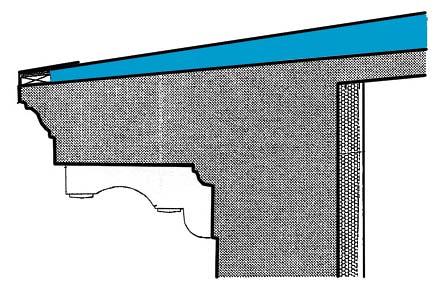
In unfinished and unheated attics, the insulation material is typically placed between the floor joists using blown-in, batt, or rigid foam insulation. When using fiberglass batts faced with a vapor retarder, the vapor retarder should be face down towards the heated interior. However, the use of a vapor retarder is not necessary in attic applications. If additional batt insulation is being added over existing insulation that is near or above the top of the joists, new un-faced batts should be placed perpendicular to the old ones to cover the top of the joists and reduce thermal bridging through the frame members. In low-pitched roofs, or where installing batt insulation is difficult, a more complete coverage of the attic floor may be achieved by using blown-in insulation. Unfinished attics must be properly ventilated to allow excess heat to escape.
When insulation is placed under the roof, all vents in the attic and the intersection between the walls and roof rafters must be sealed. Rigid foam or batt insulation placed between the roof rafters is a common method of insulating the underside of a roof. Open cell spray foam (.5lb/cuft) may sometimes be applied under the roof deck only when there are no gaps in the sheathing which could allow the foam to expand under slates or shingles, preventing the re-use of the roofing material. Also, if roof leaks do occur, they may go undetected until after major damage occurs. Consideration must also be given to the irreversibility of this procedure because the foam enters the pores of the wood. It may be more advisable to install a breathable layer of material that will allow for future removal without leaving a residue.
When total roof replacement is required because of deterioration, installing rigid foam insulation on top of the roof deck before laying the new roofing material
Install storm windows. The addition of metal or wood exterior or interior storm windows may be advisable to increase the thermal performance of the windows in ways that weatherstripping and caulking cannot address. A single-glazed storm window may only increase a single-pane window’s thermal resistance to R2, however, that is twice as good as a single-glazed window alone. It will make a noticeable contribution to the comfort level of the building occupant, with the added benefit of protecting the historic window from weathering. Using clear, non-tinted, low-e glass in the storm window can further increase the thermal performance of the window assembly without the loss of historic fabric. Studies have shown that the performance of a traditional wood window with the addition of a storm window can approach that of a double-glazed replacement window.2 Some storm windows are available with insulated low-e glass, offering even higher thermal performance without the loss of the historic window. Furthermore, a storm window avoids the problem of irreparable seal failure on insulated glass units (IGUs) used in modern replacement windows. While the lifespan of the IGU depends both on the quality of the seal and other factors, it is unreasonable to expect more than 25 years. Once the seal fails, the sash itself will usually need to be entirely replaced.
By providing an additional insulating air space and adding a barrier to infiltration, storm windows improve comfort and reduce the potential for condensation on the glass. To be effective and compatible, storm windows must be tight fitting; include a sealing gasket around the glass; align with the meeting rail of the primary sash; match the color of the sash; and be caulked around the frame to reduce infiltration without interfering with any weep holes.
Whether a storm window or the historic window itself, the interior window must be the tighter of the two units to avoid condensation between the windows that can
Fig. 10. The pattern of air movement referred to as the ”stack effect”. Illustration: Blank Space LLC.
Fig. 11. Air infiltration and exfiltration. Illustration: Blank Space LLC.
Fig. 12. Recommended energy improvements vary widely based on climate. The information contained in this document is based primarily on the available data for the Northeast and Mid-Atlantic regions.
DOE Climate Zone Map
Fig. 14. Sample installation of rigid foam insulation, tapered at the edge to avoid altering the appearance of the roof.
Fig. 13. Sample installation of a radiant barrier.
Roof Decking
occur in a cold climate that requires indoor heating. Condensation is a particular concern if it collects on the historic window, as can easily happen with a loosefitting, storm window. While interior storm windows can be as thermally effective as exterior storm windows, appropriate gaskets must be used to ensure that damage-causing condensation does not form on the inside face of the historic window. Opening or removing the interior storm windows during non-heating months also helps to avoid the negative effects of moisture build-up.
For large, steel industrial windows, the addition of interior, insulated sliding glass windows that align with the primary vertical mullions has proven to be a successful treatment that allows the primary window to remain operable.
Insulate basements and crawlspaces. The first step in addressing the insulation of basements and crawl spaces is to decide if they are to be part of the conditioned space and, therefore, within the thermal envelope of the building. If these areas are kept outside the thermal envelope of the building and treated as unconditioned areas, insulating between the floor joists on the underside of the subfloor is generally recommended. Alternatively, rigid foam insulation installed over the bottom of the floor joists on the basement or crawlspace side may also be used. All gaps between the unconditioned and conditioned areas of the building, including the band joists, should be air sealed to prevent air infiltration into the upper levels of the building.
If the crawlspace contains mechanical equipment, or if high levels of moist air enter the crawlspace through vents during the summer months, it is advisable to include the crawlspace within the thermal boundary of the building. As in attics, water vapor can condense on ducts and other equipment located in unconditioned basements and crawlspaces. In the past, building codes routinely required that crawlspaces be treated as non-
conditioned spaces and be ventilated. However, this has not proven to be a best practice in all cases. Ventilation through crawlspace vents does not keep the space dry during humid summers. All vents should be sealed and access doors weather-stripped. Rigid foam insulation installed on the interior face of the wall is recommended for basement and crawlspace foundation walls, only after all drainage issues have been addressed. Special attention should be given to ensure that all the joints between the insulation boards are sealed.
A moisture barrier on exposed dirt in a crawlspace is strongly recommended to prevent ground moisture from entering the building envelope. Whenever feasible, pouring a concrete slab over a moisture barrier in crawlspaces or basements with exposed dirt floors should be considered.
Seal and insulate ducts and pipes. A surprisingly enormous amount of energy is wasted when heated or cooled air escapes from supply ducts or when hot attic air leaks into air conditioning return ducts. Based on data collected in energy audits, as much as 35 percent of the conditioned air in an average central air conditioning system may escape from the ducts.3 Care must be taken to completely seal all connections in the duct system and adequately insulate the ducts, especially in unconditioned spaces. This loss of energy is another reason to treat attics, basements and crawlspaces as conditioned spaces. Ducts located in unconditioned spaces should be insulated based on the recommendations for the appropriate climate zone. Hot water pipes and water heaters should be insulated in unconditioned spaces to retain heat, and all water pipes insulated to prevent freezing in cold climates.
Weather strip doors and add storm doors. Historic wood doors are often significant features and should always be retained, rather than replaced. While an insulated replacement door may have a higher R-value, doors represent a small area of the total building envelope, and the difference in energy savings after replacement would be insignificant. The doors and frames should, however, have proper maintenance including regular painting, and the addition or renewal of weatherstripping. Storm doors can improve the thermal performance of the historic door in cold climates and may be especially recommended for a door with glazing. The design of the storm door should be compatible with the character of the historic door. A fully glazed storm door with a frame that matches the color of a historic door is often an appropriate choice because it allows for the historic door to remain visible. Storm doors are recommended primarily for residential buildings. They are not appropriate for commercial or industrial buildings. These buildings never had storm doors, because the doors were opened frequently or remained open for long periods. It may also not be appropriate to install a storm door on a highly significant entrance door. In some instances,
the addition of a storm door could add significant heat gain on certain exposures or in hot climates, which could degrade the material or finish of the historic door.
Add awnings and shading devices. Awnings and other shading devices can provide a considerable reduction of heat gain through windows and storefronts. Keeping existing awnings, or replacing them if previously removed, is a relatively easy way to enhance the energy performance of a building. Awnings should only be installed when they are compatible with the building type and character. In building types that did not have awnings historically, interior shades, blinds or shutters should be considered instead.
A wide range of shades, blinds and shutters is available for use in all types of buildings to control heat gain or loss through windows, as well as lighting levels. When properly installed, shades are a simple and cost-effective means of saving energy. Some shade fabrics block only a portion of the light coming in — allowing the use of natural light — while others block all or most of the light. The light-colored or reflective side of the shades should face the window to reduce heat gain. Quilted roller shades feature several layers of fiber batting and sealed edges, and these shades act as both insulation and an air barrier. They control air infiltration more effectively than other soft window treatments. Pleated or cellular shades provide dead air spaces within the cells to add insulation value. These shades, however, do not measurably control air infiltration.
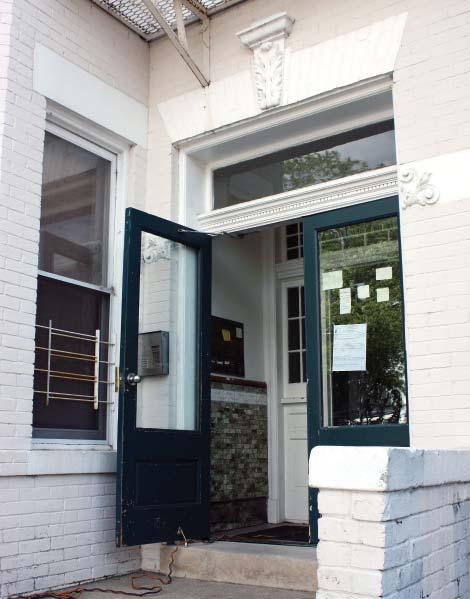
Retractable awnings and interior shades should be kept lowered during the summer to prevent unwanted heat gain, but raised in the winter to take advantage of the heat gain. Interior shades, especially those that have some insulation value, should be lowered at night during the winter months.
Light shelves are architectural devices designed to maximize daylight coming through windows by reflecting it deeper into the building. These horizontal elements are usually mounted on the interior above head height in buildings with high ceilings. Although they can provide energy savings, they are not compatible with most historic buildings. In general, light shelves are most likely to be appropriate in some industrial or modernist-style buildings, or where the historic integrity of interior spaces has been lost and they can be installed without being visible from the exterior.
Requires More Alteration
Add interior vestibules. Vestibules that create a secondary air space or “air lock” are effective in reducing air infiltration when the exterior door is open. Exterior and interior vestibules are common architectural features of many historic buildings and should be retained wherever they exist. Adding an interior vestibule may also be appropriate in some historic buildings. For example, new glazed interior vestibules may be compatible changes to historic commercial and industrial buildings. New exterior vestibules will usually result in too great a change to the character of primary entrances, but may be acceptable in very limited instances, such as at rear entrances. Even in such instances, new vestibules should be compatible with the architectural character of the historic building.
Replace windows. Windows are character-defining features of most historic buildings. As discussed previously, the replacement of a historic window with a modern insulated unit is not usually a cost-effective choice. Historic wood windows have a much longer service life than replacement insulated windows, which cannot be easily repaired. Therefore, the sustainable choice is to repair historic windows and upgrade their thermal performance. However, if the historic windows are deteriorated beyond repair, if repair is impractical because of poor design or material performance, or if repair is economically infeasible, then replacement windows may be installed that match the historic windows in size, design, number of panes, muntin profile, color, reflective qualities of the glass, and the same relationship to the window opening.
Other options should also be considered before undertaking complete window replacement. If only the sash is severely deteriorated and the frame is repairable, then only the sash may need to be replaced. If the limited lifespan of insulated glass is not a concern, the new sash can be made to accommodate double glazing.
Fig. 15. Original steel windows were retained and made operable during the rehabilitation of this historic mill complex. Insulated sliding windows were added on the interior to improve energy efficiency.
Fig. 16. Historic vestibules retain conditioned air in the living spaces.
Where the sashes are sound, but improved thermal performance without the use of a storm window is desired, some windows may be retrofitted with insulated glass. If the existing sash is of sufficient thickness, it may be routed to accept insulated, clear low-e glass without extensive loss of historic material or historic character. When insulated glass is added in a new or retrofitted sash, any weights will have to be modified to accommodate the significant extra weight.
Wall Insulation
Adding wall insulation must be evaluated as part of the overall goal to improve the thermal efficiency of a building and should only be considered after the installation of attic and basement insulation. Can this goal be achieved without the use of wall insulation? Can insulation be added without causing significant loss of historic materials or accelerated deterioration of the wall assembly? Will it be cost effective? These are basic questions that must be answered before a decision is made to insulate the walls and may require professional evaluation.
Add insulation to wood-frame walls. Wood is particularly susceptible to damage from high moisture levels; therefore, addressing existing moisture problems before the addition of insulation is essential. Un-insulated historic wood buildings have a higher rate of air infiltration than modern buildings; while this makes older buildings less efficient thermally, it helps dissipate the unwanted moisture and thus keeps building assemblies dry. Climate, building geometry, the condition of the building materials, construction details, and many other factors make it difficult to assess the impact that adding insulation will have on reducing the air flow and, hence, the drying rate in a particular building. For this reason, predicting the impact of adding insulation to wood-frame walls is difficult.
Insulation Installed in the Wall Cavity: When sheathing is part of the wall assembly, and after any moisture-related problems have been addressed, adding insulation to the interior cavity of a wood-frame wall may be considered. Adding insulation in a wall where there is no sheathing between the siding and studs is more problematic, however, because moisture entering the wall cavity through cracks and joints by wind-driven rain or capillary action will wet the insulation in contact with the back of the siding.
Installing blown-in insulation, either dense-packed cellulose or fiberglass, into the wall cavity causes the least amount of damage to historic materials and finishes when there is access to the cavity walls, and it is therefore a common method of insulating woodframe walls in existing buildings. In most cases, blowing insulation material into the wall cavity requires access through the exterior or interior wall surfaces. When historic plaster, wood paneling, or other interior historic decorative elements are present, accessing the
17.
insulation from the 1889 trade catalog “The Uses of Mineral Wool in Architecture, Car Building and Steam Engineering”. Collection Centre Canadien d’Architecture/Canadian Centre for Architecture, Montreal, Canada.
cavity from the exterior is recommended by removing individual siding boards at the top of each wall cavity. In this manner the boards can be reinstalled without unsightly drill holes on the exterior. If the plaster is deteriorated and will require repair, then the wall cavity may be accessed from the interior through holes drilled through non-decorative plaster.
Of the materials available, dense-packed cellulose fiber is most commonly used. Its R-value, ability to absorb and diffuse moisture, impediment to air flow, relatively simple installation, and low cost make it a popular choice. Cellulose insulation from most manufacturers is available in at least two grades that are characterized by the type of fire retardant added to the insulation. The fire retardants are usually: (1) a mix of ammonium sulfate and boric acid or (2) boric acid only (termed “borate only”). The recommended type of cellulose insulation for historic buildings is the “borate only” grade, as cellulose treated with sulfates reacts with moisture in the air and forms sulfuric acid which corrodes many metals.
Optimum conditions for installing insulation inside the wall cavity occur in buildings where either the exterior materials or interior finishes have been lost, or where the materials are deteriorated beyond repair and total replacement is necessary. However, wholesale removal of historic materials either on the exterior or interior face of a historic wall to facilitate insulation is
not recommended. Even when the exterior materials, such as wood siding, could potentially be reinstalled, this method, no matter how carefully executed, usually results in damage to, and loss of historic materials.
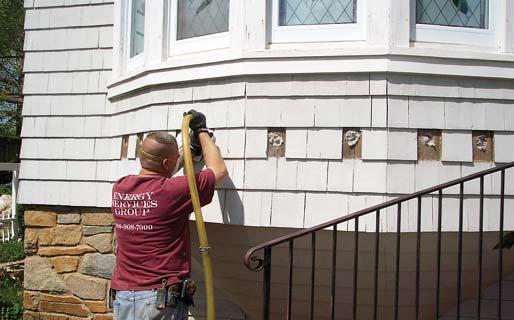
If the wall cavity is open, the opportunity to properly install batt insulation is available. A tight fit between the insulation and the adjacent building components is critical to the performance of the insulation. Batt insulation must be cut to the exact length of the cavity. A batt that is too short creates air spaces above and beneath the batt, allowing convection. A batt that is too long will bunch up, creating air pockets. Air pockets and convection currents significantly reduce the thermal performance of insulation. Each wall cavity should be completely filled. Unfaced, friction-fit batt insulation fluffed to fill the entire wall cavity is recommended. Any air gaps between the insulation and the framing or other assembly components must be avoided. Batts should be split around wiring, pipes, ducts and other elements in the wall rather than be pushed or compressed around obstacles.
When adding insulation to the sidewalls, the band joist area between floors in multi-story, platform-framed buildings should be included in the sidewall insulation retrofit. The R-value of the insulation installed in the band joist area should be at least equal to the R-value of
the insulation in the adjacent wall cavities. In balloonframed buildings, the wall cavity is continuous between floors except where fire stops have been inserted.
The use of spray foam or foamed-in-place insulation would appear to have great potential for application in historic wood-frame buildings due to their ability to flow into wall cavities and around irregular obstacles. Their high R-value and function as an air barrier make them a tempting choice. However, their use presents several problems. The injected material bonds tightly to historic materials making its removal difficult, especially if it is encased in an existing wall. The pressure caused by the expansion rate of these foams within a wall can also damage historic material, including breaking the plaster keys or cracking existing plaster finishes.
Insulation Installed on Either Side of the Wall: Batt, rigid foam board, and spray foam insulation are commonly added to the interior face of walls in existing buildings by furring-out the walls to accommodate the additional thickness. However, this often requires the destruction or alteration of important architectural features, such as cornices, base boards, and window trim, and the removal or covering of plaster or other historic wall finishes. Insulation installed in this manner is only recommended in buildings where interior spaces and features lack architectural distinction or have lost significance due to previous alterations.
20. The walls have been furred out inappropriately around the historic window trim creating an appearance the interior never had historically.
Adding rigid foam insulation to the exterior face of wood-frame buildings, while common practice in new construction, is never an appropriate treatment for historic buildings. Exterior installation of the foam boards requires removal of the existing siding and trim to install one or more layers of polyisocyanurate or polystyrene foam panels. Depending on the amount of insulation added for the particular climate, the wall thickness may be dramatically increased by moving
Fig.
Illustration of
Band Joist
Fig. 18. Dense-packed cellulose insulation is being blown in through holes drilled in the sheathing. Once the operation has been completed, the shingles will be reinstalled. Photo: Edward Minch.
Fig.
Fig. 19. Platform framing (left) and Balloon framing (right).
What about moisture?
The issue of moisture in insulated assemblies is the subject of much debate. While there is no conclusive way to predict all moisture problems, especially in historic buildings, experts seem to agree on a few basic tenants. Exterior materials in insulated buildings become colder in the winter and stay wet longer following a rain event. While the wetness may not pose a problem for robust materials, it may speed the deterioration of some building materials, and lead to more frequent maintenance such as repainting of wood or repointing of masonry. Summer moisture problems are most commonly associated with excessive indoor cooling and the use of interior wall finishes that act as vapor retarders (paint buildup or vinyl wall coverings). Good air-sealing at the ceiling plane usually controls moisture in insulated attics.
Most problems are caused by poor moisture management, poor detailing which does not allow the building to shed water, or inadequate drainage. Therefore, a thorough assessment of the building’s ability to keep out unwanted moisture must be done before adding new insulation materials. Refer to Preservation Brief #39: Holding the Line: Controlling Unwanted Moisture in Historic Buildings for more information. Because of all the uncertainties associated with insulating walls, brick walls in particular, it may be advisable to hire a professional consultant who specializes in the many factors that affect the behavior of moisture in a building and can apply this expertise to the unique characteristics of a particular structure. Sophisticated tools such as computer modeling are useful to predict the performance of building assemblies, but they require interpretation by a skilled practitioner and the results are only as good as the data entered. It is important to remember, there are no reliable prescriptive measures to prevent moisture problems.4
Vapor Retarders (Barriers): Vapor retardants are commonly used in modern construction to manage the diffusion of moisture into wall cavities and attics. For vapor retardants to work properly, however, they must be continuous, which makes their installation difficult in existing buildings, and therefore generally not recommended. Even in new construction, installation of vapor retardants is not always indicated. Formerly, the recommended treatment was to install a vapor retardant toward the heated side of the wall (toward the interior space in cold climates and toward the exterior in hot climates). DOE now recommends that if moisture moves both to the interior and exterior of a building for significant parts of the year, it is better not to use a vapor retarder at all.5
the siding as much as 4 inches out from the sheathing. Even if the historic siding and trim could be removed and reapplied without significant damage, the historic relationship of windows to walls, walls to eaves, and eaves to roof would be altered, which would compromise the architectural integrity and appearance of the historic building.
Solid Masonry Walls: As with frame buildings, installing insulation on the interior walls of a historic masonry structure should be avoided when it would involve covering or removing important architectural features and finishes, or when the added thickness would significantly alter the historic character of the interior. The addition of insulation on solid masonry walls in cold climates results in a decreased drying rate, an increased frequency of freeze-thaw cycles, and prolonged periods of warmer and colder temperatures of the masonry. These changes can have a direct effect on the durability of materials.
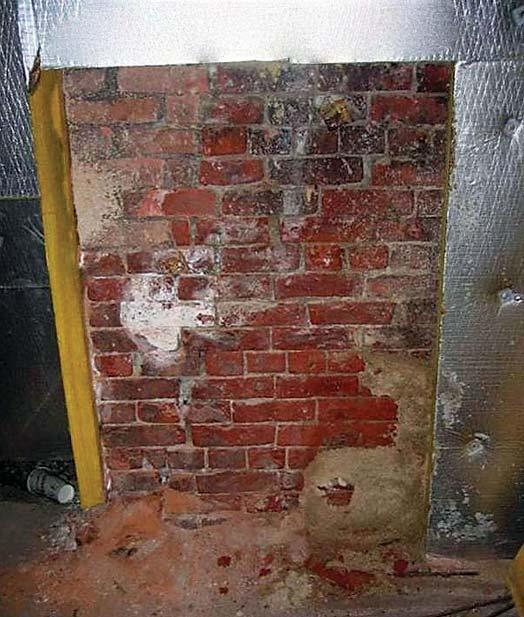
Depending on the type of masonry, exterior masonry walls can absorb a significant amount of water when it rains. Masonry walls dry both toward the exterior and the interior. When insulation is added to the interior side of a masonry wall, the insulation material reduces the drying rate of the wall toward the interior, causing the wall to stay wet for longer periods of time. Depending on the local climate, this could result in damage to the historic masonry, damage to interior finishes, and deterioration of wood or steel structural components
imbedded in the wall. Masonry walls of buildings that are heated during the winter benefit from the transfer of heat from the inside to the outside face of the walls. This thermal transfer protects the exterior face of the wall by reducing the possibility of water freezing in the outer layers of the wall, particularly in cold and wet climates. The addition of insulation on the interior of the wall not only prolongs the drying rate of the exterior masonry wall, but keeps it colder as well, thereby increasing the potential for damage due to freeze-thaw cycles.6
Extreme swings in temperature may also have negative effects on a historic masonry wall. The addition of insulation materials to a historic masonry wall decreases its ability to transfer heat; thus, walls tend to stay warm or cold for longer periods of time. In addition, walls exposed to prolonged solar radiation during winter months can also be subject to higher swings in surface temperature during the day. Deleterious effects due to stress caused by expansion and contraction of the building assembly components can result.
Buildings with masonry materials of higher porosity, such as those built with low-fired brick, or certain soft stones, are particularly susceptible to freeze-thaw cycles and must be carefully evaluated prior to adding insulation. Inspection of the masonry in areas that are not heated such as parapets, exposed wing walls, or other parts of the building is particularly important. A noticeable difference in the amount of spalling or sanding of the masonry in these areas could predict that the same type of deterioration will occur throughout the building after the walls are insulated. Brick that was fired at lower temperatures was often used on the inside face of the wall or on secondary elevations. Even masonry walls faced with more robust materials such as granite may have brick, rubble, mortar or other less durable materials as backing.
Spray foams are being used for insulation in many masonry buildings. Their ability to be applied over irregular surfaces, provide good air tightness, and continuity at intersections between, walls, ceilings, floors and window perimeters makes them well suited for use in existing buildings. However, the long-term effects of adding either open- or closed-cell foams to insulate historic masonry walls as well as performance of these products have not been adequately documented. Use of foam insulation in buildings with poor quality masonry or uncontrolled rising damp problems should be avoided.
Periodic monitoring of the condition of insulated masonry walls is strongly recommended regardless of the insulation material added.
Install cool roofs and green roofs: Cool roofs and vegetated “green roofs” help to reduce the heat gain from the roof, thereby cooling the building and its environment. Cool roofs include reflective metal roofs,
light-colored or white roofs, and fiberglass shingles that have a coating of reflective crystals. All of these roofing materials reflect the sun’s radiation away from the building, which lessens heat gain, resulting in a reduction of the cooling load. Cool roofs are generally not practical in northern climates where buildings benefit from the added heat gain of a dark-colored roof during colder months. Cool and green roofs are appropriate for use on historic buildings only when they are compatible with their architectural character, such as flat roofs with no visibility. A white-colored roof that is readily visible is not appropriate for historic metal roofs that were traditionally painted a dark color, such as green or iron oxide red. A white reflective roof is most suitable on flat roofed historic buildings. If a historic building has a slate roof, for example, removing the slate to install a metal roof is not a compatible treatment. It is never appropriate to remove a historic roof if the material is in good or repairable condition to install a cool roof. However, if the roof has previously been changed to an asphalt shingle roof, fiberglass shingles with special reflective granules may be an appropriate replacement.
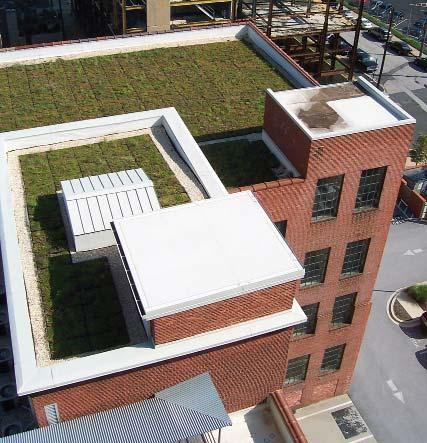
A green roof consists of a thin layer of vegetation planted over a waterproofing system or in trays installed on top of an existing flat or slightly sloped roof. Green roofs are primarily beneficial in urban contexts to reduce the heat island effect in cities and to control storm water run-off. A green roof also reduces the cooling load of the building and helps cool the surrounding urban environment, filters air, collects and filters storm water, and can provide urban amenities, including vegetable gardens, for building occupants. The impact of increased
Fig. 21. The interior face of a brick masonry wall shows damage that resulted from the installation of a vapor retardant (foil facing) and thermal insulation. Photo: Simpson Gumpertz & Heger.
Fig. 22. Installation of both cool and green roofs in an urban environment.
structural loads, added moisture, and potential for leaks must be considered before installing a green roof. A green roof is compatible on a historic building only if the plantings are not visible above the roofline as seen from below.
Alternative Energy Sources
Although not the focus of this publication, alternative energy sources are dealt with in more detail in The Secretary of the Interior’s Standards for Rehabilitation & Illustrated Guidelines on Sustainability for Rehabilitating Historic Buildings and other NPS publications. Devices that utilize solar, geothermal, wind and other sources of energy to help reduce consumption of fossil fuel-generated energy can often be successfully incorporated in historic building retrofits. However, if the alterations or costs required to install these devices do not make their installation economically feasible, buying power generated off site from renewable sources may also be a good alternative. The use of most alternative energy strategies should be pursued only after all other upgrades have been implemented to make the building more energy efficient because their initial installation cost is usually high.
Solar Energy: Man has sought to harness the power of solar energy to heat, cool, and illuminate buildings throughout history. Construction techniques and design strategies that utilize building materials and components to collect, store, and release heat from the sun are described as “passive solar design.” As previously discussed, many historic buildings include passive solar features that should be retained and may be enhanced. Compatible additions to historic buildings also offer opportunities to incorporate passive solar features. Active solar devices, such as solar heat collectors and photovoltaic systems, can be added to historic buildings to decrease reliance on grid-source fossil-fuel powered electricity. Incorporating active solar devices in existing buildings is becoming more common as solar collector technology advances. Adding this technology to historic buildings, however, must be done in a manner that has a minimal impact on historic roofing materials and preserves their character by placing them in locations with limited or no visibility, i.e., on flat roofs at a low angle or on a secondary roof slope.
Solar collectors used to heat water can be relatively simple. More complex solar collectors heat a fluid or air that is then pumped through the system to heat or cool interior spaces. Photovoltaic panels (PV) transform solar radiation into electricity. The greatest potential for the use of PV panels in historic buildings is on buildings with large flat roofs, high parapets, or roof configurations that allow solar panels to be installed without being prominently visible. The feasibility of installing solar devices in small commercial and residential buildings will depend on installation costs, conventional energy rates, and available incentives, all of
which will vary with time and location. The same factors apply to the use of solar collectors for heating water, but smaller installations may meet a building’s need and the technology has a considerable track record.
Geothermal Energy: The use of the earth’s heat is another source of readily-accessible clean energy. The most common systems that utilize this form of energy are geothermal heat pumps, also known as geoexchange, earth-coupled, ground-source, or water-source heat pumps. Introduced in the late 1940s, geothermal heat pumps rely on heat from the constant temperature of the earth, unlike most other heat pumps which use the outside air temperature as the exchange medium. This makes geothermal heat pumps more efficient than conventional heat pumps because they do not require an electric back-up heat source during prolonged periods of cold weather.
There are many reasons that geothermal heat pumps are well suited for use in historic buildings. They can reduce the amount of energy consumption and emissions considerably, compared to the air exchange systems or electric resistance heating of conventional HVAC systems. They require less equipment space, have fewer moving parts, provide better zone space conditioning, and maintain better internal humidity levels. Geothermal heat pumps are also quieter because they do not require external air compressors. Despite higher installation costs, geothermal systems offer long-term operational savings and adaptability that may make them a worthwhile investment in some historic buildings.
Wind Energy: For historic properties in rural areas, where wind power has been utilized historically, installation of a wind mill or turbine may be suitable to the historic setting and cost effective. Before choosing to install wind-powered equipment, the potential benefit and the impact on the historic character of the building, the site and surrounding historic district must be analyzed. In order for the turbines to work effectively, average wind speeds of 10 mph or higher are necessary. This technology may not be practical in more denselypopulated areas sheltered from winds or regions where winds are not consistent. In cities with tall buildings, there is potential for installing relatively small rooftop turbines that are not visible from the ground. However, because of the initial cost and size of some turbines, it is generally more practical to purchase wind power from an off-site wind farm through the local utility company.
End Notes
1 John Krigger and Chris Dorsi, “Air Leakage,” in Residential Energy: Cost Savings and Comfort for Existing Buildings. Helena, Montana: Saturn Resource Management, 2004, p. 73.
2 Measured Winter Performance of Storm Windows. A 2002 study done by Lawrence Berkeley National Labs.
3 Midwest Weatherization Best Practices Field Guide. Prepared for the U.S. Department of Energy Weatherization Assistance Program, May 2007, p. 157.
Acknowledgements
Summary
With careful planning, the energy efficiency of historic buildings can be optimized without negatively impacting their historic character and integrity. Measuring the energy performance of buildings after improvements are completed must not be overlooked, as it is the only way to verify that the treatments have had the intended effect. Ongoing monitoring of buildings and their components after alterations to historic building assemblies are completed can prevent irreparable damage to historic materials. This, along with regular maintenance, can ensure the long-term preservation of our historic built environment and the sustainable use of our resources.
4 Adapted from comments provided by William B. Rose, Research Architect, University of Illinois, April 2011.
5 U.S. Department of Energy, Insulation Fact Sheet, DOE/CE-0180, 2008, p.14.
6 Bradford S. Carpenter, P.E., LEED AP et al., The Designer’s Dilemma: Modern Performance Expectations and Historic Masonry Walls (paper presented at the RCI 2010 Symposium on Building Envelope Technology, San Antonio, Texas).
Jo Ellen Hensley, Senior Architectural Historian, LEED Green Associate, and Antonio Aguilar, Senior Historical Architect, Technical Preservation Services Branch, National Park Service, revised Preservation Brief 3: Conserving Energy in Historic Buildings, written by Baird M. Smith, FAIA and published in 1978. The revised Brief contains expanded and updated information on the subject of energy efficiency in historic buildings. A number of individuals and organizations have contributed their time and expertise in the development of this Brief, beginning with the participants of the “Improving Energy Efficiency in Historic Buildings—A Round Table Symposium,” Washington, DC, 2002. Special thanks go to Mike Jackson, FAIA, Illinois Historic Preservation Agency; Edward Minch, Energy Services Group; William B. Rose, Research Architect, University of Illinois; Bradford S. Carpenter, P.E., LEED AP; and Mark Thaler, AIA, for their technical advice. The Advisory Council on Historic Preservation’s Sustainability Task Force, the General Services Administration’s Center for Historic Buildings, and our colleagues at the National Center for Preservation Technology and Training commented on the manuscript. In addition, the Technical Preservation Services professional staff, in particular Anne Grimmer, Michael J. Auer and John Sandor, provided critical and constructive review of the publication.
This publication has been prepared pursuant to the National Historic Preservation Act of 1966, as amended, which directs the Secretary of the Interior to develop and make available information concerning historic properties. Additional information about the programs of Technical Preservation Services is available on the website at www.nps.gov/tps. Comments about this publication should be addressed to: Charles E. Fisher, Technical Preservation Publications Program Manager, Technical Preservation Services, National Park Service, 1201 Eye Street, NW, 6th Floor, Washington, DC 20005. This publication is not copyrighted and can be reproduced without penalty. Normal procedures for credit to the authors and the National Park Service are appreciated. The photographs used in this publication may not be used to illustrate other publications without permission of the owners. Cover photograph: Farmhouse with energy efficient historic storm windows.
ISBN: 978-0-16-089762-7
U.S. Government Printing Office Stock Number: 024-005-01294-0
December 2011
Fig. 23. Solar collectors installed in a compatible manner on low sloping sawtooth monitors. Top Photo: Neil Mishalov, Berkeley, CA.
National Register of Historic Places Registration Form
2.
1.
3.
As the designated authority under the National Historic Preservation Act, as amended, hereby certify that this nomination _ request for determination of eligibility meets the documentation standards for registering properties in the National Register of Historic Places and meets the procedural and professional requirements set forth in 36 CFR Part 60.
In my opinion, the property _ meets _ does not meet the National Register Criteria. I recommend that this property be considered significant at the following level(s) of significance: national statewide local
DOMESTIC/Single dwelling
AGRICULTURE/Agricultural Field
AGRICULTURE/Processing
AGRICULTURE/Storage
AGRICULTURE/Agricultural Outbuilding
AGRICULTURE/Irrigation Facility
Site
& CULTURE/Work of Art
Narrative Description
(Describe the historic and current physical appearance of the property. Explain contributing and noncontributing resources if necessary. Begin with a summary paragraph that briefly describes the general characteristics of the property, such as its location, setting, size, and significant features.)
Summary Paragraph
Located in a single-family residential neighborhood in Glendora, California, approximately 20 miles east of Los Angeles, the Rubel Castle Historic District is a 1.7-acre folk art environment consisting of a walled, 22,000-square-foot Castle Complex and adjacent, adaptively reused citrus buildings. Referred to as Rubel Castle, Rubelia, and Rubel Pharms, the property is named after its designer and builder, Michael Clarke Rubel (1940-2007). Through the early 1950s, this land and wide swaths of the surrounding acreage throughout northern Glendora consisted primarily of citrus groves. By the mid-1960s, northern Glendora had changed dramatically, with the decline of the citrus industry and rapid increase in residential settlement. After Rubel acquired the property in 1959, he began living in the buildings of the former citrus ranch in the early 1960s and, with the help of a wide network of friends, associates, townspeople, and “Pharm Hands,” began collecting materials and constructing the castle. Construction on the property unfolded over two and a half decades, from the mid-1960s to 1986.
Best characterized as a self-contained village, the Rubel Castle Historic District occupies a portion of the former grounds of the Albourne Ranch Company, a citrus farm that operated on the site until 1949. The Rubel Castle Historic District includes two adjacent areas: the property’s eastern portion contains the remnants of the citrus farm; the western portion contains the Castle itself and other related buildings and structures. Contributors on the eastern portion of the property include a Citrus Packing House, Residence, Tool Shed, Lemon House, and Box Factory, all dating from 1936 to 1943. Contributors on the western portion include the Castle Complex, which is a combination of stone masonry and wood buildings and structures that incorporate recycled objects, architectural follies, and a wide variety of other artifacts. The Castle Complex includes a series of two- to four-story buildings and six towers, four of which are square in shape and embedded in the castle’s curving walls. Within the Castle Complex are the Clock Tower, Stair Tower, Round House, and Bottle House. All of the castle walls and towers are lined with battlements. Contributing ancillary buildings and structures are the Rock Shed, Rock Barn, Wood Rental, and Rock Garage. Non-contributing ancillary structures, and objects on the site are the Corral, Santa Fe Rail Lines Caboose, Water Tower, Windmill, and Cemetery. Overall, there are 14 contributing buildings and structures, and four non-contributing structures and objects, and one non-contributing site (the cemetery).
The property remains largely intact and continues to convey both the history of the local citrus industry, and Michael Rubel’s vision for a medieval-style castle that is monumental in scale and constructed out of recycled materials. Overall, the Rubel Castle Historic District retains integrity of location, design, materials, workmanship, association, setting, and feeling.
Narrative Description
Overview
Throughout his life, Michael Rubel had an interest in building forts and castles. Rubel’s childhood forts often climbed multiple stories and had numerous rooms, and, with the family’s home located near Glendora’s municipal dump, also incorporated numerous found objects. The grounds of Albourne Ranch had also been a favorite place to play for Rubel when he was a child. When the Bourne family subdivided and sold most of the former citrus ranch, they donated a 2.5-acre parcel, which included the reservoir and citrus ranch buildings, to Glendora’s Episcopal Church, with the understanding that Rubel would be given the option to purchase the property when he turned 20 years of age. Rubel ultimately acquired the property when he was 19, and it served as his residence for most of his life.
When Rubel began building his ultimate Castle, superimposed on an existing circular concrete reservoir, one of his first projects was to bore a car-sized passageway through the walls below grade. This project began in 1965. In 1968, once the passage was complete, Rubel began to work on the Bottle House, followed by the Portcullis. In the early 1970s, construction generally focused on the southern portion of the Castle walls and buildings, which climbed to three stories by the mid-1970s. In addition to serving as a ready-made, reinforced concrete form, the circular reservoir provided the organizing scheme for the Castle’s layout, with towers and buildings added to the basic form with varying massing and configurations. At the ground story, the buildings of the Castle face onto a courtyard and walkway that circles the central complex.
Dominating the center of the grounds is a round, two-story Machine Shop with two cupolas. The reservoir’s reinforced concrete walls, which are one and one-half feet thick, remain largely intact, with two openings cut through to provide entry to the Castle. The main southern entry has a broad Portcullis, or medievalstyle gate, made of a latticed grille with wood timbers fastened to beams. A second passageway on the southeast links the Castle Complex with the original living quarters, workshops, dining, and public areas housed in the former citrus buildings. While the castle has no specific architectural style, the use of stream rocks and boulders from the San Gabriel Mountains, used as structure, veneer, and hardscaping throughout the grounds, gives Rubel Castle the distinct look and feel of a picturesque medieval village. This atmosphere is enhanced through the incorporation of battlements in the Castle walls and buildings, and the organic quality of the irregular stone masonry and detailing.
Given the ad hoc development of Rubel Castle and the absence of any construction documents or building permits, available sources offer contradictory information with respect to dates of construction for the Castle’s many component buildings and structures. The dates provided in this nomination are drawn from historic photographs, archival aerial photographs, and information provided in the sources listed in the bibliography. The locations of the buildings, structures, and features described below are indicated in the Site Plan included in Attachment 1, page AD-1.
Contributing Buildings: Castle Complex
1. Castle Walls, Buildings, Towers, and Entry Portcullis
The Castle was built on a 124-foot diameter irrigation reservoir that was completed in 1910. When Castle construction began in the 1960s, the reservoir provided a ready-made concrete foundation. This base and the 12-foot walls established the organizing form for the complex. Capped with battlements, the Castle walls are built primarily from stream rocks and slabs of recycled granite set in cement mortar. With the original reservoir walls serving as a base, the Castle walls, buildings, and towers were constructed over time, to form a continuous, self-contained townscape. In some places, the original reservoir walls are visible. Embedded in the mortar of the Castle walls are many recycled and found objects and curios, such as bottles, household items, and appliances, as well as portions of bicycles and motorcycles. The ground story of the Castle’s interior has an area of 22,000 square feet.
The Castle was constructed between approximately 1965 and 1986. By 1972, the Castle walls were approximately three stories tall around the periphery. The walls consist of irregular courses of bouldersized stream rocks, with slabs of granite reinforcing portions of the base. The rocks and granite are set in cement, with steel reinforcing bars and other materials serving as supports (these materials include steel piping, railroad tracks, bed springs, large steel cable, and telephone poles). The Castle walls have a number of openings with handmade and recycled casement windows as well as large iron grilles.
There are four square towers and a series of two- to four-story buildings along the Castle walls. Tiled shed roofs serve as hyphens for the towers. The square towers are lined with crenels and rise as high as four and a half stories. The four square towers consist of: the East (or Pigeon) Tower, which is over four-stories
high and once housed a flock of pigeons on the upper story; today the East Tower contains a rental unit; the stepped Fire Tower (on the south side), which contains a water tank and pressurizing pump, and provides access to an ample terrace overlooking the grounds and surrounding neighborhood; the West (or Bee) Tower on the west side, which once housed a working bee hive; and on the north side, a three-story tower, with a roof terrace, abutting the Clock Tower.
The towers have a variety of window materials and configurations, including recycled, wood-frame, doublehung sashes and casements, with wood lintels. A balcony extending across the Fire Tower has massive timber posts, supporting a shed roof, and a railing made from a variety of recycled materials, including wood grilles and wagon wheels. The second-story residences, workshops, and rooms are reached by a series of external staircases. The staircases generally consist of irregularly sized and shaped slabs of recycled granite with steel-pipe railings. There are decorative ironworks made at the Castle’s blacksmith shop and recycled objects embedded in the mortar of the castle’s stream-rock walls.
Progressing around the Castle, the ground stories have open, recessed garages, storage areas, and workshops. The courtyard and walkway around the Castle are faced with symmetrically arranged brick pavers accented by decorative glazed ceramic tile. Just east of the Clock Tower, an iron gate, made by the castle blacksmith, marks the walkway leading from the Clock Tower to the “Troll’s House,” a ground-story rental property, and the “King’s Quarters,” Rubel’s second- and third-story apartment residence.
The Castle Complex is reached from a main entry tunnel located on the south side of the Castle. The entry has a Portcullis, or medieval-style gate, made of massive wood timbers, arranged vertically and bound with wrought-iron hardware. Stepped, square towers made of stream rocks flank the Portcullis. The gate, which is operated electronically, opens outward. The tunnel is lined with retaining walls finished by multicolored glass bottles set in cement and a wood-plank ceiling with wood rafter supports. A second, smaller passageway on the southeast links the castle grounds with the complex’s original living quarters, workshops, dining, and public areas, which are housed in the Citrus Packing House (Tin Palace) and Lemon House (Pharm Kitchen). The Portcullis and its flanking stream-rock walls were constructed in circa 1970. A massive, handmade wood gate made of recycled materials leads from the tunnel into the Castle’s main courtyard.
While no specific architectural style was used for the castle, the use of hundreds of thousands of tons of alluvial rocks and boulders from the San Gabriel Mountains, transported over the years by Rubel and his wide network of Pharm Hands, unifies the castle aesthetically.
2. Clock Tower
Two cylindrical towers topped with battlements occupy the courtyard along the Castle’s northern section. The tallest tower, which rises 74 feet, is the Clock Tower. The basic structure of the Clock Tower consists of 10,000-gallon water tanks, stacked vertically, bolted together, and welded. The tanks are clad in streamrock and granite set in cement. The side of the Clock Tower abuts the adjacent Castle structure. The water tanks were previously used to irrigate the citrus groves. By 1985, the tanks had been hoisted into place and the stream-rock exterior walls had been constructed. In 1986, the 1890 Seth Thomas hand-wound clock was installed in the Clock Tower. Wound each day by a caretaker, the clock continues to mark each hour and half hour, in a chime that has become anticipated throughout northern Glendora.
3. Stair Tower (Bell Tower)
The Stair Tower (or Bell Tower) contains a spiral staircase leading up to an open walkway that connects to the castle’s north terrace. Climbing three and one-half stories, the Stair Tower is constructed of streamrock and reinforced granite walls. An arched opening at the top of the tower contains one of the clock bells that came with the Seth Thomas clock.
Rubel Castle Historic District Los Angeles, CA Name
County and State
4. Round House (Machine Shop)
The centerpiece of the Castle Complex is the Round House, or Machine Shop, which was constructed in approximately 1972. Circular in plan, the Round House is a two-story, timber-framed building. With an irregular design composition, the Round House presents a different appearance from all angles. The walls have irregular courses of granite and boulder-sized alluvial rocks set in cement. Embedded in the walls are various recycled bottles, curios, and other found objects. A series of large iron grilles and gates are placed irregularly along the ground story, providing light and access to the interior.
The roof consists of radial wood joists supporting a grid of wood-plank sheathing covered in plywood. Rising from the roof are two cupolas, one centered and a smaller one off-center. The larger cupola has clerestory windows, which provide light to a second-story loft. The treatment of eaves varies, with wide, open eaves on the southwestern side extending to shelter the one-story Bottle House, and shallower, open eaves ringing the circumference of the building. The irregular design composition extends to fenestration, which includes a variety of homemade and recycled fixed and casement windows, in wood and metal, with an irregular placement. Windows and doors have lintels made of timber and slabs of granite. The plan of the interior is open, with the shop occupying the first story and a loft area and work spaces on the second story. On the south side, near the entry tunnel, a second-story balcony and walkway connect the loft of the Round House with the castle buildings. A similar walkway connects the Round House with the Clock Tower on the northern portion of the building.
The massive structural timbers used in the Round House were salvaged from a demolished railroad bridge when the Feather River project was in progress. The iron doors came from Glendora’s 1920s-era jail as it was being demolished. Much of the equipment in the Round House – including lathes, milling machines, and other machinery – was donated by Lorne Ward, a family friend of Rubel who also donated the funds for Rubel to purchase the 1890 Seth Thomas hand-wound clock.
5. Bottle House
Constructed in 1968, the Bottle House was the first building constructed in the reservoir. Wishing to add a residence/get-away apart from the family’s main residence in the former Citrus Packing House, Rubel built the one-story dwelling out of multicolored bottles set in cement. Rectangular in plan, the Bottle House measures approximately eight by ten feet and has a front-gabled roof, sheathed in corrugated metal. The Bottle House is entered via a door on the north façade. Broken concrete pieces serve as corner stones. The Bottle House is sheltered beneath the open eaves of the Round House. The transparent, multicolored bottles allow light in to illuminate the interior, which consists of a single room with a small wood-burning stove and sitting area, and an elevated loft area reached by a ladder.
Contributing Buildings: Former Citrus Ranch
6. Citrus Packing House (Tin Palace)
Located east of the Castle, the Citrus Packing House (or Tin Palace as it is known at Rubel Pharms) was originally constructed in 1938. Utilitarian in design, the building served as the packing house and cold storage area for Albourne Ranch. The interior walls still display original posters providing instructions for boxing fruit. Measuring 36 by 108 feet, the wood-frame building is one story in height, with exterior walls sheathed in corrugated metal siding. The building is capped with a wood-truss roof clad in corrugated metal panels. Fenestration consists primarily of wood-framed, multi-light, double-hung windows, in a variety of configurations.
The Citrus Packing House is linked to the Castle grounds via a tunnel through the reservoir walls, lined with multicolored bottles set in cement. After Rubel acquired the property in 1959, the Citrus Packing House was converted into a residence, with cold storage rooms along the west elevation reused as bedrooms, and large dining, living, and public rooms extending through the open, rectangular space of the building. Original wood-plank floors and wall panels made of quarter-inch plywood remain throughout the interior. Along the west side of the building, bedrooms are accessed via the Packing House’s original wood refrigerator doors.
In 1939, the building was extended on the south and north sides, and a partial basement was added beneath the building’s southern portion. In 1940, a small office was added in the northern portion; originally used by Michael Rubel as a kitchen, this was subsequently removed after being damaged in a flood in 1969. In 1943, when the adjacent Lemon House was constructed, a platform and covered walkway was added along the southern side of the building, connecting it with the Lemon House.
Today, the Citrus Packing House functions as a repository for Rubel’s vast collection of memorabilia and artifacts, as a guest house, and as a gathering space for public events.
7. Residence (Tree House), Carport, and Shop
Utilitarian in design, this two-story wood-frame building was constructed in 1936 as a residence for ranch personnel (it is currently used as a rental property). Rectangular in plan, the building consists of an enclosed garage on the ground story and residence on the second story of the south elevation. The ground-story garage has sliding doors. A full-length balcony, with a shed roof and wood railing, spans the second-story facade. The balcony is supported by a recycled telephone pole used as a beam, and post supports clad in irregular courses of stream rocks, set in cement. There is a low-pitched, side-gable roof with clay tiles. Fenestration consists of metal- and wood-framed windows in a variety of configurations. Exterior wall materials include cement plaster and corrugated metal siding. Extending north is a one-story shed and shop, consisting of a wood post-and-beam structure and wood truss roof sheathed in corrugated metal.
8. Tool Shed
Originally part of the Albourne Ranch, this utilitarian, one-story structure was built in 1937 as a shop for the citrus farm. Measuring 14 by 24 feet, the structure has a wood frame and wood-beam roof, with corrugated metal siding on exterior walls and doors. The building now serves as a tool storage area.
9. Lemon House (Pharm Kitchen)
This two-story, wood-frame building was constructed in 1943 by the Albourne Ranch Company as a Lemon Packing House and cold storage area. After Rubel acquired the property, this building became the “Pharm” Kitchen and gathering place (a function it continues to serve). Measuring 28 by 44 feet, the building consists of an enclosed cold storage area on the ground story and the kitchen and dining room on the second story. A full-length open balcony, fronted by an iron-pipe railing, extends across the second story. The building has a low-pitched, front-gabled roof. Exterior wall materials include panels of ribbed metal siding. Fenestration consists of single-panel, wood- and metal-framed windows and doors, in a variety of configurations and sizes. When the Lemon House was constructed, a platform and walkway with a shed roof were added to connect this building with the Citrus Packing House.
10. Box Factory and Tool Shed
This vernacular, multi-purpose building was constructed in phases from 1940 to 1941 as a box-making factory, residence, and tool shed for the Albourne Ranch Company. The Box Factory consists of a
Rubel Castle Historic District Los Angeles, CA Name of Property County and State
rectangular, two-story wood-framed building with corrugated metal exterior walls and a concrete foundation. Storage areas and covered garages occupy the ground story, and a residence, now a rental property, occupies the second story. There is a low-pitched, side-gabled roof with exposed rafters and corrugated metal sheathing. Exterior walls display corrugated metal. A small balcony with a shed roof, wood post supports, and a simple wood railing, mark the center of the facade. Fenestration includes woodframed windows in a variety of sizes and configurations. A one-story Tool Shed with a shed roof is located at the southern portion of the building.
Contributing Ancillary Buildings and Structures
11. Rock Shed (Bennett’s Bunker)
Located near the Live Oak Avenue entrance to the Rubel Castle Historic District, the Rock Shed (also known as Bennett’s Bunker) is just outside the Castle walls. The one-room structure is rectangular in plan and capped with a side-gabled roof sheathed in clay tiles. The roof gables and rafters bear on a massive wood log and beams. The building displays load-bearing stream-rock walls set in cement, with timber lintels over a handmade wood door made of recycled materials. A series of small, rectangular window openings are framed by flat, asymmetrical chunks of granite. The granite slabs throughout Rubel Castle and in the faux cemetery are a combination of cast-off pieces donated by a local tombstone maker, and custom markers memorializing family members and Pharm Hands. Construction of the Rock Shed was led by long-time Pharm Hand Ed Bennett, who built the shed in 1981.
12. Rock Barn (Billing’s Barn)
The Rock Barn is a two-story building just south of the Live Oak Avenue entrance to the historic district. The building is rectangular in plan and capped with a front-gable roof sheathed in clay tiles. Three purlins, made from recycled telephone poles, mark the gable apex and sides. The eaves are open, revealing the structure of wood planks and recycled wood rafters beneath. On the south side, the roof eaves extend to enclose a storage area. Handmade, double wood doors provide access on the ground story. There are wood casement windows with wood frames on the second story. Exterior walls are structural stream-rock in irregular courses, set in cement. This building was constructed in approximately 1975 by long-time Pharm Hand Curt Billings to house the resident horses.
13. Wood Rental (Chip House)
This one-story, wood-frame residence is clad in wood siding and capped with a side-gable roof. The exterior of the building is only partially visible due to its proximity to the Castle walls. Although the original date of construction is unknown, the house appears on a 1953 aerial photograph. Alterations to the building include the addition of a kitchen and bathroom. A patio was added that spans the façade and consists of telephone poles used as post supports and a timber beam.
14. Rock Garage (Engine Room)
Located in the northeastern portion of the property, the Rock Garage (also known as the Engine Room) is a one-story structure just east of the Citrus Packing House. The building is rectangular in plan and capped with a front-gable roof sheathed in corrugated metal. Recycled wood doors, with wood frames and lintel, provide access to the ground story. The gable apex is pierced with a round opening filled with a recycled wagon wheel, which provides ventilation to the interior. Exterior walls consist of structural stream-rock in irregular courses, set in cement. The structure houses an operational, single-cylinder, natural-gas-powered engine recycled from a nearby citrus farm which Michael Rubel used to power a bird bath.
Non-Contributing Ancillary Landscape Features
The grounds of Rubel Castle include mature trees and landscaping, as well as numerous recycled artifacts and architectural follies. These include the Corral (#15), just south of the castle’s main entrance; a 1940’s Santa Fe Rail Lines caboose (#16), which was converted by Rubel into a guest house; a Water Tower (#17), which was recycled from a defunct citrus ranch; and an operational Windmill (#18), which was disassembled and transported from Lompoc to Glendora by Rubel with the help of many Pharm Hands. The grounds also include a faux cemetery (#19), which makes use of the donated tombstones.
Integrity
The Rubel Castle Historic District retains all seven aspects of integrity, and continues to convey its early history as a citrus ranch, as well as the folk art environment created by Michael Rubel:
Location: All contributors remain in their original locations.
Design and Setting: The contributing buildings within the Castle grounds retain their original design and setting. After Rubel acquired the 1930’s and 1940’s citrus-era properties, they were gradually adapted for re-use and became the first residence, gathering spaces, and workshops for the folk art environment of Rubel Castle. The citrus-era properties retain their integrity of design and setting.
Workmanship and Materials: There have been few alterations since Rubel Castle was completed in 1986. The significant character-defining features and materials of contributing buildings and structures remain intact, and Rubel Castle retains its integrity of workmanship and materials.
Feeling: Rubel Castle retains the significant physical features that contribute to the original feeling as a monumental folk art environment and village.
Association: Rubel Castle continues to convey its original association. It still functions as a “working castle,” with live/work quarters for artists and other residents, workshops, and public events and tours.
8. Statement of Significance
Applicable National Register Criteria (Mark "x" in one or more boxes for the criteria qualifying the property for National Register listing.)
X A Property is associated with events that have made a significant contribution to the broad patterns of our history.
B Property is associated with the lives of persons significant in our past.
X C Property embodies the distinctive characteristics of a type, period, or method of construction or represents the work of a master, or possesses high artistic values, or represents a significant and distinguishable entity whose components lack individual distinction.
D Property has yielded, or is likely to yield, information important in prehistory or history.
Criteria Considerations (Mark "x" in all the boxes that apply.)
Property is:
A Owned by a religious institution or used for religious purposes.
B removed from its original location.
C a birthplace or grave.
D a cemetery.
E a reconstructed building, object, or structure.
F a commemorative property.
X G less than 50 years old or achieving significance within the past 50 years.
Period of Significance (justification)
County and State
Areas of Significance (Enter categories from instructions.)
Agriculture
Art
Architecture
Period of Significance 1910 – 1949; 1959 - 1986
Significant Dates N/A
Significant Person (Complete only if Criterion B is marked above.) N/A
Cultural Affiliation N/A
Architect/Builder Rubel, Michael Clarke
There are two periods of significance, reflecting the two distinct periods of development for the property. 1910-1949 reflects the property’s association with Glendora’s citrus industry; 1910 is the date of construction for the concrete irrigation reservoir on the property, and 1949 is when the citrus ranch ceased operations. 1959-1986 reflects the property’s association with Michael Rubel; 1959 is the date of Rubel’s acquisition of the property, and 1986 is the completion date of the Clock Tower, which was the last addition to Rubel Castle.
Criteria Considerations (explanation, if necessary)
Although it was completed fewer than 50 years ago, Rubel Castle meets Criterion Consideration G as a rare, monumental example of a folk art environment that has achieved national acclaim and exceptional local significance as one of Glendora’s best known and most visited landmarks. There is precedence in California for designating sites associated with folk art that are less than fifty years old, and because these sites are often fragile or on underutilized properties, they are becoming increasingly threatened.
Statement of Significance Summary Paragraph (Provide a summary paragraph that includes level of significance and applicable criteria.)
The Rubel Castle Historic District is significant under Criterion A at the local level of significance for its association with the local citrus industry, which played a crucial role in the development of the area in the late nineteenth and early twentieth centuries. The Packing House and other citrus-related buildings remaining on the property are rare, remnant examples of citrus facilities that once dominated the landscape in this area. The period of significance under Criterion A is 1910-1949, representing the construction of the irrigation reservoir on the property, through the closure of the property as a working citrus ranch.
The Rubel Castle Historic District is significant under Criterion C at the local level of significance as a unique, rare, and exceptional example of a folk art environment. 1 Typically these environments reflect the “idiosyncratic visions of singular creators working with obsessive consistency over a period of years, during which time intuition replaces blueprints or formal planning toward the rebuilding process.”2 The architect, builder, engineer, and resident of the castle, Michael Clarke Rubel, had no formal training in architecture, construction, or art, and no formal designs for the castle. Although Rubel held a job as a school bus driver, his primary occupation throughout his life was constructing the castle, which also served as his residence until a few years prior to his death in 2007. The result is a monumental folk art environment created by thousands of tons of alluvial boulders from nearby washes of the San Gabriel Mountains, and thousands of recycled and found objects. The Castle’s recycled objects include everything from small, everyday household items to industrial-scale objects and remnants of the early agricultural and industrial development of the San Gabriel Valley. The Castle possesses high artistic value and embodies the distinctive characteristics of handcrafted stone masonry, as seen in its central walls, buildings, and towers. The period of significance under Criterion C is 1959, when Michael Rubel acquired the property, through 1986, when the construction of the last component of the Castle was complete.
Although it was completed fewer than 50 years ago, the Rubel Castle Historic District meets Criterion Consideration G for exceptional importance. It is a rare, monumental example of a folk art environment that has been celebrated nationally since the 1970s. It is one of Glendora’s most important and visited landmarks. As Michael Rubel began work on the Castle, it quickly became a community project, in which Rubel’s network of friends and associates, as well as Glendoran residents, contributed materials, equipment, labor, or leads on available objects and materials. The Rubel Castle Historic District reflects the characteristics identified for significant folk art environments in the 1978 Thematic Nomination for Twentieth-Century Folk Art Environments in California.3
There are three previous nominations for folk art environments that have been particularly helpful in the preparation of this nomination. Arguments established in these earlier documents establish precedent and significance thresholds useful for creating context for the Rubel Castle Historic District: Robert Selway, Albert Hurtado, and Emily Hart, “Twentieth Century Folk Art Environments in California,” National Register of Historic Places Thematic Nomination, 1978. “Twentieth Century Folk Art Environments,” California Register of Historical Resources, 1981. Daniel Paul, “Grandma Prisbey’s Bottle Village,” National Register of Historic Places Registration Form, 1996. Daniel Paul, “Grandma Prisbey’s Bottle Village,” National Register of Historic Places Registration Form, 1996, Section 8, Page 1. Selway, “Twentieth Century Folk Art Environments in California,” National Register of Historic Places Thematic Nomination, 1978. This nomination laid the groundwork for recognizing works of folk art as historical resources, and since that time several folk art sites in California have been listed in the National Register of Historic Places The majority of these sites were designated prior to reaching the 50-year threshold.
Rubel Castle Historic District Los Angeles, CA Name of Property County and State
Narrative Statement of Significance Provide at least one paragraph for each area of significance.)
Criterion A
The remnant citrus properties on the site of the Rubel Castle Historic District are rare extant resources from this important period in Glendora’s history. The landscape and built environment reflecting California’s historic citrus industry is rapidly vanishing, and remnant resources that continue to tell the story of the industry’s significant role in the history and development of California are increasingly rare.
The striking conversion from large-scale ranching and wheat farming to small-scale intensive farming in California from the 1870s to World War I represented one of the most rapid transformations in American history. In 1873, two Bahia trees alive with Washington Navels grew outside Riverside. By the end of the 1880s, more than one million Bahia trees dotted the Southern California landscape, producing about 2,000 carloads of navel oranges in 1886 alone.4 In addition to the completion of the transcontinental railroad in 1869, other rail lines such as the Atchison, Topeka, and Santa Fe helped end California’s seclusion from the rest of the nation and provided rate competition with Southern Pacific that reduced transportation and shipping costs. As a result, by 1899 California held a monopoly on orange production with about 5.9 million boxes of oranges out of the 6.2 million produced nationwide.5 Although the California citrus industry extended from San Diego to Santa Barbara, there were several concentrated areas responsible for the most production. One of the primary “citrus belts” was located in the foothill areas from Pasadena to San Bernardino, including Monrovia, Azusa, Glendora, Covina, Pomona, Upland, and Ontario.6
In the early 1900s, an effort to promote citrus ranching in the state brought hundreds of would-be citrus barons to California for the "second Gold Rush." The lush groves of oranges, lemons, and grapefruit gave California another legacy - its lingering image as the Golden State - the land of sunshine and opportunity. Early local pioneer Joseph Swift Phillips, who would found the nearby city of Covina, sold land to buyers who specifically wanted to come to California to work in the citrus industry, and arranged for local nurserymen to tend citrus groves for absentee owners. Gradually, other local crops were replaced with citrus groves. Before the turn of the twentieth century, the vast groves of orange and lemon trees began to establish Glendora as a center of the Southern California citrus industry. In 1896, Glendora built its first packing house.
The local citrus industry continued to grow in the early twentieth century. From 1909 to 1913, Glendora sent a monthly supply of oranges and lemons on the Santa Fe Railroad to the White House for President Taft. In the 1920s, the Glendora Citrus Association and the Glendora Heights Orange and Lemon Growers joined forces to create the Glendora Fruit Exchange. In 1923, the Glendora Fruit Exchange constructed a new packinghouse that was “the largest fruit packinghouse in the world with equipment and facilities good for a pack each season of 1,500 to 2,000 carloads of 400 packed boxes each.”7 During this period, other local growers began to establish independent packing associations, and several new packing houses were constructed in Glendora in the early 1920s. Glendora’s citrus industry continued to thrive through the 1940s.
4 Richard B. Rice, William A. Bullough, and Richard J. Orsi, eds., The Elusive Eden: A New History of California third edition (Boston: McGraw Hill, 2002), 332-33. As quoted in: Paul Jason Prescott Sandul, Harvesting Suburbs: Recalling the Suburban Side of California’s Agricultural Colonization (Dissertation for the degree Doctor of Philosophy in Public History, California State University, Sacramento and University of California, Santa Barbara, 2009), 78-79.
5 Paul W. Rhode, “Learning, Capital Accumulation, and the Transformation of California Agriculture,” The Journal of Economic History Volume 55, Issue 4, December 1995, 773-800. As quoted in: Sandul, Harvesting Suburbs: Recalling the Suburban Side of California’s Agricultural Colonization 78-79.
6 Cary McWilliams, Southern California: An Island on the Land (Salt Lake City, UT: Peregrine Smith Books, 1973), 206.
7 Glendora Gleaner as quoted in Barbara Ann Hall, Covina Valley Citrus Industry (Charleston, South Carolina: Arcadia Publishing, 2011), 75.
The Rubel Castle Historic District is located in the heart of Glendora’s former citrus groves, and was part of a citrus ranch that was operated by various owners from the early twentieth century until 1949. Irrigation pipes were first laid across the property in 1887 by Glendora founding father George D. Whitcomb, and in 1910 the concrete reservoir was constructed for the irrigation of the area citrus groves.
In 1905, William B. Glidden purchased property in Glendora, a portion of which would become the Rubel Castle Historic District. Glidden came to Los Angeles from New York in 1887 seeking a healthier climate.8 Glidden became a land developer in downtown Los Angeles, responsible for the early development of property around Temple, Main, and Seventh Streets. Glidden purchased a 40-acre citrus property in Glendora where he built the “Glidden Villa.”9 He became active in the area’s civic and agricultural development, and played a key role in the establishment of public utilities. Glidden was elected the first president of the Glendora Irrigating Company, and served as director of the Glendora Heights Orange and Lemon Association.
Glidden sold the property to Arthur K. Bourne in 1926. Arthur K. Bourne was the son of the president of the Singer Corporation. When Bourne purchased the property, it consisted of the orange and lemon groves, main house, and reservoir. In addition to the Glidden citrus ranch, Bourne purchased a significant amount of property in the area, and by 1930 he held over 140 acres.10 In 1932, Bourne commissioned renowned architect Wallace Neff to design his family home, which became known as the Singer Mansion. Bourne expanded the citrus facilities in the 1930s, constructing shop spaces, packing houses, a box factory (for the assembly of packing crates), and provisions for servicing the farm vehicles. By 1940, Bourne had created a largely self-sufficient citrus farm which had the ability for growing, packing, and shipping. Sometime after 1943, Bourne named the citrus ranch “Albourne” for his wife, Alberta A. Bourne.
Southern California’s citrus industry declined rapidly in the late 1940s and early 1950s, due to two primary factors: the population growth in Southern California after World War II, which made land and water more valuable and brought the development of large housing tracts; and a mysterious virus that swept through the area’s citrus groves, killing vast numbers of trees in a short amount of time. Some growers lost up to 50 percent of their groves to the disease and were facing up to four years before new trees would mature and begin producing. With the rising prices and development pressures of the period, many growers decided to sell their land to developers instead of starting over. Albourne suffered the same fate, and in 1949, the Albourne Ranch ceased operations. In 1954, Bourne and his family relocated to Lake Tahoe.
In 1957, Bourne started subdividing and selling portions of his property. The 27 acres north of Palm Avenue and the 1.8 acres in the southeast corner of the property did not initially sell. Bourne offered to sell these parcels, which included the reservoir, to the city for parkland, but the city declined to purchase the property. Michael Rubel, who grew up in Glendora, had long admired the property, and in 1959 convinced Bourne to sell him a 2.5-acre parcel that included the reservoir. Rubel couldn’t afford to buy the property outright, so Bourne donated the land to the Grace Episcopal Church, where Rubel’s father had been the minister and his mother was still an active member, with the understanding the Rubel would then purchase the property from the church.
The citrus-related buildings in the Rubel Castle Historic District are significant, and increasingly rare, physical reminders of Glendora’s past. The original citrus ranches that dominated the landscape
8 “Death Ends Eventful Life of Pioneer Businessman,” Glendora Gleaner April 24, 1924.
9 Glidden Villa was later demolished.
10
Rubel Castle Historic District Los Angeles, CA Name of Property County and State
through the mid-twentieth century have been largely replaced with post-World War II tract housing. The resources in the historic district related to the Albourne Citrus Ranch (including the packing house, box factory, and other utilitarian buildings) continue to convey the property’s early history. These resources are located in the eastern portion of the historic district, and still read as an intact collection of citrusrelated buildings.
Criterion C
The Rubel Castle Historic District is eligible under Criterion C as a rare and excellent example of a folk art environment. Both the citrus-related buildings and the later structures constructed as part of Michael Rubel’s vision contribute to the significance of the historic district. The original citrus-related buildings were incorporated into the daily life of the Rubel family, and were adaptively re-used as part of the family home and Castle Complex. The property, and in particular the Packing House, was a community gathering place, and the site of numerous parties and fundraisers.
The Rubel Castle Historic District embodies the characteristics and creative spirit outlined in the 1978 Thematic Nomination for Twentieth-Century Folk Art Environments in California. Folk art environments have particular significance in California, which “like the emergence of Roadside Vernacular architecture in the 1920s and the Googie style coffee shops of the 1950s and 1960s…reflects California’s reputation as a place for eclecticism, diversity, alternative creativity and the free spirit.”11 In spite of their importance to the history of California, relatively few folk art environments have been listed in the National Register of Historic Places.
Folk art environments are characterized as “significant creations by individualistic spirits,” with “expression unbounded by conventionality.”12 They typically evolve over a long period time behind a singular artistic vision, display monumental proportions, and incorporate the natural landscape and discarded materials. The monumental scale of Rubel Castle is remarkable, especially considering that no professional contractors or engineers were involved, and almost all of the building materials were recycled, donated, found, or created on site at one of the Castle’s many workshops. Folk art environments are often described as all-encompassing fantasy worlds. This is certainly true at Rubel Castle, where visitors find themselves surrounded on every side by Michael’s vision.
Michael Rubel was born in Glendora in 1940. The Rubel family had relocated to Southern California from New York in 1936. Rubel’s father, Henry Scott Rubel, was a successful comedy writer and musician for stage, radio, and motion picture productions before becoming an Episcopal Minister. He was under contract to Paramount pictures, and also served as rector of Glendora’s Grace Episcopal Church until his death in 1946. Rubel’s mother, Dorothy Deuel, had been a chorus girl in New York, dancing for a time with the Greenwich Village Follies. Following his father’s death, one of Rubel’s surrogate father-figures was a Glendoran named Odo Stade. Stade had traveled extensively, spoke seventeen languages, and worked for a time as a United States emissary in Mexico. He authored the book Viva Villa about the life of Pancho Villa, from which the movie was made. Following Stade’s lead, Rubel left school at age 17 and traveled the world for three years.
In 1959, Rubel returned from his travels and arranged to buy a portion of the former Albourne Citrus Ranch at a bargain price. In the early 1960s, Rubel’s mother moved to the property with Michael. The Packing House (which became known as the Tin Palace) was adaptively re-used as their primary residence, with the original coolers being converted to bedrooms. Dorothy liked to throw extravagant parties, whose guests included an array of local residents, Hollywood entertainers,13 and politicians,
11 Paul, “Grandma Prisbey’s Bottle Village,” Section 8, Page 1.
12 “Twentieth Century Folk Art Environments in California,” National Register of Historic Places Thematic Nomination, 1978, 2.
13 Sally Rand, Bob Hope, Jack Benny, and Alfred Hitchcock all attended Dorothy Rubel’s parties.
Burnside Citrus Map, 1930.
including Dwight D. Eisenhower. These parties were the impetus behind the creation of Rubel’s Castle, as Michael constructed the Bottle House largely to escape all of the commotion. The construction of the Bottle House sparked the 25-year project that would become Rubel Castle.
Although Rubel had no formal training, he came up with his own method of construction, acting as structural engineer, builder, and designer for the Castle. In terms of engineering, this meant relying on his intuition and input from the Pharm Hands to see the structural possibilities of the recycled commercial and industrial cast-offs they had collected. Recycled railroad tracks, scrap steel, box springs, and telephone poles became the structural basis and reinforcements for castle walls and buildings. In order to secure the Castle against the inevitable earthquake, Rubel took the advice of a Pharm Hand who was studying engineering and established a system of footings. In order to create the footings, Rubel had to bore through the six-inch concrete of the reservoir floor and dig ditches ranging from three to 12 feet deep. Although Rubel managed to borrow a compressor and jackhammer for cutting through the reservoir floor, the footing ditches were dug by hand by Rubel and his Pharm Hands over a seven-year period. This intuitive, ad hoc construction process was something Rubel shared with other artists who created significant folk art environments, as described in the 1978 Thematic Nomination:
The design of the environmentalists was the result of a highly intuitive process of creation. The folk artists followed no particular plan or set of rules and had only their vision and creative impulse to guide them. Still, they worked with great care.14
In spite of the absence of any plans, the ad hoc construction process, and the wide variety of recycled materials that went into the Castle, its design is unified by the San Gabriel Mountain stream rocks that Rubel crafted into load-bearing masonry walls, veneer, and hardscaping throughout the Castle and grounds. This handcrafted stone masonry lends the Castle an overall aesthetic unity and atmosphere of a medieval village. This is enhanced by the incorporation throughout the grounds of other found objects, such as an elevated water tower and windmill, located outside the Castle walls on the property’s eastern portion. Although these objects were moved and recycled in a different context, they contribute to an overall atmosphere of a picturesque village that developed over time. In evaluating folk art environments for the National Register, these characteristics – high-quality craftsmanship and a unified, distinctive design – were also highlighted in the 1978 Thematic Nomination:
Development of a particular technique throughout forms the basis of the design quality of the works. All possess their own fundamental order, which is evident in a unity of design, technique, and theme. This unity contributes to their strength as folk art statements.15
Many folk artists work with little to no funding for their projects, and the media used are frequently found and discarded objects which have no correlation to art, per se. It is this circumstance that is responsible for much of the acclaim given these individuals:
(1) there is a bold task involved in seeing creative potential in a hubcap or headlight as opposed to paint and pastels, and (2) the folk art environmentalist meets this task, physically manifest in their massive creations, in which “junk” is transformed and redefined into something more.16
14 Selway, “Twentieth Century Folk Art Environments in California,” National Register of Historic Places Thematic Nomination, Addendum, September 1979, 1. 15 Ibid., Section 7, page 1.
16 Paul, “Grandma Prisbey’s Bottle Village,” Section 8, Page 1.
Castle Historic District Los Angeles, CA Name of Property County and State
In the case of Rubel Castle, the magnitude of the task – building a three- to four-story castle out of found objects, stream-rocks, and mortar, with limited financial resources or equipment – seemed to further motivate and inspire Michael Rubel.
Michael Rubel was a beloved character in the city, and his Castle quickly became a community project. Although an eccentric and nonconformist, Rubel was by no means a loner – he clearly had remarkable charm and people skills, which he used to inspire his many friends to help him design, build, furnish, and populate his compound. Michael’s enthusiasm seemed to “infect everyone,” and a large group of friends and volunteers helped Rubel accomplish his dream of building a castle.17 He became known throughout the San Gabriel Valley for his willingness to take any object or material, regardless of its value, and find it a home at the Castle. A wide network of friends, who became known as “Pharm Hands,” assisted him in all aspects of the castle’s construction, from digging footings, gathering and transporting stream rocks, to providing labor to construct the castle’s many components. The Pharm Hands also alerted Rubel to the availability of discarded materials in the community:
Word soon got out and whenever anyone heard of any materials available, Michael and his friends were off with the old truck to save them from the scrap pile or the dump. People dropped off bottles, bed springs, scrap metal, anything they didn’t want, and the Pharm became home for them. When one of the castle builders, John McHann, was concerned that they needed materials but didn’t have any money, he was told by Rubel, “Don’t worry…if we need something, it will be here… Whatever I needed somebody always came by with one. If I needed telephone poles or a folklift or railroad ties, they would always show up.18
Rubel delighted in the challenge of “liberating” and transporting to the castle such items as 10,000gallon water tanks, railroad tracks, telephone poles, and, on one occasion, an operational windmill, which was transported to the Castle from Lompoc. Such finds allowed the scale of the Castle to match Rubel’s dreams. For example, the broad interior span of the Round House was made possible by the massive timbers acquired from the construction site of a decommissioned bridge overpass. The 74foot-high Clock Tower and neighboring Stair Tower are built of remnants from Glendora’s citrus industry. As the region’s orchards gave way to widespread residential construction in the post-World War II period, many abandoned water tanks and industrial materials became building blocks for Rubel’s castle. The incorporation of these found objects also imbues the Castle with a sense of humor and whimsy.
As an assemblage of the relics and artifacts of Glendora’s early agricultural and industrial eras, Rubel Castle relied upon the recycling and innovative use of both natural and cultural materials, which is an important unifying characteristic in the work of folk artists throughout California. Rubel Castle incorporates many items salvaged from local buildings that were slated for demolition. These include the iron doors that were rescued from the 1920s-era Glendora Jail that was demolished in the 1960s. In this way, Rubel Castle is a time capsule of Glendora and the San Gabriel Valley history: from the early agricultural era, the gradual decline of the citrus industry, and the increase in residential settlement in the mid-twentieth century. When his financial resources were severely limited, Rubel was also resourceful and dogged in his determination to find the materials he needed. As he began building the Bottle House, for example, Rubel would travel to a cement plant in a nearby town, where, shovel in hand, he gathered the remnants of cement that had spilled onto the ground from a conveyor. Later in the process, a close family friend offered to donate cement to Rubel.
17 David C. Traversi, One Man’s Dream: The Spirit of Rubel Castle (Petaluma, CA: David C. Traversi, 2002), 60.
18 Ibid., 51-52.
In addition to the found and salvaged materials, Rubel Castle is adorned with a variety of handcrafts created in its own workshops. The property included a machine shop, accommodations for making stained glass, and a blacksmith area. In order to make Rubel Castle a “living-working castle,” artists in residence were (and still are) encouraged to pursue their crafts. The machine shop included potter’s wheels for throwing clay and looms for producing textiles. Kilns are located on the western edge of the property. There is print-making equipment on the property that was used by the artists-in-residence, as well as for teaching classes to the local community. In the complex’s West Tower (known as the Bee Tower), hives of bees were maintained and the honey was processed on site and sold.
Michael Rubel and his Castle started to receive national attention in the 1970s. Following an extensive profile on Rubel and the castle in the Los Angeles Times, journalist Harry Reasoner featured Rubel Castle in late 1974 in a program entitled “Castles in the World.” In the segment, Reasoner juxtaposed three castles: two traditional European castles, and Rubel Castle in the United States. Opening the 15minute segment devoted to Rubel, Reasoner thus introduced his subject:
I’d like you to meet one of most eccentric human beings I have met among California people. His name is Michael Rubel. He’s 34 years old, and he lives in an old packing house...in the foothills of the San Gabriel Mountains. My story is not about the packing house, which Rubel has filled with hundreds of antiques. My story is about the huge stone castle that Rubel is building in a reservoir next to the packinghouse. I cannot adequately describe Rubel’s property; the castle is being built of stone and concrete. But Rubel is also using bottles and chairs and bed springs and scrap metal to reinforce the walls of the castle.19
This national coverage brought more attention than Rubel wanted. When Barbara Walters paid him a visit six months after Reasoner’s program, Rubel turned her away when she announced that she wanted to do a program on his “commune.” A Washington Post writer had more success in 1975, when he interviewed Rubel for an article in August. In 1988, after the Castle was finished, New Yorker writer and author John McPhee included Rubel Castle, and a brief interview with Rubel, in an article and subsequent book, The Control of Nature. In 1990, Rubel agreed to appear on Huell Howser’s program, which included an extended tour of the Castle grounds and interview with Rubel. By this time, Rubel Castle had also become part of the pantheon of the “zany” buildings of Los Angeles.
As construction of Rubel Castle was nearing completion, Glendora’s monthly magazine published a special issue on Rubel Castle, the first of two such special issues devoted to Rubel, his family and history in Glendora, and details on Rubel Castle. Attempting to describe Rubel, the author of one of the articles explained:
Keep in mind that Michael C. Rubel is a homespun philosopher, a bachelor, a genius, a loveable nut and a very funny man who loves life, people and hard work, and who values good health. He loves to quote his grandfather who said, ‘don’t bore people with the truth.’”20 Glendoran native Ed Bennett became a Pharm Hand when he was ten years old and continued helping Michael until the Castle was completed. Bennett said that Rubel’s story “reminds us all that we are only limited by our imagination.” Rubel and his castle became so important to the community because, as Bennett said, Rubel “inspired so many young people to dare to try the impossible.”21
19 Harry Reasoner, “Castles in the World,” Transcript, October 13, 1974. As quoted in: Dwayne Hunn, Every Town Needs a Castle: Especially When Built of Recycled Junk and Spunk (Xlibris Self-publishing, 2010).
20 “A Boy’s Dream, A Man’s Reality,” The Glendoran, Vol. II, No. I, January/February 1984, 20.
21 Richard Macy, “Birth of a Castle,” The Glendoran July/August 1999, 39.
Rubel Castle Historic District Los Angeles, CA Name of Property County and State
Michael Rubel lived at Rubel Castle until a few years prior to his death, when it became too much for him to maintain. At that time, he and his wife, Kaia, moved to a smaller house in the neighborhood. He died in Glendora in 2007. In 2005, Rubel had arranged for the Rubel Castle property to be donated to the Glendora Historical Society, which still owns and operates the property today. It is home to numerous tenants who maintain the physical and spiritual aspects of the place, and the property is open for public tours and other events.
Conclusion
The Rubel Castle Historic District is an exceptional and rare resource. The property is a physical reminder of the citrus industry, which played a significant role in the development of the area in the latenineteenth and early-twentieth centuries. Much of this history has been erased by later development, and intact buildings from this era are increasingly rare. With the purchase of the property by Michael Rubel in 1959, the property became a laboratory for his creative spirit. The Rubel Castle Historic District represents a monumental folk art environment, created by Michael and his “Pharm Hands” over several decades. Although the final segment of the Castle was completed in 1986, the Rubel Caste Historic District meets Criterion Consideration G for properties that have achieved significance within the last 50 years. It is exceptionally important within the context of folk art environments in California, and meets the criteria identified in the 1978 Thematic Nomination for California Folk Art Environments.
Developmental history/additional historic context information (if appropriate)
The land that would become Glendora was once part of the Mexican land grant Rancho San Jose. In 1837, Rancho San Jose was granted to Ricardo Vejar and Ygnacio Palomares by Governor Juan Bautista Alvarado. In 1840, Rancho San Jose was expanded, and the northwest portion granted to Ygnacio Palomares’ brother-in-law, Luis Arenas. Arenas’ 4,430-acre property included the future city of Glendora. In 1844, Englishman Henry Dalton purchased five ranchos in the area, including Arenas’ property. In 1848, California came under the control of the United States, and the 1851 Land Act provided for a group of commissioners to review all Spanish and Mexican land grants to determine which were legally binding. The burden was on the landowner to provide proof of ownership. As a result, Dalton lost the claim to most of his property. In 1862 the U.S. government passed the Homestead Act, and in 1868, the area that would become Glendora was opened for homesteading.
Late-nineteenth century settlers were primarily farmers who discovered that the area’s rich soil would produce abundant crops. In 1874, John Bender and William Bryant Cullen, childhood friends who moved to Southern California from Memphis, Tennessee, became some of the first permanent settlers on land that would later become Glendora. Bender acquired 160 acres north of Foothill Boulevard, between Grand and Pennsylvania Avenues. Cullen acquired the land between Wabash and Live Oak Avenues, and Sierra Madre and Bennett Avenues. Bender and Cullen cleared the land and planted wheat, flax, barley, castor beans, grapevines, vegetables, and fruit trees. As other settlers continued to arrive through the 1870s, this area flourished as an agricultural center. Later settlers often had less farming experience, but continued the agricultural tradition that was begun by their predecessors.
Glendora’s founding father was George D. Whitcomb (1834-1914), a wealthy Chicago manufacturer who came to Southern California for health reasons. In 1885, Whitcomb purchased 200-acres for $40 per acre, on land that would become the heart of the city of Glendora. Whitcomb established the community of Glendora on April 1, 1887. The name Glendora is a combination of his wife’s name, Leadora, and the location of his home in a “glen” of the San Gabriel Mountains. Crucial to success of early Glendora was Whitcomb’s ability to convince the Santa Fe Railroad to shift its proposed route between Pasadena and San Bernardino so that it ran closer to his land. This was largely accomplished
through Whitcomb’s personal connections to William Barstow Strong, president of the Atchison, Topeka, and Santa Fe Railroad, and Charles W. Smith, the general manager.22 The new route ran to the north of the route as originally proposed, which had the added benefits of more stable ground, a more reliable water source, and established communities in Glendora and Azusa that had already been platted.23 Glendora prospered during this period, with the Santa Fe Railroad providing the means to send export their agricultural products. Glendora was officially incorporated as a city in November, 1911.
The property that would become Rubel Castle has ties to some of Glendora’s most influential early history. Following the loss of Dalton’s claim to the land, it was acquired by James C. West. From 1887 to approximately 1905, the property was under the ownership of Dr. John Needham and Charles E. Needham. Prior to the establishment of the city of Glendora, the property was described as 40 acres in Section 29, Township One North, Range Nine West SBM; once the city was established it became known as the Needham Subdivision.
Rubel Castle Historic District Los Angeles, CA Name of Property County and State
9. Major Bibliographical References
Bibliography (Cite the books, articles, and other sources used in preparing this form
“A Boy’s Dream, A Man’s Reality,” The Glendoran Vol. II, No. I, January/February 1984.
Bates, Colleen Dunn. “The Poor Man’s Hearst Castle,” Hometown Pasadena April 19, 2012. Available at: http://hometown-pasadena.com/talk-of-our-towns. Accessed June 10, 2012.
“City of Angles: The Zany Side of L.A.’s Architecture,” Los Angeles Times April 13, 1992.
“Death Ends Eventful Life of Pioneer Businessman,” Glendora Gleaner April 24, 1924.
Deuel, Harry A., Jr., and Michael C. Rubel. Castles by Mike. San Marcos, CA: Total Graphics, Inc., 1966 and 1977.
Glendora Historical Society Museum. “Rubel Castle, Glendora, California, One Man’s Dream.” Glendora, CA: Glendora Historical Society, n.d.
Hall, Barbara Ann. Covina Valley Citrus Industry. Charleston, South Carolina: Arcadia Publishing, 2011.
Heller, Claudia. “Castle Looms in the Valley,” San Gabriel Valley Tribune June 25, 2008.
Hillinger, Charles. “Built of Rocks, Bottles, Junk: Boy’s Dream Castle Grows Up into One-Man Fantasyland Castle,” Los Angeles Times, January 20, 1974.
Howser, Huell. “Glendora Castle,” California’s Gold Episode #1817, 1990.
___. “Glendora Castle,” Visiting with Huell Howser 2011.
Hunn, Dwayne. Every Town Needs a Castle: Especially When Built of Recycled Junk and Spunk. Xlibris Selfpublishing, 2010.
Love, Marianne. “Windfall for Area Historians,” Pasadena Star News, March 31, 2005.
Macy, Richard. “Birth of a Castle,” The Glendoran, July/August 1999.
McPhee, John. The Control of Nature. New York: Farrar Strauss Giroux, 1989.
McWilliams, Cary. Southern California: An Island on the Land. Salt Lake City, UT: Peregrine Smith Books, 1973.
Parmer, Janet. “One Dream Fuels Another: Glendora Castle Fashioned from Found Objects Inspires Petaluman’s Book,” The Press Democrat January 30, 2004.
Paul, Daniel. “Grandma Prisbey’s Bottle Village,” National Register of Historic Places Registration Form, 1996
Price, Ryan Lee. Stories of Old Glendora Charleston, SC: The History Press, 2012.
“Rubel Castle, Collector’s Issue,” The Glendoran, Vol. XVII, No. IV, July/August 1999.
Quintana, Craig. “Whether It’s Kitsch or Art Is up to Beholders,” Los Angeles Times, December 22, 1988.
Rosen, Seymour. In Celebration of Ourselves. San Francisco, CA: San Francisco Museum of Modern Art, 1977.
Old Glendora (Charleston, SC: The History Press, 2012), 122. 23 Ibid., 122
22 Ryan Lee Price, Stories of
Sandul, Paul Jason Prescott. Harvesting Suburbs: Recalling the Suburban Side of California’s Agricultural Colonization Dissertation for the degree Doctor of Philosophy in Public History, California State University, Sacramento and University of California, Santa Barbara, 2009.
Selway, Robert, Albert Hurtado, and Emily Hart. “Twentieth Century Folk Art Environments in California,” National Register of Historic Places Thematic Nomination, 1978 and Addendum, 1979.
Tobey, Ronald and Charles Wetherell. “The Citrus Industry and the Revolution of Corporate Capitalism in Southern California, 1887-1944,” California History, California Historical Society: Vol. 74, No. 1, Spring, 1955 (6-21)
Traversi, David C. One Man’s Dream: The Spirit of Rubel Castle. Petaluma, CA: David C. Traversi, 2002.
“Twentieth Century Folk Art Environments in California,” National Register of Historic Places Thematic Nomination, 1978 and Addendum, 1979.
“Twentieth Century Folk Art Environments,” California Register of Historical Resources, 1981.
Wampler, Jan. All Their Own: People and the Places They Build. New York: John Wiley and Sons, 1977.
Ward, Mike. “Birds Strut through a Battlefield,” Los Angeles Times, April 8, 1976.
Historic Resources Survey Number (if assigned):
10. Geographical Data
Acreage of Property 1.7 acres (Do not include previously listed resource acreage.)
UTM References (Place additional UTM references on a continuation sheet ) 1 3 Zone Easting Northing Zone Easting Northing 2 4 Zone Easting Northing Zone Easting Northing
Verbal Boundary Description (Describe the boundaries of the property.) Resurvey of Needhams sub lot at northwest corner of Lot 1, Tract number 23007, on north line of SD Lot and east prolongation thereof.
The Rubel Castle Historic District is located on an approximately square-shaped parcel on the southeast corner of Palm Street and Live Oak Avenue in the city of Glendora, California.
Boundary Justification (Explain why the boundaries were selected.) The boundary corresponds to the property purchased by Michael Rubel in 1959.
11. Form Prepared By
name/title Debi Howell-Ardila and Christine Lazzaretto
organization Historic Resources Group, LLC date November 5, 2012
street & number 12 South Fair Oaks Avenue telephone 626-793-2400
city or town Pasadena state CA zip code 91105 e-mail debi@historicla.com or Christine@historicla.com
This Page Intentionally Blank
www.page-turnbull.com