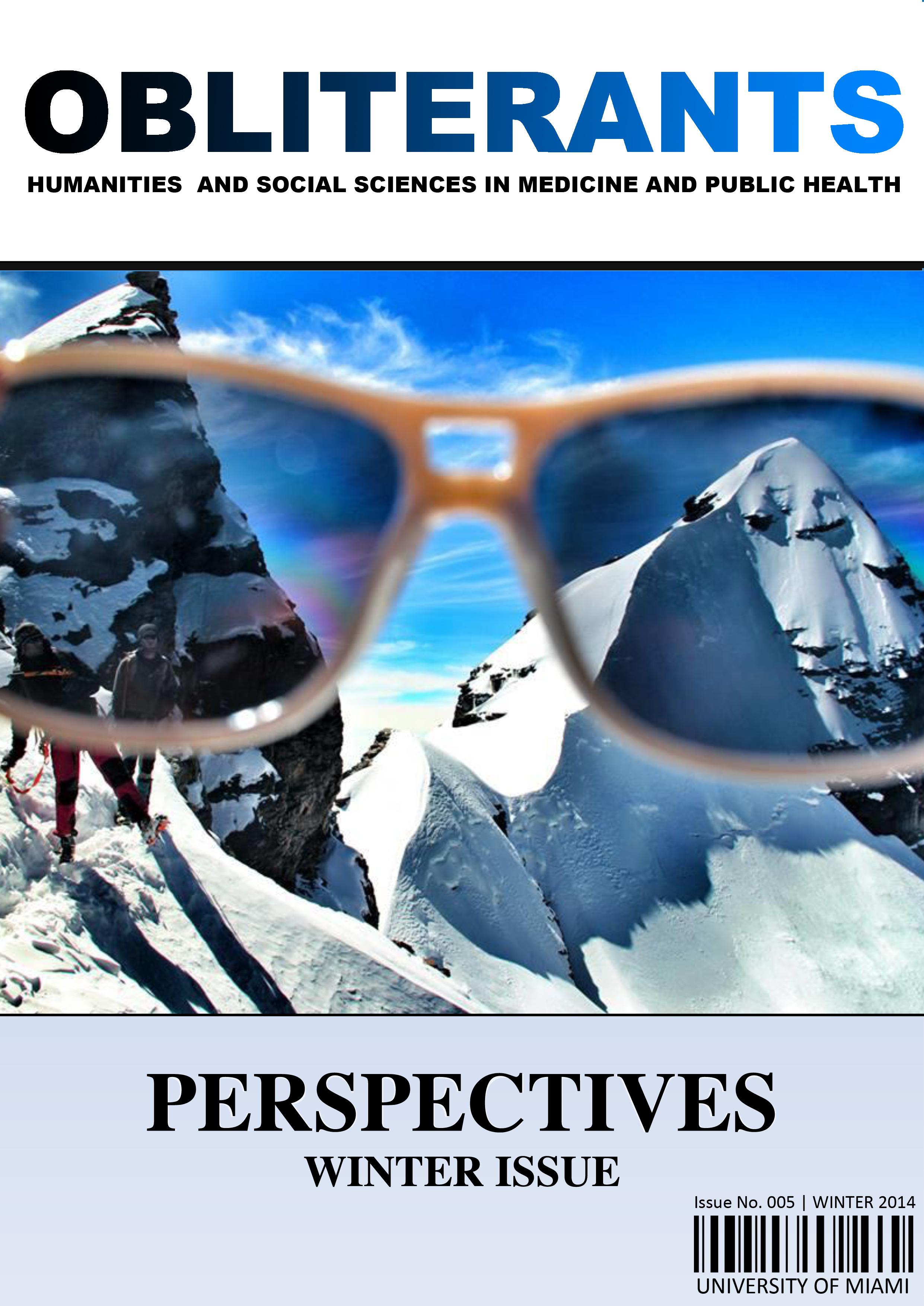


What are your perspectives? What do YOU see? One of the most unique aspects about medicine is its ability to bring people together from different cultures and ethnicities and to share each person’s unique story and experiences
Welcome to the Obliterants Perspectives Issue. Through writing, poetry, art and photography, we are able to learn more about some of the topics that are important to us and to share theses poignant moments in our lives that have moved us. We are given an opportunity to immerse ourselves into your stories, thoughts and passions In this issue we can also learn from the experts in their fields and see what insights and knowledge they can share with us. We would like to thank everyone who has contributed their work Obliterants would not be possible without your time, creativity and efforts. It takes courage and leadership to make your voice heard and we thank you and admire your tenacity. We would also like to thank the talented UMMSM Photography Club for their collaboration on this issue.
Sincerely,
Obliterants Team
Editorial Advisor: Gauri Agarwal, MD
Editors: Emeka Albert, Mary Lan OBLITERANTS
Obliterants is a journal published by students, faculty, and staff of the University of Miami Miller School of Medicine. Its mission is to publish writings and artwork that promote the humanities and social sciences in medicine and public health. Obliterants is not an official publication of the University of Miami School of Medicine. Expressed written opinions are solely those of the authors and artists and do not necessarily represent those of the University of Miami, the School of Medicine, or the Department of Epidemiology and Public Health.
SUBMISSIONS
Faculty, staff and students are invited to e-mail their submissions to obliterants@gmail.com
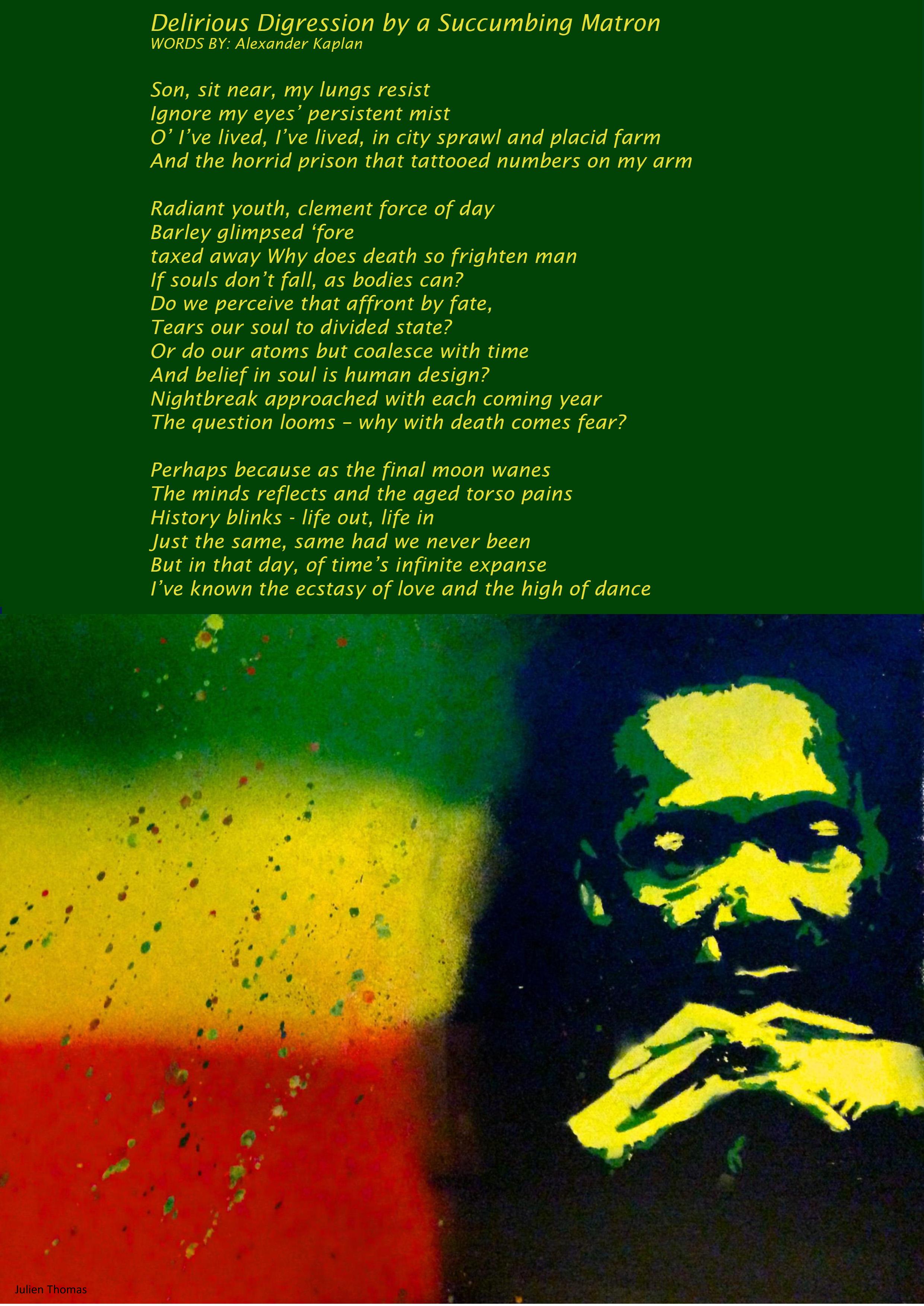
ALEXANDER KAPLAN, MS3
Delirious Digression by a Succumbing Matron, Ode to Rosensteil
PRIYANKA MEHROTRA, MS2
Salt and Pepper
Photography
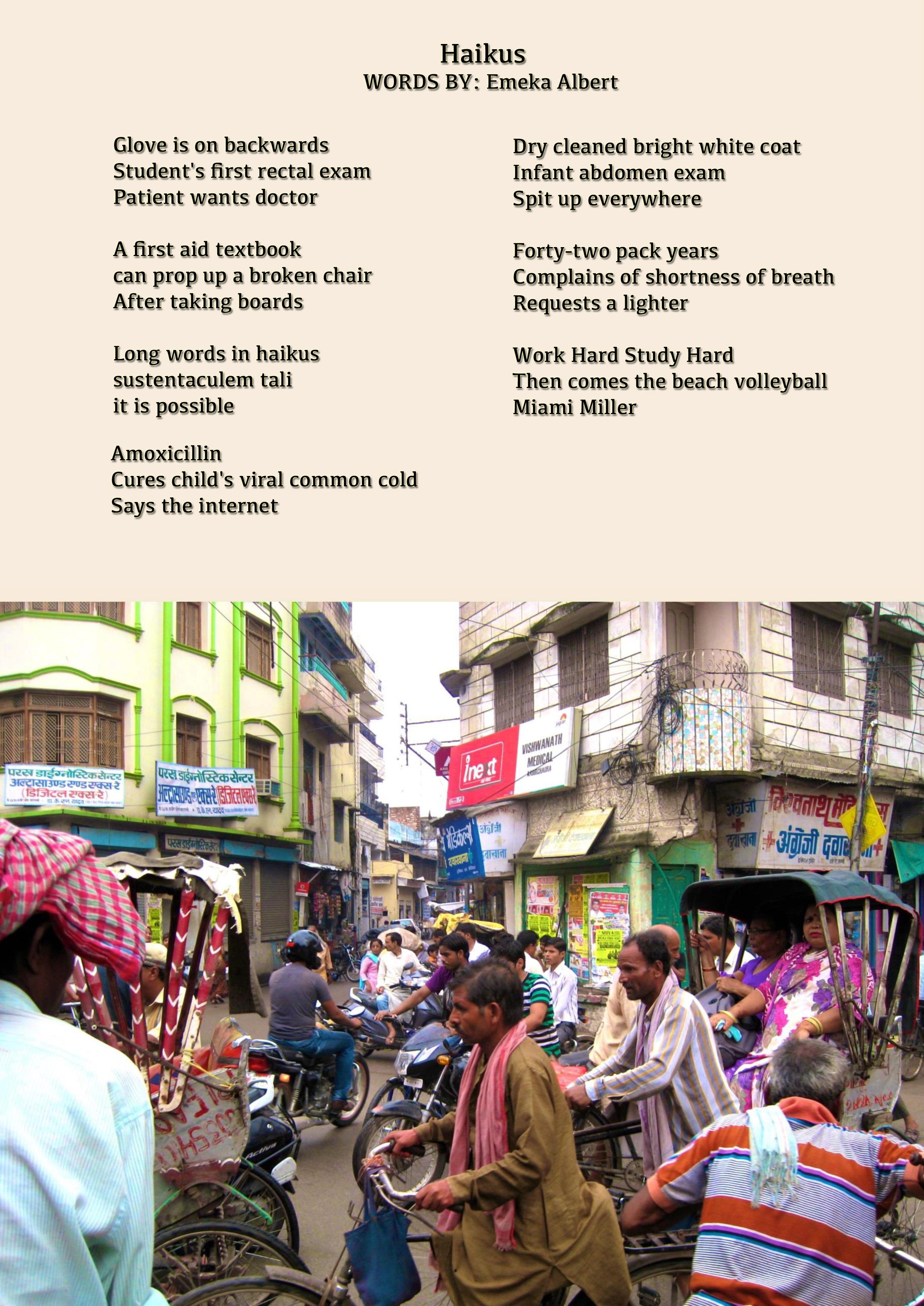
EMEKAALBERT, MS1
Haikus
ANNABONA, MS2
Some Days
DAVID HAVERMAN, MS3
The First 2 Years of the MD/MPH Program By the Numbers
GERARD SMITH, MS3
ANew Challenge
JENNIFER SHIROKY, MS1
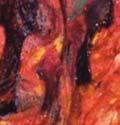
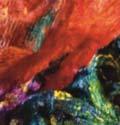
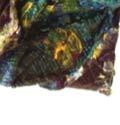
Endoscopic Mucosal Resection: Small Bowel, oil on canvas
Cycle of Life oil on canvas
AMAR DESPHANDE, MD
Unzipping the Future: Predictions from a Gastroenterologist

ERRYN TAPPY, MS2
Reflections From Pride
Photography
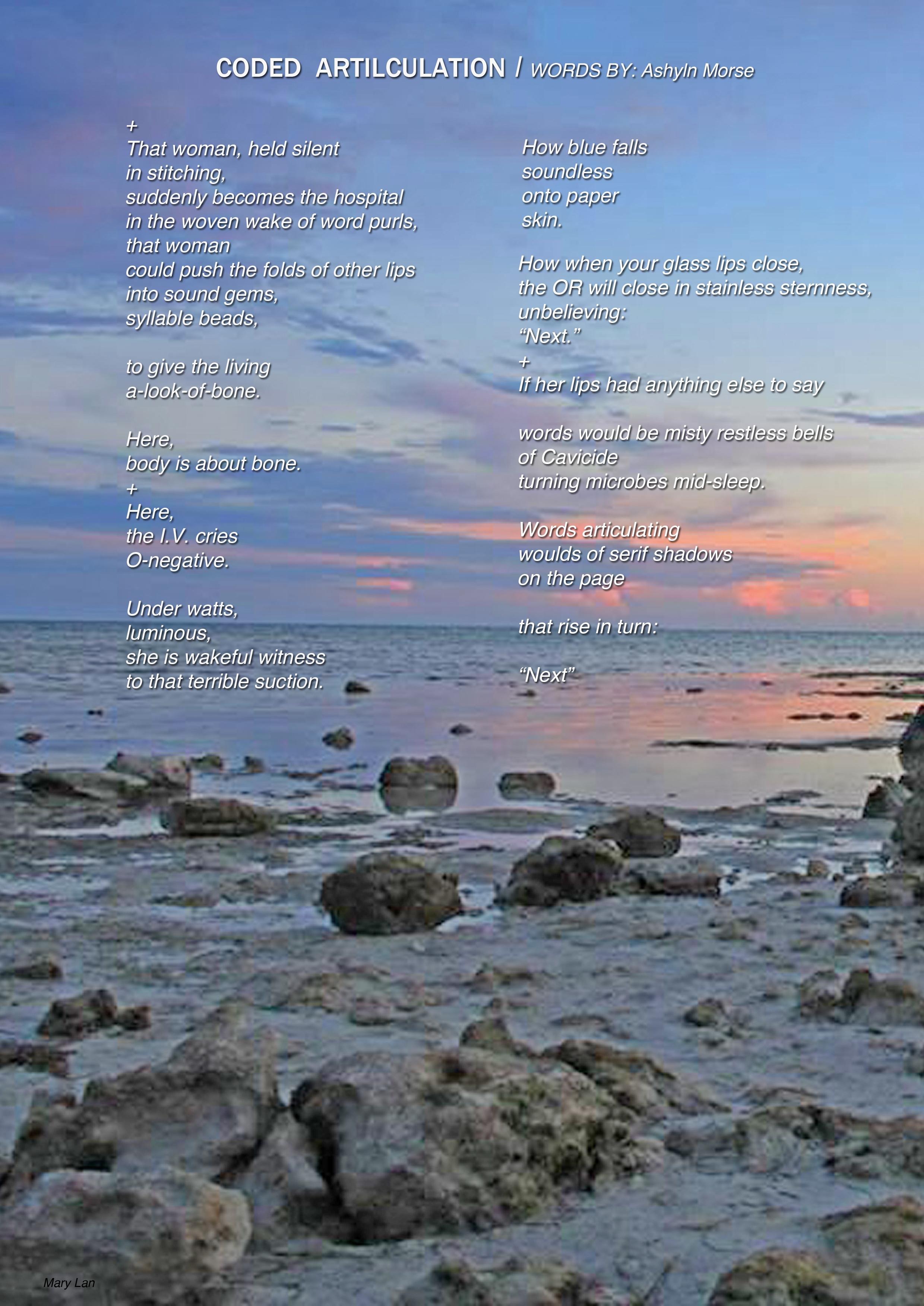
ASHLYN MORSE, MS1
3:00 AM
After the RED WHEELBARROW CODEDARTICULATION
CHRISTOPHER ESTES, MD
5 Tips From an OBGYN
ROBERT IRWIN, MD
Top 5 Health Tips
JOSHUANACKENSON, MS2
Health Tips From a Medical Student
JESSICAHOLLIDAY, MS2
Public Speaking: The Doctor-Patient
Relationship and Medicine
CHRISTIAN MORRIS, MS2
Medical History with the Bachelor ft. Brooks Forester
ALYSSAHALPER, MD
Aform of Second Degree Heart Block: Mobitz type I (AKAWENCKEBACH)


UMMSM PHOTOGRAPHY CLUB
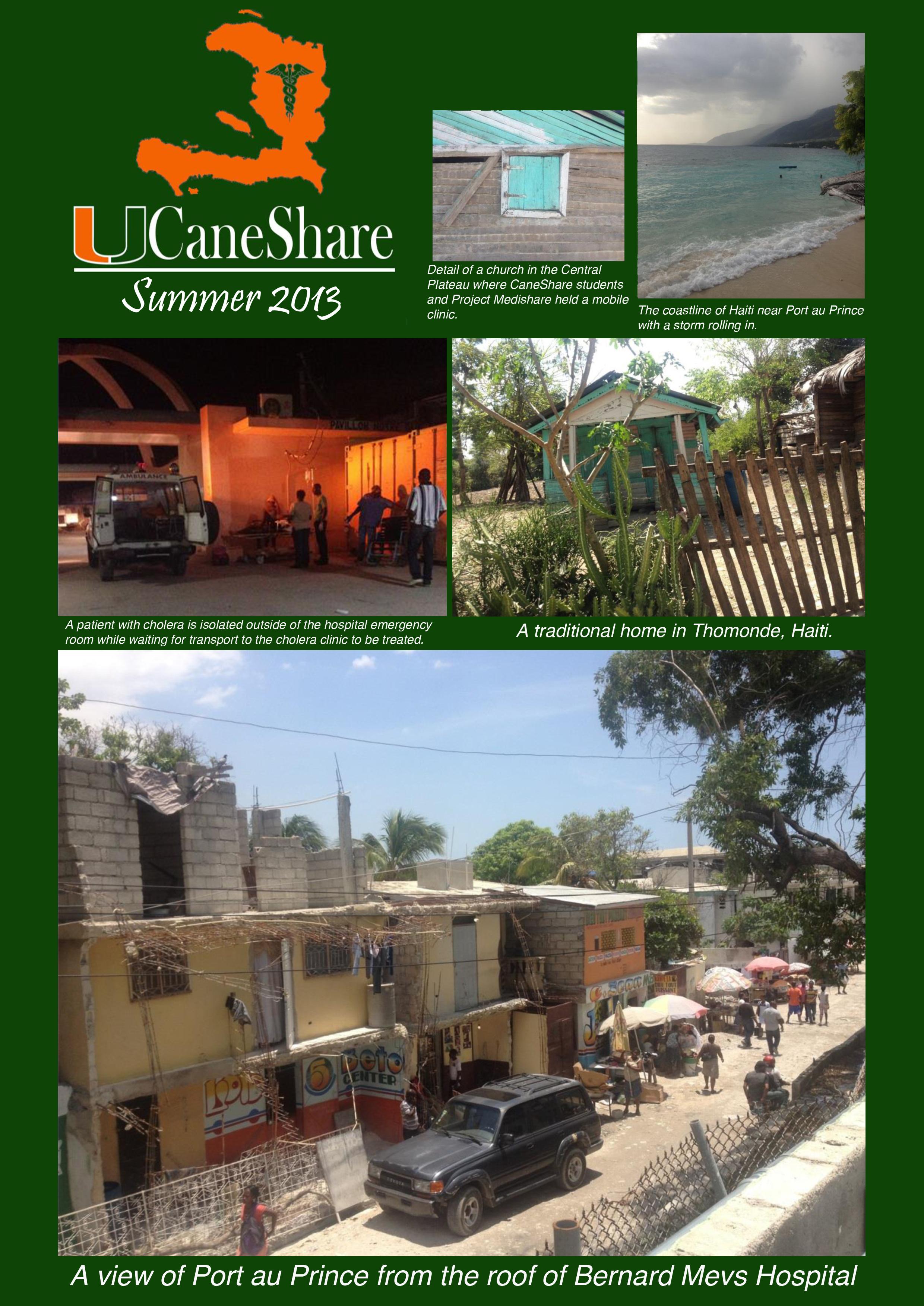
UMMSM CANESHARE

WORDS BY David Haverman
With the second year of medical school over and the third year in full swing, I decided to sit and look back on the last 2 years of my life. I started to think about all of the things that my classmates and I had done with the time. We started medical school, as the inaugural MD/MPH class in June of 2011 and we moved out of Miami to Palm Beach County to start rotations in June of 2013. During that roughly 730 days, we have encountered a lot of hardship and reward. So with that I present to you,

14,326
The number of exams we have taken over the course of 2 years, 4 of which involved dead bodies
The number of cases of gloves that we went through trying futilely to keep the dead person smell off our hands.
The number of bodies cut up beyond recognition
The number of PBL presentations composed and given by the students in our 46 PBL cases. How many of them were actually helpful, even the numbers master doesn’t know that.
The number of modules ranging from what’s in our pee to how to talk to people about what’s in their pee
The number of public health classes taken where we learned about health disparities no less than 35 times
The number of hours of studying/lectures/schoolwork. I’m fairly certain that this isn’t an exaggeration and may very well be an understatement
The approximate number of lectures we were given, only 3 of which attended by the whole class
The lowest number of students present for one lecture, I won’t name the brave students who were there, other than myself of course
The number of mini-nervous breakdowns we had in total, both simultaneously eating our feelings and questioning everything we have ever done. Is it still possible to live on the beach waxing surfboards? 34 9 2 3 6 48 17 1680 116
The number of gallons of coffee consumed total by the class of 2015 over the two years to make it to 8AM PBL sessions or lecture. I know, the lady at Dunkin Donuts knows my order by heart and I’m probably not alone in that. And if you think I am going to comment on alcoholic beverages, I plead the Fifth.
The number of trees killed to make PBL handouts/print notes/etc. No one ever said that being a medical student was a green endeavor
The number of kilowatt-hours of power used by all our computers/tablets/phones etc. for studying. FPL must be making a fortune on this medical school
41,726
18,267 10,000
The number of angry e-mails to Chase complaining about something. Anyone else remember the locker saga? I don’t think I need to say anything else about this particular number
842
I hope you have enjoyed this numerical look back at the last 2 years of the first class of MD/MPH students. I know I enjoyed reminiscing with all of you, the countless readers. I want to leave you with one last number: 51, the number of pioneers embarked on this voyage through uncharted territory.
by Jennif
fer Shiroky
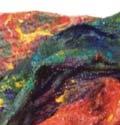
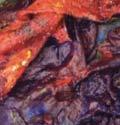
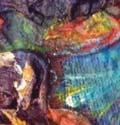
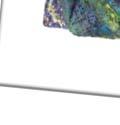
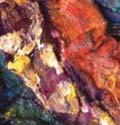
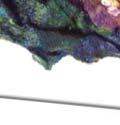
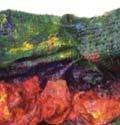
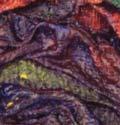
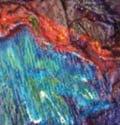
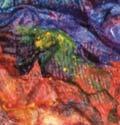
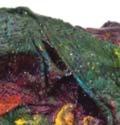
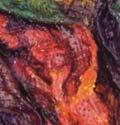
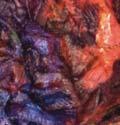
In Octob endosco 7cm non which in marks w methyle resectio
ber 2012 I obser opic mucosal res
n‐cancerous pol nspired this piec where the polyp ene blue and sal on.
Thanks patient small bo resulted recovery complic risk of b Thankfu days wit
to the success o did not have to owel resection, w d in a longer hos y time and high cations. Patients bleeding after an ully the patient w th no complicat

rved a difficult section (EMR) of yp in the small b ce. The patch of was lifted with a ine solution bef of the procedure undergo surger which would’ve pital stay and er risks of s have an increas n EMR of large p was discharged ions.
f a bowel, blue a ore e, the y for a sed polyps. after 3




















WORDS BY: Amar Deshpande, MD
Diet is important! We just don't know how... There is great data on the value of a low salt diet in hypertension, a low calorie diet in diabetes, and a low fat diet in dyslipidemia. But what about diseases that affect the GI tract? The best treatment for celiac disease is avoidance of wheat, barley, and rye; that is well-supported by immunologic and epidemiologic data. And other diets are well-accepted to work for certain diseases, like avoidance of spicy and acidic foods for GERD and avoidance of lactose for small bowel mucosal disease with brush border enzyme deficiency. But what is the best diet for inflammatory bowel disease? Or irritable bowel syndrome? And taken a step further, how does the interaction of the microbiome and specific diets affect the development and/or progression of obesity, liver disease, or even non-GI-related autoimmune diseases? The greatest area of interaction between us and the environment is in the gut, with trillions of microbes in between us and the outside world; the key to a better understanding of both disease states and the role diet plays in them lies in gaining greater insight into the microbiome. As the nature and ratio of microbial colonies in the gut is clarified over the next several years, I suspect our approach to therapy in many diseases, both of the GI tract and outside of it, will change dramatically.
There is perhaps no greater social service a gastroenterologist can perform than screening for colorectal cancer. It is the 2nd leading cause of cancer-related death in the US after lung cancer; with the expected reduction in incidence of and mortality from lung cancer through the success of the tobacco cessation movement, colorectal cancer assumes an even more important role. And yet, while so much energy is placed into screening and preventing cervical and breast
cancer, we are light years behind in our societal efforts to screen and prevent colorectal cancer. This is true despite the fact that there is tremendous evidence for cost-saving by screening for colorectal cancer and that the gold standard in screening, colonoscopy, is both diagnostic and therapeutic while Pap smears and mammograms are only diagnostic. Moving forward, we have exciting opportunities to truly make a dent in the incidence and mortality of colorectal cancer. Though cost-saving, colonoscopy is invasive, expensive, and not without risk; as technology allows us to detect polyps and cancer with tests of stool looking for blood and genomic changes, we will have even more reason to improve on the depressing 60% of our population appropriately screened for colorectal cancer.
Personalized medicine is not just a cliché, it will take over GI and all of medicine to an even greater degree than it already has. Oncology has been at the forefront, tailoring chemotherapy based on presence or absence of certain mutations or proteins. In my field, we are able to check a certain enzyme's activity (thiopurine methyltransferase) to determine the likelihood of risk and benefit of a thiopurine in the treatment of inflammatory bowel disease. And we can check for polymorphisms of the IL28b gene to predict success of treatment in hepatitis C. But this is just the tip of the iceberg. Why does one person drink 20 beers per day and never develop liver disease, someone else drinks half that amount and gets alcoholic cirrhosis, and a third person drinks the same as the second and has no liver disease at all but instead has chronic alcoholic pancreatitis? The same question can be asked with smoking and lung cancer/emphysema as well as myriad other risk factors and diseases. Much of the answer likely lies in genomic alterations like single-nucleotide
polymorphisms that end up significantly affecting susceptibility to and phenotype of disease. As we understand this, we will be able to decide intelligently rather than randomly who would do best for example with a calcium channel blocker versus an ACE inhibitor versus a thiazide diuretic as first-line anti-hypertensive therapy. Coming back to GI, the first gene associated with inflammatory bowel disease (IBD), NOD2, was discovered less than 20 years ago; since then, particularly in the era of genome-wide association studies, we have witnessed an exponential growth in our understanding IBD genetics, now having identified nearly 200 IBD-related loci. While we are still far away from fully appreciating what these all mean and how they interact, this is hopefully the beginning of truly personalized medicine in IBD, being able to decide which class or combination of classes of drugs (or even when to withhold or start therapy) is best suited for an individual's subtype of IBD.
We are at the crossroads of a total paradigm shift in the treatment of hepatitis C. Though only 20 years old as a distinct disease (the former non-A, non-B hepatitis), hepatitis C rapidly emerged as one of the leading causes of end-stage liver disease and cirrhosis-related complications and death in a short period of time.
For years, the best treatments had at their base either standard and later pegylated interferon with ribavarin. At best, cure rates for the most common genotype in the US were around 50%, with cure rates much lower than that in many subgroups; this was not aided by the significant side effect profile of this drug combination. With the development of directlyacting antivirals (DAAs), two of which are already approved and being used with standard therapy (so-called triple therapy), the cure rate has increased dramatically. And now, with several studies showing nearly perfect cure rates with combinations of DAAs without standard therapy even in difficult-to-treat populations, there is a strong belief that the days of the hepatitis C virus are numbered. Though we will have to deal with the complications of hepatitis C-related end-stage liver disease for many years to come, hopefully we will be able to talk about hepatitis C with our grandkids the way history books discuss smallpox.

WORDS BY: GERARD SMITH
Being a 3rd year med student has its perks. It’s finally time to start playing doctor full time, a very different feel than the pre-clinical years when dressing up in a white coat or scrubs to go to the hospital seemed like a monumental event. This past June
“that’s what we wanted when we decided to be doctors, right?”
brought about a serious transition in my medical career.
Walking from the 15th Street parking garage with a cortadito in hand, I almost feel like I’m heading into work. Having said that, there are constant reminders that as a third year you are still a student.
The first morning I was on Pediatric wards my (brand new) intern turned to me and said: “please go admit the new patient.” I turned to her and replied, “wait, what does that mean?” Admittedly, we are still learning, but now taking on more responsibilities and a sudden feeling of accountability for our work. But that’s what we wanted when we decided to become doctors, right? To be responsible for another person’s livelihood and well being. So why am I not attaining the expected satisfaction? Perhaps this has something to do with finally being in a position to act but lacking the finesse to live up to my own expectations. Not to worry, I once learned about the 10,000 hour rule in Malcolm Gladwell’s book titled “Outliers”. The basic premise: it takes time to be great at anything. A quick calculation using a 70 hour work week multiplied by 3 years of residency puts one right around 10,000 hours of training. So according to Gladwell, by the time I’m a
senior resident I should be completely competent.
Differences between 2nd year and 3rd year of medical school are abundant. My greatest struggle thus far has been the requirement of my daily presence. I’ll admit I was one of those that took great advantage of the online medical curriculum in years 1 and 2. Monday mornings generally consisted of sleeping in and Monday afternoons of setting up shop poolside with a coffee, Macbook in lap, and earphones plugged in watching that morning’s lectures. Oh and don’t forget the view of Biscayne Bay in the background, we are in Miami. I’m quite sure I attended fewer than 30 non-mandatory lectures during years 1 and 2 once I stopped going to class after the first anatomy exam. To be honest, it was a good strategy for my learning at the time.
However, the past two months have brought much change for me. There’s the internal struggle I have with myself of not being able to participate in rounds from the comfort of my own bedroom and having to endure the long hours that many rotations require. On the other hand, there is something magical about having a name and face

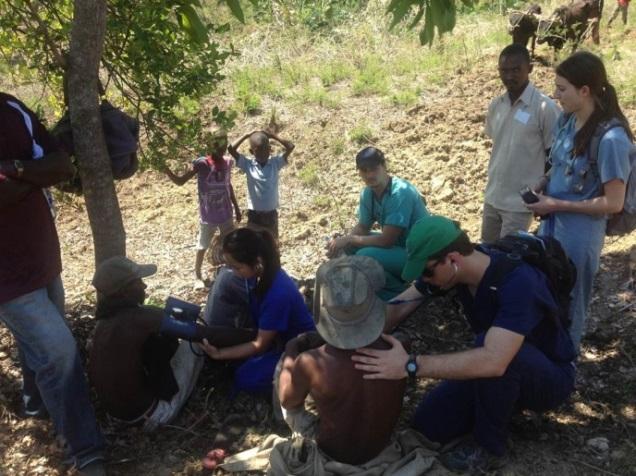
to identify a disease with that enables one to learn so much more efficiently than reading from a textbook. I find learning to be so much more effortless and my understanding of the “why” has come to the forefront. Basically I’ve told myself: If I’m going to be present, I may as well also be devoted. I can always whine on the drive home.

WORDS BY: Robert Irwin, MD
Protect your sleep. Sleeping 78 hours helps reduce overall stress on the body and all systems. There are times when this amount of sleep is not possible, but do not make it a habit to short change your sleep habits. Avoid caffeine later in the day and eat lower carbohydrate meals in the evening to control silent reflux, as this may decrease your ability to get a good night’s sleep.
Exercise regularly.
Aerobic exercise should be performed 30 minutes daily for 5 days per week. Adding in weight lifting is helpful for overall health. I would also recommend Yoga, Pilates or Tai Chi as an adjunct to work on core strengthening. Core strength will help minimize the risk of back pains and other musculoskeletal complaints. Exercise will also help you sleep better!
Eat a well-balanced diet. Fad diets or yo-yo dieting is not good for the body. In general, a balanced diet full of fresh vegetables, whole grains and complete proteins will keep you active well into retirement.
Drink adequate water or fluids. While there is no magic amount of fluids one should drink, if your urine is dark, or has a strong smell, this can be a sign of low grade dehydration. Fluids that do not contain sugar are best, as they do not add calories.
Sports drinks can be full of sugar and are not recommended for the general exerciser. Dehydration can lead to lethargy, which is sometimes misconstrued as hunger, leading to over eating.
Only drink alcohol in moderation. While 1 or 2 glasses of wine a day may be good for cardiovascular health, as soon as you go over the limit, you undo the benefits rapidly. It also appears that all alcohol is not created equal, so beware of the excess calories in beer and mixed drinks. Alcohol also increases your possibility of reflux and thus may interfere with you sleeping.

WORDS BY: Jessica Holliday
I was sitting on the floor of my 6th grade classroom, with my head tucked between my knees, asking myself how I had just come so close to fainting while giving a history presentation.
Since then, I am acutely aware of how I communicate in front of a group. Did I say “um” too many times? Were my hand gestures distracting? Was I able to engage my audience? Every day in lecture we are confronted with the importance of speaking publically, and yet we don’t spend much time in our medical training addressing what makes a good public speaker. Thus, several classmates and I created the Public Speaking Interest Group. The Public Speaking Interest Group meets monthly and provides a collaborative environment where students can practice giving prepared speeches, providing feedback to peers, and generating a coherent and wellproduced response on the spot.
As physicians, we will be relying on our communication skills to create dialogues with patients, present findings to colleagues, and lecture at conferences. To successfully navigate each of these

situations will require effective communication tailored to the audience. When trying to influence others, the delivery is just as important as the content. Researchers at the University of Michigan recently correlated variables in speech (such as speed, filler words and pitch) with how likely the listener was to participate in a telephone survey. Thus, demonstrating that no matter what you are saying, how you choose to say it matters. Come shape your words and your future at the Public Speaking Interest Group, we invite anyone interested in improving their speaking and leadership skills to attend.
WORDS BY. Joshua Nackenson
Most people have a lot of room for improvement when it comes to eating greens. It does not have to be a traumatic experience: make a salad (go easy on the dressing), sauté some leafy greens with garlic, steam broccoli and serve with olive oil and the seasoning of your choice, make a green smoothie (add a banana for sweetness), and even throw a large handful of spinach into your eggs.

Do something physical….regularly Pick something physical that you enjoy and do it on a regular basis; make it a habit. If you enjoy lifting weights, make it a priority to go to the gym three times per week for 45 minutes. If the gym isn't for you, try out Zumba, yoga, pole dancing, sports, etc. If you're forcing yourself to go to the gym but you hate it, it is hard to make that a sustainable part of your life. Playing basketball with friends once in a while isn't a routine: have a goal of at least three times per week.
The only activity we probably do more than sitting is breathing, and that’s a problem. Sitting is an inevitable part of being a modern human unfortunately, it’s got deleterious health consequences. Even if you're keeping up with your weekly physical activity being sedentary the rest of the time is not doing you any good. Try making a sitting quota: for every 45 minutes of sitting you will have to get up and move around for a few minutes. Go for a quick walk, stretch out your tight muscles, even do some push-ups or jumping jacks (if you're not in public).
Most people don’t sleep enough and unfortunately you cannot fully make up for lost sleep with a sleep marathon on the weekends. Ideally sleeping 7-8 hours per night is the goal. Often times this will require sacrificing a TV show in the evening or time at the computer, but in the long term those small sacrifices will be worth it.

By: Jennifer Shiroky
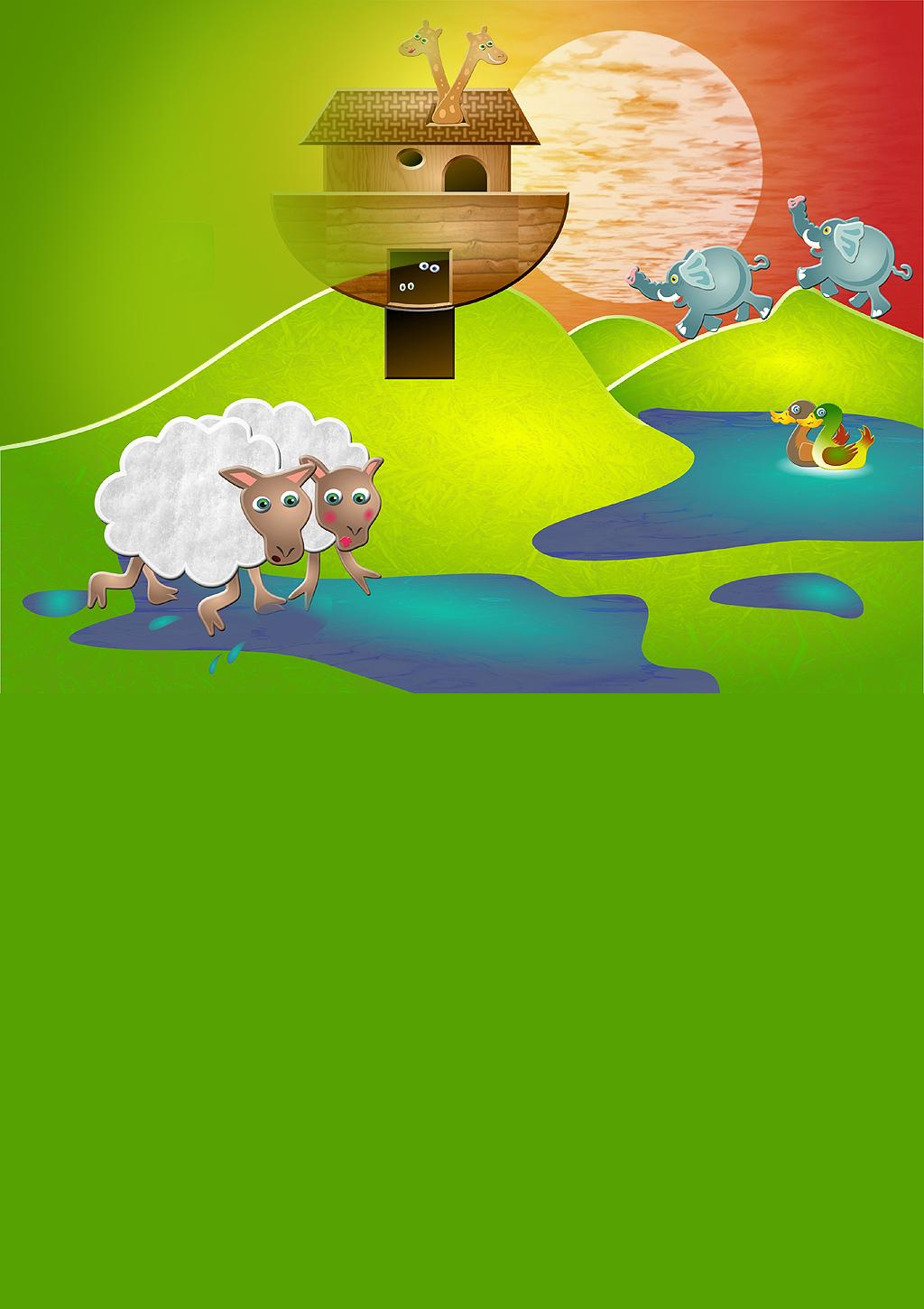
I was inspired to create this painting after volunteering in a nursery and neonatal intensive care unit for almost 2 years. It was a poignant experience, during which I often reflected on the beauty and fragility of life and the unconditional love I experience within my family. Throughout this time I also felt intensely connected with the strength, force and beauty of nature. Within these emotional and spiritual experiences I found comfort for my own loss of a loved one early in my life.

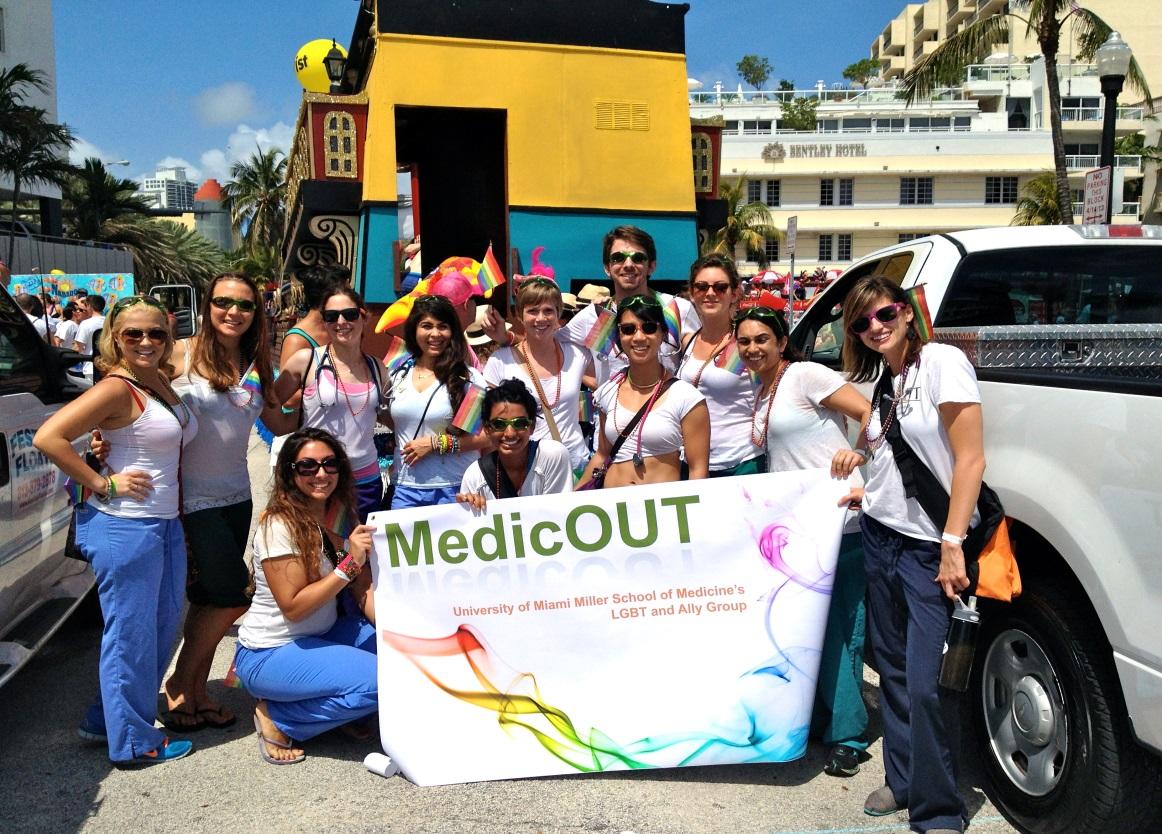
Hundreds of thousands of people gather each year to celebrate an amazing event called Pride. Beyond the flashy costumes, elaborate floats, and abundance of rainbows, Pride represents a key element of LGBT history. Pride originated as a commemoration of the 1969 Stonewall Riots in New York. That year, members of the LGBT community in Greenwich Village catalyzed much of what is today’s LGBT equal rights movement, when they stood up against an unwarranted police raid at a popular gay bar. After the raid, hundreds of protesters took to the streets to stand against discrimination and police brutality. These demonstrations inspired individuals all around the country to form the first LGBT rights groups. From these historical roots, Pride has grown into a worldwide celebration. Each year, LGBT and ally people gather to honor both past achievements, and the current work toward LGBT equality. Support is demonstrated by promoting freedom of expression of sexuality and gender, as well as freedom from fear, discrimination and harassment
This year I had the privilege to walk with UM’s LGBT and ally student group, MedicOUT, in Miami’s annual Gay Pride Parade and Festival. I was moved by the hundreds of people gathered to show their support for the LGBT community. It was a reflection of how far we have come since Stonewall, and an inspiration to continue to promote LGBT equality. Personally, it reinforced the importance of MedicOUT’s efforts to create an environment for students
and patients that is free from fear, discrimination and harassment toward gender and sexual identity.
Although we have come a long way since Stonewall, LGBT medical students and patients today continue to face many unique challenges compared to heterosexual and gender conforming individuals. For example, many LGBT students struggle with the question of whether or not to be “out” to other students and faculty. They may fear unequal treatment and how their status will effect evaluations, the quality of interaction with faculty members, and chances of getting into residency programs. On the other hand, concealing one’s identity has been found to create psychological stress, which can affect academic performance and overall well‐being. For LGBT patients, access to care can be particularly challenging. Specific barriers to care identified by a 2011 study performed by the Institute of Medicine included, disrespectful behavior from staff and providers, a perceived threatening environment, and stigma associated with sexual identity. Quality of care is also a concern. For example, patients may have difficulties finding providers able to properly counsel on issues like the coming out process, tobacco use, HIV/AIDS and anxiety or depression. They may also choose to withhold health information imperative to providing care.
Oftentimes the challenges that exist for LGBT students and patients arise from a lack of knowledge and sensitivity, rather than
Erryn Tappy
intentional discrimination. MedicOUT is working to address this by providing opportunities for students, physicians and faculty to become more educated and sensitive toward LGBT issues. For example, a current project titled Safe Space, aims to educate faculty on methods to effectively counsel and support LGBT students. Additionally, to improve LGBT‐sensitive care, we are working with faculty to include LGBT health issues in the medical education curriculum. We must know what the issues are in order to change current practices, and provide adequate health care for LGBT patients.
As Pride exemplifies, community involvement is key to working toward LGBT rights. The medical community has many opportunities to make a positive impact on the lives of LGBT people. By striving to respect and understand unique challenges faced by the LGBT community, we can promote equality and sensitivity.
WORDS BY: Christopher Estes, MD
Take care of your reproductive health! Use condoms with a new partner, use reliable methods of contraception (IUD, hormonal methods) and get Pap and STI testing as guidelines recommended (for more info, visit www.CDC.gov or www.ACOG.org ).
Vitamins are good for you! Be sure to have adequate folic acid, calcium and vitamin D in your diet. A woman's 'once-a-day' vitamin will have enough of the first two, add a calcium supplement and you're good to go.
You are worthy of love and respect in a relationship! At least 1 in 3 women will be a victim of domestic violence at some point in her life. If you are in a dangerous relationship, speak up and get help as needed. You are not alone and there is always someone who cares about you and will provide the help you need.
Healthy Body = Healthy Mind = Healthy, Happy Life! Be sure to exercise regularly, at least three times a week. Pick something you like to do and it does not have to be overly strenuous (read: You don't have to join Crossfit!). It's even better if you can work out with a 'buddy' to keep each other motivated. The type of exercise doesn't matter, as long as you keep doing it.
Food is good for you! If you eat the right food: plenty of vegetables, whole grains, legumes, fish and lean meats. Eating foods with probiotic are excellent to maintain GI and vaginal health: live culture yogurt, kombucha and other prepared beverages. Do not starve yourself to lose weight and avoid fad diets- the rebound weight gain is usually not worth the temporary weight loss. Better to change the way you eat permanently and lose weight at a slow, reasonable.



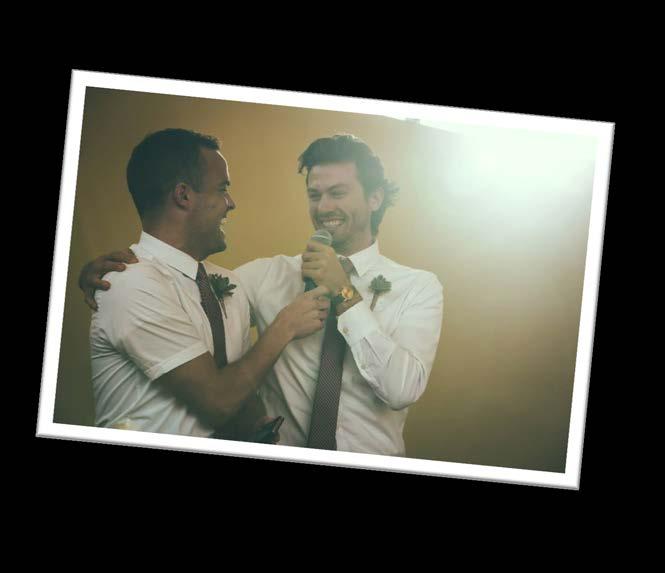
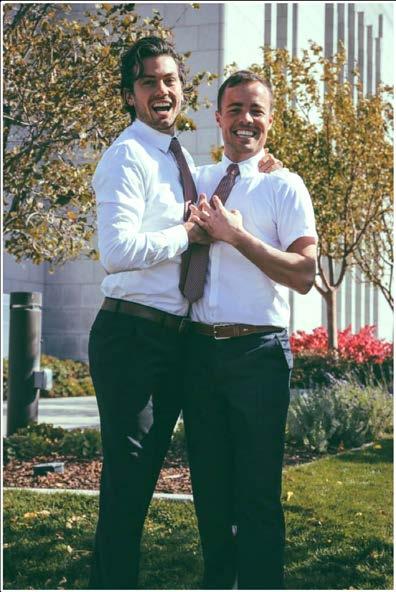
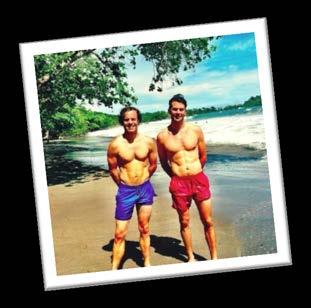
Words by Brooks Forester and Christian Morris
Brooks Forester is a 28 year old who may be best known for being the frontrunner of the most recent season of the Bachelorette. He agrees to practice the History and Physical with a second year medical student and longtime friend, Christian Morris
CC: None
HPI: N/A
PMH: Hospitalized four times in the past for broken bones: tibia, elbow, second and fourth digits on the right hand.
Medications: None
“I avoid taking over the counter medication if possible. Far too often we forget that medications typically don’t necessarily treat the sickness and come with side effects. I know too many people who pop an Advil every time they have a headache. This approach is similar to a driver who simply turns off the gas light when out of gas rather than giving the vehicle what it actually needs – GAS.”
Allergies: No known drug or food allergies
Family History: Ten members in the immediate family in good health. There is no family history of cancer, diabetes or heart disease.
Social History: Patient works at an Inbound Marketing Firm. He drinks 2-3 times a week on average. Does not smoke and denies any illicit or recreational drug use. His diet consists of mainly vegetables, legumes and meat, very little sugar, rarely eats pasta or fruit, never eats dairy and drinks alkalized water. He does yoga 2-3 times a week and strength training twice a week.
Review of Systems: Denies any problems.
Random Fun Facts:
Majored in International Studies.
Loves Mexican food. Tortilla Bar in Orem, UT makes his favorite tacos.
Favorite fruit: Kiwi
Favorite vegetable: Beet
Favorite film: Brave Heart
Favorite sport: Basketball
Favorite place traveled to: Wales. My mother’s heritage comes from Wales and to visit the homes of her ancestors with her was unforgettable.
Dating advice: Girls – take a chance on a guy, he may not be everything you expected. Guys – be grateful when a girl takes a chance with you because changes are, you don’t deserve it.
Embarrassing story about Christian: I first met him at an overnight camping trip with a large group of friends. I had a serious girlfriend at the time and Christian without knowing, hit on her for a good hour until he finally got the point. He later asked a friend and I if we were cool with him sleeping out under the stars with us. We have been great friends ever since and even though studying to become a doctor has gone straight to his head. I hope we are friends for a long time to come. Christian and I like to joke – there are two kinds of people out there, doctors and those that wish they were. I guess I’m the wishing sort.





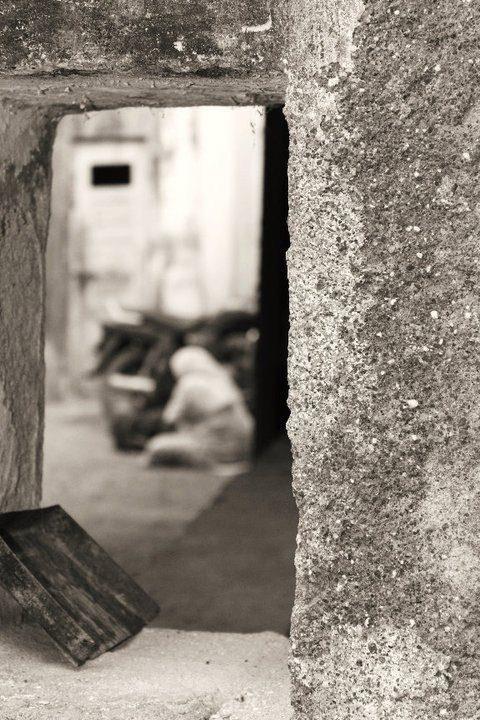
Barranquilla, Colombia.
Plaza de la Paz - a central plaza remodeled in 2011 that played host to a city-wide, peaceful protest against extortion of merchants one day, and that was a safe space for youth in many of Barranquilla's subcultures by night... all under the shadow of the city's biggest church