OF THE HUMANITIES AND SOCIAL SCIENCES IN MEDICINE AND PUBLIC HEALTH
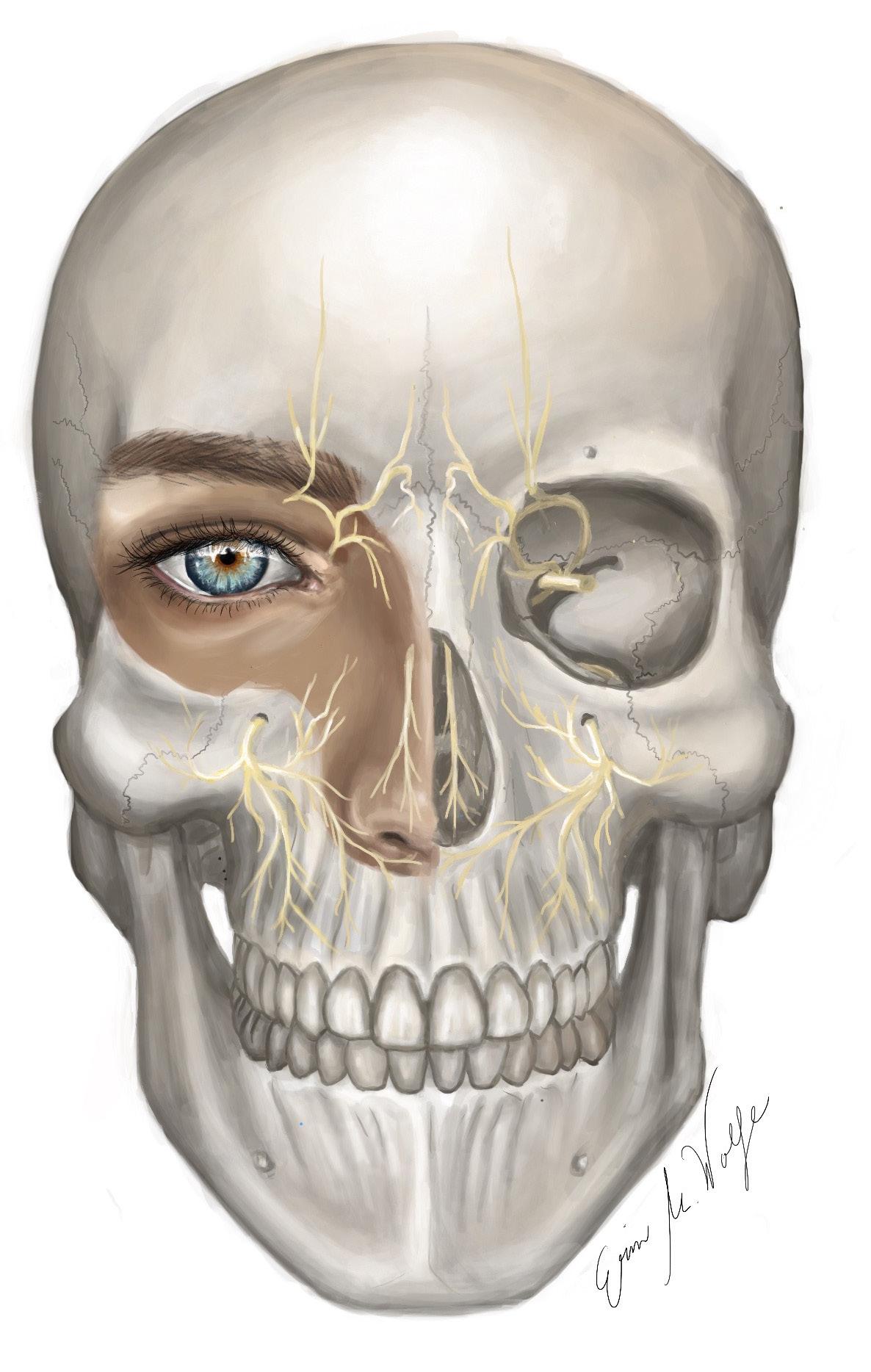
Verdure by Erin Wolfe, Oil on Canvas
UNBRIDLED - the potential for unrestrained growth after a period of holding still. Unbridled is the growth we have collectively experienced throughout a global pandemic, having been thrust into a way of life that we only imagined in the future. We are living in a much more digitally connected age and are undergoing unprecedented growth in many areas such as research, as well as the arts. This edition of Obliterants emphasizes growth, highlighting the positive repercussions of the pandemic, and capturing that growth through symbols such as lush greenery or unrestrained growth in the wilderness. We also showcase artistic works from other areas, and reflects how our lives now integrate elements of a new reality with elements of our past selves.
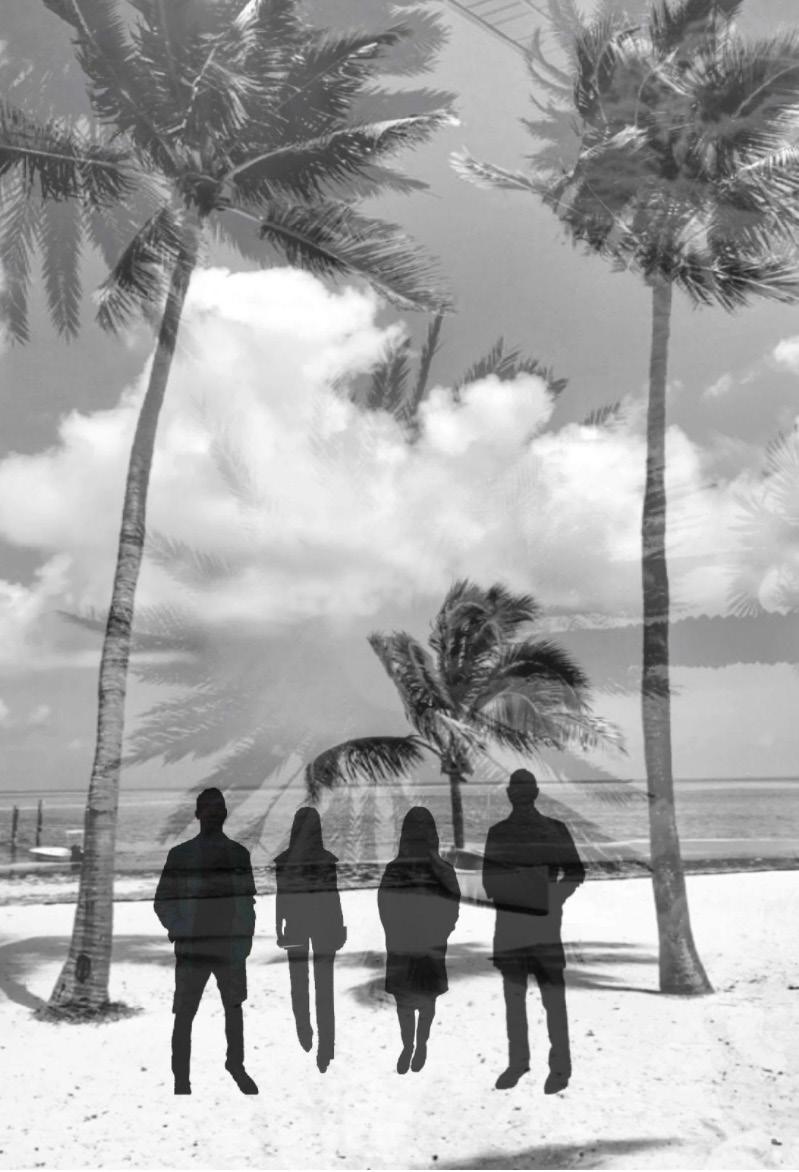
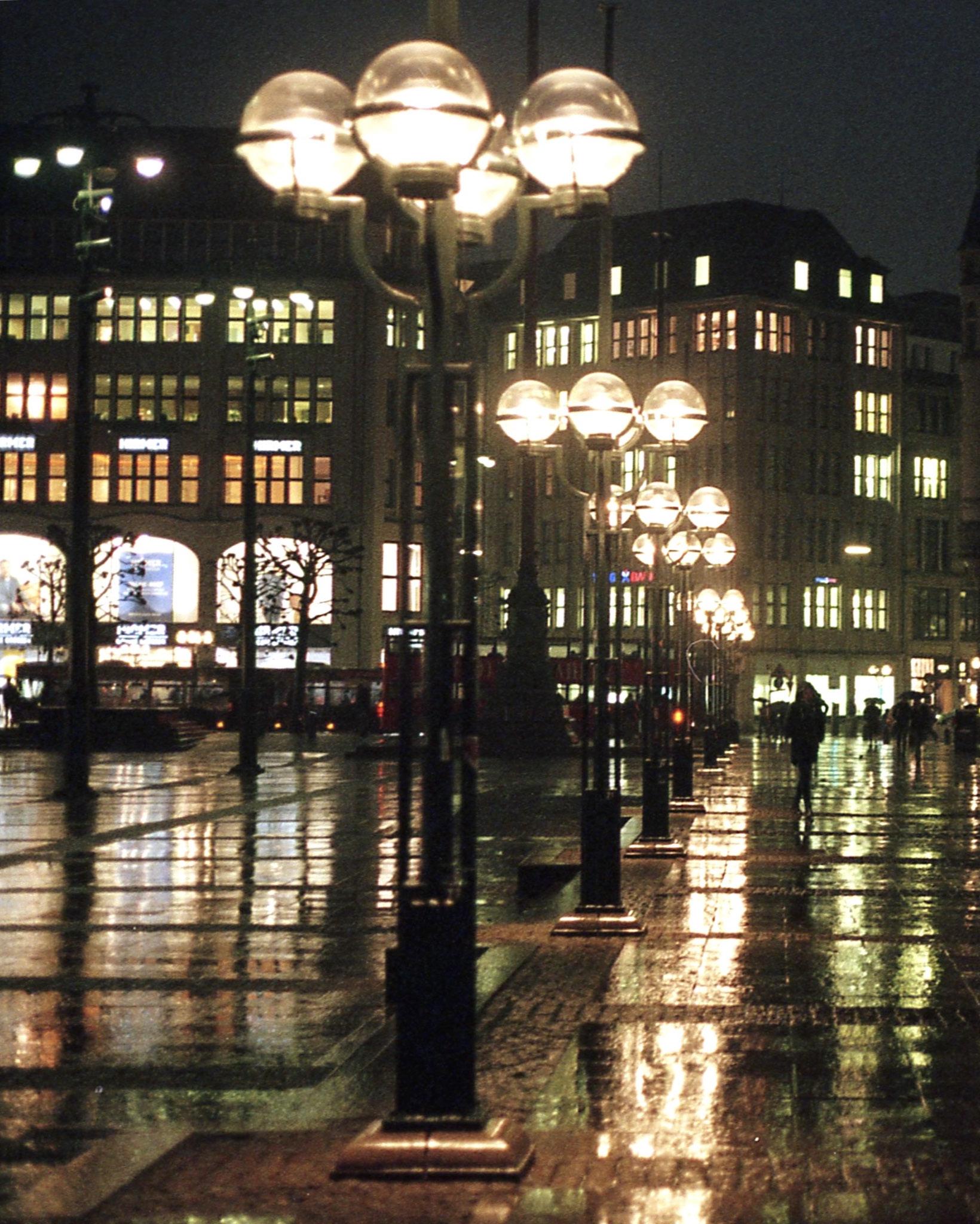
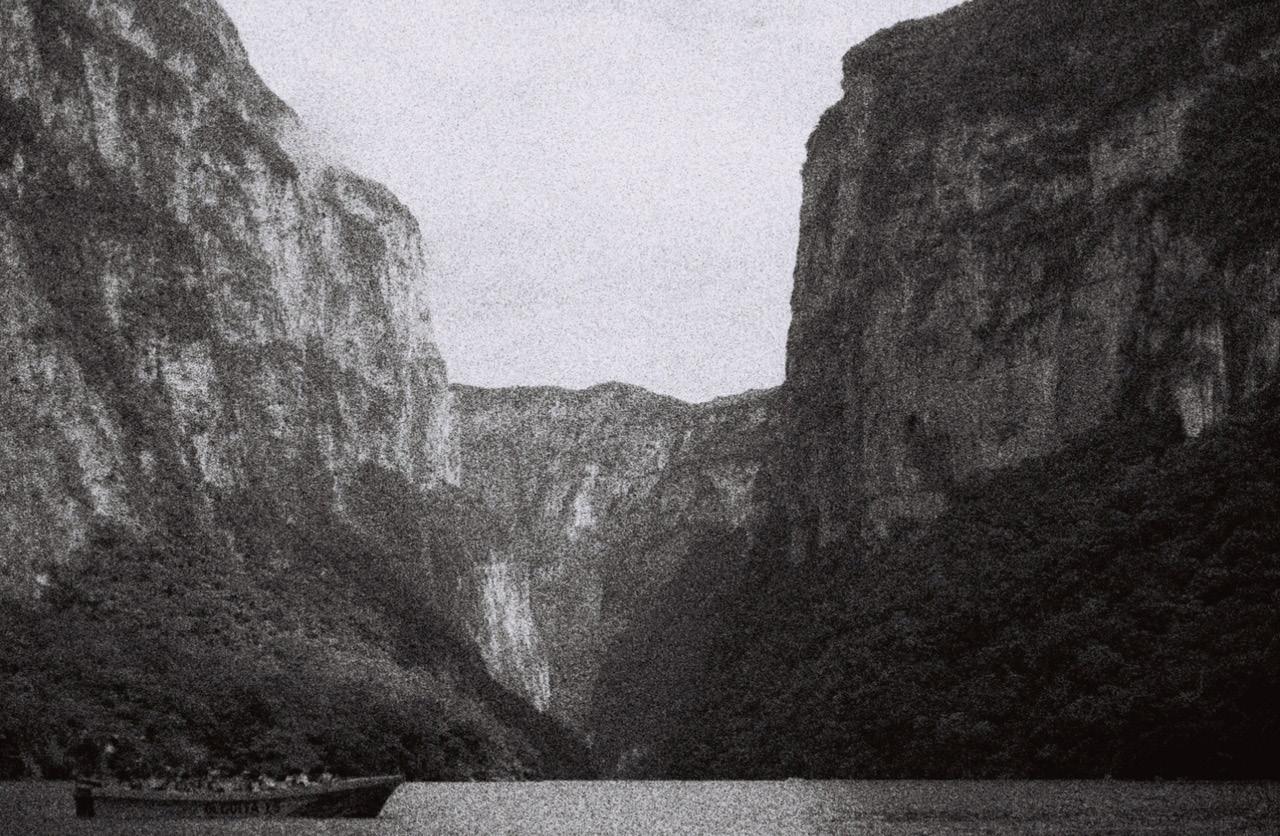
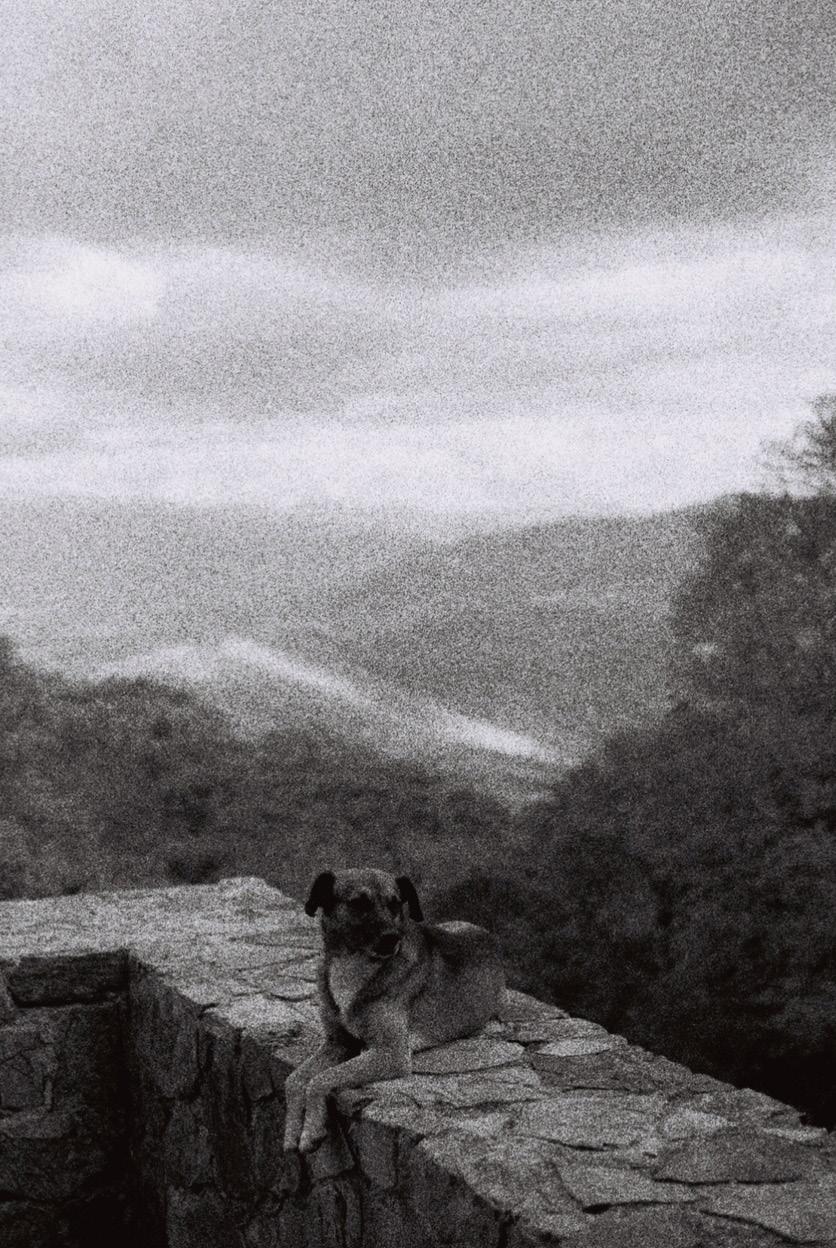
Untitled by Mika Mintz, Photography
Atlas
by Jessie Foreman
My grandma was what you might call an independent woman. In more polite terms, she was a badass. Not the kind of badass grandma who jumps out of planes, or tells you wild stories from her past, but the woman who, when ensnared in the iron dome of an abusive relationship, stayed. She stayed, shielding the infinitesimal flames of her four children, until, she left. Picture it: her brothers’ truck slides to a stop outside her window. Everything she owns, like a twisted, redneck version of Snow White and the Seven Dwarves, is marched out of the house, into the bed of the truck, and driven hundreds of miles from Detroit.
was both Atlas and the Earth, muscling through factory jobs and fingertips fused to the mountain upon which my mother stands, upon which –I—stand. I love her like I love the earth that pushes back against my feet, like the dust that I came from and the dust to which, I, shall return.
Women like her don’t handle infirmity well. No matter how often we kneel, knees buried in the grass and lips pressed to the soft, cool seam of the dirt, murmuring the words “We love you,” the whispers become twisted by layer upon layer of shifting, shivering, trembling rock, their meaning destroyed and rebuilt again into knives of “You’re just a burden” and “we don’t need you anymore.” See, Parkinson’s is not just physical. In
our minds, the tremors don’t make her any less powerful, and helping her with everyday tasks is never the issue. The issue is learning how to make her feel loved but not less. The issue is watching my grandmother let herself crumble at the age of 72, trying desperately not to bring buildings down around us with every stutter, every bit of lost independence, every piece of love and advice she lashes out at with shaking fingers. The issue is how to survive in the Ring of Fire when you have no choice but to look her in the eye.
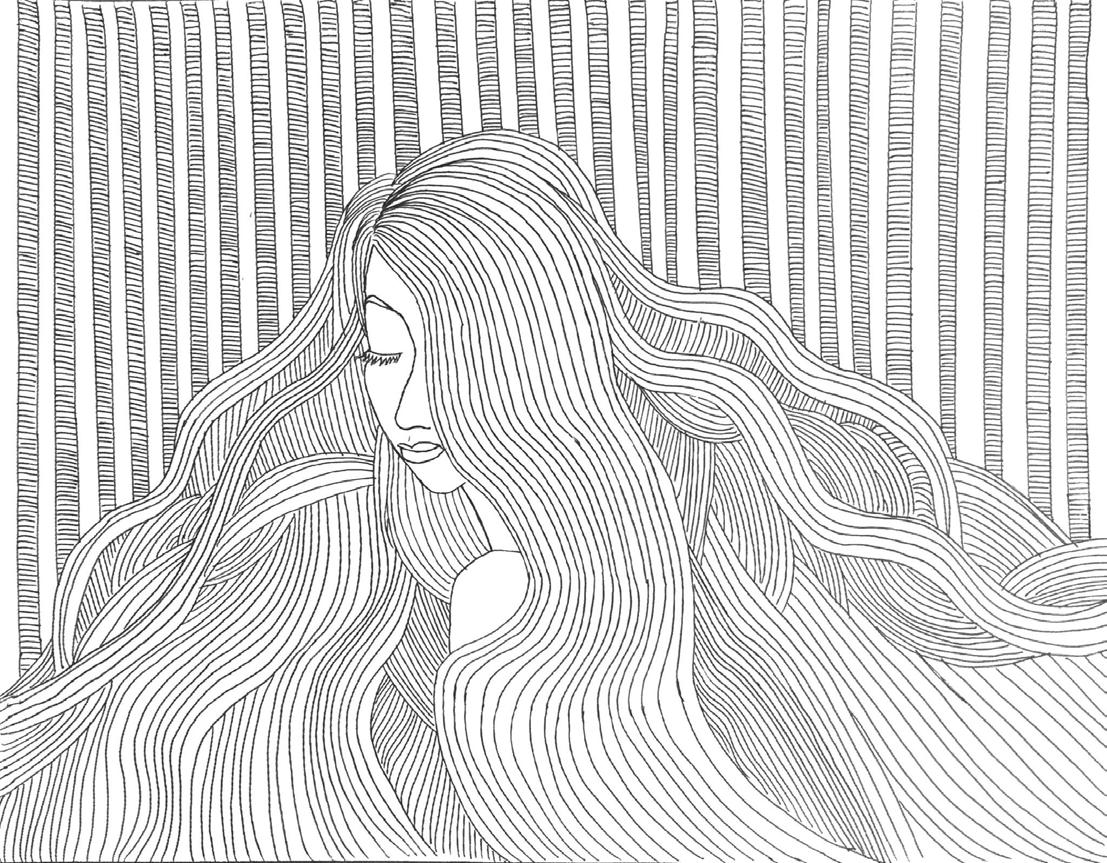
Untitled by Deborah Lin, Ink on Paper
Responsible
Am I responsible?
Always, in the way that one rock in a stream bed will bend the flow of water for the surrounding stones Actions submerge and surface words ripple outward into the source. By this work I am tied to you, our fates linked by the common water that sustains Separation is shortsighted, a distorted mere mirage. No, I now know that you lie downstream in water pooling off the precipice of my decisions, of each peculiar and tiny contour of my words and I also stand downstream knee deep in the current of yours.
by Jaclyn Perreault
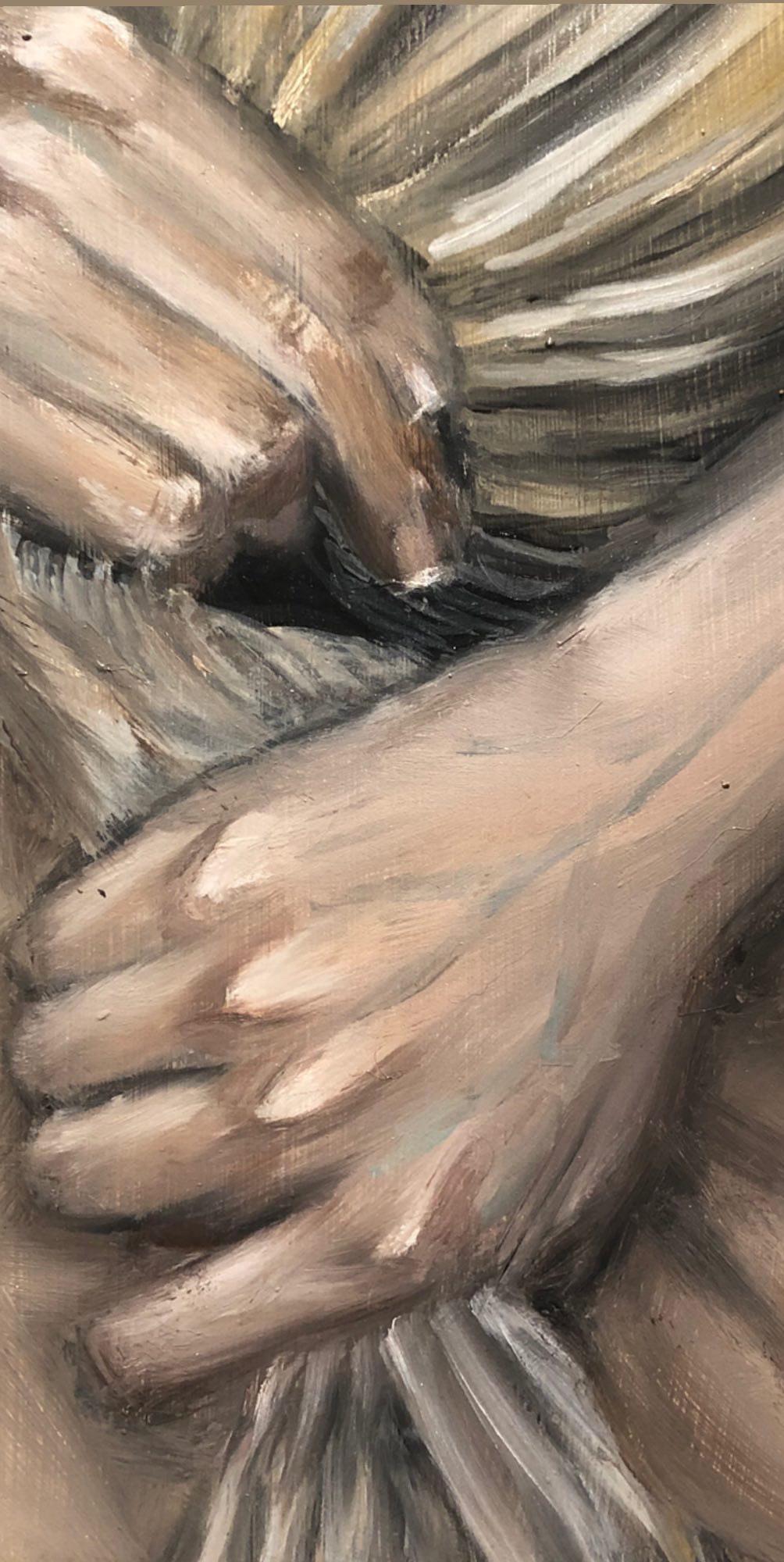
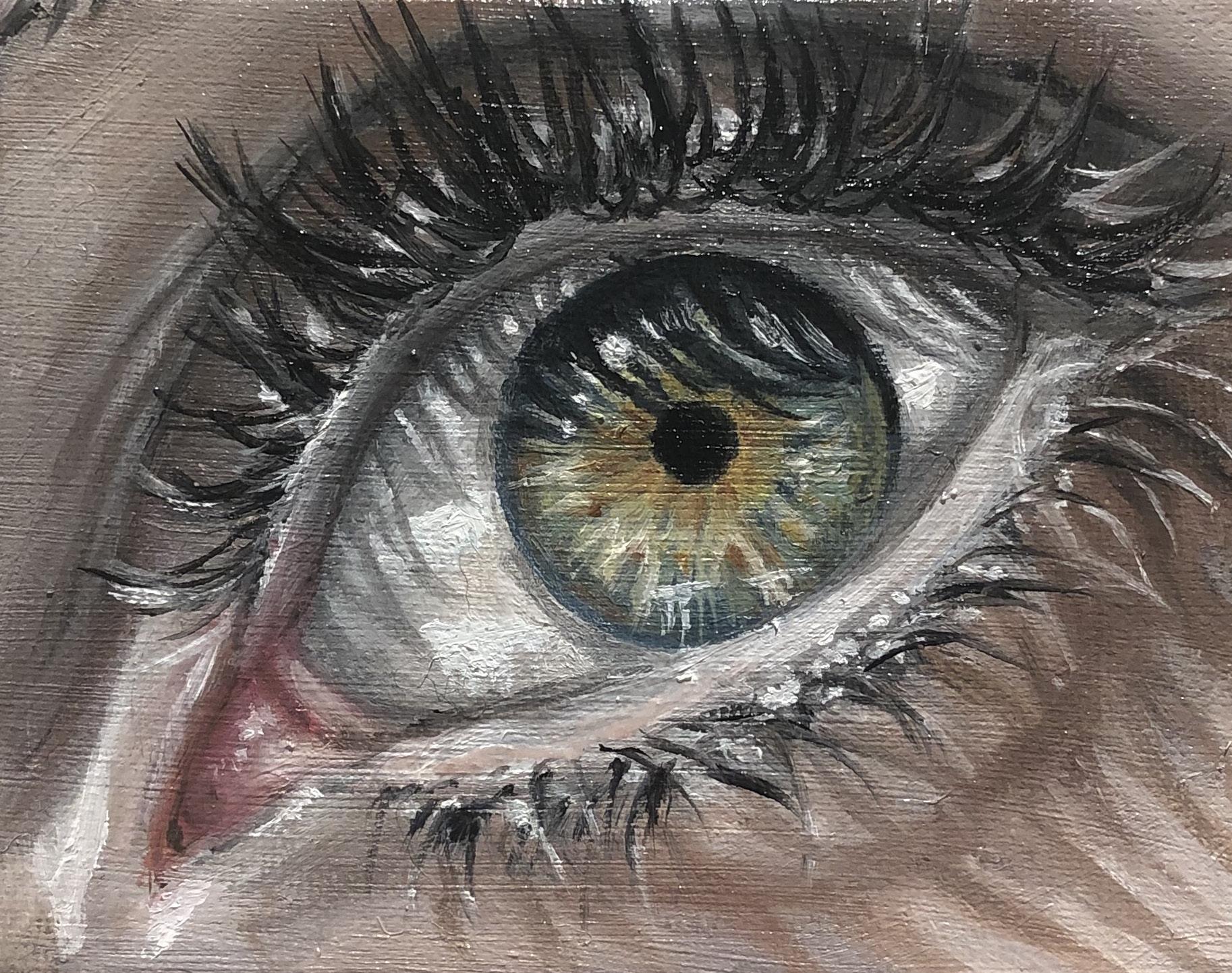
Hands by Erin Wolfe, Oil on Wood
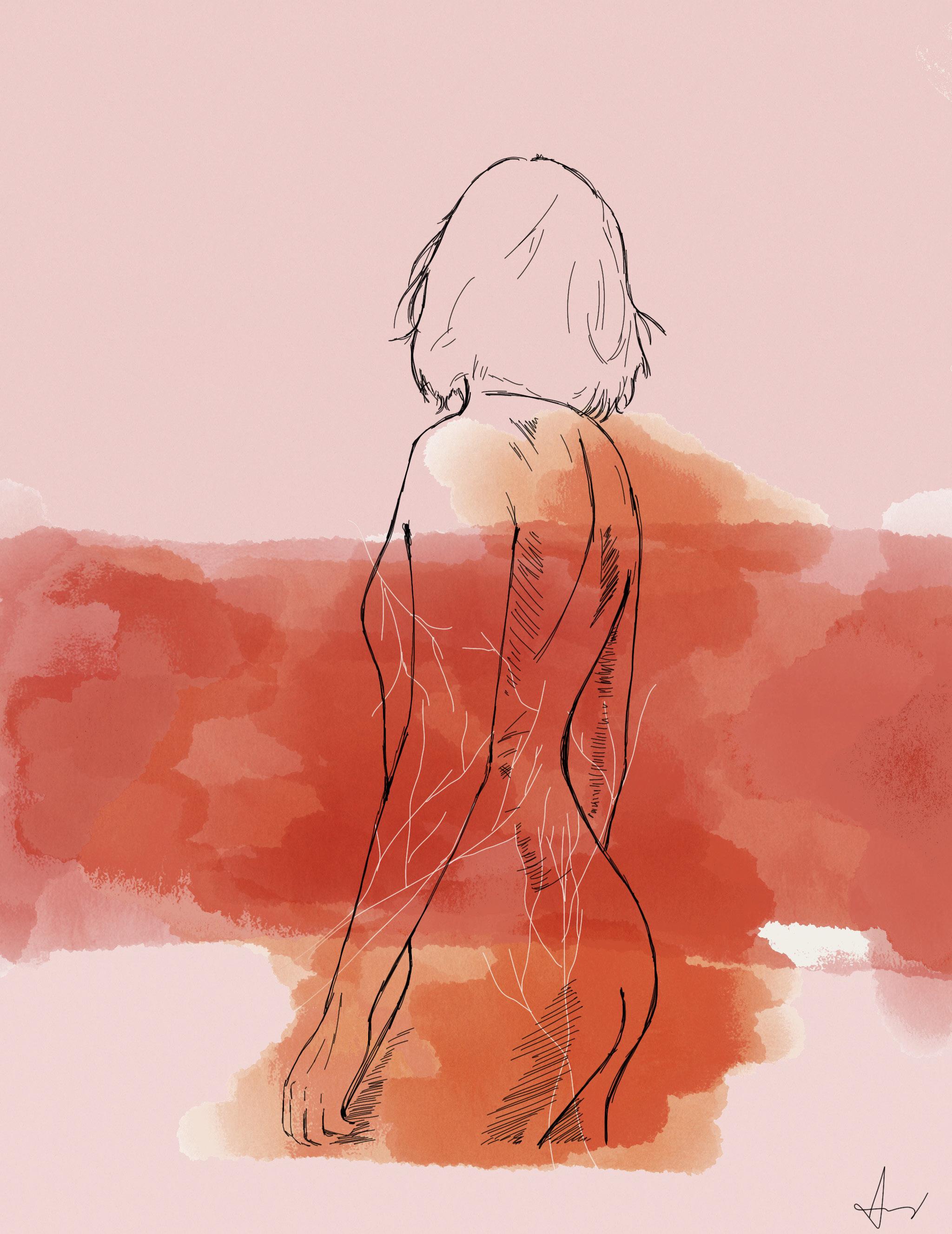
Beauty Beyond Skin Deep byCaiWei Zheng,
Digital Illustration with Ink & Watercolor
Fire |
byRebecca Lynch
Have you noticed how The Loneliness behaves like fire?
Sometimes it lies quietly, like the dying embers in a fireplace. You remember what it felt like when fully aflame, But the heat doesn’t sting you anymore –you are calm now and it has passed. And then, There are days
When Loneliness tears through your soul, like a forest fire, Destroying everything in its wake. You silently scream
But the help doesn’t comeThe loneliness consumes all of the oxygen as it picks up speed. And then,
As you look upon The scorched earth, Taking in the destruction, You sigh, and say, “It is time to begin again.”
Lost Dog at Sundown
by Mackenzie Jones
I lost my dog, have you seen her?
I opened the door
She must have run out
When I was looking the other way
They tell me she ran away
But that can't be true
I just fed her this morning
Just like any other day
I lost my dog, have you seen her?
It's getting too late
She's out all alone
Won't someone send her my way?
I lost my mind, have you seen it?
I opened the door
It must have run out
When I was looking the other way
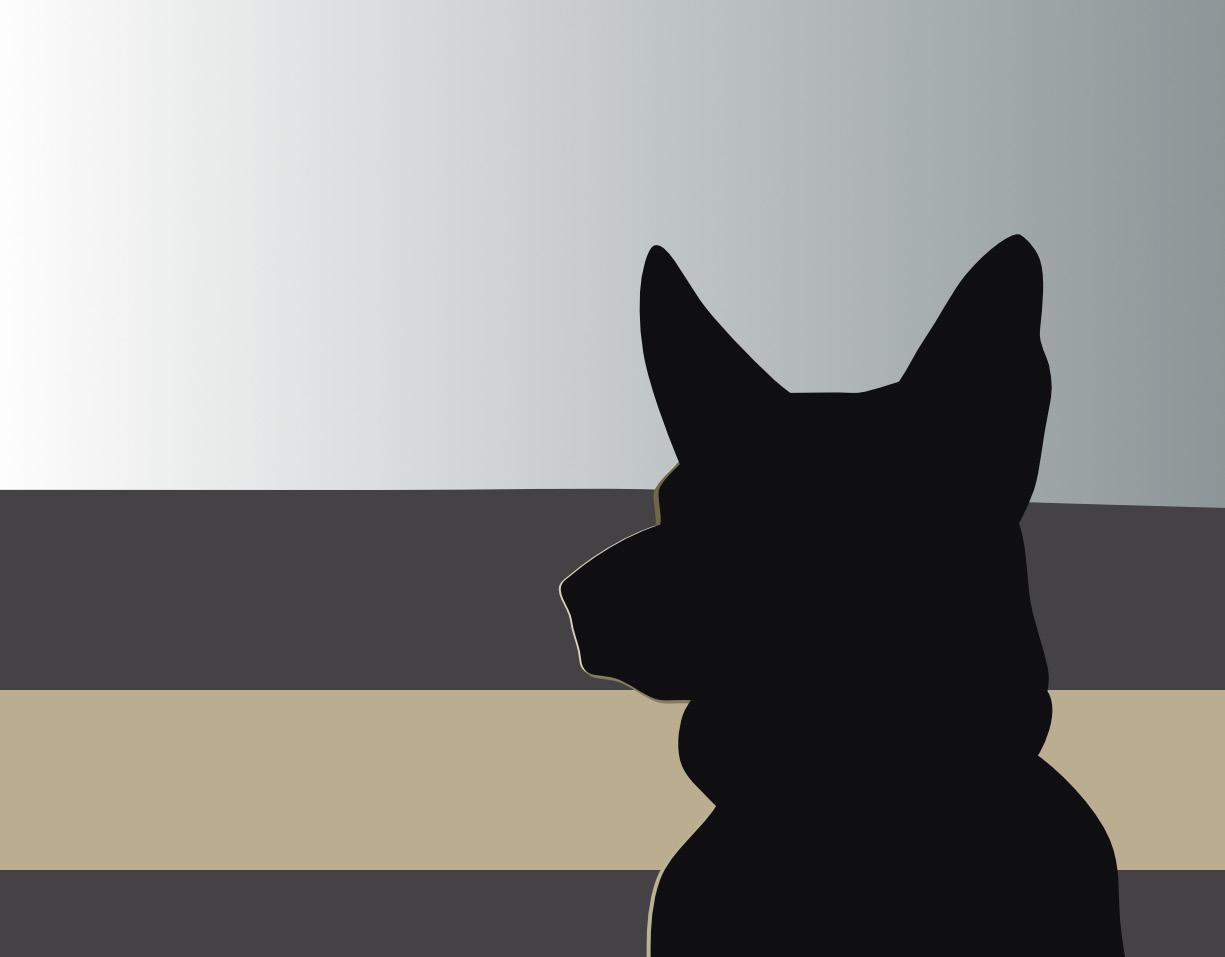
Ocean Dog by Victoria Rea-Wilson, Affinity Designer
In the Mirror by Victoria Rea-Wilson,
Affinity Designer
Shadows
by Gabrielle Benesh, Jared Silberlust, Adwight Risbud, Jessica Delamater Rob Love
Helpless in the dark
Standing six feet apart
Thinking of those on the frontline
We so wish to be a part
Helpless on the sidelines
Yet hopeful in our hearts
That the darkness and the distance
Will soon depart
Shadows by
By Gabrielle Benesh, Jared Silberlust, Adwight Risbud, Jessica Delamater
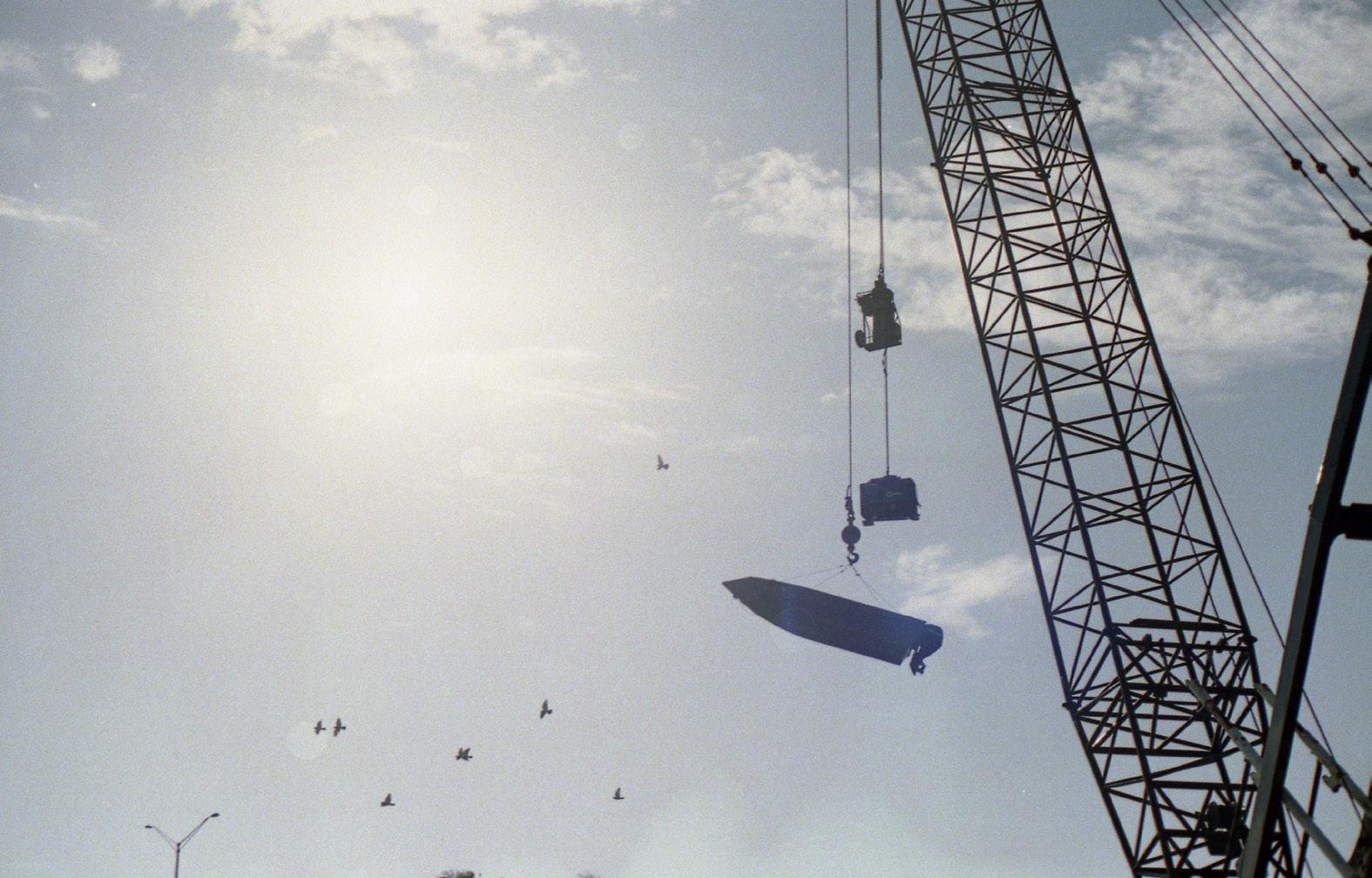
Untitled by Neelesh Dewan, Photography
Paying Attention
by Canon Brodar
The following is an essay adapted from the 2017 student keynote speech for the MD Class of 2021’s Rose Ceremony honoring willed-body donors for the first-year Anatomy course.
by Erin Wolfe, Procreate
As a first-year medical student, I found it odd when my classmates and I – having finished the macabre work of dissecting our willed-body donors – gathered to honor them in a Rose Ceremony. Speeches, poetry, and music vividly displayed gratitude and celebrated our donors' lives and the gifts they gave, and I realized our ritual had the features of a funeral or a memorial service. What made it strange was not what we had, but what we were missing. While we had come to know our donors in incredibly intimate ways, we had not truly known them. It was a memorial for those we could only partially remember.
We could at least surmise that they and their families were committed to advancing medicine, and that they held us and our education in highest regard. While we could never repay them, we could at least honor them by making use of their gifts, but what exactly were their gifts to us? As best as I could figure, their gifts were their bodies – themselves.
On our journey through the anatomy curriculum, we learned a great number of things about the body from them, so with their bodies they also gave us knowledge. It was not an easy gift, but one for which we had to work, because the variation in the lab made things complicated. When you start learning anatomy with Netter's idealized and colorized drawings, it's hard to tell real-life fascia from nerve from artery from vein. The real body does not fit the anatomical ideal you see in a book or hear in a lecture. Through this difficulty, our donors brought something important to our attention: Our patients were not going to look like the model on the cover of Rohan's. We would come
to see patients in every shape and size, and our donors showed us realistic anatomy. They taught us that the perfect body is not the model body, but the one we can learn from, whatever body is before us.
William Osler was fond of this kind of formative learning in the anatomy lab. He stressed these lessons to fellow doctors, saying, "Successful knowledge of the infinite variations of disease can only be obtained by a prolonged study of morbid anatomy. While of special value in training the physician in diagnosis, it also enables him to correct his mistakes, and, if he reads the lessons aright, it may serve to keep him humble." Osler's words also remind us that in the process of our learning, we will be changed.
In death, donors brought our new knowledge to life, and in teaching us to learn from their bodies, they also initiated us. Their gift to us was more than knowledge; it was membership, helping us through a practice that places us in the sometimes-questionable company of physicians across the past few millennia. We de-constructed the body, and our donors constructed something in us, something passed down from doctors that came before us. They began teaching us to see as physicians do, testing our eyes to use the clinical gaze.
Once we turned this gaze from books and bodies to patients, we were able to do so more confidently thanks to our donors. When I walk into a patient's room and talk about her liver, the image I bring to mind is a lasting gift I received
in the lab. My donor enabled me to form clinical thoughts – to gaze upon a patient's body with hers as a map. In the lab, we had learned to tell and take things apart, and in the clinic, we learn to piece it back together again. We remember what our donors taught us, and in our work, we "re-member" them.
We may have a duty to "re-member" our donors, but their gift to us was still about more than just what they did for us. They gave us clues to piece together their stories, to re-member them as persons. Even the masters of the clinical gaze can miss these things. There is more diversity and complexity in a person's life than we could hope to see in a lab, and we need more than just medical knowledge or science to appreciate it. To see these things, we learned that we must pay attention.
As our donors helped us to earn our anatomical knowledge, we learned about them as well. It started on the first day with demographic data like sex, age, occupation, and cause of death. It continued when we took in their appearance, discovering their size and shape. With our first cuts, we became better acquainted as we dug up evidence of the diseases they suffered and the surgeries they survived.
Clips left in from an old surgery would lead to wonder over what it was like to go through the procedure, and what the family experienced. Metal and scars left behind became vestiges of a vested interest in our education. Life-saving care and access to it would certainly beget a gratitude to medicine; was that what brought them to the anatomy lab? When a uterus, appendix, or leg was missing, could anyone help but to wonder how it happened? We paid close attention to the details of each donor's body, though it was easy to forget the bigger picture. Forgetting may be protective, perhaps even necessary in the lab, but even the smallest structures we obsessed over were once parts of someone's whole world.
Even the smallest deviations from Netter's images were all precious bits and pieces of our donors' stories. Every body was a person with a life, every life with a story, and every story insinuated in the body. You can see these connections in wrinkles furrowed out from a grandmother's smile, or in a farmer's leathered hands. Even Osler's hands told the story of his work, written in the form of prosector's warts. I saw a story in my donor's hands: When the cloth came off, her painted nails told me something of her life and her humanity. When the cloth came off of her face, it reminded me of my humanity too.
While we could not repay our donors for what they have done for us, we learned that we could pay attention. We could attend to the scars and marks we see on a body, to the beauty of variation in their forms and features that strain to tell their stories, and to the stories that we have to piece together, to re-member. We could count it as practice for our living patients, when our attention became all the more vital.
At the start of our medical education, we were at a point where most of could not diagnose anything, much less cure anything. As we climb the rungs of the medical training ladder, we'll encounter difficult cases and find ourselves returning to this restless place. For such moments, our donors taught us that we can still offer something essential to medicine. When the ability to effectively cure or care is beyond us, we can offer our attention. When we can do no more than attend to the body before us and appreciate the stories it could tell, we have to know that this counts for something.
As we continue through our training, and our time grows scarce, we'll grow all the more aware of the fact that our attention is no small thing to give. Neither is giving yourself to a doctor's scrutiny. We can't repay such a gift, but we must at least remember it, and pay attention.
Untitled by Neelesh Dewan, Photography
Condyloma Lata
by Adriana Grossman
I’m not judging you. I can see it at the verge, You had the urge to scratch it And make it bleed more; It started as a painless sore.
“You need penicillin.” From under the drape I can escape your tears, The silent streaking of your fears That you’ll die before your dead; Head pressed to the floorboards, Like Beethoven, Swearing you hear sound When there’s no one and nothing around To whisper, “You’re dreaming.”
That you’ll slump as Oscar Wilde, Crying like a child in your tiny room, The gloom creeping in, And wondering who bestowed this curse on you.
You envision a Tuskegee man, Hands crumpled under government sheets While the fire in you burns deep And you’ve lost your legs from under you, The little pests now mouthing at your spine.
“Take this and you’ll be fine. In time, those growths will disappear.”
No fear of losing music, Losing time in a Paris attic, Or losing humanity under a scientist’s thumb.
We’re done.
In a few weeks we’ll do lab tests to confirm, But the mold always beats the worm.
The moment when nothing else matters by Tara Tardino, Acrylic
Statement by Akshara
Sree
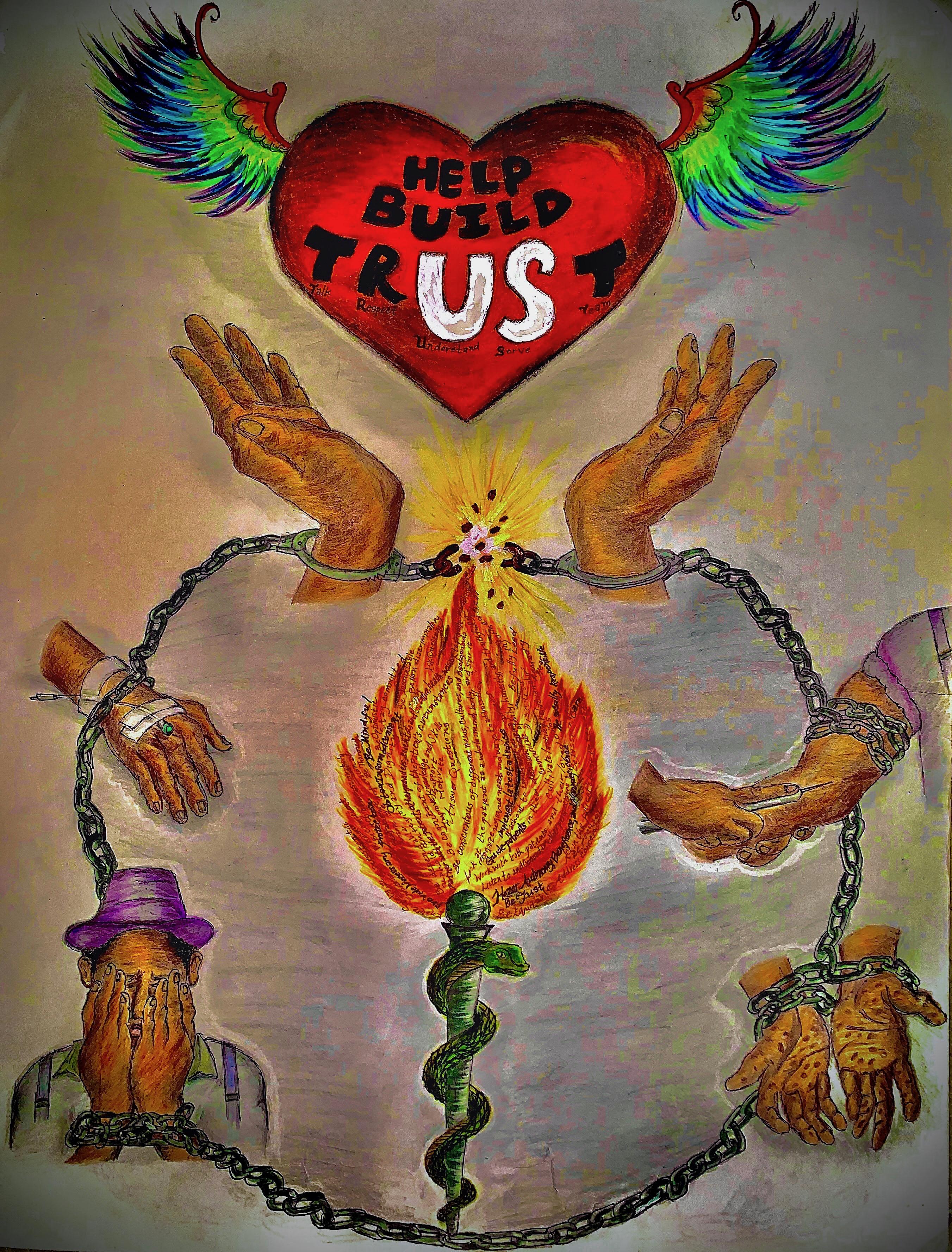
African-American communities have endured unacceptable physical, mental, and emotional suffering due to the Tuskegee-Syphilis experiments. This depiction represents the vicious cycle of isolation and illness susceptibility many were consequently forced into. It also symbolizes healthcare providers’ ethical responsibilities as flames that dismantle these shackles of institutional injustice and catalyze trust.
Help Build TRUST by Akshara Sree, Mixed Media
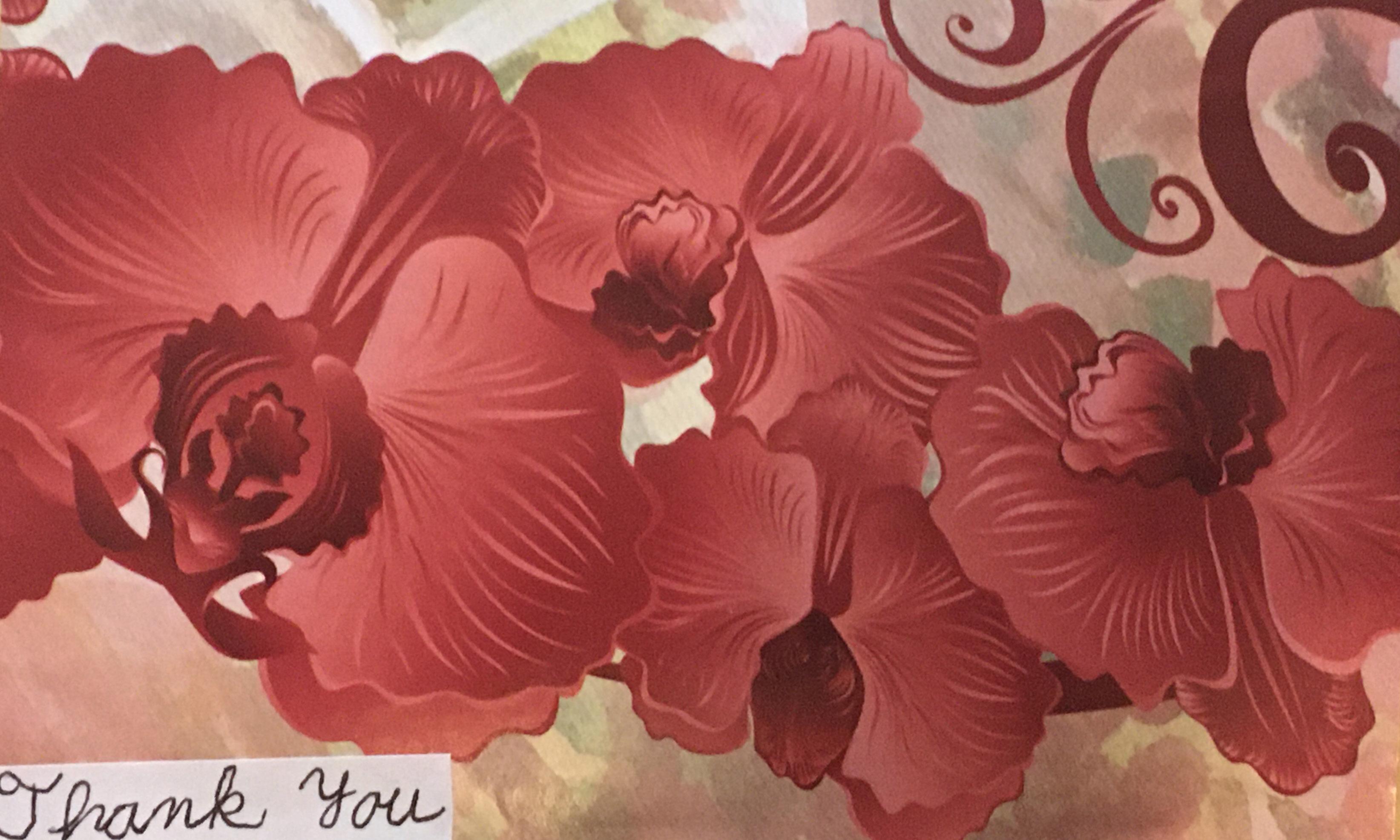
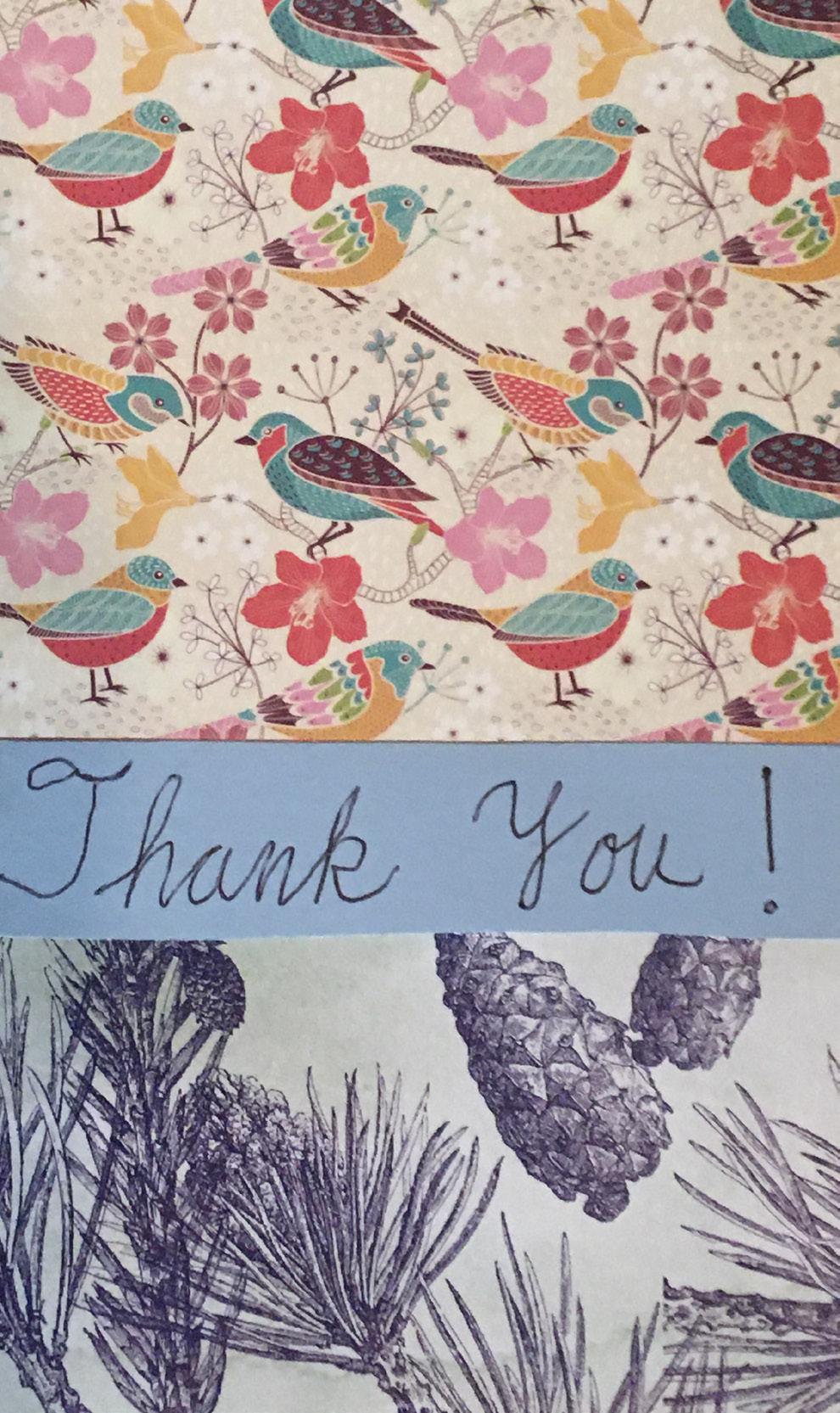
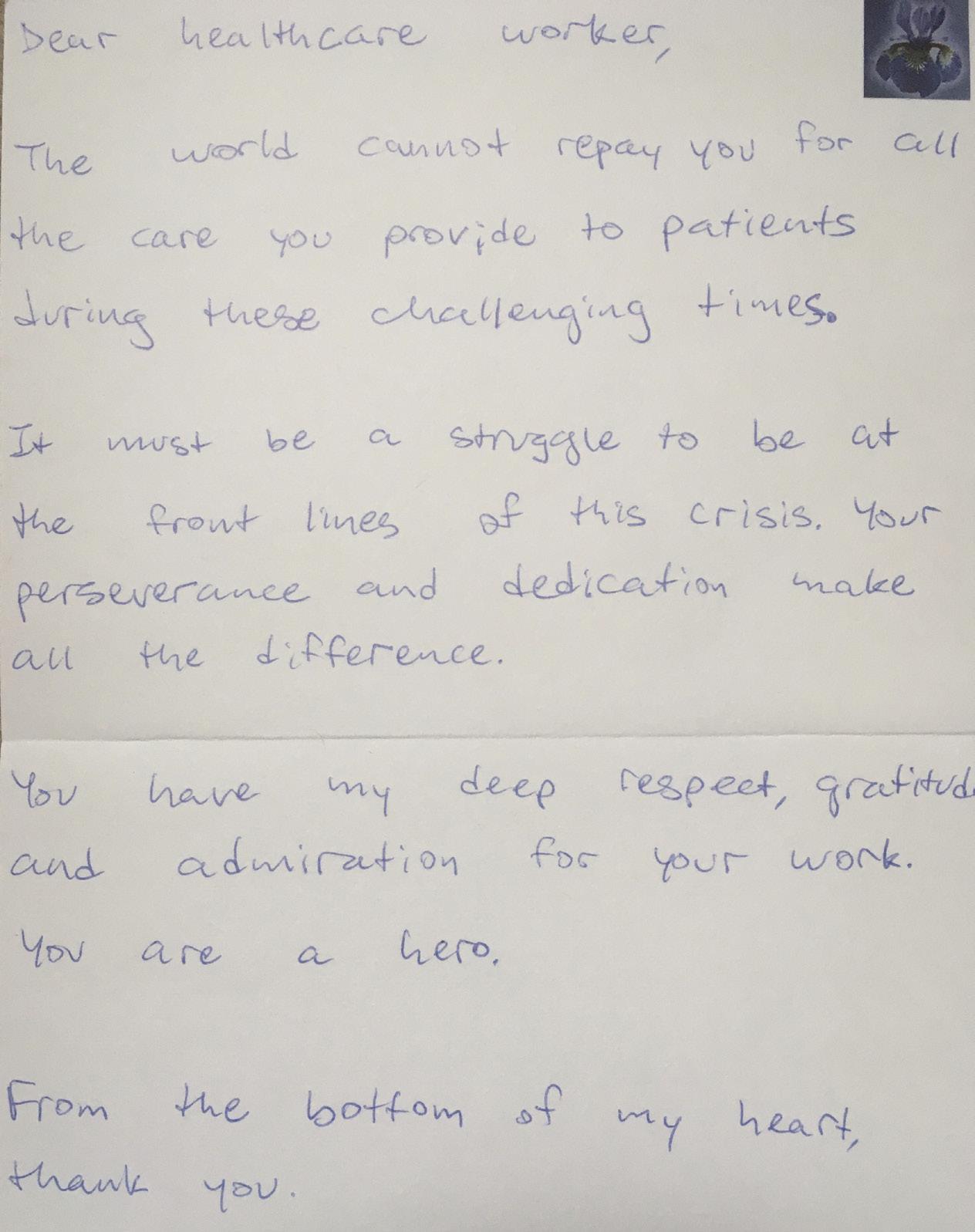
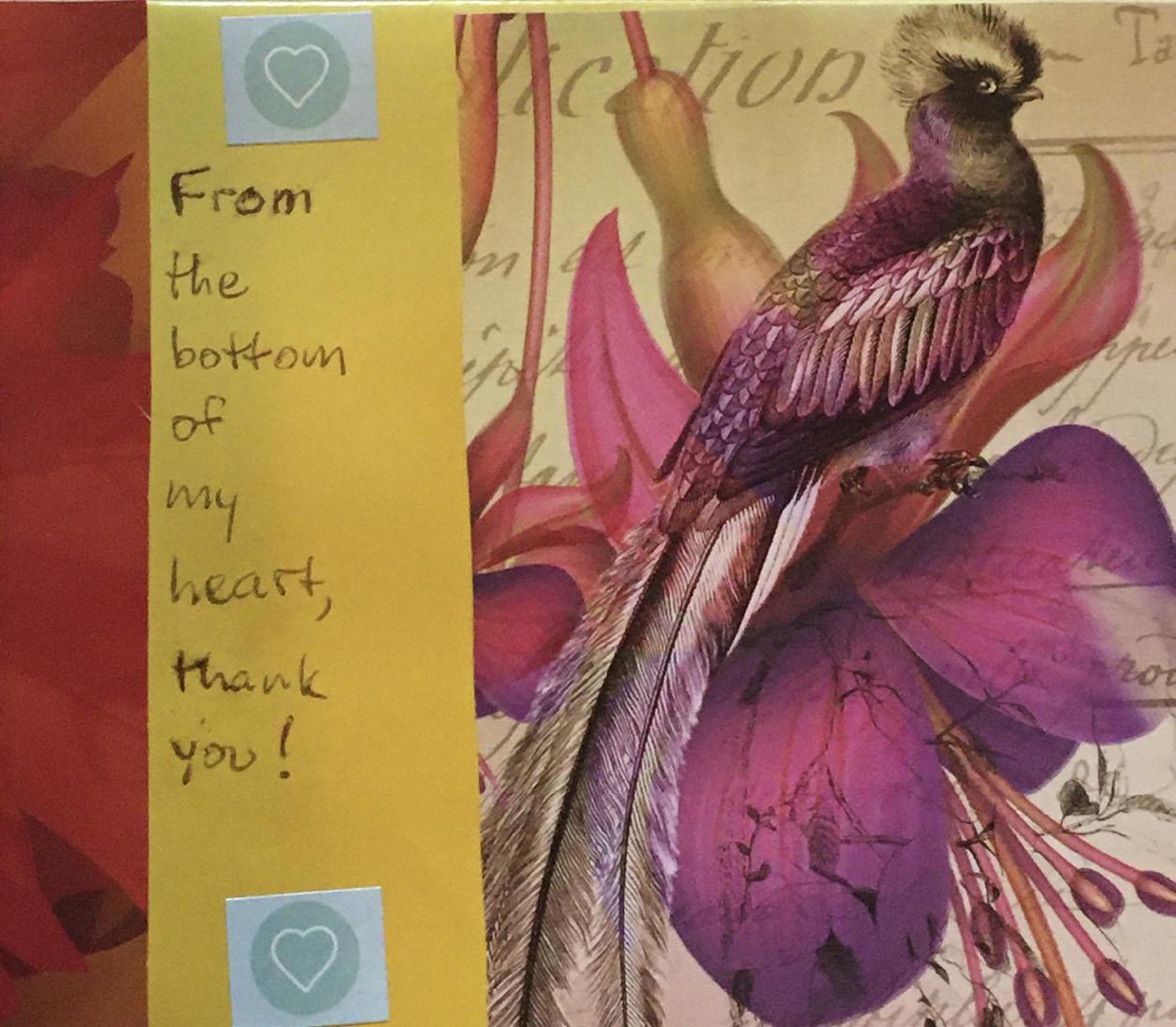
Thank You Cards by Fatima Chagani, Mixed Media
Air
by Kyla Rakoczy
Guilt, an inner demon to battle I try and fail to silence its inescapable prattle
To sit inside while others fight I’m just a medical student, but it doesn’t feel right
With masks and gowns hard to be found Students simply aren’t allowed around Ventilators redistributed to those with the greatest odd Difficult decisions by physicians stolen from god
This virus claims life and a sense of security from all Will things ever be back to normal? Maybe by fall? We should’ve seen this coming, should’ve been prepared “Should’ve” could’ve saved our world... let’s hope we are spared
Our new existence marked by solitude and isolation I am powerless to my feelings of ineptitude, frustration My heart aches for those providing and receiving care We all seem to be chasing A breath of fresh air.
What more is left to Discover?
To an outsider, science can be excruciatingly esoteric. I recall one encounter while shadowing, where a patient nervously explained that he had injected saline spray up his nose and only half of the liquid came back out. He asked the head and neck surgeon, “Did the other half of the spray get stuck somewhere? Where did it go?” The amused surgeon, related the anatomy of the nose and how it was connected to the throat, and he had swallowed the remaining saline. While to a medical professional this anatomical connection is basic knowledge, this idea for an outsider is not nearly as obvious.
I believe the hesitancy and disenfranchisement of many students from pursuing scientific fields arises from an increasing distance from the forefront of discovery. Let’s introduce a battle front analogy. In the past, when the battle with science using the scientific method began, the armies were shallow, and a novice scientist was close enough to the battle front to where he or she could see it in the horizon. These people in the past could learn what science had ascertained to be true and build upon it quickly. Now fast forward to this day and age, where the players in the scientific war are numerous, and a novice trying to enter is so far back from the battle front due to the sheer size of discovery that lays before them, that they cannot fathom a battle is being fought much less where the battles are located. Hence anyone trying to enter the scientific field, before they can make any contributions on the forefront of discover they must first understand and weave through the discoveries that came before, so that they can understand and propose novel ideas.
by Viraj Shah
the extent of the knowledge there is, and then can he or she embark on advancing discovery further.
Medical students are forced to learn discoveries ranging from basic biochemical pathways, systemic pathologies to immunological cascades that manifest in the plethora of diseases that we see. Maybe finally now, after 16 years of education, with a holistic scientific toolbox, sprinkled in with some self-exploration in tandem with research mentors that guide and entrust students with projects, can students find themselves realizing that maybe they too can think of an original question to answer.
"Students should be compelled to experiment and draw their own conclusions, resurrecting the discoveries made by scientists of the past."
Carving physician scientists to be motivated and involved in discover involves a multifaceted approach. First, the educational curriculum must not relegate students to this incessant journey of passively learning, learning, learning, to one day deem them finally able to think for themselves. Just as a soldier who reaches the battle with no ability to fight, a young aspiring scientist with no experience can be cast aside and become discouraged. Rather, early in medical education, students should be compelled to experiment and draw their own conclusions, resurrecting the discoveries made by scientists of the past for themselves, as original thoughts and not passive memorization of what they are told to be true.
In 1873, a surgeon by the name Sir John Erichsen proclaimed “very little remains for the boldest to devise or the most dexterous to perform.” Here stems the question, “what really remains to be discovered?” A scientific expert conducting research knows advances yet to be made, but a, high school, college, or even medical student amidst the pages of text and lectures that lay before them may be led to believe what more novel discoveries could possibly exist? Hence, research is daunting because the way in which material is taught. Current students have to weave their way to the battle front largely by reading and accepting the discoveries of the past. One thousand years ago, simple observation could make one a scientist, now one must adapt and learn
The second aspect to the solution involves the saying, “Stand on the Shoulder of Giants.” This means to build on what has already been built. The most motivating realization that anyone in science can have is that the grand, groundbreaking Nobel prize winning discoveries can only be made by the countless, painstaking, efforts of many researches to lay the foundation, and brick by brick assemble the finished structure. Knowing this, can motivate students that whether or not they do uncover grand conclusions or realizations, more importantly, small victories are the basis for future Nobel prizes.
Many scientifically inclined students, are moving towards computer science because they might feel the forefront of discovery is much closer to them, as the tools they have to learn might be quicker and easier to access. We have to do the same with the medical sciences, and aid aspiring physicians in weaving to the forefront of scientific research one self-discovery at a time.
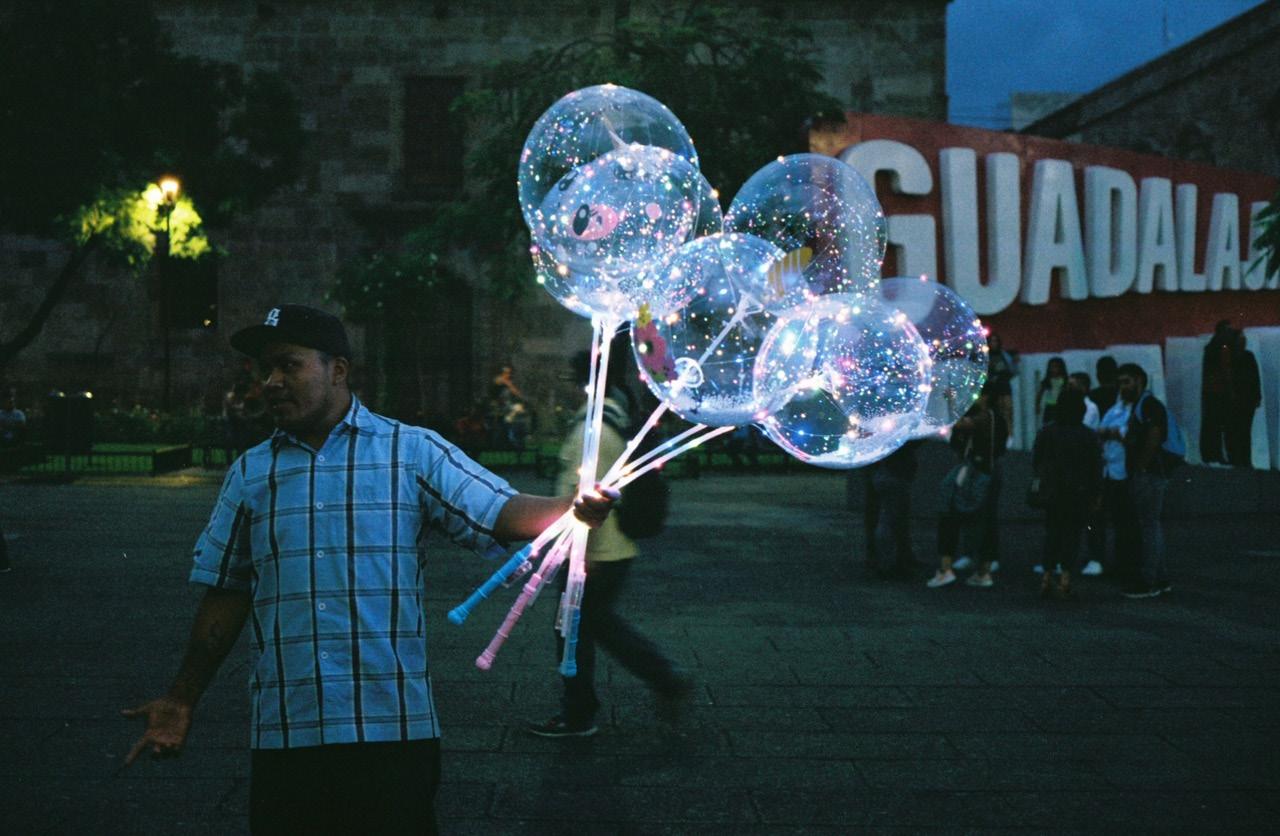
Untitled by Neelesh Dewan, Photography
In the realm of public health law, finding the balance between protecting individual rights and promoting public health can be challenging. On one hand, an individual’s autonomy to choose her or her own health outcomes one must be acknowledged. Contrarily, measures must also be taken to protect the health of an overall community, including protecting some of its most vulnerable populations, which may sometimes clash with individual civil liberties. This dilemma between protecting civil liberties while promoting public health has appeared in public health various times — one of the first instances as early as 1905 in the landmark court case Jacobson v. Massachusetts (1905) — and can continue to be seen in discussions today about whether a mandated national lockdown can be legally enforced during the COVID-19 pandemic.
In the early 1900s, a smallpox epidemic hit the northeastern United States.
When the epidemic hit Massachusetts, the city of Cambridge enacted a law that required all of its residents to be vaccinated against smallpox with a $5 fine of noncompliance. Henning Jacobson, a citizen of Cambridge, refused the vaccine and contested the fine, which ultimately led to the case reaching the Supreme Court in 1905. The court ruled that individual rights may be limited by the state for the purpose of protecting public health and that Cambridge’s decision to fine Jacobson was just.
This case, Jacobson v. Massachusetts (1905), has set precedence that states may take action to protect the health and safety of its citizens, even if it may abridge certain individual liberties. While it is only one of many factors that play into the question of how to best protect public health while also acknowledging individual rights, it can help us better understand the current situation regarding COVID-19 in the United States.
The Legal Basis for State and National Can Individual Rights be Limited
By Meghan Sharma
Many states, including California, New York and Illinois, have taken statewide measures to limit the spread of the virus. For instance, on March 20th, New York Governor Andrew Cuomo signed an executive order mandating that 100% of the workforce must stay home, excluding essential services. Under Supreme Court precedence, these measures enacted by states are valid exercises of power since states have the ability to take statewide measures in order to protect public health.
However, the issue becomes much trickier when we begin to look at the ability of the federal government to impose national mandates during the COVID-19 pandemic, such as a national lockdown. This is hard on one level because health has traditionally been viewed as under state jurisdiction. This traditional jurisdiction comes from the 10th Amendment of the Constitution, which states that any powers not delegated to the national government in the Constitution, including health, are reserved to the states.
Despite state governments having more jurisdiction over health than the federal government, there are various ways for the federal government to get involved in the regulation of health as well. For instance, the federal government may choose to evoke the Commerce Clause of the Constitution, which expresses that the federal government has the authority to regulate interstate commerce. Thus, if a health crises such as COVID-19 spreads beyond any individual states, the federal government may claim that it is an interstate matter and that they have the authority to prevent the spread of disease between states, which could allow for actions ranging from more interstate border screenings or potentially even a nationally mandated lockdown.
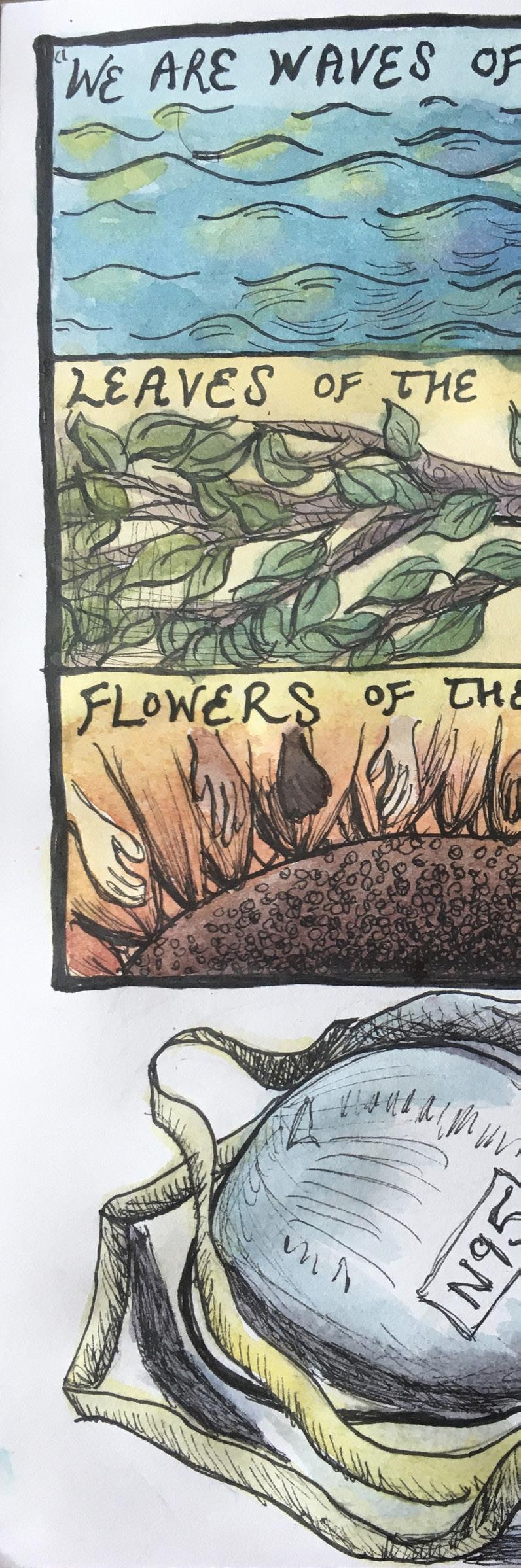
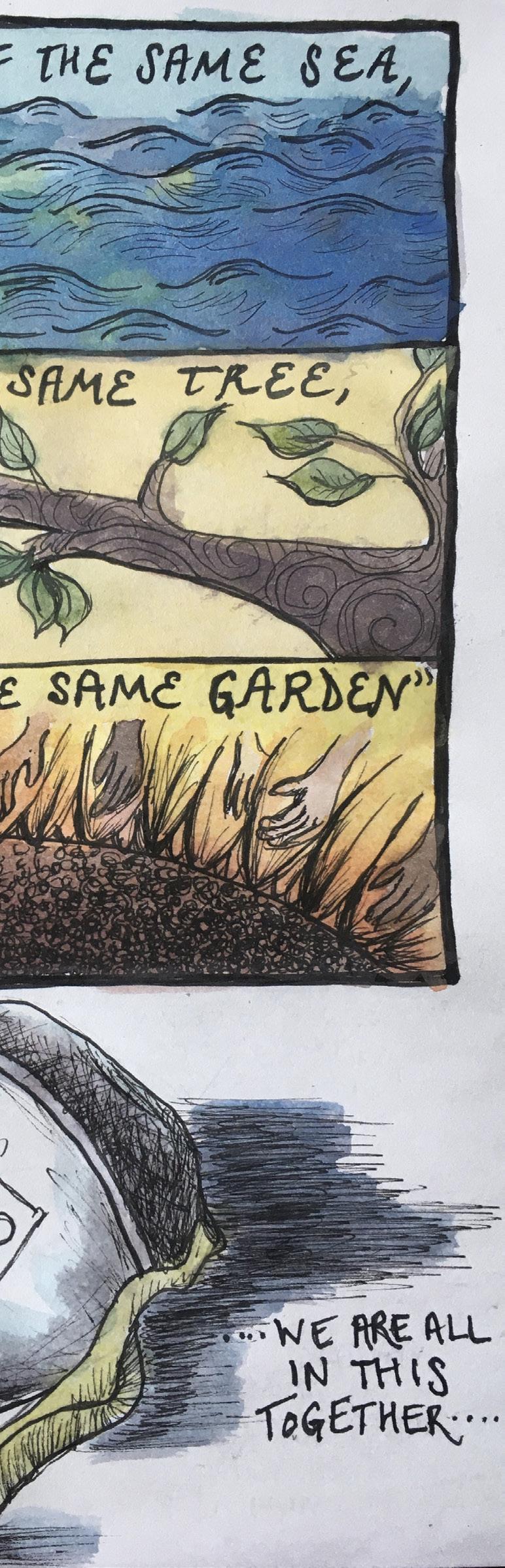
We Are All in This Together by Jaclyn
Perreault, Ink Pen and Watercolor
National COVID-19 Lockdowns: Limited for Public Health?
Another way that the federal government can influence health decisions is through providing recommendations to the states. One of the main recommendations that the President has made during this pandemic has been the “stayat-home” guideline. On March 29th, President Trump extended the federal “stay-at-home” guidelines to April 30, stating that it is recommended that people stay at home until this date. While this is only a “recommendation,” many states have made decisions congruent with national guidelines.
Supreme Court decisions such as Jacobson v. Massachusetts (1905) and constitutionally delegated powers under the 10th Amendment and Commerce Clauses are some of the main legal tenants that govern health in the United States. However, laws and policies can — and often do — change during times of crisis. For instance, once a president declares a “national emergency,” 100 special provisions become available for him to use.
Moreover, the Supreme Court gives much more deference to the president during a national emergency, meaning that the judicial branch will be more open to interpreting laws or scrutinizing the president’s actions so they are in the executive branch’s favor. This is all under the historical assumption that the president will act in the best interest of the country in times of crisis when there often is not enough time to go through the normal measures of getting actions approved by Congress.
COVID-19 was declared a national emergency as of March 1, 2020, which means we may see more deference towards the President’s decisions in the upcoming months. This could also mean that, should he declare a nationally mandated quarantine, perhaps he would have more authority to do so.
One of the most discussed actions the President has taken after declaring COVID-19 a national emergency was evoking the Stafford Act on March 13, 2020. There have been many rumors that the Stafford Act could be used to mandate a national quarantine, but it does not seem like the act itself could evoke a national lockdown. The main intent of the Stafford Act is to enable the federal government to provide assistance to states and local governments through the Federal Emergency Management Agency (FEMA). This means that while the federal government can provide resources to states, it still cannot directly intervene in the crisis response of the states.
The COVID-19 crisis we face today is relatively uncharted territory in the legal realm. Not much precedence exists on how to respond to a public health crisis like this pandemic on a national scale. National emergencies have often been declared during times of military or economic conflict, but have rarely been due to public health. Further, the Stafford Act was mainly intended for use during natural disasters, so its use for a public health issue may raise new questions.
Can the President mandate a national lockdown? Unfortunately, it is a hard question to answer. There are many legal factors at play. Factors such as Jacobson v. Massachusetts (1905) and the Tenth Amendment may point to an argument that only states should have the authority to mandate quarantines and that the national government should only be able to issue recommendations to the states. However, it the President did choose to order a nationally mandated lockdown, other factors such as the Constitutional power to regulate interstate commerce and additional powers that he has under a “national emergency” may help him in doing so. With such little legal precedence, the decisions made in the next few months will be critical to better understand how both the state and federal governments should respond to public health crises.
Untitled by Neelash Dewan, Photography
Structure
Bricks laid
With clarity
Life twisting
Towards chaos
Tornado
Gathering fragments
From other stories
Held
In a fragile equilibrium
Steady and erratic
Irreducible
To any fixed framework That would not Leave out
Too much
Foundations
Left behind
Anchored debris
Lifted by force
Vanishing
Into a disparate landscape
by Mackenzie Jones
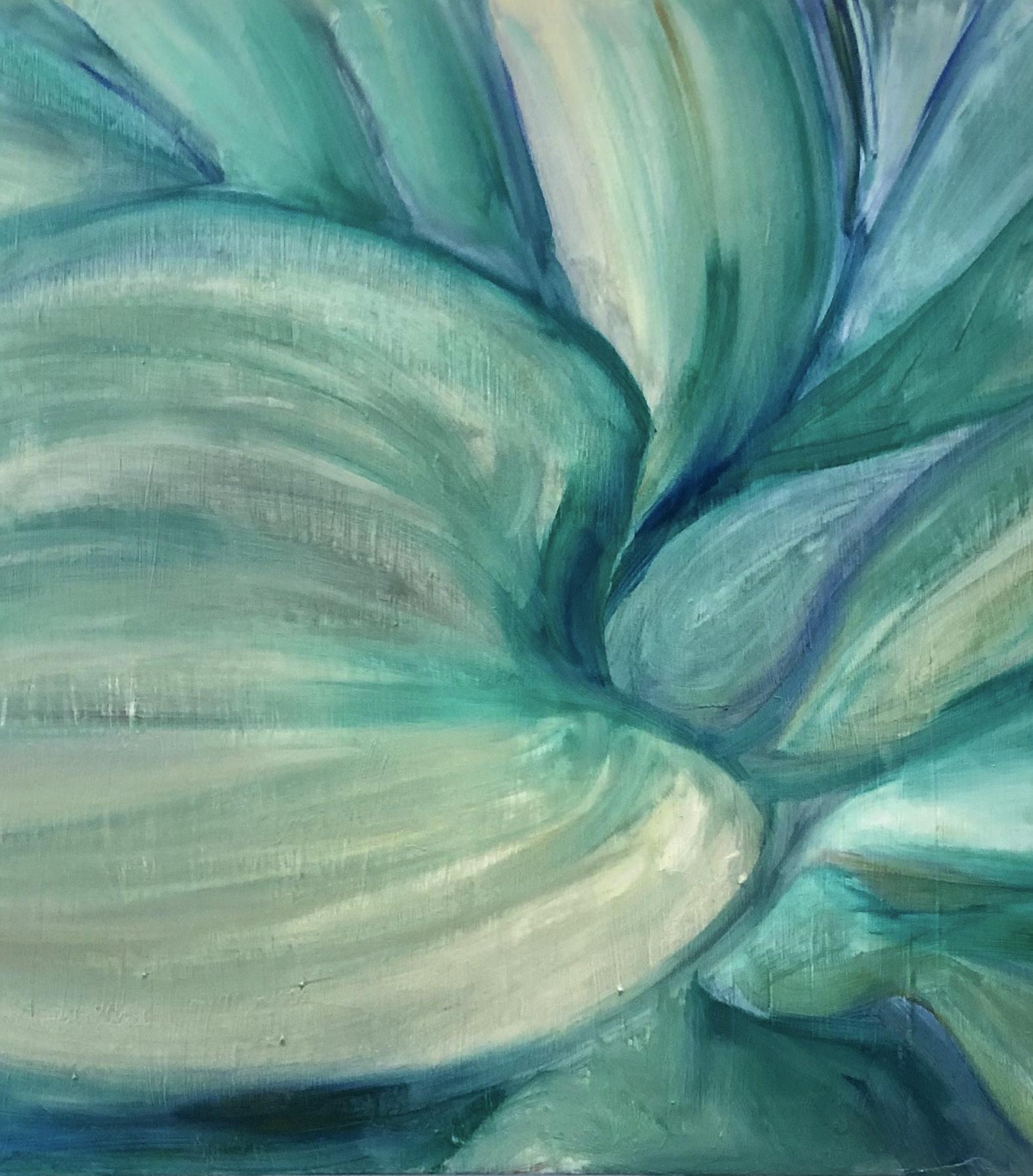
Verdure by Erin Wolfe, Oil on Canvas
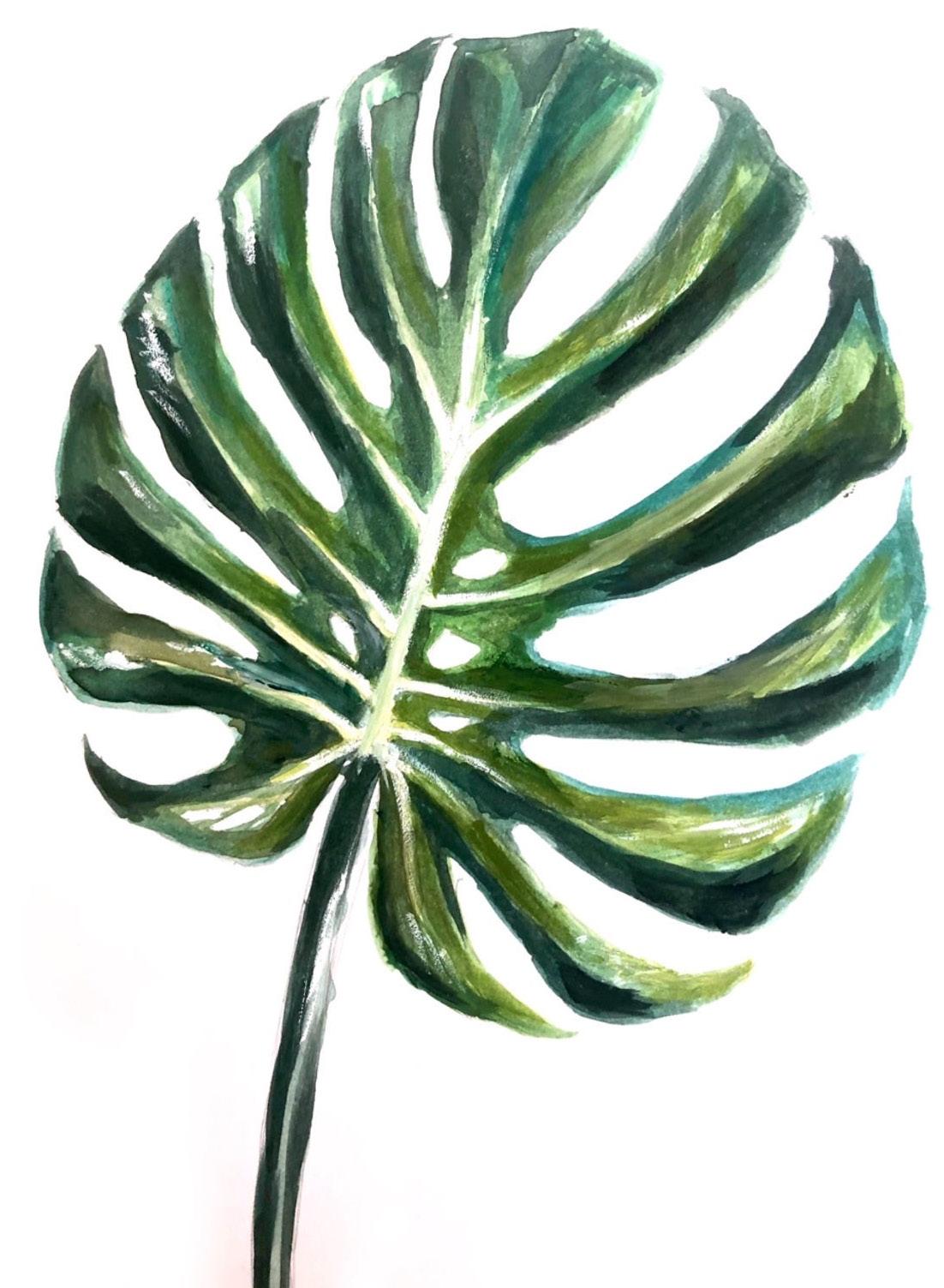
Monsterosa Deliciosa by Erin Wolfe, Gouache on Cardstock
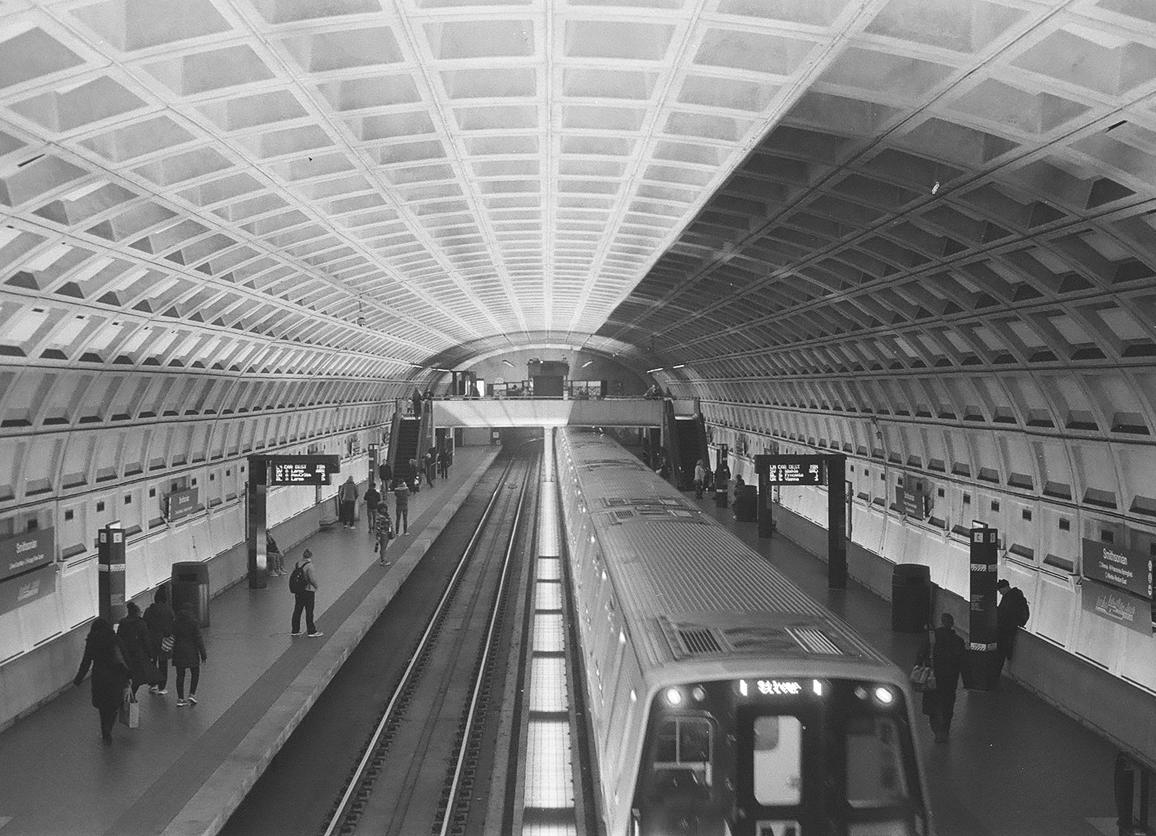
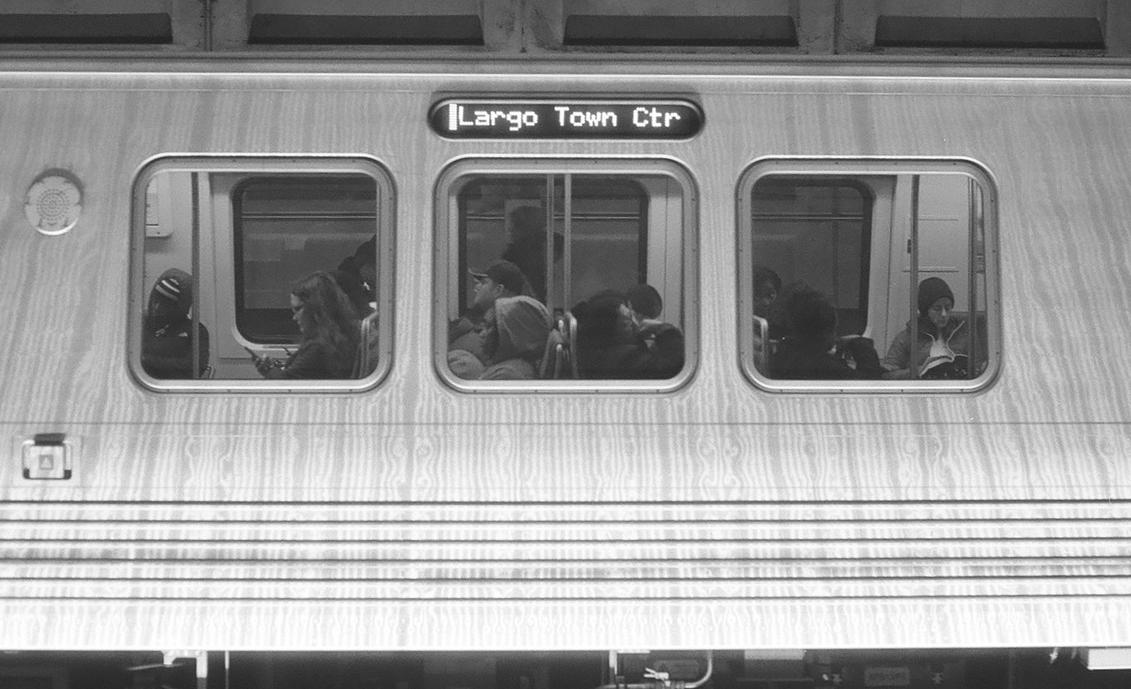
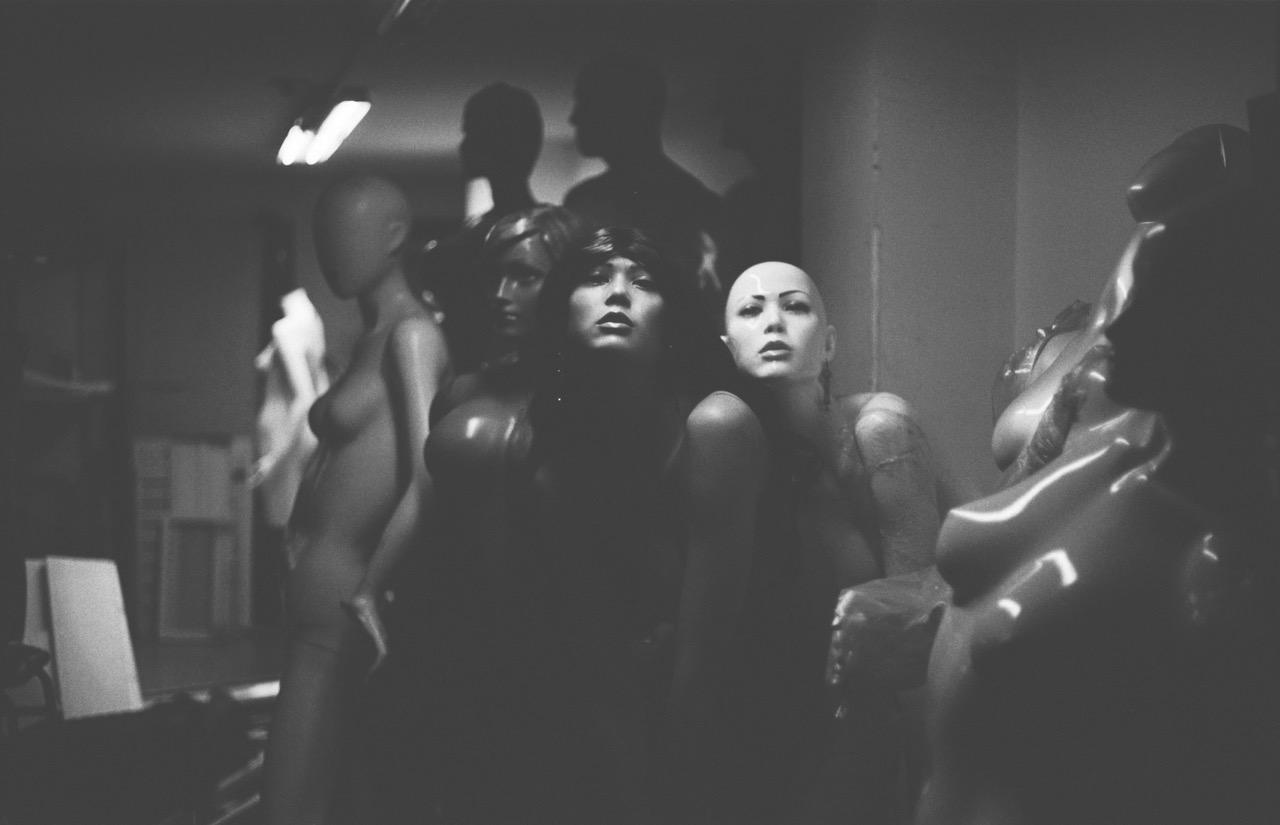
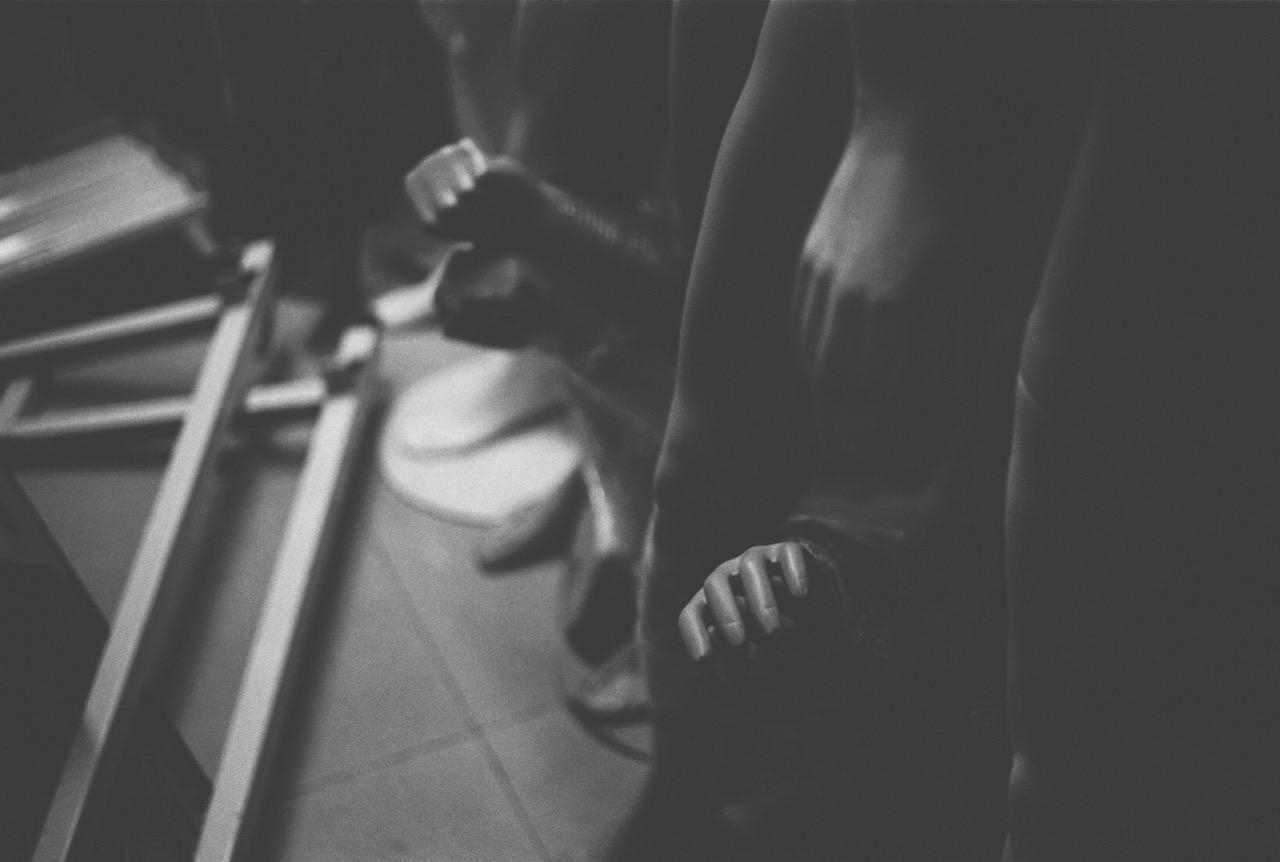
Untitled Works by Mika Mintz, Photography
Steps
My vision is obscured by golden paths and figs and leaves, creating blind spots. I am frozen at the fork, between the branches. I cannot choose, though I beg my feet to move; tell myself to follow instinct, but I was raised in a city. My soles have no trust in soil or forested paths; my eyes give no credence to the shadows cast by sun. I watch a stream carrying floating twigs and I wish I, too, could flow as the current does, but I sit on the bank, immobile, paralyzed by indecision. I wave goodbye to the star and welcome his sister as the world becomes shrouded in the glow and I can finally pick up my feet, with no one but the big dipper to see me forge my path.
by Jennifer Ferrante
Untitled Works by Neelesh Dewan, Photography
Learn
I cleaned every inch of the apartment so I could let go of the dirt and dust. I found a chair with good support so I could stand to sit still.
I paid every bill, answered my mail so I could let go of responsibilities. I arranged so that I was in place I prepared so that I could relax
I was ready
They called to give me the news They told me not to worry about them
They asked me to keep studying her disease. Learn for the future, learn for others. But before I could she was gone.
Mackenzie
Jones
Color out of the Lines by Deborah Lin, Ink on Paper
Untitled Works by Neelesh Dewan, Photography
Vulnerability
NEDA week, February 24th - March 1st, 2020
Written in honor of National Eating Disorder Awareness Week and for all that suffer in silence.
By Catherine Laspina
Vulnerability. It sucks. That feeling you are left with after you feel like you have said too much. You want to hide. You want people to un-know. You want to go back to living your “perfect” life and having everyone else think so too. Paradoxically, I often personally keep things to myself because A) I often feel like my problems are “too much” for people, and yet at the same time, B) I often feel like my problems aren’t even problems and that other people have worse real problems that they are dealing with. Putting these two thoughts in the same sentence now makes me realize how crazy this is. How can my problems be too big and scary to talk about and simultaneously not even be a big enough deal to feel like they are worth debriefing with others about?
As a medical student, you often feel an even higher pressure to maintain perfection in your life and to remain “professional” at all times. But what does professionalism even mean? Over the years, it almost feels as though “professionalism” has morphed into dehumanization. Let me explain. To me, being professional means respecting your colleagues and those you work with (our patients!). It means respecting your team’s time by consistently being on time, showing respect in your tone of voice and communicating effectively, being responsible for your role on a team, and being reliable in doing your part.
because of my struggles with an issue that I’m hesitant to share even now: my eating disorder, anorexia nervosa. My biggest hesitation in writing this is the prospects of my future career, and how residency programs could view an applicant with a known eating disorder (ED): a well-recognized mental health issue. Given the alarmingly high suicide rate among physicians, which is more than double that of the general population, some mental health issues like anxiety and depression have become more openly discussed in medical schools across the country. However, other mental health issues remain stigmatized. In spite of that, eating disorders are ever so prevalent among medical students as we are a group at an especially high risk to develop a gamut of psychological problems.
“To me, it feels like professionalism has evolved into suppressing what constitutes being human.”
Nowadays, however, I feel as if the word “professionalism” has been transformed into meaning being less human and more robotic. Meaning: don’t be human. Show no evidence of feeling the possibly depressive effects of such a grueling career field. Show no evidence of partaking in any of the activities young adults enjoy or acting the utmost improper. Show no evidence of anything that could be viewed as a weakness, a misstep, or anything less than living your ideal, appropriate, professional life as we move forward in our careers and apply to residency.
Be the person that can handle everything and anything or can pretend well enough to fool those around you. Shy away from vulnerability and conceal your shortcomings. Nonetheless, by covering up our flaws, we often forget what even makes us human. Is this model of professionalism conducive to human connection and growth? To me, it feels like professionalism has evolved into suppressing what constitutes being human.
I’ve been thinking about the intersection of professionalism and vulnerability to a great extent lately
A recently published level one, systematic review and meta-analysis in June 2019 concluded the overall pooled prevalence rate of eating disorders among medical students to be 10.4% (95% CI 7.8%-13%) with the prevalence being even higher when looking only at female medical students. This prevalence rate was derived from eighteen cross-sectional studies (total participants n=5722). This is alarming as eating disorders carry the highest mortality rate among all psychiatric illnesses with the rate of death among women aged 15-24 being twelve times higher compared to their peers of the same age. The reported prevalence rate of all eating disorders in the general population is estimated to be about 5% versus 10.4% in medical students, and the estimated lifetime prevalence of anorexia nervosa alone being about 0.9-2% in females and 0.1-0.3% in males in the general population. Further studies need to be done to accurately estimate the prevalence of anorexia nervosa in medical students alone.
No matter how alone I felt in my vortex of living with anorexia nervosa, the fact of the matter is that lots of people and especially lots of medical students and medical professionals in such a high achieving field, struggle as well. Amid my surgery rotation of all times, the physical symptoms started to hit me hard. My pulse dropped to the high 30’s. I was cold all the time. I developed euthyroid sick syndrome. I had lost my periods for over a year. I was constantly getting sick as my white blood cell count continued to drop as my weight did. My liver enzymes went up, and I would turn jaundice at times to the point where one of my attending physician’s pulled me aside and told me I looked yellow one
day after scrubbing out of a case with him. The list goes on.
Finally, pulling myself together because I had nothing to lose. I went back to my primary care doctor that I had been avoiding for over a year- because she would always bother me about my low weight- and I did something crazy: I admitted that I needed help. I needed help with what felt like a highly stigmatized, scary, terrible thing to ask for help with. A thing that, to me, didn’t even feel like a problem at times. I would often even question why I couldn’t handle being that skinny without getting ridiculously depressed. Certainly, it seemed as though some other people could handle being that skinny just fine. Against everyone’s recommendations including my doctors, I chose not to take a leave of absence from school and opted to try intensive outpatient therapy. To this day, I have no clue how I managed 9-10 hours of therapy a week while on my surgery rotation.
One of my therapists would actually come to my house to eat dinner with me. When she came over for the first time and realized that I had roommates, her voice cracked and she anxiously asked, “Do you live with other medical students?” When I said yes, she went on to ask what their names were. I answered her question but was puzzled at first. Why did she need to know their names? Her response surprised me. She told me, “I need to make sure that I don’t have any conflict of interest in protecting my other patient’s privacy.”
I almost laughed out loud in disbelief. Oh my gosh! My therapist, one of numerous eating disorder therapists in Miami sees other students at my school! Despite how isolated I felt through this whole situation like I was weaker than other people or simply just couldn’t handle life as well, the truth is that eating disorders are so prevalent apparently that my therapist so happened to be seeing someone else in my class.
How could an issue that is never openly discussed as a problem that medical students face at a higher rate be so rampant?
Yet again, when I had to meet with someone at the school
pertaining to this issue, the initial response I got was “we have had students that needed to take a leave for this exact reason before even in the past year or two.” How could this possibly be? How could something so taboo, so unspoken, be affecting so many people?
Why is it that I am choosing to be vulnerable today and share my personal story? I hope to start more conversations that break down the stigma surrounding eating disorders and mental health diagnoses, most especially for those in demanding career fields, who feel if anyone knew that it would be a sign of their weakness. The stigma associated with mental health disorders and EDs can lead to delayed diagnoses, denial that a problem exists, and prolongation to initiation of care. Delay in treatment can lead to more severe cases and chronic, persistent presentations of EDs. I hope that open conversations lead to more young professionals seeking help when needed and feeling safe from repercussions on their professional careers when receiving treatment.
Because the reality is that every hour, at least one person dies as a direct result of an eating disorder. Anorexia specifically carries a 5-10% mortality rate within 10 years of developing the disease and an 18-20% mortality rate after 20 years. However, with treatment, the mortality rate falls from up to 20% of people down to 2-3%. This is why prompt treatment without fear of professional repercussions is key.
With that, my final thought. Is openly discussing your struggles in life a weakness? For me, it has allowed me to recognize where I can grow as a person. It has helped me to remind myself to value my mental and physical health while pursuing a demanding but fulfilling career. As vulnerable as it may feel, I urge more professionals to discuss what makes them human. Everyone missteps, everyone struggles. How you handle it, how you grow from it, and how you come back from it defines you more than any “weakness” you have.
I wish hard topics like this were discussed more as it would have meant so much to know that others struggle with these same issues and that it shouldn’t be a source of shame. It is this exact vulnerability that makes us human, and that seeking the help we need is, in fact, the truest form of professionalism there is. As by showing a commitment to our own health, we can further commit ourselves to the future health of our patients.
I challenge you to fight the stigma, and talk openly about what makes you human.
For students who would like a referral for an eating disorder or any other health concern, you can make a confidential appointment by calling the UM Counseling Center at 305-284-5511 (24/7) or for further assistance contact Dr. Laura Chamorro-Dauer, Director of Student Services, at lchamorro@med.miami.edu or 305-243-7978.
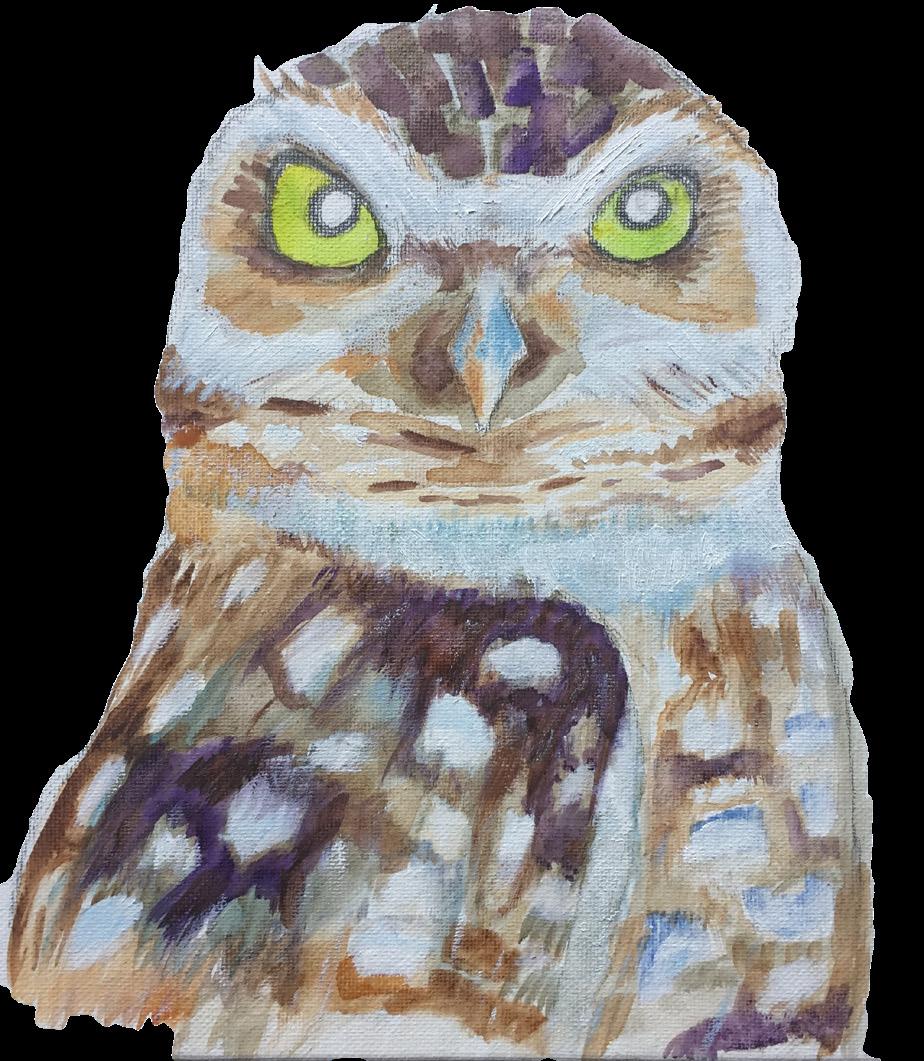
Owl by Noreen Mohsin,
The Gift Not Freely Given, The Blood
by Victoria Brennan
45 year old white female presents Doctor to the medical student: ZEMAIRA (human alpha1-proteinase beep beep beep “Order it, and go ahead and The resident clacks along the ders how much the plasma the notion. The patient is insured the cost matter?
She looks around to see if anyone She ducks her head and rushes Not making eye contact she question after question about
She steps forward seeking She knows that they know. But do they know about the extra pair of pants?
She feels the sharp sting of She flinches at the pain of judging This is for her children, she
She stands in line, the sheep She bleats at the familiars at No one acknowledges the dread
Sunset by Victoria Rea-Wilson, Affinity Designer
Blood Not Freely Sold
presents with alpha-1-antitripsin deficiency. student: What does she need?
alpha1-proteinase inhibitor), he says amongst the and make it stat” the keys. The attentive medical student wonplasma based medication costs, but pushes aside insured and this is a nice hospital, what does anyone is watching, rushes inside. she punches in her information and answers about her sexual exploits.
comfort but is met only with shame. the rocks in her pockets? Do they see her metal. judging eyes. she reminds herself, so they can eat tonight. sheep to the slaughter. at her side.
dread they feel as they inch slowly forward.
She rests her feet as cold bores into her skin. She pumps fist after fist, faster and firmer still. Green, yellow, red. Anything but red.
She takes a breath as the machine whirs. She feels only slightly nauseous.
The blackouts come much later she knows, but it’s for her kids she remembers.
She screams inside “No more! No more!”
“You’re almost there” they tell her. “That’s it. It’s only saline now. Your account should have your payment.”
She bows her head, hardly noticing the red that streaks her arm. She walks to the door without relief. Before she can escape they call, “see you in a few days!”
45 year old black female presents with alpha-1-antitripsin deficiency. Doctor to the medical student: What does she need?
ZEMAIRA (human alpha1-proteinase inhibitor), he says amongst the beep beep beep
“Order it, and go ahead and make it stat”
The resident clacks along the keys. The attentive medical student notes “She is uninsured and Medicaid doesn’t cover it. Are you sure?”
“Oh, hold off for now. We’ll have to talk to social work. It doesn’t look like we can do anything more for her…” he states amongst the Beep … beep … beep…
The Day Starts
The Day Starts
It’s morning.
The first rays of the sun reach up and immerse the dark sky in a golden glory.
The birds begin to chirp as they praise the start of a new day, a new beginning.
But he does not wake up.
The sun rises quickly, bathes the earth with bright light. People wake up, yawn, look about and drink their coffee. Outside, the hum of traffic begins. He. Does. Not. Wake. Up.
Not even when the partiers from last night groan and roll over and drag themselves up, complain loudly about their hangovers Not even when workers head off to their midday lunch signaling that they are at least halfway done Not even when the school children come home with their crayon drawings and a new topic of babble to babble about.
The day starts. But he does not. He does not wake up.
by Teresa Ju
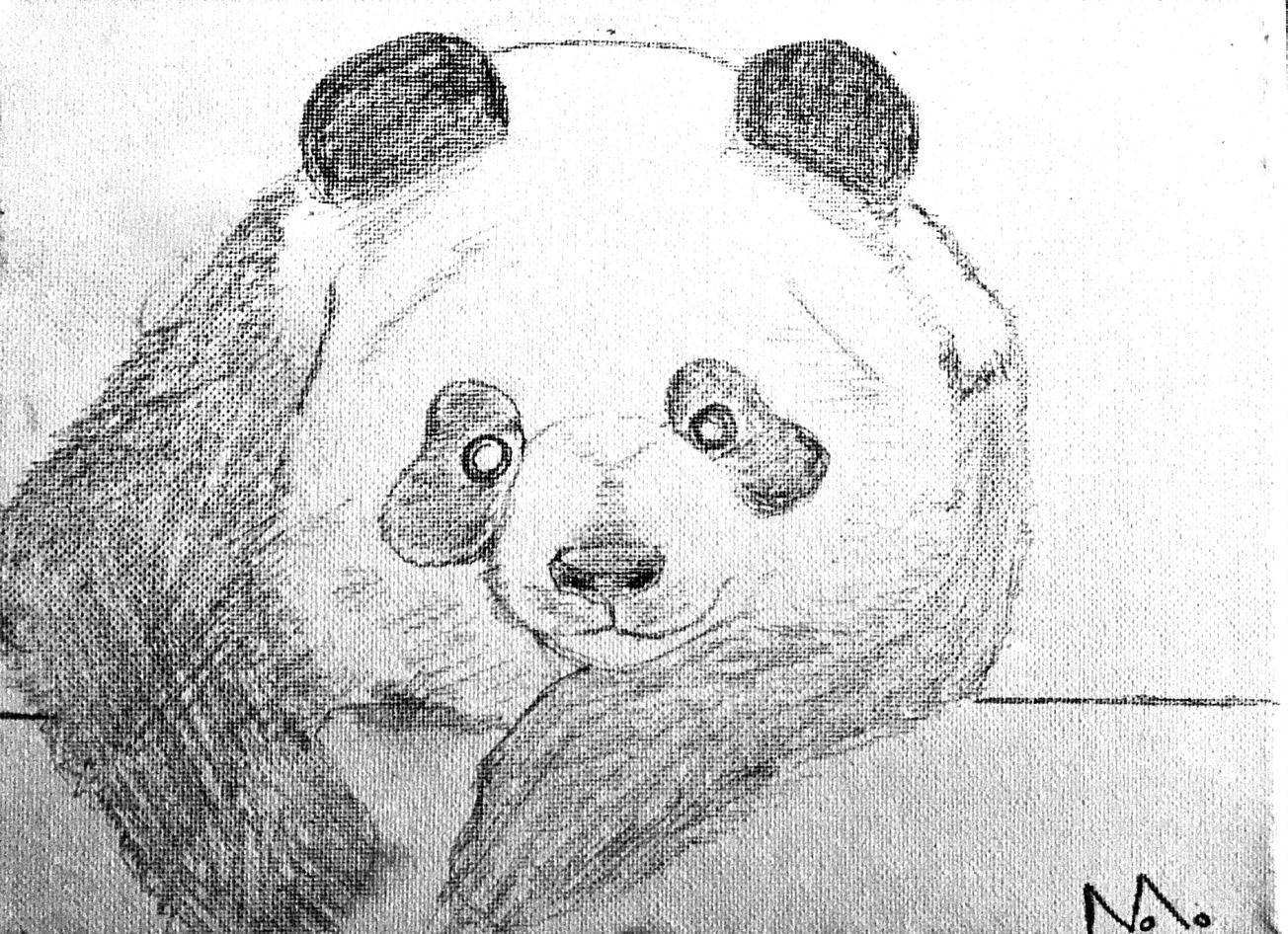
Panda by Noreen Mohsin, pencil on canvas
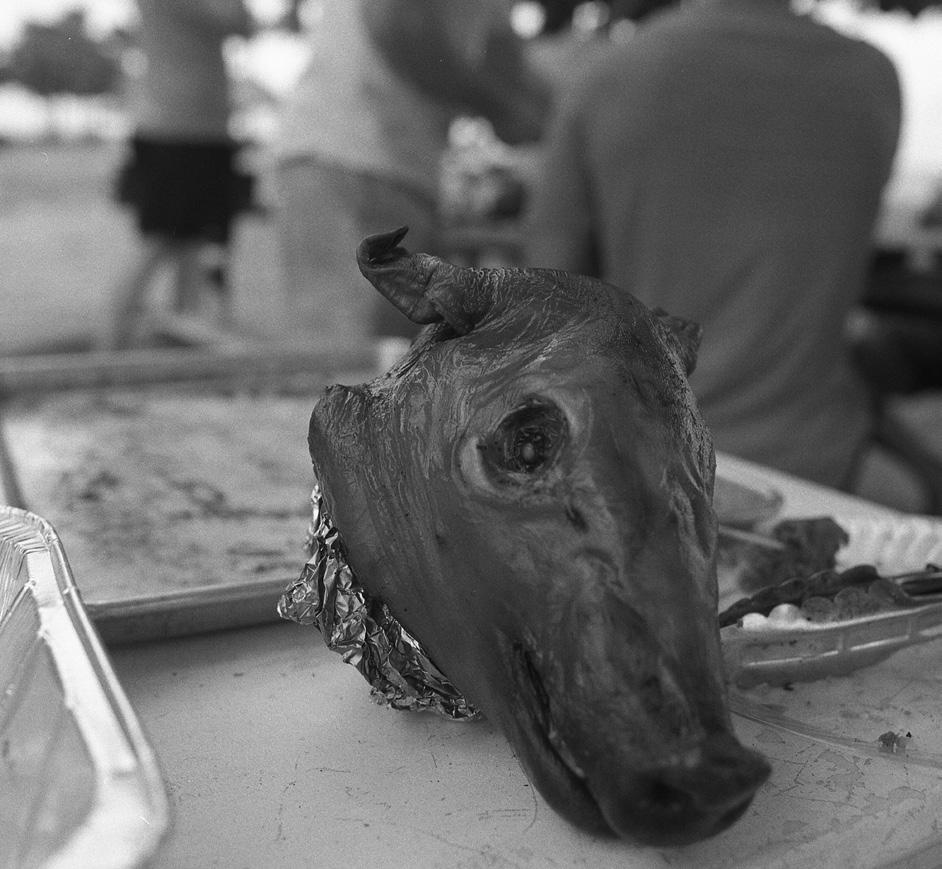
The Lord of the Flies
by Alex Cole
A souvenir, smirking sinisterly obscured by tiny shadows, swarming relentlessly
An intangible, truly traceless creature soon to smolder a wild fire of spirit, celebration, and solidarity once belonging to the blind and blissfully unaware
Simultaneously, stomping a sprout of hope from a seed of possibility Or possibly just depositing it deeper into strata of complexity To be cultivated, with caution, consequently
Untitled Works by Neelesh Dewan, Photography
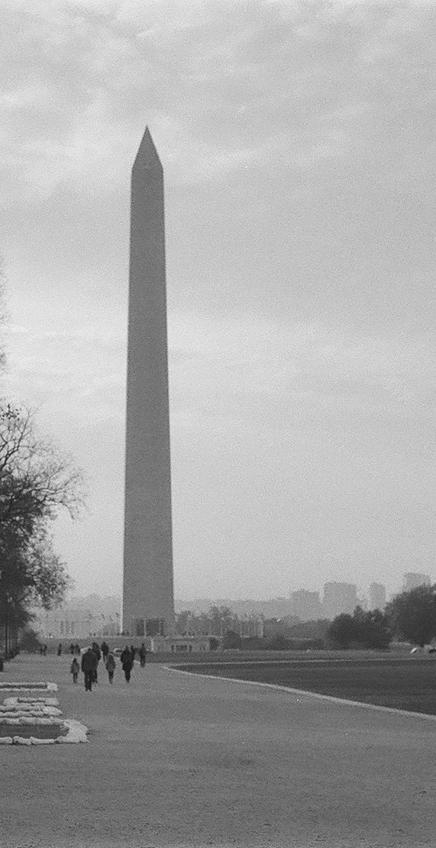
Untitled by Eric Ardman, Photography
The Art of Note-Taking by James Roldan, Notability App on iPad
Third year is, for many of us, a long series of firsts: first time placing an IV, first time palpating a spleen, first time crying in a stairwell because an attending yelled at you—
First time having a patient die.
Alba was a chubby cheeked 5 year old. I adored her. She had been in the hospital for three months by the time I had my rotation with the pediatric hematology/oncology team, Alba was a hospital fixture, passed to me from several medical students previous. Occasionally, we’d pass each other in the halls, and I’d be asked, “Is Alba still there? Has she gotten her transplant yet?”
The answer was always no.
She seemed so well that I had forgotten she was sick. The day after her last cycle of chemotherapy, she ambushed me while armed with a stuffed unicorn so large it towered over her. She brought it with her to her chemotherapy appointment and clutched it until the anesthesia put her to sleep. I pushed her away, laughing, and told her parents I would let the doctor know she was doing great. What reason did I have to think otherwise? A week ago we’d even deemed her well enough to leave the hospital to see Santa Claus at Santa’s Enchanted Forest.
My final day on the service, I arrived last to morning sign off. I was flustered by my tardiness, but mostly pre-occupied with studying for my shelf. The nurse interrupted sign off to tell us one of our patients was vomiting blood. It was Alba.
We found Alba’s room crowded with people. Alba’s mother sat on her bed, wiping spittle from Alba’s mouth and dabbing at her tears to comfort her.
To Alba by Jay-Shing
Wang
Alba was screaming. “Mama, I’m afraid,” she cried. “Mama, what’s happening to me?”
I took a basin to catch the blood as it came out. How long did I stand there? It must have been an hour, my hands cupped around that flimsy plastic as Alba spat mouthfuls of bright red blood. When we later reported what happened, my chief resident regretted not taking a picture because our attending didn’t believe us when we said she lost at least half a liter.
When Alba coded, her parents were forced out of her room, stuffed into a corner of the PICU to be accompanied only by their grief and a single nurse. Her mother was knelt on the ground in prayer so frantic my limited Spanish couldn’t keep up at all. Her father stared at the medical staff crowded outside Alba’s room, and wept in silence. What was there to say in the face of their pain? Nothing.
I dragged myself home that day and cried. I felt ridiculous. I felt like I was appropriating her parent’s grief by crying, yet my tears were endless, bubbling over and dribbling out my nose. There was so much of the world Alba hadn’t tasted, and the opportunity had been stolen from her.
A couple months later, I returned to the wards where Alba once was. I entered the room she’d occupied for months and felt bewildered. Where was her unicorn? I understood abstractly that hospital wards are transient spaces, but to see Alba gone, to see the spaces where she had been scrubbed clean of her—
I remember you, Alba.
I’ll remember you forever.
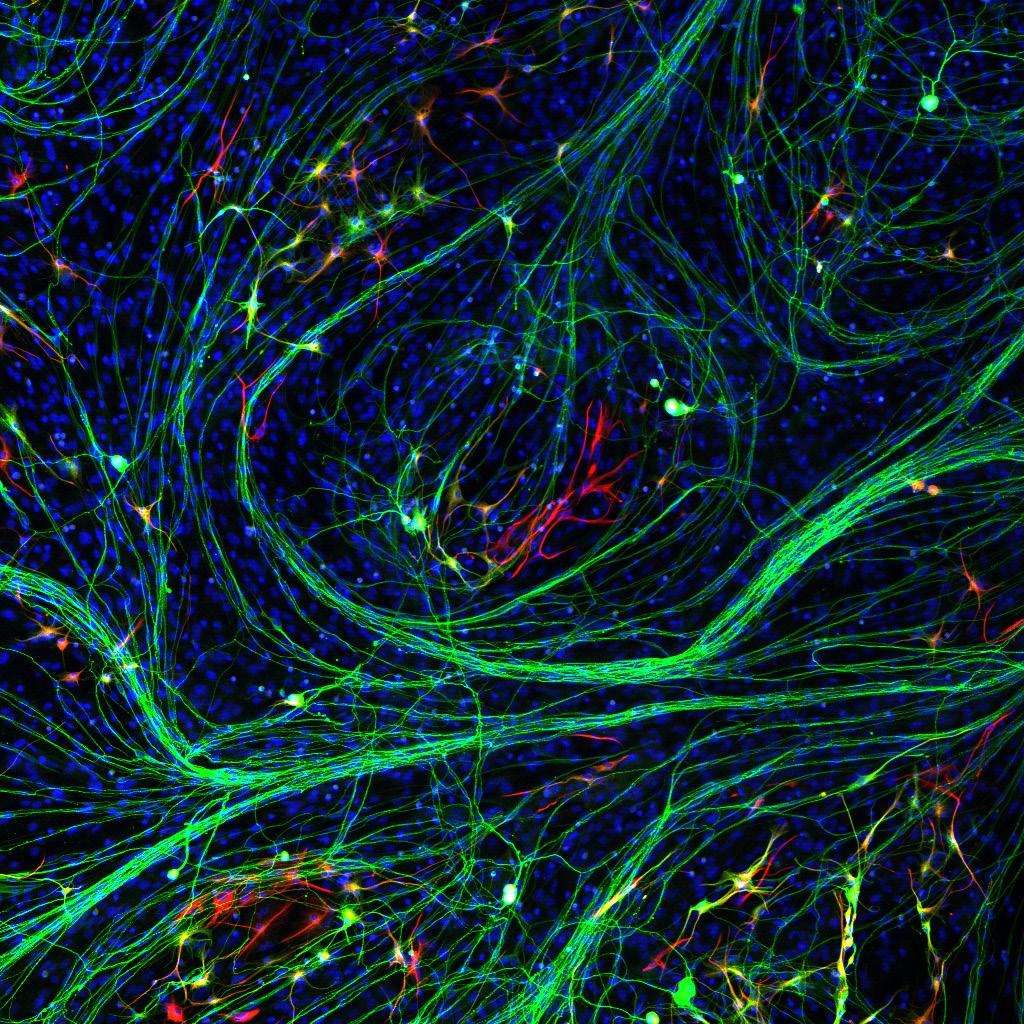
Galaxies Within Us by Stefanie Pena (Olena Bracho (research associate) and Dr. Christine Dinh (PI)), confocal image
Untitled Works by Neelesh Dewan, Photography
The Waking of Homo Sapiens
This is my case For four in the morning:
All hours of nights And days before Have been spent, bent At the waist, neck, or knees; The crease of a pant leg Or the starch of a collar, Flattened under a body at work.
Open your eyes, You’re surprised at the silence Aren’t you? Not the absence of voices Or a car revving its engine, But the total absence of sound; Like you found the silence That created reverence And developed the first frontal lobe.
You’re in your robe, Sitting in the morning’s night, Not a soul, not a sound, not a light… With pupils wide Trying to gather shades of blue At the horizon line.
You feel it now, Zeitgeiber, suprachiasmatic nucleus, locus coeruleus, That brain you knew was always there You’ve just never been aware, Never been awake enough To hear its calling.
This is my case, For four in the morning.
by Adriana Grossman
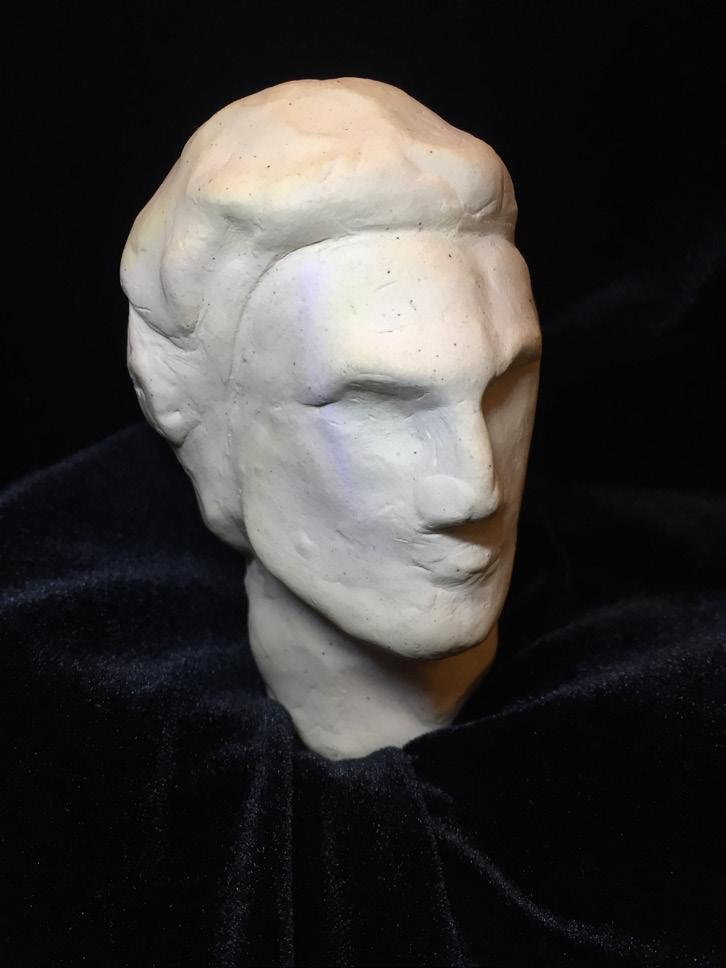
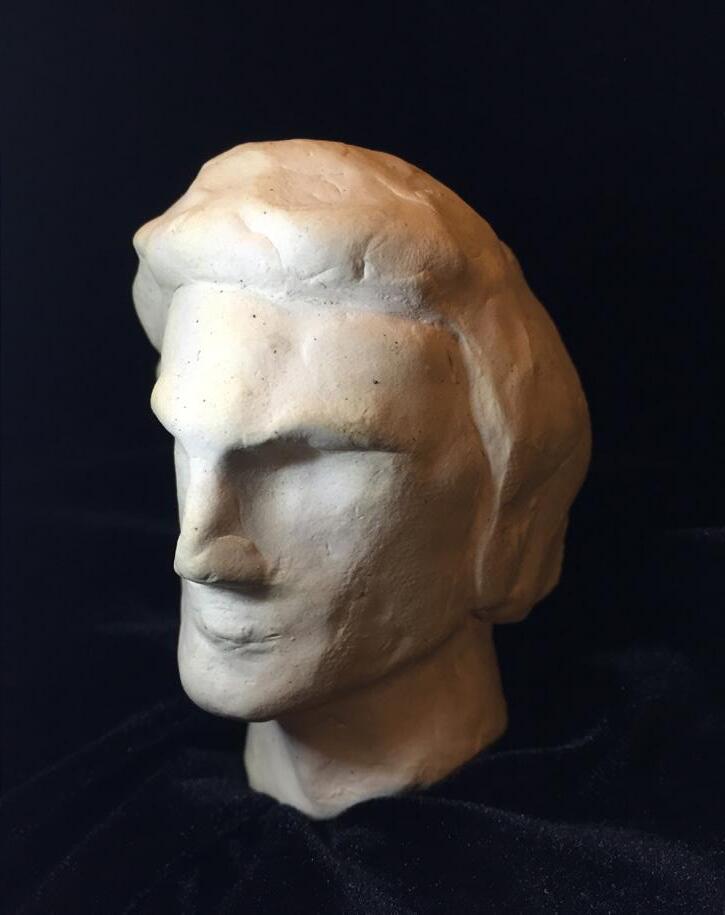
Theseus Departs for Athens by John Tsatalis, standard ceramic white clay on velvet background
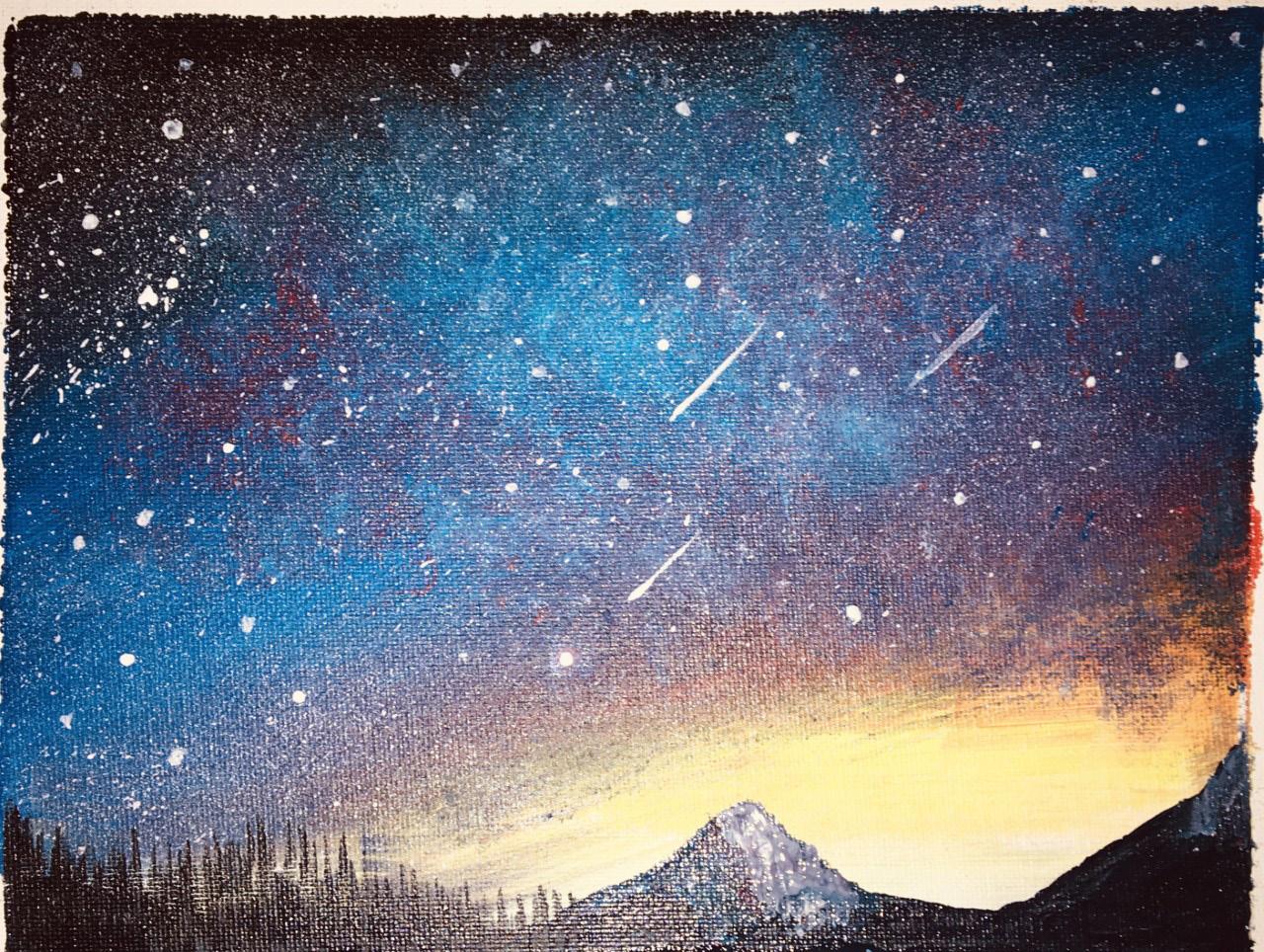
Shooting Stars by Stefanie Pena, Acrylic on Canvas
Cut from the Same White Cloth
The light-colored, smooth-textured cloth from which you came, was the same as from which I was made.
I know you, your priority list, you see the world like this:
There are people who are living and working, just like me. If I get in the car and travel, they’ll be different than me, with different skin; but they’re living and working, and we’re all free. We all want to live. We want to work. If we work, we live. If we live, we work. We use the work to fund the life, and we don’t think twice about if this is right. We hear their side; there must be sides. What good is it, if there’re no sides?
But what they don’t get is to work is to live; if we all could work, there would be no pain. Nobody would even mention that word, the word ‘slave’. They don’t understand, you don’t get anything for free. It’s not fair to me, if you don’t agree. You must work so I can receive, what I deserve with my degree. And when things get ugly, you now must see, I will only worry about me. My family, my people, as white as can be, we don’t have to help you; that’s what it means to be free.
by Allison Kumnick
Eulogy for my patient
I will exhume from my memory all the images of you in your most sick and weakened state and replace them with you as a young woman, refiguring the limits of your horizons, on that day when you set out on horseback and tossing your wild hair in the crisp fading sunlight you were determined to make it further than anybody expected, from your hometown all the way up past the border. By day immersed in the fierce flush of autumn tree color bright in the thrust of seasonal change, by night pursuing freedom on the quiet hoofbeat rhythm under the watchful eye of the North Star.
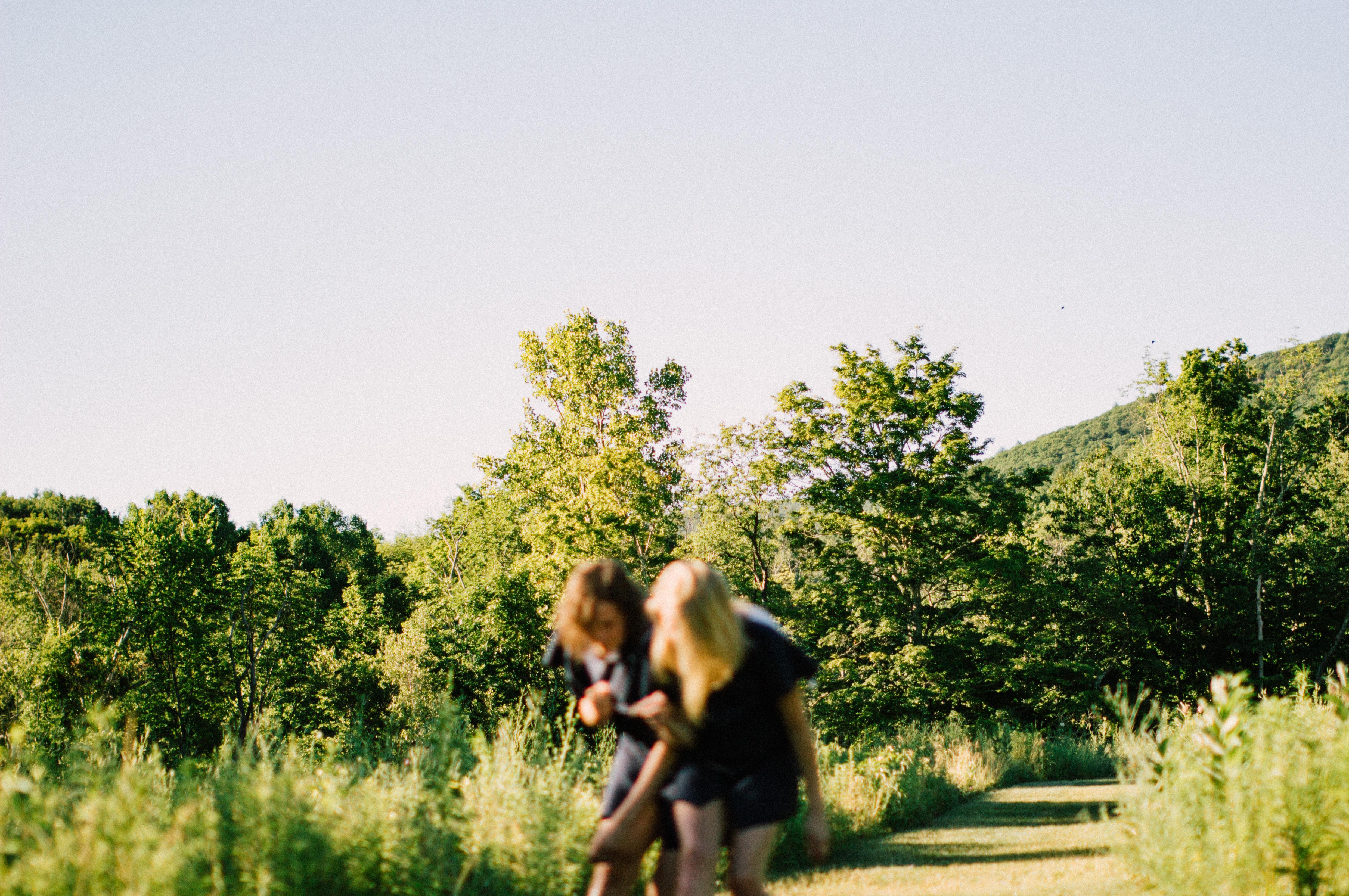
UntitledbyMika Mintz, Photography
I will picture you in the exact moment that you left behind the familiar land that you have known, back turned to us, atop your beloved chestnut-brown horse facing North, sun melting around your contours, just at the moment when you’ve made it, horizon swallowing you whole.
by Jaclyn Perreault
Editorial Team
Erin Wolfe
Class of 2022 MD
Co-Editor in Chief
Medical Illustrator
Sublimating through art
Joanna Zhang
Class of 2022 MD
Co-Editor in Chief
Dreaming of my next trip across the world
Mika Mintz
Class of 2022 MD
Dog-loving nature enthusiast & surfer wannabe
Senior Advisors
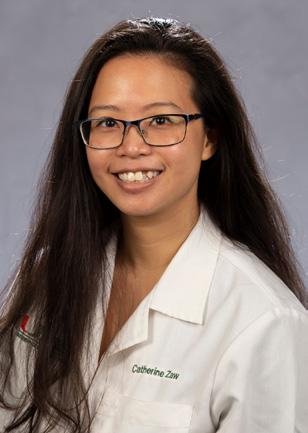
Catherine Zaw
Class of 2020 MD/MPH PGY2, Anesthesiology
Doctor by day, mango by night
Adriana Grossman
Class of 2021 MD/MPH, MHA, MS, Anesthesia
Adriana is an MS4 with a penchant for old fogey humor and a deep obsession with making the perfect cup of black coffee.
Akshara Sree Challa
Class of 2024 MD
Music and nature lover
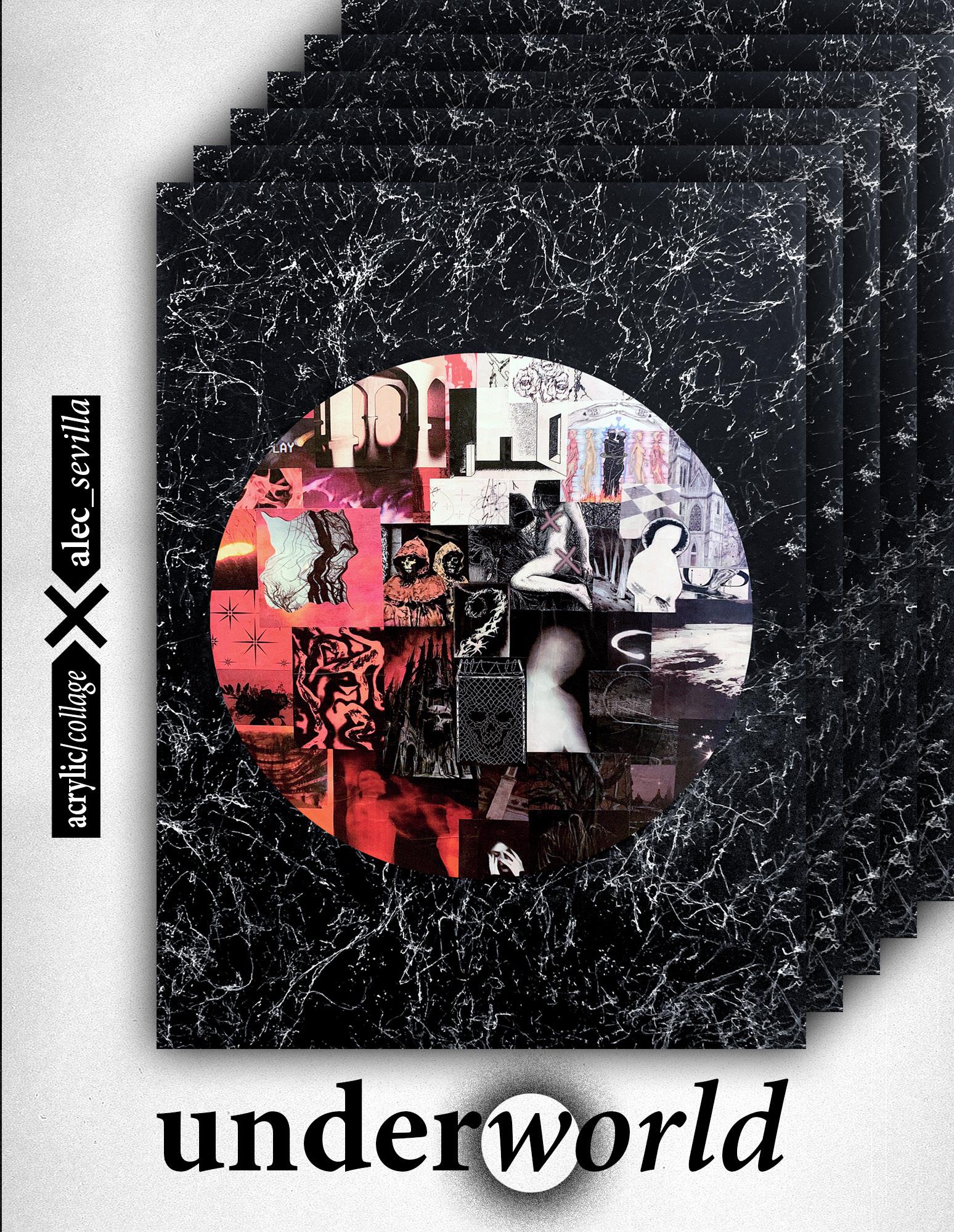
Alec Sevilla
Class of 2022 MD
Driven by art and music
Aisha Khan
Class of 2022 MD/MPH
Loves fantasy novels, board games, travelling and travel vlogging and spending time with family
Contributors
Noreen Mohsin
Class of 2023 MD
In the brief moments of respite in medical school, Noreen enjoys painting, playing the piano, and being in nature.
Jaclyn Perreault
Class of 2021 MD/MPH
Rebecca
Lynch
Class of 2021 MD/MPH
Becca was born & raised in San Francisco. Outside the hospital, she enjoys running, swimming, biking, and playing ultimate frisbee.
Mackenzie Jones
Class of 2021 MD/MPH
Vic Rea-Wilson
Class of 2021 MD/MPH
Vic likes to joke that zher inspiration to go into medicine came from Dr. Zhivago, so it is no wonder that zhe has kept up with zher love of art and writing despite the rigors of medical school.
Alison Zhang
Class of 2021 MD/MPH
Gabrielle Benesh
Class of 2022 MD/MPH
Jared
Silberlust
Class of 2021 MD/MPH
I’m a cat guy!
Adwight Risbud
Class of 2021 MD/MPH
Jessica
Delamater
Class of 2021 MD/MPH
Allison Kumnick
Class of 2022 MD/MPH
Allison is going into Obstetrics and Gynecology and is currently on a research year at the NIH. She is passionate about social justice, ending rape culture, and trauma-informed care.
Jay-Shing Wang
Class of 2021 MD
Avid reader, eater, and baker! My passions include history of medicine and women’s health.
Contributors
Neelesh Dewan
Class of 2021 MD
Canon Brodar
Class of 2021 MD
Canon is a 4th-year at Miller. He graduated from Duke Uni with a BS in bio and philosophy in 2013 and from Duke Divinity School with an MA as a 2015-16 Theology, Medicine and Culture Fellow.
Stefanie Pena
Class of 2021 MD
Starting residency in Otolaryngology-Head and Neck Surgery at UM/Jackson and I’m so excited! I love my chihuahua, sushi and true crime podcasts.
Deborah Lin
Class of 2022 MD
Self taught artist and has always loved drawing since she was very young. Now sketches and works with minimalist concepts, but more recently has explored working with acrylic paints.
James Roldan
Class of 2023 MD
James loves the arts. He continues engage his creative-self by producing videos on his YouTube channel, singing at multiple venues, and drawing cool medical sketches!
John Tsatalis
Class of 2022 MD
Viraj Shah
Class of 2022 MD
Orlando Bred. Sports fanatic. Double Cane. Love to Learn and Teach.
Catherine Laspina
Class of 2022 MD/MBA
Interested in biotech startups and venture capital. Dog mom of one but wishes it was two. Fan of using accents for no apparent reason, and a lover of all things acro yoga and creative movement
Fatima Chagani
Class of 2021 MD
South Florida Native who loves disco music, puzzles, and trying out new cuisines or daring menu options.
Teresa Ju
Class of 2022 MD
I’m passionate about using art to express oneself to the community. I love to read and write poetry, paint, and draw in my free time.
Alex Cole
Class of 2022 MD
Alex finds creative expression, understanding, and connection in music, writing, wood working, and the culinary arts.
Jennifer Ferrante
Class of 2021 MD
Contributors
Tara Tardino
Class of 2022 MD
Tara is from Long Island, NY and likes to paint, workout and hang at the beach in her free time. She dreams of being an EM doc after graduating.
Eric Ardman
Kyla Rakoczy Class of 2023 MD
Meghan Sharma
Rob Love Class of 2021 MD/MPH
Victoria Brennan Santurino
Class of 2020 MD/MPH
Victoria is now in Alaska with the Alaska FM Residency. Although the water is much colder, she still spends time at the beach, loves seeing the whales, and is learning to climb mountains.
Since 2009, our students, residents, and faculty have filled the pages of Obliterants with their reflections, art, photography, poetry, and passions. I would like to thank and congratulate our current editors and contributors who have created their own unbridled work of art in the form of this latest issue. They have brought a bit of beauty and meaning to these extraordinary times.
Gauri Agarwal Associate Dean of Curriculum Faculty Advisor, Obliterants
unbridled
UNIVERSITY OF MIAMI MILLER SCHOOL OF MEDICINE OBLITERANTS