9,074 copies DELIVERED FREE to every rural delivery address in Taranaki.
Rural leading the way
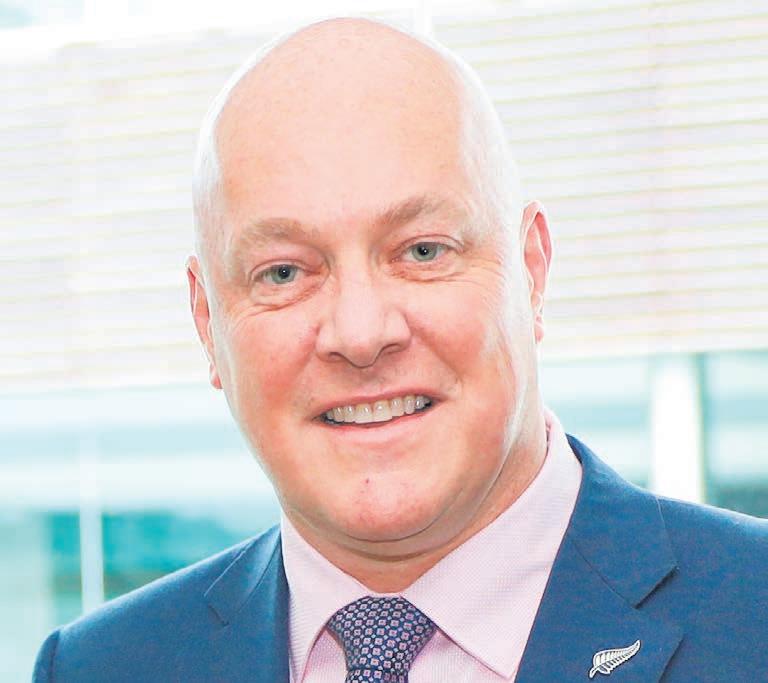
by Barbara Kuriger, MP for
New Zealand is on the path to recovery. Yes, it’s taking time and a fair bit of energy, but it is gaining momentum — tourism is growing, interest rates are dropping, and consumer and business confidence are at their highest levels in years.
Still, it is rural New Zealand that remains the beating heart of the nation’s economy; the backbone supporting New Zealand’s prosperity.
Dairy, meat and horticulture exports continue to generate billions in revenue, underpinning the standard of living for millions of Kiwis. These sectors not only fuel export earnings but also create vital employment opportunities and sustain regional towns.
In recent years, innovation has flourished on rural land. The integration of new technologies, precision agriculture, robotics and data-driven management, as well as political support, has allowed farmers and growers to extract more value from every hectare. Rural New Zealand has demonstrated resilience in the face of global disruptions, weathering challenges, such as the Trump tariffs and shifting international demand with remarkable adaptability.
However, rural New Zealand cannot afford complacency. Despite
strong economic contributions, rural communities continue to grapple with falling populations, underinvestment in infrastructure, and rural-urban disparity in services such as healthcare, education and digital connectivity.
As we all know, the path to addressing a problem starts with first realising and accepting there is a problem, and I am proud to be part of a government that does just that.
There is still more to be done, of course. If New Zealand is to thrive, it must champion its rural heart — not only as a source of export dollars, but as a home to the people, innovation and traditions that define us. The work isn’t done, but the promise of rural New Zealand remains powerful and essential.
So that’s it, my final column for the year. My husband Louis and I, and my entire electorate team, wish you and yours a joyful and heartwarming Christmas. Here’s to good health, happy memories and a wonderful new year ahead.
Merry Christmas!
Taranaki-King Country
Young competitors shine at Stratford dog trials
by Denise Gunn
The Stratford A&P Show held at the end of November, hosted the Royal A&P Show of New Zealand, with the sheepdog trials drawing a turnout of 76 dogs.
Several noted competitors travelled to the event from the Waikato, including Leo Jecentho with his seasoned team of dogs. However, it was the younger competitors who proved successful throughout the day’s competition.
Wanganui Centre publicity officer Brenda O’Leary said the day proved one to remember for one young lady from the King Country, Issy Brice.
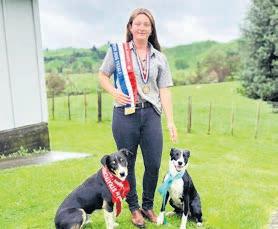
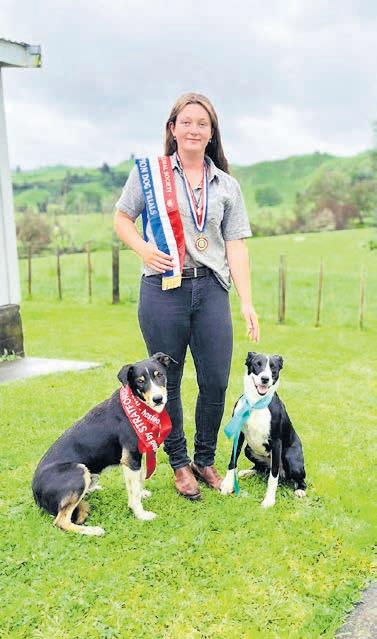
Issy had a clean sweep with her twoyear-old dog Wizz. This combination won the maiden, intermediate and open classes, scoring 97.75 points in each. Issy also placed fourth in the intermediate class with her three-year-old dog Mink on 93.25 points.
Brenda said Wizz is by James McFarlane’s Wock, winner of last year’s Stratford A&P Show sheepdog trials. “Keeping it in the family,” she said.
Second place in the open section went to Ian Burling of Turakina, scoring 97.5 points with Mate. Leo Jecentho placed fourth with Zap on 95.5.
Eleven-year-old George Smith had a memorable day, winning the novice class with his dog Flame. George broke Flame in by himself. His grandmother Nancy said George achieved this with no help from anyone.
His parents Daniel and Raewyn farm at Tututawa, east of Stratford.
The couple supplied the sheep for the competition and Aitken Transport delivered them. Daniel also competed on the day, placing in the maiden, intermediate and open classes with his dog Hanzo on 95.75 points for each competition.
Another Taranaki dog triallist, Matt Honeyfield from Waverley, is a relative newcomer to the sport. He placed third in the maiden and intermediate classes with Britz on 94.5 points.
The dog trials were judged by Gavin Smith of Raetihi, assisted by his daughter Zoey as timekeeper.
Brenda said it was a busy day, but flowed well and thanked those involved.
“Sponsors and everyone who pitched in and helped on the day did a great job. Without those behind the scenes, there
would be no event. Secretary Sue Meek did a wonderful job,” she said.
Brenda said two dog triallists, the late Wally Forbes and the late Bert Grierson, started the trials at the Stratford A&P Show in the early 1970s.
“The late Jack Best from Eltham got involved and had a big hand in the early days. Then the late Bob Thompson from the Mangaehu-Stratford Club took over.”
The Stratford A&P Show has been held for 115 years.
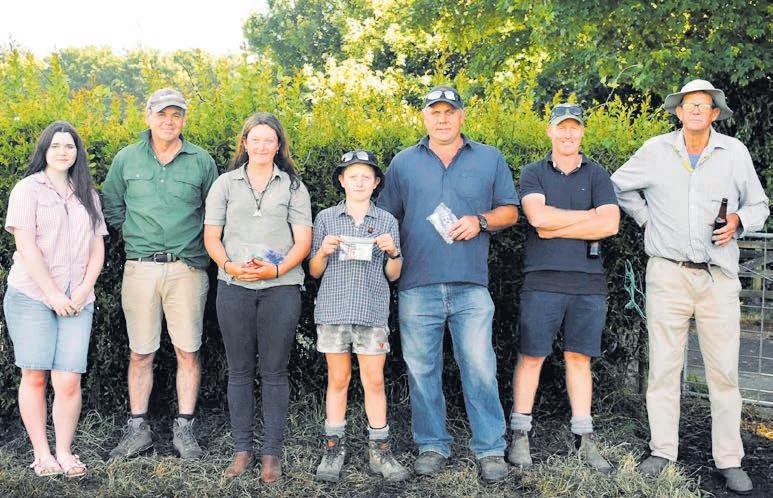
From left: Timekeeper Zoey Smith and judge Gavin Smith, with competitors Issy Brice, George Smith, Daniel Smith, Matt Honeyfield and Ian Burling
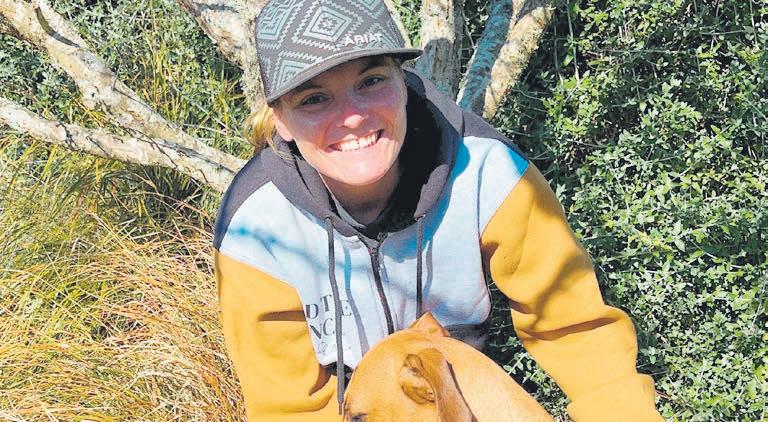
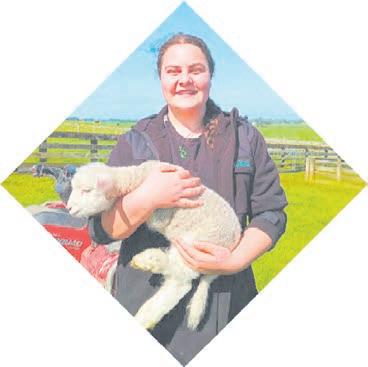
Issy Brice had a successful day competing with her dogs Wizz and Mink
WORKING UP THE DAIRY LADDER
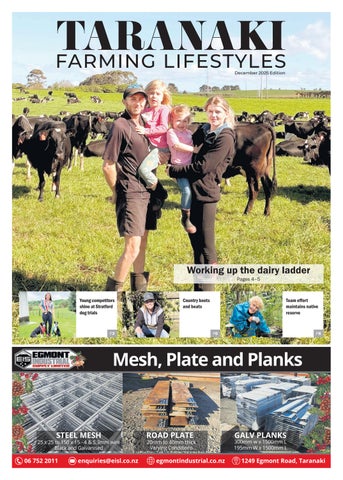
TIn the six years since starting out in the dairy industry, Jordan Bell has found a passion for farming and is building a lifelong career.
he former engineer was born and raised in Whanganui where he met his wifeto-be, Sidney. It was through meeting Sidney that his dairying career began.
“When I met Sidney, she had dairying experience and was keen to get back into it. So, I thought I would give it a go,” said Jordan.
In early 2019, Jordan and Sidney moved to the Taupō area to work as farm assistants. After working on a 1,200-cow farm for some time, the couple moved back to Whanganui and gave dairying a break for several months.
“We decided to give it another crack, came up the coast to Taranaki and found Barry Goble’s place. We picked this
one out of the jobs offered and started working here in March 2021.”
Within two years, Jordan worked his way up to become farm manager on the Goble’s 190ha property. A herd of 530 Friesian cows are milked on the systemfive dairy unit, situated between Maxwell and Waitotara.
Jordan said he’s proud to have achieved a manager’s position after working for a short time in the dairy industry.
“Until we went dairying, I had lived in town my whole life and had no farming background. I found a passion for it and made a lifelong career out of it.
“Barry Goble owns the farm and his grandson Ryan sharemilks on it. Ryan
BY DENISE GUNN
has taught me everything and given me the opportunities,” said Jordan.
“He’s such a good boss with good knowledge. Ryan’s dad Kevin does a lot of the tractor work, and he also has a wealth of knowledge.”
Jordan’s efforts were recognised at this year’s Taranaki Dairy Industry Awards, where he was runner-up in the dairy manager category.
“I love the life I am providing for my wife and children. We always wanted to raise our kids on a farm. They go to a country school and the community is really family-oriented.”
The couple have two young daughters, ages five and two.
“My family is everything to me. Although I want to excel in the dairy industry, I also want to be a current and contributing role model to my
children, and a loving husband to my wife.”
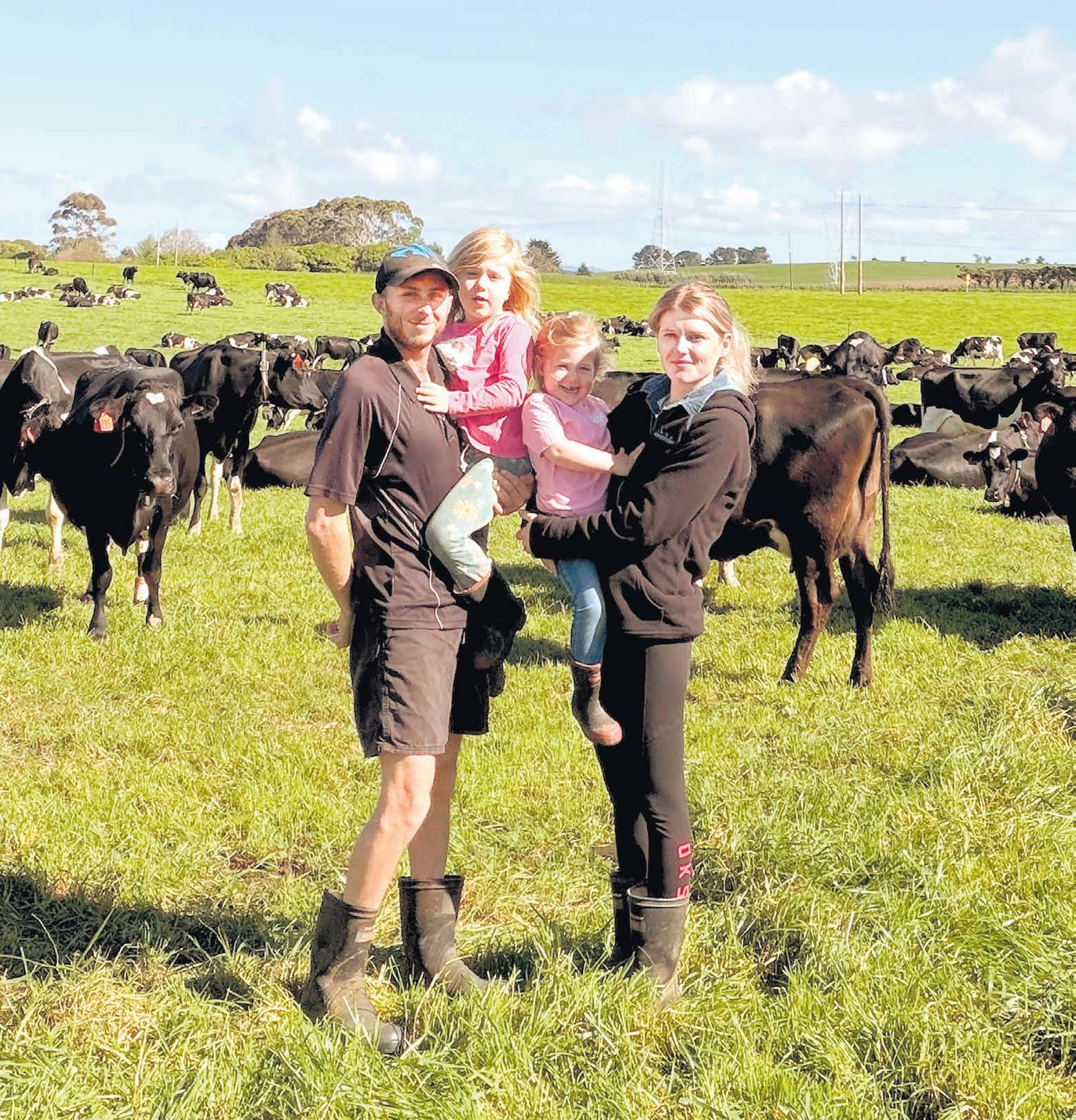
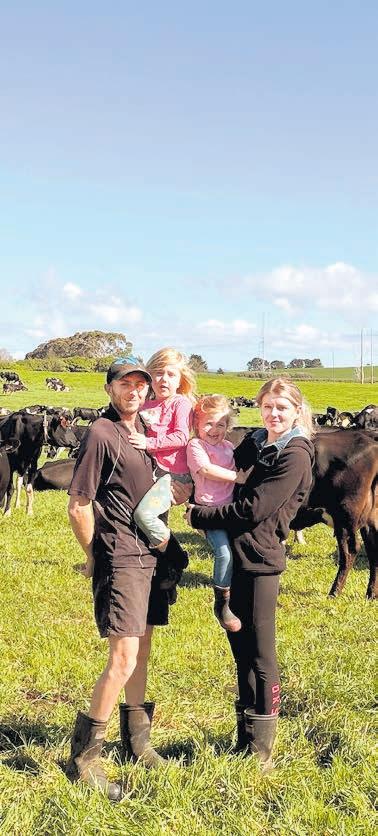
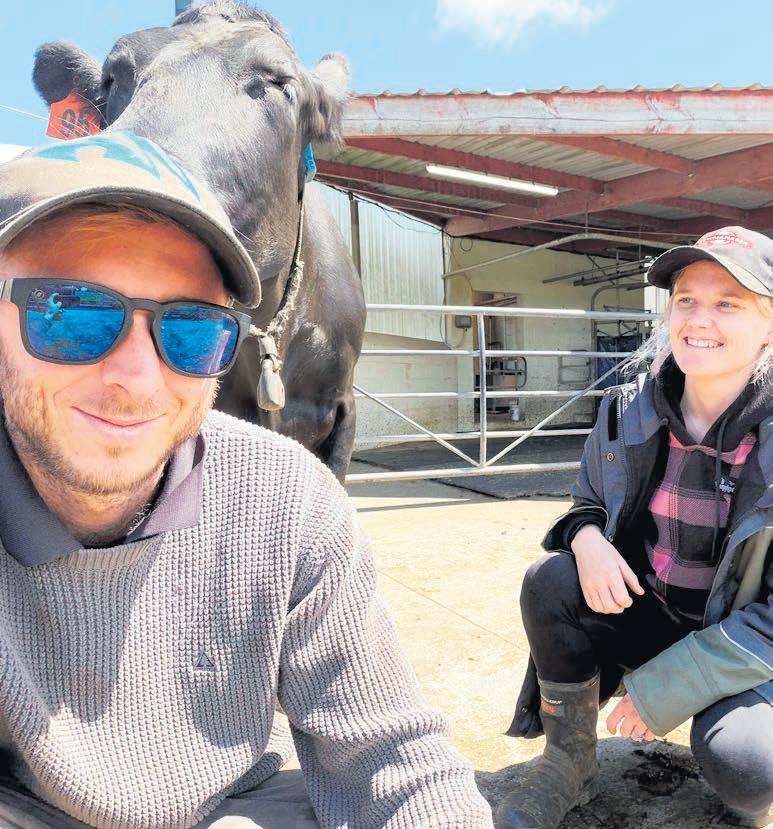
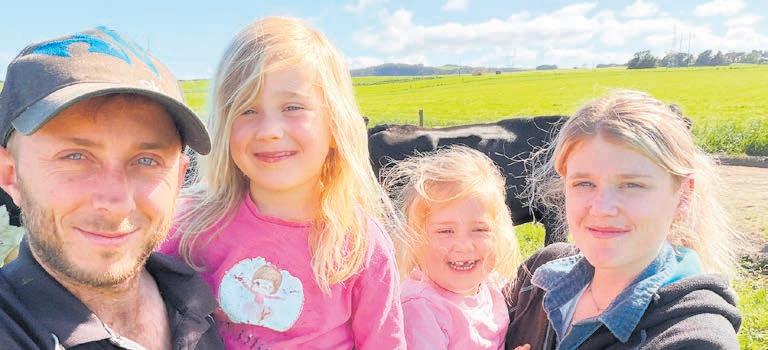
The Bell family on Barry Goble’s systemfive dairy farm near Waitotara
The couple like to see well-fed, contented and healthy stock
Since taking on the farm management position, Jordan has had to learn how to manage staff.
“They all have their own lives and how they work, what they do and what they are capable of. I’m learning how to work around that,” he said.
“I also know not to panic about the small things. When you are starting out it is different, but everything gets easier the longer you do it.”
Late winter is Jordan’s favourite season on-farm; when it’s time to sort out crop paddocks. Maize is grown on-
farm and other supplementary feed is brought in.
“The weather also picks up and we get to do farm maintenance. I enjoy being hands-on.”
Autumn calving is another time of year that Jordan looks forward to. The Gobles began the transition to autumn calving on their coastal farm in 2017, in an attempt to beat the summer dry.
“We start calving in March and finish about mid-May. Then we start mating in the first week of June.
“It’s rewarding to see the end result of the whole cycle. Seeing cows calve well, and always trying to improve last year’s production and the herd’s health every year.
“I like to see happy, full and healthy stock,” he said.
COUNTRY BOOTS AND BEATS
BY DENISE GUNN
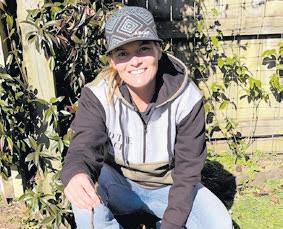
Taranaki country music artist, Allie Knofflock, started singing at a young age while listening to music on her father’s record player.
“Ihave always enjoyed music. When I was young, we would dance and sing around the house,” said Allie.
While growing up in rural Taranaki, Allie sang at a couple of school galas and was part of a choir with Kiri Te Kanawa. However, it wasn’t until last year that Allie decided to step outside her comfort zone and see what she was capable of doing.
“I took the leap thanks to my dad who said: ‘You’re too old to be embarrassed or care what people think. If you enjoy it, go for it.’ So I did.”
At 17, Allie joined the New Zealand Army, serving for seven years. She then moved to Australia in 2012 to work in mining, defence and forestry.
“I returned to New Zealand during Covid.”
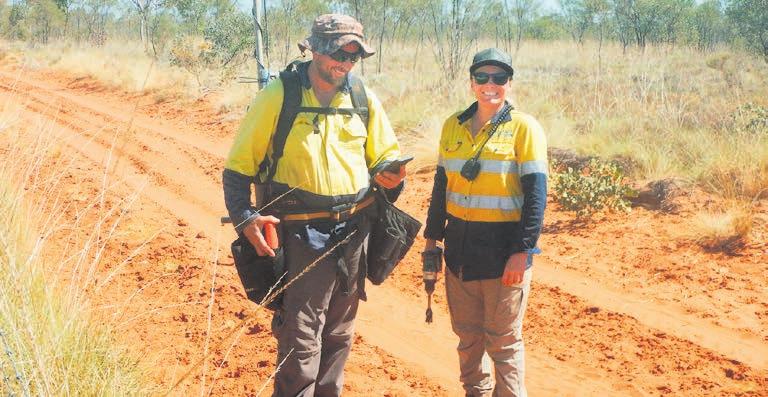
Now living on a lifestyle block in rural Urenui with her partner Duane, Allie enjoys hanging out with her two dogs, Moki and Blue, and tending to the orchard and vegetable garden. Allie and Duane work for OceaniaGeo in Australia, where Allie is a seismic testing supervisor.
“We fly in and out for work, and have been to some amazing outback places, stations, and met some incredible people. My favourite part of the job is getting to hang out with thousands of Brahman cattle and Aussie wildlife.”
“I love my job; however, I am a huge animal lover so that’s a big perk of the
In her spare time, Allie likes to spend time with her dogs
job,” she said. “It’s a very physical job. We walk around 10 to 15km a day with backpacks full of sensors. You get to be out in nature every day.”
Although Allie loves country music, she enjoys listening to a wide variety of genres.
“I get a lot of inspiration from other genres to see how it could work with my sound.”
She’s released one album called Boots, Beats and Beginnings, with two more on the way.
“I wrote the songs and arranged music to go with it. I have always wanted to do something with music, and a friend of mine introduced me to a music platform called FL Studio.
Allie’s music is now available on Spotify, Apple Music, Amazon Music, YouTube, social media and streaming platforms, and iHeart radio.
“I had to learn the music platform I create in, with many hours of YouTube tutorials, finding the right beat and instruments. Finding a beat that best fit the lyrics so it flowed how I wanted it to.”
After a lot of late nights, early mornings, energy drinks, and a croaky voice from overdoing it, Allie found it was all worthwhile. She said feedback received has been amazing.
“I’m feeling incredibly blessed every day with the feedback and kind messages.”
Allie likes creating ideas and bringing them to life, and listening to friends sing her songs and have as much fun as she did making them.
“My ADHD brain never switches off, so it’s nice to use that creative outlet to get all the ideas out.”
At this stage, Allie said she just wants to have fun and see how far she can push her voice and the music production she is learning every day.
“I have played with different styles to see what works for me and the fan base I have created so far.”
READY TO GROW YOUR FARMING CAREER?
She’s also been asked to sing live at a rodeo, and create some songs for another rodeo. Recently, Allie wrote a song for her stepmother who has terminal cancer.
“She doesn’t know I’ve written a song. I need to release it. I cry every time I listen to it, so it’s been hard to get that out.
“It’s called Still Her, which is a song about our relationship; two strong women who sometimes clash, but always come back together, and how she helped mould me into the person I am today.”
With some live performances lined up to confirm for next year, Allie is looking forward to learning what’s involved in that side of music and building confidence around it.
“In the meantime, I will have fun and see where life takes us,” she said.
3 CERTIFICATE IN AGRICULTURE (FARM SYSTEMS)
Improve your knowledge and skills with a qualification from a Category 1 Provider. The Level 3 certificate is perfect for those who have been working on a dairy or dry stock farm in Taranaki or Manawatu for less than three years and are ready to take on more responsibility.
This is an 85-credit programme that will provide you with the skills and knowledge to work with limited supervision on a dairy or dry stock farm. You will learn about farming inputs and sustainable practices, livestock management, using
technology in a farm business, and assessing and minimising risk to people and equipment.
Choose from Dairy or Dry Stock strands.
Dairy Option courses include:
• Milking Skills • Dairy Mating
• Birthing Dairy Livestock
• Rear Young Dairy Livestock
Dry Stock Option courses include:
• Wool shed skills • Shearing skills
• Dry stock mating • Lambing
• Docking lambs
You’ll be supported by a remote tutor based in your region, working directly with you and your employer to ensure your success.
We are also enrolling for our Level 4 Certificate in Agriculture for the 2026 intake.
From their Taranaki base, Duane and Allie fly in and out of Australia, working for OceaniaGeo where Allie is a seismic testing supervisor
The first country music album that Allie has released
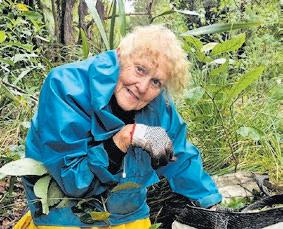
A small group of volunteers have spent countless hours restoring and maintaining PG Nops Reserve on the southern outskirts of Inglewood, turning the tide on invasive plants and pests.
TEAM EFFORT MAINTAINS NATIVE RESERVE
The 1.7ha scenic reserve was named after the original owner of the land, Percy George Nops. When Percy died without a will in 1954, the Public Trust was appointed by the court as his estate’s administrator.
Percy’s brother Walter was the sole beneficiary of the estate. Through the Public Trust, he gifted part of the estate to the Inglewood County Council and the Inglewood Borough Council. The land also included two houses, which were rented out.
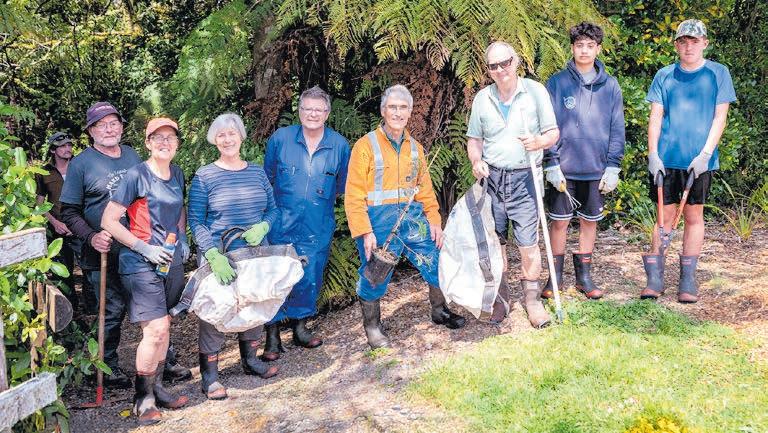
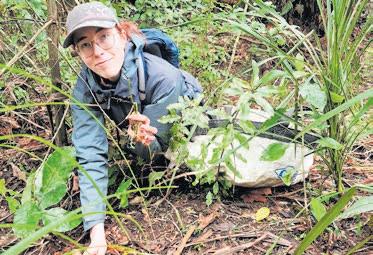
Volunteers, known as the Restore PG Nops Reserve Care Group, meet once a month to weed, control predators and plant natives. The care group collaborates with Taranaki Regional Council (TRC) and New Plymouth District Council to preserve the remnant forest. Their efforts are helping to protect copper skink, tūī, kererū, ruru, koura and tuna.
Local resident Neil Chesterton became involved as a volunteer when a friend invited him along several years ago. At that stage, the area was covered in weeds.
BY DENISE GUNN
“We were doing traps together and then realised that the front area needed an attractive entrance. We started at the front and planted more natives,” said Neil.
Since then the volunteer group has grown, meeting on the last Sunday of the month for two hours from 1pm–3pm. Neil said sometimes 10 volunteers arrive to help, but there is a core group of six.
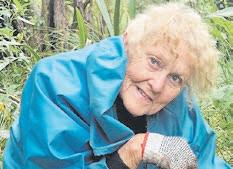
Heather Honnor enjoys helping out as a volunteer
Nops
“There’s one lady who works with the council, and her husband and teenage sons come along. The rest are retired people. Sometimes we invite a friend to come along and give a hand. Our grandsons like to help sometimes when out this way.”
Neil said TRC has been very generous in providing all the equipment that the volunteers need.
“I transport that down there once a month.”
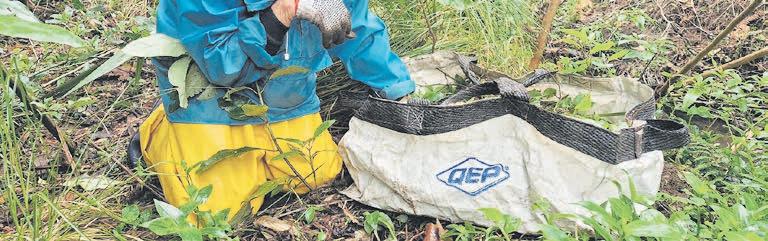
When the volunteers have filled sacks with weeds, TRC takes these away to empty, and then returns the sacks to Neil. Native plants for the reserve have also been supplied by TRC.
“These are really taking off,” said Neil. The council provides and maintains predator traps scattered throughout the reserve, too. Keeping the front of the
reserve attractive to draw people in is the group’s plan.
There are two entrances to PG Nops Reserve. A walkway, which loops around the reserve, includes two bridges that cross the Kurapete Stream.
“It’s quite an easy walk for people, and it’s a popular area for locals and visitors to exercise among native bush.”
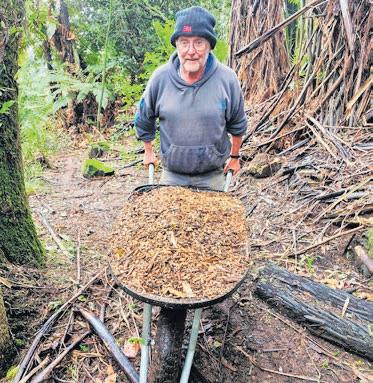
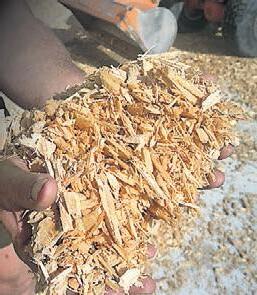
Neil said the council has been very generous supplying woodchips.
“We would weed, and then got this idea that woodchips would help cover the areas we had weeded. Every month, they supply us a load and we work our way gradually back and put more woodchips on. The rest looks after itself, basically, and the council looks after everything else.”
Last year, the volunteer group’s hard work was recognised with a Taranaki
Regional Council Environmental Action in Biodiversity Award.
Judges said the successful control of pest plants and animals has played a crucial role in safeguarding biodiversity. Winning the award came as a total surprise to the group.
“Getting the award helped us realise that this fun time we have each month in our reserve is appreciated and noticed by others,” said Neil. “We do it because we enjoy it. Winning the award was very encouraging.
“How fortunate we are to have these parks in Inglewood. All it takes is a couple of hours a month to look after it, and it’s satisfying to not have weeds growing back.
“If you have two hours spare a month, join us, and phone me on 027 221 7712,” Neil said.
Classics assemble for a cause with heart
by Andy Bryenton
When people think of the word ‘rotary’ in relation to classic cars, visions of the legendary Mazda RX series and the old original NSU might come to mind; but not in Inglewood.
There, the connection between cars and Rotary is a legacy of charitable auto shows stretching back three decades. Just like the engine of the same name, the club behind this effort is small but mighty.
“The Rotary Club of Inglewood in Taranaki might only now be 13 members strong, but their involvement in the community of 3,900 belies their size,” says club secretary Mel Cook, enthusiastic to host a massive showcase of horsepower and chrome in 2026.
“For 29 of the past 30 years the club has hosted a charity car show, welcoming all sorts of vehicles and stationary engine displays. Each year, a recipient is nominated to receive funds raised from the show to support their cause.”
When the club opens the field in 2026 and welcomes in a parade of automotive masterpieces, that cause will be the Auckland University Heart Research Centre, where breakthroughs save lives. There’s a special connection here, too, as the potential star of the show is owned by Julian Paton ,the director of faculty research at the centre. He’s the proud driver of Twenty, the 20th-ever Land Rover to come off the assembly line in the UK, back in 1948. Twenty might just be the most original example of a Series One Land Rover left in the world.
The big event for ‘26 looks to build on the success of this year’s show, which
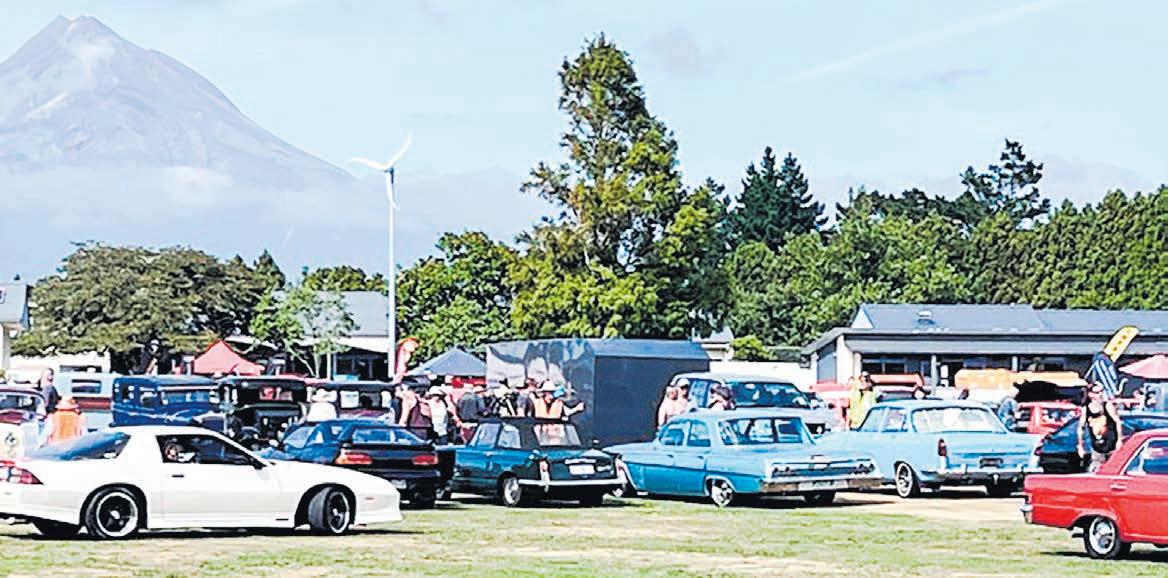
saw more than 350 exhibitors of all sorts of vehicles, stationary engines and memorabilia join the fun. Exhibitors are the sole judge of whether their exhibit is worthy of display, the club welcomes all-comers, allowing them to display their pride and joy, from hot rods, to custom cars, vintage vehicles through to late model cars and military vehicles.
This year’s recipient charity was the local Inglewood rest home and hospital,
which the Rotary club was instrumental in establishing in 1970.
To date, the show has raised an impressive $90,000 for charitable causes, with only one cancellation due to Covid-19 and one rain-affected show over its long history. Major sponsor of the show for the past 10 years, CSR Custom Street Rides, will again be supporting the show and displaying many of their work-in-progress projects alongside
other previous restoration projects. The CSR stand is always a favourite with the crowd.
It’s not just a car show,” says Mel. “It’s a community event that unites people. Visitors enjoy a day of fun, with Rotarians providing a BBQ, drinks, and local vendors offering coffee and ice cream. Each year, the event attracts up to 1,000 spectators, making it a major social occasion for the region.”
tspacedo Just spotted this – the SHEDS4U Sefton Shed deal is insane: save over 10% and you can deck it out however you want.
Head down to the Inglewood High School fields on Sunday, February 1 2026 to take part and enjoy the sights and sounds of motoring heritage
Be prepared for a safe summer
Enjoying summer and your Christmas break starts with being prepared and knowing how to stay healthy.
Being prepared means getting your prescription medicine sorted well before you go on holiday as opening hours for your doctor’s clinic and community pharmacy might change over the holidays, or some may be closed on some days.
So, please check you have everything you need to stay well, especially if you’re travelling to remote or rural areas where there might not be as many health services. There are a lot of ways that you can care for yourself and others at home. For tips on treating common health conditions, and advice on when to seek more help, visit the healthify.nz website.
Your local pharmacist is a registered health professional who can offer health advice on a range of common conditions and what kinds of medicine you might need. They can help out with coughs and colds, bladder infections, eye infections, minor cuts and grazes, the emergency contraceptive pill and a range of other health needs.
The Healthpoint directory is provided to connect members of the public with healthcare providers near them. Visit healthpoint.co.nz for up-to-date information on your local GP and pharmacy opening hours, as well as what after hours and emergency medical clinics are open near you.
If you are feeling sick and worried, for free medical advice call Healthline 0800 611 116. This number provides 24/7 medical advice from registered health professionals. They’ll provide you with advice on caring
for yourself or family members, and can also connect you with the health services you might need. Translation services are available.
With the Christmas holidays only a few weeks away, Health New Zealand — Te Whatu Ora is reminding New Zealanders of the excellent clinical telehealth providers available throughout the country. Many
common summer conditions can be safely managed by telehealth clinicians, including providing prescriptions where needed, and all from the comfort of your home or holiday destination.
Ka Ora Telecare is our national telehealth provider focussed on our rural populations. If you live rurally or you are visiting rurally, then you are able to access Ka Ora services by
or
You can book an appointment directly online, or phone to speak to a nurse who can help guide you through triage and see a doctor or nurse practitioner to address your needs. If you are a rural resident visiting the city you can still use Ka Ora, so remember to store their number on your phone, just in case.
Knowing the range of different health services available can help you and your family stay well this summer.
Christmas Messages
’Tis the Month Before Christmas
(with sincere apologies to Clement-Clarke Moore)
’Tis the month before Christmas in rural New Zealand
And merriment’s mixed with the panic we’re feeling
Just four little weeks — and there’s so much to do
Before jolly Saint Nicholas slides down the flue!
Santa might have a list filled with billions of names
And work orders for toys, bikes and video games
But his whole operation’s a trivial trifle
Compared to what WE plan for Christmas survival!
Let’s start with the presents, all wrapped up and hid
For aunties and brothers and cousins and kids
You can’t just give a voucher, or junk bought online
Or the latest dumb fad that’s a chore to define.
So it’s off to the shops, not a city-side mall
But to main streets, and markets, and charity stalls
To the ute! To the shops! Hear the holiday call!
And dash away, dash away, dash away all!
Meanwhile, there’s a menu of treats to prepare
In the knowledge the rellies are soon to be there
If you live somewhere green, you have to remember
They’ll ALL come to visit sometime in December!
You’ll arise in that month, on some crisp rural dawn
To find RVs and dirt bikes and tents on your lawn
And some far-distant cousins, thirteen times removed
Who’ve remembered you’re close to the beach, and approved.
Plus a couple of uncles, and ten of your mates
Which is fine, if they know about shutting the gates
And come bearing, like wise men, brown bottles in crates
Or big chilly bins packed full of fare for your plates.
Is the barbecue ready? The water tank brimming?
Can I still fit my tummy in togs made for swimming?
Have we ordered the turkey, the ham or the roast?
Or all three, as we’ve got a small army to host?
It’s a whole lot of panic and running around
And trips back and forth for provisions in town
As holiday carols repeat in our heads
From radios tuned in utes, tractors and sheds.
But it’s also long twilights, and drinks in the shade
And markets and music and Santa parades
It’s getting together, and sharing some kai
In the knowledge that winter’s far-off in July.
So we frazzle and fluster, and blither a bit
When it’s four weeks ’til Christmas — but nobody quits
We know it’s well worth all the holiday fuss
Because we are ALL Santa.
And he’s all of us.
Regional governance restructure proposed
by Andy Bryenton
In a series of reform proposals touted as ‘simpler more cost-effective local government’, parliamentarians Chris Bishop and Simon Watts announced the possible end of the regional council system as we know it, last week.
The coalition government released information about proposals that could potentially see local mayors take over regional council powers and responsibilities.
“Councils and their elected members shape the places we live, the local services we rely on, and make decisions that affect our everyday lives,” said Mr Bishop. He noted the reforms, if adopted, would be the biggest change to civic governance since 1989.
“Local government is meant to serve communities, not confuse them. However, right now, the system is tangled in duplication, disagreements and decisions that defy common sense. The government does not think local government is serving New Zealanders well, and the time has come for reform.”
Core to the proposed changes appears to be the RMA reform package, set to be introduced to parliament before Christmas. With fewer plans, consenting categories and consents overall, regional councils will have less to take care of, meaning the abolition of regional councillors is an idea Mr Bishop and Mr Watts are ready to discuss.
Elected regional councils would be replaced by a Combined Territories
Board under the new proposals; a coalition of mayors empowered to work together for their wider region. Voting in such a system is the key to how this might work.
Population-based voting was mentioned by the ministers, which in rural regions could give added weight to the authority of the mayor of the largest local municipality. Voting based on land area would conversely favour rural districts with their large area but small population base. It’s a consideration that has large implications for local democracy and the representation of small towns.
“By removing regional councils, we can cut duplication, reduce costs and streamline decision-making,” Bishop said.
Part of that duplication, that has provoked extensive debate, is the dualtier rating system currently prevailing for many citizens, who pay district and regional council rates on the same bill. Will these be amalgamated, and will the efficiencies Chris Bishop and Simon Watts speak of equate to a rates reduction? There’s also the matter of assets held by regional councils; a prime example comes from Northland,
where the regional council has a major stake in the largest deep-water port; now touted as a possible replacement for Auckland’s docks.
Similar assets of strategic significance could be ceded to civic councils — a major windfall. They could become Council Controlled Organisations, with
the potential for private partnerships. Alternatively, they could be sold off to privatisers. A scenario already hinted at by those who oppose the scrapping of regional councils, as this would potentially provide no dividend to the ratepayers who have built up those assets.
by Andy Bryenton
Machine learning for reticulation
They say electricity and water don’t mix, but AI learning, new data-harvesting tools and a smarter approach to water resources combine to offer new ways to maximise farming’s biggest liquid asset.
The cutting edge of water saving has been made possible by information technology, building a map of the entire farm and monitoring both internal and external factors to provide targeted irrigation, controlled entirely remotely. Learning-model AI works on swathes of data, and the more information you put in, the more this ‘thinking code’ can notice patterns and make predictions.
From monitoring levels in ponds, dams and tanks, through to probes in the soil or at the base of orchard trees amid the roots, a very detailed map can be built up of the underlying strata beneath the ground and the storage capacity above it. Modern reticulated irrigation and livestock trough water management systems can crunch the numbers on soil health, weather patterns and biological needs to send the H2O where it needs to go.
Between knowing how much water is available and how much is needed in various areas, which can change according to topography, isolated rainfall, exposure to sun and wind, or even the type of grasses making up pasture content,
Irrigation is the lifeblood of many farms, and information pinpoints its deployment for maximum effect, gathered from drones, soil probes and even satellites
it’s possible to work out exactly the best place to deploy those liquid resources.
Overseas, where the areas of land in cultivation tend to be larger for each property, we’ve even seen the deployment of drones to scan arable fields and report back using infra-red to gauge hydration, adding another level to the data set.
Weather monitoring sub-programs can spot incoming rain and, conversely, forthcoming hot spells; this sits above
drones at the level of satellites. All this information can be plumbed into an AI analysis, making it possible for the farmer to call up a map of the entire area in cultivation or pasture and see machine learning managing water assets in real time.
It becomes even more interesting when the question of effluent is put into the mix.
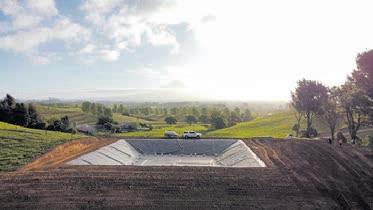
POND LINERS
Ponds can be monitored in terms not just of volume, but of pond health, sampling the gases broken down by hard-working microbes. Equally important, it’s possible to combine data with weather forecasts and soil hydration maps to deploy irrigators at the right place and time, keeping effluent in that active root zone. Once again, management via a tablet or smartphone means less time on the quad bike and more time taking care of other responsibilities around the farm.
Tuia Taitonga g Southlink
We are expecting a hot summer
Restrictions are likely this Summer - fix leaks and conserve water now
ore important than ever for to fix leaks and conserve water erever possible as streams are ow under more pressure due to variances in rainfall, temperature and increased land and water use and/or losses which, all add to impacts on cultural values, he environment and aquatic life cent legislation and regulation anges point us all to respect and e water, via Te Mana o te Wai As of new Taranaki Regional Council onsent conditions, if rivers where we take water from drop to a i w e ons.
value part
w certain level, we must introduce water restrictio
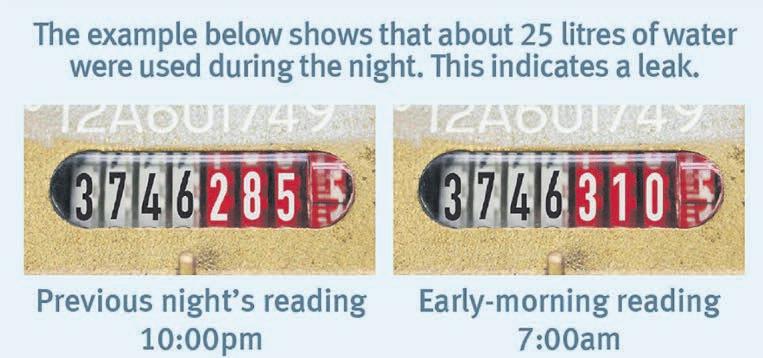
Checking your water meter is one of the best things you can do to see how efficient you are being with your water use, or whether there are any leaks on farm Generally, there should be little water use in the middle of the night
By reading your meters in the evening and checking it again first thing in the morning, the difference in the readings could be due to water leak(s) See the example pictured to the right For instance overflowing stock water troughs lose a lot of water and so do leaks from water pipes If not repaired promptly, leaks will also add significantly to water bills – which consumers are liable for Water resources in our rural water
schemes are always in high demand during the peak season The water supply is limited and it is important that all users do what they can to manage their water use efficiently to ensure there is enough water to go around One of the easiest things to do is to check your meter and check for leaks
You know your property best; some obvious checks include:
• Undertaking a simple meter reading overnight could save a lot of time, money and save impacts on the environment
• Install flow indicators and isolation valves or pressure gauges to make leak detection and pinpointing easier on the farm
• Listen to your pressure pumps and “DOSATRON” pump
Install or Upgrade Buffer Tanks on Farm
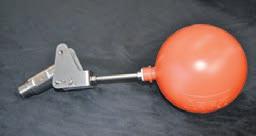
Water is one of the most critical resources on any farm, and ensuring a reliable supply is essential for animal health and operational efficiency Installing a buffer tank, paired with a pressure pump, can transform the way water is delivered across your property Here’s why this upgrade is worth considering:
Consistent Pressure and Flow
Fluctuating water pressure can be an unnecessary frustration on farm A buffer tank helps maintain constant pressure throughout the farm, eliminating sudden drops that can disrupt water supply With steady pressure, you’ll enjoy a consistent water flow to all troughs even during peak demand periods
Improved Trough Management
When water pressure is stable, troughs stay full, reducing stress on livestock and minimizing competition for water This not only improves animal welfare but also prevents damage to troughs and float valves Cracks and breakages often occur when cattle fight for water during shortages, so a buffer tank helps protect your infrastructure
Early Leak Detection
The pressure pump isn’t just about maintaining flow it ’s also a built-in monitoring tool If the pump runs continuously outside normal patterns, it ’s a clear sign of a leak Detecting leaks early means less wasted water and lower water bills
Cost Savings and Efficiency
Leaks and equipment damage can quickly add up in repair bills and lost water By installing a buffer tank and pressure pump, you reduce these risks significantly Over time, this upgrade pays for itself through lower maintenance costs and improved system efficiency
The Bottom Line
A buffer tank system offers:
• Reliable water supply across the farm
• Better animal welfare through reduced water stress
• Lower maintenance and repair costs
• Early leak detection for peace of mind
A buffer tank is a smart investment if you’re looking for a practical way to improve water management and save money
What are we doing?
To prepare for the expected long, hot summer, we are:
• Assessing our networks for leaks and fixing them
• Notifying property owners if there is higher-thannormal water consumption or potential leaks
• We are conducting leak detection in targeted areas and notifying property owners of potential leaks
• Inspecting water connection points to see if there are any leaks on the connections
If you discover a leak outside of private properties, please contact us to report it by calling 0800 111 323.
He karere tā te Kaunihera ō Taranaki ki te Tonga News from the South Taranaki District Council
by Liz Clark
Riparian planting — it’s worth it
Nationwide, the debate over whether or not the fencing and planting of waterways are beneficial has been a hot topic.
With ever-increasing environmental regulations imposed on farmers, the benefits of planting waterways and wetlands outweigh the loss in productivity overall. Using natives locally sourced from your region is a far better option than attempting to plant with exotics, which may block up the waterway as they mature.
Planted streams, lakes, dams and wetlands have the potential to provide spawning habitats for native fish, such as īnanga, and vegetative cover for native birds and beneficial pollinators, such as bees, butterflies and other insects. Natives also filter sediment and nitrogen from exposed pastures and stabilise erosion-prone areas. At the same time, riparian zone plantings also improve and maintain water quality.
Once established, riparian plants shade the water and lower its temperature, providing stability for native fish, eels and koura that may be inhabiting the ecosystem. The shade also helps prevent the rapid growth of unwanted aquatic weeds and algae, which can clog the flow and deplete the water of oxygen. Free-flowing water
increases oxygen diffusion. During dry periods, water will be conserved for far longer periods if shaded.
In mature plantings, if time is taken to look carefully, there will be a noticeable increase in species biodiversity where each species has a role in the food web connected to the aquatic ecosystem. In turn, each species benefits the other and the plants on the water’s edges. They also take advantage of the shelter provided by the plant roots to avoid other predators or for use during the day if they are nocturnal.
As with forest habitat, riparian areas have what is known as zones. The upper zone only floods sometimes. Droughttolerant plants such as broadleaf, tōtara, pōhutakawa and kōwhai are an excellent choice for this area. For the middle zone,
plant swamp flax (Phormium tenax), cabbage trees, toetoe, kānuka and mānuka. Then, in the low zone, where it will get flooded, native sedges and rushes, including raupō, are the best species to plant in this area.
Riparian planting helps restore biodiversity and water quality
SHOP LOCAL – SUPPORT LOCAL
by Amy Fifita
Joy in vulnerable places
Yes, Christmas is a time of gift-giving to our loved ones, but what about our local charities, which work hard to bring joy to people in need during this holiday season?
In 2023, 39.8% of people fell into the lowest decile quintile according to Infometrics, affecting 77,169 individuals. The average decile rating, with one being the most privileged throughout Northland, was 7.1.
So, next time you visit the neighbourhood store and see an appeal or find a local Christmas Shoebox or an alternative seeking support, think about the people you could impact.
Children who have been lifted up by their community in tough times will feel more connected, and more inclined to become engaged with those communities as they grow up. You could see Christmas kindness as planting seeds.
Christmas in a Shoebox, The Kindness Collective, Kmart Wishing Tree Appeal, the list goes on. For some, Christmas is easy. For others, it’s lonely, and for families on a tight budget, it can be a challenge.
Fortunately, many organisations want to give back, and to do that, they require donations or funds to make Christmas a joyous occasion for sick or vulnerable people. Sometimes, it’s ensuring children at Starship Hospital are reunited with their families at home; other times, it’s about ensuring children aren’t left off of Santa’s list because of their socioeconomic status.
Other local causes to keep in mind are places like the Women’s Refuge. Often leaving in a rush, sometimes with just the clothes on their back, women, mothers and children spending Christmas away from what they used to call home. Toys, clothes, food and basics would go a long way for families starting anew.
Maybe, you’d prefer to be more personal? There is nothing stopping people from purchasing items at local stores and bringing presents to a senior
A simple act of giving can bring joy to families less
person or child down the road or in the church. Sometimes, you don’t need a charity organisation to make a difference. Some people can find Christmas a hard time, for whatever reason. It could be that they miss a loved one, or have a bad memory from a previous Christmas. Supporting local this Christmas, could be taking them out to spend time at a local restaurant.
So be merry, spread joy to all, as is the normal Christmas spirit and remember that joy, peace and love is a gift for everyone.
INDEPENDENTLY & LOCALLY OWNED
fortunate this Christmas
SHOP LOCAL – SUPPORT LOCAL
by Liz Clark
Avoiding the new build blues
The architectural plans are done, a builder is engaged, and then the bank hits with a bombshell that the mortgage will be available only as progress payments, or your builder goes under.
It’s something to always be prepared for when obtaining a mortgage for a new build from the ground up. Your bank must be reassured that its investment in a new home is secure. While it sounds tedious and frustrating, the process can be easier if you are clear about your plans with your mortgage adviser from the start.
It’s also important to note that in recent times, the news media have been full of the disastrous collapse of building companies nationwide and clients being left high and dry with either incomplete builds or none at all. Many have been stuck with large mortgages and still have to pay them regardless. That’s something everyone wants to avoid when proceeding with new construction.
Choosing a builder can be made easier by asking for local recommendations, especially if you are new in the community you’ve chosen to live in. All builders are required to be licensed building practitioners under rules introduced several years ago. They cannot proceed with construction unless they have that licence.
Never take your potential contractor’s word for it. Always check on the Licensed Building Practitioners website at www. lbp.govt.nz/for-homeowners/find-an-lbp.
The same applies to any subcontractors your builder may engage for work such as plumbing and electrical, which requires certification by a registered electrician. Your builder and their subcontractors should all have public liability insurance — your bank will require verification of this and a copy of the building contract, especially if it is a fixed-price one.
At each stage of the building process, your bank will only release funds once each part of the project has been certified as completed by a registered valuer. Your budget should include this to cover all the inspections the valuer will make at each completed stage of the project. They will then furnish your mortgage lender with a report confirming completion. If your builder asks for more funds for your build, then you should ask why. Fixedprice contracts are legally binding on the builder and client — any extra costs should be questioned.
Once the house is complete and the council inspector has done the final certification, if there are concerns, engage an independent building inspector to ensure your new home meets the required specifications. There is usually a grace period of two weeks for due diligence on your new home after moving in before the final settlement is made with your construction professional.
by Paul Campbell
Unlocking a gene puzzle
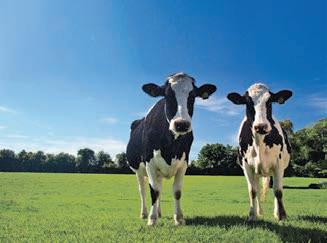
The black-and-white coat of Holstein-Friesian cows is globally recognised as a symbol of dairy farming and a defining trait of domestic cattle, and now, Massey University has worked out just how genes are responsible for the Holstein’s spots.
Coat patterns are some of the oldest traits selected by humans, likely since the dawn of domestication, showing how farmers have long shaped cattle populations. The DNA variants behind unique patterns, such as the white face of Herefords or the belts of Galloways, are already known.
Now, a study involving Massey University’s Professor Matt Littlejohn has solved the mystery of the Holstein’s unique coat.
“These genes are well-known for controlling pigmentation in humans, mice,
dogs, horses,birds and other species,” Professor Littlejohn said.
The KIT gene variant found in Holsteins is unusual because it doesn’t sit within the gene itself. Instead, it regulates the gene from a different position on the chromosome.
“Think of it like a light switch turning on a light in another room.”
The MITF variant is also unusual for its ability to create unique coat patterns when different breeds are crossbred.
“This variant can create black speckles in dairy crosses, ‘black socks’ in Belgian
BIOBOOST® 6-2-0 THE FERTILISER FOR ALL SITUATIONS
• Organic granular slow release fertiliser
• Weed free - 67% organic matter
• Will not burn plant roots or foliage
• Can be incorporated when planting or used as a top feed
• Fantastic for ALL lawns, flowers, vegetables, roses, trees, shrubs, & container plants
• Bioboost is available from: Selected Garden Centres, Commercial Horticultural, Agricultural & Turf Service Centres
Contact Bioboost Ltd for further information by E mail office@bioboostdistribution.co.nz or Phone 06 7548454/ 0274431809 www.bioboost.co.nz
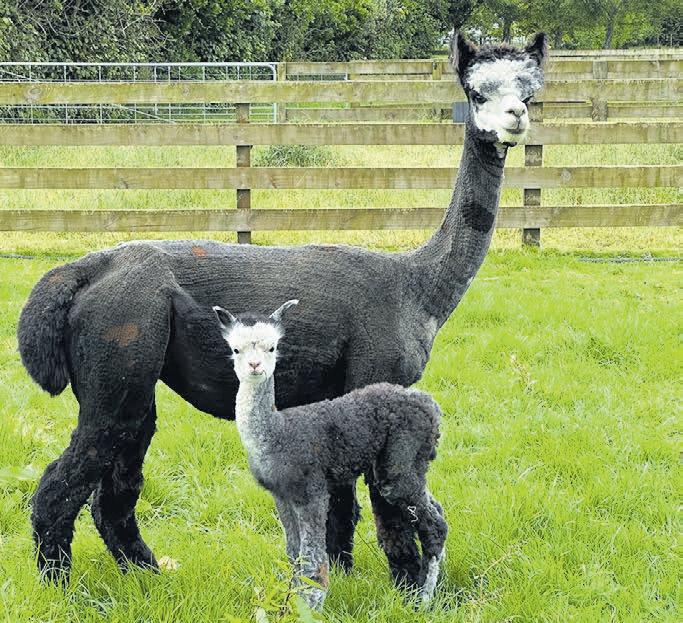
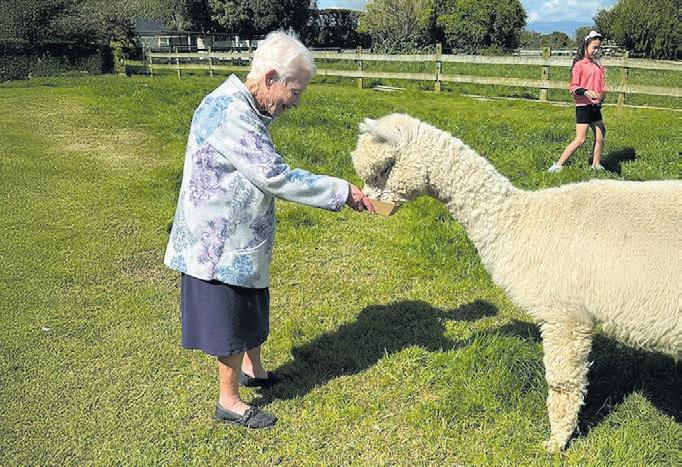
Family fun at Taranaki’s most loved alpaca farm. Feed the alpacas and bring home high quality alpaca products from our on-farm shop
• ALPACA KNITWEAR & KNITTING YARN • FARM TOURS • ALPACAS FOR SALE
OPEN: Wednesday to Sunday 10.00am to 2.00pm ALL VISITORS WELCOME
Blue cattle, or reversal of the white face expected from a Hereford cross. While these patterns are interesting to look at, they aren’t simply aesthetic.“
Many dairy farmers cross Holsteins with Herefords to produce calves that will perform well in beef systems. The white face is important, since this marks the calf as a Hereford cross.
When splotchy-faced calves are born as a result of the MITF variant, these calves are harder to recognise as beef crosses and are often less valuable.
“Genetic testing could help produce calves with more predictable coat patterns in the future.”
Other practical applications of the research include possible animal welfare benefits. Skin pigmentation affects heat absorption and UV protection. Black coats
absorb more heat but also provide better UV protection. Knowing how genes control pigmentation could help farmers select coat patterns that improve cattle comfort and performance.
This genetic work was supported by the Ministry of Business, Innovation and Employment Endeavor Fund and the Livestock Improvement Corporation.
Science solves the colour of Holstein-Friesian cows
WHEELS
Top tractors singled out
by Andy Bryenton
The prestigious Tractor of the Year awards have been handed down, following a big Agritechnica event in Italy last week, and the winner’s circle is filled with the big names in agriculture.
Agritechnica is the largest agricultural festival and showcase of technology on Earth. It’s made all the more interesting as it’s also the forum for the international Tractor of the Year awards, judged by a panel of Europe’s top engineering and machinery critics. Called by some the ‘Top Gear of Tractors’, a victory at TOTY is a big achievement for any company, no matter how large and well-established.
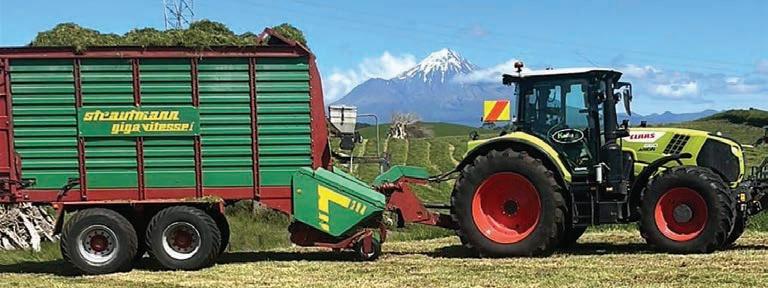
This year, the high-output category was won by the Claas Axion 9.540 Terra Trac, a half-tracked machine delivering smooth and silent operation with exceptional flotation over soil. At the same time, it delivers a shedload of usable torque. The Axion’s six-cylinder, 8.7-litre engine delivers ample power, and it’s mated to a stepless ZF TMG HD transmission, which can handle the biggest of modern implements in the field, but still cruise at 40km/h on the roads between jobs at only 1,350rpm.
The high-power category, like heavyweight boxing, is seen as the highlight of extreme tractor engineering, and Claas added 370-litres a minute hydraulic flow, advanced braking technology, 11 tonnes of rear lift capacity and a comfortable, four-point suspended cab to the mix to really push the envelope.
In the mid-power category, the workhorse range for most contractors
and farmers, it was the Fendt 516 Vario Gen 4, which came out on top. Delivering 164hp and a handy 792Nm of torque, the jury highlighted the versatility and efficiency of the Vario overall, but were very impressed with cab comfort and the intuitive nature of the control layout, making the 516 Vario Gen4 a great allrounder. It’s exactly what’s needed in a mid-power tractor, which may need to complete all kinds of tasks in a single day.
Valtra was hailed as gold medalists in the utility tractor competition, with the G125 CVT Active redefining the capabilities of CVT transmission.
Tuned for front-loader and mixed-field operations, the CVT box in the new Valtra is engineered for smoothness and precision control, allowing operators to put the machine just where they need it. Also helping out when it comes to absolute finesse with a front loader is the excellent visibility from the wrap-around cab, optimised for ergonomic comfort.
All three of these tractors represent the pinnacle of the craft and will be rolled out for 2026 to make their mark on farms worldwide. If you’re keen to upgrade, consider the best, as judged by the TOTY panel. Their seal of approval means it’s worth your while to book a test drive.
The Claas Axion Terra Trac is the high-output Tractor of the Year, as judged at Italy’s huge Agritechnical convention
WHEELS
E-Vitara switches it up
by Andy Bryenton
Suzuki has carved out a niche in the car market very different from that filled by its motorcycles; while the two-wheeled GSXR and Hayabusa are all about performance and speed, the Jimny and Swift are about compact, affordable fun.
MotorBody Works
Originally conceived as a step above the 1980s-era Jimny, the Vitara began life as a variant of the Escudo, a little off-road wagon, which gained big appeal in New Zealand for its ability to go just about anywhere. Light, agile and capable, it became the basis for a whole lot of hunting and trail-blazing builds. Through the years, and four successive generations, the Vitara earned a ‘grand’ prefix, got bigger and more powerful, and earned a reputation as an affordable, feature-packed mid-sized SUV.
Now the times are changing, and the latest Vitara comes with a nod to that long history through styling cues, but also with a whole new power source. The e-Vitara tells it like it is on the tin; it’s the Vitara people have come to respect and expect, with all-electric drive.
With Suzuki showing the world just how much car you can get for your money across models like the Swift and Ignis, an all-electric car bearing the big silver S is highly anticipated. After all, the biggest barrier to most Kiwis considering an EV is price. Suzuki traditionally offers a nice price alongside the peace of mind that comes from buying from one of Japan’s long-established names.
The e-Vitara will come in two variants, both packing 61kWh of electric power.
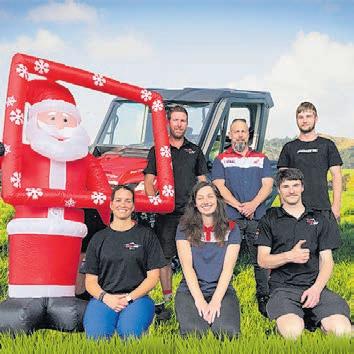
Christmas with Honda
025, Honda
A two-wheel-drive option exists for those who want to cruise carparks and commuter runs, with a range of 430 kilometres on a full charge. True to form and its pedigree, there will also be an ALLGRIP all-wheel-drive option, with only a little less range at 396 kilometres. Suzuki drove two of its new EVs out on to an ice hockey rink to debut them; a sign that their ALLGRIP system can do the business.
It’s a good-looking design, this new iteration of the VItara. While there are those who probably wish that it carried over the tiny, baby G-Wagen appeal of the Jimny in a slightly bigger, electric incarnation, Suzuki has opted for a clean, smoothed-angular look, with bold black five-spoke wheels and off-road-readylooking black flared guards and side bump strips.
The e-Vitara has already been released in 100 nations, and Suzuki plans for global dominance. They’ll be helped by the fact that their new offering is already in the running for 2026 World Car of the Year.
We don’t know quite yet how much it might cost to get behind the wheel in New Zealand, but price-point surprises matched to capable technology has been a winning formula for Suzuki in the past.
Scan our QR code to head over to our Instagram page
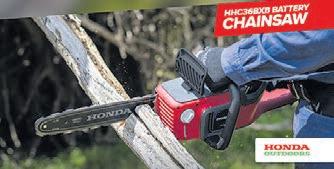
Looking back on 2 Outdoors, Marine, and M achieved major milestones: Outdoors launched its first battery-powered chainsaw, Marine refreshed its igh-power outboard range including the award-winning BF350 V8, and Motorcycles celebrated racing dominance and new model releases.
As we celebrate the achievements of 2025, we’re excited for what lies ahead In 2026, Honda Hub looks forward to welcoming new customers into our family - whether it’s through our expanding outdoor range, refreshed marine engines, or the latest motorcycles This Christmas, we wish you joy, peace, and safe travels May your holidays be filled with laughter, warmth, and wonderful memories.
From all of us at Honda Hub - Merry Christmas and Happy New Year!
The Suzuki e-Vitara represents a new direction for a model that has been a fan favourite since 1988
Hilux debuts evolution number nine
by Andy Bryenton
When farmers and tradies worldwide call on a ute for a hard day’s work, they’ve had a popular go-to choice since 1968.
The Toyota Hilux has developed more than a reputation across eight big iterations of the brand; it’s developed a personality. It may not always have been the best-selling ute in New Zealand, with contenders vying for the crown in a competitive market, but there are still plenty of examples on the road, which prove the popularity and durability of Toyota’s legendary workhorse.
A new Hilux has been in the works for four years, and anticipation runs high as the ninth evolution of the flagship Toyota ute gets ready to roll out. Whispers began in October and culminated in a big reveal in November, which surprised the world with the announcement of a batteryelectric Hilux — the first of its kind. This will sit beside a whopping 12 diesel and hybrid diesel options, all centred around the 1GD-FTV 2.8-litre turbo-diesel engine, delivering more usable torque at lower rpm. A hydrogen fuel cell variant is also said to be on its way.
Drivers will of course have the choice of two-wheel and four-wheel drive, three cab size options, and a wellside deck or the option to go flat or custom.
“For generations, Kiwis have trusted Hilux to deliver strength, reliability and near-
unbreakable performance through the toughest conditions this country can throw at it,” said Toyota New Zealand chief executive officer, Tatsuya Ishikawa on launch day.
”The new-generation proudly carries that legacy forward as we approach a milestone — 50 years of Hilux in New Zealand in 2026. This evolution is more than a celebration of heritage. It’s a statement of Toyota’s vision for the future, with a multi-pathway approach that includes a BEV and a hydrogen fuel cell Hilux variant scheduled for 2028.”
With plenty of the ‘indestructible’ Hilux utes of the 1980s, and plenty more of the ubiquitous Kiwi beachside Hilux Surf still out on the roads, there’s a benchmark for styling Toyota did not want to stray too far away from. Their radical designs for cars like the Supra and the CH-R have been dropped for the wildly-named, but factually quite reserved, ‘cyber sumo’ (their words) aesthetics of Hilux number nine.
That means a big, solid stance, boldly flared guards, slimline headlights and a hexmesh grille that’s a shout-back to 1980s design cues, brought into the modern era. All in all it’s handsome yet a bit classically conservative; just how a lot of Kiwi blokes would like to think of themselves.
A new Hilux is a big deal for ute lovers; akin to a new album by one of the biggest bands in rock